One Country, Two Driving Styles—Guess Which One You’re In
Driving in the US isn’t just about roads—it’s about culture. Head North, and things feel faster, tighter, and a bit more aggressive. Head South, and everything slows down… except when it doesn’t. The differences can be subtle—or wildly obvious.

#25. Speed Limits Are… Suggestions (North) vs Guidelines (South)
In the North, especially near big cities, drivers tend to push well past the speed limit like it’s expected. In the South, people still speed—but there’s often a more relaxed pace overall unless it’s a wide-open highway.
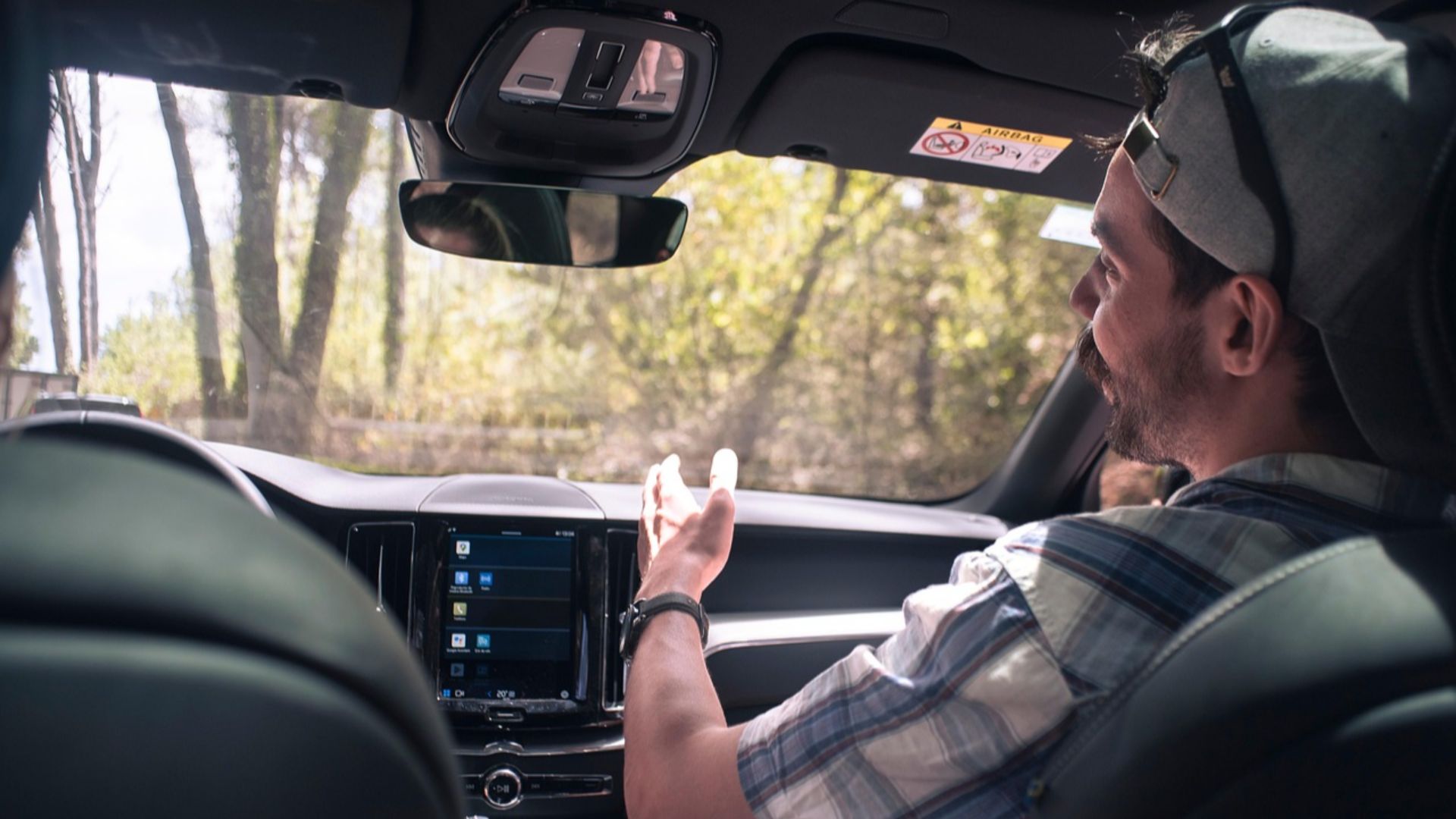
#24. Honking Means “Move” (North) vs “What’s Going On?” (South)
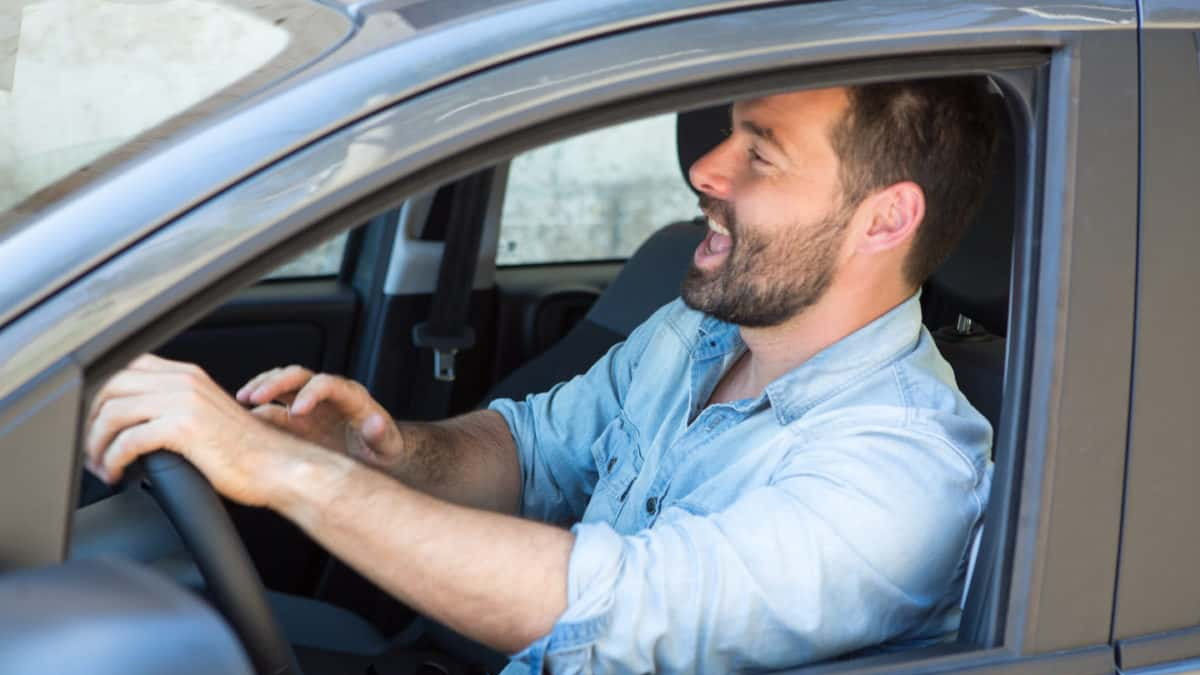
Up North, honking is part of the language. It’s quick, frequent, and not personal. In the South, a honk usually means something is actually wrong—and it might turn a few heads.
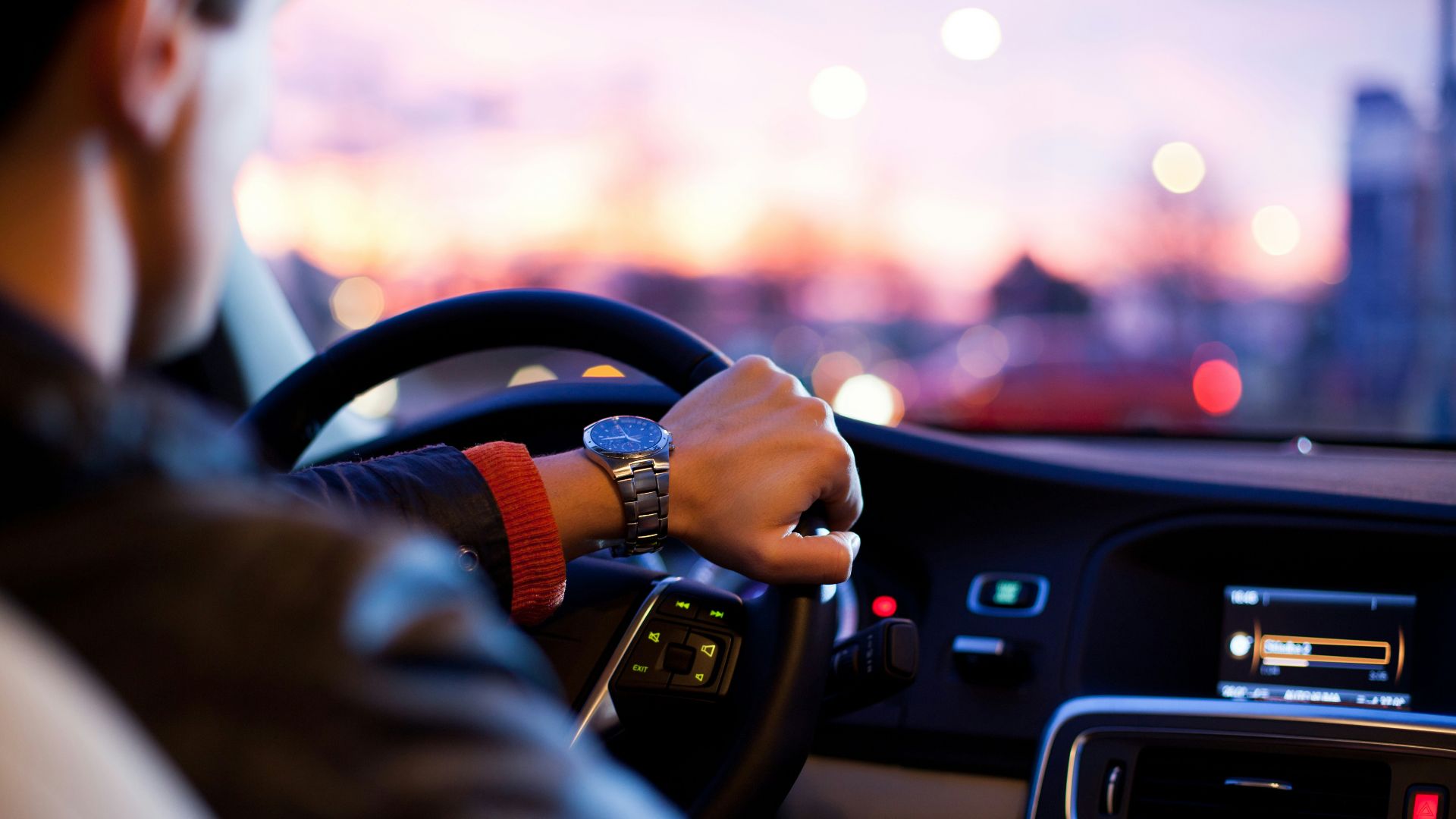
#23. Merge Like a Battle (North) vs Merge Like a Conversation (South)
Northern merging can feel like a competition. In the South, there’s often more space and patience—though you may still get the occasional stubborn driver.
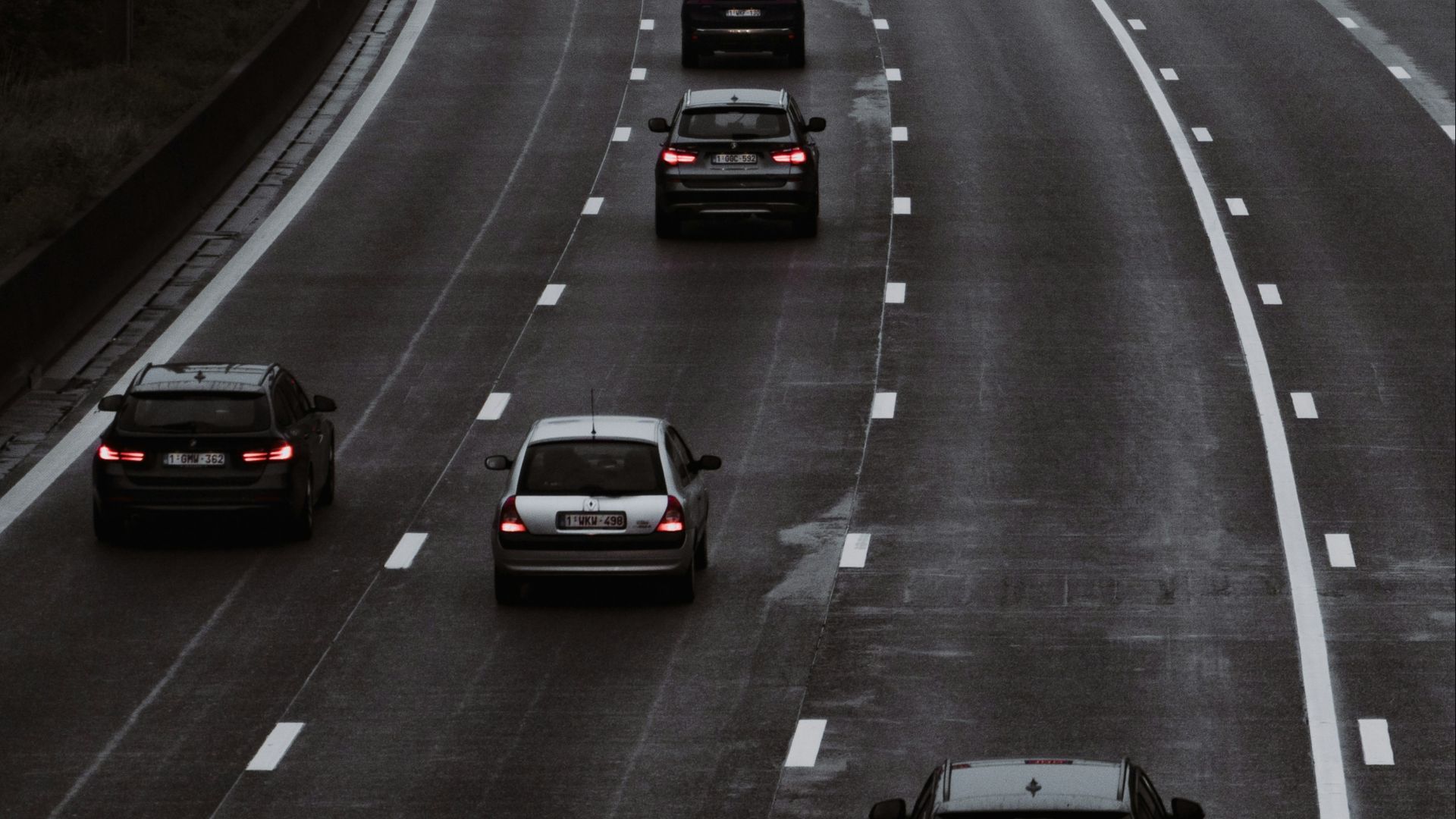
#22. Turn Signals Are Optional (North) vs Politely Used (South)
In busy Northern cities, signals sometimes feel theoretical. In the South, drivers are more likely to use them, especially in smaller towns where everyone notices.
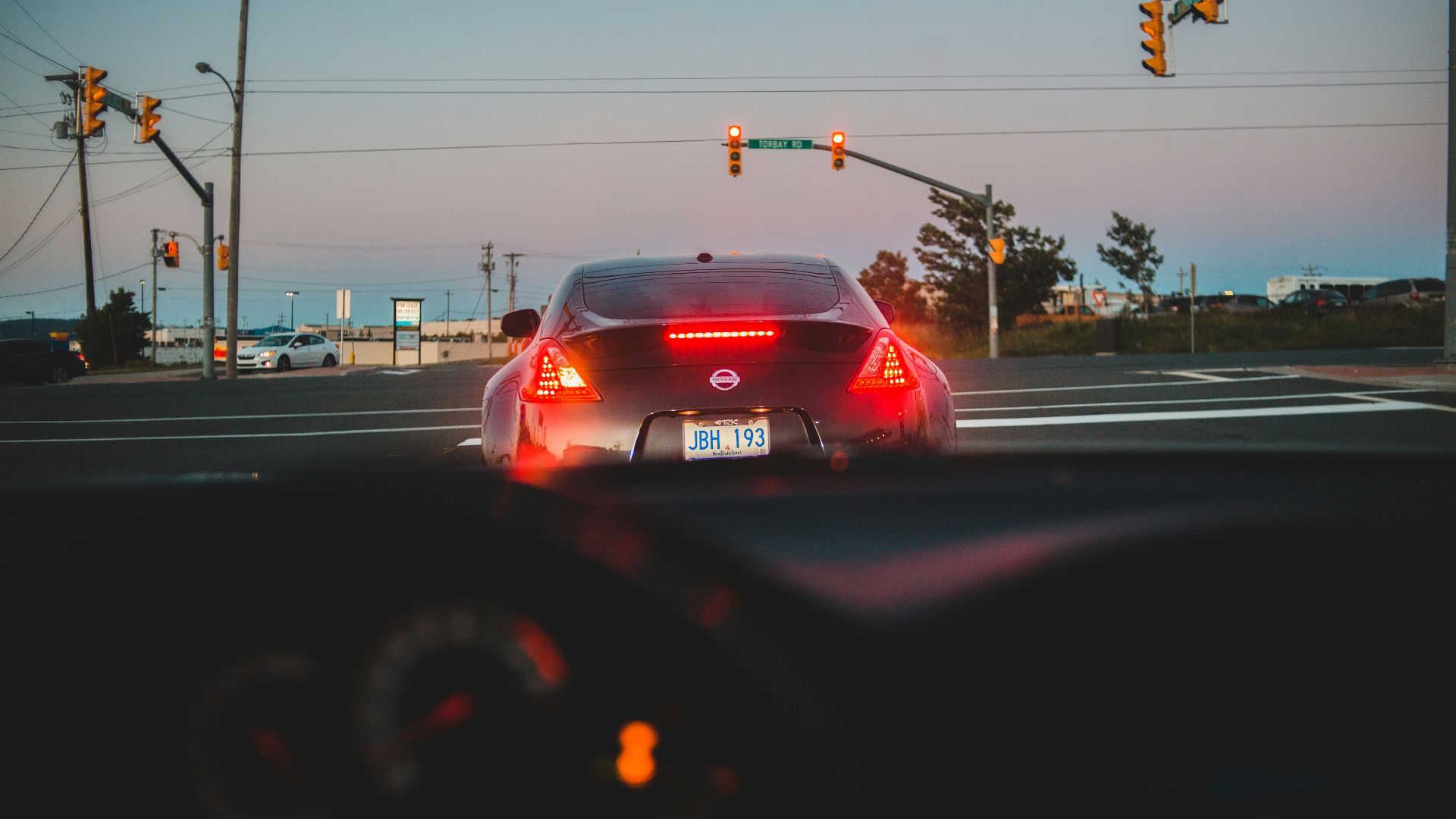
#21. Tailgating Is Normal (North) vs Slightly Rude (South)
In the North, following close is just part of traffic. In the South, it’s more likely to be seen as aggressive or unnecessary.
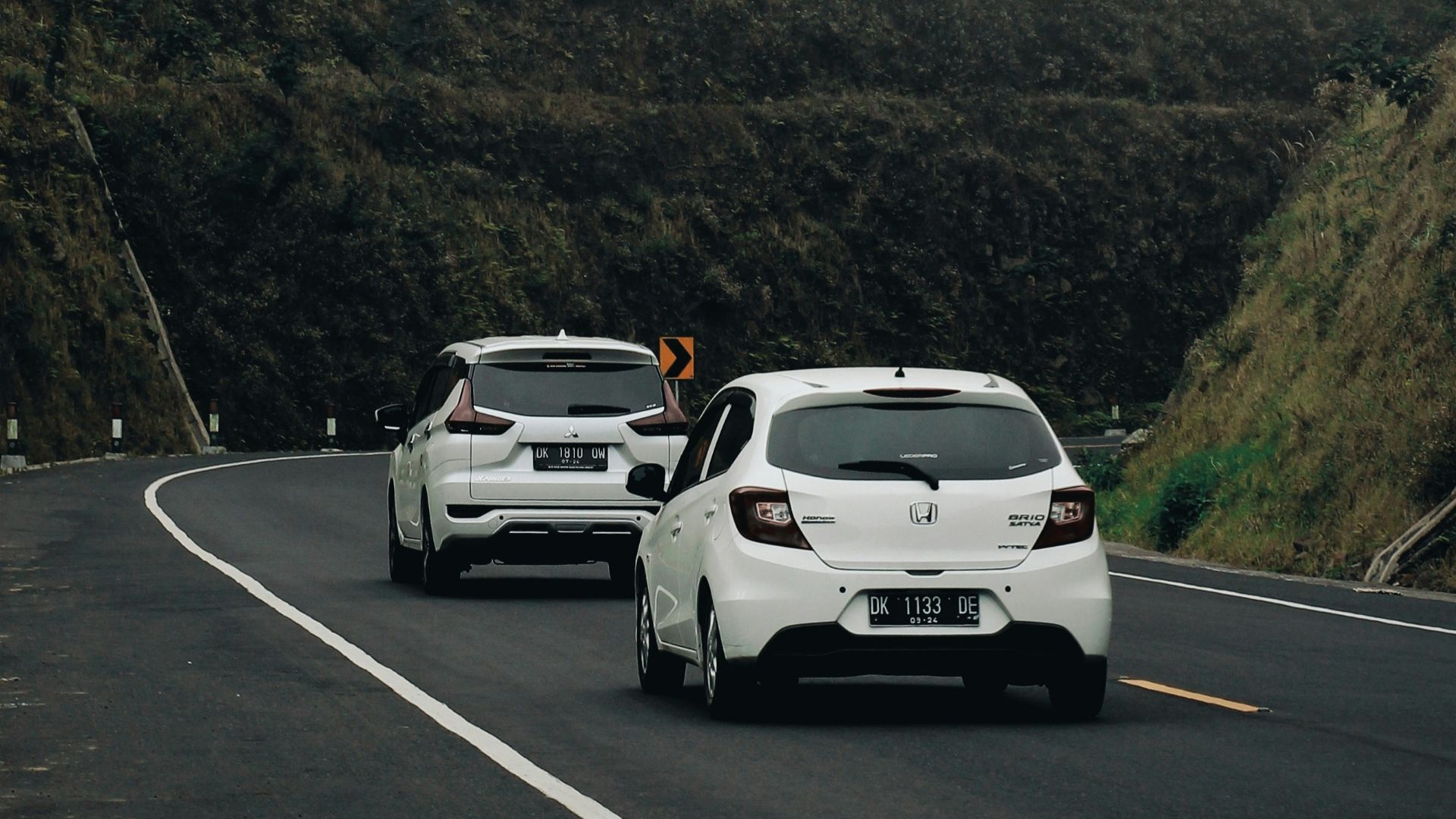
#20. Four-Way Stops Are Fast (North) vs Confusingly Polite (South)
Northern drivers move quickly through four-way stops. In the South, you might get a wave, a pause, another wave—and suddenly nobody knows who’s going first.
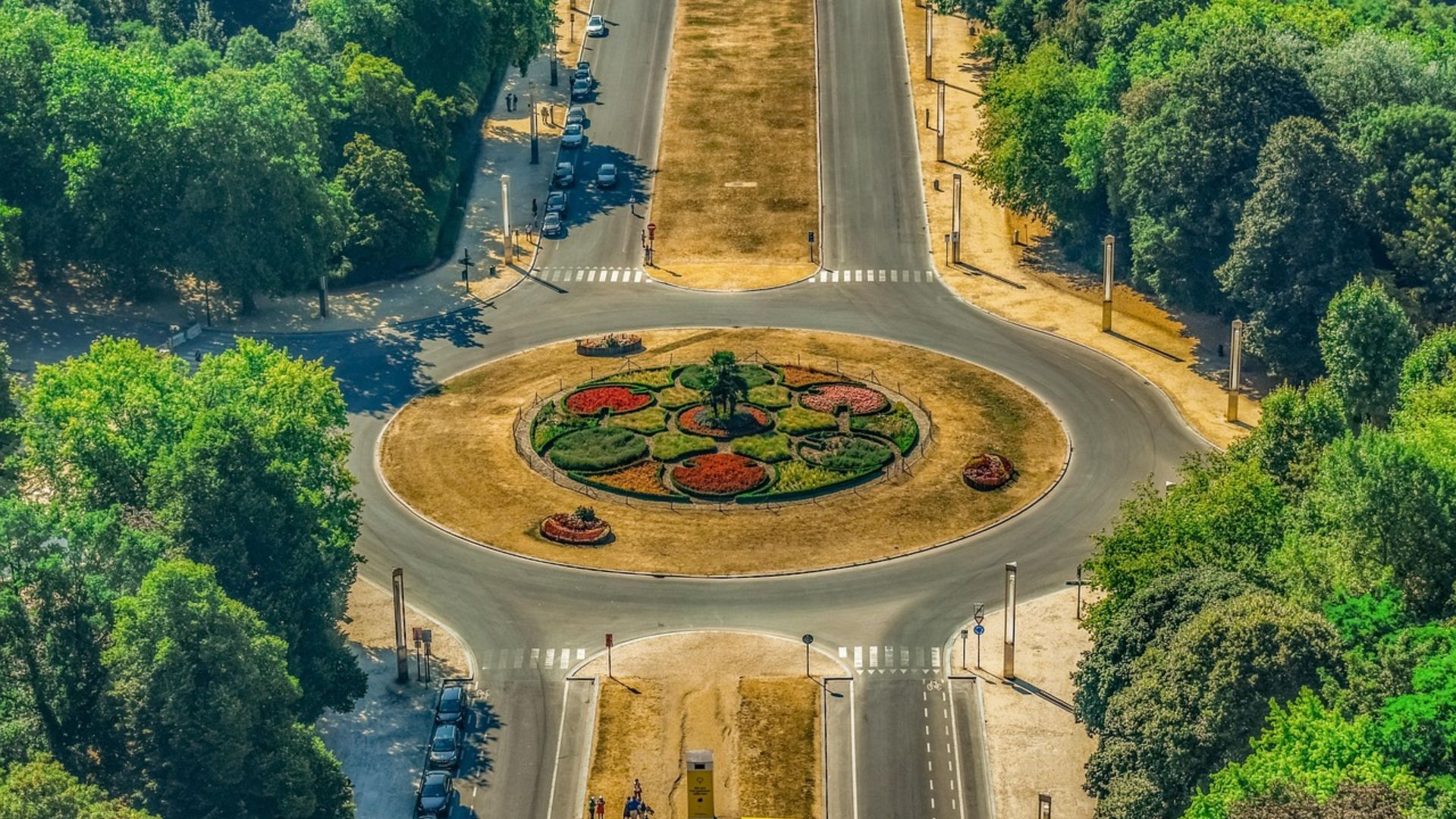
#19. Driving Is a Mission (North) vs Part of the Day (South)
Up North, people drive like they have somewhere important to be. In the South, driving is often more relaxed, like it’s just another part of the day.

#18. Road Rage Happens Fast (North) vs Simmering Frustration (South)
Northern drivers may show frustration quickly and openly. Southern drivers might stay calm longer—but when they’re annoyed, you can definitely feel it.

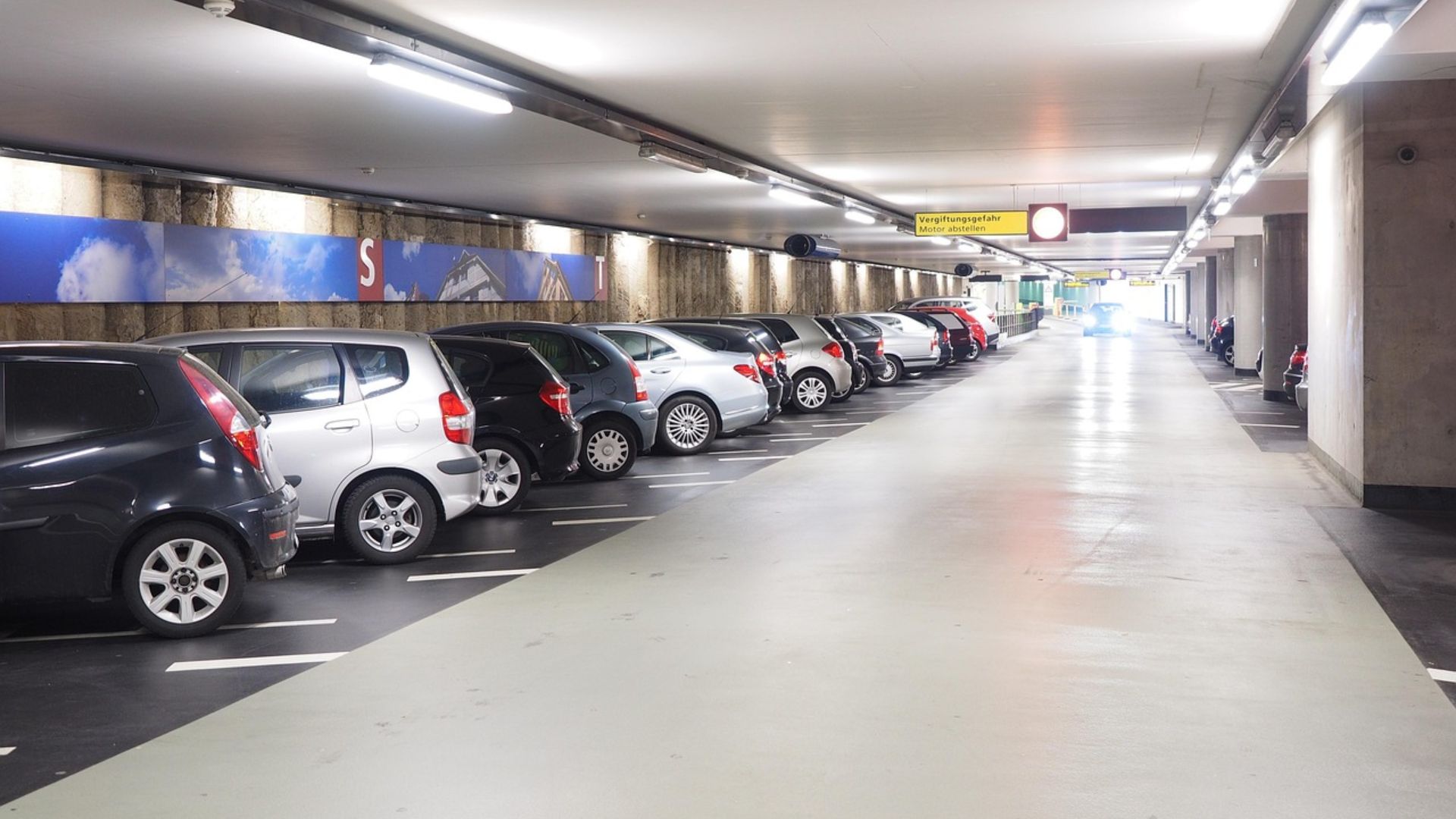
#17. Parking Is a Skill (North) vs Parking Is a Space (South)
In the North, parking is tight and competitive. In the South, there’s usually more space and less pressure to squeeze into tiny spots.
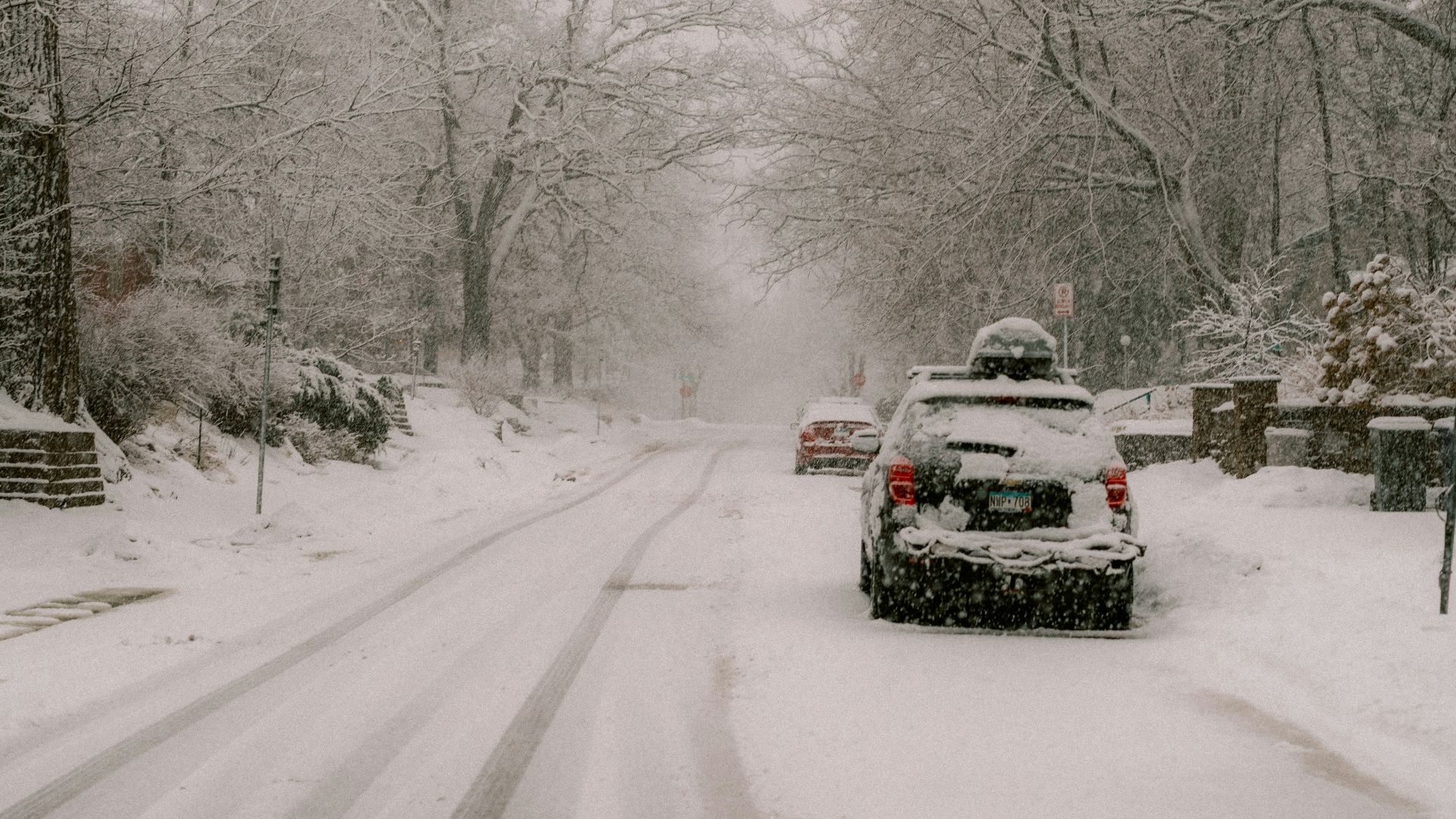
#16. Winter Driving Confidence (North) vs Panic (South)
Northern drivers are used to snow and ice. In the South, even a small amount of snow can shut things down and create uncertainty on the roads.
#15. Pickup Trucks Everywhere (South) vs Mixed Vehicles (North)
Pickup trucks are common everywhere, but in the South they dominate the roads as part of daily life.
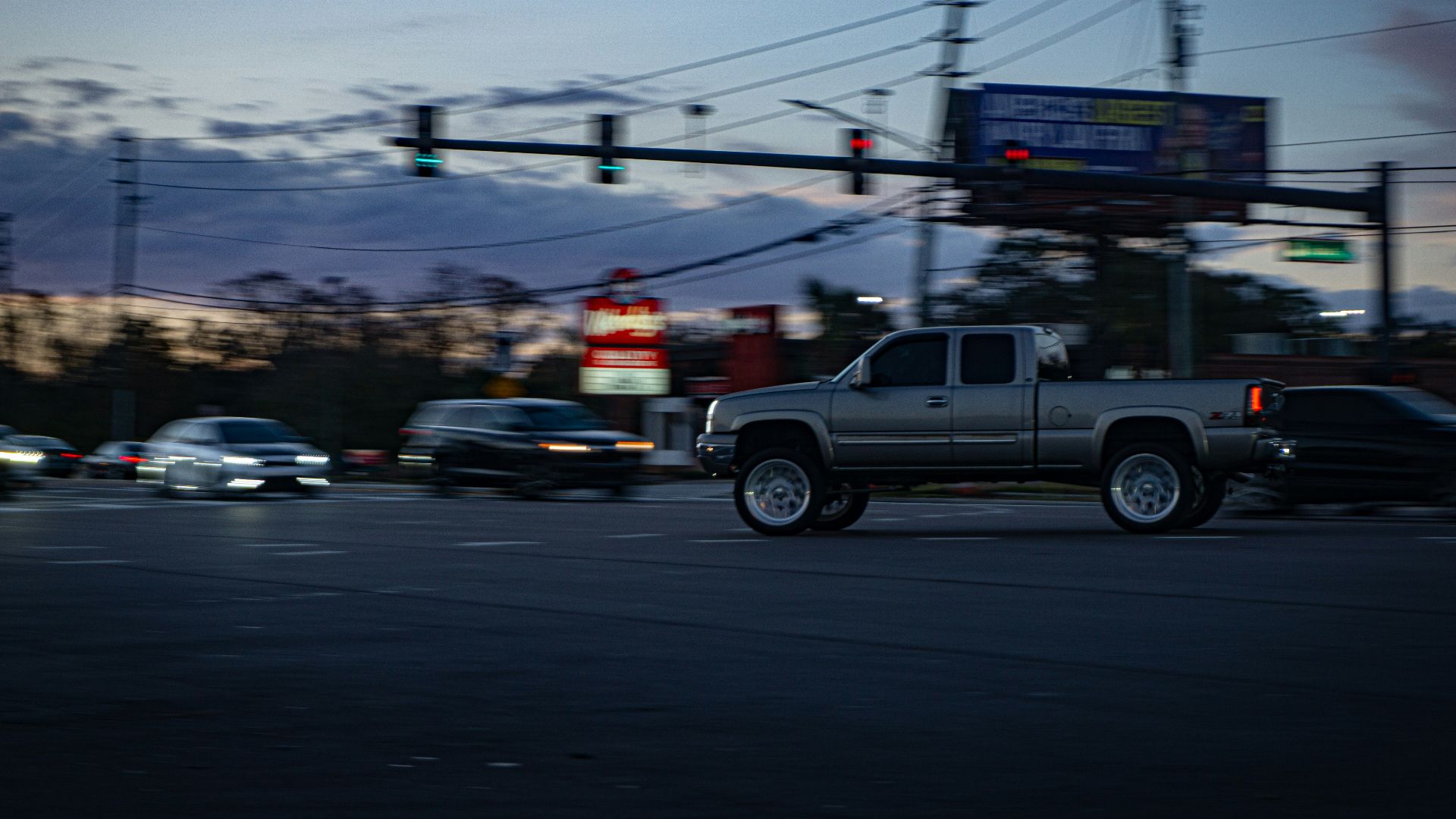 Osmany M Leyva Aldana, Unsplash
#14. Left Lane = Fast Lane (North) vs “Just Another Lane” (South)
In the North, the left lane is strictly for passing. In the South, you may find slower drivers cruising there without much concern.
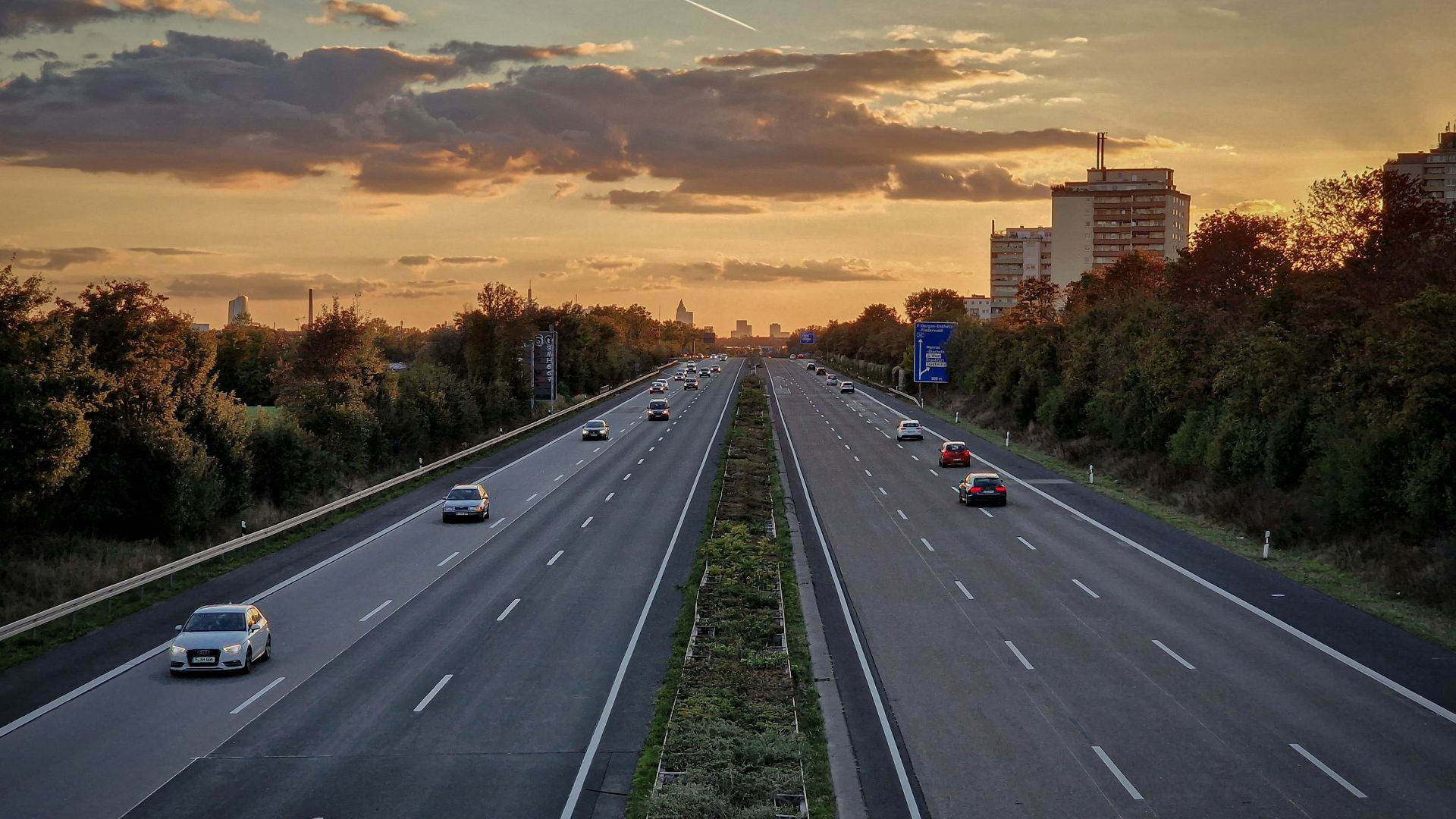
#13. Traffic Is Constant (North) vs Comes in Waves (South)
Northern traffic can feel nonstop. In the South, traffic often comes and goes depending on time and location.
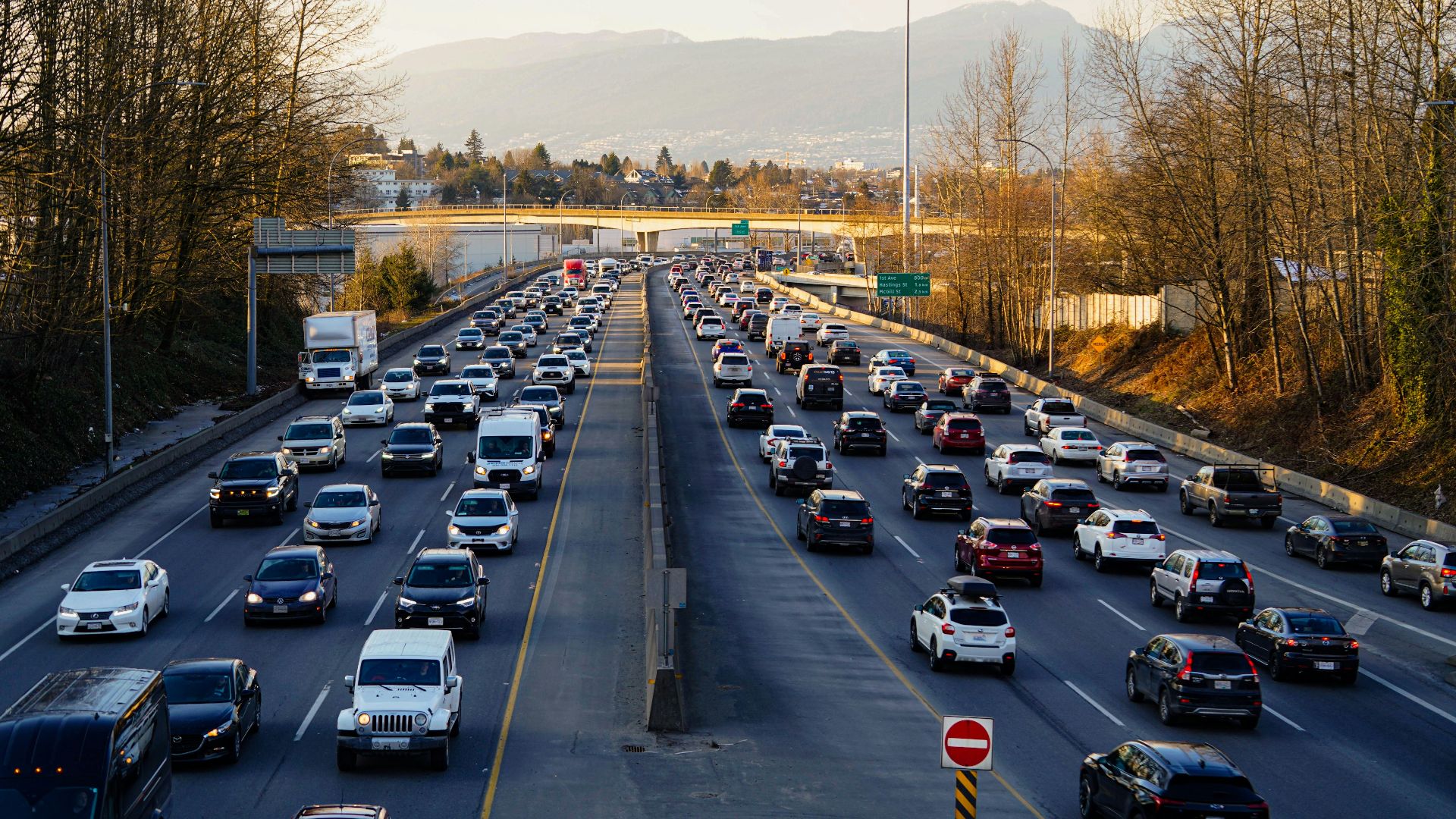
#12. Aggressive Lane Changes (North) vs Gradual Drifting (South)
Northern drivers switch lanes quickly. Southern drivers often ease into lane changes more slowly.
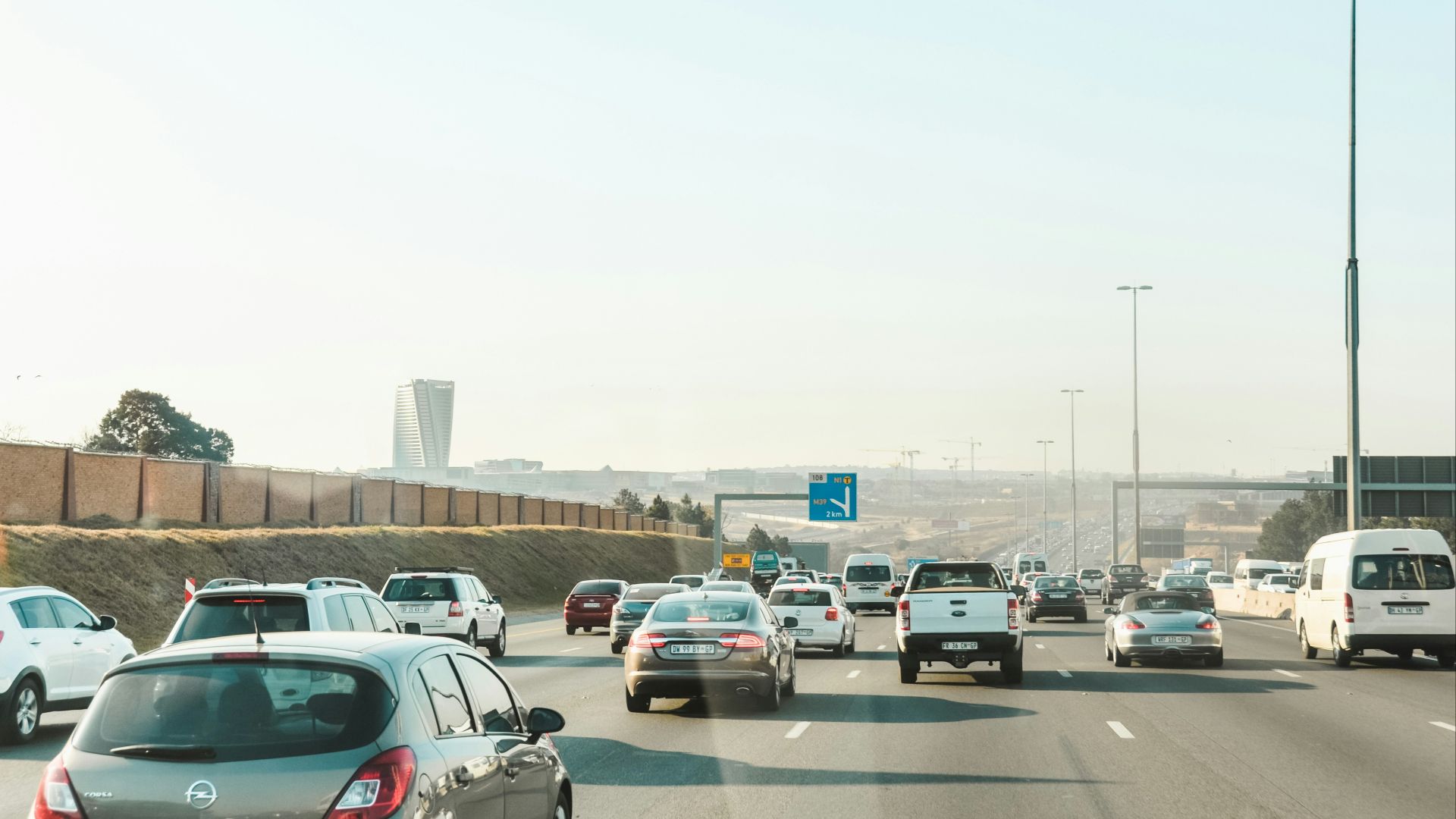
#11. Short Drives Feel Long (North) vs Long Drives Feel Normal (South)
In the North, shorter drives can feel tiring due to traffic. In the South, longer drives are more common and expected.
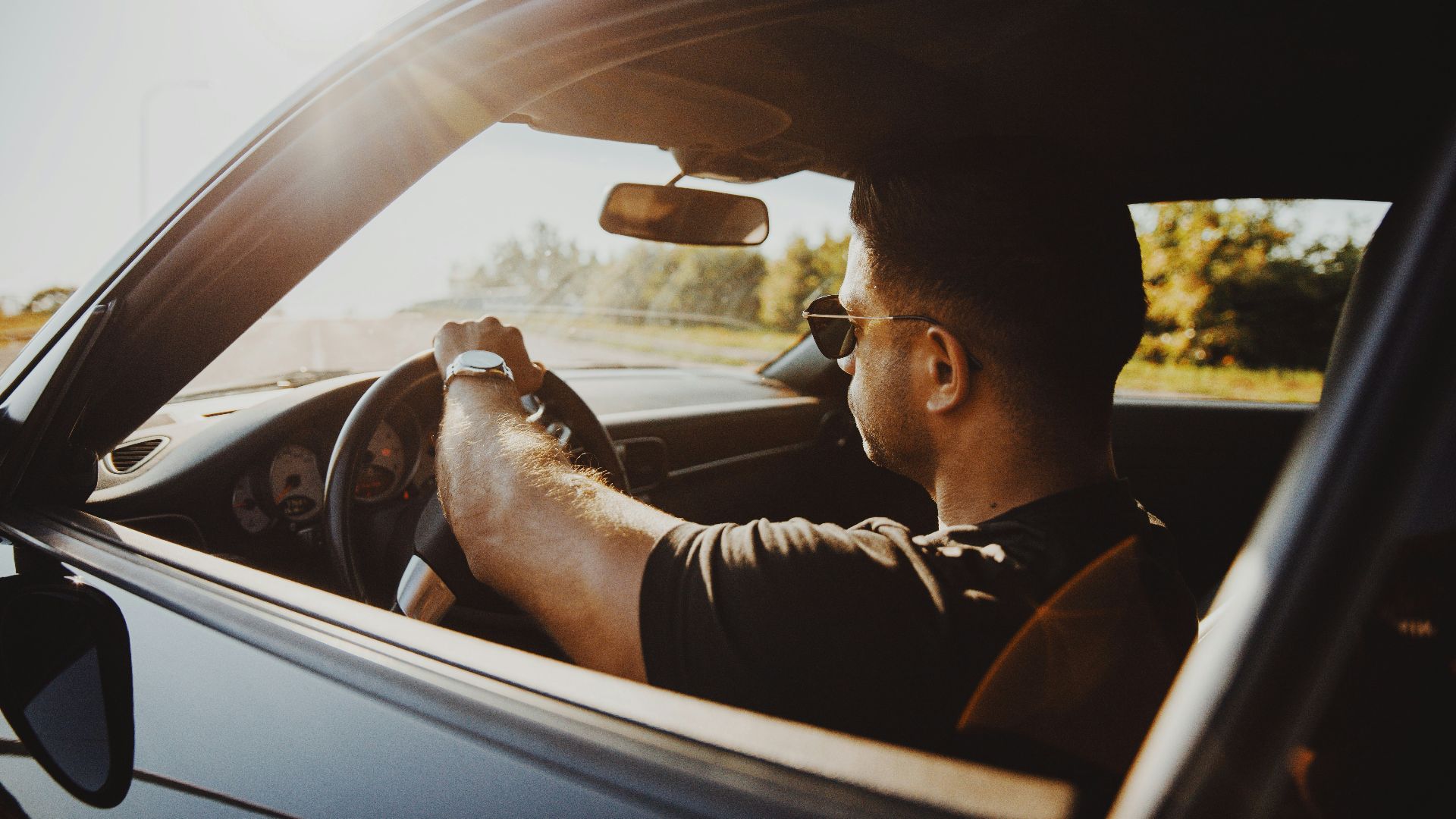
#10. Pedestrians Have to Be Careful (North) vs Drivers Actually Stop (South)
In the North, pedestrians often wait carefully. In the South, drivers are more likely to stop and let people cross.
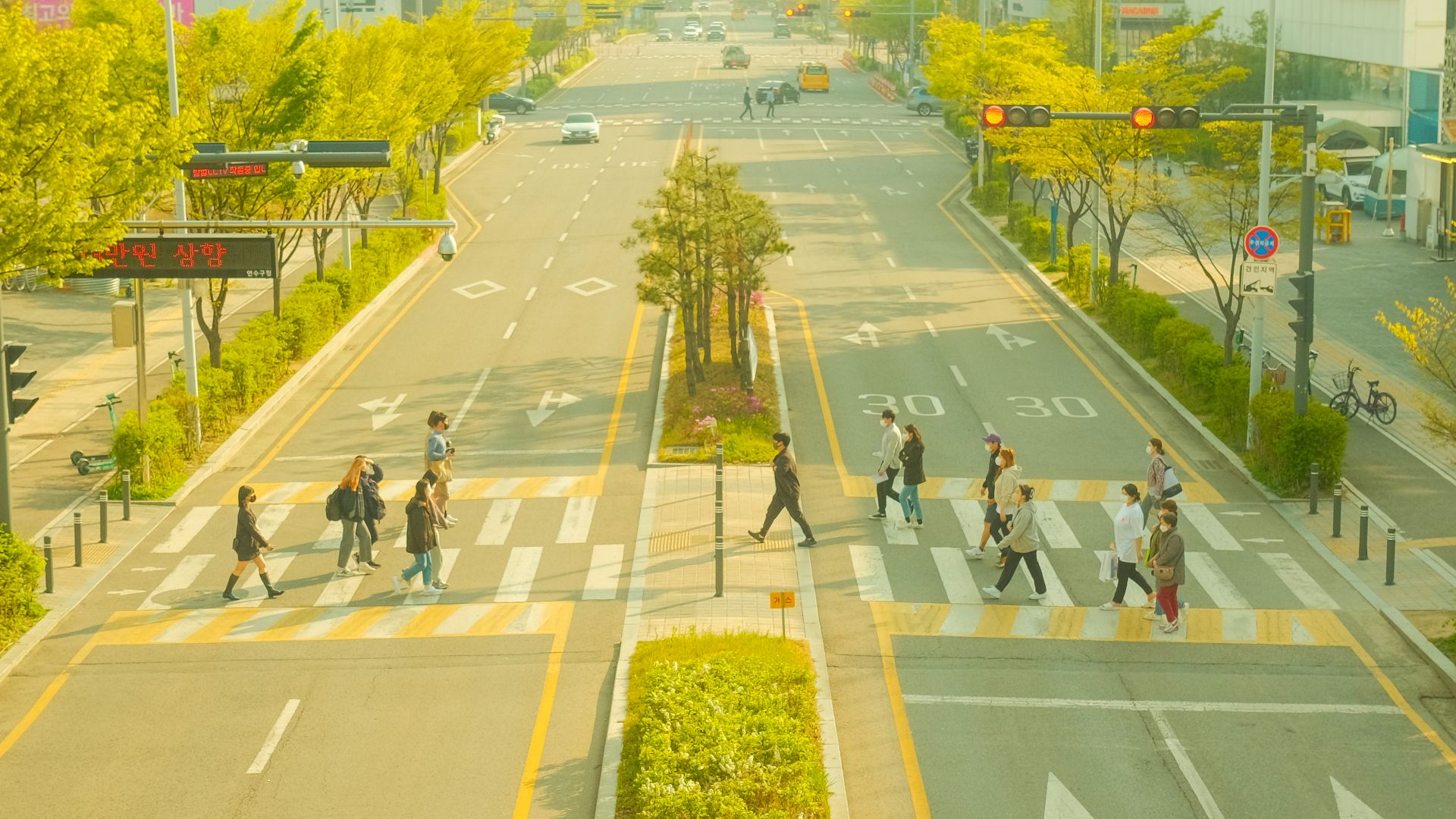
#9. GPS Is Essential (North) vs “I Know a Way” (South)
Northern drivers rely heavily on GPS. In the South, people often trust their own sense of direction.

#8. Rush Hour Is Intense (North) vs Mildly Annoying (South)
Rush hour in the North can be overwhelming. In the South, it exists but is often less extreme.
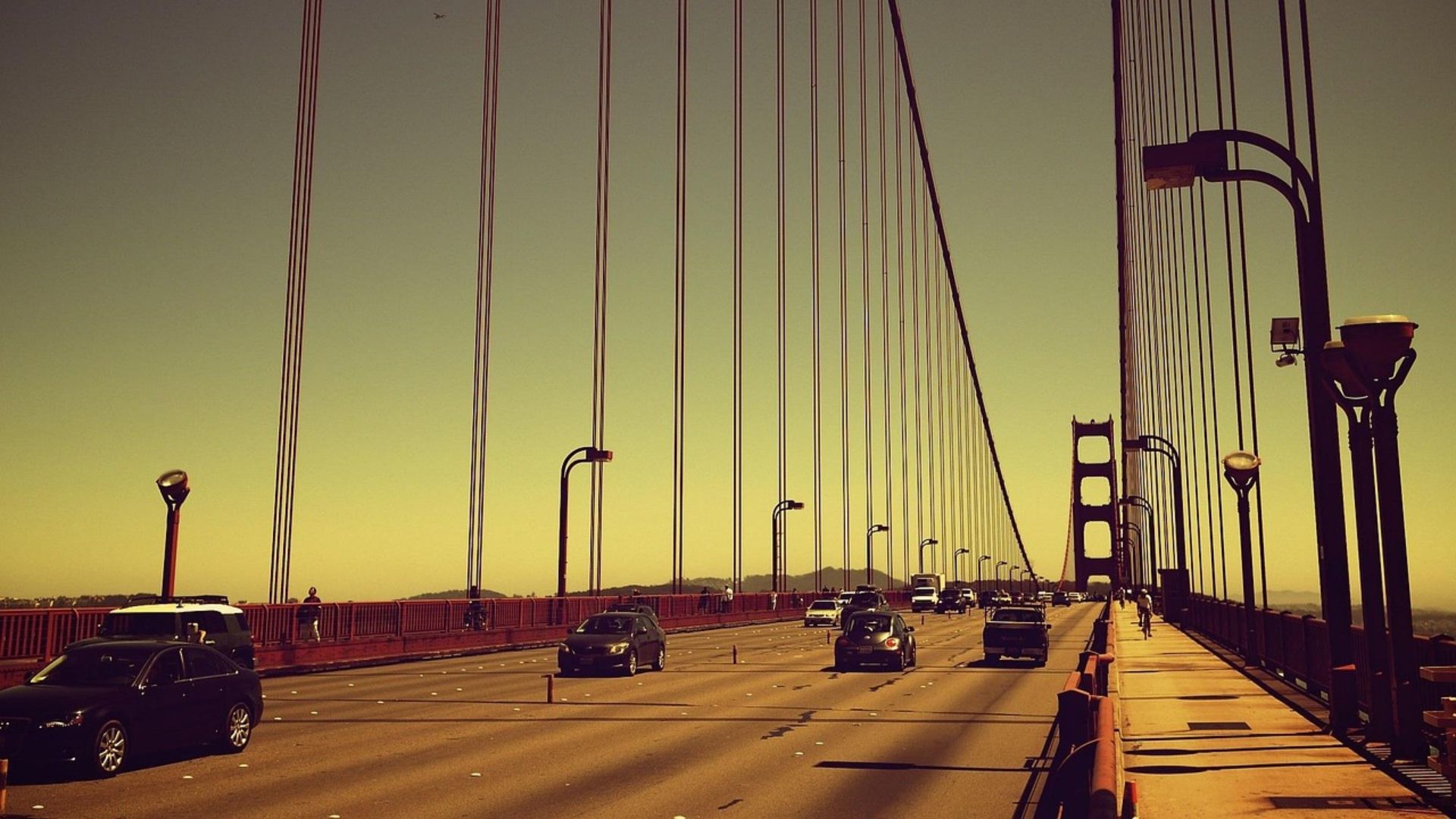
#7. Quick Reactions (North) vs Slower Pace (South)
Northern drivers react quickly. Southern drivers may take an extra second, creating a calmer pace.
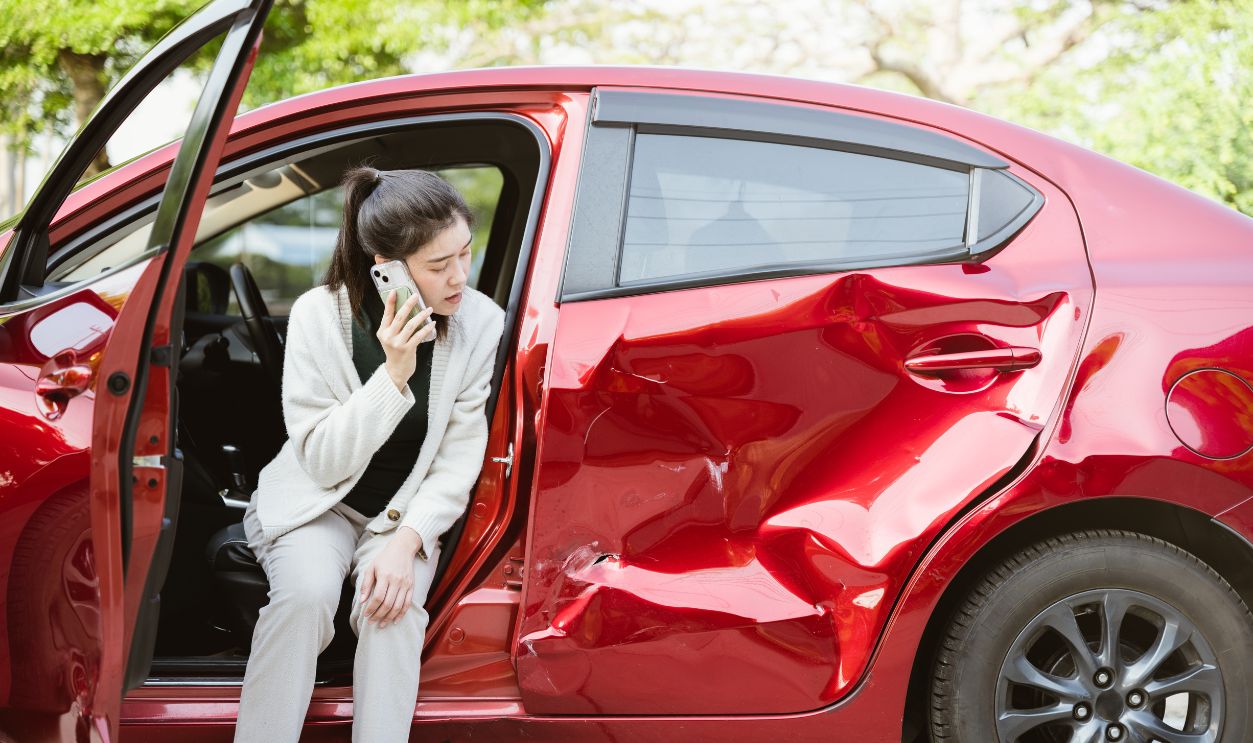
#6. Horn + Gesture Combo (North) vs Just a Look (South)
In the North, frustration often comes with noise and gestures. In the South, a look can say everything.

#5. Highway Speeds Stay High (North) vs Drop Suddenly (South)
In the North, highway speeds remain steady. In the South, speed limits may change more frequently.
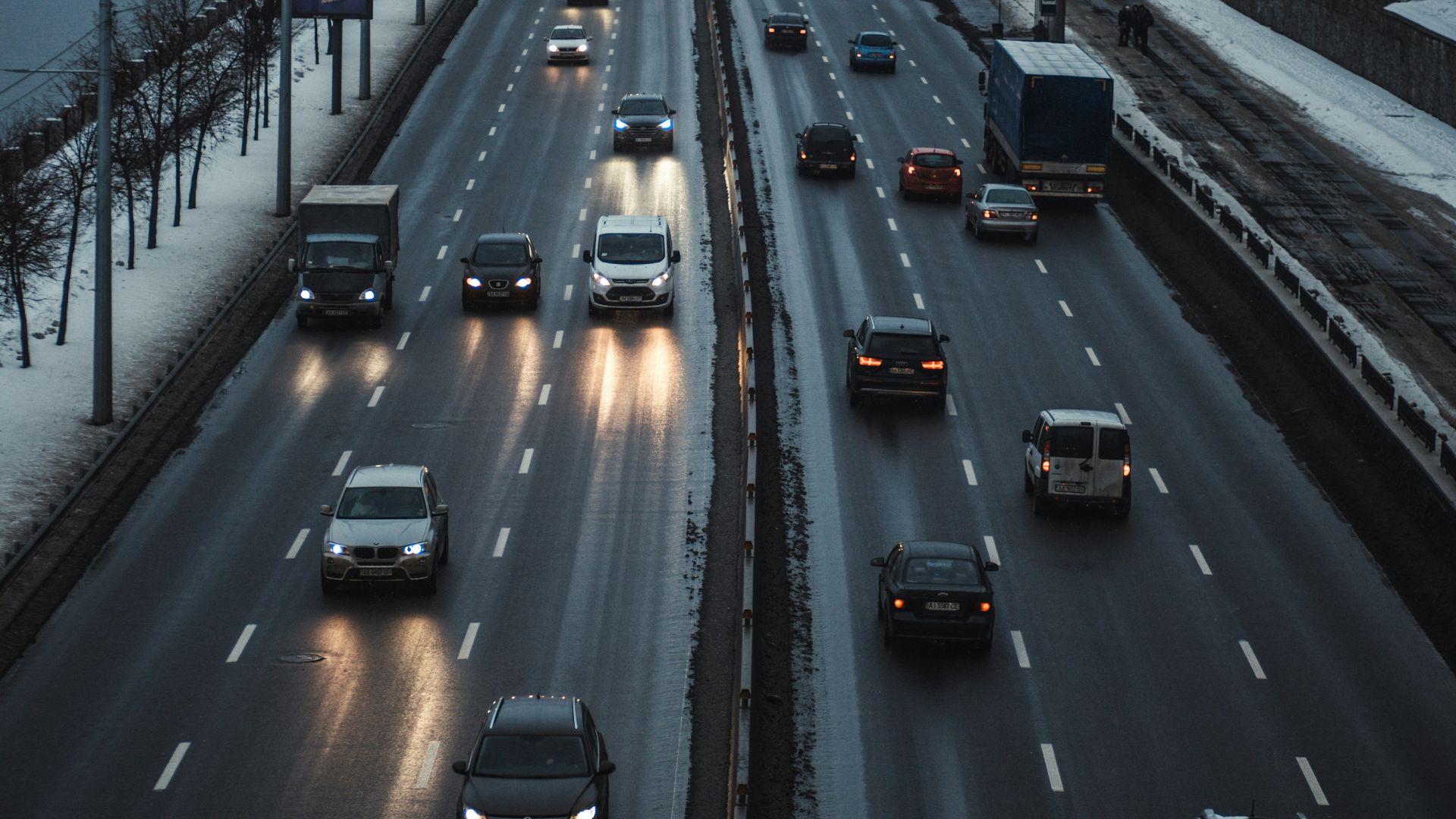
#4. Drivers Expect You to Know the Rules (North) vs Expect You to Be Polite (South)
Northern driving focuses on efficiency. Southern driving often blends rules with courtesy.
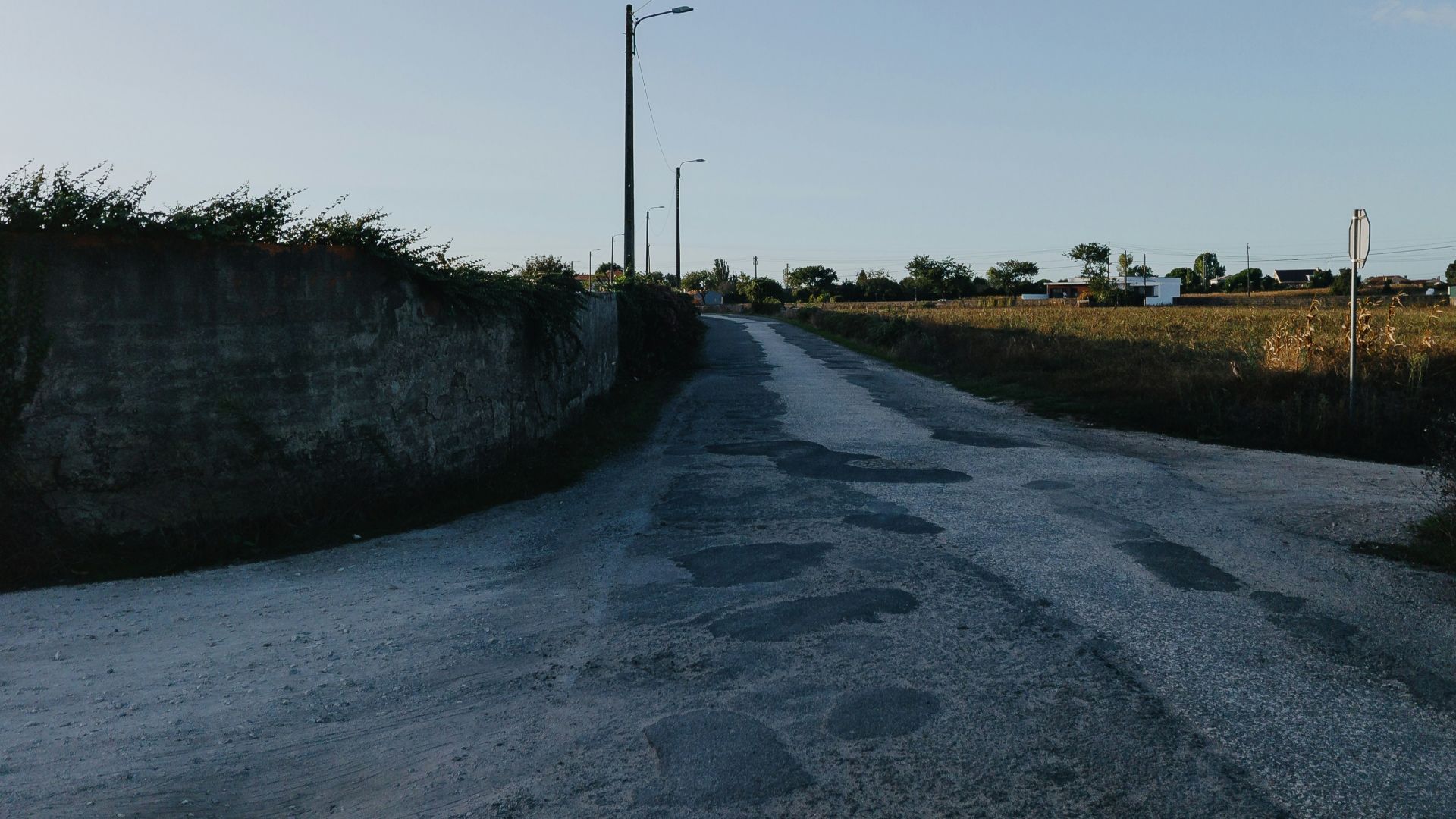
#3. Road Conditions Can Be Rough (North) vs Weather Can Be Wild (South)
Northern roads face wear from snow and salt. Southern roads deal more with heat and storms.
#2. Driving Feels Competitive (North) vs Cooperative (South)
Northern driving can feel competitive. Southern driving often feels more cooperative.
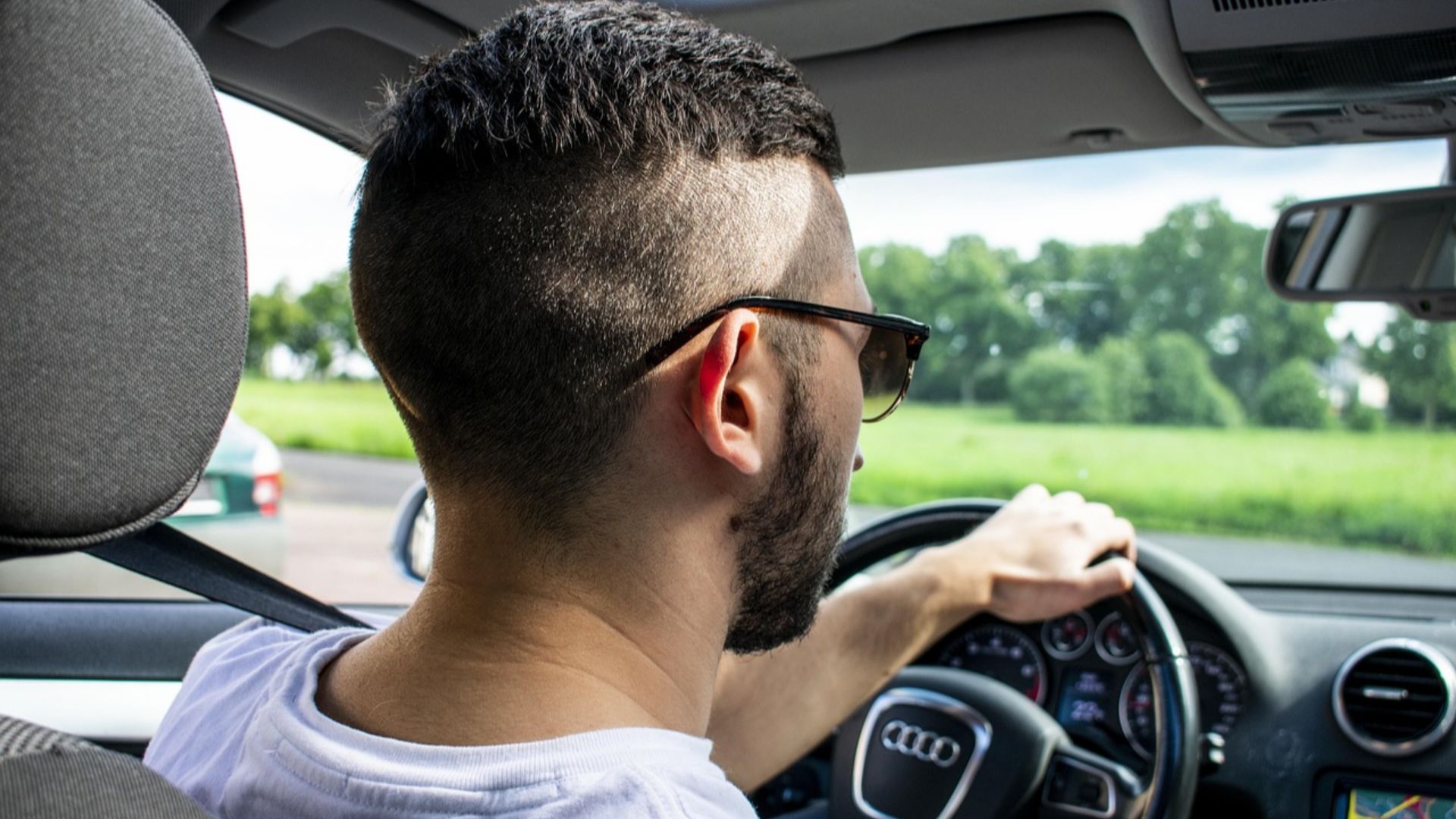
#1. The Overall Vibe: Fast vs Laid-Back
Northern driving feels fast and intense. Southern driving feels slower and more relaxed.
Why It Feels So Different
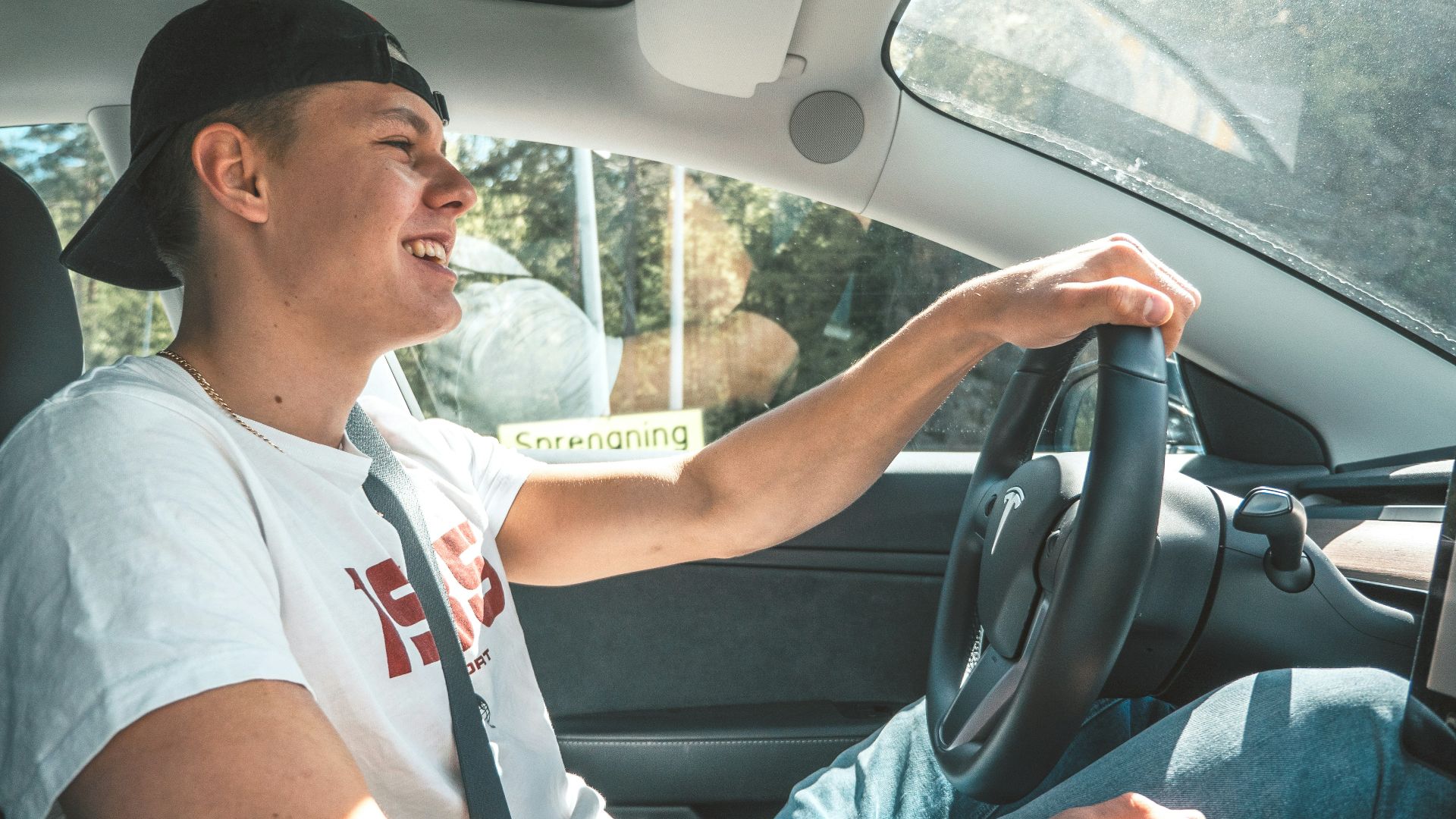
Population density, weather, and culture all influence driving habits. Big cities create urgency, while open areas create a slower pace.
You May Also Like:
Car Brands That Break Down The Most—According To Mechanics
New Car Models Baby Boomers Can’t Stand
Studies Now Show That Advanced Driver-Assistance Systems (ADAS) May Be Doing More Harm Than Good