When One Bad Moment Won’t Leave Your Mind
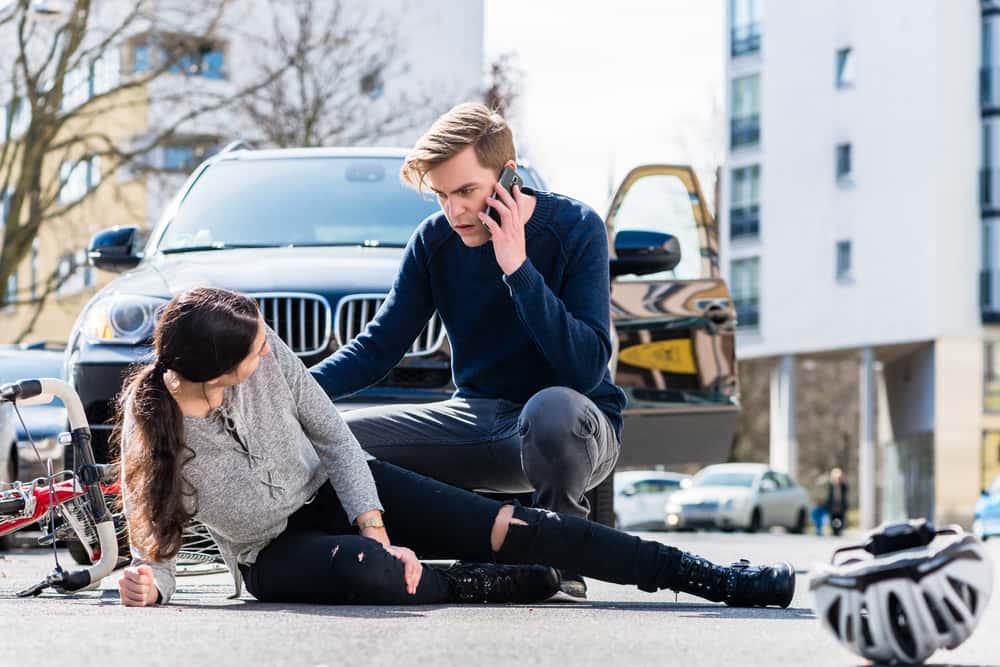
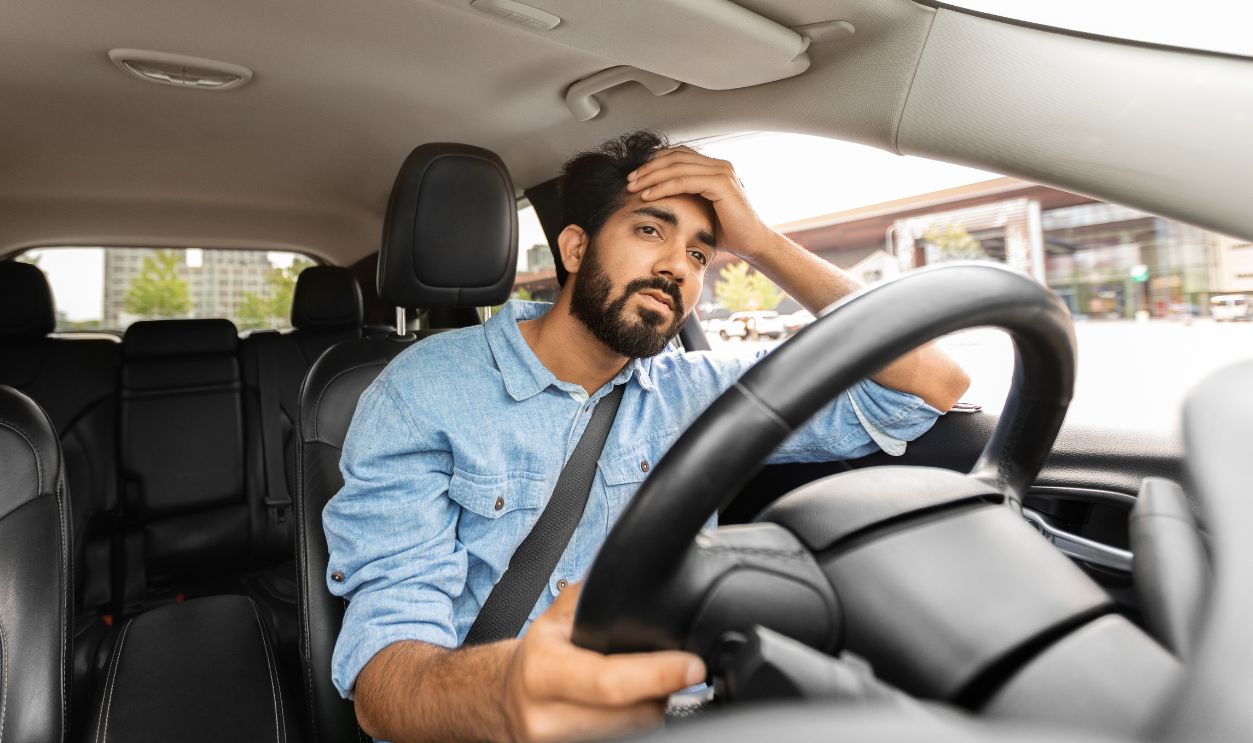
It happens in a flash. You’re driving, maybe thinking about dinner or your next meeting, and suddenly there’s a cyclist right in front of you—riding in the middle of the lane. You hit the brakes, but it’s too late. Later, you find out he broke his leg. Now the question keeps looping in your head: Am I legally responsible for this? Let’s walk through it calmly, because the answer isn’t always as straightforward as you might think.

First Things First: Take A Breath
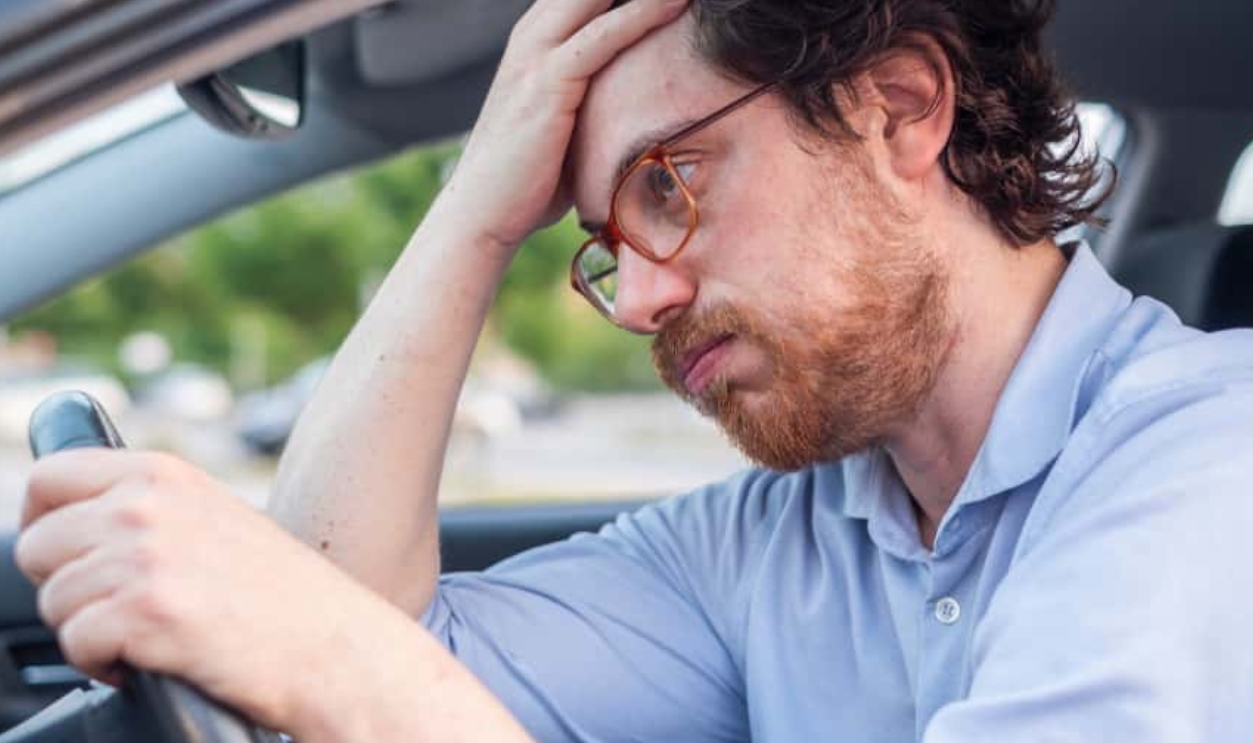
After an accident like this, adrenaline does strange things. You replay it over and over, each time wondering what you could’ve done differently. But legally speaking, responsibility isn’t decided by guilt or gut feelings. It’s determined by facts—what happened, who did what, and whether anyone failed to act reasonably.
Cyclists Aren’t Just “Guests” On The Road
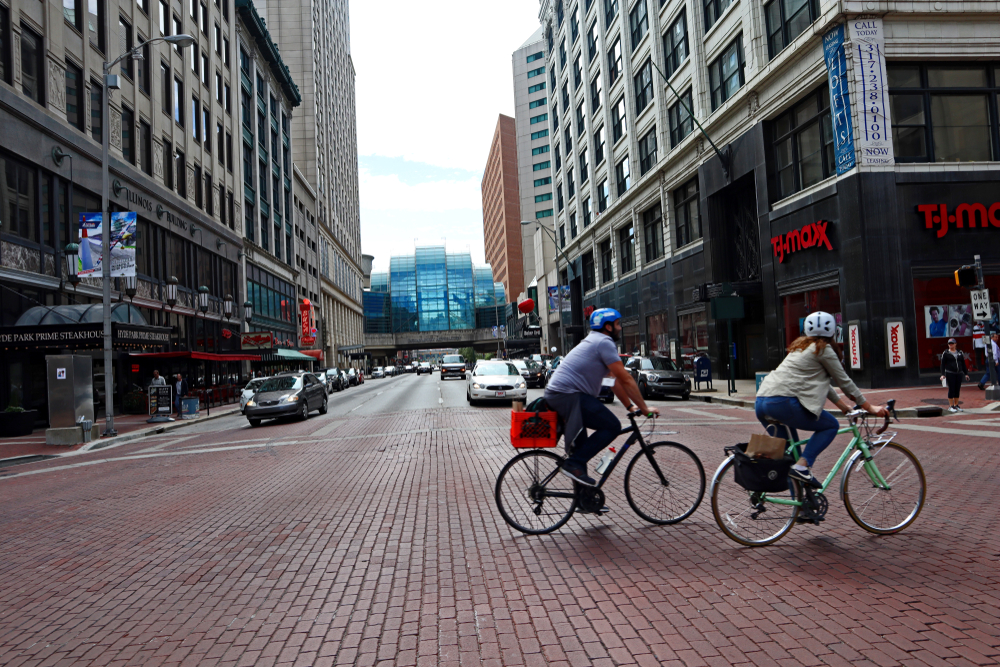
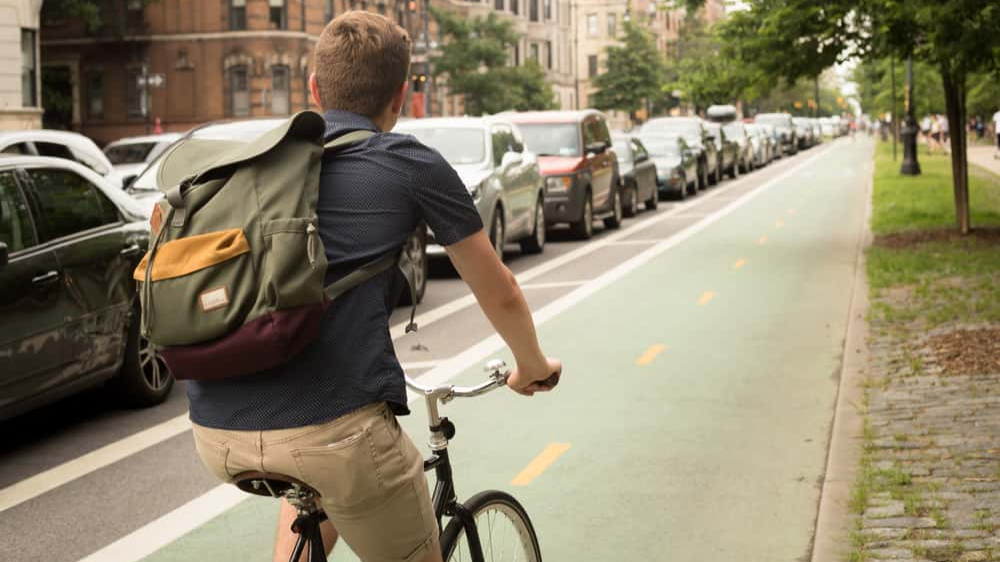
A lot of drivers assume cyclists are supposed to stay glued to the curb. That’s not how the law sees it. In most places, bicycles are legally considered vehicles. That means cyclists have the right to use traffic lanes just like cars do. Seeing someone riding in the middle of the road doesn’t automatically mean they were doing something wrong.
Why Cyclists Sometimes Ride In The Middle
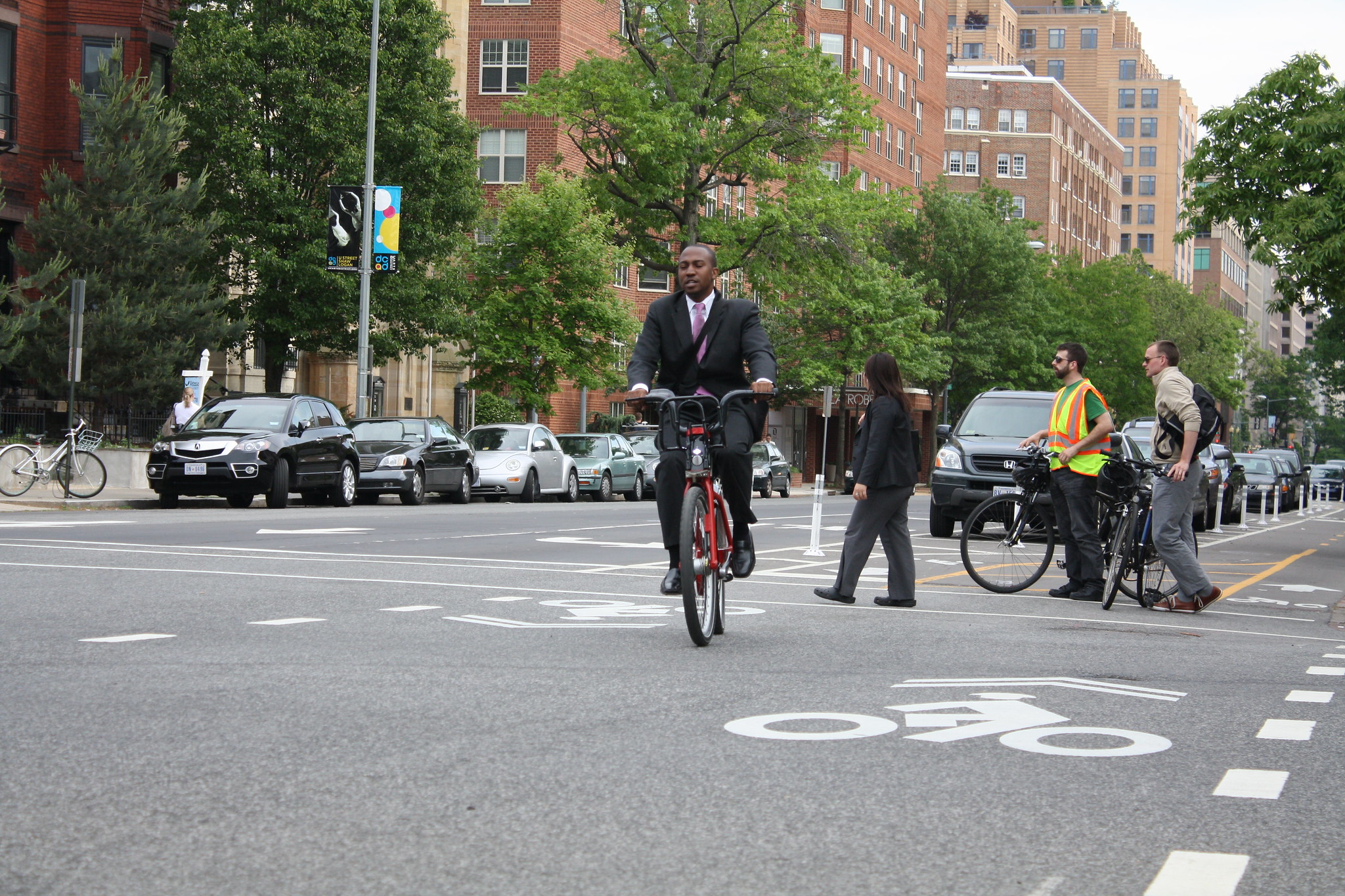
There’s even a term for it: “taking the lane.” Cyclists often do this when the lane is too narrow for a car and bike to safely share side by side. It can also happen when they’re avoiding potholes, debris, parked cars, or preparing for a turn. Counterintuitive as it sounds, riding in the center can actually be the safer—and perfectly legal—move.
But What If He Was Riding Erratically?
Now we’re getting into the part that really matters. If the cyclist was weaving unpredictably, ignoring traffic signals, or riding against traffic, that changes things. Cyclists have rights, yes—but they also have responsibilities. If they broke traffic laws, that could significantly affect who’s at fault.
The Legal Concept That Runs The Show: Negligence
Most accident cases boil down to one word: negligence. Were you driving in a way that a reasonable, careful driver would under the same circumstances? If you were speeding, distracted, or following too closely, that could point toward fault. If you were alert and driving appropriately, that strengthens your side.

Drivers Owe Extra Care To Vulnerable Road Users
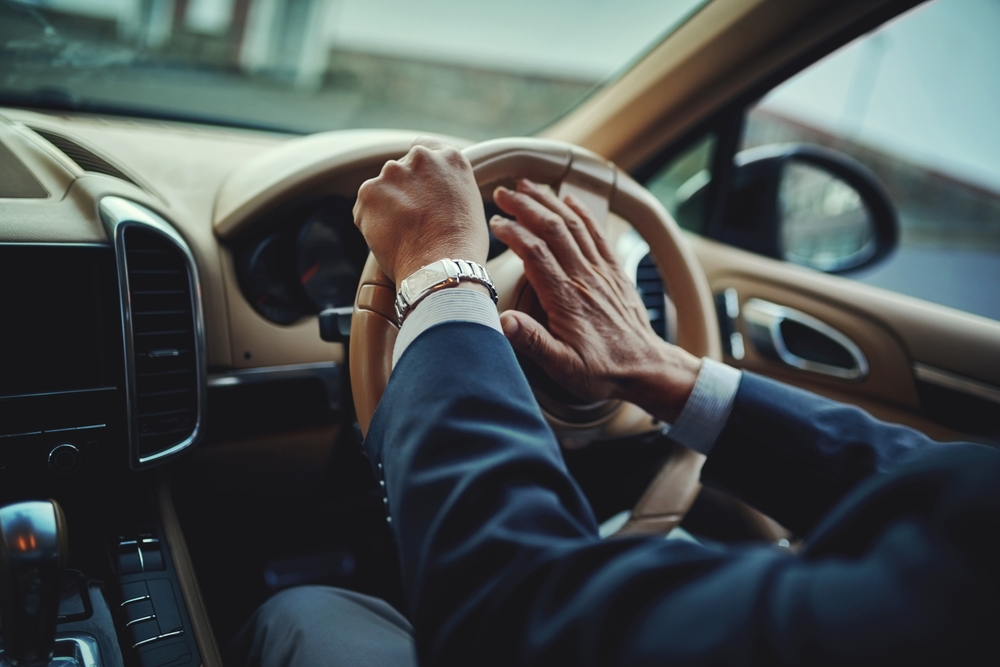
Here’s something that surprises many people: courts often expect drivers to exercise extra caution around cyclists and pedestrians. Why? Because they’re physically vulnerable. A small mistake that might dent a fender can seriously injure someone on a bike. That doesn’t make you automatically guilty—but it does raise the standard of care expected.
 PeopleImages.com - Yuri A, Shutterstock
Fault Isn’t Always Black And White
In many states, fault can be shared. This is called comparative negligence. If the cyclist was 60% responsible for creating a dangerous situation and you were 40% responsible for not reacting in time, liability can be split accordingly. You’d only pay for your share of the damages.
Some States Play By Harsher Rules
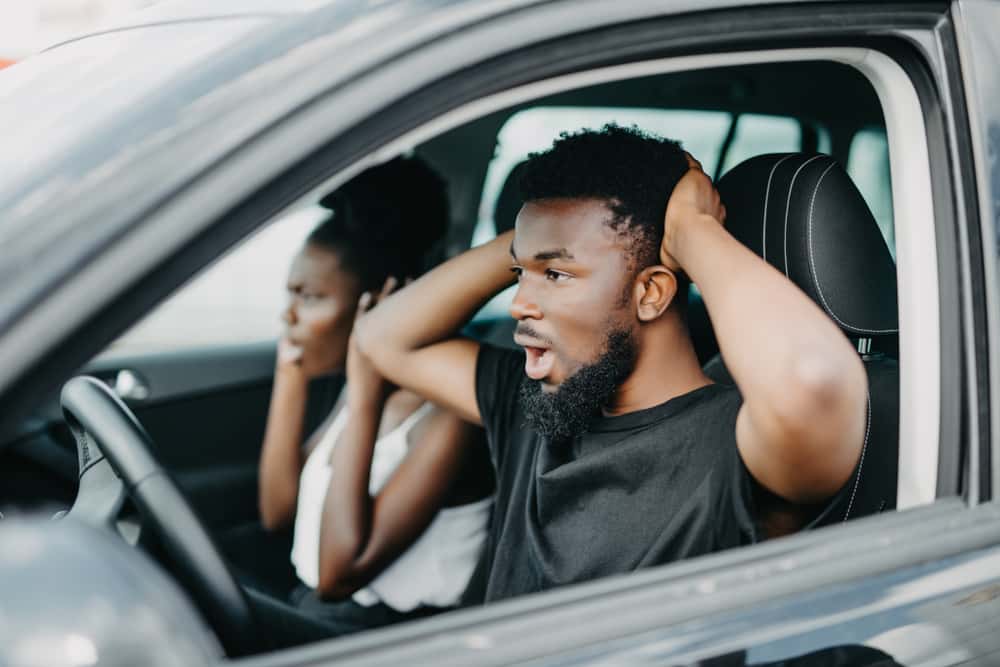
A handful of places still follow contributory negligence laws. Under that system, if the cyclist is even slightly at fault, they might not be able to recover damages at all. It’s a tough standard—and one reason why location matters so much in these cases.

The Police Report Matters—But It’s Not The Final Word
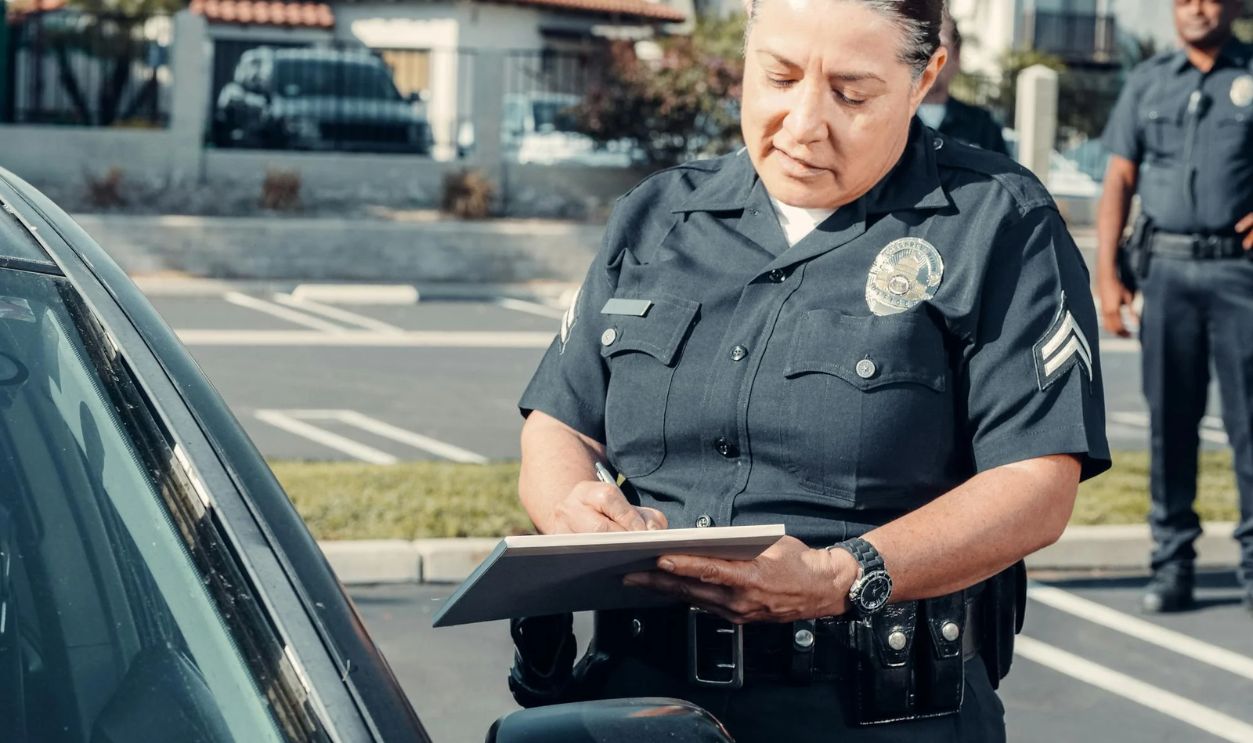
If officers came to the scene, they likely wrote a report and possibly assigned fault. Insurance companies pay close attention to that document. Still, it’s not gospel. Adjusters and courts can reach different conclusions after reviewing evidence more closely.
Insurance Is About To Take Center Stage
If someone broke a leg, medical bills are coming. Your auto insurance company will likely step in quickly. Liability coverage exists specifically for situations like this—where someone claims you caused their injury. Reporting the accident promptly protects you and activates your coverage.

Broken Bones Aren’t Cheap
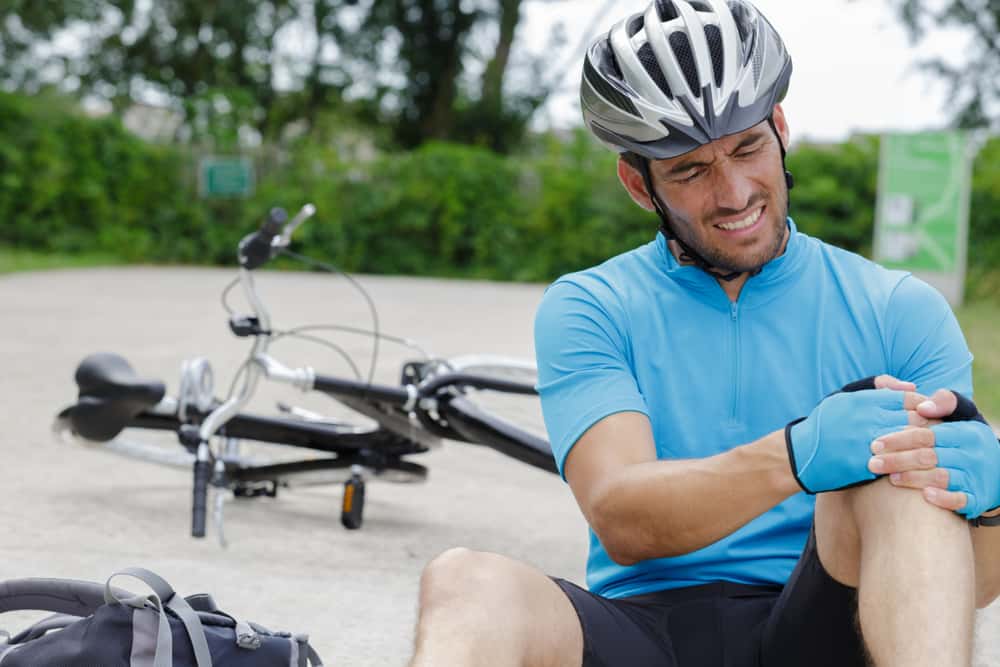
A broken leg can mean surgery, hospital stays, physical therapy, and weeks—or months—off work. The financial impact can climb fast. That’s why determining fault is critical. If you’re found liable, your insurance covers damages up to your policy limits.
Evidence Is Your Best Friend
This is where dashcams shine. Photos, witness statements, traffic camera footage—these details can completely change how fault is viewed. If the cyclist darted unexpectedly into your path, that matters. If visibility was limited, that matters too.

Speed Changes Everything
Even if the cyclist was riding in the middle of the lane, your speed is going to be scrutinized. Were you within the limit? Were you driving appropriately for weather or traffic conditions? The law expects drivers to be able to stop within a reasonable distance.
Distracted Driving Is A Game Changer
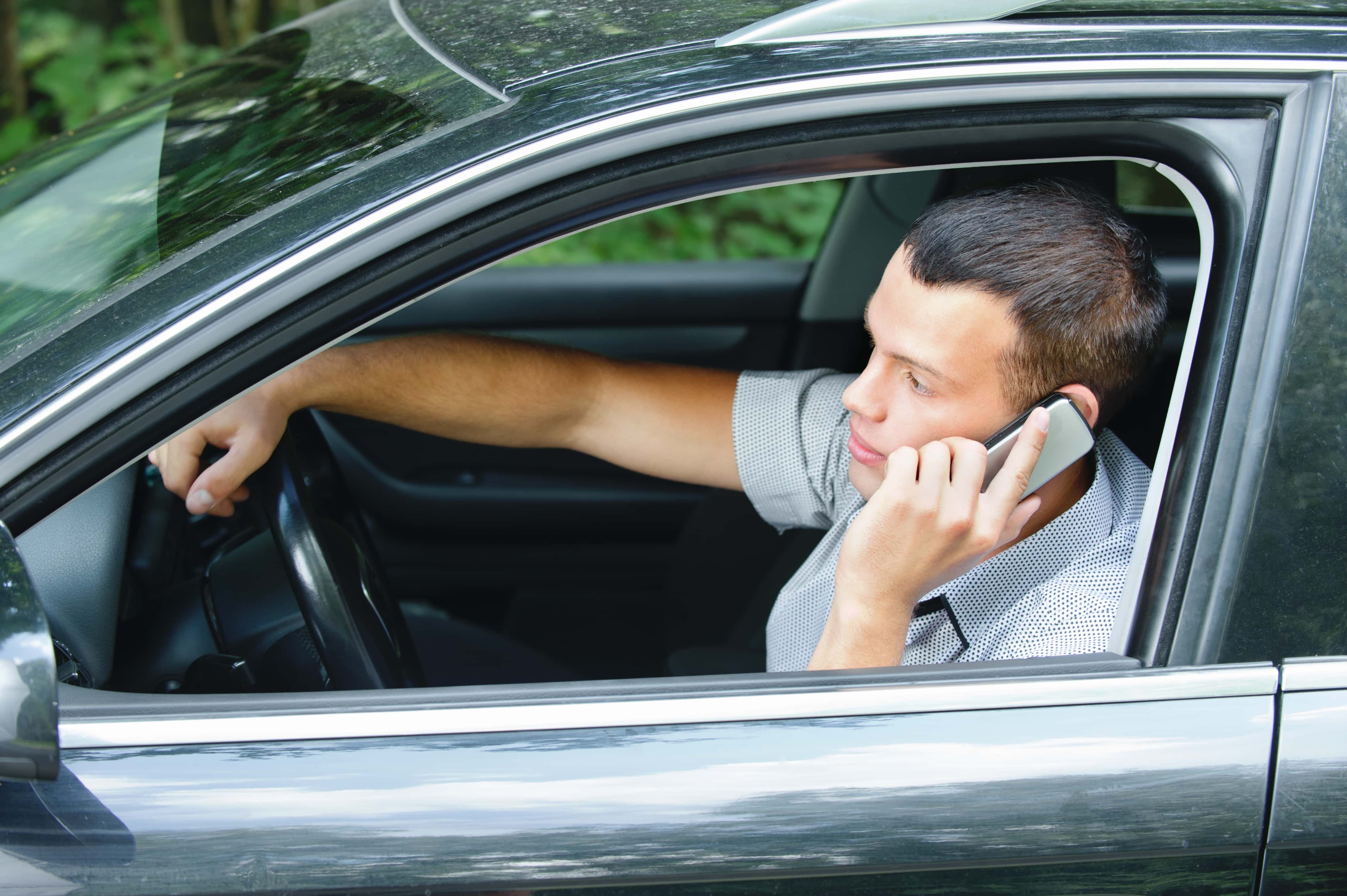
If phone records show texting or app usage at the time of impact, defending yourself becomes much harder. Distraction is one of the clearest forms of negligence. Even if the cyclist wasn’t perfectly positioned, distraction can tip the scales heavily against you.
The Sudden Emergency Argument
Sometimes accidents truly happen in a split second. If the cyclist swerved abruptly or appeared from a blind spot with no warning, you may be able to argue that a “sudden emergency” left you no reasonable time to react. Courts evaluate whether a reasonable driver could have avoided the collision.
Bike Lanes Can Complicate Things
Was there a bike lane available? If so, was it clear and usable? If the cyclist ignored a perfectly good bike lane without reason, that might weigh in your favor. But if the lane was blocked by parked cars or debris, the cyclist may have been justified in riding in traffic.
Lighting And Visibility Count
Time of day matters. If it was dark and the cyclist lacked required lights or reflectors, that’s relevant. Drivers must stay alert—but cyclists are typically required to make themselves visible after sunset.
What About Helmets?
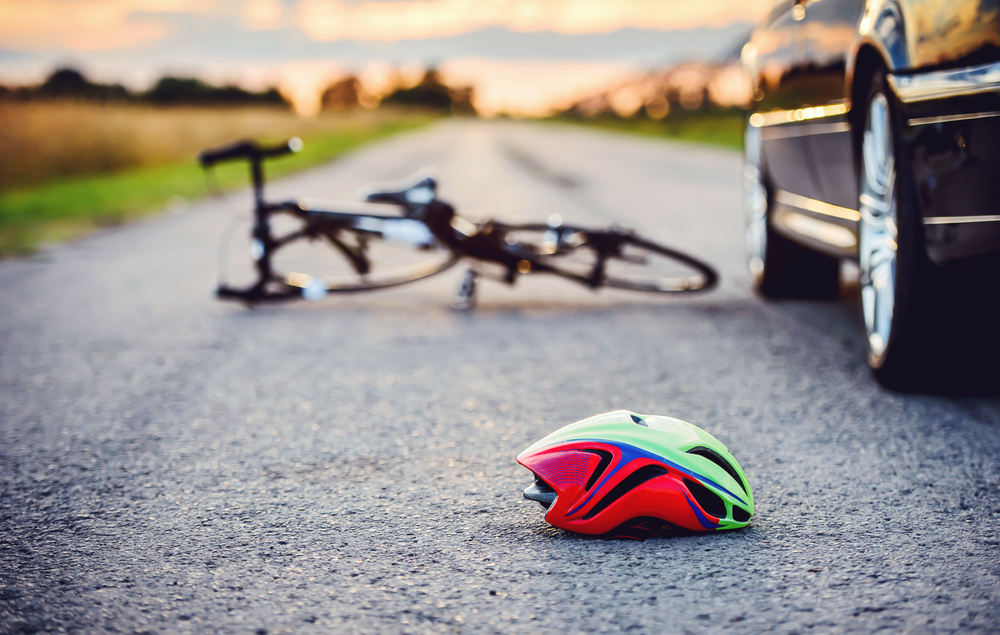
Helmets generally affect injury severity, not fault. However, in some cases, failure to wear one can influence how damages are calculated—especially if the injuries could have been reduced by proper safety gear.
Civil Case Versus Criminal Trouble
Most driver-cyclist accidents remain civil matters. That means it’s about money and compensation, not criminal punishment. Criminal charges usually require reckless or egregiously dangerous driving—not just a mistake.

If A Lawsuit Happens
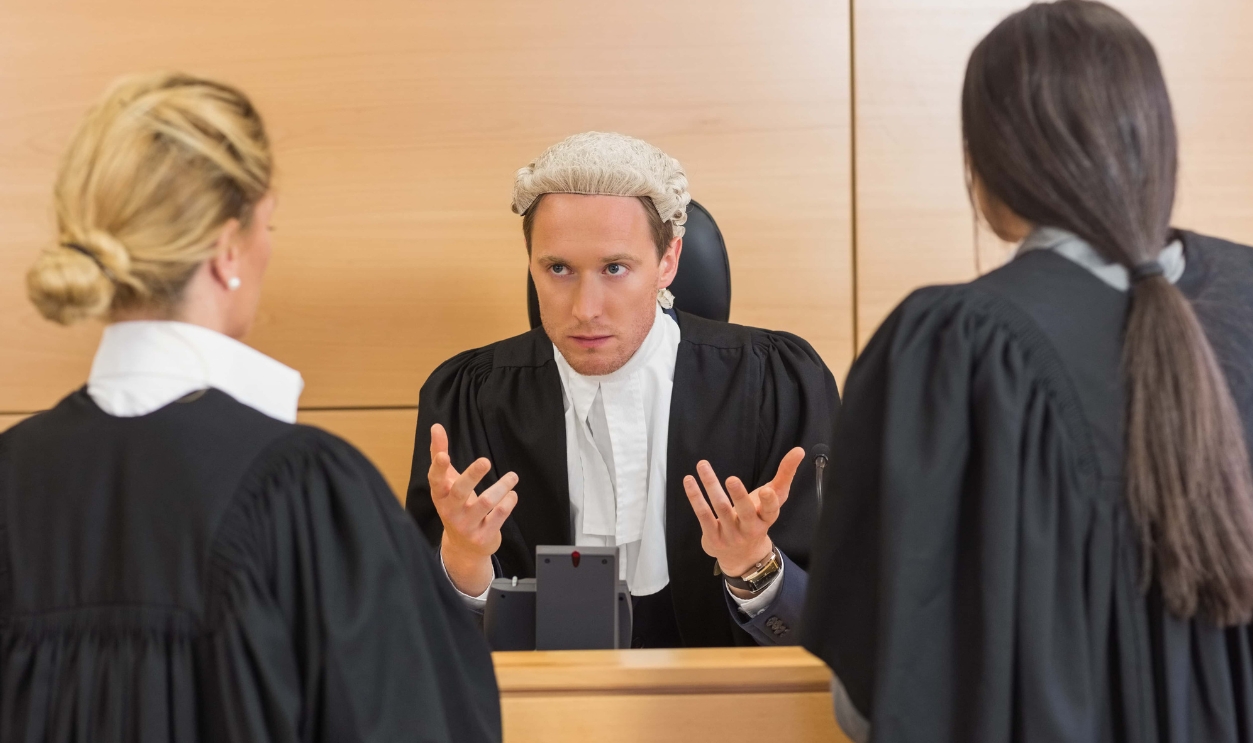
If insurance negotiations don’t resolve things, the cyclist may file a lawsuit. That’s when lawyers get involved, evidence is exchanged, and depositions happen. It sounds intimidating, but most cases settle before reaching a courtroom.
Your Insurance Company Provides A Lawyer
One major benefit of liability insurance? Legal defense. If you’re sued for a covered claim, your insurer typically hires and pays for an attorney to represent you.

Settling Doesn’t Mean You’re Guilty
Insurance companies often settle claims as a business decision. It’s about minimizing cost and risk—not declaring you a bad driver. A settlement is not the same thing as a courtroom admission of fault.

The Emotional Weight Is Real
Beyond the legal details, there’s the human side. Knowing someone was hurt—even accidentally—sticks with you. That emotional burden can feel heavier than the legal one. But accidents are rarely one-dimensional, and fault often isn’t either.

What You Should Do Immediately After A Crash
Call emergency services. Check on the injured person. Exchange information. Document the scene. Avoid apologizing in a way that sounds like admitting fault. Notify your insurance company promptly. Calm, clear steps protect everyone involved.

So… Are You Responsible?
The honest answer is: it depends. Riding in the middle of traffic doesn’t automatically make the cyclist wrong. At the same time, drivers aren’t automatically to blame just because a cyclist was injured. Responsibility hinges on negligence, evidence, and local law.
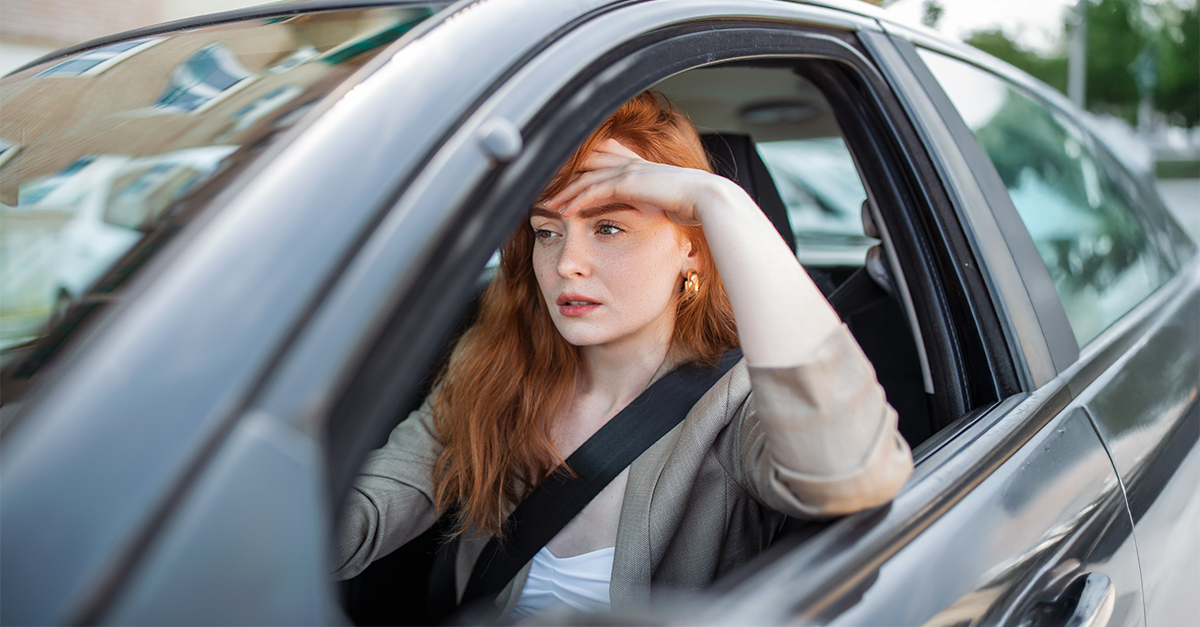
Sharing The Road Means Shared Responsibility
As cycling becomes more common, these situations will too. The law tries to balance fairness with safety, recognizing both drivers and cyclists have obligations. If you were driving carefully and the cyclist acted unpredictably, fault may be shared—or minimal on your part. In the end, it’s not about who feels guilty. It’s about what a reasonable person would have done in that exact moment on that exact stretch of road.
 Karolina Grabowska www.kaboompics.com, Pexels
You May Also Like:
When A Detroit Designer Built A Car Entirely Out Of Soybeans
Dodge wanted the average consumer to enjoy American muscle, and the terrifying Dodge Demon was born.