When Engineers Couldn’t Leave Well Enough Alone
Some cars were built to meet a goal. Others were built to prove what was possible. From the hydraulic wizardry of the Citroën DS to the technological excess of the Bugatti Veyron and Mercedes-AMG ONE, these machines packed in far more engineering than anyone expected. Here are the most overengineered cars ever sold, and the fascinating stories behind them.
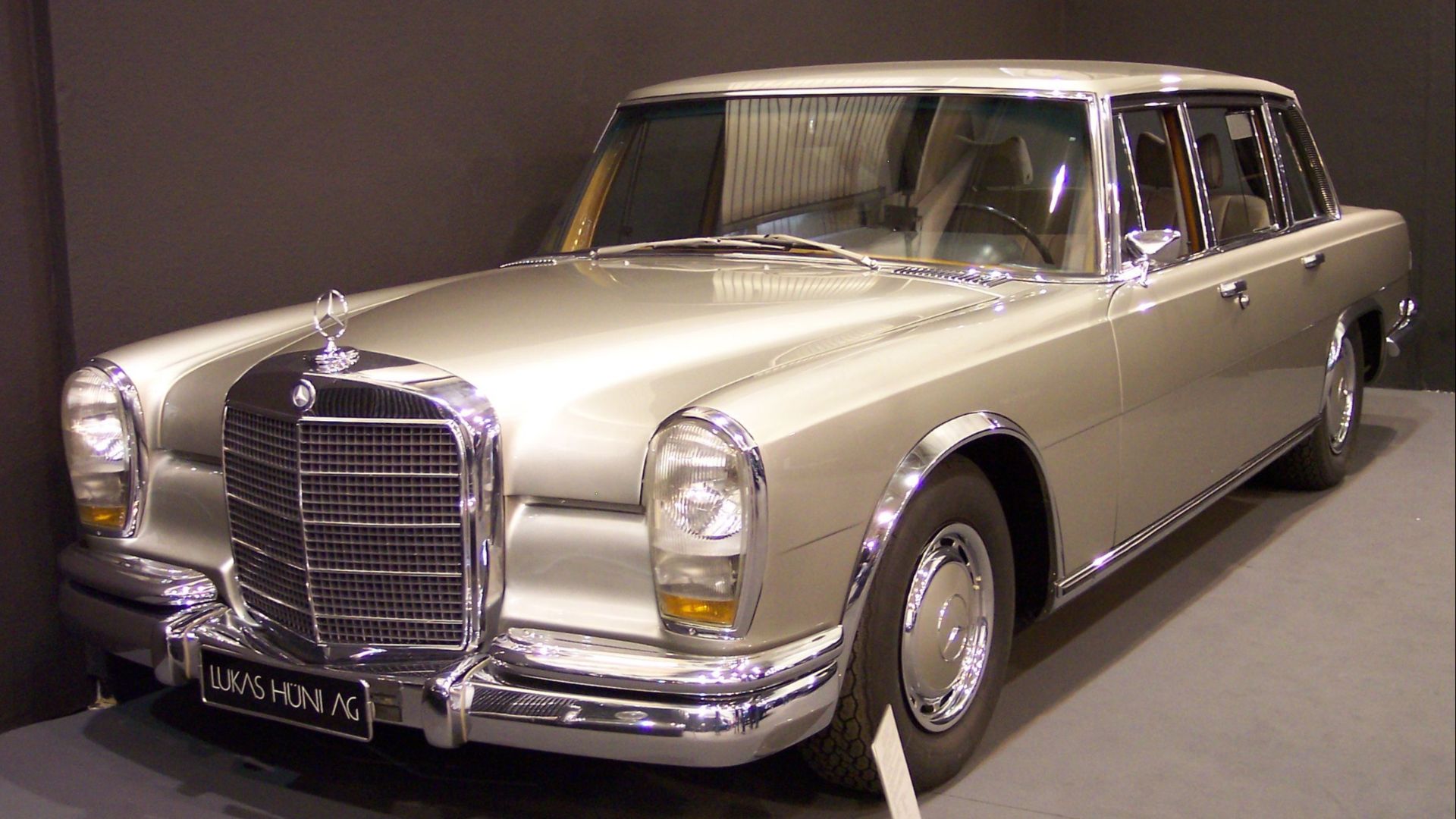
Mercedes-Benz 600
The Mercedes-Benz 600 was not just a luxury car. It used air suspension and a complex hydraulic comfort system for windows, seats, doors, trunk operation, and other features. That made it feel effortless, but it also made the car famously complicated to maintain.
 Stahlkocher, Wikimedia Commons
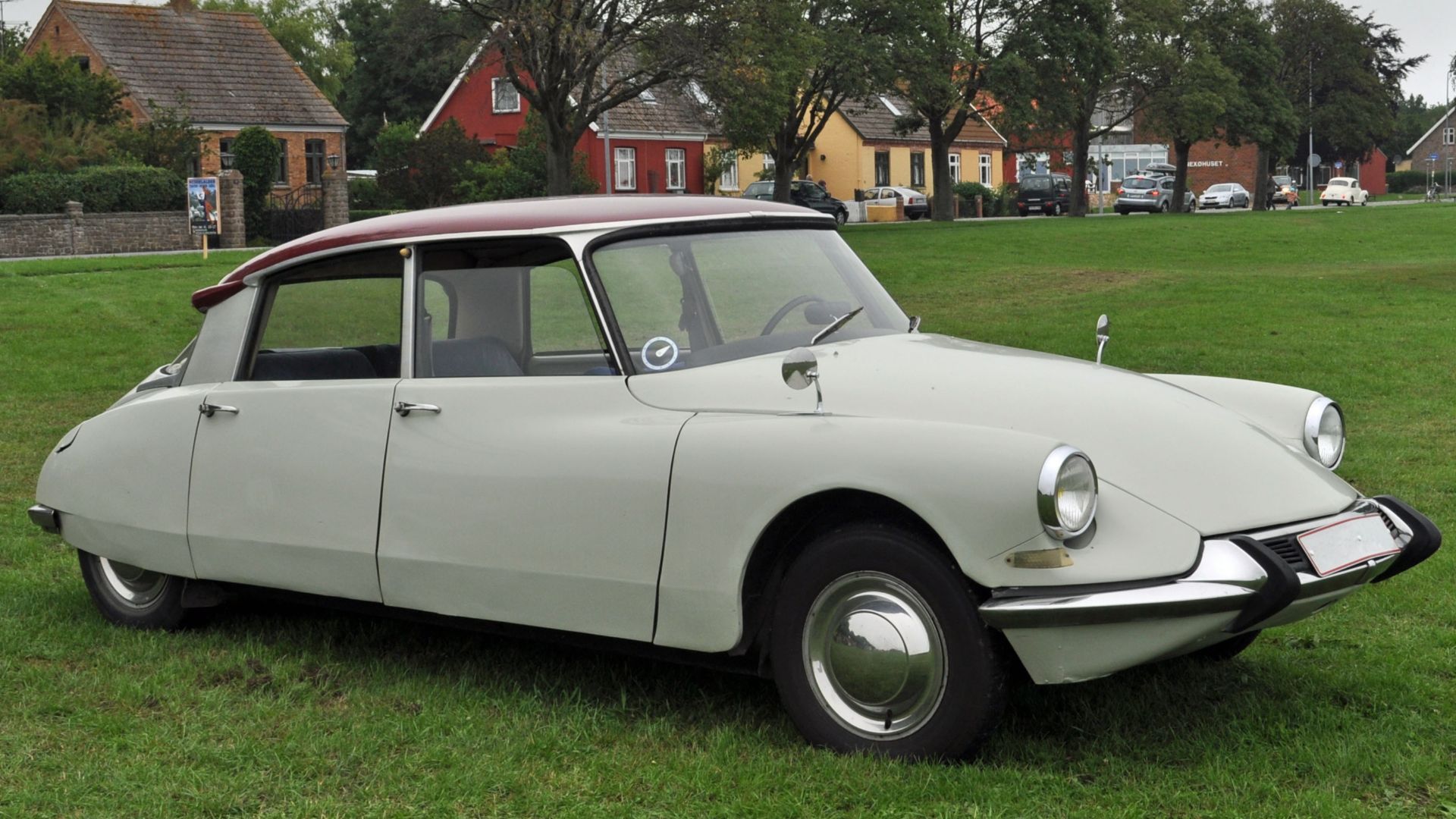
Citroën DS
The Citroën DS brought hydropneumatic self-leveling suspension to ordinary roads. Later versions added directional headlights, which was wild technology for a family car of its era. It proved that comfort engineering could be just as radical as horsepower.
 Klugschnacker, Wikimedia Commons
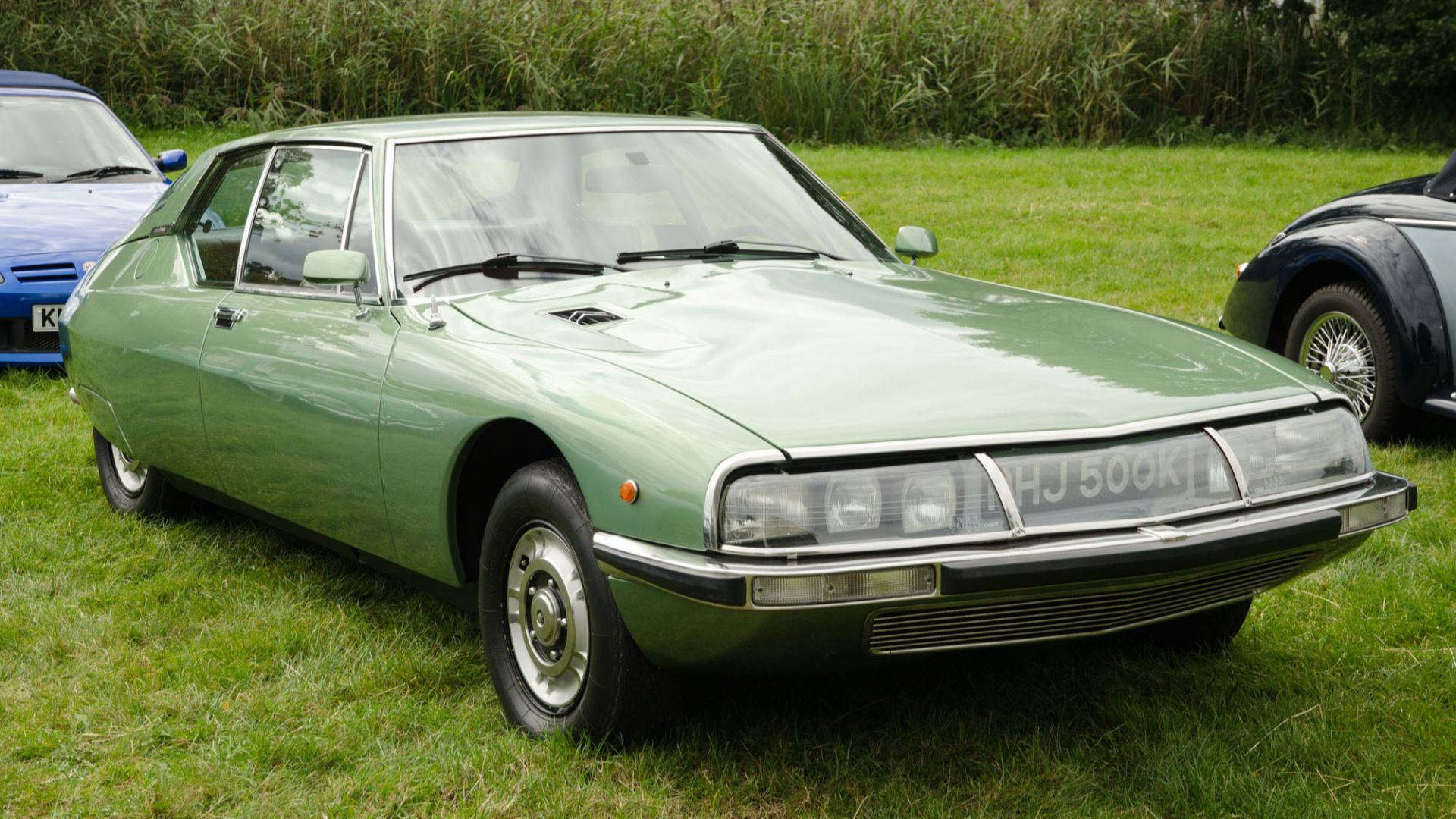
Citroën SM
The Citroën SM combined hydropneumatic suspension, high-pressure brakes, DIRAVI self-centering steering, and a Maserati V6. It felt more like a grand touring experiment than a normal coupe. Few cars have ever made highway cruising seem so technical.
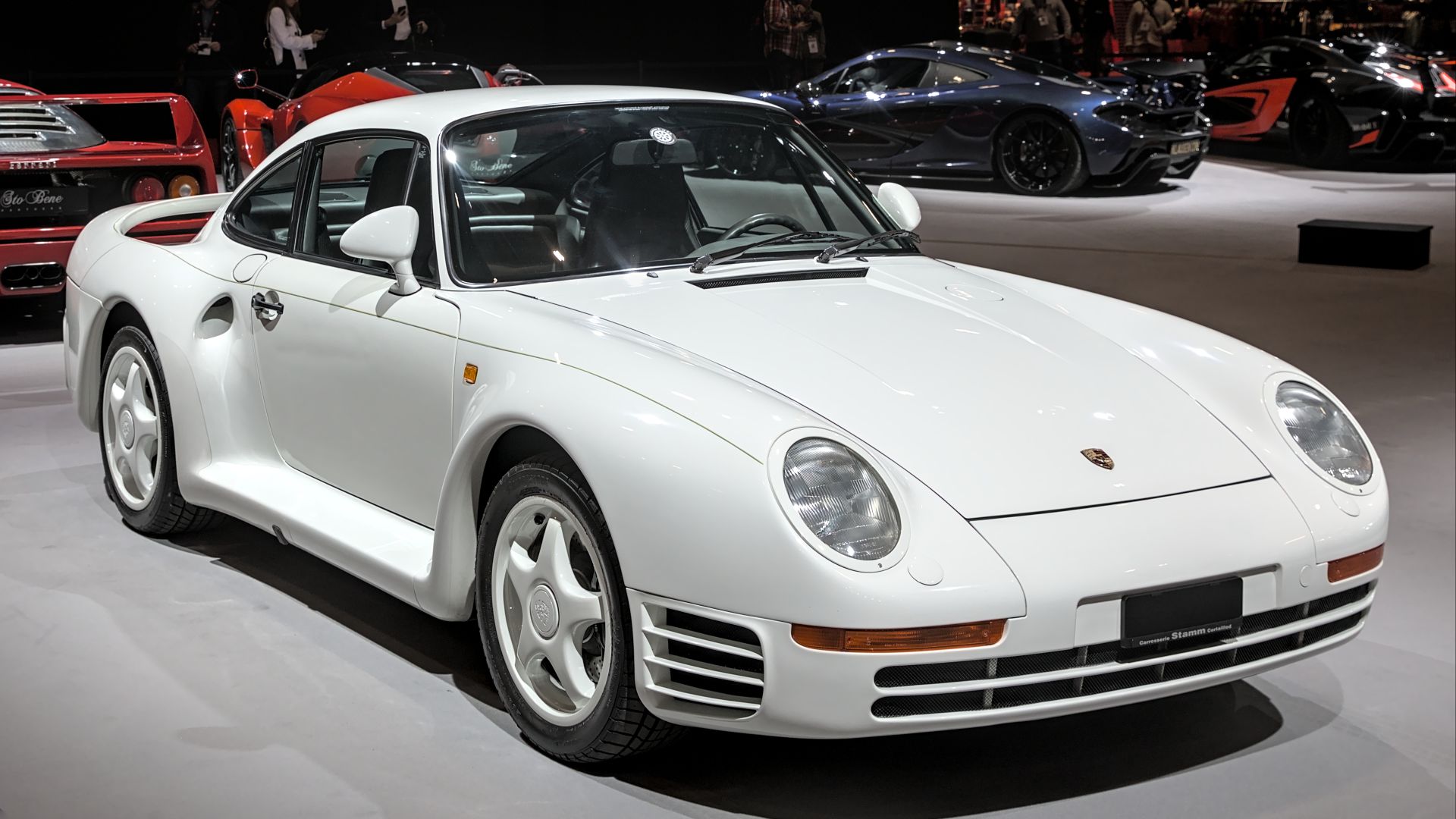
Porsche 959
The Porsche 959 arrived with all-wheel drive, sequential turbocharging, automatic ride-height adjustment, and advanced materials. Porsche built it as a technological showcase, and many of its ideas later became normal in high-performance cars. In the 1980s, it looked like something from the future.
 Alexander-93, Wikimedia Commons
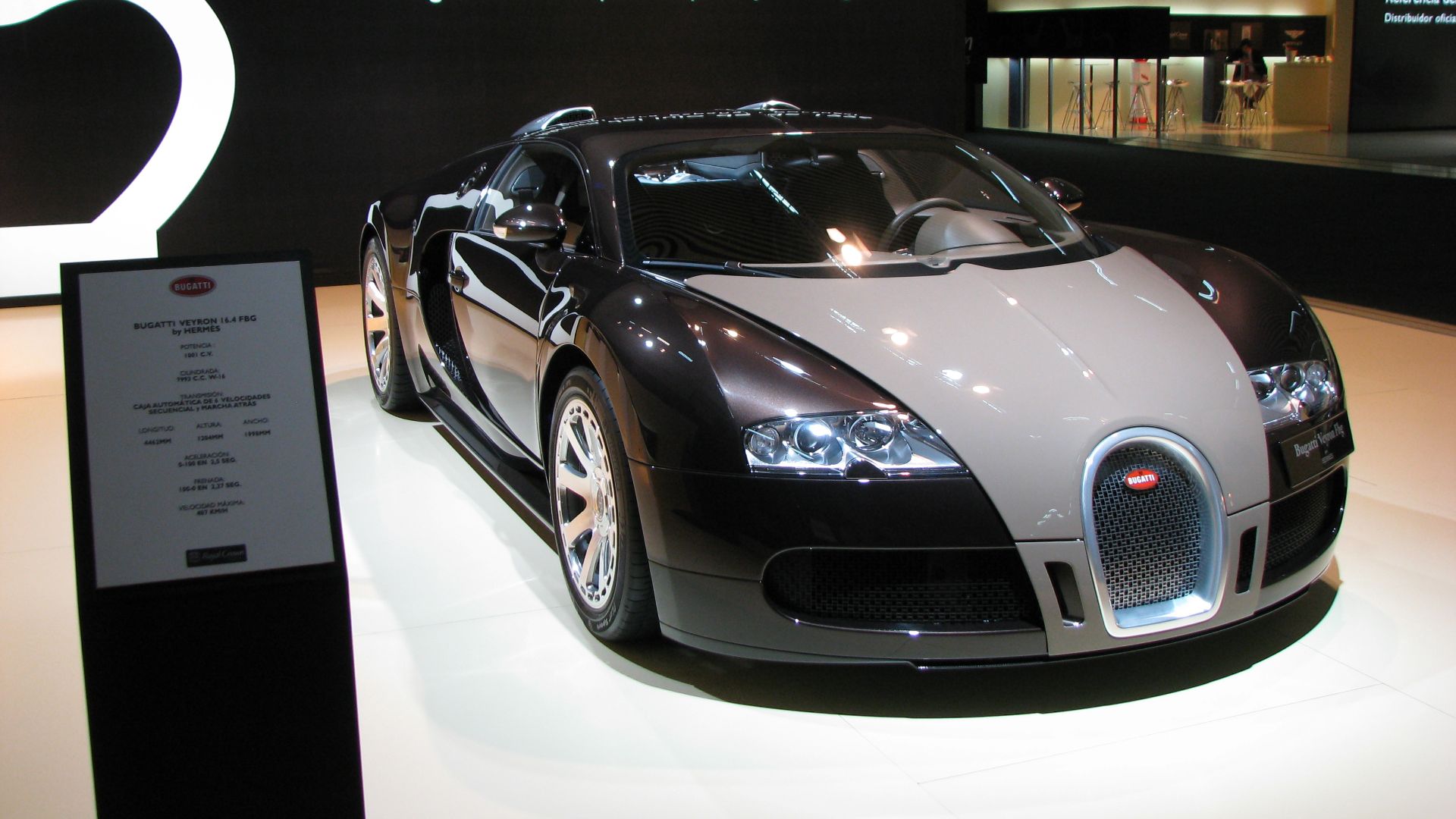
Bugatti Veyron
The Bugatti Veyron needed an 8.0-liter quad-turbo W16, 1,001 PS, and ten radiators to meet its targets. Even its tires required years of development because the car was chasing extreme speed. It was less a car project than an engineering siege.
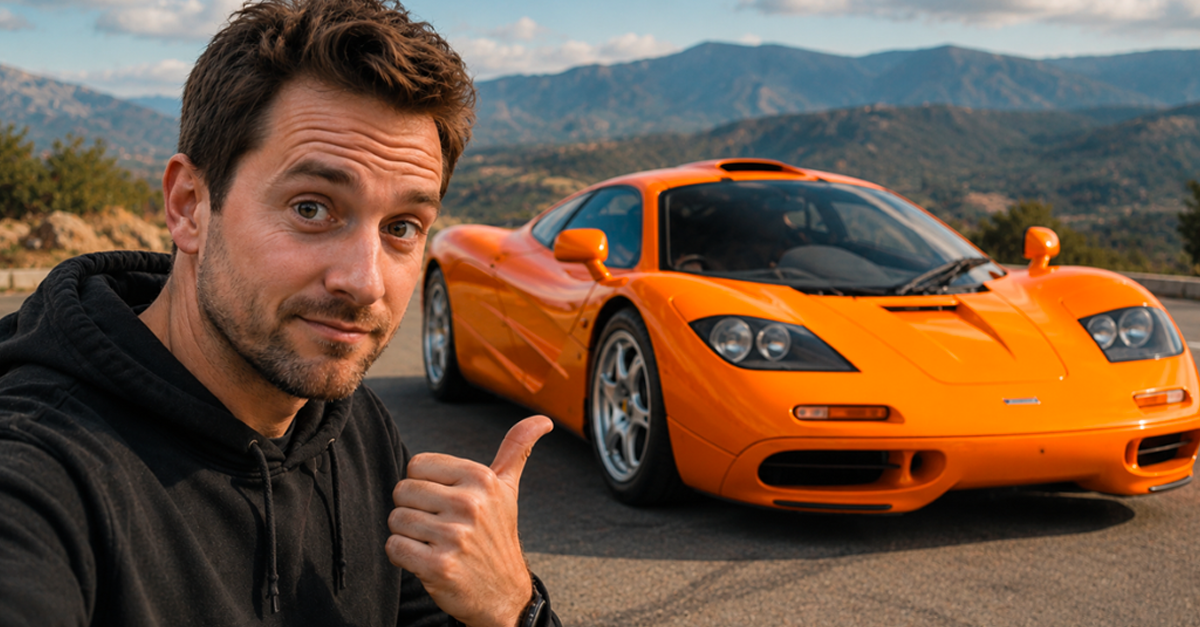
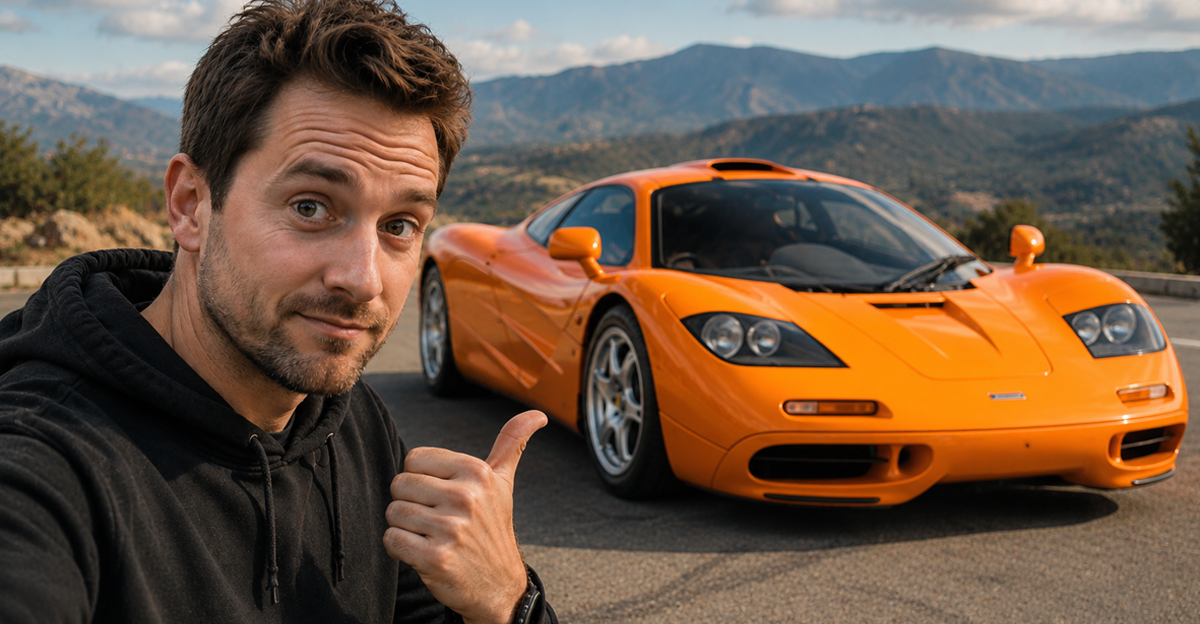
McLaren F1
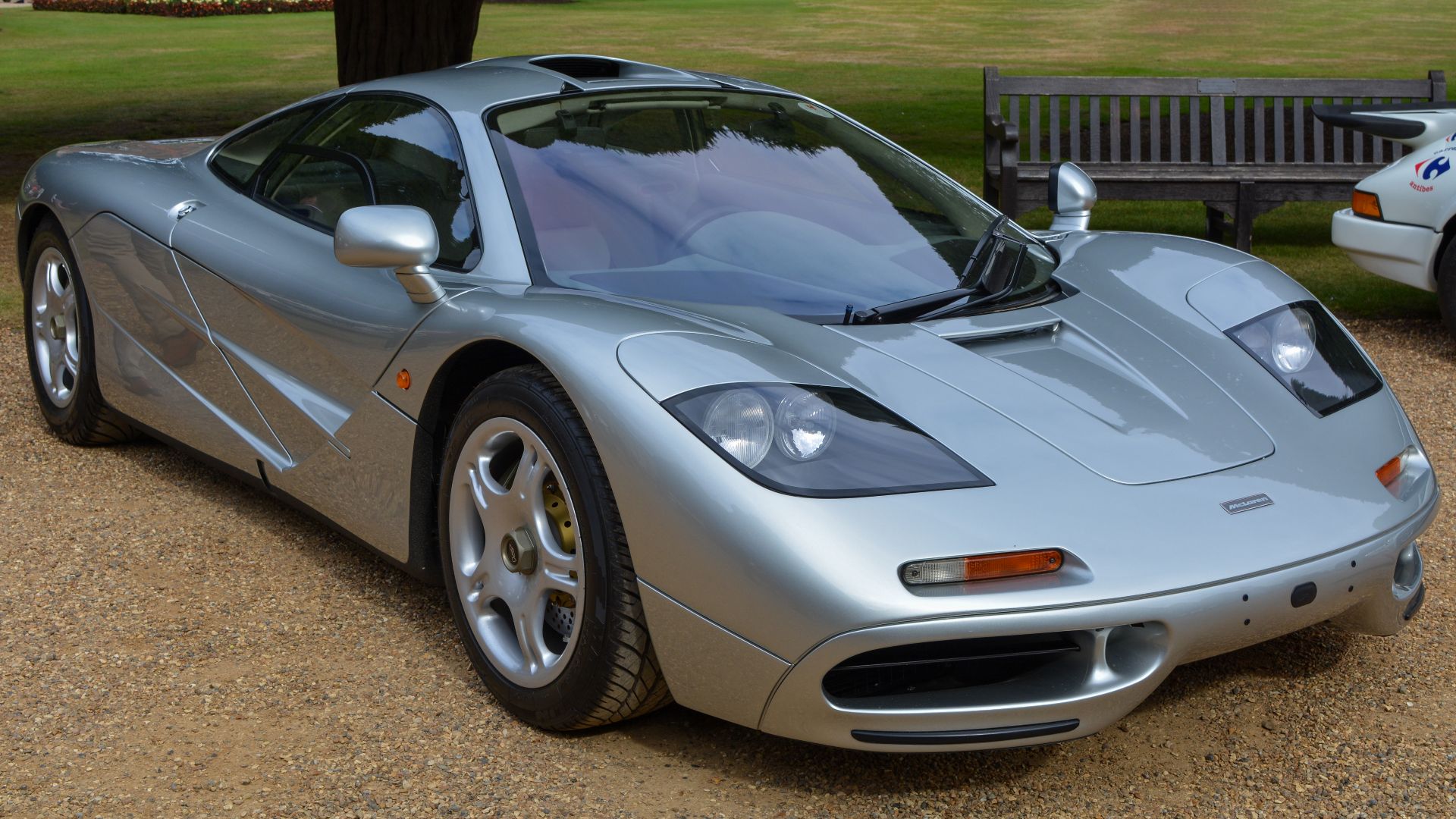
The McLaren F1 was designed around lightness, purity, and driver focus. That still meant a carbon-fiber monocoque, a central driving position, a BMW V12, and a gold-lined engine bay for heat management. It was overengineered in service of doing everything the hard way.
 Chelsea Jay, Wikimedia Commons
Lexus LS 400
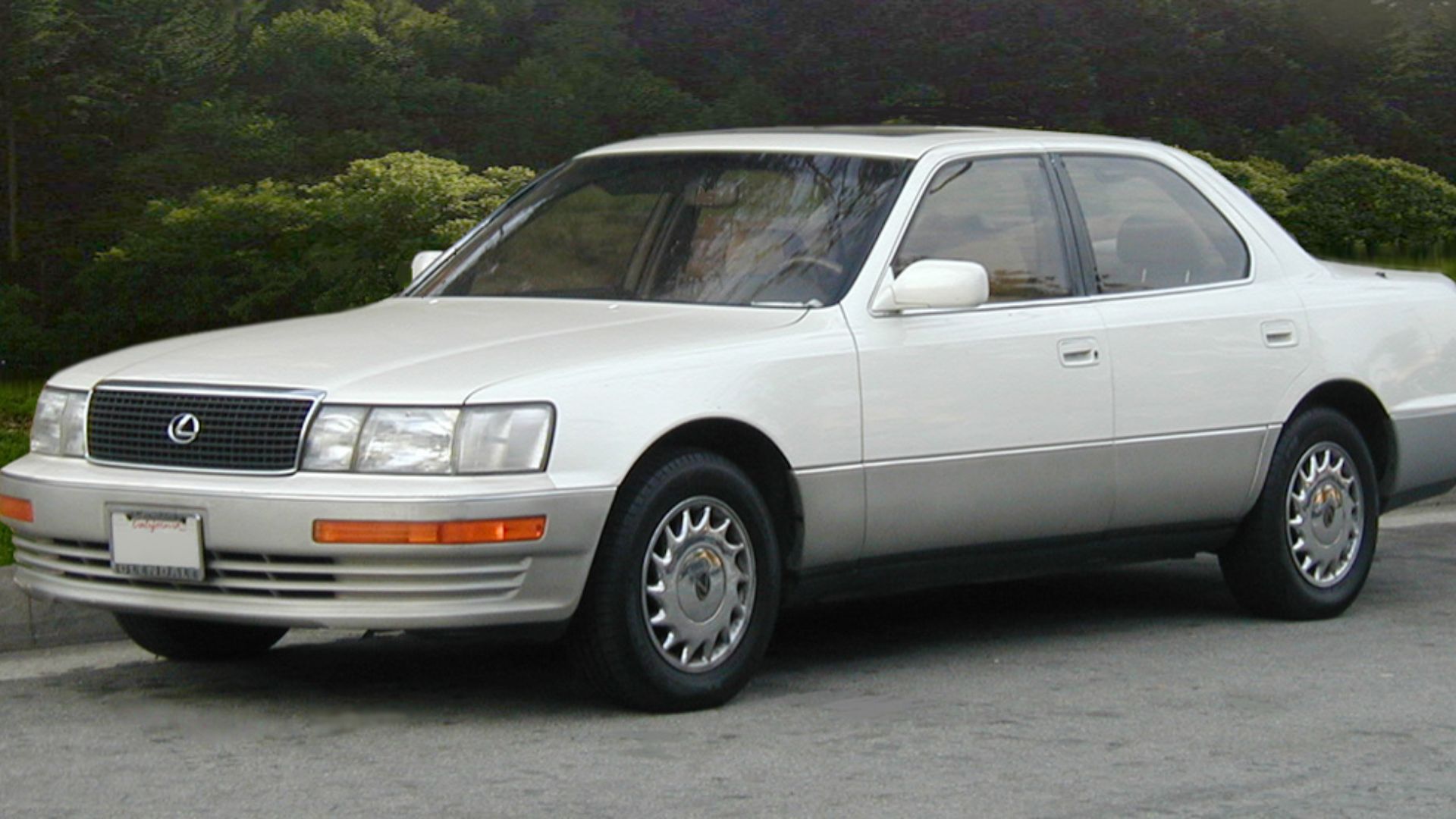
The original Lexus LS 400 was created to challenge the best luxury sedans in the world. Its 4.0-liter V8, low drag body, smoothness targets, and obsessive development made it feel unusually polished from day one. It showed that overengineering could be calm instead of flashy.
 Enigma3542002 at English Wikipedia, Wikimedia Commons
Mercedes-Benz W140 S-Class
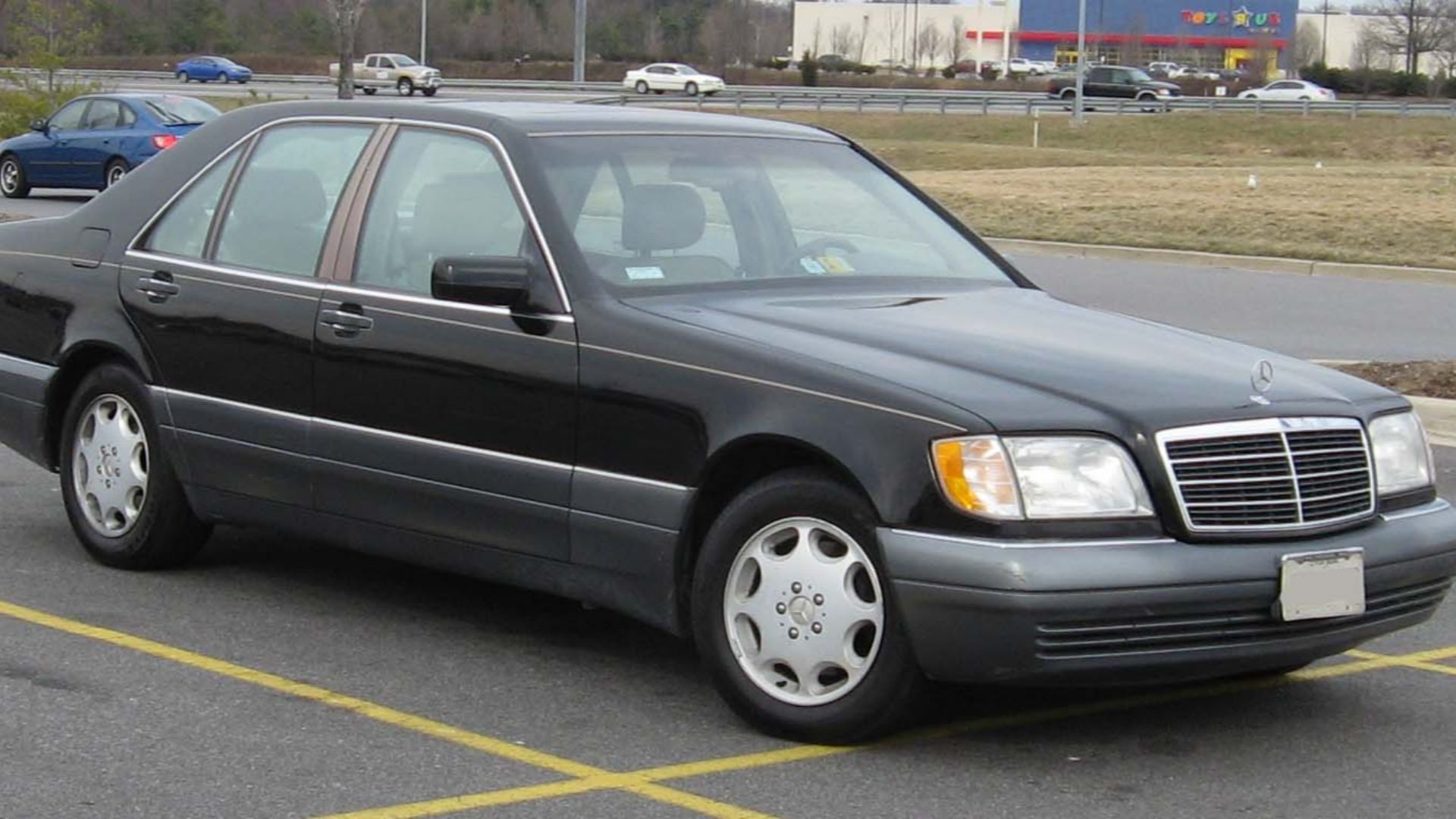
The W140 S-Class introduced features such as double-pane glass, soft-closing doors, parking guide rods, and advanced climate controls. Higher trims also brought Mercedes-Benz V12 power to the S-Class lineup. It was big, expensive, and unapologetically engineered to excess.
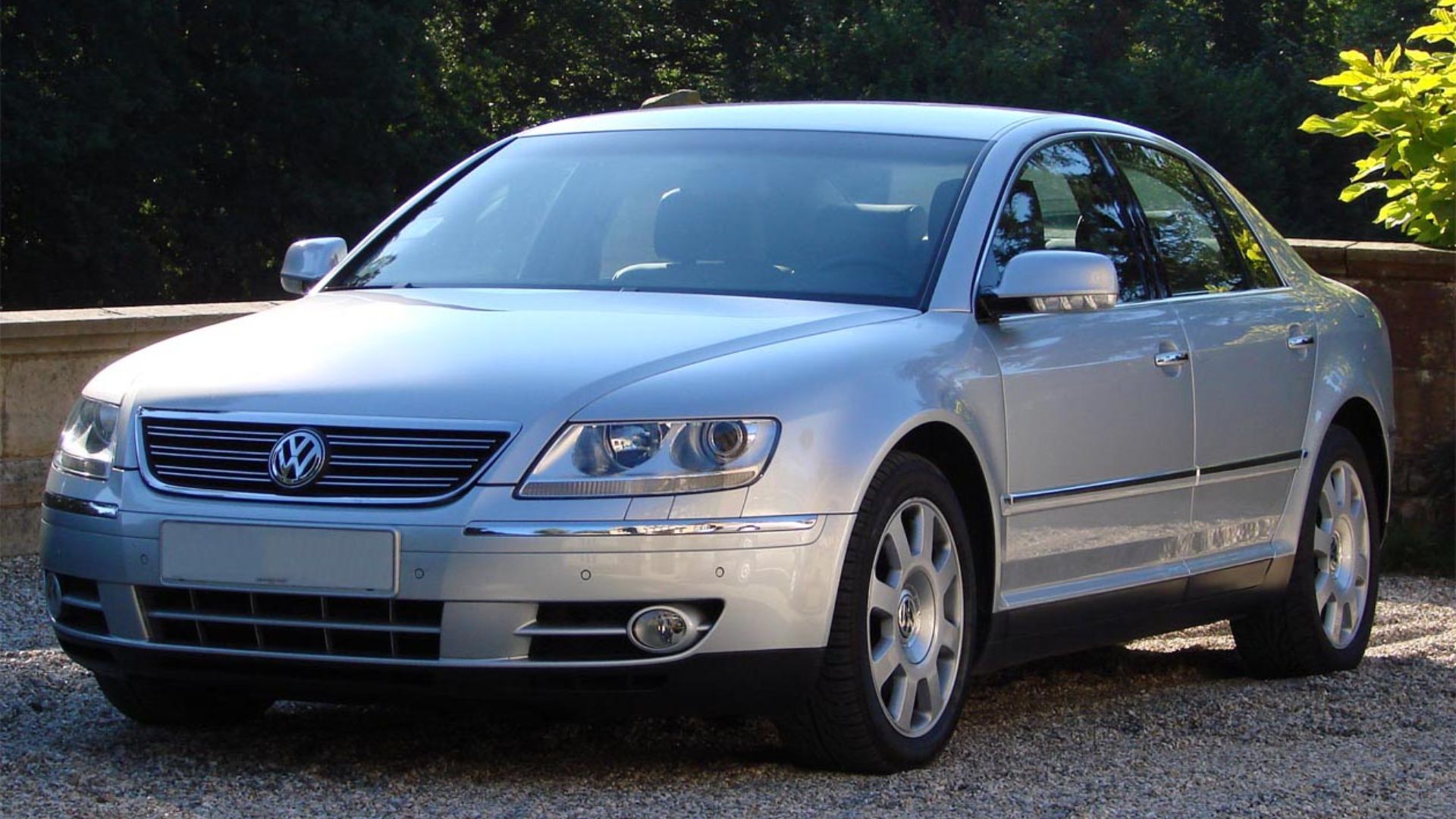
Volkswagen Phaeton
The Volkswagen Phaeton was developed as a full-size premium sedan with available W12 power and serious comfort engineering. It was assembled in Dresden’s Transparent Factory and shared engineering ambition with far more prestigious cars. The strange part was that it still wore a Volkswagen badge.
 Bewibble at English Wikipedia, Wikimedia Commons
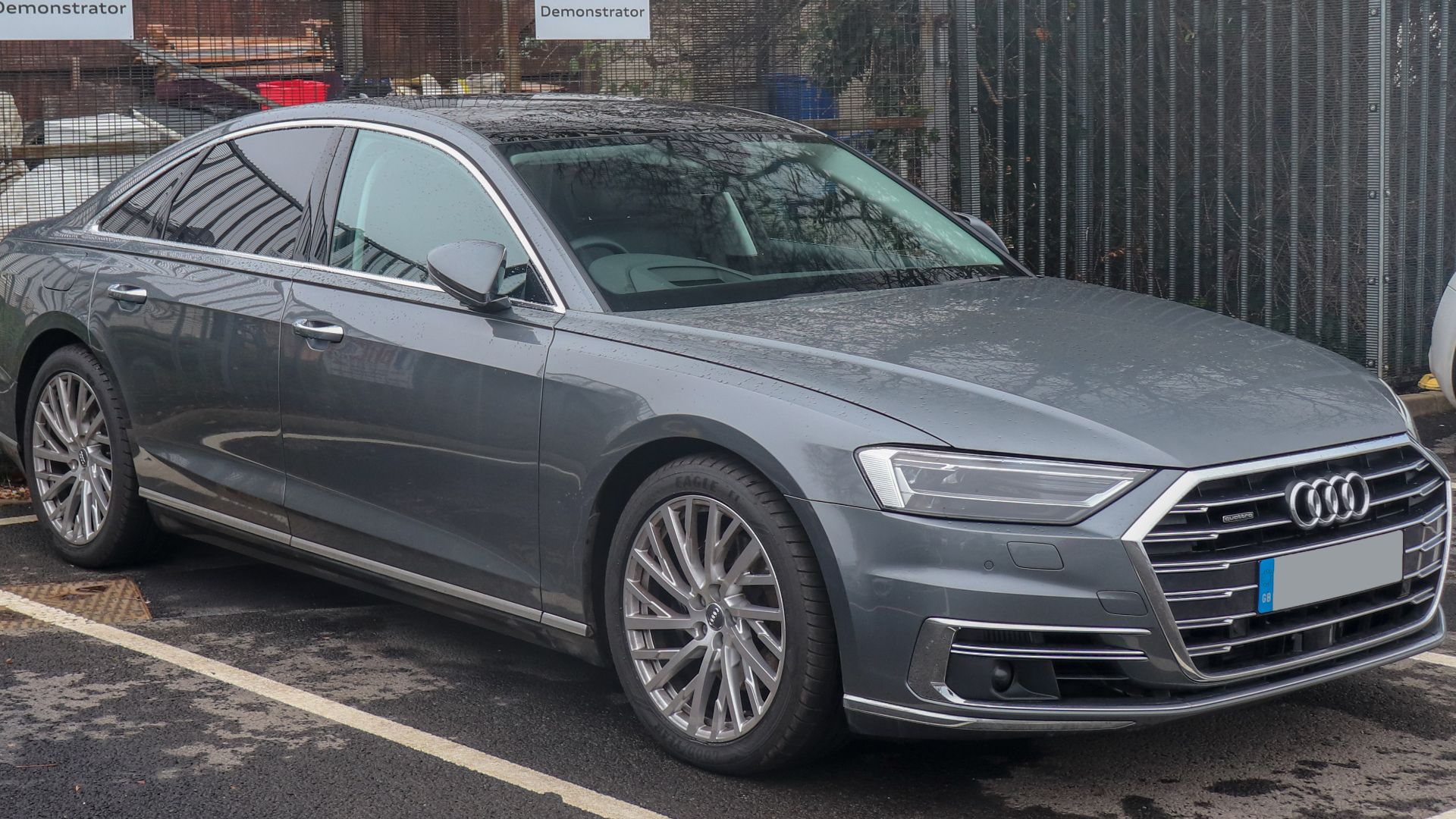
Audi A8
The first Audi A8 put the Audi Space Frame into series production. Audi says the ASF program took 12 years of development before the 1994 A8 arrived. That was a huge effort for a luxury sedan body structure.
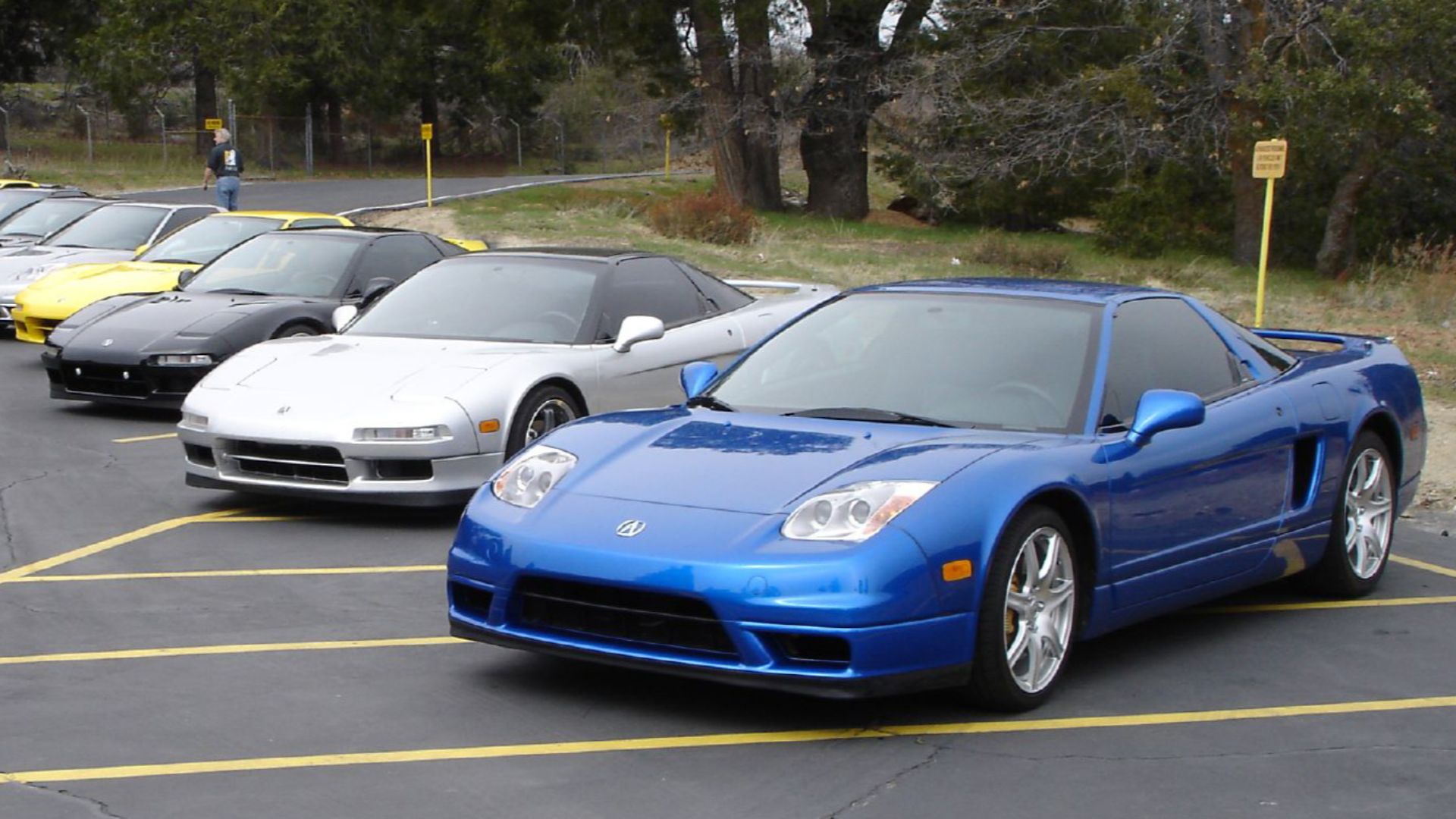
Honda NSX
The first Honda NSX used an aluminum semi-monocoque body and a high-revving VTEC V6. Honda also refined the car with feedback from Ayrton Senna during development. It made exotic-car engineering feel precise, reliable, and usable.
 Travis Rigel Lukas Hornung, Wikimedia Commons
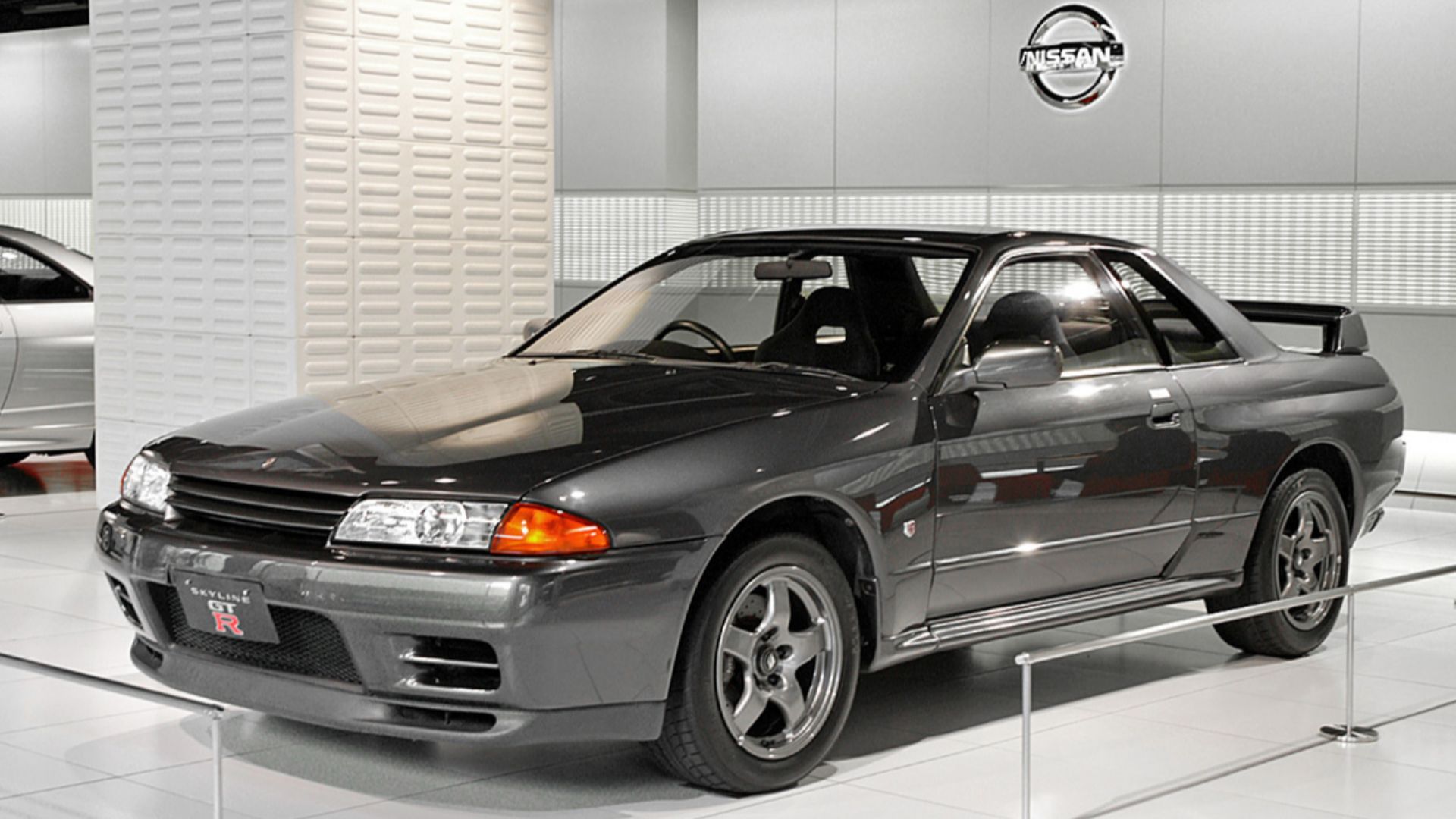
Nissan Skyline GT-R R32
The R32 Skyline GT-R paired the RB26DETT twin-turbo engine with ATTESA E-TS all-wheel drive and Super-HICAS four-wheel steering. It was built to dominate Group A racing, and it became famous for doing exactly that. Its “Godzilla” nickname was earned through hardware, not hype.
Mitsubishi 3000GT VR-4
The Mitsubishi 3000GT VR-4 used twin turbos, all-wheel drive, all-wheel steering, active aerodynamics, electronically controlled suspension, and active exhaust. That was a huge amount of technology for a 1990s sports coupe. It was heavy, but it was also gloriously ambitious.
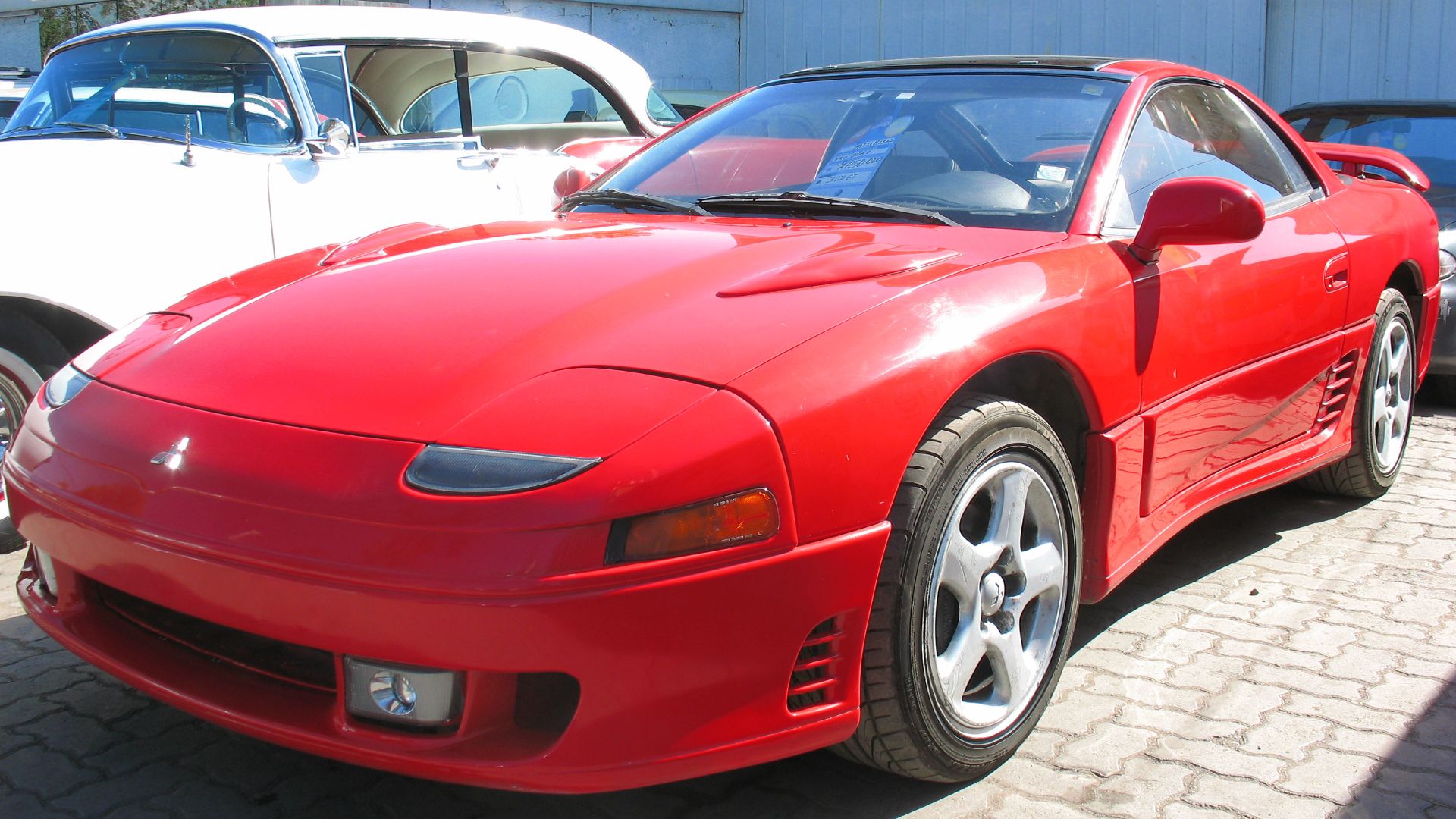 order_242 from Chile, Wikimedia Commons
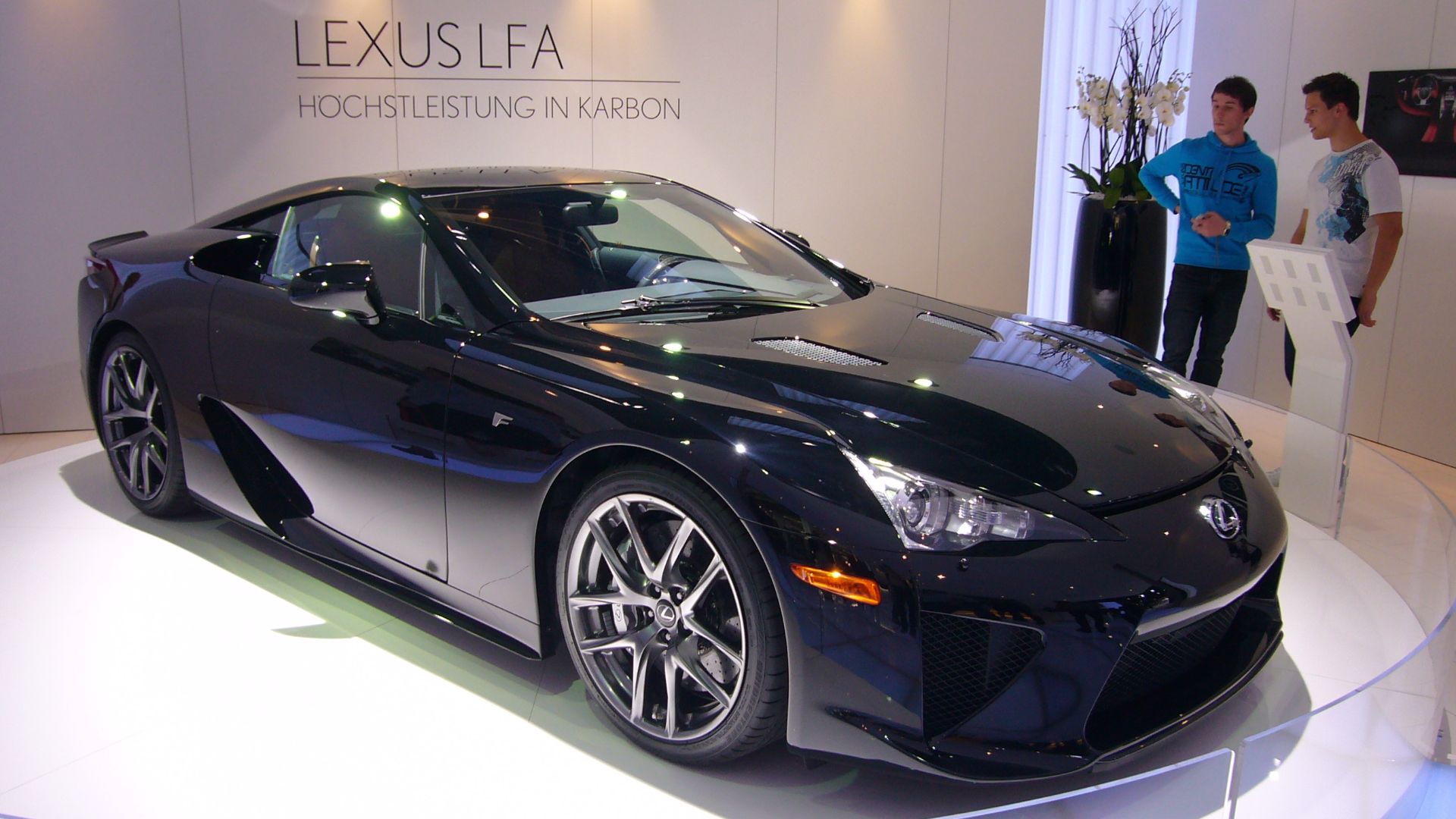
Toyota Century V12
The second-generation Toyota Century used a Toyota-built 5.0-liter V12, which made it unique among Japanese production sedans. It was designed for quiet, formal transport rather than showing off. That restraint made the engineering feel even more deliberate.
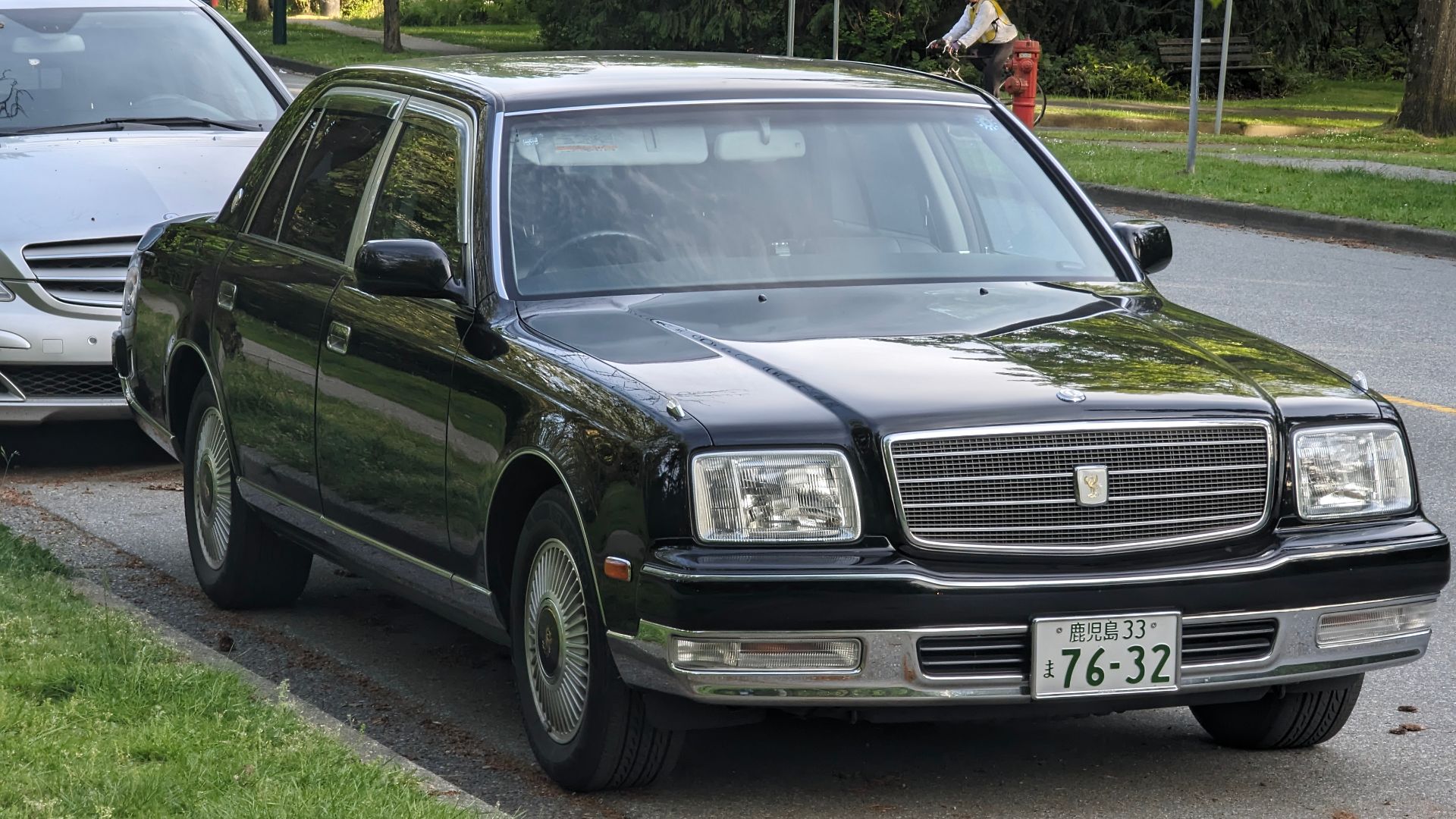
Lexus LFA
The Lexus LFA used a 4.8-liter V10 developed with Yamaha and a carbon-fiber-intensive body structure. Lexus limited production to 500 units. It took years to reach production, but the result became one of Toyota’s most celebrated engineering statements.
 Rutger van der Maar, Wikimedia Commons
BMW 850CSi
The BMW 8 Series E31 brought V12 power, advanced electronics, and sophisticated chassis engineering to a luxury coupe. The 850CSi added a sharper engine and, in European specification, active rear-axle kinematics. It was the kind of car that hid its complexity under a smooth suit.
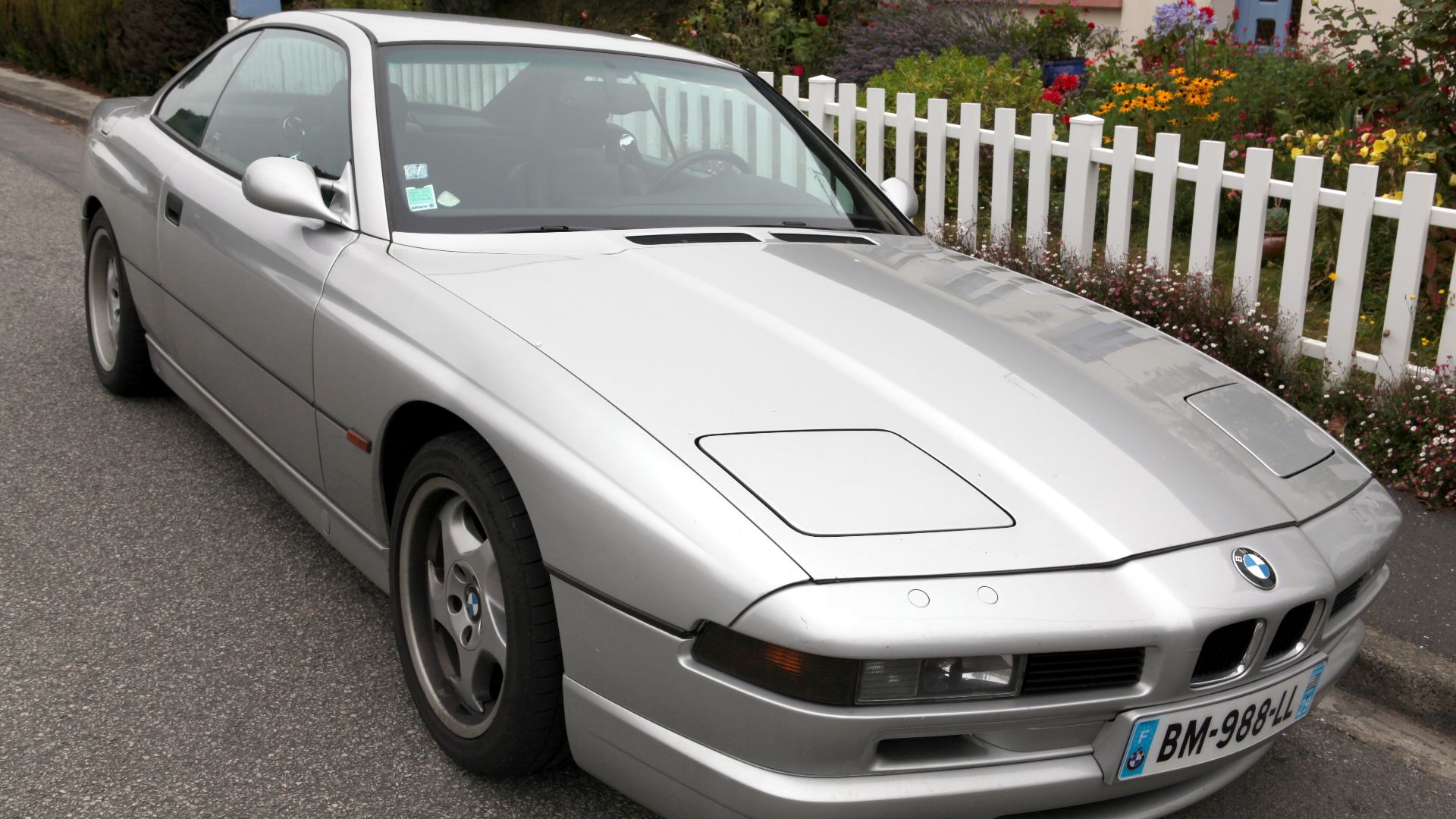 Joost J. Bakker, Wikimedia Commons
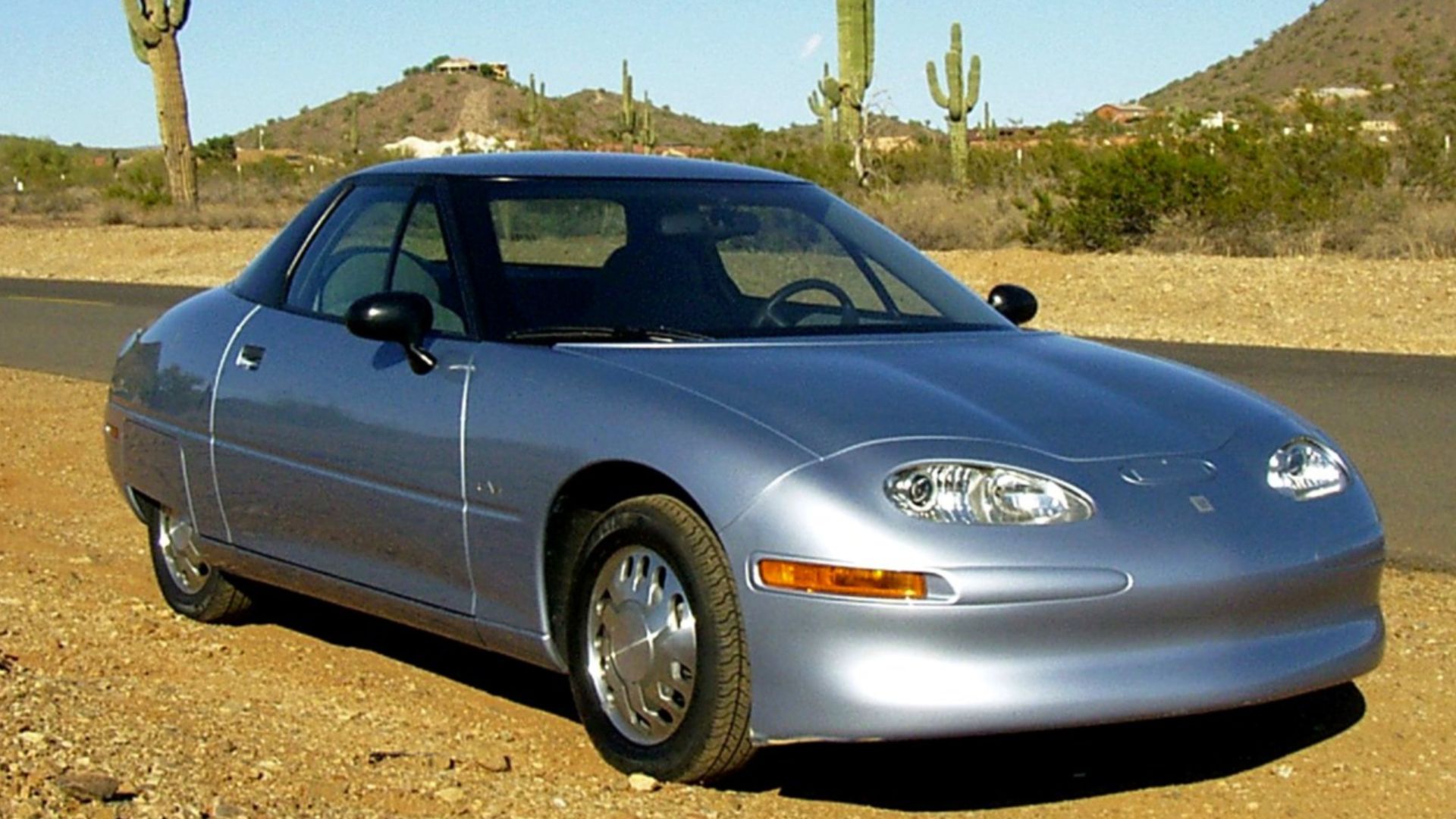
GM EV1
The GM EV1 was a purpose-built electric car rather than a gasoline model converted to battery power. It used an aluminum spaceframe, plastic and composite panels, regenerative braking, and extremely slippery aerodynamics. Its engineering pointed toward the future, even if the program did not last.
 RightBrainPhotography (Rick Rowen), Wikimedia Commons
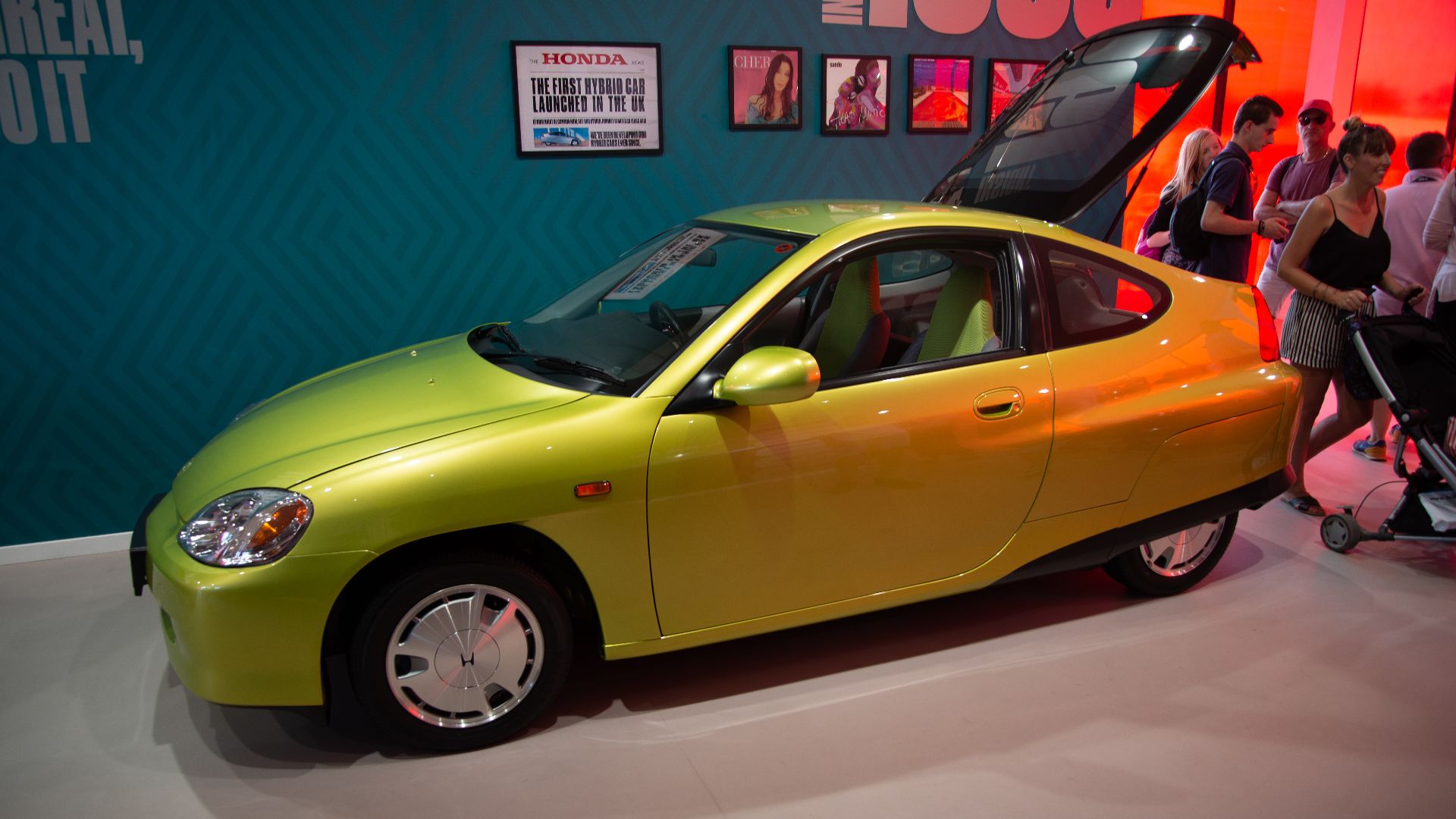
Honda Insight
The first Honda Insight used a lightweight aluminum structure and Honda’s Integrated Motor Assist hybrid system. Its teardrop shape, rear wheel covers, and tiny two-seat layout were all shaped around efficiency. It was overengineered for fuel economy in the best possible way.
 Irmantas Baltrusaitis, Wikimedia Commons
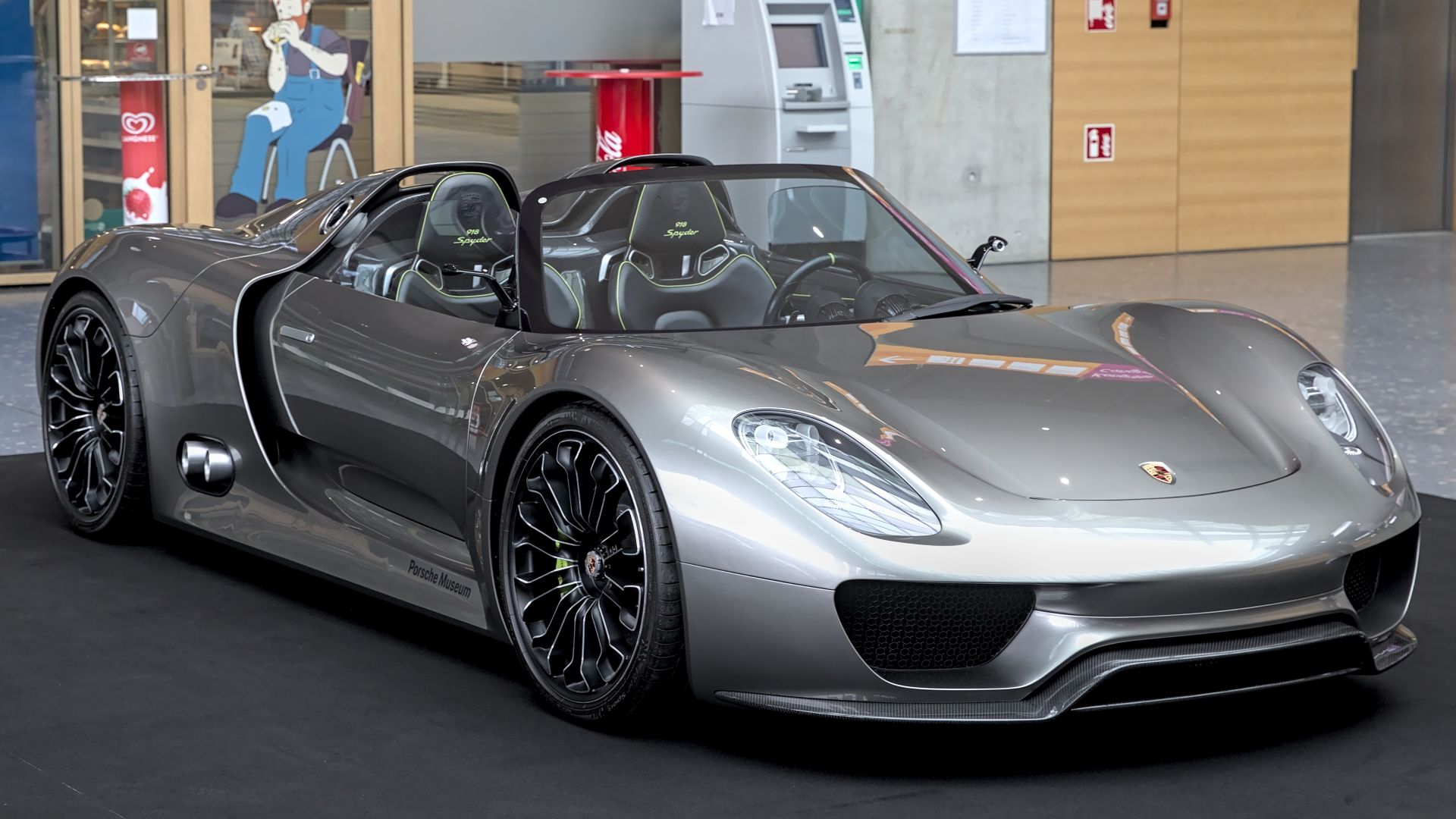
Porsche 918 Spyder
The Porsche 918 Spyder combined a naturally aspirated V8 with two electric motors. It used hybrid hardware not only for efficiency, but also for all-wheel-drive performance. That made it one of the clearest signs that supercars had entered a new engineering era.
 Alexander Migl, Wikimedia Commons
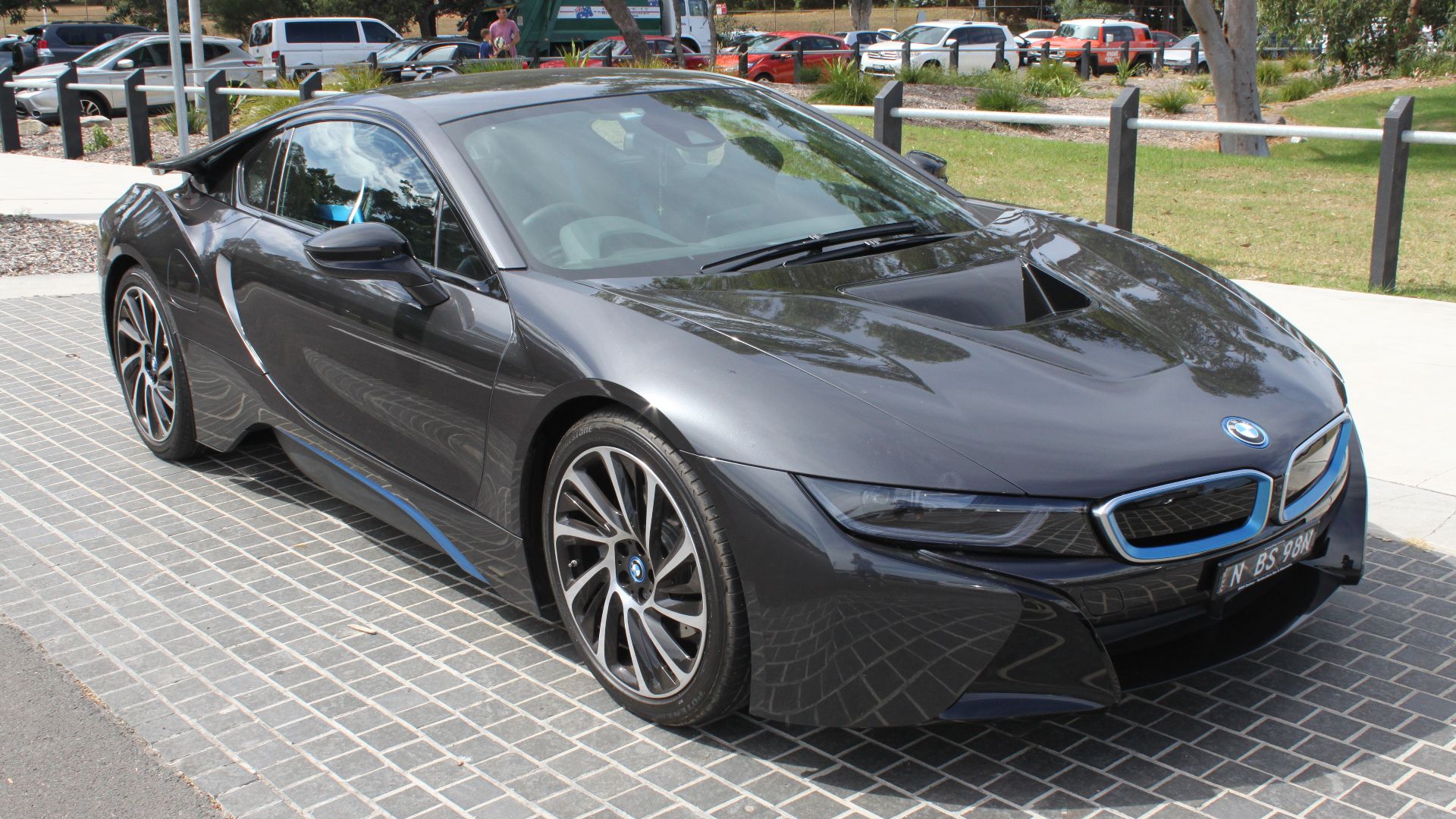
BMW i8
The BMW i8 used a carbon-fiber-reinforced plastic passenger cell and an aluminum drive module. It paired plug-in hybrid hardware with sports-car styling and butterfly doors. It was not the fastest supercar, but it was one of the most elaborate ways to make a statement.
 Jeremy from Sydney, Australia, Wikimedia Commons
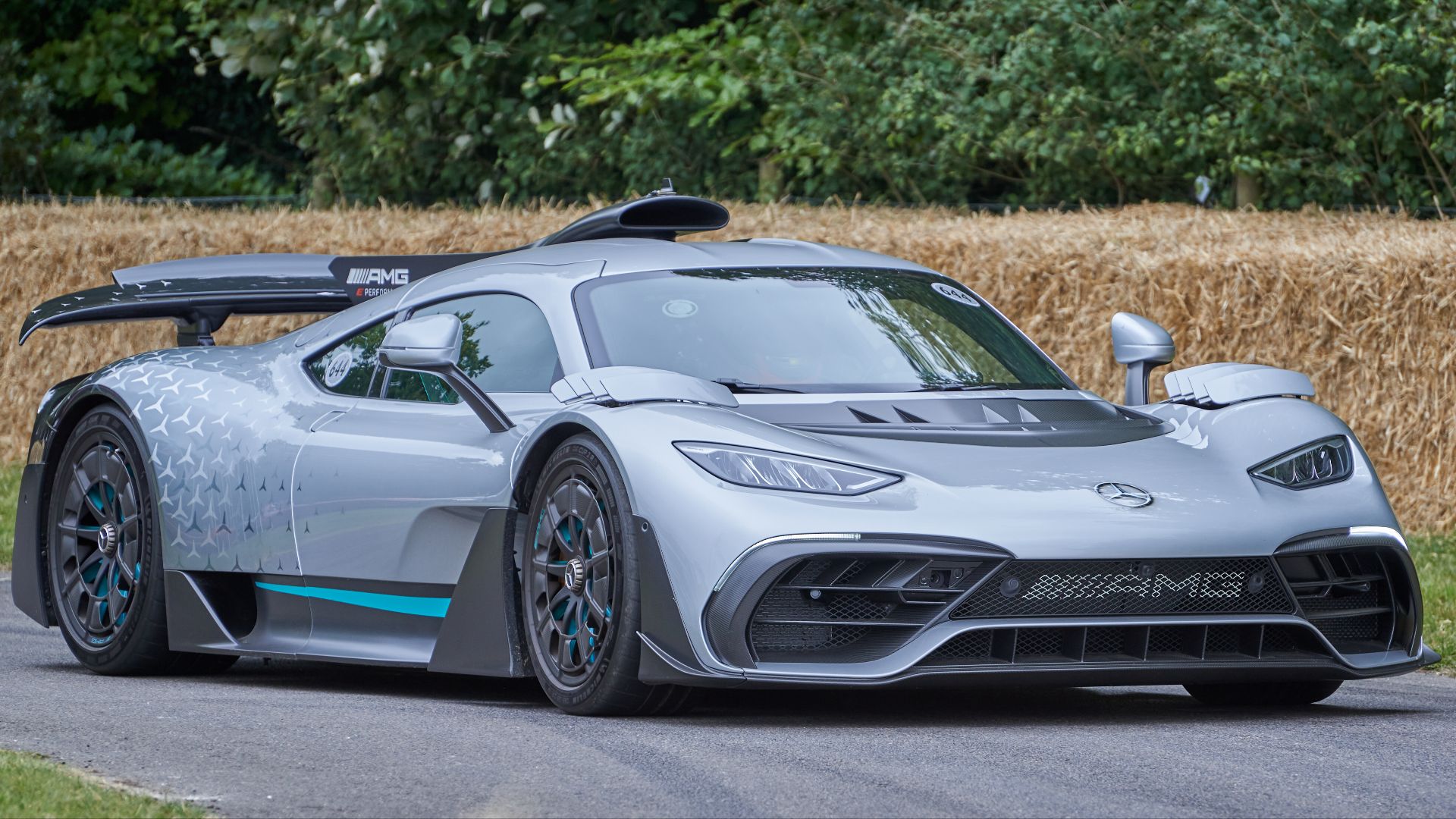
Mercedes-AMG ONE
The Mercedes-AMG ONE was built around Formula 1-derived hybrid powertrain technology. Mercedes-AMG describes it as a road-legal racing car inspired by Formula 1. Turning that idea into something customers could actually drive was the definition of complicated.
 Andrew Basterfield, Wikimedia Commons
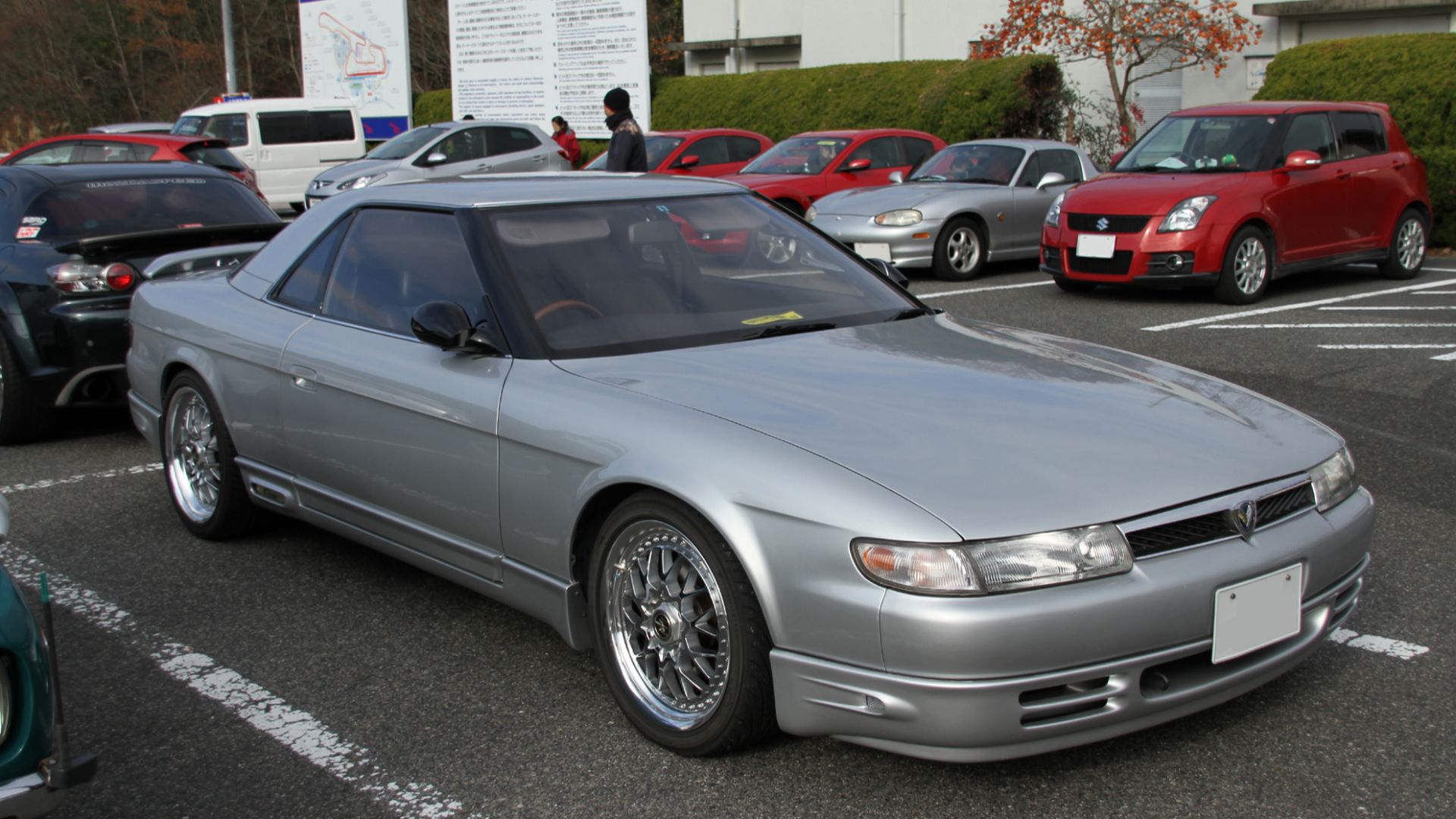
Mazda Eunos Cosmo
The Mazda Eunos Cosmo 20B was sold with a three-rotor rotary engine and sequential twin turbochargers. It also became known for advanced cabin technology, including an early touchscreen-style control system and GPS-based navigation. It was a luxury coupe for people who wanted the unusual answer.
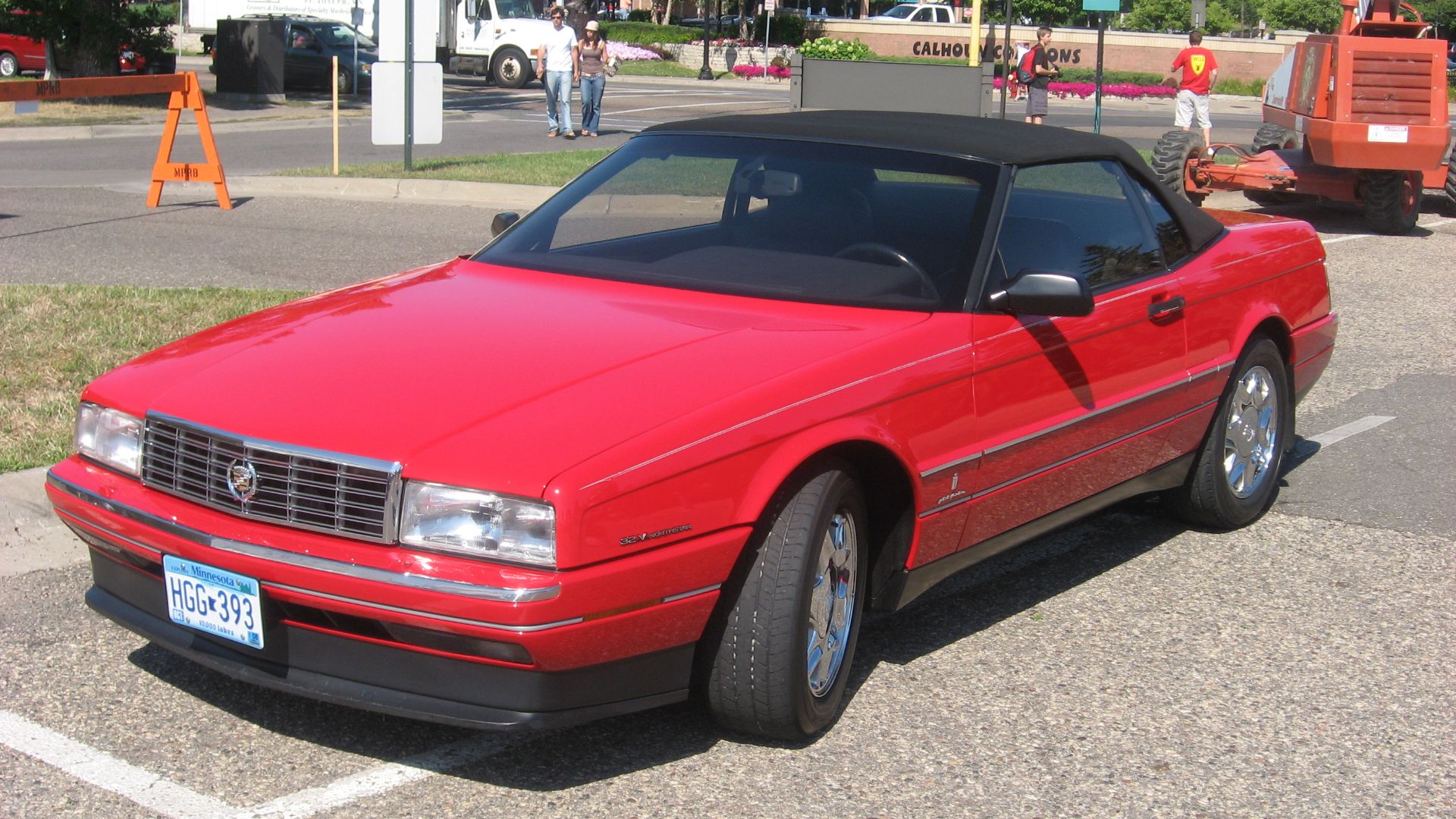
Cadillac Allanté
The Cadillac Allanté used bodywork built by Pininfarina in Italy, then shipped to Detroit for final assembly. That “Air Bridge” process used specially equipped Boeing 747s. It was an extravagant production solution for a two-seat luxury roadster.
 Randy Stern from Minneapolis, MN, USA, Wikimedia Commons
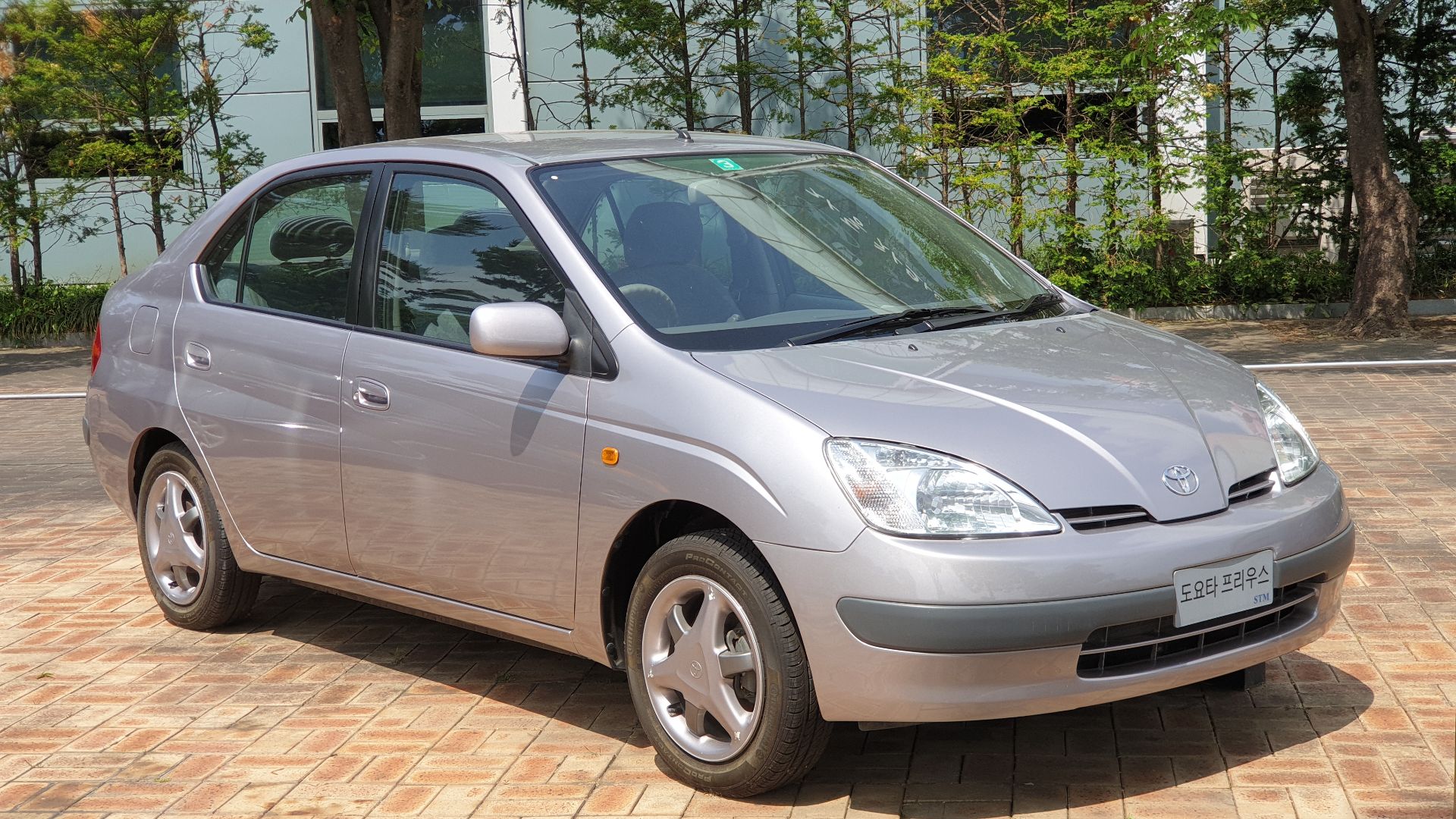
Toyota Prius
The original Toyota Prius turned hybrid drive into a real production-car proposition. Its gasoline engine, electric motor, battery pack, and control systems worked together in a way most drivers never had to think about. That invisible complexity is why it changed the industry.
 Damian B Oh, Wikimedia Commons
Nissan GT-R R35
The R35 Nissan GT-R used a twin-turbo V6, dual-clutch transaxle, advanced all-wheel drive, and extensive electronic control systems. It was engineered to deliver huge performance without demanding race-driver skill from the owner. The car’s magic was making complicated systems feel brutally simple.
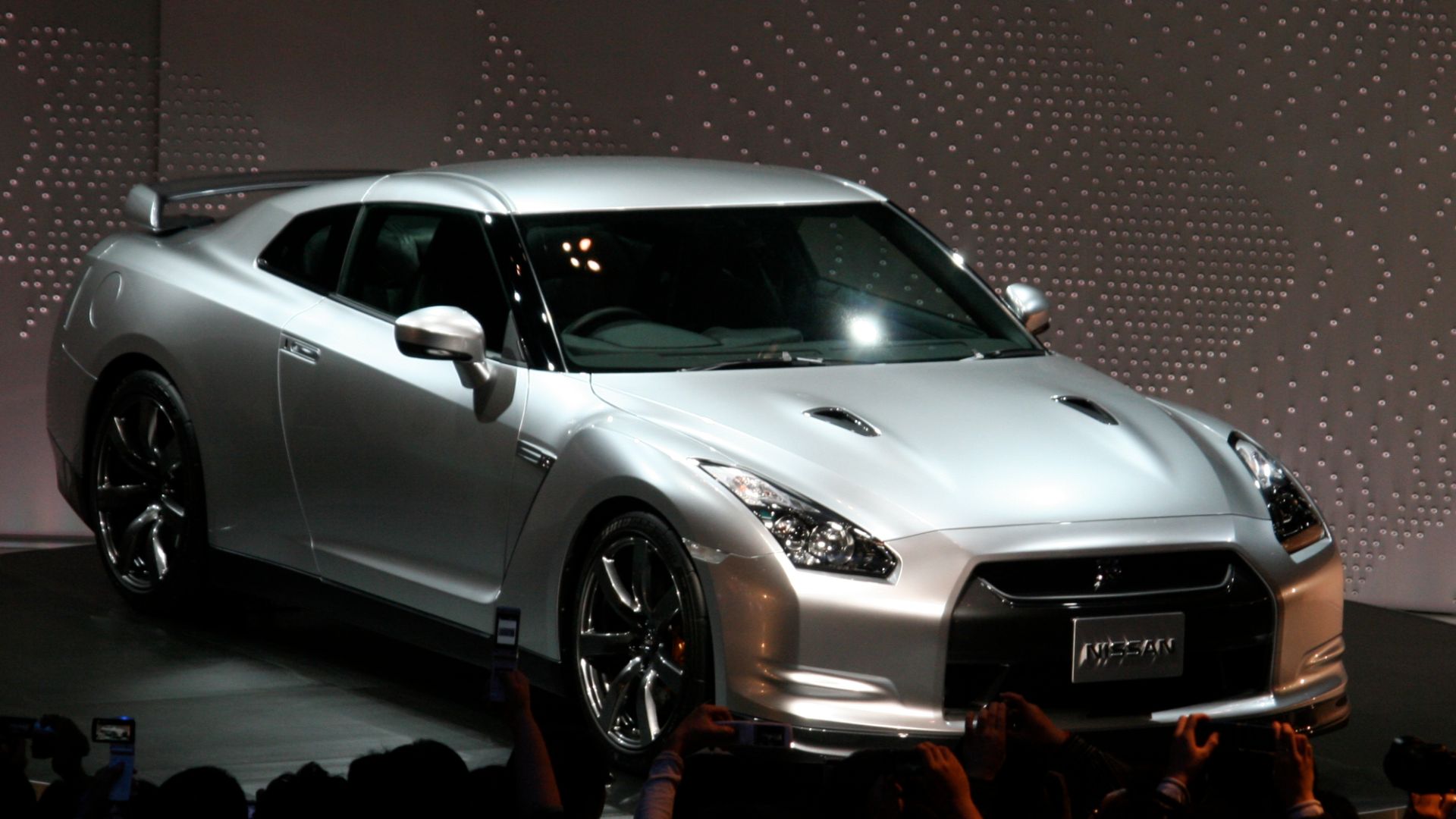 yuichirock from Singapore, Wikimedia Commons
Range Rover P38A
The second-generation Range Rover added electronic air suspension and a more electronics-heavy luxury experience. It kept the off-road brief while pushing the model deeper into premium-car territory. That mix of ruggedness and complexity made it fascinating and sometimes frustrating.
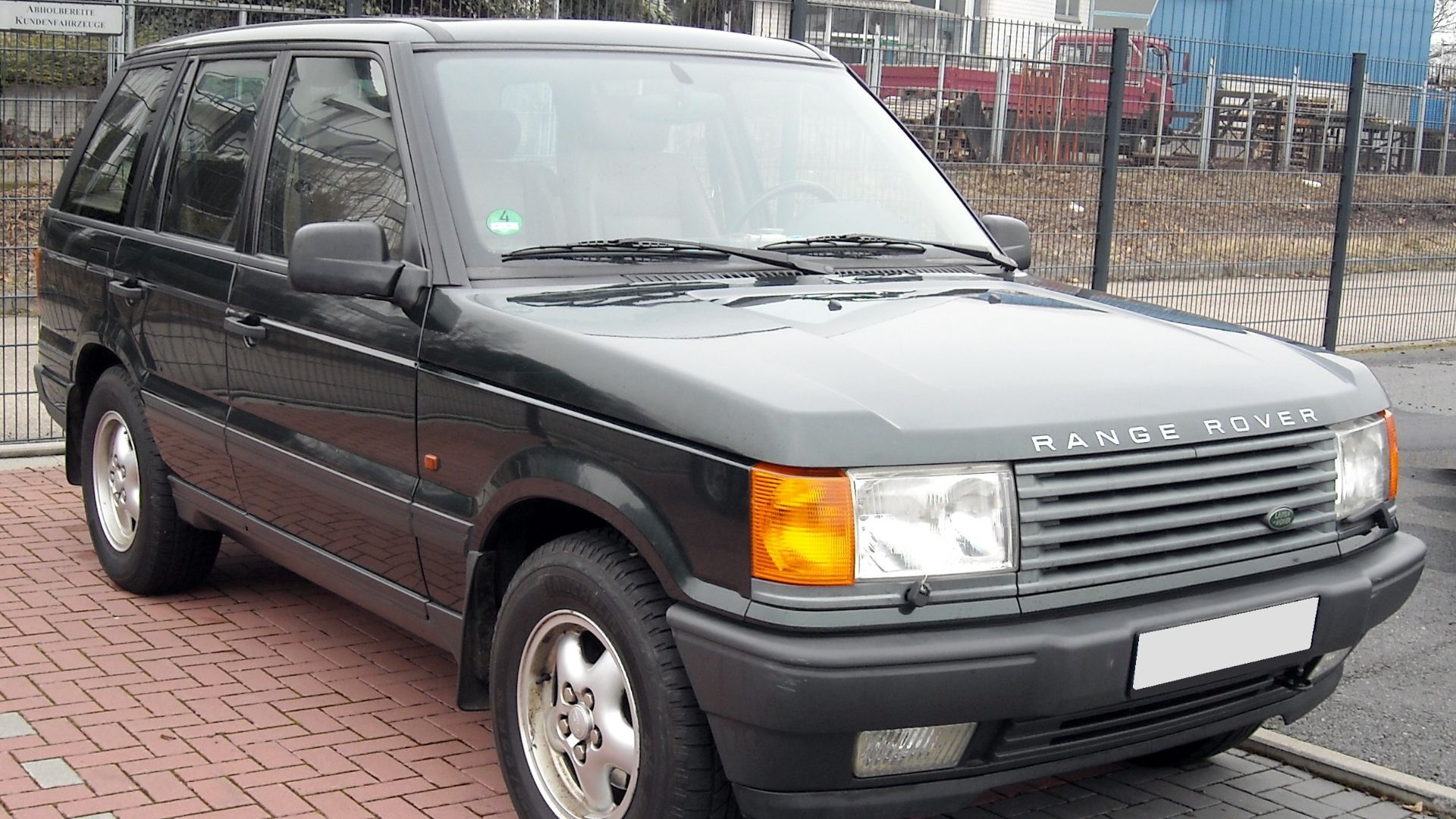 Rudolf Stricker, Wikimedia Commons
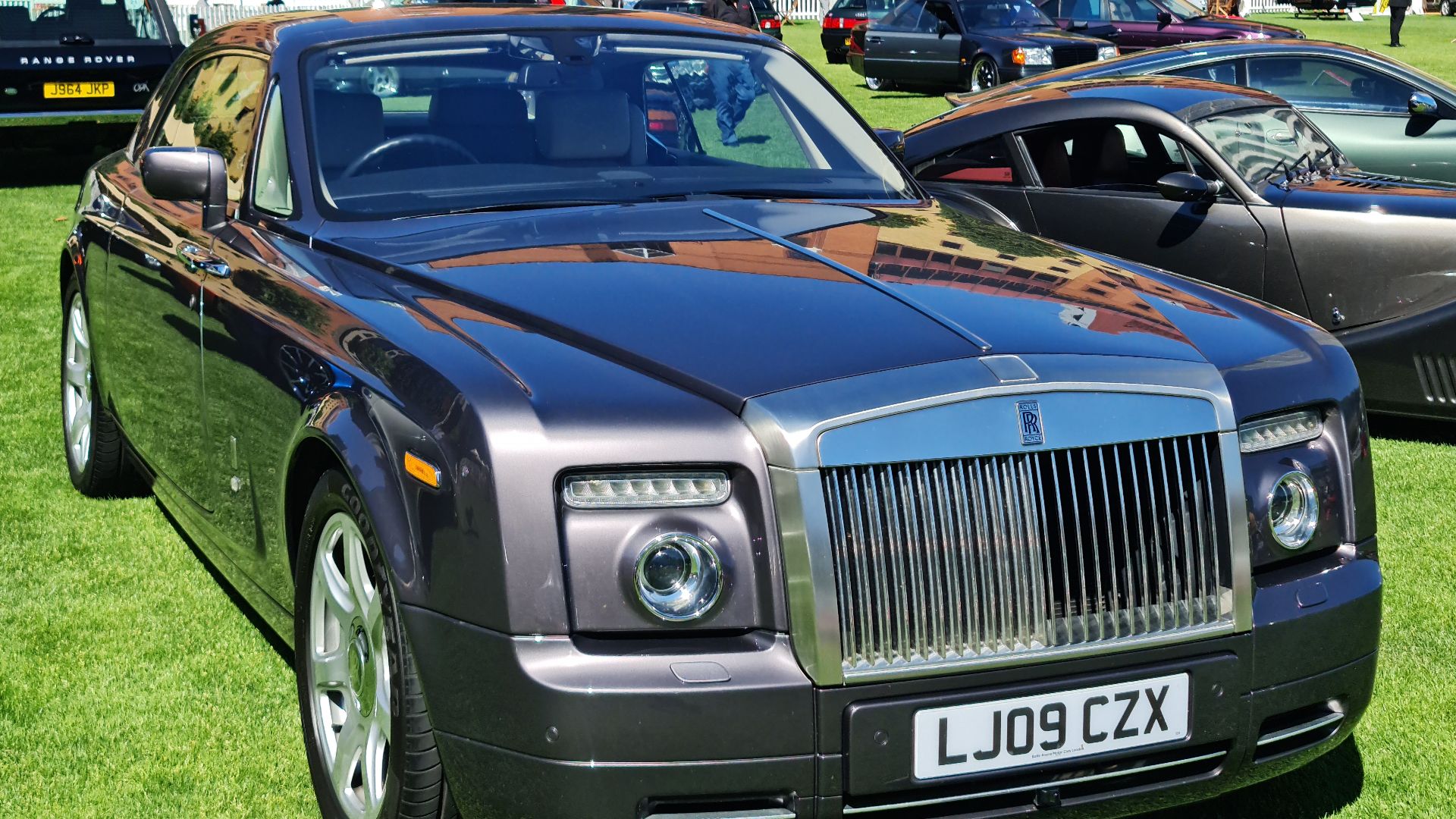
Rolls-Royce Phantom VII
The Phantom VII was the first Rolls-Royce developed under BMW ownership. It used a 6.75-liter V12, an aluminum spaceframe, and an enormous focus on quietness and ride isolation. It proved that overengineering can be measured in how little the occupants notice.
You May Also Like:
The Most Disastrous Recalls In Car History
The Most Dangerous Cars Ever Made, According To The Safety Tests
The Most Overbuilt Engines Ever Made—And Why They’re Still Running Decades Later
Sources: 1, 2, 3, 4, 5, 6, 7, 8, 9, 10, 11, 12, 13, 14, 15, 16, 17, 18, 19, 20