Engineered To Last
We all hear about engines lasting 300,000 miles or more, and motors that simply refuse to die. This is no accident. Certain engines were designed with extra strength, durability, and tolerance in mind that went well past their intended output. That over-engineering is why those engines are still running strong decades later while others have long since wound up in the junkyards of America. We look at the engines truly built to last
What “Overbuilt” Actually Means
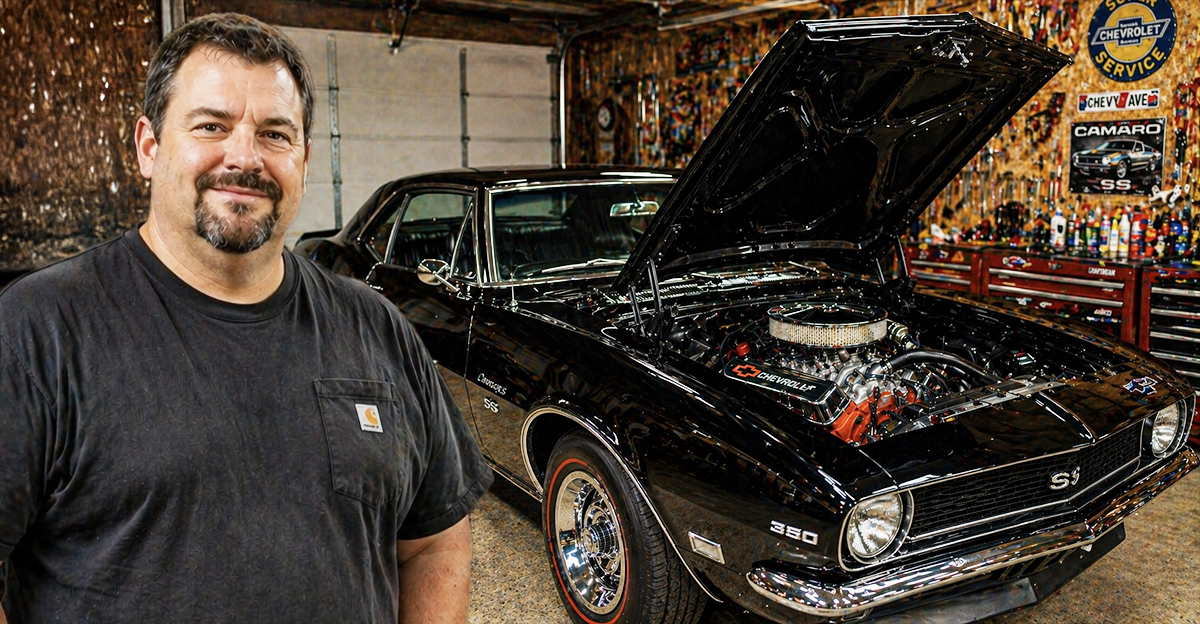
In mechanical terms, “overbuilt” means something that is constructed stronger or more robust than was strictly necessary for its intended use. In terms of engines, that translates to heavier components, stronger internals, and designs capable of handling a lot more stress, power, and wear & tear than they were ever expected to face.
Why Automakers Sometimes Overbuild
In earlier eras, manufacturers often prioritized durability over cost savings. Engines were designed to survive poor maintenance, low-quality fuel, and tougher conditions. That attitude led to thicker engine blocks, forged components, and conservative tuning that left a lot of unused potential in the design.
 Sirnik at English Wikipedia, Wikimedia Commons
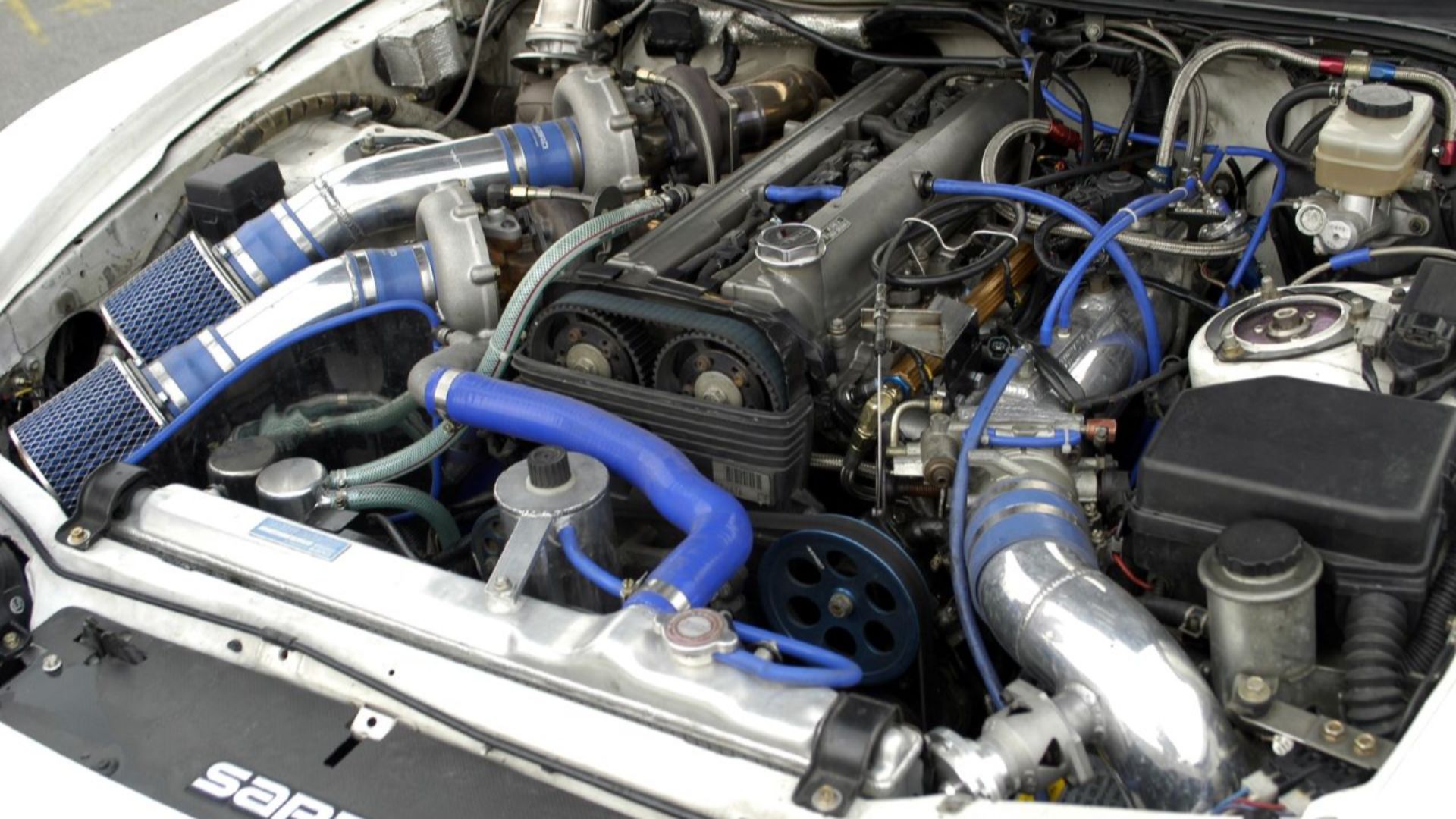
Toyota 2JZ-GTE
The Toyota 2JZ-GTE is legendary for a reason. Originally made for the Supra, Aristo, and Lexus IS300, among others, it had a cast iron block and extremely strong internals, and was built to handle far more power than stock output suggested. That is why tuners regularly push these engines to massive horsepower numbers without major internal upgrades.
 chen chin from taipei~tokyo, taiwan~japan, Wikimedia Commons
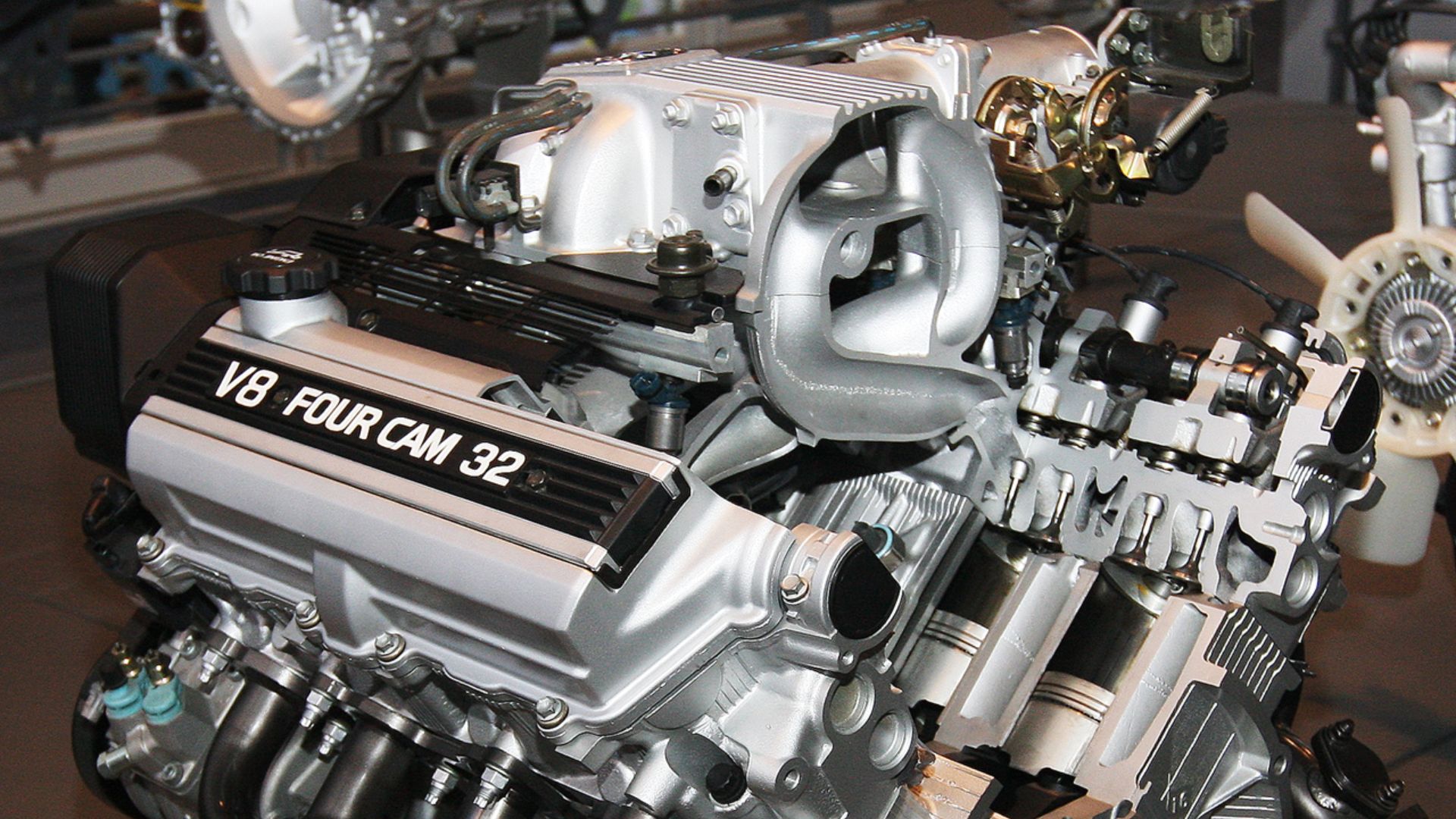
Toyota 1UZ-FE
Originally slated for the Lexus LS400, and designed with race-inspired architecture, the 1UZ-FE featured six-bolt main bearings and robust internal construction. It was smooth, reliable, and incredibly durable, often lasting hundreds of thousands of miles with minimal issues.
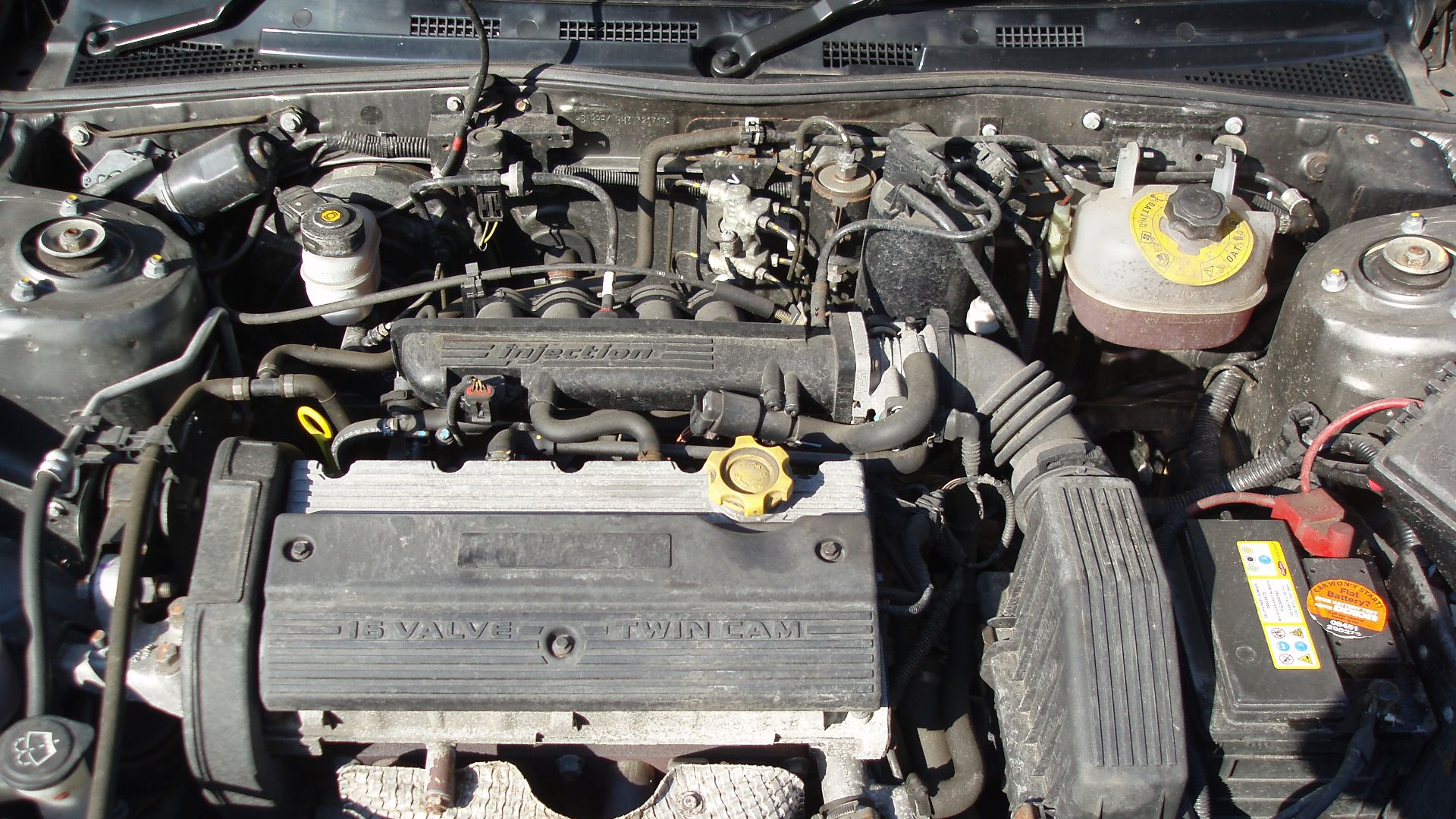
Honda K-Series
Honda’s K-series engines gained a reputation for surviving extreme abuse. Their strong bottom ends and efficient design allow them to handle high revs and increased power levels. Enthusiasts regularly push them well beyond factory limits without catastrophic failure.
 User Hamish2k on en.wikipedia, Wikimedia Commons
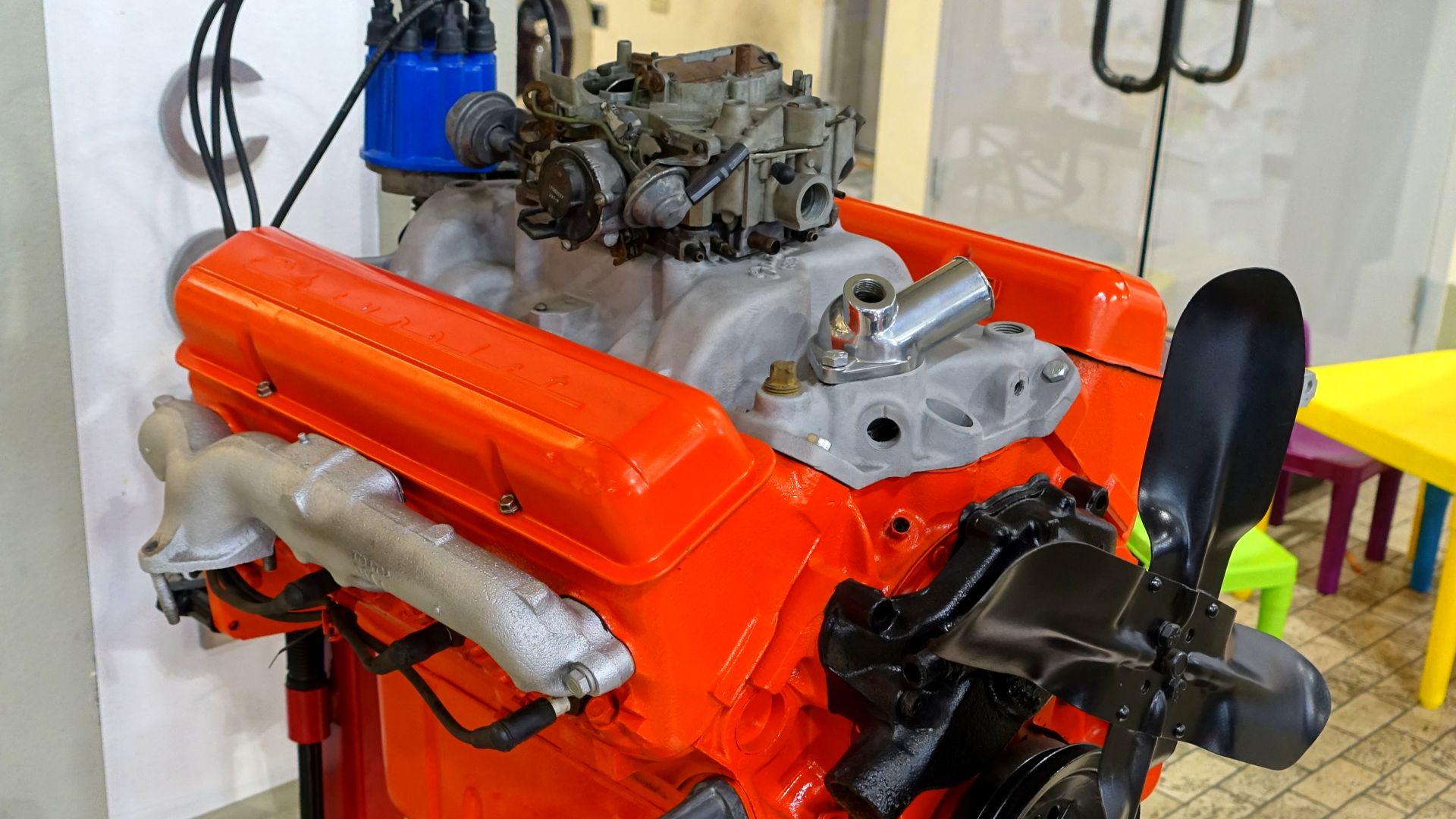
Chevrolet Small-Block V8
The classic small-block Chevy is one of the most durable engines ever produced, including the 302, 327, and 350. Its simple design, thick castings, and massive aftermarket support have kept it alive for decades. Many of these engines continue running in trucks, hot rods, and daily drivers.
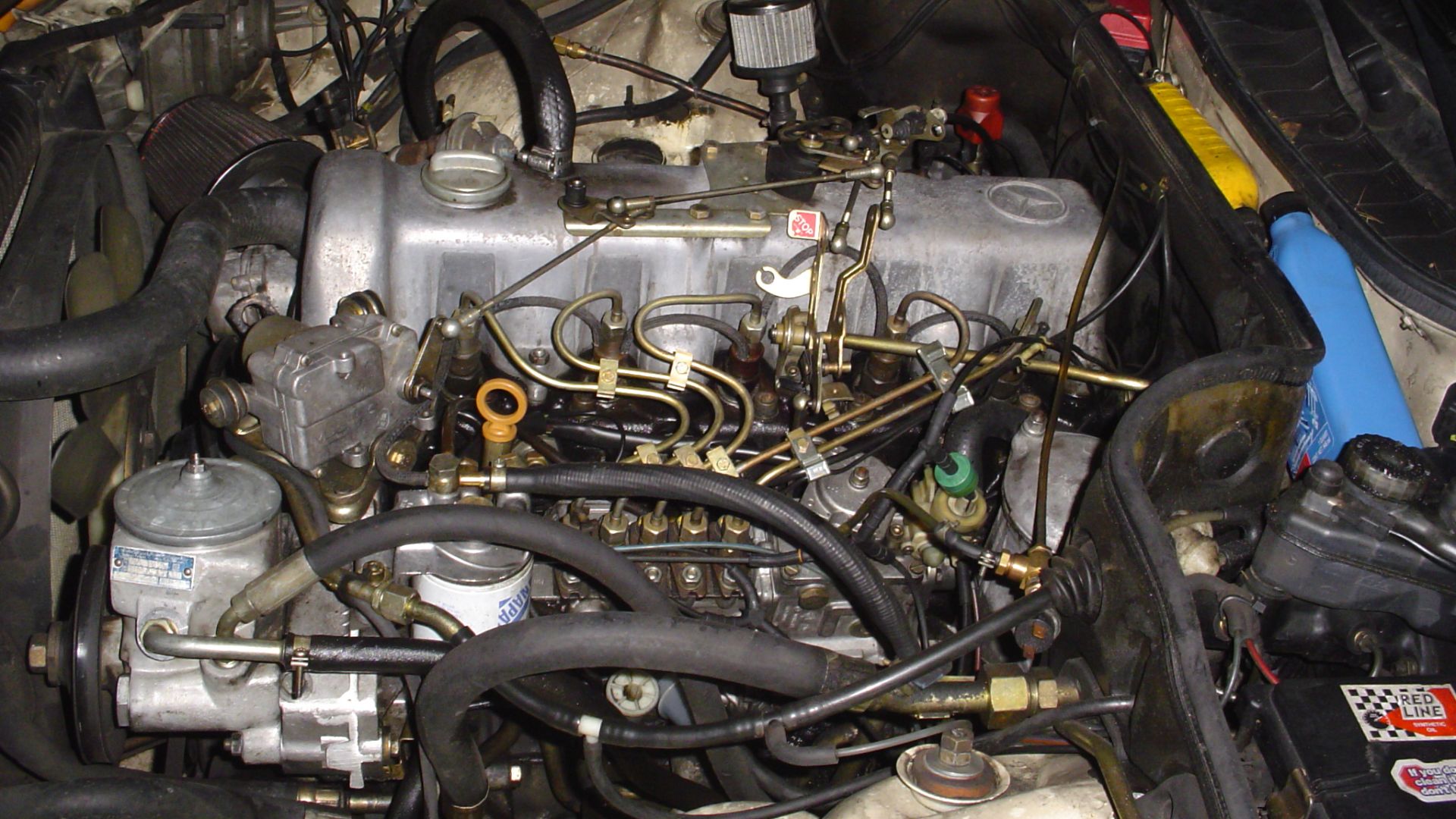
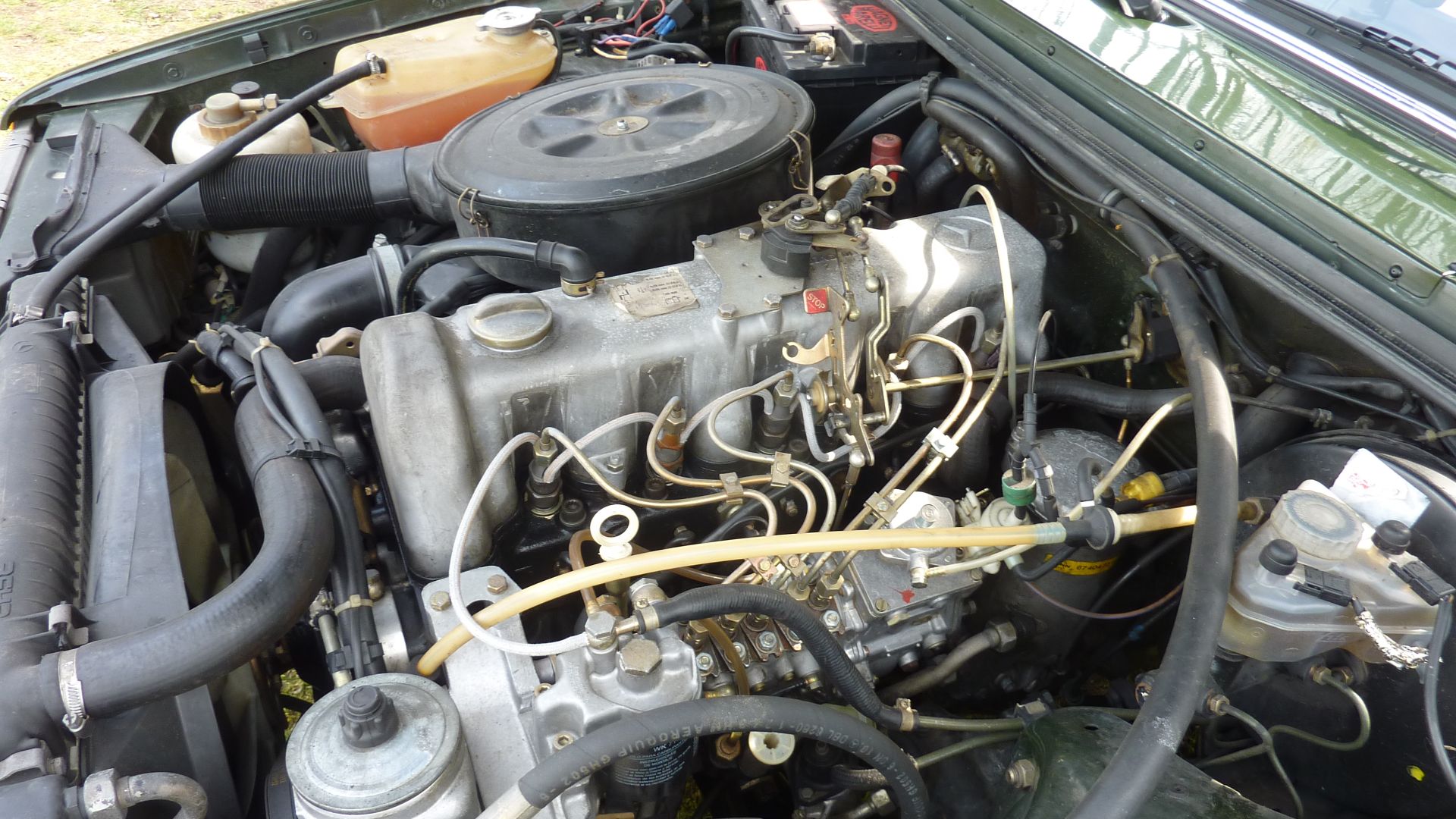
Mercedes-Benz OM617 Diesel
This five-cylinder diesel is often considered nearly indestructible. Known for exceeding 500,000 miles, the OM617 was built with heavy-duty internals and low-stress tuning. It was designed for longevity rather than performance, and that decision paid off in extreme durability.
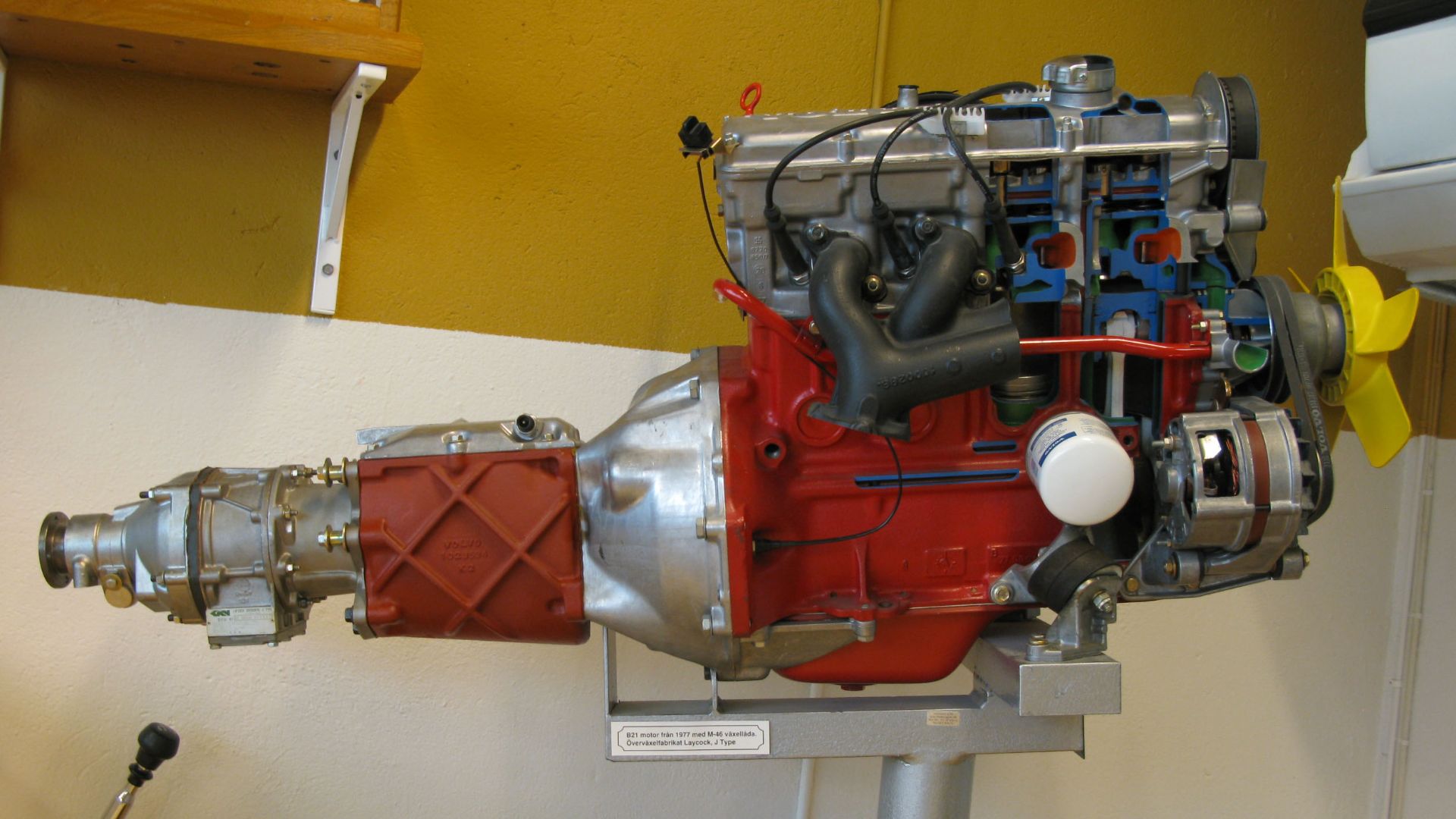
Volvo Redblock
Volvo’s Redblock engines (1974–1998) were overbuilt with thick iron blocks and conservative engineering. Designed to withstand harsh climates and long service intervals, they were, and still are, a favorite among drivers who value reliability above all else.
 Herranderssvensson, Wikimedia Commons
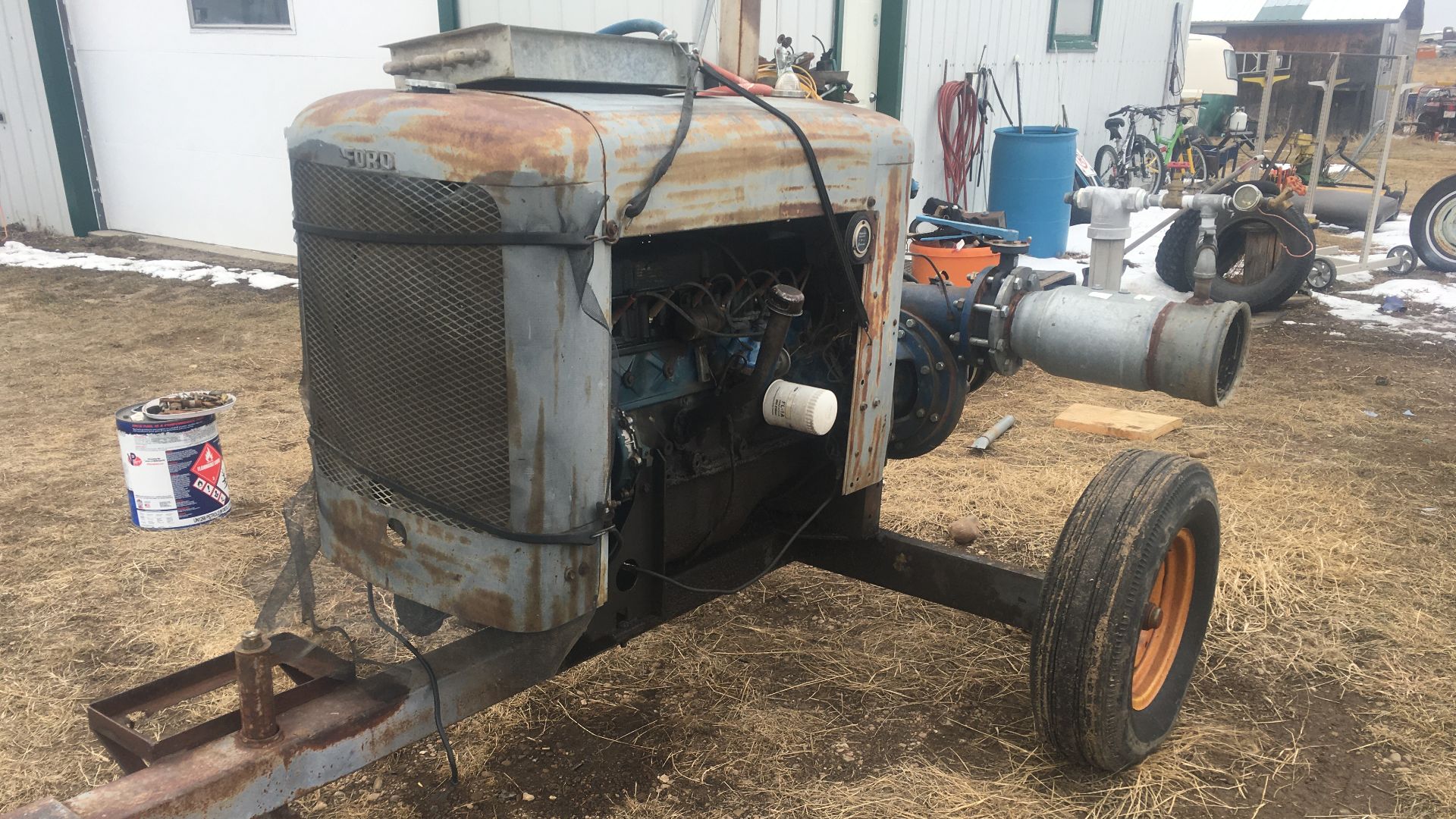
Ford 300 Inline Six
Ford’s 300 cubic inch inline-six became famous for its toughness. Used heavily in trucks for several decades, it was designed for work, not speed. Its low-revving nature and robust construction allowed it to handle years of abuse without breaking down.
 Redelback49, Wikimedia Commons
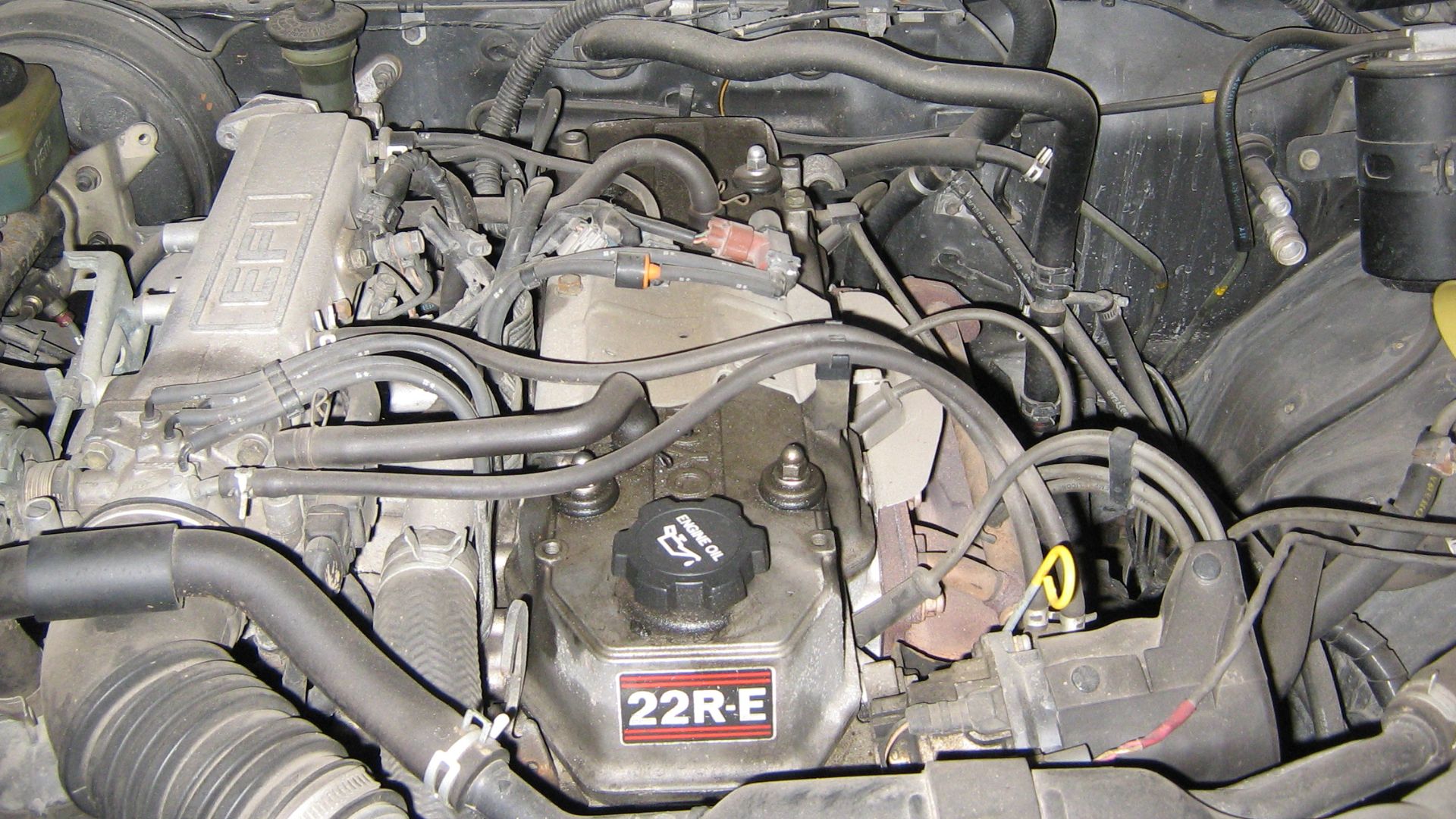
Toyota 22R
The Toyota 22R is another example of simple, overbuilt engineering. The four-cylinder was a mainstay of Toyota vehicles in the 80s and 90s, with its rugged design and ease of maintenance making it a staple in trucks and off-road vehicles. These engines are still running today in vehicles that have seen decades of hard use.
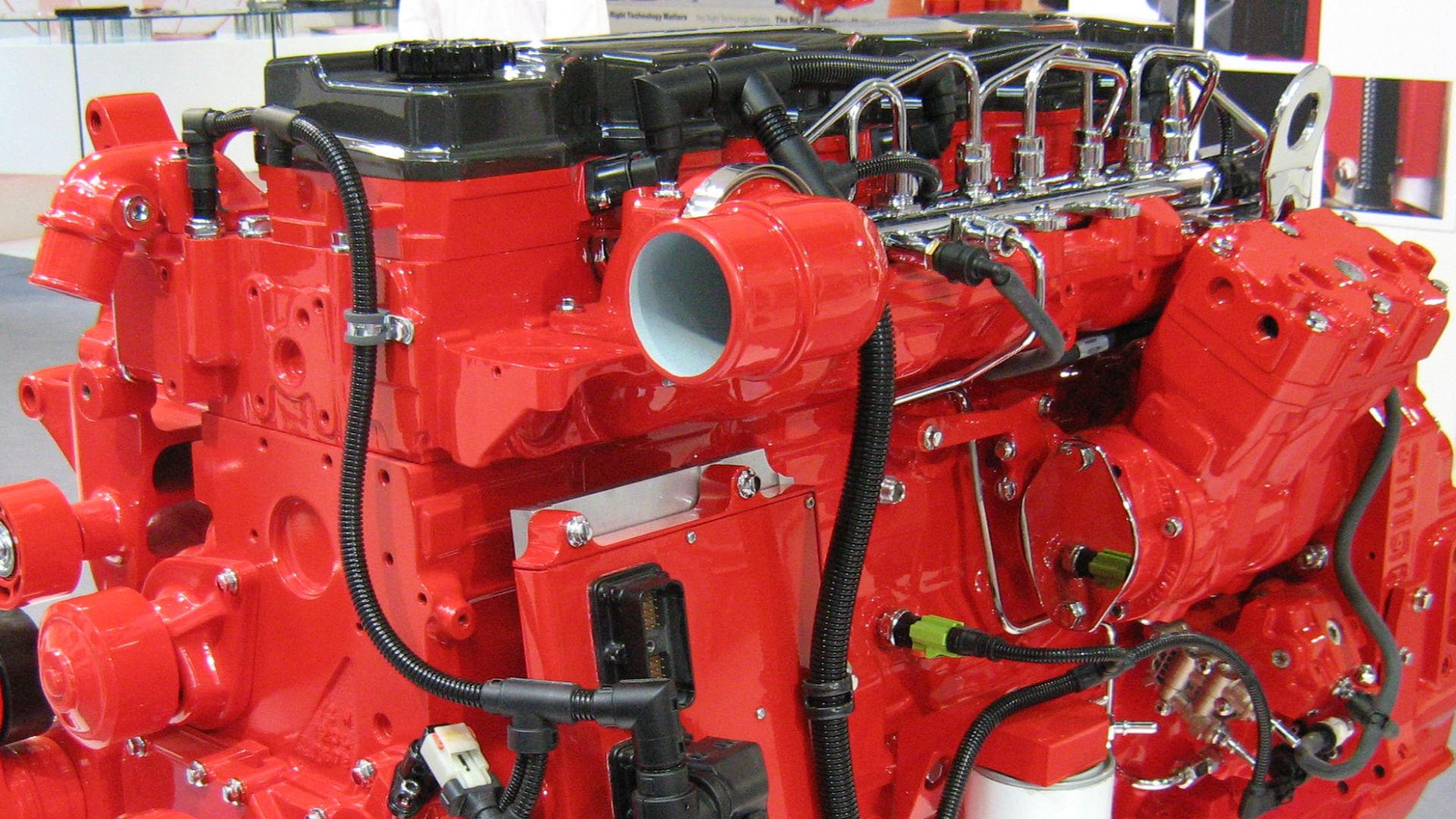
Cummins 6BT Diesel
Built for commercial duty, the Cummins 6BT was massively overengineered for pickup trucks. Its heavy-duty construction allows it to handle extreme torque and long service life, often reaching hundreds of thousands of miles with proper care.
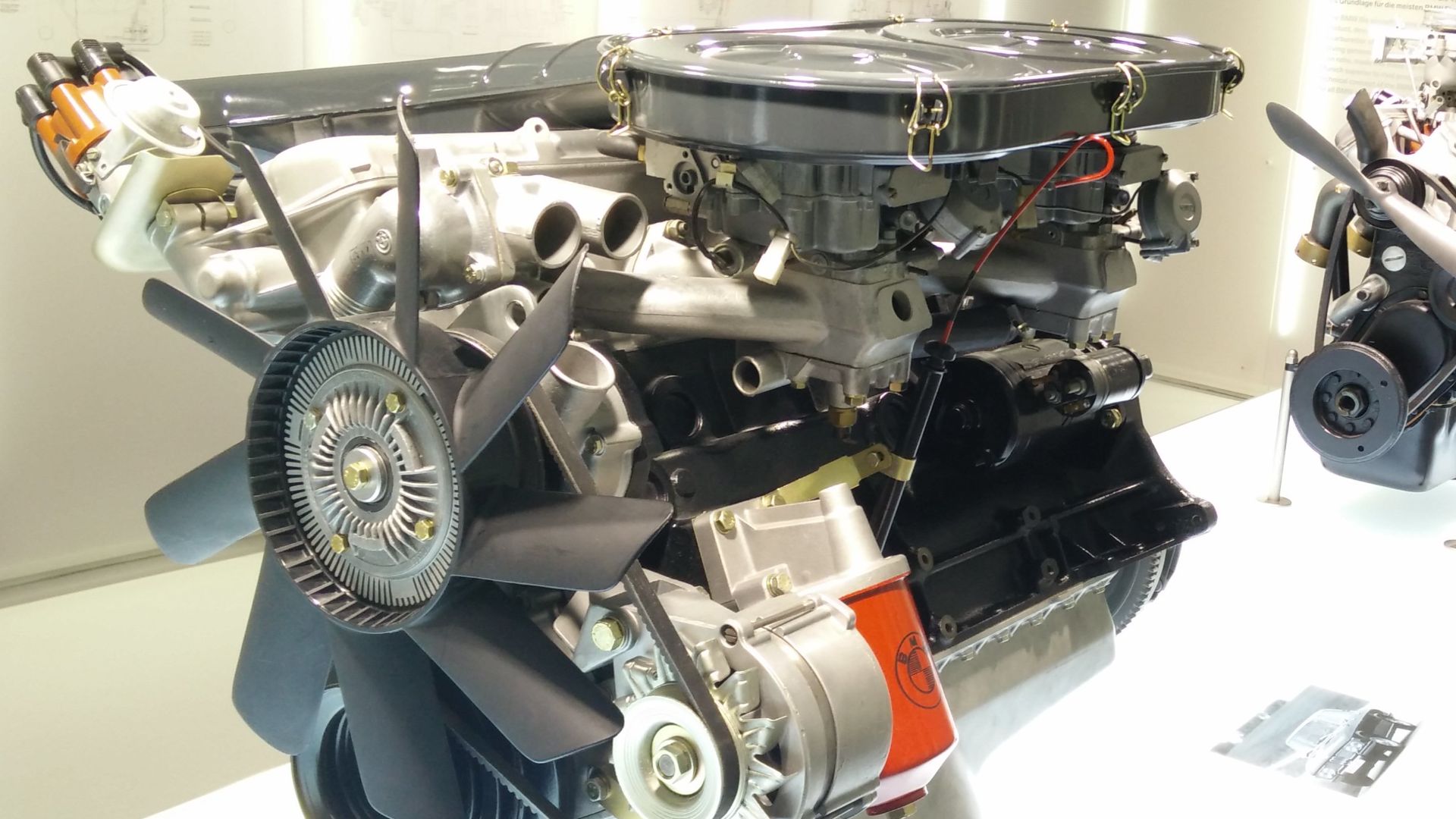
BMW M30
BMW’s M30 inline-six earned a reputation for durability thanks to its solid construction and conservative tuning. Produced from 1968 to 1995, it powered a wide range of vehicles for decades and remains respected for its longevity and smooth performance.
 Nathanael Burton, Wikimedia Commons
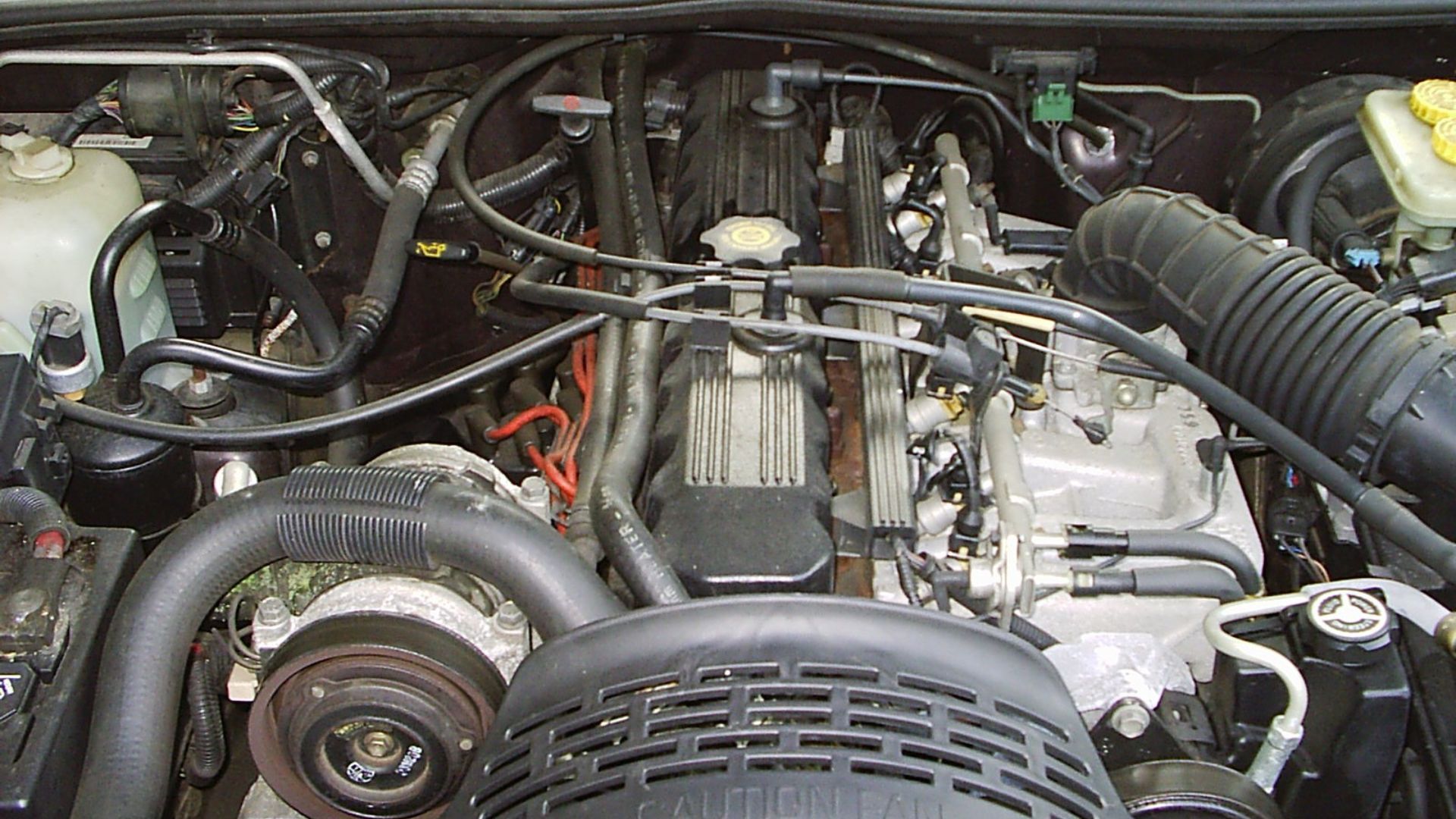
Jeep 4.0 Inline Six
The Jeep 4.0 is one of the most beloved engines for durability. Its simple design and strong internals made it incredibly reliable, especially in off-road conditions. Many examples continue to run well past 200,000 miles.
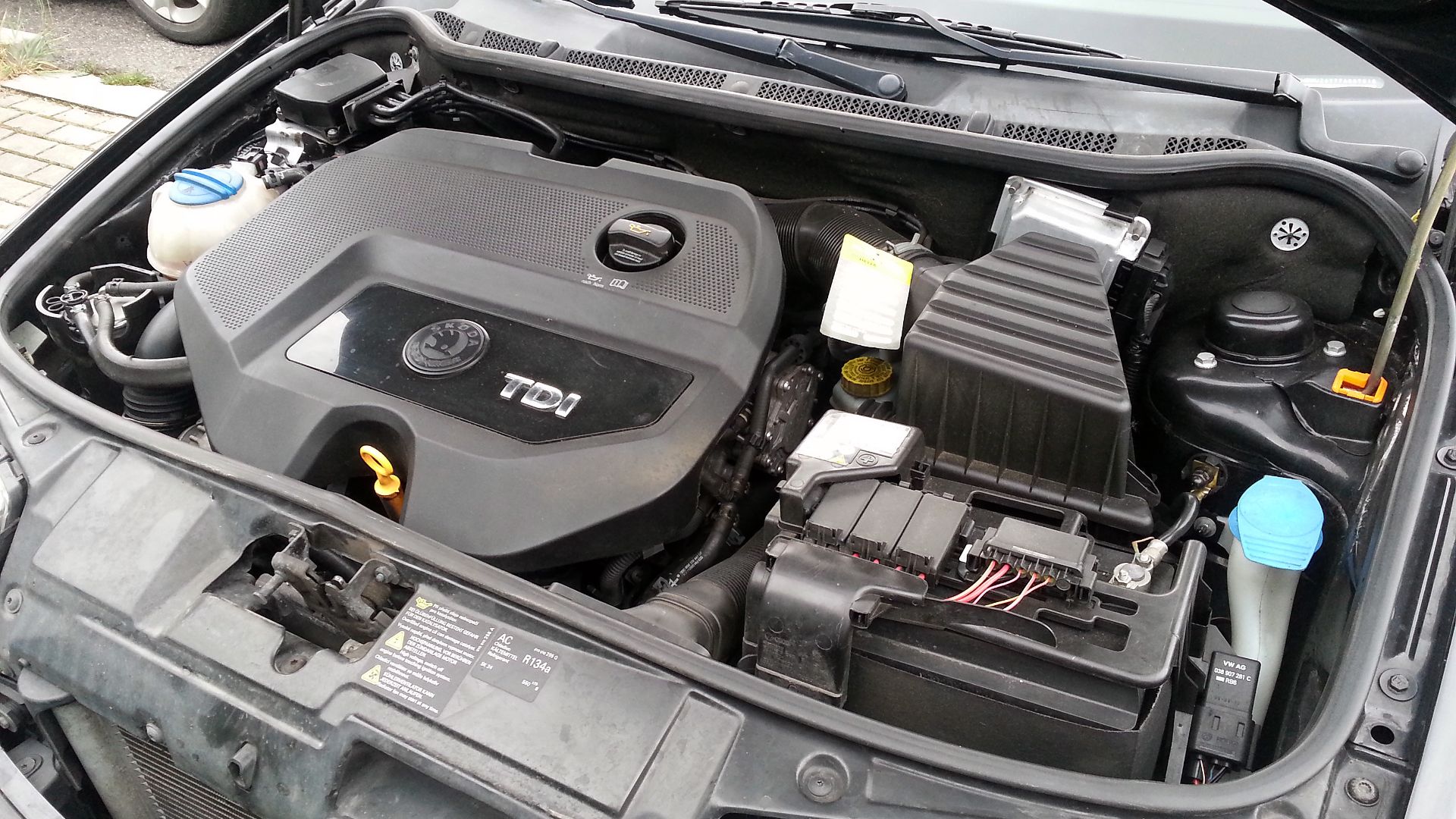
Volkswagen 1.9 TDI
Introduced in 1989 for the Audi 100, this turbodiesel engine became known for exceptional longevity and efficiency. Its robust construction and low-stress operation allow it to achieve extremely high mileage while maintaining reliability.
 Radek Vrsecky, Wikimedia Commons
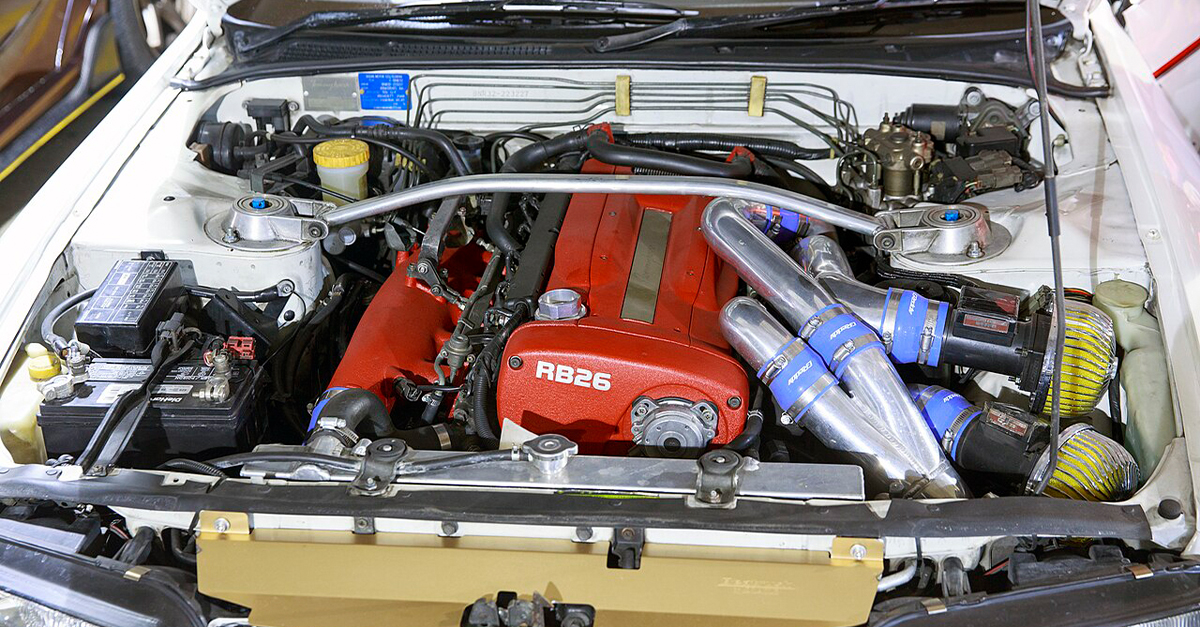
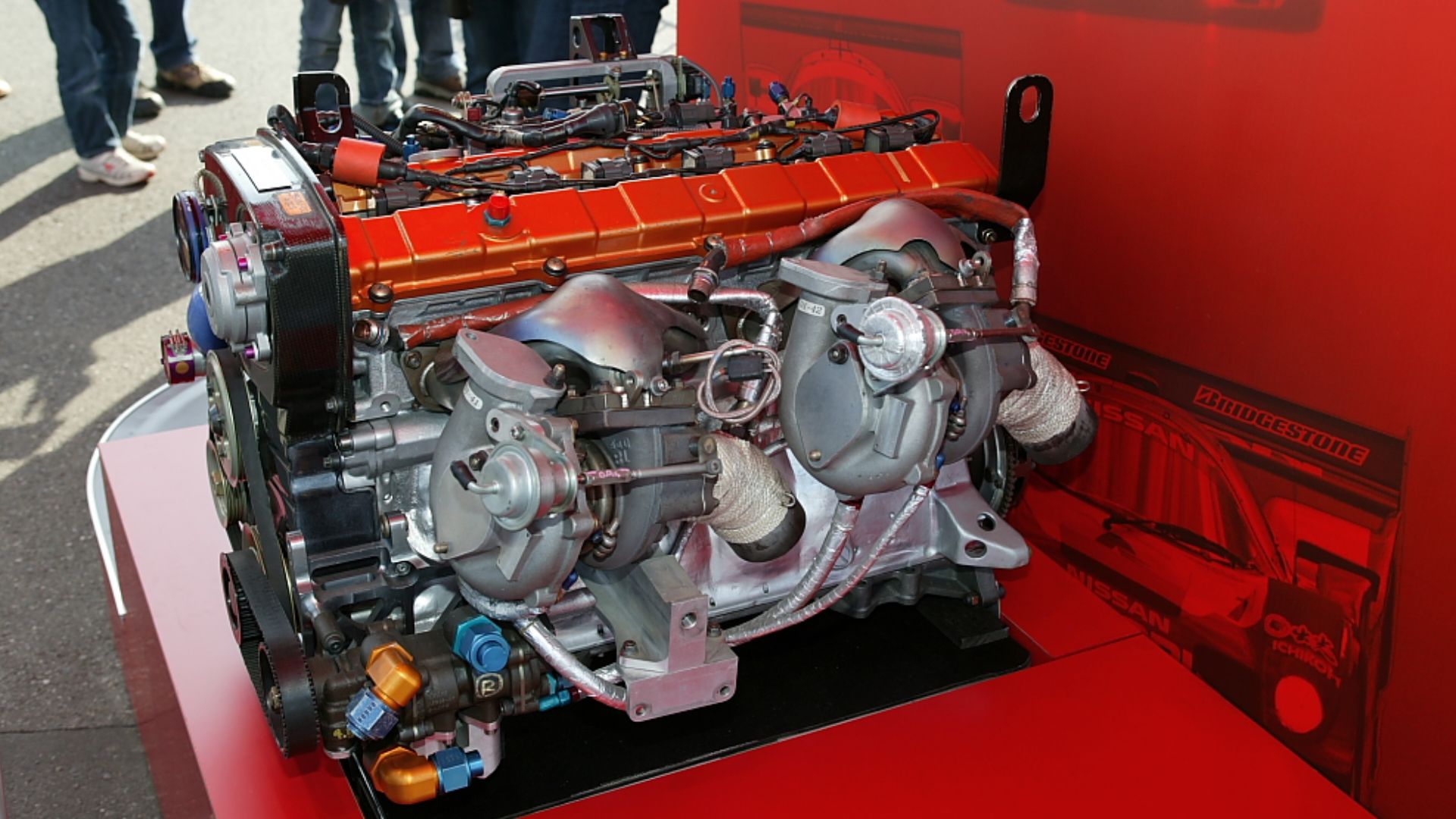
Nissan RB26DETT
The RB26DETT gained fame for its strength and tuning potential. Mostly associated with the Nissan Skyline, the RB26DETT was like the Toyota 2JZ, in that it was built to handle far more power than it produced from the factory, making it a favorite among performance enthusiasts.
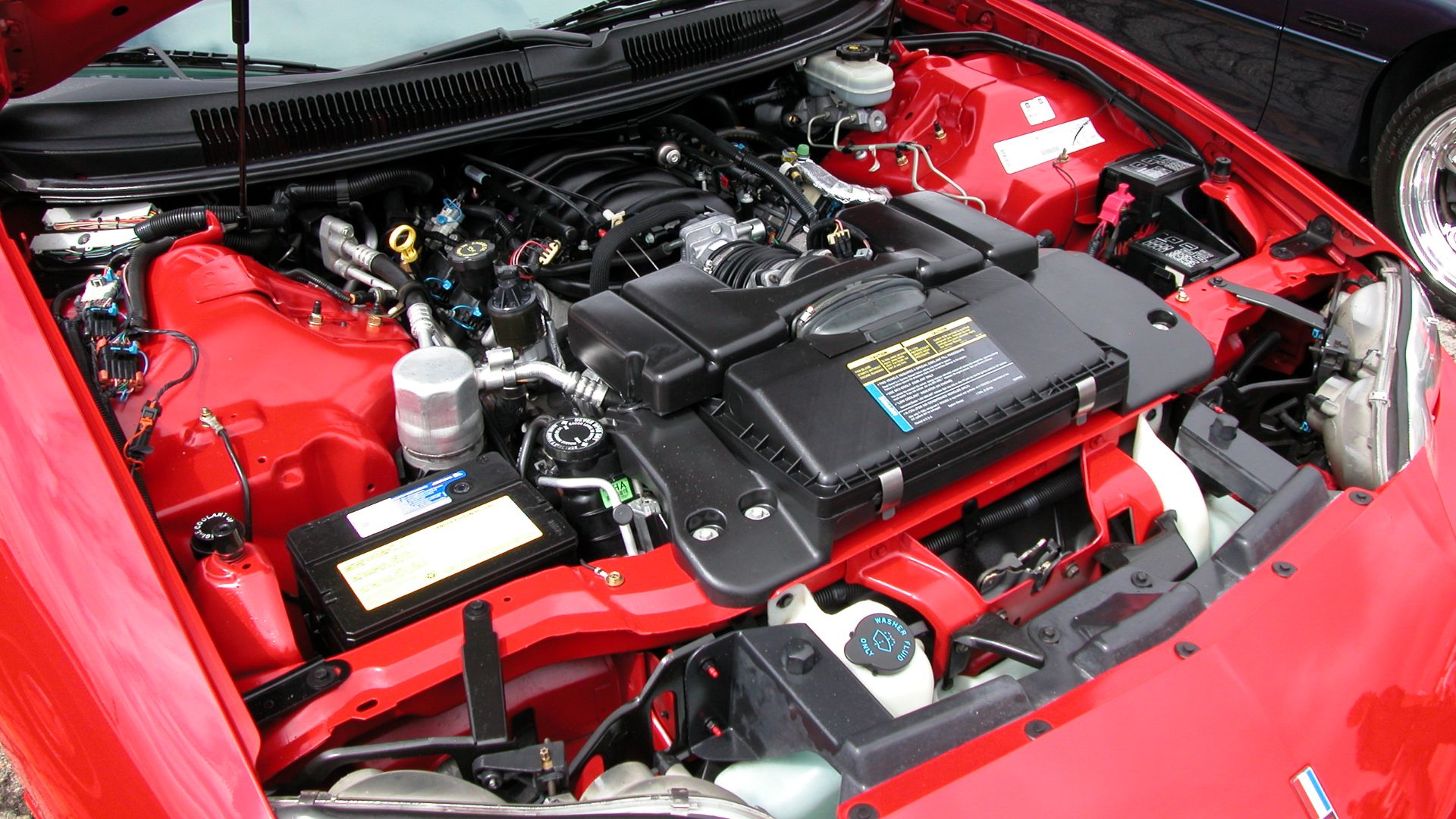
GM LS Engines
Since the late 90s GM’s modern LS engines carry on a company tradition of overbuilt durability. With V8 and V6 variants, these are lighter than older designs, and feature strong internals with excellent engineering that allow them to handle high horsepower reliably.
 Rich Niewiroski Jr., Wikimedia Commons
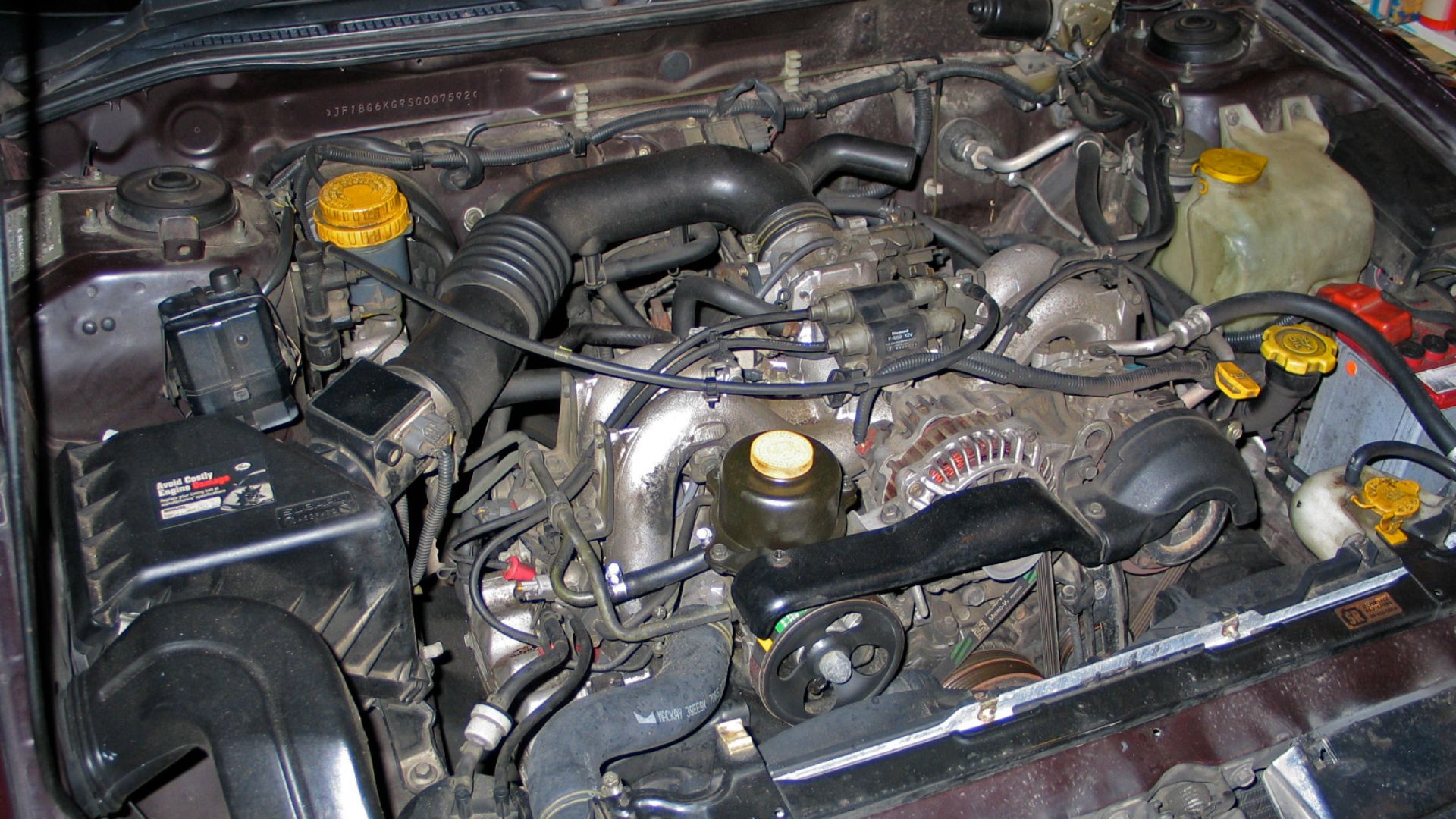
Subaru EJ Series
Despite some known issues, the EJ 4-cylinders are often praised for their ability to handle significant modifications, and have won several international awards. Their design allows for strong performance when properly maintained and upgraded.
 DucksnakeNZ, Wikimedia Commons
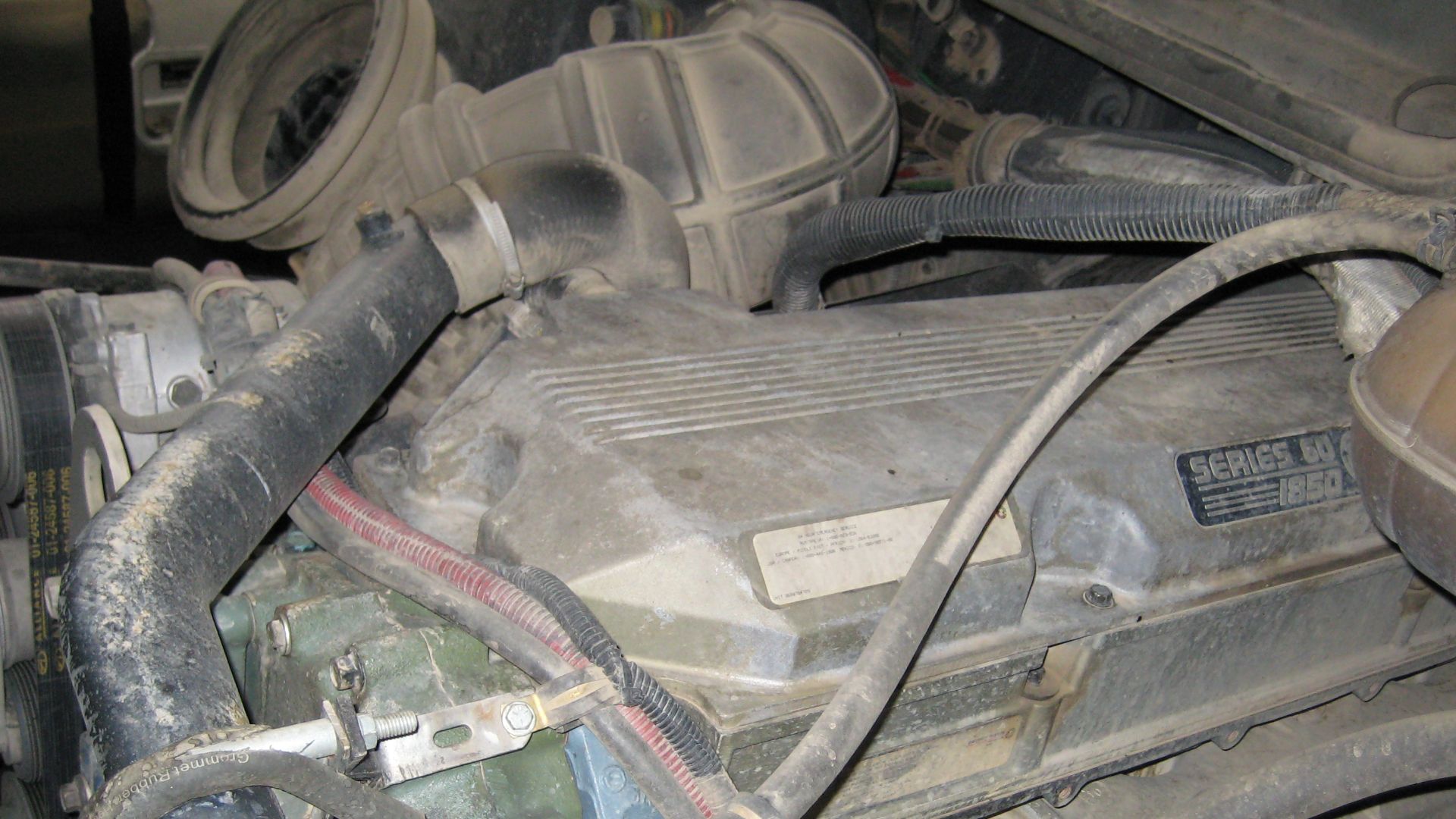
Detroit Diesel Series 60
Designed for heavy-duty commercial use, this engine was built to run for extremely long periods under constant load. Produced from 1987 to 2011, the engine’s durability makes it a benchmark for long-life diesel engines.
 No machine-readable author provided. Panoha assumed (based on copyright claims)., Wikimedia Commons
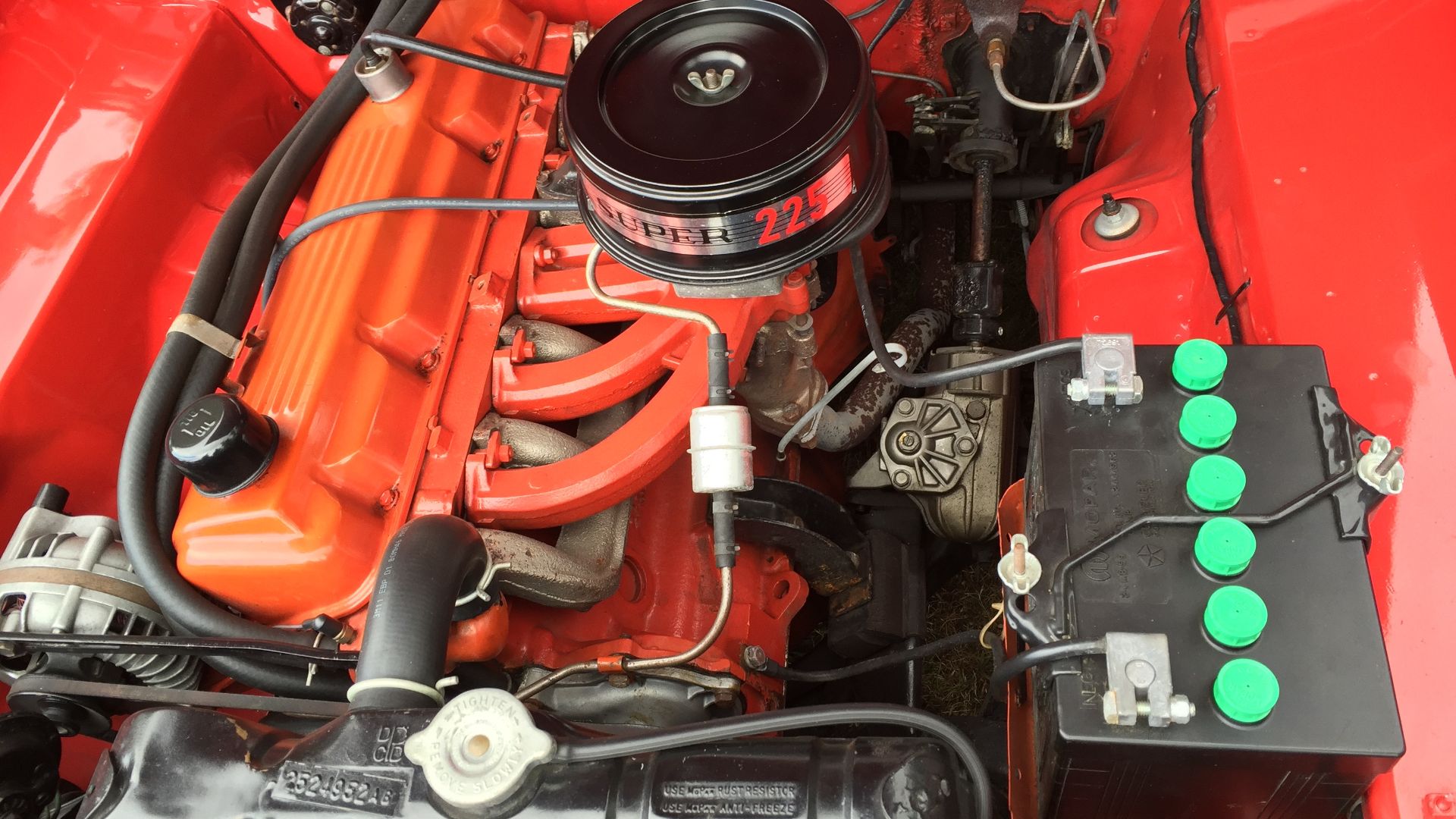
Chrysler Slant-6
The Chrysler Slant-6 became a legend for its durability thanks to a thick cast iron block, seven main bearings, and a low-stress design. A staple of Chrysler cars from 1959 to 1991, the engine was engineered for reliability in everyday cars, yet many examples ran for decades with minimal maintenance, easily outlasting the vehicles around them.
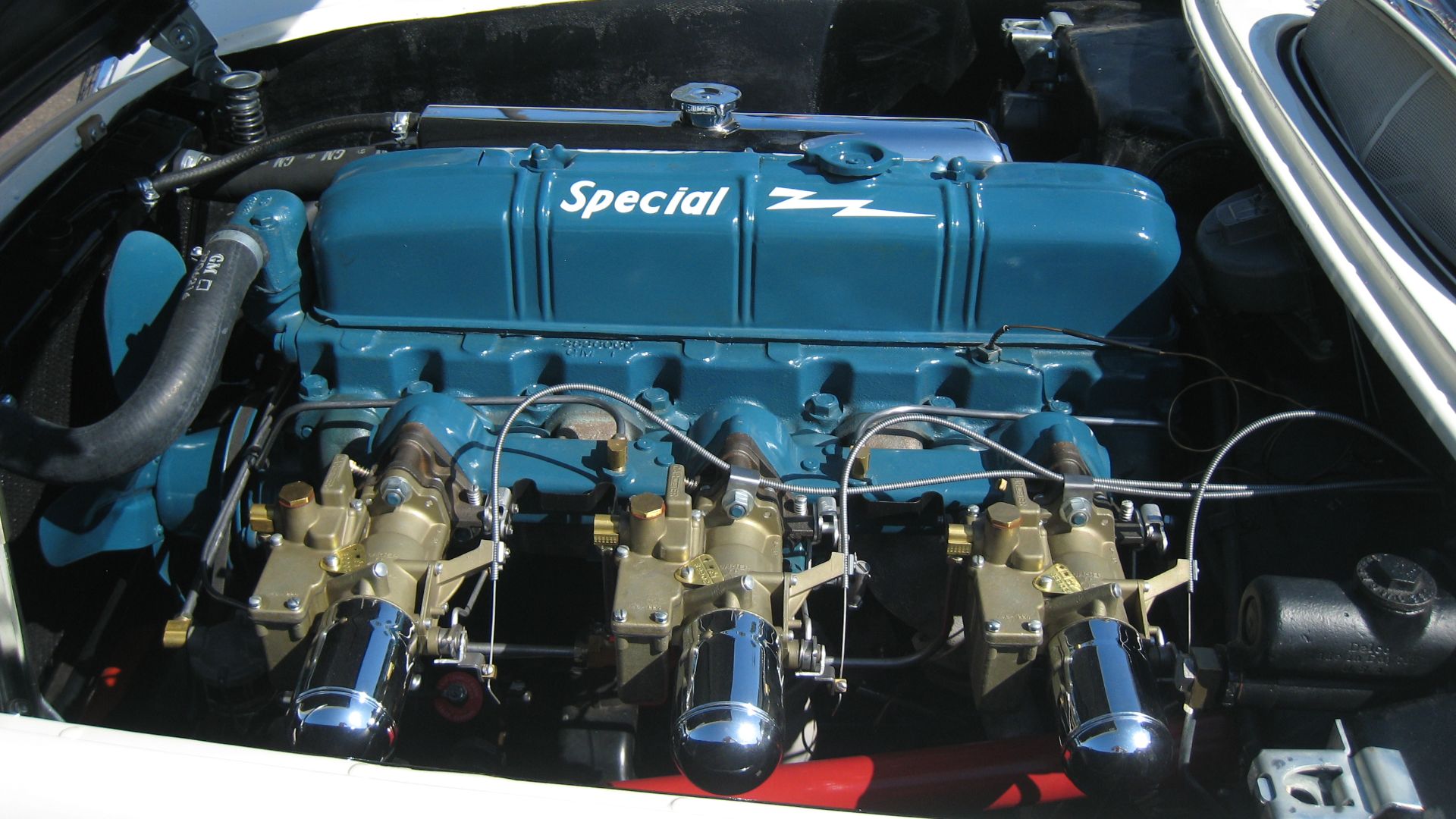
Chevrolet Stovebolt Inline-Six
The Stovebolt inline-six, used from the 1930s through the early 1960s, was simple, heavy, and incredibly forgiving. It was not designed for speed, but its rugged construction and low operating stress allowed it to last for generations in trucks and daily drivers.
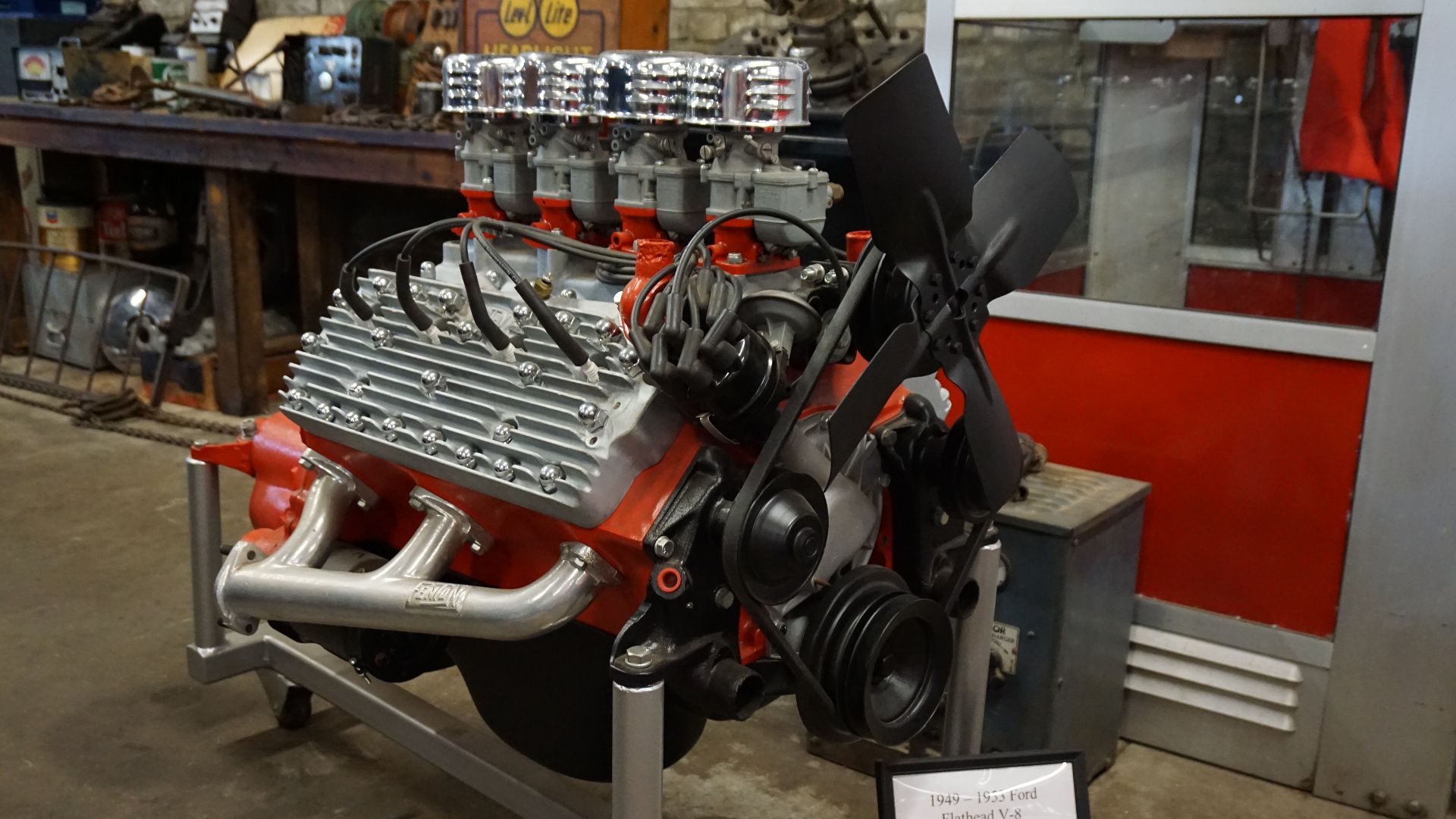
Ford Flathead V8
The Ford Flathead V8 was massively overbuilt for its time (1932–1953) with a thick iron block and simple internal layout. While it had some design limitations, it handled abuse well and remained in service for decades, especially in work vehicles and rural environments.
 Michael Barera, Wikimedia Commons
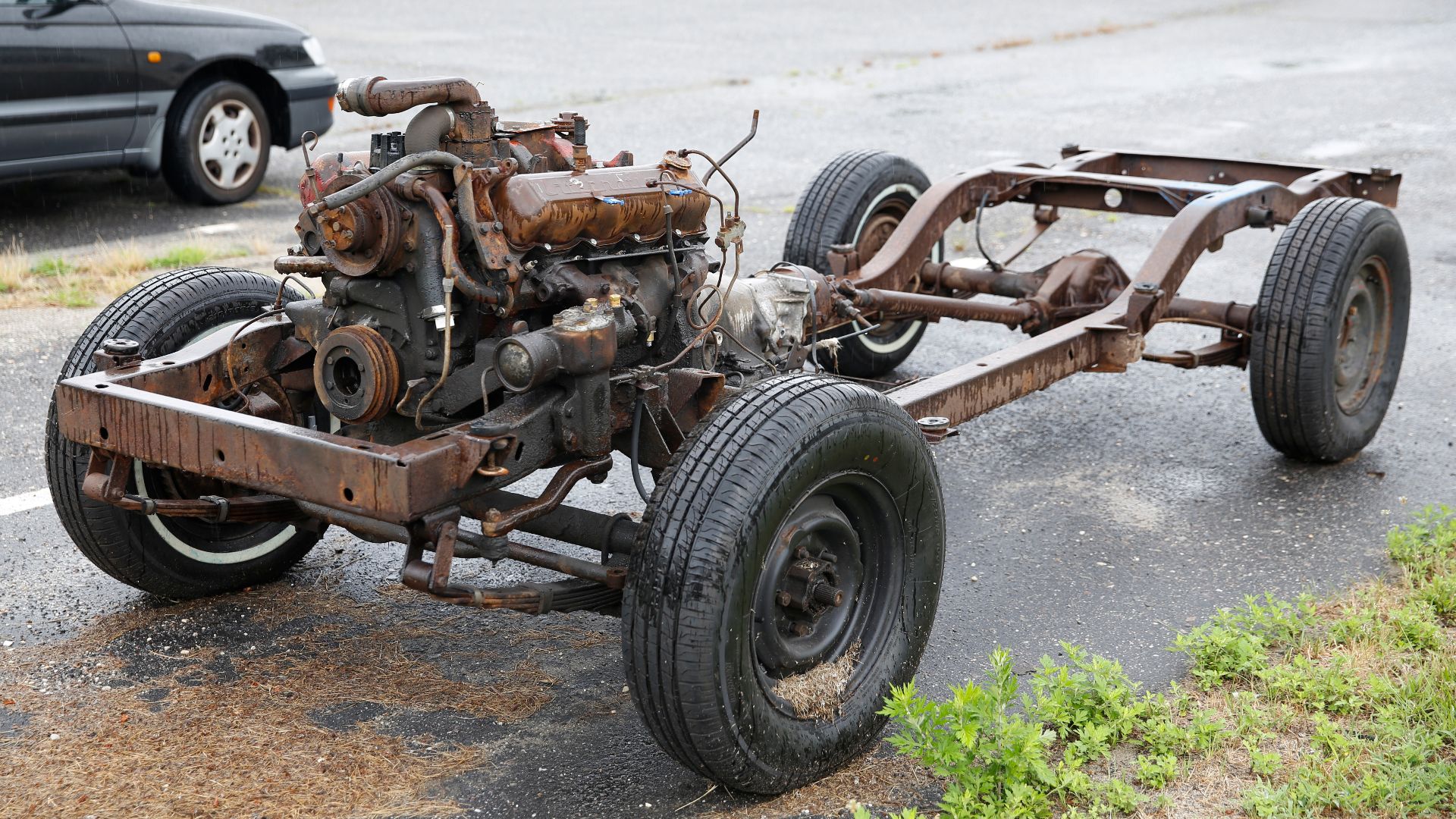
International Harvester SV V8
The International Harvester SV V8 engines were designed for agricultural and commercial use, which meant extremely heavy castings and conservative tuning. They were not very efficient, but the important thing was that their overbuilt nature made them incredibly durable and capable of surviving harsh working conditions.
 Mr.choppers, Wikimedia Commons
Why Overbuilt Engines Last Longer
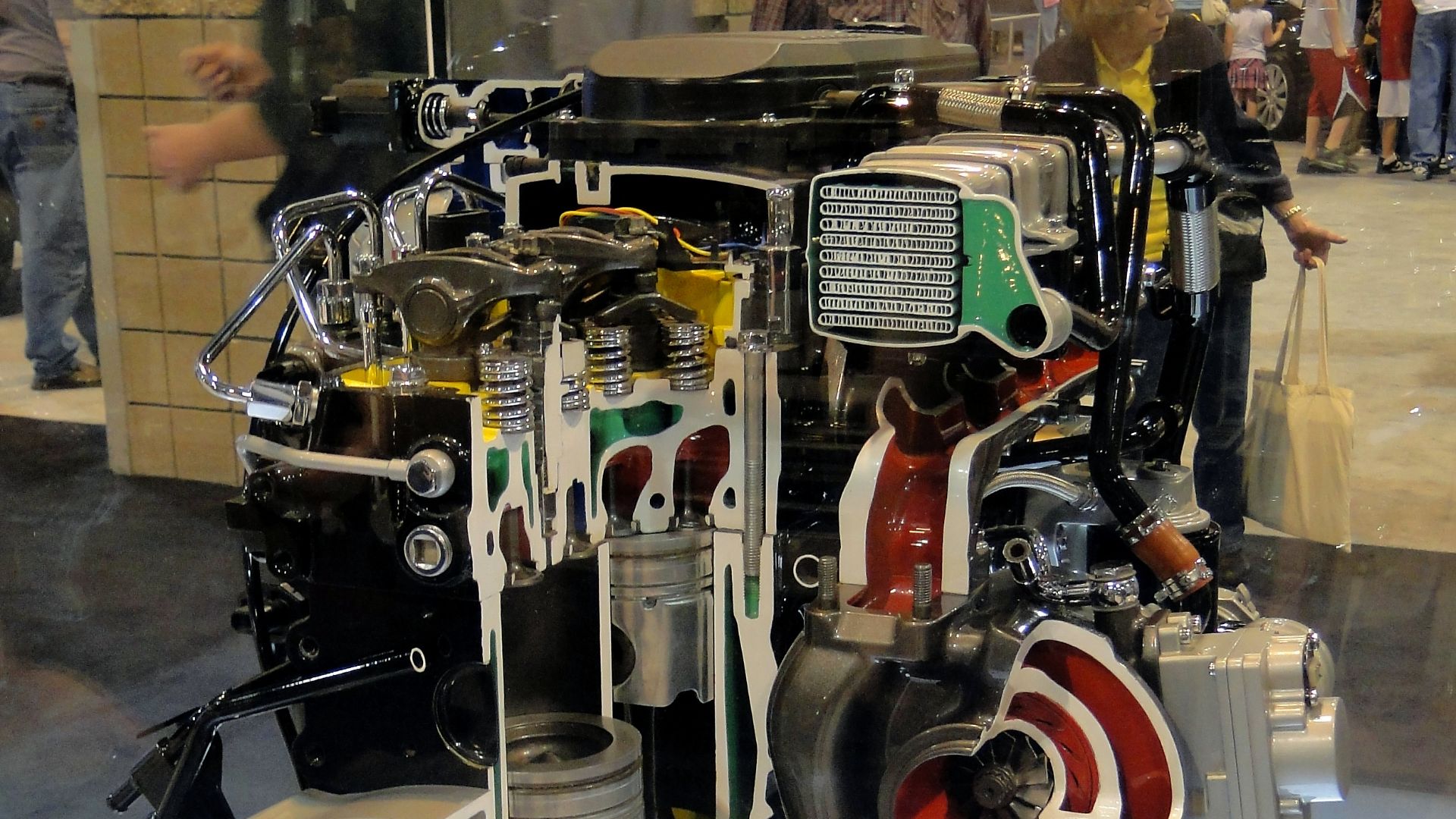
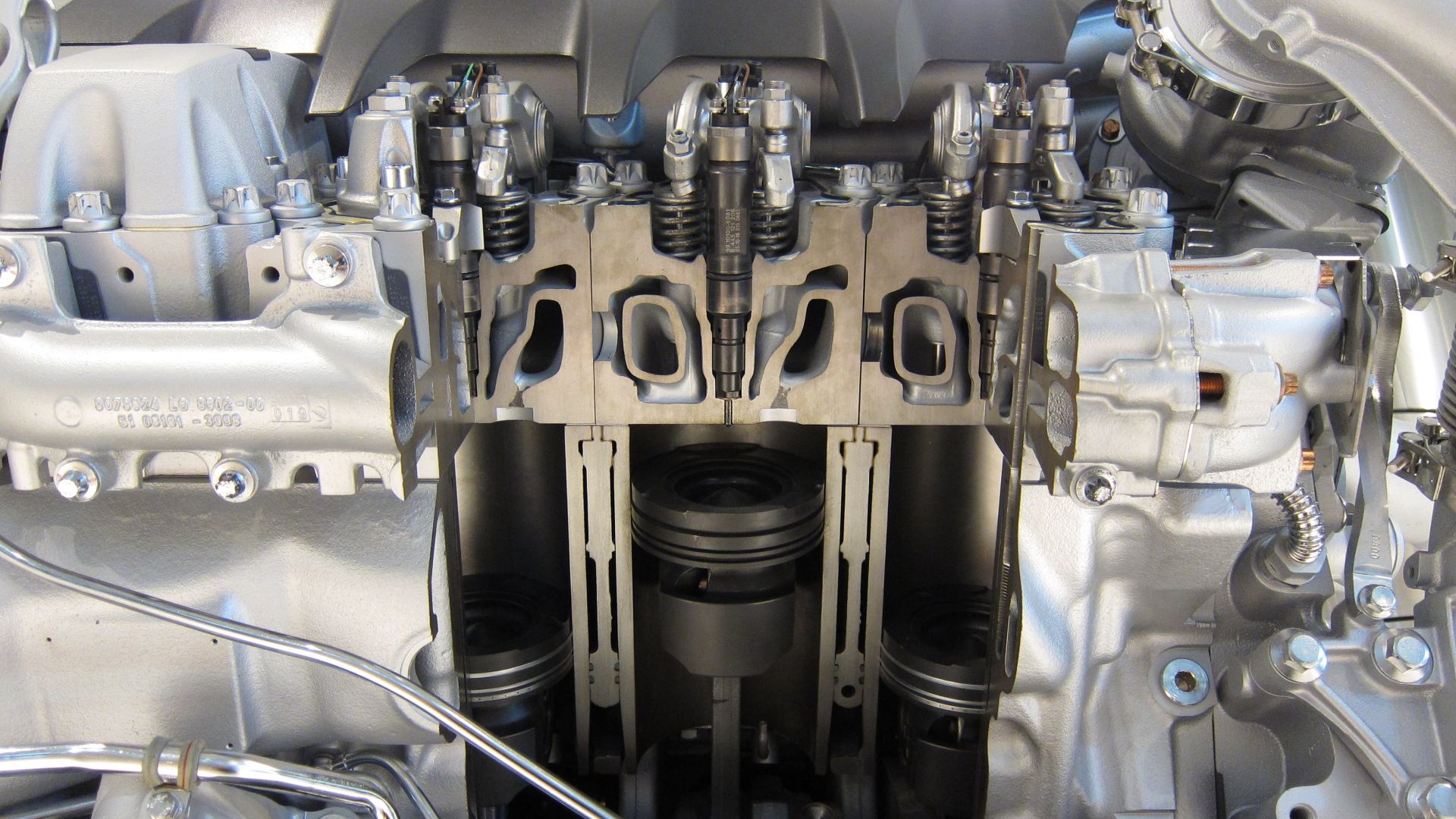
Overbuilt engines use stronger materials, lower stress levels on the components, and conservative tunings. These factors reduce wear over time and allow the engine to survive conditions that would wear out weaker designs.
 Olivier Cleynen, Wikimedia Commons
The Role Of Maintenance
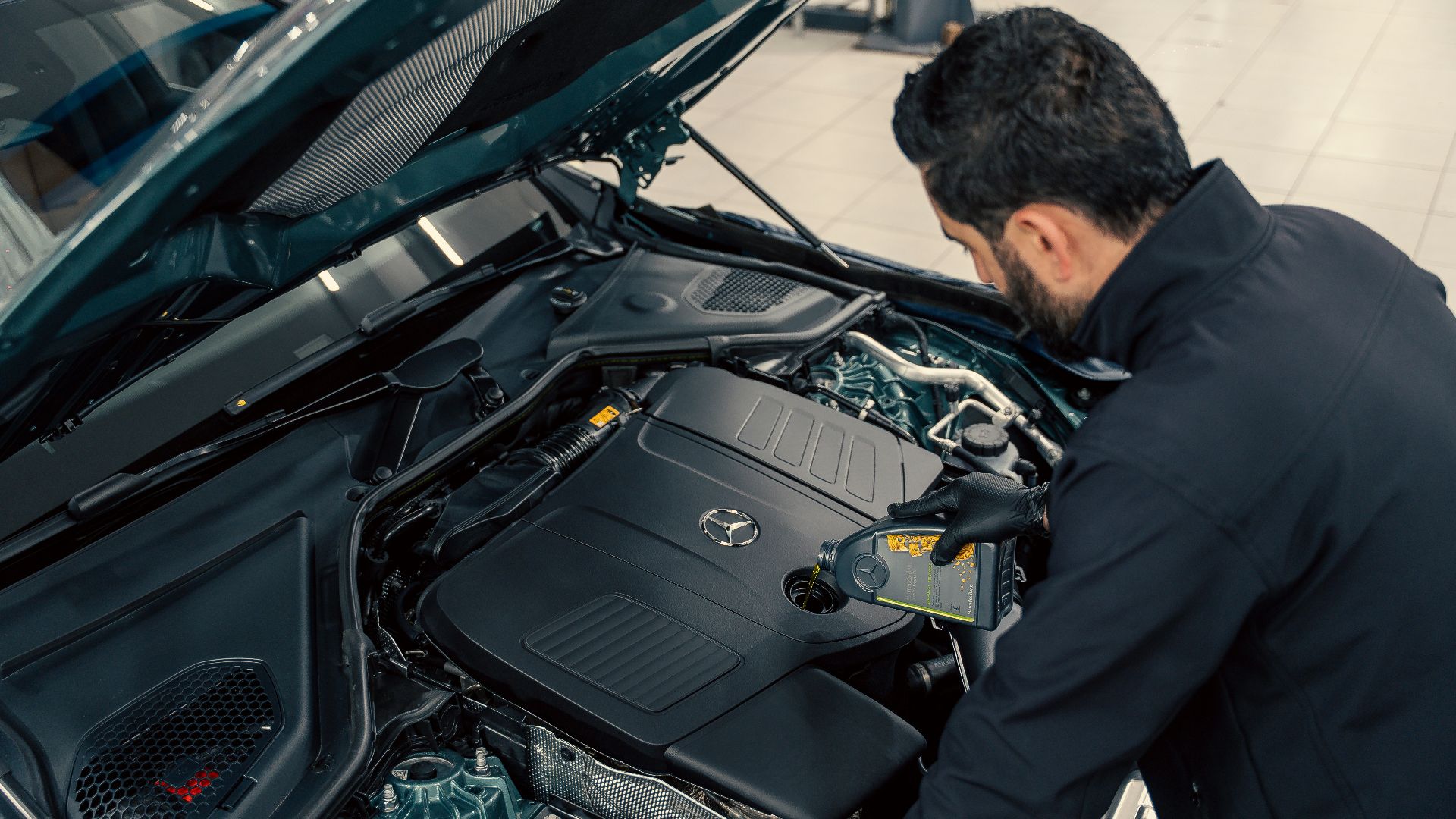
Even the most overbuilt engine needs proper maintenance. Regular oil changes, cooling system maintenance, and attention to wear items are all still essential. The difference is that overbuilt engines tend to tolerate neglect a bit better than others, but that doesn’t mean you should skip out on regular maintenance.
The Tradeoffs Of Overbuilding
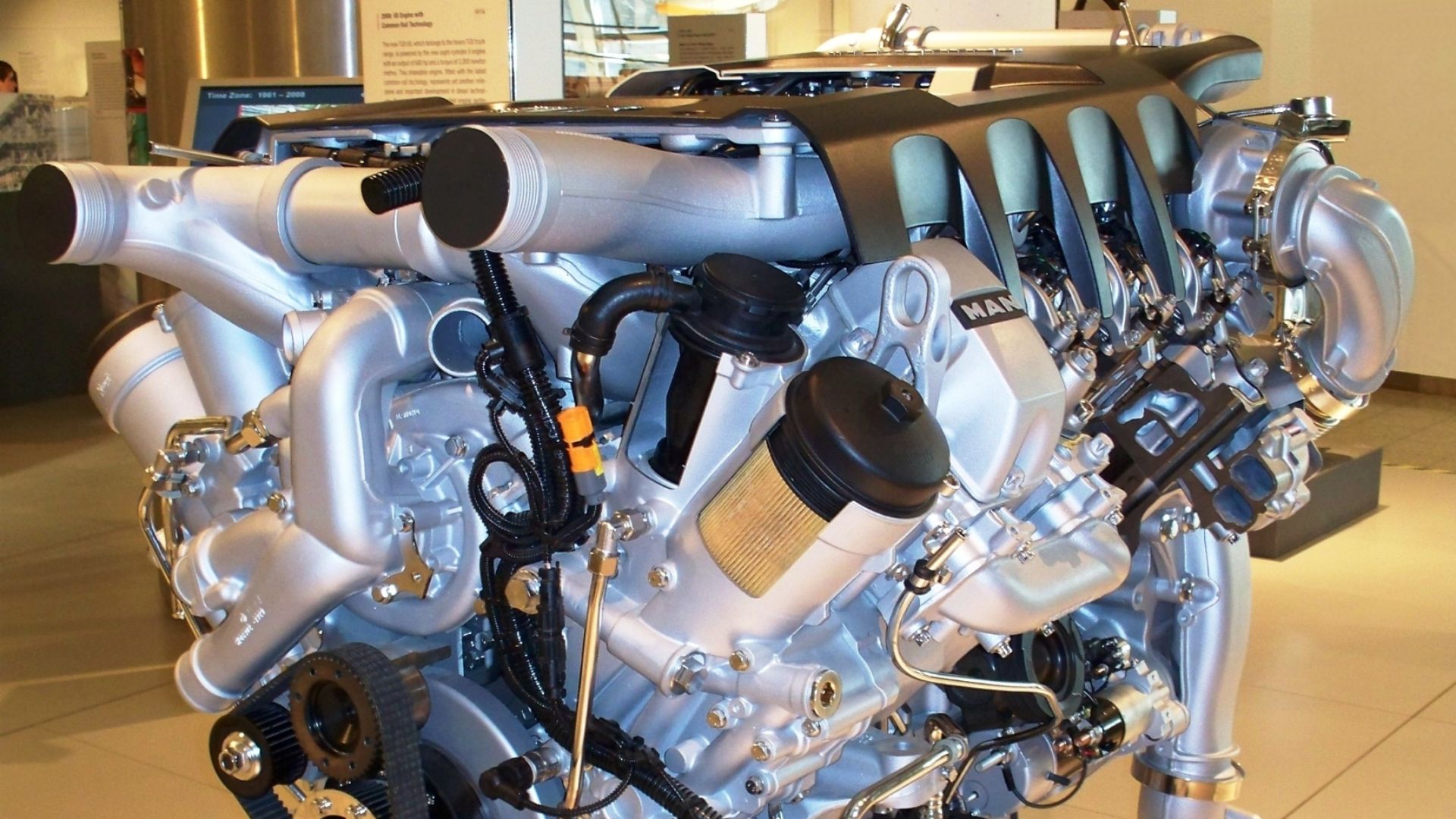
There is a downside to all this. Overbuilt engines are often heavier, less fuel-efficient, and more expensive to produce. Modern manufacturers tend to optimize for efficiency and cost factors, which is why we see fewer truly overbuilt engines around on the road today.
 High Contrast, Wikimedia Commons
Why You Still See Them On The Road
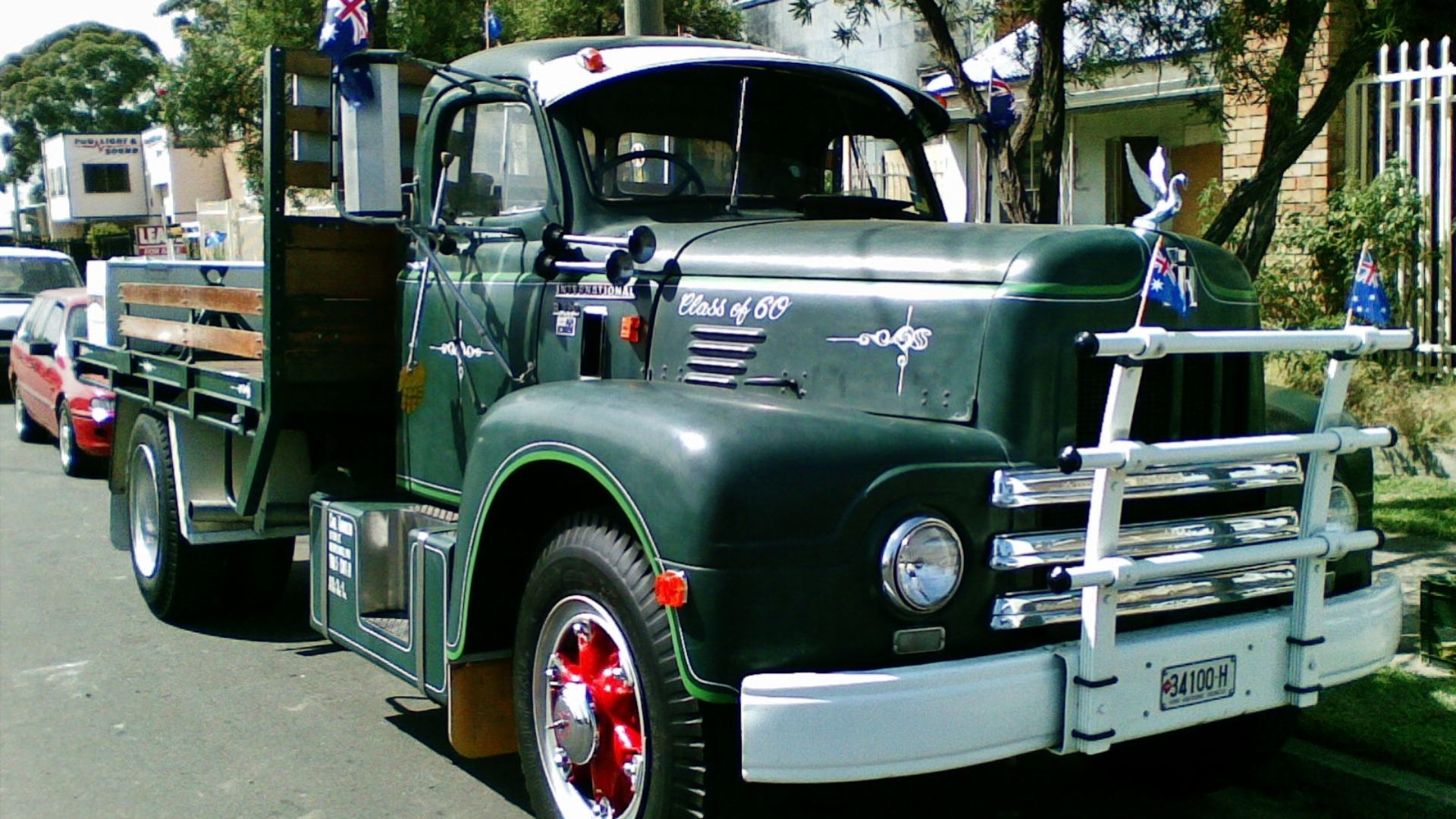
These engines we’ve been talking about were built to last, and many owners take pride in maintaining them. Their reputation is part of what keeps them alive, with strong aftermarket support and communities dedicated to keeping them running.
Different Era, Different Mindset
Overbuilt engines represent a different era of engineering, where durability came first. That’s why so many of these are still running decades later. If you find one, you are not just driving a car. You are driving a piece of automotive history that was built to outlast everyone’s expectations.
You May Also Like:
The Best V8 Engines In Classic Car History
The Offenhauser was the most dominant engine in racing history.