When Cars Go Wrong In Spectacular Fashion
Cars are supposed to be carefully engineered, thoroughly tested machines. Before they ever hit the road, they go through endless checks to make sure they’re safe. But every now and then, something slips through—and when it does, the results can be shocking.
Some recalls are minor inconveniences. Others? They completely change how we think about car safety. These are the moments when things went seriously wrong.
 Luis Molinero, www.shutterstock.com
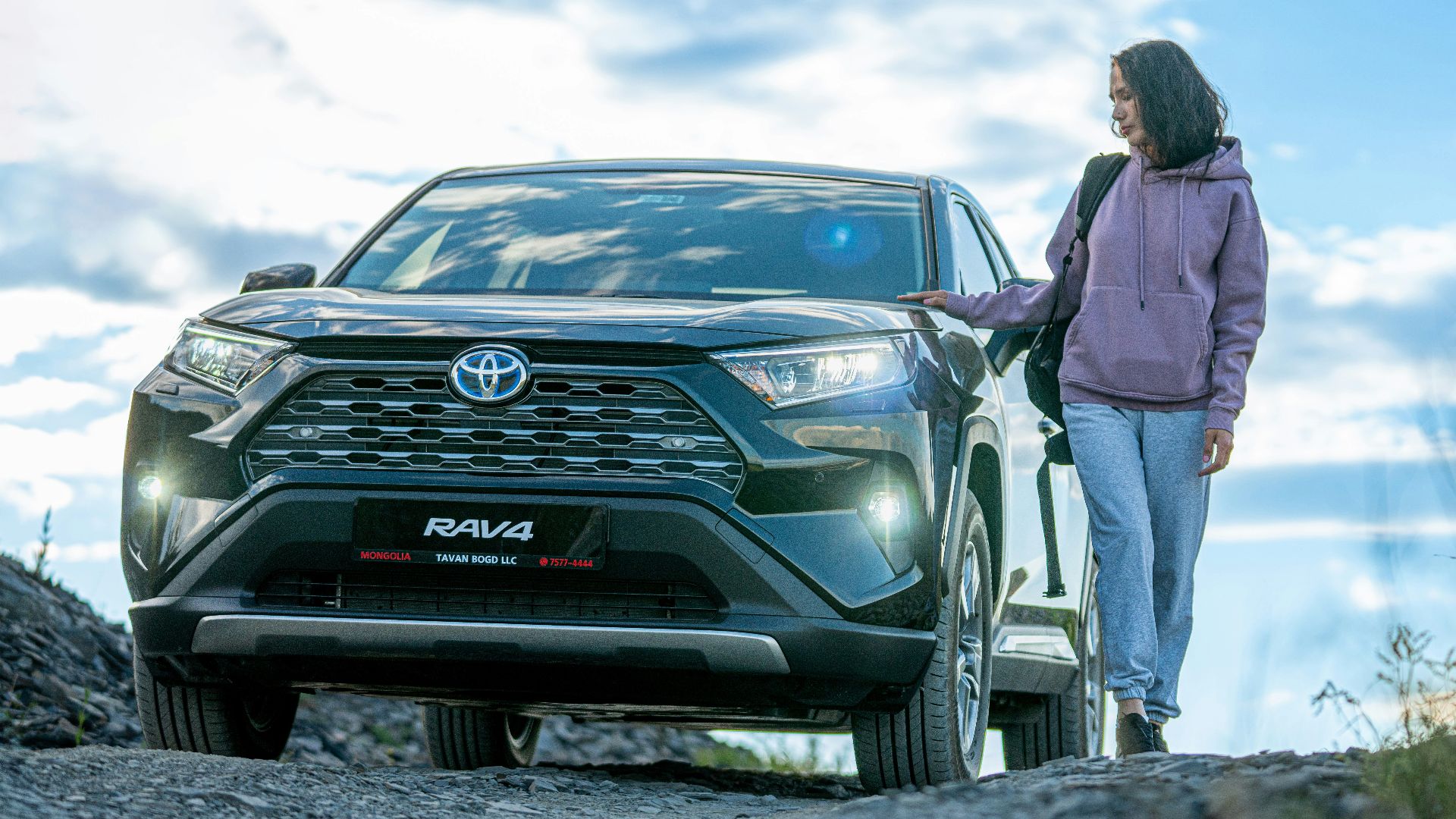
Toyota’s Sticky Accelerator Nightmare
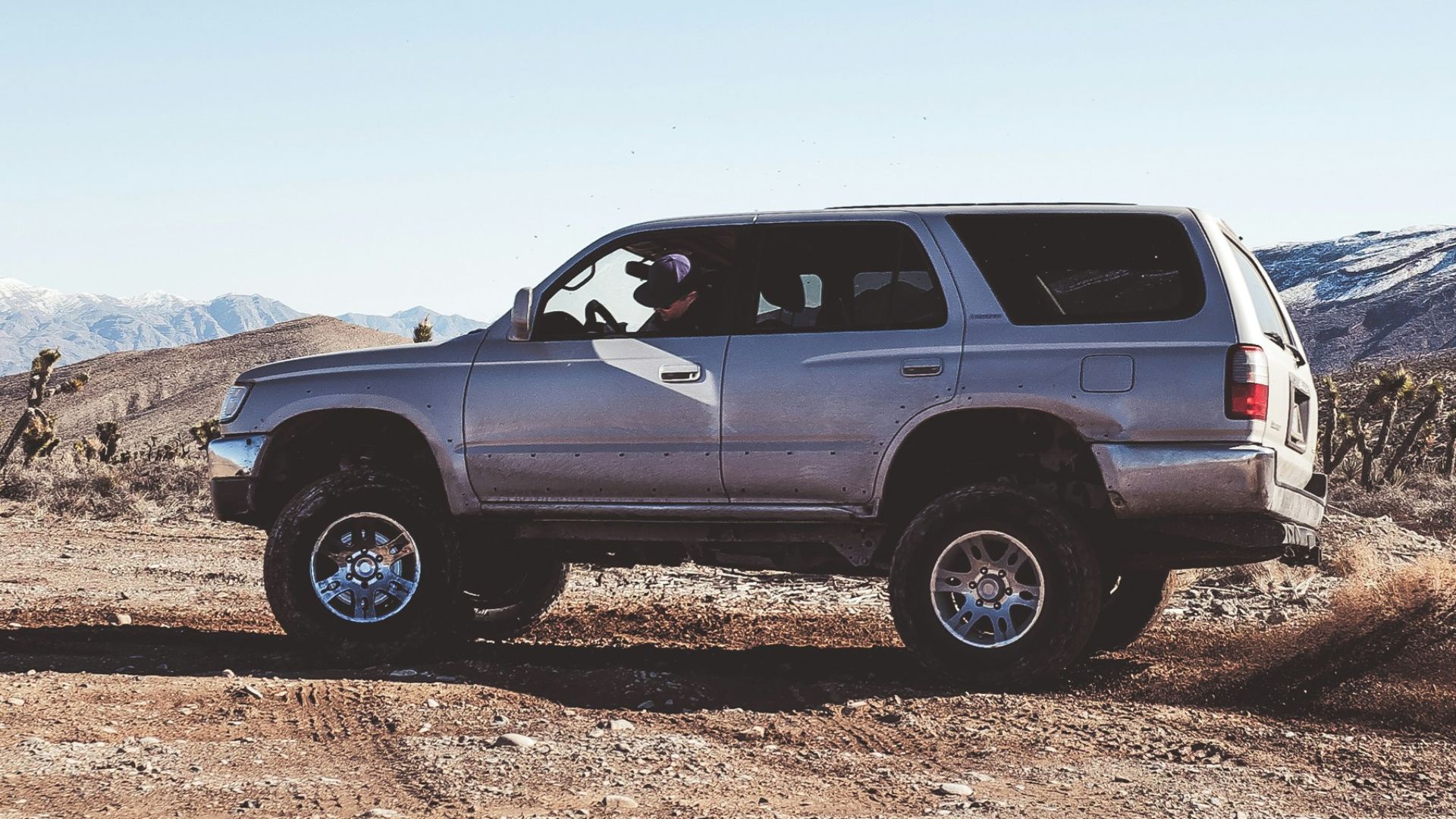
Toyota’s unintended acceleration issue didn’t just come out of nowhere—it built up over years of complaints. Drivers reported that their cars would suddenly surge forward without warning, leaving them scrambling to regain control. It eventually became one of the most talked-about safety failures in modern automotive history.
A Decade Of Warnings Ignored
What makes this situation even more unsettling is how long it went on before major action was taken. Reports kept coming in, but it took years before things reached a breaking point. By the time recalls were issued, the issue had already escalated far beyond what anyone expected.

When Cars Accelerate On Their Own
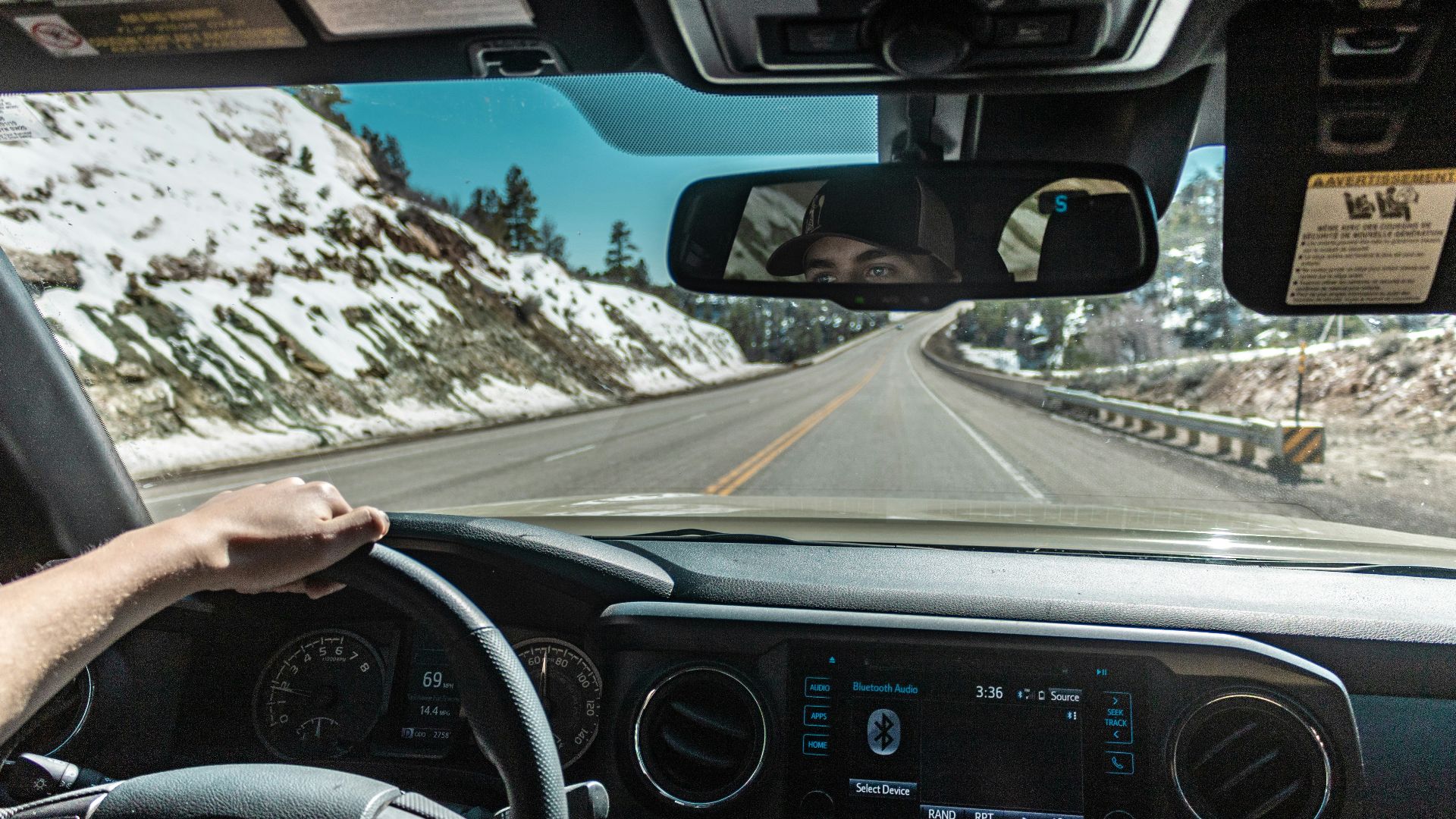
Imagine pressing the brake and feeling like the car just isn’t listening. That’s what many drivers described during this crisis. It turned a normal drive into something unpredictable and, at times, downright terrifying.
The Massive Global Recall
Eventually, Toyota had no choice but to act on a massive scale. Millions of vehicles were recalled around the world, and sales were even paused for a time. It was a rare moment where a major automaker had to hit the brakes hard—figuratively and literally.
Ford’s Steering Column Fire Hazard
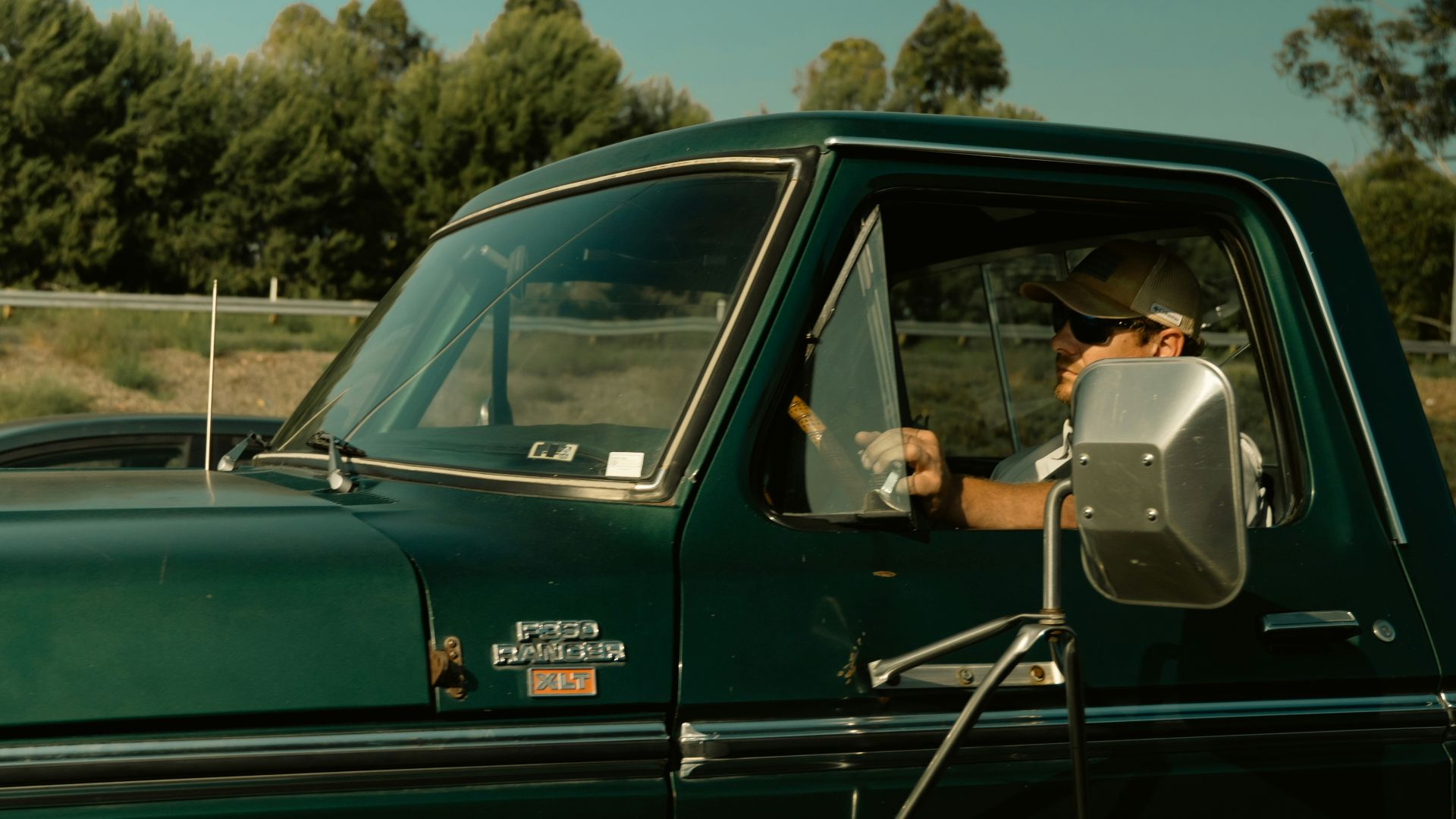
Ford ran into a very different kind of issue in the 1990s. Instead of something going wrong while driving, the danger could show up when the car wasn’t even in use. A faulty ignition switch could trigger fires inside the steering column.
Fires That Started Without Warning
What made this defect especially alarming was how unpredictable it was. Cars could catch fire while parked in a driveway or sitting in a garage. There was no clear “safe” moment, which made owners understandably uneasy.
The Largest Recall Of Its Time
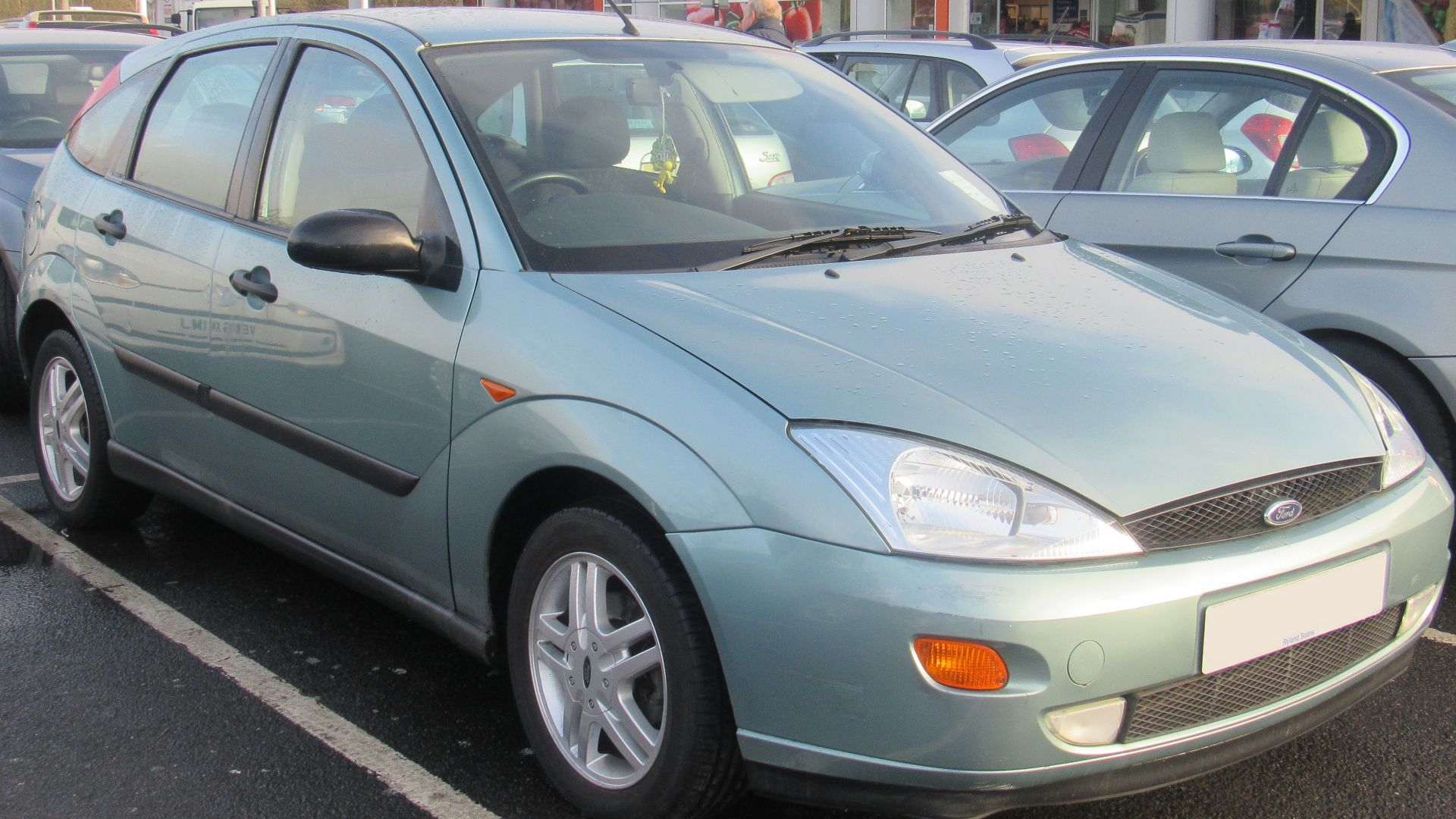
Ford’s response ended up being enormous. Millions of vehicles across multiple models were affected, making it the largest voluntary recall at the time. It was a huge operation that showed just how widespread the issue had become.
Government Pressure Forced Action
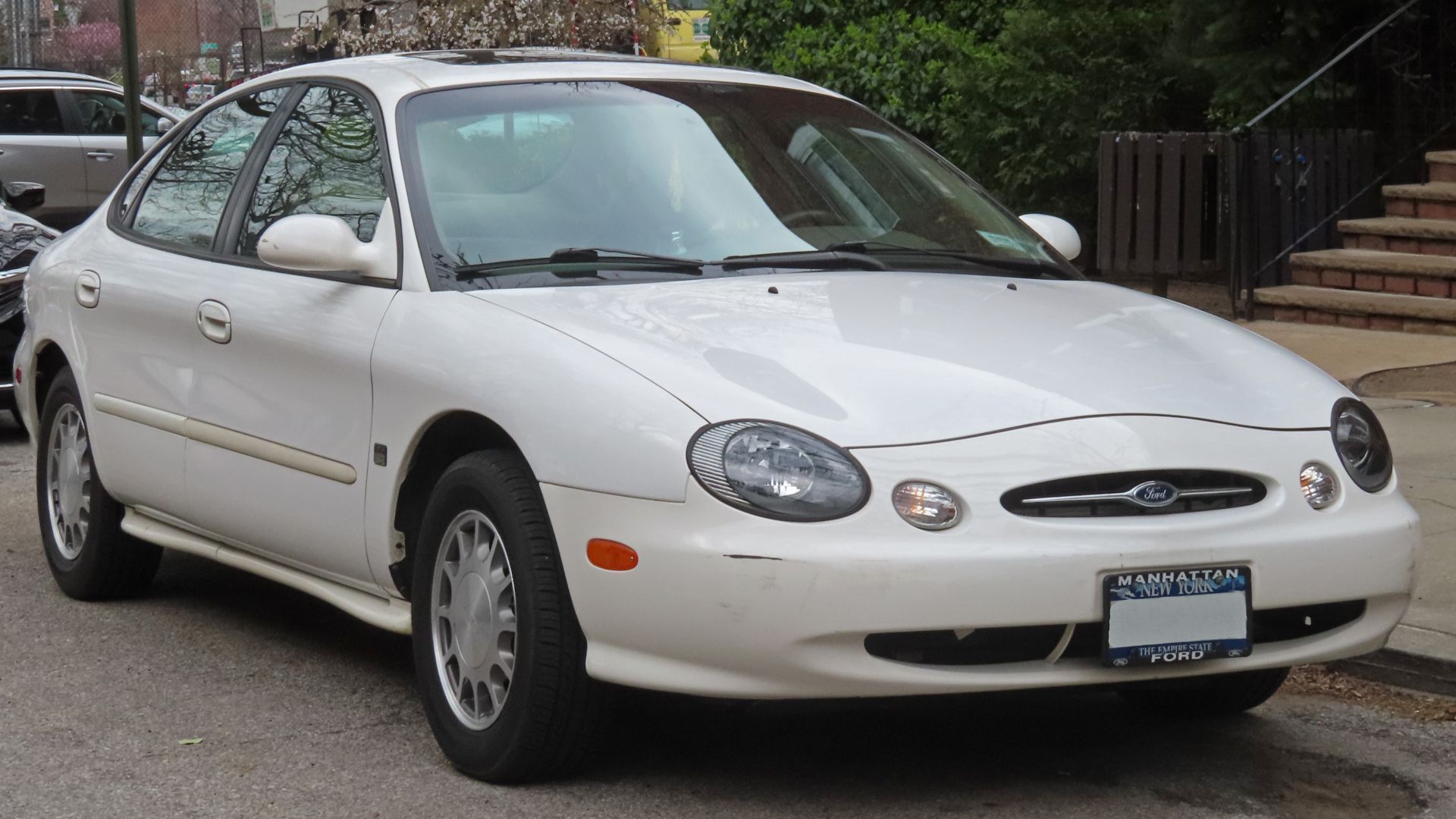
Authorities played a big role in pushing things forward. Early recalls weren’t enough, and as more evidence came to light, the scope kept growing. Eventually, even more vehicles were added to the list.
 Architect of the Capitol, Wikimedia Commons
Firestone Tires That Could Fail Instantly
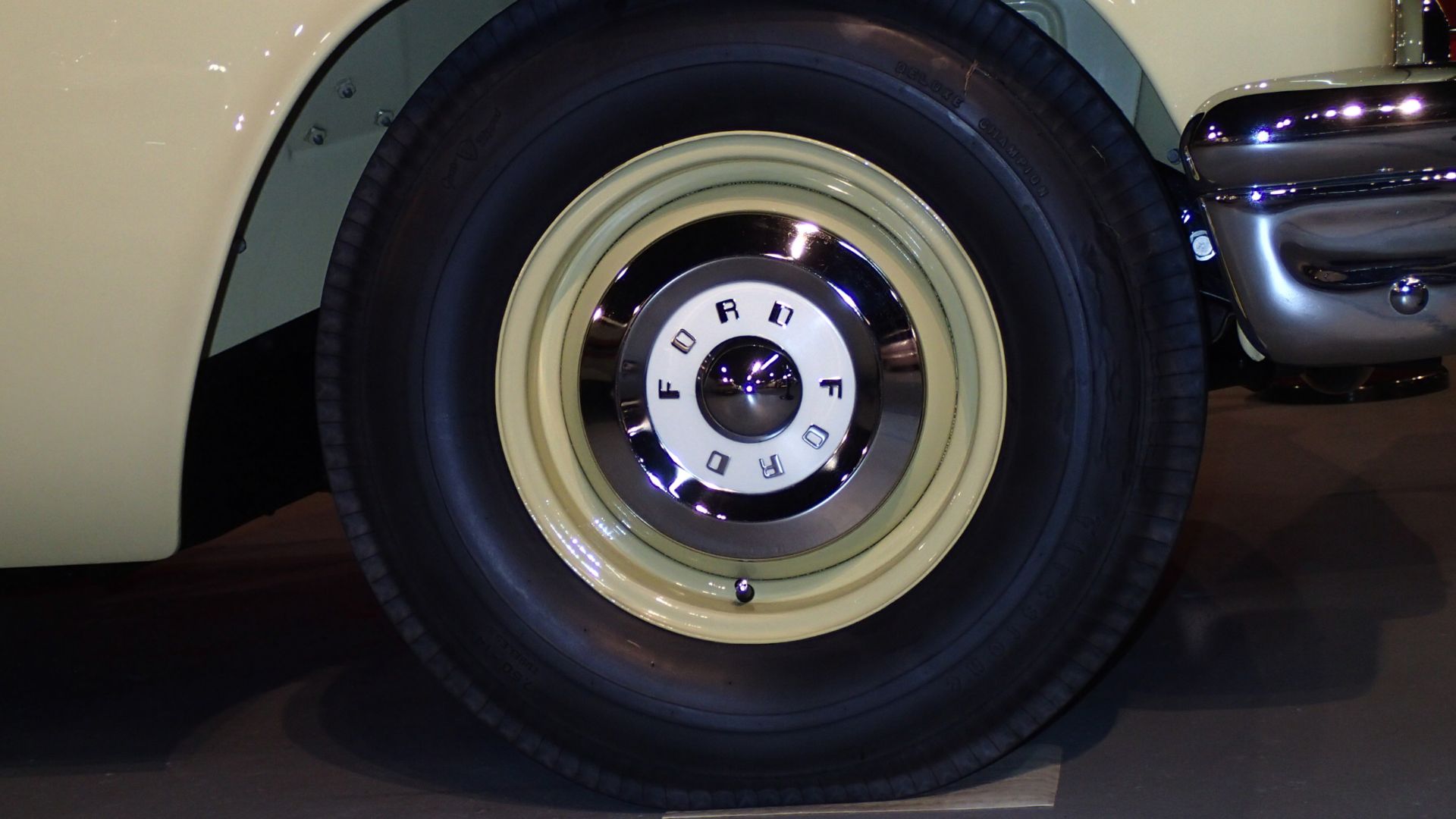
Not every recall starts with the car itself. In this case, the problem was the tires. Certain Firestone models became known for sudden tread separation, especially at highway speeds.
 Robbie Sproule, Wikimedia Commons
Highway Blowouts With Deadly Consequences
When a tire fails at high speed, things can go wrong fast. Drivers reported sudden blowouts that led to loss of control, rollovers, and serious crashes. It was a dangerous situation that caught many people off guard.

Millions Of Tires Pulled From The Road
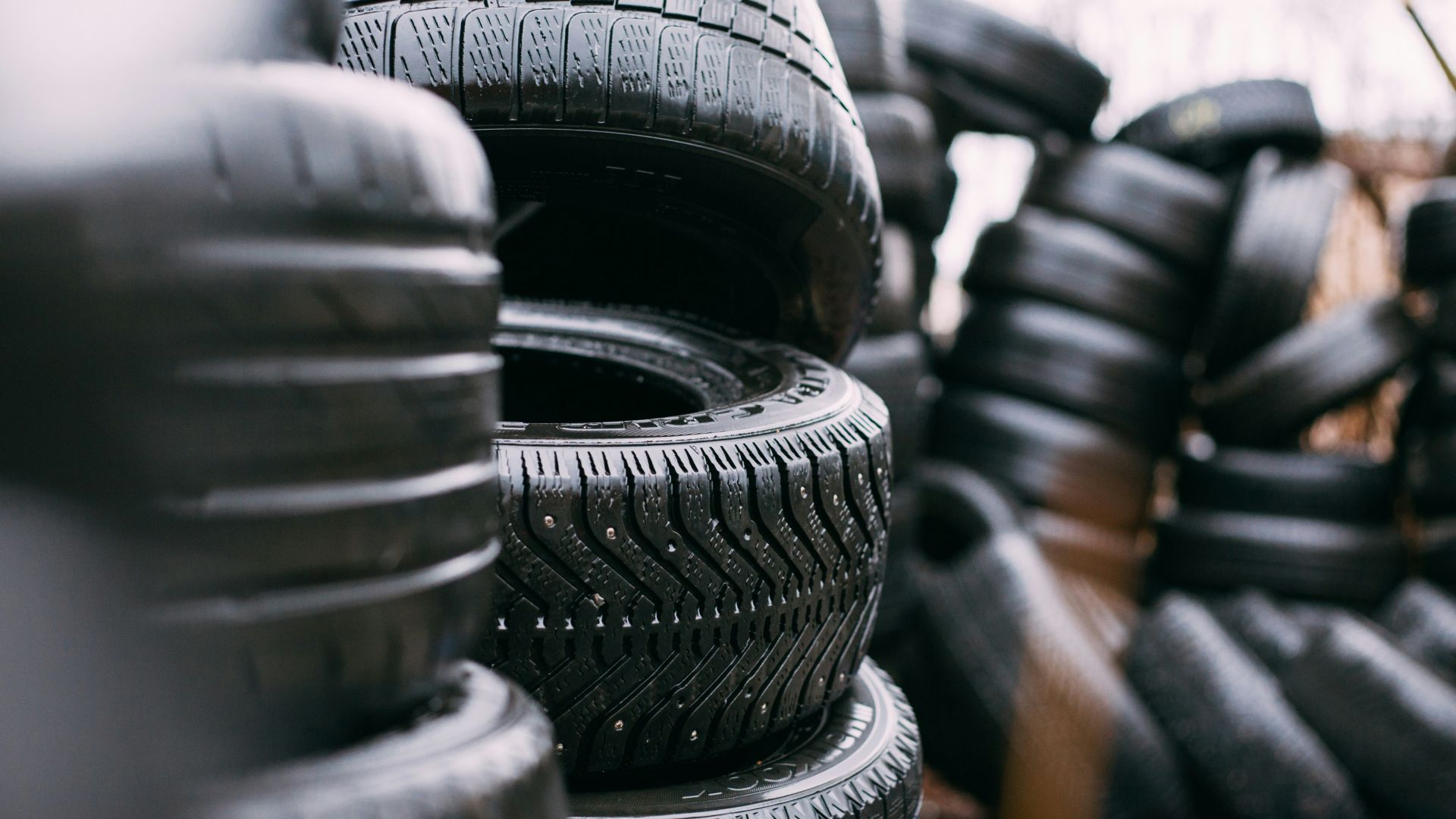
After years of complaints and investigations, millions of tires were recalled. It was a massive effort to prevent further incidents, and even automakers stepped in to deal with vehicles equipped with the faulty tires.
The Takata Airbag
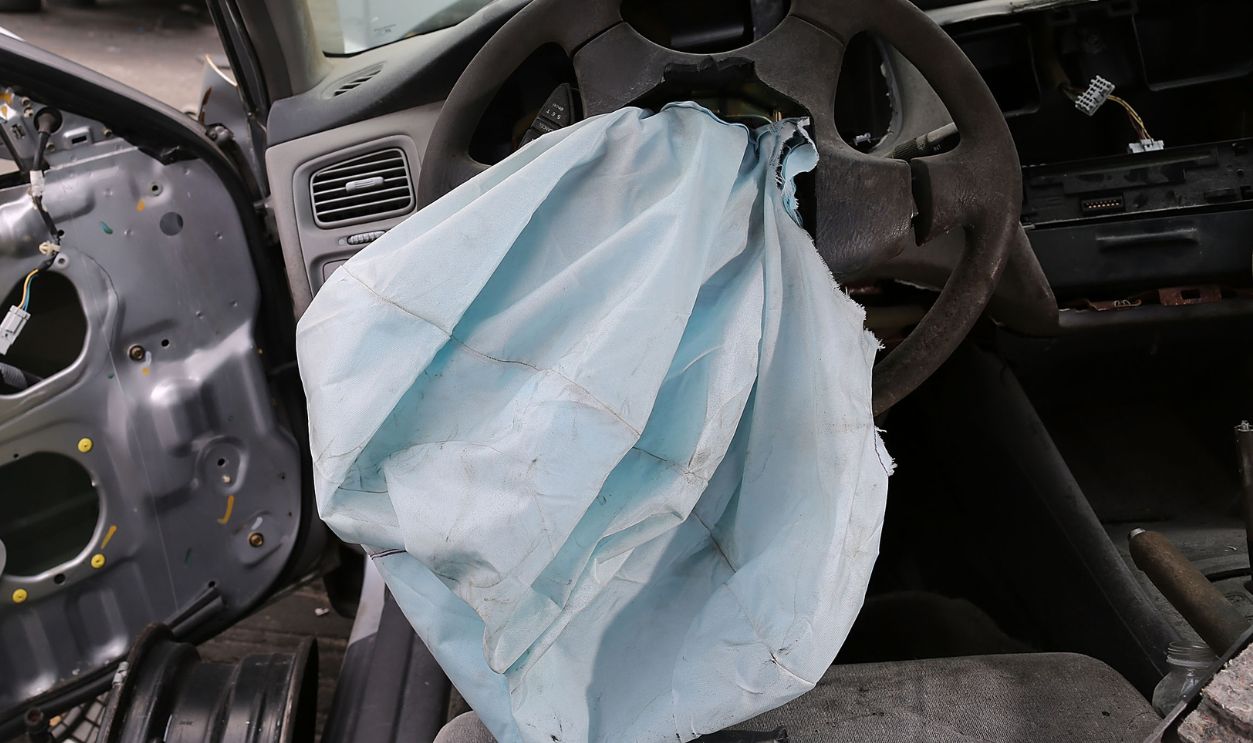
Airbags are supposed to be lifesavers, but this defect flipped that idea on its head. Takata’s inflators could explode with too much force, turning a safety feature into a serious hazard.
Shrapnel Instead Of Safety
Instead of cushioning passengers, some airbags sent metal fragments flying into the cabin. It’s the kind of failure that sounds almost unbelievable, but unfortunately, it was very real.
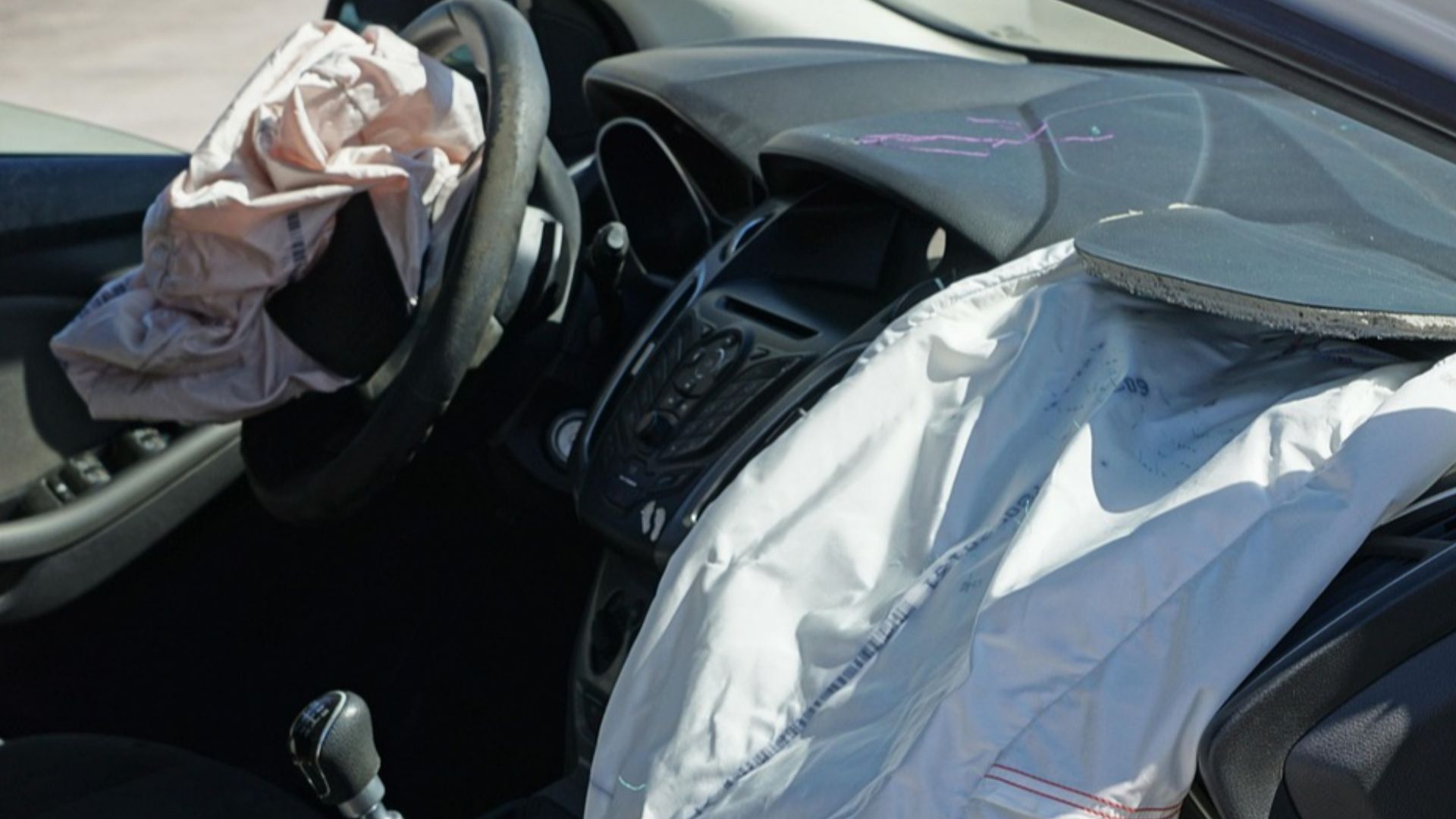
One Of The Largest Recalls Ever
The scale of the Takata recall was massive. Tens of millions of vehicles from different brands were affected, making it one of the biggest recall efforts the industry has ever seen.
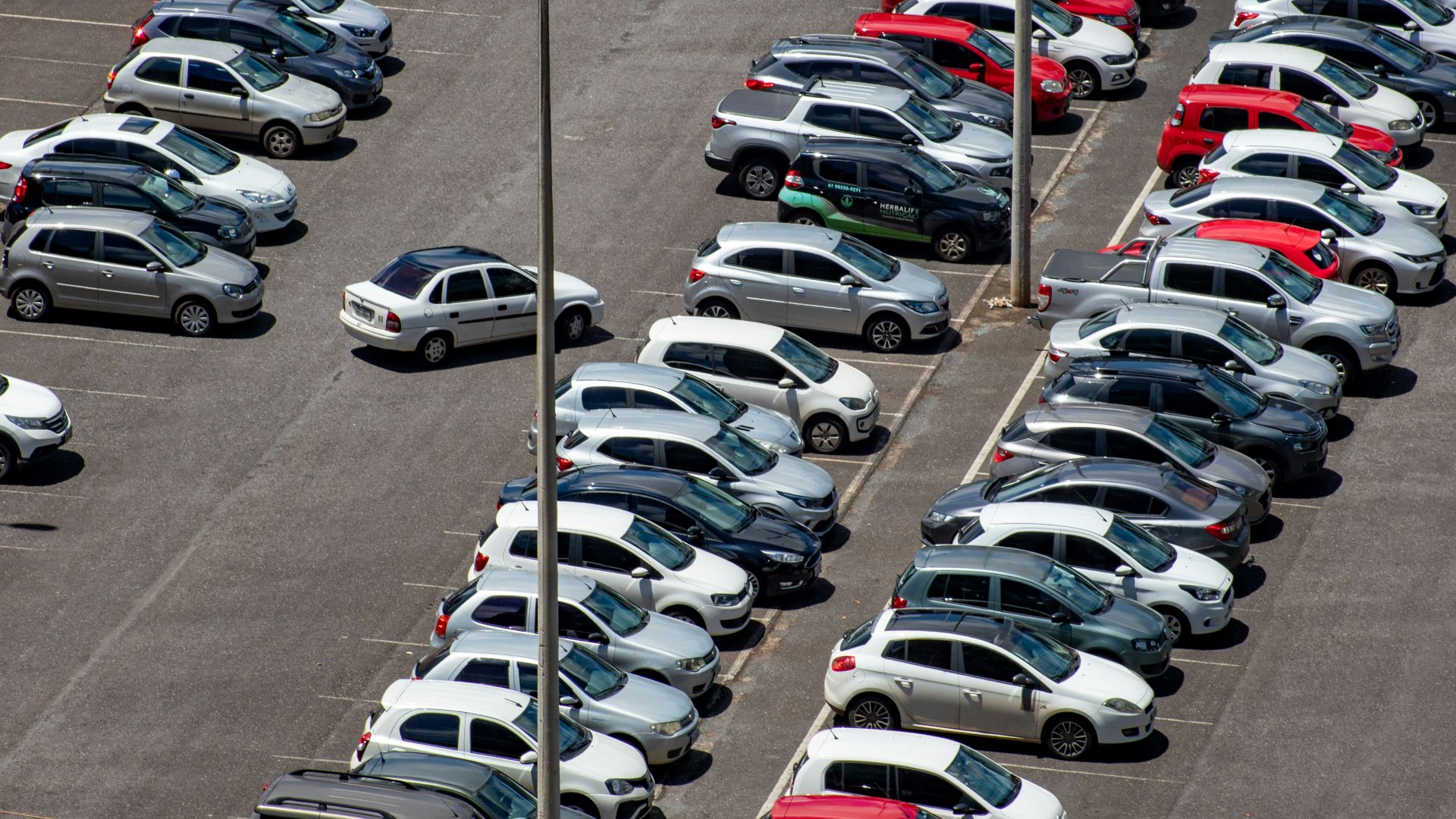
Decades Of Defective Airbags
What’s even more surprising is how long the issue stuck around. The defect stretched across years of production, showing how one problem at a supplier level can ripple through the entire industry.

The Ford Pinto’s Explosive Design
The Ford Pinto became infamous for its fuel tank design. Positioned in a vulnerable spot, it could rupture during rear-end collisions, creating a serious fire risk.
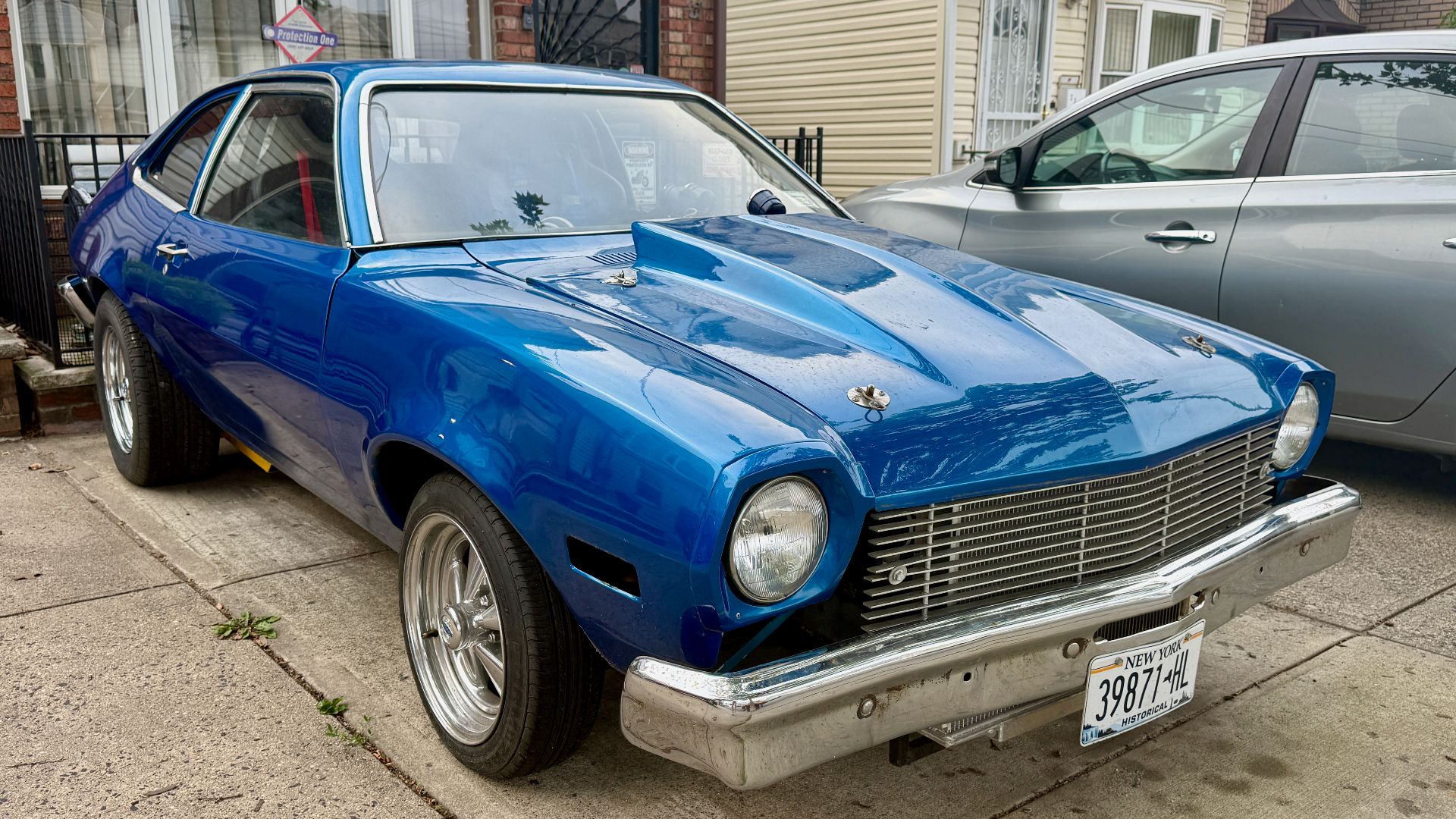 Oleg Yunakov, Wikimedia Commons
Rear-End Collisions Turned Deadly
What should have been relatively minor accidents sometimes turned into dangerous situations. Fires could break out quickly, changing the outcome of crashes in a big way.
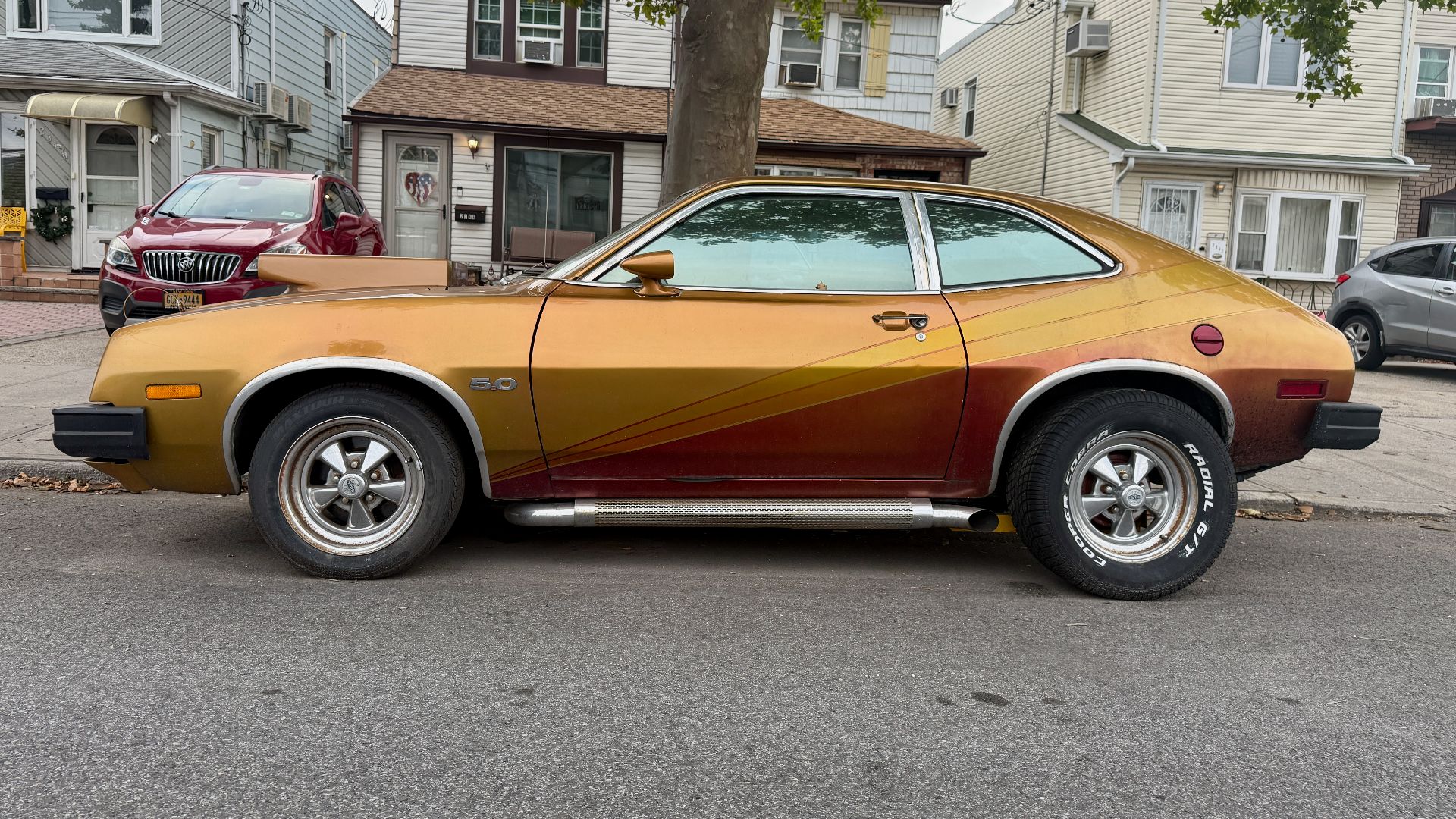 Oleg Yunakov, Wikimedia Commons
A Recall That Came Too Late
There were warning signs early on, but action didn’t come right away. By the time recalls were issued, the issue had already caused significant harm, leaving many questioning how it was handled.

General Motor’s Ignition Switch Catastrophe
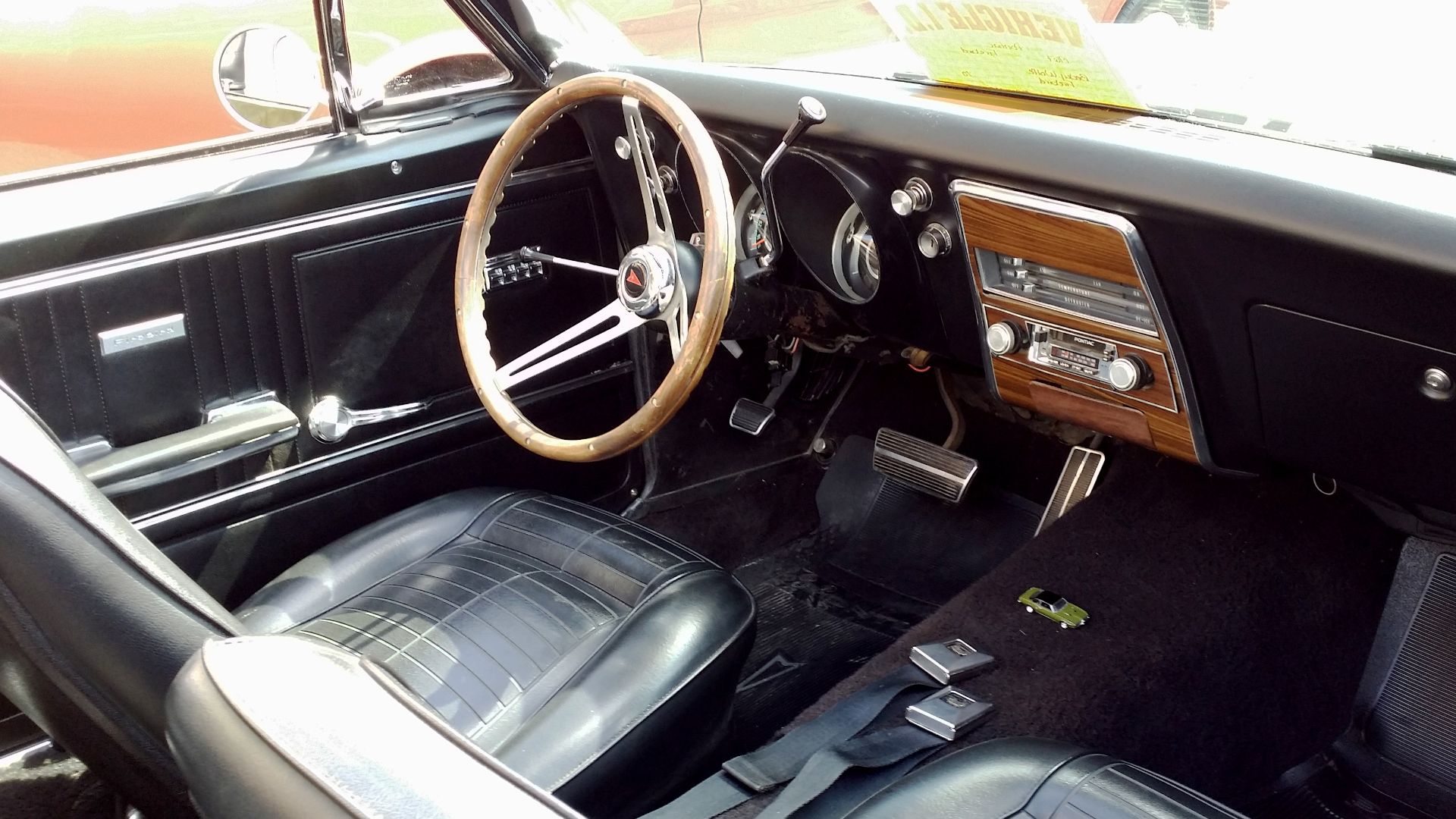
General Motors dealt with a defect that could shut off a car mid-drive. It wasn’t just about losing power—it also affected critical safety systems.
 Eric Friedebach, Wikimedia Commons
Losing Control At Highway Speeds
When the ignition switched off, drivers suddenly lost things like power steering and braking assistance. At higher speeds, that kind of failure can quickly become dangerous.

A Crisis That Spanned Years
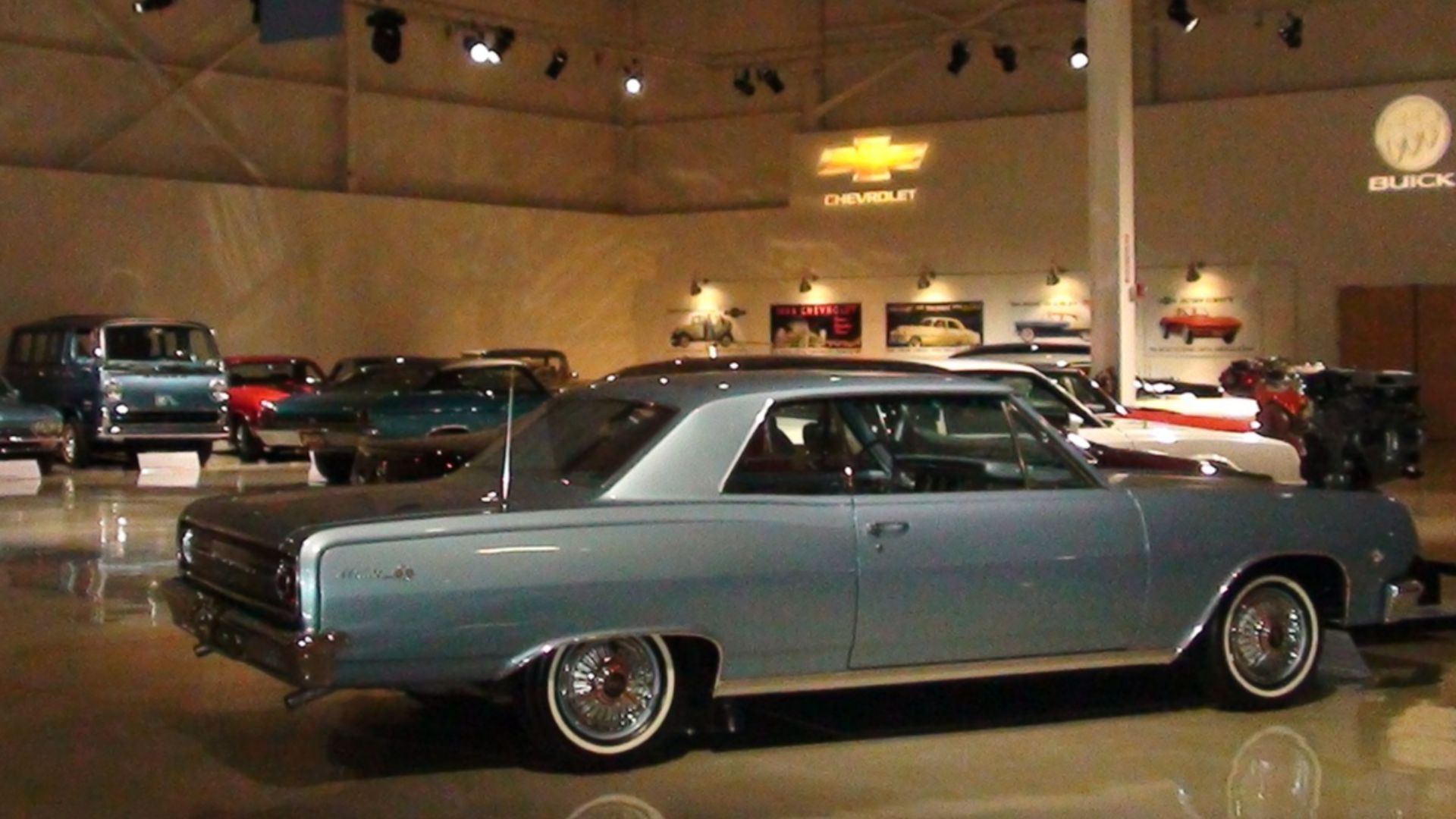
This wasn’t a short-lived problem. It stretched across multiple model years before the full scope was understood. By then, millions of vehicles were involved.
 Tino Rossini, Wikimedia Commons
The Ford Bronco’s Rollover Risk
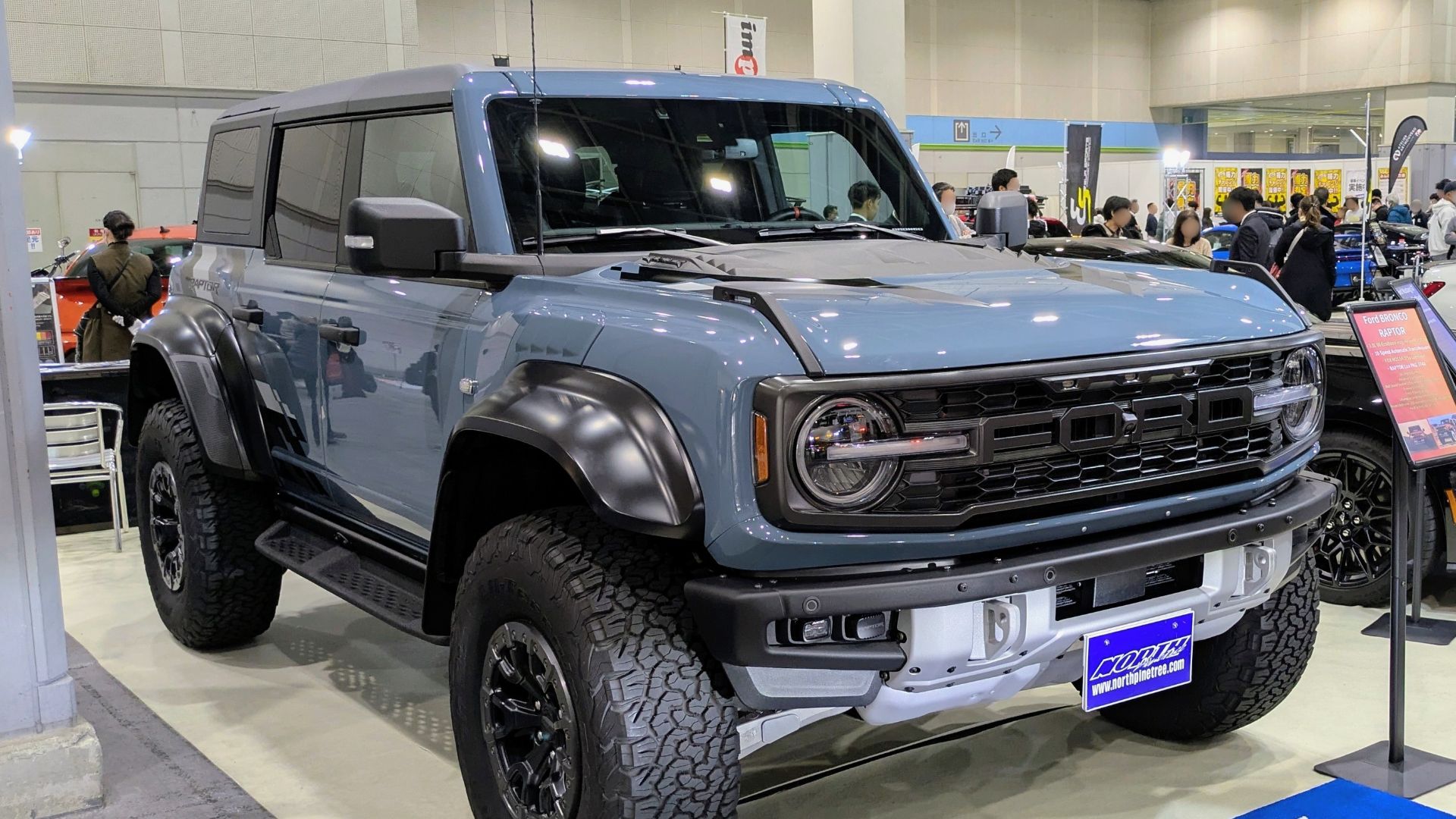
Even during testing, the Bronco showed signs of instability. It had a tendency to tip more easily than expected, which raised concerns early on.
 Ethan Llamas, Wikimedia Commons
A Known Problem Left Unfixed
Despite those concerns, the vehicle still made it to market. The fix was considered too costly at the time, a decision that would later be heavily scrutinized.
Thousands Of Rollover Incidents
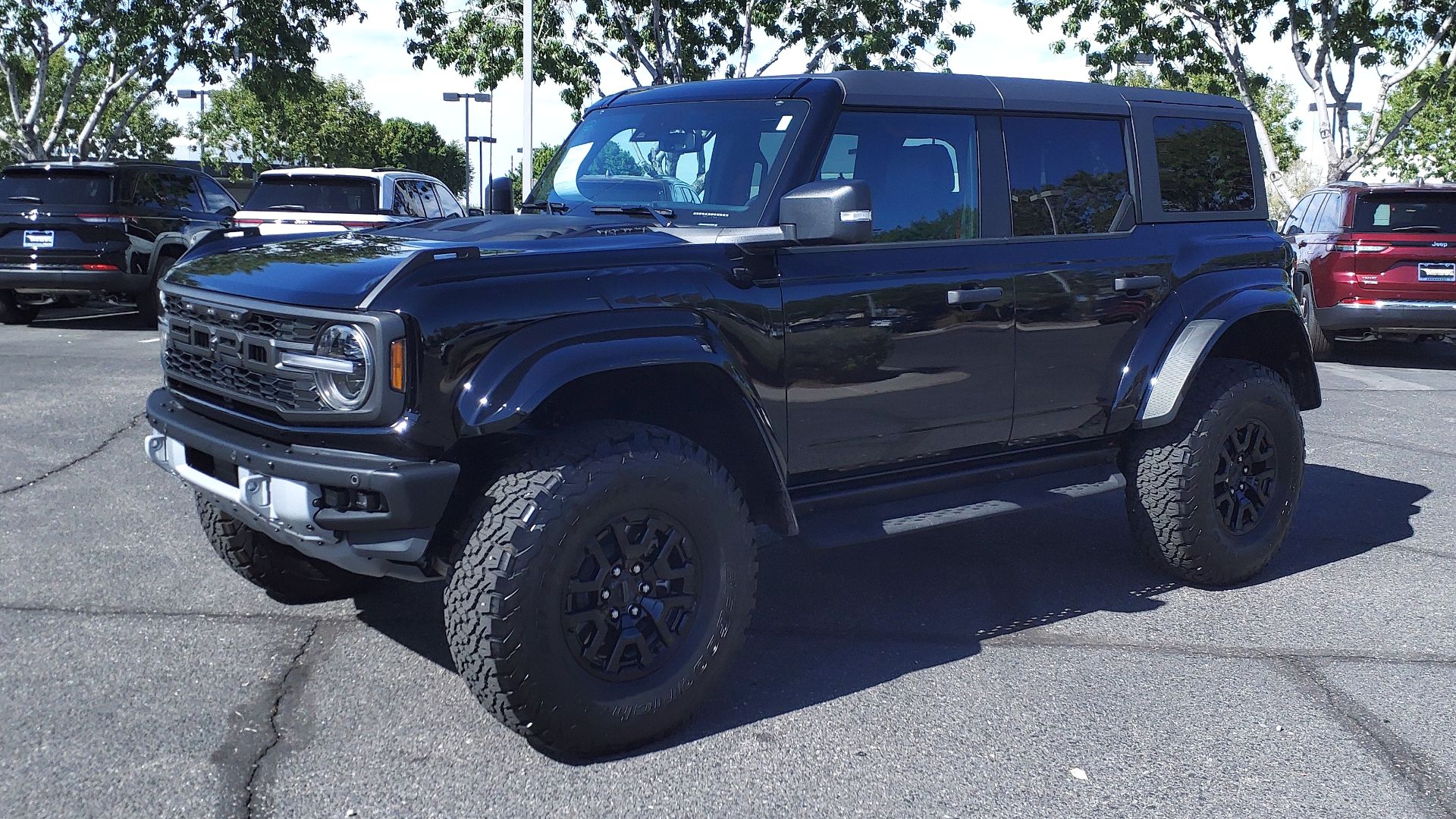
Over time, the Bronco became linked to a large number of rollover accidents. The numbers added up, and the issue became difficult to ignore.
Why Recalls Matter More Than You Think
All of these stories point to one thing—recalls aren’t just paperwork. They exist because something has already gone wrong, and ignoring them can mean taking unnecessary risks.

The Responsibility Falls On Drivers Too
While manufacturers handle the repairs, it’s up to owners to follow through. Taking a recalled vehicle in for service might seem like a hassle, but it’s one of the simplest ways to stay safe on the road.

You May Also Like: