When Crash Tests Throw Shade
Some cars promise great gas mileage. Others promise low monthly payments. And then there are the ones that quietly hope you never look up their crash-test scores.
The vehicles on this list all came under scrutiny for one simple reason—they didn’t exactly shine when safety organizations put them to the test. Whether it’s weak structural protection, missing modern safety tech, or disappointing crash ratings, these cars remind us that “affordable” can sometimes come with strings attached.
 The Global Guy, Shutterstock.com
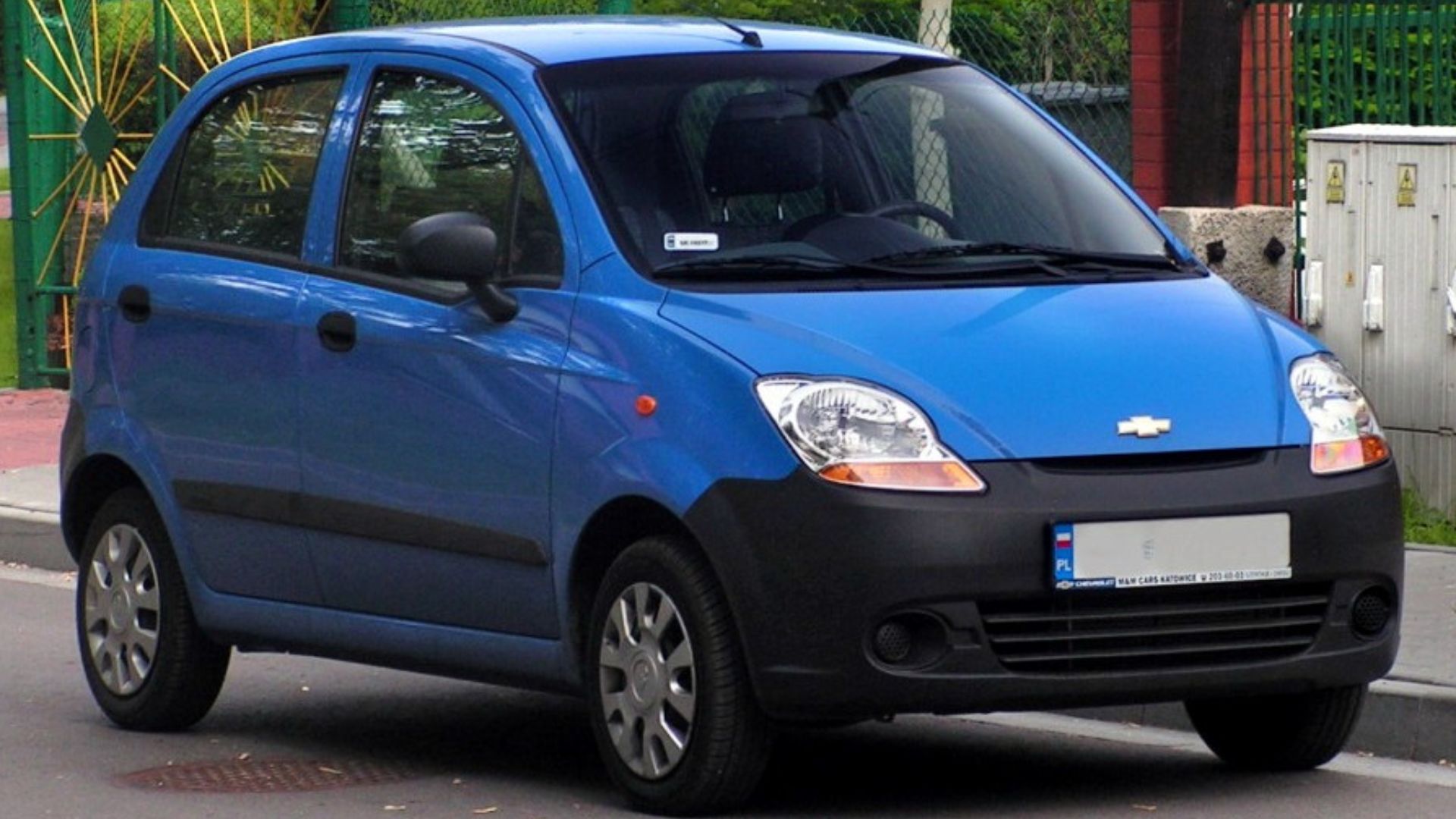
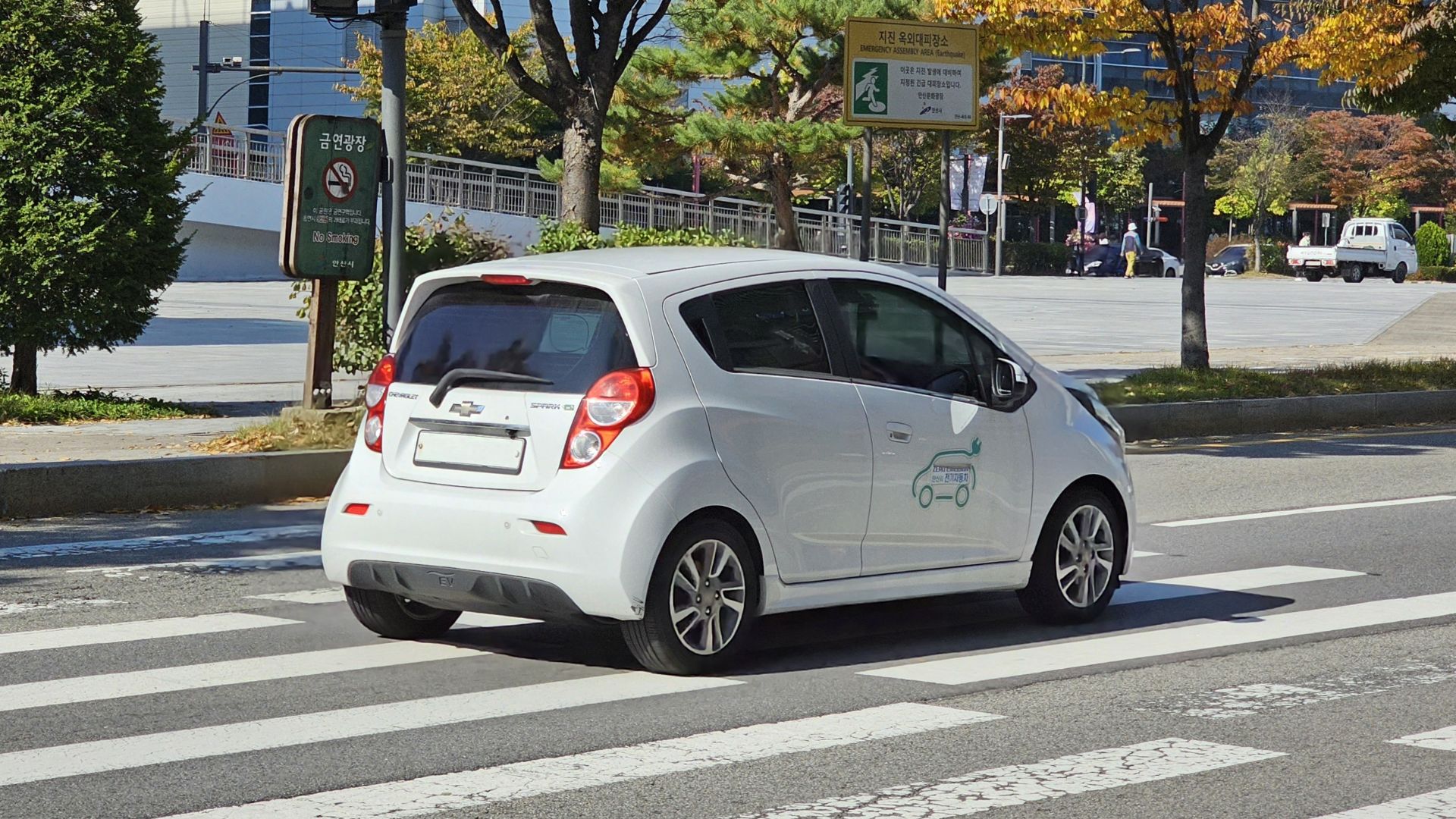
Chevrolet Spark
The Chevrolet Spark is about as straightforward as transportation gets. It’s tiny, inexpensive, and built for squeezing into tight city spaces without breaking a sweat—or your budget. For urban drivers who just need something simple, it checks a lot of practical boxes.
 Paweł Grzywocz, Wikimedia Commons
Why The Chevrolet Spark Raises Eyebrows
The problem is what happens when that simplicity meets reality. Crash tests revealed weak performance, particularly in side impacts and rear passenger protection. It’s the kind of result that makes the Spark feel less like a smart city solution—and more like a gamble when things go sideways.
 Damian B Oh, Wikimedia Commons
Fiat 500
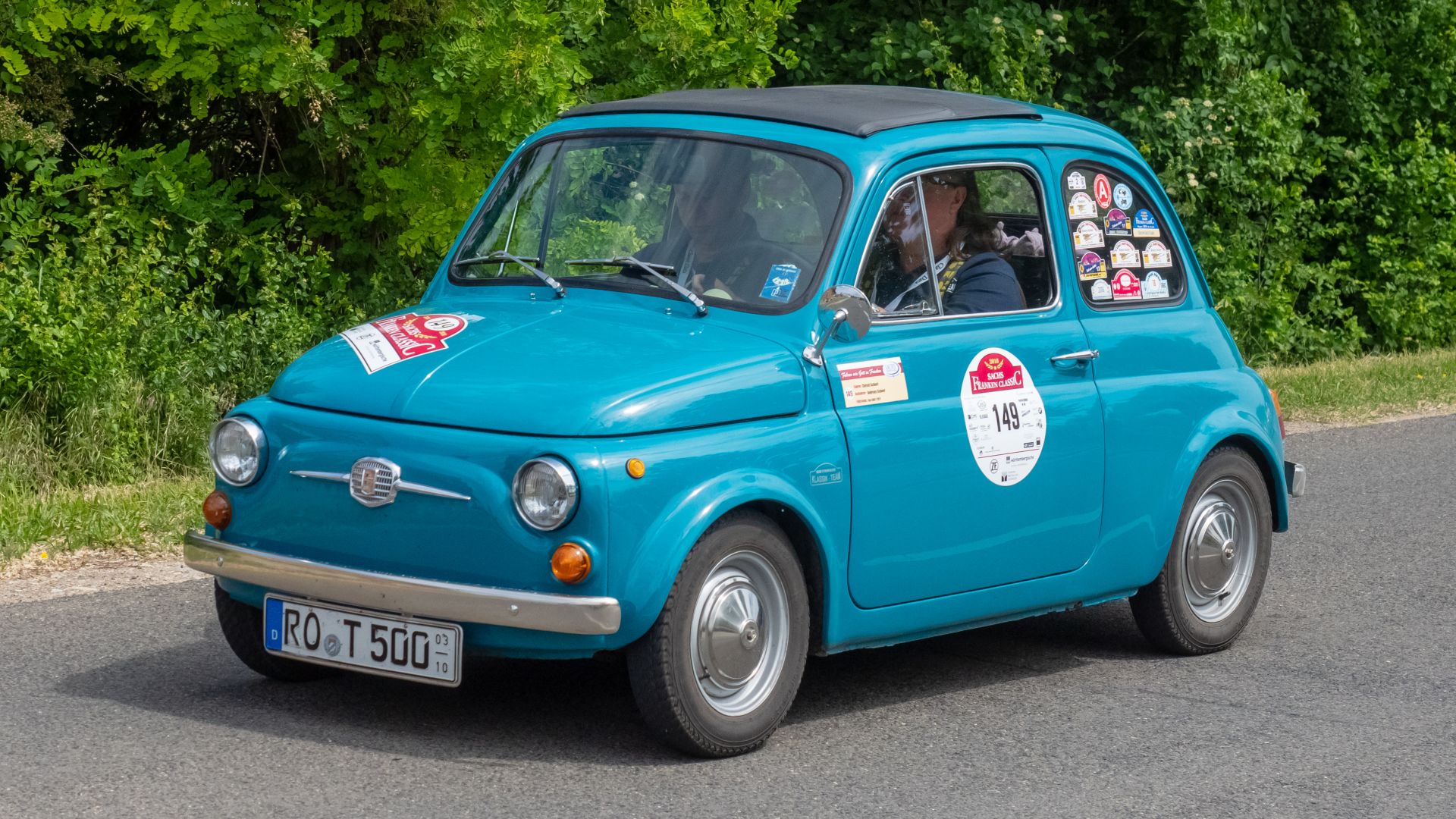
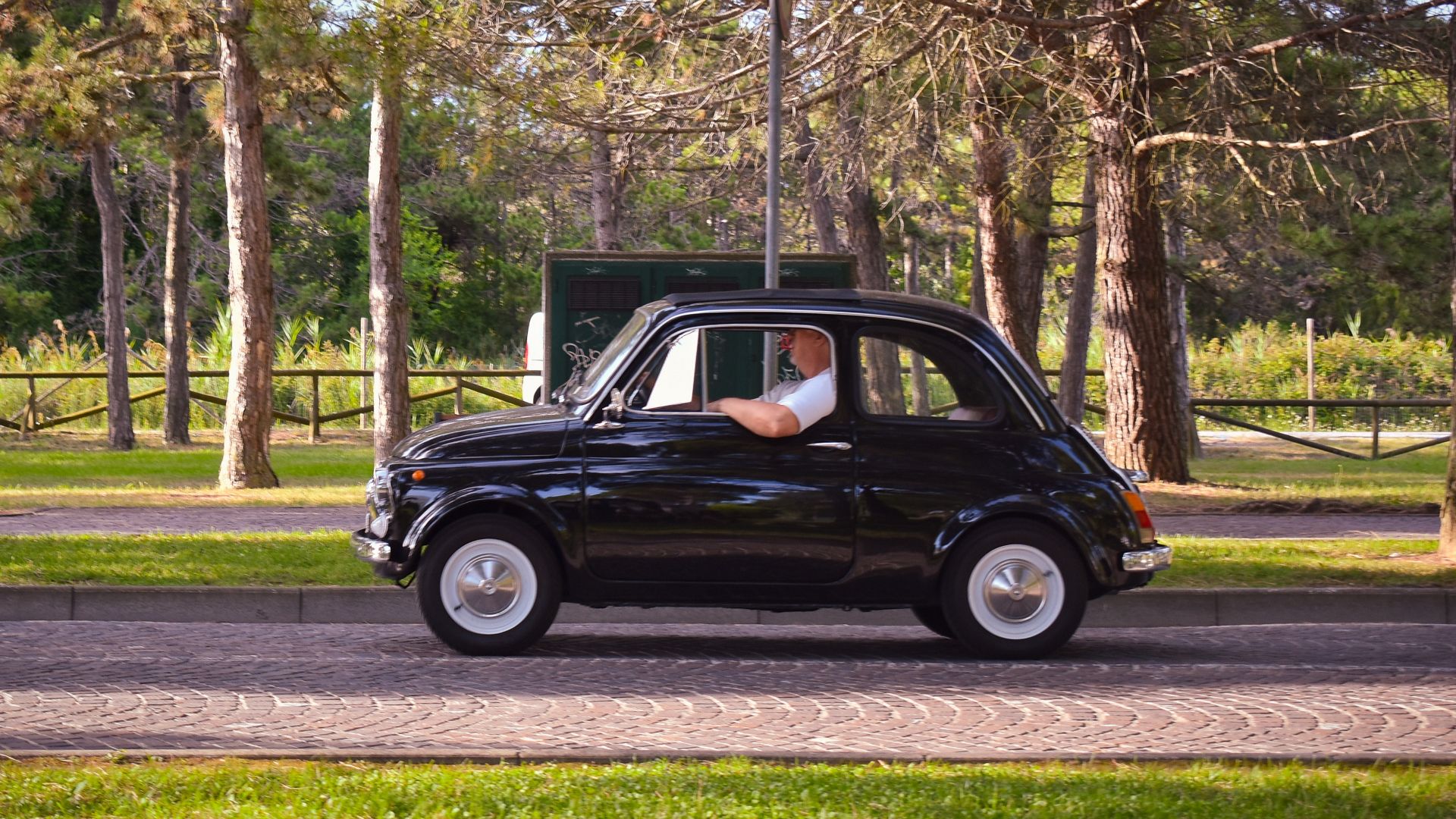
The Fiat 500 leans hard into personality. It’s stylish, compact, and unmistakably designed to stand out rather than blend in. If cars had fashion statements, this one would be wearing designer sunglasses.
Why The Fiat 500 Falls Behind
Style can only carry you so far. The Fiat 500 scored poorly in crash testing, especially in front-impact scenarios, and lacked key safety features like lane assist and automatic braking. It’s charming right up until you realize it’s missing some of the tools that actually matter in a crisis.
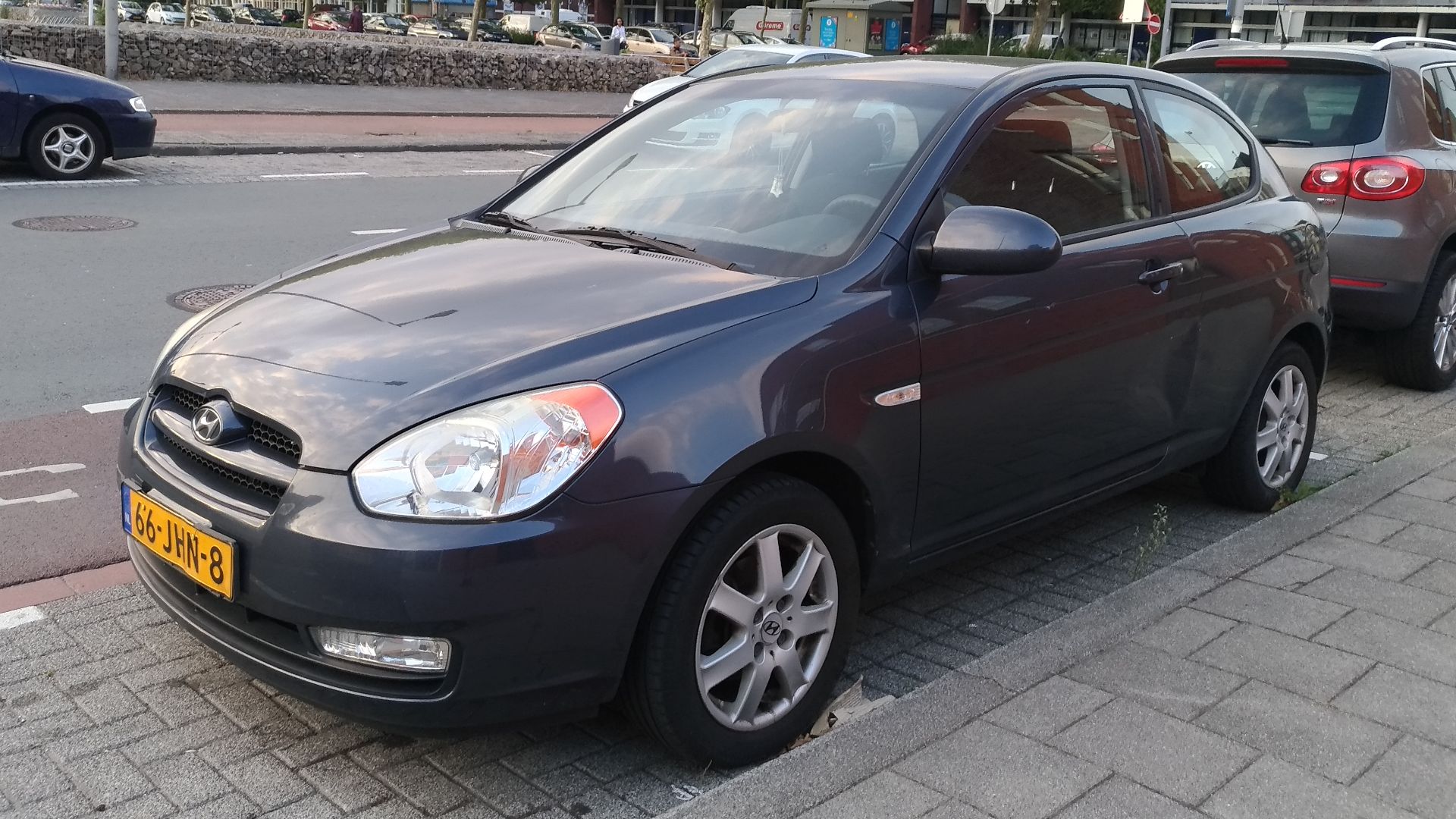
Hyundai Accent
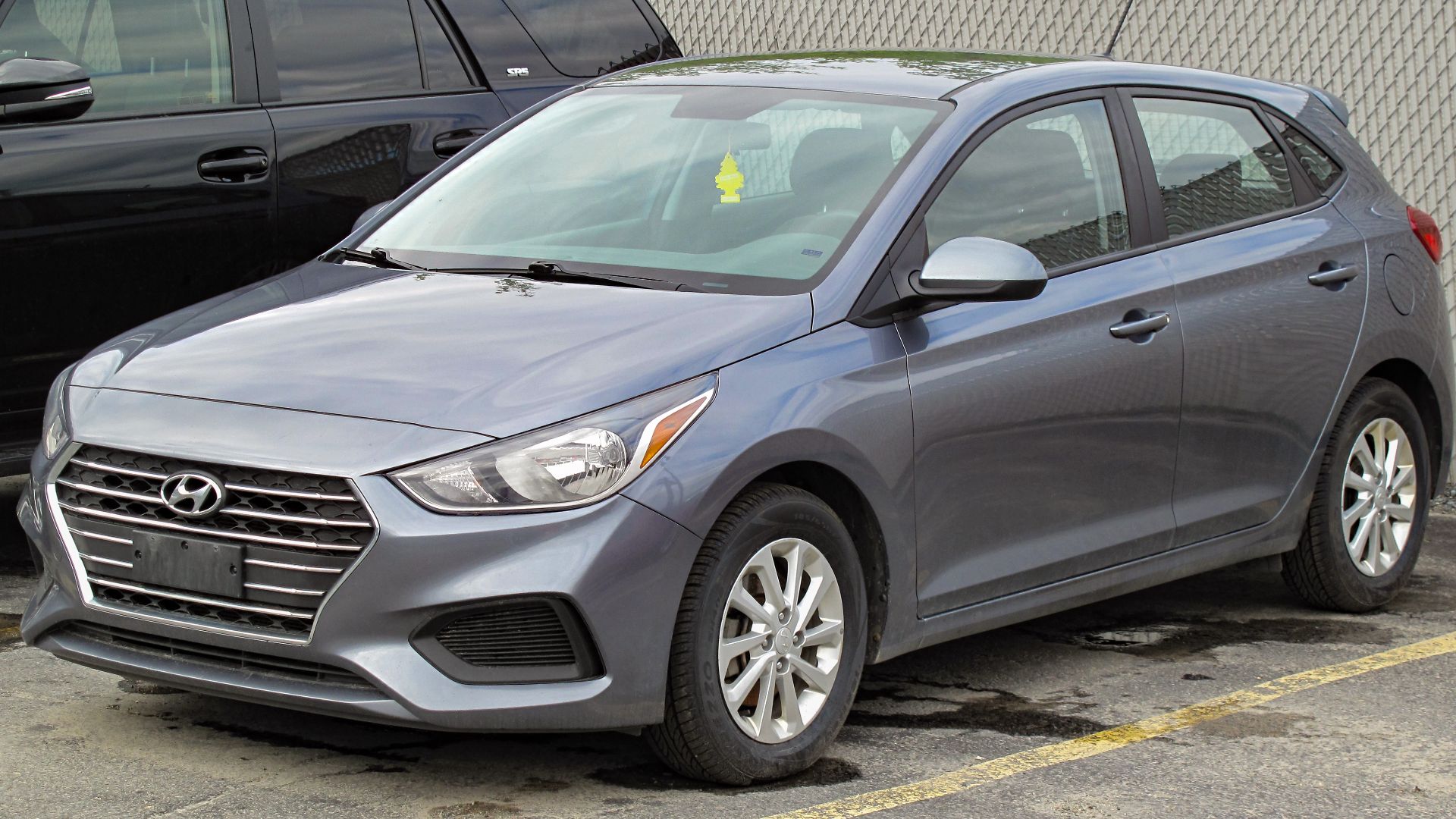
The Hyundai Accent has always been about quiet competence. It delivers good fuel economy, a low price, and the kind of reliability that doesn’t demand attention. It’s the automotive equivalent of doing your job well without making a fuss.
Why The Hyundai Accent Feels Outdated
That no-fuss approach extends a little too far into safety. The Accent struggled in side-impact crash tests and lacked many advanced safety features found in newer competitors. It’s dependable—just not particularly reassuring when things go wrong.
 Guillaume Vachey from Chalon sur Saone, France, Wikimedia Commons
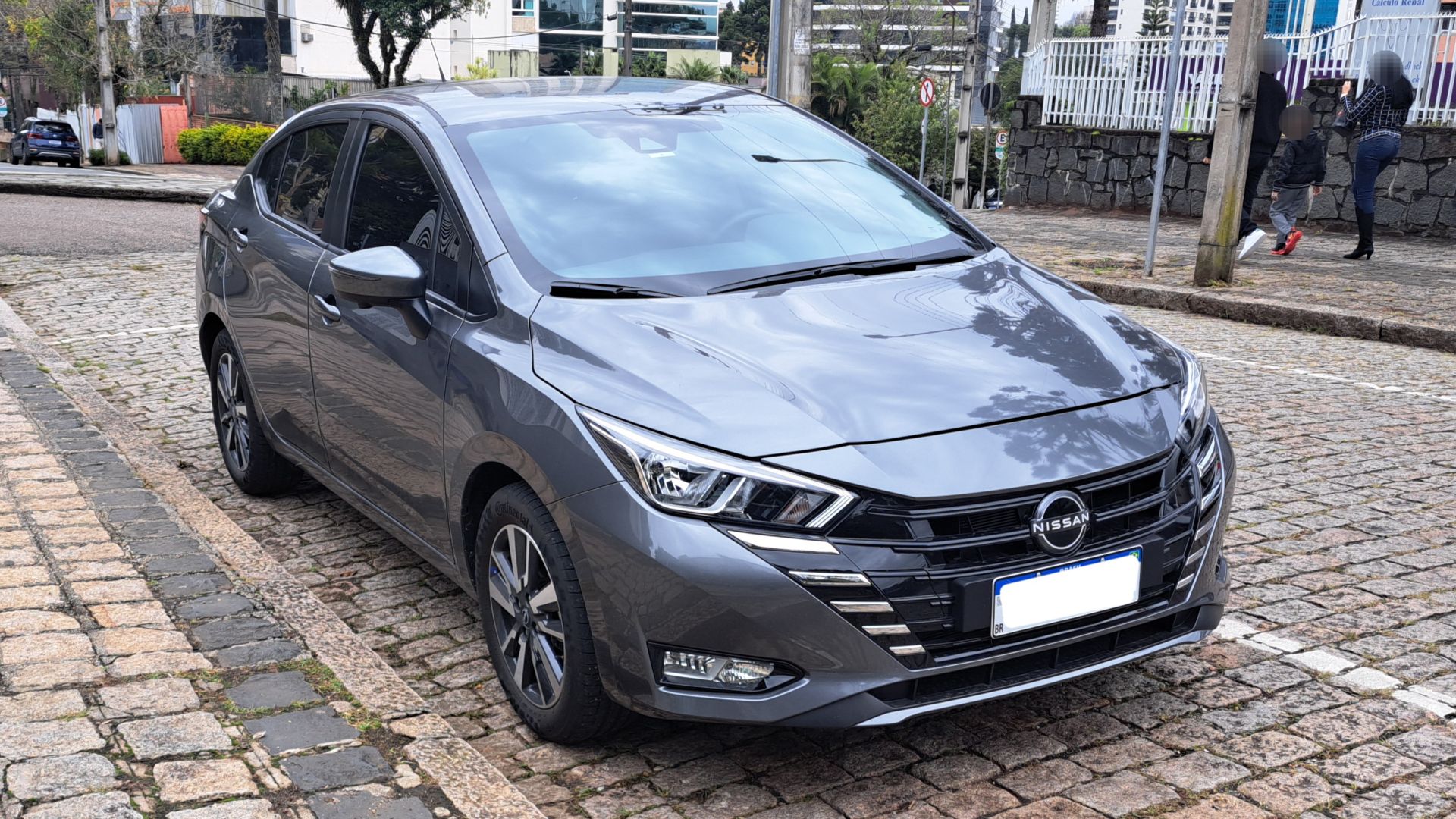
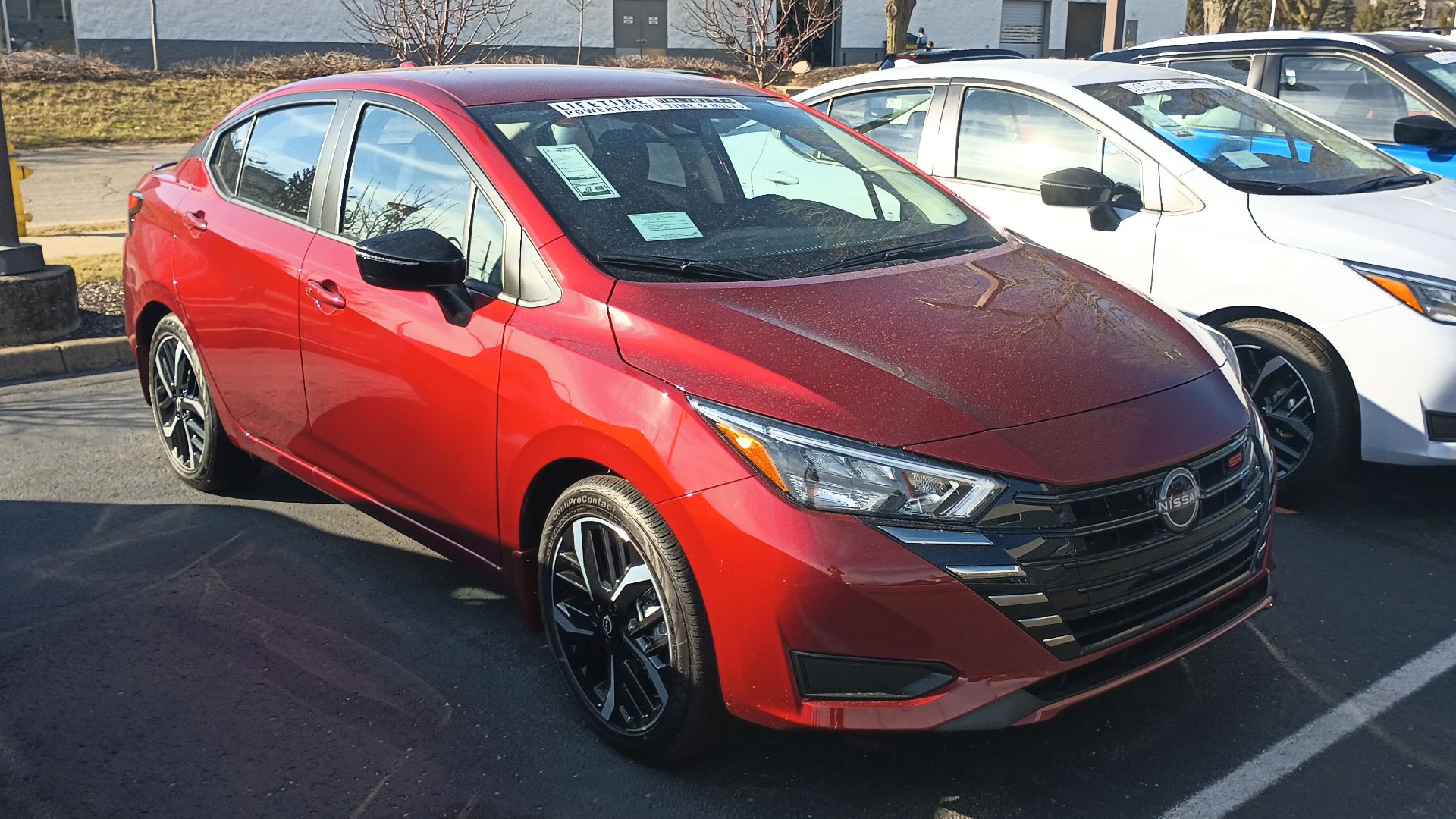
Nissan Versa
The Nissan Versa is a budget-friendly staple. It offers a roomy interior for its class and keeps ownership costs refreshingly low. For many drivers, it’s an easy, practical choice.
 Mateusmatsuda, Wikimedia Commons
Why The Nissan Versa Lands Here
Unfortunately, practicality doesn’t equal protection. The Versa has consistently posted weak crash-test results, especially in frontal and side impacts, while also missing key driver-assistance tech. It’s affordable—but it cuts corners where you’d rather it didn’t.
 Deathpallie325, Wikimedia Commons
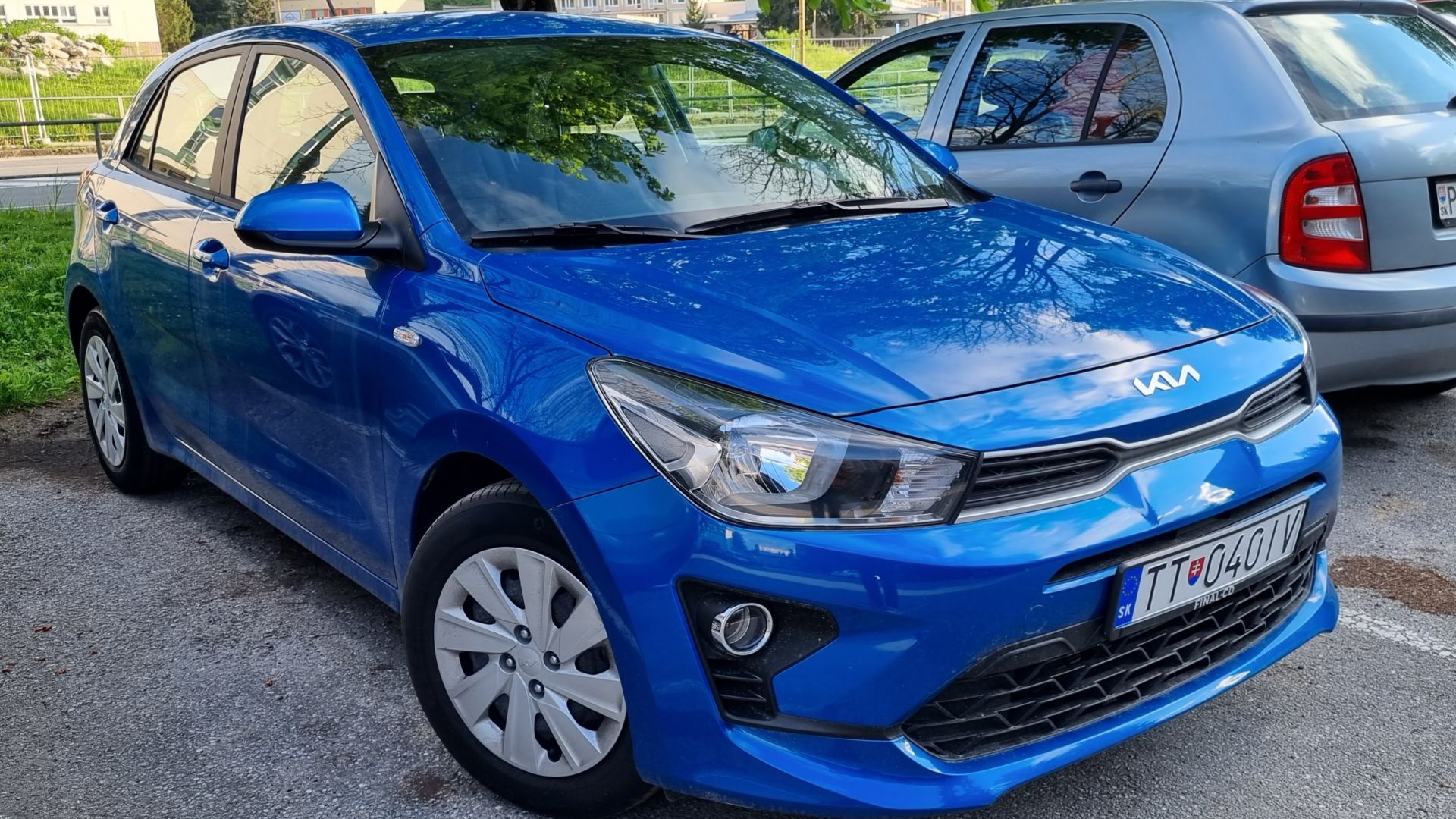
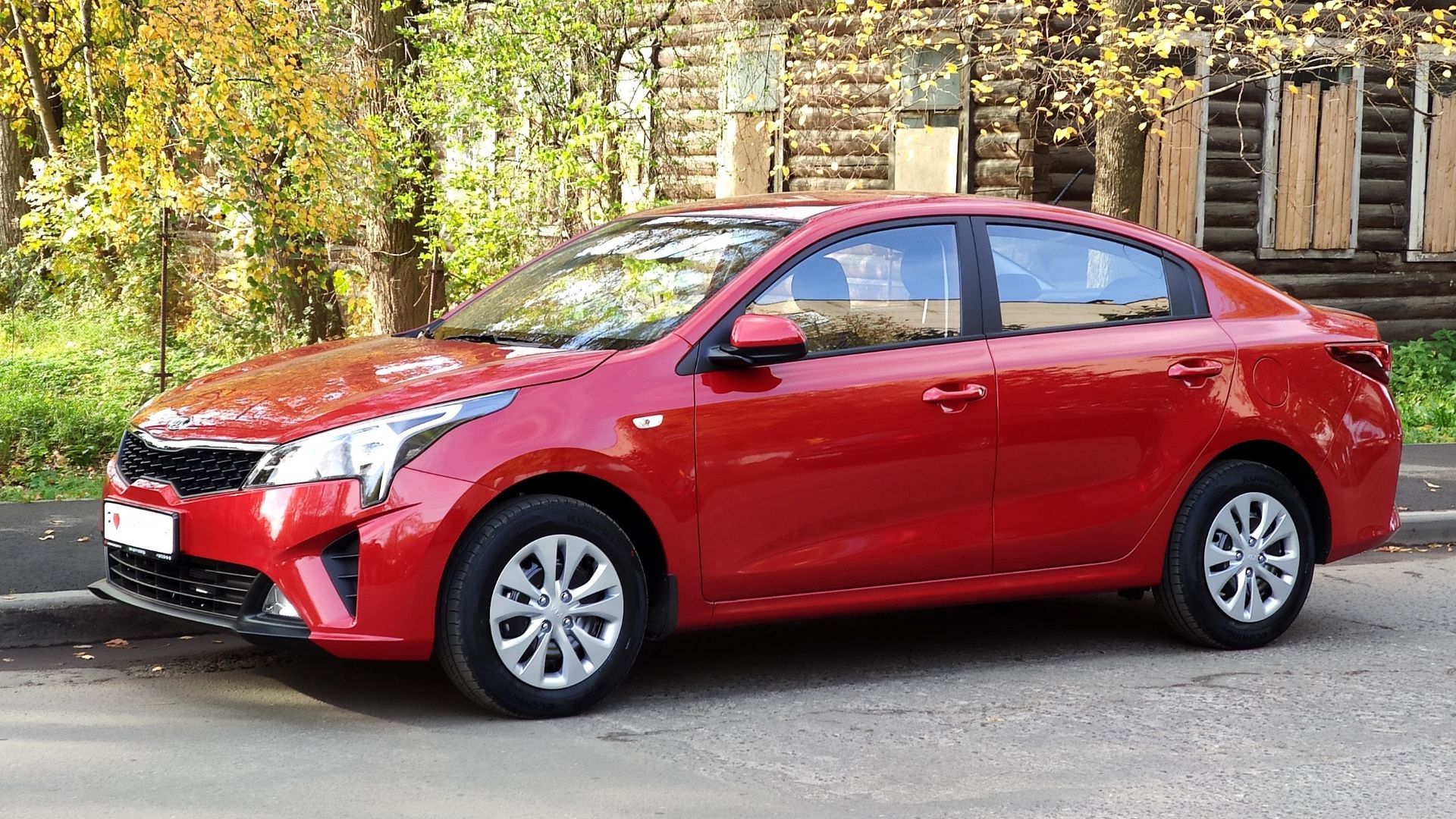
Kia Rio
The Kia Rio aims to be the sensible middle ground in the subcompact world. It’s efficient, easy to drive, and priced for people who want something simple without feeling stripped-down.
Why The Kia Rio Feels Like A Risk
The issue is how it performs when tested under pressure. Crash results showed poor rear passenger protection, and the lack of modern safety features doesn’t help its case. It’s fine for daily driving—but less comforting when things get unpredictable.
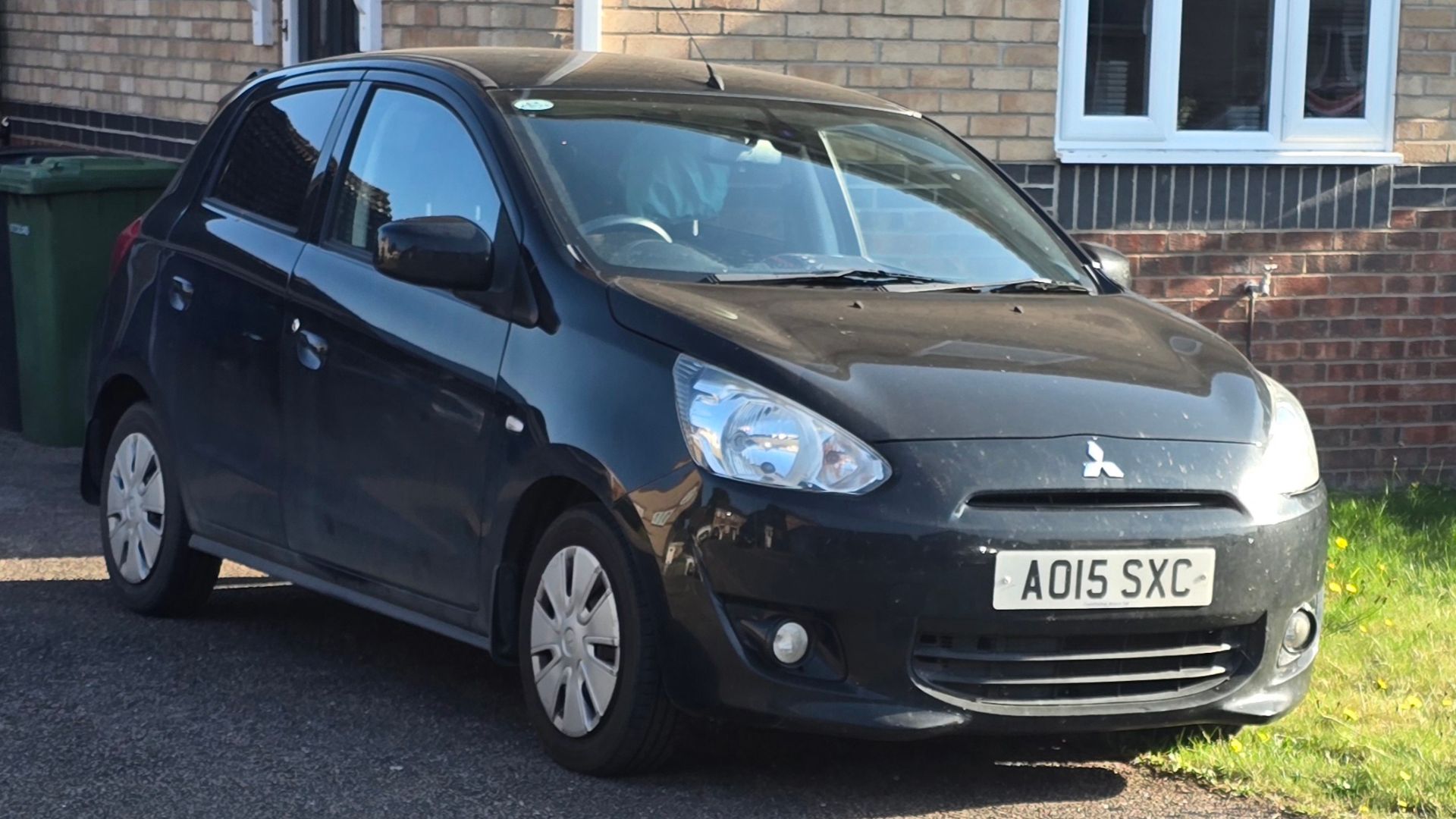
Mitsubishi Mirage
The Mitsubishi Mirage is all about cost-cutting in the most literal sense. It’s one of the cheapest new cars you can buy, with fuel efficiency that makes it appealing for long commutes on a tight budget.
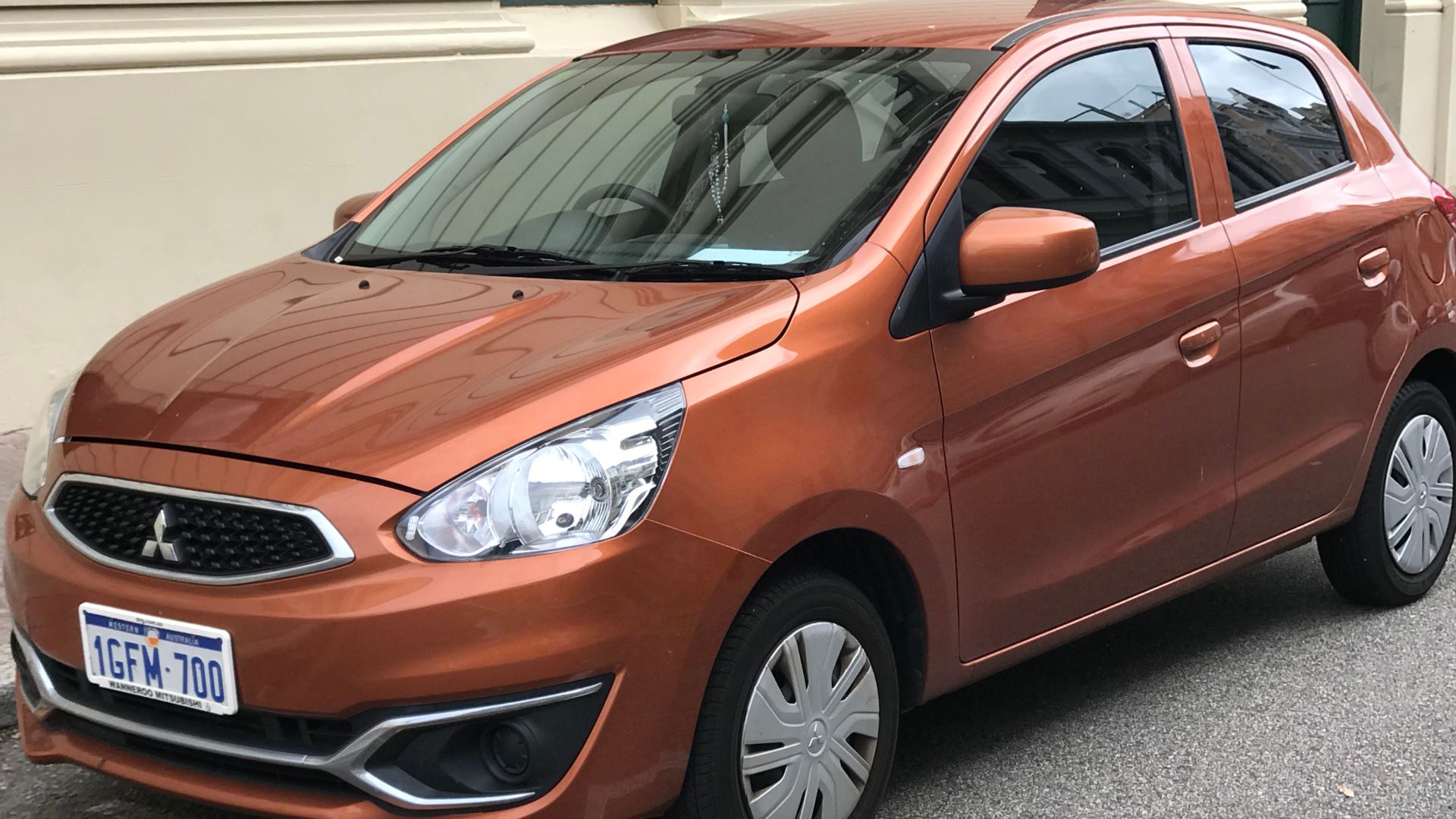 EurovisionNim, Wikimedia Commons
Why The Mitsubishi Mirage Has A Rough Reputation
This is where things get uncomfortable. The Mirage has been labeled one of the least safe cars on the road due to weak crash protection—especially in side impacts—and a lack of basic safety tech like automatic braking. It’s not just minimal—it’s minimal in all the wrong places.
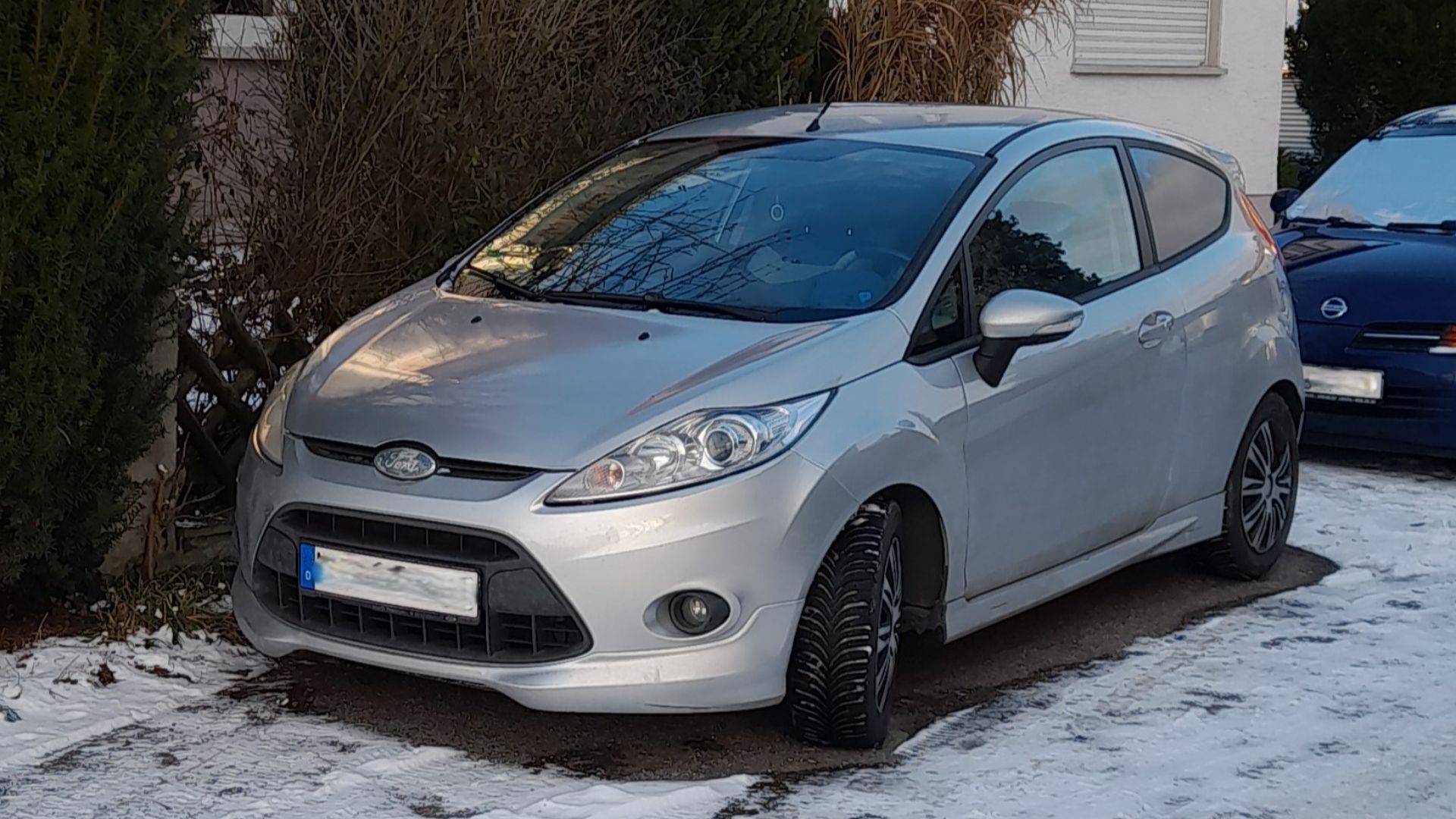
Ford Fiesta
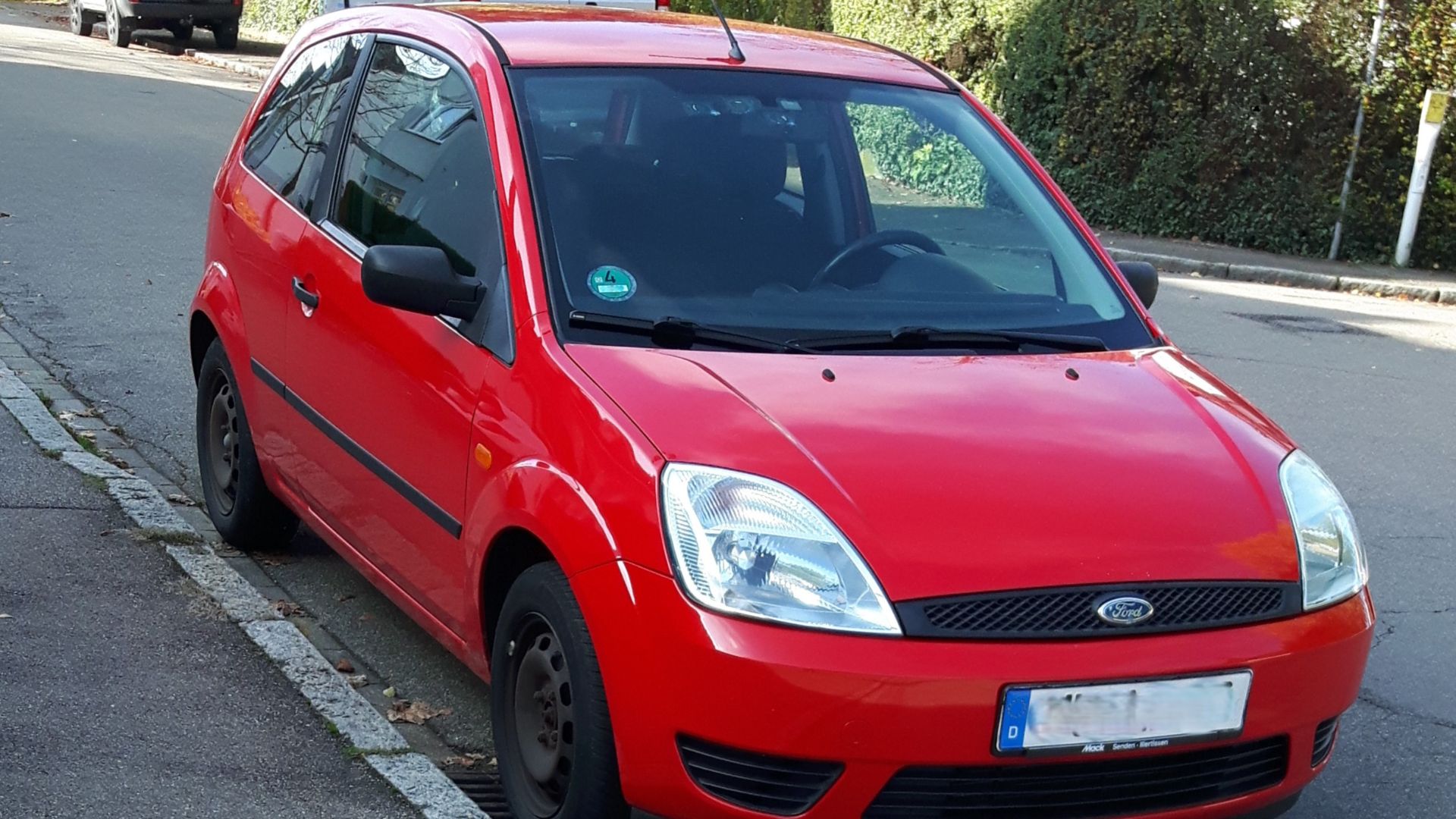
The Ford Fiesta brought a bit of flair to the budget segment. It’s compact, sporty-looking, and more fun to drive than many of its rivals. For a small car, it at least tried to keep things interesting.
Why The Ford Fiesta Disappoints
That fun factor doesn’t translate to safety. The Fiesta posted poor crash-test results, particularly in side impacts, and lacked advanced driver-assistance systems. It’s lively on the road—but not especially confidence-inspiring in an emergency.
Dodge Dart
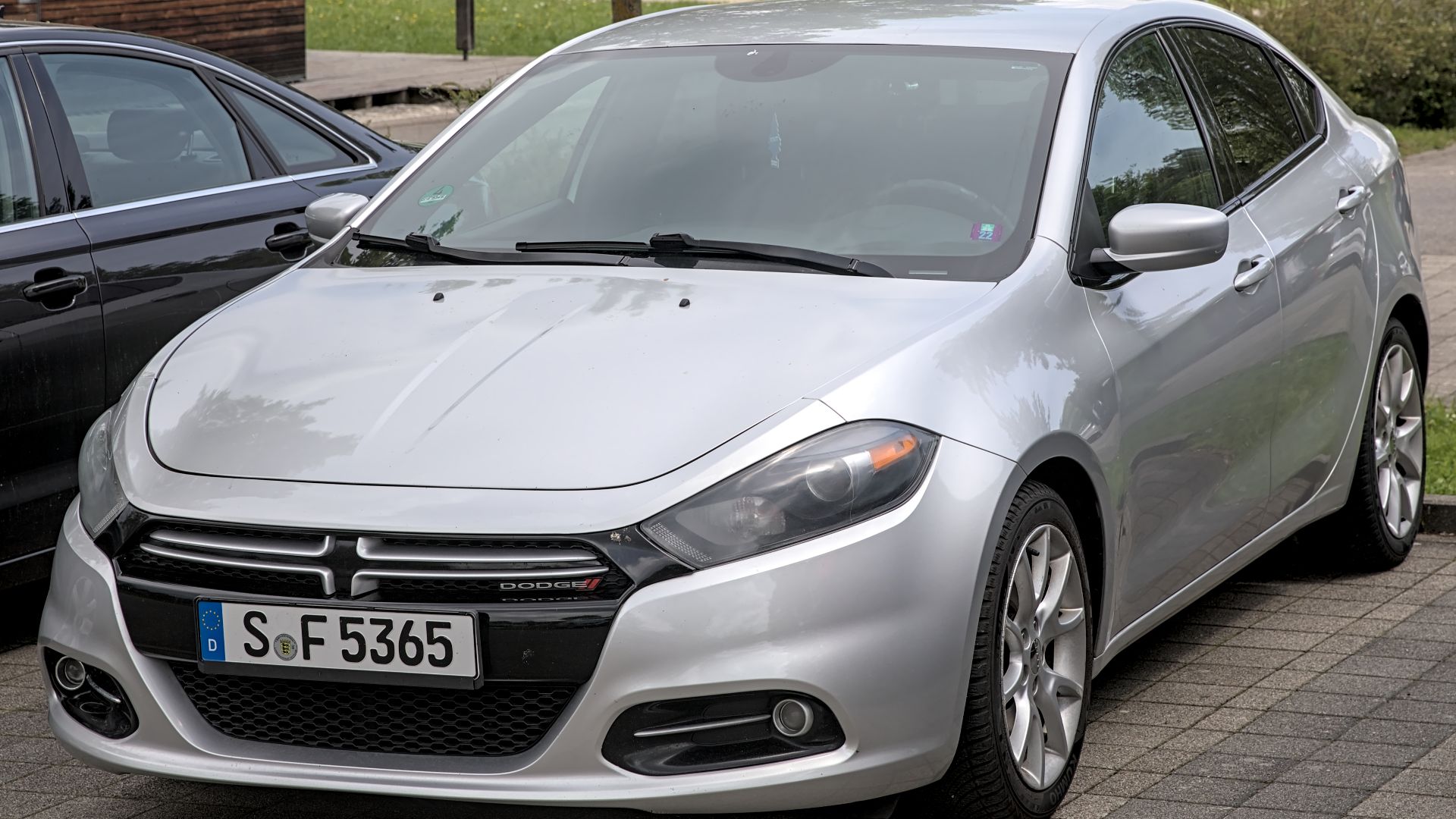
The Dodge Dart attempted to inject personality into the compact sedan space. It had bold styling and aimed to feel more substantial than your typical economy car.
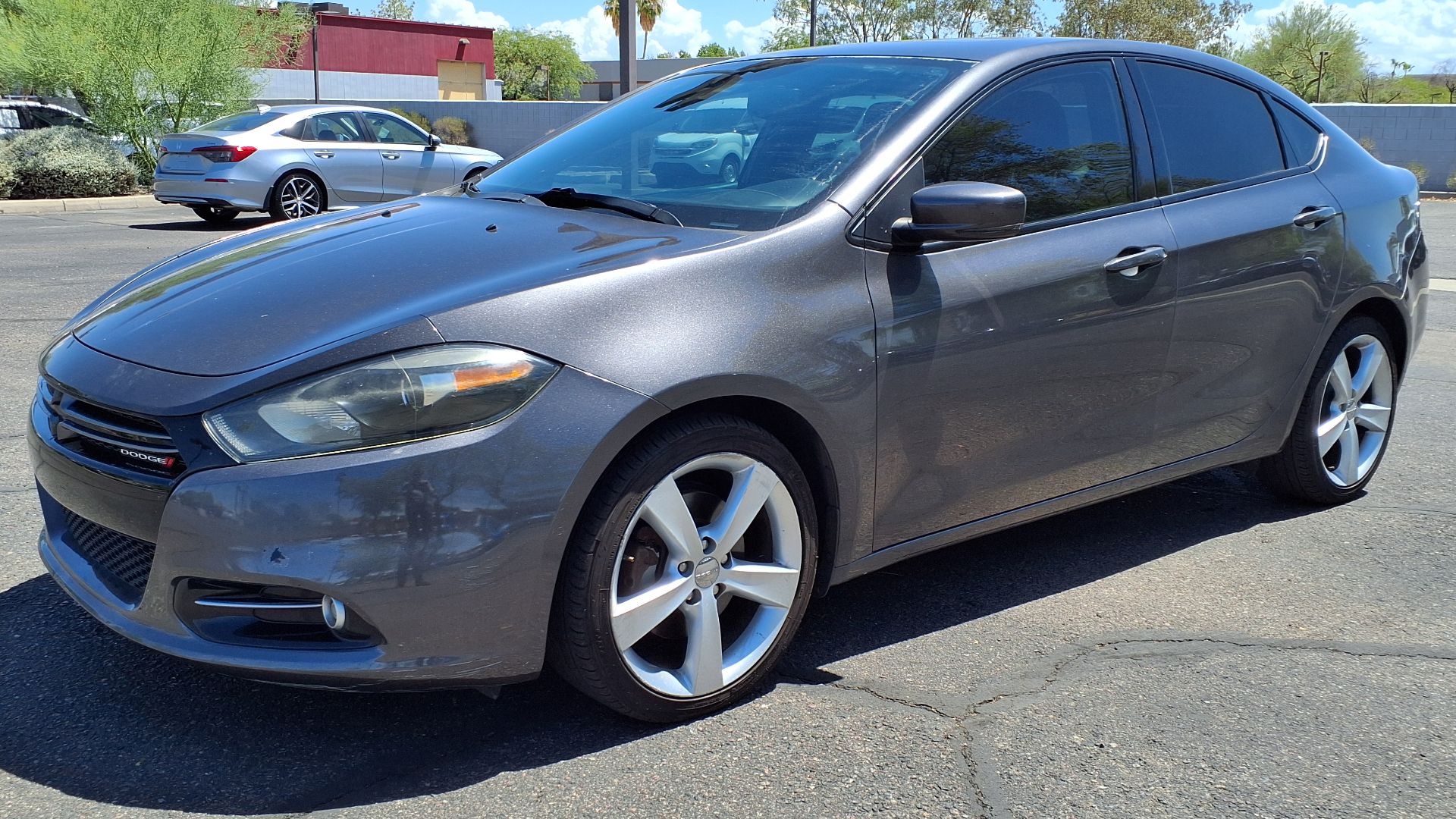
Why The Dodge Dart Misses The Mark
The safety story is where it falters. The Dart received mixed crash-test ratings and struggled in both front-seat and side-impact protection. Add in missing safety tech, and it ends up feeling like a car that never quite finished the job.
 Alexander-93, Wikimedia Commons
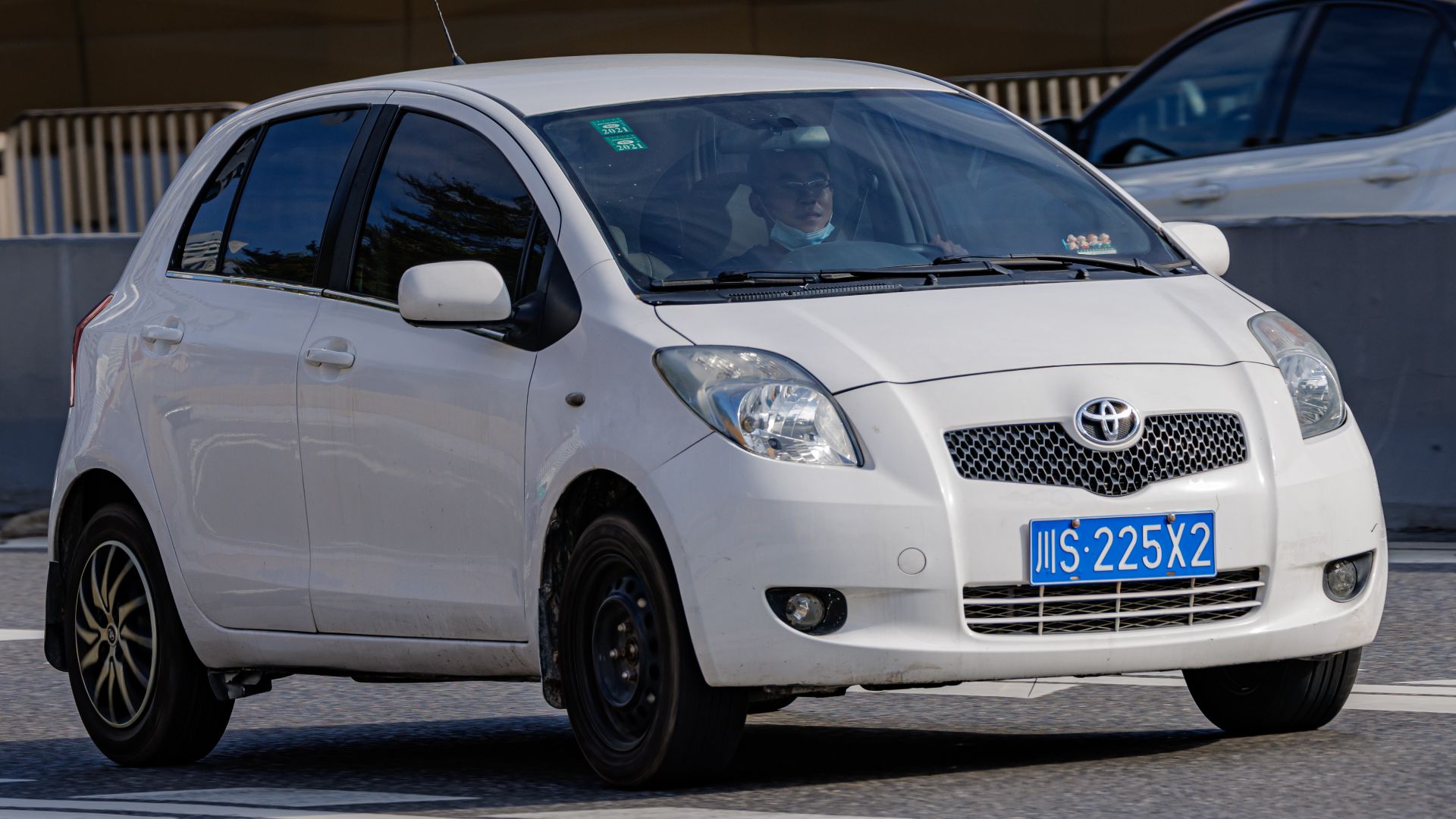
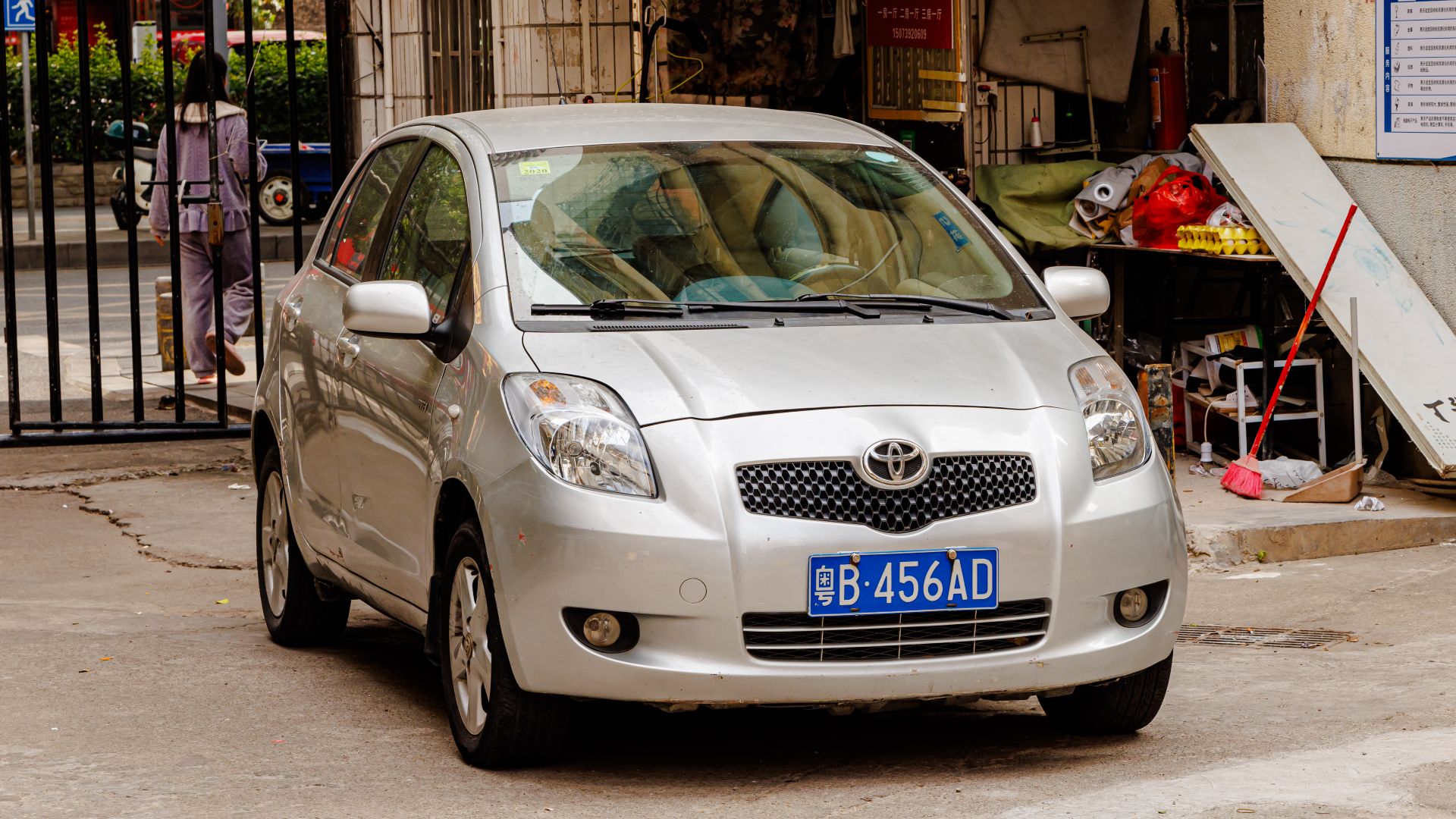
Toyota Yaris
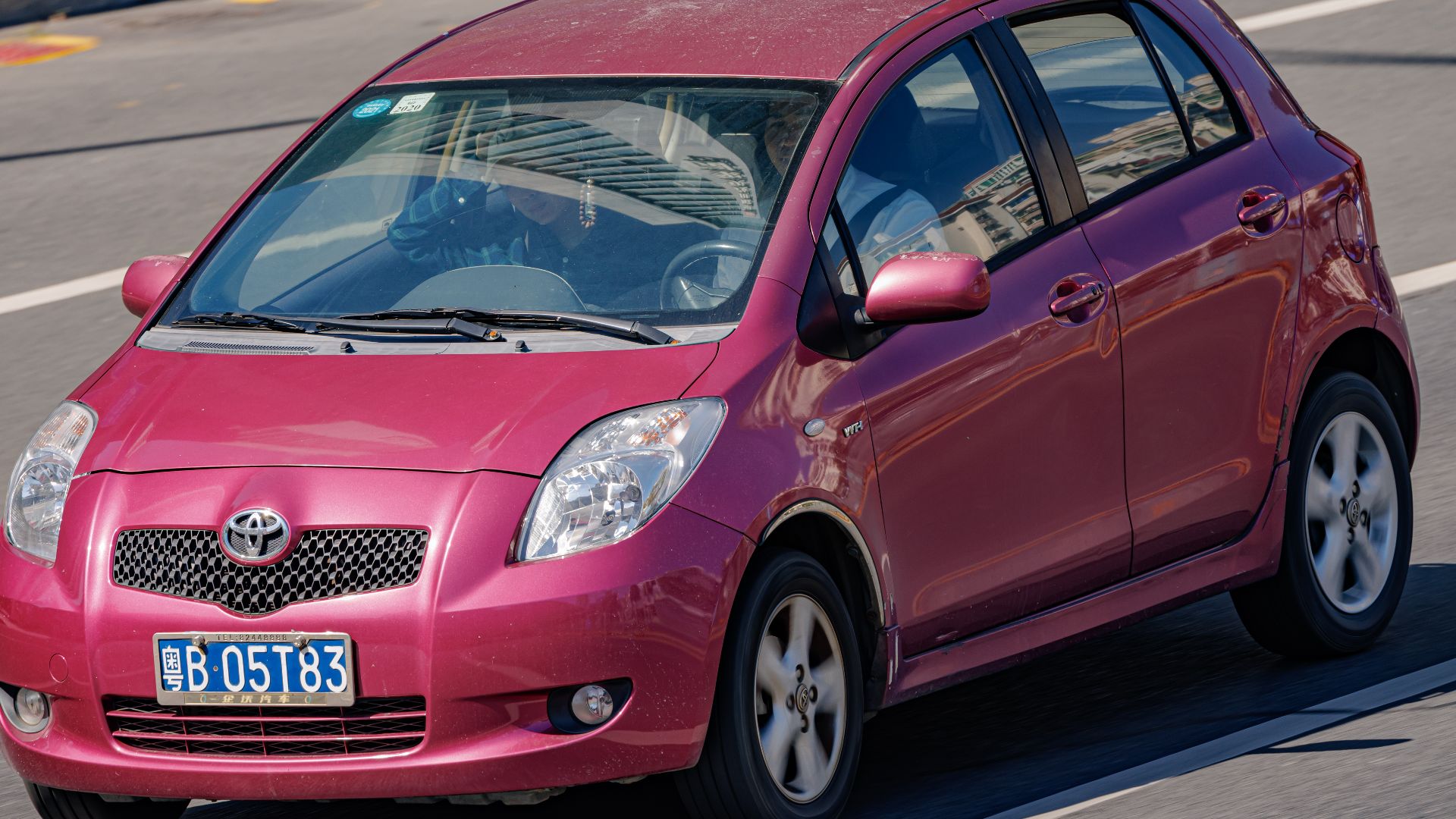
The Toyota Yaris carries the weight of a very reliable reputation. It’s small, efficient, and often assumed to be the “safe bet” simply because of the badge on the front.
 Dinkun Chen, Wikimedia Commons
Why The Toyota Yaris Isn’t As Safe As It Seems
That assumption doesn’t fully hold up. The Yaris delivered disappointing crash-test performance, especially in side impacts, and lacked features like blind-spot monitoring and rear cross-traffic alert. It’s the kind of car that looks like a safe choice—until you read the fine print.
 Dinkun Chen, Wikimedia Commons
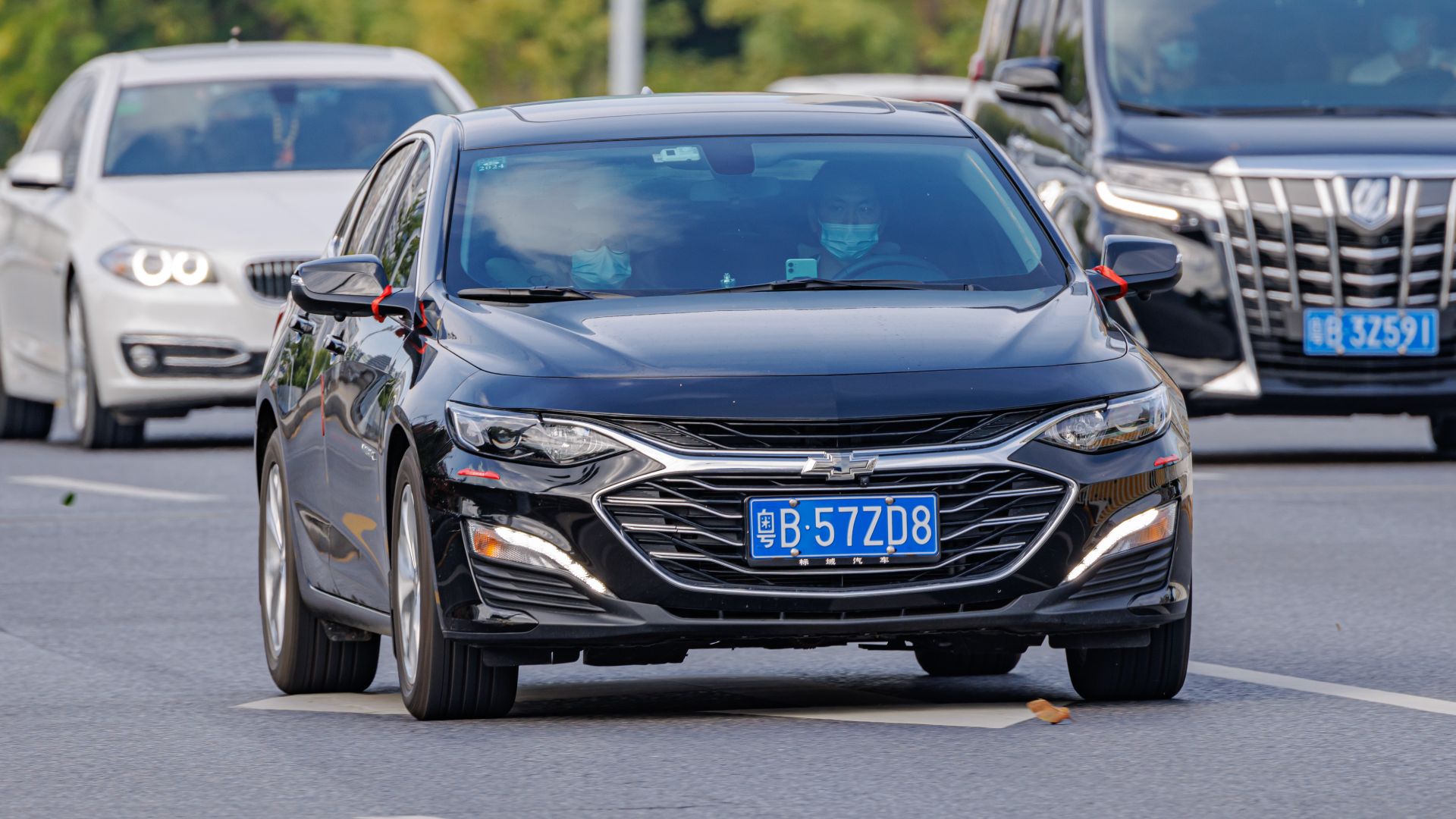
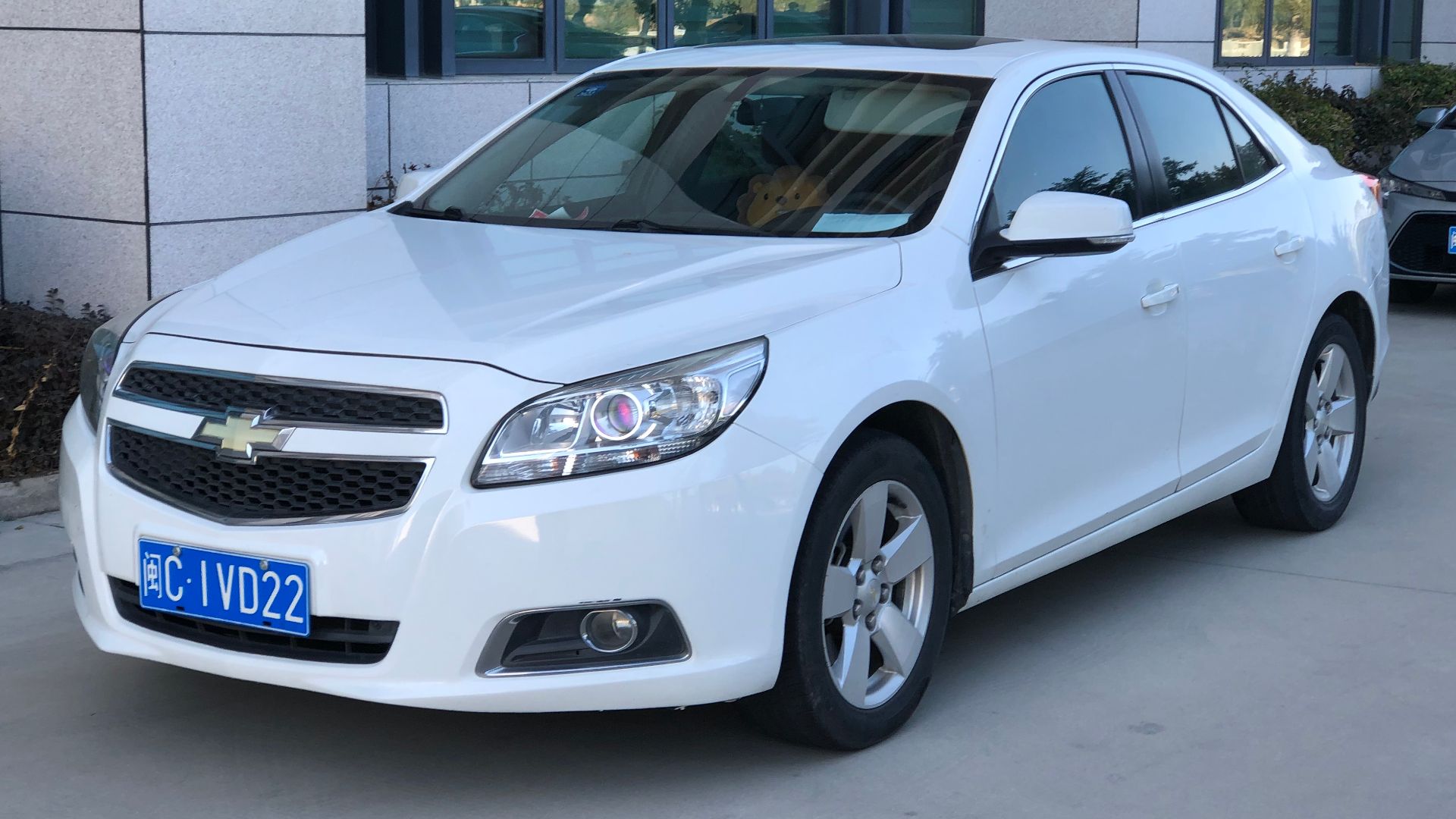
Chevrolet Malibu
The Chevrolet Malibu stands out here because it’s not a tiny subcompact. It’s a midsize sedan, offering more space and a more traditional family-car feel than most others on this list.
 Dinkun Chen, Wikimedia Commons
Why The Chevrolet Malibu Still Makes The Cut
Even with that size advantage, the Malibu falls short in key areas. It lacks important safety features like lane-keeping assist and automatic emergency braking, and its safety performance has been inconsistent across model years. Bigger doesn’t always mean better—at least not automatically.
 JamesYoung8167, Wikimedia Commons
The Pattern You Can’t Ignore
What ties all these cars together isn’t just one flaw—it’s a pattern. Weak crash-test results, missing modern safety tech, and the inherent risks of smaller vehicles all show up again and again. And that’s the real takeaway. A low price might get you in the driver’s seat—but when safety tests start talking, it’s worth listening.
 Dinkun Chen, Wikimedia Commons
You May Also Like:
Source: 1