The Future That Wasn't
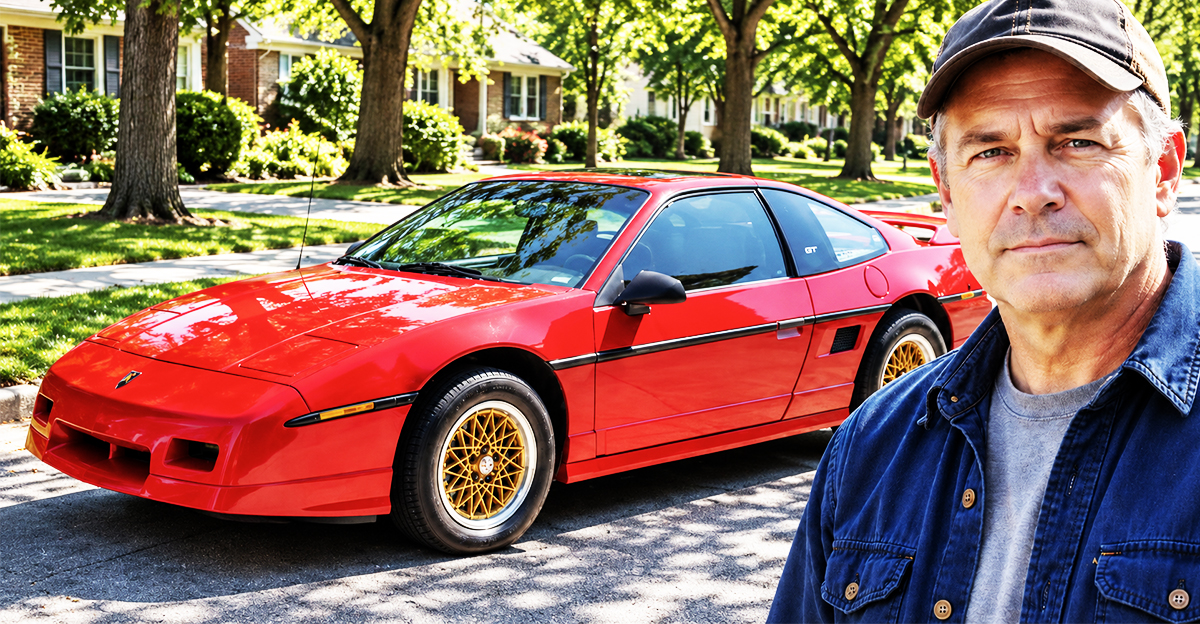
The Pontiac Fiero arrived in 1984 looking like America's answer to the affordable European sports car. With its mid-engine layout, futuristic construction, and sharp styling, it seemed destined for greatness. Instead, engine fires, disappointing performance, and corporate compromises nearly ruined its reputation. By 1988, Pontiac had finally transformed the Fiero into something special. The problem was, General Motors had already decided its future.
An American Sports Car Dream
The Fiero was the brainchild of Pontiac engineer Hulki Aldikacti, who envisioned an affordable, mid-engine, two-seat sports car. GM executives were initially skeptical, particularly about creating a potential competitor to the Chevrolet Corvette. Pontiac eventually secured approval by presenting the Fiero as an economical commuter car rather than a dedicated performance machine.
An Unusual Way To Build
When the Fiero debuted for 1984, its construction was genuinely innovative. Instead of conventional steel bodywork, it featured a rigid steel space frame covered with removable, dent-resistant composite panels. These panels weren't structural, allowing Pontiac to change the car's appearance without redesigning its underlying frame. The engine sat behind the passengers, driving the rear wheels, an exotic arrangement for an affordable American car.
Compromises Beneath The Skin
Unfortunately, GM's tight development budget meant the Fiero borrowed heavily from existing economy cars. Its front suspension was derived from the Chevrolet Chevette, while the rear suspension used components adapted from GM's front-wheel-drive X-cars. The only engine initially available was Pontiac's 92-horsepower, 2.5-liter Iron Duke four-cylinder. The Fiero looked like a sports car, but its acceleration and handling disappointed enthusiasts expecting something more exciting.
A Sensational First Year
Despite those shortcomings, the Fiero was initially a tremendous commercial success. Pontiac built nearly 137,000 examples for the 1984 model year, an impressive figure for a two-seater. Buyers loved its distinctive appearance, affordable price, and excellent fuel economy. The Fiero even served as the Indianapolis 500 pace car in 1984, with Pontiac offering special pace-car replica editions to celebrate the occasion.
Then Came The Engine Fires
The Fiero's reputation suffered badly when some early four-cylinder engines experienced connecting-rod failures that could puncture the engine block, release oil onto hot exhaust components, and start fires. Incorrect oil-capacity information and defective connecting rods added to the trouble. A major recall announced in 1987 covered approximately 125,000 cars from the 1984 model year. Although Pontiac addressed the problems, the damage to the Fiero's reputation was considerable.
Pontiac Starts Making Improvements
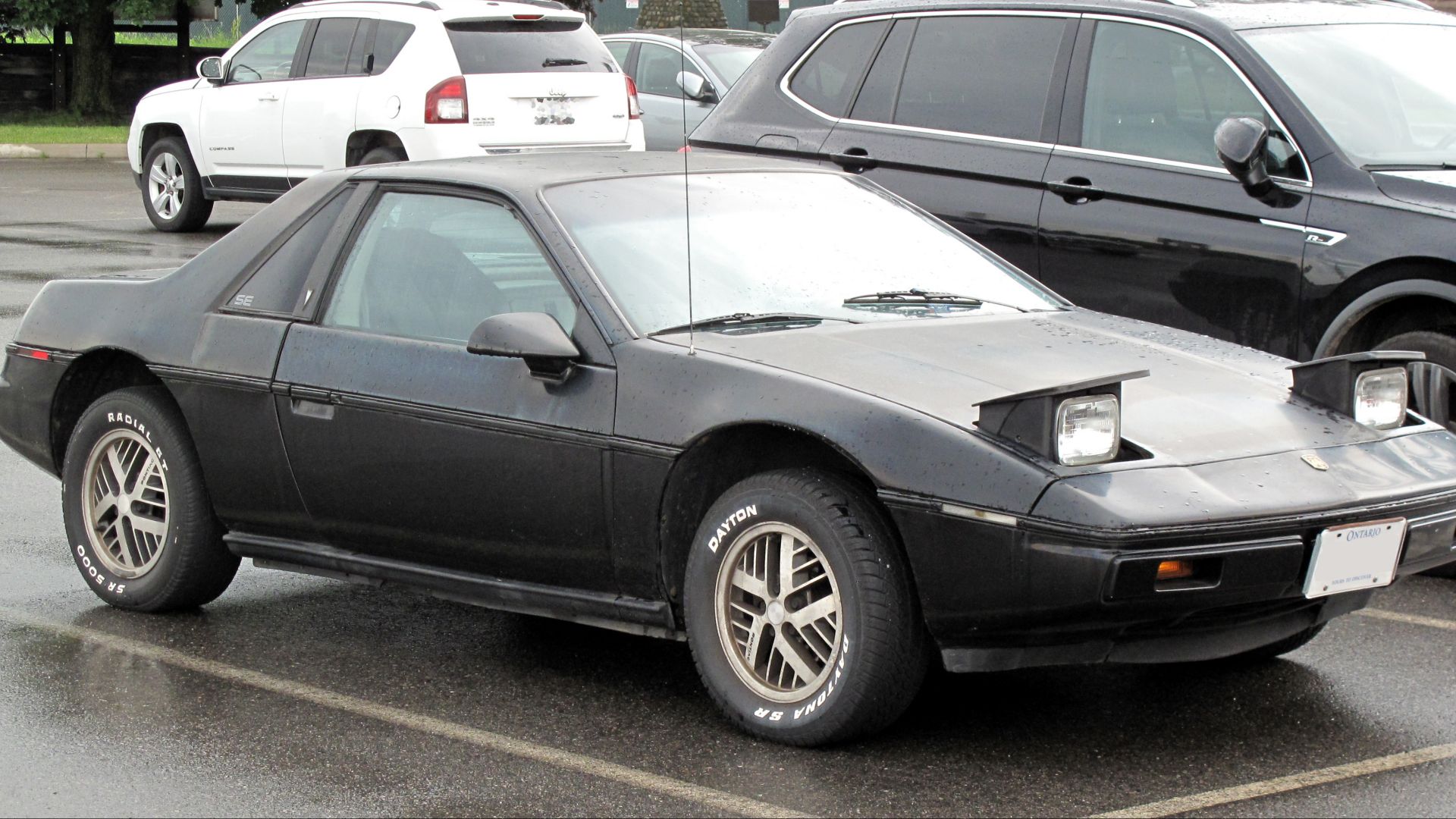
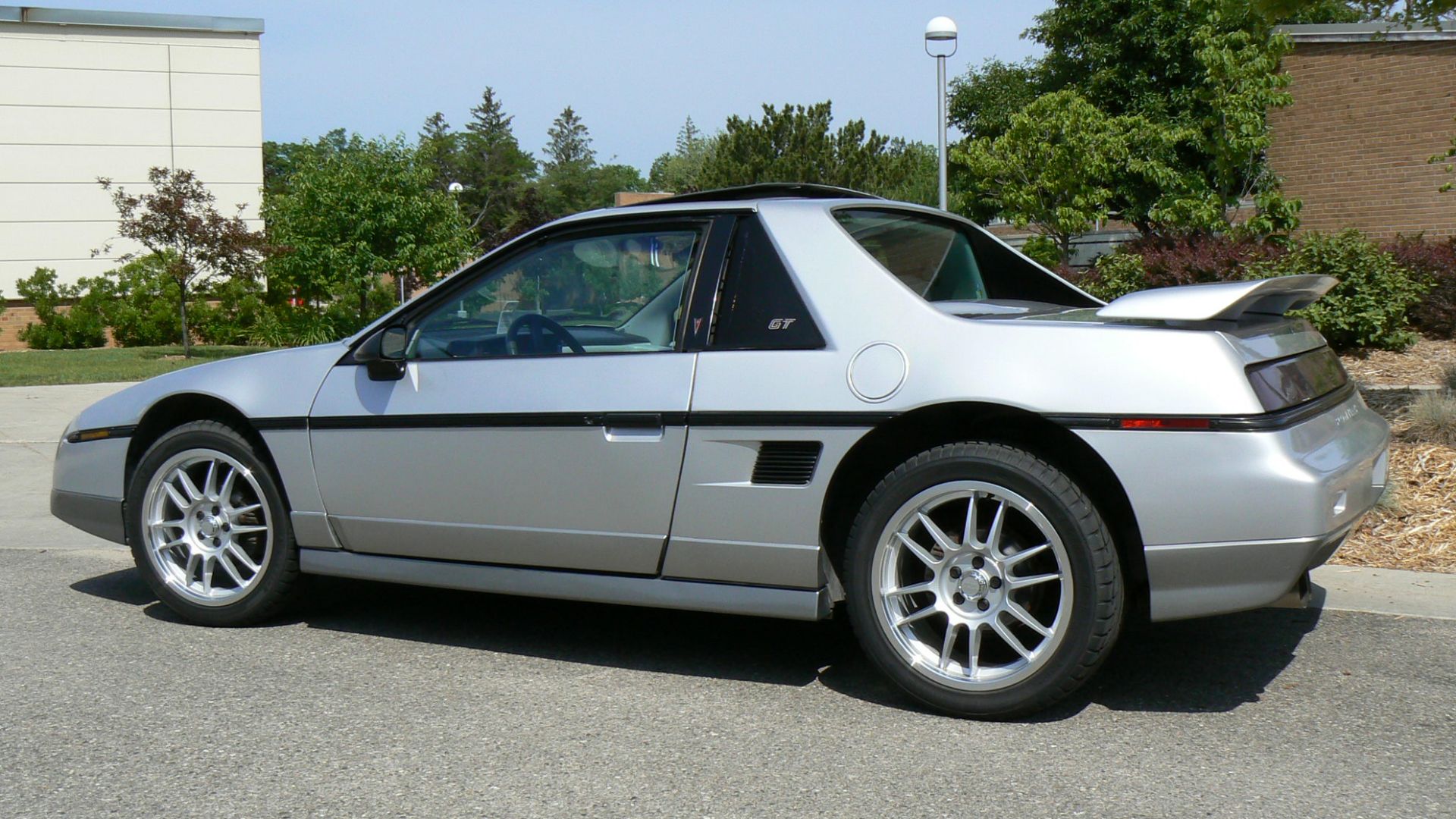
Pontiac started addressing the Fiero's performance shortcomings in 1985, introducing a 2.8-liter V6 producing 140 horsepower. The new GT model added sportier bodywork, while a dramatic fastback design arrived for 1986. Improved transmissions and other refinements followed. These changes made the Fiero a lot more appealing, although its original suspension design and lack of power steering continued to draw criticism from automotive journalists.
The Remarkable 1988 Transformation
For 1988, Pontiac finally gave the Fiero the suspension it had deserved from the beginning. A redesigned front suspension and sophisticated new rear arrangement dramatically improved its handling, while larger, ventilated disc brakes strengthened stopping performance. The new Formula model combined the lighter-looking notchback body with the V6 and performance suspension. The 1988 GT was now a genuinely capable sports car, far removed from the compromised original.
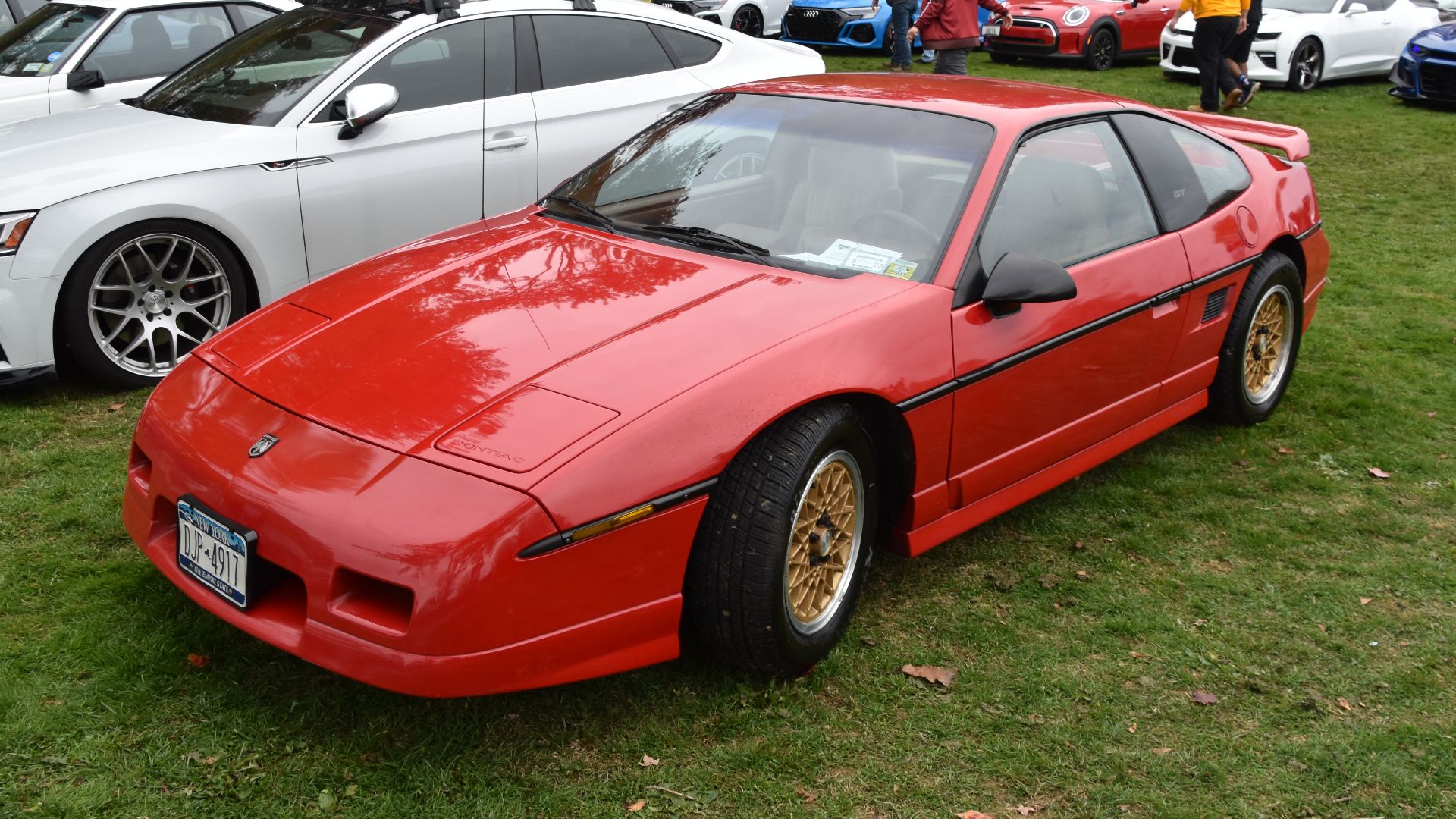 Charles from Port Chester, New York, Wikimedia Commons
Why GM Pulled The Plug
Unfortunately, sales had declined dramatically since the Fiero's spectacular introduction. Production fell from nearly 137,000 in 1984 to approximately 46,600 in 1987, leaving its dedicated Pontiac, Michigan, factory operating far below capacity. Competition from cars like the Toyota MR2 also intensified. In March 1988, GM announced that Fiero production would end that August, citing disappointing sales and limited prospects for growth. The costly suspension improvements had arrived too late to change management's decision.
The Sports Car That Almost Was
Only 26,402 Fieros were built for the final 1988 model year, bringing total production to approximately 370,000 over five years. Today, enthusiasts particularly prize the improved 1988 Formula and GT models, recognizing how far Pontiac's unconventional creation had progressed. The Fiero remains one of Pontiac's great missed opportunities: an innovative American sports car that finally began fulfilling its promise just as its parent company decided to walk away.
 dave_7 from Lethbridge, Canada, Wikimedia Commons
Epilogue: Fiero Rolls On As A Hot Rod
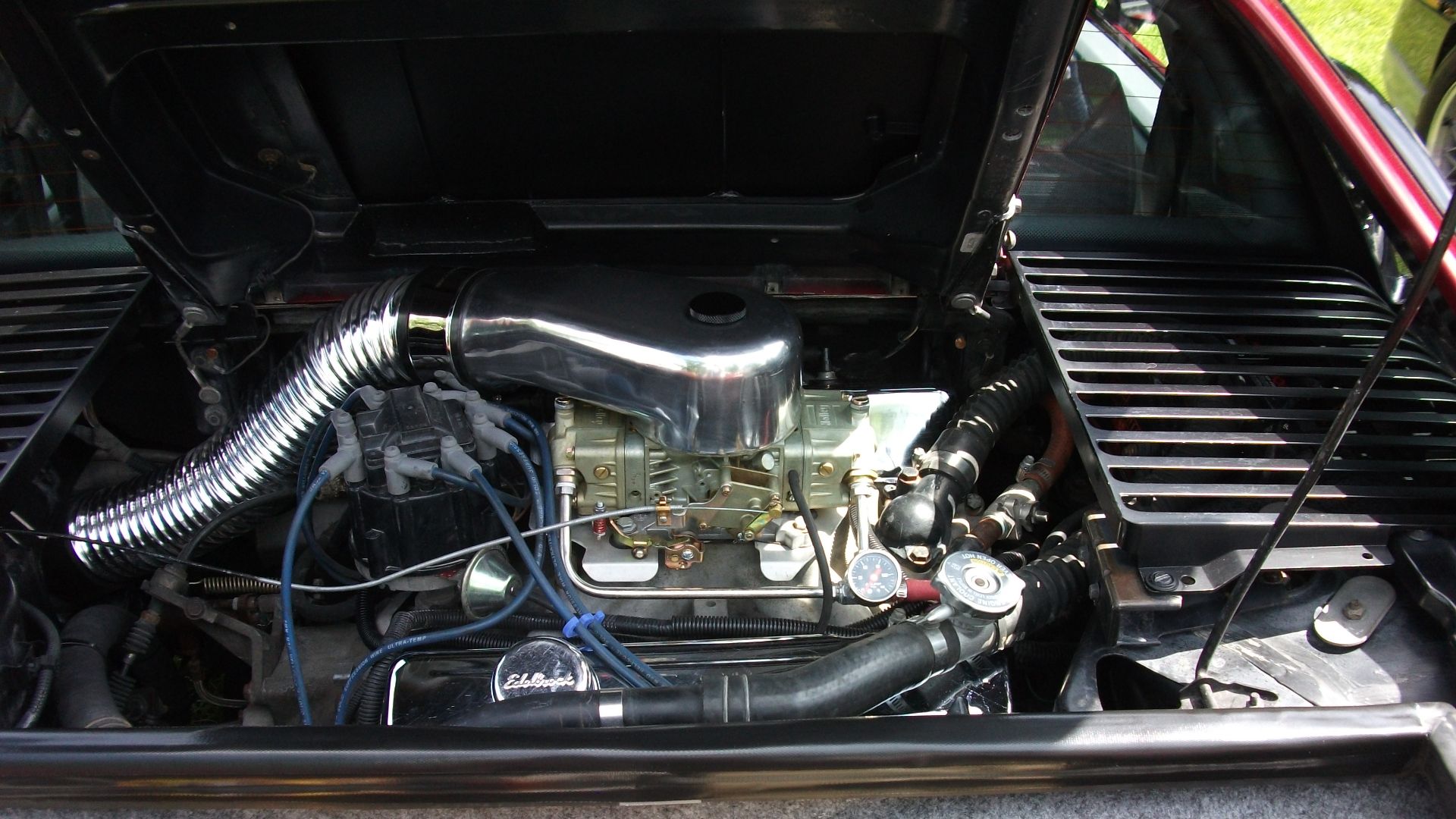
Today, Fiero enthusiasts are giving Pontiac's forgotten sports car a second life by swapping in different engines. Perhaps the most common swap involves GM's legendary Buick-derived 3800 V6, particularly the turbocharged versions from cars like the Buick Regal GS and Pontiac Grand Prix GTP. With outputs up to 400 horsepower, these engines deliver considerably more muscle than the Fiero's original 140-horsepower V6. The conversion requires custom mounting, wiring, and other modifications, but the end result is a genuinely quick mid-engine hot rod that hints at what Pontiac's little sports car might have become.
You May Also Like:
American Cars From The 1980s That Were Supposed To Save Detroit But Couldn’t
Cars From The 80s That Practically Vanished Overnight. How Many Do You Remember?
Everyone Said These 80s Cars Were Dated, But Now They're Worth A Fortune