Once A Part Of The Great American Road Trip
There was a time when pulling into a gas station meant more than filling the tank. Along with a clean windshield and a check under the hood, you might drive away with a free road map, a collectible drinking glass, or another little treasure bearing the station's logo. During the 1950s, 1960s, and 1970s, oil companies competed fiercely for customer loyalty, and their giveaways became part of American roadside culture. Some were genuinely useful. Others were delightfully ridiculous. And a surprising number are now collectibles.
Free Road Maps
Before GPS, a free road map was one of the most useful things a gas station could offer. Esso, Shell, Texaco, Gulf, and other major brands distributed millions of maps featuring highways, tourist attractions, and their own station locations. Families stuffed them into glove compartments before summer vacations. Today, vintage oil-company maps are collected for their colorful covers, period advertising, and fascinating glimpses of America's changing road network.

S&H Green Stamps
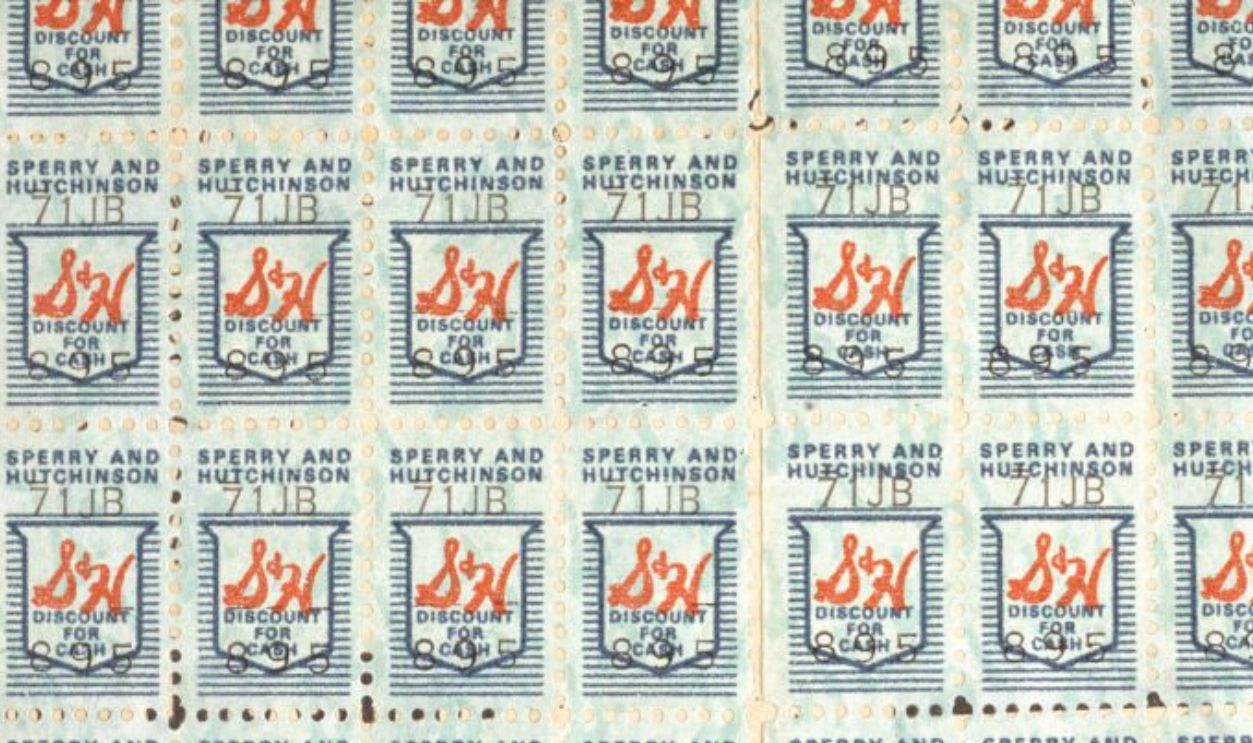
Trading stamps made buying gasoline feel like a shopping reward program long before anyone had heard of loyalty points. Participating stations gave customers S&H Green Stamps based on their purchases, which could be pasted into booklets and exchanged for merchandise. Families saved them for everything from kitchen appliances to sporting goods. Other trading-stamp programs competed for attention, but those little green stamps became one of the most recognizable symbols of mid-century American consumer culture.
Collectible Drinking Glasses
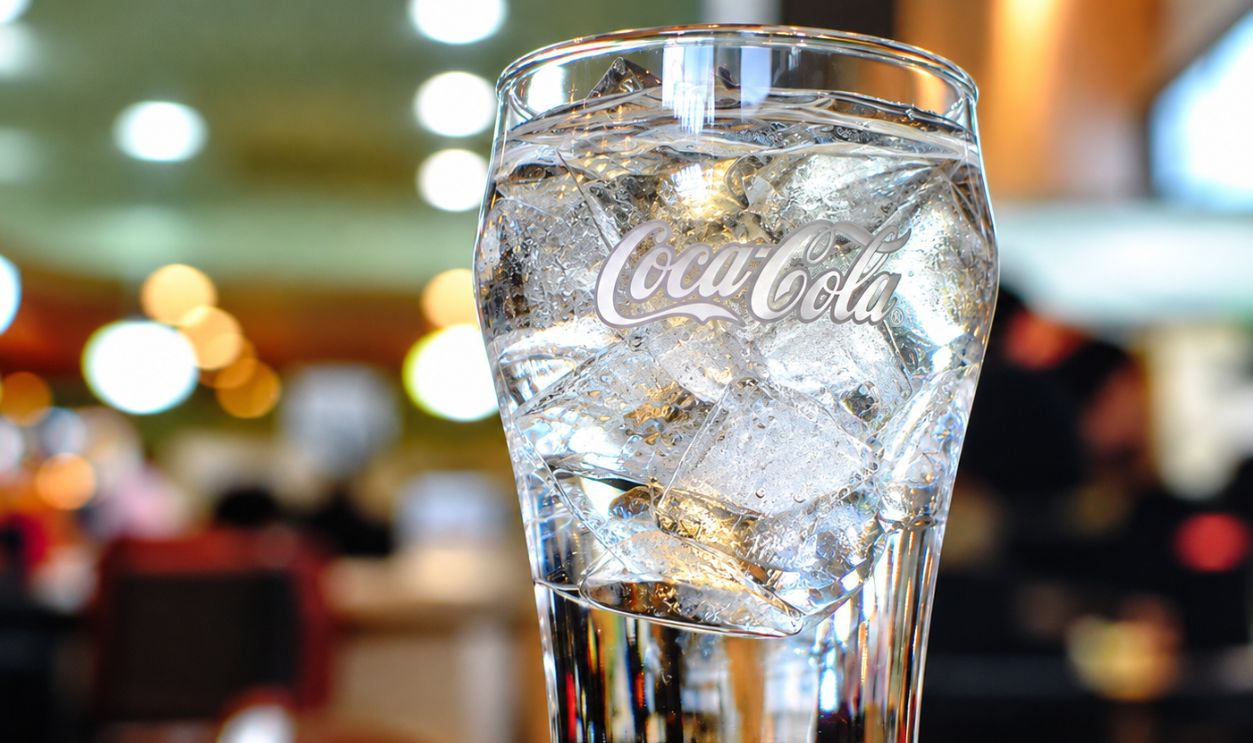
Some families ended up with entire kitchen cupboards full of glasses acquired one gasoline purchase at a time. Service stations offered drinking glasses decorated with sports teams, cartoon characters, and other designs, sometimes free with a qualifying fill-up. The idea was simple: customers who wanted a matching set had to keep coming back. These promotions were so memorable that some oil companies revived them years after their original heyday.
 Kevin Jones, Wikimedia Commons
Shell Presidential Coins
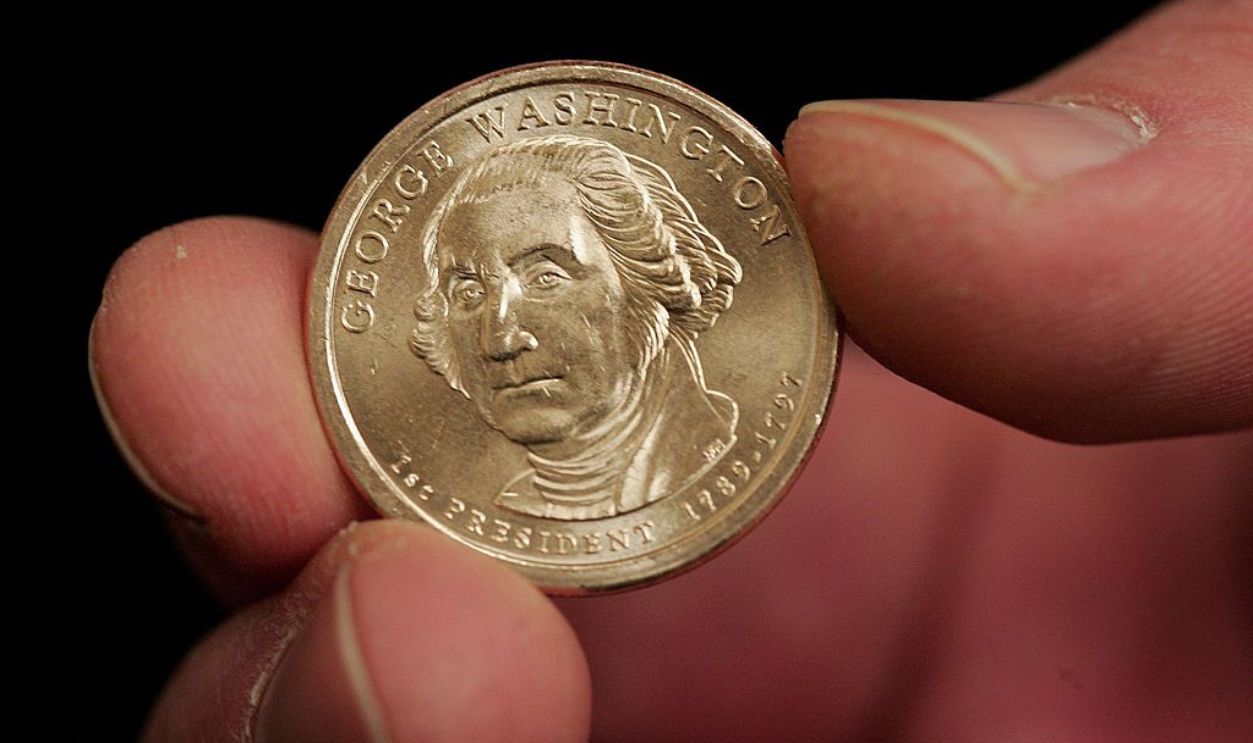
In 1968, Shell launched its famous Mr. President Coin Game, giving customers small aluminum tokens featuring American presidents. Collectors placed the coins on special game cards, hoping to complete winning combinations and claim prizes. Produced by the Franklin Mint, the tokens turned routine gasoline purchases into a nationwide collecting craze. Many families saved their coins long after the contest ended, and surviving examples remain familiar pieces of gasoline-station memorabilia.
Sinclair Dinosaur Toys
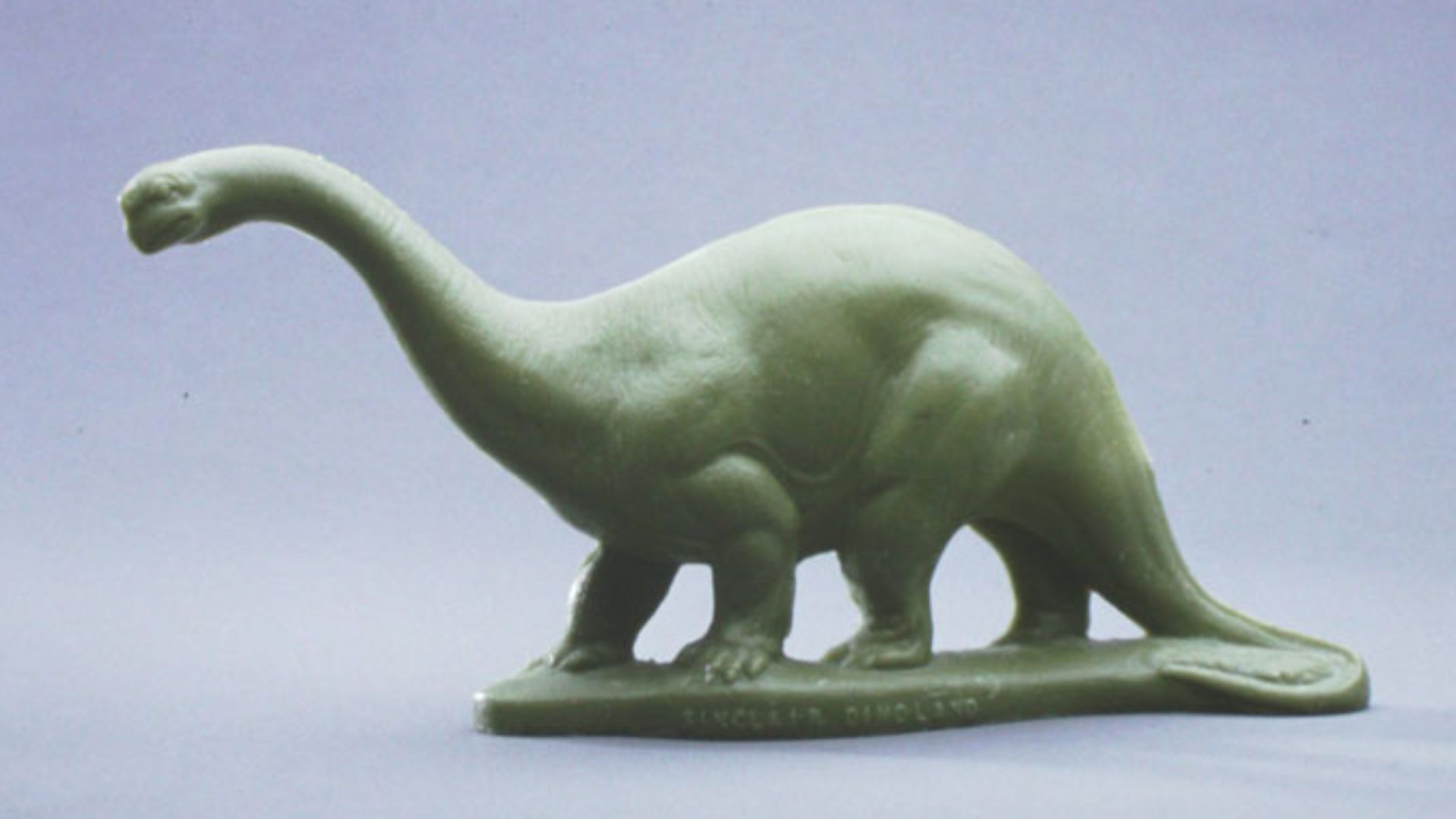
Sinclair's friendly green dinosaur, affectionately known as Dino, became one of America's most recognizable gasoline mascots. The company capitalized on his popularity with promotional dinosaur toys, including rubber figures and inflatable versions. Children loved them, and parents had another reason to stop at a Sinclair station. The dinosaur's appeal was so enduring that vintage Sinclair toys remain popular among collectors of advertising memorabilia and roadside Americana.
 Sinclair Oil Corp., Wikimedia Commons
Free Matchbooks
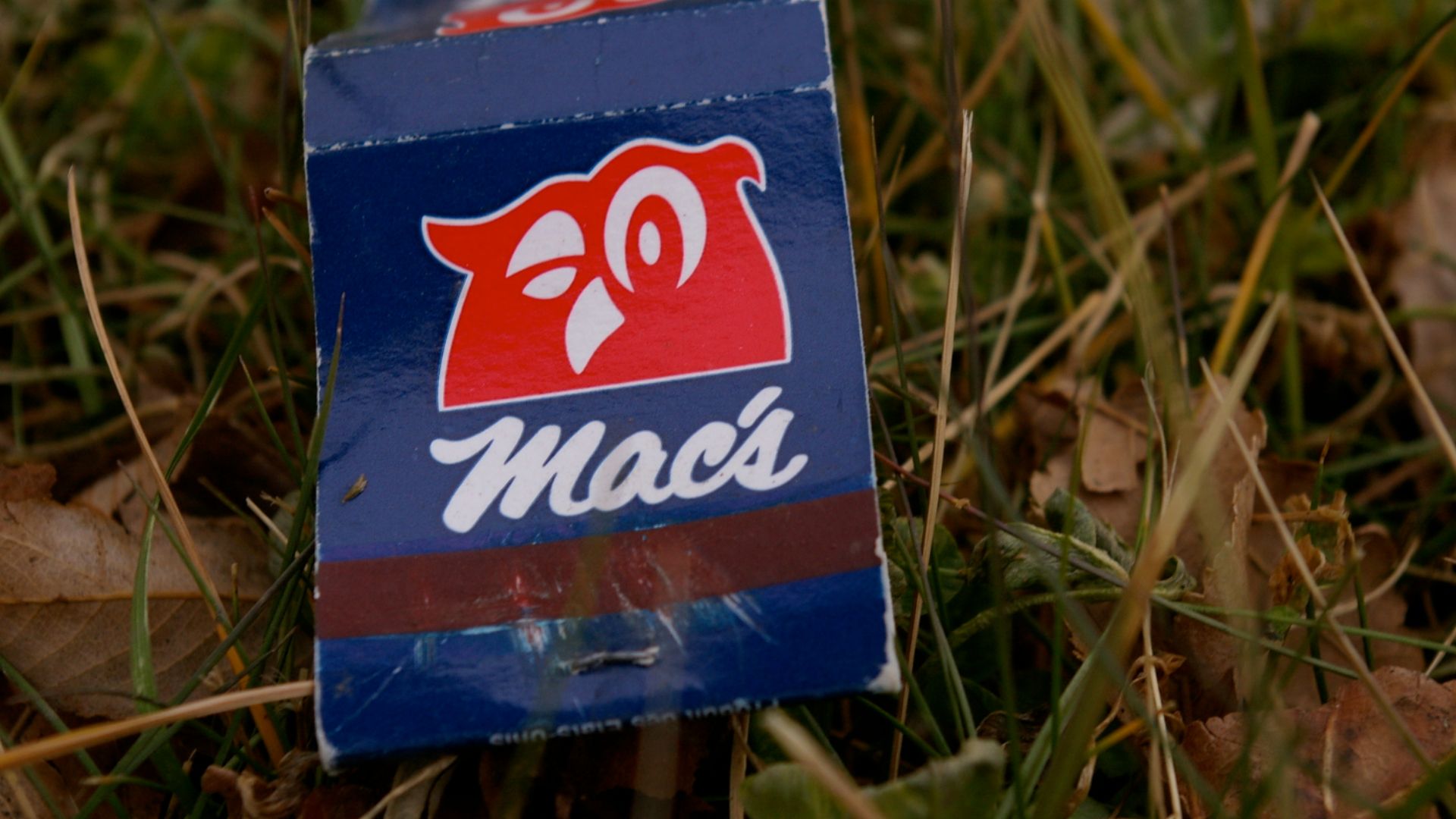
Long before smoking restrictions changed American habits, complimentary matchbooks were practically everywhere. Gas stations distributed small cardboard matchbooks bearing their names, logos, addresses, and telephone numbers. They were inexpensive advertising that customers carried in their pockets or left around the house. Today, these once-disposable items provide a fascinating record of vanished service stations, forgotten gasoline brands, and independent businesses that disappeared decades ago.
 Kim Siever from Lethbridge, AB, Canada, Wikimedia Commons
Gas Station Keychains
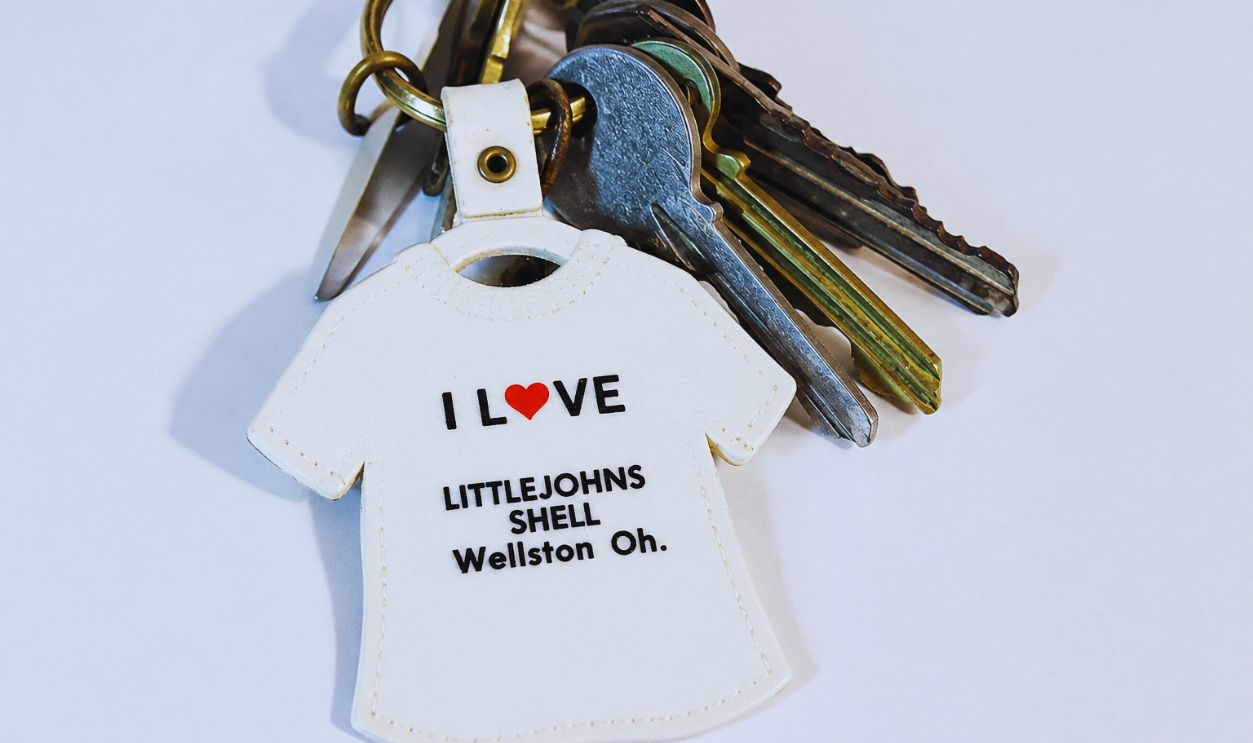
A little plastic or metal keychain might not seem like much of a reward, but branded keychains were practical promotional items. Stations and oil companies distributed them with familiar logos, miniature gasoline pumps, and advertising slogans. Drivers attached them to their car keys, keeping the brand visible every time they started the engine. Collectors now seek out unusual examples, especially those associated with regional chains that have long since disappeared.
 dankeck, Wikimedia Commons, Enhanced
Promotional Calendars
Many neighborhood service stations gave their regular customers calendars around Christmas or New Year's. Some featured beautiful landscapes, classic cars, or illustrations, while others carried the station owner's name and telephone number. They hung in garages, kitchens, and workshops for an entire year. Because most were discarded when December ended, surviving examples can be particularly evocative reminders of small-town businesses and the personal relationships customers once had with station operators.

Free Pens And Pencils
Gas station owners understood that a useful little gift could keep their business in a customer's mind. Pens and pencils printed with the station's name, address, and phone number were inexpensive promotional favorites. They often ended up in glove compartments, workshops, or kitchen drawers. Many advertised independent stations rather than major oil companies, making surviving examples small historical records of businesses that might otherwise have been completely forgotten.

Branded Ashtrays
In the days when smoking in cars was commonplace, an ashtray bearing a gasoline company's logo was a perfectly ordinary promotional gift. Glass, ceramic, and metal examples appeared in homes, offices, and garages. Some were distributed through station promotions, while others were advertising merchandise intended for business customers. Their practical purpose has largely disappeared, but their bold colors and vintage oil-company graphics still attract collectors.
Gas Station Dinnerware
Why buy dishes at a department store when you could collect them at the gas station? During the great promotional wars, some stations offered plates, cups, and other dinnerware with qualifying purchases. Customers returned week after week to build matching sets. For oil companies, it encouraged loyalty. For families, it was a way to acquire everyday household goods at little or no additional cost, depending on the promotion.

Stainless-Steel Cutlery
Gas stations once competed for customers with something considerably more useful than a bumper sticker: silverware. Promotional cutlery programs allowed motorists to accumulate knives, forks, and spoons, sometimes receiving individual pieces with qualifying gasoline purchases. The strategy was particularly effective because nobody wanted an incomplete set. A 1986 Los Angeles Times report recalled stainless-steel cutlery as one of the giveaways that helped stations compete before the 1973 oil crisis.
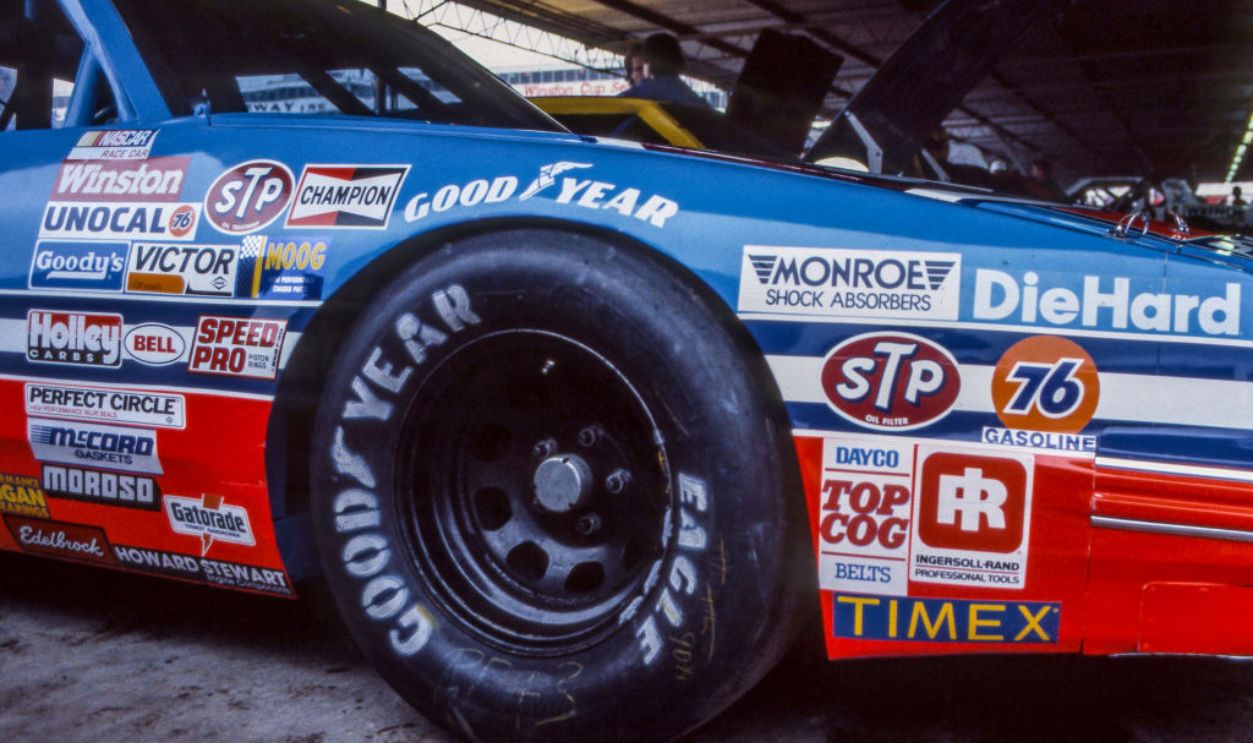
STP Racing Stickers
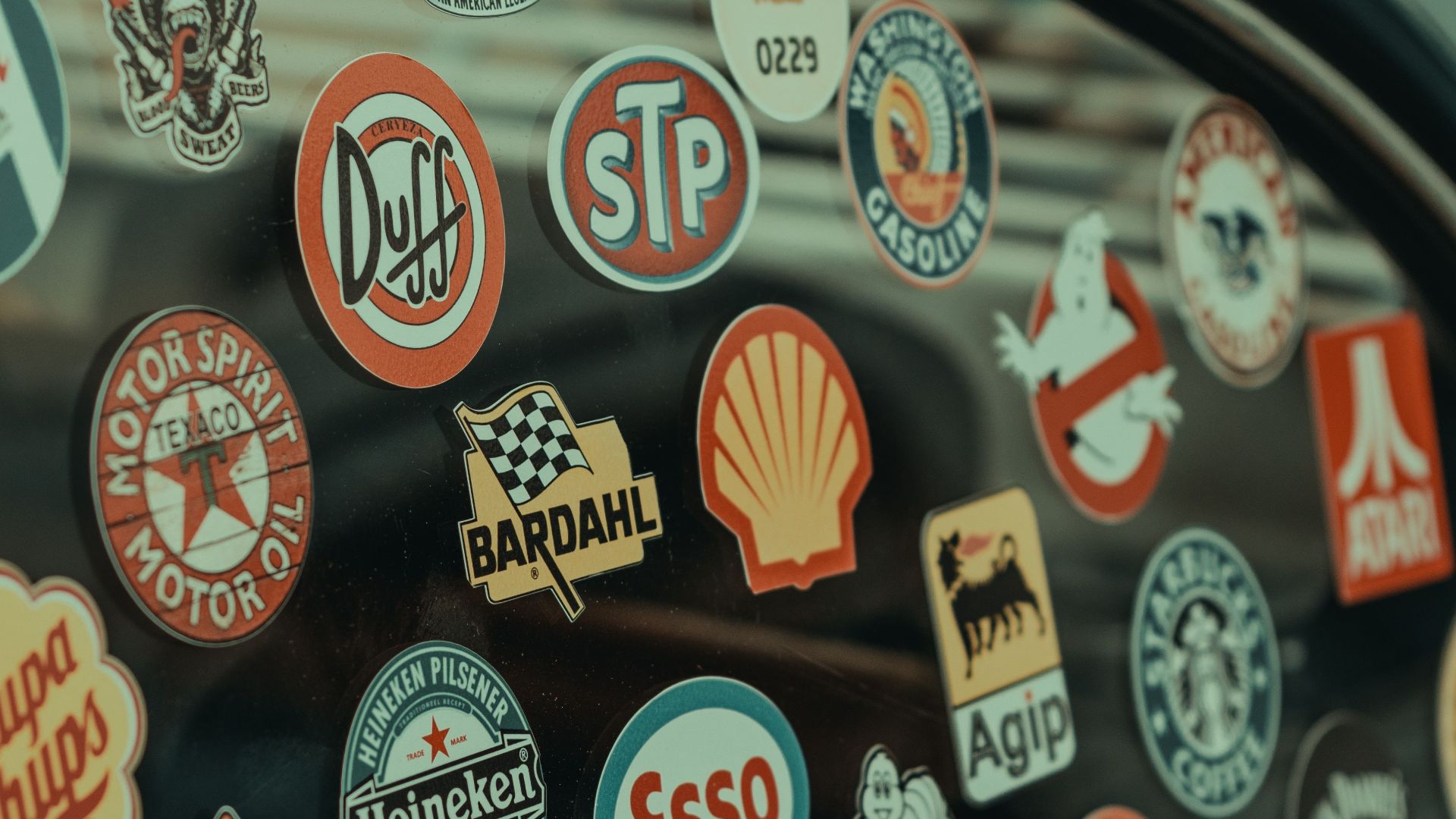
Few automotive decals became as recognizable as the red, white, and blue STP logo. During the 1960s and 1970s, STP's racing sponsorships helped turn its stickers into symbols of automotive enthusiasm. They appeared on toolboxes, bedroom walls, bicycles, and countless cars. Although not every STP sticker was a gas station freebie, promotional decals were distributed through automotive marketing and retail channels, making them a natural part of service-station nostalgia.
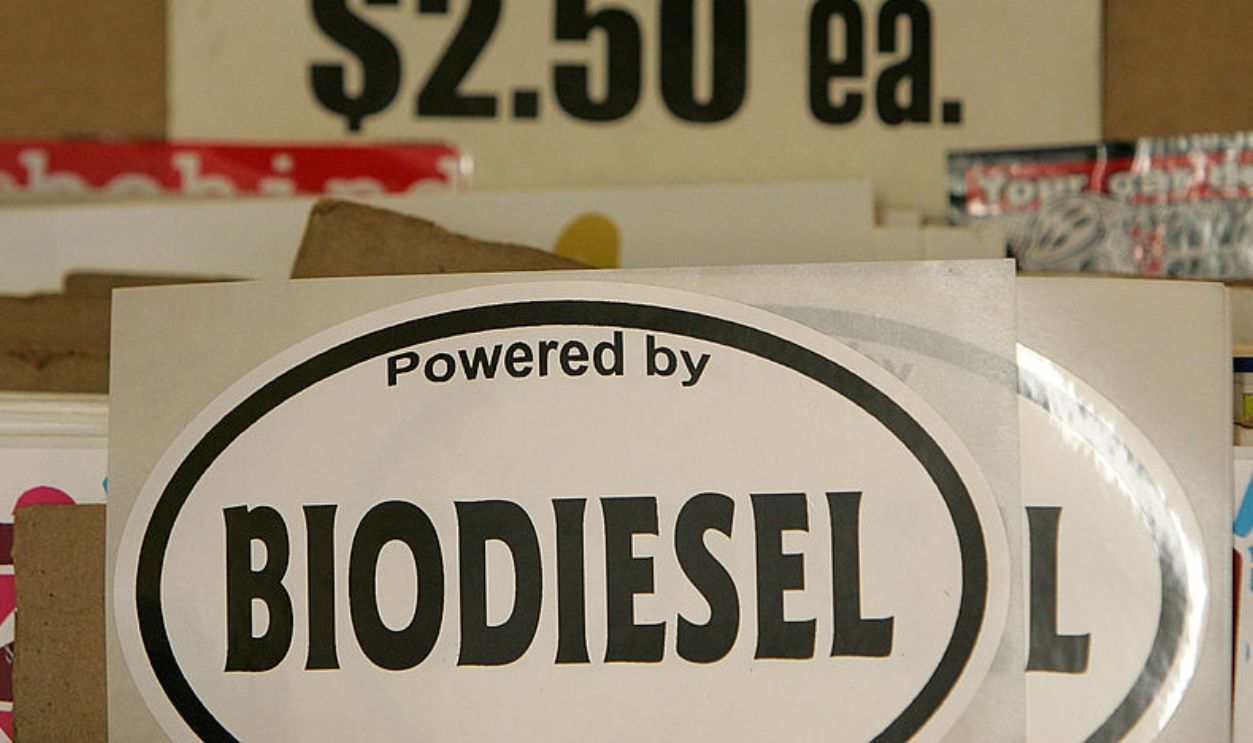
Oil Company Bumper Stickers
Before social media, a bumper sticker was one way to announce your loyalties to the world. Gasoline companies and individual service stations used them to advertise brands, slogans, and local businesses. Some were handed out during promotions or special events, while others were available at station counters. Drivers who liked a particular brand might display its sticker for years, turning their vehicles into moving advertisements.
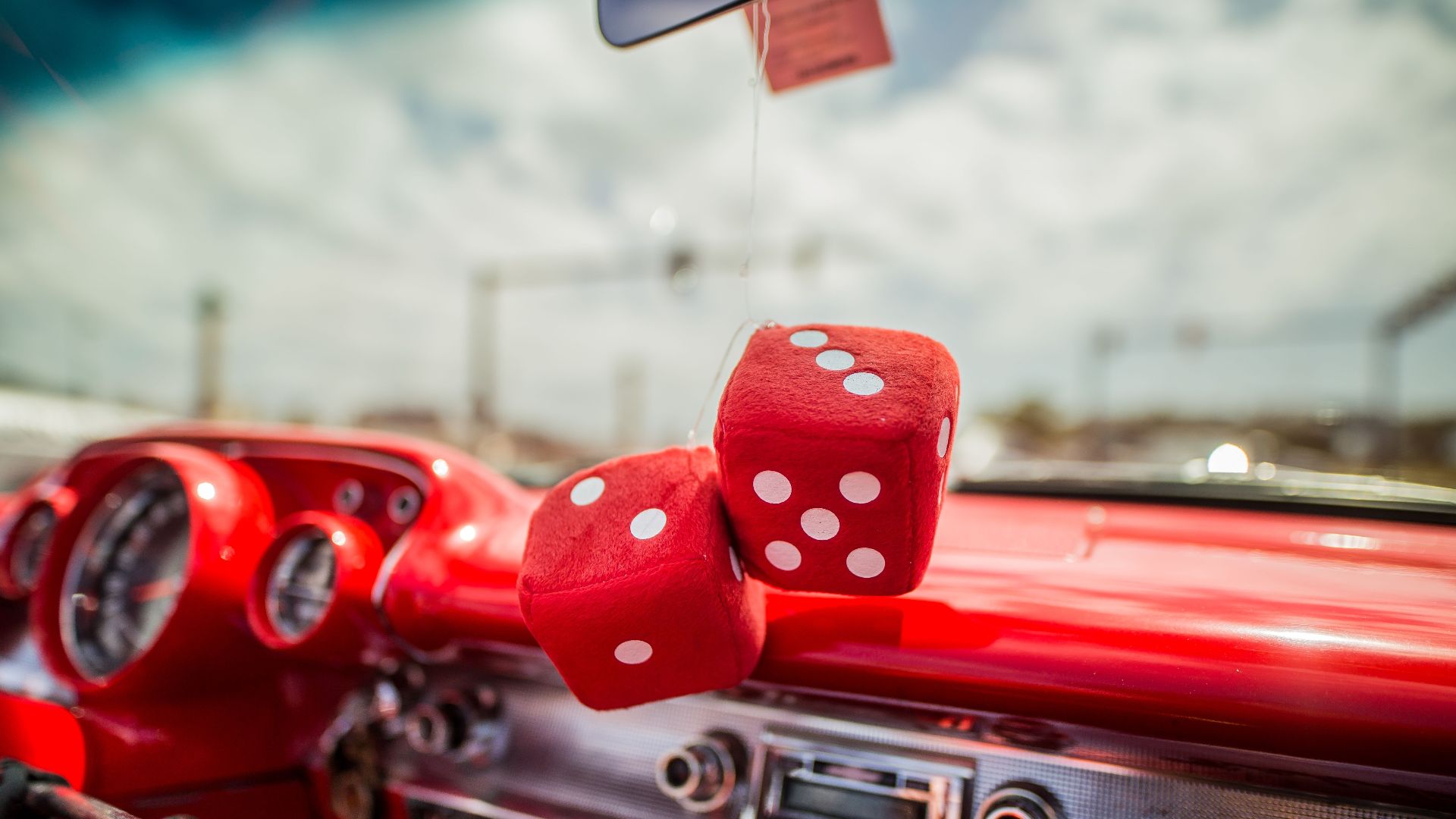
Rearview Mirror Ornaments
Not every souvenir from an old gas station was designed to sit on a shelf. Small promotional ornaments, medallions, and decorative hangers could find their way onto rearview mirrors, often alongside fuzzy dice and other popular accessories. Some were branded giveaways, while many were ordinary station-counter purchases. Either way, these little decorations evoke an era when drivers personalized their cars with inexpensive items picked up along the road.
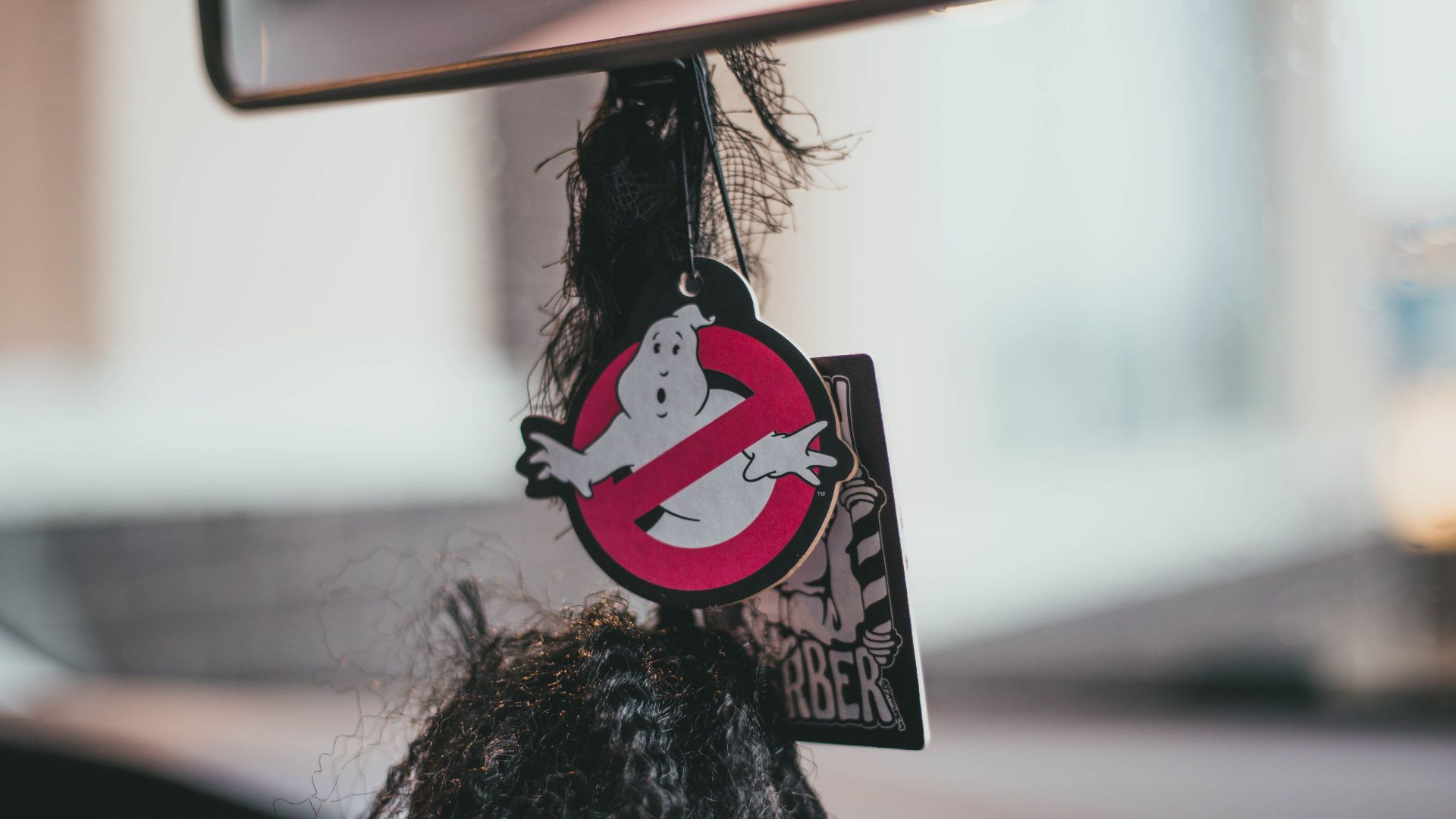
Branded Air Fresheners
The familiar hanging air freshener became a staple of American automotive culture, and service stations were natural places to find one. Most were inexpensive products sold near the register, but promotional versions could also carry business names or advertising messages. Their fragrances might disappear after a few weeks, but the colorful shapes and distinctive packaging became part of the roadside experience. They're better remembered as station-counter souvenirs than universal giveaways.
Windshield Ice Scrapers
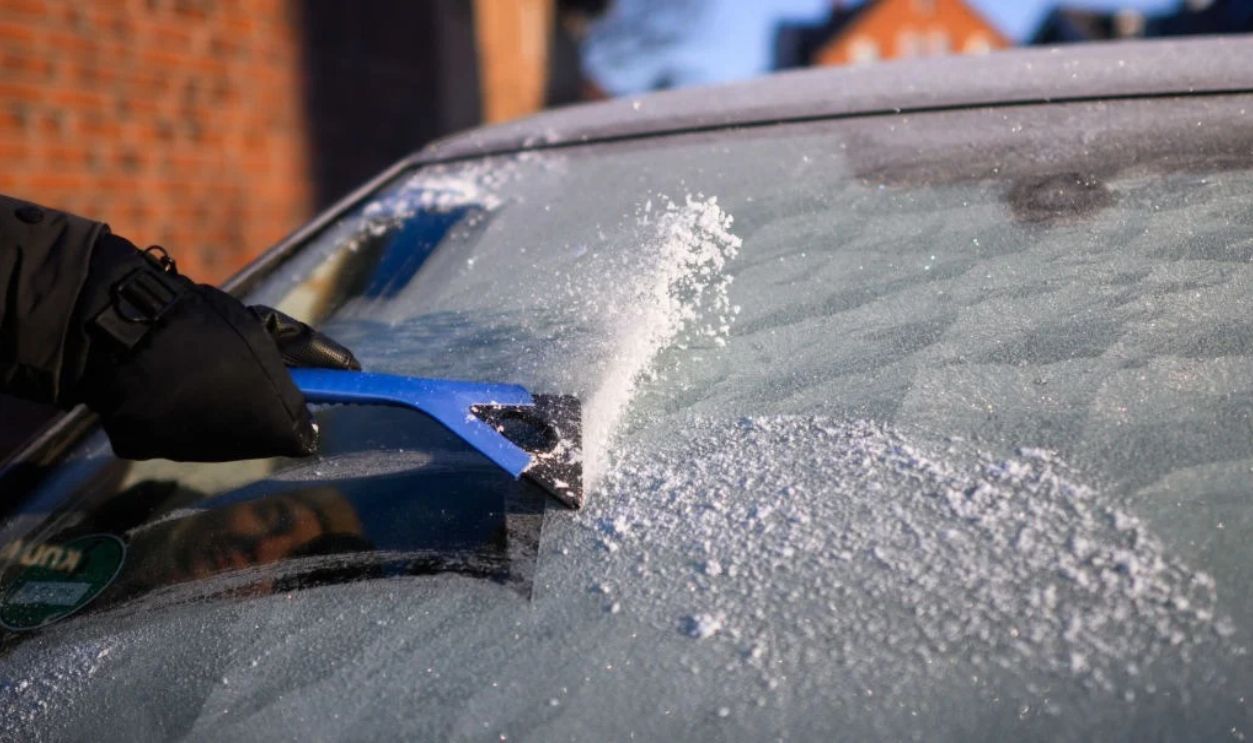
A free ice scraper was a particularly welcome promotional gift in northern states. Small plastic scrapers offered plenty of room for a gasoline company's logo or a local station's telephone number. Unlike decorative giveaways, these were items motorists could actually use for years. They often remained tucked beneath car seats or in glove compartments long after the station that distributed them had changed names or closed.
 picture alliance, Getty Images
Promotional Sewing Kits
It sounds unlikely today, but some oil companies once gave customers miniature sewing kits. During the 1940s and afterward, promotional merchandise could include needles, thread, and other practical household supplies. These compact kits reflected a time when gasoline retailers marketed themselves to the entire family, not just the person behind the steering wheel. Vintage examples offer a surprisingly domestic glimpse into the history of automotive advertising.

Gas Station Rain Caps
Before every car had a convenient assortment of emergency supplies, a small folding rain cap could be a useful thing to keep in the glove compartment. Promotional versions were inexpensive to produce and could display a station's name or logo. Some were intended for motorists caught unexpectedly in bad weather. Although hardly glamorous, these practical little giveaways reflected the service-oriented approach that once distinguished neighborhood gasoline stations.

Promotional Toy Trucks
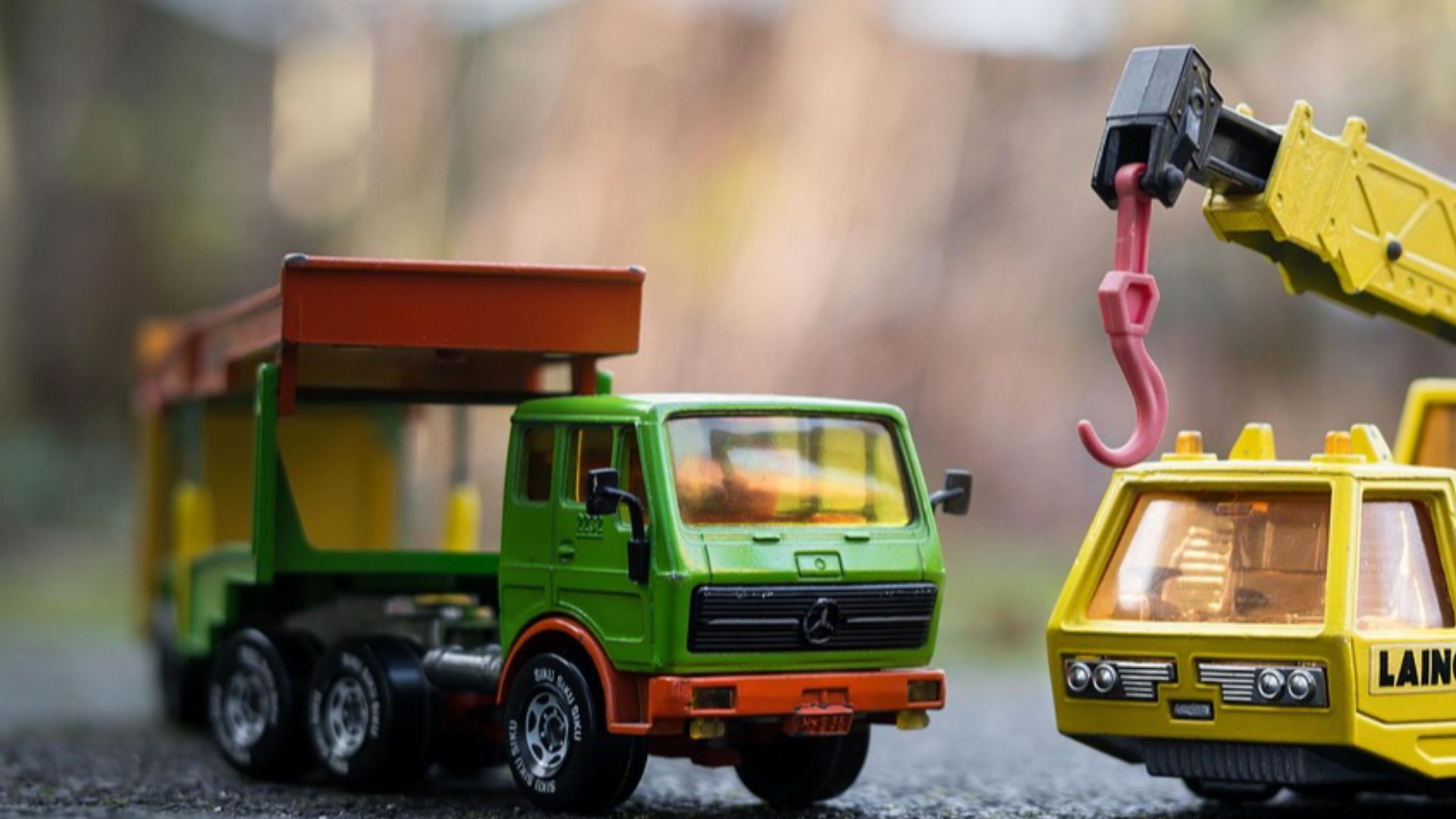
Miniature gasoline tankers, delivery trucks, and service vehicles made attractive promotional merchandise for oil companies. Some were sold as collectibles, while others appeared in special giveaways or purchase-related offers. Children could play with miniature versions of the trucks they saw delivering fuel to their neighborhood stations. Vintage examples bearing familiar gasoline-company logos are now prized by collectors of die-cast toys and petroleum advertising.
Station Pennants And Flags
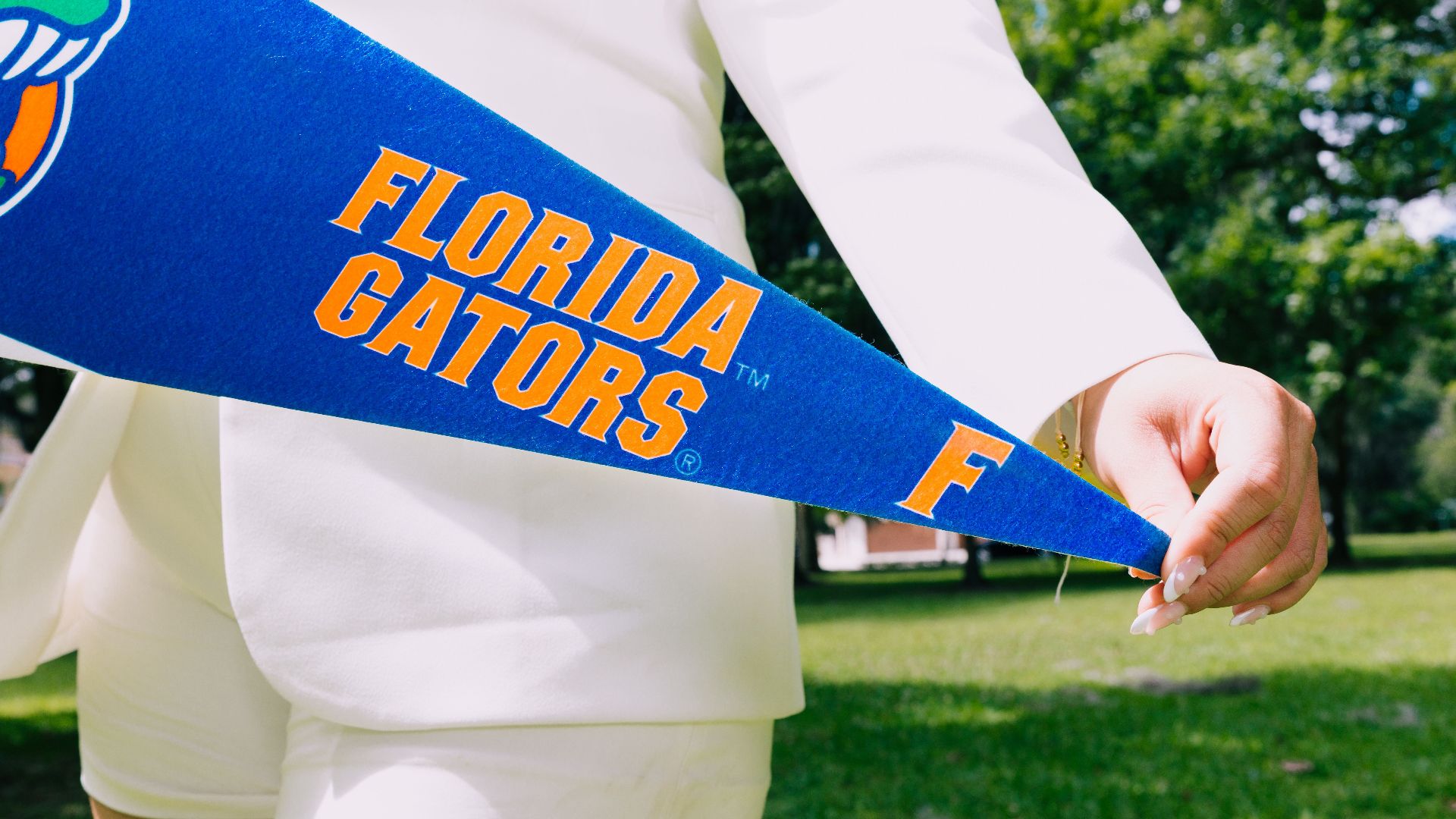
Gas stations frequently associated themselves with racing, local celebrations, and community events. Promotional pennants and small flags offered an inexpensive way to advertise these connections. Some carried oil-company logos, while others commemorated particular events or sponsored teams. Motorists might take them home to decorate garages or children's bedrooms. Surviving examples are especially interesting because their fabric and paper materials were never intended to last for generations.
Promotional Strawberry Preserves
One of the stranger chapters in gasoline-station history involved giving away food. Some stations offered jars of strawberry preserves to attract customers, a reminder that promotional competition could extend far beyond automotive merchandise. The logic was straightforward: a household gift might persuade a family to choose one station over another. The Los Angeles Times later recalled strawberry preserves among the memorable premiums of the pre-oil-crisis era.

Collectible Sticker Books
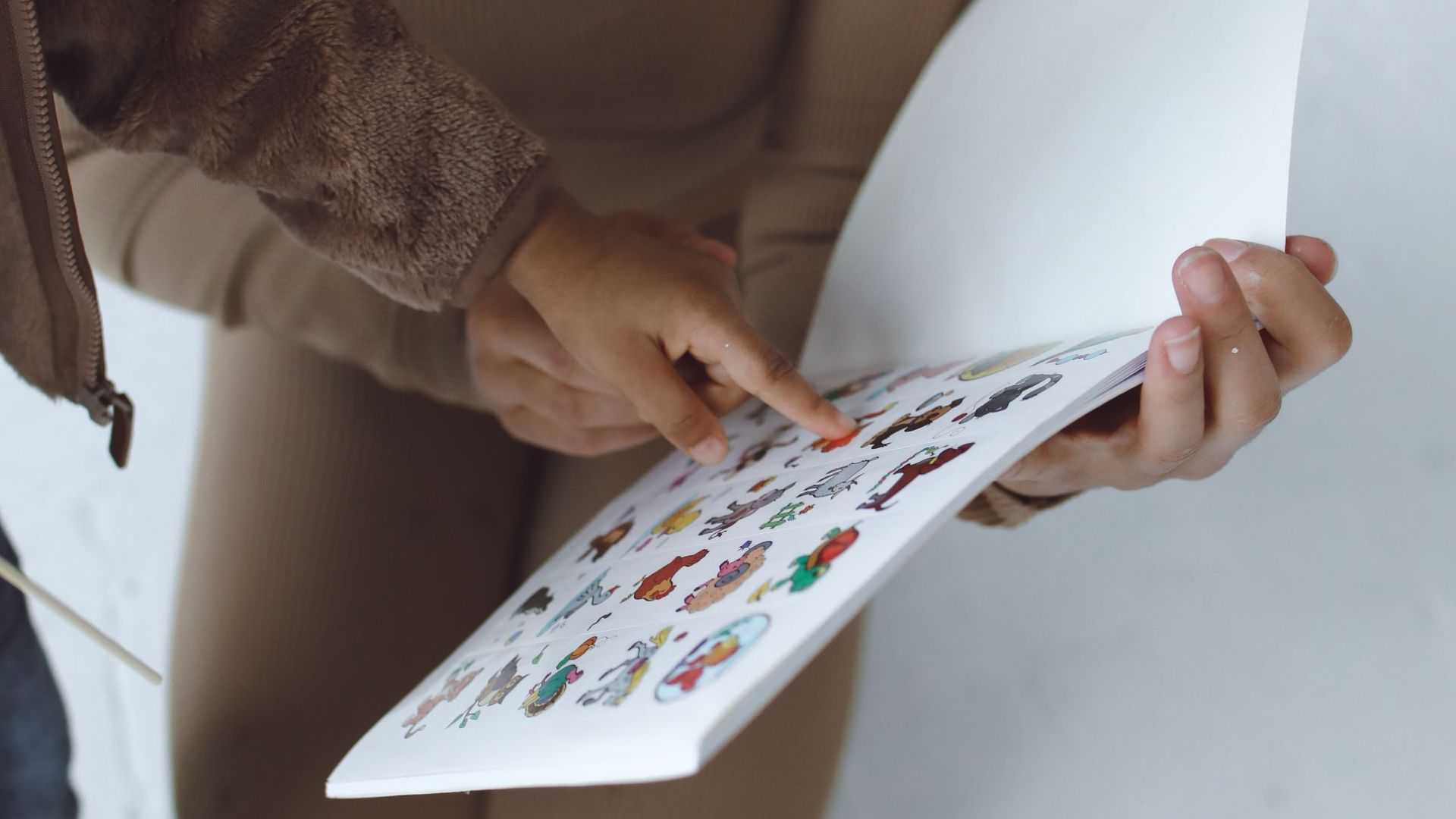
Some promotional campaigns encouraged children to collect stickers and place them in specially designed albums or booklets. Gasoline companies understood that a child eager to complete a collection could influence where the family stopped for fuel. The books also provided a place to display colorful advertising artwork. Complete surviving albums are particularly nostalgic because they capture the anticipation of collecting one more piece with each visit.
Branded Coffee Mugs
A coffee mug bearing a gasoline-company logo was a practical advertising premium that could remain in someone's kitchen or workshop for decades. Ceramic and glass mugs appeared as promotional gifts, dealer merchandise, and occasional purchase incentives. Some featured familiar oil-company emblems, while others advertised individual stations. They lacked the excitement of a contest token or toy dinosaur, but their usefulness made them unusually durable reminders of a vanished era.

The Giveaway Era Disappeared
By the 1970s, rising fuel prices and changes in the gasoline business were undermining the economics of elaborate giveaways. The 1973 oil crisis marked a particularly important turning point. Although promotions occasionally returned, the era when stations competed by handing out dishes, stamps, toys, and household goods was largely over. What survived were the objects themselves, tucked into cupboards and garages, waiting to become collectibles.
You May Also Like:
Forgotten 1970s Gas Station Brands—Even Baby Boomers Can't Remember 5 Of These
Old Gas Station Features That Sound Like Fantasy When Baby Boomers Explain Them To Younger Drivers