
Reputation Restored
Some cars were simply too strange, too expensive, or too far ahead of their time to find an audience. Others arrived just as the market was changing, leaving dealerships with vehicles nobody wanted. But automotive history has a funny way of rewriting reputations. These 24 cars struggled to win over buyers when they were new, yet today, collectors are giving them the attention they never received in showrooms.
 FotoSleuth, Wikimedia Commons; Factinate Ltd
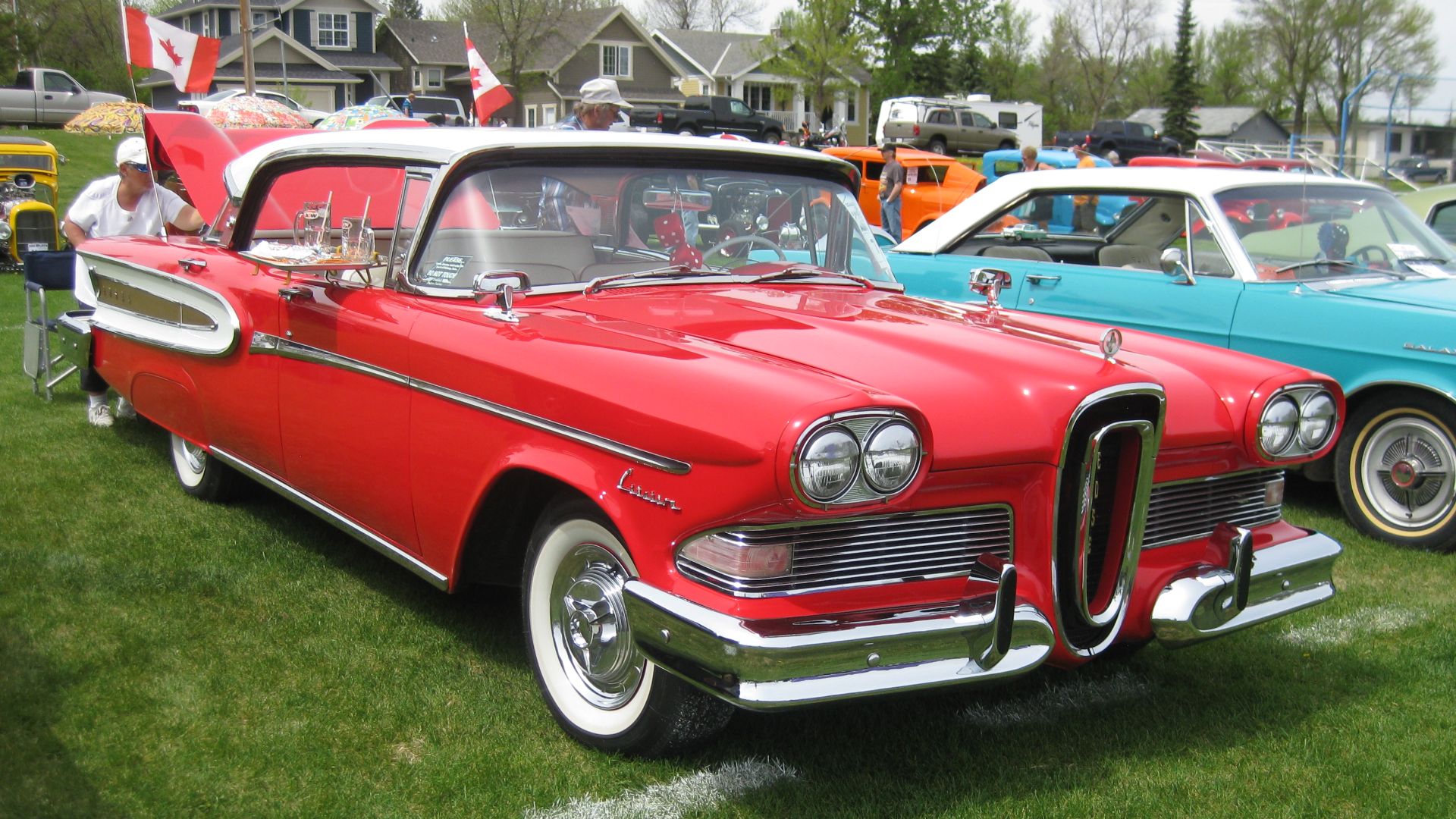
Edsel Citation (1958)
Ford spent a fortune launching Edsel as an entirely new automobile brand, only to discover that Americans weren't particularly interested. The Citation, with its unmistakable vertical grille and elaborate styling, became a symbol of the disaster. Today, surviving Citations attract collectors who appreciate their flamboyant appearance and fascinating place in automotive history.
 dave_7 from Lethbridge, Canada, Wikimedia Commons
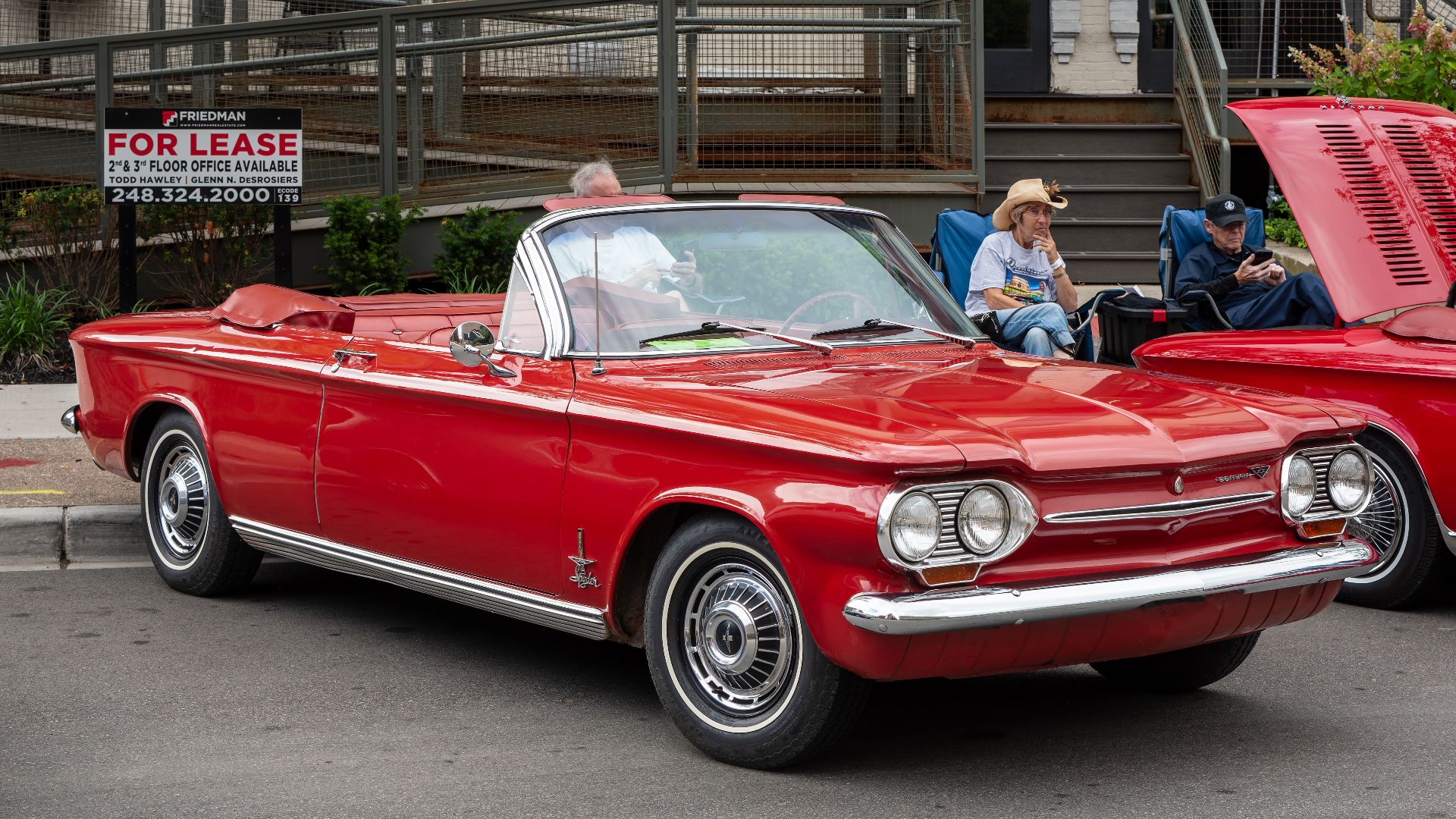
Chevrolet Corvair Monza Spyder (1962–1964)
Chevrolet's rear-engined Corvair was initially successful, but its reputation suffered amid controversy over handling and safety. The turbocharged Monza Spyder was especially unusual for an American compact, offering sporty performance and European-inspired engineering. Although Corvair sales eventually collapsed, surviving Spyders are now desirable among enthusiasts who appreciate their distinctive driving experience and unconventional design.
 Mustang Joe, Wikimedia Commons
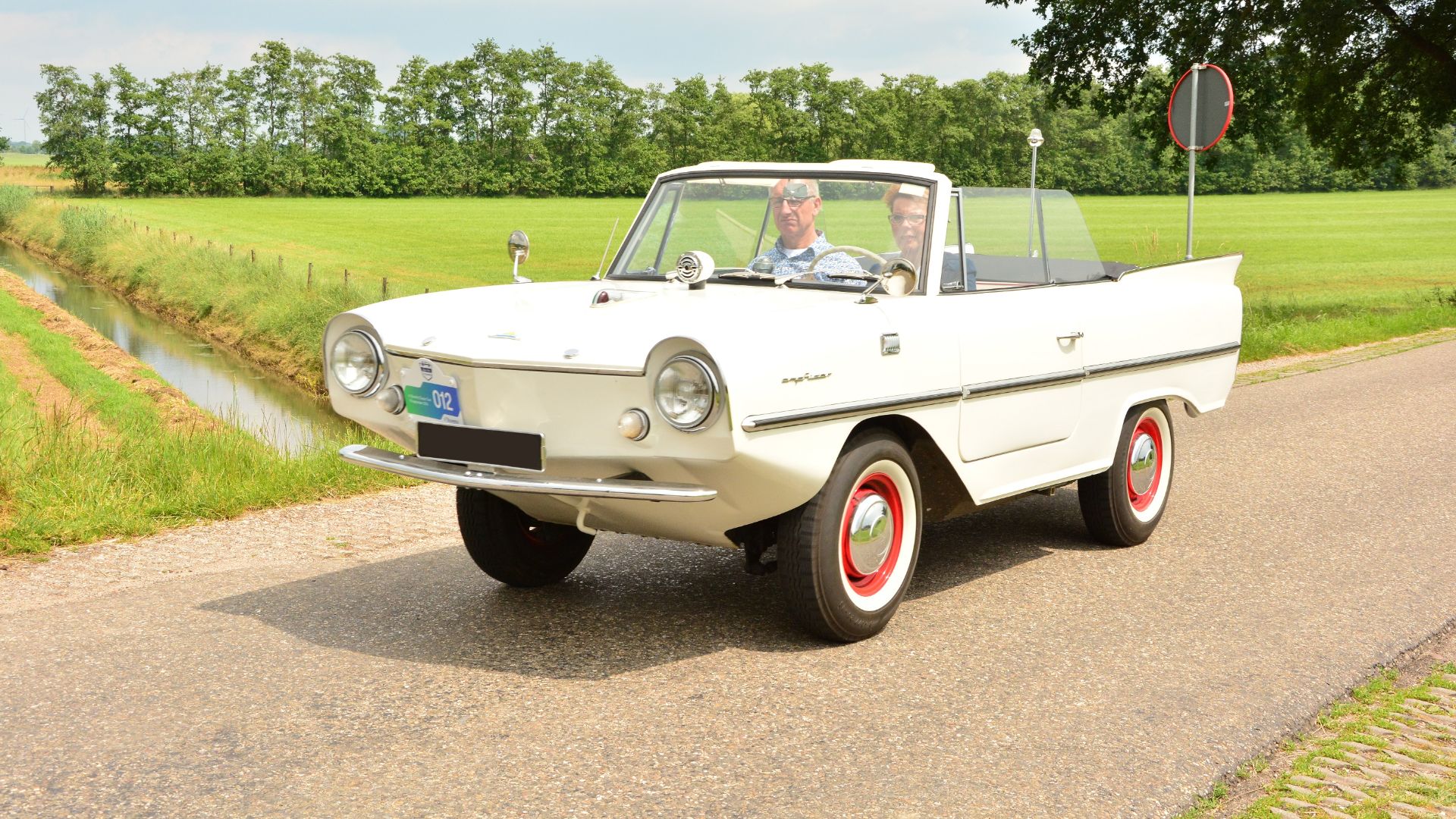
Amphicar Model 770 (1961–1968)
A car that could drive straight into a lake sounds like a guaranteed success. Unfortunately, the German-built Amphicar was expensive, slow on land, and hardly a speedboat in the water. Only a few thousand were manufactured. Today, its ability to cruise down a highway and then float away makes it a prized curiosity at collector gatherings.
 Jan Derk Remmers, Wikimedia Commons
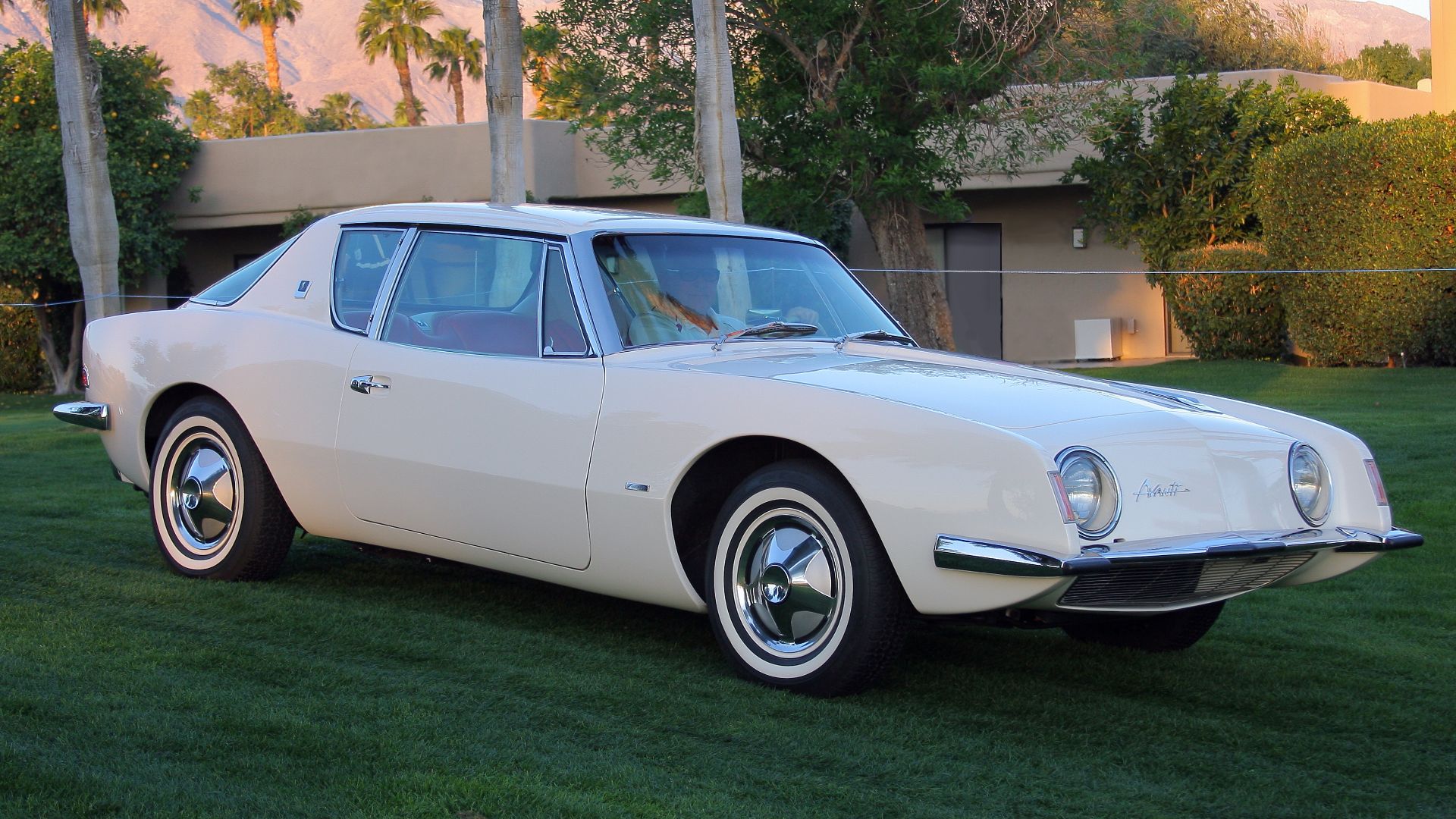
Studebaker Avanti (1963–1964)
Studebaker hoped the Avanti would revitalize its struggling automobile business. With fiberglass bodywork, dramatic styling, and available supercharged V8 power, it was unlike anything else on American roads. Production delays and Studebaker's financial troubles undermined its prospects. Original Studebaker-built Avantis are now admired as ambitious American grand tourers that deserved a better commercial fate.
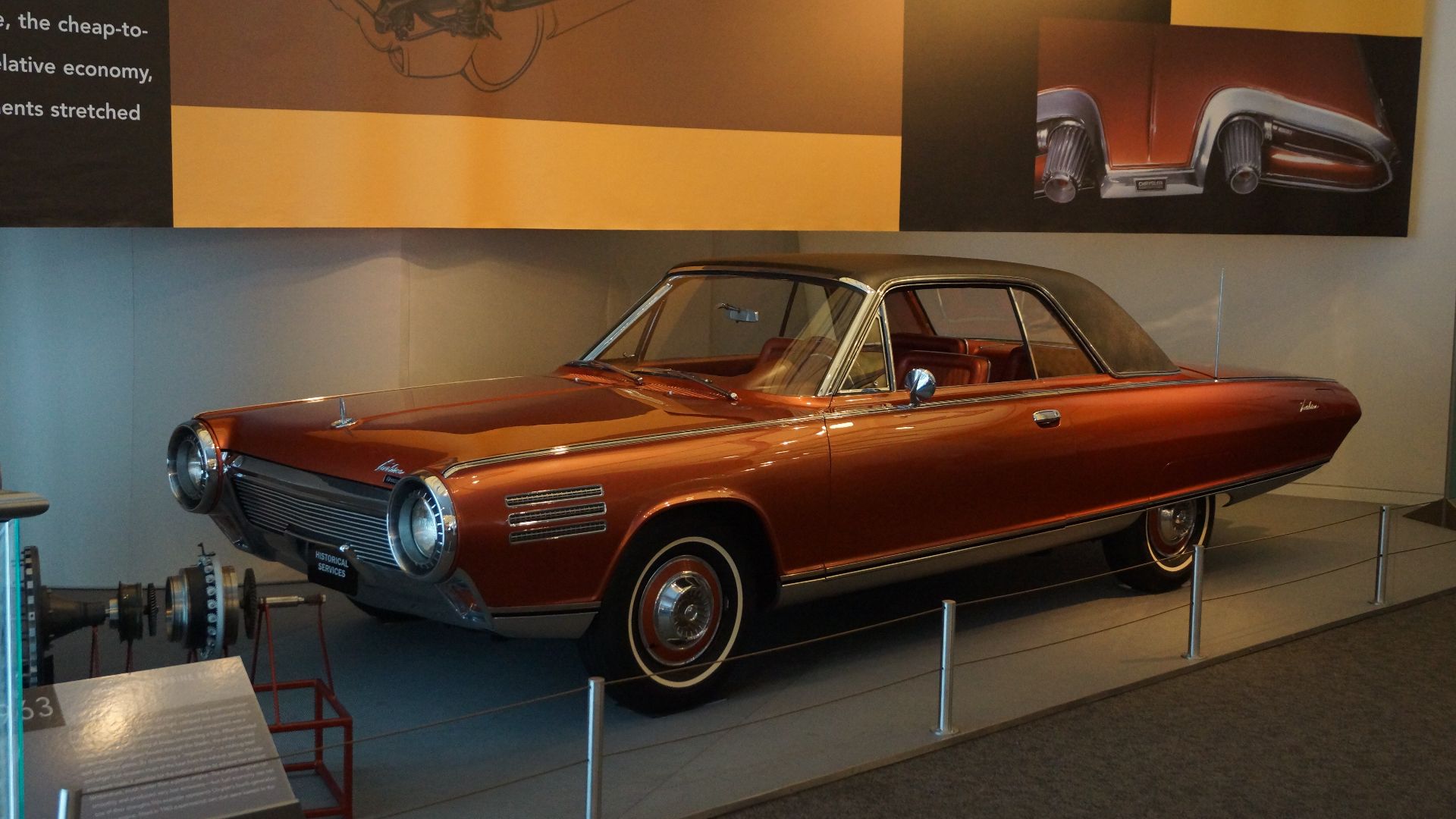
Chrysler Turbine Car (1963–1964)
Chrysler's experimental Turbine Car promised a future in which automobiles could run on turbine engines rather than conventional pistons. Fifty examples were loaned to selected drivers for public evaluation, but fuel consumption, manufacturing costs, and other challenges prevented mass production. Most were destroyed after the program ended. The handful that survive are extraordinary automotive artifacts.
 Greg Gjerdingen from Willmar, USA, Wikimedia Commons
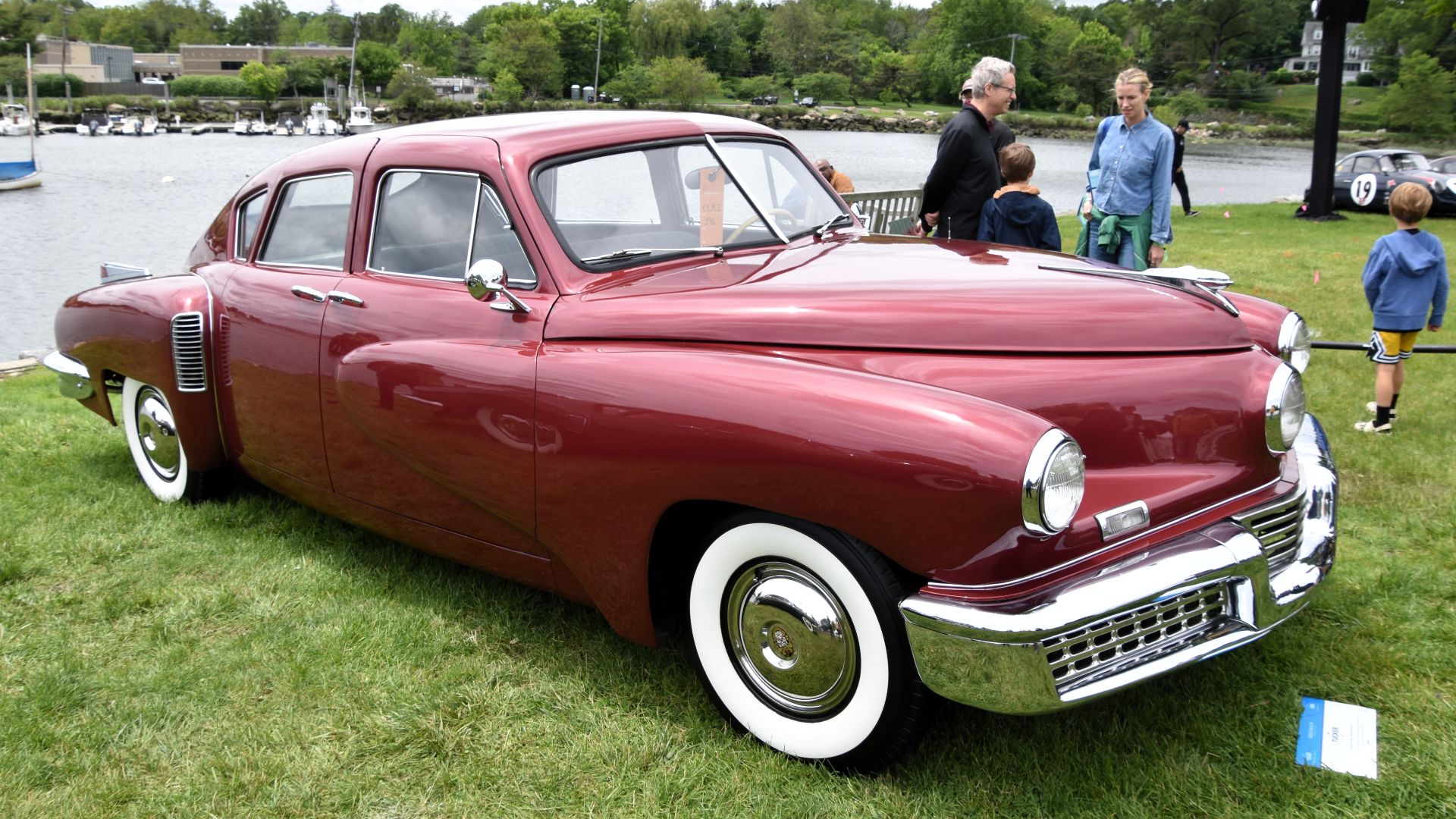
Tucker 48 (1948)
Preston Tucker's futuristic sedan featured a rear-mounted engine, innovative safety ideas, and a swiveling center headlight. Unfortunately, financial problems and a highly publicized securities investigation ended production after just 51 cars were completed. Once dismissed as an automotive failure, the Tucker 48 has become one of America's most coveted collector cars.
 Charles from Port Chester, New York, Wikimedia Commons
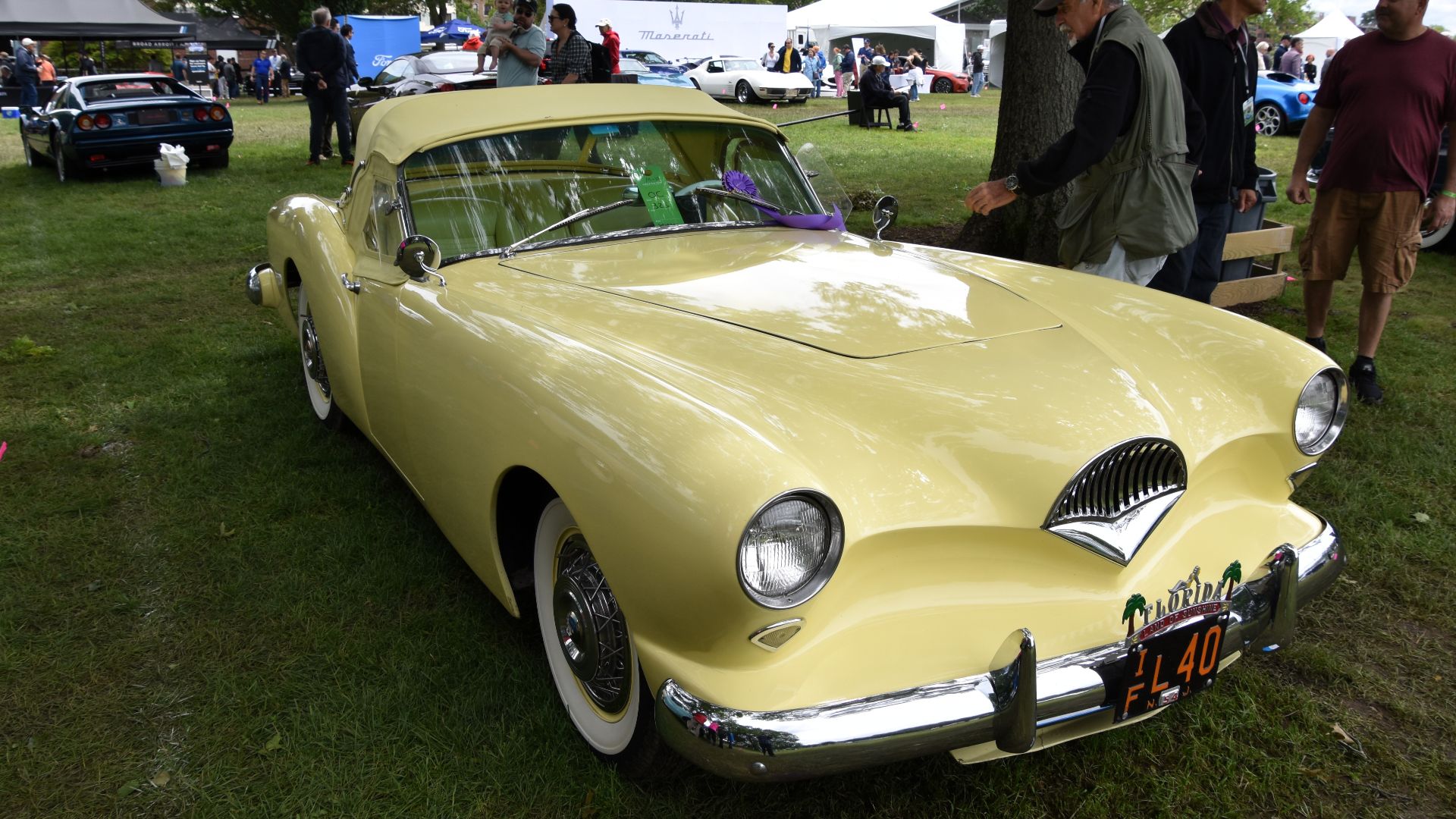
Kaiser Darrin (1954)
The Kaiser Darrin featured a fiberglass body and doors that slid forward into the front fenders. Unfortunately, its unusual engineering couldn't overcome a high price, limited performance, and Kaiser's declining fortunes. Only 435 production examples were built. Today, collectors prize the Darrin for its extraordinary styling and rarity.
 Charles from Port Chester, New York, Wikimedia Commons
Nash Metropolitan (1954–1962)
The tiny Metropolitan seemed out of place in an America obsessed with enormous sedans and powerful V8 engines. Built in Britain for Nash and later American Motors, it attracted buyers but remained a niche product. Its cheerful styling, two-tone paint, and compact proportions have since made it a favorite among collectors of unusual 1950s automobiles.
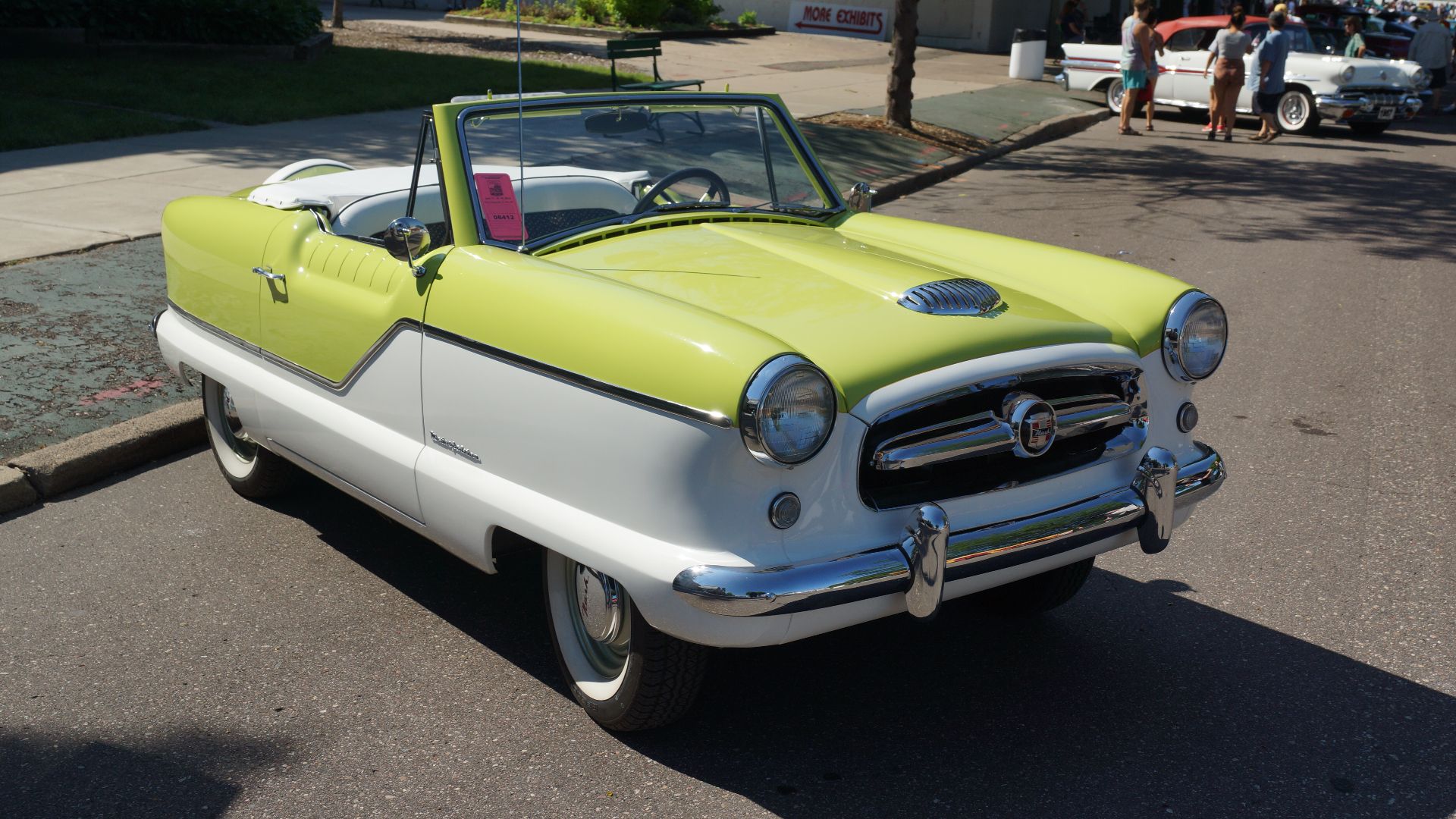 Greg Gjerdingen from Willmar, USA, Wikimedia Commons
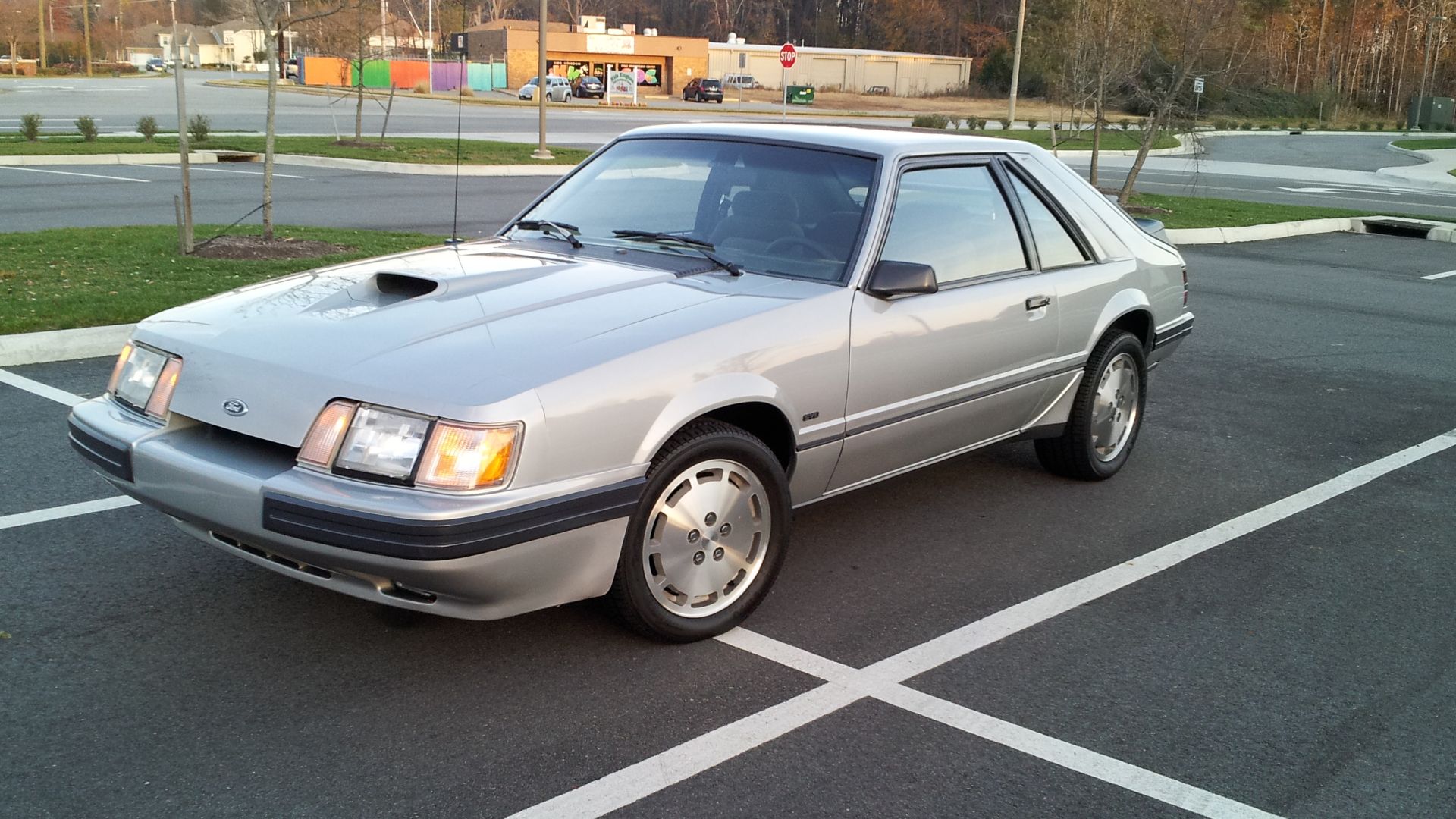
Ford Mustang SVO (1984–1986)
Mustang buyers traditionally wanted V8 power, making Ford's expensive turbocharged four-cylinder SVO a difficult proposition. Despite sophisticated suspension tuning, four-wheel disc brakes, and impressive performance, relatively few buyers embraced it. Today, enthusiasts recognize the SVO as one of the most interesting Fox-body Mustangs, particularly because it offered a different approach to American performance.
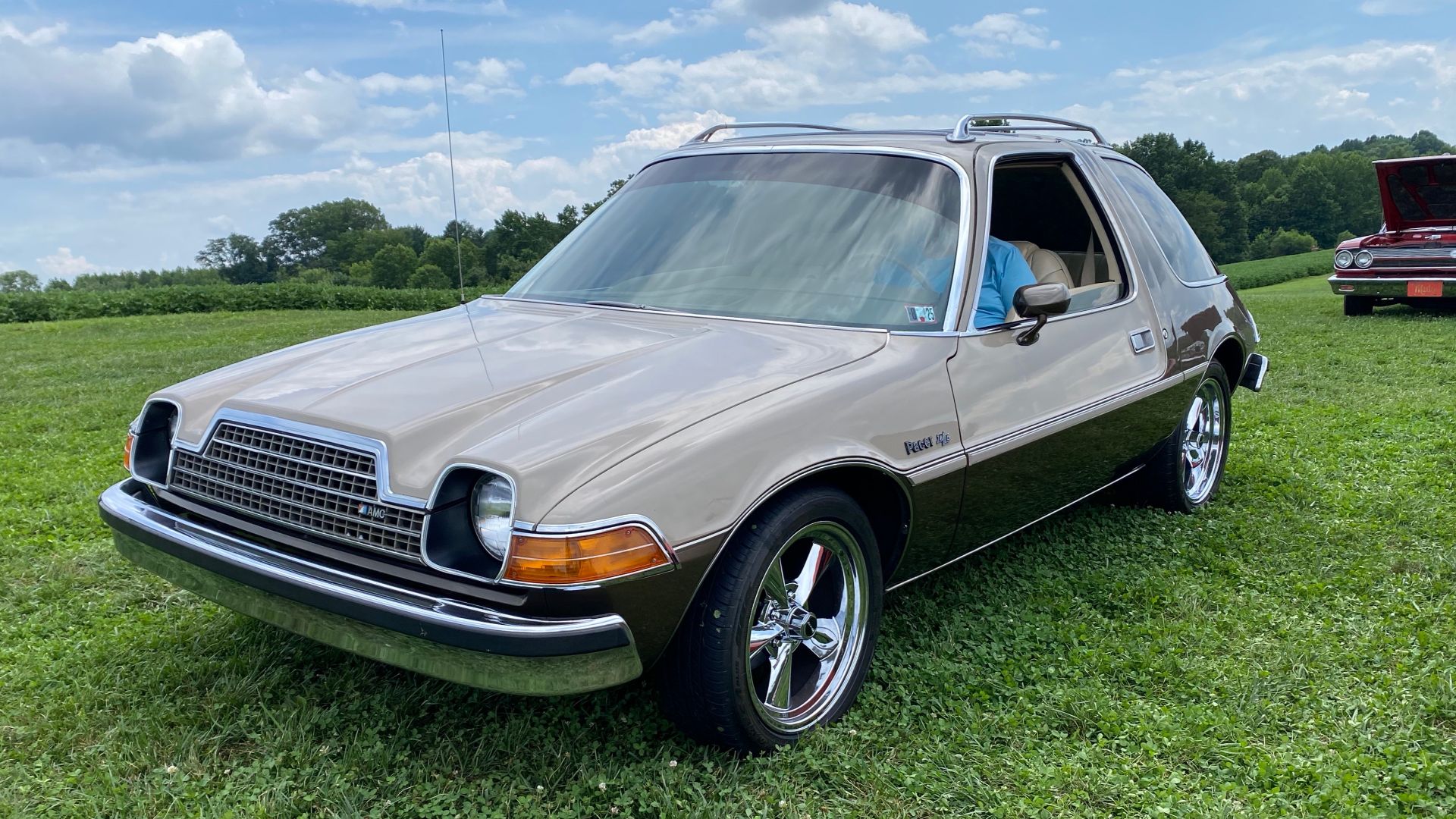
AMC Pacer (1975–1980)
AMC marketed the Pacer as a revolutionary small car, but its unusually wide body, enormous windows, and awkward proportions divided opinion. Fuel economy also disappointed buyers expecting a conventional economy car. Although early sales were promising, demand faded badly. Today, its unmistakable appearance makes surviving Pacers appealing to collectors who appreciate automotive eccentricity.
Bricklin SV-1 (1974–1975)
Canadian entrepreneur Malcolm Bricklin promised an innovative sports car with gullwing doors, a fiberglass-and-acrylic body, and an emphasis on safety. Unfortunately, quality problems, production delays, and financial difficulties quickly overwhelmed the project. Fewer than 3,000 were built. The SV-1 now enjoys a devoted following among collectors attracted to its dramatic appearance and improbable history.
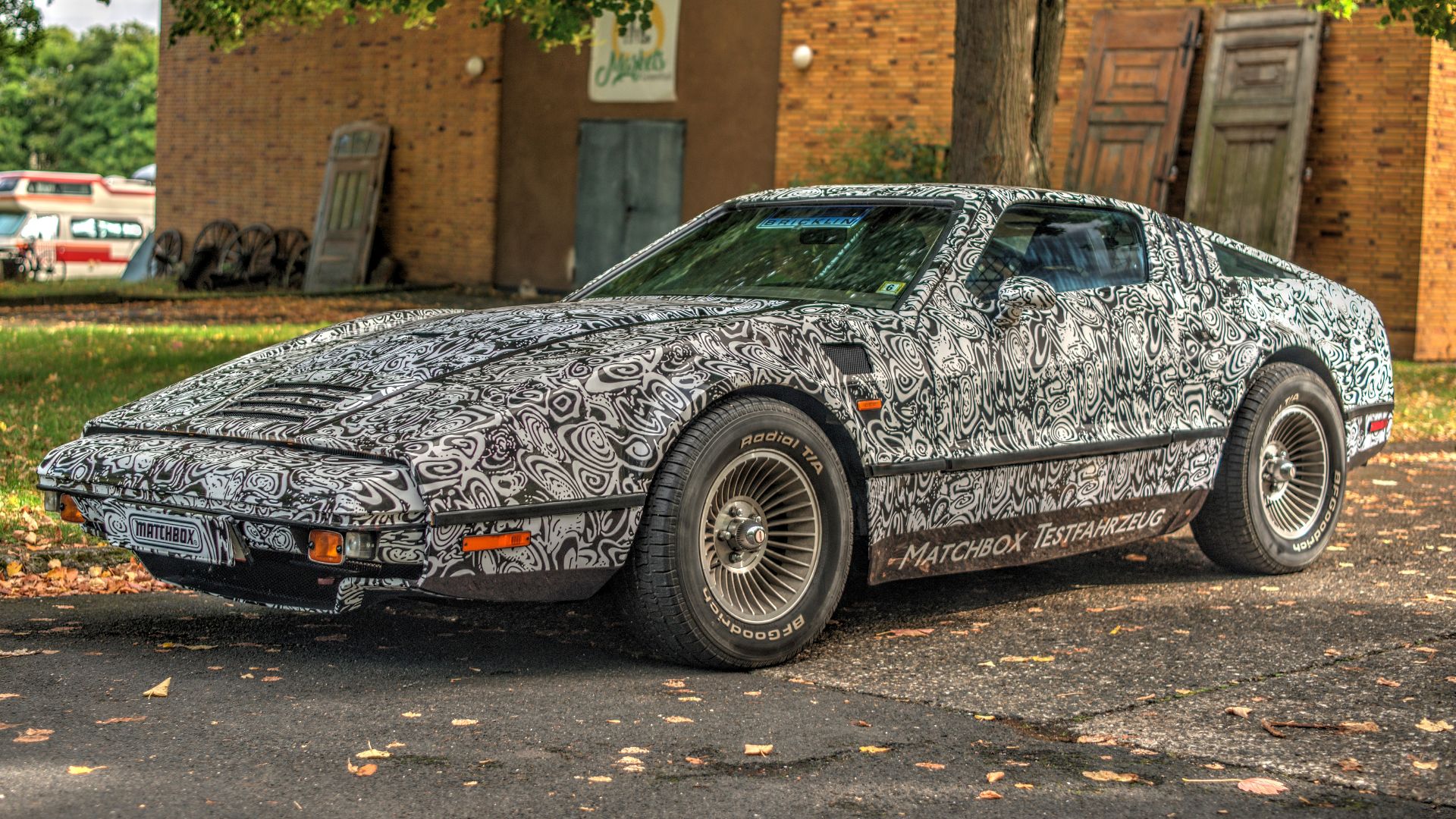 Thomas Vogt from Paderborn, Deutschland, Wikimedia Commons
Chevrolet Vega Cosworth (1975–1976)
Chevrolet hoped the Cosworth Vega would transform its troubled economy car into a sophisticated performance machine. Its twin-cam four-cylinder engine was impressive on paper, but a steep price and the Vega's damaged reputation discouraged buyers. Only 3,508 were produced. Today, its specialized engineering and limited production make it considerably more interesting than the ordinary Vega.
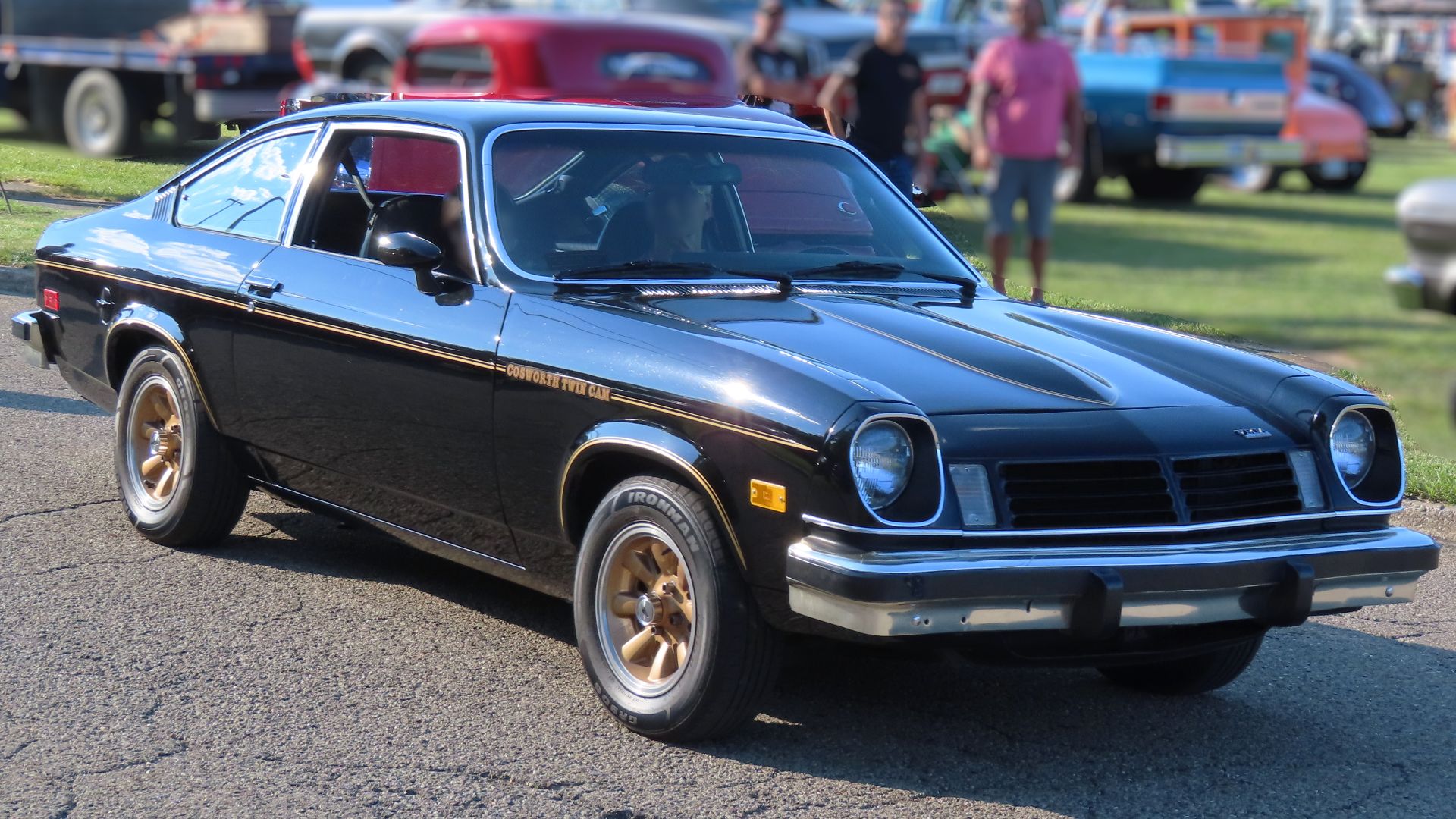 MercurySable99, Wikimedia Commons
Aston Martin Lagonda (1976–1990)
The wedge-shaped Lagonda looked like something from a science-fiction film, complete with futuristic electronic instruments and touch-sensitive controls. Unfortunately, its extraordinary complexity contributed to reliability problems, while its enormous price restricted sales. Aston Martin built only a small number. Today, collectors admire its uncompromising design and status as one of the strangest luxury sedans ever produced.
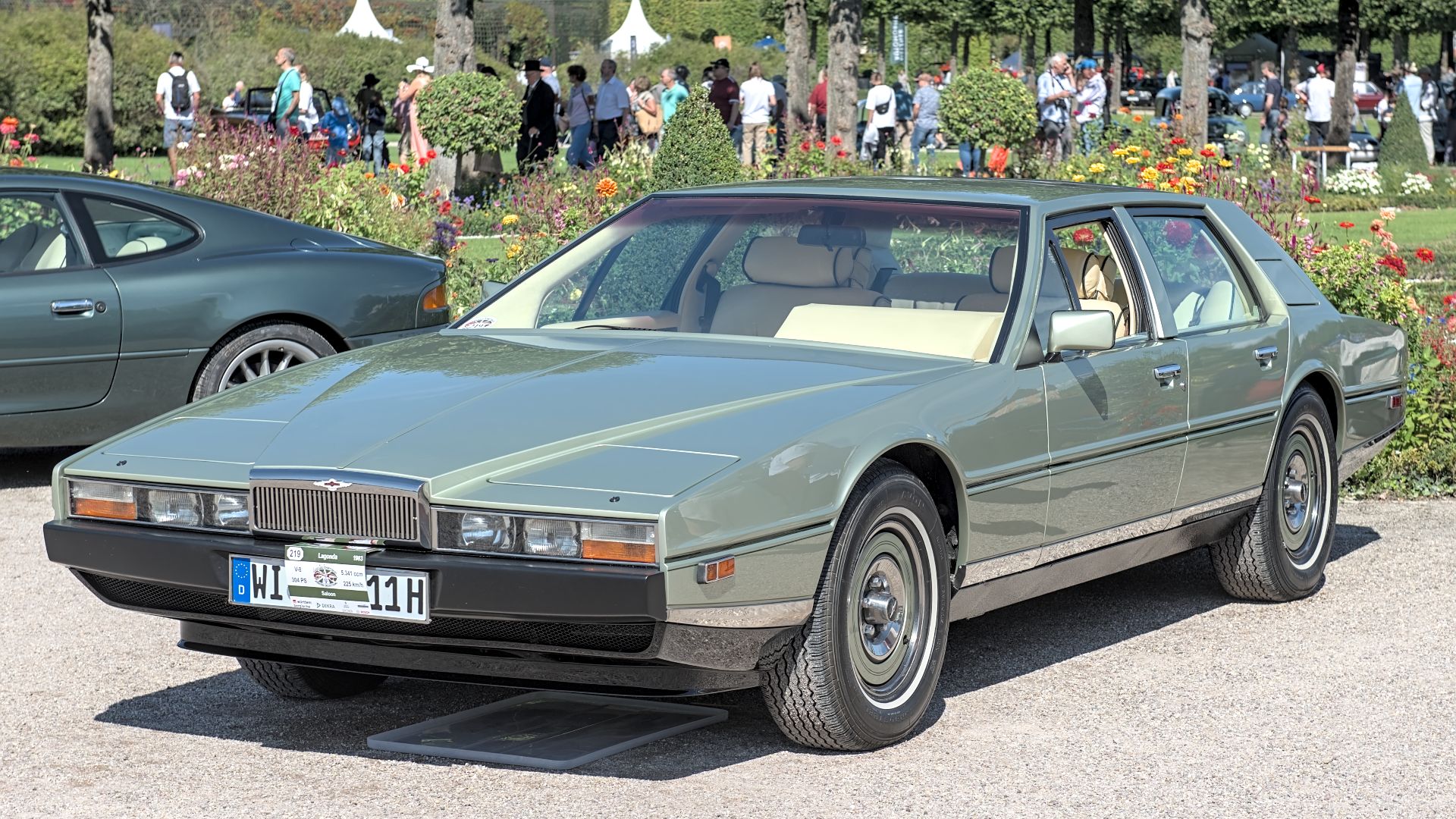 Alexander Migl, Wikimedia Commons
DeLorean DMC-12 (1981–1983)
John DeLorean's stainless-steel sports car promised exotic styling and innovative engineering, but its modest performance, high price, and manufacturing problems disappointed buyers. The company collapsed after a brief production run. Then Back To The Future (1985) transformed the DMC-12 into a cultural icon. Today, its gullwing doors and unmistakable bodywork attract collectors worldwide.
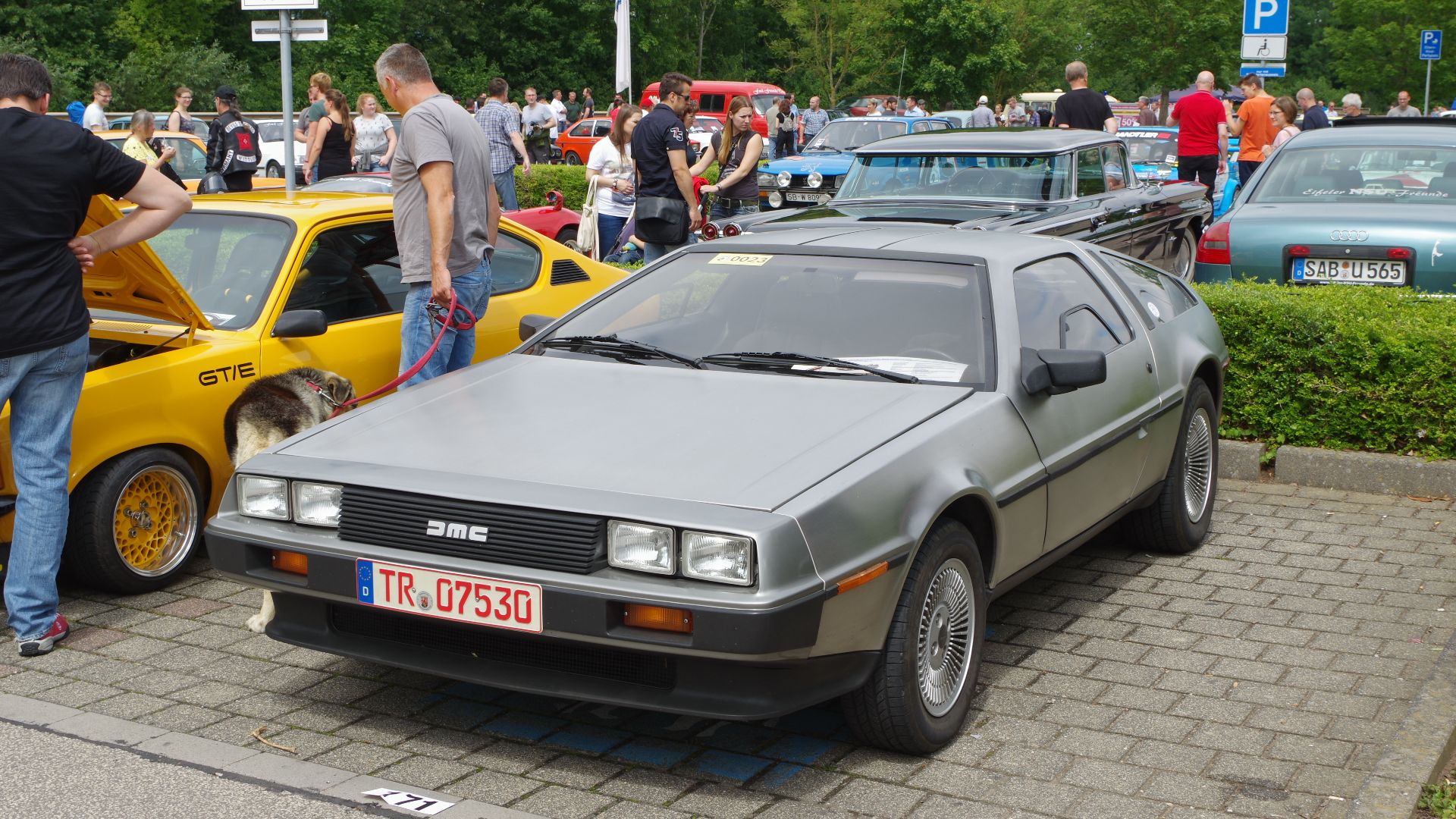 Berthold Werner, Wikimedia Commons
Cadillac Allanté (1987–1993)
Cadillac's Italian-American luxury roadster featured Pininfarina-designed bodywork flown from Italy to Detroit for final assembly. The expensive production process contributed to a price that made competing European convertibles attractive alternatives. Sales never met expectations. Today, the Allanté's unusual origins, elegant styling, and later Northstar-powered versions make it an intriguing collector choice.
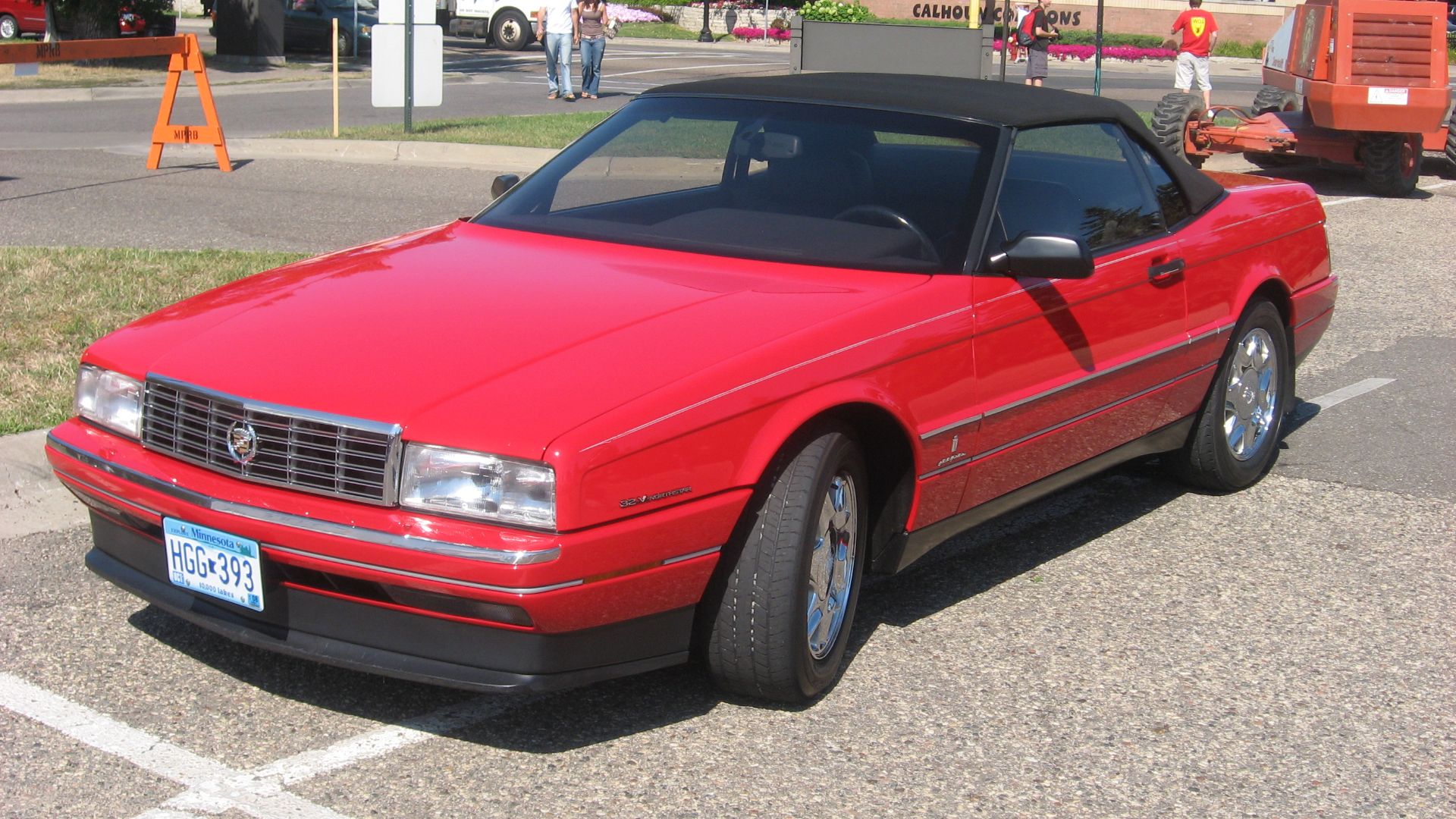 Randy Stern from Minneapolis, MN, USA, Wikimedia Commons
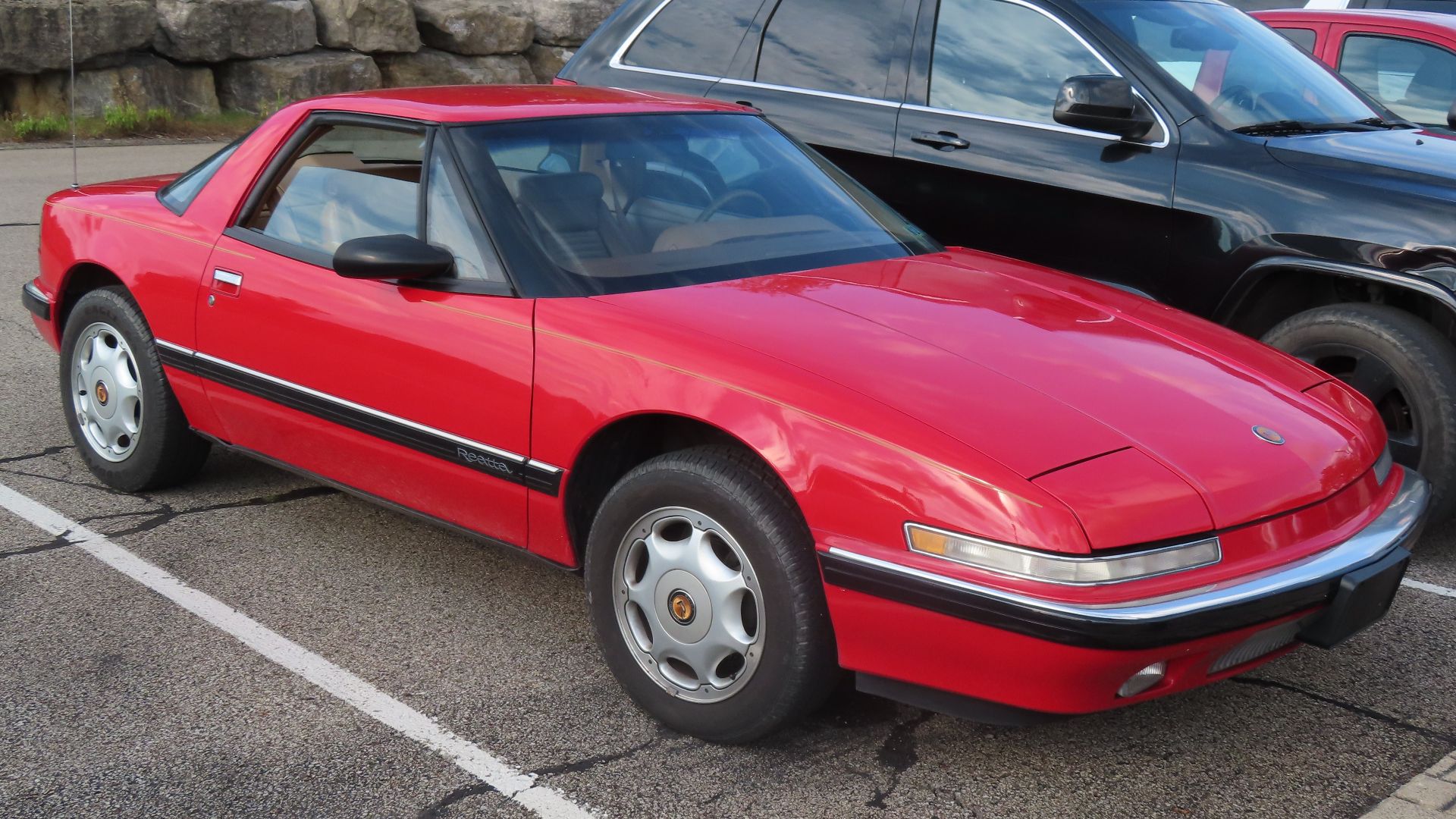
Buick Reatta (1988–1991)
Buick expected its stylish two-seat Reatta to attract buyers seeking an American luxury sports car. Instead, its front-wheel-drive layout, modest performance, and high price limited demand. Early models featured an unusual touchscreen control system. Today, the Reatta has a small but enthusiastic following, particularly among collectors who appreciate its distinctive technology and limited production.
 MercurySable99, Wikimedia Commons
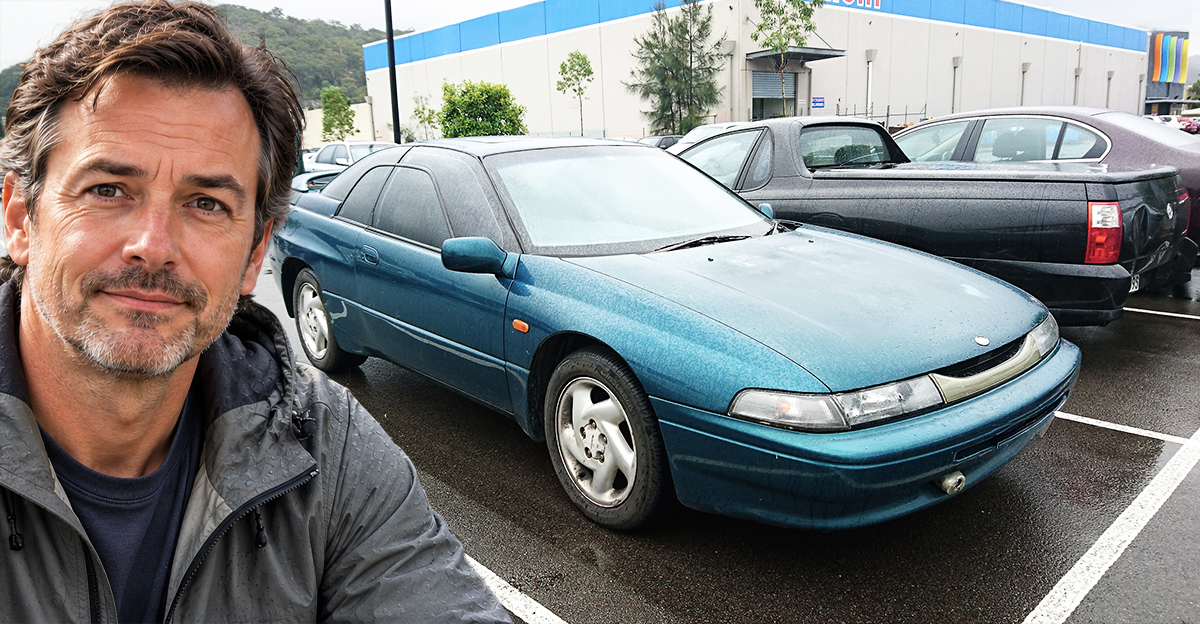
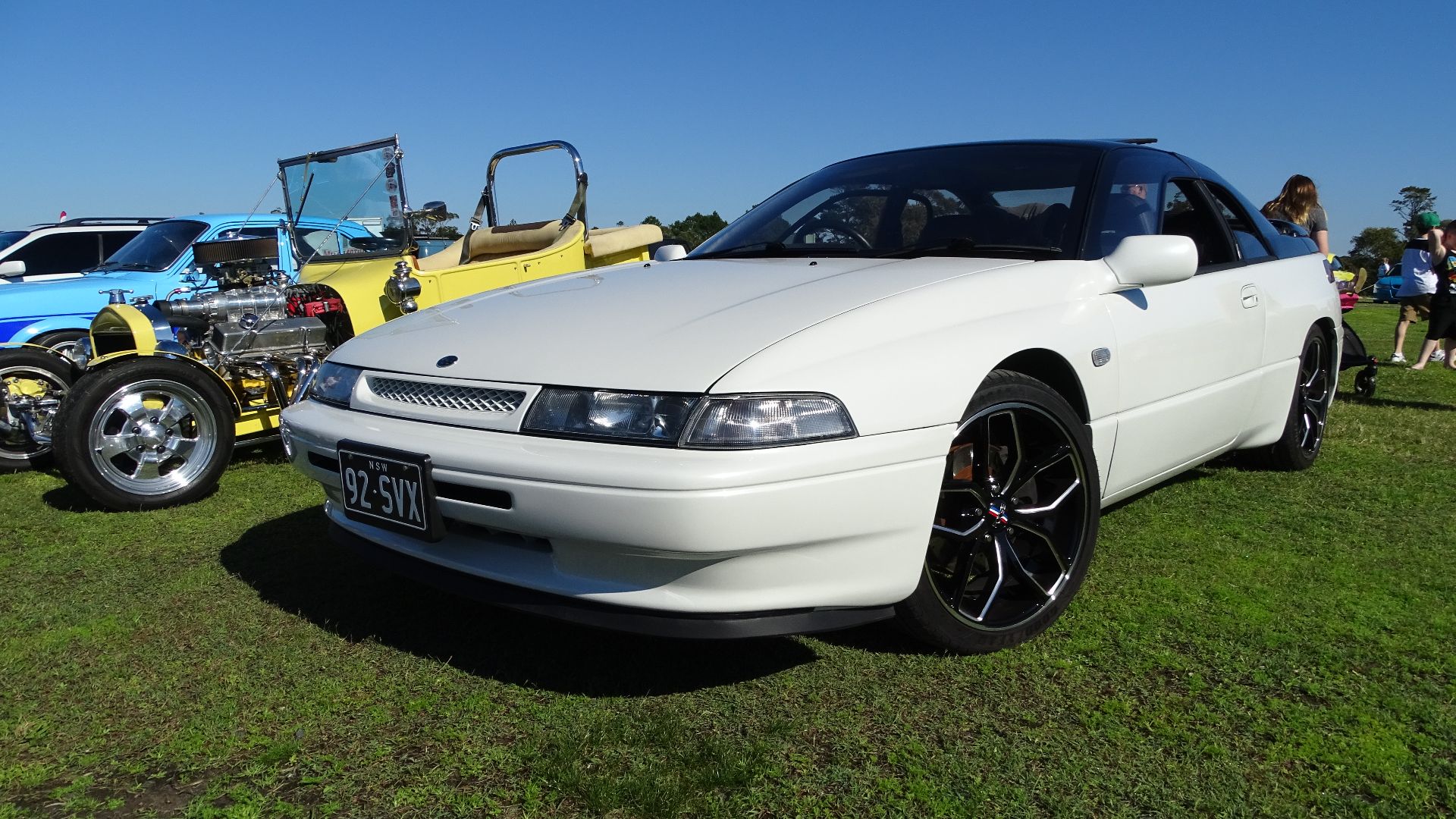
Subaru SVX (1992–1997)
Subaru's ambitious SVX featured a powerful flat-six engine, all-wheel drive, and striking window-within-a-window styling by Giorgetto Giugiaro. Unfortunately, its high price and automatic-only transmission made it difficult to compete with established Japanese sports coupes. Sales disappointed Subaru, but surviving examples now appeal to enthusiasts who appreciate its unusual engineering and futuristic appearance.
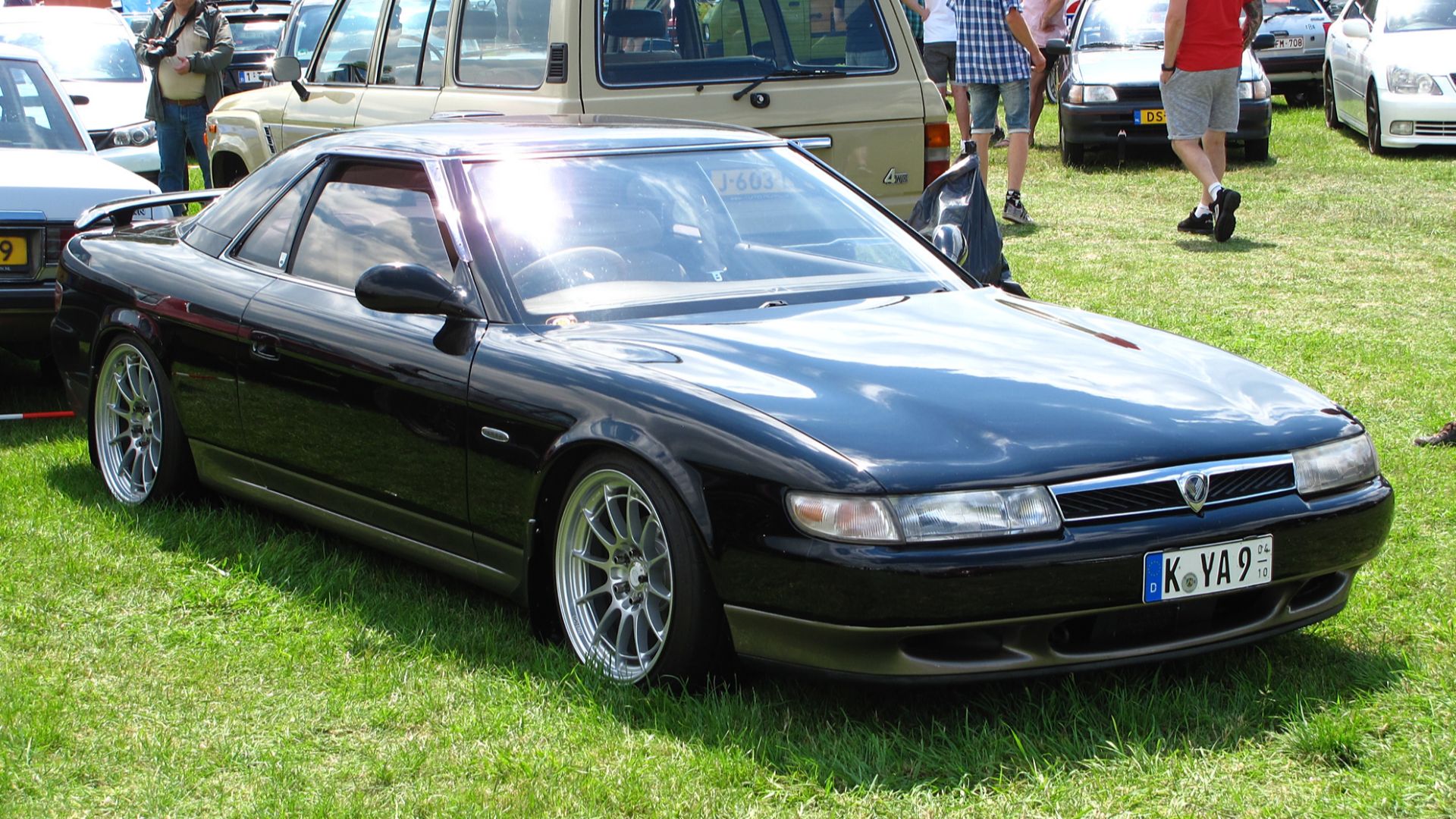
Mazda Eunos Cosmo (1990–1996)
Mazda's Japanese-market luxury coupe introduced a remarkable three-rotor rotary engine and an advanced touchscreen navigation system. Unfortunately, its high price, considerable thirst for fuel, and complex engineering restricted its appeal. Production remained relatively limited. Today, the Eunos Cosmo is an increasingly fascinating collector car, particularly for rotary-engine enthusiasts seeking something rarer than an RX-7.
 Rutger van der Maar, Wikimedia Commons
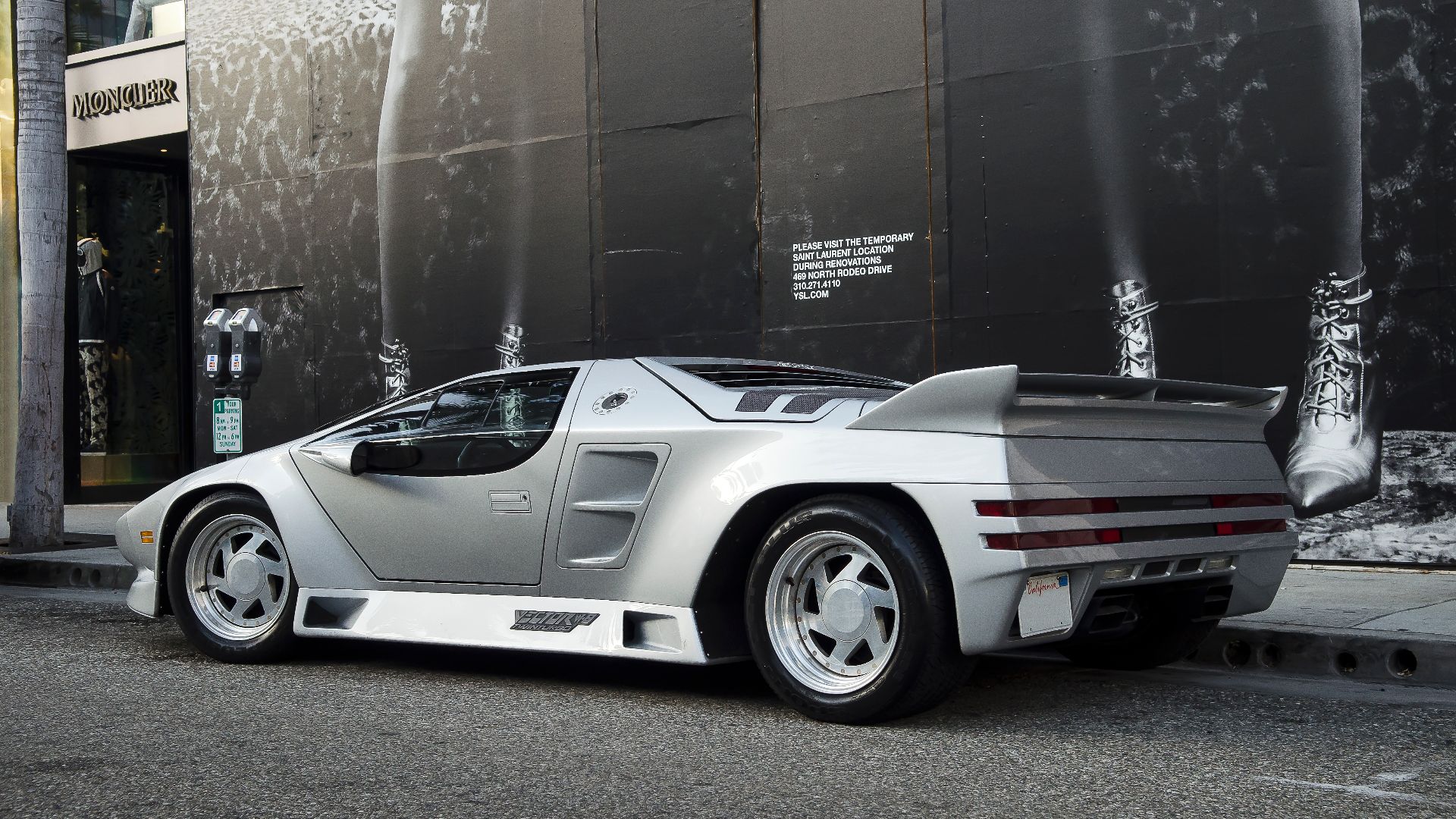
Vector W8 (1989–1993)
The American-built Vector W8 promised supercar performance with fighter-jet styling and a twin-turbocharged V8. Unfortunately, extraordinary prices, financial turmoil, and production difficulties prevented the company from establishing itself. Only a handful of production cars were completed. Today, the W8 is an exceptionally rare collector's item, remembered as one of America's boldest supercar experiments.
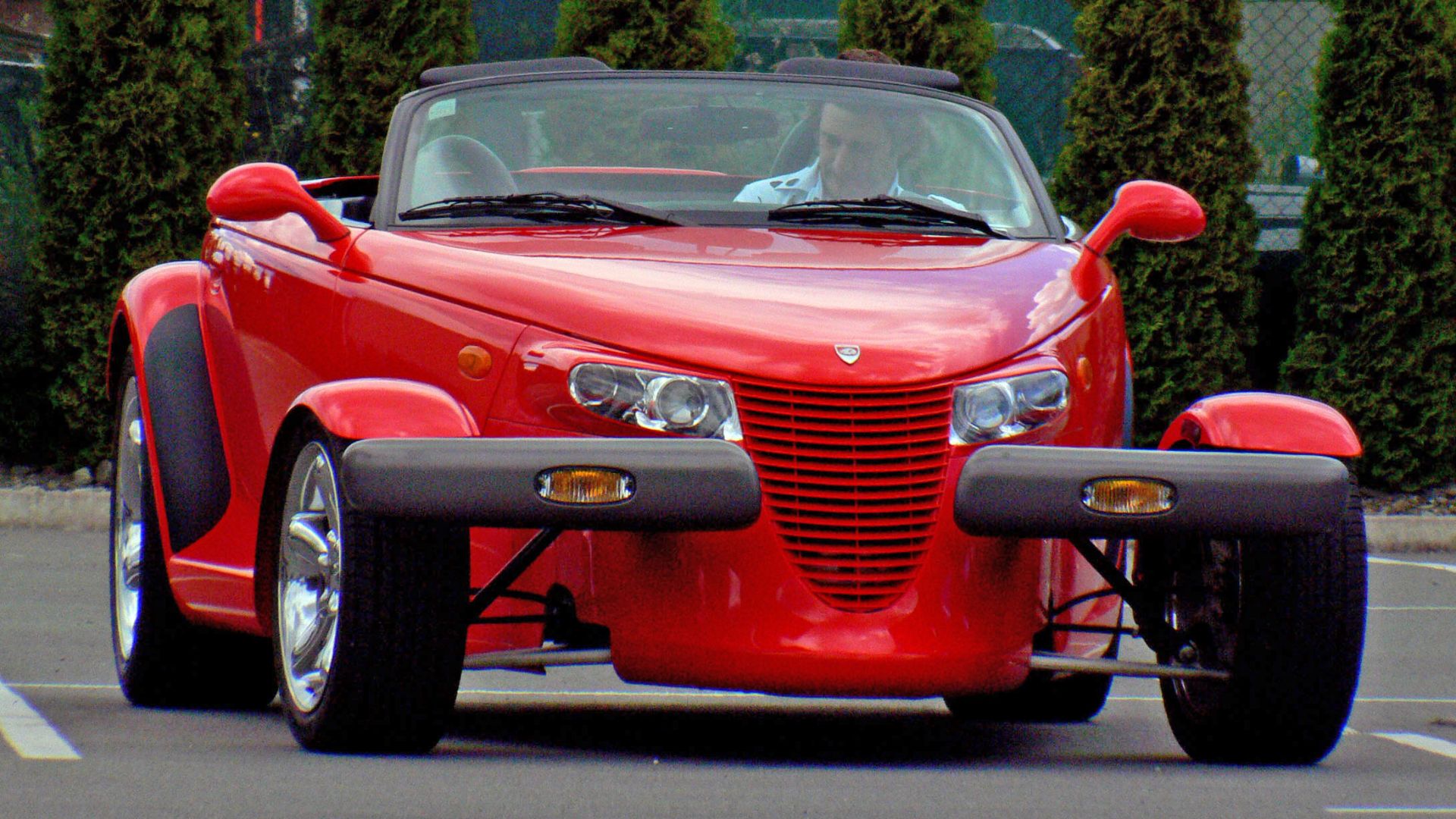
Plymouth Prowler (1997–2002)
Chrysler brought the classic American hot rod into the modern age with the Prowler, but enthusiasts were disappointed by its V6 engine and automatic transmission. Its cramped interior and limited practicality further restricted demand. Although it never became a mainstream success, the Prowler's spectacular styling and low production have earned it recognition in the collector market.
 Bernard Spragg. NZ from Christchurch, New Zealand, Wikimedia Commons
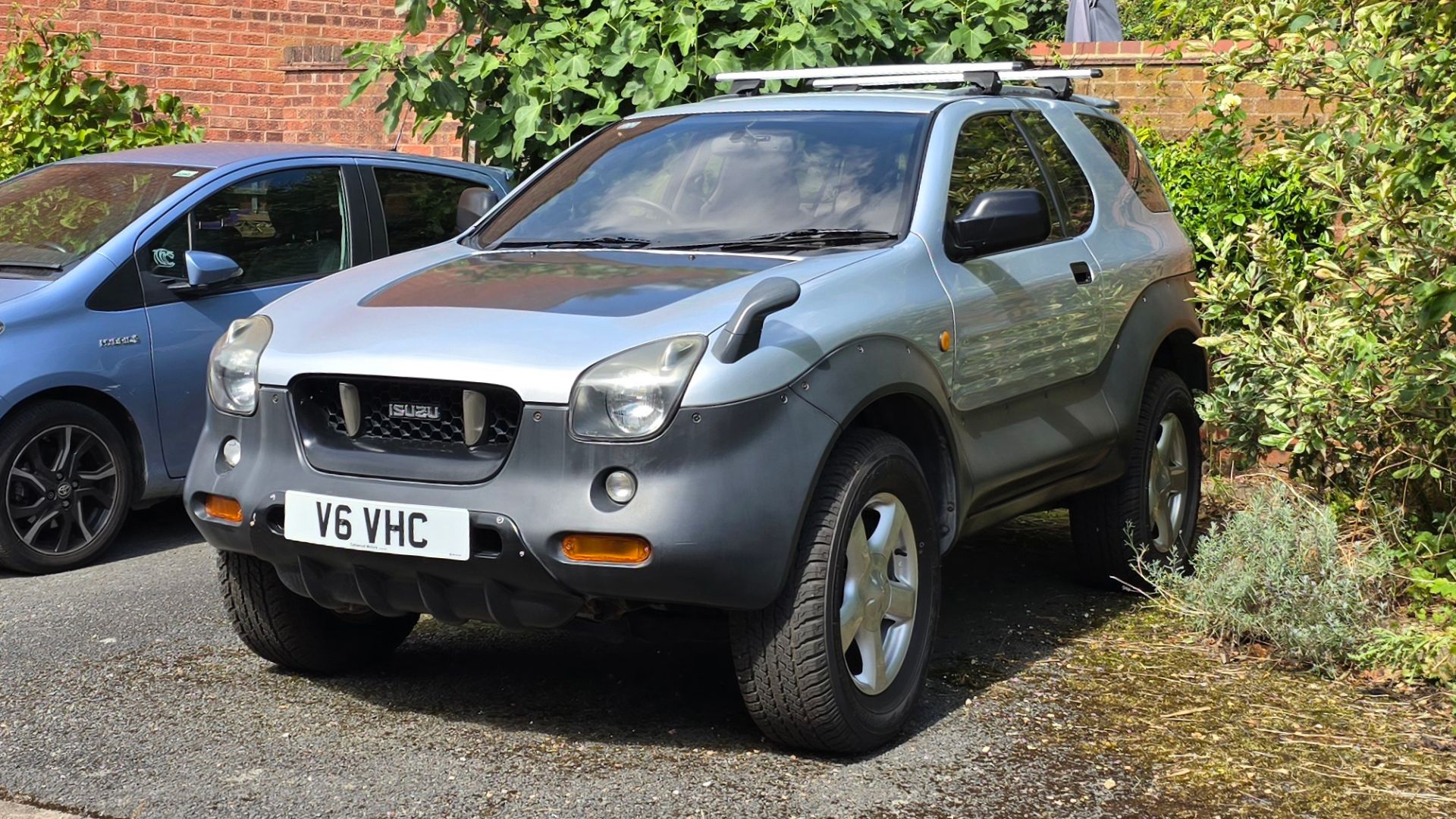
Isuzu VehiCROSS (1999–2001)
The VehiCROSS looked like a futuristic off-road concept car that somehow escaped onto public roads. Its aggressive styling, short wheelbase, and unusual body panels made it distinctive, but its high price and limited practicality discouraged mainstream SUV buyers. Today, the VehiCROSS has a cult following among enthusiasts who appreciate its capable four-wheel-drive system and unmistakable appearance.
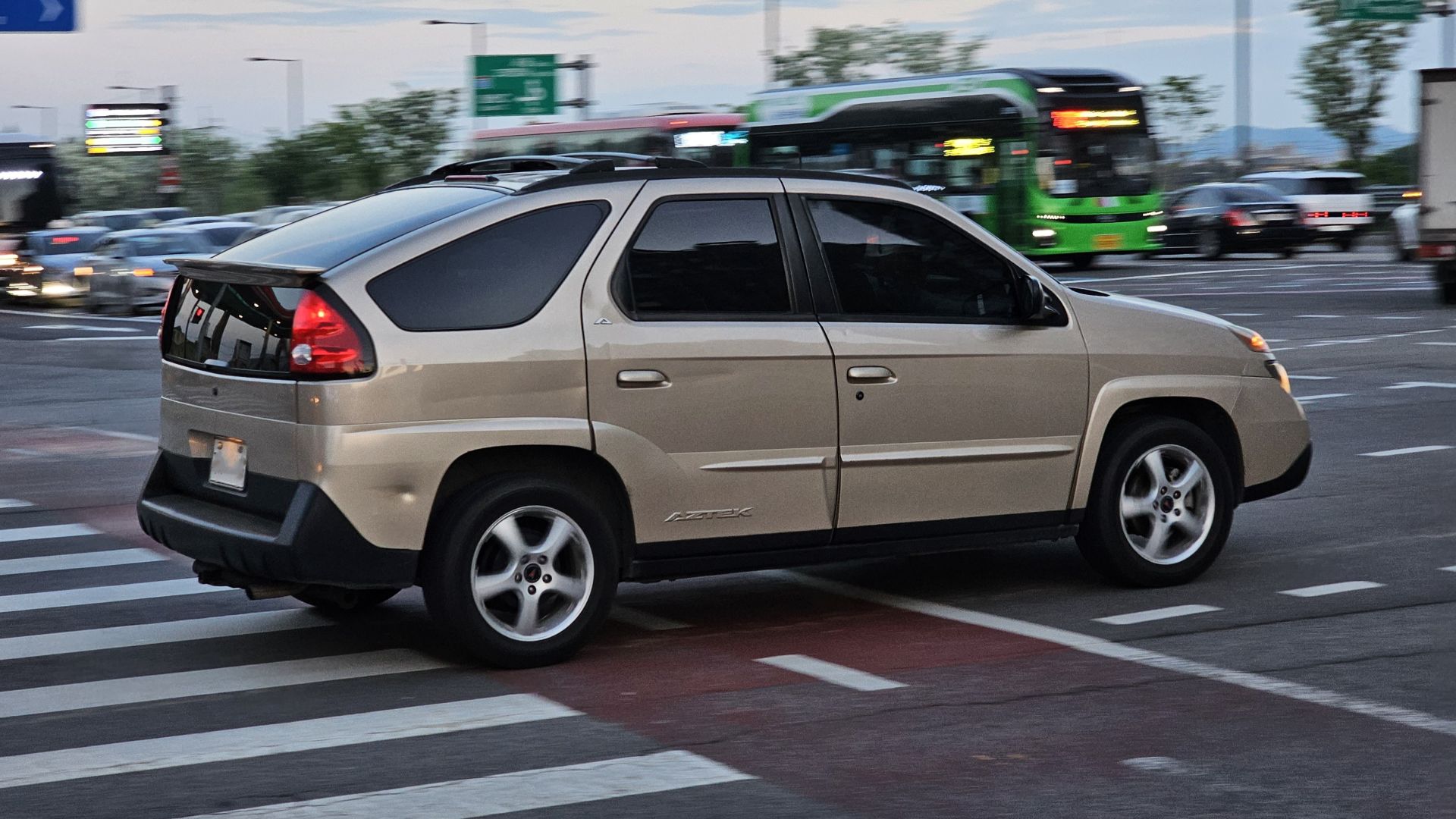
Pontiac Aztek (2001–2005)
The Pontiac Aztek became notorious for its unconventional styling, despite offering practical features such as a removable cooler and available camping accessories. Its appearance overshadowed its usefulness, and sales fell short of expectations. Years later, a prominent role in Breaking Bad introduced it to another generation. Well-preserved Azteks now attract enthusiasts interested in automotive oddities, although they remain affordable collectibles.
 Damian B Oh, Wikimedia Commons
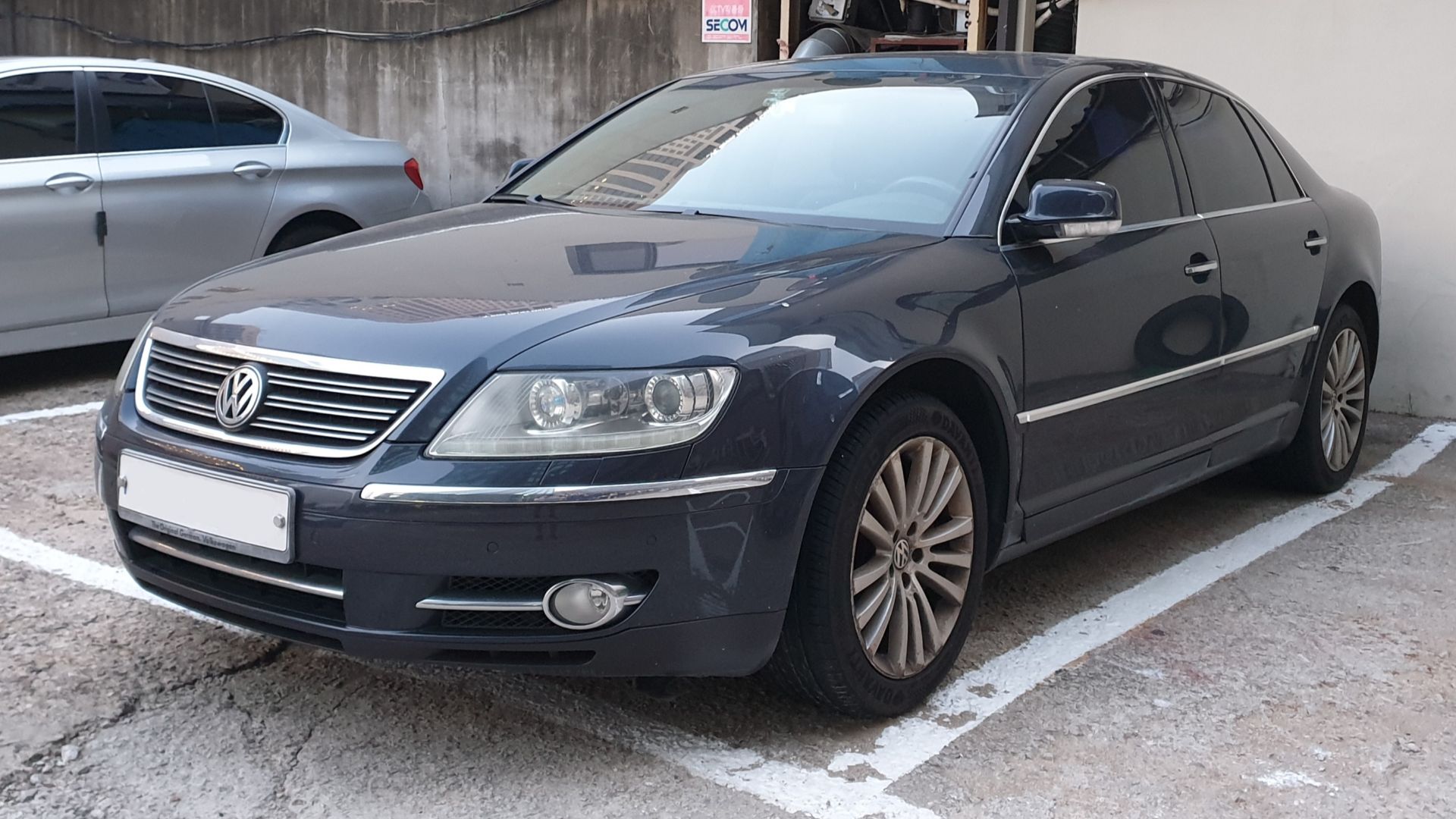
Volkswagen Phaeton (2004–2006, U.S.)
Volkswagen attempted to compete with Mercedes-Benz and BMW using the extraordinarily sophisticated Phaeton luxury sedan. Unfortunately, American buyers struggled to accept a Volkswagen with a luxury-car price tag, regardless of its impressive engineering. The Phaeton disappeared from U.S. showrooms after 2006. Today, its understated appearance, elaborate construction, and available W12 engine make it an intriguing enthusiast car.
 Damian B Oh, Wikimedia Commons
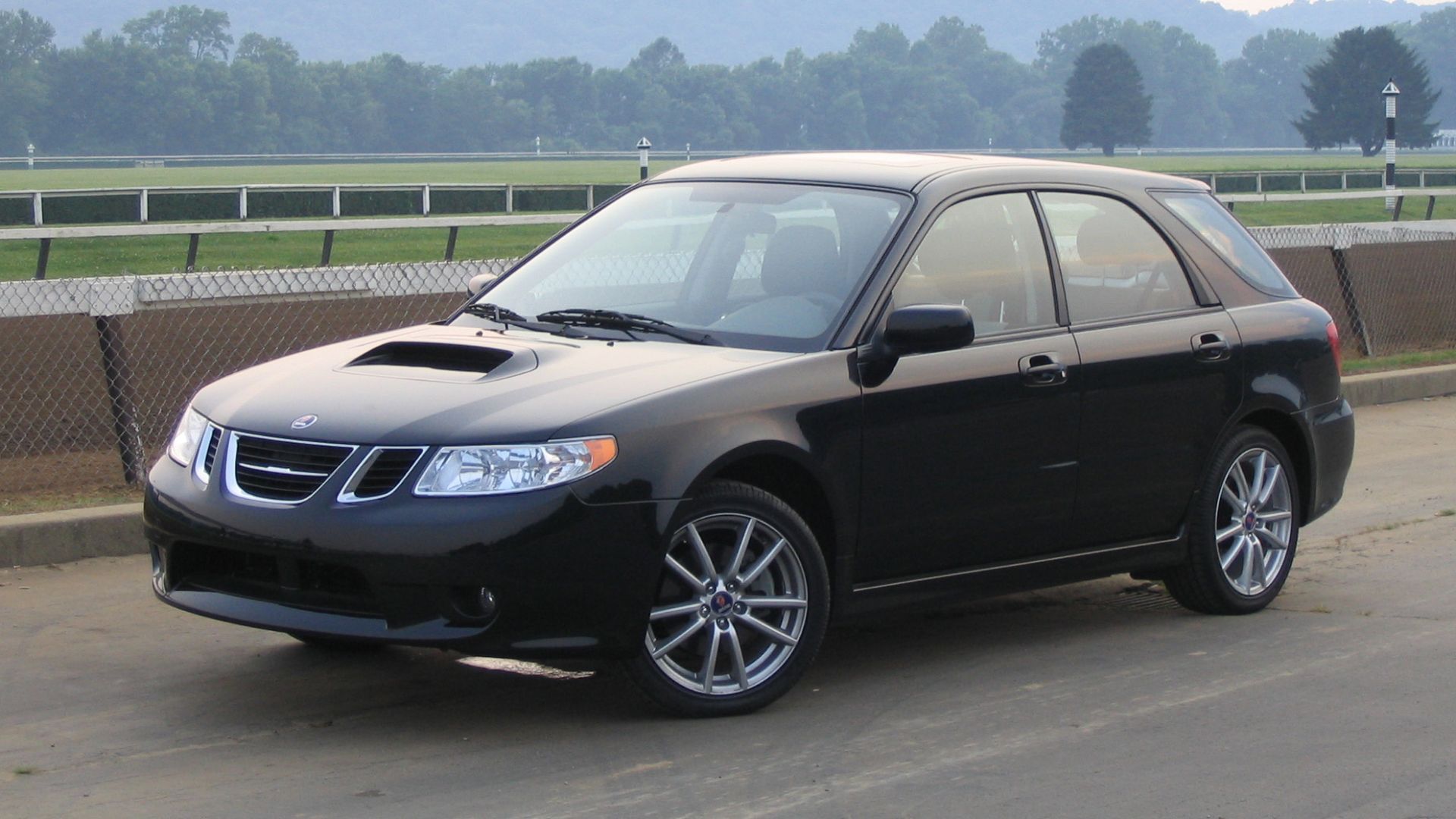
Saab 9-2X Aero (2005–2006)
Saab enthusiasts weren't particularly impressed when General Motors introduced a rebadged Subaru Impreza wagon wearing the Swedish brand's distinctive grille. The turbocharged Aero offered impressive performance, but buyers never embraced the unusual partnership. Today, its Subaru WRX mechanicals, Saab styling, and brief production run make the 9-2X Aero an appealing curiosity among enthusiasts of both brands.
You May Also Like:
Classic Cars That You Can Buy Pretty Cheap And Restore Beautifully
Everyone Said These 80s Cars Were Dated, But Now They're Worth A Fortune
Every Collector Will Wish They Bought These Classic Cars Sooner






.jpg;%20https://www.factinate.com/)