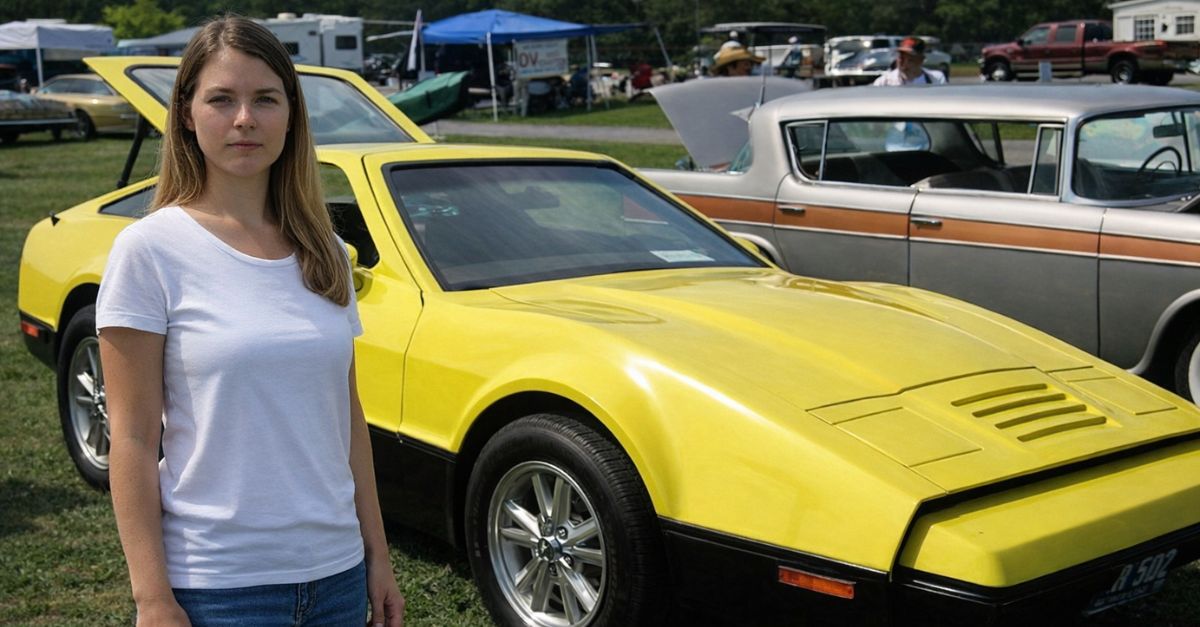
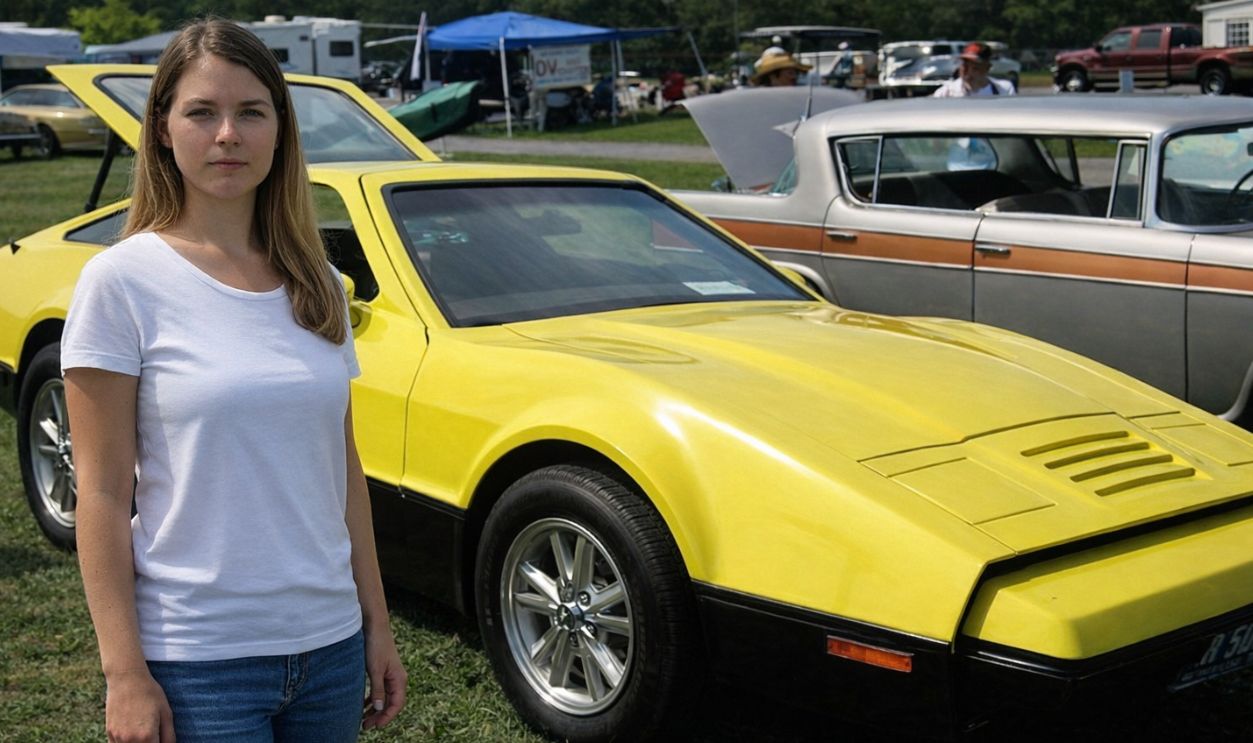
Innovation Without Proper Credit
Not every legend wore a badge that people recognized. Some two-seat sports cars arrived too early, too strange, or too honest, delivering innovation and adrenaline while history flipped past them without slowing down.
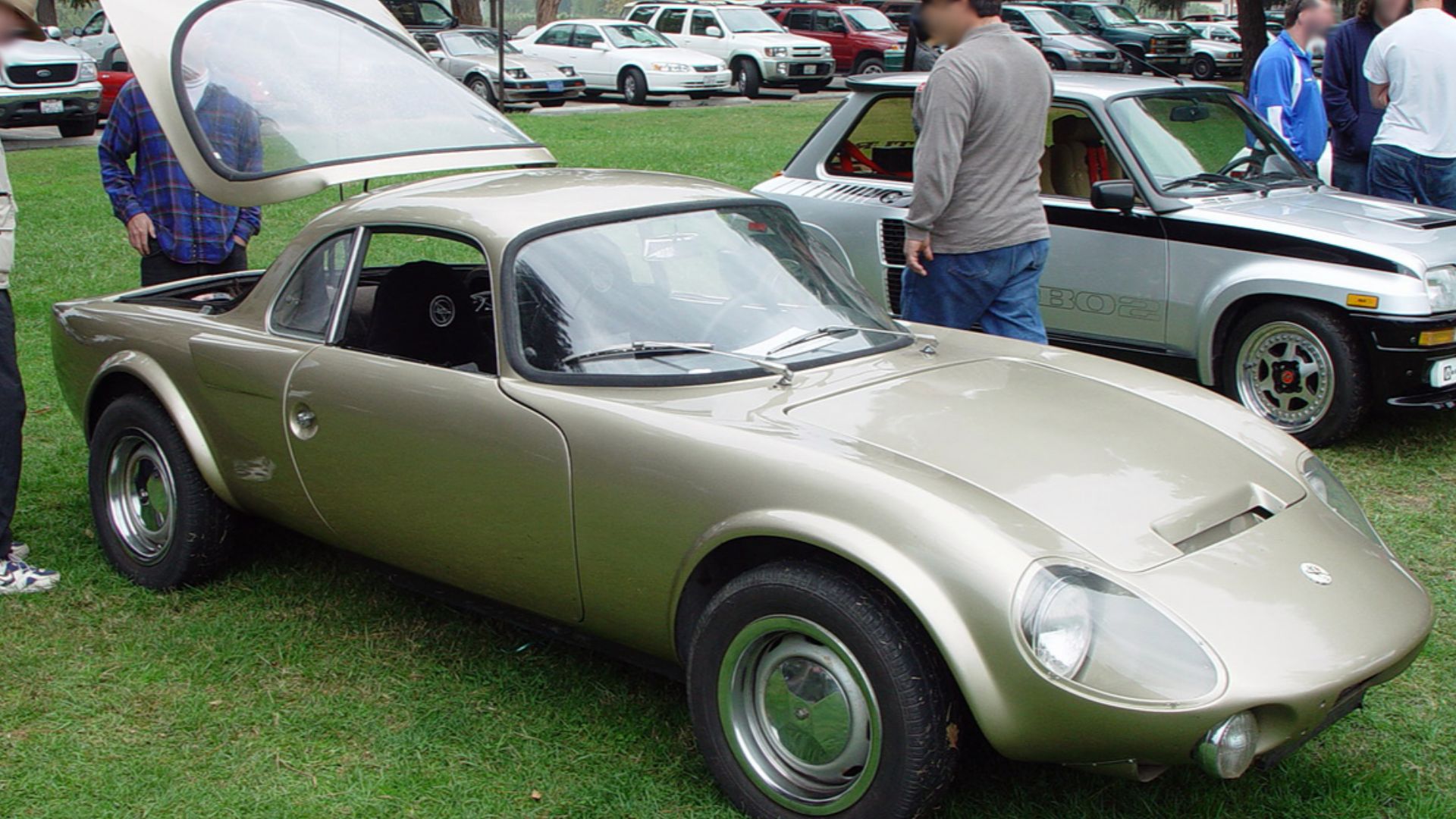
Matra Djet (1962–1967)
Before anyone else dared, this French oddball became the world's first mid-engine production sports car. Only 1,495 were built, but it packed a Renault engine that pushed the featherweight to 120 mph. Soviet cosmonaut Yuri Gagarin owned one, which is pretty cosmic.
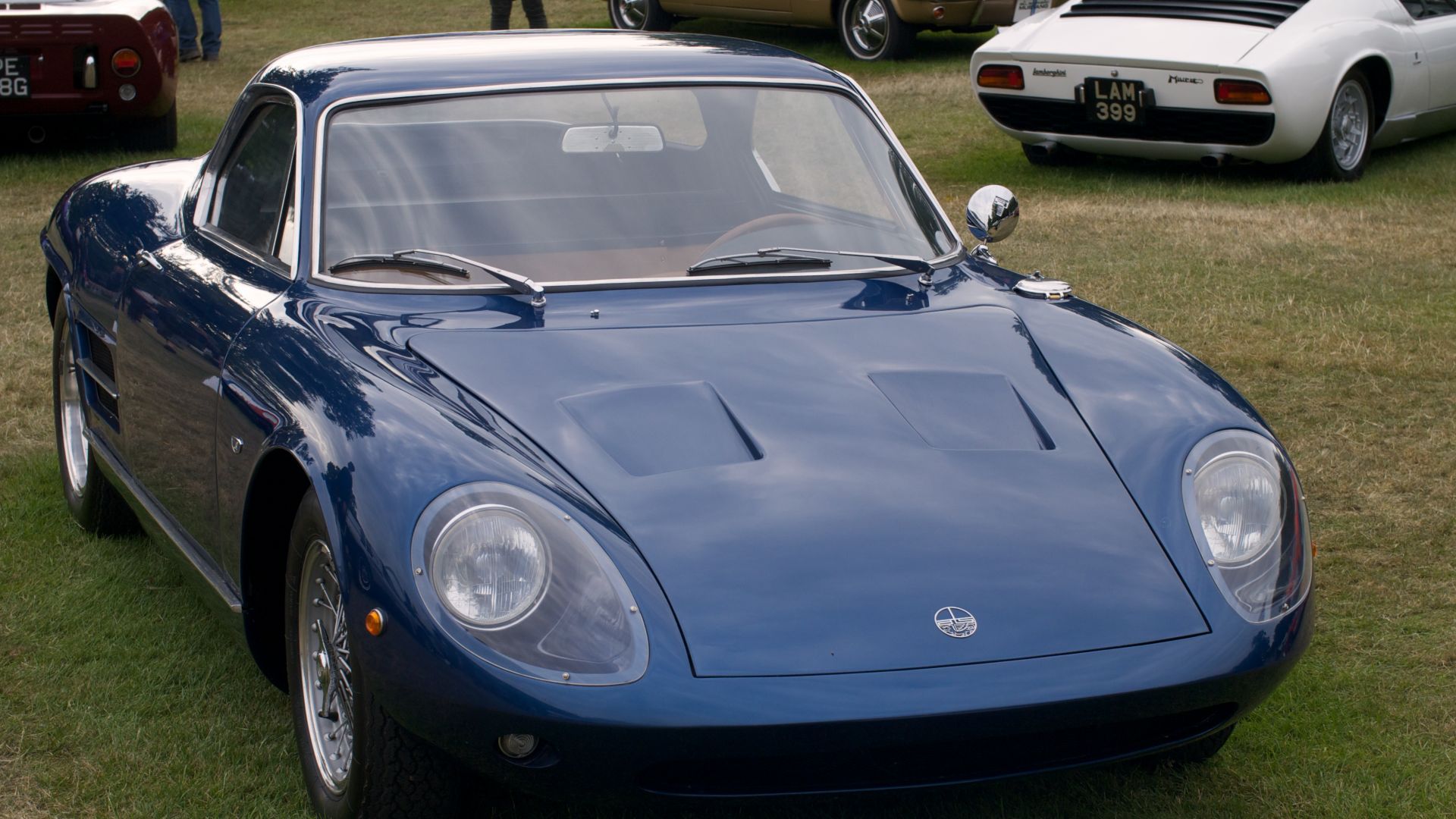
ATS 2500 GT/GTS (1963–1965)
A dozen fired Ferrari engineers built just 12 of these Italian rockets as revenge against Enzo himself. The mid-engine V8 screamed to 149 mph and hit 60 in under seven seconds. Financial collapse killed it, but this was Italy's first mid-engine GT.
 Edvvc from London, UK, Wikimedia Commons
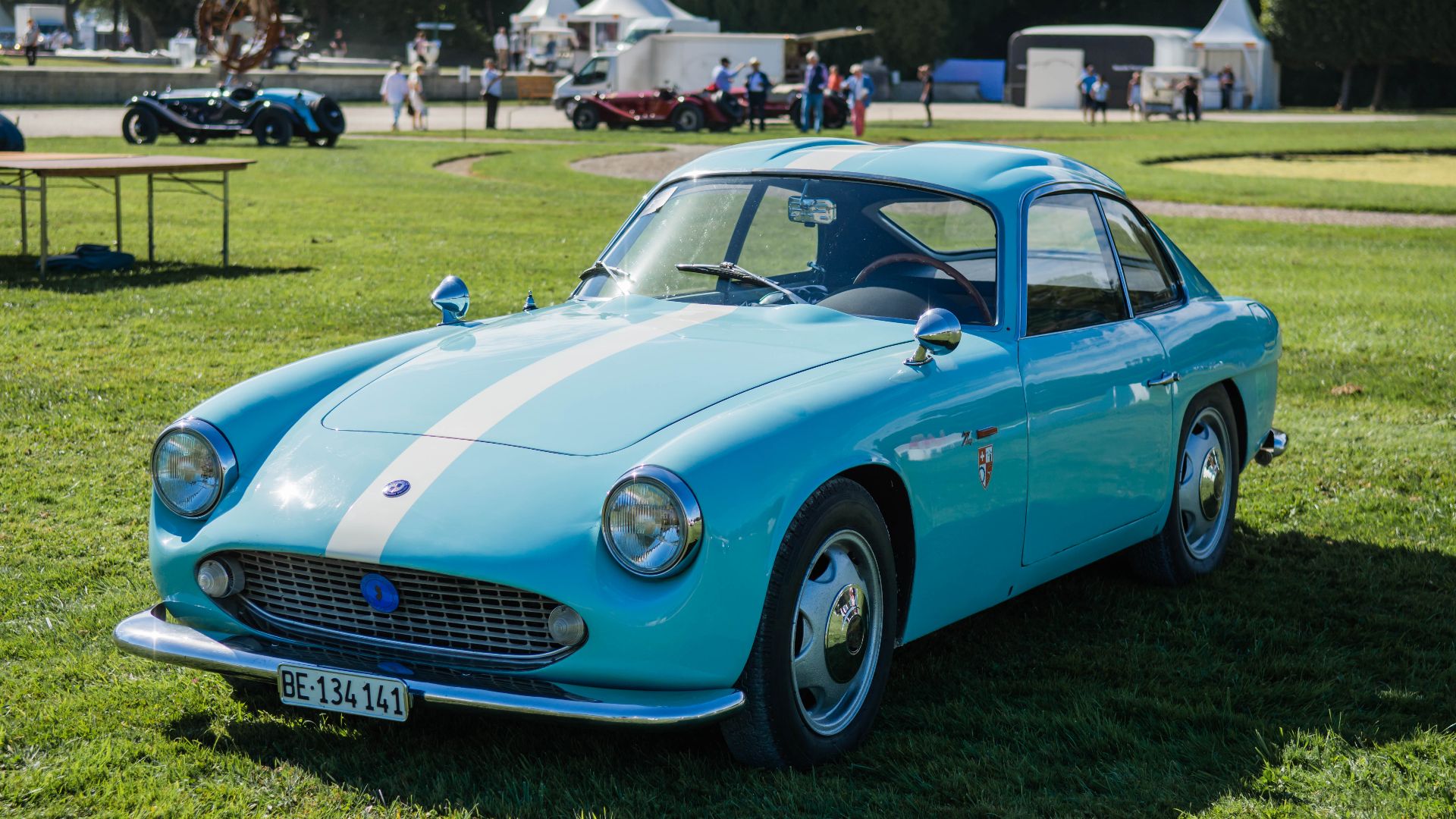
OSCA 1600 GTZ (1963–1965)
Zagato shaped this aluminum beauty with their signature double-bubble roof, which looked quirky but sliced through the air brilliantly. Formula Junior racing tech lived under the skin. About 128 existed, all overshadowed by flashier Italian names despite hitting 130 mph.
 el.guy08_11, Wikimedia Commons
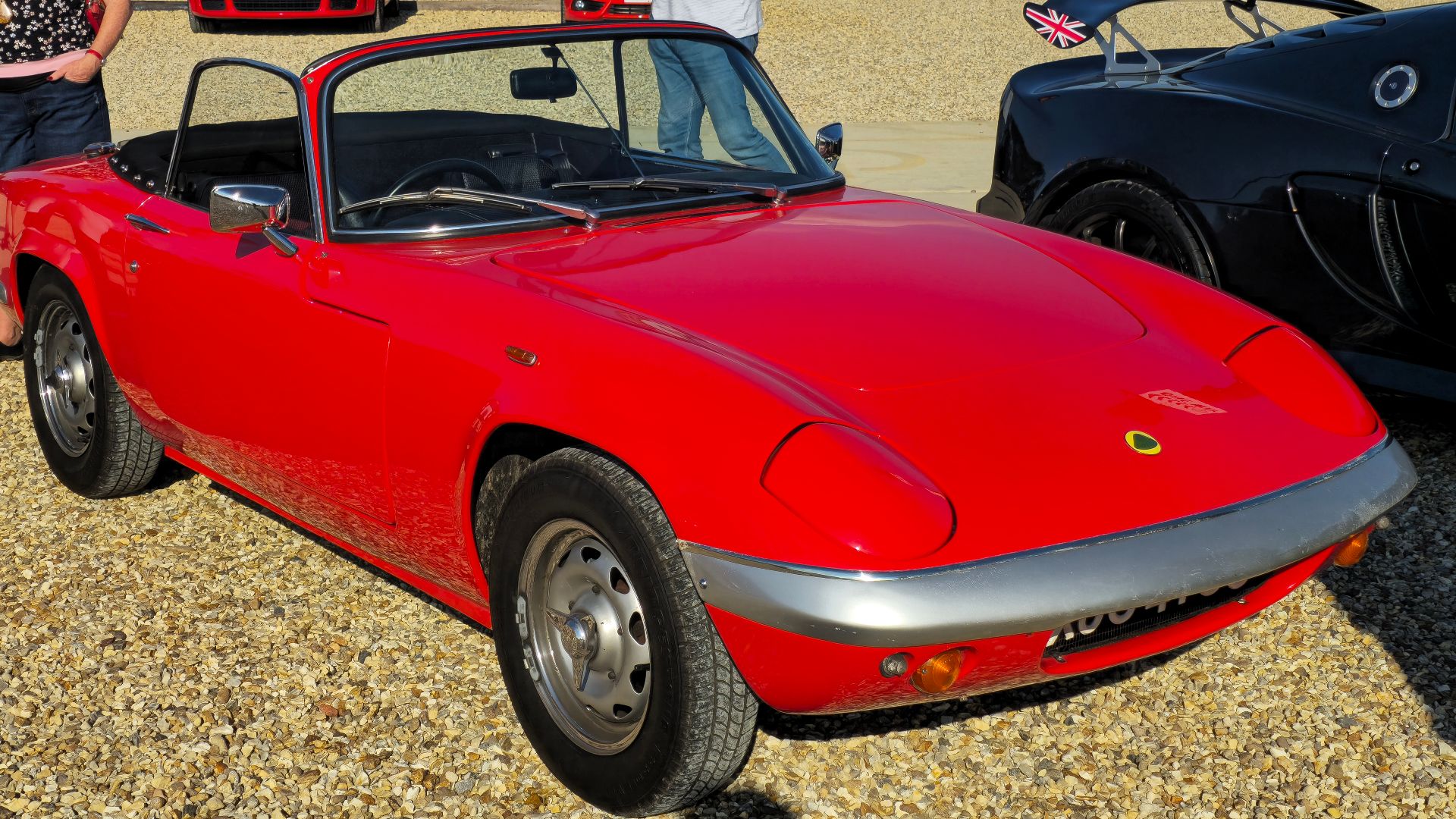
Lotus Elan (1962–1975)
Gordon Murray drew inspiration from this fiberglass roadster that weighed less than your average cow. The backbone chassis was genius, disc brakes were standard, and 12,000 were sold. One John Player Special edition sat forgotten in a barn for decades.
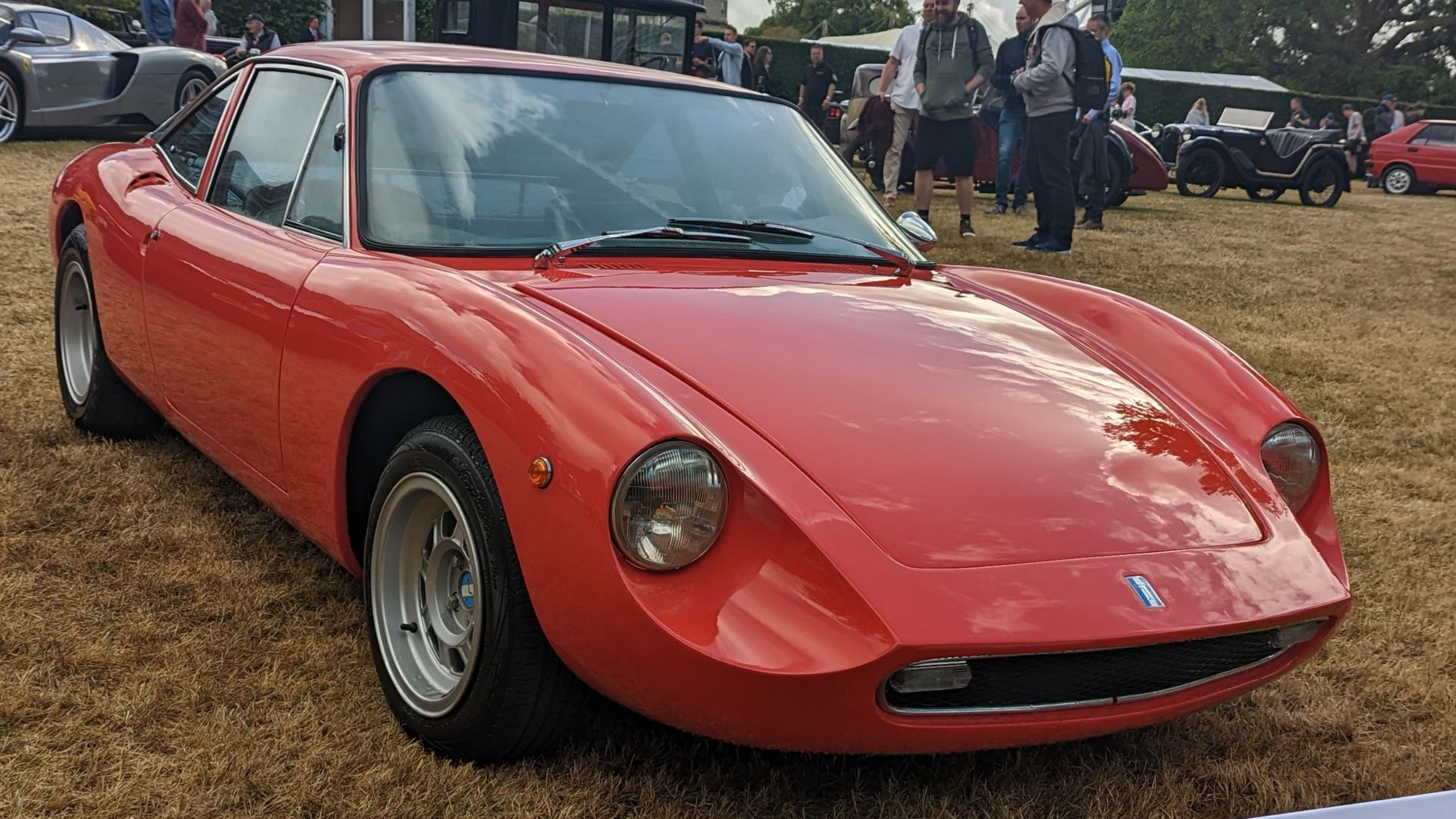
De Tomaso Vallelunga (1964–1968)
Alejandro de Tomaso's first road car borrowed a Volkswagen transaxle to keep costs down, which is hilarious for an exotic. Only 59 mid-engine beauties emerged before the Pantera stole the spotlight. The Ford-powered wedge topped 112 mph on a shoestring budget.
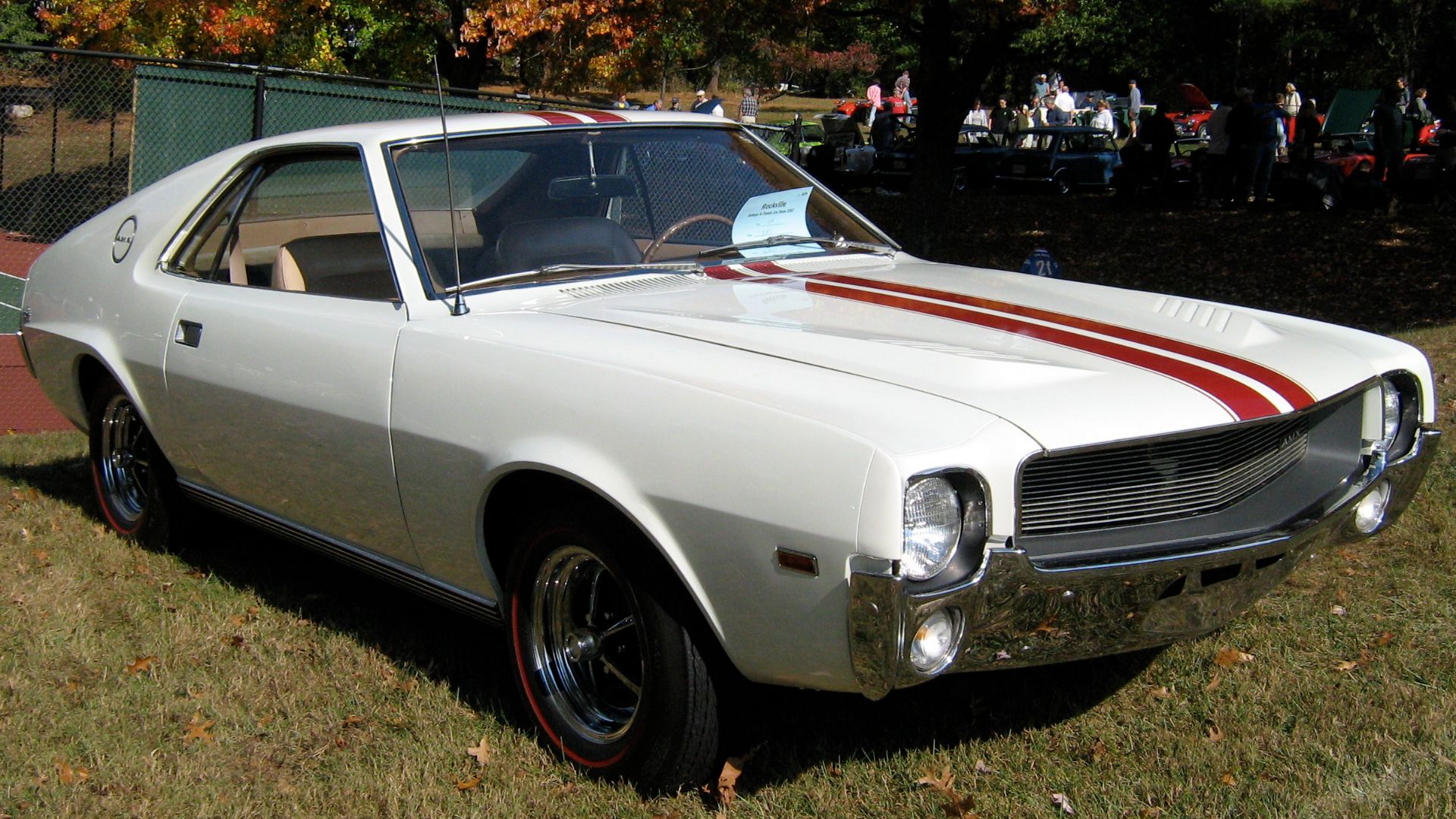
AMC AMX (1968–1970)
America's answer to the Corvette came from the brand nobody expected. AMC crammed a 390 cubic-inch V8 into a short two-seater and called it experimental. Rally wins proved it wasn't just muscle theater—it hit 60 in six seconds flat.
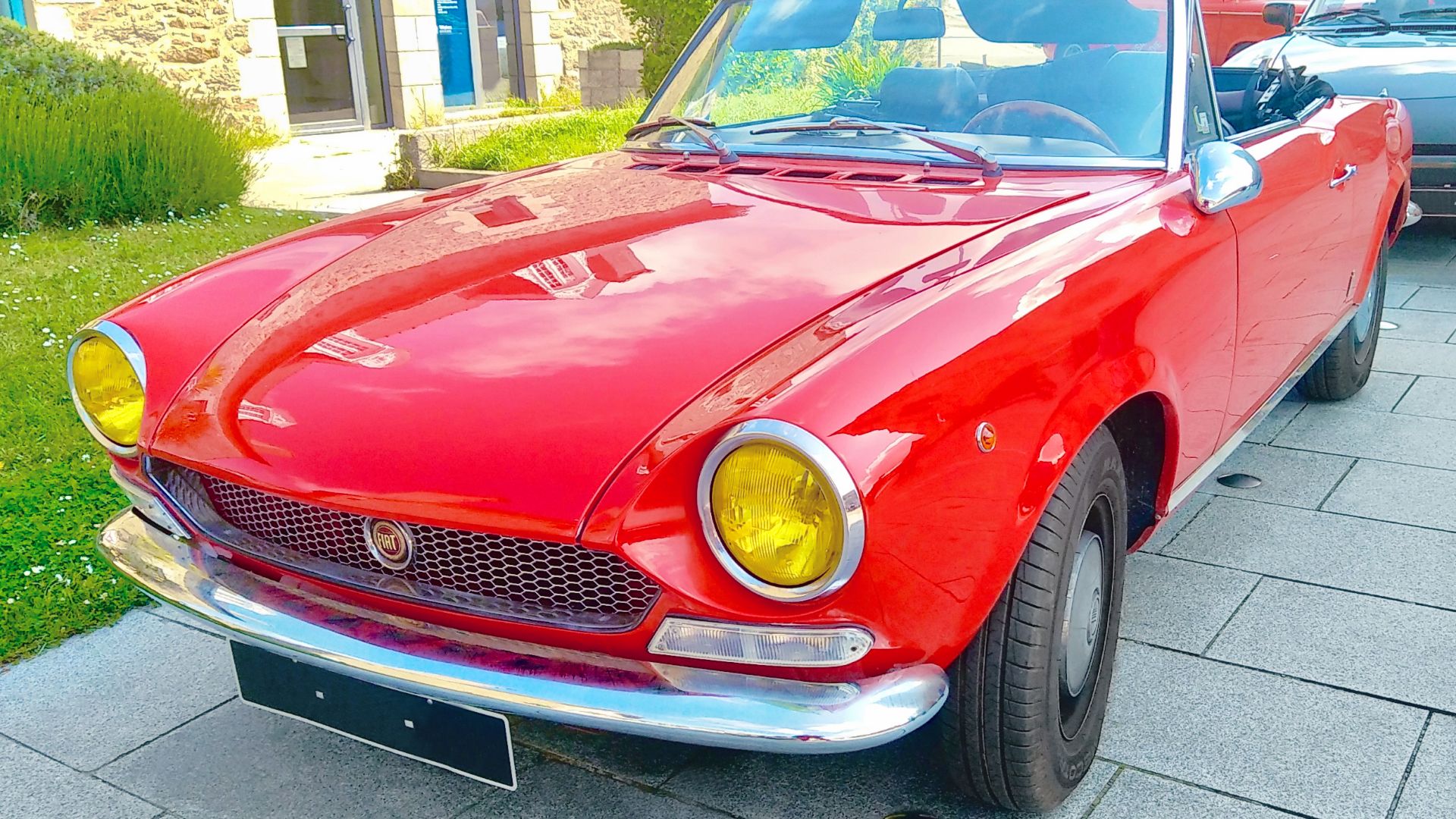
Fiat 124 Sport Spider (1966–1985)
Pininfarina designed this convertible stunner, and Americans bought three-quarters of the 198,000 made. Rust ate most survivors, but rally heritage and balanced handling made it special. The factory eventually handed production to Pininfarina, who renamed it Azzurra.
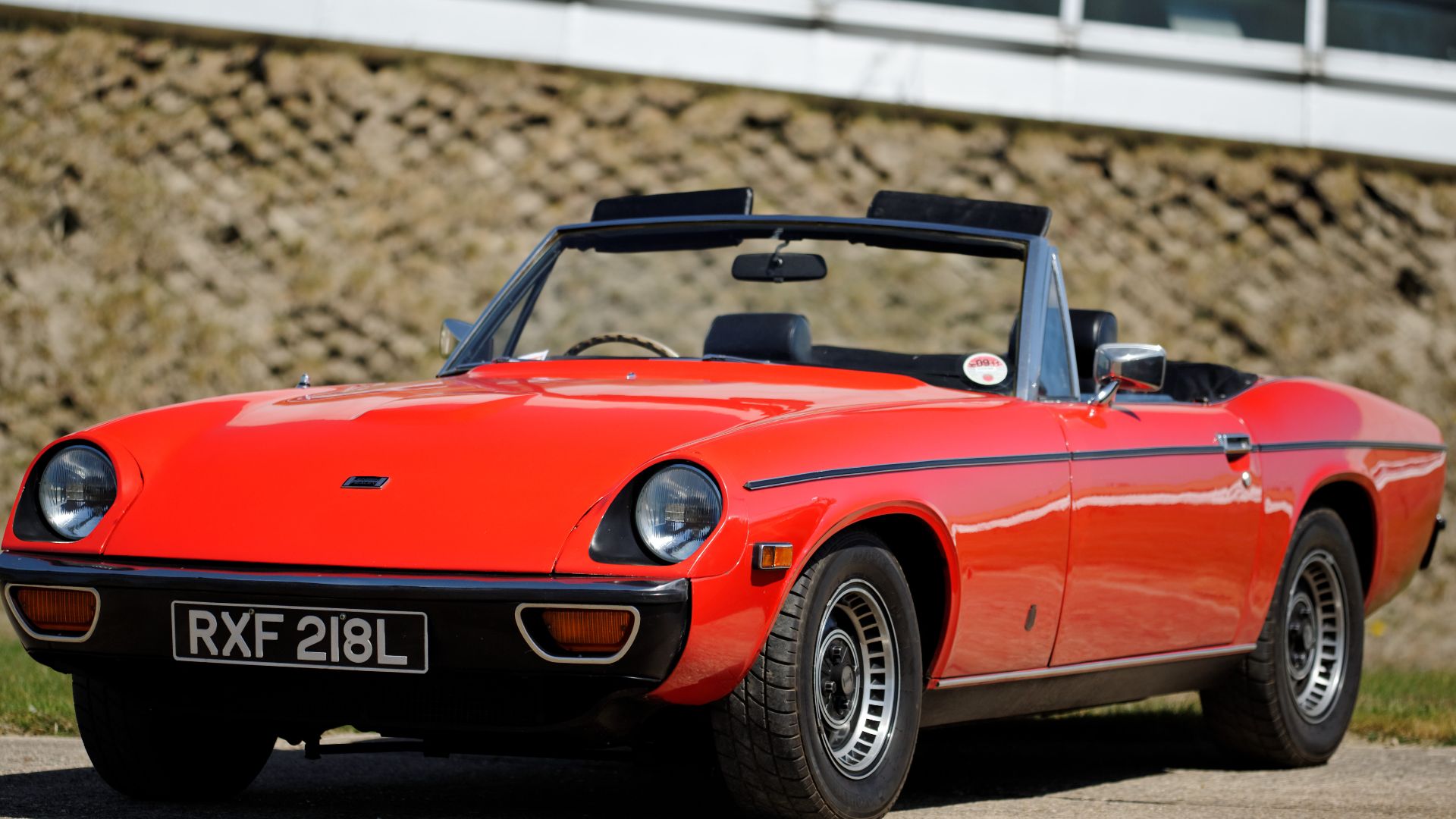
Jensen-Healey (1972–1976)
Donald Healey attached his name after the Austin-Healey era. Lotus supplied an aluminum twin-cam engine that made 140 horsepower but broke constantly. Jensen collapsed in 1976 after building 10,503, killing a genuinely balanced British roadster.
Bricklin SV-1 (1974–1975)
Electric gullwing doors weren't just cool—they were supposed to be safer. Malcolm Bricklin built 2,854 Canadian coupes with roll cages and 5-mph bumpers before the scandal shut everything down. The fiberglass body survived, but the AMC V8 barely pushed 175 horsepower.
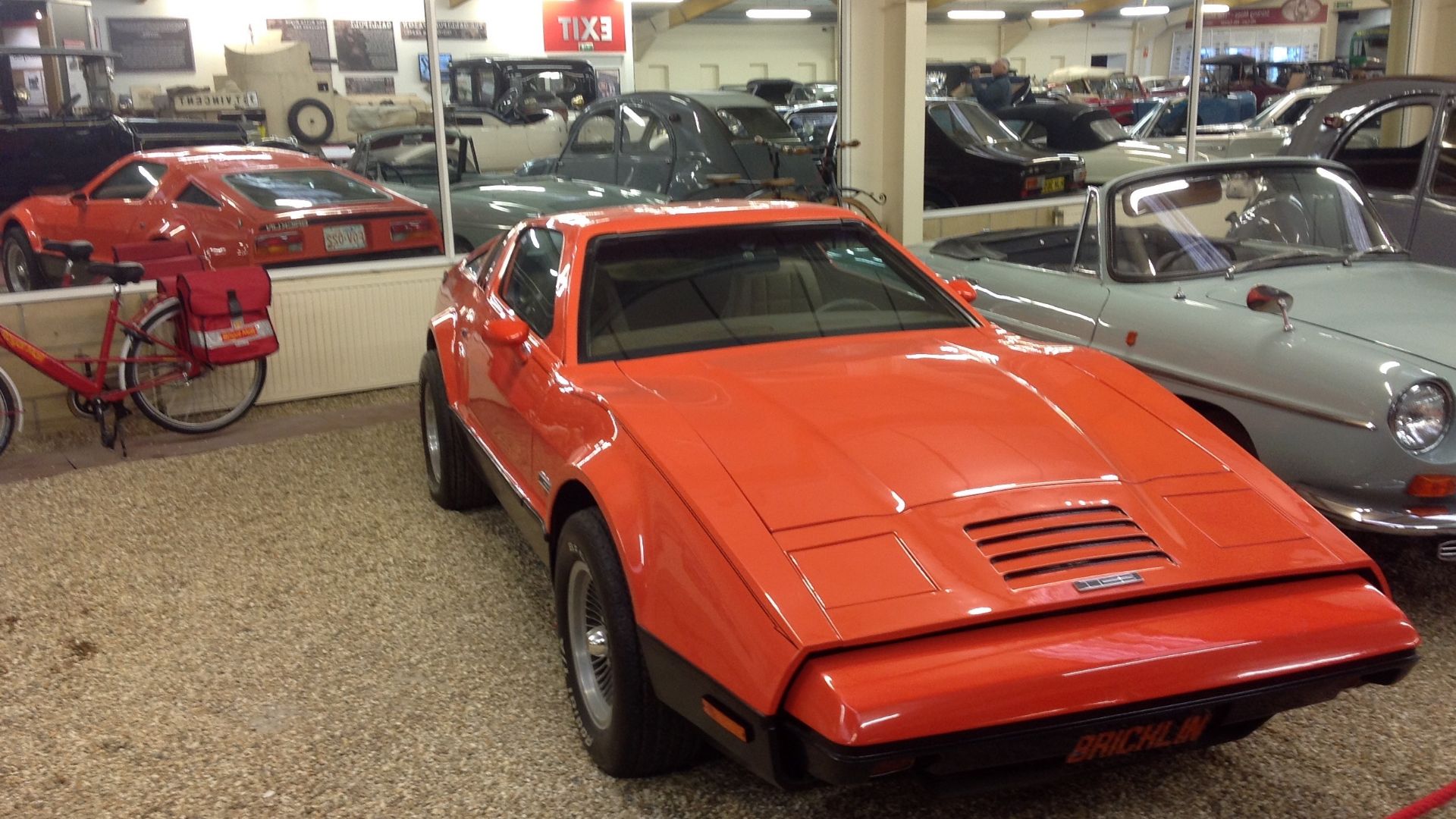 Andrew Bone from Weymouth, England, Wikimedia Commons
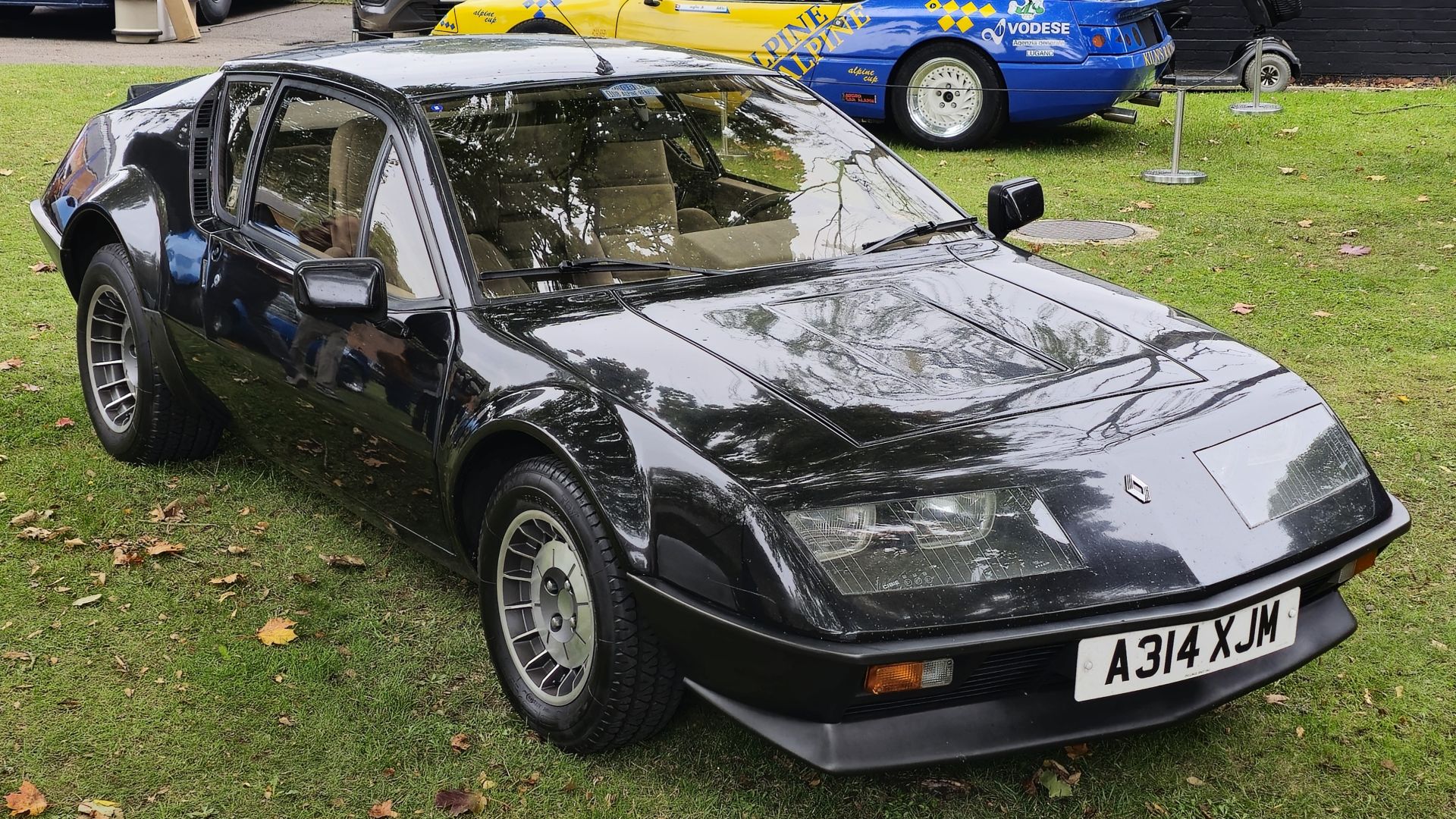
Alpine A310 (1971–1984)
This French rear-engine wedge battled Porsche's 911 and lost in sales but not spirit. Renault V6 power pushed the fiberglass body to 60 in seven seconds. Rally stages were its playground, yet 11,600 units stayed mostly in France.
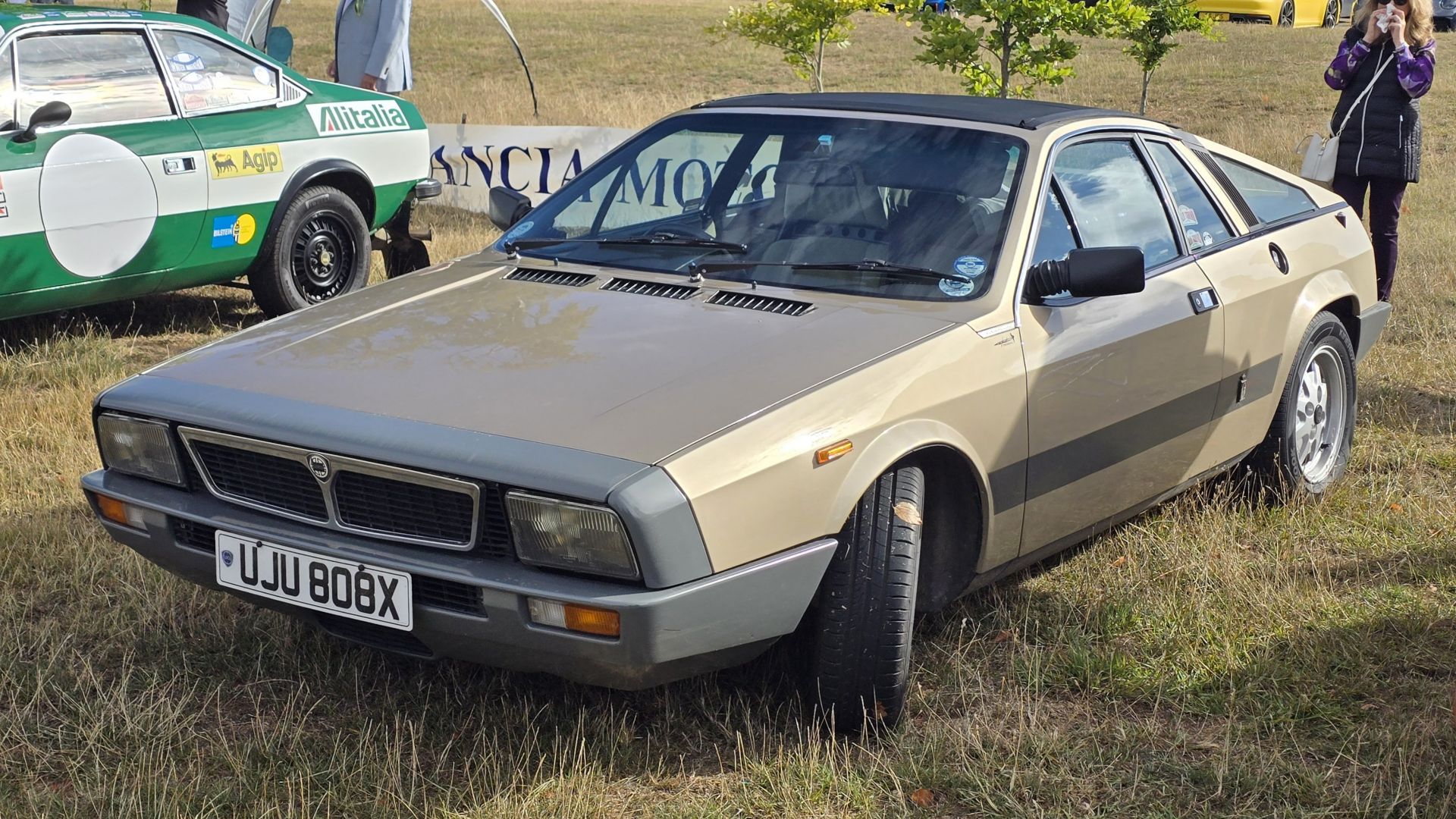
Lancia Beta Montecarlo (1975–1981)
Pininfarina styled this mid-engine Lancia with targa and coupe options, but rust scandals buried it. Under 7,000 sold globally, though the balanced chassis deserved better. Americans got it as the Scorpion to dodge trademark issues, complete with rally roots.
Fiat X1/9 (1972–1989)
Democracy arrived when Fiat made mid-engine thrills affordable for everyone. The targa top tucked into the trunk like magic, and 160,000 were built. MacPherson struts delivered handling that shamed pricier machines despite just 85 horsepower from 1.5 liters.
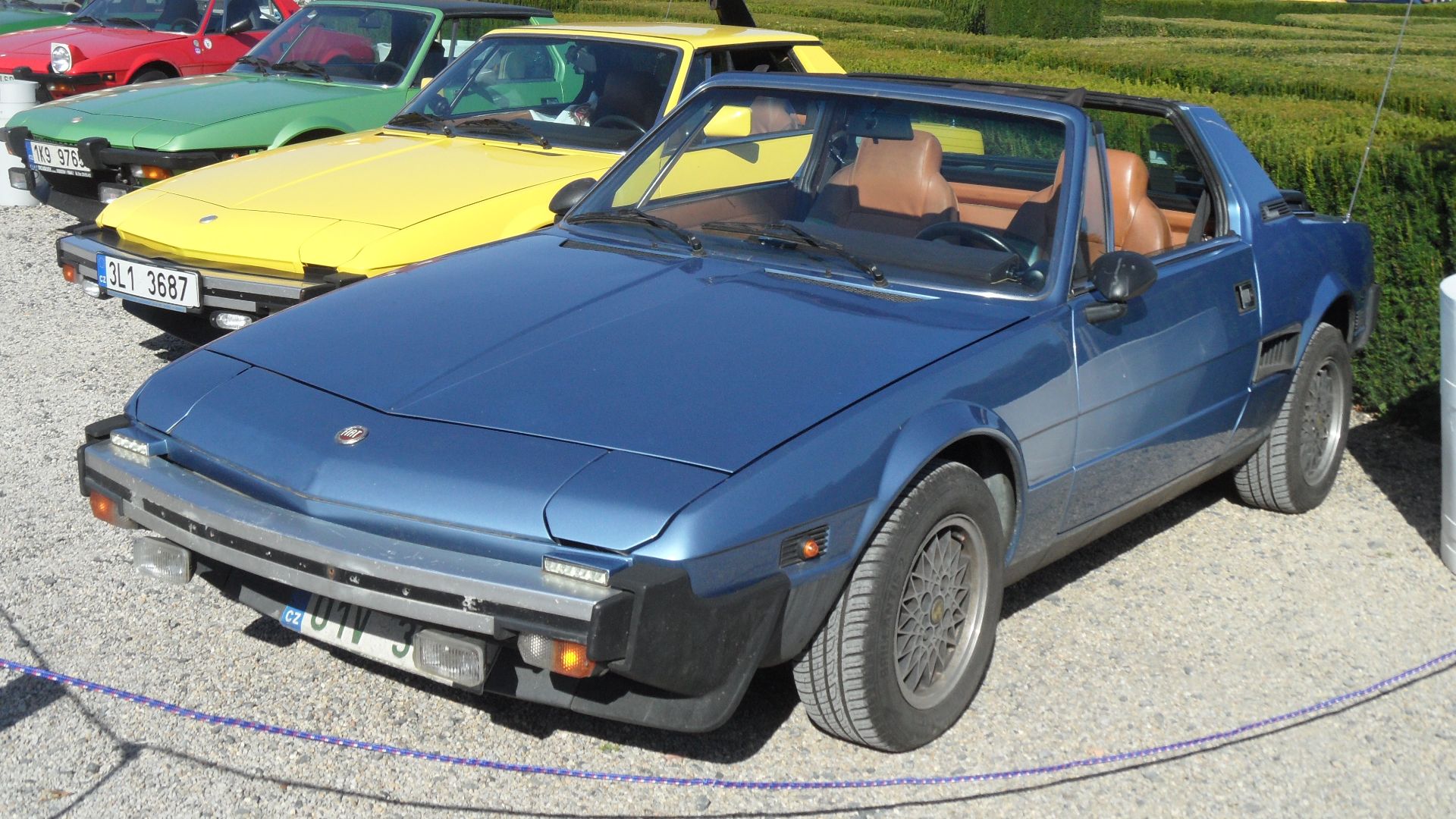 Stribrohorak, Wikimedia Commons
Pontiac Fiero (1984–1988)
Fire recalls torched this car's reputation, which is tragic because the mid-engine layout was brilliant. Plastic body panels over a space frame meant no rust. The later V6 models with 140 horsepower showed what could've been before GM pulled the plug.
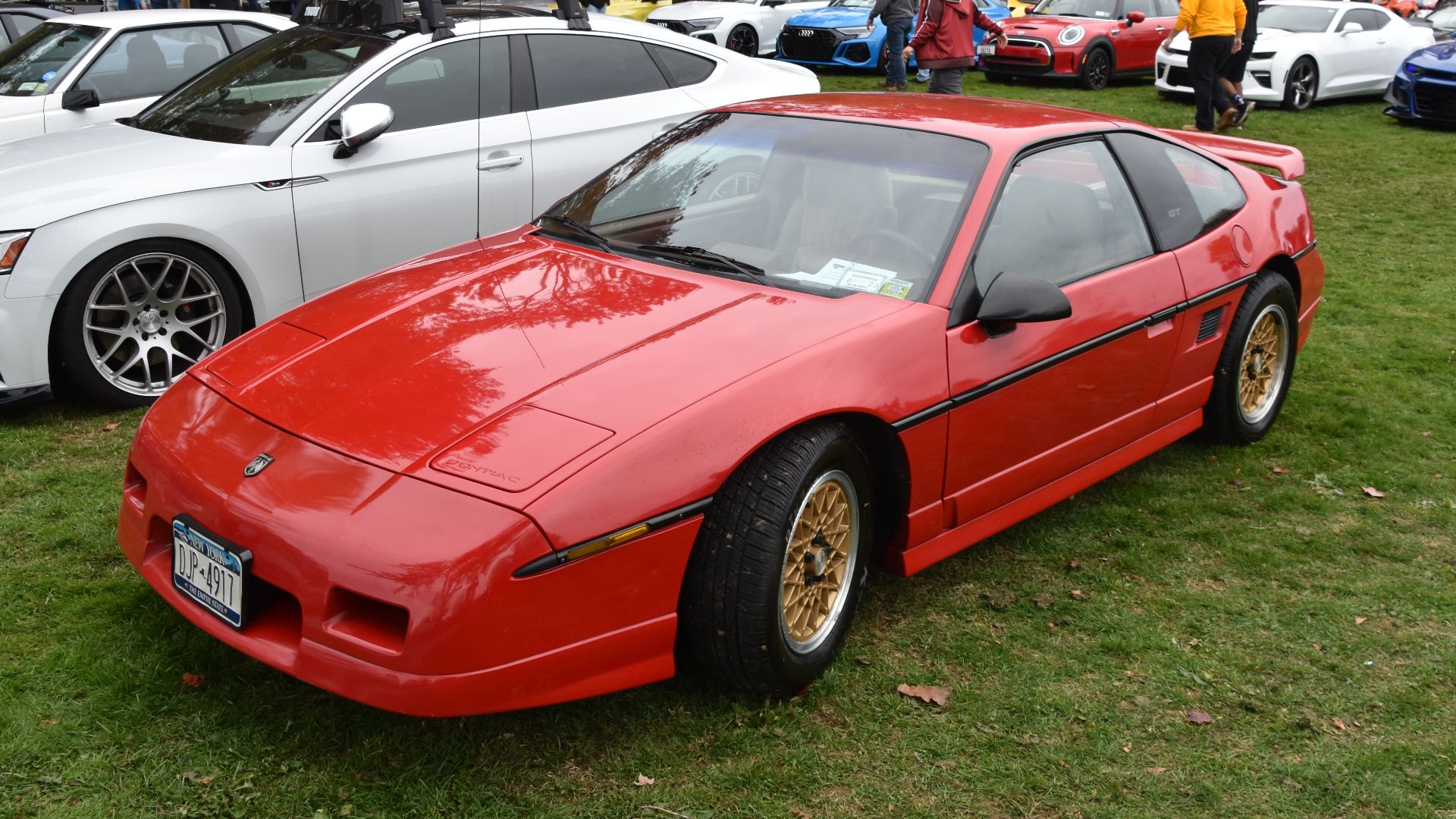 Charles from Port Chester, New York, Wikimedia Commons
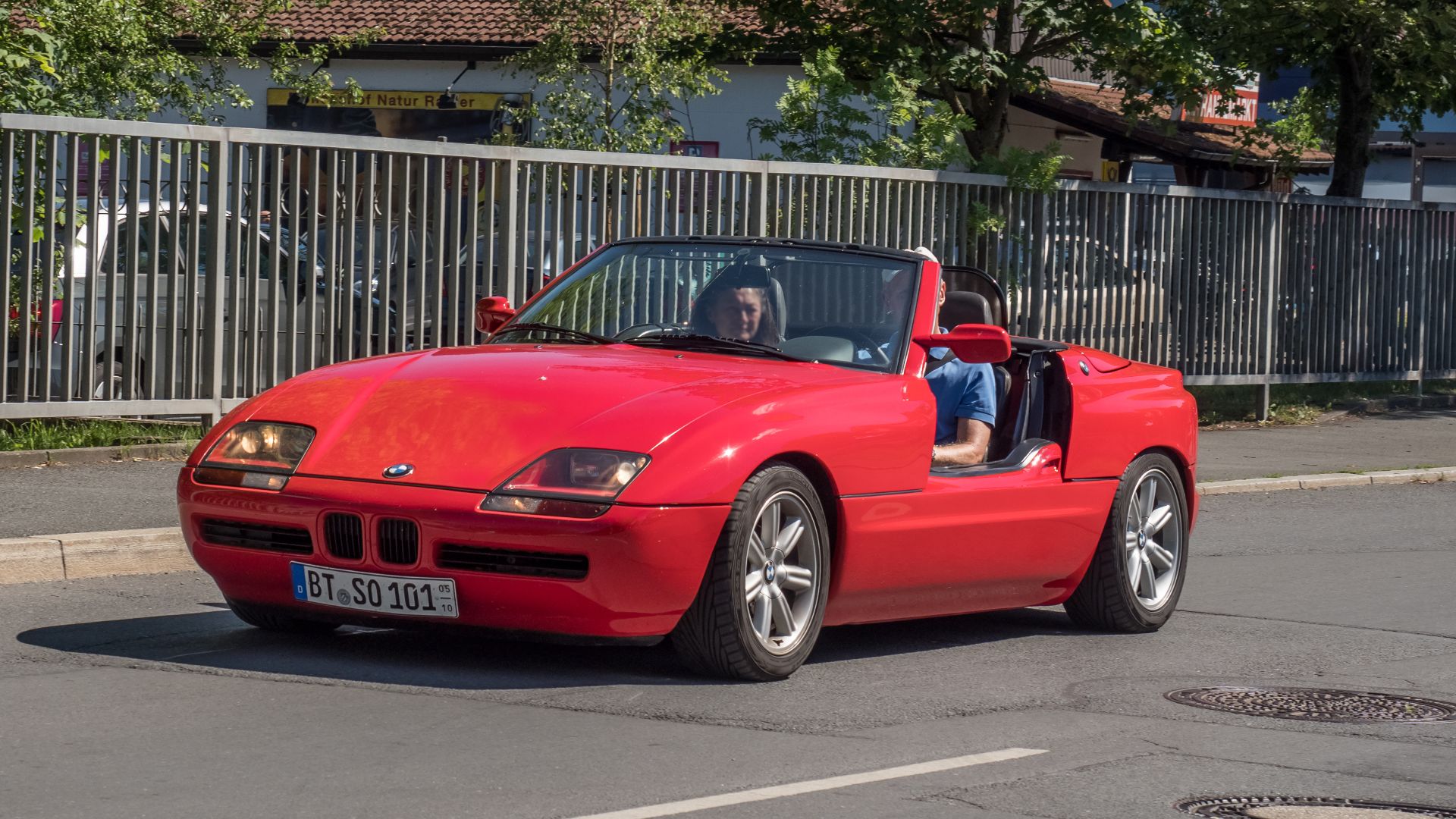
BMW Z1 (1989–1991)
Doors that slid vertically into the sills like disappearing magic tricks defined this German oddball. Removable plastic body panels were genuinely innovative. Production stopped at 8,000 units, with the gimmick overshadowing the capable 170‑horsepower inline‑six.
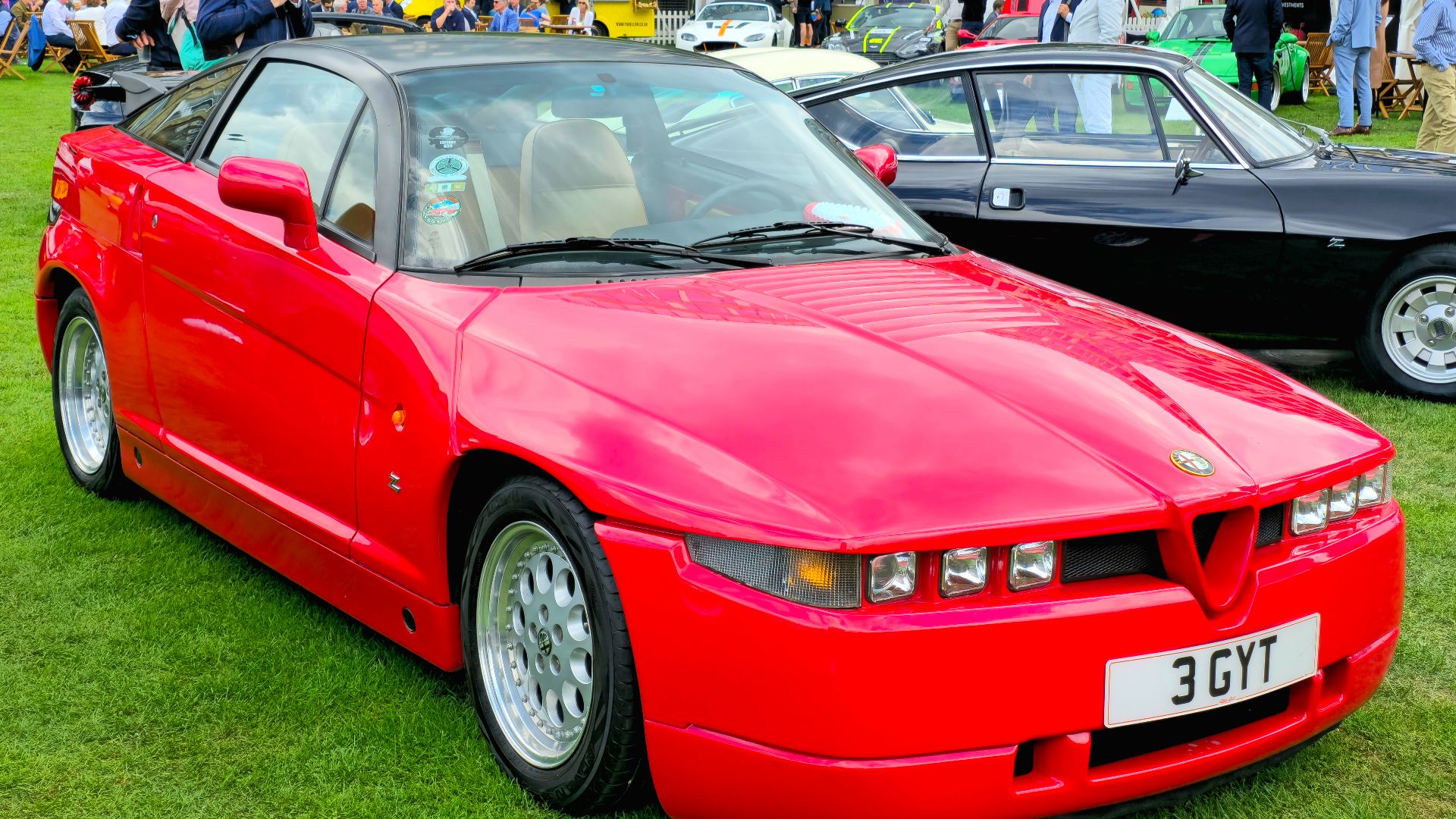
Alfa Romeo SZ (1989–1991)
Italians nicknamed it "Il Mostro"—The Monster—because the styling scared people. F1-derived suspension lived under that polarizing body, and only 1,036 emerged. The 3.0-liter V6 hit 152 mph, proving ugly can be fast and brilliant simultaneously.
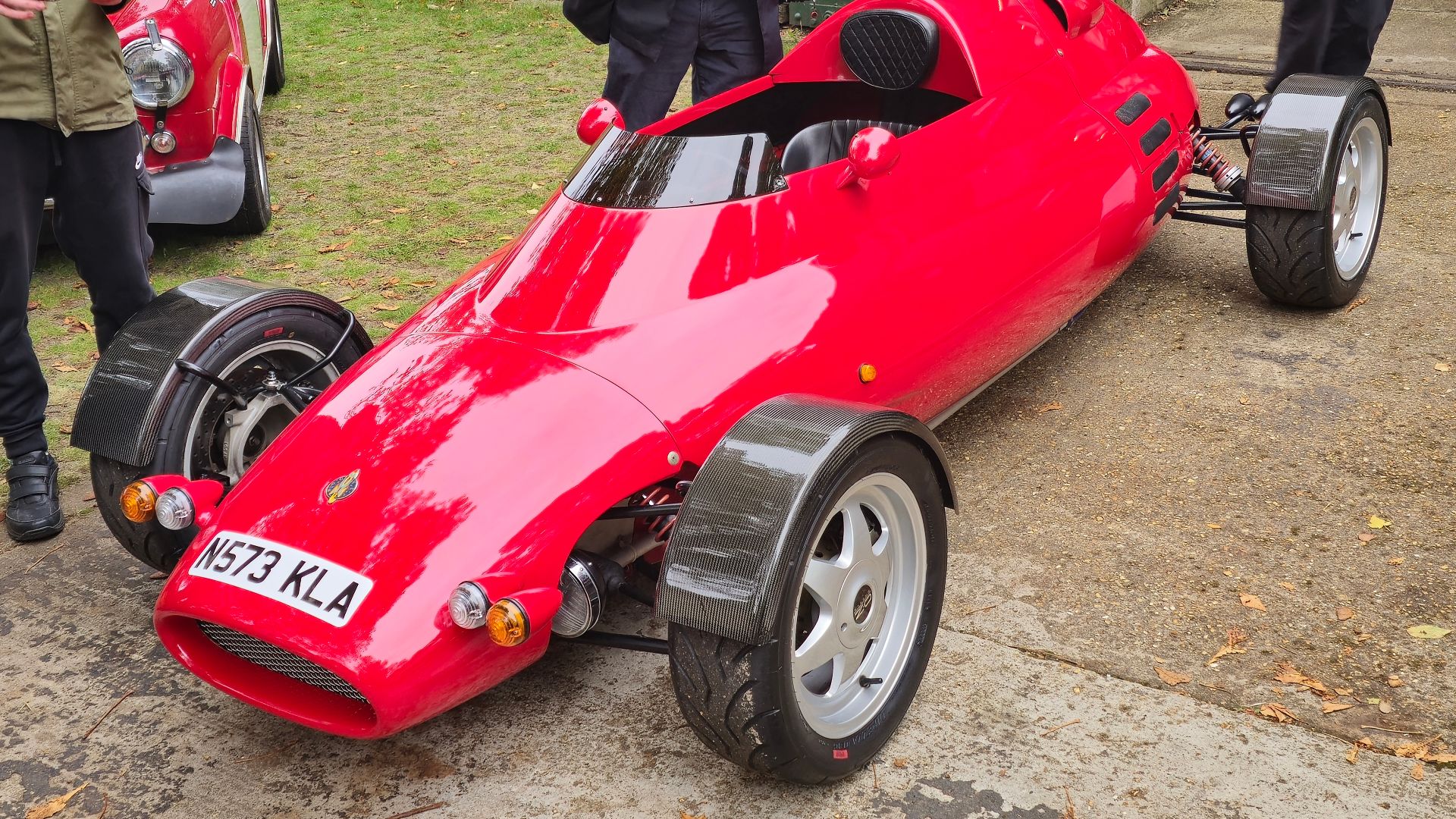
Light Car Company Rocket (1992–1998)
Gordon Murray crammed a Yamaha motorcycle engine into a 1,200-pound skeleton with tandem seating. Just 55 originals were built because F1-level minimalism costs money. Zero to 60 in four seconds made passengers scream from the back seat.
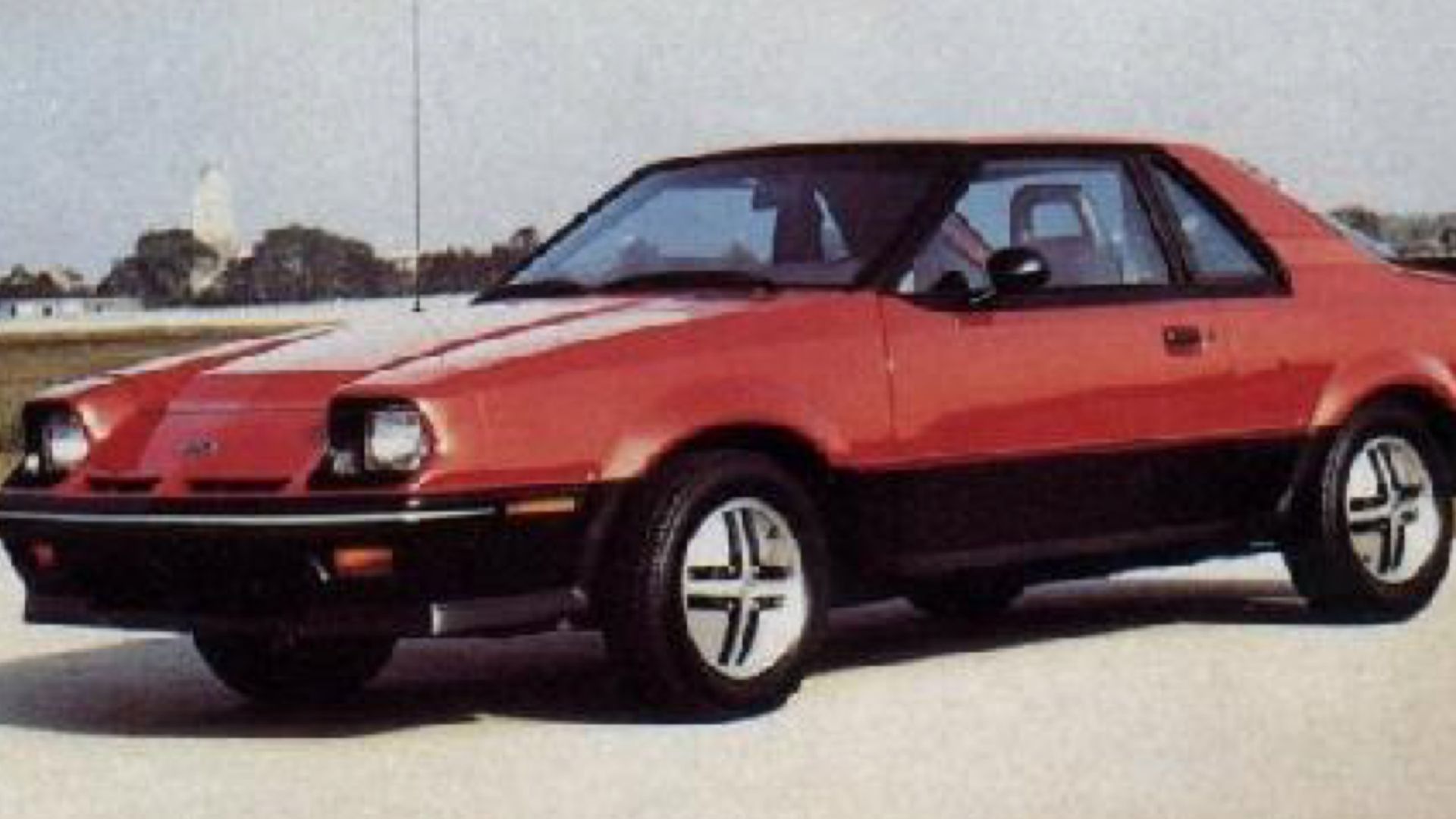
Ford EXP Turbo (1984–1986)
Ford called it Experimental, slapped a turbo on an Escort variant, and created a front-drive two-seater nobody wanted. The 1.6-liter turbo made 120 horsepower and hit 60 in nine seconds. It flopped hard but showed early turbo ambition.
 Motorweek.org, Wikimedia Commons
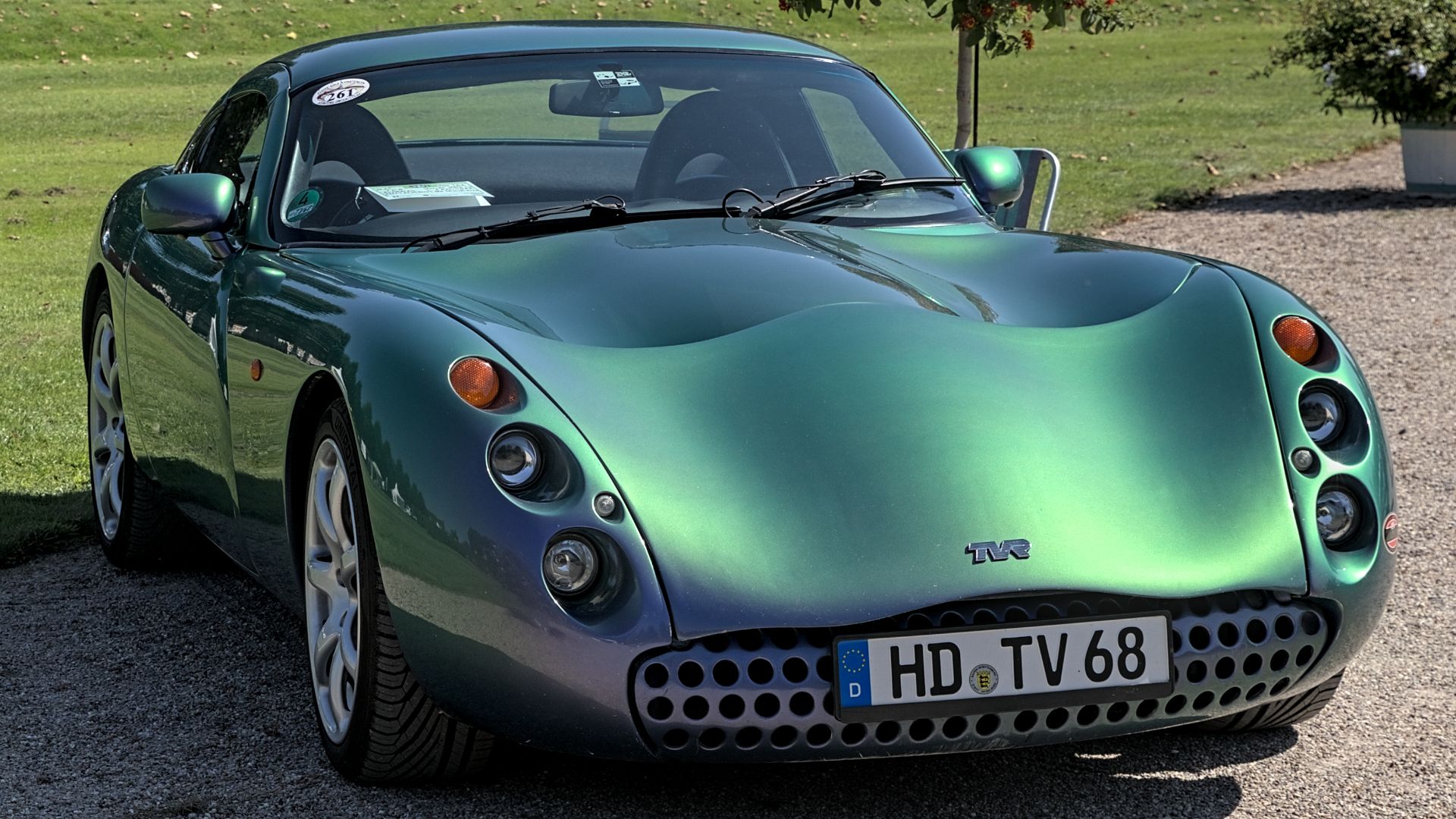
TVR Tuscan Speed Six (1999–2006)
Britain's madmen built 1,166 fiberglass rockets with 4.0-liter inline-sixes making 360 horsepower. No traction control, no airbags, just raw analog speed hitting 180 mph. It appeared in Swordfish for Hollywood glory before fading into enthusiast legend.
 Alexander Migl, Wikimedia Commons
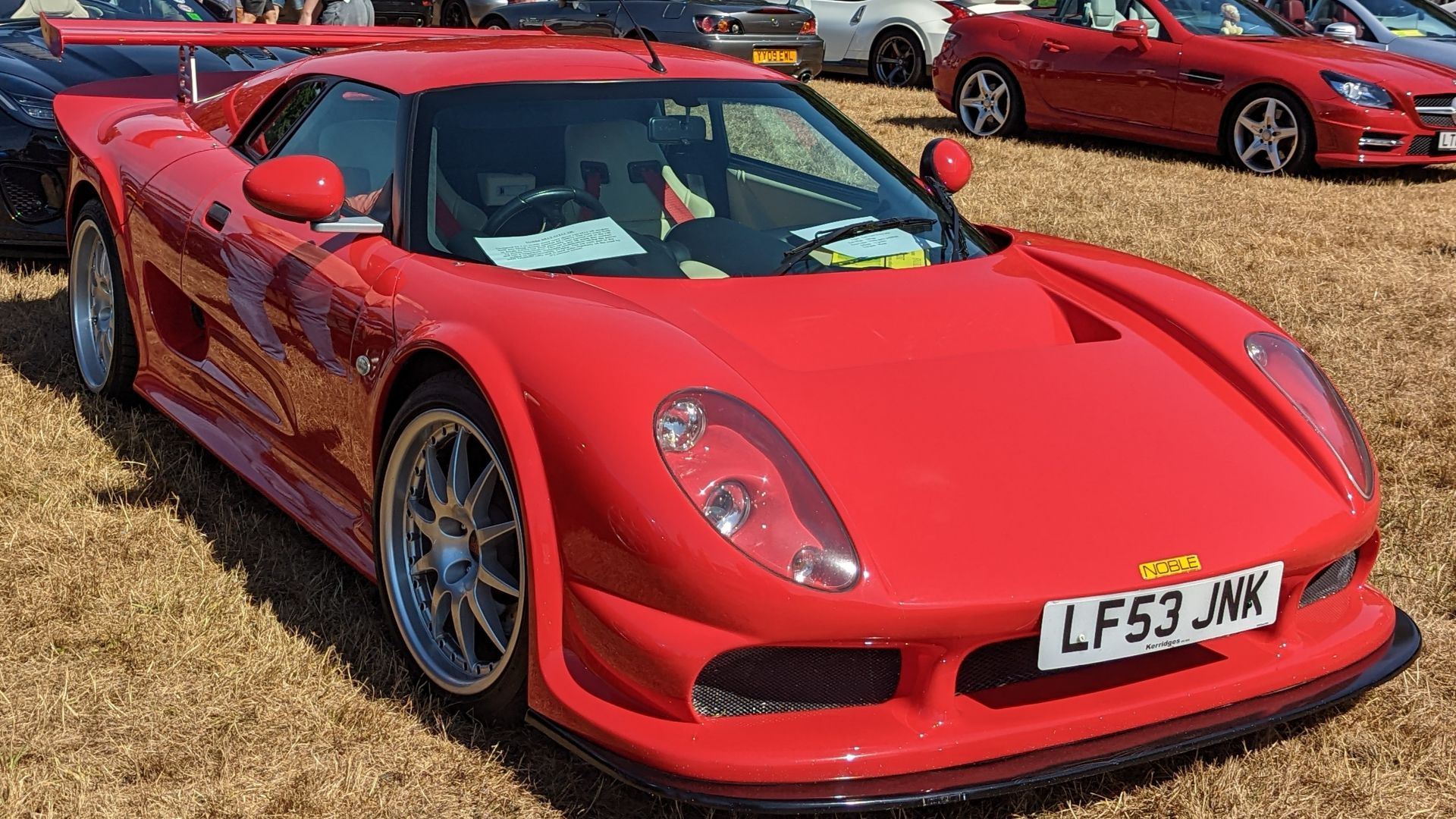
Noble M12 (2000–2008)
Lee Noble stuffed a twin-turbo Ford V6, making 352 horsepower, into a lightweight track weapon. Under 300 existed, hitting 60 in 3.5 seconds with zero drama. It spawned the American Rossion Q1 and proved small British builders can embarrass supercars.
Panoz Esperante (2000–2009)
Georgia-built exotics sound impossible, but Don Panoz made under 500 aluminum-bodied roadsters with Ford V8s. The name meant "universal language" in Esperanto, which is charmingly pretentious. Drawing from GT racing heritage, the 4.6‑liter V8 produced as much as 420 horsepower.
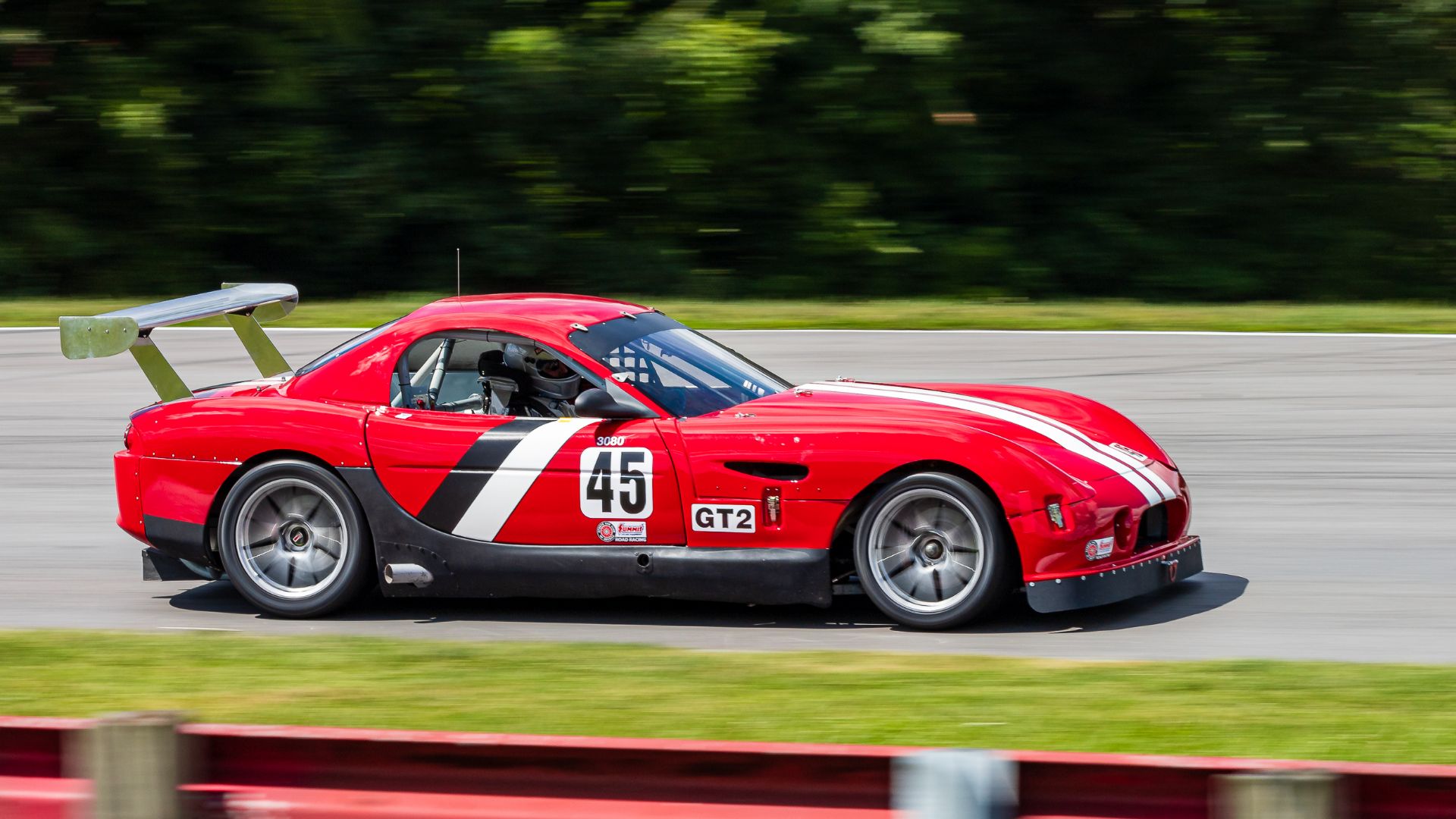 Robert Yorde from Ohio, USA, Wikimedia Commons
Chrysler Crossfire (2004–2008)
Mercedes supplied the SLK platform, Chrysler added controversial styling, and 76,000 sold before everyone forgot. The supercharged SRT-6 made 330 horsepower and hit 60 in five seconds. Intersecting design lines earned it the Crossfire name and mixed reviews.
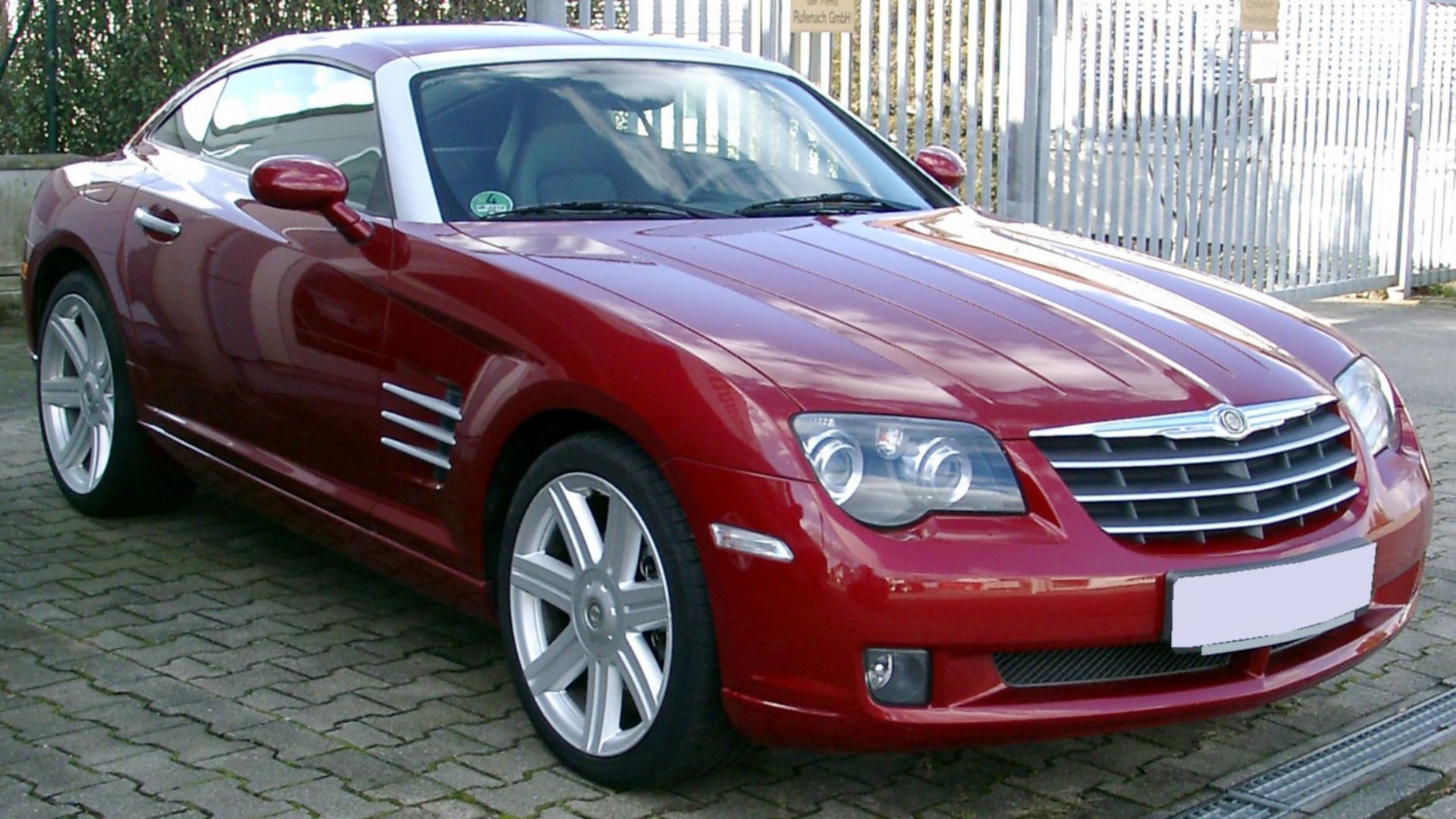 Rudolf Stricker, Wikimedia Commons
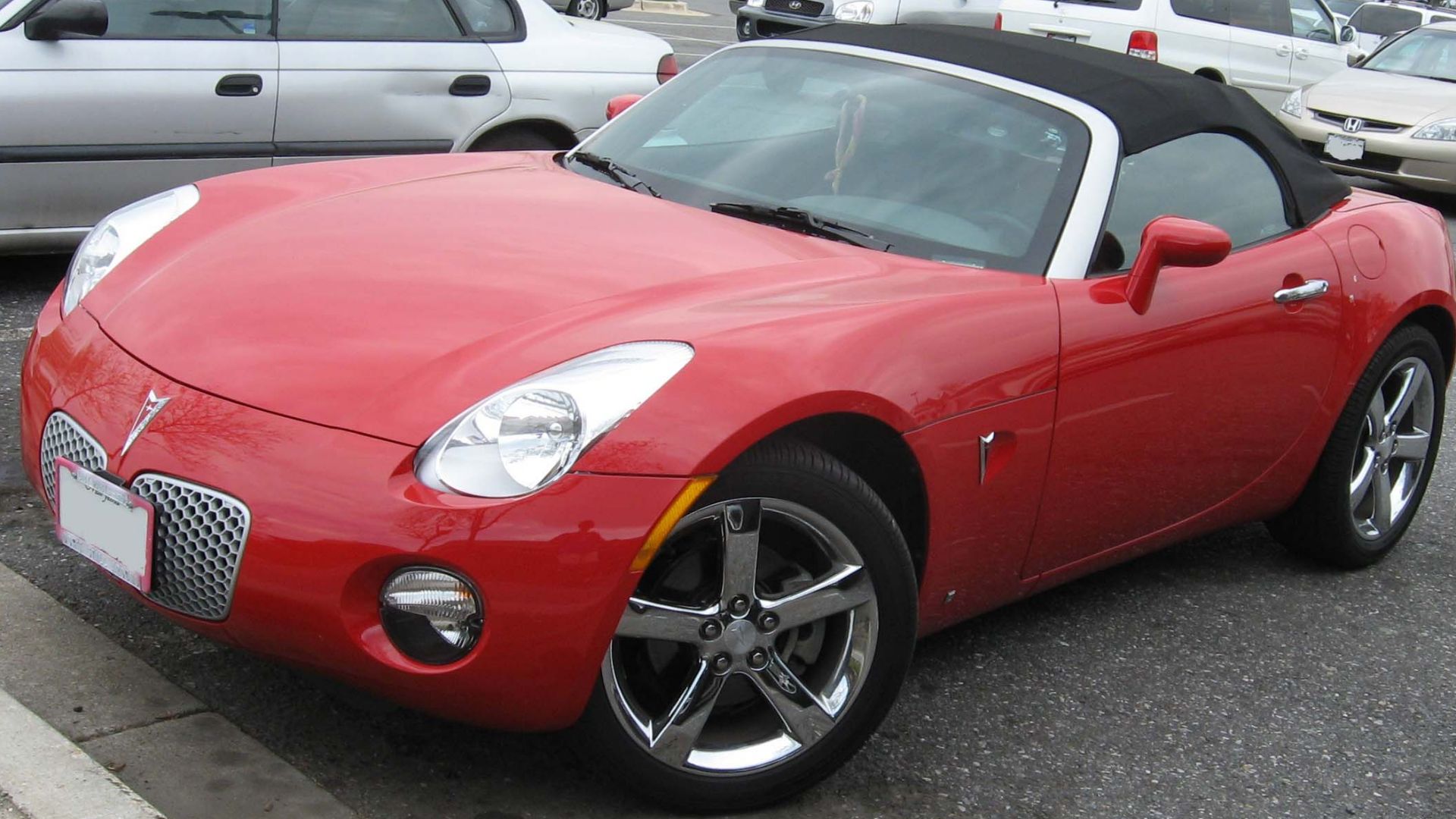
Pontiac Solstice (2006–2009)
The Apprentice reality show launched this GM roadster, which is peak 2006 energy. The turbocharged models made 260 horsepower and rivaled Miatas beautifully. Over 66,000 were built before bankruptcy killed Pontiac and buried this stylish performer.
Cadillac XLR (2004–2009)
Corvette bones got wrapped in Cadillac luxury with a retractable hardtop and magnetic ride control. Under 16,000 sold because pricing reached $76,000 for the V-Series. The Northstar V8 made 320 horsepower, but buyers wanted German badges instead.
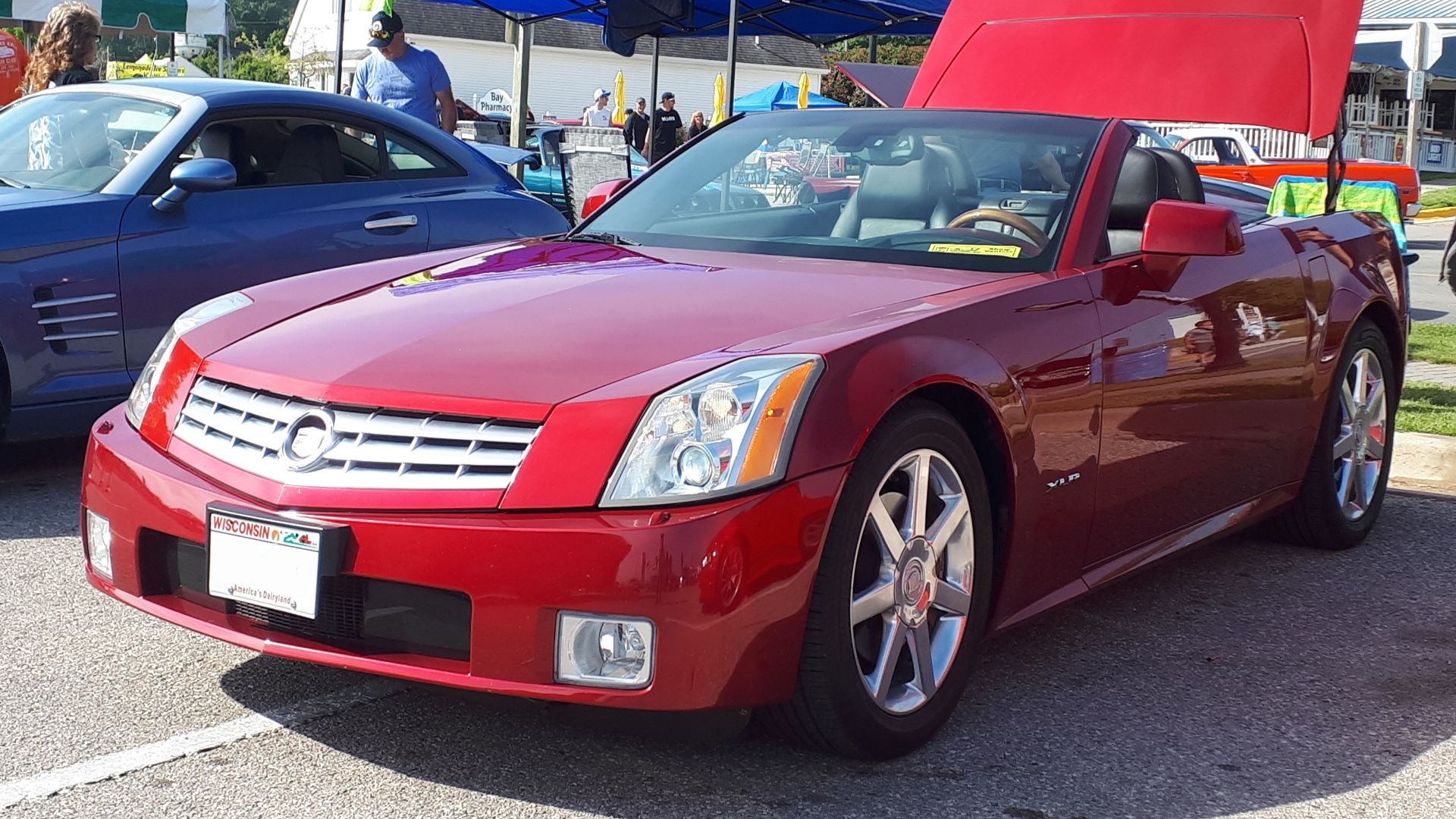 SsmIntrigue, Wikimedia Commons
Lotus Europa S (2006–2010)
Lotus revived a 1960s name for just 456 turbocharged roadsters that favored touring over track brutality. The 2.0-liter turbo made 200 horsepower and hit 143 mph. The Lotus Elise's sharper focus overshadowed this more refined time-traveling blend.
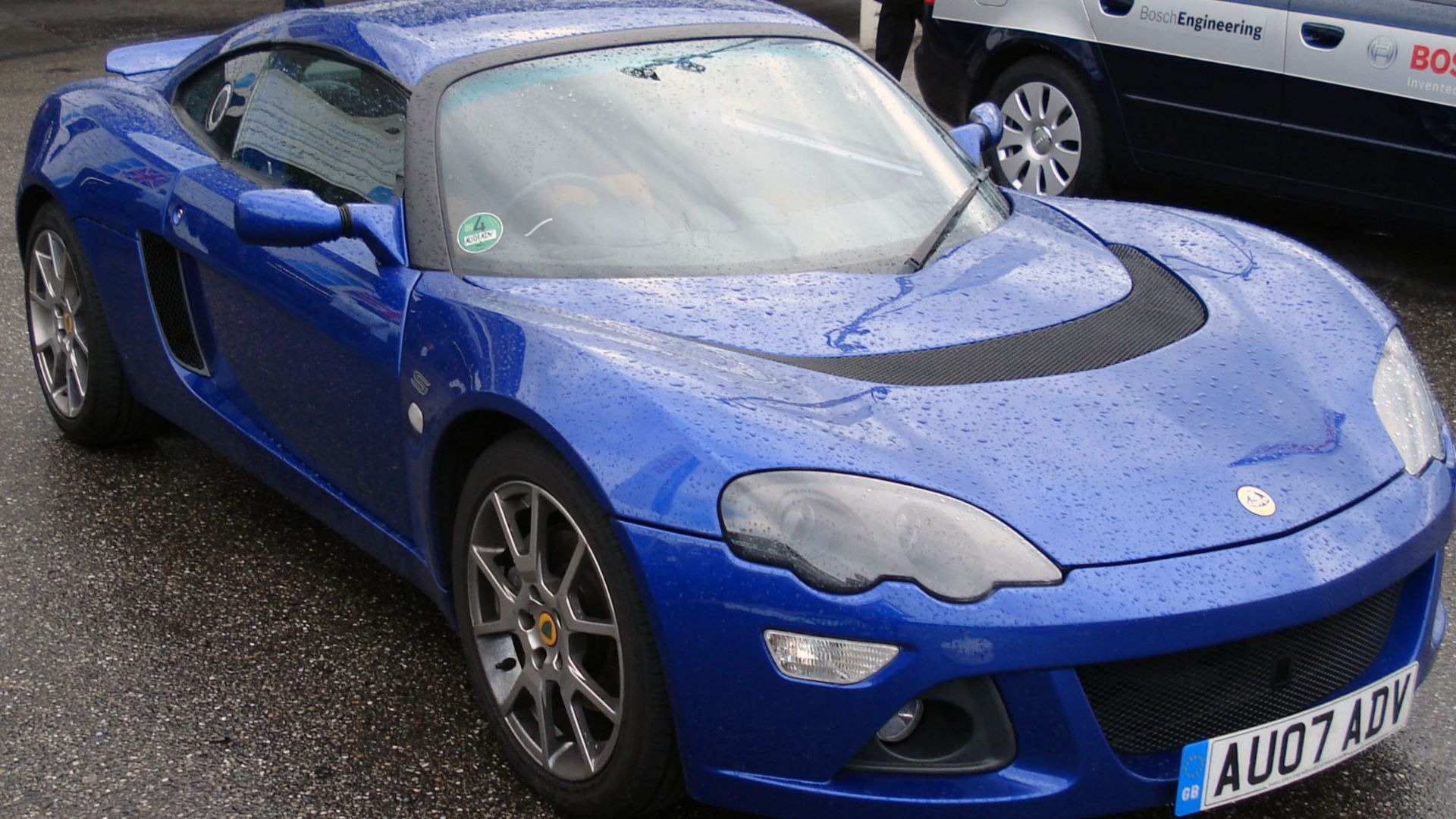 Matti Blume, Wikimedia Commons
Spyker C8 (2000–2018)
Dutch aviation obsession created aluminum exotics with exhausts mimicking airplane turbines. Audi's 4.2-liter V8 supplied 400 horsepower for 187 mph runs. Under 300 were hand-built across nearly two decades, making each one genuinely special.
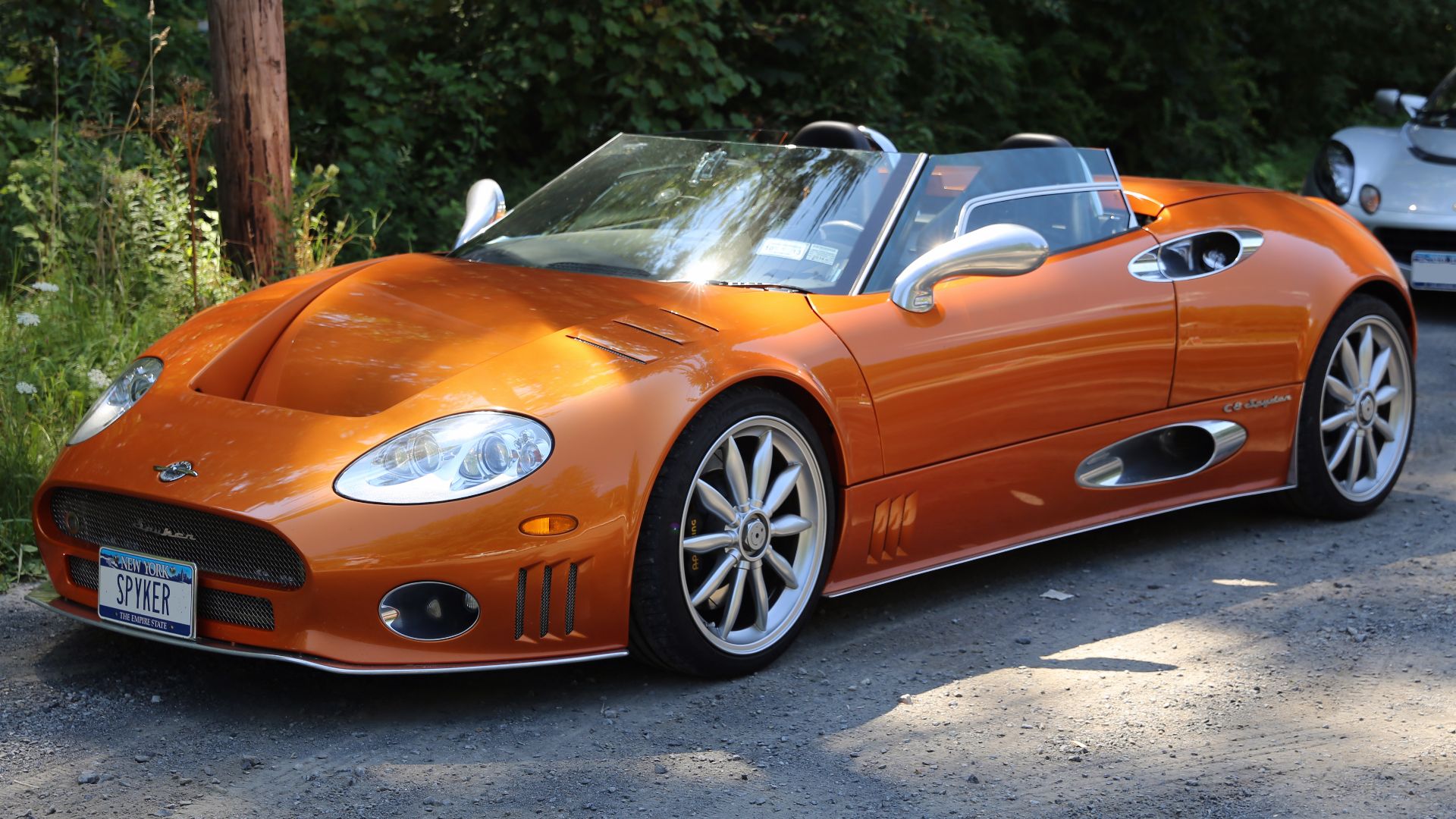 Mr.choppers, Wikimedia Commons