When Filling Up Actually Meant Service
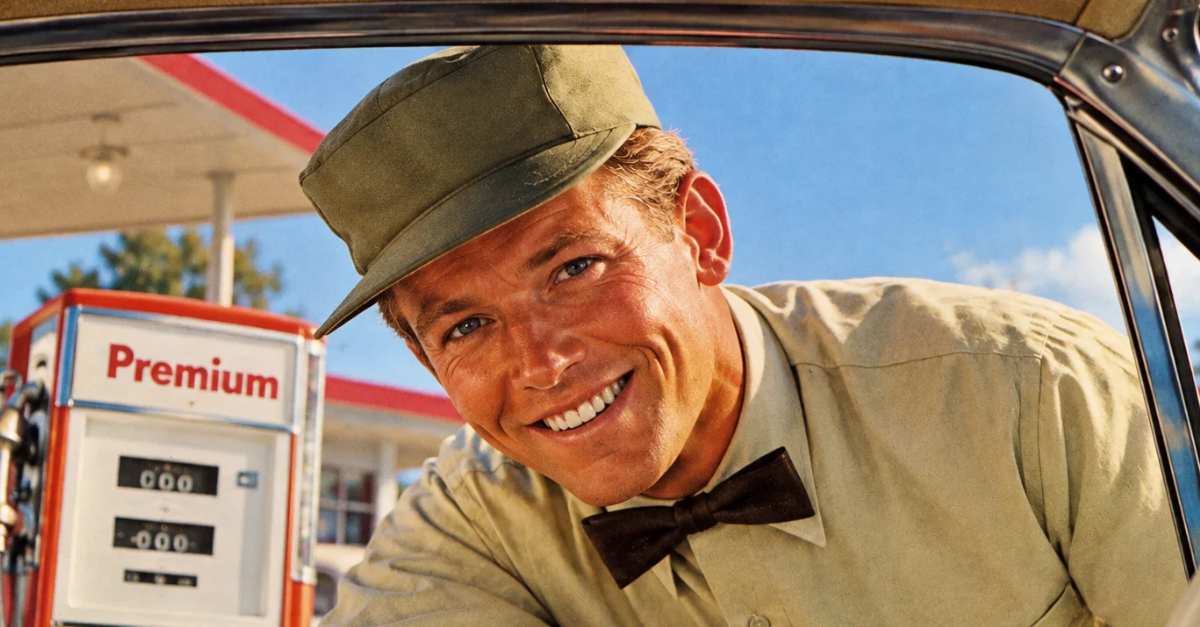
You barely had to leave the driver's seat. For generations of motorists, stopping for gasoline could trigger a surprising little ritual of free services, mechanical attention, giveaways, and human interaction that would feel almost luxurious at many stations today.
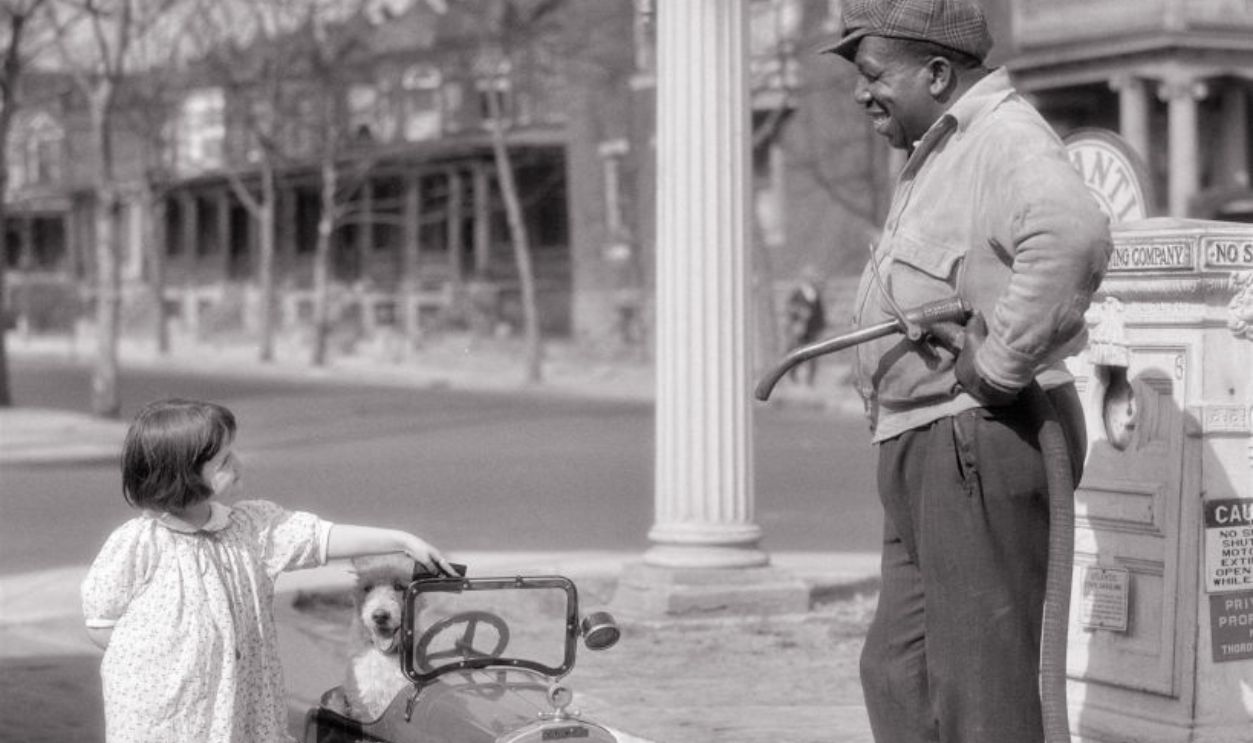
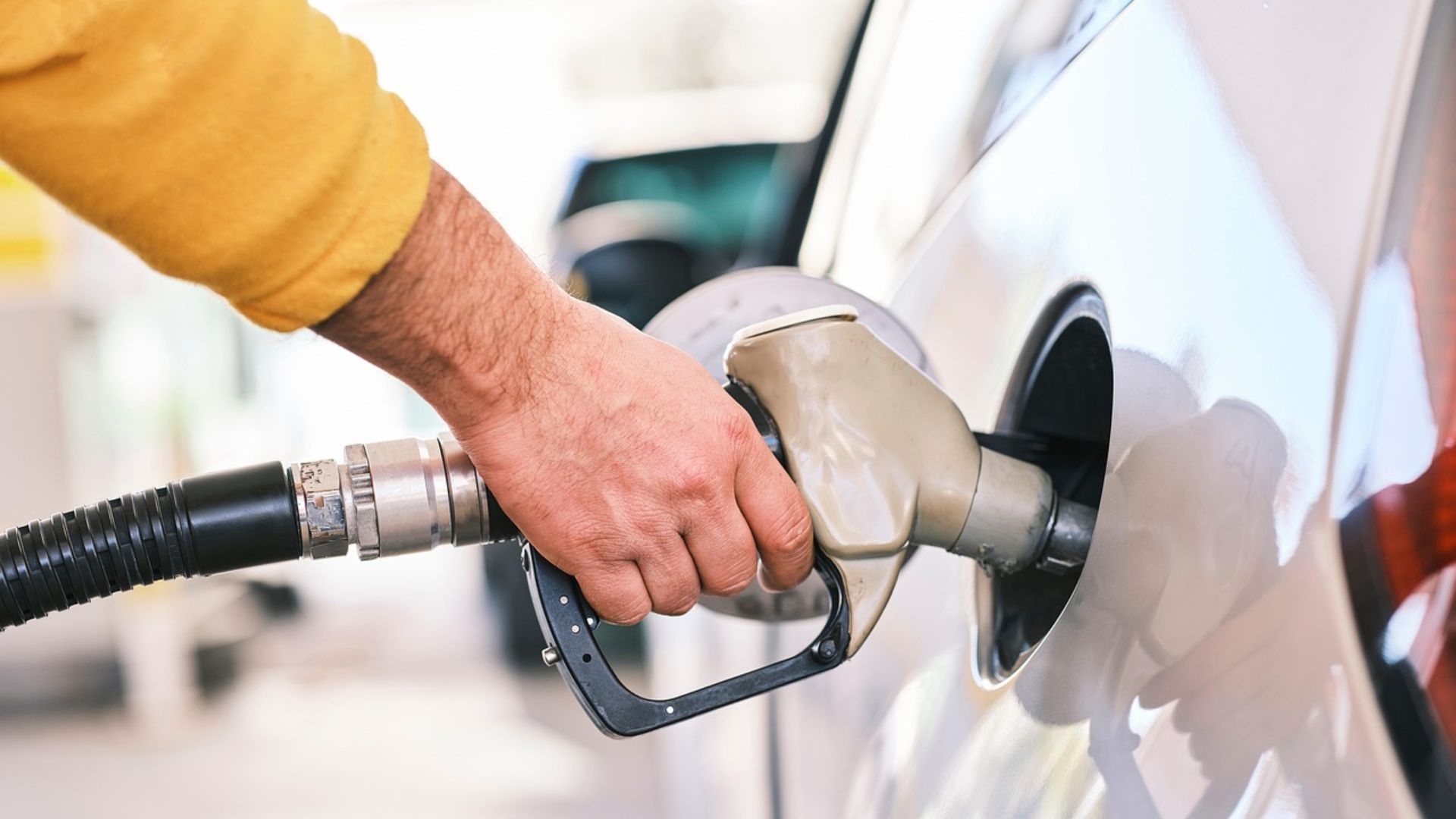
Someone Else Actually Pumped Your Gas
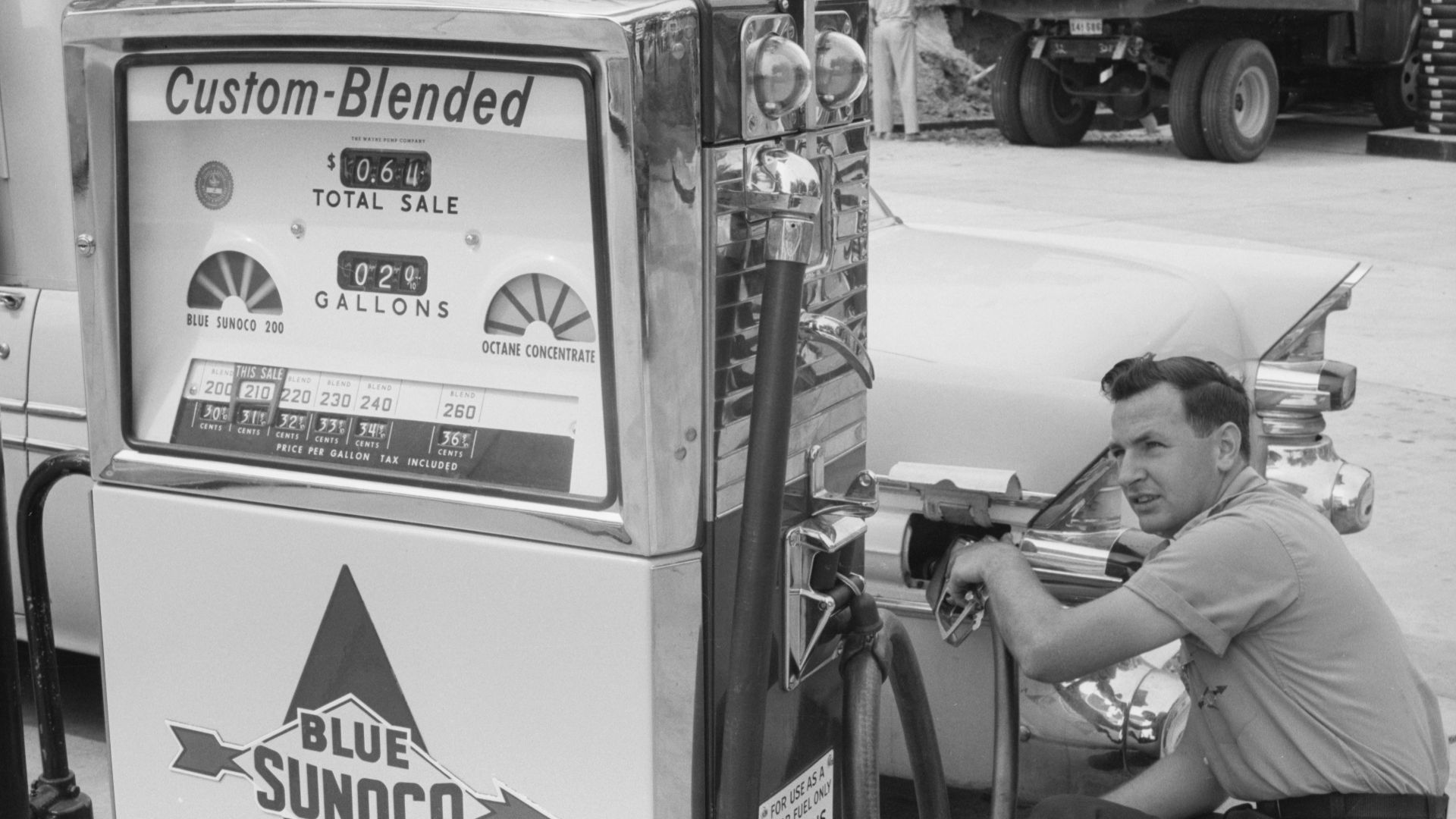
Full-service stations once made the attendant, rather than the customer, responsible for filling the tank. A restored Standard Oil station in Iowa describes uniformed attendants pumping gasoline as part of its normal service for more than five decades. Self-service eventually transformed most of the industry, but older drivers remember when staying behind the wheel was perfectly ordinary.
 Thomas J. O'Halloran, Wikimedia Commons
The Attendant Cleaned Your Windshield Too
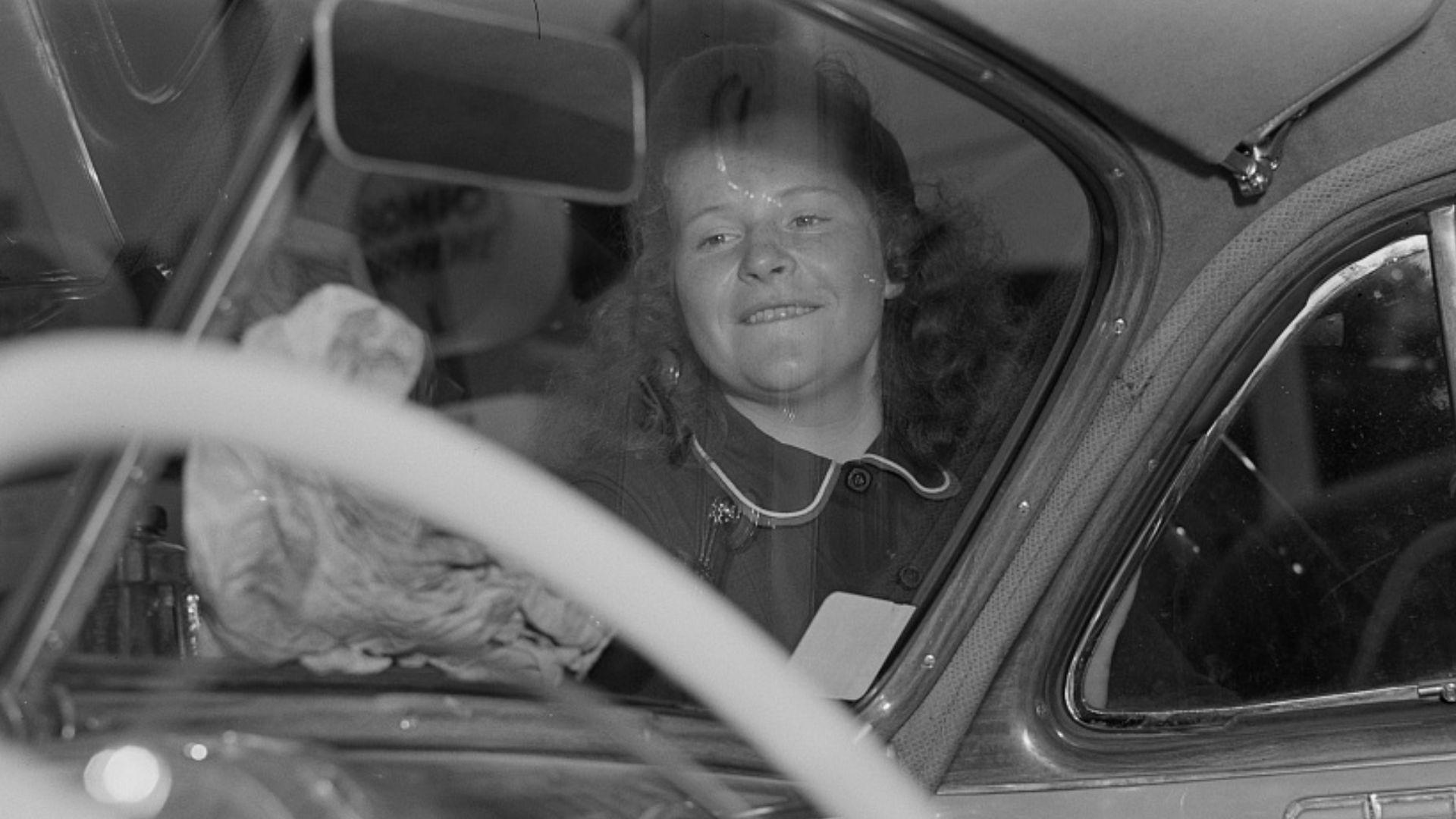
Fueling was often only the beginning. Full-service attendants commonly cleaned the windshield while the tank was filling, and surviving service-station histories describe the job as routine rather than a premium extra. Drivers could leave with a clearer windshield without ever touching a squeegee themselves.
 Ann Rosener, Wikimedia Commons
They Would Pop The Hood And Check Your Oil
The attendant might also ask to look underneath the hood. Lambton County Museums describes full service as including filling the tank, cleaning the windshield, and checking the engine oil. If the level was low, the attendant could add more before sending the customer on the way.
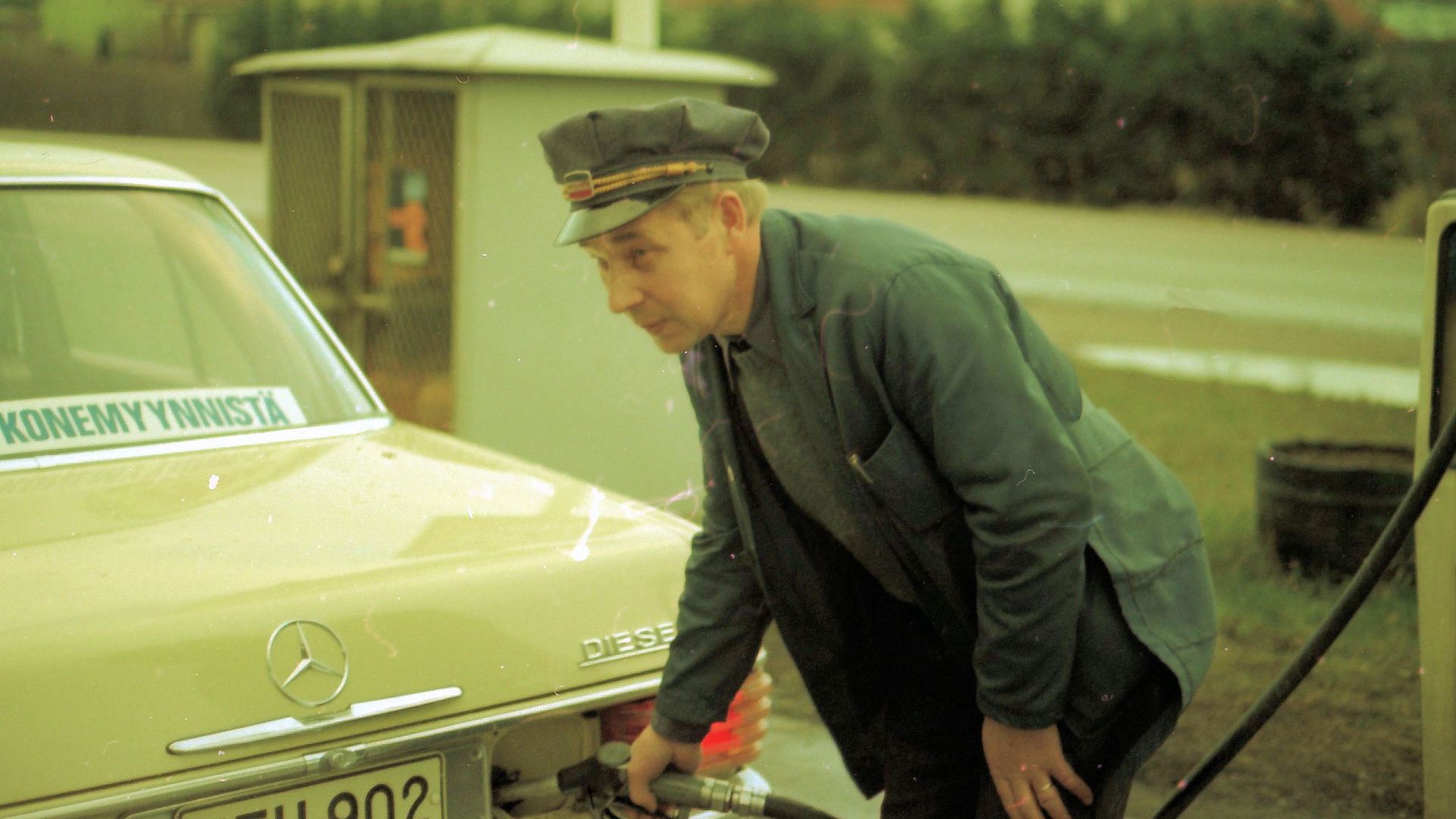
Oil Came In Disposable Metal Cans
Adding oil looked very different before today's plastic bottles became standard. Service stations stocked one-quart metal oil cans, which attendants opened with reusable metal spouts before pouring the contents into an engine. Lambton County Museums notes that many cans were simply discarded afterward, helping explain why surviving examples have become collectibles.
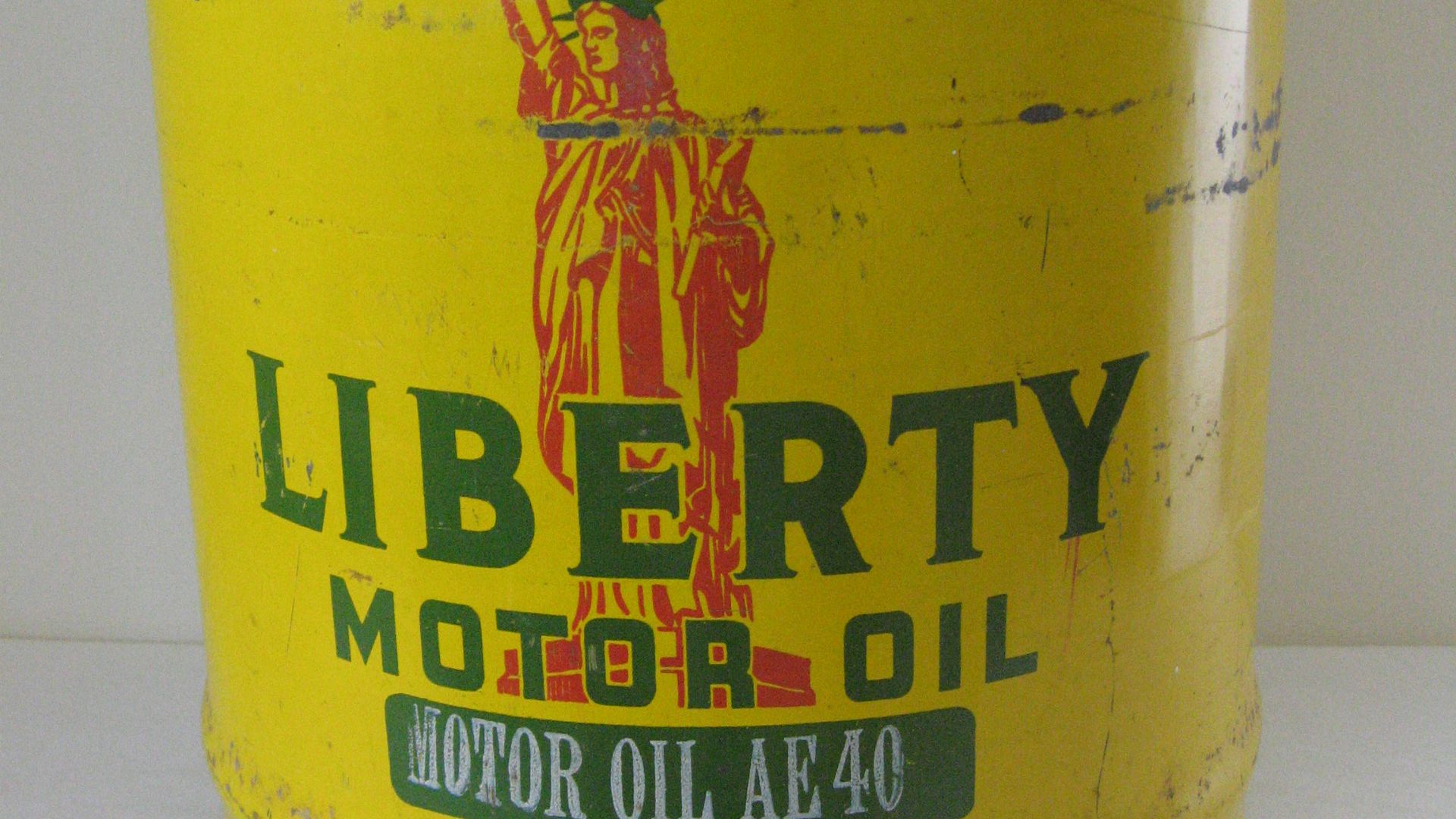 Kaarenmax19, Wikimedia Commons
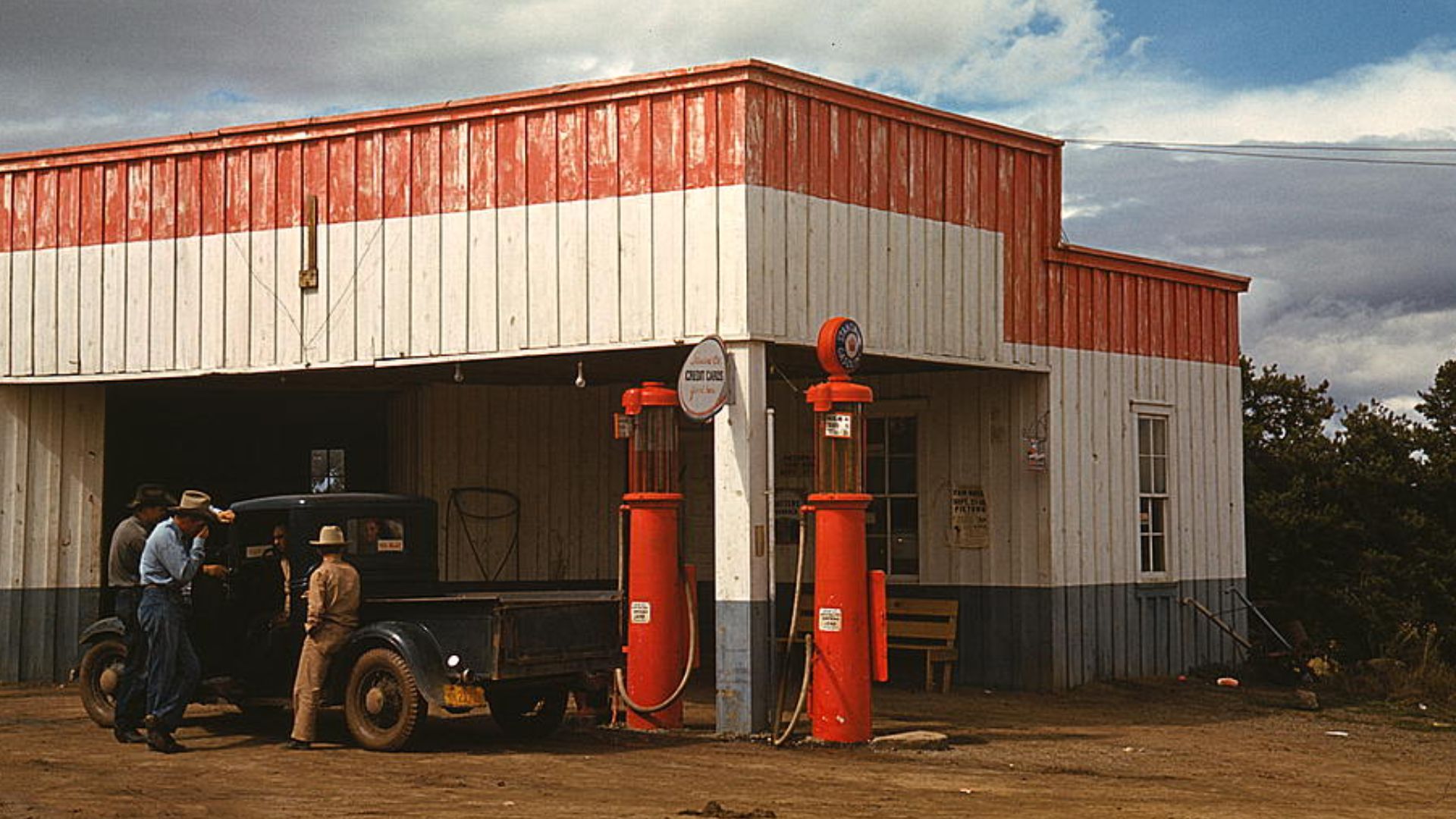
They Checked Your Tires While You Waited
Tire pressure could be part of the same stop. Historical accounts of full-service stations describe attendants checking tires alongside pumping fuel, washing glass, and inspecting oil. What now requires finding an air machine and walking around the vehicle could once be handled while the driver remained seated.
 Russell Lee, Wikimedia Commons
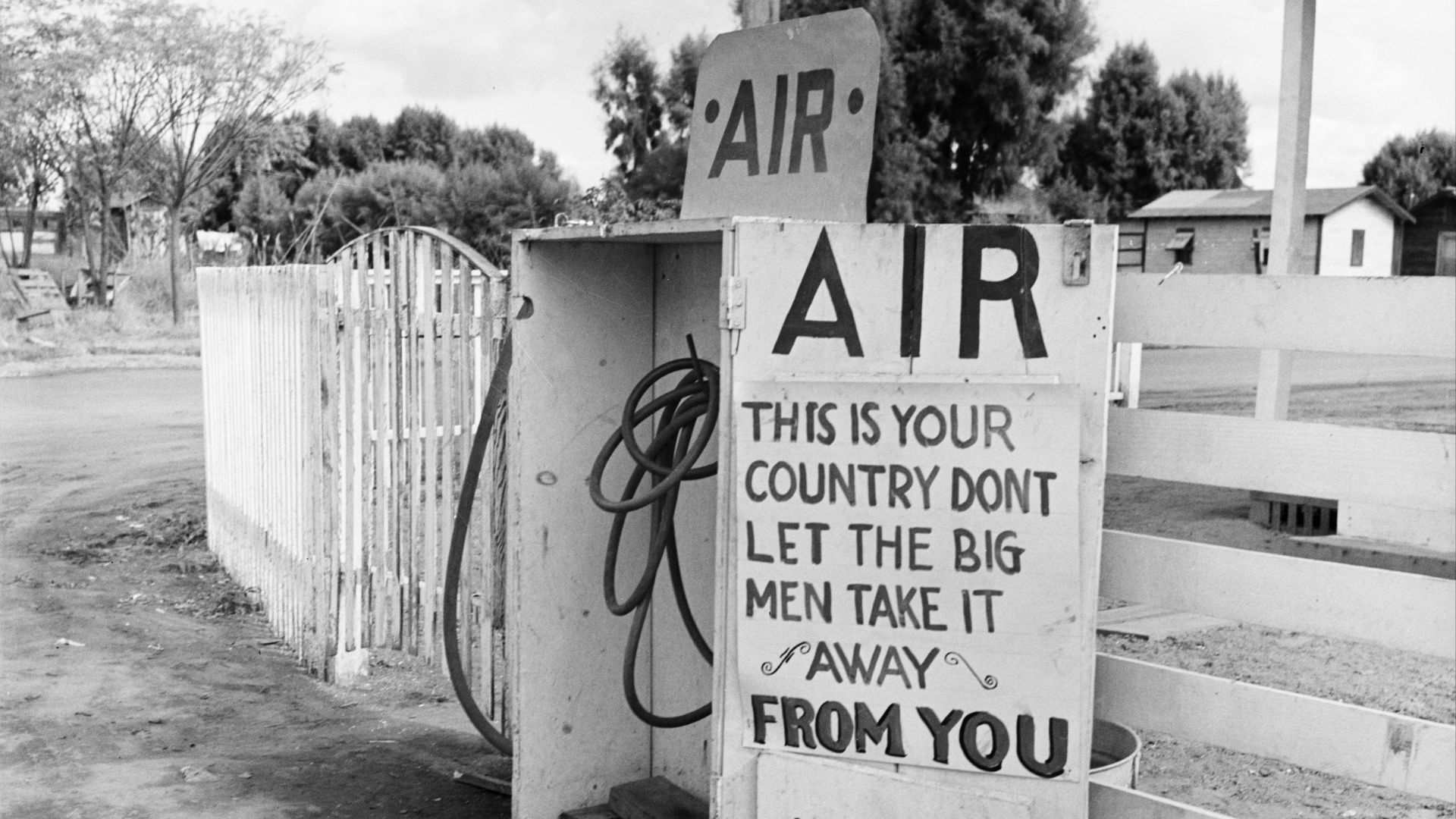
Air Really Could Be Free
Free compressed air was once an expected service at many stations. America's early purpose-built service stations offered air and water as customer amenities, and the tradition lasted for decades. A 1978 Washington Post report treated the appearance of 25-cent air machines as notable precisely because motorists were accustomed to traditional free-air towers.
 Dorothea Lange, Wikimedia Commons
Water Was Part Of The Deal Too
Early service stations advertised free water alongside free air. That mattered when automobiles required more frequent attention to cooling systems and other basic maintenance items. The American Oil & Gas Historical Society documents both services at the landmark Gulf station that opened in Pittsburgh in 1913.
 Unknown authorUnknown author, Wikimedia Commons
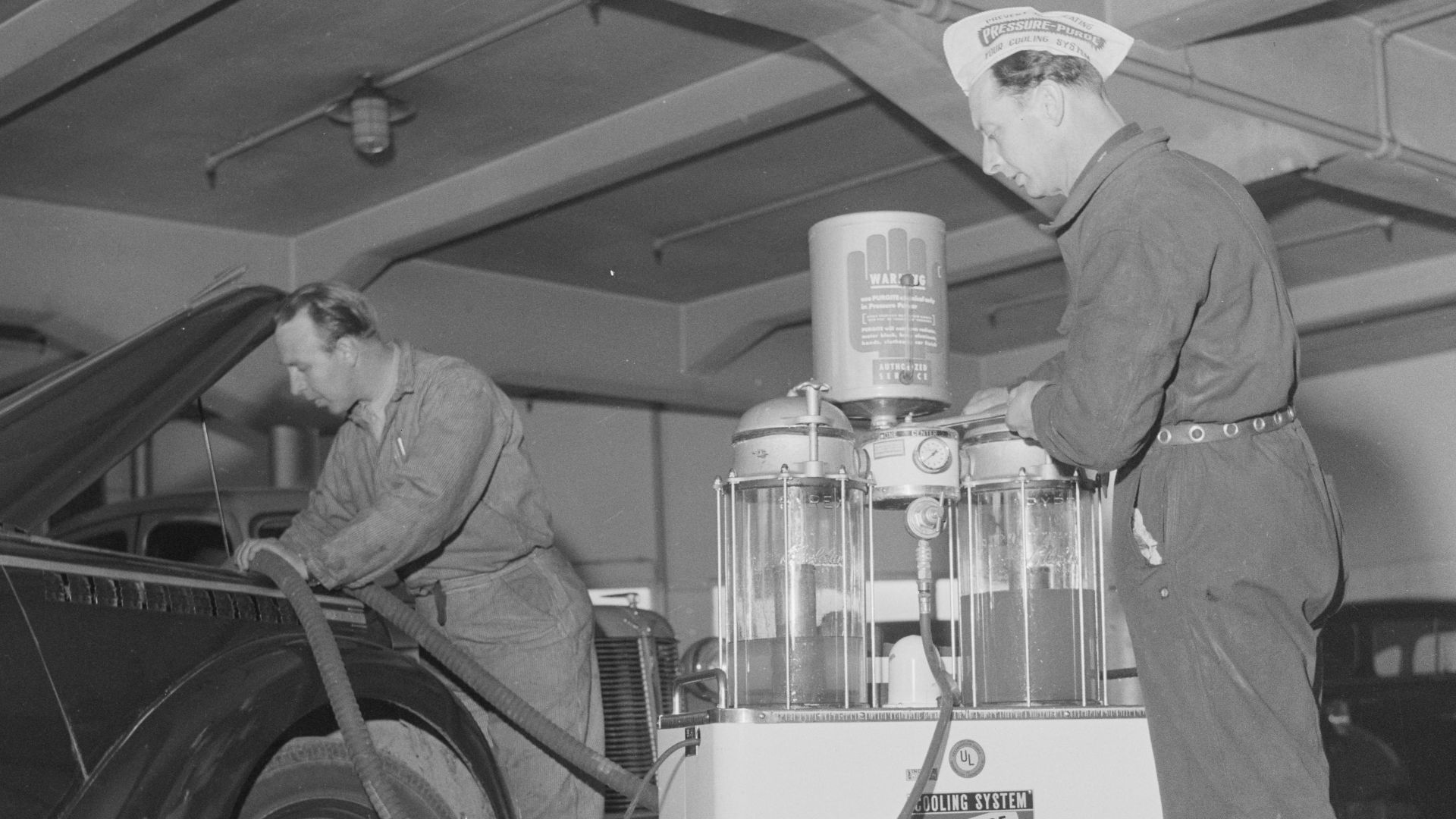
The Station Could Service Your Crankcase
The word "service" in service station was once extremely literal. Gulf's pioneering Pittsburgh facility offered crankcase service in addition to gasoline, air, water, and tire work. Stations evolved as places where motorists could deal with several routine automotive needs in one stop.
 Arne F. Køpke, Wikimedia Commons
Tires Could Be Installed Right There
Many service stations were equipped to do considerably more than inflate a low tire. Gulf's early drive-in station offered tire and tube installation, while later stations commonly incorporated dedicated repair bays. The distinction between a gas station and a neighborhood repair shop was once surprisingly blurry.
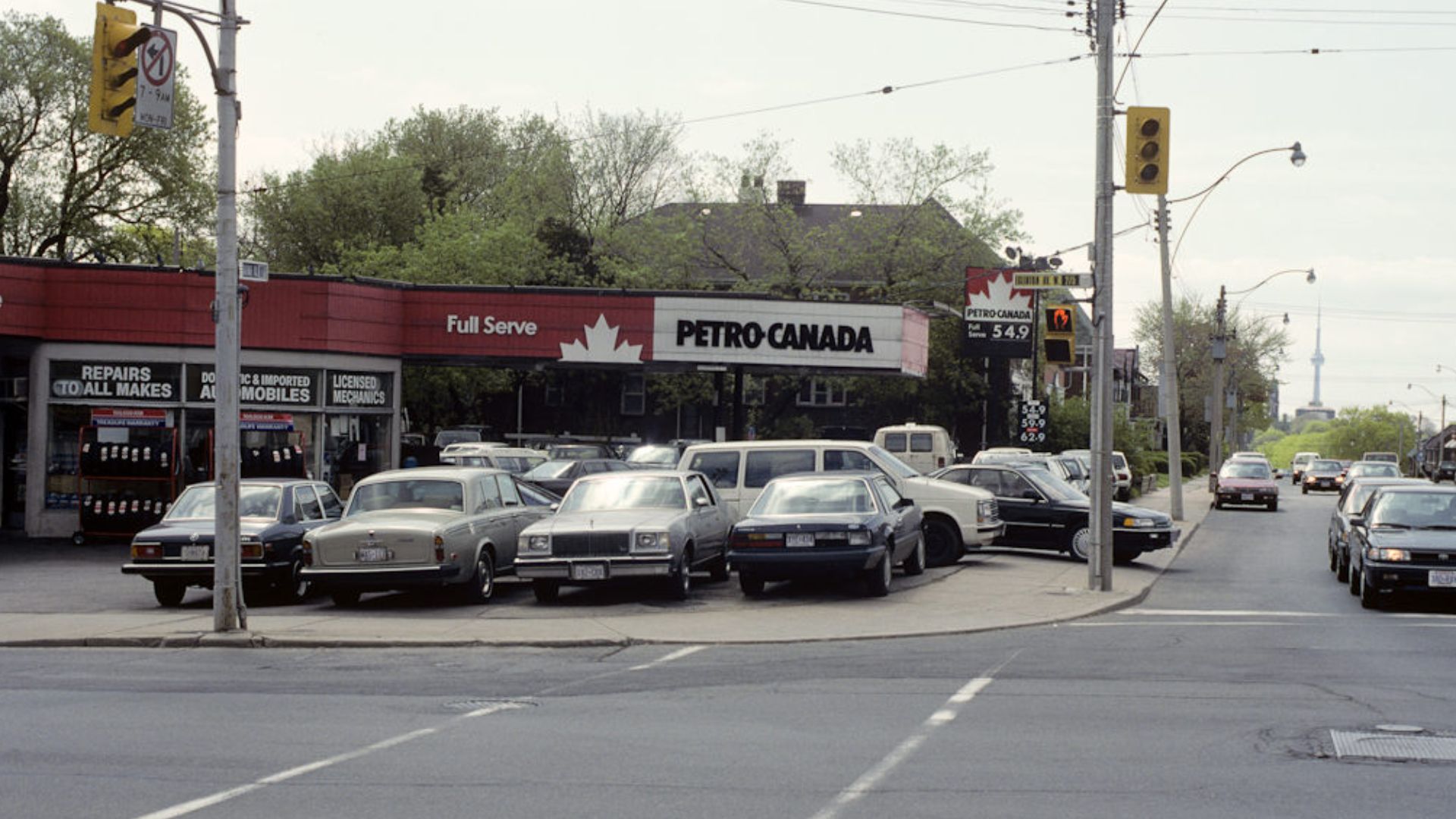
Gas Stations Had Actual Repair Garages
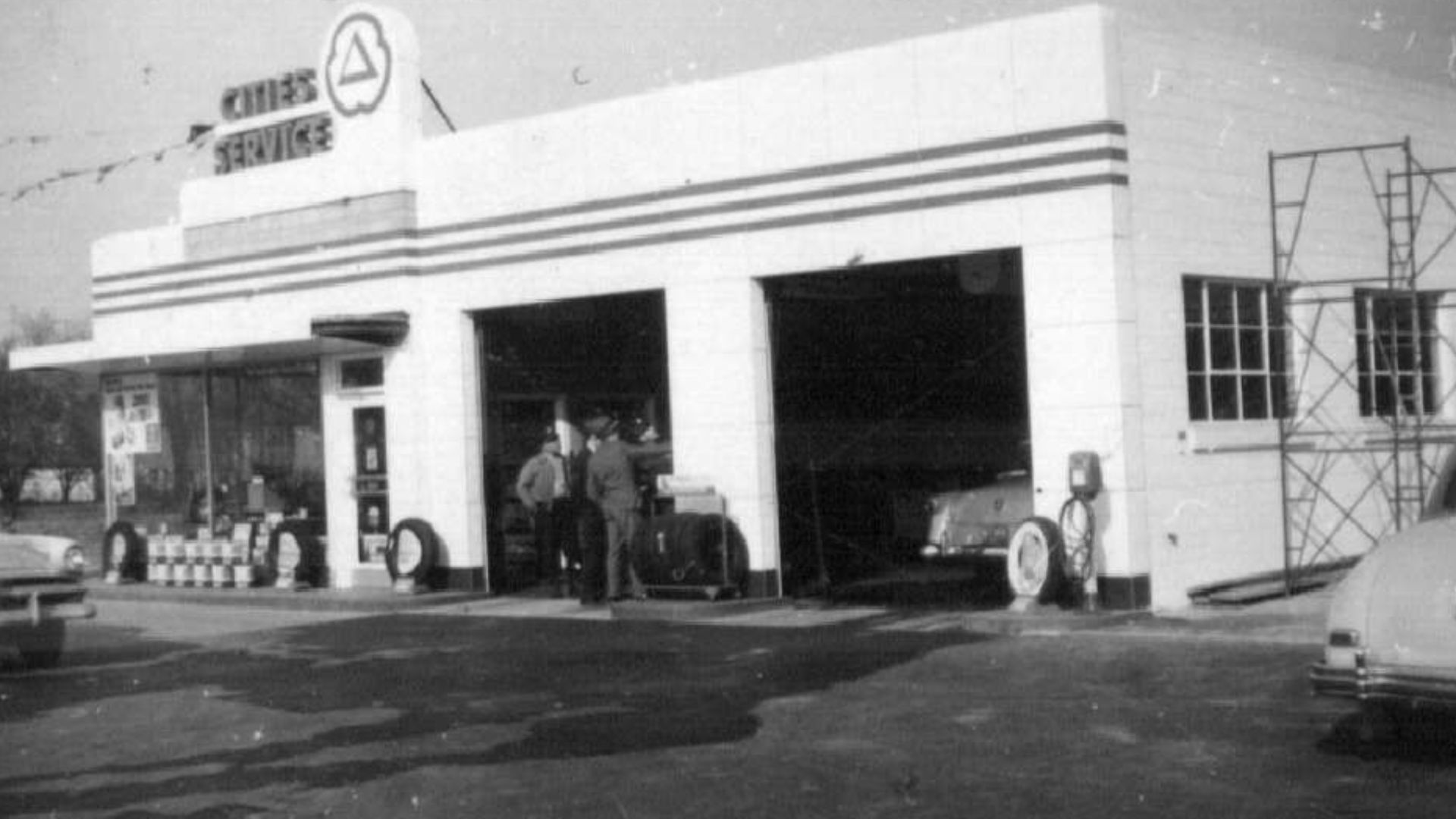
Those large doors beside old filling stations were not decorative. The National Park Service notes that service stations commonly incorporated bays for repairs, and surviving historic buildings still reveal those spaces. Drivers could buy gasoline outside while another customer's car was being worked on only a few feet away.
 Toronto History from Toronto, Canada, Wikimedia Commons
Your Mechanic Might Also Be Your Gas Station Guy
Some neighborhood stations performed oil changes, tune-ups, brake work, cooling-system service, and tire repairs alongside fuel sales. The business model depended on motorists returning for both gasoline and mechanical attention. Over time, convenience stores increasingly replaced those repair bays as a more profitable use of station property.
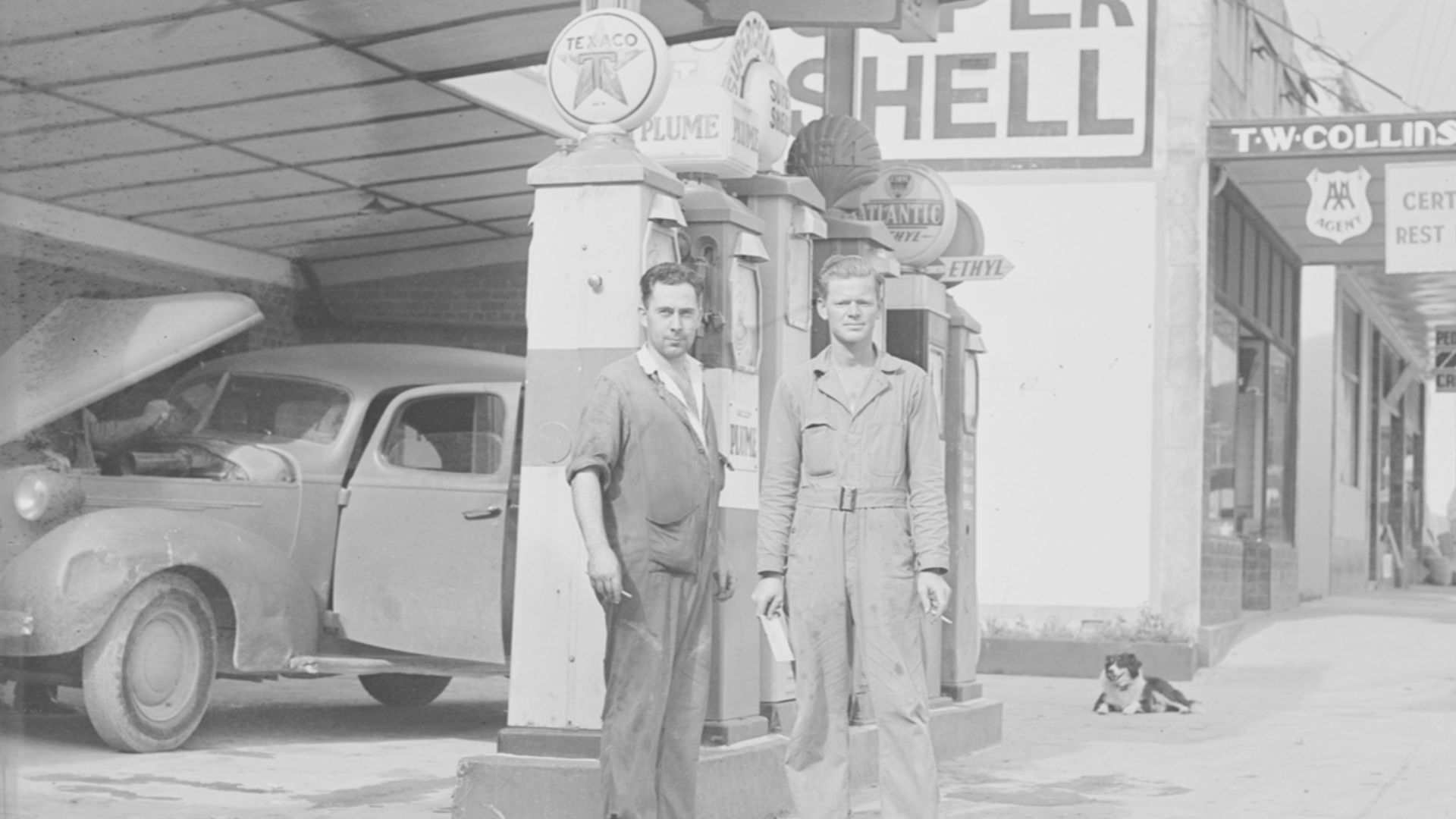 Collins, Tudor Washington, 1898-1970, photographer, Wikimedia Commons
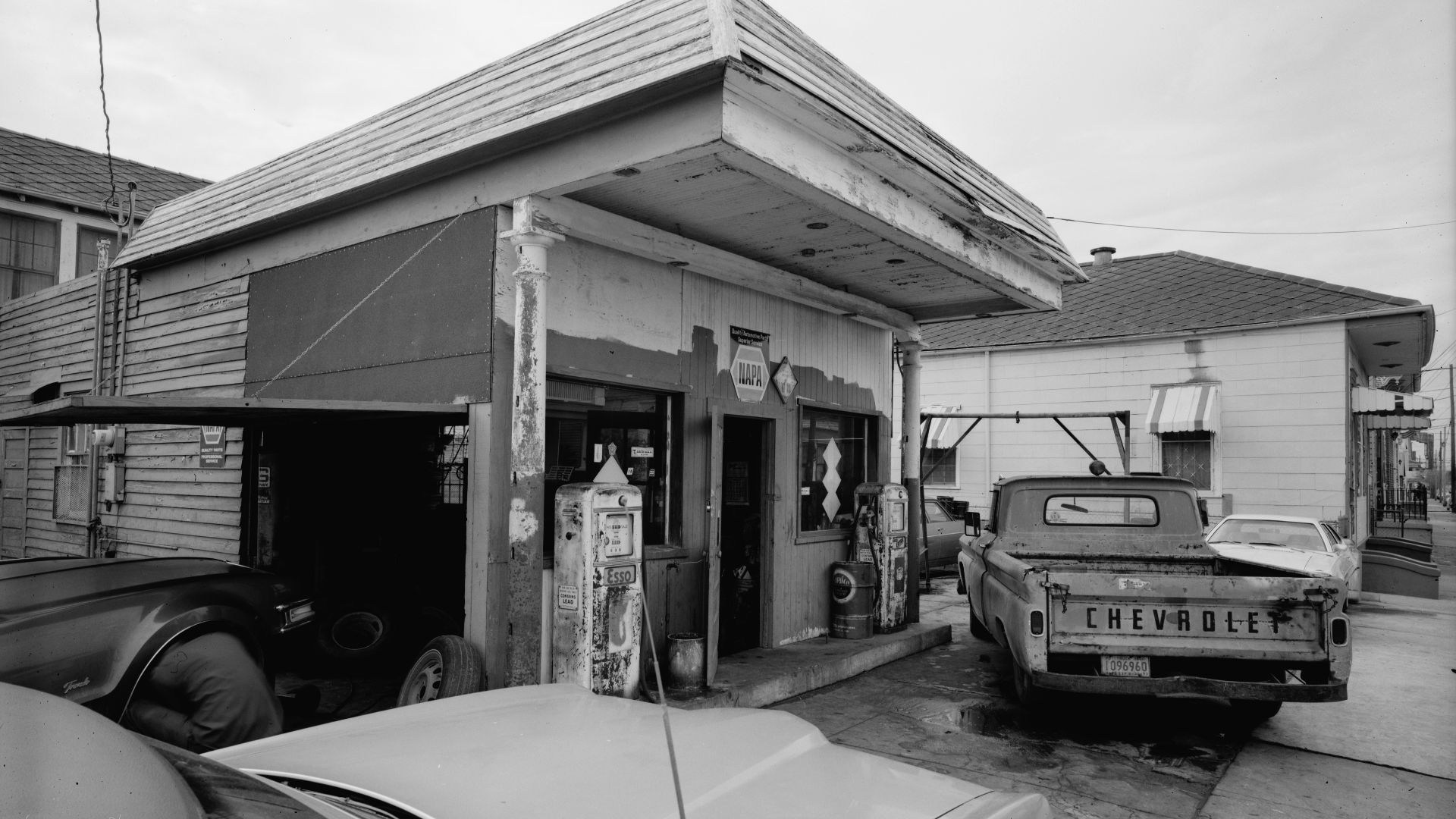
A Bell Announced That You Had Arrived
At many full-service stations, attendants did not need cameras or electronic sensors to know a customer had pulled in. A vehicle crossing a rubber hose stretched across the driveway could activate a bell inside the station. The familiar "ding-ding" told the attendant it was time to head toward the pumps.
The Attendant Might Be Wearing A Uniform
Gas station attendants could look surprisingly formal by modern standards. The Metropolitan Museum of Art preserves a purpose-designed 1948 attendant uniform with specialized pockets and different hats for various jobs and weather conditions. Uniformed service helped oil companies present their stations as professional and dependable places to stop.
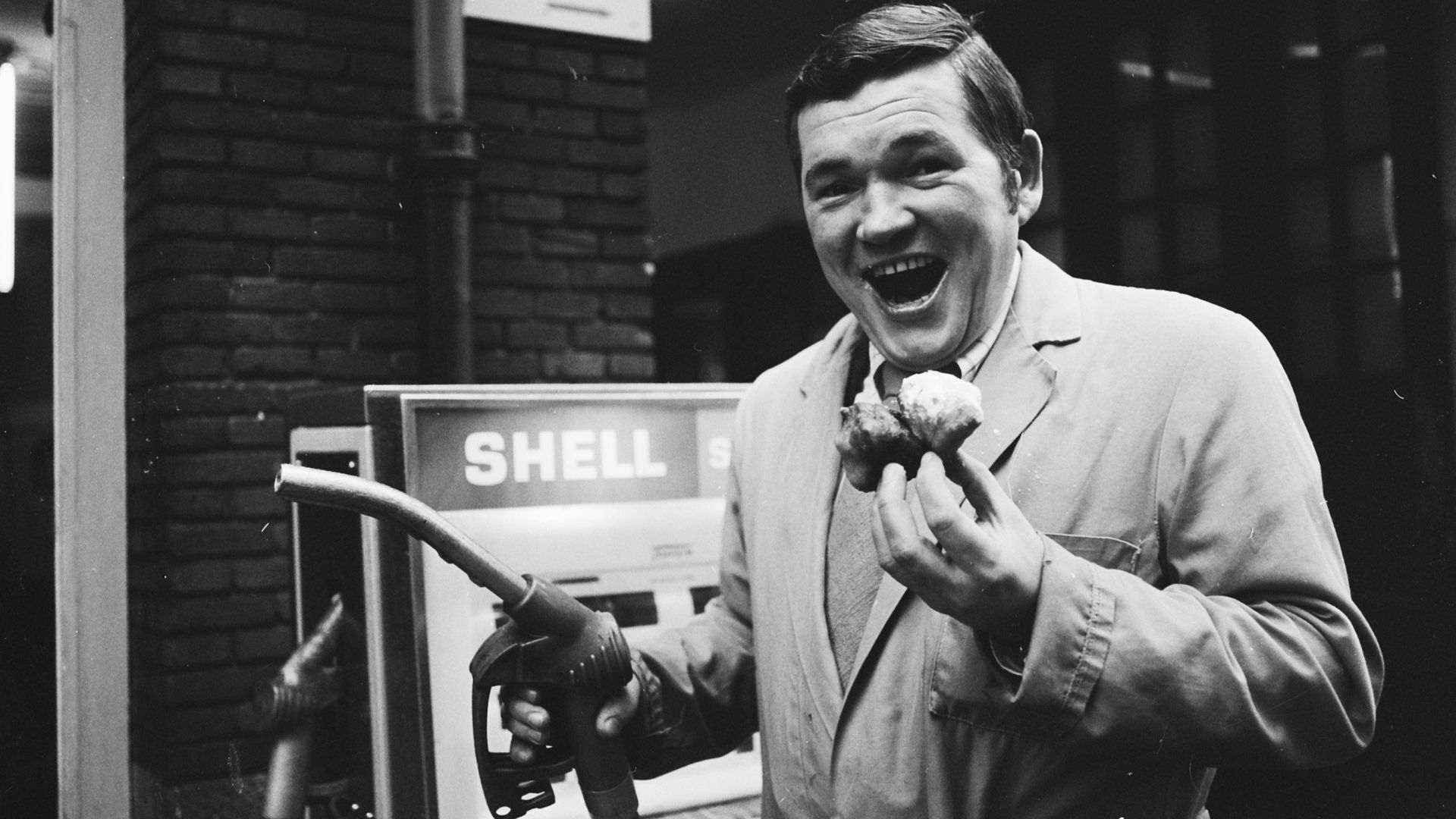 Rob Mieremet / Anefo, Wikimedia Commons
Even A Tiny Purchase Could Bring Full Service
Full service was not necessarily reserved for somebody filling an enormous tank. Historical accounts from Reed Brothers describe attendants cleaning windshields even when a motorist bought only a small amount of gasoline. The service itself was part of the station's effort to persuade customers to return.
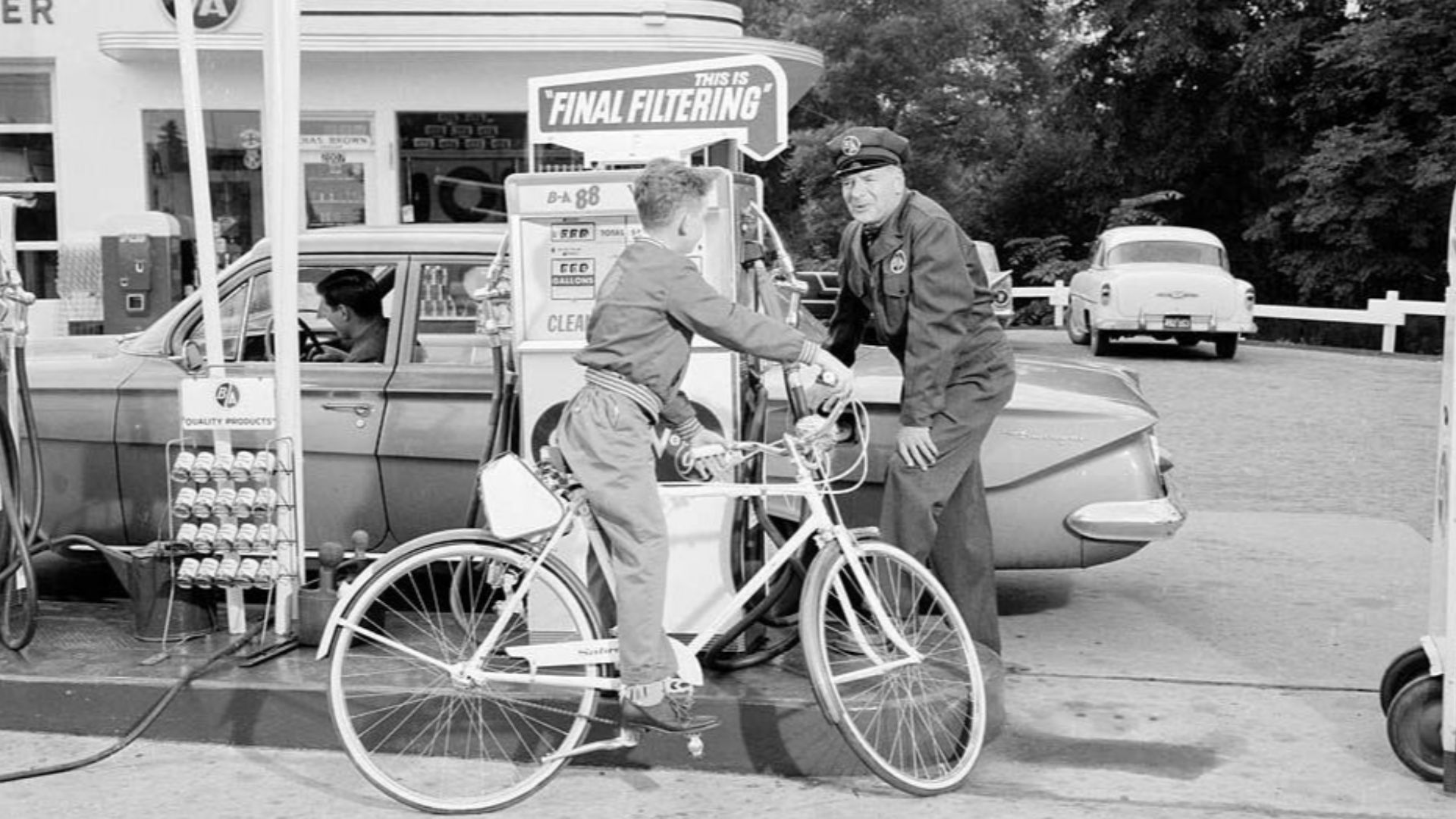 Alexandra Studio, Wikimedia Commons
They Would Hand You A Road Map
Before navigation apps, gas stations helped motorists figure out where they were going. Oil companies distributed enormous numbers of branded paper road maps, often giving them away to customers. The Henry Ford preserves a 1964 Shell map as an artifact of a period when free maps were an important service for drivers.
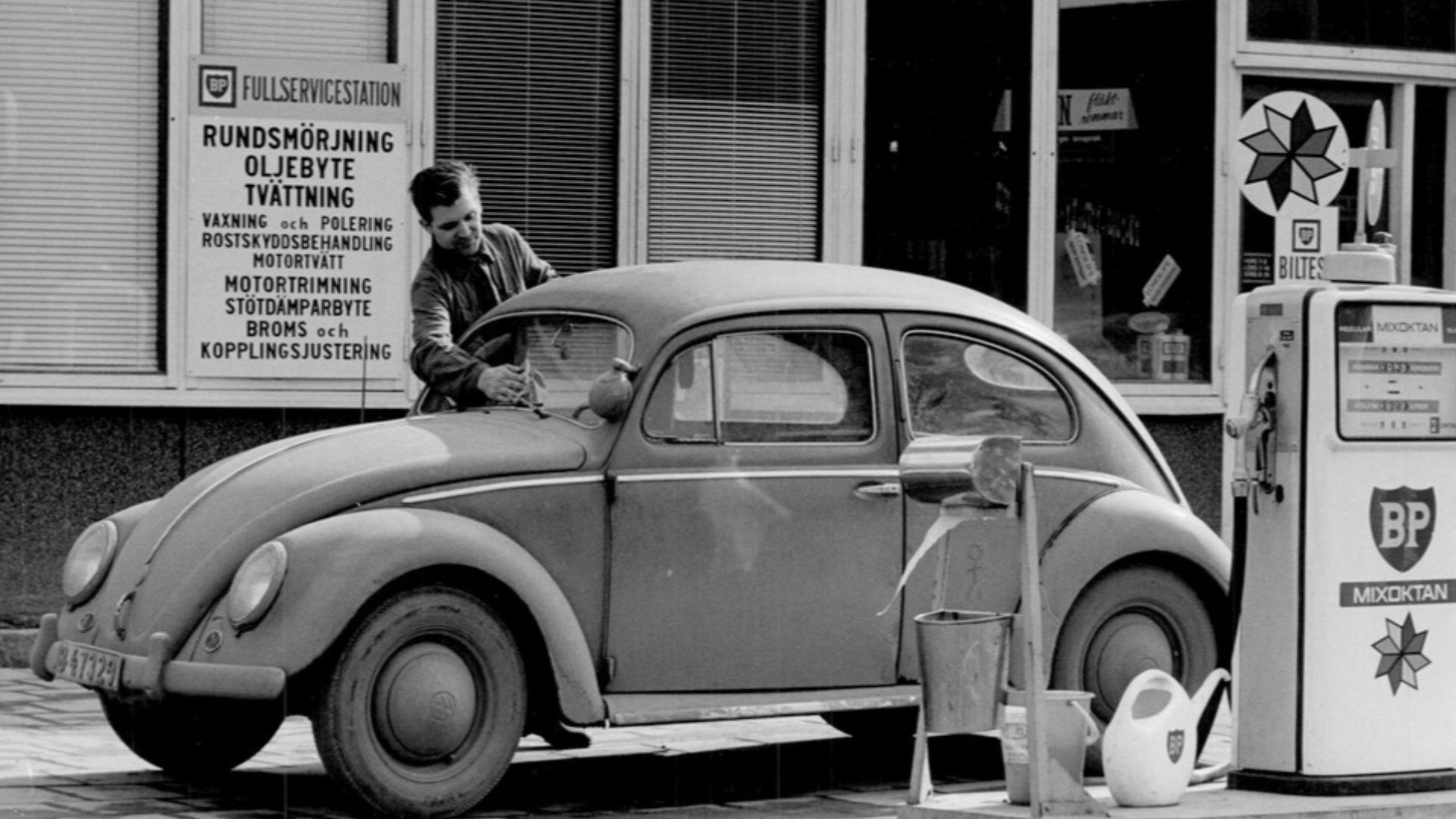 Åke Borglund, Wikimedia Commons
The Map Could Be Completely Free
Oil companies were once among America's major distributors of road maps. Michigan State University Libraries notes that companies including Shell contracted with large mapmakers such as Rand McNally and H.M. Gousha to produce maps for motorists. Gulf distributed free maps from 1914 through 1975, according to the AACA Museum.
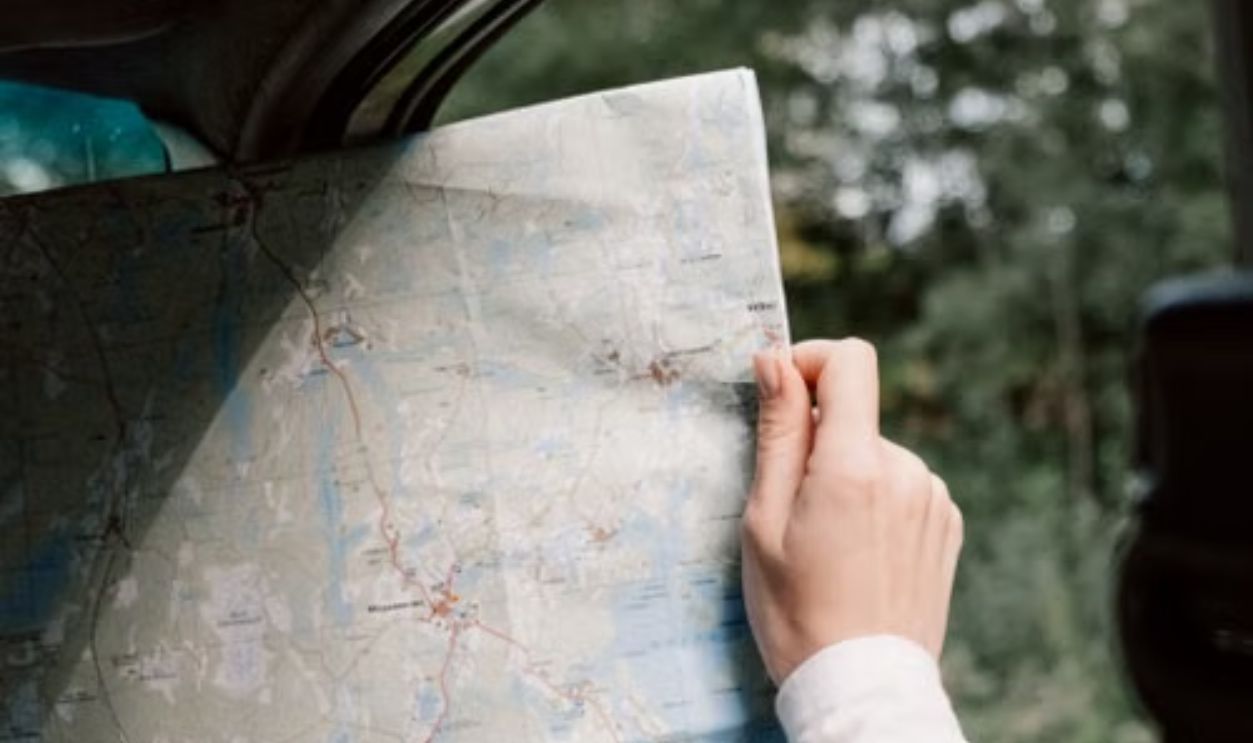
The Attendant Could Draw Your Route For You
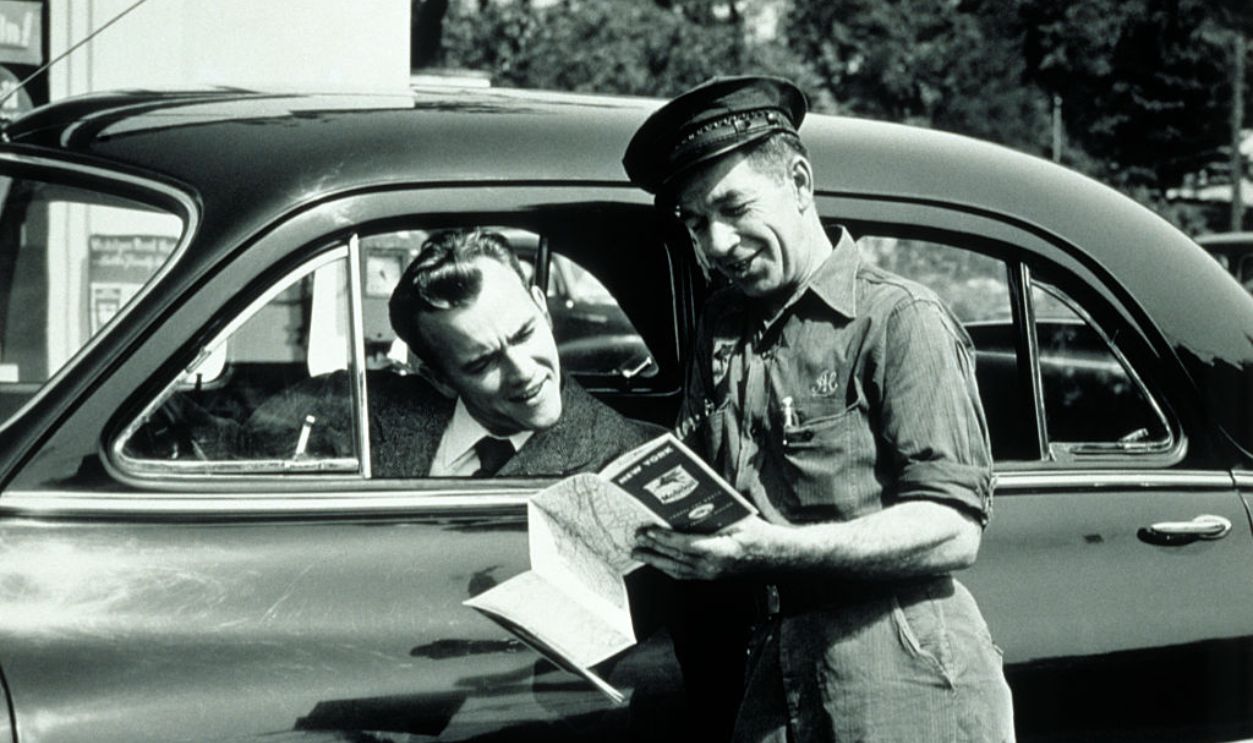
A lost driver could also ask an actual person for directions. Historical accounts of full-service stations describe attendants marking routes directly on road maps and letting motorists take the maps with them. Long before a synthetic voice told you where to turn, the person pumping your gasoline might become your navigation system.
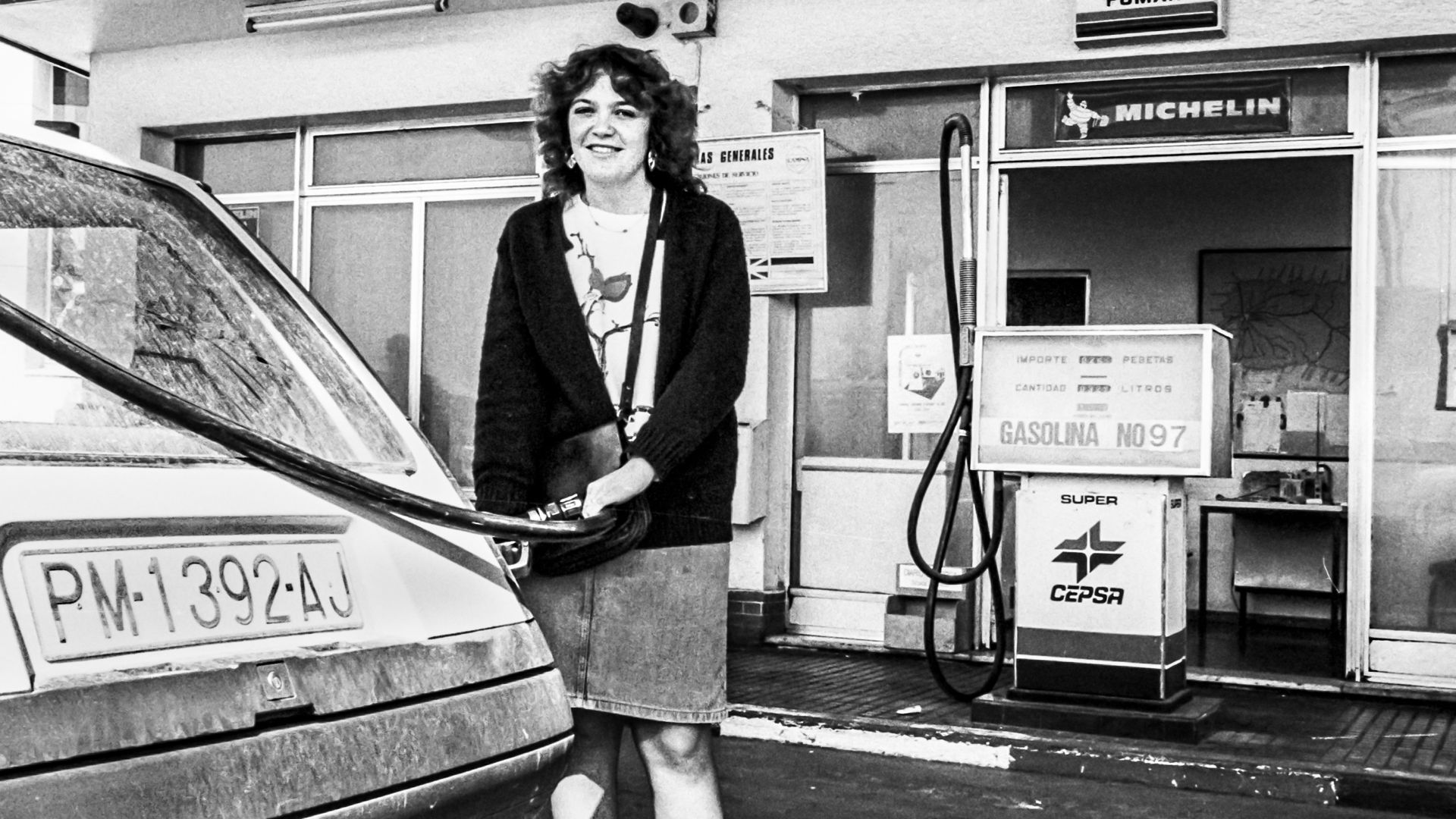 Carolina Latorre Canet, Wikimedia Commons
Gas Statins Competed Over Their Bathrooms
Restrooms were once important enough to become a major marketing weapon. Oil companies advertised the cleanliness of their facilities and created programs specifically intended to reassure traveling families. The Henry Ford's collection even includes a large circa-1955 sign whose entire message was simply that clean restrooms were available.
![Margolies, John,, photographer.
Hat n' Boots gas station (1945), boot restrooms with hat behind them view, 6800 [East] Marginal Way [South], Route 99, Seattle, Washington
1977.
1 photograph : color transparency ; 35 mm (slide format).
Notes:
Title, date](https://www.factinate.com/storage/app/media/driversdaily/2026/10/8/1791457870b835293fa59d42bb05c5a6e9c5279b08a9837085.jpg) The Library of Congress from Washington, DC, United States, Wikimedia Commons
The Library of Congress from Washington, DC, United States, Wikimedia Commons
Companies Sent Inspectors To Check The Bathrooms
Texaco went remarkably far with its restroom program. Beginning in 1938, its "White Patrol" inspectors traveled to stations to determine whether bathrooms met company standards. Stations that passed could display special Registered Rest Room signs to tell travelers they had found an approved facility.
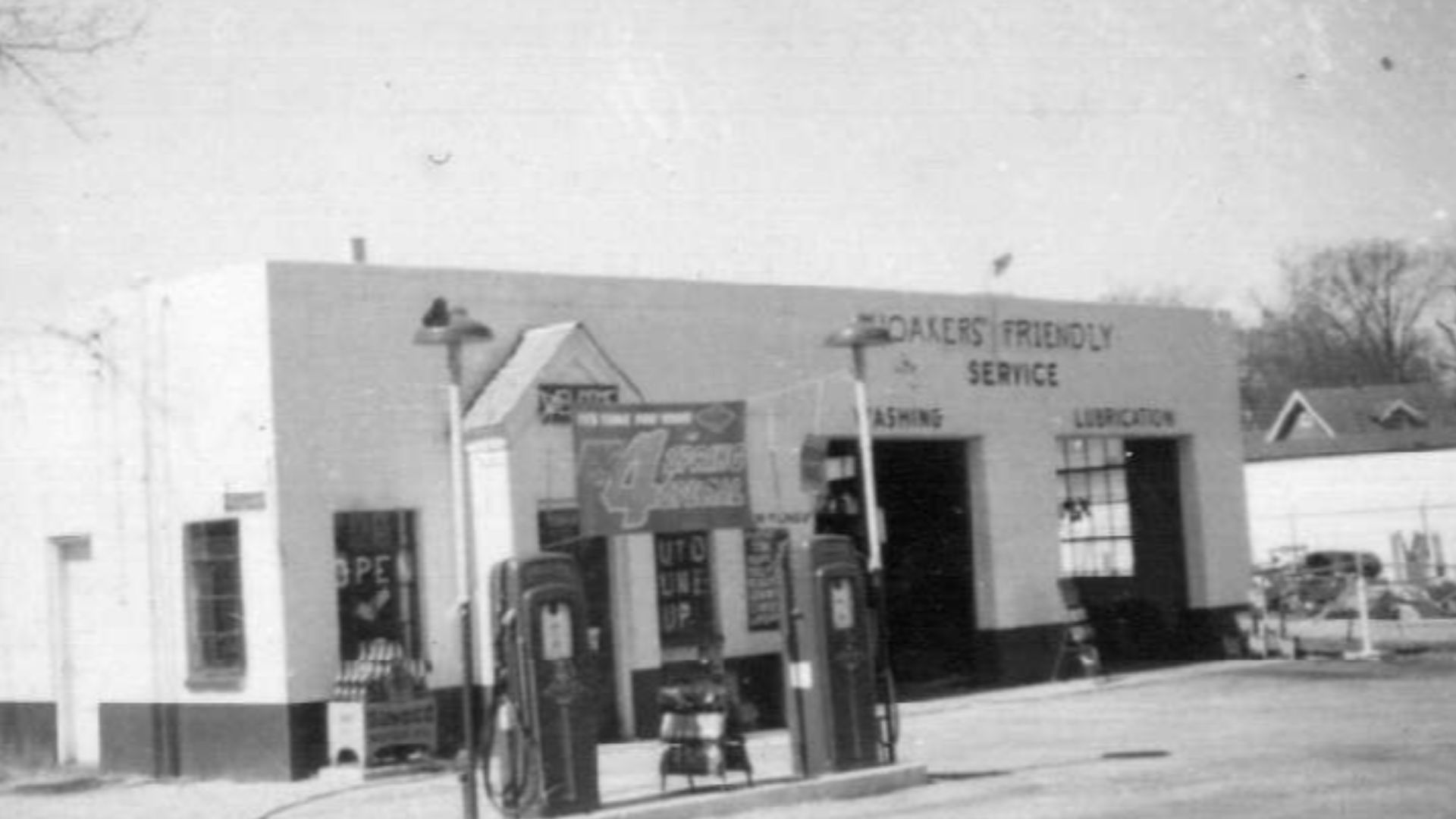 Lucas County (Ohio). Auditor's Office, Wikimedia Commons
Some Restrooms Had Powder Rooms And Couches
Companies wanted their facilities to feel reassuringly domestic rather than merely functional. By the late 1920s and 1930s, some stations equipped restrooms with hot and cold running water, mirrors, soap, toilet paper, makeup tables, powder rooms, and even couches. The cleanliness battle became an important part of winning the business of traveling families.
 Lucas County (Ohio). Auditor's Office, Wikimedia Commons
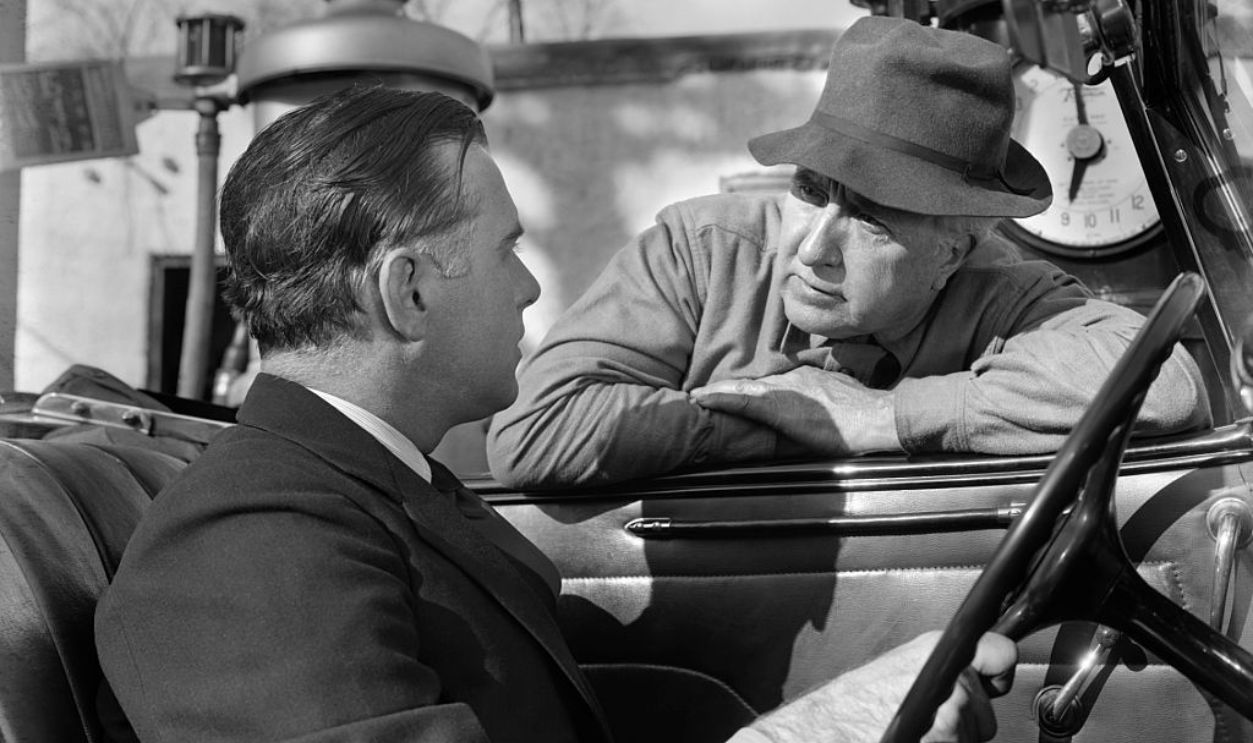
You Asked The Attendant For The Restroom Key
Not every station simply left the restroom unlocked. The Henry Ford preserves a Texaco restroom key fob dating from roughly 1950 to 1965 and explains that customers requested the key from the attendant. Locking the room was intended to help keep it clean and improve security.
Free Maps Were Basically Advertising
The generosity had a business purpose. Oil companies realized that a useful map could keep their brand in a motorist's glove box long after the fuel purchase was forgotten. The Henry Ford notes that free maps provided drivers with an important service while simultaneously functioning as effective advertising for gasoline retailers.
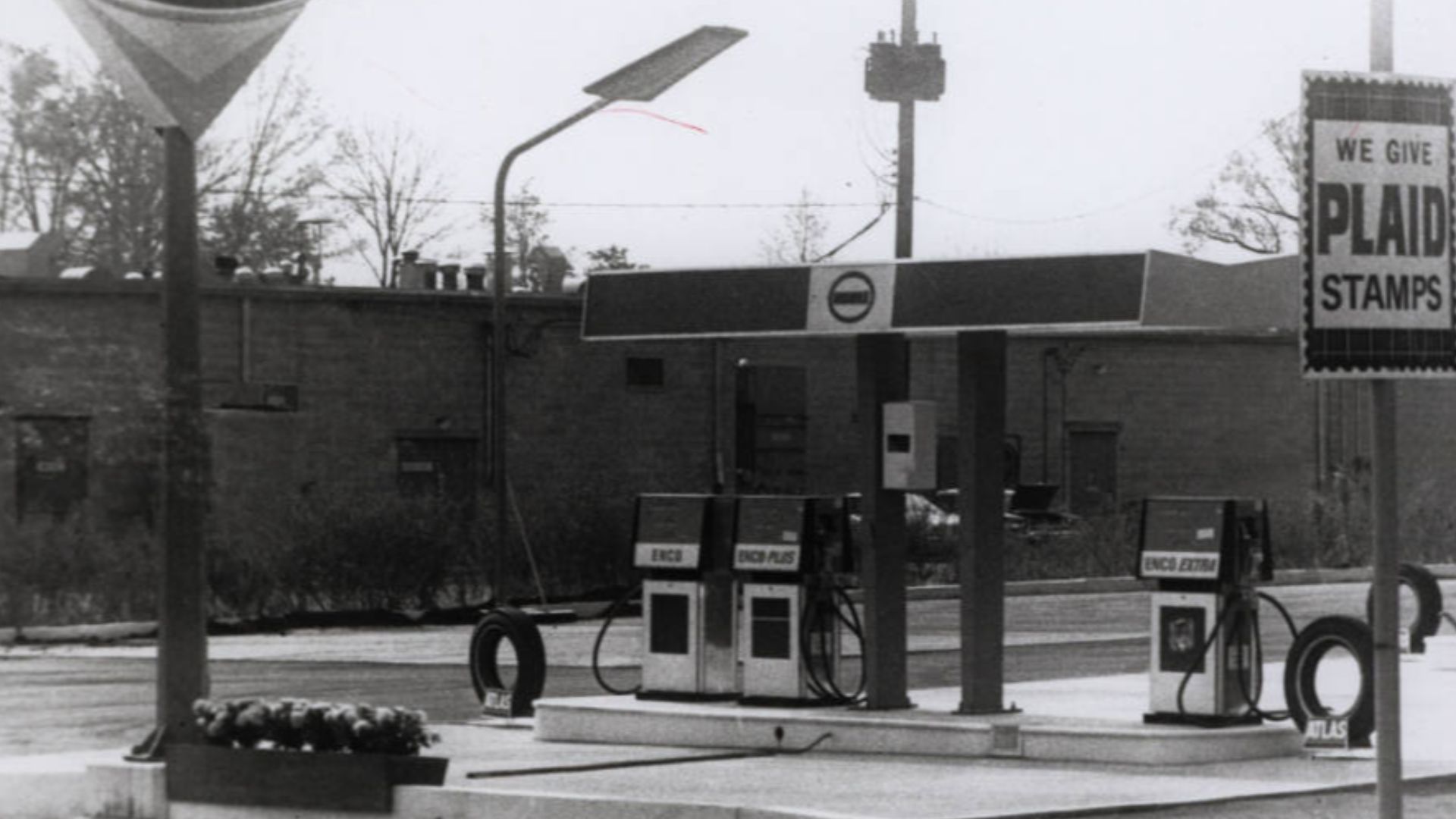
Buying Gas Could Earn You Trading Stamps
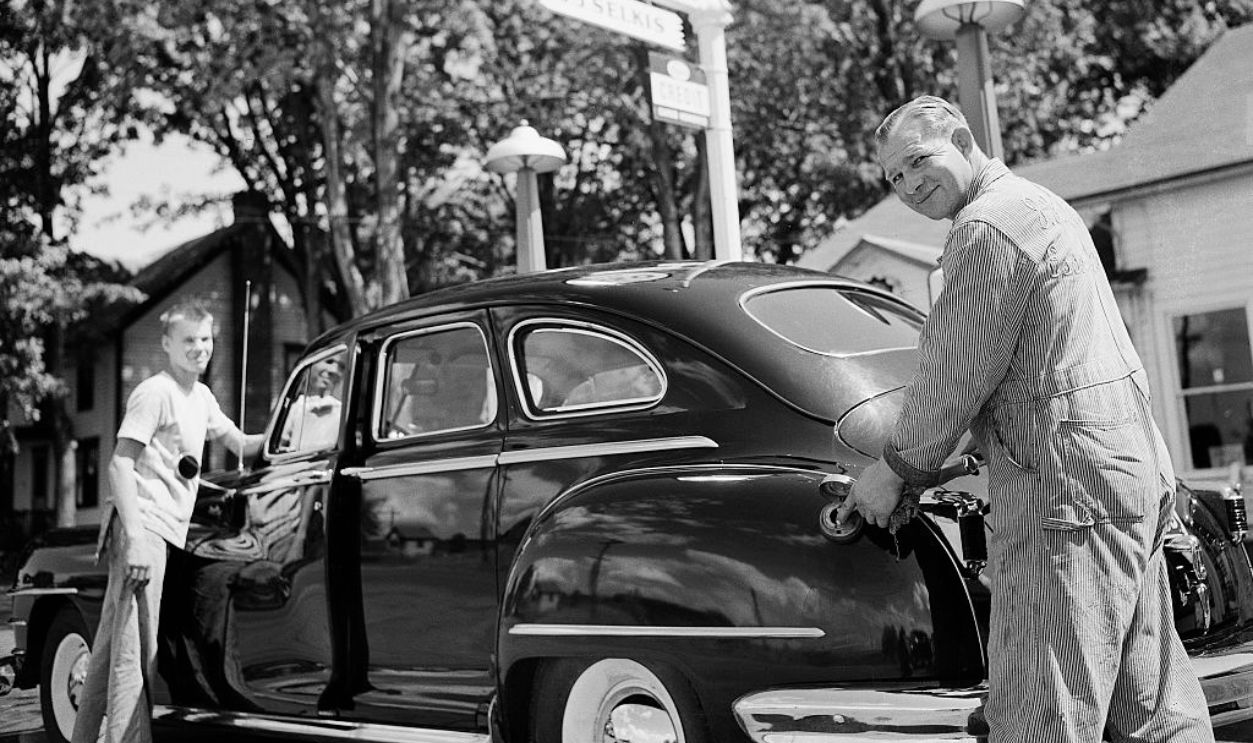
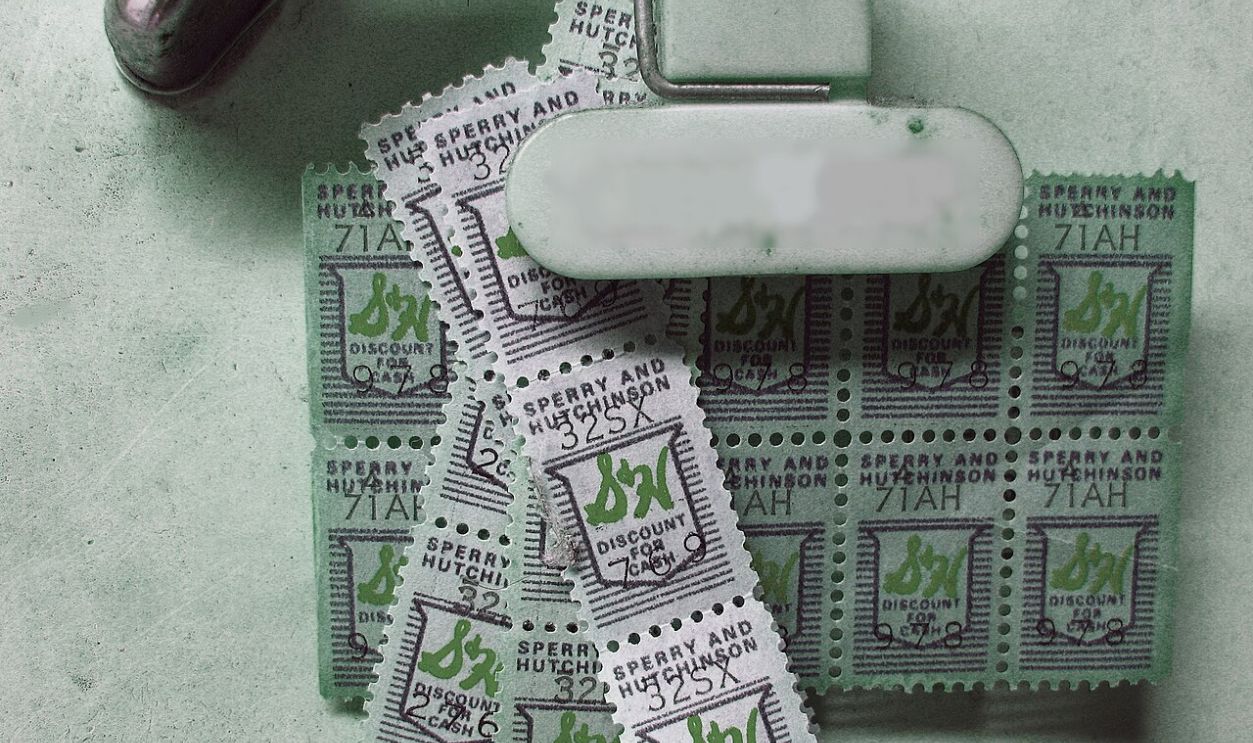
Modern loyalty apps were preceded by little pieces of gummed paper. S&H Green Stamps and competing programs were issued by participating retailers, including filling stations, and customers pasted the stamps into books. Filled books could then be exchanged for merchandise through redemption centers or catalogs.
Those Stamps Could Turn Into Real Merchandise
The rewards could be far more substantial than a discount on your next coffee. Smithsonian reports that S&H customers could redeem filled books for products ranging from lamps to bicycles, furniture, and silverware. By the program's 1960s peak, more than 100,000 businesses participated and S&H operated hundreds of redemption centers.
Gas Stations Gave Away Drinking Glasses
Oil companies also competed by handing customers physical merchandise. A Los Angeles Times account of gasoline promotions recalled stations giving away drinking glasses, preserves, stainless-steel cutlery, and trading stamps in the years before the 1973 oil embargo. Cheap gasoline and intense competition encouraged dealers to invent reasons for motorists to choose one corner over another.

Kids Could Get Toys With The Fill-Up
Children were not ignored by the oil-company marketing departments. Historical collections document Texaco stations giving away promotional toy airplanes, tying the toys to the company's aviation-themed Sky Chief gasoline branding. A routine gasoline stop could therefore produce a small souvenir for a child in the back seat.
Sunoco Could Blend Your Gas At The Pump
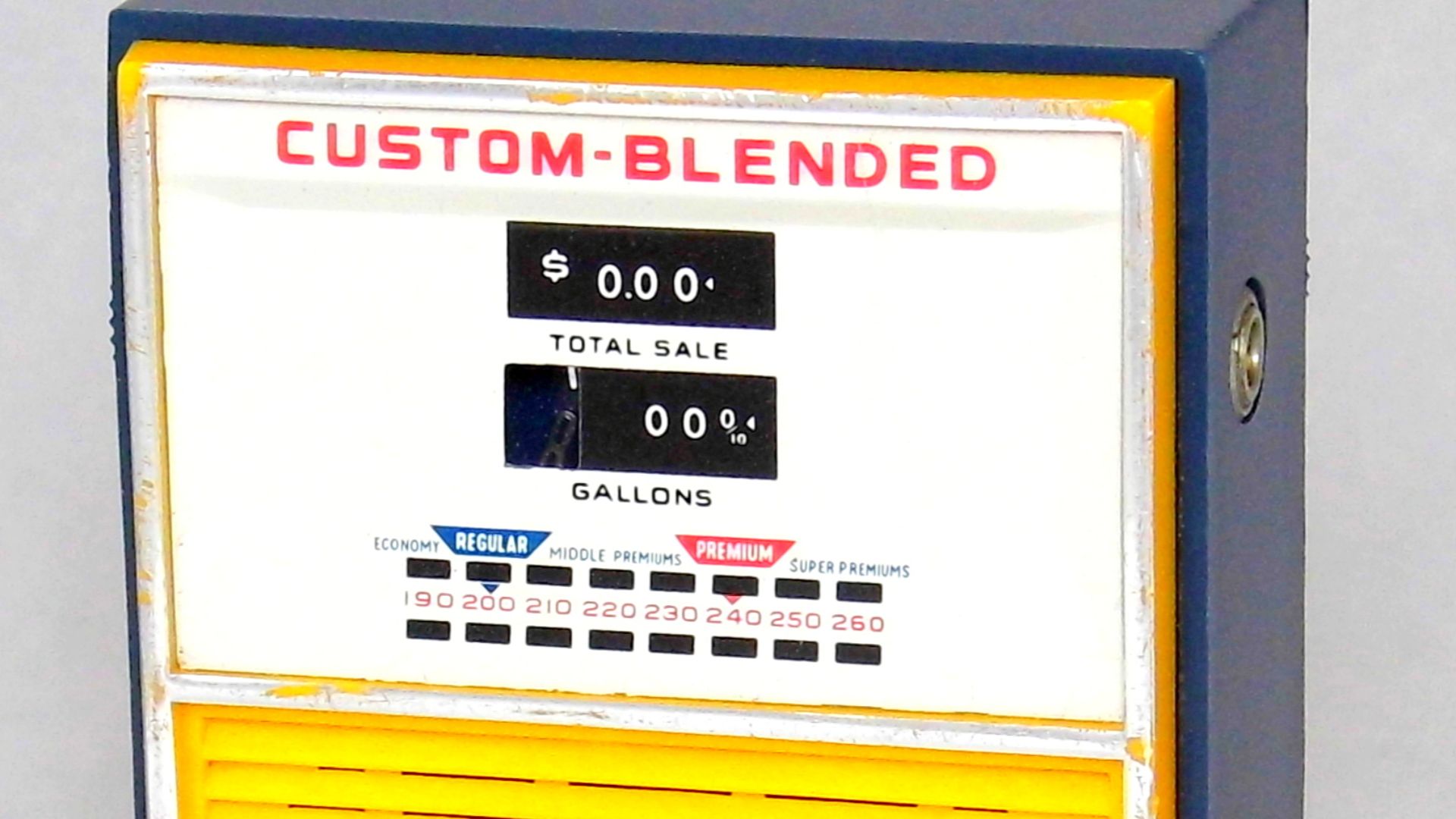
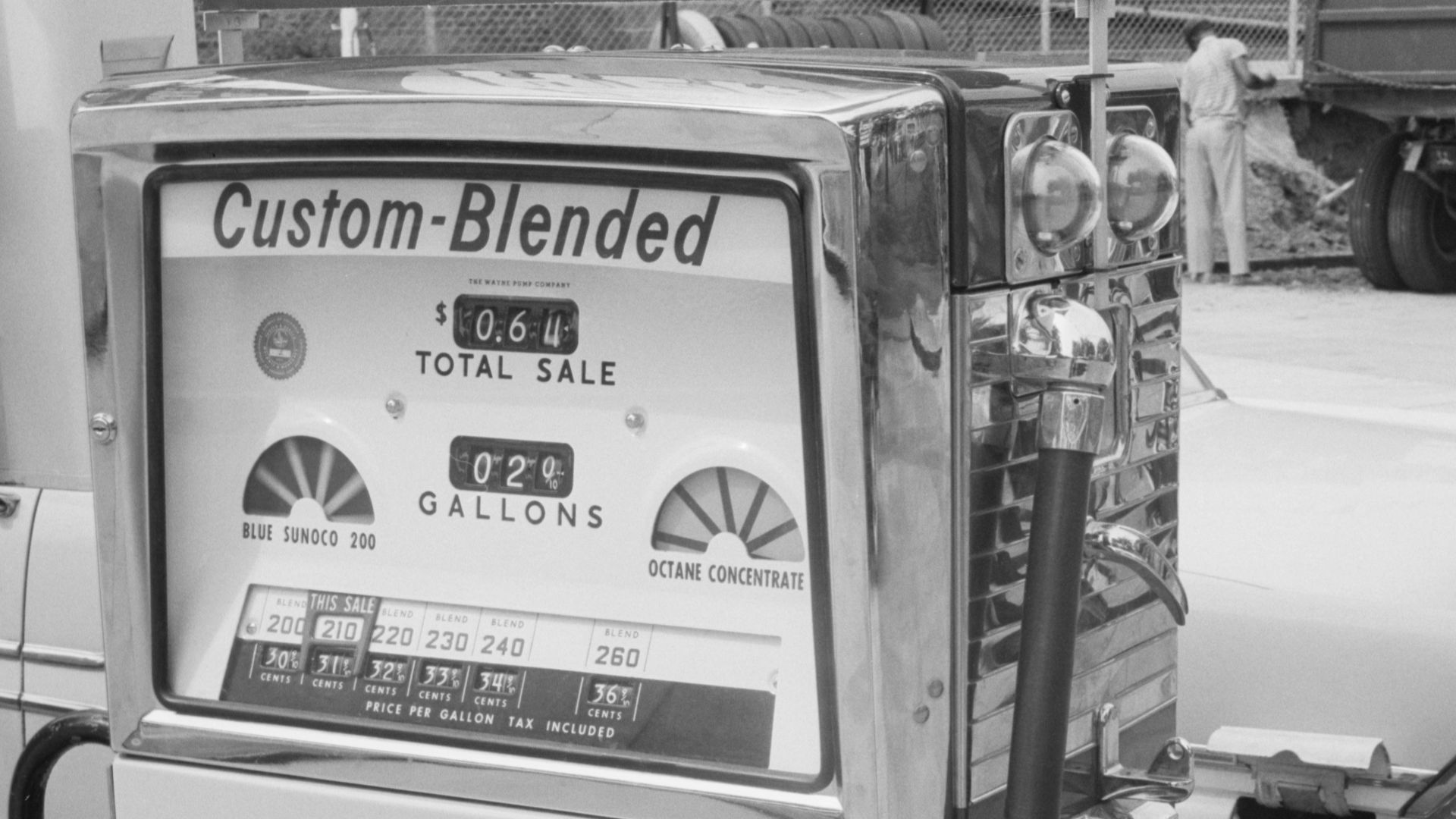
One of the strangest old fuel pumps actually mixed gasoline to suit the customer's car. Sunoco introduced its Custom Blending Pump in the 1950s, allowing motorists to choose among several octane grades dispensed through one machine. A surviving example is significant enough to be represented in museum collections.
 Joe Haupt from USA, Wikimedia Commons
There Could Be Eight Grades To Choose From
Today's regular, mid-grade, and premium choices would have looked remarkably limited at certain old Sunoco stations. Sunoco says its Custom-Blended system operated from 1958 through 1972 and offered eight grades ranging from Sunoco 190 to high-octane Sunoco 260. The company even provided charts recommending a grade according to the customer's vehicle and engine.
 Thomas J. O'Halloran, Wikimedia Commons
The Gas Station Was Built Around The Attendant
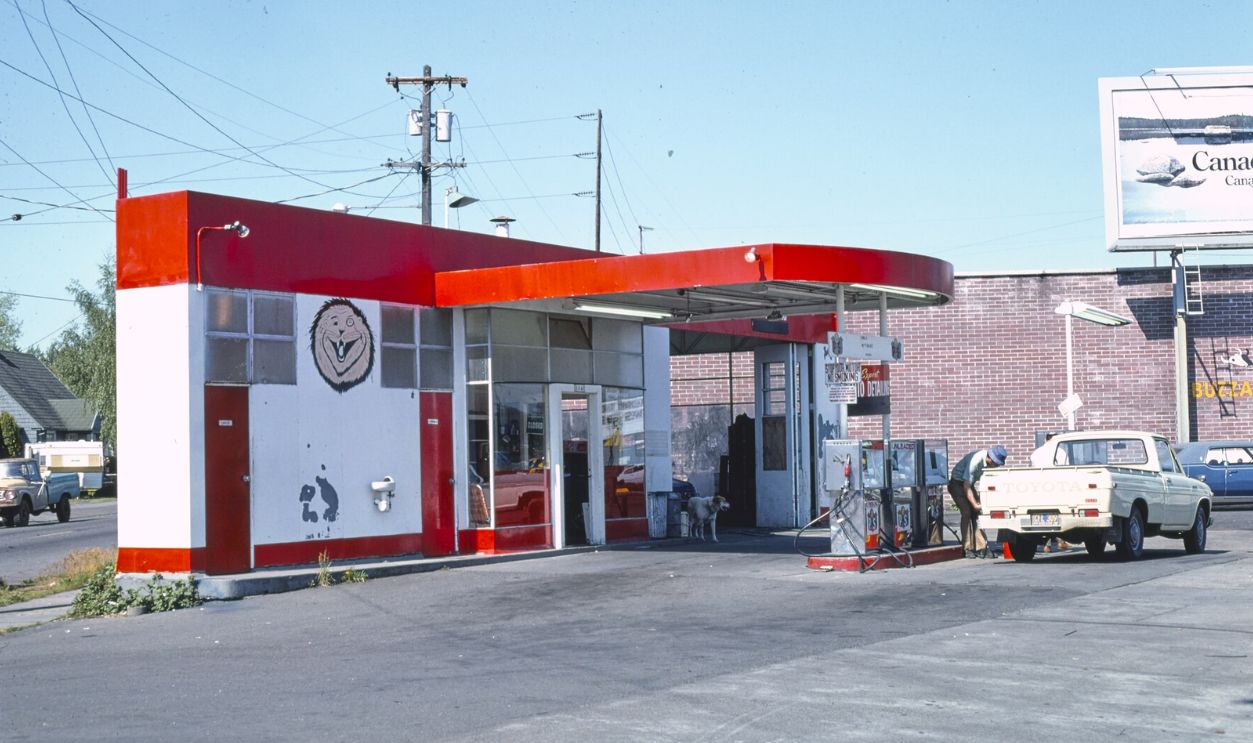
Traditional stations were designed for service rather than simply maximizing convenience-store space. Canopies sheltered motorists and attendants, while the building could contain an office, storage, restrooms, and repair bays. The National Park Service's preservation guidance shows how these features became defining elements of historic service-station architecture.
 John Margolies, Wikimedia Commons
Self-Service Changed The Entire Experience
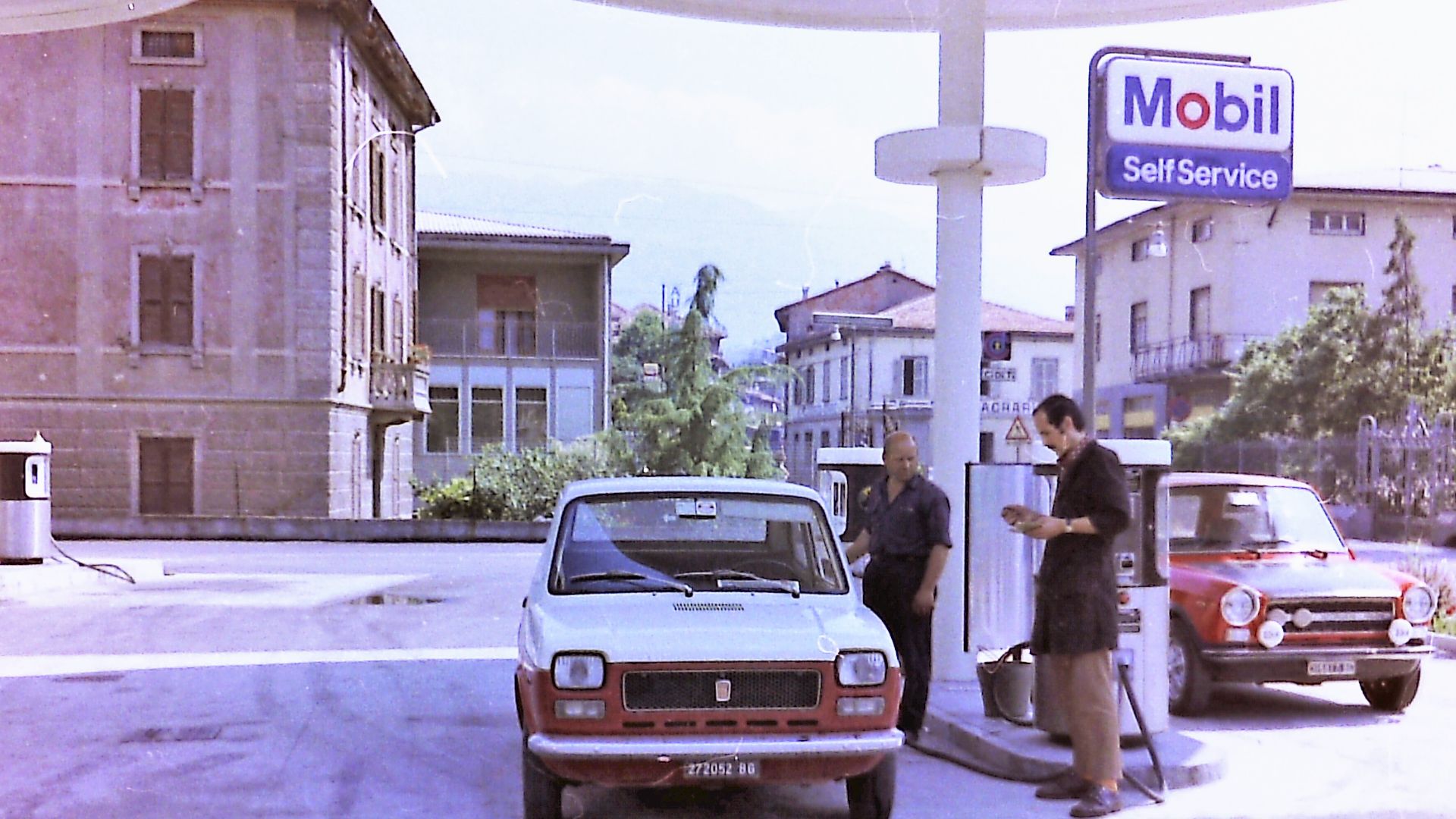
The old model gradually gave way to stations where customers performed the fueling themselves. Imperial Oil says it introduced Canada's first self-serve retail stations in Montreal and Toronto in 1970, while other markets underwent similar changes over time. Removing labor-intensive services helped reshape stations around fuel sales and increasingly around convenience-store retailing.
A Gas Station Used To Be A Tiny Automotive Hub
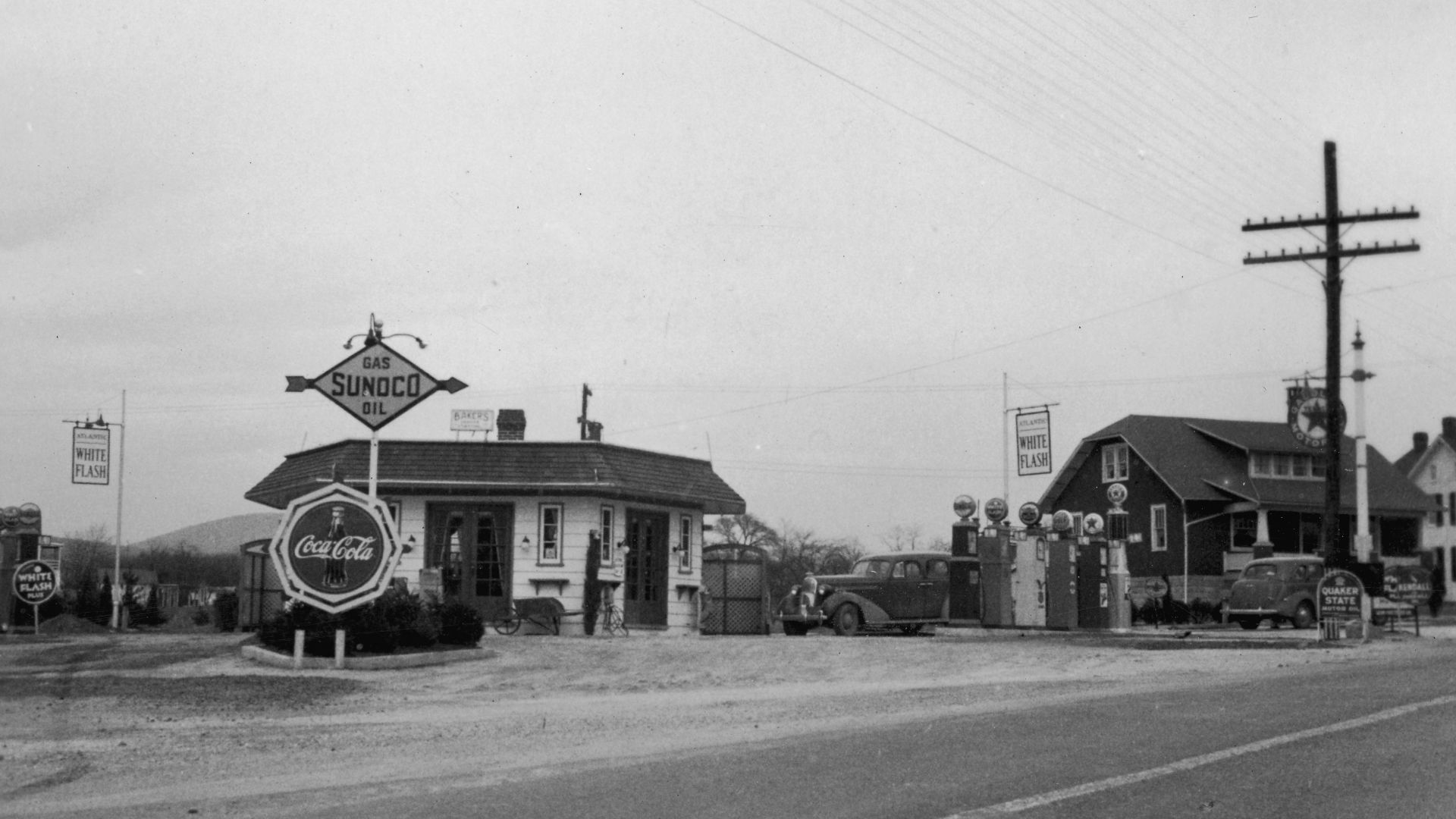
The biggest difference was not the pump technology or any single giveaway. A traditional service station could combine fuel, air, water, oil checks, windshield cleaning, tire attention, mechanical repairs, directions, maps, restrooms, and promotional gifts in one stop. Younger drivers may have more technology at their fingertips, but older motorists really did experience a version of filling up that operated more like a miniature automotive service center.
 Annemarie Schwarzenbach, Wikimedia Commons
You May Also Like:
Classic Cars That Were Found In Barns, Then Set Auction Records
Electric Cars With The Fastest 0–60 Times
Three Cars On The Verge Of Extinction
Sources: 1, 2, 3, 4, 5, 6, 7, 8, 9, 10, 11, 12, 13, 14, 15, 16, 17, 18, 19, 20, 21, 22, 23, 24, 25, 26, 27