Modern SUVs Have Improved, But Physics Hasn't Disappeared
Rollover fears aren't stuck in the 1990s. Electronic stability control has dramatically reduced one of the biggest dangers associated with SUVs, and modern roof structures, airbags, and tires have improved too. But a tall vehicle still carries its weight higher off the ground than a typical passenger car.
The sensible question isn't whether SUVs still roll over. It's how much modern technology has reduced the risk and whether the particular SUV you're considering performs well.
Tall Vehicles Really Do Have A Geometric Disadvantage
SUVs generally have a higher center of gravity than passenger cars because their bodies sit higher off the road. That makes them inherently more susceptible to tipping under certain extreme circumstances. NHTSA has acknowledged that SUVs can't completely match passenger cars in geometric stability because increased height and ground clearance are fundamental parts of their design. Modern engineering can compensate for that disadvantage, but it doesn't erase it.
Electronic Stability Control Was A Huge Improvement
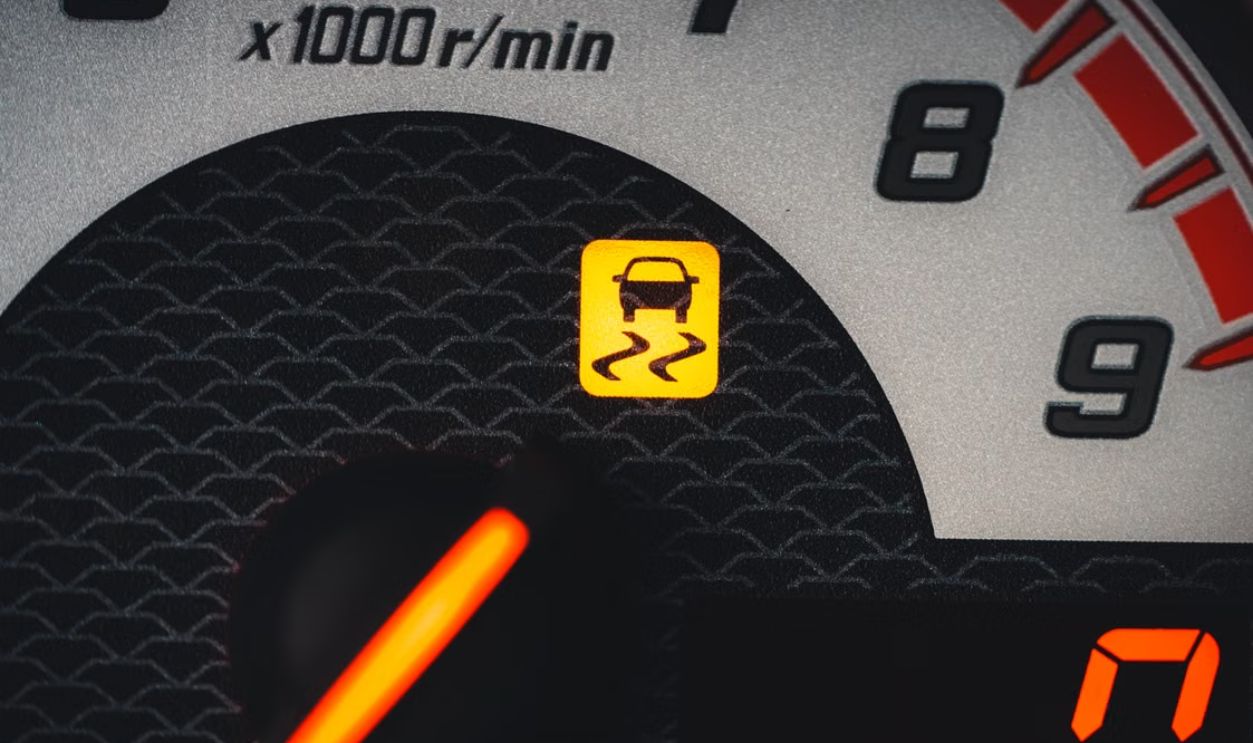
Electronic stability control, usually called ESC, monitors where the driver intends the vehicle to go and compares that with what the vehicle is actually doing. When it detects a developing skid or loss of directional control, it can selectively brake individual wheels and reduce engine power. That intervention can help keep an SUV pointed in the intended direction before a slide develops into something much more serious.
The Rollover Benefits Are Particularly Impressive
IIHS research found ESC reduced the risk of fatal single-vehicle rollover crashes by roughly 75% for SUVs. NHTSA has also found substantial reductions in fatal single-vehicle crashes after the technology became widespread. Those are major improvements, which helps explain why modern SUVs have a very different safety record from tall utility vehicles designed before stability control became common.
 OWS Photography, Wikimedia Commons
ESC Has Been Required For Years
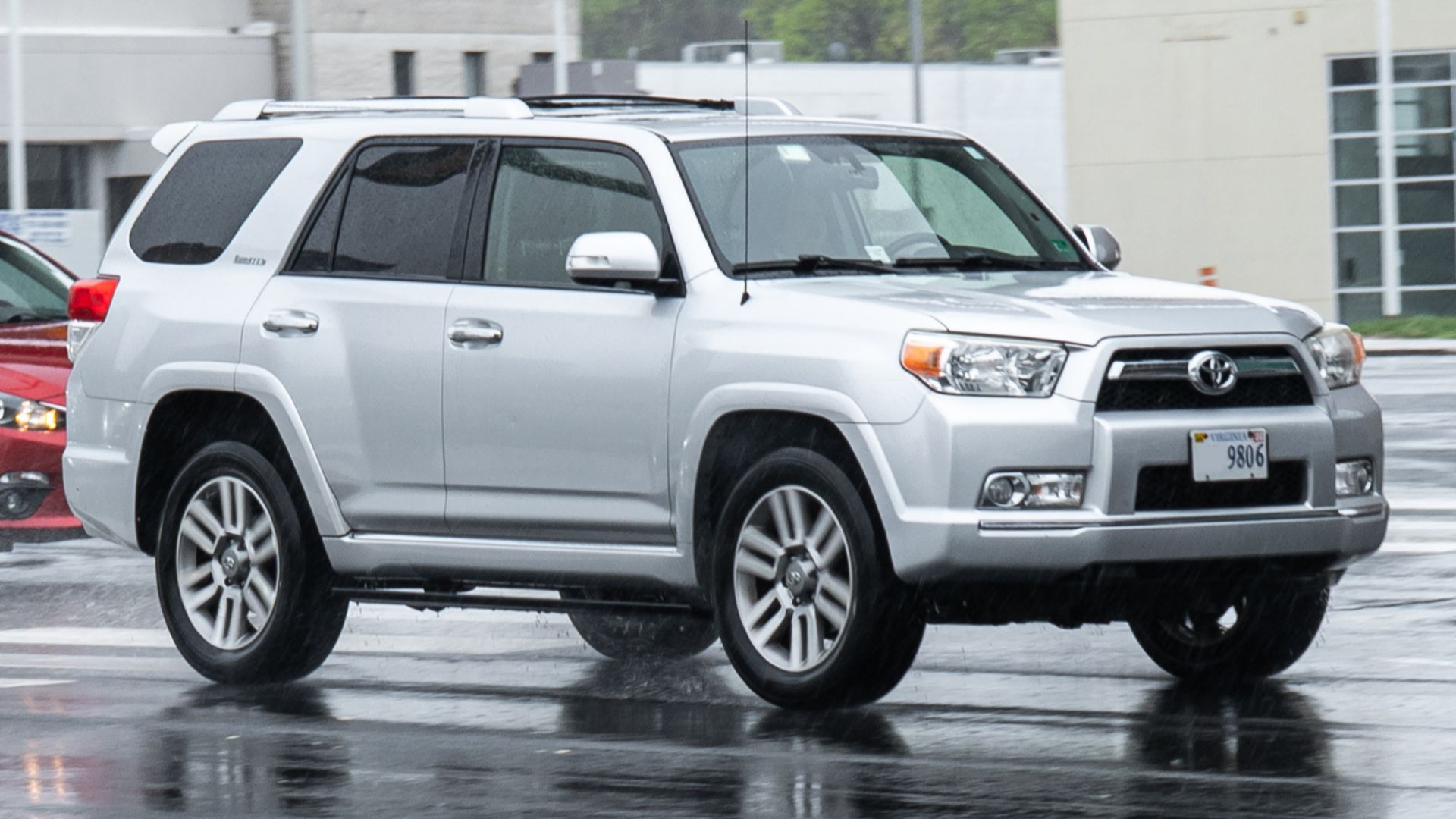
This isn't a premium feature reserved for expensive new SUVs anymore. Federal Motor Vehicle Safety Standard 126 phased electronic stability control into light vehicles, with essentially all new light vehicles required to comply by the 2012 model year. That means anyone shopping for a relatively recent SUV should expect ESC, although buyers considering older used models should still verify its presence.
 Elizabeth from Lansing, MI, USA, Wikimedia Commons
But ESC Can't Rewrite The Laws Of Physics
Stability control can intervene when a vehicle starts losing directional control, but it can't make every maneuver survivable. Enter a curve dramatically too fast, strike a curb while sliding sideways, or leave the pavement and dig the tires into soft ground, and the forces involved may overwhelm what the system can correct. Think of ESC as extremely effective crash-prevention technology, not an anti-rollover force field.

Many Rollovers Begin With Something Else Going Wrong
Vehicles frequently don't simply tip over while traveling normally down a flat road. A loss of control may send the SUV off the roadway, where a tire can encounter a curb, ditch, soft shoulder, guardrail, or other object that effectively "trips" the vehicle into a rollover. IIHS says most rollover accidents involve some kind of impact before the rollover begins.

Rollovers Haven't Vanished From The Statistics
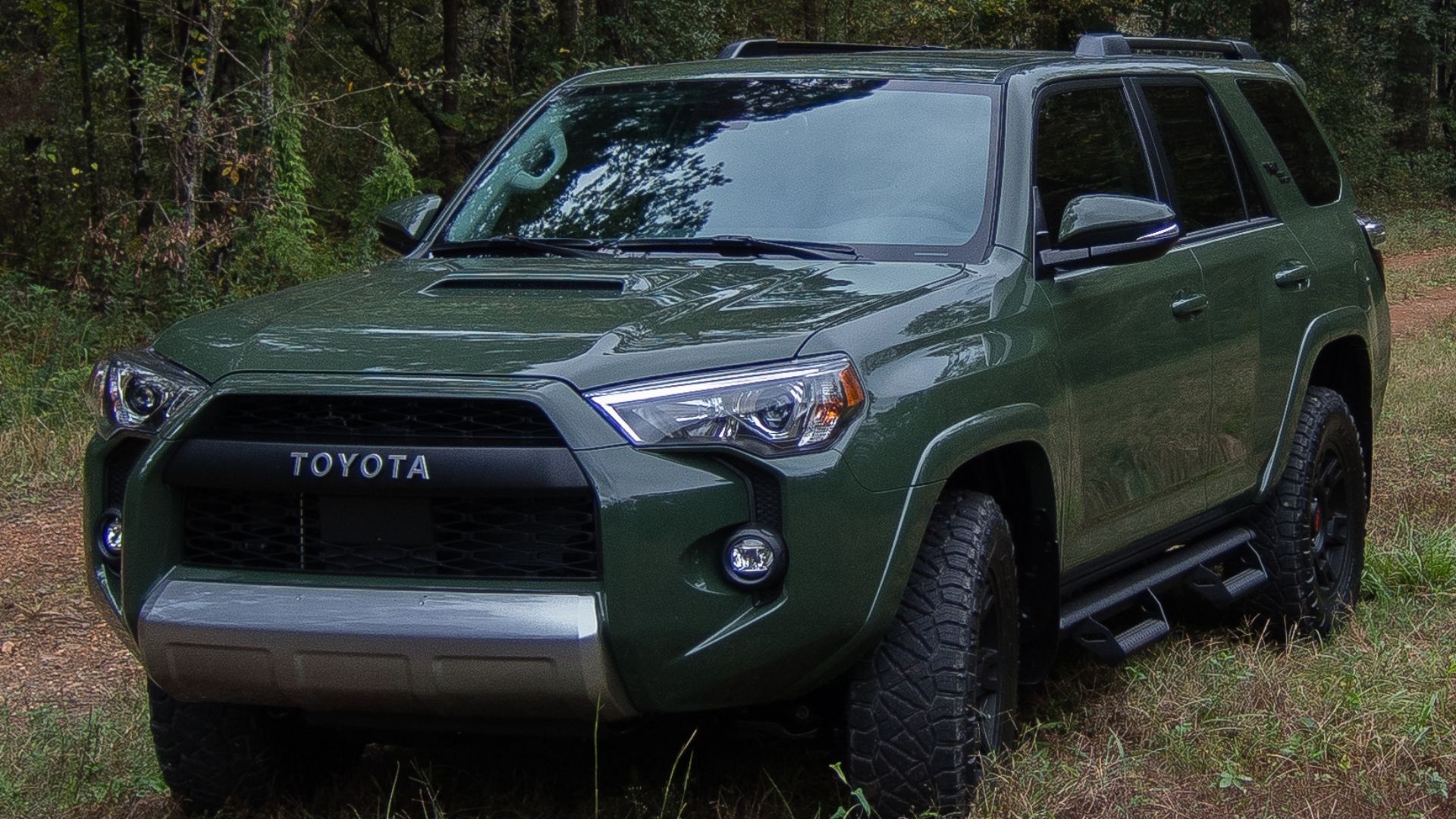
The concern clearly isn't obsolete. IIHS reports that 6,250 passenger-vehicle occupants perished in rollover crashes during 2024. Single-vehicle rollovers accounted for about 22% of SUV occupant deaths that year, compared with 16% for cars. Modern safety technology has made an enormous difference, but rollover remains a real type of serious crash rather than something engineers have completely designed away.
 Roy Cohutta, Wikimedia Commons
NHTSA Still Rates Rollover Resistance For A Reason
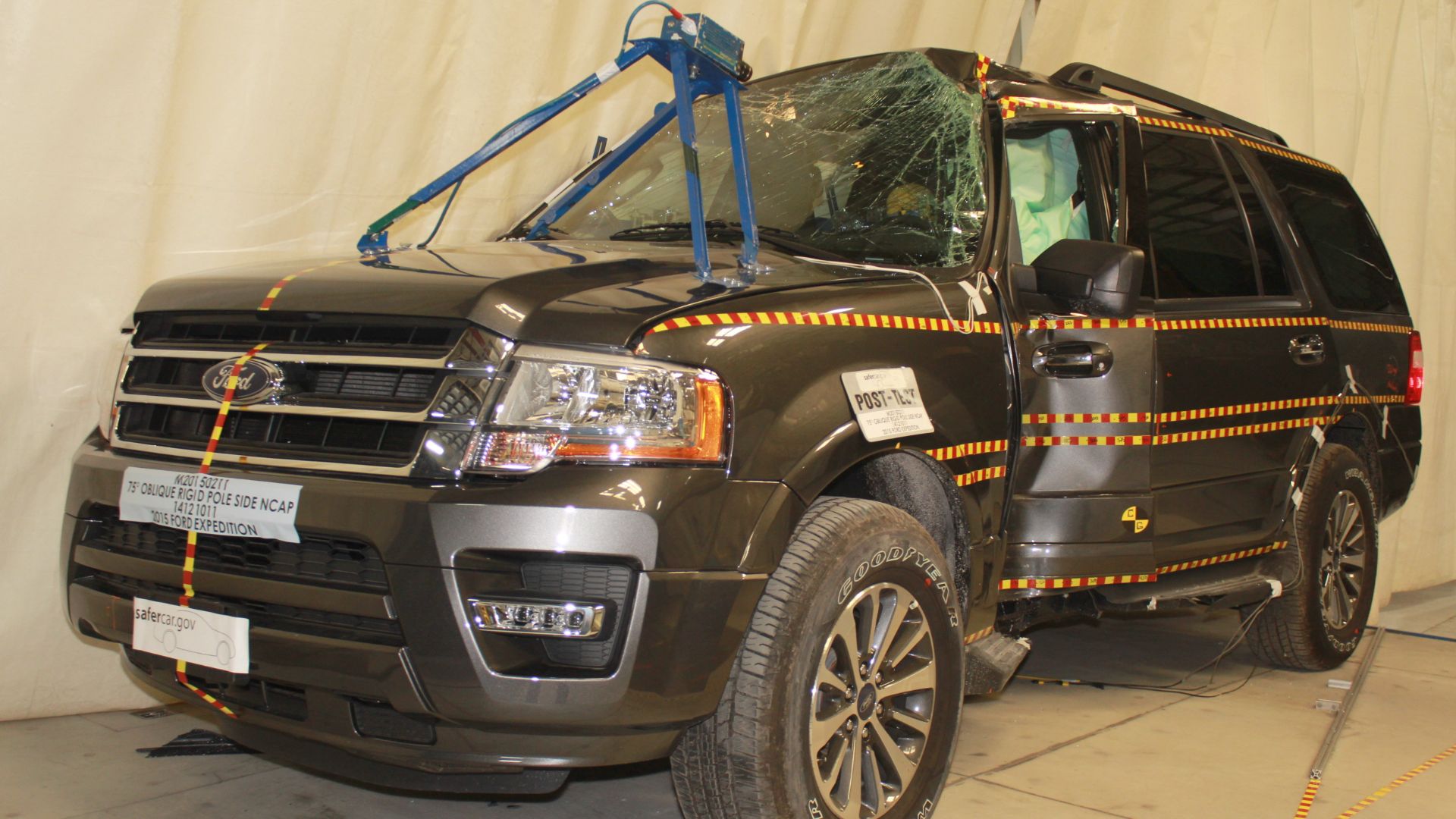
When researching a particular SUV, don't stop at its overall crash-test score. NHTSA publishes a separate rollover-resistance rating based partly on a measurement called the Static Stability Factor and partly on vehicle performance during a severe driving maneuver. Rollover ratings can be compared across vehicle classes, so shoppers can see whether one SUV performs better than another rather than treating every tall vehicle as equally risky.
 MGA Research, NHTSA, Wikimedia Commons
Static Stability Factor Measures How Top-Heavy A Vehicle Is
The Static Stability Factor considers a vehicle's center-of-gravity height relative to the width of its track. Broadly speaking, a wider stance and lower center of gravity improve resistance to tipping. That's why two SUVs of similar height can have different rollover characteristics. Looking tall in the parking lot tells you much less than the vehicle's actual dimensions, engineering, and test performance.

Modern SUVs Aren't All Built Like Older Ones
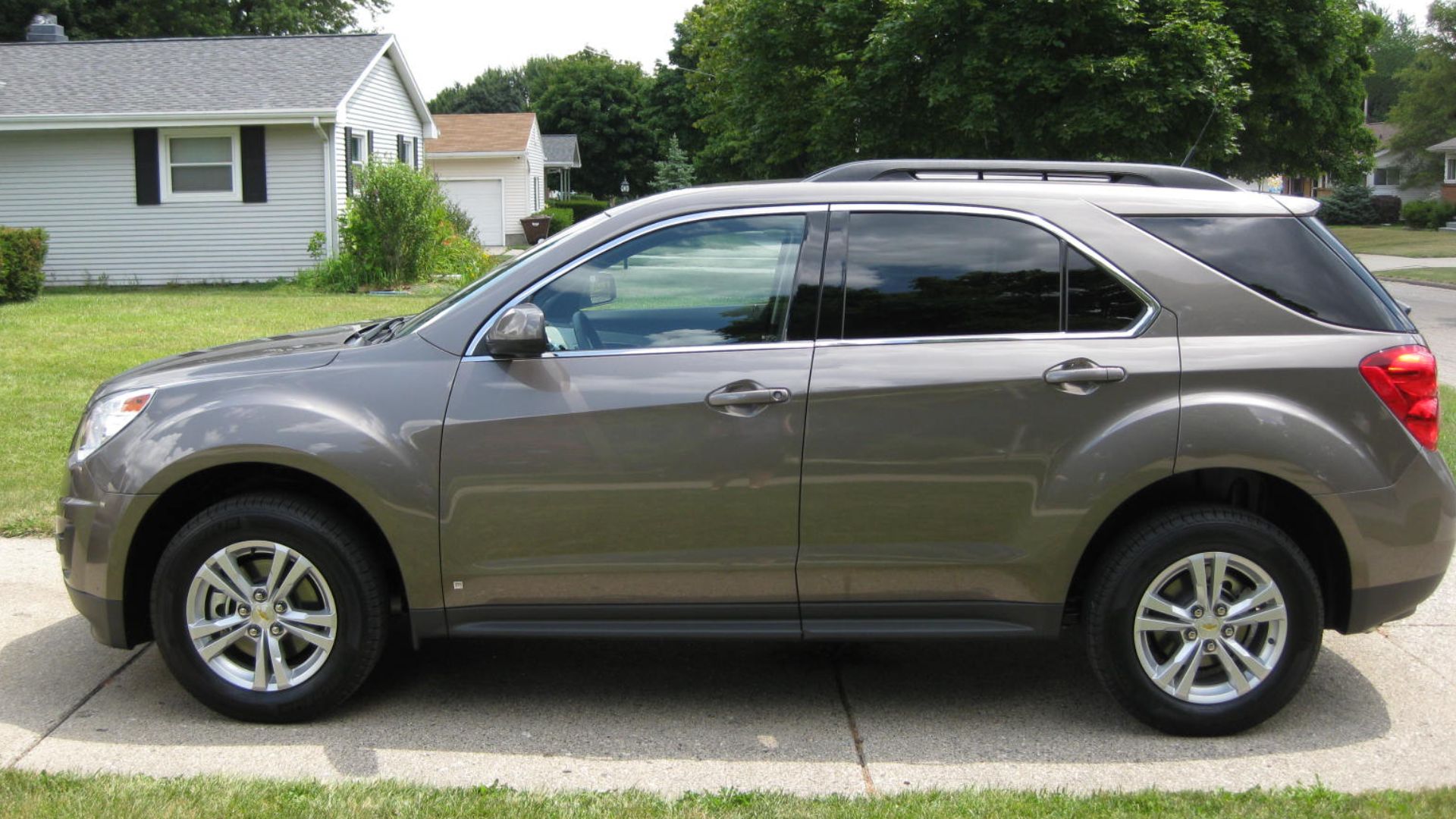
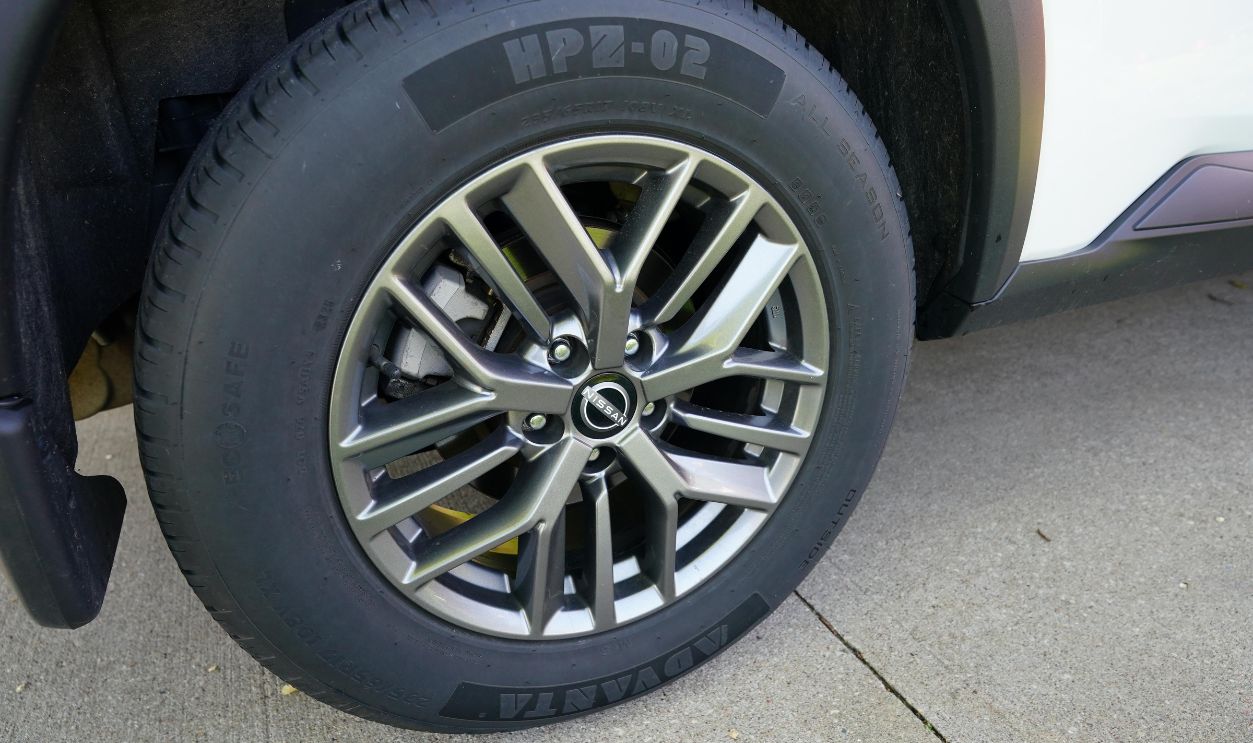
Manufacturers have spent decades improving suspension tuning, track width, tires, electronic controls, structural design, and weight distribution. Some crossovers also place heavy components relatively low in the chassis, helping their center of gravity. A modern car-based crossover can therefore behave very differently from an older truck-based SUV even if both technically belong to the same broad vehicle category.
 Aaron of L.A. Photography, Shutterstock
EV SUVs Can Benefit From Their Low Battery Placement
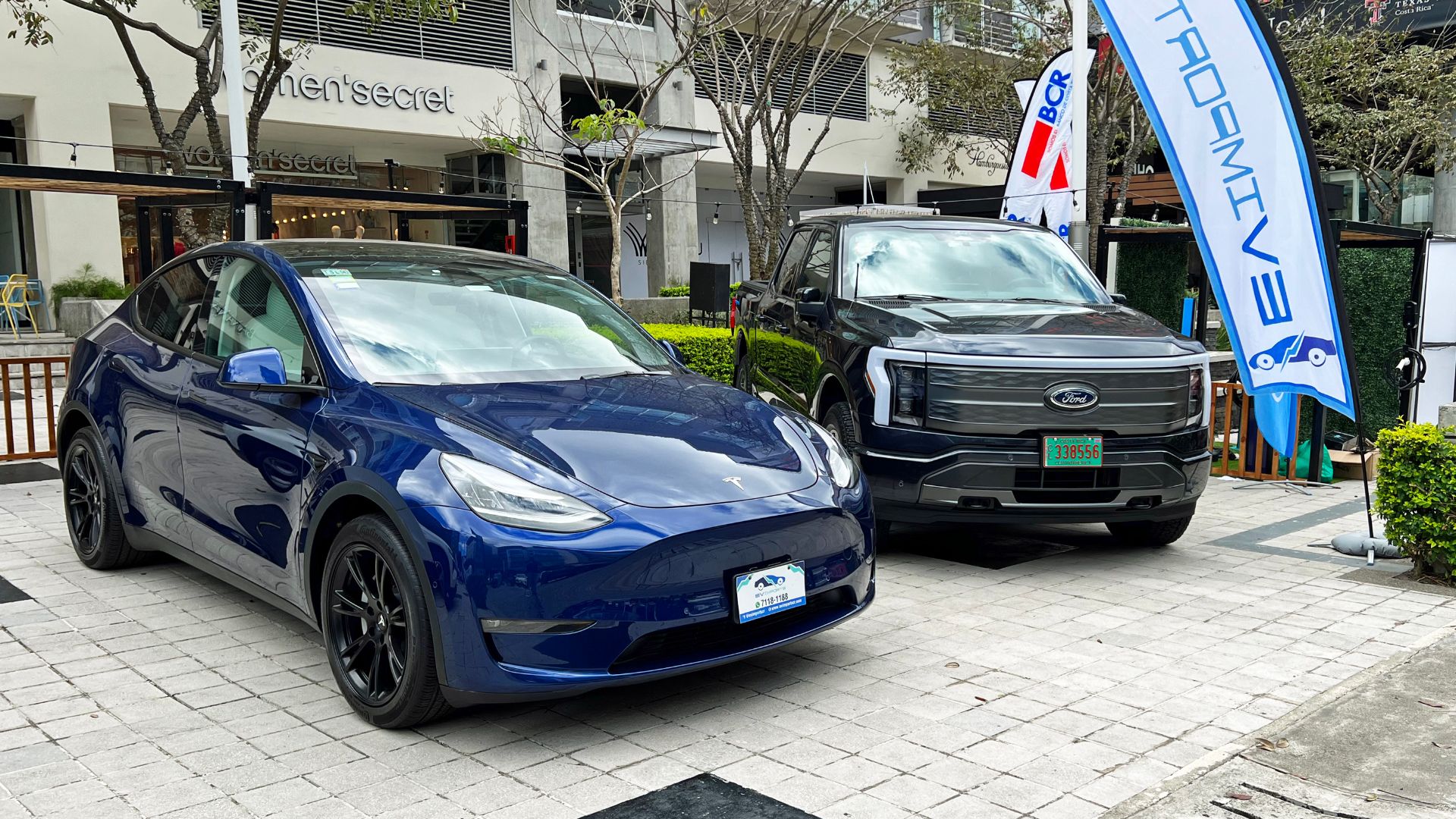
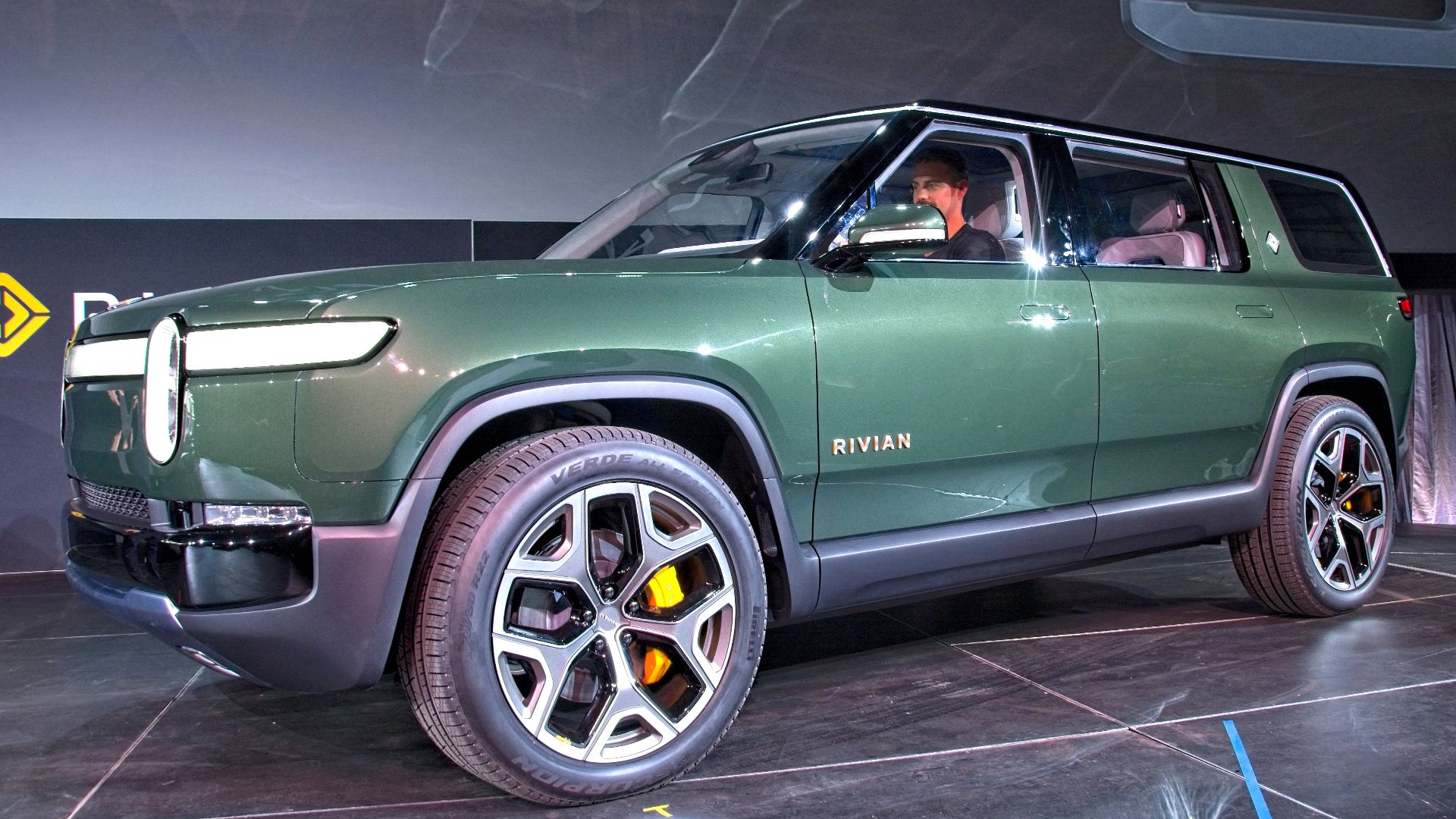
An electric SUV may look tall while carrying one of its heaviest components underneath the passenger compartment. The battery pack can help keep considerable mass relatively close to the road, potentially lowering the center of gravity compared with what the exterior shape suggests. That doesn't automatically make every electric SUV rollover-proof, so the same advice applies: check the actual safety ratings rather than judging from appearance alone.
 Mariordo (Mario Roberto Durán Ortiz), Wikimedia Commons
Roof Strength Matters If A Rollover Does Happen
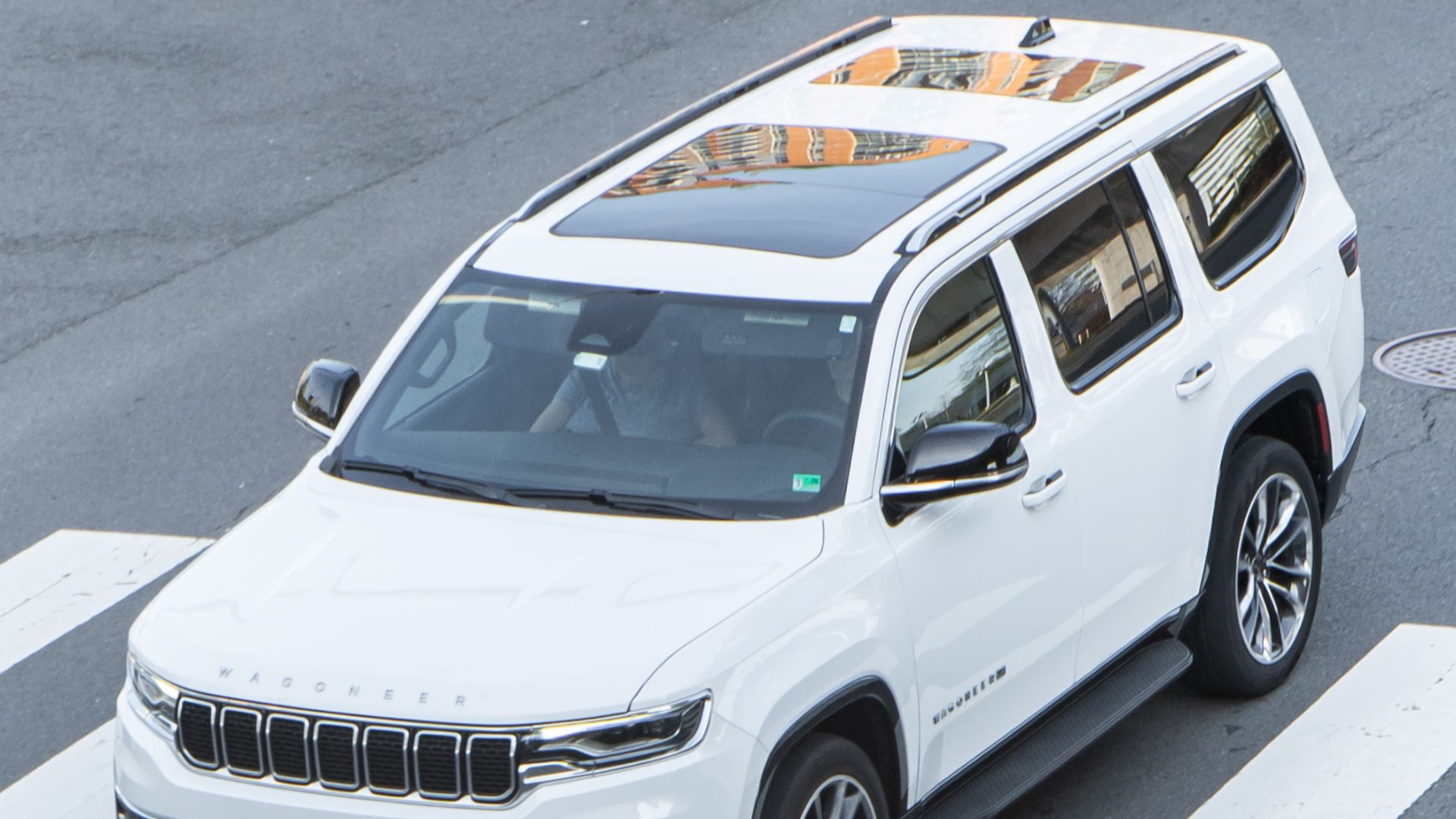
Avoiding the rollover is only half of the safety equation. The roof also needs to preserve survival space if the vehicle lands on its side or roof. IIHS found stronger roofs were associated with lower serious-injury risk in rollover crashes. The institute eventually discontinued its separate roof-strength testing because virtually every vehicle was earning a good rating after stronger federal requirements became widespread.
 OWS Photography, Wikimedia Commons
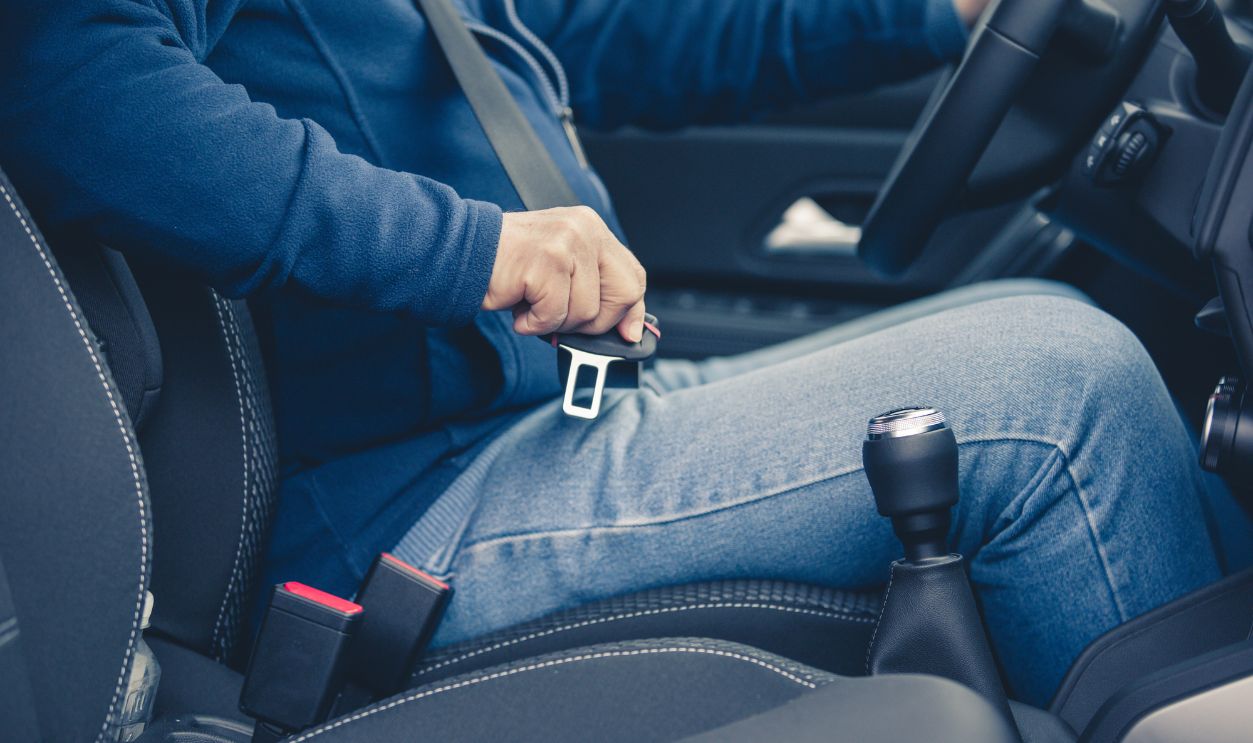
Seat Belts Become Especially Important In A Rollover
One of the greatest dangers in a rollover is being partially or completely ejected from the vehicle. A properly worn seat belt helps keep occupants inside the protected passenger compartment and prevents them from being thrown violently around the cabin. Even a vehicle with excellent stability control and a strong roof can't provide its intended protection if an occupant isn't restrained.
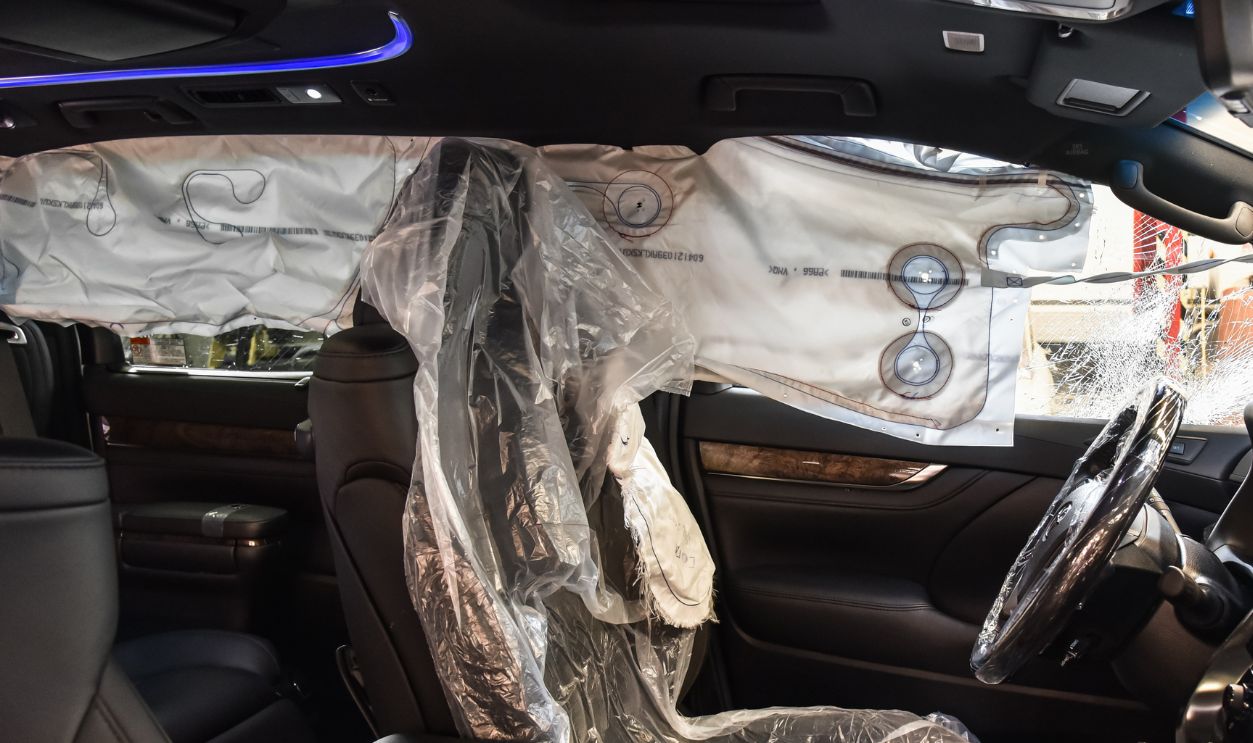
Side-Curtain Airbags Add Another Layer Of Protection
Modern SUVs commonly use side-curtain airbags that deploy along the side windows, and some systems are designed to remain inflated longer during a rollover. Their job can include cushioning occupants and helping reduce the likelihood of contact with or ejection through side windows. When comparing older used SUVs, check whether the particular model and year has appropriate curtain-airbag coverage rather than assuming every vehicle does.
Tires Can Undermine All That Sophisticated Technology
ESC relies on the tires having enough grip to respond to its braking commands. Severely worn, damaged, mismatched, or inappropriate tires can reduce the amount of control available in an emergency. NHTSA emphasizes tire maintenance because a blowout or loss of traction can trigger a loss-of-control crash. Spending money on a safe SUV while neglecting its tires defeats some of the engineering you're paying for.

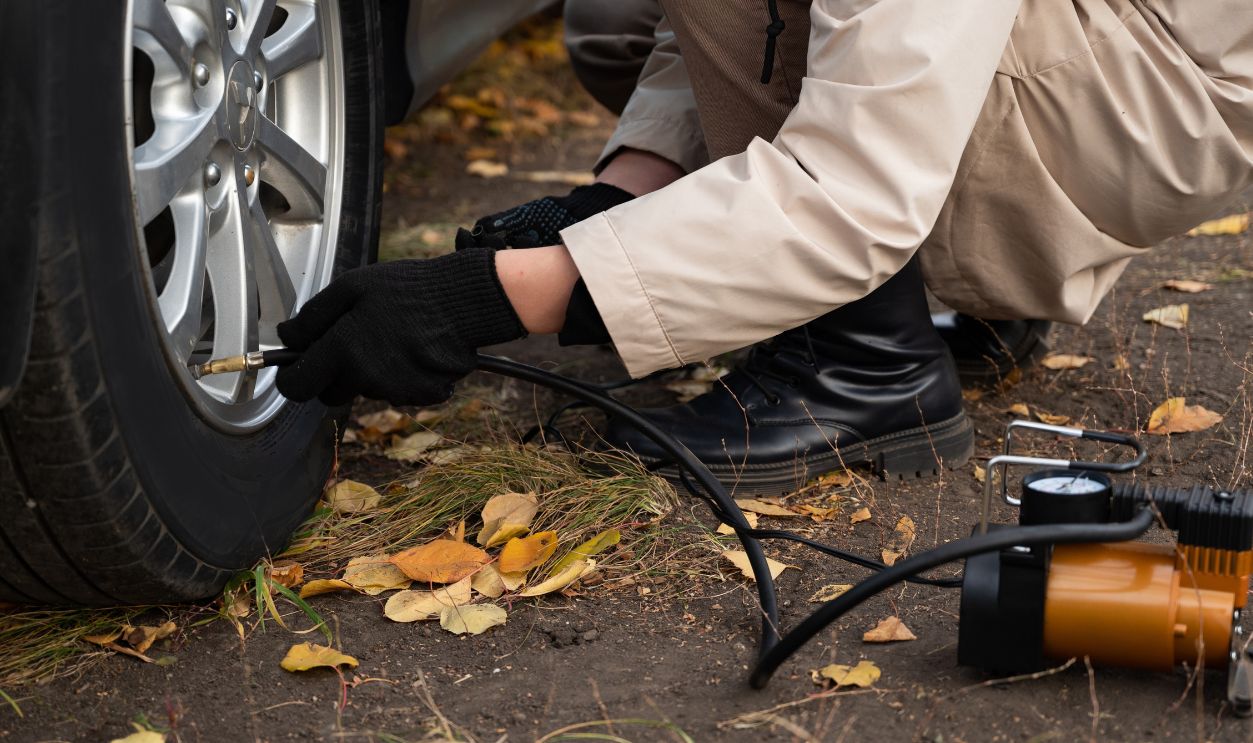
Tire Pressure Deserves More Attention Than It Gets
Underinflated tires can affect handling, increase heat buildup, and make tire failure more likely. Modern vehicles have tire-pressure monitoring systems, but the warning light isn't a substitute for occasional manual checks. Follow the pressure listed on the vehicle's tire-information label rather than the maximum pressure printed on the tire sidewall, particularly before carrying a full passenger and cargo load.
 Verbitskaya Svetlana, Shutterstock
Heavy Roof Cargo Changes The Equation
Loading luggage inside the vehicle is generally different from placing substantial weight on top of it. Roof boxes, camping equipment, kayaks, and other roof-mounted cargo raise the vehicle's center of gravity. That can affect handling and stability, particularly during abrupt maneuvers. Follow both the vehicle manufacturer's roof-load limit and the rack manufacturer's restrictions instead of assuming unused roof space equals unlimited carrying capacity.

Overloading The SUV Isn't Harmless Either
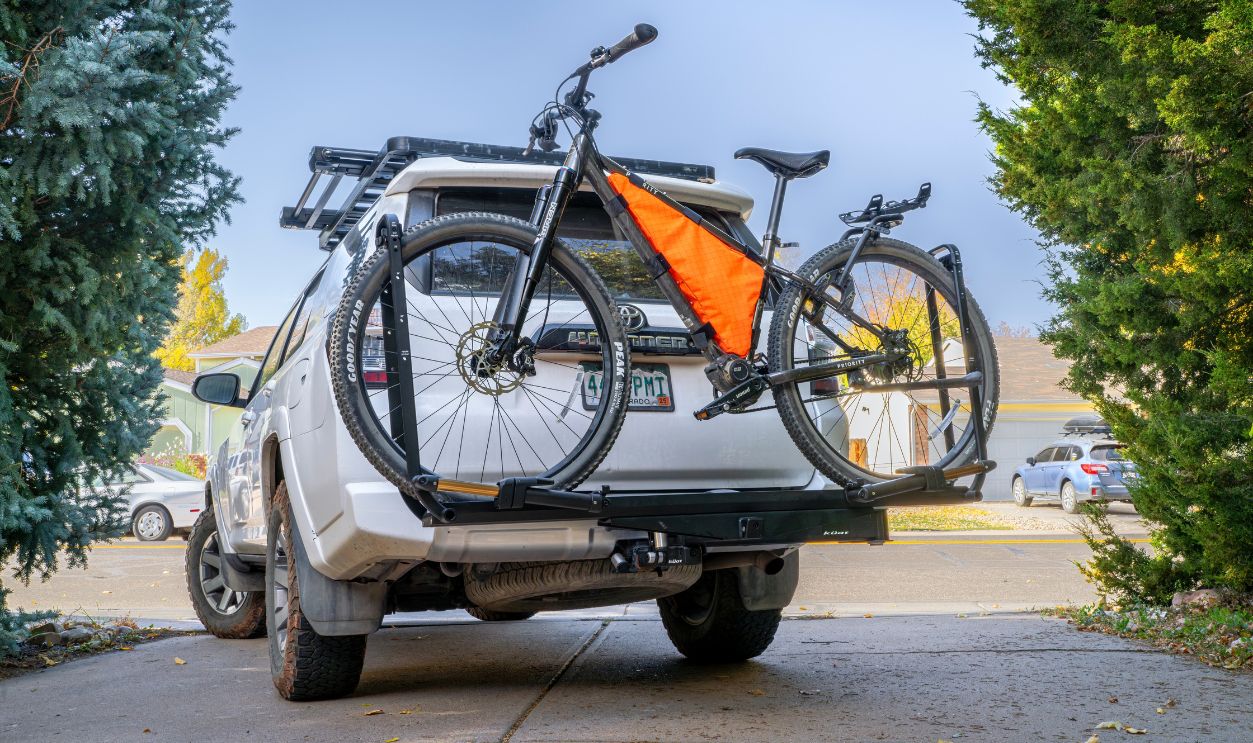
The payload sticker on the driver's door jamb tells you how much combined passenger and cargo weight the vehicle is designed to carry. Seven adults, luggage, a cooler, bicycles, and a hitch-mounted carrier can add up quickly. Staying within the manufacturer's weight ratings protects far more than fuel economy. Suspension, tire loading, braking, and handling are all affected when a vehicle is heavily loaded.
Lift Kits Can Make A Different SUV Out Of It
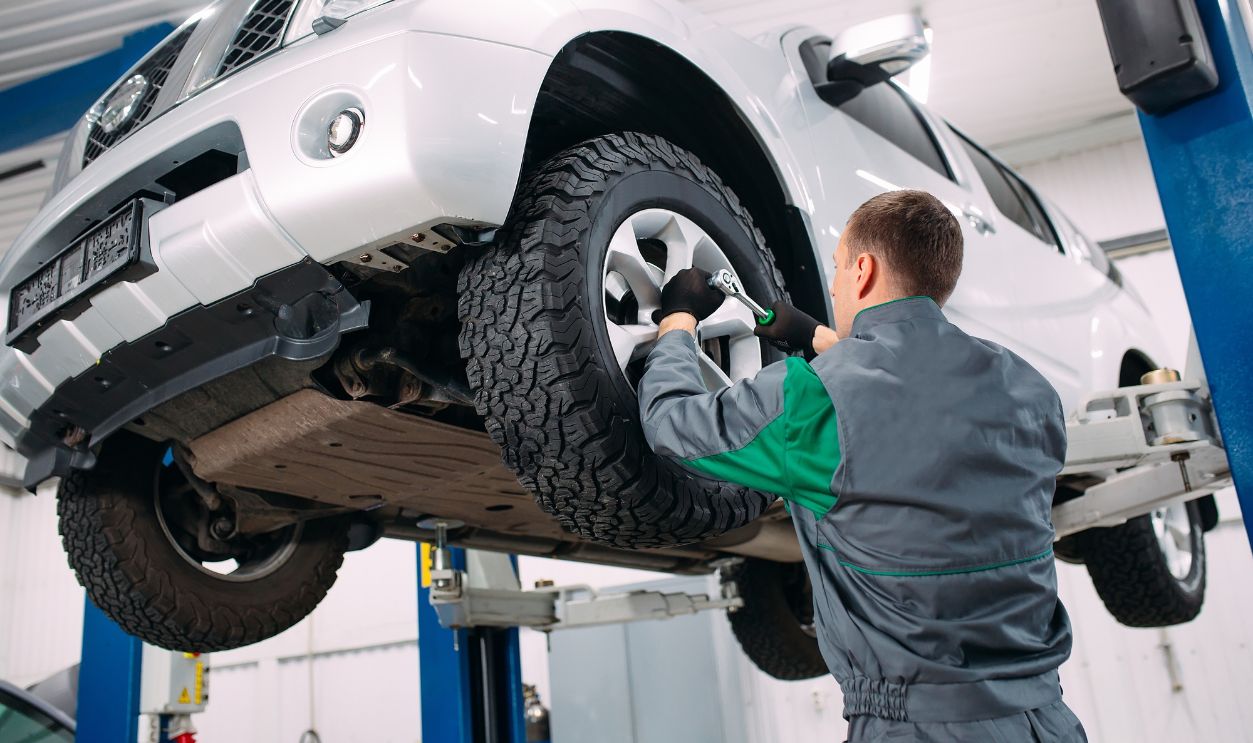
Raising an SUV's suspension may provide additional off-road clearance or achieve a preferred appearance, but it can also alter the vehicle's handling characteristics and center of gravity. NHTSA-hosted tire-safety material specifically warns that modifications to SUV tires, wheels, or suspension can increase rollover likelihood. Factory stability-control tuning was developed around a particular vehicle configuration, not necessarily one sitting several inches higher on oversized tires.
 David Tadevosian, Shutterstock
Speed Still Matters In Emergency Maneuvers
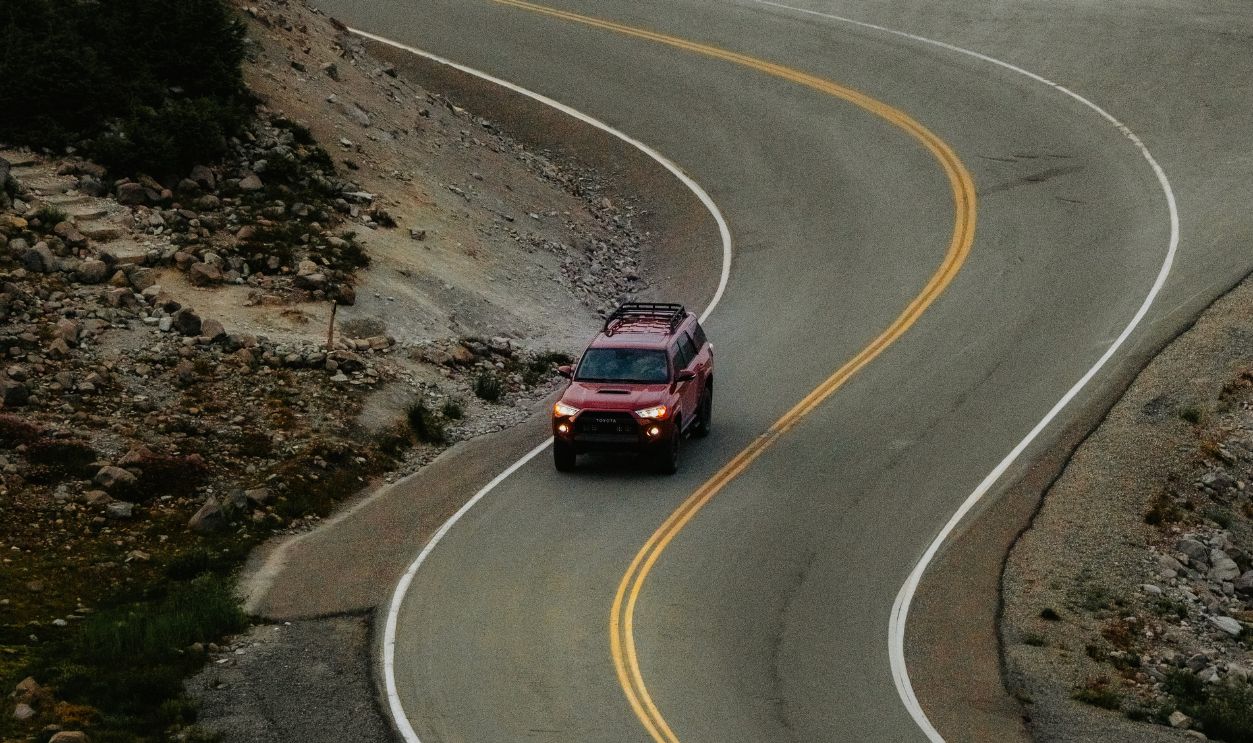
No stability system can fully compensate for entering a curve far too quickly. Higher speed increases the forces generated during turning, which means an abrupt steering maneuver becomes much more demanding. Slowing appropriately for curves, wet roads, snow, construction zones, and unfamiliar roads gives stability control far more opportunity to help if something unexpected happens.
Sudden Steering Inputs Can Be Particularly Dangerous
A driver who drops two wheels off the pavement may instinctively pull the steering wheel back toward the road. That sudden correction can create a rapid transition from one direction to another, potentially leading to loss of control. Stability control helps with situations like this, but smoother steering and controlled speed remain important. Technology works best when it assists good driving rather than repeatedly rescuing extreme inputs.
Don't Judge Overall Safety By Rollover Risk Alone
A lower vehicle may have better geometric rollover resistance while being smaller and lighter in a collision. IIHS notes that larger, heavier vehicles generally provide more occupant protection than smaller, lighter ones because they have more structure to absorb crash energy and experience different crash forces. Safety shopping therefore involves balancing rollover resistance, crashworthiness, size, weight, braking, driver-assistance technology, and several other factors.
Compare Specific Models Instead Of "SUV Vs. Car"
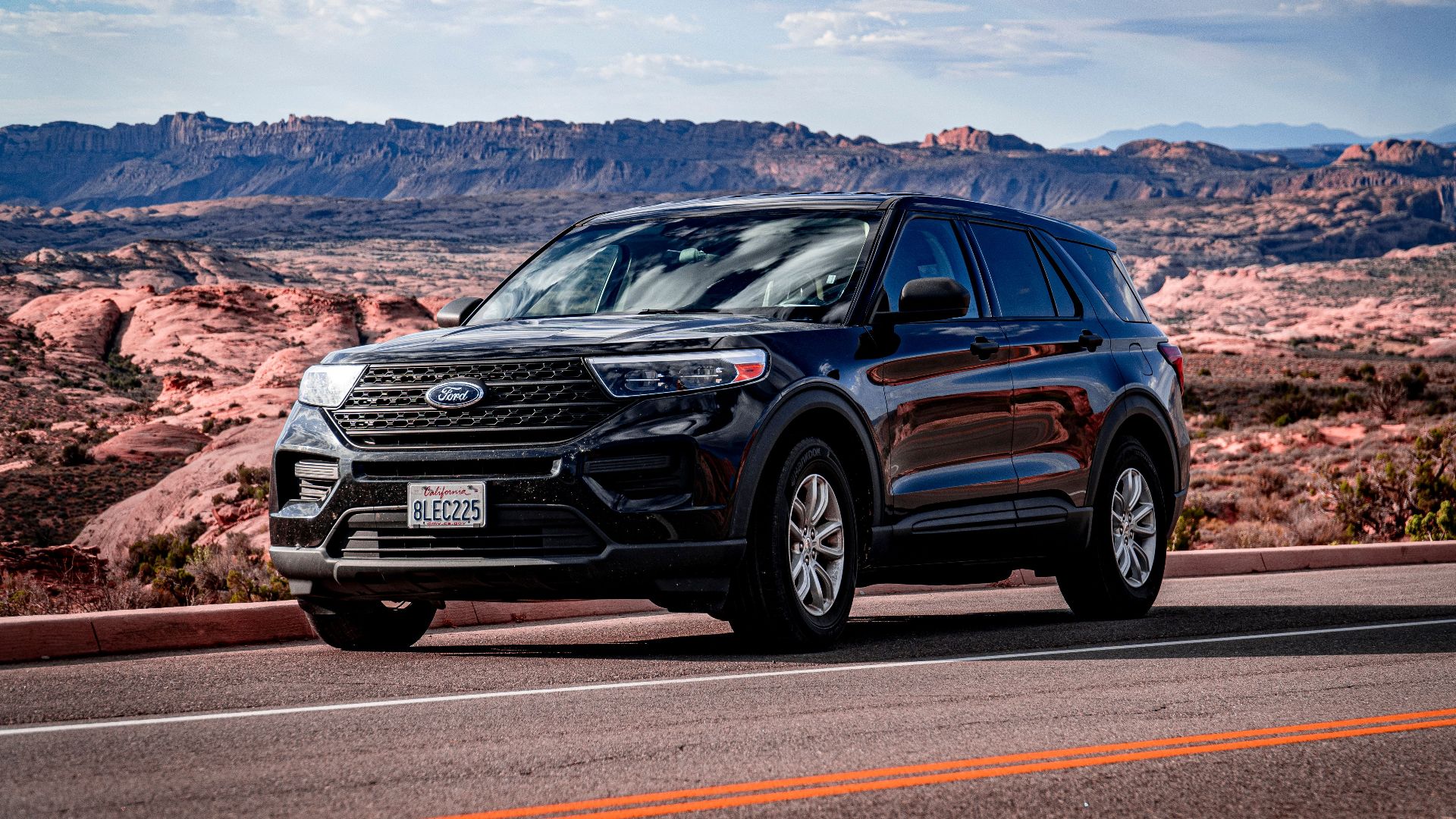
The useful comparison isn't whether SUVs as a category are safe. Compare the specific vehicles you're considering. Check NHTSA's rollover rating, overall crash scores, IIHS evaluations, standard safety equipment, tire size, curb weight, and available crash-avoidance systems. Two similarly sized SUVs can perform differently, and a well-designed modern model shouldn't be dismissed simply because an older generation of tall SUVs had a poor rollover reputation.
The Concern Isn't Outdated, But The Risk Has Changed Dramatically
Modern stability control has made tall SUVs substantially safer and has prevented countless loss-of-control and rollover crashes, so it's fair to say the old reputation doesn't fully reflect today's vehicles. But it's going too far to say rollover risk no longer matters. Height and center of gravity still affect vehicle stability, and serious rollover crashes still occur. The best compromise is to choose a modern SUV with strong rollover and crash-test results, keep its tires and suspension in factory-safe condition, load it sensibly, and let stability control serve as the excellent backup system it was designed to be rather than treating it as permission to ignore physics.
 Richard Truesdell, Wikimedia Commons
You May Also Like:
I Bought A Cheap Used Car With Low Mileage, But The Repair Bills Keep Coming. Did I Make A Mistake?