From The Starting Grid To The School Run
You probably don't think about Formula 1 or the Indianapolis 500 when you're driving to the grocery store. But some of the technology helping keep you safe has an unexpectedly glamorous racing history. From better brakes to stronger passenger compartments, motorsport has helped develop and popularize innovations that eventually reached everyday vehicles. Some originated in competition, while others were perfected there before becoming familiar road-car equipment. koldo_studio, Shutterstock Images
Rearview Mirrors Got Their Famous Racing Moment In 1911
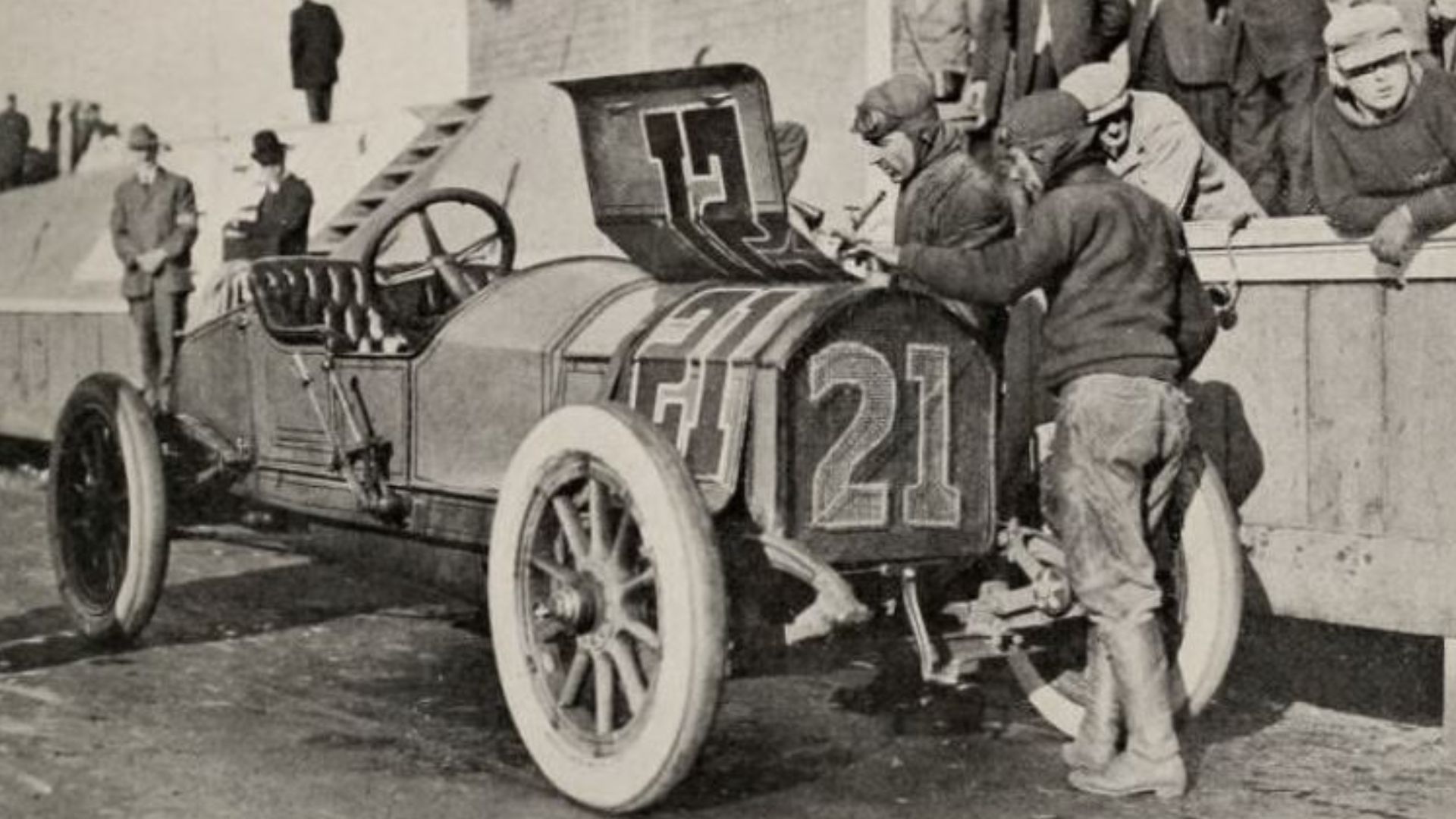
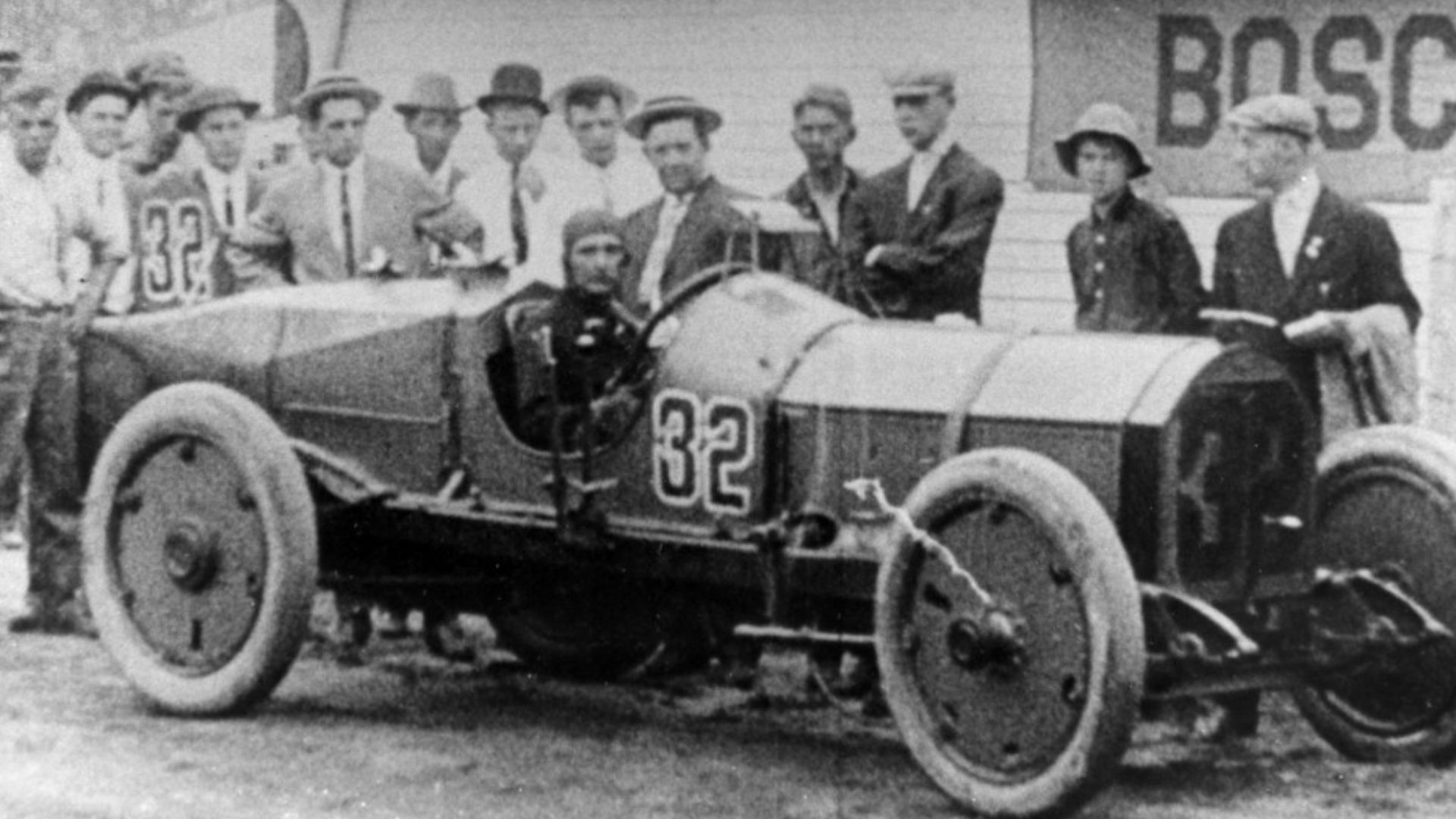
The inaugural Indianapolis 500 featured a driver who wanted to compete without the usual riding mechanic. Ray Harroun installed a rearview mirror on his Marmon Wasp so he could see approaching competitors. He went on to win the race, helping make the mirror one of motorsport's most famous early innovations.
 Lawrence Heyd Smith, Wikimedia Commons
One Small Mirror Replaced An Extra Pair Of Eyes
Riding mechanics traditionally helped drivers watch traffic and identify approaching competitors. Harroun's single-seat arrangement eliminated that second person, making rearward visibility particularly important. Although mirrors had earlier uses, his Indianapolis appearance demonstrated their usefulness in a competitive environment.
 Unknown authorUnknown author, Wikimedia Commons
Now Every Driver Depends On The Same Basic Idea
Modern cars use interior and exterior mirrors to help drivers monitor surrounding traffic. The principle remains remarkably similar to Harroun's arrangement: drivers need information about vehicles they cannot see directly ahead. Today's mirrors are considerably more sophisticated, but the basic safety function hasn't changed.

Disc Brakes Solved A Serious Racing Problem
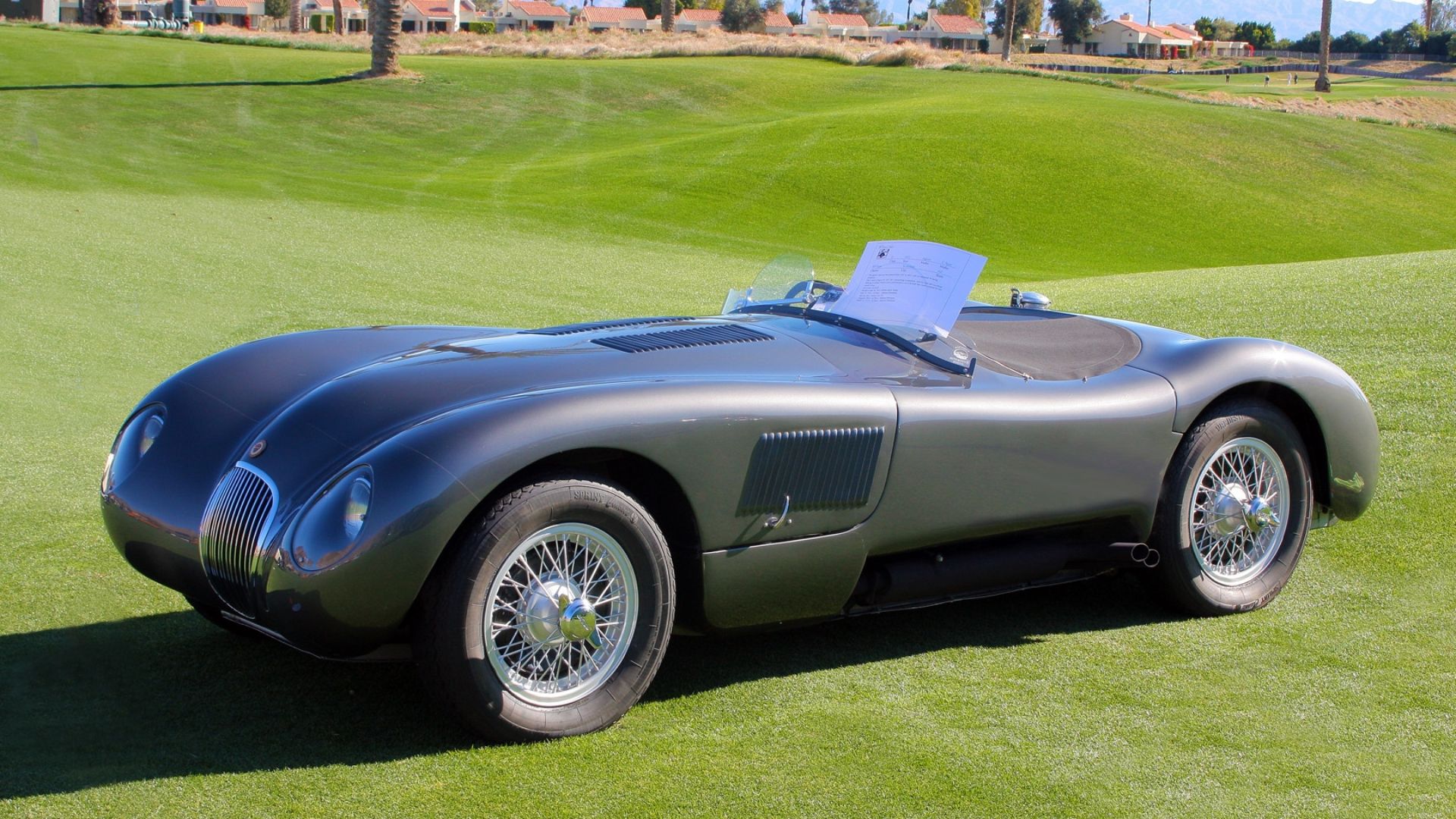
Early racing cars often relied on drum brakes, which could lose effectiveness as temperatures increased. This phenomenon, known as brake fade, was especially troublesome during endurance races. Jaguar began developing disc brakes with Dunlop in the early 1950s to deliver more consistent stopping performance under demanding conditions.
 Rex Gray from Southern California, Wikimedia Commons
A 1952 Victory Showed What Disc Brakes Could Do
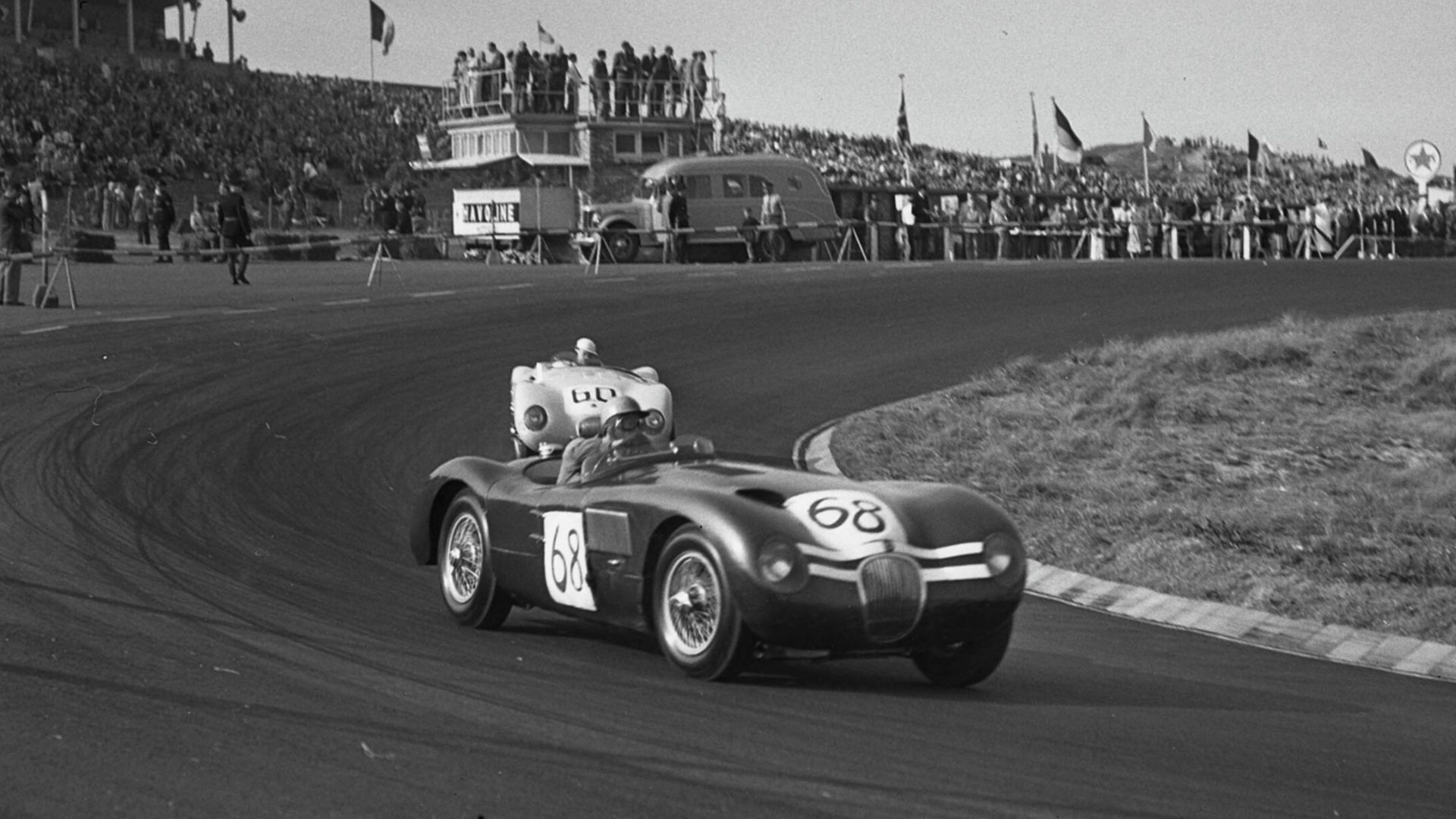
In June 1952, Stirling Moss drove a disc-brake-equipped Jaguar C-type to victory at Reims. It became the first international motor race won by a car using disc brakes. The achievement provided a highly visible demonstration that the technology could withstand serious competition.
 Joop van Bilsen, Wikimedia Commons
Le Mans Made The Advantages Impossible To Ignore
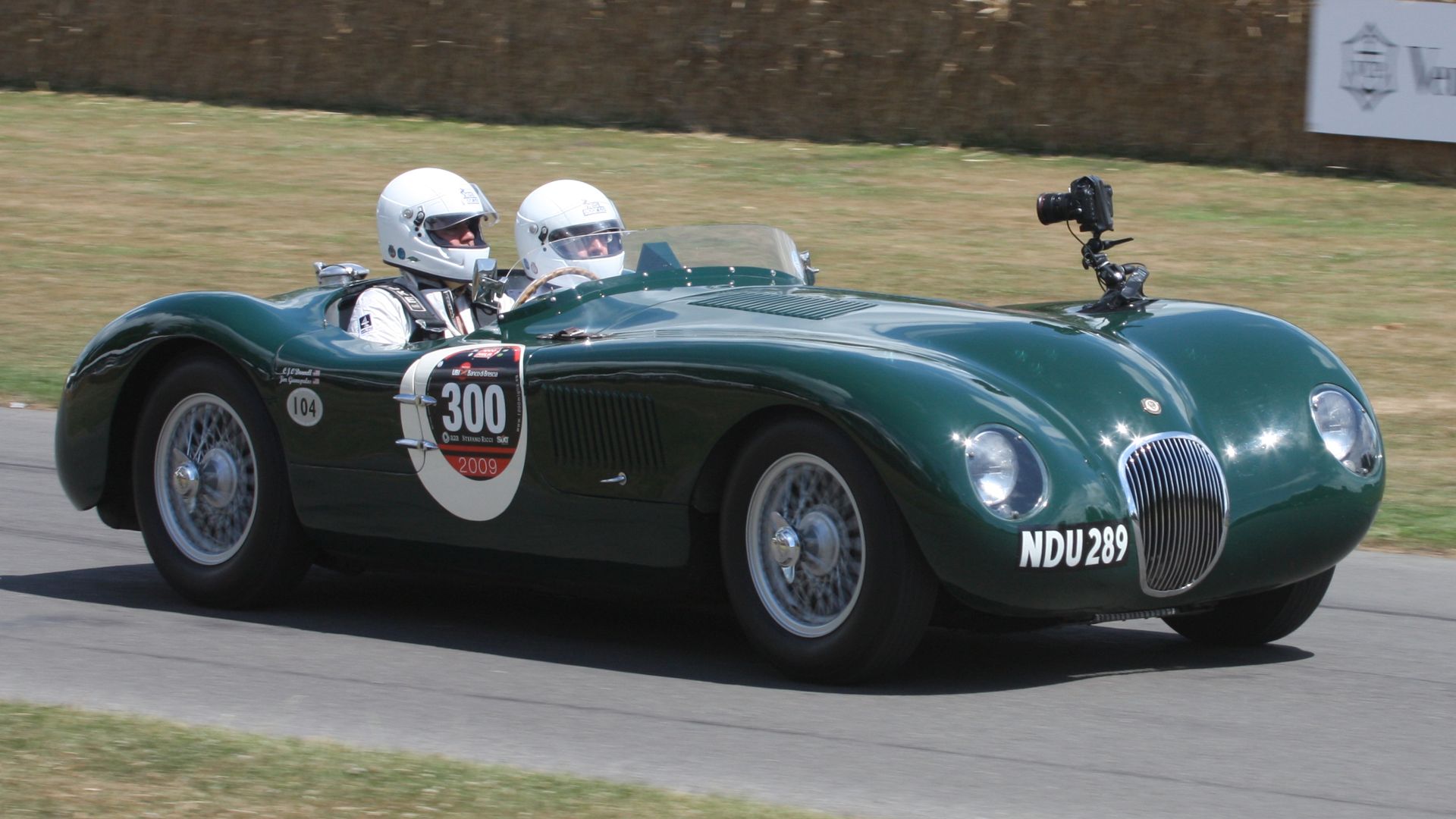
Jaguar returned to Le Mans in 1953 with improved disc brakes and finished first, second, and fourth. The brakes allowed drivers to repeatedly slow from high speeds without the same fading problems associated with drums. That performance helped encourage wider adoption of disc brakes in road vehicles.
 Brian Snelson, Wikimedia Commons
But Racing Didn't Actually Invent Them
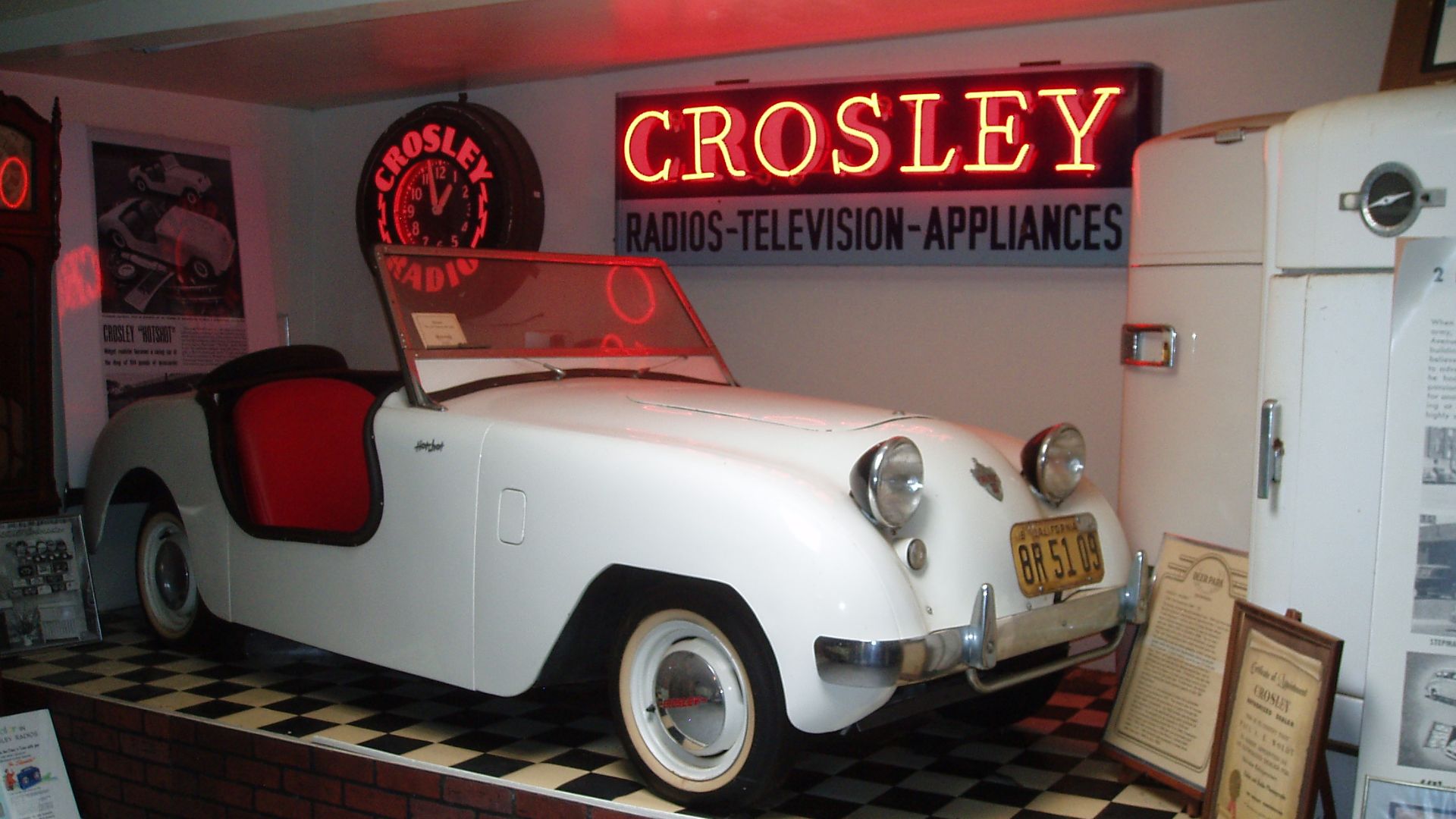
Here's an important distinction: Crosley had already installed four-wheel disc brakes on production cars in 1949. Those early systems suffered corrosion problems, and Crosley eventually abandoned them. Jaguar's achievement was helping prove and popularize a more durable approach, rather than inventing disc brakes from scratch.
 Alden Jewell, Wikimedia Commons
Roll Bars Were Protecting Racers First
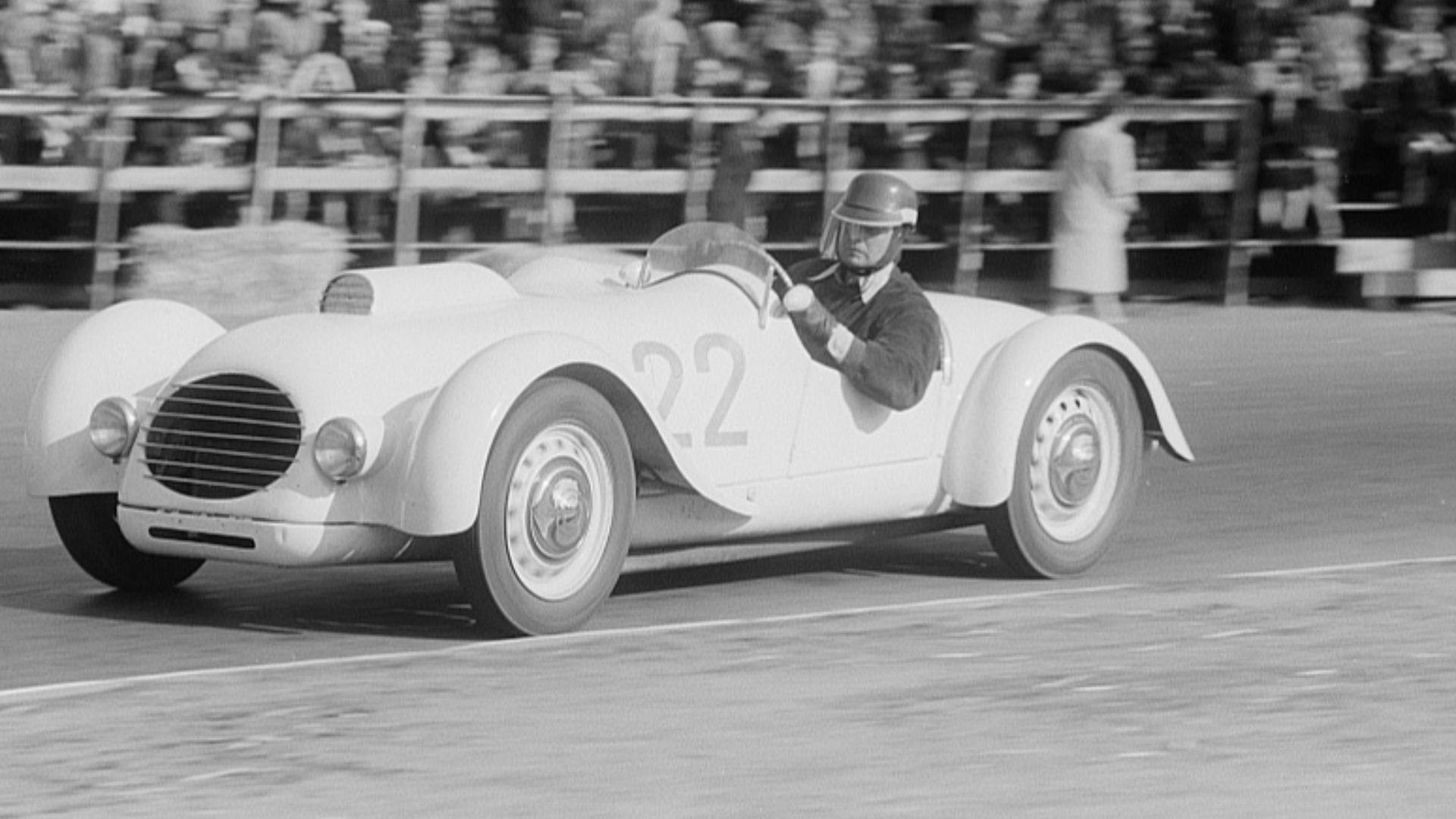
Open-cockpit racing vehicles were particularly vulnerable during rollovers, prompting the development of protective metal hoops behind drivers. Such devices were used in racing during the 1950s and became mandatory at Indianapolis in 1959. Their purpose was straightforward: preserve protective space around the driver if the vehicle overturned.
 Roger Rössing / Renate Rössing, Wikimedia Commons
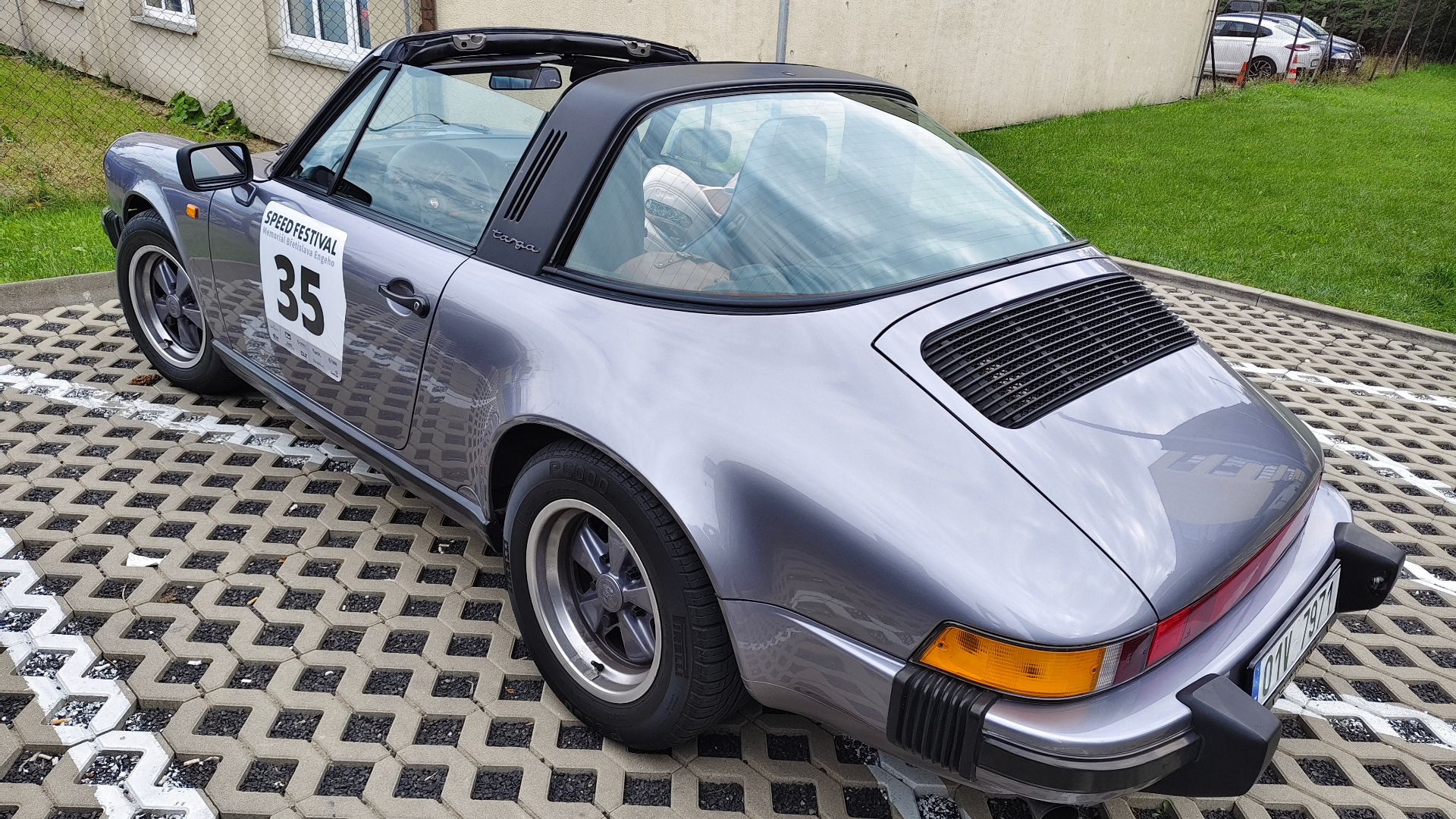
Porsche Turned Racing Protection Into A Road-Car Feature
In 1965, Porsche introduced the 911 Targa with a distinctive fixed roll bar behind its seats. The design drew directly on motorsport rollover protection while allowing drivers to enjoy a removable roof section. It combined structural reinforcement with open-air motoring in a production vehicle.
 Mojmir Churavy, Wikimedia Commons
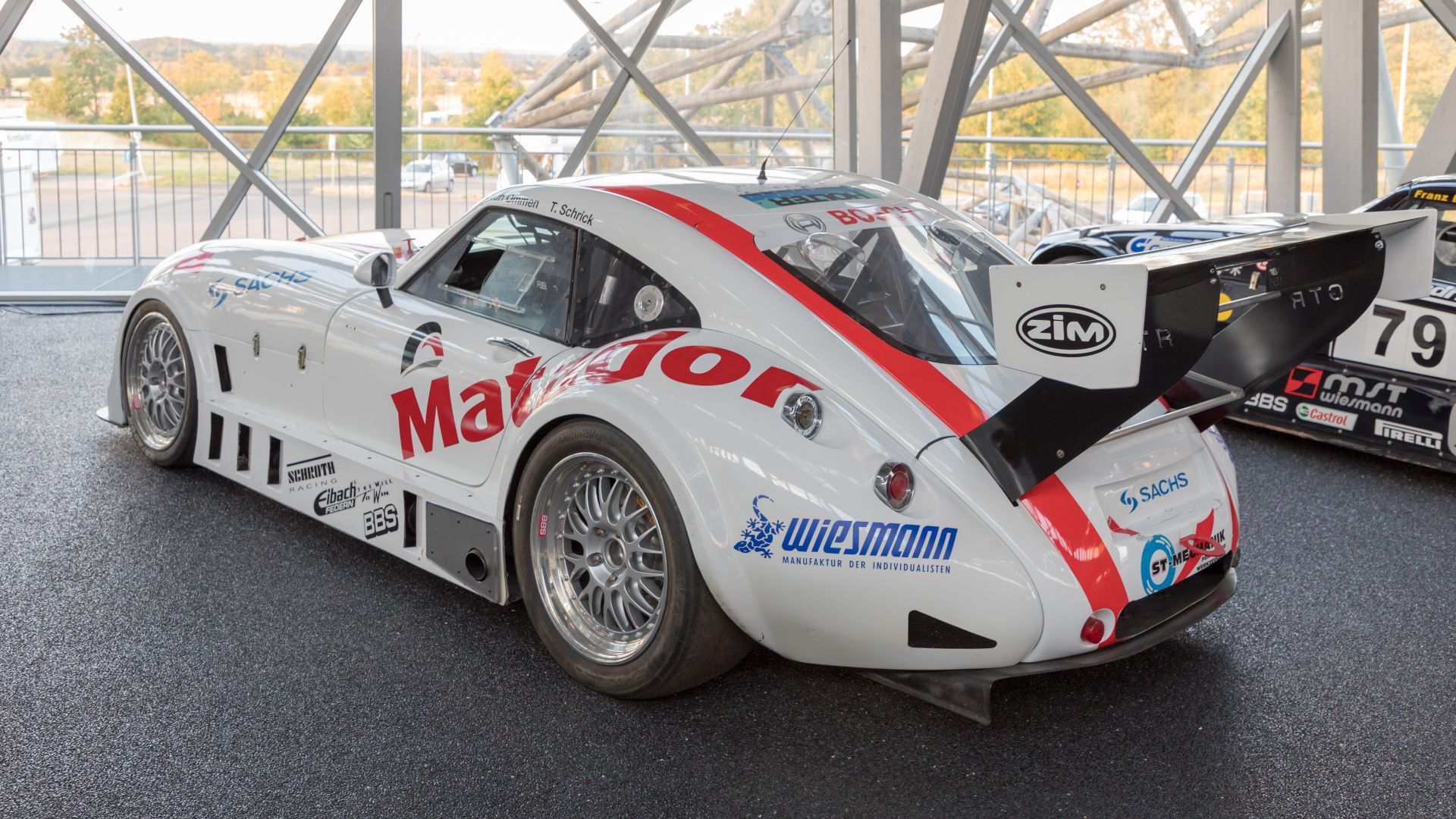
The Idea Continued Beyond Racing Cars
The Targa helped establish the concept of incorporating purposeful rollover protection into open-top passenger vehicles. Later convertibles developed their own protective structures and systems. Today's designs differ substantially from simple racing hoops, but the underlying concern about maintaining occupant space remains.
 Dietmar Rabich, Wikimedia Commons
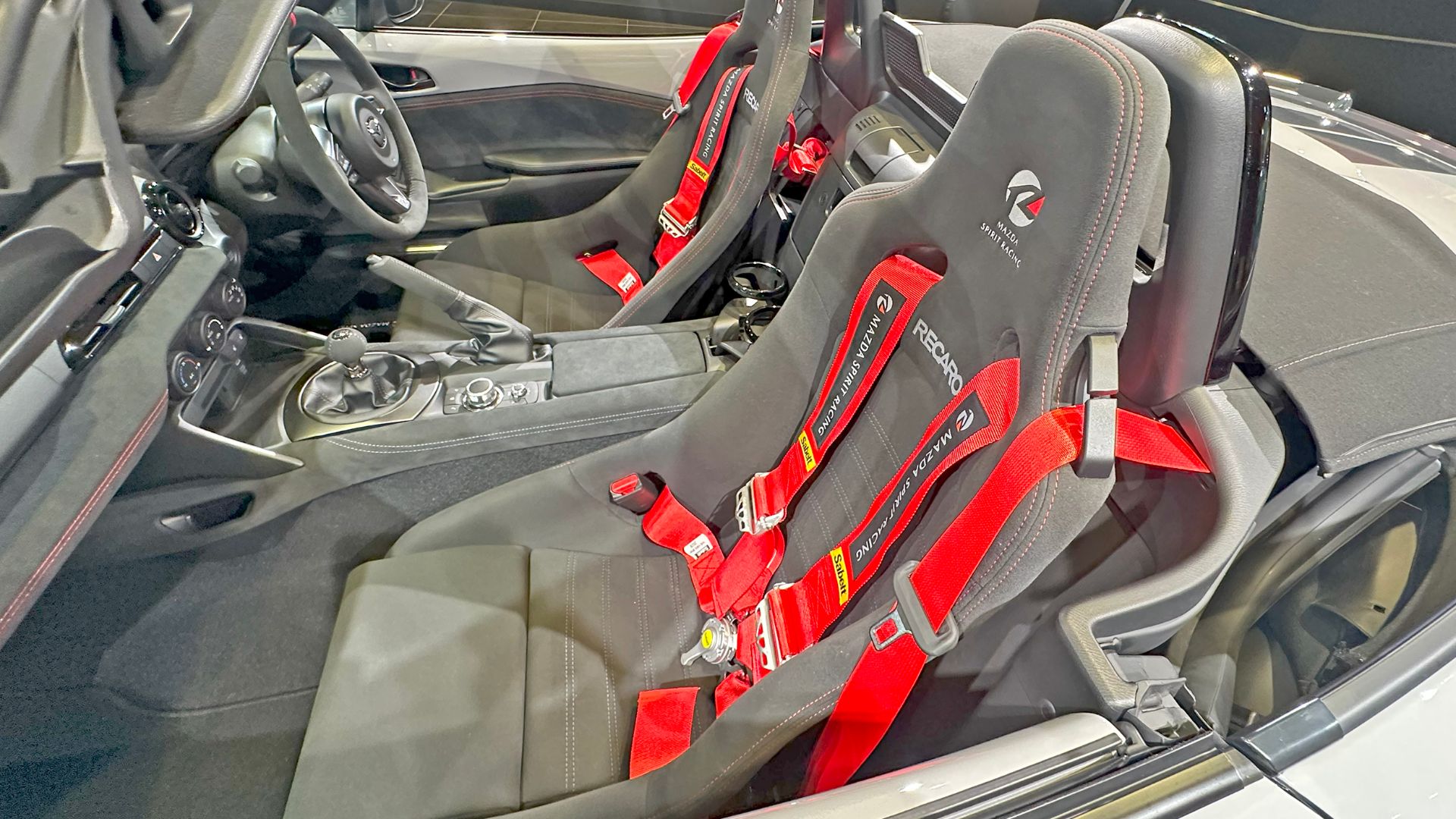
Racing Seats Were Designed To Keep Drivers In Position
When race cars corner aggressively, drivers experience substantial sideways forces. Seats with pronounced side supports help prevent unnecessary movement and maintain a stable driving position. This approach influenced the development of road-car sports seats, where lateral support became an important part of seating design.
 Tokumeigakarinoaoshima, Wikimedia Commons
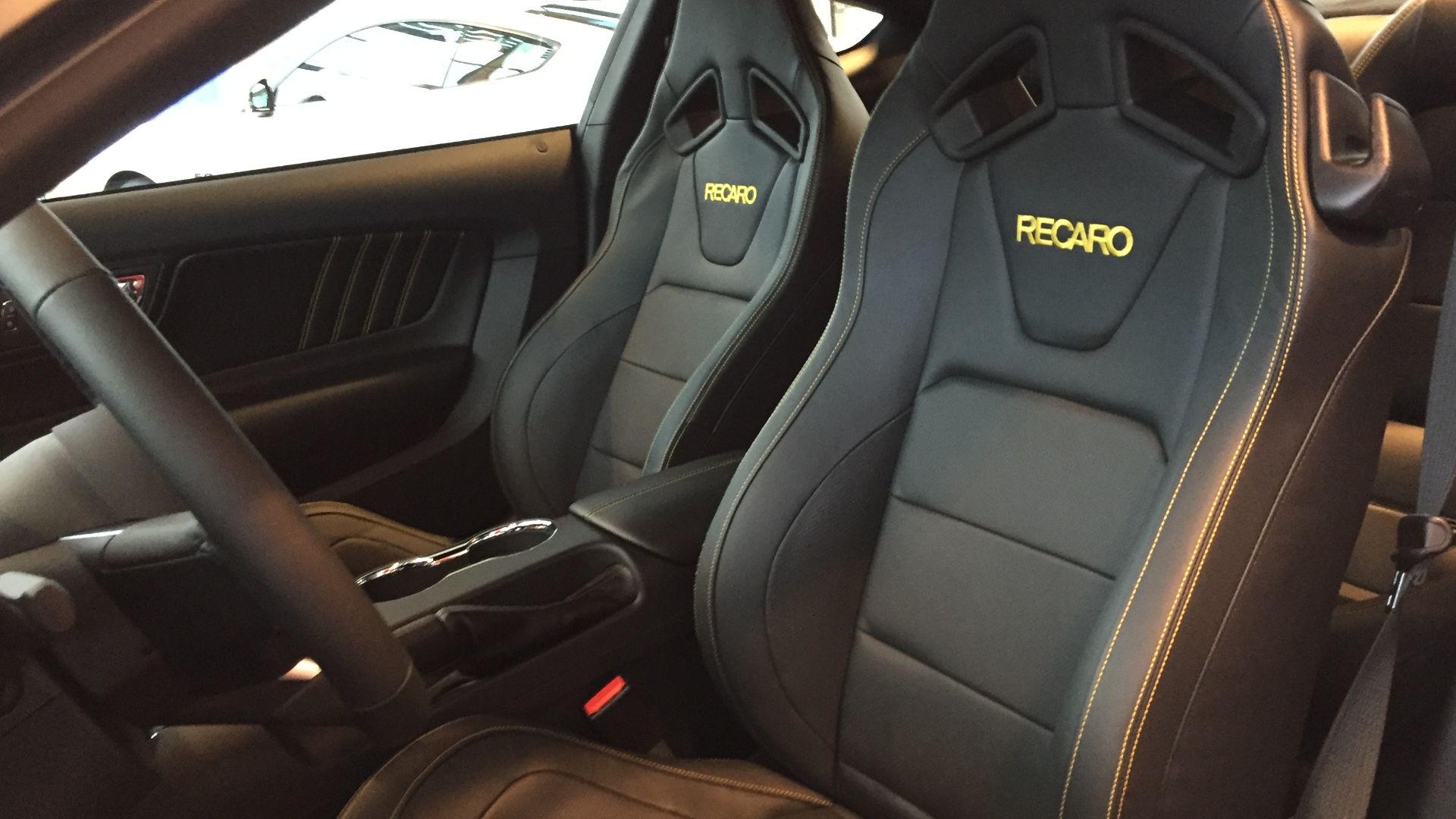
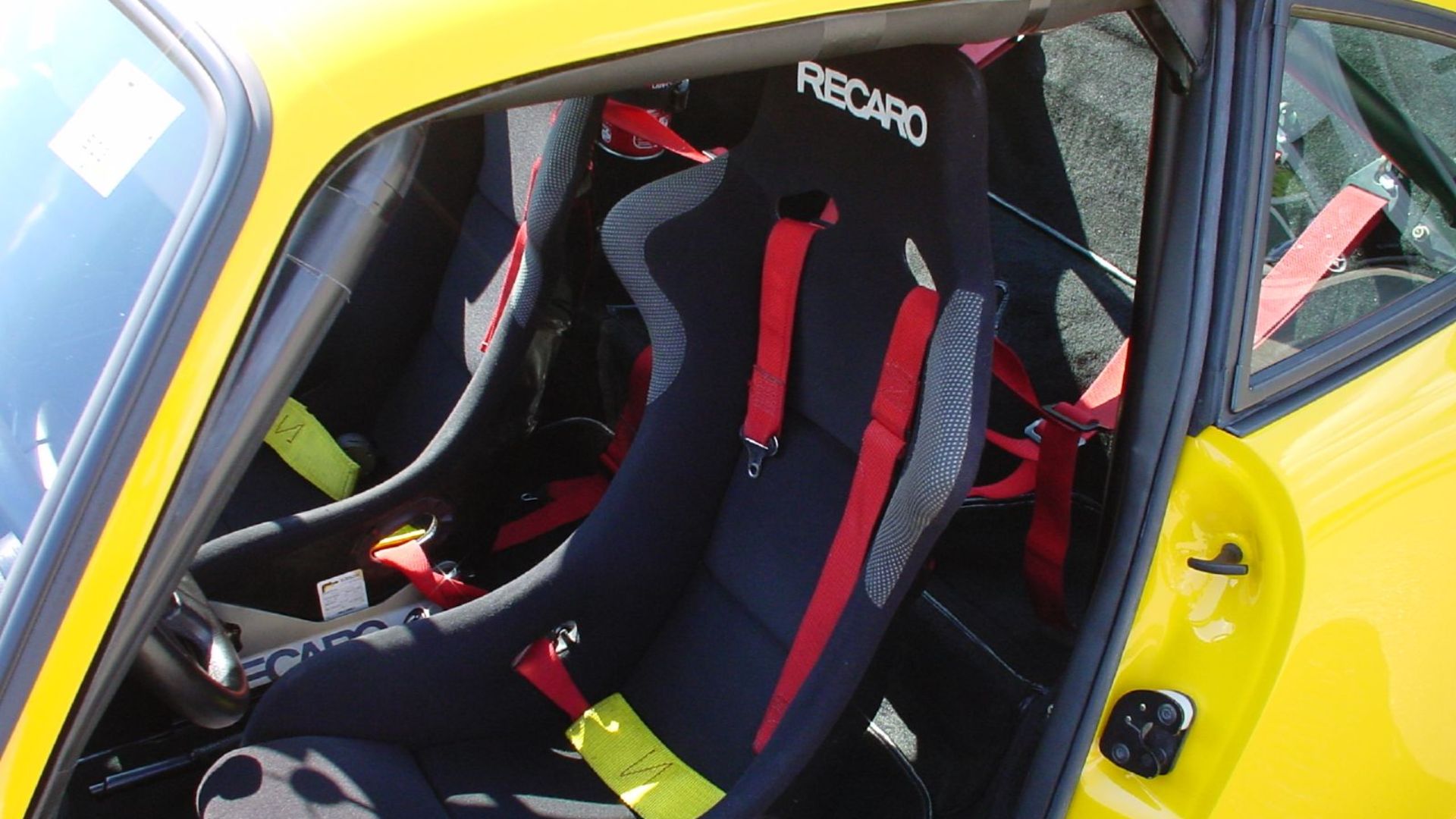
Recaro Brought Racing-Inspired Support To The Street
In 1965, Recaro introduced a sports seat with foam padding, an ergonomic backrest, and prominent side bolsters. The design applied support principles proven in motorsport to everyday vehicles. Two years later, the company introduced its road-legal shell seat, combining a body-hugging shape with practical road use.
Integrated Seat Belts Took The Concept Further
Recaro introduced an early safety-seat concept with an integrated seat belt in 1971. Bringing restraints and seating design together was another step toward more coordinated occupant protection. However, supportive bolsters are not substitutes for seat belts, airbags, or properly engineered crash protection.
 ducktail964, Wikimedia Commons
Carbon-Fiber Safety Cells Made Their Formula 1 Debut
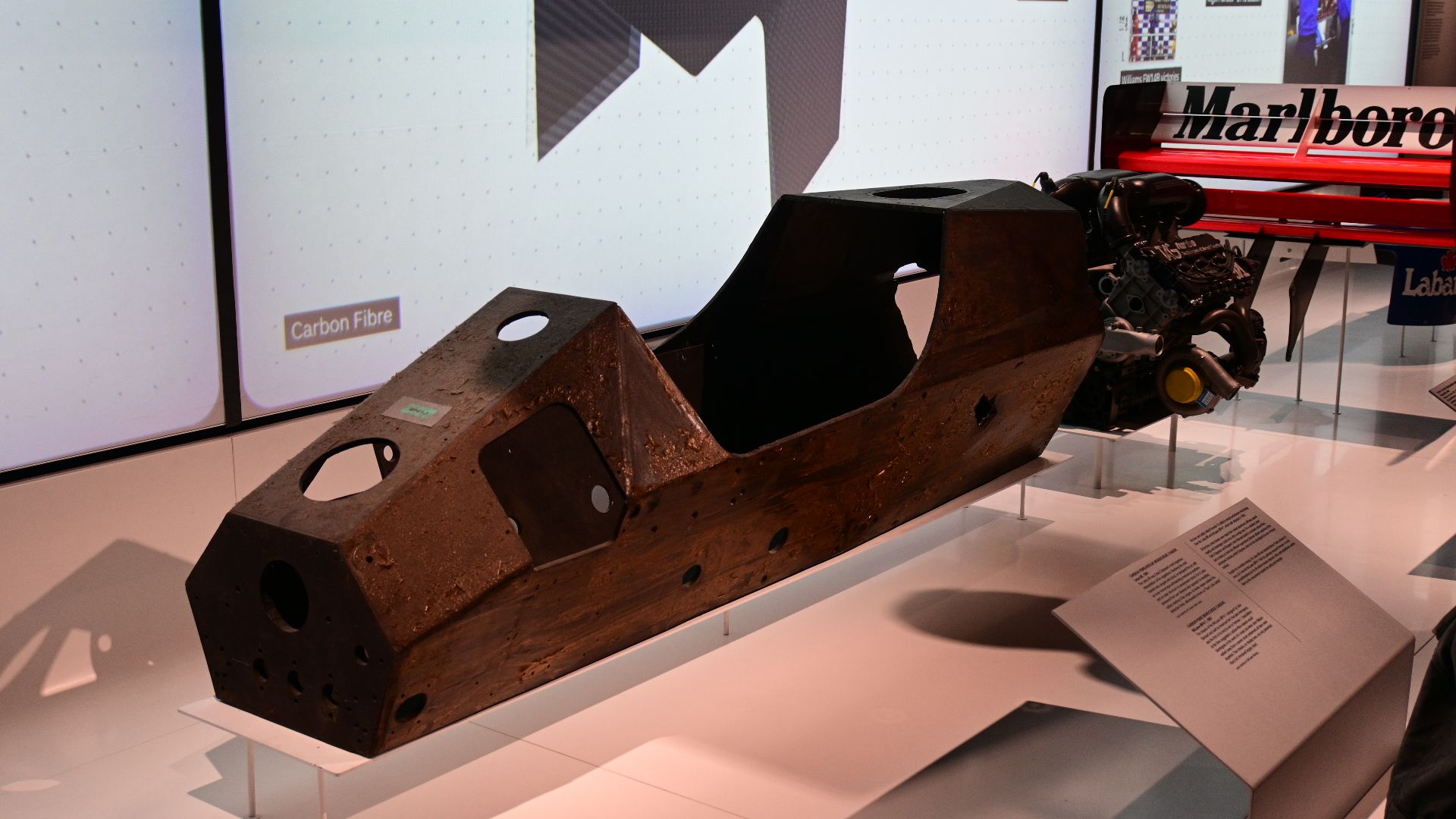
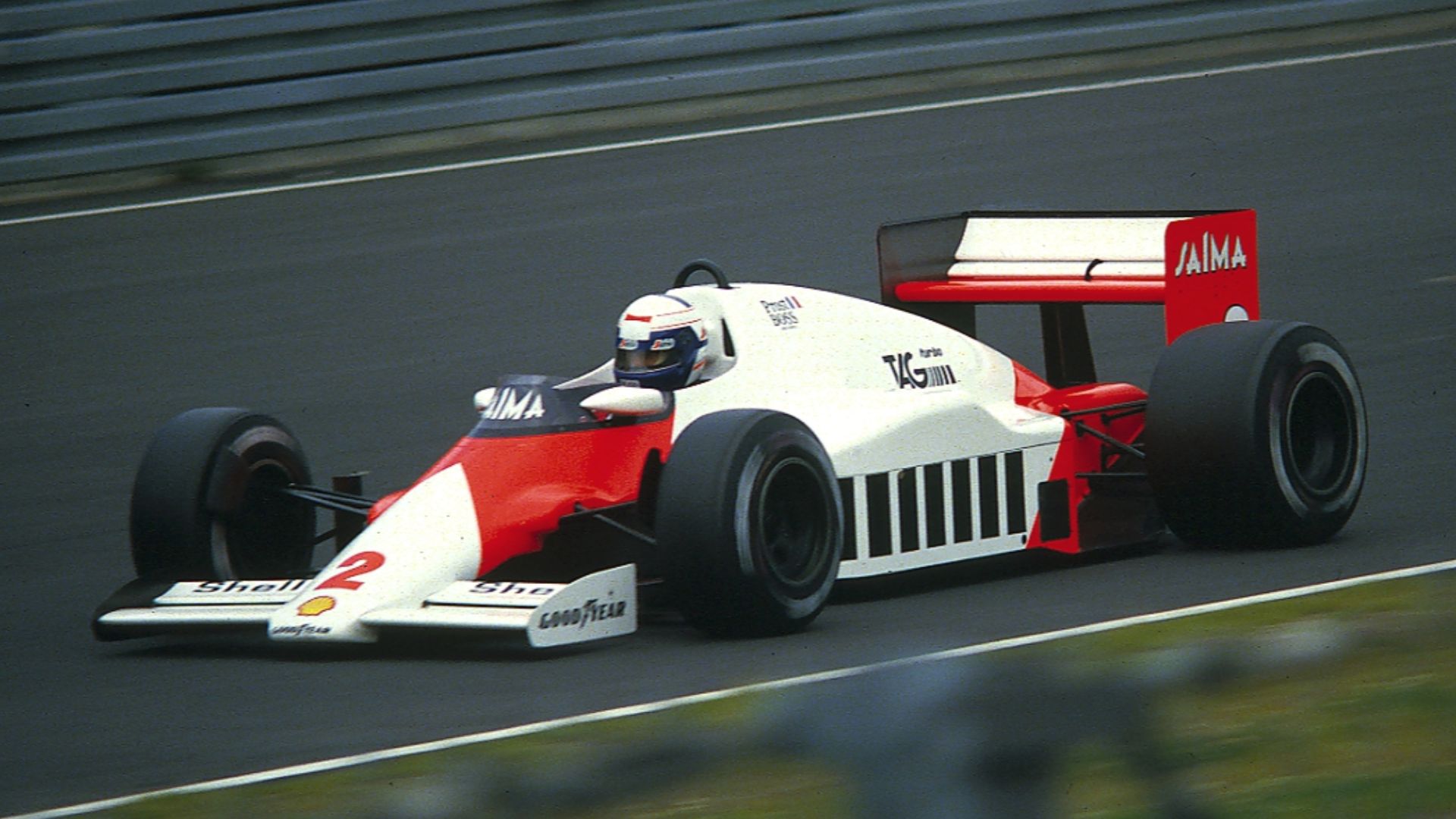
In 1981, McLaren introduced the MP4/1, the first Formula 1 car built around a full carbon-fiber composite chassis. Its lightweight construction offered exceptional stiffness and strength. Rather than relying on a traditional metal framework, the design used a strong structural shell surrounding the driver.
One Enormous Crash Demonstrated Its Potential
During the 1981 Italian Grand Prix, John Watson experienced a major accident in his McLaren. Although significant portions of the car separated, the carbon-fiber cockpit structure remained intact and Watson escaped without serious injury. The incident helped establish confidence in composite survival-cell construction.
 Lothar Spurzem, Wikimedia Commons
Eventually, Carbon Fiber Reached A Four-Seat Electric Car
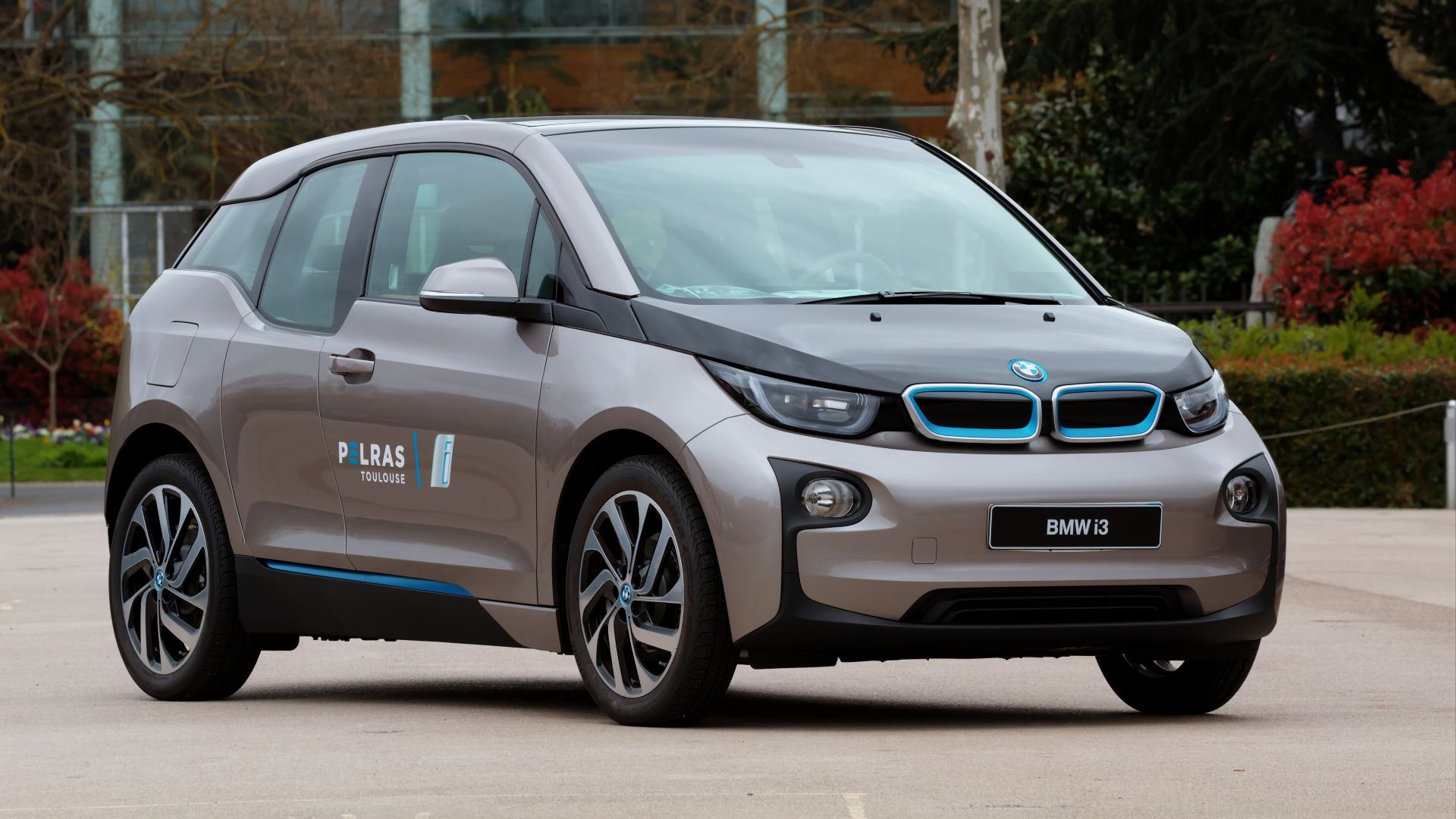
In 2013, BMW introduced the i3 with a carbon-fiber-reinforced plastic passenger compartment. Unlike an exotic two-seat supercar, the i3 accommodated four occupants and was designed for urban transportation. Its lightweight safety cell showed how materials developed extensively in racing could also contribute to practical passenger-car engineering.
 Pierre-Selim Huard, Wikimedia Commons
Formula 1 Pushed Braking Materials Even Further
Motorsport eventually moved beyond conventional metal discs toward carbon-based braking systems. Formula 1 adopted carbon brake discs because of their light weight and ability to perform under extreme operating conditions. These advantages made them attractive for high-performance road vehicles, although significant technical problems remained.

Road Cars Needed Brakes That Worked Cold
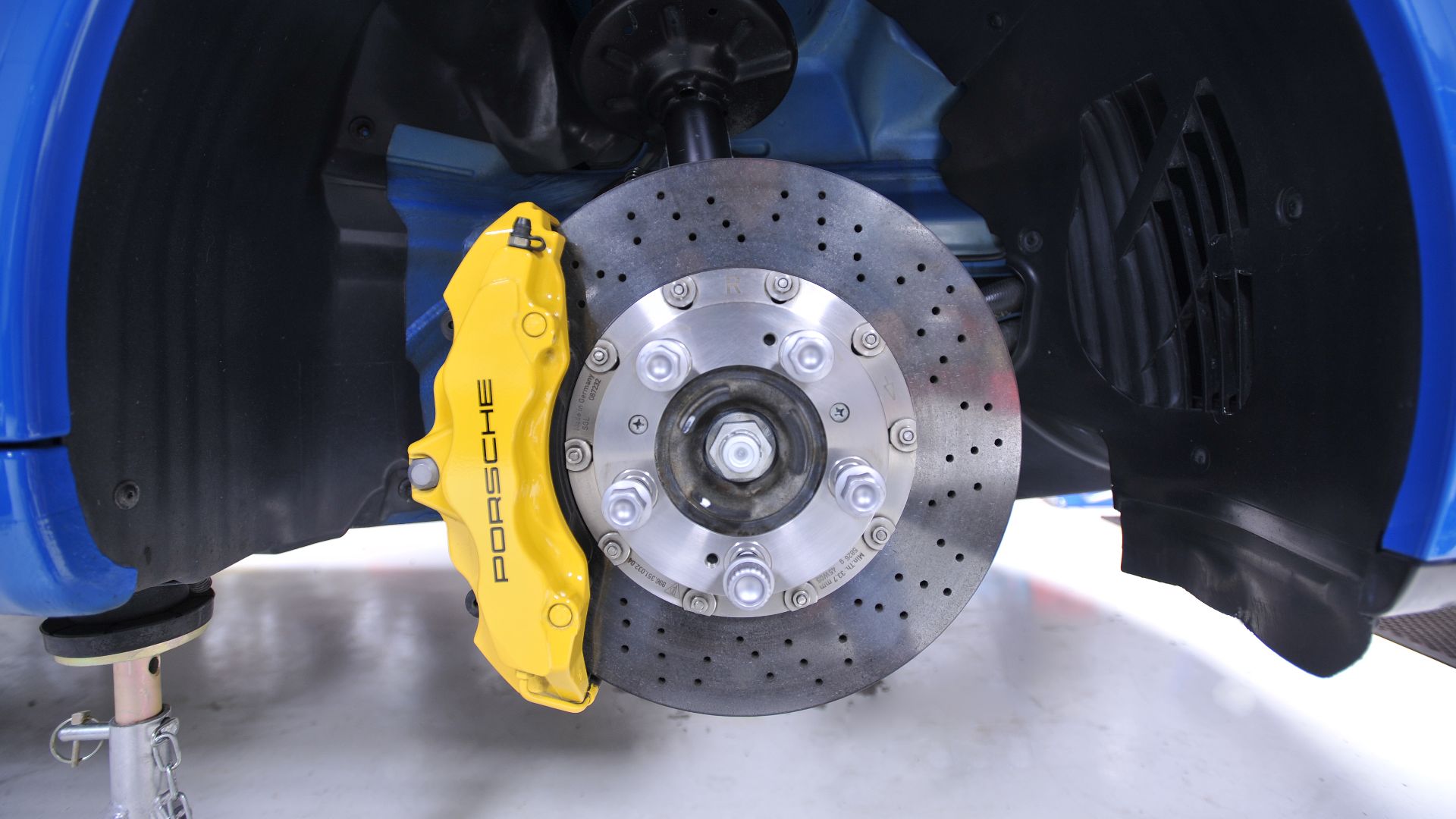
Pure racing carbon brakes operate best at temperatures far higher than those encountered during ordinary commuting. Engineers therefore developed carbon-ceramic composites suitable for everyday operating conditions. These systems offered consistent braking performance, reduced weight, and strong resistance to brake fade.
 User:Edgy01 (Dan Lindsay), Wikimedia Commons
Carbon-Ceramic Brakes Eventually Reached Showrooms
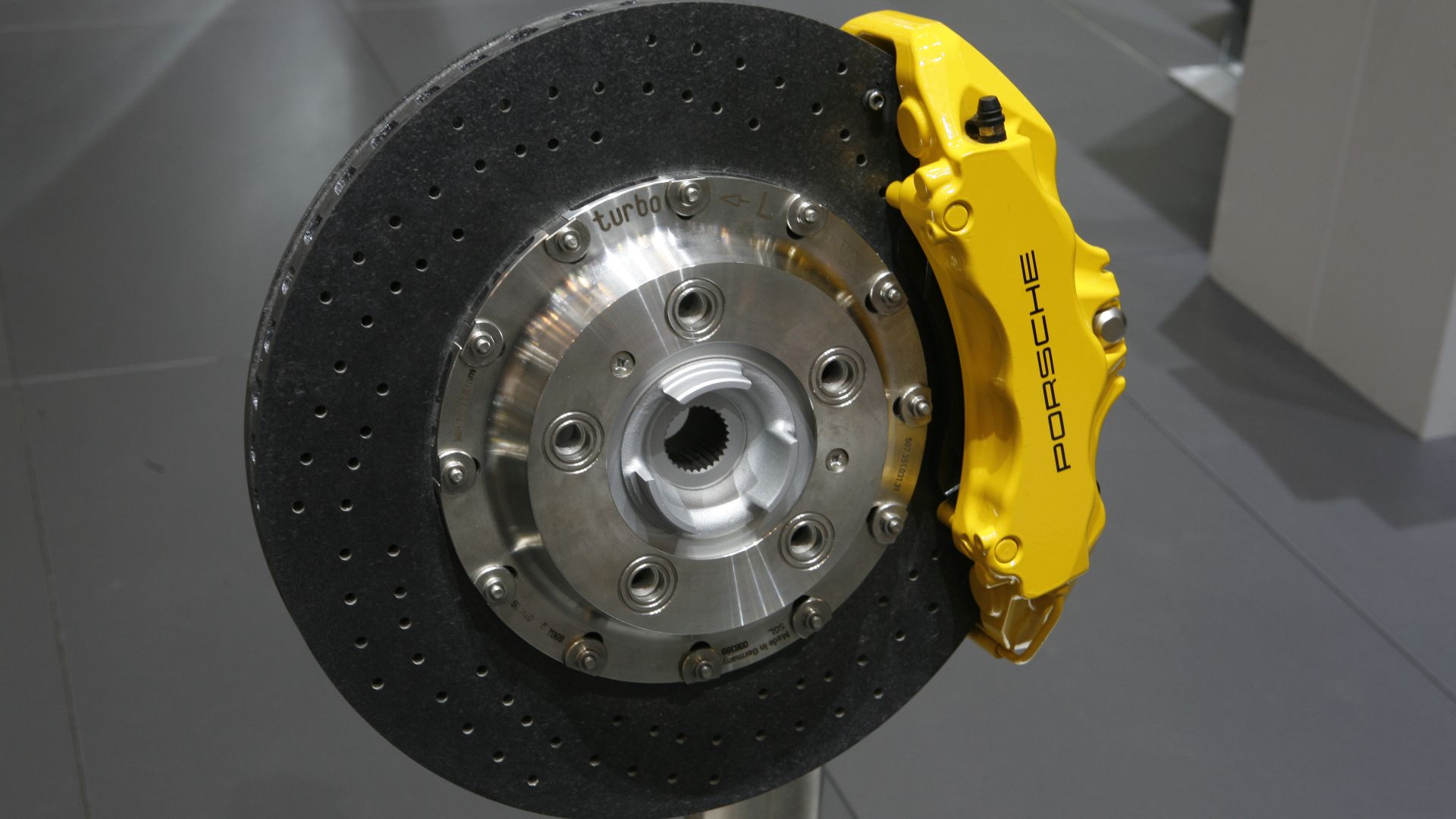
Porsche offered ceramic composite brakes on the 911 Turbo and made them standard equipment on the 911 GT2 in the early 2000s. Similar systems subsequently appeared on other high-performance road vehicles. They remain expensive technology, but their development demonstrates another direct connection between competition engineering and road-car braking.
Mercedes Experimented With Air Brakes In The 1950s
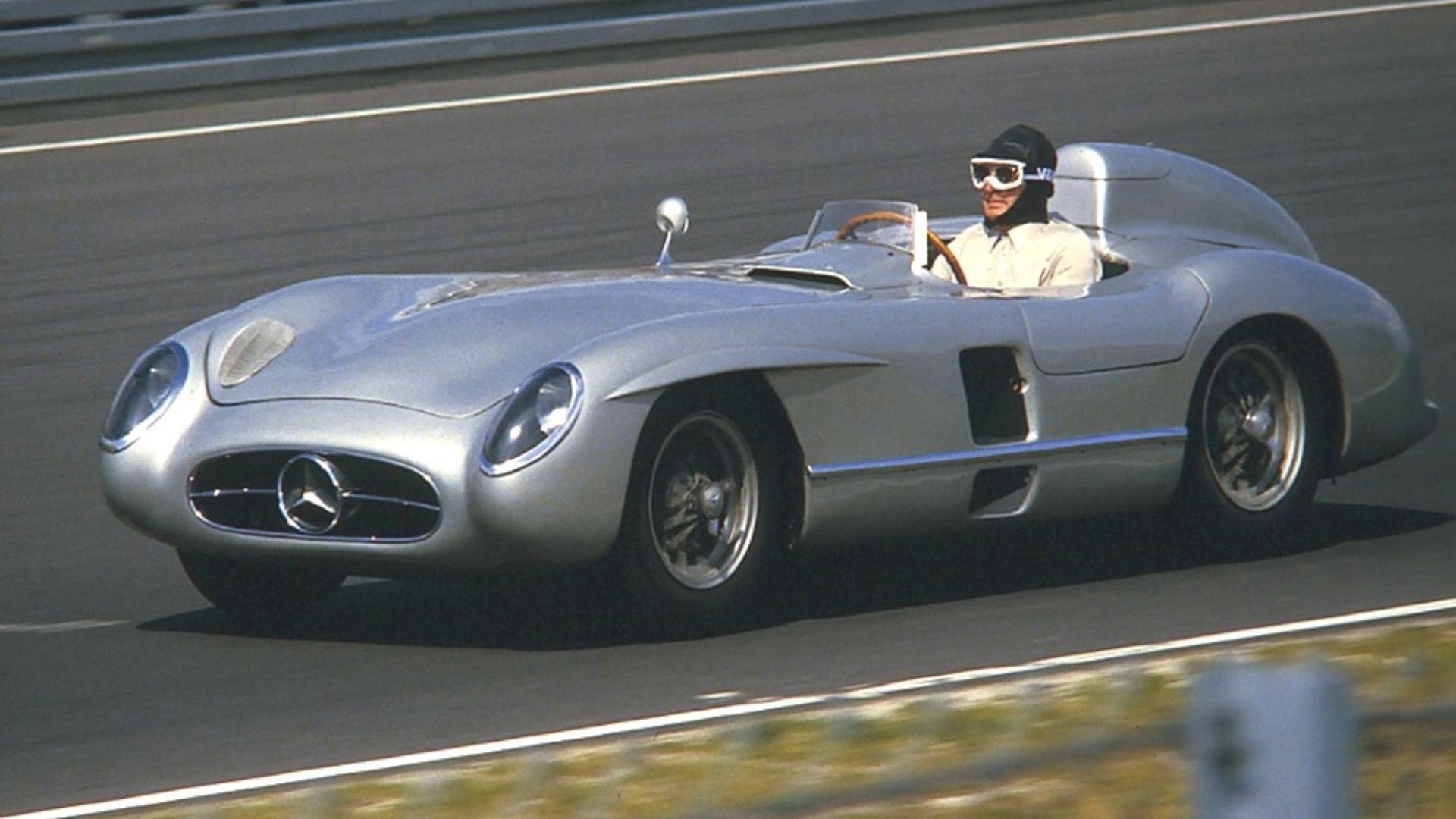
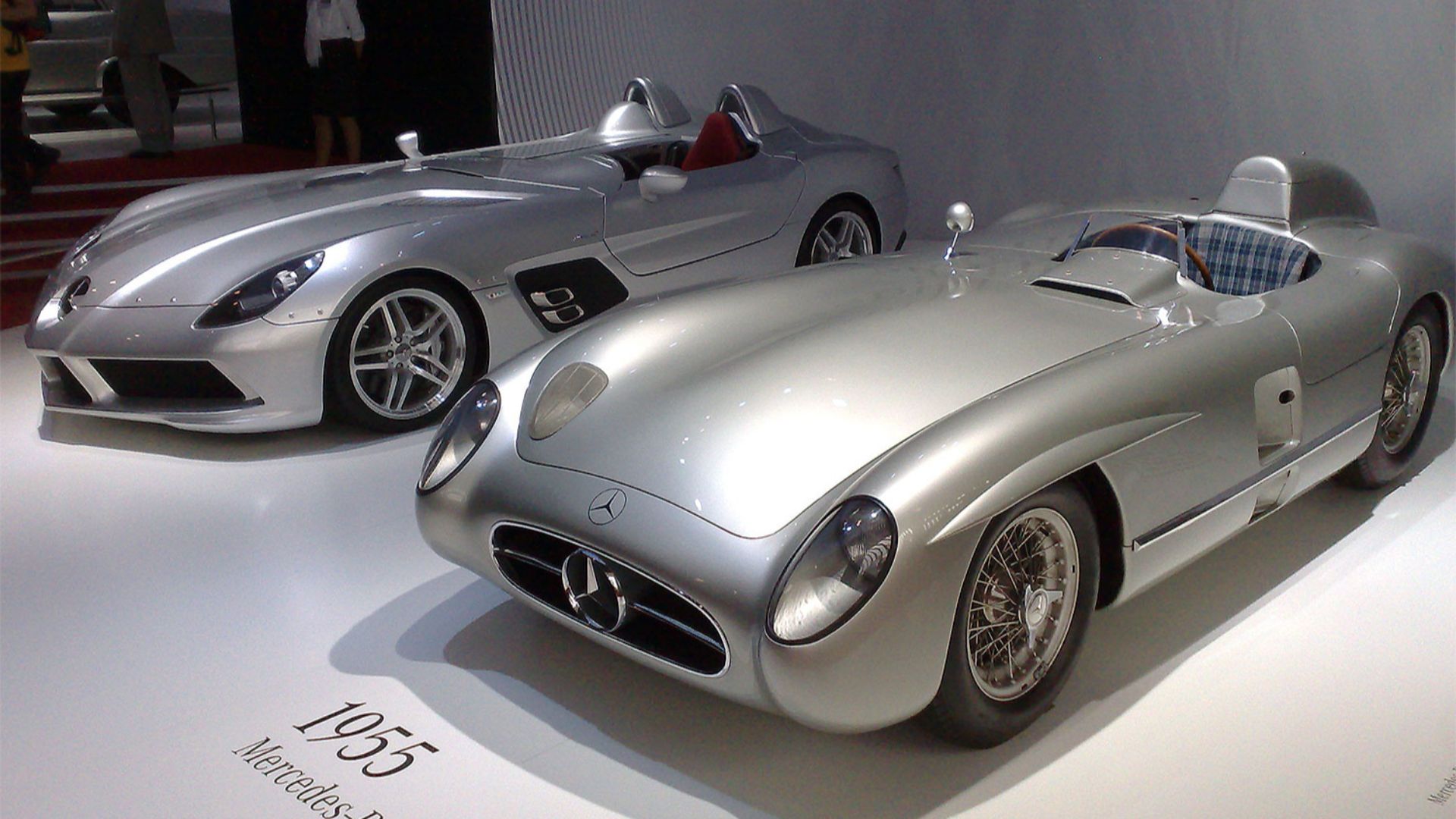
At Le Mans in 1955, Mercedes-Benz raced its 300 SLR with a large movable aerodynamic flap behind the cockpit. Raising the flap increased air resistance and helped slow the car while improving its aerodynamic balance. It was an inventive way of reducing the workload on conventional brakes.
The Racing Air Brake Eventually Returned To The Road
The Mercedes-Benz SLR McLaren revisited the concept in the 2000s. Its movable rear spoiler could rise during heavy braking to provide additional aerodynamic assistance. This was a much more sophisticated application of the principle demonstrated by Mercedes racing cars decades earlier.
Even Family SUVs Eventually Adopted Active Spoilers
The Porsche Cayenne Turbo brought a related idea into the luxury SUV category. Its adaptive roof spoiler adjusts according to driving conditions, increasing rear-axle downforce at high speeds. In certain high-speed braking situations, it can also act as an air brake, helping improve stability and braking performance.
 OWS Photography, Wikimedia Commons
Ferrari Made Gear Changes Possible Without Leaving The Wheel
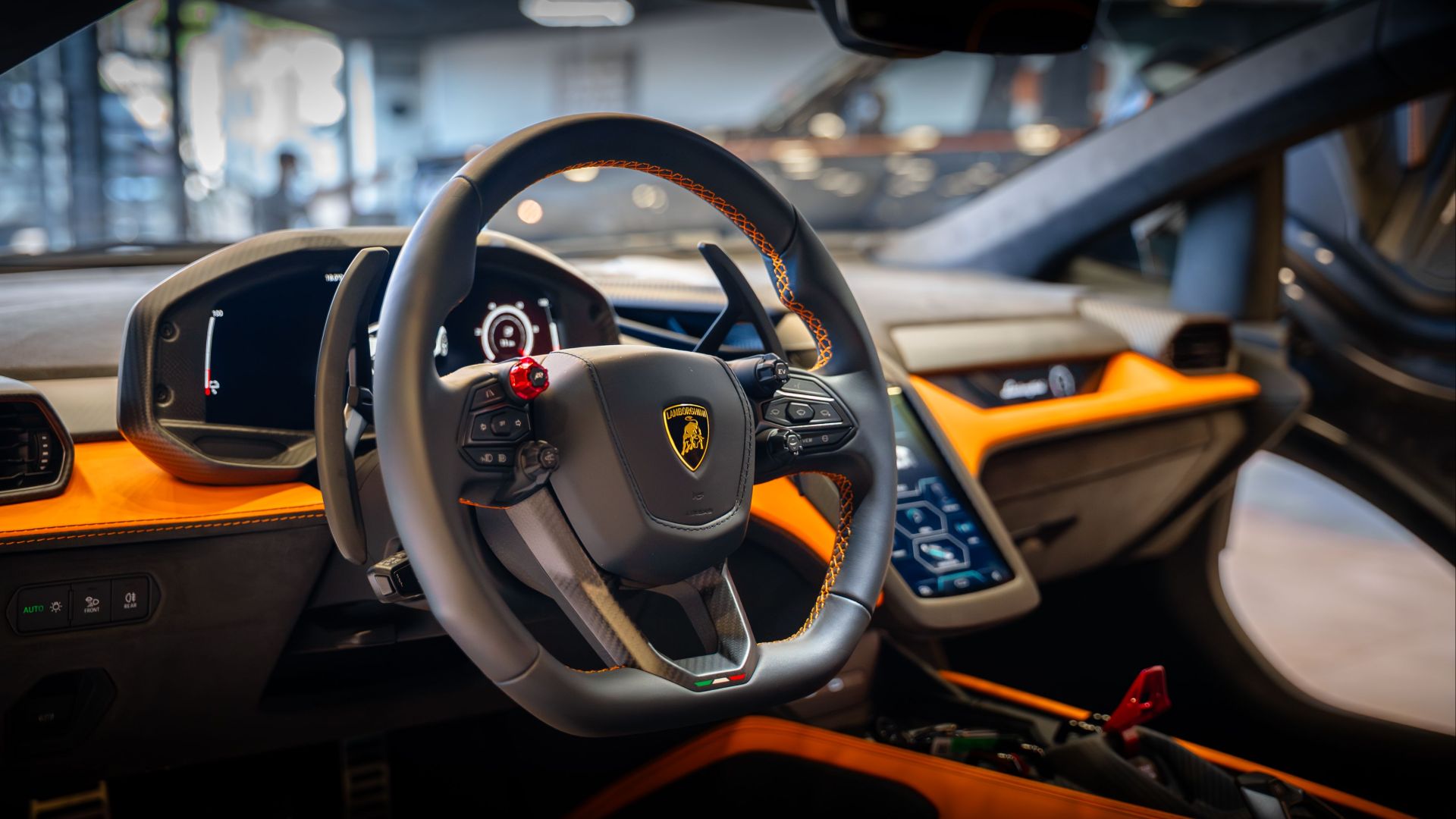
Ferrari introduced steering-wheel paddle shifting to Formula 1 racing in 1989. Drivers could change gears without reaching for a traditional gear lever, allowing them to maintain their grip on the wheel. Ferrari introduced the technology to a production car in 1997, and paddle shifters subsequently spread to a wide range of passenger vehicles.
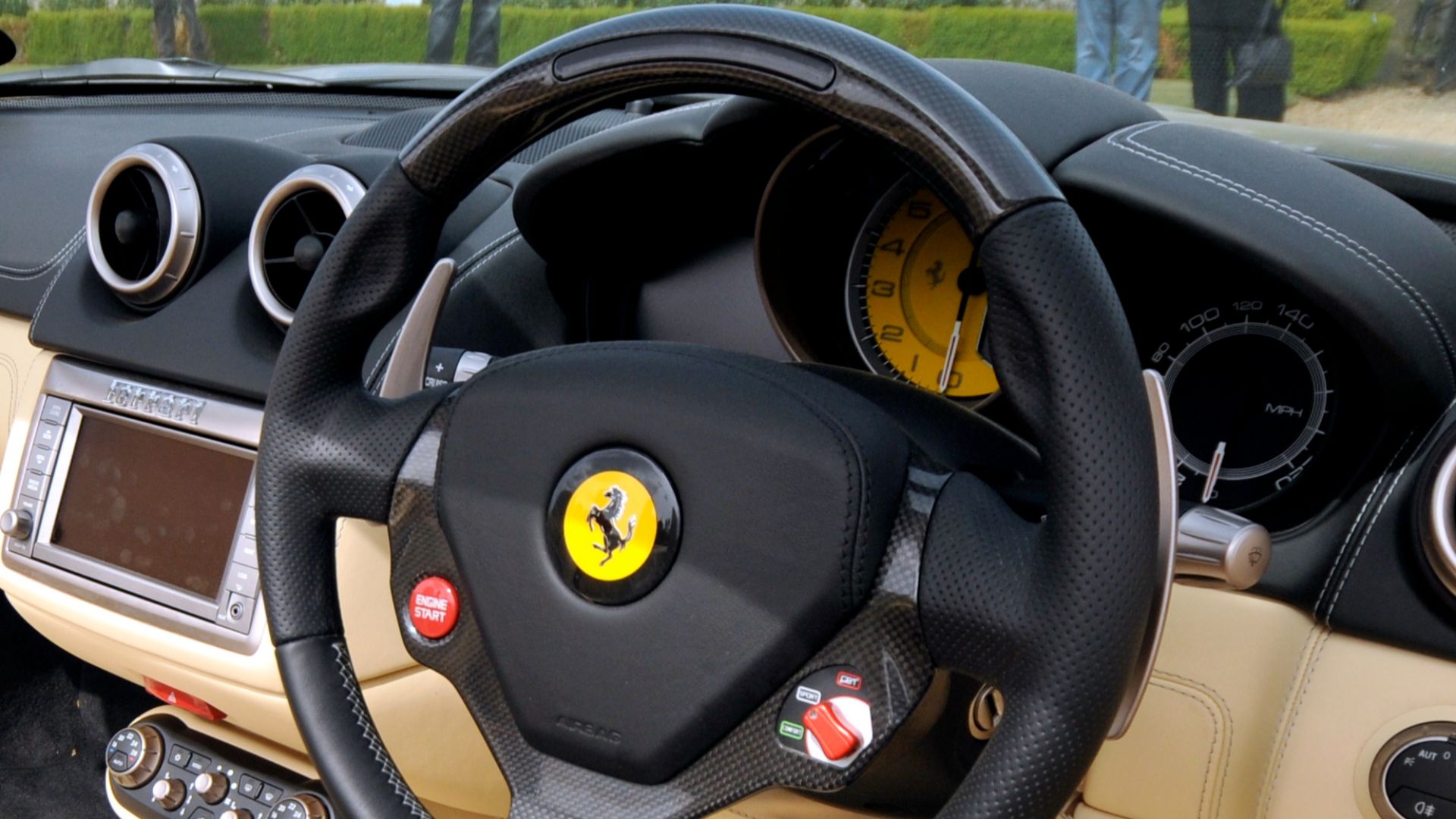 andy_carter, Wikimedia Commons
The Safety Benefit Is About Maintaining Control
Paddle shifters aren't dedicated crash-prevention devices, but they illustrate how racing influenced driver-control ergonomics. Keeping gear selection close to the steering wheel can reduce the need to remove a hand during manual gear changes. However, the convenience of paddle shifting should not be confused with the protection provided by actual vehicle safety systems.
Not Every Safety Feature Came From Racing
It's tempting to credit motorsport with every clever automotive invention, but that would overlook important contributions from ordinary road-car engineering. Volvo developed its modern three-point seat belt in 1959, while Bosch helped bring electronic anti-lock braking systems into production in 1978. Racing's greatest contribution has often been proving, refining, and accelerating technology that eventually helps protect everyday drivers.

You May Also Like:
DIY Car Maintenance: Simple Tasks to Keep Your Vehicle Running Smoothly
Sources: 1, 2, 3, 4, 5, 6, 7, 8, 9, 10, 11, 12, 13, 14, 15, 16, 17