The Gearshift Revolution
Imagine buying a new car and realizing you no longer had to operate a clutch pedal or shift gears yourself. Today, that sounds perfectly ordinary. But in the 1930s, it was a radical idea. The race to perfect the automatic transmission would involve ingenious engineers, skeptical motorists, wartime tanks, bitter competition, and a devastating factory fire that threatened to derail one of Detroit's greatest inventions.
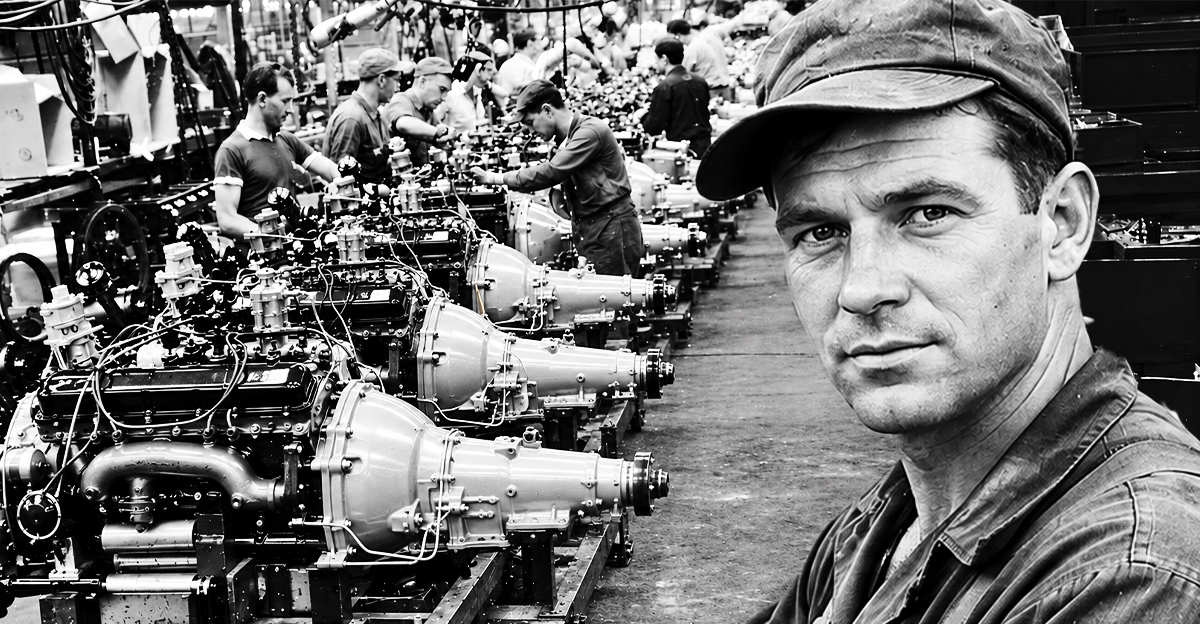
 National Film Board of Canada/Getty Images (modified); Factinate Ltd
Before Automatics, Driving Took Work
By the early 1930s, American motorists were accustomed to operating three pedals and a gearshift. Starting on a hill or creeping through traffic demanded coordination, while poorly timed shifts could produce an embarrassing grinding noise. Engineers had experimented with ways to simplify driving for decades, but developing a reliable transmission that could select its own gears was a stubborn challenge.
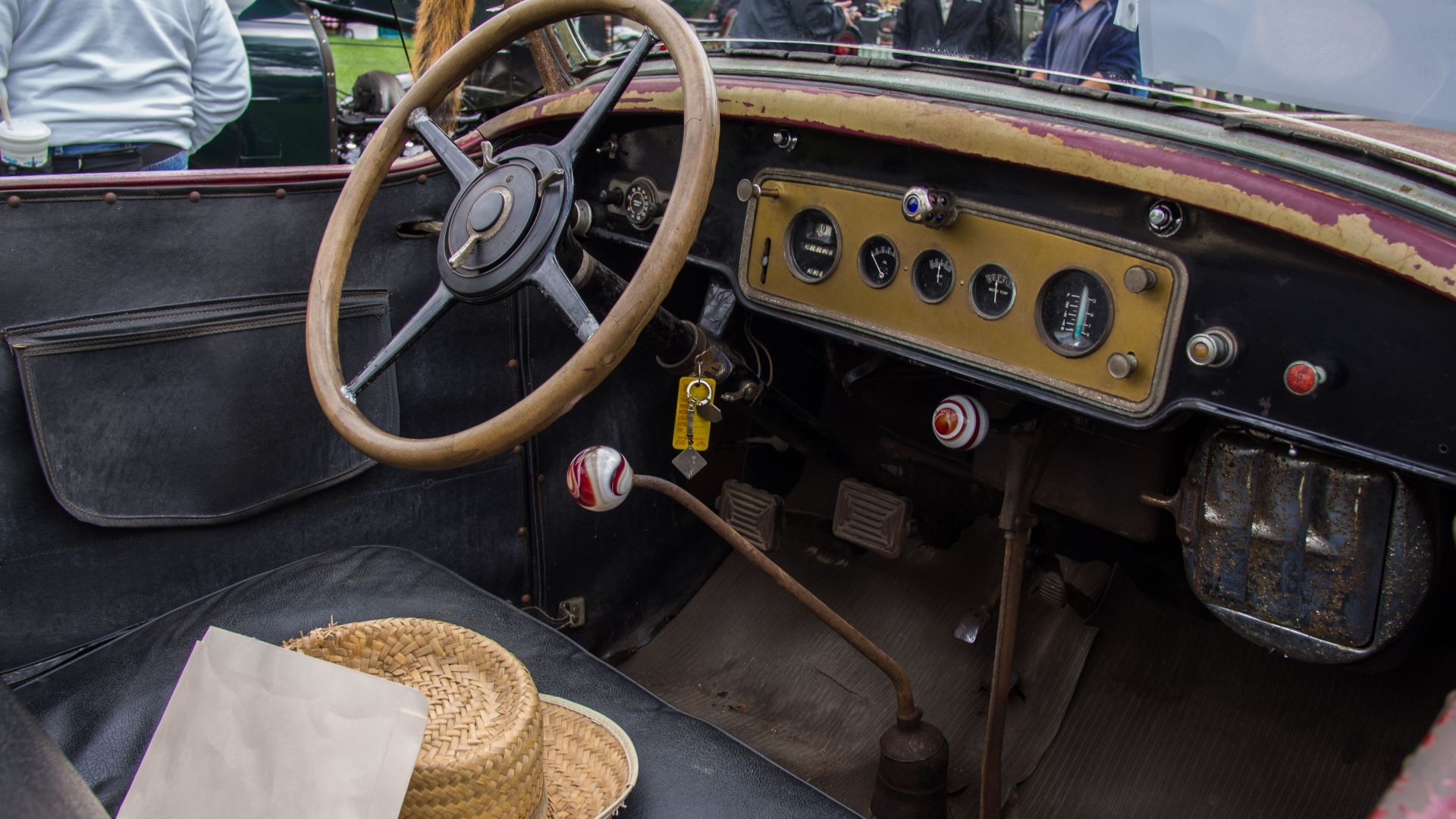 F. D. Richards from Clinton, MI, Wikimedia Commons
Detroit Begins Experimenting
General Motors became one of the companies most determined to eliminate manual shifting. Its engineers explored planetary gearsets, hydraulic controls, and ways of connecting engines to transmissions without conventional clutch operation. These technologies weren't entirely new, but combining them into something reliable and affordable enough for mass-produced automobiles required years of development.
Oldsmobile Takes The First Step
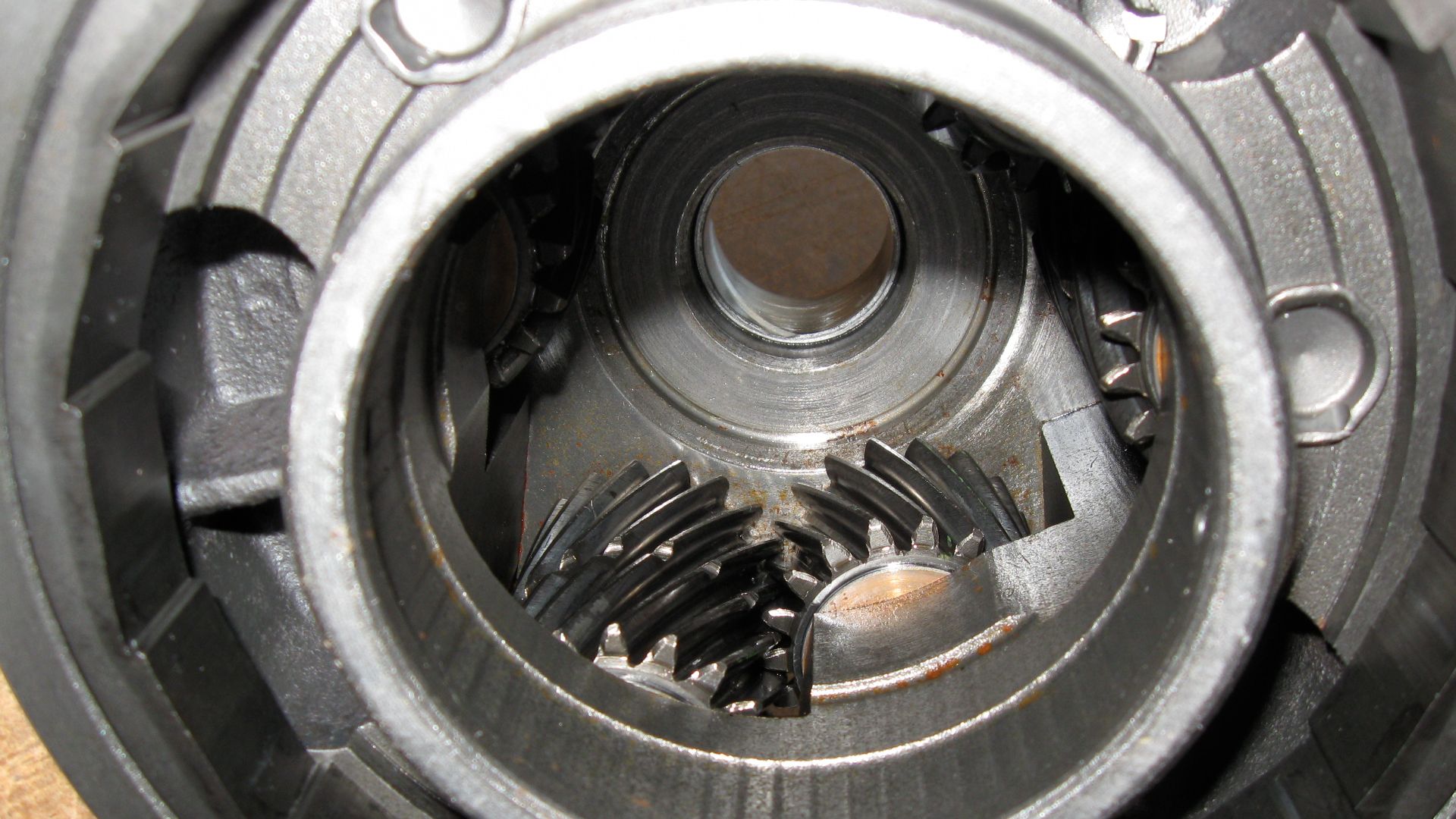
In June 1937, Oldsmobile introduced its Automatic Safety Transmission, an important predecessor to the modern automatic. It could shift between gears without constant driver intervention, but still required a conventional clutch for starting and stopping. Buick offered a related Self-Shifting Transmission on its 1938 Special. Neither was fully automatic, but both helped establish the technology behind Hydra-Matic.
The Missing Piece
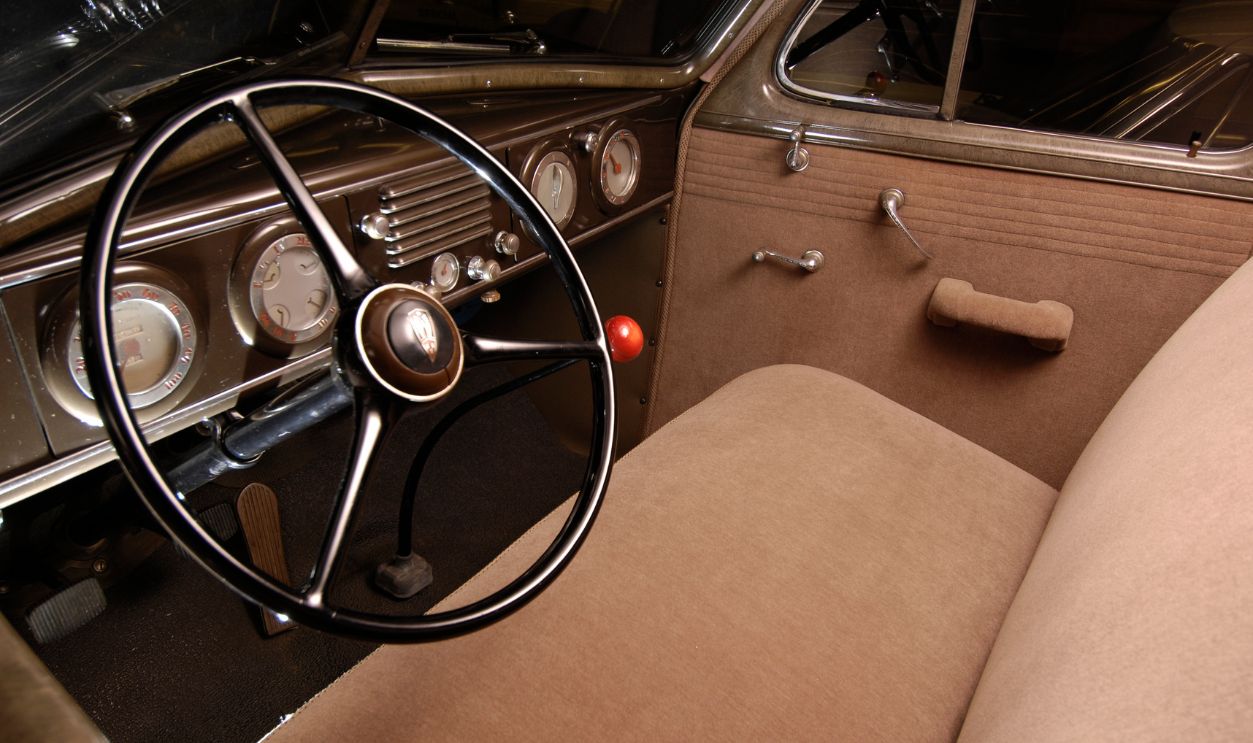
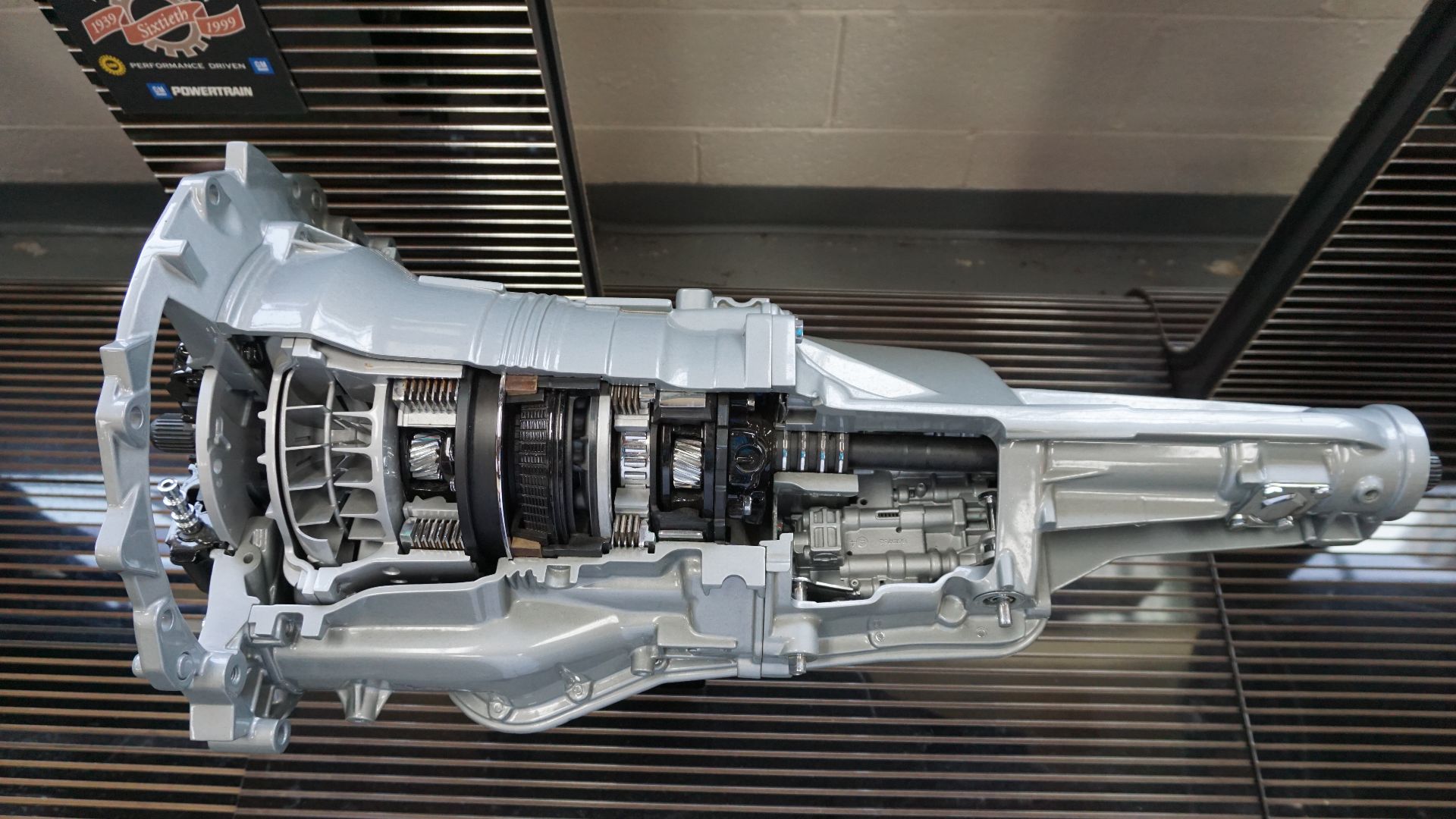
The problem was eliminating the clutch pedal entirely. GM's engineers developed a system combining hydraulically operated planetary gears with a fluid coupling between the engine and transmission. Unlike a conventional clutch, the coupling transmitted power through moving fluid, allowing the engine to continue running while the car stood still. The result was a transmission that could manage driving without the driver using his or her left foot.
 Hymn62, Wikimedia Commons, Modified
Hydra-Matic Arrives In 1939
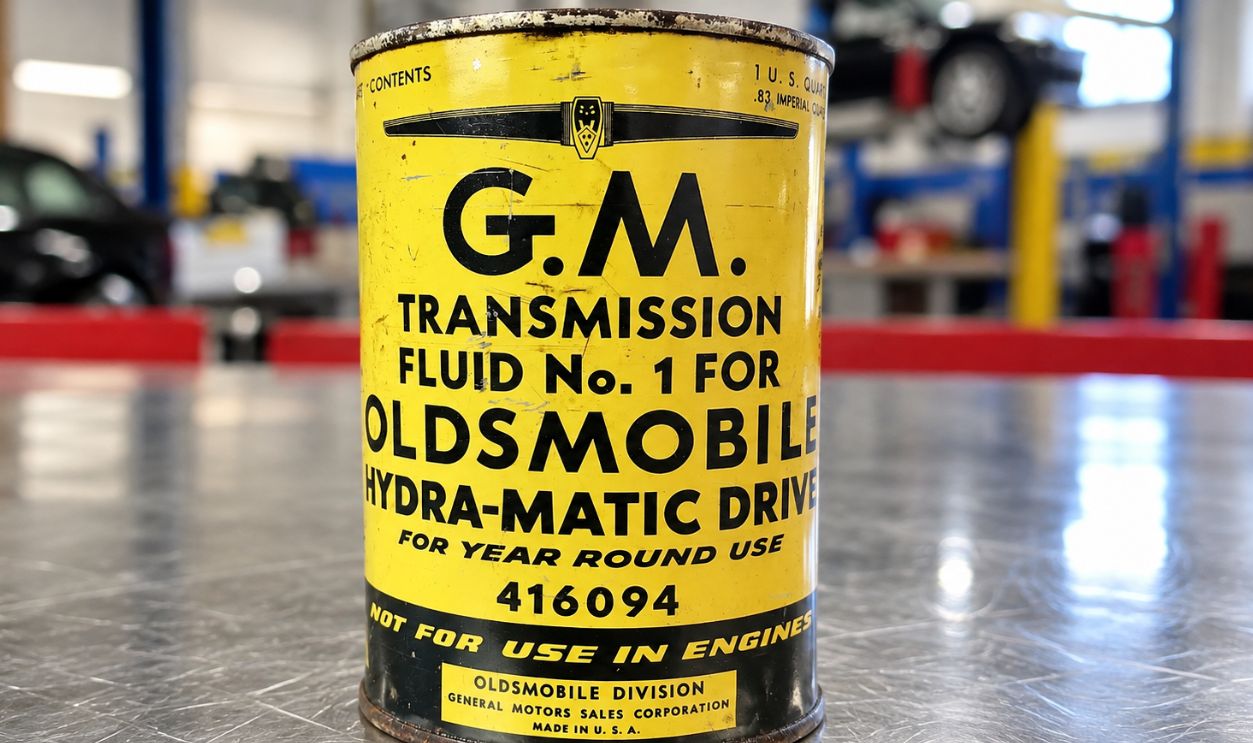
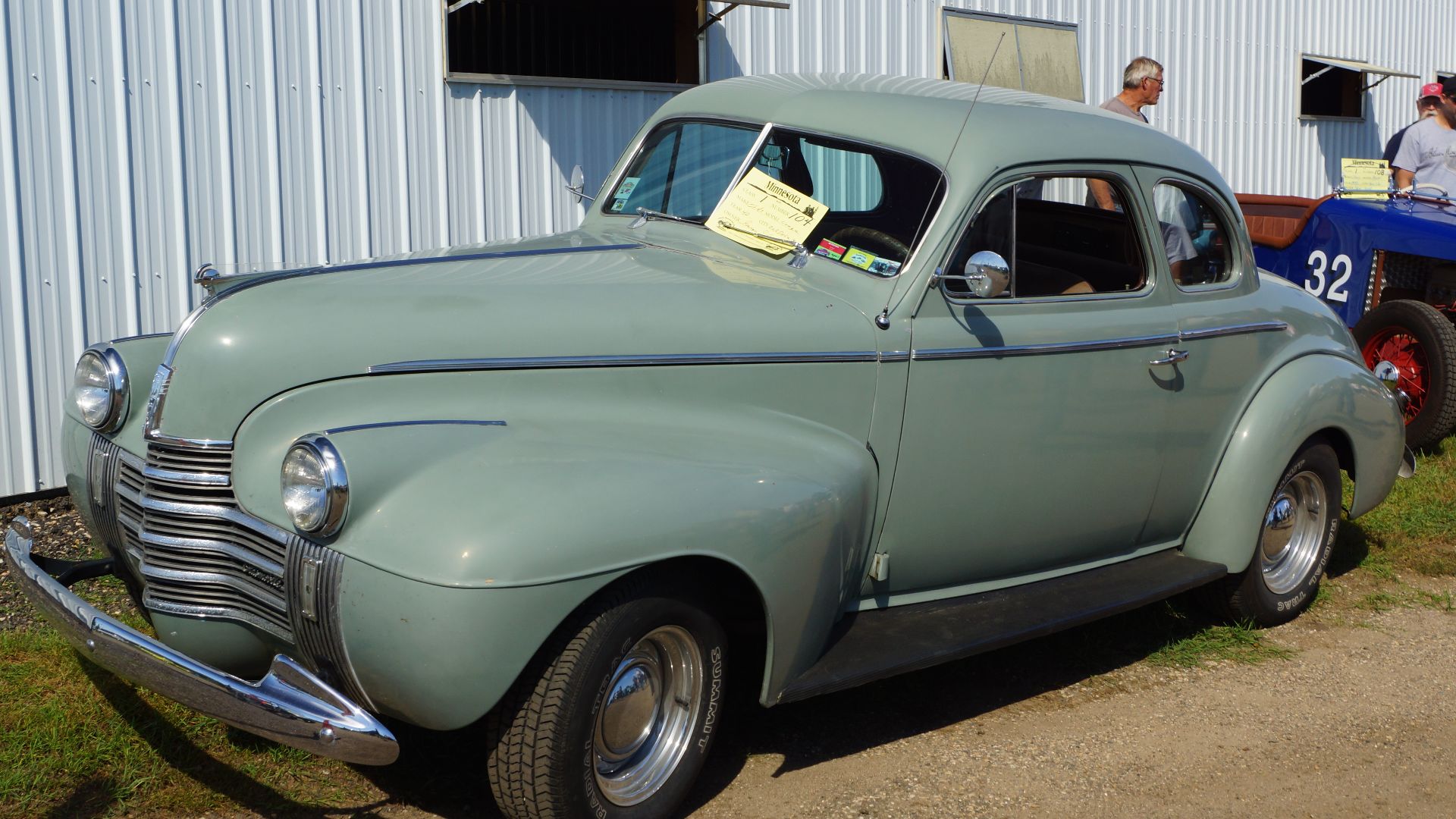
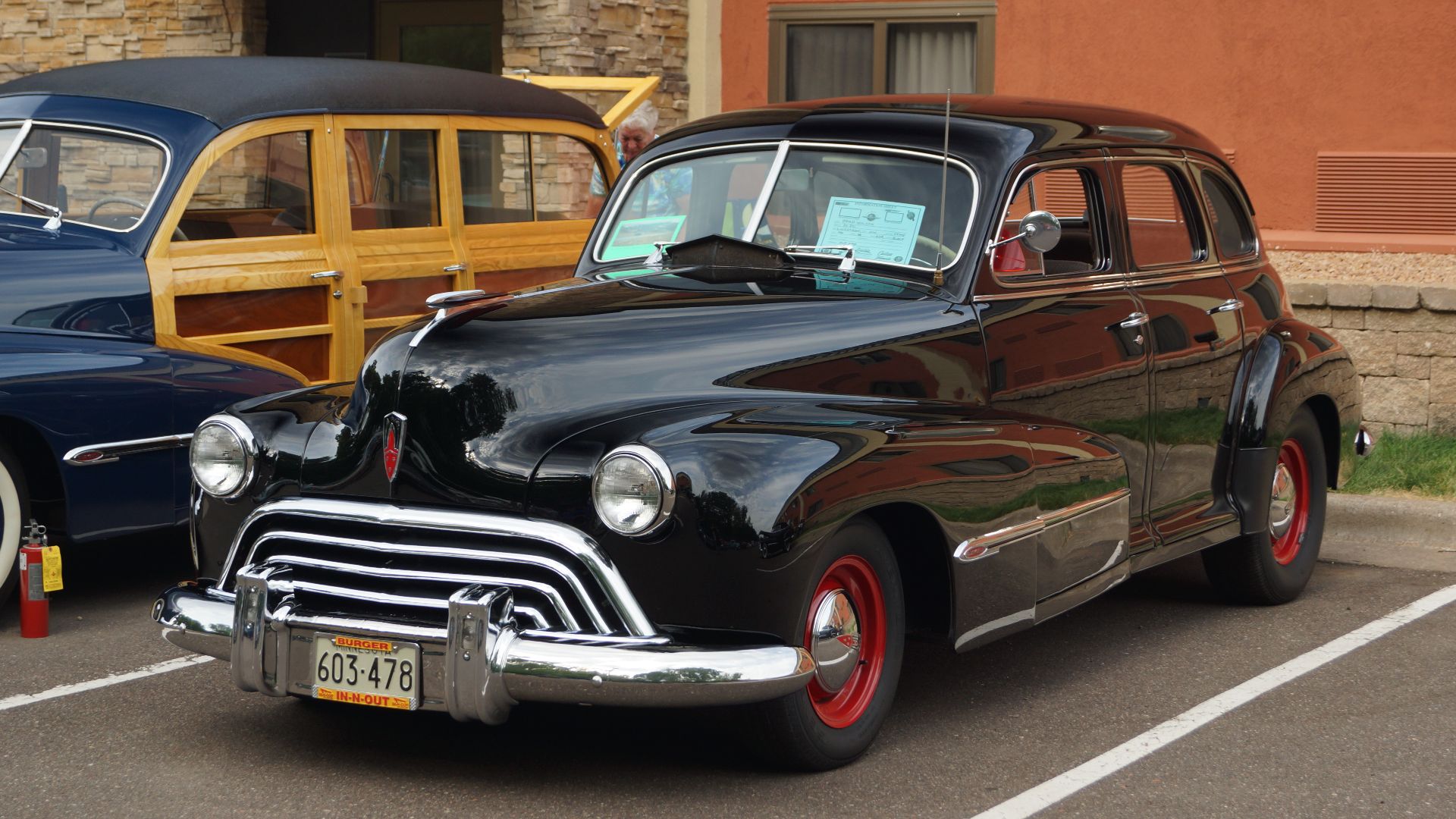
In October 1939, GM introduced Hydra-Matic Drive as an option on the 1940 Oldsmobile. It was the first widely produced, fully automatic transmission offered in a passenger car. Drivers could select a driving range and let the transmission handle the gear changes. Suddenly, the complicated business of coordinating a clutch pedal and gearshift could become a thing of the past.
 Michael Barera, Wikimedia Commons
Four Speeds Without A Clutch
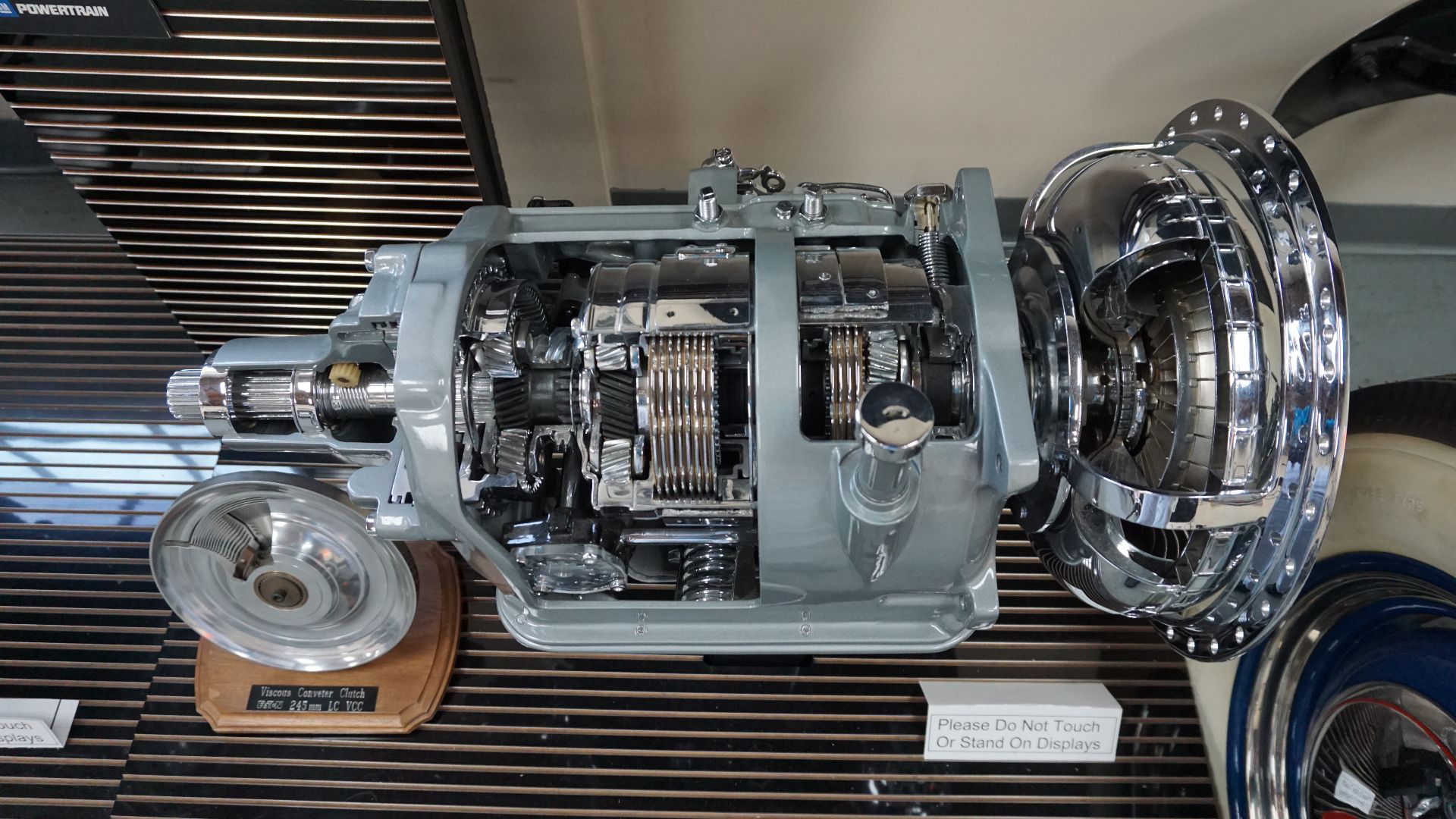
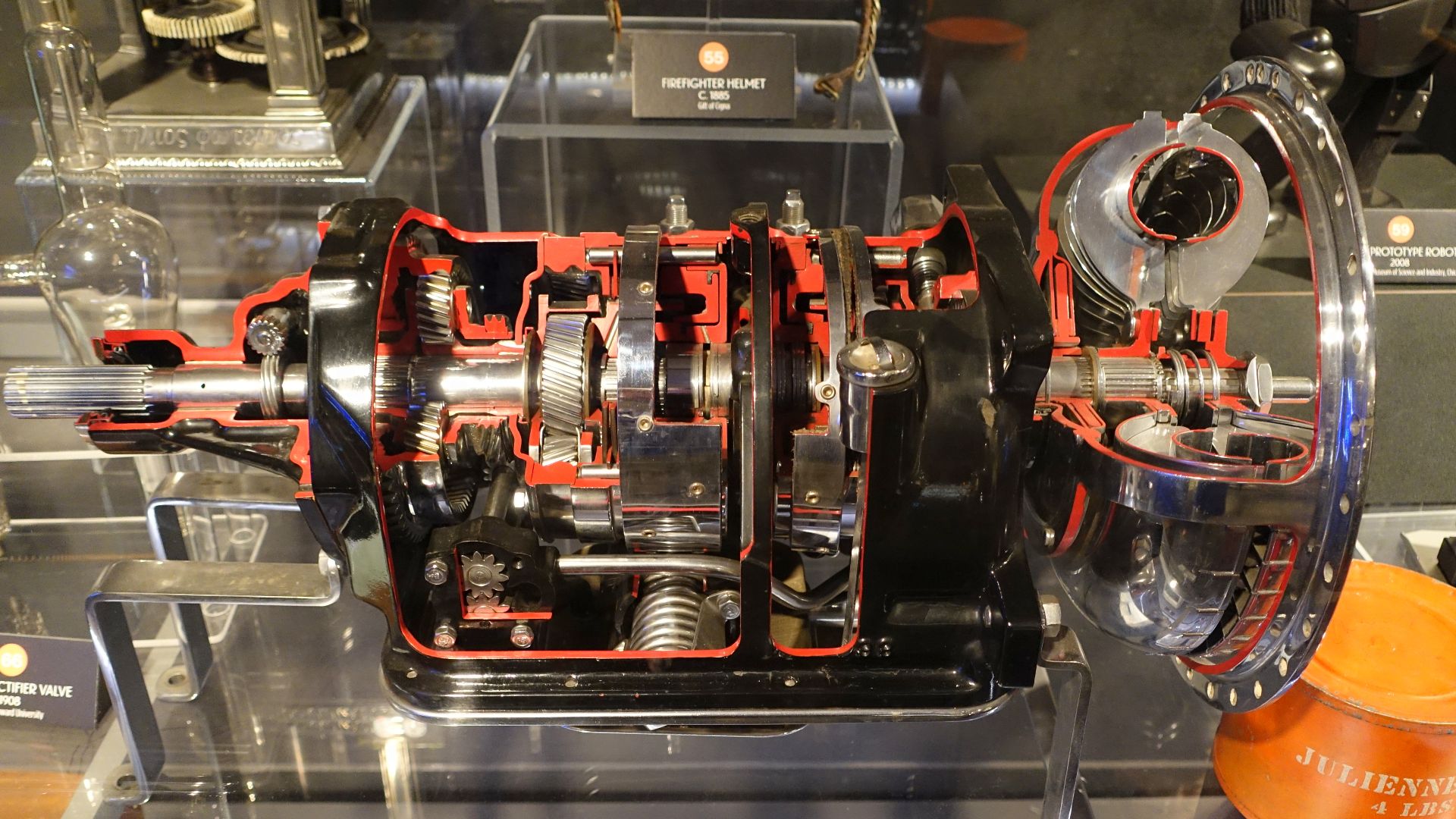
Hydra-Matic was more sophisticated than many people realize. It offered four forward speeds, using hydraulically controlled clutches and bands to engage different planetary gear combinations. Unlike later automatics, it employed a fluid coupling rather than a torque converter. Its shifts could be noticeably firm, but the transmission delivered good performance and efficiency for its era, establishing a remarkably durable engineering foundation.
Oldsmobile Finds A Selling Point
For Oldsmobile, Hydra-Matic became an extraordinary marketing advantage. Customers could order a modern automobile that eliminated a lot of the effort involved in driving, especially in crowded cities. The transmission wasn't inexpensive, but its convenience appealed to buyers willing to pay extra. It also helped set Oldsmobile apart from competitors still relying on conventional manual gearboxes.
 Greg Gjerdingen, Wikimedia Commons
Cadillac Joins The Revolution
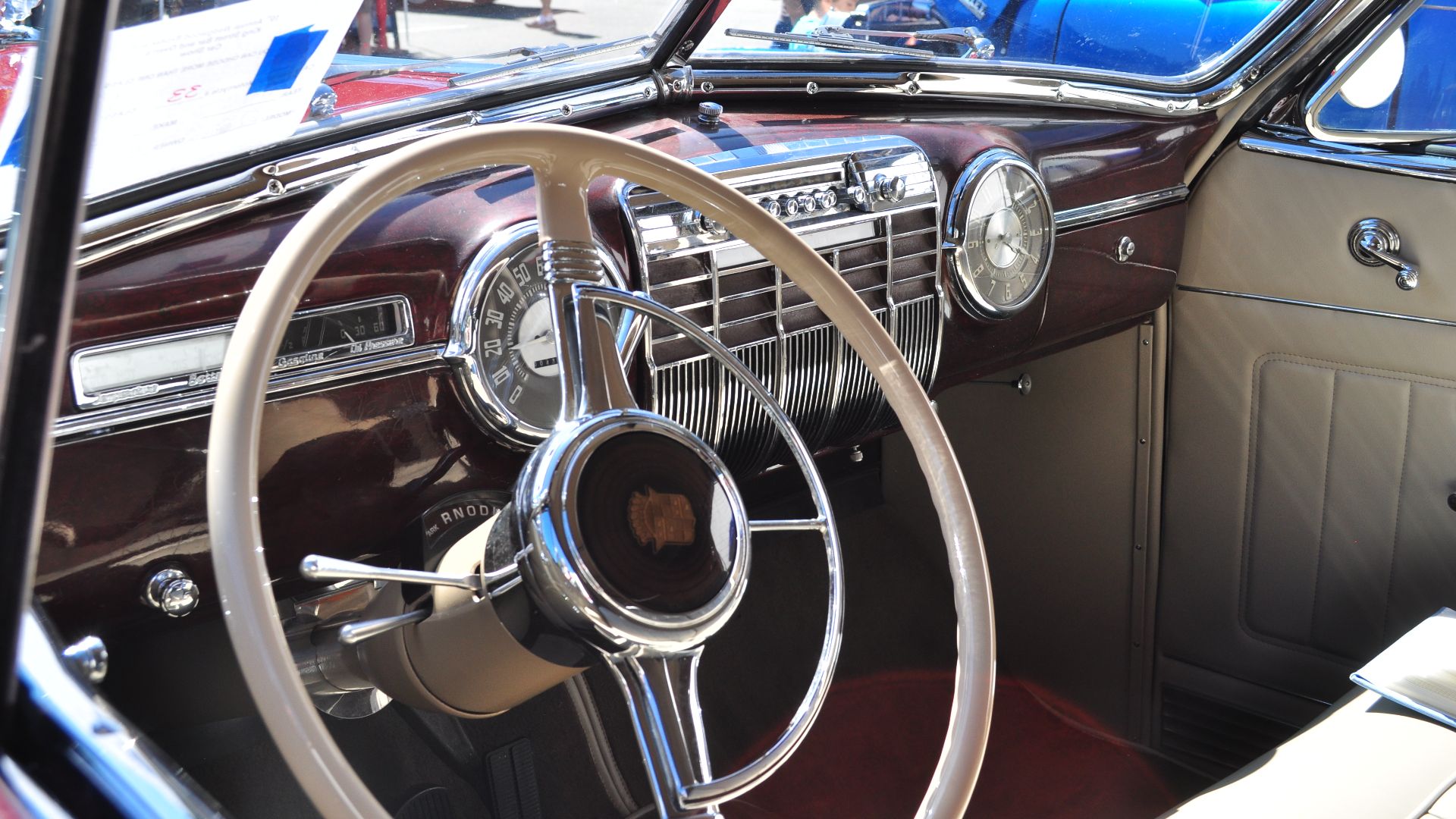
Cadillac adopted Hydra-Matic for the 1941 model year, bringing fully automatic shifting to GM's luxury division. The technology seemed particularly appropriate for Cadillac customers, who expected refinement and convenience. But just when Hydra-Matic was starting to establish itself in American showrooms, events overseas were about to transform the entire auto industry. The United States was moving toward war.
Pearl Harbor Changes Everything
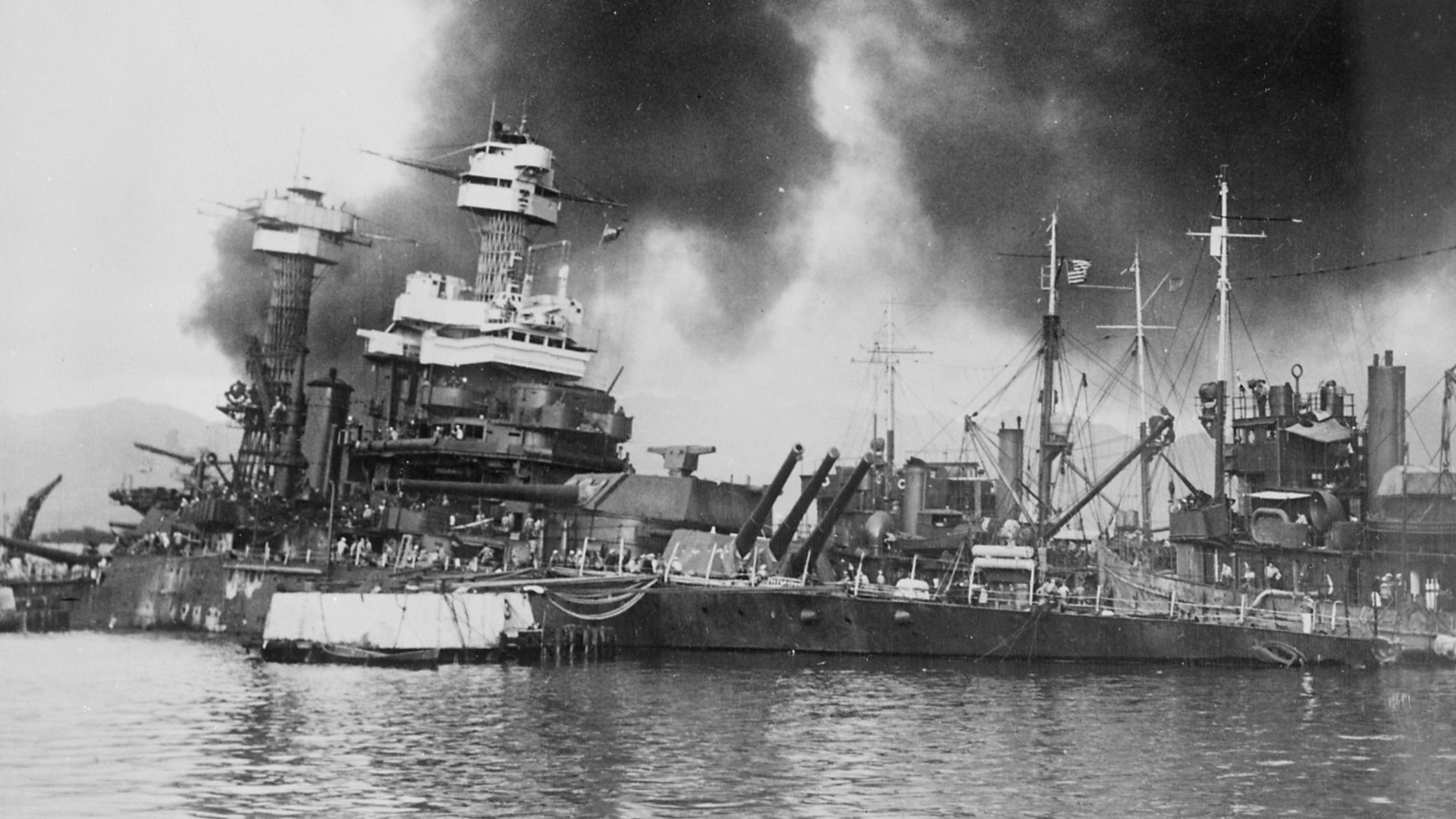
Following the Japanese attack on Pearl Harbor in December 1941, America's automobile manufacturers increasingly redirected their enormous industrial capacity toward military production. Civilian automobile manufacturing stopped in early 1942. Factories that had produced passenger cars were now making aircraft engines, trucks, tanks, and other essential equipment. Hydra-Matic's development entered an entirely different phase.
Automatic Transmissions Go To War
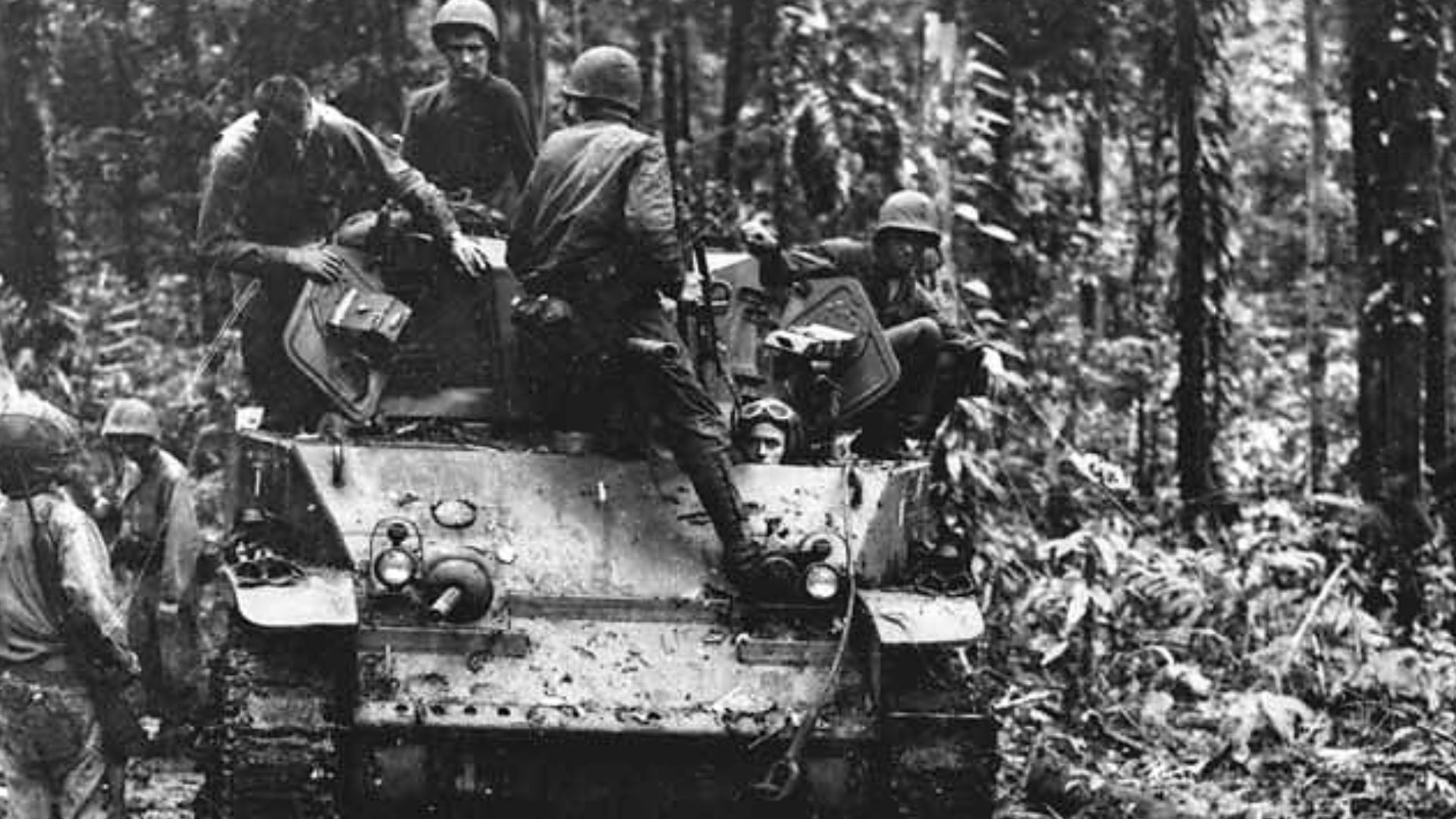
The technology behind Hydra-Matic proved valuable beyond passenger cars. American military vehicles, including the M5 Stuart and M24 Chaffee light tanks, used two Cadillac V8 engines, each connected to its own Hydra-Matic transmission. Automatic shifting helped simplify operating these complex machines. A technology developed for civilian convenience had found an unexpected role in wartime mechanization.
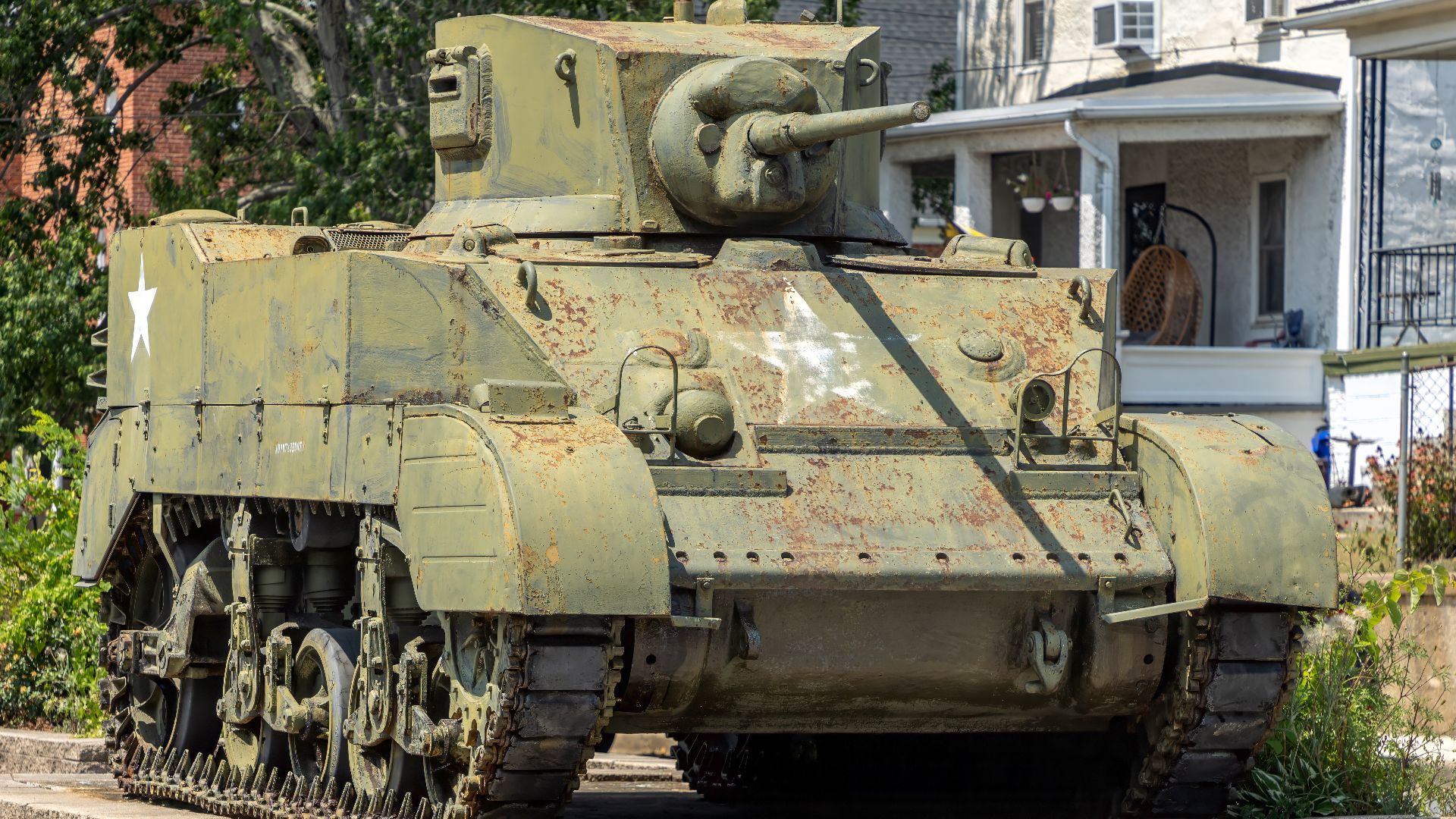
Wartime Experience Proves Its Strength
Army service demonstrated that automatic-transmission technology could operate under demanding conditions. Tanks subjected their drivetrains to heavy loads and difficult terrain, far removed from the comfortable driving envisioned in Oldsmobile advertisements. Although these battlefield applications differed from passenger-car installations, wartime experience helped establish the credibility of automatic gearing as something more than just a pricy luxury-car convenience.
 USGov-Military, Post-Work: User:W.wolny, Wikimedia Commons
Civilian Production Finally Returns
When civilian automobile production resumed after World War II, American buyers were eager for new cars. Years of postponed purchases generated enormous demand, while manufacturers initially offered designs that had changed relatively little since before the war. Hydra-Matic was already an established technology, giving GM a valuable advantage as Americans returned to dealerships and began embracing the convenience of automatic driving.
 Greg Gjerdingen, Wikimedia Commons
Pontiac Gets Hydra-Matic
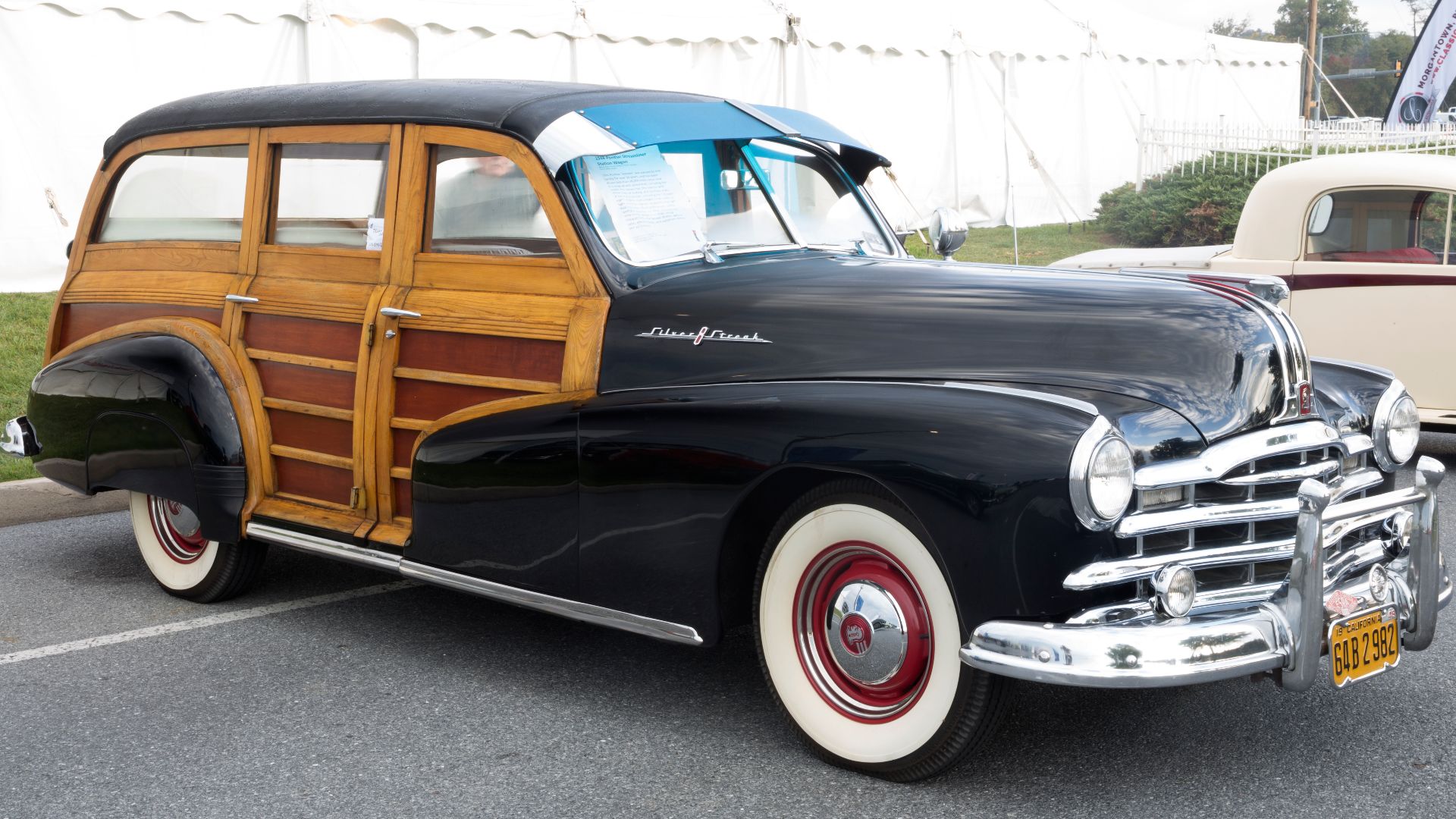
In 1948, Pontiac joined Oldsmobile and Cadillac in offering Hydra-Matic. This was an important step because Pontiac occupied a more affordable position in GM's lineup. Automatic shifting was no longer confined to luxury cars or higher-priced Oldsmobiles. As more customers experienced the convenience, automatics began shedding their reputation as an indulgence reserved for wealthier drivers.
 Mr.choppers, Wikimedia Commons
Buick Takes A Different Approach
Also in 1948, Buick introduced Dynaflow, a fully automatic transmission using a torque converter rather than Hydra-Matic's simpler fluid coupling. Dynaflow emphasized exceptionally smooth operation, generally avoiding noticeable gear changes during normal driving. Its relaxed performance differed considerably from Hydra-Matic's firmer shifts, demonstrating that manufacturers could pursue different approaches to automatic transmission design.
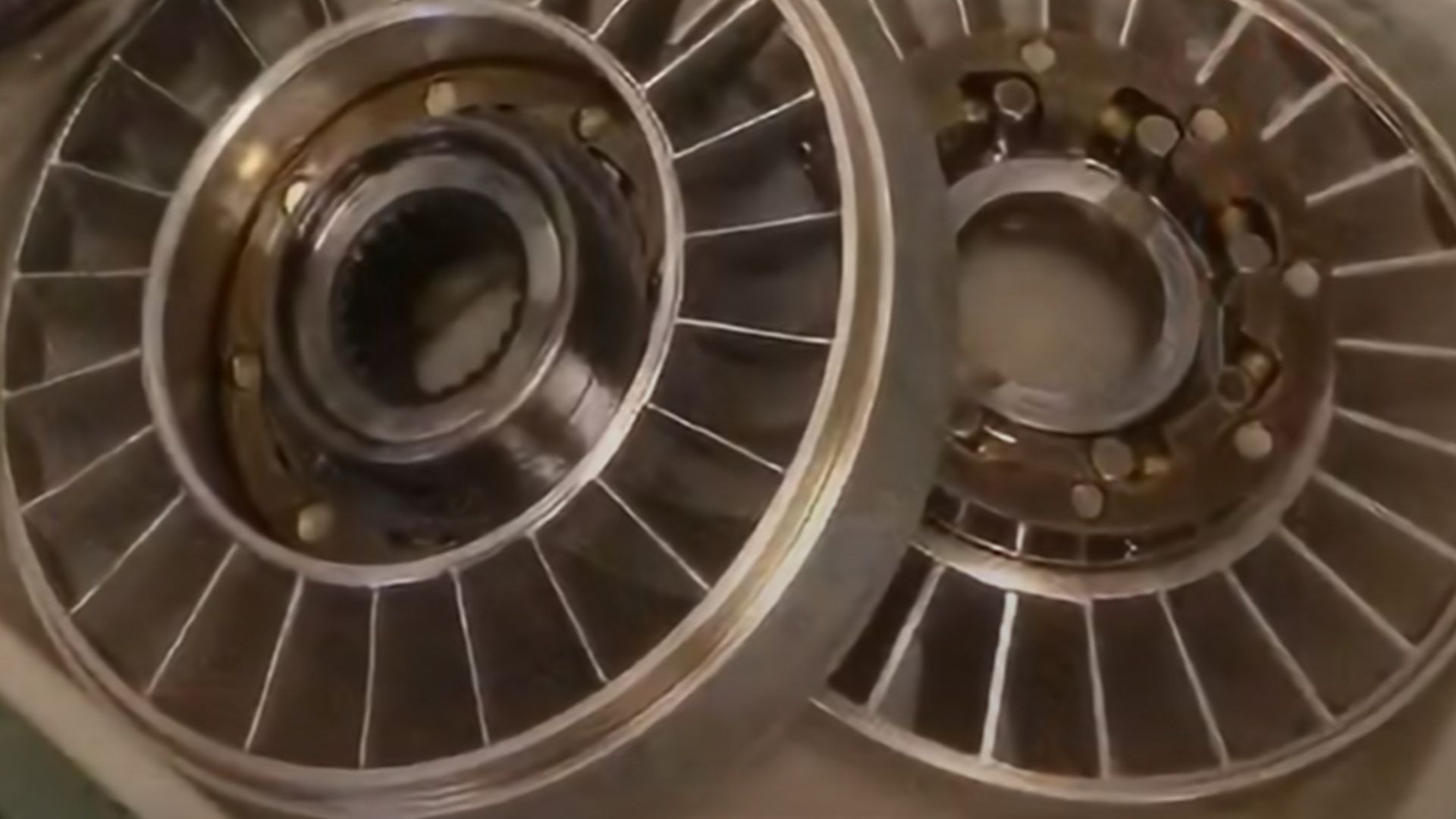 Human-potato hybrid, Wikimedia Commons
The Competition Starts Catching Up
By the end of the 1940s, automatic transmissions were becoming one of the automobile industry's most important selling points. Packard introduced its Ultramatic Drive for 1949, while Chevrolet prepared the two-speed Powerglide for 1950. Studebaker developed Automatic Drive with Borg-Warner. These systems differed mechanically, but they all reflected the same realization: American motorists increasingly wanted cars that shifted themselves.
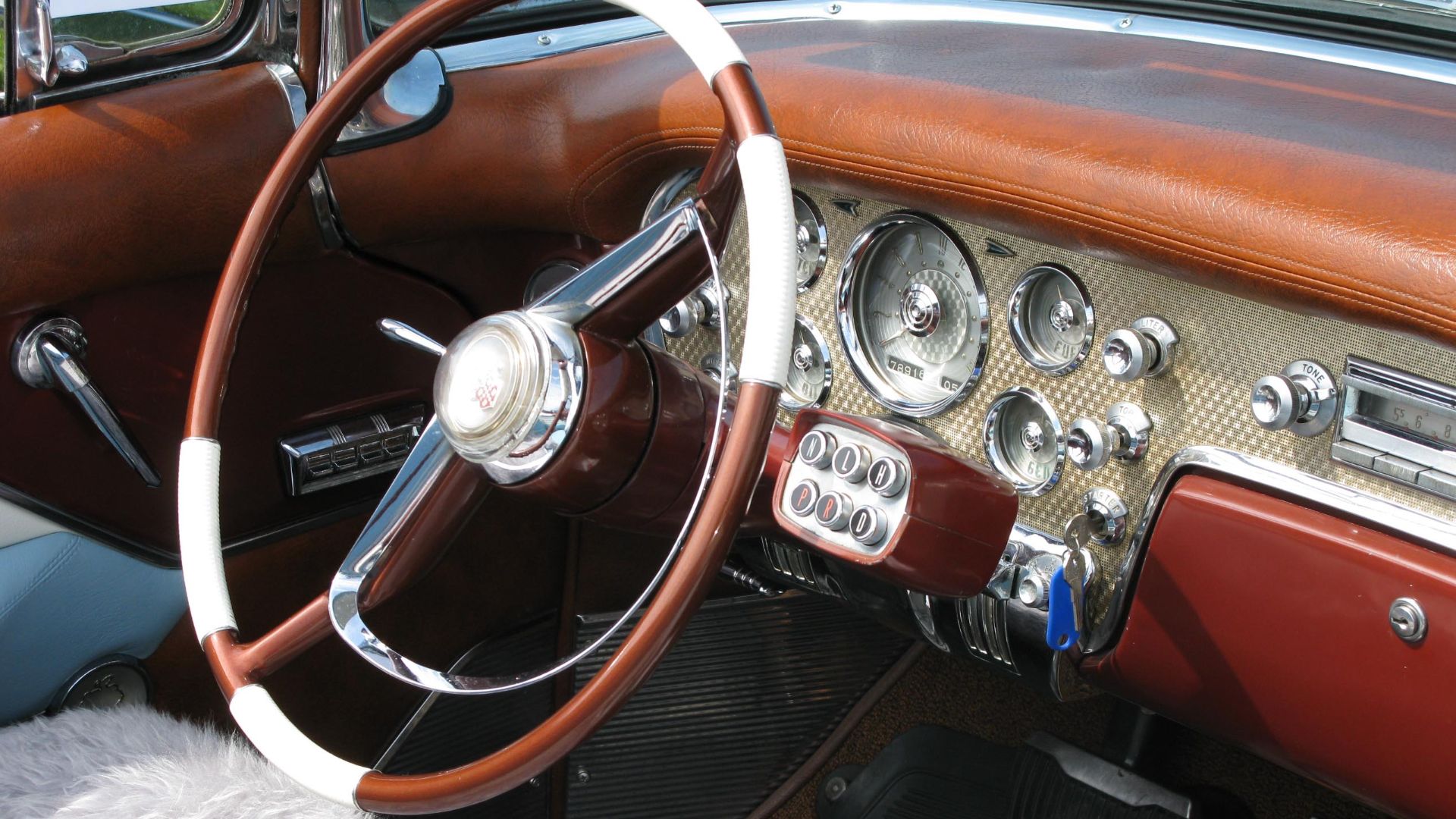 Herranderssvensson, Wikimedia Commons
Even Ford Buys From GM
Hydra-Matic became so successful that rival manufacturers began purchasing it from General Motors. Lincoln adopted the transmission for 1949, an extraordinary arrangement considering the fierce competition between Ford and GM. Independent manufacturers including Nash, Hudson, and Kaiser also became customers. Hydra-Matic was no longer just an Oldsmobile innovation. It had become an important product supplying a large portion of the American automotive industry.
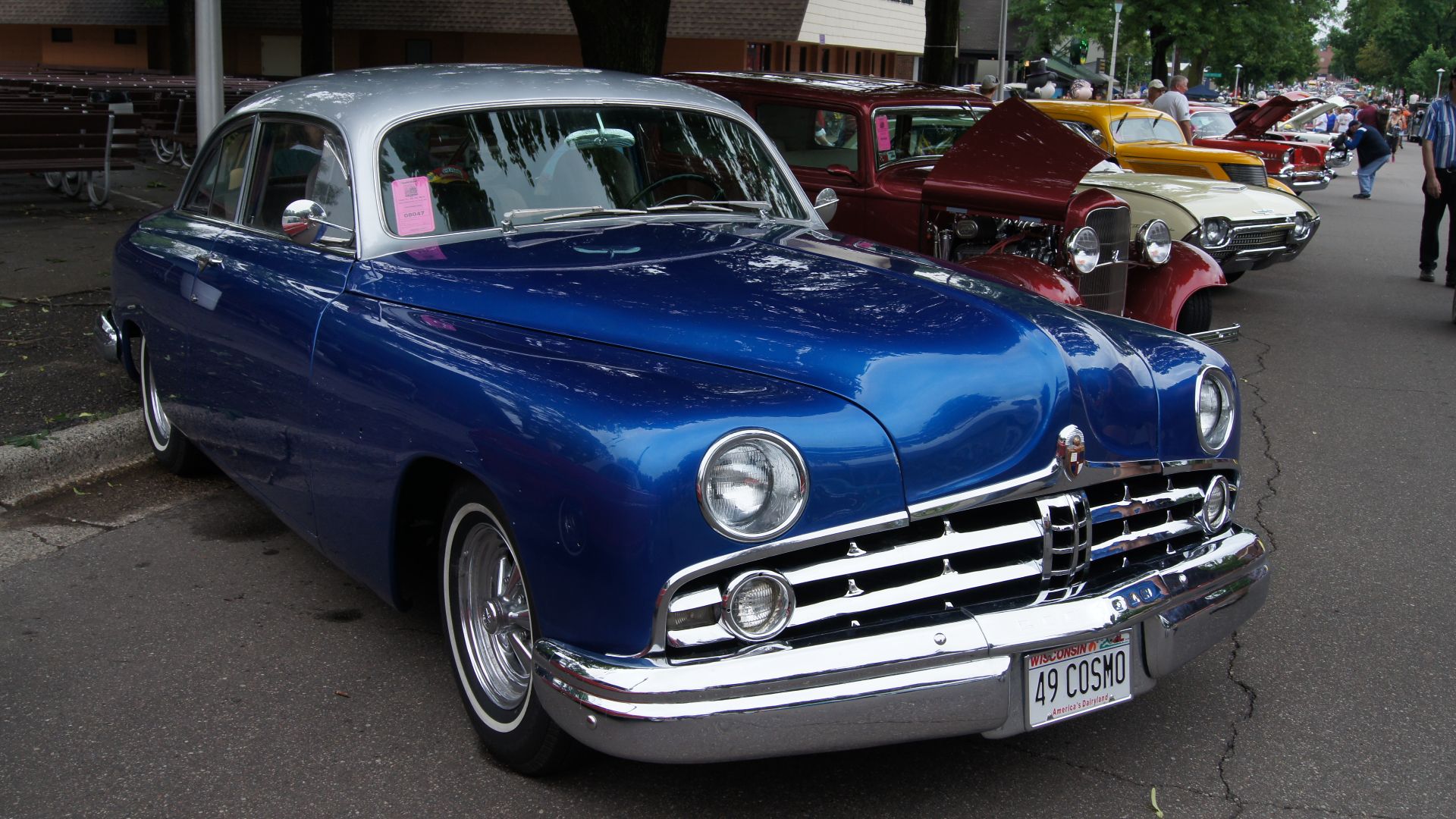 Greg Gjerdingen, Wikimedia Commons
A Million Transmissions And Counting
By 1949, cumulative Hydra-Matic sales had reached approximately one million units. The milestone demonstrated how rapidly American motorists had embraced a technology that barely existed in showrooms a decade earlier. GM's transmission business was becoming increasingly important, supplying several of its own divisions and competing manufacturers. But concentrating so much production in one operation would eventually expose a serious vulnerability.
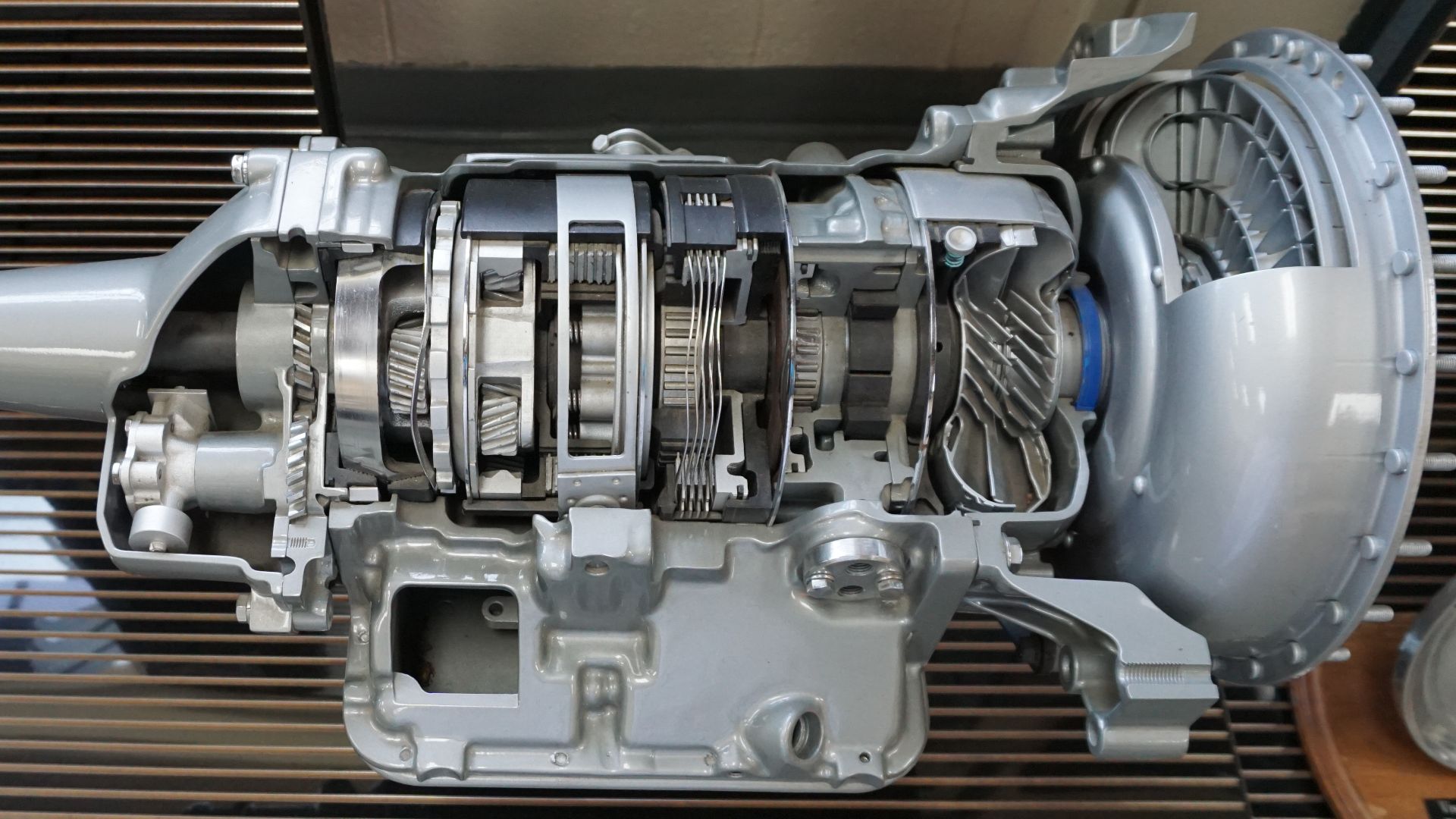 Michael Barera, Wikimedia Commons
Ford Develops Its Own Automatic
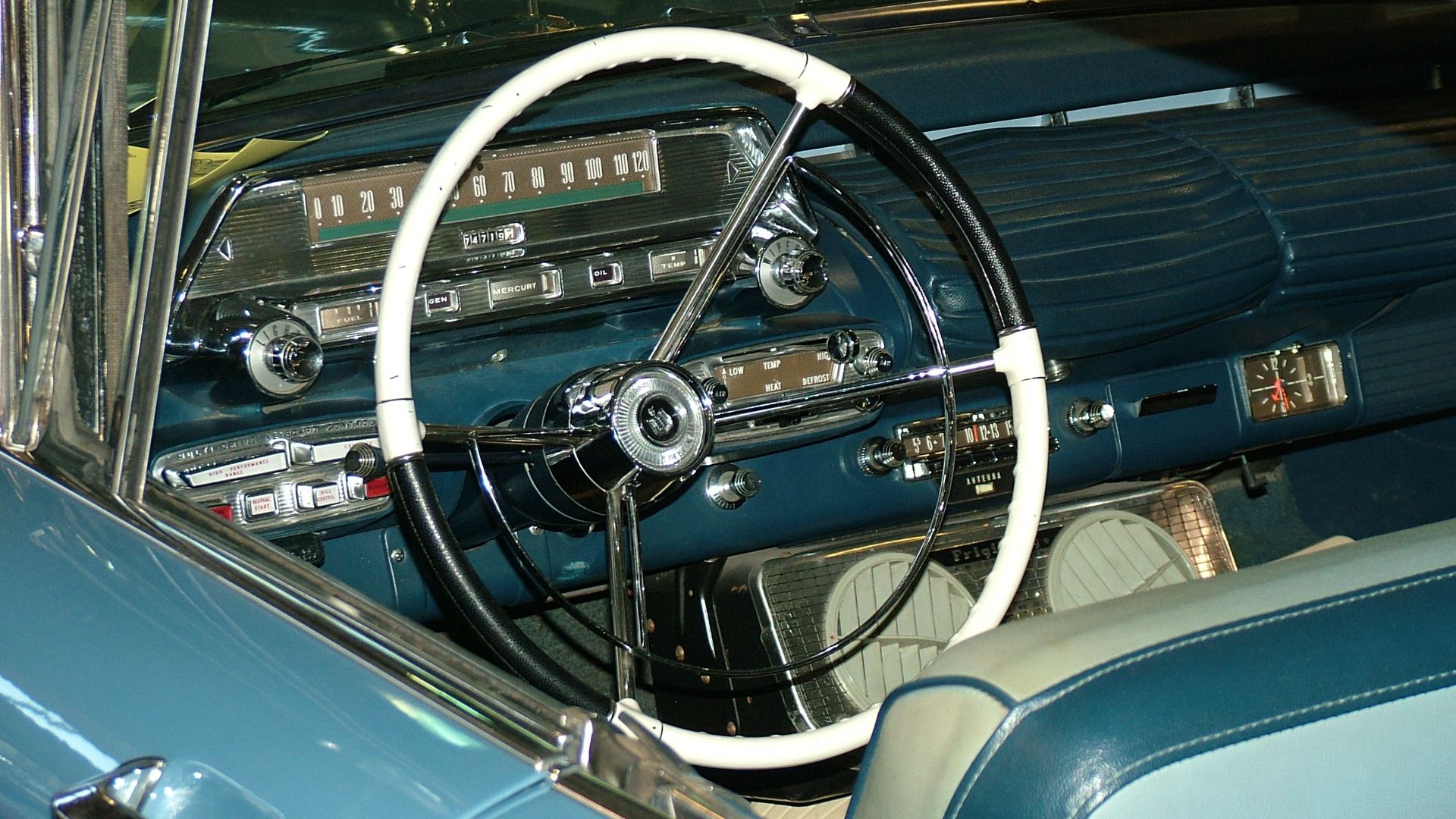
Ford introduced Ford-O-Matic for the 1951 model year, using a design developed with Borg-Warner. Mercury offered a related transmission, and Lincoln would eventually adopt Ford's own automatic technology. With Chevrolet, Buick, Packard, Studebaker, and Ford now offering alternatives, the automatic transmission was becoming an industry-wide phenomenon rather than a technology dominated by Hydra-Matic alone.
 granada_turnier, Wikimedia Commons
A New Factory In Livonia
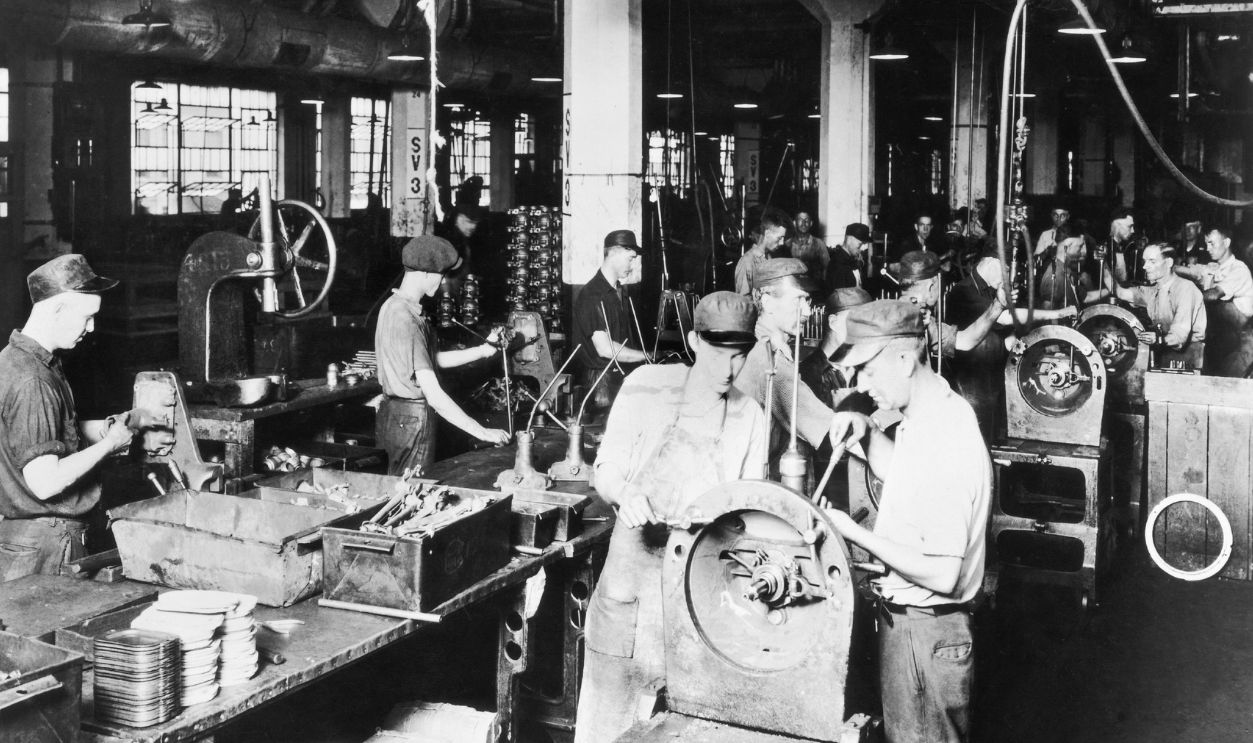
To meet demand, GM established a major Hydra-Matic production facility in Livonia, Michigan, just outside Detroit. The enormous plant was a showcase of the latest in postwar industrial manufacturing. It supplied transmissions not only to Pontiac, Oldsmobile, and Cadillac, but also to several independent manufacturers. By 1953, thousands of workers depended on the operation, and numerous automobile assembly lines depended on its output.
August 12, 1953
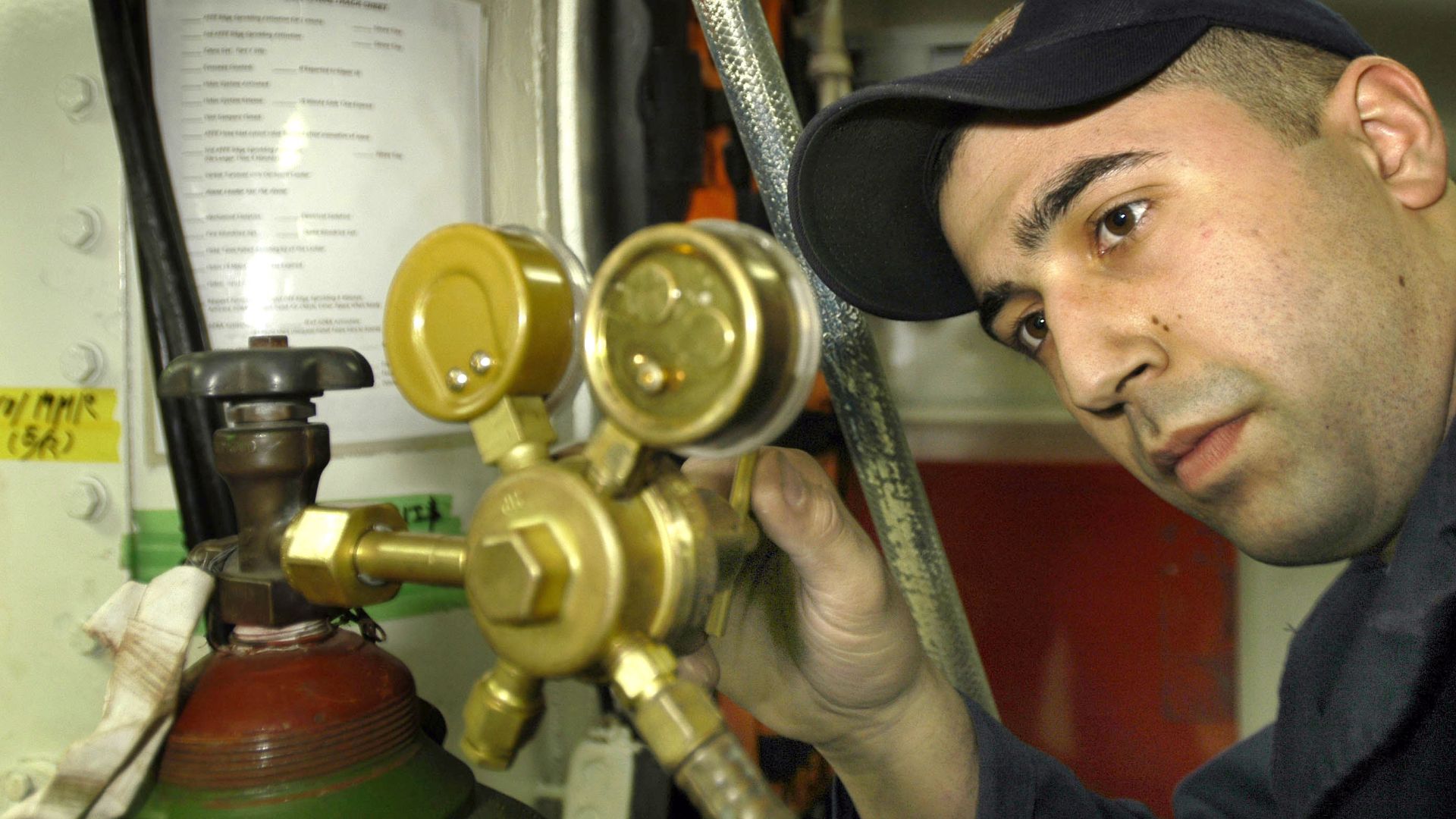
On August 12, 1953, disaster struck the Livonia plant. Outside construction workers were using an oxyacetylene cutting torch when sparks ignited flammable rust-preventive liquid in a conveyor dip pan. Workers initially fought the flames with portable extinguishers, but the fire spread rapidly. Within minutes, the enormous factory was being consumed by an inferno that firefighters could do little to contain.
 U.S. Navy photo by Photographer's Mate Airman Patrick L. Heil, Wikimedia Commons
Detroit's Industrial Catastrophe
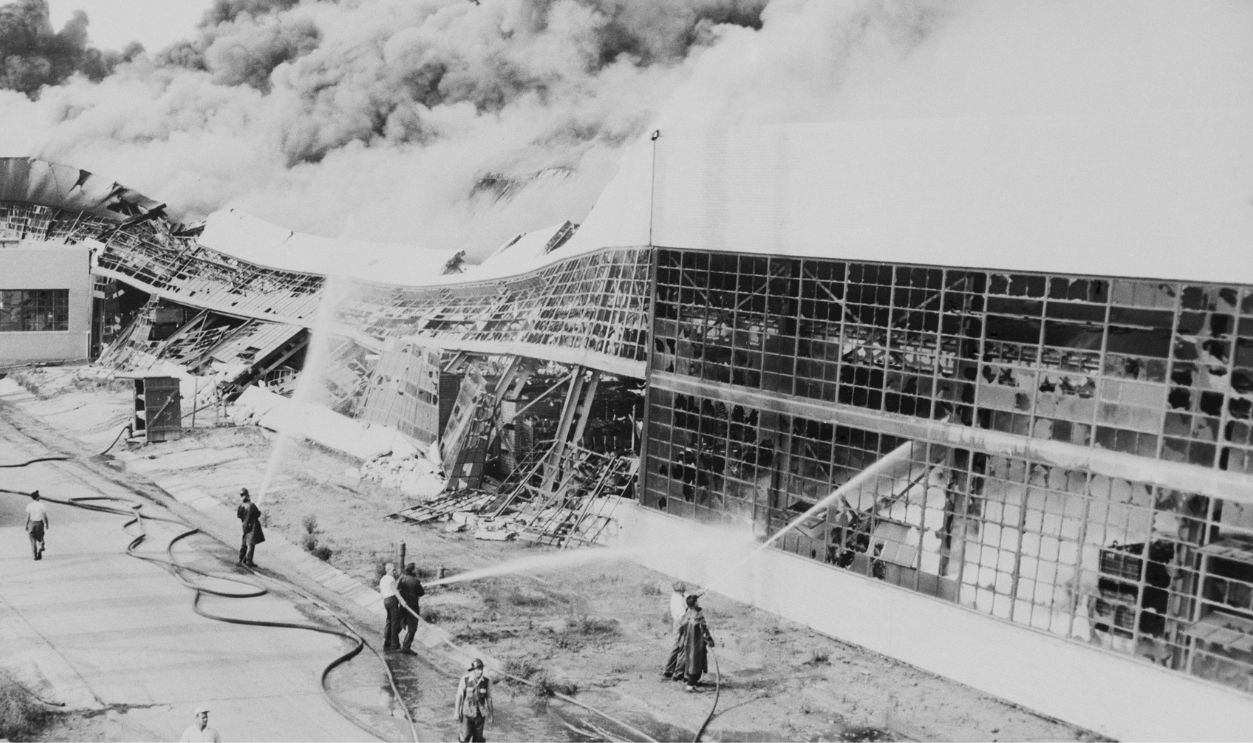
The flames spread through the approximately 1.5-million-square-foot facility with terrifying speed, and sections of the roof collapsed. Three members of an in-plant firefighting brigade, and a Livonia firefighter lost their lives. Two construction workers were subsequently electrocuted during cleanup. Fifteen people were seriously injured. The destruction was estimated at roughly $80 million, making it one of America's worst industrial fires of the period.
The Supply Chain Collapses
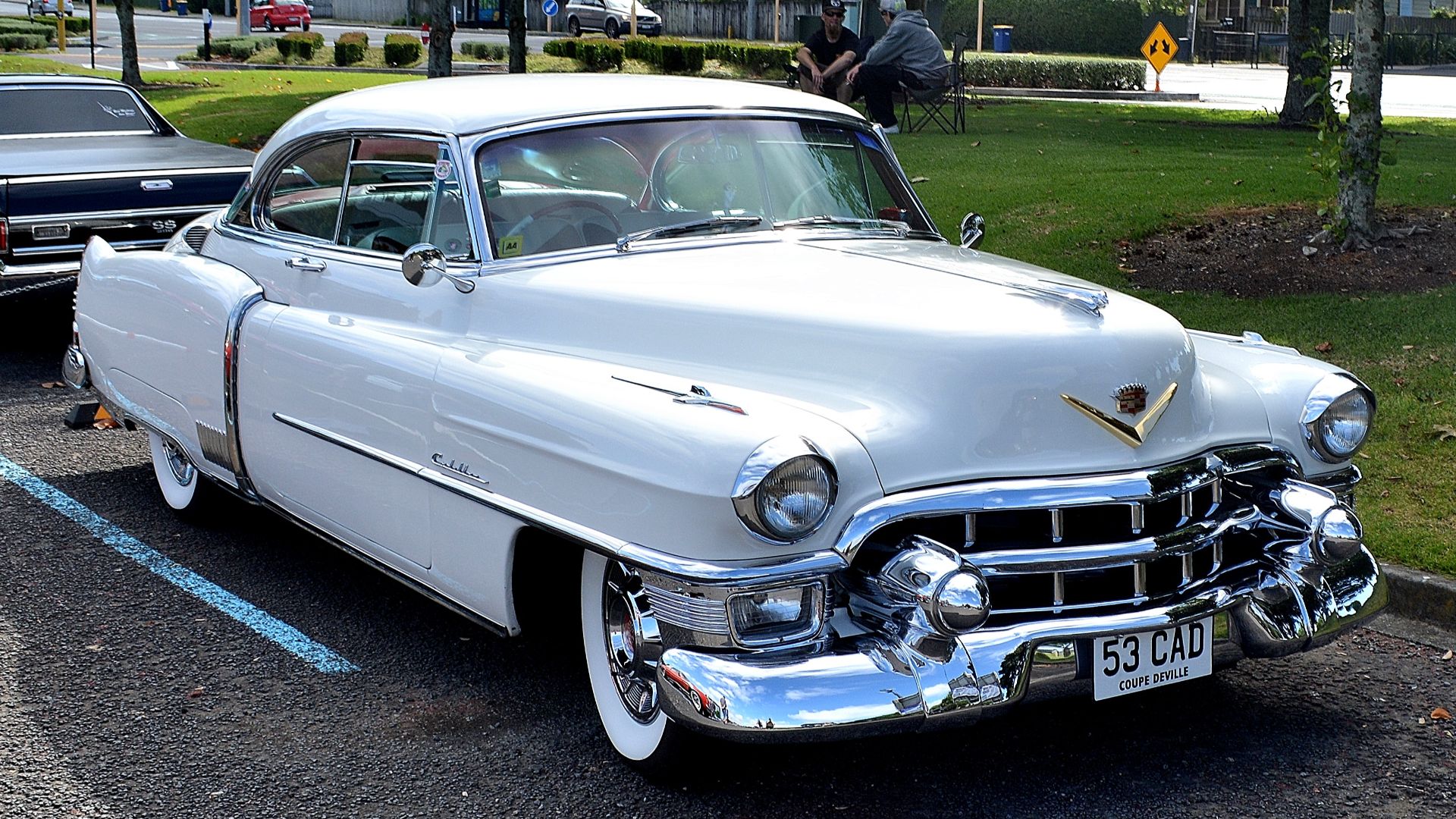
The destruction immediately threatened automobile production across several companies. Cadillac, Oldsmobile, and Pontiac suddenly lost their source of Hydra-Matic transmissions. Lincoln, Hudson, Kaiser, and Nash also faced shortages. The disaster showed just how dependent the industry had become on a single factory. GM needed to restore production quickly, but rebuilding the destroyed Livonia facility would take far too long.
 GPS 56 from New Zealand, Wikimedia Commons
Automakers Scramble For Replacements
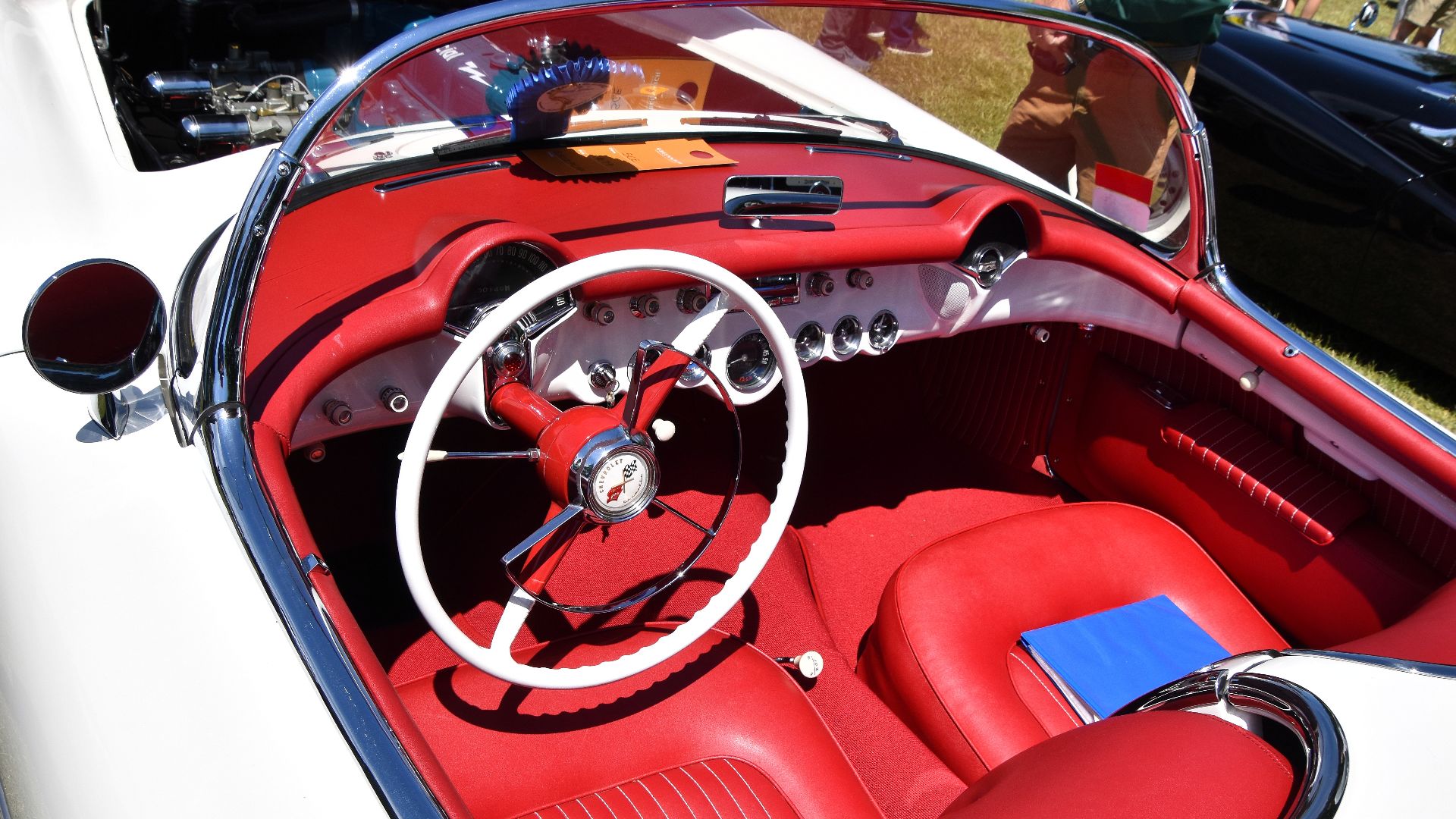
GM's divisions improvised. Cadillac and Oldsmobile temporarily installed Buick Dynaflow transmissions, while Pontiac switched to Chevrolet Powerglide units. Lincoln adopted Ford's own automatic. Independent manufacturers faced particularly difficult circumstances because they lacked GM's extensive network of alternative transmission factories. Some had to find other suppliers or adjust their production plans until Hydra-Matic deliveries could resume.
 Charles from Port Chester, New York, Wikimedia Commons
Willow Run Offers A Lifeline
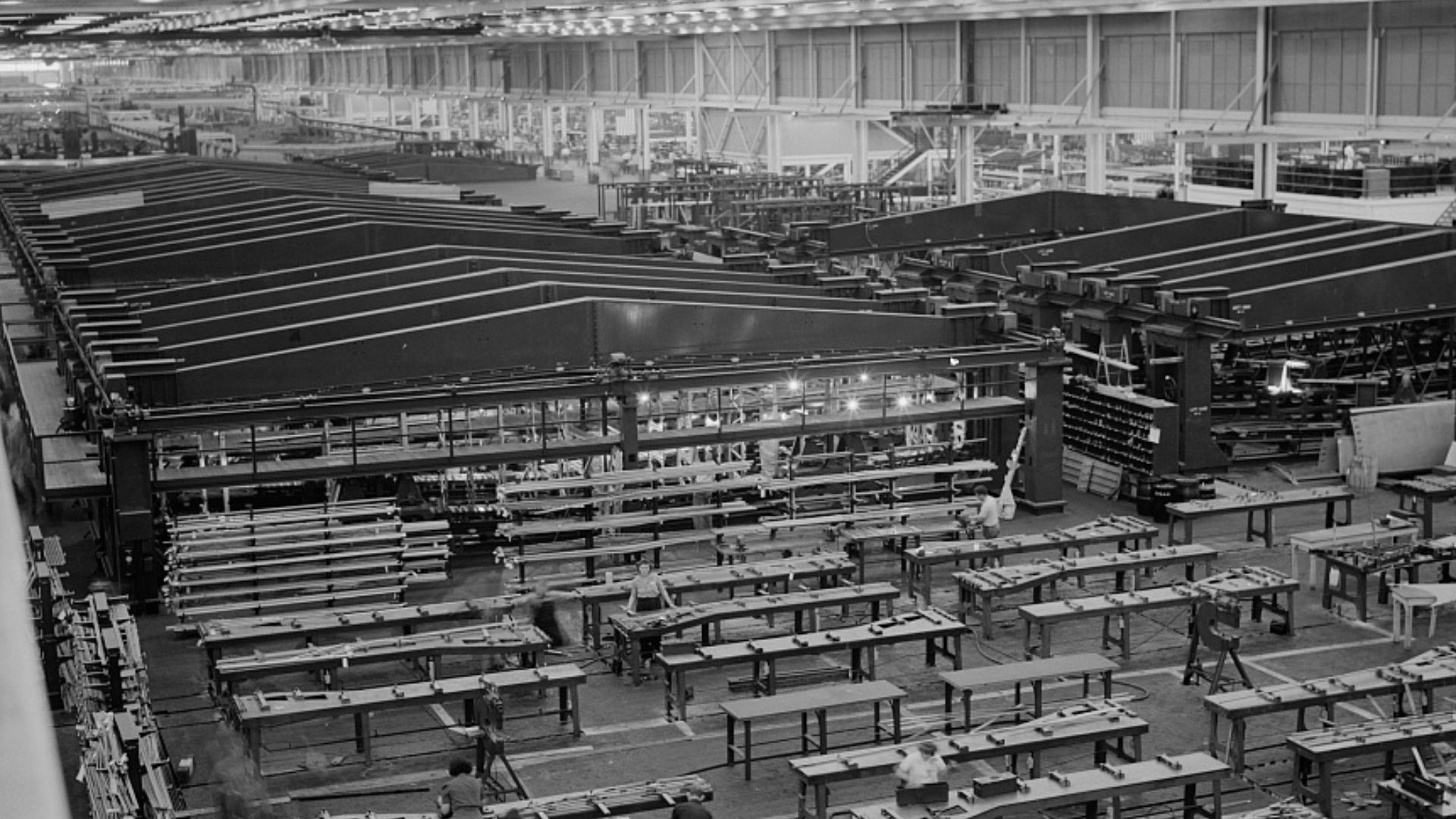
GM found its solution at Willow Run, the enormous former wartime bomber-production complex near Ypsilanti, Michigan. Kaiser-Frazer had been using part of the facility for car production, but GM arranged to take over the operation and convert it to Hydra-Matic manufacturing. The company faced an enormous challenge: installing specialized machinery, organizing suppliers, and preparing a replacement factory in a matter of weeks.
 Ann Rosener, Wikimedia Commons
Hydra-Matic Rises From The Ashes
GM's recovery was remarkably swift. The first replacement Hydra-Matic transmission was produced at a temporary Detroit operation in October 1953, just nine weeks after the fire. The company prioritized deliveries to independent manufacturers that had few alternatives. By mid-December, the Willow Run facility was operating at full production. One of Detroit's most devastating industrial disasters had failed to permanently derail the automatic-transmission revolution.
 Michael Barera, Wikimedia Commons
Chrysler Finally Joins The Race
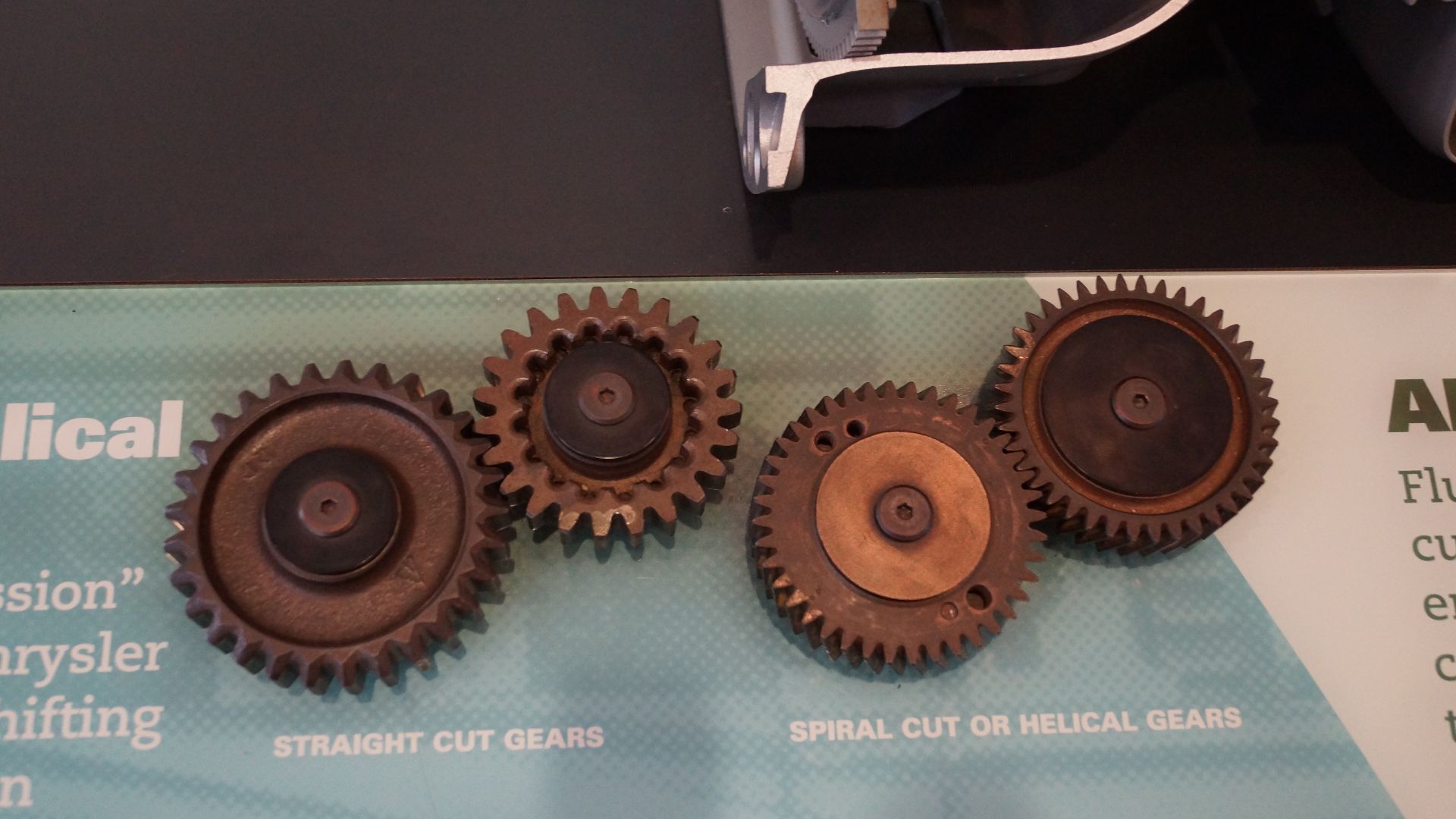
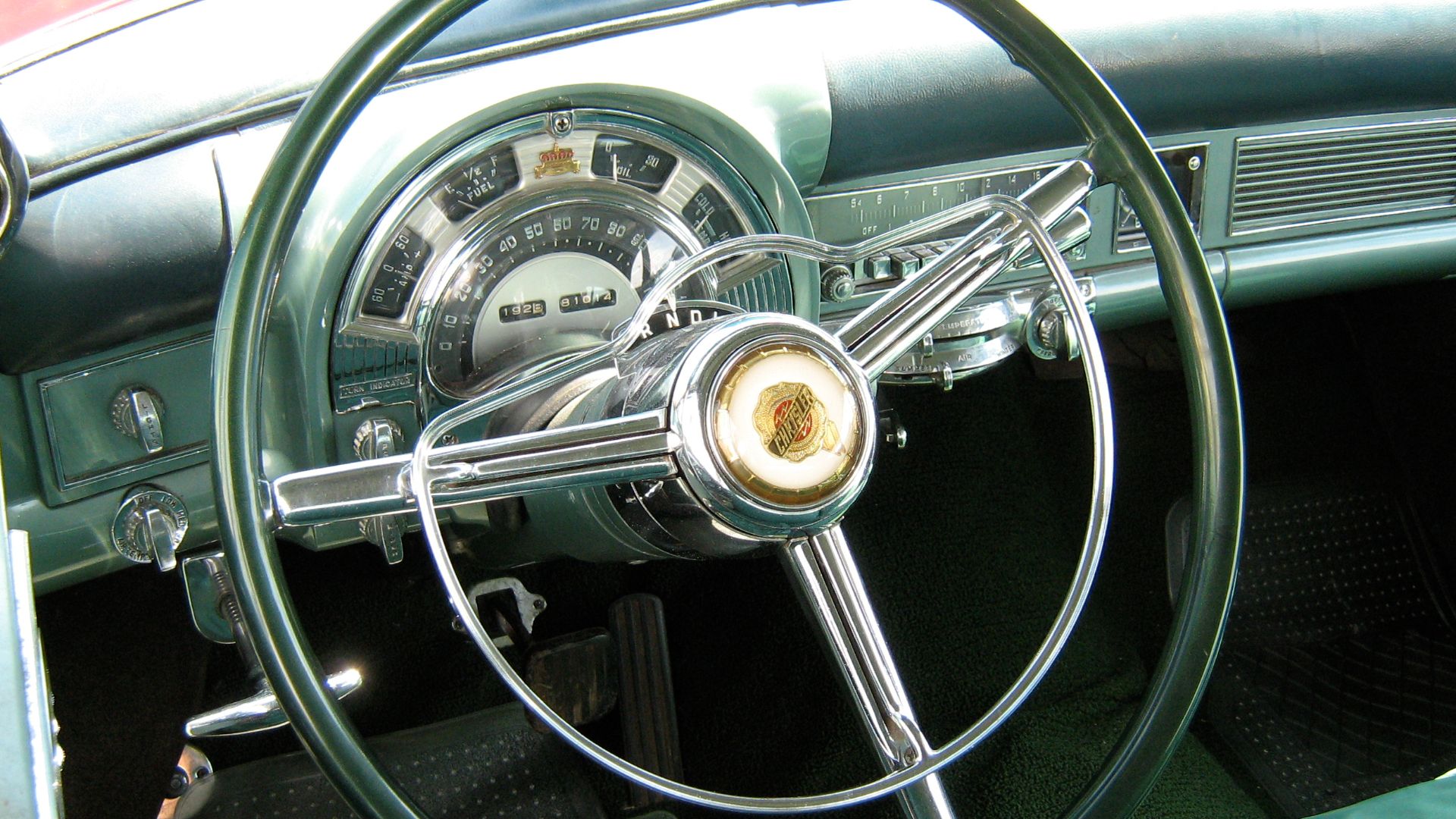
Meanwhile, Chrysler had been pursuing its own approach to easier shifting. Its earlier Fluid Drive and semi-automatic systems reduced driver effort but still required more involvement than a true automatic. For 1954, Chrysler introduced the two-speed PowerFlite, finally offering a fully automatic transmission. The company followed with the more advanced three-speed TorqueFlite for 1957, which became one of Detroit's most respected automatic designs.
 Greg Gjerdingen from Willmar, USA, Wikimedia Commons
Automatics Become The New Normal
By the mid-1950s, automatic transmissions were increasingly common in American automobiles. Manufacturers advertised their convenience, smoothness, and ability to make driving easier in traffic. Improvements in torque converters, hydraulic controls, and transmission durability steadily addressed early shortcomings. What had once been an expensive novelty was becoming an expected feature, particularly in larger and more luxurious American cars.
The Legacy Of Hydra-Matic
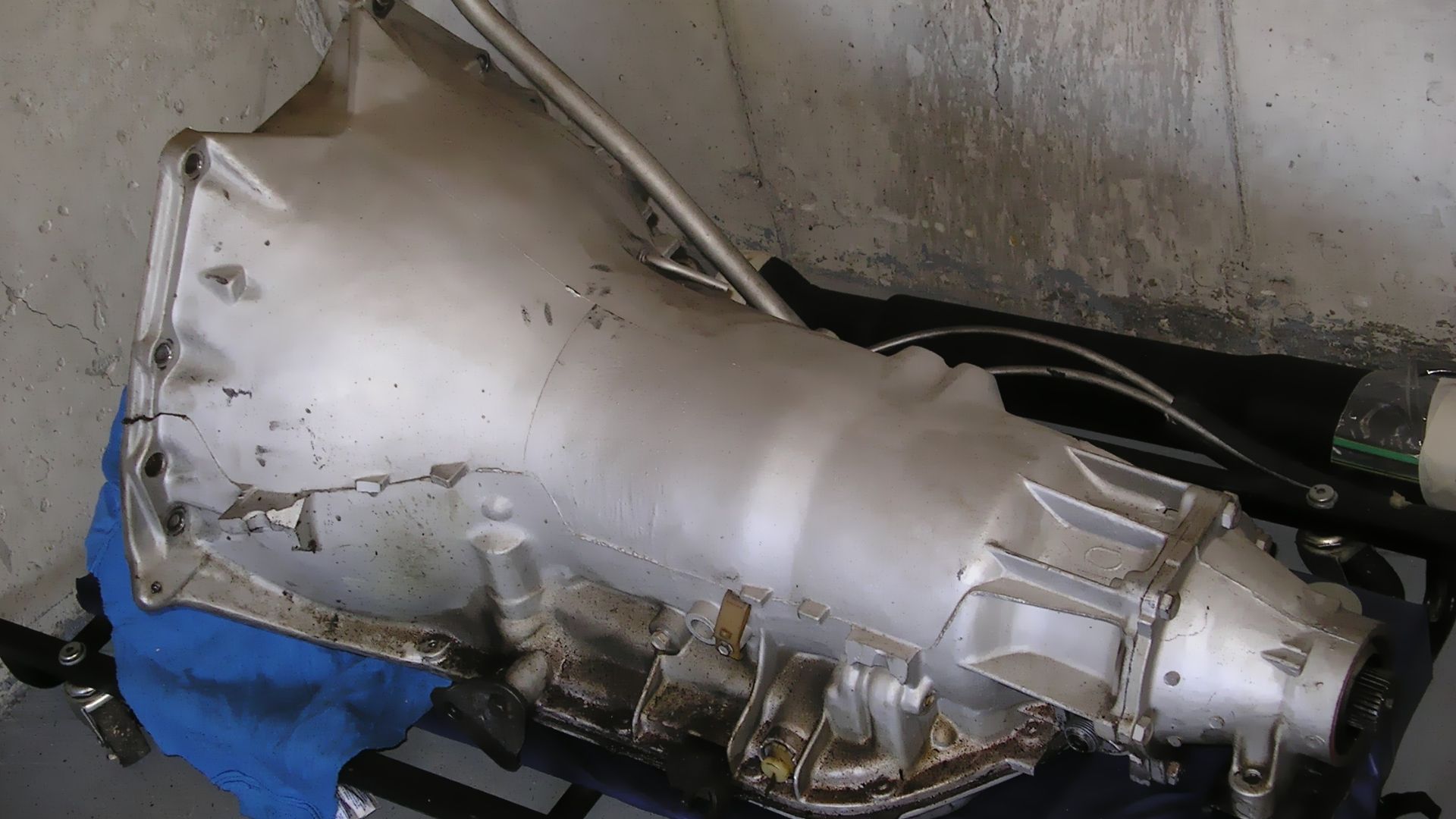
GM continued to refine the Hydra-Matic, introducing the redesigned Controlled-Coupling Hydra-Matic for 1956, which used a second fluid coupling to produce smoother shifts. In 1964, GM introduced the substantially different three-speed Turbo Hydra-Matic, which would be enormously influential in subsequent decades. Ford, Chrysler, and other manufacturers developed increasingly sophisticated automatics of their own, building upon a revolution that Oldsmobile had helped launch way back in 1940.
 Vic Brincat, Wikimedia Commons
You May Also Like:
Exquisite 1930s Cars That Had Style In Spades