Seven Seats Don’t Necessarily Mean Seven-Person Practicality
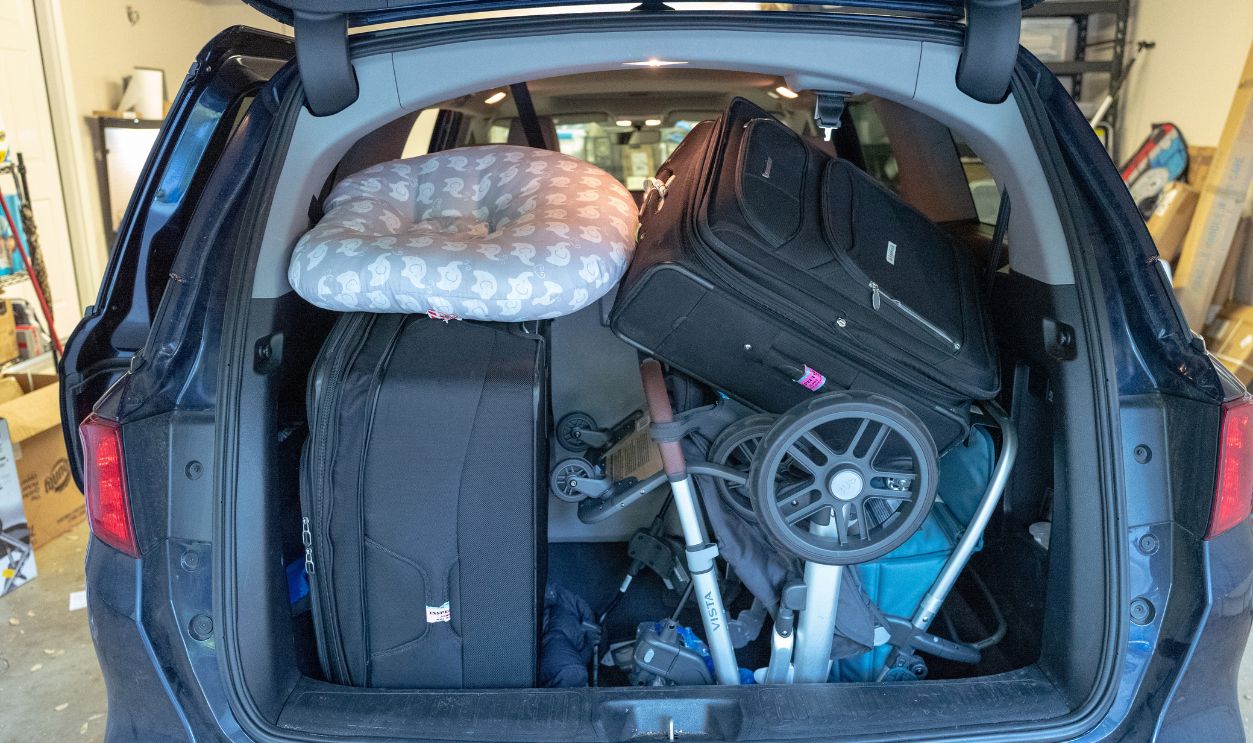
Your SUV technically accommodates the whole family, which sounded perfect when you bought it. Then everyone climbs aboard for a road trip and the stroller, suitcases, sports bags, and groceries have nowhere left to go. That frustration isn’t unusual.
Three-row SUVs and minivans can carry similar numbers of passengers on paper, but the way they package those people and everything traveling with them can be dramatically different.
Start With The Space Behind The Third Row
For a family that regularly uses all three rows, this is arguably the most important cargo measurement. Maximum cargo capacity gets most of the attention in advertisements, but that figure usually assumes the rear seats are folded. When seven people are aboard, you can’t use that space. Compare cargo volume specifically behind the third row, because that’s the storage area you’ll actually have available.
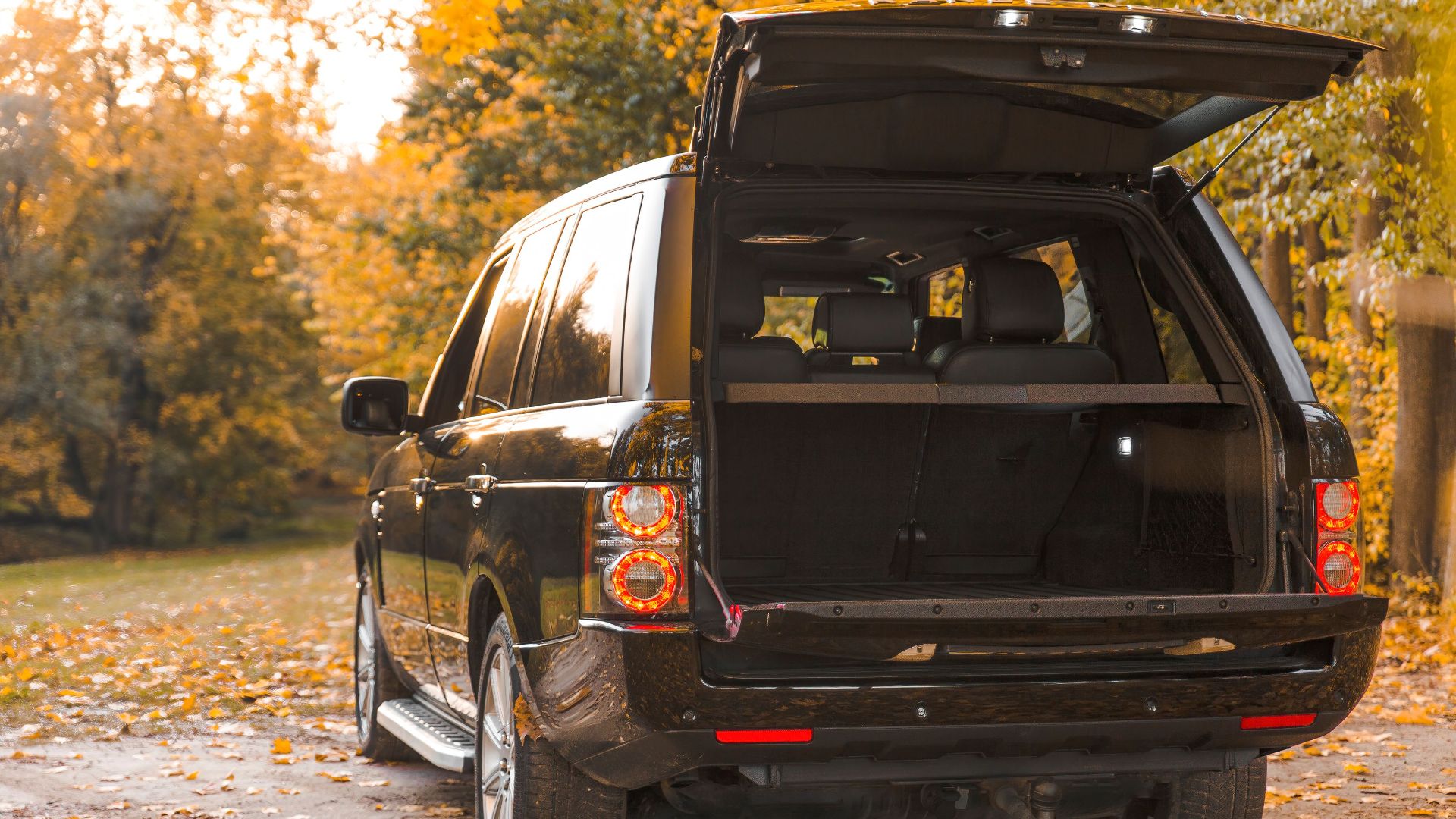
Minivans Usually Win That Measurement
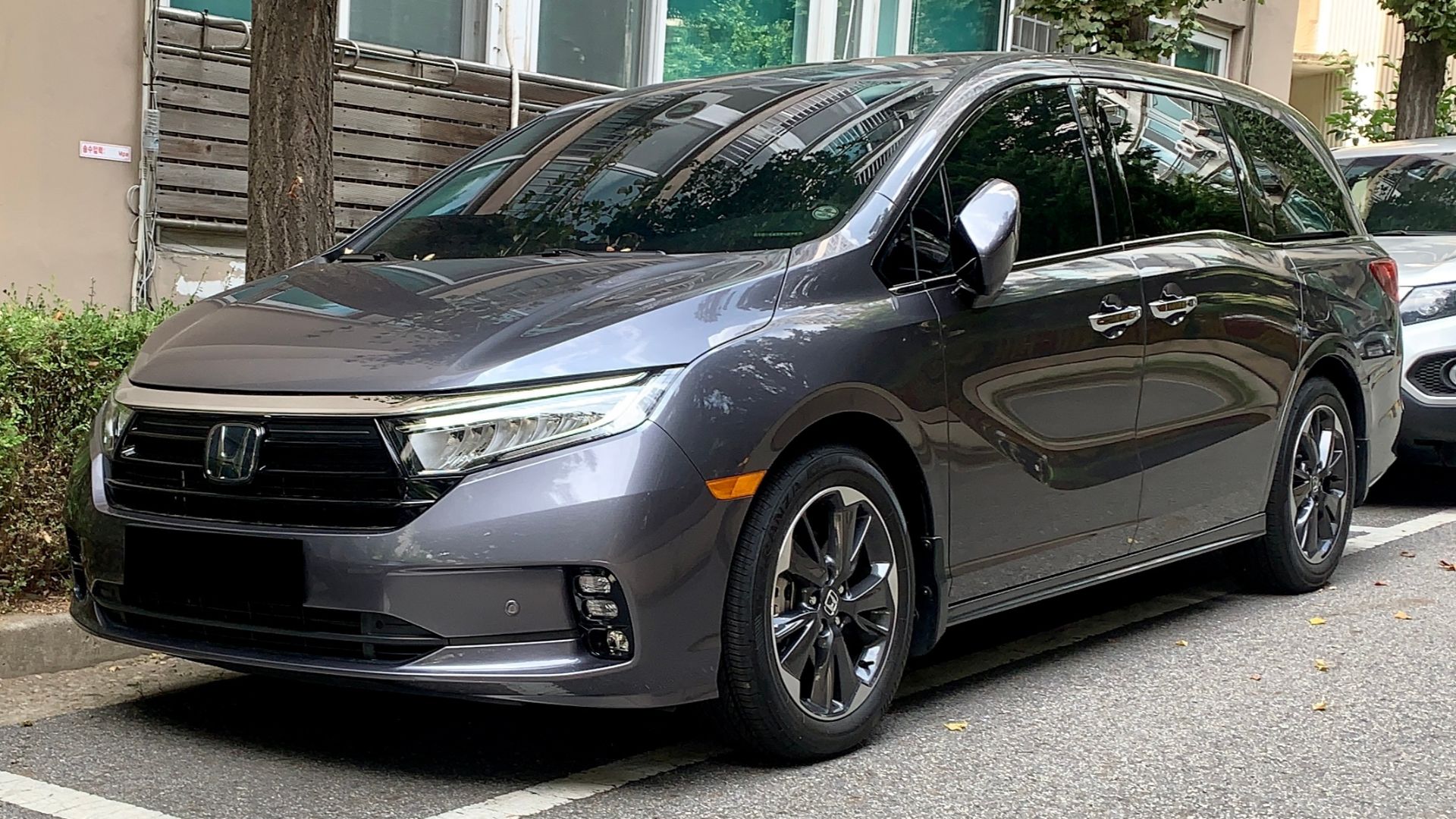
A modern minivan is designed around carrying passengers and their belongings at the same time. Models such as the Honda Odyssey, Toyota Sienna, Chrysler Pacifica, and Kia Carnival provide substantial wells and cargo areas behind their third rows. Many midsize three-row SUVs leave noticeably less space once every seating position is being used, sometimes enough to turn packing for seven into a game of luggage Tetris.
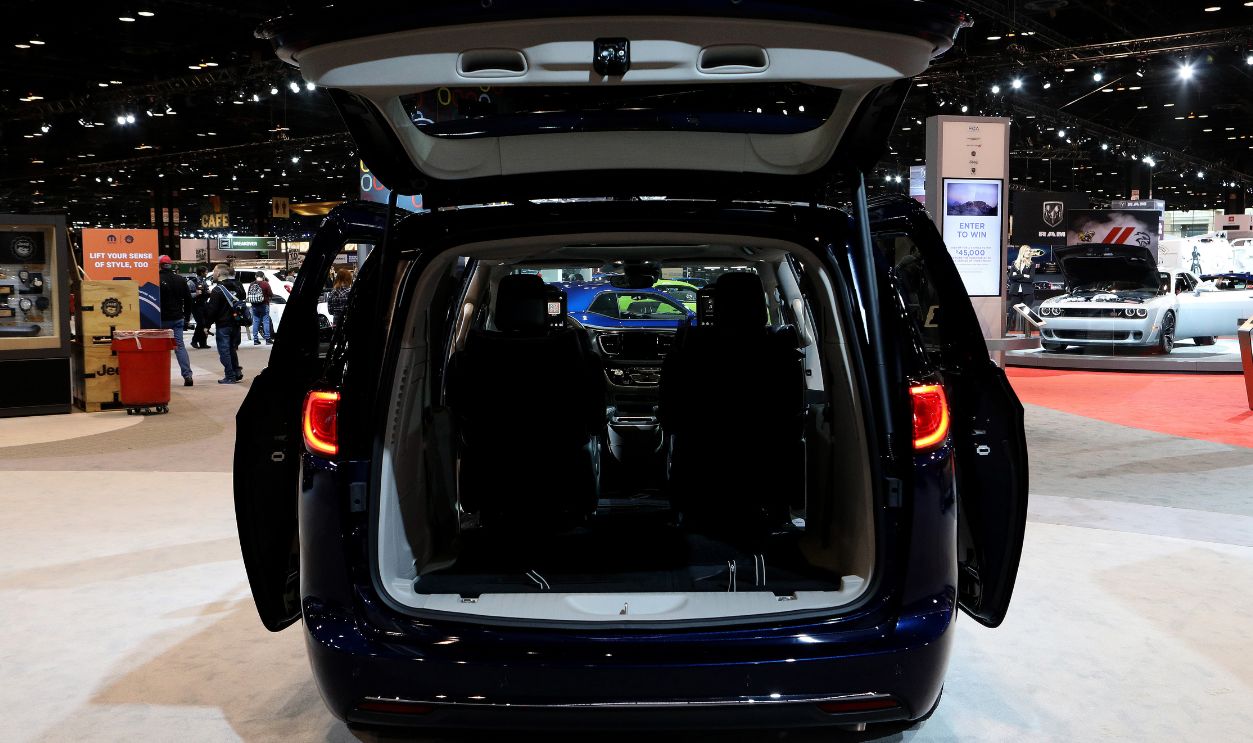
The Difference Can Be Bigger Than It Looks
An extra 10 or 15 cubic feet may sound abstract until you start loading real objects. That can mean the difference between standing several suitcases upright and stacking them across the rear window, or between fitting a stroller normally and taking its wheels off. Cubic-foot specifications aren’t perfect, but they can represent a very meaningful difference when the vehicle is full of people.

Minivan Floors Are Usually Lower
SUV cargo floors often sit relatively high because the vehicle has to package suspension components, available all-wheel-drive hardware, and greater ground clearance underneath. Minivans prioritize a low passenger and cargo floor. That lower load height creates more vertical space and makes it easier to lift in strollers, coolers, groceries, luggage, or bulky sports equipment.

That Deep Rear Well Is Extremely Useful
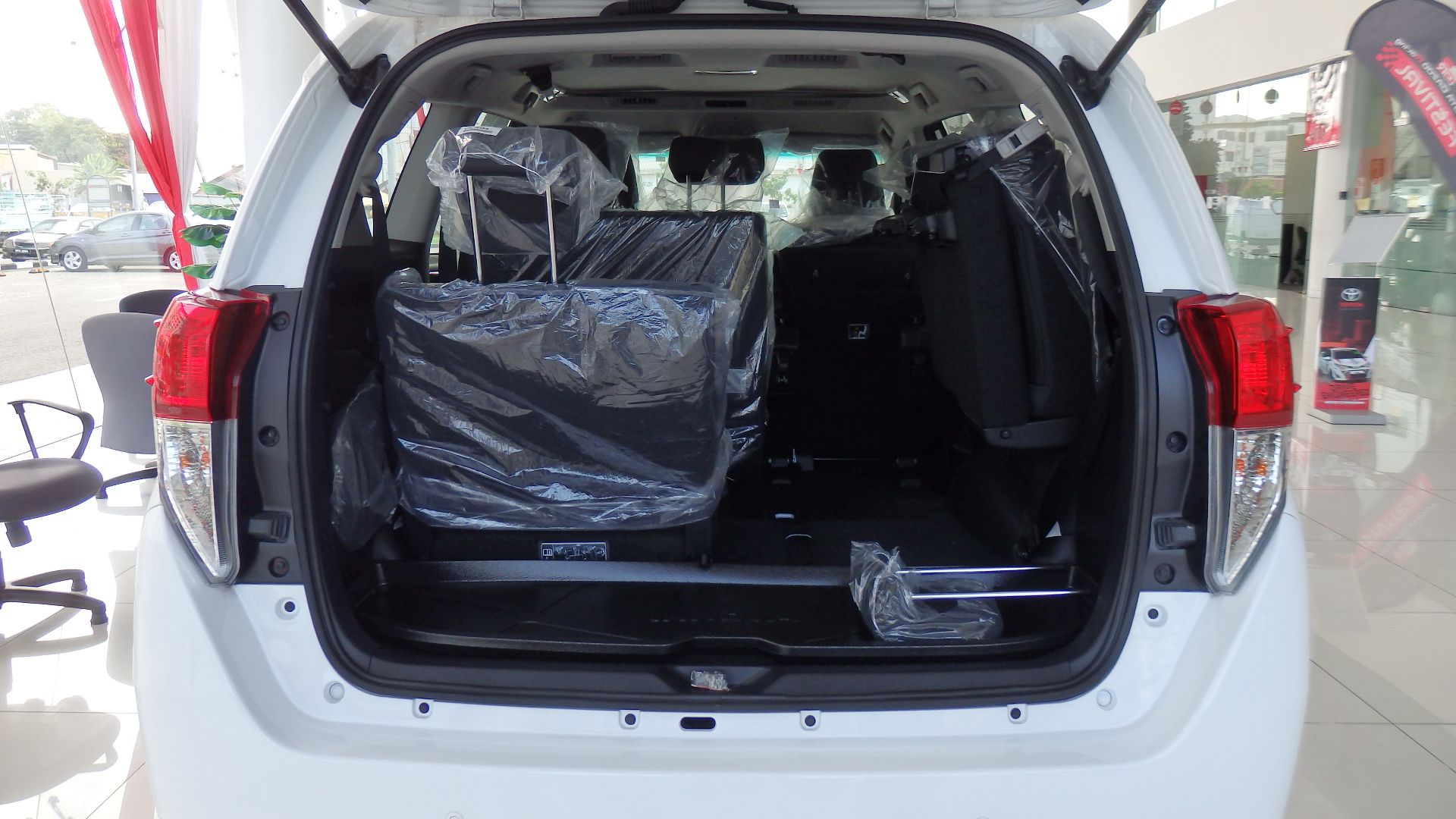
Many minivans have a recessed cargo well behind the third row. It isn’t just there so the rear seat has somewhere to disappear when folded. With the seat upright, that depression becomes valuable storage for grocery bags, backpacks, duffels, and other items that might otherwise pile above the seatbacks. It also helps stop smaller objects from sliding around.
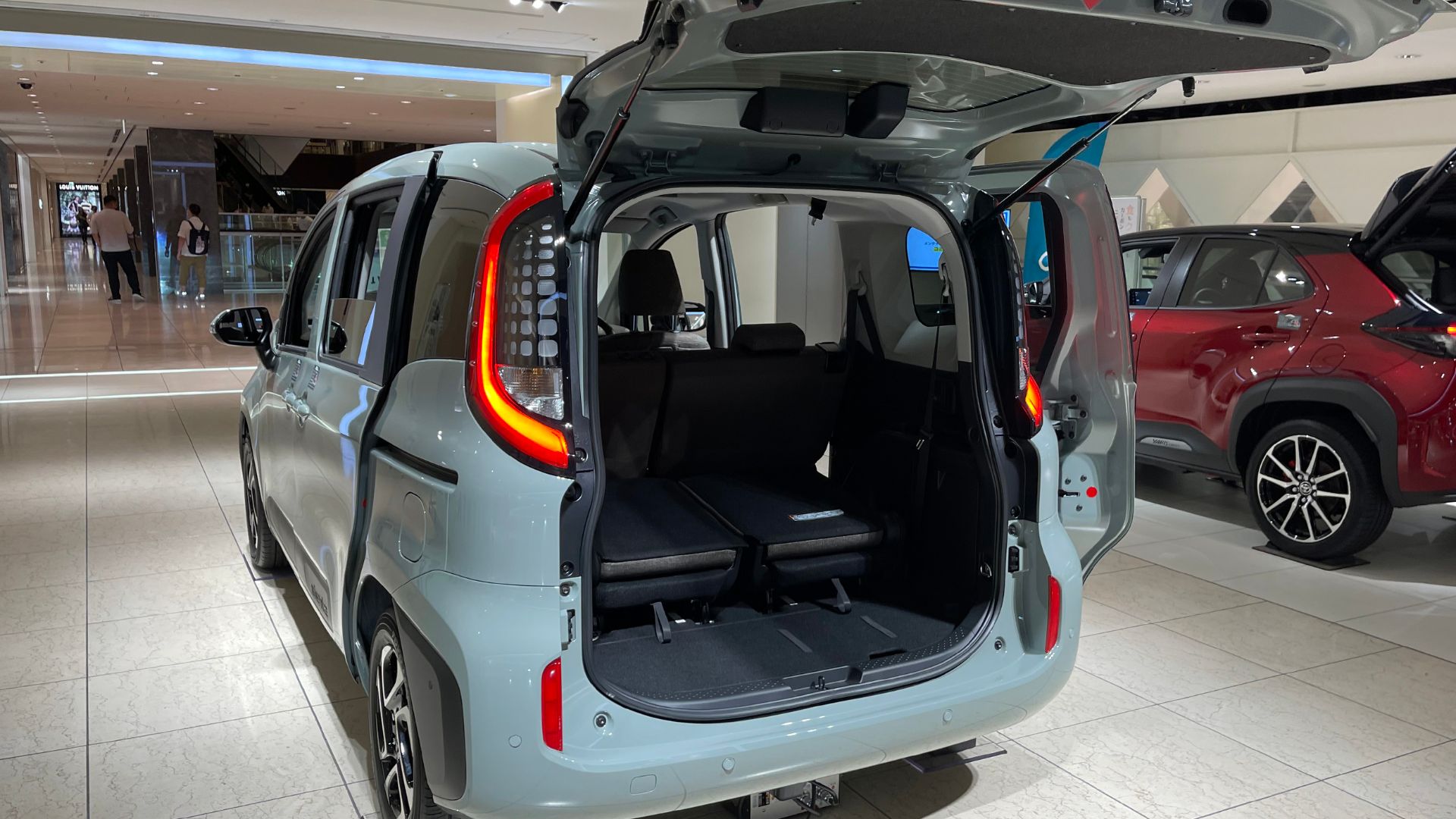 Tokumeigakarinoaoshima, Wikimedia Commons
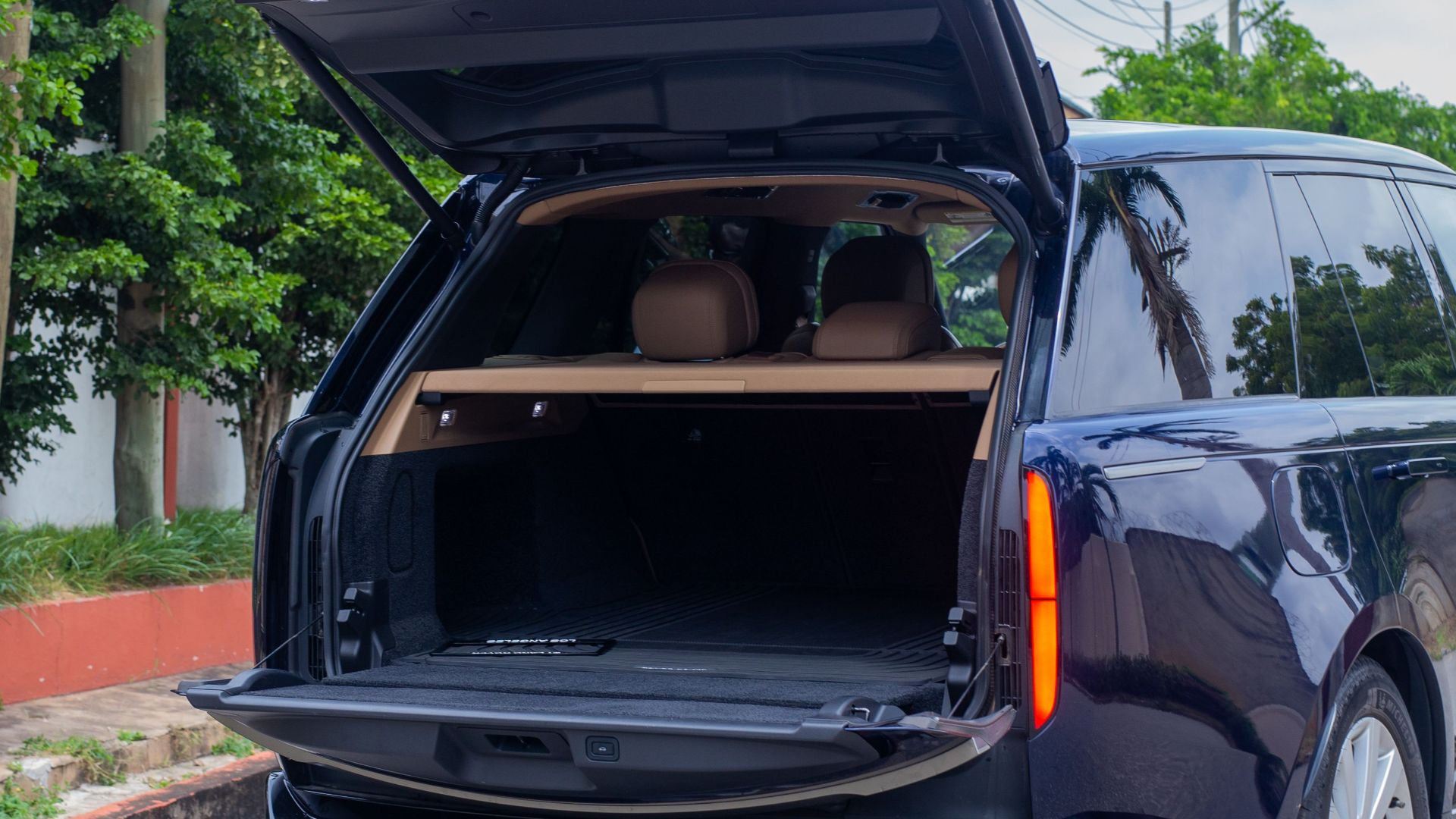
SUV Cargo Areas Can Be Wide But Shallow
Some three-row SUVs look impressive when you open the hatch because the cargo area is broad. The problem appears when you look from the side. A high floor combined with a third-row seat can leave a relatively short storage compartment front to back. That may accommodate grocery bags easily while struggling with a stroller or several hard-sided suitcases.
Maximum Cargo Numbers Can Be Misleading
Suppose an SUV advertises nearly 90 cubic feet of maximum cargo volume. That sounds enormous until you notice that achieving it requires folding both rear rows, leaving room for only the front occupants. A family of seven can’t take advantage of that number while traveling together. For your situation, cargo behind the third row deserves far more attention than the biggest number in the brochure.
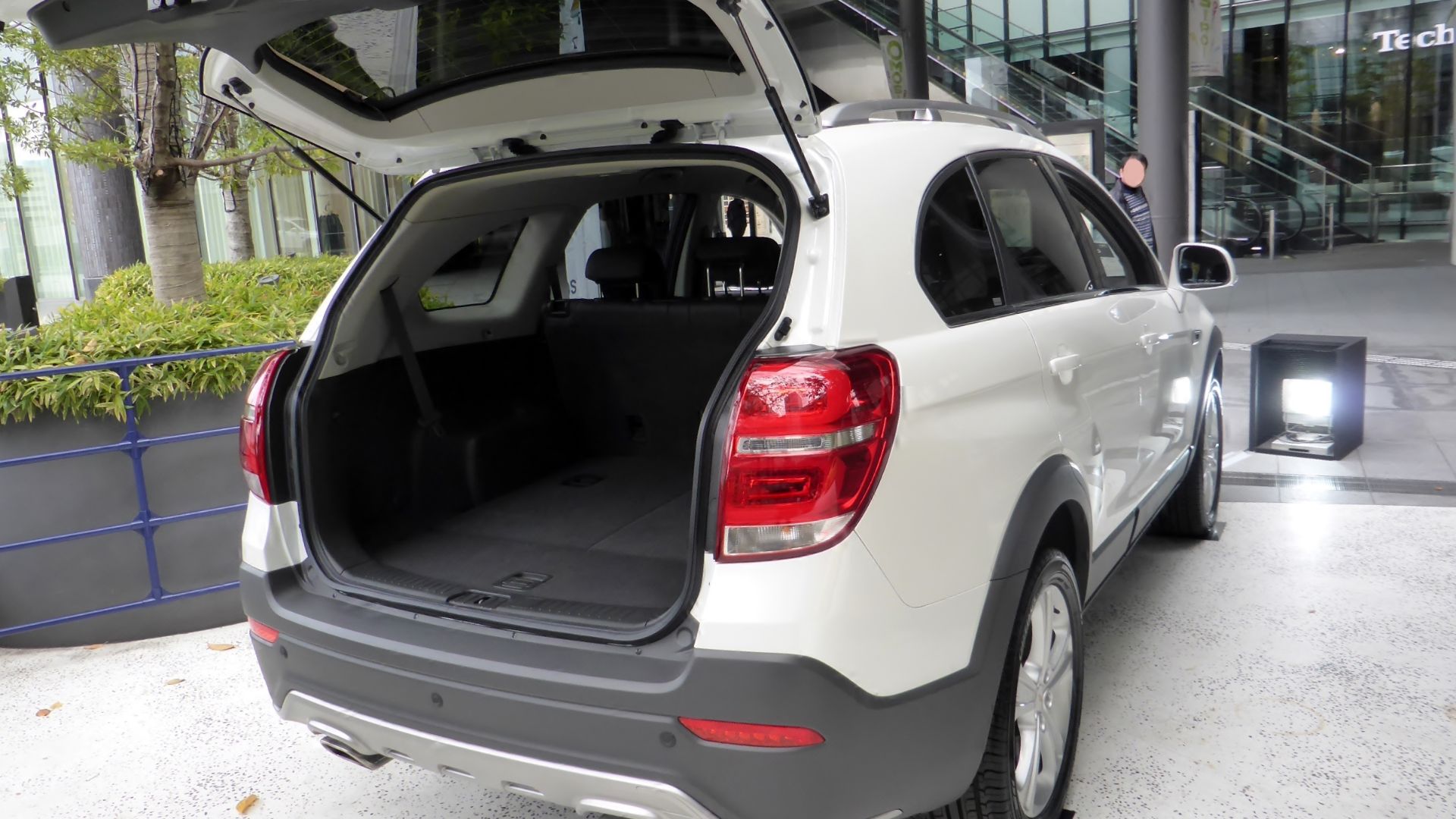 Tokumeigakarinoaoshima, Wikimedia Commons
Passenger Space Matters Too
A third row only adds real usefulness if people can sit there comfortably. Some SUVs have rear seats that work well for children but become cramped for teenagers or adults because of limited legroom and a high floor. Minivans generally devote more of their overall shape to passenger space, which can make all three rows more usable rather than merely making the seating count look impressive.
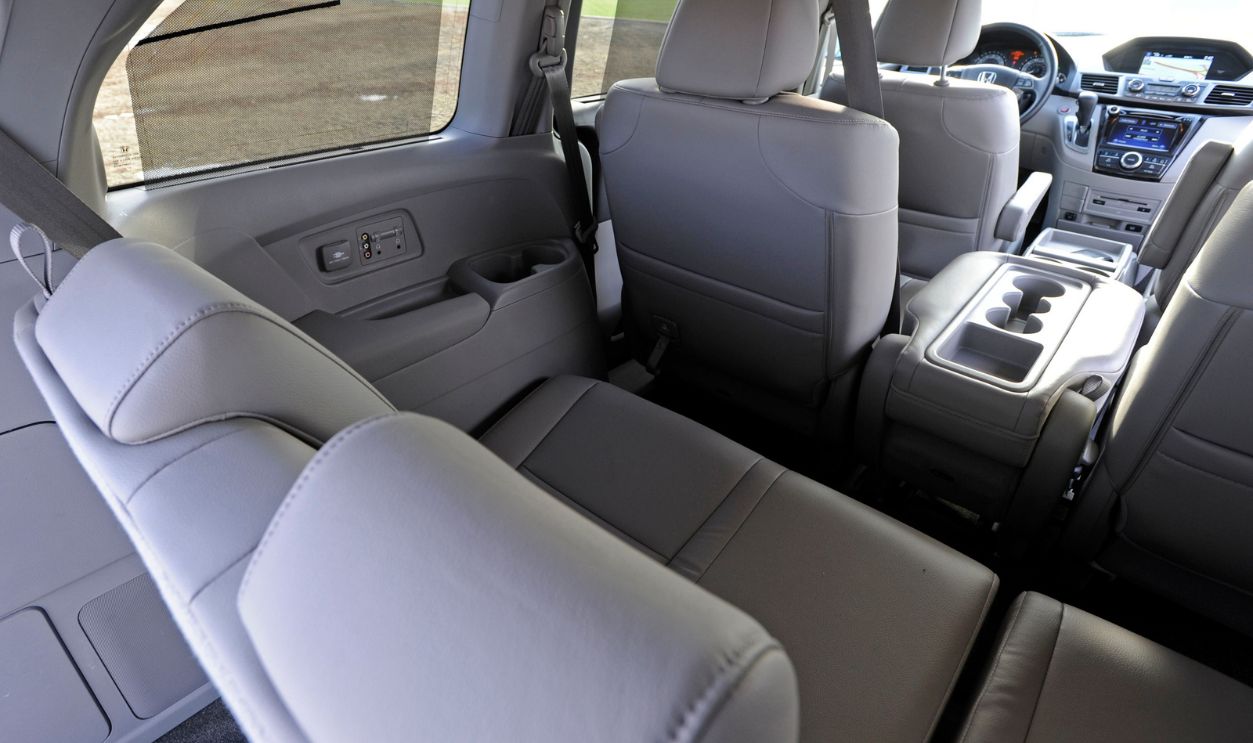 MediaNews Group/Boston Herald via Getty Images, Getty Images
Getting Into The Third Row Can Be Easier
SUV families often know the routine: tilt a second-row seat, wait for someone to climb through, then push everything back into place. Captain’s chairs help, but access can still be awkward. A minivan’s wide sliding doors, low step-in height, and large interior openings can make third-row access substantially easier, especially for children who are climbing in and out several times every day.
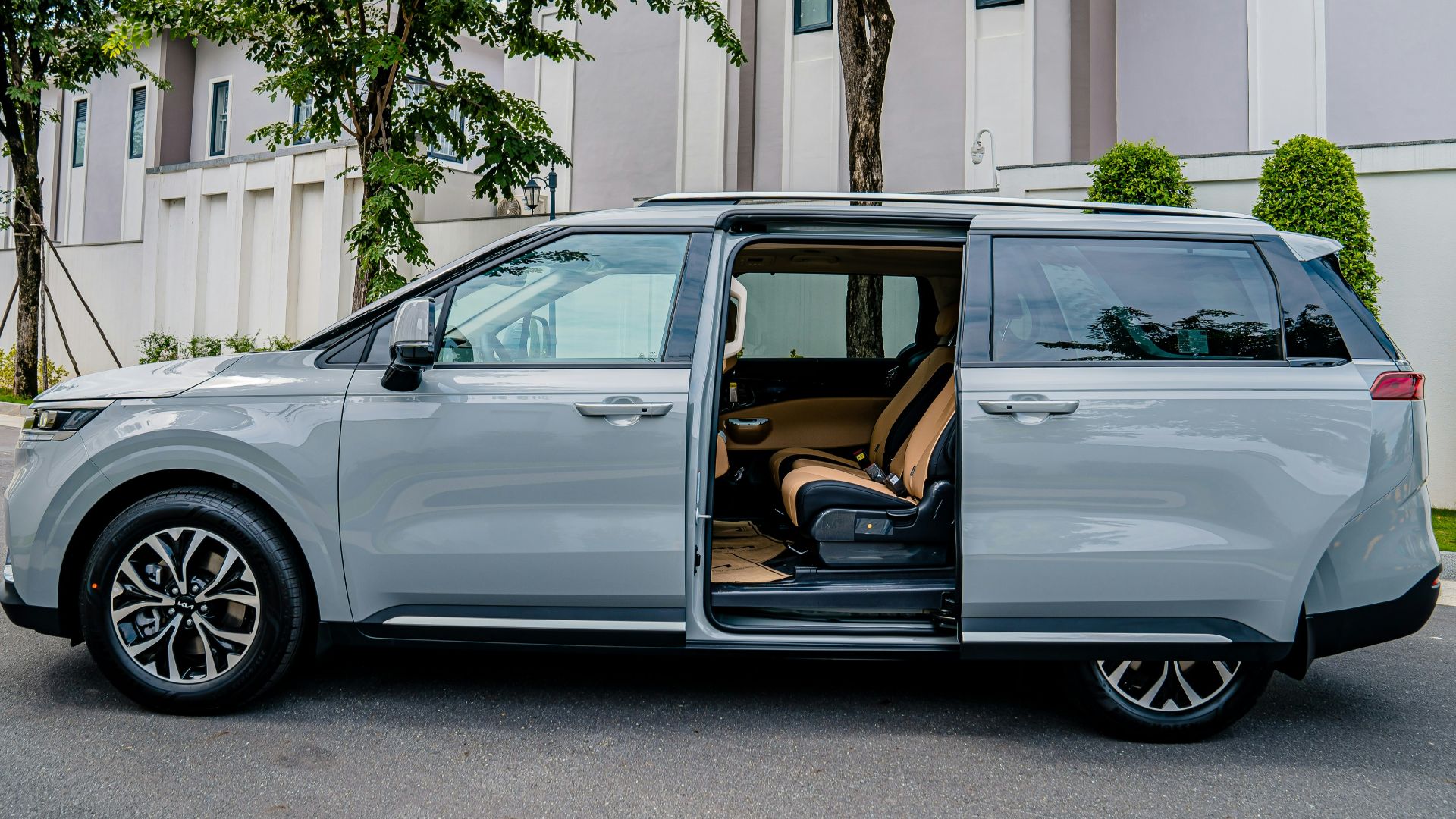
Sliding Doors Change Daily Family Life More Than Expected
Sliding doors don’t add cargo volume, but they make the space much easier to use. Kids can open them in narrow parking spots without swinging a huge door toward the neighboring vehicle. Parents can stand beside the van while buckling a child into a car seat. Once families live with power sliding doors for a while, they’re often one of the features they miss most when returning to an SUV.
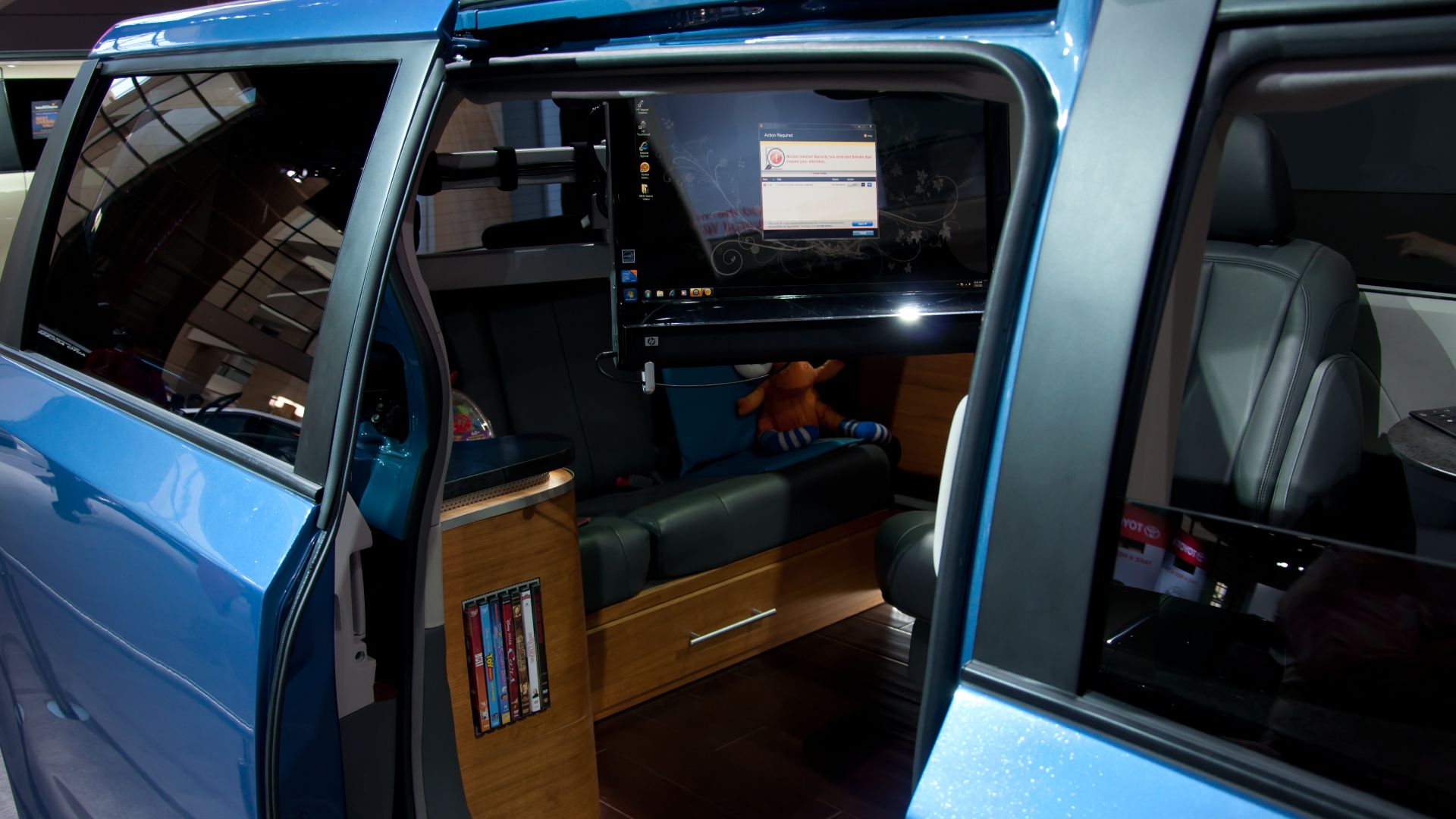
Car Seats Can Expose An SUV’s Packaging Problems
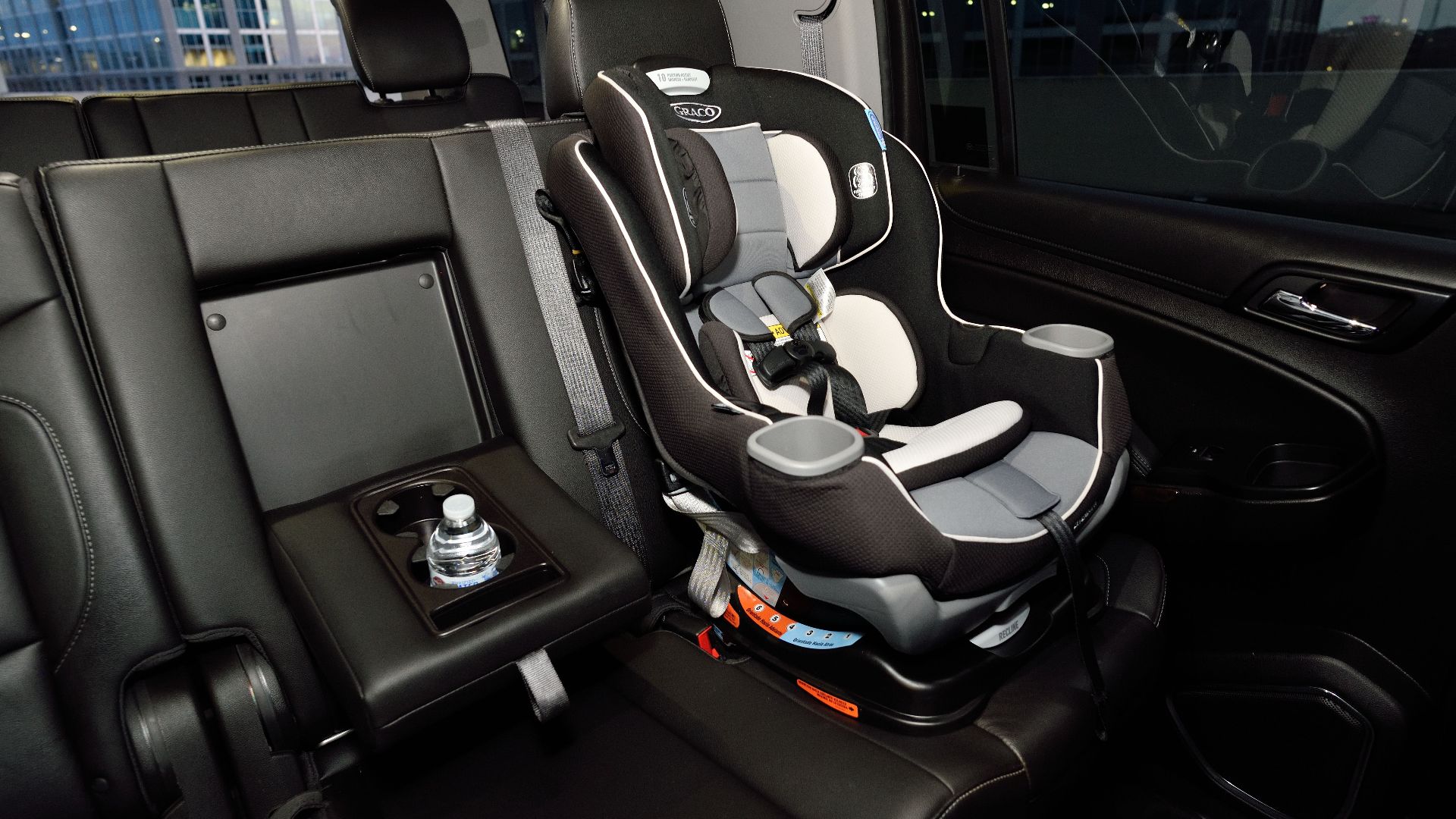
Three rows may technically provide seven seats, but child restraints can make some of those seats difficult to access. A second-row car seat can interfere with the mechanism needed to reach the third row, and installing several restraints may limit how seats slide or fold. Families with younger children should test their actual car seats rather than assuming every advertised seating position will remain equally accessible.
Bring The Stroller To The Test Drive
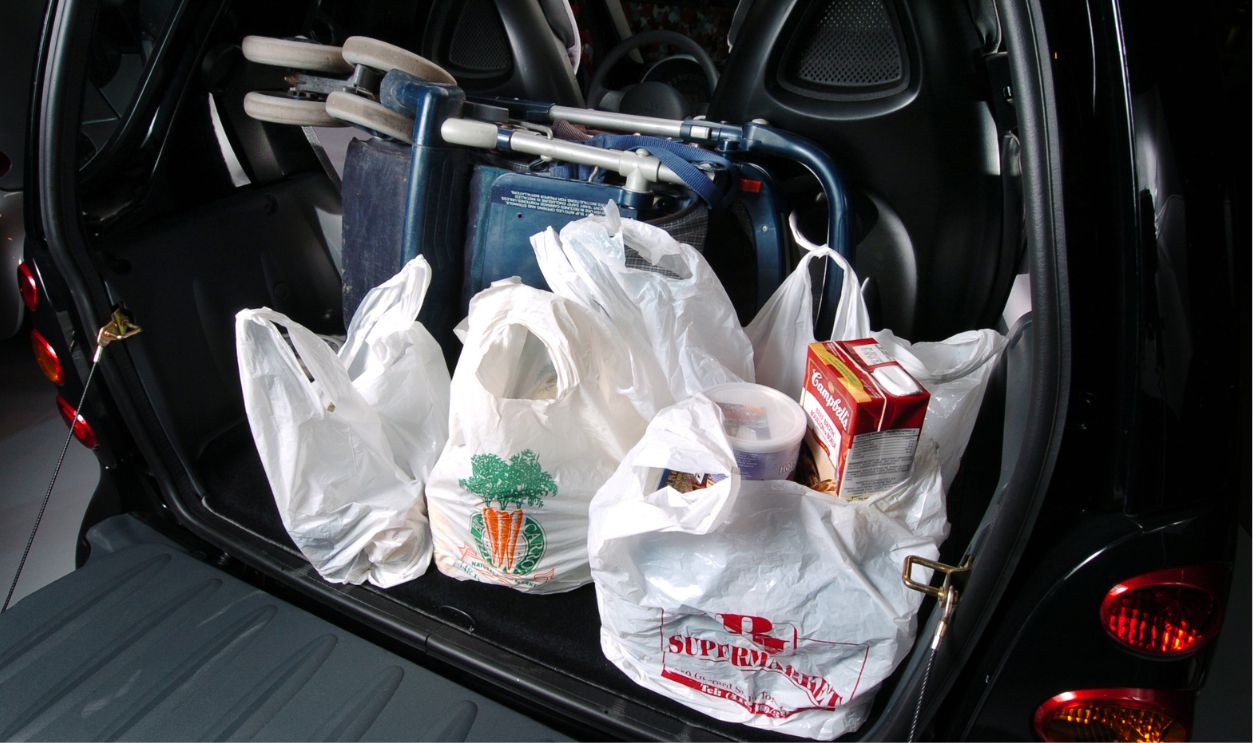
This sounds almost too simple, but it’s one of the best ways to compare family vehicles. Take the stroller, sports bags, travel crib, cooler, wheelchair, or other bulky equipment you regularly carry and put it in the cargo area with the third row raised. A spec sheet can tell you cubic feet. Your own equipment will tell you whether those cubic feet are shaped usefully.
Suitcases Are Another Excellent Test
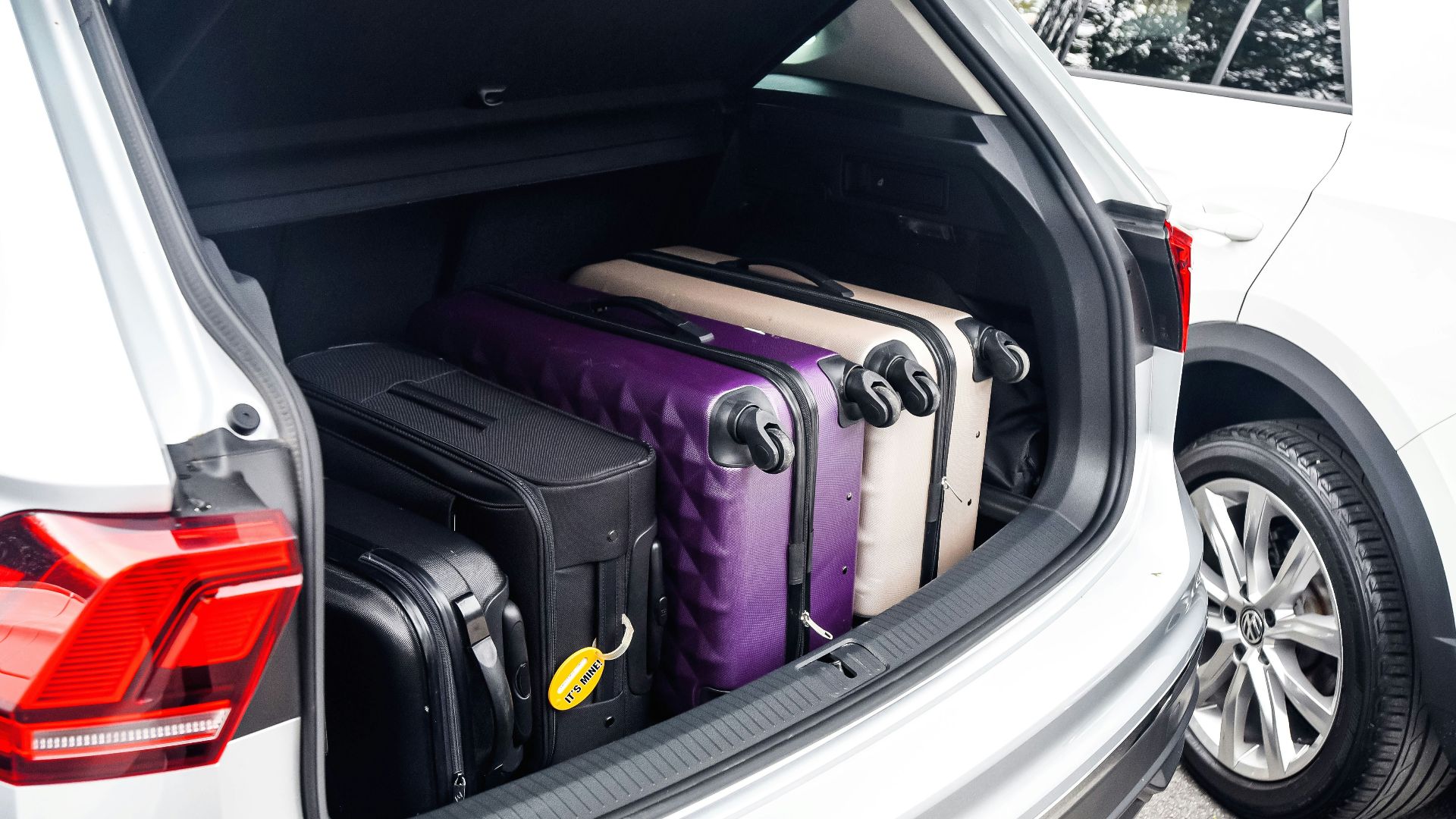
If family trips are the real problem, bring several pieces of luggage to the dealership. Try fitting them behind the third row without blocking rearward visibility or stacking bags precariously against the liftgate. Then repeat the exercise in a minivan. The difference in usable floor length, height, and storage-well depth can be much easier to appreciate when you’re loading familiar objects.
 Swansway Motor Group, Unsplash
Not Every Three-Row SUV Is Equally Cramped
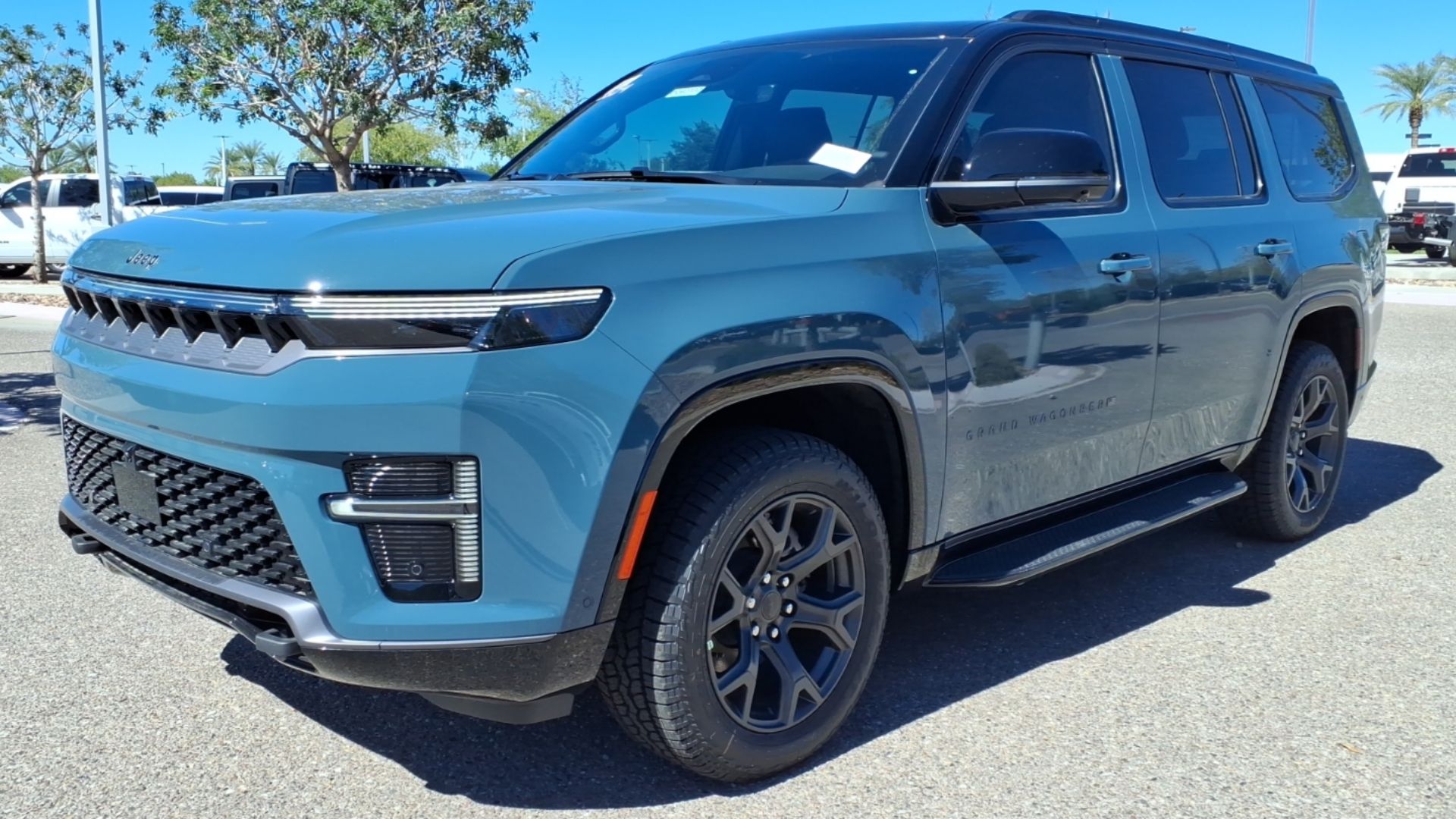
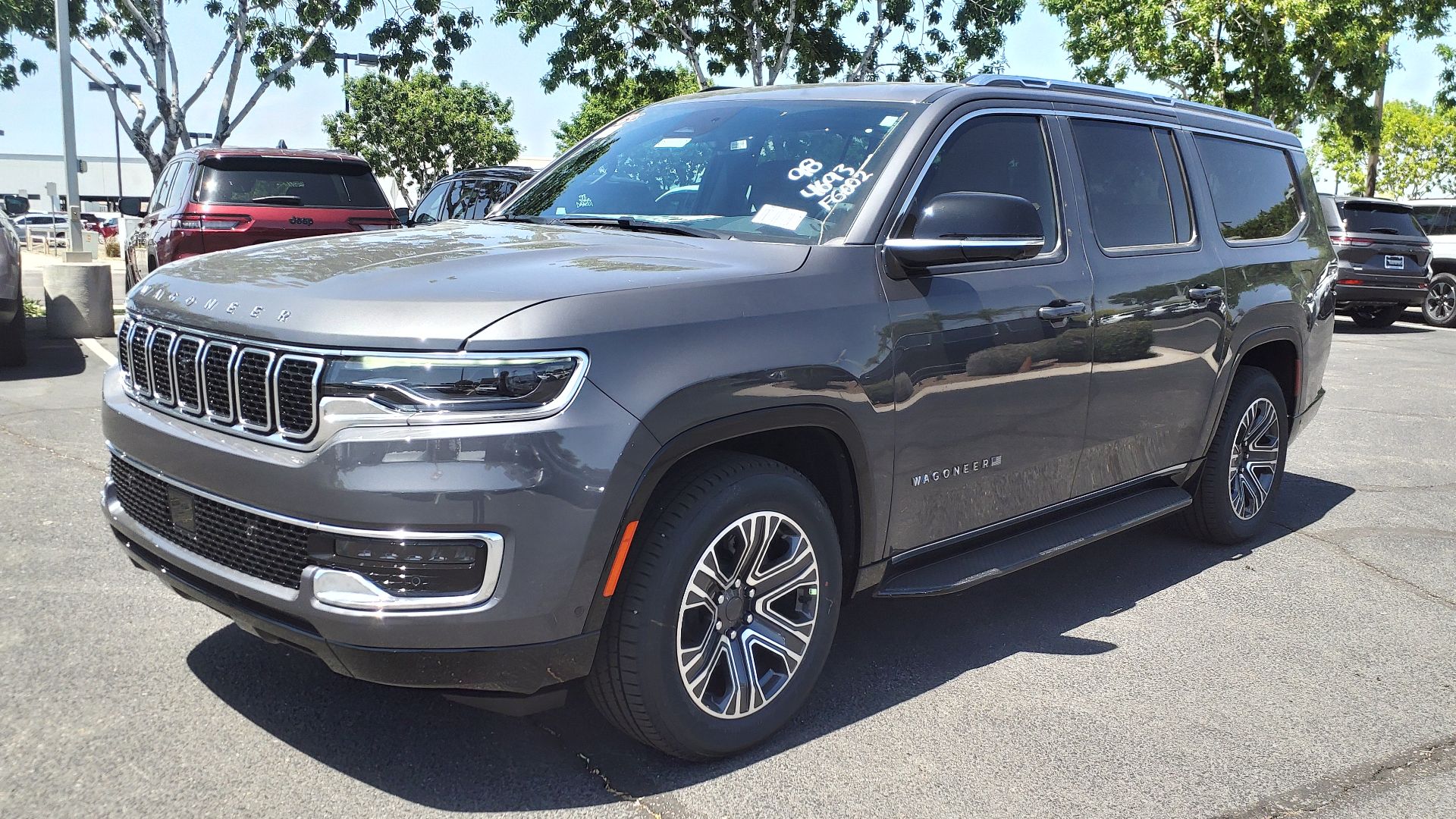
Before abandoning SUVs entirely, compare different sizes. A midsize crossover and a full-size body-on-frame SUV may both advertise seating for seven or eight, but their cargo capacities can be very different. Larger models such as the Chevrolet Suburban, Ford Expedition MAX, or Jeep Wagoneer L can provide much more room behind the third row than smaller crossovers, although they bring their own cost, fuel, and parking compromises.
A Bigger SUV Can Solve The Problem At A Price
Moving into a full-size or extended-length SUV can provide genuine seven-person cargo capacity, but it’s usually an expensive solution. Purchase prices can climb quickly, fuel economy generally suffers, and the vehicle becomes harder to maneuver and park. If the only reason you need that much vehicle is luggage space behind the third row, a minivan may deliver comparable everyday usefulness in a smaller and more efficient package.
Minivans Make Better Use Of Their Exterior Size
One reason vans feel so spacious is their boxier shape. Designers aren’t trying to create a long hood, muscular rear haunches, a sloping roof, or substantial ground clearance. More of the vehicle’s footprint can therefore be dedicated to people and cargo. An SUV can be surprisingly large on the outside while providing less usable interior volume than a van that seems similar in overall length.
The Square Roof Helps With Bulky Cargo
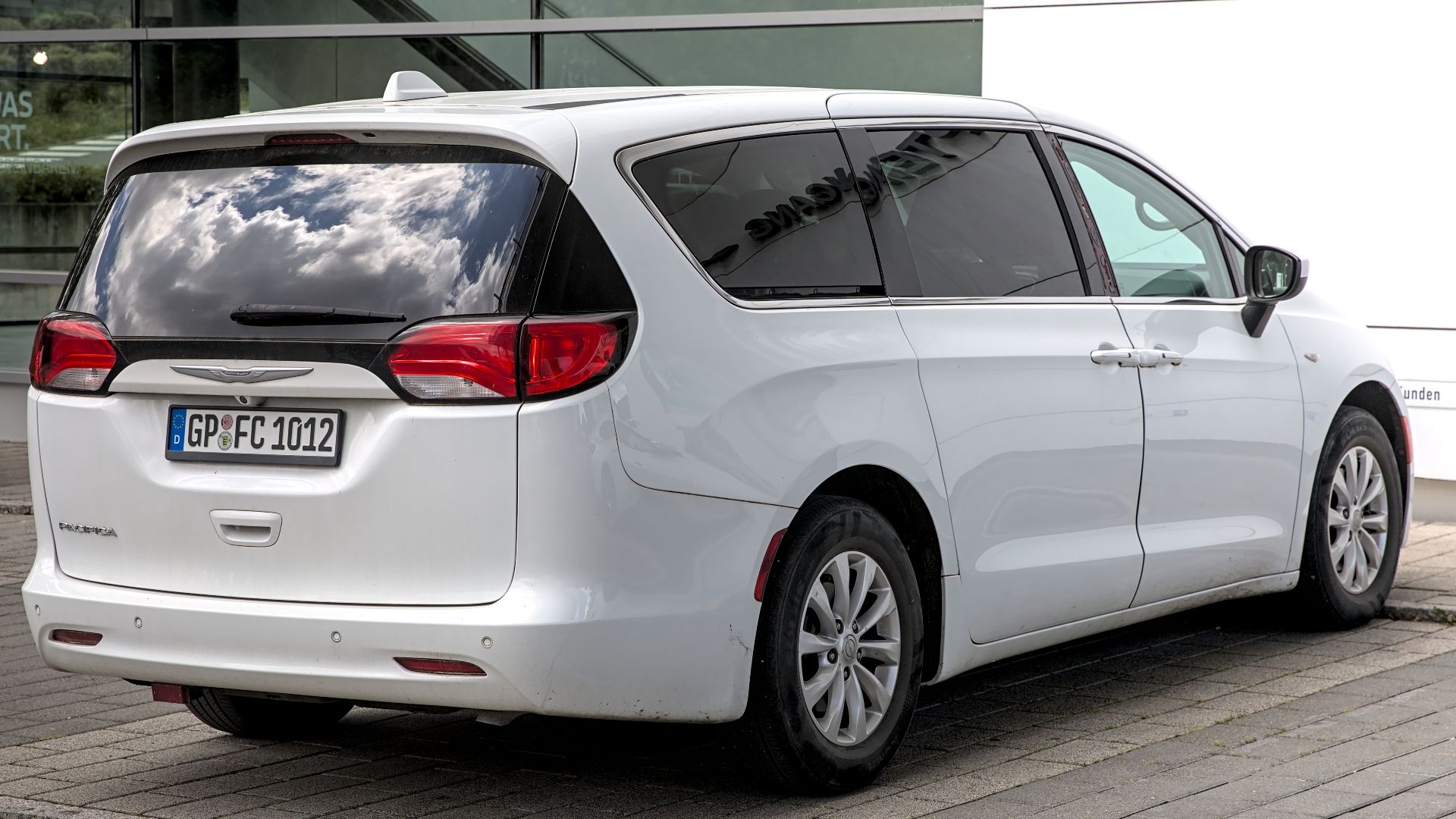
SUV rooflines increasingly slope toward the rear for styling and aerodynamics. That can cut into vertical cargo space exactly where luggage is being stacked behind the third row. Minivans stay relatively tall and square through the rear of the vehicle, which makes their cargo volume easier to use. A cubic foot near the ceiling is far more valuable when the roof hasn’t narrowed around it.
 Alexander Migl, Wikimedia Commons
You’ll Usually Get More Small-Item Storage Too
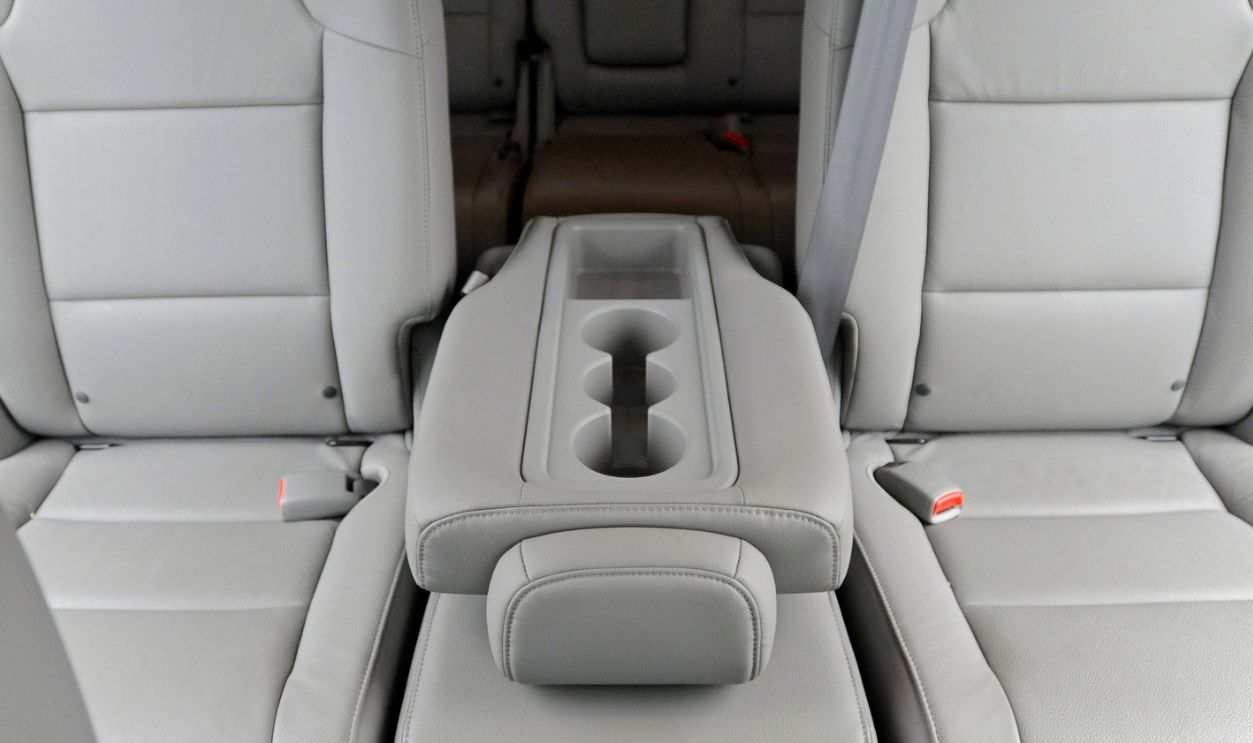
Families don’t only carry suitcases. They carry water bottles, snacks, tablets, toys, wipes, charging cables, sunglasses, school bags, and seemingly endless miscellaneous stuff. Minivans are built around that reality, so they often provide numerous cupholders, door pockets, consoles, bins, and cubbies throughout all three rows. Those little storage areas help keep the main cargo compartment available for larger items.
 MediaNews Group/Boston Herald via Getty Images, Getty Images
Folding Seats Can Make The Van Even More Versatile
When everyone isn’t aboard, minivans can become enormous cargo carriers. Chrysler’s Stow ’n Go system allows certain seats to fold into the floor, while other vans offer removable, sliding, or folding seating configurations. The exact arrangement varies by model, but the result is the same: a family hauler can quickly become useful for furniture, bicycles, home-improvement supplies, or other oversized cargo.
 Bindydad123, Wikimedia Commons
SUVs Still Have Advantages
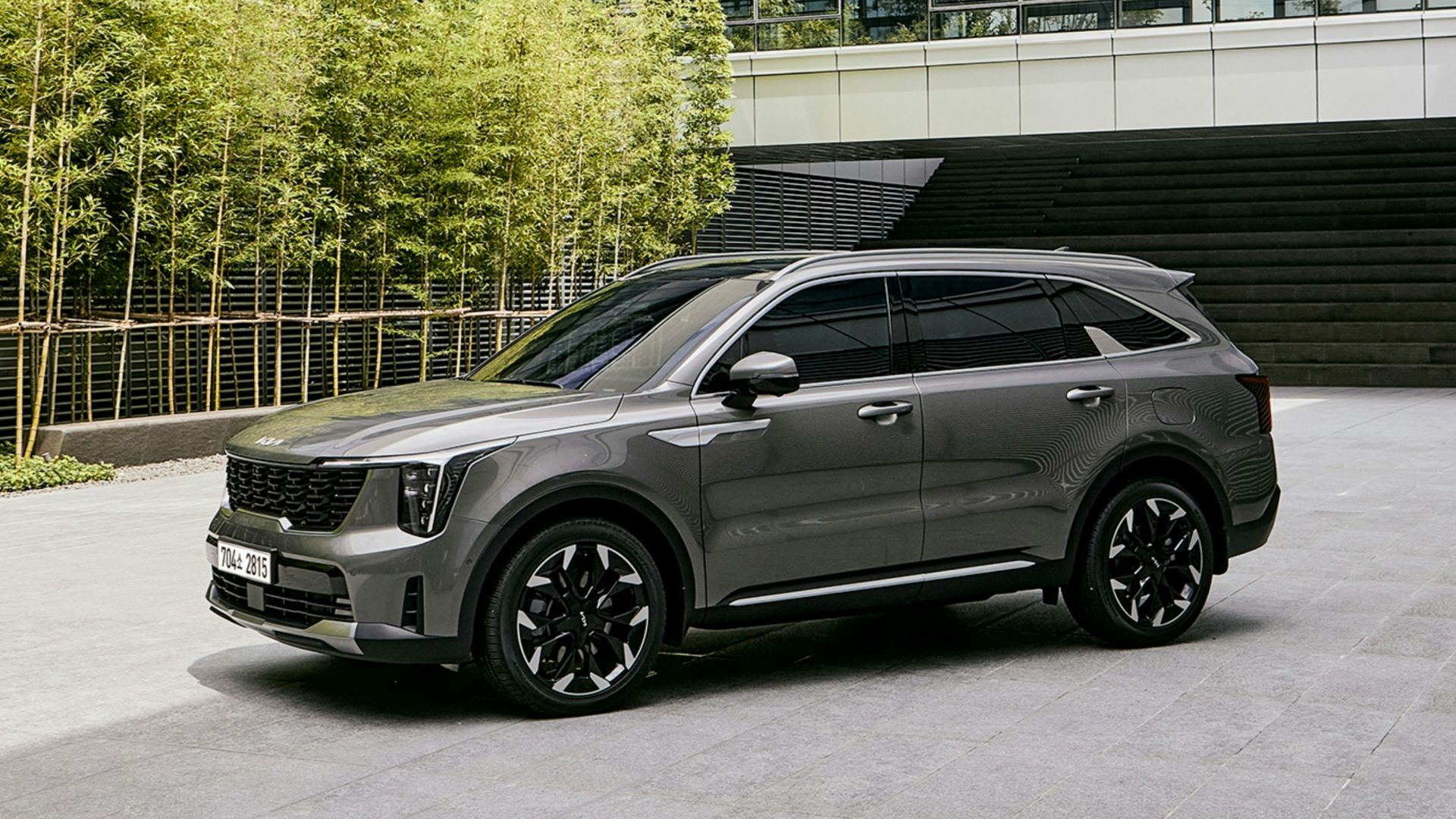
The minivan doesn’t automatically win every family comparison. An SUV may provide more ground clearance, stronger towing capability, genuine off-road ability, or more robust all-wheel-drive choices depending on the models being compared. Some families also simply prefer the driving position or styling. If those attributes are genuinely useful to you, sacrificing some cargo efficiency may be a reasonable trade.
All-Wheel Drive No Longer Automatically Means SUV
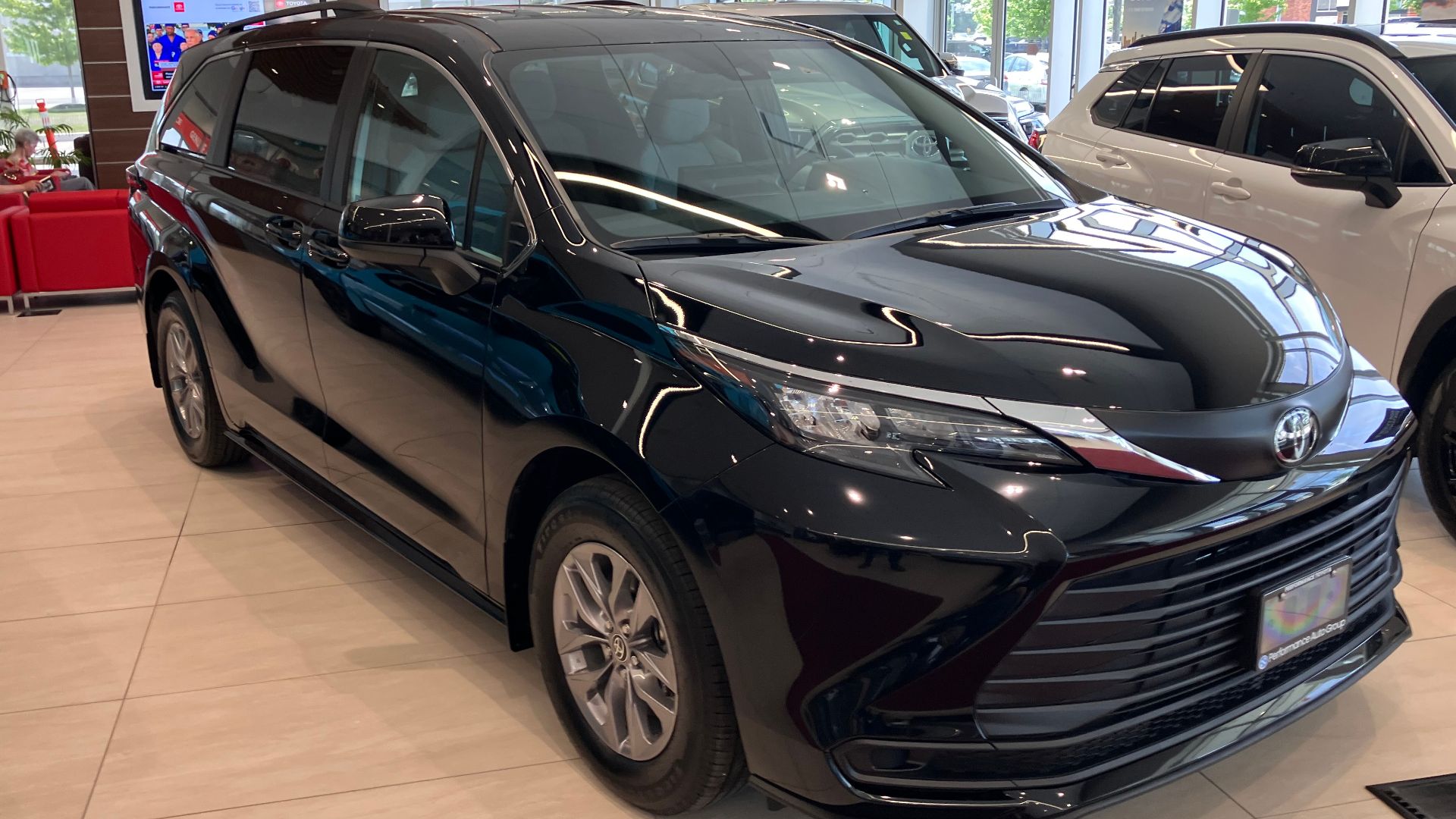
Families in snowy climates once had a strong practical argument for choosing an SUV because minivan choices with all-wheel drive were extremely limited. That has changed. The Toyota Sienna offers available all-wheel drive, while the Chrysler Pacifica has also offered an AWD system. If winter traction is your main reason for keeping the SUV, it’s worth checking whether a current van can meet that requirement too.
Compare The Cost Of The Vehicle You Actually Need
Don’t compare your current midsize SUV with the cheapest minivan and stop there. Compare the van with the SUV you would have to buy to solve your space problem. If getting acceptable third-row cargo room means moving from a midsize crossover into a much more expensive full-size SUV, the minivan’s value proposition becomes considerably stronger.

Rent One For A Weekend Before Switching
A short dealership test drive can’t replicate school pickup, grocery shopping, sports practice, and a family road trip. If you’re genuinely considering changing vehicles, rent a minivan for a weekend or on your next trip. Load everyone and everything exactly as you normally would. You’ll learn more from two days of real family use than from hours comparing cargo specifications online.
The Minivan Probably Does Give You More Usable Space
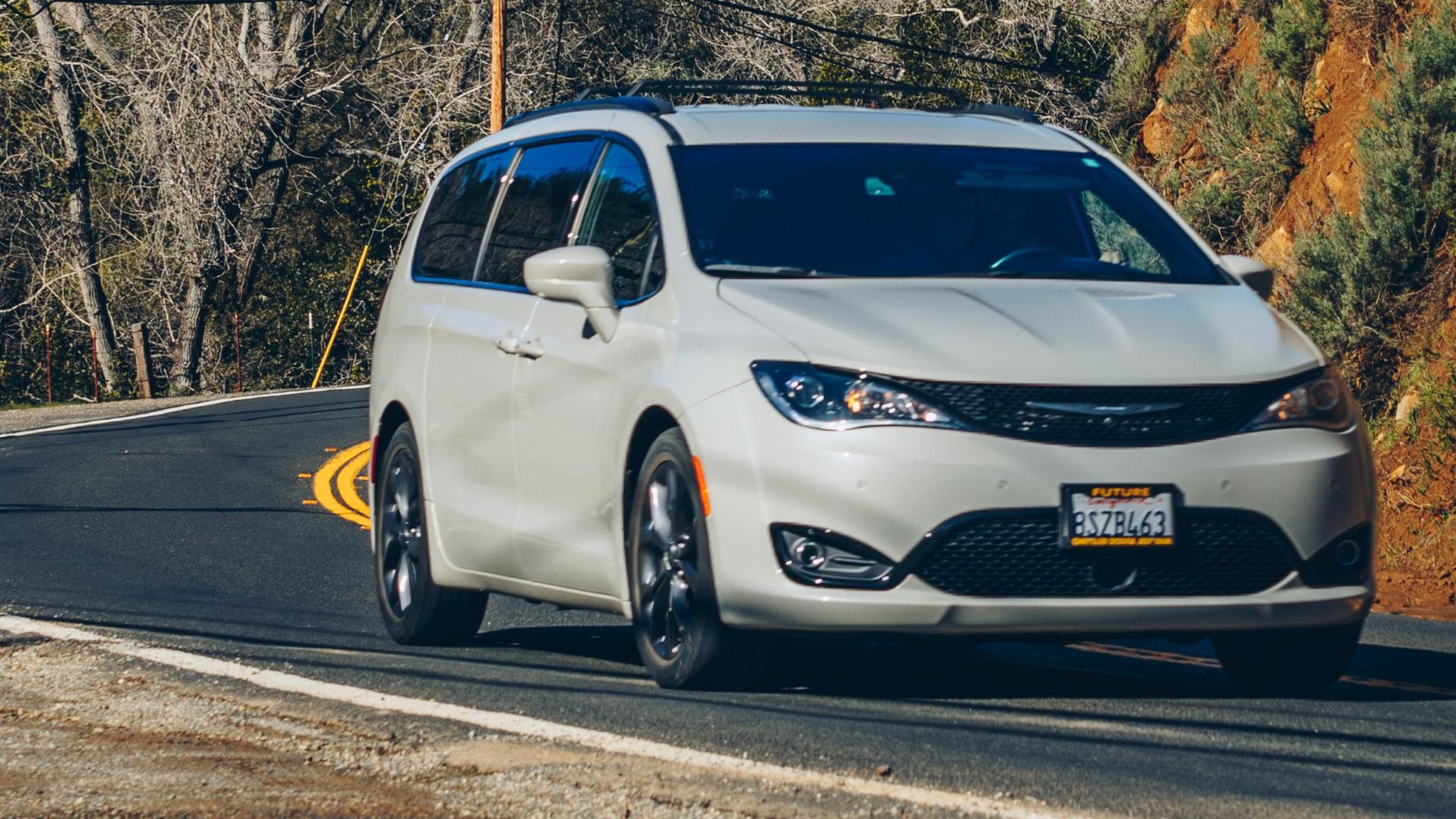
If you regularly carry six or seven people and still need room for their belongings, a minivan is very difficult to beat. A sufficiently large SUV can absolutely provide similar cargo capacity, but it may require buying a much bigger, heavier, and more expensive vehicle. For many families, the minivan’s lower floor, deep rear cargo well, boxier shape, sliding doors, and passenger-focused layout make its space noticeably easier to use. Your SUV may technically seat seven, but the better family vehicle is the one that can seat seven without making everyone leave their luggage at home.
 Smith Collection/Gado, Getty Images
You May Also Like:
I bought a used car with two keys, but one won’t start it. Should the dealer pay to program it?