When Prestige Got Weird
The 1980s were full of cars trying very hard to look classy, futuristic, European, or just more expensive than they really were. Some of them had genuine charm, others aged into oddballs thanks to awkward styling, underwhelming engines, badge-engineering shortcuts, or tech that felt cooler in the brochure than in real life. But while they were meant to impress the neighbors, decades later, a lot of them are remembered for much stranger reasons.
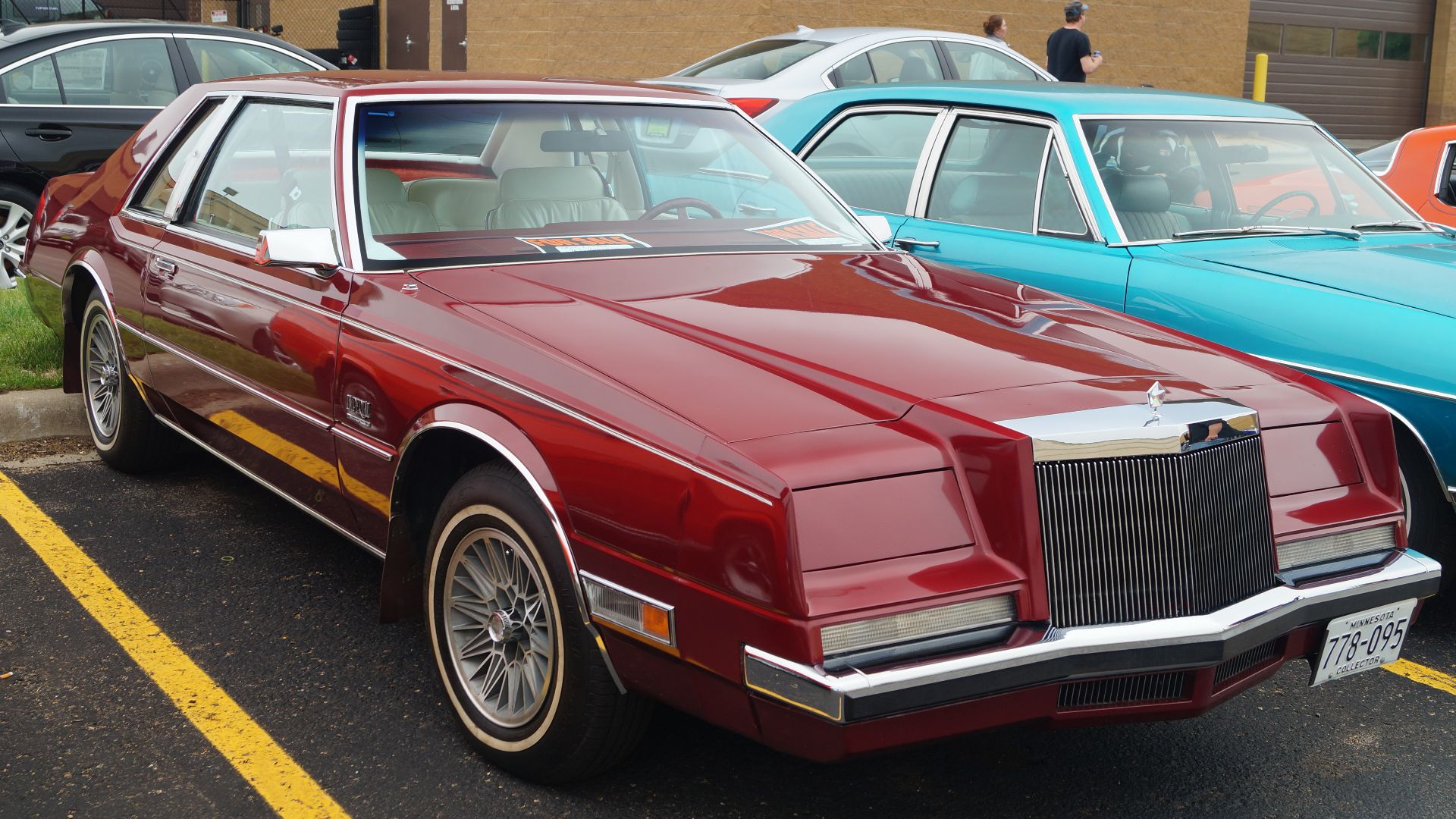
1982 Imperial
The 1982 Imperial was Chrysler trying to revive a grand luxury name with sharp edges, formal styling, and a padded-roof attitude. It had electronic fuel injection, digital touches, and a personal-luxury shape that looked expensive from certain angles. The problem was that the tech could be troublesome, the performance was modest, and the whole thing felt like an old idea wearing futuristic jewelry. Today, it has a strange charm, but it definitely aged into a curiosity.
 Greg Gjerdingen from Willmar, USA, Wikimedia Commons
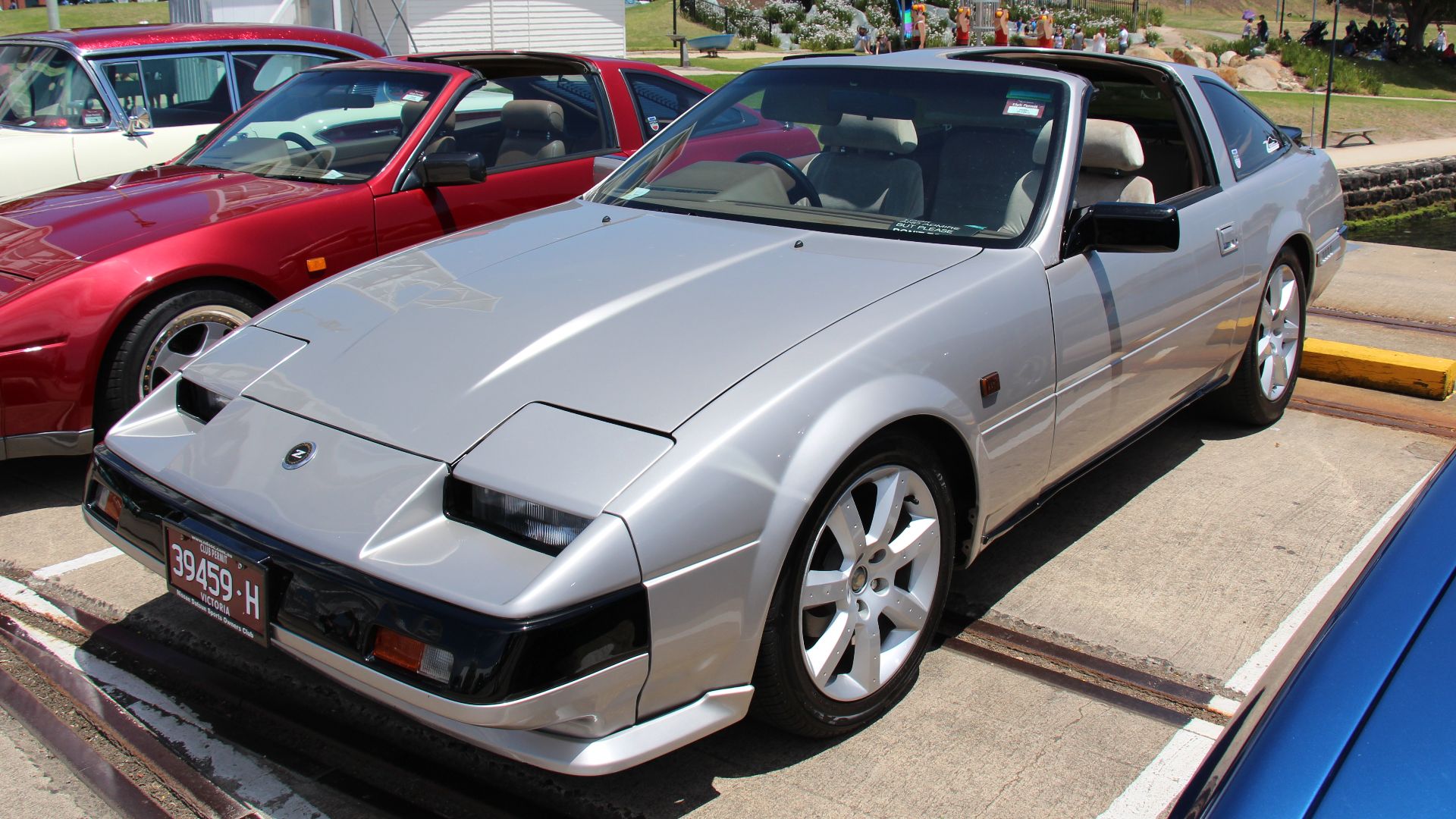
1986 Nissan 300ZX
The 1986 Nissan 300ZX looked sleek, expensive, and very high-tech for its time. It brought wedge-shaped styling, pop-up headlights, available turbo power, and a cockpit full of buttons that screamed 1980s sophistication. The funny part is that it now feels less like timeless luxury and more like a rolling arcade cabinet. That isn't a bad thing, but it definitely gives the car a very specific retro-future personality.
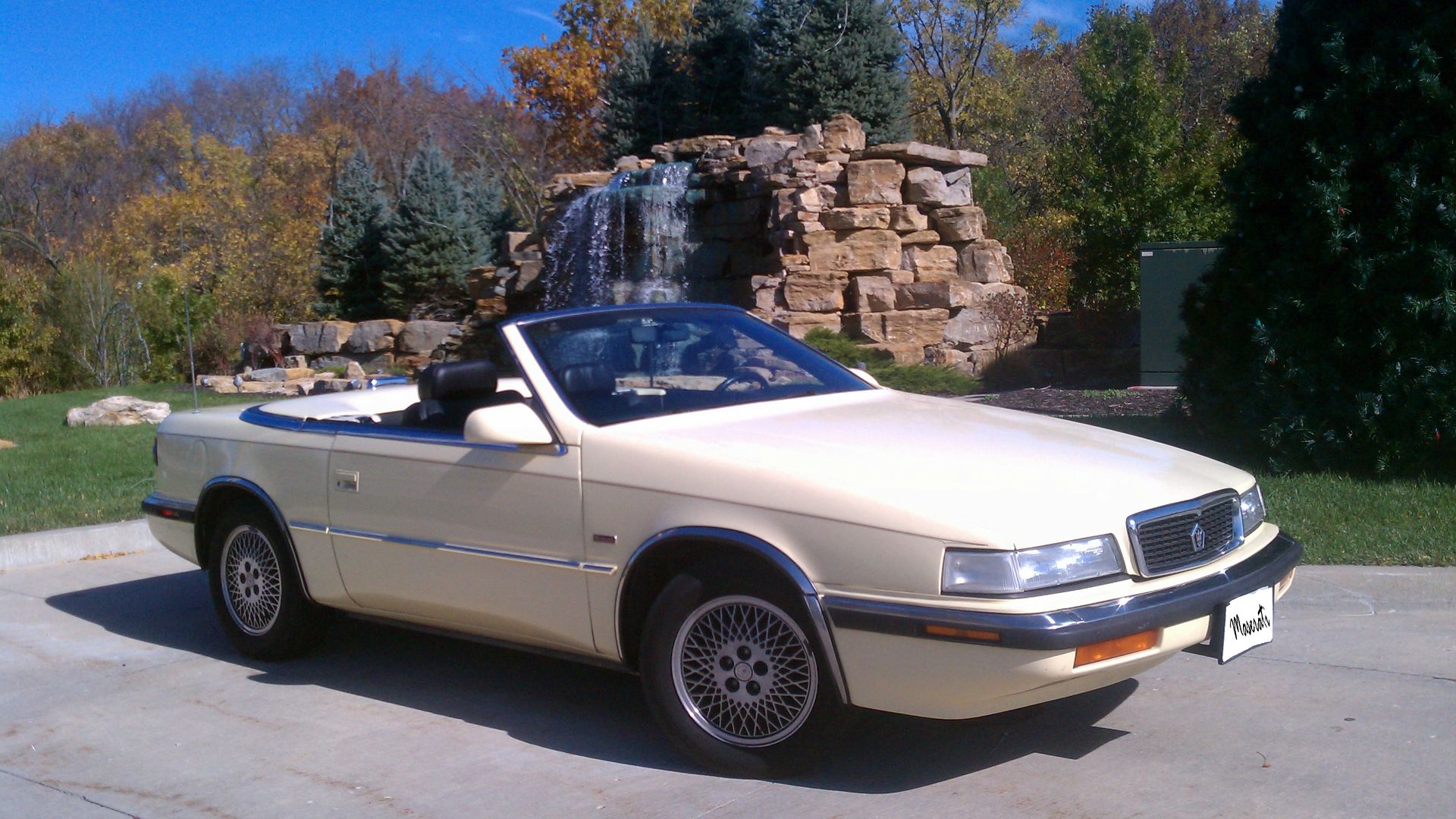
1989 Chrysler TC By Maserati
The 1989 Chrysler TC by Maserati sounded like it should have been glamorous. Chrysler brought in Maserati, added Italian badging, leather, wood trim, and a removable hardtop, then somehow ended up with something that looked too much like a dressed-up LeBaron. Some versions had a special turbocharged engine, but the car never really felt exotic enough to match the name. It promised international prestige, but aged more like a very expensive identity crisis.
 Mesatrooper, Wikimedia Commons
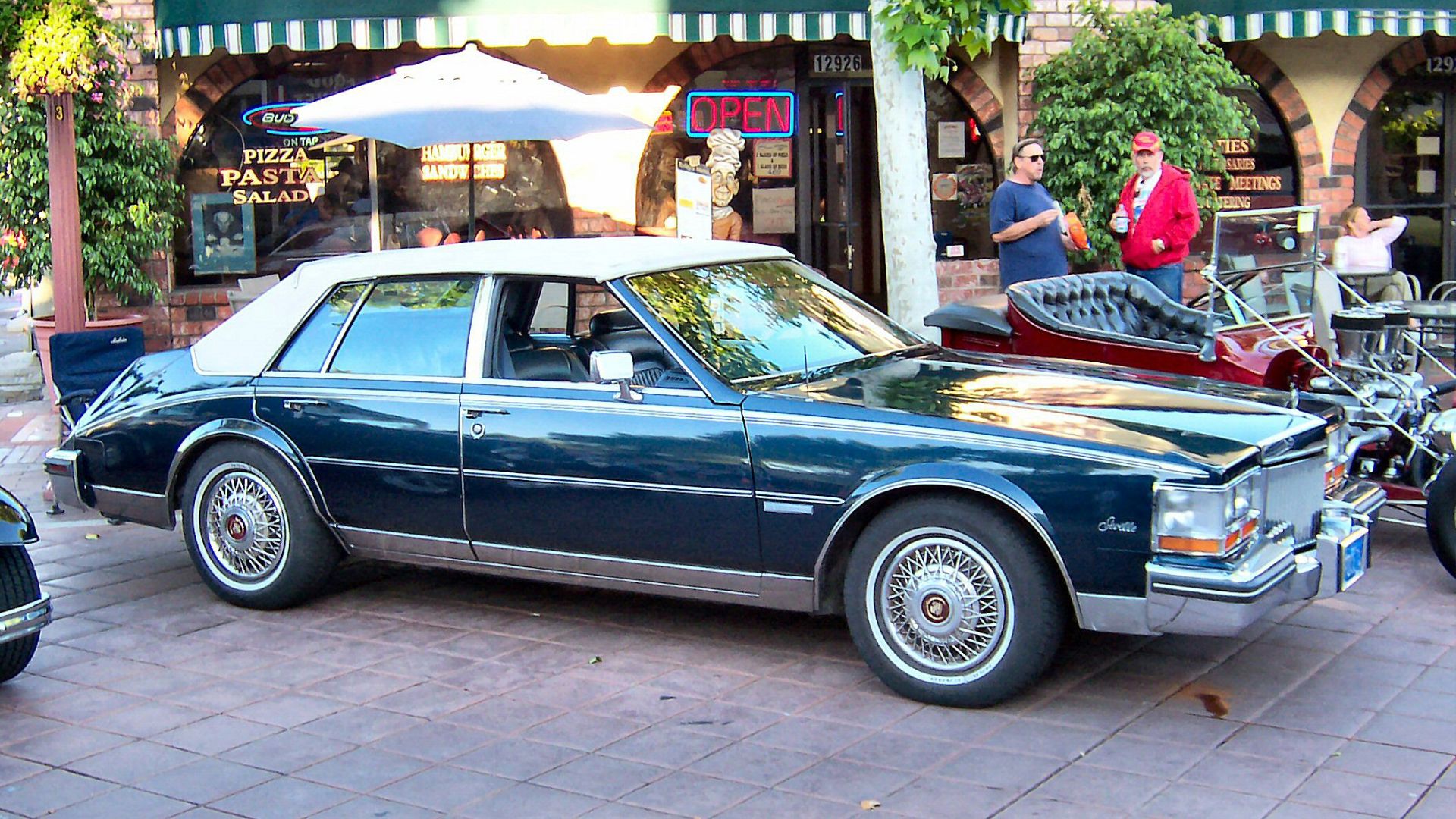
1980 Cadillac Seville
The 1980 Cadillac Seville was certainly memorable, but maybe not in the way Cadillac intended. Its bustle-back rear styling was meant to evoke classic luxury sedans, giving the car an old-money, coachbuilt look. Instead, it became one of the decade’s strangest design statements. Add in the awkward transition to smaller luxury cars and some questionable powertrains, and the Seville became a perfect example of 1980s Cadillac trying to find its footing.
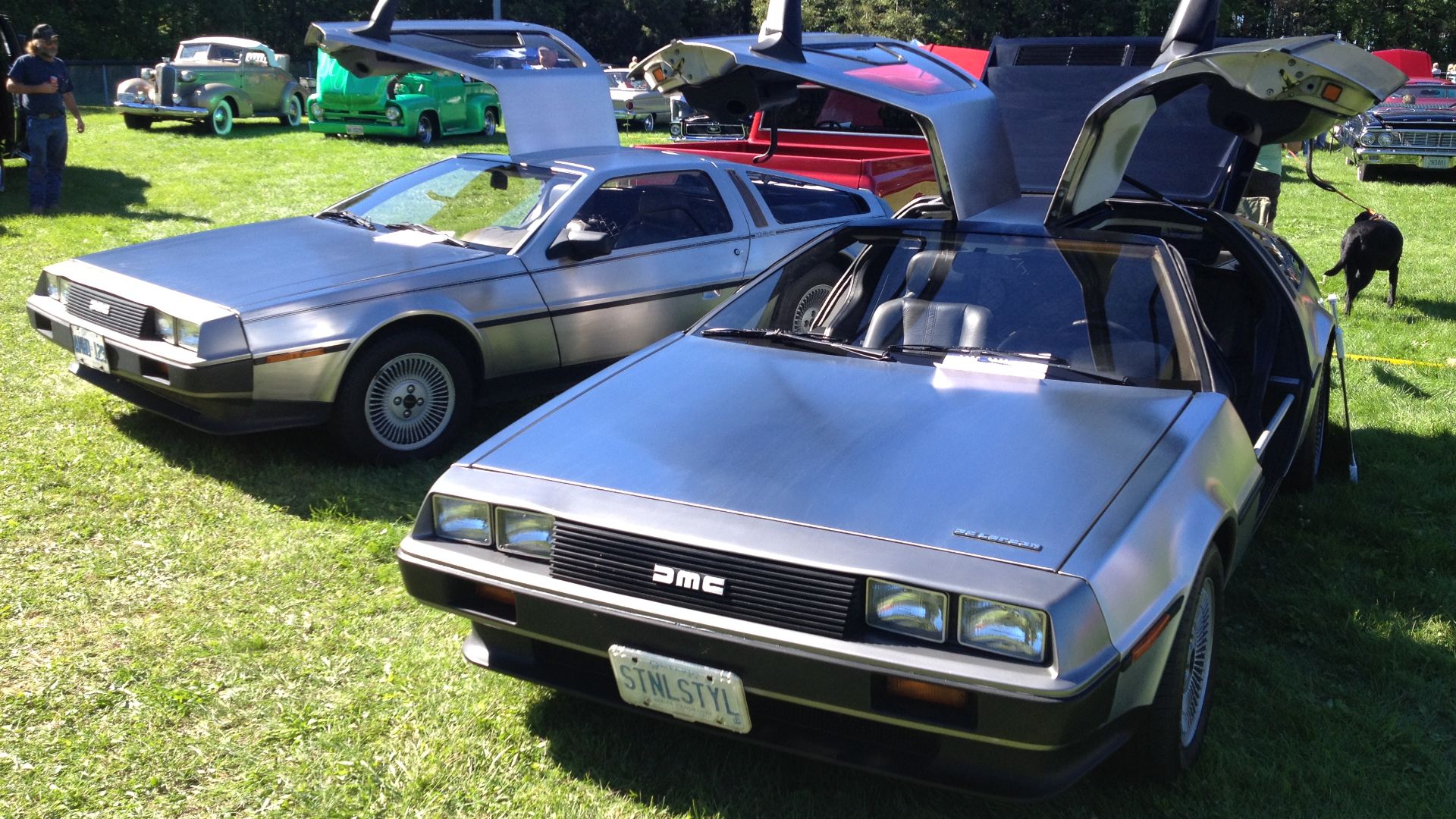
1981 DeLorean DMC-12
The DeLorean DMC-12 looked like the future had arrived early. It had stainless-steel body panels, gullwing doors, sharp Giorgetto Giugiaro styling, and an image that no ordinary luxury coupe could touch. Then people drove it and realized the performance did not quite match the drama. The V6 was modest, the build quality could be uneven, and the car aged into something far weirder than a normal exotic. Of course, movie fame later made that weirdness priceless.
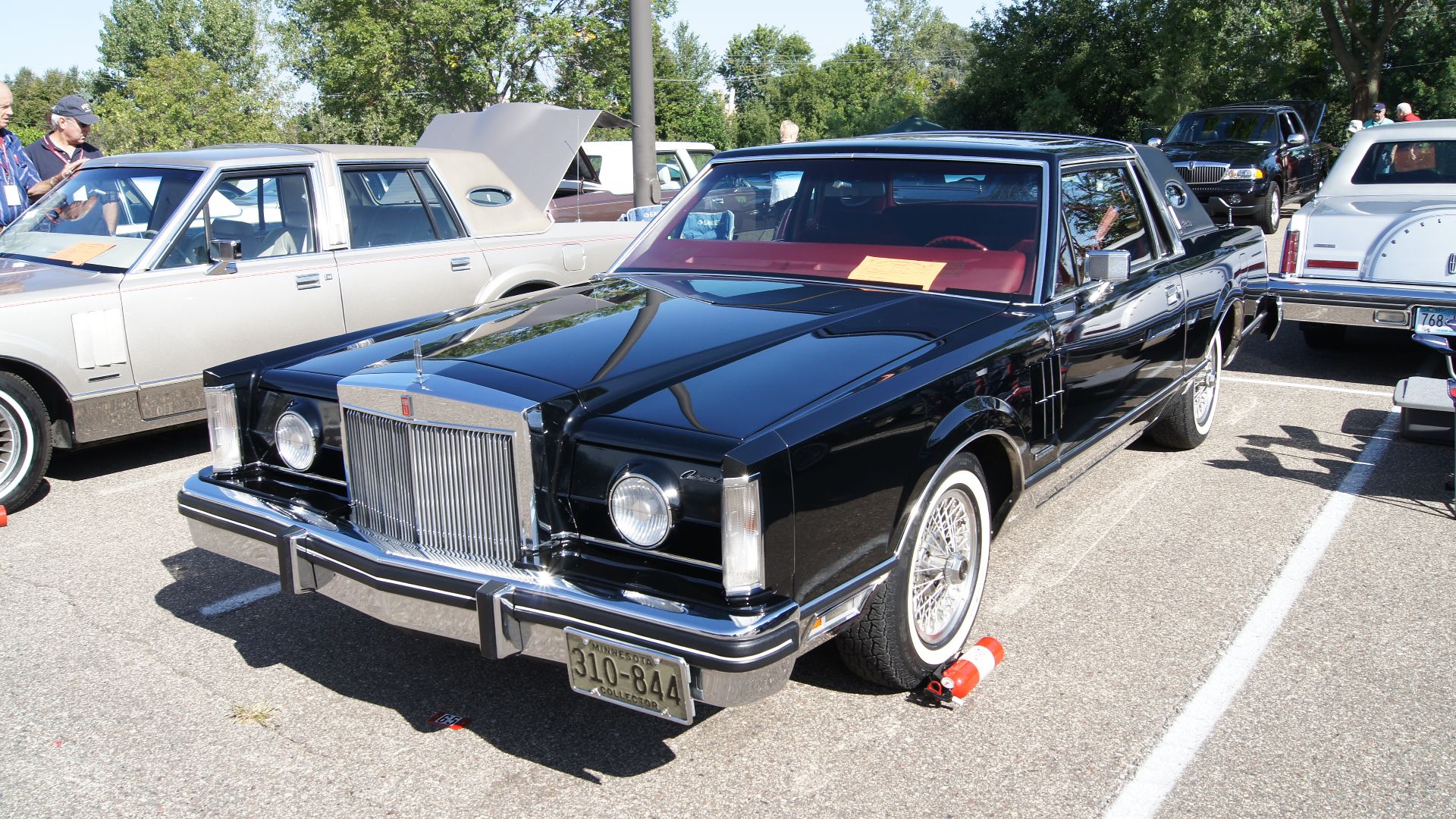
1982 Lincoln Continental
The 1982 Lincoln Continental was Ford’s attempt to make American luxury smaller, sleeker, and more modern. It had formal styling, a distinctive sloped trunk, and enough plush trim to remind buyers it was still a Lincoln. But shrinking traditional luxury was tricky, and the Continental ended up looking a little unsure of itself. It wanted to be elegant and contemporary at the same time, which is exactly why it feels so unmistakably early-1980s now.
 Greg Gjerdingen, Wikimedia Commons
1989 Buick Reatta
The 1989 Buick Reatta was one of GM’s stranger luxury experiments. It was a two-seat personal coupe with hand-built vibes, a touchscreen-style control center, and a smooth V6 instead of a sporty powertrain. That made it unusual, but also a little confusing. It looked like Buick wanted to build a refined grand tourer for people who did not actually want a sports car. Today, it feels charming, odd, and very committed to its own niche.
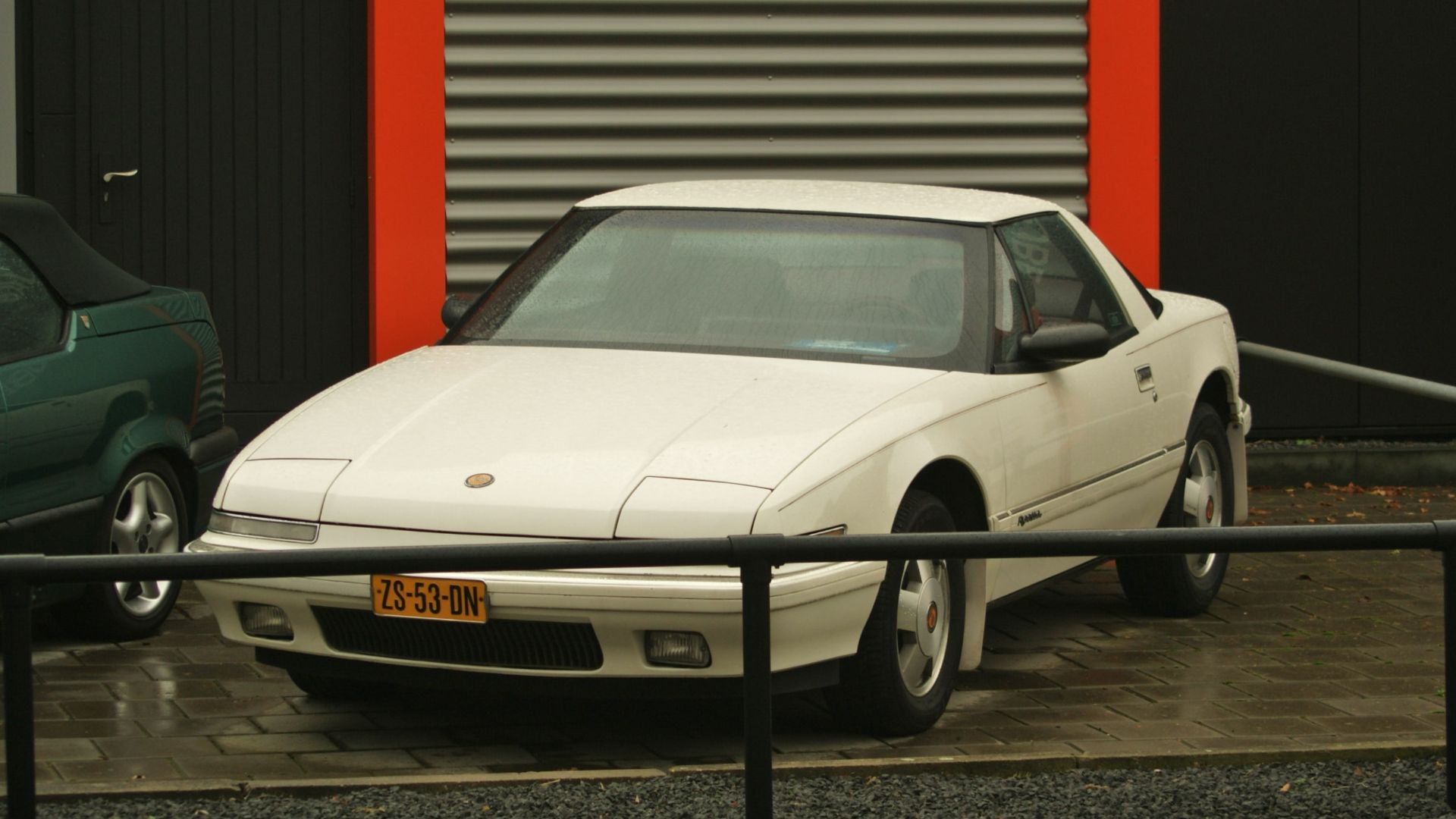 Niels de Wit from Lunteren, The Netherlands, Wikimedia Commons
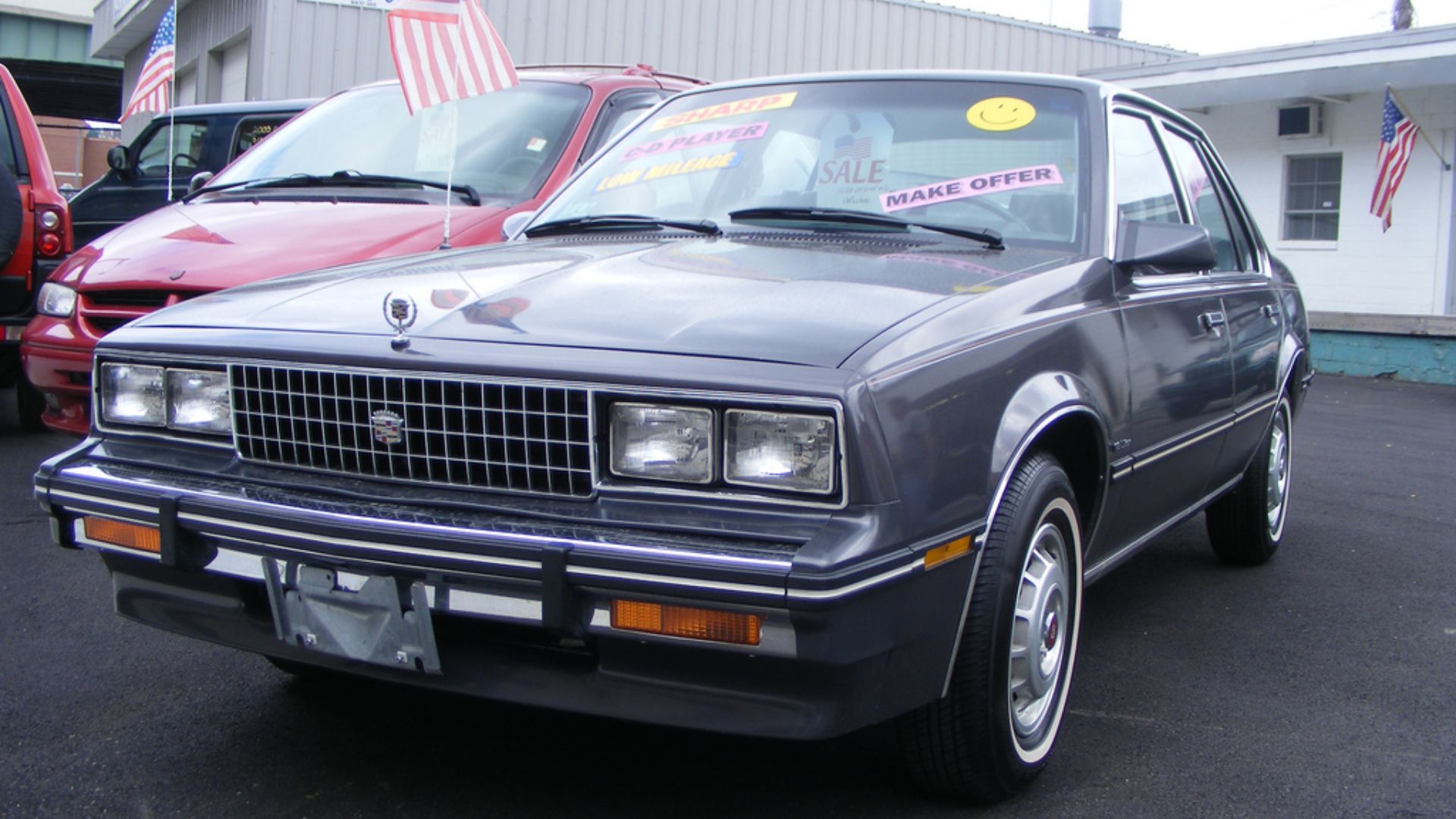
1982 Cadillac Cimarron
The 1982 Cadillac Cimarron has become shorthand for luxury badge-engineering gone wrong. Cadillac took a compact platform shared with the Chevrolet Cavalier, added nicer trim, and tried to sell it as a premium European-style sedan. The idea made sense on paper because small luxury cars were becoming popular. The execution was the problem. With modest power and obvious economy-car roots, the Cimarron aged as one of Cadillac’s most infamous misfires.
1983 Chrysler Executive
The 1983 Chrysler Executive was basically a stretched K-car trying to live the limousine life. It offered extra rear-seat space, formal styling, and a chauffeur-friendly idea at a time when downsized luxury was becoming more common. The problem was that the humble bones were hard to hide. It looked official and important from a distance, but up close it felt like a compact sedan trying on a tuxedo that was a few sizes too big.
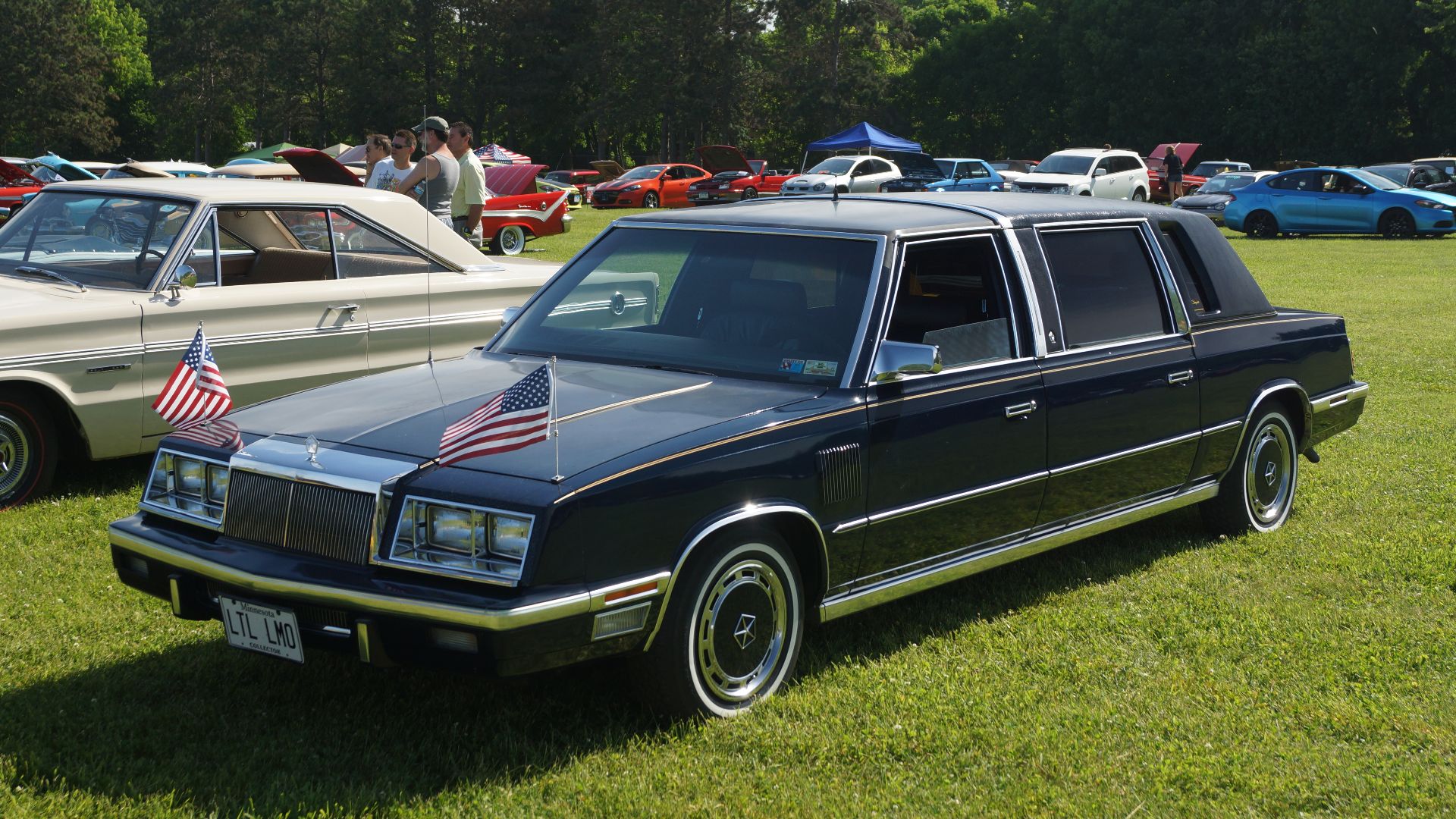 Greg Gjerdingen from Willmar, USA, Wikimedia Commons
1982 Renault Fuego
The 1982 Renault Fuego had a sleek hatchback shape, European flair, and just enough coupe attitude to seem fashionable. It was marketed as stylish and sophisticated, with aerodynamic styling that looked fresh next to boxier American cars. But the Fuego’s reputation for fragile build quality and quirky ownership needs caught up with it. Now it feels like a very French answer to a question most American buyers were not asking.
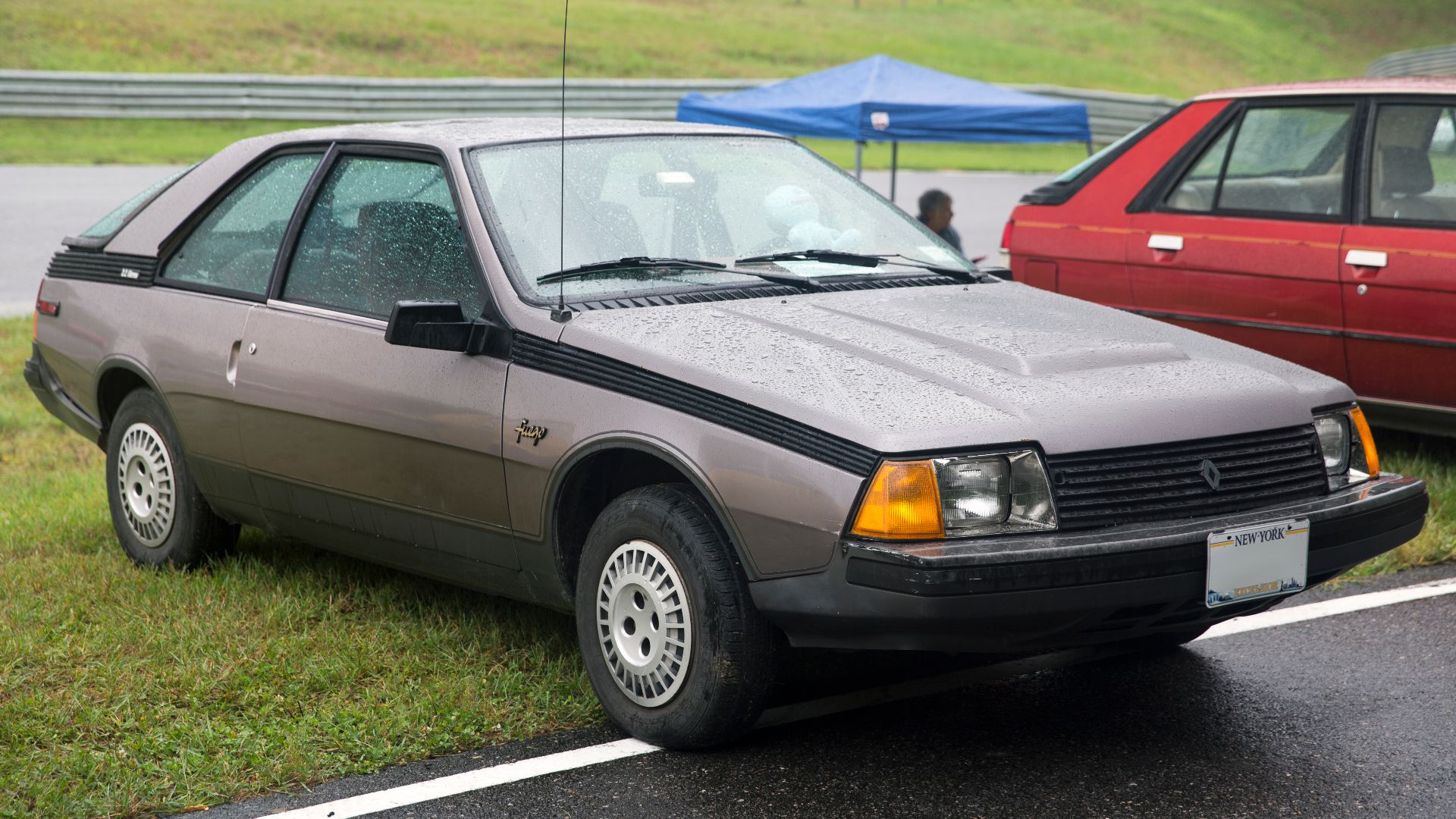 Mr.choppers, Wikimedia Commons
1981 Toyota Cressida
The 1981 Toyota Cressida was one of the most sensible luxury-adjacent cars of its era. It offered rear-wheel drive, a smooth inline-six, tidy styling, and the kind of build quality that helped Toyota gain serious respect in North America. But its idea of luxury was quiet and practical rather than flashy. Compared with Cadillacs and Lincolns, it seemed plain. Decades later, that restraint is part of the appeal, even if it aged more like a smart appliance than a status symbol.
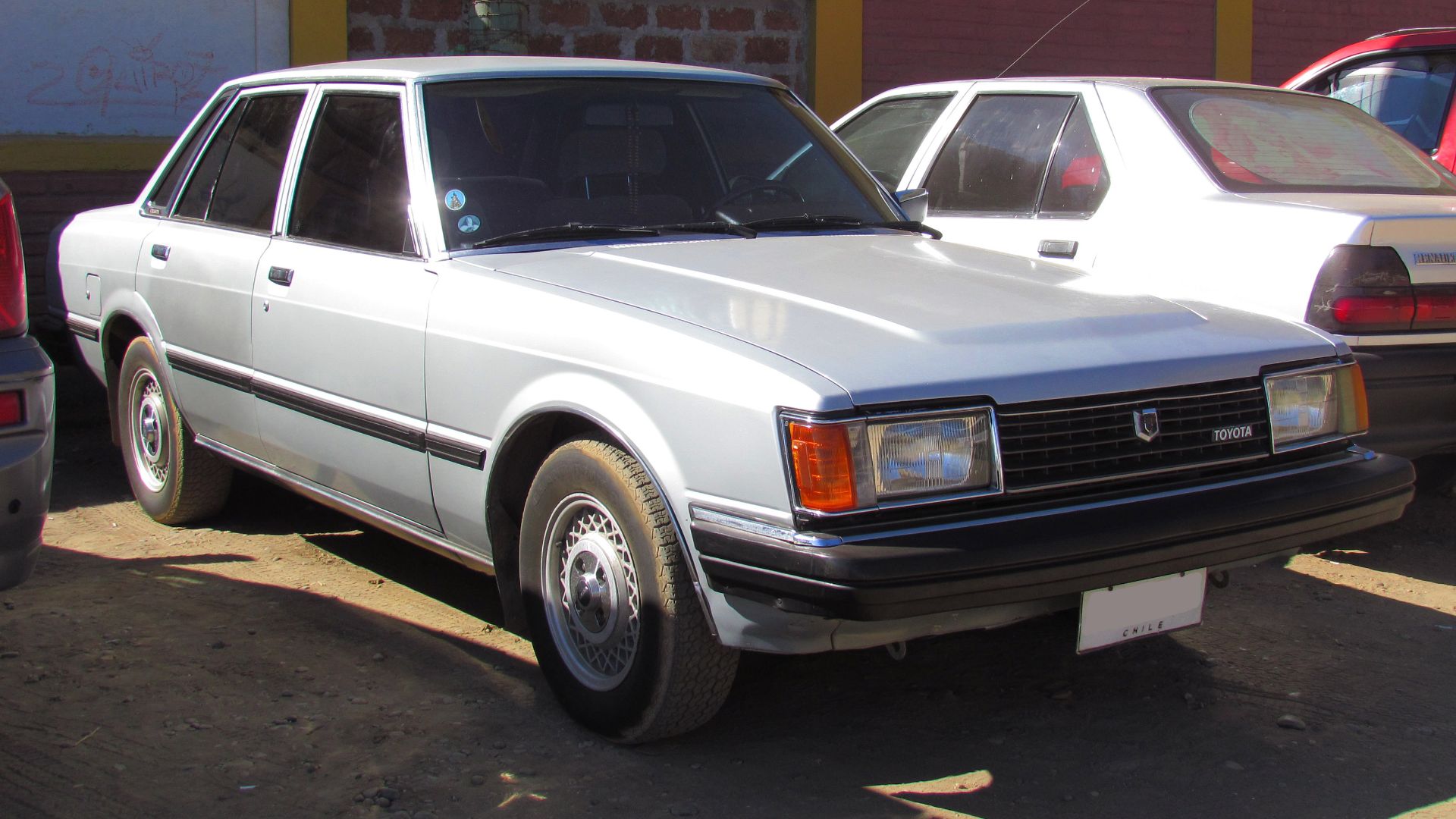 order_242 from Chile, Wikimedia Commons
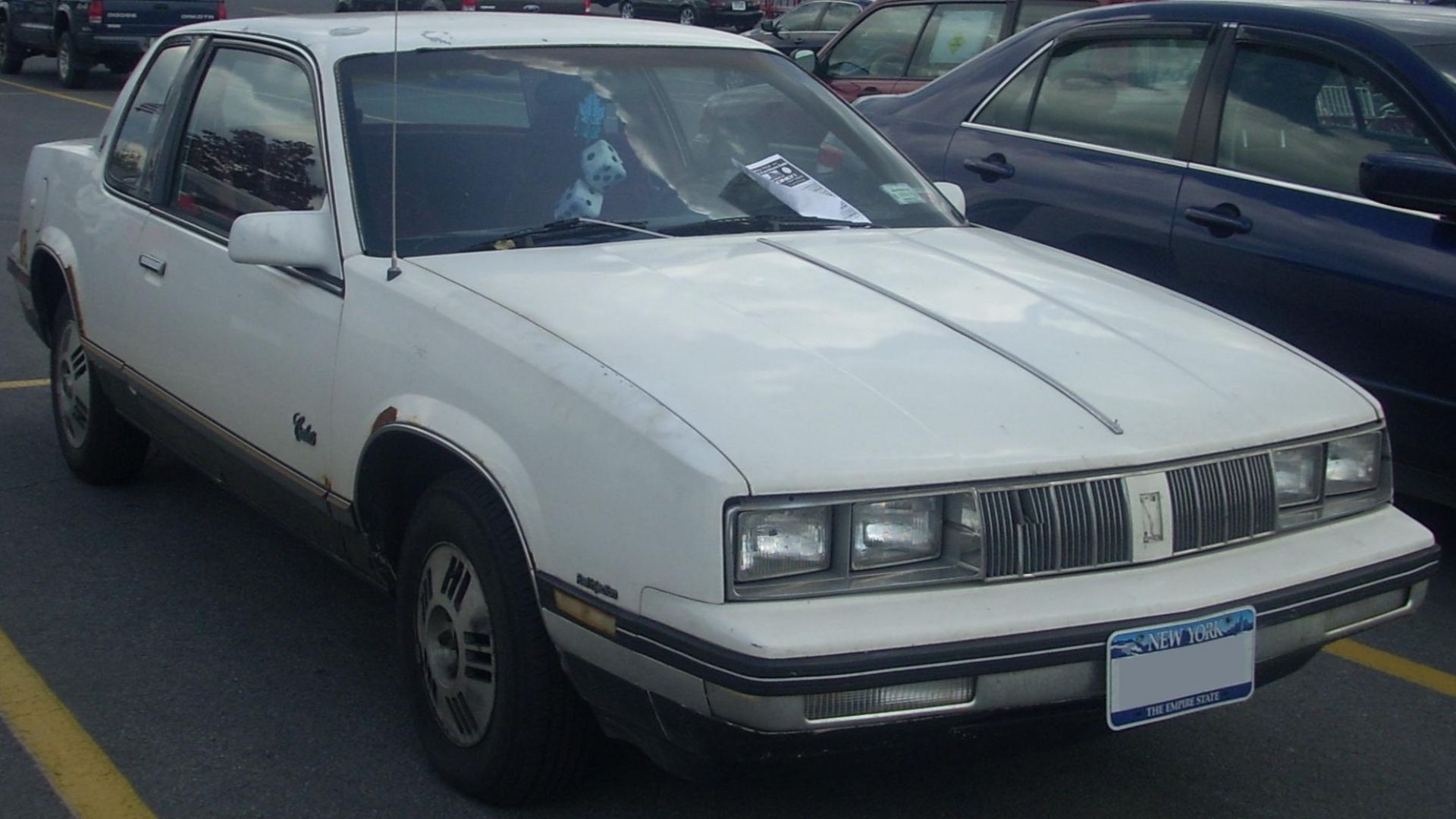
1985 Oldsmobile Calais
The 1985 Oldsmobile Calais was supposed to make compact cars feel more upscale. It wore an Oldsmobile badge, offered a cleaner shape than many domestic compacts, and later versions leaned into sporty-looking trims and Quad 4 performance. But the luxury promise was always a little thin. It was still a small front-drive GM car trying to carry an old-school premium name, which makes it feel caught between two eras today.
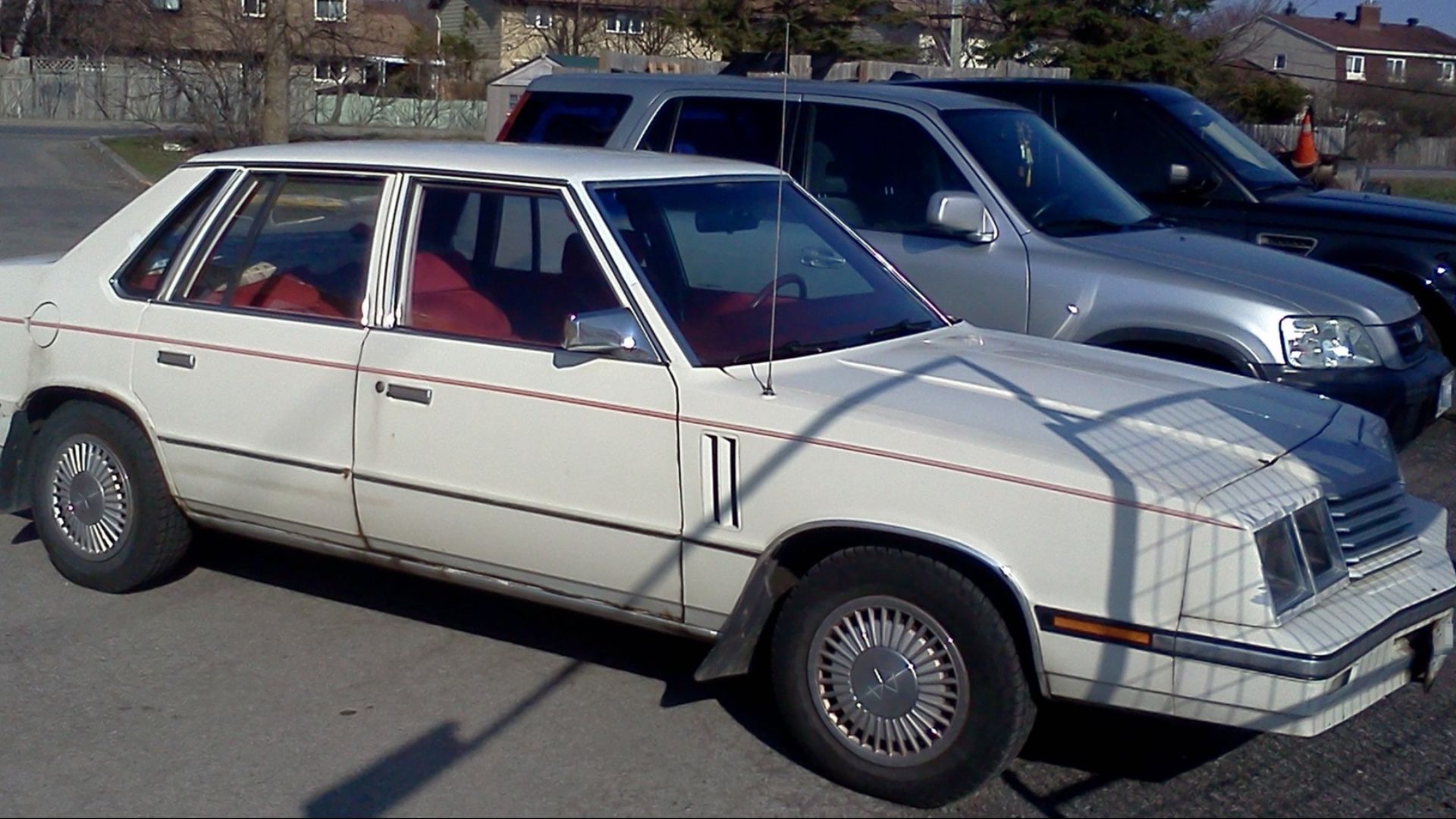
1983 Dodge 600
The 1983 Dodge 600 was Chrysler’s attempt to stretch the K-car formula into something more upscale. It came as a sedan, coupe, and convertible, with formal details meant to give it a more expensive personality. The issue was that the economy-car roots were still obvious. It was practical and important to Chrysler’s survival, but as a luxury play, it aged into one of those cars that makes you wonder how much woodgrain trim could really do.
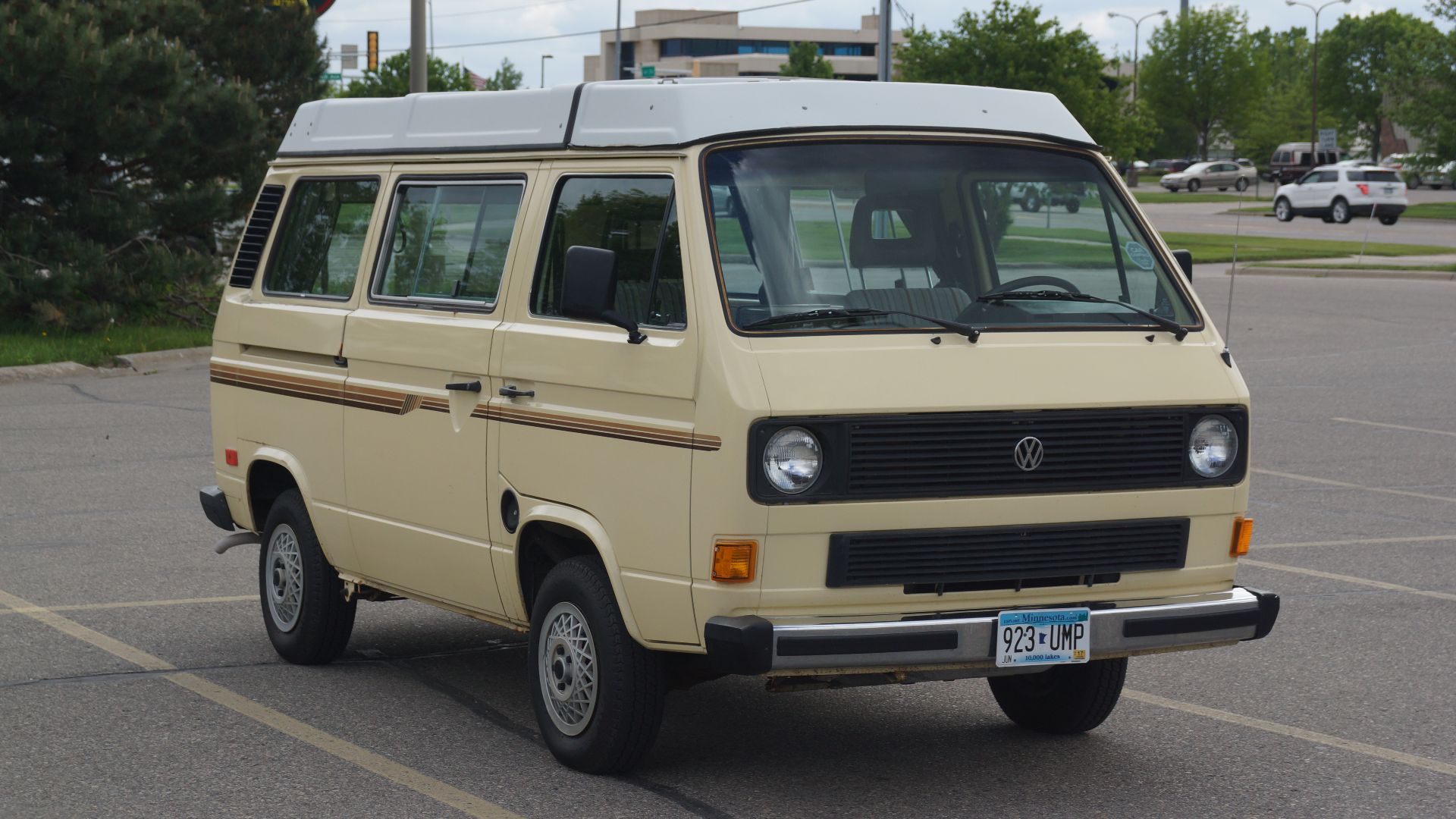
1985 Volkswagen Vanagon
The 1985 Volkswagen Vanagon wasn't a traditional luxury car, but it absolutely sold a lifestyle that could feel upscale in its own odd way. Westfalia campers brought clever interiors, fold-out beds, little kitchens, and a freedom-focused image that appealed to adventurous buyers. The trouble was that the Vanagon was slow, boxy, and not exactly modern even in period. Today, its charm is huge, but it aged more like a lovable rolling cabin than a refined people-mover.
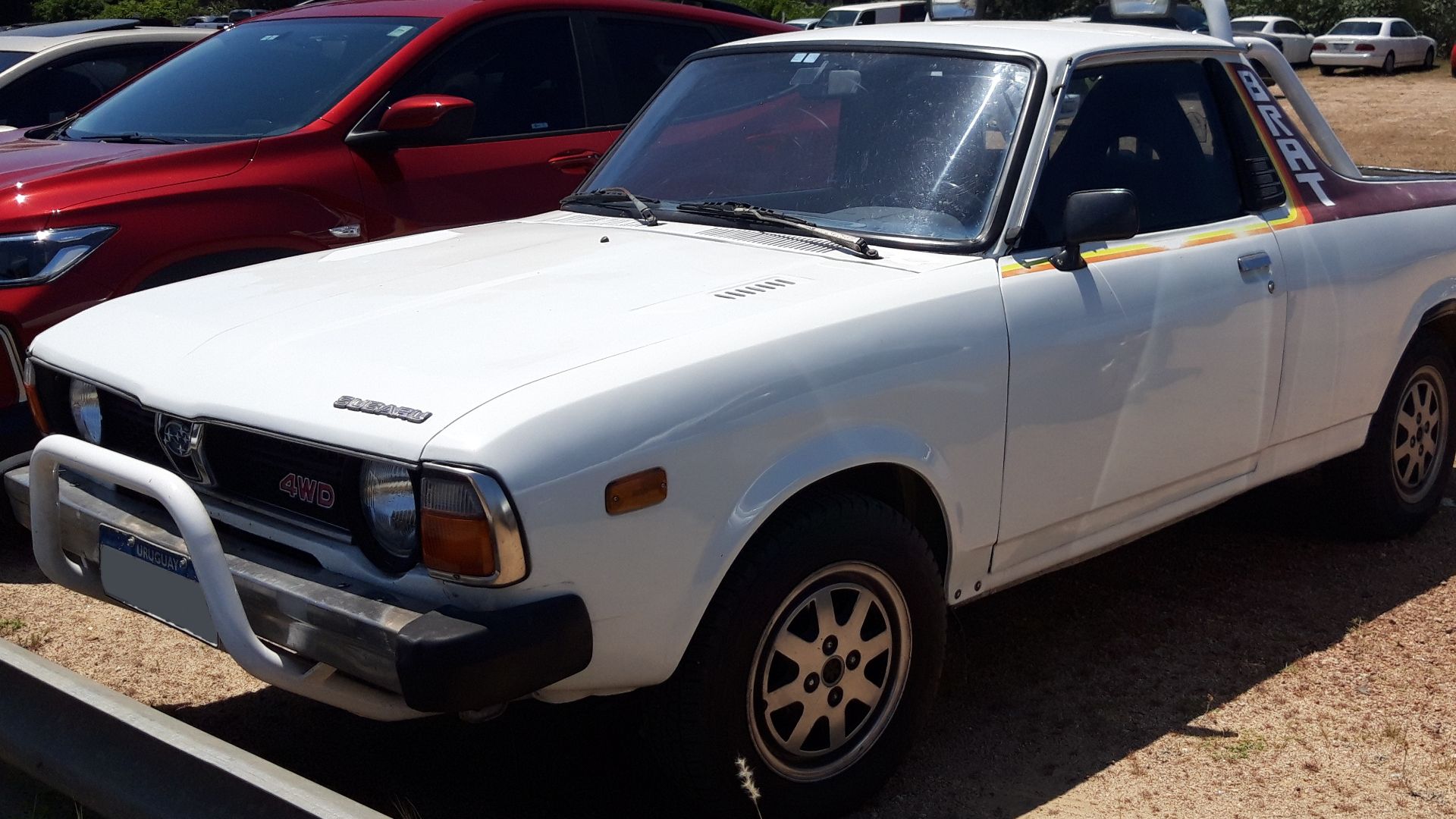
1982 Subaru BRAT
The 1982 Subaru BRAT was weird from the start, and that is why people still talk about it. It mixed small-car practicality with pickup styling, four-wheel drive, and those famous rear-facing jump seats in the bed. Subaru pitched it as useful and adventurous, but it never looked fancy in the traditional sense. It aged strangely because it was too quirky to be forgotten, too practical to be a joke, and too oddball to fit neatly into any category.
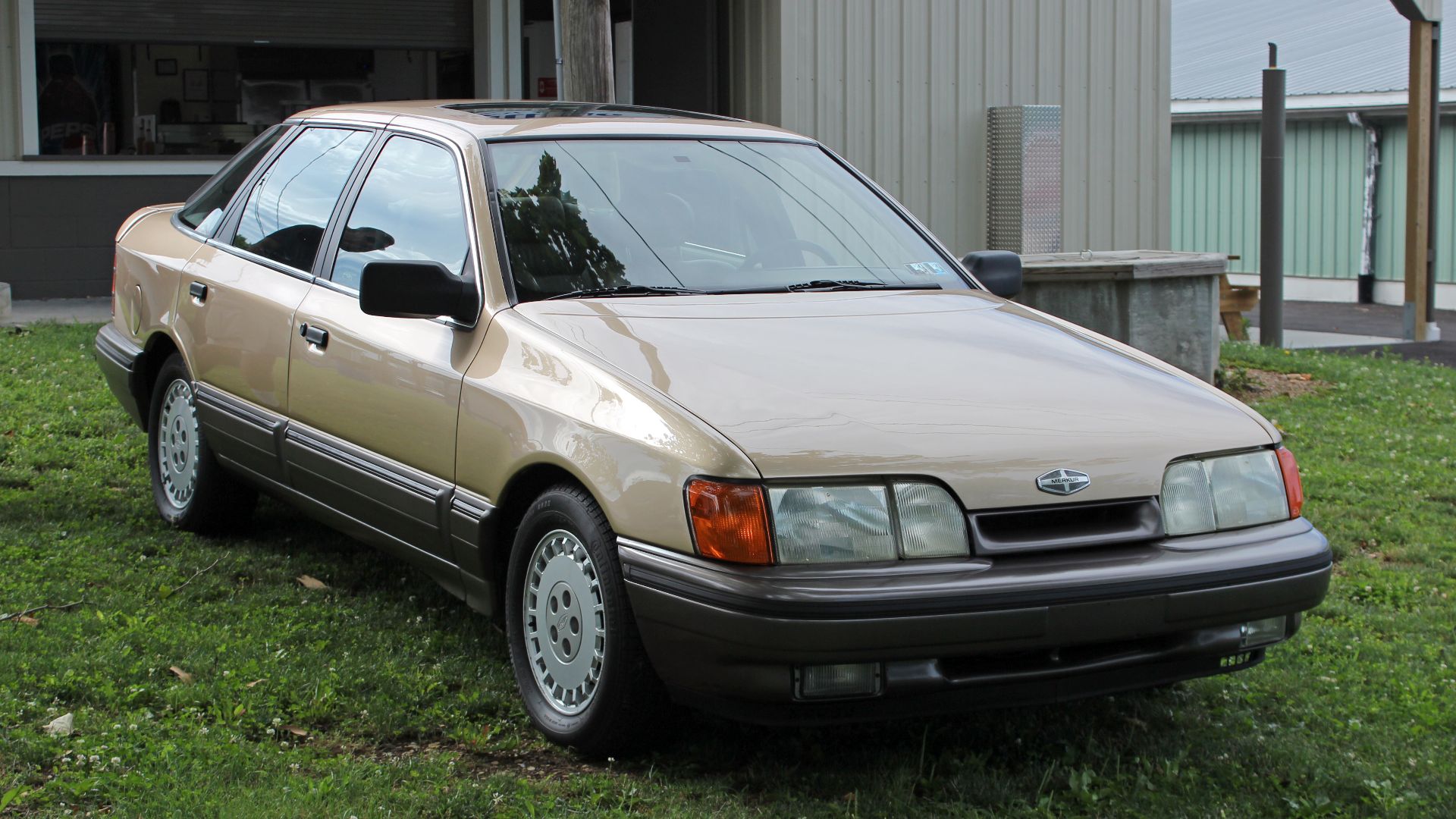
1988 Merkur Scorpio
The 1988 Merkur Scorpio was Ford’s attempt to sell European executive-car sophistication in America. Based on the Ford Granada/Scorpio sold overseas, it had a roomy hatchback body, rear-wheel drive, and a refined touring personality. The problem was that American buyers did not really know what Merkur was supposed to be. The styling was soft, the badge was unfamiliar, and the whole thing aged into a strange footnote from Ford’s imported-luxury experiment.
 ilikewaffles11, Wikimedia Commons
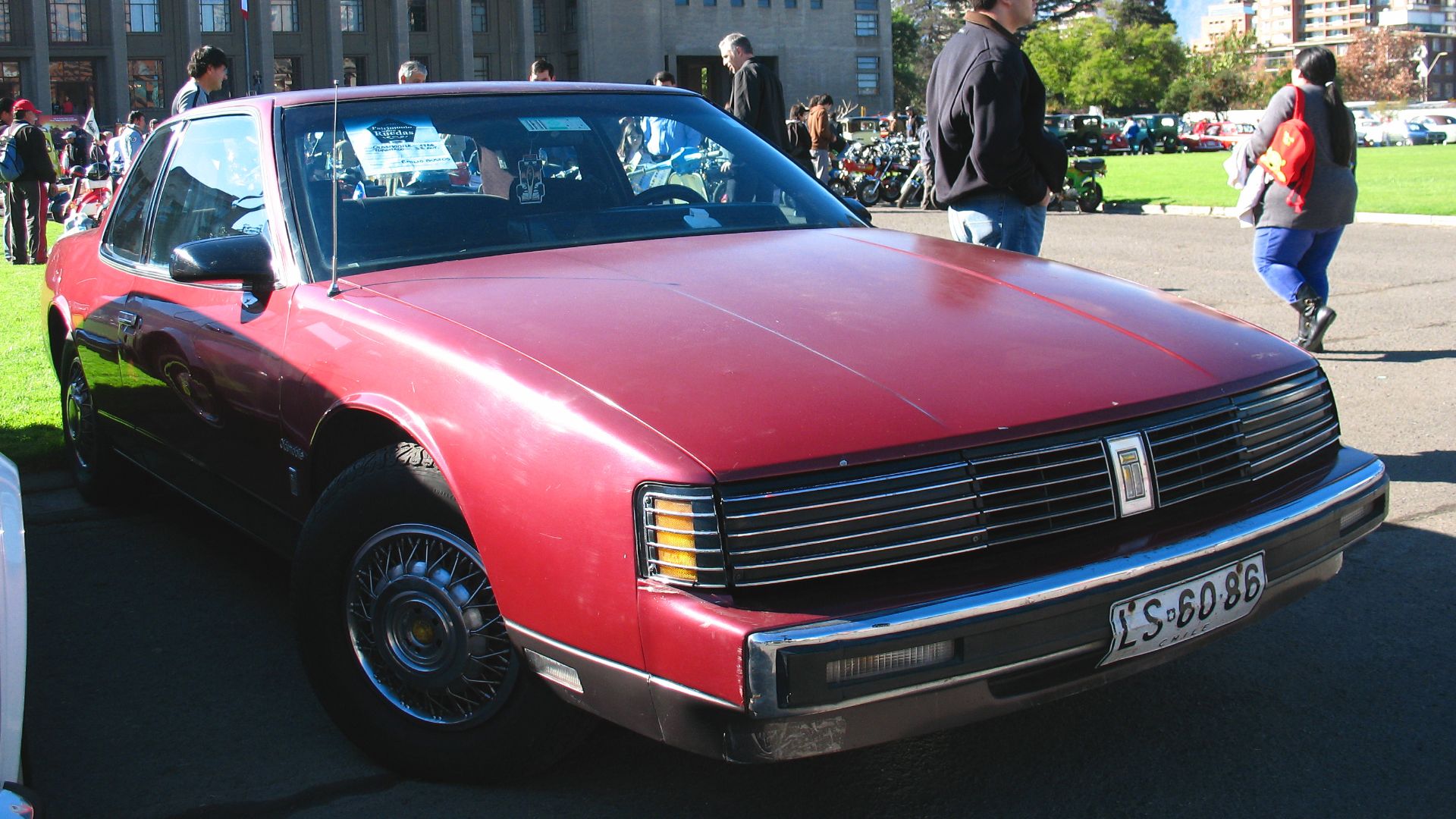
1986 Oldsmobile Toronado
The 1986 Oldsmobile Toronado had a famous name, but by the mid-1980s it had shrunk into something much less dramatic than its ancestors. It still offered front-wheel drive, personal-luxury styling, and a comfortable cabin, but the boldness was mostly gone. Earlier Toronados felt daring and futuristic. This one felt careful. That makes it a fascinating example of how a once-radical luxury coupe could age into something oddly anonymous.
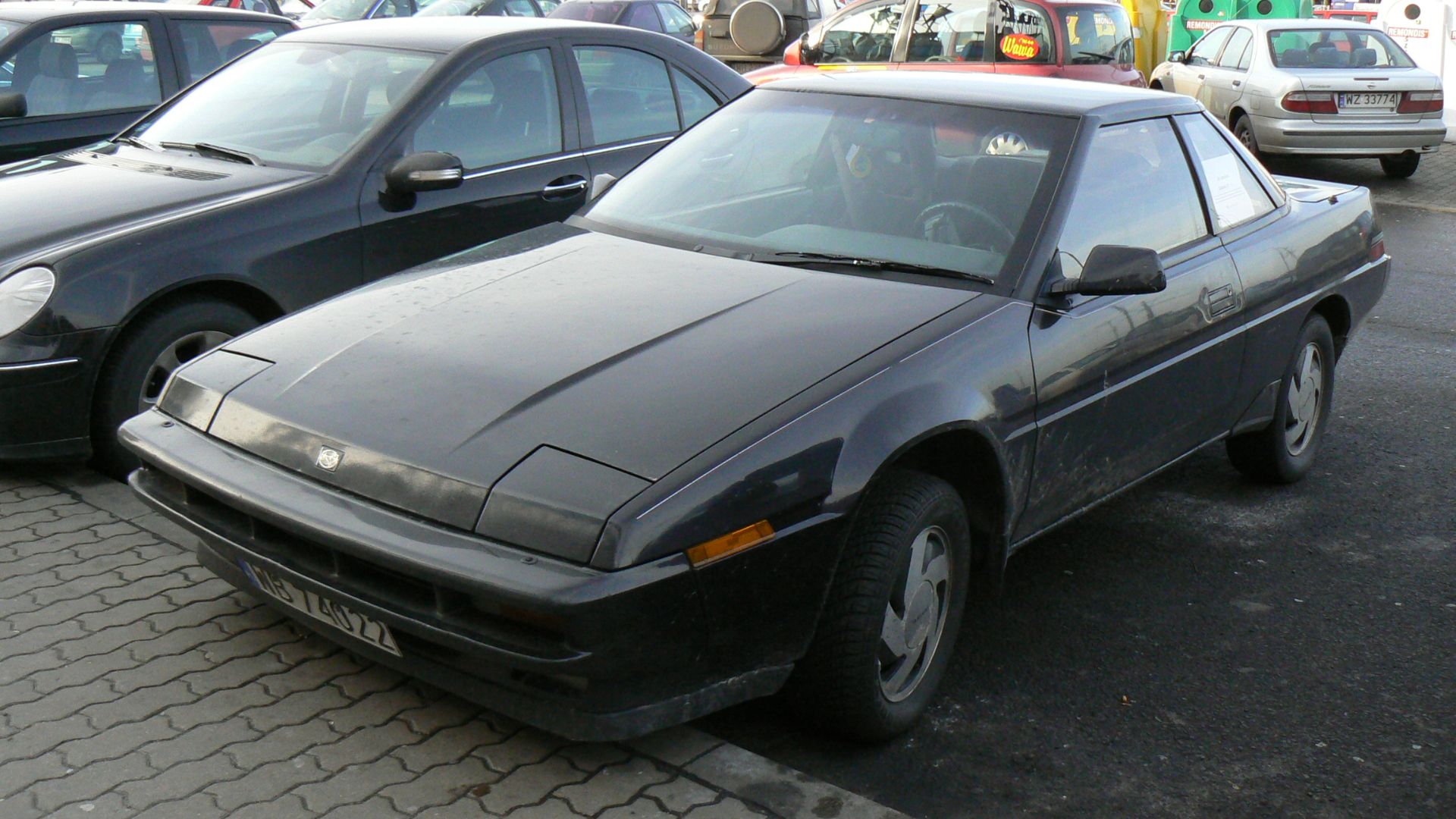
1985 Subaru XT
The 1985 Subaru XT looked like it had escaped from a design studio that only owned rulers. It was wildly aerodynamic, with sharp wedge styling, hidden door handles, and an aircraft-inspired interior that felt unlike almost anything else on the road. Subaru gave it available four-wheel drive and later turbo power, so it had real technical interest. Still, the styling was so unusual that it aged less like a luxury coupe and more like a concept car that accidentally reached showrooms.
 Maggot666PL, Wikimedia Commons
1983 AMC-Renault Alliance
The 1983 AMC-Renault Alliance arrived with plenty of promise. It was fuel-efficient, European-influenced, and even won early praise when small economical cars were suddenly very important. But the premium feel faded quickly, especially as reliability and quality complaints hurt its reputation. The Encore hatchback added practicality, but the whole project aged as a reminder of how difficult the AMC-Renault partnership really was.
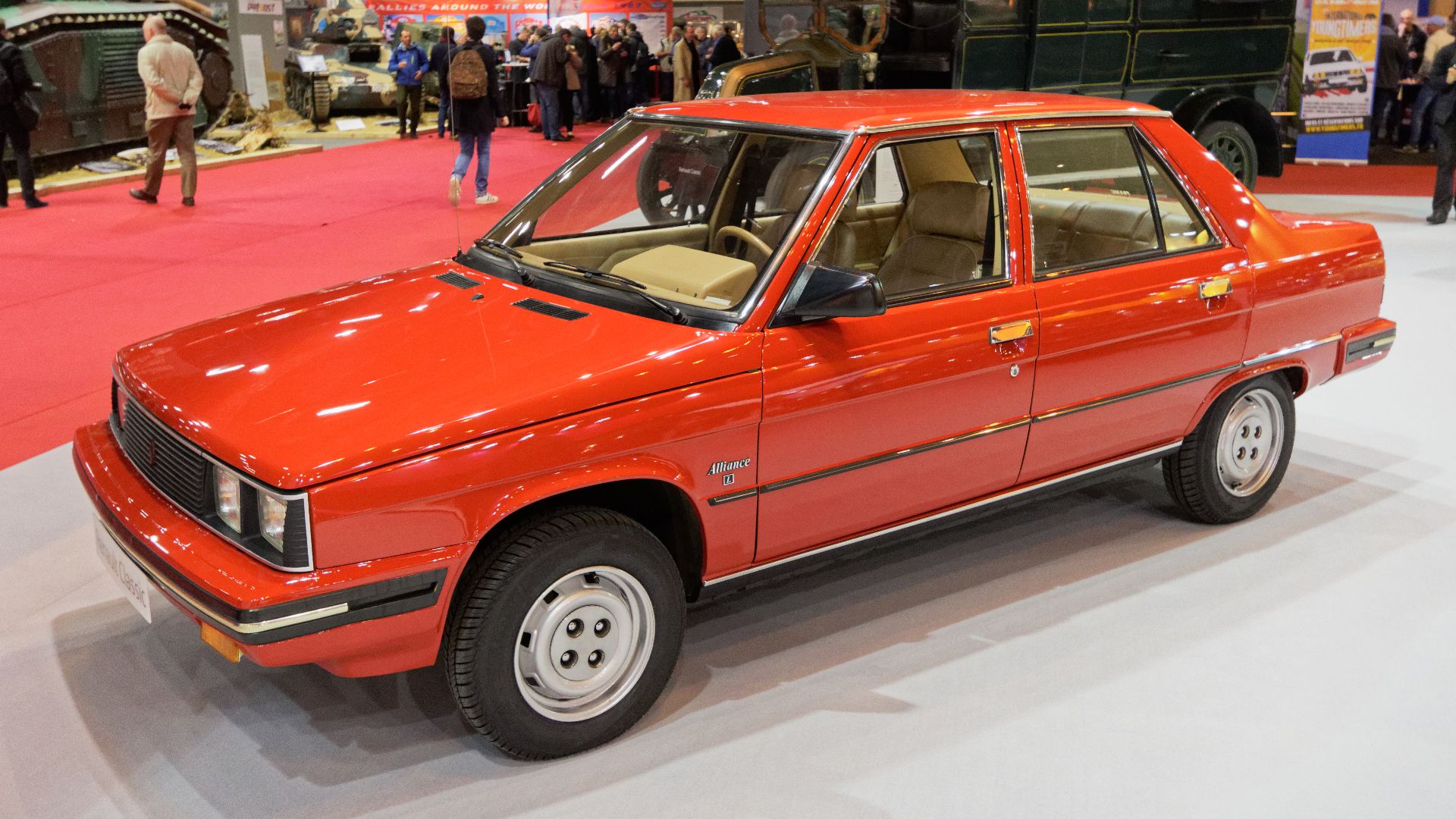 Thesupermat, Wikimedia Commons
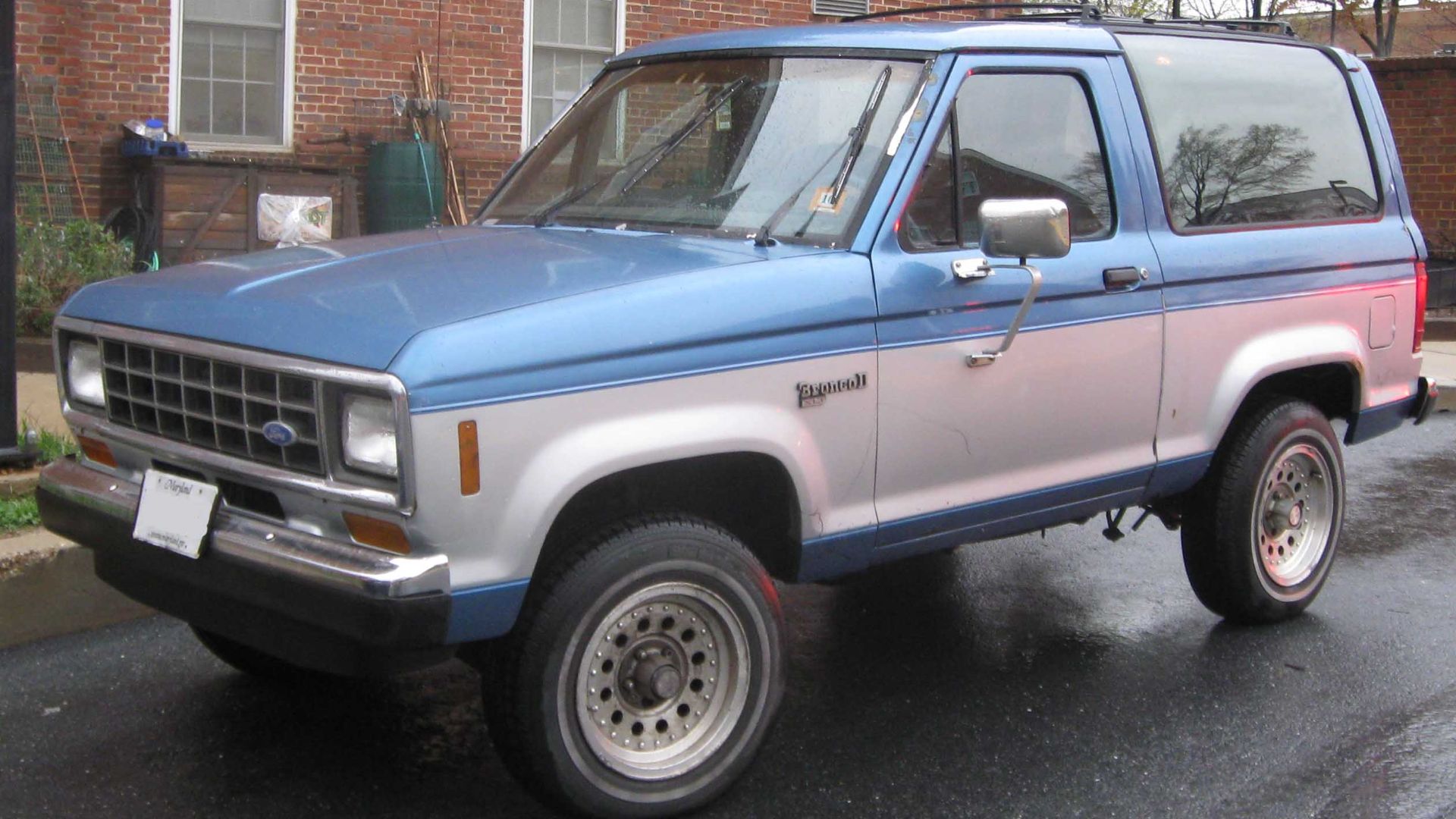
1984 Ford Bronco II
The 1984 Ford Bronco II looked like a smart downsized SUV for buyers who wanted adventure without a full-size truck. It was compact, easy to park, and carried the Bronco name with confidence. But its narrow track, tall stance, and later rollover reputation made it age in a much darker way than Ford intended. It promised rugged fun, but today it's remembered as much for controversy as capability.
You May Also Like:
Before SUVs, These Minivans From The 80s And 90s Defined American Family Life
Vehicles That Looked Sensible In The Driveway But Were Secretly Fun
Cars That Made Teenagers Jealous In High School Parking Lots In The 1980s