The Race That Turned Into A Mass Tragedy
The 24 Hours of Le Mans was supposed to celebrate speed, endurance, and human nerve. But on June 11, 1955, it became the scene of the deadliest disaster in motorsport history.
Le Mans Was Already Dangerous
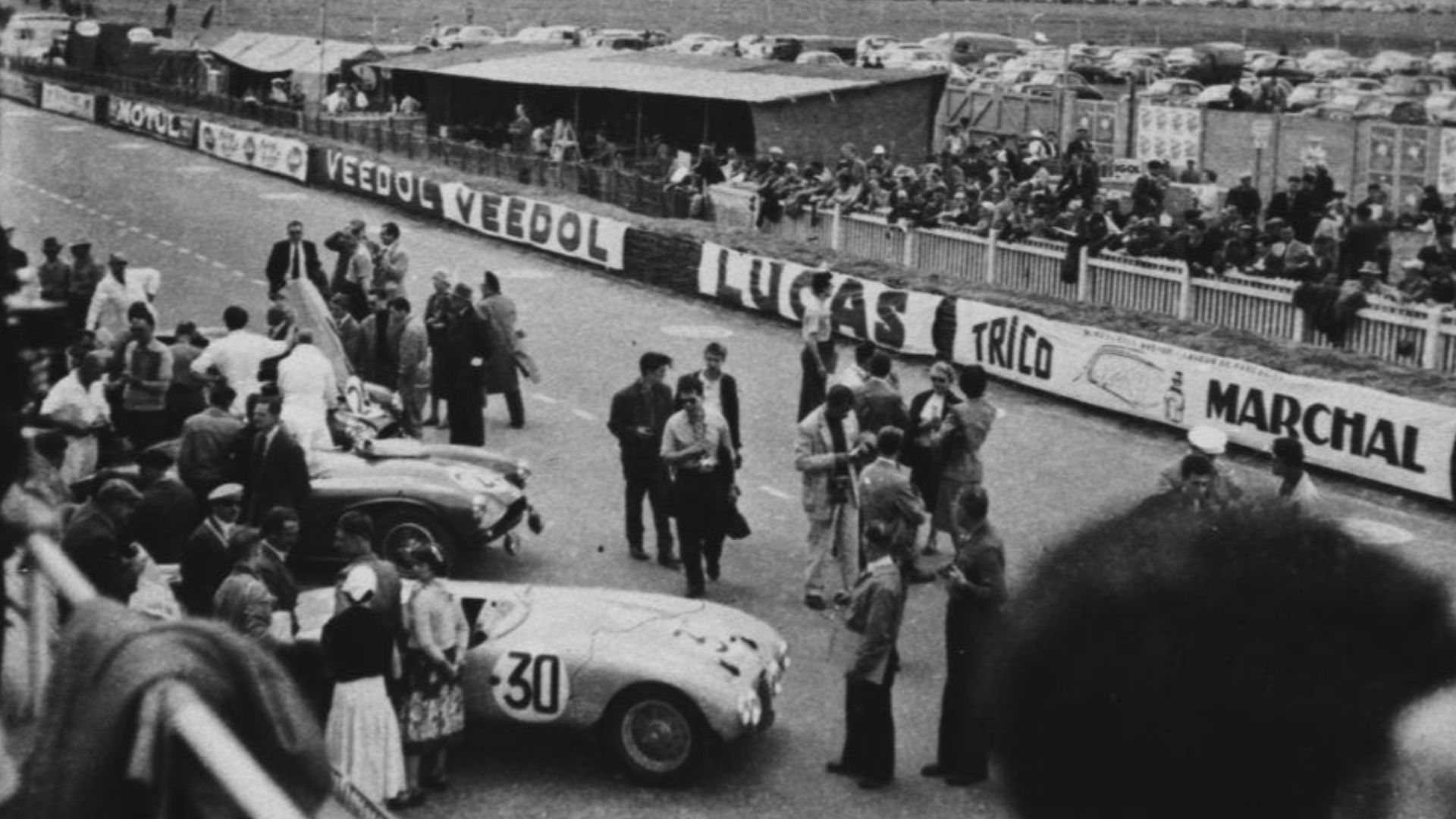
By 1955, racing cars had become frighteningly fast, but many circuits had not evolved at the same pace. Le Mans still carried the feel of an earlier era, with high speeds, narrow margins, and spectators positioned terrifyingly close to the action. The sport’s romance came with real, visible danger.
 Geoff Charles, Wikimedia Commons
The Cars Had Outgrown The Track
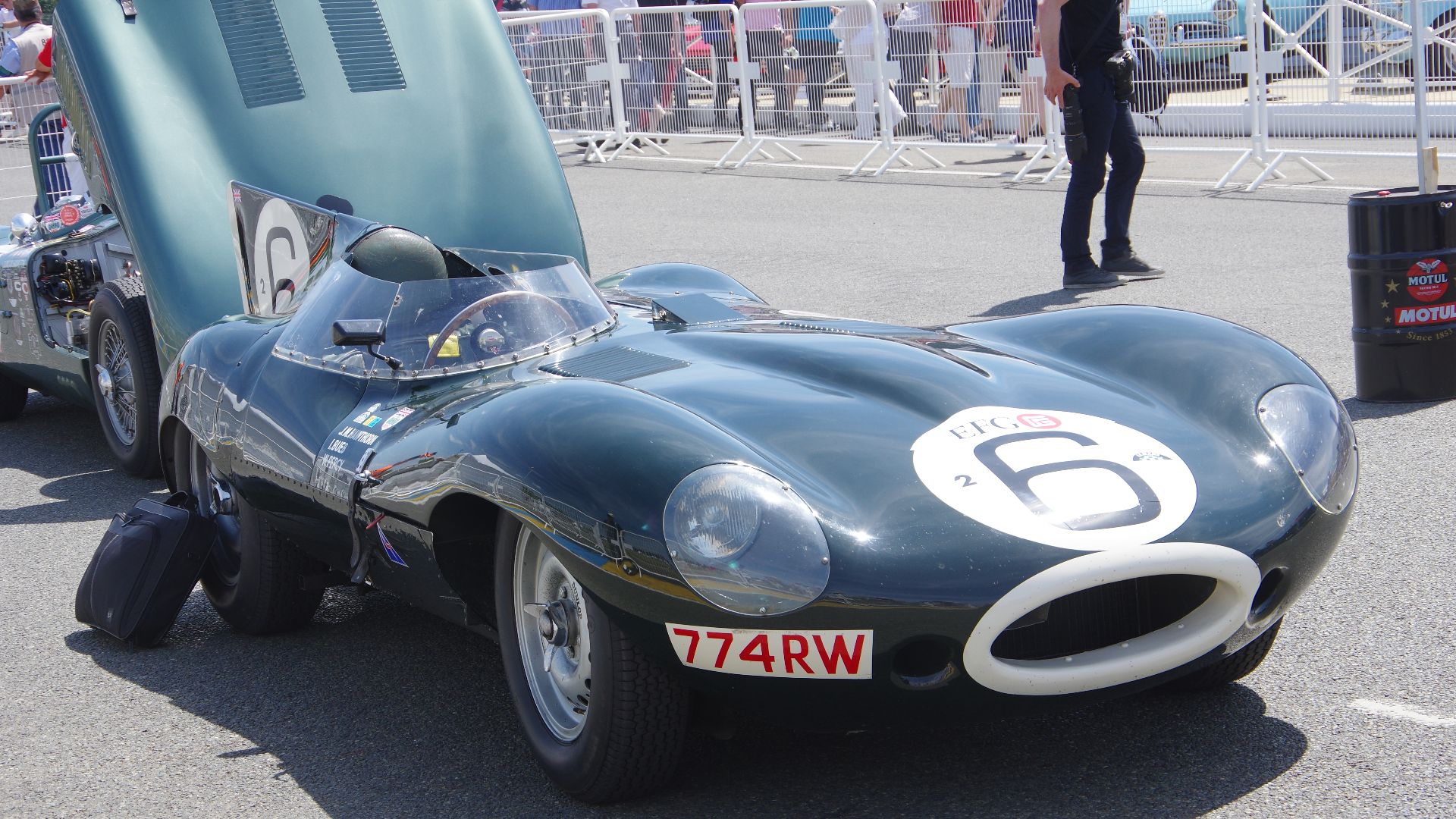
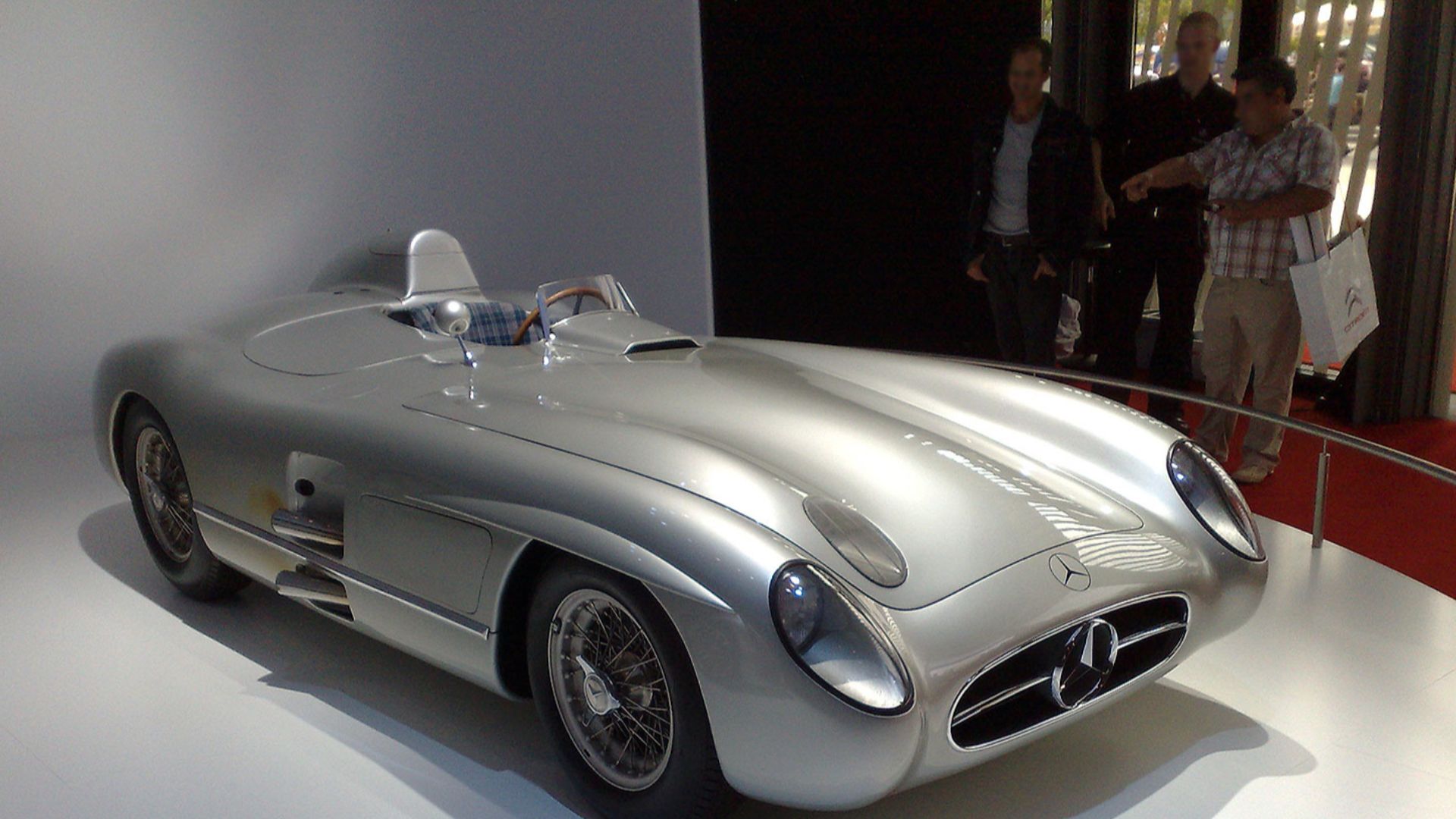
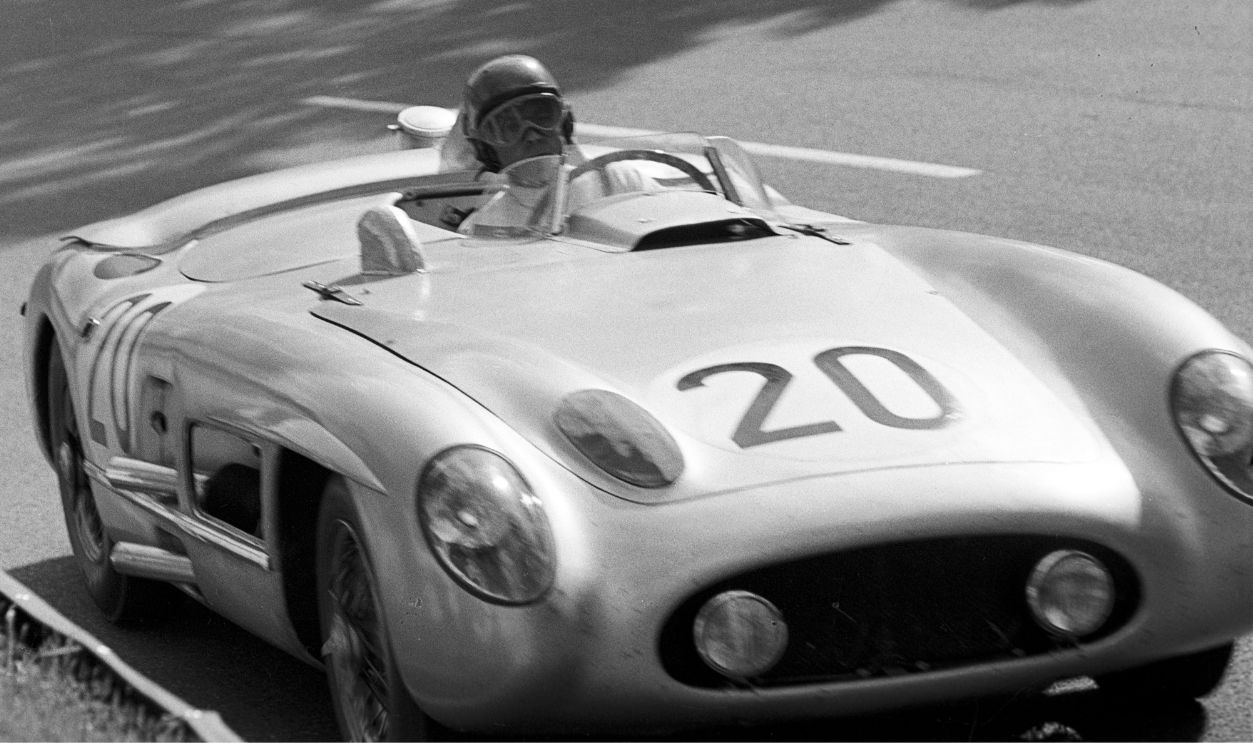
The 1955 Le Mans grid included some of the most advanced sports cars in the world. Mercedes brought the 300 SLR, Jaguar had the D-Type, and the race was filled with elite drivers. But those machines were competing on a circuit where basic safety protections were still shockingly limited by modern standards.
 David Merrett from Daventry, England, Wikimedia Commons
Mercedes Arrived With Enormous Power
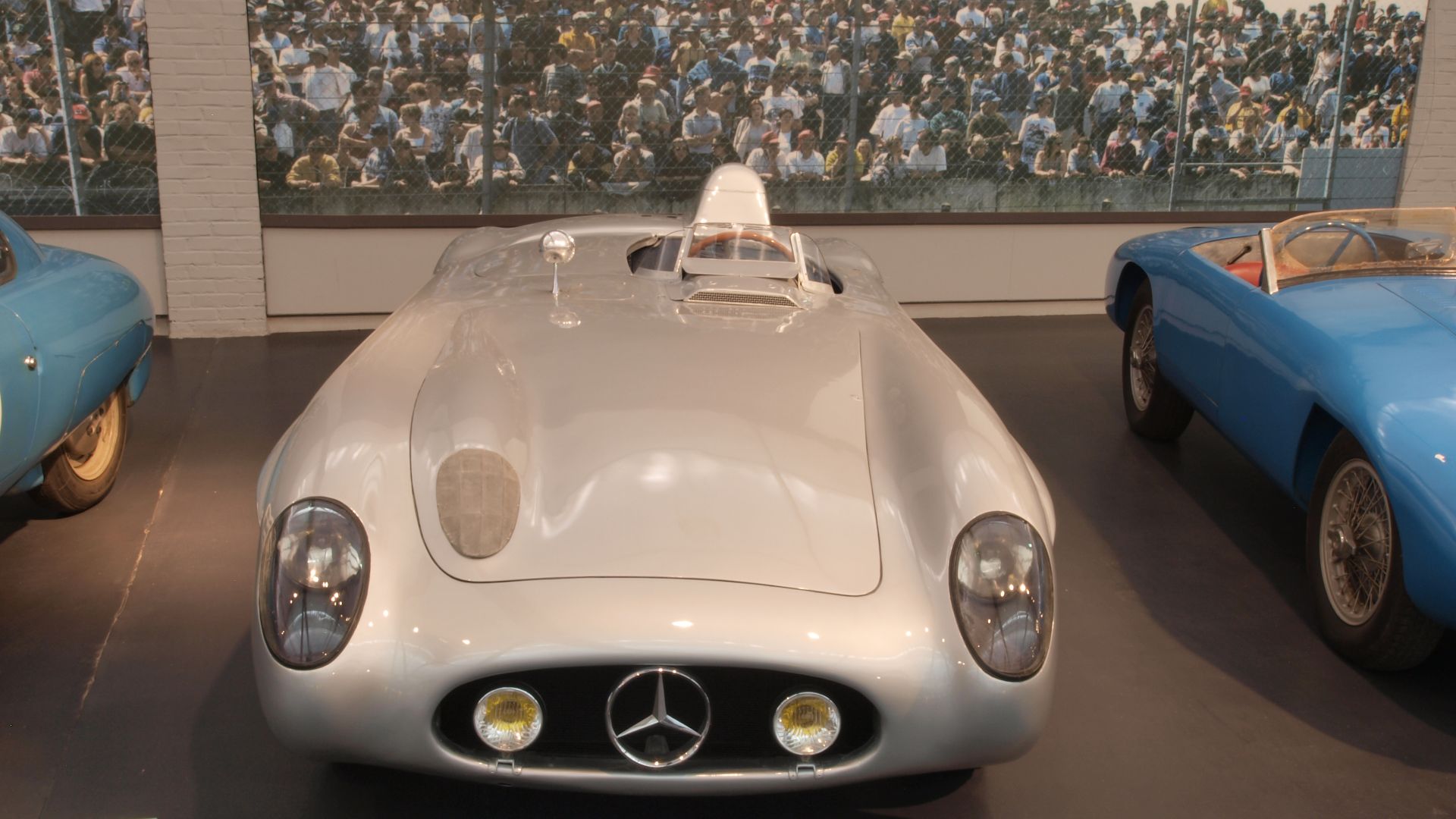
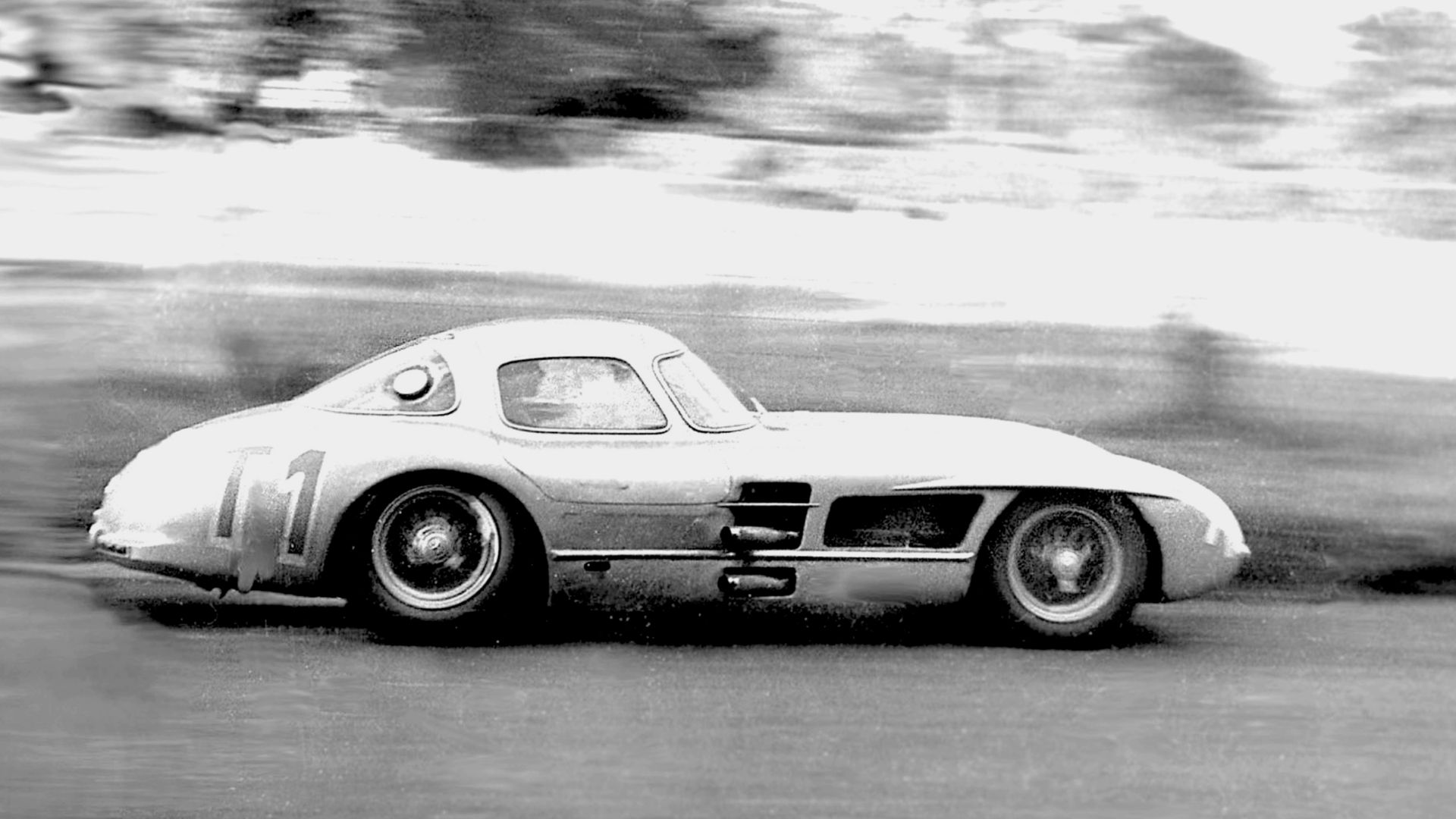
Mercedes-Benz had returned to top-level racing with formidable engineering and ambition. Its 300 SLR was fast, advanced, and brutally effective. The company’s presence gave the race prestige, but it also placed one of the fastest cars in the world onto a track that was not ready for what could happen at those speeds.
Pierre Levegh Was Carrying French Hopes
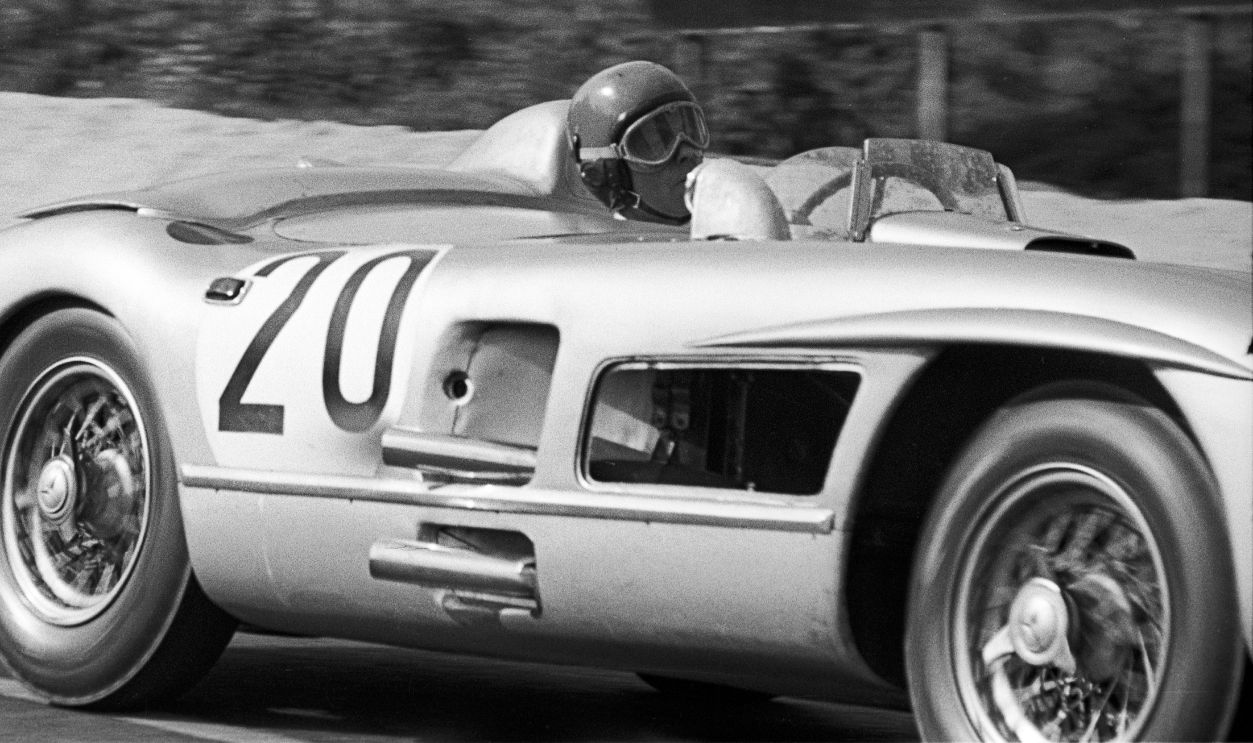
Pierre Levegh was a French driver with a deep connection to Le Mans. In 1952, he had nearly won the race after driving for an extraordinary length of time before mechanical failure ended his run. By 1955, his place at Mercedes carried emotional weight for French fans.
The Race Began Like A Classic Battle
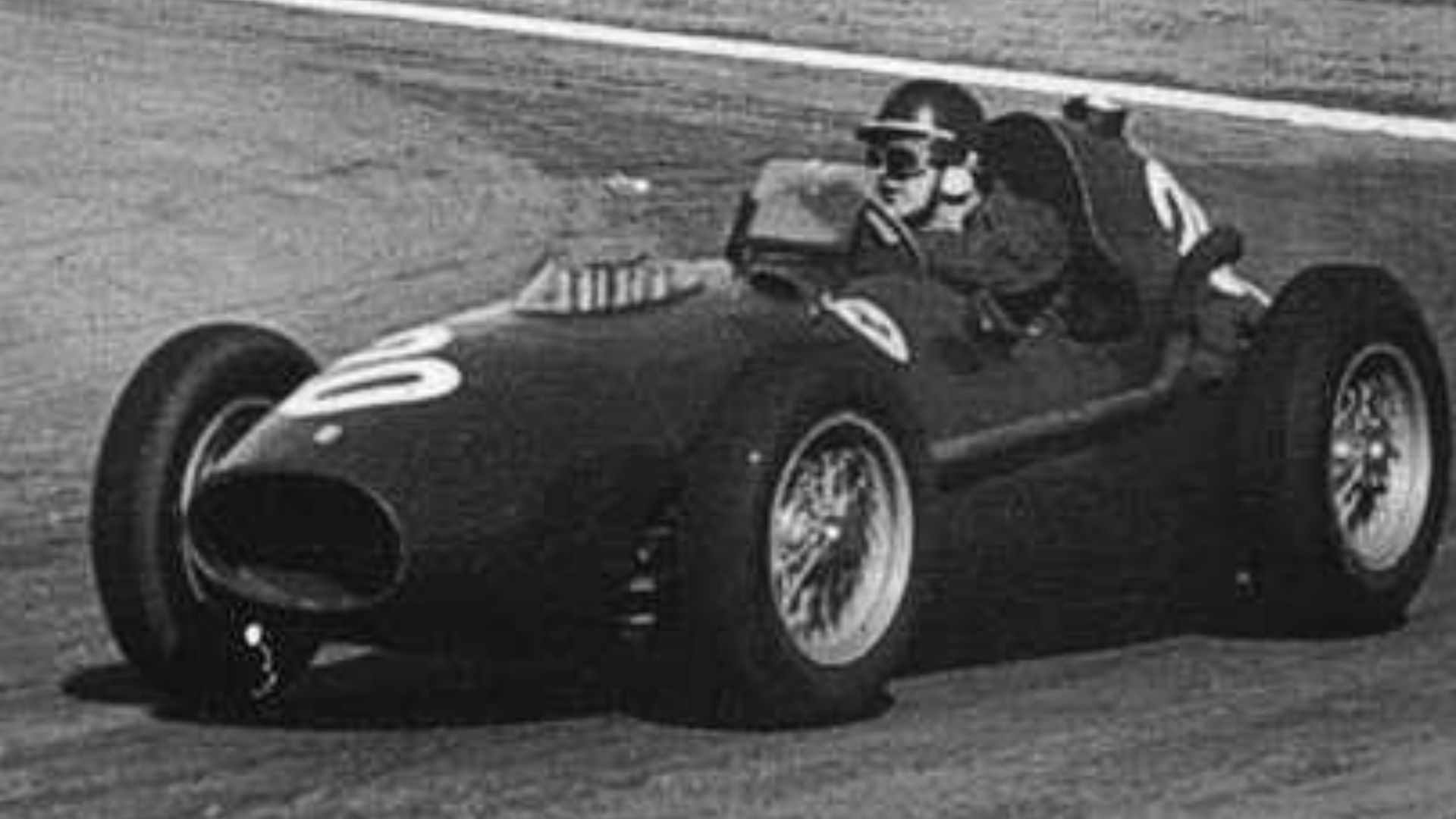
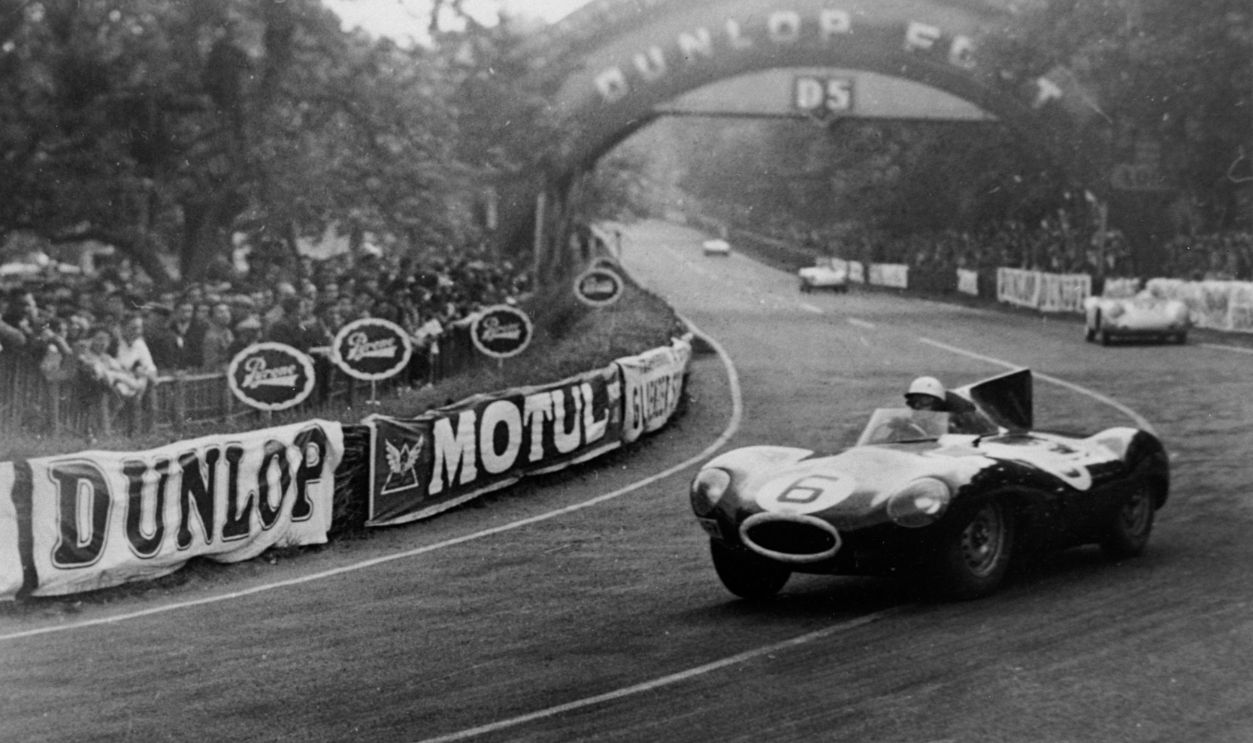
The early hours of the race unfolded with fierce competition between Jaguar and Mercedes. Mike Hawthorn, driving for Jaguar, and Mercedes legend Juan Manuel Fangio were among the central figures. The pace was intense, the margins were tiny, and the crowd was watching one of racing’s great manufacturer duels.
The Pit Straight Was A Fatal Weakness
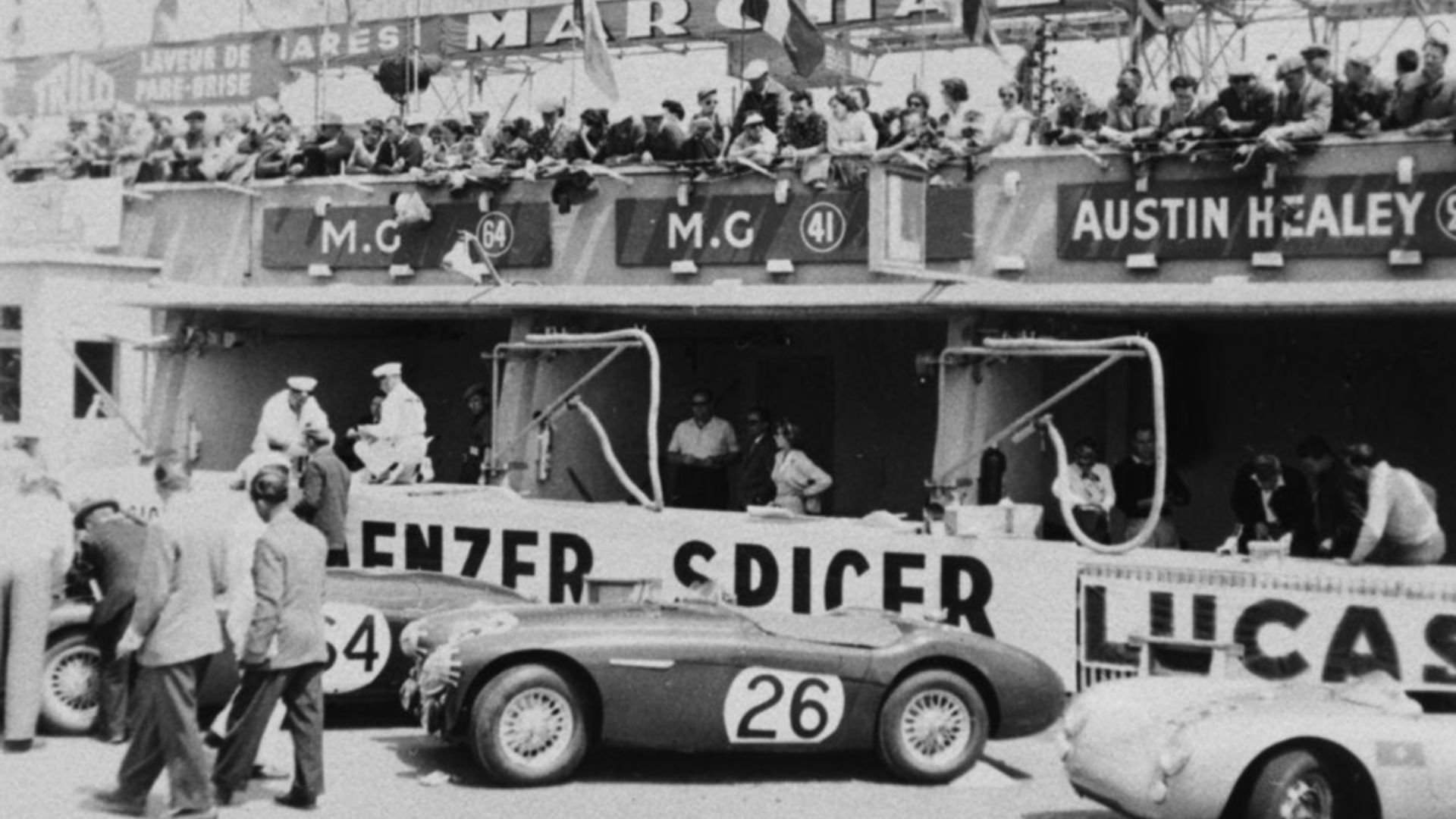
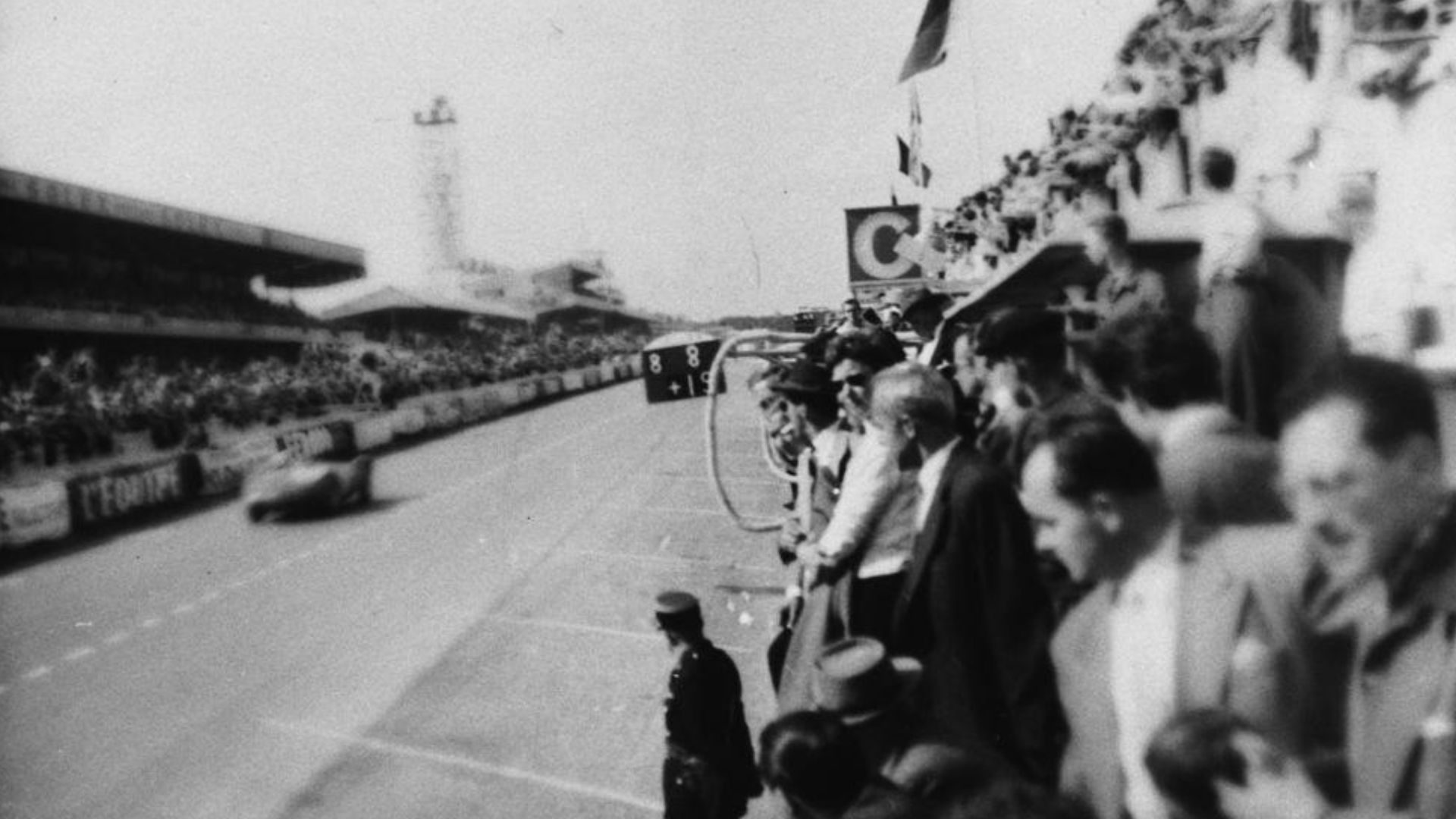
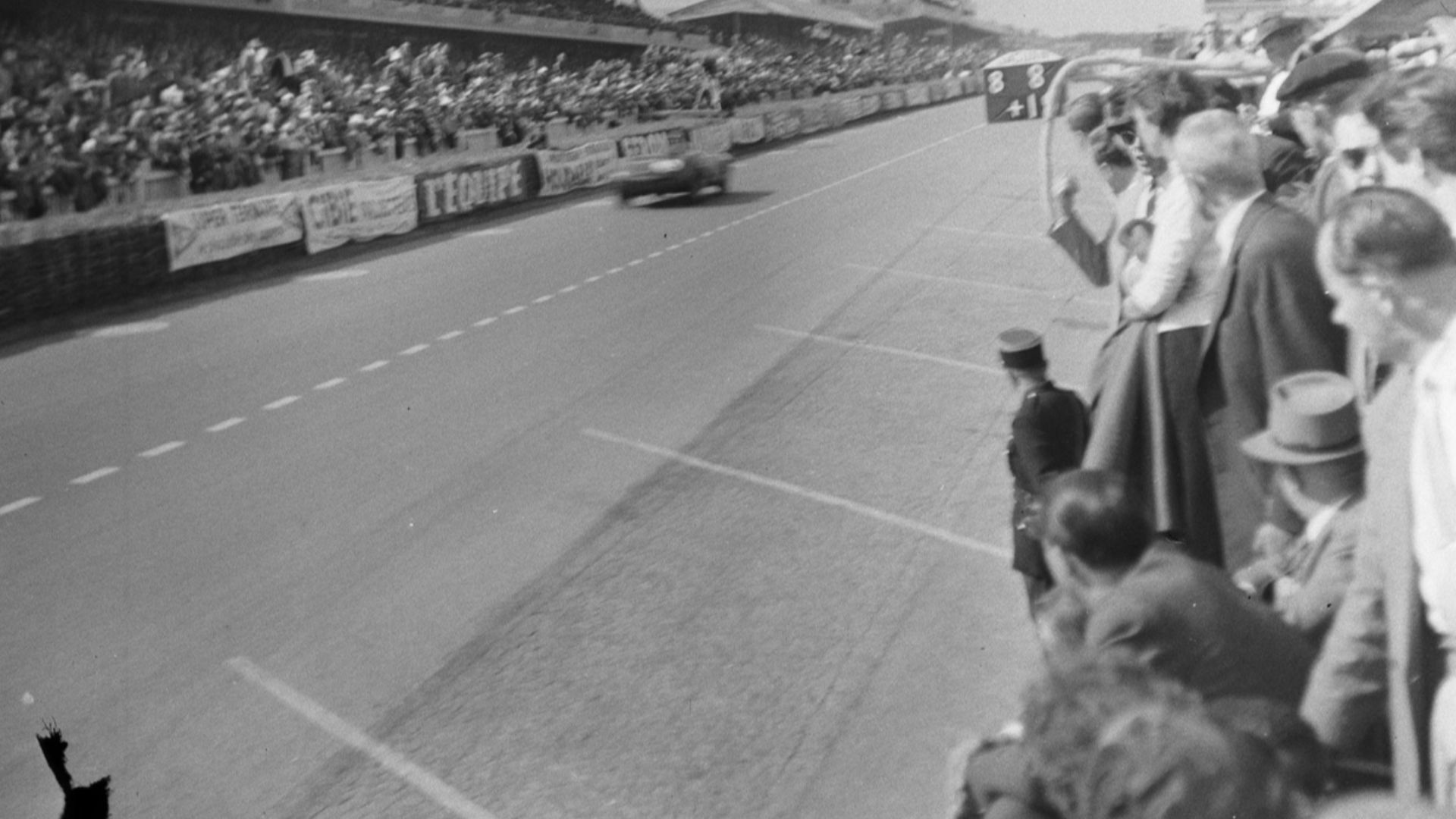
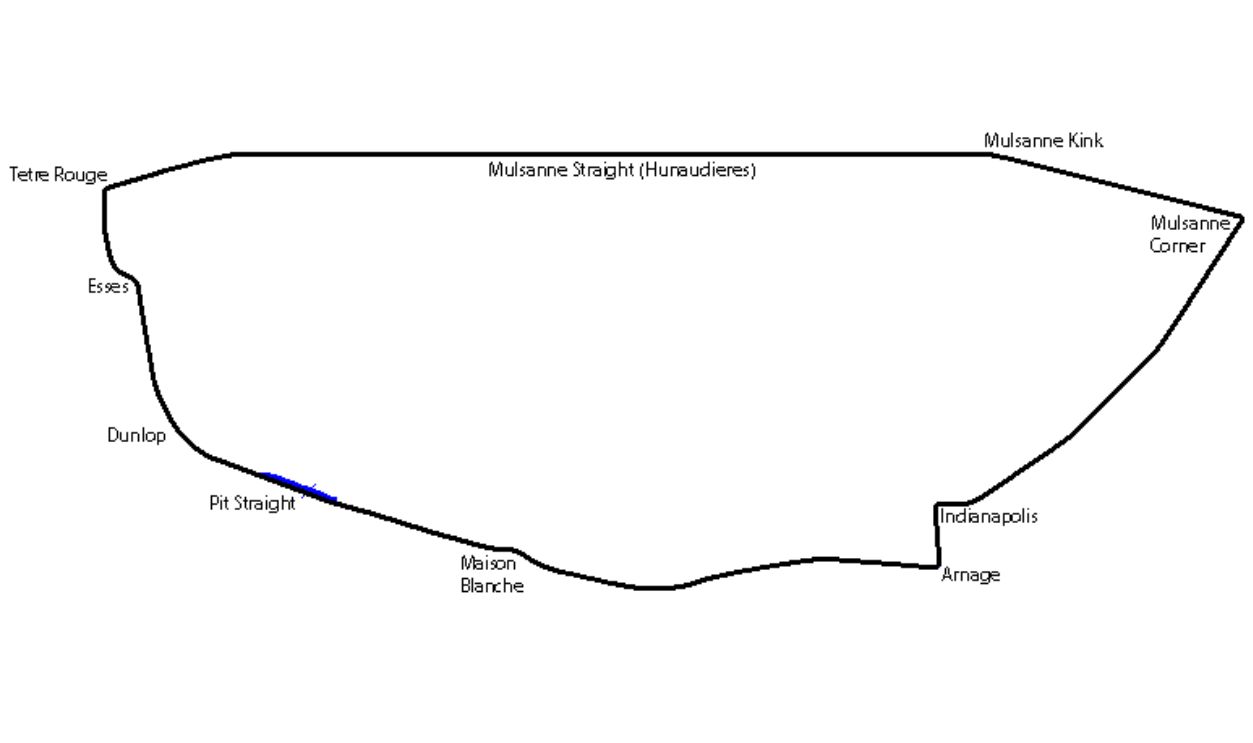
One of the most dangerous areas was the pit straight. Cars at racing speed passed close to slower cars entering the pits, while spectators stood frighteningly near the track. What looked normal in 1955 would later seem almost impossible to defend.
 Geoff Charles, Wikimedia Commons
The Chain Reaction Happened In Seconds
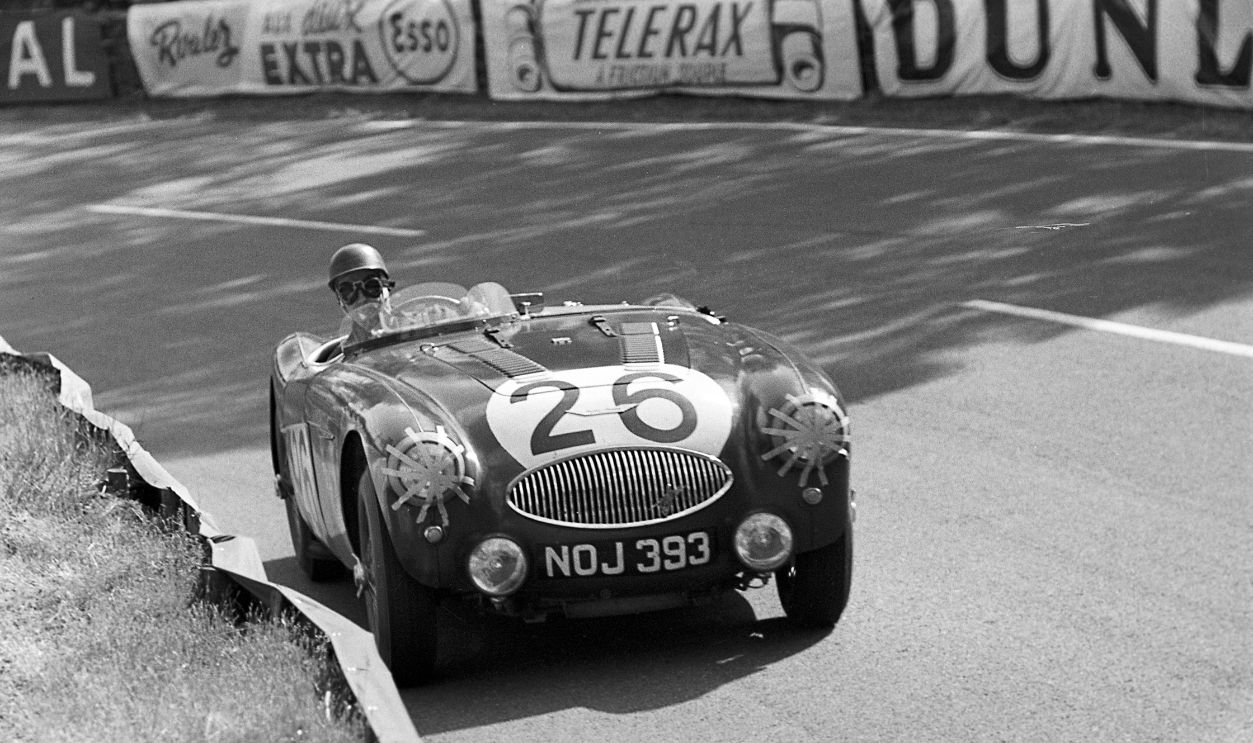
The disaster began when Mike Hawthorn slowed and moved toward the pits. Lance Macklin, driving an Austin-Healey, swerved left to avoid him. That placed Macklin’s car in the path of Pierre Levegh’s much faster Mercedes. Levegh struck the Austin-Healey from behind, and the impact launched the Mercedes into catastrophe.
Levegh’s Car Became Airborne
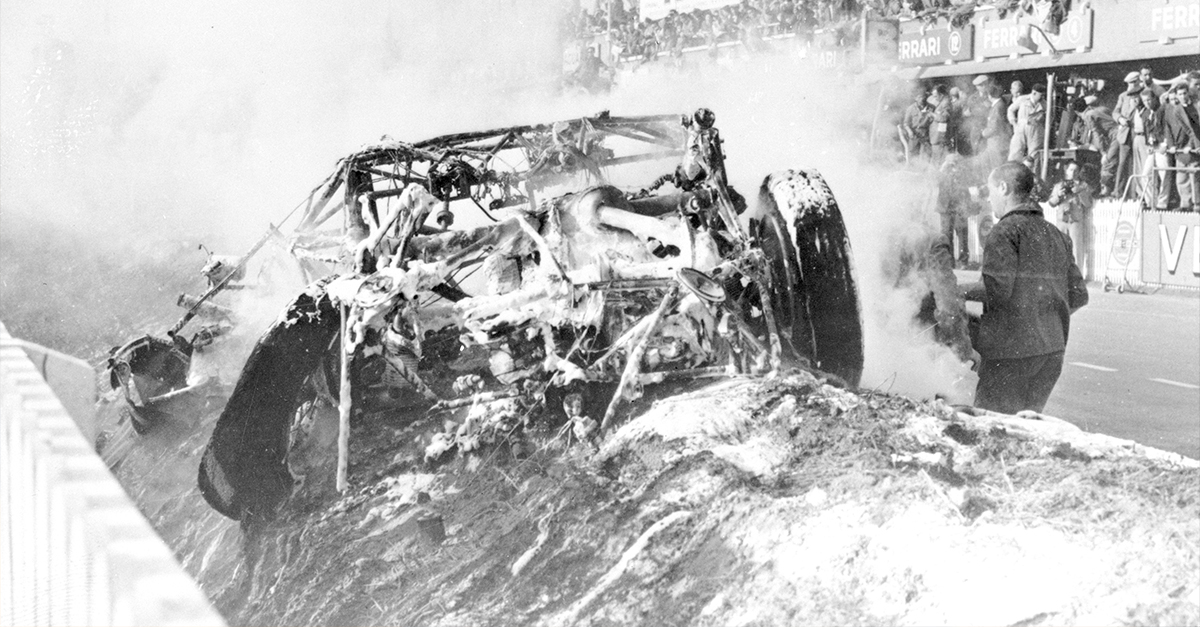
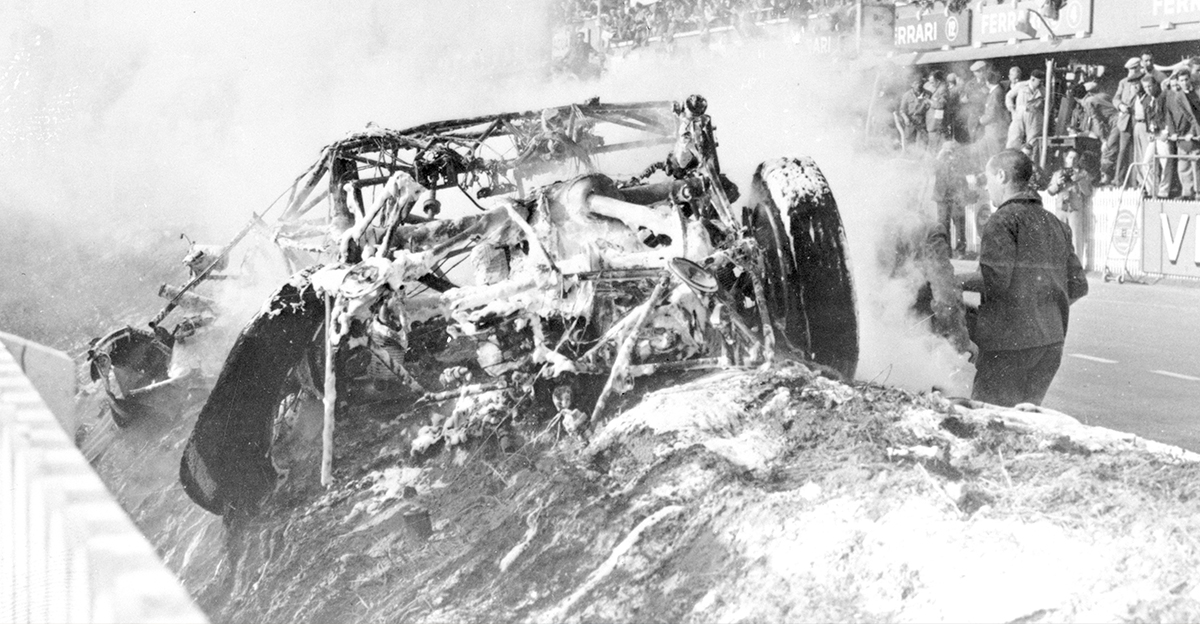
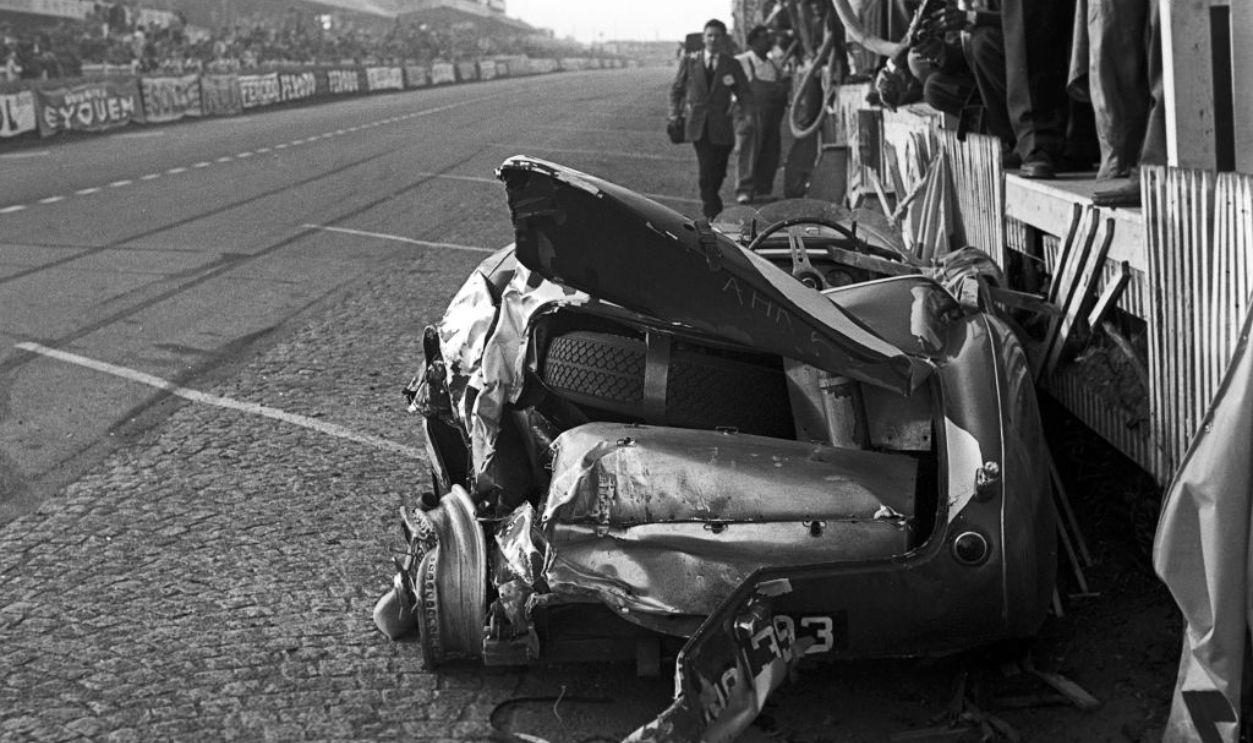
After the collision, Levegh’s Mercedes was thrown into the air and carried toward the spectator area. The car hit obstacles, broke apart, and sent heavy components into the crowd. The violence of the crash was beyond what the circuit’s protections could contain.
The Debris Was Deadly
Large parts of the Mercedes, including heavy mechanical components, were thrown into spectators. The crash did not simply injure people near the front. It turned the car itself into a deadly spray of metal. Many victims had come to watch a race and were struck before they had any chance to react.
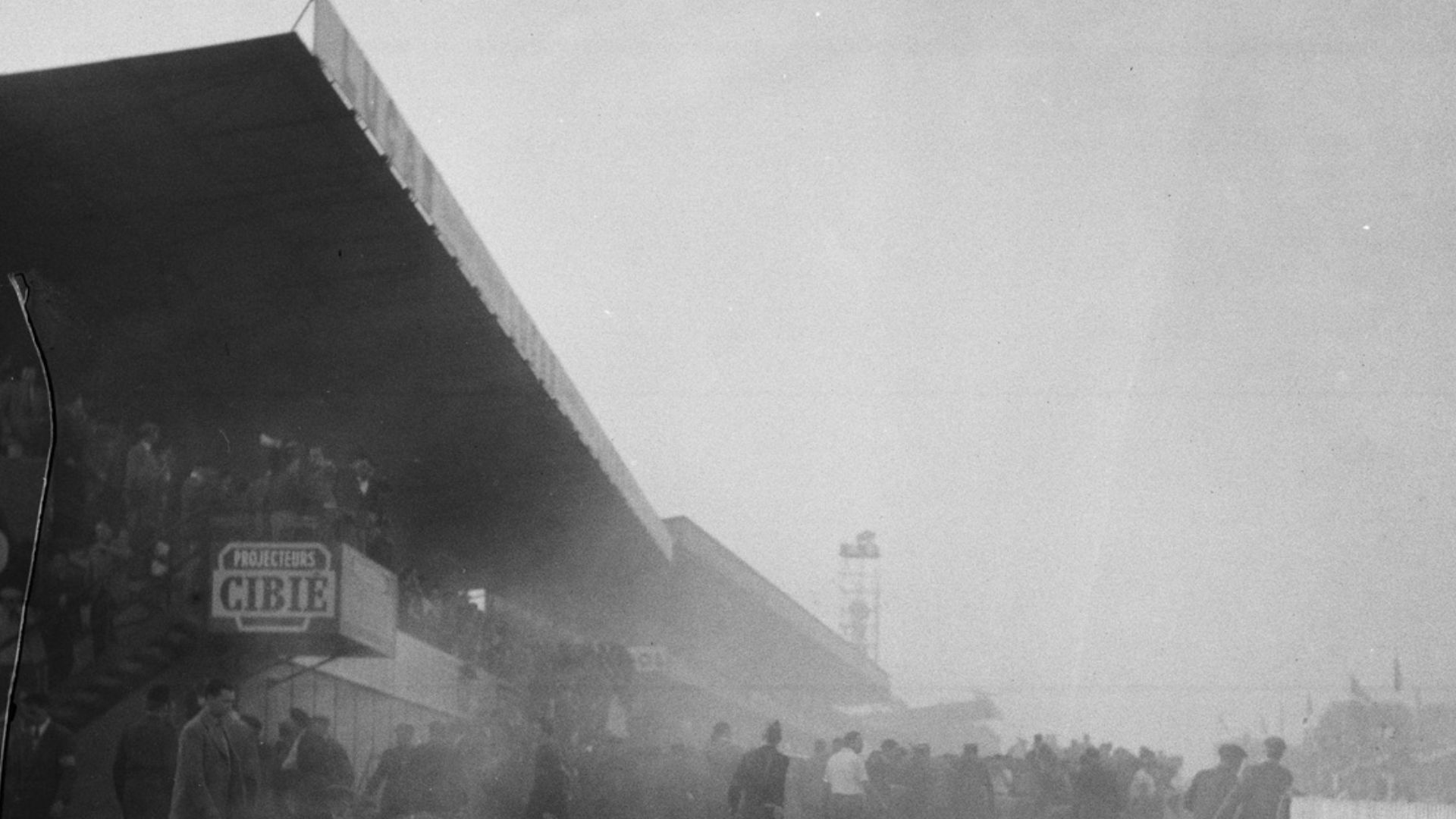 Geoff Charles, Wikimedia Commons
Pierre Levegh Was Killed Instantly
Levegh was thrown from the car and perished in the crash. He was 49 years old. His death alone would have been a tragedy. But the scale of the disaster around him made the moment almost impossible to comprehend.
The Crowd Became The Center Of The Horror
The most devastating part of the disaster was not just that a driver had died, it was that so many spectators were killed and injured. Families, friends, and ordinary racing fans had been standing in what they believed was a viewing area. In seconds, it became a scene of mass devastation.
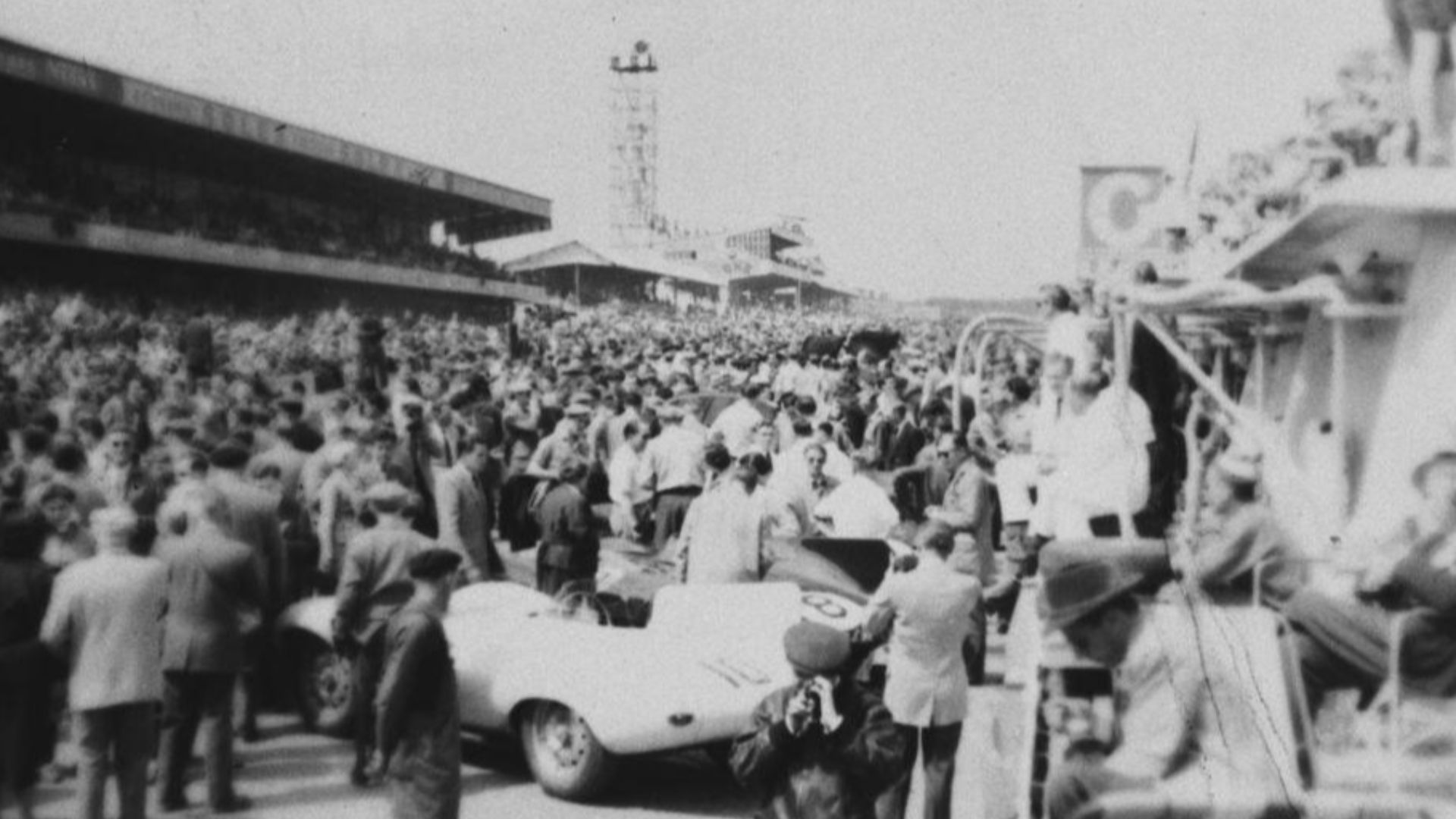 Geoff Charles, Wikimedia Commons
At Least 82 People Lost Their Lives
The exact number of fatalities has been reported slightly differently over time, but the disaster led to the demise of around 82 people total, including Levegh and at least 81 spectators. Some accounts give totals of 83 or 84 deaths, and more than 100 others were injured. It remains the deadliest crash in motorsport history.
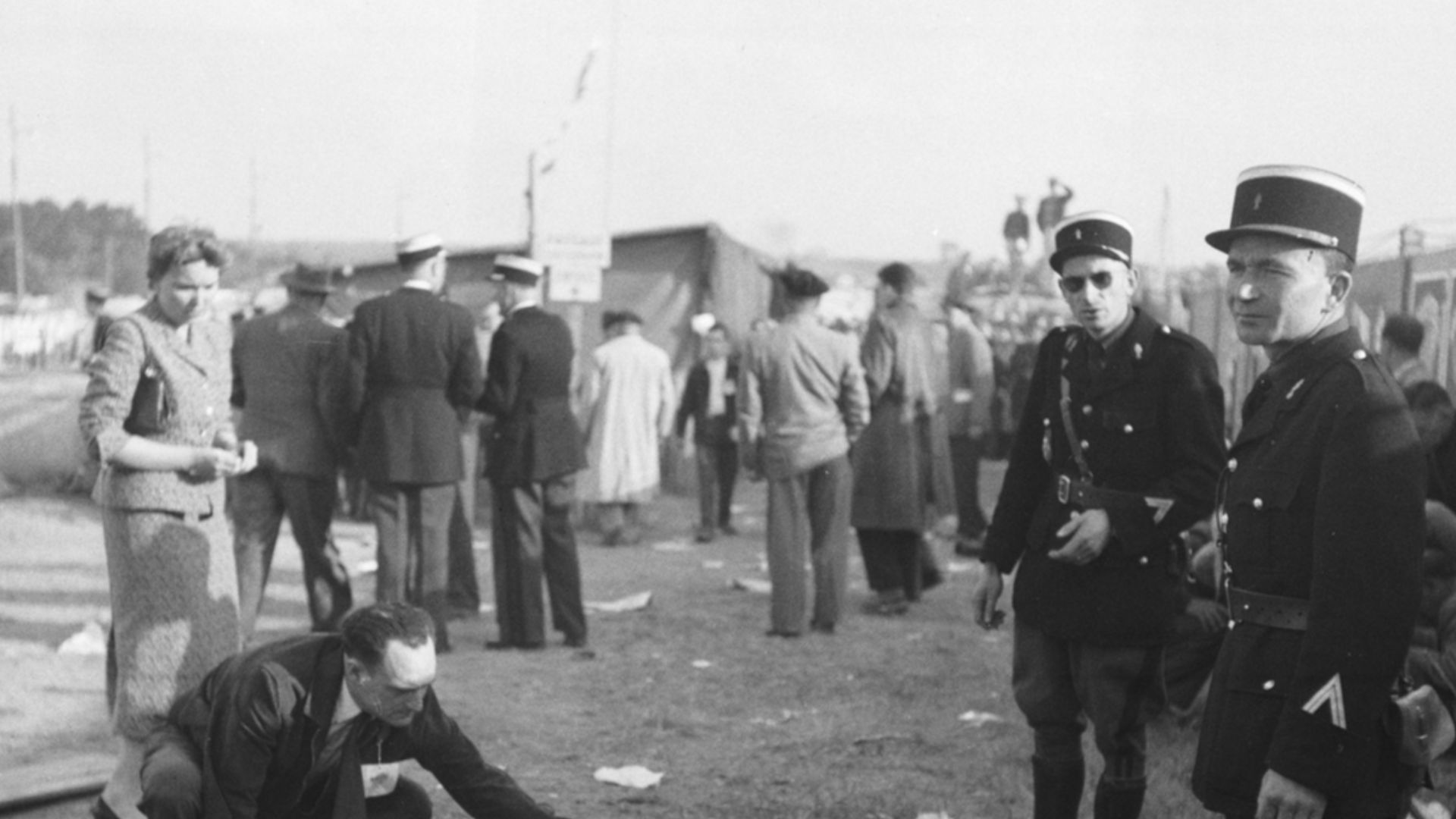 Geoff Charles, Wikimedia Commons
The Race Horrifyingly Continued
One of the most controversial decisions came after the crash: the race was not immediately stopped. Organizers later argued that keeping the race going helped prevent roads from being clogged by departing spectators, allowing ambulances to reach hospitals. Still, the image of racing continuing after mass death remains deeply disturbing.
 Geoff Charles, Wikimedia Commons
Jaguar Went On To Win
Mike Hawthorn and Jaguar ultimately won the 1955 race. That victory has always carried a shadow because of the tragedy that occurred earlier. The result remains part of Le Mans history, but it can never be separated from the deaths on the pit straight.
Blame Became Bitter And Complicated
In the aftermath, people argued over who was responsible. Some blamed Hawthorn’s move toward the pits. Others focused on Macklin’s swerve, Levegh’s speed, the Mercedes design, or the circuit itself. The official inquiry ultimately did not assign criminal blame to a single driver.
The Track Was The Real Indictment
Over time, the disaster came to represent more than one racing accident. It exposed the gap between modern racing speed and outdated safety standards. The pit layout, the spectator protection, and the closeness between fans and cars all came under scrutiny.
 Geoff Charles, Wikimedia Commons
The World Reacted With Shock
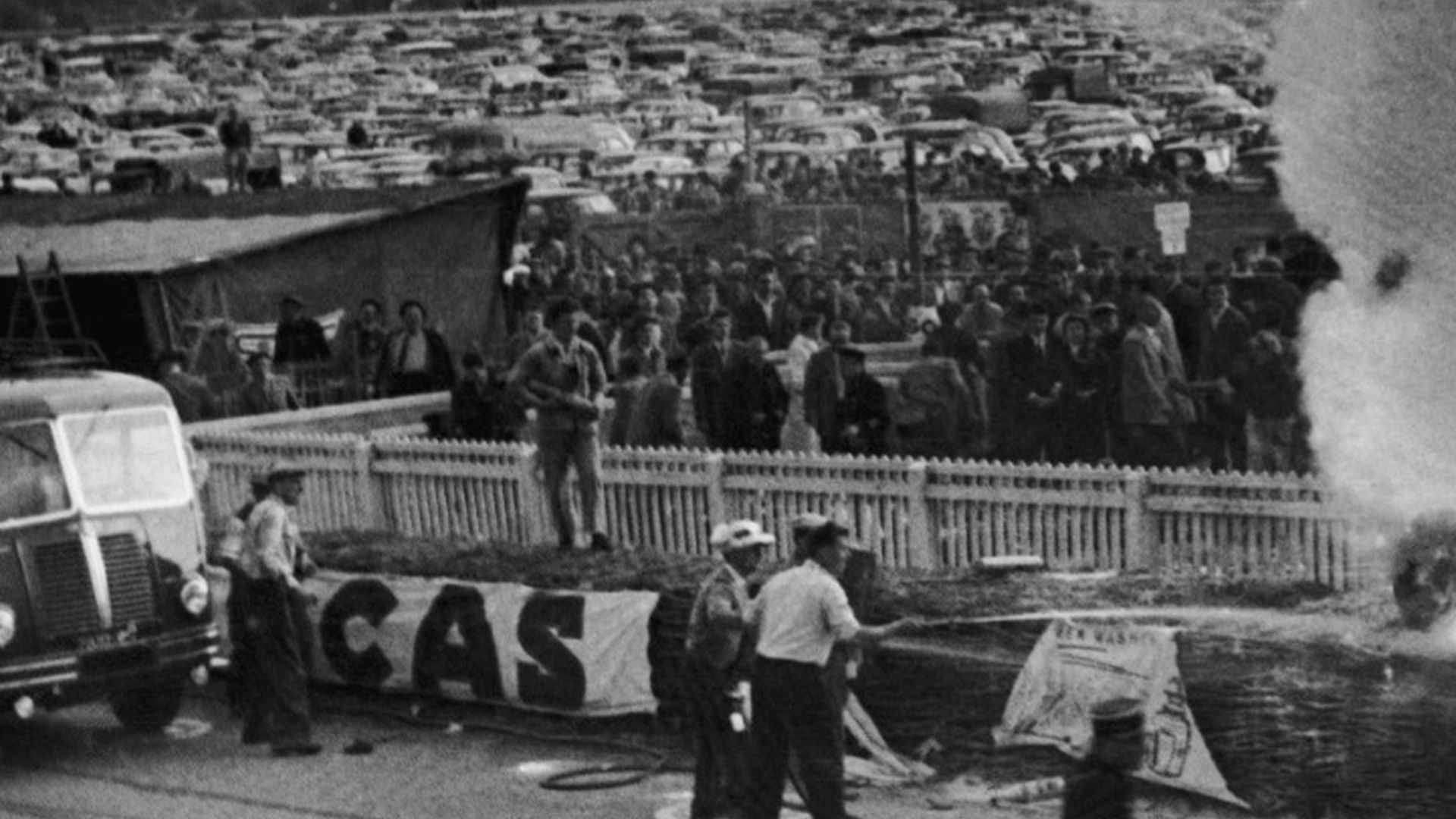
The scale of the disaster sent shockwaves far beyond France. Motor racing was temporarily banned or suspended in several countries while officials reconsidered safety standards. Switzerland’s ban on circuit racing lasted for decades, showing how deeply the tragedy changed public attitudes toward the sport.
 Jimmy Prickett, Wikimedia Commons
Mercedes Left Factory Racing After 1955
Mercedes-Benz withdrew from factory motorsport after the 1955 season. The Le Mans disaster became forever linked to that decision, though the company’s end-of-season withdrawal was also connected to broader production and development priorities. Either way, the tragedy marked the end of a dominant chapter in Mercedes racing history.
Le Mans Had To Change
The Circuit de la Sarthe underwent safety changes after the tragedy, including alterations around the pit and spectator areas. The disaster forced organizers to confront the fact that speed alone could no longer define racing. Survival, barriers, spacing, and emergency planning had to become part of the sport’s future.
Racing Could Never Be Innocent Again
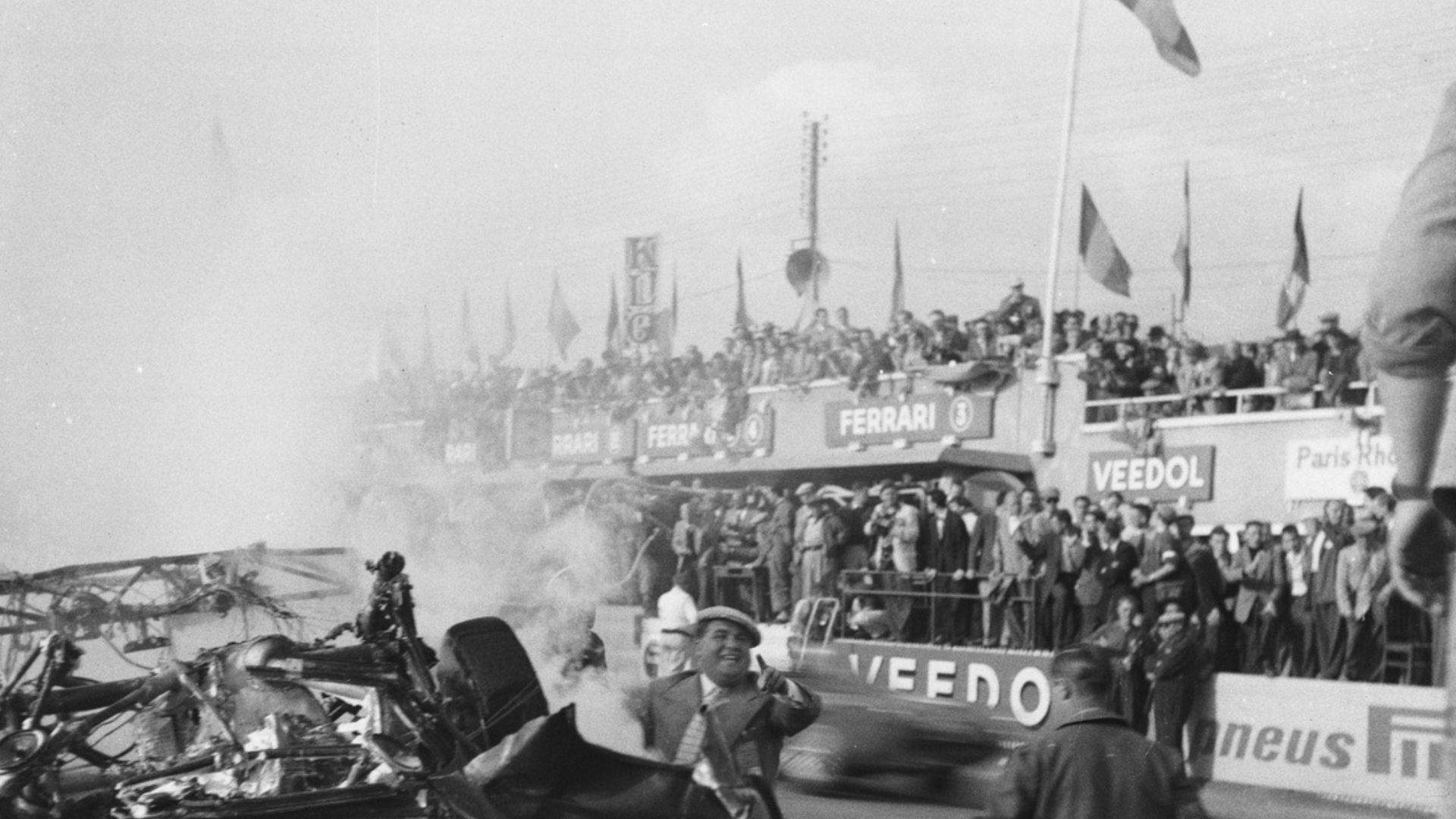
Before 1955, danger was often treated as part of racing’s glamor. Drivers were brave, machines were beautiful, and spectators accepted risk as part of the spectacle. After Le Mans, that attitude became harder to defend. The cost had been measured in bodies, families, and grief.
 Geoff Charles, Wikimedia Commons
The Victims Must Stay At The Center
The 1955 Le Mans disaster is often discussed through famous drivers, famous teams, and technical details. But the heart of the story is the spectators who lost their lives while watching a race. They were not part of the competition. They were people who had come for excitement and never went home.
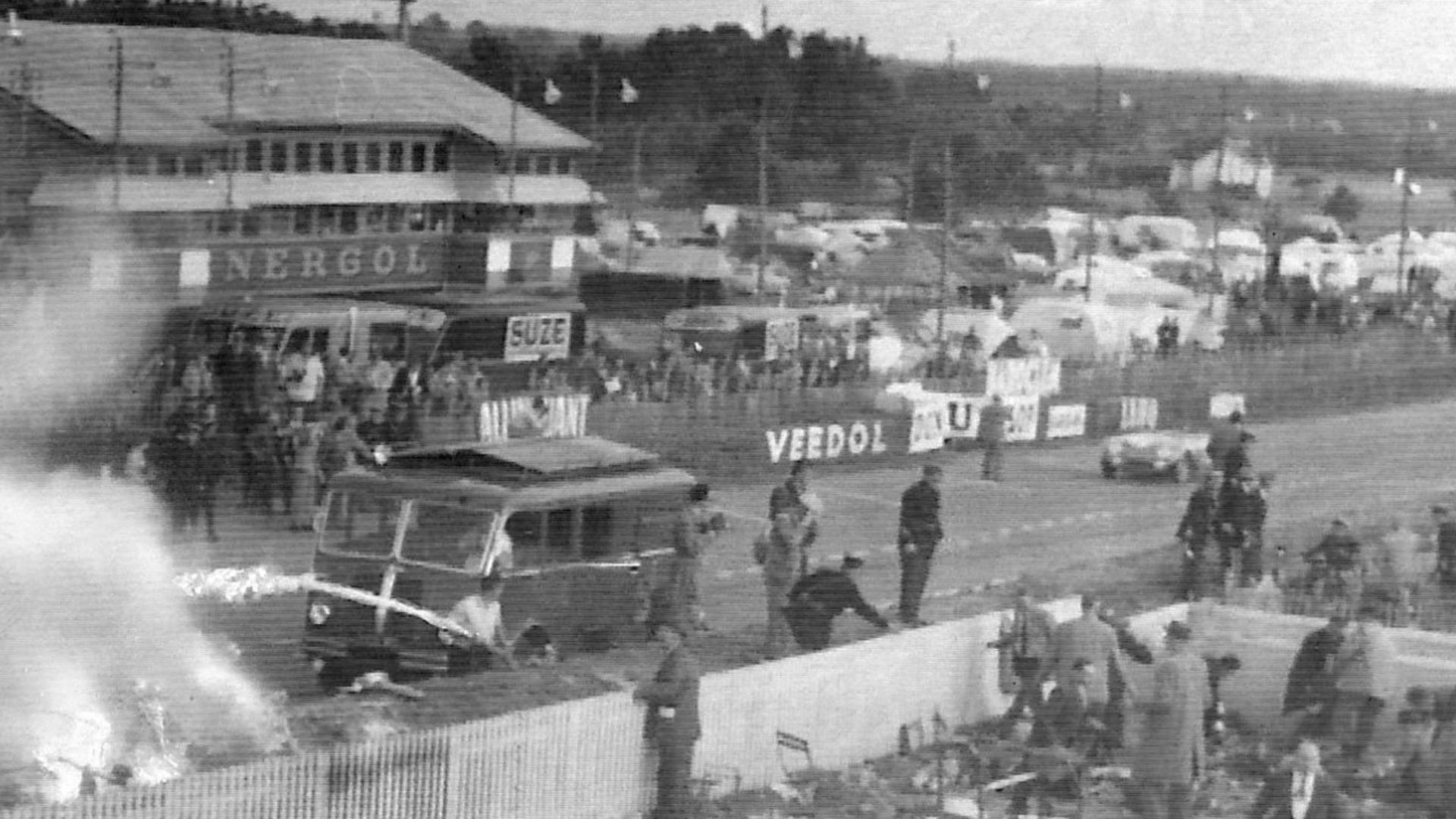 Geoffrey Charles/Daily Mirror - Distributed by the Associated Press, Wikimedia Commons
Racing’s Most Horrifying Day
The 1955 Le Mans disaster remains the most horrifying day in racing history because it revealed, in the cruelest possible way, how unprepared the sport was for its own speed. A single chain reaction killed at least 82 people, changed motorsport safety forever, and left a wound that Le Mans can never fully escape.
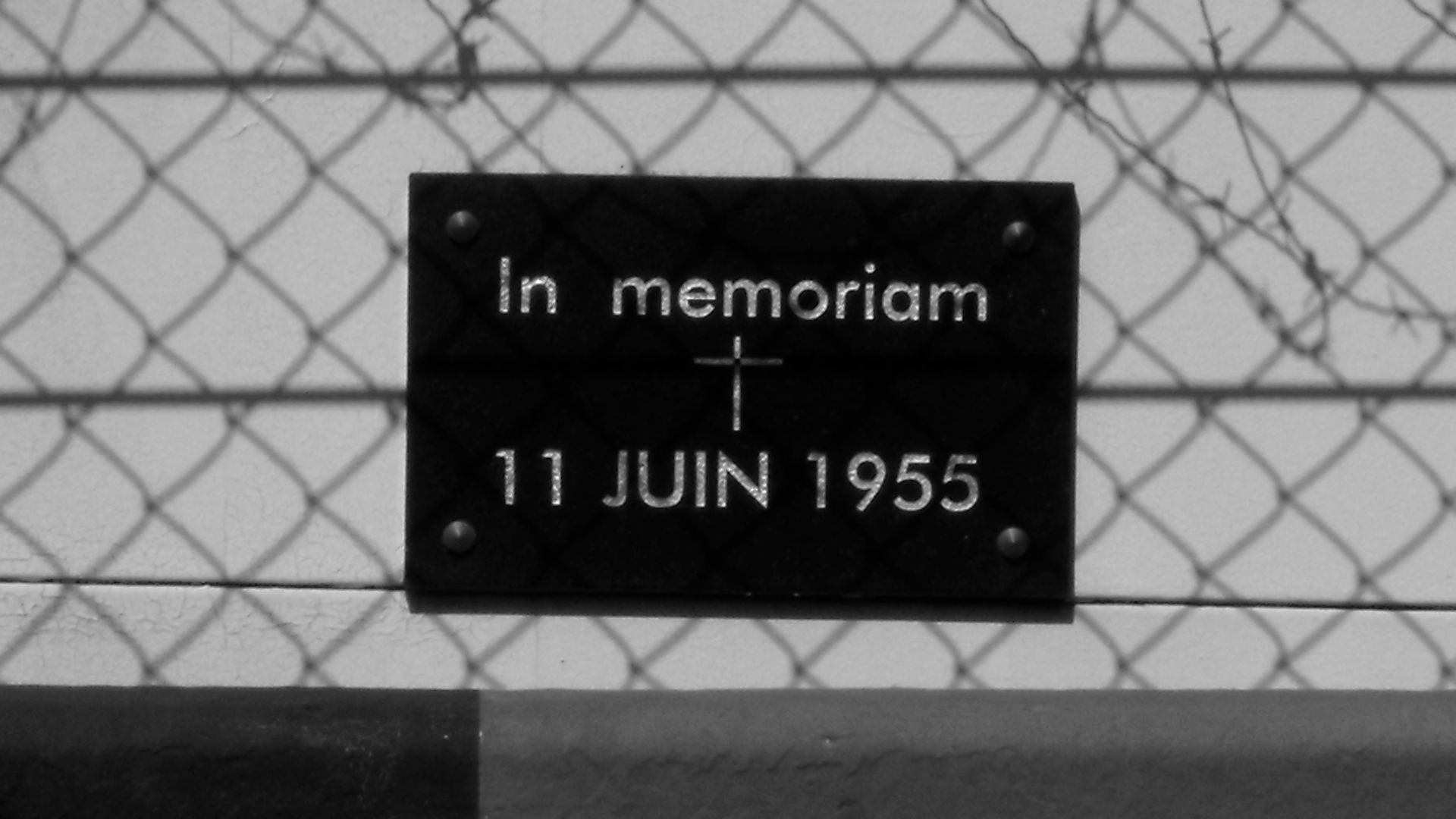 Stevingtonian, Wikimedia Commons
You May Also Like:
Ken Miles Helped Ford Beat Ferrari—But Never Lived To See His Greatest Legacy
Why Juan Manuel Fangio Is Still Formula One's Greatest Benchmark
Bruce McLaren Died At Just 32 In A Tragic Test Drive Crash—And His Legacy Changed Racing Forever