
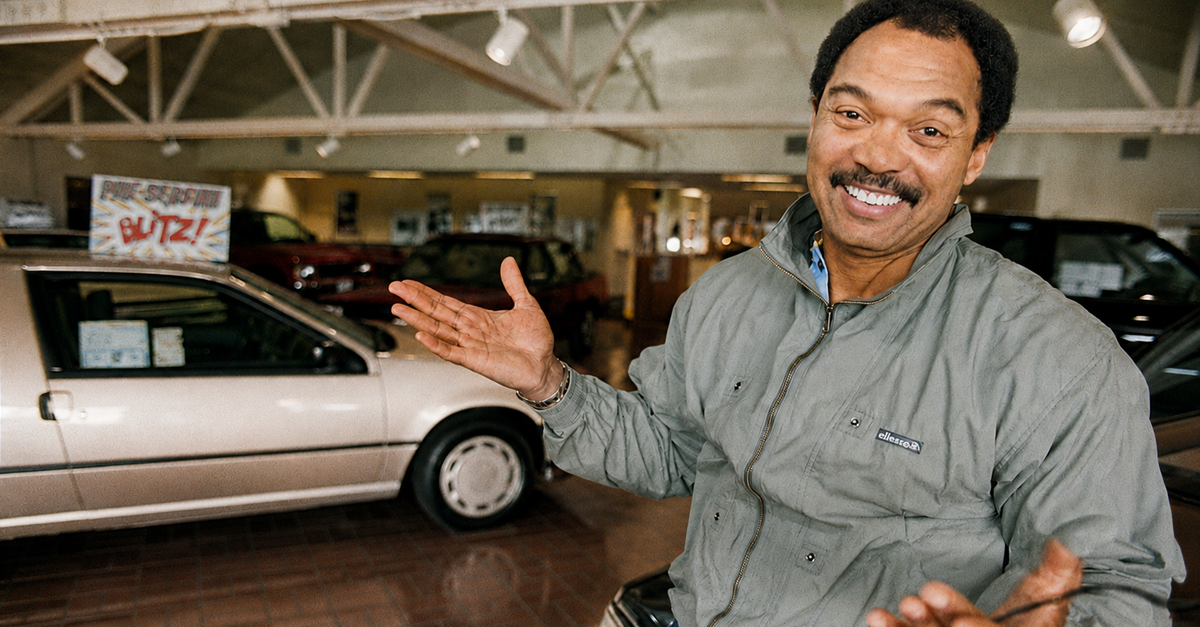
Mr. October Had Another Major-League Passion
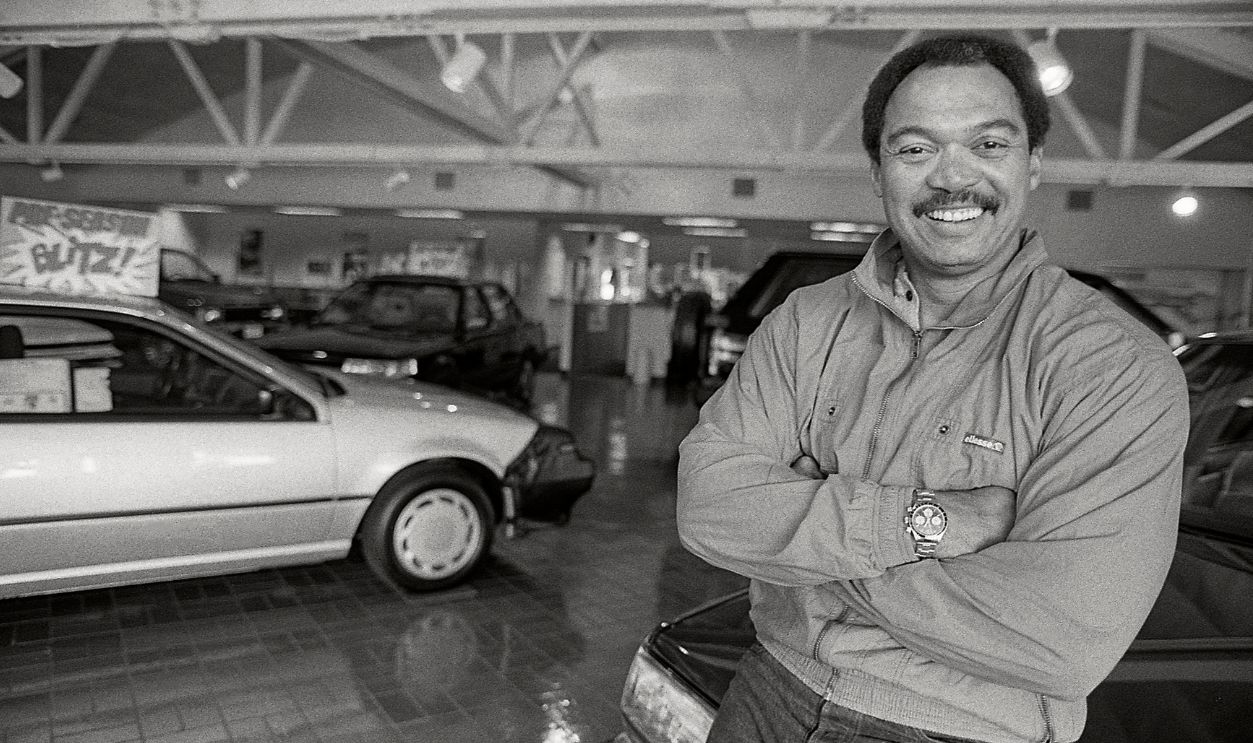
Reggie Jackson earned his famous nickname by delivering some of baseball’s most memorable postseason performances. He hit 563 career home runs, won five World Series championships, and entered the Baseball Hall of Fame in 1993. Away from the ballpark, Jackson built an equally impressive reputation as a serious collector of performance cars.
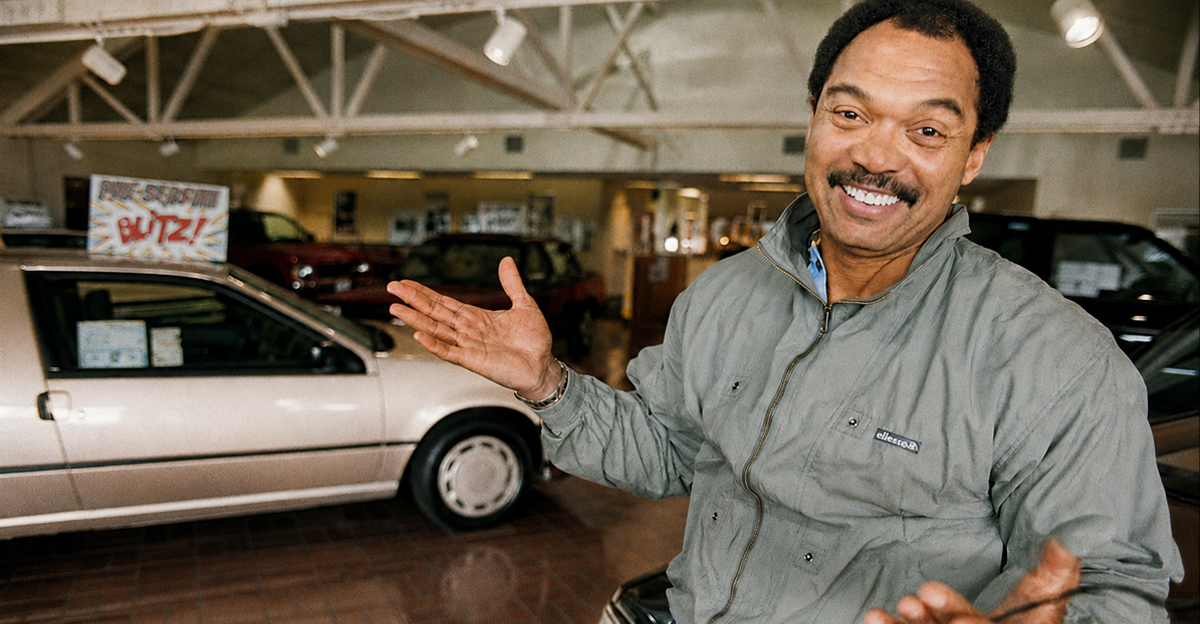 Bromberger Hoover Photography, Getty Images
His Automotive Education Started Early
Jackson’s interest in cars began while he was growing up in Pennsylvania. He and his brothers reportedly competed to identify passing vehicles by make, model, and year, with ice cream awaiting the winner. That childhood game helped develop the detailed automotive knowledge that later shaped his collection.
 Unknown authorUnknown author, Wikimedia Commons
This Was Much More Than Celebrity Shopping
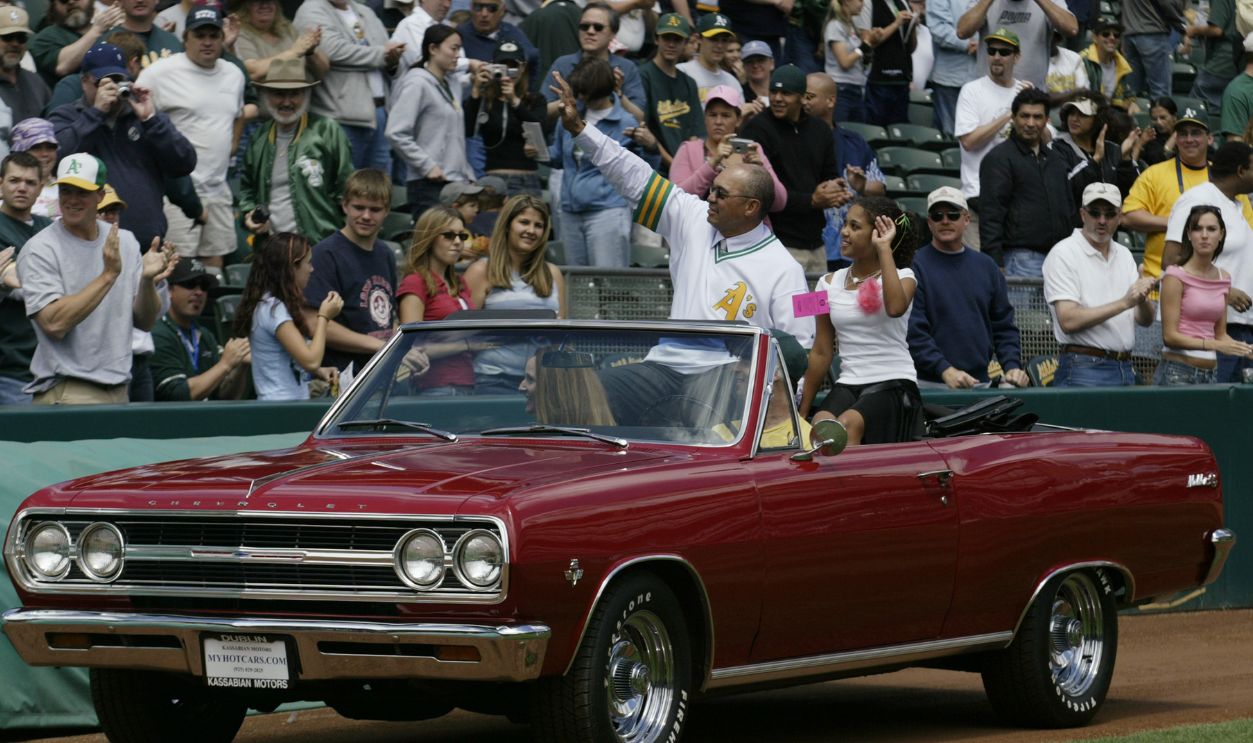
At its peak, Jackson’s collection reportedly contained roughly 100 vehicles. He favored historically significant muscle cars, desirable factory options, low-mileage survivors, and carefully restored examples. His garage also included European sports cars, proving that his enthusiasm extended beyond Detroit machinery.
A Fire Destroyed Irreplaceable Favorites
In August 1988, a warehouse fire in Berkeley, California, destroyed as many as 35 cars from Jackson’s collection. The lost vehicles represented approximately one-quarter of the collection and were valued at around $1 million at the time. Jackson continued collecting afterward, but several deeply personal cars could never truly be replaced.
 Bromberger Hoover Photography, Getty Images
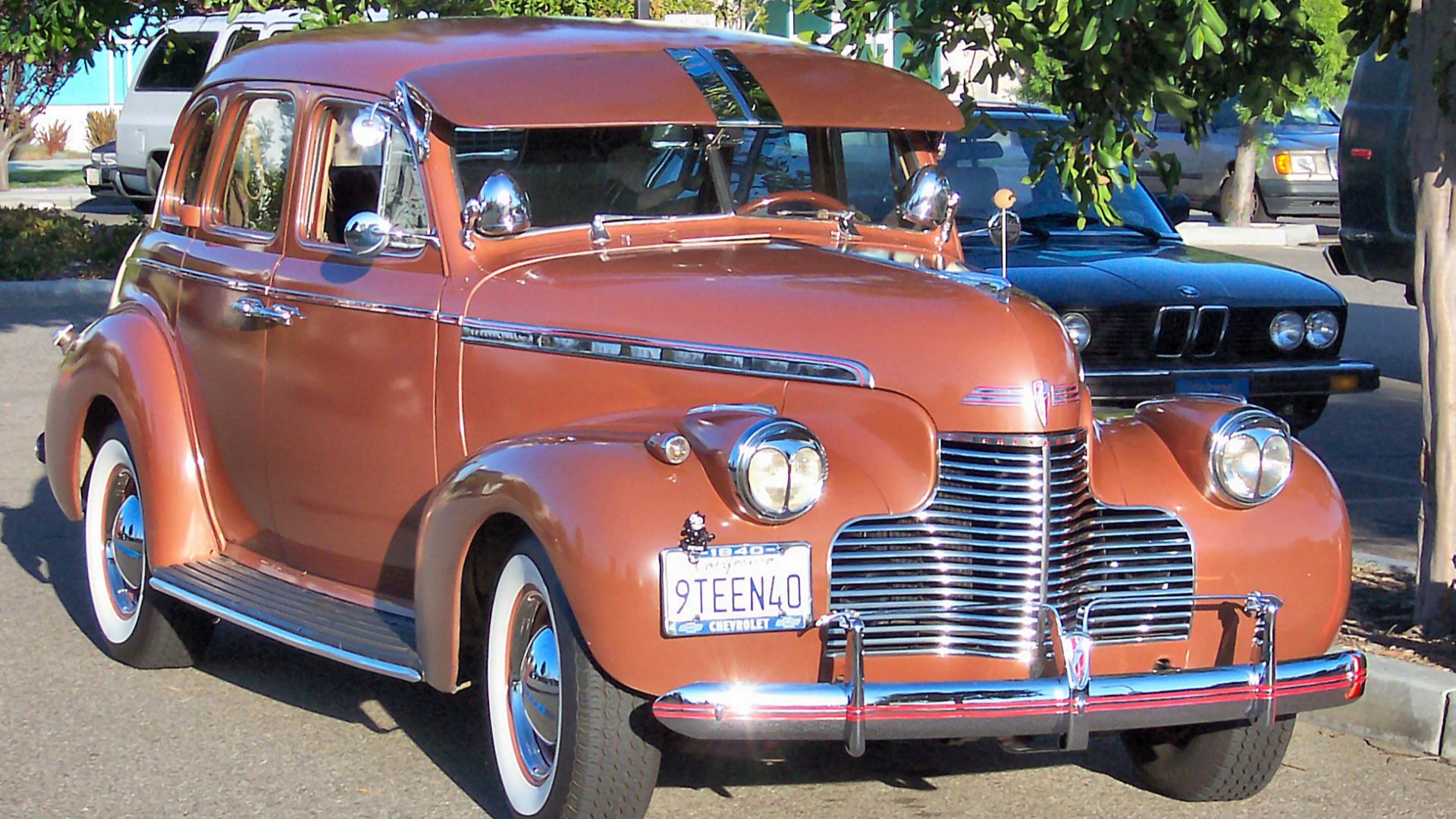
1940 Chevrolet
Jackson purchased this 1940 Chevrolet in 1971 for $300 and a television set. It became the starting point for the remarkable collection that followed. Unfortunately, the Chevrolet was among the cars destroyed in the 1988 warehouse fire.
 User:Morven, Wikimedia Commons
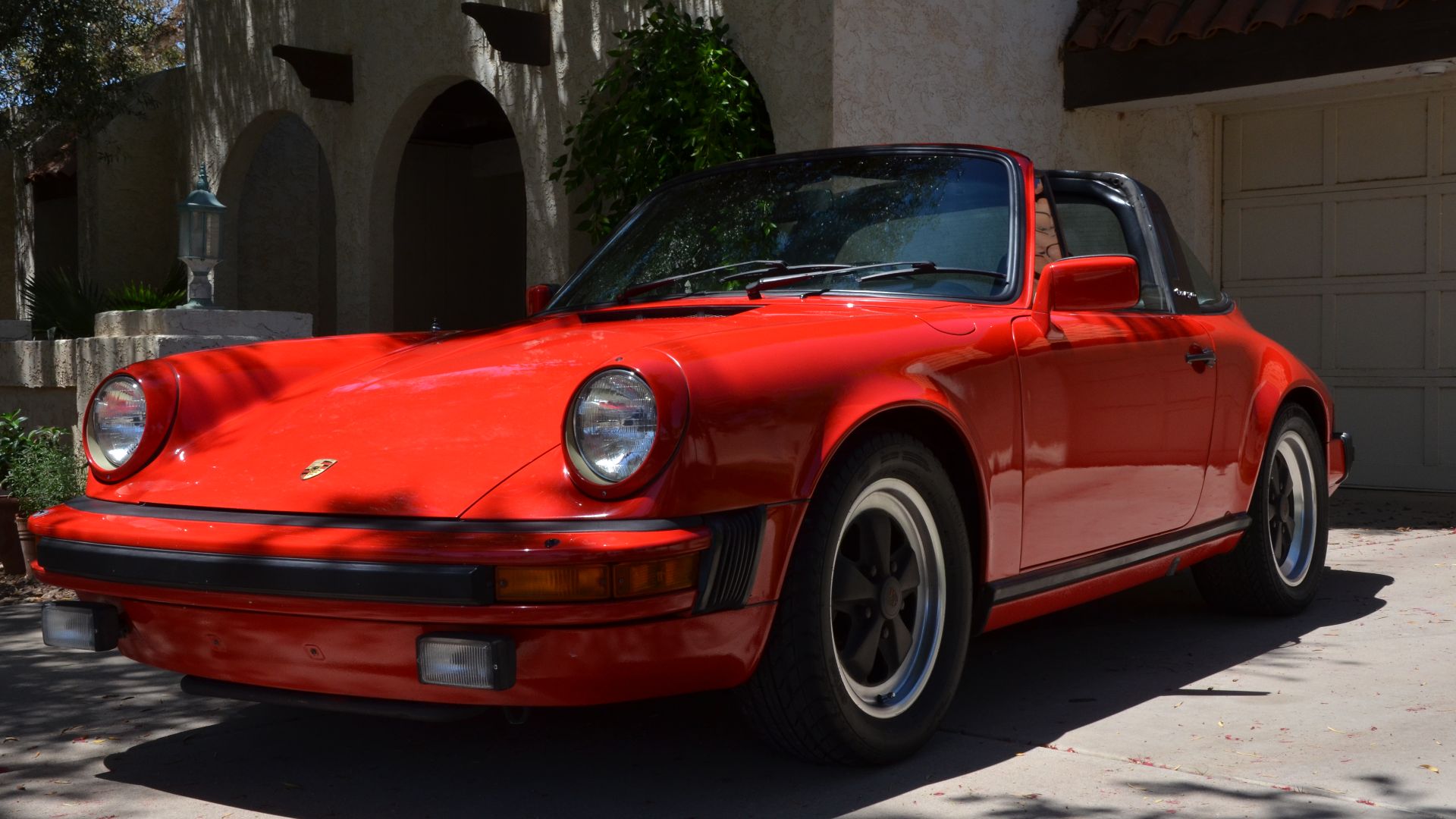
1983 Porsche 911 Targa
The California Angels presented Jackson with a Porsche 911 Targa after he led the American League in home runs during the 1982 season. That personal connection made the car more meaningful than an ordinary showroom purchase. It was also lost in the Berkeley fire, making it one of the collection’s most painful casualties.
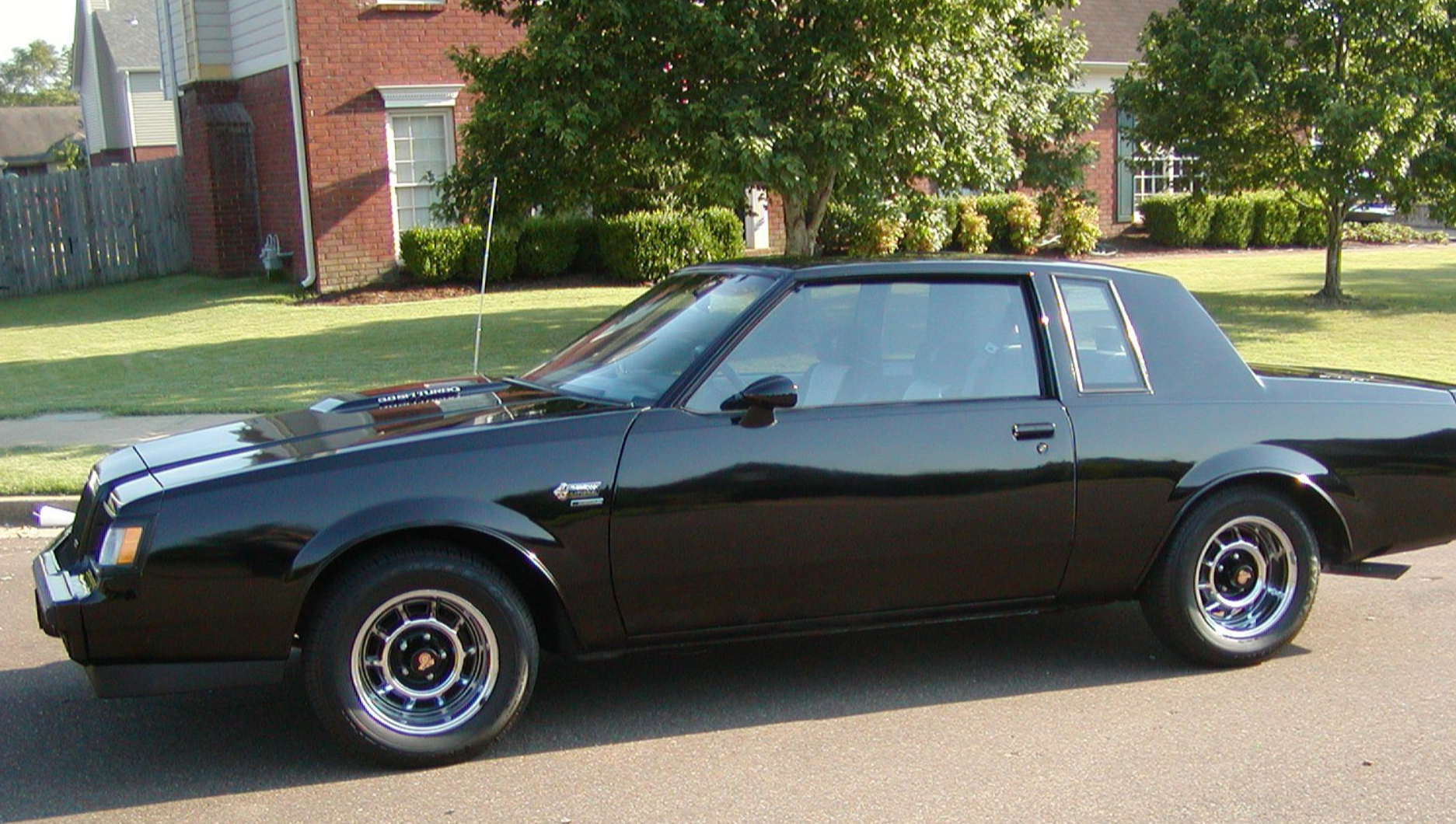
1987 Buick Grand National
Jackson’s Buick Grand National had reportedly covered only 180 miles when the fire occurred. The turbocharged Buick was already recognized as one of the most desirable American performance cars of the 1980s. Its extremely low mileage made its destruction especially unfortunate.
 MeanBuicks at English Wikipedia, Wikimedia Commons
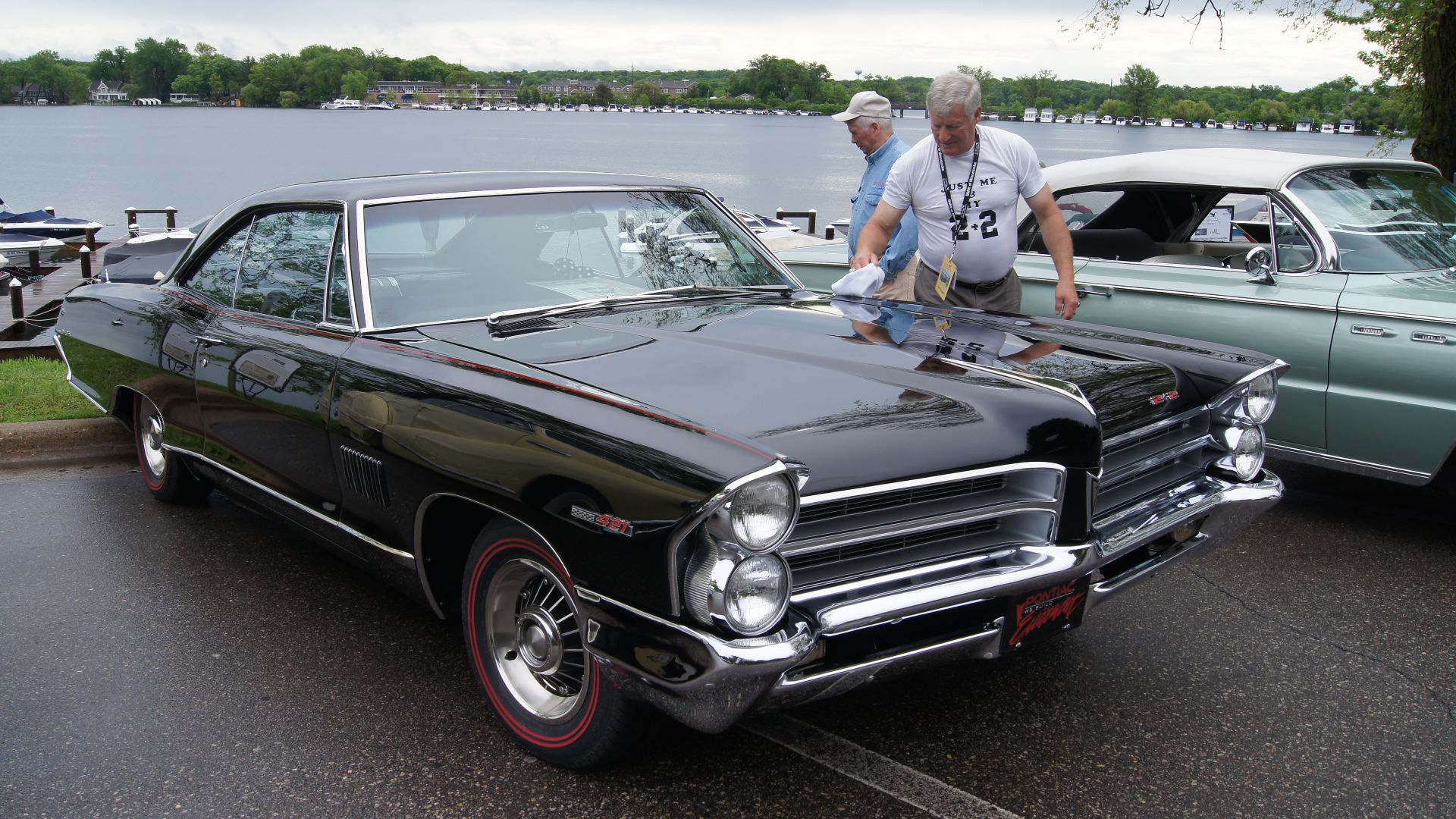
1965 Pontiac Catalina 421
Jackson bought a 1965 Pontiac Catalina 421 after signing his first professional baseball contract in 1966. His deal reportedly included a $95,000 signing bonus. With a 421-cubic-inch V8 producing a factory-rated 338 horsepower, the Pontiac became an early expression of his growing automotive passion.
 Greg Gjerdingen from Willmar, Wikimedia Commons
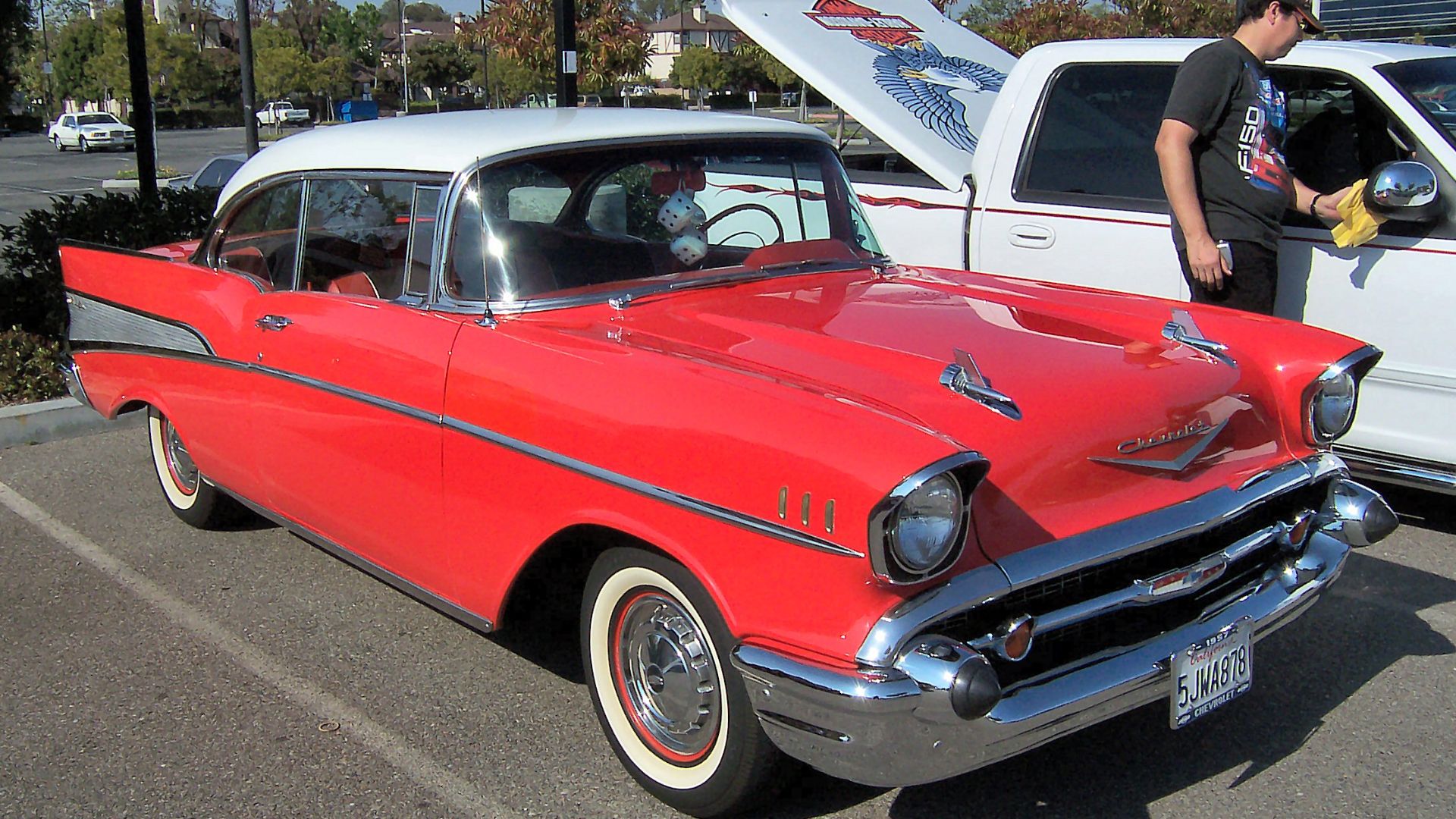
1957 Chevrolet Bel Air Fuelie
Jackson owned a 1957 Chevrolet Bel Air equipped with Chevrolet’s fuel-injected 283-cubic-inch V8. The engine was rated at one horsepower per cubic inch, an impressive achievement for a regular-production American car in 1957. Its combination of glamorous styling and advanced period performance makes it a tempting all-around choice.
 User:Morven, Wikimedia Commons
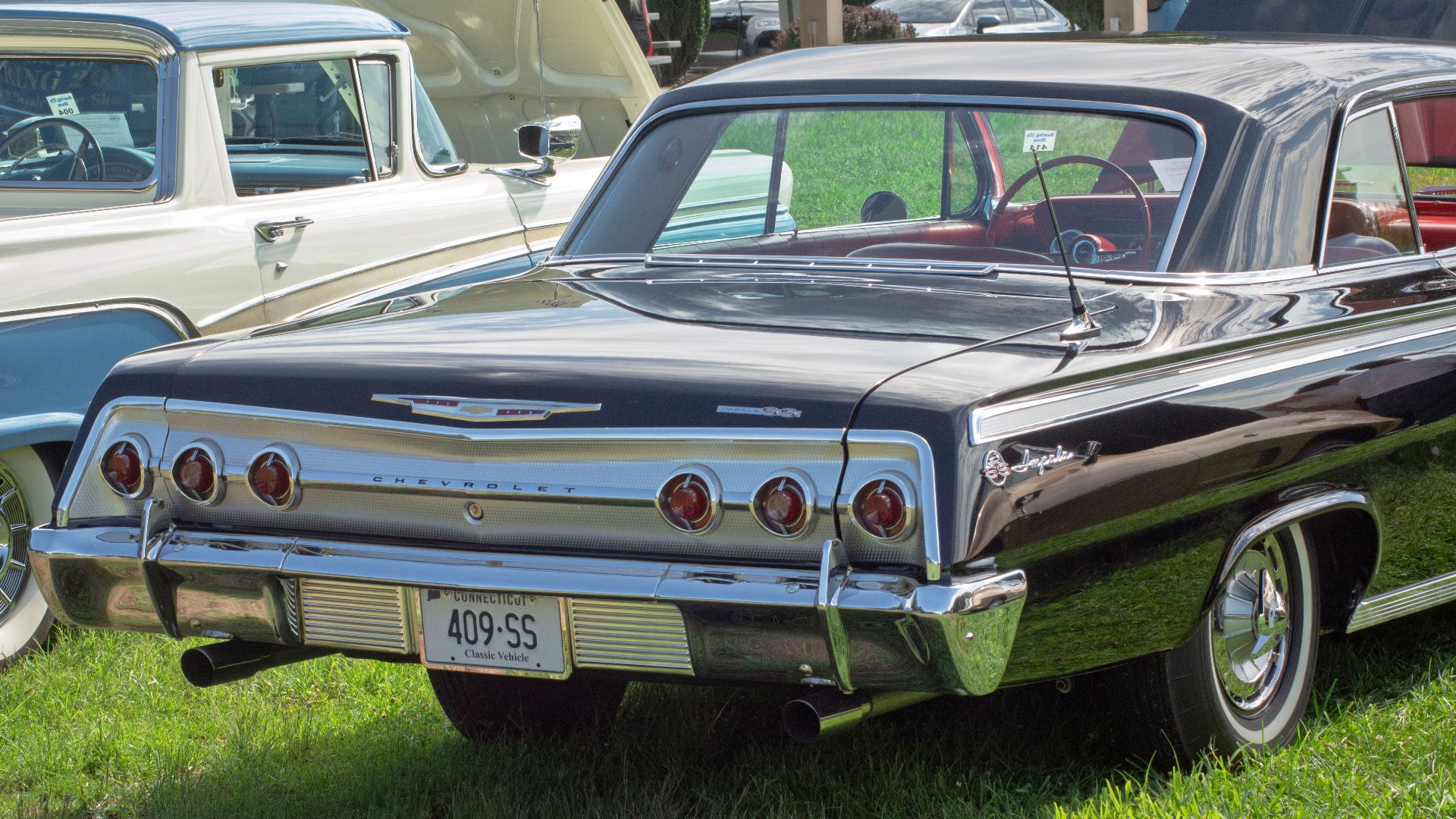
1962 Chevrolet Impala 409
Few engines are more closely associated with early American muscle than Chevrolet’s 409. Jackson’s collection included a 1962 Impala powered by the famous big-block V8. This would be the pick for anyone who wants full-size cruising comfort accompanied by an unmistakable muscle-car soundtrack.
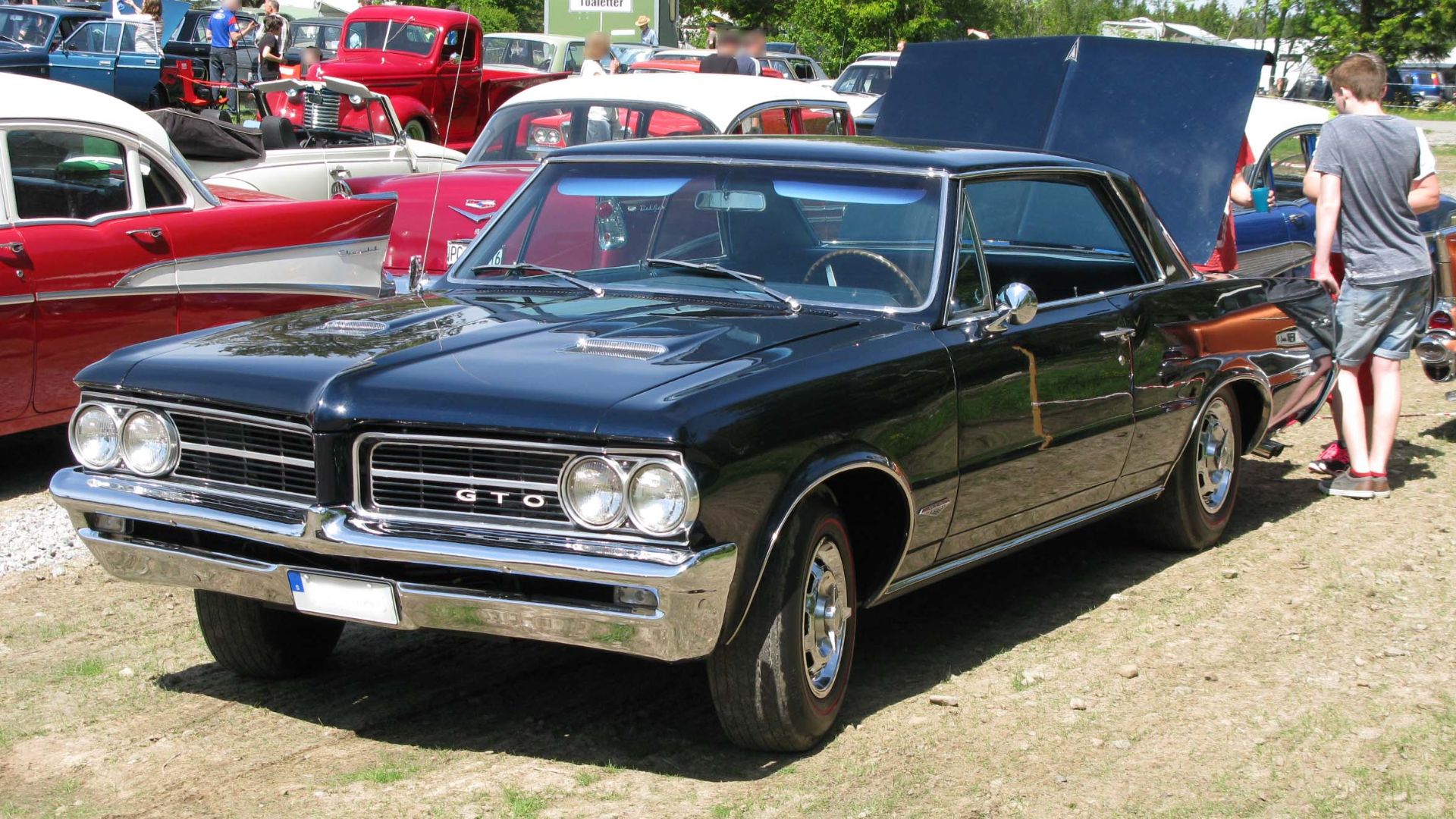
1964 Pontiac GTO
Jackson’s 1964 Pontiac GTO came from the model’s first production year. It also wore a personalized “MR OCTBR” license plate that connected the car directly to its famous owner. The combination of first-year GTO history and Jackson provenance gives this Pontiac enormous personality.
 Herranderssvensson, Wikimedia Commons
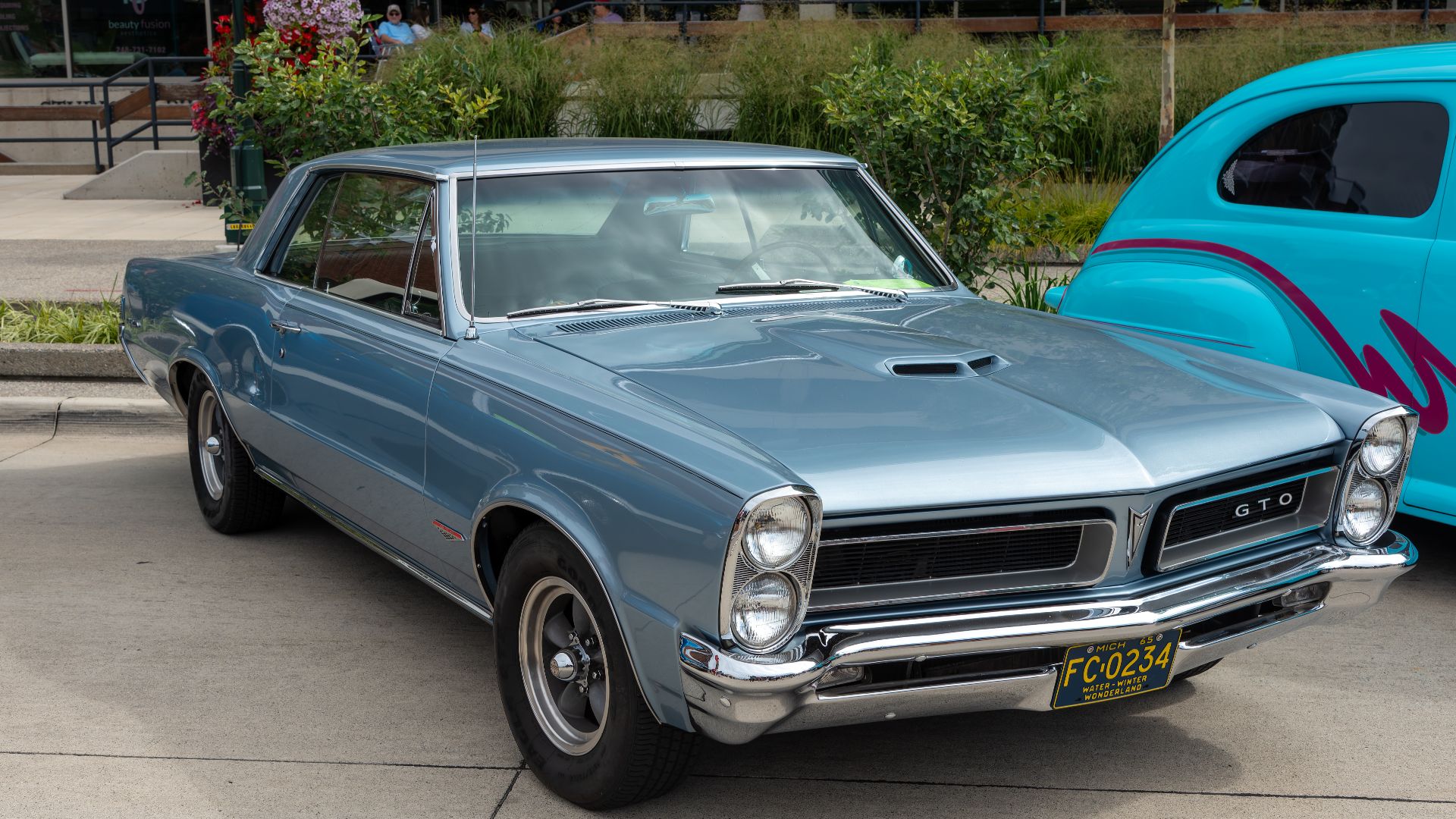
1965 Pontiac GTO
Another GTO offered from Jackson’s collection was a burgundy 1965 model with a black interior. Its 389-cubic-inch V8 was rated at 360 horsepower and connected to a four-speed manual transmission through a Hurst shifter. It offers the straightforward formula that made the early GTO a muscle-car landmark.
 Mustang Joe, Wikimedia Commons
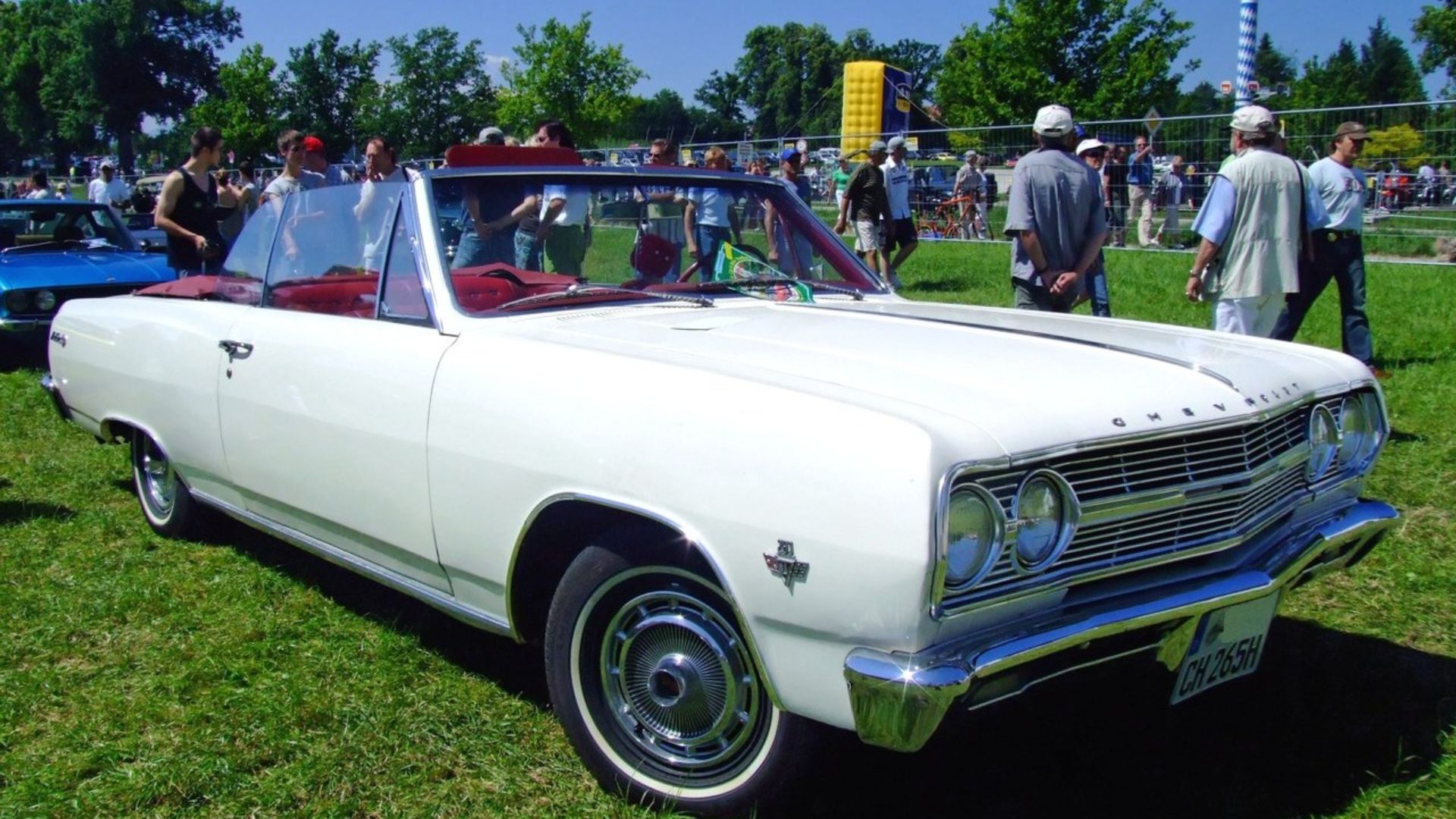
1965 Chevrolet Malibu Convertible
Jackson’s blue 1965 Malibu convertible reportedly showed only about 11,000 original miles when it was offered by Mecum in 2018. Beneath the hood was a 327-cubic-inch V8 rated at 350 horsepower, paired with a four-speed manual transmission. It combines open-air cruising with enough power to keep the experience genuinely exciting.
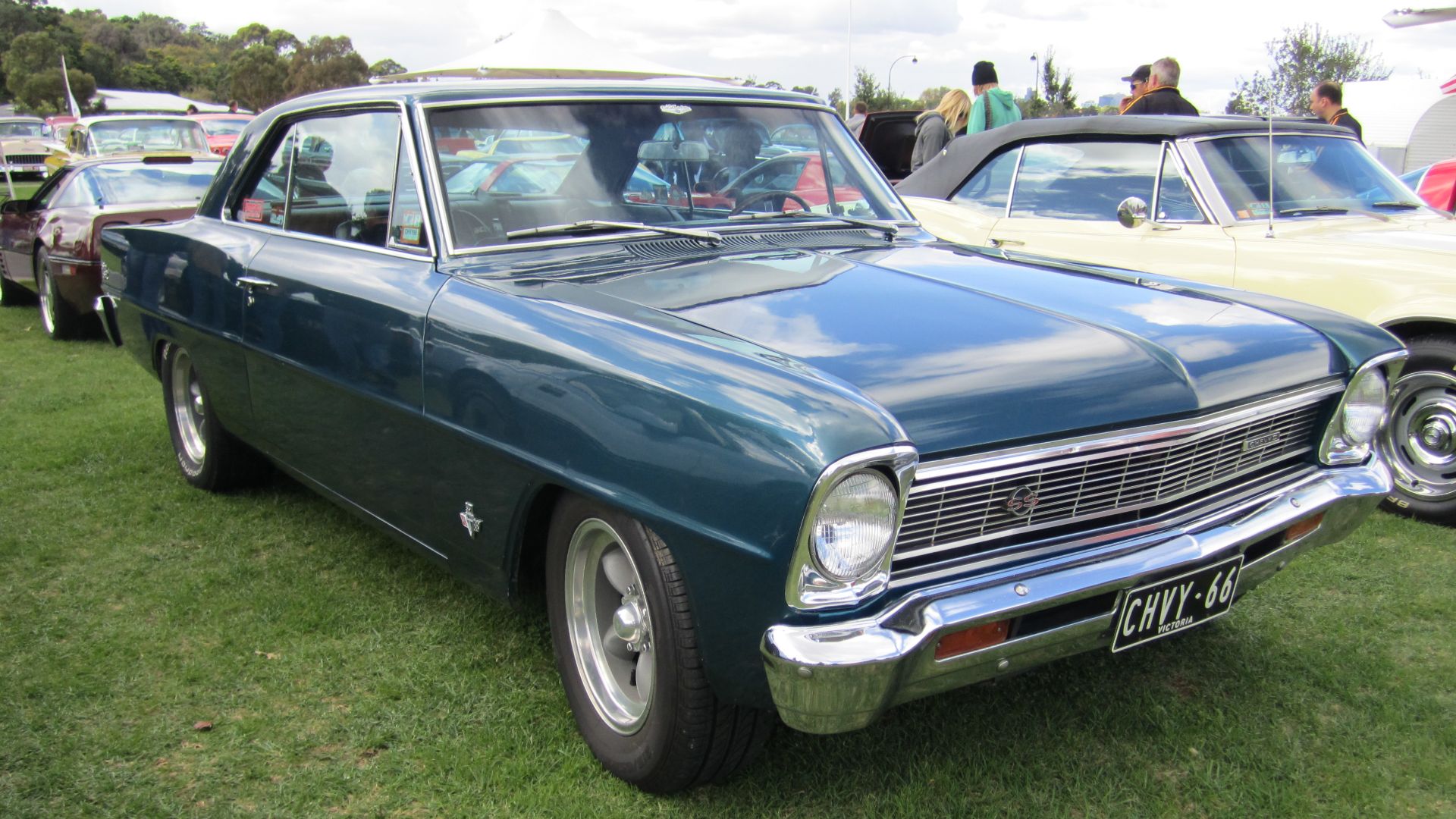
1966 Chevrolet Nova SS
A 1966 Chevrolet Nova SS was another compact Chevrolet selected for Jackson’s collection. The Nova’s tidy dimensions and restrained styling gave it a different character from the larger Chevelles and Impalas surrounding it. For enthusiasts who prefer light, uncomplicated muscle cars, the Nova would be difficult to overlook.
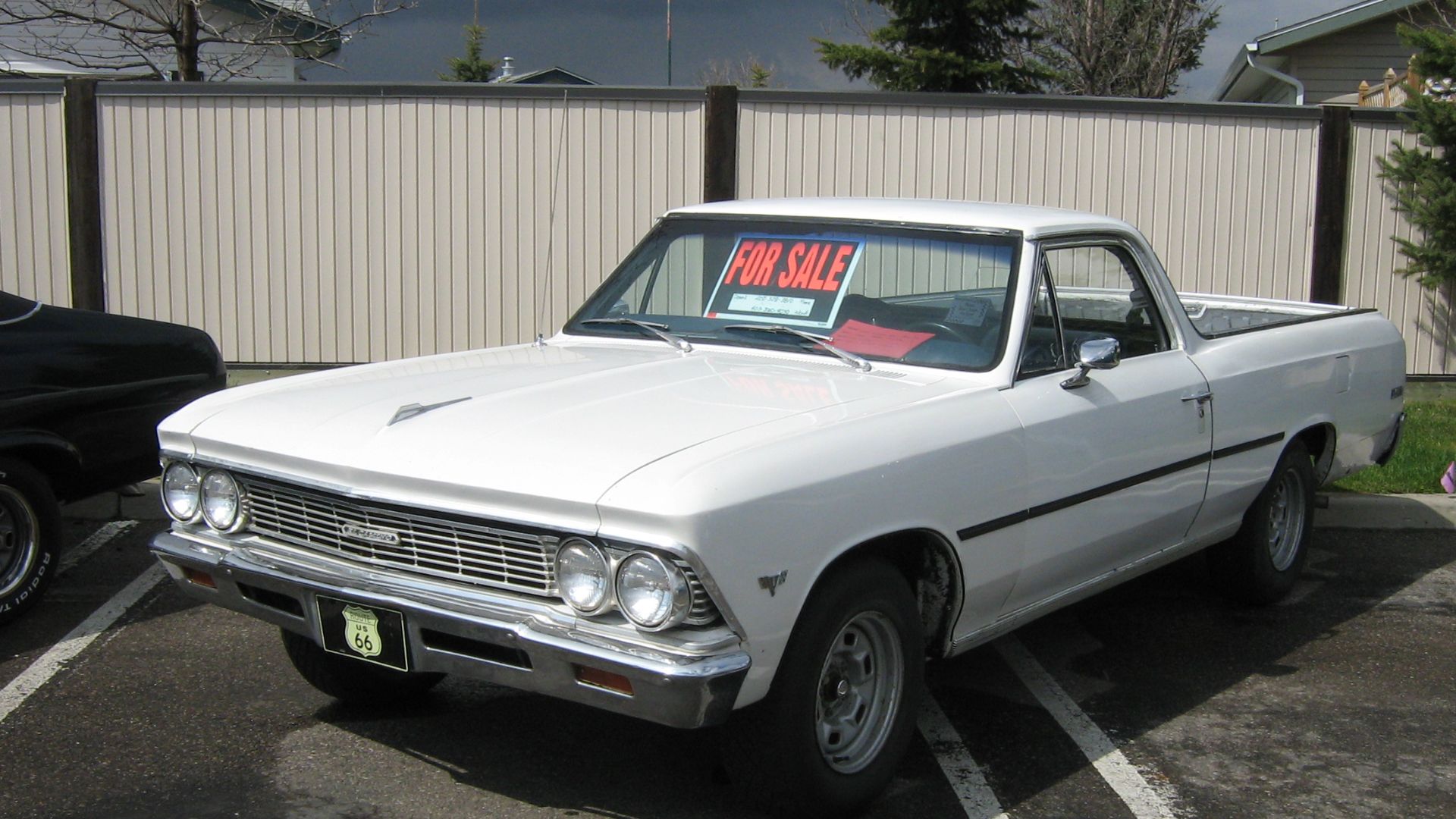
1966 Chevrolet El Camino
Jackson also owned a 1966 Chevrolet El Camino, blending muscle-car styling with the usefulness of a pickup bed. Its presence showed that he appreciated distinctive body styles alongside traditionally collectible coupes and convertibles. It might be the most practical choice in the collection, although practicality is clearly relative here.
 dave_7 from Lethbridge, Canada, Wikimedia Commons
1967 Chevrolet Camaro Z28
Jackson’s Marina Blue 1967 Camaro Z28 was one of only 602 Z28s produced during the Camaro’s first model year. Its 302-cubic-inch V8 carried a factory rating of 290 horsepower and was paired with a Muncie four-speed transmission. Documentation included the original window sticker, invoice, and Protect-O-Plate when Mecum offered the restored car in 2018.
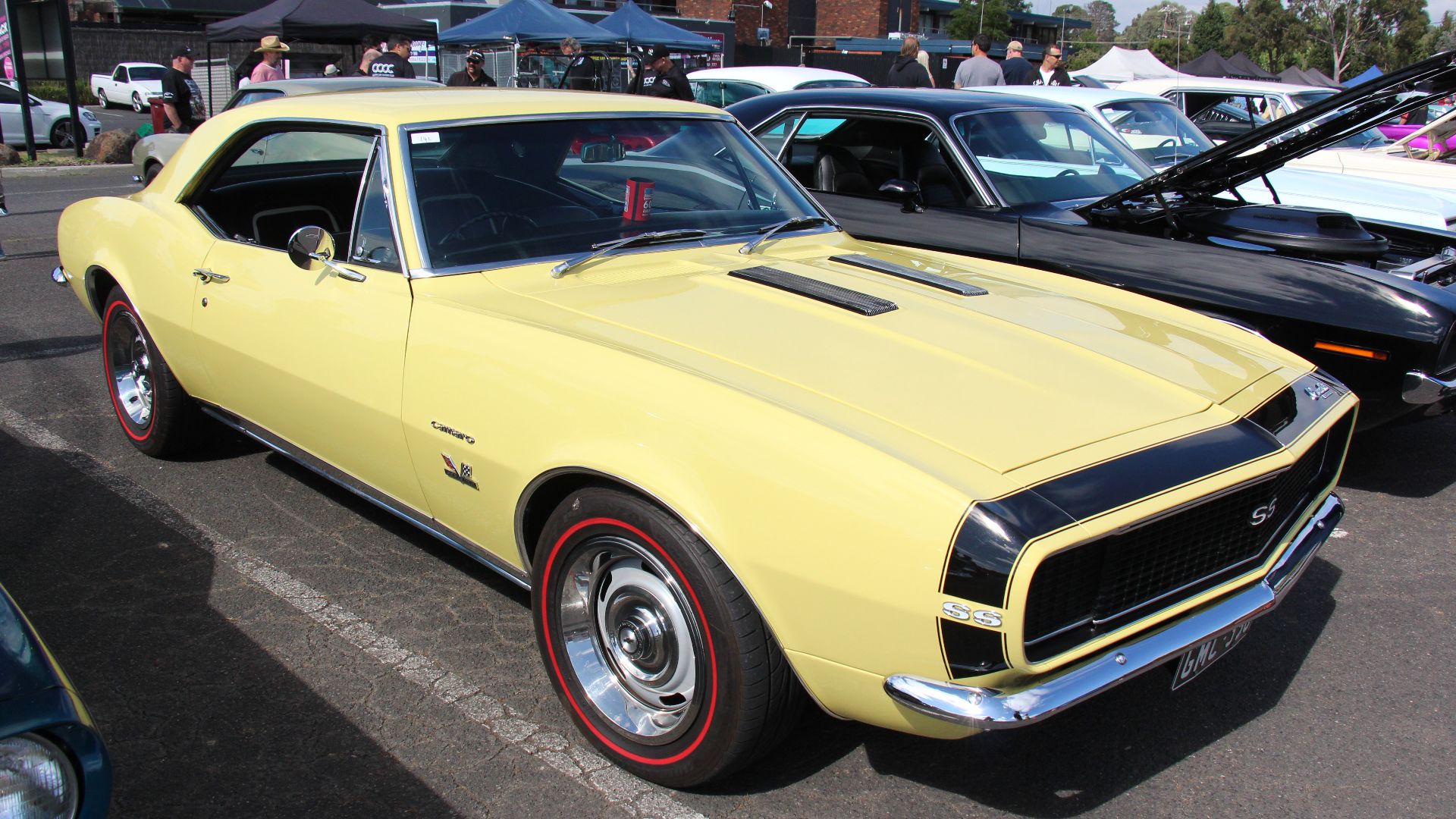
1968 Yenko Camaro RS/SS
Don Yenko’s dealership transformed selected Camaros into some of the most coveted muscle cars ever built. Jackson’s 1968 Yenko Camaro RS/SS used a 427-cubic-inch L72 V8 rated at 425 horsepower. Mecum sold the rare red Camaro for $285,000 in 2018, confirming its place among the collection’s heavy hitters.
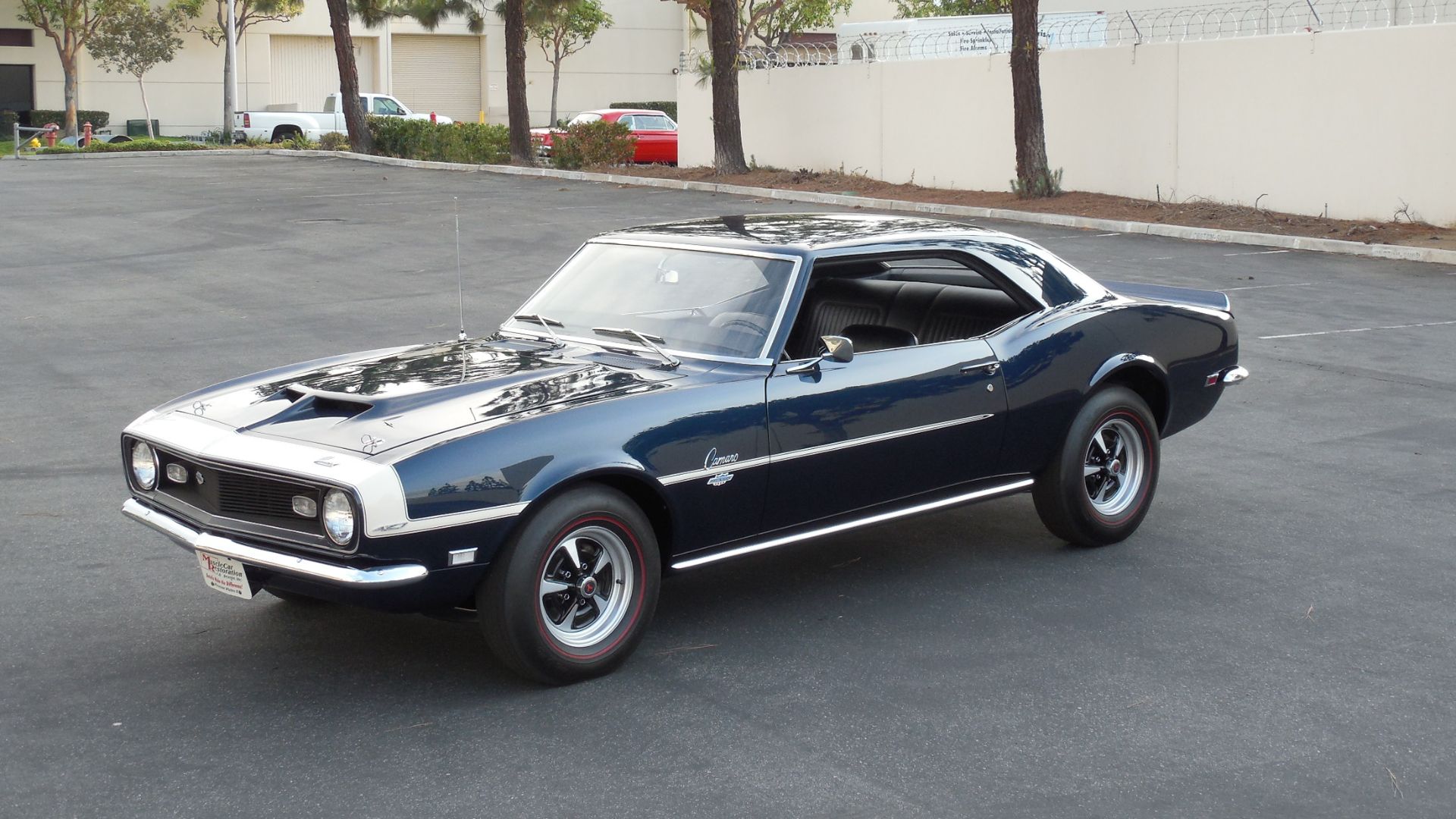
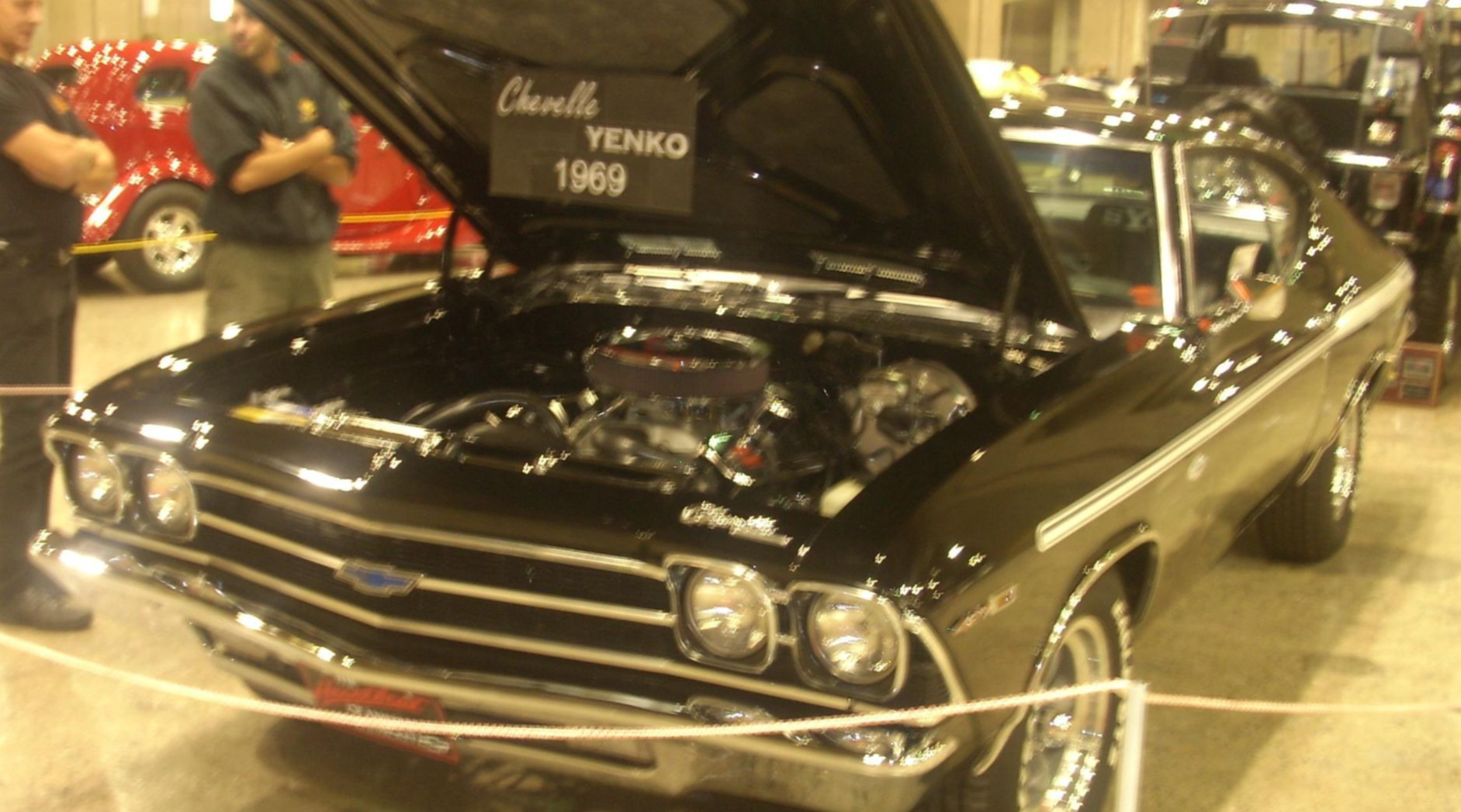
1969 Yenko Chevelle
Jackson’s 1969 Yenko Chevelle was one of 99 examples produced with the 427-cubic-inch L72 V8. The white Chevelle combined a factory-rated 425 horsepower with the visual restraint of a midsize Chevrolet. Jackson declined a reported high bid of $310,000 at Mecum Indianapolis in 2018, so this was clearly not an ordinary Chevelle.
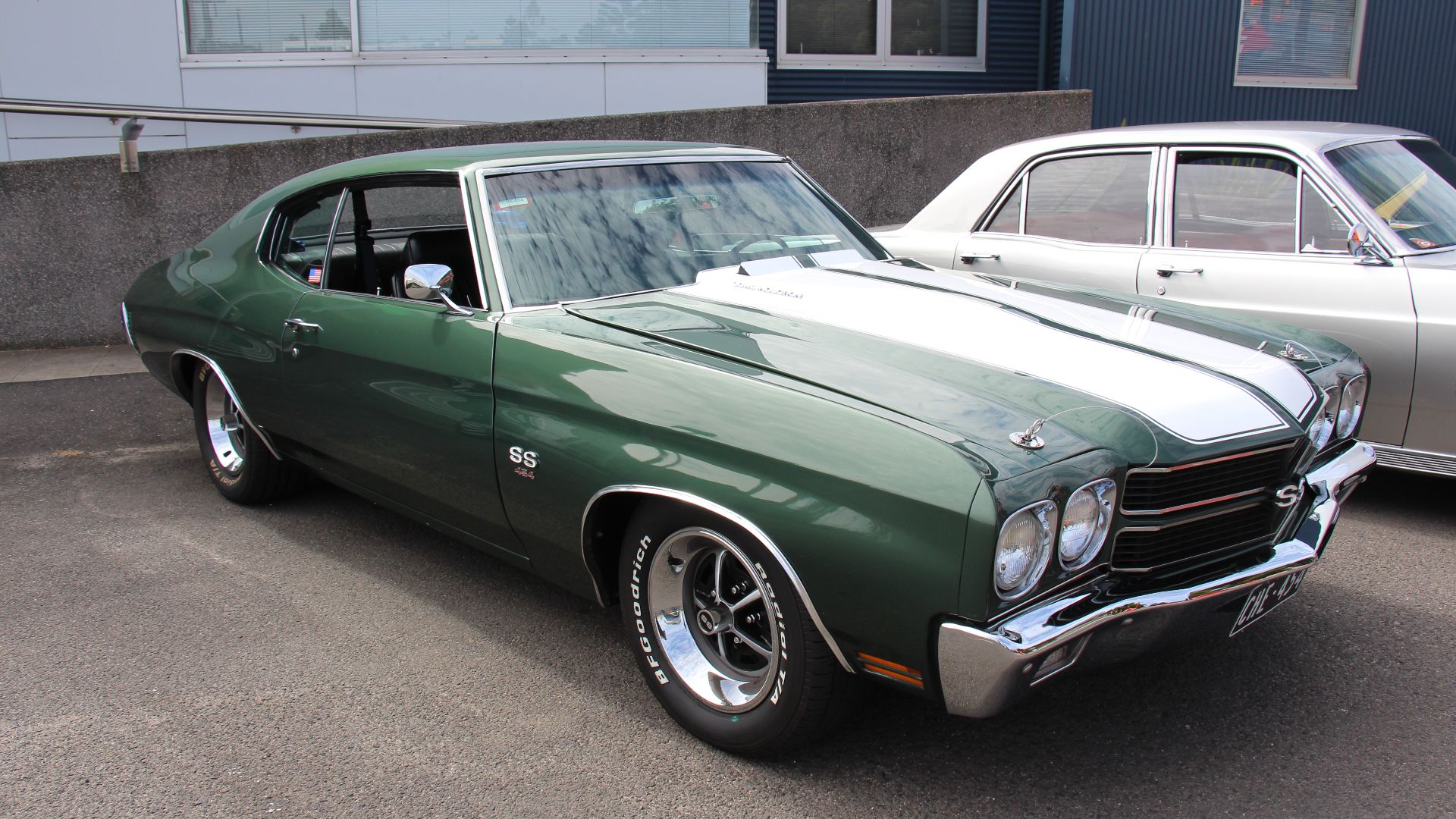
1970 Chevrolet Chevelle SS 454 LS6
The LS6-powered 1970 Chevelle SS represented Chevrolet muscle at its most intimidating. Jackson’s car retained its original configuration and carried the legendary 454-cubic-inch V8, officially rated at 450 horsepower and 500 pound-feet of torque. Anyone seeking the collection’s ultimate traditional muscle car could stop searching here.
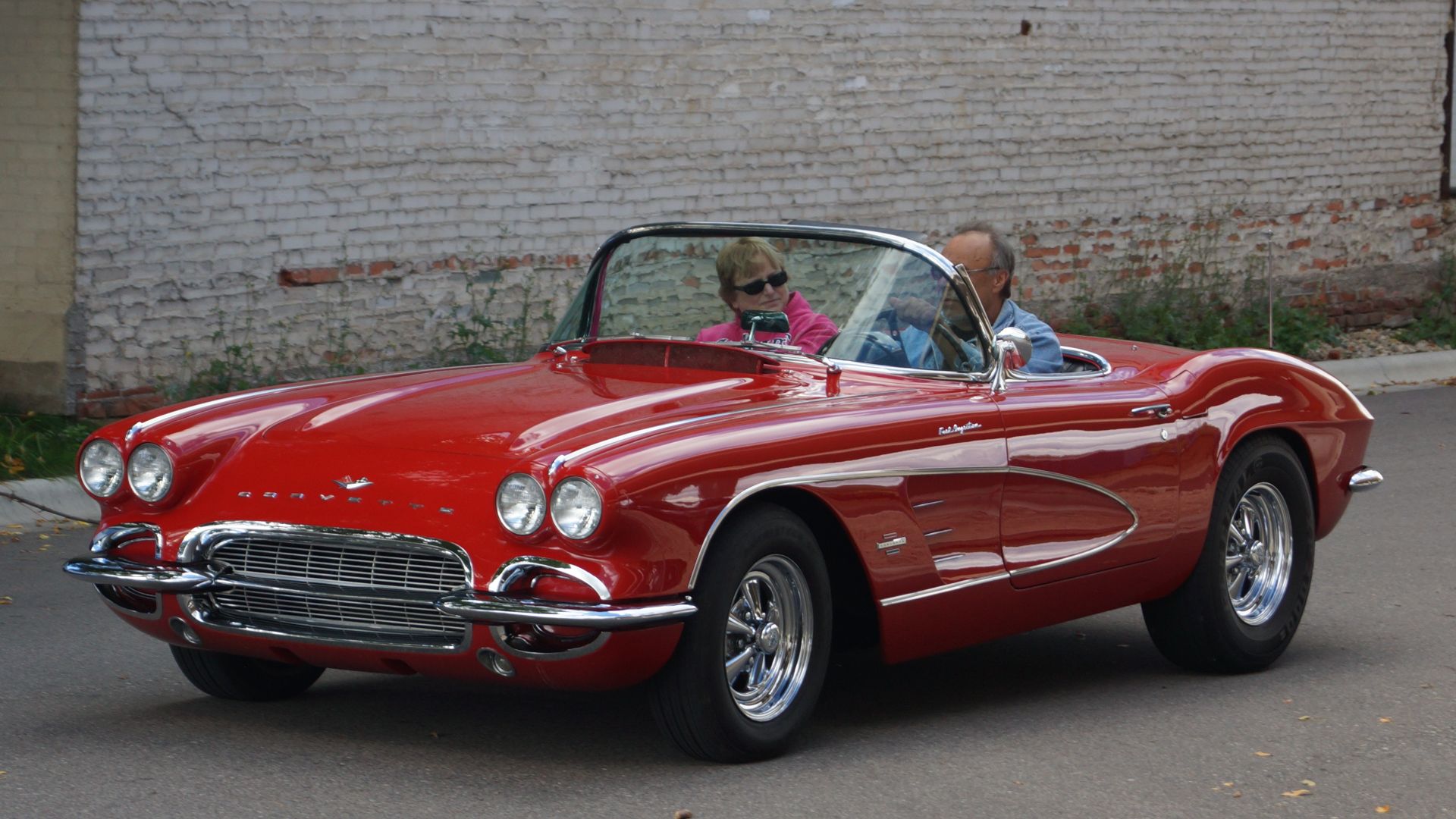
1961 Chevrolet Corvette Fuelie
Jackson owned an unrestored black 1961 Corvette equipped with Rochester fuel injection. The car had reportedly traveled approximately 29,200 miles when it appeared in his 2018 Mecum offering. Its originality would appeal to collectors who value preserved factory details more than freshly restored perfection.
 Greg Gjerdingen from Willmar, Wikimedia Commons
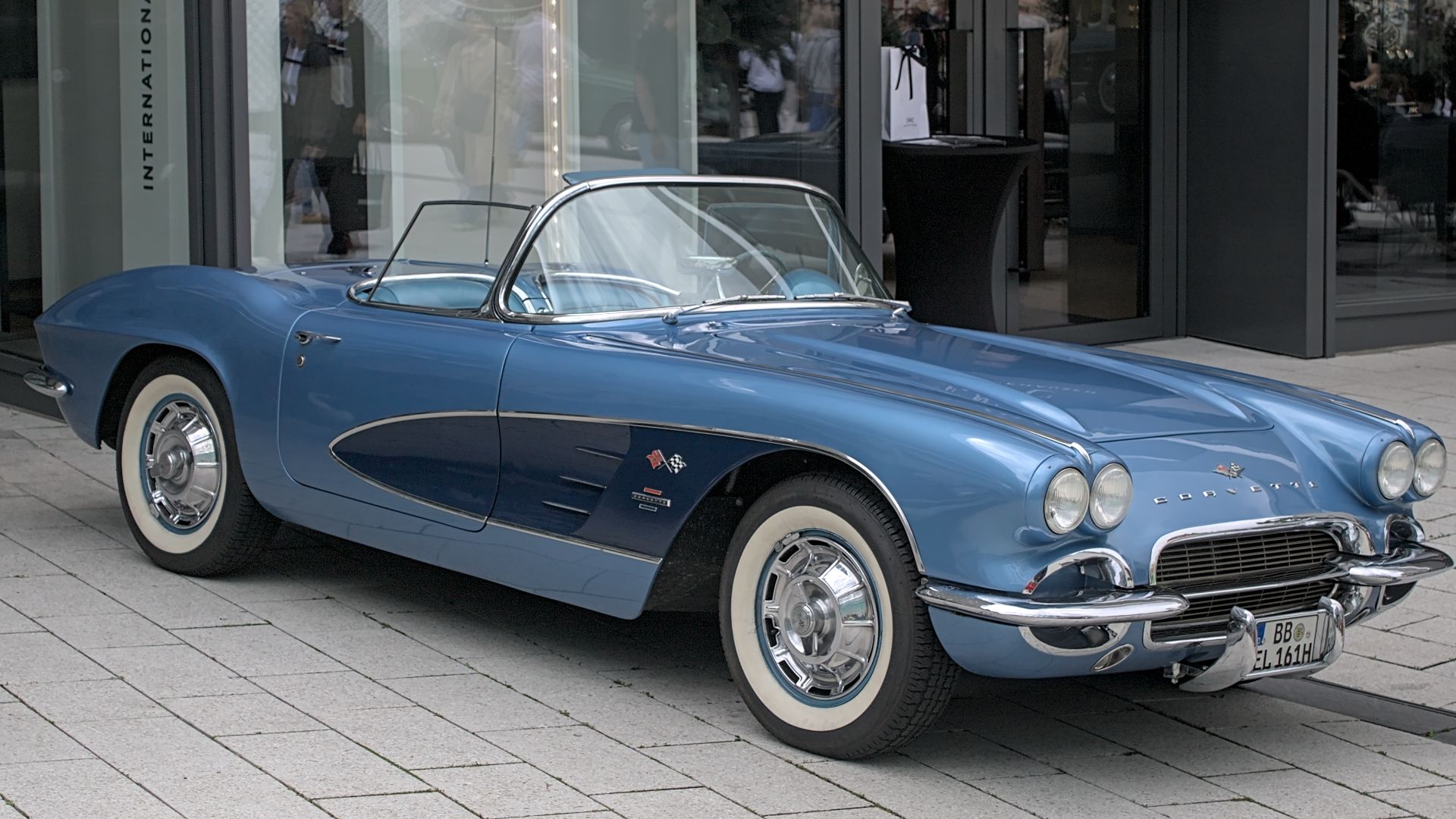
1962 Chevrolet Corvette Fuelie
Jackson’s collection also included a fuel-injected 1962 Corvette. This was the final model year for the first-generation Corvette and the last to use the solid-rear-axle chassis. Its place at the end of the C1 era gives it historical appeal beyond its performance credentials.
 Alexander-93, Wikimedia Commons
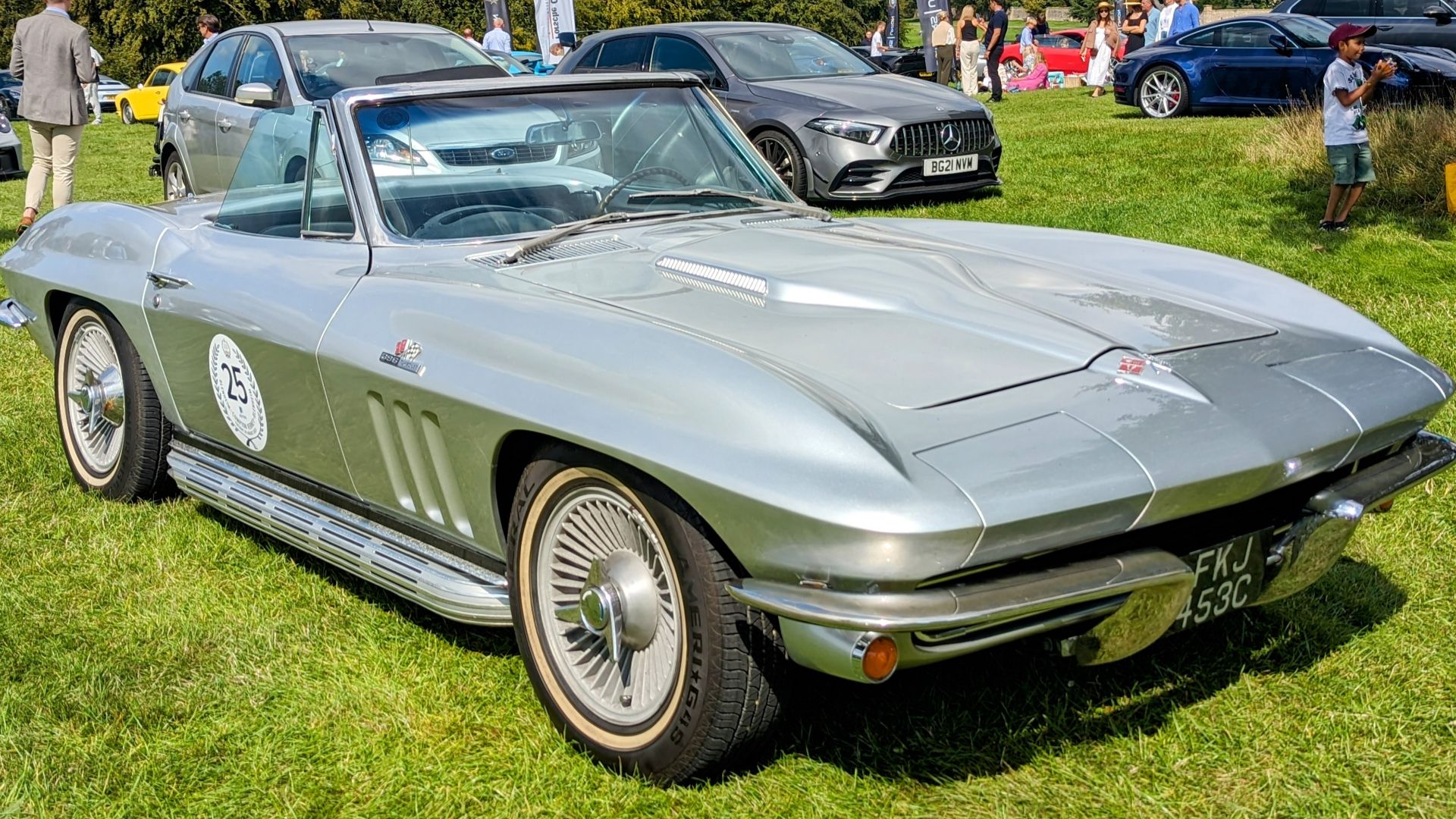
1965 Chevrolet Corvette Fuelie
The 1965 Corvette coupe in Jackson’s collection was one of 771 built with the fuel-injected V8. It retained its original Ermine White paint, red interior, and fewer than 10,000 reported miles when offered in 2018. Recognition from the National Corvette Restorers Society further strengthened its collector credentials.
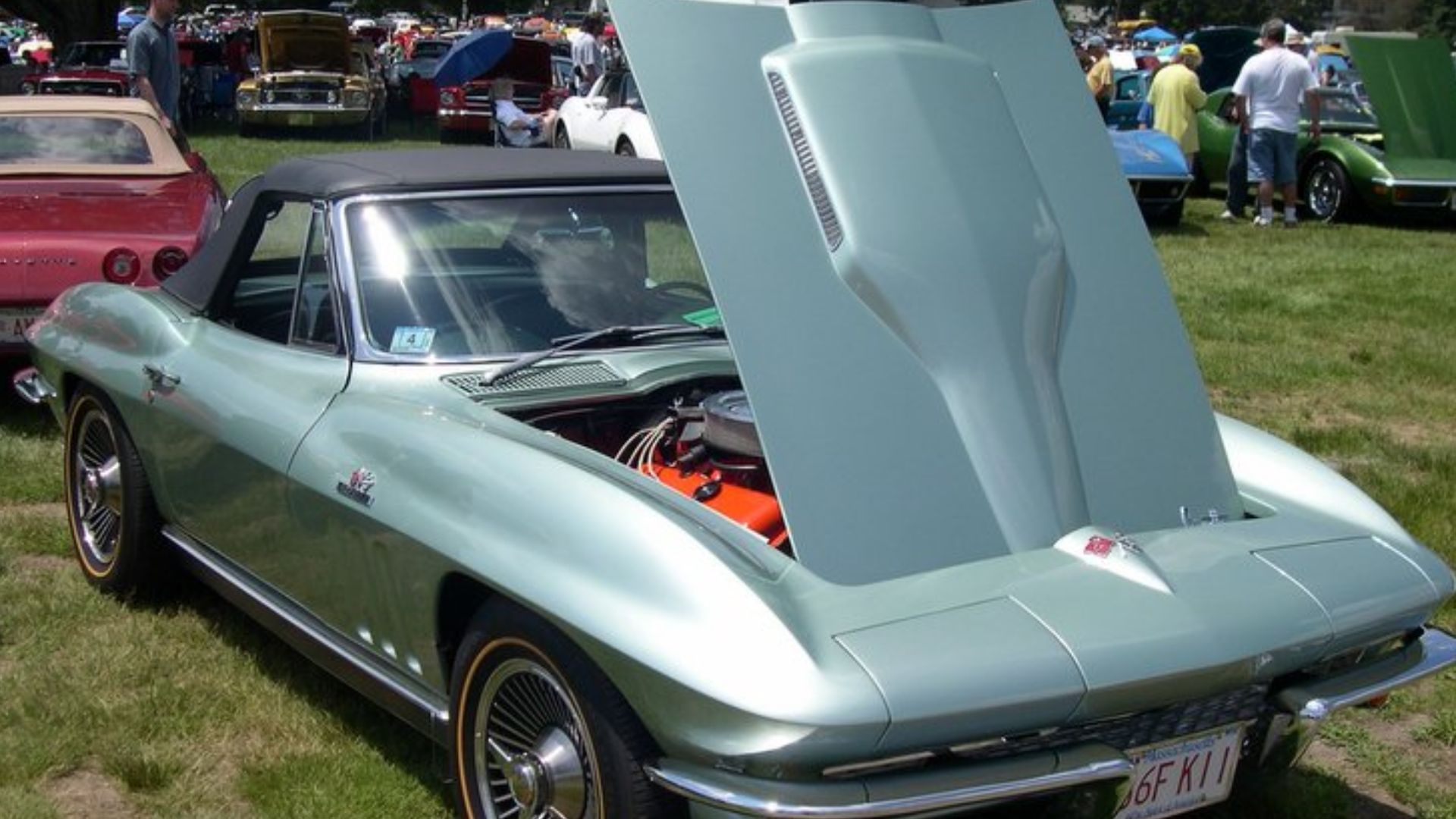
1966 Chevrolet Corvette 427
Jackson’s Nassau Blue 1966 Corvette paired the midyear body with the 427-cubic-inch V8 rated at 425 horsepower. The unrestored car reportedly had approximately 35,000 original miles and received an NCRS 5-Star Bowtie Award. It offers one of the strongest combinations of originality, big-block power, and classic Corvette styling in the collection.
 Stephen Foskett (Wikipedia User: sfoskett), Wikimedia Commons
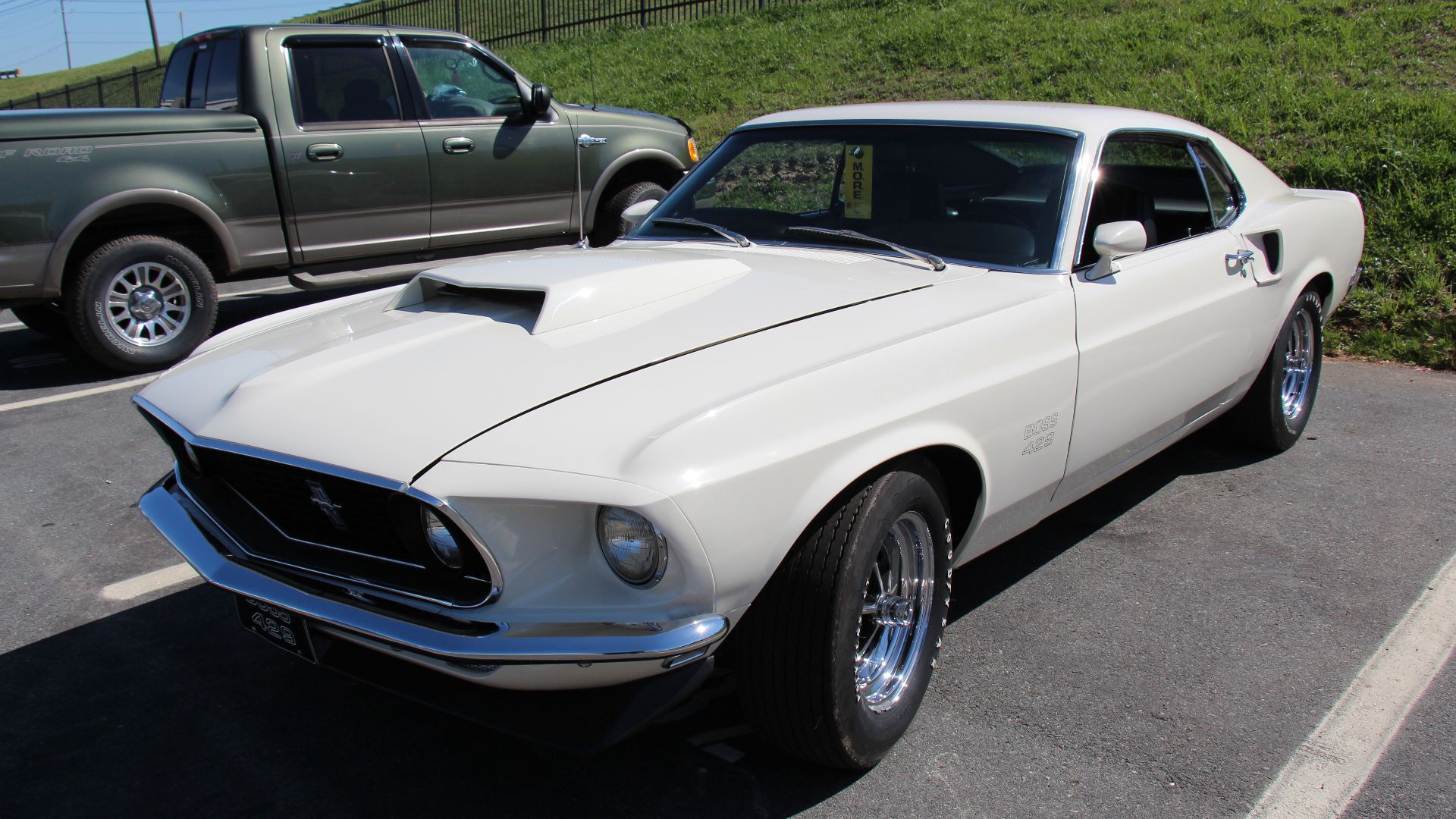
1969 Ford Mustang Boss 429
Jackson’s preferences leaned heavily toward Chevrolet, but he did not ignore Ford’s greatest muscle cars. His collection included a 1969 Mustang Boss 429, a model created so Ford could homologate its massive 429 engine for NASCAR competition. Its limited production and unusual engineering make it one of the strongest candidates for the ultimate one-car pick.
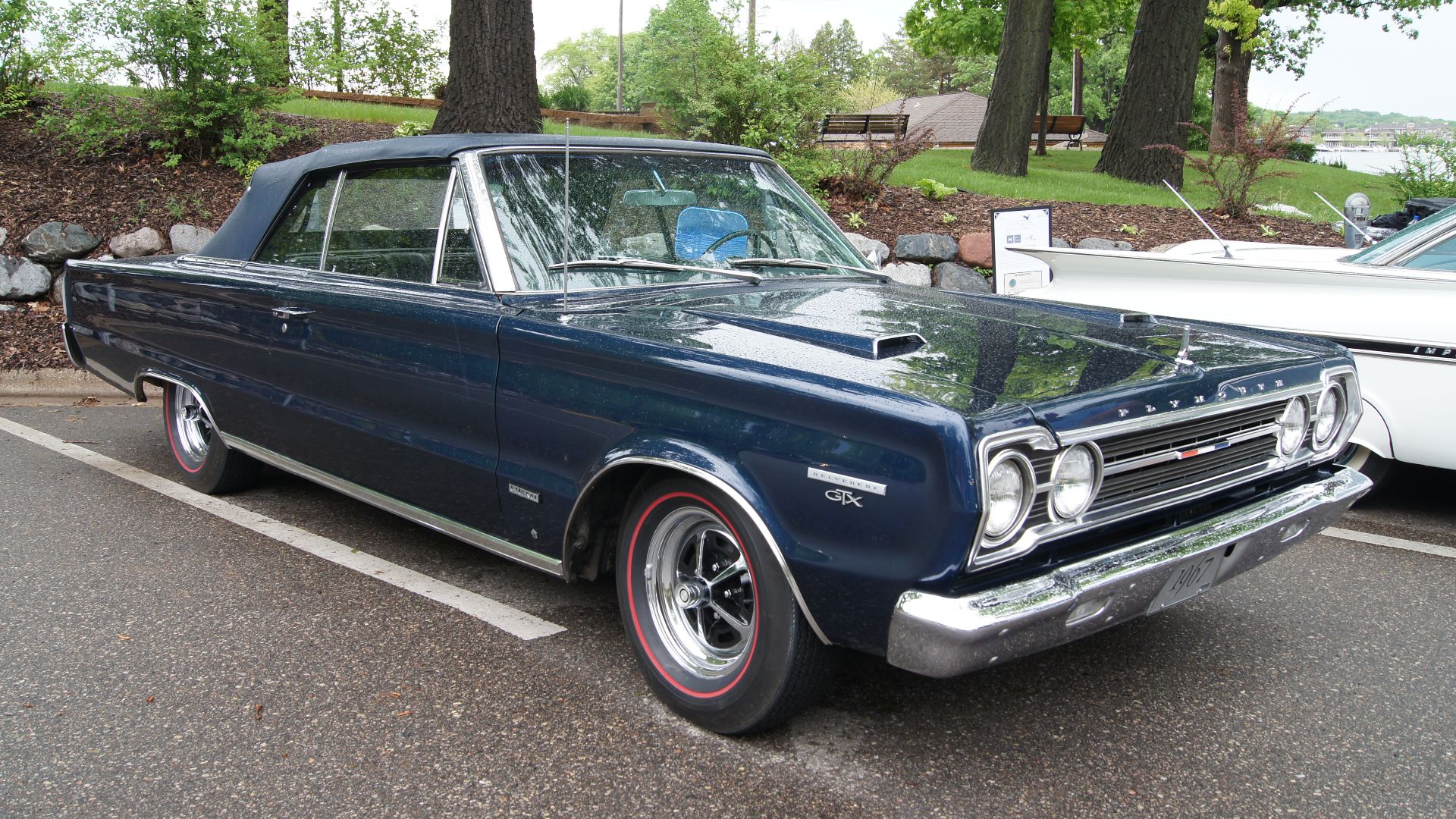
1967 Plymouth GTX Hemi Convertible
Jackson owned a 1967 Plymouth GTX convertible powered by Chrysler’s 426 Hemi. The car was reported as one of 10 Hemi GTX convertibles built that year and one of four equipped with a four-speed manual transmission. Sheer rarity, open-air driving, and Hemi power give this Plymouth an almost unbeatable résumé.
 Greg Gjerdingen from Willmar, Wikimedia Commons
Ferrari 365 GTB/4 Daytona
Jackson’s tastes eventually extended to the Ferrari 365 GTB/4, better known as the Daytona. The front-engined Ferrari brought Italian styling and a powerful V12 into a collection dominated by American V8s. If only one car could leave the garage, the Daytona would make a persuasive choice, but the Hemi GTX, Boss 429, and Yenko Chevelle would not surrender quietly.
![A Ferrari 365 GTB/4 Daytona s/n 13785 [1] taken at London Concours 2022.](https://www.factinate.com/storage/app/media/driversdaily/2026/8/7/1786101219293dc7f28831cedd4f116acf2d75ed5451376739.jpg)
Which Classic Would You Take Home?
Reggie Jackson’s collection reflected a lifelong appreciation for speed, rarity, and automotive history. The Hemi GTX may be the rarest prize, while the Boss 429, Yenko Camaro, and Ferrari Daytona each offer a completely different kind of excitement. If you could choose only one car from Mr. October’s remarkable garage, which set of keys would you grab?
You May Also Like:
Inside Rock Legend Eric Clapton's Incredible Ferrari Collection
The Rarest Muscle Cars In Wrestling Legend Bill Goldberg’s Collection—Ranked
Ken Miles Helped Ford Beat Ferrari—But Never Lived To See His Greatest Legacy



.jpg)
.jpg)