The Mechanic Behind The Legend
Ken Miles was not the kind of racing hero who fit neatly into a poster. He was a brilliant driver, a sharp-tongued engineer, and one of the key people who turned Ford’s GT40 into a Le Mans winner. His story became famous decades later, but his real legacy was built in workshops, test sessions, and brutal endurance races.
He Was Born To Understand Machines
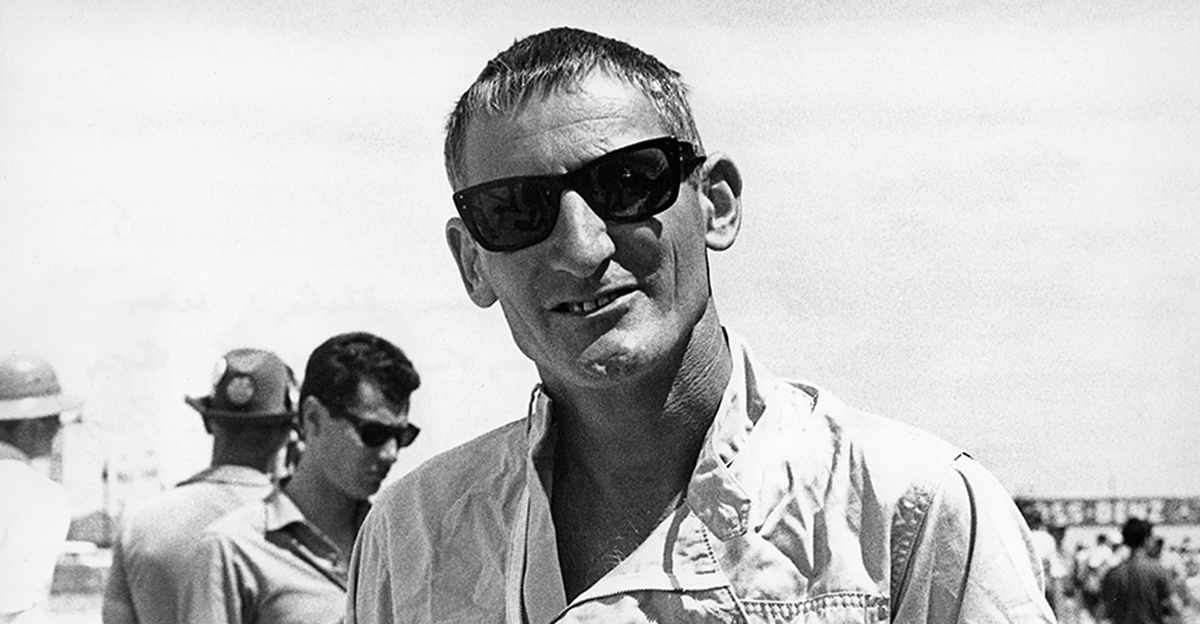
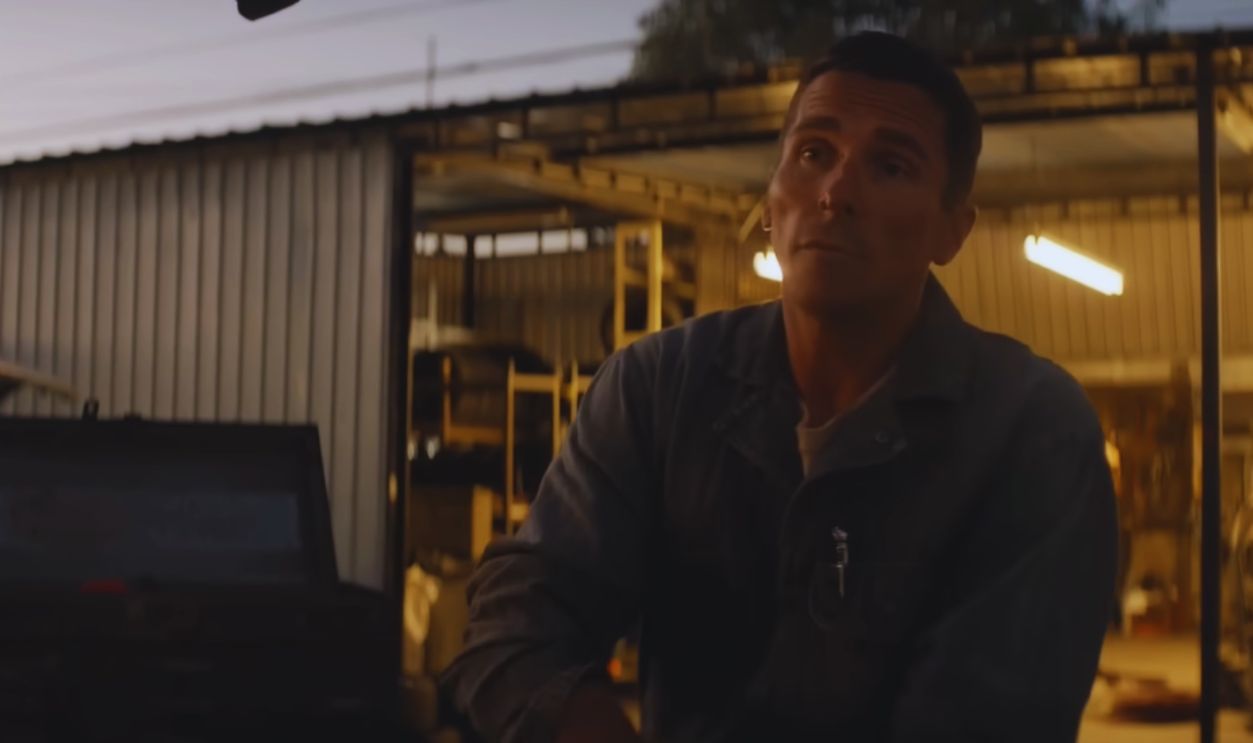
Kenneth Henry Miles was born in Sutton Coldfield, England, in 1918. Long before he became linked with Ford and Ferrari, he was already fascinated by speed and machinery. As a teenager, he worked on motorcycles and cars, which helped shape the practical engineering mind that later made him so valuable.
 Raycrosthwaite, Wikimedia Commons
Racing Came After War
Miles served in the British Army during World War II, where he gained more experience with heavy machinery and military vehicles. After the war, he returned to cars with a deeper understanding of mechanical stress and reliability. That background made him different from many drivers who only focused on lap times.
 Screenshot from Ford v Ferrari, 20th Century Fox (2019)
America Changed Everything
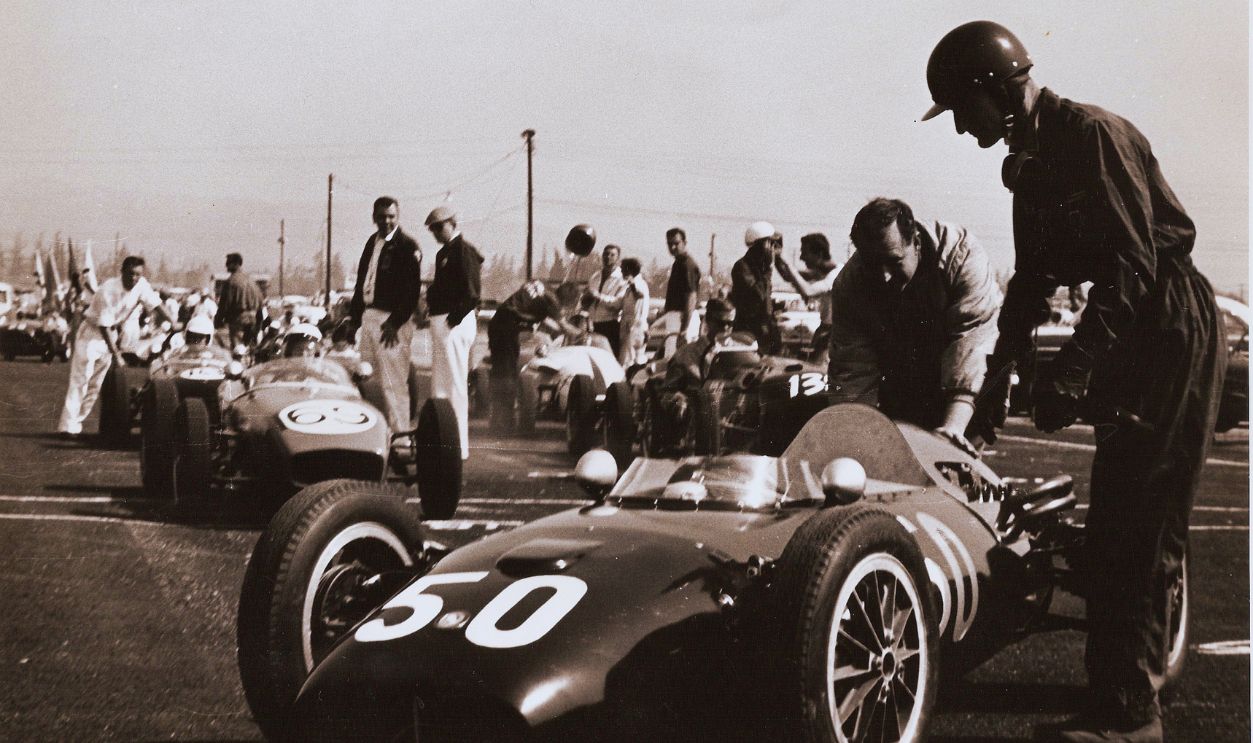
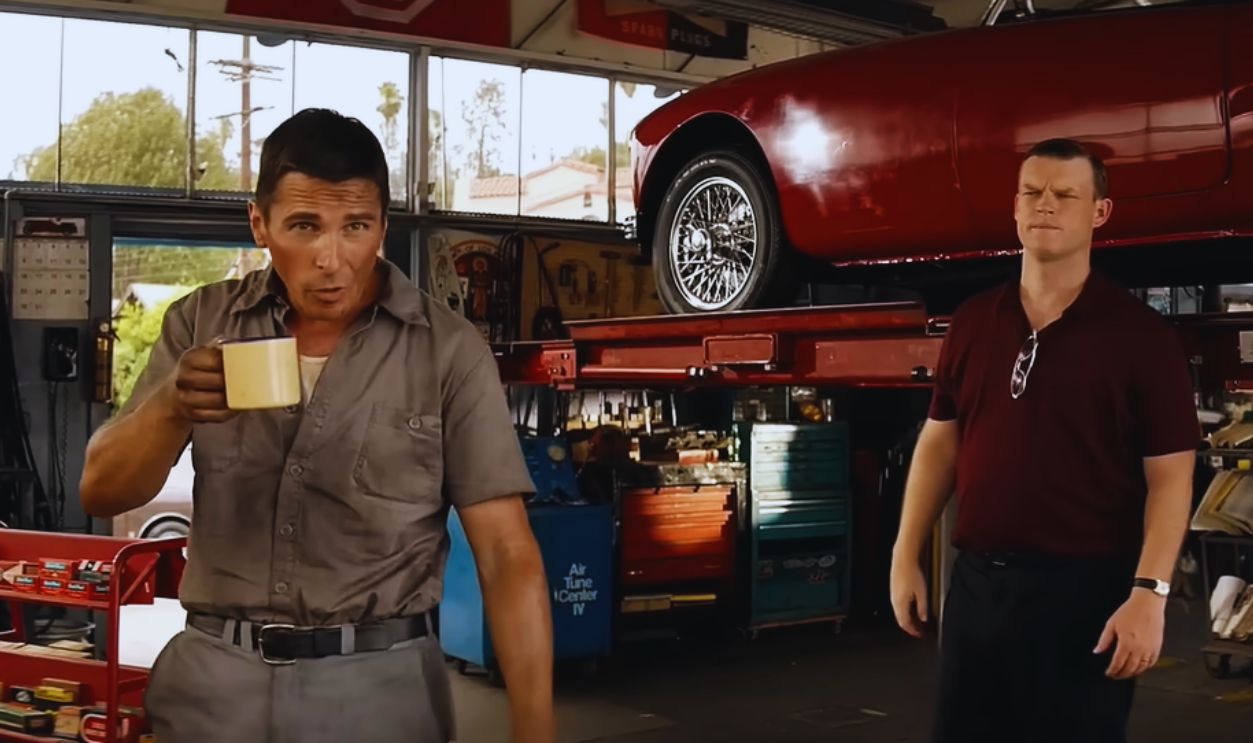
In the early 1950s, Miles moved to Southern California. The postwar sports car scene there was growing fast, and Miles quickly found a place in it. He worked as a mechanic and fabricator while proving that he could drive just as well as he could build.
 Screenshot from Ford v Ferrari, 20th Century Fox (2019)
He Built His Own Reputation
Miles became known in West Coast racing for making small, light cars perform far beyond expectations. His MG-based specials and Porsche-powered creations gave him a reputation as a clever problem solver. He was not just winning races. He was showing people that his engineering instincts could beat more expensive machinery.
 Screenshot from Ford v Ferrari, 20th Century Fox (2019)
Shelby Saw The Talent
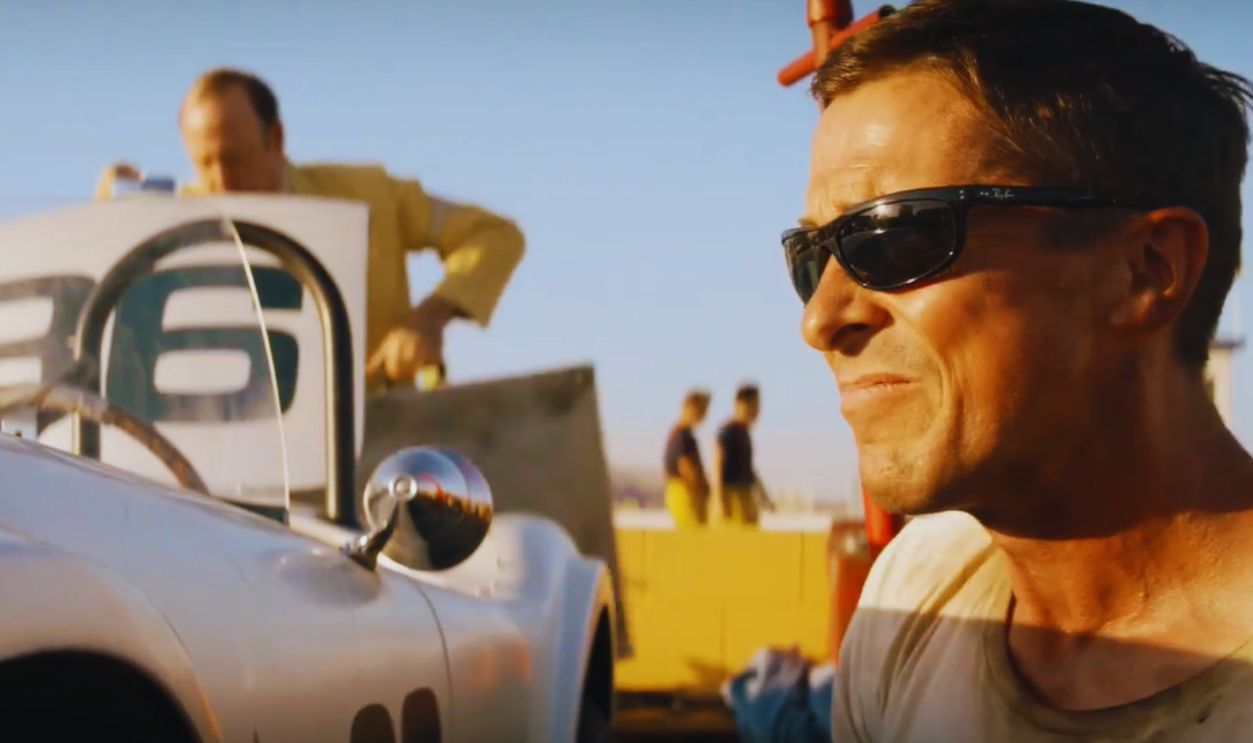
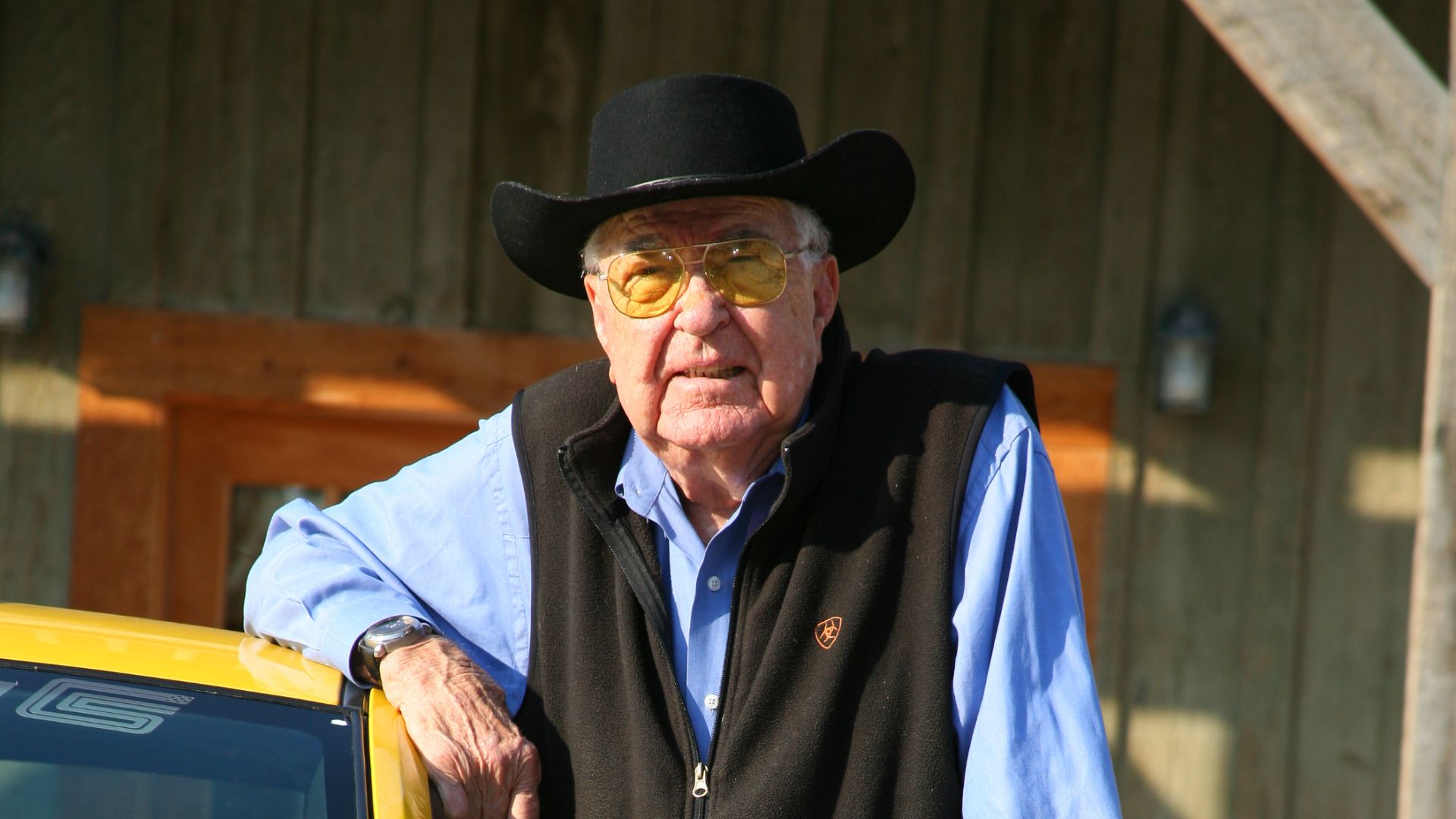
Carroll Shelby recognized that Miles had exactly the mix of skills his team needed. Miles could test a car, explain what was wrong, and help fix it. That made him a natural fit for Shelby American, where racing success depended on both speed and constant development.
 Bwilliams85, Wikimedia Commons
The Cobra Needed Men Like Miles
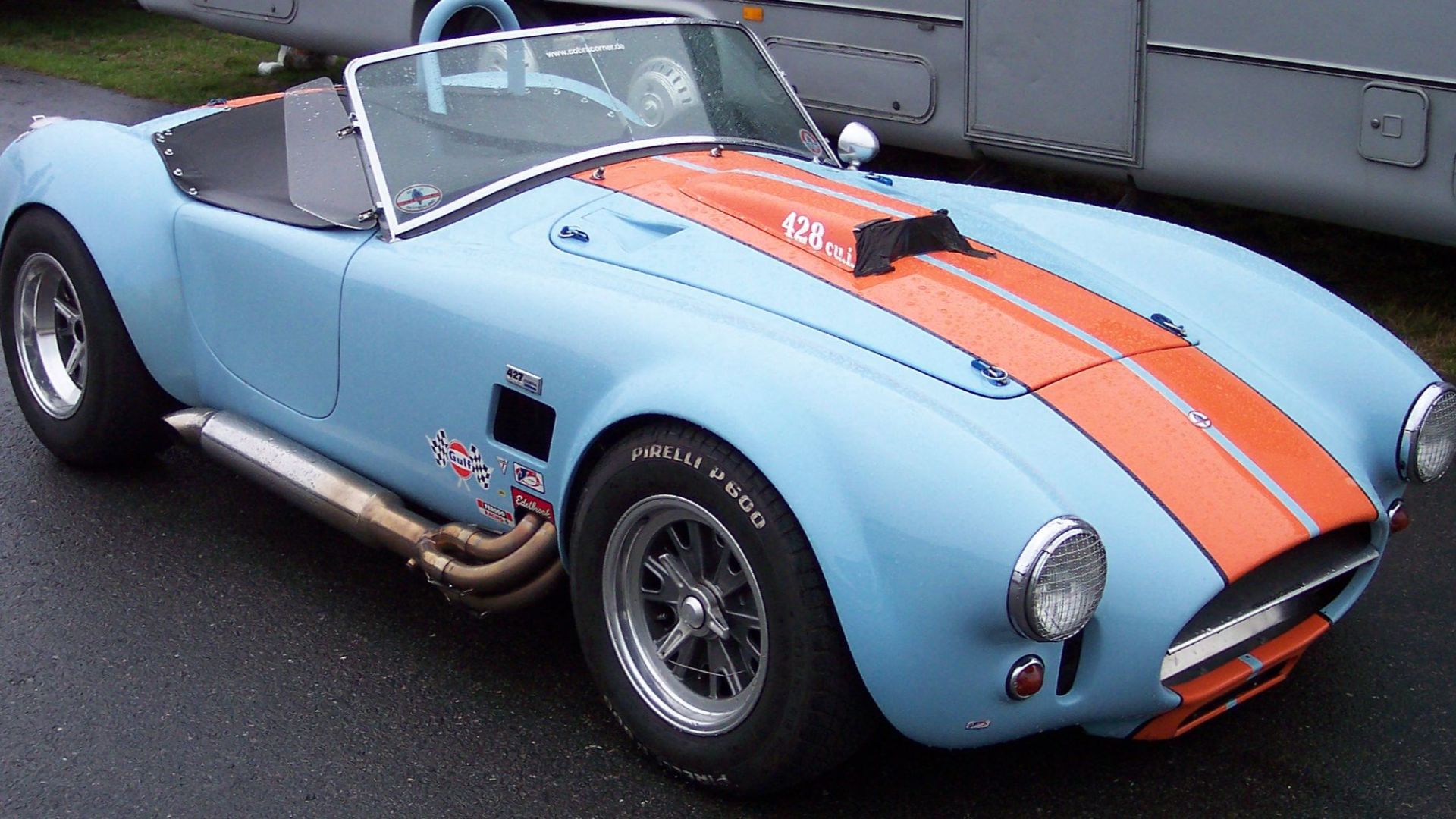
Miles played an important role in developing and racing Shelby Cobras. These cars were powerful, raw, and demanding, which suited his style perfectly. He helped turn them into serious competitors rather than just loud, exciting machines.
 Stahlkocher, Wikimedia Commons
Ford Wanted Ferrari’s Crown
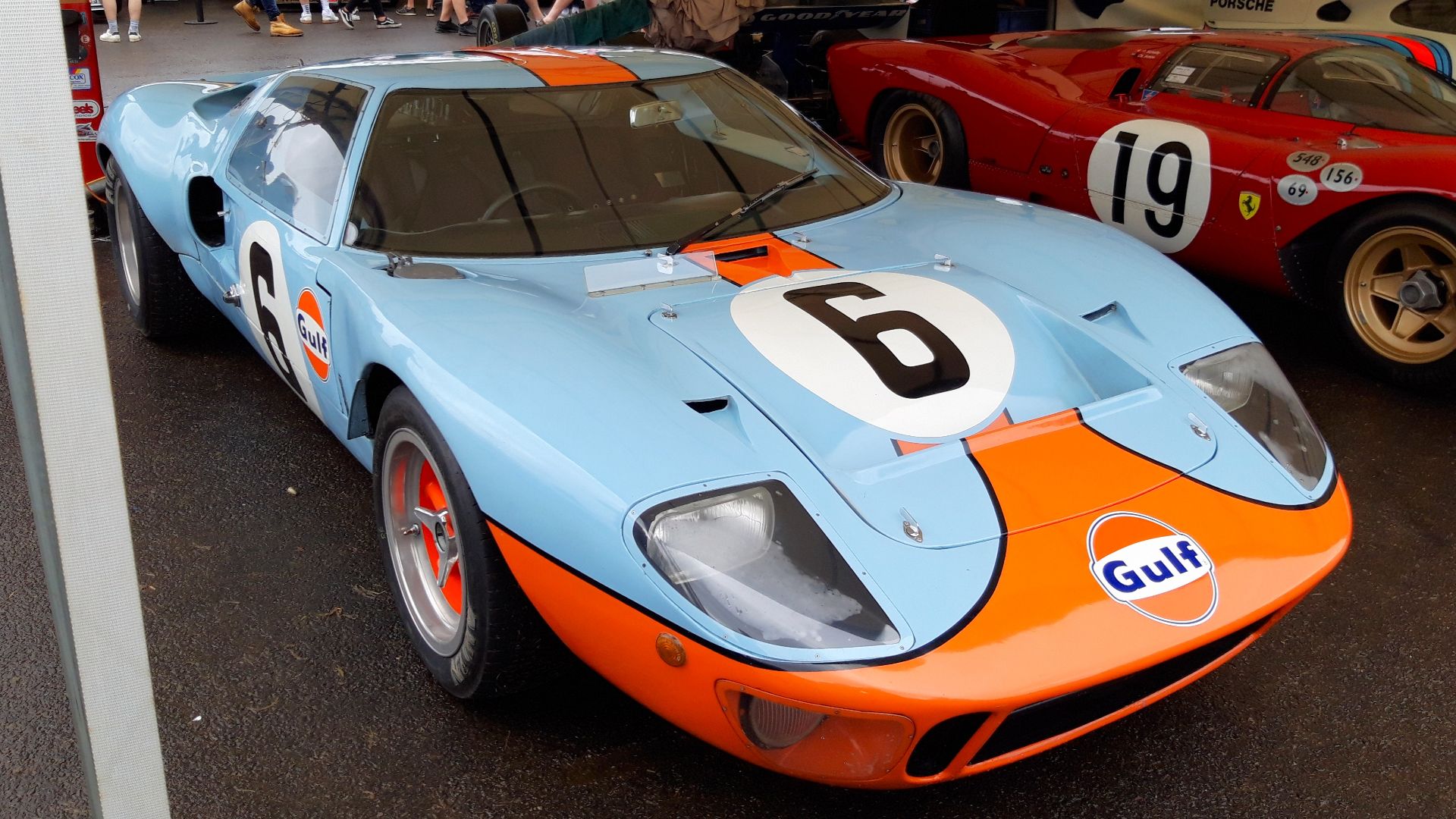
By the early 1960s, Ferrari dominated Le Mans. Ford wanted to change that after its attempt to buy Ferrari collapsed. The GT40 program became a massive corporate mission, but it still needed racers who understood what happened at the limit.
The GT40 Was Not An Instant Winner
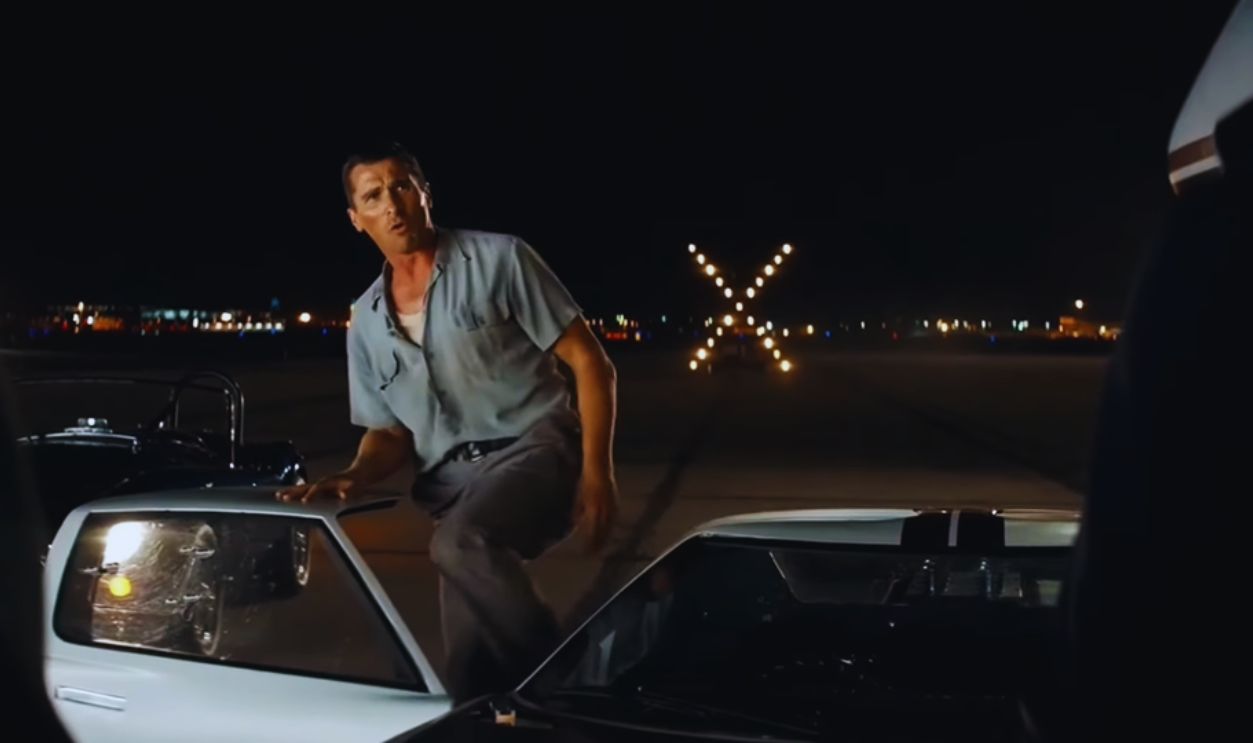
The early GT40s were fast, but they were also fragile. Reliability problems, heat, brakes, gearboxes, and aerodynamics all stood between Ford and Le Mans glory. Miles became one of the people who could translate those failures into practical improvements.
 Screenshot from Ford v Ferrari, 20th Century Fox (2019)
He Was More Than A Test Driver
Calling Miles a test driver undersells what he did. He could feel what a car was doing, then explain the mechanical reason behind it. Ford and Shelby needed that rare combination because the GT40 had to survive 24 hours at racing speed.
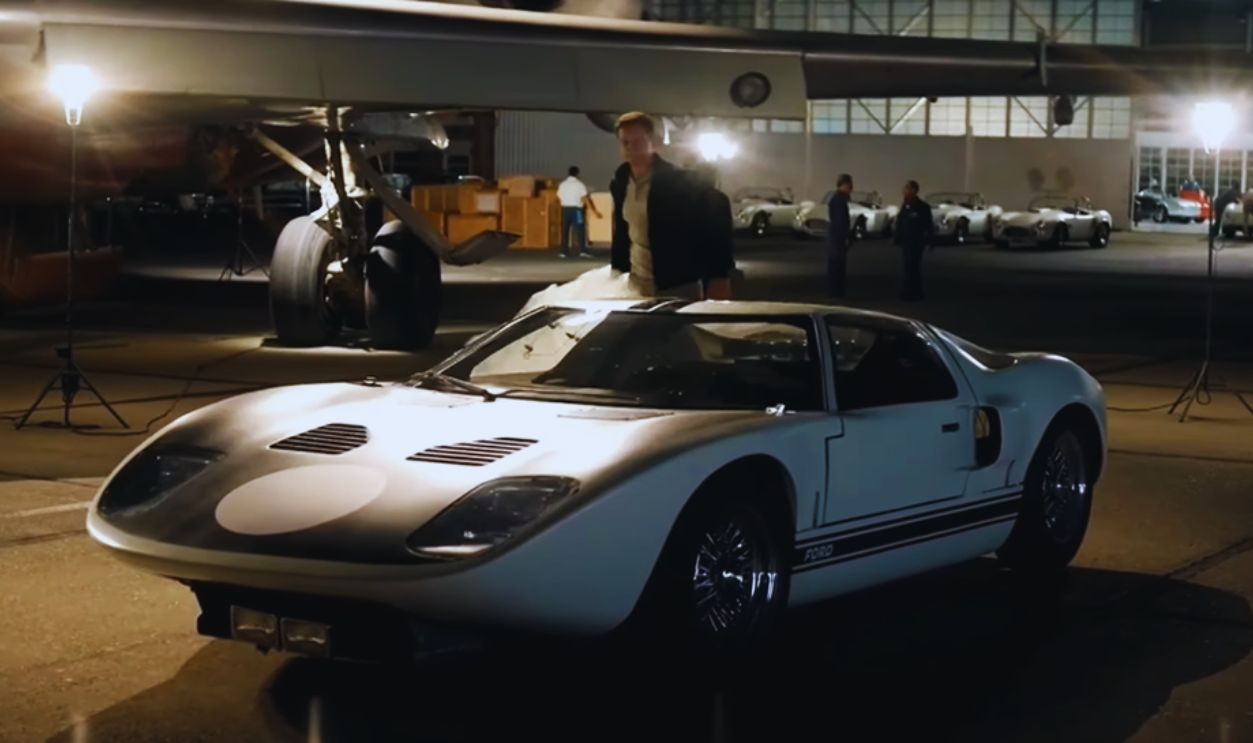 Screenshot from Ford v Ferrari, 20th Century Fox (2019)
The Mark II Took Shape
Ford’s 427-powered GT40 Mark II became the weapon for 1966. Miles helped test and refine changes to the body, suspension, brakes, fuel system, and drivability. The car was brutally powerful, but the challenge was making it last.
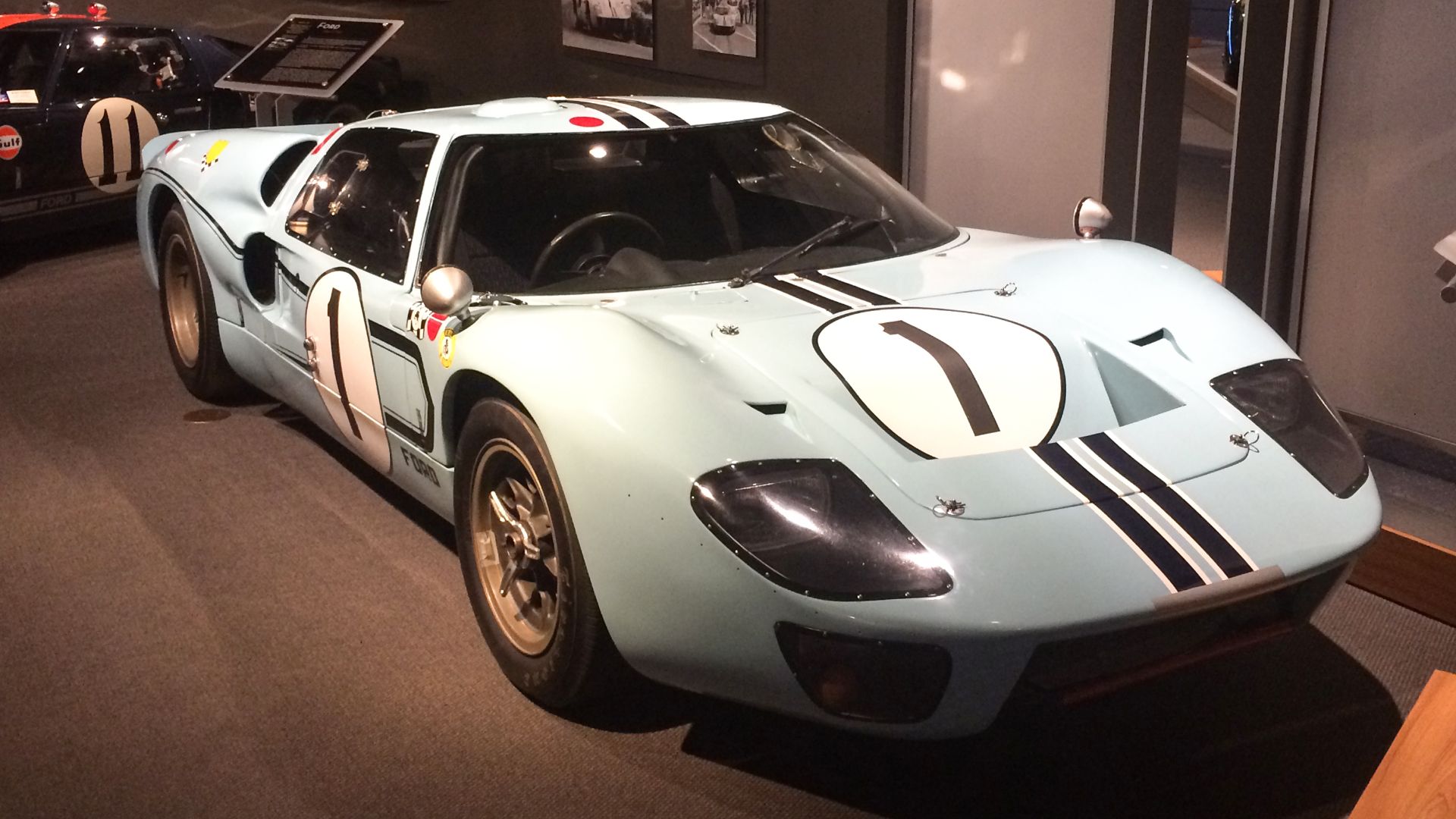 Alan Raine from Cheshire, Wikimedia Commons
Daytona Proved The Point
At the 1966 24 Hours of Daytona, Miles shared a Ford GT40 Mark II with Lloyd Ruby. They won the race, and Ford swept the top three places. It was a major warning to Ferrari that Ford’s Le Mans threat was becoming real.
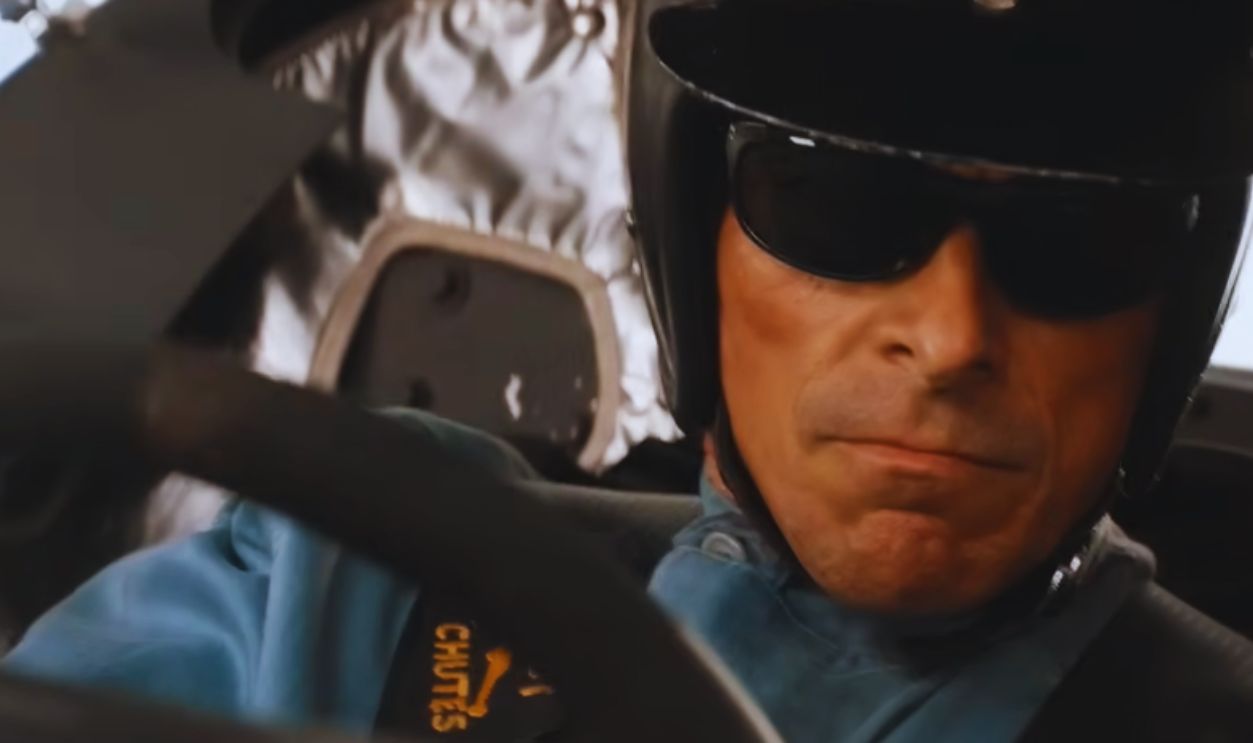 Screenshot from Ford v Ferrari, 20th Century Fox (2019)
Sebring Made Him Even Bigger
Miles and Ruby followed Daytona with a victory at the 1966 12 Hours of Sebring. That win put Miles in position for something historic. If he could win Le Mans too, he would become the first driver to win Daytona, Sebring, and Le Mans in the same year.
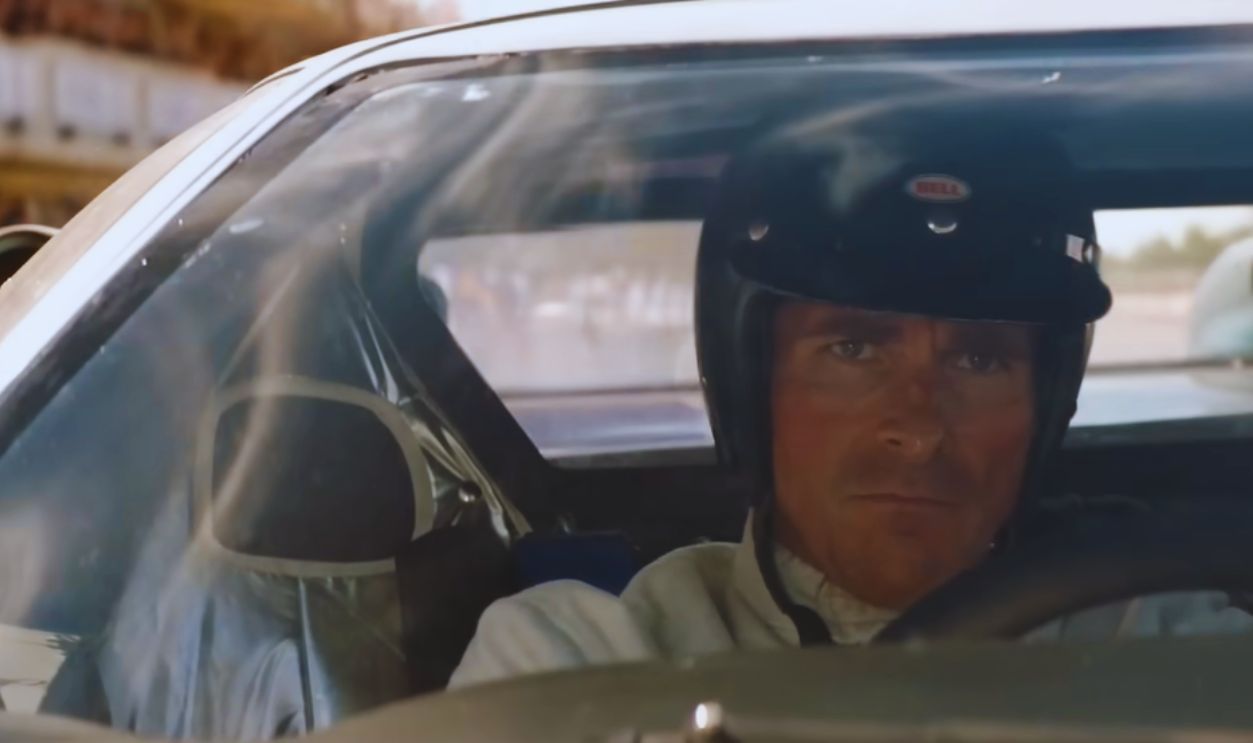 Screenshot from Ford v Ferrari, 20th Century Fox (2019)
Le Mans Was The Big One
The 1966 24 Hours of Le Mans was Ford’s chance to finally defeat Ferrari on the world’s biggest endurance stage. Ford entered a huge effort with Shelby American, Holman & Moody, and Alan Mann Racing involved. Miles and Denny Hulme drove one of the key Shelby GT40 Mark IIs.
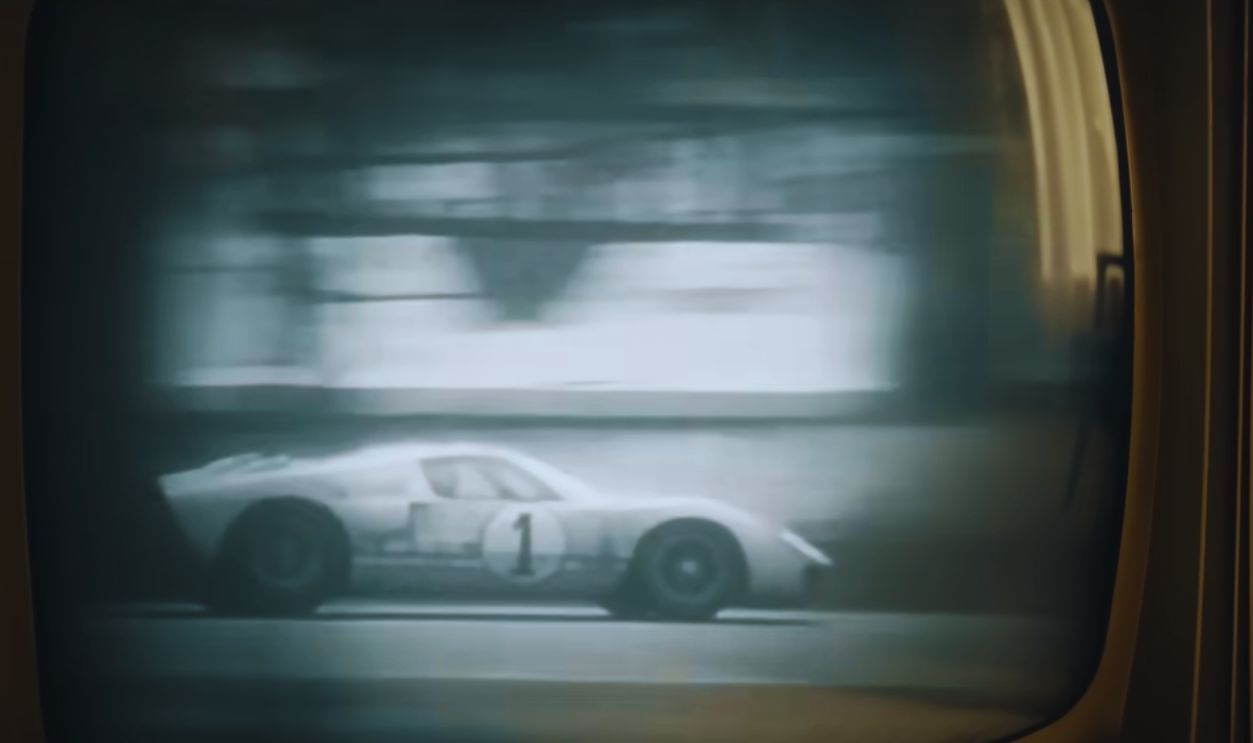 Screenshot from Ford v Ferrari, 20th Century Fox (2019)
His Race Started Badly
Miles had trouble almost immediately when his door struck his helmet and forced an early pit stop. That could have ruined his race, but he fought back. Over the long hours, Ford’s strength grew while Ferrari’s challenge faded.
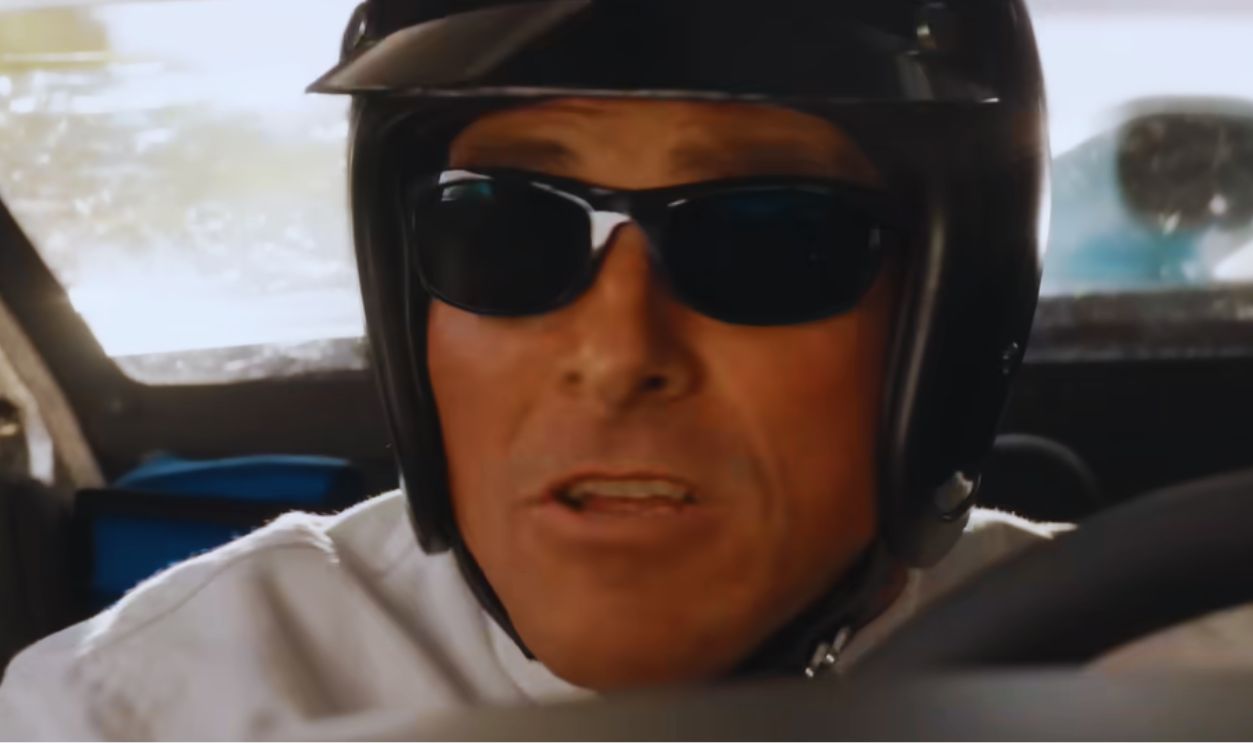 Screenshot from Ford v Ferrari, 20th Century Fox (2019)
Ferrari Fell Away
As the race went on, the Ferraris suffered mechanical problems and dropped out. Ford still had its own issues, but several GT40s remained in control. By the closing stages, Ford was heading toward the kind of victory Henry Ford II had demanded.
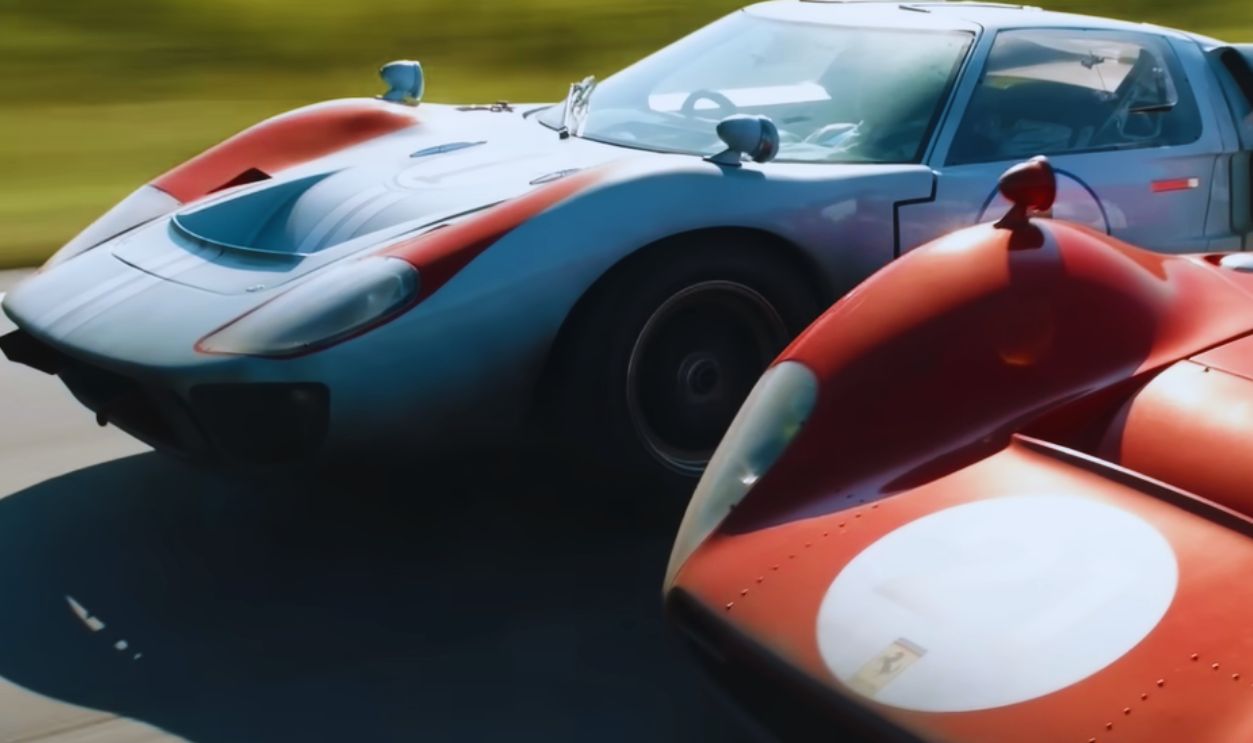 Screenshot from Ford v Ferrari, 20th Century Fox (2019)
Then Came The Photo Finish
With Ford running first, second, and third, executives wanted a dramatic finish. The plan was for the leading GT40s to cross the line together. Miles slowed so the cars could form up, which created one of the most controversial endings in Le Mans history.
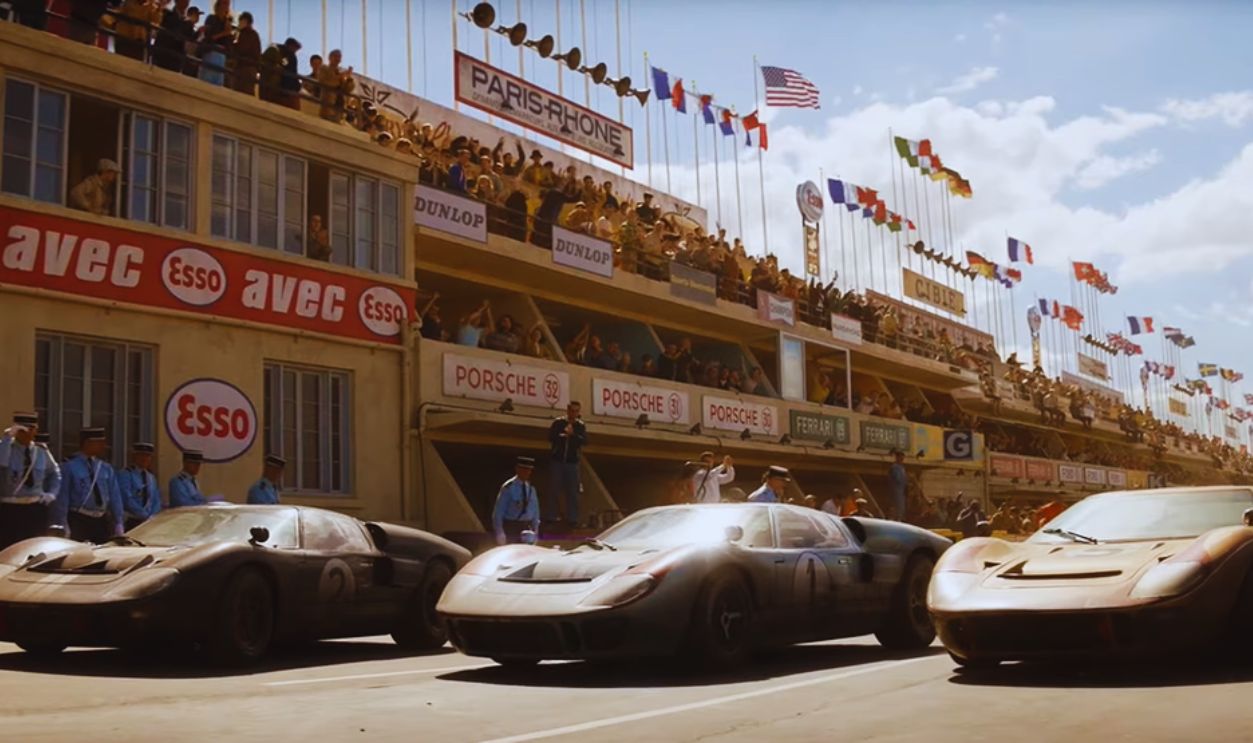 Screenshot from Ford v Ferrari, 20th Century Fox (2019)
The Rules Changed The Story
Because Bruce McLaren and Chris Amon had started farther back on the grid, their car was credited with covering more distance. That meant they were declared the winners. Miles and Hulme finished second, even though Miles had been in position to complete a historic triple crown.
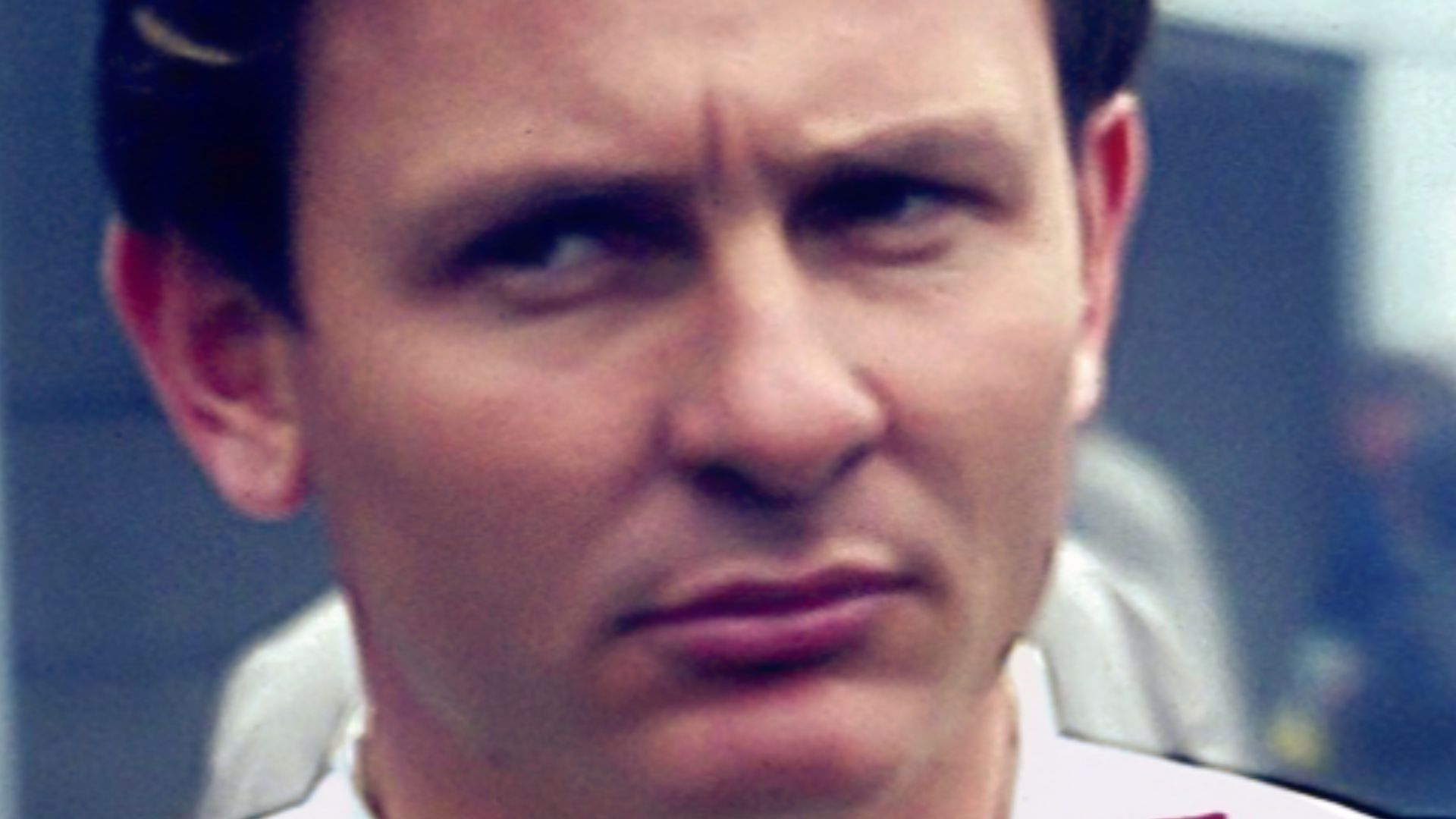 Lothar Spurzem, Wikimedia Commons
Miles Took It Like A Professional
Miles was disappointed, but he accepted the result as part of working for Ford. That response fit the complicated reality of factory racing. Drivers were heroes behind the wheel, but they were also employees serving a bigger corporate mission.
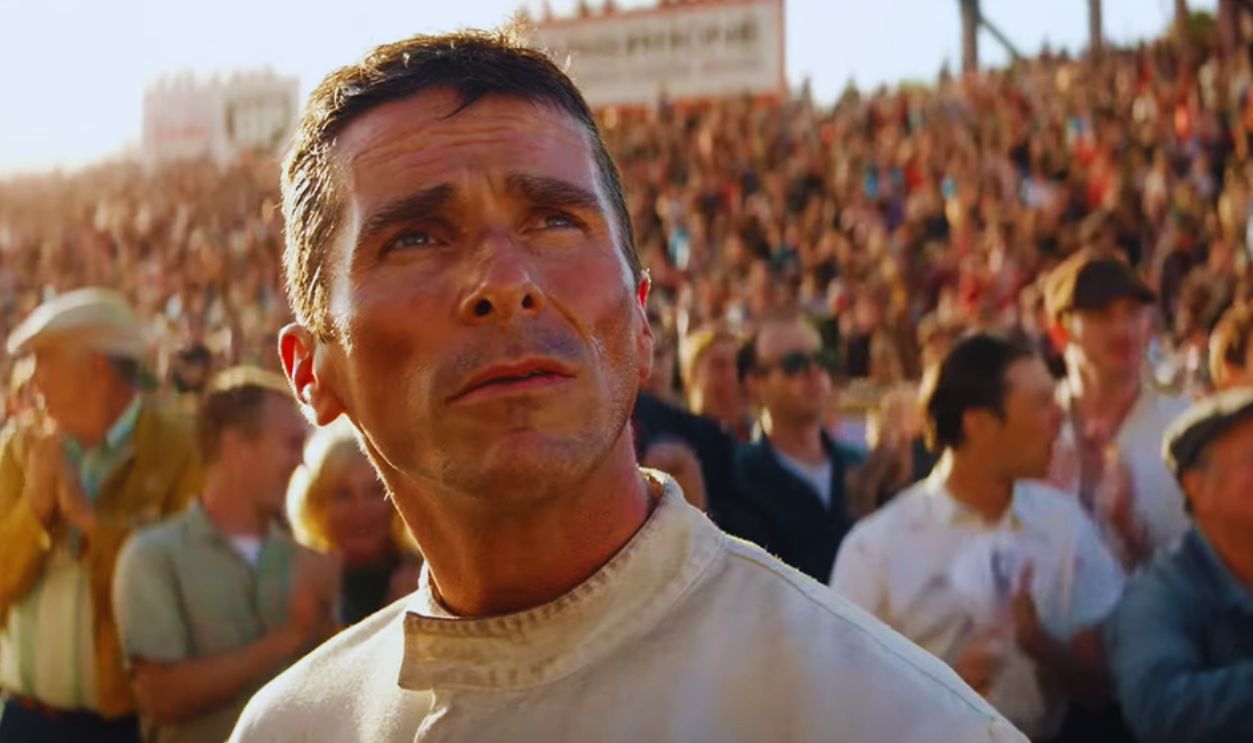 Screenshot from Ford v Ferrari, 20th Century Fox (2019)
Ford Still Made History
Ford’s 1-2-3 finish at Le Mans in 1966 was a defining moment in racing history. It ended Ferrari’s grip on the race and proved that an American manufacturer could conquer endurance racing’s most famous event. Miles was central to that victory, even without standing on the top step.
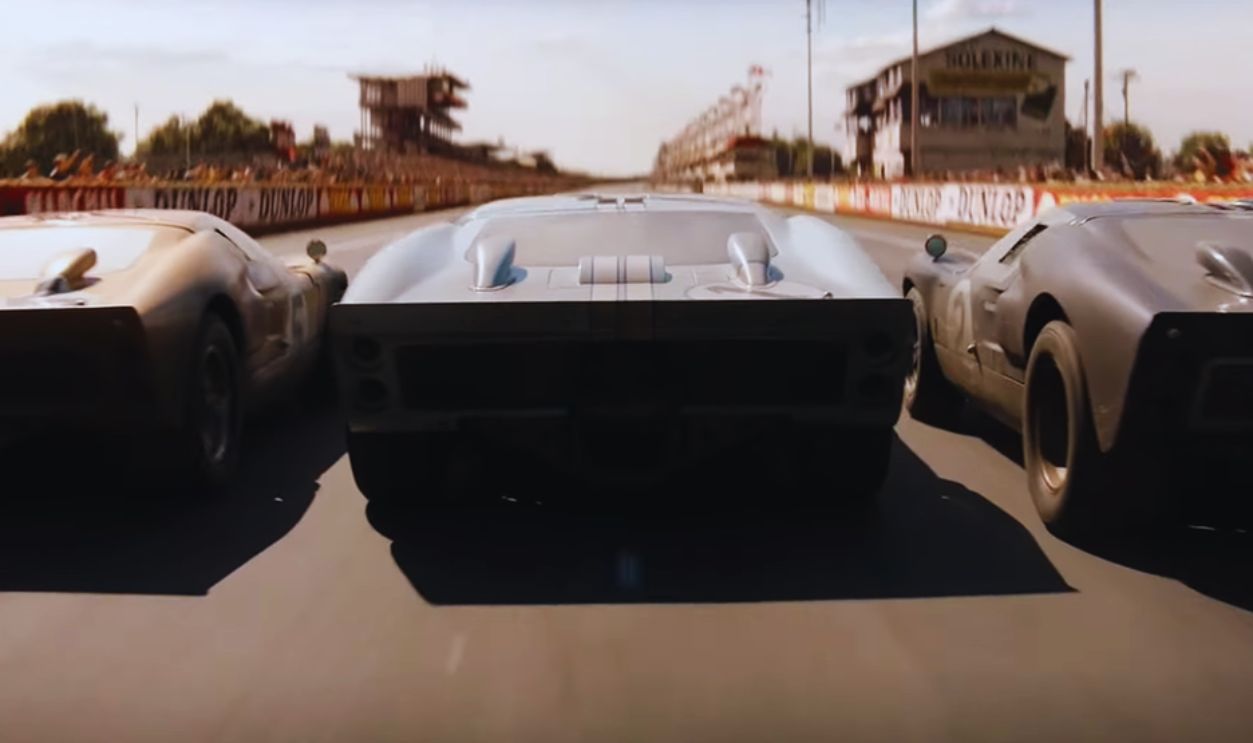 Screenshot from Ford v Ferrari, 20th Century Fox (2019)
His Work Was Not Finished
After Le Mans, Ford continued developing the next generation of its endurance racers. Miles remained deeply involved in testing. He was still doing the dangerous work that had made the GT40 program successful in the first place.
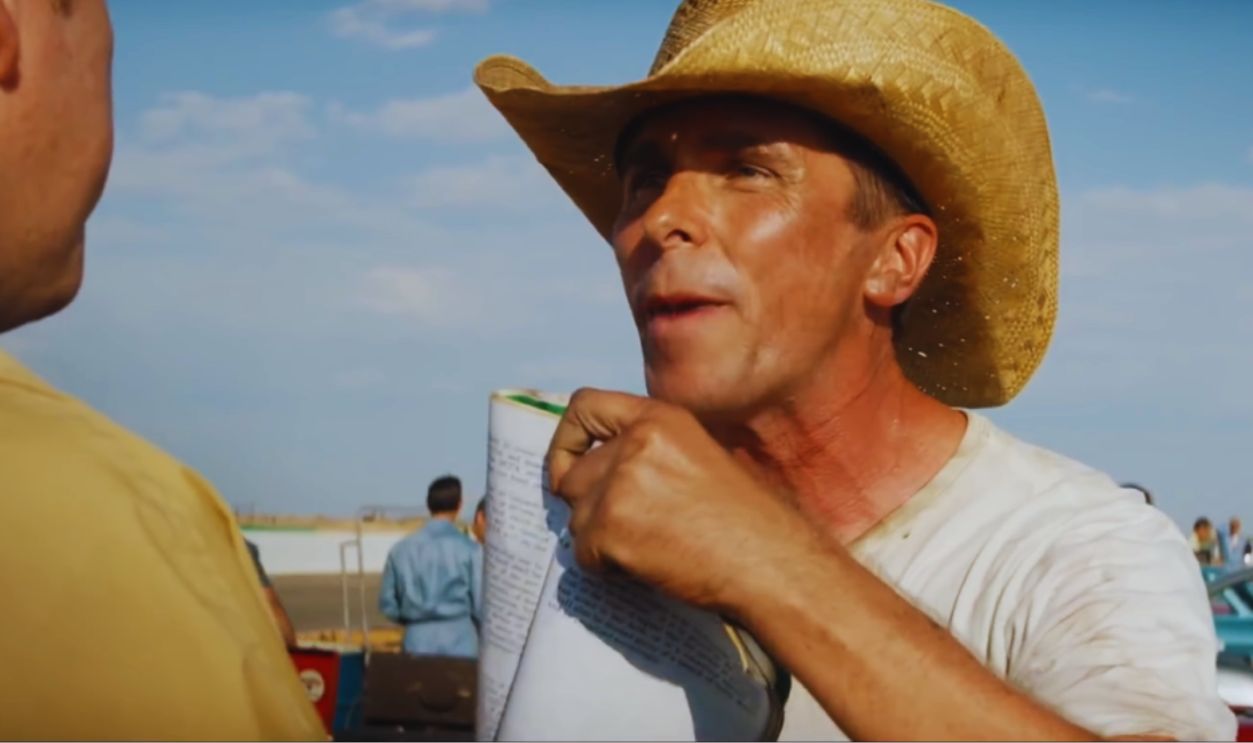 Screenshot from Ford v Ferrari, 20th Century Fox (2019)
The J-Car Was A Risky Step Forward
Ford’s experimental J-car was intended to push the program beyond the GT40 Mark II. It used lightweight construction ideas and a very different aerodynamic shape. The car had promise, but it was still an unproven prototype.
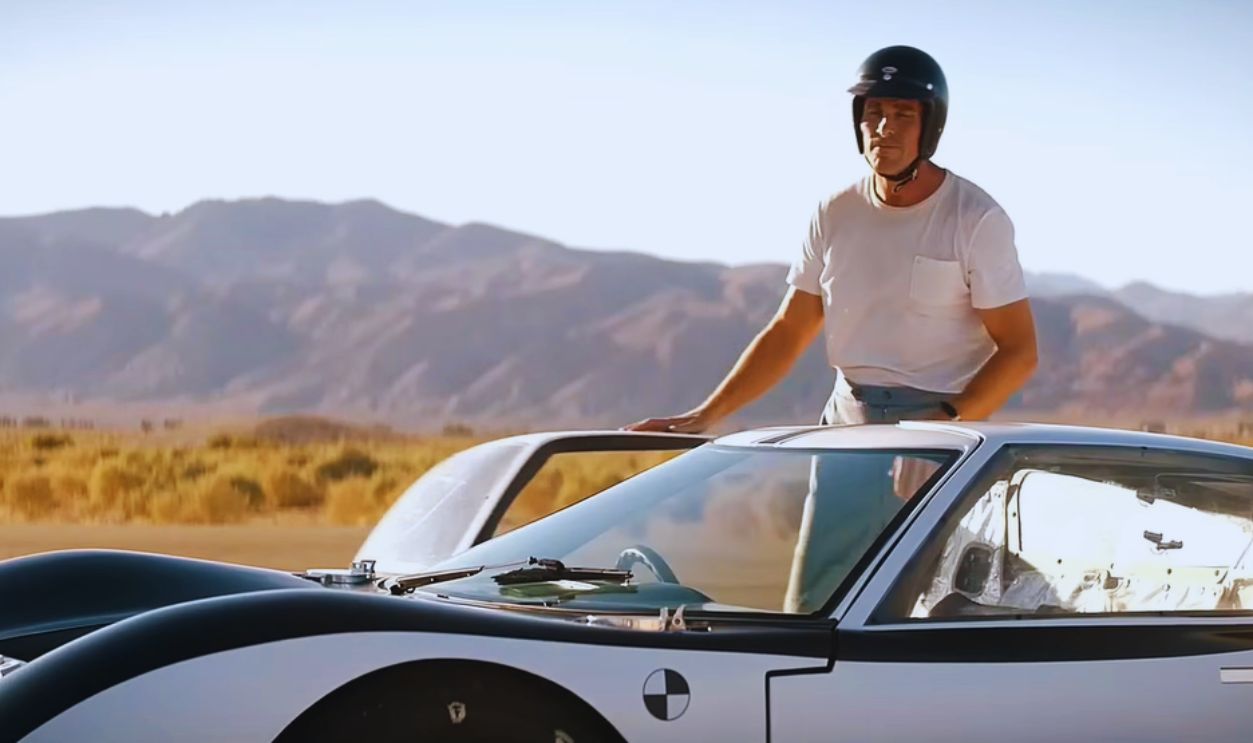 Screenshot from Ford v Ferrari, 20th Century Fox (2019)
Riverside Became The Final Test
On August 17, 1966, Miles was testing the Ford J-car at Riverside International Raceway in California. The car crashed during the test, and Miles was killed. He was only 47 years old.
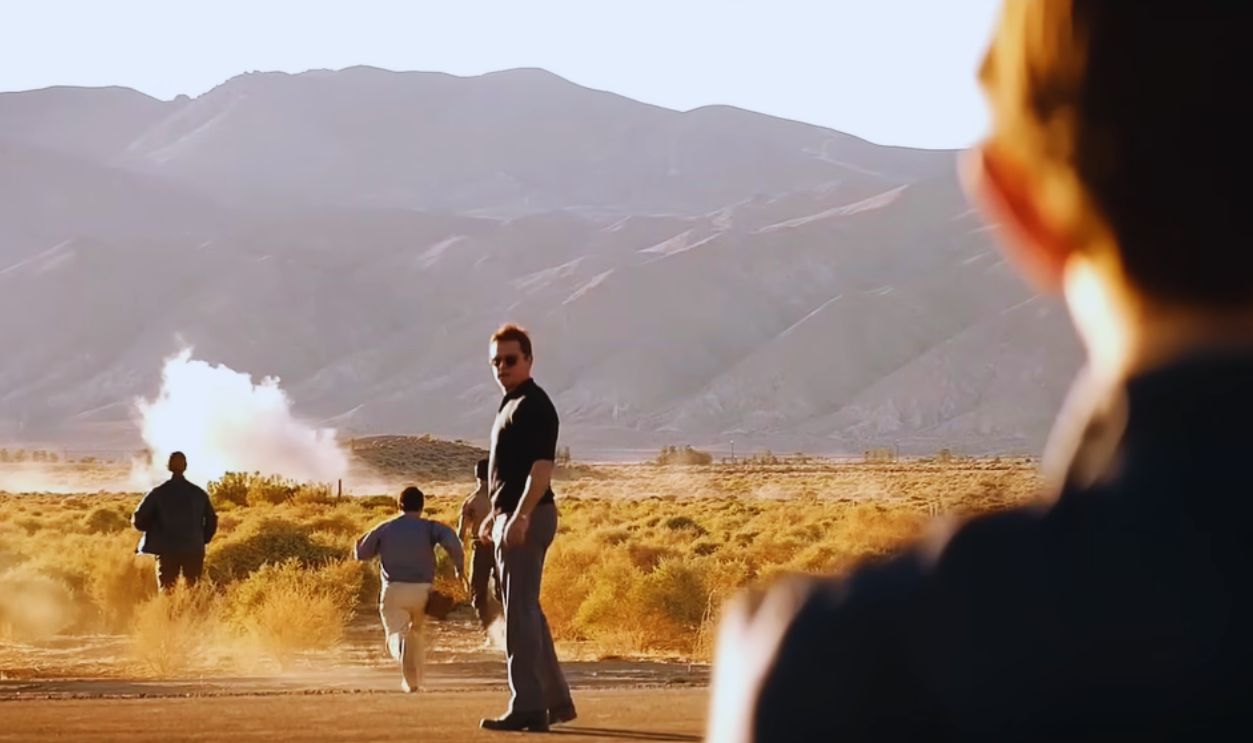 Screenshot from Ford v Ferrari, 20th Century Fox (2019)
His Death Changed The Car
After the crash, Ford revised the J-car concept heavily. Safety and aerodynamic concerns became even more urgent. The evolved design eventually became the Ford Mark IV, the car that won Le Mans in 1967.
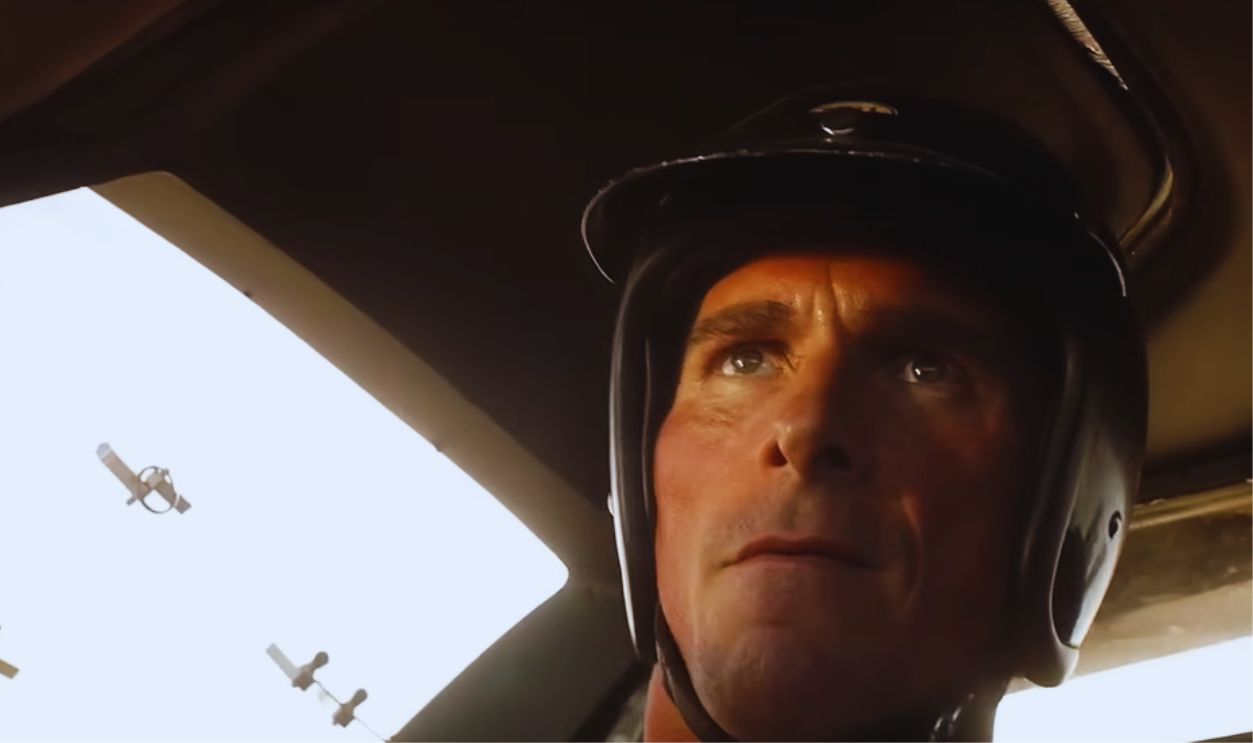 Screenshot from Ford v Ferrari, 20th Century Fox (2019)
He Never Saw The Legacy Grow
Ford went on to win Le Mans again in 1967, 1968, and 1969. Miles did not live to see the full dynasty that his work helped create. That is what makes his story so powerful and so frustrating.
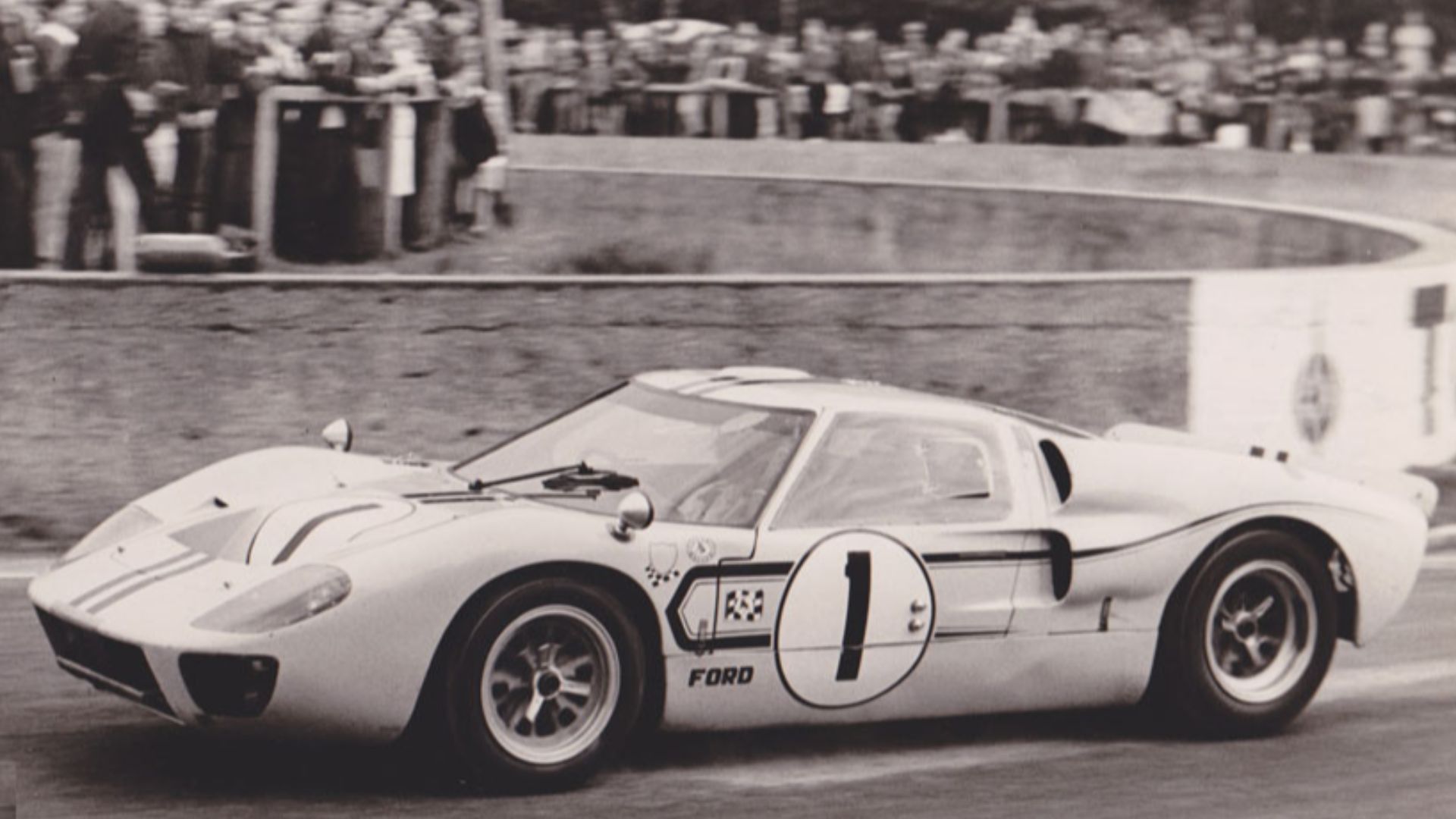 ARCHIVES PROPRIÉTÉ DE HENRI CHEMIN, Wikimedia Commons
The Movie Brought Him Back
For decades, big time racing fans knew Miles as one of the great hidden figures of Ford’s Le Mans victory. The 2019 film Ford v Ferrari introduced him to a much wider audience. Christian Bale’s portrayal helped people understand that Miles was not just a supporting character in someone else’s story.
 Screenshot from Ford v Ferrari, 20th Century Fox (2019)
His Real Legacy Is In The Details
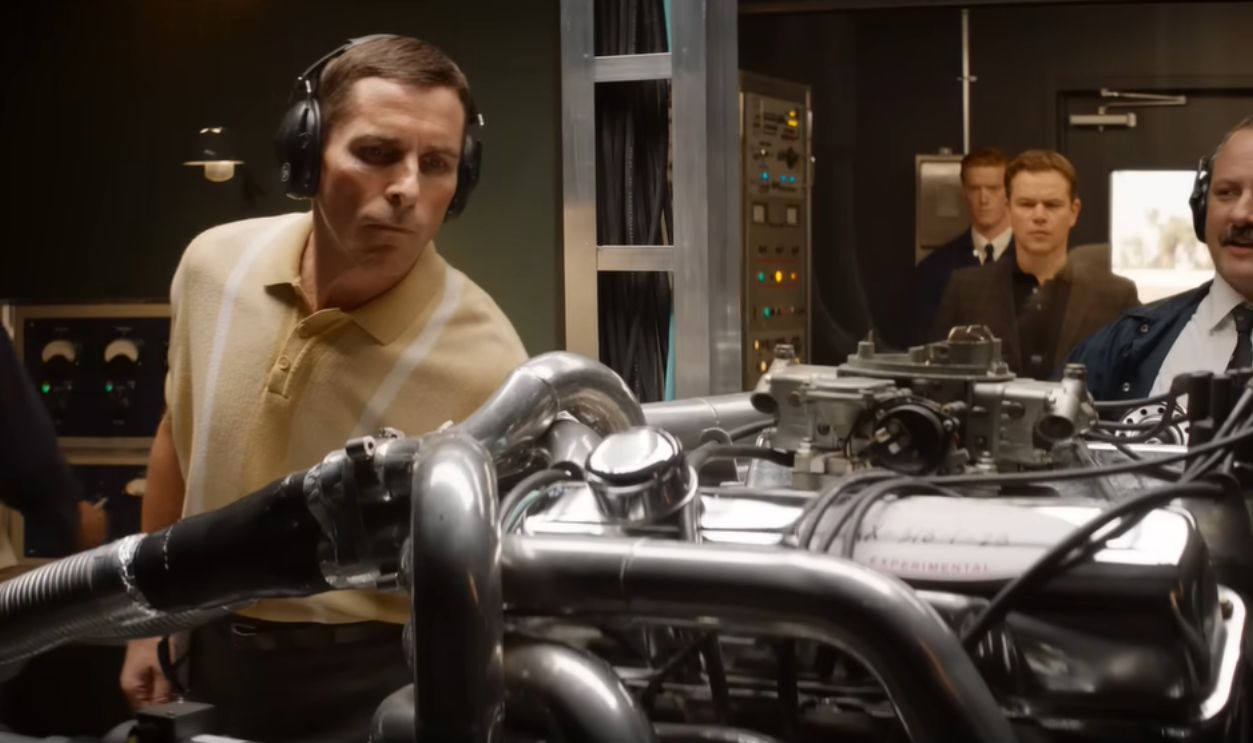
Miles’s legacy is not only about one missed Le Mans win. It is about the hours spent testing, arguing, modifying, and improving cars until they could survive the hardest races in the world. Ford beat Ferrari because it had money, ambition, and engineering power, but it also had Ken Miles.
 Screenshot from Ford v Ferrari, 20th Century Fox (2019)
The Driver Who Deserved More
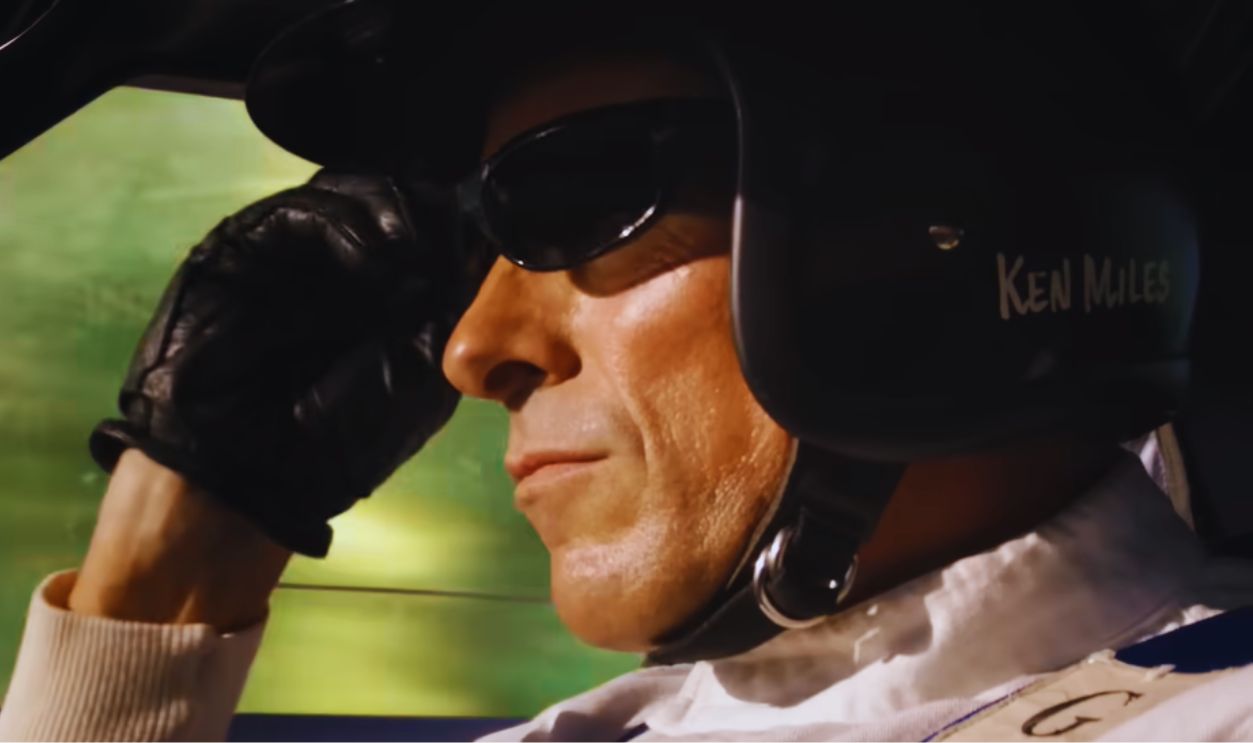
Ken Miles helped Ford achieve one of the most famous victories in racing history. He lost the official Le Mans win through a strange and painful technicality, then lost his life before he could chase it again. Yet his influence remains built into the GT40 legend, and that may be the greatest victory he never got to see.
 Screenshot from Ford v Ferrari, 20th Century Fox (2019)
You May Also Like: