A Racing Name That Still Feels Alive
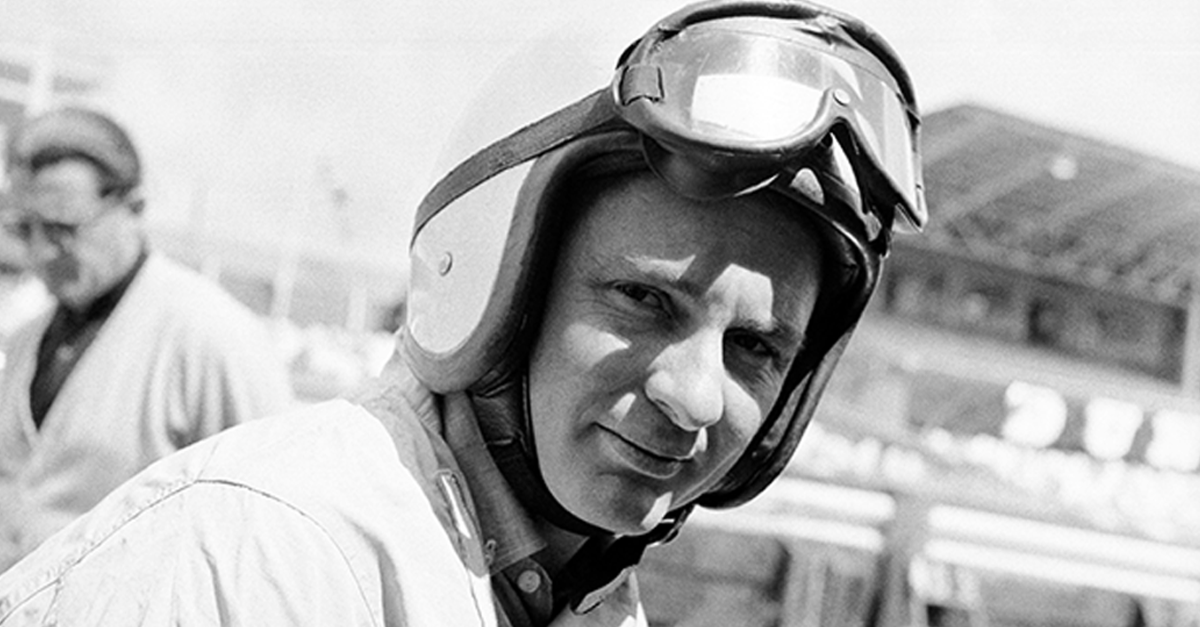
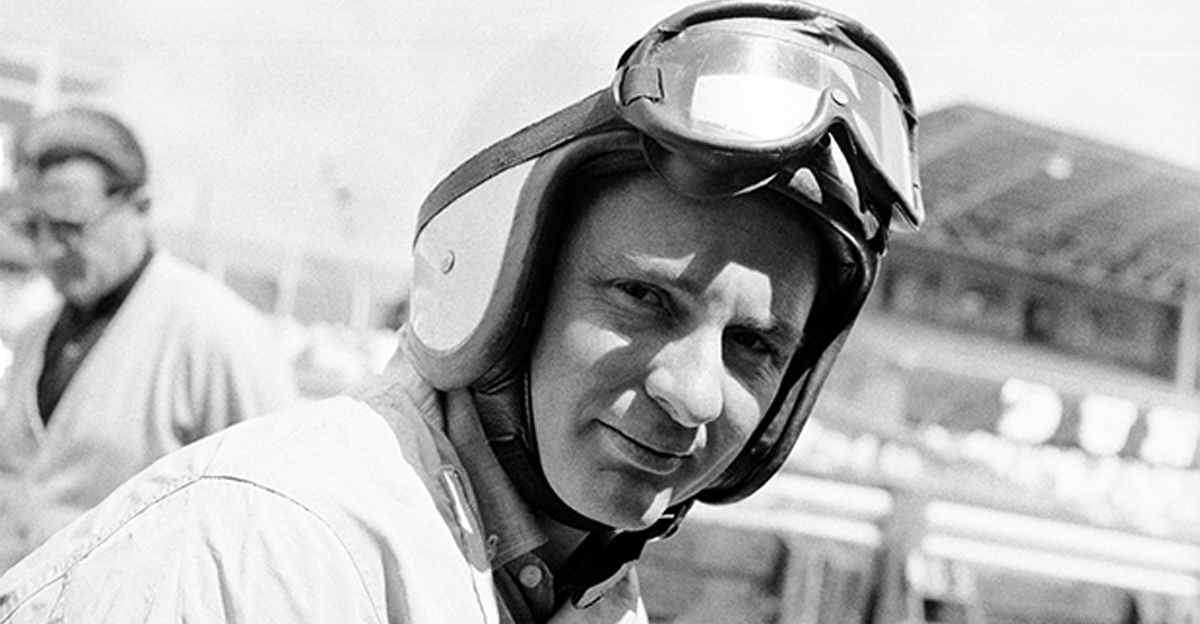
Bruce McLaren’s name is everywhere in modern racing, from Formula 1 grids to road-going supercars. That makes it easy to forget that McLaren was a real person before it became a global brand. His life ended shockingly early, but the ideas he left behind kept moving.
 PA Images Archive, Getty Images
He Came From Auckland, Not Racing Royalty
Bruce Leslie McLaren was born in Auckland, New Zealand, on August 30, 1937. His parents, Les and Ruth McLaren, ran a service station and workshop in Remuera. That workshop became the place where Bruce first learned how machines worked.
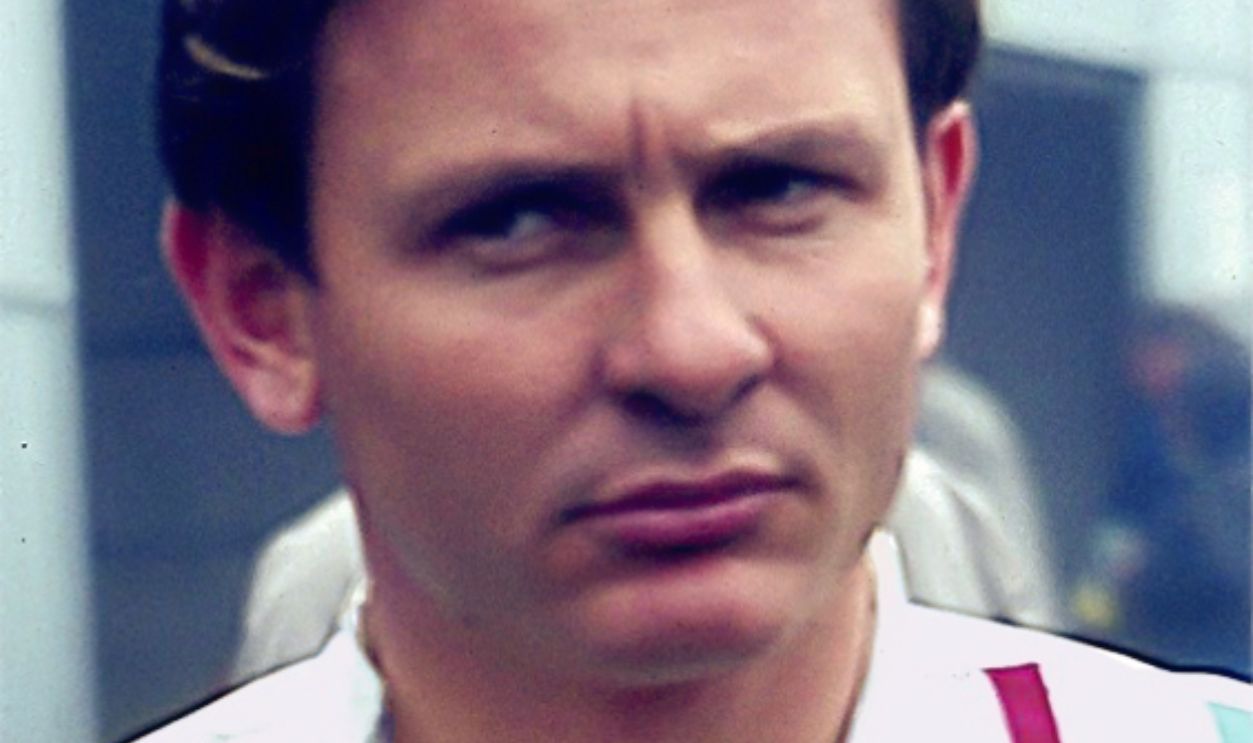 Lothar Spurzem, CC BY-SA 2.0, Wikimedia Commons
The Workshop Was His First Classroom
Bruce grew up surrounded by engines, tools, and people who understood cars as living, mechanical things. He was not just interested in driving fast. He wanted to know why a car behaved the way it did.
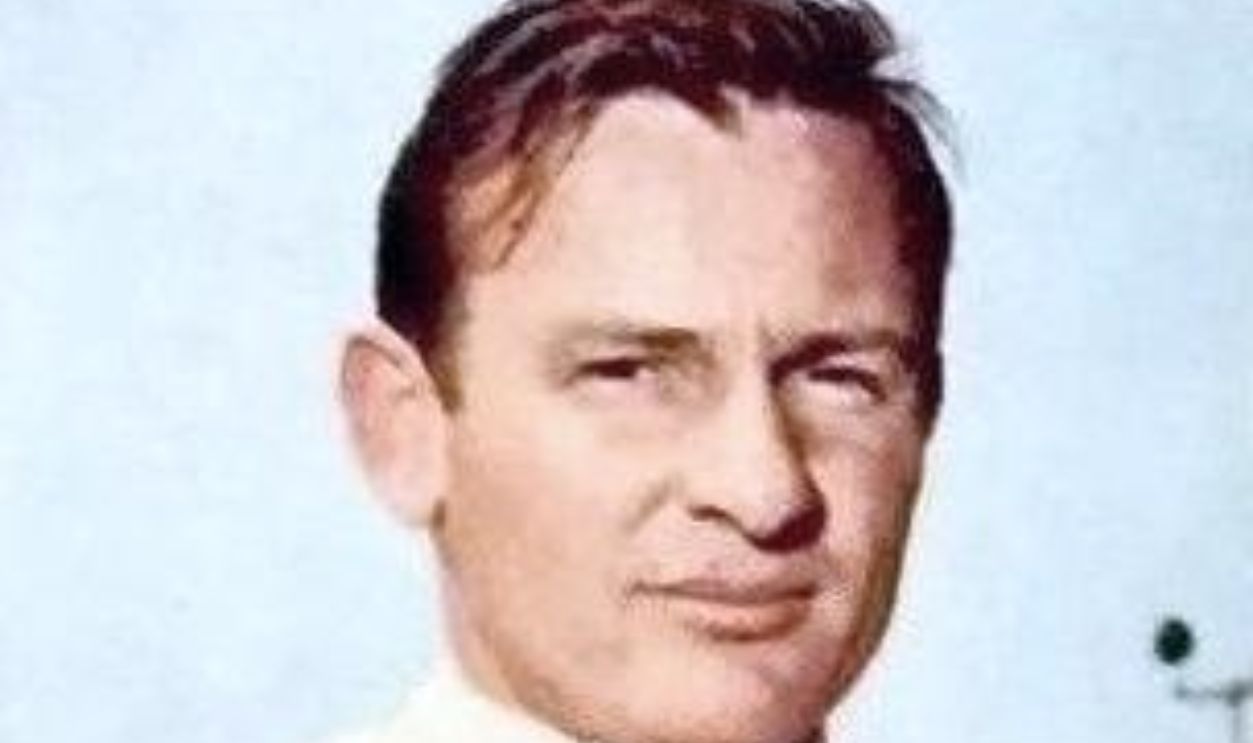
Childhood Illness Changed His Outlook
As a boy, McLaren was diagnosed with Legg-Calvé-Perthes disease, a hip condition that required years of treatment. He spent long periods away from normal childhood routines and was left with a permanent limp. Instead of pushing him away from cars, the experience seemed to sharpen his patience and determination.
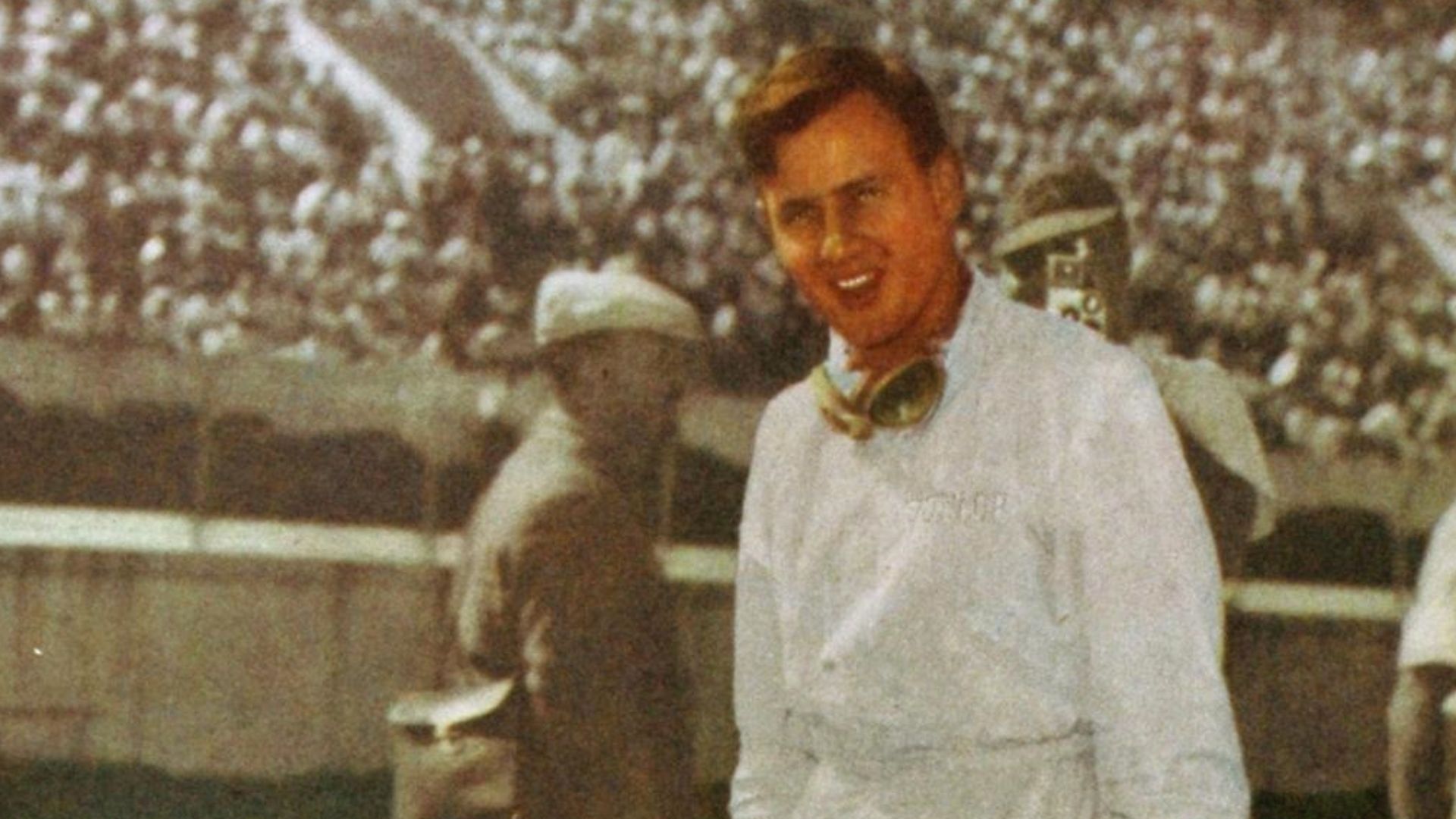
An Austin 7 Started Everything
At 14, Bruce helped restore a 1929 Austin 7 Ulster with his father. He entered local hillclimbs in New Zealand and quickly showed that he had real feel behind the wheel. The little car became the first step in a career that would soon outgrow New Zealand.
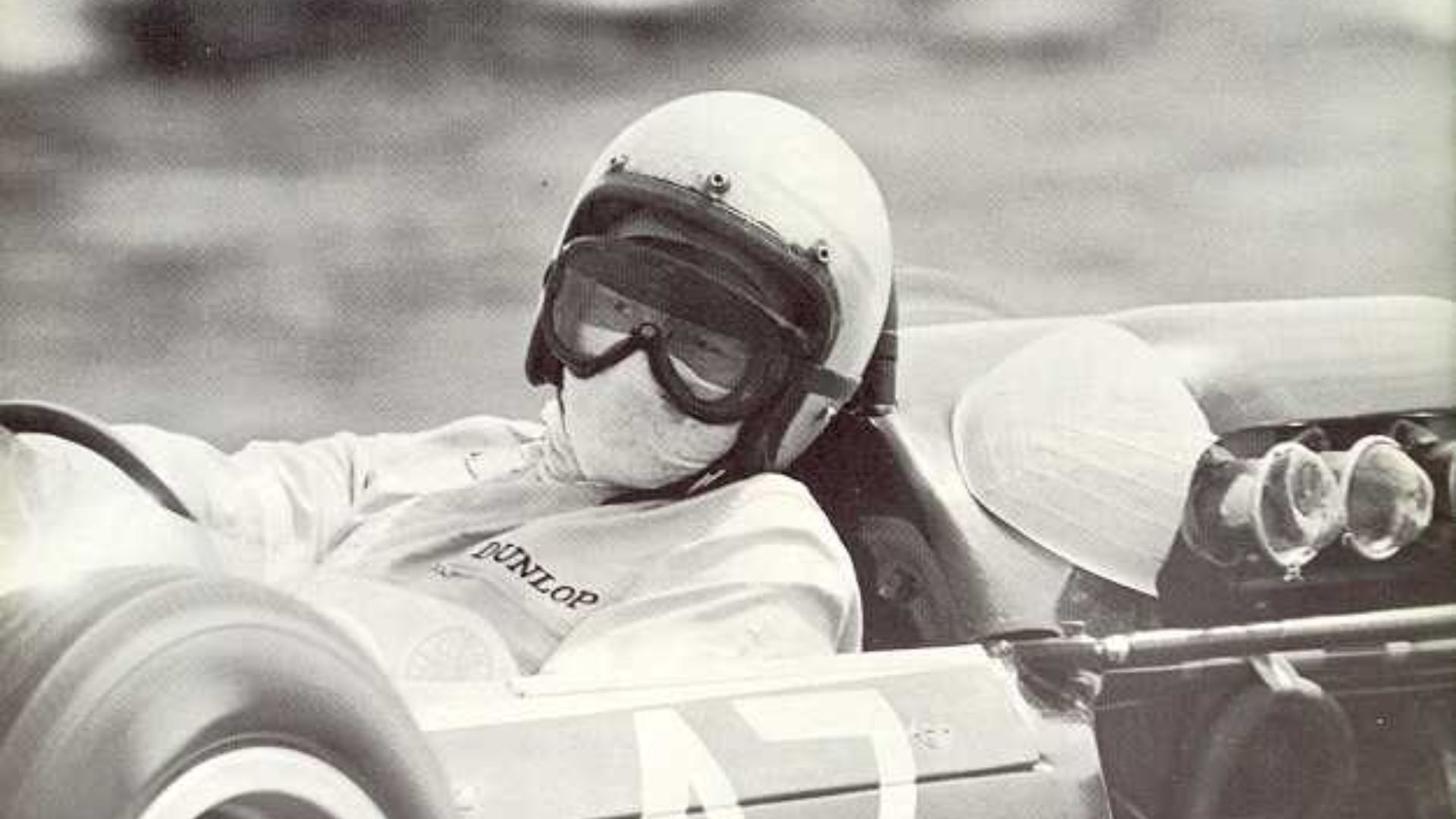 SunflowerYuri, Wikimedia Commons
He Learned By Improving What He Drove
McLaren was never just a young driver waiting for better equipment. He modified, tested, and refined the cars he raced. That hands-on mindset became one of the defining traits of his career.
New Zealand Spotted Something Special
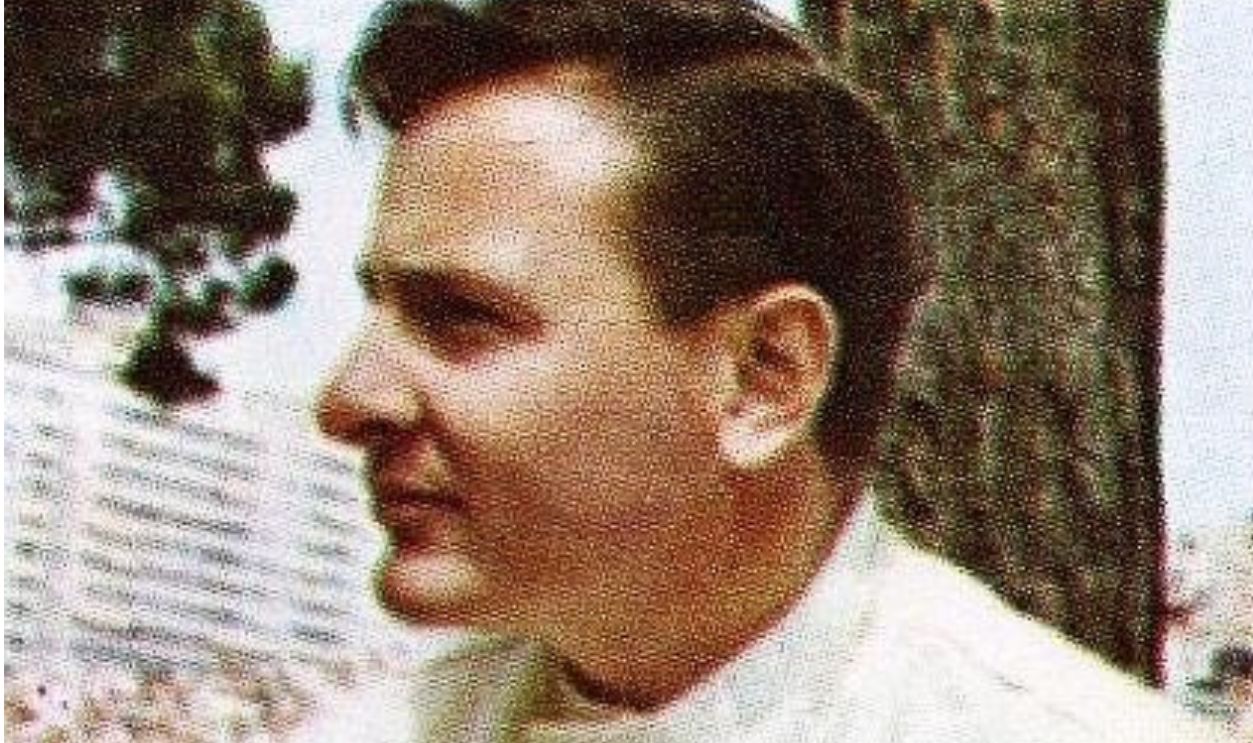
McLaren’s results in local racing earned attention through New Zealand’s Driver to Europe program. The idea was to give a promising young Kiwi a chance to race against the best in the world. Bruce became one of the program’s most important early success stories.
 Bilsen, Joop van / Anefo, CC-BY-SA-3.0-NL, Wikimedia Commons
Europe Was The Big Test
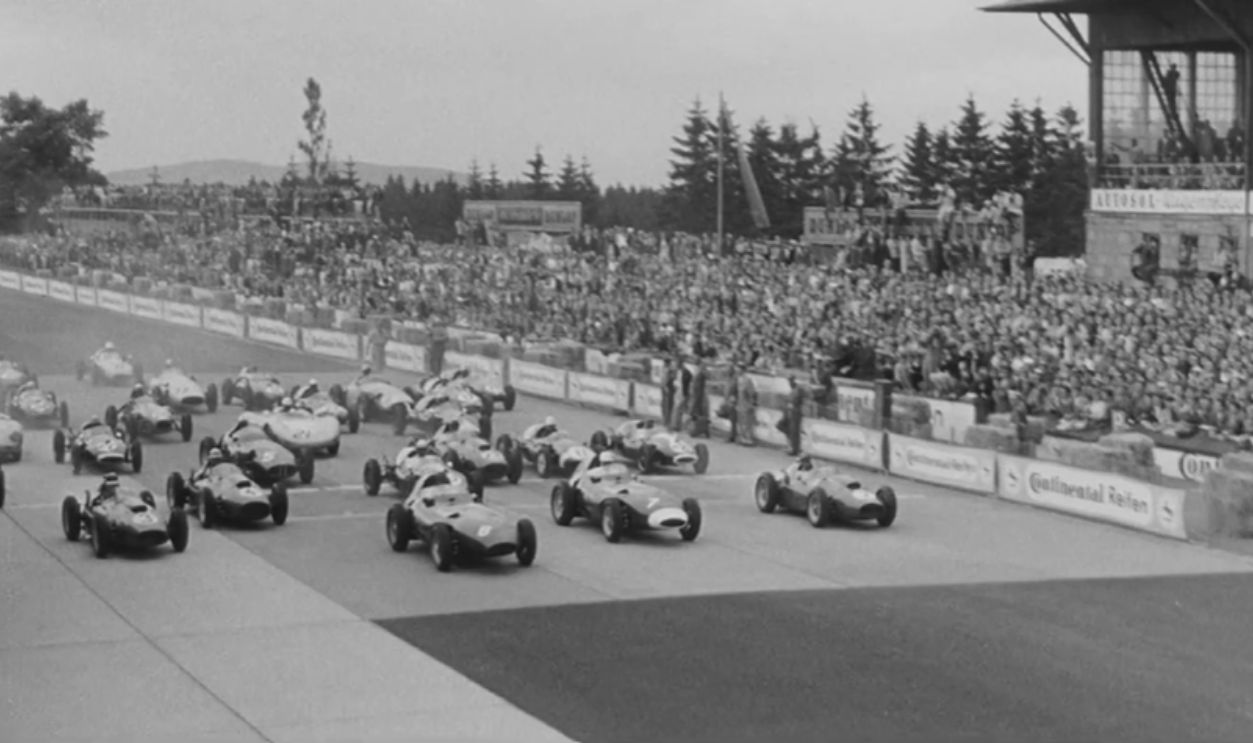
McLaren went to Europe in 1958, where he raced in Formula Two and soon crossed paths with the Cooper team. Jack Brabham recognized his talent and helped connect him with Charles and John Cooper. That connection put Bruce on the road to Formula 1.

His Formula 1 Debut Came Fast
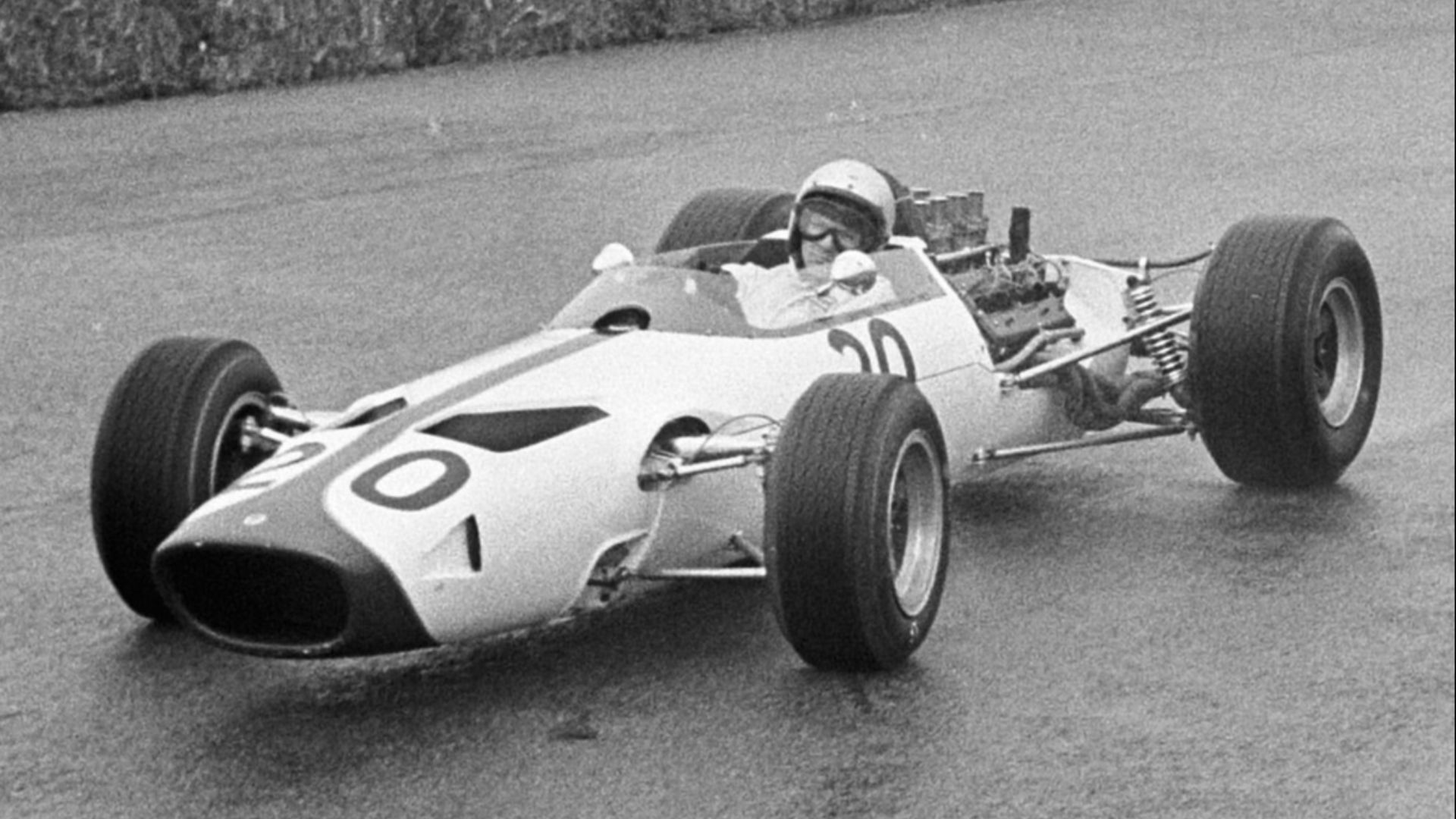
McLaren made his Formula 1 debut at the 1958 German Grand Prix at the Nürburgring. He was still learning European circuits, but his technical calm stood out. Cooper soon gave him a bigger role in its works team.
 Eric Koch for Anefo, Wikimedia Commons
Cooper Was Changing The Sport
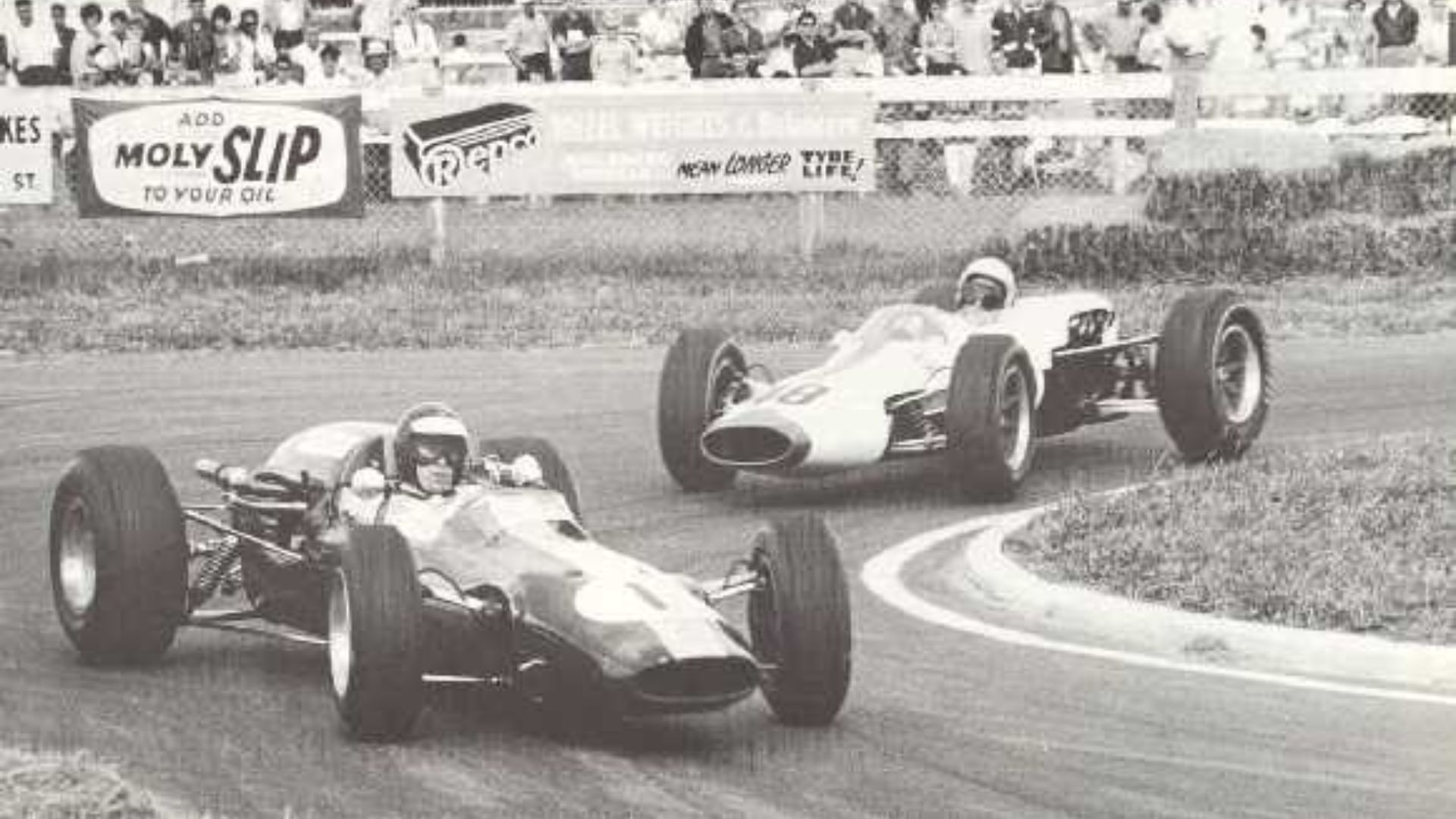
Cooper’s rear-engined cars helped transform Formula 1 in the late 1950s. McLaren arrived at the team during a major shift in racing design. He absorbed those lessons while building a reputation as a thinking driver.
 SunflowerYuri, Wikimedia Commons
He Won Before Anyone Expected
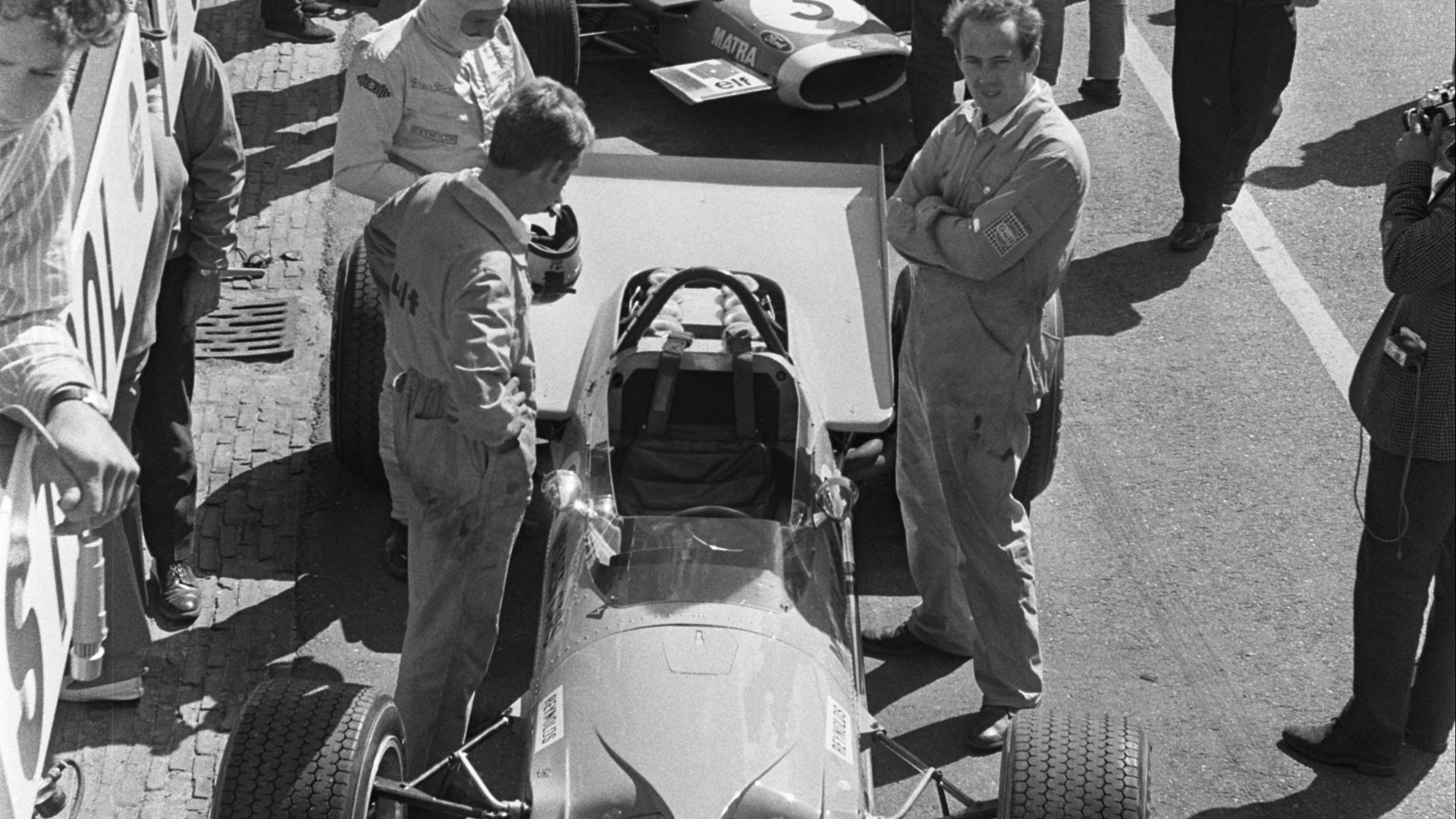
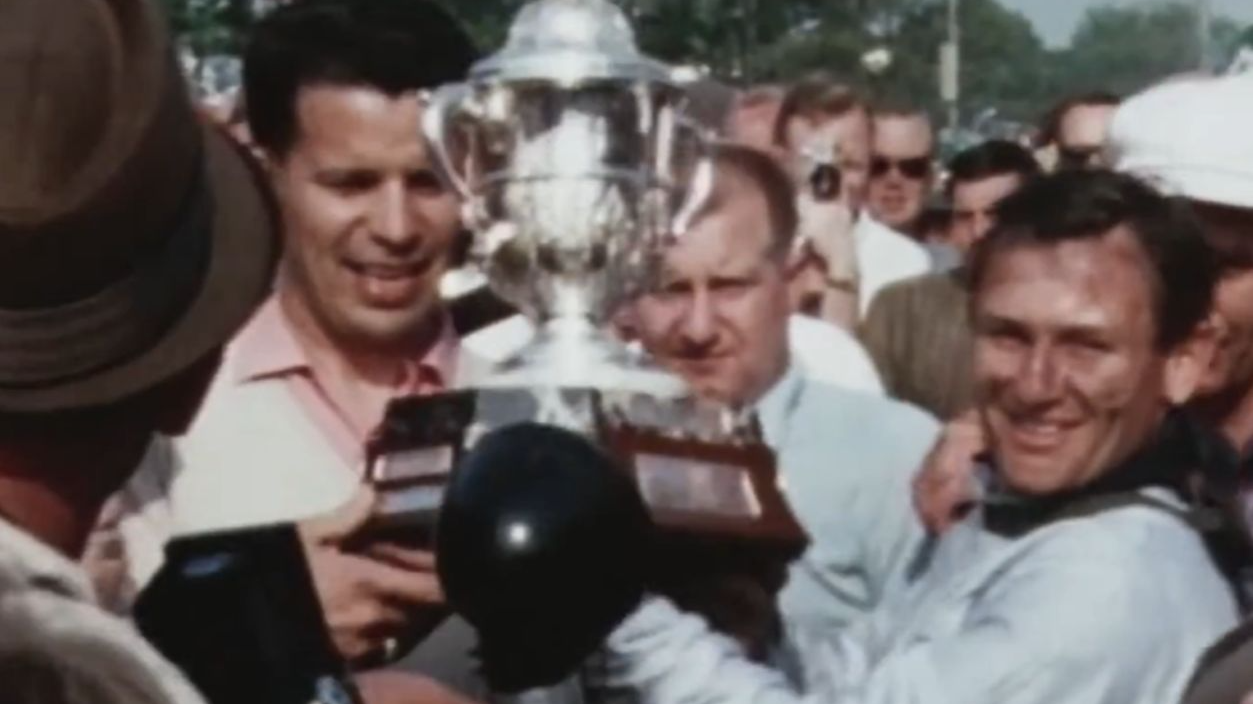
In 1959, McLaren won the United States Grand Prix at Sebring. He was 22 years and 104 days old, which made him the youngest winner of a Formula 1 World Championship Grand Prix at the time. That record stood for more than four decades.
Sebring Proved His Nerve
The 1959 United States Grand Prix was a tense race with championship implications and plenty of mechanical drama. McLaren kept his Cooper alive while others struggled. His win showed that he had speed, discipline, and mechanical sympathy.
He Nearly Reached The Top In 1960
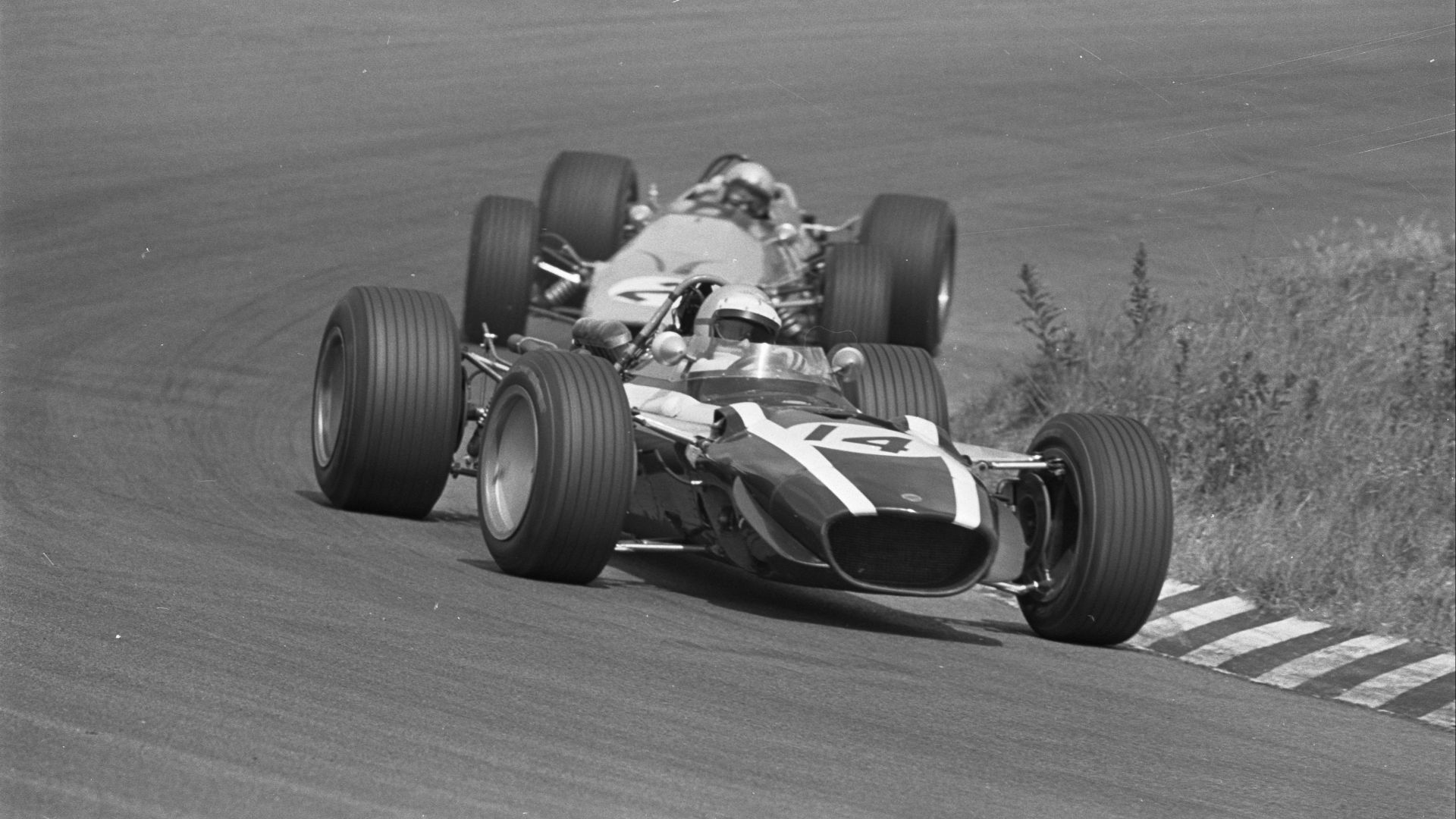
McLaren won the 1960 Argentine Grand Prix and finished second in the World Drivers’ Championship. His Cooper teammate Jack Brabham won the title that year. Bruce was still only in his early twenties, but he was already one of Formula 1’s serious contenders.
 Mike Cookson, Wikimedia Commons
Monaco Added To His Legend
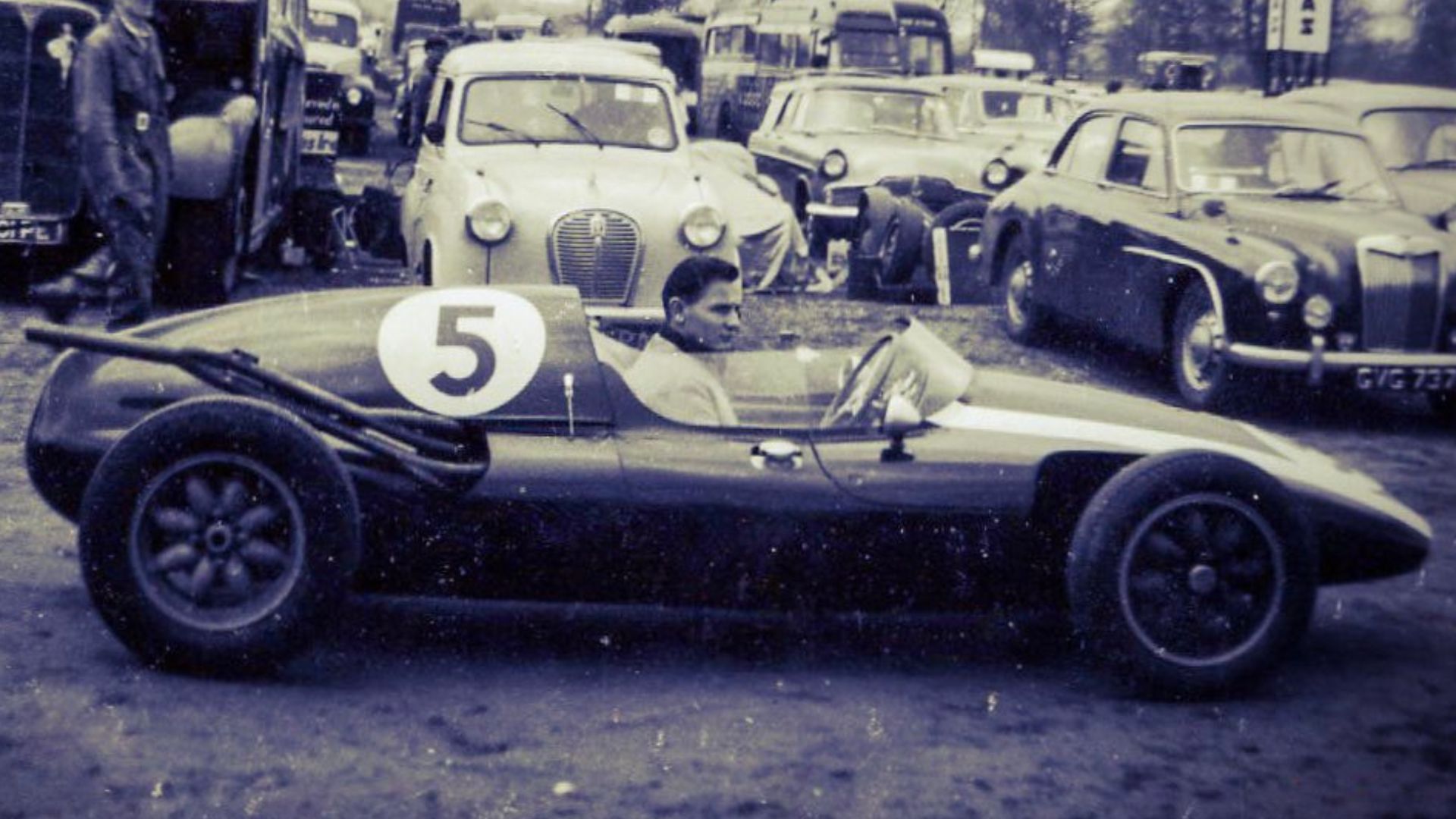
McLaren won the 1962 Monaco Grand Prix, one of racing’s most prestigious events. Monaco rewarded precision, patience, and confidence, all qualities that suited him well. That victory reinforced his status as more than a lucky young winner.
 Lothar Spurzem, CC BY-SA 2.0 DE, Wikimedia Commons
He Was Already Thinking Bigger
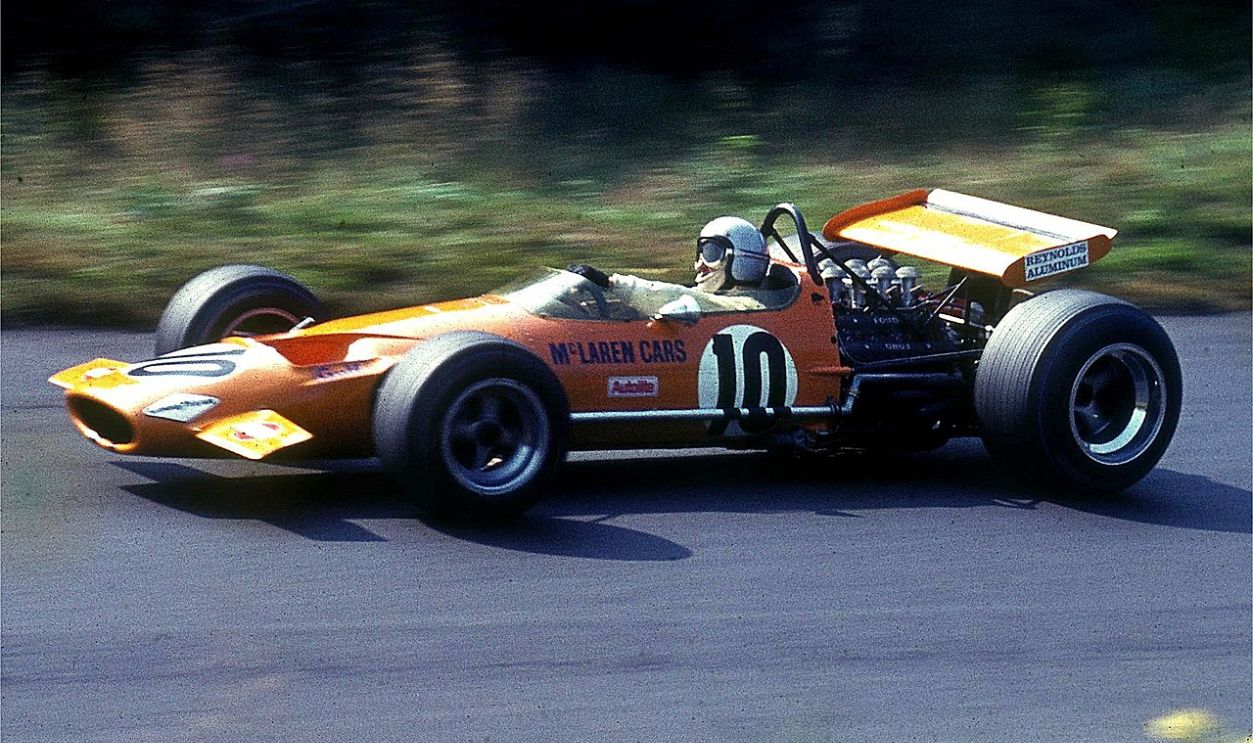
By the early 1960s, McLaren wanted more than a seat in someone else’s car. He believed a racing team could be built around intelligent engineering and close collaboration. That belief led to one of the most important decisions in motorsport history.
 Screenshot from McLaren, Transmission Films (2017)
Bruce McLaren Motor Racing Was Born
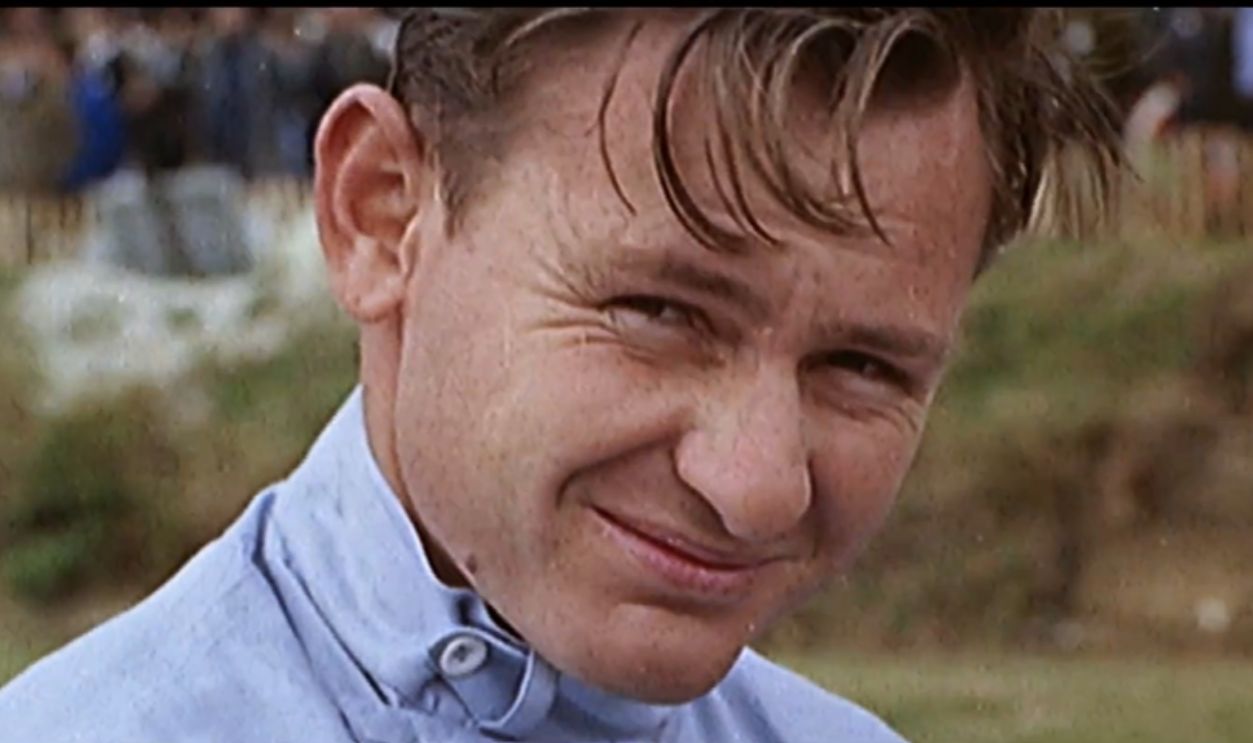
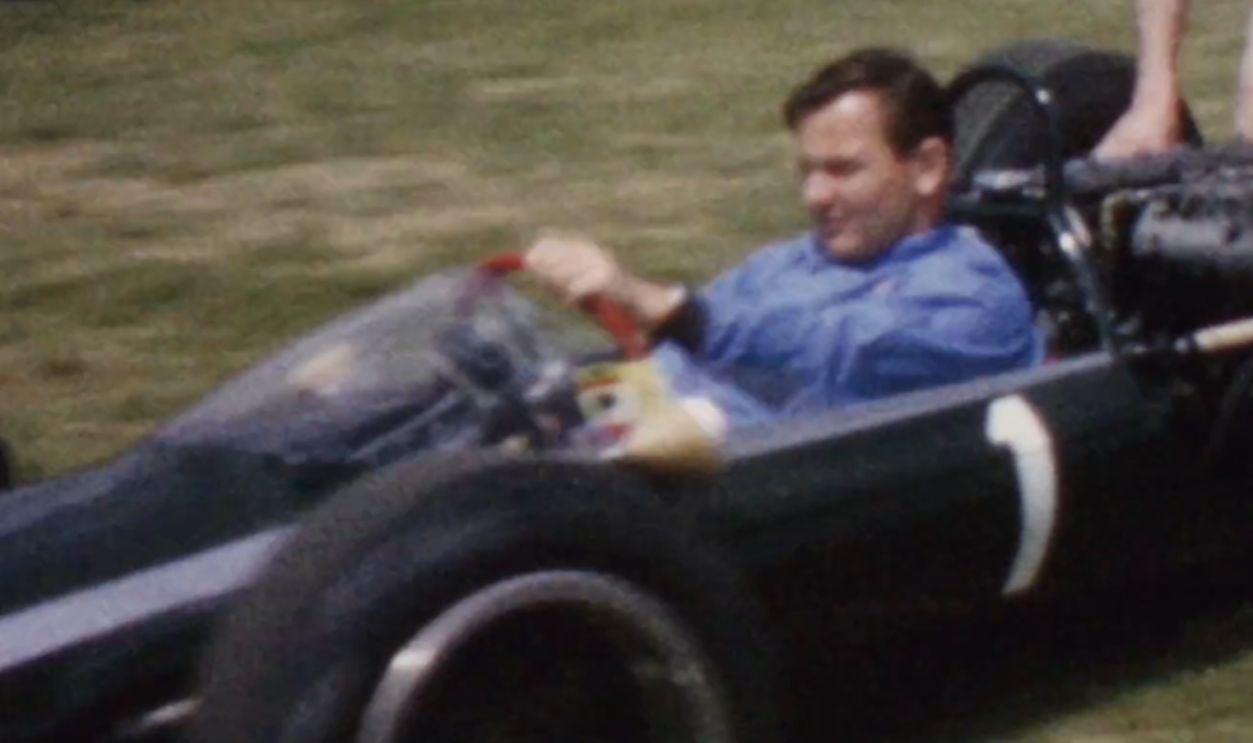
In 1963, McLaren founded Bruce McLaren Motor Racing Ltd. The team started small, but it reflected his personality from the beginning. It was practical, ambitious, and rooted in the idea that drivers and engineers should solve problems together.
 Screenshot from McLaren, Transmission Films (2017)
The Team Was Small But Serious
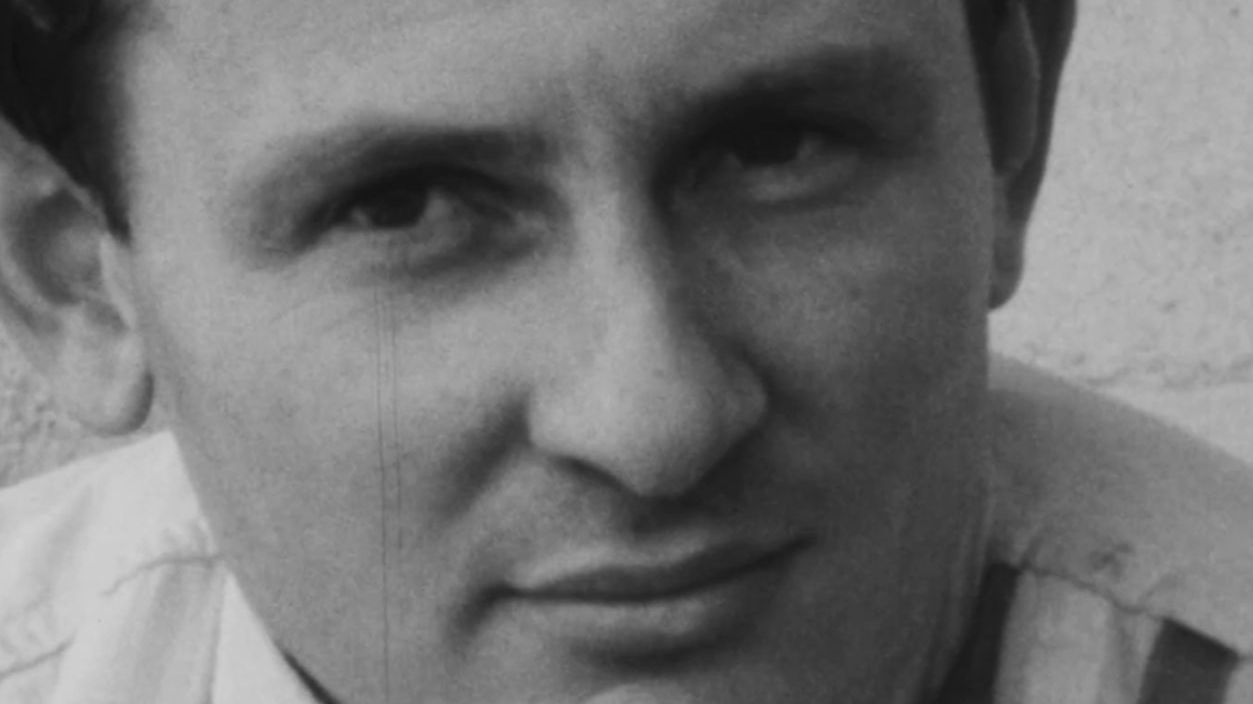
Early McLaren operations did not look like the massive Formula 1 organizations people know today. Bruce drove, managed, developed cars, and handled the unglamorous work that kept the team alive. That example helped create a culture of shared responsibility.
 Screenshot from McLaren, Transmission Films (2017)
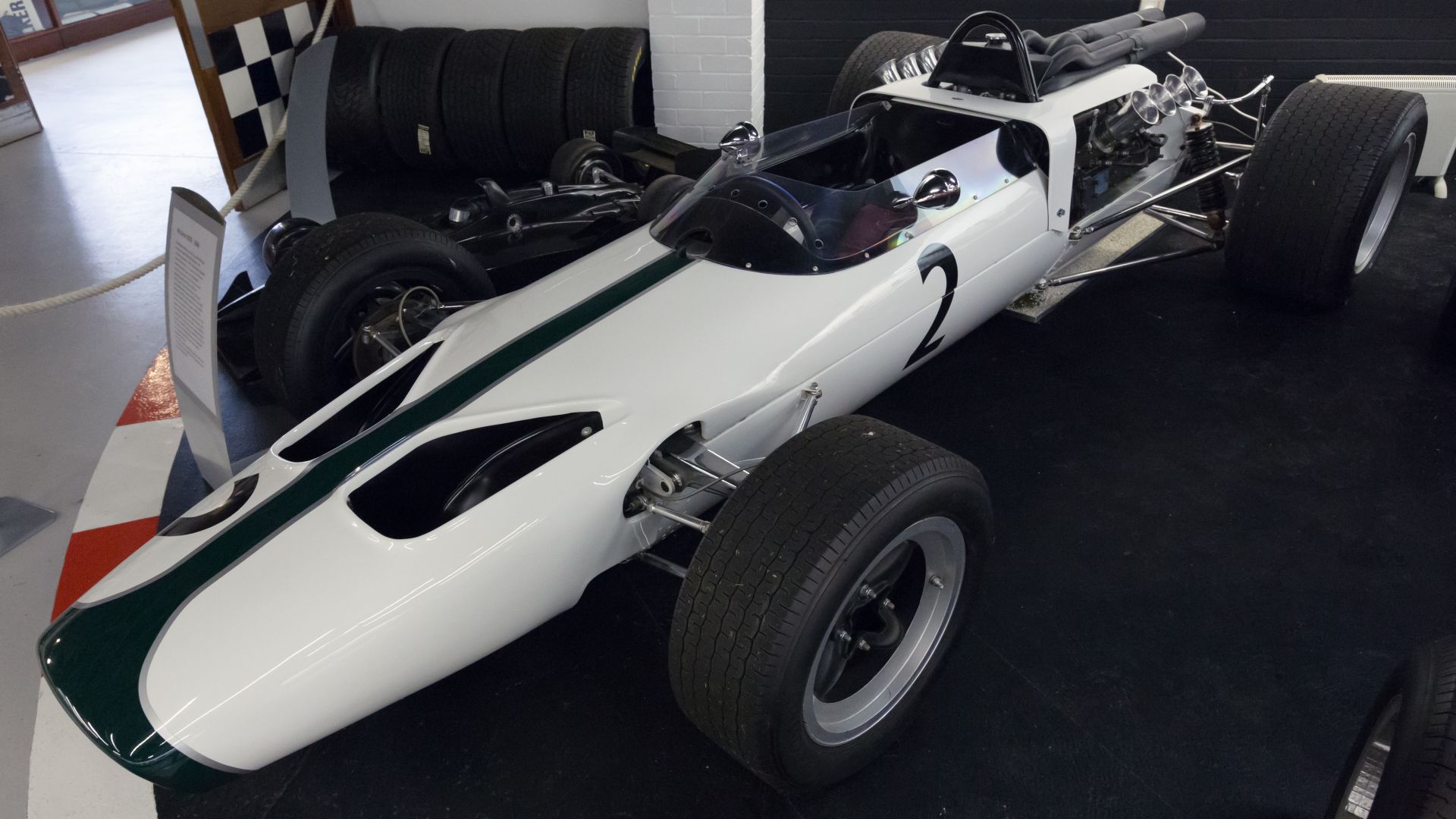
McLaren Entered Formula 1 In 1966
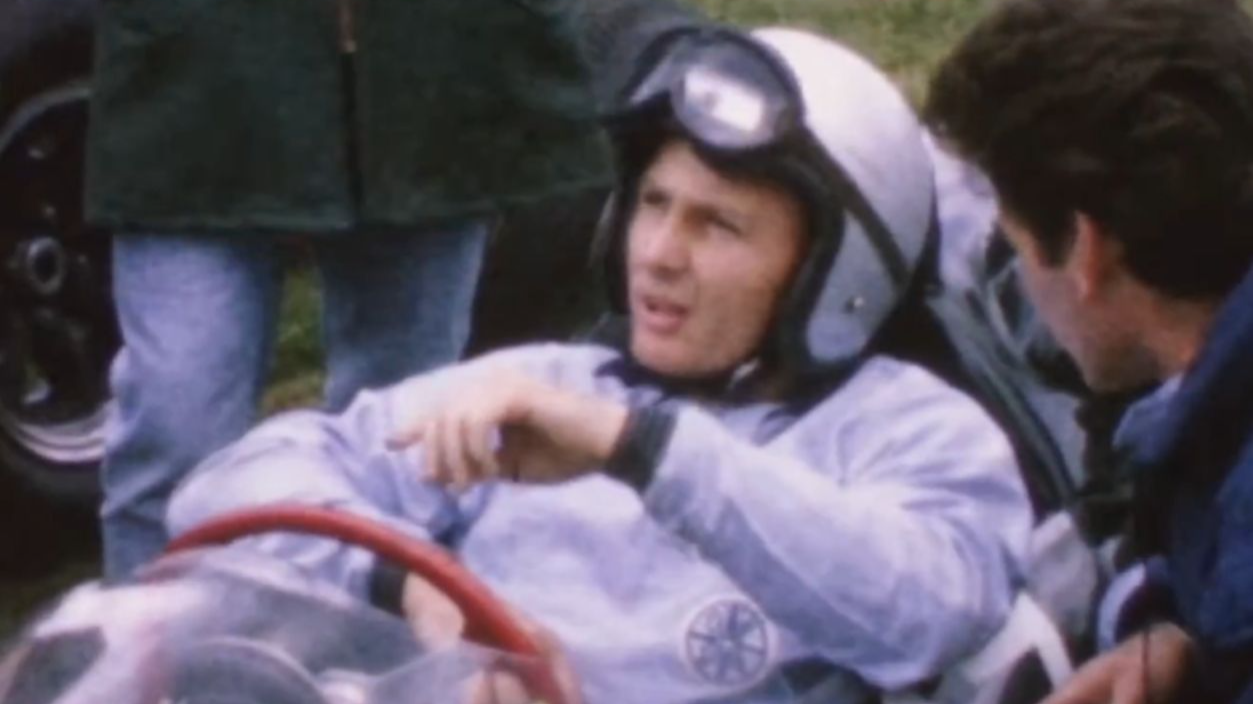
The McLaren team made its Formula 1 constructor debut in 1966. The first car, the M2B, was not an instant front-runner. Still, the entry mattered because Bruce had turned his personal ambition into a real grand prix team.
 Screenshot from McLaren, Transmission Films (2017)
The Early Years Were Tough
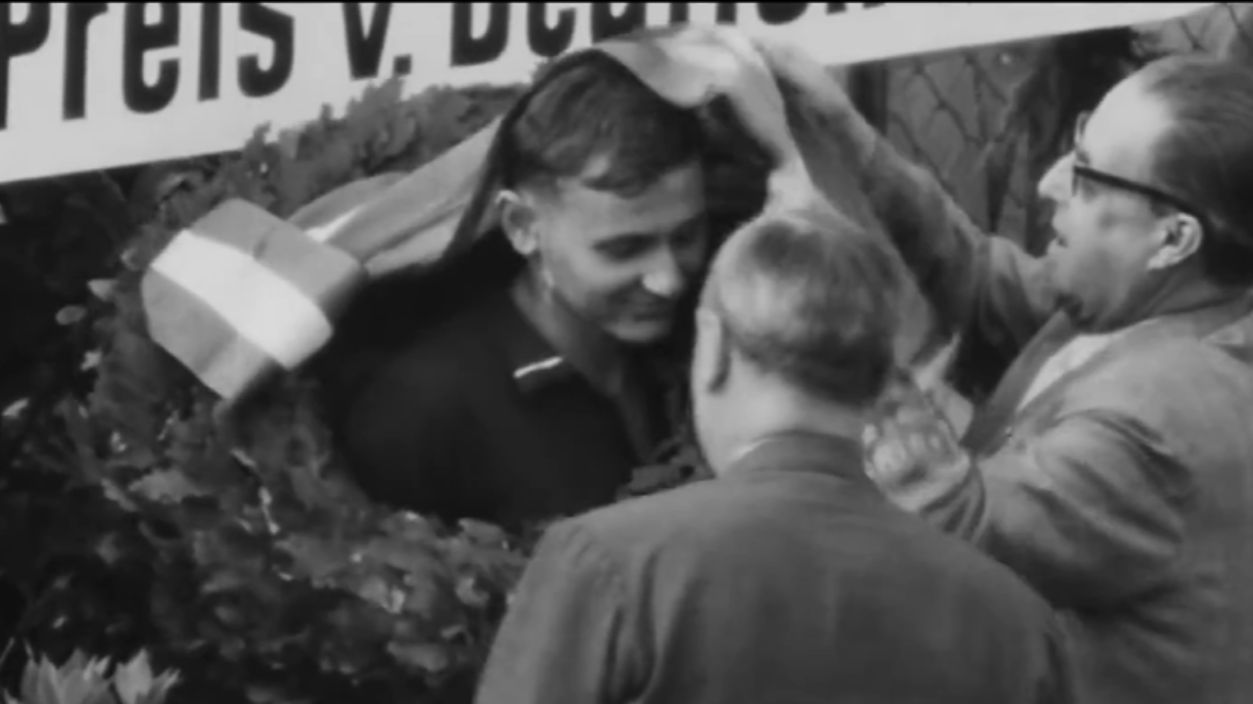
McLaren’s first Formula 1 seasons as a constructor came with engine problems and development challenges. The team was still learning how to compete against established names. Bruce kept pushing because he understood that progress in racing rarely came cleanly.
 Screenshot from McLaren, Transmission Films (2017)
Le Mans Brought A Huge Breakthrough
In 1966, Bruce McLaren and fellow New Zealander Chris Amon won the 24 Hours of Le Mans in a Ford GT40 Mk II. It was Ford’s first overall win at Le Mans. It also made McLaren and Amon the first New Zealanders to win the famous endurance race.
 Screenshot from McLaren, Transmission Films (2017)
The Finish Became Famous
The 1966 Le Mans finish is remembered for Ford’s attempt at a staged formation crossing. Race officials awarded the victory to McLaren and Amon. The result became one of the most debated and memorable finishes in endurance racing history.
 Screenshot from McLaren, Transmission Films (2017)
He Was More Than A Formula 1 Driver
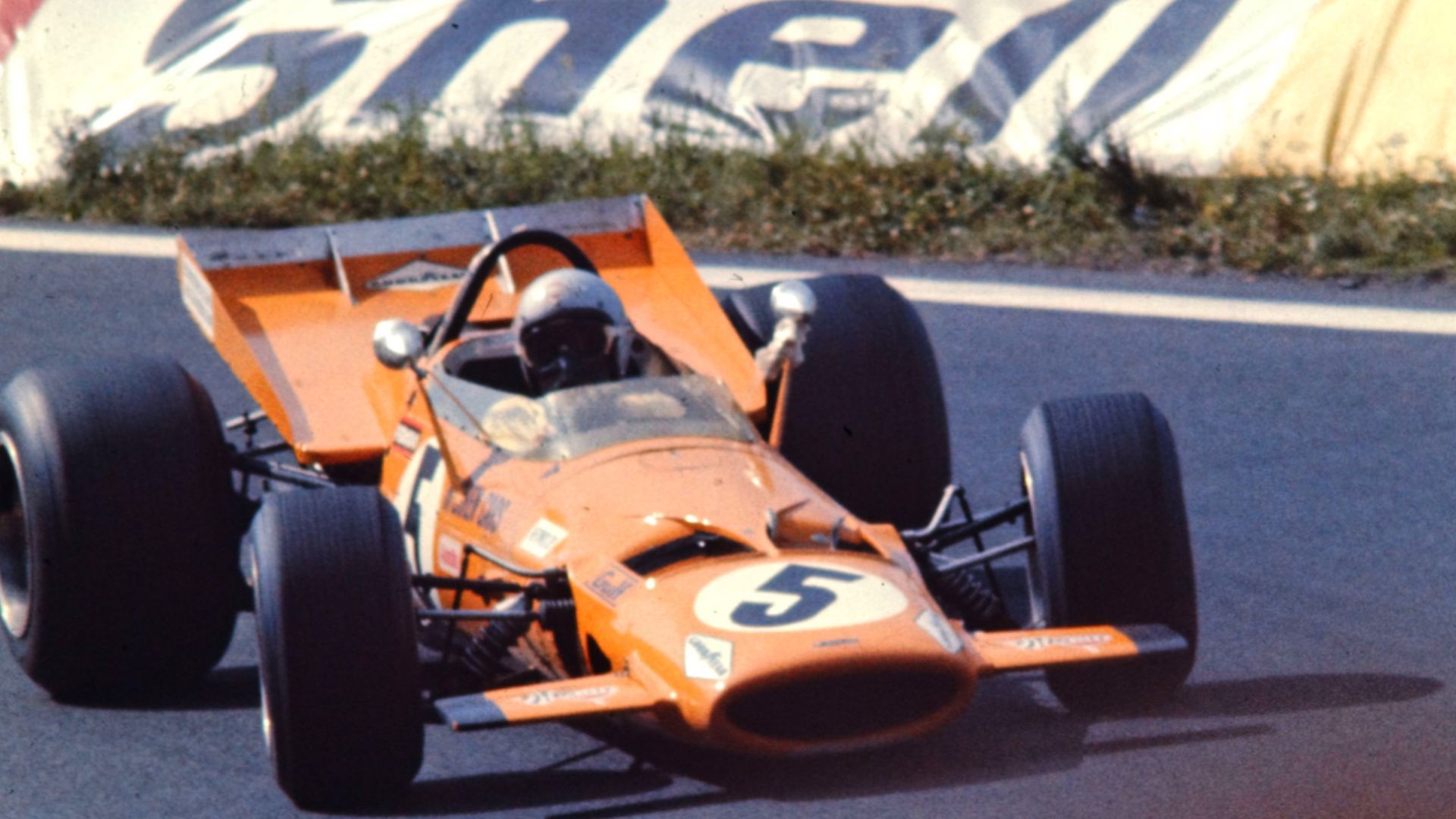
McLaren’s career stretched across Formula 1, sports cars, endurance racing, and Can-Am. That range mattered because each category taught different lessons. He carried ideas from one discipline into another.
Can-Am Fit His Imagination Perfectly
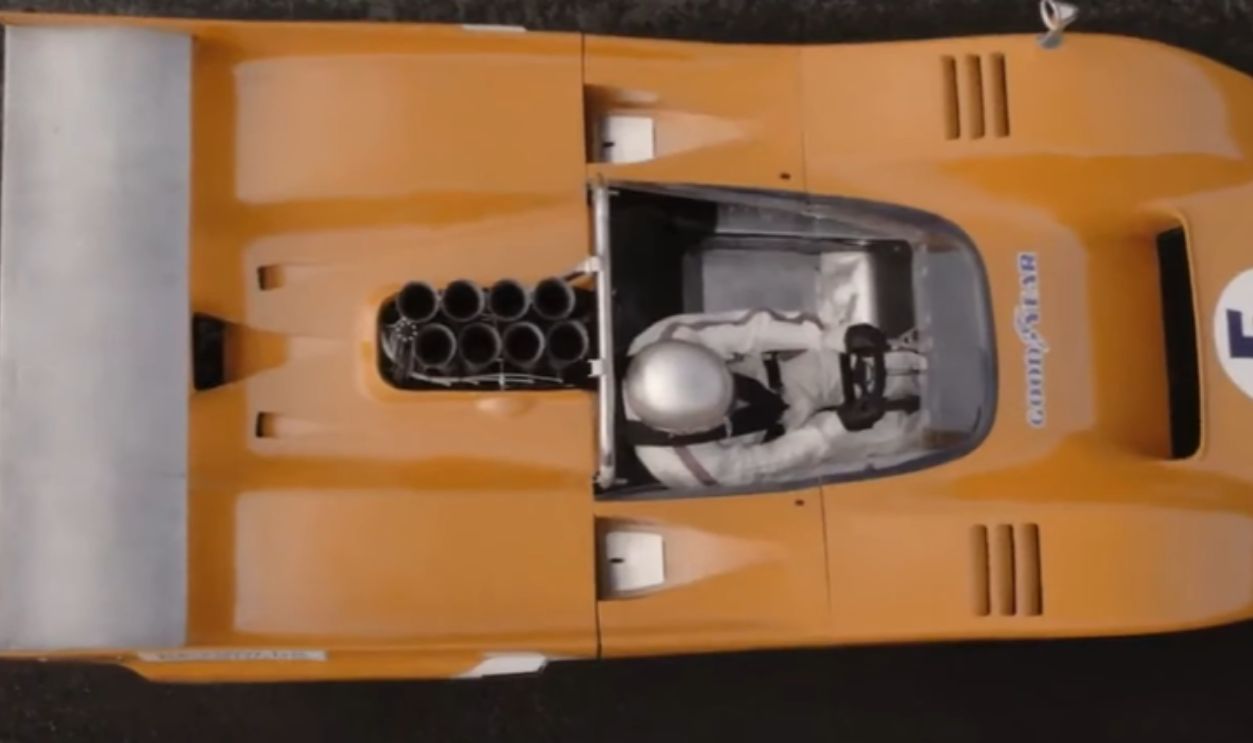
The Canadian-American Challenge Cup, better known as Can-Am, had relatively open technical rules. That made it a perfect playground for builders who wanted to experiment. McLaren understood the opportunity and built cars that suited the series beautifully.
 Screenshot from McLaren, Transmission Films (2017)
The Papaya Cars Became Icons
McLaren’s Can-Am cars helped establish the team’s famous papaya orange identity. The color was bold, simple, and easy to spot at speed. Over time, it became one of the most recognizable visual signatures in racing.
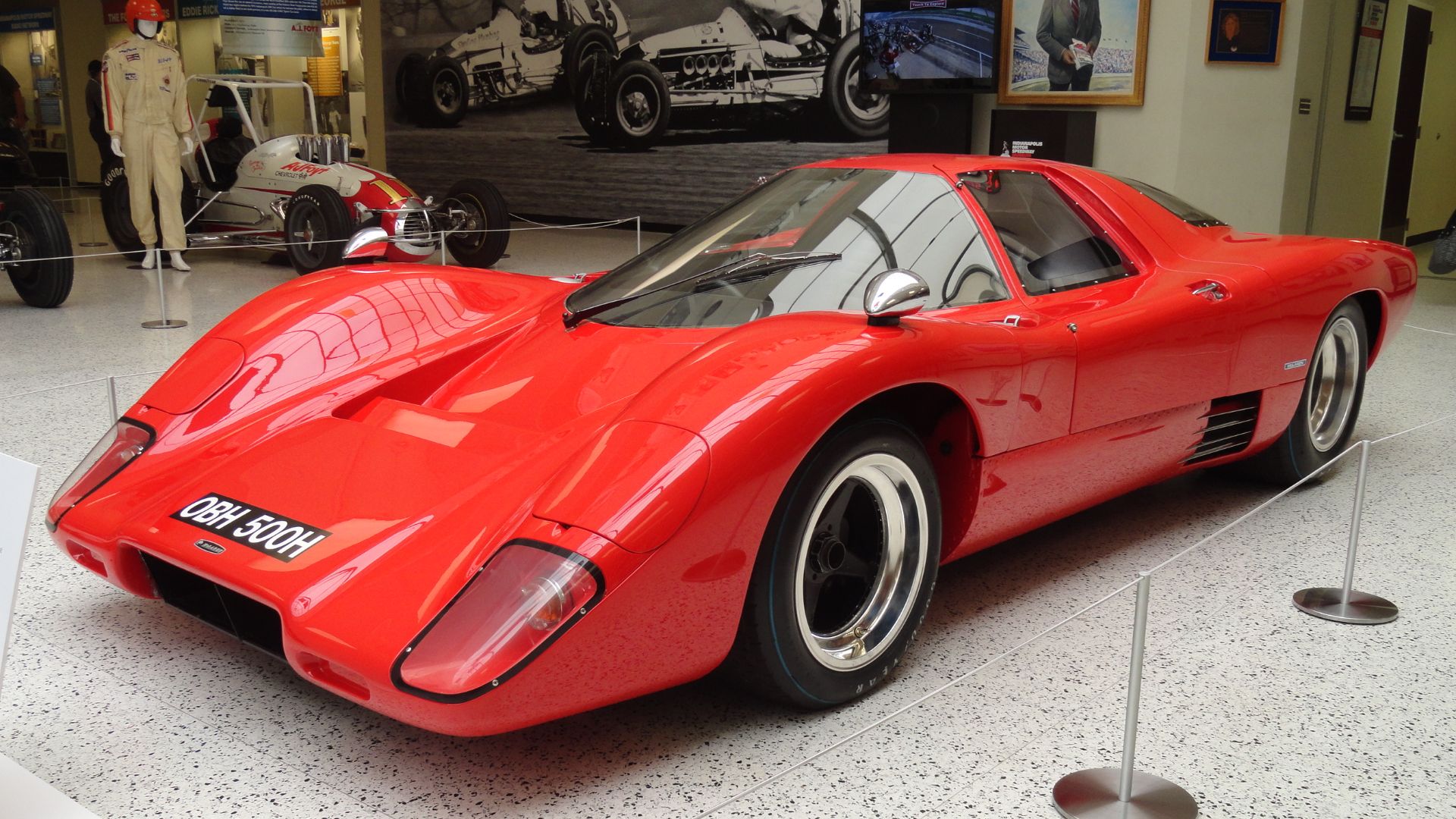
The M6A Changed The Team’s Status
In 1967, the McLaren M6A helped Bruce win the Can-Am championship. The car combined power, lightness, and smart aerodynamics. It showed that McLaren could build winning machines, not just race other people’s designs.
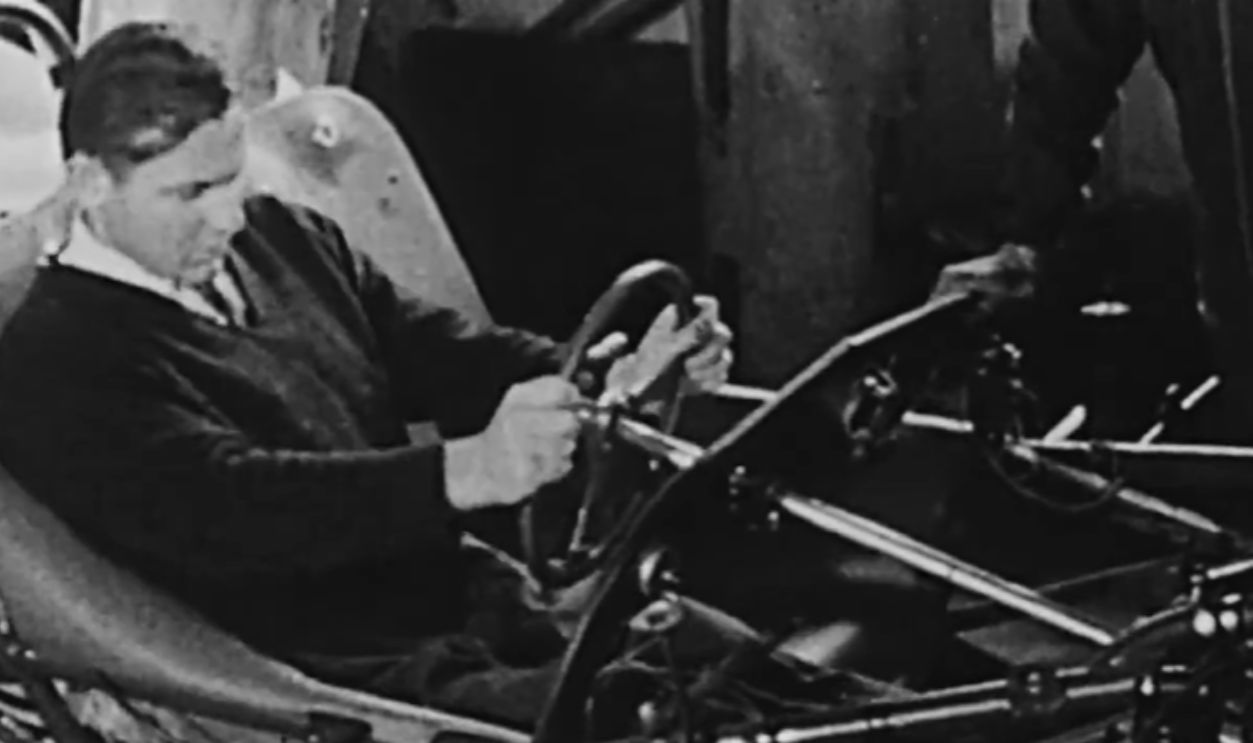
The Bruce And Denny Show Took Over
Bruce McLaren and Denny Hulme became a dominant pairing in Can-Am. Their success was so complete that the era became known as the “Bruce and Denny Show.” It was a New Zealand-led takeover of one of the wildest racing series in the world.
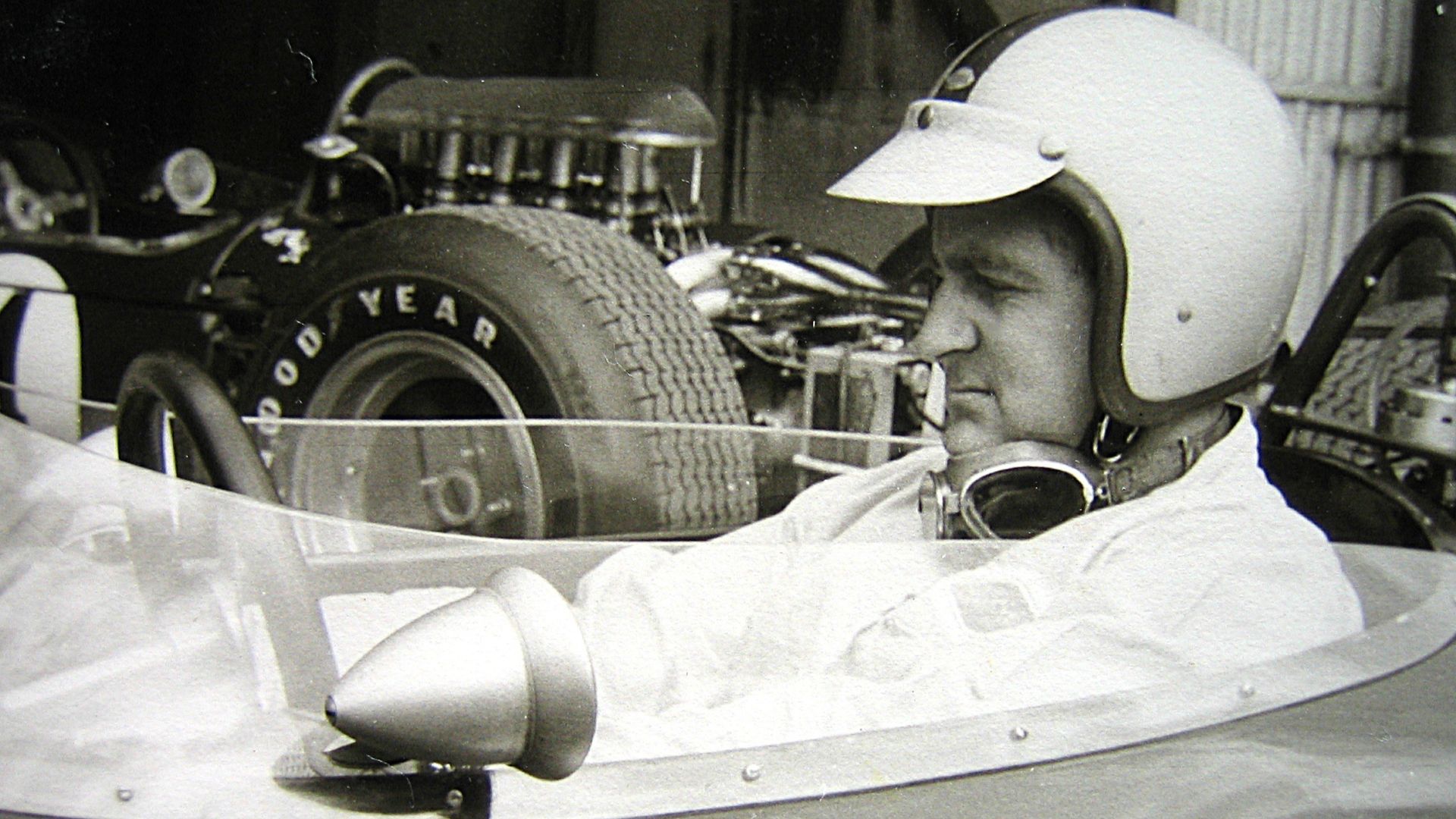
 Screenshot from McLaren, Transmission Films (2017)
Can-Am Made McLaren Look Unstoppable
McLaren won the Can-Am drivers’ championship in 1967 and 1969. Denny Hulme won it for the team in 1968 and 1970. The team’s Can-Am run helped fund and strengthen the wider McLaren racing operation.
 Lothar Spurzem, Wikimedia Commons
Spa Delivered The First McLaren F1 Win
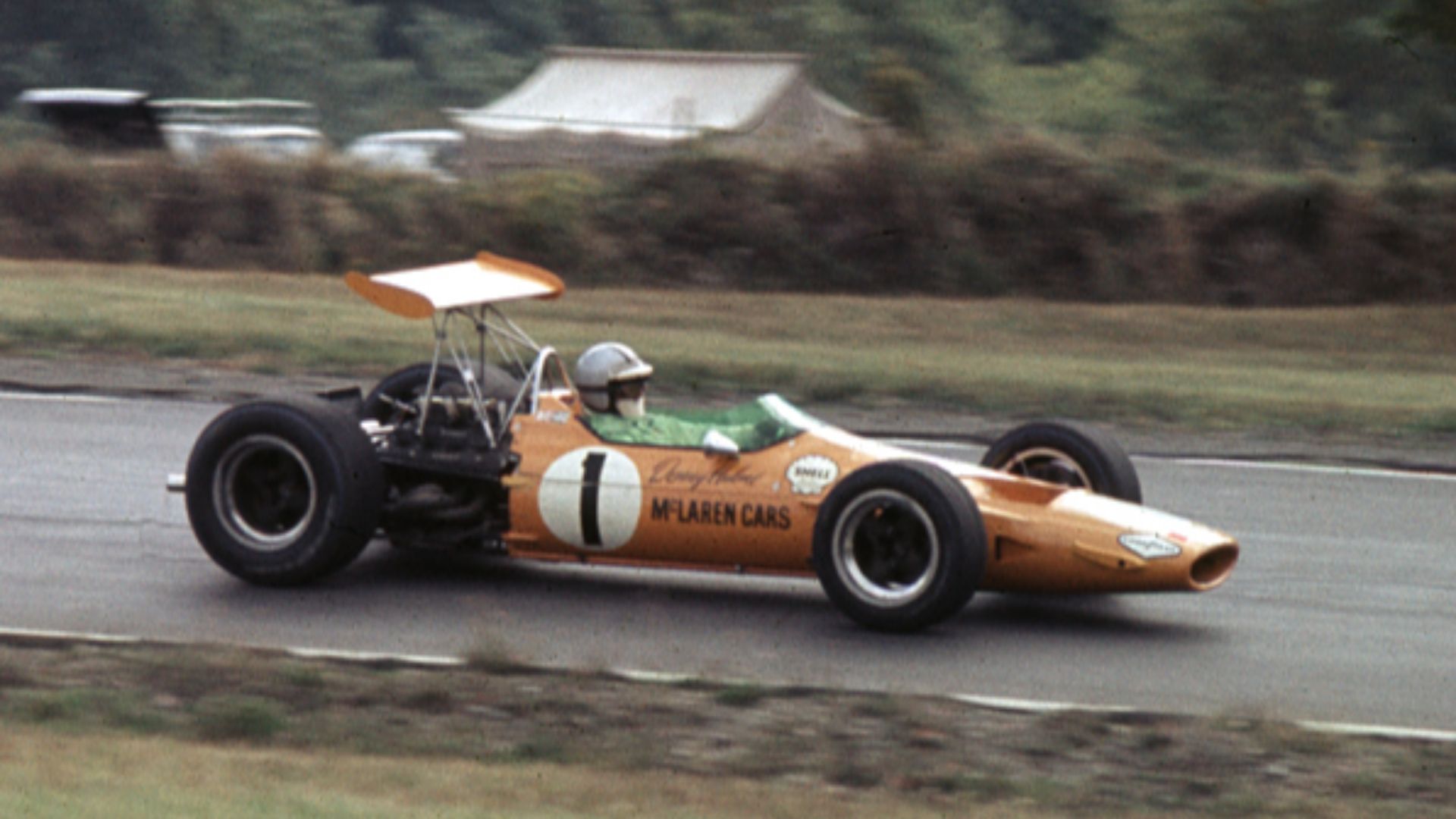
In 1968, Bruce McLaren won the Belgian Grand Prix at Spa-Francorchamps driving a McLaren-Ford M7A. It was the first Formula 1 victory for the team that carried his name. That made the win far more meaningful than a normal grand prix result.
 Rtsanderson, Wikimedia Commons
He Joined A Rare Club
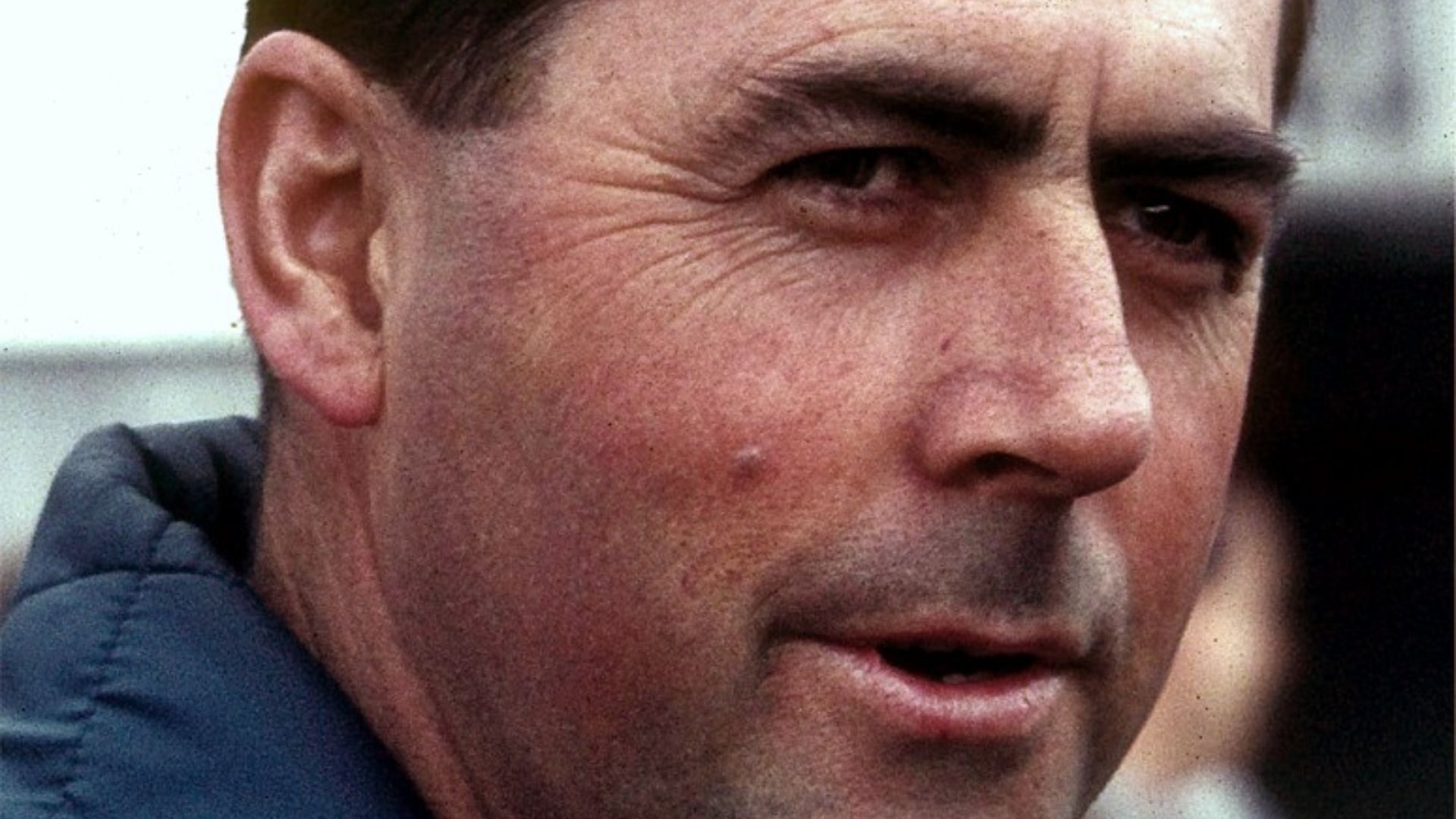
By winning in his own car, McLaren joined a small group of driver-constructors who won Formula 1 World Championship races. Jack Brabham and Dan Gurney are usually named alongside him in that group. It remains one of the most difficult feats in grand prix racing.
 Lothar Spurzem, Wikimedia Commons
The Team Was Growing Quickly
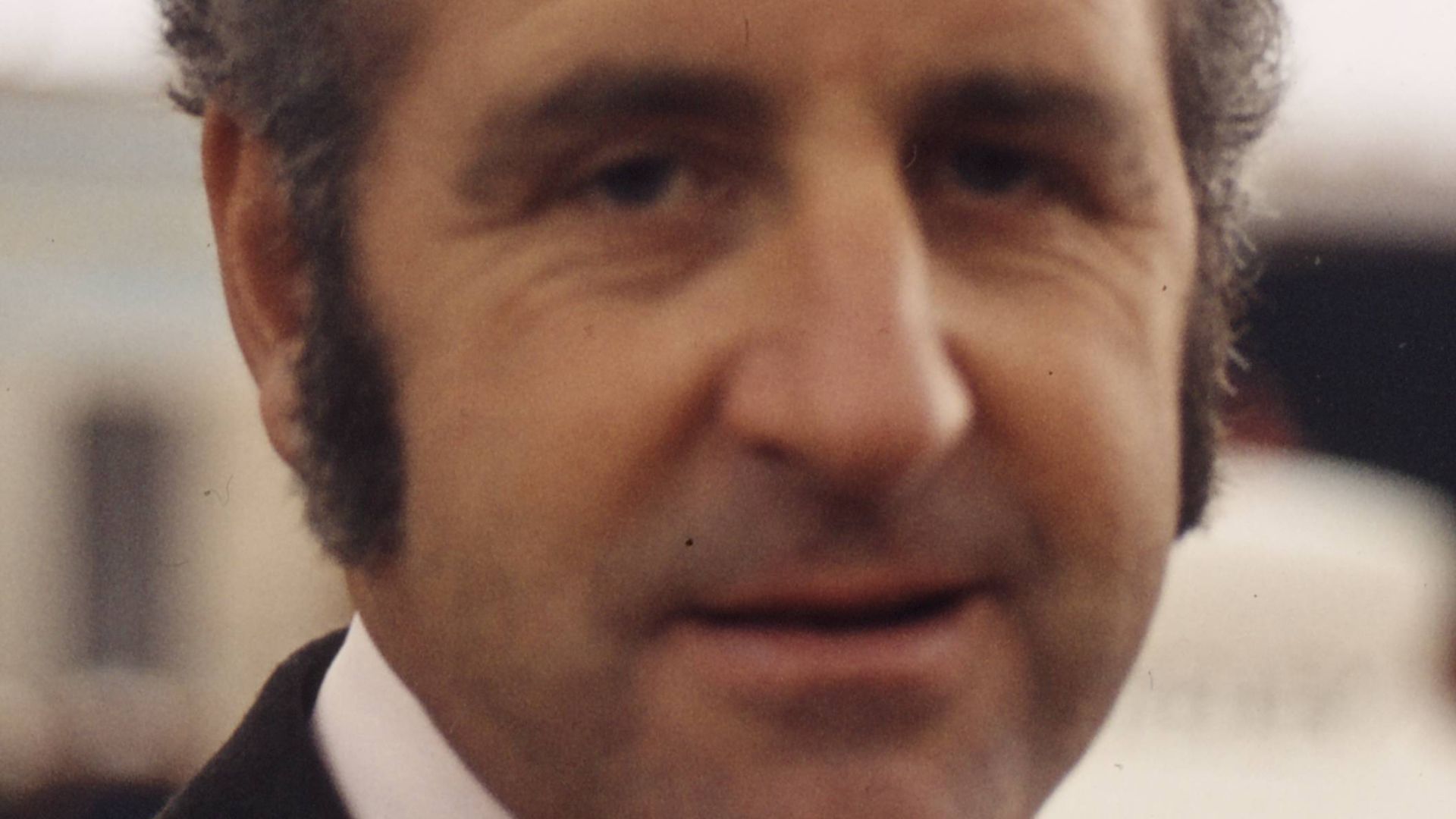
By the late 1960s, McLaren was becoming more than a brave privateer effort. Denny Hulme brought championship-level talent to the Formula 1 program. The team was building credibility in both single-seaters and sports cars.
 Slartibartfass, Wikimedia Commons
Bruce Led Without Ego
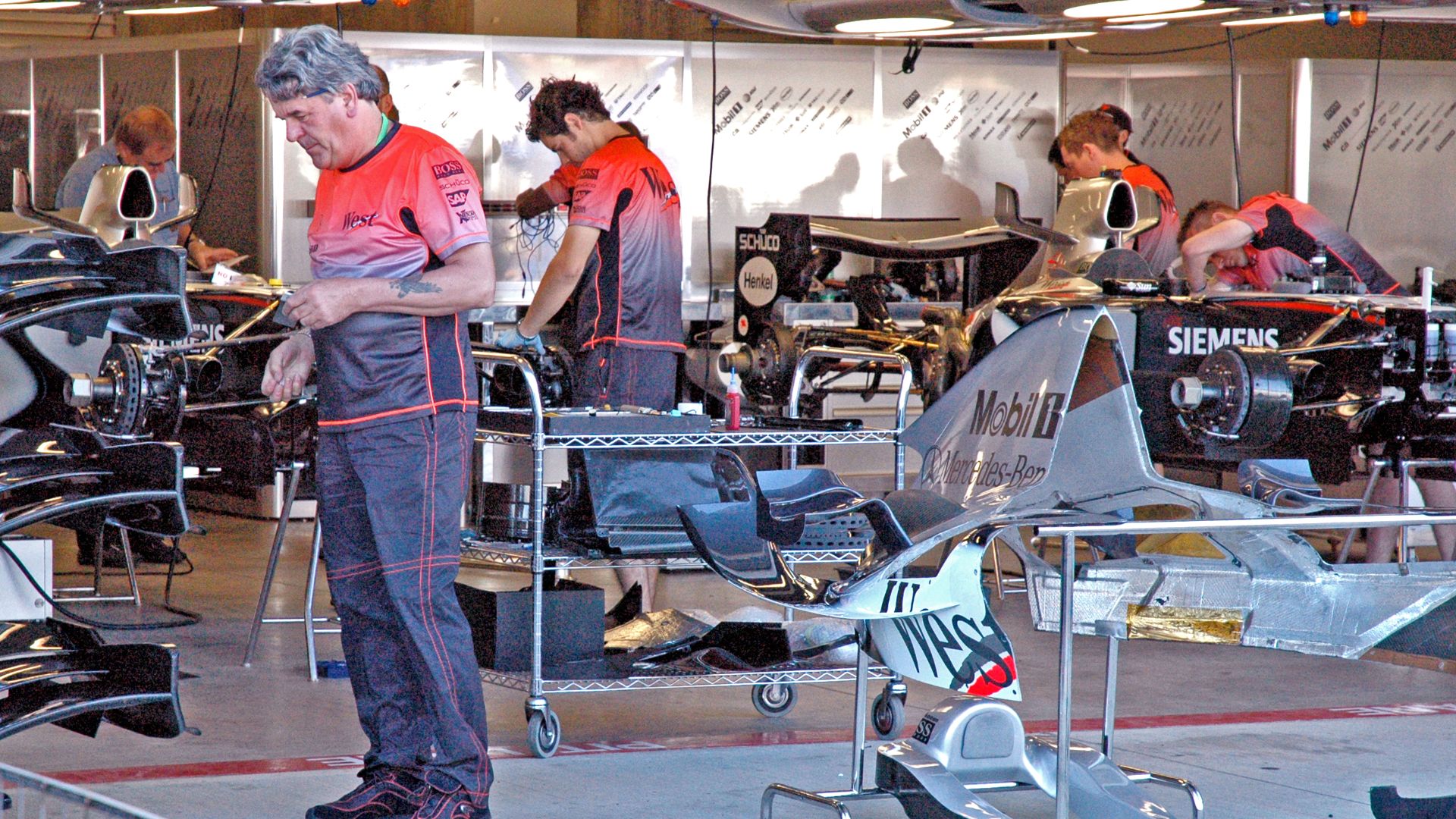
People around McLaren often described him as practical, calm, and deeply involved. He did not separate leadership from work. He was the kind of boss who could discuss engineering, drive the car, and still help with basic team tasks.
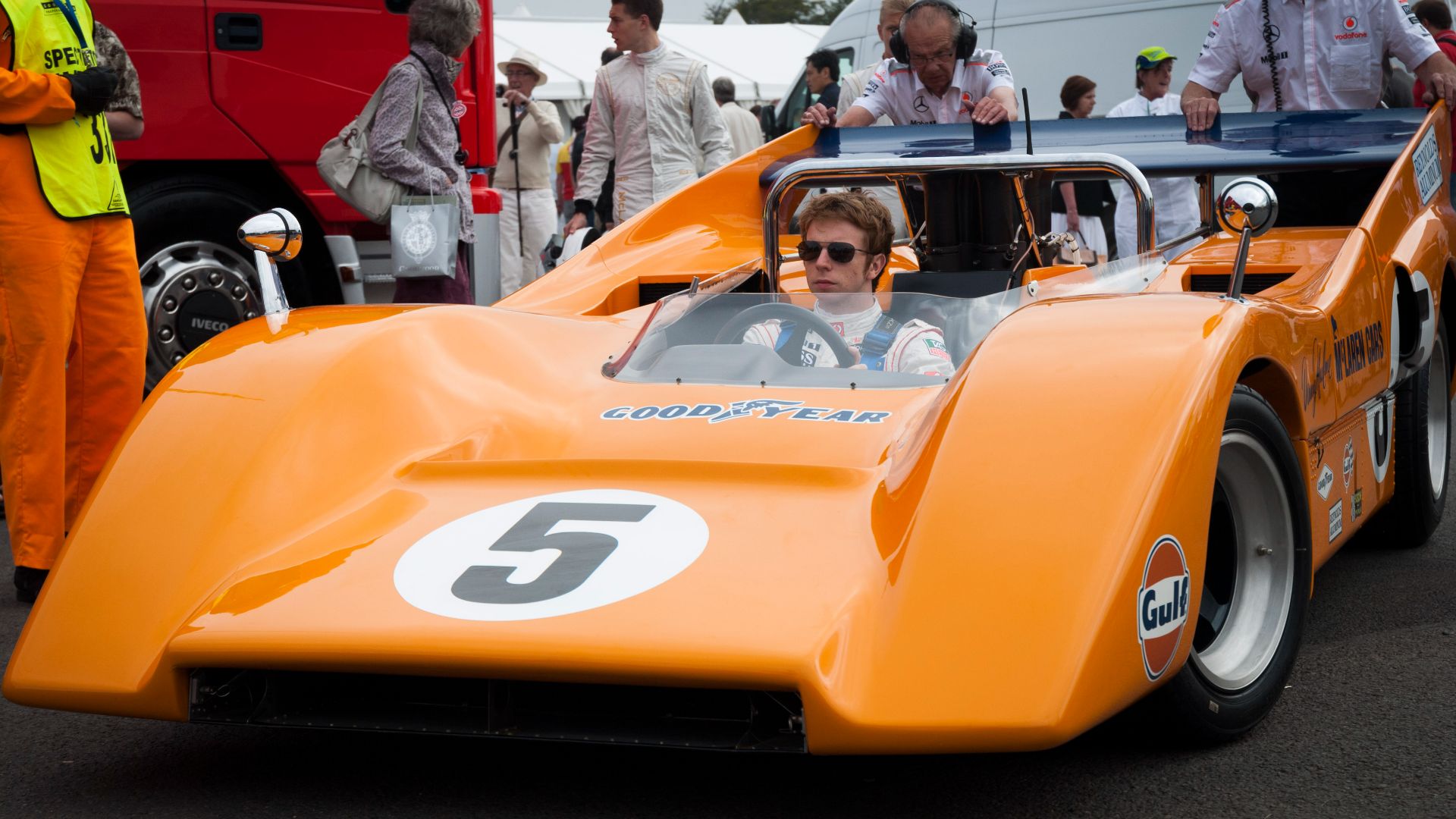
He Believed Testing Was Essential
McLaren’s success came from constant development. Testing was not a side job for him. It was where a car’s weaknesses became visible and where race-winning answers could be found.
 Jake Archibald, Wikimedia Commons
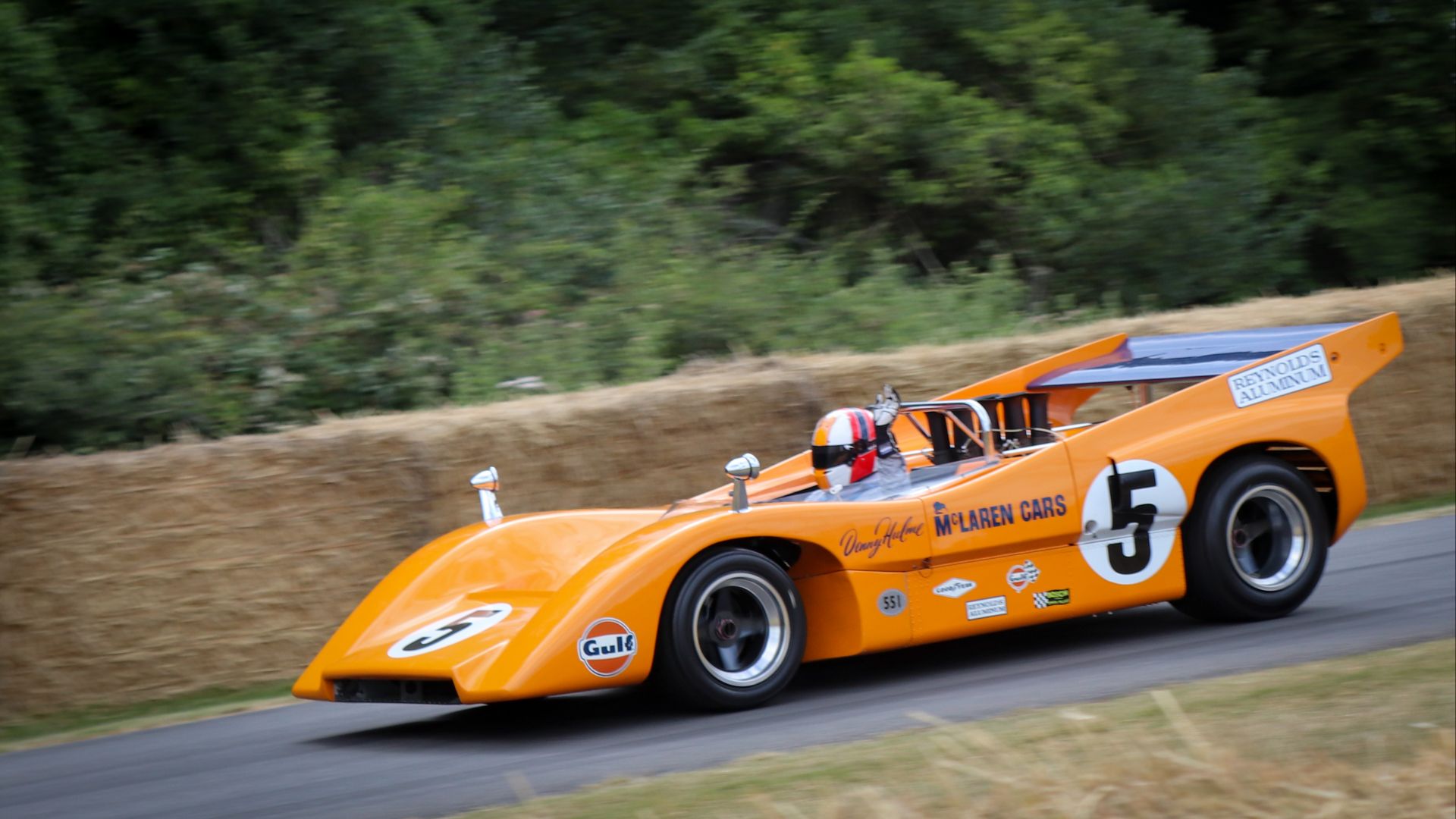
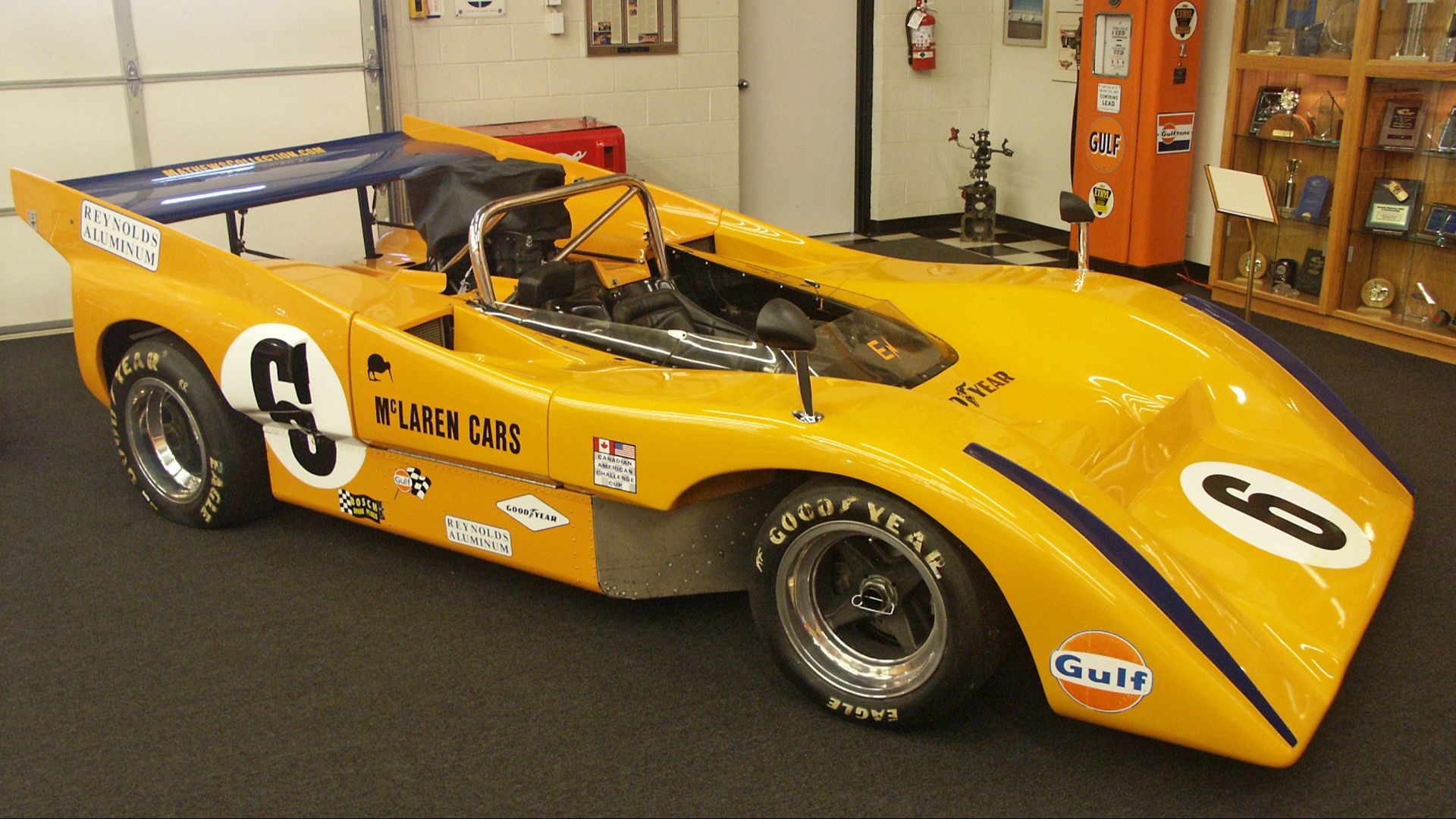
The M8D Was Built For Can-Am
By 1970, McLaren was preparing the M8D for another Can-Am campaign. The car was a development of the team’s powerful sports-racing line. It carried the expectations of a team that had become the series benchmark.
 https://www.flickr.com/photos/69527563@N05/, Wikimedia Commons
Goodwood Became The Final Test
On June 2, 1970, Bruce McLaren was testing the M8D at Goodwood Motor Circuit in England. He was only 32 years old. The test was part of the normal development work that had defined his career.
 Dan Wildhirt, Wikimedia Commons
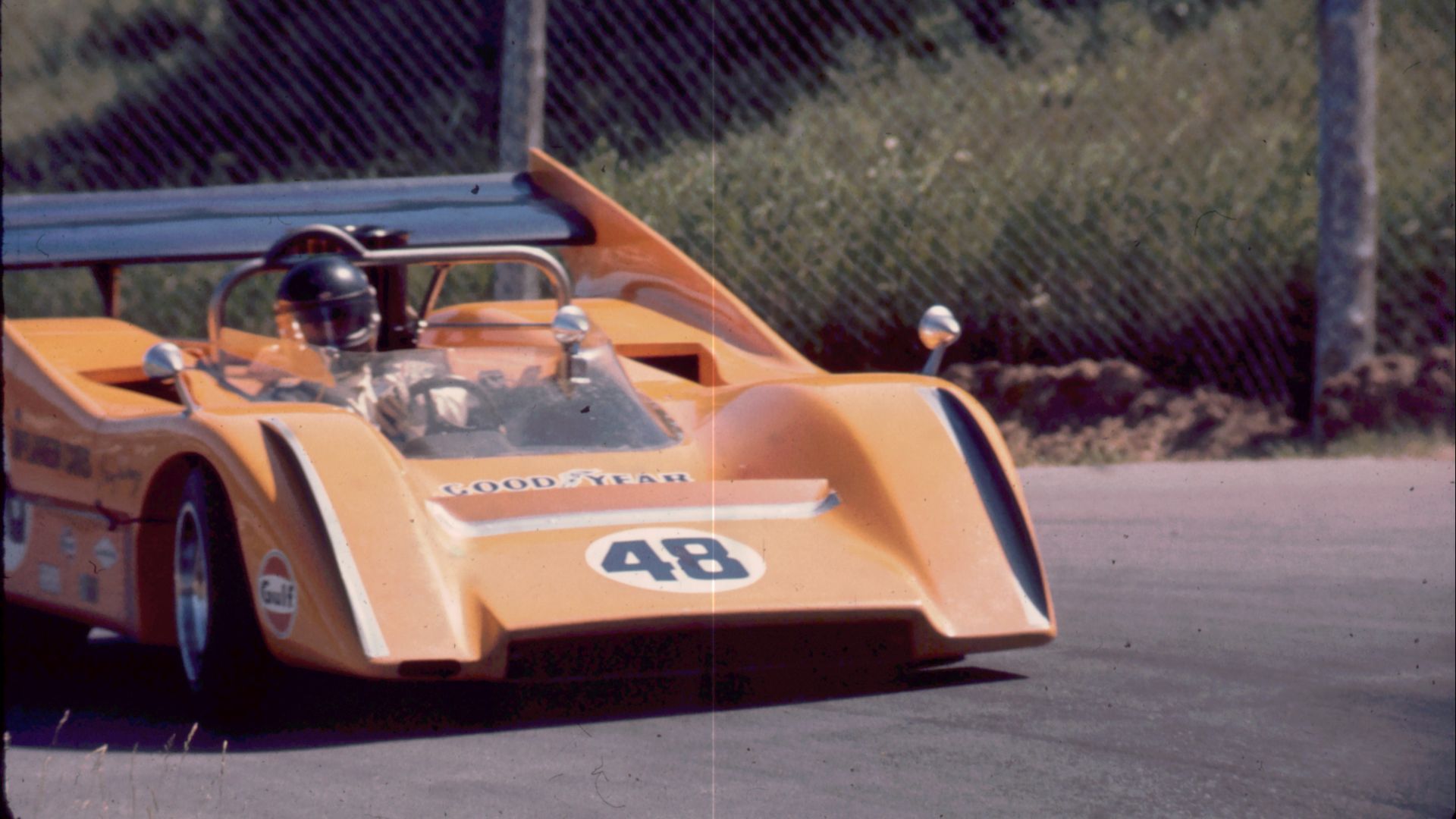
The Crash Happened At High Speed
During the test, rear bodywork on the M8D came loose at speed. The car became unstable on the Lavant Straight and crashed heavily. McLaren was killed in the accident.
 Roy A. Kerwood, Wikimedia Commons
Racing Lost More Than A Driver
McLaren’s death was not just the loss of a successful competitor. It was the loss of a founder, engineer, team leader, and guiding personality. The team had to decide almost immediately whether his dream could continue without him.
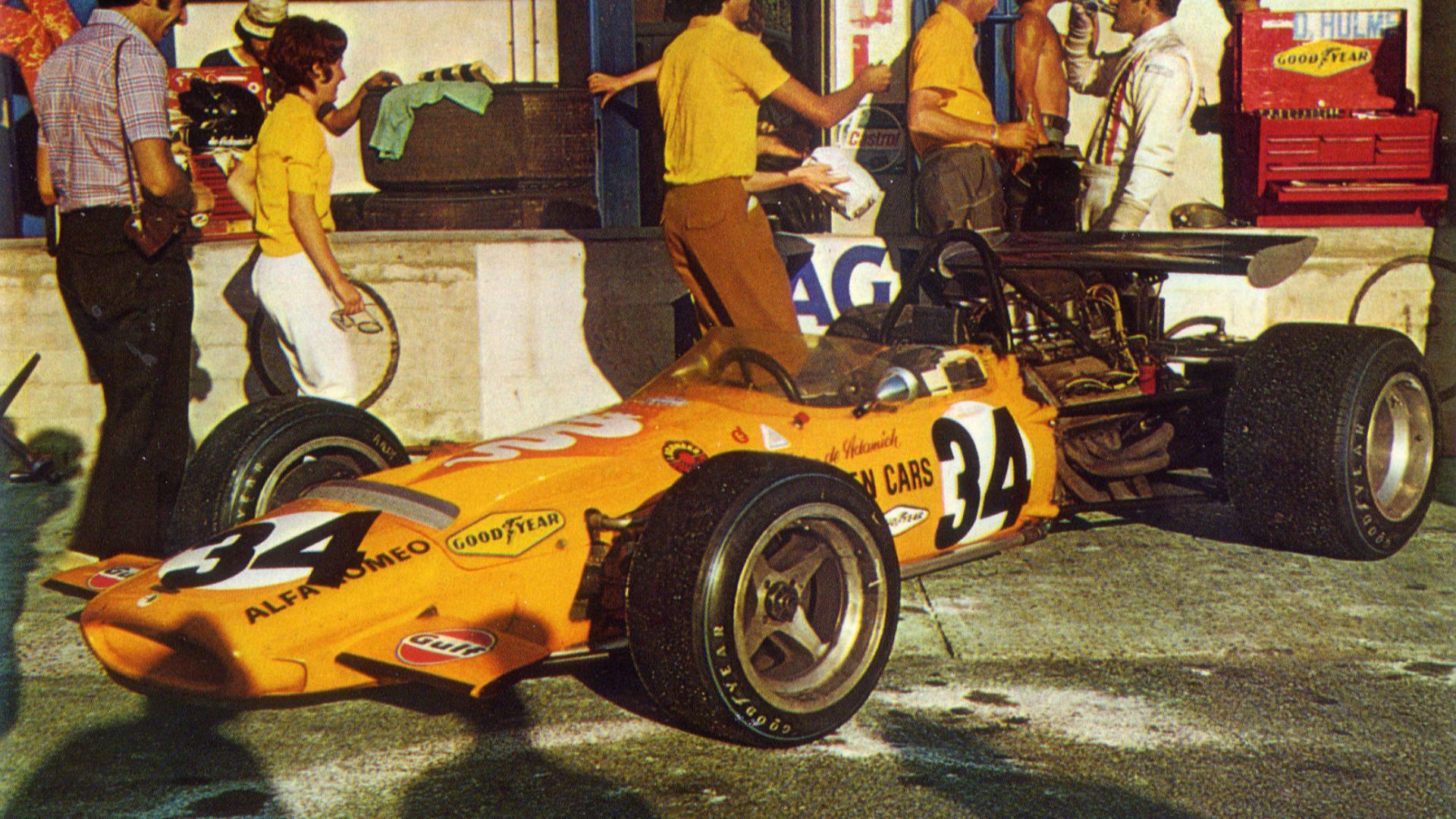 Muzio Photo / SAEMEC Editions (S/688), Wikimedia Commons
The Team Chose To Carry On
McLaren did not collapse after Bruce’s death. The people he had gathered around him continued racing in his name. That response became one of the clearest signs of the culture he had built.
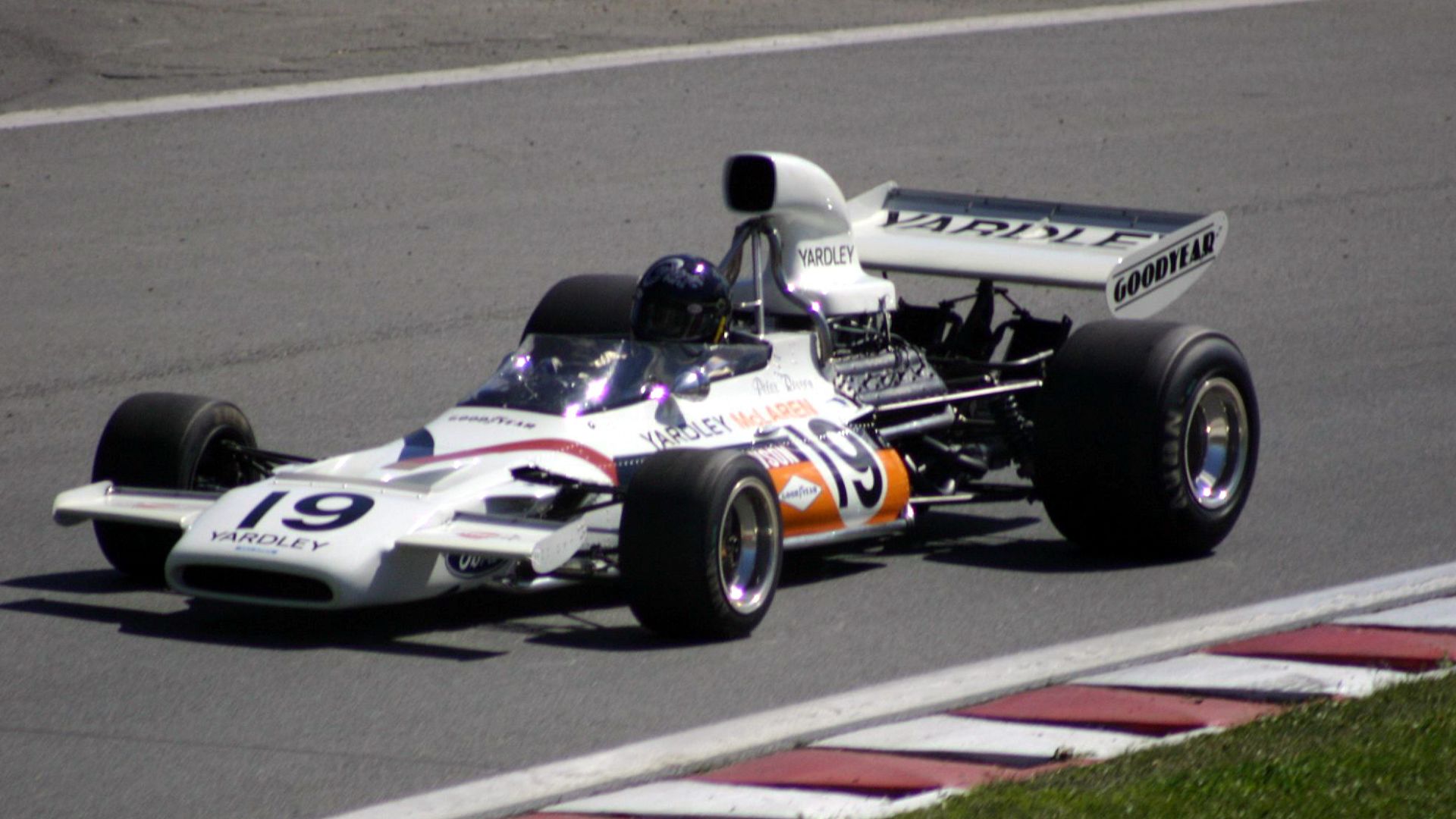
Can-Am Success Continued
The McLaren team continued winning in Can-Am after Bruce died. Denny Hulme won the 1970 Can-Am championship for the team. That success helped turn grief into proof that Bruce’s organization could survive.
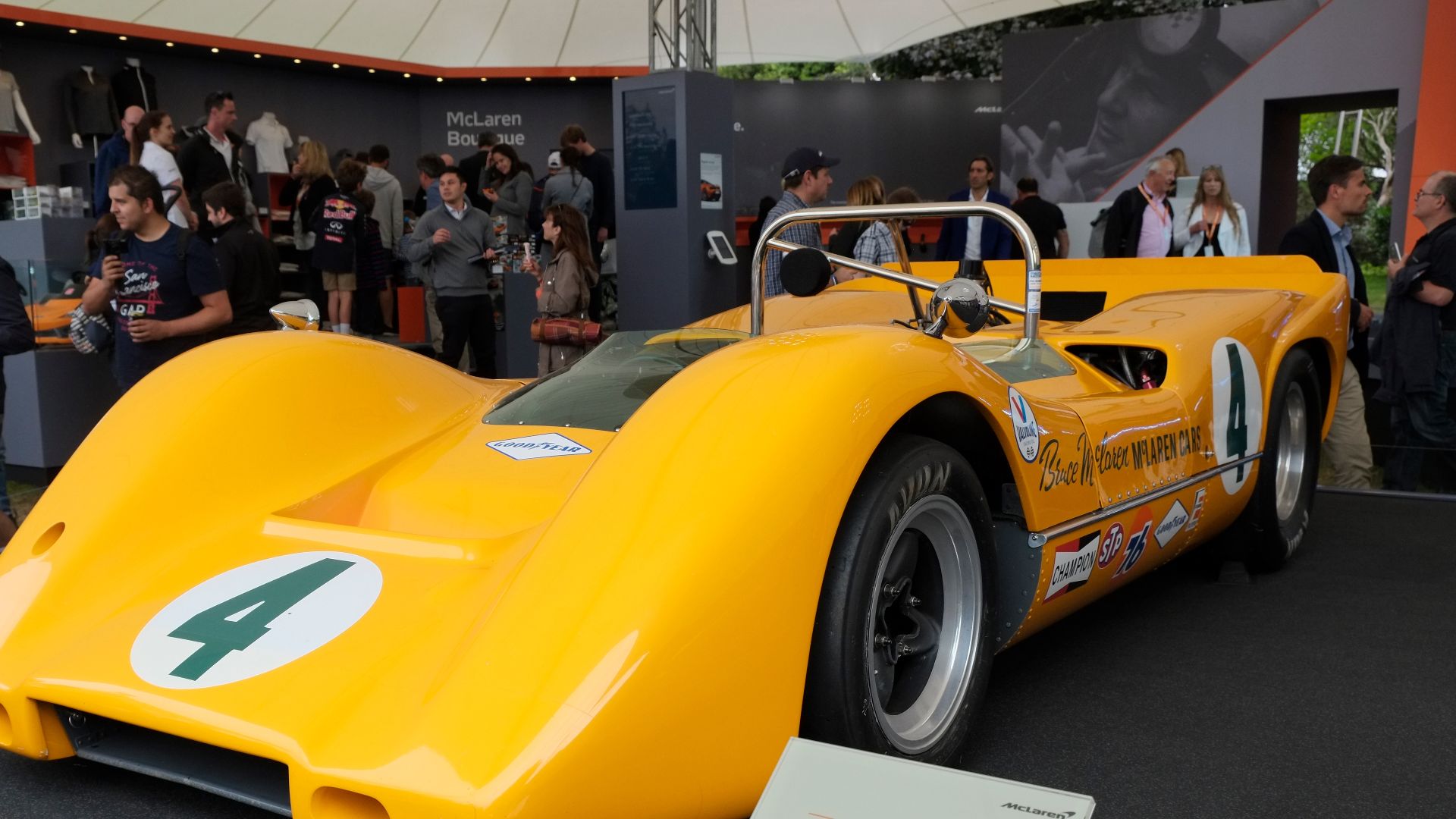 Andrew Basterfield, Wikimedia Commons
Formula 1 Glory Followed
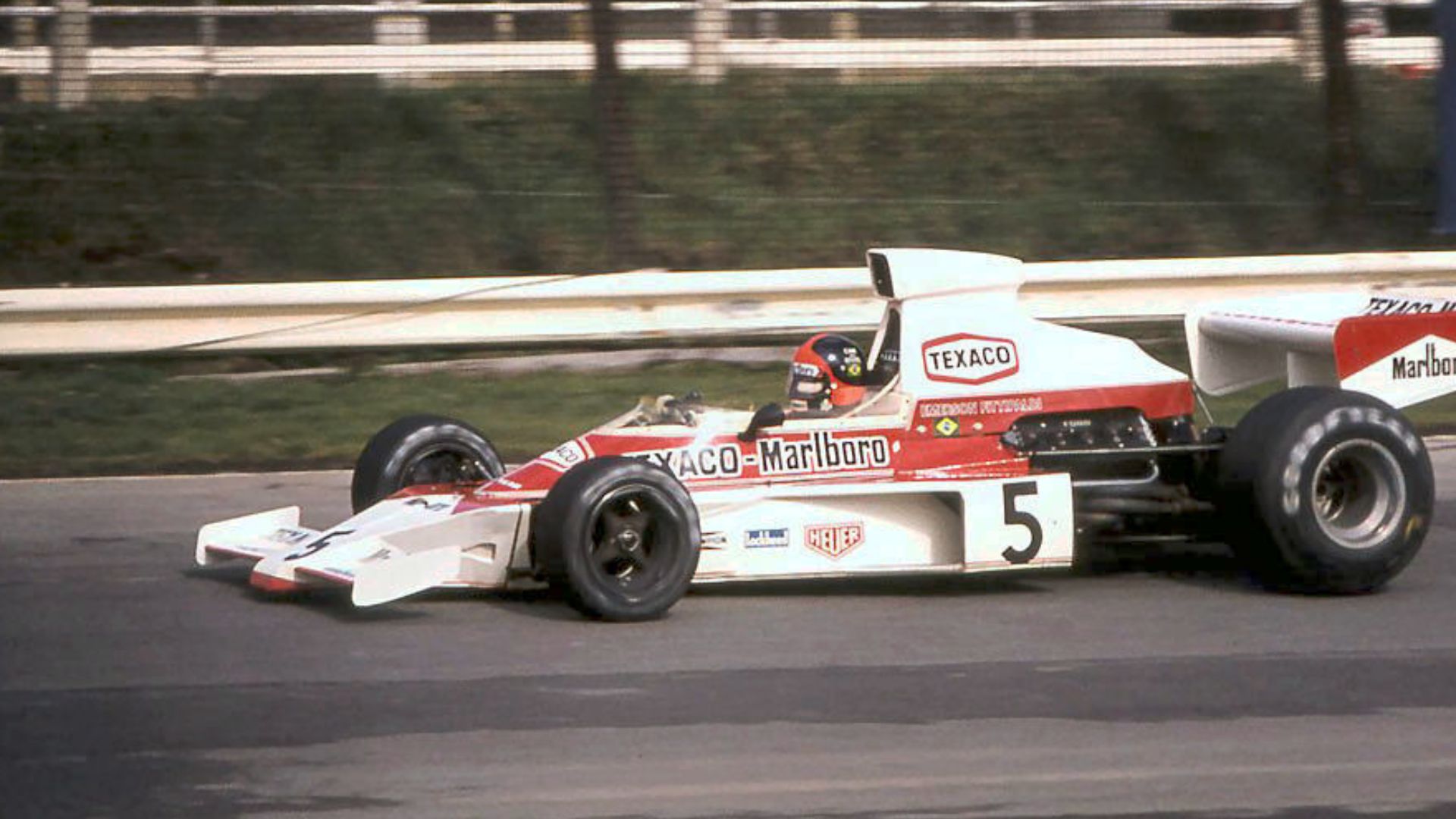
McLaren’s first Formula 1 Drivers’ Championship came in 1974 with Emerson Fittipaldi. The team also won the Constructors’ Championship that season. Those titles arrived only four years after Bruce’s death.
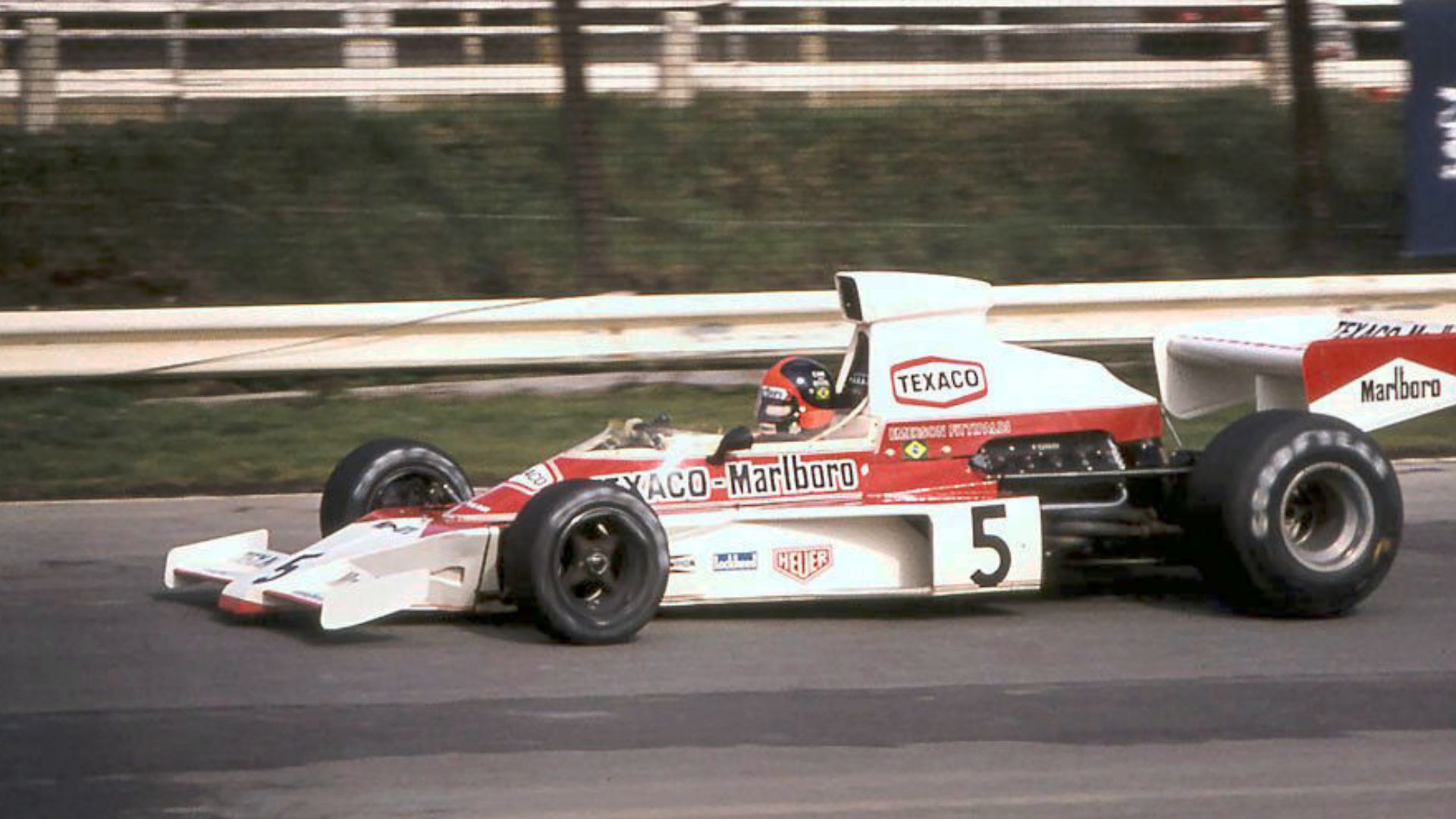 Gerald Swan, Wikimedia Commons
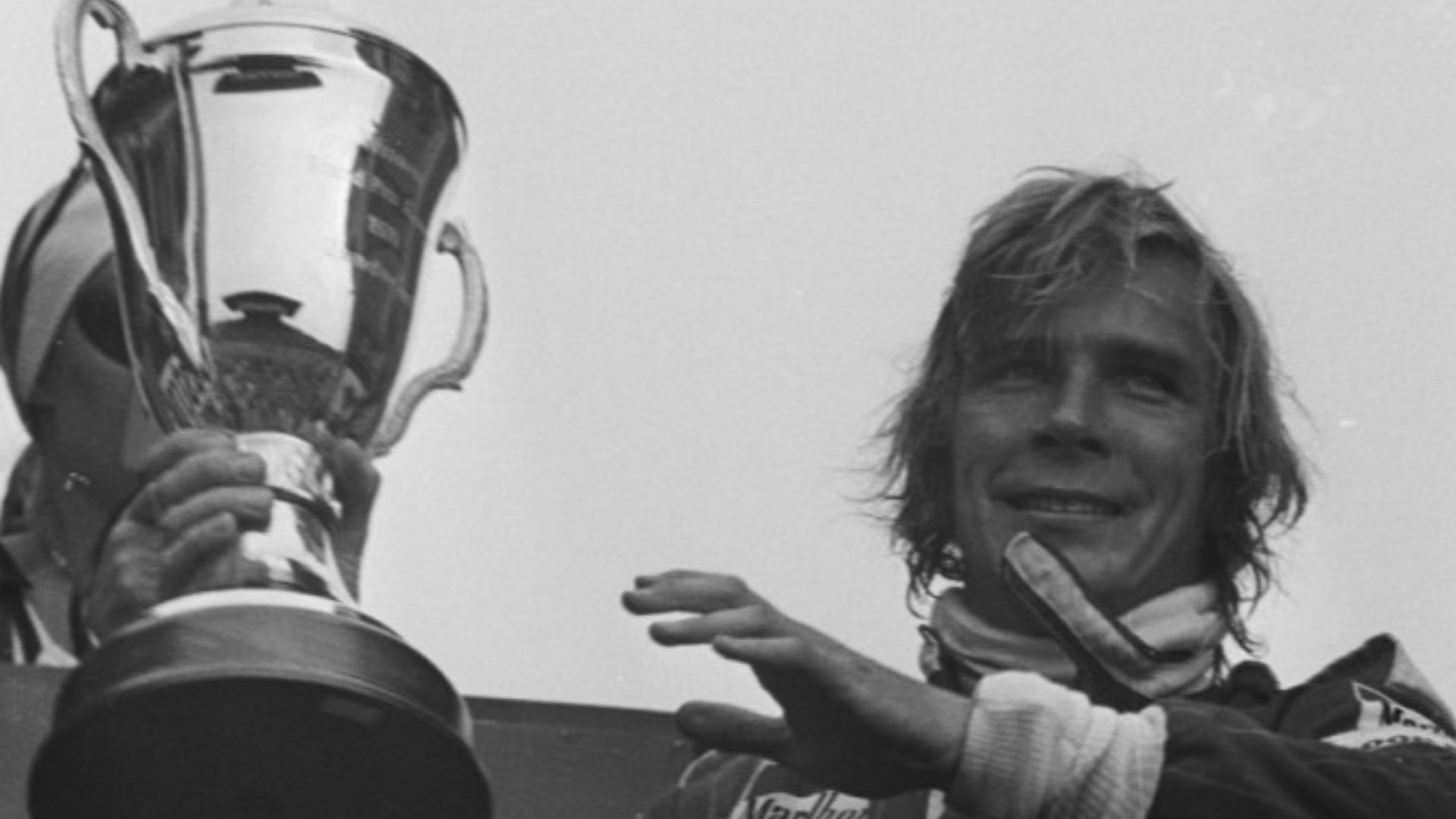
James Hunt Added Another Chapter
James Hunt won the 1976 Formula 1 Drivers’ Championship with McLaren. His title added another dramatic chapter to the team’s growing story. By then, McLaren was firmly established as one of Formula 1’s major forces.
 photographer: Rob Croes; cropped by Z105space, Wikimedia Commons
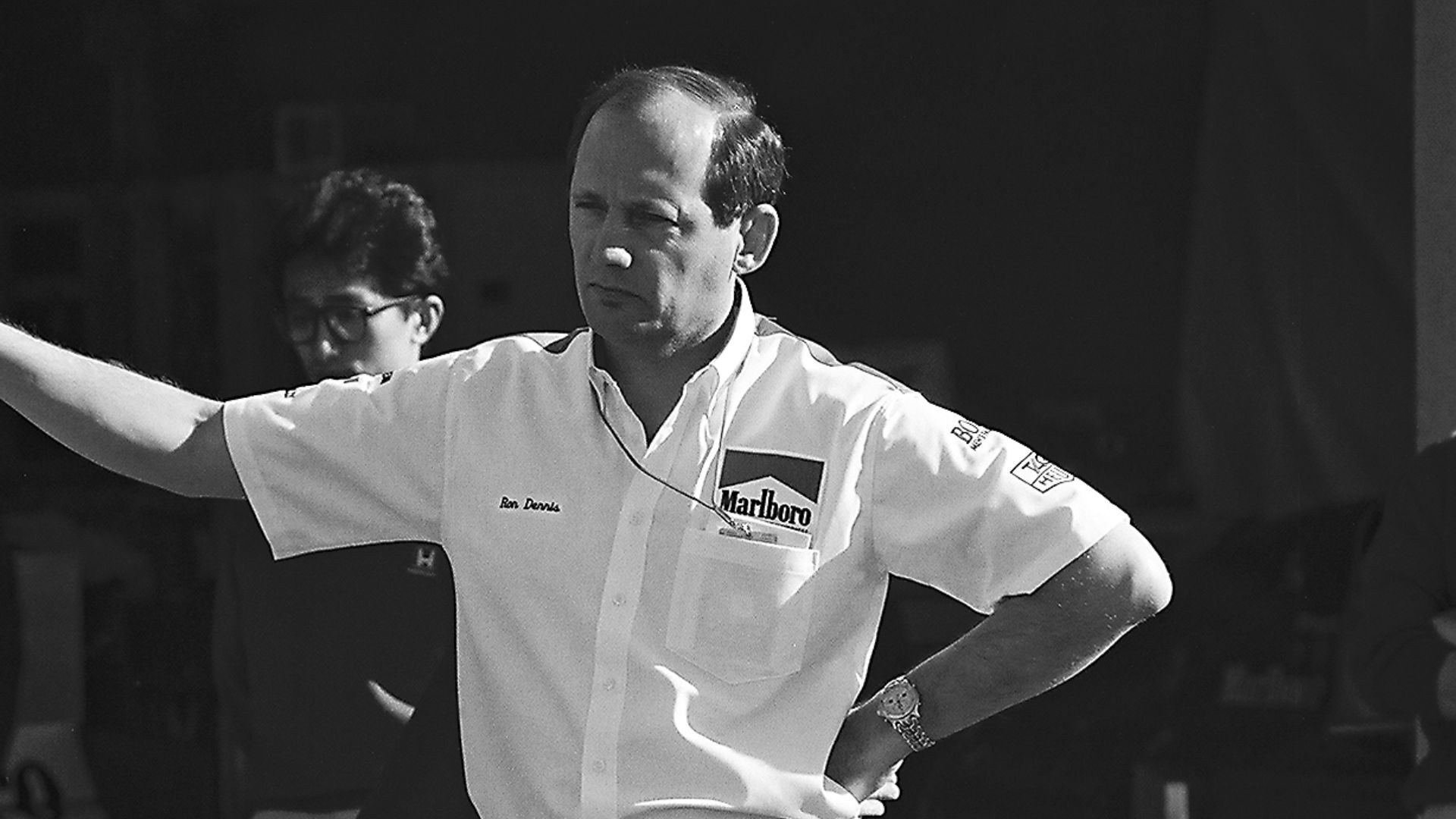
The Ron Dennis Era Made It A Giant
McLaren grew into a global powerhouse under Ron Dennis from the early 1980s onward. The team became known for precision, discipline, and technological ambition. Those values still echoed Bruce’s original belief in engineering-led racing.
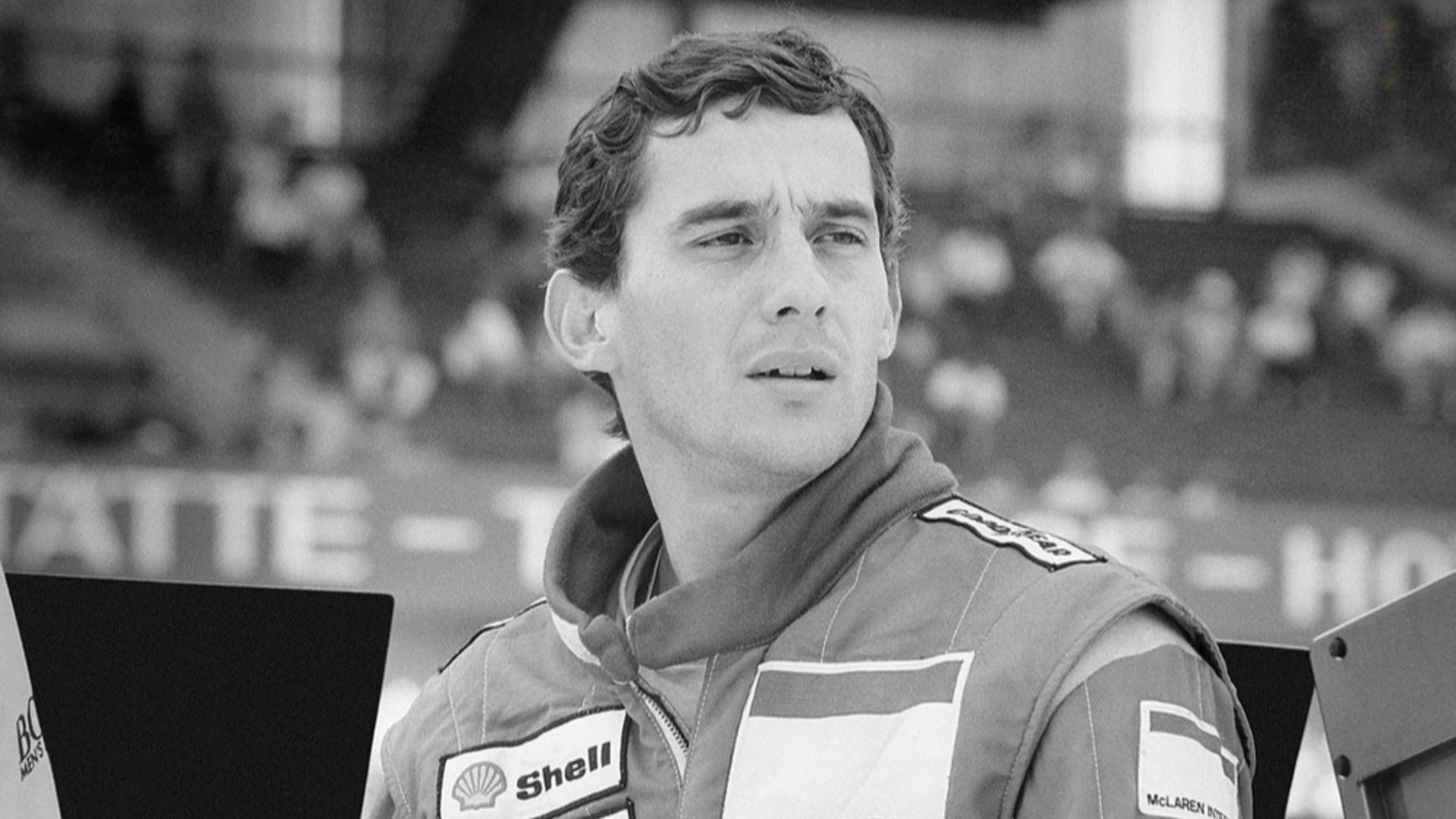
Senna And Prost Took It Higher
The late 1980s brought one of McLaren’s most famous eras with Ayrton Senna and Alain Prost. In 1988, McLaren won 15 of 16 Formula 1 races. That season remains one of the most dominant campaigns in the sport’s history.
 Instituto Ayrton Senna, Wikimedia Commons
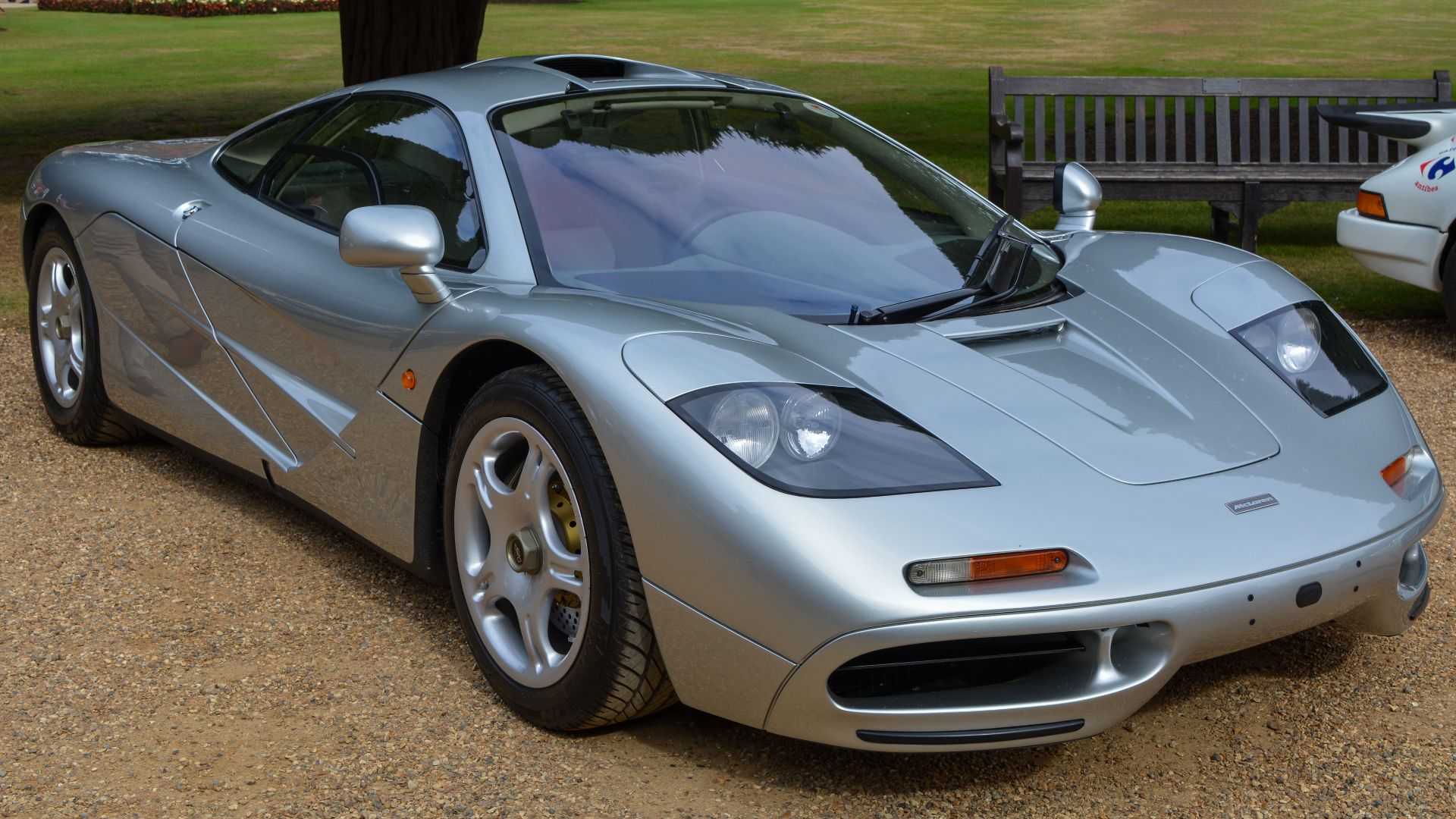
The Name Reached Road Cars Too
McLaren eventually expanded beyond racing into high-performance road cars. The McLaren F1 road car became one of the most celebrated supercars ever built. Later McLaren Automotive models carried the same idea of racing knowledge applied to road-going machinery.
 Chelsea Jay, Wikimedia Commons
The Triple Crown Made The Brand Unique
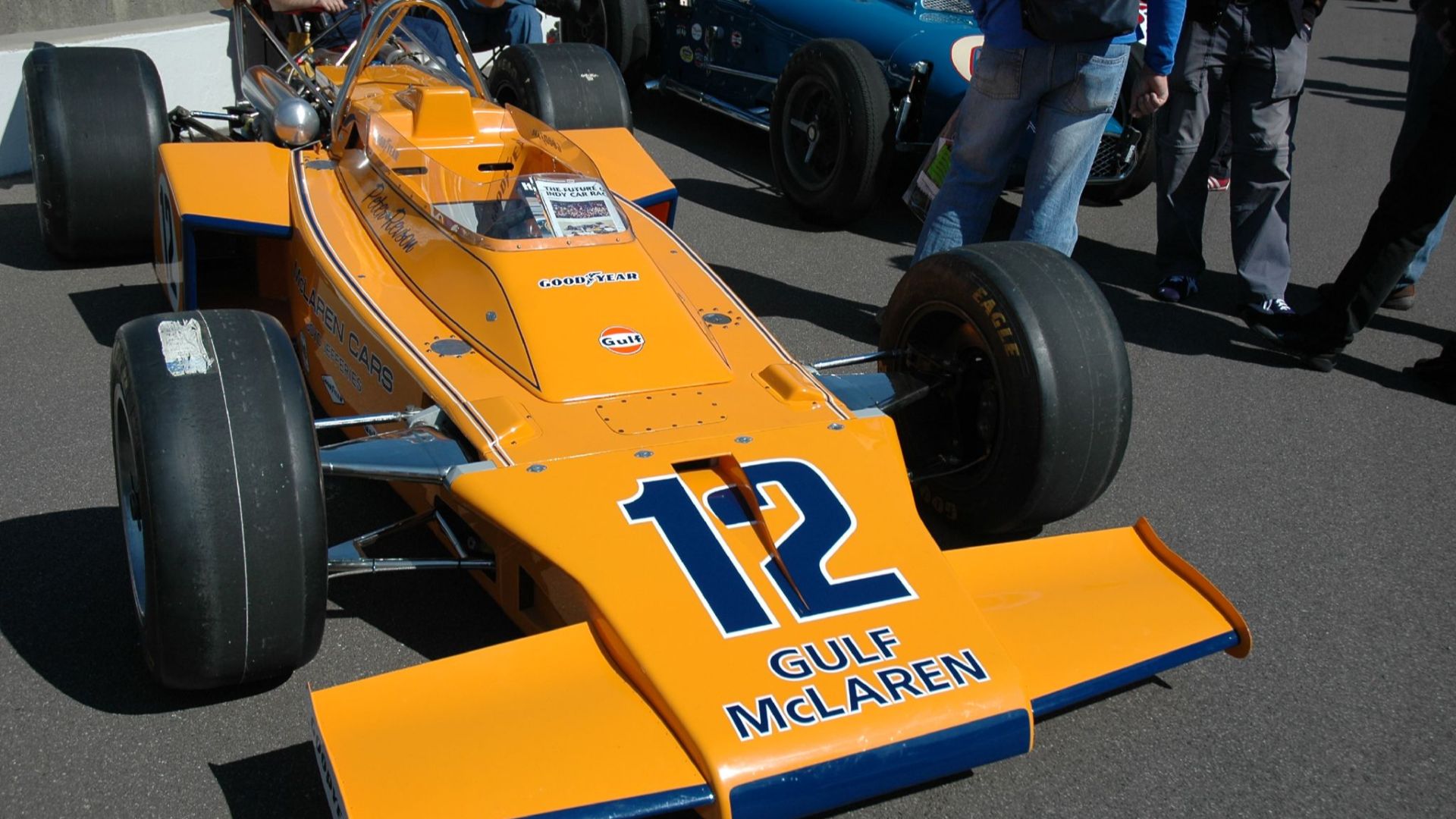
McLaren became the only team to win the Monaco Grand Prix, Indianapolis 500, and 24 Hours of Le Mans. Those three races form motorsport’s famous Triple Crown. That achievement showed how far the team had traveled from Bruce’s small operation.
The Modern Team Still Uses His Identity
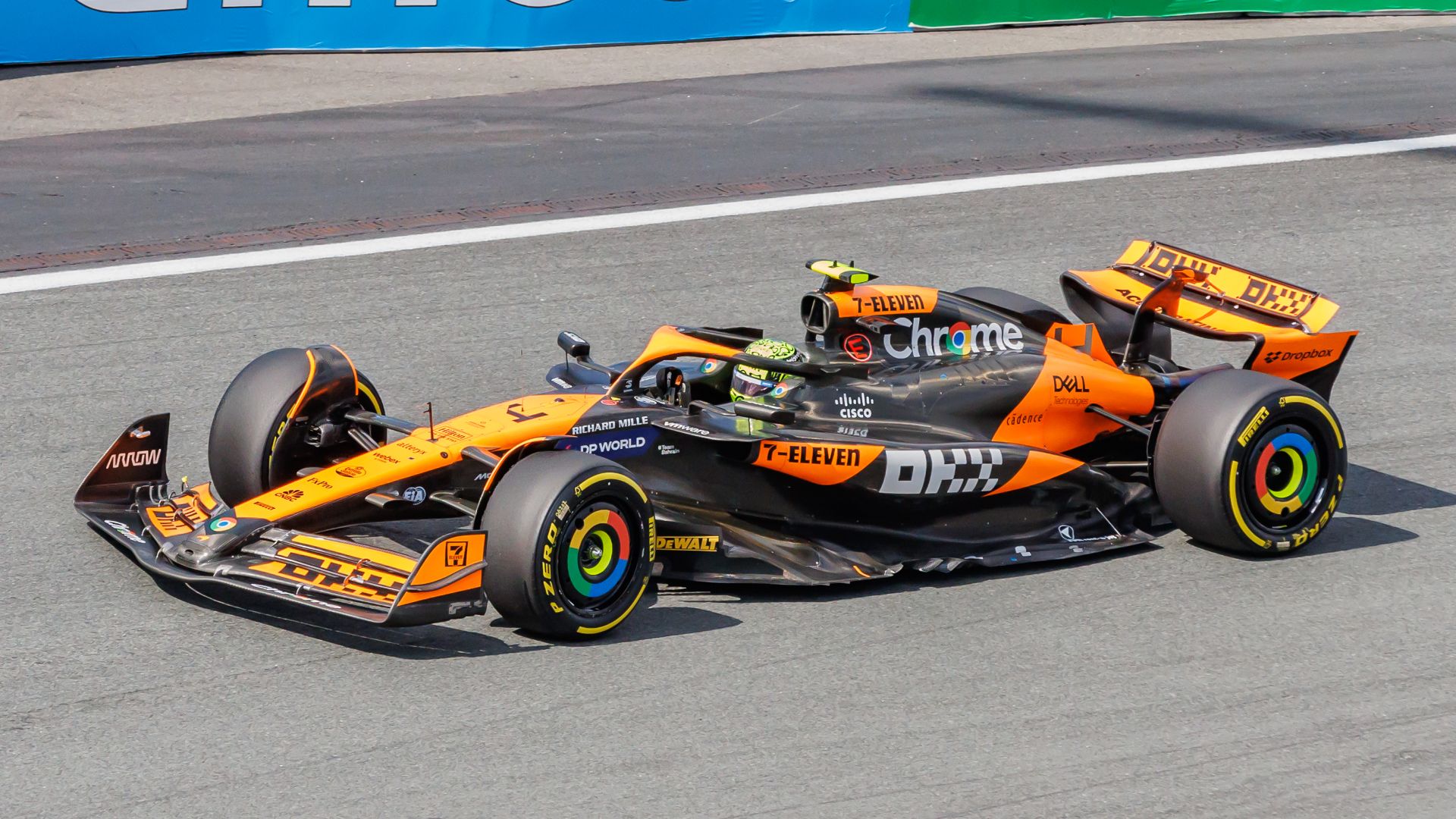
McLaren’s modern Formula 1 cars still connect to the team’s history through papaya colors and founder tributes. The team marked its 1,000th Formula 1 Grand Prix at Monaco in 2026. That milestone connected directly back to Bruce McLaren’s first F1 entry for the team in Monaco in 1966.
 Steffen Prößdorf, Wikimedia Commons
His Legacy Is Built Into The Culture
McLaren’s legacy is not only measured in trophies. It is also visible in the team’s constant focus on engineering, testing, and resilience. Those habits came from the founder himself.
 Gerald Swan, Wikimedia Commons
His Age Still Feels Shocking
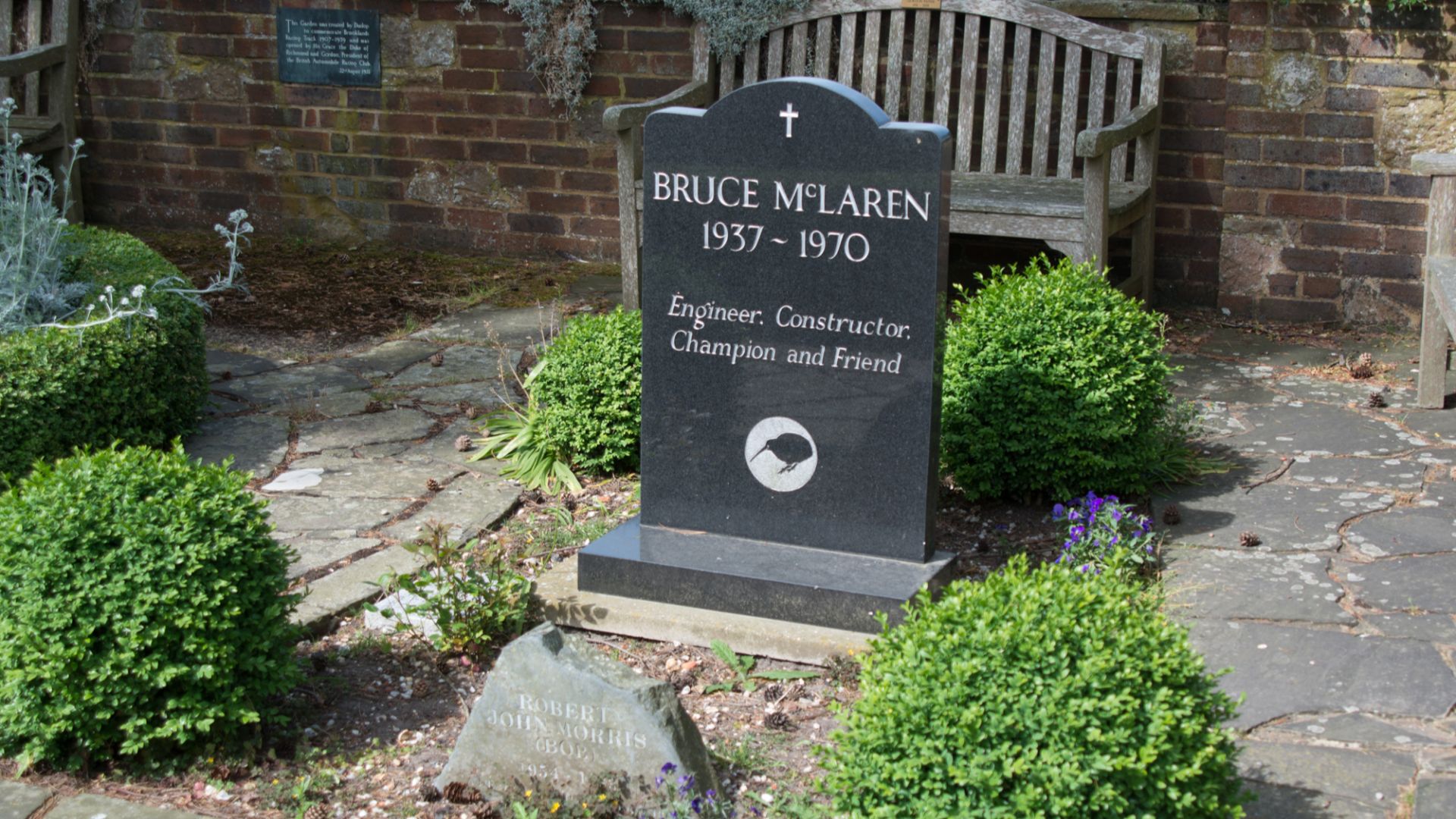
Bruce McLaren died at an age when many drivers are just reaching their peak. He had already won grands prix, won Le Mans, built championship-winning Can-Am cars, and founded a Formula 1 team. That makes the scale of his achievement even harder to process.
 GeoffTChalcraft, Wikimedia Commons
He Turned A Small Team Into A Future Empire
McLaren started as a determined New Zealander with mechanical instincts and a restless racing mind. He built a team that outlived tragedy and grew into one of motorsport’s most successful names. The crash at Goodwood ended his life, but it did not end his work.
You May Also Like:
The Incredible Racing Career Of Alain Prost
Great F1 Drivers Baby Boomers Loved That Most Millennials Haven't Even Heard Of
The Exquisite Personal Cars Of Enzo Ferrari
Sources: 1, 2, 3, 4, 5, 6, 7, 8, 9, 10, 11, 12, 13, 14, 15, 16