
The Mer-Z-des Man
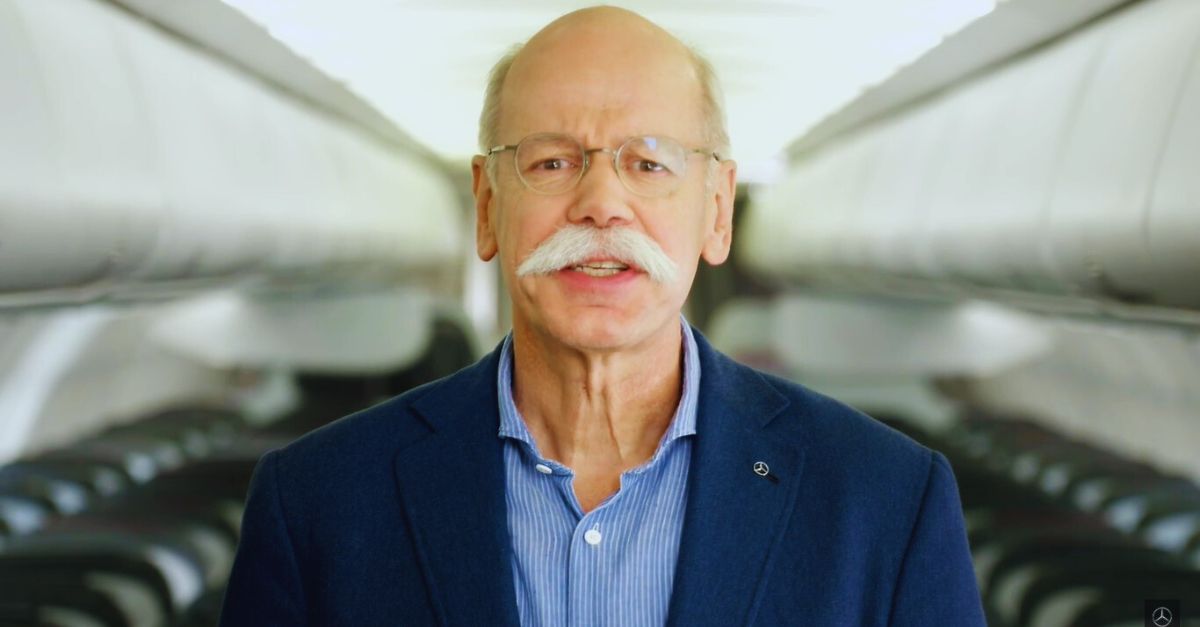
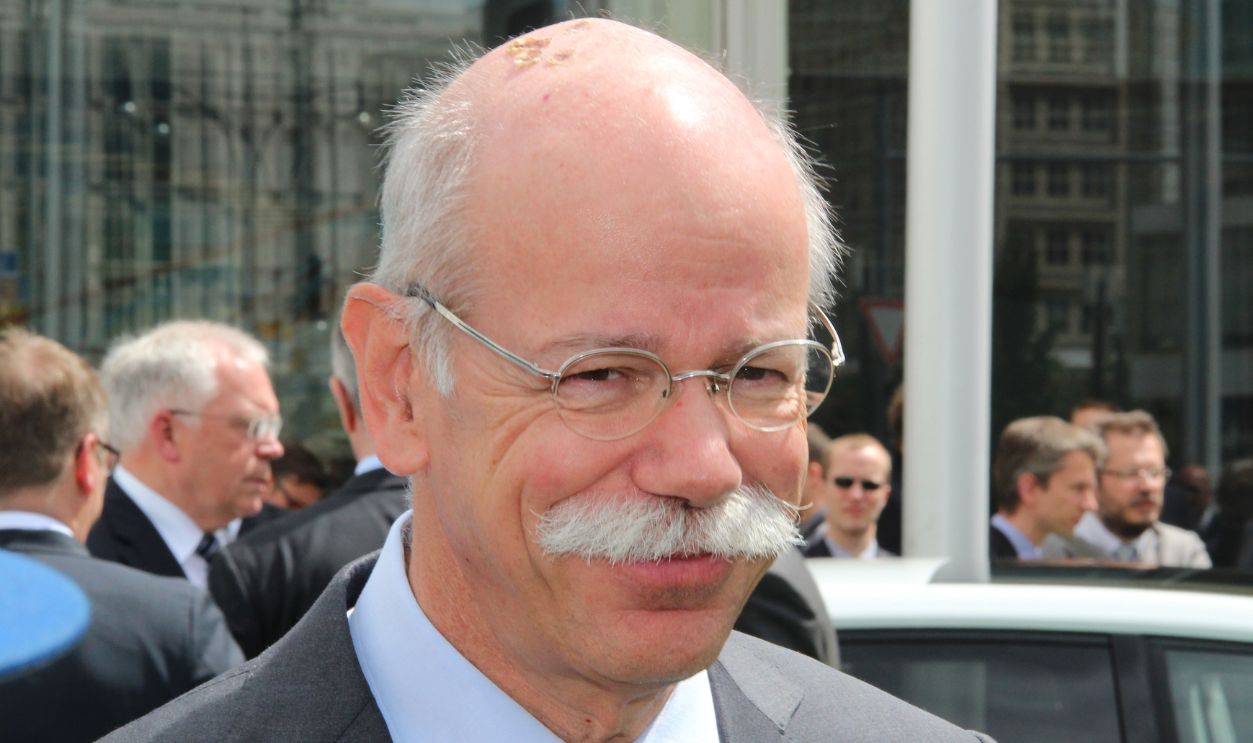
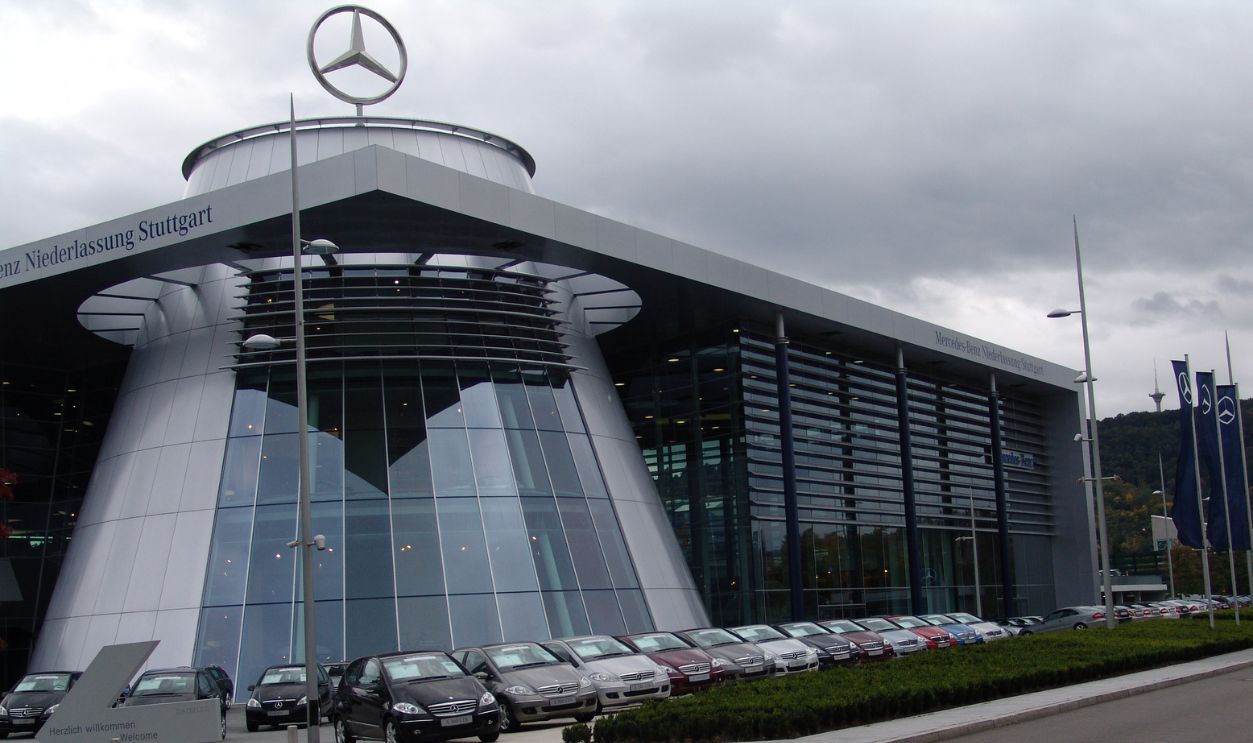
The story begins not in Stuttgart’s tremendous Mercedes-Benz headquarters but on a construction site in Istanbul. Dieter Zetsche undeniably reshaped the future of today’s most loved automobile company. Here’s a little about “Dr. Z”.
Early Beginnings
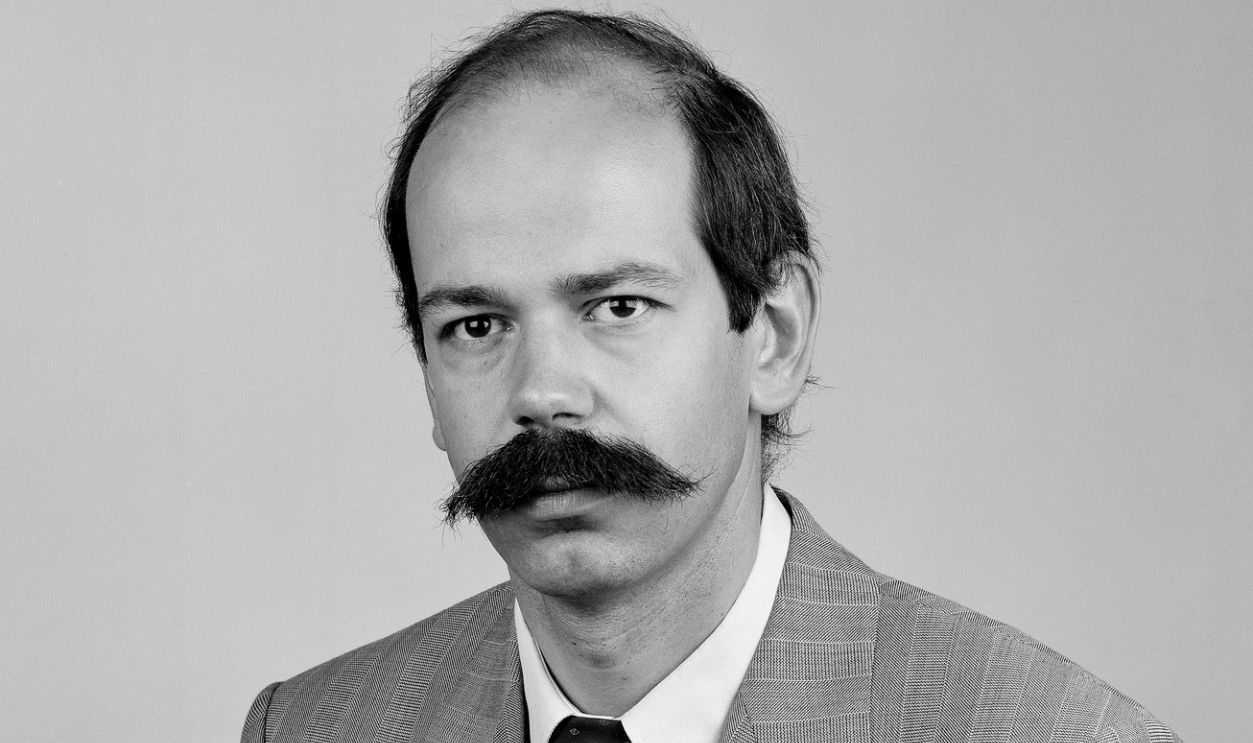
Dieter Zetsche was born in Istanbul in 1953. His story started when his father was working on a dam project in Turkey. The family headed back to Germany in 1956, and that’s where Dieter grew up near Frankfurt. Being around engineering truly shaped his future.
 RudolfSimon, CC BY-SA 3.0, Wikimedia Commons
Academic Foundation & Career Start
As a young man, he studied electrical engineering at the University of Karlsruhe between 1971 and 1976. Because he did so well, he landed a job in Daimler-Benz’s research department right after he graduated. This was in 1976.
 John Y. Can, CC BY 2.0, Wikimedia Commons
Rising Through Development
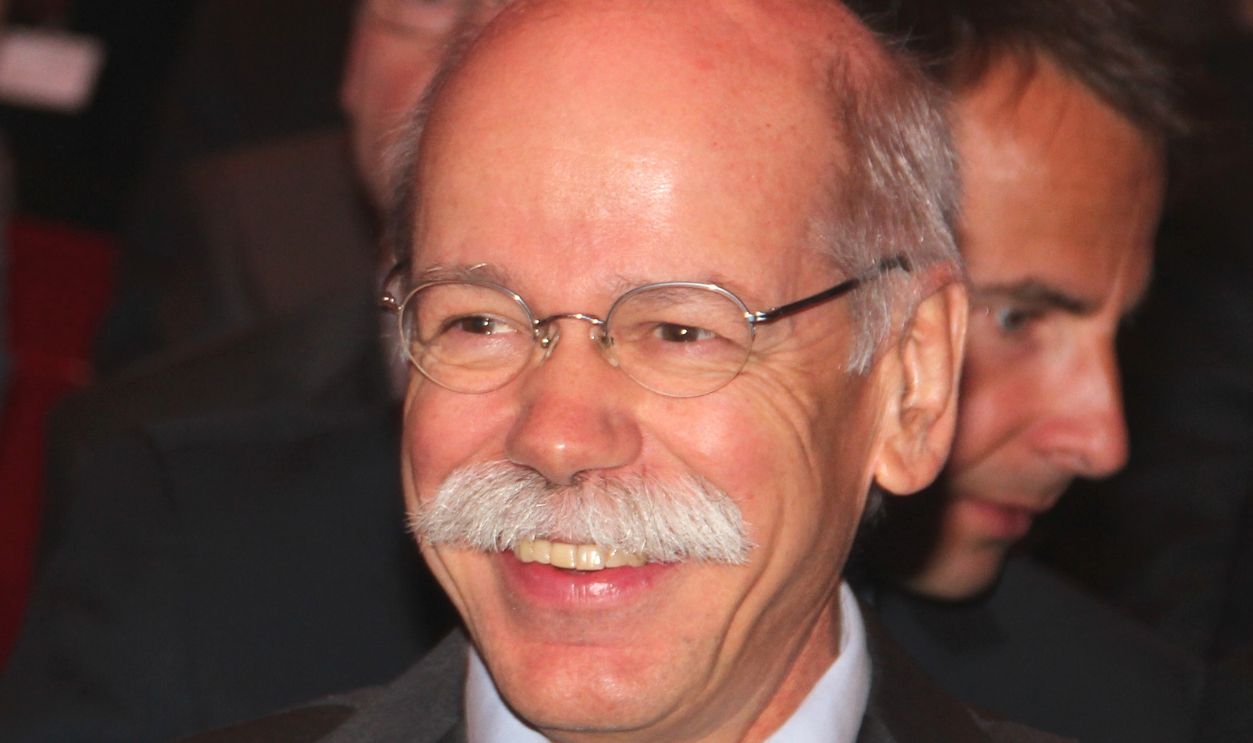
Then came 1981, when Zetsche took on the role of assistant development manager for commercial vehicles. At that time, he was finishing up his engineering doctorate at Paderborn University. By 1984, he was literally leading development efforts abroad.
 RudolfSimon, Wikimedia Commons
Global Leadership Journey
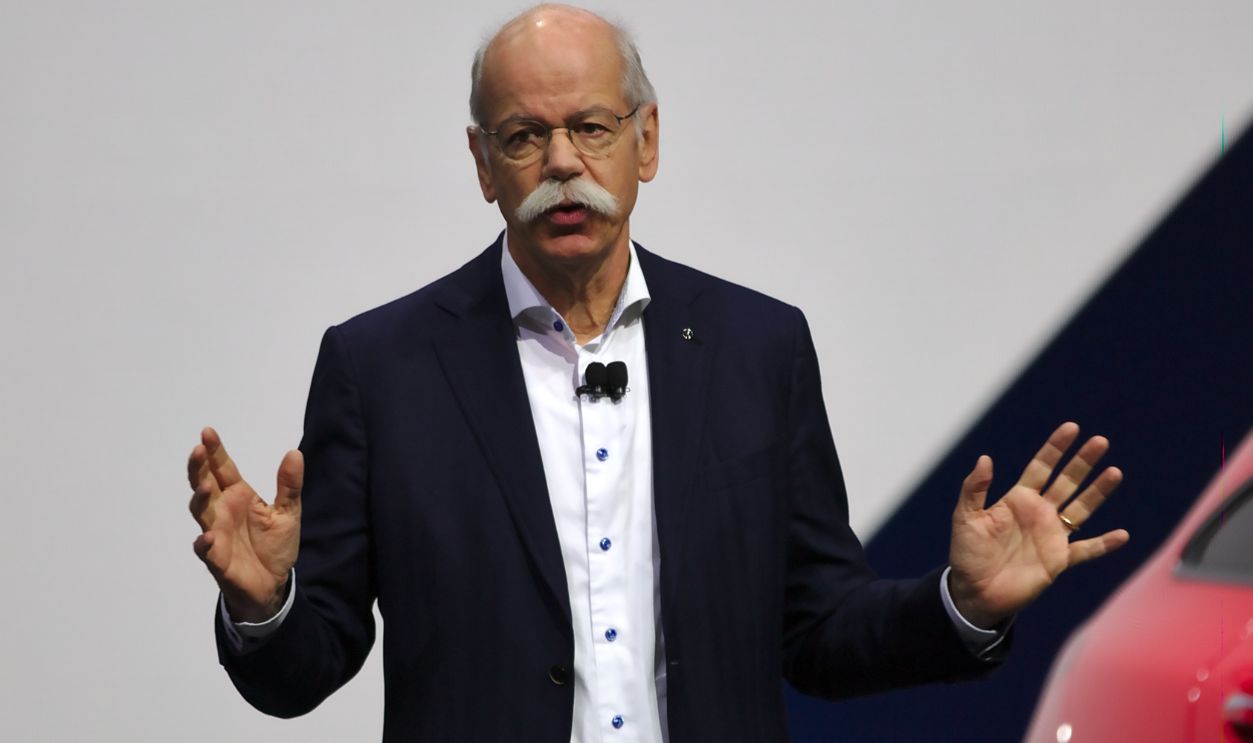
At Mercedes-Benz Brazil, Zetsche took up leadership in 1987. Here, he proved his skills as an international leader. He did really well because by 1989 he had gotten a promotion to run Mercedes-Benz Argentina. In 1991, he served as the president of Freightliner Corporation, Portland.
 Alexander Migl, CC BY-SA 4.0, Wikimedia Commons
Board Membership Milestone
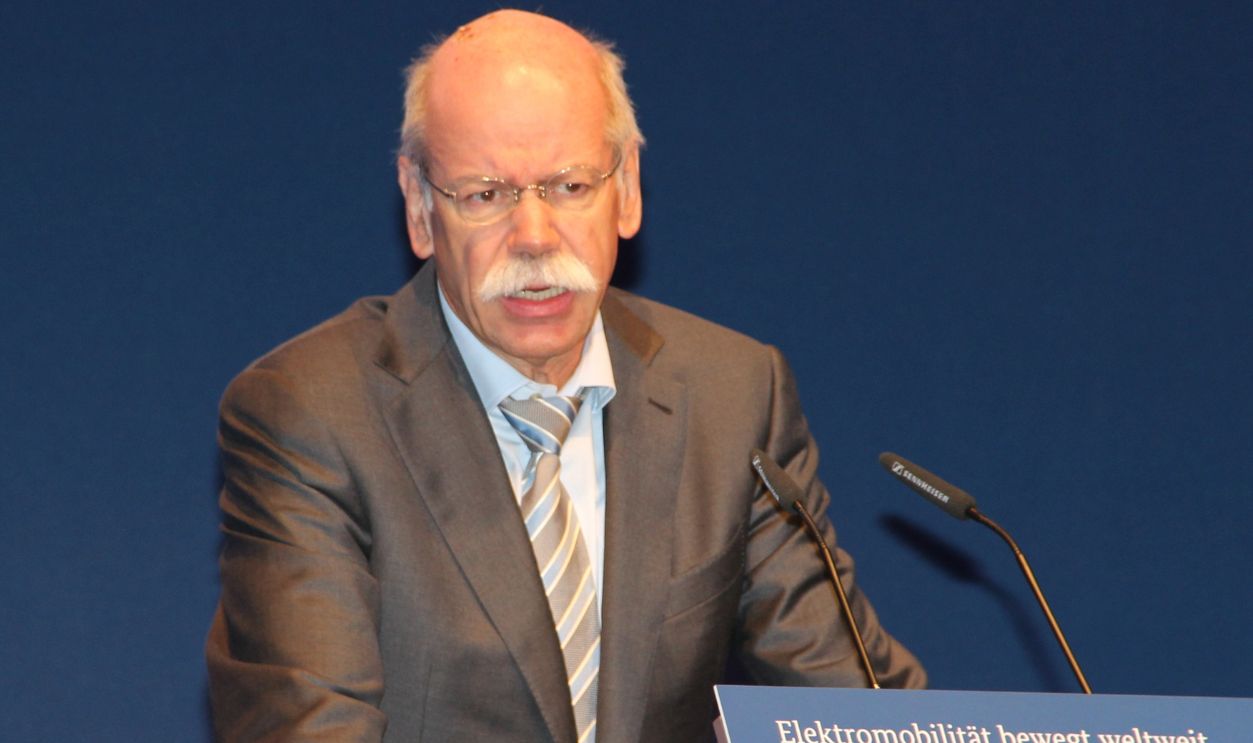
Zetsche joined the Mercedes-Benz AG Board of Management on December 16, 1995. Before that, he held several roles in the company and was also named the deputy board member for the passenger car development division in 1992.
 RudolfSimon, CC BY-SA 3.0, Wikimedia Commons
Chrysler Transformation Era
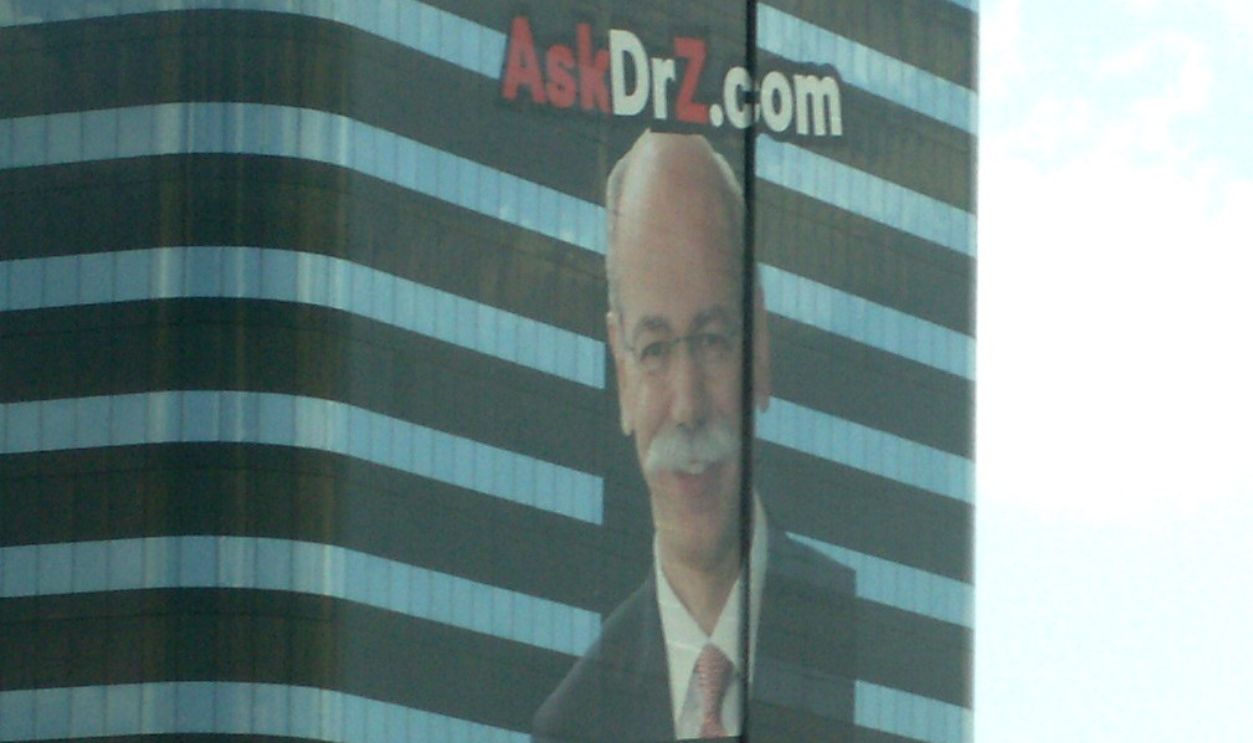
From 2000 to 2005, Zetsche, known as “Dr. Z”, took the position of CEO of Chrysler Group and led a turnaround in the company’s American operations. He oversaw a major restructuring that involved cutting approximately 40,000 jobs and closing several plants.
 ReqEngineer, Wikimedia Commons
Chairman’s Strategic Vision
He then took over as chairman of DaimlerChrysler in 2006. His excellent tenure saw a marked increase in the pace of new model launches at Mercedes-Benz. It seemed the guy wasn’t done because he also reintroduced iconic products like the V-8 Hemi engine.
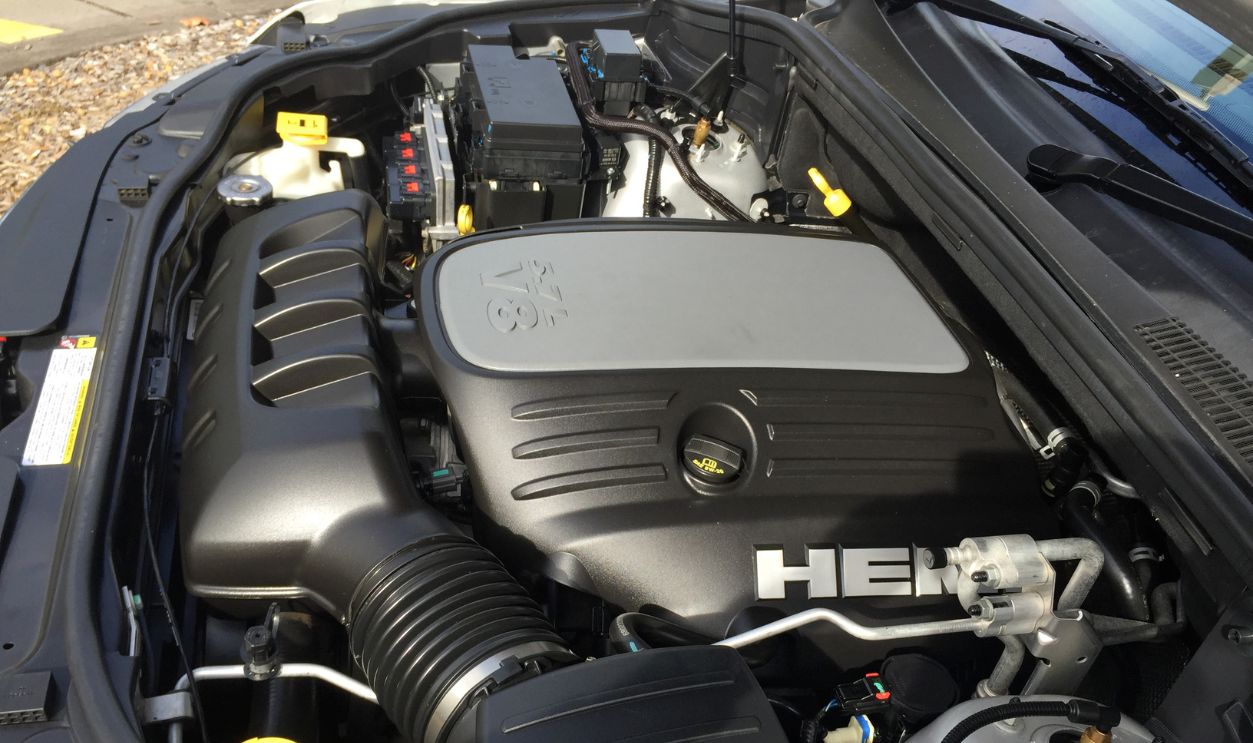 Kgbo, CC BY-SA 4.0, Wikimedia Commons
Demerger Decision
In 2007, Zetsche decided to split Daimler and Chrysler, which was a massive move. This separation created Daimler AG as its own company, allowing it to focus only on developing the Mercedes-Benz brand and its associated tech.

The Chrysler Separation
In May 2007, Daimler agreed to sell a majority stake in Chrysler to Cerberus Capital Management, a private equity firm, for approximately $7.4 billion. After this deal went down, DaimlerChrysler officially switched its name to Daimler AG in October 2007.

Quality Revolution
Between 2006 and 2010, Zetsche headed quality improvements across Mercedes-Benz product lines. He implemented the “12 Gates of Quality” program to ensure that every department met specific targets before going to the next phase of vehicle development.
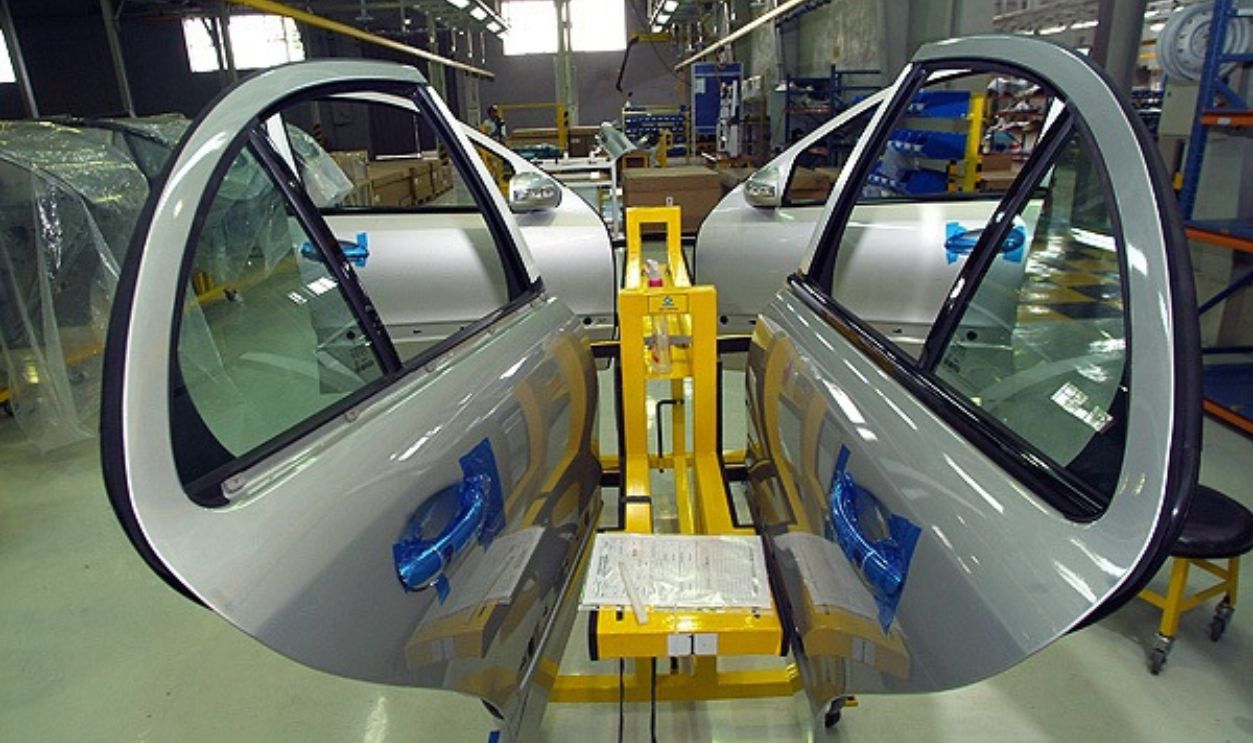 Fars Media Corporation, CC BY 4.0, Wikimedia Commons
Marketing Innovation
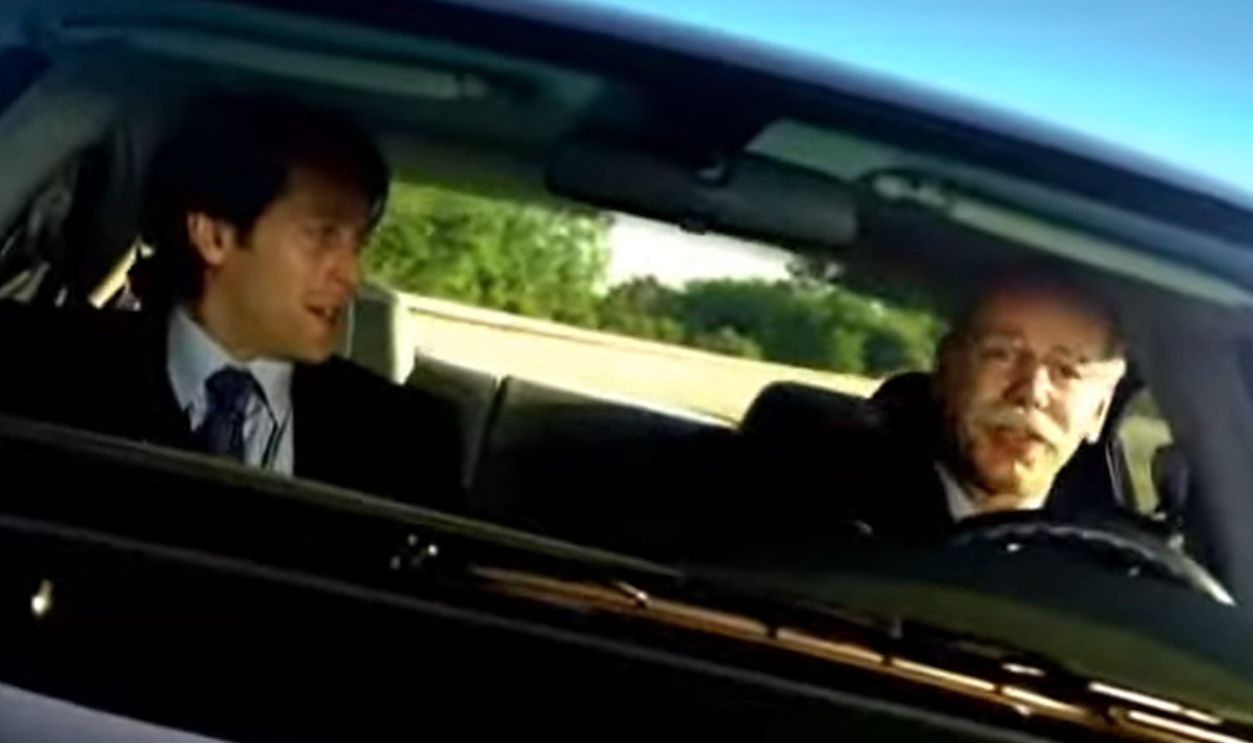
The creative “Ask Dr. Z” campaign that launched in 2006 sought to highlight Zetsche’s one-of-a-kind leadership style. In TV ads and online, he put himself out there to show how German engineering smarts combined with a solid understanding of the American market.
Marketing Innovation (Cont.)
Basically, in these commercials, Zetsche answered customer questions directly, making the brand feel friendly and simple to connect with. He often wrapped things up with “Auf Wiedersehen”, which is just a way of saying goodbye in German.
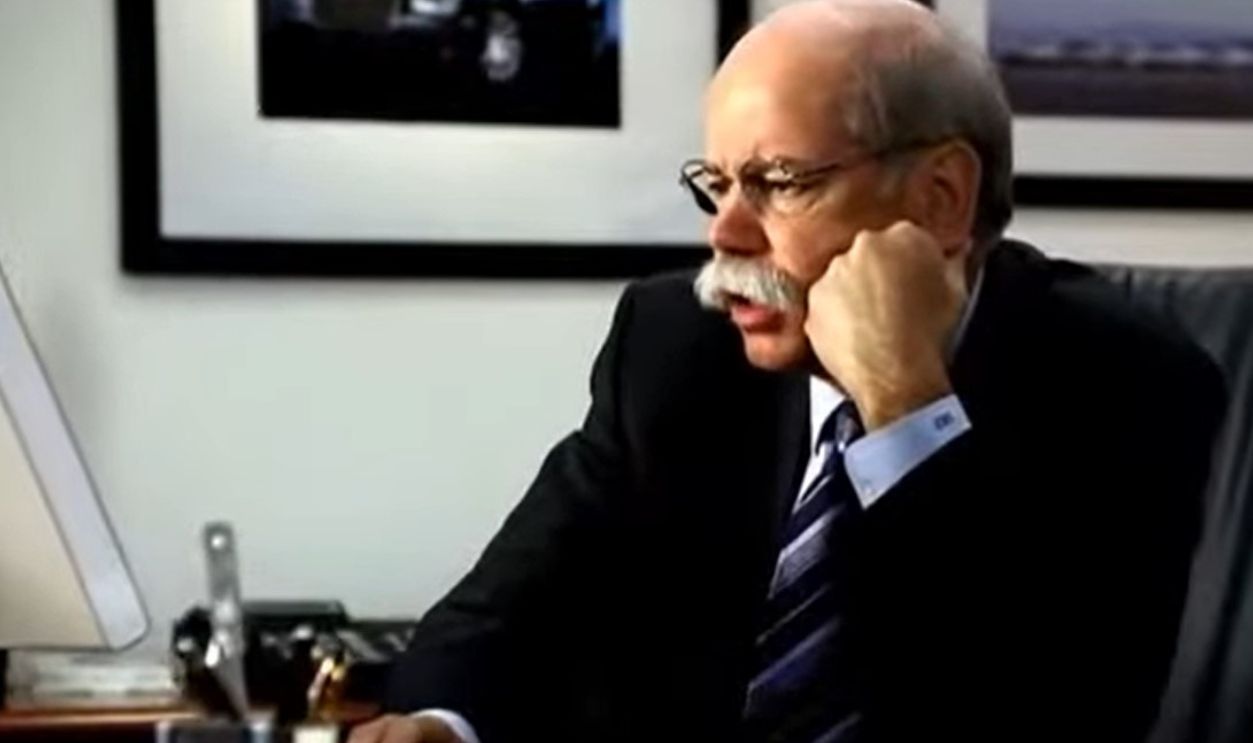 DaimlerChrysler - “Trophy” (2006) by Archives of Transport & Retail
Product Portfolio Expansion
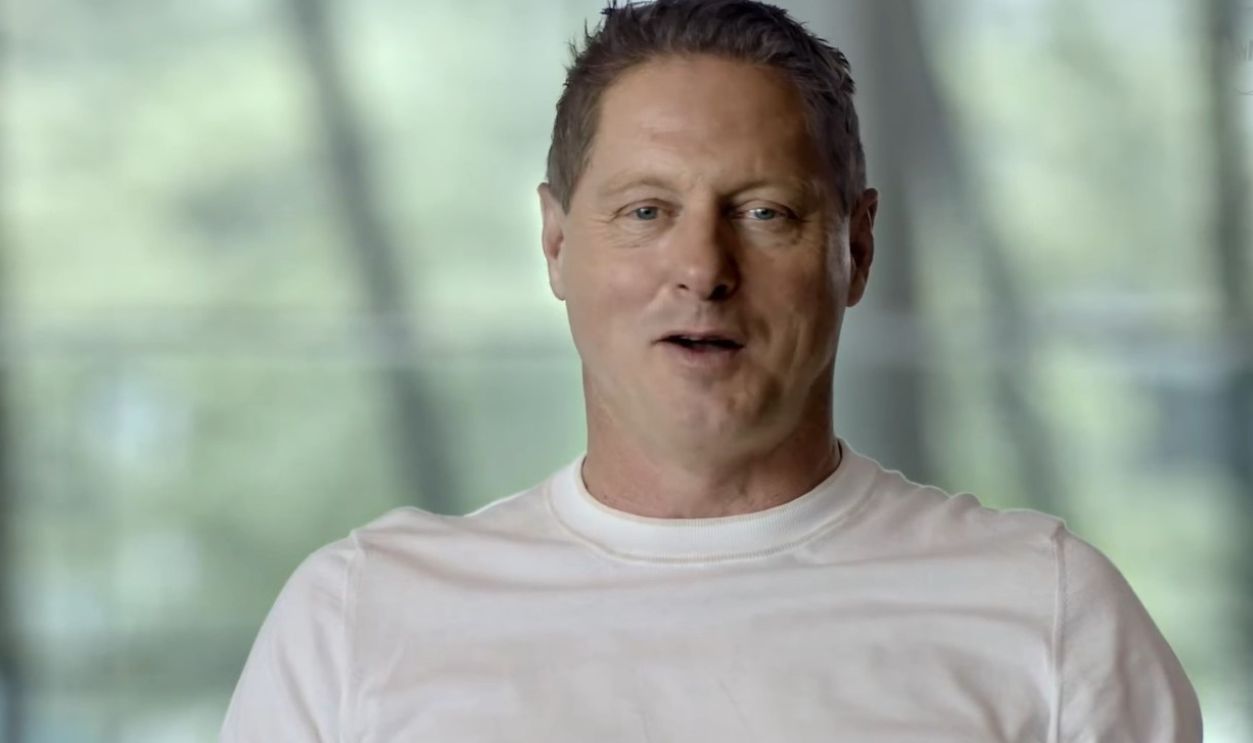
Thanks to him, Mercedes-Benz thoughtfully expanded its lineup of cars. They rolled out new models aimed at younger folks, such as the A-Class. The company also revamped its design philosophy under the leadership of chief designer Gorden Wagener (2008).
Hydrogen Fuel Cell Technology
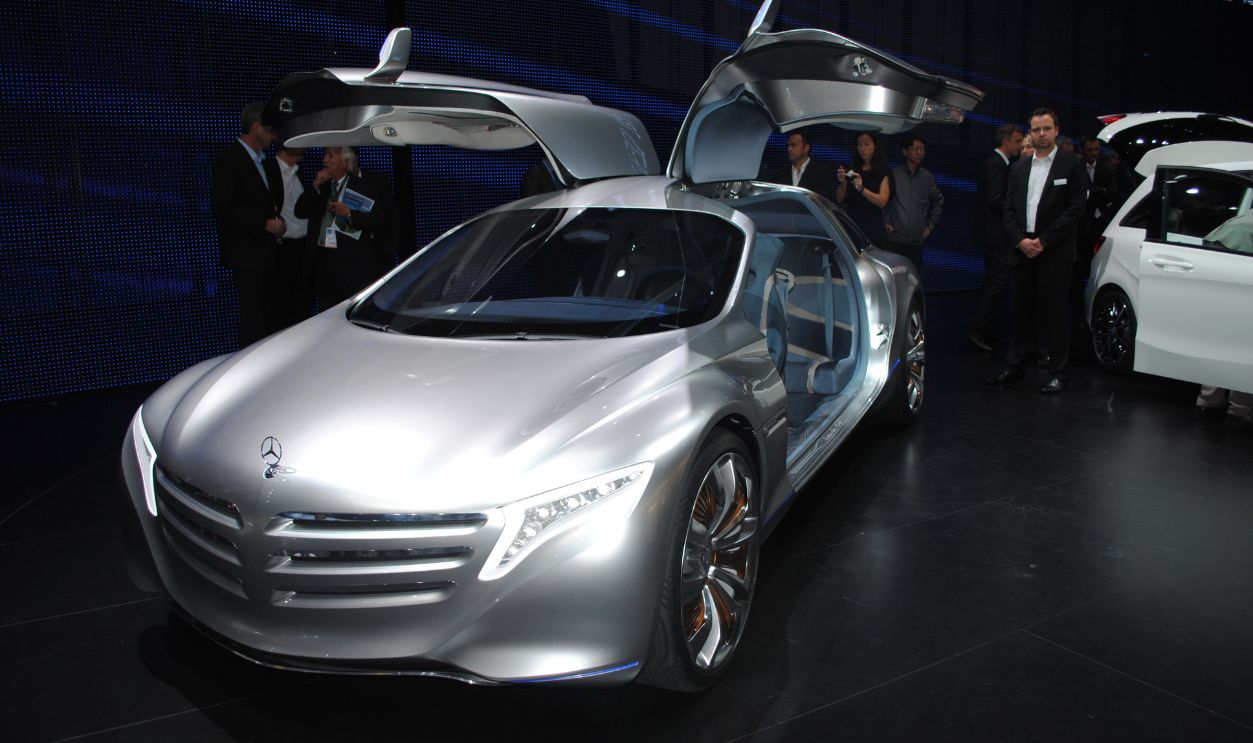
He also pushed for hydrogen fuel cell technology as a better alternative to regular fuels. He said that hydrogen could give luxury car buyers the range and comfort they want without emitting any emissions. This vision included models like the F125.
 Autoviva, CC BY 2.0, Wikimedia Commons
Contract Challenges & Compensation
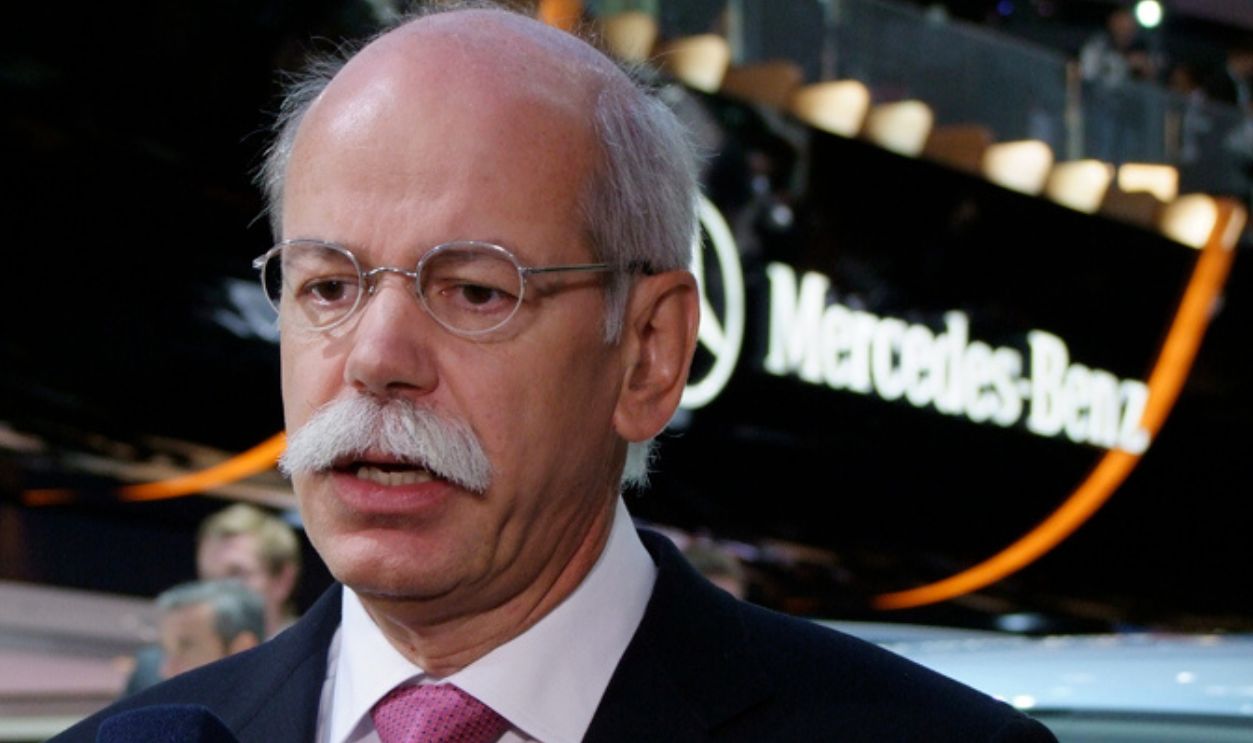
Zetsche was Germany’s second-highest-paid company executive in 2014, earning €14.4 million despite profit warnings and China market struggles in 2012-2013. He initially received a three-year contract renewal, but his success earned him an extension until 2019.
 kandschwar, CC BY 3.0, Wikimedia Commons
Employee Relations
Zetsche maintained strong relationships with labor representatives throughout his career. For instance, in response to economic downturns, he implemented agreements that included temporary wage reductions or deferred pay increases in exchange for job security.
 Mercedes-Benz New Year’s Reception - Interview with Dr. Dieter Zetsche | AutoMotoTV by AutoMotoTV
Industry Recognition
In 2006, he was recognized by Time magazine as one of the 100 most influential people in the world. This acknowledgment underlined his impactful leadership during a transformative period for Daimler AG and the automotive industry at large.

Global Partnerships
Under Zetsche’s guidance, strategic alliances with technology companies and automotive partners expanded, strengthening Mercedes-Benz’s competitive position in the automobile industry. One of the most notable partnerships was the Renault-Nissan Alliance, which was announced in 2010.
 TuRbO_J, CC BY 2.0, Wikimedia Commons
Global Partnerships (Cont.)
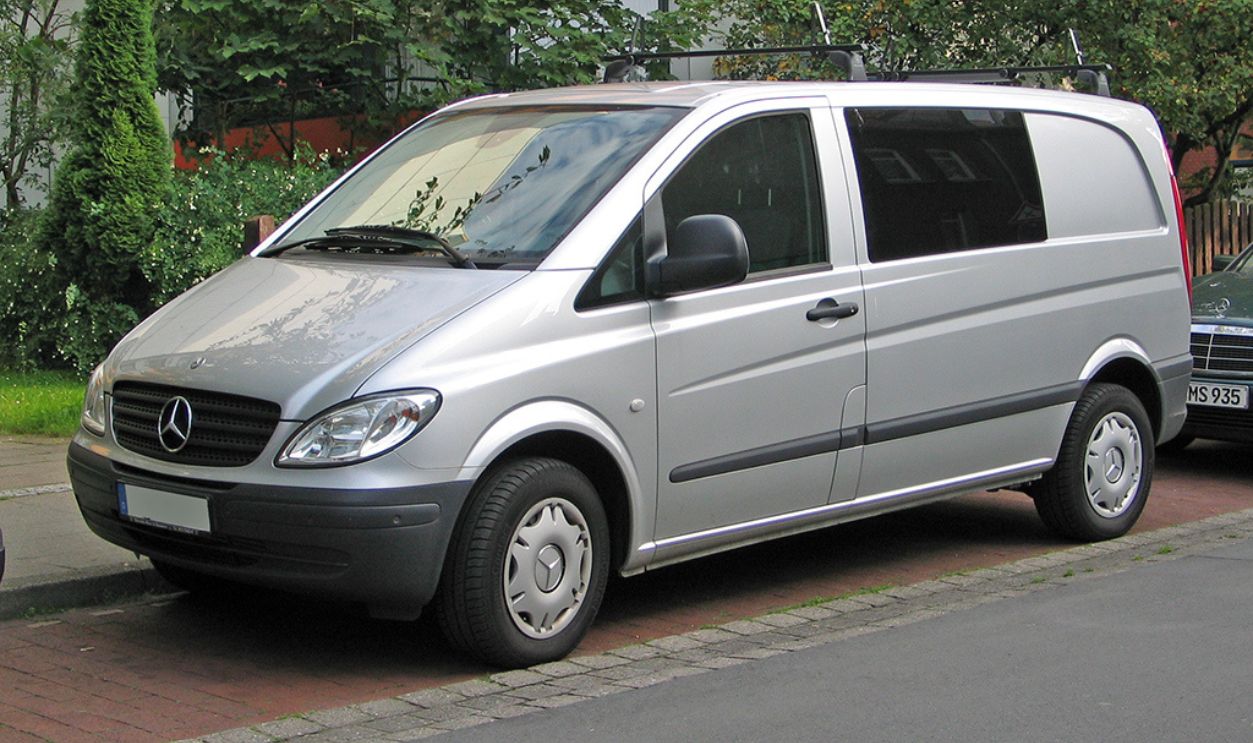
This collaboration aimed to boost efficiency by teaming up to create engines, vehicles, and platforms together. Upon partnering, Daimler could split the costs and resources while also tapping into Renault-Nissan’s know-how with smaller cars and technology.
 Sven Storbeck, CC BY-SA 3.0, Wikimedia Commons
Tesla Partnership
The man also worked to build a connection with Tesla, with Daimler owning a piece of the company and working together on battery tech. The Smart Electric Drive even used Tesla batteries, which showed that they were bouncing ideas and innovation off each other.
Electric Vision Pioneer
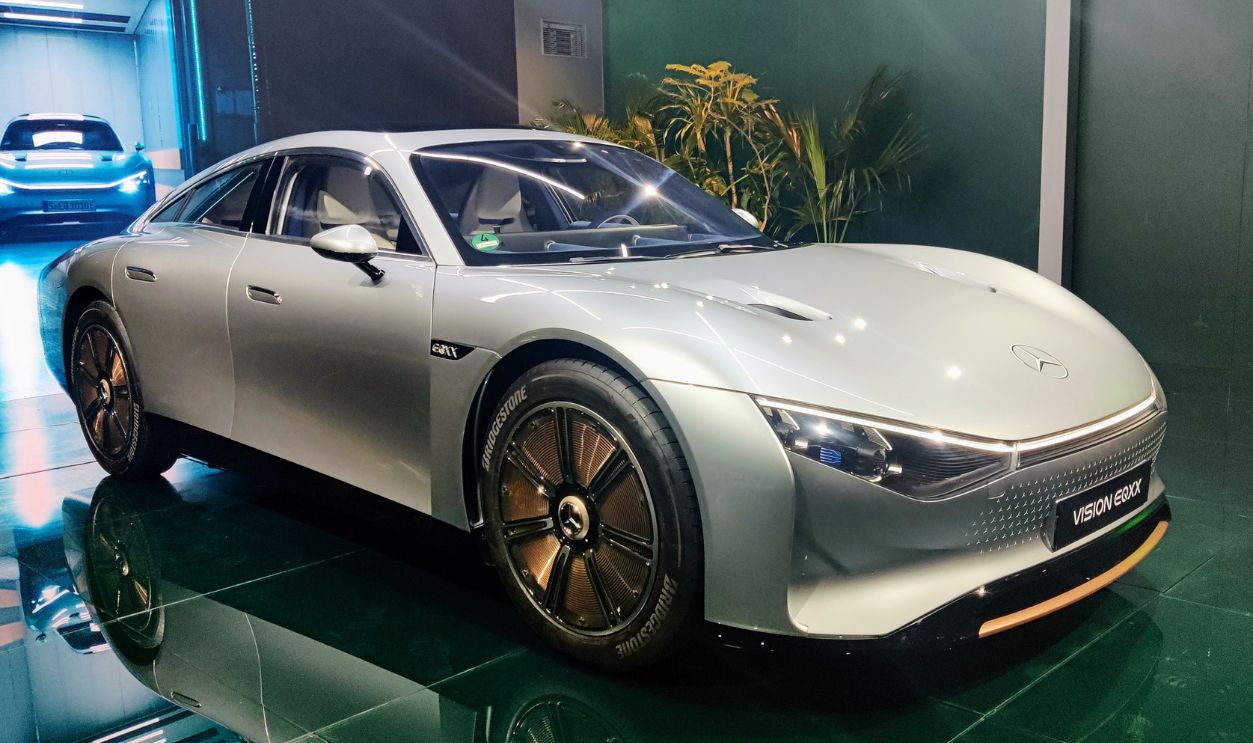
The determined engineer recognized the growing importance of electric mobility and decided to commit to expanding Mercedes-Benz’s EV lineup. Under his guidance, the company began rolling out the EQ series electric models in 2018, the first model being EQC.
 JustAnotherCarDesigner, CC BY-SA 4.0, Wikimedia Commons
Test Track Investigation
Going back to 2011, Zetsche found himself under investigation for involuntary manslaughter after a 27-year-old engineer tragically died in a test track accident caused by an intern driver. Prosecutors were criticized for targeting Zetsche, who had no oversight of intern activities.
 RudolfSimon, CC BY-SA 3.0, Wikimedia Commons
Planned Exit Strategy
Ultimately, in September 2018, Mercedes shared that Zetsche would be stepping down. The plan was for him to retire as CEO in May 2019, take a two-year break, and return in 2021 as the chairman of Daimler’s supervisory board, succeeding Manfred Bischoff.
 World Premiere of the new Mercedes-Benz EQC - Interview Dr. Dieter Zetsche by AutoMotoTV
Ola Källenius’ Succession
Zetsche’s succession plan was set well before his departure. Daimler announced in 2018 that Källenius would take over as CEO effective May 22, 2019. Ola Källenius had been with Daimler since 1993 and was the head of research and development for Mercedes-Benz.
 Matti Blume, CC BY-SA 4.0, Wikimedia Commons
Post-Mercedes Leadership
Following that, in February 2018, Zetsche joined the tourism company TUI AG’s supervisory board. Then, in May 2019, he was promoted to chairman of TUI’s Supervisory Board, marking his transition from automotive to tourism industry leadership. TUI stands for Touristik Union International.
 World premiere Mercedes-Benz E-Class - Speech Dr. Dieter Zetsche - Part 2 | AutoMotoTV by AutoMotoTV

.jpg)


