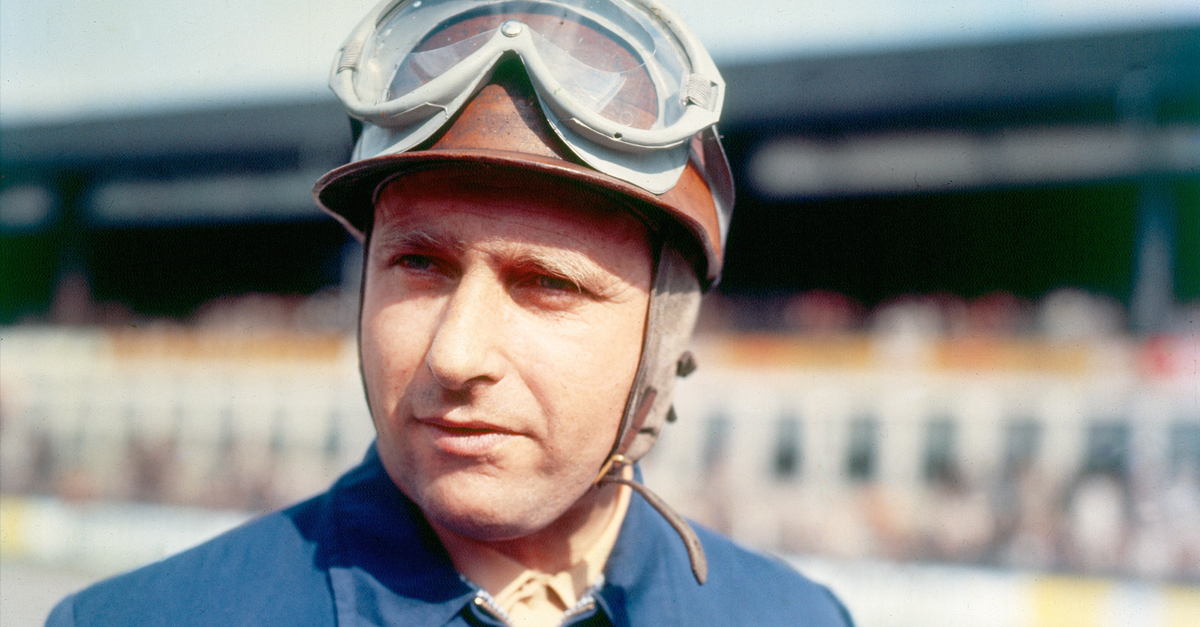
The Standard Everyone Still Chases
Formula One has changed almost beyond recognition since Juan Manuel Fangio raced. The cars are safer, the calendars are longer, and the sport is now a global media machine. Yet Fangio still sits near the center of every serious greatest-driver debate. His career remains the benchmark because his numbers, adaptability, and judgment still feel almost impossible.
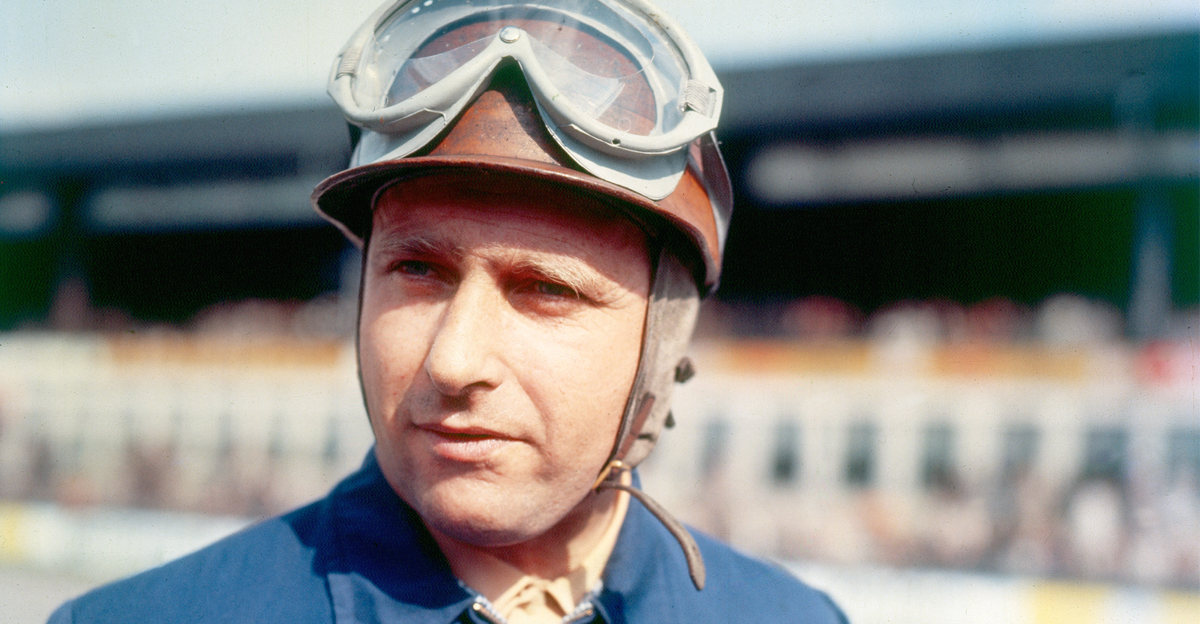 Klemantaski Collection, Getty Images
He Arrived Late And Still Dominated
Fangio did not enter the Formula One World Championship as a young prodigy. He started the 1950 British Grand Prix at age 38, when many modern drivers are already retired. That makes his rise even more remarkable. He had no long developmental runway in F1, but he immediately looked like one of the best drivers in the world.
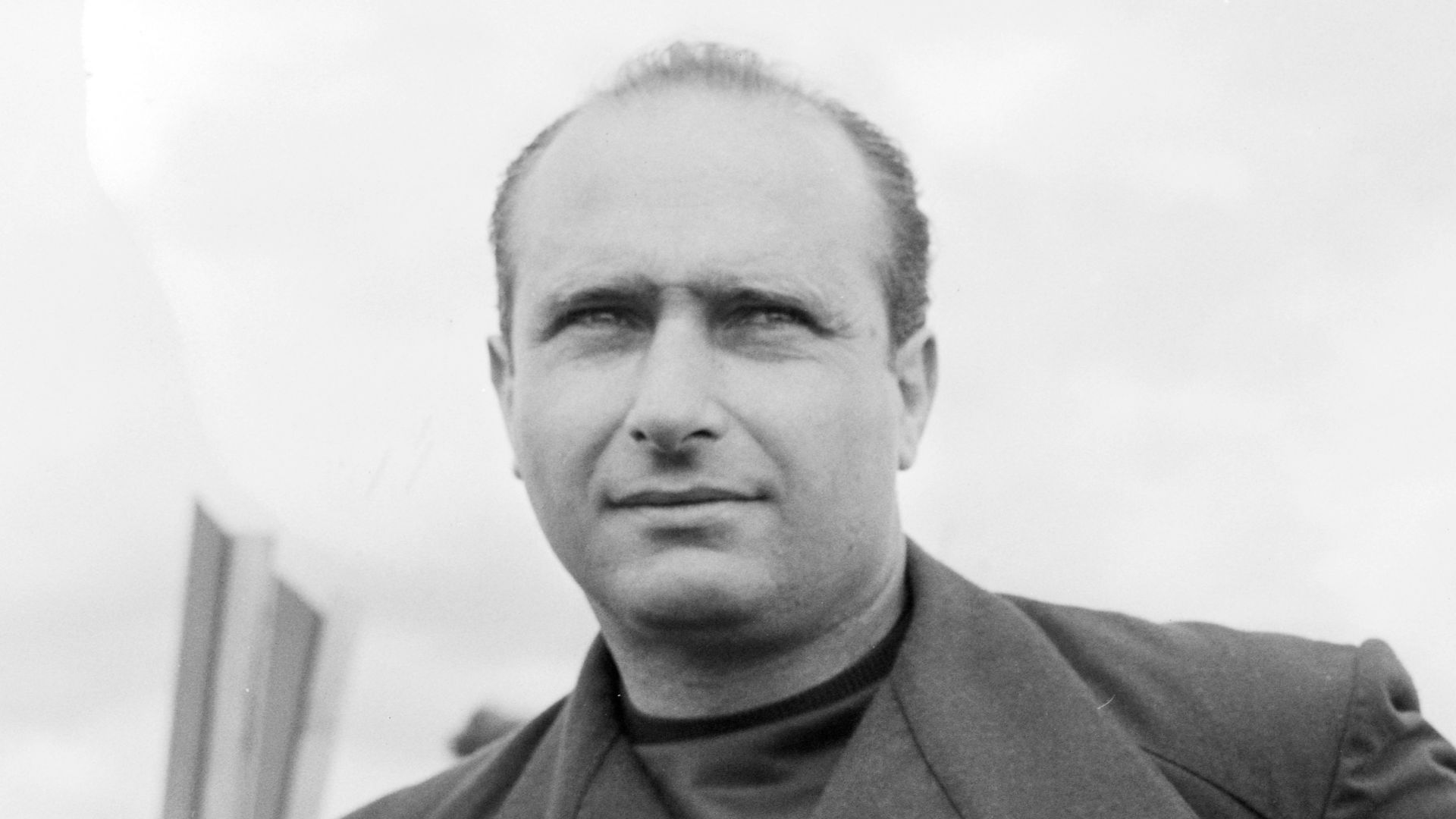 Bjørn Fjørtoft, Wikimedia Commons
He Came From A Mechanic’s World
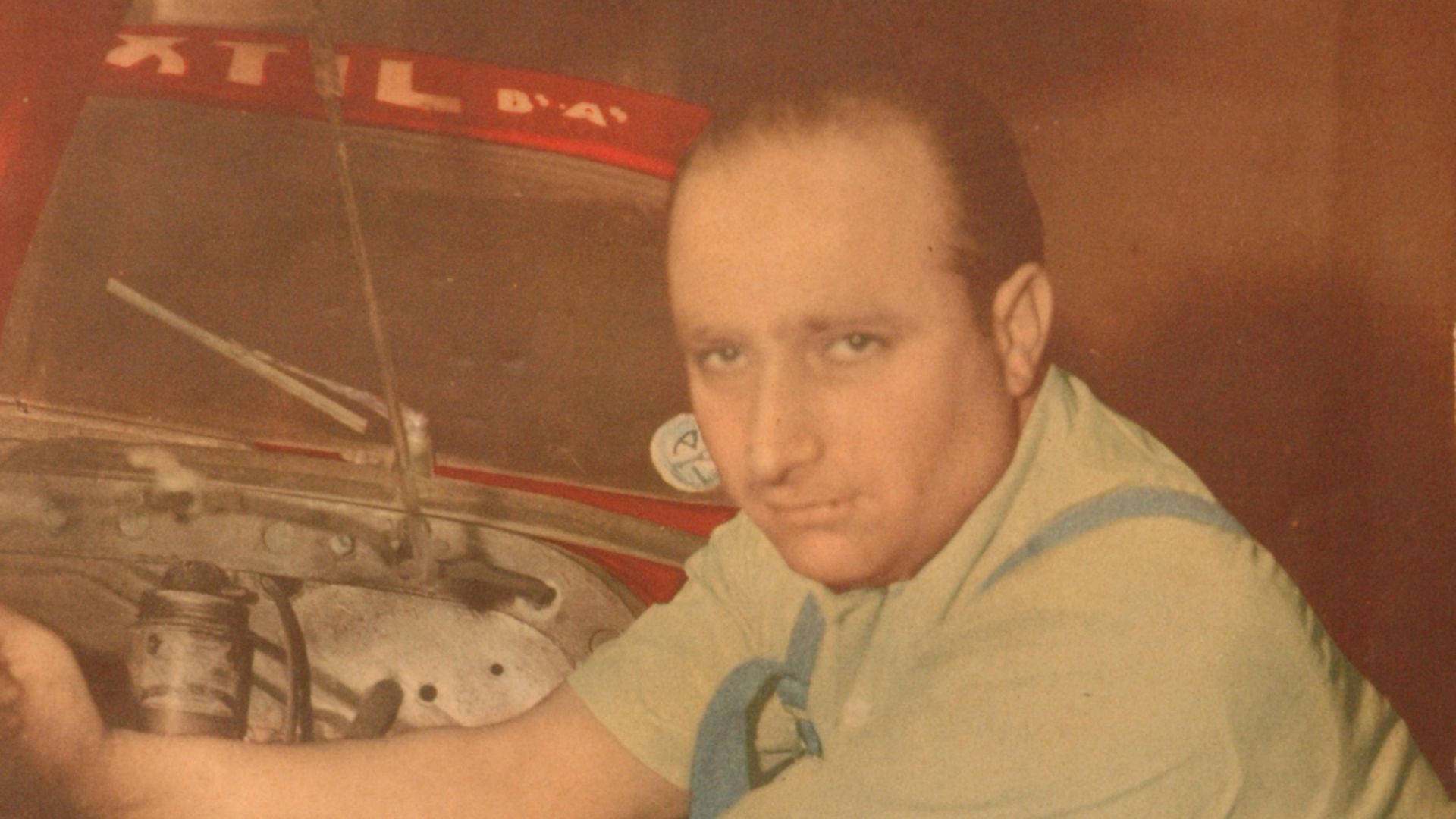
Fangio was born in Balcarce, Argentina, in 1911. Before he became a racing legend, he worked around cars and developed a deep mechanical understanding. That background shaped the way he drove. He was not just fast, he understood what a machine could survive.
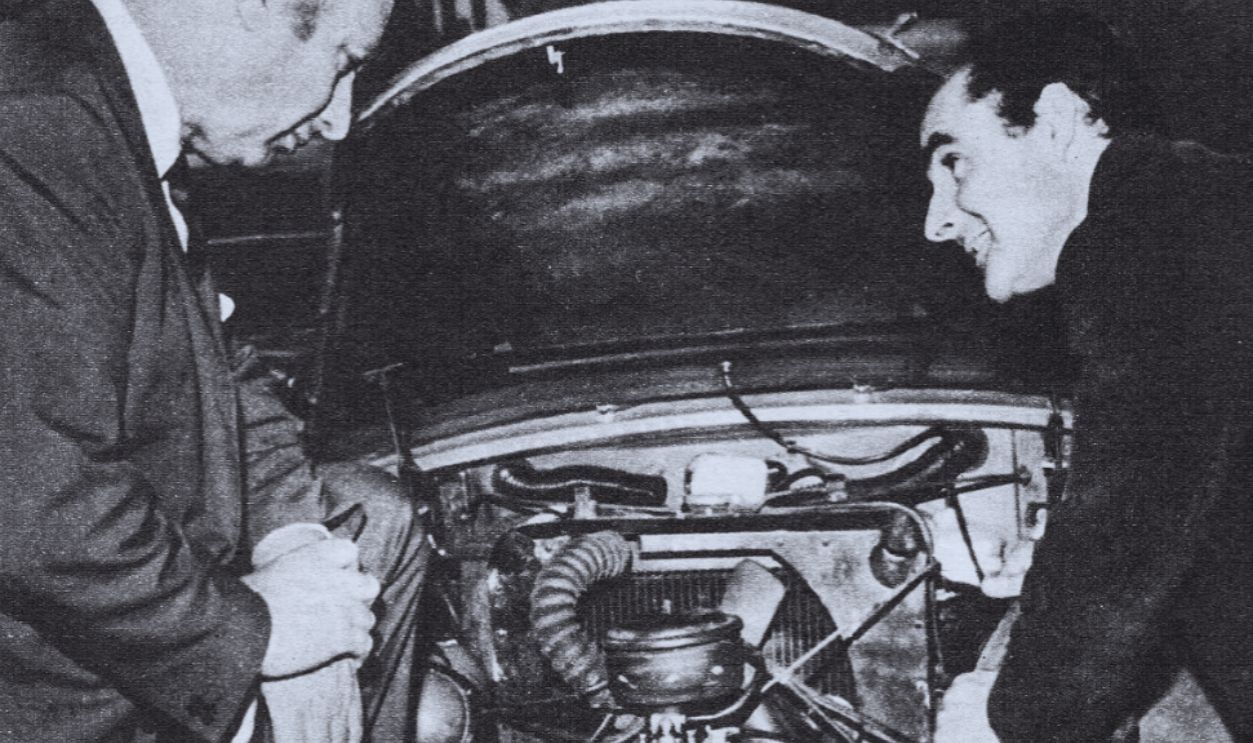 Revista Automundo Nº 280, Wikimedia Commons
His Nicknames Told The Story
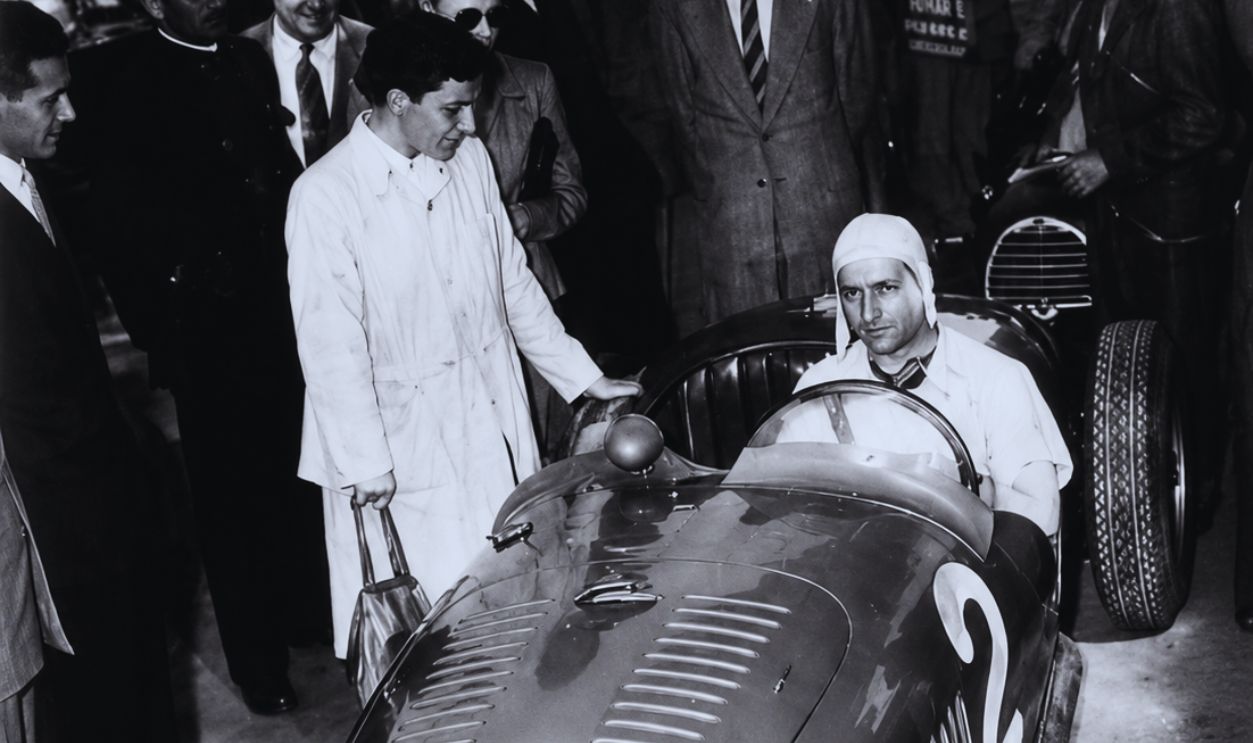
Fans knew Fangio as “El Chueco” and “El Maestro.” The first nickname came from his bow-legged appearance, while the second captured his reputation as a master. Both names stuck because Fangio felt human and mythical at the same time. He was approachable, but his race craft seemed almost untouchable.
 Unknown photographer, Wikimedia Commons
He Was Brilliant From The Start
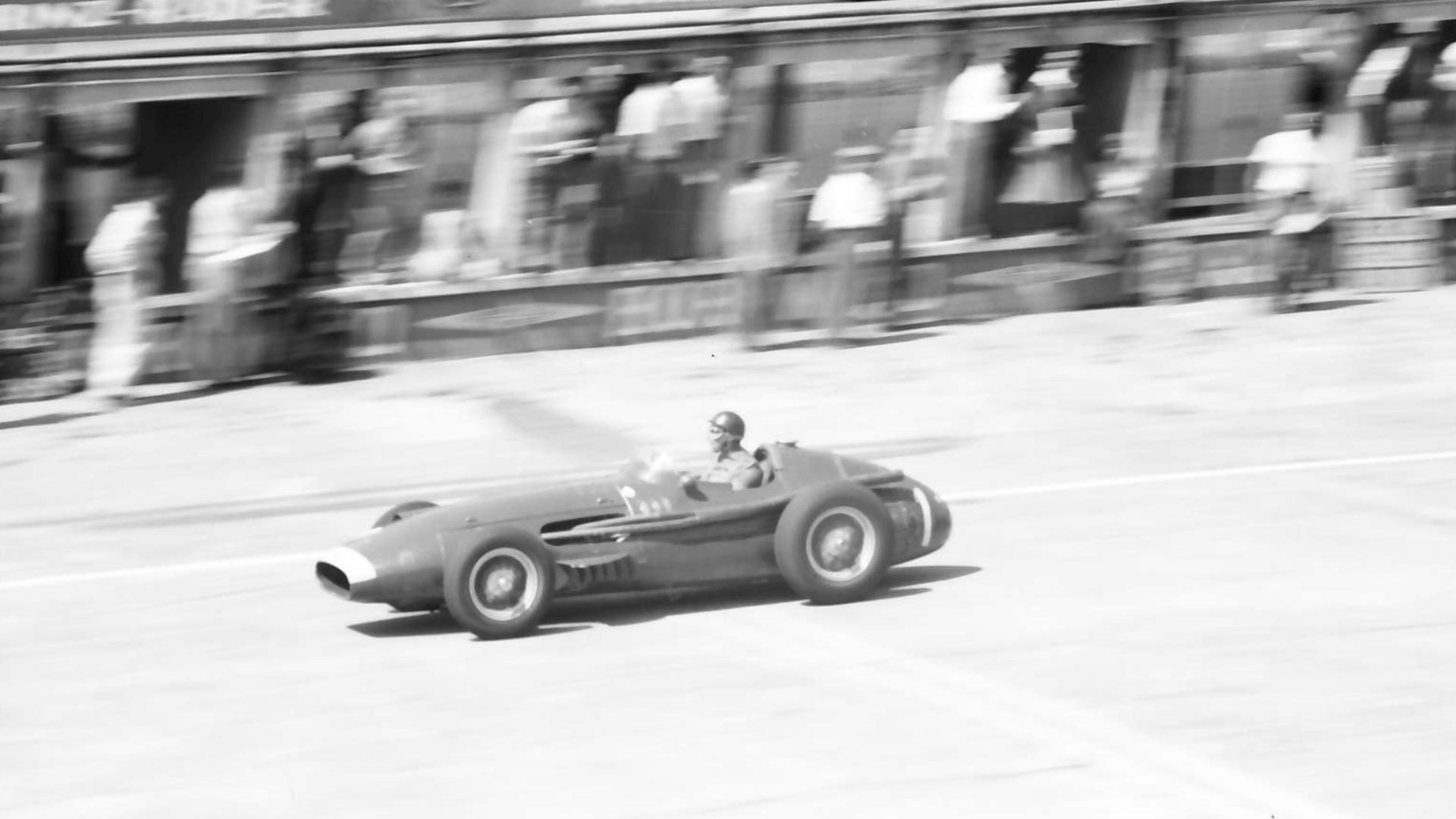
Fangio won his first Formula One World Championship race at Monaco in 1950. That victory came in only his second championship start. Monaco rewarded precision, patience, and nerve, which made it a perfect early showcase. Fangio quickly proved he was more than just a fast driver on open roads.
 Willy Pragher, Wikimedia Commons
His First Title Came With Alfa Romeo
Fangio won his first World Drivers’ Championship in 1951 with Alfa Romeo. That title established him as the leading driver of Formula One’s earliest era. He had already finished runner-up in 1950, so the championship felt like confirmation rather than surprise. From that point on, every rival knew Fangio was the man to beat.
![Collectie / Archief : Fotocollectie Anefo
Reportage / Serie : [ onbekend ]
Beschrijving : START, autoraces
Datum : 21 juli 1950
Locatie : Noord-Holland, Zandvoort
Trefwoorden : START, autoraces
Fotograaf : Noske, J.D. / Anefo
Auteursrechthebbende : Nation](https://www.factinate.com/storage/app/media/driversdaily/2026/7/13/17839567092578eb0fbf2870198c44cae8c8ec128a355a3ce5.jpg) Nationaal Archief, Wikimedia Commons
Nationaal Archief, Wikimedia Commons
He Missed Time And Came Back Stronger
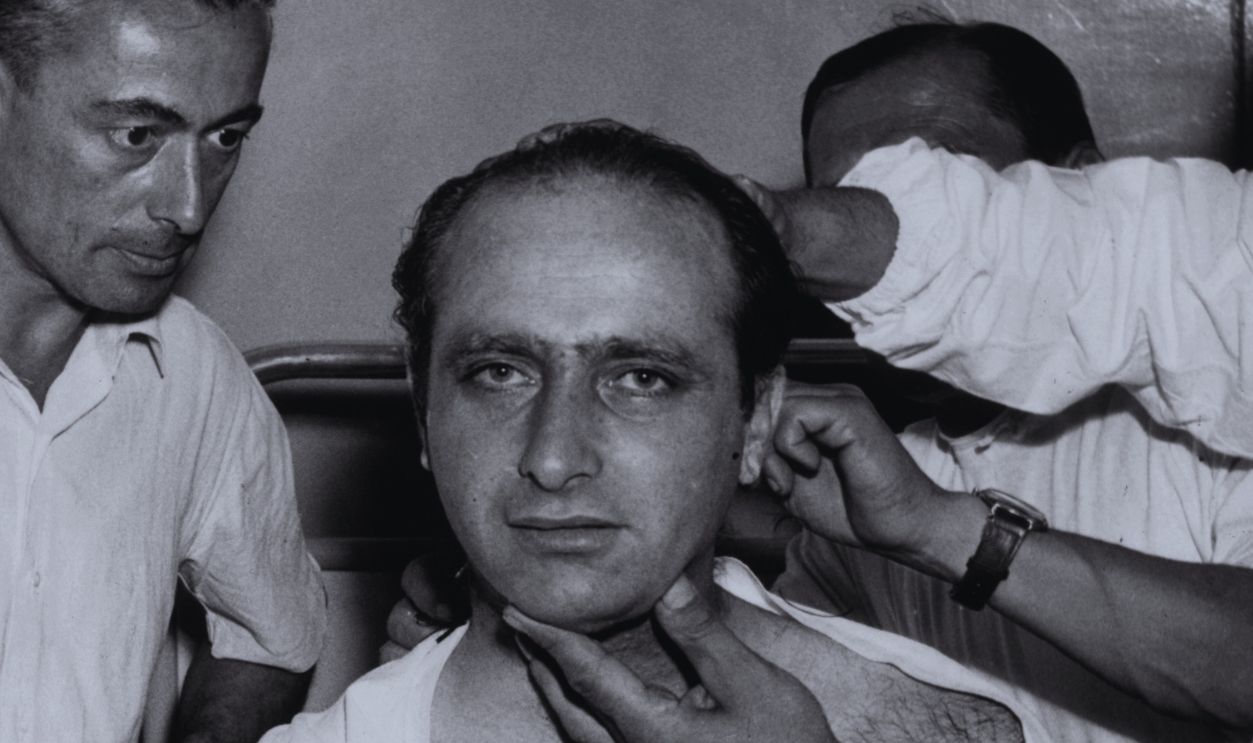
Fangio’s career was interrupted by a serious crash at Monza in 1952. He missed that year’s championship season while recovering from injury. Many drivers might have lost their edge after such a setback. Fangio returned and kept winning, which added another layer to his legend.
He Won With Four Different Teams
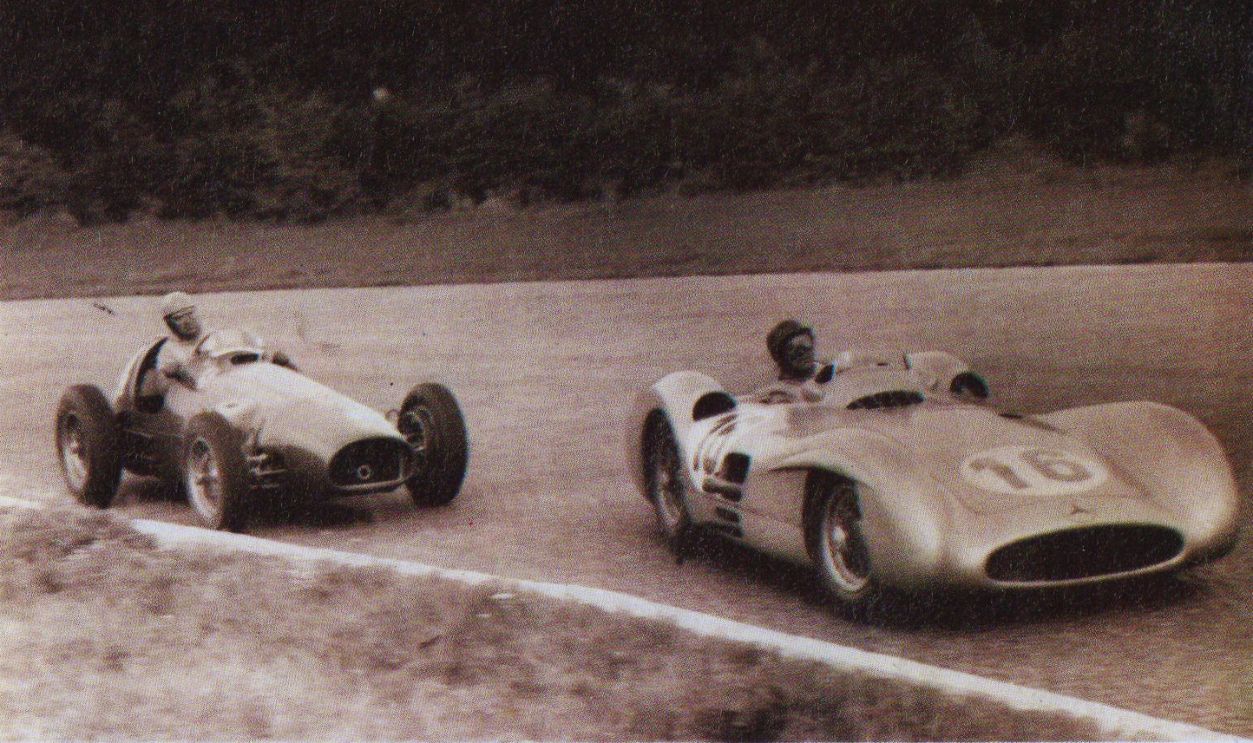
One of Fangio’s greatest claims is not just that he won five titles. It is that he won them with Alfa Romeo, Maserati, Mercedes-Benz, and Ferrari. That remains one of the clearest signs of his adaptability. He was not simply attached to one dominant machine.
 Unknown Author, Wikimedia Commons
He Knew When To Move
Fangio had a rare instinct for choosing the right team at the right moment. He moved from Maserati to Mercedes during the 1954 season and kept winning. After Mercedes withdrew from racing, he joined Ferrari for 1956. Then he returned to Maserati and won again in 1957.
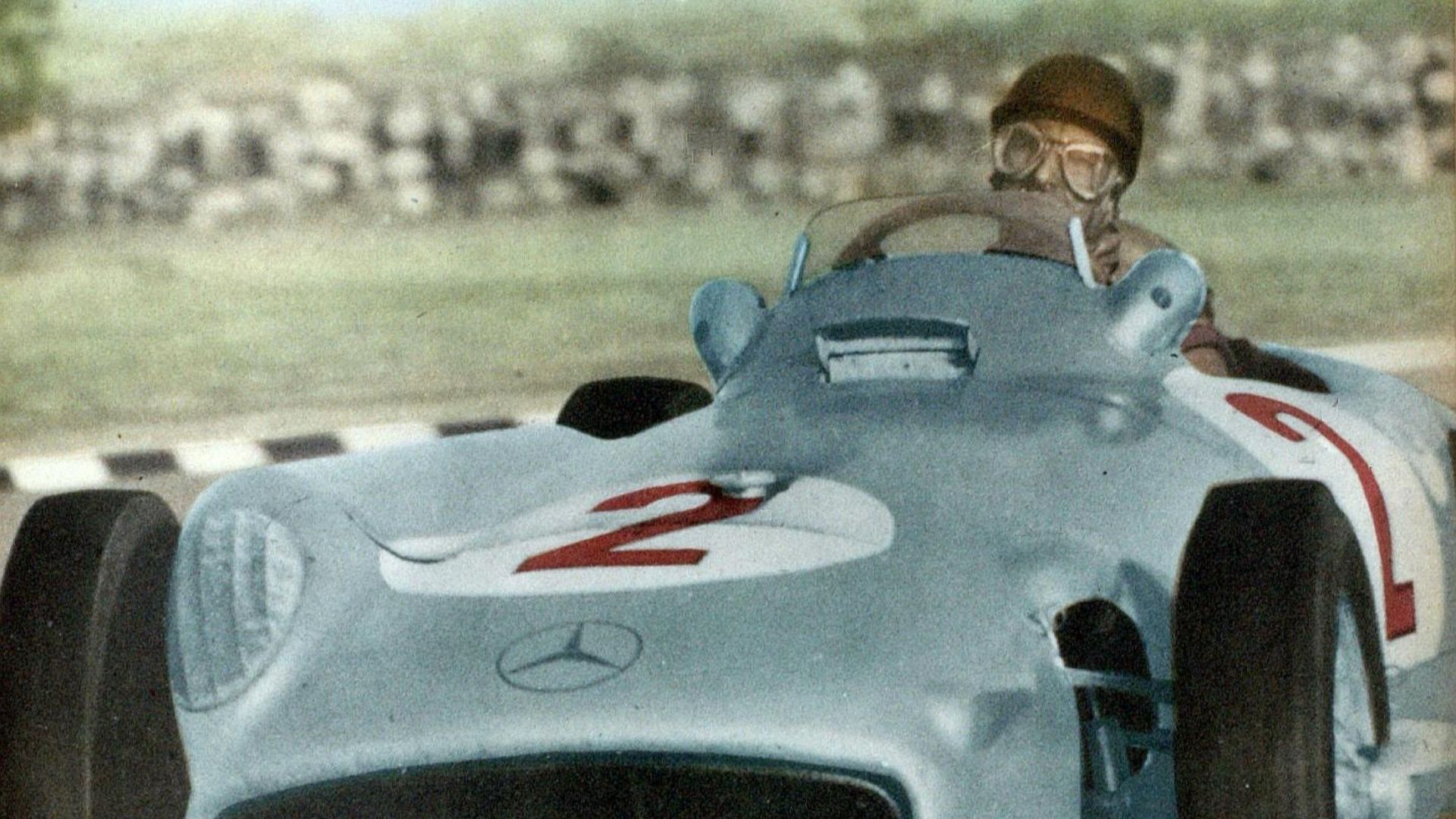
Mercedes Showed His Precision
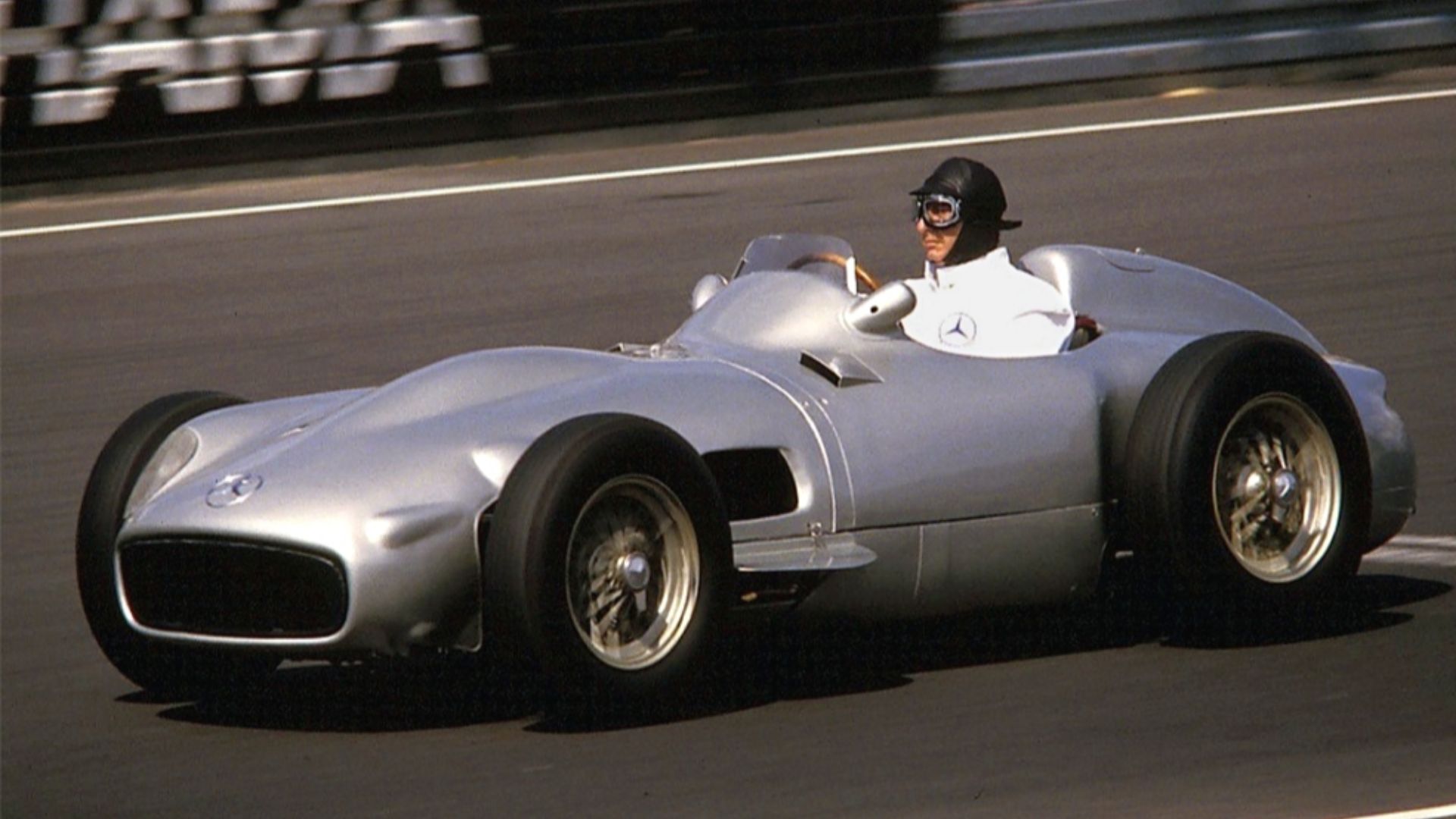
Mercedes-Benz returned to Grand Prix racing in 1954 with the advanced W196. Fangio won the French Grand Prix at Reims in the car’s debut race. The result announced Mercedes as a force and gave Fangio another powerful weapon. He still had to master a machine that was very different from what he had driven before.
 Lothar Spurzem, Wikimedia Commons
He Made Different Cars Look Natural
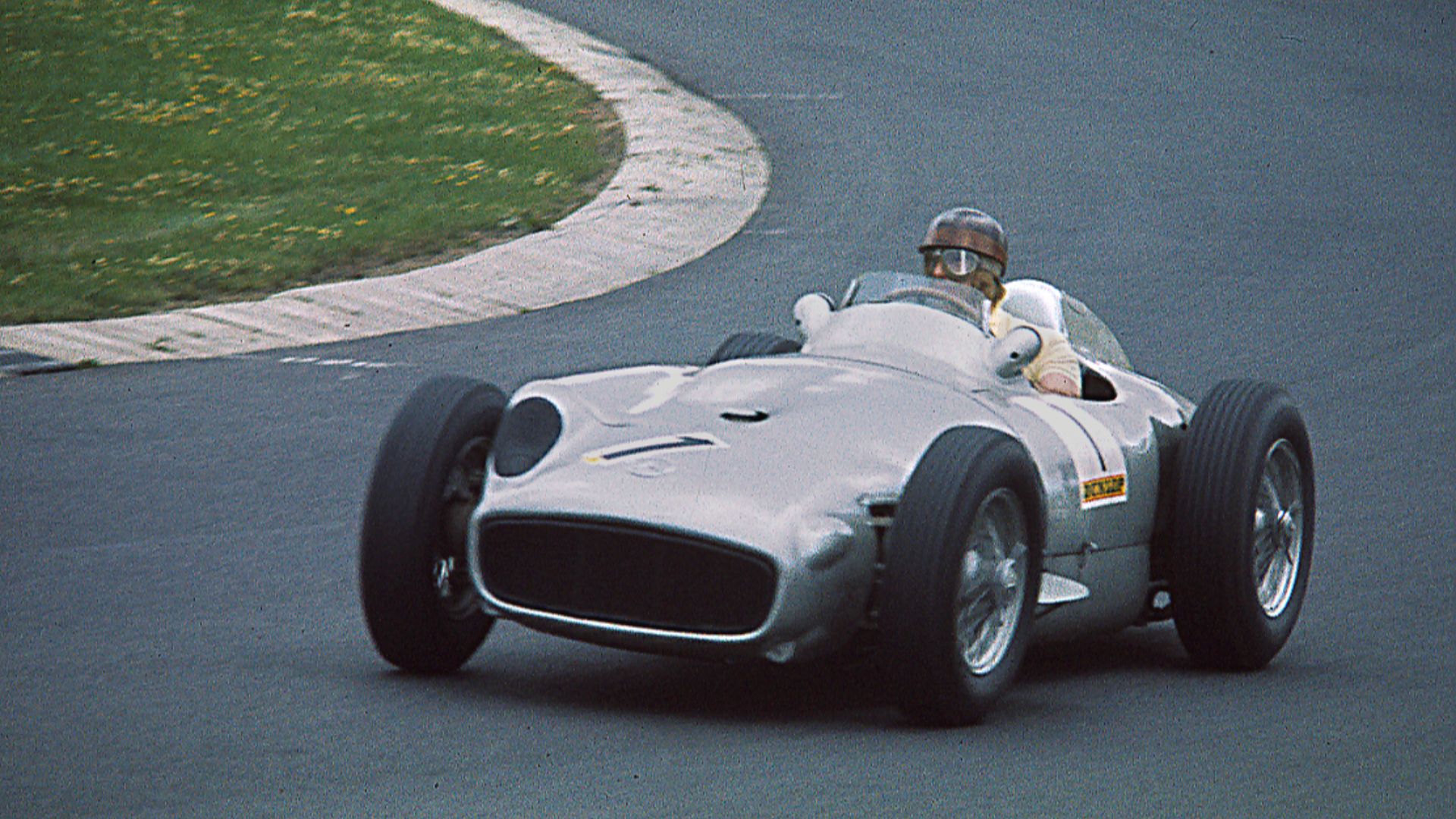
Fangio won in front-engined cars, streamlined Mercedes machinery, Ferraris, and Maseratis. Each demanded a different touch and a different kind of confidence. Modern drivers are often judged inside tightly regulated technical eras. Fangio’s greatness came from making every situation look manageable.
 Lothar Spurzem, Wikimedia Commons
His 1954 Season Was A Masterclass
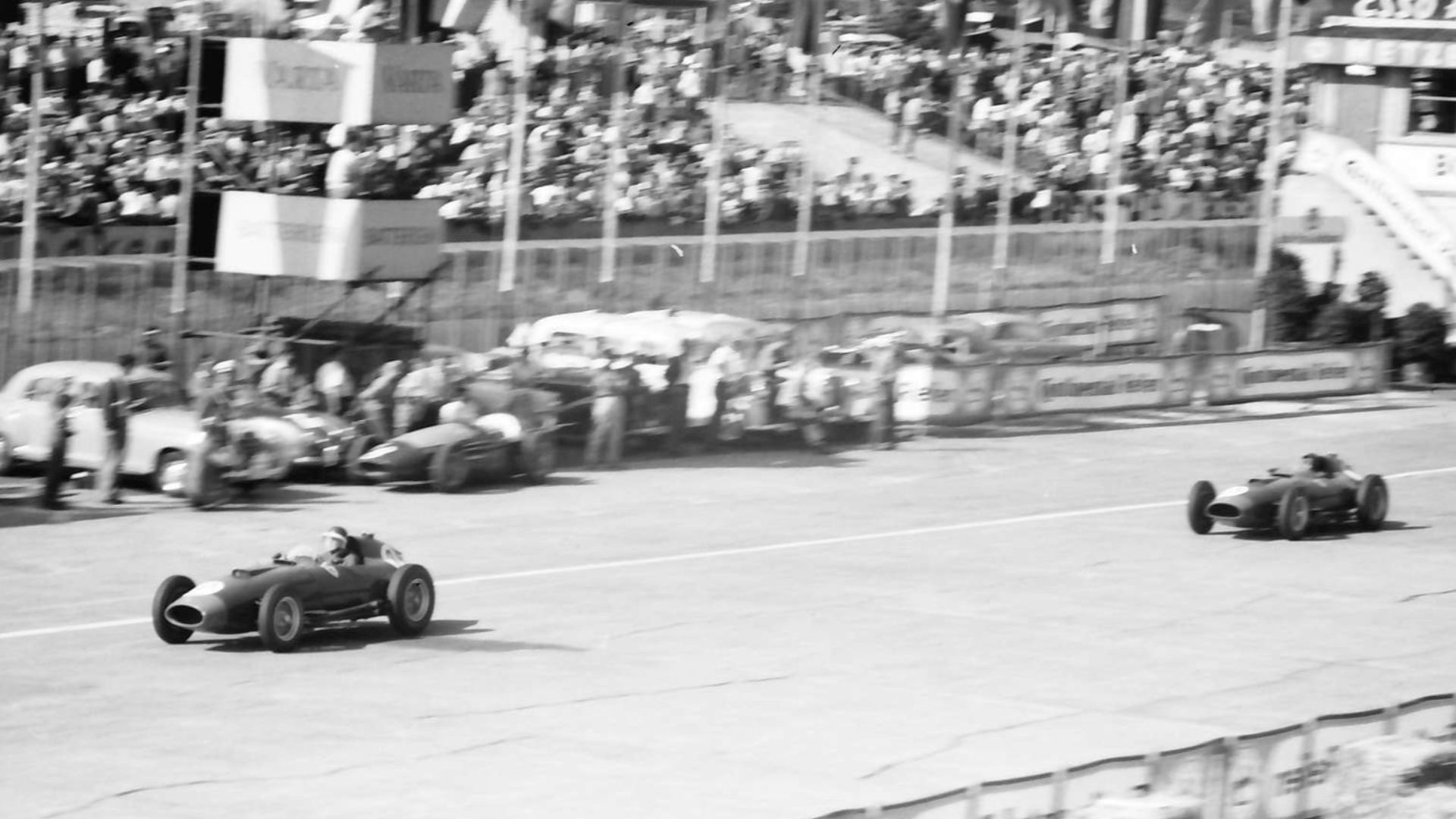
Fangio began 1954 with Maserati and finished it as a Mercedes-Benz champion. He won races for both constructors during the same championship season. That kind of mid-season transition would be difficult in any era. Fangio made it look almost seamless.
 Willy Pragher, Wikimedia Commons
He Helped Define Mercedes’ F1 Mythology
The modern Mercedes Formula One story has roots in Fangio’s 1954 and 1955 championships. His wins in the W196 helped turn the Silver Arrows into racing icons. The car became famous for its engineering, but Fangio gave it its greatest competitive identity. Driver and machine lifted each other.
Ferrari Was Not Easy, But He Still Won
Fangio’s 1956 season with Ferrari was not a smooth romance. The team used Lancia-derived machinery, and Fangio’s relationship with the operation was not as comfortable as his Mercedes years. Even so, he won the championship. That title showed he could prevail even when the environment was not perfectly suited to him.
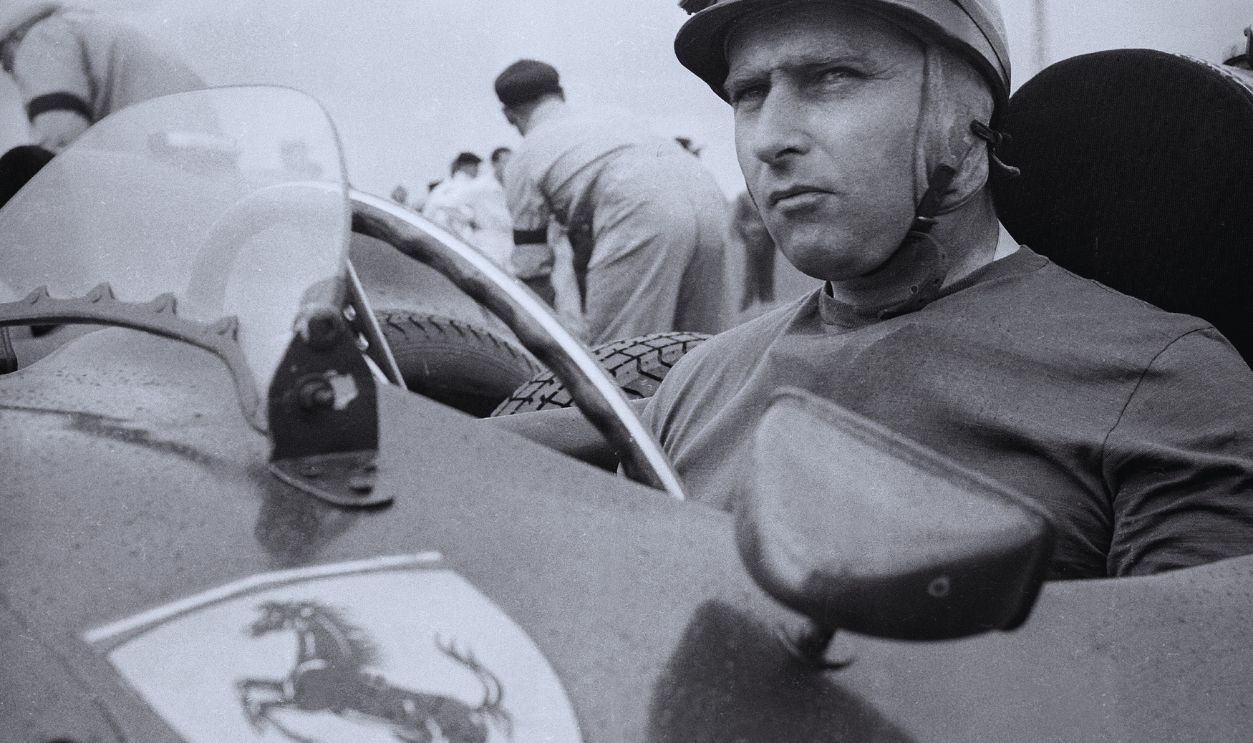
The Collins Gesture Became F1 Lore
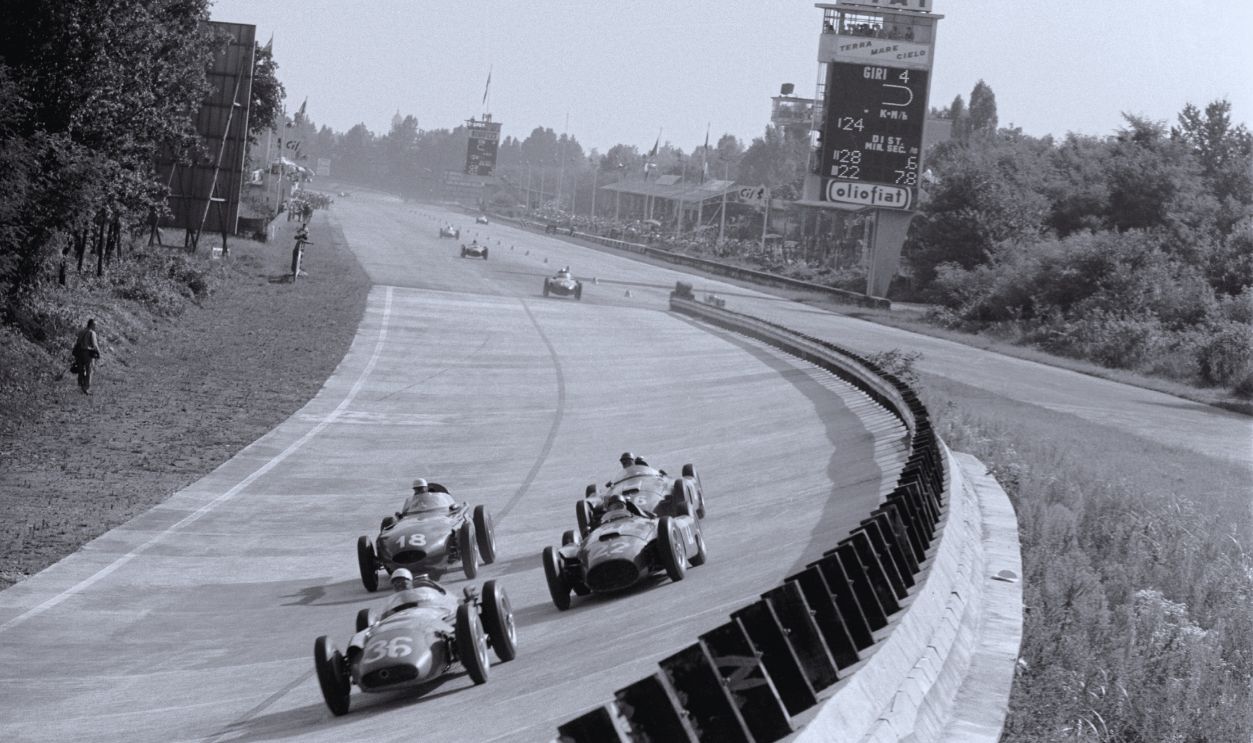
At the 1956 Italian Grand Prix, Peter Collins handed his car to Fangio after Fangio’s own car had problems. That decision helped Fangio secure the championship. It also showed the very different sporting culture of the 1950s. Teammates could share cars, points, and heartbreak in ways that feel almost unimaginable today.
 Klemantaski Collection, Getty Images
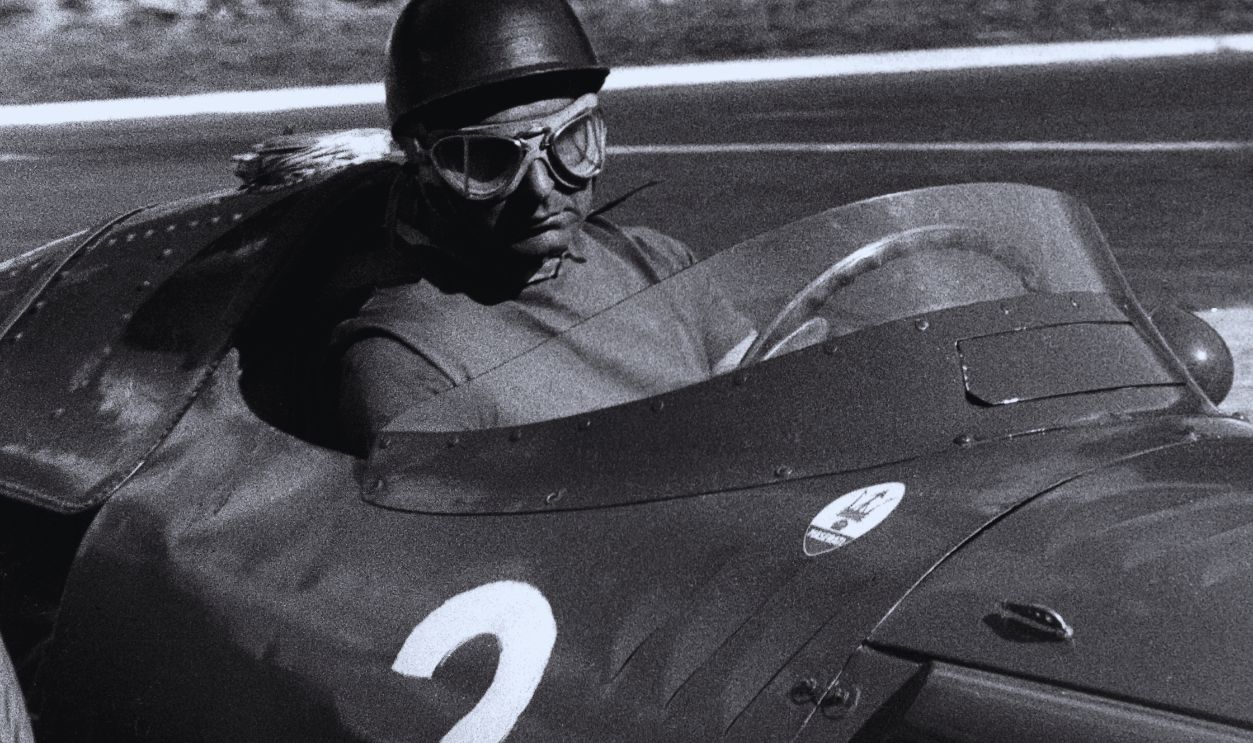
Maserati Gave Him His Final Masterpiece
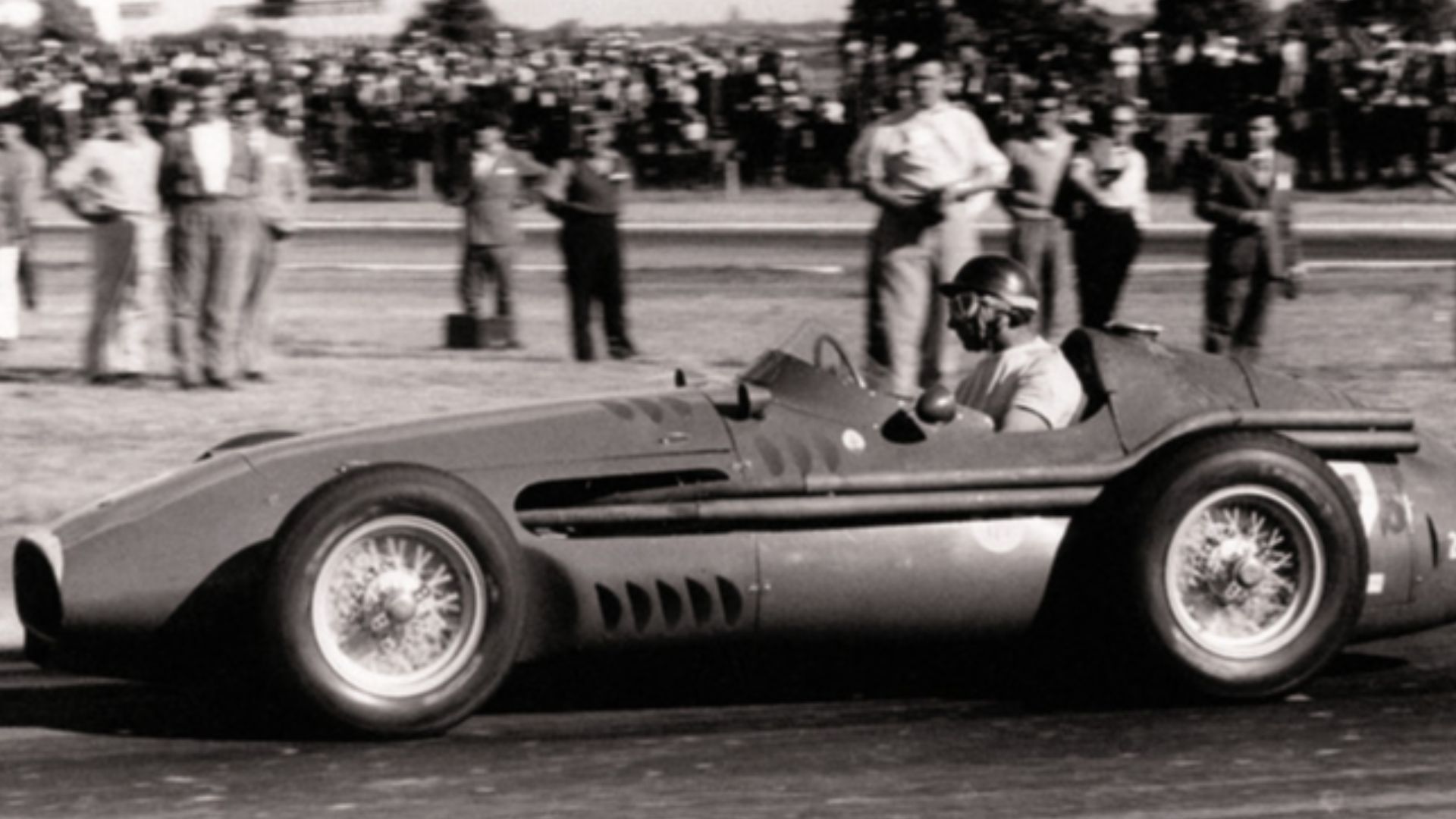
Fangio returned to Maserati in 1957 and drove the 250F. By then, he was in his mid-40s and racing against younger rivals. Instead of fading, he produced one of the greatest seasons of his life. His final title may be the strongest evidence of his enduring brilliance.
The Nürburgring Became His Signature
The 1957 German Grand Prix at the Nürburgring is still treated as one of Formula One’s defining drives. Fangio lost a huge amount of time after a slow pit stop, then chased down the Ferraris of Mike Hawthorn and Peter Collins. He repeatedly broke the lap record during the pursuit. He won the race and clinched his fifth world title.
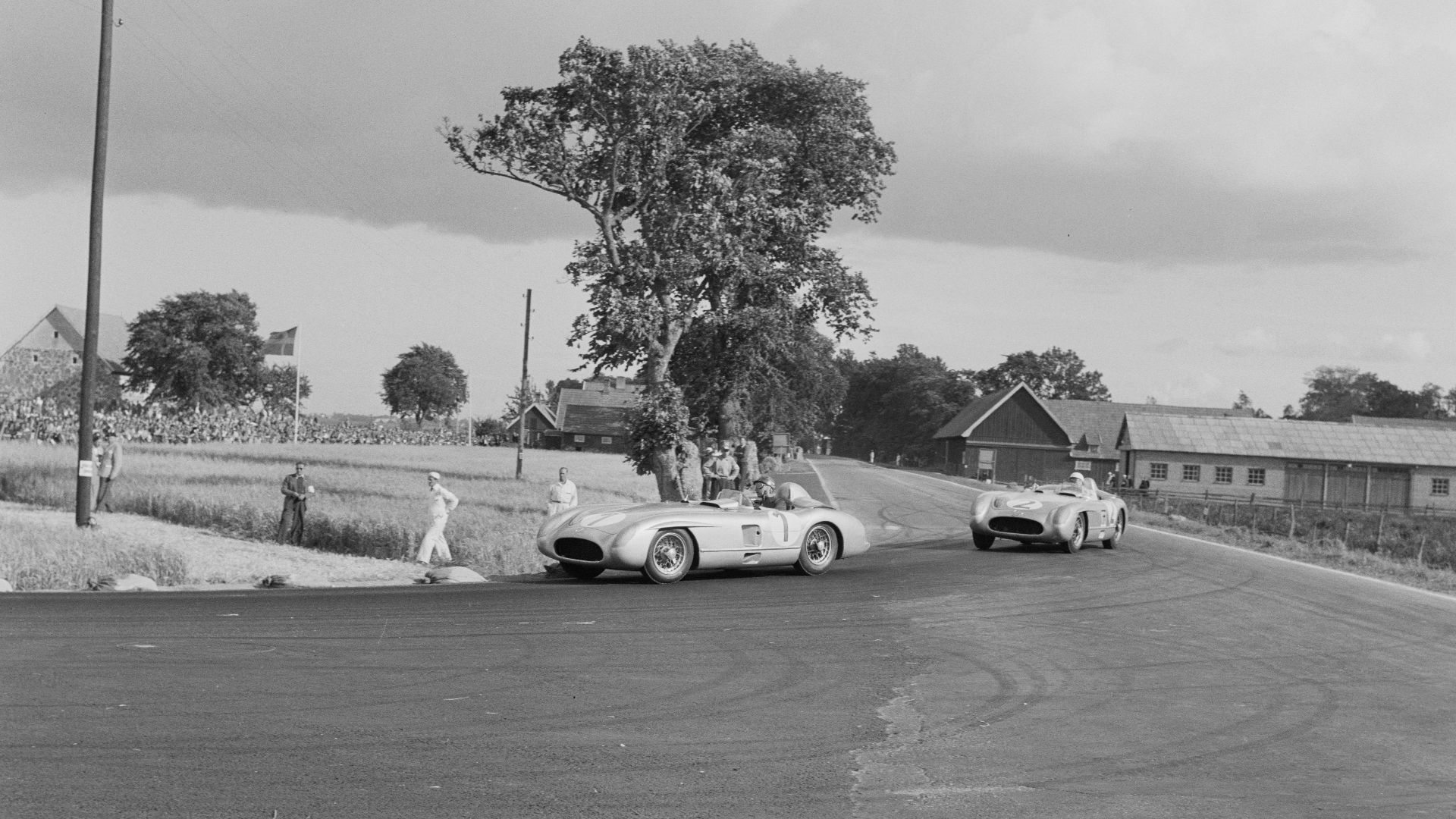 Bjørn Fjørtoft, Wikimedia Commons
He Called It His Greatest Race
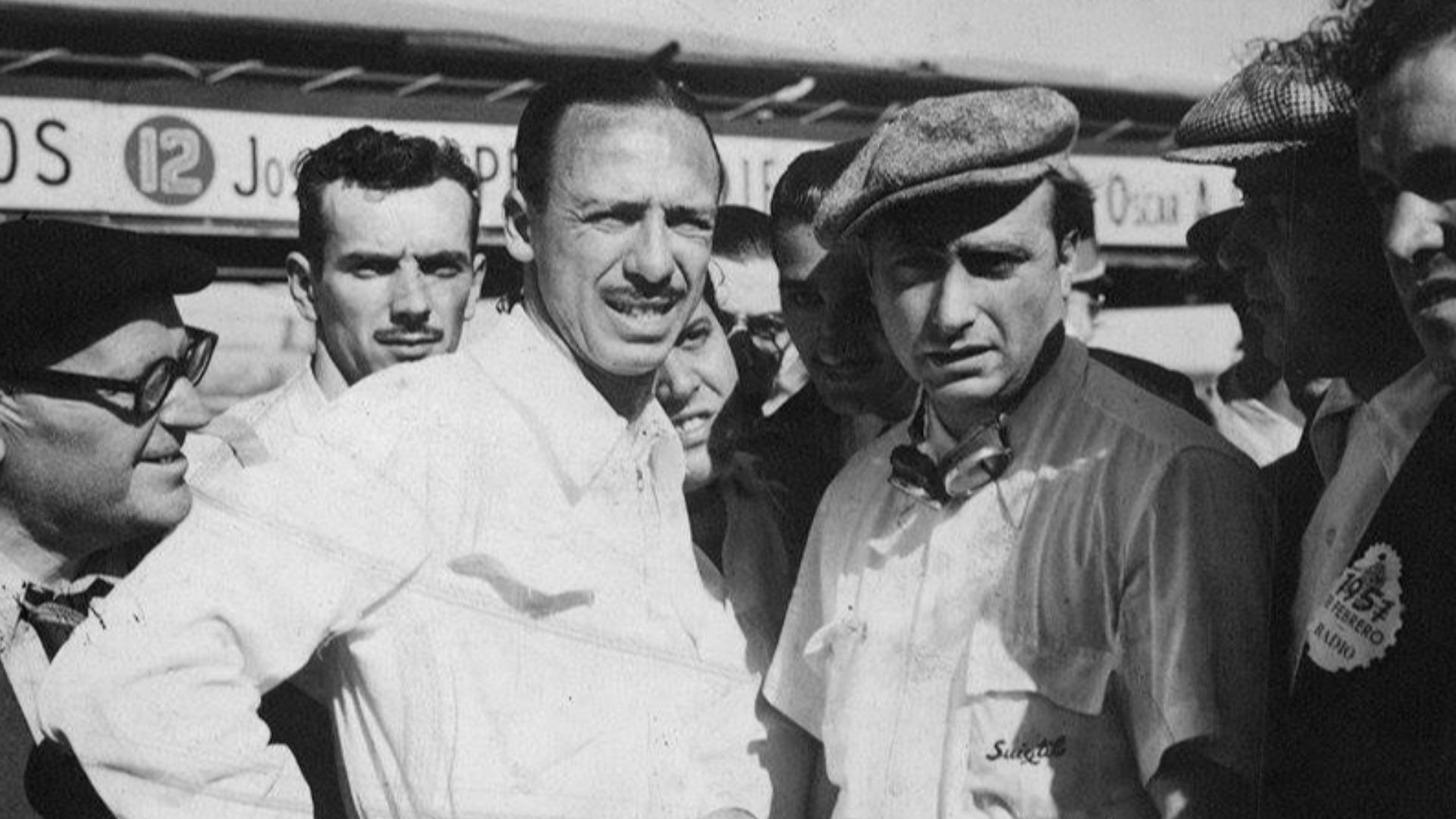
Fangio later identified the 1957 German Grand Prix as his greatest drive. That matters because he had no shortage of masterpieces to choose from. The race combined pressure, speed, risk, and tactical clarity. It remains the clearest single-race argument for his greatness.
 Unknown authorUnknown author, Wikimedia Commons
His Win Rate Still Looks Absurd
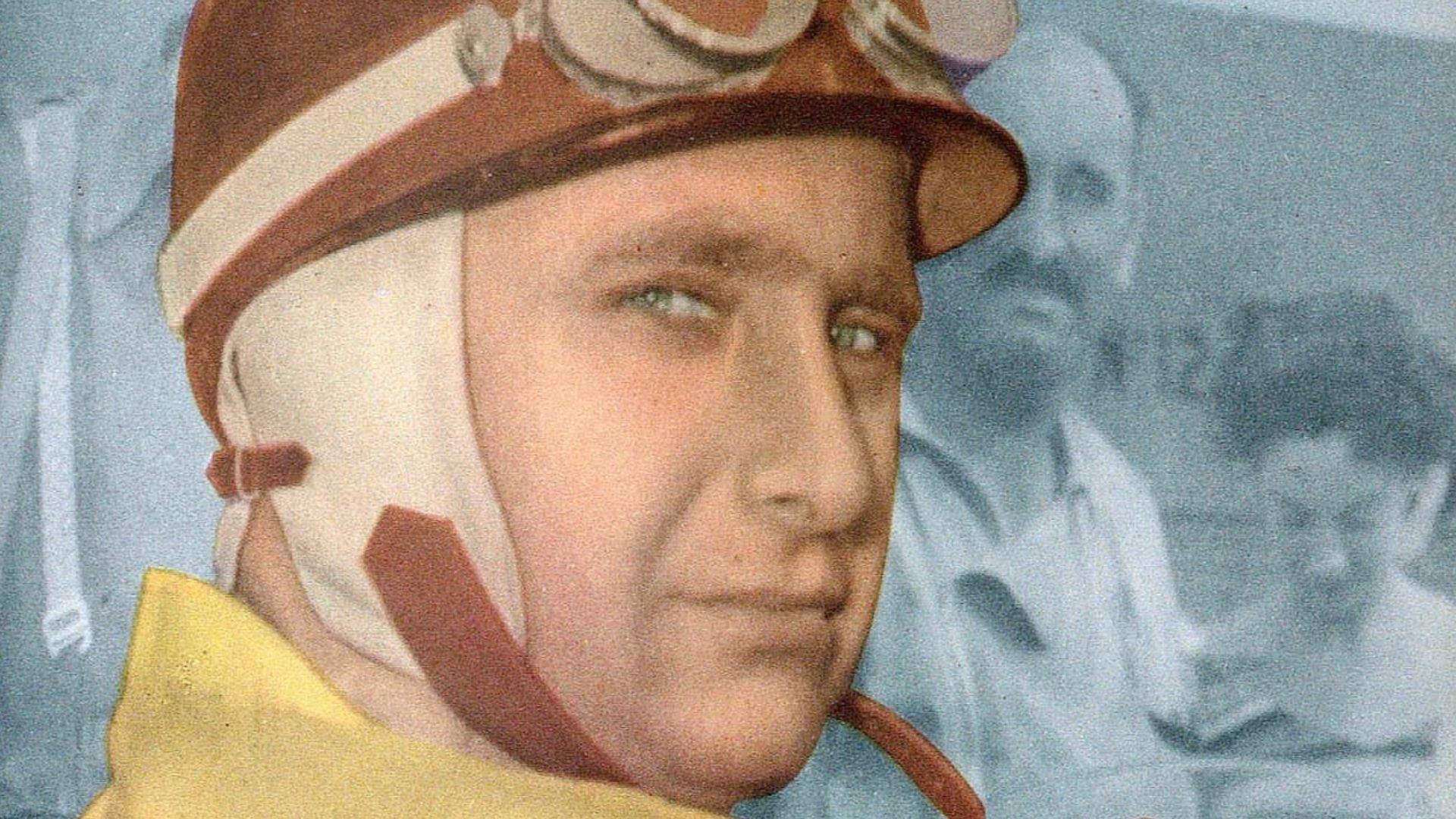
Fangio won 24 of his 51 Formula One World Championship starts. That gives him a win rate of roughly 47 percent, a figure that still towers over most champions. Modern drivers have far more races available, but they also face longer seasons and different reliability patterns. Fangio’s efficiency remains staggering in any context.
His Pole Record Was Just As Ruthless
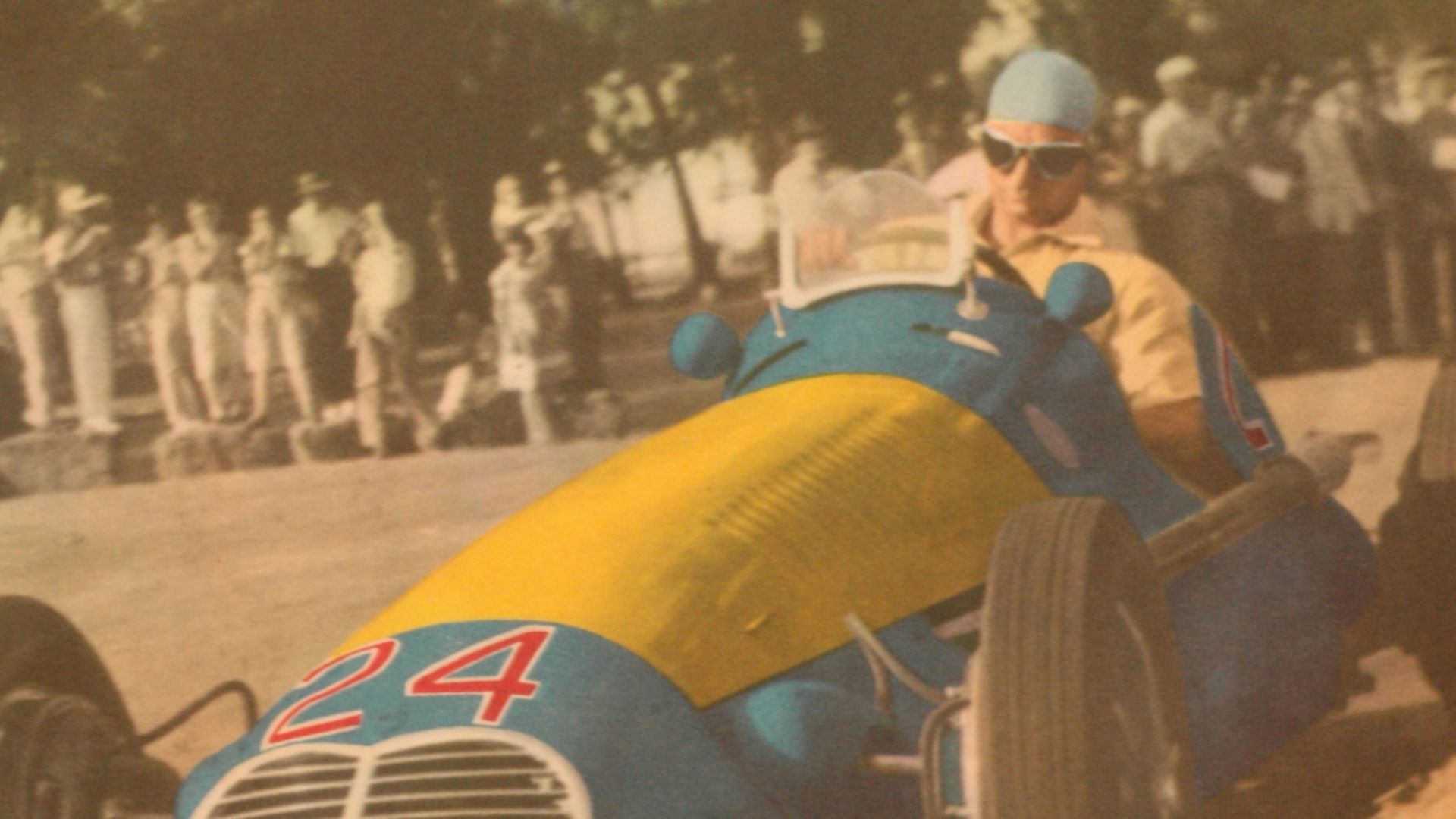
Fangio also took 29 pole positions in 51 starts. That means he started from the front more often than not. His speed was not just about race management or survival. He could also produce the single-lap pace needed to control a Grand Prix from the beginning.
He Was The Oldest World Champion
Fangio was 46 when he won the 1957 World Drivers’ Championship. That still makes him Formula One’s oldest world champion. It is one of the sport’s most durable records. In an era that increasingly prizes youth, Fangio’s late-career dominance feels even more remarkable.
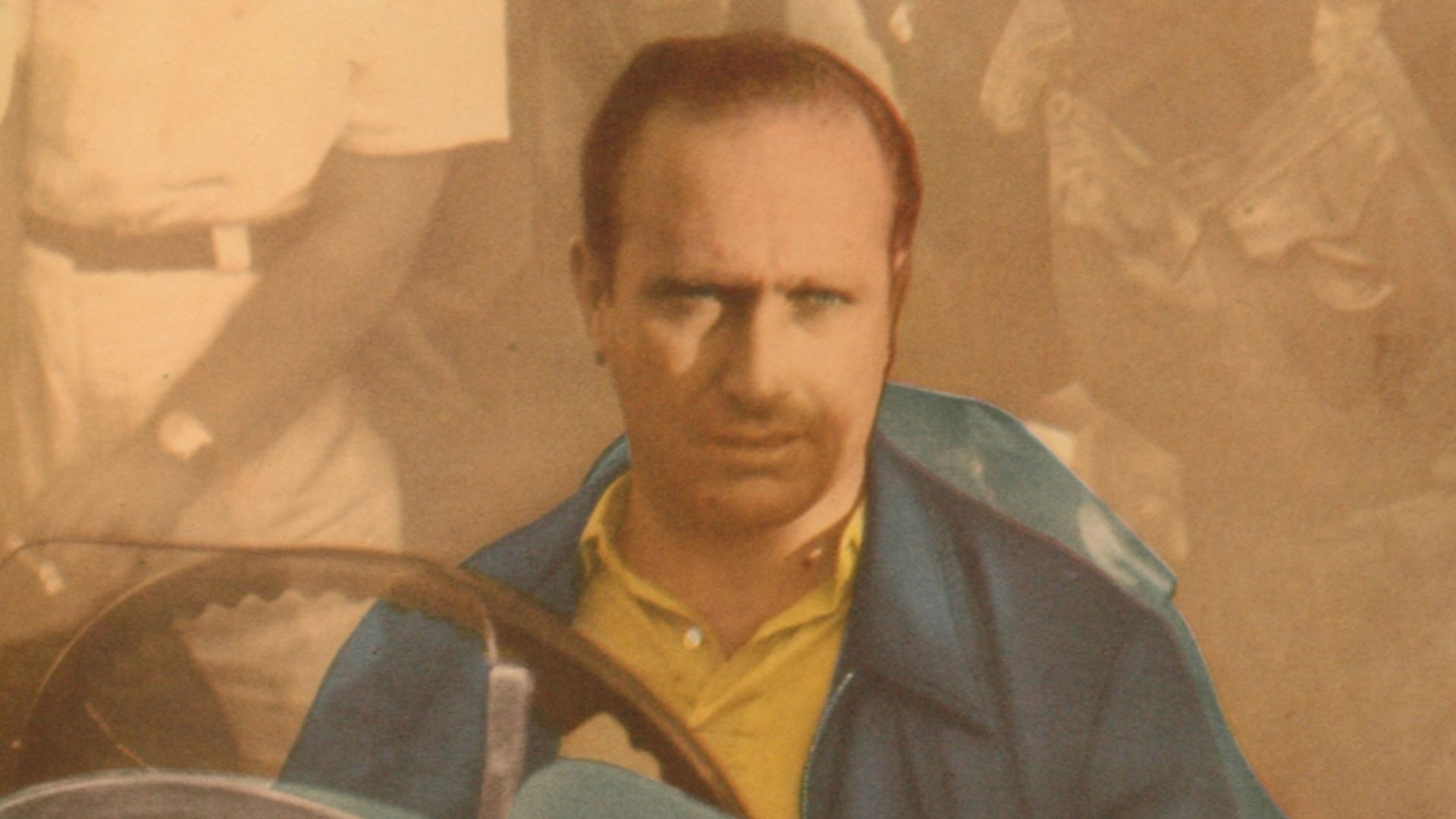
He Raced In A Far More Dangerous Era
The 1950s offered little of the protection modern drivers rely on. Circuits had fewer safety features, cars were more exposed, and fatal accidents were a grim part of the sport. Fangio’s greatness must be understood against that background. He was fast, but he was also unusually calculating in a brutal age.
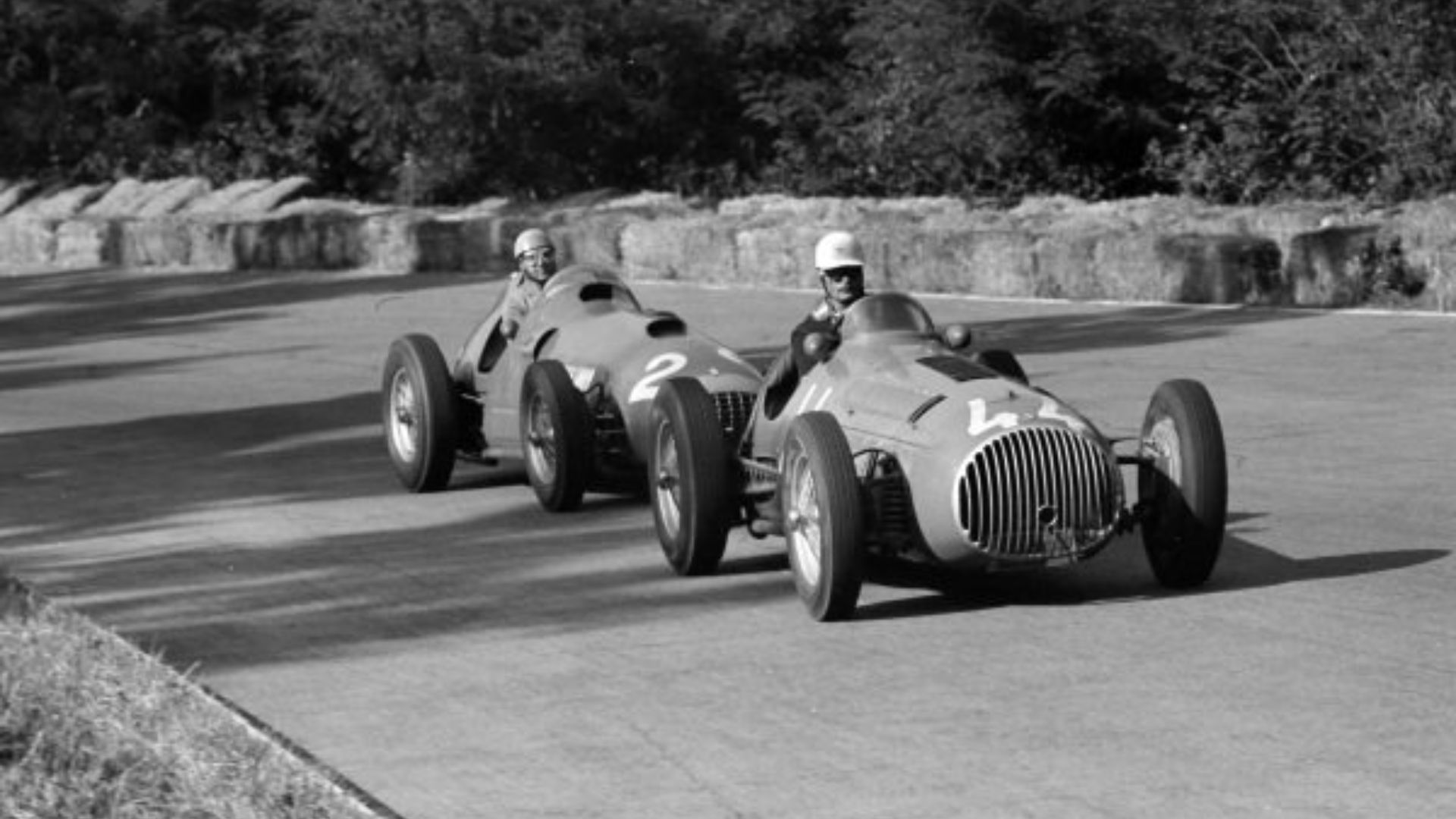 Unknown photographer, Wikimedia Commons
He Survived By Knowing The Limit
Fangio was famous for driving quickly without appearing reckless. He understood when to attack and when to protect the car. That quality mattered because mechanical failures were common and mistakes could be catastrophic. His greatness was built on restraint as much as bravery.
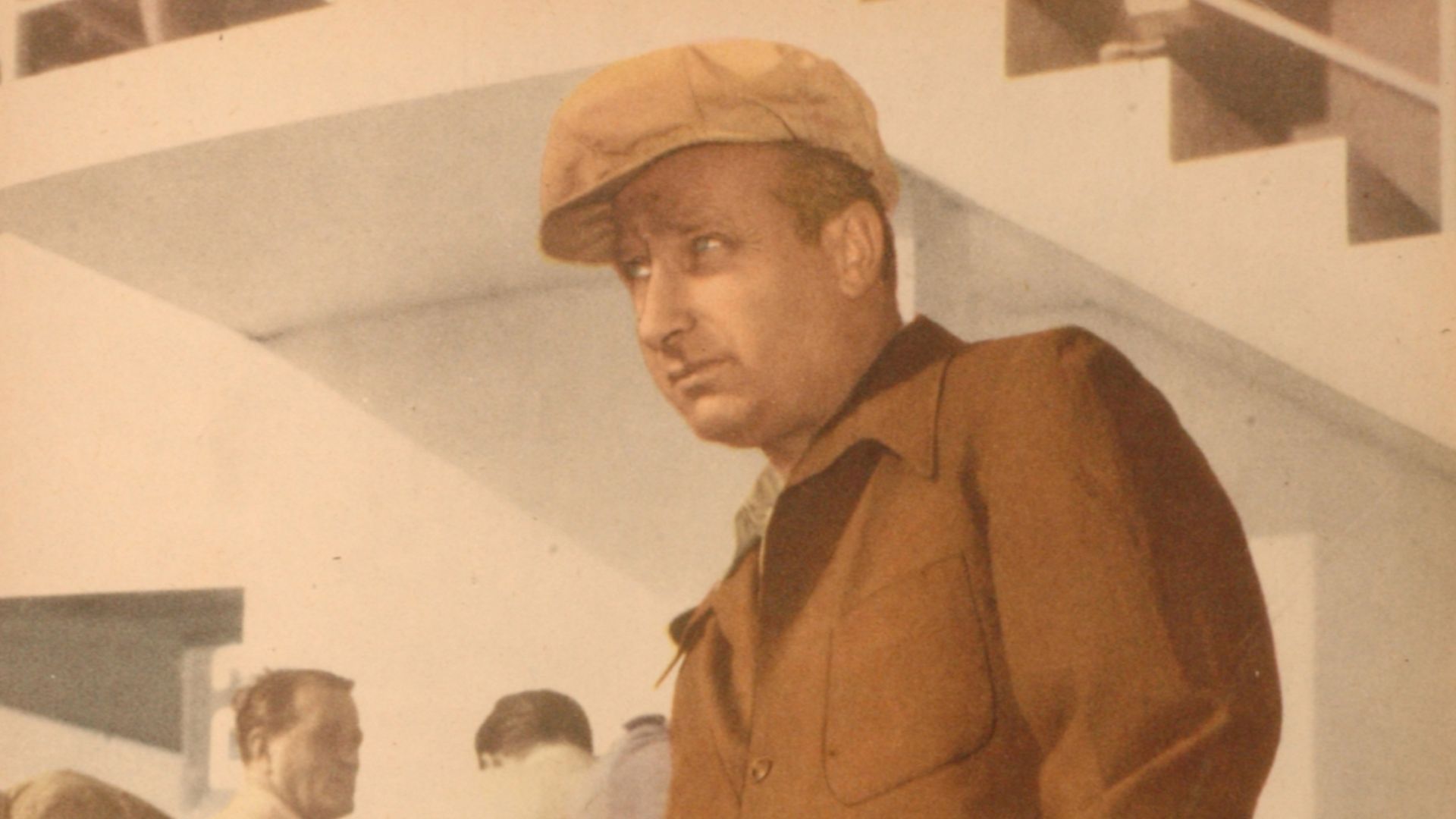
He Earned Respect From Later Legends
Michael Schumacher and Lewis Hamilton both spoke with deep respect about Fangio after reaching or passing milestones tied to him. That respect signals that champions understand the weight of what Fangio achieved. Comparing eras is never simple. Still, Fangio remains the name even other greats hesitate to reduce to statistics.
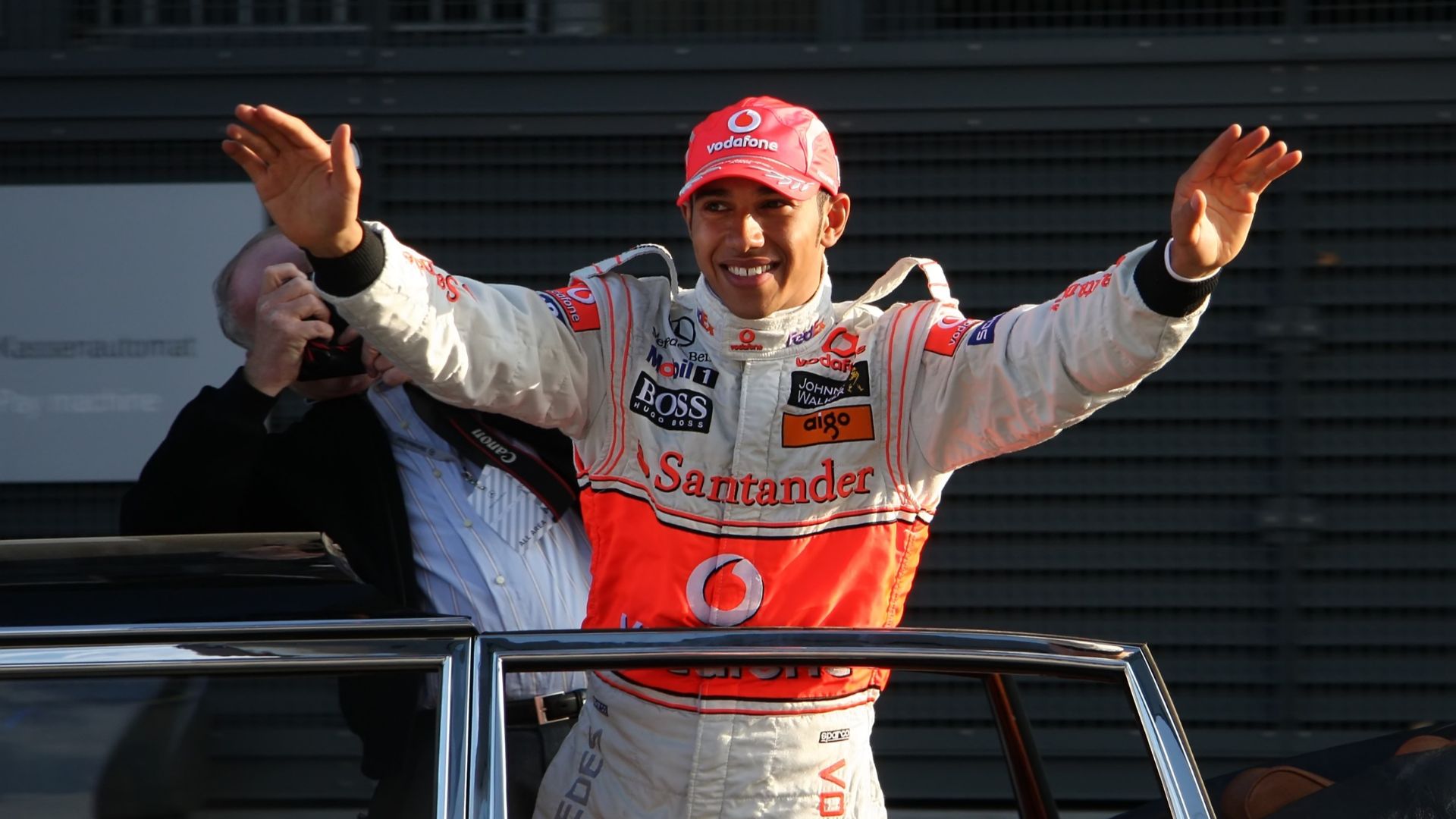
His Records Lasted For Generations
Fangio’s five-title record stood for 46 years until Schumacher won his sixth championship in 2003. That kind of longevity is rare in a sport obsessed with progress. Cars became faster, seasons became longer, and teams became more sophisticated. Fangio’s achievements still refused to fade.
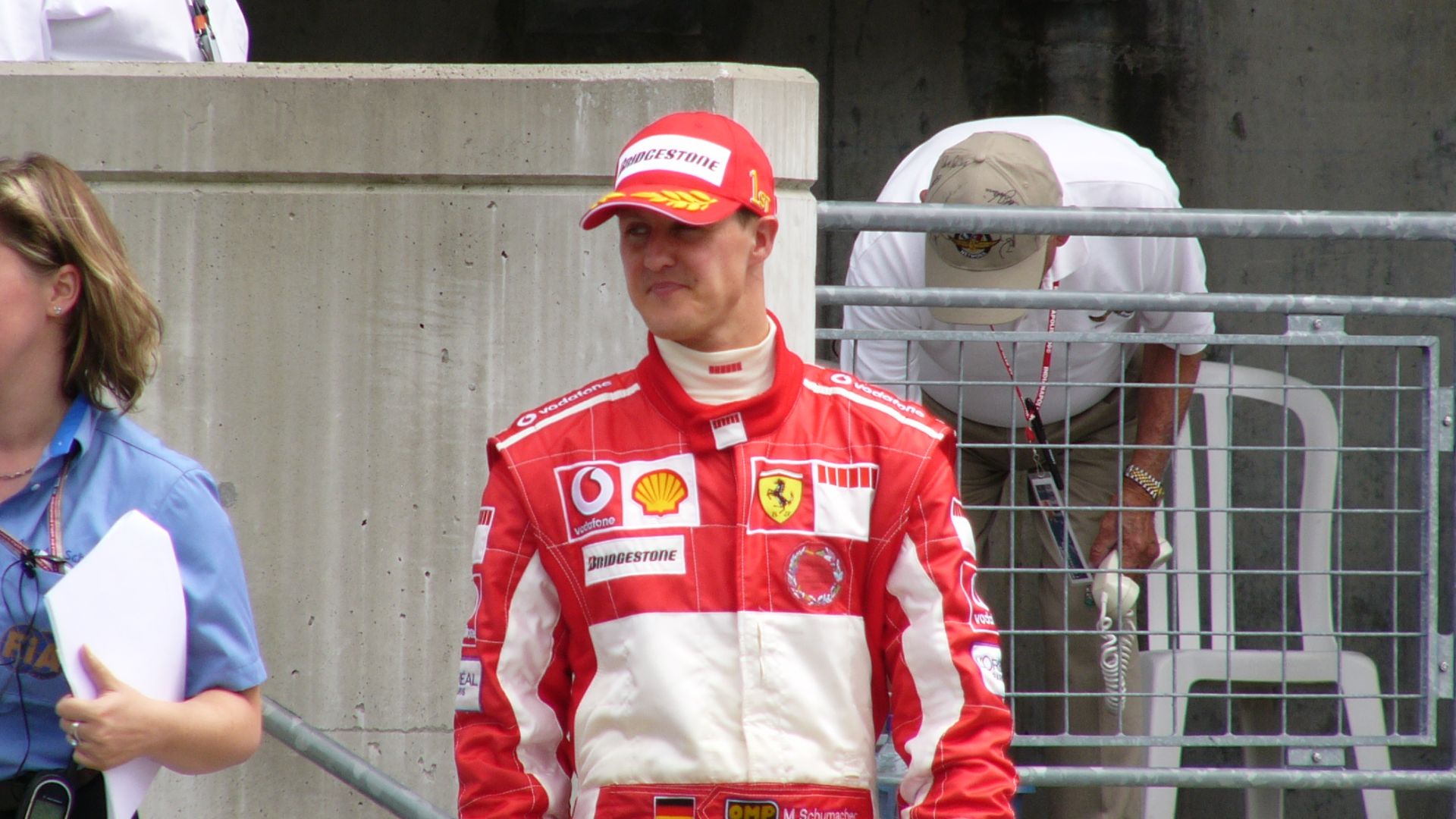 Ryosuke Yagi, Wikimedia Commons
He Is More Than A Nostalgia Pick
Calling Fangio great is not just romantic memory. His titles, win percentage, pole rate, age record, and success across teams all support the case. He excelled before Formula One became standardized and before drivers had modern safety nets. That is why his career remains so hard to compare and so hard to surpass.
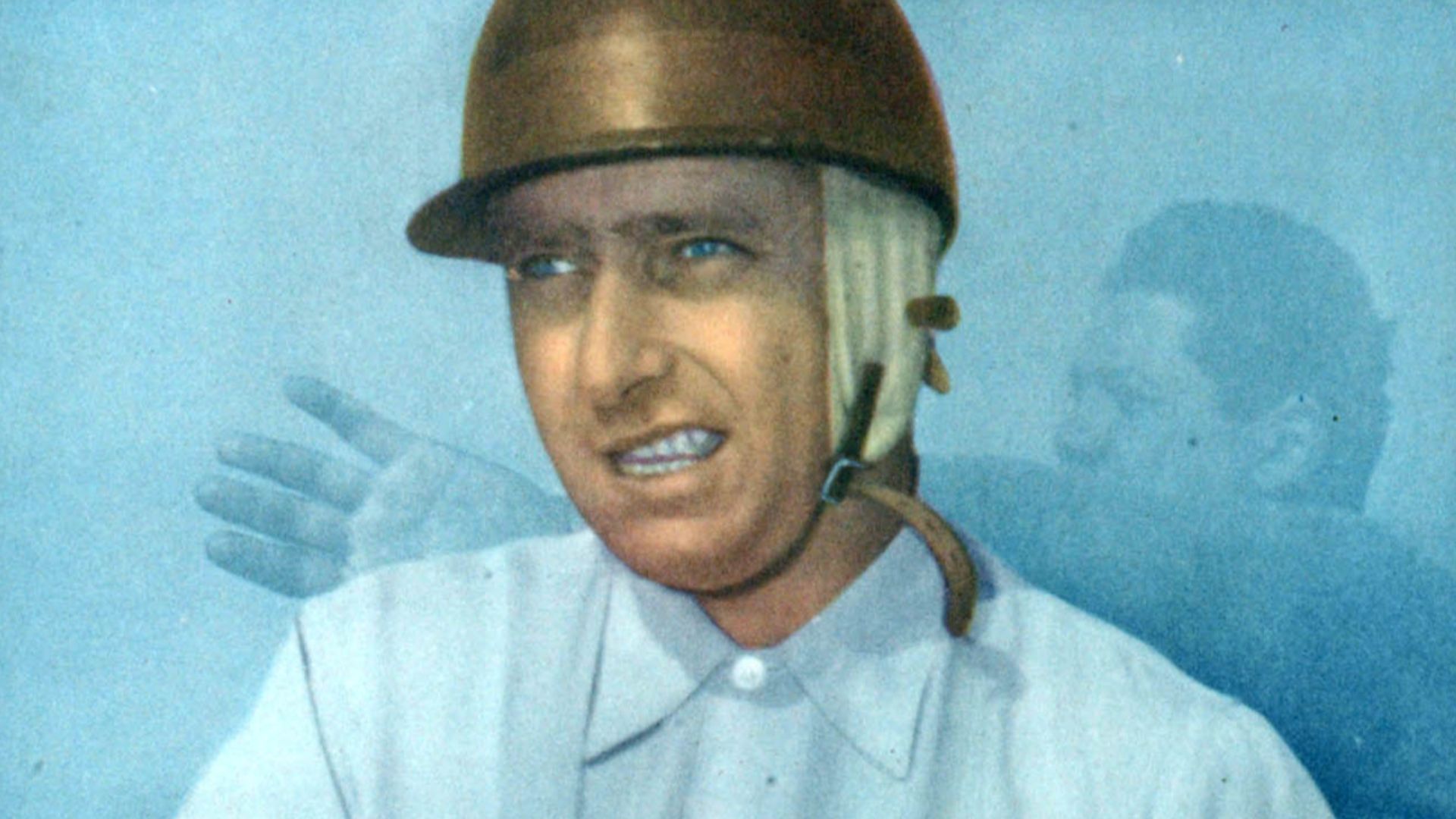
The Benchmark Still Stands
Formula One will keep producing extraordinary champions. Schumacher, Hamilton, Senna, Prost, Verstappen, and others all belong in the conversation. Fangio remains different because he defined what dominance looked like before the sport had settled into its modern shape. He is still Formula One’s greatest benchmark because every era can measure itself against him.
You May Also Like:
Ken Miles Helped Ford Beat Ferrari—But Never Lived To See His Greatest Legacy
Bruce McLaren Died At Just 32 In A Tragic Test Drive Crash—And His Legacy Changed Racing Forever