The Boomer Driving Split Is Bigger Than You Think
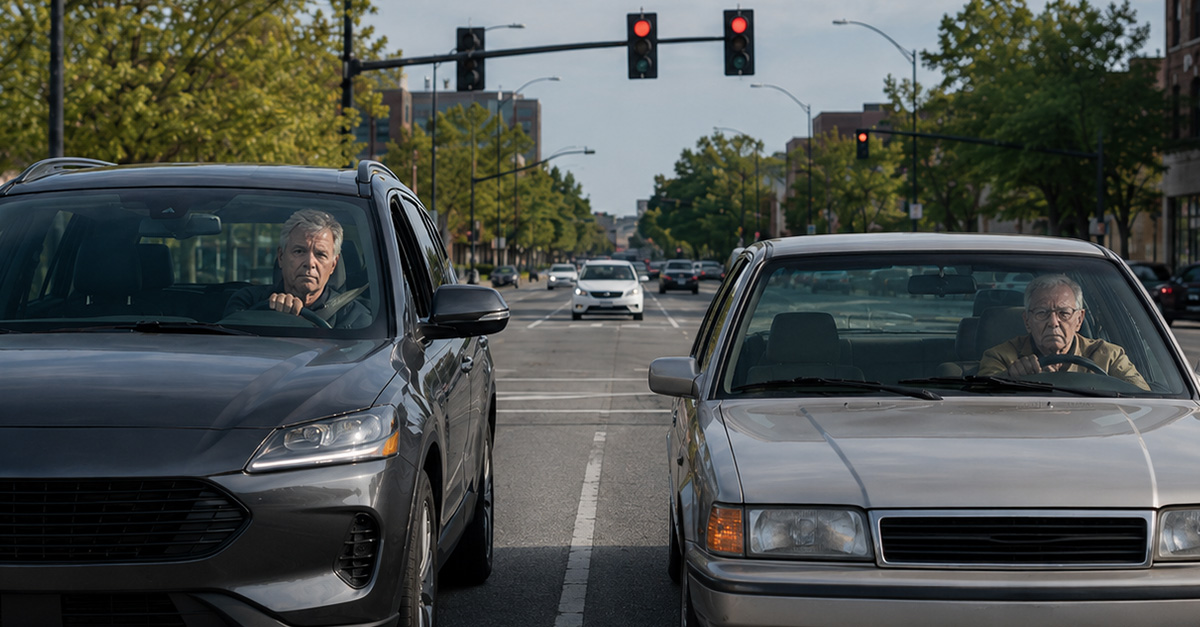
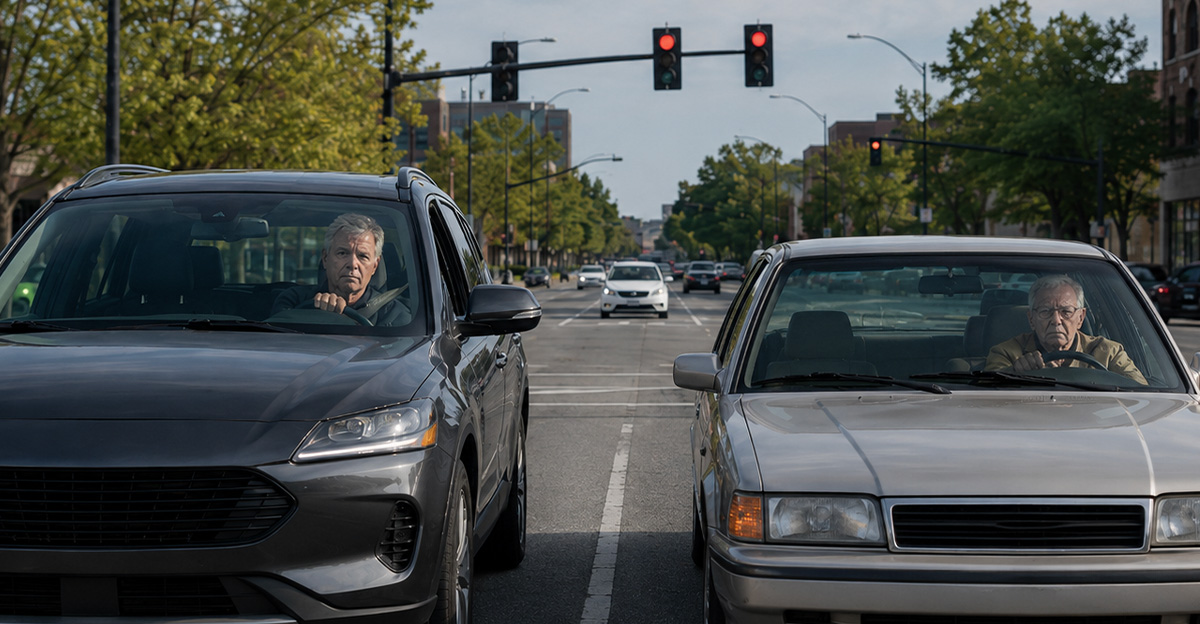
Baby Boomers are often treated like one giant driving generation, but the data says otherwise. Younger Boomers, roughly in their early 60s to around 70, still drive more like active empty-nesters. Older Boomers, now in their 70s and pushing 80, are more likely to trim, simplify, and rethink life behind the wheel.
They Still Drive Like The Calendar Is Full
Younger Boomers are more likely to have packed weekly routines: appointments, gym stops, grandkid pickups, errands, hobbies, and part-time work. That keeps them driving with purpose. Older Boomers often still drive, but their trips tend to become fewer, more planned, and less tied to a constantly moving schedule.
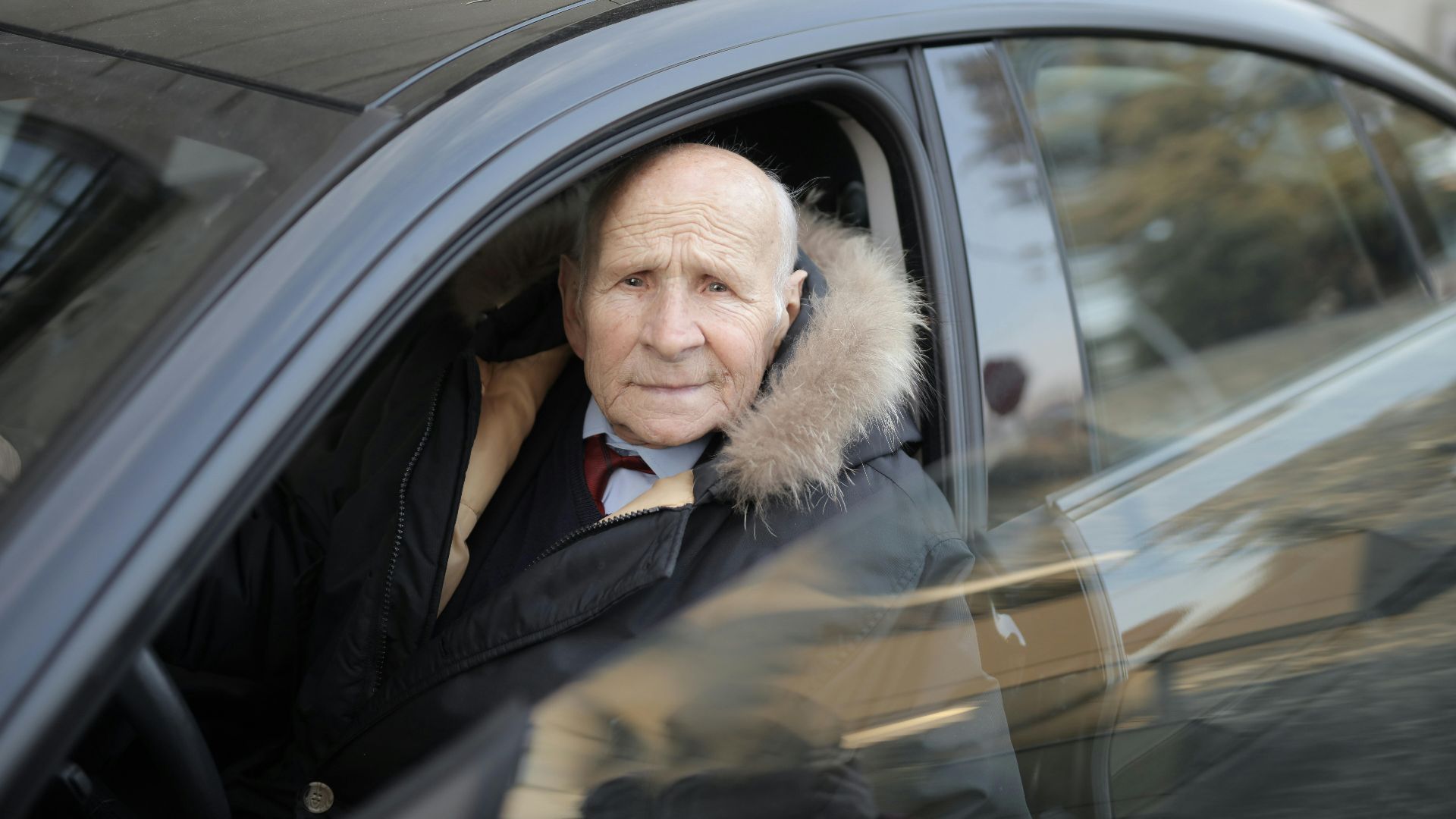
They Take More Everyday Errand Runs
Younger Boomers are still big fans of the classic “I’ll just pop out” errand. A pharmacy run becomes groceries, then gas, then lunch. Older Boomers are more likely to combine trips or wait until they really need to go, making the car less of a daily impulse machine.
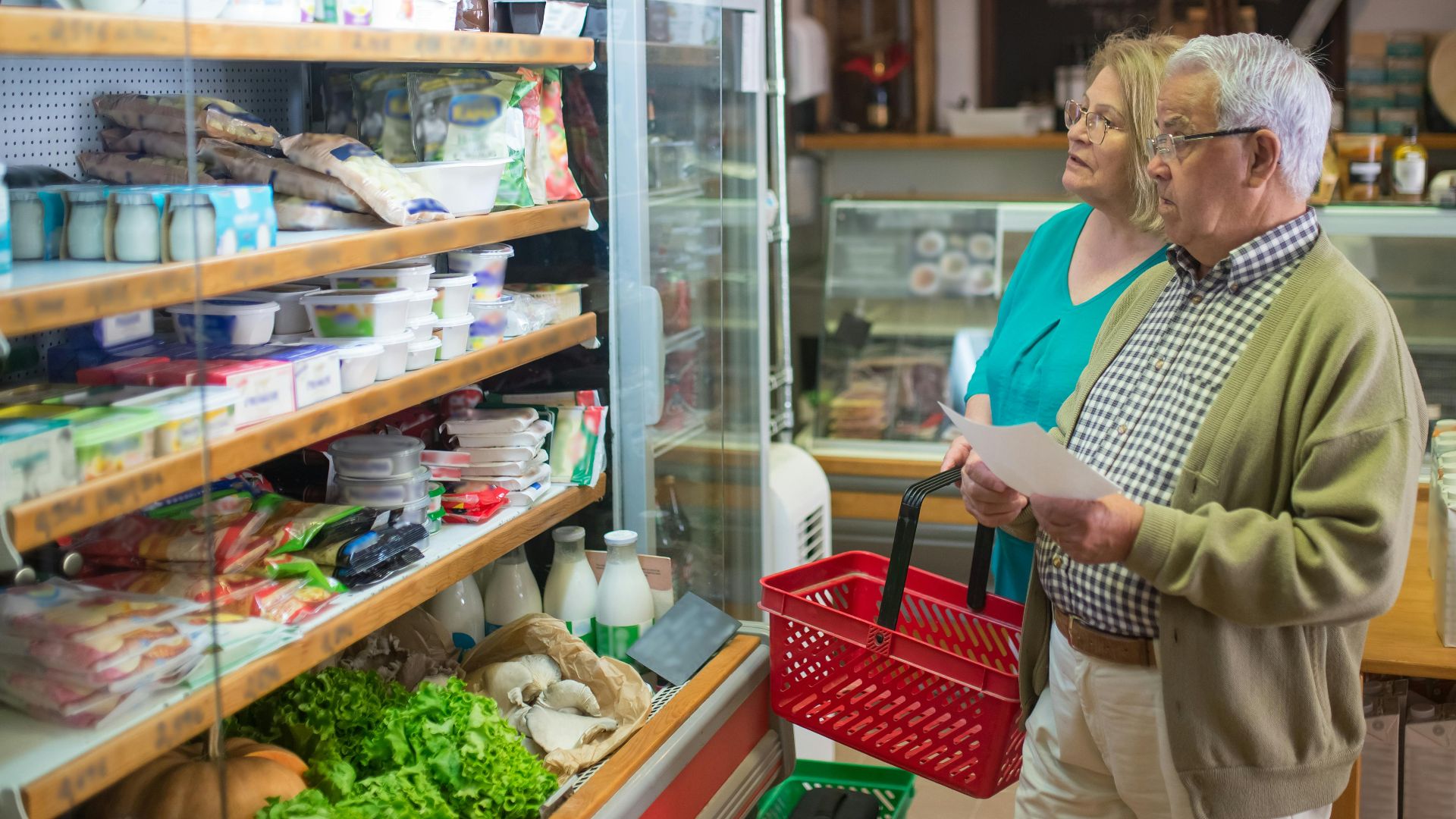
They Are More Comfortable Driving Solo
For younger Boomers, solo driving still feels normal and easy. They hop in, turn on the radio, and go. Older Boomers are more likely to prefer a passenger on certain drives, especially longer ones, unfamiliar routes, or trips that involve tricky parking, traffic, or nighttime returns.
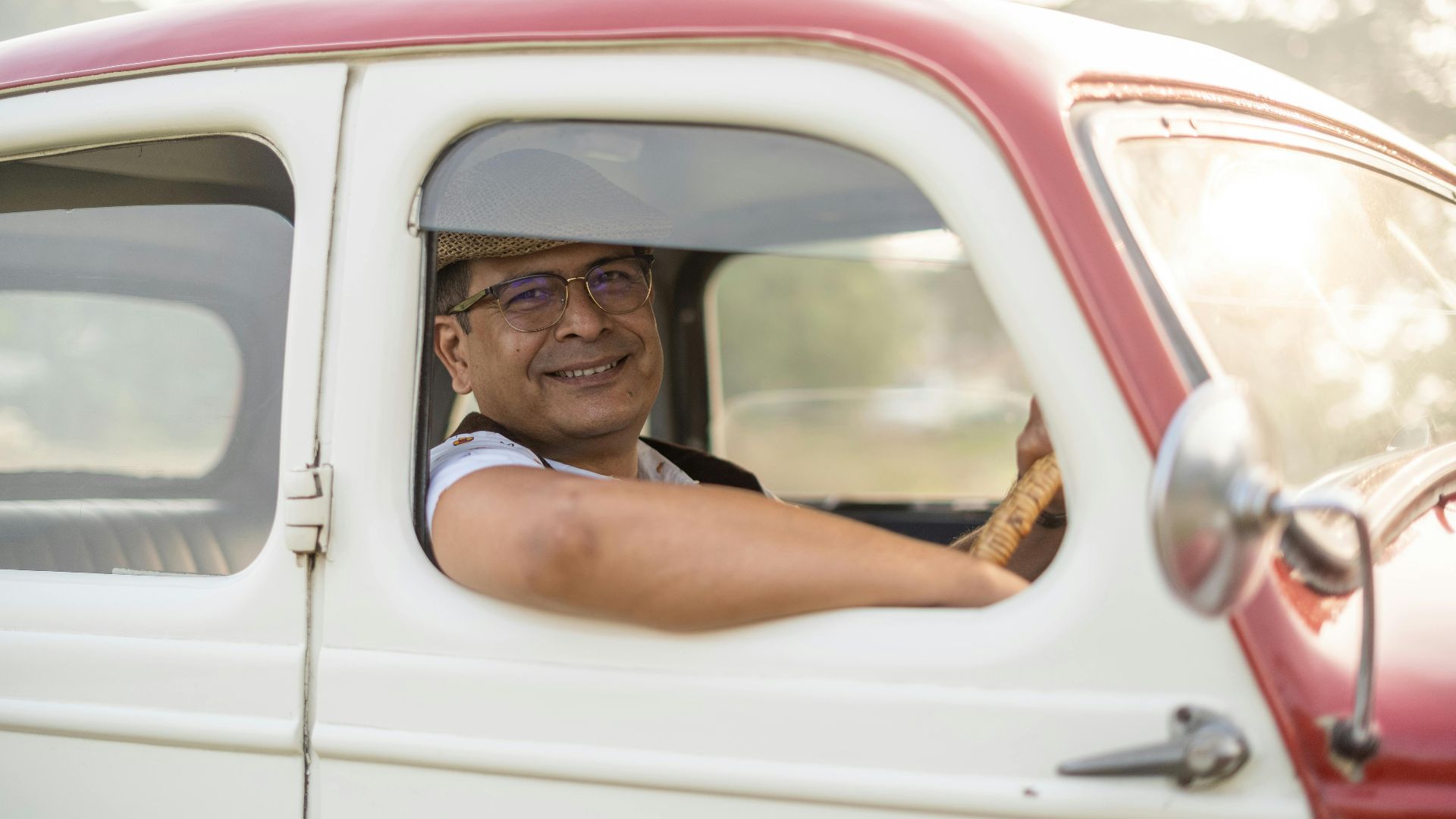
They Drive Farther From Home
Younger Boomers are more likely to stretch the map a little. A restaurant two towns over? Sure. A weekend visit? Let’s go. Older Boomers tend to keep more trips close to home, where the roads are familiar, the turns are predictable, and the parking lot is not a battlefield.
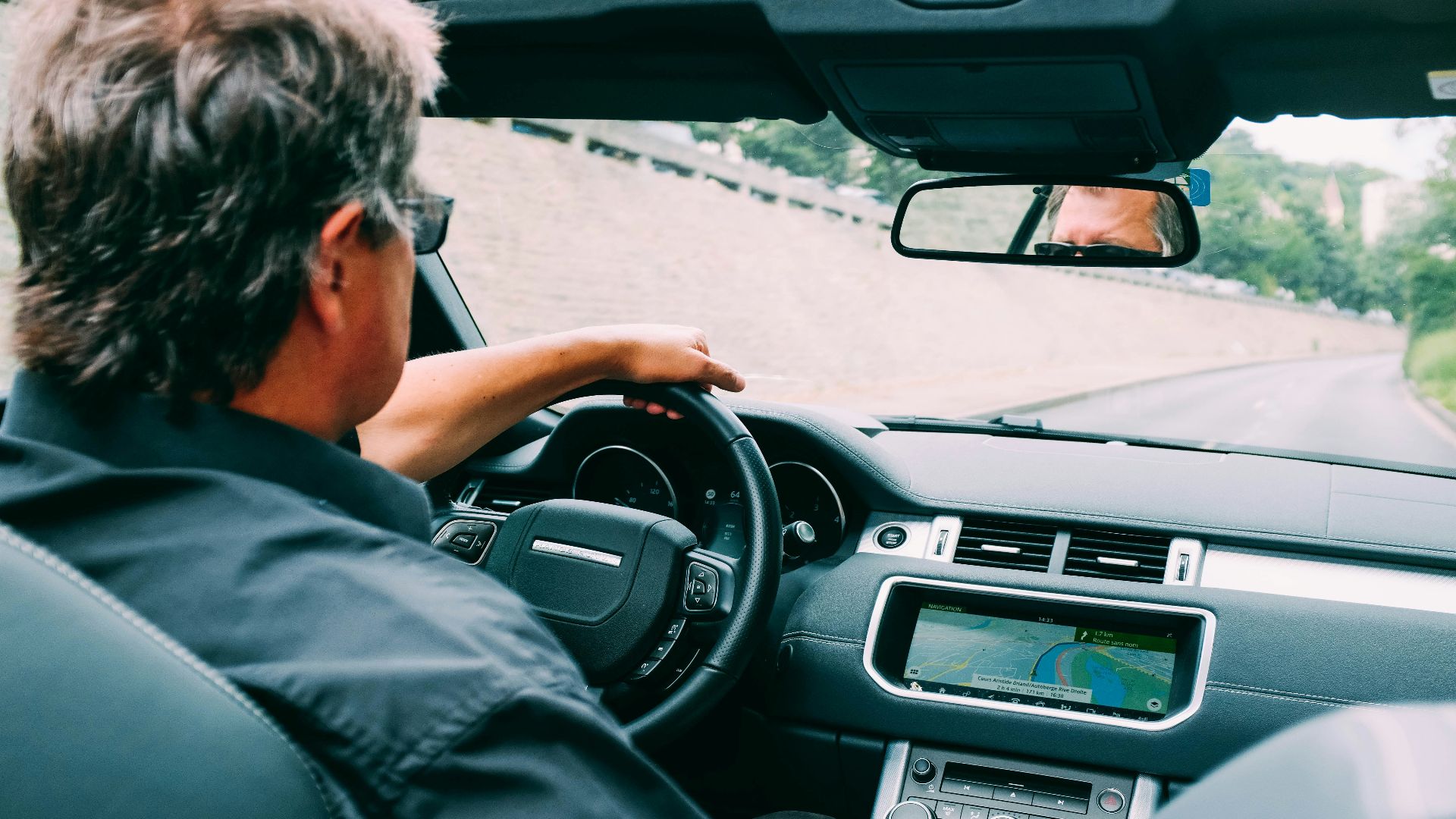
They Still Tackle Rush Hour
Younger Boomers may complain about rush hour, but many still deal with it. Some are working, volunteering, helping family, or simply unwilling to let traffic boss them around. Older Boomers are more likely to dodge the busiest times and choose quieter windows when the road feels less chaotic.
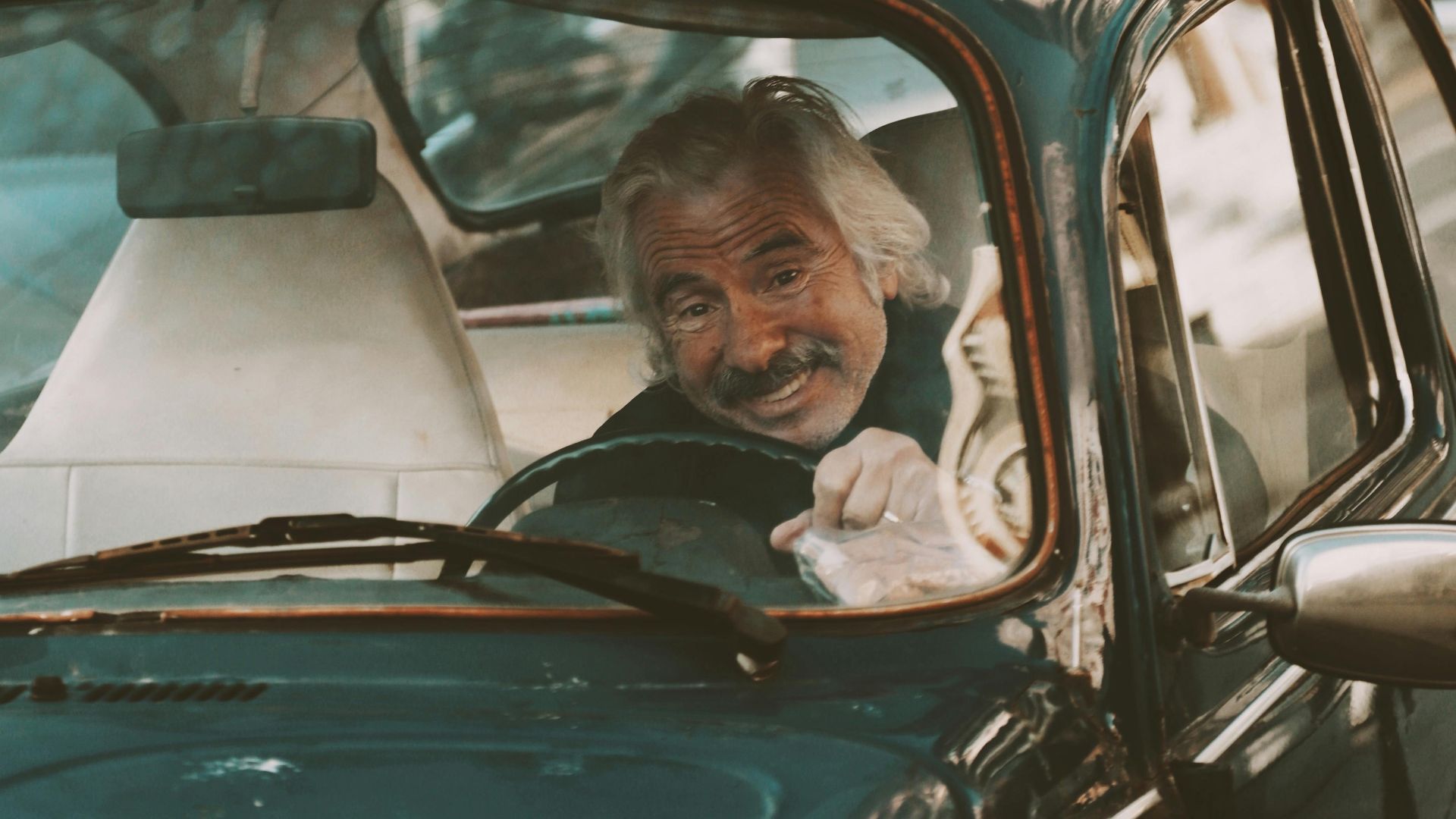
They Use Navigation Apps More Often
Younger Boomers are more likely to let the phone guide the way. They may still argue with the robotic voice, but they will use it. Older Boomers are less likely to depend on navigation apps and more likely to stick with memorized routes, printed directions, or “I know a better way.”
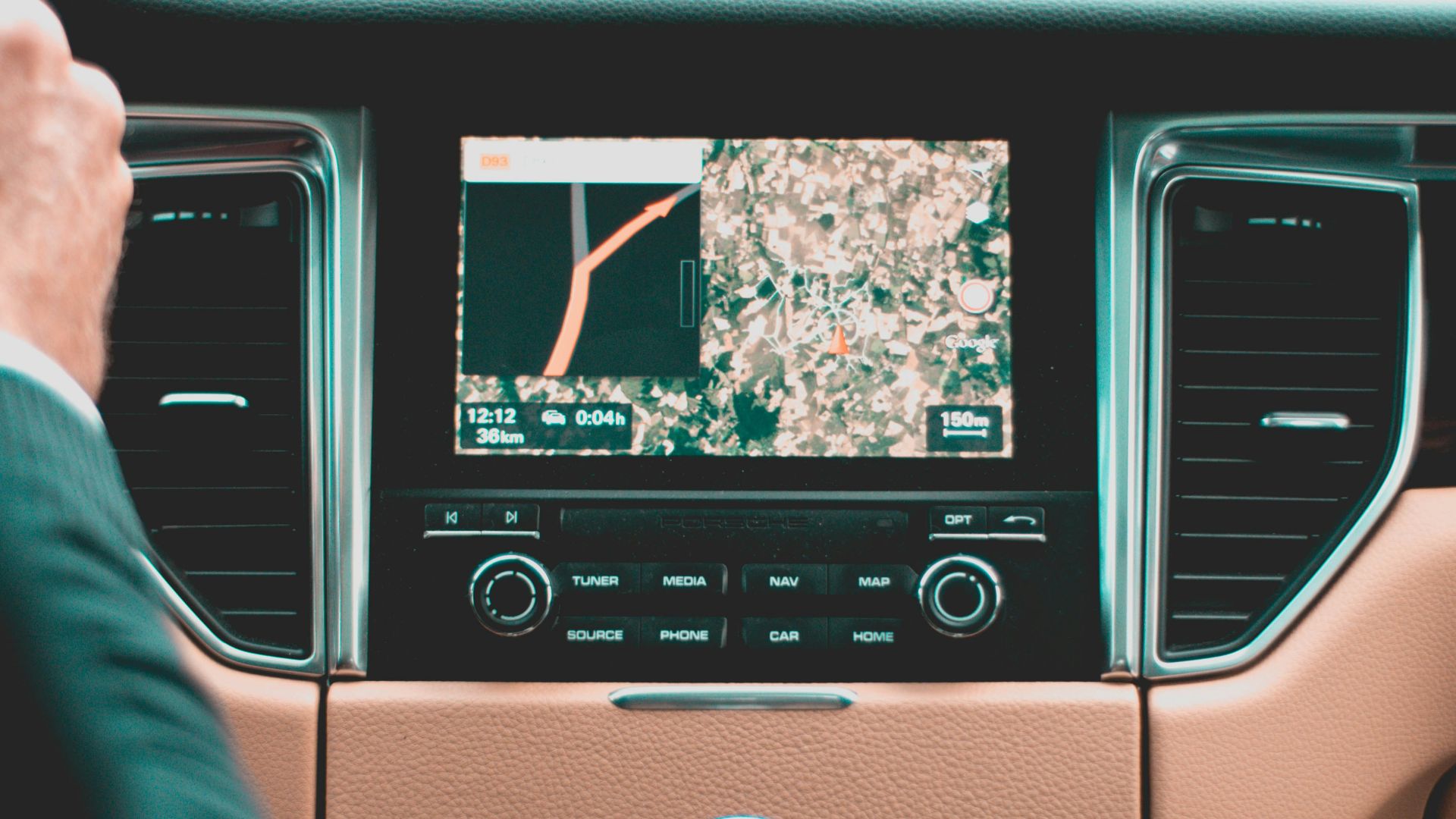
They Are More Open To New Car Tech
Touchscreens, backup cameras, blind-spot alerts, lane warnings, and adaptive cruise control are less intimidating to younger Boomers. They may not love every beep, but they are more likely to try the features. Older Boomers often prefer simpler controls that feel like a car, not a rolling tablet.
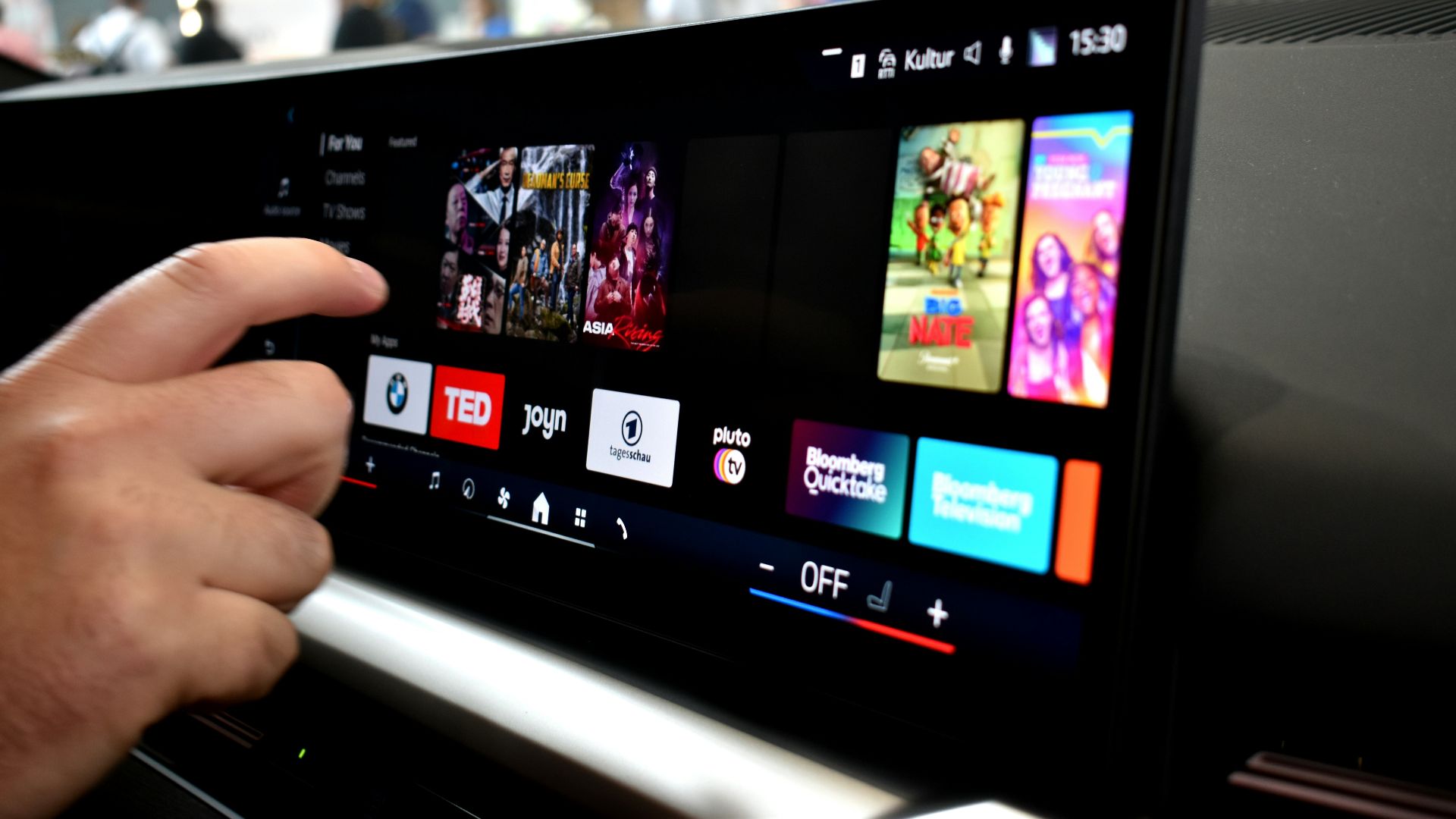
They Drive Newer Vehicles
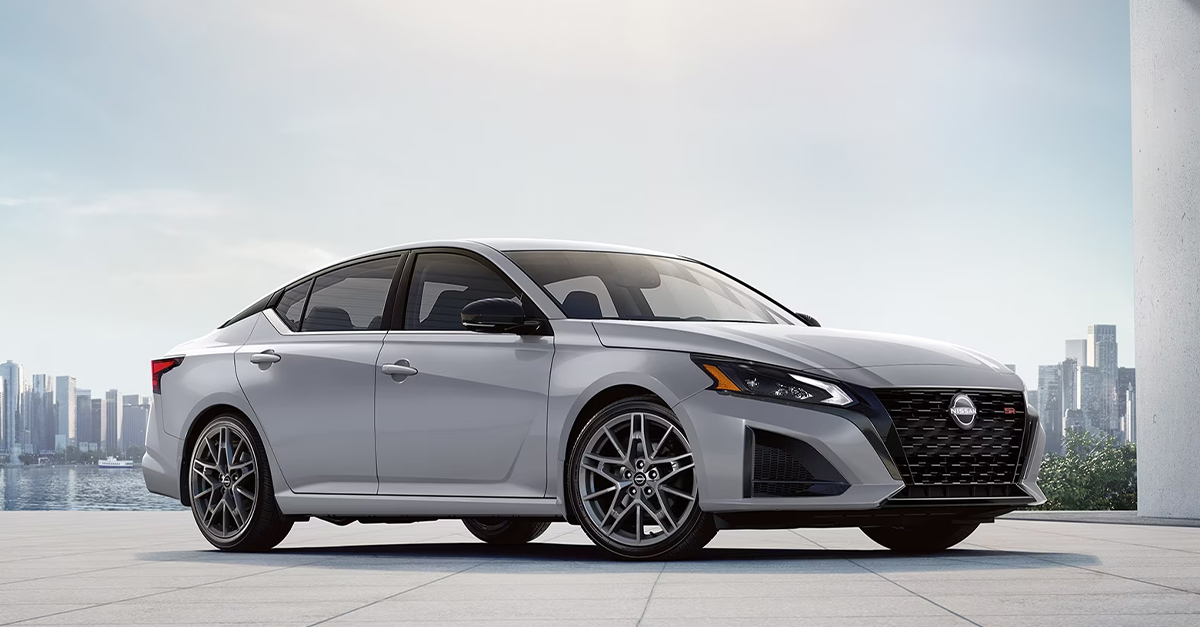
Younger Boomers are more likely to still be shopping, upgrading, or replacing vehicles with newer models. That means more exposure to modern driver-assist technology. Older Boomers may keep a trusted car longer because they know every button, every mirror angle, and every weird little noise it makes.
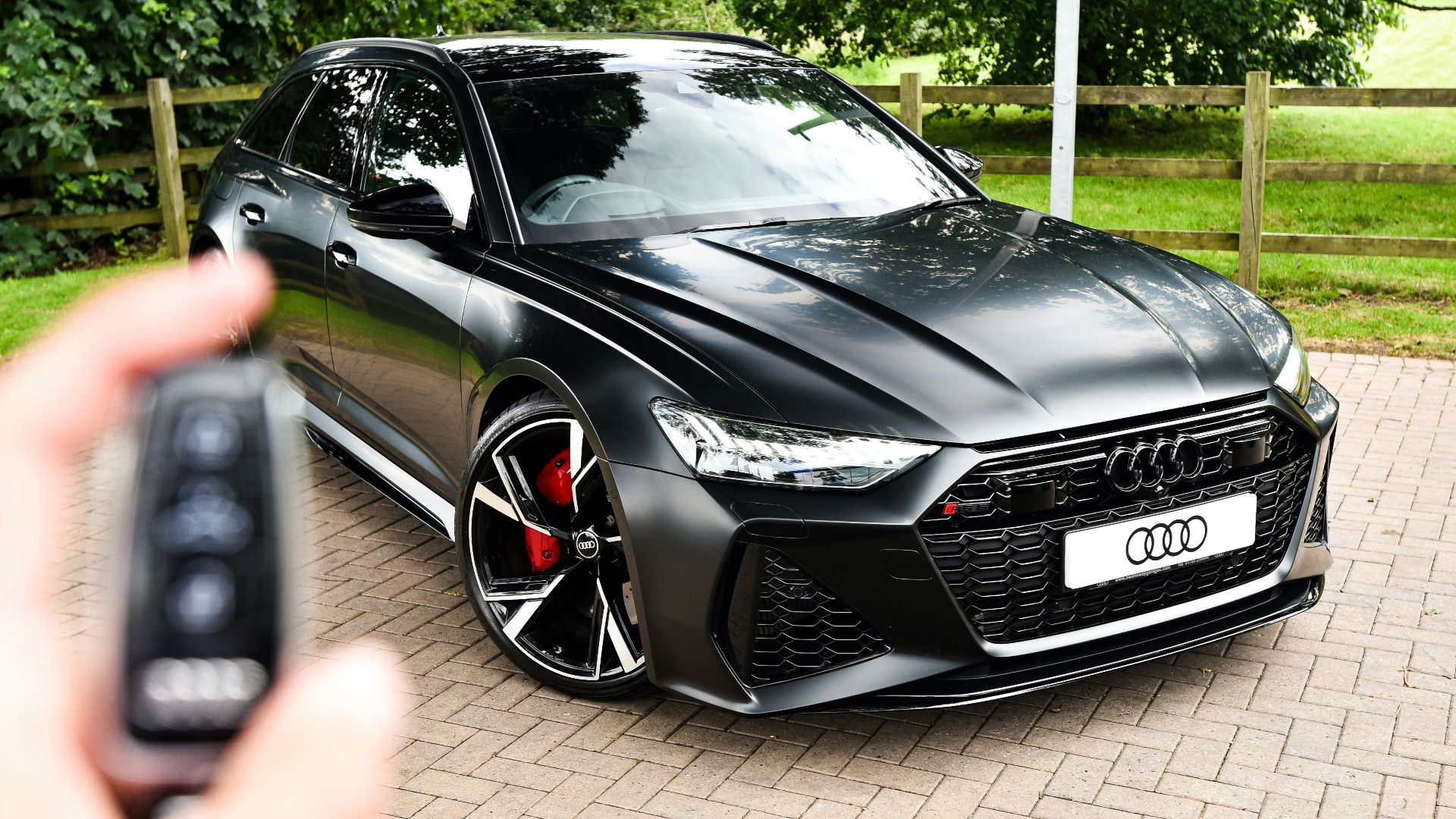 Swansway Motor Group, Unsplash
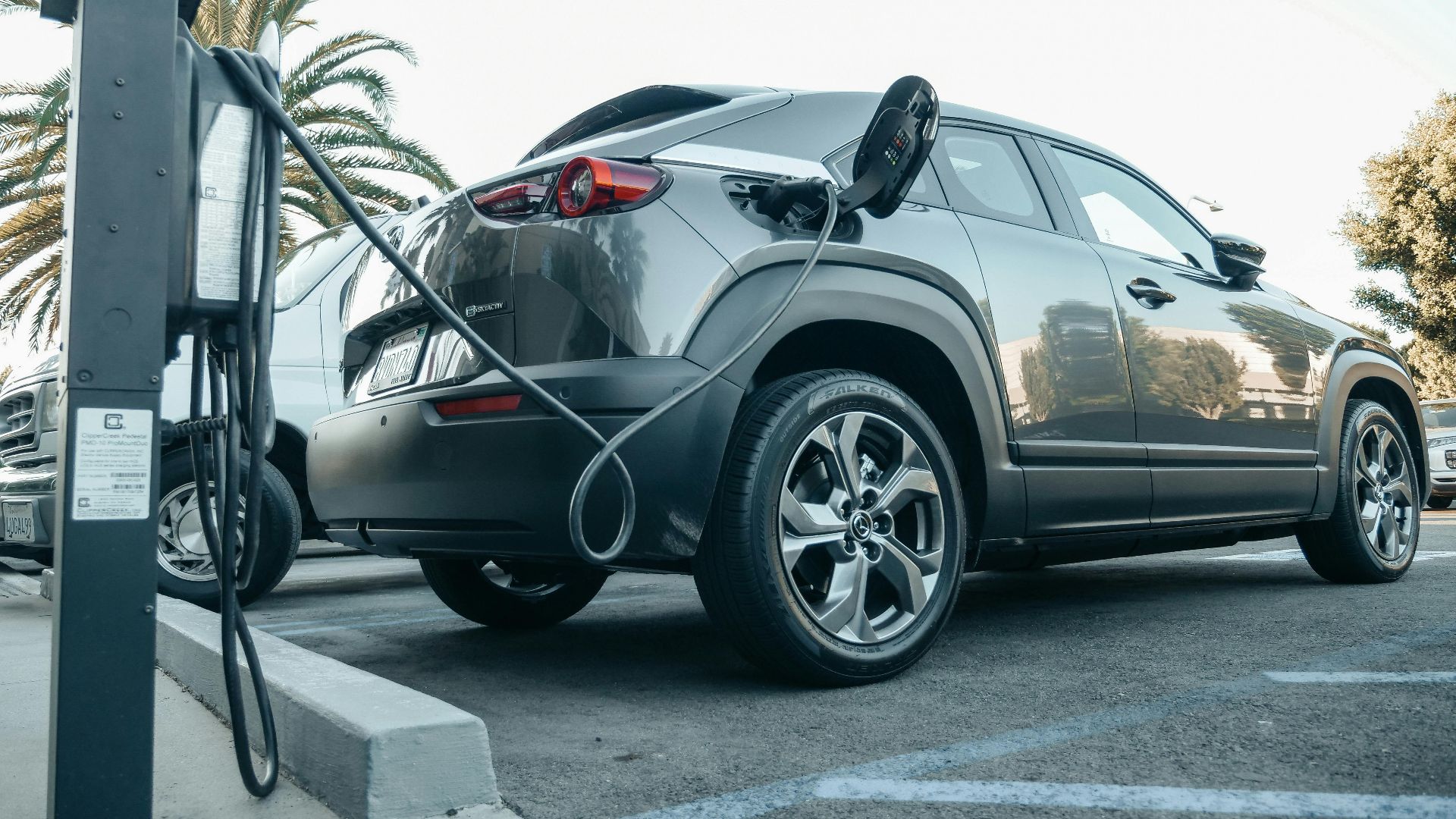
They Are More Likely To Consider Hybrids
Younger Boomers are not necessarily lining up for every futuristic EV, but many are more open to hybrids. Better fuel economy, fewer gas stops, and familiar driving manners make sense. Older Boomers are more likely to stay loyal to traditional gas vehicles, especially if they value routine and simplicity.
They Still Enjoy Road Trips
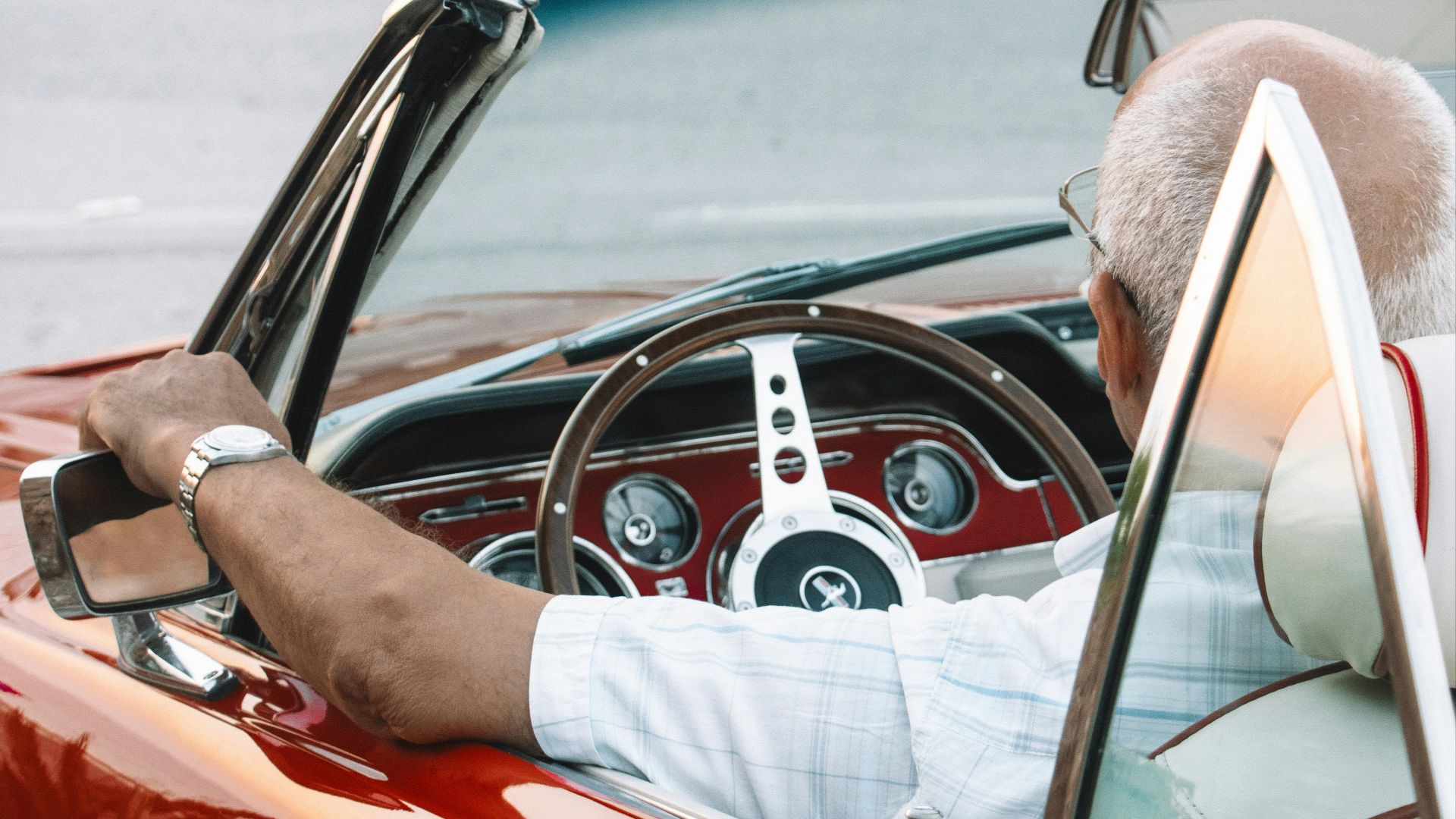
Younger Boomers are more likely to treat the open road as a reward. They grew up with highway freedom, and many still like the idea of loading the trunk and chasing a scenic route. Older Boomers may still travel, but they are more likely to shorten the drive.
They Make More Spontaneous Detours
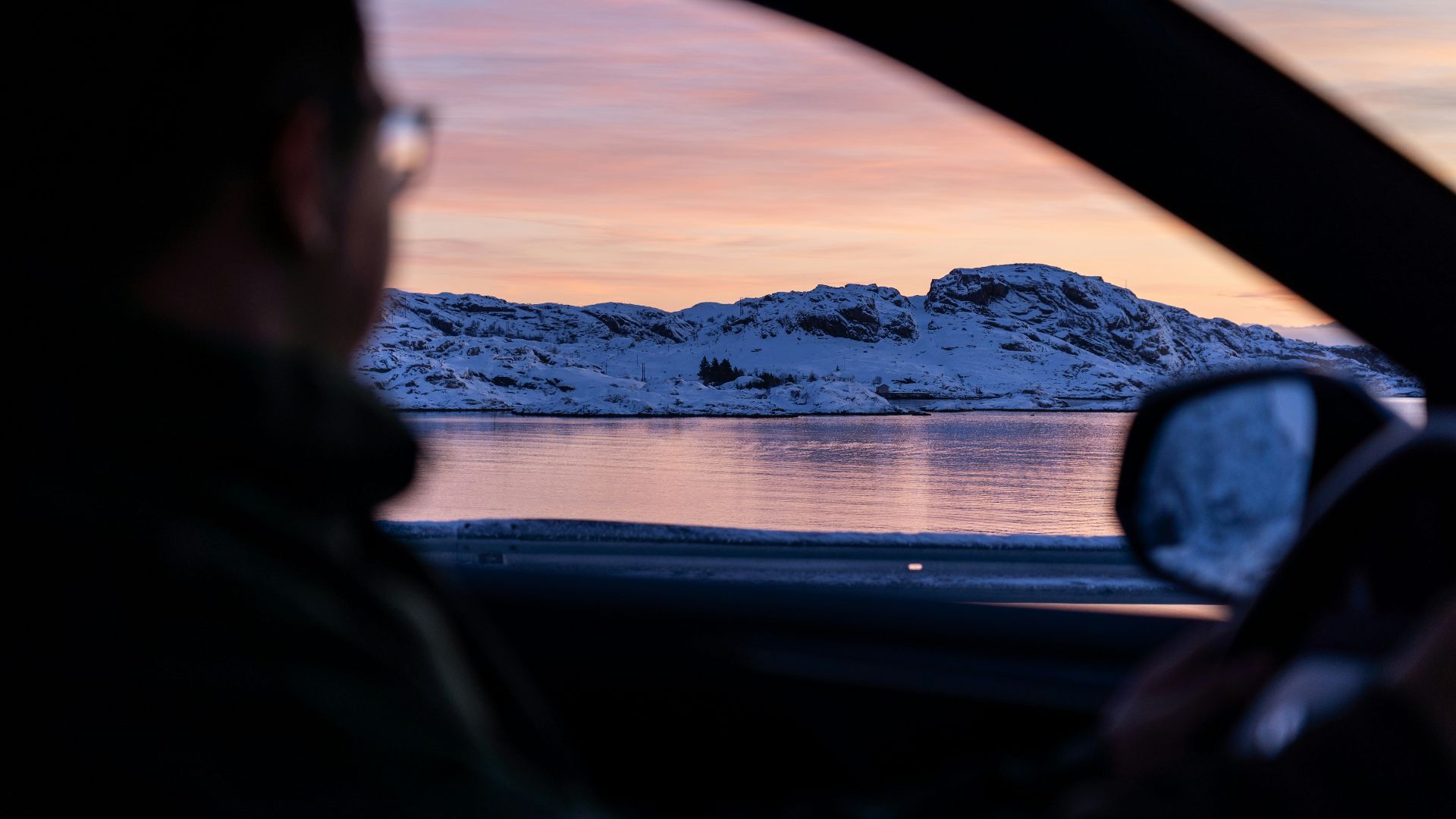
Younger Boomers are more likely to see a roadside diner, antique shop, or lake overlook and say, “Why not?” Older Boomers often prefer the plan they already made. That does not mean they are boring. It means fewer surprise turns, fewer unknown parking lots, and fewer “where are we?” moments.
They Drive More At Night
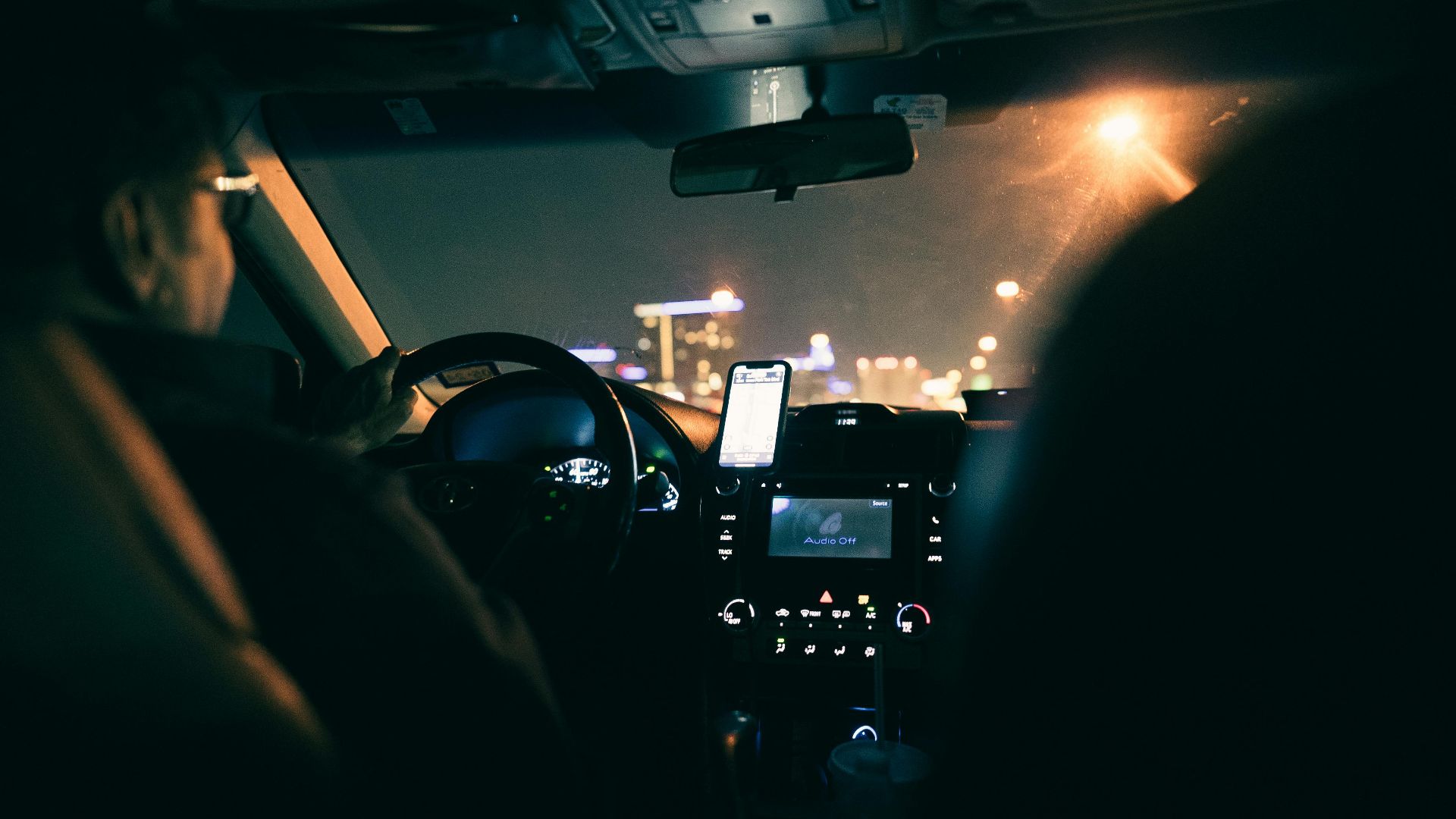
Younger Boomers are more likely to keep evening plans on the table. Dinner reservations, concerts, community events, and late family visits still happen. Older Boomers are more likely to avoid night driving because glare, visibility, and reaction time become bigger concerns as the years stack up.
They Are More Comfortable On Highways
Younger Boomers are more likely to stay comfortable merging onto the interstate, cruising at 70, and passing slower traffic. Older Boomers often become more selective. They may choose surface roads, avoid high-speed ramps, or let someone else take over when the route turns into a freeway sprint.
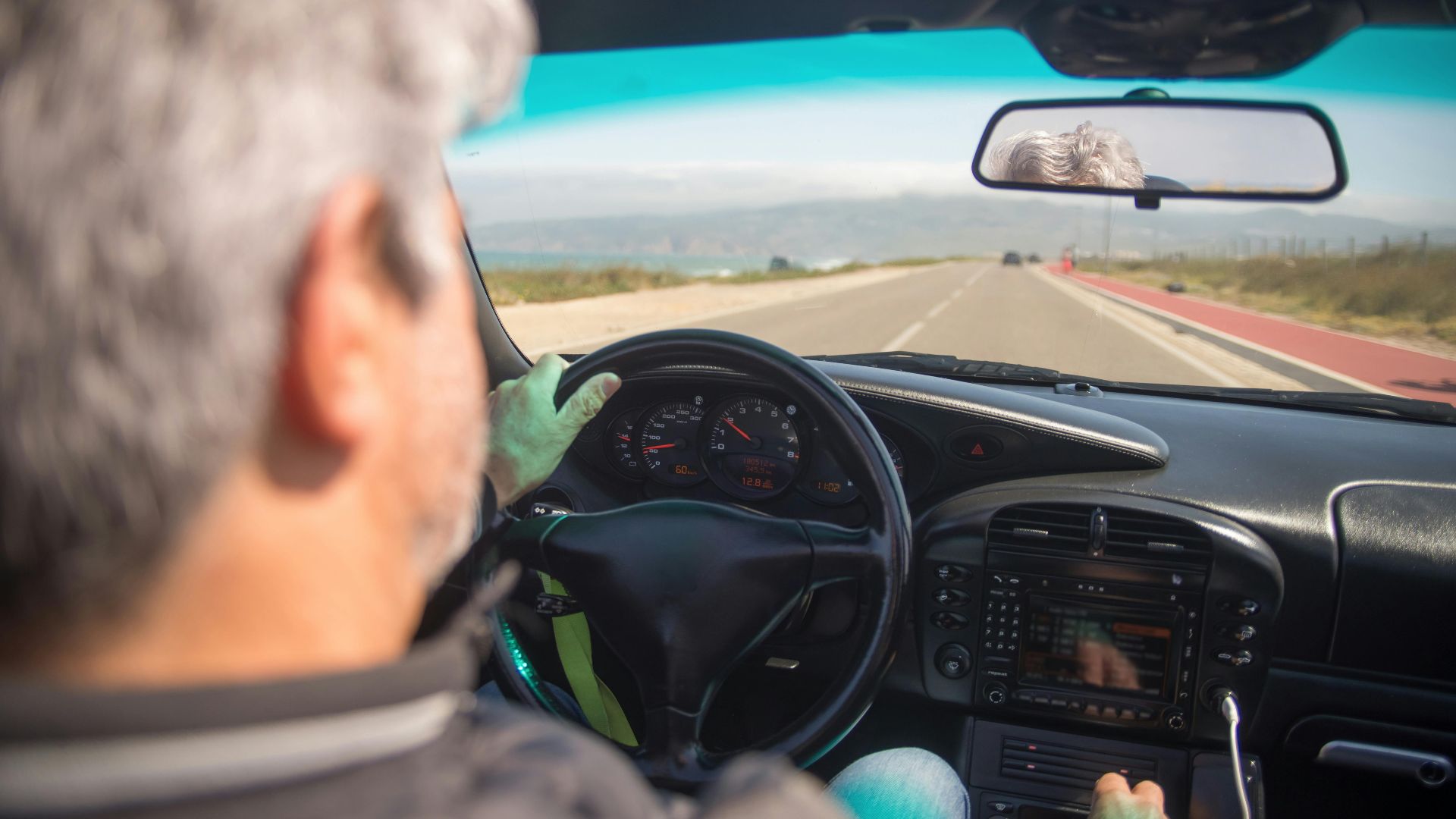
They Parallel Park More Often
Younger Boomers are more likely to still brave downtown parking. Parallel space? Tight garage? Awkward angle? Annoying, yes, but doable. Older Boomers are more likely to pick easier parking, even if it means walking farther, arriving earlier, or choosing a restaurant with a lot instead of street spaces.
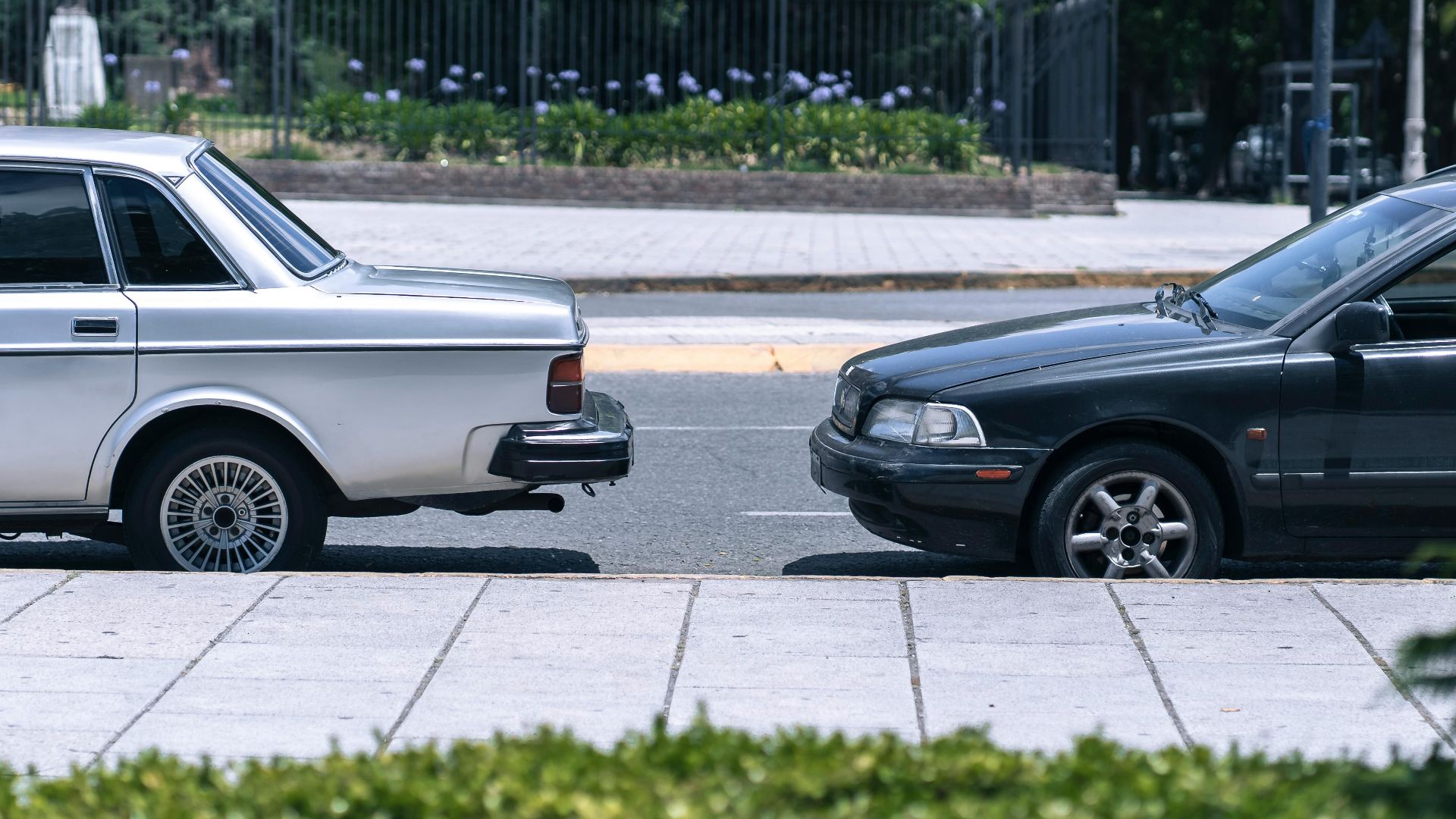
They Use Ride-Hailing As A Backup
Younger Boomers are more likely to treat Uber or Lyft as a helpful backup rather than a mystery. They may use it after a night out, at the airport, or when parking is miserable. Older Boomers are less likely to rely on app-based rides unless a family member helps arrange them.
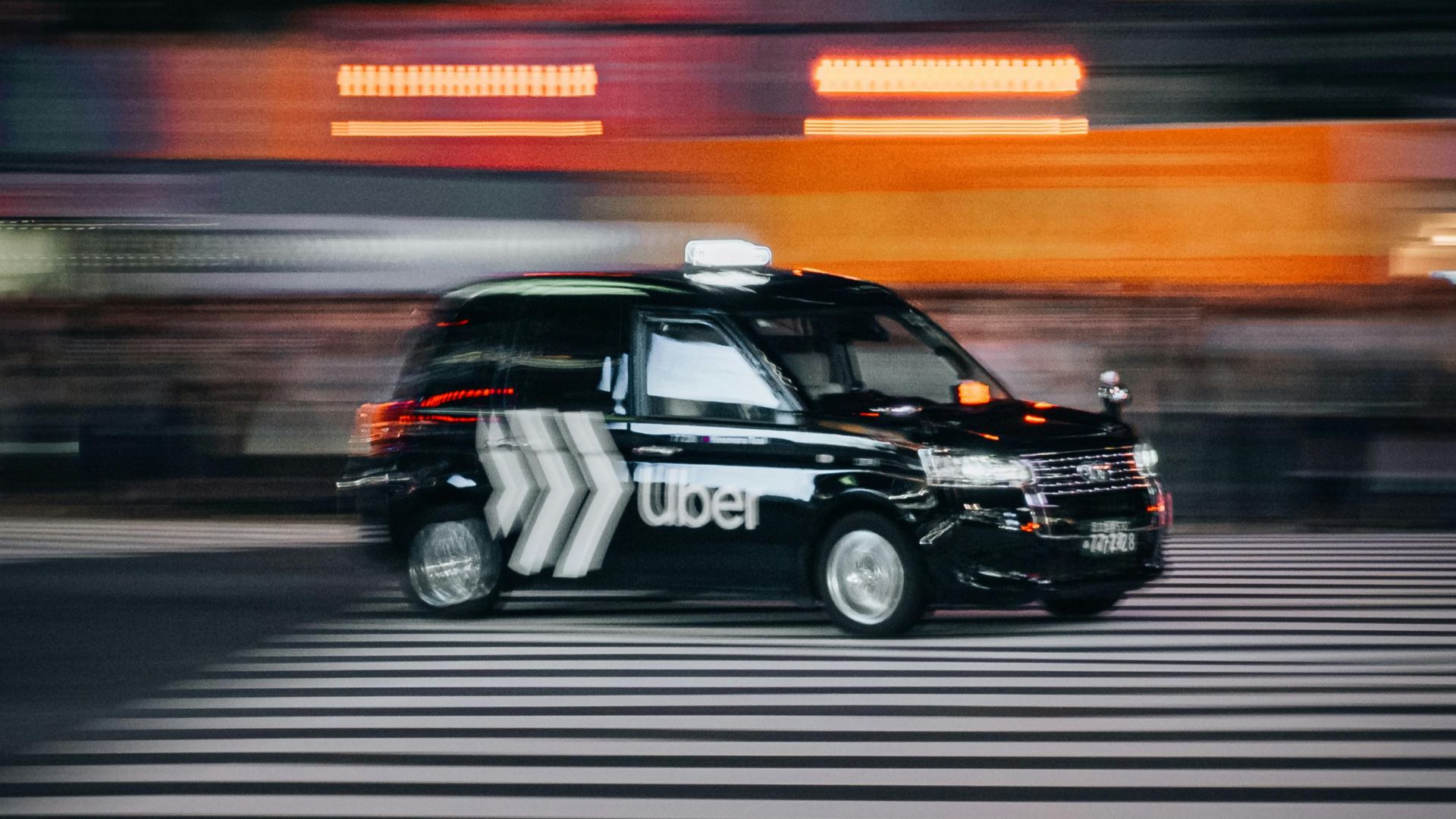
They Are More Likely To Keep Working
Many younger Boomers are still working full-time, part-time, consulting, or running side gigs. That keeps them in commuting mode longer. Older Boomers are more likely to be fully retired, which changes driving from a daily necessity into something more optional, flexible, and easier to reduce.
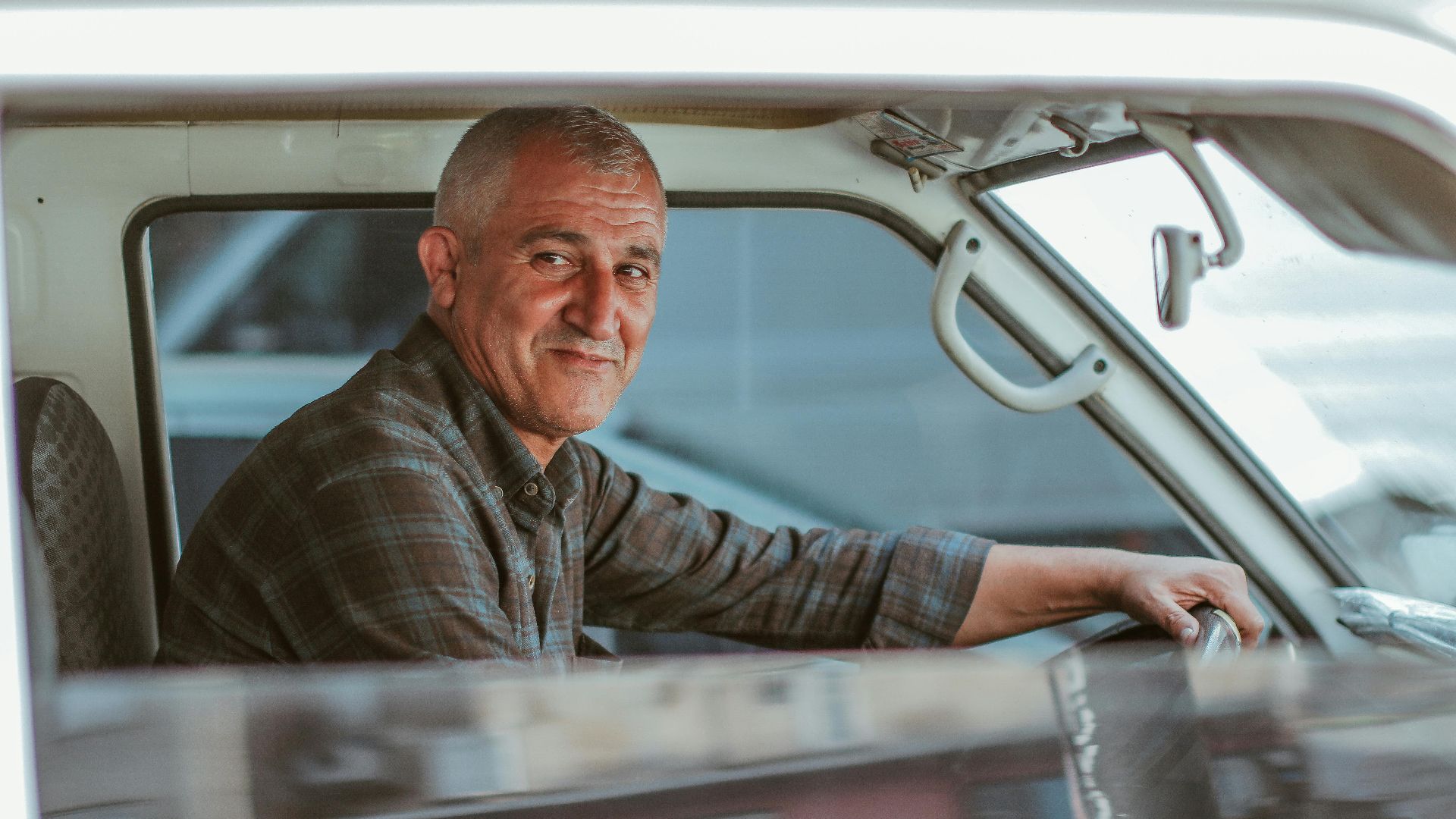
They Drive For Grandkid Duty
Younger Boomers are often in prime grandparent chauffeur years. They may be picking up kids from school, heading to sports fields, or helping busy adult children. Older Boomers may still help, but they are more likely to limit longer or more hectic driving duties.
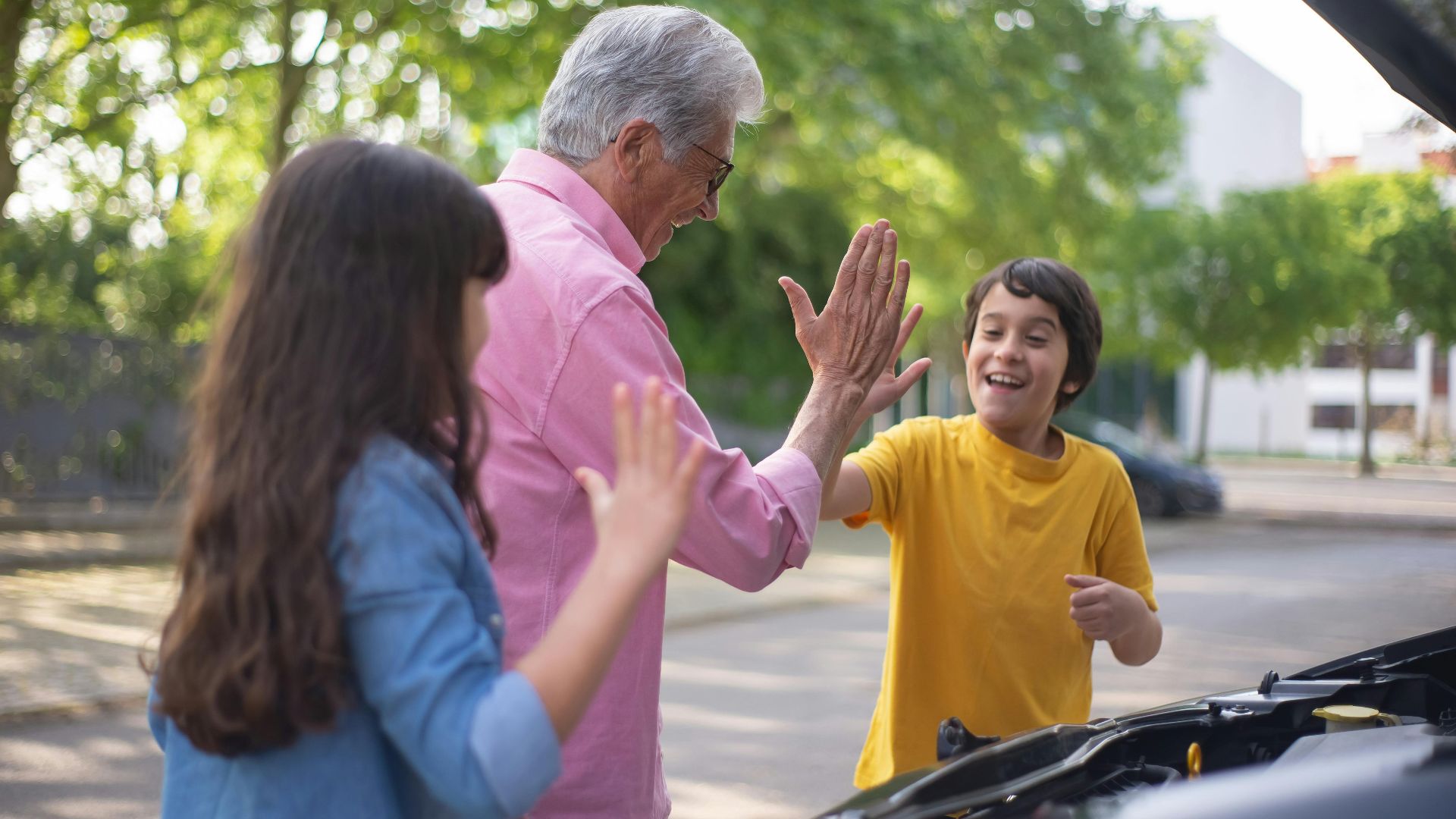
They Run More “Active Lifestyle” Trips
Pickleball, walking groups, golf, yoga, volunteering, hardware-store projects, and coffee meetups all keep younger Boomers moving. Their car is still part of the lifestyle. Older Boomers may stay active too, but the driving tends to become more selective, especially when destinations involve traffic or long walks from parking.

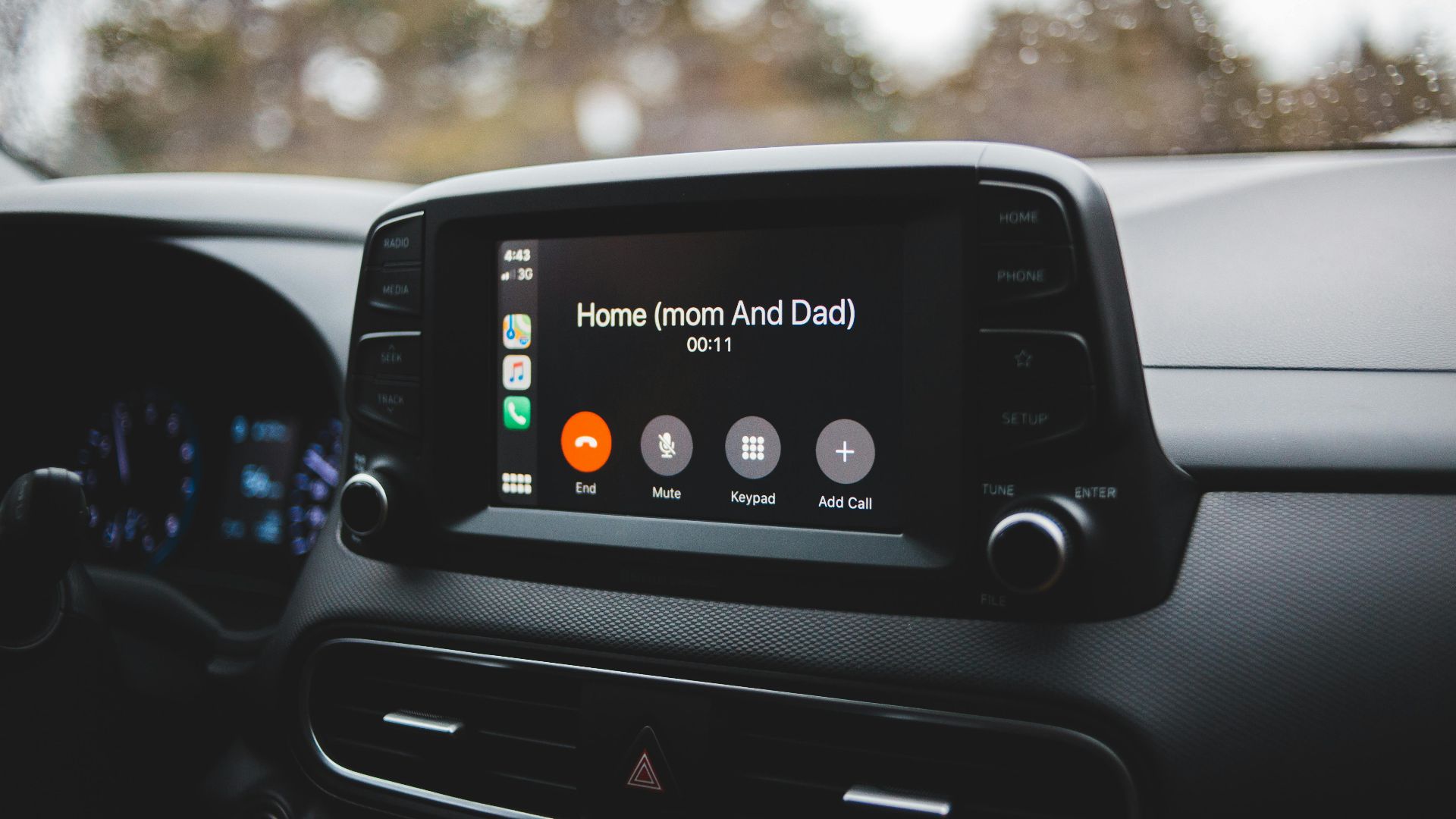
They Rely More On In-Car Screens
Younger Boomers are more likely to pair a phone, answer hands-free calls, use satellite radio, or check a dashboard display. Older Boomers may prefer physical knobs and familiar presets. For them, the best infotainment system is often the one that does not demand a tutorial.
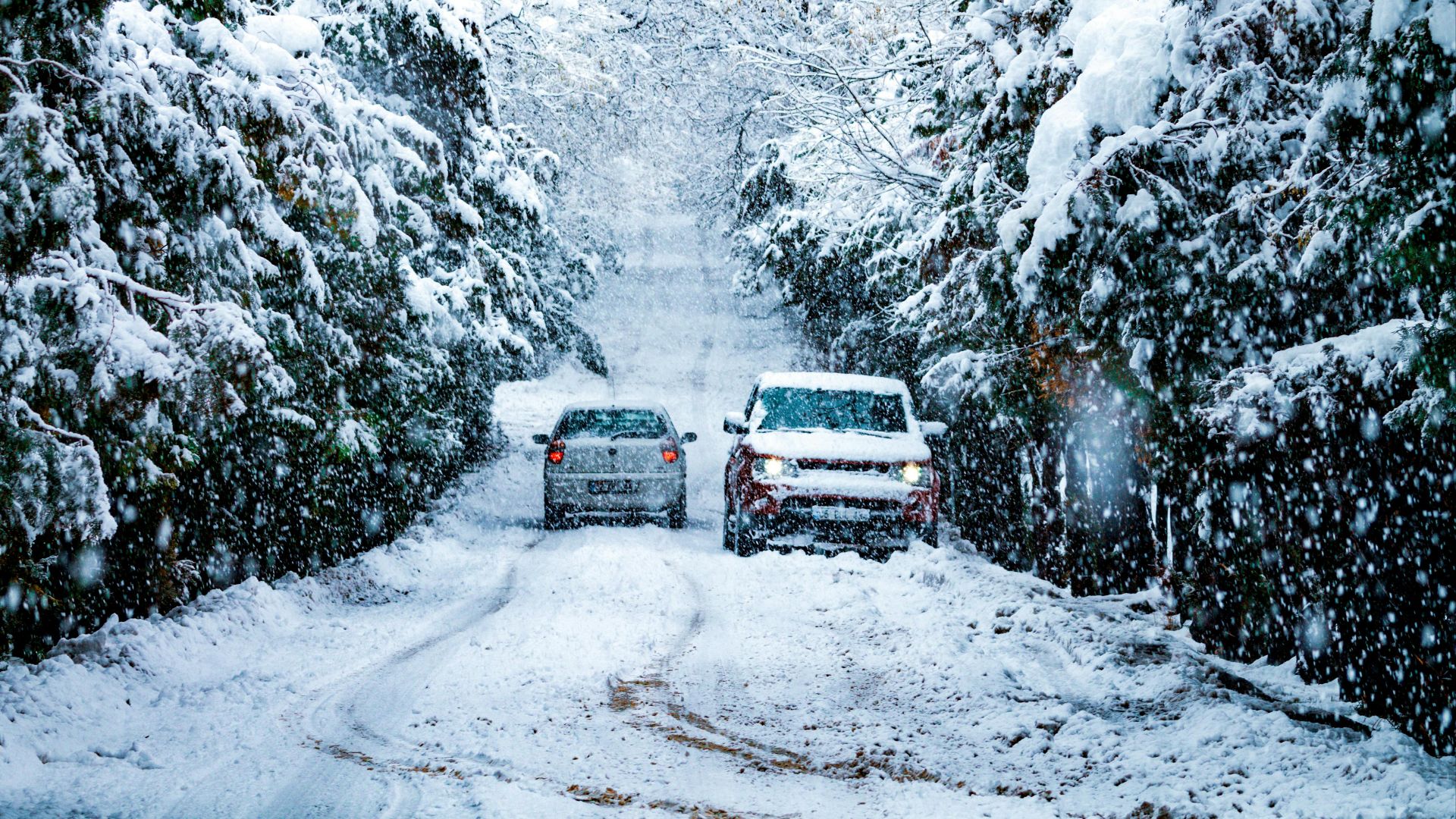
They Are More Willing To Drive In Bad Weather
Younger Boomers are more likely to drive through rain, wind, or light snow if the trip feels important. Older Boomers are more likely to reschedule, wait it out, or ask someone else to drive. That is not fear; it is smart risk management dressed as common sense.
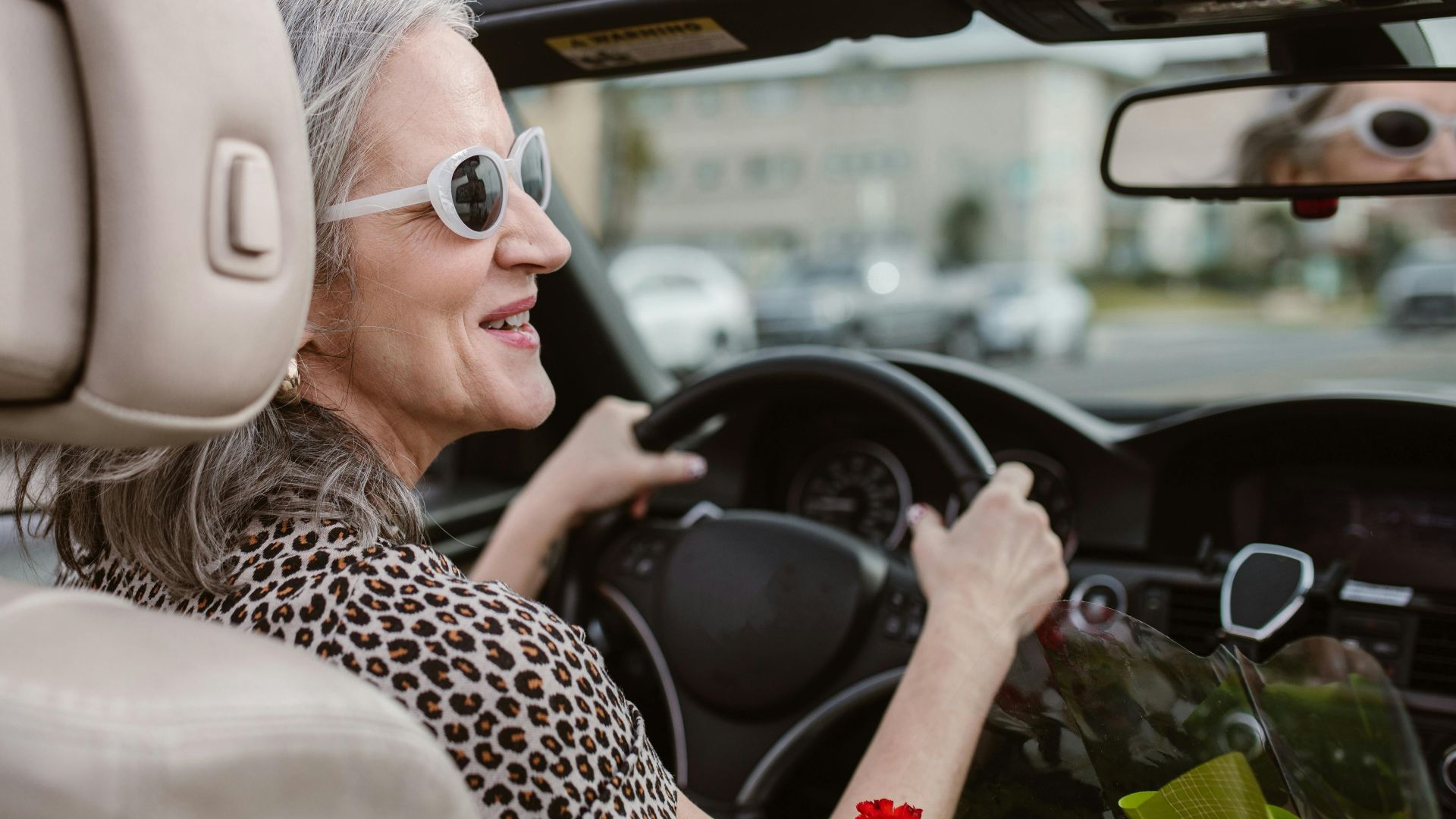
They Spend More Time Behind The Wheel
Across older age groups, driving generally declines with age. Younger Boomers are therefore more likely to log more time behind the wheel than older Boomers. More trips, longer routes, and more varied destinations all add up to a driving life that still feels busy and familiar.
They Are Less Likely To Self-Restrict
Older drivers often adjust their habits by avoiding difficult situations, such as nighttime, heavy traffic, or unfamiliar roads. Younger Boomers are less likely to have reached that point. They may still drive almost anywhere, while older Boomers increasingly choose the easiest route, time, and conditions.
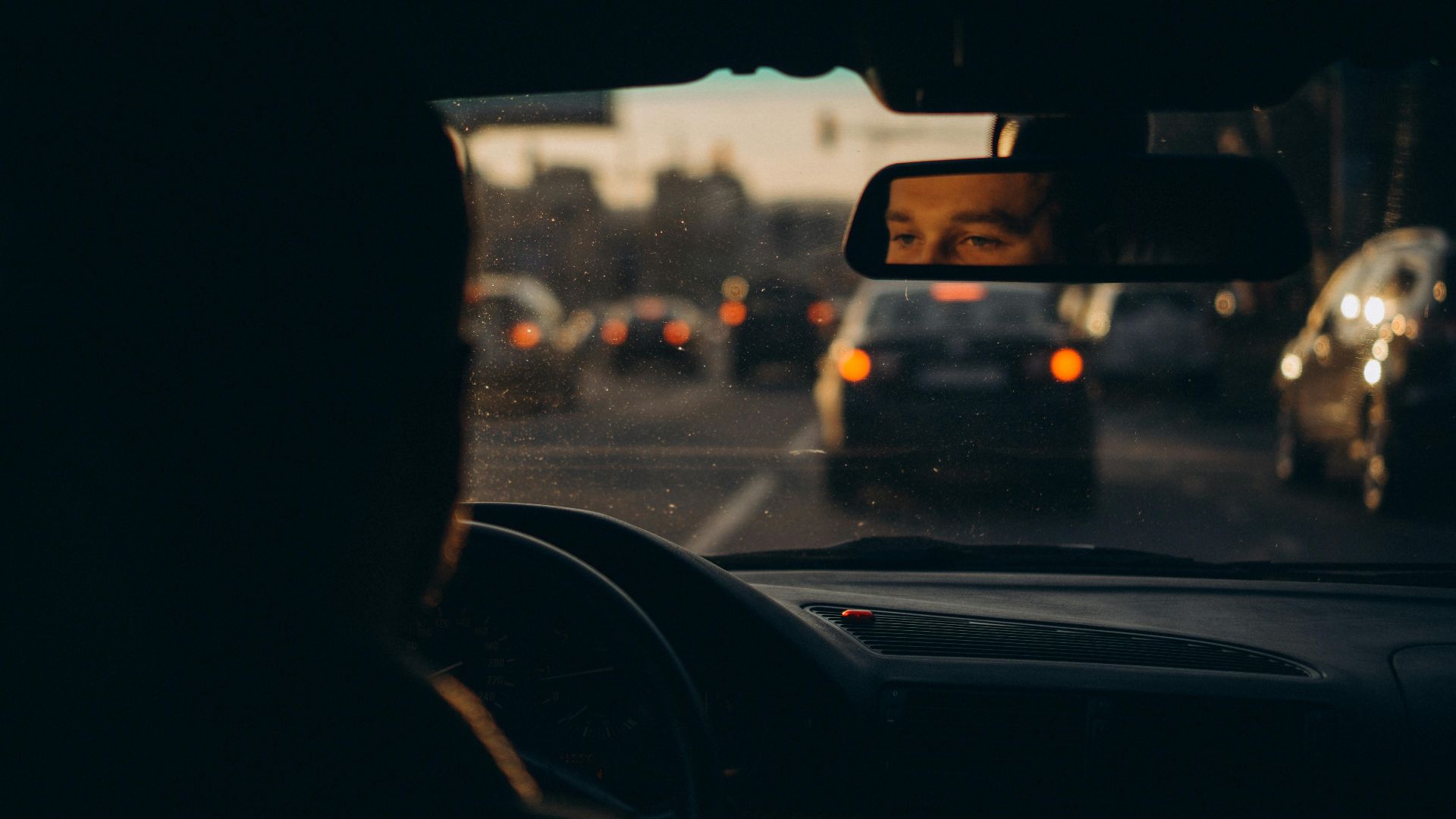
They Keep More Car Independence
For younger Boomers, the car often still means full independence. They go when they want, where they want, without coordinating rides. Older Boomers may still value independence deeply, but they are more likely to begin mixing in rides from spouses, friends, adult children, shuttles, or delivery services.
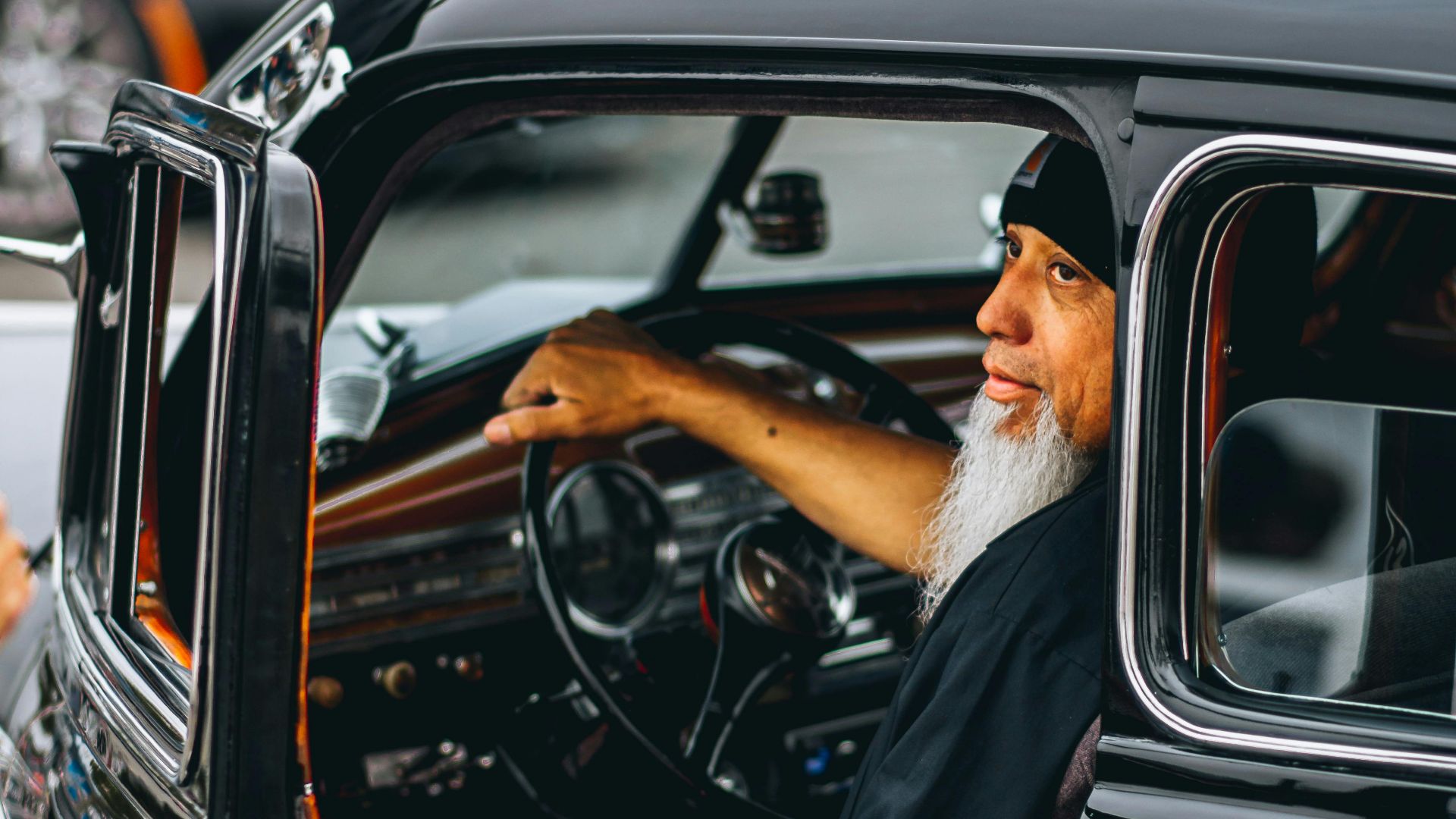
They Are More Likely To Use Delivery Strategically
Younger Boomers may use grocery delivery, curbside pickup, or online shopping as a time saver, not because they have stopped driving. Older Boomers may use those same services to avoid stressful trips. Same technology, different motivation: convenience for one group, driving reduction for the other.
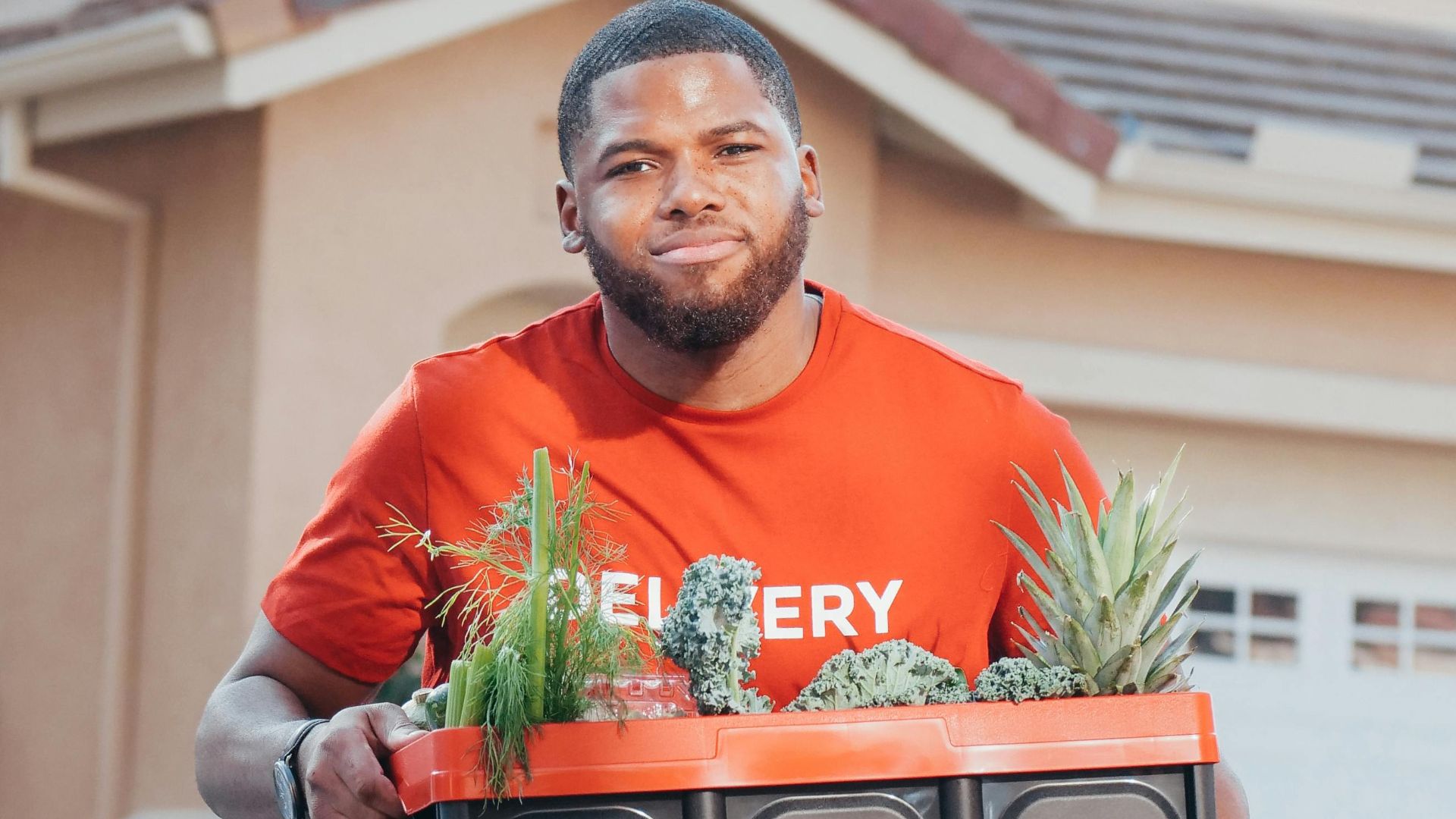
They Treat Driving As Freedom, Not Maintenance
Younger Boomers often still see driving as part of the fun: a good playlist, a clean windshield, and somewhere to be. Older Boomers may see driving more practically. The car is still useful, but the joy ride slowly gives way to “let’s get there and get home.”
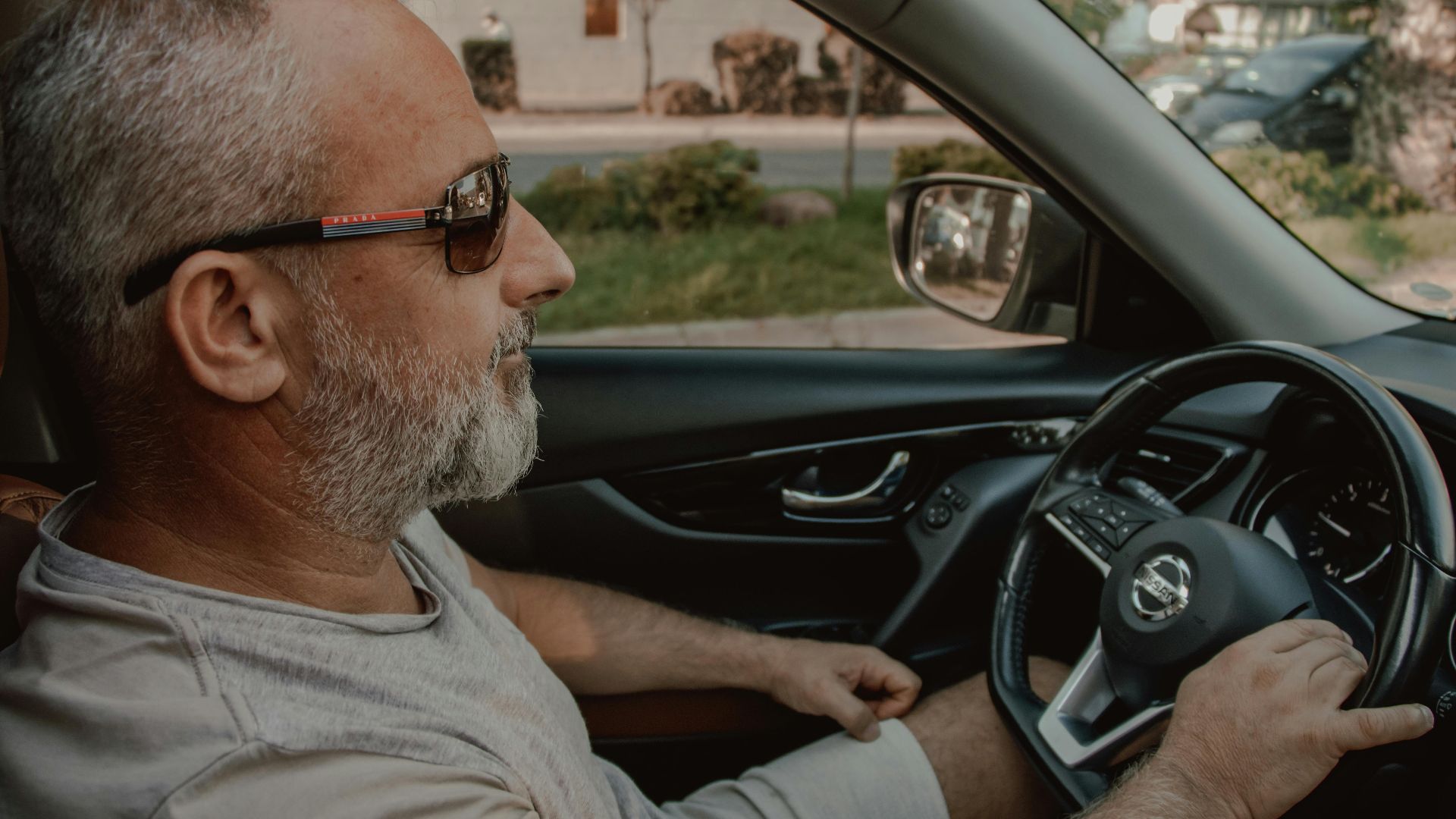
The Road Ahead Looks Different For Each Half
The younger half of the Boomer generation is still doing plenty of ordinary, confident, everyday driving. The older half is not disappearing from the road, but the habits are changing. The real story is not “Boomers drive this way.” It is that age, health, technology, and lifestyle split the generation in two.
You May Also Like:
The Weirdest Car Features Ever Built—And The Ones That Actually Worked
I was charged for partial damages when I wasn't at fault in the accident. Is that really legal?