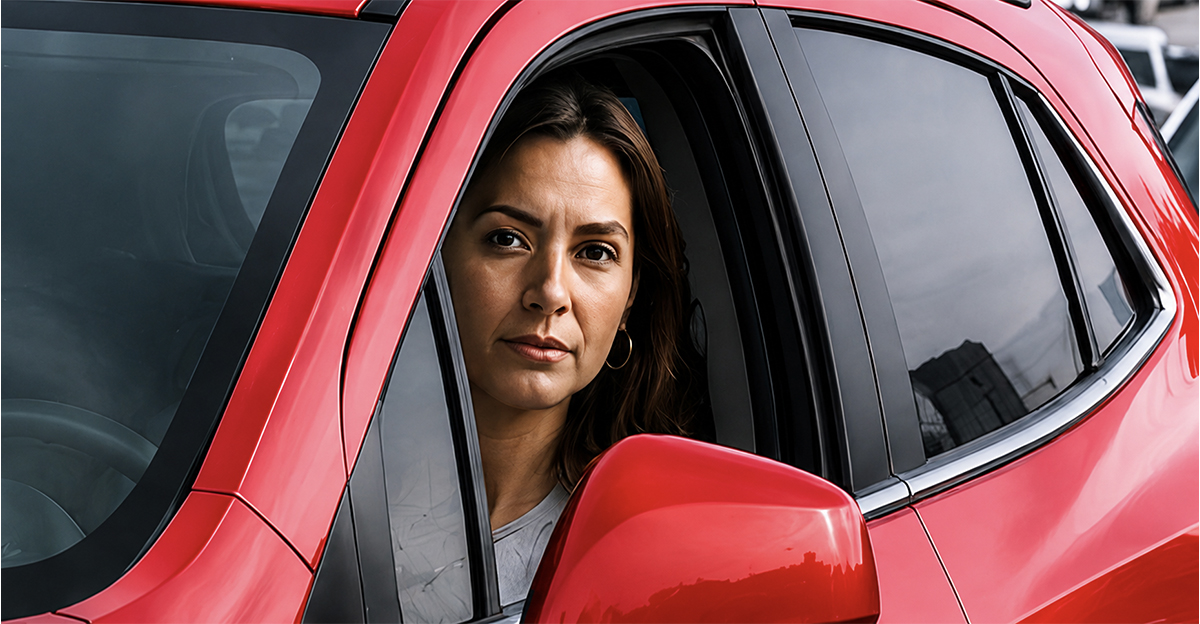
Bigger Pillars, Bigger Problems
You bought a vehicle with outstanding crash test ratings, only to discover that its thick roof pillars create surprisingly large blind spots. It feels contradictory, but modern crash protection and outward visibility sometimes compete with each other. Understanding why helps you become a safer and more confident driver.
Why Pillars Grew
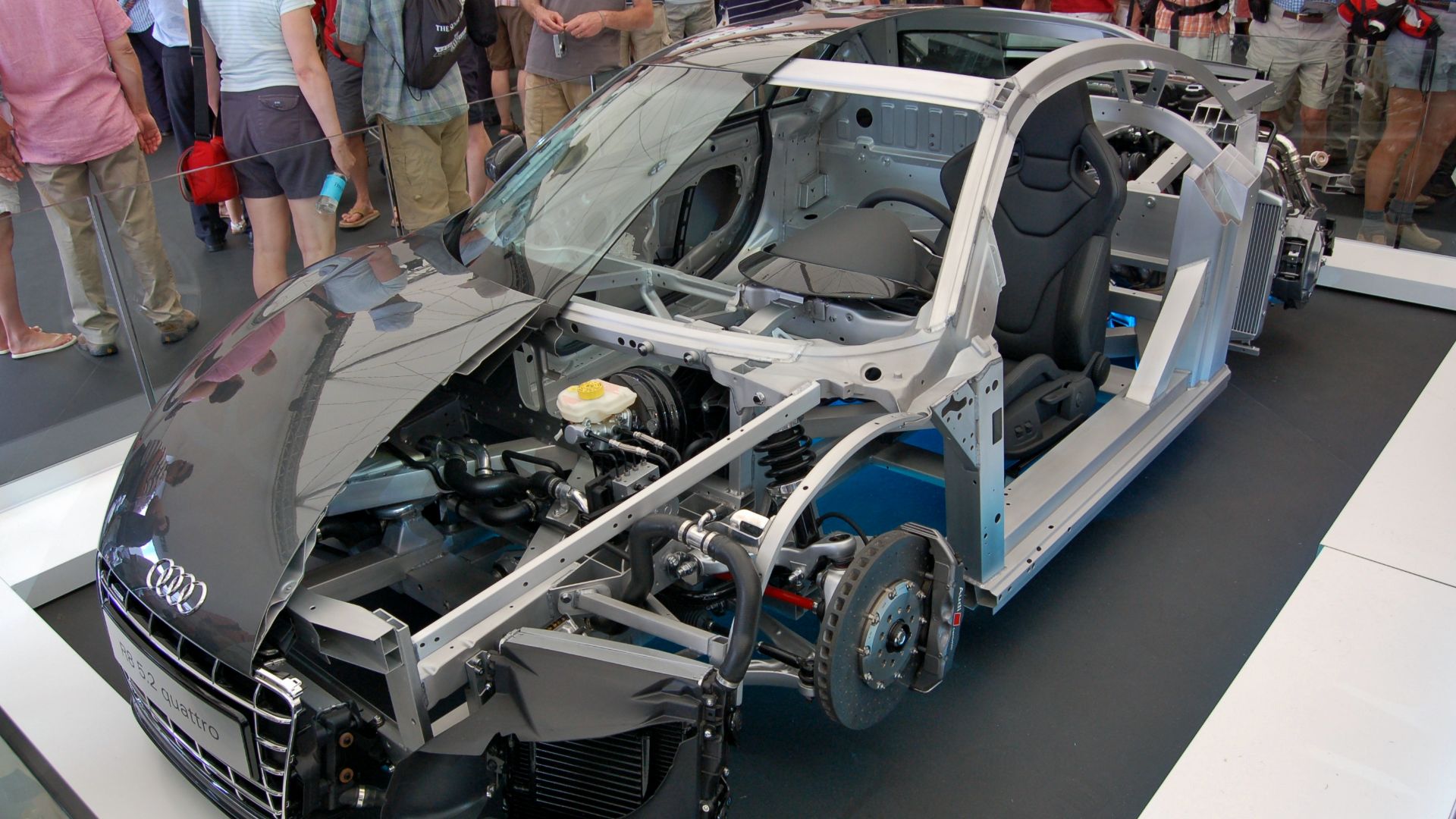
Modern vehicles use stronger roof structures to protect occupants during rollovers, side impacts, and small overlap crashes. These safety improvements often require thicker A, B, and C pillars, which can reduce the driver's field of view despite improving crash survival.
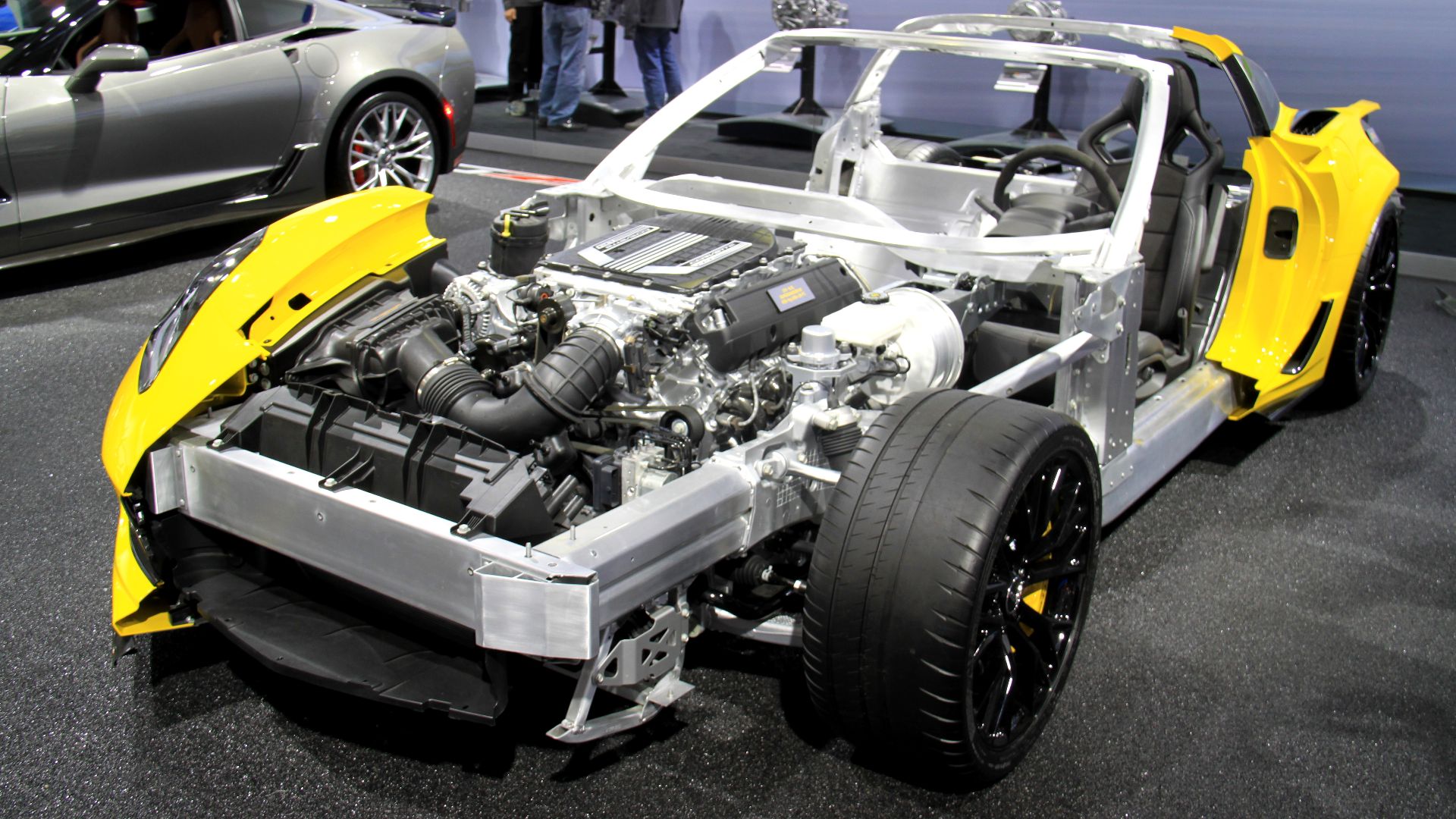 Joseph Brent, Wikimedia Commons
Crash Safety Wins
Vehicle designers must satisfy increasingly demanding federal safety standards while also earning high ratings from organizations like the IIHS. Stronger structural supports frequently improve occupant protection, even though they may partially block the driver's view at certain angles.
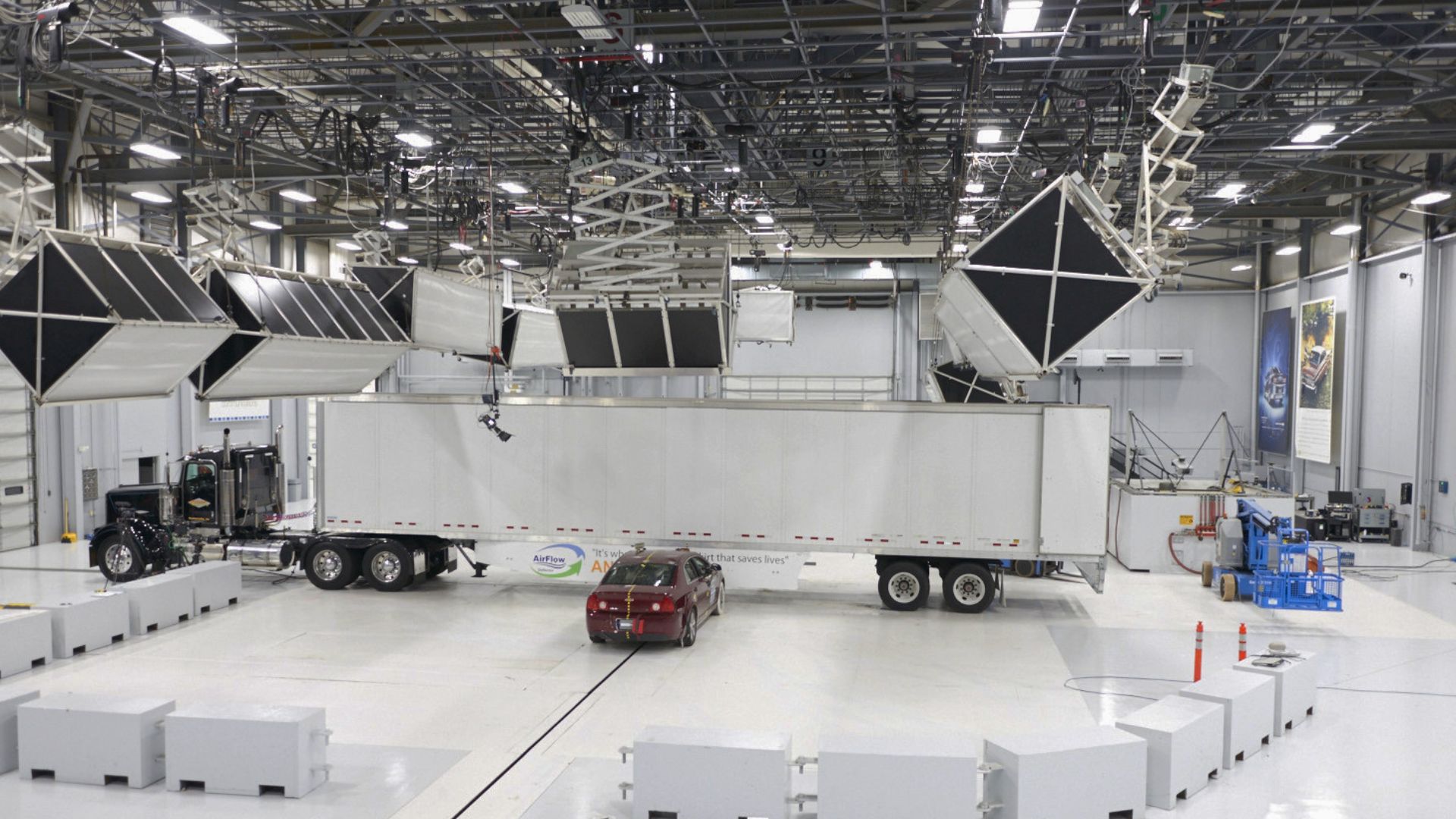 Insurance Institute for Highway Safety, Wikimedia Commons
Understanding A Pillars
The A pillars are the roof supports on either side of the windshield. They are especially important because they help support the roof during crashes. Unfortunately, they can also block pedestrians, cyclists, motorcycles, or even entire vehicles at intersections.
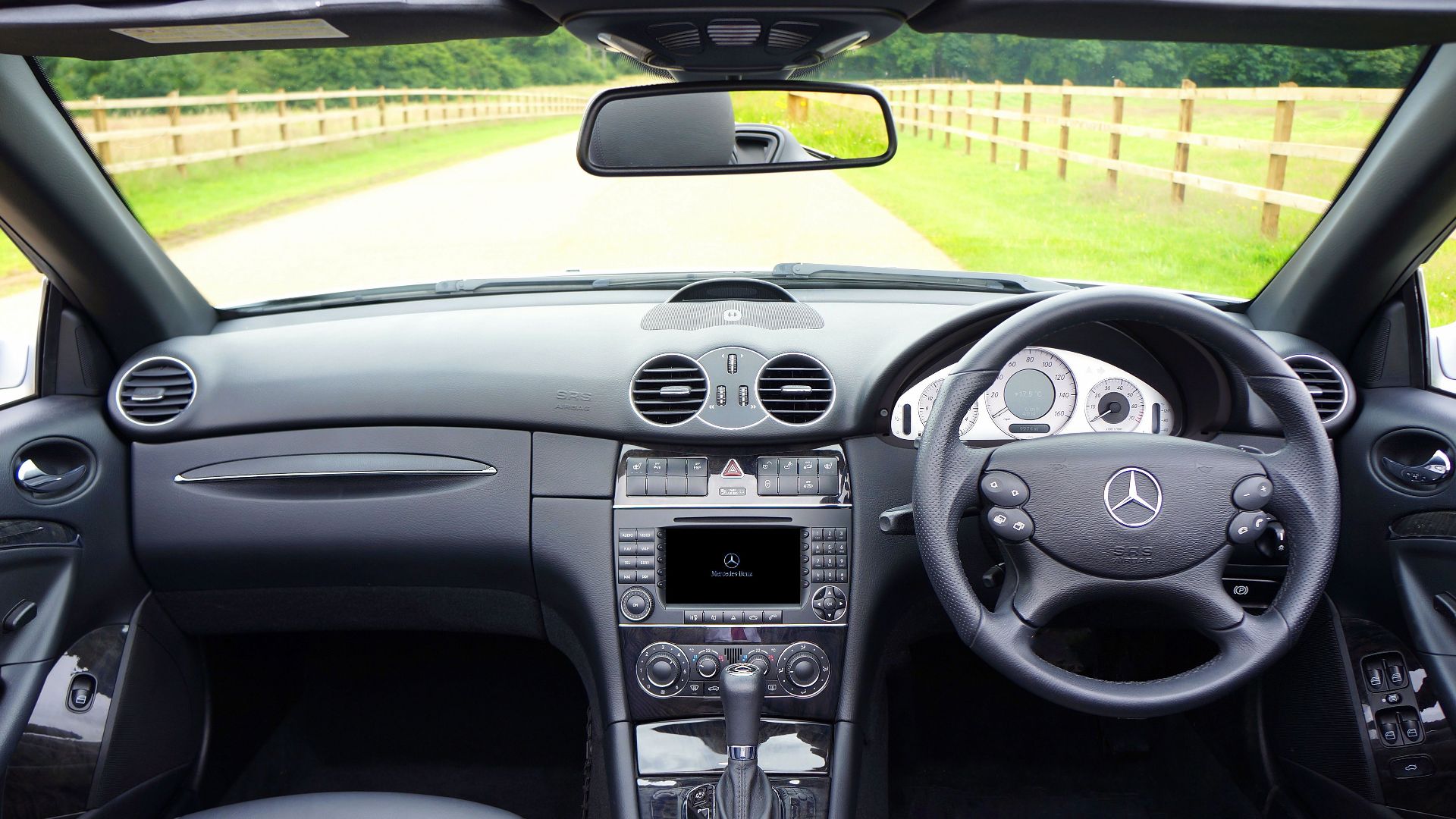
Hidden Crossing Traffic
One of the greatest dangers occurs while making left turns or entering intersections. A vehicle approaching from an angle may remain hidden behind the A pillar long enough for the driver to mistakenly believe the road is clear.
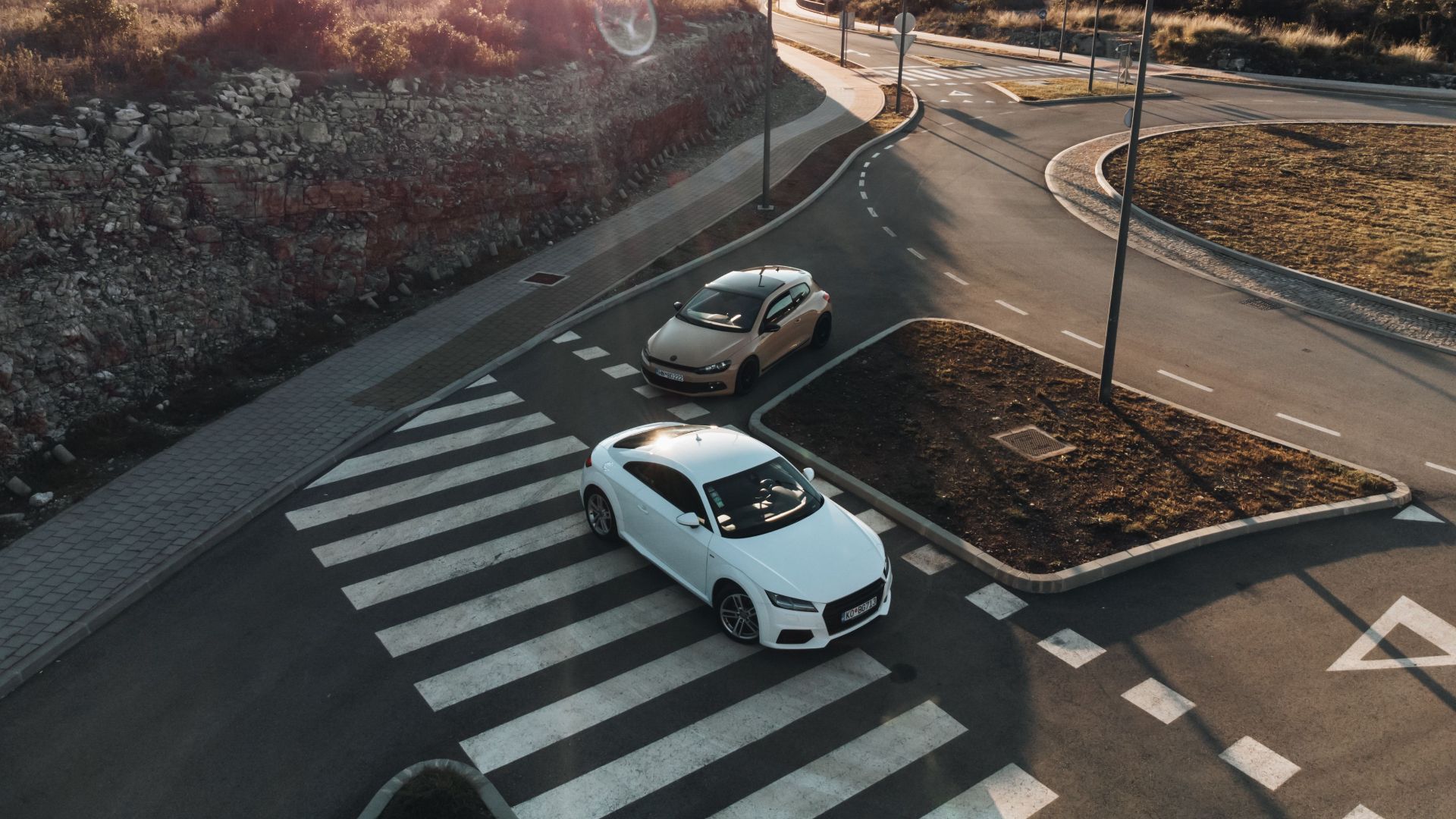
Pedestrian Visibility Risks
Pedestrians crossing in front of your vehicle may briefly disappear behind a thick roof pillar. Even a second of obstruction can become dangerous when driving through crowded downtown areas, school zones, or busy parking lots.
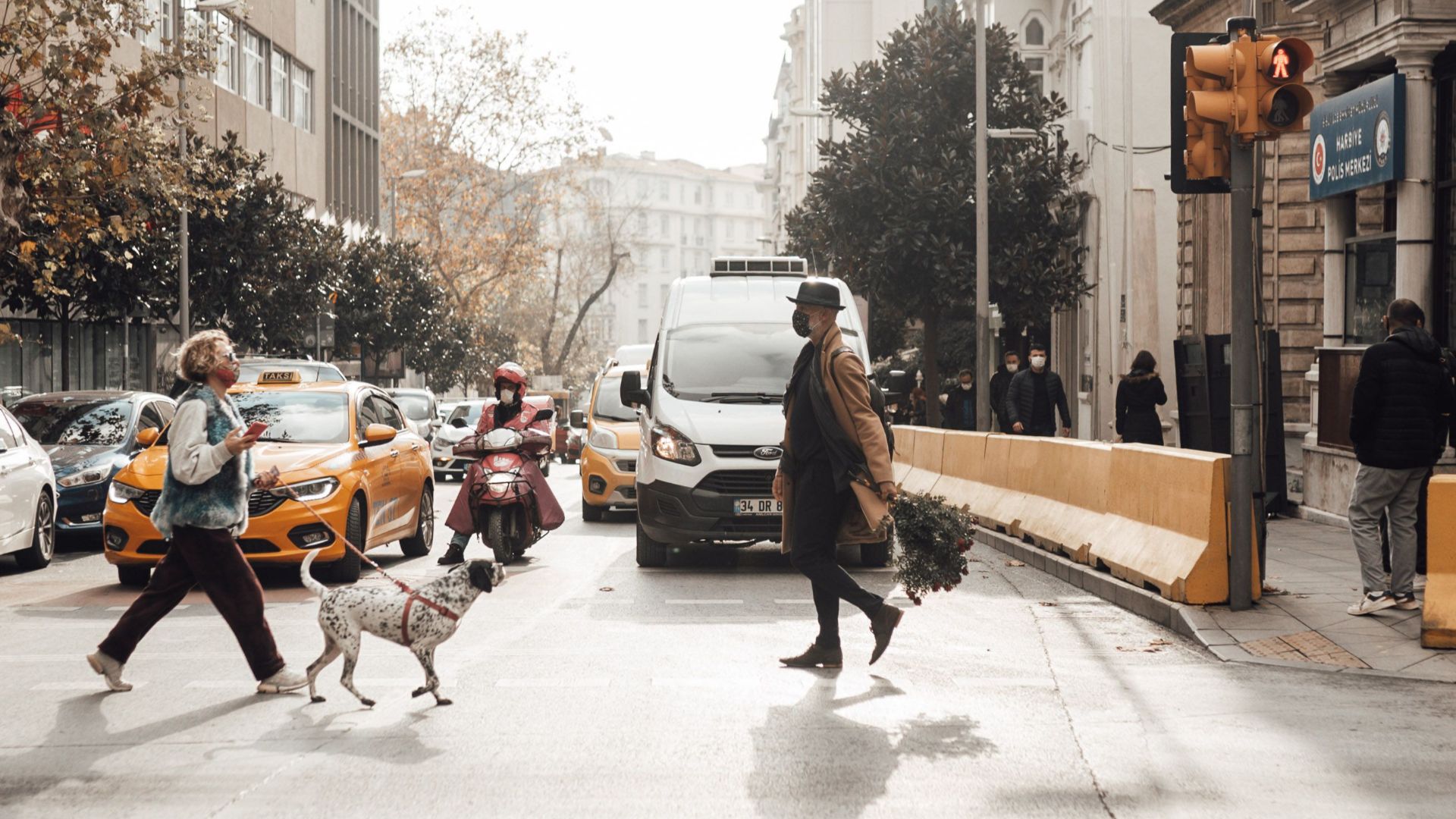
Motorcycles Disappear Too
Motorcycles present a particular challenge because they occupy relatively little visual space. Combined with a thick roof pillar, a motorcycle may disappear completely until it suddenly emerges much closer than expected.
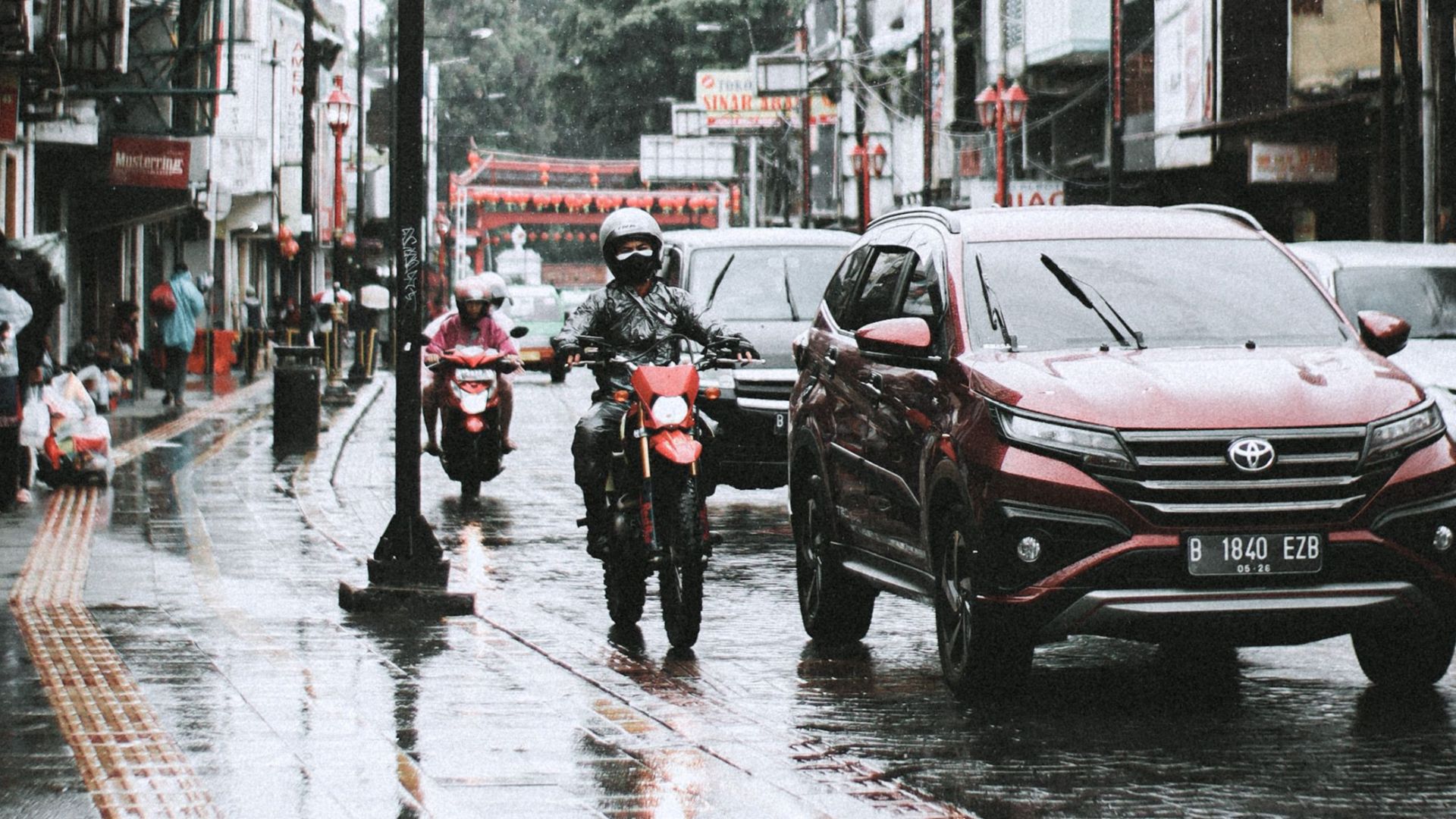
Roundabout Challenges
Modern roundabouts require drivers to monitor vehicles approaching from multiple directions. Wide roof pillars can temporarily hide entering traffic, making careful head movement especially important before committing to an entry.

Curves Create Problems
Driving through winding roads introduces constantly changing sightlines. As your vehicle turns, the roof pillar moves relative to surrounding traffic, occasionally hiding vehicles, cyclists, wildlife, or roadside hazards at precisely the wrong moment.
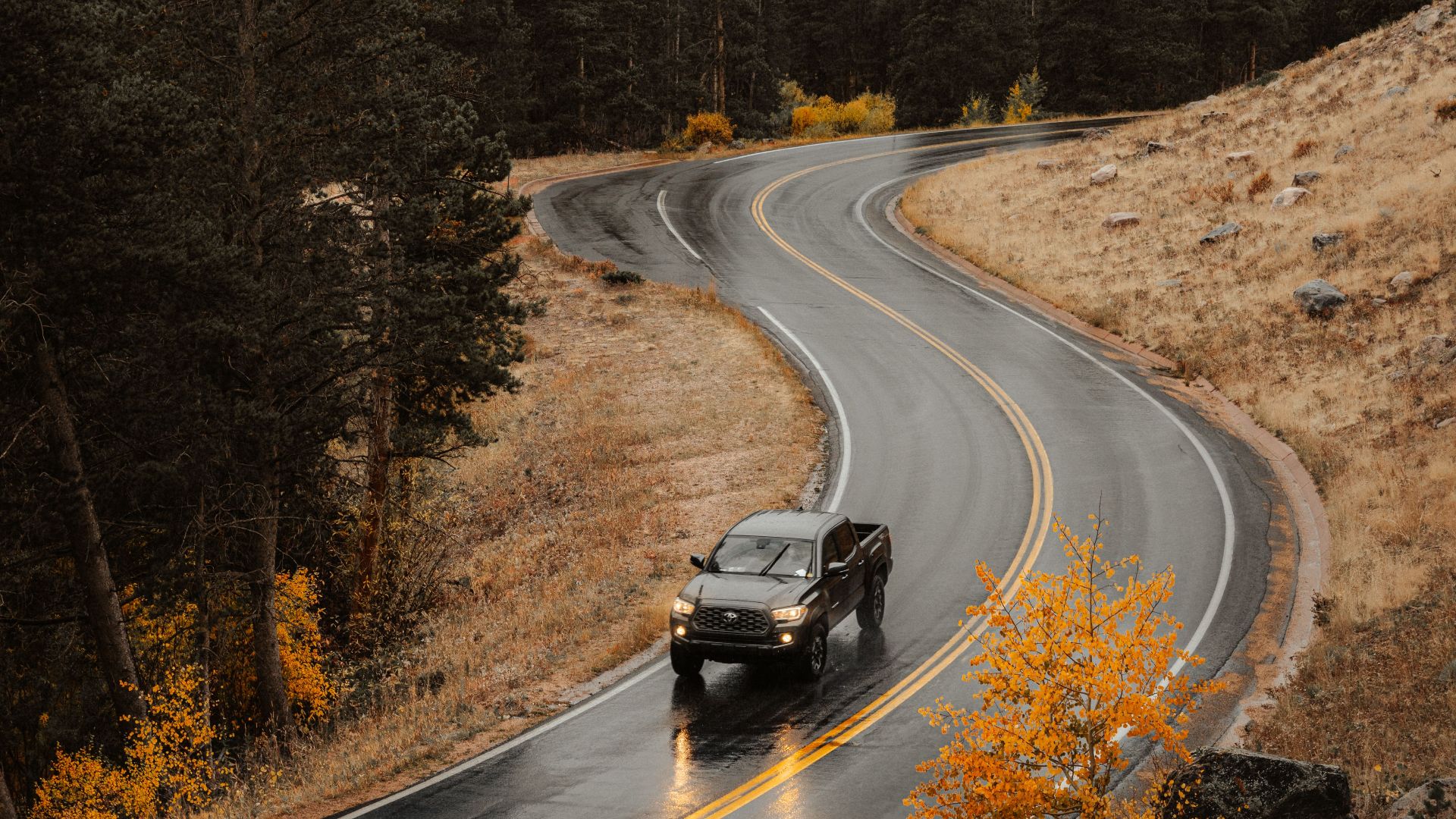
Parked Vehicle Hazards
Backing out between large parked SUVs or pickup trucks already limits visibility. Thick roof pillars can make the problem worse by further reducing your ability to spot approaching vehicles or pedestrians crossing behind your car.
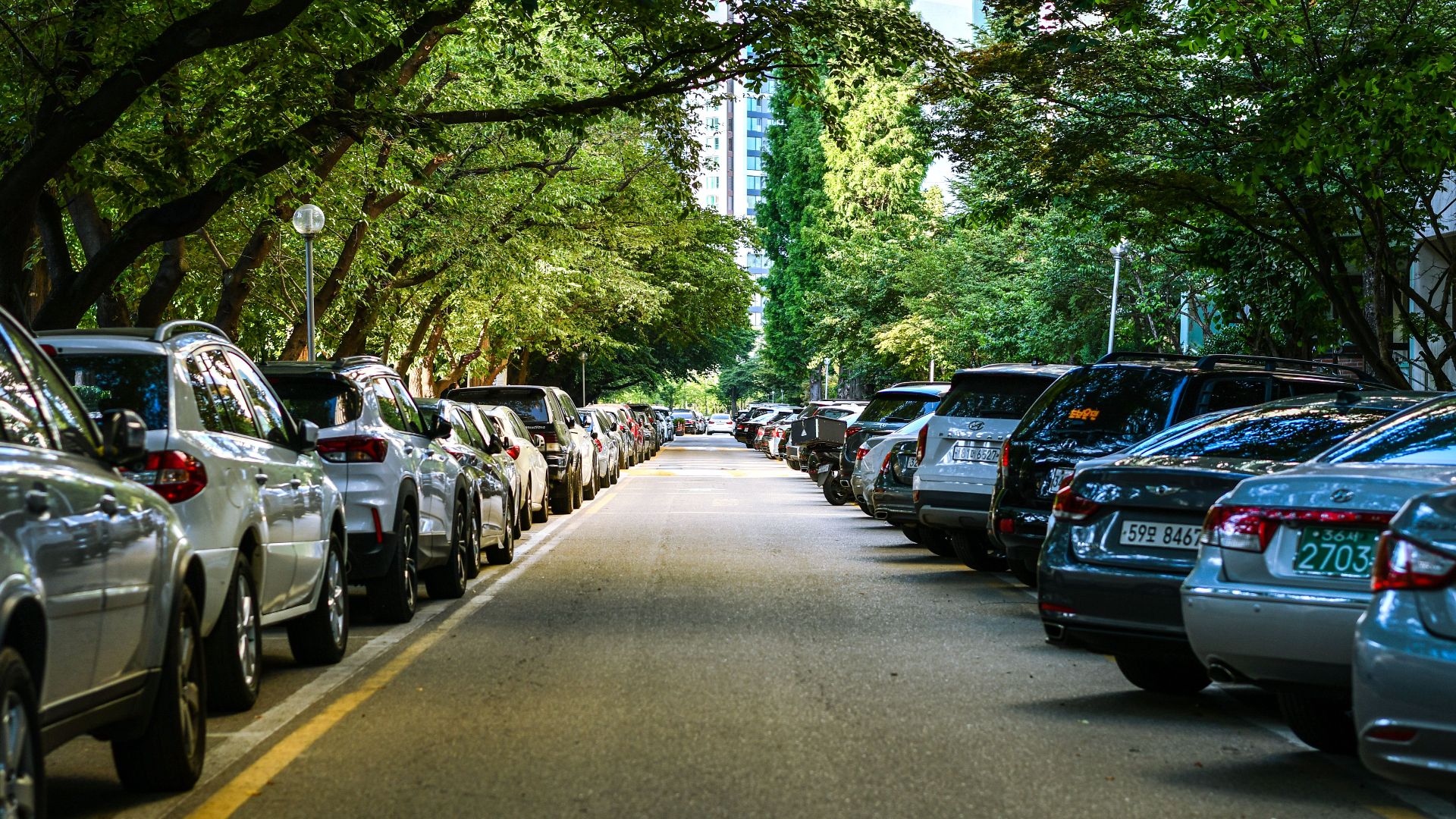
Proper Head Movement
One of the simplest safety techniques involves moving your head slightly while scanning intersections. A small change in viewing angle often reveals objects that were completely hidden behind the roof pillar only moments earlier.
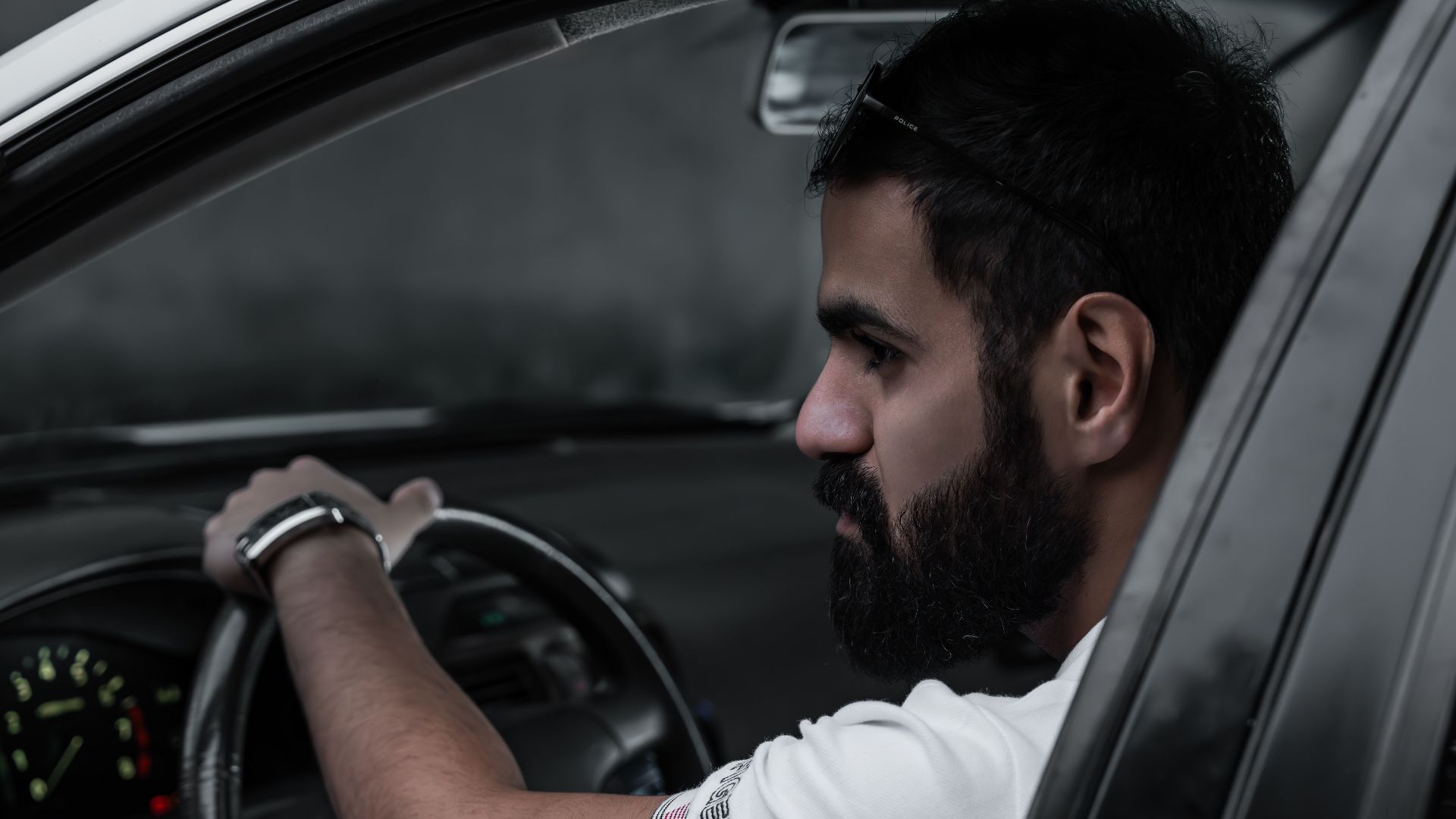
Adjust Your Seating
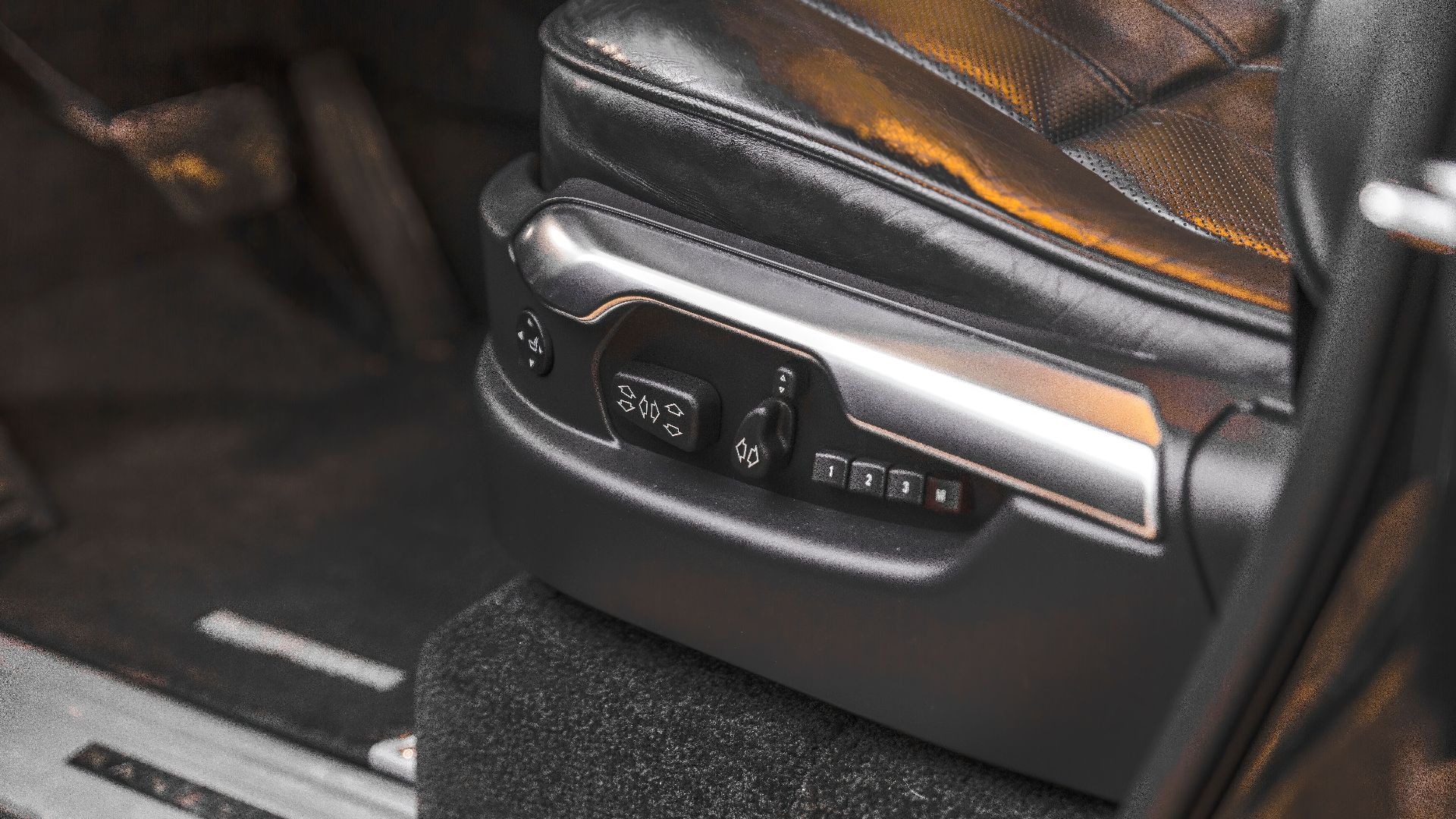
Many drivers unknowingly sit farther back or lower than necessary. Proper seat height and distance improve both comfort and visibility. Small adjustments can sometimes reduce how much of the roadway becomes hidden behind structural pillars.
Mirrors Still Matter
Correctly adjusted side mirrors cannot eliminate roof pillar blind spots, but they help compensate for other visibility limitations. Proper mirror positioning reduces overlapping blind zones and improves awareness of surrounding traffic.

Driver Assistance Helps
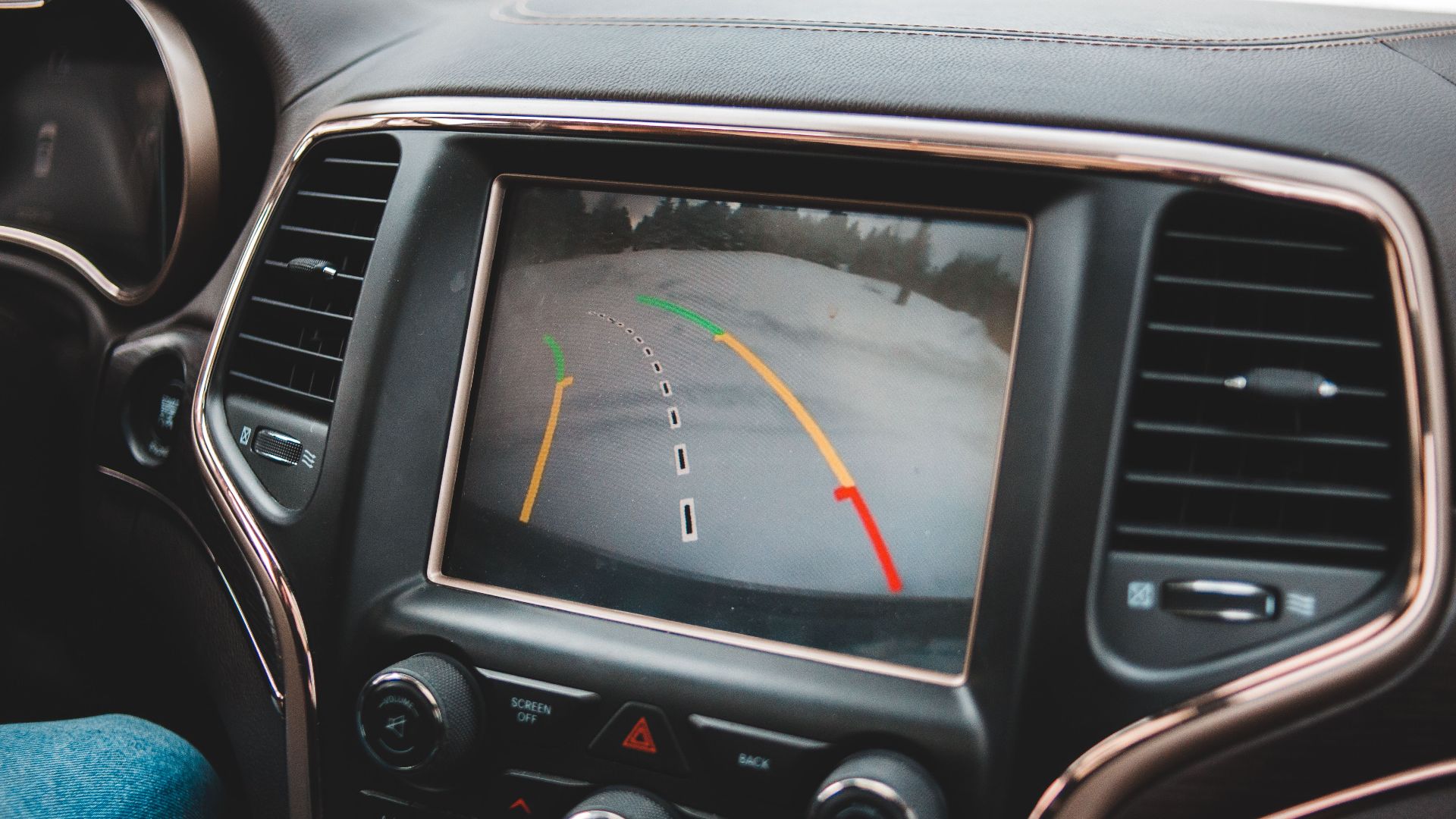
Blind spot monitoring, forward collision warning, pedestrian detection, and intersection assist systems help compensate for reduced visibility. These technologies provide useful backup, but they should never replace careful visual scanning by the driver.
Visibility Vs Strength
Automakers constantly balance two competing goals. Customers want outstanding crash protection while also expecting excellent outward visibility. Engineers use stronger materials and computer modeling to reduce pillar thickness whenever possible without sacrificing structural integrity.
Best Visibility Models
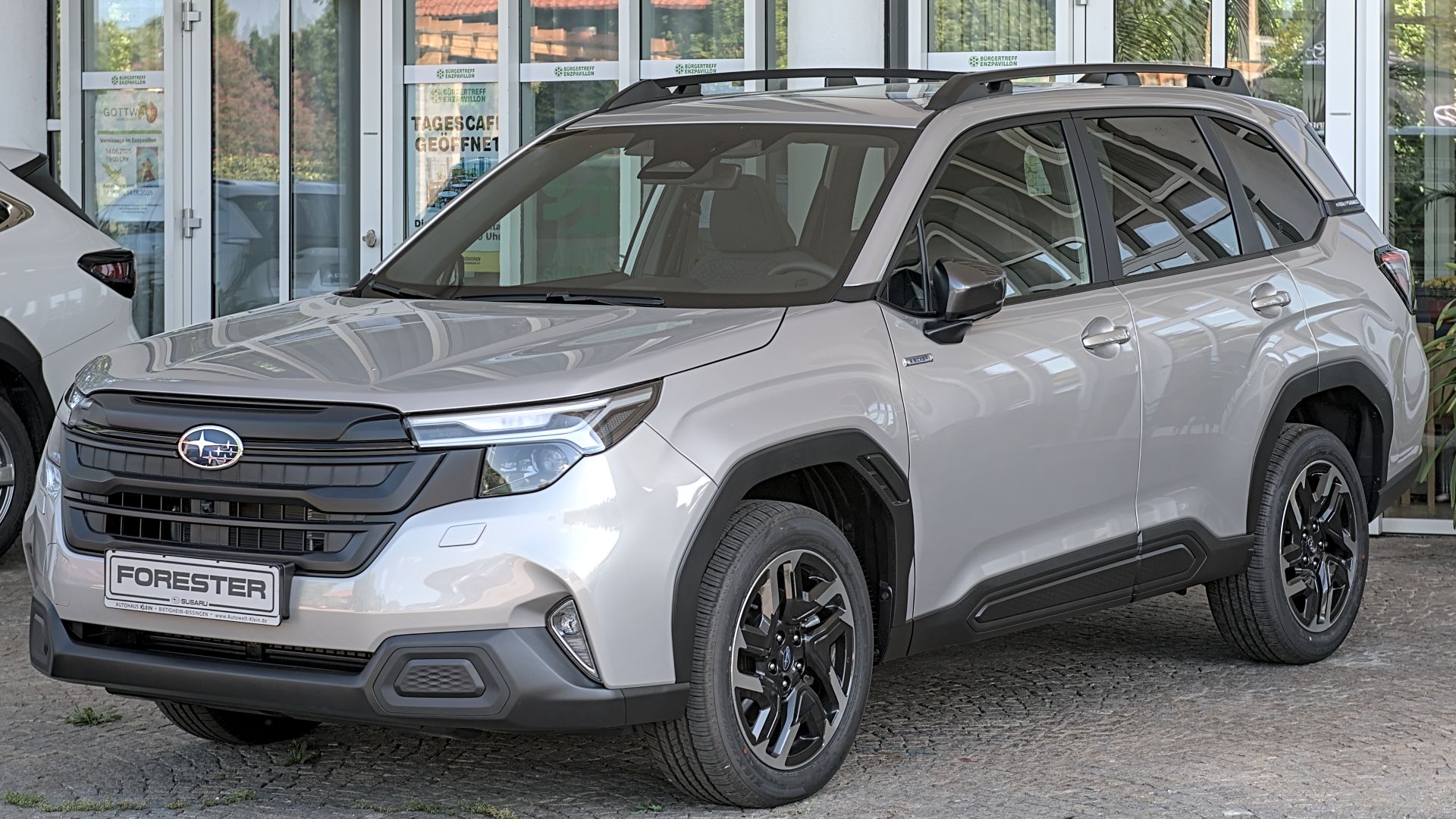
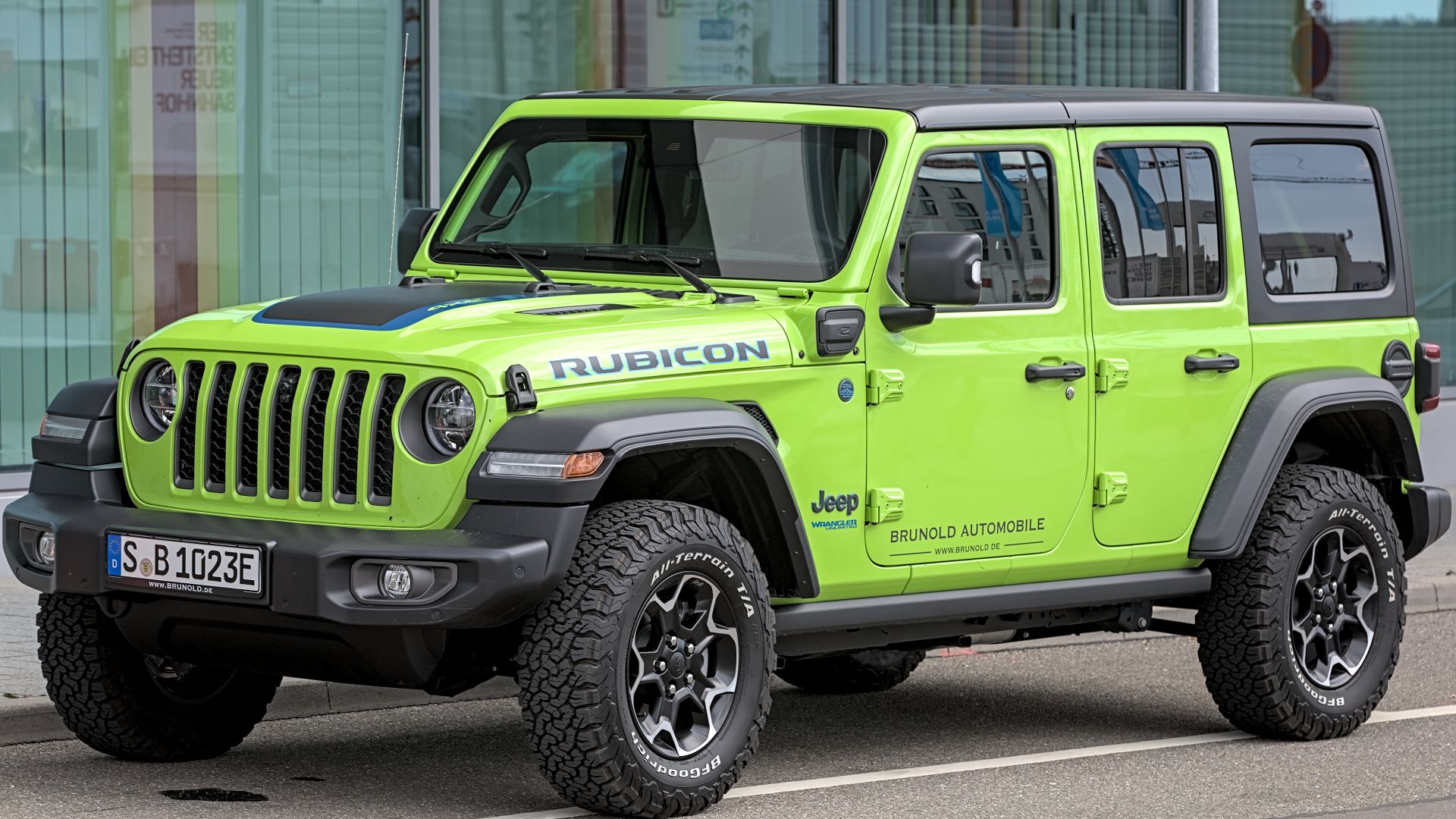
Vehicles frequently praised for excellent outward visibility include the Subaru Forester, Honda Fit, Kia Soul, Jeep Wrangler, and several generations of the Toyota Prius. Large windows, relatively upright designs, and thinner pillars provide drivers with better overall sightlines.
 Alexander Migl, Wikimedia Commons
Challenging Visibility Models
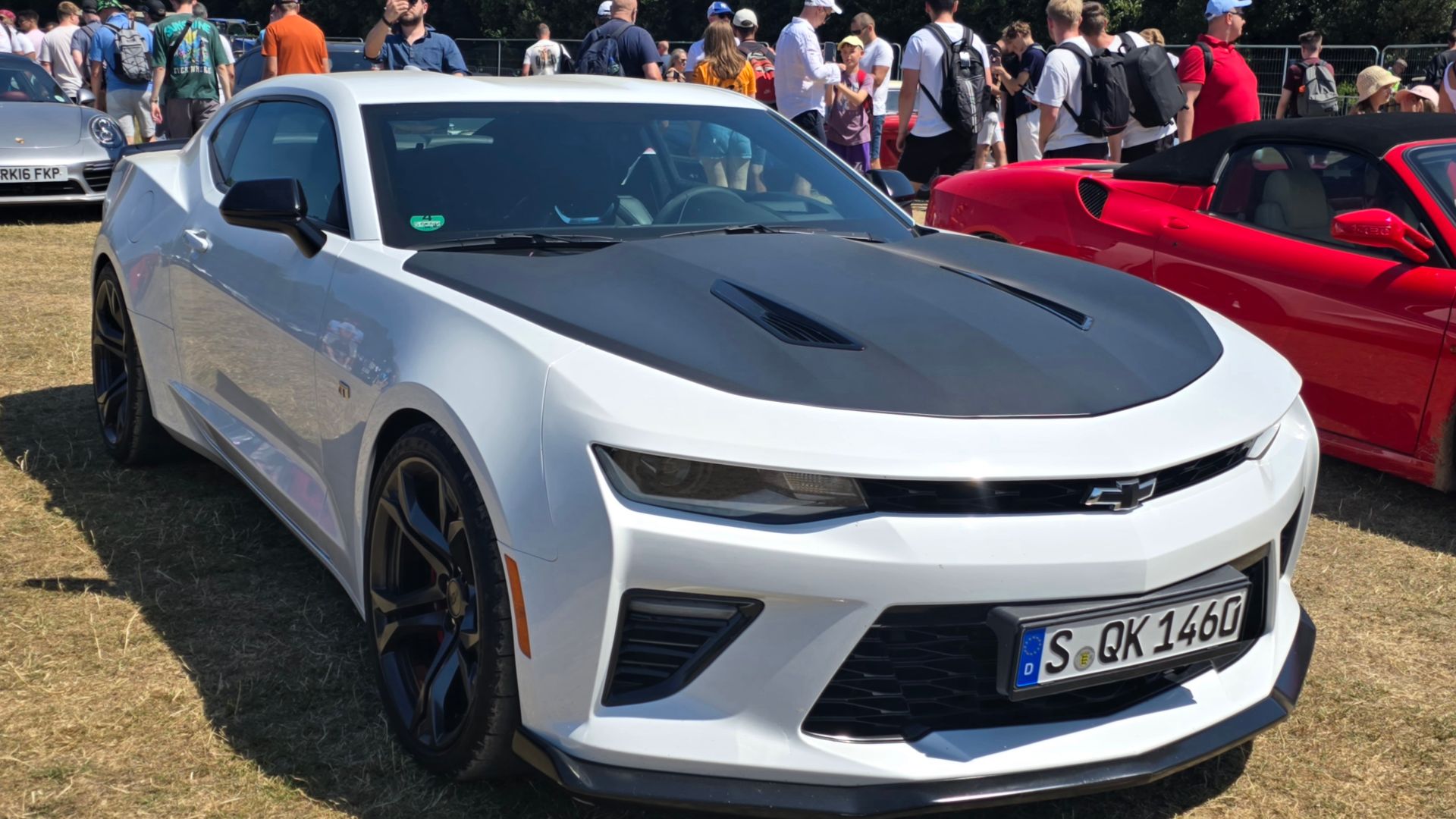
Vehicles often criticized for restricted visibility include the Chevrolet Camaro, Toyota C-HR, Infiniti QX70, Nissan Murano CrossCabriolet, and some sporty coupes with steep rooflines. Their styling and structural designs create larger blind areas than many competing vehicles.
SUVs Vary Greatly
Not every SUV suffers from poor visibility. Boxier SUVs generally offer larger windows and better sightlines than sleek crossover designs that prioritize sporty styling over outward visibility.
 Alexander Migl, Wikimedia Commons
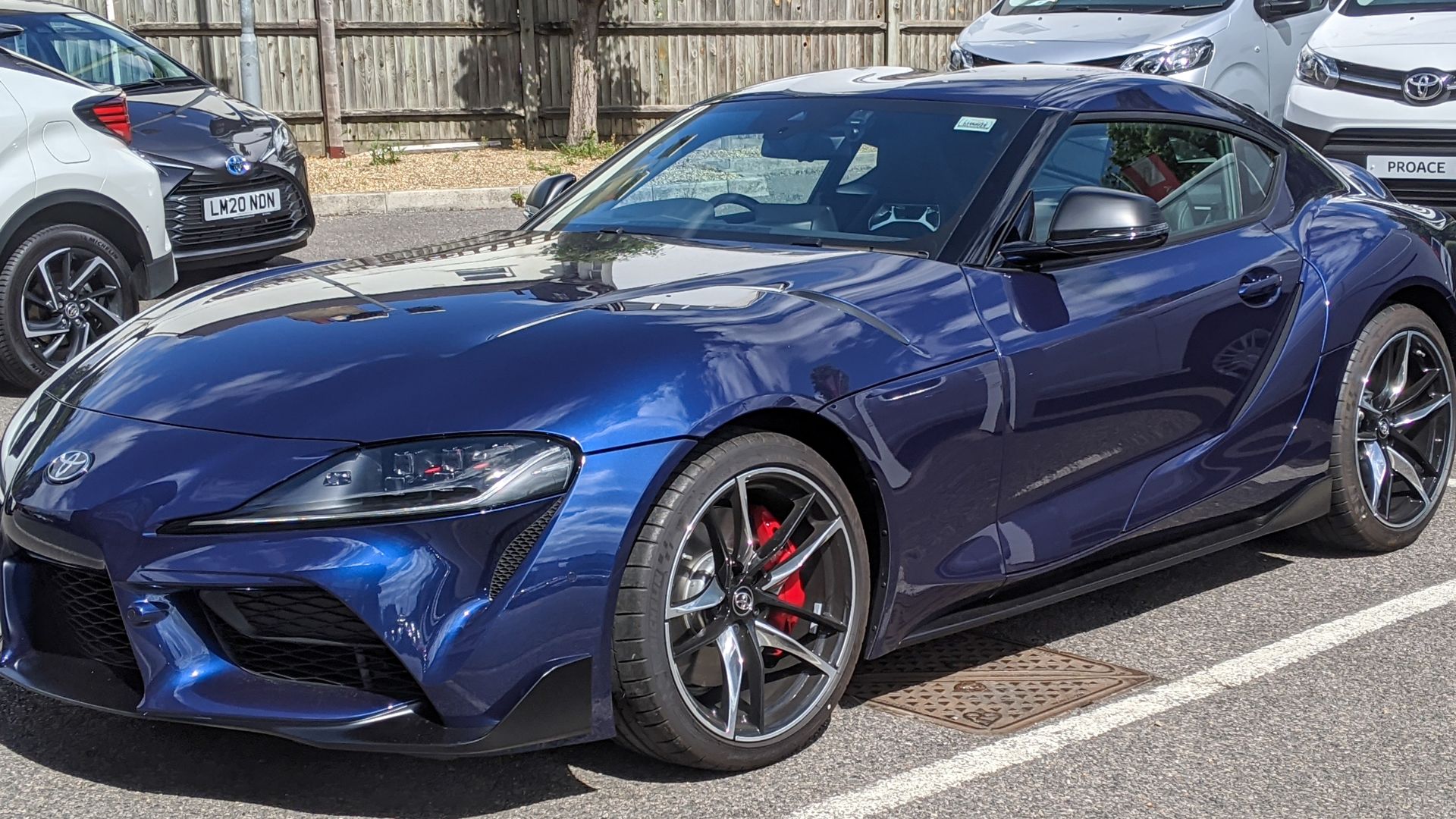
Sports Cars Compromise
Sports cars often feature low rooflines, sharply sloping windshields, and thick structural supports that enhance rigidity. These design choices improve performance and crash protection but frequently reduce visibility compared with family oriented vehicles.
 Chelsea Jay, Wikimedia Commons
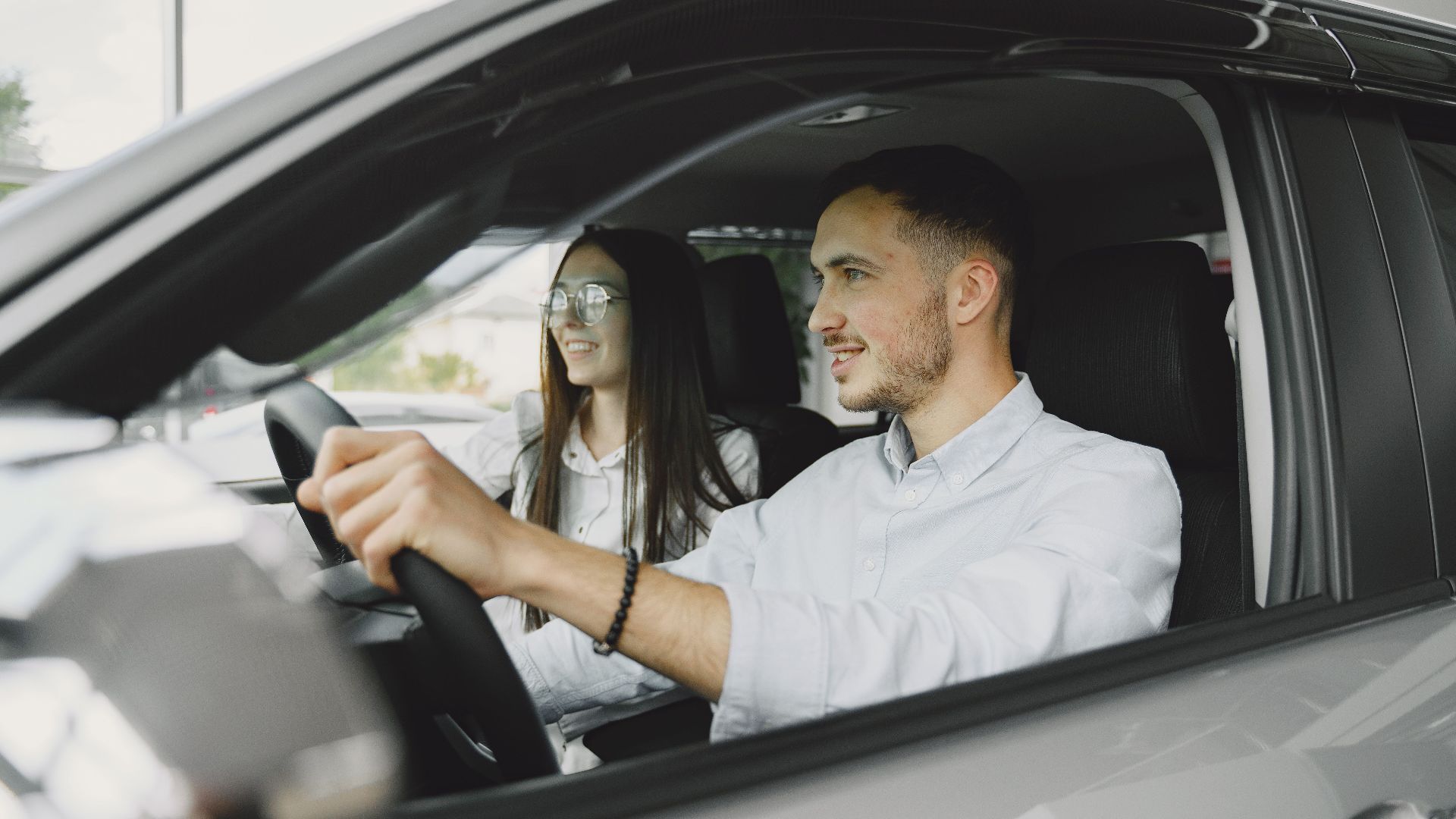
Test Drive Carefully
Before purchasing a vehicle, spend time driving through intersections, parking lots, and neighborhood streets. Notice whether roof pillars interfere with your ability to see cross traffic, pedestrians, or cyclists under realistic driving conditions.
Insurance Considerations
Poor visibility alone does not determine insurance premiums in the United States. However, vehicles with higher collision claim frequencies or expensive advanced safety technology may cost more to insure or repair after an accident.

Responsibility Remains Yours
If a visibility obstruction contributes to a crash, drivers generally remain legally responsible for operating their vehicles safely. Courts expect motorists to compensate for known blind spots by slowing down, scanning carefully, and exercising reasonable caution.

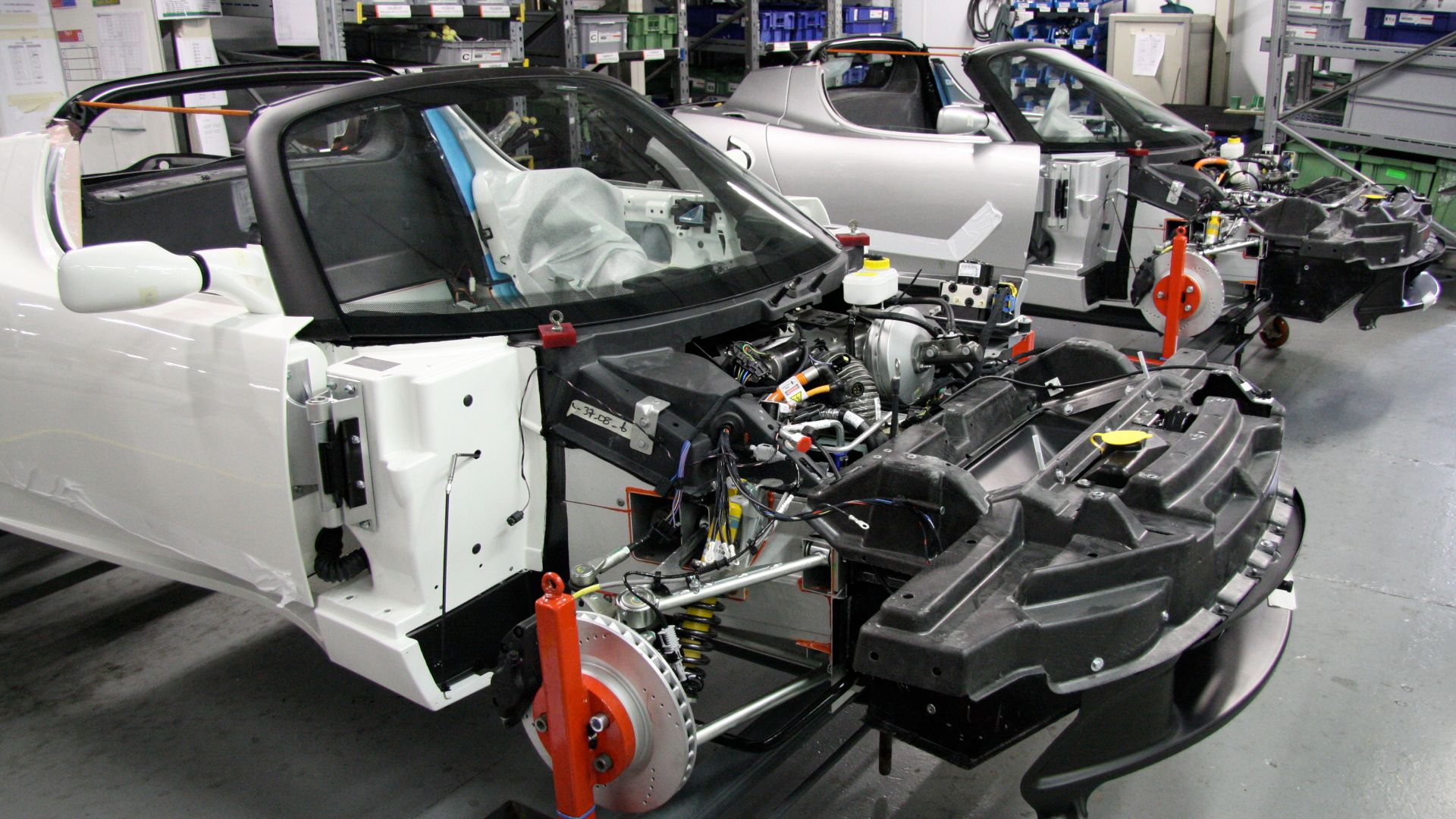
Technology Keeps Improving
Automakers continue developing stronger ultra high strength steels, aluminum structures, and composite materials that provide equivalent crash protection while allowing somewhat slimmer roof pillars than older construction methods permitted.
 Brian Snelson, Wikimedia Commons
Choose Your Priorities
Every vehicle involves compromises between styling, crash protection, performance, cargo space, and visibility. Understanding those tradeoffs helps you select a vehicle that best matches your own driving habits and comfort level.

Safe Driving Matters Most
You cannot redesign your vehicle's roof pillars, but you can adapt your driving habits. Careful scanning, proper seating position, thoughtful mirror adjustment, and patience at intersections significantly reduce the risks created by unavoidable structural blind spots.

You May Also Like:
Cars That Boomers Grew Up Driving That Wouldn't Pass Today's Safety Standards