It’s not just you—visibility really has gotten worse
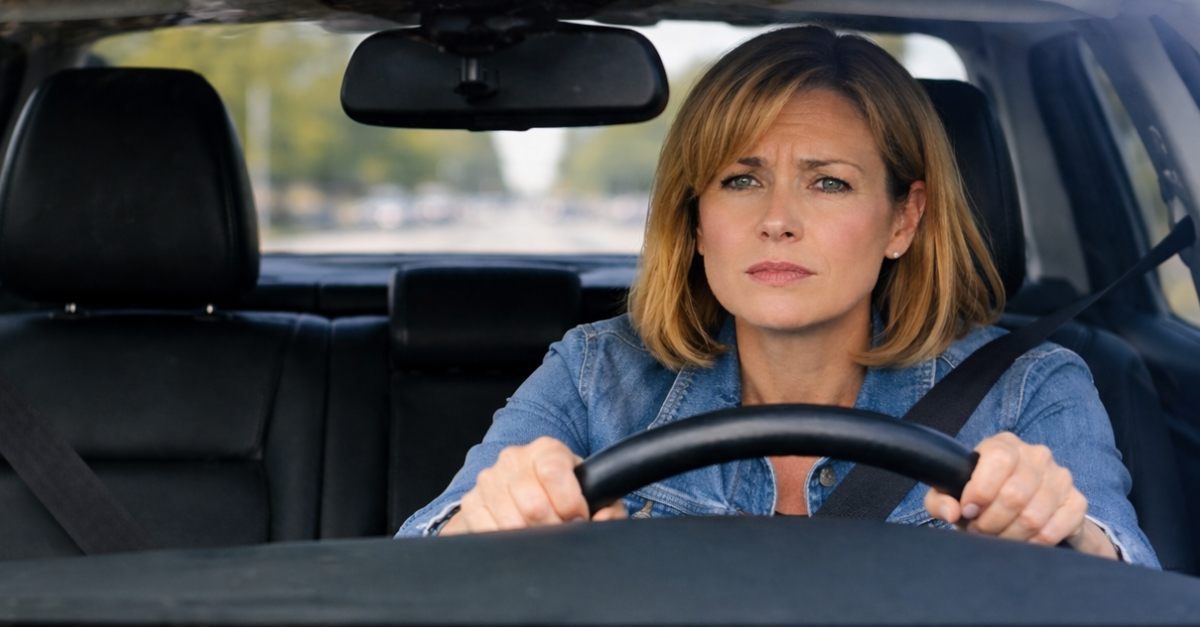
If you’ve climbed into a newer car and felt boxed in, that feeling isn’t nostalgia talking. Multiple studies now confirm a true and verifiable difference between older and newer vehicles. A difference that is measurable—and in some cases, dramatic.
Researchers finally found a way to measure what drivers can’t see
For years, complaints about visibility were subjective. That changed when the Insurance Institute for Highway Safety developed a method to map exactly how much of the area around a vehicle is visible from the driver’s seat, especially the critical space directly in front of the car.
The focus was on the most dangerous zone near your car
The IIHS measured visibility within roughly 10 meters—about 33 feet—of the vehicle. This area matters most at low speeds, where pedestrians, cyclists, pets, and small obstacles are most likely to be hidden by blind zones rather than speed or reaction time.
What they found surprised even safety experts
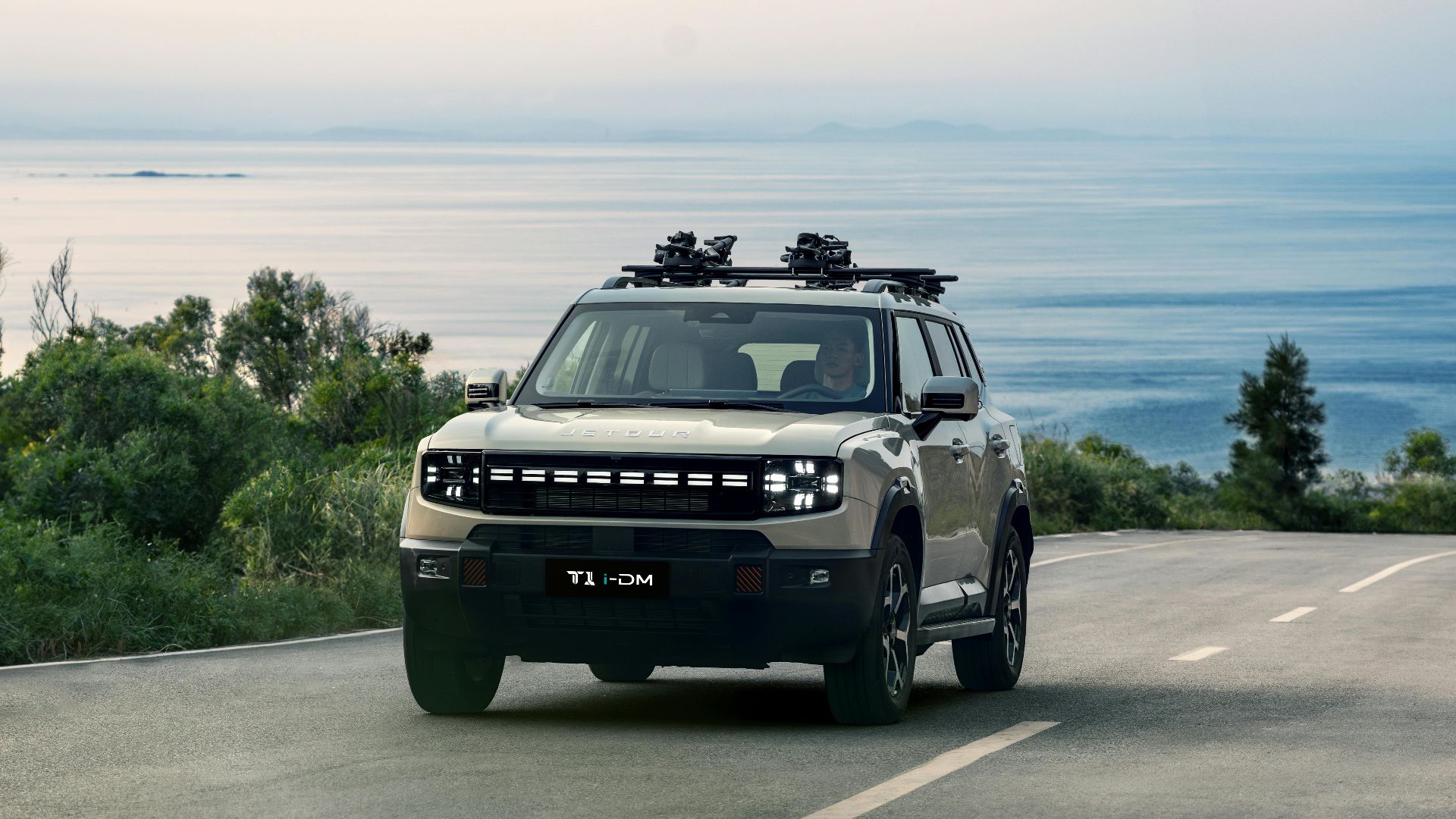
Across multiple vehicle categories, forward visibility has steadily declined since the late 1990s. In many modern vehicles, especially SUVs, large portions of the road directly in front of the bumper are completely invisible from the driver’s seat.
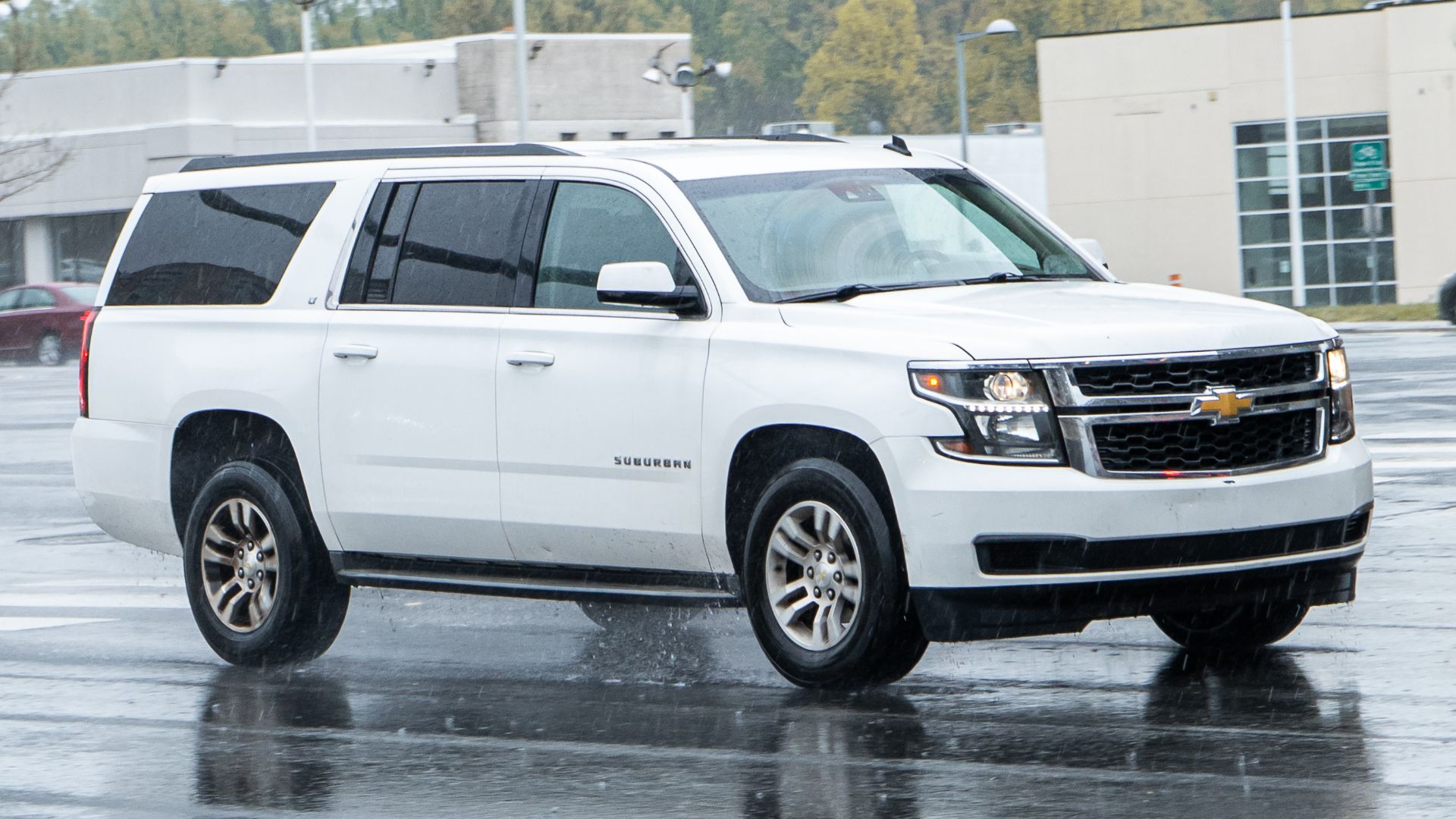
Some SUVs lost more than half their forward visibility
In extreme cases, newer SUV models showed up to a 58% reduction in visible area compared to older versions of the same vehicle. That means objects or people that would have been clearly visible years ago can now disappear entirely behind the hood line.
 OWS Photography, Wikimedia Commons
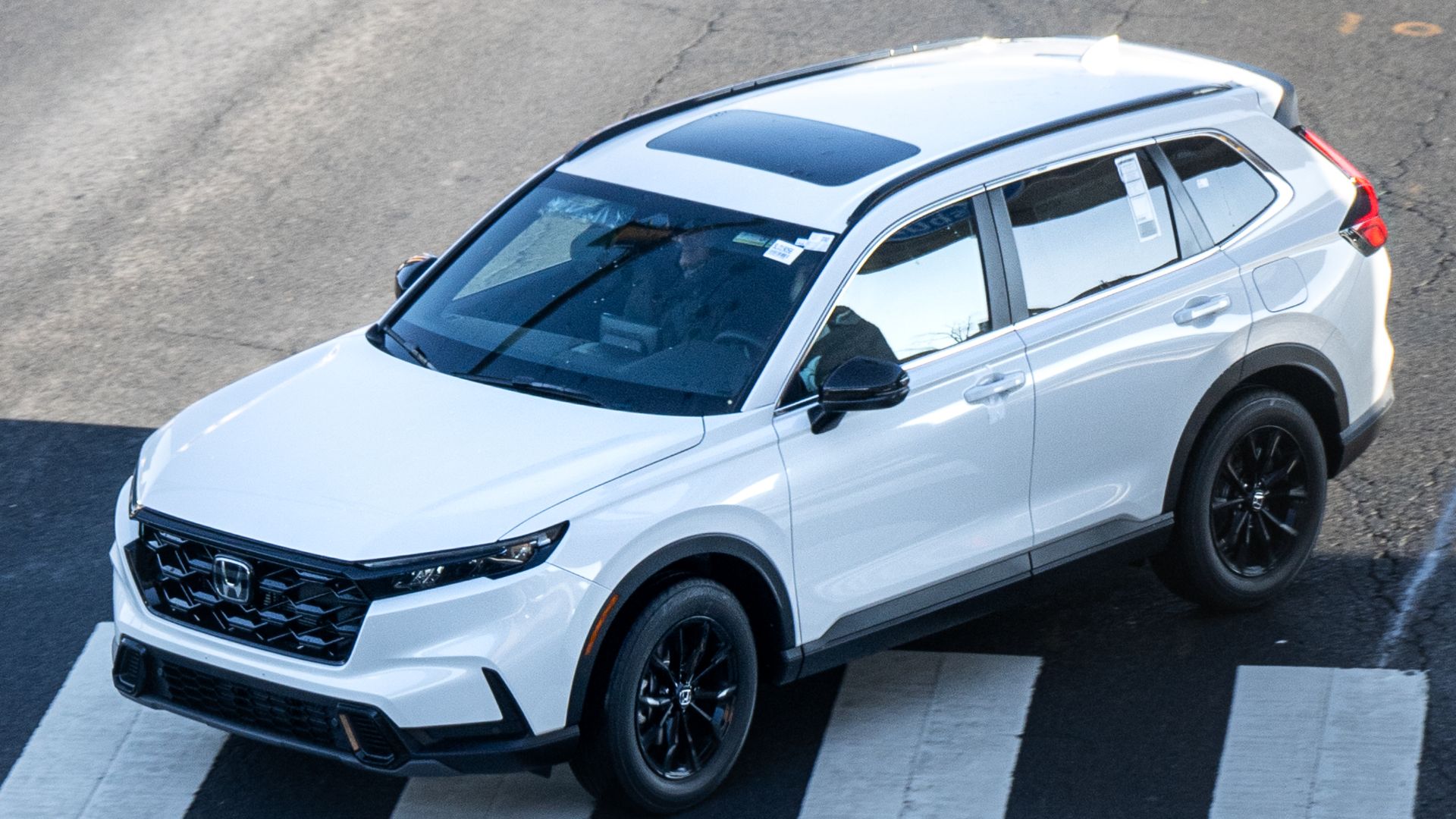
The Honda CR-V became a standout example
Early CR-V models allowed drivers to see roughly two-thirds of the area in front of the vehicle. Newer versions dropped to seeing less than one-third of that same space, largely due to increased hood height and front-end bulk.
 OWS Photography, Wikimedia Commons
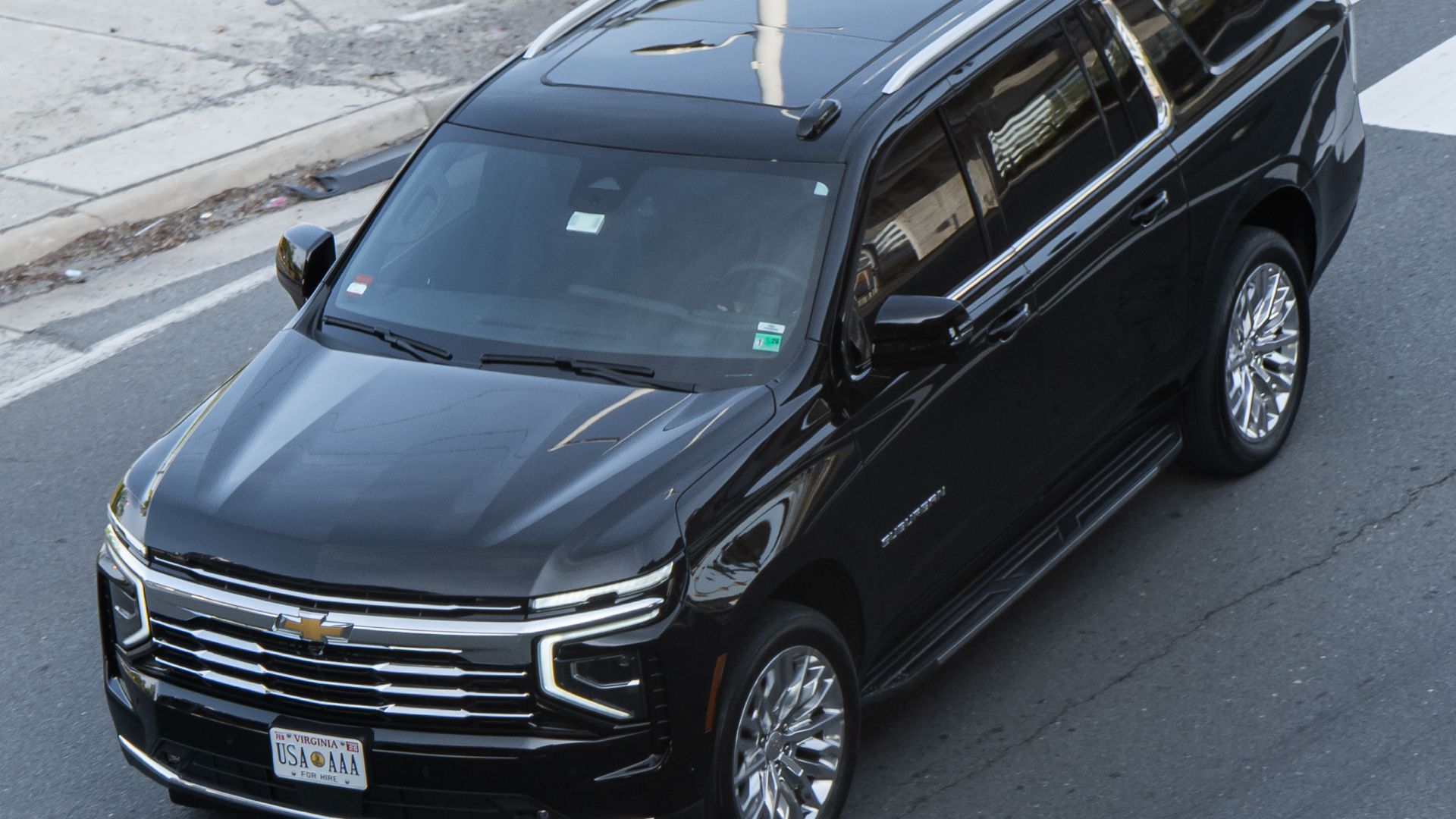
Large SUVs weren’t spared either
Vehicles like the Chevrolet Suburban experienced similar declines, with forward visibility shrinking from over half the visible area to closer to one-quarter. These changes didn’t happen overnight—they accumulated generation by generation.
 OWS Photography, Wikimedia Commons
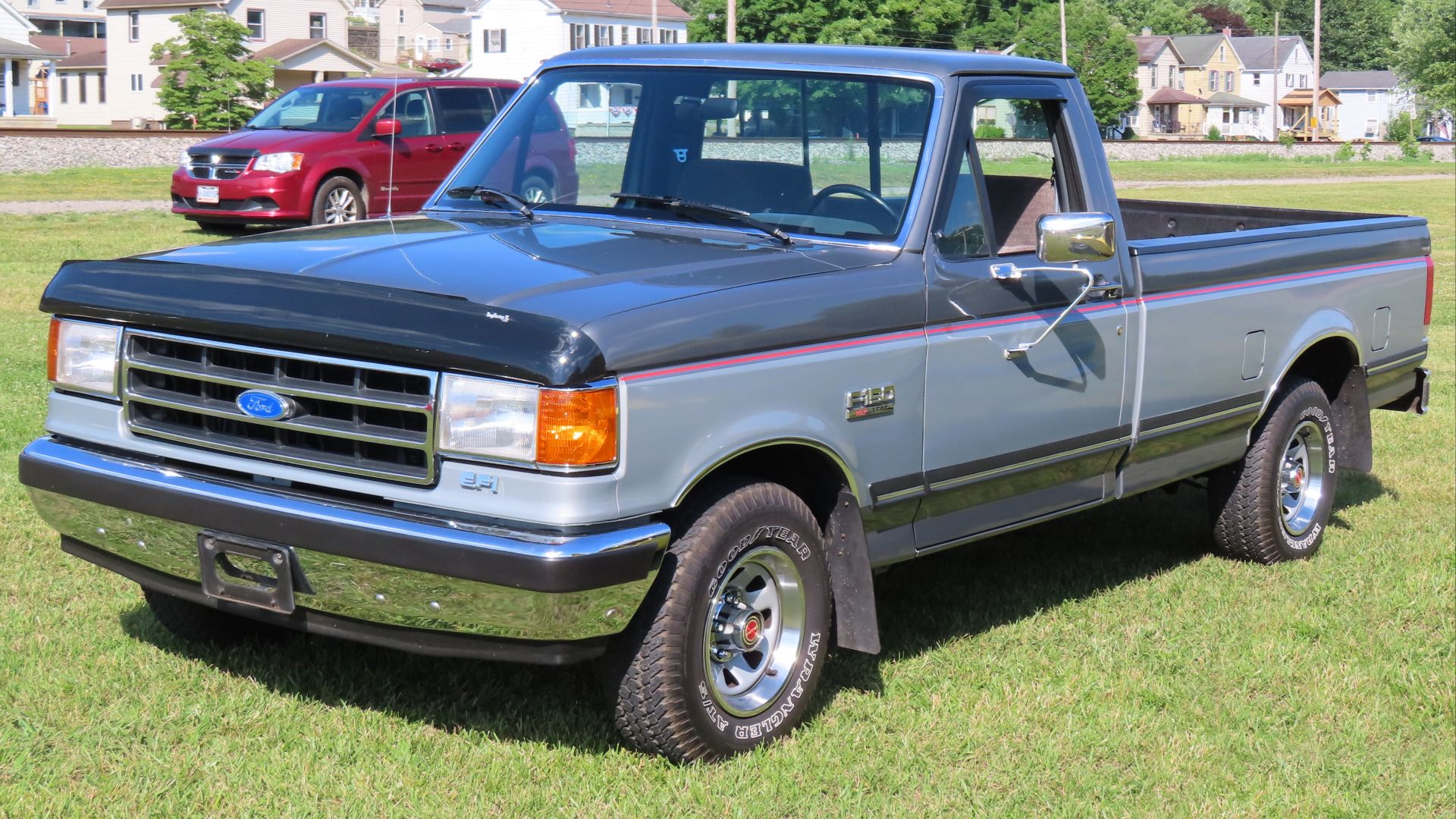
Pickup trucks followed the same pattern
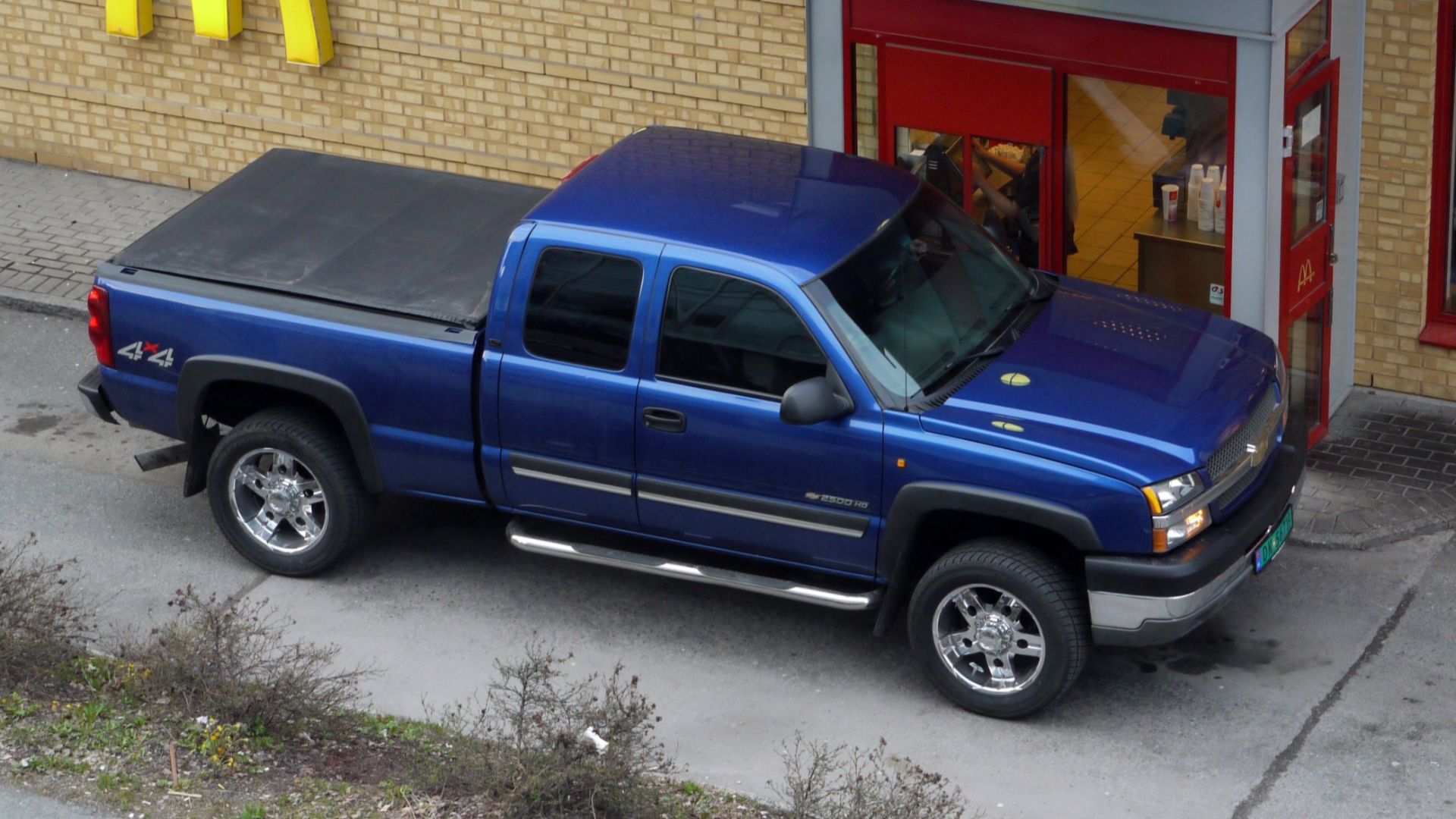
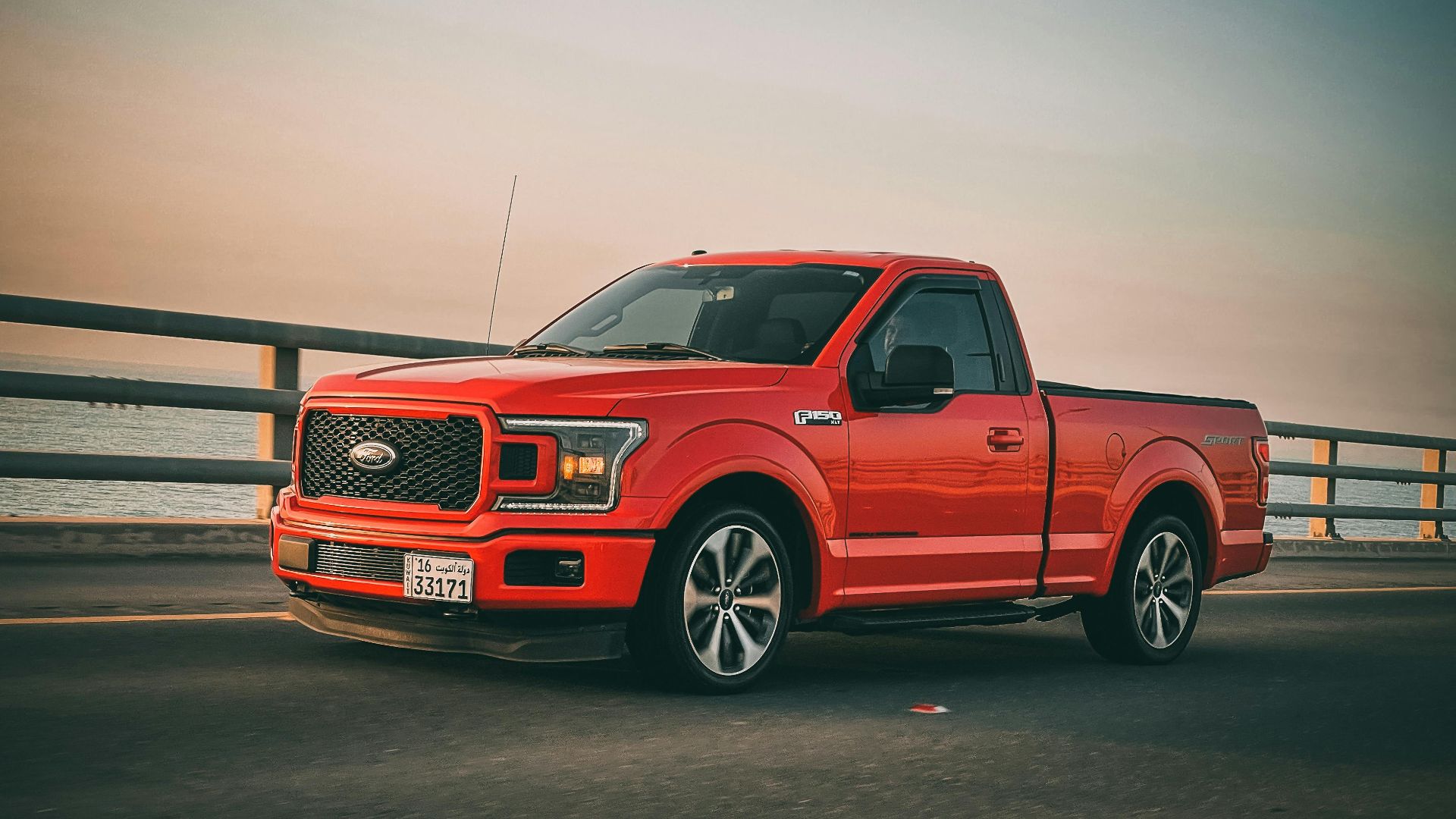
Even trucks, which already sat higher off the ground, saw visibility losses. A late-90s Ford F-150 allowed drivers to see more of the pavement ahead than current versions, despite newer models being packed with cameras and sensors.
 MercurySable99, Wikimedia Commons
Sedans did better—but still lost ground
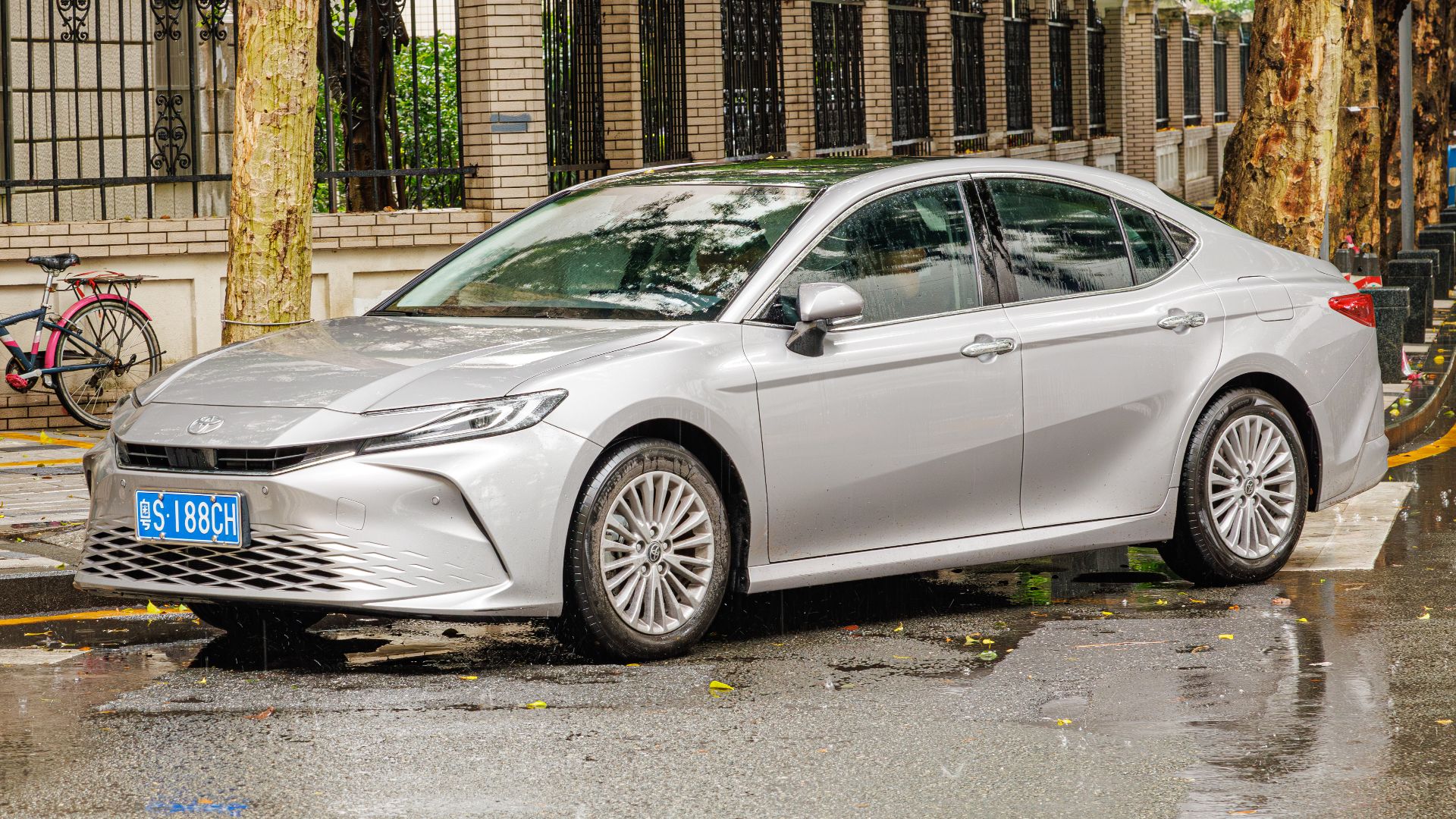
Traditional sedans like the Toyota Camry and Honda Accord experienced smaller declines, often under 10%. Still, the trend was consistent: newer models almost never improved direct outward visibility compared to their older counterparts.
 Dinkun Chen, Wikimedia Commons
This isn’t about opinion—it’s about geometry
Across nearly every model studied from 1997 to 2023, sightlines worsened. The reason wasn’t driver posture or seat design. It came down to vehicle shape, structure, and how much physical material now sits between the driver and the road.
The obvious suspect: thicker pillars
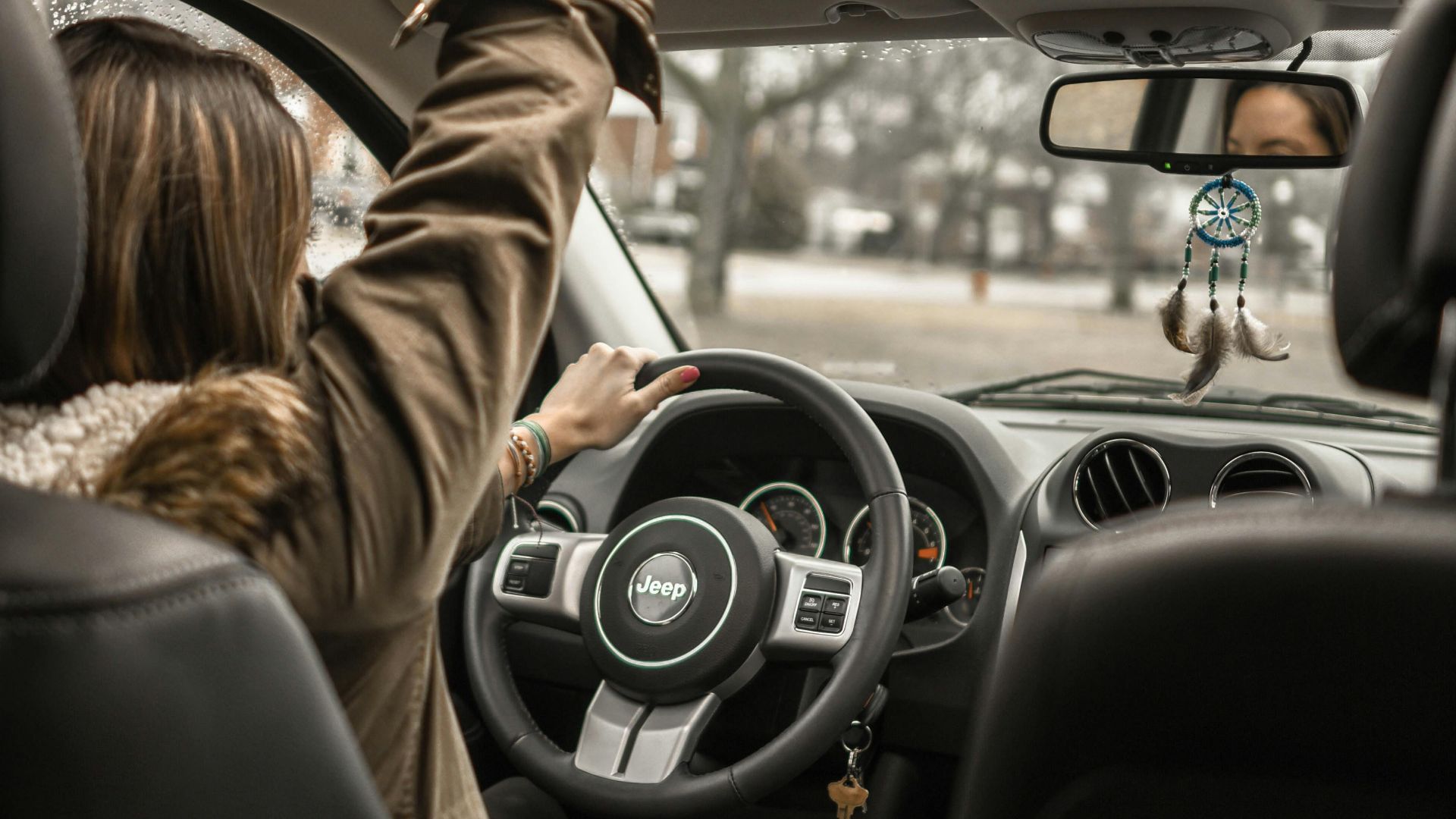
A-pillars—the vertical supports on either side of the windshield—are much thicker today than they were decades ago. They’re designed to protect occupants during rollovers and roof-crush events, but they can also block sightlines when turning or approaching intersections. While they contribute to blind zones, studies show they’re not the only—or even the biggest—factor.
But pillars aren’t the biggest problem
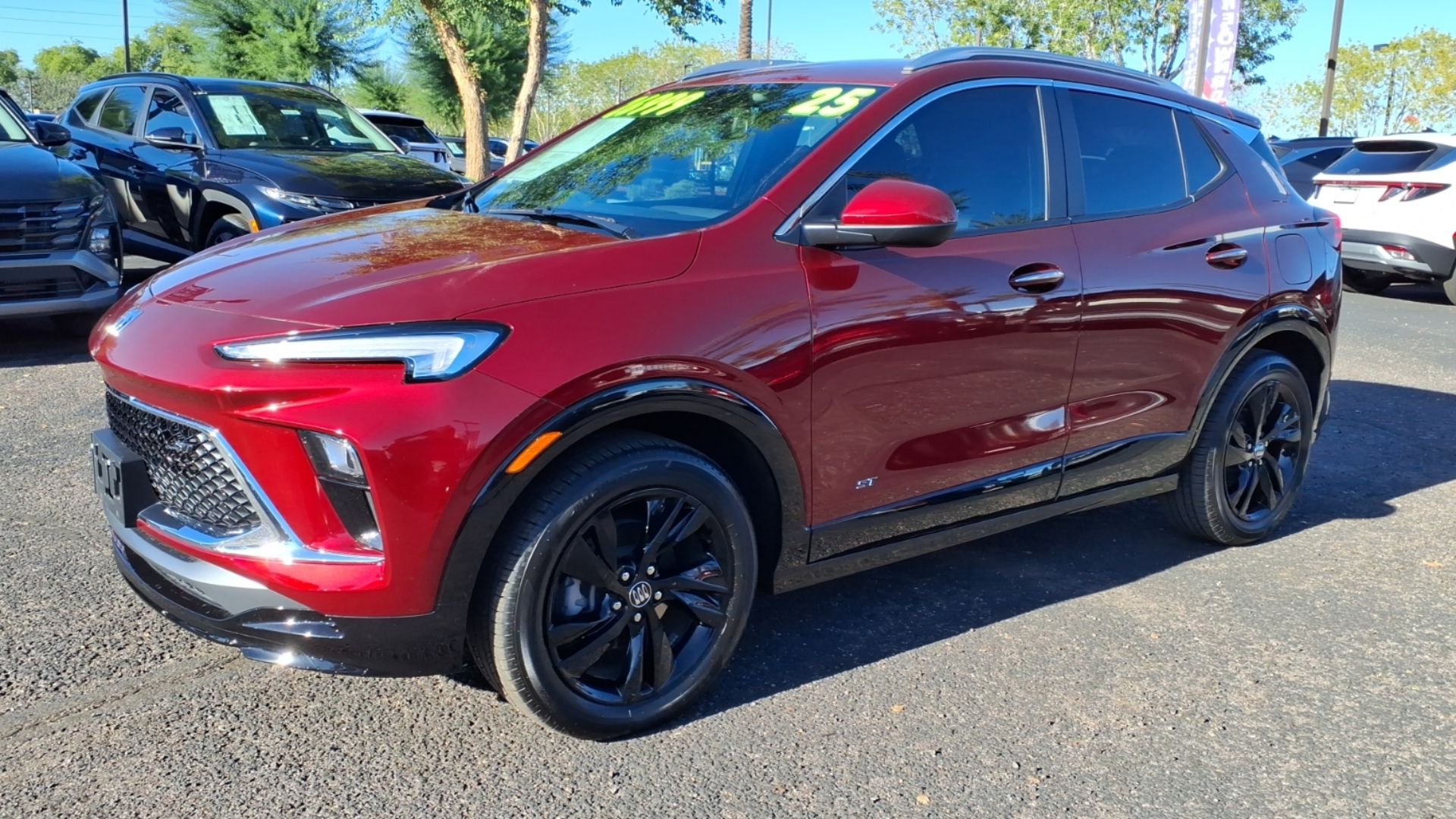
Surprisingly, researchers found that taller hoods and larger side mirrors often contribute more to forward blind zones than pillars do. These components block the driver’s view of what’s directly in front of the vehicle at low speeds.
 Mic from Reading - Berkshire, United Kingdom, Wikimedia Commons
Why hoods keep getting taller
Modern crash standards and pedestrian impact requirements encourage higher, flatter front ends. While this improves safety in certain collisions, it raises the hood line—and with it, the driver’s blind spot just beyond the bumper.
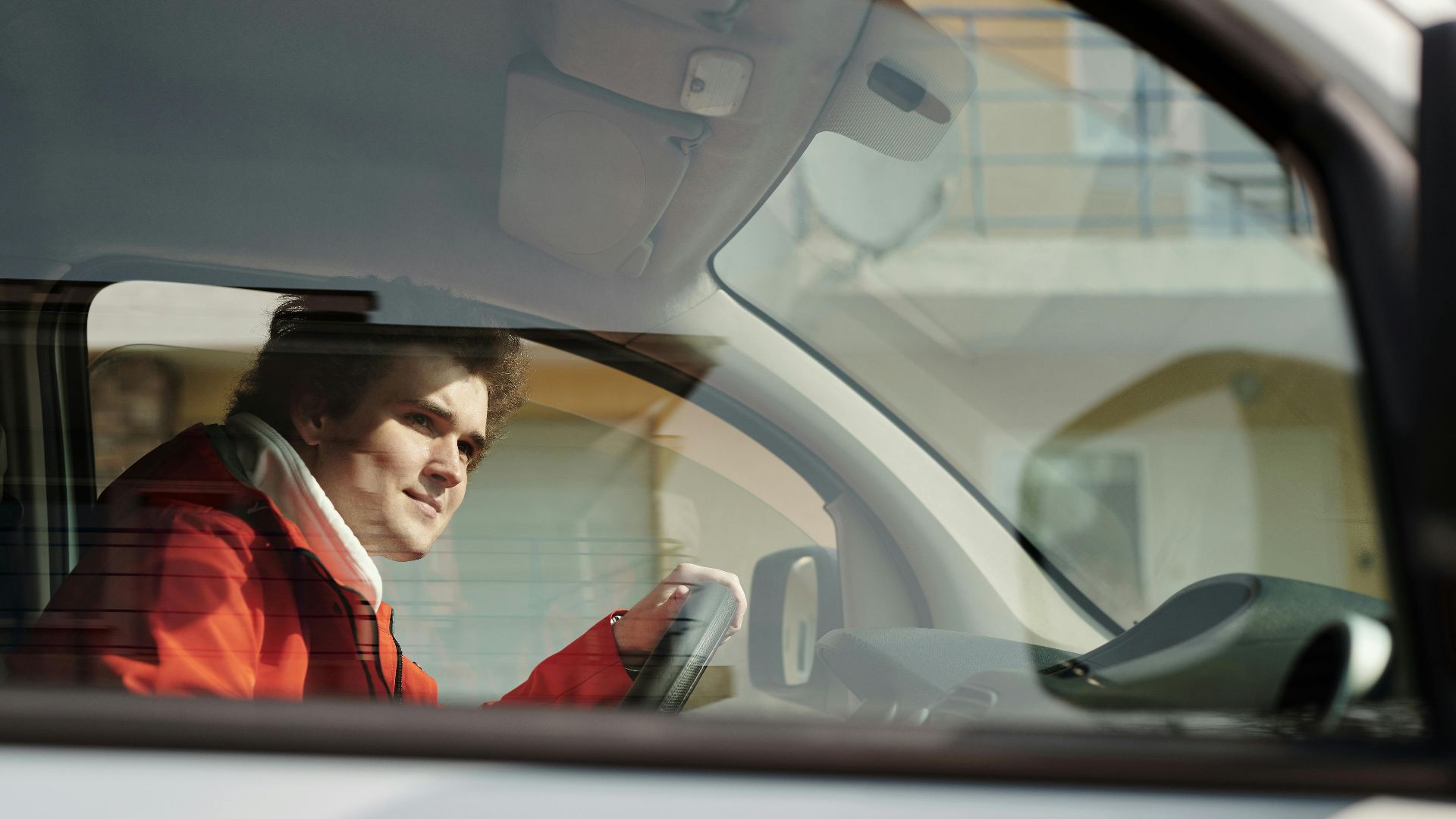
Side mirrors have quietly grown massive
Bigger mirrors improve rearward visibility and house sensors and cameras, but they also intrude into the driver’s peripheral vision. When combined with thicker pillars, they can create large triangular blind zones near intersections.
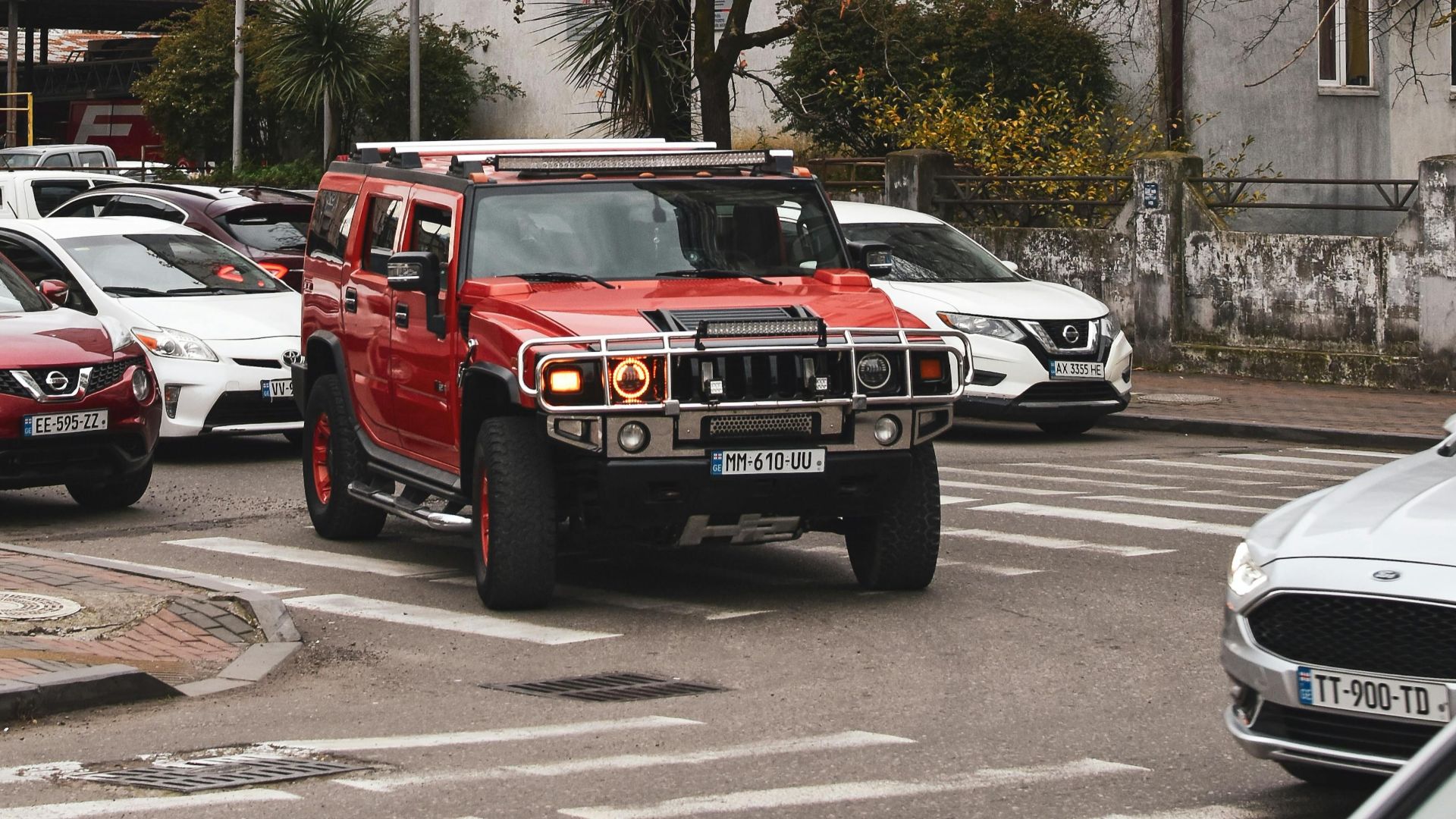
All of this was done in the name of safety
There’s no conspiracy here. Over the past few decades, vehicles have gained stronger roof structures, reinforced pillars, and larger crumple zones. These changes have generally improved crash protection and occupant safety overall, even though they weren’t specifically evaluated as part of visibility studies.
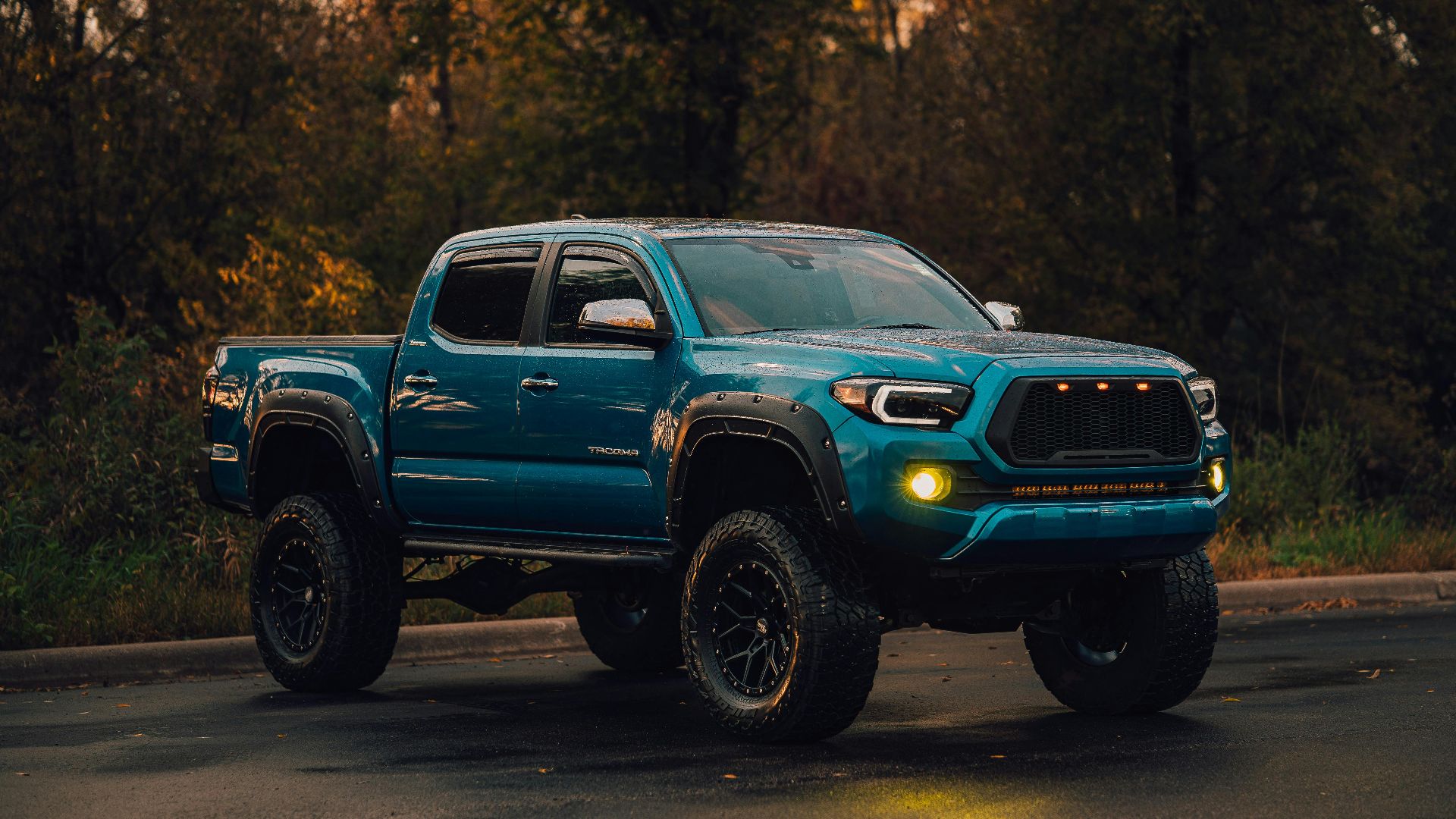
But safety always involves trade-offs
As vehicles became stronger and heavier, glass areas shrank. Windows got smaller, dashboards rose higher, and beltlines crept upward. The result is a cabin that protects occupants well—but limits what they can see.
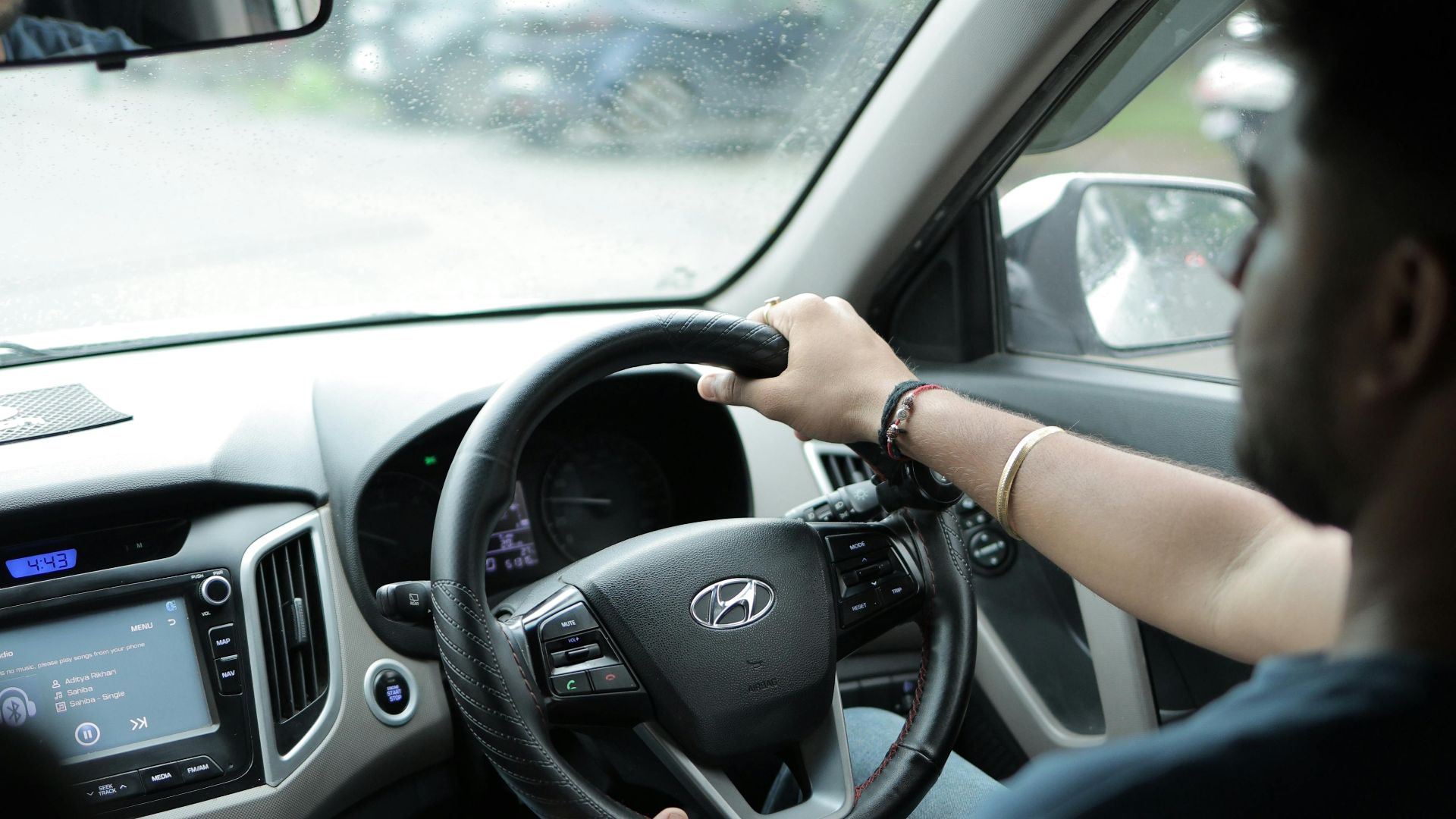
SUVs now dominate the road
By the early 2020s, SUVs and light trucks accounted for more than 80% of new vehicle sales in the U.S. Even if sedans maintained better visibility, the average driver now sits in a vehicle with inherently worse sightlines.
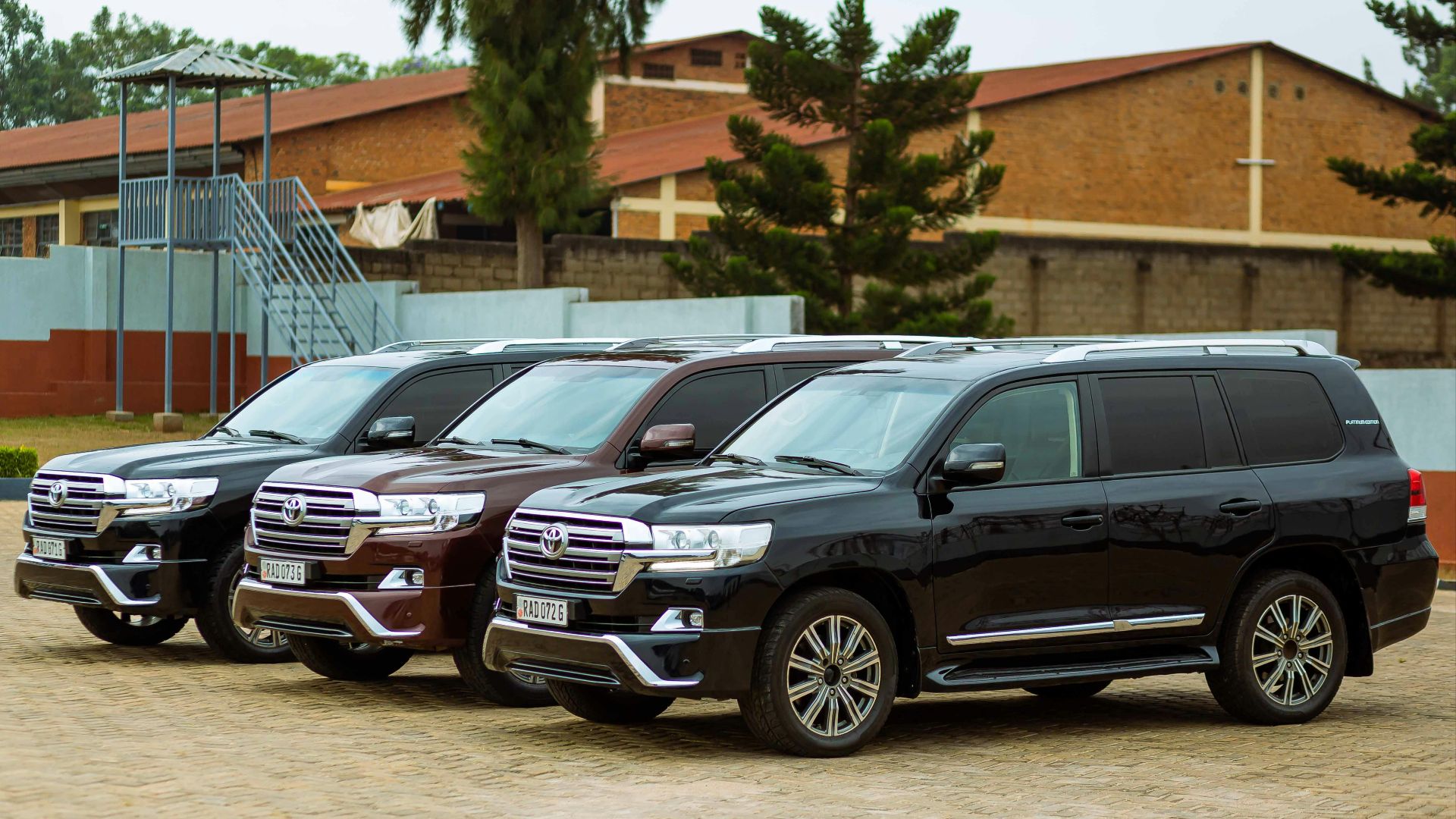
That changes the overall driving experience
More blind zones mean more reliance on mirrors, cameras, and alerts. It also means higher risk during parking, turning, and low-speed maneuvers—exactly where visibility matters more than advanced crash protection.
Pedestrians and cyclists are most affected
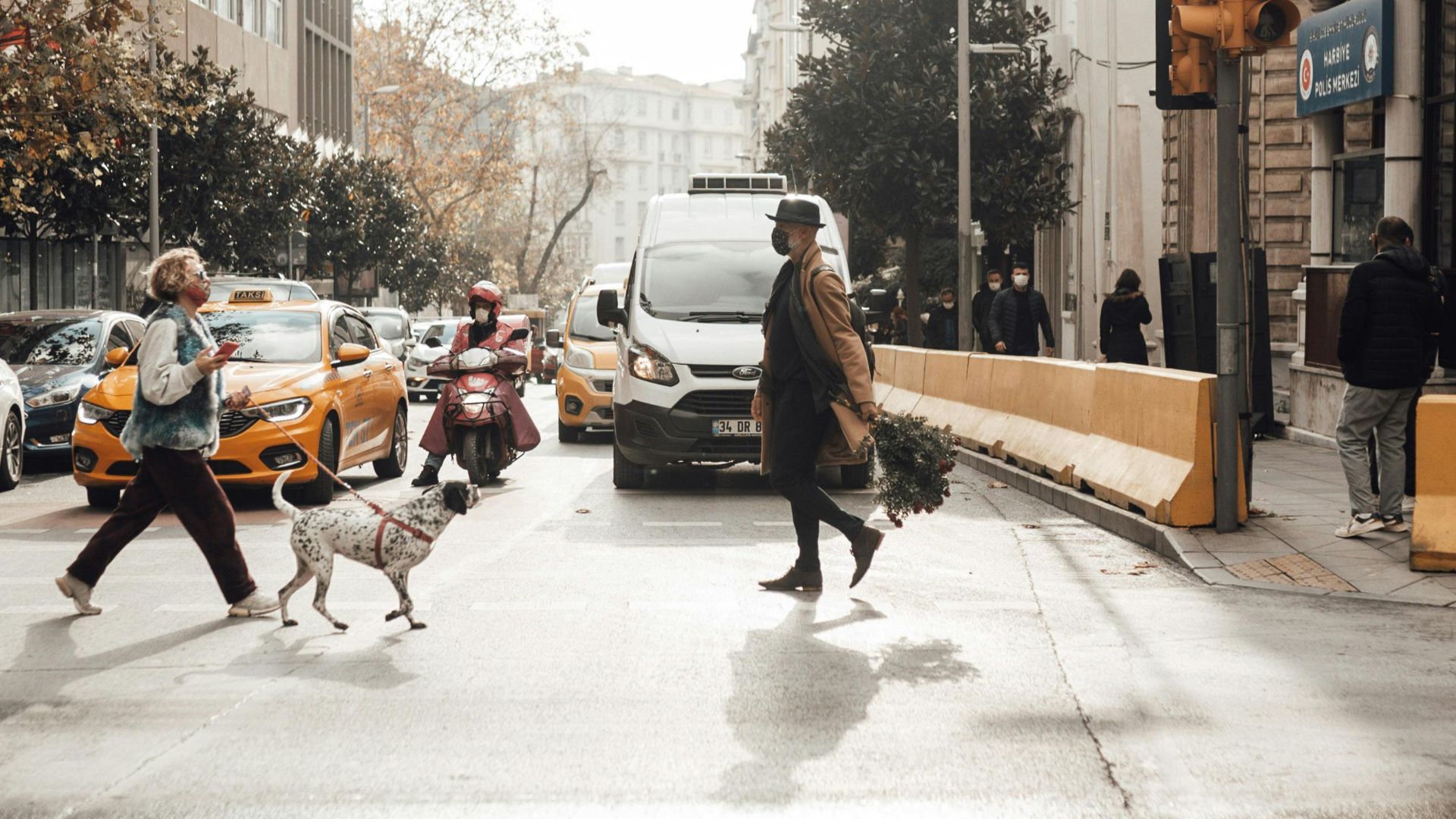
Reduced near-field visibility makes it harder to spot pedestrians, cyclists, and small obstacles close to the vehicle—especially at low speeds and intersections. During the same period that vehicle blind zones increased, pedestrian and cyclist fatalities in the U.S. also rose significantly. Researchers note the overlap is concerning, but the exact role reduced visibility plays is still being studied.
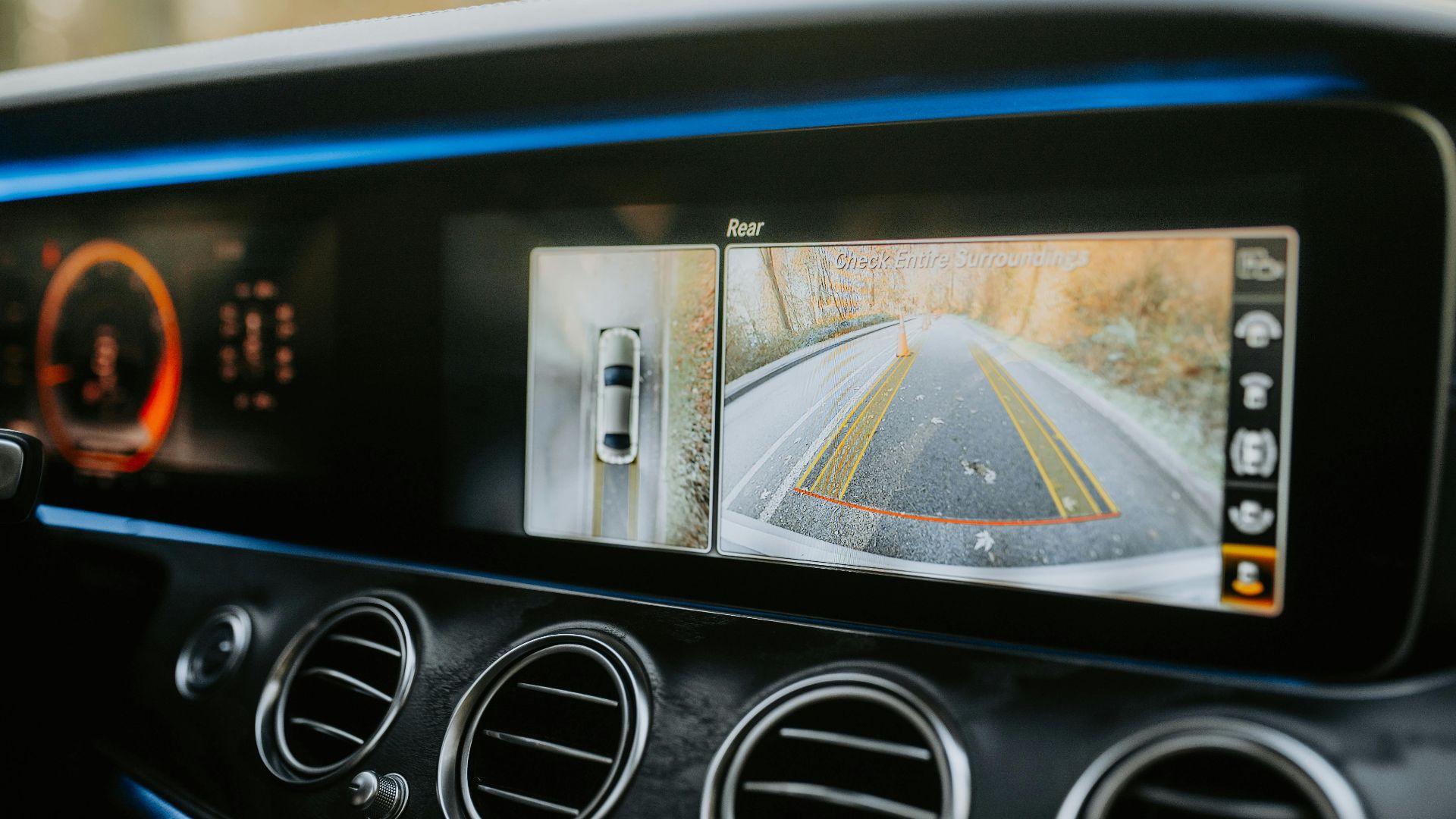
Technology helps—but it doesn’t replace eyesight
Backup cameras, 360-degree views, and blind-spot monitoring fill in gaps, but they depend on screens, alerts, and driver attention. They assist vision—they don’t restore it.
Some automakers are experimenting with fixes
Concept vehicles have tested transparent A-pillars using cameras and screens, along with augmented displays that show hidden areas. These solutions exist, but they haven’t become widespread or standard yet.
Drivers are left adapting on their own
That means learning your vehicle’s blind zones, adjusting mirrors carefully, and slowing down in tight spaces. Modern driving often requires more conscious effort just to see what used to be obvious.
The big takeaway
Cars today are significantly safer when crashes happen—but many drivers now have less direct visibility of the space immediately around their vehicles than they did 25 years ago. That trade-off isn’t always obvious, and it affects how drivers experience everyday situations like parking, turning, and low-speed driving.
You Might Also Like: