

Yesterday’s Cars, Today’s Bargains
The used-car market can be brutal to yesterday’s must-haves. Big sedans, thirsty luxury SUVs, orphaned brands and early EVs often lose buyers faster than they lose usefulness. That can leave some surprisingly capable vehicles selling cheaply, although depreciation sometimes comes with very good reasons for caution.
 Factinate Ltd; Dinkun Chen, Wikimedia Commons
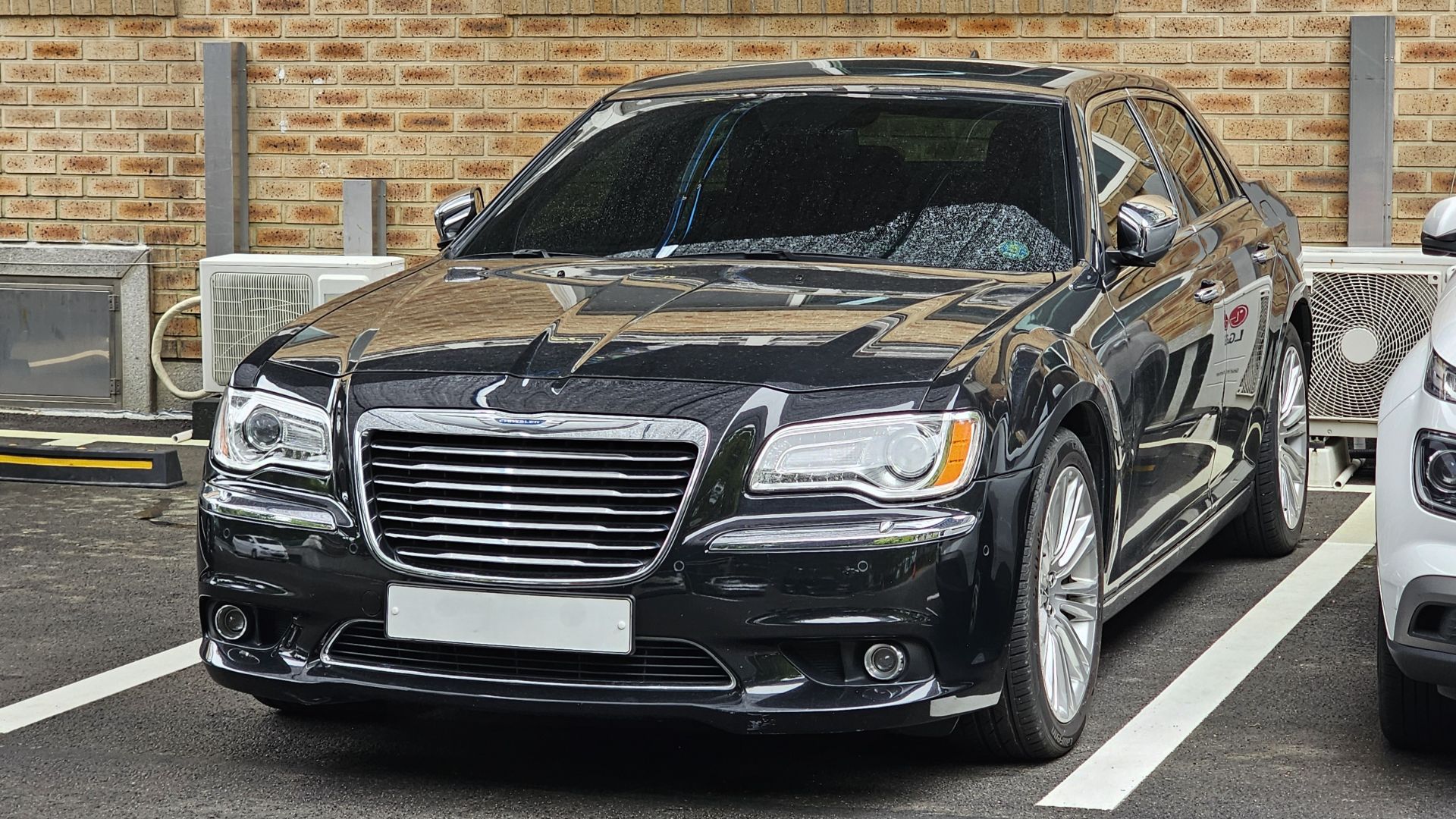
Chrysler 300 (2005–2023)
The 300’s swagger once made it one of America’s most recognizable sedans. Today, shoppers overwhelmingly favor SUVs and crossovers, while Chrysler ended 300 production after 2023. That shrinking audience hurts resale values: iSeeCars has calculated five-year depreciation of roughly 52%, worse than the large-car average.
 Damian B Oh, Wikimedia Commons
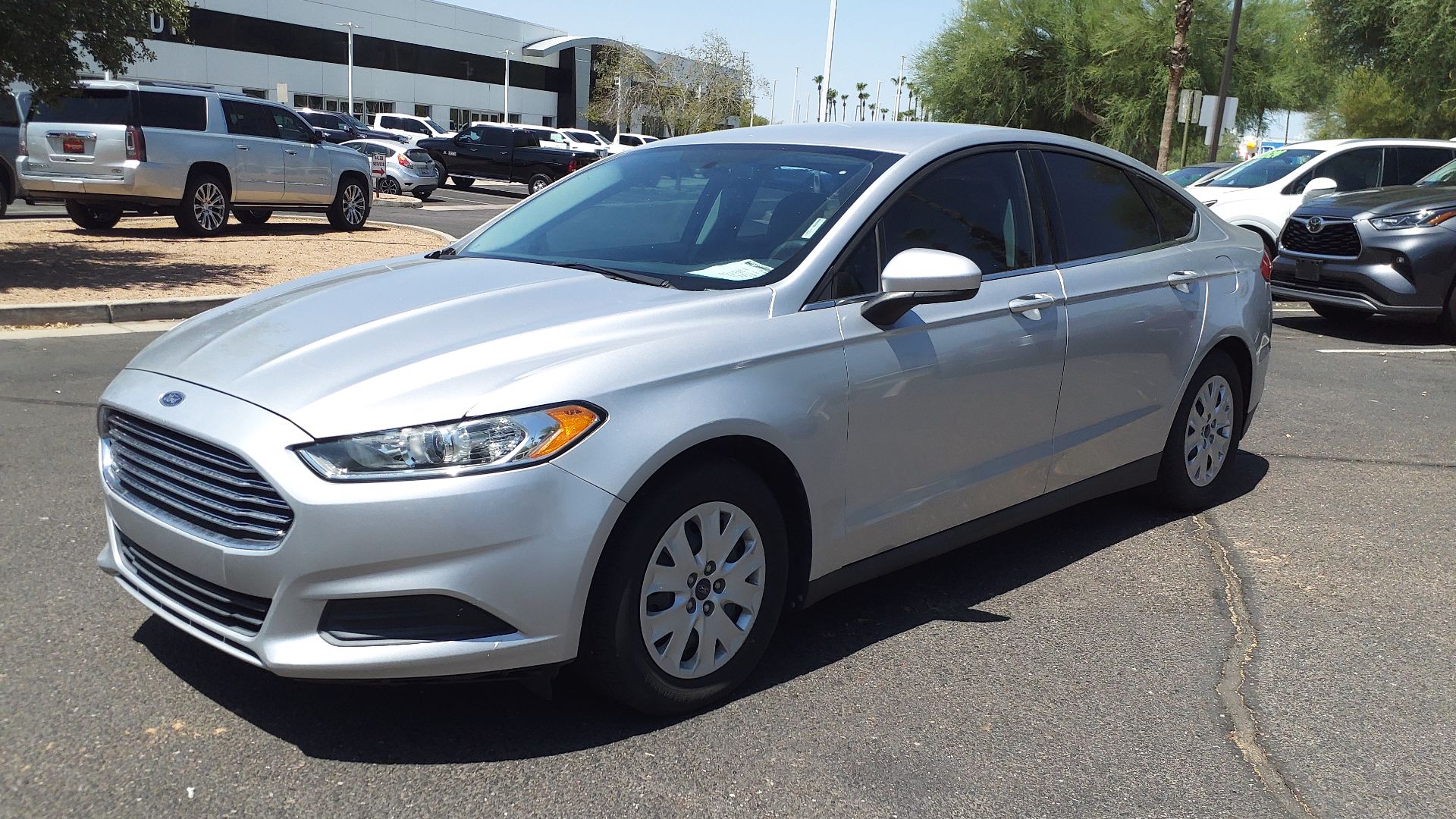
Ford Fusion (2006–2020)
The Fusion is almost a perfect example of an unfashionable car becoming an attractive used buy. Ford discontinued it after 2020 as buyers migrated toward trucks and SUVs. KBB currently puts a typical 2020 Fusion S at around $12,250 retail, with higher trims and hybrids remaining surprisingly affordable too.
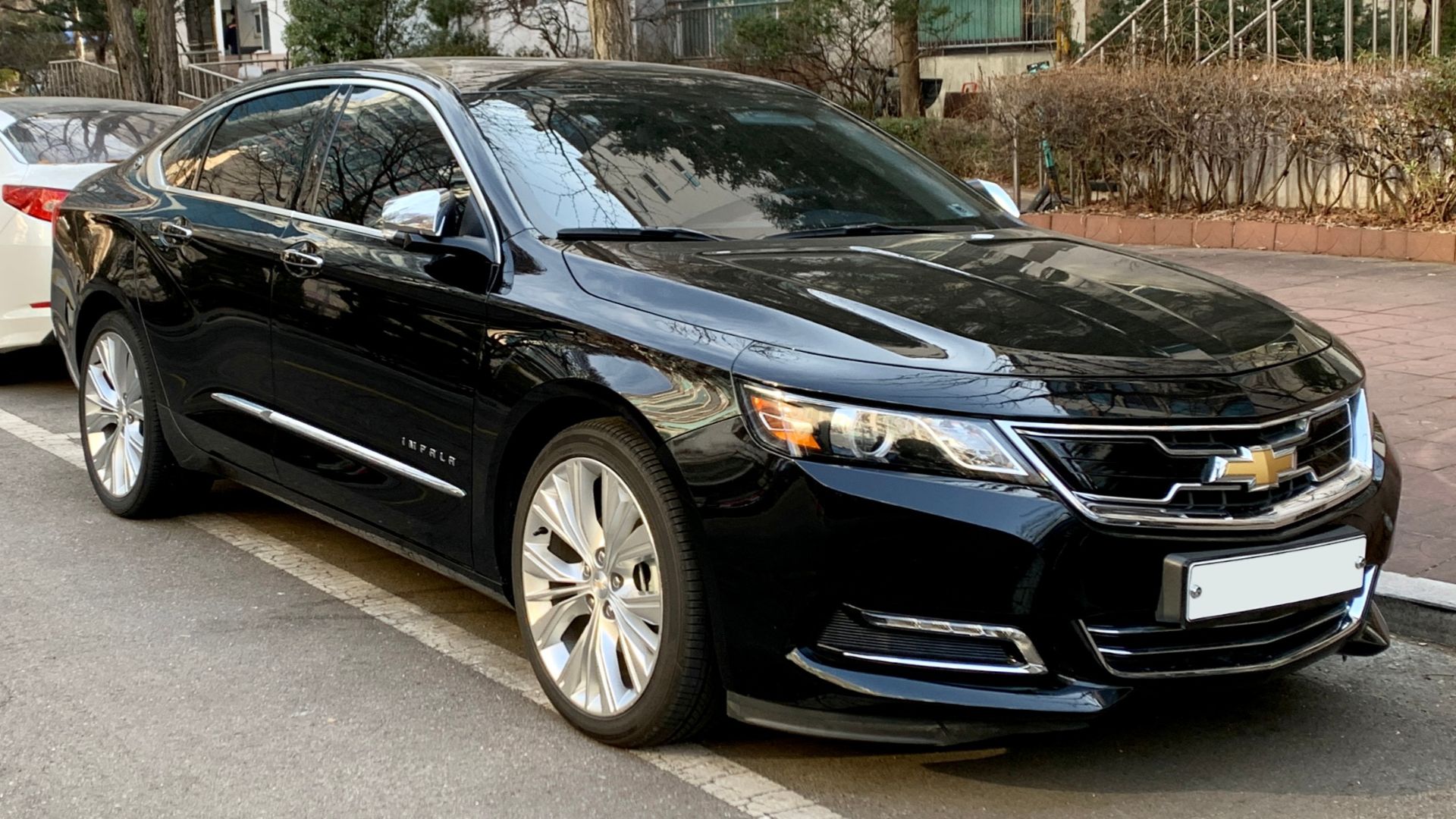
Chevrolet Impala (2000–2005; 2006–2020)
The final Impala was roomy, comfortable and far more polished than the fleet-special reputation associated with earlier versions. Unfortunately for sellers, Americans stopped wanting traditional full-size sedans. Production ended in 2020, and KBB currently values a 2019 example at roughly $11,450 for resale, depending on mileage and condition.
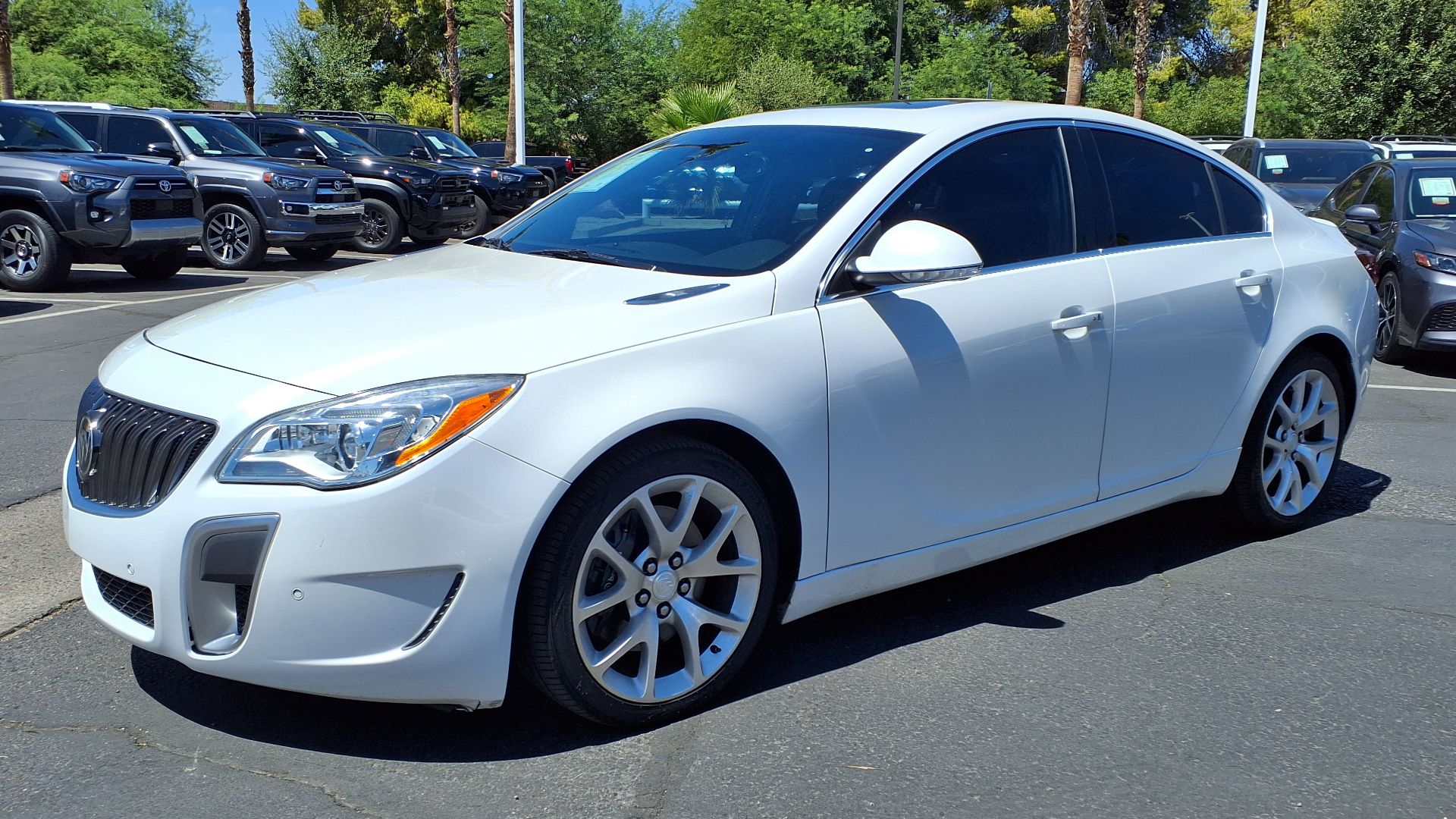
Buick Regal (2011–2020)
Buick's later Regal was arguably caught between worlds. It wasn't quite a luxury car, wasn't marketed as a performance car, and arrived when buyers were abandoning conventional sedans. That identity crisis benefits used shoppers. KBB currently estimates a 2017 Regal's resale value at about $9,025.
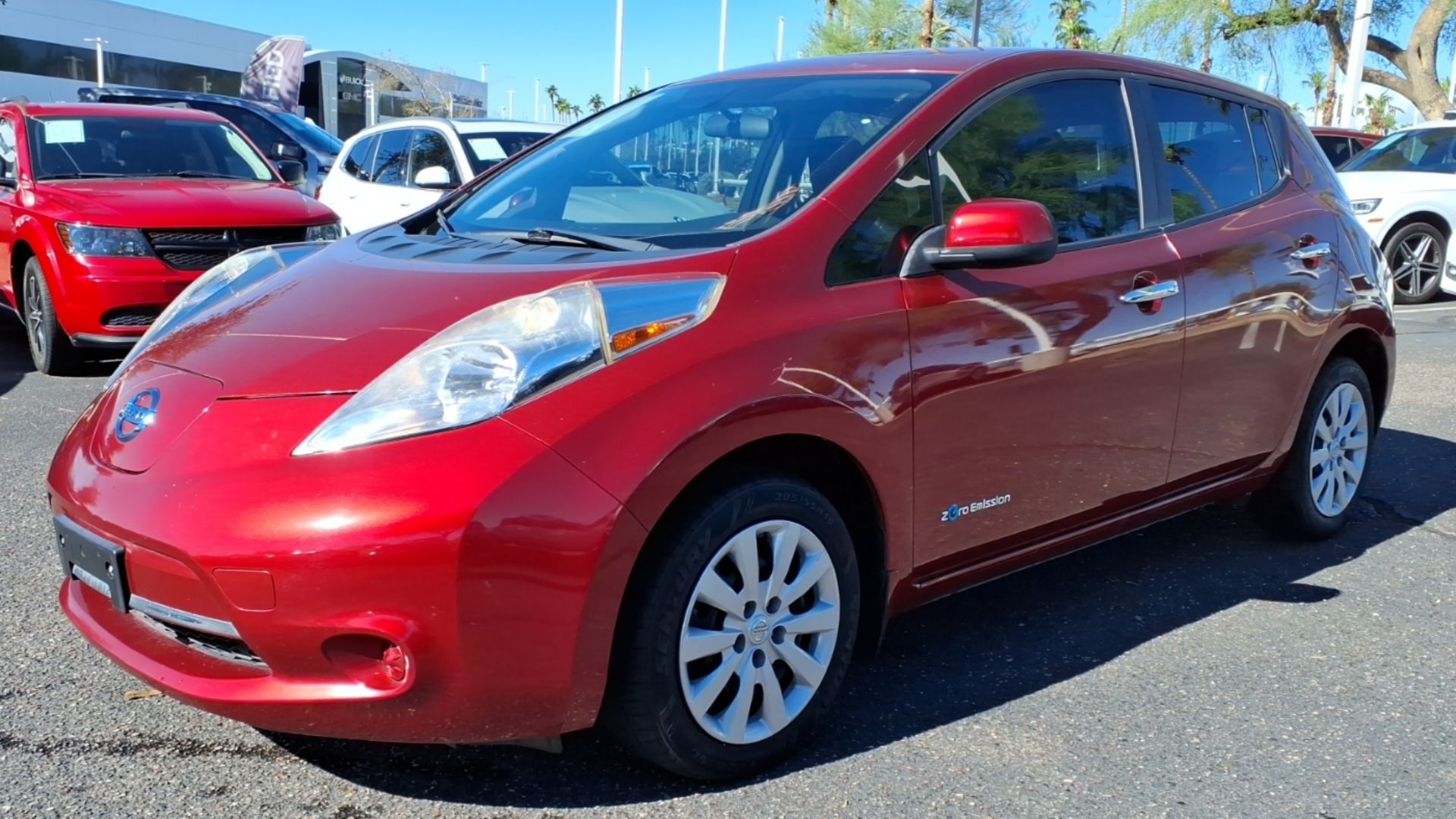
Nissan Leaf (2011–Present)
Early Leafs can look absurdly inexpensive for relatively modern cars, but there's a catch. Older batteries can suffer significant degradation, and the Leaf's CHAdeMO fast-charging connector is increasingly obsolete in North America. Anyone tempted by the price should investigate the individual car's battery health before buying.
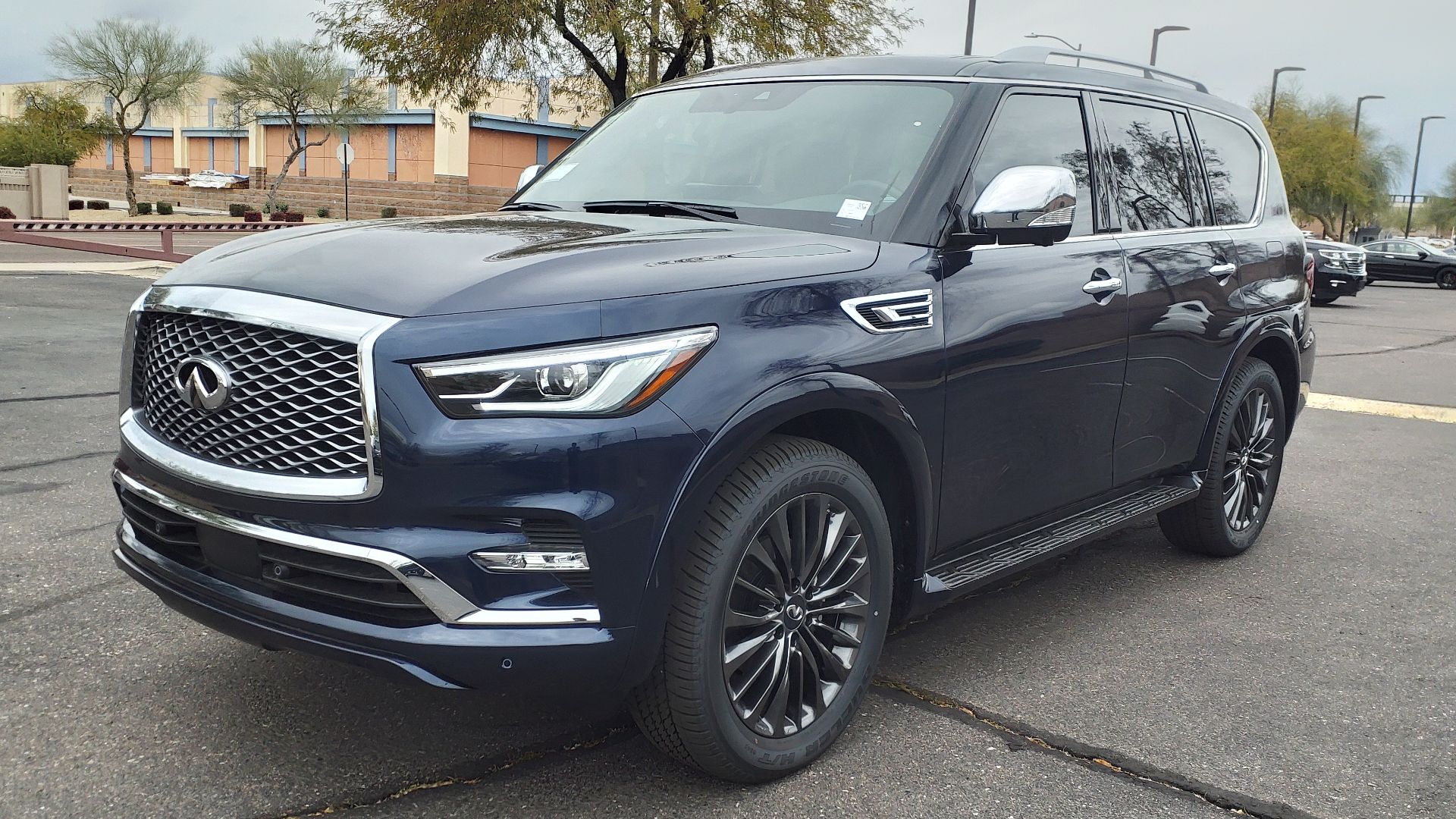
Infiniti QX80 (2014–Present)
Nothing says depreciation quite like an enormous luxury SUV after its first owner has absorbed the initial hit. The previous QX80 also remained fundamentally unchanged for an unusually long time. iSeeCars estimates five-year depreciation around 62.8%, making used examples dramatically cheaper than their original luxury-SUV pricing suggests.
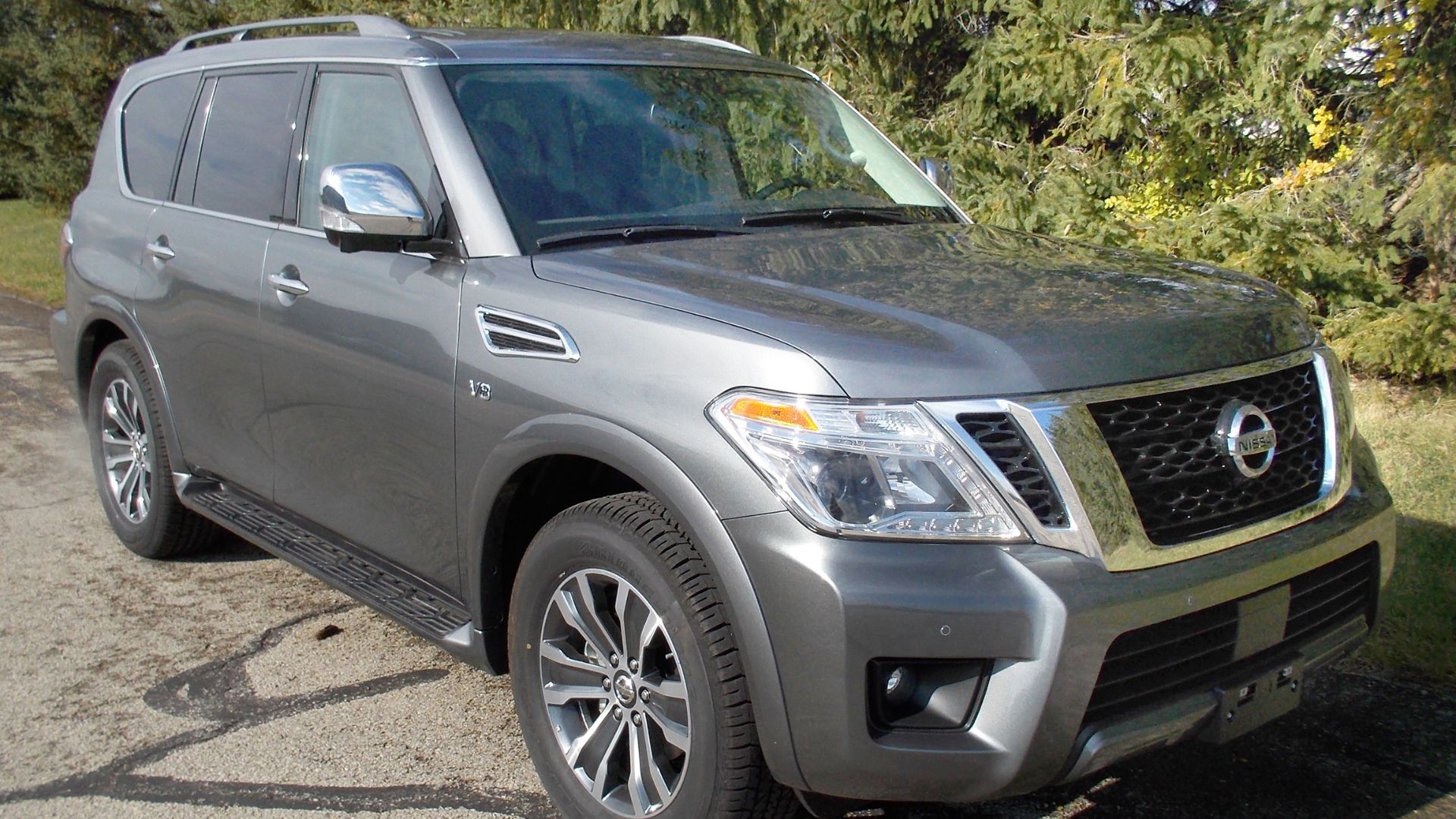
Nissan Armada (2004–Present)
The Armada shares much of the QX80's basic appeal without the Infiniti badge: three rows, serious towing capability and old-fashioned V8 power. Unfortunately, those virtues bring a substantial appetite for fuel. iSeeCars estimates five-year depreciation at about 57%, potentially making the Armada appealing to buyers who genuinely need its capabilities.
 U.S. National Highway Traffic Safety Administration, Wikimedia Commons
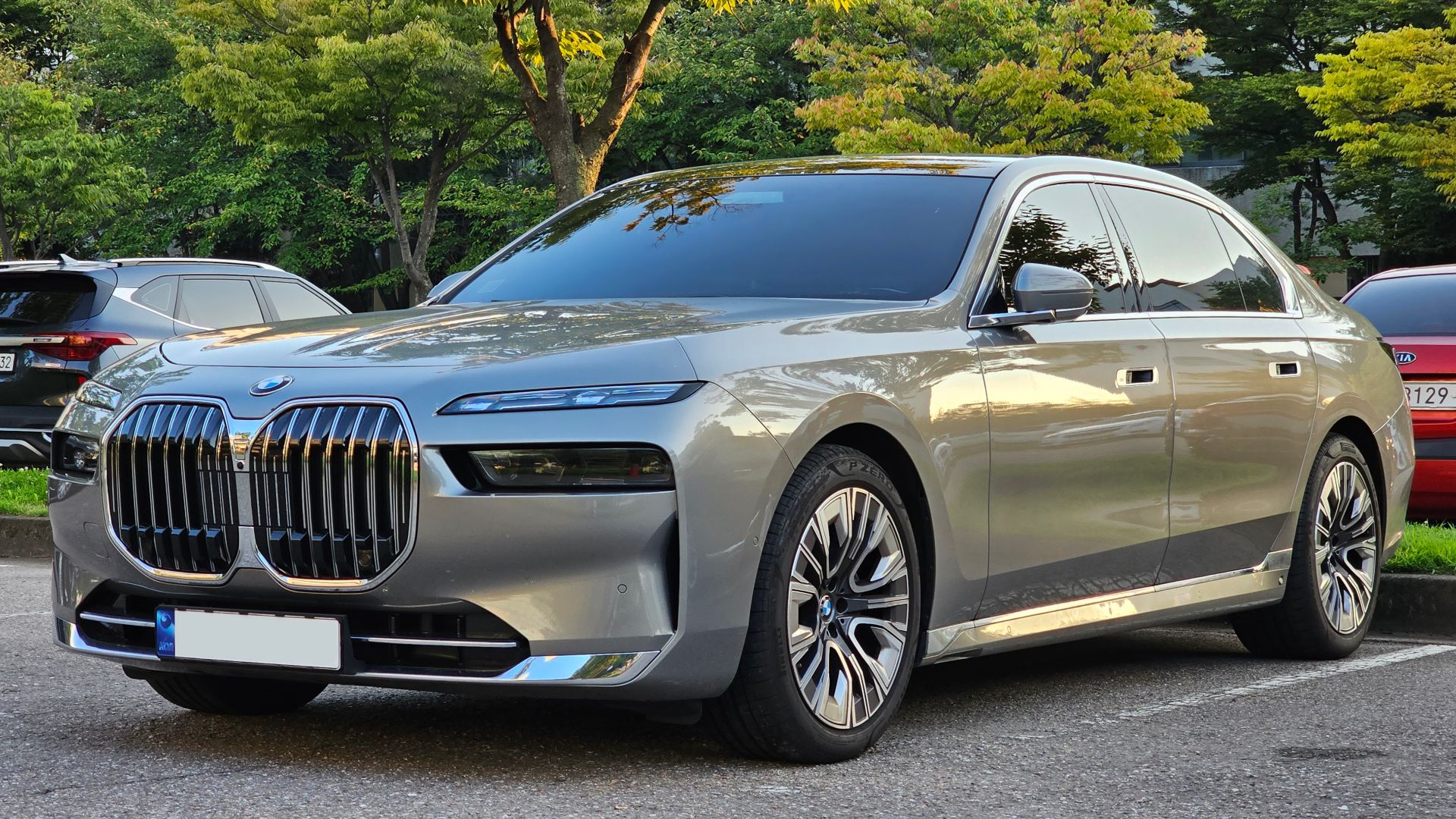
BMW 7 Series (1978–Present)
A used flagship BMW can cost less than a new economy car, which sounds wonderful until something complicated stops working. Luxury sedans suffer from weak demand, rapidly aging technology and potentially expensive repairs. The result is a peculiar used-car bargain: extraordinary comfort and performance accompanied by decidedly non-bargain maintenance expectations.
 Damian B Oh, Wikimedia Commons
Mercedes-Benz S-Class (1973–Present)
The S-Class showcases technology that eventually filters down to ordinary cars, but that works against older examples. Once its electronics, air suspension and luxury features age, buyers may fear repair bills more than they desire the three-pointed star. Depreciation can therefore turn yesterday's six-figure flagship into an astonishingly affordable used sedan.
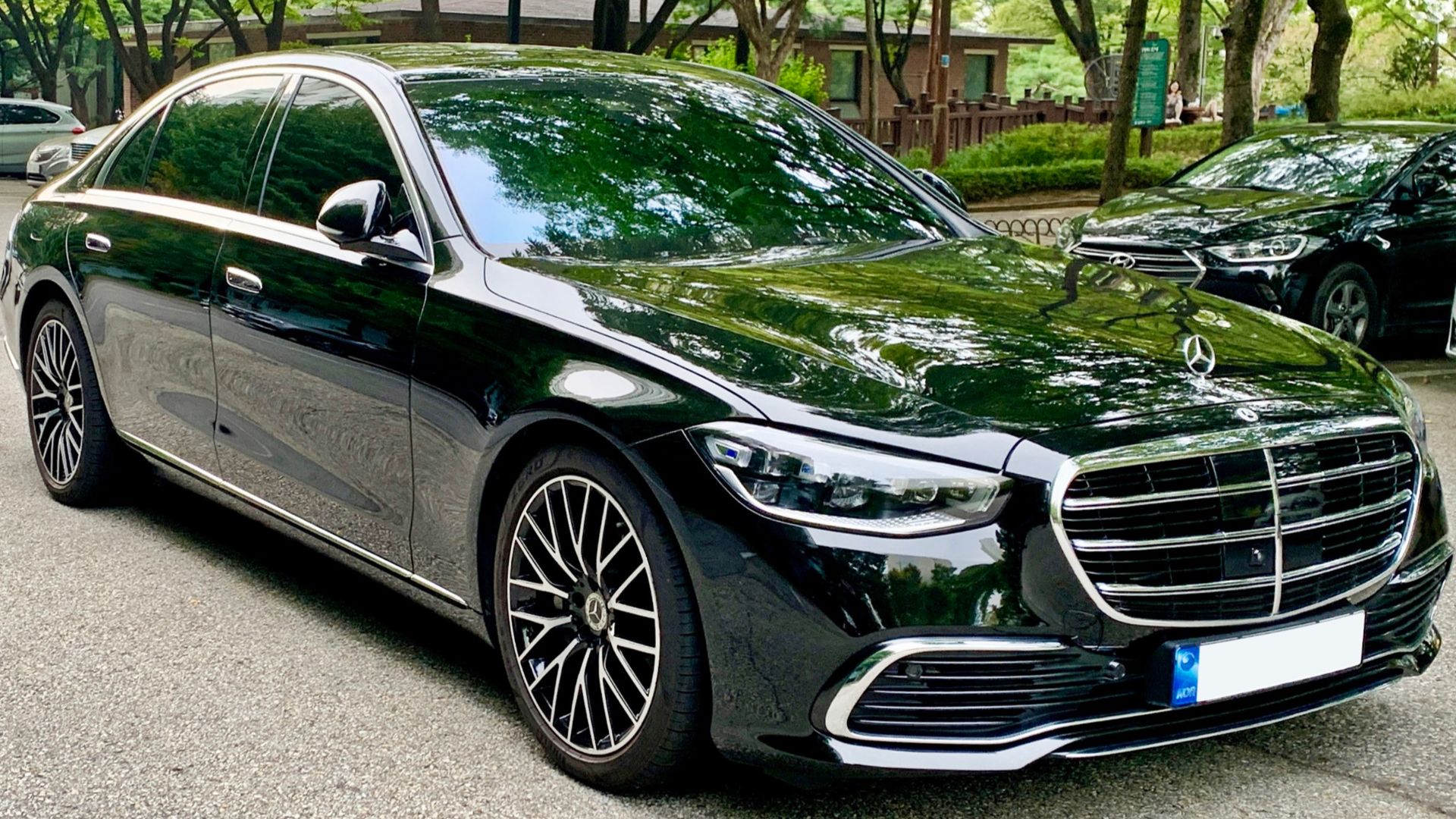
Maserati Ghibli (2014–2024)
Few used cars provide more exotic-looking sheet metal per dollar. The Ghibli entered a segment dominated by established German luxury sedans, while its ownership costs remained decidedly premium. Even when new, Car and Driver noted that rivals offered better value in some areas and that Maserati included no complimentary scheduled maintenance.
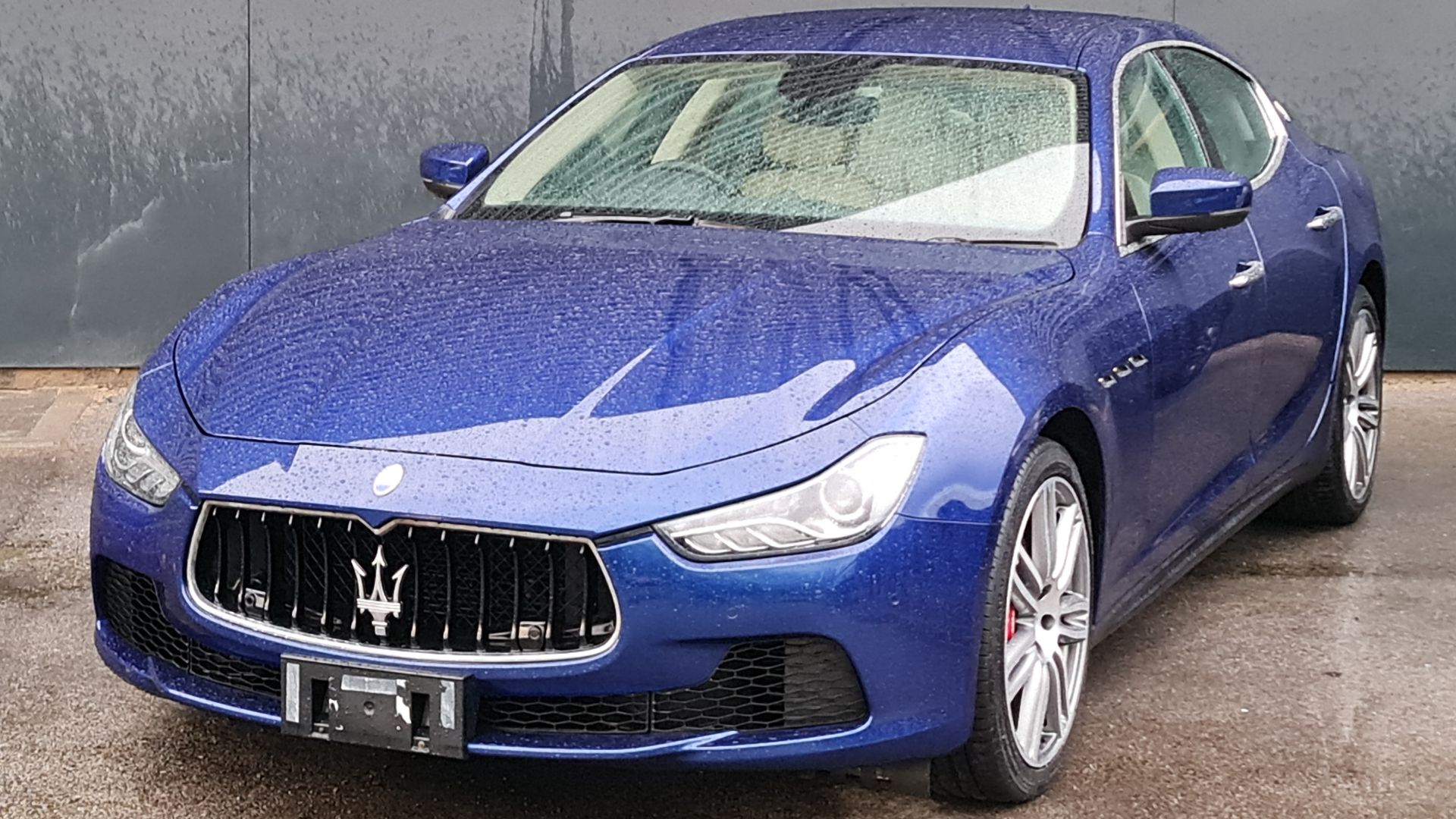
Jaguar XF (2009–2024)
The XF was a handsome alternative to the BMW 5 Series and Mercedes E-Class, but Jaguar never matched their sales presence in America. Luxury-sedan depreciation, concerns about long-term repair expenses and a relatively small dealer network can all narrow the audience. Patient shoppers can consequently find an awful lot of Jaguar for surprisingly little money.
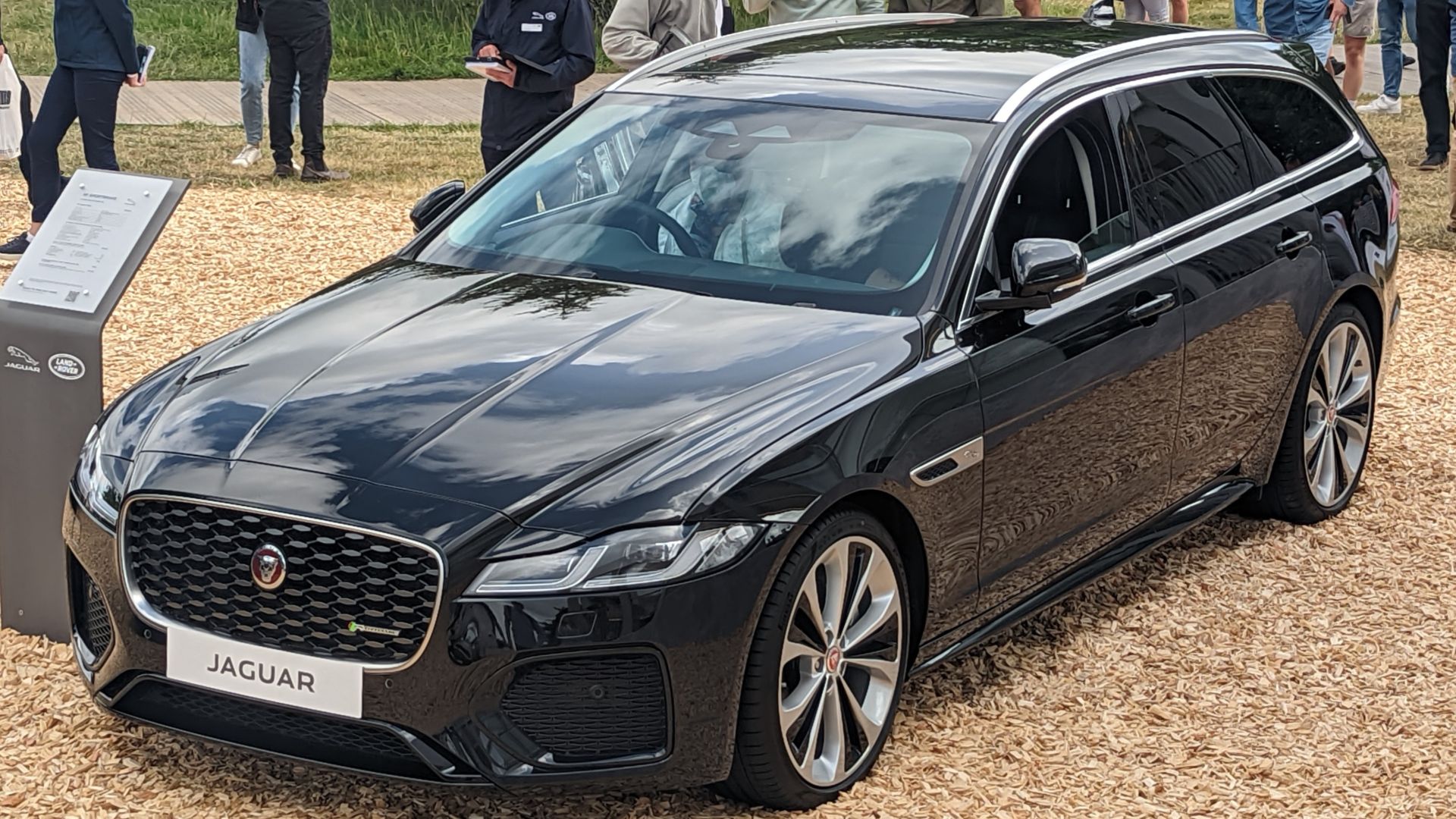
Cadillac XTS (2013–2019)
The XTS occupied an awkward place in Cadillac's lineup. It was large and comfortable, but its front-wheel-drive architecture and conservative mission didn't excite enthusiasts chasing BMW-style sports sedans. Cadillac discontinued it after 2019, leaving behind spacious used luxury cars that tend to appeal to a much smaller audience than comparable SUVs.
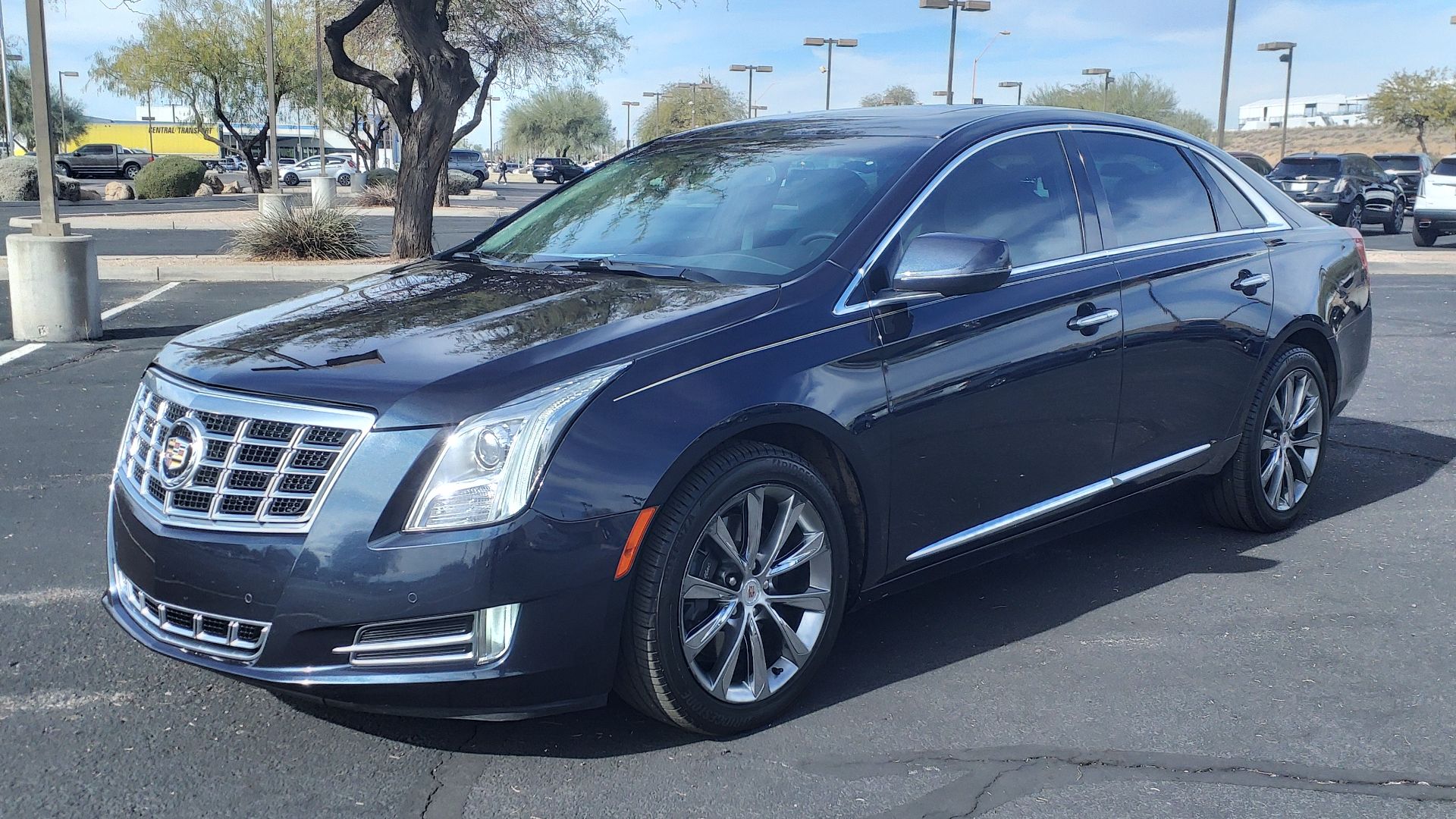
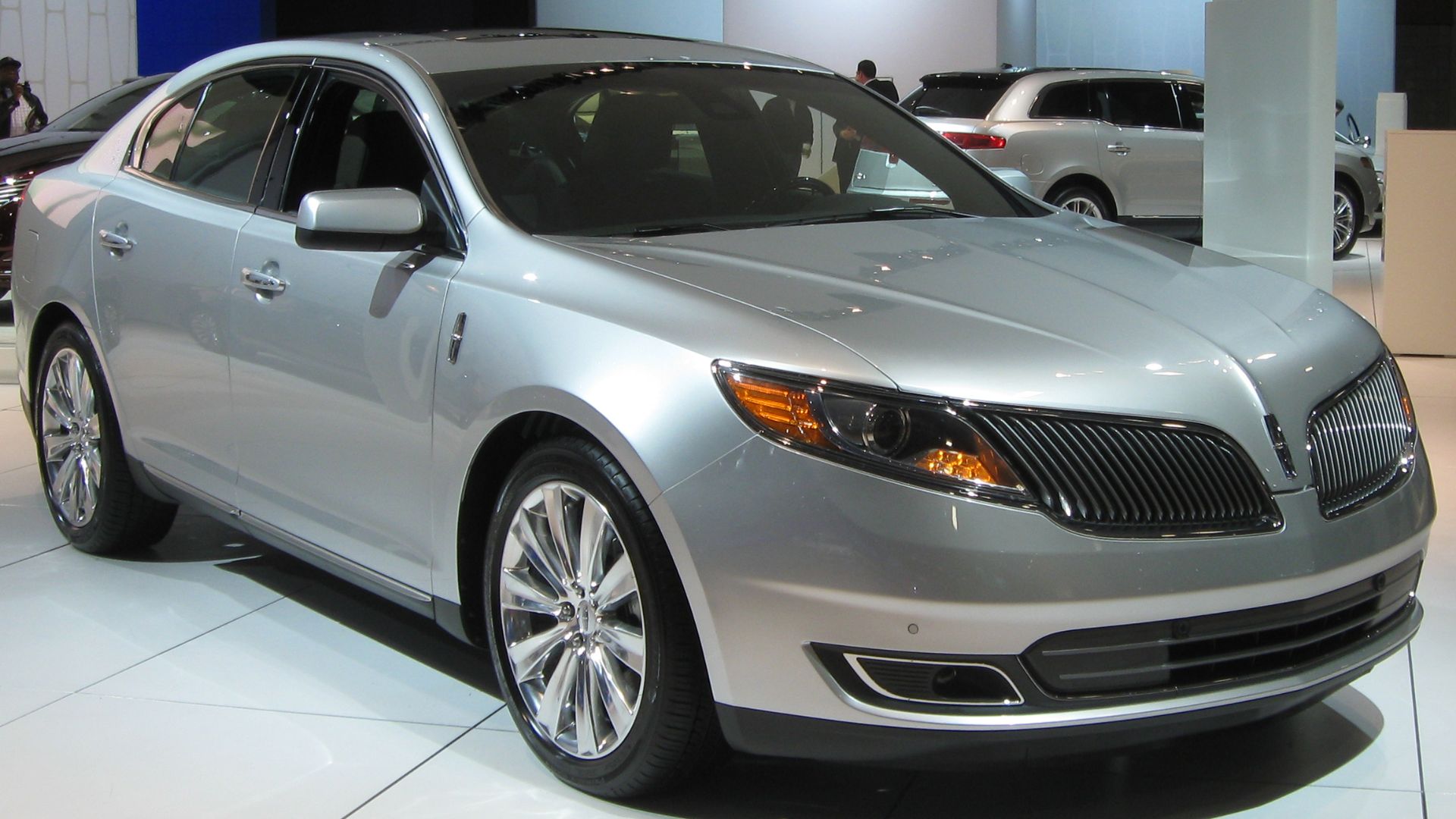
Lincoln MKS (2009–2016)
Remember the MKS? That's partly the point. Lincoln's big sedan offered available all-wheel drive, a twin-turbo EcoBoost V6 and plenty of equipment, but it never developed the following enjoyed by many German competitors. Discontinued after 2016, it now lives in the used market as an inexpensive, increasingly anonymous luxury sedan.
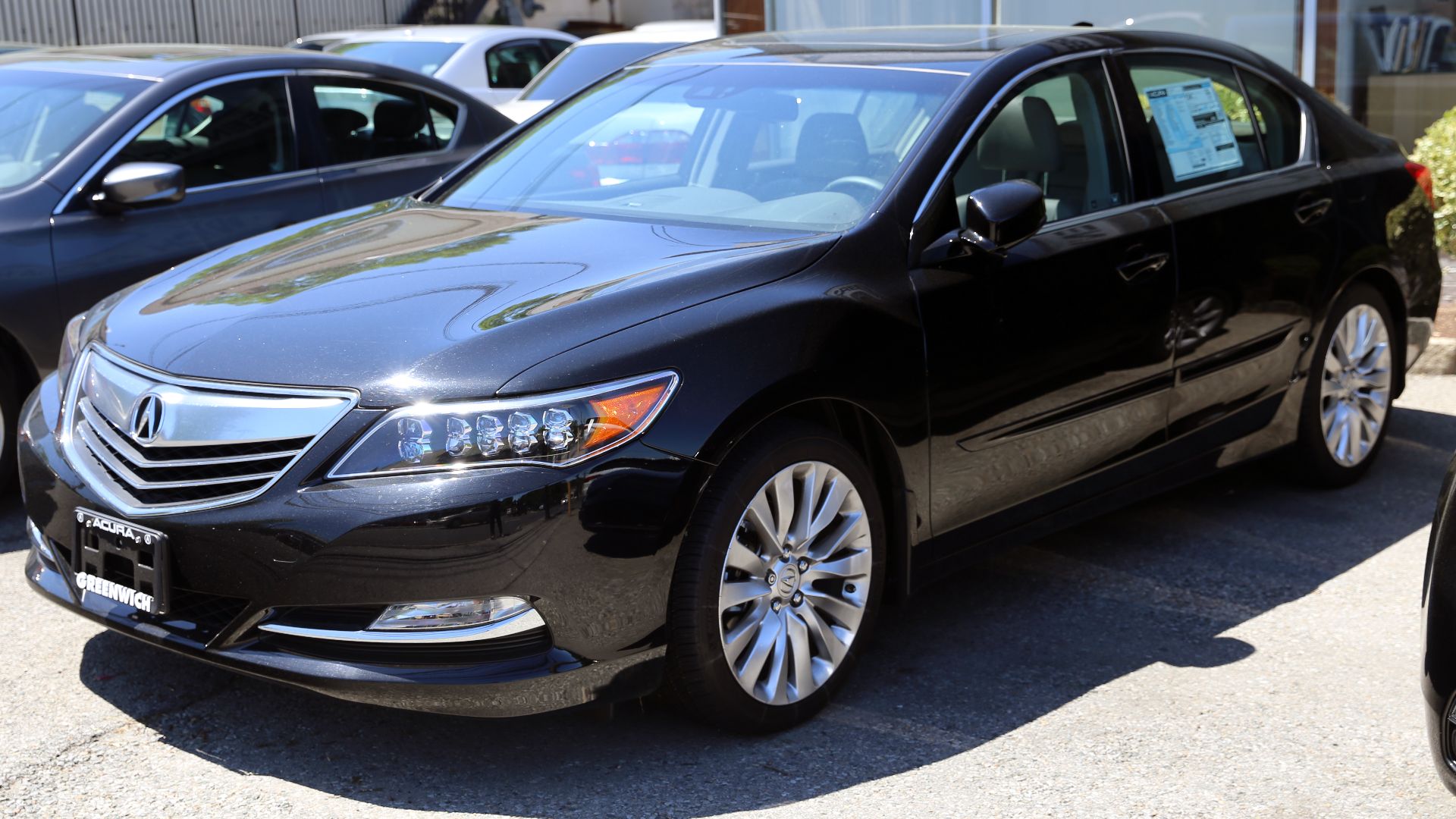
Acura RLX (2014–2020)
The RLX suffered from a problem that had little to do with being a bad automobile: hardly anybody bought one. Acura's conservative flagship lacked the badge prestige and rear-drive proportions luxury buyers often expected at its price. It disappeared from the U.S. market after 2020, leaving well-equipped examples with limited name recognition.
 Mr.choppers, Wikimedia Commons
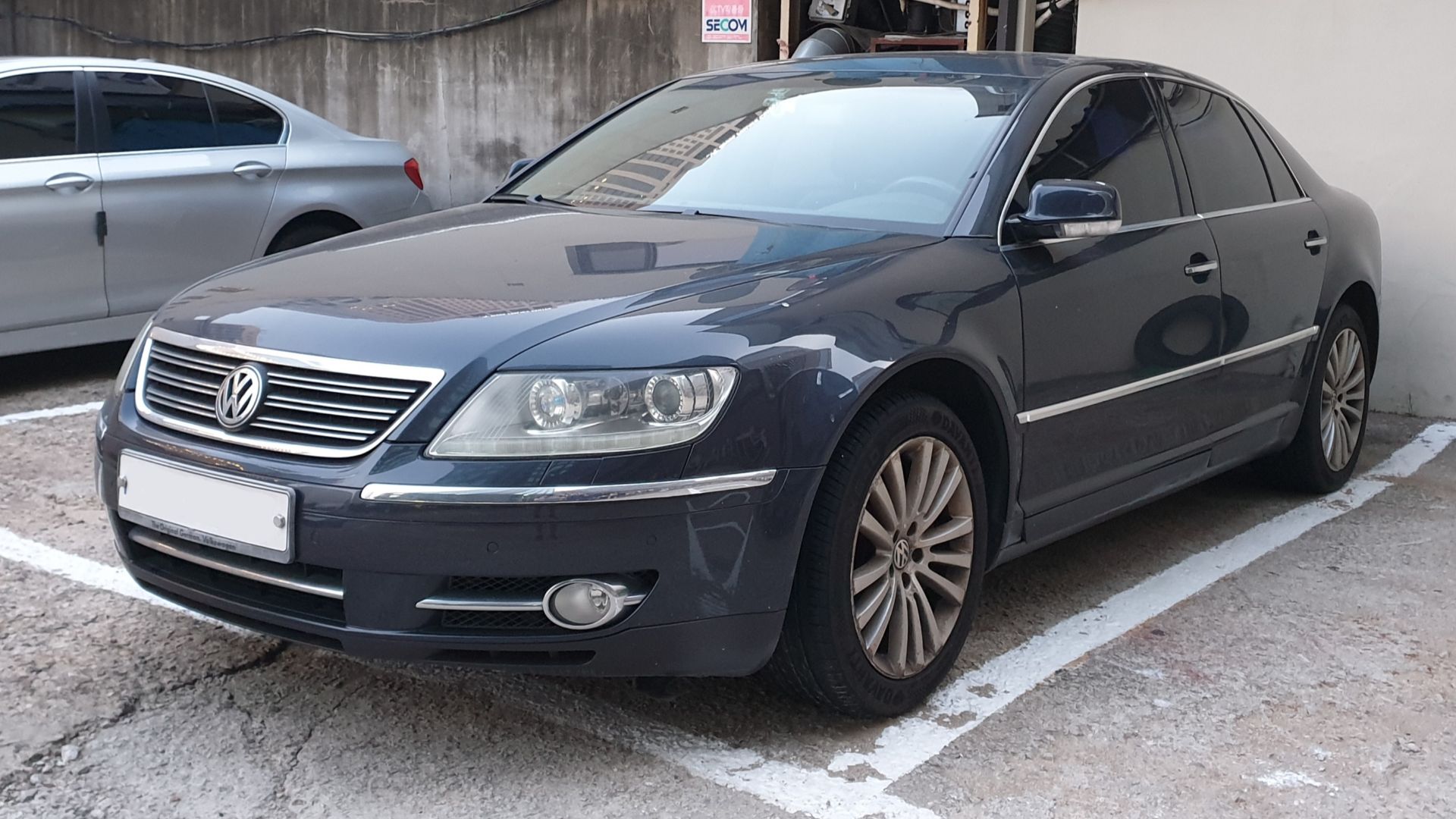
Volkswagen Phaeton (2004–2006)
The Phaeton is the ultimate answer to "Why is this so cheap?" Volkswagen engineered an extraordinarily sophisticated luxury sedan, then put a VW badge on its nose and asked buyers for luxury-brand money. Used prices eventually collapsed, but its Bentley-adjacent complexity means the purchase price may be the cheapest part of ownership.
 Damian B Oh, Wikimedia Commons
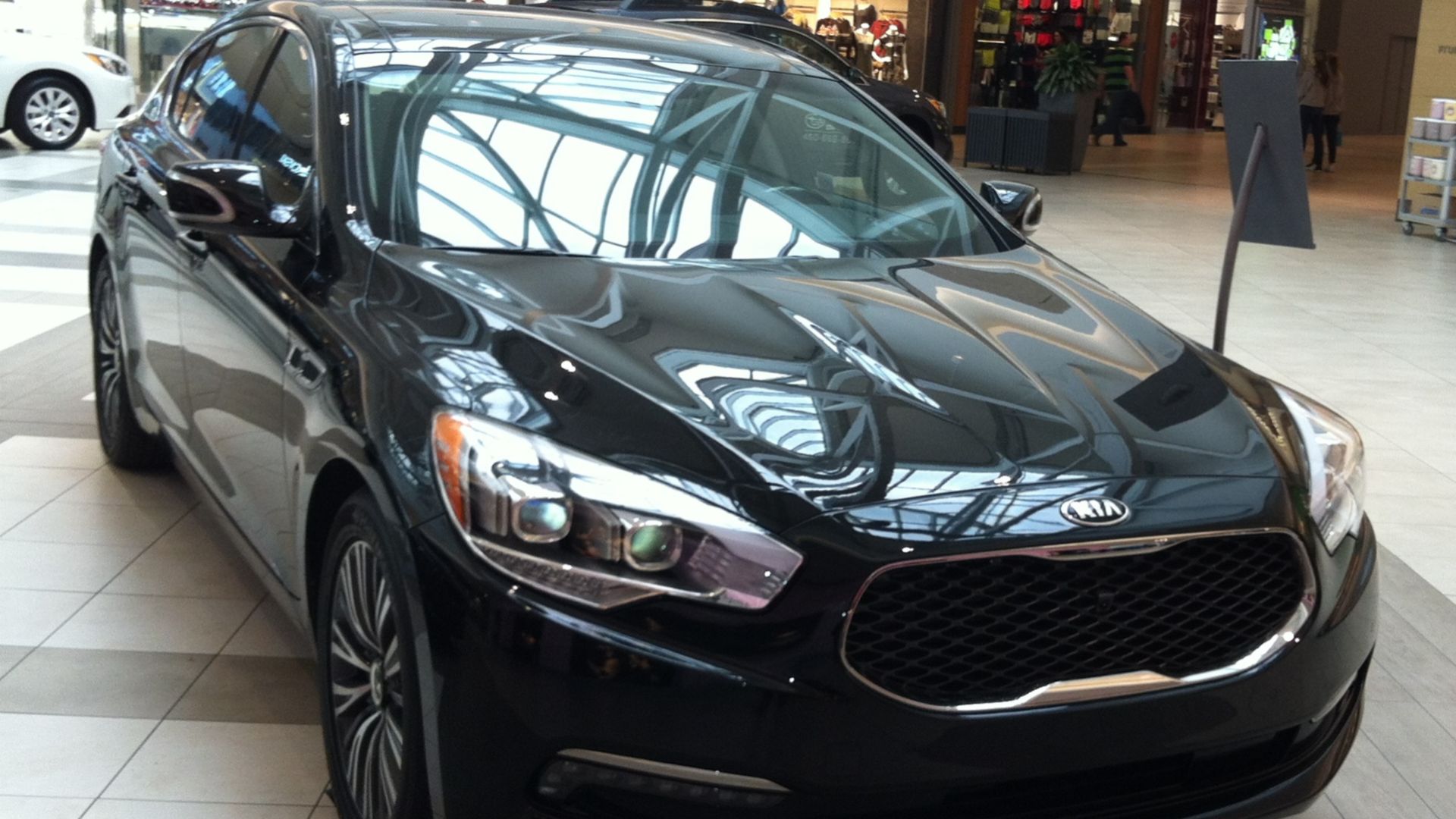
Kia K900 (2015–2020)
Kia built a rear-wheel-drive luxury sedan with V8 power and an interior loaded with amenities, then discovered that Americans willing to spend serious luxury-car money generally wanted a luxury badge. The K900's anonymity makes it fascinating used, but limited demand, rarity and potentially difficult-to-source model-specific parts deserve consideration.
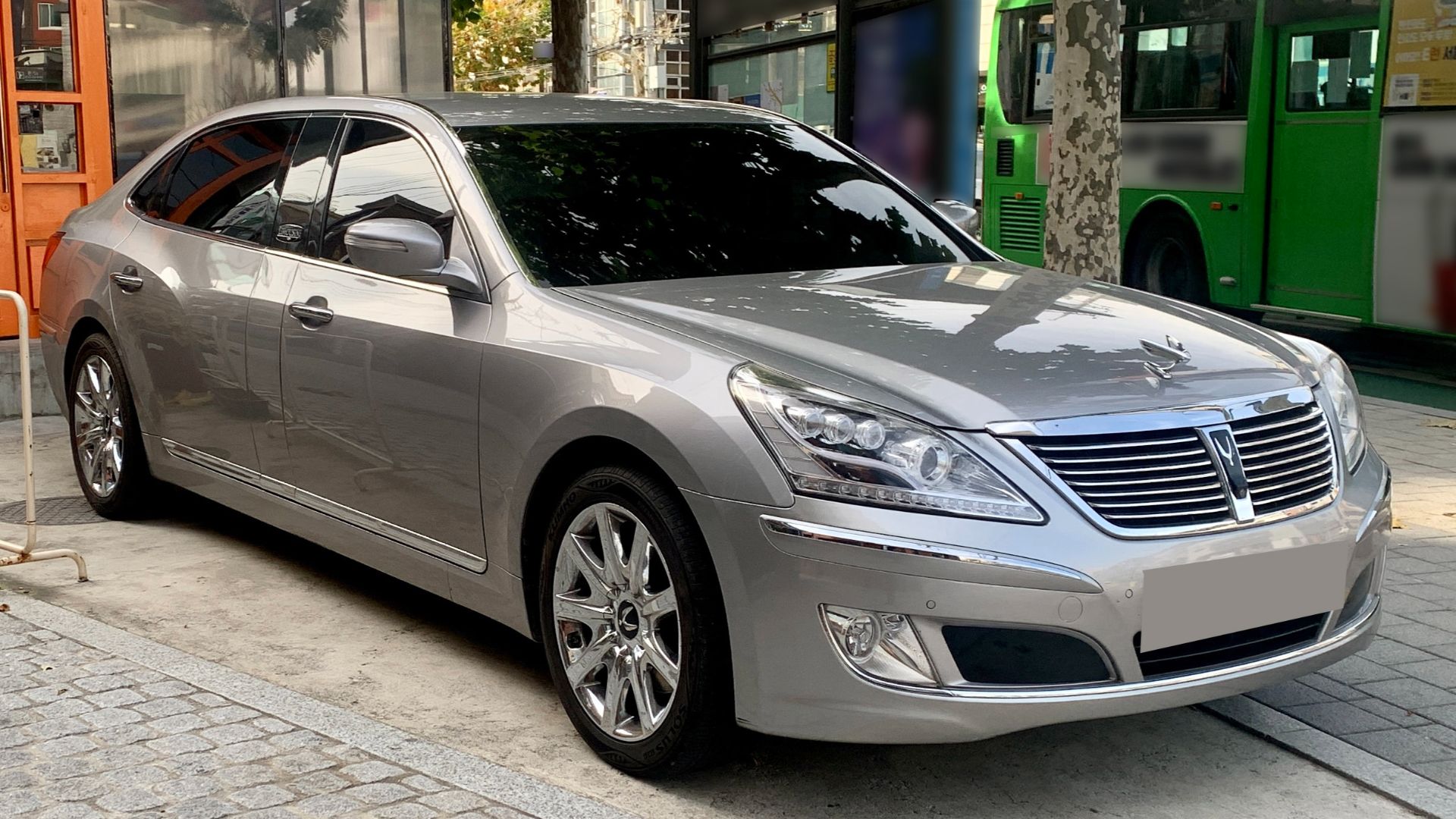
Hyundai Equus (2011–2016)
Before Genesis became a separate luxury brand, Hyundai tried selling an unapologetically luxurious V8 sedan under its own name. The Equus was spacious, quiet and lavishly equipped, but the Hyundai badge created a formidable image problem at its original price. Depreciation subsequently transformed it into one of the stranger used luxury bargains.
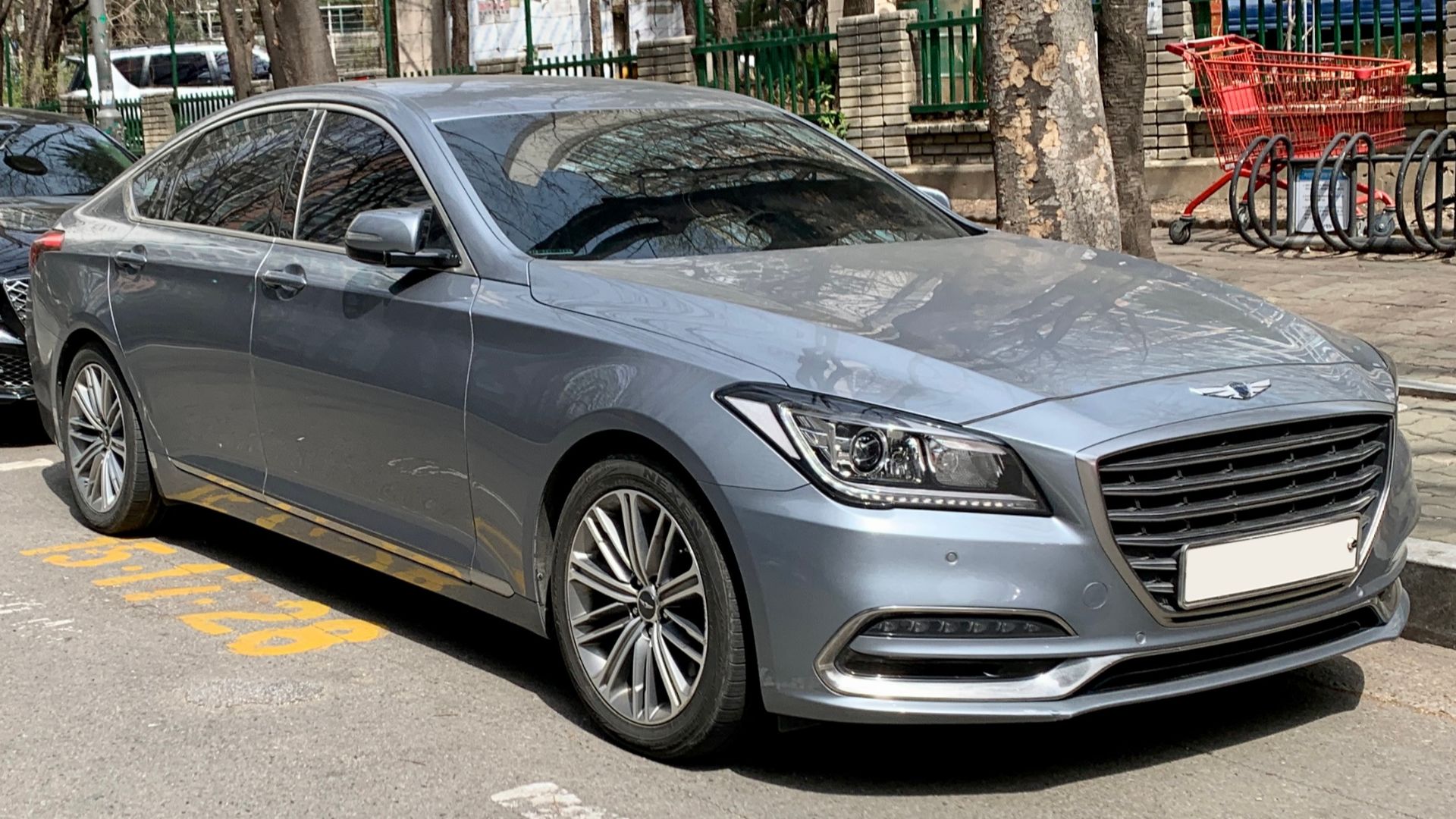
Genesis G80 (2017–Present)
The G80 is much less anonymous than the old Equus, but used versions can still offer remarkable equipment for their price. Genesis had to establish an entirely new luxury identity against entrenched German and Japanese rivals, while sedans themselves were losing popularity. Used buyers can benefit from both forces working against resale value.
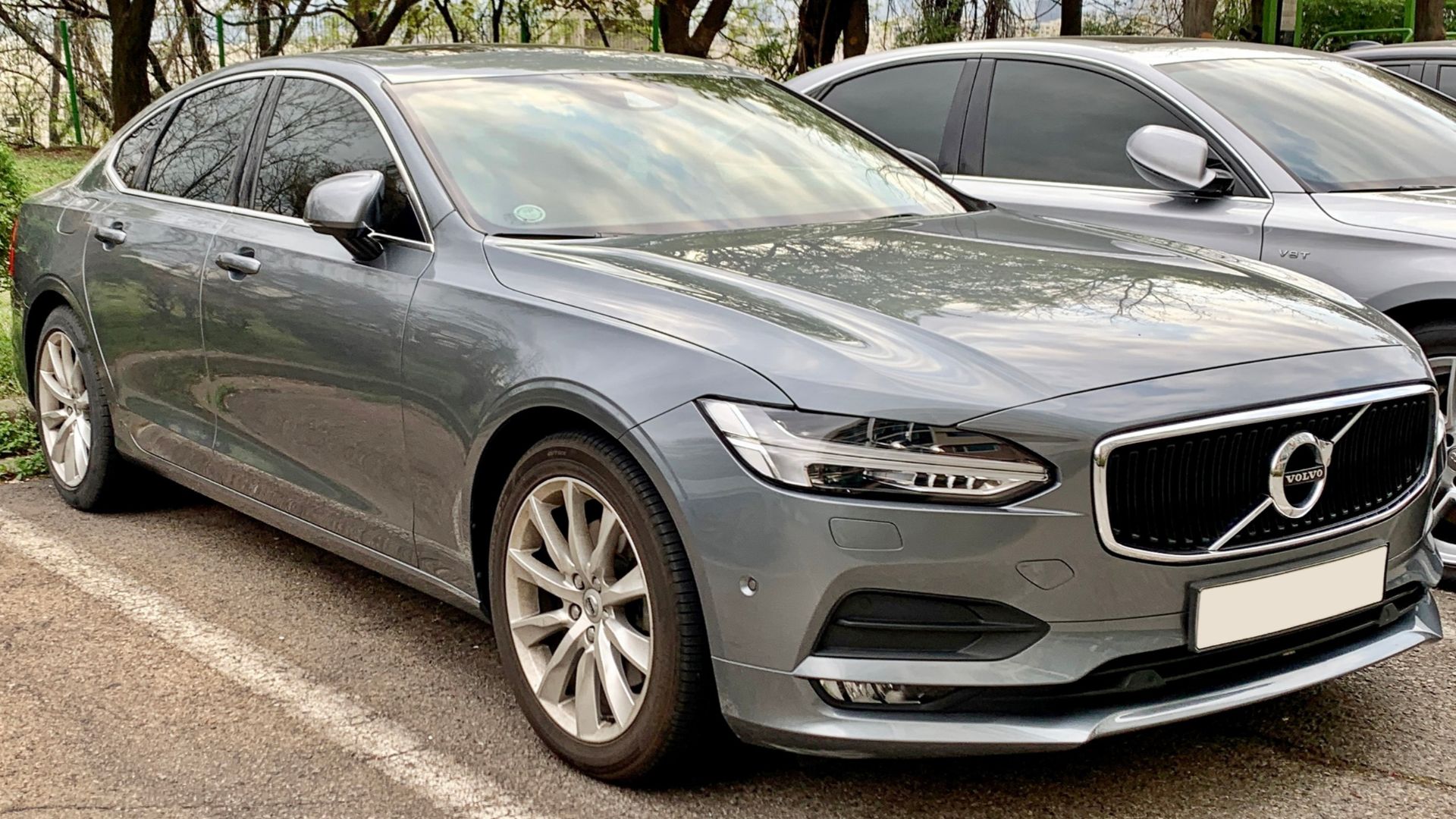
Volvo S90 (2017–Present)
Volvo's elegant S90 arrived just as luxury buyers were accelerating their migration toward SUVs. Its understated styling and unusual four-cylinder powertrains also made it a decidedly different proposition from traditional German executive sedans. Those same qualities can make a depreciated S90 intriguing for someone who doesn't want the obvious luxury choice.
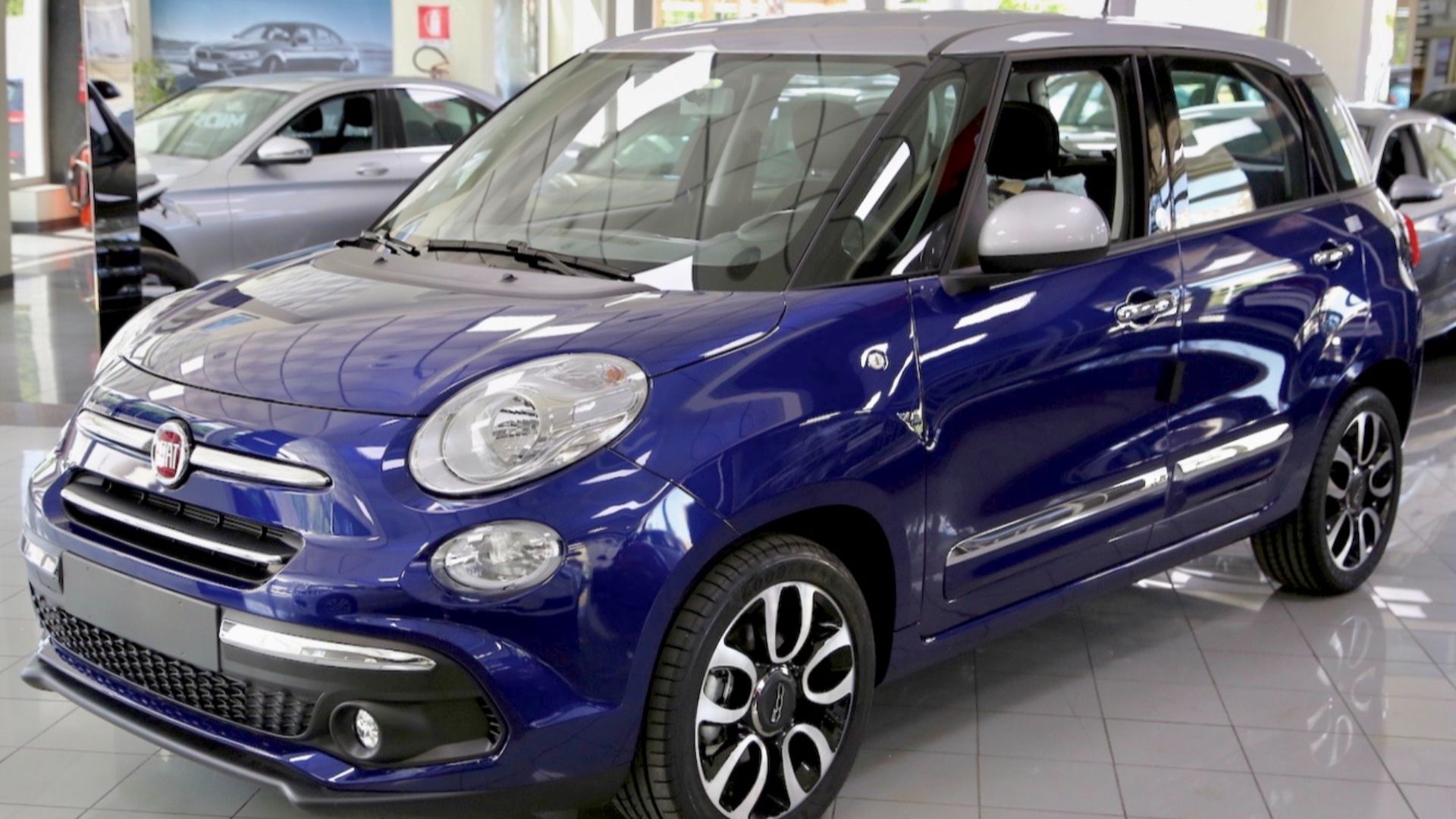
Fiat 500L (2014–2020)
The 500L had plenty of interior space, but Americans never embraced its peculiar tall-wagon proportions the way Fiat hoped. It also lived in the shadow of increasingly popular small crossovers. Its lack of desirability can mean temptingly low used prices, though shoppers should investigate reliability history carefully before celebrating the bargain.
 GinaCostanza76, Wikimedia Commons
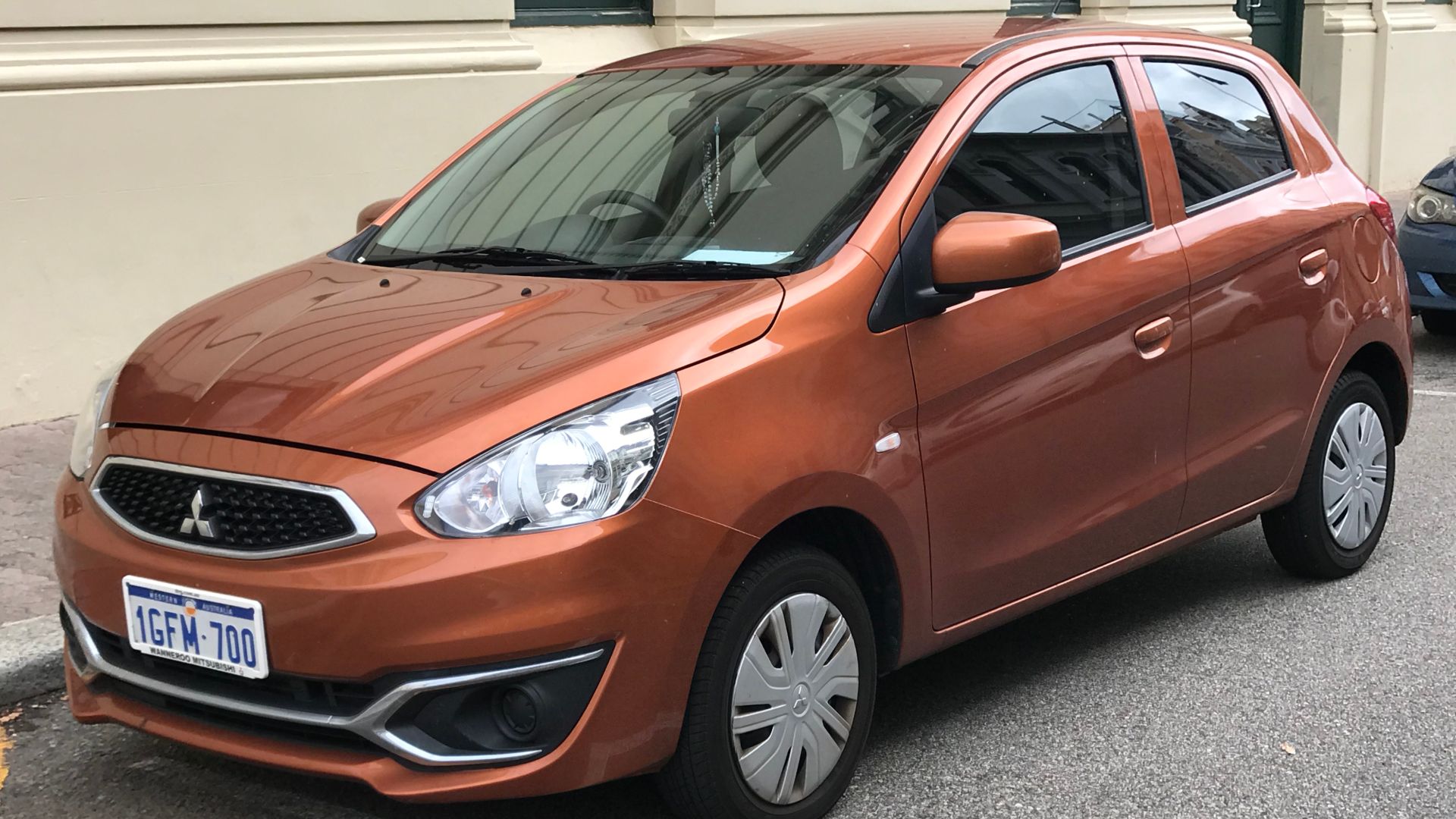
Mitsubishi Mirage (2014–Present)
The Mirage was inexpensive even when new, so nobody should expect an old one to become precious. Its tiny three-cylinder engine, modest power, basic cabin and economy-car image make it easy for shoppers to overlook. Yet somebody simply seeking inexpensive transportation may appreciate the low purchase price and excellent fuel economy.
 EurovisionNim, Wikimedia Commons
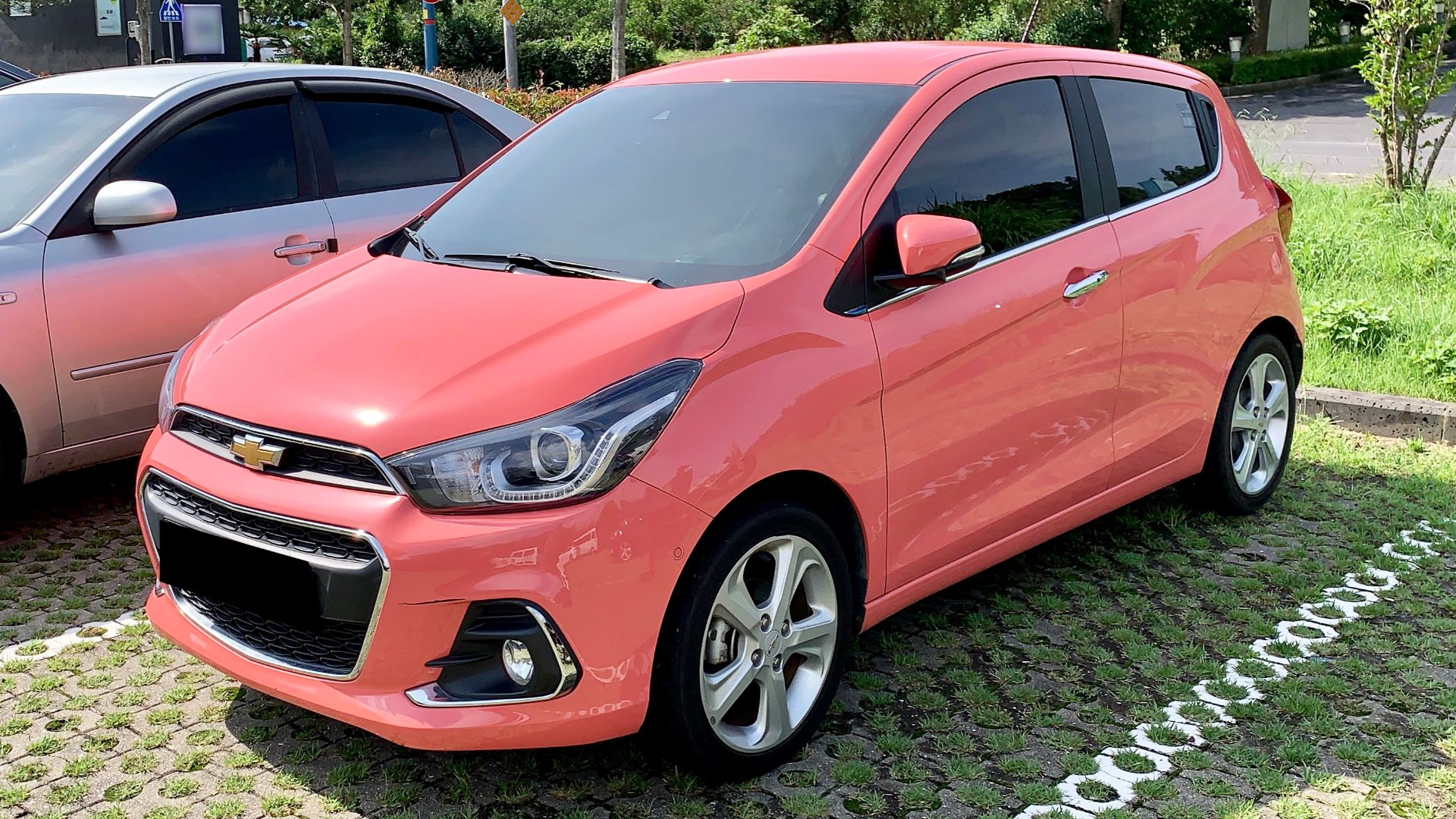
Chevrolet Spark (2013–2022)
Like the Mirage, the Spark occupied the bottom end of the new-car market before Chevrolet discontinued it. Tiny hatchbacks have largely vanished as American buyers embrace crossovers, and the Spark offers little prestige or power. That's precisely why a clean used one can make sense as uncomplicated urban transportation.
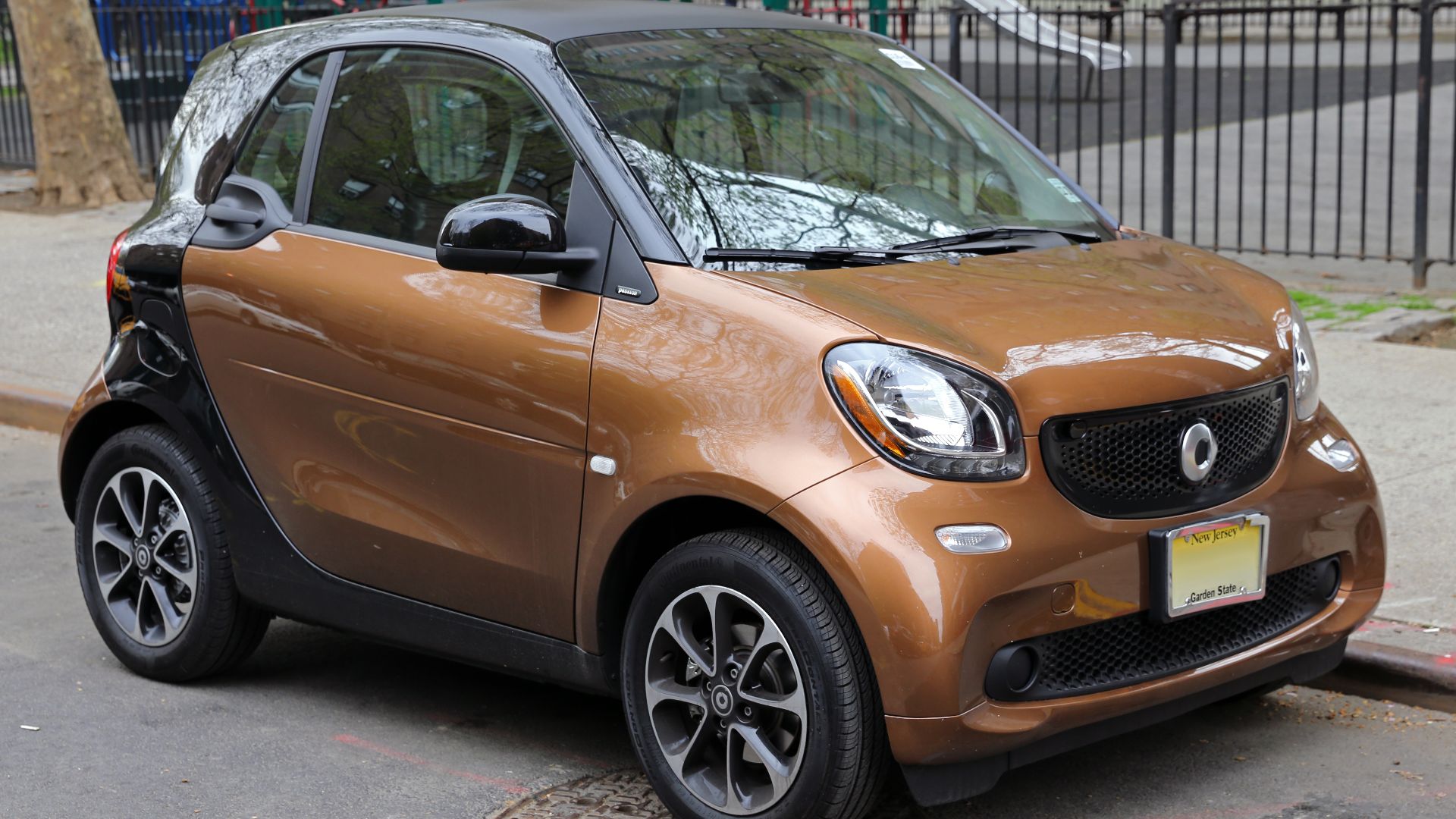
Smart Fortwo (2008–2019)
The Fortwo answered a question relatively few Americans were asking. Its tiny dimensions were brilliant in crowded European cities but less compelling on wide American roads, especially when larger economy cars offered greater versatility. Smart ultimately left the U.S. market, and the little two-seater now appeals to a particularly narrow group of buyers.
 Mr.choppers, Wikimedia Commons
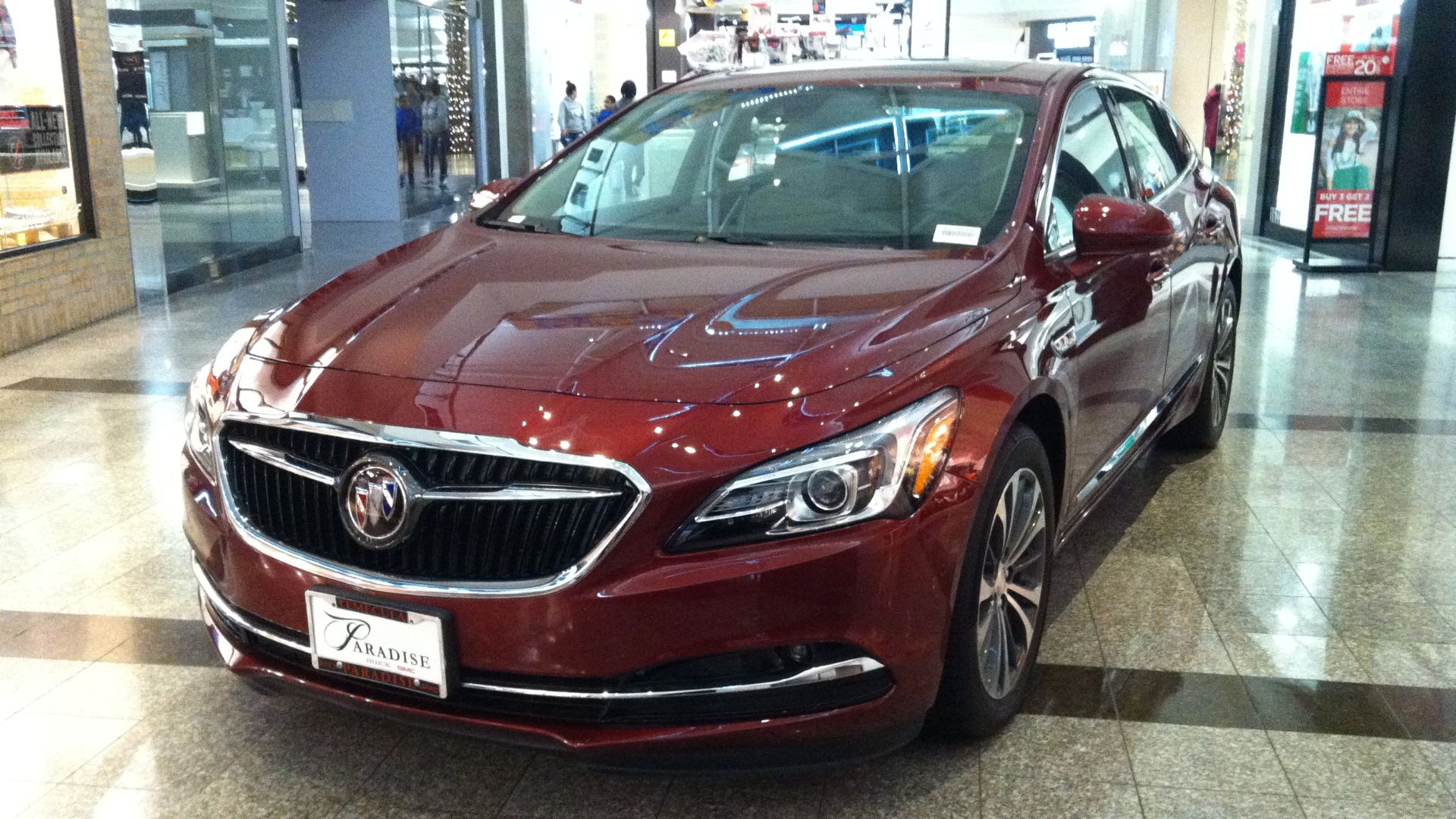
Buick LaCrosse (2005–2019)
The LaCrosse represents another casualty of America's sedan retreat. Later versions were comfortable, quiet and genuinely handsome, but Buick buyers increasingly wanted crossovers instead. GM ended U.S. production in 2019. With neither a performance-car following nor a premium German badge, the LaCrosse can be overlooked despite being an excellent highway cruiser.
 Alistair Fernandez, Wikimedia Commons
Chevrolet Volt (2011–2019)
The Volt's plug-in hybrid system was genuinely clever: it could handle many daily trips on electricity while retaining a gasoline engine for longer journeys. Chevrolet nevertheless discontinued it in 2019 as the market shifted. Used examples can be inexpensive, but battery age, specialized components and an orphaned model line make some buyers hesitant.
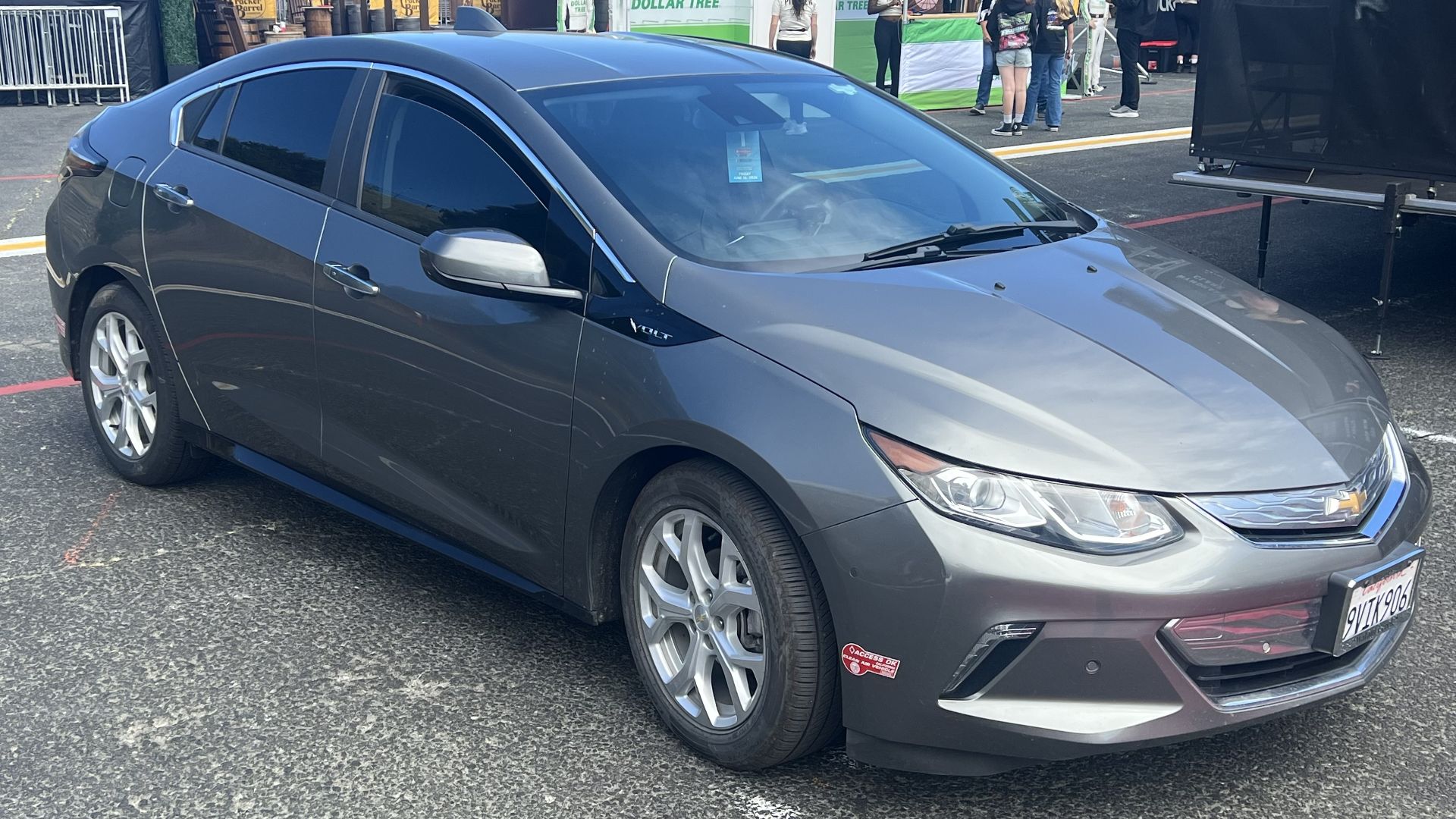 TaurusEmerald, Wikimedia Commons
You May Also Like:
Affordable Modern Muscle Cars That Won’t Stay Cheap Once Collectors Catch On
Cheap Cars From The 1960s And 70s That Somehow Became Collectibles


.jpg;%20https://www.factinate.com/)