The Click That Turned Into A Nightmare
Buying a used car online sounds easy. You can scroll through endless listings, compare prices in minutes, and avoid the stress of a dealership visit. But for some buyers, the excitement disappears the second the car arrives with serious problems nobody disclosed. That kind of experience makes people wonder if buying online is simply too risky.

Why Online Car Buying Became So Popular
Online car shopping exploded during the pandemic and never really slowed down. Companies promised easy financing, home delivery, and no awkward haggling. Many buyers liked the idea of handling everything from their couch instead of spending hours at a dealership. The convenience factor is still a huge draw for busy consumers.

The Problem With Buying Sight Unseen
A used car can look flawless in photos while hiding expensive mechanical issues underneath. Sellers often photograph vehicles in flattering light and avoid showing cosmetic damage. A short video walkaround also cannot replace a real test drive. Small warning signs can be easy to miss when you are staring at a screen.

Hidden Problems Are More Common Than People Think
Some online buyers receive cars with transmission trouble, flood damage, frame repairs, or electrical faults that were never disclosed. Others discover the vehicle was poorly maintained despite glowing descriptions. According to consumer complaints filed with agencies like the Better Business Bureau, disputes over condition are among the most common issues in online vehicle sales. Repair costs can quickly erase any savings from the original deal.

Vehicle History Reports Are Helpful But Limited
Many online sellers provide a Carfax or AutoCheck report to reassure buyers. Those reports can reveal accidents, title issues, and service records. However, they are only as accurate as the data reported to them. Not every accident or repair makes it into the system.

Certified Does Not Always Mean Perfect
Some online retailers advertise certified or inspected vehicles. That sounds comforting, but standards vary widely between companies. One seller’s “150-point inspection” may be more thorough than another’s. Buyers should never assume certification guarantees a trouble-free car.

The Return Policy Matters More Than You Think
One advantage of larger online car retailers is the return window. Some companies offer seven days or several hundred miles to decide whether to keep the vehicle. That policy can provide an important safety net if major problems appear immediately. Smaller sellers and private listings often offer no protection at all.

Pre-Purchase Inspections Are Still Essential
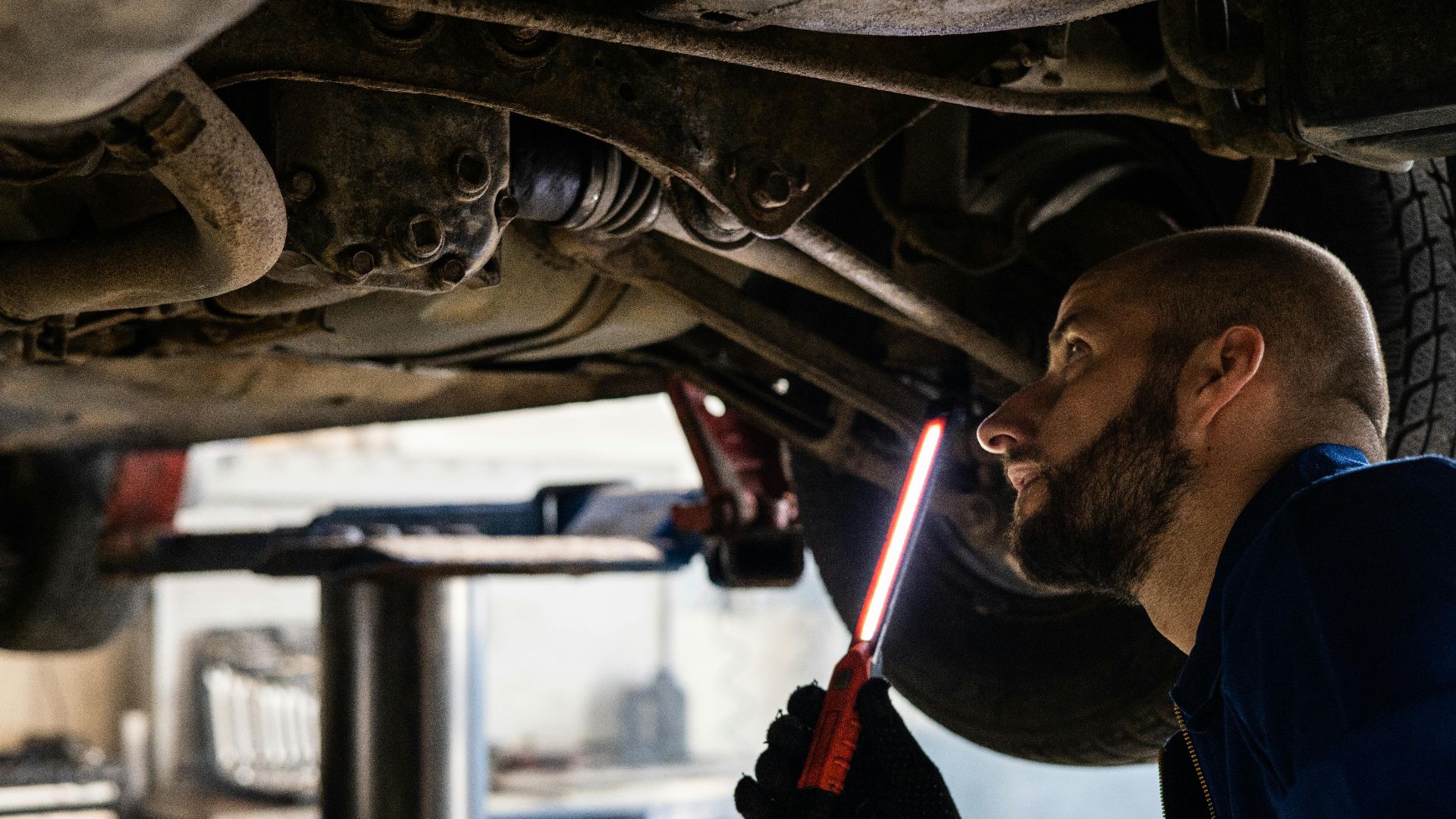
A pre-purchase inspection remains one of the best defenses against hidden issues. Independent mechanics can identify leaks, worn suspension parts, accident repairs, and diagnostic trouble codes. Some services even perform inspections on behalf of remote buyers. Spending a couple hundred dollars upfront can save thousands later.
Shipping Can Complicate Everything
Returning a problematic vehicle is not always easy. Buyers may have to arrange transportation, deal with paperwork delays, or wait weeks for refunds. Shipping costs can also become a source of conflict between buyer and seller. A frustrating process can make a bad experience even worse.

Private Sellers Carry Higher Risks
Buying from a private seller online can sometimes mean better prices. It can also mean fewer legal protections. Many private sales are completed “as is,” which generally means the buyer accepts the vehicle in its current condition. If something goes wrong later, the seller may have little obligation to help.

Dealer Listings Are Not Automatically Safer
Some buyers assume dealership listings are always trustworthy. Unfortunately, that is not always true. Dealers can also overlook problems, misrepresent vehicle condition, or use vague language in advertisements. State laws vary regarding what dealers must disclose.

Flood Damage Is A Growing Concern
Flood-damaged vehicles often reappear on the used market after major storms and hurricanes. Water damage can destroy electronics, create mold, and lead to corrosion that appears months later. Some flood vehicles are cleaned up well enough to fool buyers. Experts recommend carefully checking for musty smells, rust under seats, and inconsistent interior wear.
 Karolina Grabowska www.kaboompics.com, Pexels
Odometer Fraud Still Exists
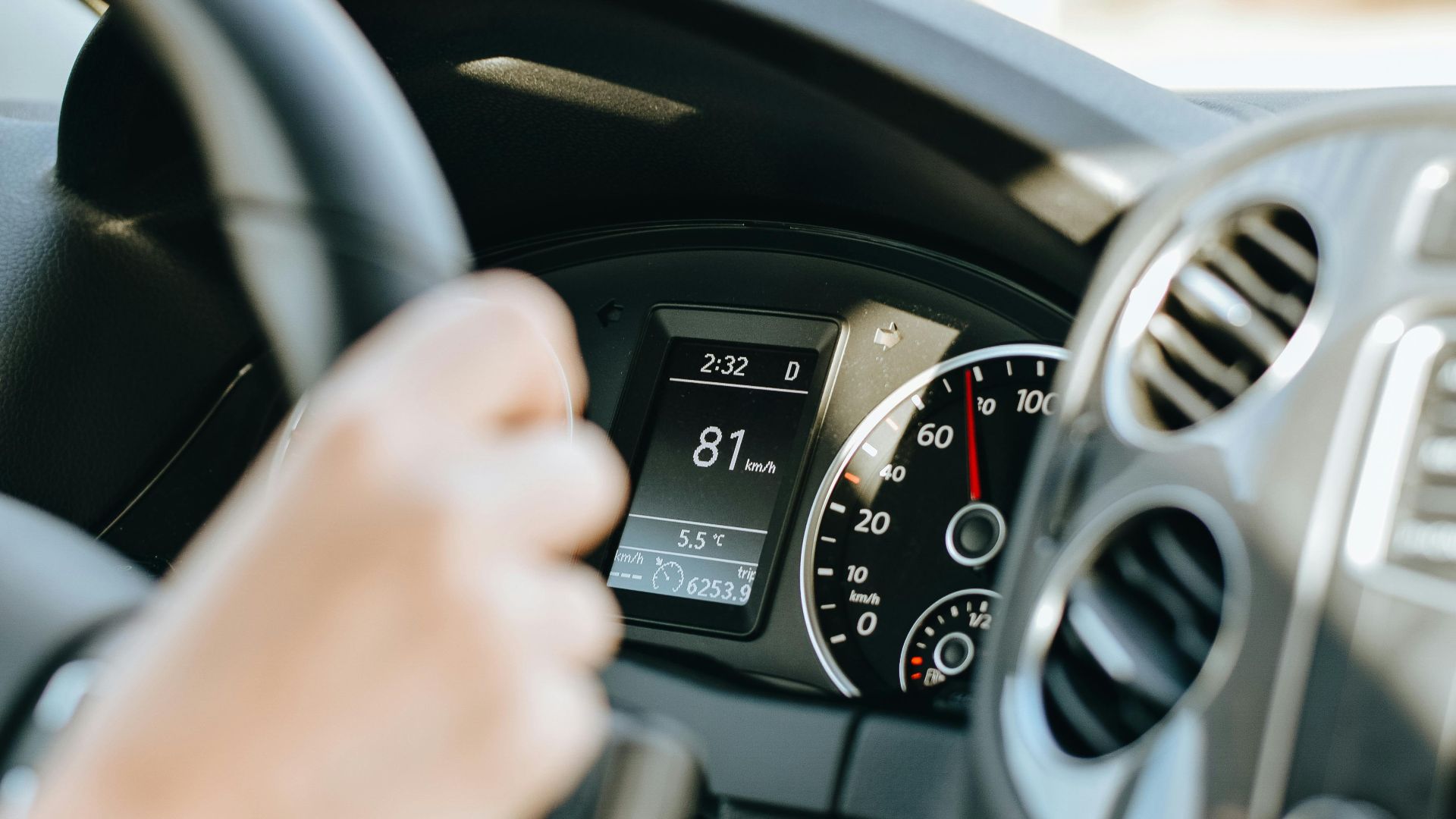
Digital odometers made fraud harder, but not impossible. Some dishonest sellers still tamper with mileage readings to increase a car’s value. Federal authorities continue to investigate odometer rollback schemes every year. Lower mileage does not always mean the car truly has fewer miles.
Online Reviews Can Be Misleading
Many shoppers rely heavily on customer reviews before choosing an online seller. Reviews can offer useful insight, but they are not foolproof. Some unhappy customers never post complaints, while fake positive reviews also exist. Looking across multiple review platforms can provide a more balanced picture.

Financing Online Has Its Own Pitfalls
Online financing can feel fast and simple, but buyers should still compare loan terms carefully. Some lenders charge higher interest rates than local banks or credit unions. Buyers focused on monthly payments may overlook the total loan cost. That can leave them overpaying long after the excitement of the purchase fades.

Warranty Coverage Is Often Confusing
Some online sellers include limited warranties with used vehicles. Buyers should read every detail before assuming major repairs are covered. Certain warranties only apply to specific components or require repairs at approved locations. Fine print matters more than flashy marketing claims.
 Vodafone x Rankin everyone.connected, Pexels
Scams Are Everywhere In The Online Marketplace
Fake listings and vehicle scams remain a serious problem online. Some scammers post vehicles they do not own and pressure buyers into sending deposits. Others clone legitimate ads and disappear after payment. The Federal Trade Commission regularly warns consumers about fraudulent online vehicle sales.

Test Drives Still Matter
A vehicle can seem perfect on paper but feel completely wrong in person. Test drives reveal road noise, brake feel, steering issues, and overall comfort. Buying without driving first removes one of the most important parts of the decision-making process. Even a short drive can expose problems no photo will show.

Delivery Day Should Be Treated Like An Inspection
When the vehicle arrives, buyers should inspect it carefully before signing anything final. Look for warning lights, paint mismatches, tire wear, and signs of damage during transport. Taking photos immediately can help document problems. The first few hours are critical if disputes arise later.

Some Buyers Actually Have Great Experiences
Despite the horror stories, many consumers buy used cars online without major issues. Large retailers often have streamlined systems and broad inventories that local dealerships cannot match. Buyers in rural areas may especially benefit from wider selection and home delivery. Online shopping is not automatically doomed to fail.

Research Separates Good Deals From Bad Ones
Successful online buyers usually spend extra time researching vehicles and sellers. They compare prices, read inspection reports carefully, and verify histories independently. Impulse purchases tend to create more problems. Patience can dramatically reduce risk.

The Cheapest Car Is Rarely The Best Deal
A suspiciously low price should raise immediate concerns. Hidden mechanical problems, salvage titles, or incomplete paperwork often explain bargain pricing. Many buyers become blinded by the idea of saving money upfront. That decision can backfire once repair bills start piling up.

Consumer Protections Depend On Your State
Lemon laws and used-car protections vary significantly across the United States and Canada. Some jurisdictions provide stronger protections against undisclosed defects than others. Buyers should understand local laws before completing an online purchase. Legal options may be limited after the sale closes.

Mechanical Problems Can Take Time To Appear
Not every hidden issue reveals itself immediately. Some transmission, engine, or electrical problems may appear weeks after delivery. That timing can make return policies useless if the window already expired. Long-term reliability remains difficult to judge from a short inspection period.

Trust Your Instincts During The Process
If a seller avoids questions, refuses inspections, or pressures you to move quickly, walk away. Legitimate sellers generally provide detailed answers and documentation willingly. High-pressure tactics are often warning signs. Trusting your instincts can prevent expensive mistakes.

Online Buying Is Not Inherently Bad
Buying a used car online is not automatically a terrible decision. The process simply requires more caution and research than many people expect. Consumers who verify vehicle history, arrange inspections, and understand return policies often have positive outcomes. The biggest mistakes usually happen when buyers rush or rely solely on trust.

The Smartest Buyers Combine Online Convenience With Old-School Caution
The best approach is to treat online car shopping as a tool, not a shortcut. Use the internet to compare inventory and pricing, but apply traditional buying habits before committing. Inspections, careful documentation, and patience still matter. A little skepticism can save buyers from a very expensive lesson.

You May Also Like: