The Cadillac Becomes The Divine Ride
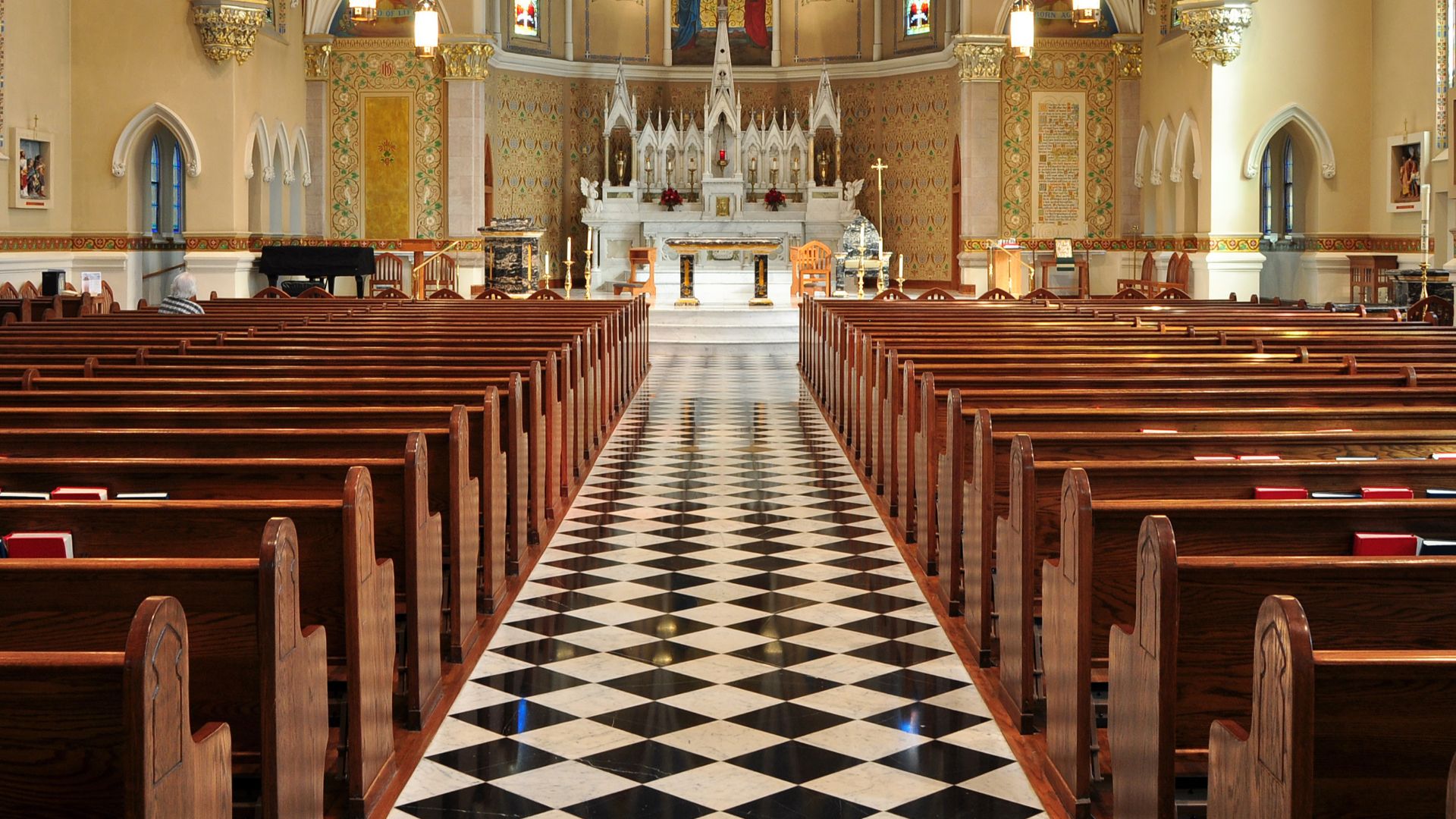
Cadillac has always been more than just a car brand. For over a century, it’s symbolized success, authority, and a certain quiet confidence. But tucked away behind tailfins, chrome grilles, and softly humming V8s is a lesser-known story—one that winds through cathedrals, parish halls, and funeral processions. This is the surprisingly human story of how Cadillac became intertwined with the Catholic Church in America, not by design, but by circumstance, culture, and trust.
When An Immigrant Church Found Its Footing
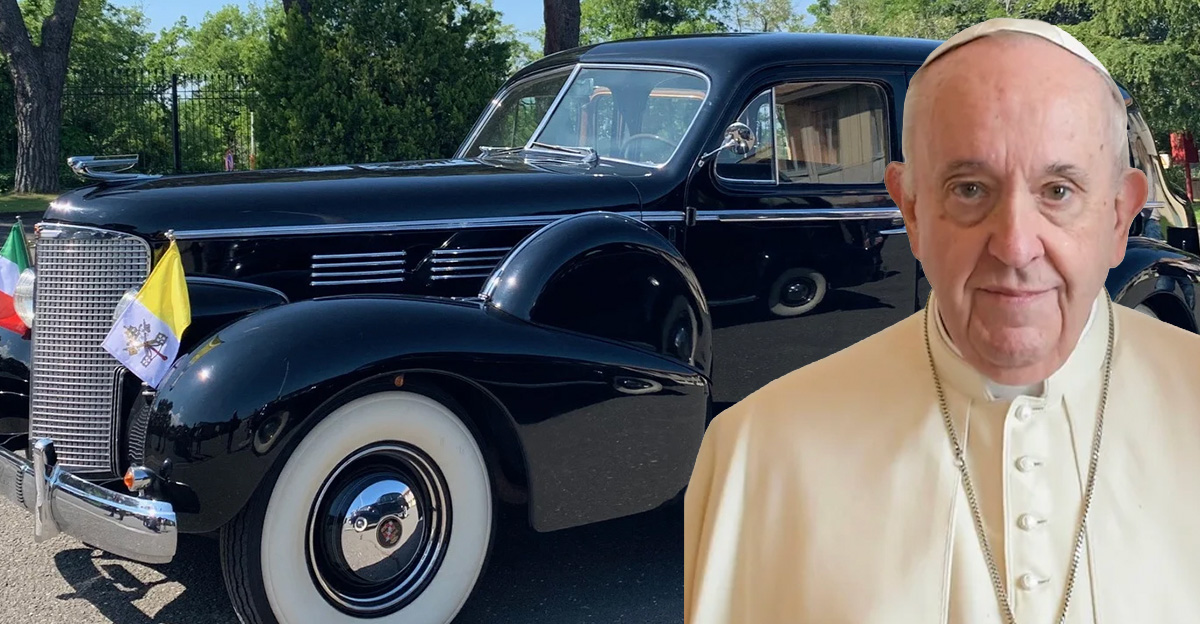
In the early 1900s, the Catholic Church in the United States was still finding its place. Many Catholics were immigrants or children of immigrants, working to gain social standing and stability. At the same time, Cadillac was establishing itself as America’s premier luxury automaker. Both institutions were, in their own ways, claiming legitimacy in a rapidly changing nation.
Why Priests And Bishops Needed Cars
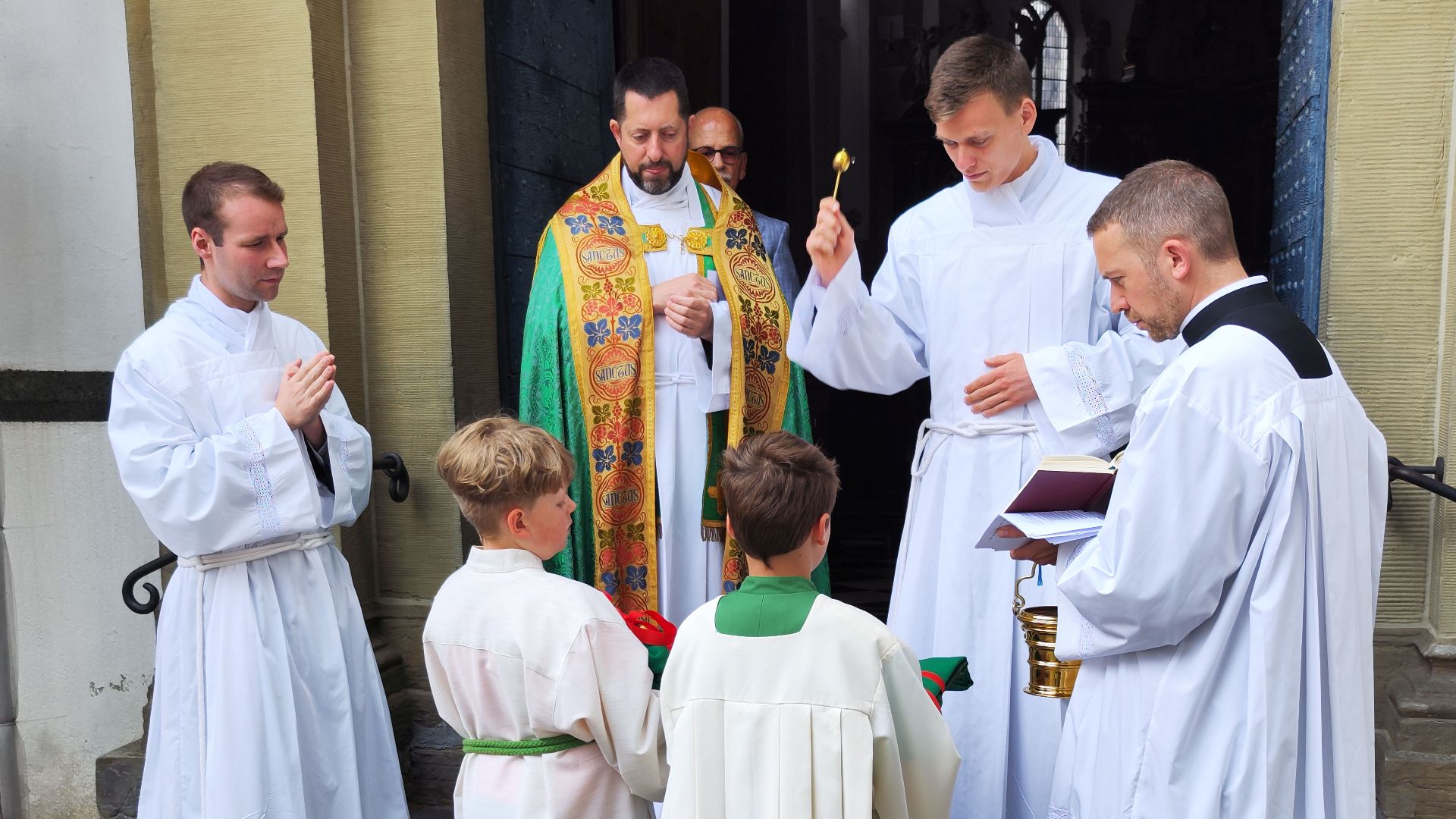
As dioceses expanded, clergy were expected to travel constantly—between parishes, hospitals, schools, and homes. Horse-drawn travel was slow, and trains didn’t reach everywhere. Automobiles weren’t indulgences; they were tools. For bishops overseeing vast territories, a dependable car was essential, not optional.
Cadillac’s Reputation Made It A Natural Fit
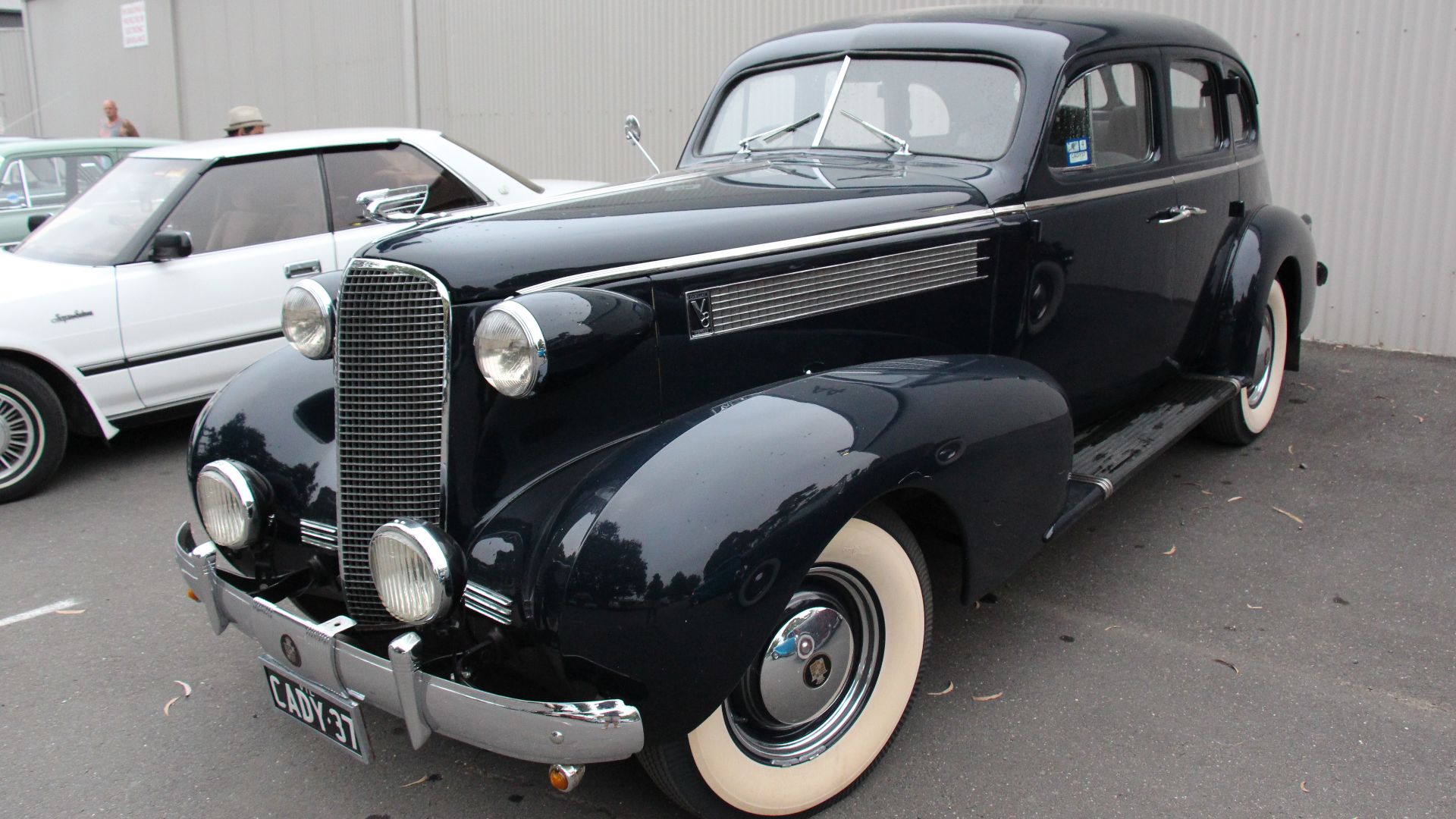
Cadillac didn’t market itself as flashy or rebellious. Instead, it emphasized engineering excellence, refinement, and dependability. Those qualities mattered deeply to church leaders who wanted transportation that reflected seriousness and responsibility. A Cadillac wasn’t a spectacle—it was reassurance on four wheels.
The Birth Of The “Bishop’s Cadillac”
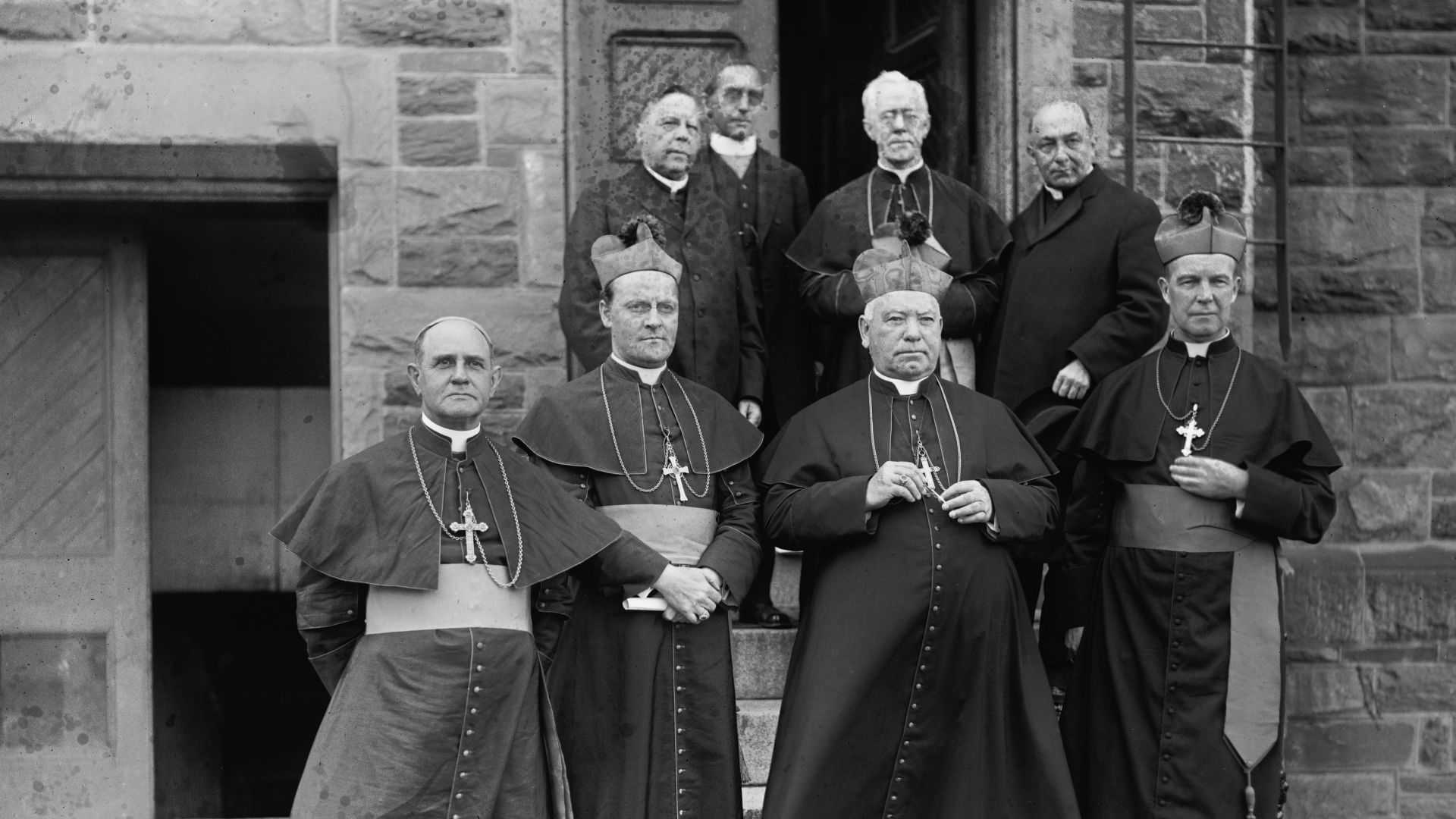
By the 1920s, the sight of a bishop stepping out of a large Cadillac sedan became familiar in Catholic communities. The cars were spacious, dignified, and smooth-riding—perfect for long robes and longer journeys. Over time, the association became so common it barely needed explanation.
Ceremony Meets Modern Mobility
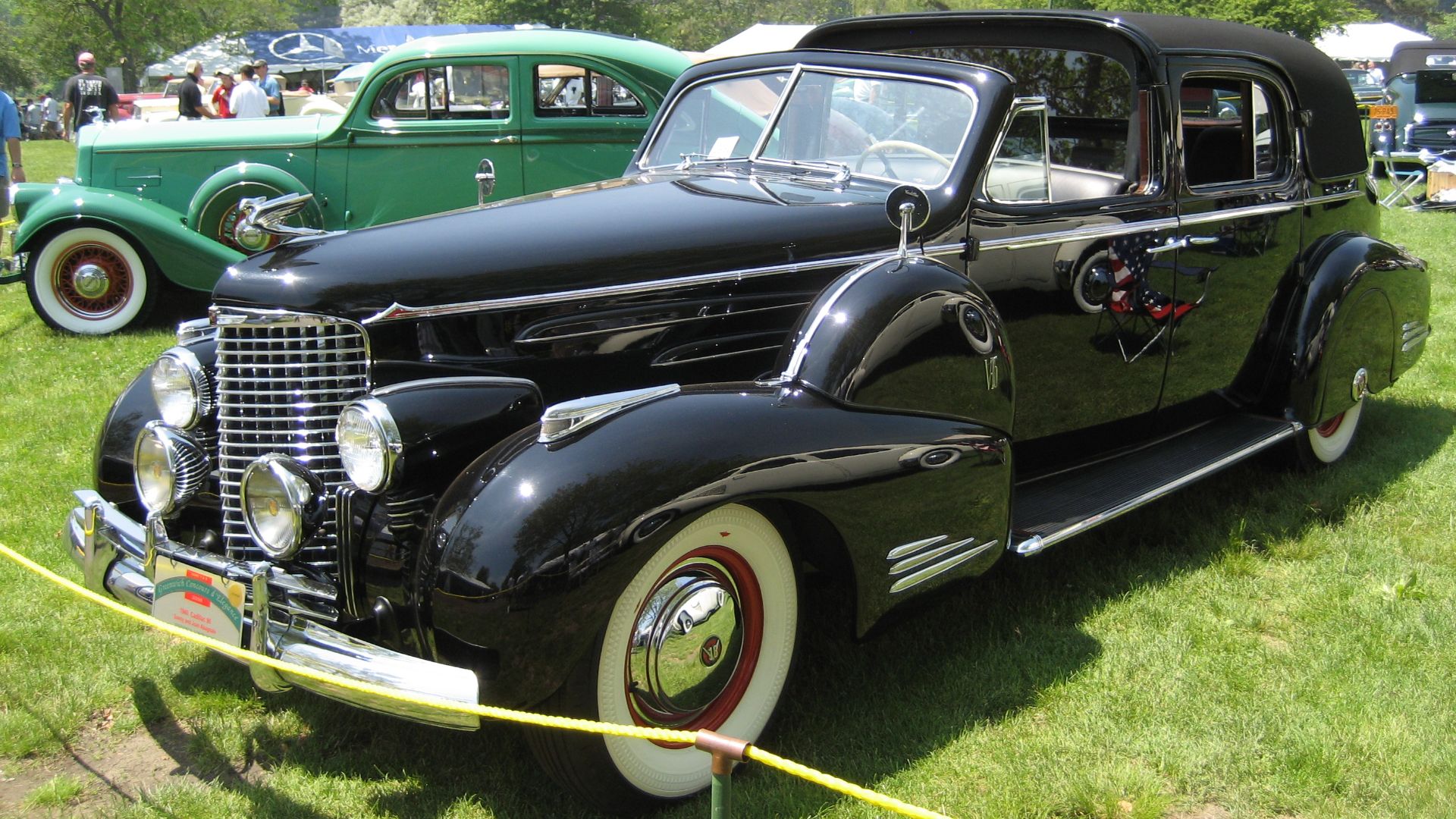
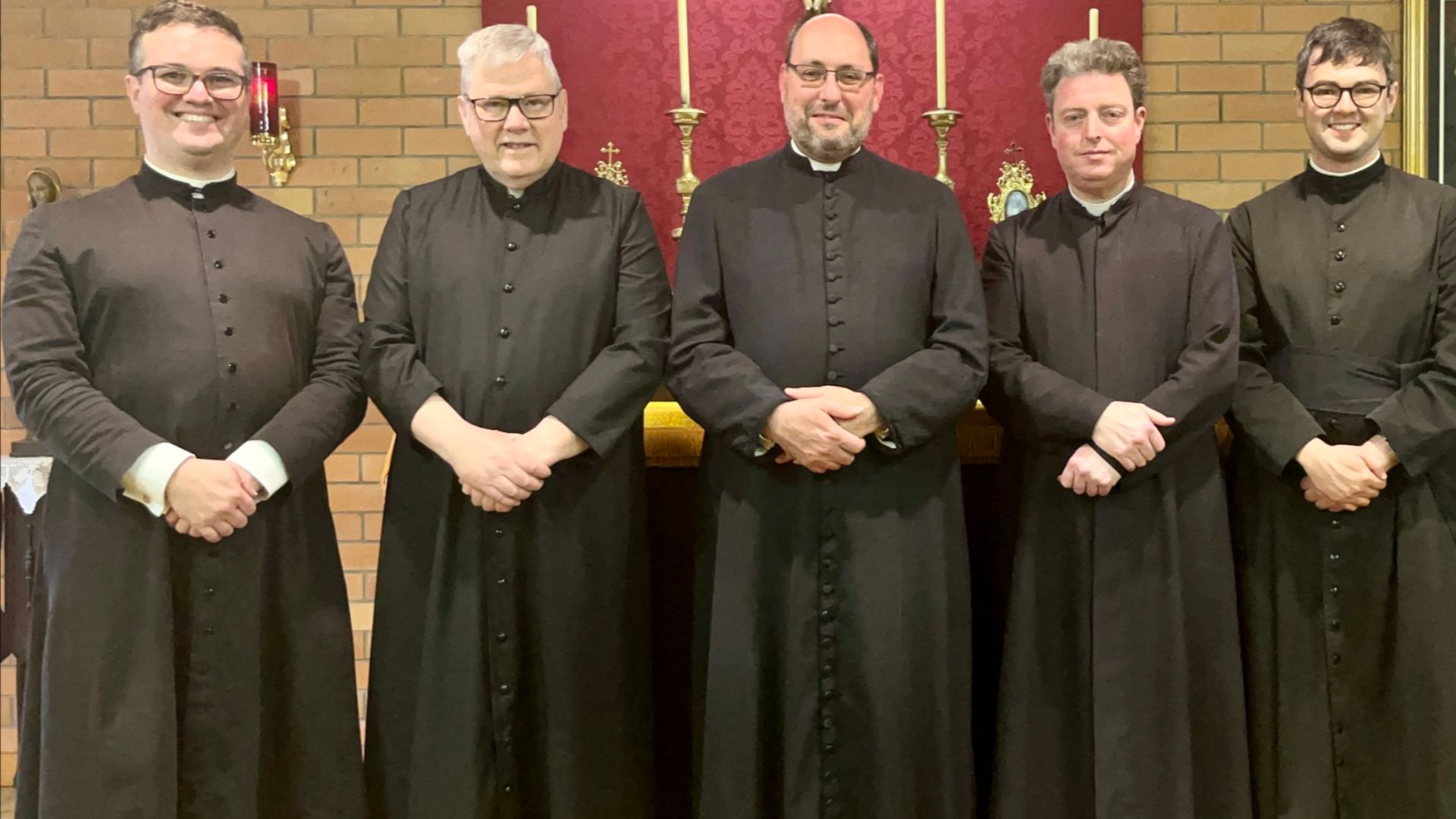
Catholic life is full of ritual, and Cadillacs naturally found their way into public moments. From parish dedications to civic events, these cars often led processions or transported senior clergy. They blended old-world ceremony with modern convenience in a way that felt oddly seamless.
 LukeMoloney, Wikimedia Commons
A Symbol Of Arrival For Catholic America
For many Catholics, Cadillac represented success in the New World. Seeing respected clergy ride in American luxury cars subtly reinforced the idea that Catholicism belonged at the heart of American life—not on its fringes. The car wasn’t just transportation; it was cultural validation.
 National Photo Company Collection, Wikimedia Commons
The Quiet Role Of Wealthy Donors
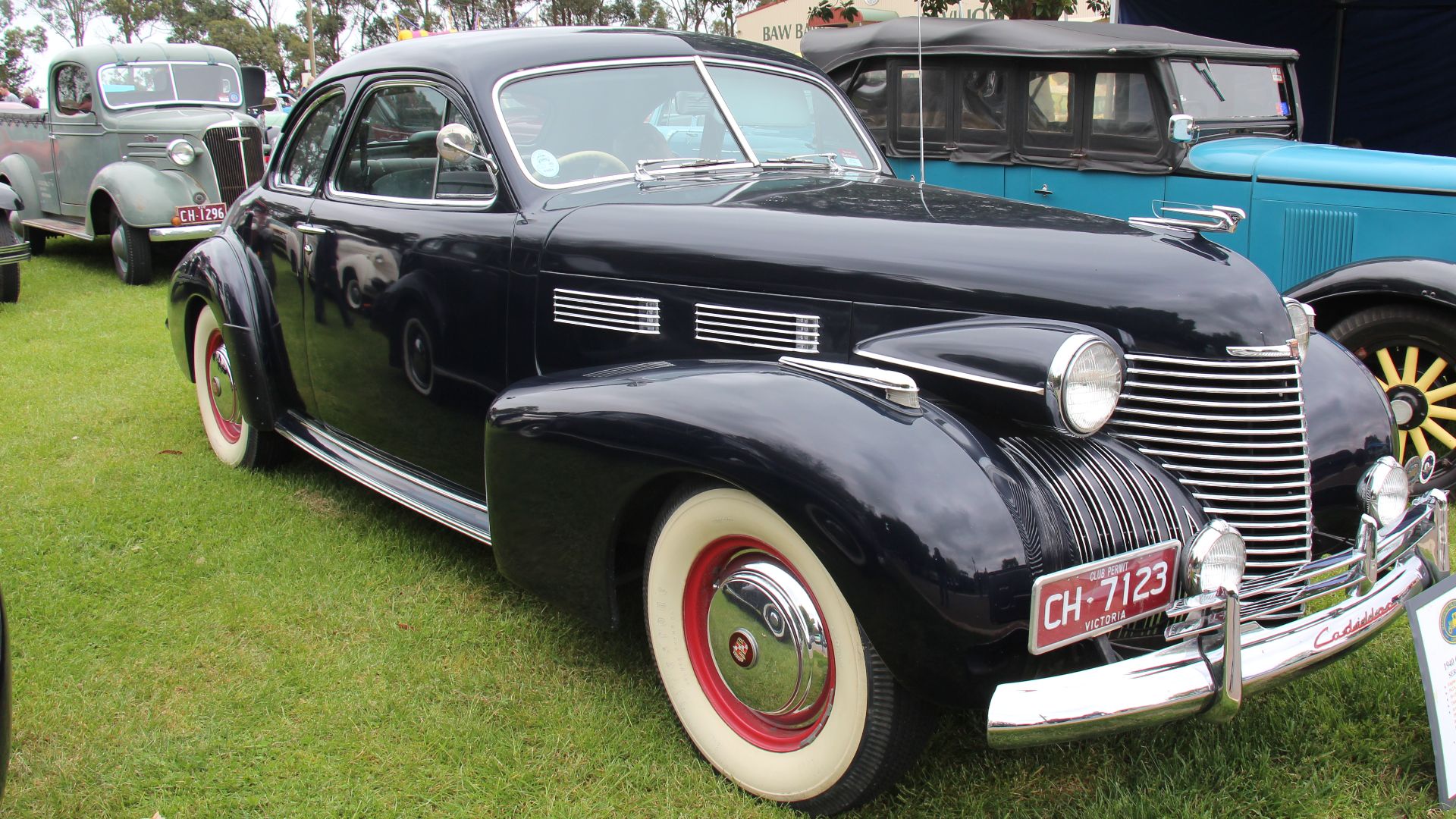
Many clergy-driven Cadillacs were gifts. Wealthy parishioners, business owners, and benefactors often donated vehicles to dioceses. Giving a Cadillac was both practical and symbolic—a way to support the Church while showcasing gratitude, faith, and prosperity.
Cadillac And Catholic Funeral Traditions
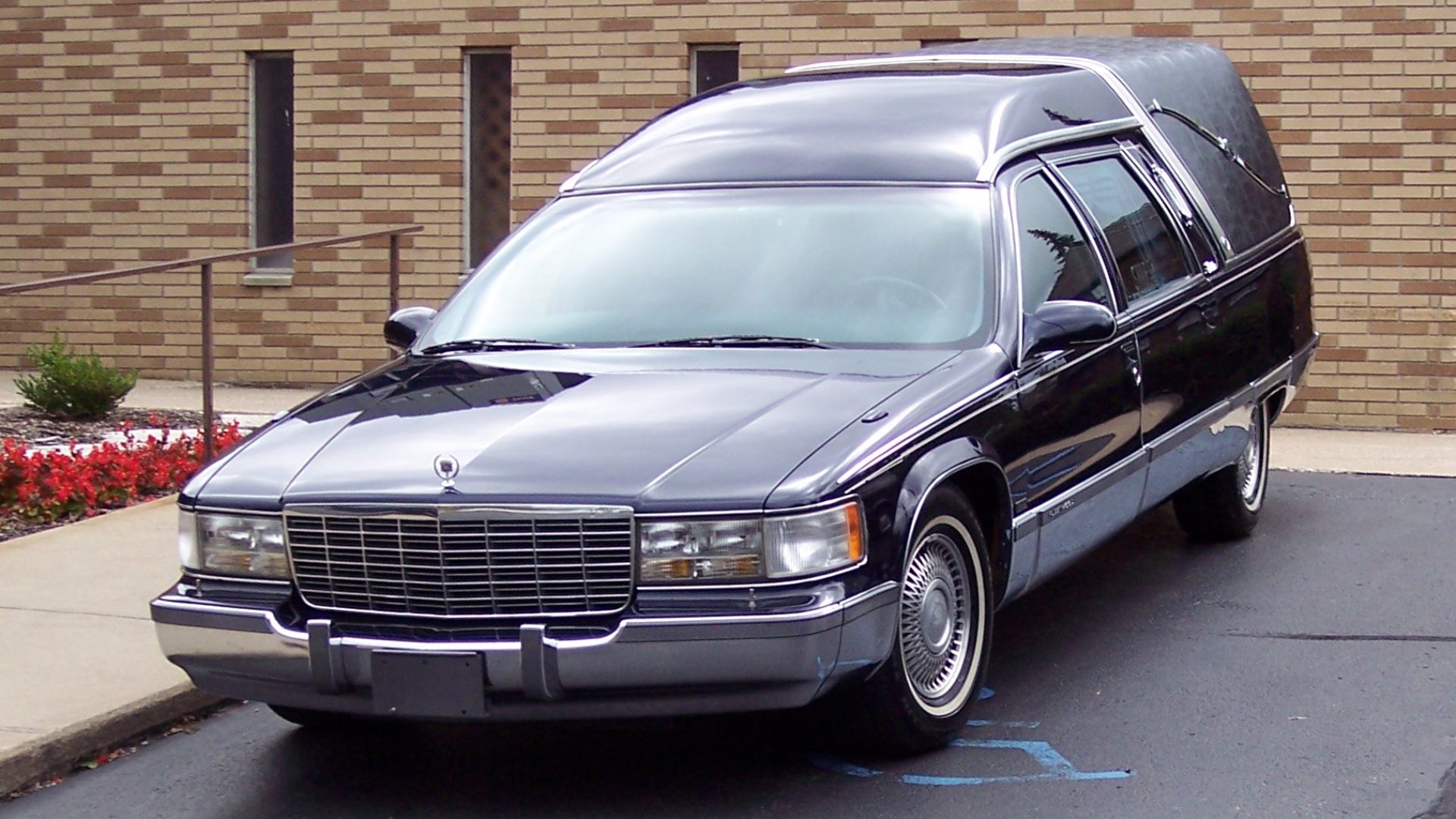
Perhaps nowhere was Cadillac’s presence more deeply felt than at funerals. Cadillac-based hearses and limousines became standard in Catholic burial rites. These vehicles carried generations of faithful to their final rest, embedding Cadillac into moments of grief, reverence, and memory.
 Alison Chan, Wikimedia Commons
Authority Without Excess
Cars communicate power, whether we admit it or not. Cadillac struck a careful balance—it projected authority without seeming gaudy. For bishops navigating both religious and civic leadership, that balance mattered. The car complemented the office without overshadowing it.
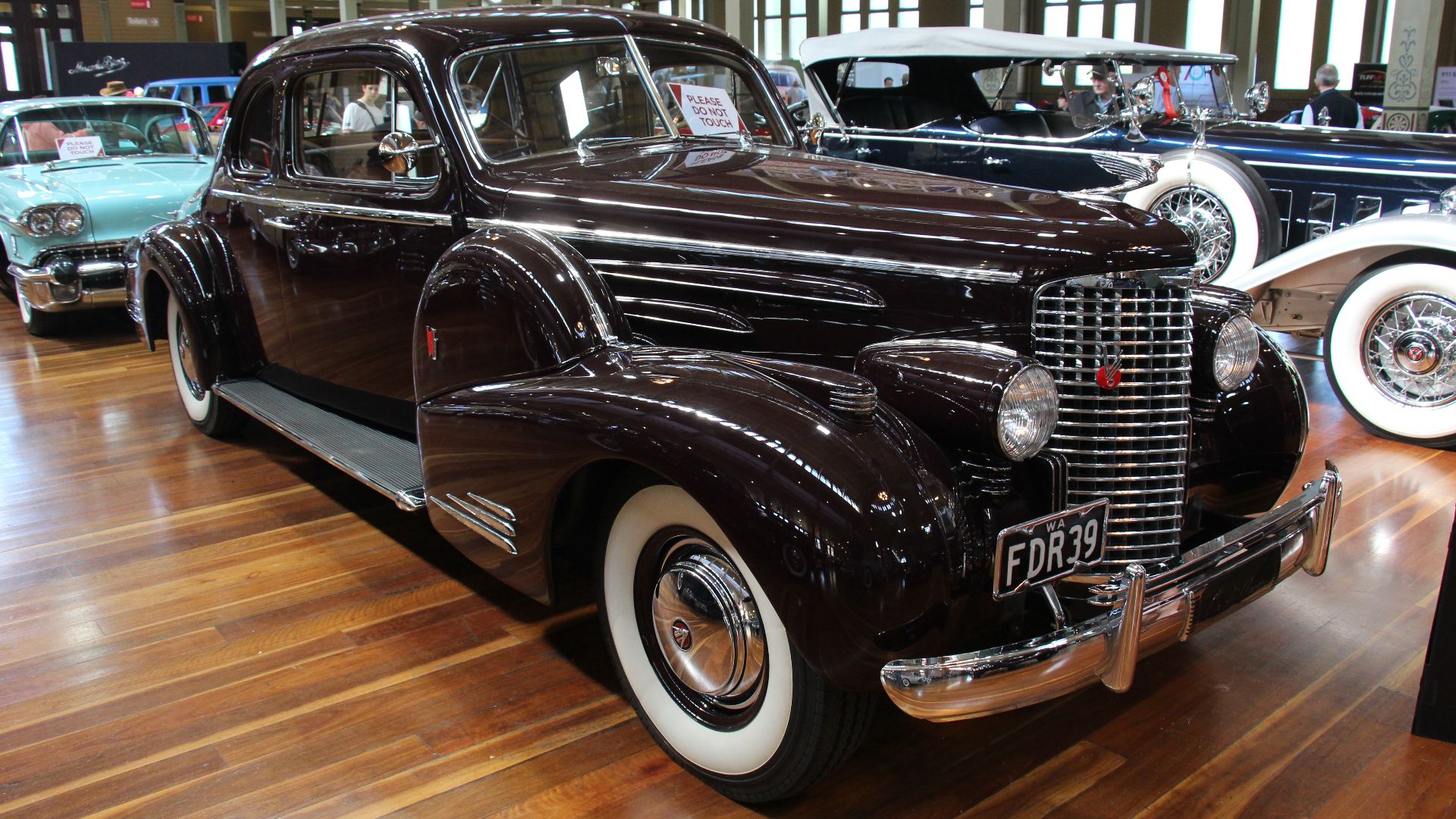
The Postwar Years And Bigger Everything
After World War II, America boomed. Churches grew, suburbs expanded, and Cadillacs got bigger, bolder, and more dramatic. Their scale mirrored a confident Church building schools, hospitals, and parishes at an unprecedented pace. It was an era of optimism—and chrome.
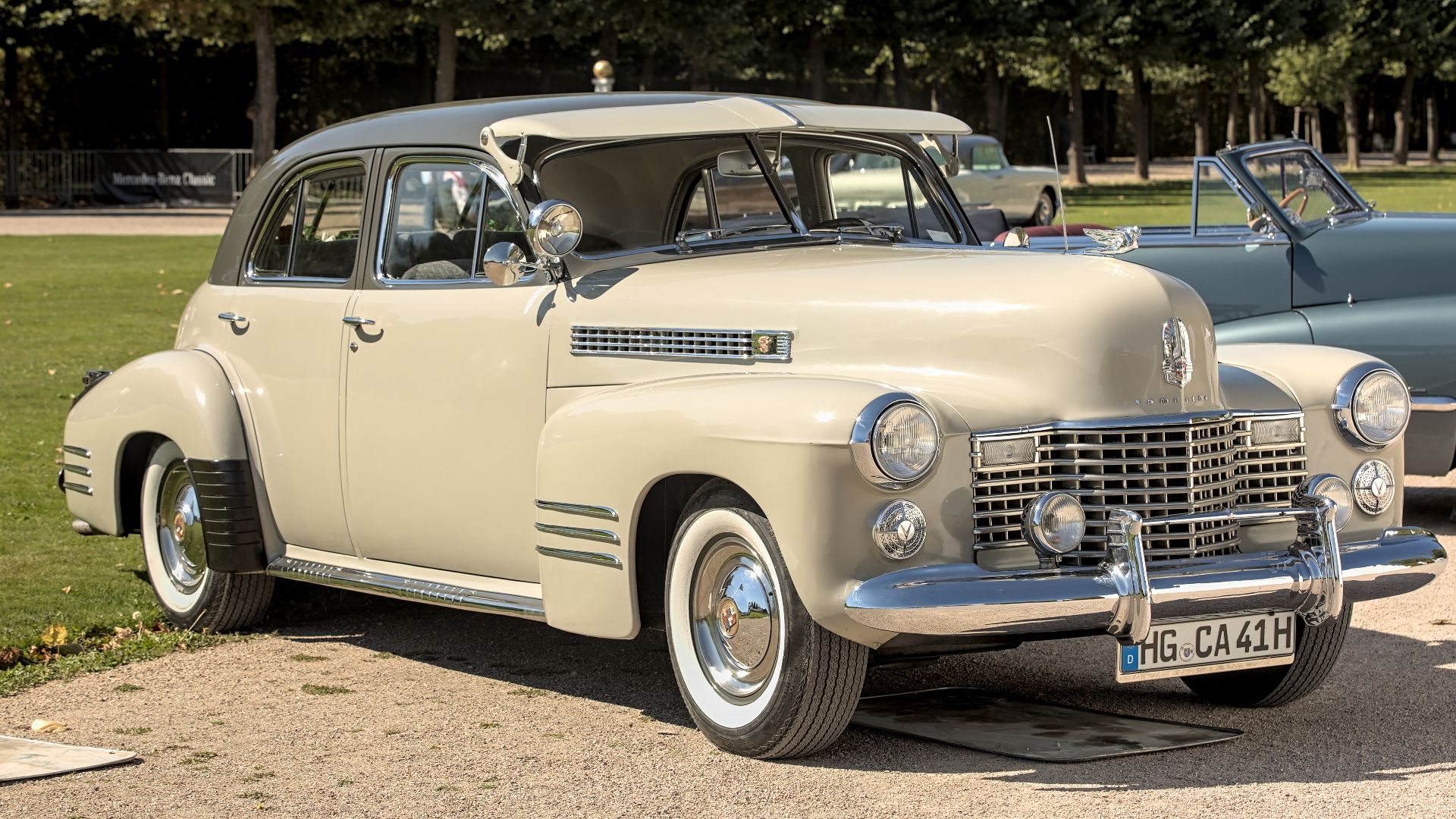 Alexander Migl, Wikimedia Commons
Institutional Use Beyond Clergy
Catholic hospitals, universities, and diocesan offices sometimes used Cadillacs for administrators and ceremonial duties. These cars reinforced professionalism and tradition. Cadillac became woven into the fabric of Catholic institutions, not just personal garages.
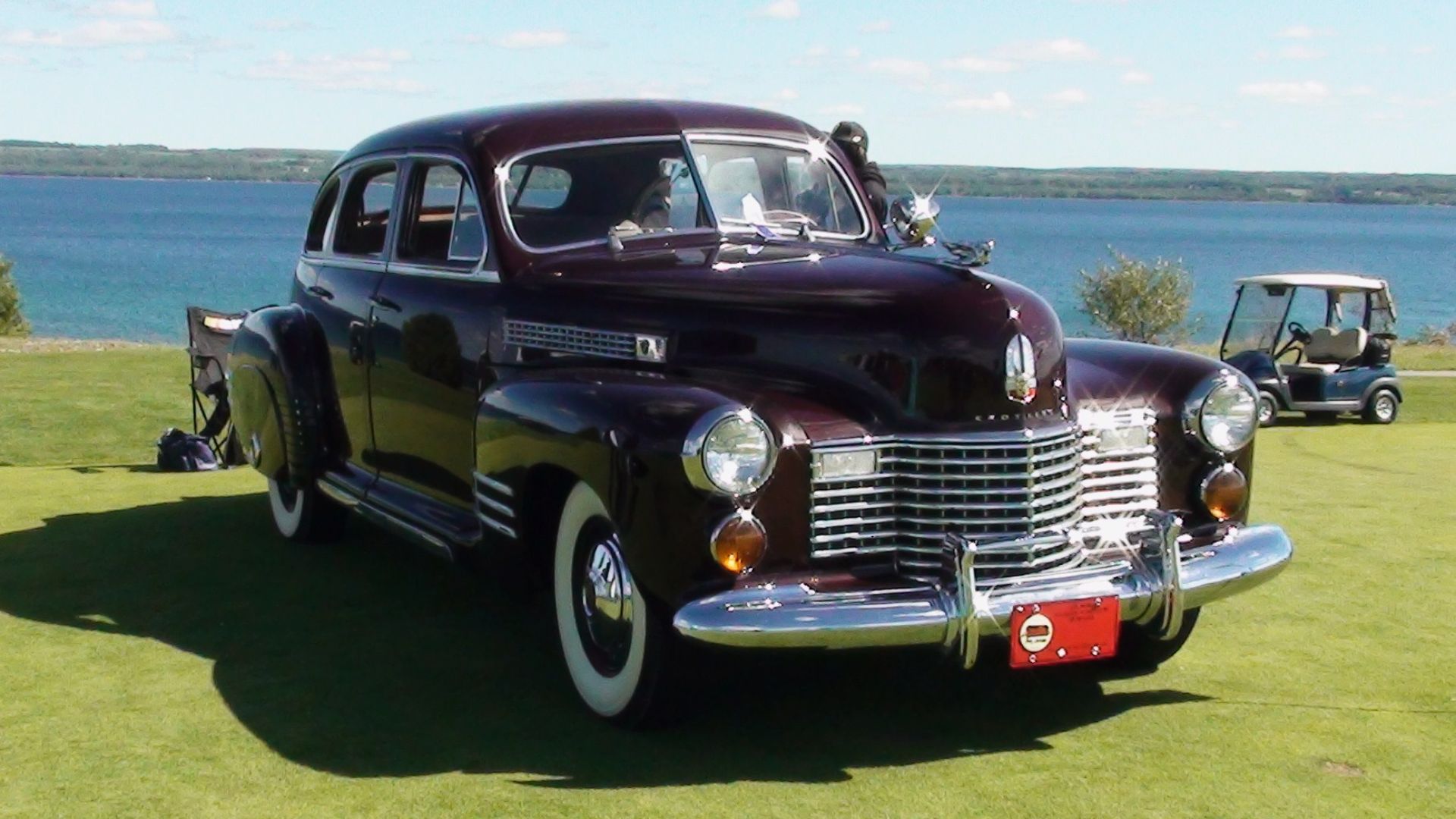 Tino Rossini from Toronto, Canada, Wikimedia Commons
Detroit’s Catholic Undercurrent
Detroit itself has a strong Catholic presence, and many figures within Cadillac’s leadership were familiar with Catholic culture. While there was no official connection, shared values and cultural comfort likely made Cadillac feel at home within Church life.
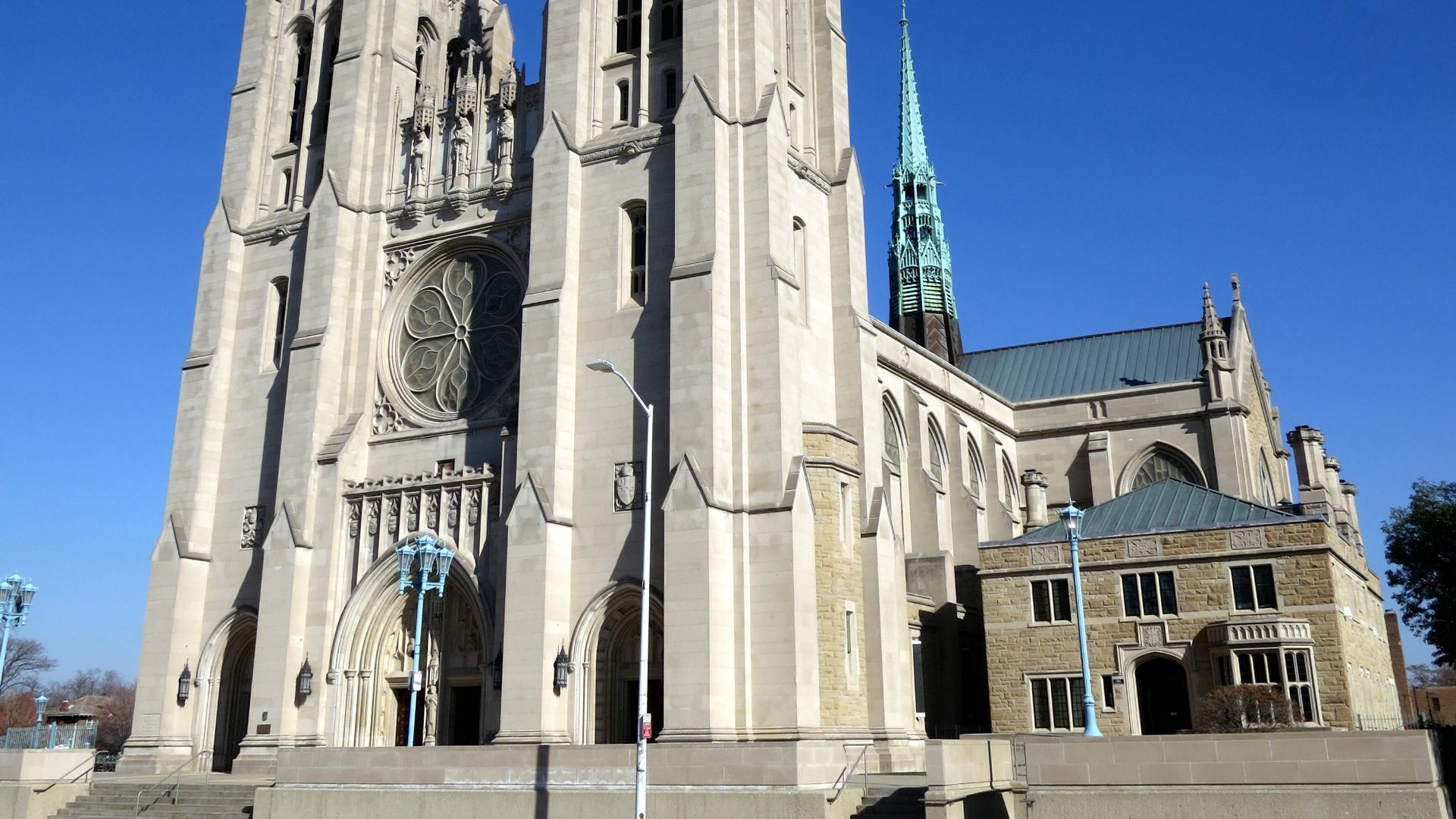
American Catholicism On The World Stage
When American bishops traveled abroad or hosted international clergy, large American sedans often made appearances. In photos and newsreels, Cadillac quietly became part of how American Catholic leadership presented itself to the wider world.
 Jiri Bubenicek, Wikimedia Commons
Vatican II And A Changing Church
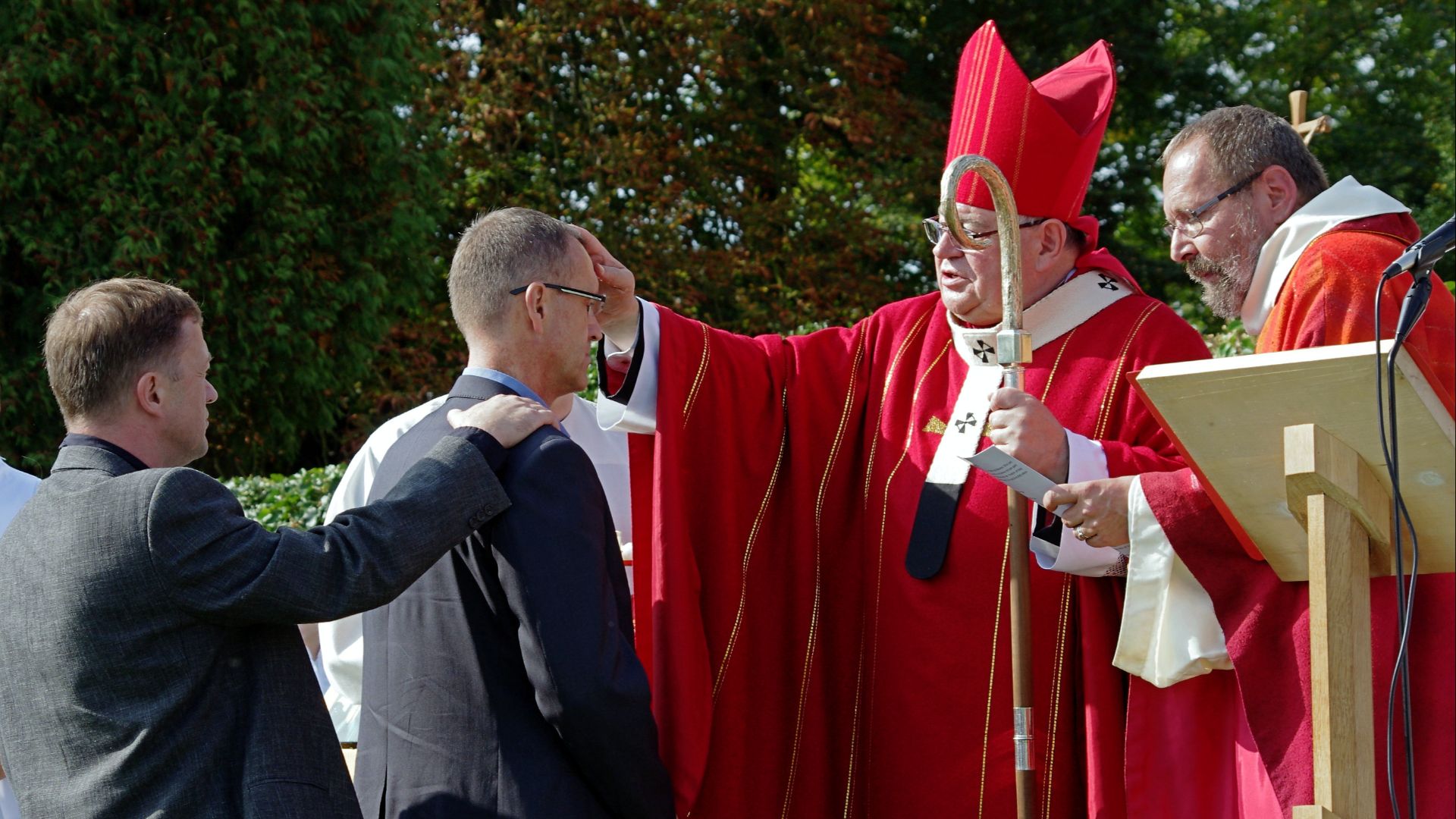
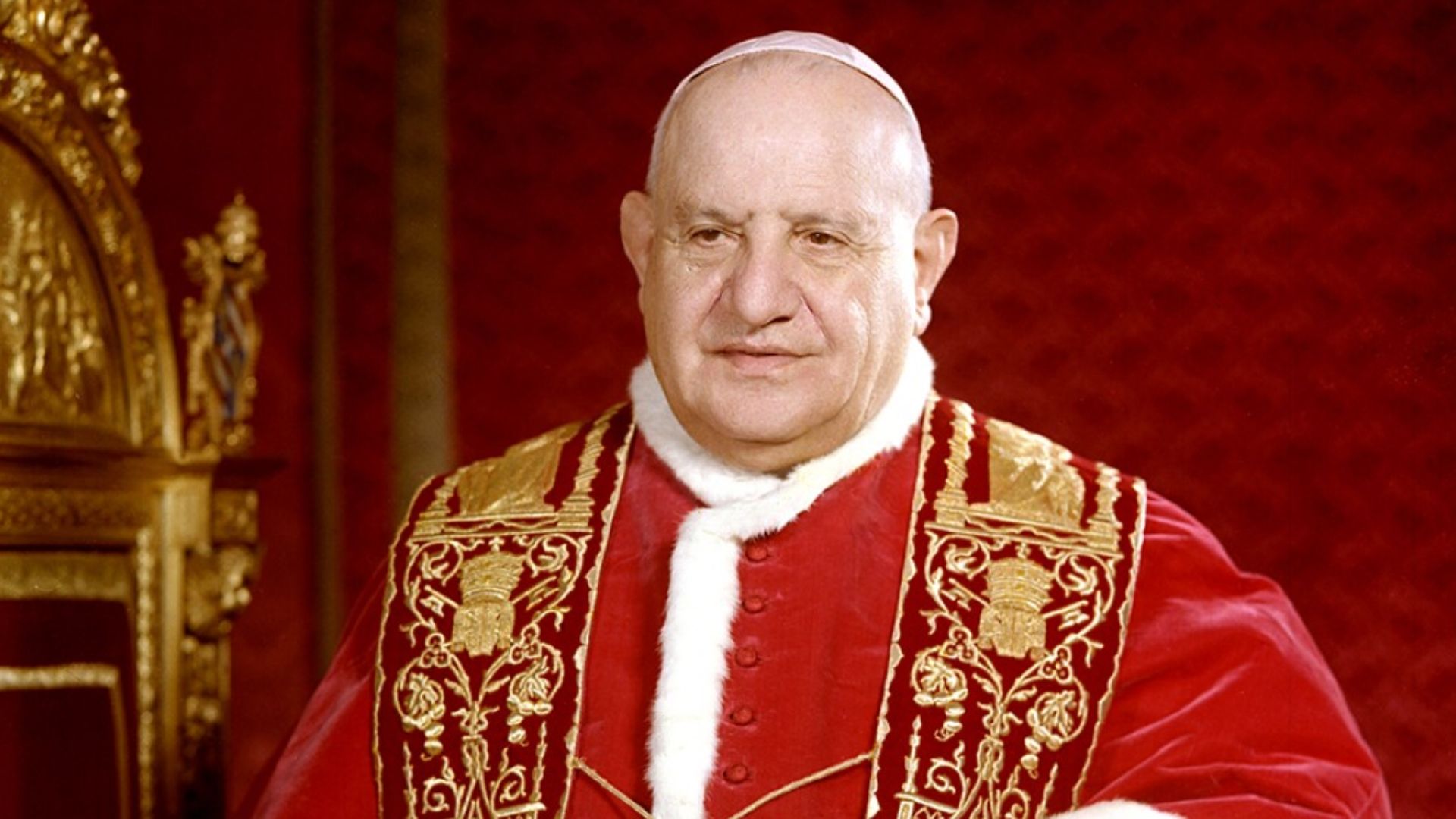
The 1960s brought profound shifts. Vatican II emphasized humility, simplicity, and engagement with modern life. Luxury symbols became more sensitive topics. Many clergy moved away from Cadillacs, not out of scandal, but changing attitudes.
 Fotografia Felici, Wikimedia Commons
From Prestige To Practicality
As tastes shifted, dioceses opted for more modest vehicles. Still, older Cadillacs stayed on the road for years, valued for durability and comfort. Even when the brand faded from daily use, respect for its quality remained.
Cadillac As Cultural Humor
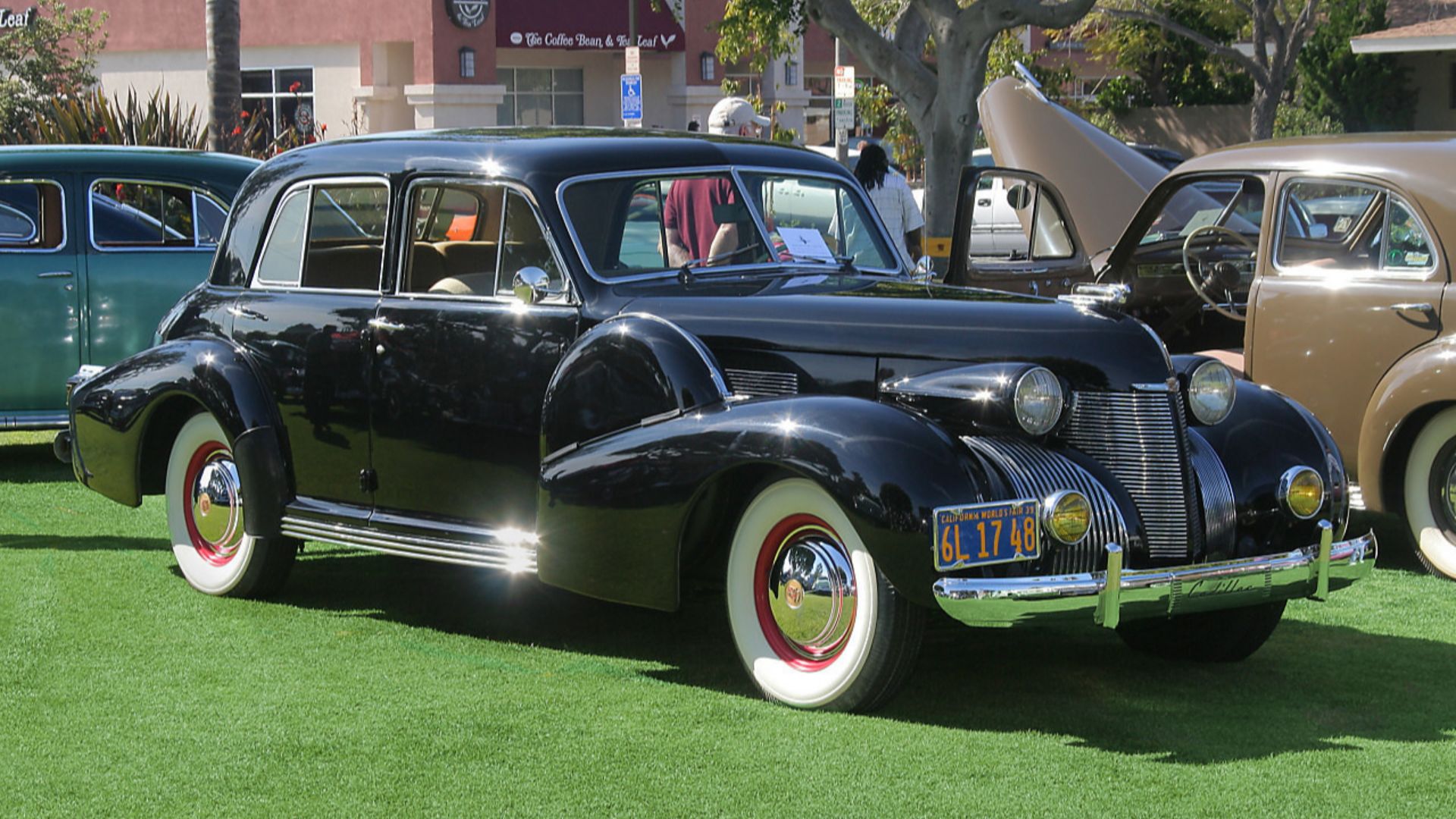
By the late 20th century, the “priest in a Cadillac” became a gentle cultural joke. It reflected familiarity, not outrage. The stereotype existed because the relationship had once been so common it felt natural.
The Professional Car Industry Keeps The Link Alive
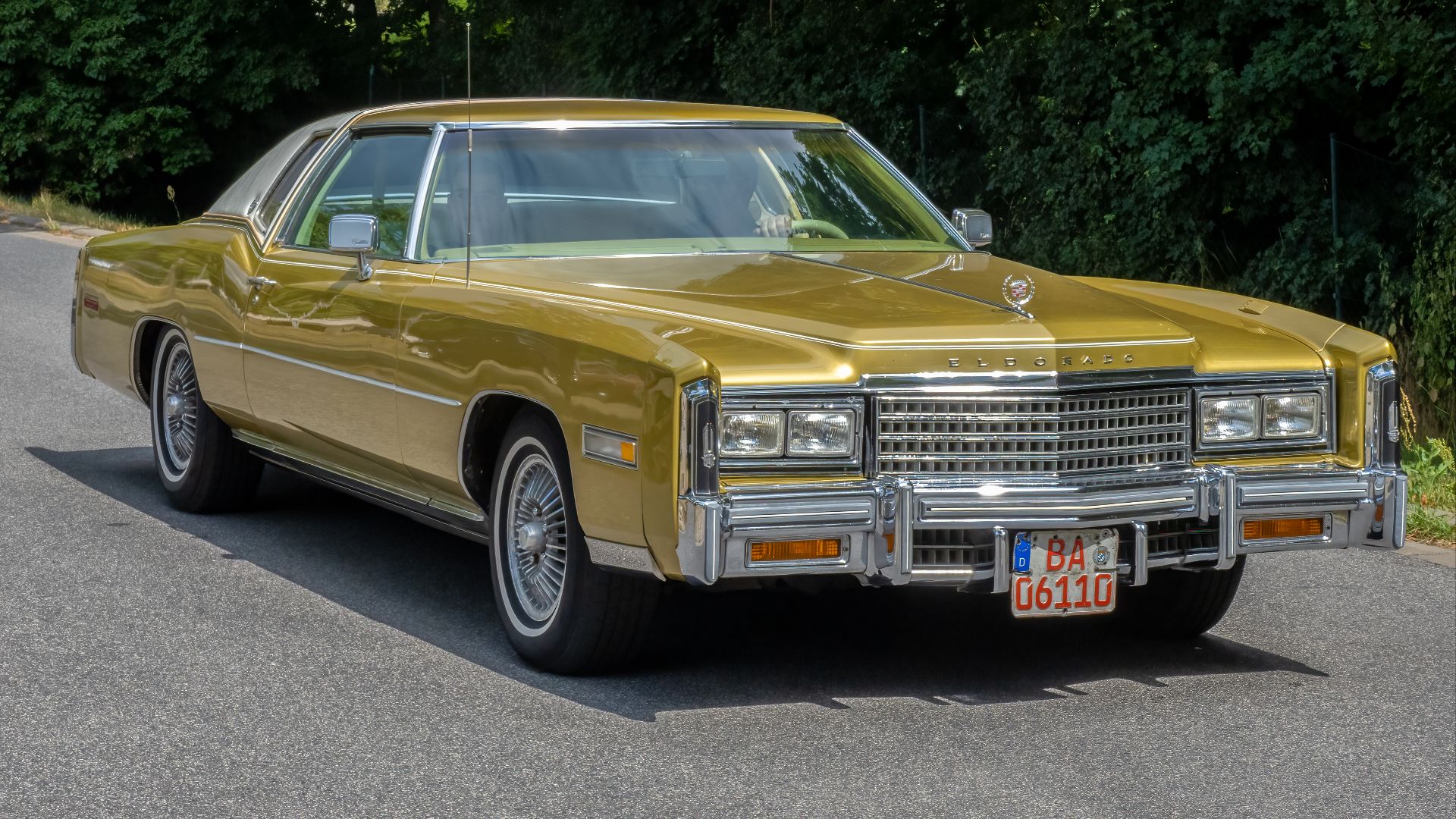
Even as clergy transportation evolved, Cadillac’s presence endured through professional cars. Hearses and limousines based on Cadillac platforms remained staples of Catholic funerals, preserving the brand’s quiet role in sacred moments.
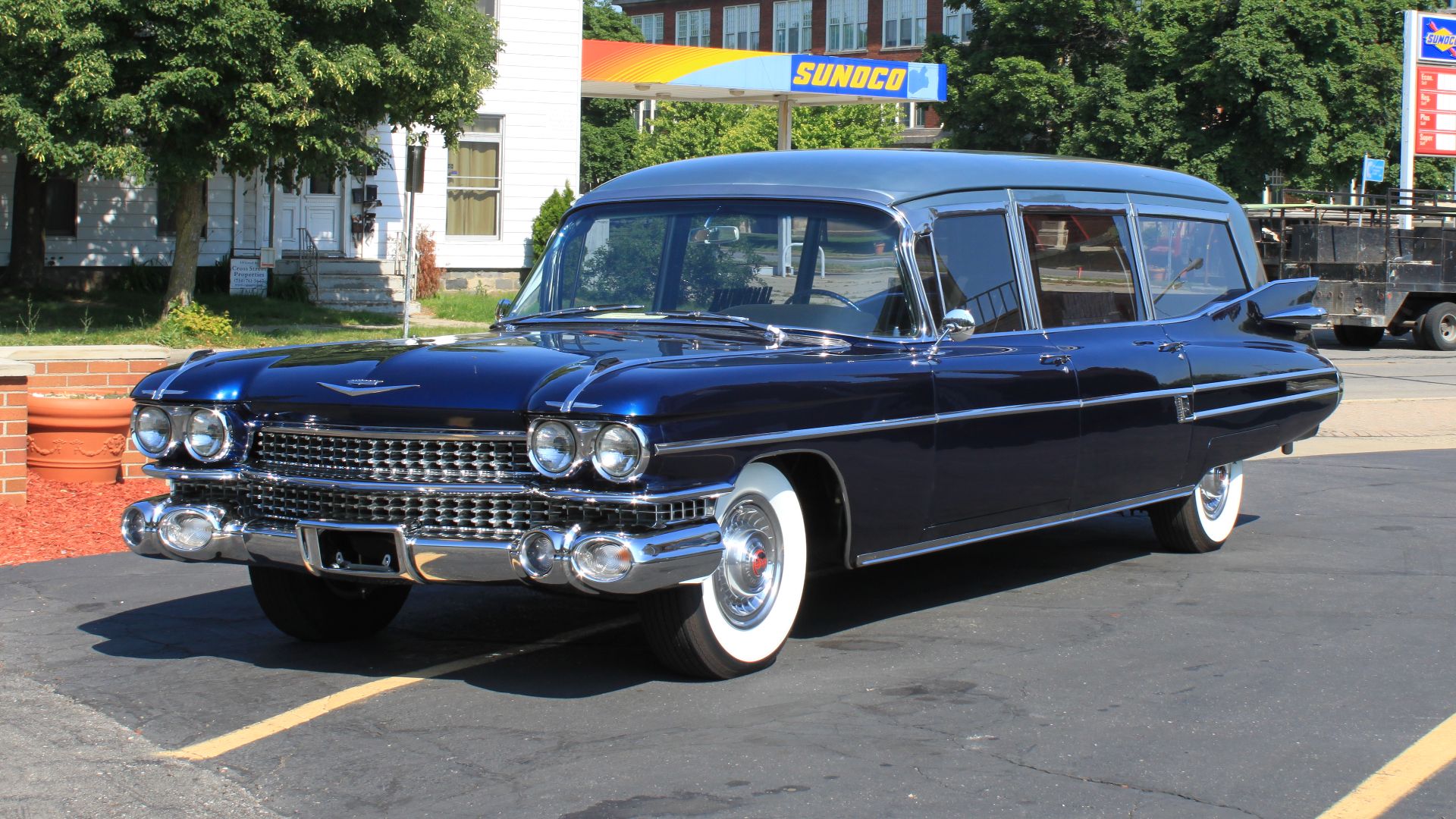 Dwight Burdette, Wikimedia Commons
Vintage Cadillacs And Living Memory
Today, you’re more likely to see a Cadillac at a parish anniversary or historical event than a bishop’s driveway. These cars evoke nostalgia—reminders of an era when faith and American industry grew side by side.
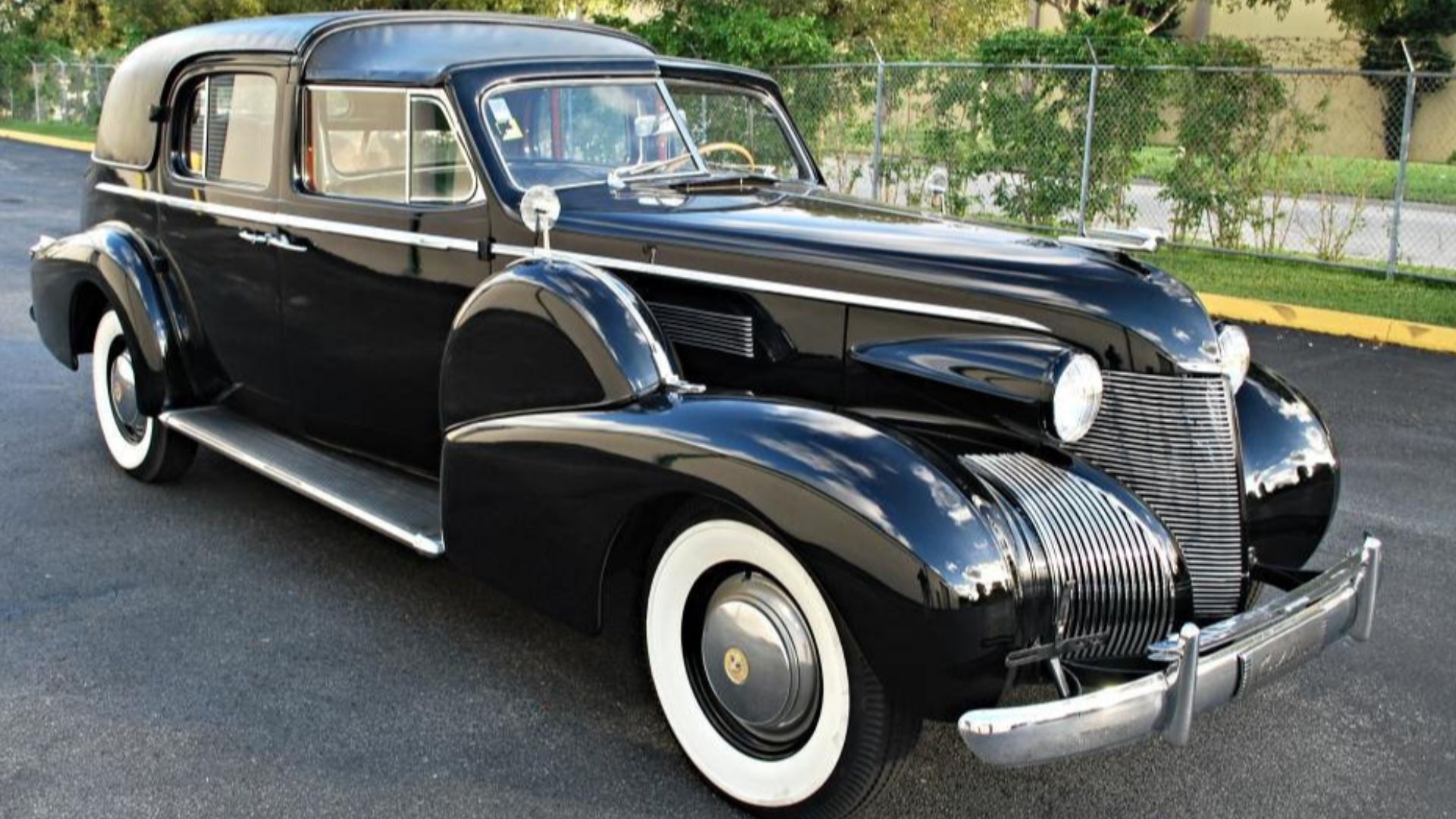 That Hartford Guy from Hartford, Connecticut, USA, Wikimedia Commons
How Cars Become Emotional Artifacts
For many Catholics, Cadillacs are tied to memories: confirmations, ordinations, funerals, and feast days. The cars absorbed emotion simply by being present when life’s biggest moments unfolded.
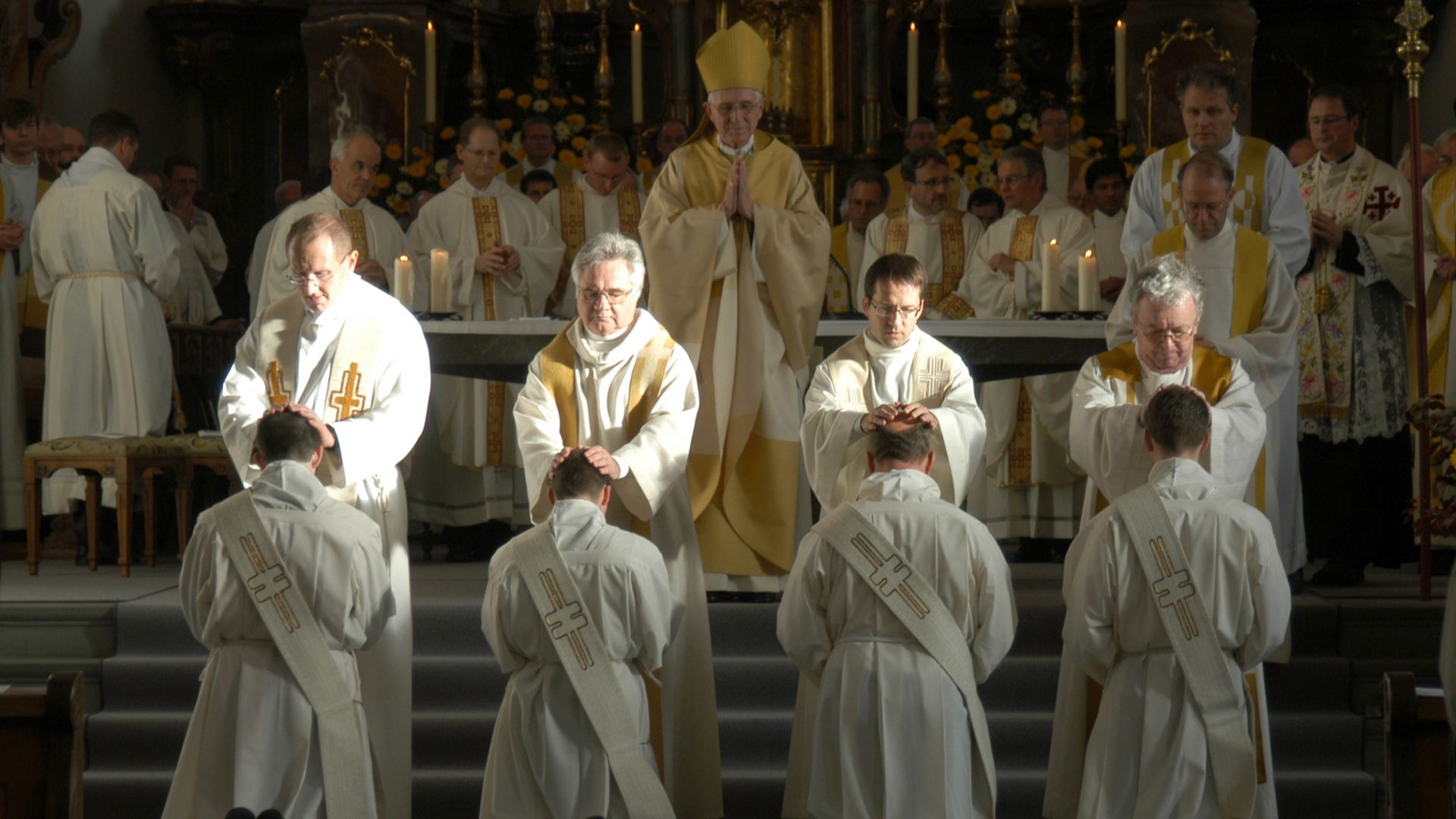 Matthias Ulrich. The original uploader was Matteo3000 at German Wikipedia., Wikimedia Commons
No Contracts, No Endorsements
There was never an official partnership between Cadillac and the Catholic Church. No marketing deal. No Vatican blessing. The relationship grew naturally through use, trust, and time—and that’s exactly why it lasted.
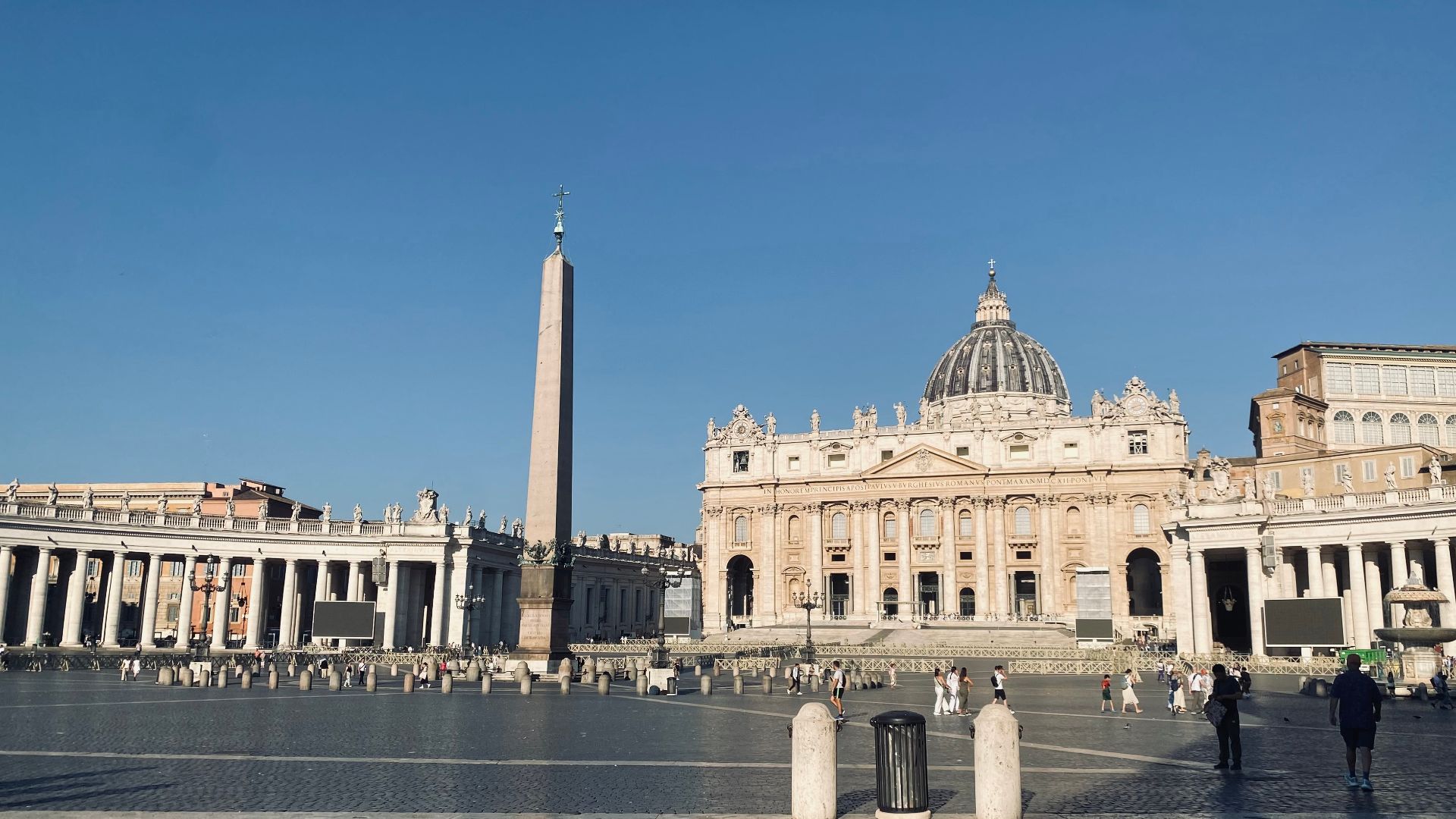 Zakarie Faibis, Wikimedia Commons
Reliability As A Shared Value
At its heart, this story is about dependability. Clergy needed cars that worked in all weather, over long distances, without drama. Cadillac delivered—and earned loyalty in the process.
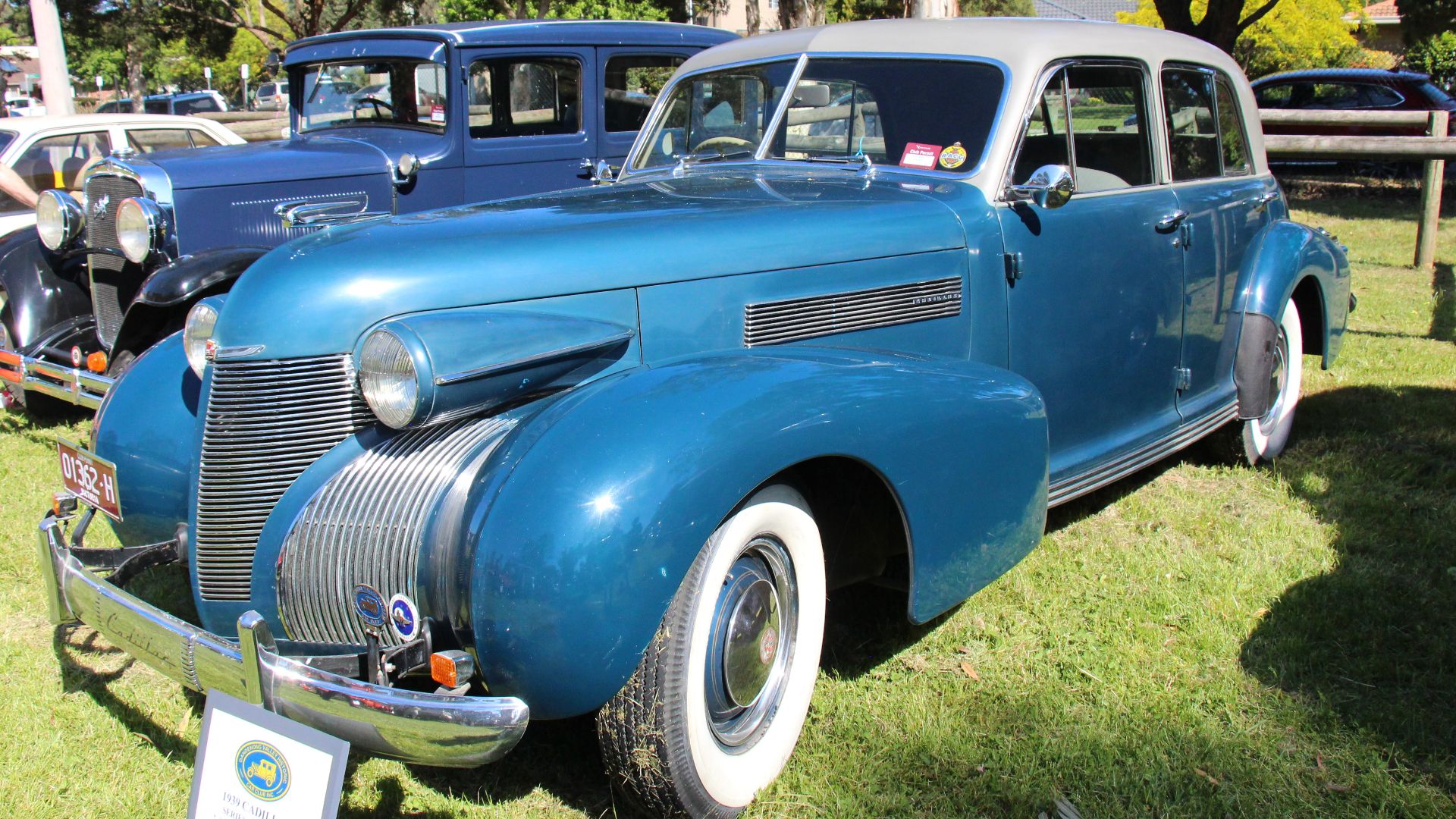
Faith Is Lived, Not Abstract
Religious institutions aren’t abstract ideas; they’re lived experiences shaped by people and places. Cadillac became part of that lived reality, not as doctrine, but as a supporting character in everyday ministry.
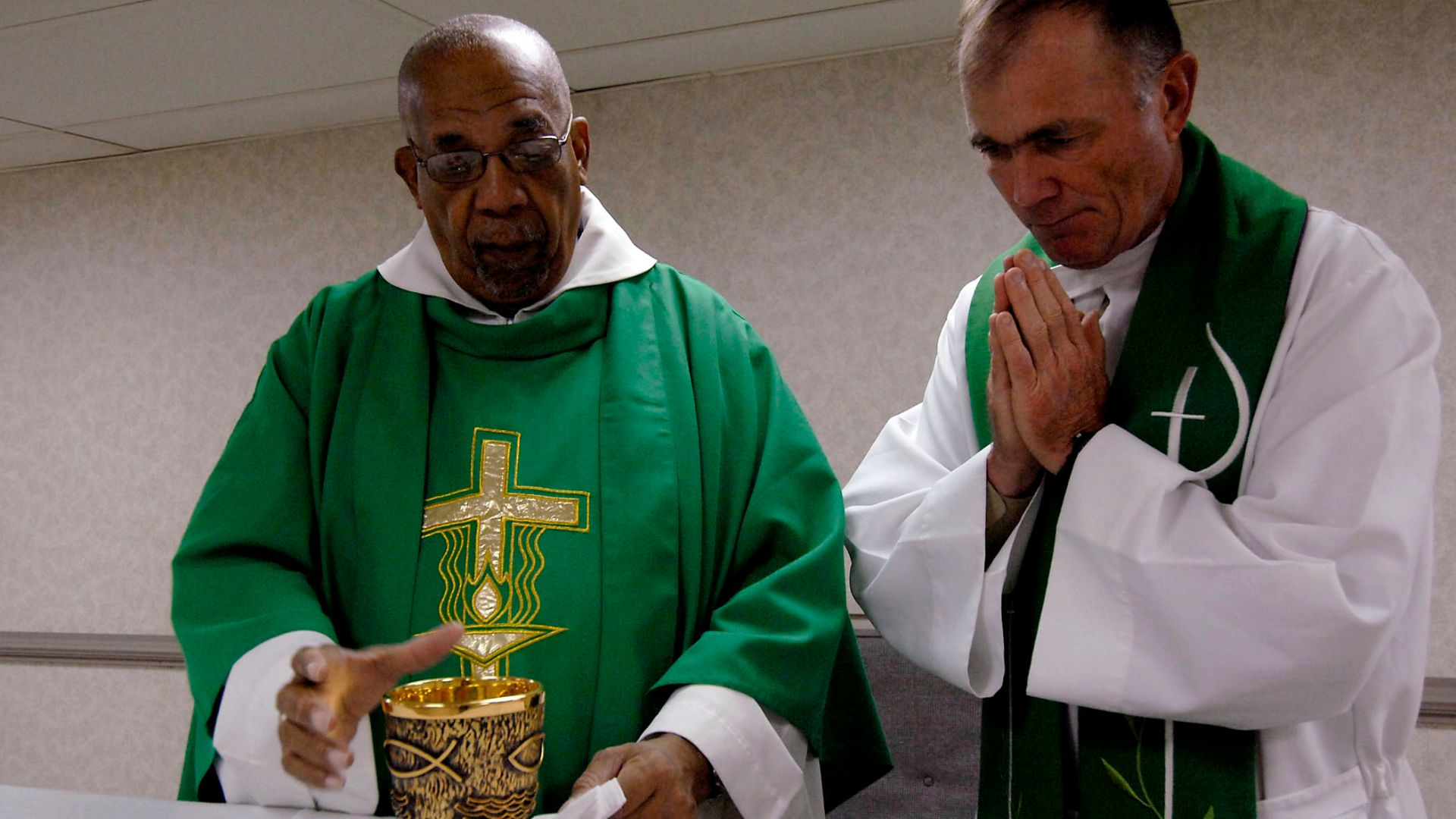 U.S. Navy photo, Wikimedia Commons
Why The Story Stayed Untold
Because nothing about it was intentional or official. It was ordinary life unfolding over decades. And ordinary stories are often the ones we overlook—even when they leave lasting impressions.
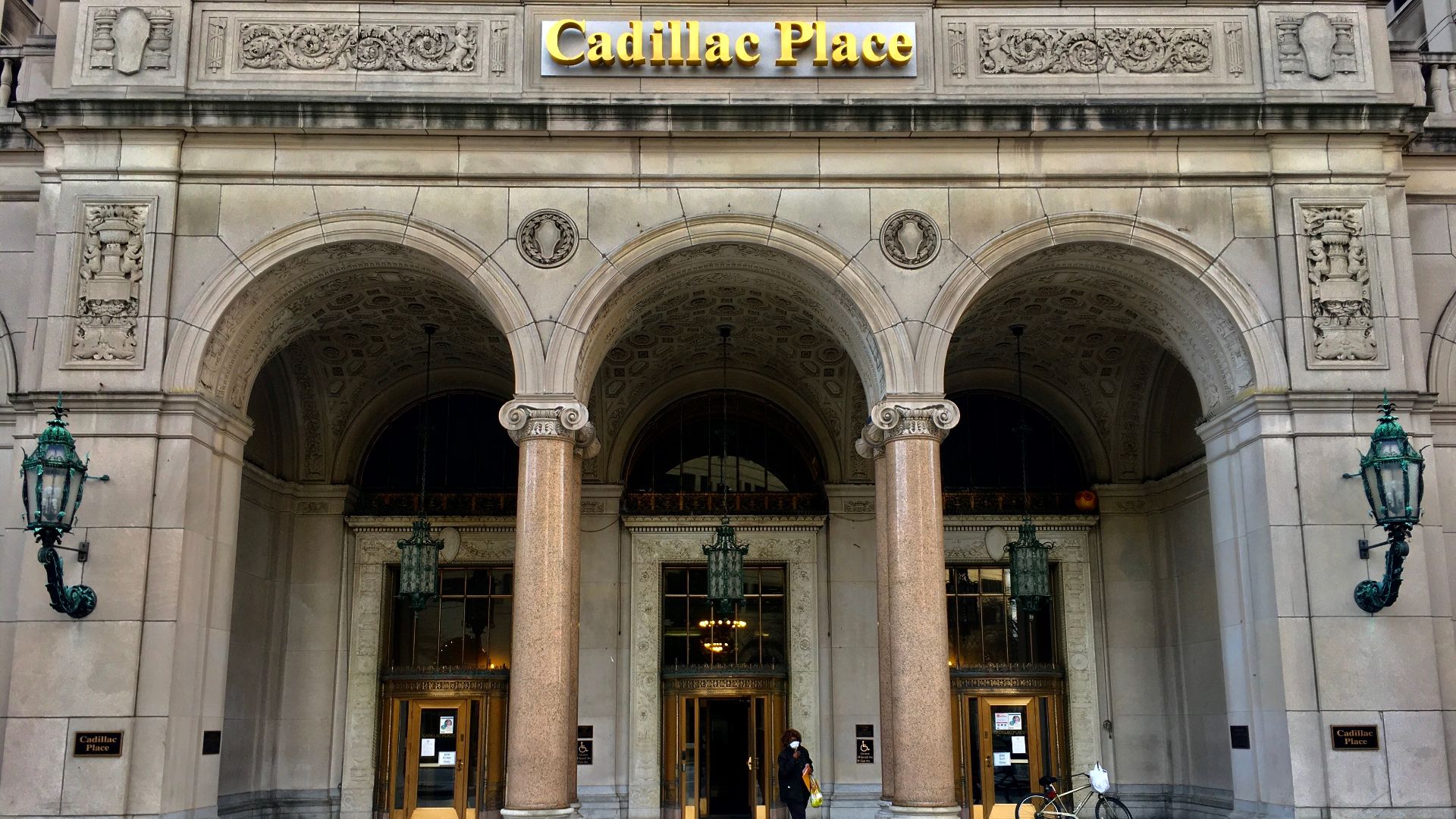 Andre Carrotflower, Wikimedia Commons
Cadillac’s Quiet Place In Catholic History
While never theological or formal, Cadillac occupies a unique cultural space in American Catholic history. It reflects a time when faith, prosperity, and identity intersected naturally and unapologetically.
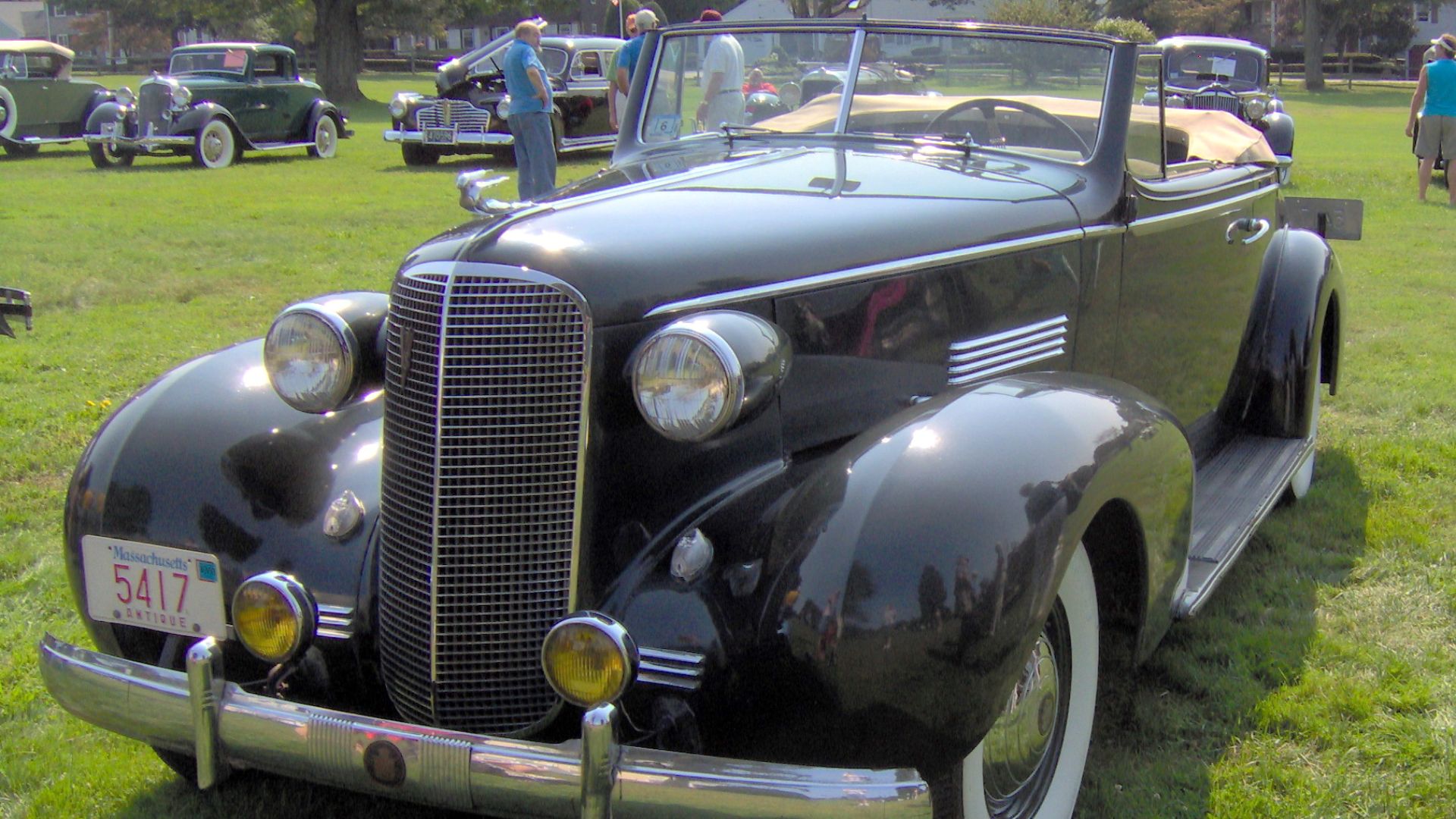 Stephen Foskett (Wikipedia User: sfoskett), Wikimedia Commons
The Legacy Still Rolls
Even today, Cadillac carries echoes of dignity and ceremony. That reputation wasn’t built only in showrooms—it was shaped in church parking lots, hospital entrances, and funeral processions.
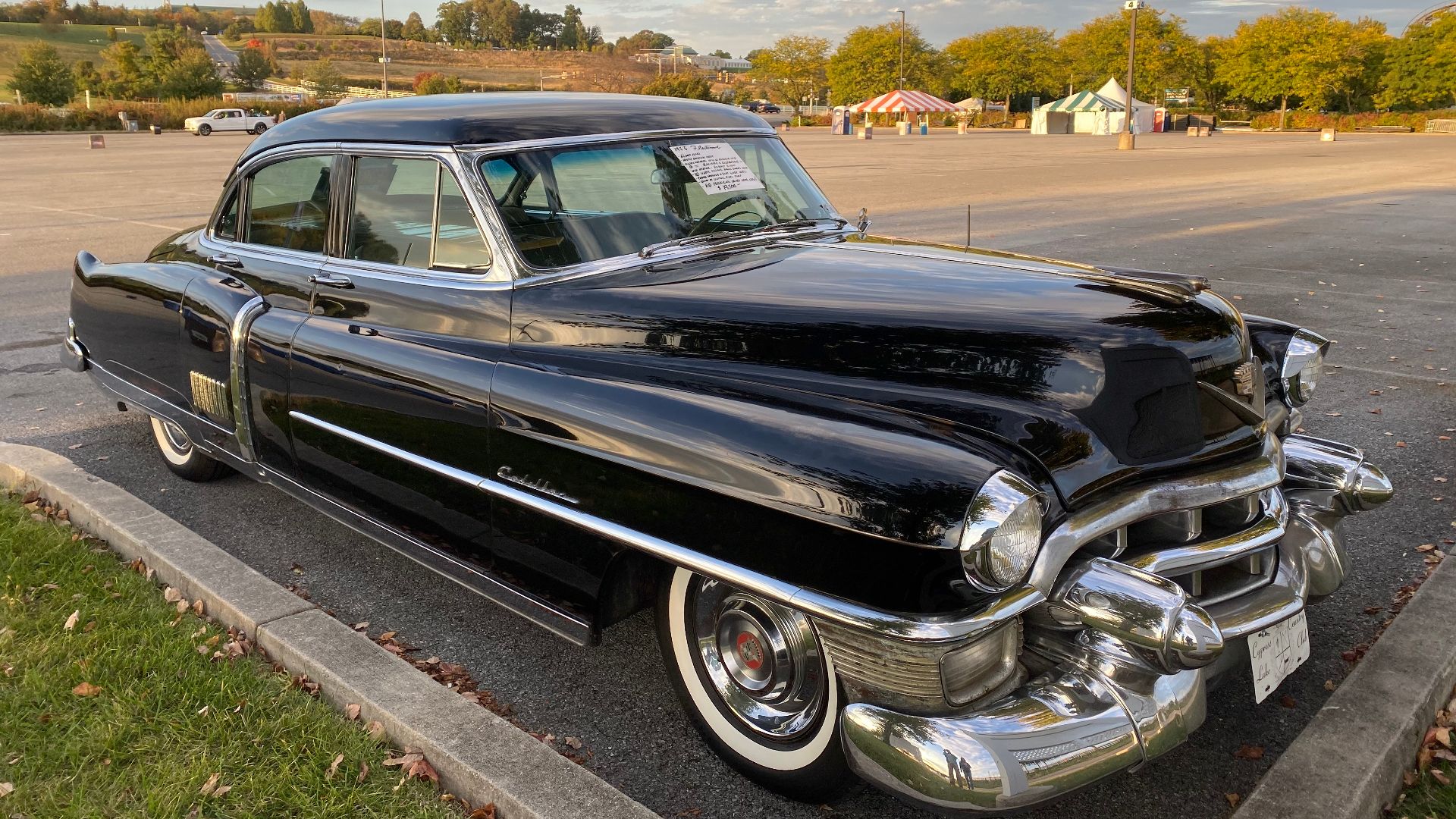
The Final Benediction
Cadillac’s relationship with the Catholic Church was never written down, never announced, and never planned. Yet it existed all the same—formed through trust, practicality, and shared cultural meaning. In the end, Cadillac didn’t just transport clergy or mourners. It carried moments of faith, community, and memory—quietly, faithfully, and without ever asking for credit.
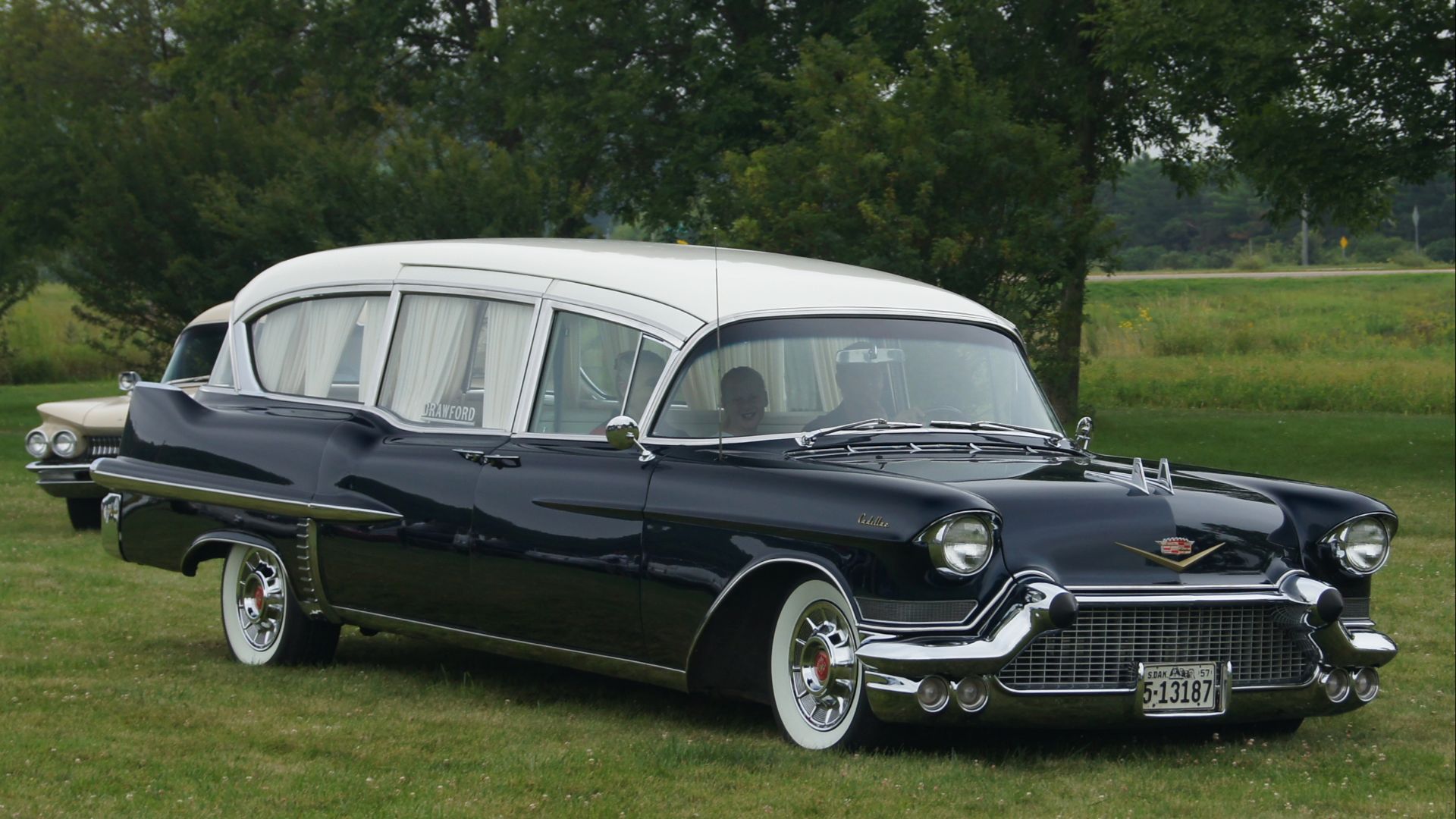 Greg Gjerdingen from Willmar, USA, Wikimedia Commons
You May Also Like:
Here's Exactly What To Do If Your Car Won't Start
My insurance company totaled my car over a scratch. Should I fight them or take the check?
Sources: 1, 2, 3