When Silence Isn’t Golden
There’s nothing quite like the moment you turn your key, hear absolutely nothing, and suddenly question every life choice that led you to this parking lot. A car that refuses to start isn’t just inconvenient—it feels personal, like your vehicle decided it needed a dramatic break. But fear not. With a little patience, a little troubleshooting, and the right steps, you can figure out what your car is trying to tell you and hopefully get rolling again.
Check That The Car Is Actually In Park
It sounds almost too simple, which is exactly why it ruins so many mornings. If your car isn’t fully in Park—or Neutral—it may refuse to start as a built-in safety precaution. Give the gear lever a firm nudge and try again. Sometimes cars just like to be reminded who’s in charge.

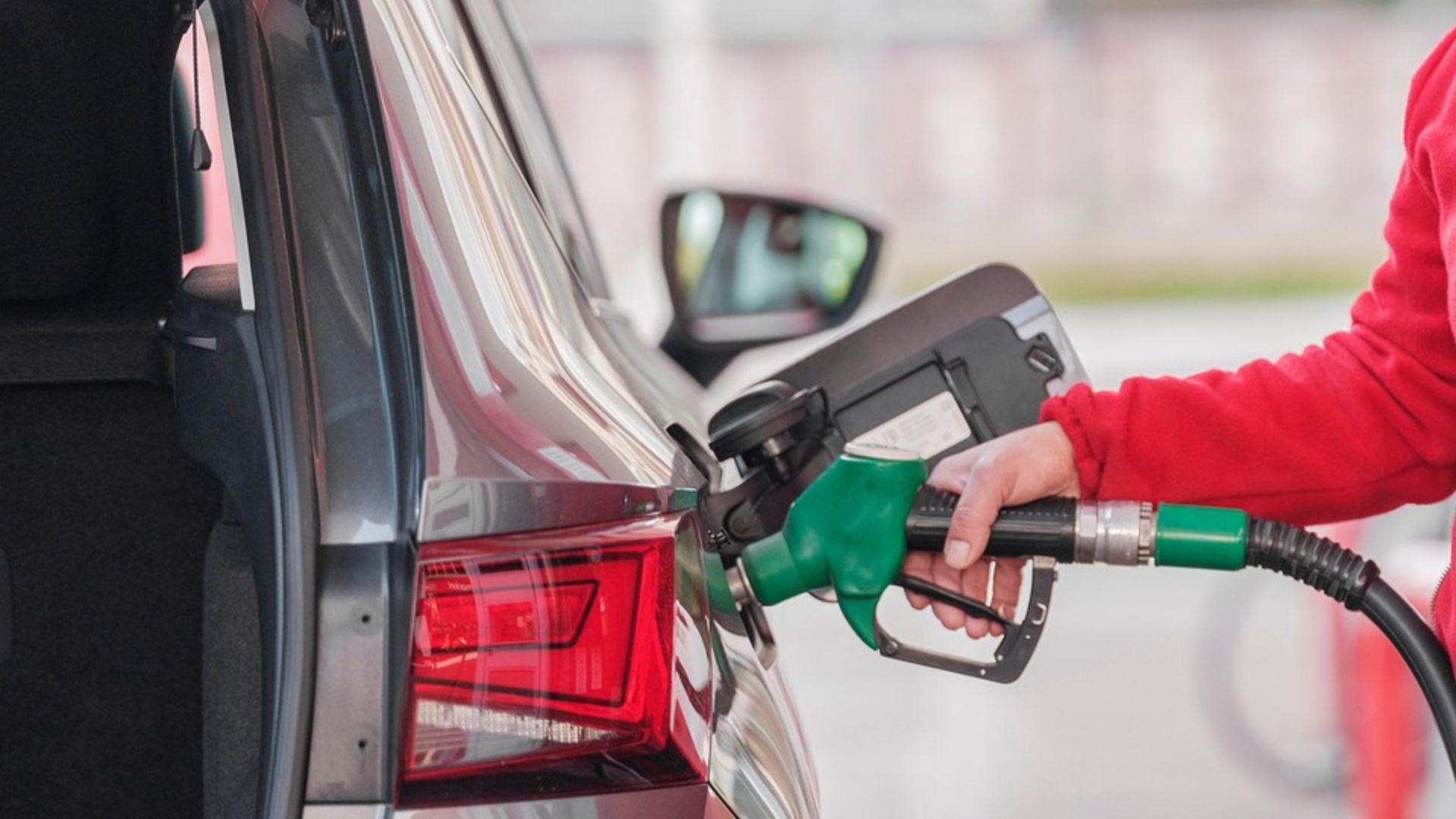
Make Sure You Didn’t Run Out Of Gas
Running out of fuel is the classic “I swear the gauge was higher than that” problem. It happens more often than many drivers like to admit, and your engine can’t start without something to burn. Take a look at the fuel gauge, think about your recent driving, and check for any possible leaks under the car. Even a tiny leak can leave you unexpectedly stranded.
Inspect The Battery
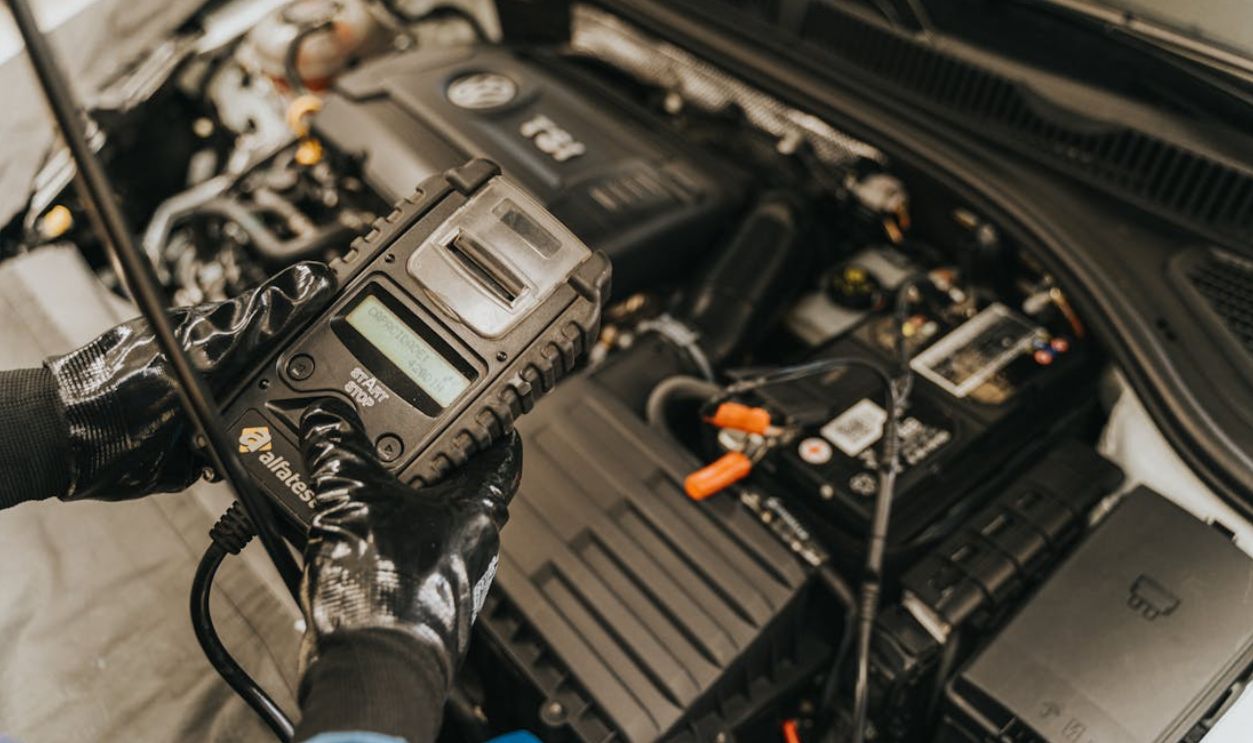
A weak or dead battery is the biggest troublemaker in the no-start saga. If your lights are dim, your dashboard barely flickers, or nothing responds at all, your battery is screaming for attention. A quick jump-start might be all it takes, but a truly empty battery won’t revive until it’s replaced.
Clean Your Battery Terminals
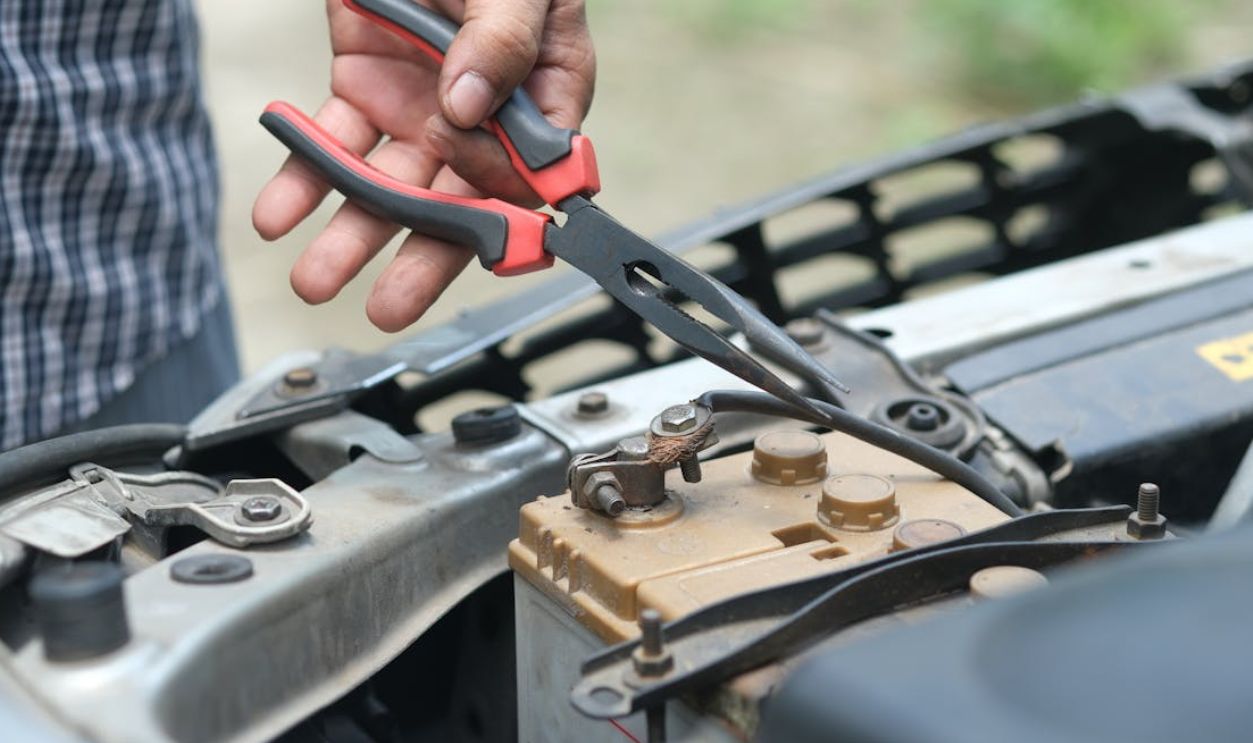
Even a perfectly good battery is useless if its connections are dirty or loose. Corrosion builds up like a stubborn crust, blocking power from reaching the rest of your car. Wiggle the terminals gently to see if they’re secure, and give them a quick clean if they look grimy. It’s amazing how often this simple fix brings a silent car back to life.
Try A Jump-Start Or Portable Charger
If your battery is low but not completely gone, a jump-start may be the hero of your morning. Portable chargers are another great option—especially for newer vehicles that prefer more controlled charging. Give it a try, wait a moment, and see if your car springs back to life. If it doesn’t, the problem may be a little deeper than a weak battery.
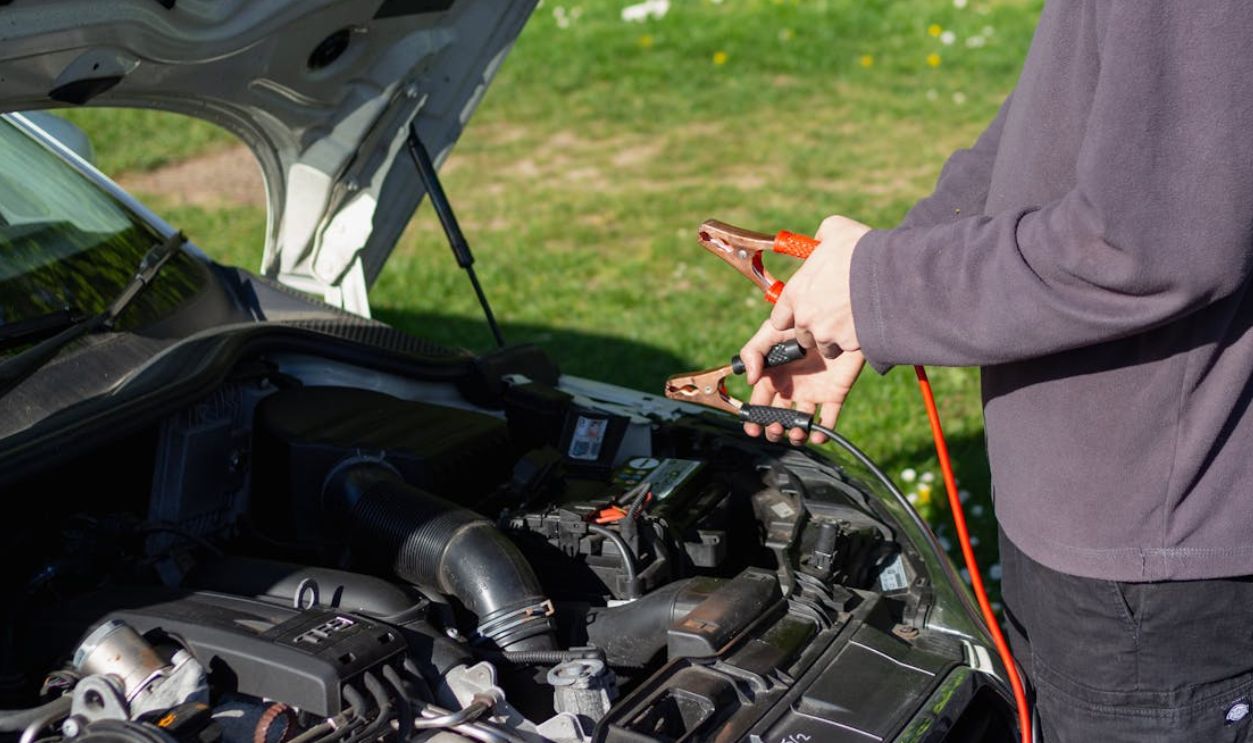 Daniel @ bestjumpstarterreview.com, Pexels
Replace Your Key Fob Battery
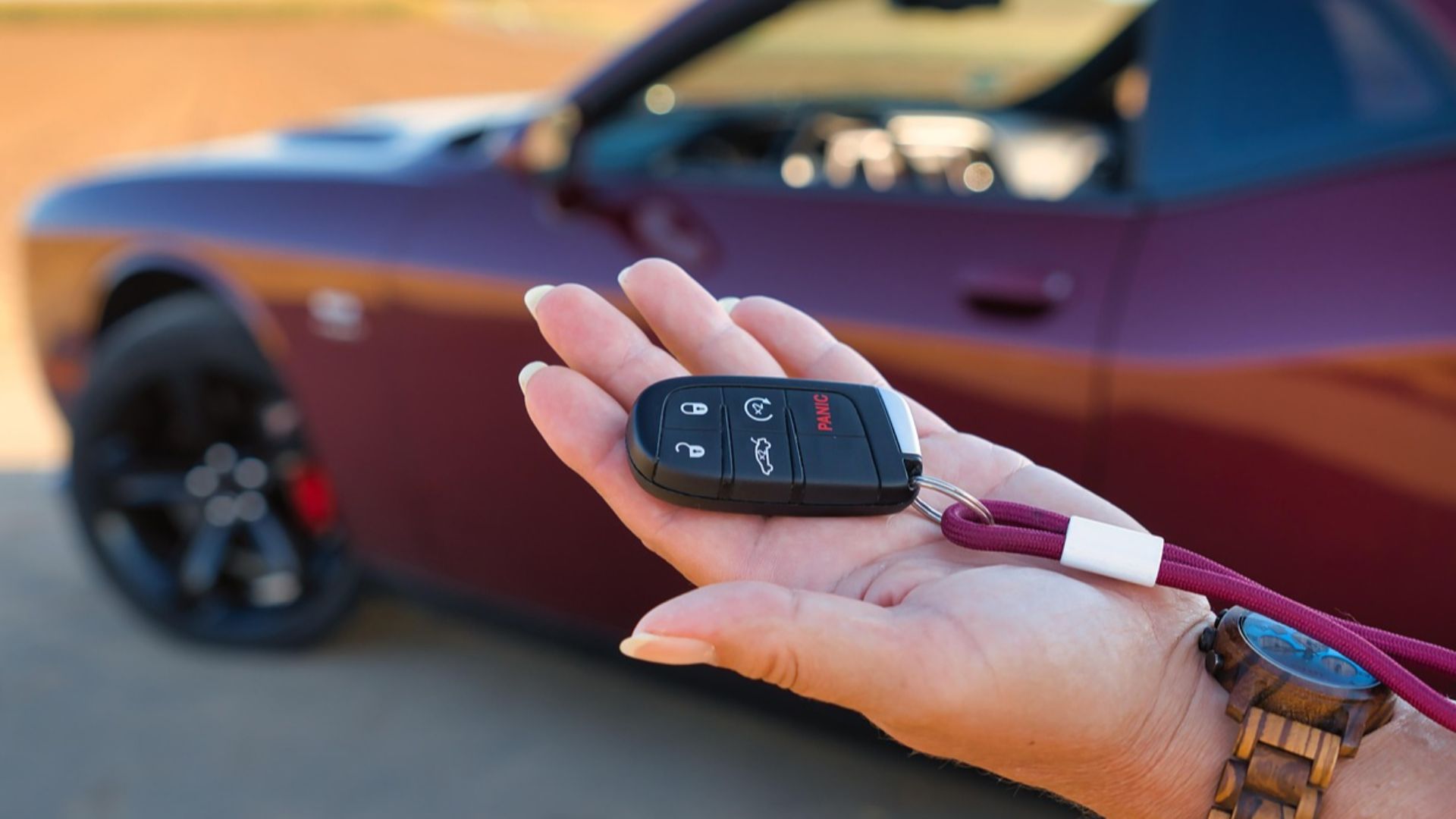
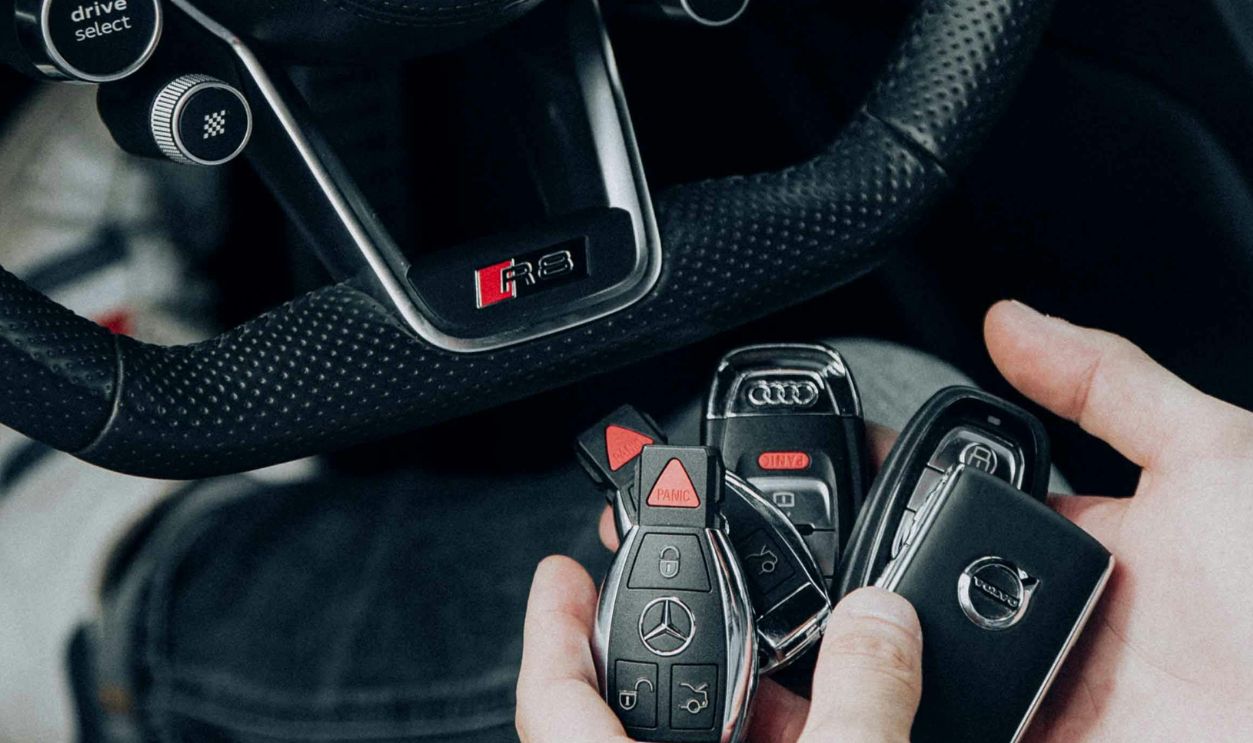
Modern cars rely heavily on key fobs, and an empty fob battery can stop your engine from recognizing its own key. If your push-to-start button is ignoring you like you owe it money, the fob might be the reason. Swap the battery, hold the fob close to the start button, and try again. Sometimes the smallest battery in the car causes the biggest inconvenience.
Listen For Clicking—It Might Be The Starter
A click instead of a crank is the car equivalent of clearing its throat and refusing to continue. That sound often points to a failing starter, which can struggle more on cold mornings or after sitting for a while. One click, many clicks, fast clicks—they all mean the starter isn’t getting the job done. And yes, starters tend to quit at the worst possible moments.

Inspect The Starter Cable
Even a good starter can’t do much if the cable feeding it power is dirty or loose. Over time, grime and corrosion build up like an unwanted guest at a backyard barbecue. A quick cleaning and reconnection may restore enough power for the starter to actually crank. And yes, it feels extremely satisfying when this easy fix works.
Check For Ignition Switch Trouble
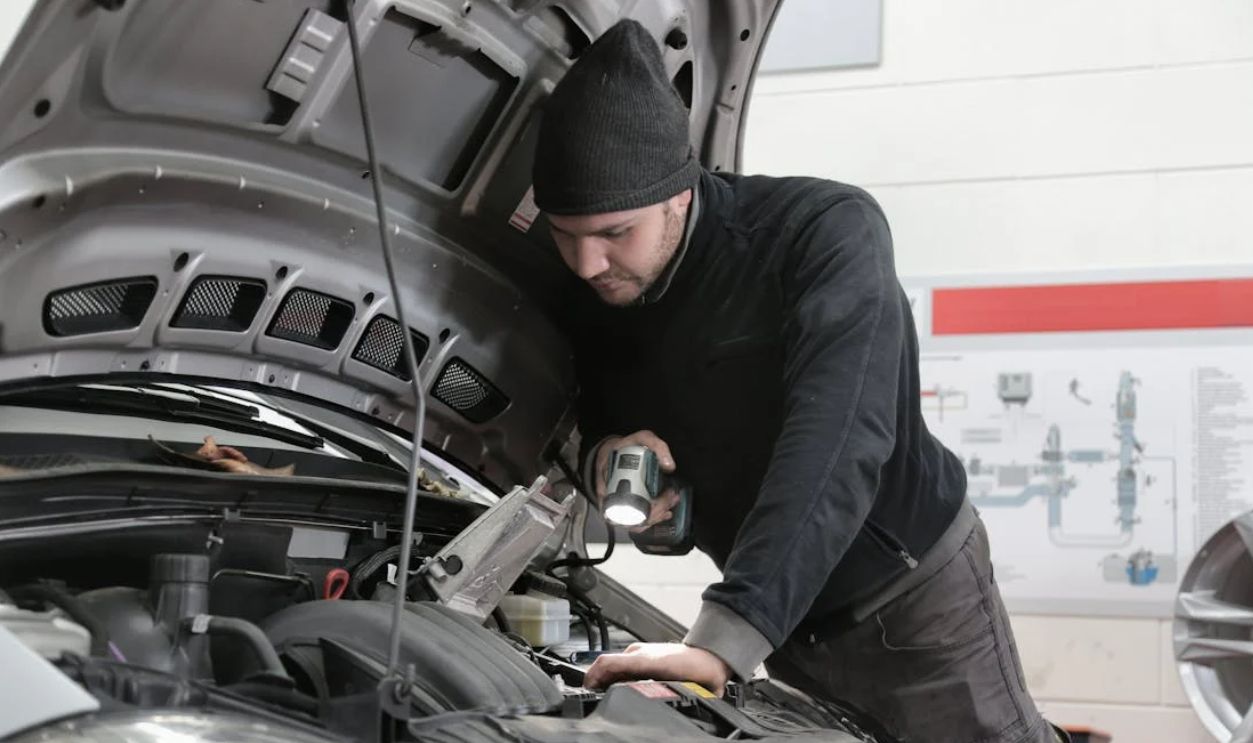
If your lights turn on but your engine refuses to cooperate, the ignition switch may be misbehaving. This little electrical component plays a huge role—if it doesn’t send the right signals, nothing else happens. Unfortunately, ignition switches aren’t roadside-repair friendly. When they go bad, they usually require a professional’s touch.

Wiggle The Steering Wheel
A locked steering column can prevent the ignition from turning, which feels a lot like being pranked by your own car. Try gently wiggling the steering wheel left and right while turning the key. When the lock releases, you’ll feel it immediately. It may sound silly, but this trick has rescued countless frustrated drivers over the years.

Test The Alternator
If your car starts and then immediately dies, the alternator might be waving a tiny white flag. This component keeps your battery charged, and when it stops working, the battery drains faster than you’d expect. Flickering lights and electrical glitches are major clues. An alternator failure feels dramatic, but at least it’s easy for a mechanic to diagnose.
Consider Timing Belt Failure
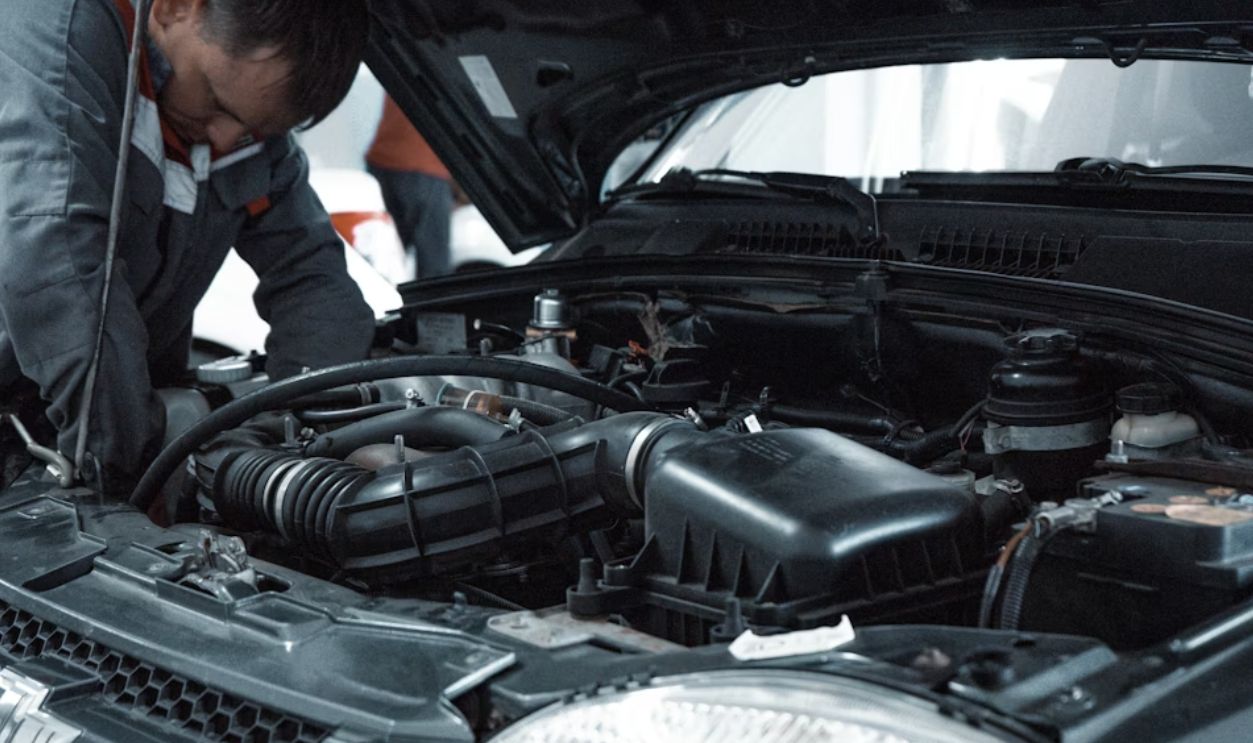
A broken timing belt is every driver’s nightmare scenario. If you hear the starter turning but the engine refuses to catch, the belt might no longer be keeping everything in sync. It’s not a quick fix, and it certainly won’t happen on the side of the road, but catching the issue early can prevent bigger engine damage. Timing belts are the quiet heroes that rarely get the praise they deserve.
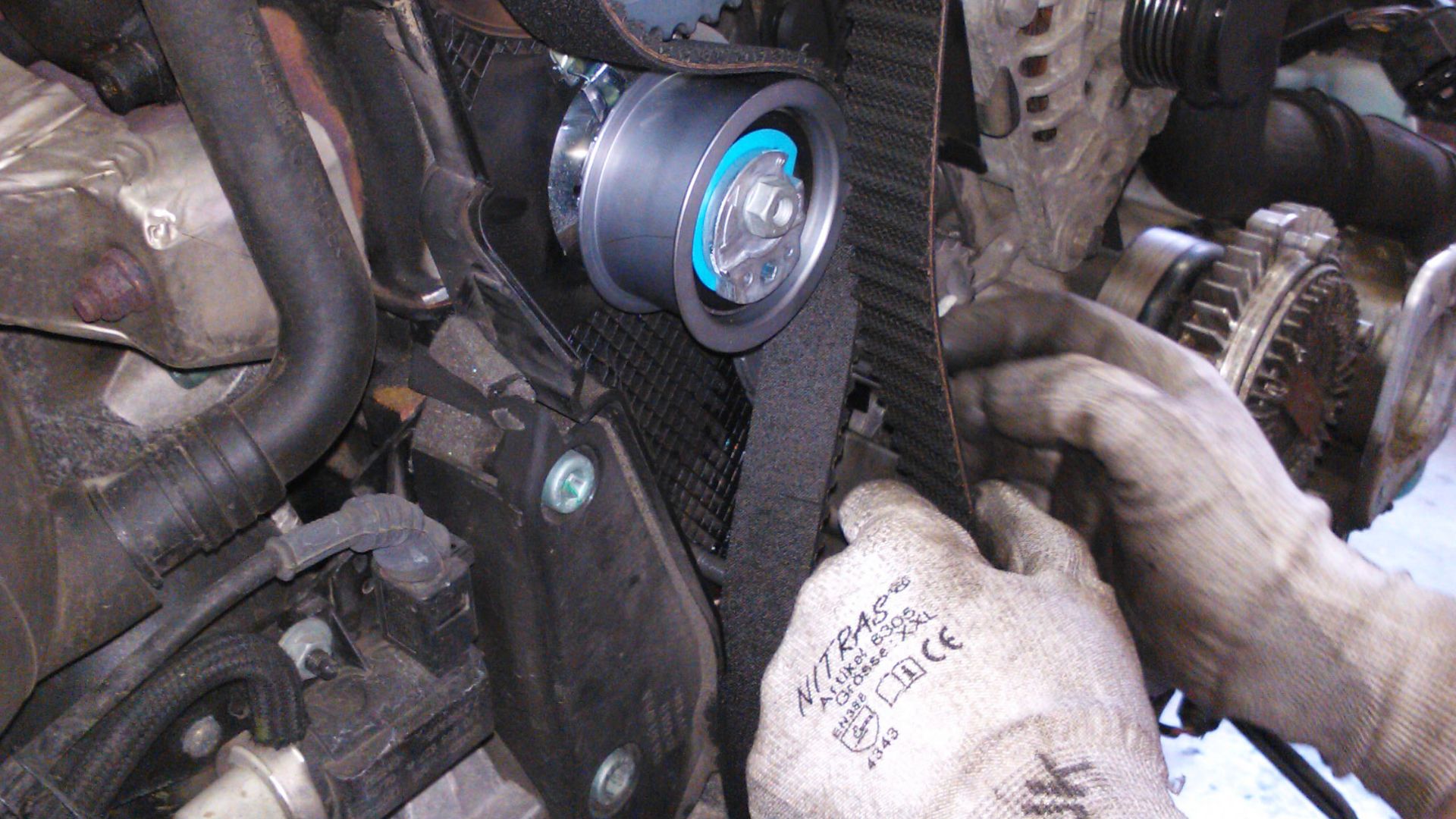 Petar Milošević, Wikimedia Commons
Look For Fuel Delivery Issues
Even a full tank can’t save you if your fuel pump or fuel filter is misbehaving. A clogged filter restricts flow, while a failing pump can stop fuel from reaching the engine entirely. If the car cranks but never catches, this might be the culprit. And yes, this is the moment many drivers decide it’s time to call a mechanic.

Avoid Over-Cranking The Engine
A stubborn engine can tempt you into trying again...and again...and again. Resist the urge. Over-cranking can drain the battery, overheat the starter, and add new problems to the existing ones. Give it a rest, take a breath, and troubleshoot smartly instead of aggressively.

Try Using A Backup Key
Sometimes the simplest solution is the one we forget. If you have a spare key or fob, try starting the car with that instead. The original key might be damaged or failing to communicate with your vehicle’s security system. When a backup works, you’ll feel equal parts relieved and mildly insulted.
Know When It’s Tow-Truck Time
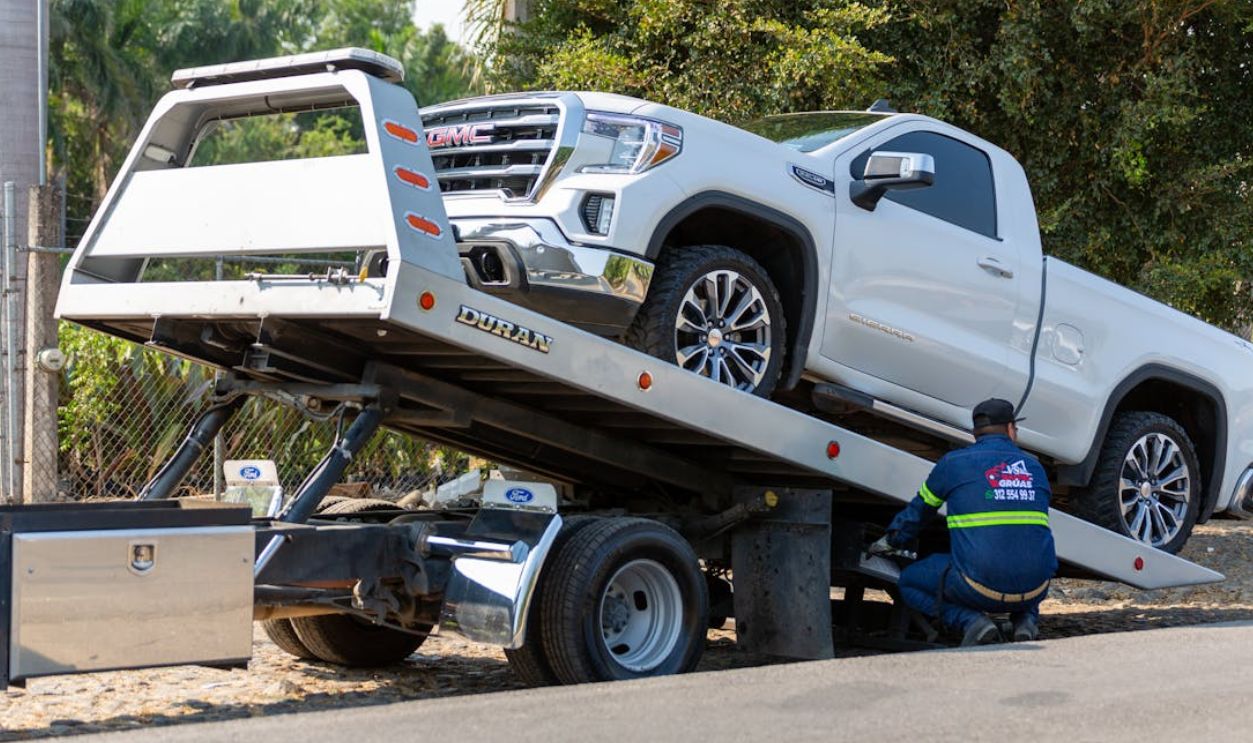
Some problems just aren’t meant to be solved in a parking lot. If you suspect a broken belt, dead alternator, major electrical issue, or a stubborn starter, calling for a tow is the smart move. Driving a compromised car can make the damage worse. Your future repairs—and your wallet—will thank you for choosing wisdom over wishful thinking.
Sniff Out Fuel Smells
If your car smells like gasoline even though you haven’t spilled any, you may be dealing with a leak. Fuel system issues are not only frustrating—they’re dangerous. Stop trying to start the car, pop the hood, and look for signs of leakage. A tow truck is absolutely the correct next step here.
Keep Up With Routine Maintenance
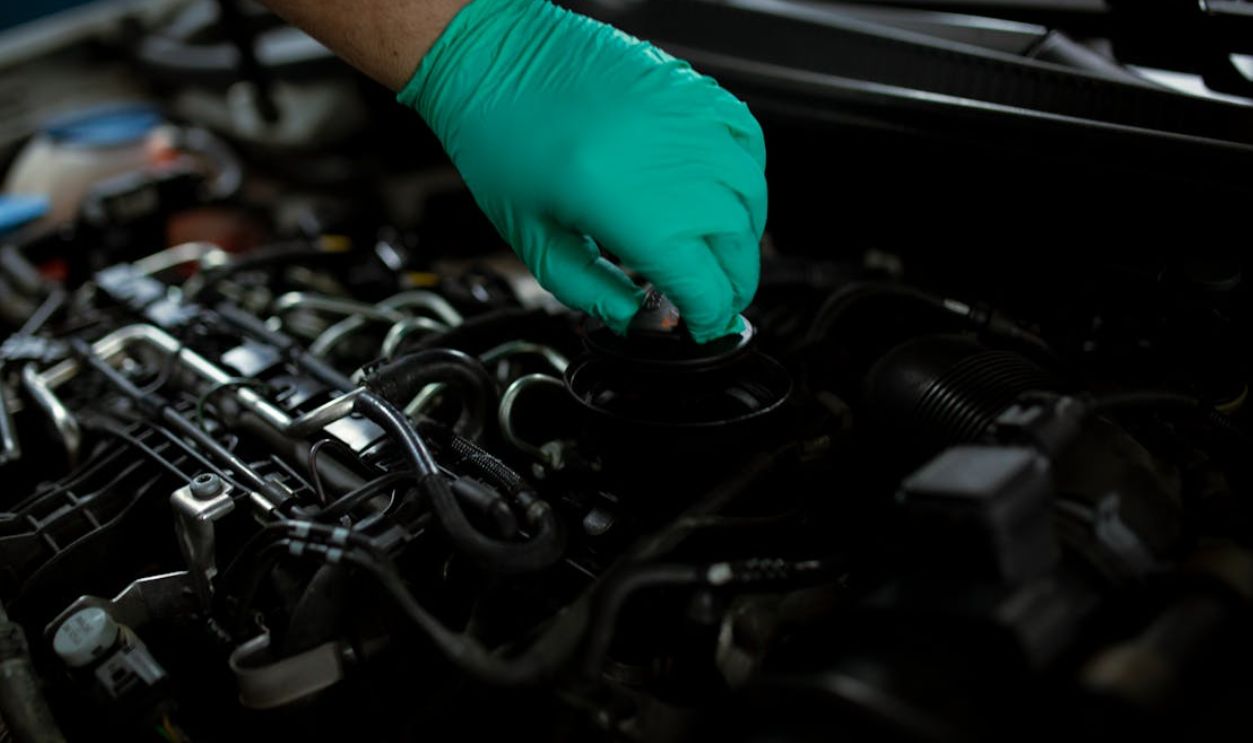
Many no-start situations come from issues that build up slowly over time. Alternators wear down, cables corrode, filters clog, and batteries eventually give up. Staying on top of scheduled maintenance can prevent breakdowns before they happen. Your future self will be very grateful.
Pay Attention To Early Warning Signs
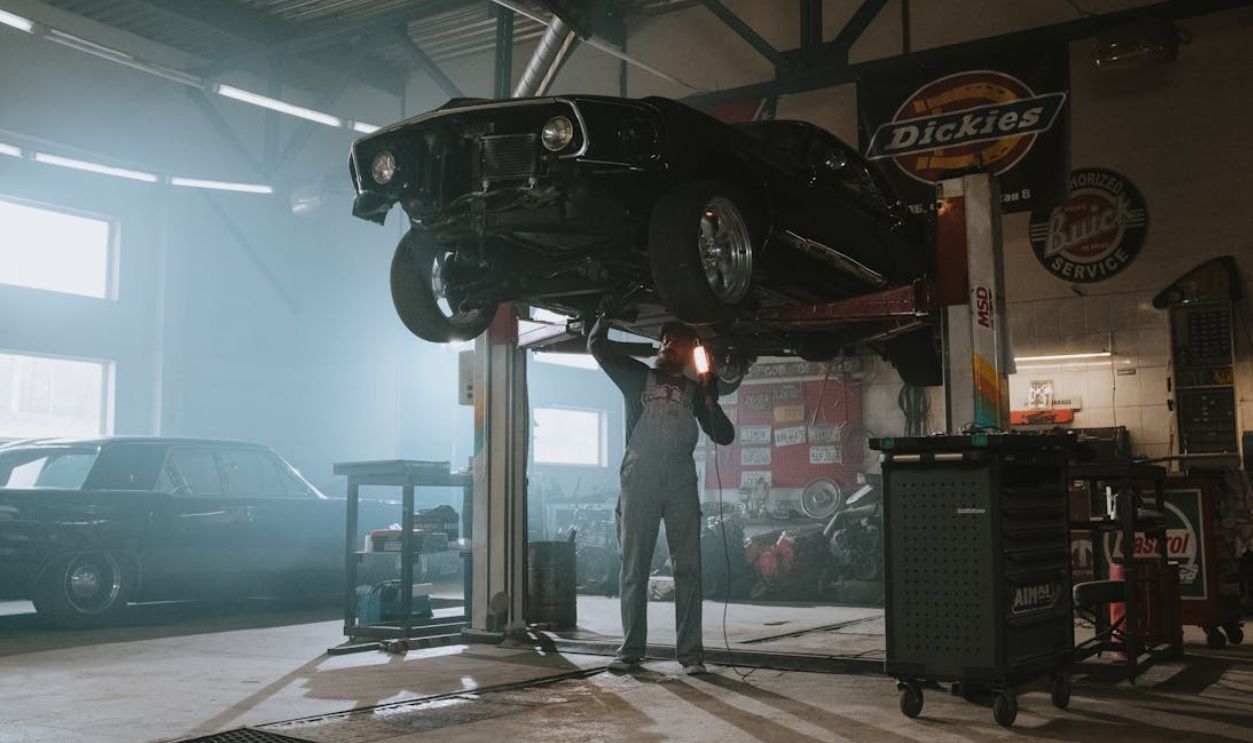
Cars love to drop subtle hints before they fail dramatically. Slow cranking, dim lights, random stalling, or clicking noises are all little red flags. Addressing these issues early can save you from roadside stress. Consider this your car’s way of whispering “help me” before shouting it.

When In Doubt, Get A Professional Diagnosis
A car that won’t start is like a mystery novel—you can follow the clues, but you might not get the ending right without help. If your troubleshooting leads nowhere, it’s time to let a professional step in. A trained mechanic can test components, track electrical problems, and pinpoint failures with accuracy. Sometimes the most responsible move is admitting the car has officially stumped you.

You May Also Like:
If You Plan To Drive Anywhere This Winter, These Maintenance Tips Could Save Your Life