The Day a Scratch Became a “Total Loss”
You walk out to your car expecting a normal day, only to spot a small scratch. Annoying, sure, but hardly life-altering. Then your insurance company dramatically swoops in, takes one look, and proclaims the car a total loss. Suddenly your tiny cosmetic mishap becomes a full-blown adventure. Before you get angry or rush toward the payout, it helps to know what’s really going on—and how to handle it without losing your sanity.

Understanding Why A Scratch Could Total A Car
Insurance companies don’t judge damage by appearance. They judge it by math. If a repair estimate exceeds a certain percentage of your car’s value—sometimes as low as sixty percent—they total it. A scratch might hide deeper issues, or maybe your car’s resale value dropped enough that even minor repairs push it over the edge. It feels dramatic, but for insurers, it’s business.

First Step: Don’t Panic, Evaluate
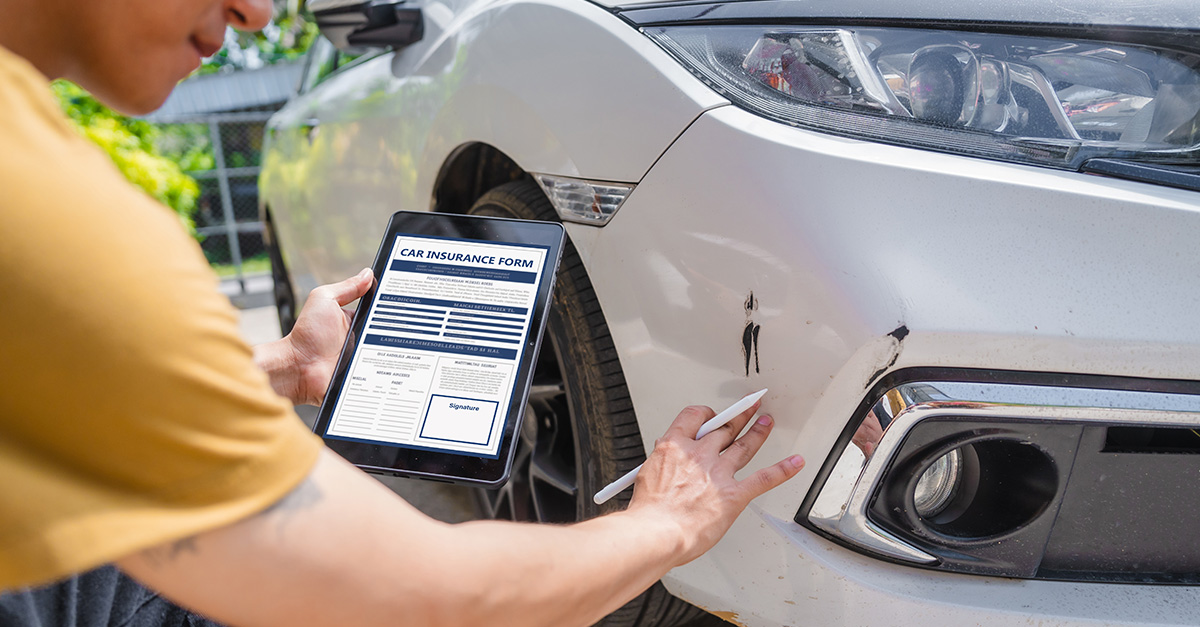
Start by taking a breath. Then grab your phone and document everything. Snap photos of the scratch from multiple angles and capture the surrounding body panels. This gives you a clearer picture of what’s happening and helps if you decide to challenge the insurer’s decision later on.

Request The Adjuster’s Report
Before you get frustrated, get informed. Ask your adjuster for the full report, including the assessed damage, estimated repair costs, your car’s assigned value, and the threshold used to declare it totaled. This document becomes the backbone of any arguments you might make.

Understanding Actual Cash Value
Actual cash value, or ACV, is what your insurer believes your car is worth today. It’s based on age, mileage, condition, and comparable sales in your area. It doesn’t reflect what you paid or what you emotionally feel it’s worth. Since ACV determines whether your car crosses that total-loss line, understanding it is crucial.

Check The ACV Against Real-World Listings
Once you see your ACV, compare it with real listings. Check Kelley Blue Book, Edmunds, dealerships, and private sellers. If similar models are selling for noticeably more, you have reason to push back. Sometimes insurers undervalue older or well-maintained vehicles, and real-world data helps correct that.

Consider Getting An Independent Estimate
You don’t need to rely on the insurer’s repair estimate. Many body shops offer independent assessments, and their numbers may be significantly lower—or simply more realistic. If their estimate undercuts the insurer’s by a wide margin, you now have solid ammunition for disputing the total-loss decision.

When It Makes Sense To Fight
Fighting the insurer is worthwhile if their valuation feels too low, the repair estimate seems exaggerated, or you want to keep the car without worrying about a salvage title. If you’re convinced the total-loss ruling doesn’t reflect reality, presenting solid evidence can sometimes change the outcome.

When Taking The Check Is The Smart Move
Sometimes the payout really is the easiest, cleanest path. If your car’s value has been slipping, the insurer’s offer is strong, or the effort to challenge them outweighs the reward, taking the check may save you time and stress. Used-car prices can also make the settlement surprisingly attractive.

The Salvage Title Question
Keeping a totaled car means accepting a salvage title. This lowers the car’s resale value and can complicate insurance later on. Some lenders avoid salvage vehicles entirely. But if you love your car and plan to drive it into the ground, the salvage label may not matter at all.

Retaining The Car After A Total Loss
If you choose to keep your car, the insurer pays you the ACV minus its salvage value. You can then repair it yourself or keep driving if the damage is minor. In some cases, this option saves you money—especially when the “damage” is really just cosmetic.
Negotiating The ACV Like A Pro
Negotiation isn’t just allowed—it’s expected. Bring proof that your car is worth more, including listings of similar models, maintenance records, and recent upgrades. Insurers often adjust their numbers once you provide convincing evidence that your car carries more value than they calculated.

Don’t Forget About Taxes & Fees
Don’t overlook the extra costs of replacing a vehicle. Many states require insurers to cover taxes, registration fees, and title costs when a car is totaled. Ask directly whether these will be reimbursed so you’re not stuck paying them out of pocket.

Understanding Diminished Value Claims
If the insurer doesn’t total your car and repairs it instead, you may be eligible for a diminished value claim, compensating you for the loss in resale value. But once a vehicle is declared a total loss, the possibility of claiming diminished value disappears completely.
 Chalermpon Poungpeth, Shutterstock
Should You Lawyer Up?
Most people don’t need legal help, but exceptions exist. If the insurer acts unfairly, refuses to acknowledge obvious evidence, or offers a ridiculous payout, consulting an attorney may be worth it. Sometimes just knowing you’re willing to escalate makes the insurer more cooperative.

Watch For Red Flags In The Adjuster’s Report
Read everything carefully. Look for oddly inflated labor hours, repair prices that don’t match local shop rates, or damage that wasn’t shown or explained during inspection. If anything feels off, ask questions until you’re satisfied. Mistakes happen—and they’re not your problem to absorb.

When A Second Opinion Changes Everything
A fresh inspection may reveal that the scratch is only cosmetic and the real repair cost is much lower than the insurer claims. When that happens, you have powerful grounds to challenge the total-loss ruling. Insurers will often reconsider when confronted with credible, documented new information.

Don’t Let Sentimental Value Cloud Logic
Your emotional bond with your car is real, but insurers don’t factor that in. If the payout is fair and repairs genuinely cost more than the car’s worth, it may be smarter to take the money. Sometimes moving on is better than sinking cash into a losing battle.

What If You Still Owe Money On The Car?
If you have a loan or lease, the insurer sends the payout to the lender first. You receive whatever remains afterward. If the payout doesn’t cover the entire balance, gap insurance comes to the rescue. Without gap coverage, you may end up paying for a car you no longer have.
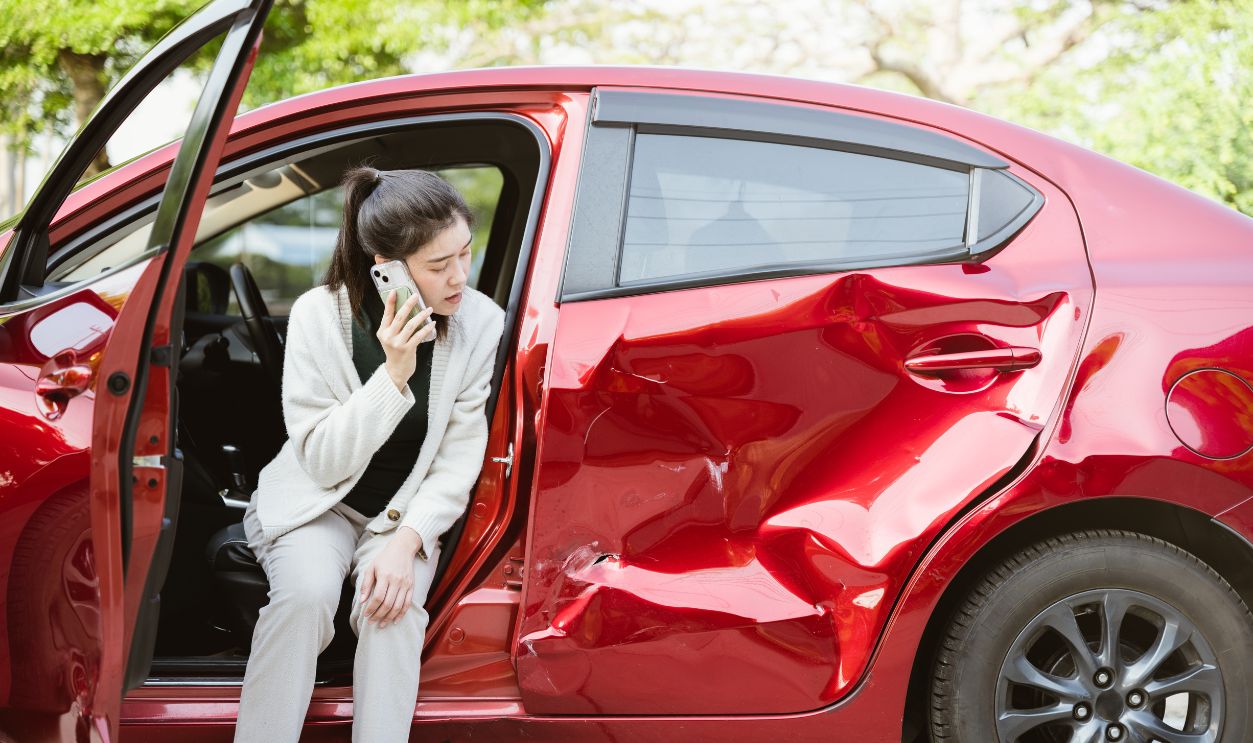
Gap Insurance: The Real MVP
Gap insurance fills the financial hole between your loan balance and the insurer’s payout. When quirky situations like a scratch total your car, gap coverage can save you from a painful bill. If you don’t have it yet, consider it a strong investment for the future.

Rental Coverage While You Decide
If rental coverage is part of your policy, use it without guilt. It gives you time to think, gather information, and negotiate without feeling rushed. Good decisions rarely happen when you’re stranded without wheels.

Be Wary Of Post-Total Fees & Timelines
Insurers often set deadlines for accepting settlements or deciding whether to keep your car. Missing these deadlines can limit your options. Stay organized and stay ahead of their timelines to keep control of the situation.

Don’t Let Them Pressure You
Adjusters may claim their offer is final or imply you have no room to negotiate, but that’s rarely true. If something feels wrong, keep pushing. Being polite and persistent usually gets better results than accepting the first answer.

Protect Your Future Coverage
A total-loss claim may affect your insurance premiums moving forward. While the impact varies, it’s worth keeping in mind, especially if you’ve had other claims recently. Your long-term costs matter just as much as the short-term payout.
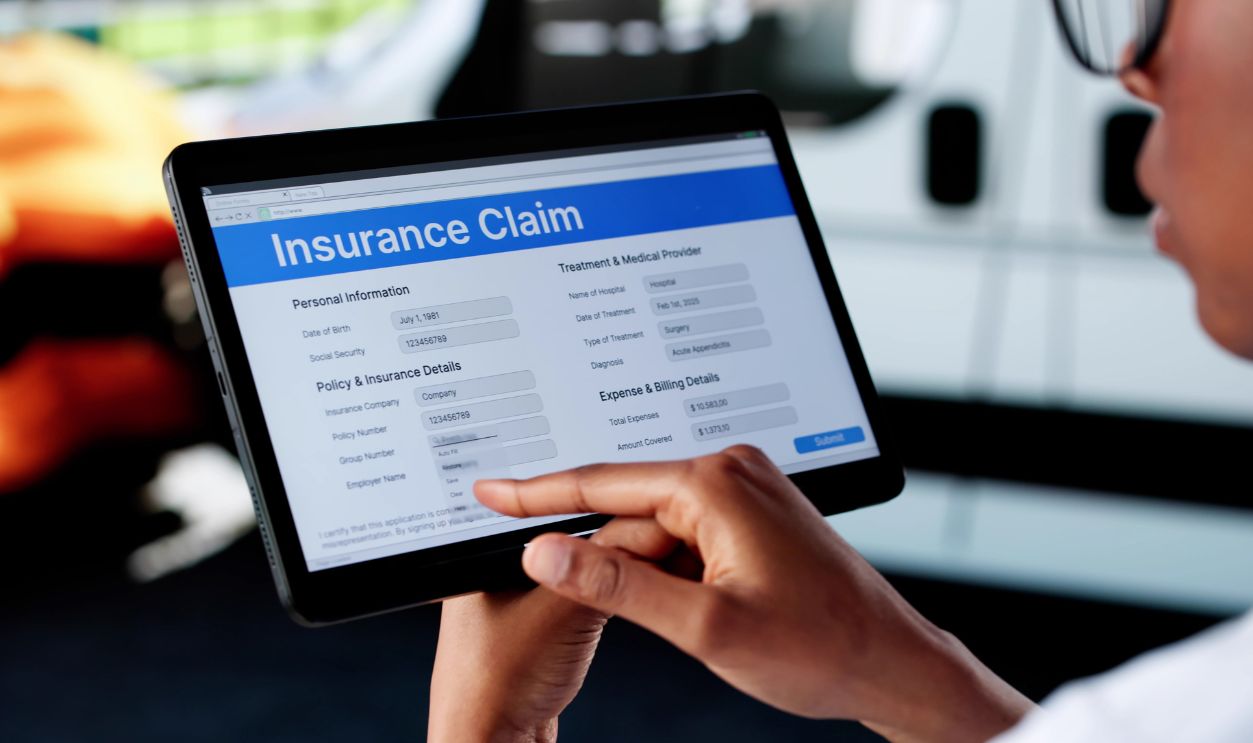
Setting Realistic Expectations
Even with strong evidence, you might not get the exact outcome you want. Still, even small improvements—like a slightly higher payout—can make a meaningful difference. Don’t underestimate what a bit of persistence can accomplish.

So… Fight Or Take the Check?
The right choice depends on your goals. Fight if the insurer undervalued your car or overstated the repair cost. Take the check if the offer is solid and you’re ready to move on. It really comes down to math, time, and how much stress you’re willing to invest.

Your Roadmap Forward
Your car may have been “totaled” over a scratch, but you’re not powerless. With the right information, calm communication, and a little determination, you can navigate the situation confidently. Whether you keep the car or cash the check, remember that this strange twist might actually lead you to a fresh start—and maybe even a better ride.

You May Also Like:
Gen Z Car Trends That Drive Baby Boomers Crazy
If You Plan To Drive Anywhere This Winter, These Maintenance Tips Could Save Your Life