When A Carpenter’s Nightmare Accidentally Invented The Future
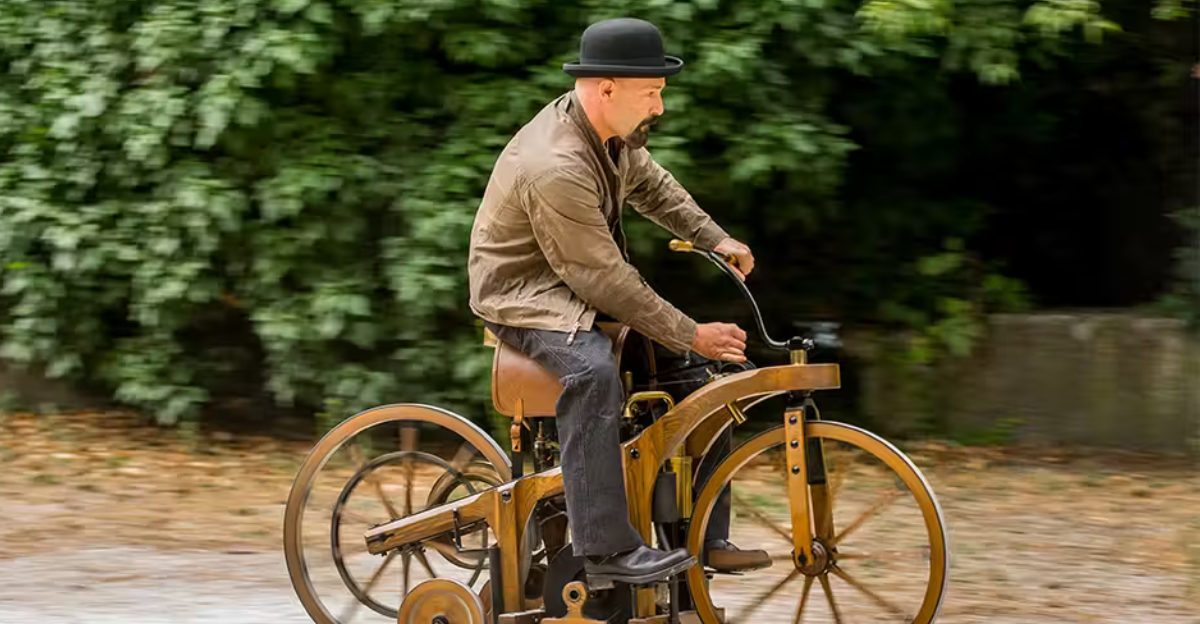
Before motorcycles meant chrome, leather, and midlife crises, the very first one looked like it escaped from a medieval woodworking class. Built almost entirely of wood, awkwardly balanced, and powered by an engine that barely behaved itself, the world’s first motorcycle was less Easy Rider and more experimental fire hazard. And yet, this strange contraption quietly kicked off the motorized world we now take for granted.
A Motorcycle Before Motorcycles Existed
In 1885, the idea of a gasoline-powered personal vehicle was so radical it barely had a name. What would later be recognized as the first motorcycle arrived before the concept of motorcycles had even been defined.
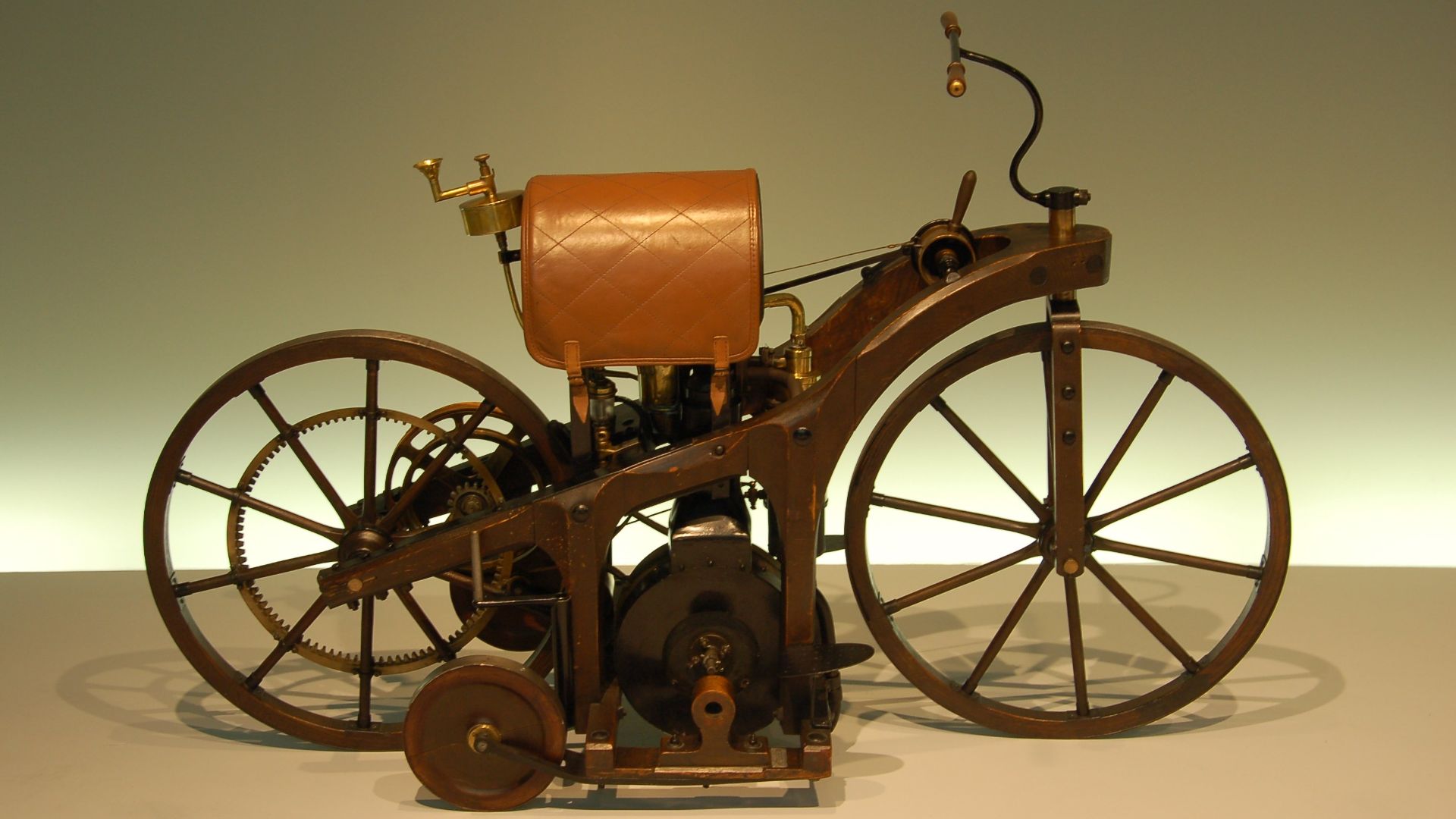
The Invention That Looked Like A Joke
At first glance, the machine didn’t inspire confidence. Thick wooden beams, iron-rimmed wheels, and an awkward riding position made it look more like a failed furniture prototype than a transportation breakthrough.
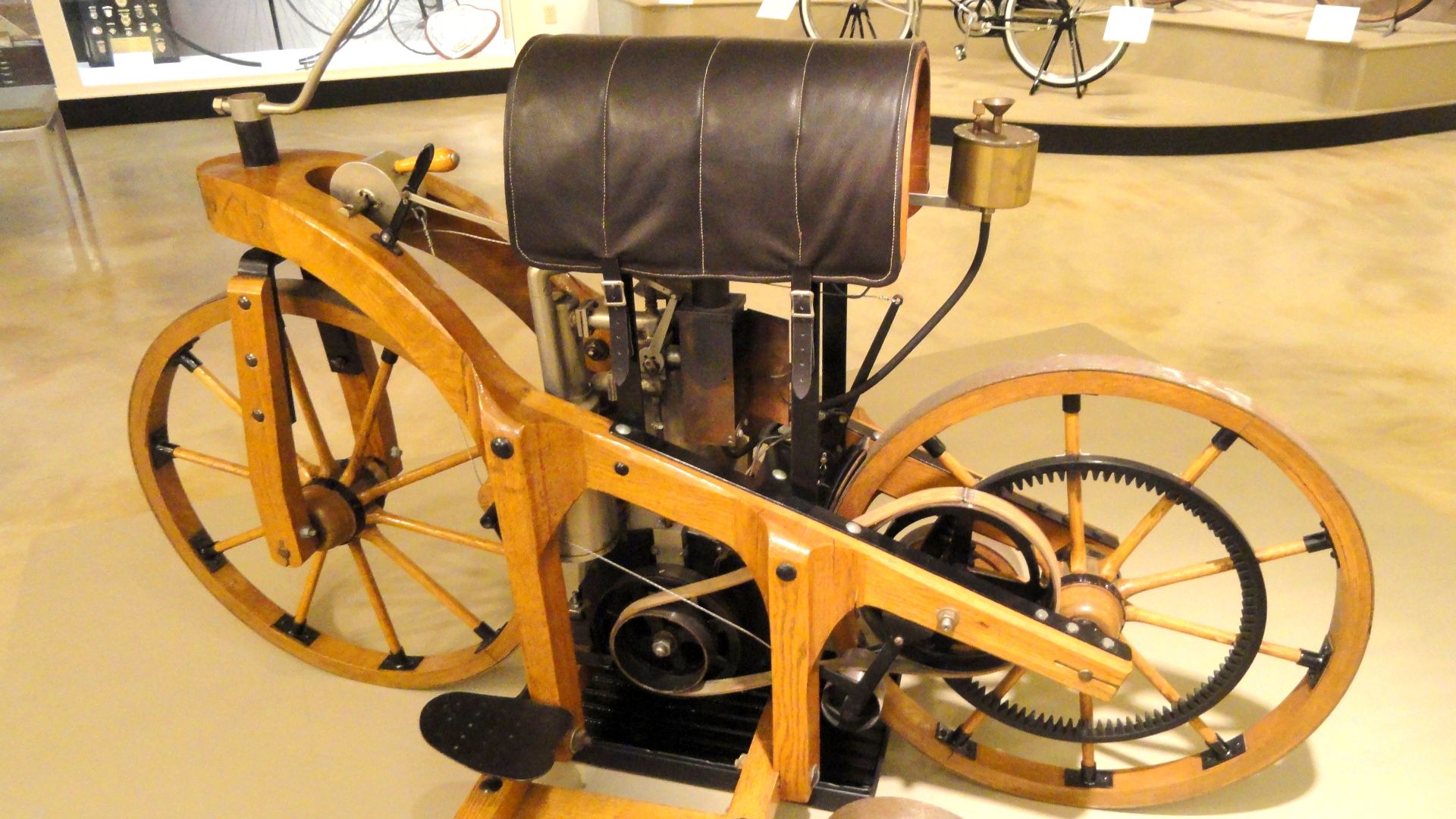
Built Almost Entirely From Wood
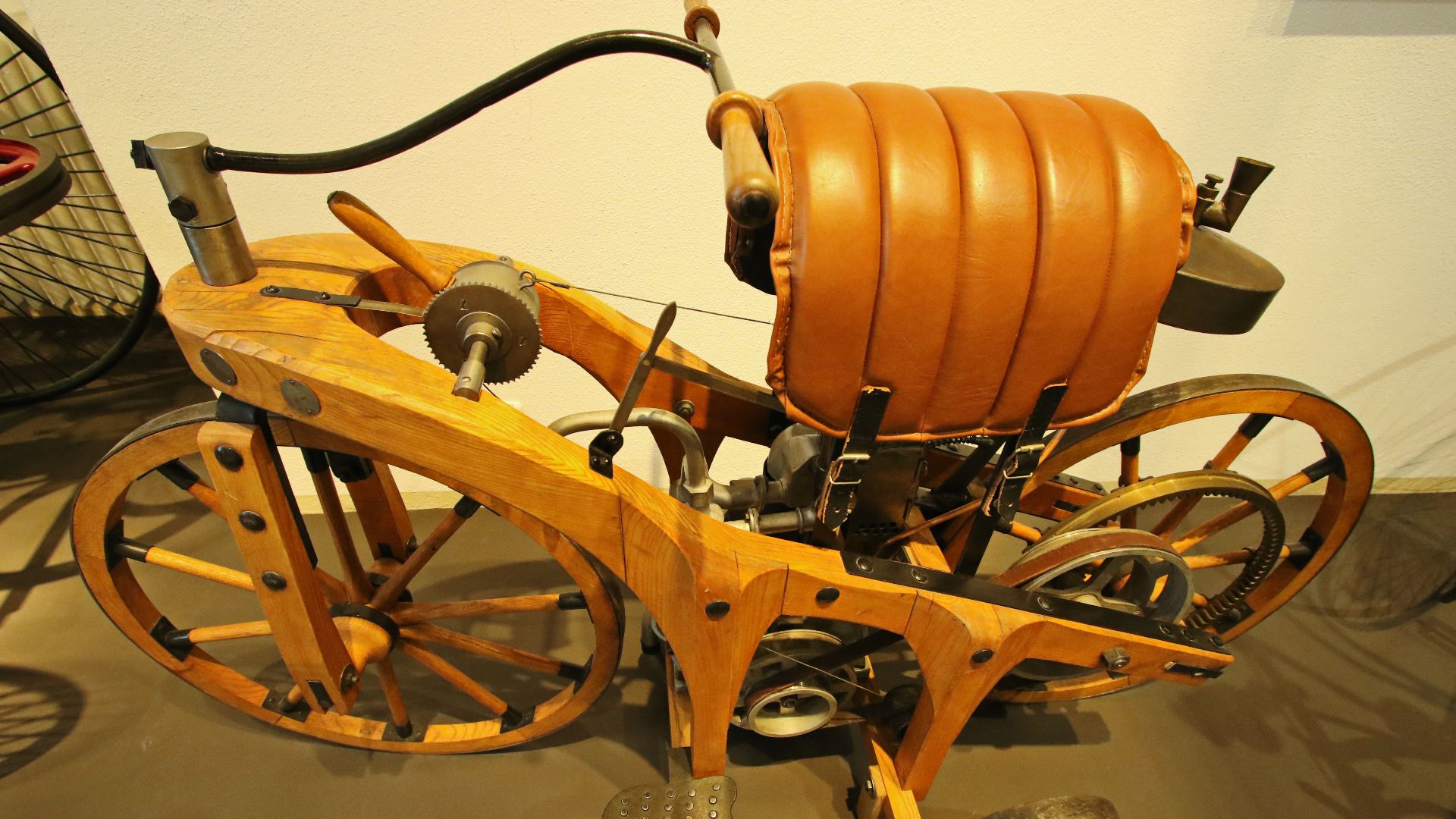
Yes, it was wooden—frame, body, and much of its structure—because metal fabrication hadn’t yet caught up to the ambitions of early engine designers. The result was a vehicle that creaked, rattled, and flexed while moving, which must have been terrifying at any speed.
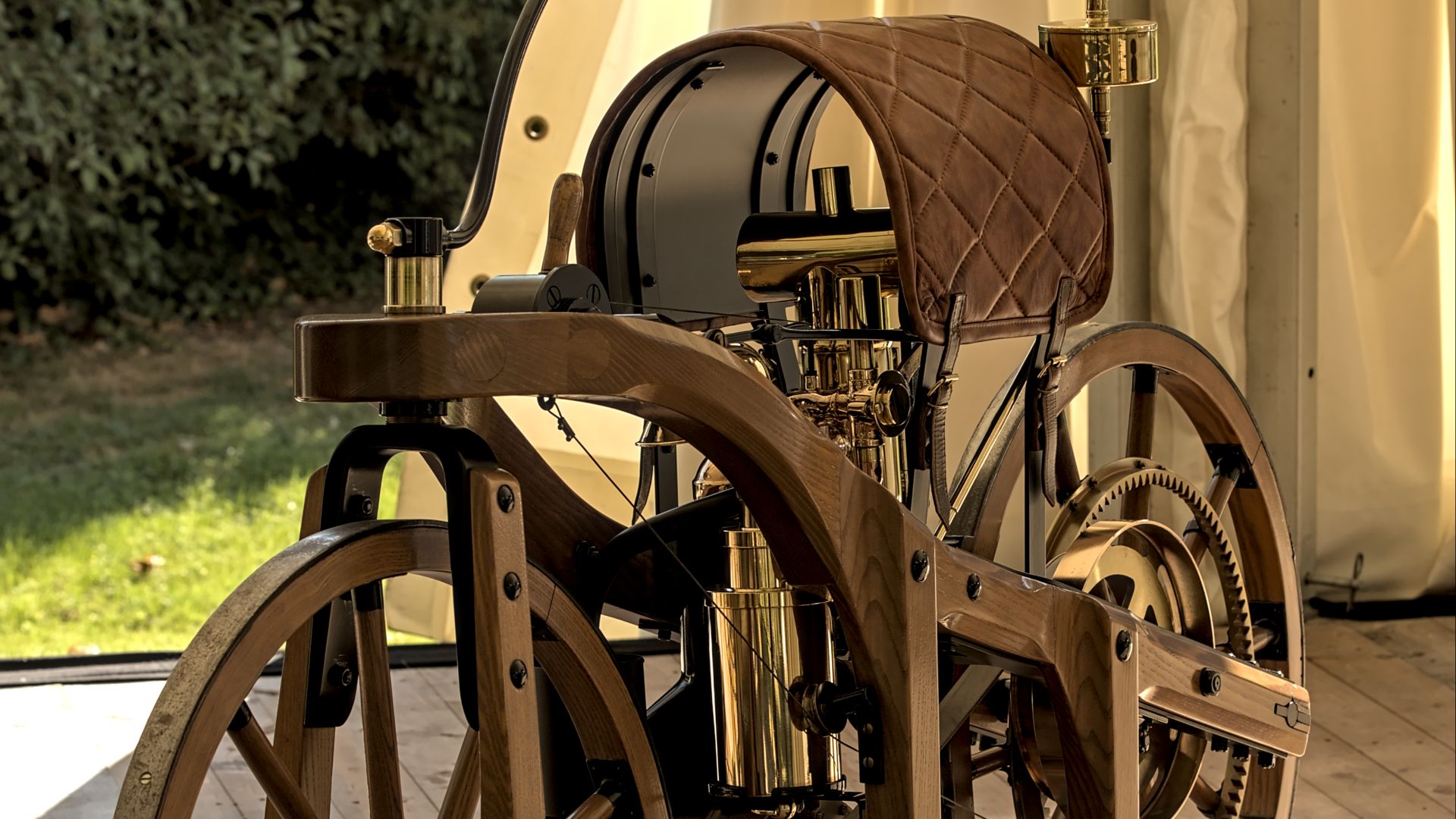 Alexander Migl, Wikimedia Commons
The Men Behind The Madness
The unlikely creators were Gottlieb Daimler and Wilhelm Maybach, engineers more interested in engines than aesthetics. Their goal wasn’t to create a motorcycle at all—it was to prove a new type of engine could actually work.
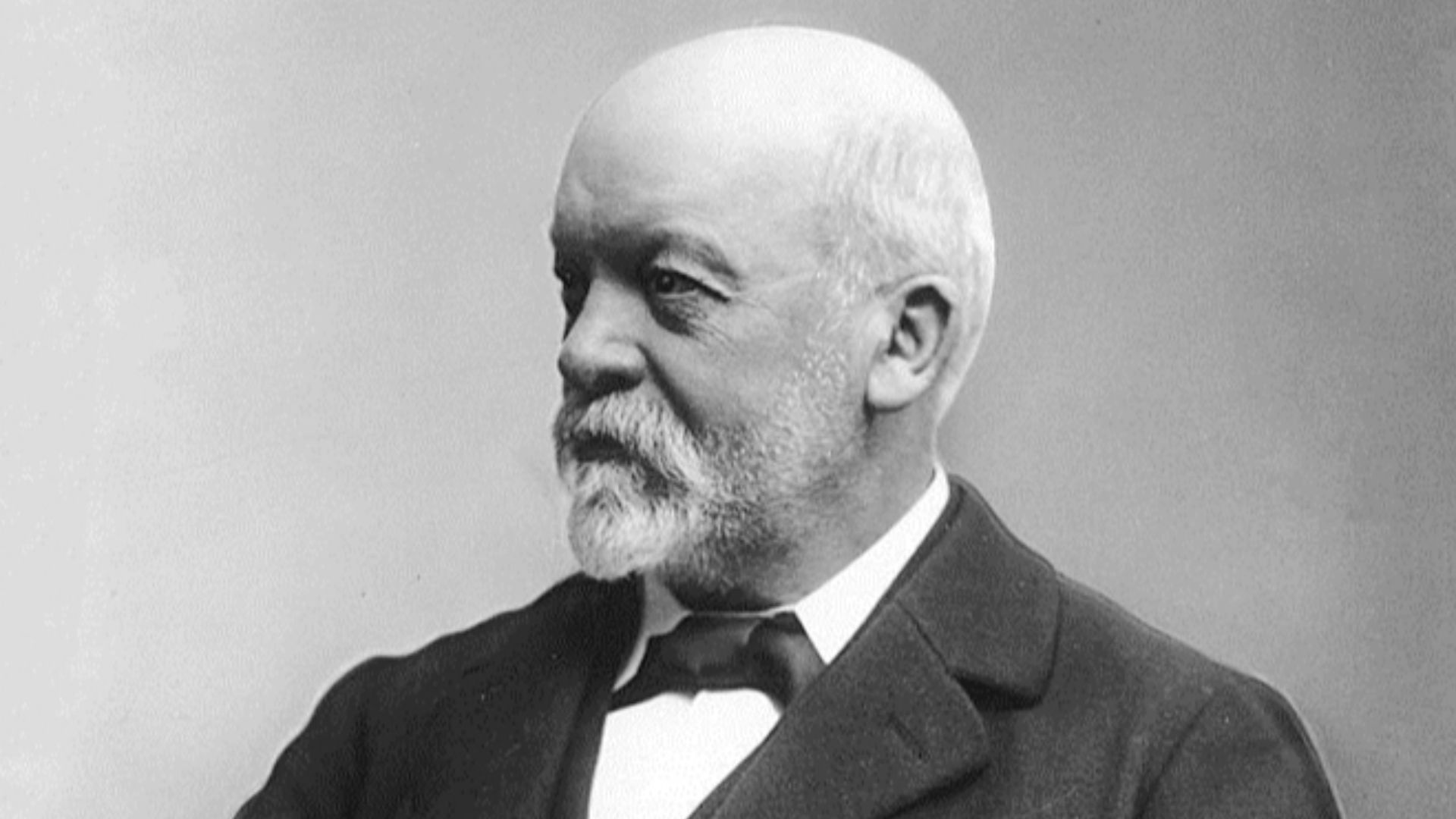 Unknown authorUnknown author, Wikimedia Commons
An Engine That Didn’t Belong Anywhere Yet
The heart of the machine was a small single-cylinder gasoline engine, compact enough to fit on a frame but powerful enough to move it forward. That alone was revolutionary in an era dominated by steam.

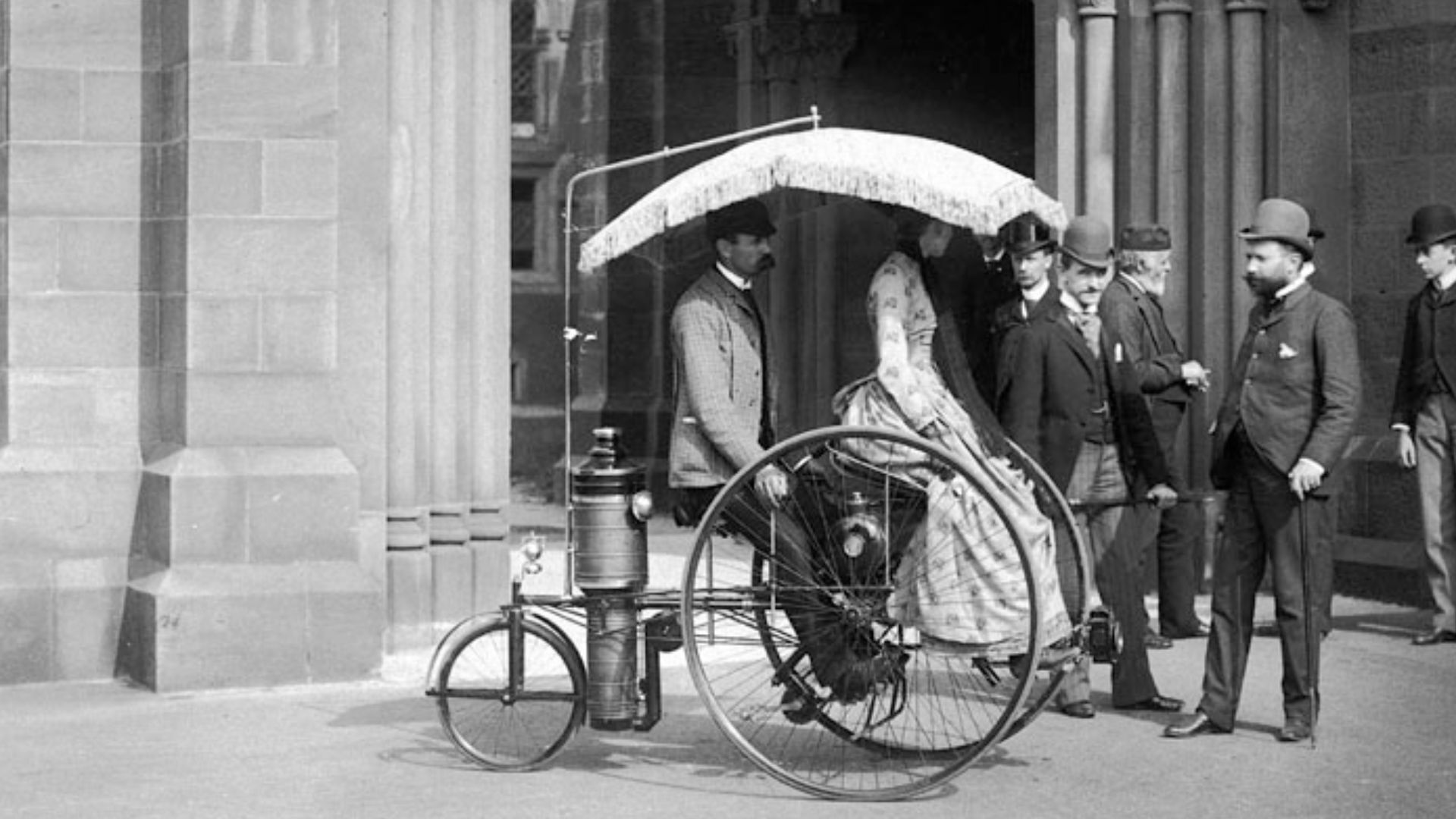
Why Gasoline Changed Everything
Steam engines were bulky, slow to start, and wildly impractical for personal transport. Gasoline internal combustion offered speed, portability, and independence, instantly making it the future whether people were ready or not.
 Unknown authorUnknown author, Wikimedia Commons
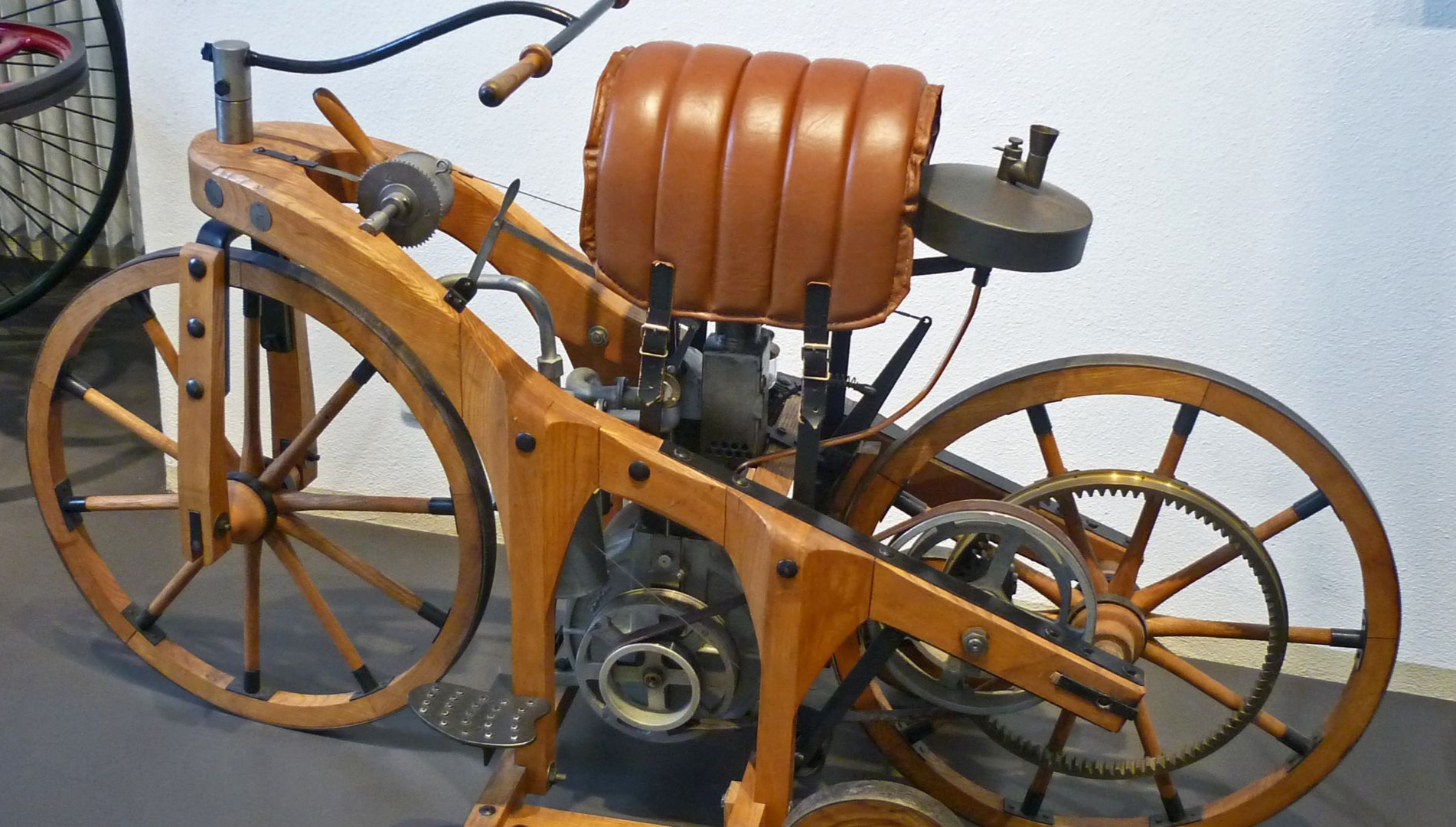
A Machine Designed To Prove A Point
The wooden motorcycle wasn’t built for comfort, style, or mass adoption. It was essentially a rolling test bench, created to demonstrate that Daimler’s engine could power something beyond stationary equipment.
The Balance Problem Nobody Had Solved Yet
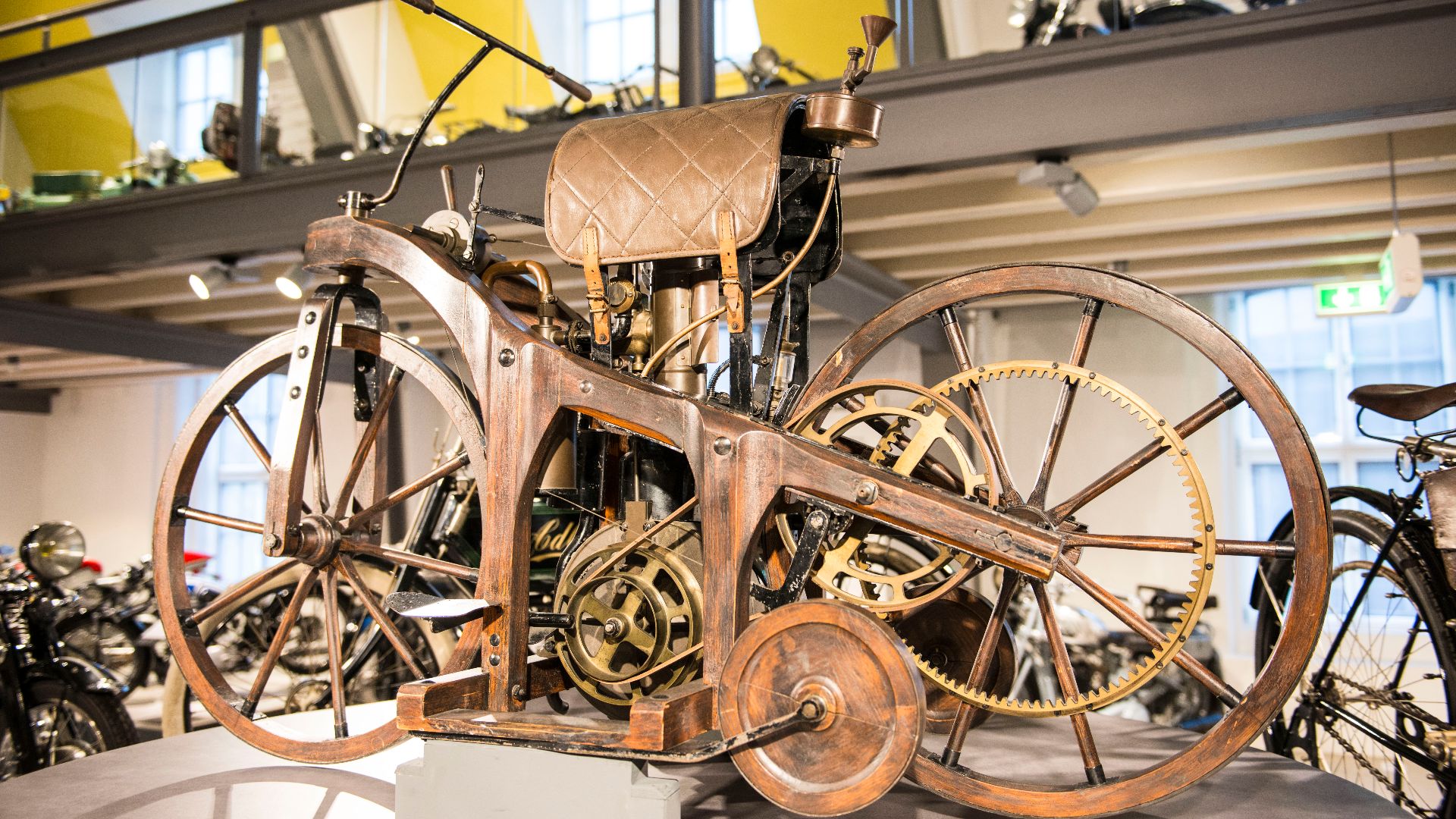
Early engineers quickly discovered a problem: gasoline engines vibrated violently, making two-wheel balance extremely difficult. The solution was both clever and slightly embarrassing.
 Gruppesepia, Wikimedia Commons
Those Awkward Little Training Wheels
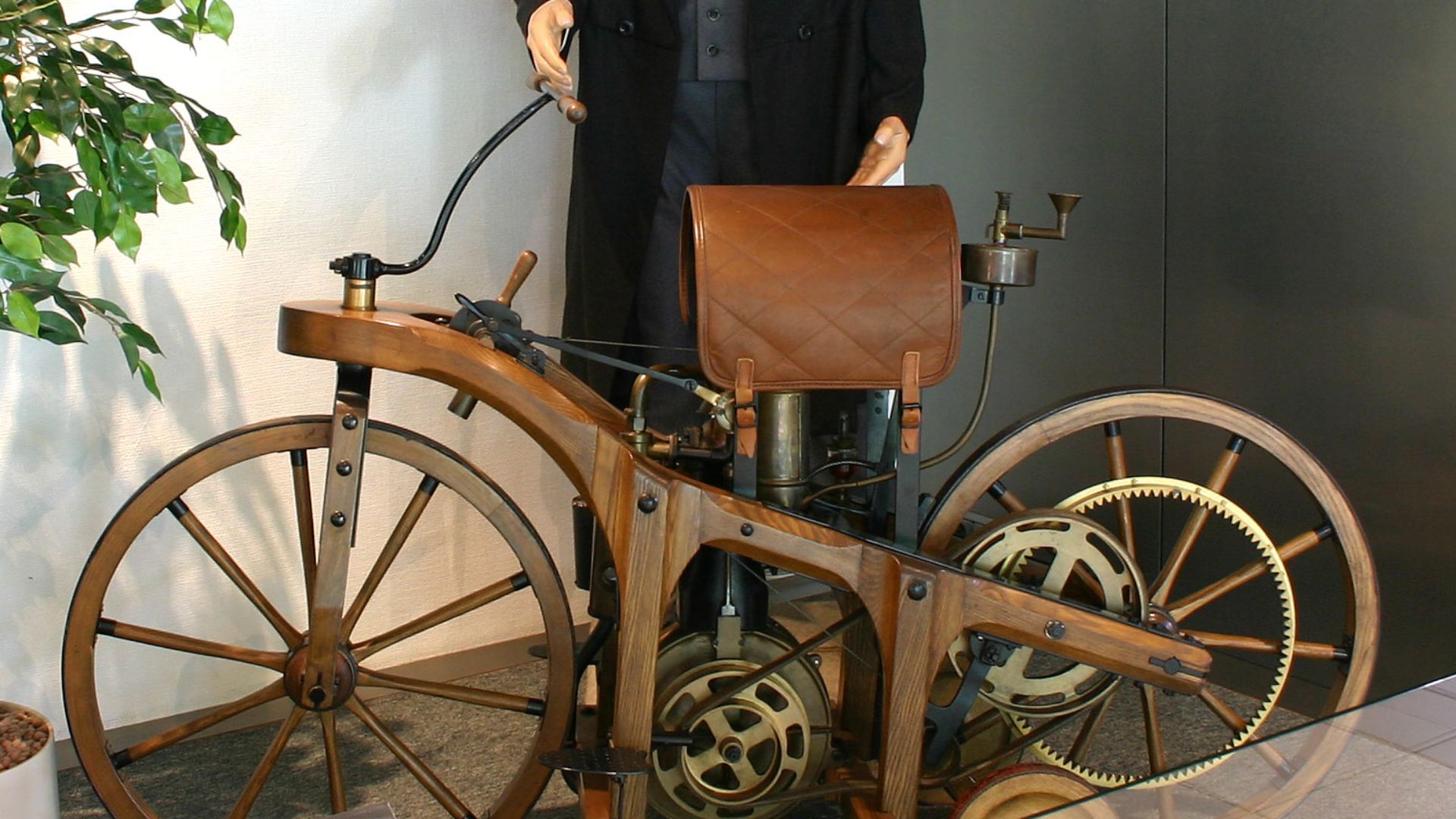
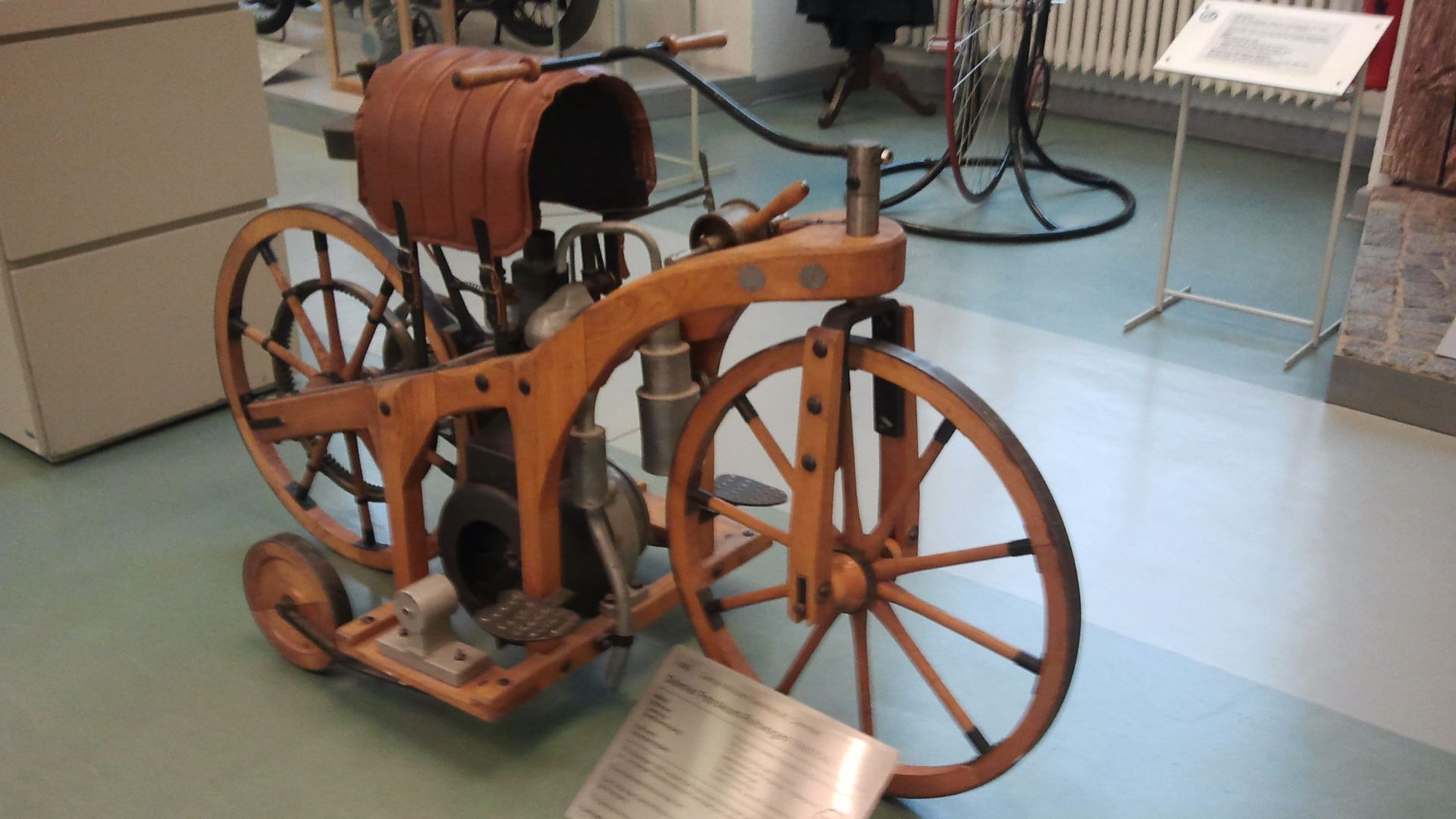
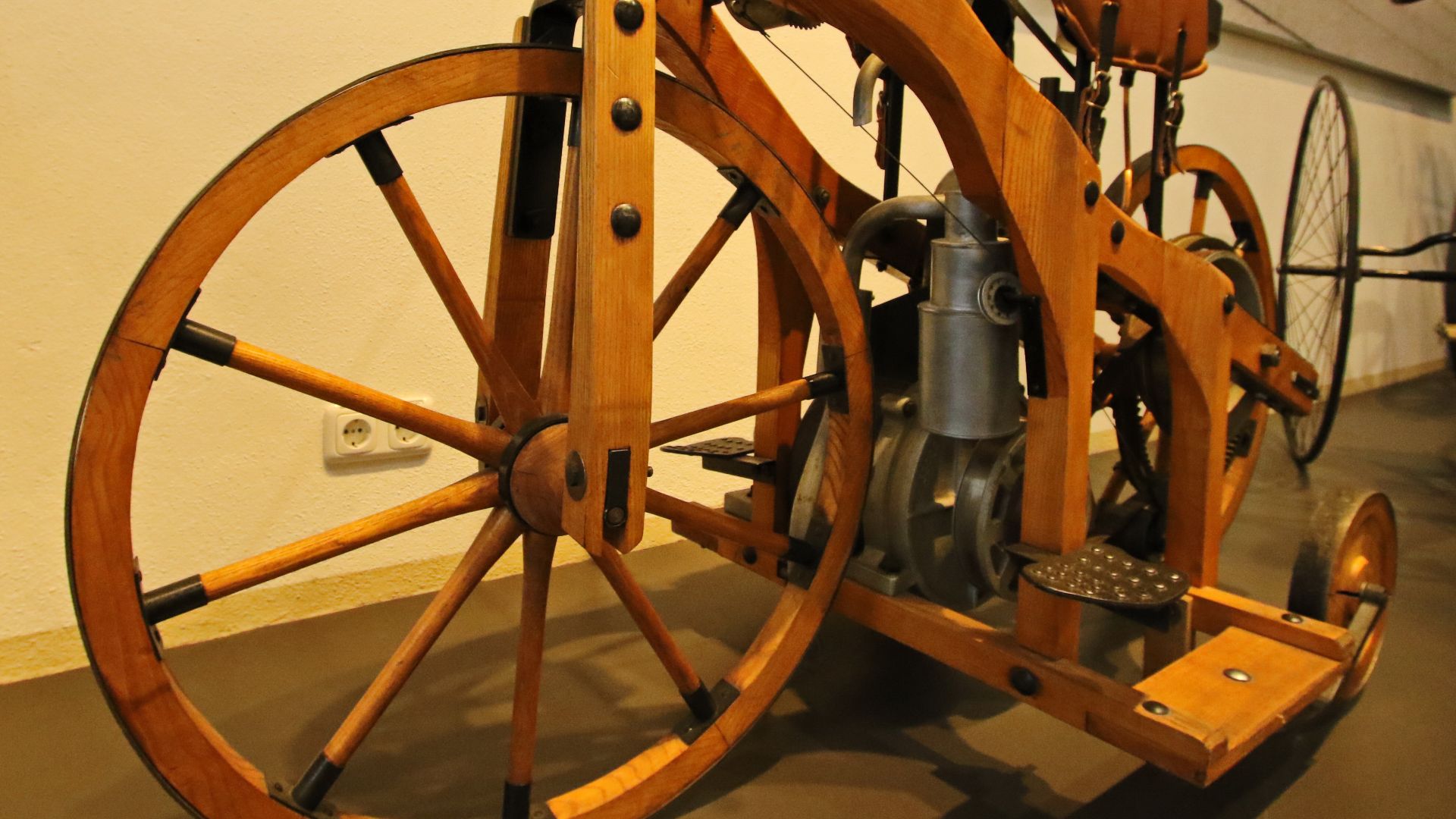
To keep the machine upright, wooden outrigger wheels were added on each side. Purists still debate whether that disqualifies it as a true motorcycle, but without them, the rider wouldn’t have made it ten feet.
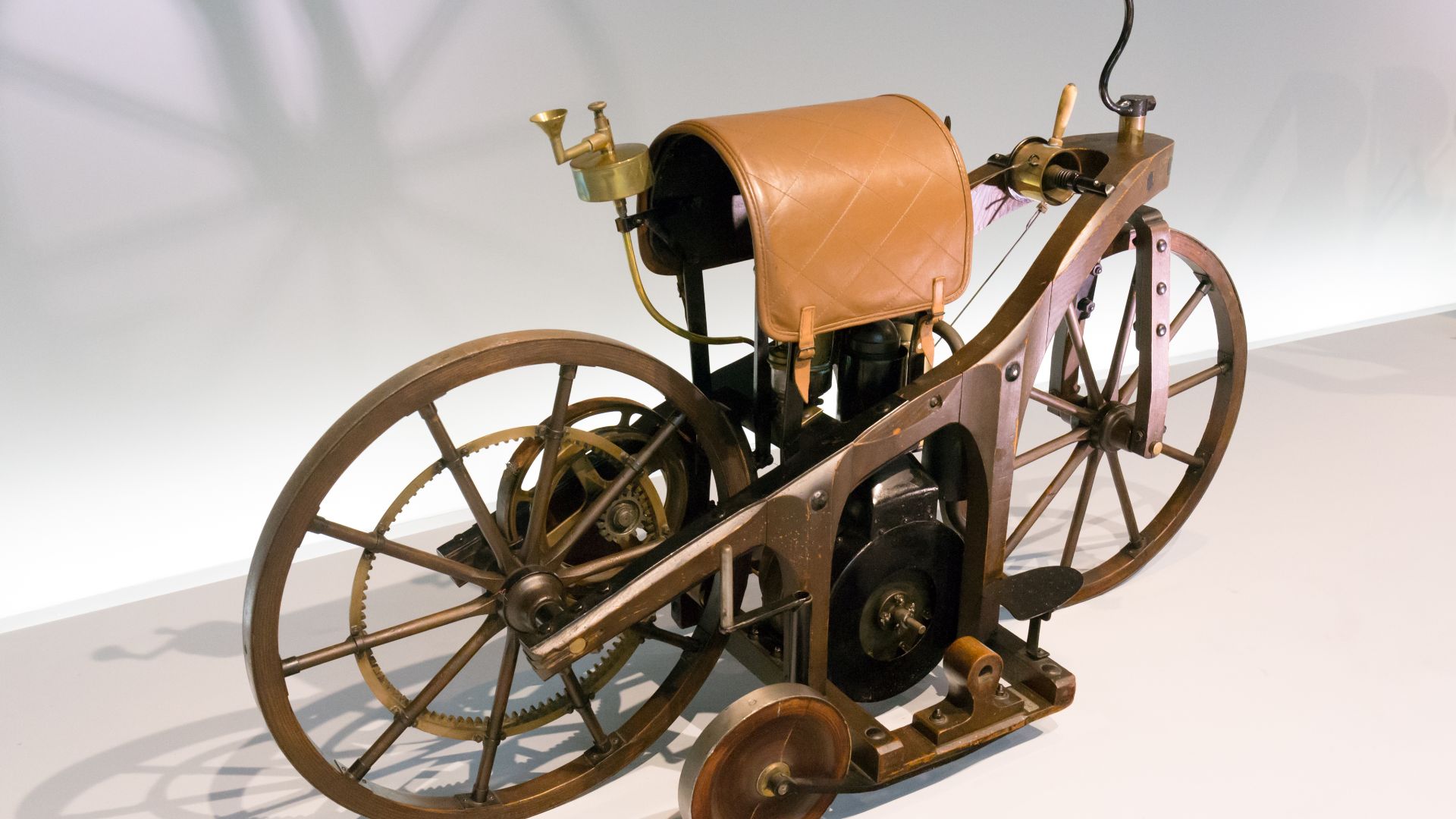
The World’s First Motorcycle Ride
The honor of the first ride went to Daimler’s teenage son, Paul, who likely didn’t realize he was about to make transportation history—and narrowly avoid serious injury.
 Alf van Beem, Wikimedia Commons
A Short Ride With Huge Consequences
The journey covered only a few miles, but it proved the impossible: a gasoline-powered engine could move a person reliably without steam, rails, or horses.
 Softeis~commonswiki, Wikimedia Commons
Slow By Today’s Standards, Shocking Back Then
Top speed hovered around walking pace by modern expectations, but in 1885, any self-propelled vehicle that didn’t explode was impressive.
A Seat That Literally Caught Fire
Early hot-tube ignition systems ran dangerously hot. On one test ride, the wooden seat reportedly began to smolder—an unforgettable reminder that innovation often arrives with flames.
Not Built For Comfort Or Safety
There was no suspension, no padding, and no real steering refinement. The ride was rigid, jarring, and physically demanding, which probably limited its appeal to thrill-seekers and inventors only.
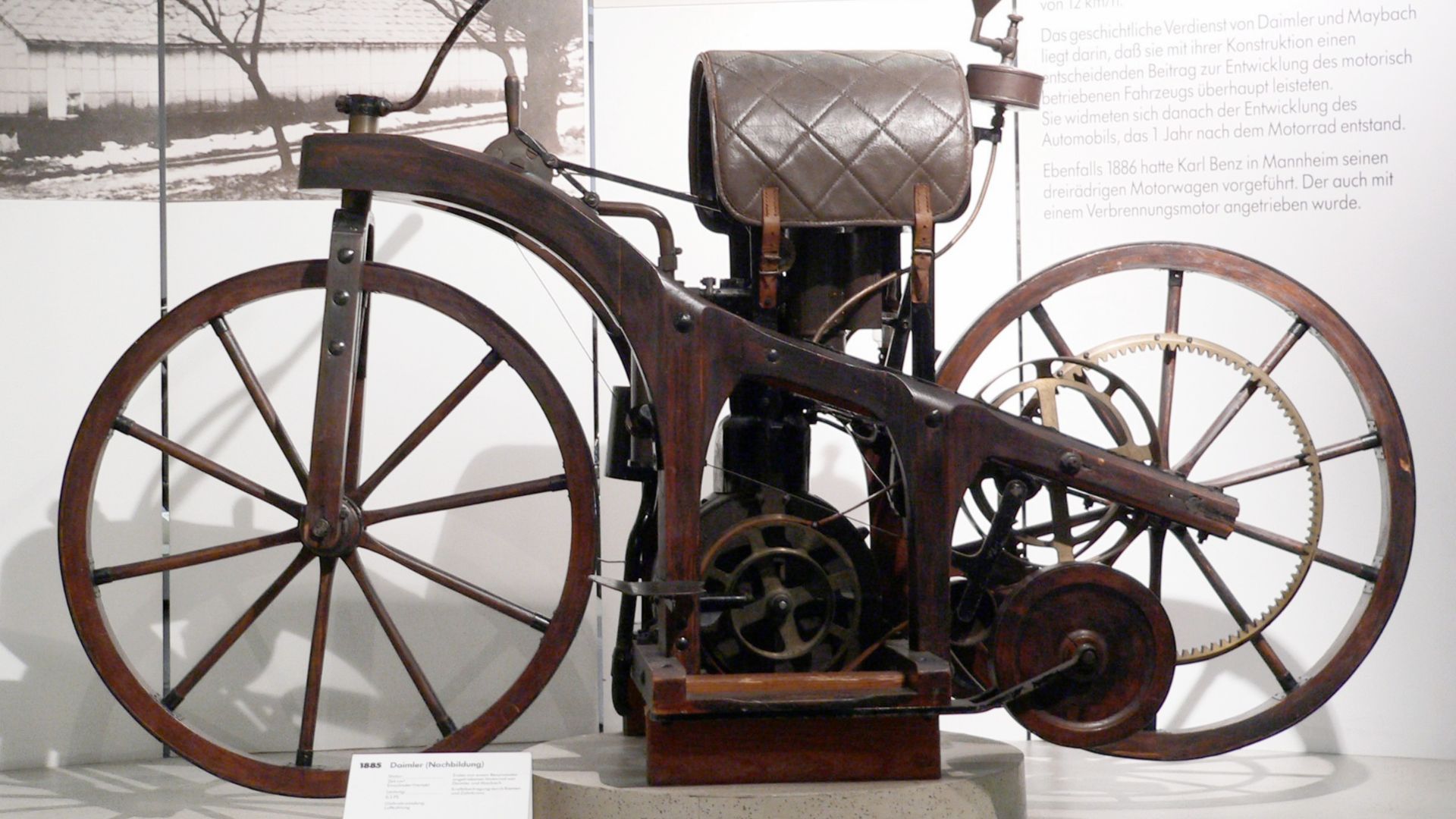
Why It Was Called The Reitwagen
The name loosely translated to “riding car,” reflecting how little language existed for this new category of vehicle. Motorcycles didn’t yet exist—so the name had to be invented along with the machine.
 Joachim Kohler, Wikimedia Commons
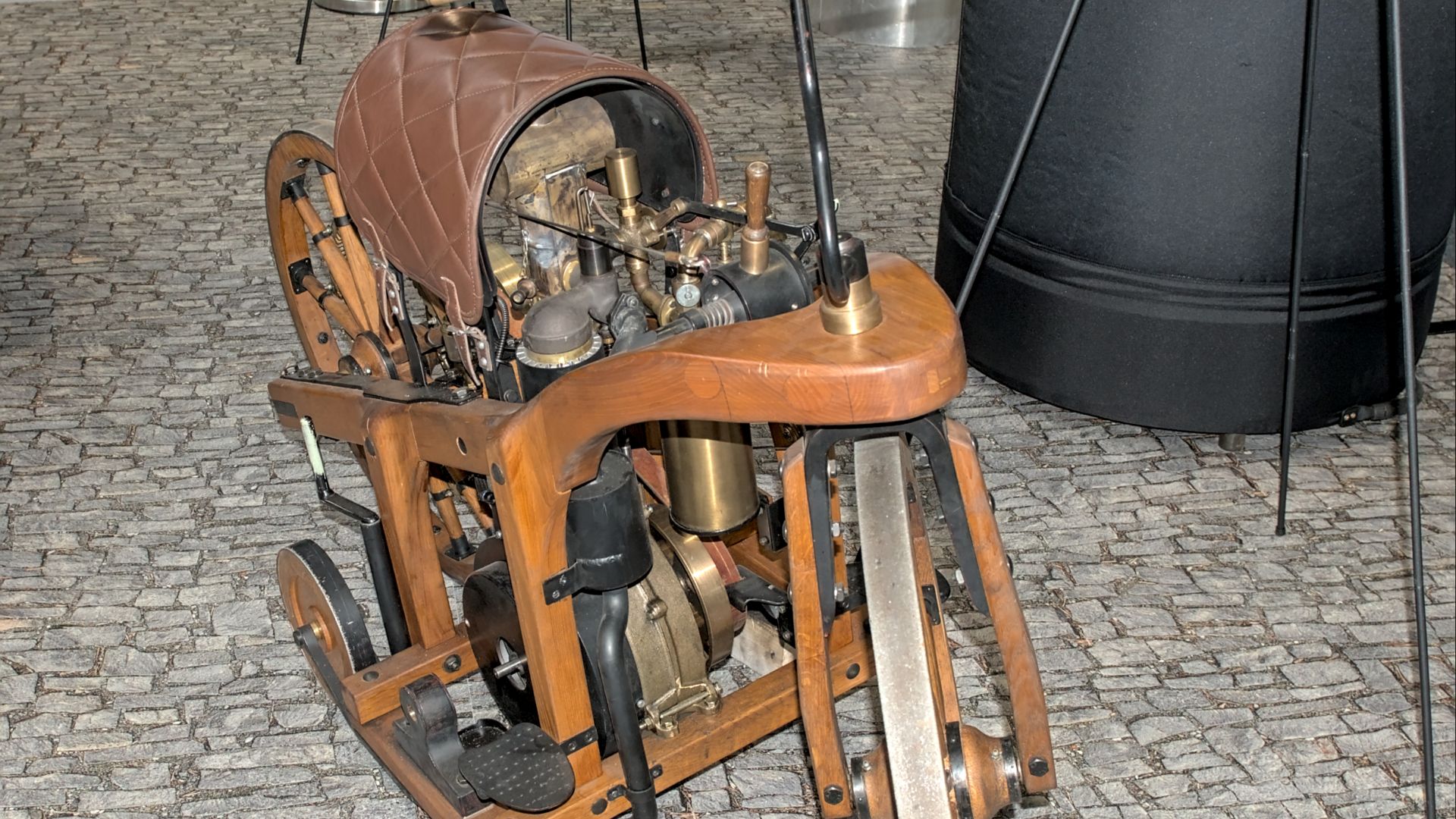
The Debate Over What Counts As First
Some historians argue steam-powered two-wheelers came earlier. Others insist the gasoline engine is what truly defines a motorcycle, placing this wooden oddity firmly at the starting line.
 Alexander Migl, Wikimedia Commons
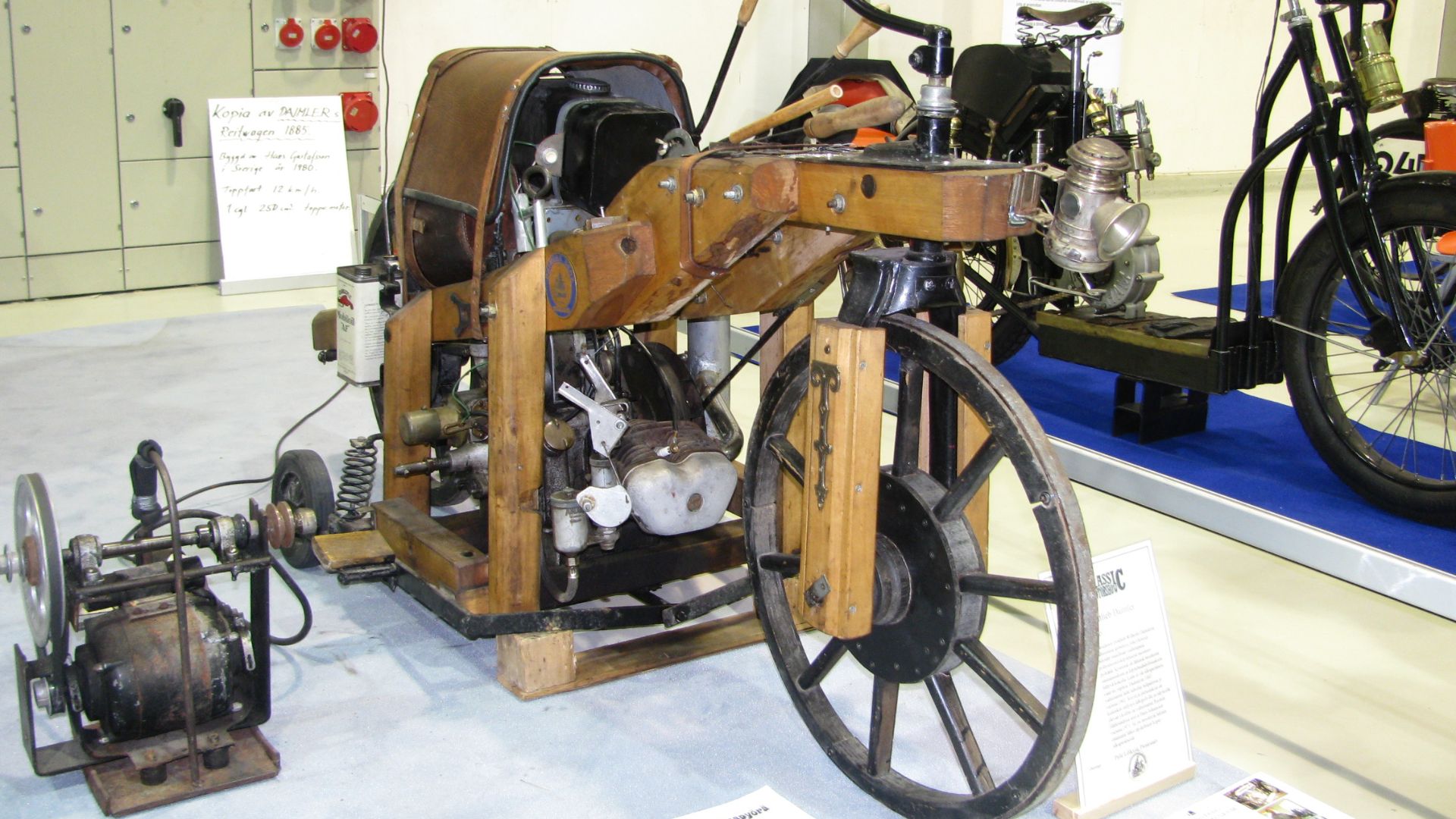
A Dead End That Led Everywhere
Ironically, the wooden motorcycle itself didn’t lead to mass production. But its engine design would soon power automobiles, boats, and eventually aircraft.
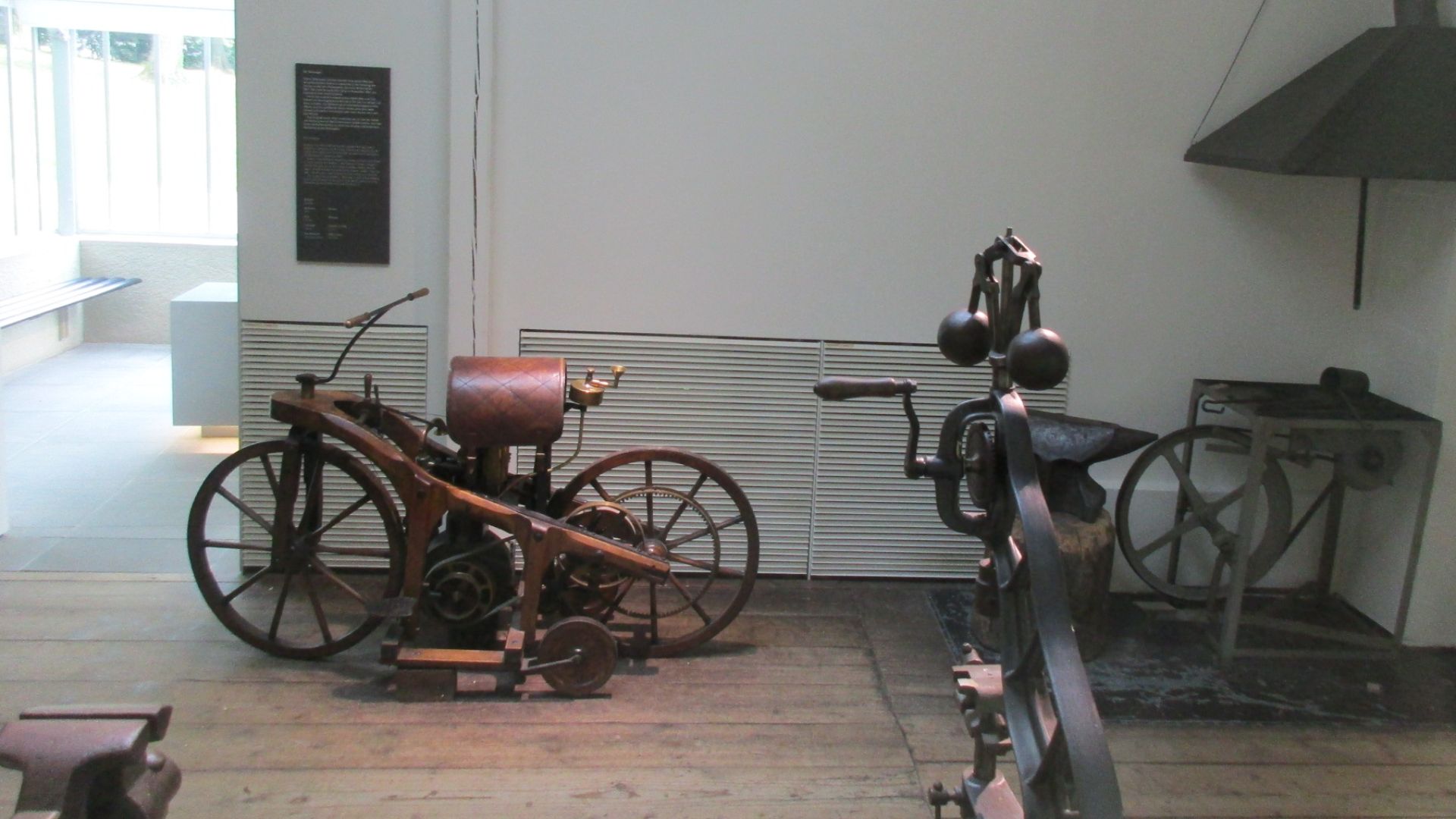
From Experiment To Legacy
The Reitwagen wasn’t refined, comfortable, or practical—but it proved something vital. Once gasoline engines worked on wheels, there was no going back.
Why It Didn’t Look Like Future Motorcycles
Later motorcycles abandoned wood, outriggers, and awkward proportions. Metal frames, better balance, and safer ignition systems transformed the concept into something recognizable.
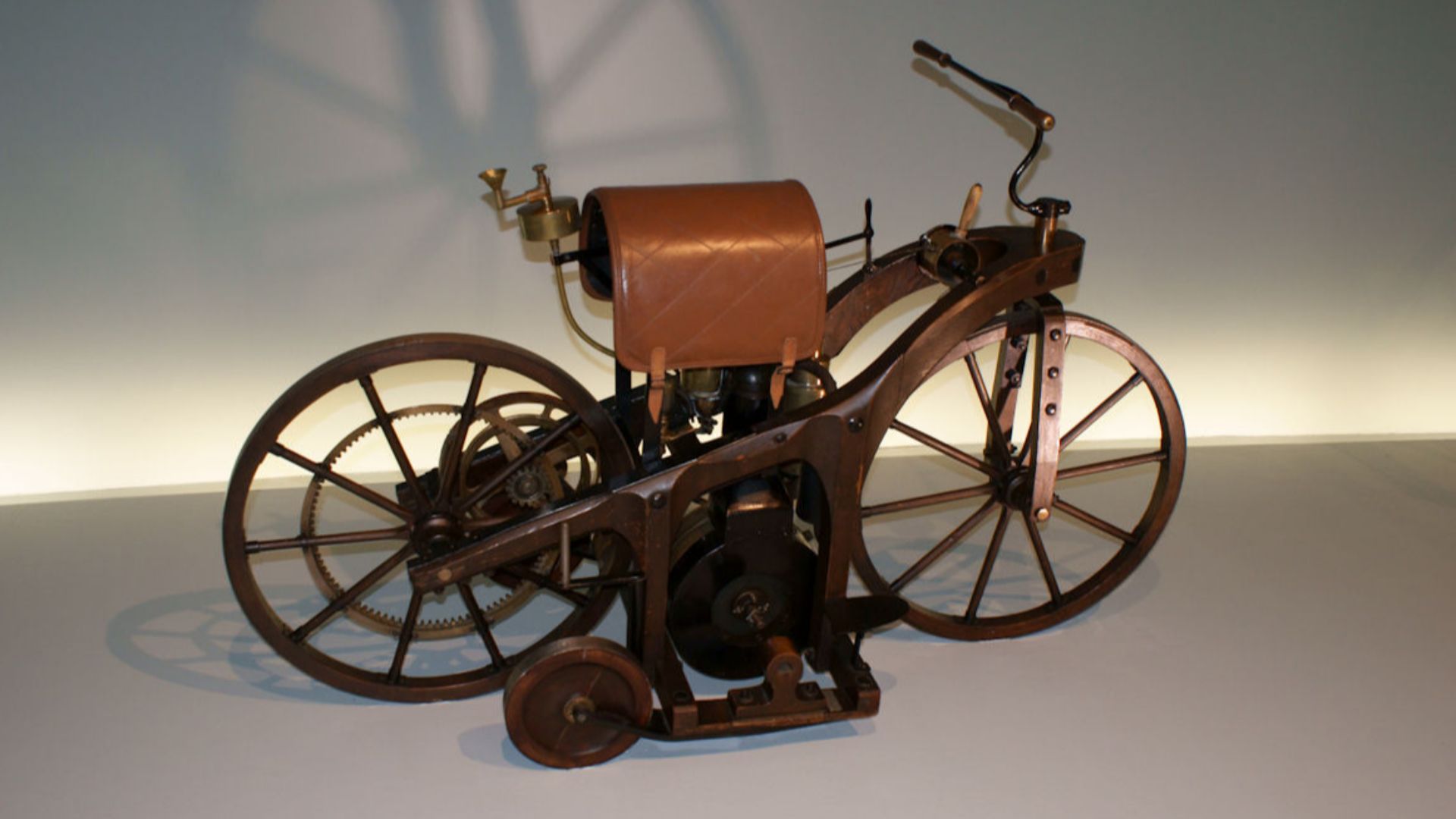
The Birth Of Personal Motorized Freedom
This strange machine marked the first moment a person could travel independently without animals, rails, or steam pressure dictating the journey.

A Prototype That Changed The World
Though primitive and fleeting, the wooden motorcycle reshaped engineering priorities across industries, pushing designers toward smaller, faster, and more efficient engines.
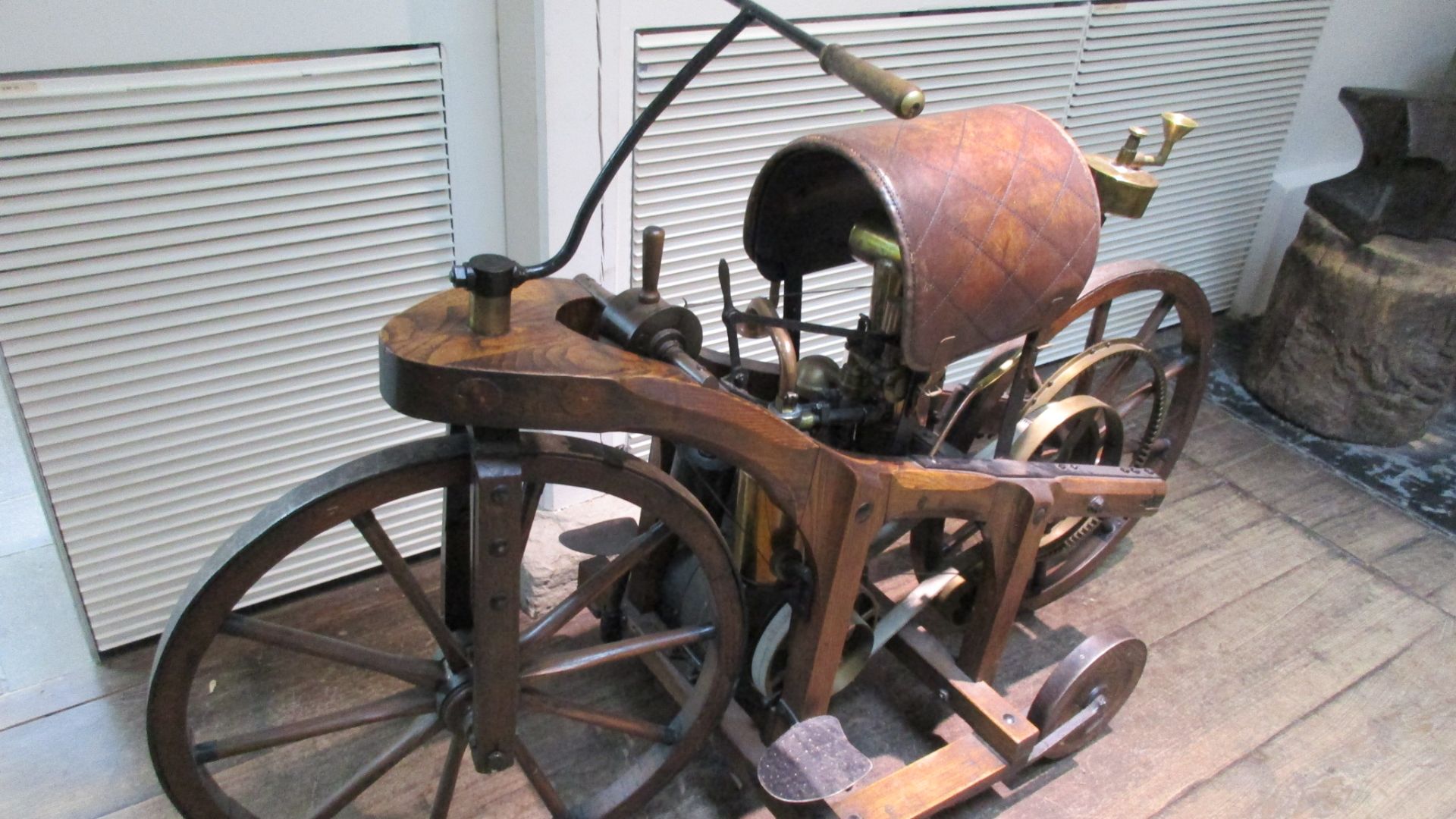
The Wooden Ancestor Of Every Motorcycle Today
Every modern bike—sport, cruiser, touring, or dirt—traces its lineage back to this improbable wooden experiment. Without it, the motorcycle as we know it simply wouldn’t exist.
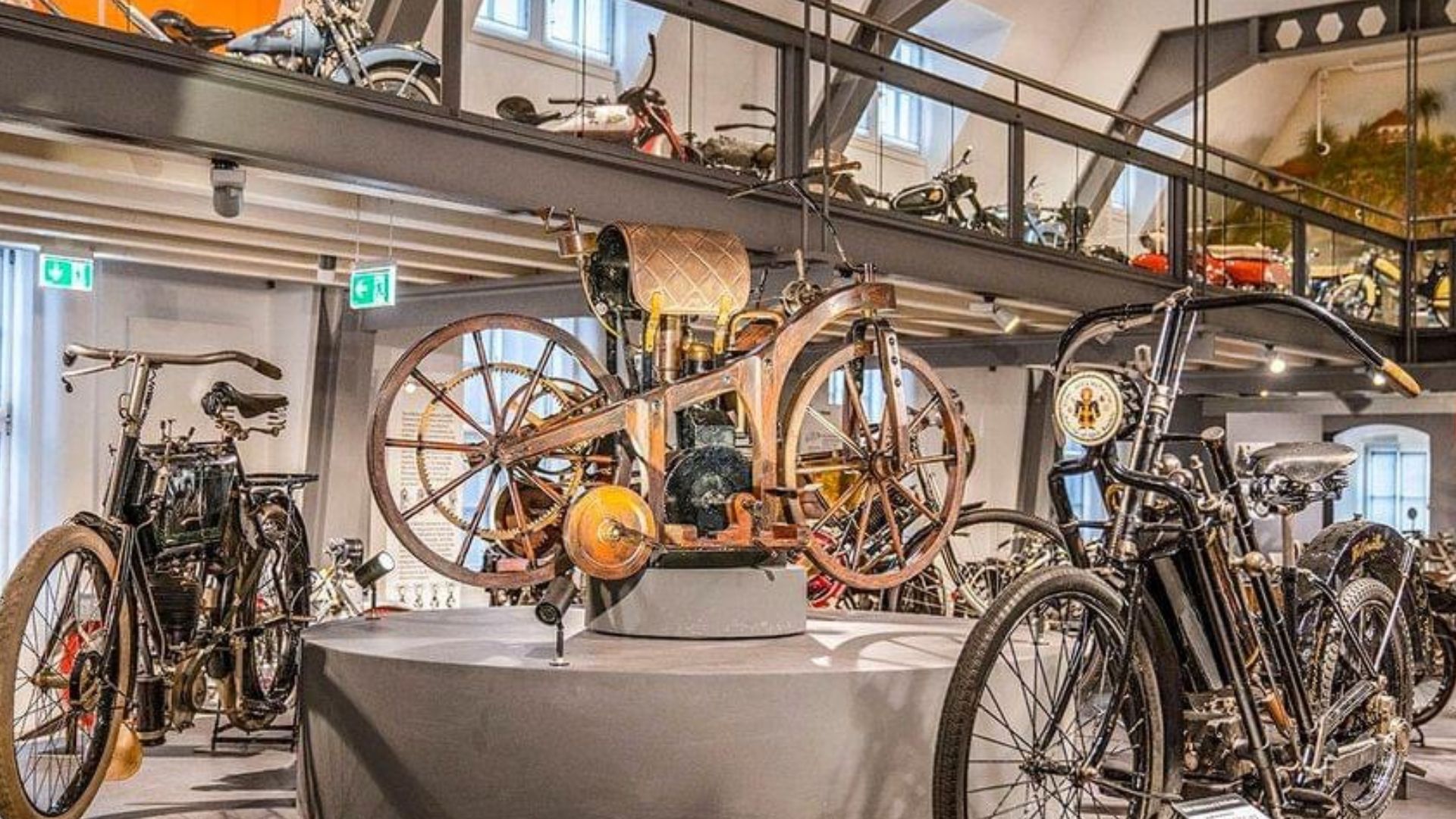 Zweiradmuseum Neckarsulm, Wikimedia Commons
You May Also Like:
Muscle Cars From The 80s That Still Have Clout Today
Three Great Cars For College Students
My check engine light came on hours before a road trip. Should I still go?
Source: 1