When Dashboard Lights Choose Violence
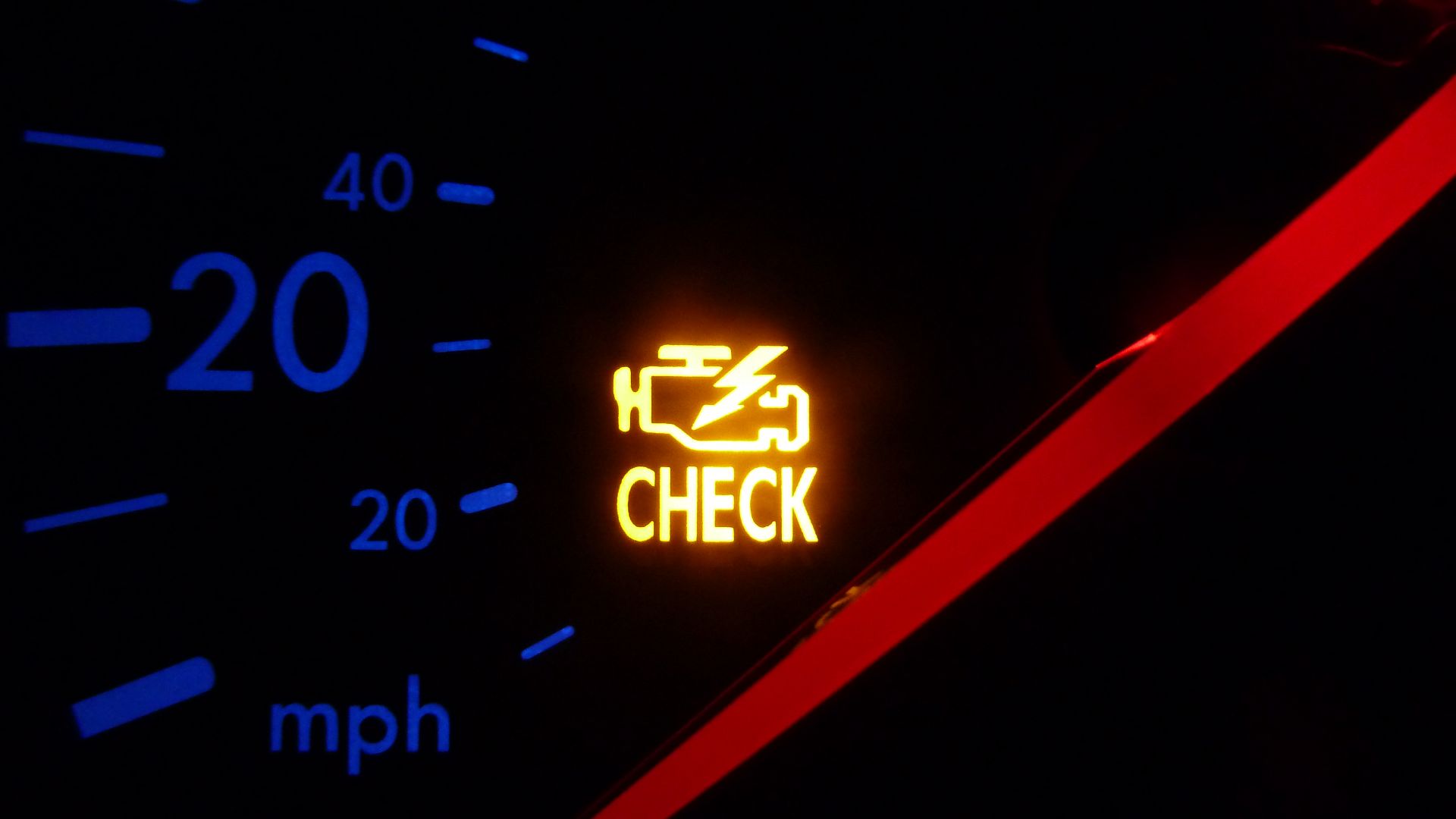
Nothing kills pre-trip excitement faster than that little amber engine icon glowing at you like it knows your plans. The question isn’t just what the light means, but whether ignoring it will turn your road trip into an expensive cautionary tale. Let’s walk through what that check engine light is trying to tell you—and how to decide if you should still hit the road or hit the brakes.
What A Check Engine Light Is Actually Warning You About
The check engine light is your car’s way of saying something isn’t working as expected. It can point to issues involving the engine, fuel system, emissions, or onboard sensors. The frustrating part is that the problem could be very minor—or something that gets worse the longer you drive.

Solid Light Versus Flashing Light
A solid check engine light usually means the car has detected a problem that should be addressed soon but isn’t immediately catastrophic. A flashing light is a different story—it typically signals an active misfire that could damage the engine or catalytic converter if you keep driving. If it’s flashing, the road trip should be postponed, no debate required.
 Wikiuser100000, Wikimedia Commons
Why The Timing Feels So Rude
Cars have a knack for acting up at the worst possible moments. Long highway drives, heavy loads, and sustained speeds put more strain on components, which can cause marginal issues to finally trigger a warning. That light didn’t wait until today out of spite, it waited until conditions made the problem noticeable.

Start With The Simplest Possibility
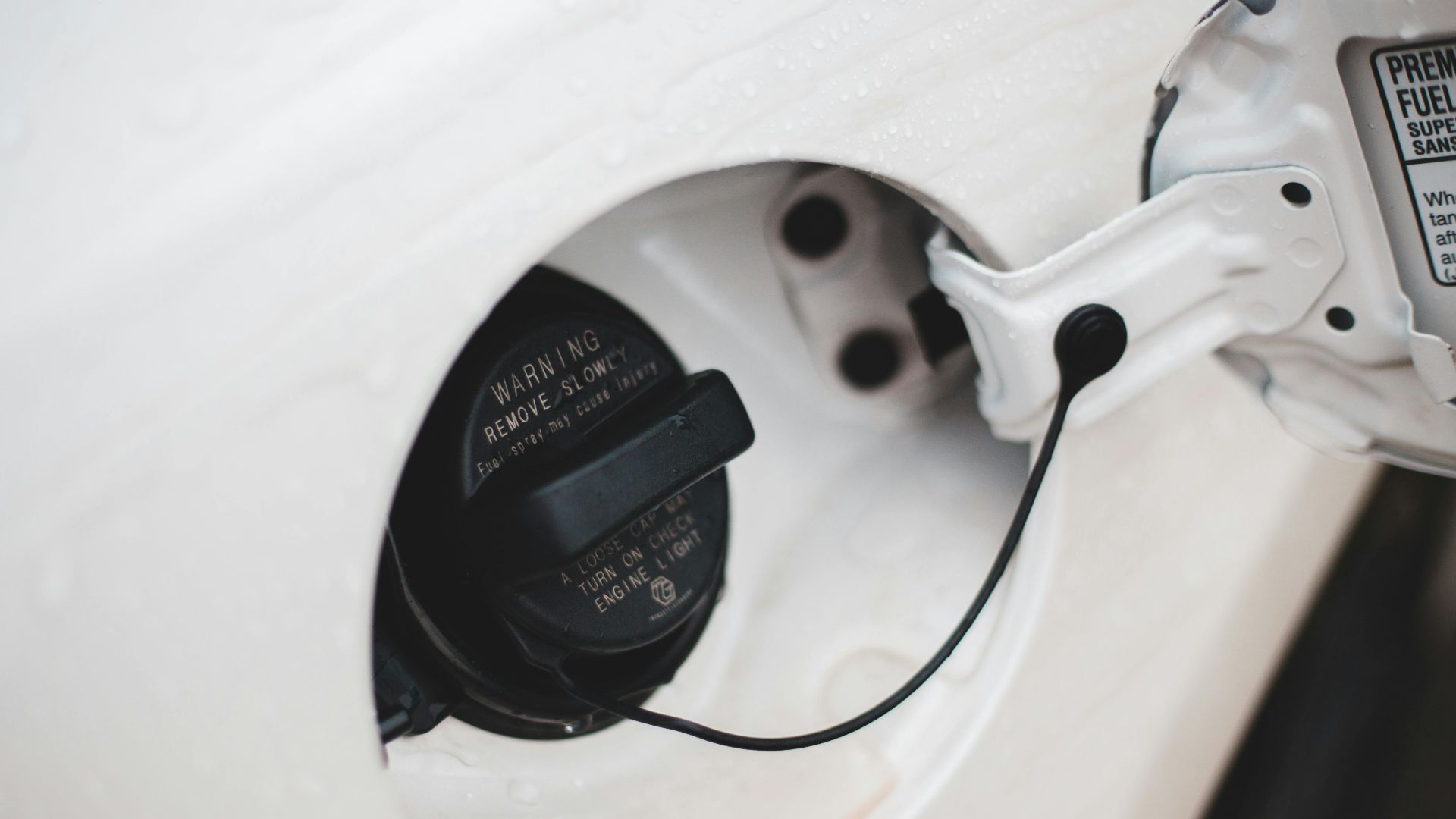
Before you panic, check the gas cap. A loose or damaged cap can trigger a check engine light by allowing fuel vapors to escape. Tighten it until it clicks and see if the light turns off after a few drives. It won’t fix every problem, but it’s the easiest win you’ll ever get.
Pay Attention To How The Car Feels
Does the engine idle smoothly? Is acceleration normal? Are there strange smells, vibrations, or noises? If the car feels and sounds exactly the same as yesterday, that’s a good sign—but not a guarantee. Subtle issues can still escalate over hundreds of miles.

Why “It Drives Fine” Isn’t Always Reassuring
Many engine and emissions problems don’t immediately affect drivability. Sensors can fail quietly, fuel mixtures can drift out of range, and components can degrade without dramatic symptoms. A long road trip can push those minor problems into major territory.

Can You Still Drive With The Light On?
In some cases, yes—but cautiously. A solid check engine light with no noticeable performance issues may allow short-term driving. The keyword here is short-term. A multi-hour road trip is very different from running errands around town.

The Value Of An OBD-II Scan
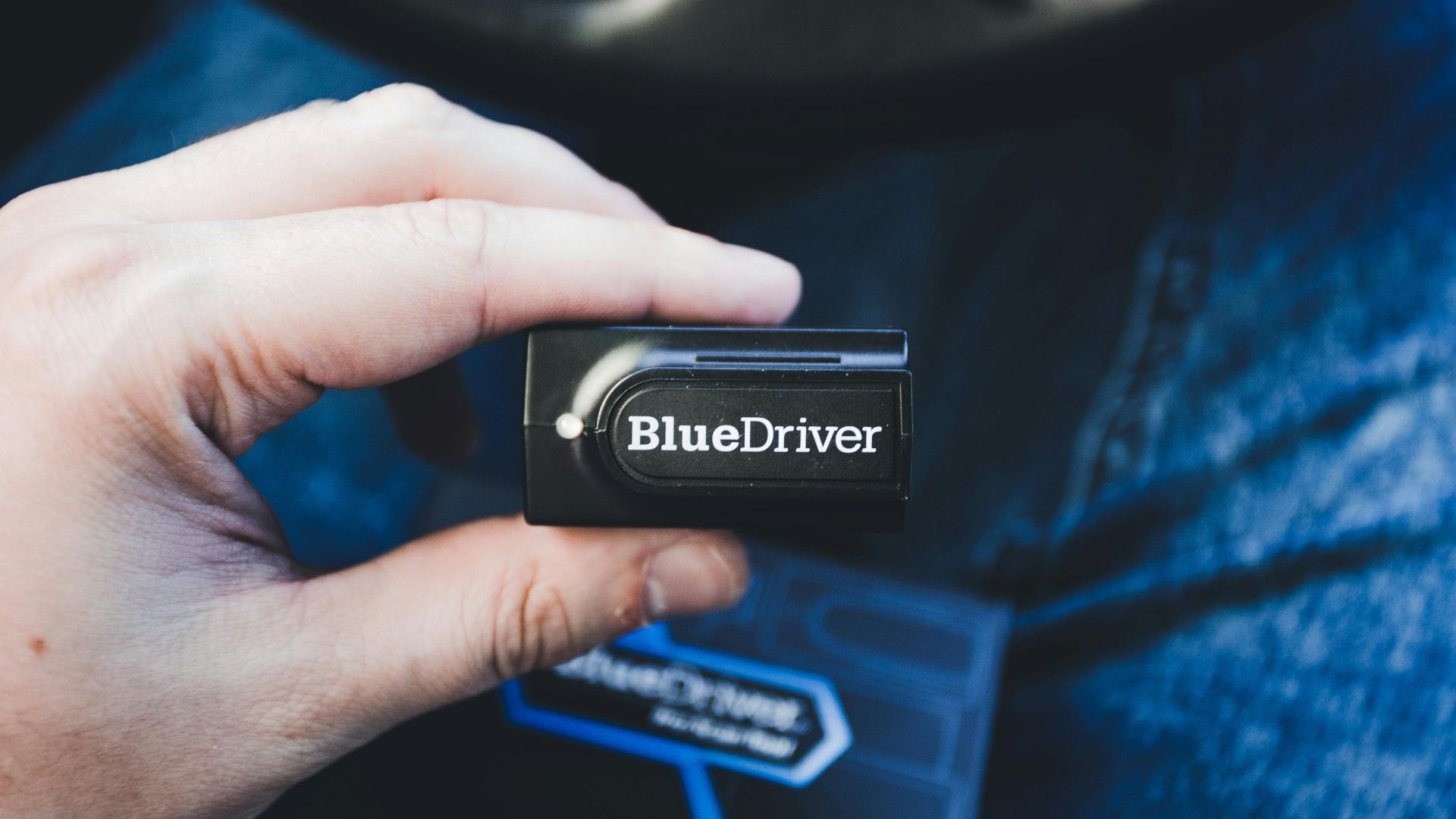
If you or a nearby auto parts store can scan the car’s diagnostic codes, do it. The code won’t always give a definitive answer, but it can indicate whether the issue is emissions-related, sensor-based, or potentially serious. This single step can turn guesswork into an informed decision.
Why Emissions Problems Still Matter
Even if an emissions issue doesn’t feel urgent, it can reduce fuel efficiency and cause overheating of components like the catalytic converter. That’s not something you want happening in the middle of nowhere with a full tank and a tight schedule.

Road Trips Are Harder On Cars Than Daily Driving
Sustained highway speeds, higher engine temperatures, and heavier loads amplify existing problems. A part that survives short commutes might fail after hours of continuous operation. Road trips don’t create problems—they reveal them.

Fluids Are Non-Negotiable
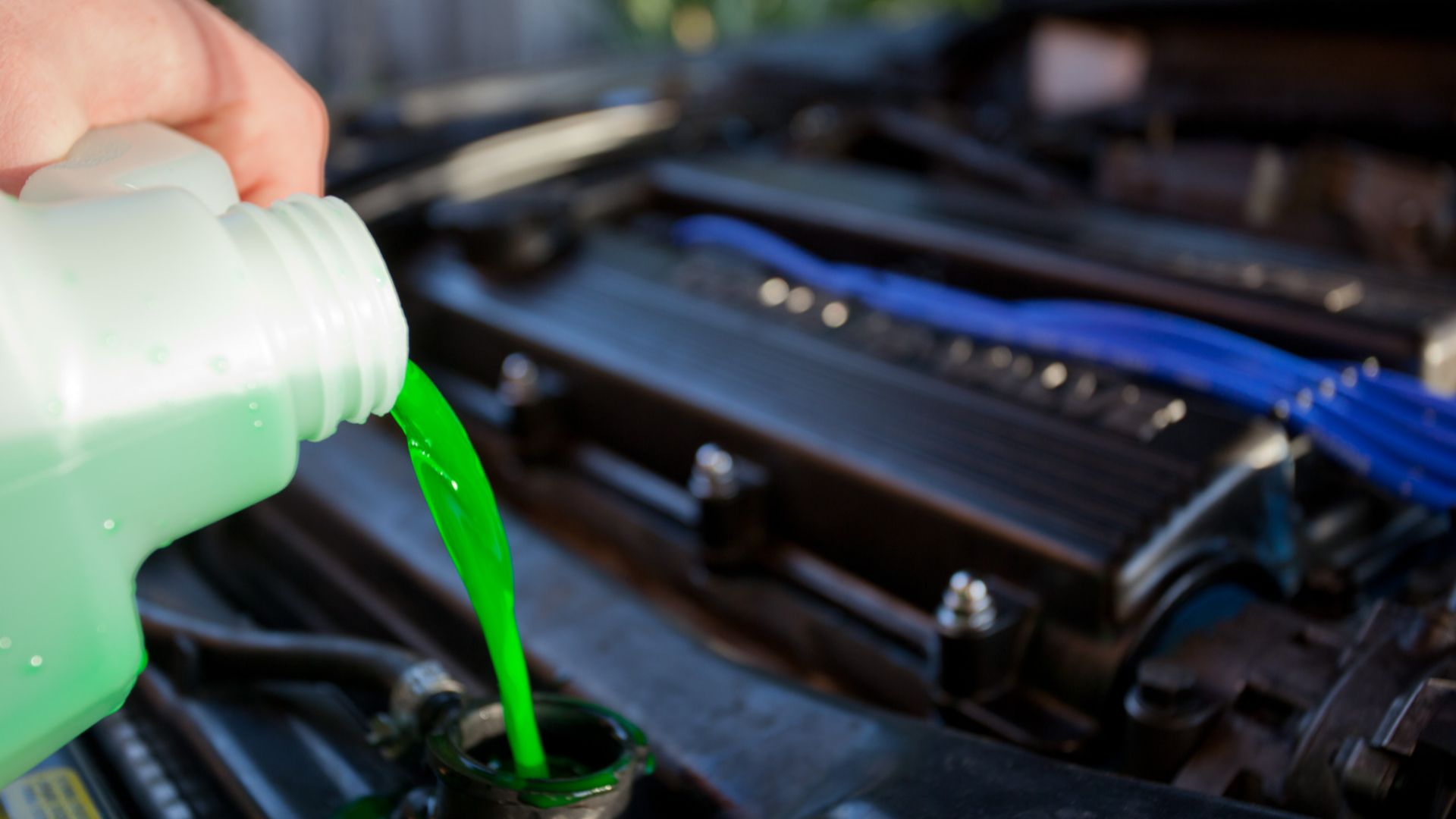
Before leaving, check engine oil, coolant, brake fluid, transmission fluid, and power steering fluid. Low or degraded fluids can worsen the issue that triggered the check engine light in the first place. Fresh fluids won’t fix everything, but they reduce risk.
Tires Deserve A Pre-Trip Reality Check
Incorrect tire pressure affects fuel economy, handling, and safety. Worn tread increases the chance of blowouts, especially at highway speeds. A check engine light plus neglected tires is not a combination you want to gamble on.

Brakes Shouldn’t Be An Afterthought
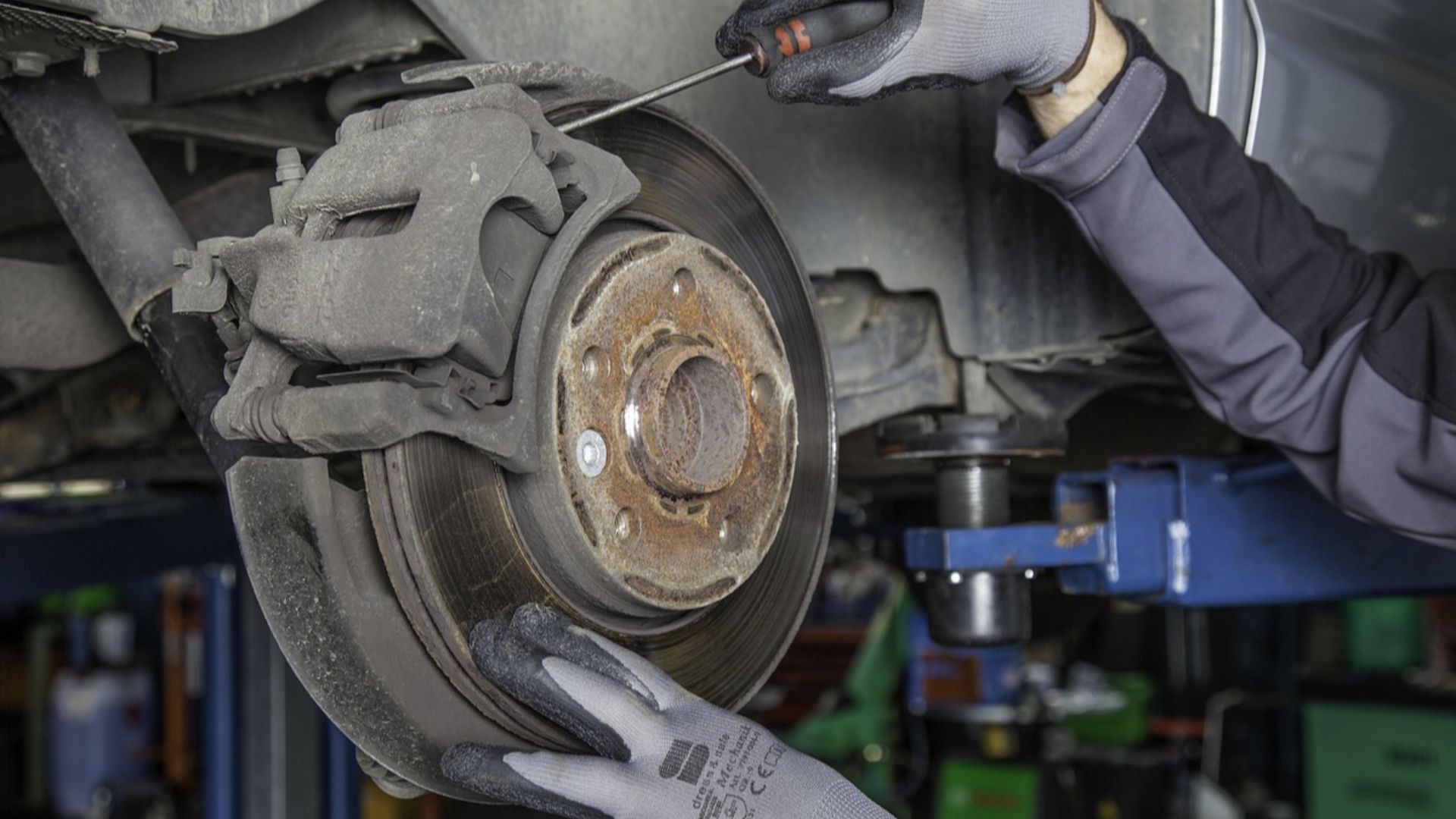
Even if the engine issue is minor, road trips mean longer braking periods, heavier loads, and unfamiliar terrain. If your brakes are already near the end of their life, you’re stacking unnecessary risk.
Filters Can Affect Performance More Than You Think
Dirty engine air filters restrict airflow, while clogged cabin filters reduce comfort and defogging ability. Neither will trigger a check engine light on their own, but they can compound existing issues during long drives.

Lights, Wipers, And The Stuff You Forget
Headlights, brake lights, and turn signals matter more on road trips than daily commutes. Same goes for wiper blades—you don’t want to discover they’re shot during a sudden storm on the highway.

Belts And Hoses Don’t Fail Politely
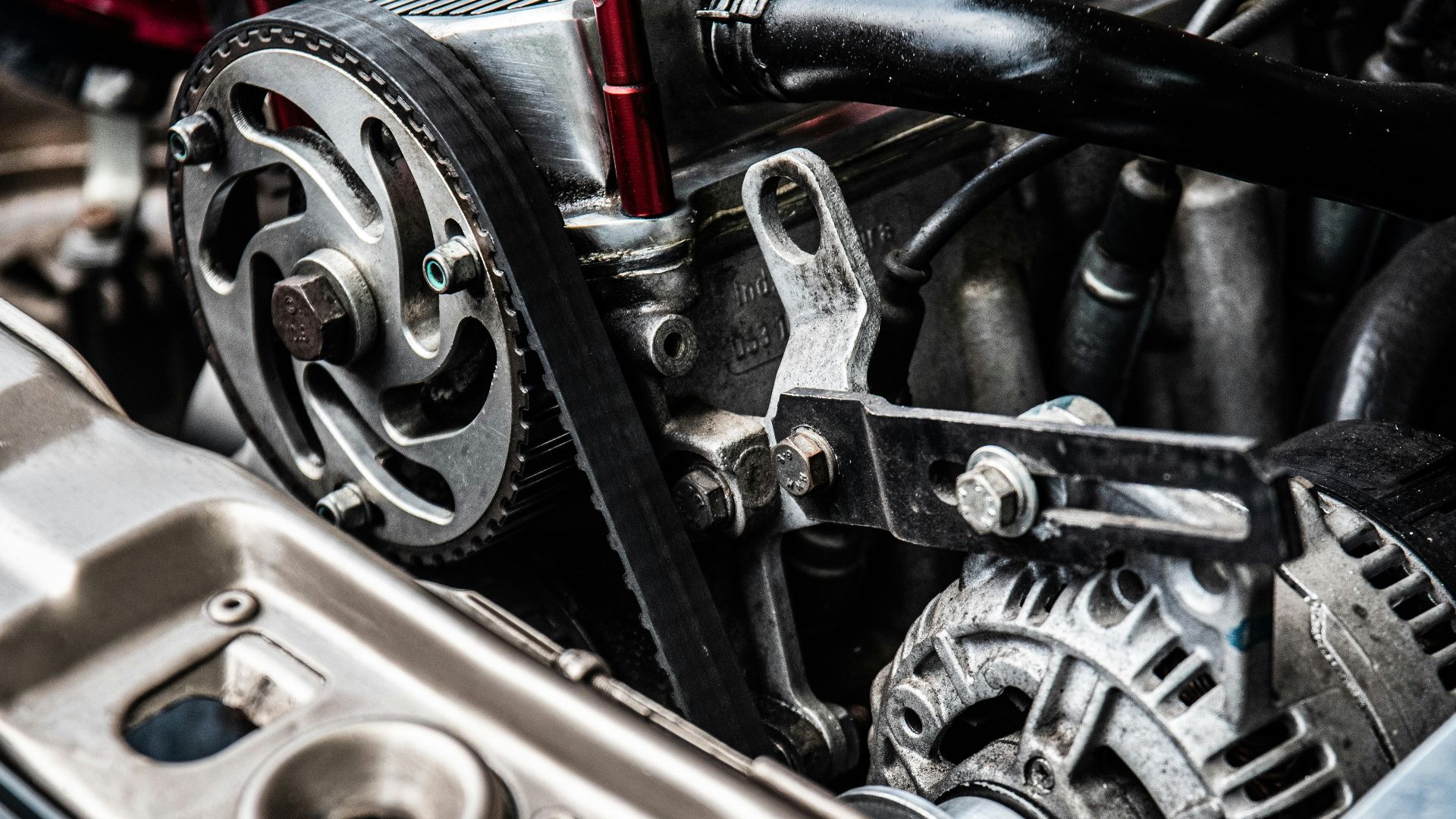
Cracked belts and aging hoses can survive for weeks—until they don’t. Heat and extended driving can push them past their limit, leading to breakdowns that feel completely out of the blue.
Batteries And Electrical Gremlins
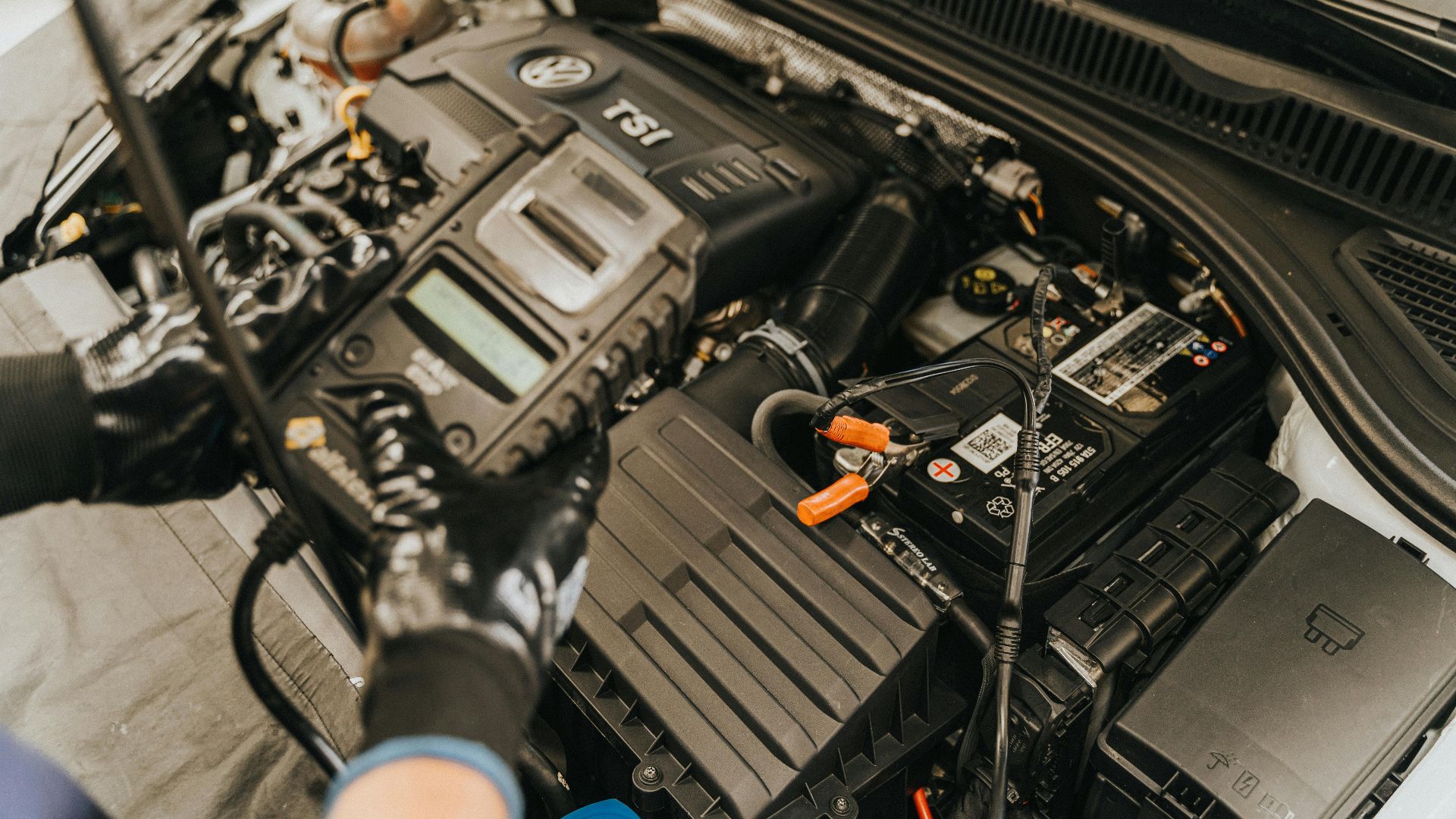
Many check engine issues are sensor-related, and sensors rely on stable electrical systems. A weak battery or corroded terminals can cause false warnings or make real problems harder to diagnose.
When A Mechanic Visit Is Worth The Delay
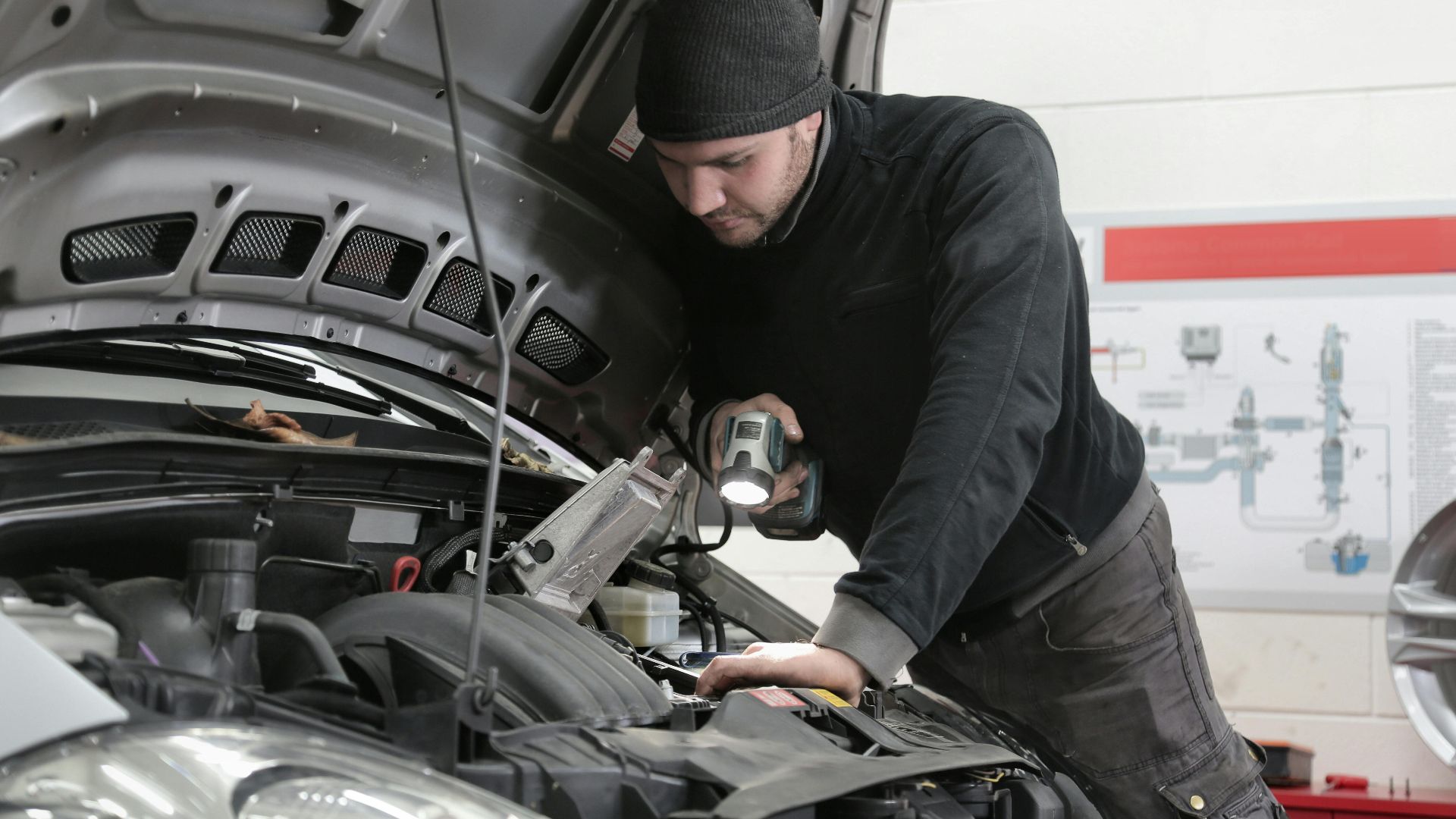
If you can get a quick inspection or diagnostic before leaving, it’s almost always worth it. Even a brief professional opinion can confirm whether the issue is low-risk or a trip-ending dealbreaker.
Situations Where You Should Absolutely Not Go
If the check engine light is flashing, the car is running rough, fuel economy has suddenly dropped, or the scan indicates misfires or overheating risks, cancel or delay the trip. No destination is worth engine damage.

The Real Question You Should Ask Yourself
This isn’t about whether the car might make it—it’s about whether you’re comfortable dealing with a breakdown far from home. If the uncertainty outweighs the excitement, fixing the issue first will make the trip far more enjoyable.

Final Mile
A check engine light hours before a road trip doesn’t automatically mean disaster—but it’s never something to ignore. Sometimes the smartest travel decision isn’t changing your route, but changing your departure date.
 ShotPrime Studio, Shutterstock
You May Also Like:
Pickup Trucks That Defined Rural American Life In The 20th Century
Here's Exactly What To Do If Your Car Won't Start
My insurance company totaled my car over a scratch. Should I fight them or take the check?