
The Car That Promised The Future
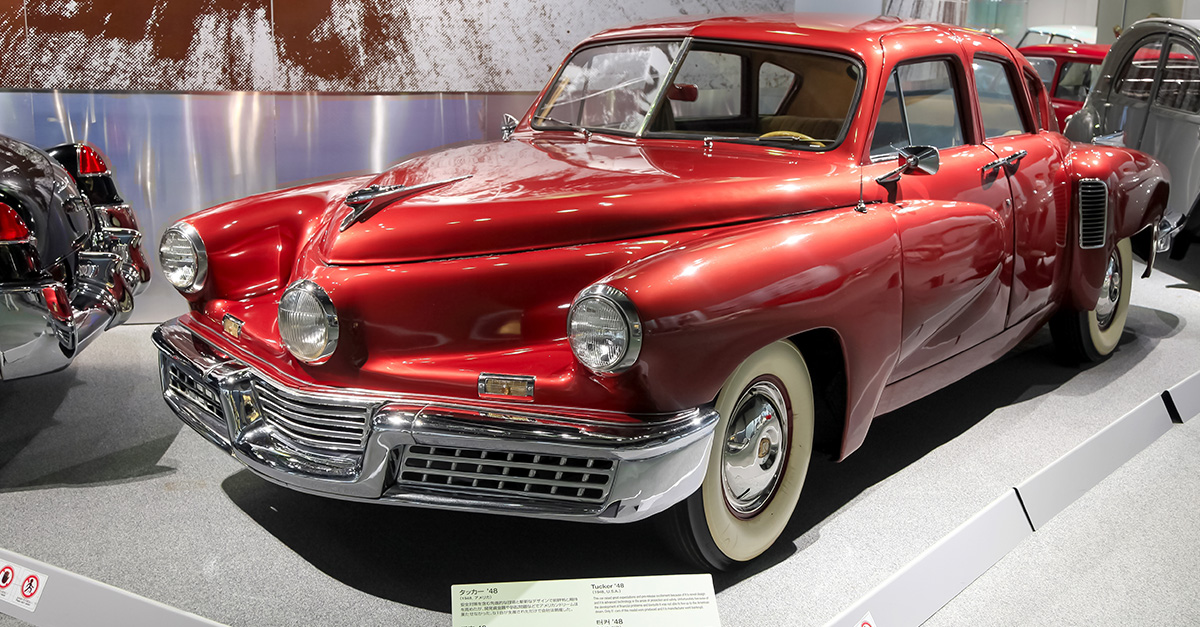
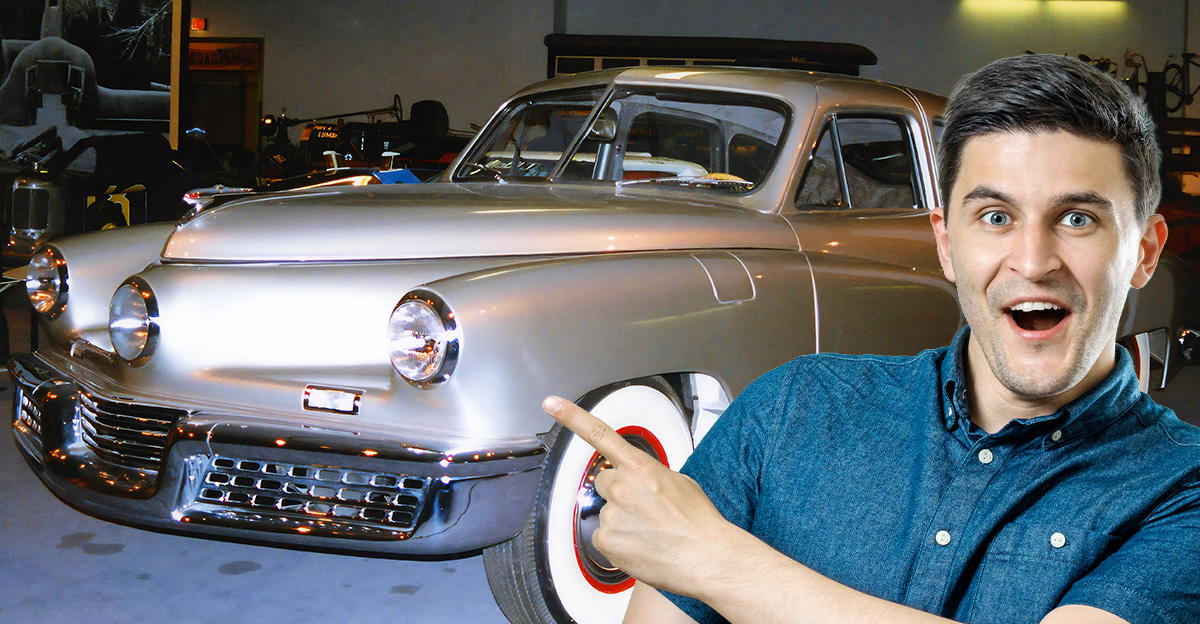
In the late 1940s, when America was riding a wave of postwar optimism and chrome ruled the highways, one man imagined something radically different. The Tucker 48—often nicknamed the “Torpedo”—wasn’t just another new car. It was a bold claim that automobiles could be safer, smarter, and more exciting than Detroit’s recycled prewar designs. For a brief, electric moment, it seemed Preston Tucker might change everything. Then the dream unraveled.
Preston Tucker: The Man With Big Ideas
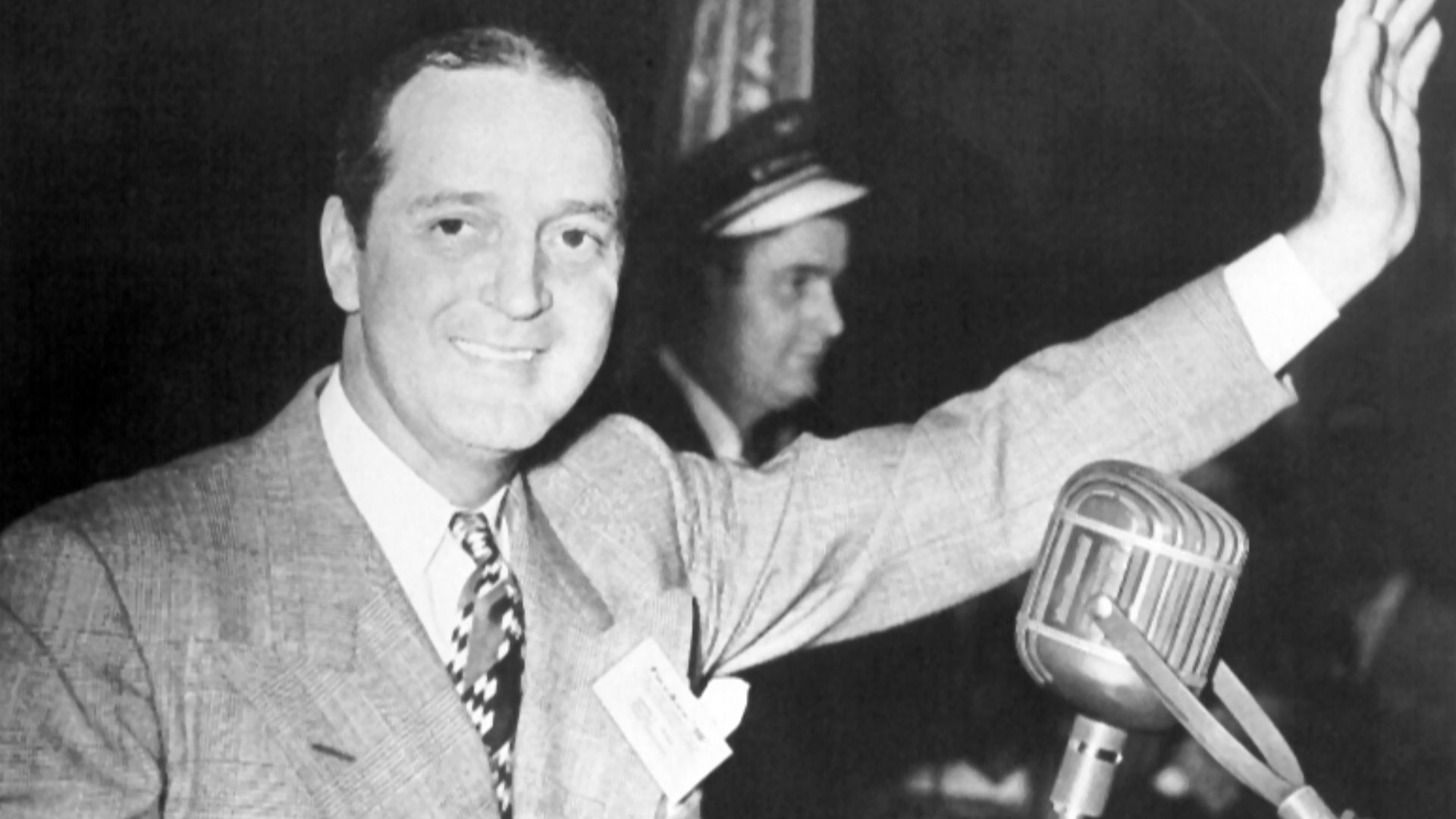
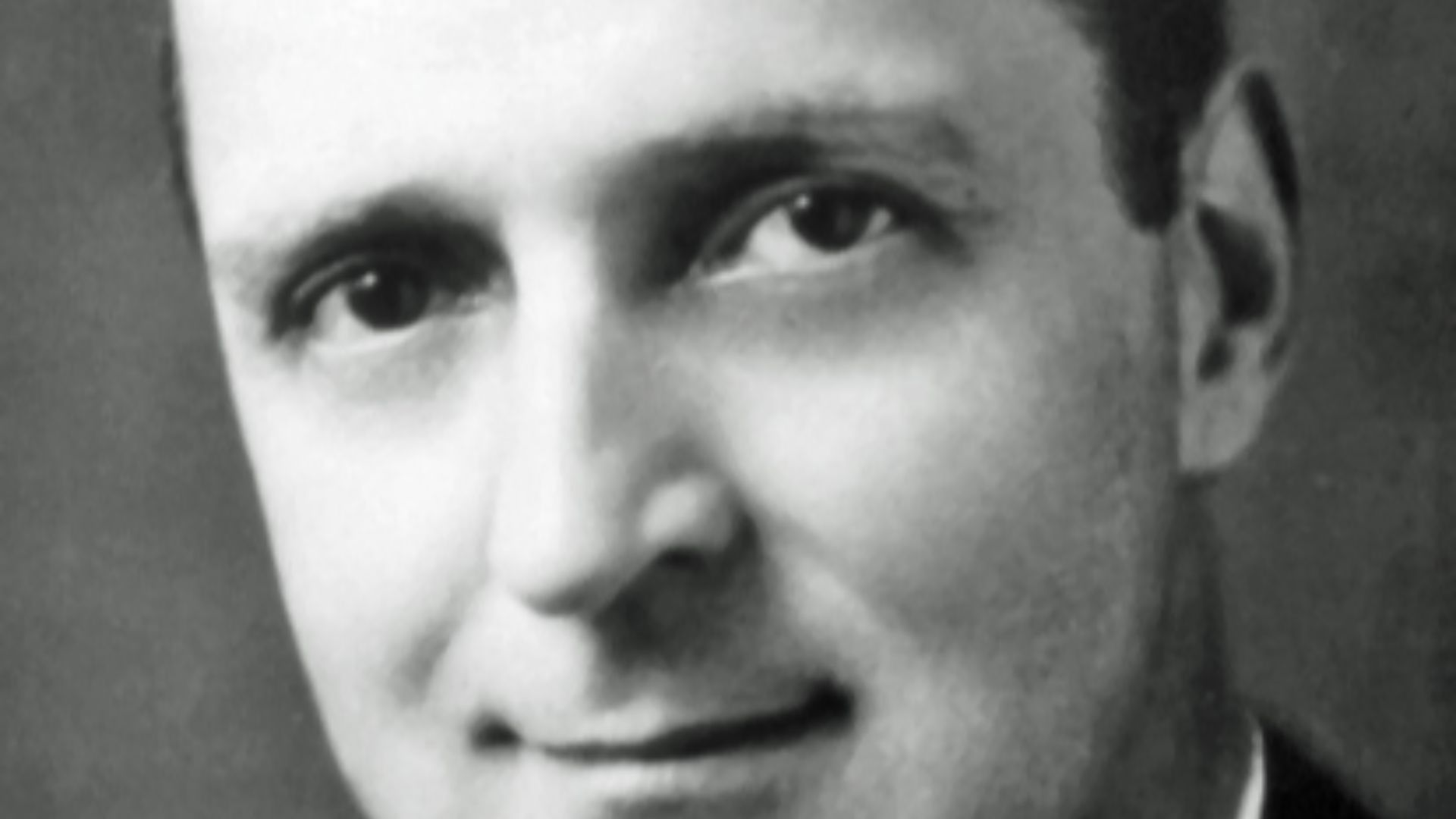
Preston Tucker was equal parts engineer, promoter, and relentless optimist. Born in 1903, he spent his life chasing speed and innovation, dabbling in racing and military vehicle concepts before setting his sights on building a car of his own. He had already stumbled once in the auto industry. But after World War II, with the Big Three playing it safe, Tucker believed his time had finally arrived.
A Postwar Market Ready For Something New
When the war ended, Americans were desperate for new cars. Instead, automakers served up lightly updated 1942 models. Tucker saw opportunity where others saw easy profits. He believed drivers were ready for a clean-sheet design—one built around safety, performance, and modern thinking. While Detroit focused on chrome and creature comforts, Tucker focused on engineering.
Designing The Car Of Tomorrow
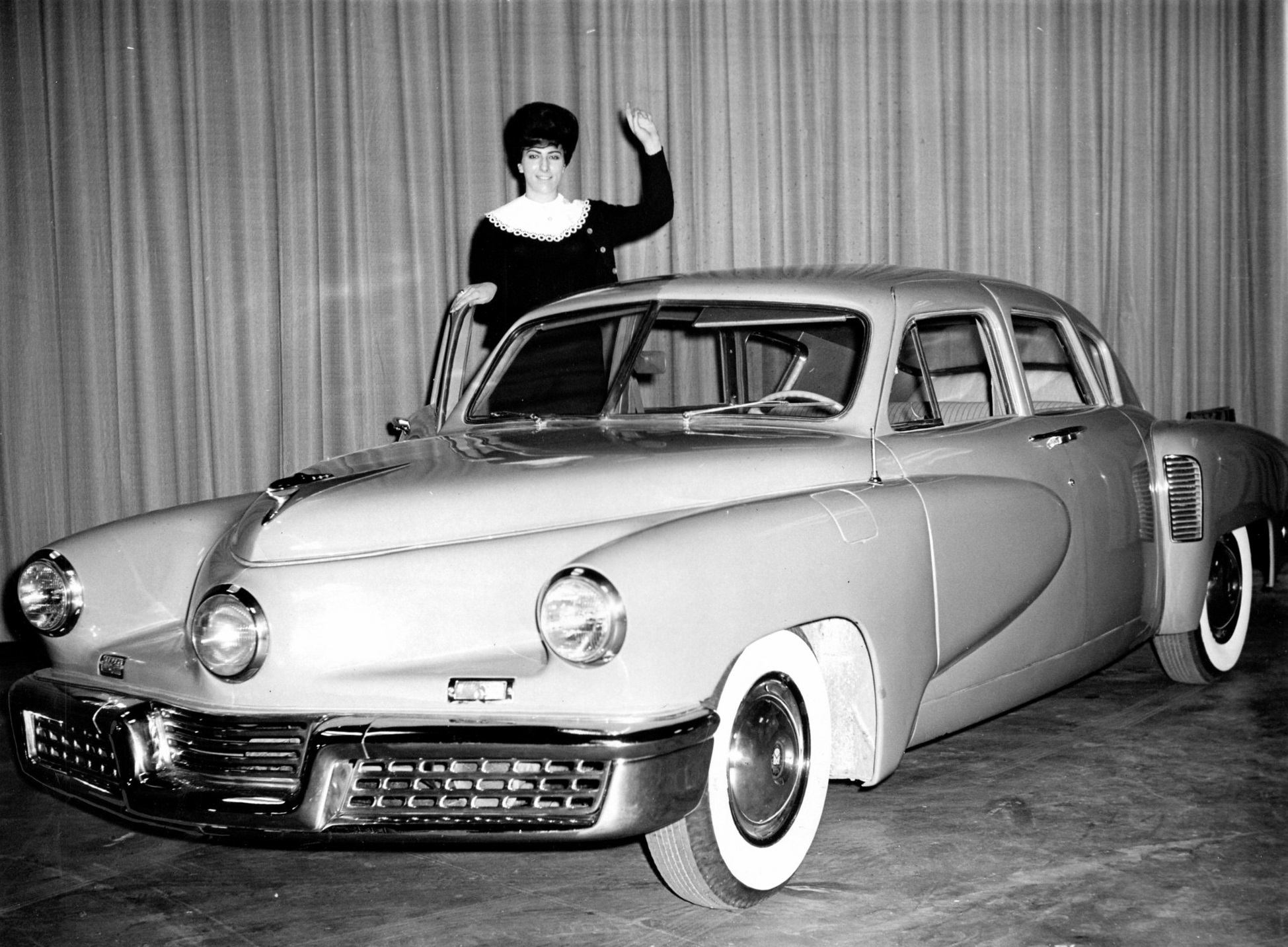
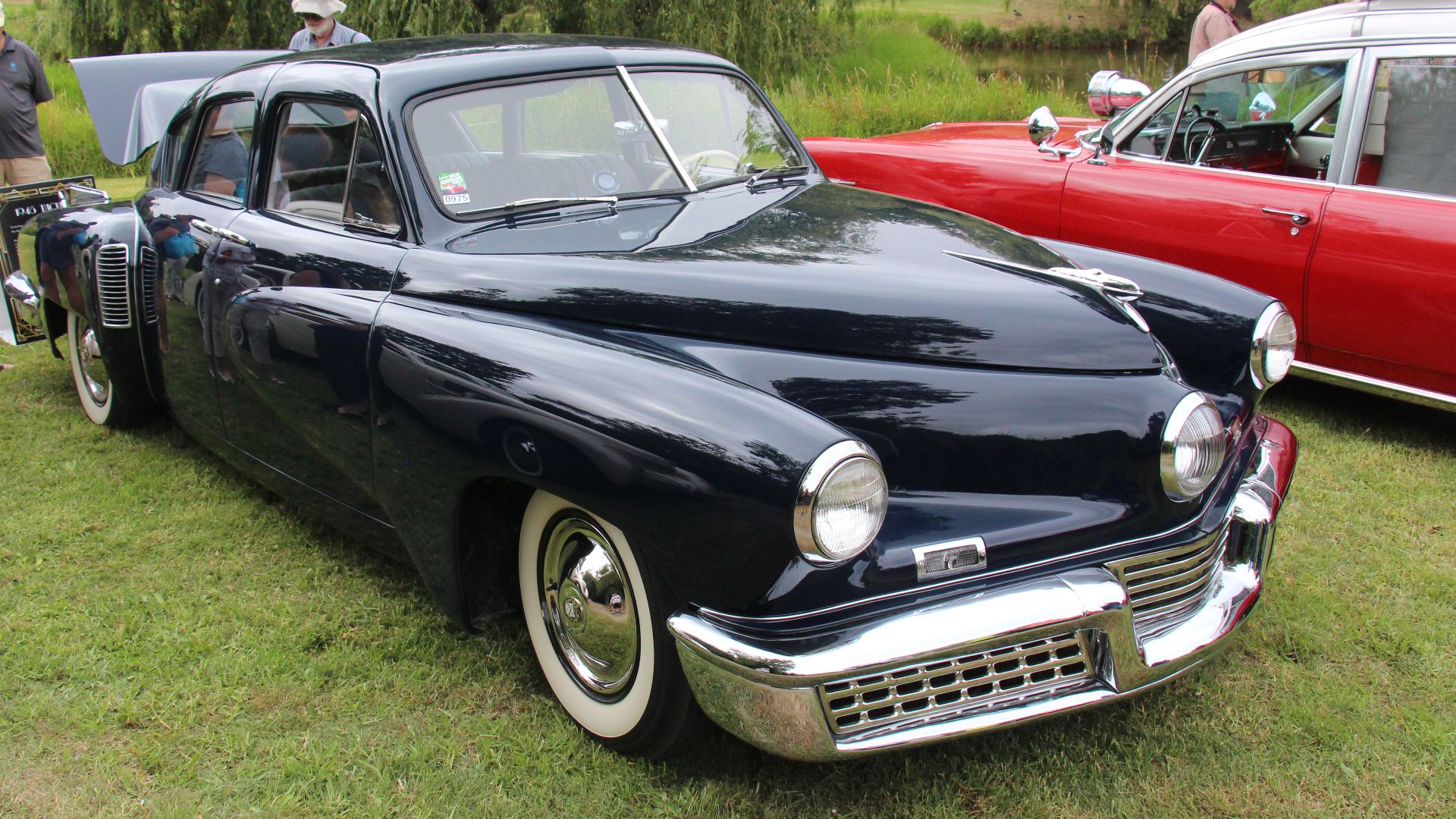
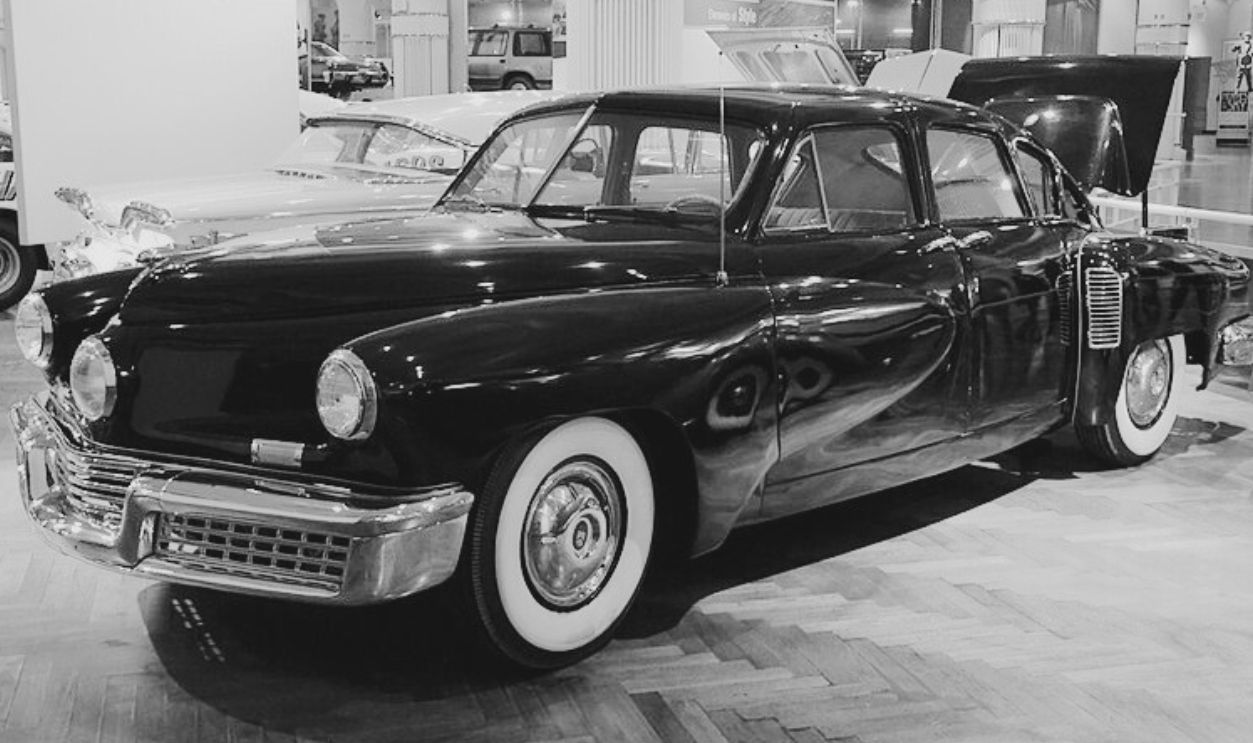
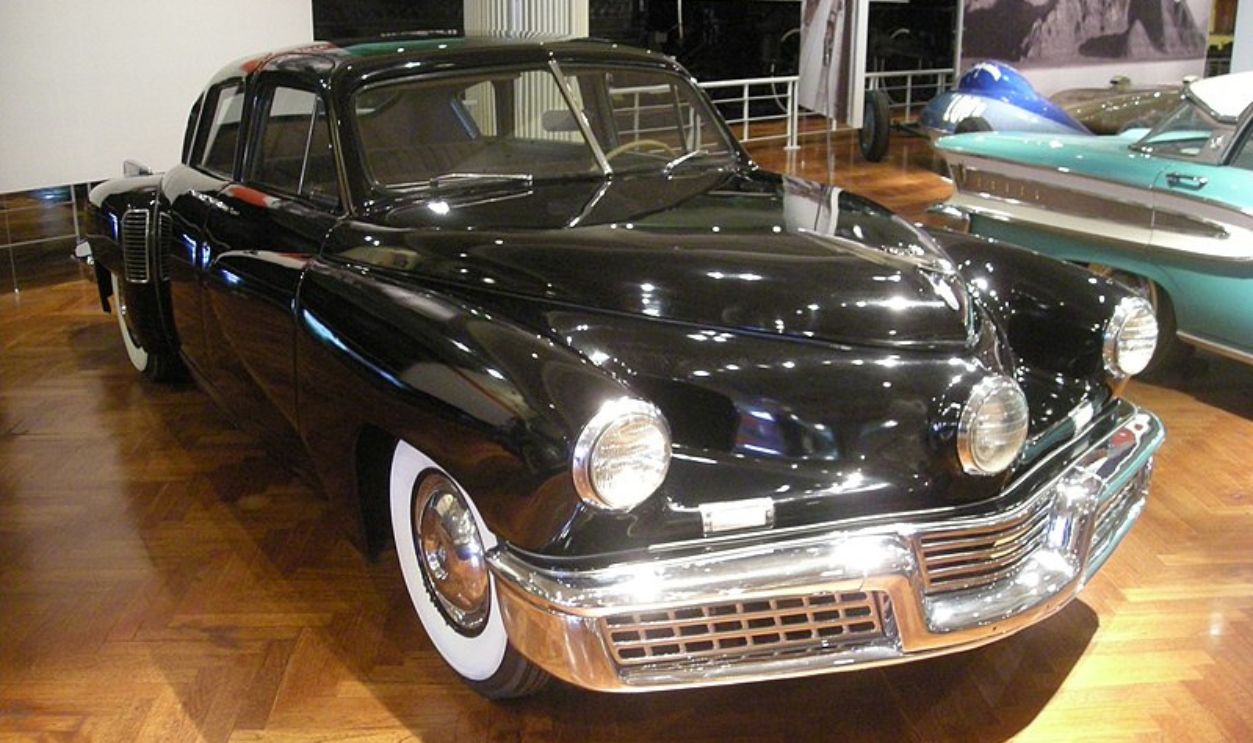
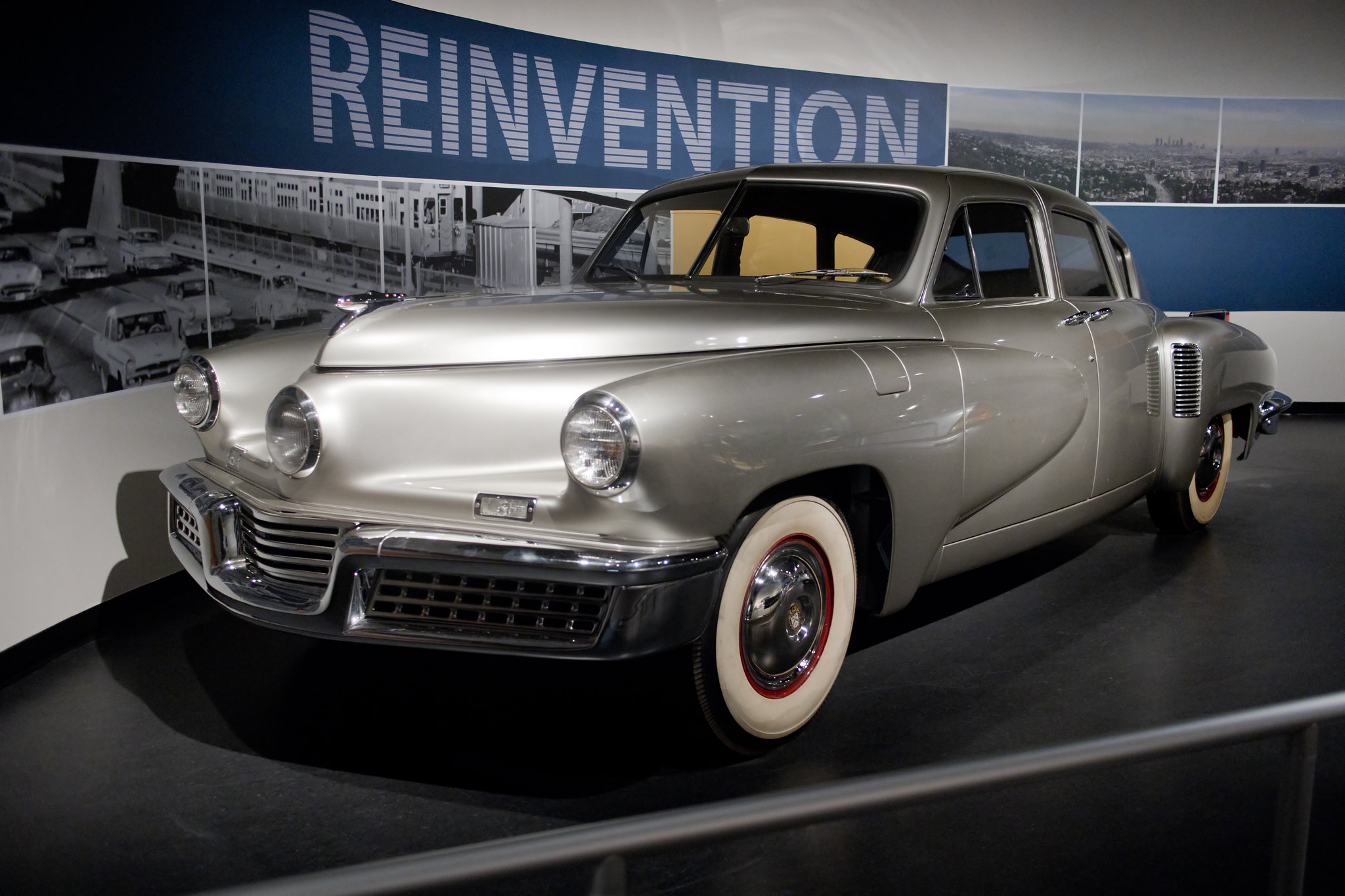
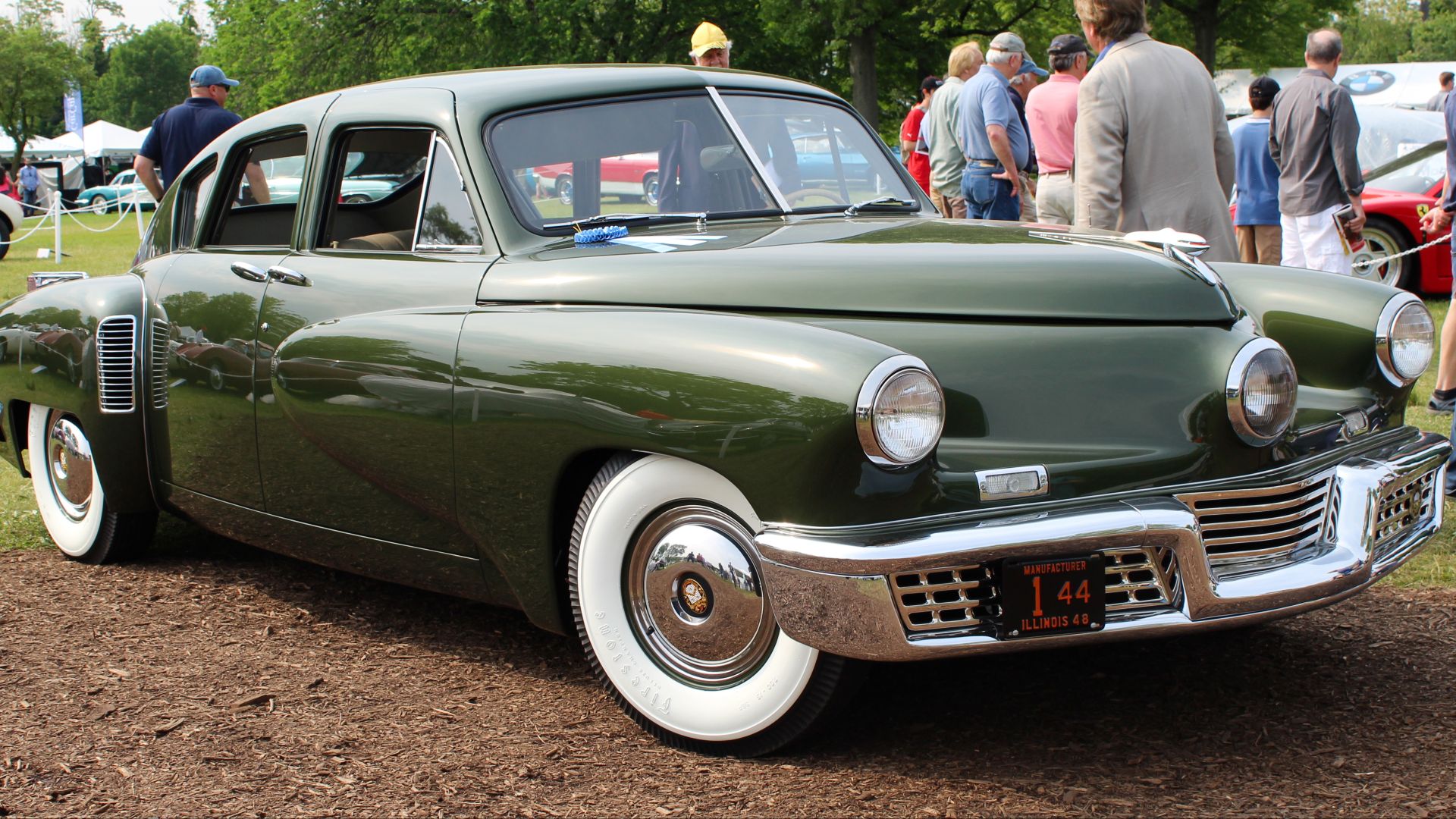
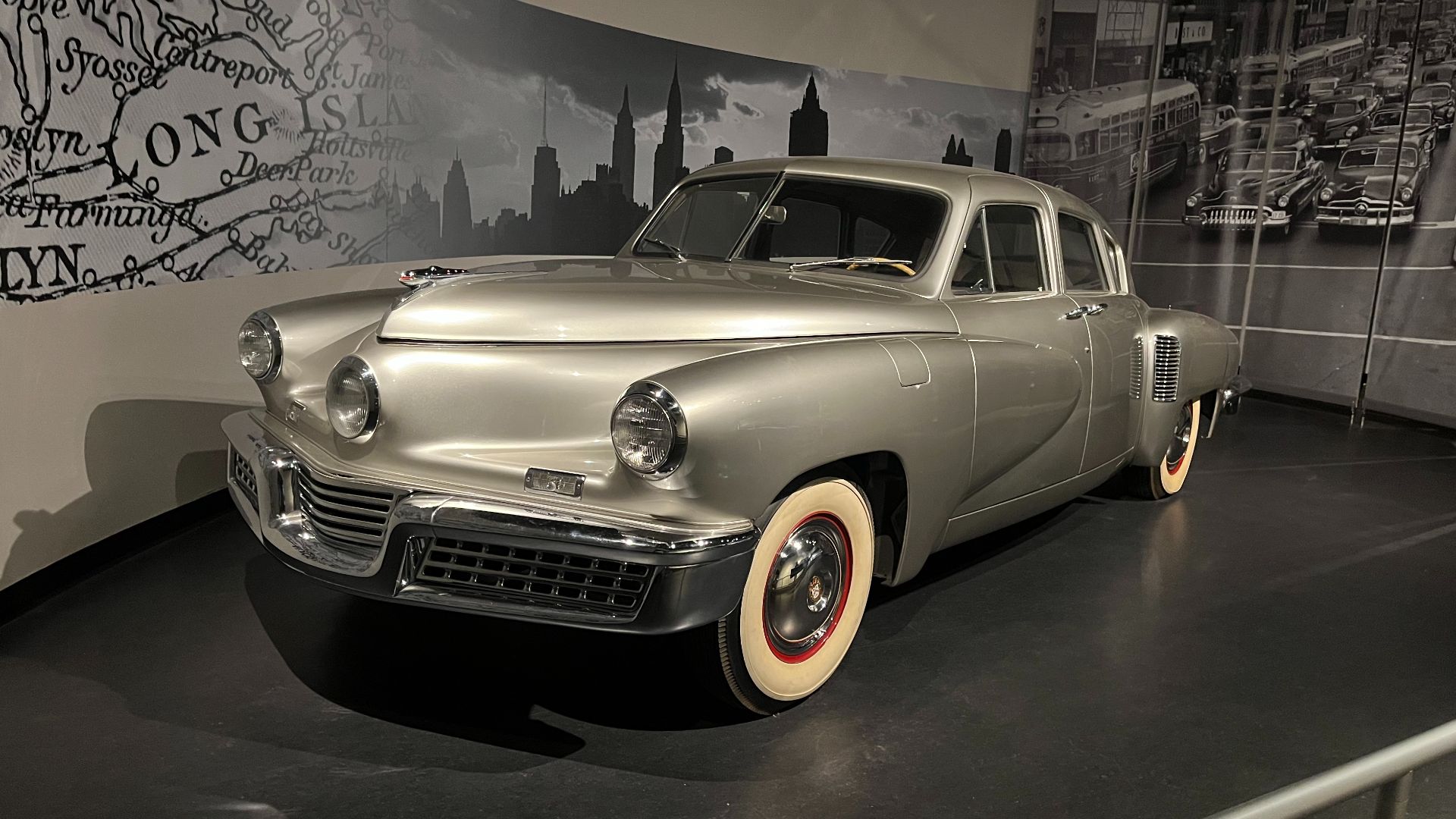
The Tucker 48 looked like it had landed from the future. Styled by Alex Tremulis, its sleek, low-slung body ditched the upright look of most late-’40s sedans. The fenders flowed smoothly into the body, and the stance was wide and confident. Compared to its competitors, the Tucker looked daring—almost rebellious.
The Famous Cyclops Eye
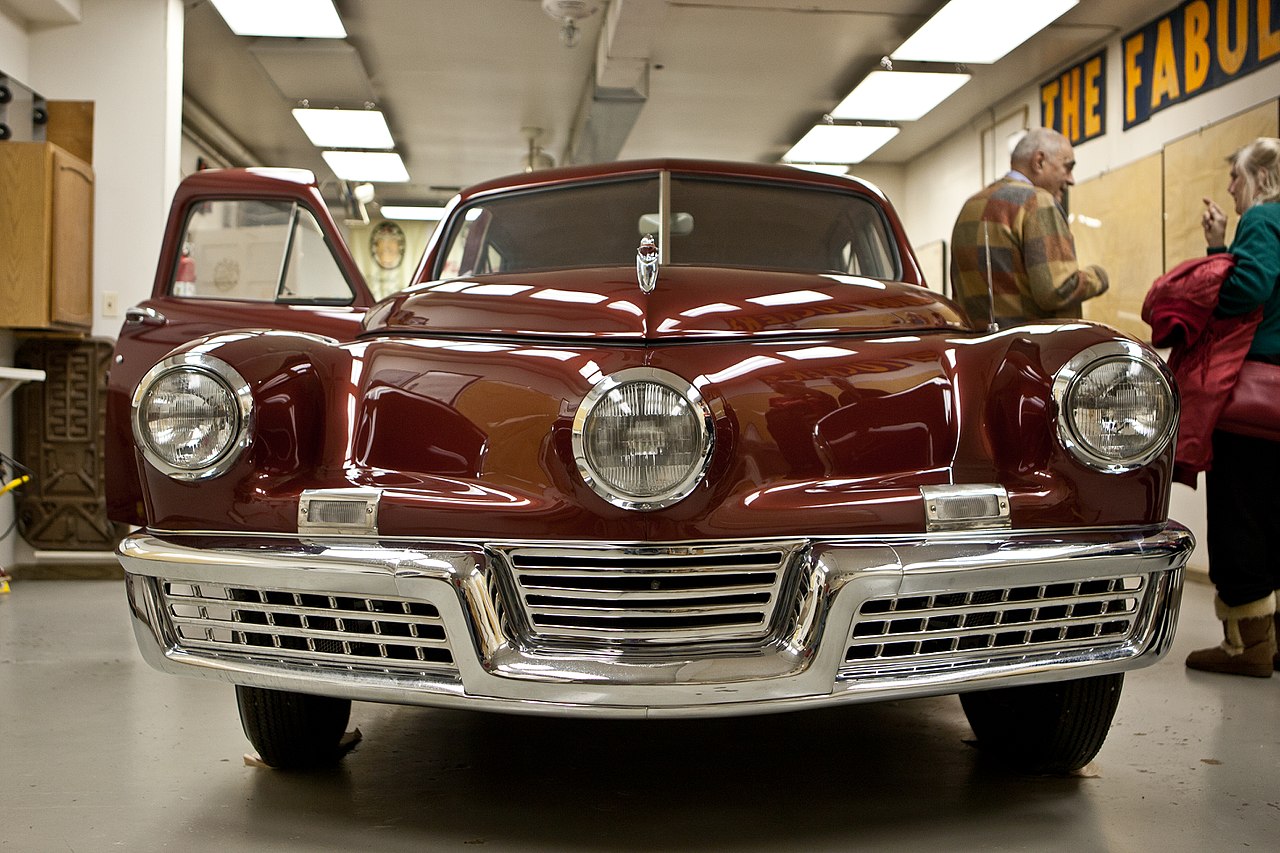
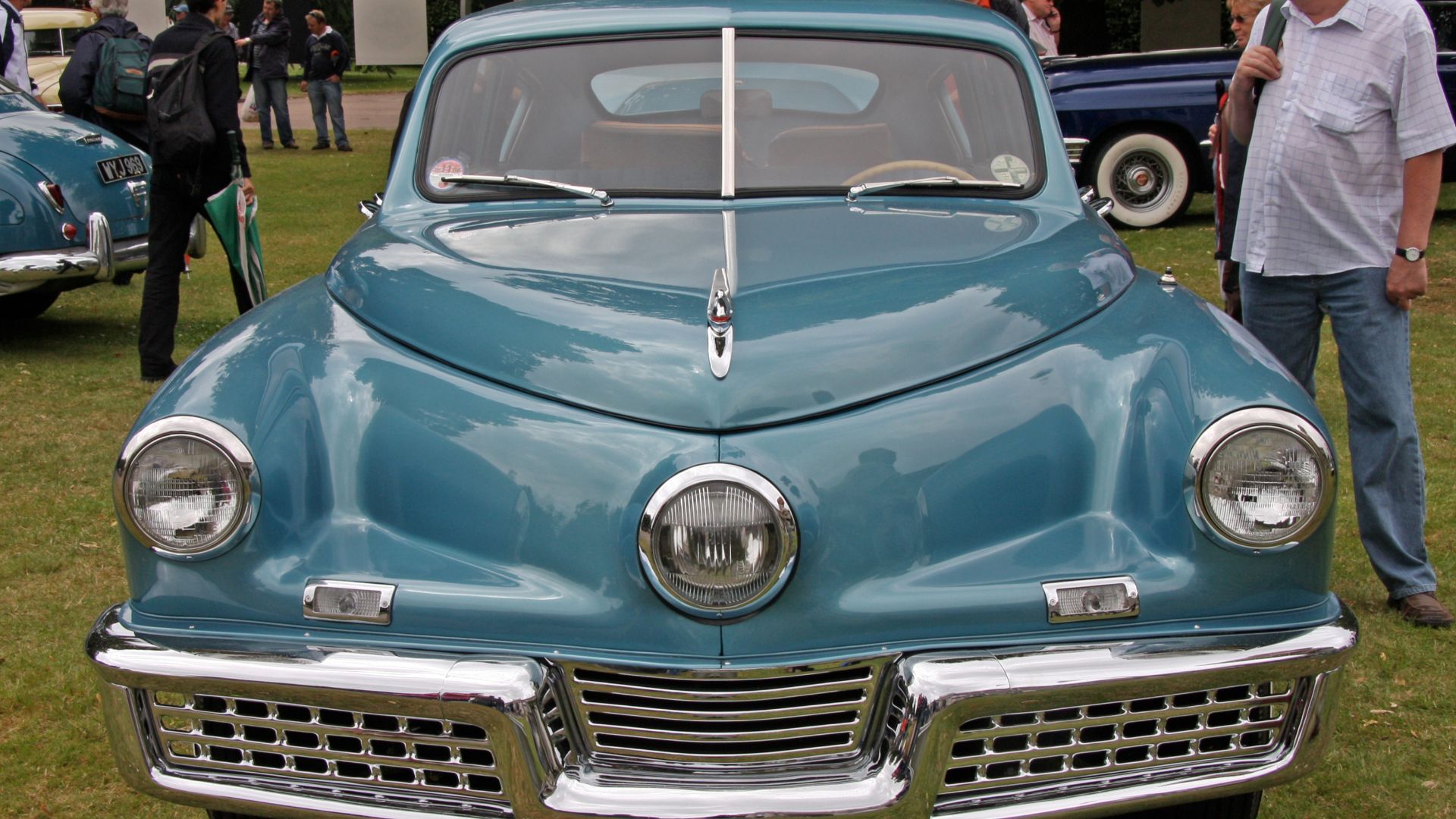
Nothing screamed “future” louder than the Tucker’s third headlight. Mounted front and center, the so-called “Cyclops Eye” turned with the steering wheel to light up corners at night. Today, adaptive lighting is common. In 1948, it was wild. Some states even pushed back on the design, forcing Tucker to temporarily cover the light for approval.
 Cathy T, CC BY 2.0, Wikimedia Commons
Safety Before It Was Standard
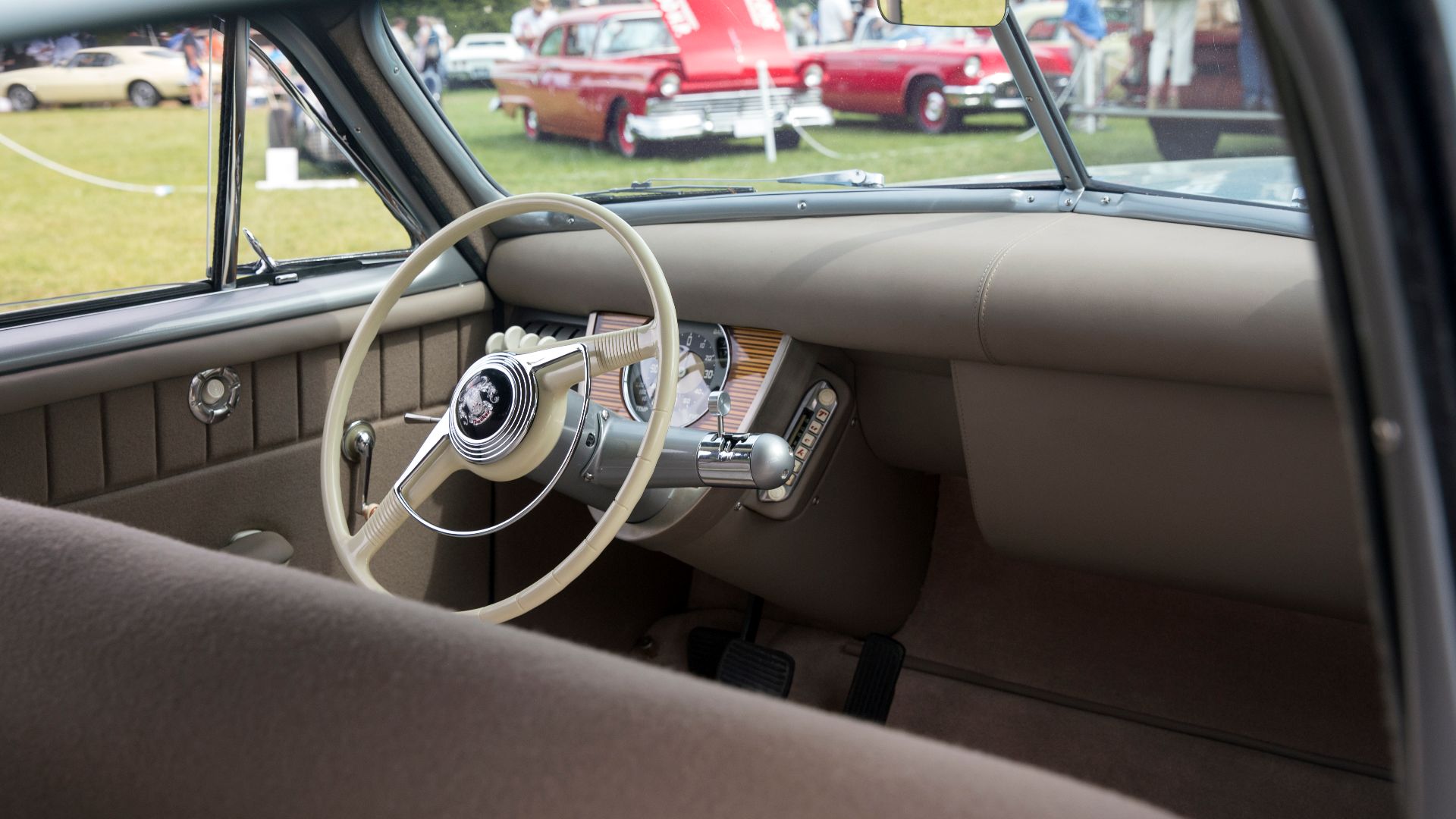
Tucker didn’t treat safety as an afterthought—it was the headline. The car featured a padded dashboard, a pop-out windshield meant to eject during a crash, and a reinforced passenger compartment. There was even a padded area for the front passenger to duck into during an impact. At a time when safety barely entered the conversation, Tucker made it central.
 Mr.choppers, Wikimedia Commons
A Rear-Engine Surprise
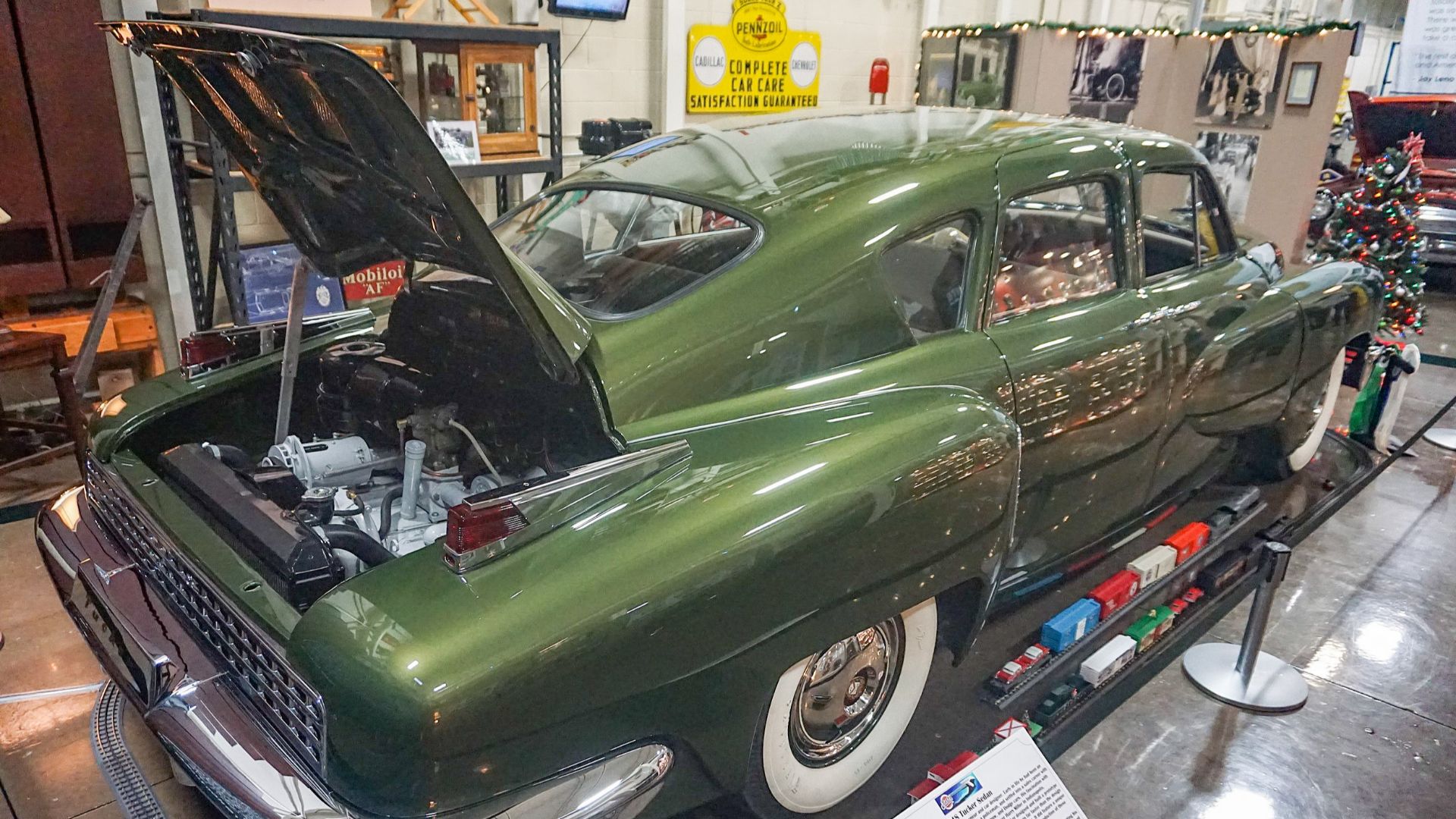
Power came from a rear-mounted flat-six originally designed for a helicopter. Modified for road use, it produced about 166 horsepower—healthy for the era. The rear-engine layout was unusual for an American sedan and gave the Tucker balanced weight distribution and a smooth ride. It also made the car mechanically unique, for better and worse.
 Michael Barera, Wikimedia Commons
Building It On The Fly
Launching a car company from scratch meant constant improvisation. Early suspension designs didn’t work as planned and had to be replaced. Transmissions were adapted from other suppliers and re-engineered. Engineers worked long hours refining prototypes while preparing for production. It was ambitious, messy, and undeniably brave.
The Chicago Factory Gamble
In a stunning move, Tucker secured the massive former Dodge aircraft plant in Chicago. The facility was capable of building tens of thousands of cars annually—an enormous leap for a startup. For a moment, it made Tucker look unstoppable. Investors signed on, dealers lined up, and the company seemed ready to challenge Detroit head-on.
 Joe Ross, CC BY-SA 2.0, Wikimedia Commons
Selling Hope And Horsepower
Tucker was a natural salesman. He didn’t just pitch a car; he sold a vision of the future. Customers placed deposits. Dealership franchises sold quickly. Accessories were offered in advance to generate capital. The buzz was intense, and the press couldn’t get enough of the bold newcomer promising to shake up the industry.
 Michael Barera, CC BY-SA 4.0, Wikimedia Commons
Detroit Starts To Pay Attention
It’s hard to poke the giants without drawing attention. General Motors, Ford, and Chrysler dominated the landscape, and Tucker’s rapid rise didn’t go unnoticed. Suppliers hesitated. Financial backing grew complicated. Government scrutiny increased. Whether it was coincidence or quiet resistance, the pressure on Tucker’s young company steadily mounted.
 Greg Gjerdingen from Willmar, USA, Wikimedia Commons
A Dramatic Public Debut
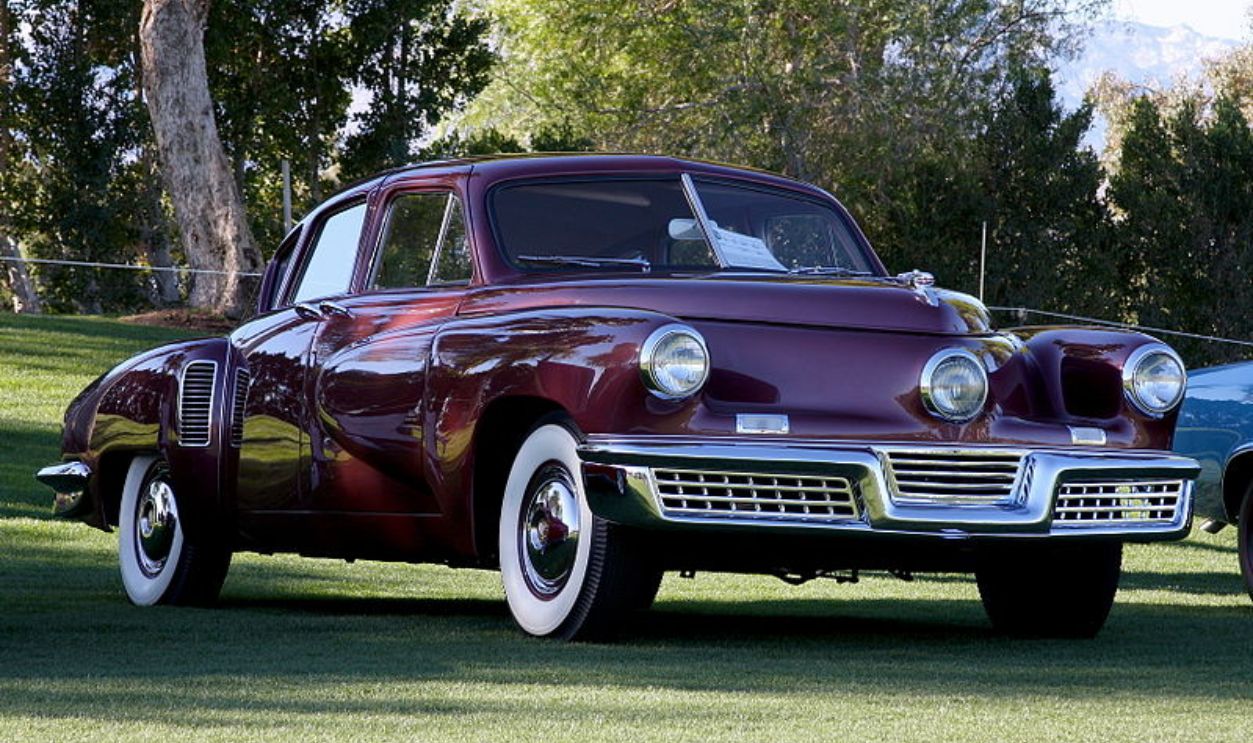
In June 1947, Tucker unveiled his prototype in Chicago. The reveal was dramatic—and a little chaotic. The car suffered mechanical hiccups, and engineers scrambled behind the scenes to keep it moving. At one point, it had to be pushed. Even so, the crowd was captivated by its daring design and bold promise.
 Rex Gray, CC BY 2.0, Wikimedia Commons
Turning Dreams Into Production Cars
Despite the rocky debut, Tucker pushed forward. By 1948, production versions of the Tucker 48 began leaving the factory. Each car was largely hand-assembled and improved over the prototype. Mass production proved difficult, but what rolled out of the plant was impressive—a genuine, road-ready automobile.
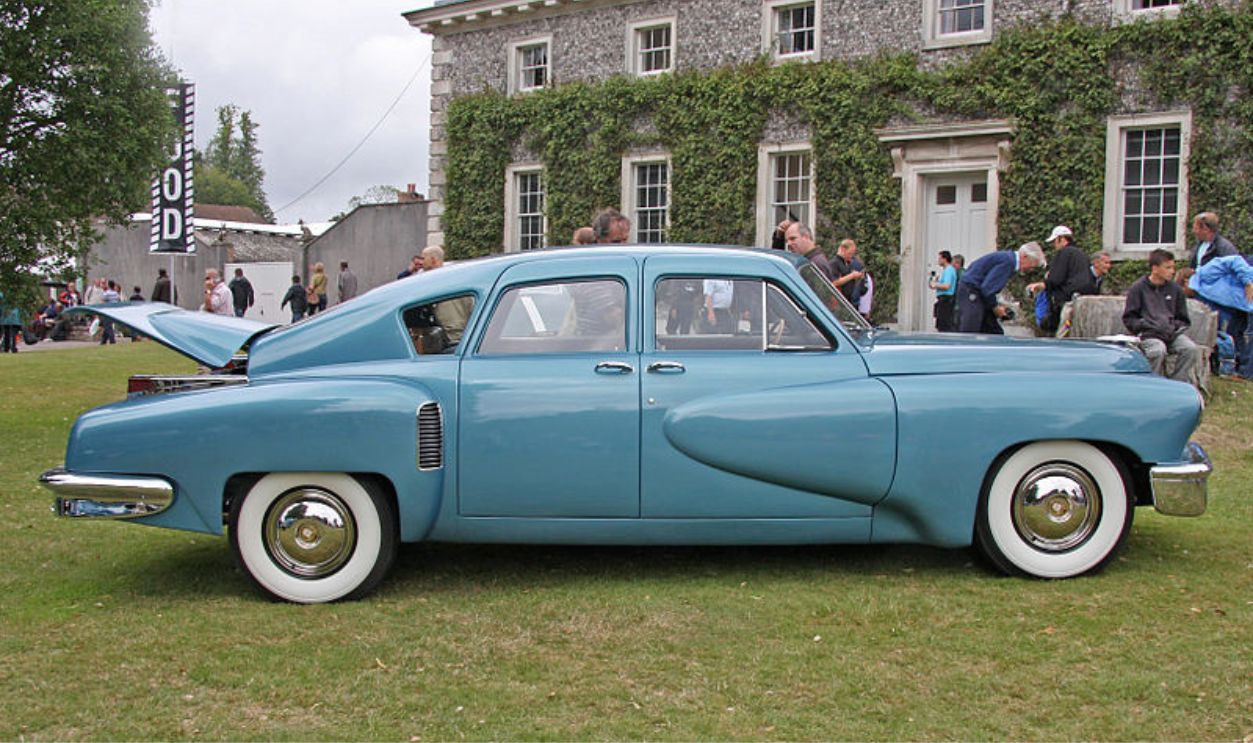 Brian Snelson, CC BY 2.0, Wikimedia Commons
How It Drove
Road testers found plenty to like. The Tucker delivered strong acceleration, confident highway cruising, and a smooth ride. The rear-engine setup offered solid traction, and the cabin felt roomy and airy. For many who experienced it firsthand, the car wasn’t just hype—it genuinely delivered on much of its promise.
Trouble With The SEC
In 1948, the Securities and Exchange Commission began investigating Tucker Corporation’s fundraising practices. The focus was on dealer franchises and accessory sales made before full-scale production. What began as an inquiry quickly escalated into a serious legal battle. Suddenly, headlines shifted from innovation to allegations of misconduct.
Public Opinion Shifts
As the investigation intensified, media coverage turned skeptical. Investors grew uneasy, and dealer confidence weakened. Legal costs mounted, draining already limited resources. For a young automaker fighting to survive, the scrutiny proved crippling. The excitement that once surrounded Tucker began to fade.
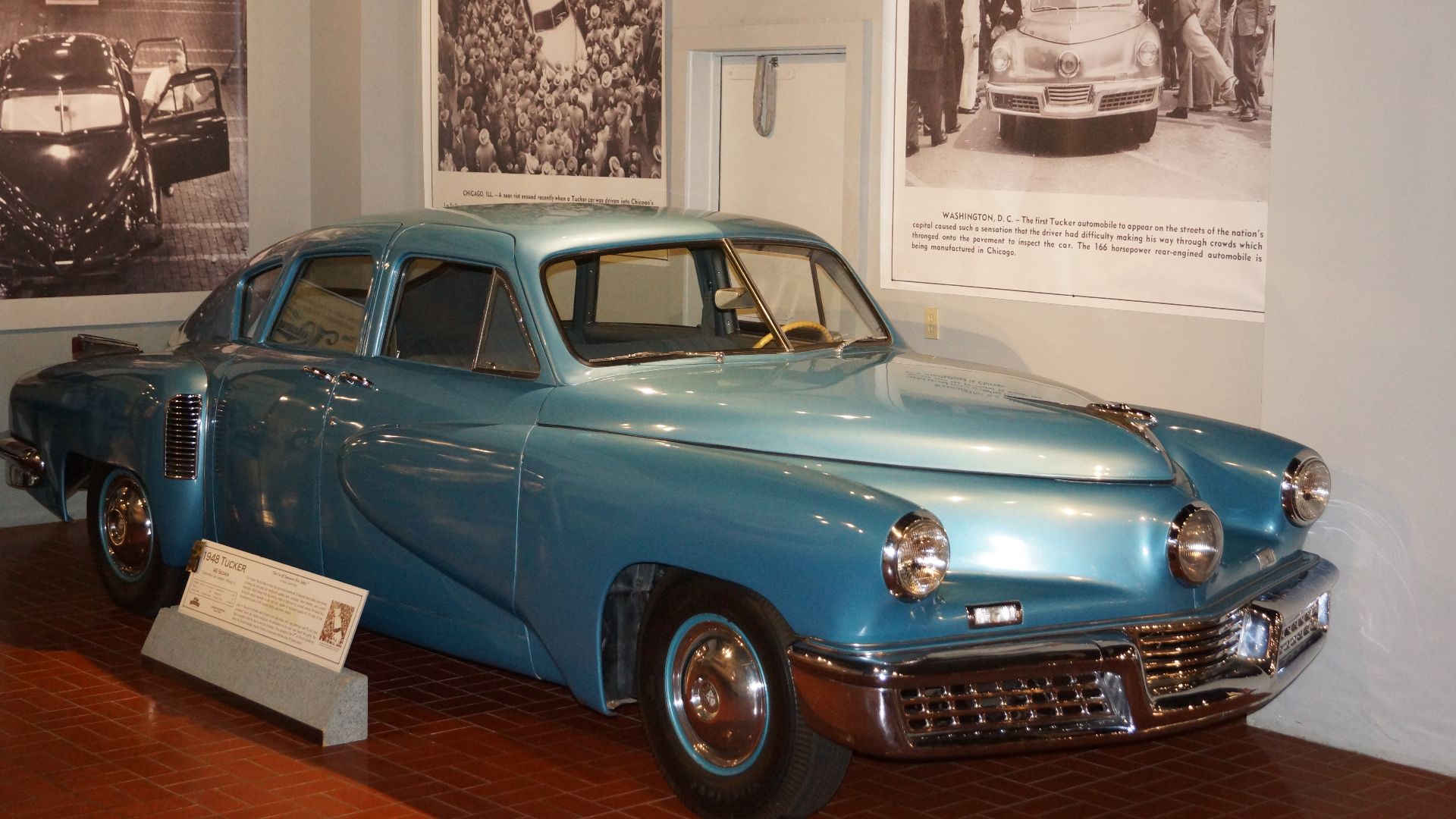 Greg Gjerdingen from Willmar, USA, Wikimedia Commons
The Trial That Stopped Everything
In 1949, Preston Tucker and several executives were charged with mail fraud and conspiracy. Prosecutors claimed the company misled investors. The trial became a national spectacle, with Tucker cast as either a visionary entrepreneur or a fast-talking schemer. The future of the company hung in the balance.
Cleared But Finished
In 1950, Tucker and his team were acquitted of all charges. The jury found no criminal intent. It was a personal victory—but a hollow one. By then, the company was bankrupt, production had stopped, and the Chicago factory was silent. The dream had effectively ended.
 lostplanetcomics1, Wikimedia Commons
Just Fifty-One Ever Built
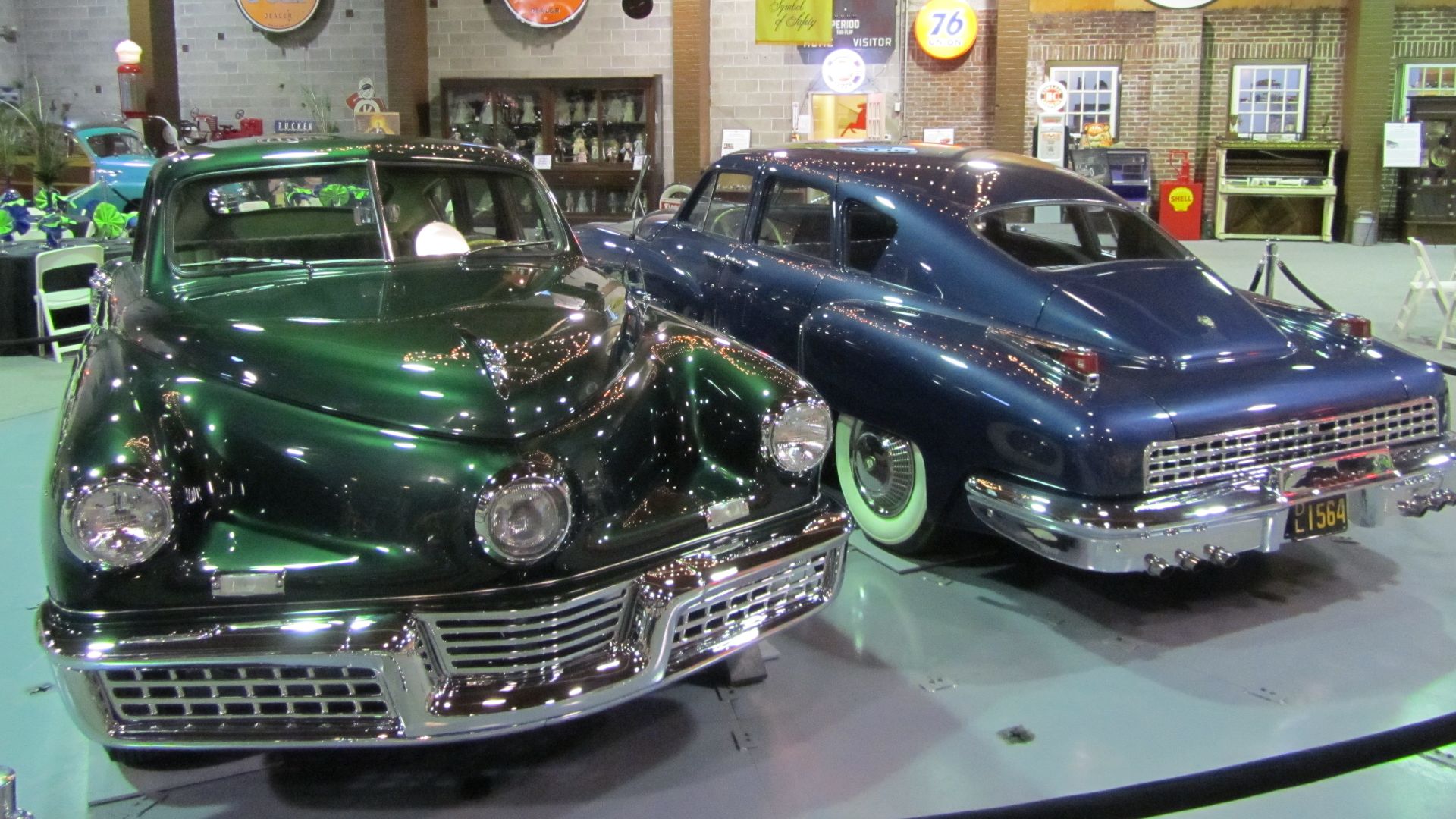
Only 51 Tucker 48s were completed, including the prototype. That tiny number turned the car into an instant legend. Remarkably, most of them survive today, cherished by collectors and historians who understand their significance.
 Trixie99belden, Wikimedia Commons
A Million-Dollar Legend
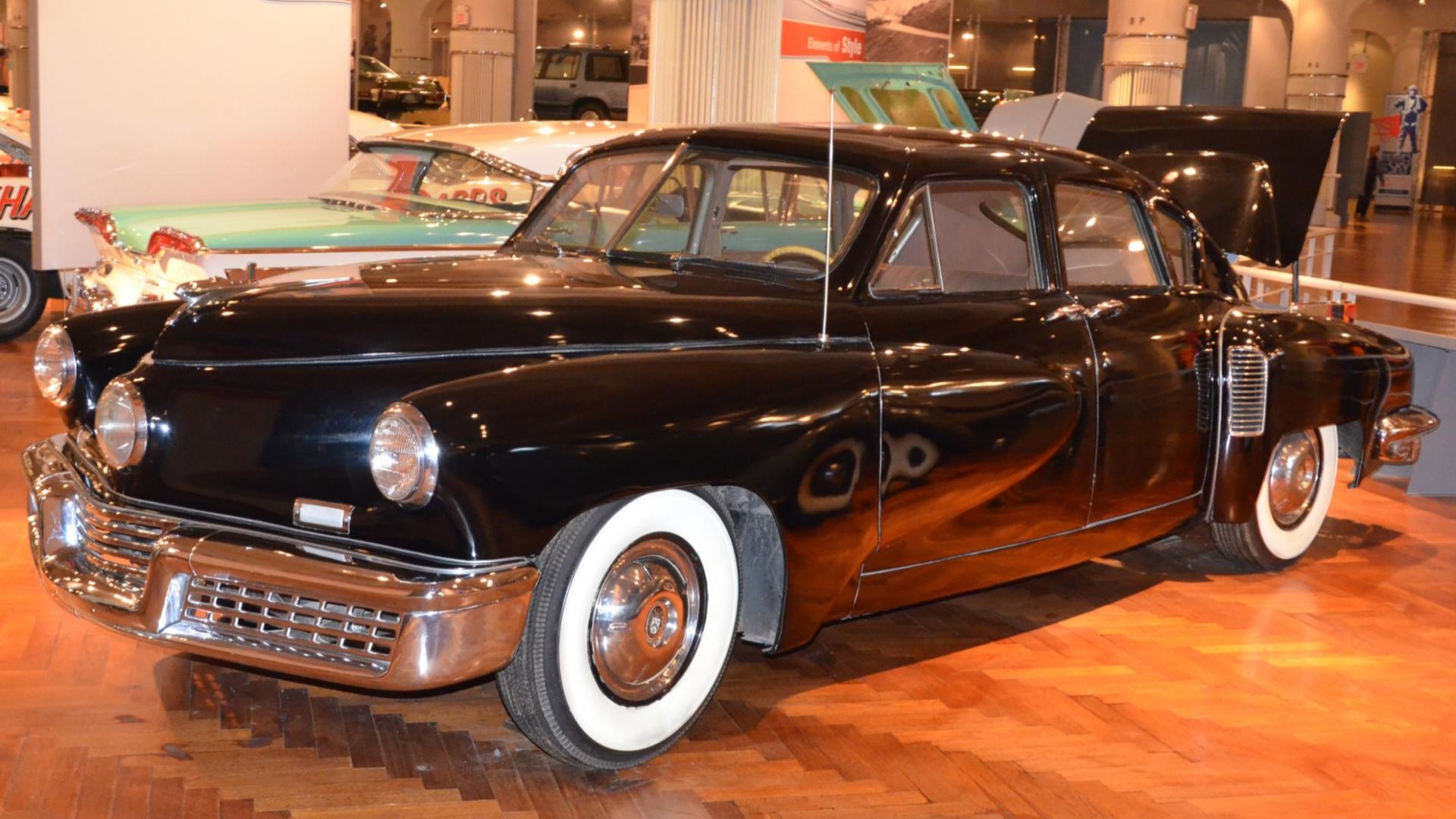
Whenever a Tucker changes hands, the collector world takes notice. Auction prices often reach into the millions, reflecting the car’s rarity and story. Owning one isn’t just about having a classic sedan—it’s about holding a piece of automotive folklore.
 Joe Ross from Lansing, Michigan, Wikimedia Commons
Hollywood Revives The Story
In 1988, Tucker: The Man and His Dream brought the saga to a new generation. Jeff Bridges portrayed Preston Tucker as a determined underdog battling powerful forces. The film renewed interest in both the man and his remarkable car.
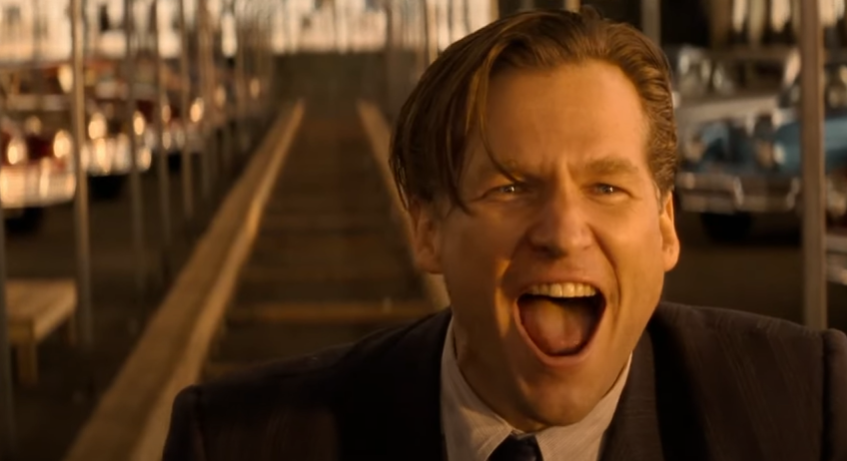 Screenshot from Tucker: The Man and His Dream, Lucasfilm (1988)
Conspiracy Or Circumstance?
Was Tucker crushed by Detroit’s giants, or did his own ambition outpace his resources? The truth likely lies somewhere in between. Building a car company requires enormous capital and infrastructure. Tucker had vision in abundance—but limited time and money.
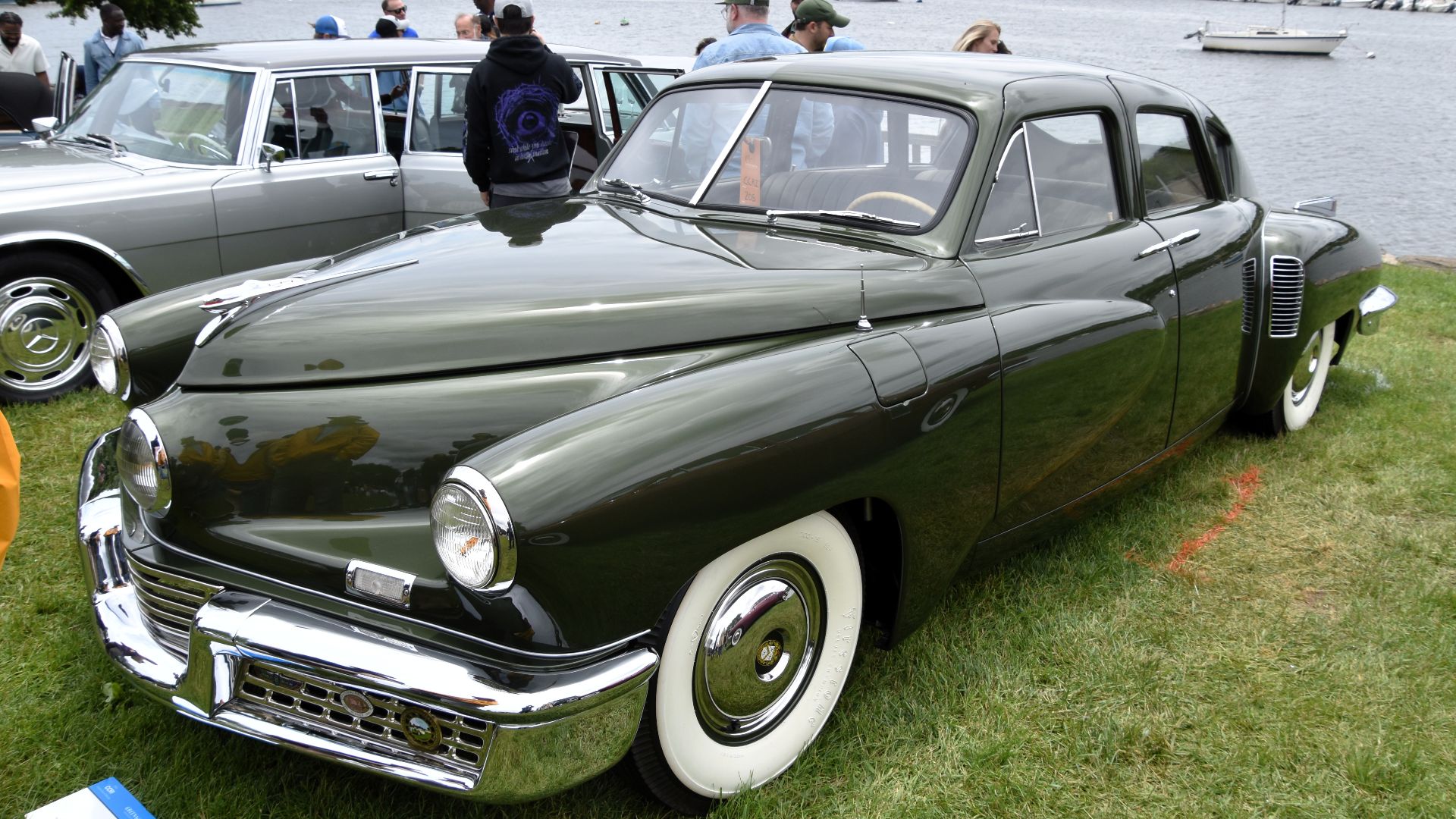 Charles from Port Chester, New York, Wikimedia Commons
Safety Ideas Ahead Of Their Time
Many of Tucker’s innovations eventually became standard practice. Padded dashboards, improved crash protection, and better lighting systems are now industry norms. In that sense, the Tucker 48 wasn’t a failure—it was simply early.
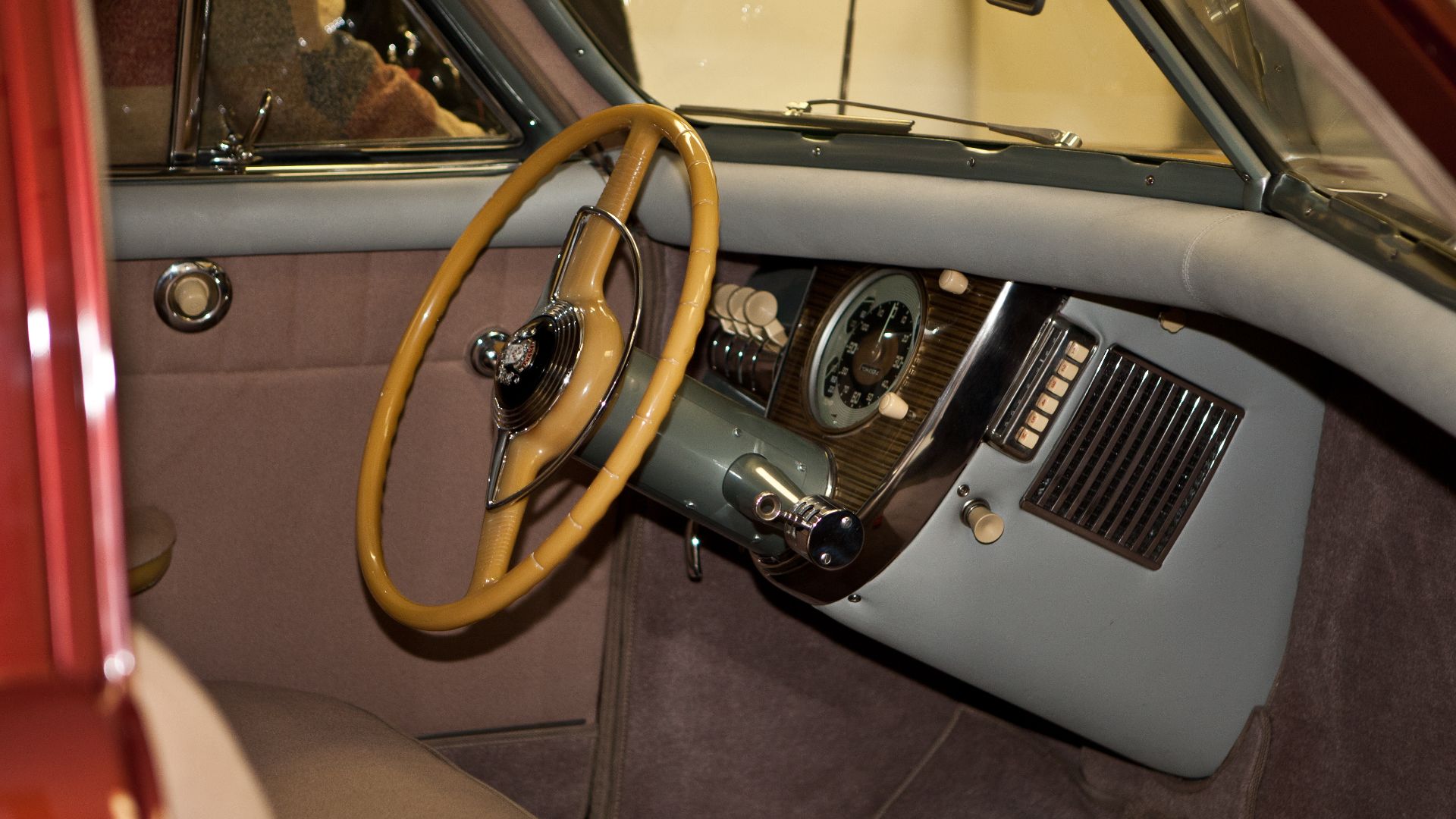 Cathy T from Washington, DC area, Wikimedia Commons
The High Cost Of Being First
History often remembers pioneers who didn’t survive long enough to see their ideas flourish. Tucker faced staggering financial and logistical hurdles. Challenging the Big Three in 1948 required more than brilliance—it required resources few could access.
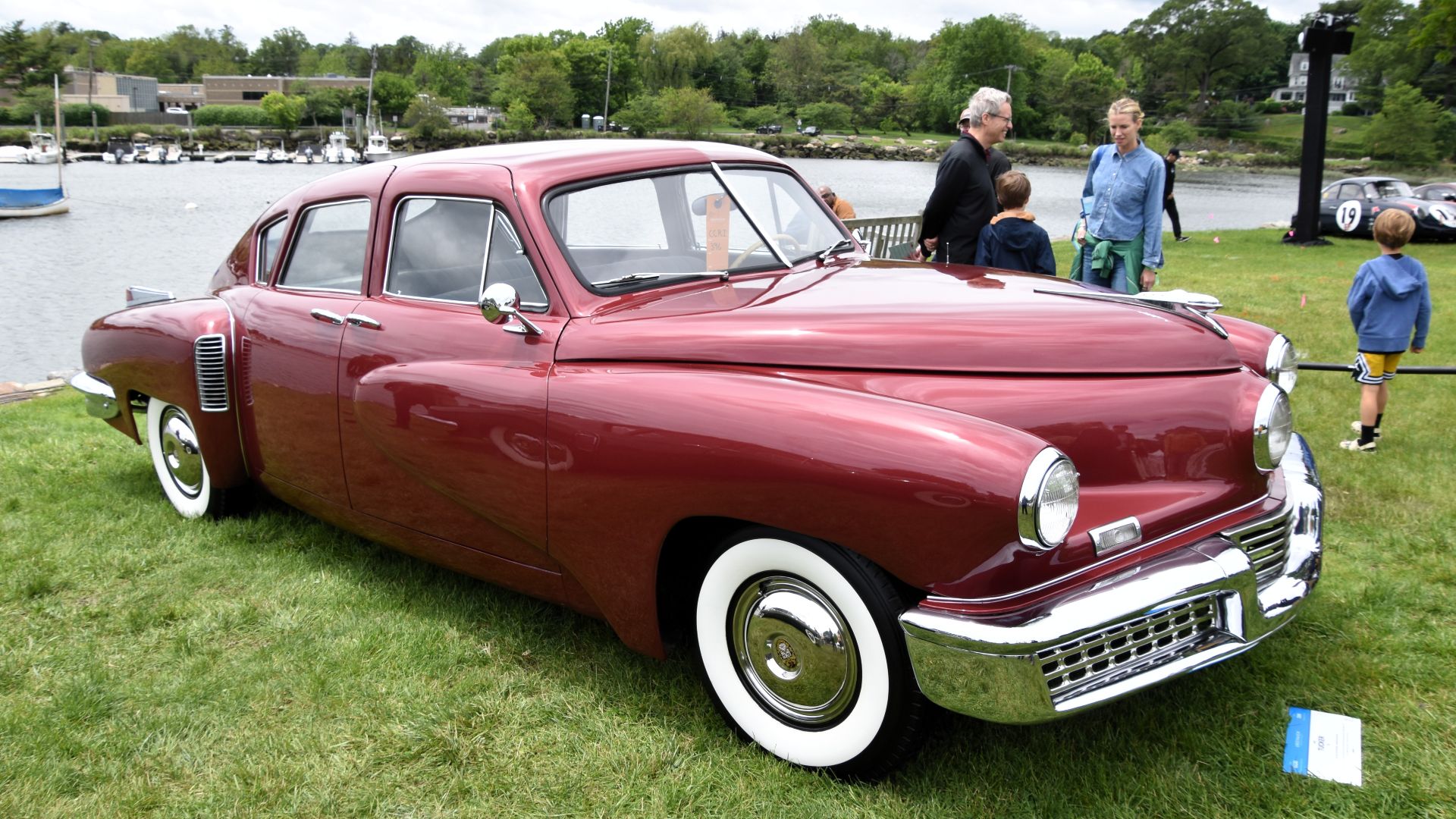 Charles from Port Chester, New York, Wikimedia Commons
The Survivors Today
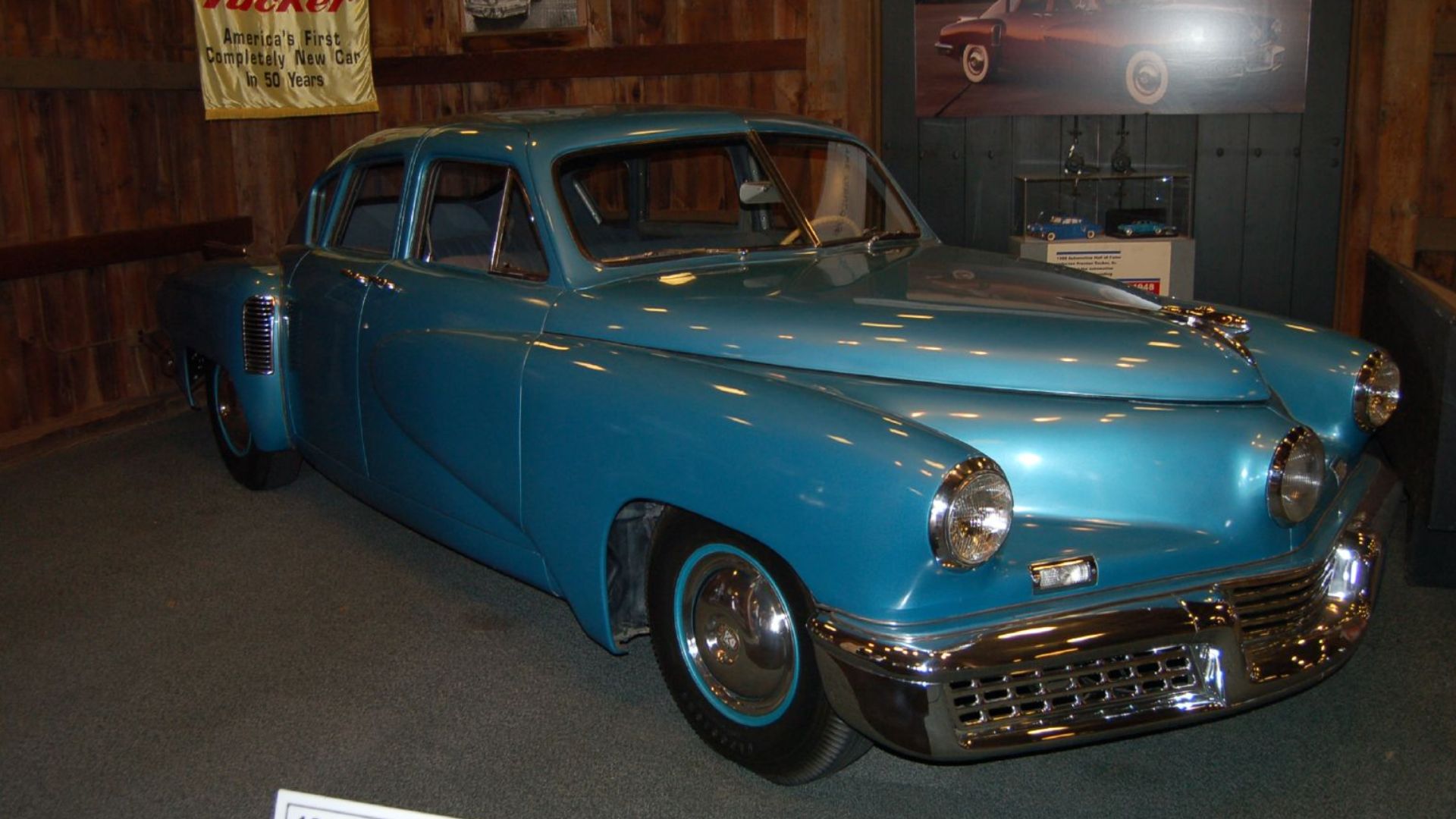
The remaining Tuckers appear at concours events and museums, drawing crowds wherever they go. Their distinctive shape and center headlight still turn heads. Even decades later, they feel special—like artifacts from an alternate automotive timeline.
 Joe Ross from Lansing, Michigan, Wikimedia Commons
Looking Back At The Engineering
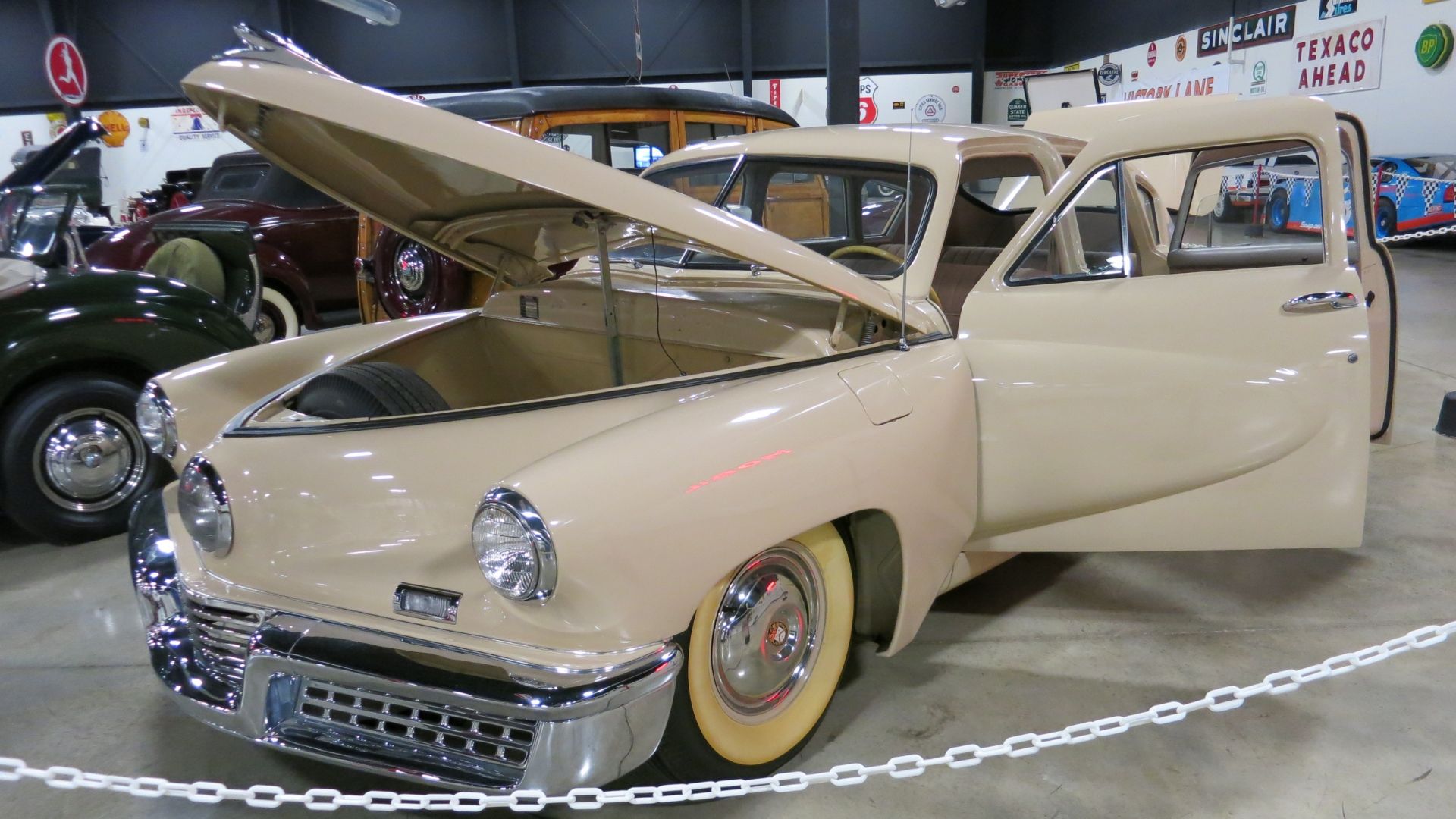
From today’s perspective, the Tucker’s engineering seems remarkably forward-thinking. Rear-engine layouts, safety-focused design, and aerodynamic styling would all gain popularity in later decades. Tucker didn’t just build a car—he previewed the future.
The Great What-If
It’s impossible not to wonder what might have happened with steady financing and fewer legal distractions. Could Tucker have survived as a niche automaker? Could Detroit have been pushed to innovate sooner? The unanswered questions keep the legend alive.
 Brian Snelson from Hockley, Essex, England, Wikimedia Commons
A Vision That Refused To Fade
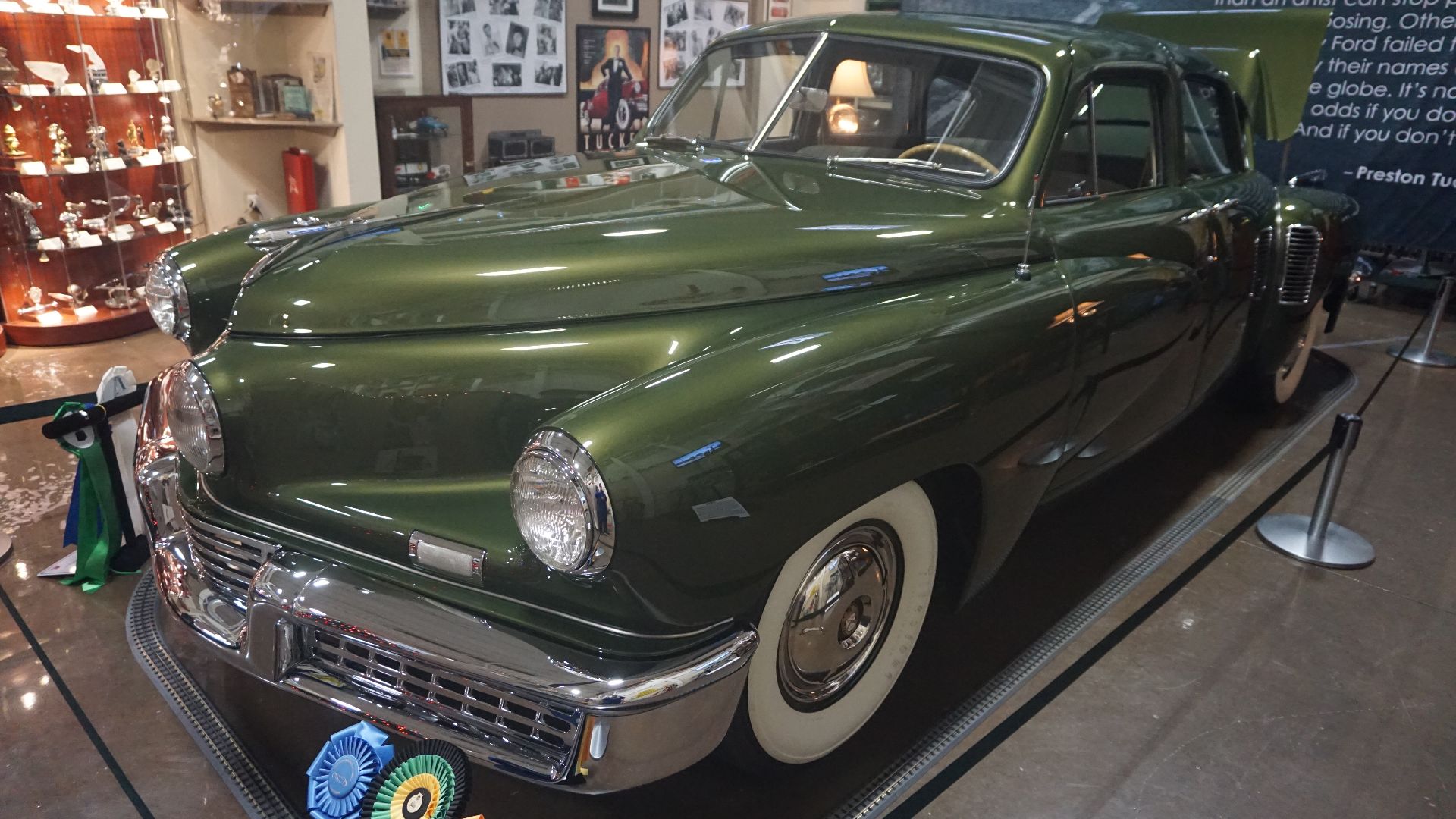
The Tucker 48 remains one of automotive history’s most compelling stories—a blend of brilliance, ambition, and heartbreak. Preston Tucker never got the full chance to prove himself, yet his car still stands as a symbol of daring innovation. Sometimes, the cars that change history aren’t the ones that sell millions—they’re the ones bold enough to try.
 Michael Barera, Wikimedia Commons
You May Also Like:
Invincible Car Transmissions That Will Never Be The Reason Your Car Dies On You




.jpg)
_(32033804211).jpg)
.jpg)

.jpg)