
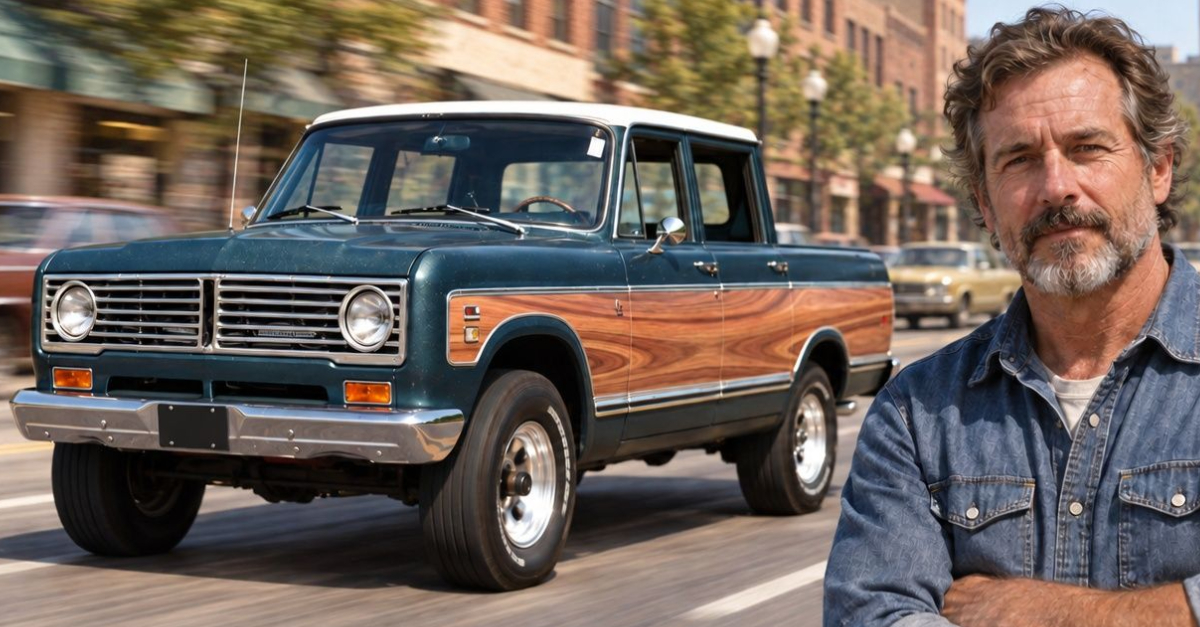
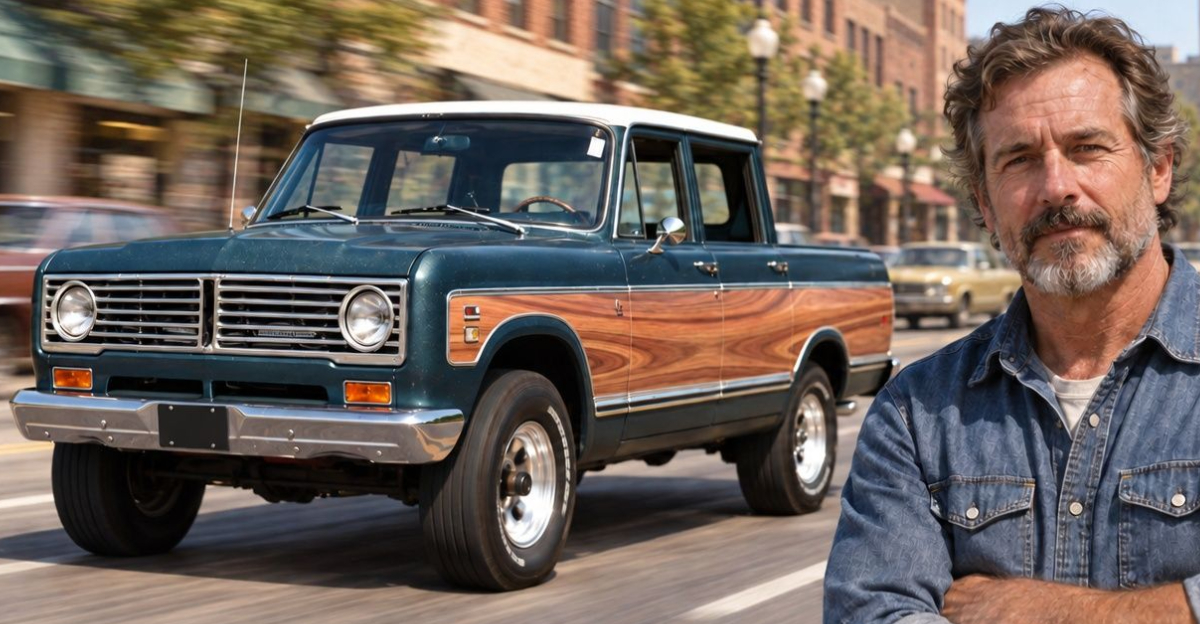
The Other Trucks Of The 1970s
Everybody remembers the Ford F-100 and Chevrolet C10. But the 1970s were packed with plenty of other trucks that didn’t leave the same kind of marks in our collective automotive memories. Do you remember even five of these?
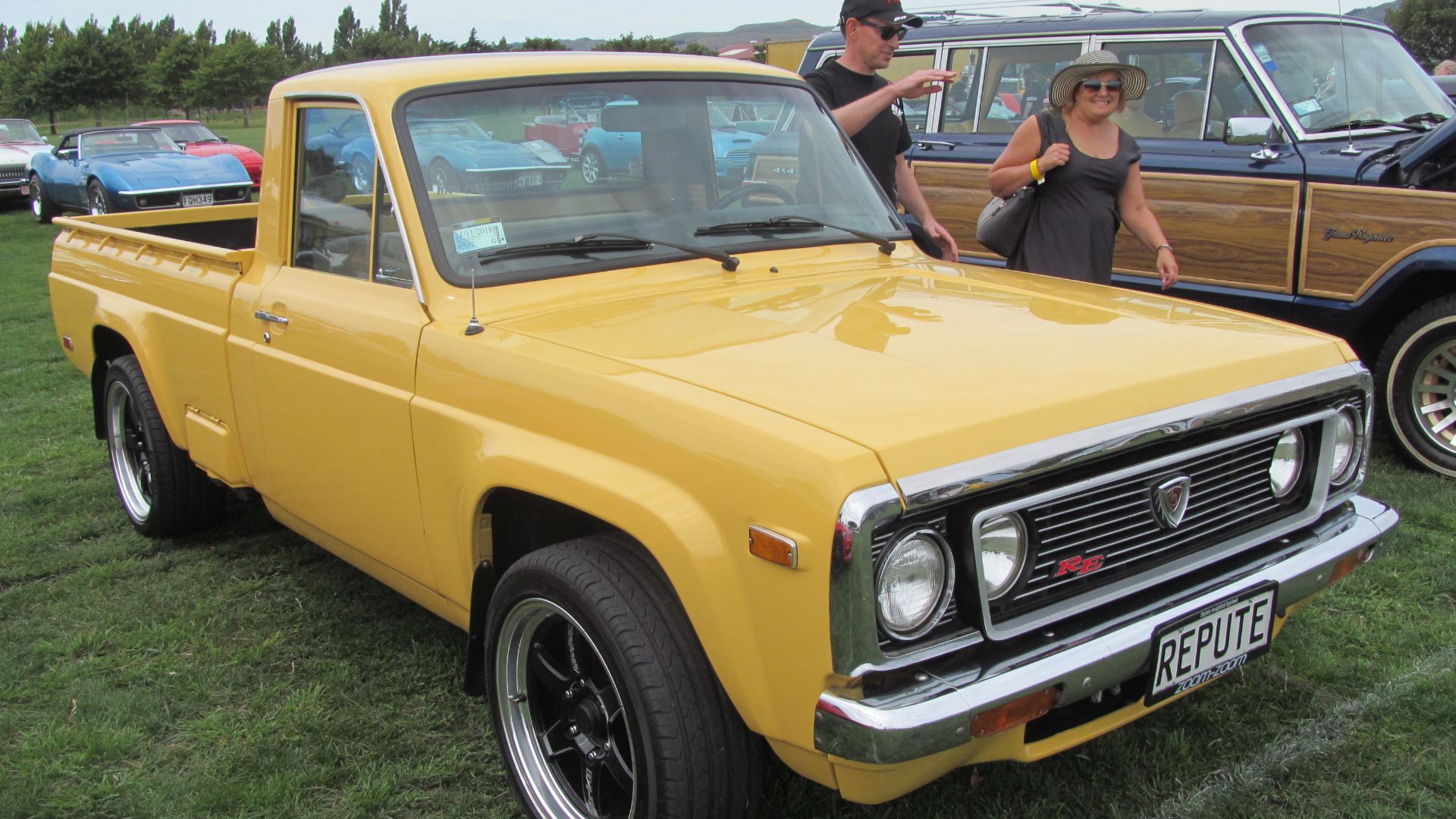
Mazda Rotary Pickup
Mazda looked at its tiny pickup, removed the ordinary piston engine and installed the same kind of rotary technology found in its sports cars. Introduced for 1974, the Rotary Pickup was quick, smooth and unlike anything else in the parking lot. Fuel economy, however, was not its greatest talent.
 NZ Car Freak, Wikimedia Commons
GMC Sarge
Apparently, simply calling it a pickup was not exciting enough. Offered for 1977, the GMC Sarge came with silver paint, colorful striping, forged aluminum wheels and a dashboard containing a radio, 8-track player and CB. It was basically a highway trucker’s rig shrunk to suburban size.
 Tony Webster, Wikimedia Commons
Chevrolet LUV
The Chevrolet LUV looked American, but it was actually built by Isuzu in Japan. Introduced for 1972, its name stood for Light Utility Vehicle. The little four-cylinder pickup gave Chevrolet something economical to sell when fuel prices were rising and compact Japanese trucks were suddenly everywhere.
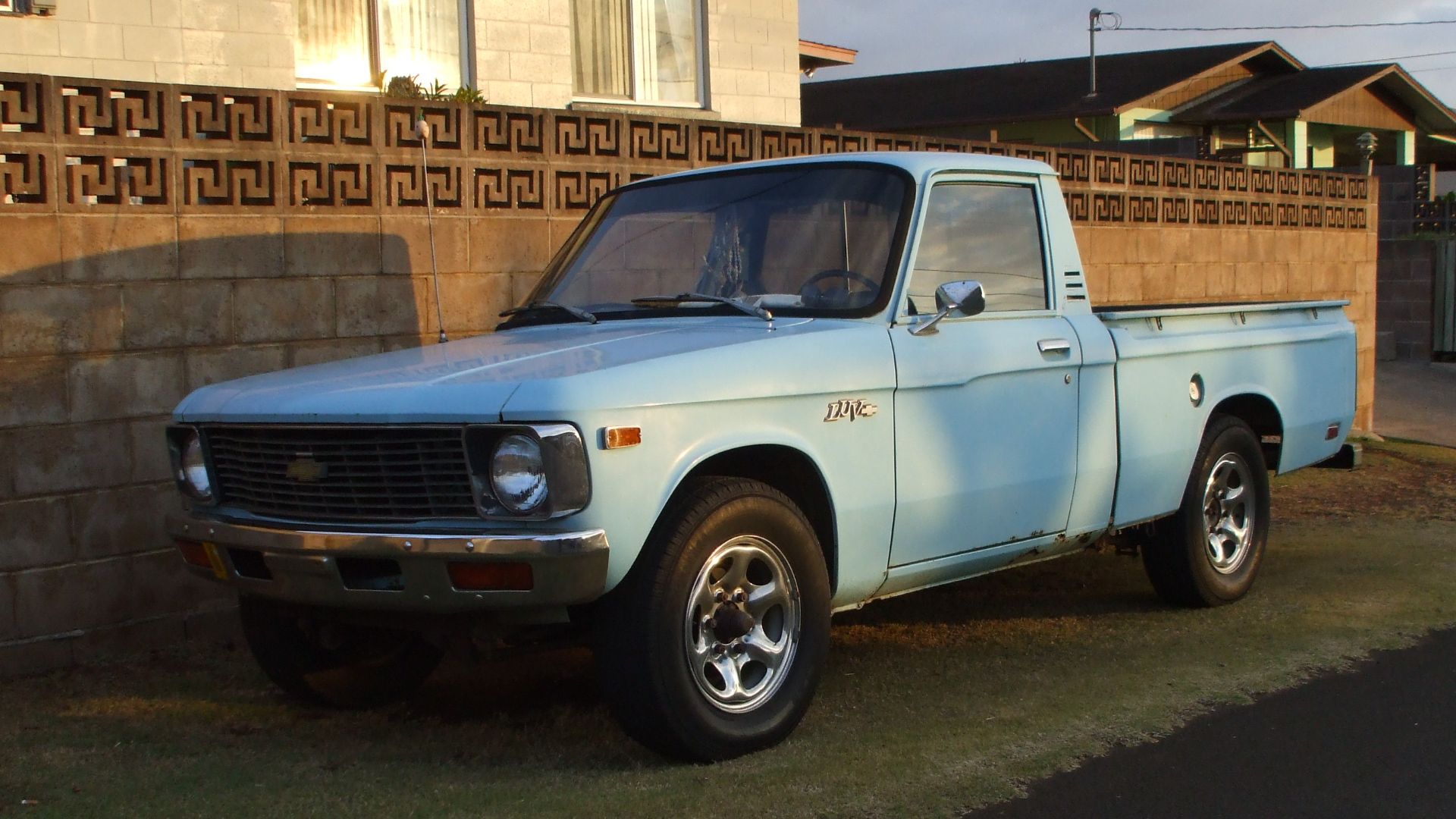 293.xx.xxx.xx, Wikimedia Commons
International Wagonmaster
The Wagonmaster looked as though someone had taken an International Travelall, removed its rear section and added a small pickup bed. That is almost exactly what happened. Offered for 1973 and 1974, it combined four doors, family seating and truck utility long before that formula became normal.
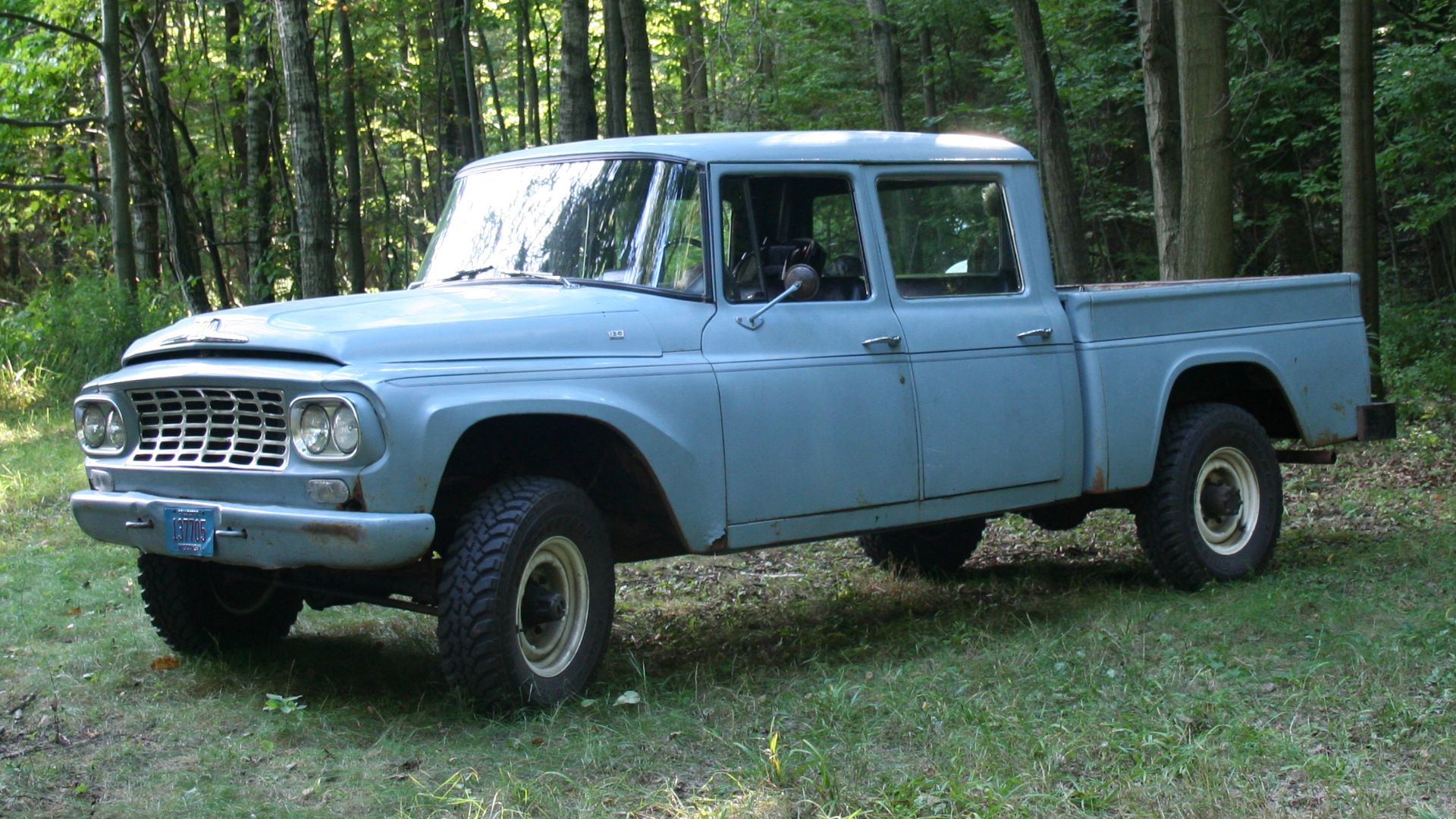 Ssadams7700, Wikimedia Commons
Dodge D50
Dodge needed a compact pickup but did not have one ready, so Mitsubishi supplied the answer. The Dodge D50 arrived for 1979 with four-cylinder power and dimensions that looked miniature beside a full-size D-Series. It was renamed the Ram 50 for 1981, which more people may remember.
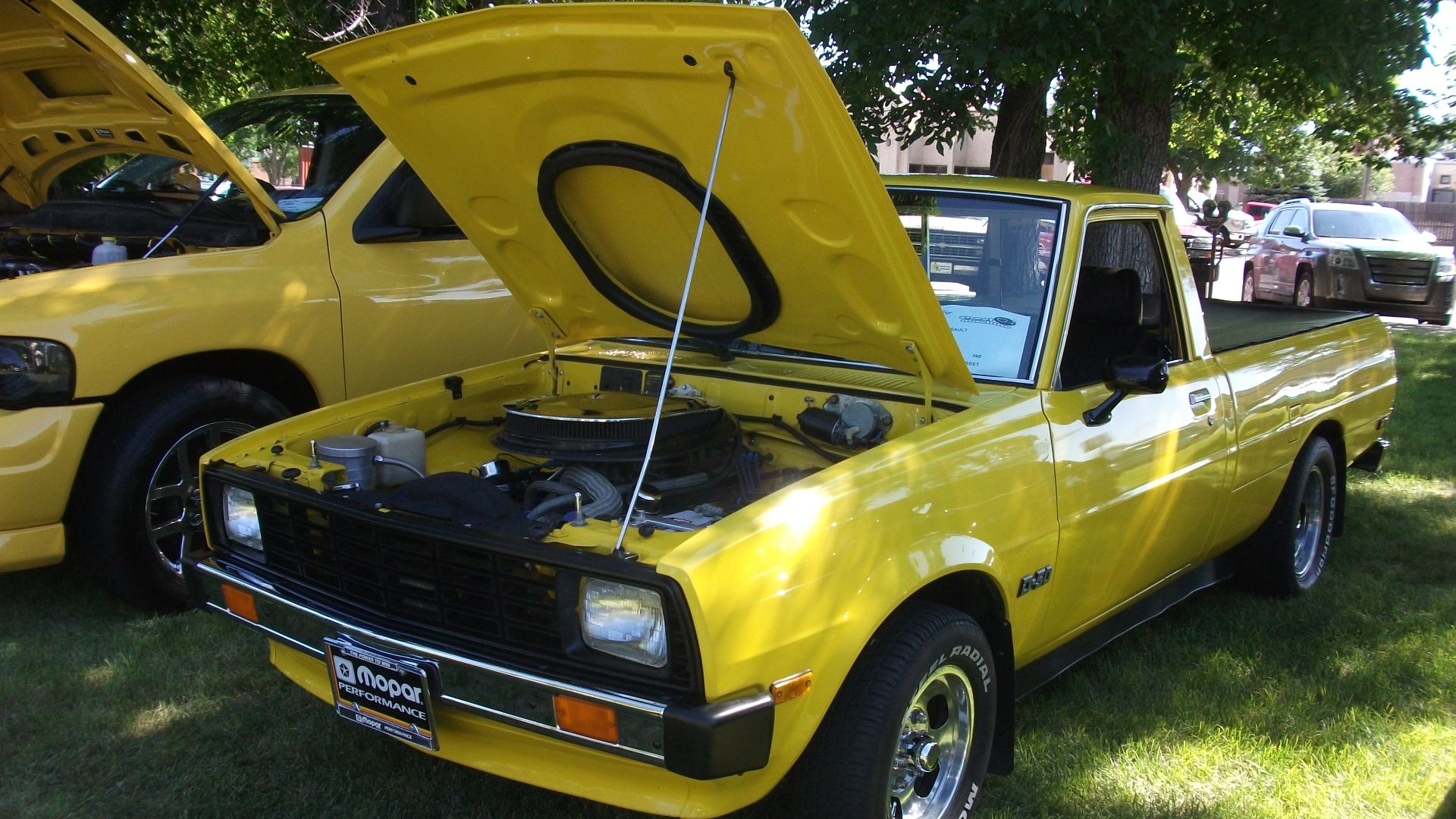 dave_7 from Lethbridge, Canada, Wikimedia Commons
GMC Sprint
Before GMC had the Caballero, it had the Sprint. Introduced for 1971, this car-based pickup was GMC’s version of the Chevrolet El Camino. It offered passenger-car comfort, an open bed and available V8 power, yet it somehow disappeared from popular memory while the El Camino became an icon.
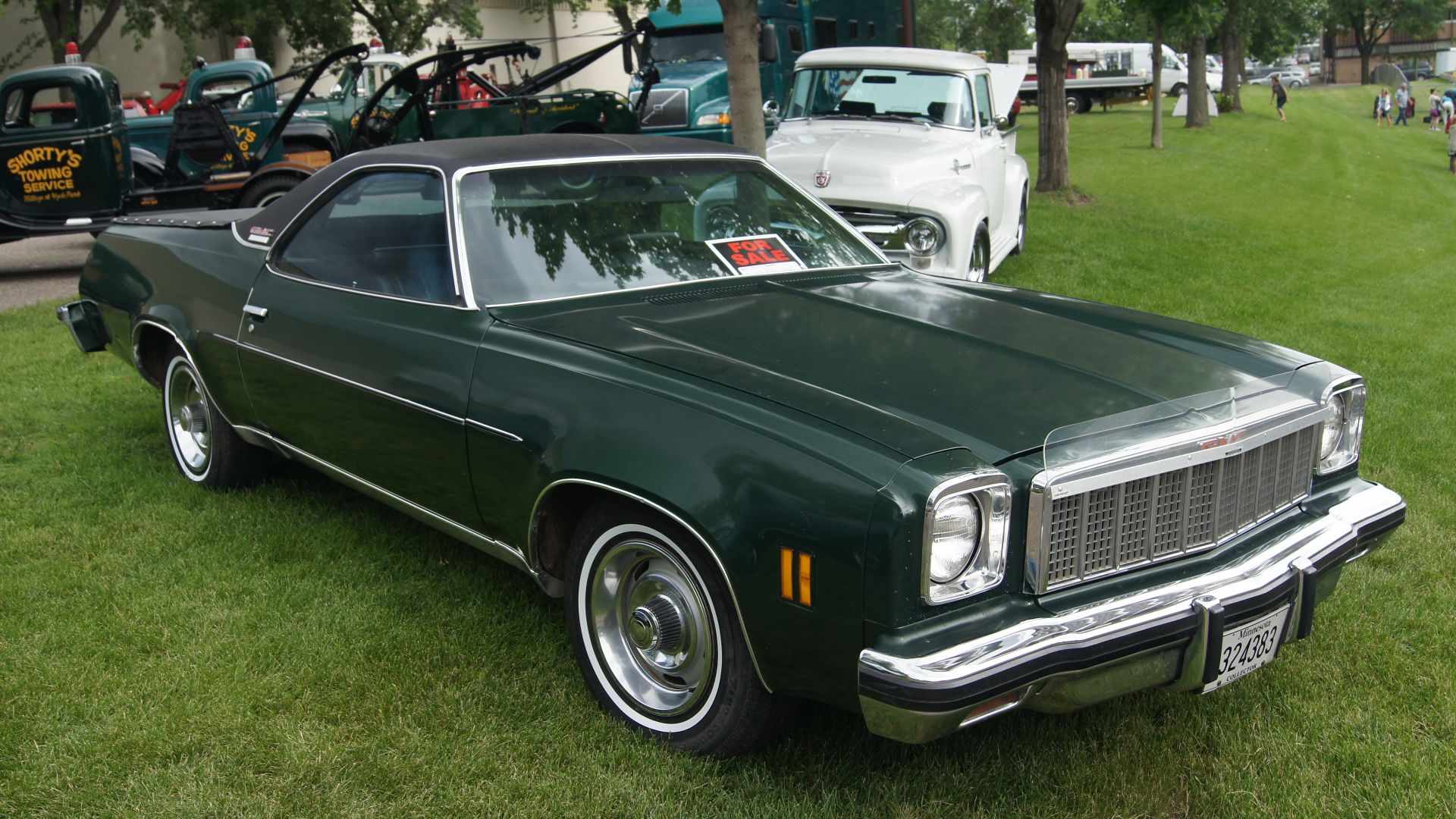 Greg Gjerdingen from Willmar, USA, Wikimedia Commons
Datsun 521
The tiny Datsun 521 entered the decade looking almost comically small beside Detroit’s pickups. That was also its advantage. It was inexpensive, economical and easy to maneuver. The newer 620 replaced it in 1972, leaving the 521 as one of those vehicles people recognize but rarely name.
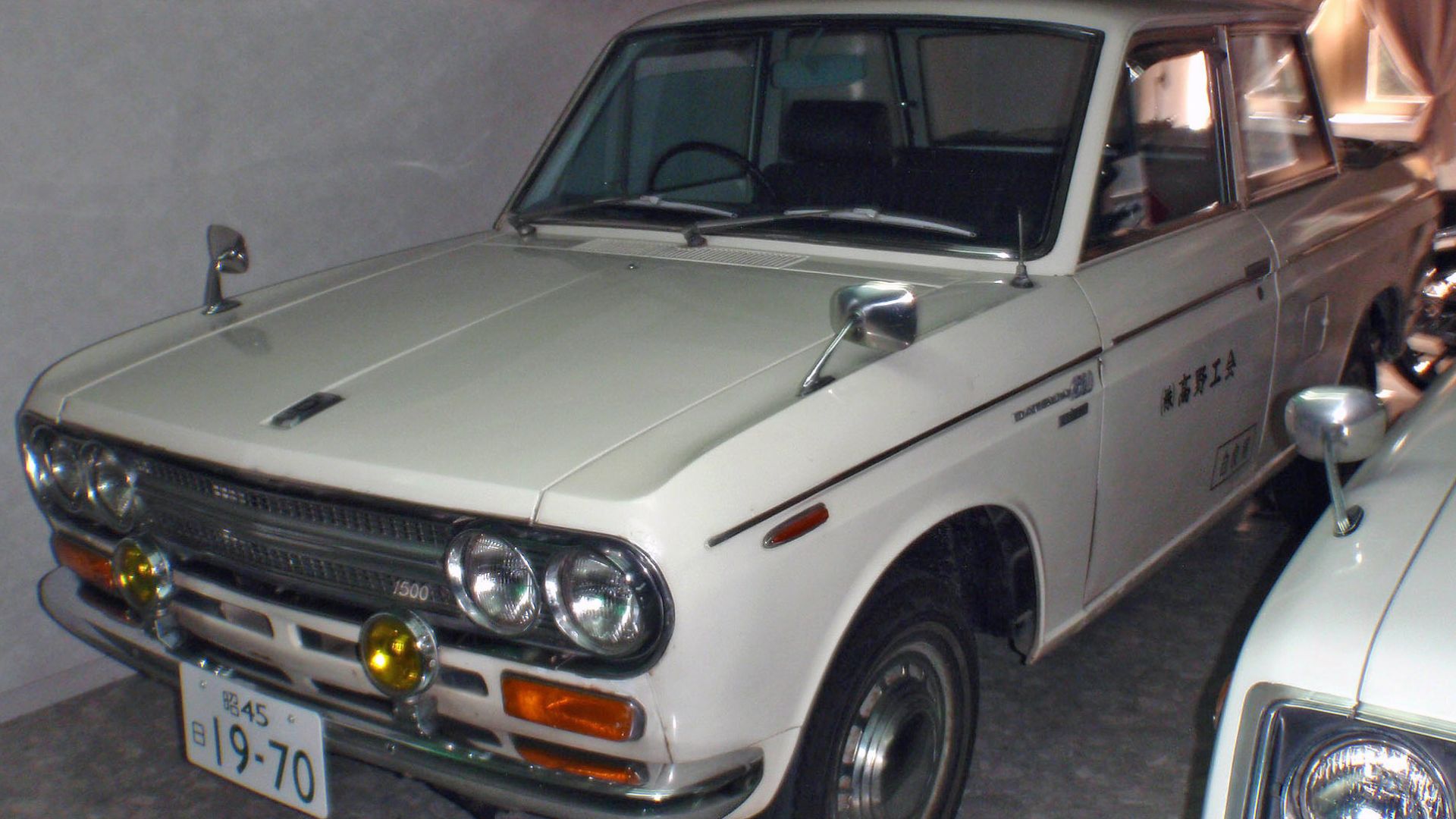 Kzaral,cropped and altered by uploader Mr.choppers, Wikimedia Commons
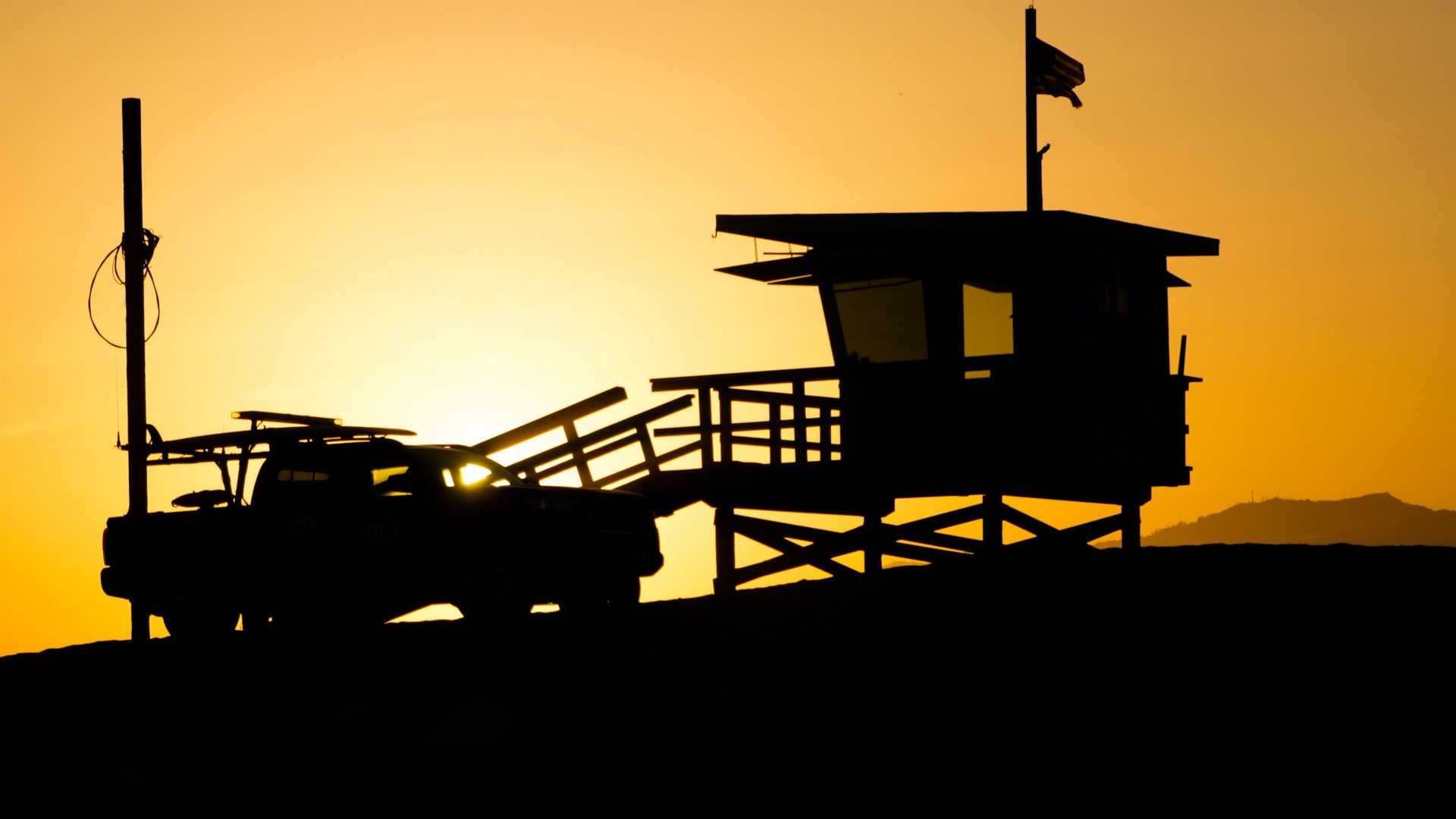
GMC Gentleman Jim
GMC offered the Gentleman Jim for only the 1975 model year. The black-and-gold pickup included special striping, bucket seats and a noticeably fancier interior than most working trucks. The name sounded like a professional wrestler, but the idea behind it predicted today’s luxury-pickup market surprisingly well.
Ford Courier
The first Ford Courier was not really a Ford underneath. Mazda built the compact pickup, which arrived for 1972 as Ford’s answer to the small trucks coming from Datsun and Toyota. It was not especially powerful, but it was economical, useful and capable of carrying a surprisingly respectable load.
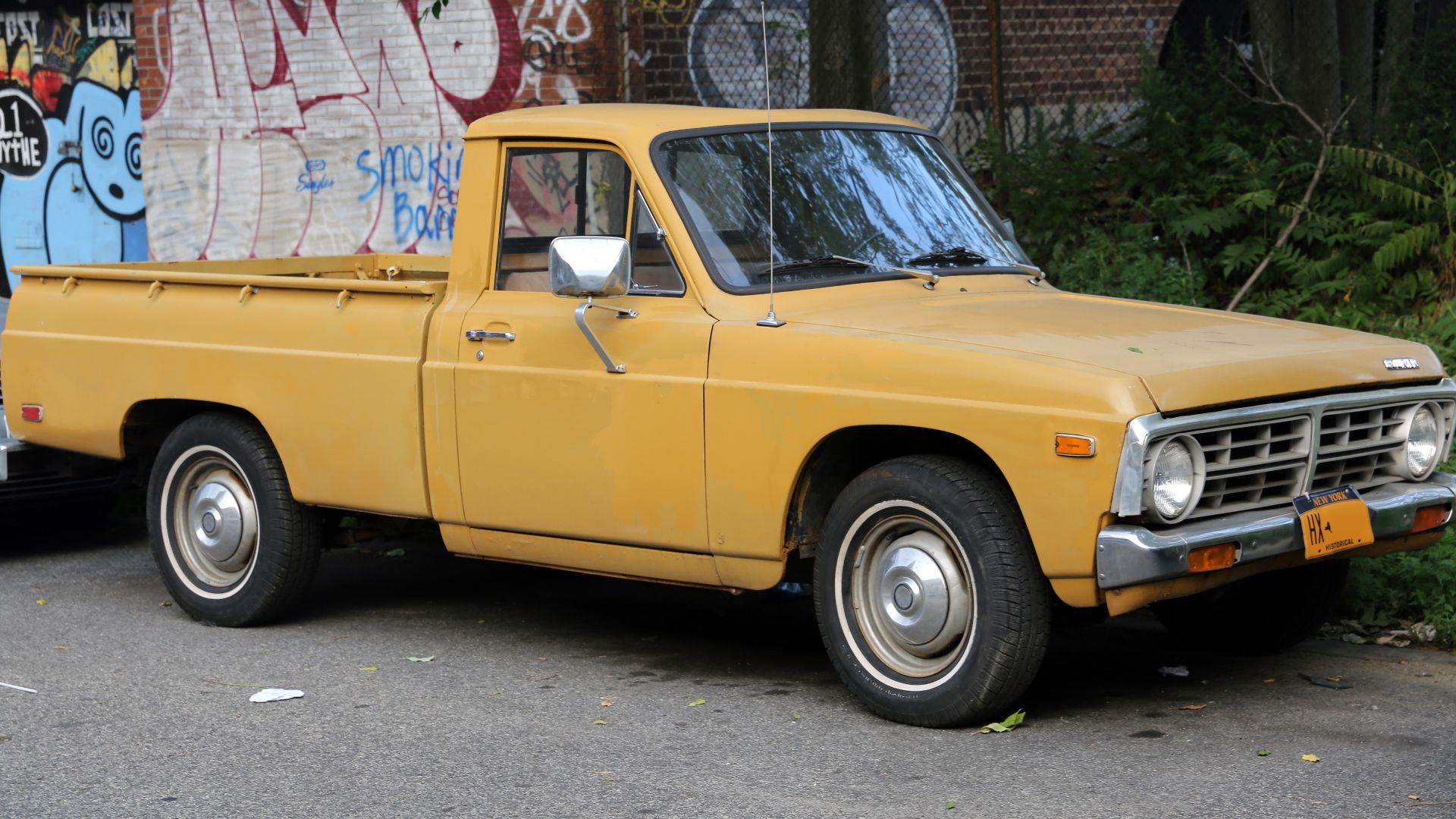 Mr.choppers, Wikimedia Commons
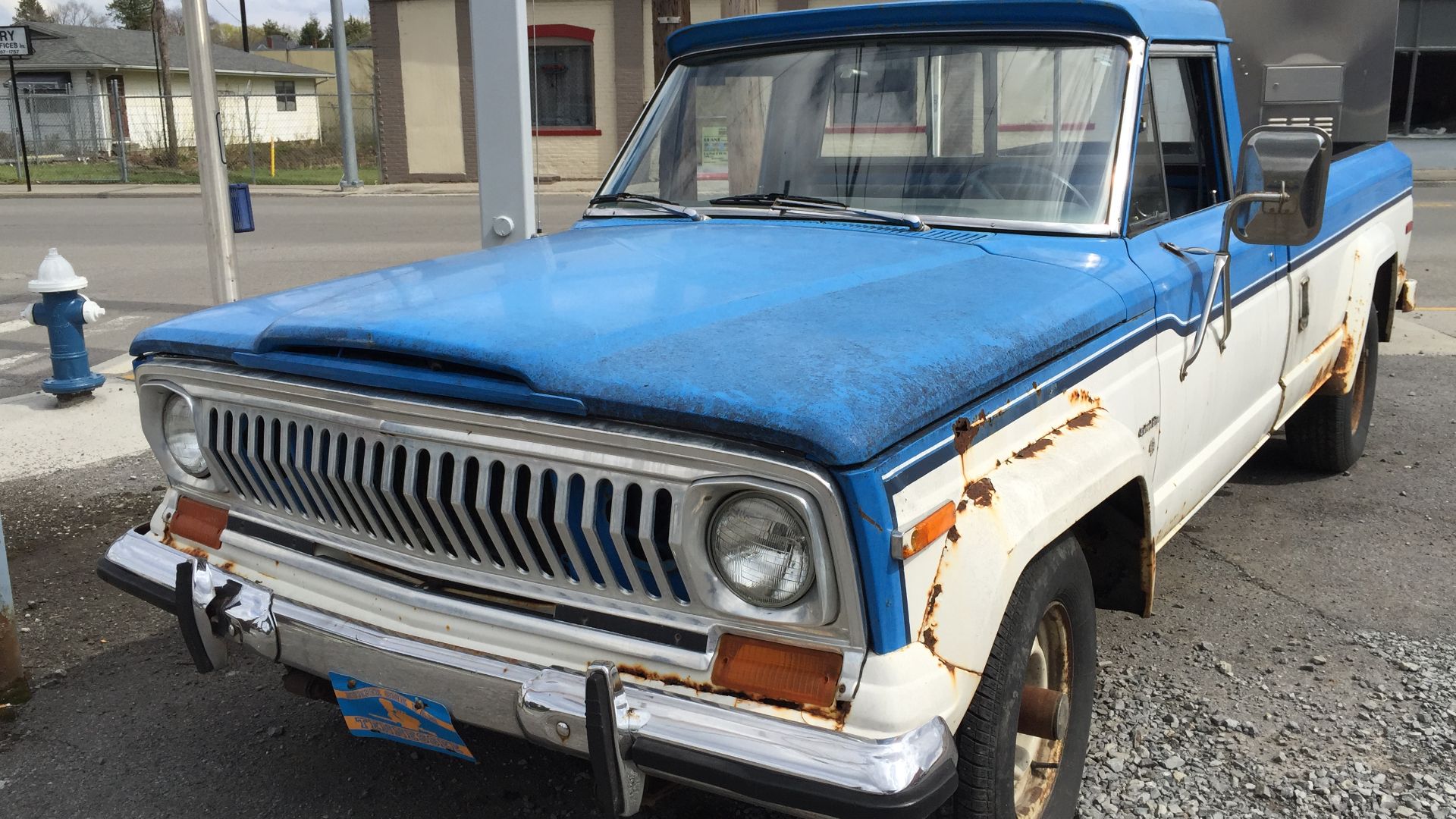
Jeep J-10 10-4
Yes, Jeep once sold a truck with a name that sounded like CB-radio slang. The 10-4 package dressed up the J-10 pickup with special colors and detailing, while a factory-installed CB radio was available. Few vehicles could possibly look more at home outside a 1970s roadside diner.
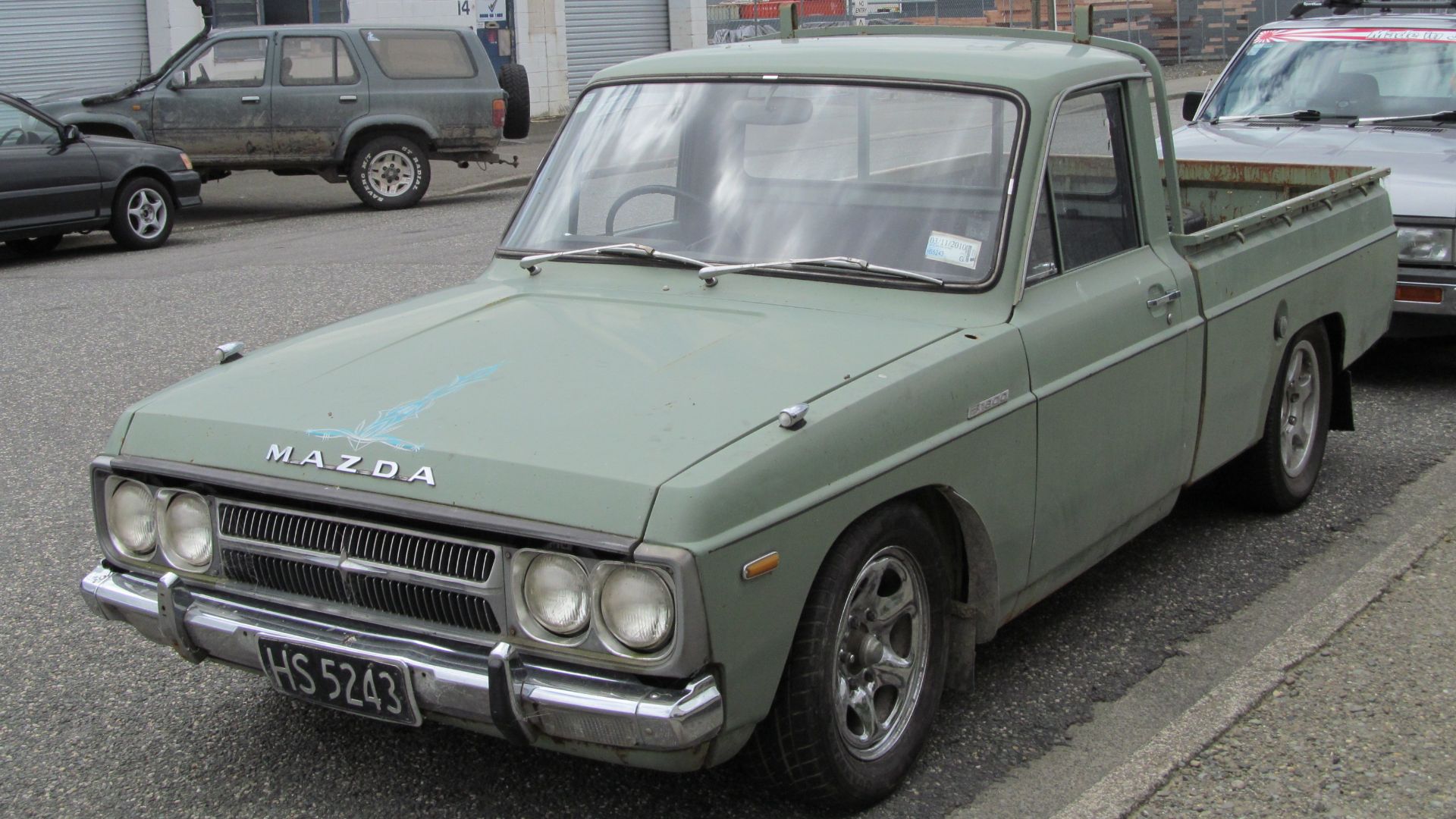
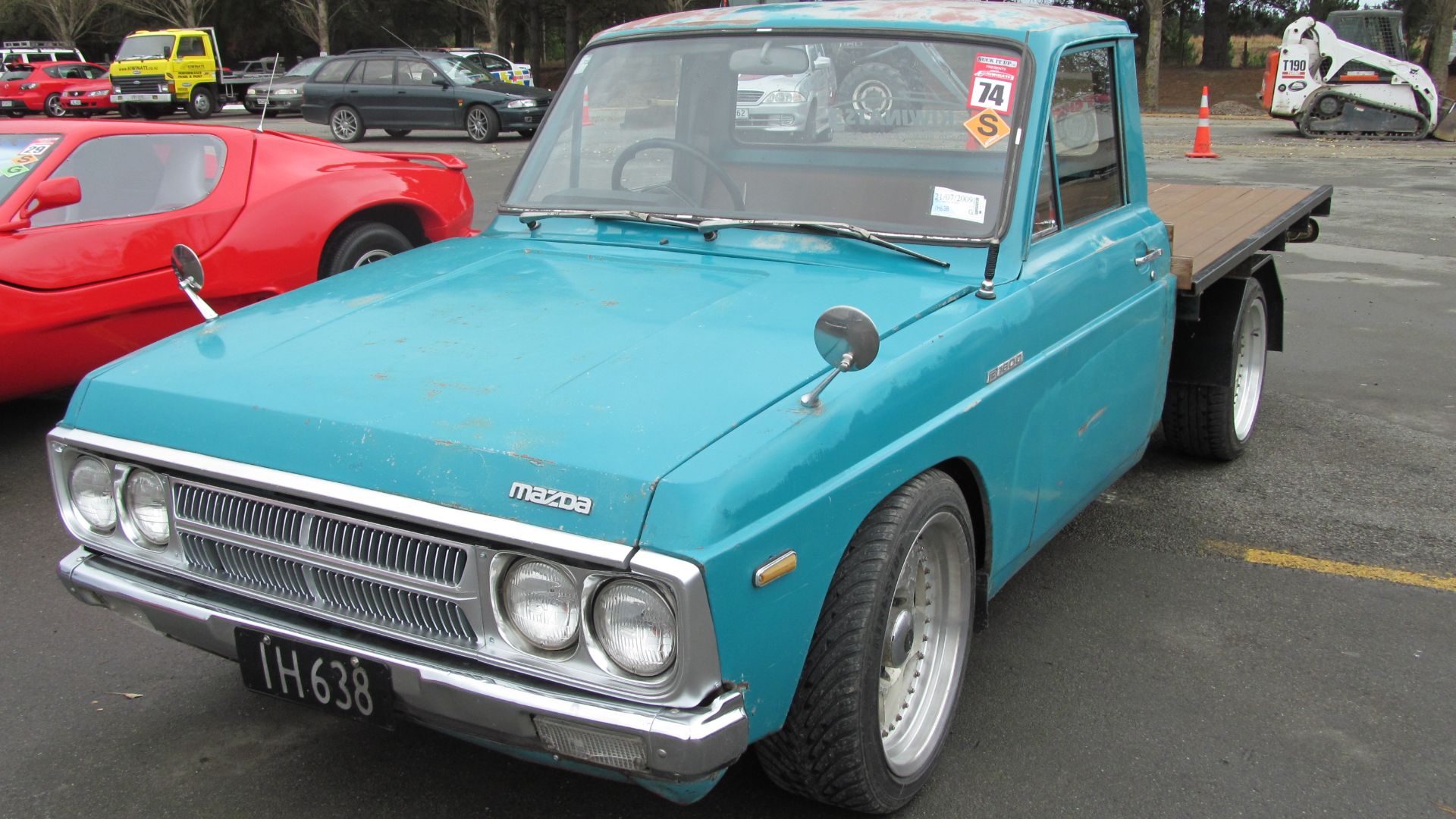
Mazda B1600
Before Mazda became closely associated with the Miata and rotary-powered sports cars, it sold a very conventional little pickup called the B1600. Its four-cylinder engine and simple interior were not exciting, but the truck was inexpensive and practical. Most were worked hard enough that relatively few are seen today.
 Riley from Christchurch, New Zealand, Wikimedia Commons
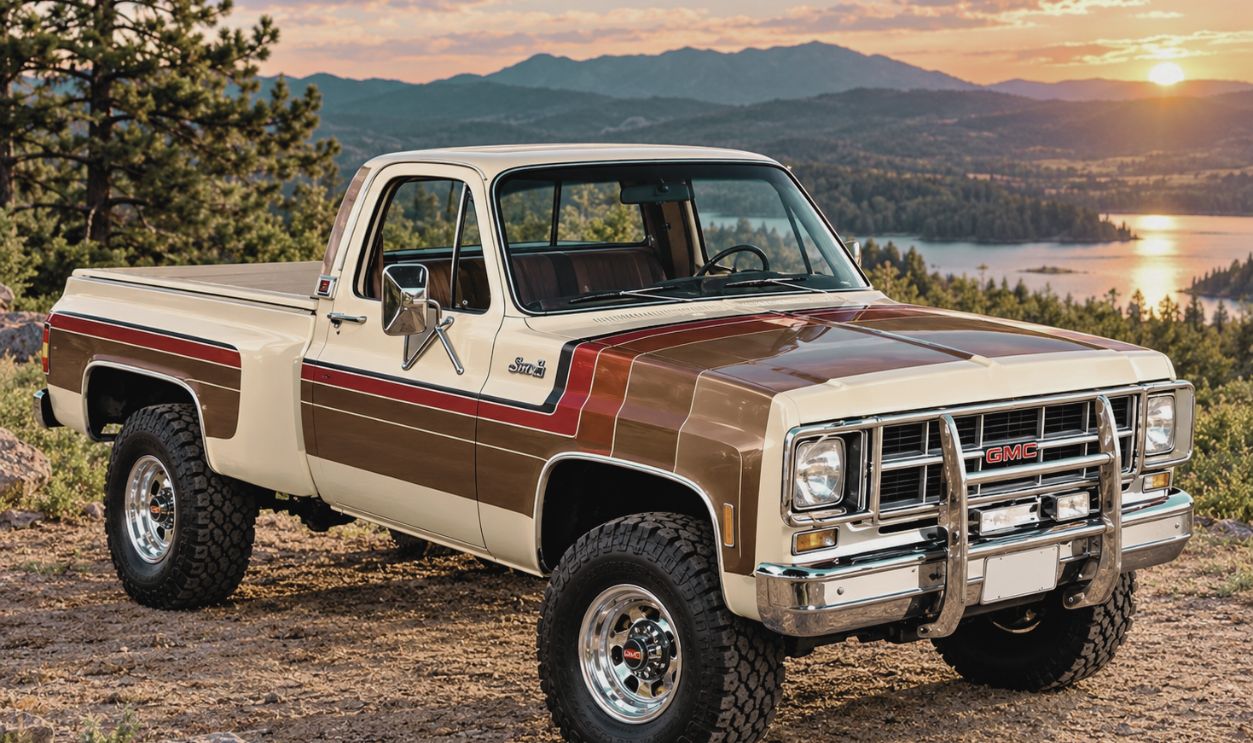
GMC Desert Fox
The 1978 Desert Fox was a ship-through conversion created through a partnership with aftermarket company Hickey Enterprises. Available on certain GMC pickups and the Jimmy, it featured tan paint, colorful striping, all-terrain tires and extra lights. Buyers could also add a winch, CB radio and swing-away tire carrier.
 Alden Jewell, Flickr, Modified
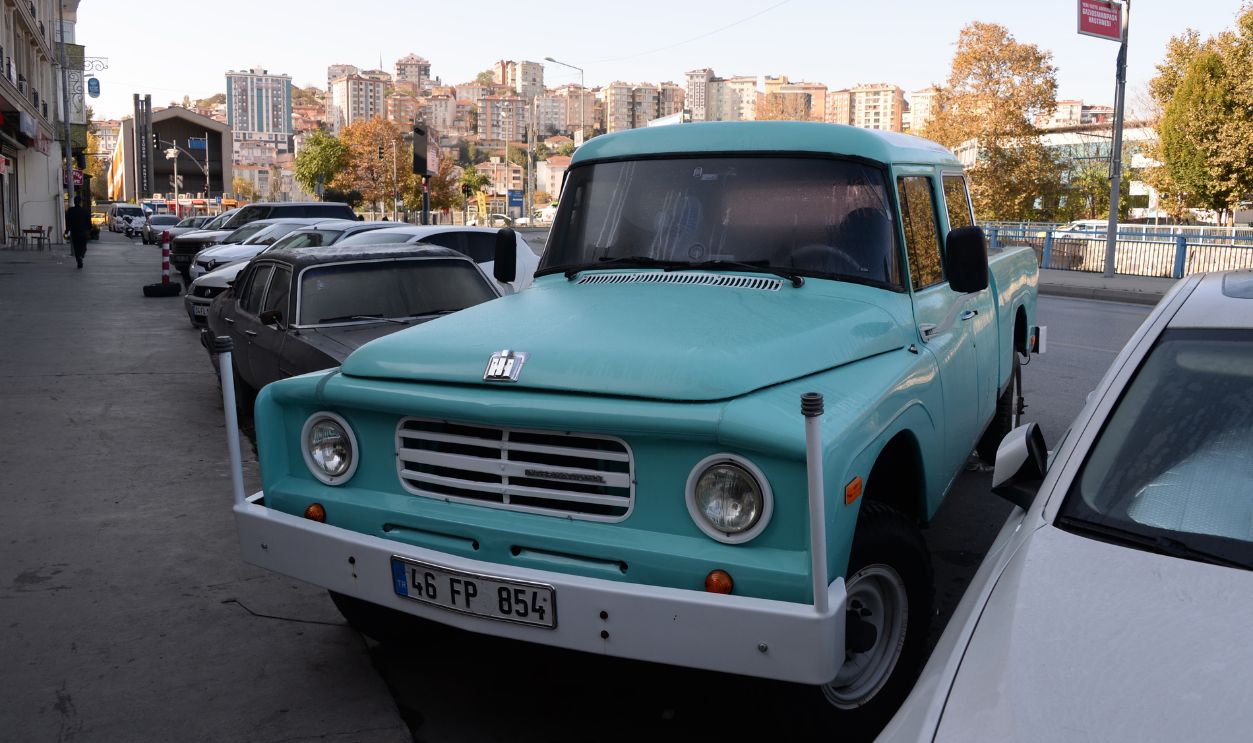
International Travelette
Crew-cab trucks seem unavoidable today, but International Harvester was building a four-door pickup decades ago. The Travelette could carry as many as six people and was offered with two- or four-wheel drive. Production ended in 1975, just before family-friendly pickups began their long march toward the mainstream.
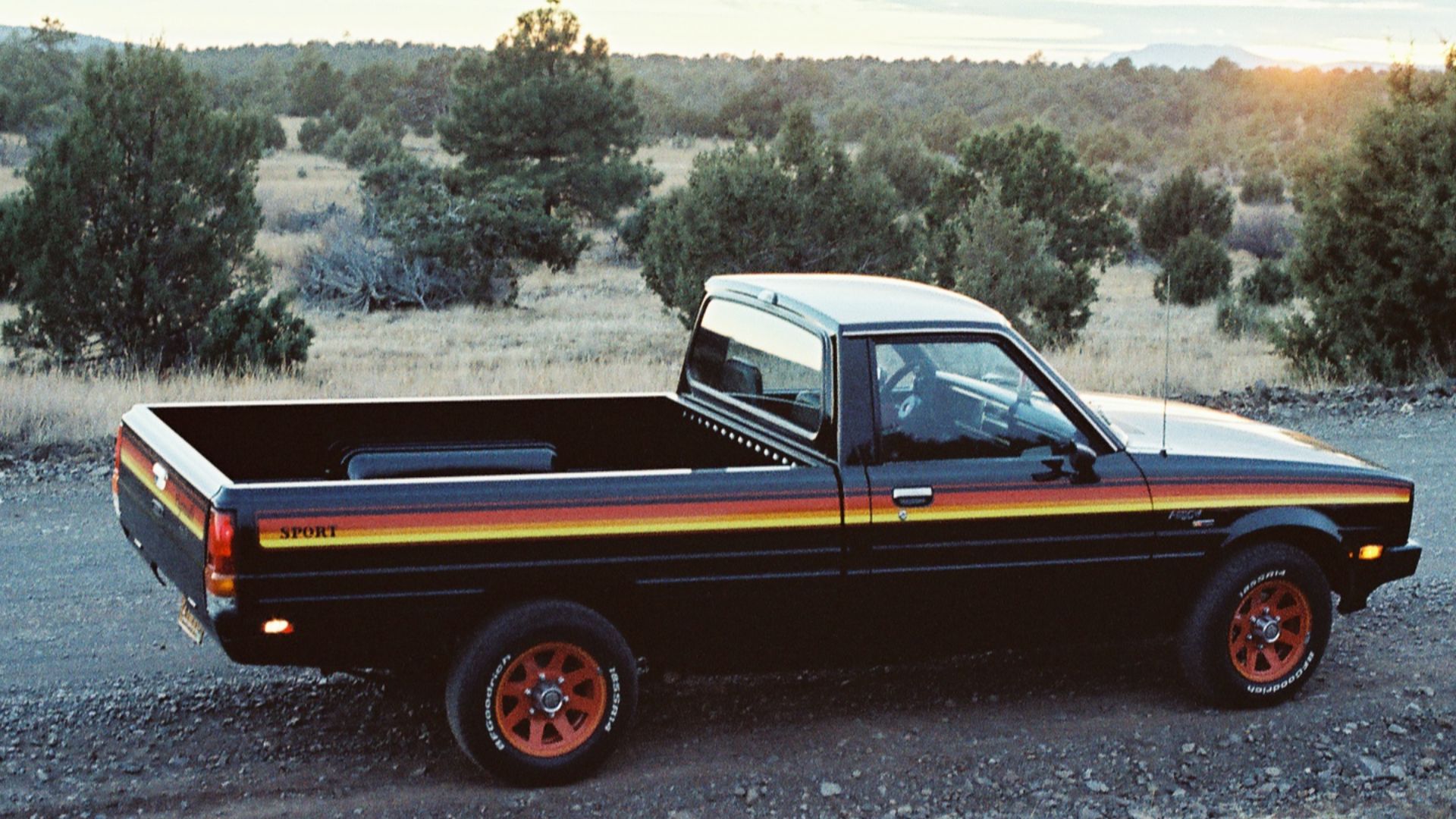
Plymouth Arrow Truck
Plymouth selling a compact pickup sounds like something remembered incorrectly, but it really happened. The Arrow Truck arrived for 1979 and was built by Mitsubishi. It was closely related to the Dodge D50, although putting the Plymouth name on a Japanese-built pickup made it considerably stranger.
Chevrolet Big 10
Chevrolet called the Big 10 its heavy-duty half-ton. Upgraded springs, brakes and tires raised its weight rating, while an available 454-cubic-inch V8 gave it startling performance for the era. In one period test, the enormous pickup ran the quarter-mile only slightly slower than a contemporary Corvette.
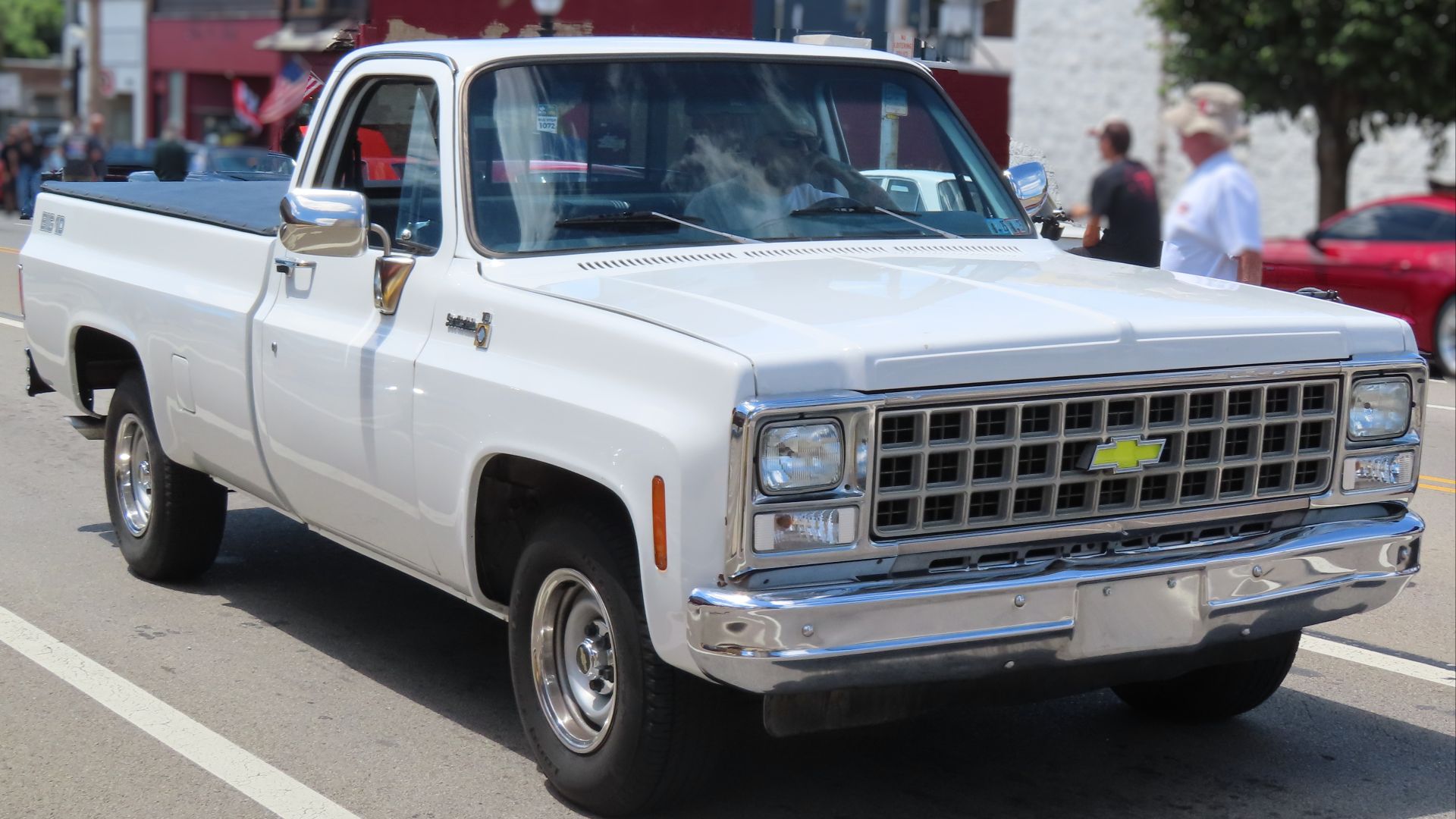 MercurySable99, Wikimedia Commons
Volkswagen Type 2 Pickup
At the beginning of the 1970s, American buyers could still find pickup versions of the famous Volkswagen Bus. Single-cab and double-cab versions were built, with clever storage beneath the cargo floor. Import tariffs made them increasingly difficult to sell in America, helping explain why so few people remember them.
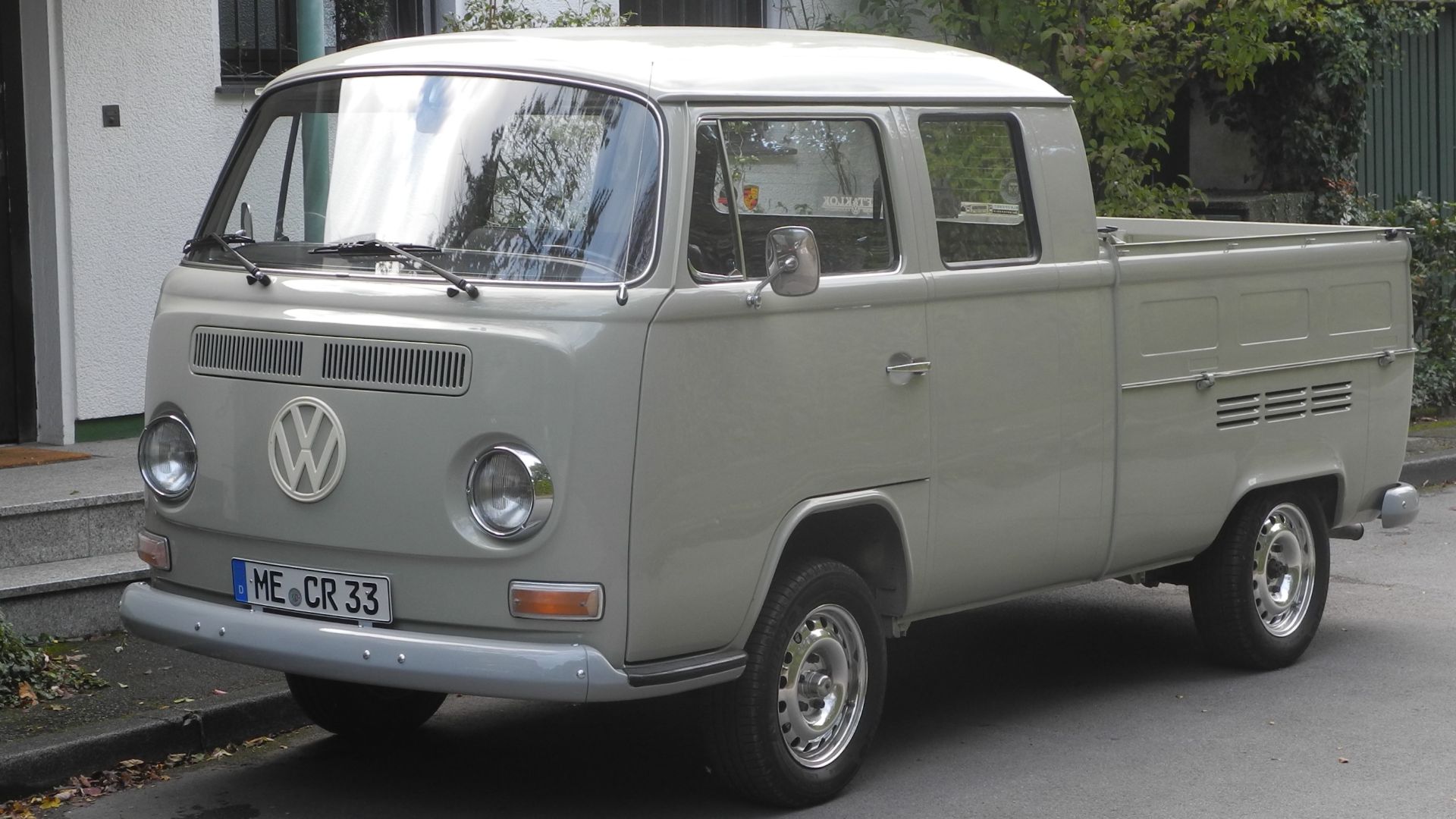
GMC Beau James
The Gentleman Jim was not GMC’s only unusually named luxury truck of 1975. The Beau James combined two-tone paint with an upscale Sierra Classic interior and plenty of bright trim. Apparently, GMC believed every well-dressed pickup needed a man’s name, and nobody in the meeting objected.
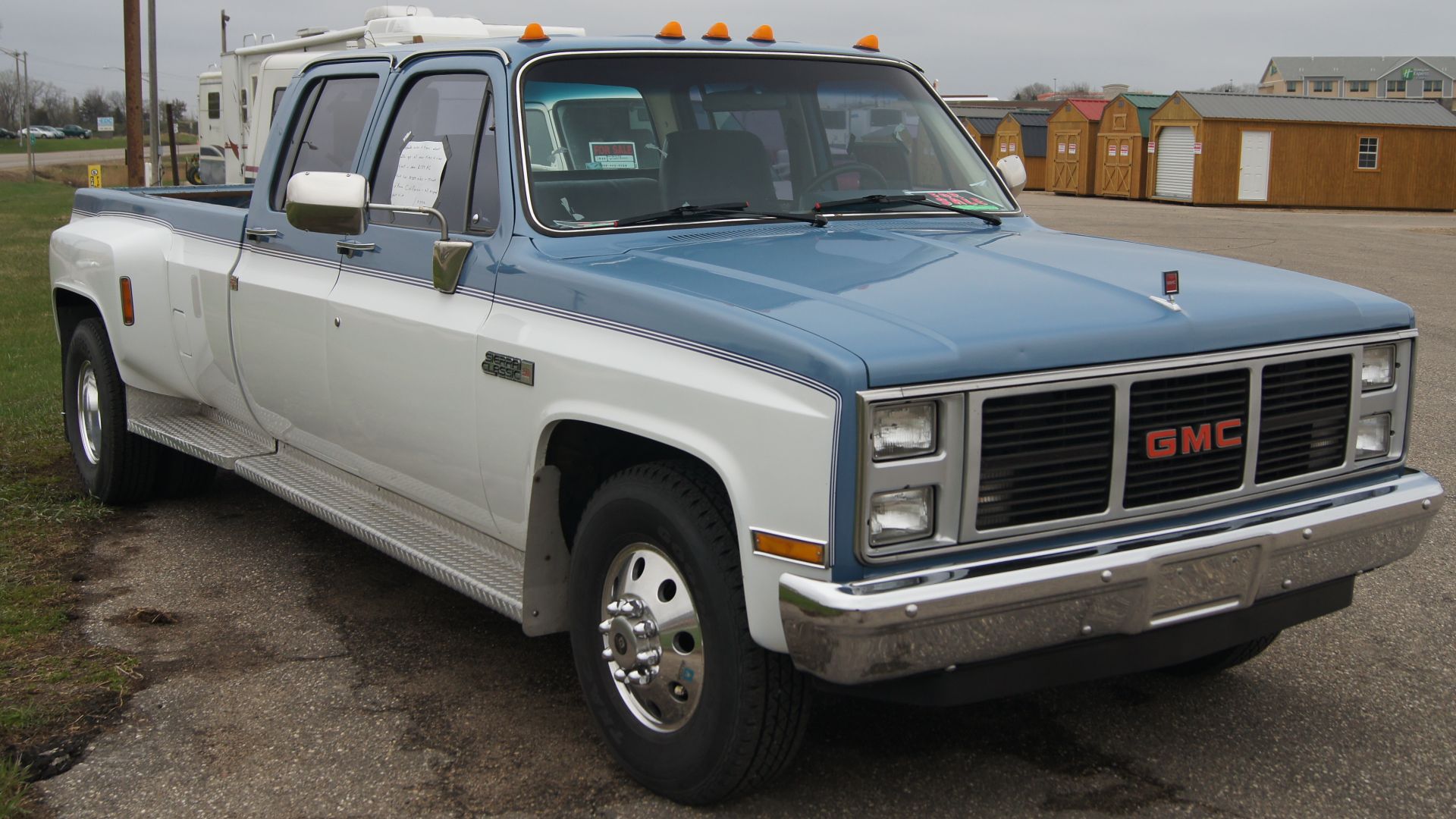 Greg Gjerdingen from Willmar, USA, Wikimedia Commons
Datsun 620 King Cab
The Datsun 620 was already a successful little pickup when the King Cab arrived for 1977. Its extended cab created useful space behind the seats without turning the truck into a full crew cab. That simple idea became enormously popular, although the vehicle that helped introduce it is largely forgotten.
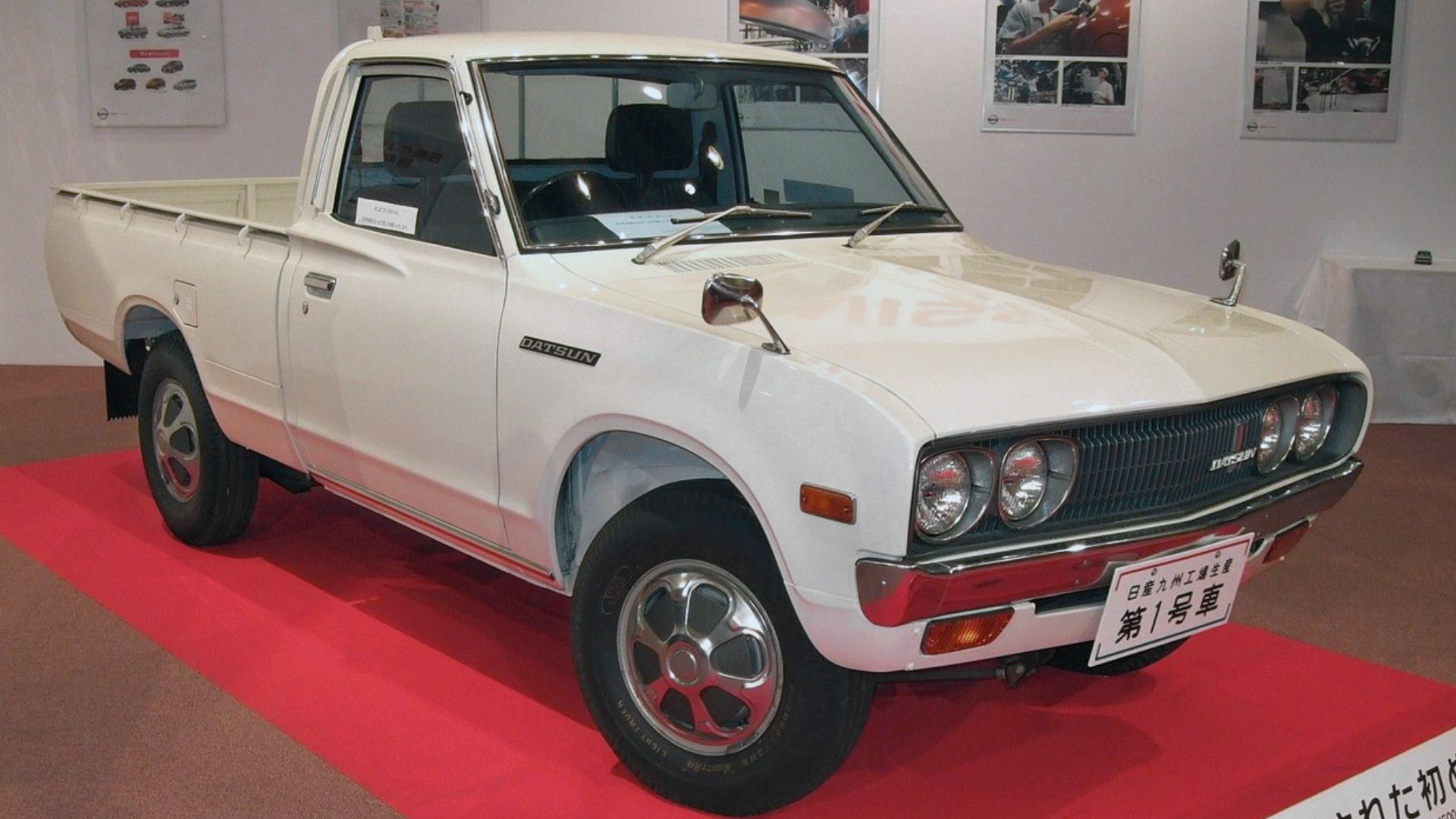
GMC Amarillo
American Coach Corporation created the 1979 Amarillo using GMC pickups, and subtlety was clearly not part of the assignment. The wild GT version added yellow paint, orange graphics, enormous wheels, driving lights, side pipes, a front air dam and even a roof spoiler. It was the 1970s on wheels.

International Scout II Terra
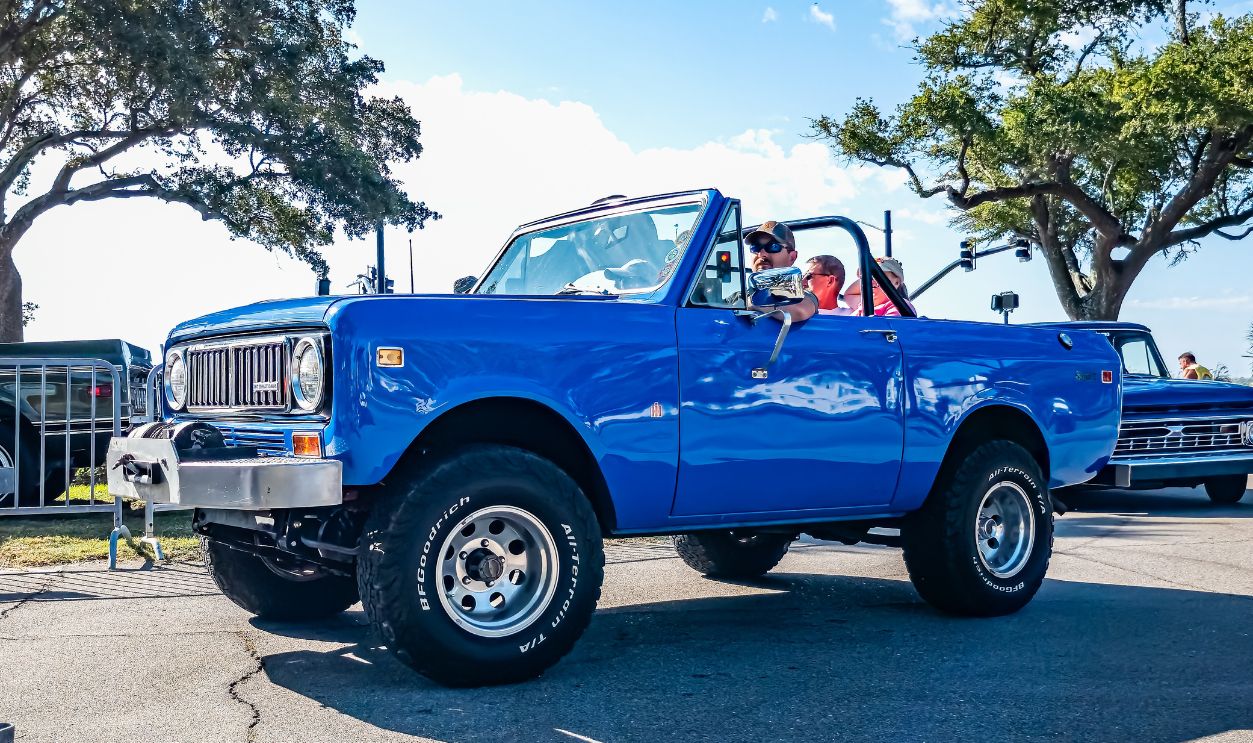
International Harvester stretched the Scout II and added a small bed to create the Terra for 1976. Its removable roof section and available four-wheel drive made it part pickup and part recreational vehicle. Unfortunately, heavy use and serious rust problems helped many of them disappear long before collectors noticed.
Chevrolet Sport
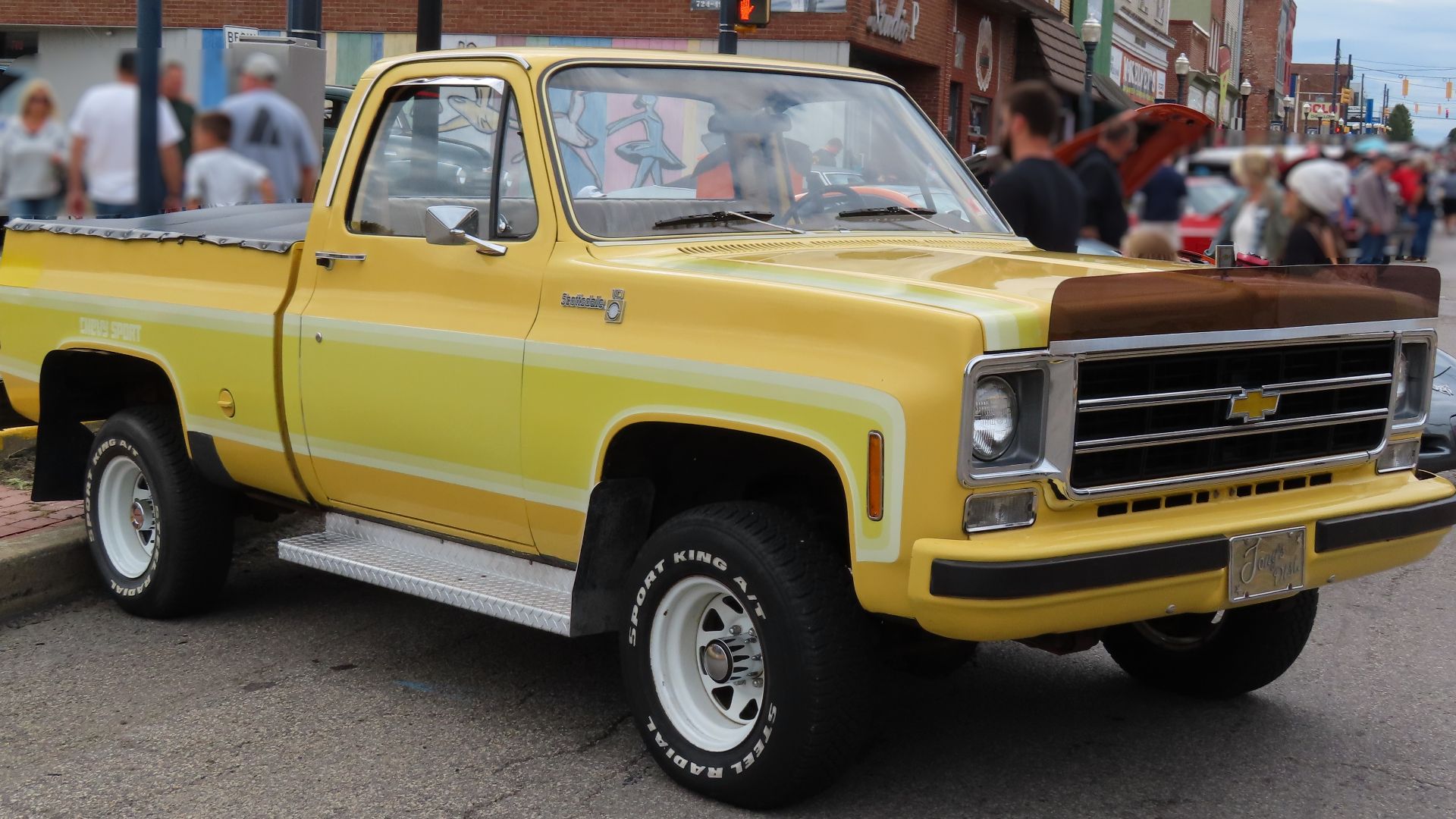
Beginning in 1976, Chevrolet offered the Sport package on short-wheelbase Stepside pickups. Buyers received colorful stripes, white-letter tires, chrome trim and other appearance upgrades. Later versions became even brighter, ensuring that nobody could possibly lose one in a crowded parking lot—or anywhere else.
 MercurySable99, Wikimedia Commons
Jeep J-20
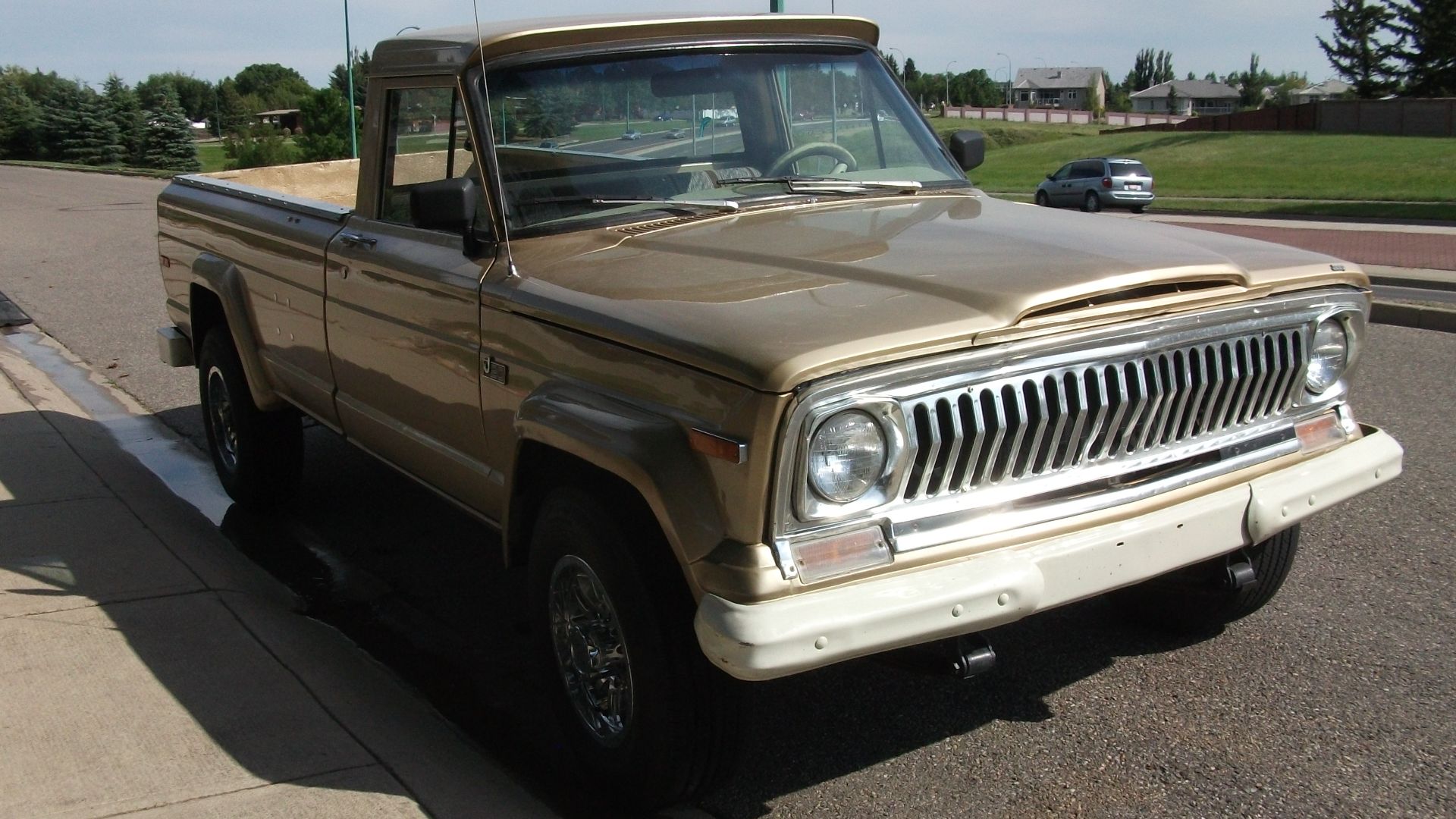
The J-20 was Jeep’s heavier-duty full-size pickup, introduced under that name for 1974. It shared its front-end styling with the Wagoneer and Cherokee but was built to handle considerably more work. Today, even devoted Jeep fans can forget the company once competed seriously in the big-pickup market.
 dave_7 from Lethbridge, Canada, Wikimedia Commons
Dodge Dude
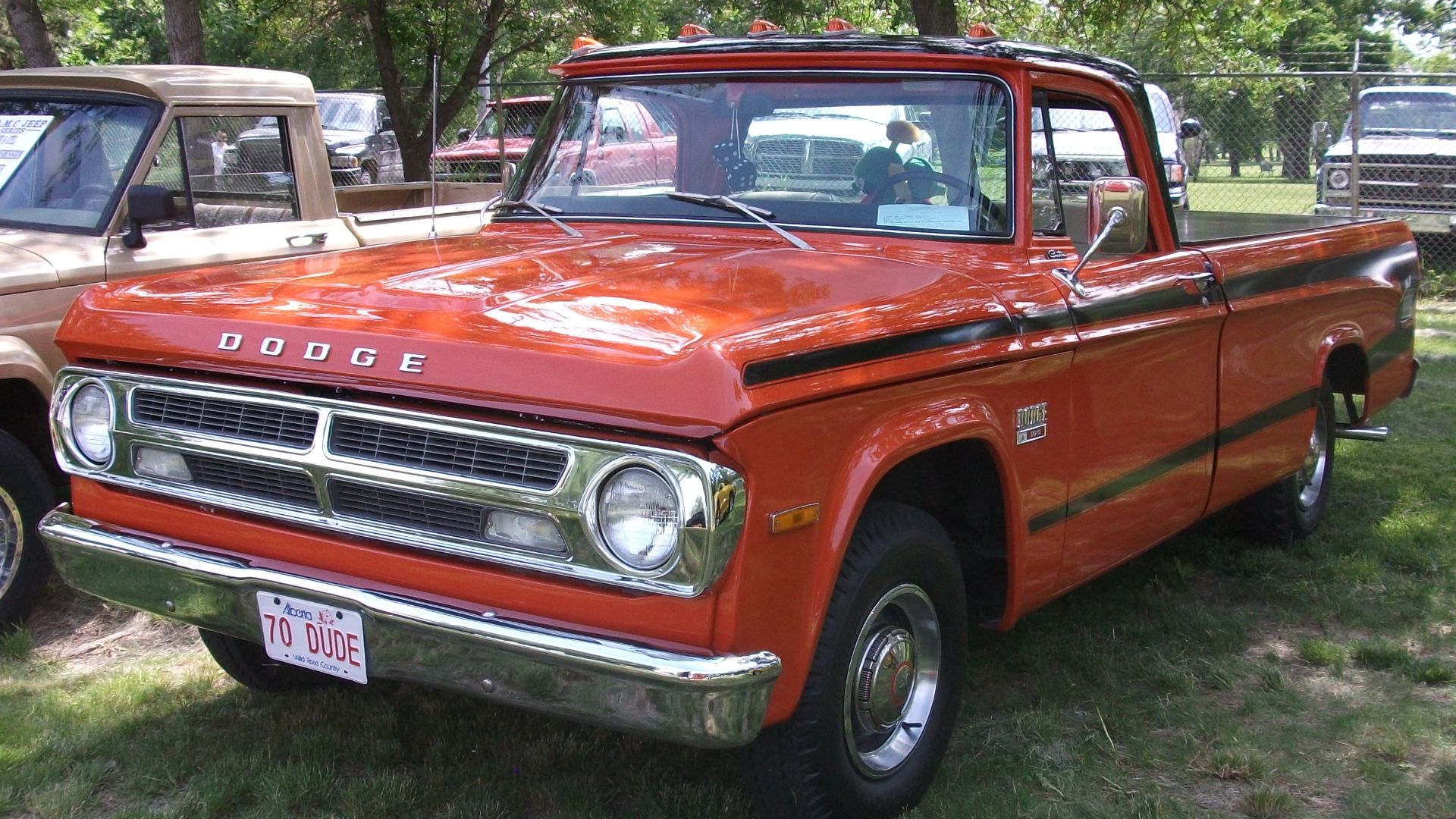
The Dude package appeared on Dodge pickups for the 1970 and 1971 model years. It added bold body-length striping, contrasting paint and a stylized cowboy-hat emblem near the rear of the cab. Saying “I drive a Dude” probably caused at least a few confusing conversations.
 dave_7 from Lethbridge, Canada, Wikimedia Commons
GMC Caballero
For 1978, GMC retired the Sprint name and introduced the Caballero. Like its Chevrolet El Camino relative, it combined a car-like cabin with a pickup bed. It survived into the 1980s, but never escaped the El Camino’s enormous shadow. Plenty of people have seen one without realizing it was a GMC.
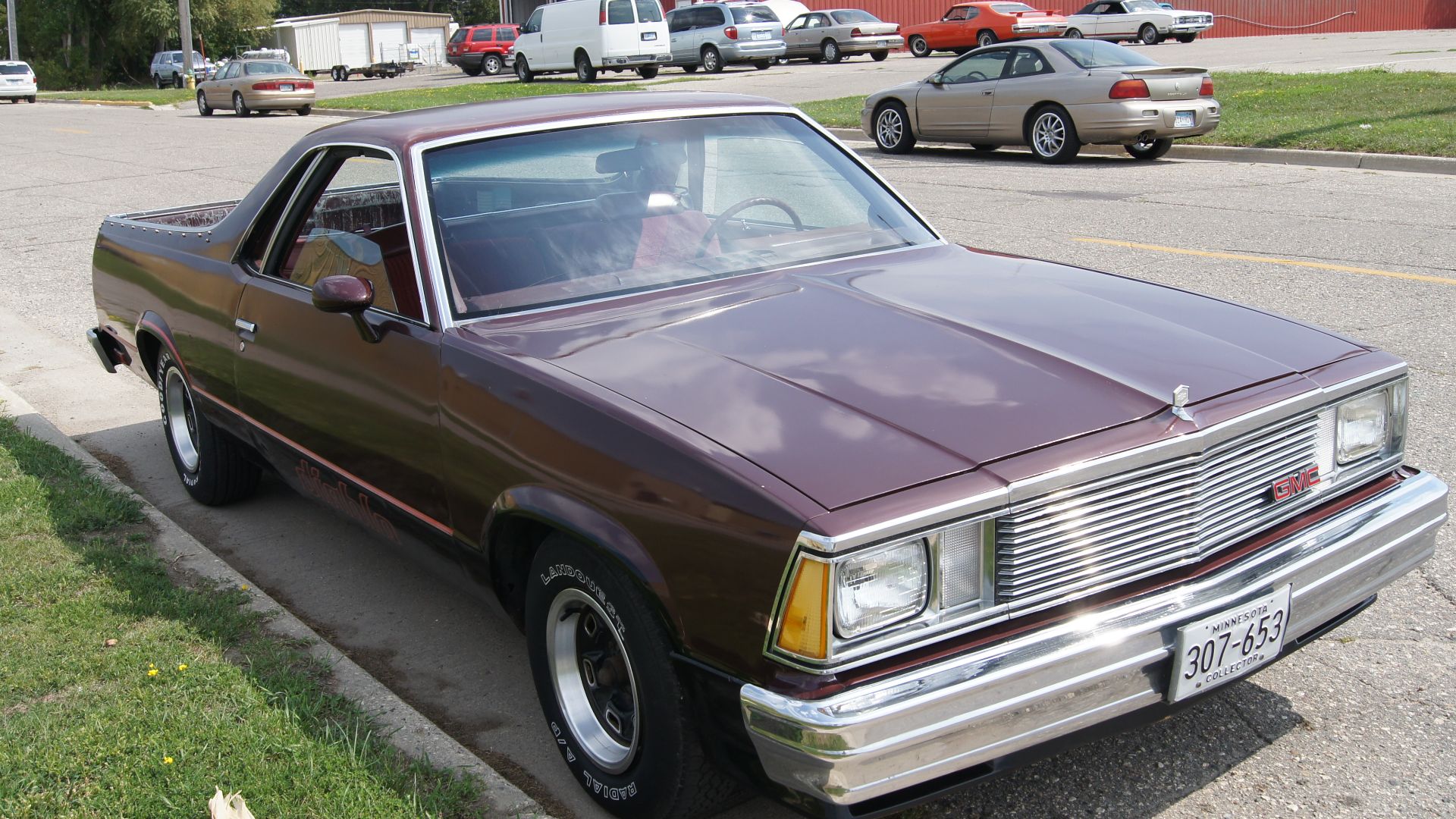 Greg Gjerdingen from Willmar, USA, Wikimedia Commons
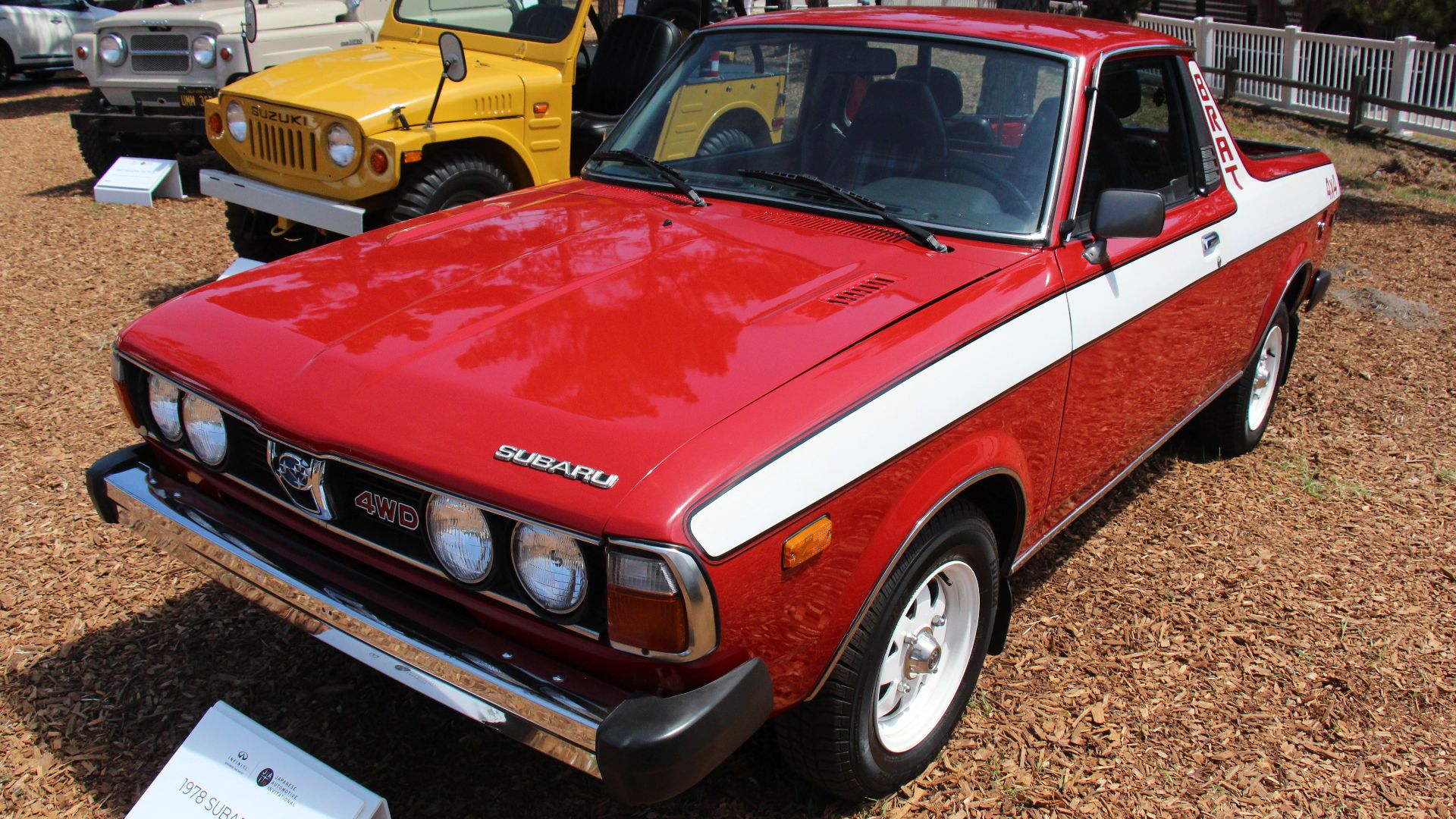
Subaru BRAT
Introduced to American buyers for 1978, the four-wheel-drive BRAT included two rear-facing plastic seats bolted into its cargo bed. Those unusual seats helped Subaru present it as a passenger vehicle rather than an imported pickup. It was clever, strange and probably impossible to approve under today’s safety expectations.
How Many Did You Remember?
Some of these trucks were inexpensive workhorses. Others had gold stripes, CB radios, rotary engines or plastic seats sitting completely exposed in the bed. The 1970s clearly had room for every possible pickup idea. So, be honest: did you remember five—or did even that prove surprisingly difficult?
 Riley from Christchurch, New Zealand, Wikimedia Commons
You Might Also Like:
Cars From The Y2K Era That Looked Futuristic Then And Are Hilariously Dated Today




.jpg)