

The Future Used To Look Like This
Around the year 2000, the automobile industry became convinced the future would involve silver paint, enormous headlights, glowing dashboards, and interiors resembling DVD players. Some of these cars genuinely seemed space-age when new. Twenty-five years later, they look less like tomorrow and more like a particularly ambitious RadioShack catalog.
Chrysler PT Cruiser
Nothing captures early-2000s optimism quite like the PT Cruiser. Chrysler combined hot-rod styling, retro fenders, and tall wagon proportions into something buyers briefly found irresistible. It was meant to mix nostalgia with modern practicality. Today, the chrome accents and chunky shape practically scream “custom desktop computer from 2002.”
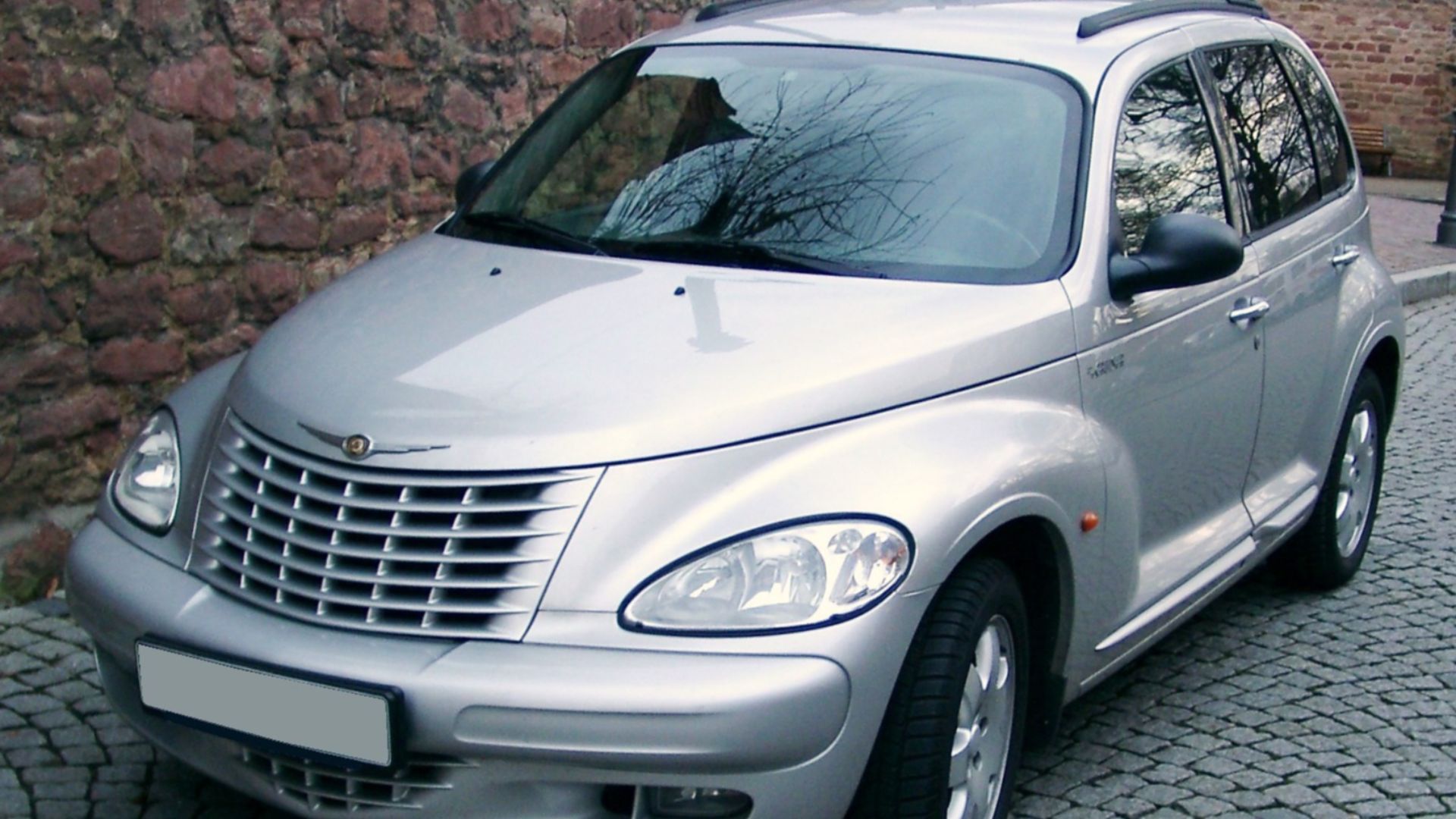 Rudolf Stricker, Wikimedia Commons
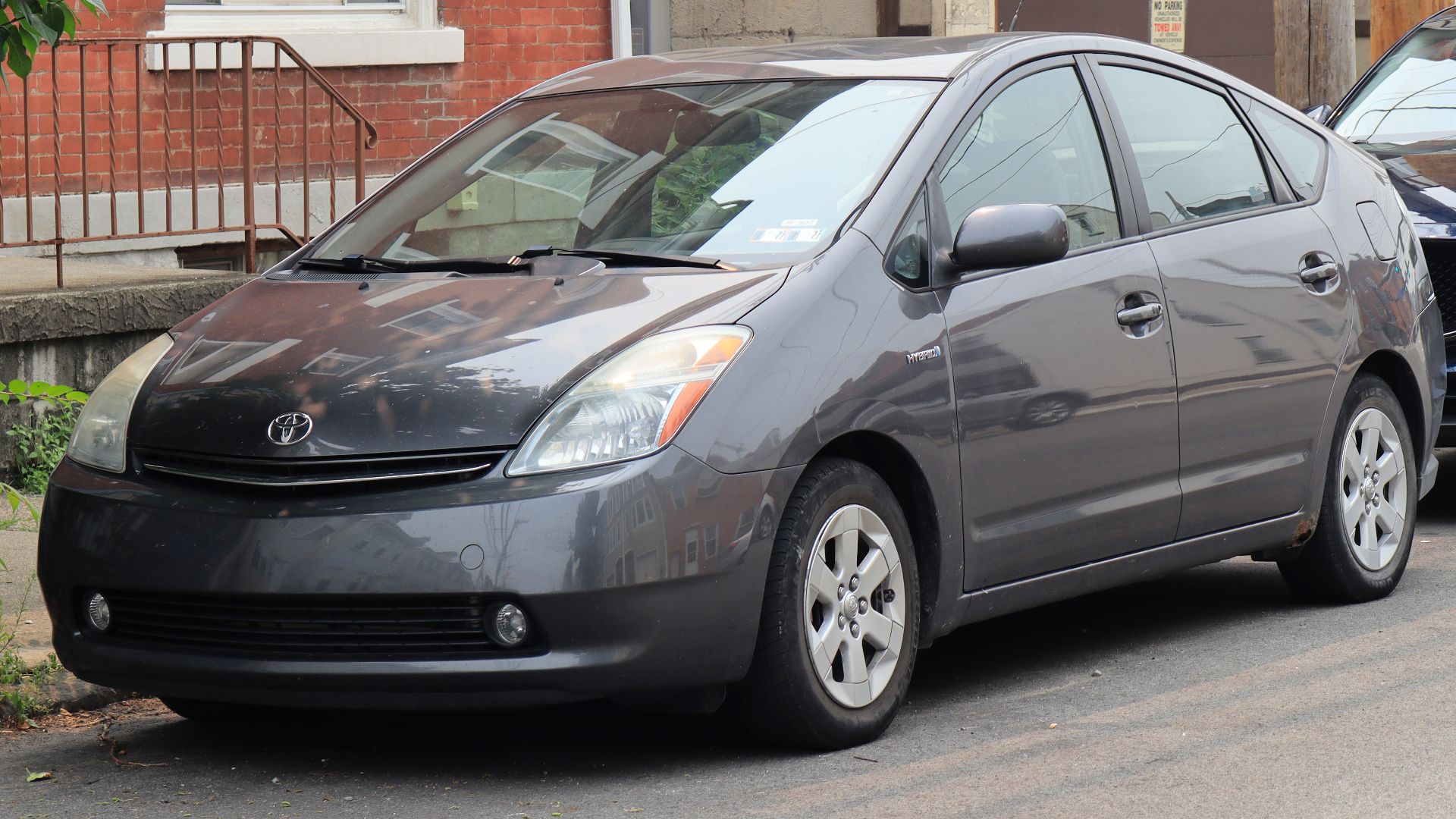
Toyota Prius
The second-generation Prius looked downright extraterrestrial when it arrived. Its tall roof, triangular silhouette, digital instruments, and unusual hatchback profile told everyone you were driving something new. Today, that once-radical shape immediately dates the car to an era when owning a hybrid practically qualified as a technological personality trait.
Pontiac Aztek
The Aztek was supposedly the future of adventure vehicles. It had plastic cladding, bizarre proportions, a split rear hatch, and enough geometric shapes to exhaust a ruler. Critics mocked it mercilessly, yet its crossover concept was surprisingly forward-thinking. Unfortunately, its styling remains permanently trapped somewhere between camping equipment and a PlayStation accessory.

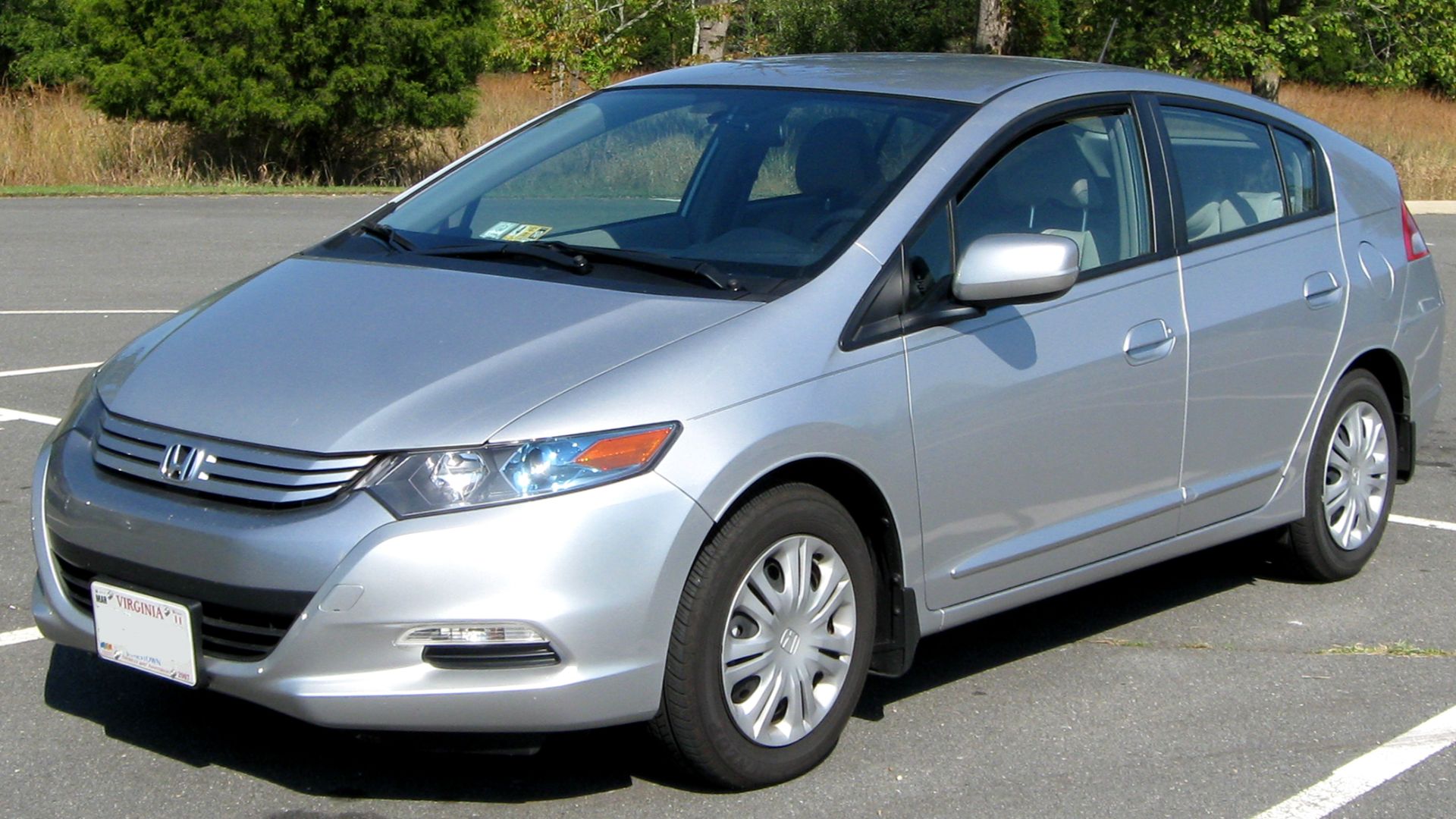
Honda Insight
The original Insight looked like somebody had driven a concept car straight off an auto-show stand. Rear wheel skirts, a teardrop body, and tiny proportions made it remarkably aerodynamic. It remains fascinating engineering, but visually, it perfectly represents the moment when designers thought efficiency required making cars resemble computer mice.
Audi TT
The first Audi TT was stunning because almost nothing else looked like it. Its rounded roof, circular design themes, aluminum interior trim, and minimalist dashboard felt futuristic without being ridiculous. The design has aged better than most Y2K creations, but park one beside a modern TT and its millennium-era optimism becomes unmistakable.
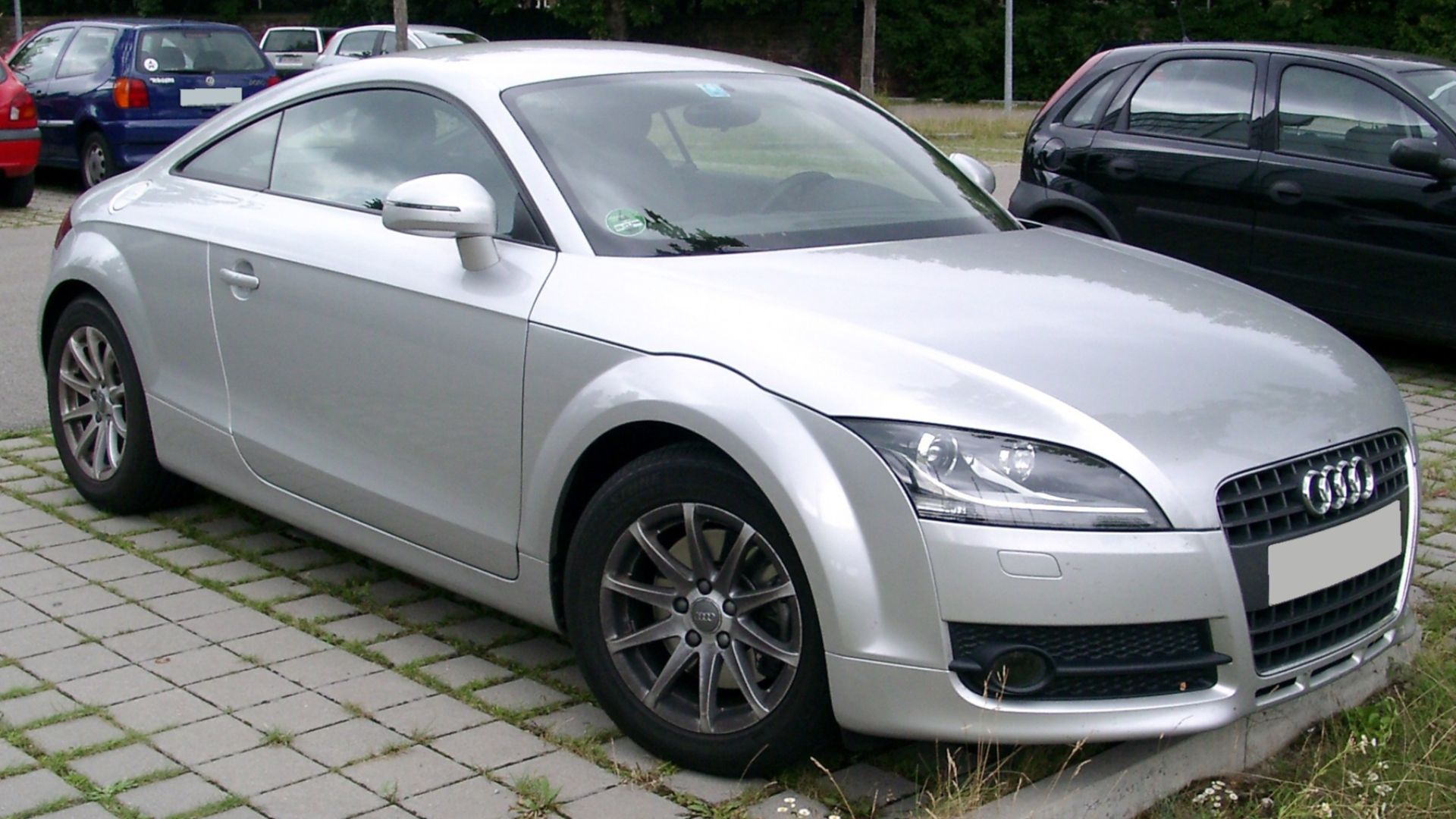 Rudolf Stricker, Wikimedia Commons
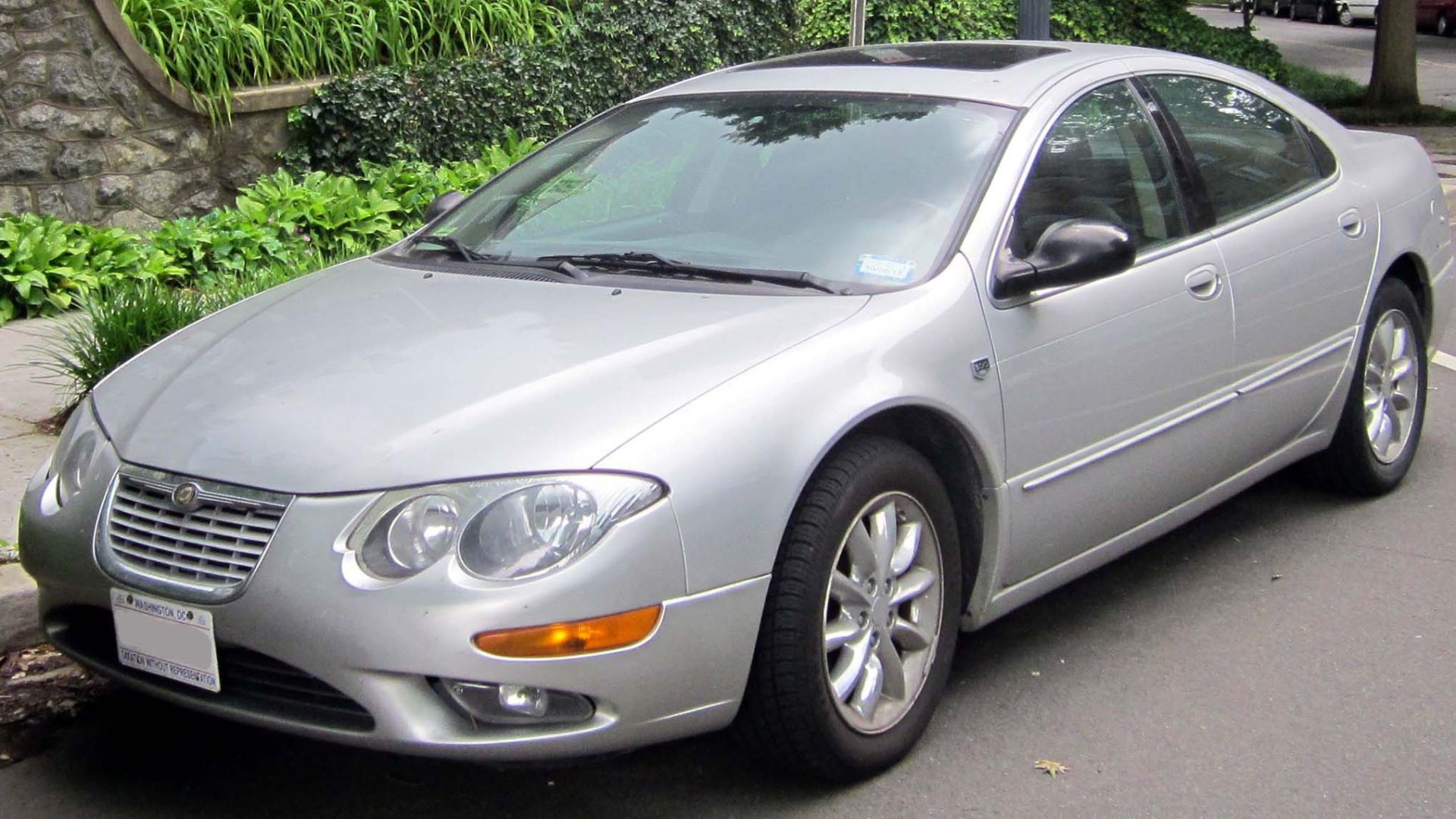
Chrysler 300M
Before Chrysler rediscovered rear-wheel-drive muscle, the 300M represented its idea of the modern luxury sedan. Sweeping headlights, cab-forward proportions, shiny alloy wheels, and a dashboard packed with buttons made it look impressively advanced. Today, it resembles the executive transportation you would expect to find outside a 2001 technology convention.
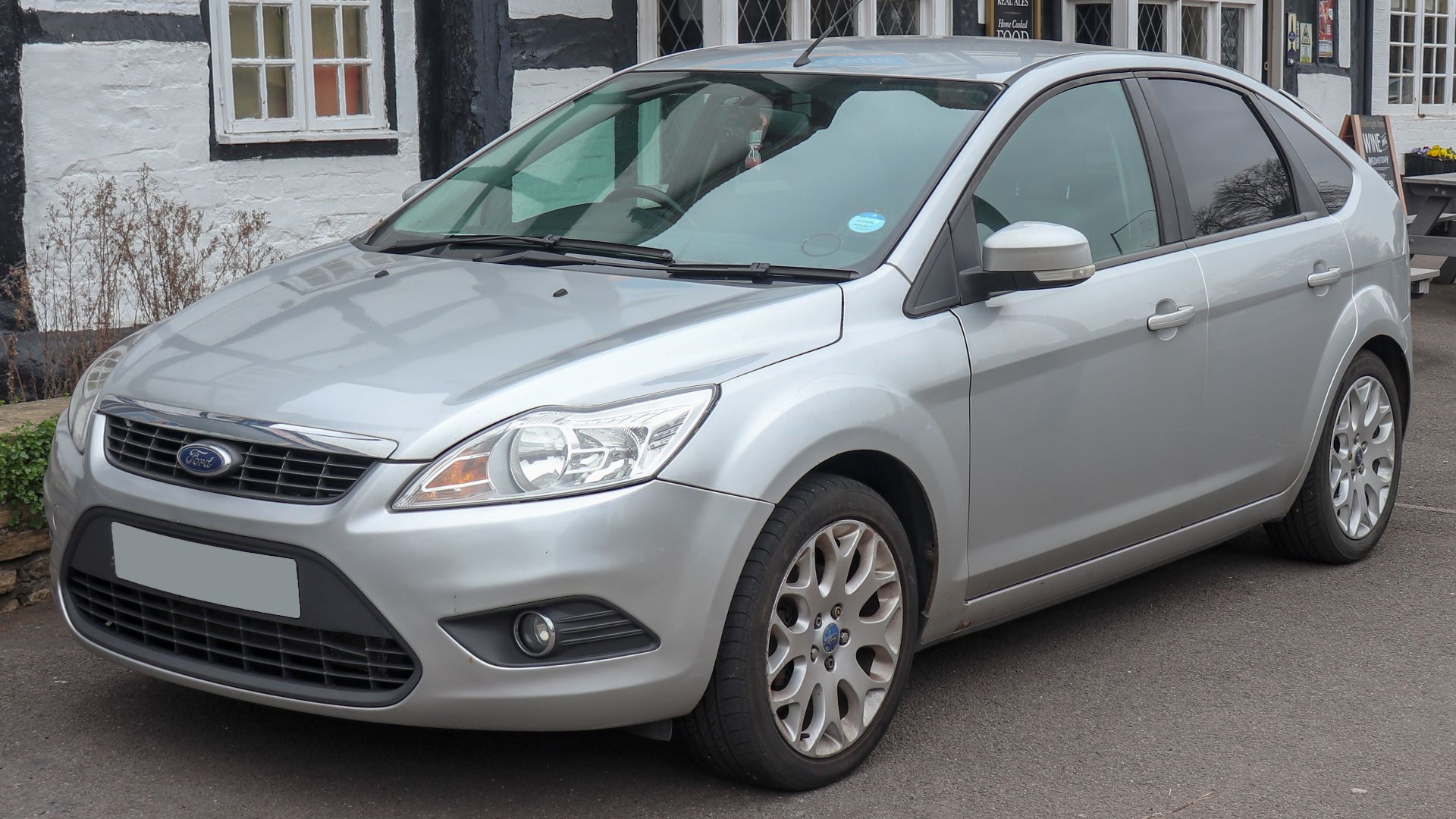
Ford Focus
When the original Focus reached America, it looked genuinely strange beside conservative Escorts and Tauruses. Ford's “New Edge” styling brought sharp creases, triangular lamps, and an interior filled with dramatic shapes. It seemed youthfully futuristic then. Today, one glance transports you directly back to flip phones and portable CD players.
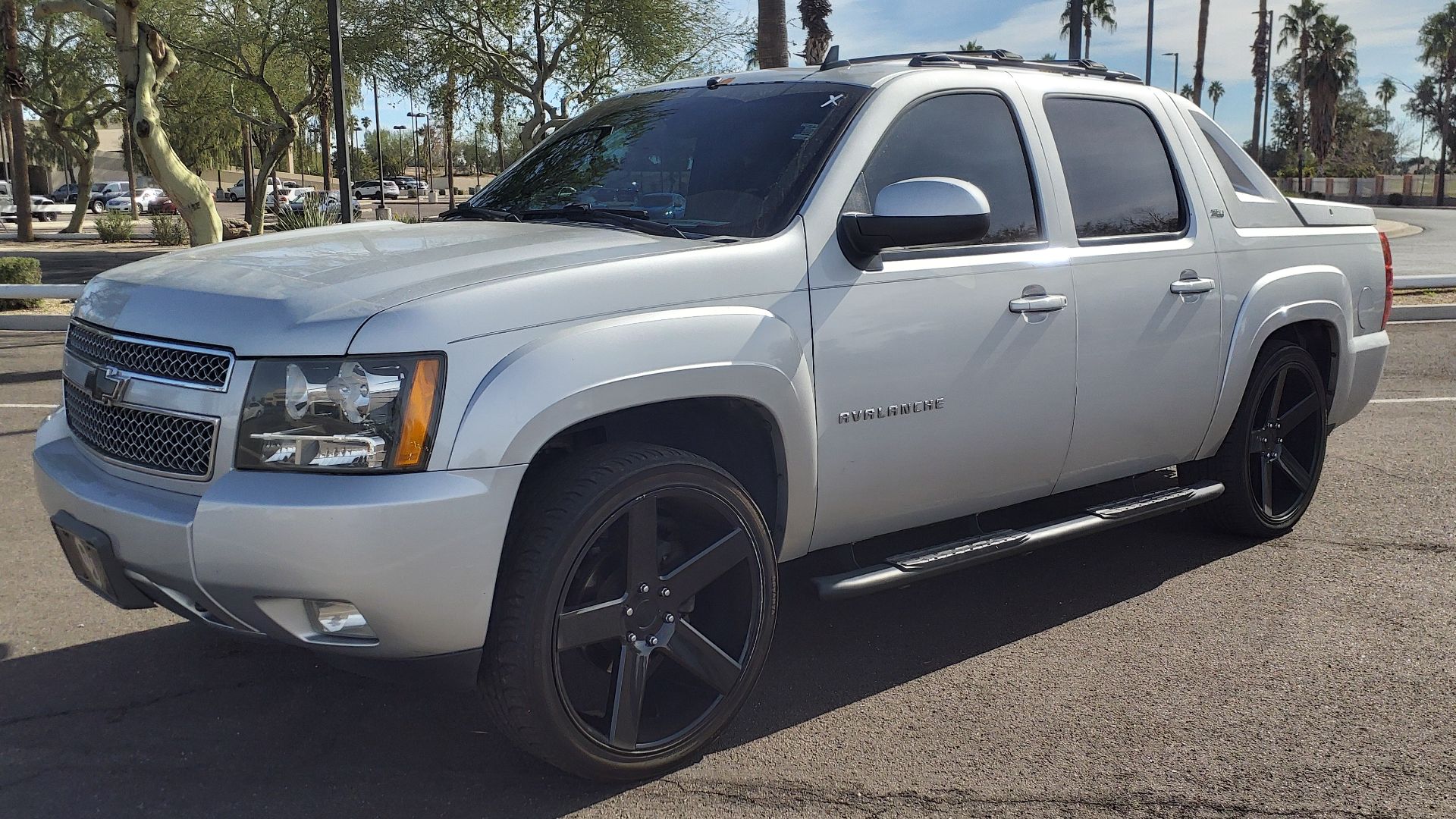
Chevrolet Avalanche
The Avalanche was Chevrolet's answer to a question nobody realized had been asked: what if your SUV could become a pickup truck? The Midgate was legitimately clever, but the massive gray body cladding was pure early-2000s design theater. Those plastic panels looked rugged then. Today they resemble armor from a low-budget science-fiction movie.
Nissan Murano
The first Murano arrived looking nothing like the boxy SUVs surrounding it. Its curved body, unusual grille, sweeping dashboard, and futuristic center console felt like genuine progress. Then everyone copied the crossover formula. Now, its giant vertical grille and rounded proportions identify its birth decade faster than a pair of wraparound sunglasses.

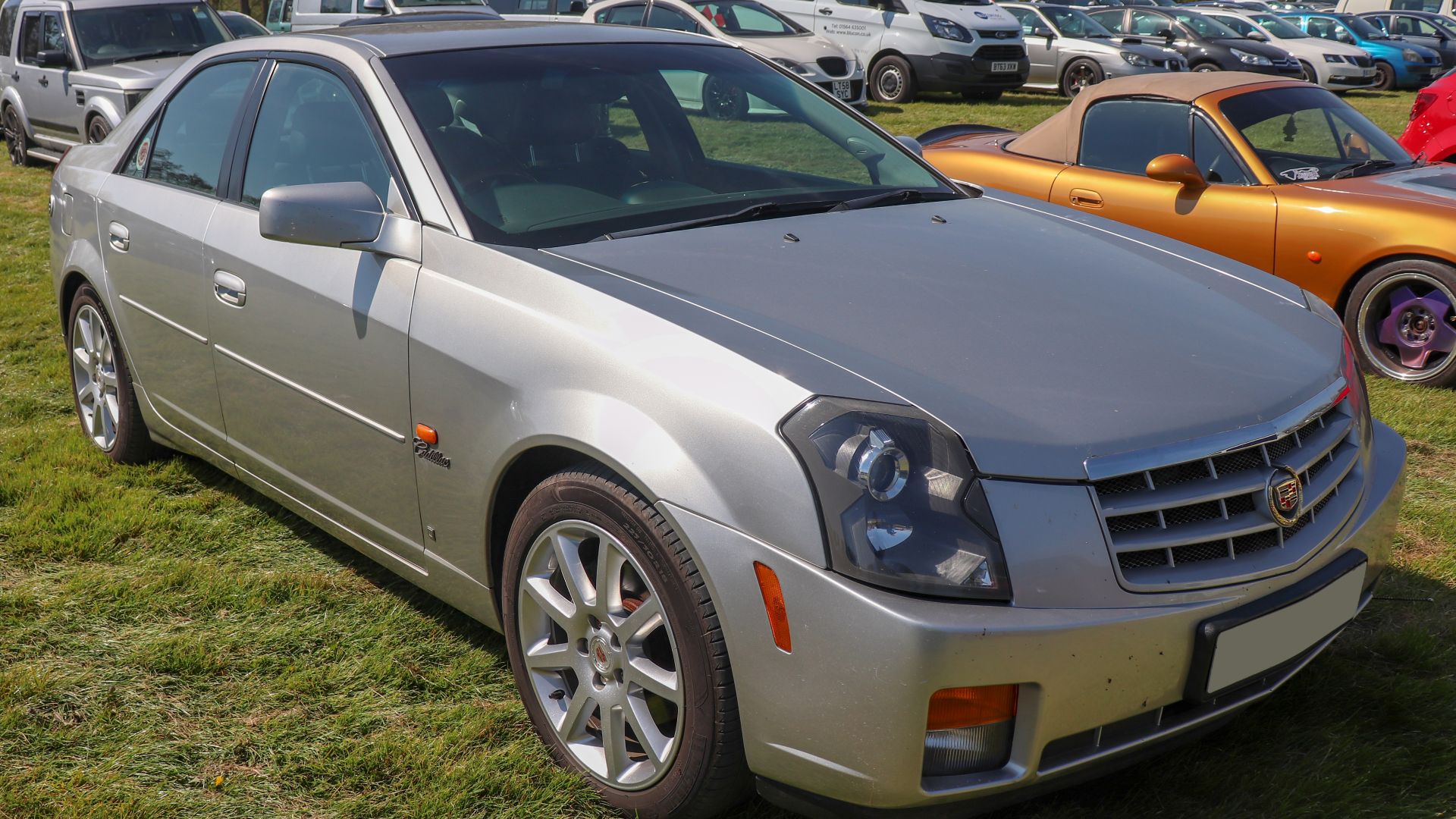
Cadillac CTS
Cadillac's “Art and Science” design language was shockingly angular when the first CTS appeared. Sharp headlights, vertical taillights, hard creases, and a dramatically upright grille separated it from Grandpa's old DeVille. It successfully rejuvenated Cadillac, although the original model now looks like architecture from an early-2000s video game.
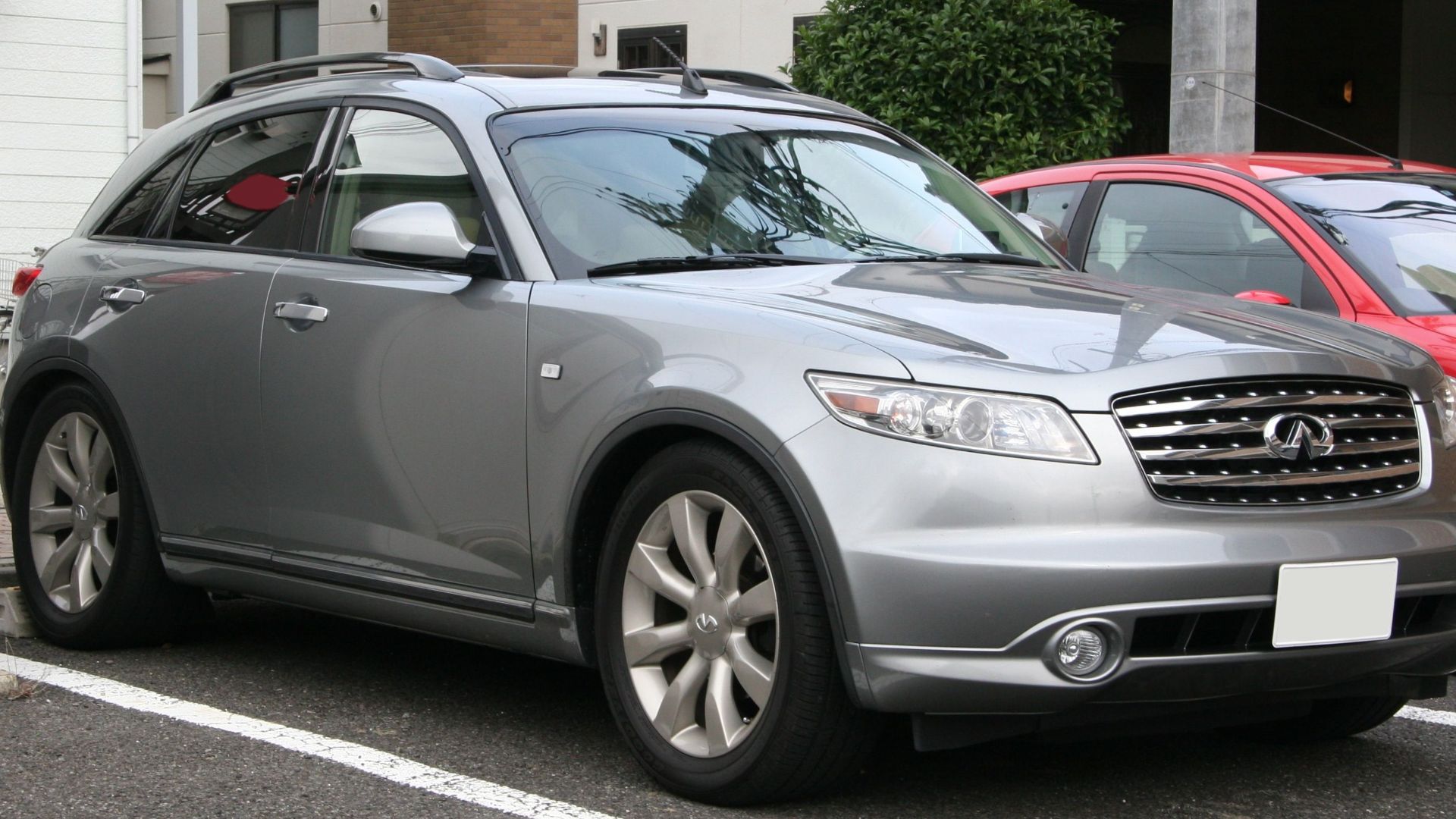
Infiniti FX
The Infiniti FX looked like a concept car with license plates. Its enormous wheels, sloping roof, muscular fenders, and narrow windows predicted the sporty luxury crossovers that would eventually become everywhere. The original still looks dramatic, but there is something unmistakably Y2K about a vehicle wearing wheels that seemed impossibly huge in 2003.
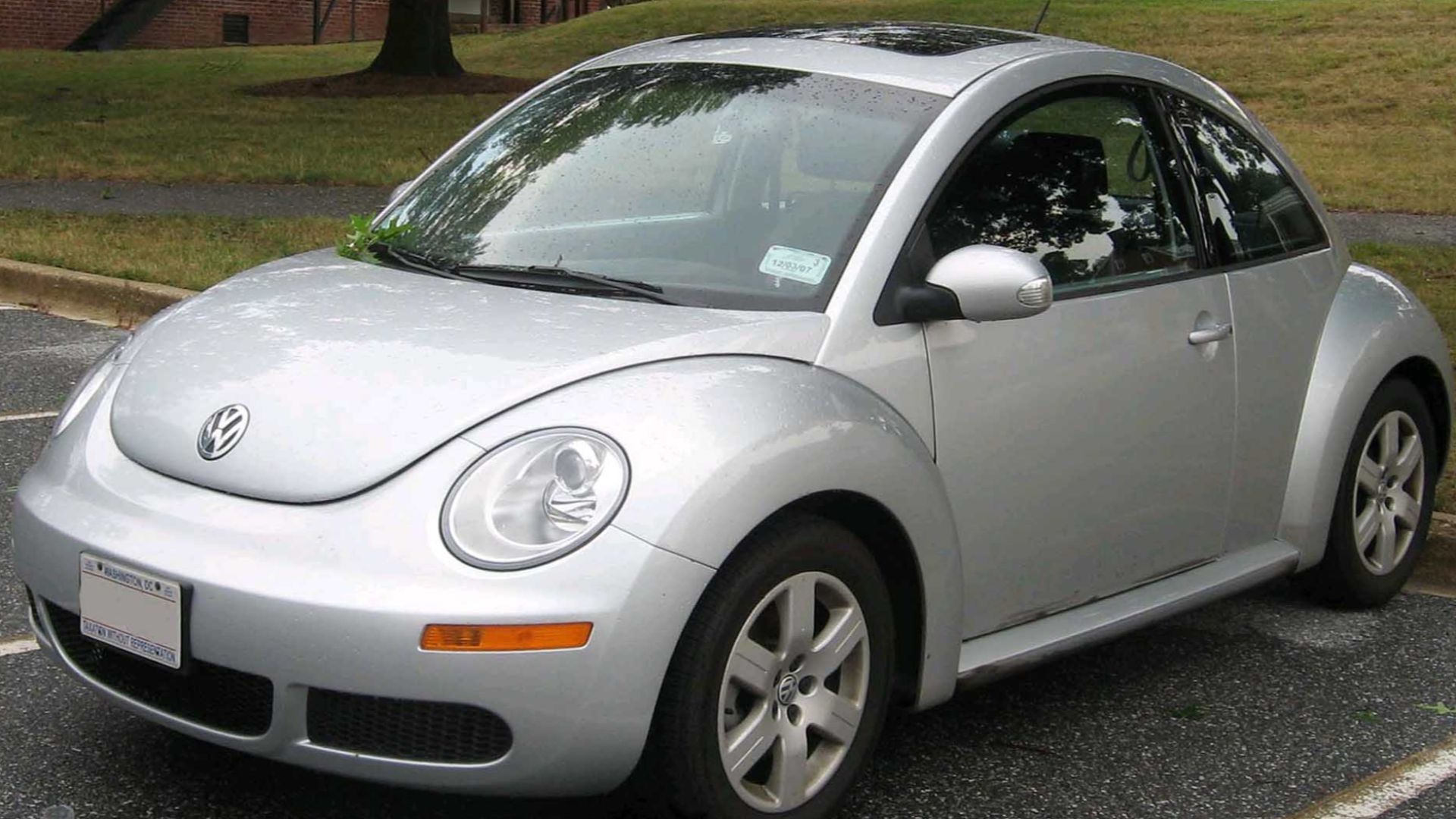
Volkswagen New Beetle
Volkswagen's New Beetle made retro styling futuristic. Its enormous arches, semicircular roof, round lights, and famously unnecessary dashboard flower vase turned the humble Beetle into a fashionable accessory. Buyers adored it. Today, the design hasn't become ugly so much as hopelessly associated with frosted-tip haircuts, translucent electronics, and compact disc collections.
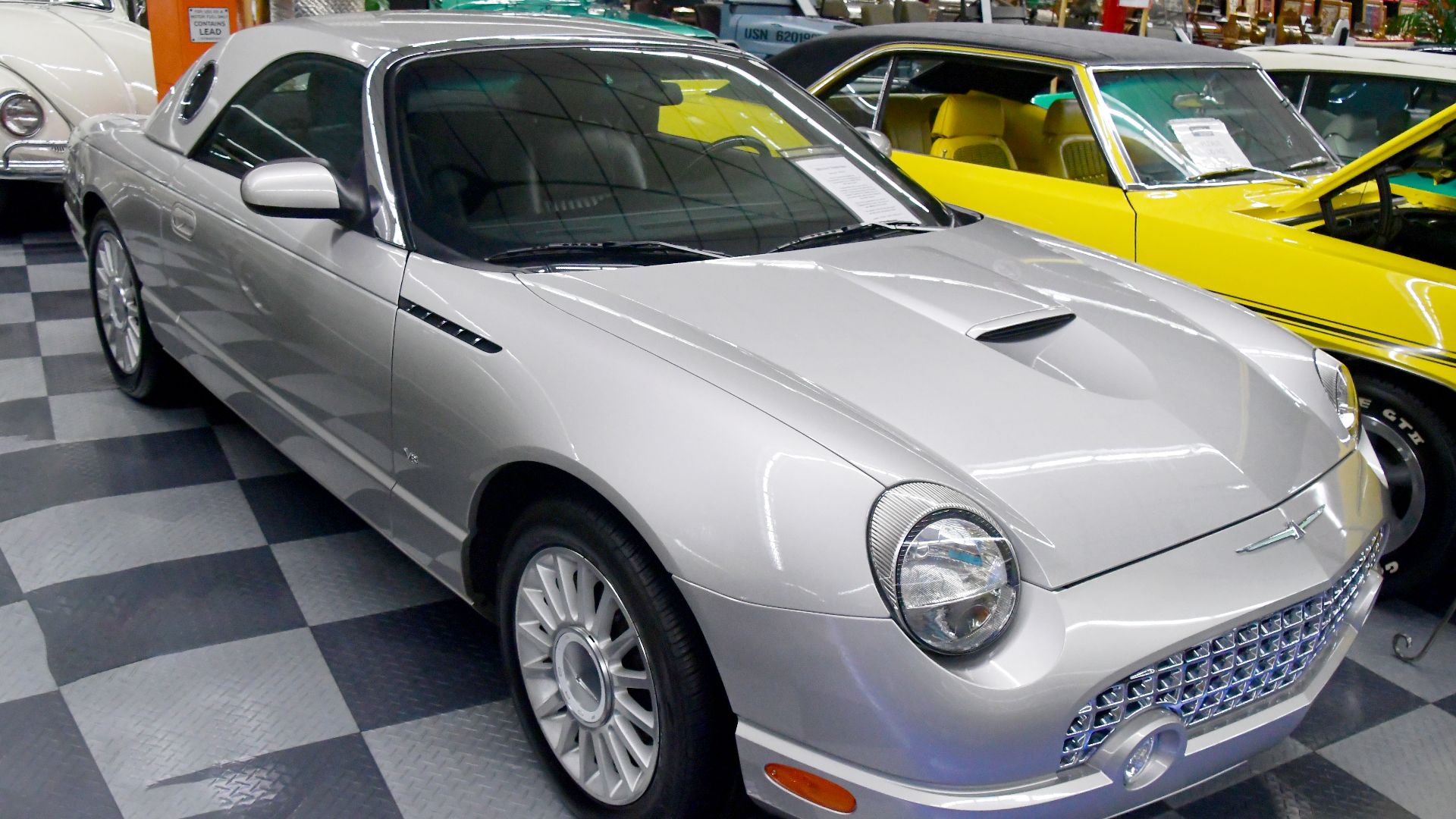
Ford Thunderbird
The eleventh-generation Thunderbird attempted the same retro-futuristic trick. Ford mixed cues from the gorgeous 1950s Thunderbird with smooth modern bodywork and bright interior trim. It looked glamorous when launched. Today, its combination of rounded surfaces and retro details feels remarkably specific to that brief early-2000s obsession with reinventing yesterday's cars.
 Eric Friedebach, Wikimedia Commons
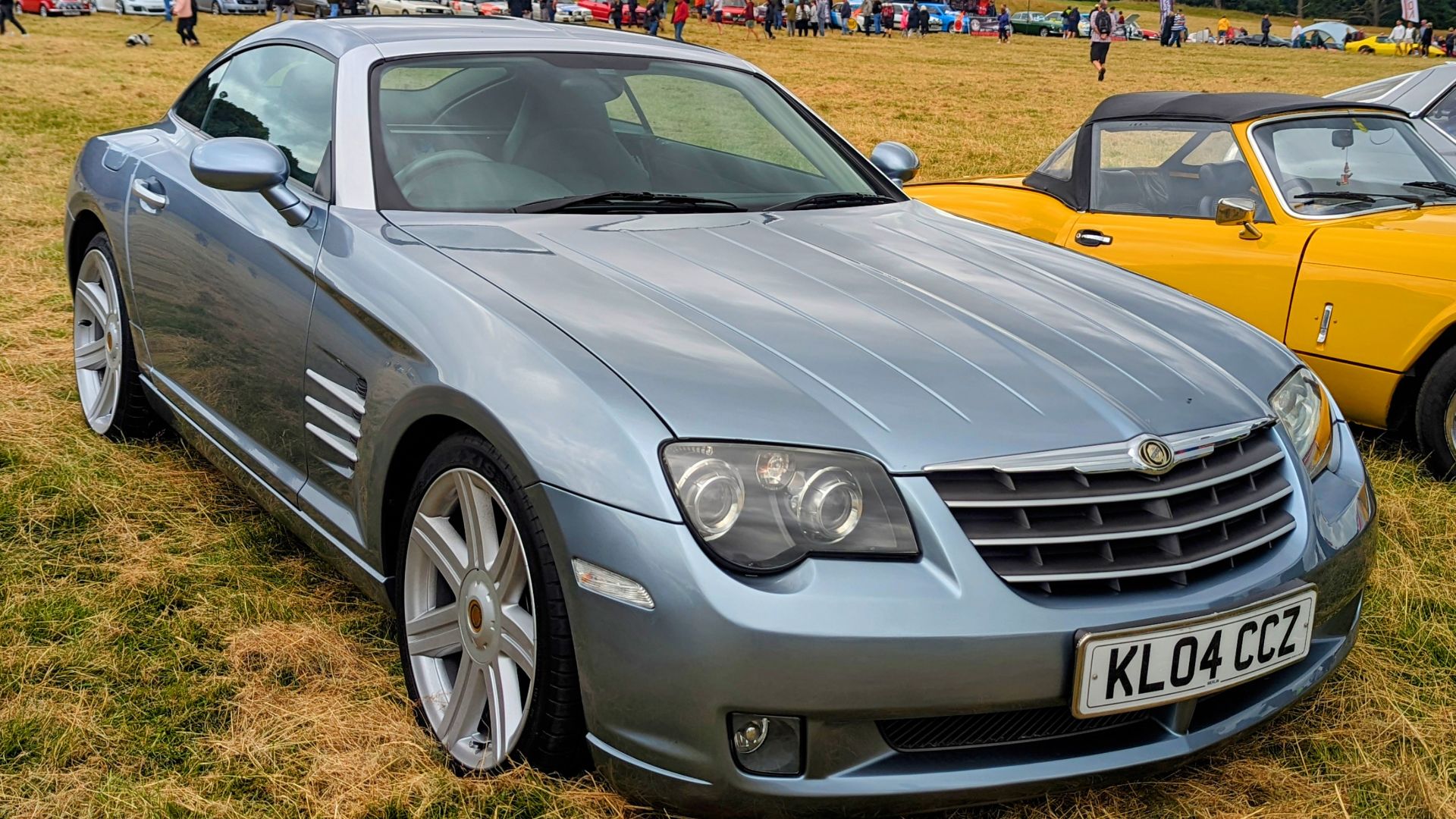
Chrysler Crossfire
The Crossfire looked spectacularly futuristic in photographs. With its boat-tail rear end, huge wheels, aggressive nose, and speed-activated spoiler, it seemed prepared for a 21st-century Autobahn. Look inside today, however, and the silver plastics and chunky controls immediately reveal its age—and its considerable amount of Mercedes-Benz ancestry.
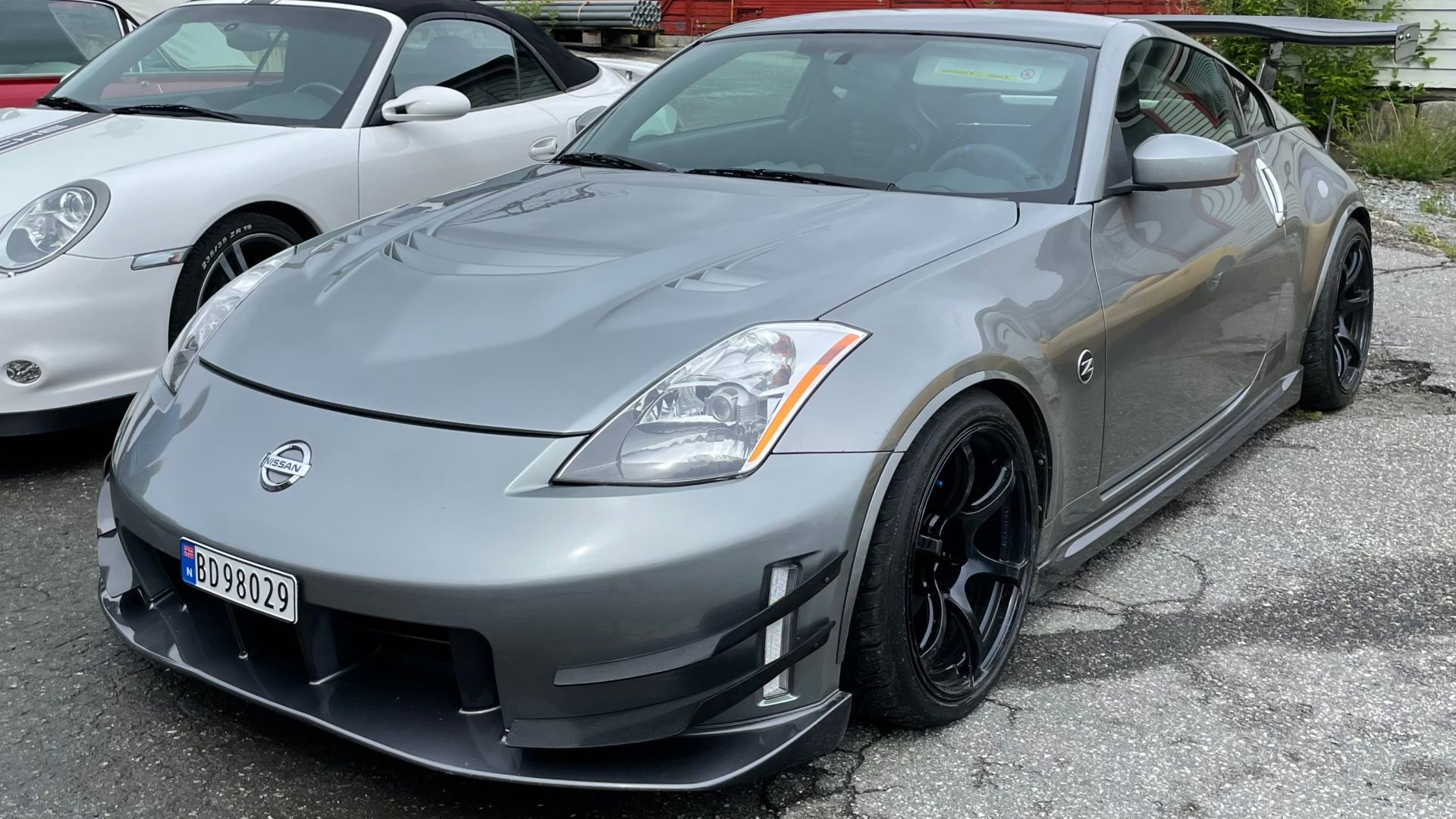
Nissan 350Z
The 350Z revived Nissan's famous Z-car with a shape that looked incredibly modern in 2003. Short overhangs, enormous door handles, triangular details, and brushed-metal interior accents made it feel like a sports car from tomorrow. The proportions remain handsome, but the detailing is now deliciously early-2000s.
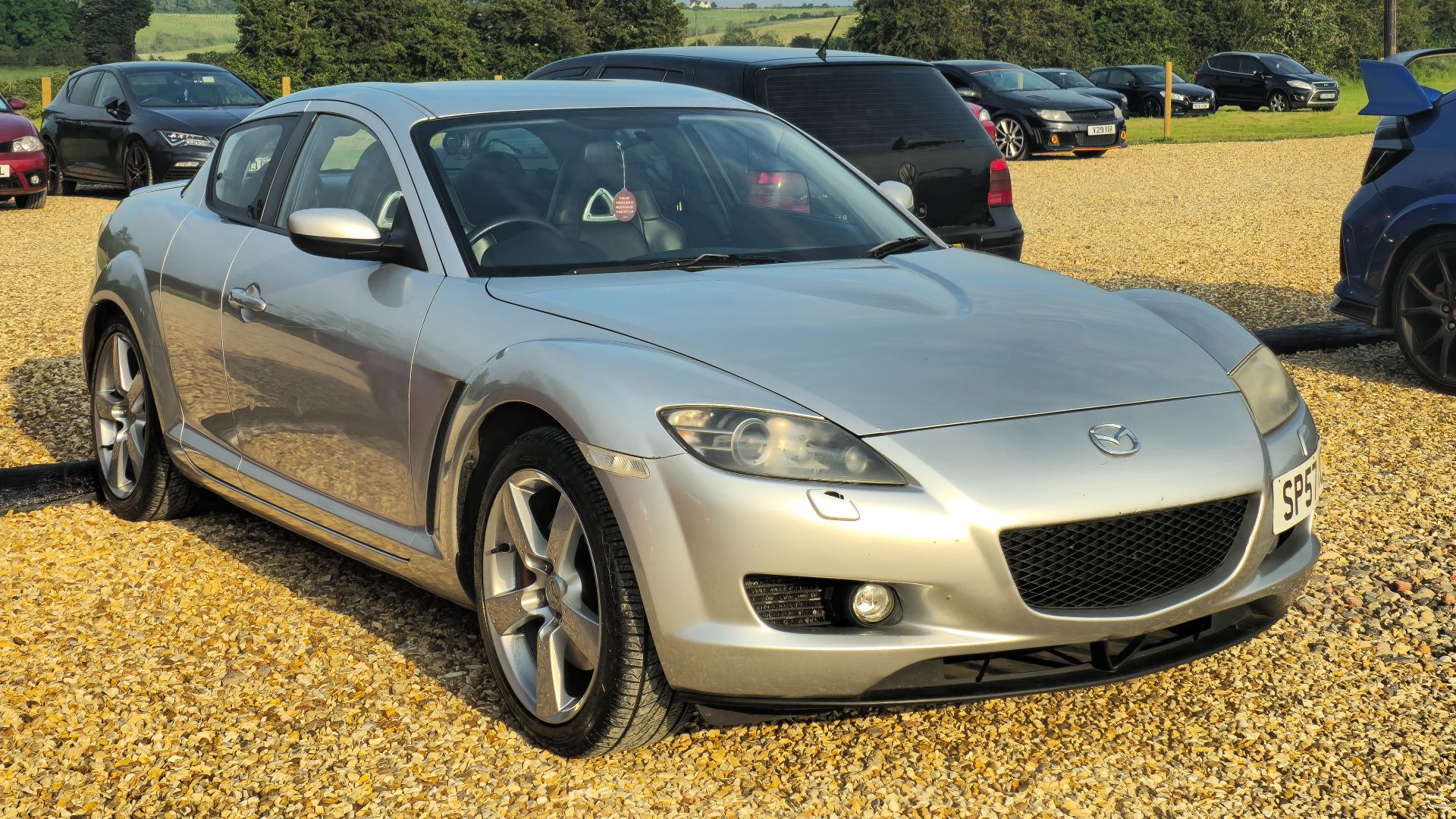
Mazda RX-8
Few affordable cars looked more futuristic than the RX-8. Mazda gave it rear-hinged secondary doors, triangular rotary-engine motifs, sweeping fenders, and an interior packed with unusual shapes. Its rotary engine was equally unconventional. Today, its styling remains distinctive, although every silver trim panel announces exactly when it was designed.
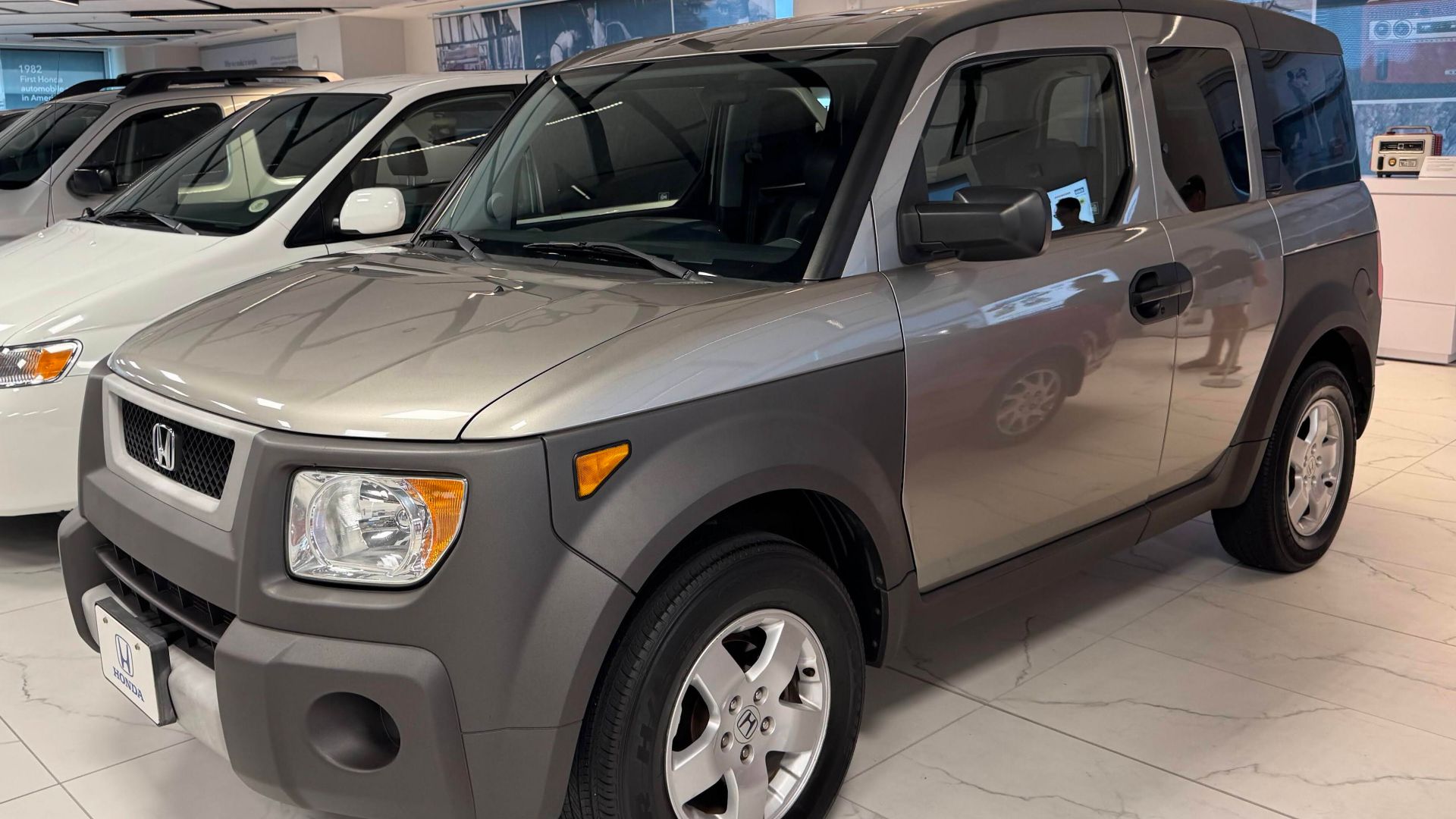
Honda Element
Honda apparently decided the future belonged to practical boxes. The Element had plastic body panels, clamshell doors, a washable interior, and styling resembling a toaster wearing hiking boots. Owners loved its usefulness. What once looked radically modern now feels charmingly connected to the era of rugged-looking MP3 players and rubberized electronics.
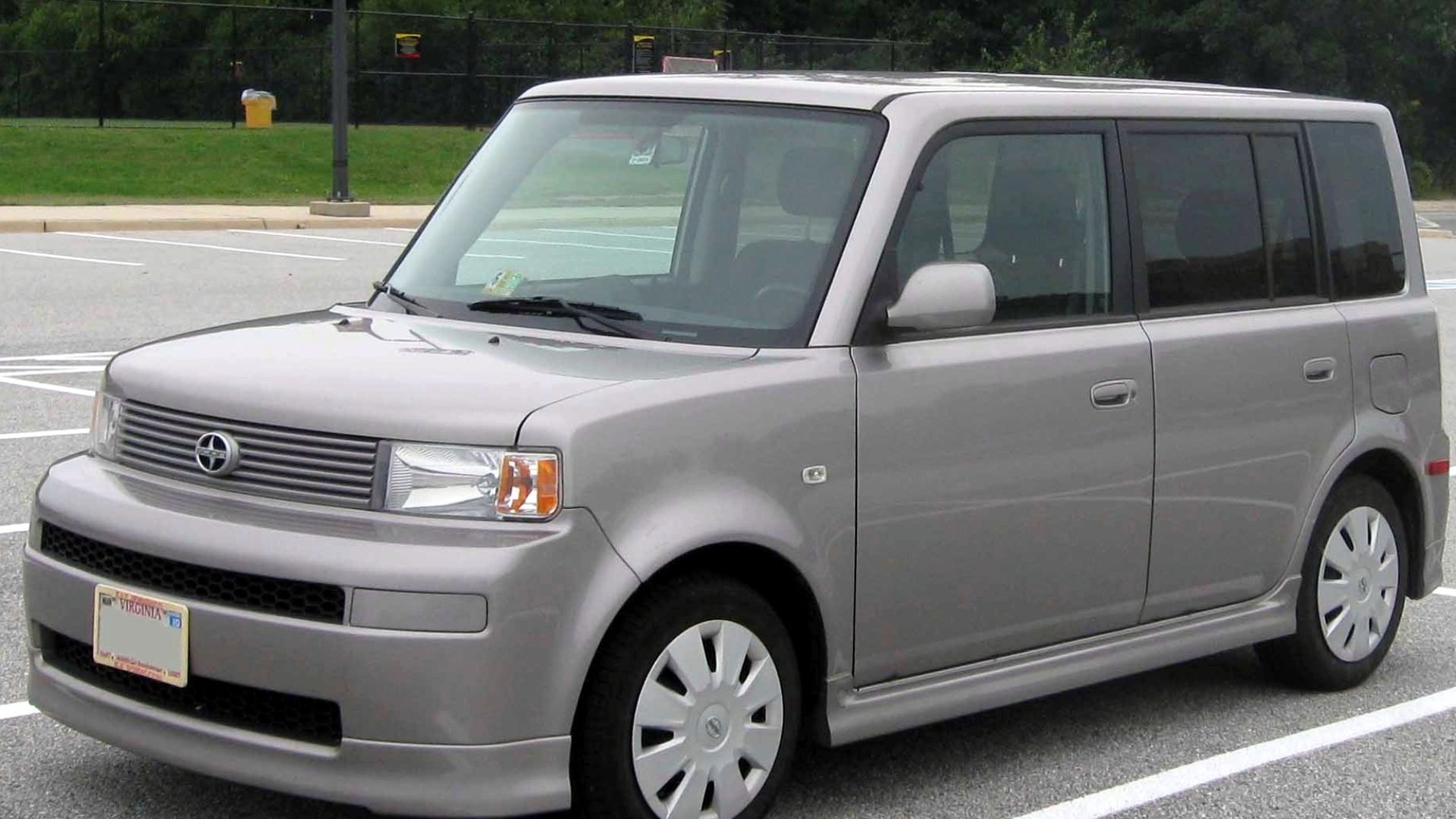
Scion xB
The first-generation Scion xB took futuristic minimalism in the opposite direction. It was essentially a box with windows, tiny wheels, and almost no decorative flourishes. Younger buyers considered it cool precisely because older buyers did not understand it. Today, its upright shape remains lovable but unmistakably tied to early tuner culture.
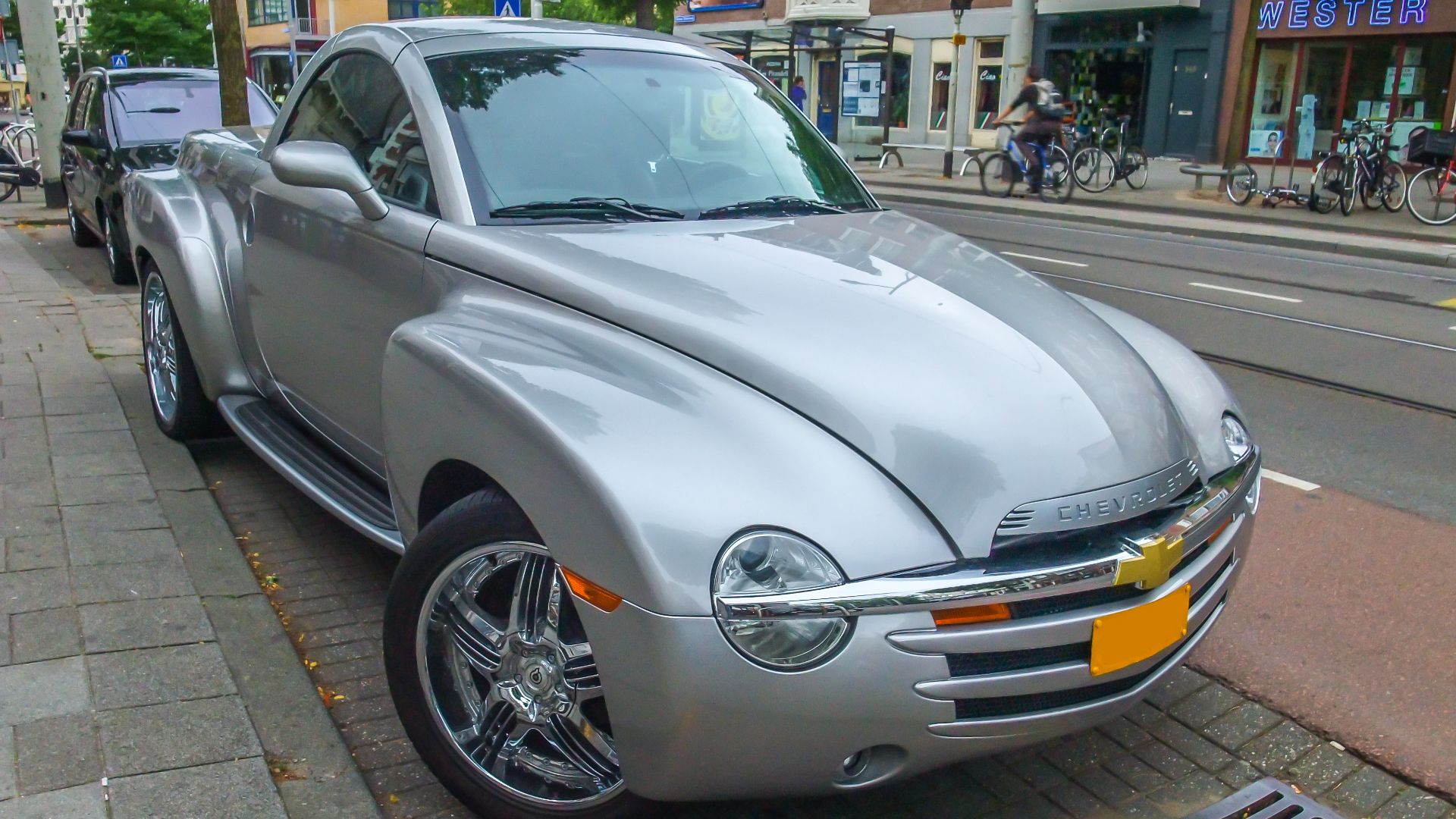
Chevrolet SSR
Somehow, Chevrolet turned a 1950s pickup into a retractable-hardtop roadster and expected everyone to understand. The SSR featured bulging fenders, enormous wheels, bright paint, and a powered folding roof. It was retro, futuristic, and confusing simultaneously. Today, it looks like the official parade vehicle of the year 2004.
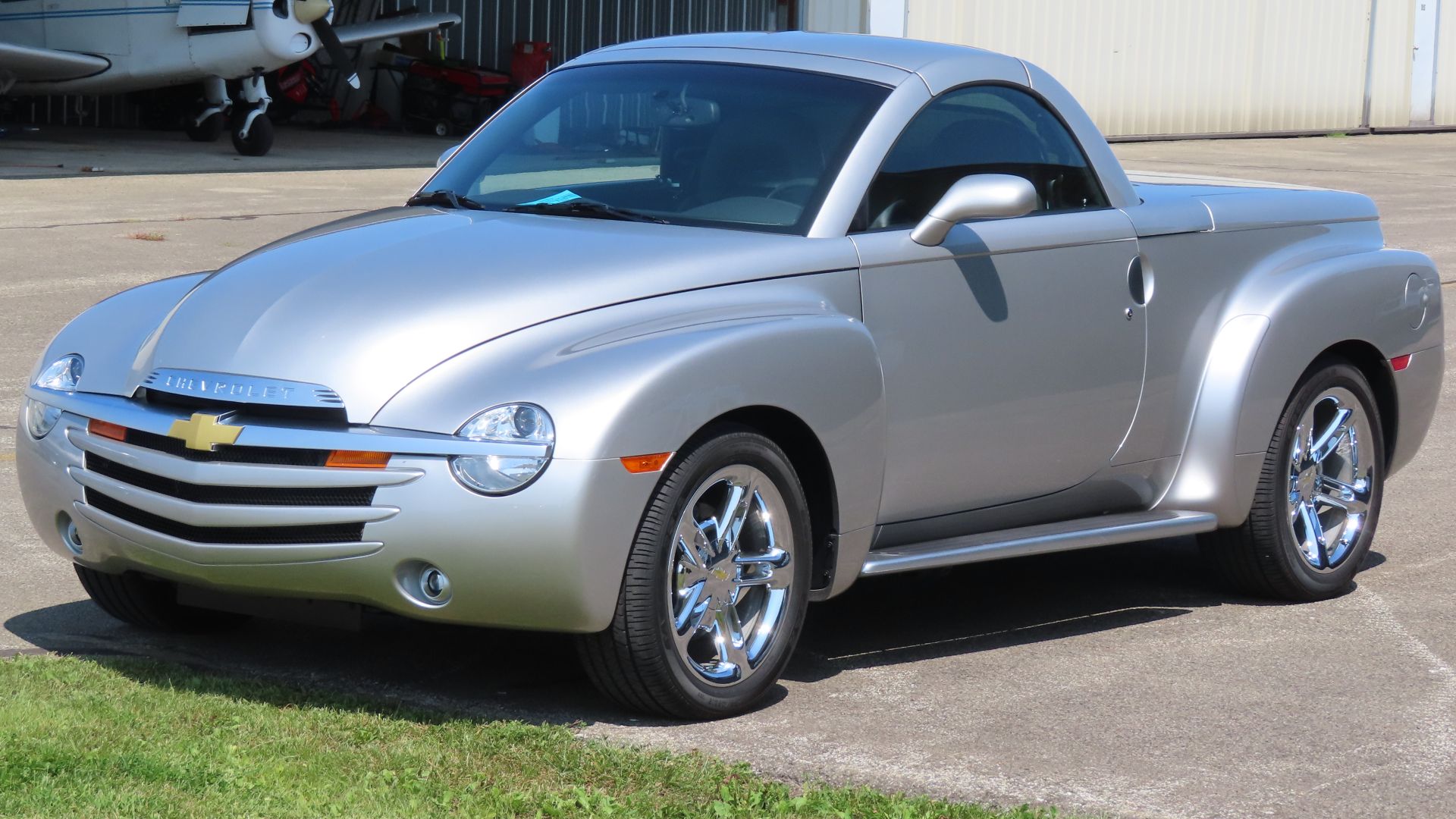 MercurySable99, Wikimedia Commons
Dodge Magnum
The Magnum seemed wonderfully outrageous when Dodge introduced it. Here was a low-roofed wagon with an aggressive truck-like grille, huge wheels, rear-wheel drive, and available Hemi V8 power. It looked like the station wagon had finally become cool. Today, those chunky proportions and giant crosshair grille are pure mid-2000s bravado.
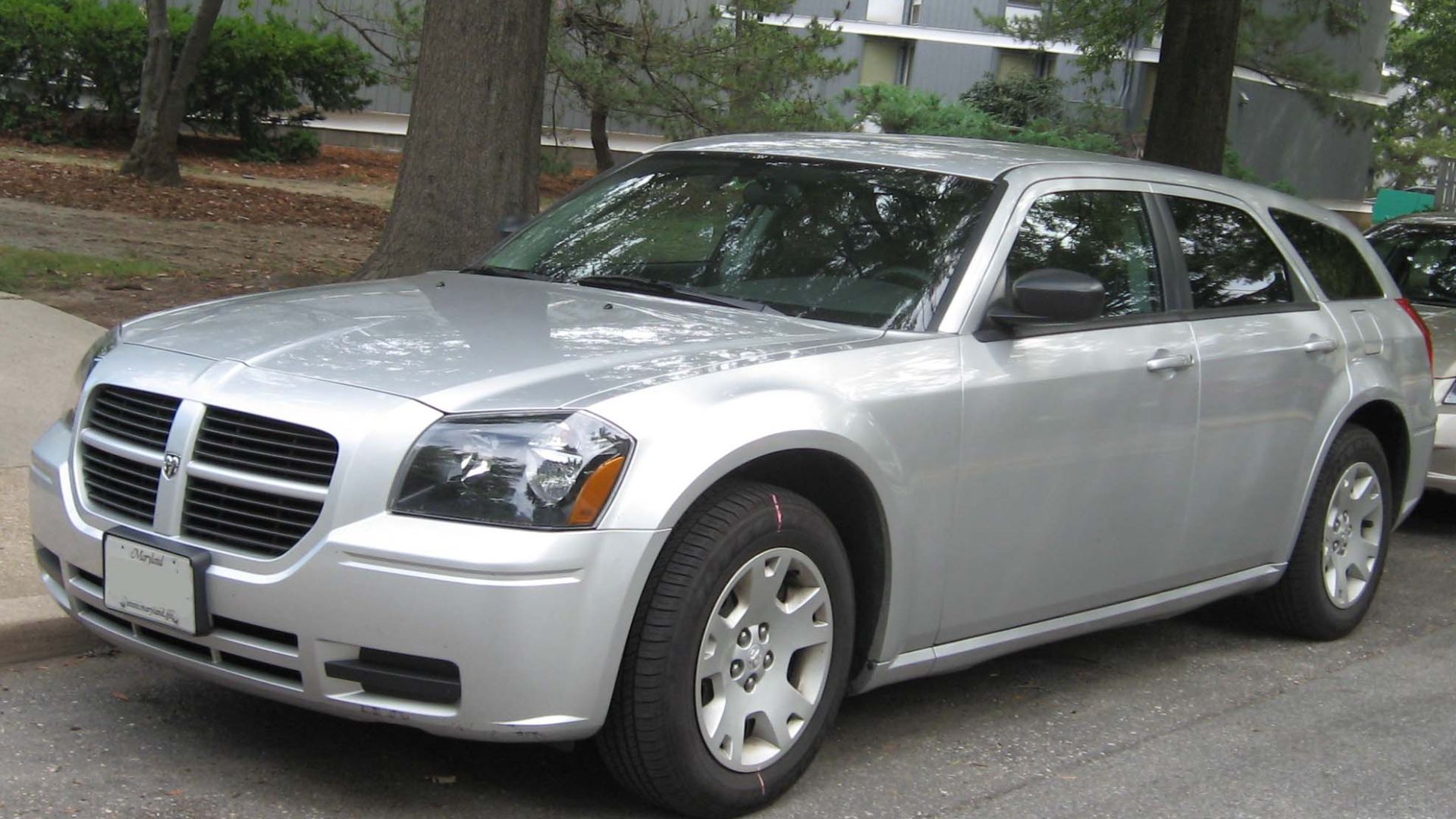
Mitsubishi Eclipse
The third-generation Eclipse abandoned the sharper lines of its predecessor for dramatic curves and deeply sculpted body sides. At the time, it looked like the future of affordable sports coupes. Today, particularly with period wheels and accessories, it instantly recalls an era of street-racing movies, neon lights, and enormous aftermarket stereos.
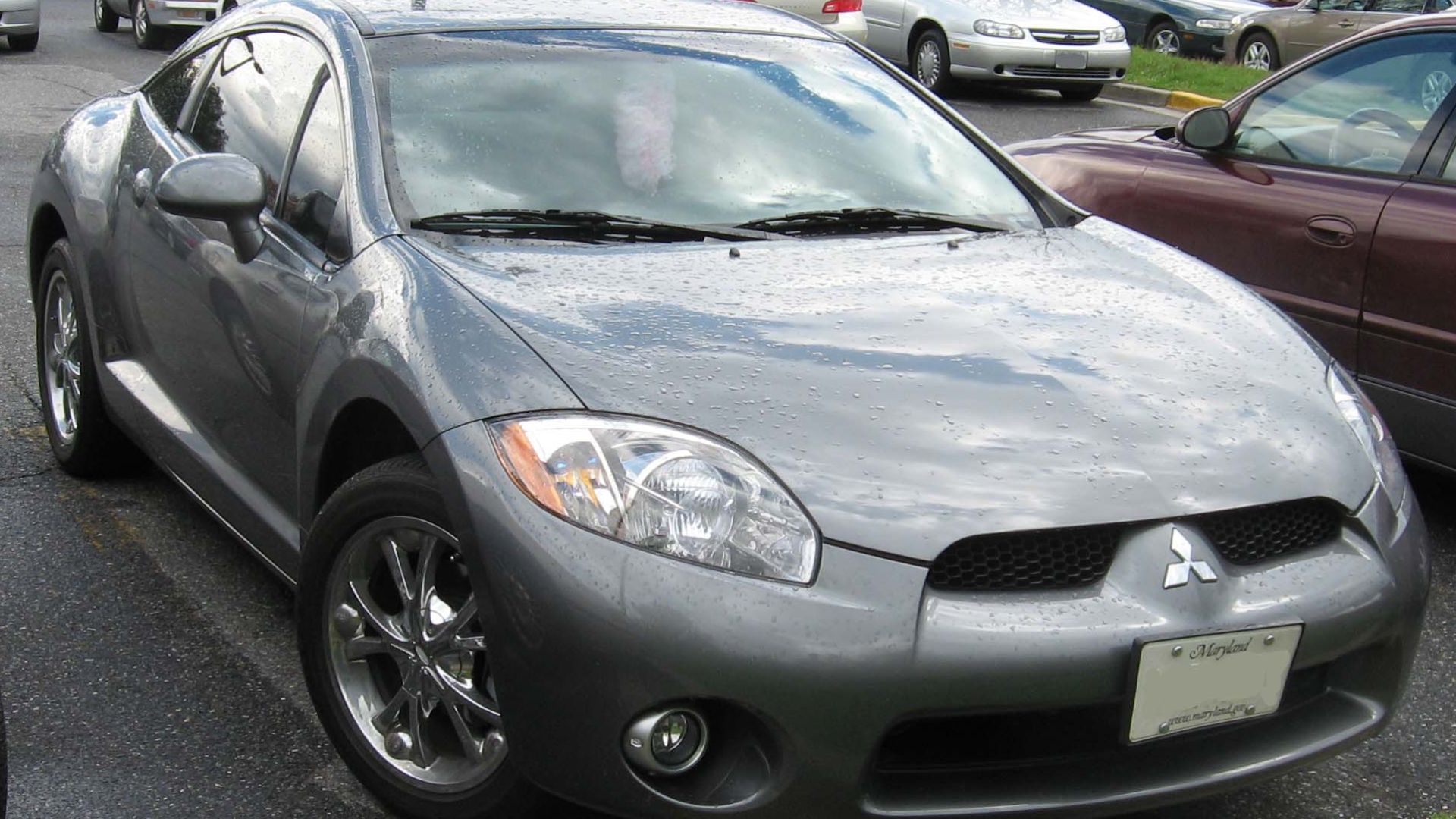
Acura RSX
The RSX was cleaner than many of its contemporaries, but its futuristic intentions were obvious. Sharp headlights, metallic interior finishes, glowing instruments, and a high-tech Honda drivetrain gave it considerable appeal. Today, even clean examples possess an unmistakable early-2000s flavor—and that is increasingly becoming part of their charm.
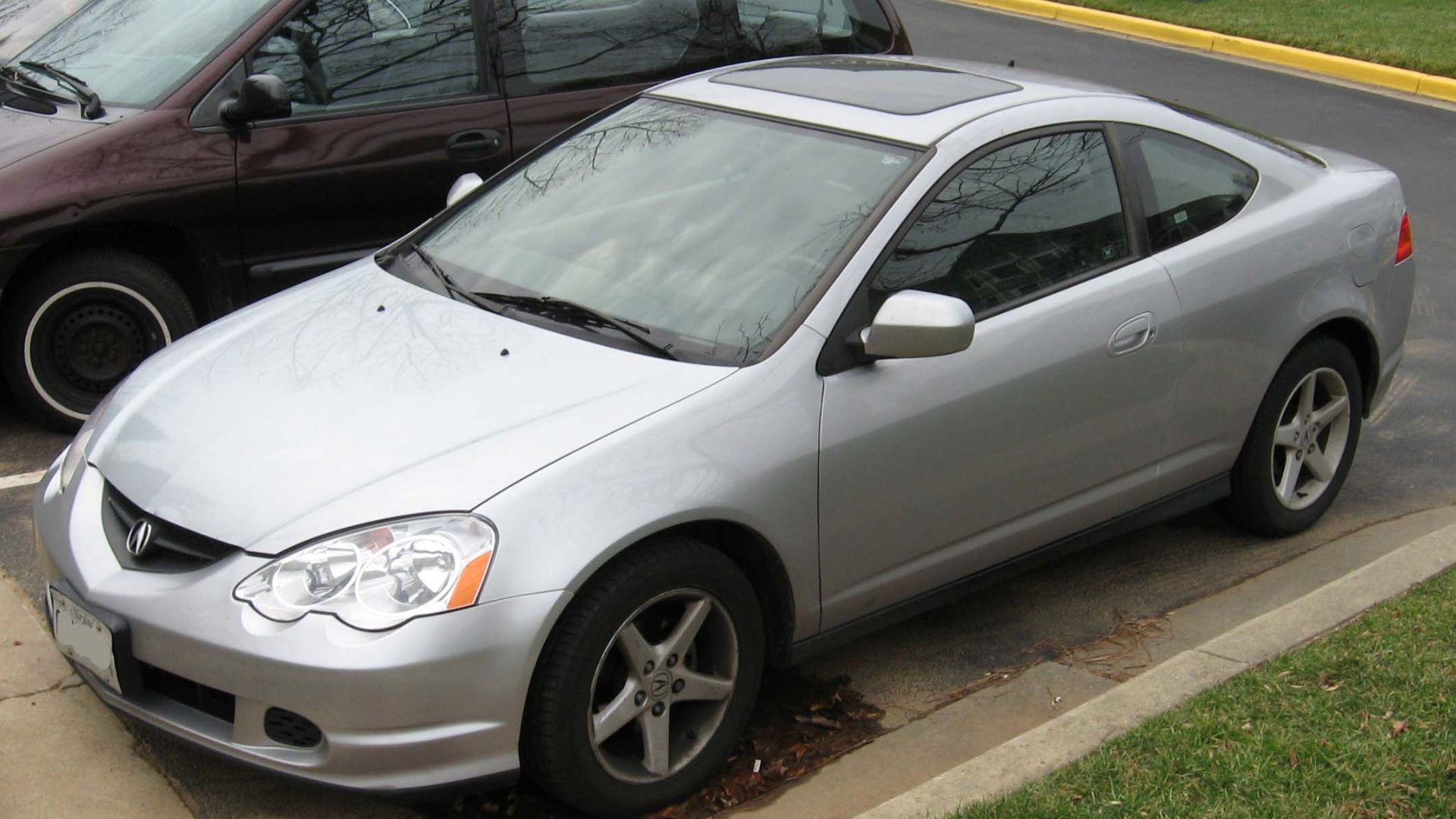
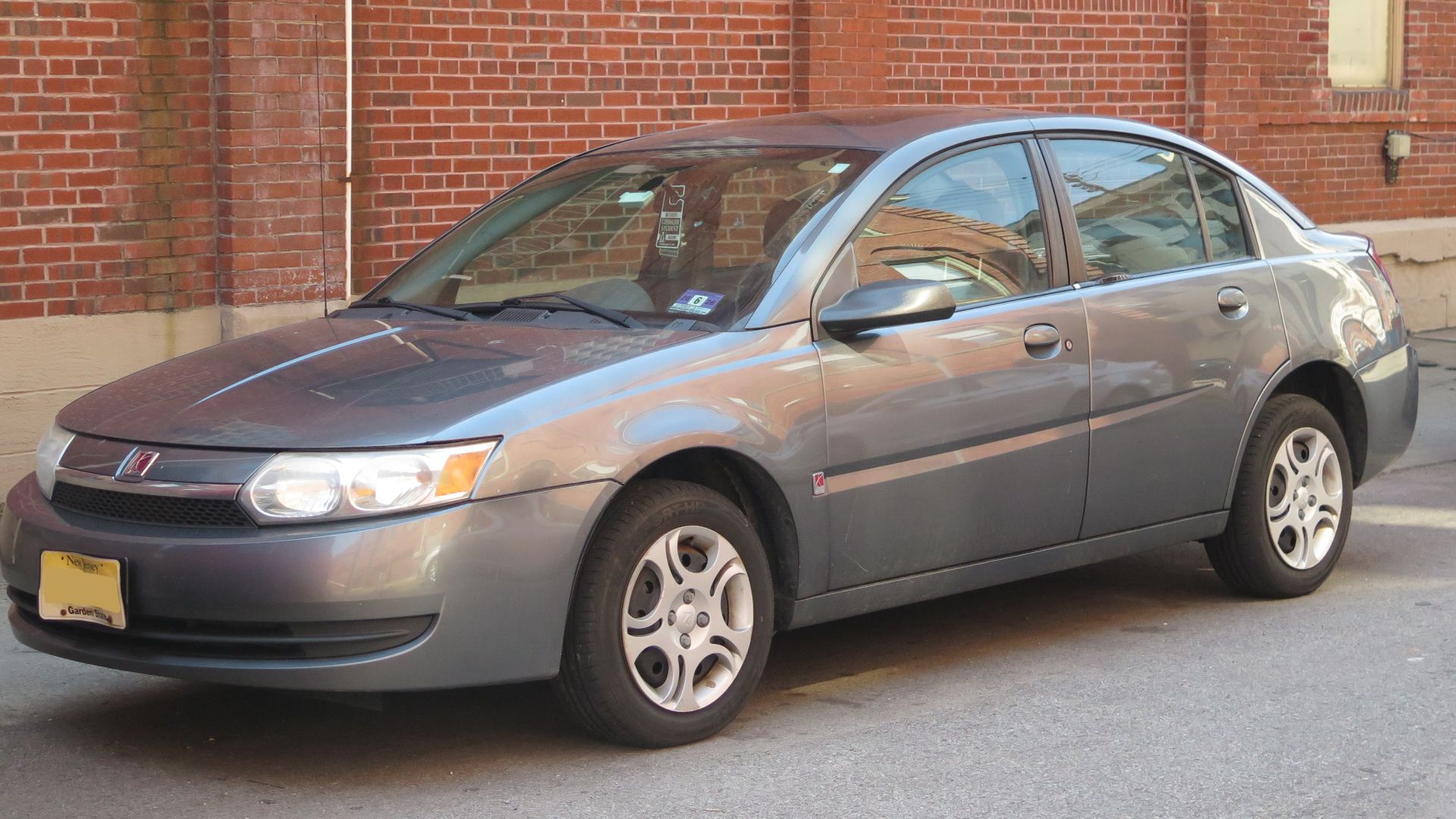
Saturn Ion
Saturn tried desperately to look futuristic with the Ion. The car featured center-mounted gauges, unusual roof rails, rear-hinged doors on the coupe, and an interior filled with strange textures. None of it became the future. Looking inside an Ion today feels like discovering what designers in 2002 thought people would want in 2015.
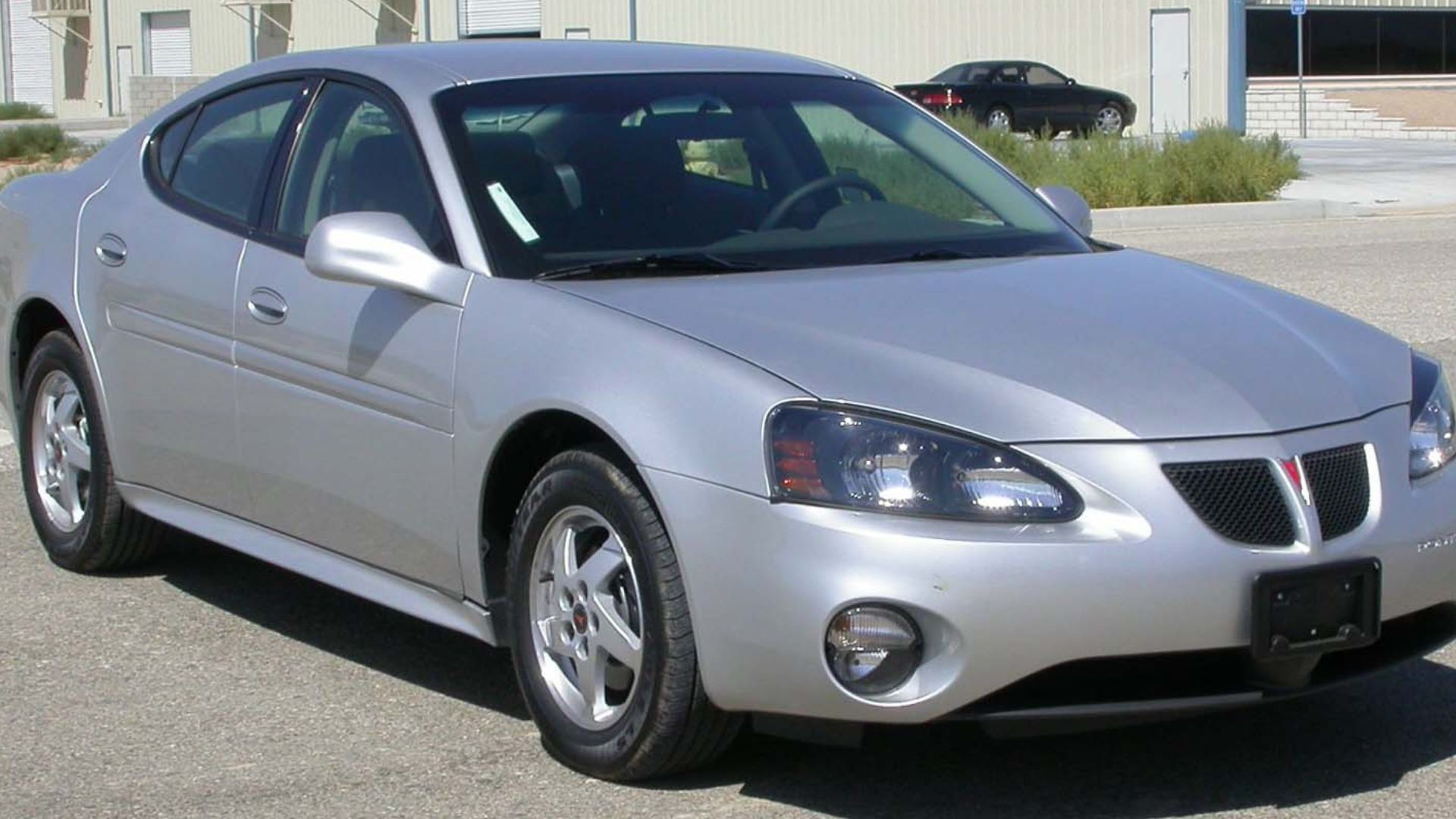
Pontiac Grand Prix
The final Grand Prix generation arrived wearing every styling trick Pontiac could find: twin grilles, sculpted body sides, large lamps, and an aggressively driver-focused dashboard. It looked sporty and technical in period. Today, it perfectly captures the final years when Pontiac believed more vents, curves, and red lighting automatically meant excitement.
 U.S. National Highway Traffic Safety Administration, Wikimedia Commons
BMW 7 Series
Few cars caused more arguments than the E65 BMW 7 Series. Its unusual trunk design, complicated iDrive system, electronic controls, and radical interior were supposed to redefine luxury. Many ideas eventually became standard. Yet the original car now looks like an extraordinarily expensive prediction of the future made using Windows XP.
 Damian B Oh, Wikimedia Commons
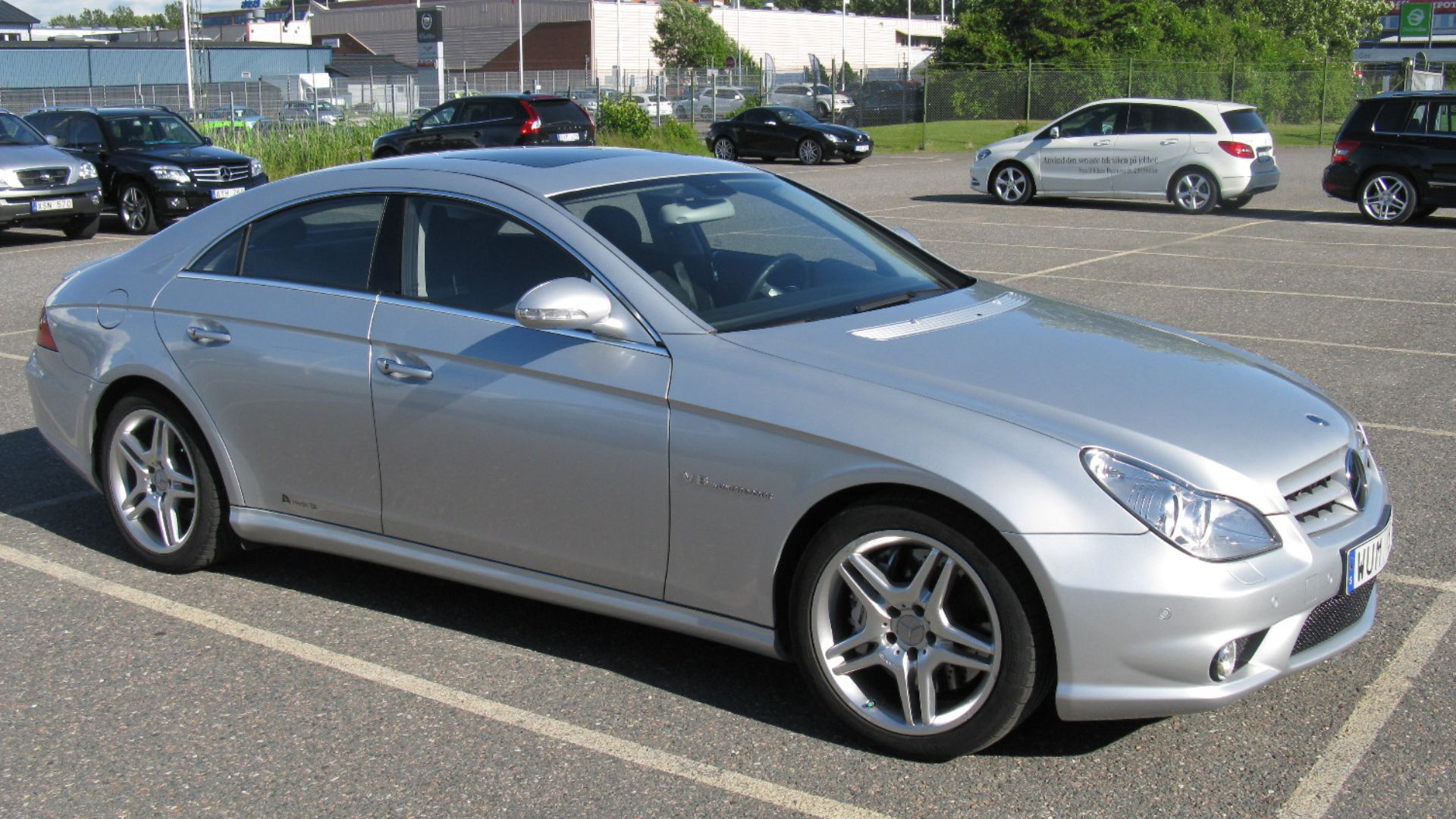
Mercedes-Benz CLS
When the first CLS appeared, its low roof and sweeping profile looked impossibly exotic for a four-door Mercedes. Automakers quickly copied the “four-door coupe” formula. The basic shape still works beautifully, but its tiny windows, rounded lamps, and heavily sculpted surfaces reveal just how dramatic early-2000s luxury design could be.
Yesterday’s Future Is Tomorrow’s Classic
These cars may look hilariously dated now, but that is precisely what makes them interesting. Chrome wheels, silver dashboards, plastic cladding, and digital displays have become period details just like tailfins once were. Give it another decade, and today's embarrassing Y2K styling could become tomorrow's cherished collector-car nostalgia.
 GraphyArchyPocket, Wikimedia Commons
You May Also Like:
The $3.3 Million Plymouth Is One Of Just Five Ever Made—And They Called It “The White Elephant”





.jpg)