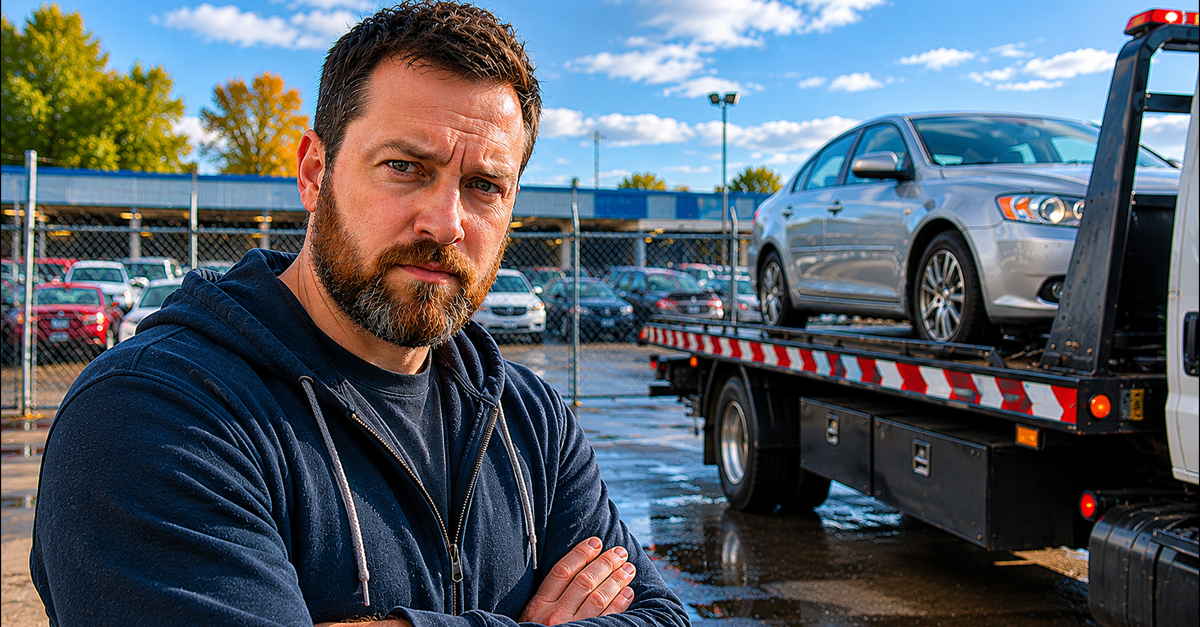
When The Tow Truck Becomes The Gatekeeper
Getting your car towed is stressful enough. Things can get even worse when the towing company refuses to release your vehicle until you pay hundreds or even thousands of dollars in fees. Many drivers feel trapped and wonder if the company is legally holding their car hostage.
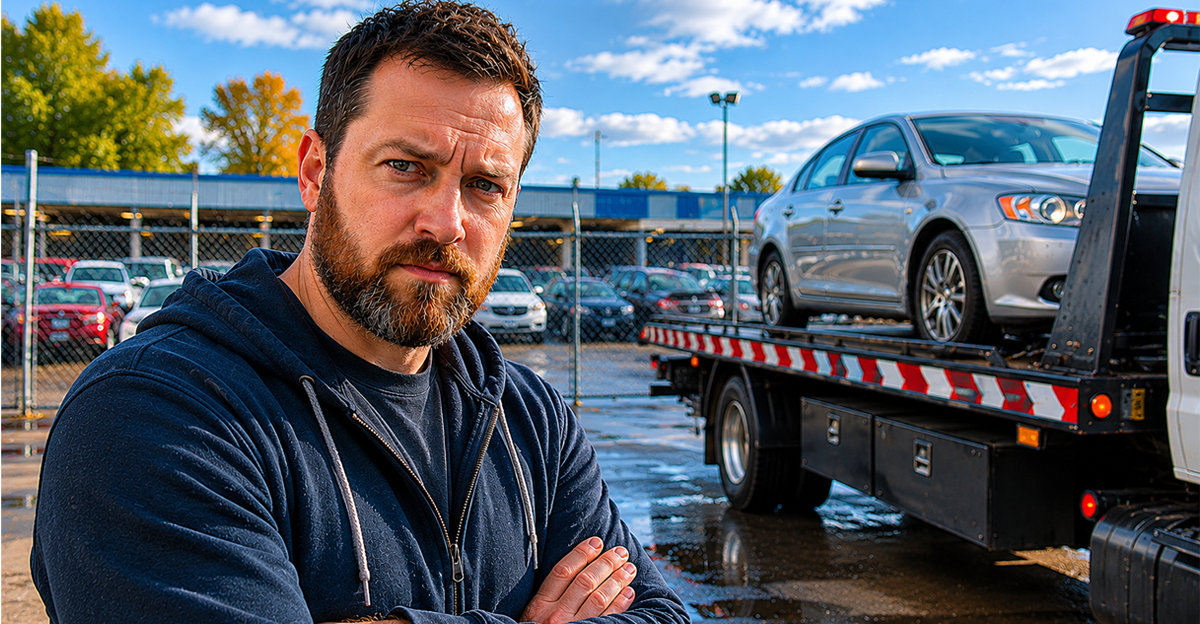
Why Towing Fees Add Up So Fast
Tow bills often include more than just the towing charge itself. Companies may add storage fees, administrative fees, gate fees, mileage fees, and after-hours release charges. In some cases, storage fees increase daily, which can quickly turn a manageable bill into a financial nightmare.

The Short Answer Is Usually Yes
In many states and provinces, towing companies are legally allowed to keep possession of a vehicle until payment is made. This legal right is often called a “possessory lien” or “garagekeeper’s lien.” The law generally treats unpaid towing and storage bills similarly to unpaid repair bills.

State Laws Make A Huge Difference
Towing laws vary widely depending on where the vehicle was towed. Some states strictly regulate towing fees and storage rates, while others give companies more flexibility. Drivers should always check their local consumer protection laws or department of transportation regulations.
Private Property Tows Are The Most Controversial
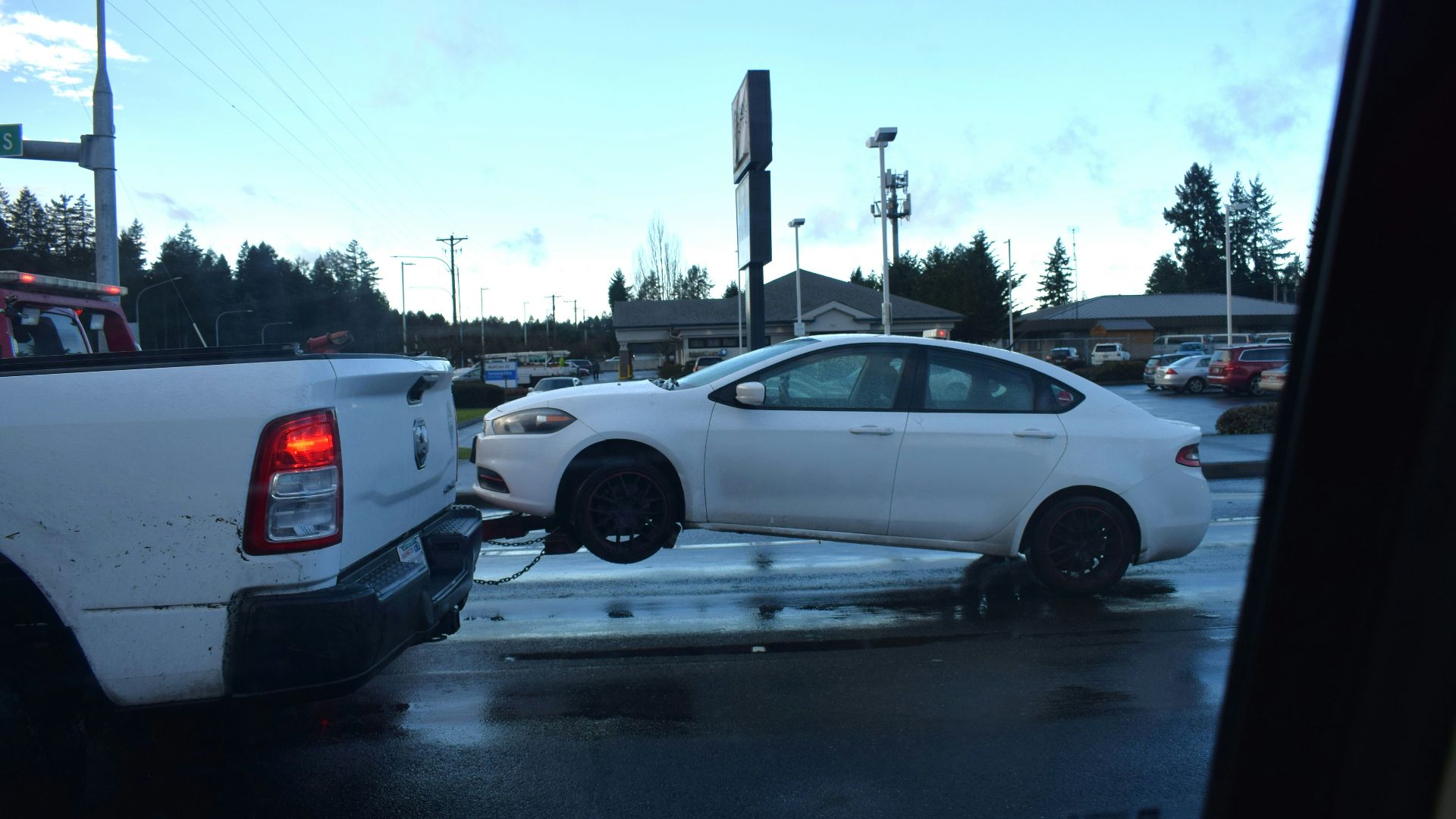
Cars towed from apartment complexes, shopping centers, and private parking lots often create the biggest disputes. Property owners usually contract with towing companies to remove unauthorized vehicles. Drivers frequently discover the tow only after returning to an empty parking spot.

Police-Ordered Tows Follow Different Rules
When law enforcement orders a tow after an accident, arrest, or traffic violation, the process usually follows stricter regulations. Drivers may still owe towing and storage fees, but there are often clearer procedures for recovering the vehicle. Police agencies may also maintain approved tow company lists.
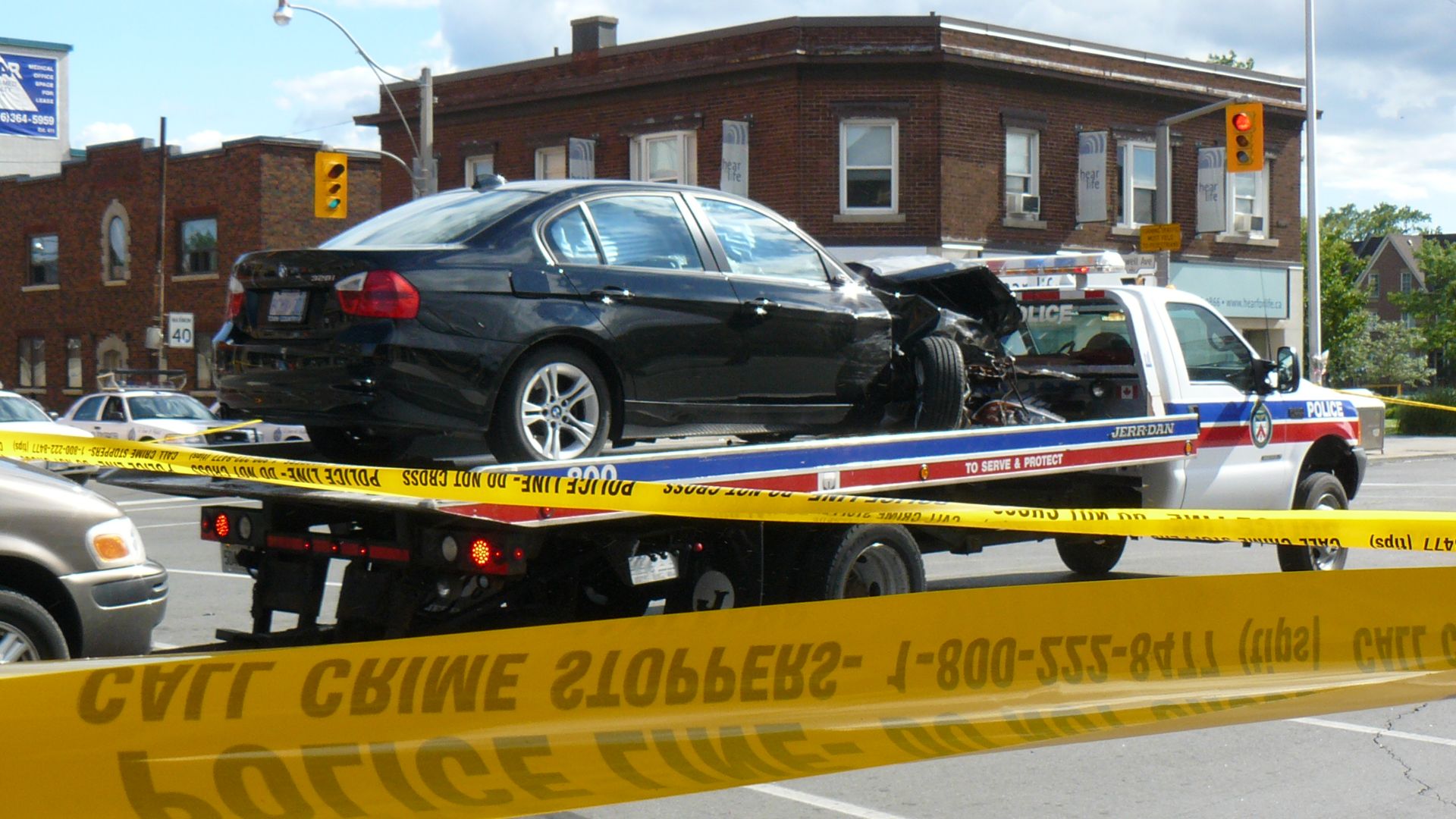 Can Pac Swire from Toronto, Canada, Wikimedia Commons
Storage Fees Are Often The Real Problem
Daily storage charges can be shockingly high. Some facilities charge anywhere from $20 to over $100 per day depending on the location and vehicle type. If someone cannot immediately afford the release fee, the bill can spiral out of control within days.

Towing Companies Cannot Usually Charge Whatever They Want
Even though towing companies can hold vehicles in many situations, they are not free to invent random fees. Many jurisdictions cap towing and storage rates or require fees to be publicly posted. Companies that violate those rules may face fines or licensing penalties.

Ask For An Itemized Invoice Immediately
Drivers should always request a detailed breakdown of charges. An itemized invoice can reveal questionable fees or billing errors. Keeping copies of every document can become very important if the dispute escalates.

Some Fees May Be Illegal
Certain companies have been accused of adding unauthorized “administrative” or “processing” fees. Others may improperly charge for days when the vehicle was not actually stored. Consumer protection agencies frequently investigate these complaints.

You May Have The Right To Retrieve Personal Belongings
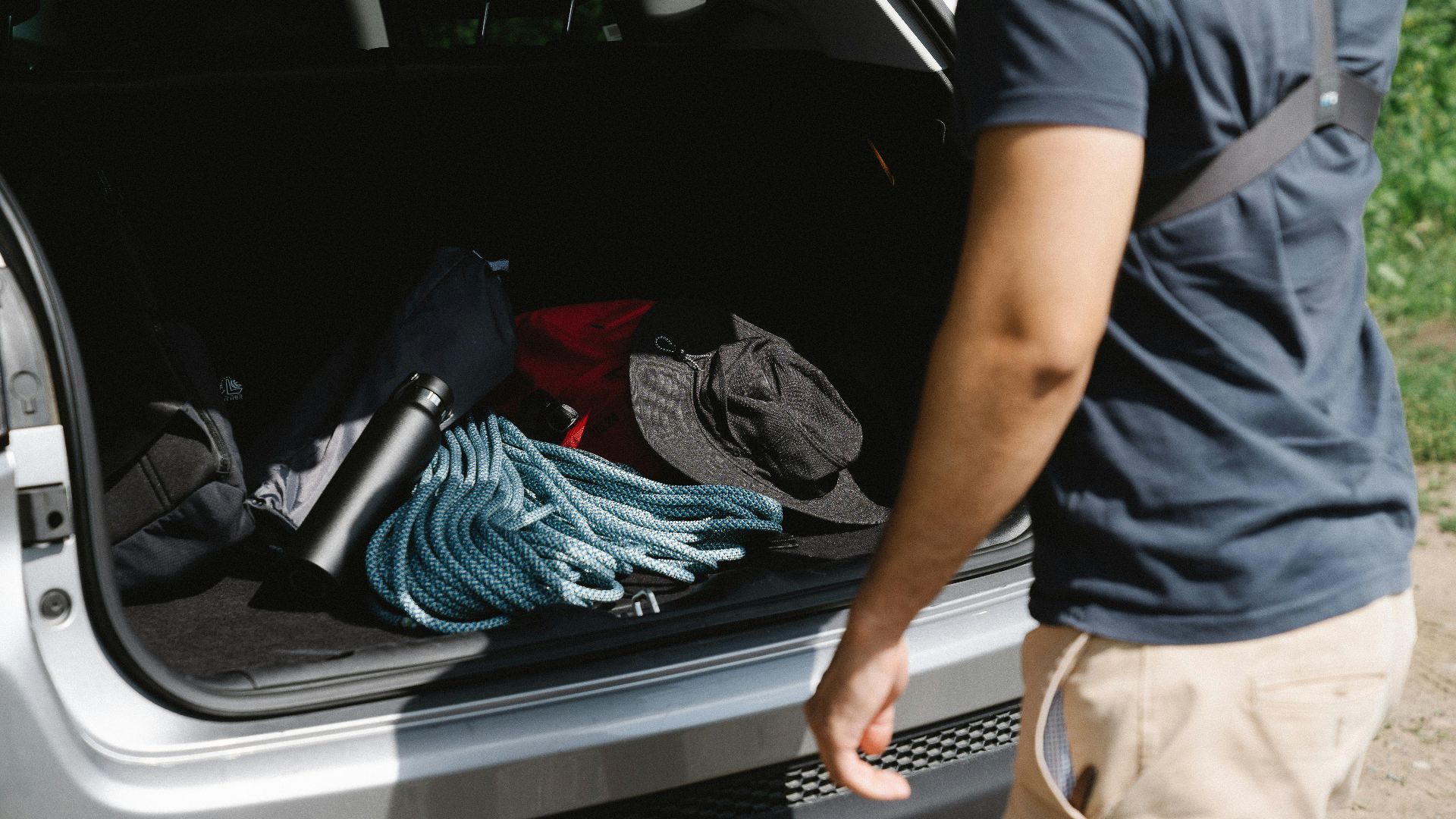
Many states require towing companies to allow access to essential personal items inside the vehicle. This can include medication, wallets, identification, work equipment, or child safety seats. However, companies may limit access to prevent removal of parts attached to the vehicle.
Timing Rules Matter More Than Drivers Realize
Some states require towing companies to notify owners quickly after towing a vehicle. Others limit how soon storage fees can begin accumulating. Missing notification deadlines may reduce the company’s legal ability to collect certain charges.

Predatory Towing Is A Real Problem
Consumer advocates have long warned about “predatory towing” practices. These situations often involve aggressive towing from poorly marked lots or excessive fees designed to pressure drivers into quick payment. Several cities have passed stricter towing reforms because of repeated complaints.
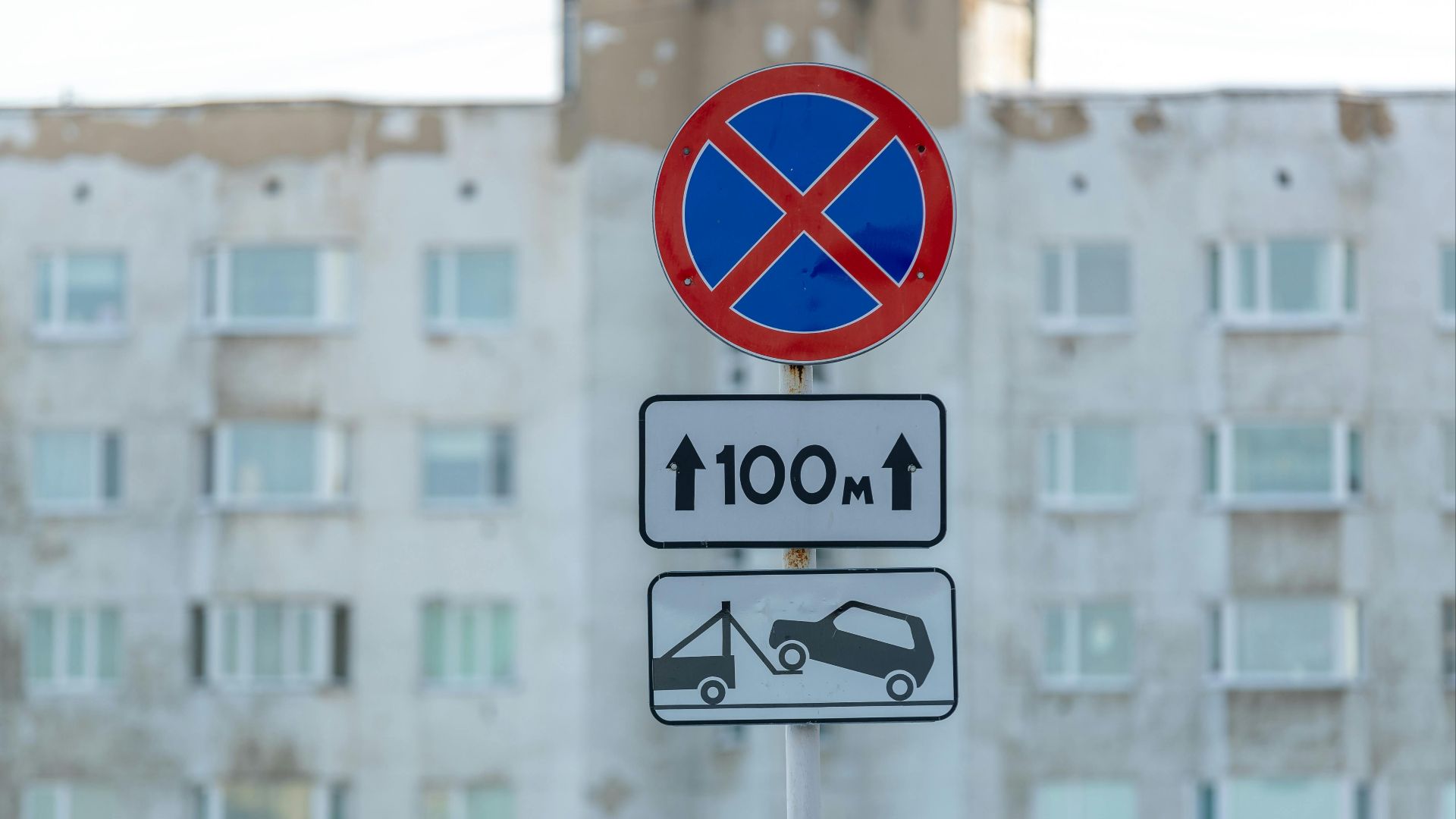
Signs Must Usually Be Posted Clearly
Private parking lot towing rules typically require visible warning signs. The signs often must include towing company information, contact numbers, and parking restrictions. If signage is missing or unclear, the tow itself may be challenged.
Paying Under Protest Can Protect You
In some situations, legal experts recommend paying the fees first to recover the vehicle quickly. Drivers can sometimes later dispute the charges through small claims court or consumer protection agencies. Waiting too long can increase storage costs dramatically.

Credit Cards Can Offer An Extra Layer Of Protection
Using a credit card instead of cash may help drivers dispute questionable charges later. Credit card issuers sometimes investigate billing disputes involving unauthorized or deceptive fees. Keeping all receipts and photos strengthens the case.

Your Insurance Might Help
Some auto insurance policies include towing reimbursement coverage. Roadside assistance plans through insurers, AAA, or automakers may also help with certain towing situations. Coverage rules vary widely, so drivers should check their policies carefully.
Mechanics Liens Can Lead To Vehicle Auctions
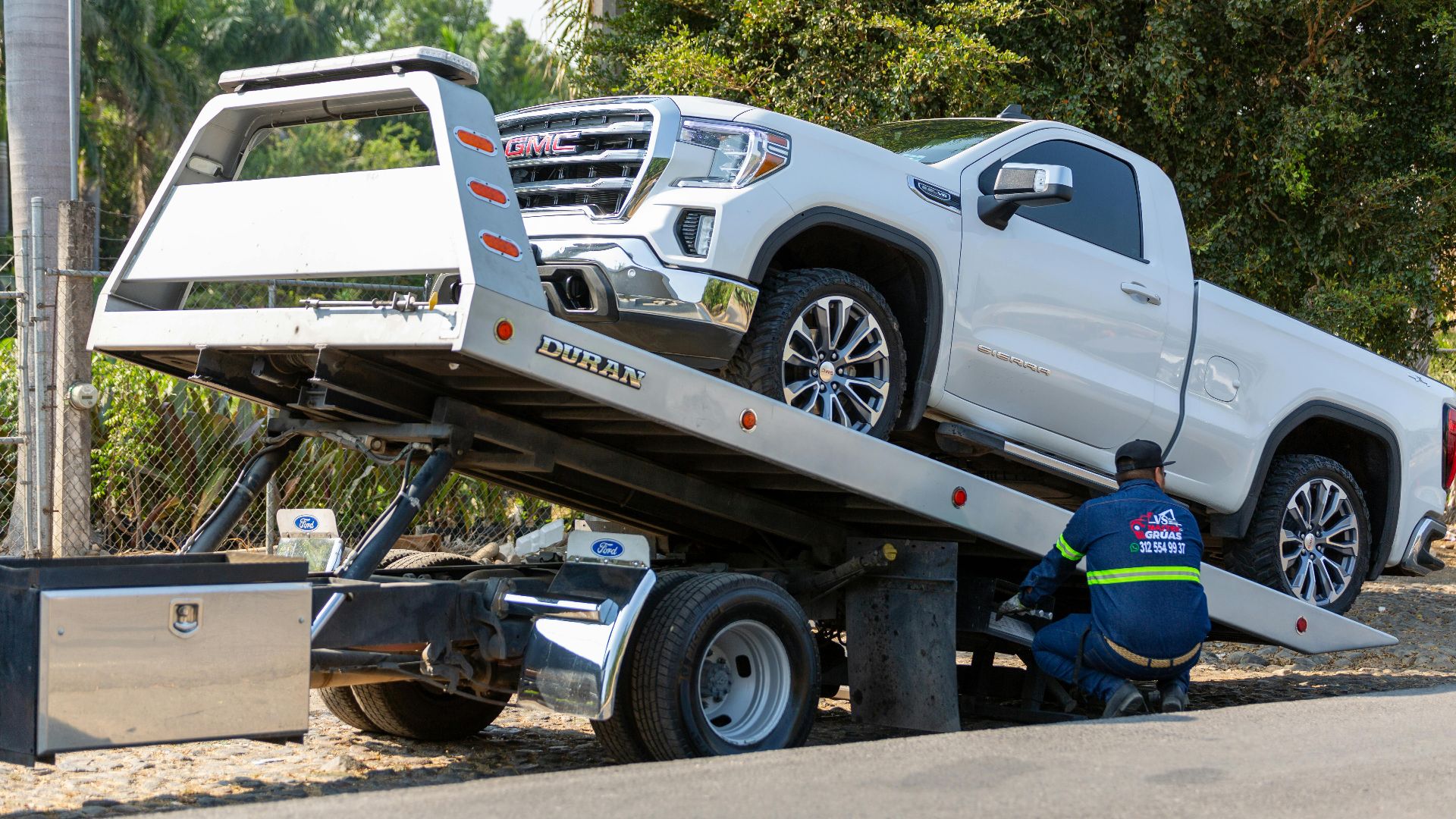
If fees remain unpaid long enough, towing companies may eventually seek legal permission to sell the vehicle. States typically require notice procedures before a lien sale or auction occurs. Owners who ignore notices risk permanently losing the vehicle.

Low-Income Drivers Often Face The Hardest Burden
Towing fees can devastate people already struggling financially. Missing work because a car is impounded can create a vicious cycle. Consumer groups argue that aggressive towing policies disproportionately affect low-income communities.

Documentation Is Your Best Friend
Drivers should take photos of parking signs, the tow location, receipts, and the vehicle condition. Written records can become critical evidence later. Good documentation often determines whether a dispute succeeds.

Small Claims Court Is Sometimes The Best Option
If negotiations fail, small claims court may provide a relatively affordable path for challenging excessive charges. Judges often review whether the tow complied with local laws and whether fees were reasonable. Drivers usually do not need a lawyer for smaller claims.

Government Agencies Sometimes Step In
State attorneys general, local consumer affairs offices, and transportation regulators often investigate towing complaints. Filing an official complaint may help identify patterns of abuse. Some agencies also mediate disputes between drivers and towing companies.

Better Business Bureau Complaints Can Add Pressure
While the Better Business Bureau does not enforce laws, companies sometimes respond quickly to public complaints. Online reviews can also encourage businesses to resolve disputes. However, factual documentation is still essential.

Some Cities Have Cracked Down Hard
Cities like Chicago, San Francisco, and New York have introduced stricter towing regulations after widespread complaints. Reforms have included fee caps, stronger signage rules, and mandatory grace periods. Local laws continue evolving as complaints grow.
Prevention Is Still The Best Defense
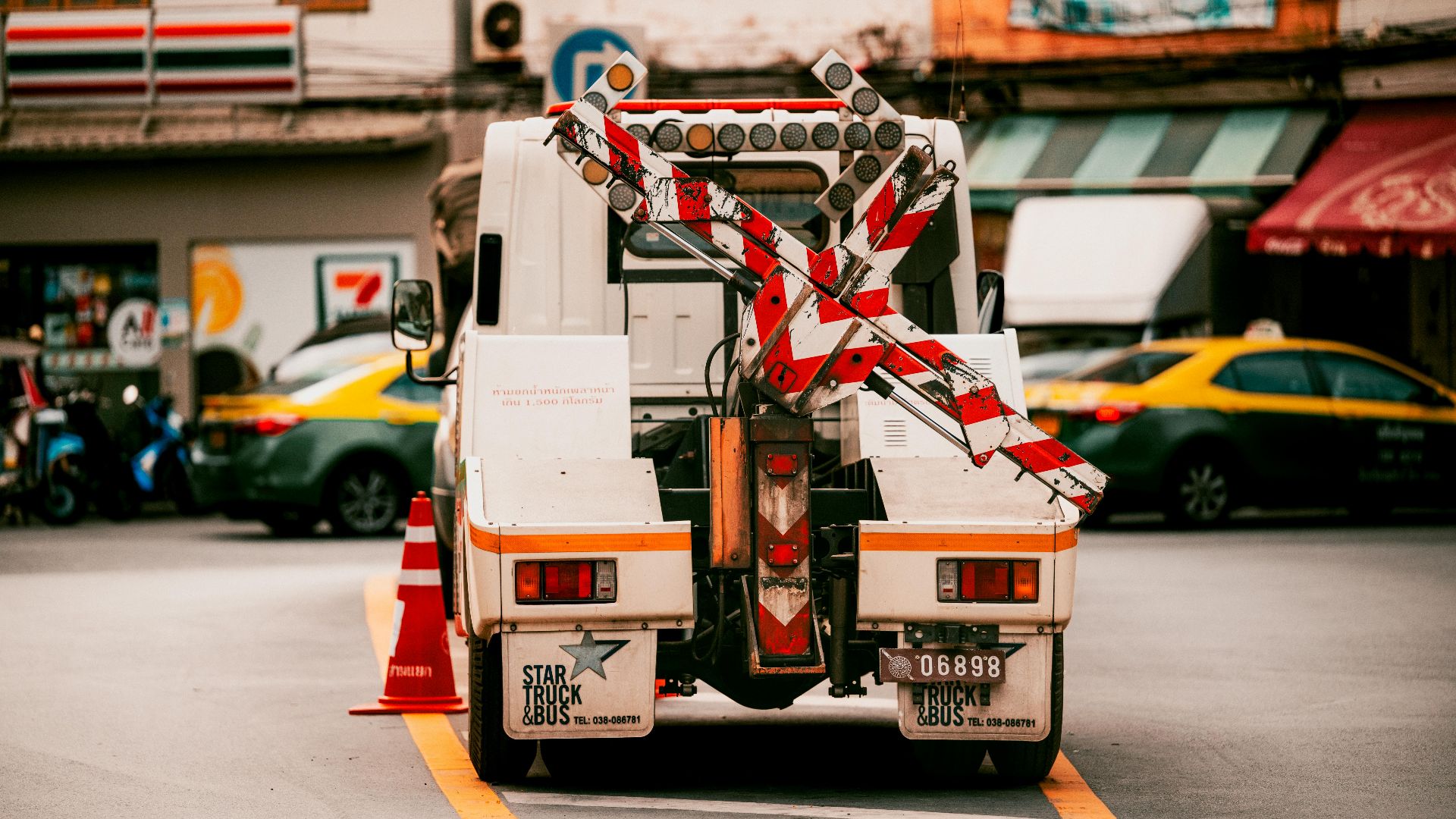
Drivers can avoid many towing problems by carefully reading parking signs and understanding local parking restrictions. Apartment complexes and event venues are especially common tow zones. Saving roadside assistance numbers in advance can also help during emergencies.

Do Not Ignore A Tow Notice
Many drivers make the mistake of waiting too long before contacting the towing company. Every extra day may increase storage fees. Acting quickly can significantly reduce the financial damage.
Staying Calm Can Save Money
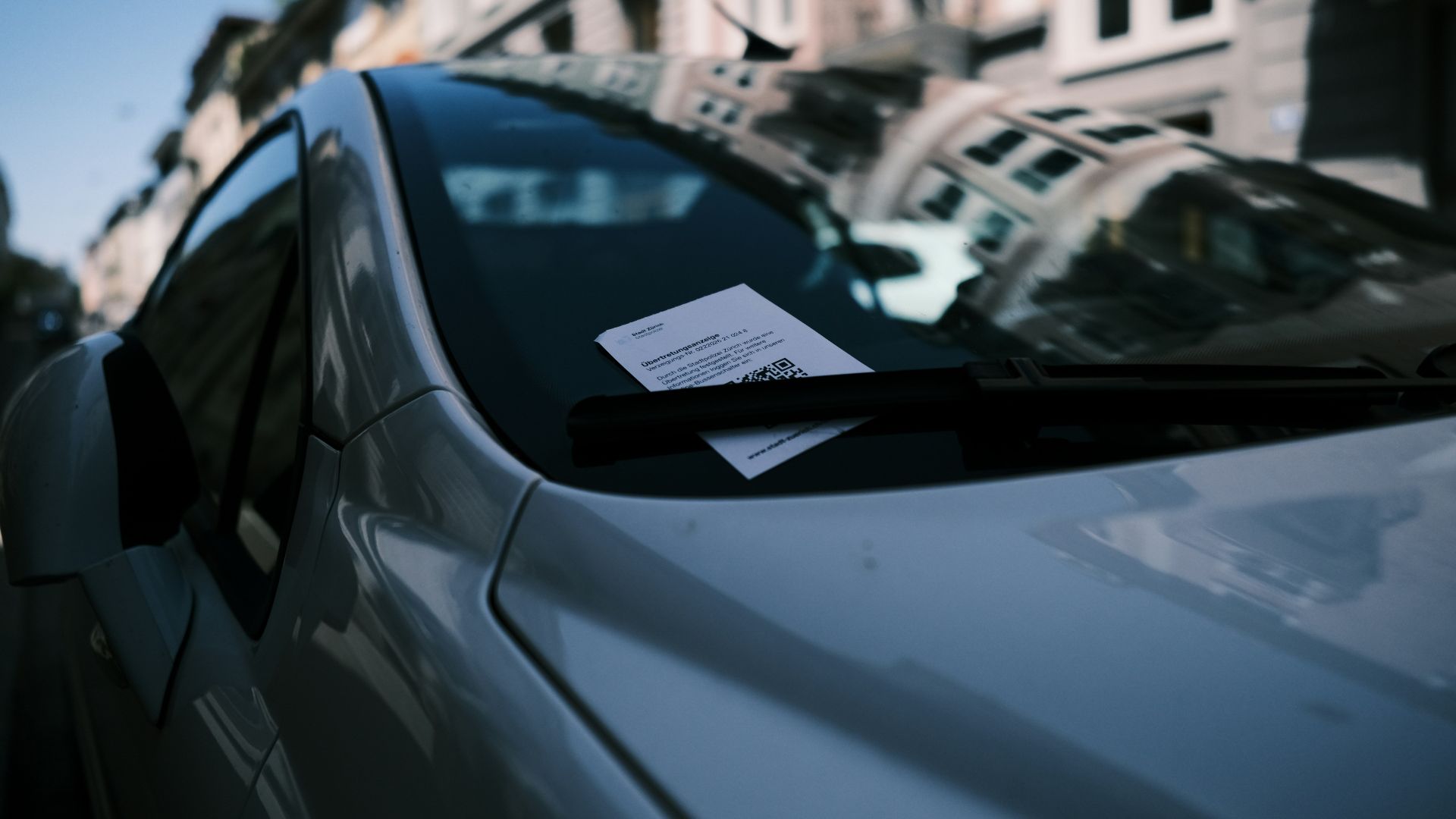
Towing disputes are emotional, especially when fees feel unfair. Still, staying polite and focused often produces better results than arguing angrily with lot employees. Clear communication and documentation usually work better than confrontation.

Knowing Your Rights Changes Everything
Drivers are not powerless when dealing with towing companies. Understanding local towing laws, fee limits, and consumer protections can make a major difference. The key is acting quickly, gathering evidence, and knowing when to escalate the dispute.

You May Also Like:
My car was towed, when as far as I can tell I was parked legally. Can that really happen?