When You Catch The Tow In Progress And Suddenly It’s A Negotiation
Few things spike your blood pressure like walking up to your car and seeing it mid-tow. You rush over, explain you’ll move it immediately, and think that should be the end of it. Then the tow driver hits you with the classic line: “It’s already hooked up. You owe a drop fee”. Sometimes they’ll insist it must be cash. Sometimes the number feels totally random. And suddenly you’re stuck wondering if this is a real fee or a roadside hustle. The truth is: drop fees can be real, but they’re also one of the most abused parts of towing.
What A “Drop Fee” Actually Means
A drop fee (sometimes called a release fee or hookup fee) is what some towing companies charge when they’ve already started the towing process but agree to release the vehicle instead of towing it away. The idea is that the driver has already spent time arriving, positioning the truck, and hooking up the car, so the company wants to be paid for the work performed.

Are Drop Fees Legal? Sometimes Yes
In many states and cities, towing companies are allowed to charge a drop fee if the vehicle is already attached or “in tow”. However, the legality depends heavily on local laws. Some places regulate towing fees tightly, including how much can be charged and under what conditions. Other areas have looser rules, which is where the chaos begins.
Why This Fee Feels Like A Shakedown
Even when drop fees are legal, the way they’re demanded often feels sketchy. The fee is frequently presented as a surprise. The amount may not be posted anywhere. The driver might refuse to explain it. And the cash-only demand makes it feel less like a policy and more like a street deal.

The Key Detail: Was The Car Actually “In Tow”?
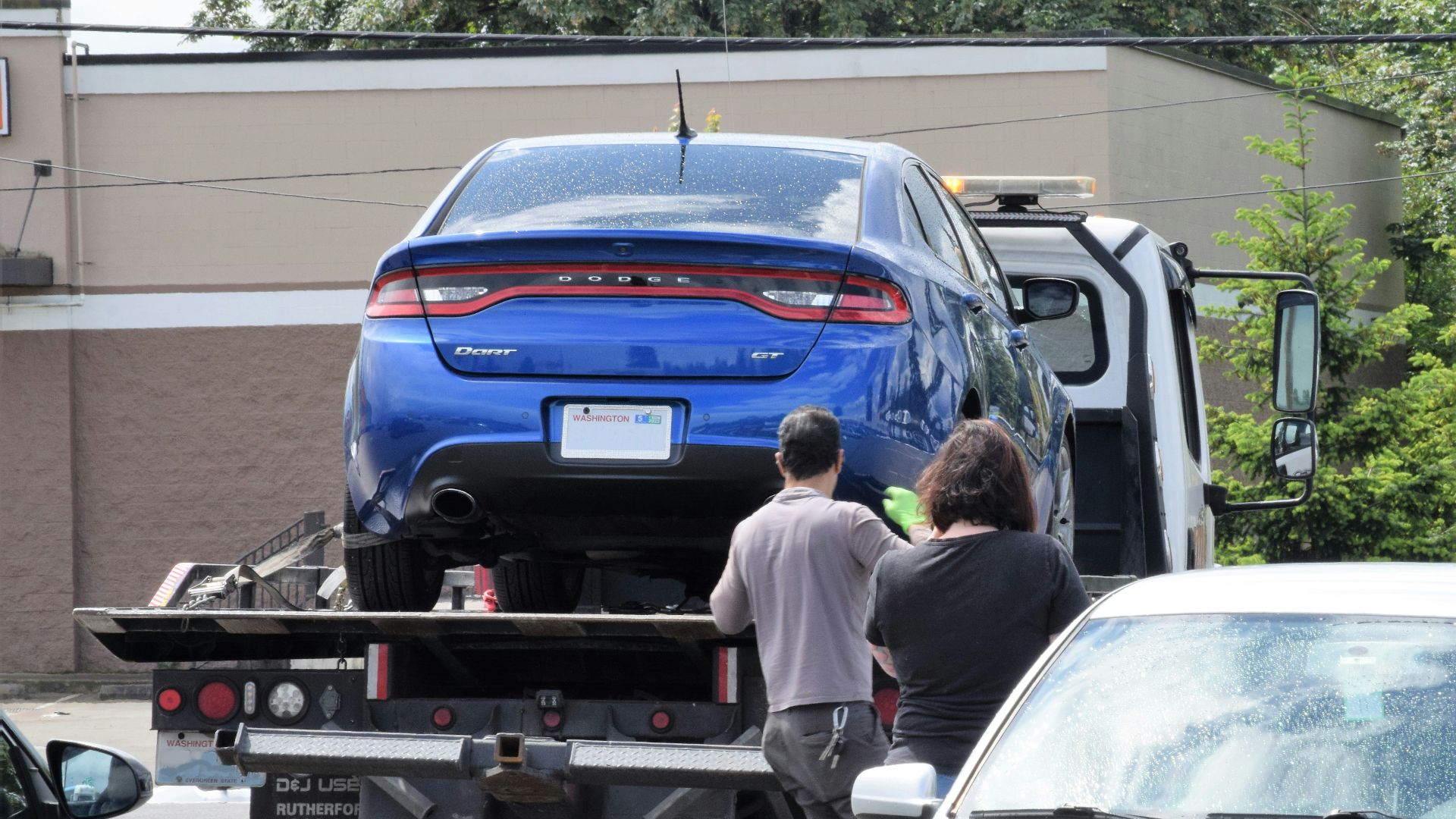
A huge legal and practical question is whether your car was truly in tow. In some places, “in tow” means the car is fully hooked up and lifted. In others, it may mean the truck is connected in a way that towing could begin immediately. If the driver hadn’t actually connected your car yet, they may not be entitled to a drop fee at all.
Cash-Only Demands Are A Red Flag
A tow company demanding cash on the spot is not automatically illegal, but it is suspicious. Many regulated towing jurisdictions require tow operators to accept credit cards. Some require them to provide receipts and itemized invoices. Cash-only pressure can be a sign the driver is trying to avoid oversight or reporting requirements.

Why Tow Drivers Push For Cash
Cash is immediate, untraceable, and harder to dispute. If you pay cash and leave, it becomes your word against theirs later. Credit card payments create a paper trail and give you the ability to dispute charges. That’s why some drivers strongly prefer cash, even if they technically accept cards.
 Karolina Grabowska www.kaboompics.com, Pexels
What You Should Ask For In The Moment
If a driver demands a drop fee, ask calmly for the company name, tow license number (if applicable), and a written receipt. Ask what the fee is called and what it covers. If your city requires towing fee schedules to be posted, ask where the posted rates are. The more specific you are, the more likely the situation stays professional.

If You Feel Unsafe, Prioritize Safety Over Being Right
Towing confrontations can get heated fast. If the driver is aggressive or threatening, your best move is to step back and avoid escalation. You can document the situation and dispute later. Being right is not worth getting hurt.
The Difference Between Private Lot Tows And Public Street Tows
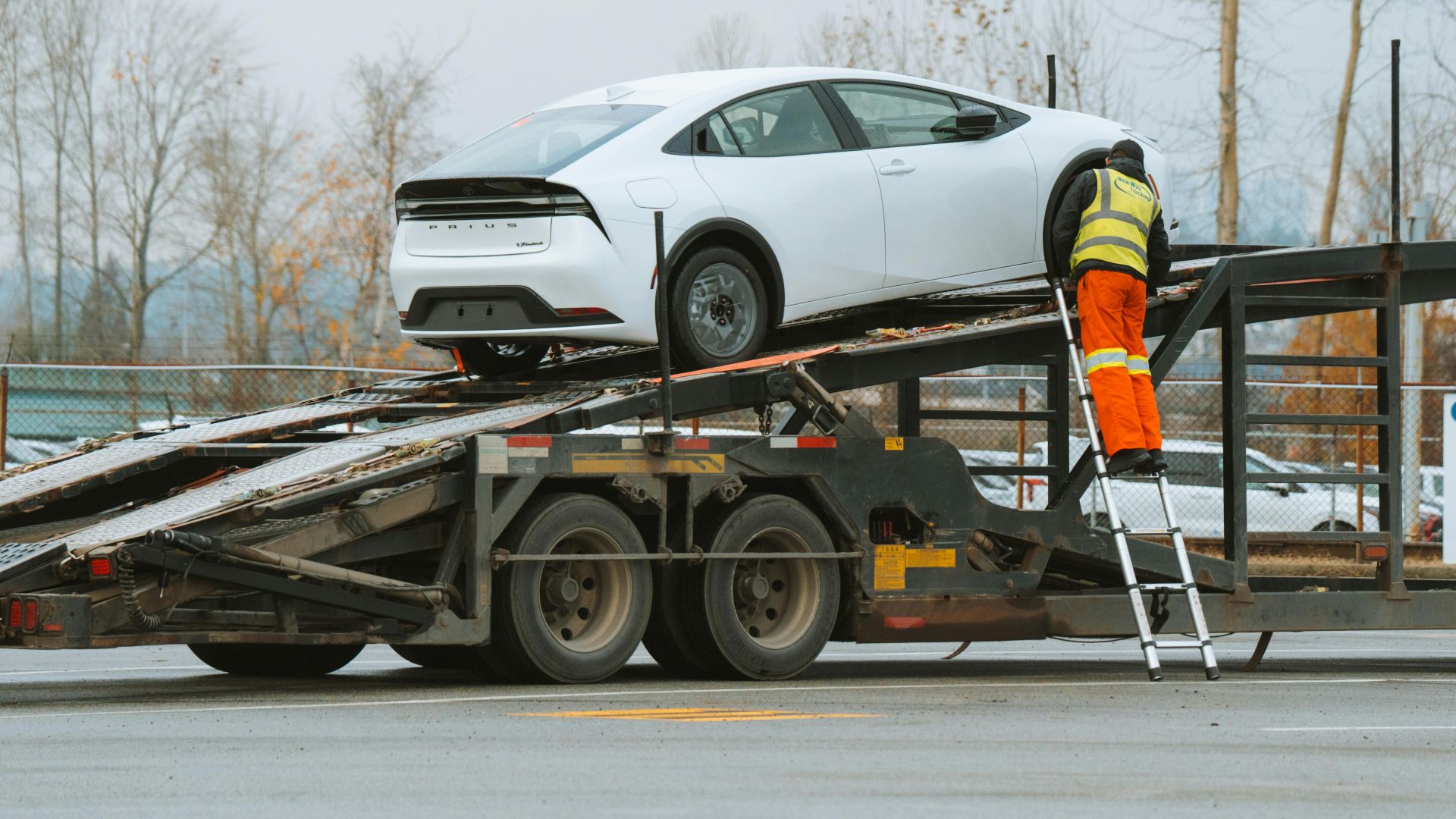
Drop fee rules often vary depending on whether the tow is from private property (like an apartment complex) or ordered by law enforcement (street towing, accident towing). Private lot towing is where the most abuse happens, because drivers often operate under contracts with property owners and rely on fees to make profit.
If It’s A Private Tow, The Property Owner May Be Part Of The Problem
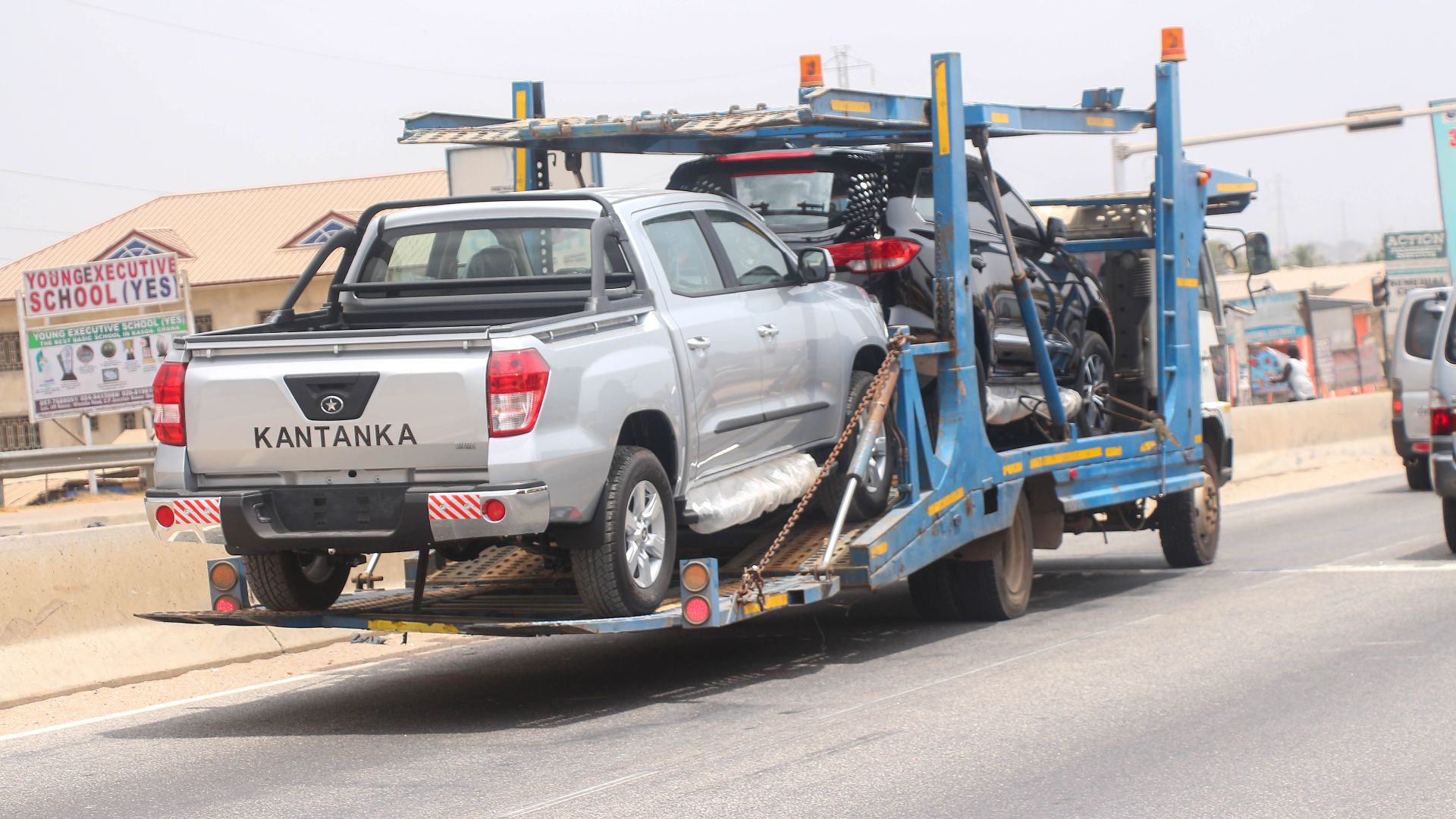
In many private towing setups, the property owner or management company has a contract with the tow company. Some contracts include kickbacks or aggressive enforcement policies. That doesn’t mean you have no rights, but it explains why the tow driver may act like they hold all the power.

Photos And Video Can Save You
If it’s safe to do so, take photos or video of your car’s position, how it’s hooked up, the tow truck, the company name, license plate, and any posted signage in the lot. If you later file a complaint, these details matter a lot more than a general description.

If You Pay, Get Proof
If you decide paying the fee is the quickest way out, try to pay by card and demand a receipt. If the driver insists on cash, ask for a written receipt with the tow company name, date, time, amount, and reason for the charge. No receipt is a major problem and usually a sign you should escalate later.

Can You Refuse To Pay And Just Move The Car?
This depends on local law and whether the car is already attached. In some places, once the tow process begins, the company can legally tow the vehicle even if you return. In other places, they must release the vehicle if you arrive before it leaves the property, sometimes with a regulated drop fee. Trying to physically interfere is a bad idea and can create legal trouble for you.
What To Do If The Fee Seems Illegal Or Excessive
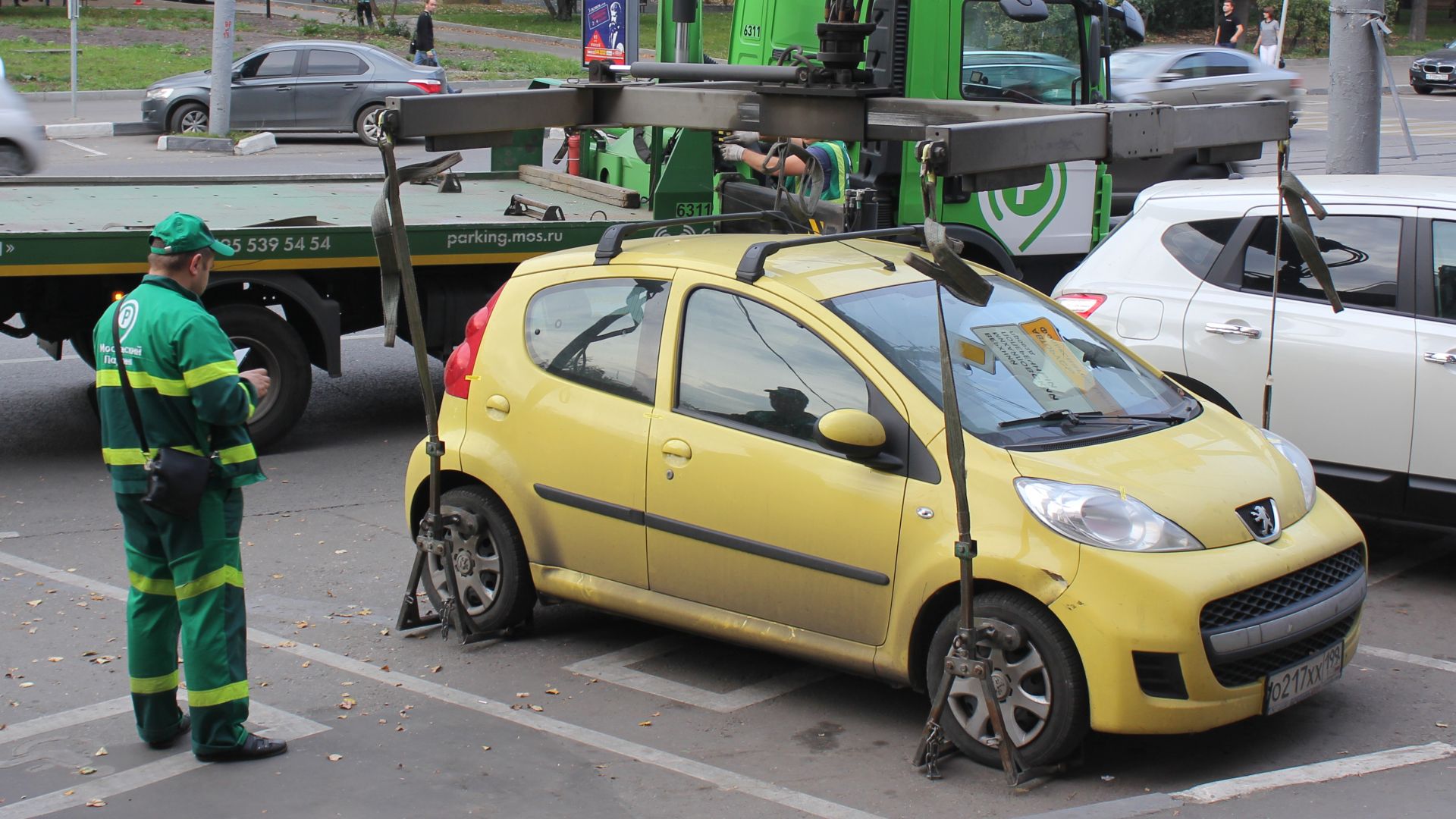
If the amount feels outrageous, ask for the fee schedule or cite local towing regulations. If you know your city has regulated rates, mention that you’ll be filing a complaint with the city’s towing enforcement office or consumer protection agency. You don’t need to threaten, just state it matter-of-factly.

The “I’ll Call The Police” Question
Calling the police can help in some cases, especially if you believe the tow is unauthorized. But police often treat towing disputes as civil matters unless there’s clear wrongdoing. Still, asking the driver to wait while you call non-emergency services can sometimes reduce aggressive behavior and force accountability.

What Happens If They Tow It Anyway?
If the car gets towed, you’ll likely have to pay towing and storage fees to get it back. In regulated areas, there are limits on storage fees and rules about how quickly you can retrieve your car. In unregulated areas, fees can pile up fast, which is why people feel pressured to pay immediately.
How To Dispute It After The Fact
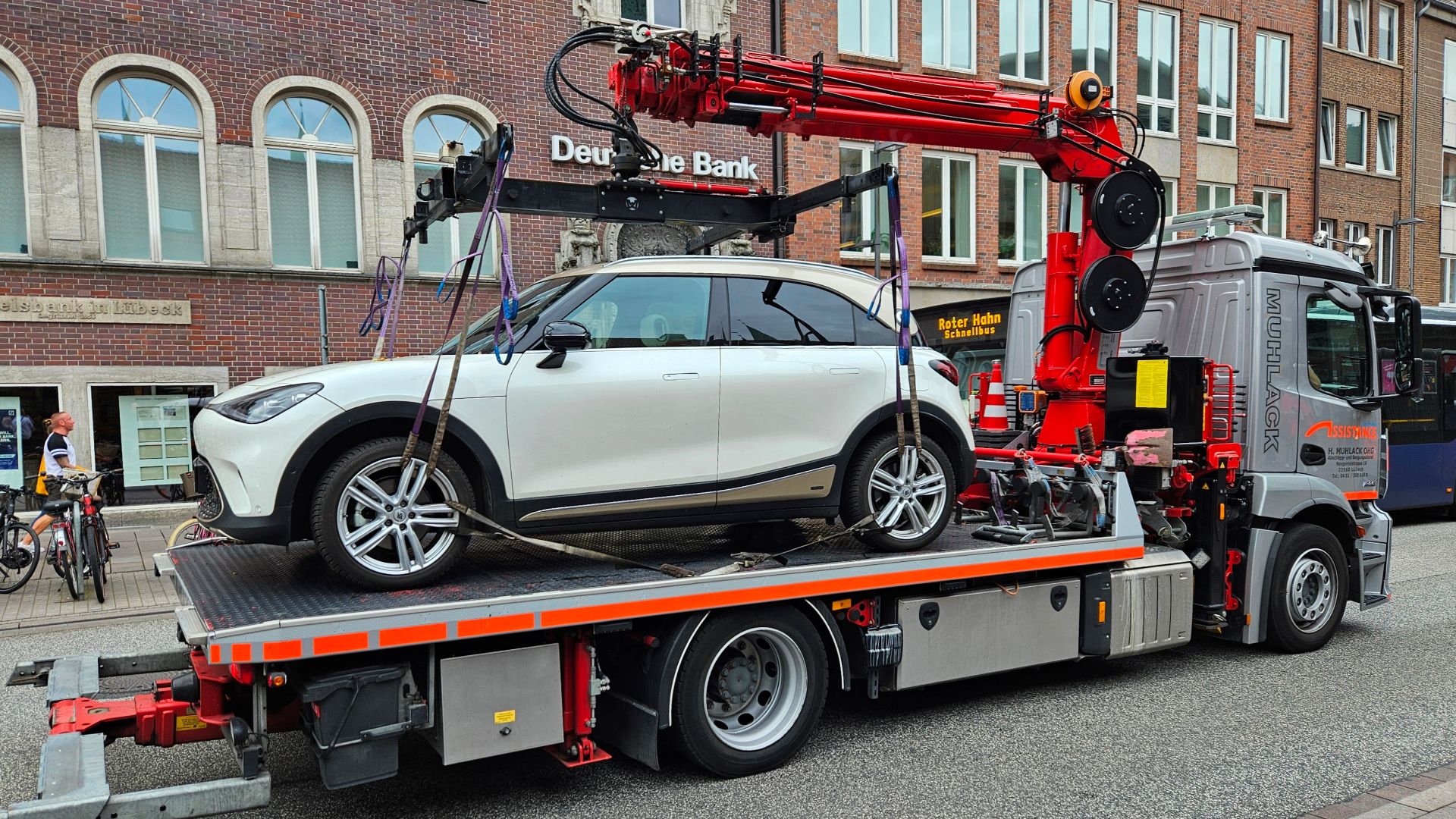
If you paid by card, you can dispute with your card issuer if the charge was deceptive or unauthorized. You can also file complaints with your city or state consumer protection office, towing regulatory agency, or attorney general. If signage was unclear or the tow violated local rules, you may have a strong case.

Small Claims Court Is Sometimes The Best Weapon
If the tow was illegal, the fee was inflated, or the company violated local regulations, small claims court can be effective. Tow companies often rely on people not having the time or energy to fight. If you show up with photos, receipts, and law references, you can sometimes recover costs.

How To Avoid This Next Time
If you park in private lots, look for signage about towing policies. Take a quick photo of the sign if it seems strict or unclear. If you live in a building with aggressive towing enforcement, ask management for the towing contract details and rules. It’s annoying, but knowing the policies ahead of time helps you avoid the worst surprises.

The Bottom Line: Drop Fees Can Be Real, But The Way They’re Collected Is Often The Problem
Yes, drop fees exist and can be legal. But they’re also one of the most commonly abused towing charges, especially in private lot situations. If a tow driver demands cash only, refuses to provide a receipt, or won’t explain the fee, that’s a red flag. Your best move is to document everything, stay safe, and escalate through official channels if you believe the fee was illegal or predatory.
 Photograph: Frank C. Muller, Baden-Baden, Wikimedia Commons
You May Also Like:
My check engine light came on hours before a road trip. Should I still go?
My lease is up next month and the car has a few scratches. Will I be charged for them?