That Tow Truck Came Out Of Nowhere
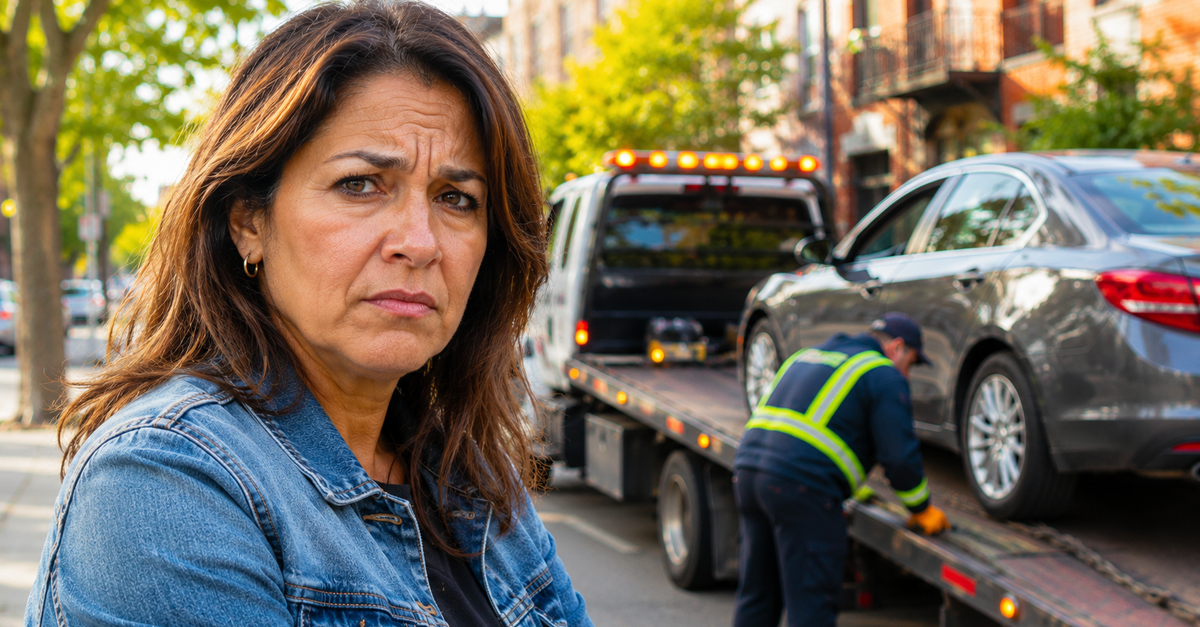
You walk back to where you parked and your car is gone. Your first thought is usually theft, but then you notice a towing company sign nearby or a police notice taped to a pole. It feels unfair when you honestly believed you parked legally. But in reality, cars can still get towed for reasons that are easy to miss or not obvious at first glance.
Legal Parking Does Not Always Mean Safe Parking
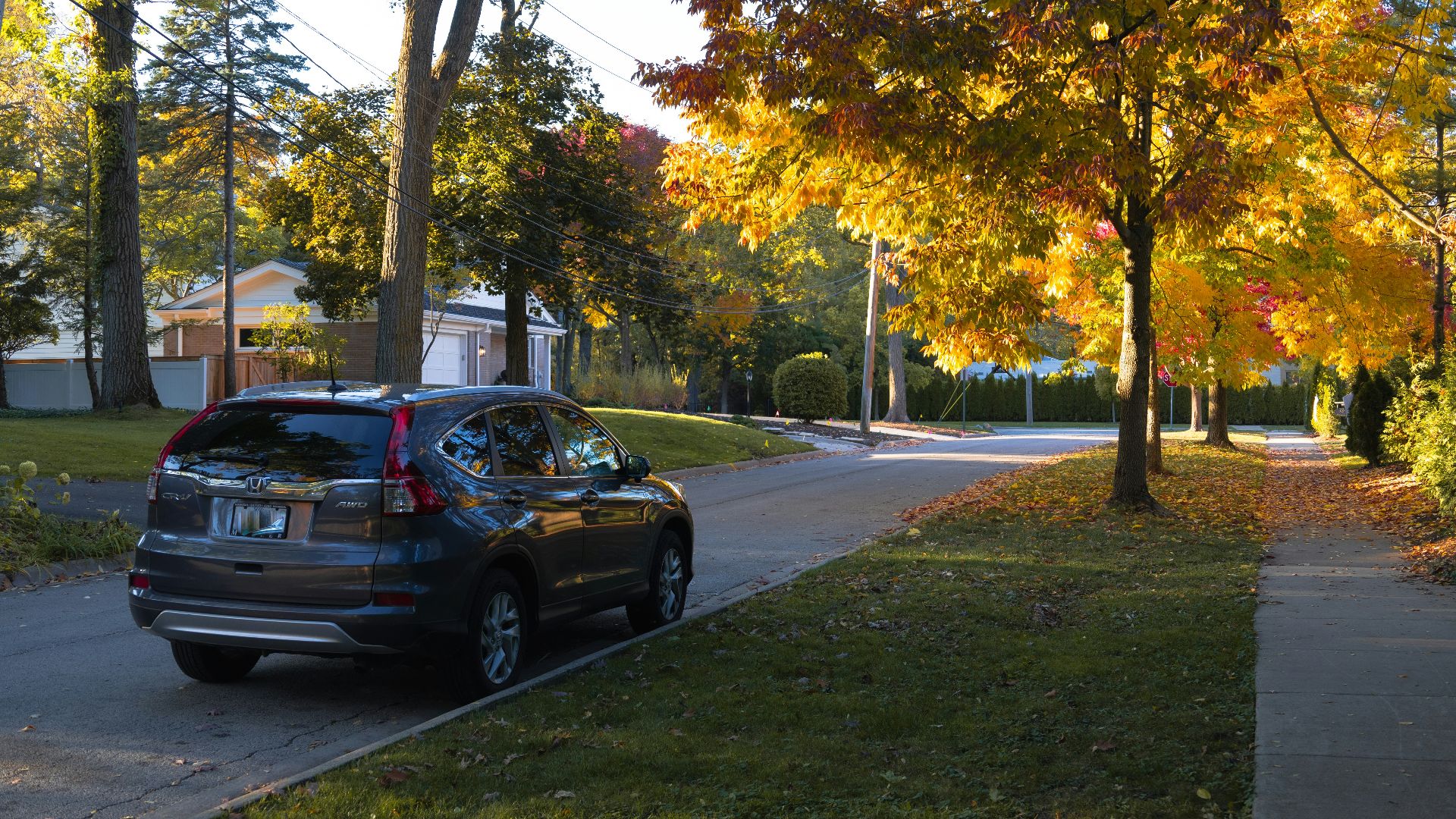
A parking spot can appear legal while still violating a local rule. Cities often have temporary restrictions tied to street cleaning, snow removal, construction, or special events. Some signs are small, faded, or positioned far from the actual parking space. Drivers frequently miss them without realizing it.
Temporary No Parking Rules Catch Drivers Constantly
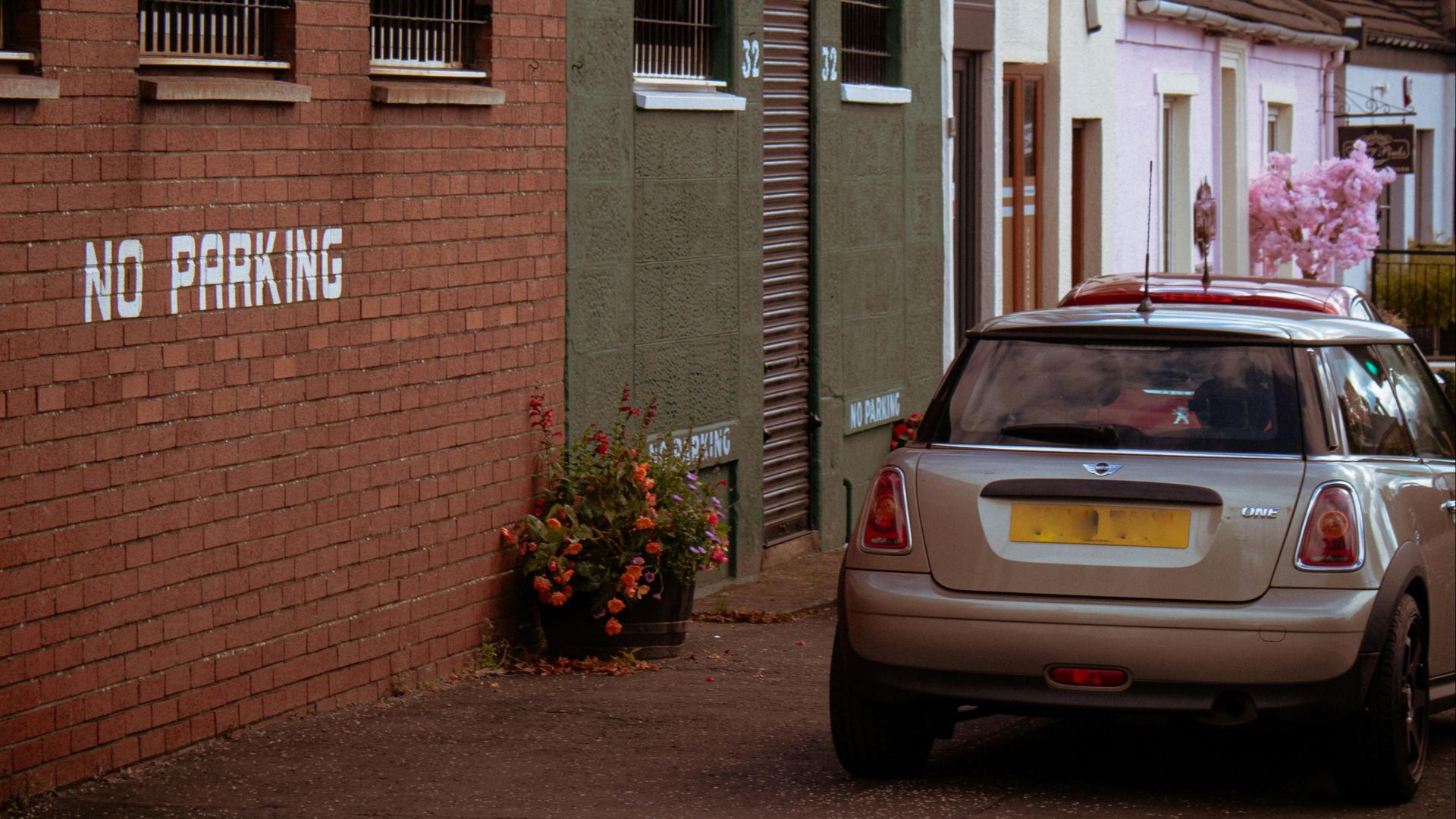
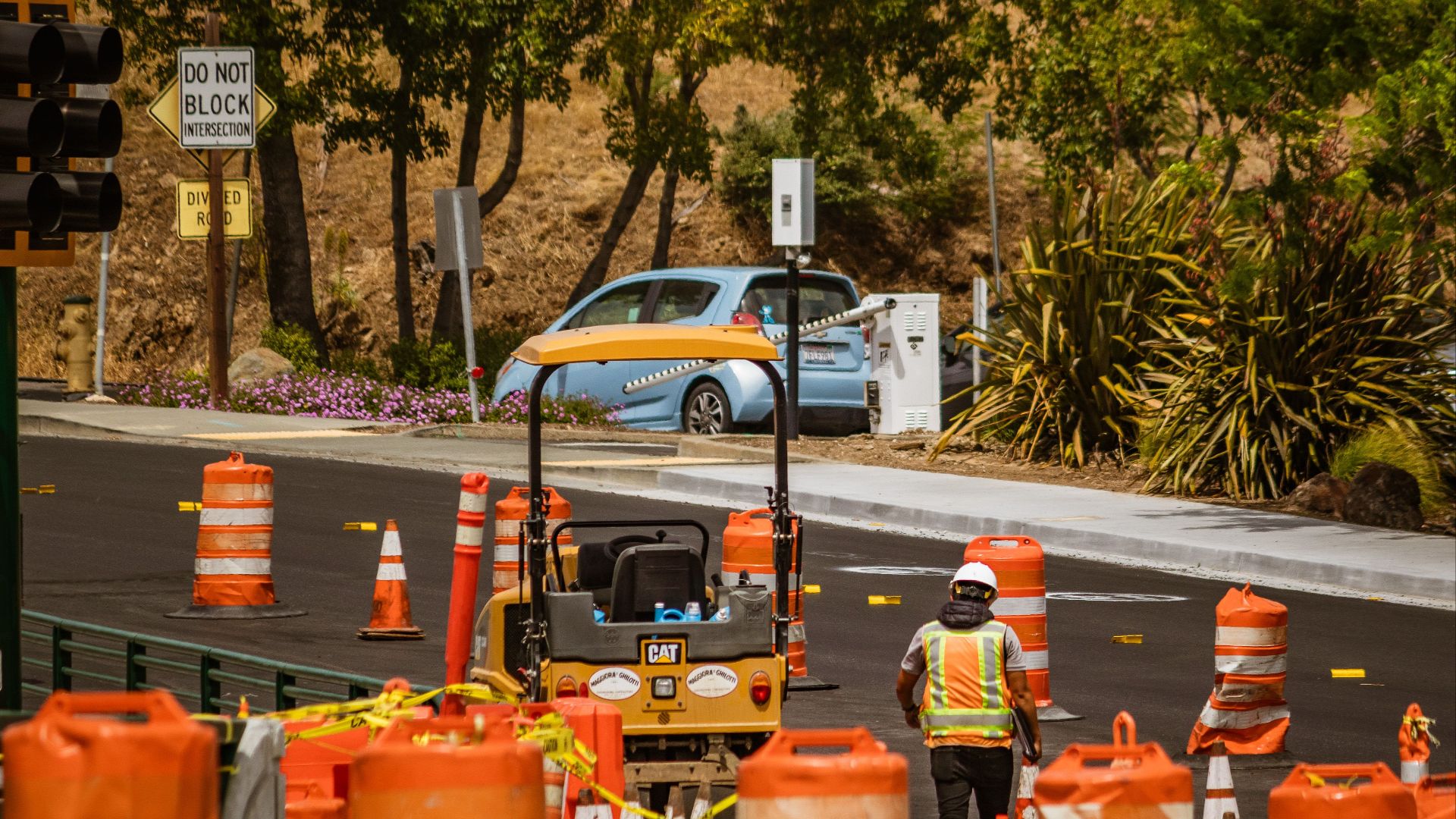
Many municipalities can create temporary no parking zones with very short notice. Construction crews, utility work, film productions, and emergency repairs often trigger these restrictions. If signs are posted according to local law, vehicles can usually be towed immediately. Even residents with permits are not always exempt.
Street Cleaning Is One Of The Biggest Culprits
Street sweeping programs generate thousands of tows every year in major cities. Drivers often forget the exact cleaning schedule or misunderstand alternating side rules. Some streets only restrict parking for one or two hours per week. Missing that window can still result in a ticket and a tow.

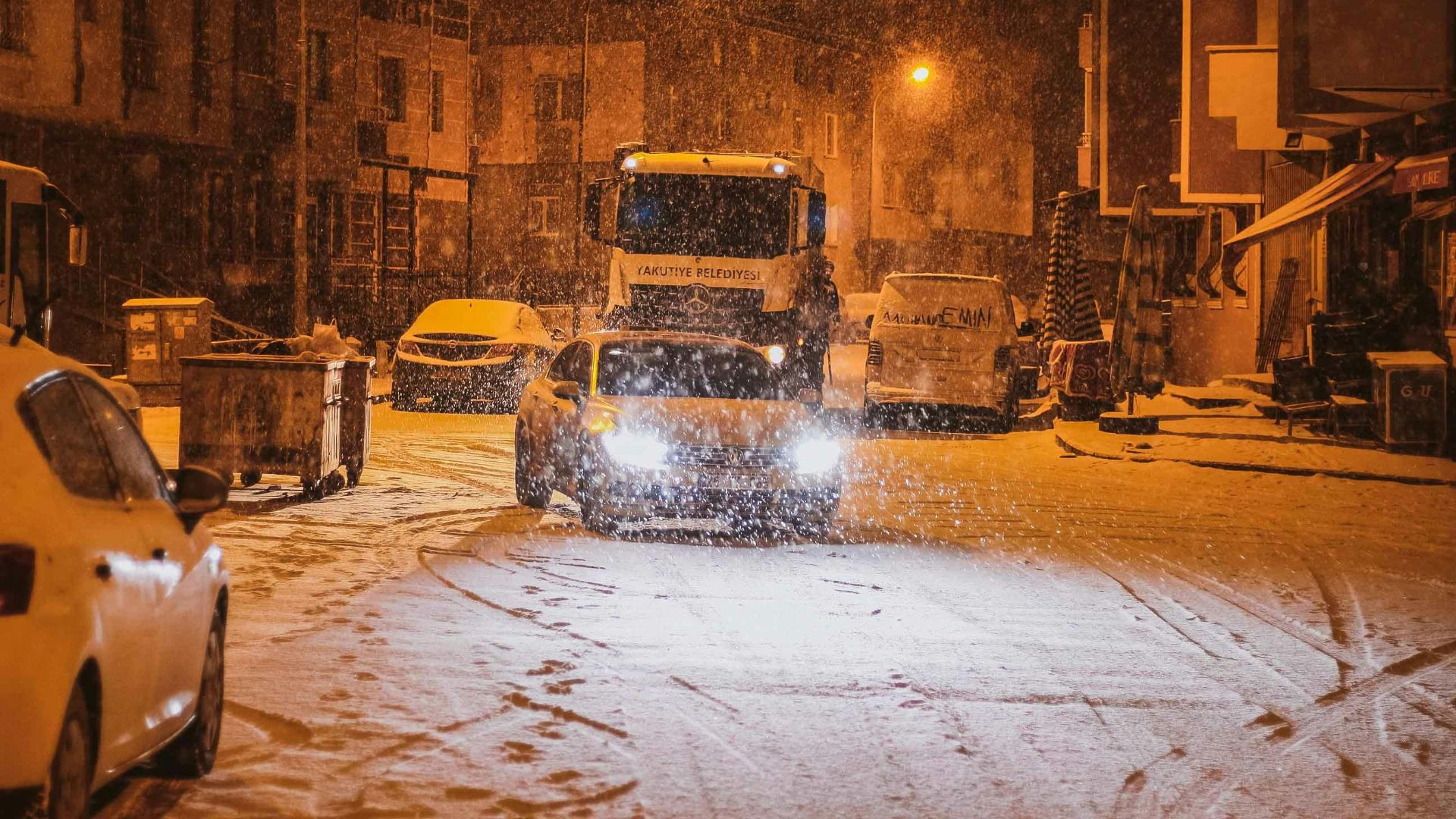
Snow Emergency Rules Can Override Normal Parking
In colder states and provinces, snow emergencies allow cities to clear streets quickly during storms. Vehicles parked on designated snow routes may be removed even if parking is normally allowed there. Authorities often announce these emergencies through local news and city websites. Drivers are still expected to comply whether they saw the alert or not.
Private Lots Have Their Own Rules
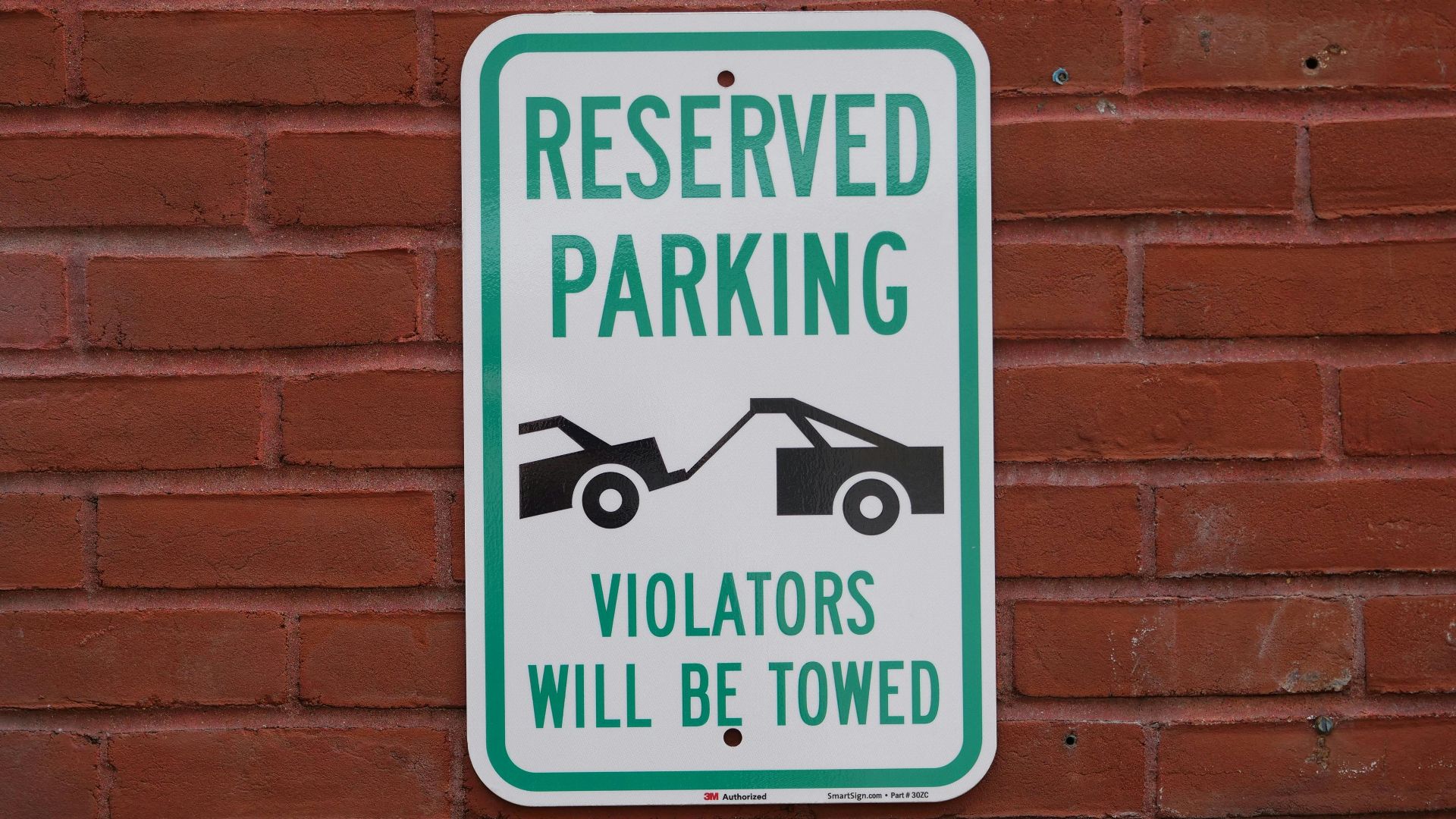
Parking legally on a public street is different from parking on private property. Shopping centers, apartment complexes, and business lots can enforce their own policies. Many lots limit parking to customers, residents, or permit holders only. Violating those conditions can lead to a tow without police involvement.
Apartment Complexes Tow Cars More Than People Expect
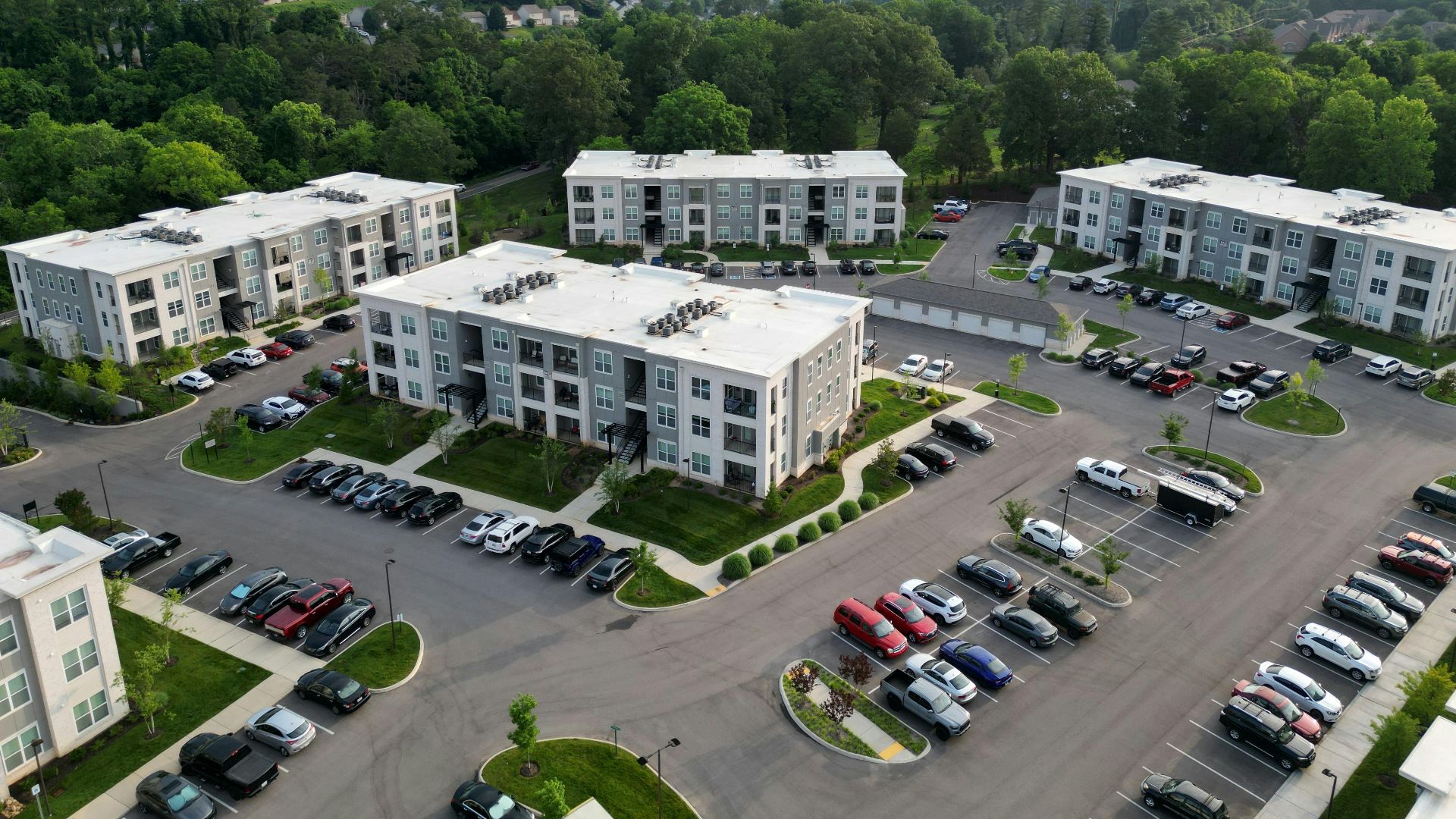
Apartment communities often contract with towing companies to patrol their lots. Visitors who forget a guest permit or park in a reserved space are especially vulnerable. Some complexes also tow vehicles with expired registrations or flat tires. The rules are usually buried in lease agreements or posted near entrances.
You Can Be Towed For Expired Registration
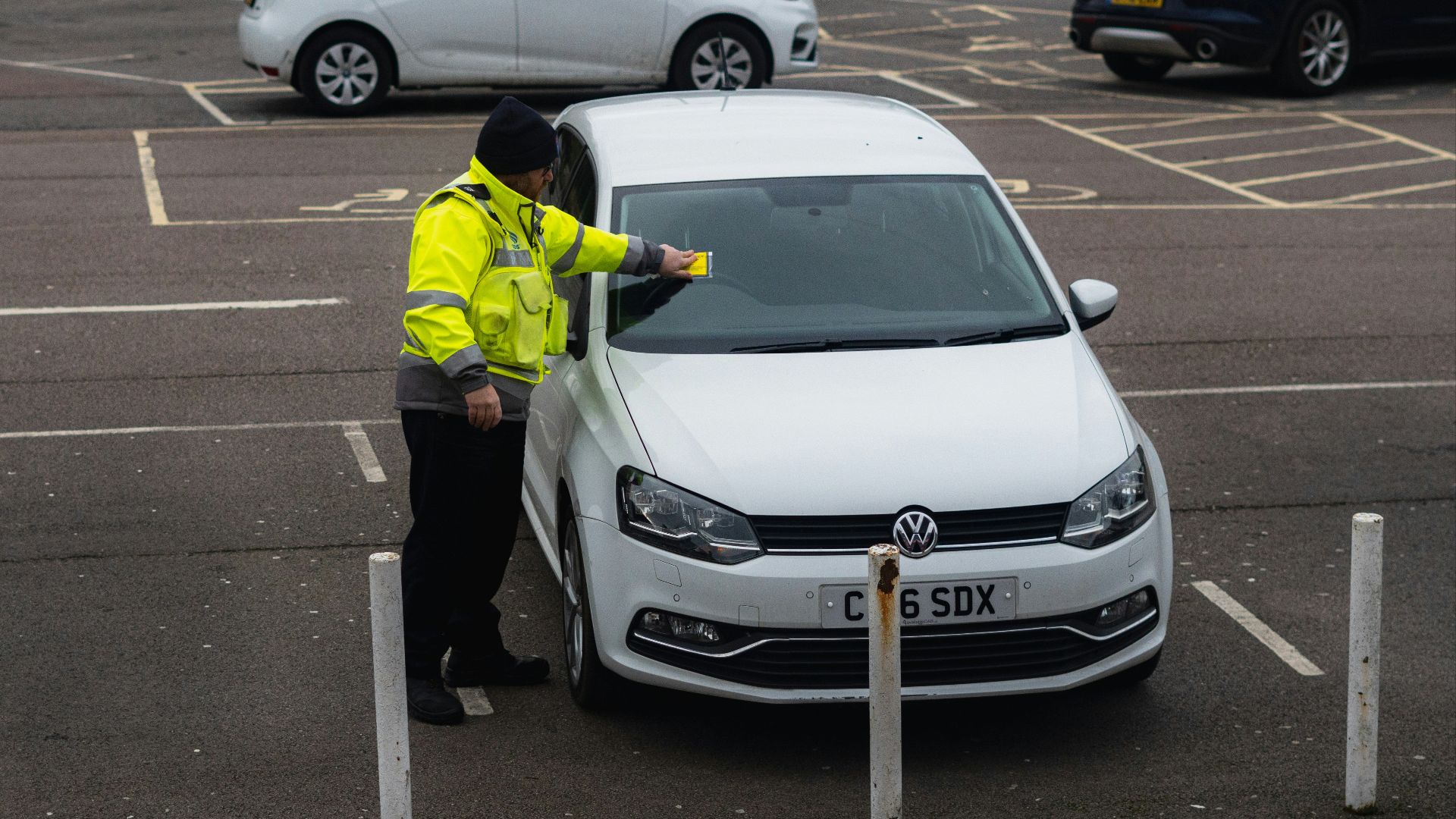
In many jurisdictions, expired registration alone can justify towing. Police officers and parking enforcement teams frequently scan license plates electronically. A registration that is months overdue may trigger impoundment in certain areas. This surprises drivers because the car may otherwise appear parked legally.
Parking Too Close To A Driveway Can Trigger A Tow
Even small positioning mistakes matter. Parking within a prohibited distance from a driveway, fire hydrant, crosswalk, or intersection can result in towing. Drivers often misjudge these distances because curb markings are faded or nonexistent. Enforcement officers may still issue penalties based on the law itself.
Handicap Spaces Are Strictly Enforced
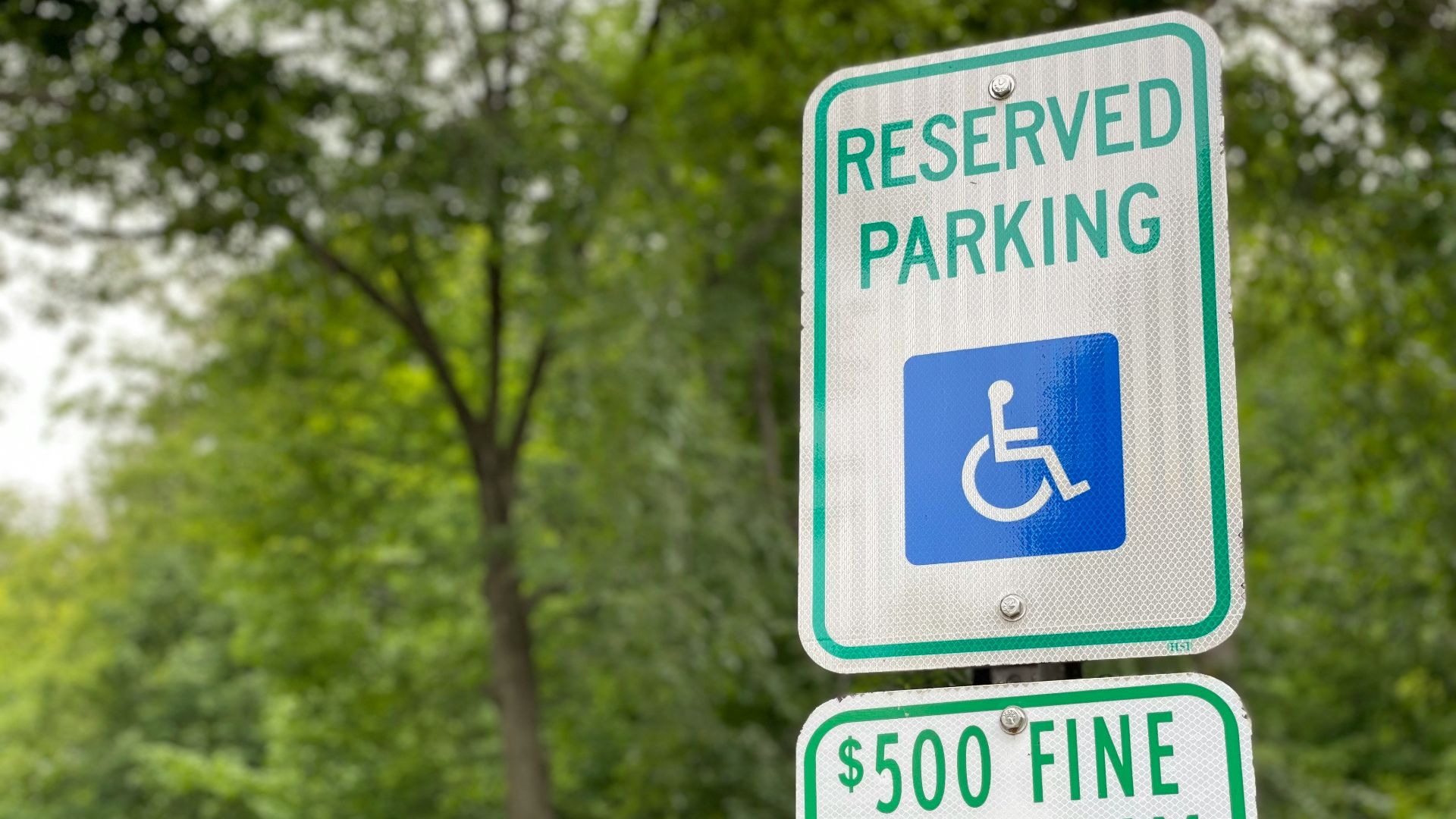
Accessible parking laws are among the most aggressively enforced regulations in North America. Parking in a handicap space without a valid permit can lead to immediate towing and steep fines. Even partially blocking an accessible access aisle may qualify. Authorities rarely give warnings for these violations.
Fire Lanes Leave Little Room For Error
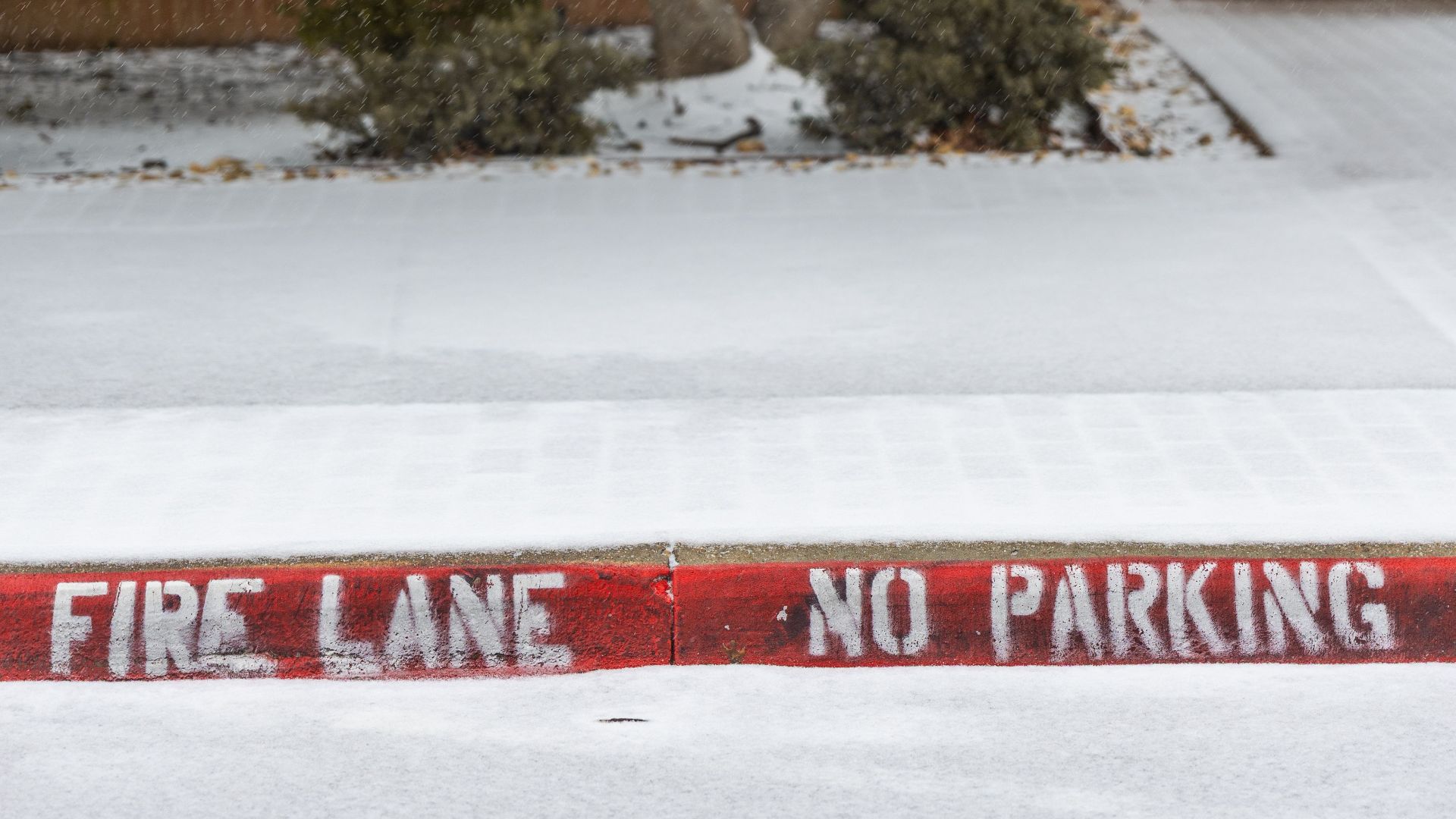
Fire lanes are designed to stay clear for emergency vehicles at all times. Parking in one, even briefly, often results in immediate towing. Many drivers mistakenly think hazard lights or remaining inside the vehicle protects them. It usually does not.
Abandoned Vehicle Laws Can Surprise Drivers
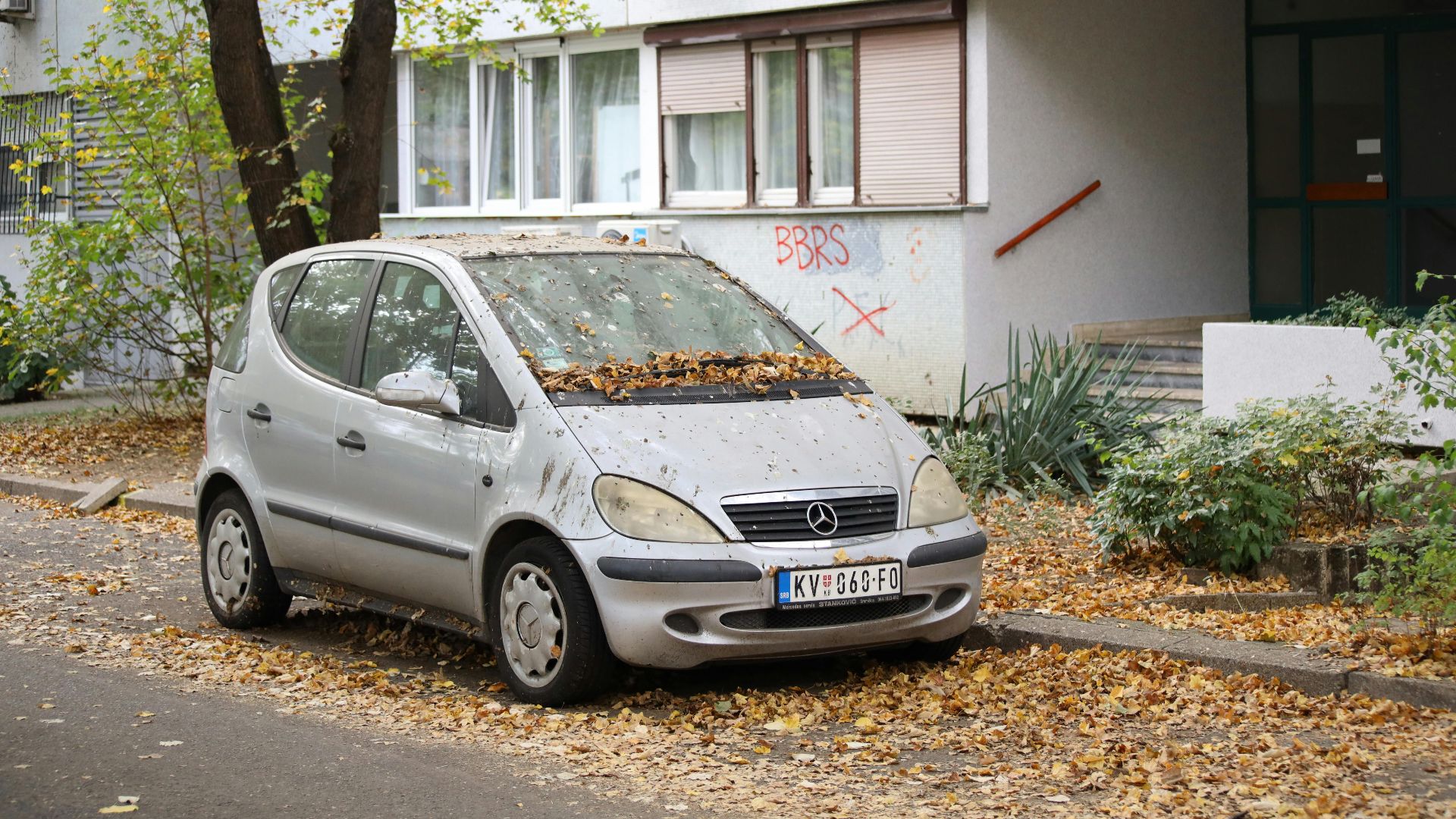
Cars left in one location for too long may legally be considered abandoned. The exact timeframe varies widely by city and state. Some places allow action after only 72 hours on public streets. A vehicle that never moved during that period may be towed even if it was otherwise parked correctly.
Event Parking Restrictions Often Appear Overnight
Concerts, parades, marathons, and sporting events regularly trigger emergency parking changes. Local governments may temporarily ban parking along certain routes for crowd control or safety. Tow trucks are often staged nearby to clear vehicles quickly. Drivers who parked before the signs appeared may still lose the fight.

Police Can Order A Tow For Public Safety
Law enforcement officers can authorize towing when they believe a vehicle creates a hazard. That can include blocking traffic, obstructing visibility, or sitting in a dangerous location after an accident. Even a legally parked car may qualify if circumstances change. Public safety usually takes priority over parking convenience.

Unpaid Tickets Can Lead To Towing
Some cities tow vehicles tied to unpaid parking fines or repeated violations. Officers may boot the car first, then tow it if the owner does not respond quickly. Drivers sometimes do not realize how many unpaid citations have accumulated. Late fees and storage charges can escalate rapidly afterward.
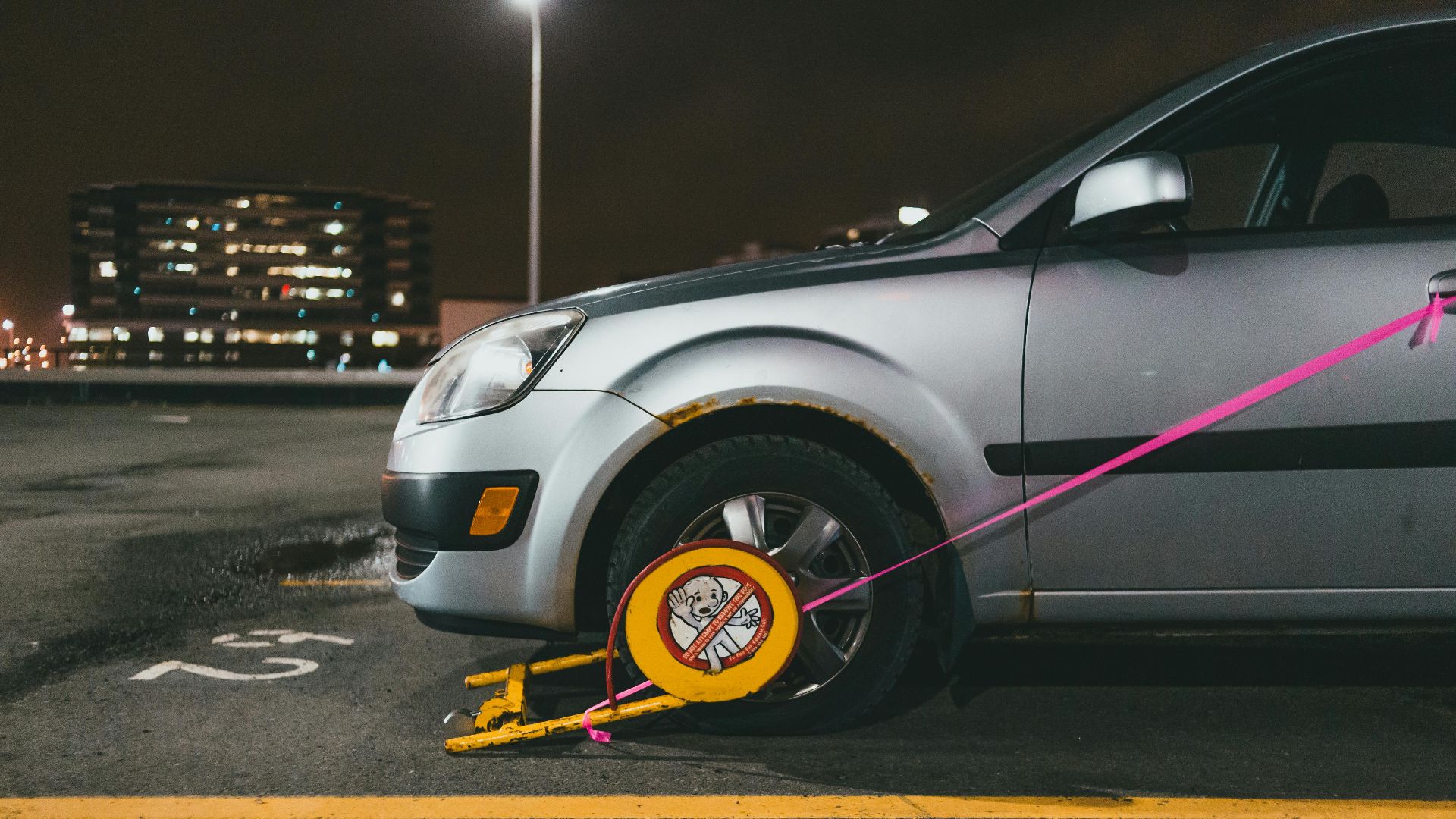
Booting And Towing Often Go Together
A wheel boot is meant to immobilize a vehicle until fines are paid. If the owner ignores the boot or misses a deadline, towing may follow. Removing or damaging a boot yourself is generally illegal. That can create even bigger legal and financial problems.
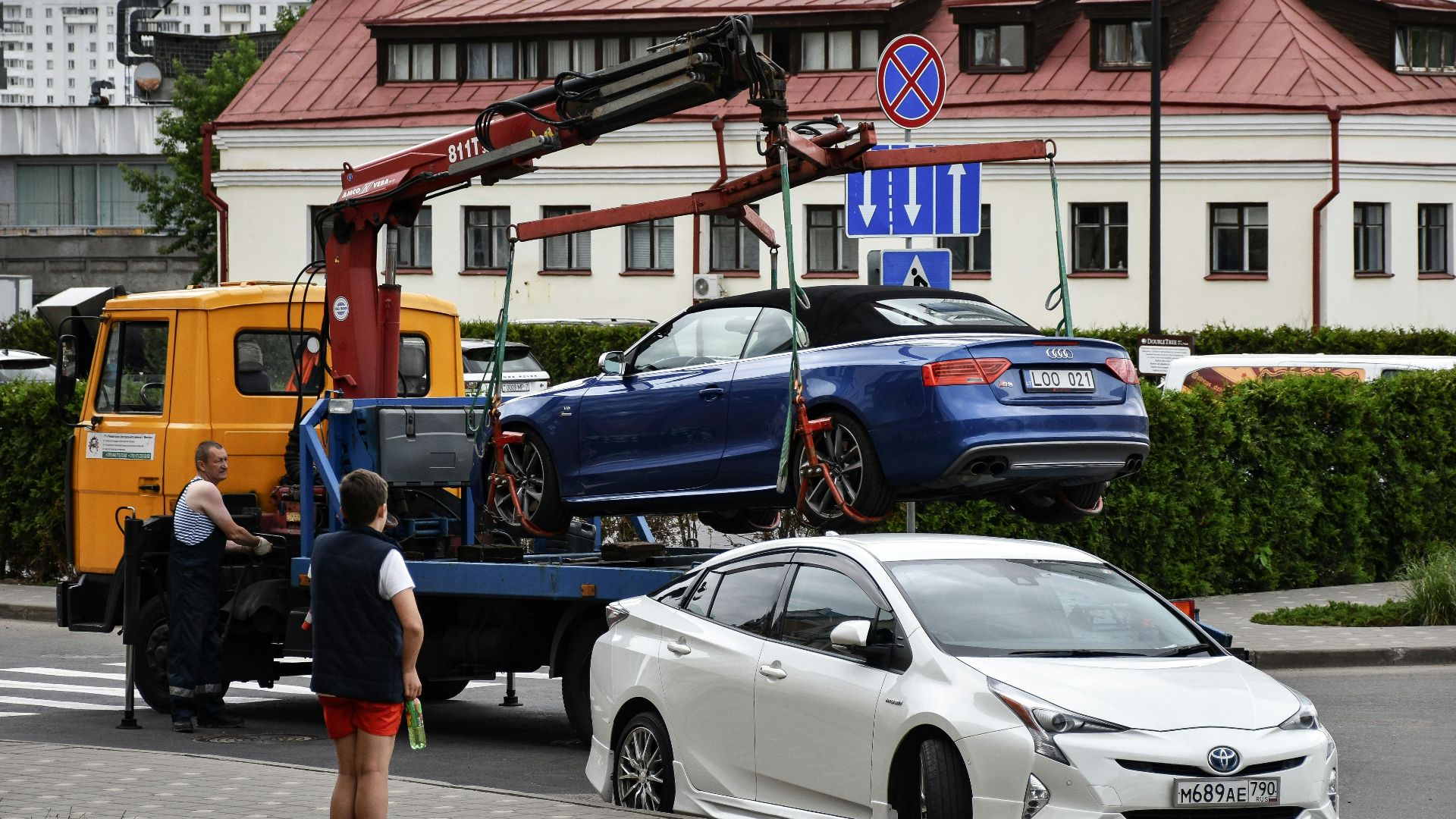
Predatory Towing Is A Real Problem
Not every tow is legitimate. Consumer complaints about aggressive or predatory towing practices have increased in many cities. Some companies patrol private lots aggressively and tow vehicles within minutes. Others rely on confusing signage or questionable authorization procedures.
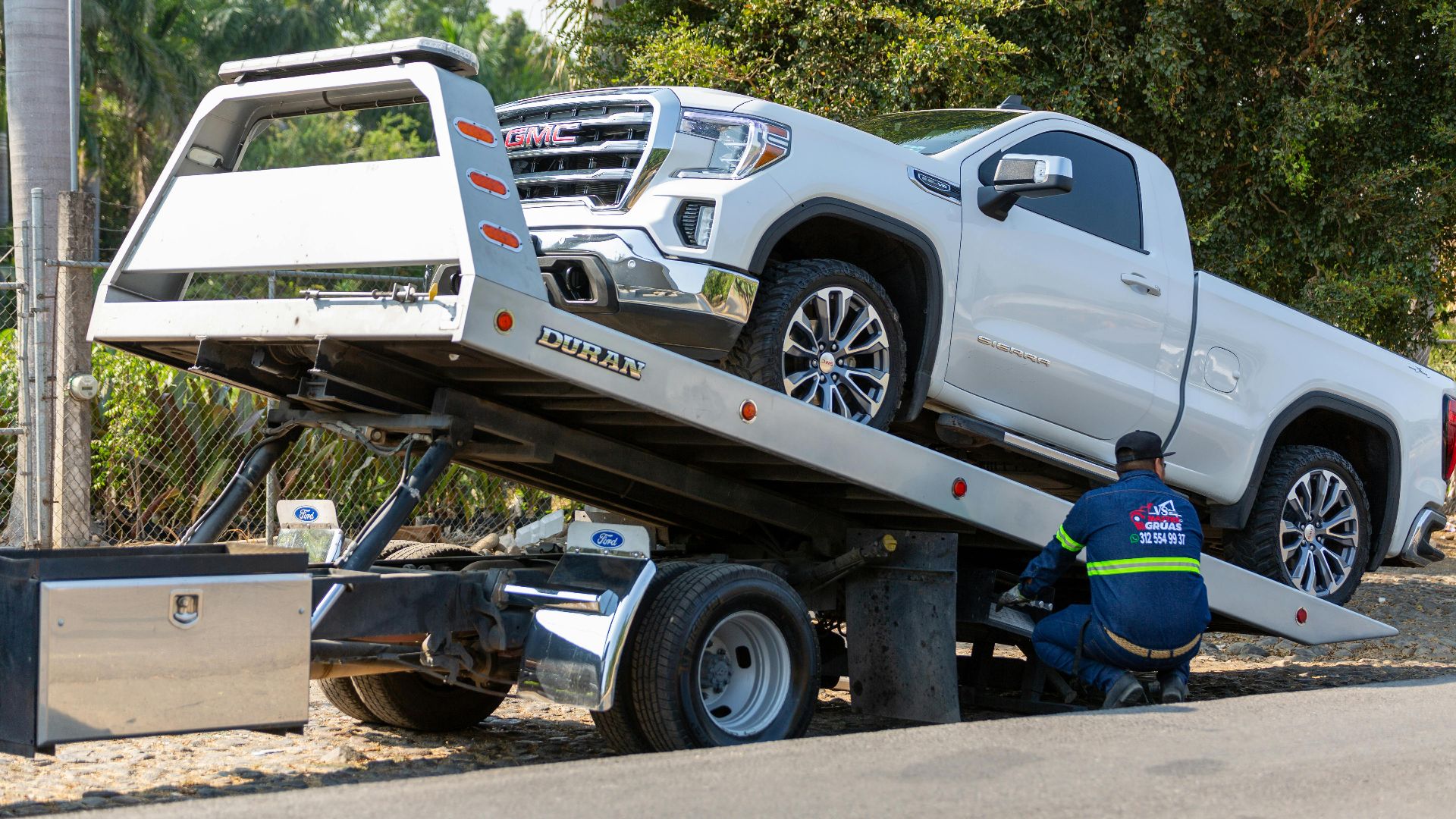
Warning Signs Are Not Always Easy To Spot
Tow-away notices may technically satisfy legal requirements while remaining difficult to notice. Signs can be mounted high on poles, hidden behind landscaping, or printed in tiny lettering. Courts often still side with property owners if the signage meets minimum legal standards. That makes disputes frustrating for drivers.

Storage Fees Add Up Fast
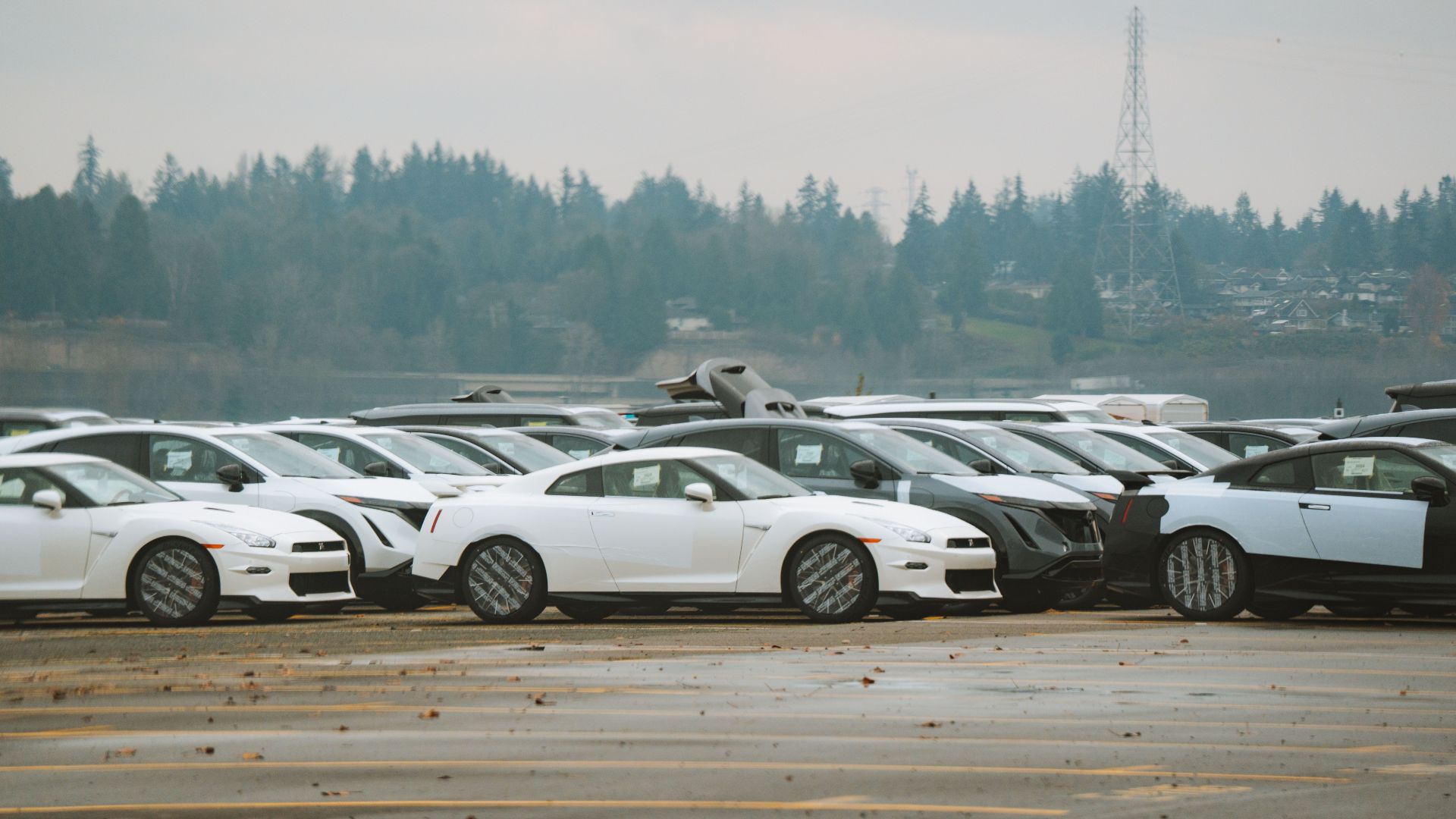
Once your vehicle reaches an impound lot, the costs start climbing immediately. Drivers usually face towing fees, daily storage charges, administrative fees, and sometimes after-hours release costs. Waiting even a couple of days can significantly increase the bill. Some people end up paying hundreds of dollars to recover a car.
You Still Have Rights After A Tow
Drivers are not powerless after their vehicle is removed. Most states and provinces require towing companies to provide information about where the car was taken and why. Many jurisdictions also require clear documentation of the violation. You can request receipts and records related to the tow.
You May Be Able To Challenge The Tow
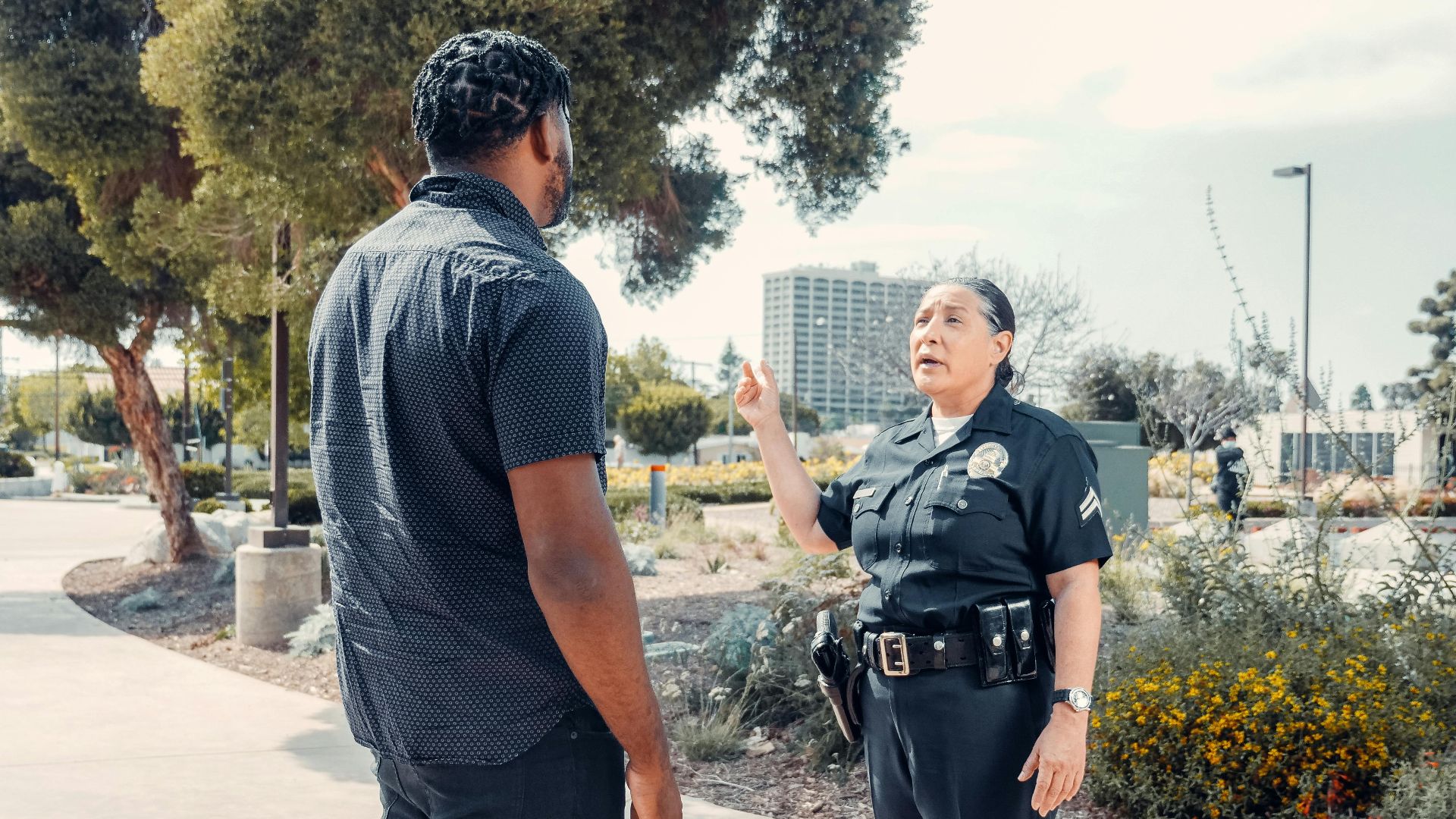
If you believe the tow was improper, you can usually contest it through a hearing or court process. Evidence matters a great deal in these disputes. Photos of the area, unclear signage, parking receipts, and witness statements can help your case. Timing is important because appeal deadlines are often short.

Take Photos Before Moving Anything
If you discover your car has been towed, document the scene immediately. Photograph all nearby signs, curb markings, and the exact parking location if possible. These images may become important evidence later. Many successful disputes rely heavily on photographic proof.

Ask For An Itemized Bill
Towing companies generally must disclose their fees clearly. Request an itemized invoice showing towing charges, storage fees, taxes, and any administrative costs. Compare the bill against local regulations because some jurisdictions cap certain fees. Overcharges do happen.

Some Tows Violate Consumer Protection Laws
Several states have cracked down on improper towing practices through consumer protection statutes. These laws may regulate signage, fee limits, release procedures, and response times. Violations can sometimes entitle drivers to refunds or damages. Filing a complaint with local authorities may help expose repeat offenders.

Prevention Is Better Than Fighting A Tow
Double-check parking signs every time you leave your vehicle. Look farther down the block because restrictions may not appear directly beside your spot. Parking apps and city alert systems can also help drivers avoid temporary restrictions. Spending a few extra seconds checking the rules can save a major headache later.
Modern Parking Enforcement Is More Aggressive Than Ever
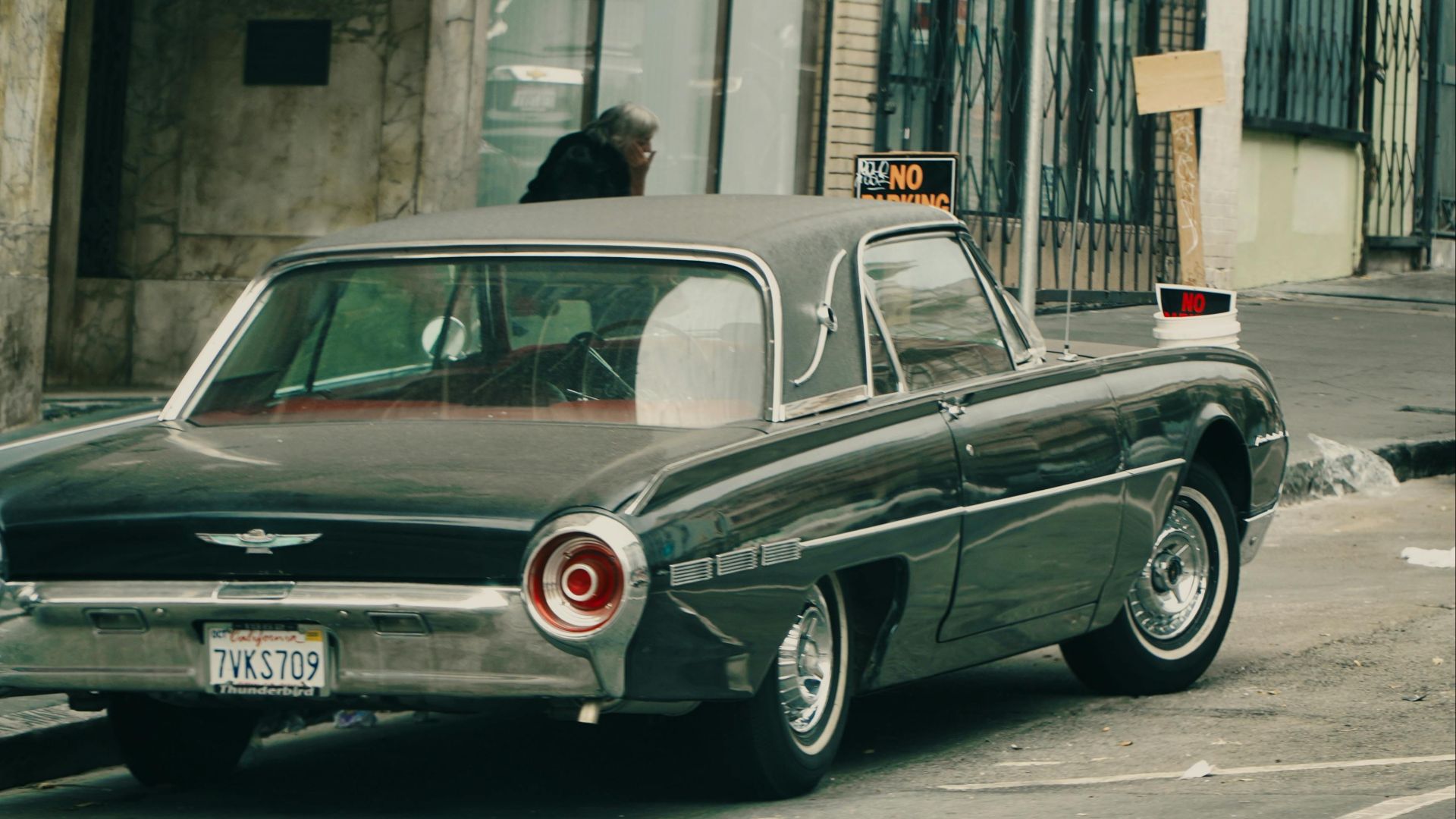
Technology has made parking enforcement faster and more efficient. Automated license plate readers and digital enforcement systems help authorities identify violations quickly. Private towing contractors also use surveillance cameras and spotters in busy lots. Drivers have less margin for error than they did years ago.
Trust Your Instincts About Shady Lots
If a parking area feels confusing or poorly marked, proceed cautiously. Lots with excessive warning signs, aggressive wording, or unclear boundaries often generate disputes. Choosing another parking option may cost a little more upfront. It can still be cheaper than recovering a towed vehicle.
The Frustration Is Real But The Tow May Still Be Legal
Having your car towed when you thought you parked legally feels infuriating. In many situations, though, the tow may still comply with local laws and regulations. The key is understanding that parking rules can change quickly and vary dramatically by location. Staying alert and documenting everything gives you the best chance of avoiding problems or successfully challenging an unfair tow.

You May Also Like:
I paid extra for parking in a private lot—and they towed my car after an hour. What can I do?