How Well Do You Know Your Muscle Cars?
You might know a Hemi from a big-block Chevy, but do you know why the Rock Crusher earned its nickname or why some engine badges were misleading? The golden age of American muscle cars was filled with clever engineering, unusual factory options, and little-known racing secrets. Put your automotive knowledge to the test.
How many of these muscle car secrets do you know?
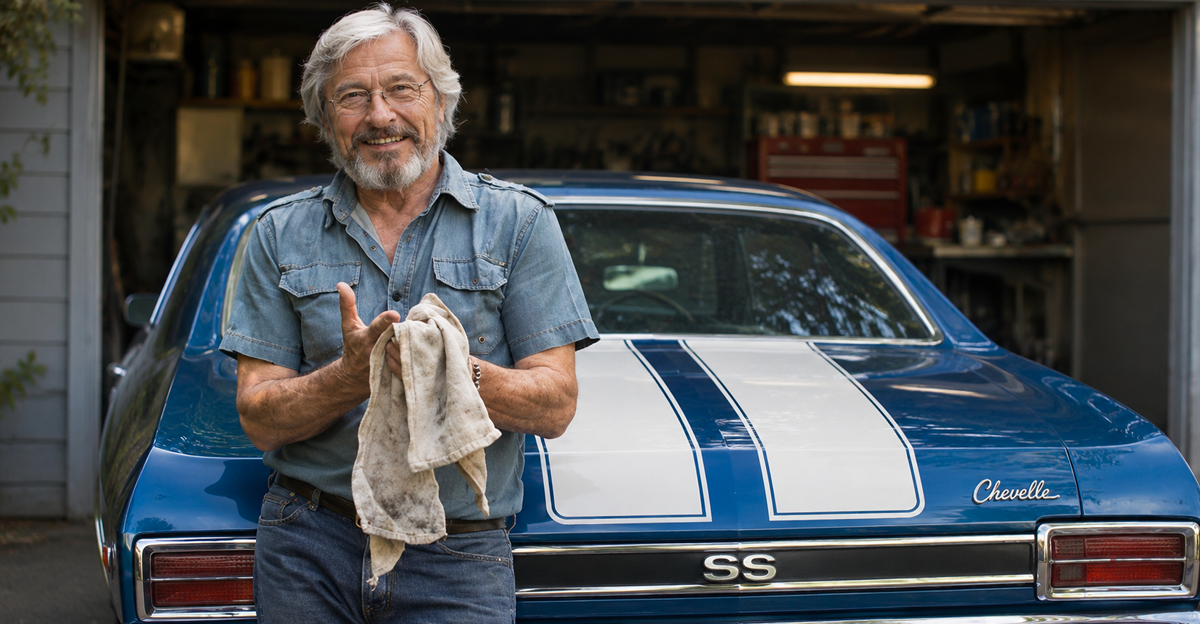
The 1970 SS 396 Was Actually A 402
Chevrolet enlarged its 396-cubic-inch big-block V8 to 402 cubic inches for 1970. However, the Chevelle kept its familiar SS 396 designation. That means the badge on the fender did not actually match the engine's true displacement.
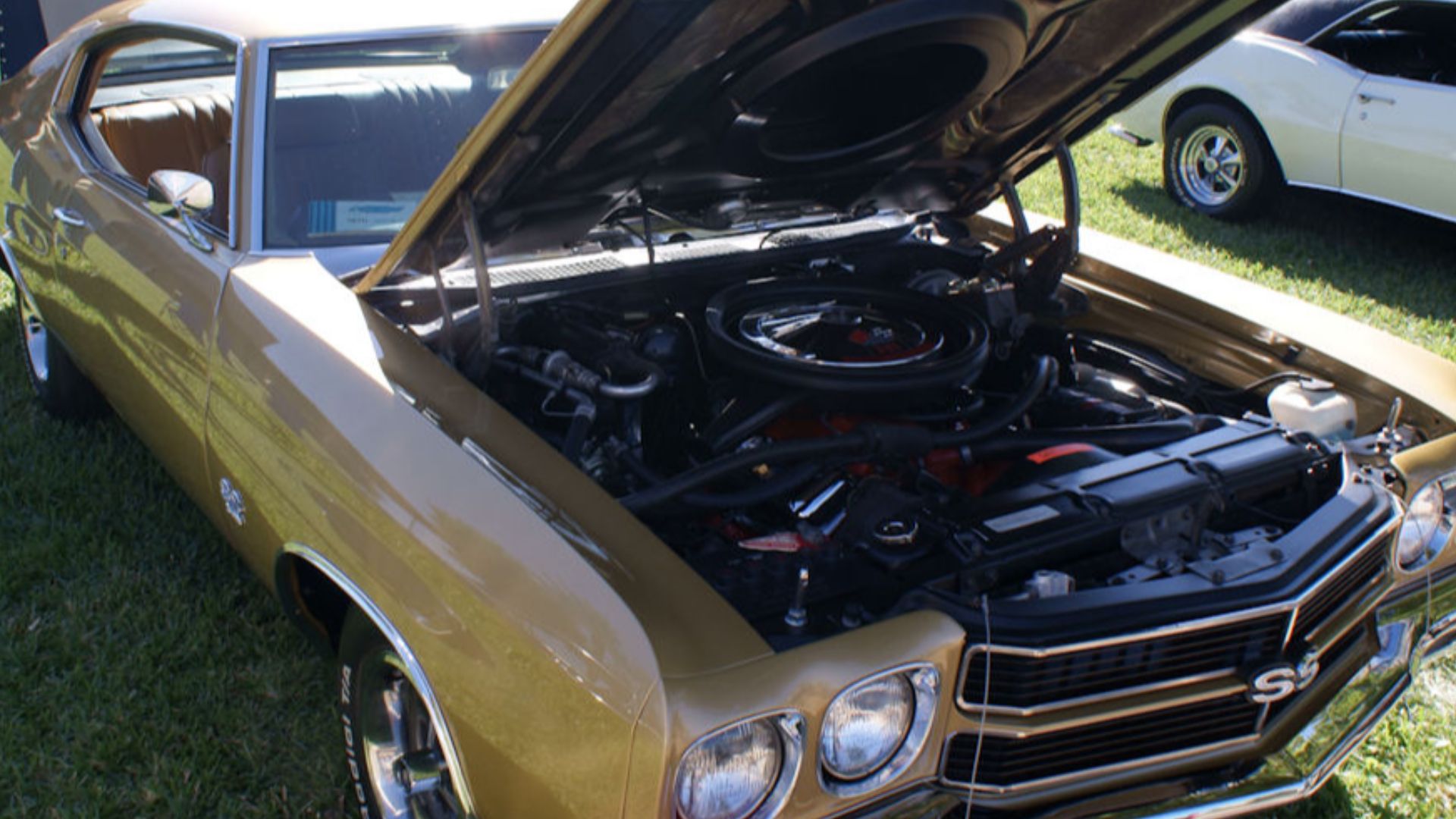
The Rock Crusher Earned Its Nickname
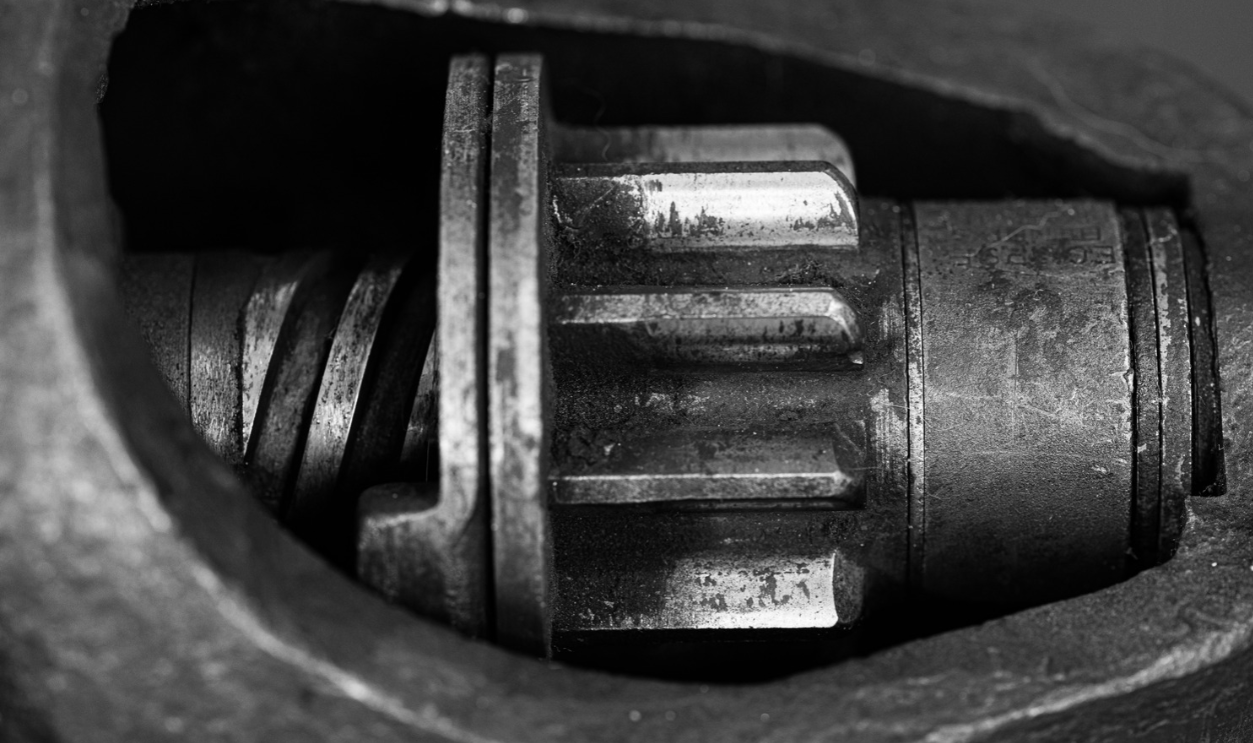
Chevrolet's heavy-duty Muncie M22 four-speed manual became known as the Rock Crusher. Its gear design created a distinctive whine that sounded tougher and rougher than other manual transmissions. That unforgettable sound became part of the muscle car experience.
The GTO Exploited A Corporate Loophole
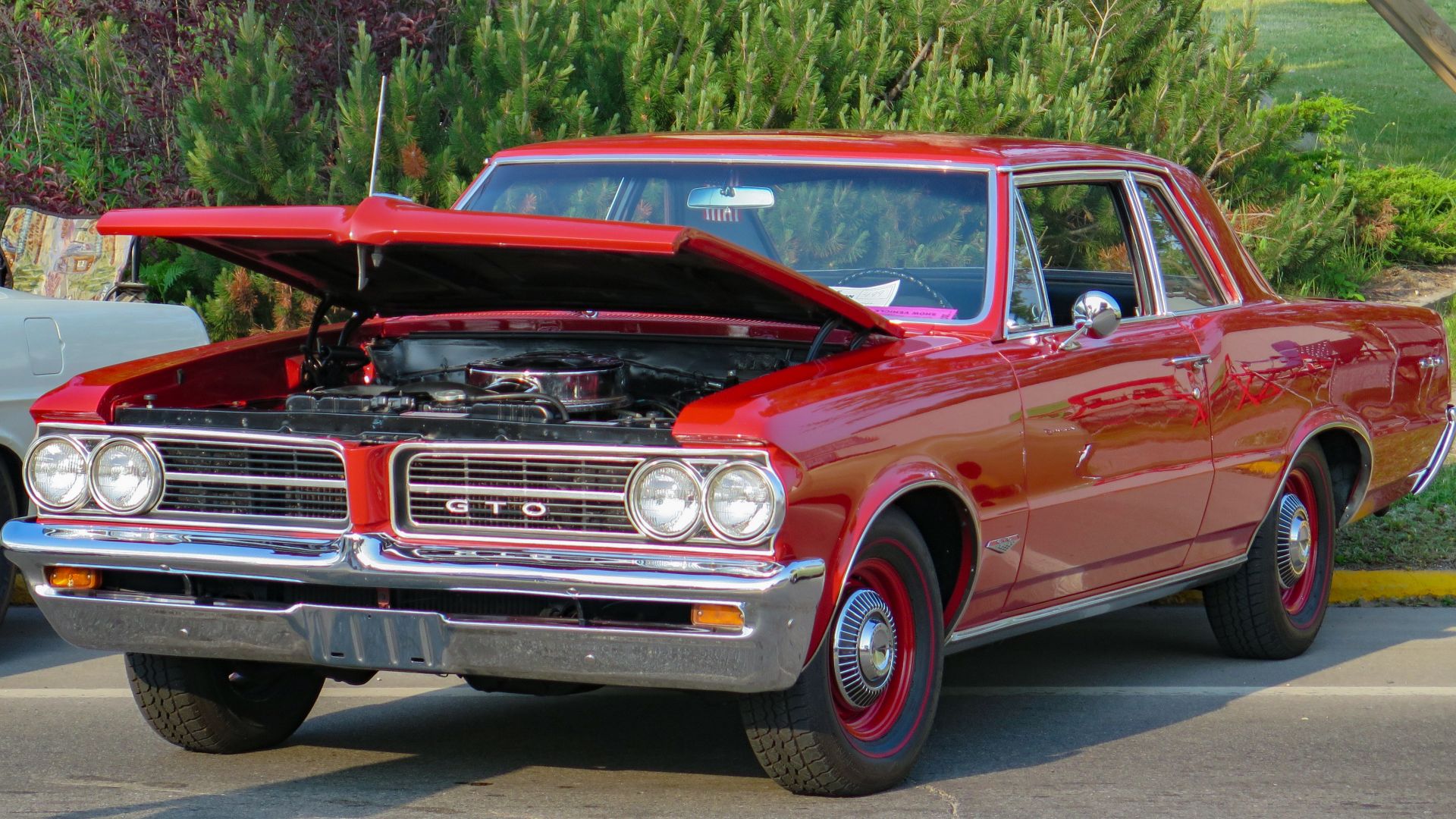
General Motors limited engine size in its intermediate cars, but Pontiac found a way around the rule. For about $296, buyers could add the GTO package to a 1964 LeMans and get a 389-cubic-inch V8 rated at 325 horsepower. Pontiac sold 32,450 of them that year and helped launch the muscle car era.
The Hemi Was Born On The Racetrack
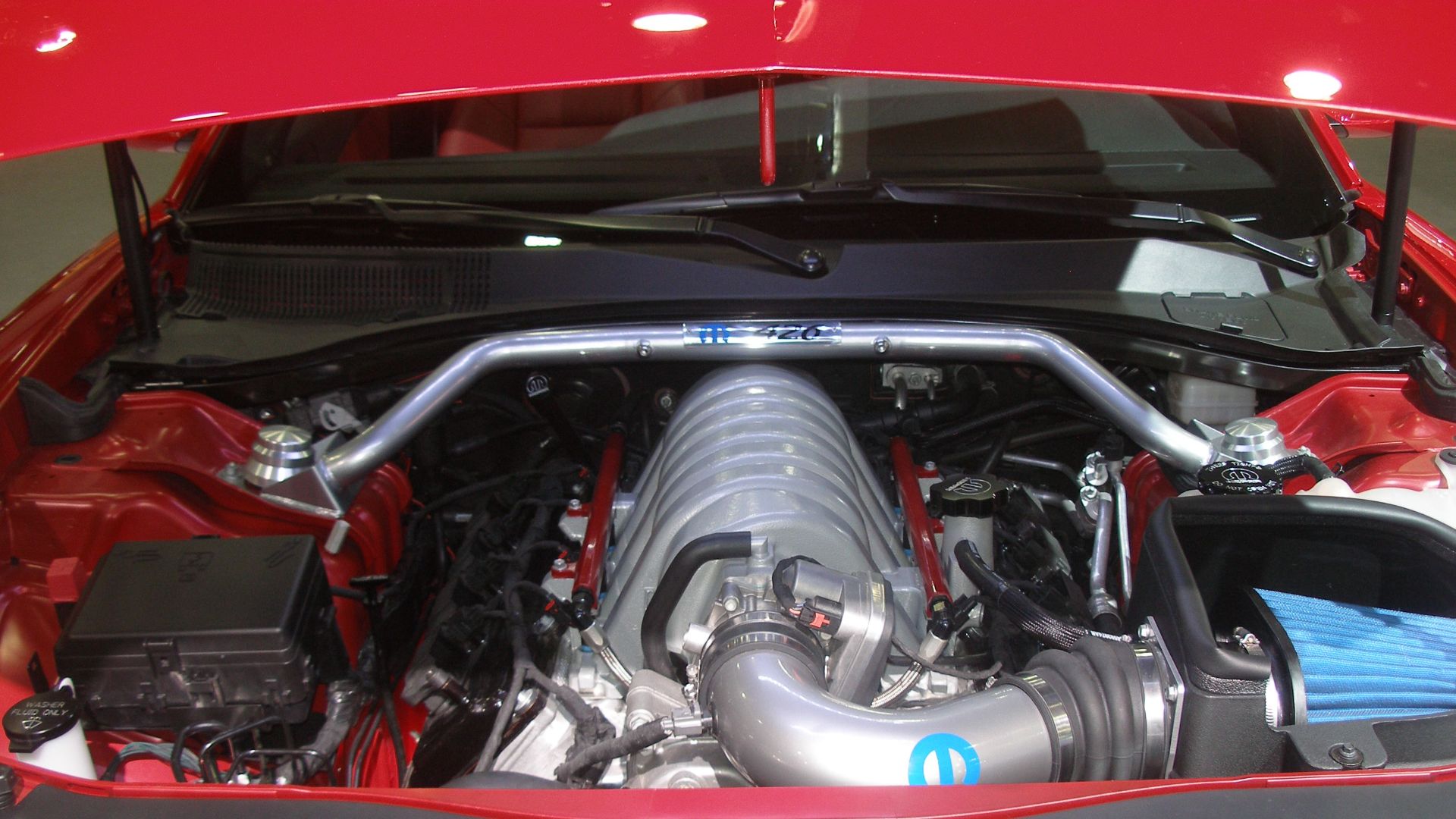
The 426 Hemi was developed for NASCAR and drag racing before it reached the street. Its famous hemispherical combustion chambers helped airflow and power production at high performance levels. Regular buyers finally got the Street Hemi for the 1966 model year.
 Oilpanhands, Wikimedia Commons
The Racing Hemi Got Off To A Slow Start
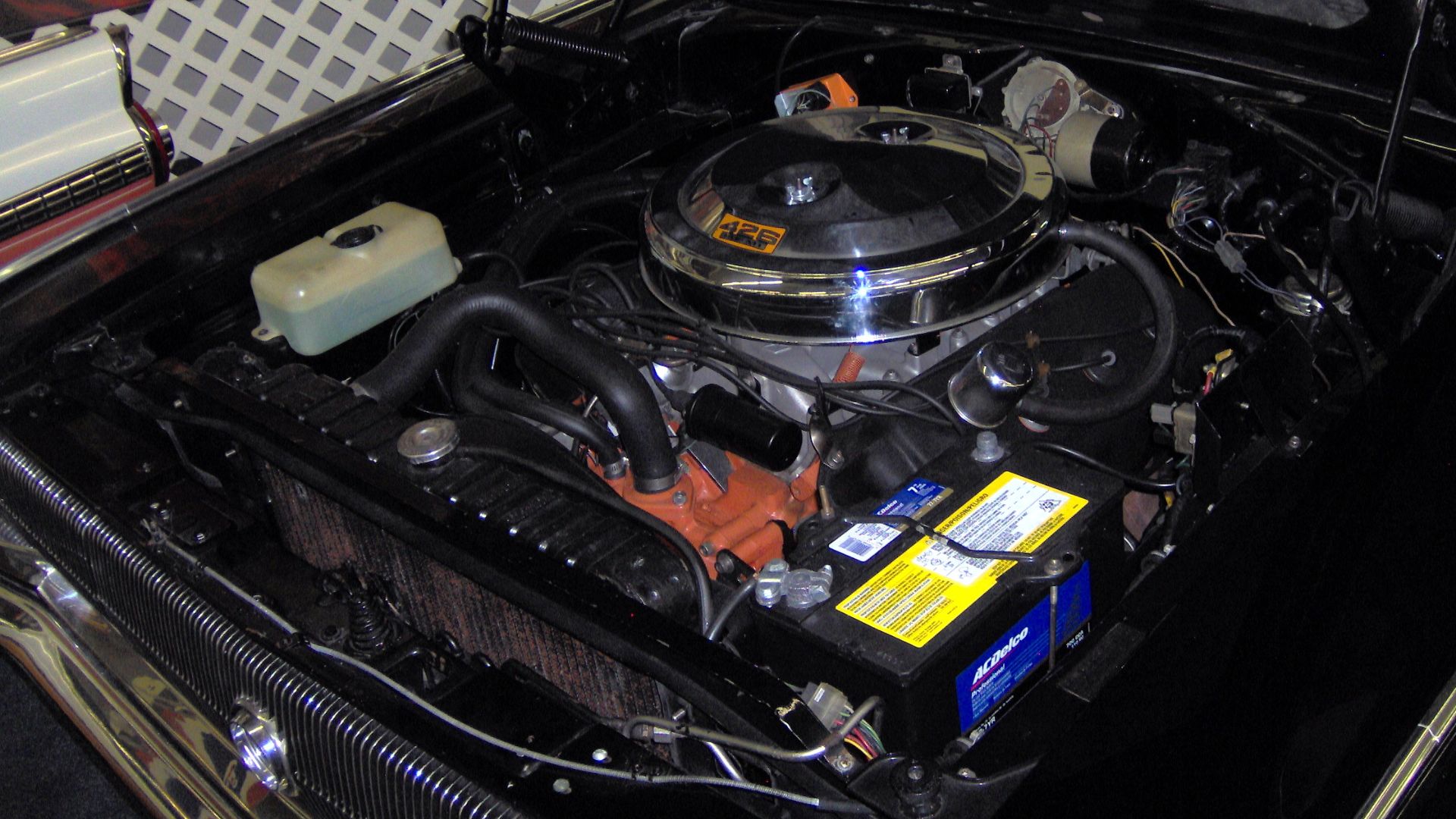
Chrysler's new 426 Hemi did not dominate right out of the gate. During testing before the 1964 NHRA Winternationals, the new Hemi drag cars were actually slower than the older Max Wedge machines. Engineers held them back until they solved the problems.
 Stephen Foskett (Wikipedia User: sfoskett), Wikimedia Commons
Positraction Wasn't A Universal Term
Enthusiasts often say "posi" as if every brand used the same name, but they did not. Chevrolet called its limited-slip differential Positraction, Pontiac used Safe-T-Track, and Dodge and Plymouth called theirs Sure-Grip. No matter the name, the goal was the same: send power to both rear wheels more effectively.
Chevrolet's Special-Order System Circumvented The Rules
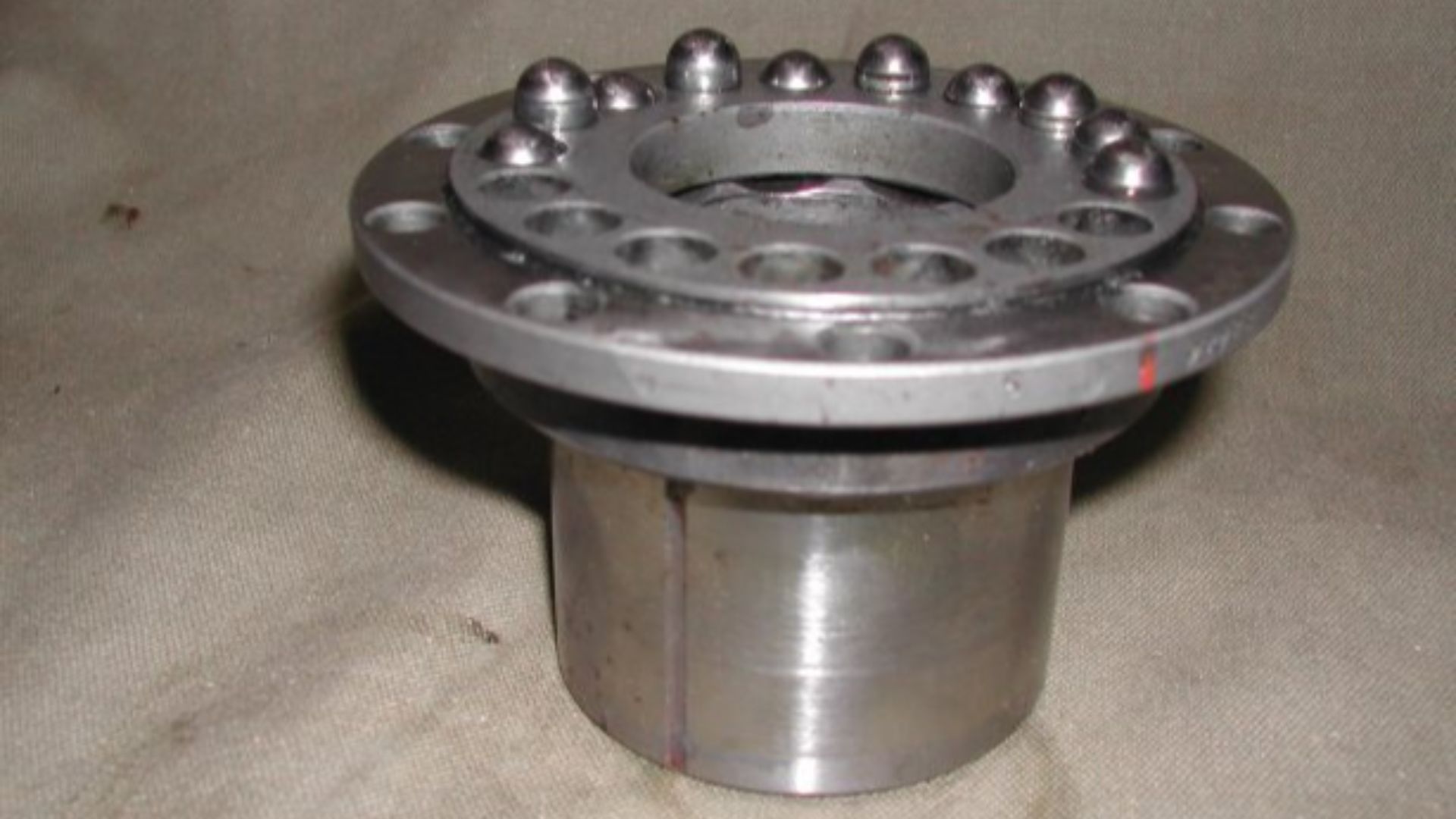
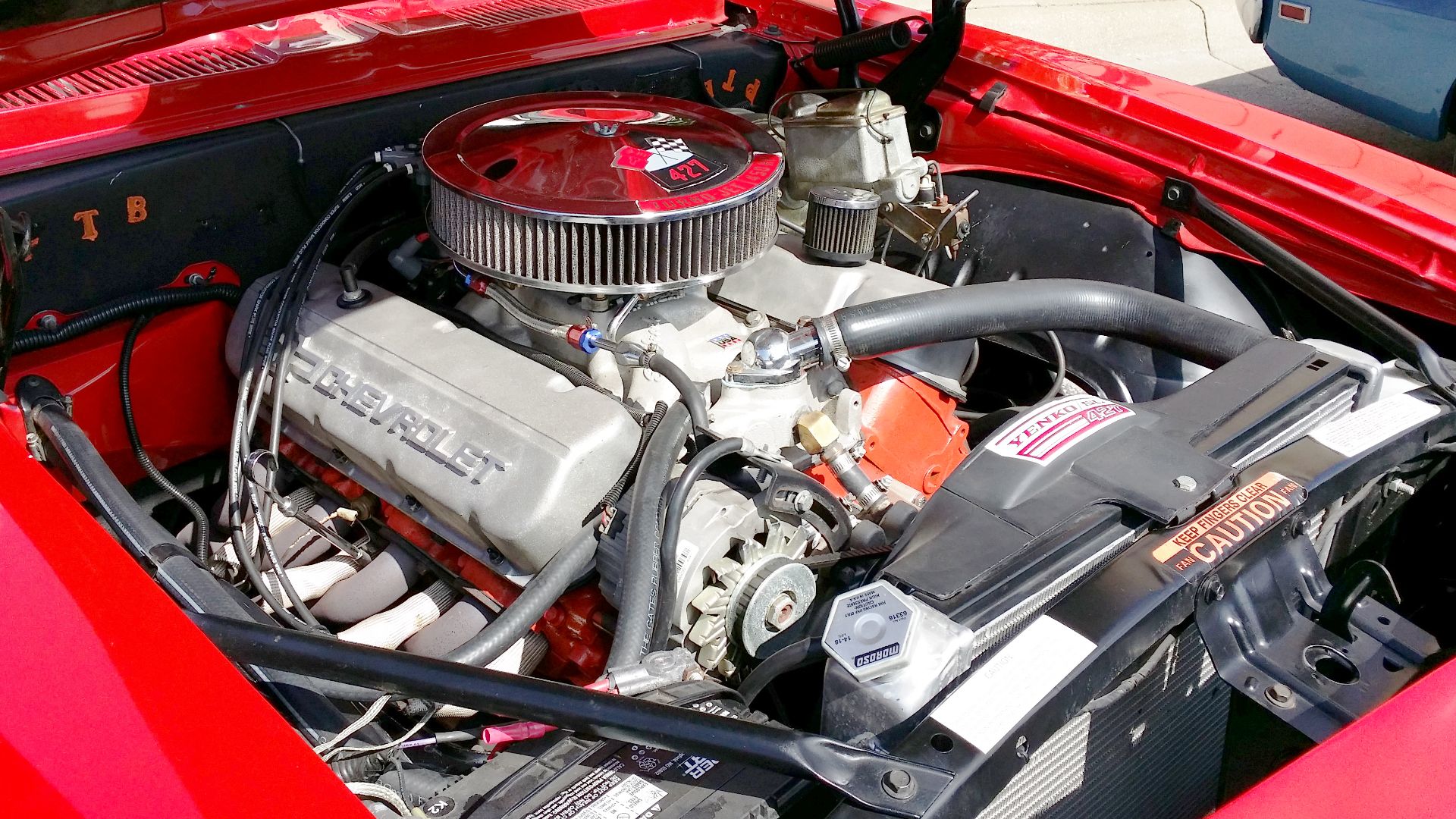
COPO stands for Central Office Production Order, and it was originally meant for unusual fleet or special vehicle requests. Clever dealers realized they could use it to order combinations Chevrolet did not normally advertise. That is how some 1969 Chevelles and Camaros ended up with brutal 427-cubic-inch engines.
 Eric Friedebach, Wikimedia Commons
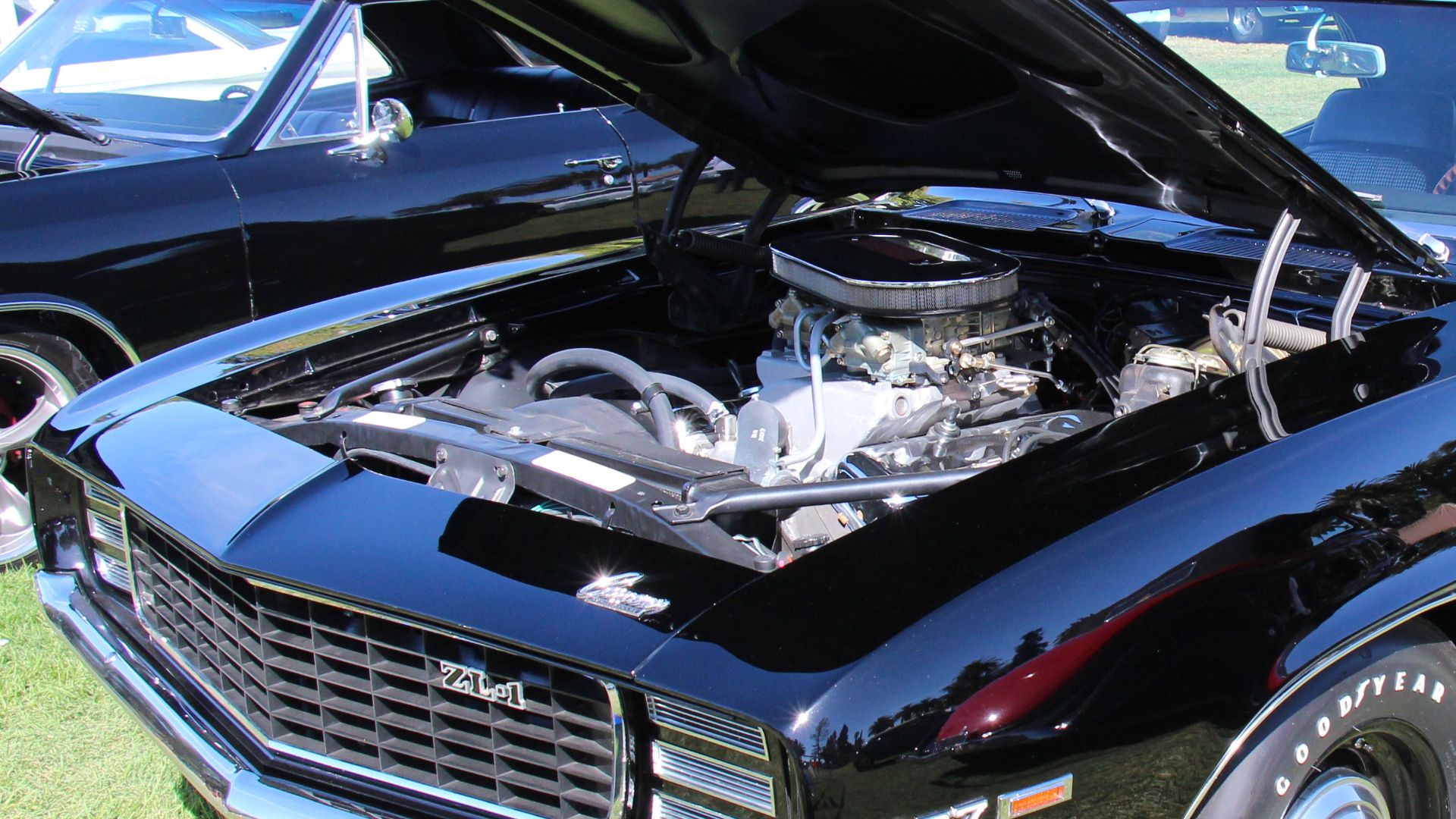
Only 69 ZL1 Camaros Were Built
The 1969 Camaro ZL1 is one of the rarest factory performance Camaros ever made. It used an all-aluminum 427-cubic-inch V8 rated at 430 horsepower, though many believed the real output was higher. Just 69 were built, which is one reason they are so coveted today.
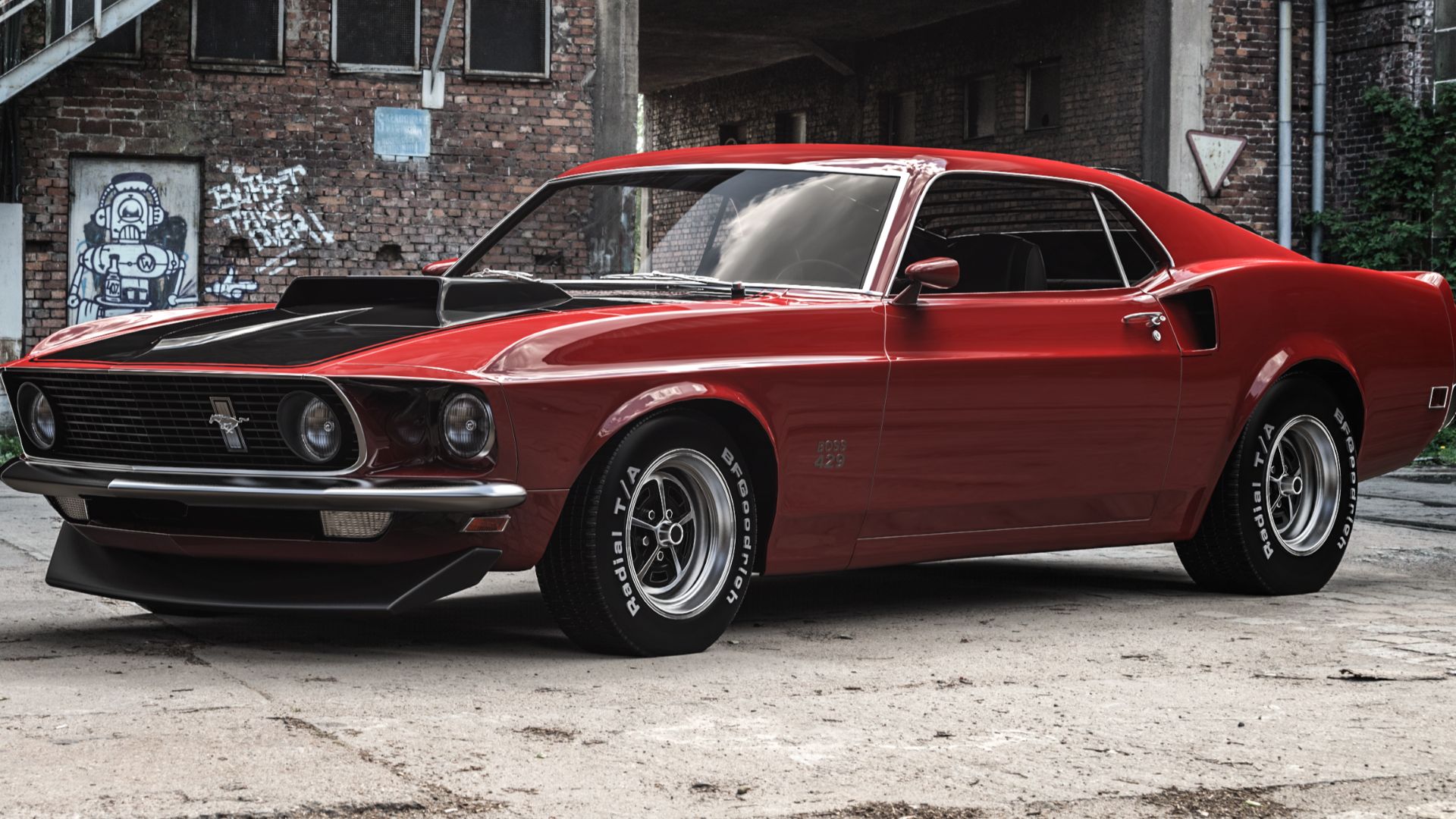
The Boss 429 Barely Fit Under The Hood
Ford created the Boss 429 to homologate its new racing engine for NASCAR competition. The engine was so large that standard Mustang assembly would not work. Kar Kraft had to modify the cars extensively so the engine could fit properly.
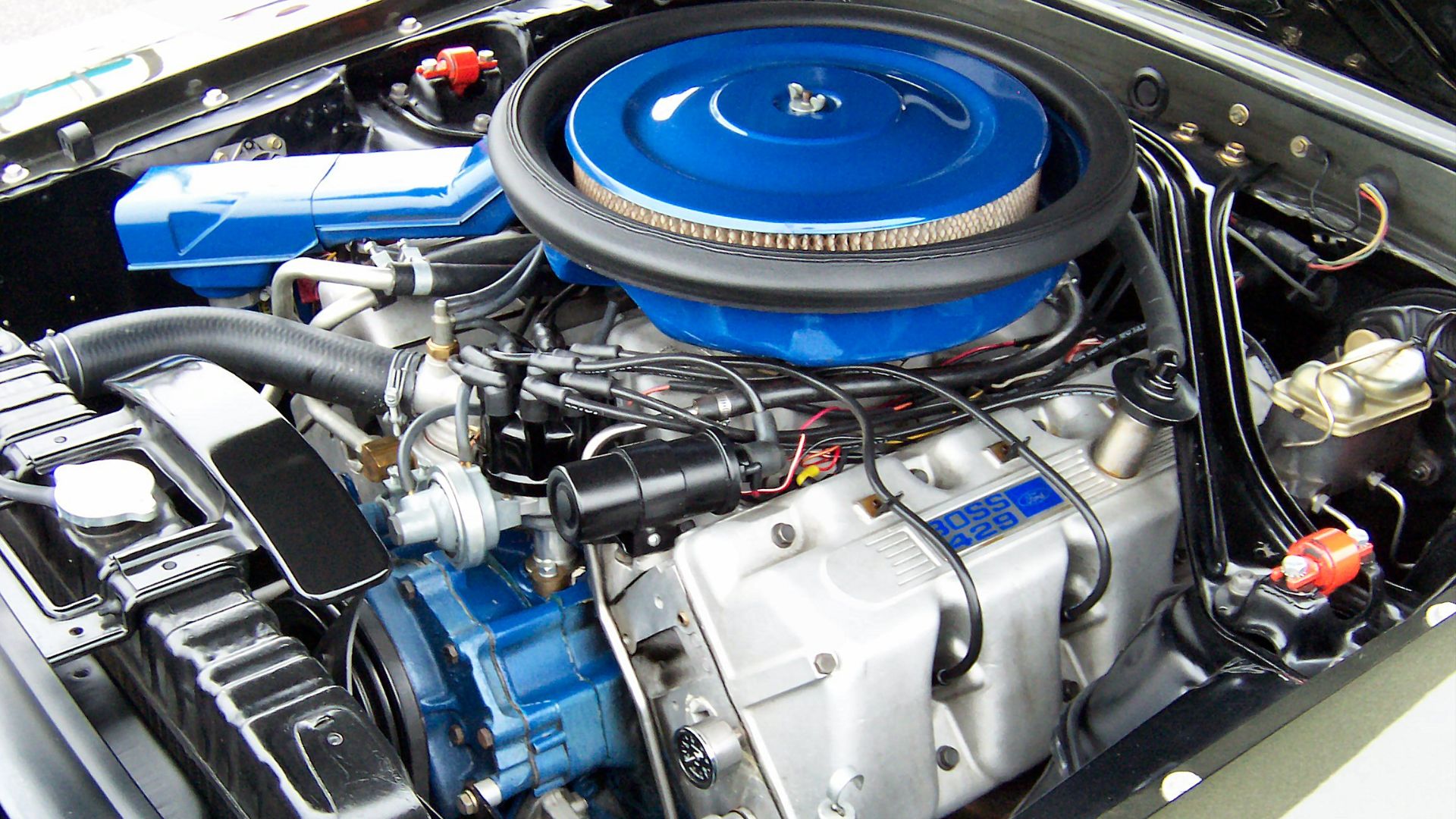 Photo by User:Morven., Wikimedia Commons
Bigger Engines Weren't Always Faster
A larger engine did not automatically guarantee quicker performance. The Boss 429 Mustang, for example, was not dramatically quicker in the quarter mile than the cheaper 428 Cobra Jet. Weight, gearing, camshaft tuning, and carburetion could matter just as much as raw displacement.
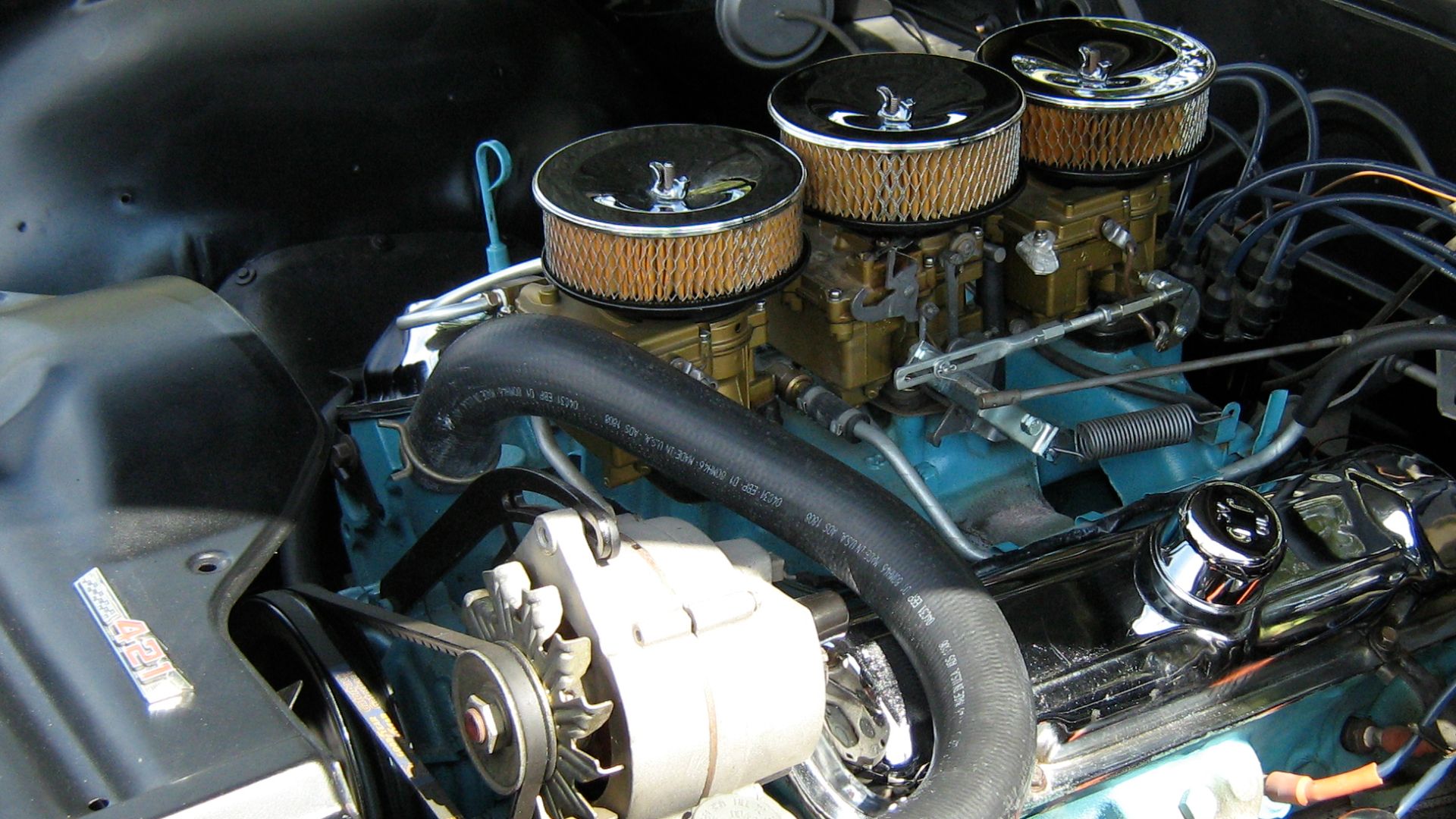
Tri-Power Meant Three Carburetors
Pontiac's Tri-Power setup used three two-barrel carburetors instead of one larger carburetor. The center carb handled most normal driving, while the outer two opened when the driver demanded more power. On the 1964 GTO, Tri-Power raised output from 325 to 348 horsepower.
Six Pack Didn't Mean Six Cylinders
Mopar fans know that Six Pack referred to three two-barrel carburetors, not six cylinders. Dodge used the Six Pack name, while Plymouth often called the same basic idea Six Barrel. On the 440 V8, it delivered serious performance without the extra cost of a Hemi.
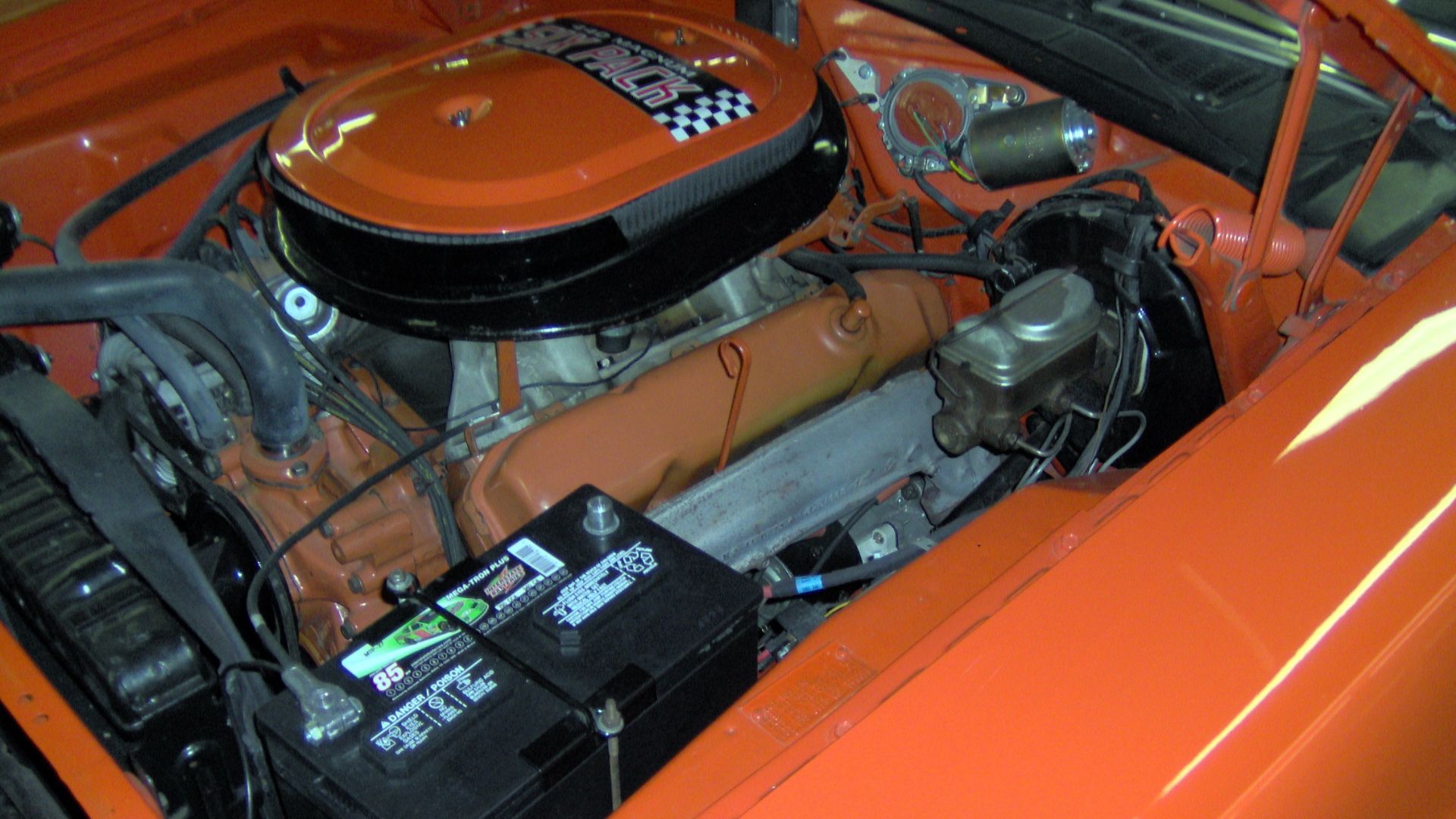 Stephen Foskett (Wikipedia User: sfoskett), Wikimedia Commons
Not Every Hood Scoop Was Functional
Many muscle cars wore hood scoops that looked aggressive but served little or no real purpose. The original Pontiac GTO is a famous example, since its early scoops were decorative. True functional ram-air systems were a different story because they fed cooler outside air to the engine.
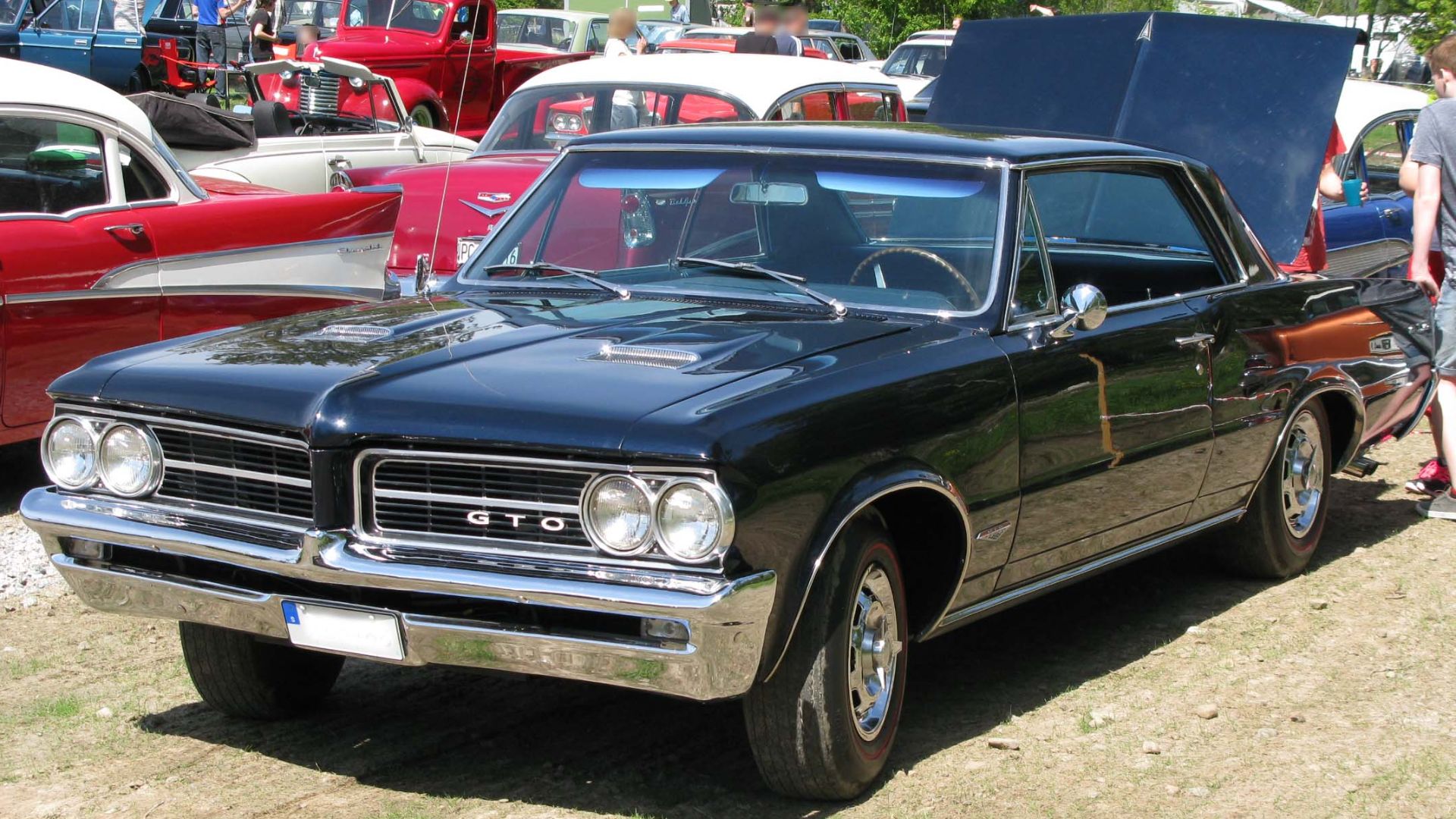 Herranderssvensson, Wikimedia Commons
Some Hood Scoops Actually Shook
The famous Shaker scoop was very different from a typical hood scoop. It was attached directly to the engine, so it moved when the engine twisted on its mounts. Drivers got a visible reminder of all that torque every time they blipped the throttle.
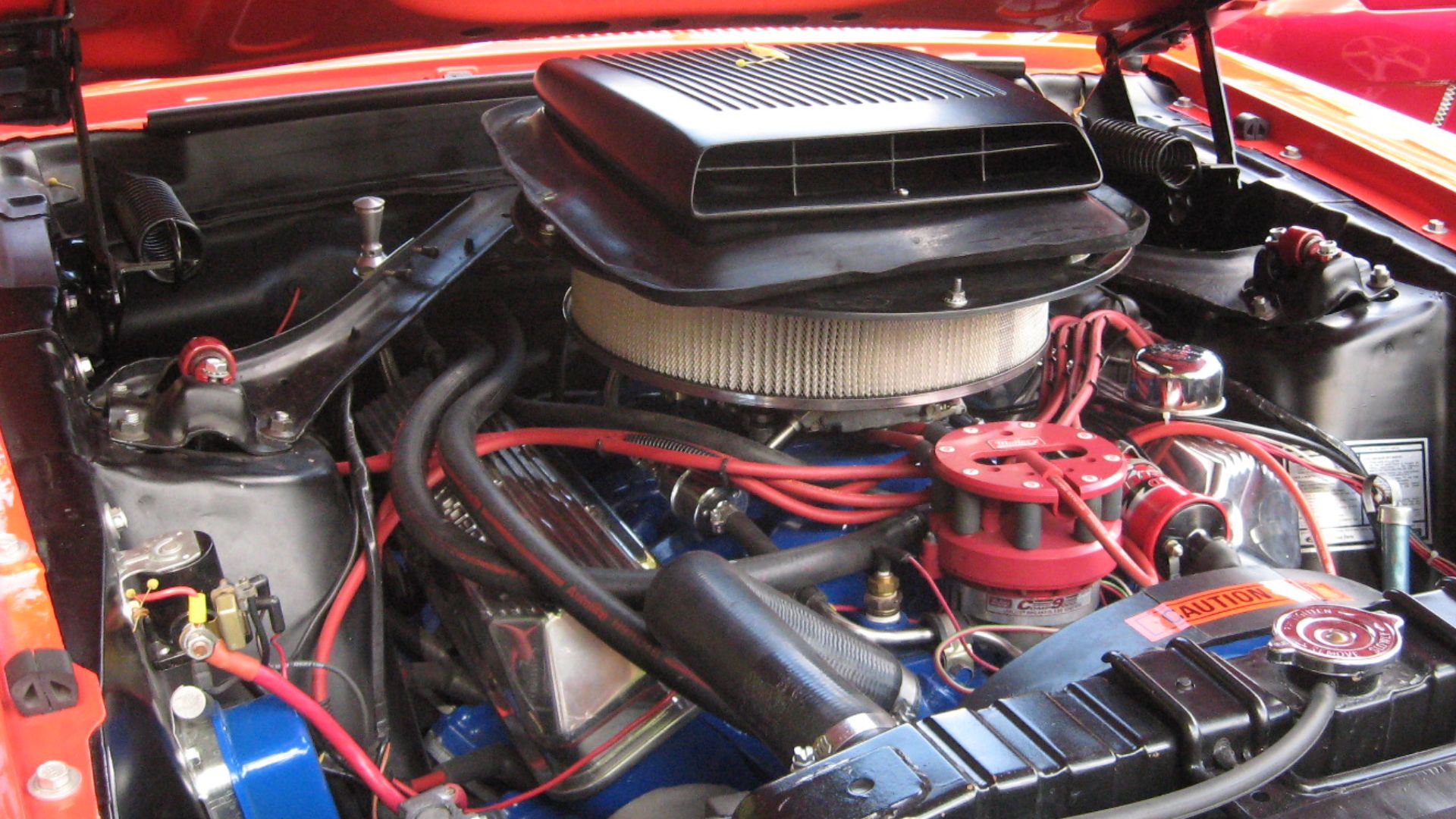
The Road Runner Was Deliberately Cheap
Plymouth introduced the Road Runner as a budget muscle car in 1968. It skipped many luxury touches and focused instead on giving buyers strong performance for a lower price. That simple formula made it a huge hit.
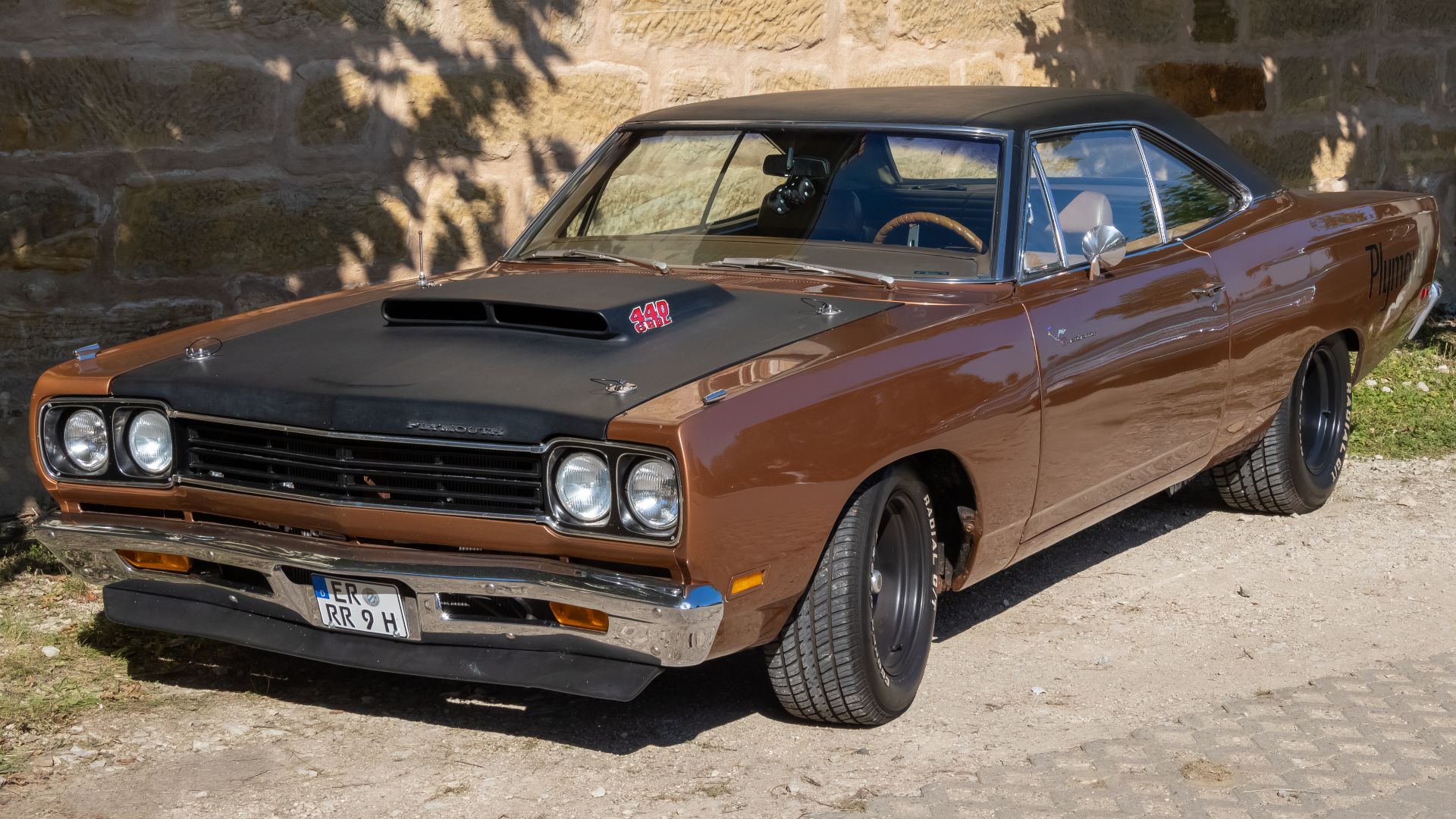
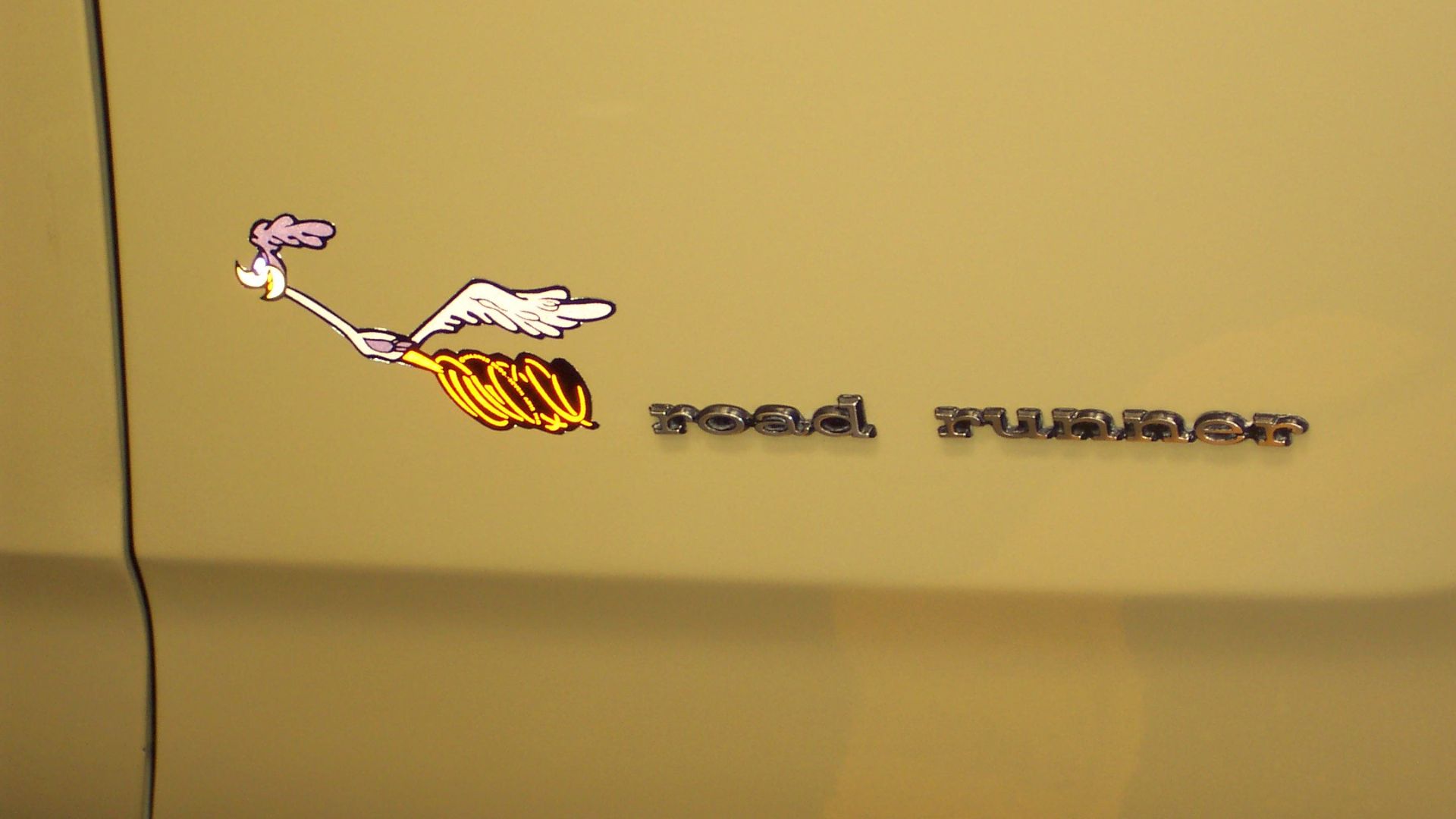
That Cartoon Horn Was Part Of The Sales Pitch
Plymouth licensed the Road Runner character from Warner Bros. and fully embraced the joke. The car's horn even made the cartoon bird's signature beep-beep sound. It was a playful touch that helped the Road Runner stand out in a crowded performance market.
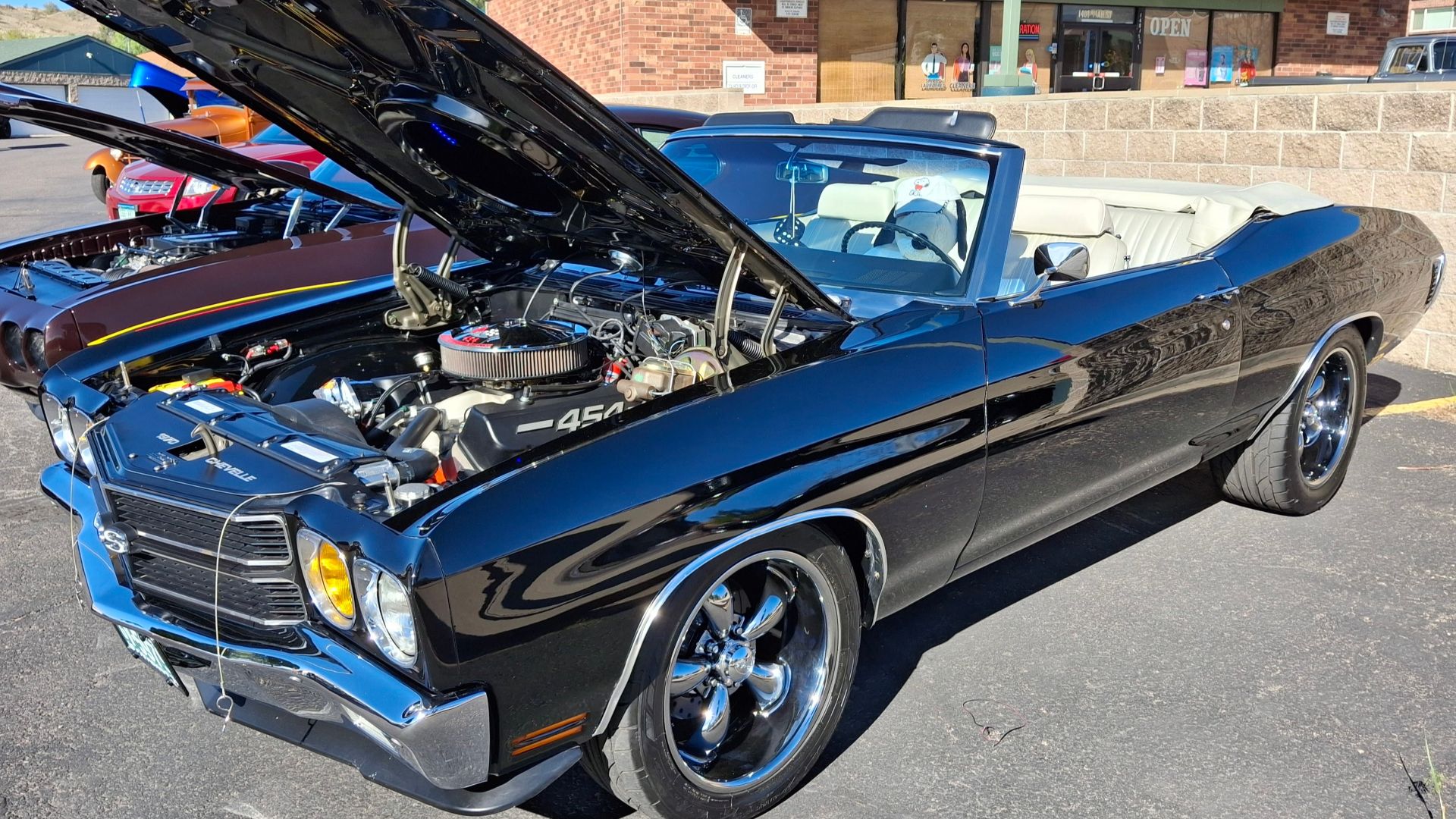
The Chevelle SS 454 Came In Two Flavors
Not every 1970 Chevelle SS 454 delivered the same level of punch. The LS5 version was rated at 360 horsepower, while the LS6 was rated at a massive 450 horsepower. Two cars could look nearly identical and still have very different performance.
Those Enormous Rear Wings Served A Purpose
The giant wing on the Dodge Charger Daytona was not just there to grab attention. It was part of a serious aerodynamic package designed for high-speed NASCAR racing. On the track, that unusual bodywork helped the car cut through the air more effectively.
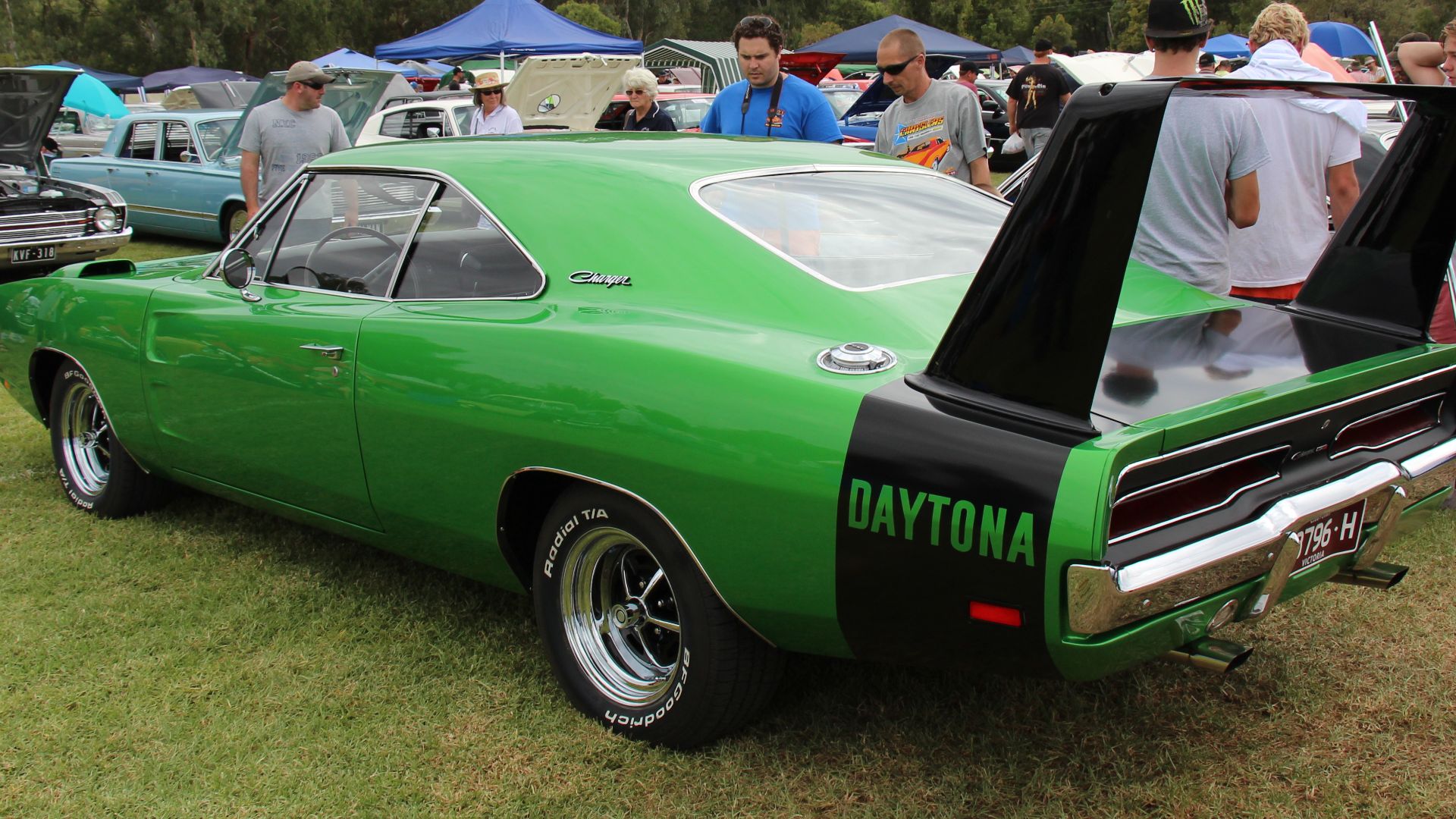
A Dodge Charger Broke The 200 MPH Barrier
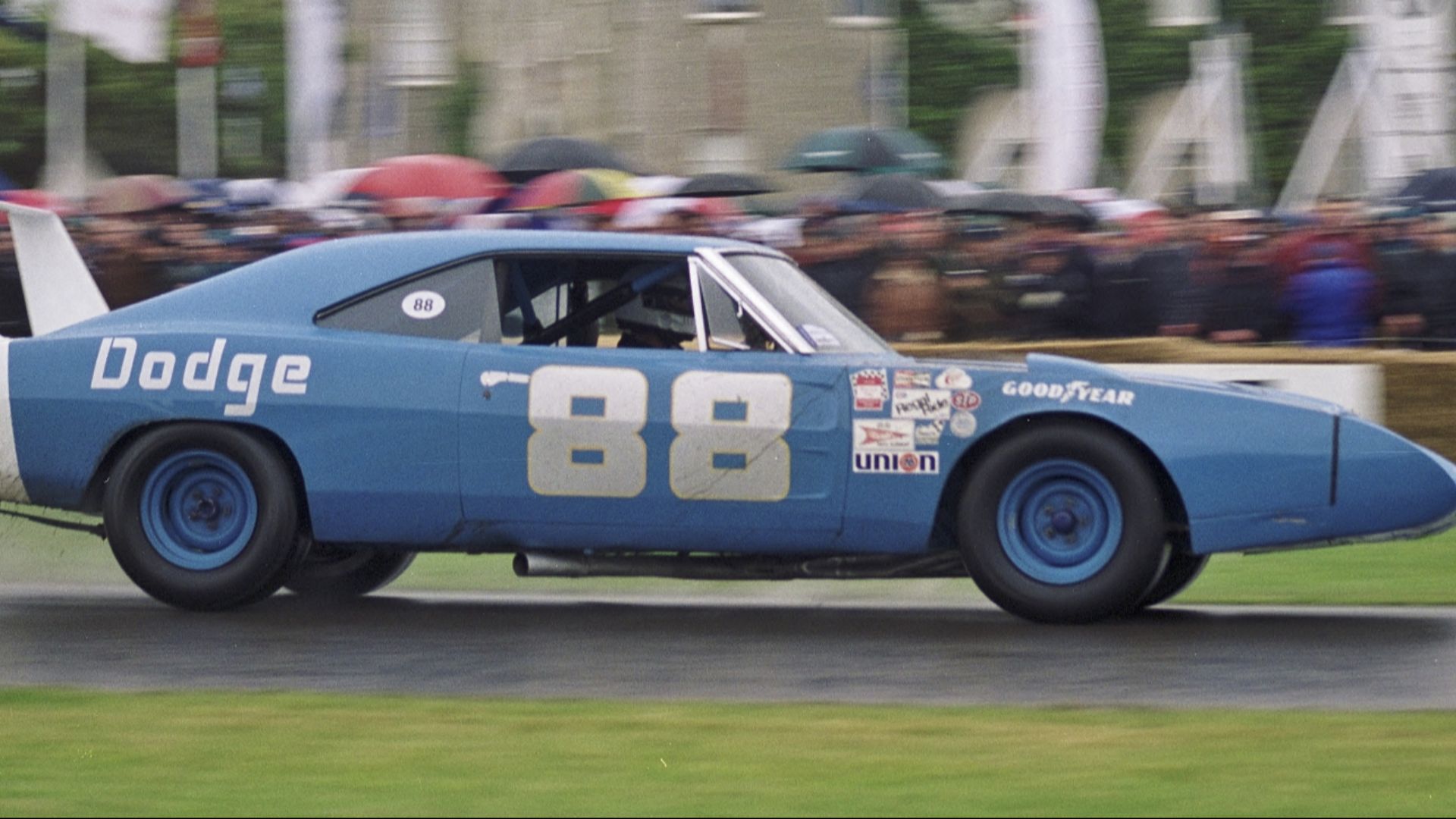
On March 24, 1970, Buddy Baker made history in a Charger Daytona at Talladega. He first topped 200 mph at 200.096 mph, then pushed it even higher to 200.447 mph a few laps later. That run made him the first driver to break 200 mph on a closed stock car circuit.
 PSParrot from England, Wikimedia Commons
Rear Axle Ratios Could Transform A Car
Muscle car performance was not just about engine output. Rear axle gearing could dramatically change how quickly a car launched and pulled through the gears. The trade-off was that aggressive gearing usually made highway cruising noisier and less relaxed.
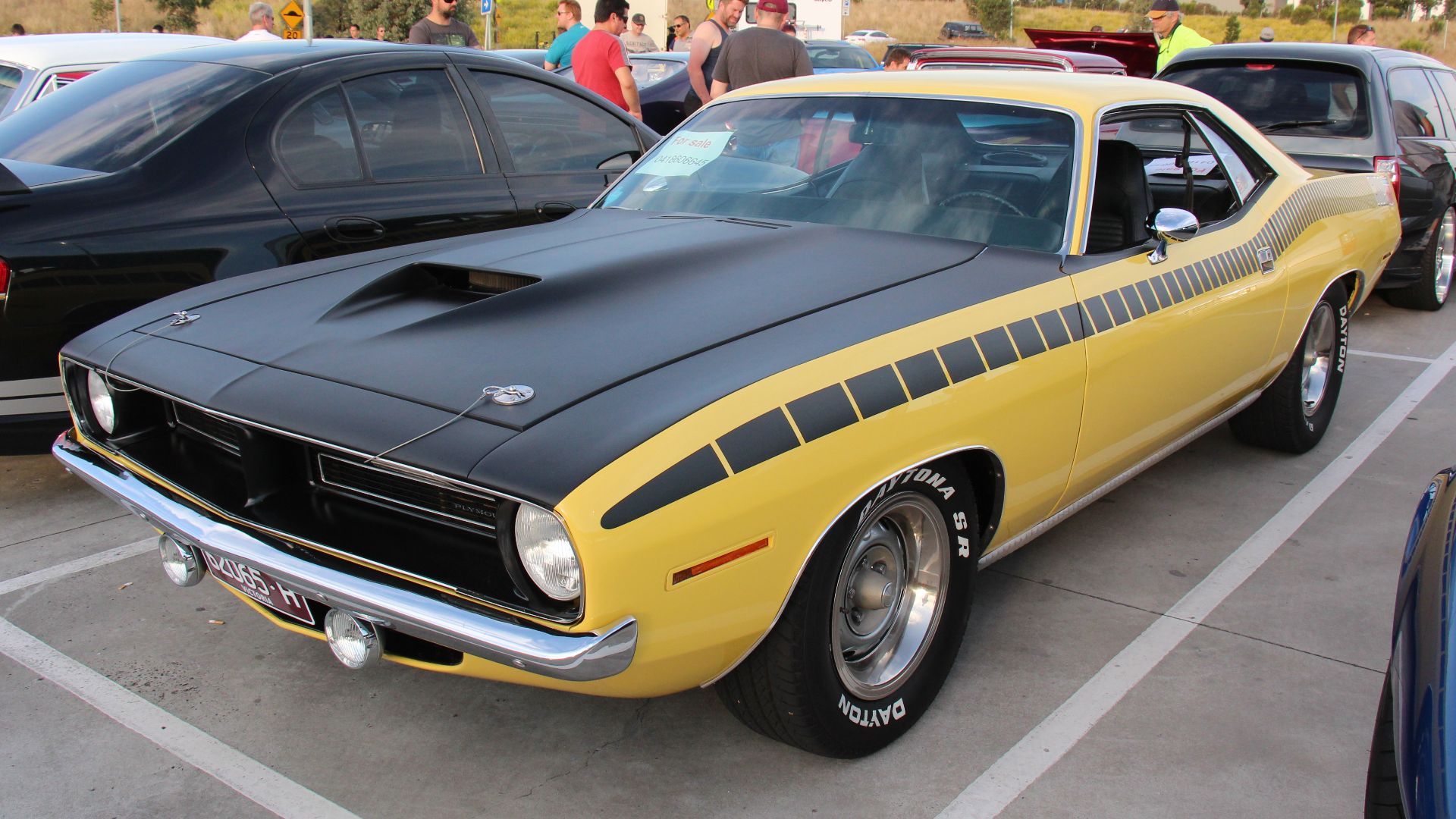
The AAR 'Cuda Was Inspired By Road Racing
The AAR in AAR 'Cuda stood for All American Racers, Dan Gurney's Trans-Am team. Unlike many big-block muscle cars, the 1970 AAR 'Cuda used a high-revving 340-cubic-inch V8 rated at 290 horsepower. It showed that muscle car excitement was not limited to the biggest engines.
Pony Cars And Muscle Cars Weren't Quite The Same
People often lump pony cars and muscle cars together, but they were not exactly the same thing. Traditional muscle cars usually paired midsize bodies with big V8 engines, while pony cars emphasized sporty styling and more compact dimensions. The line blurred once manufacturers started stuffing huge engines into Mustangs, Camaros, and Barracudas.
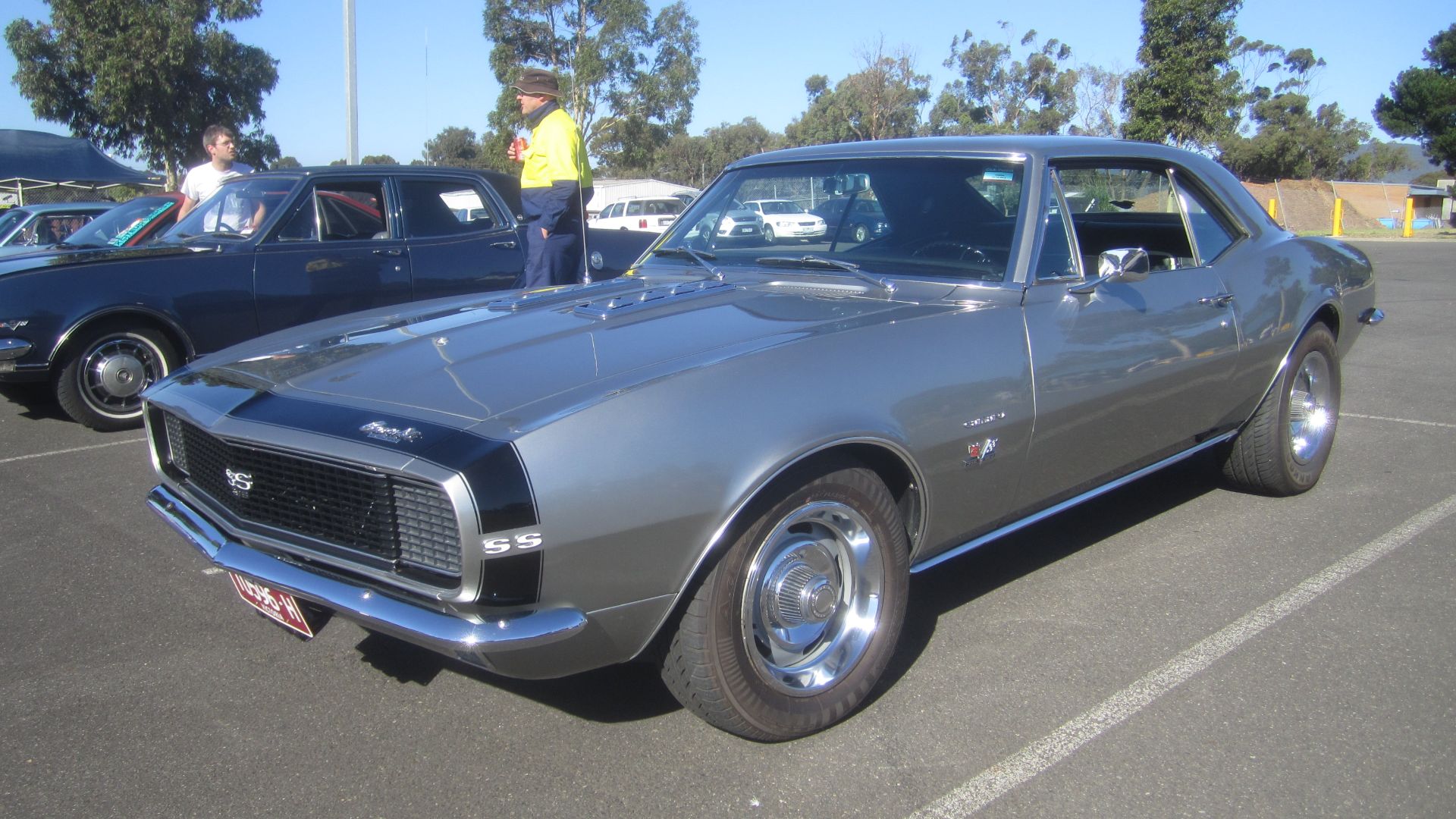
Magazine Test Cars Weren't Always Representative
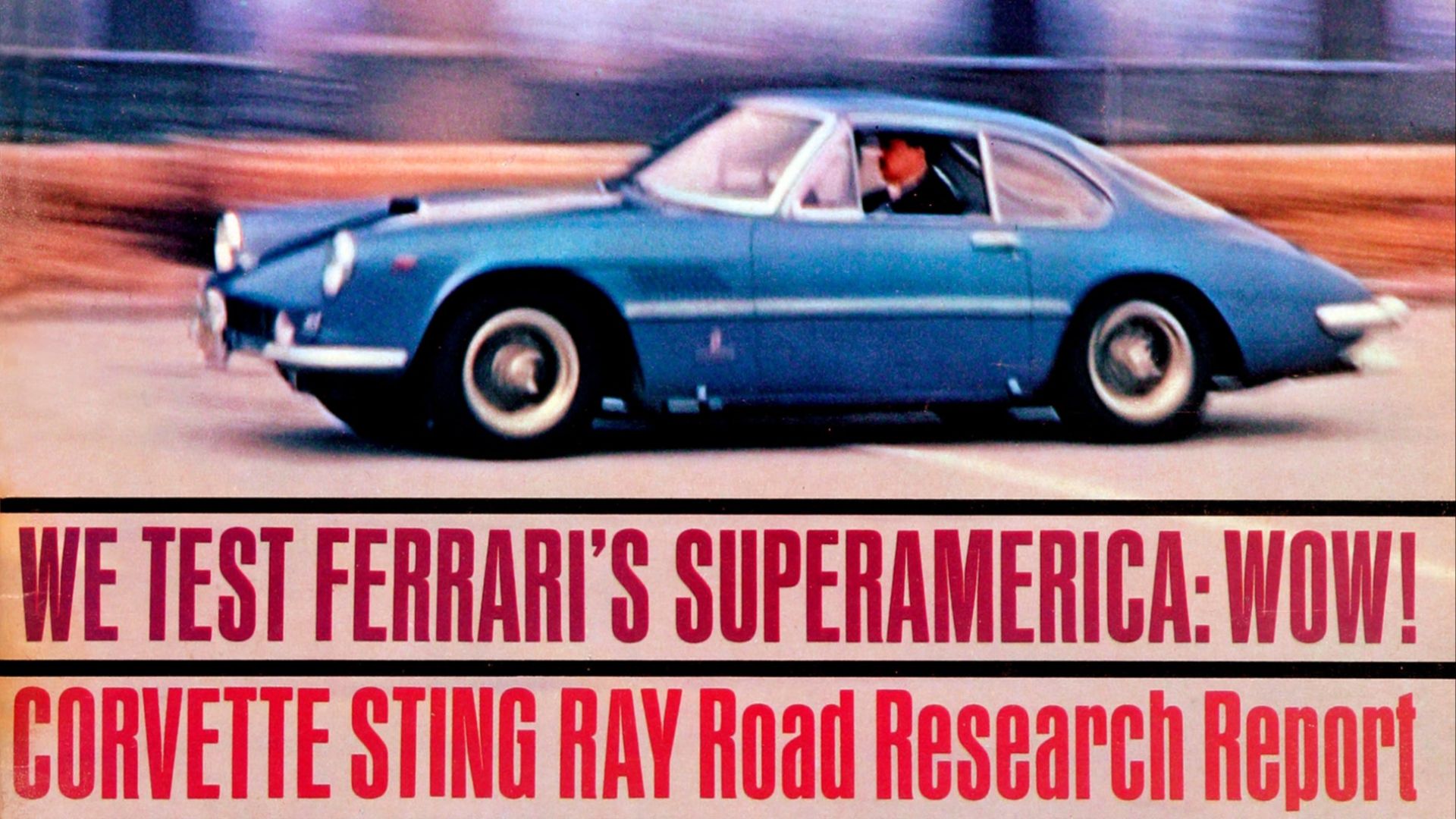
Some of the quickest published muscle car test numbers came with a catch. Automakers occasionally supplied magazines with unusually strong or specially prepared cars known as ringers. Those eye-popping results helped build hype, but they did not always reflect what every buyer could expect from a showroom car.
 Car and Driver, Wikimedia Commons
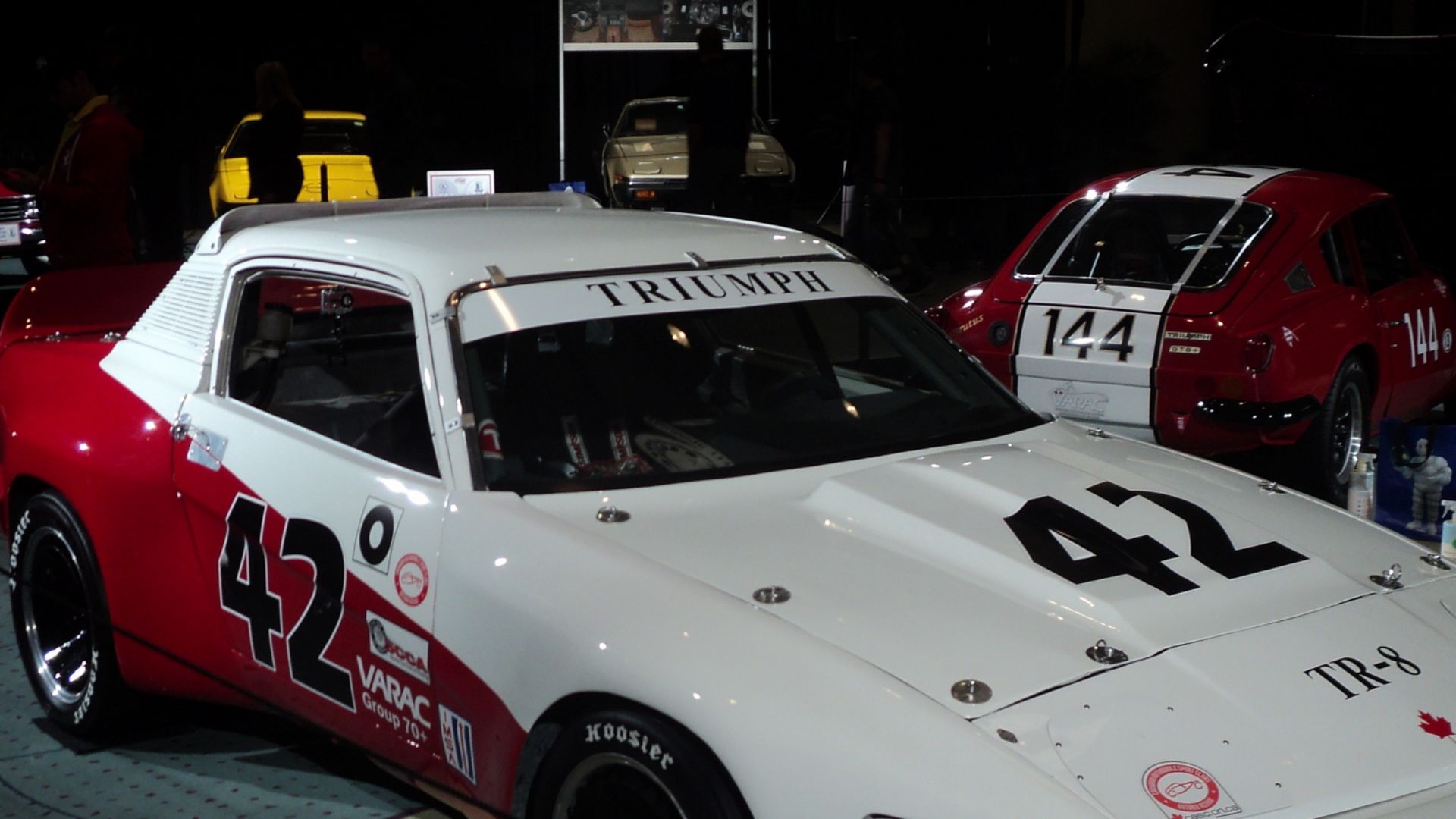
Factory Race Cars Sacrificed Creature Comforts
When manufacturers built lightweight, competition-oriented versions of their performance cars, comfort was rarely the priority. Some cars lost sound insulation, heaters, or other everyday features in the name of speed. For serious racers, less weight mattered more than convenience.
 oaktree_brian_1976, Wikimedia Commons
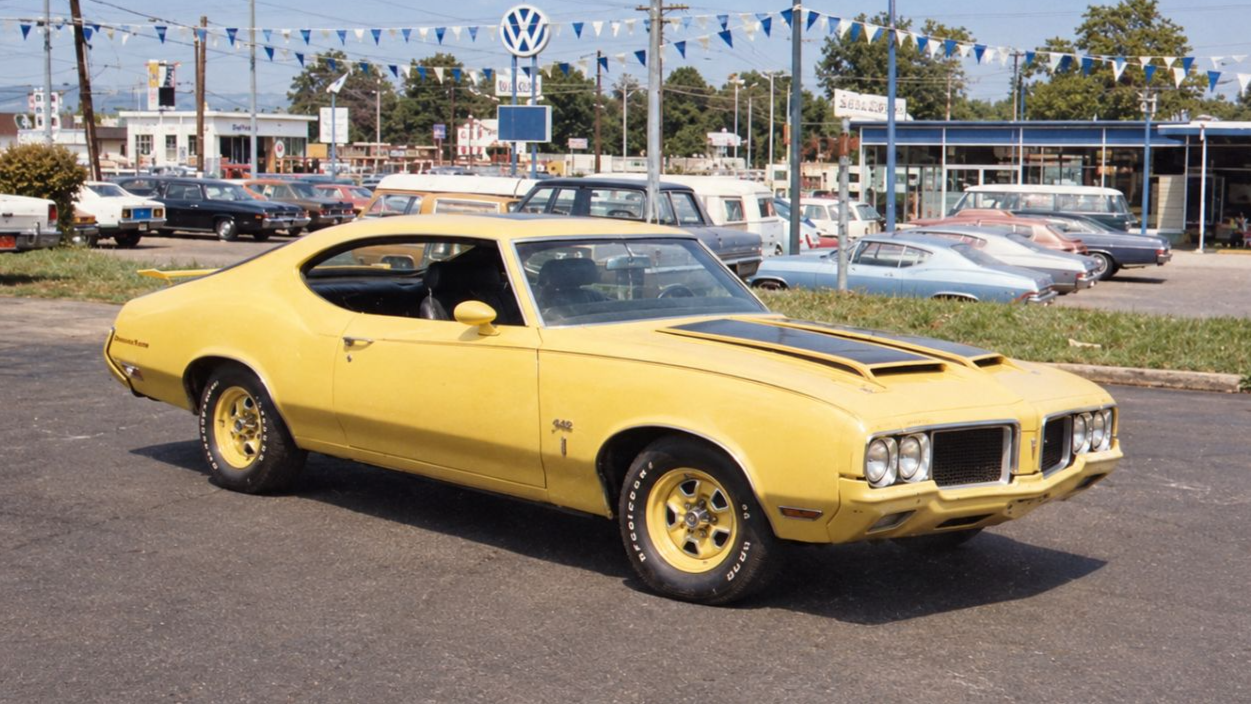
Insurance Companies Inspired Smaller Muscle Cars
By the early 1970s, insurance costs were becoming a real headache for performance-car buyers. That helped encourage automakers to offer cars with muscular looks but smaller engines, such as the Oldsmobile Rallye 350. These cars tried to preserve the image of the muscle car without the same insurance pain.
High-Performance Engines Required More Attention
Owning a serious muscle car could mean more maintenance than many modern drivers expect. Some high-performance engines used solid lifters, which required periodic valve adjustments. More performance often meant more time with tools in hand.

Horsepower Numbers Didn't Tell The Whole Story
The horsepower figures advertised in the 1960s were usually SAE gross numbers. Those were measured under ideal conditions, not the way engines were installed and operated in real cars. When manufacturers shifted to SAE net ratings by 1972, the numbers suddenly looked much lower.
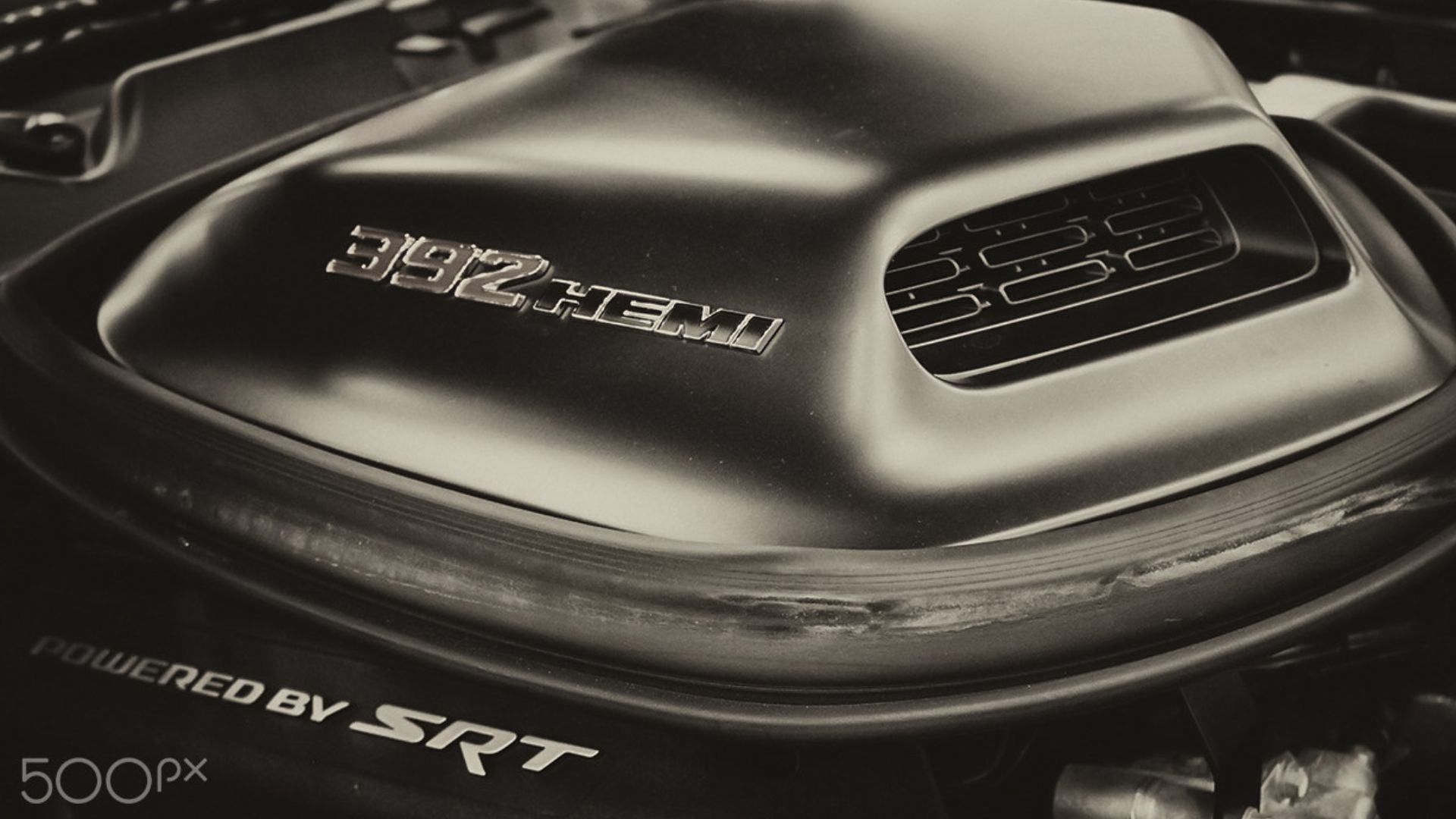 Maurya Nagaraja, Wikimedia Commons
Engines Really Were Losing Power
The changing measurement system was only part of the story. Automakers were also lowering compression ratios and retuning engines to deal with emissions rules and changing fuel requirements. That meant many engines genuinely were becoming less powerful.
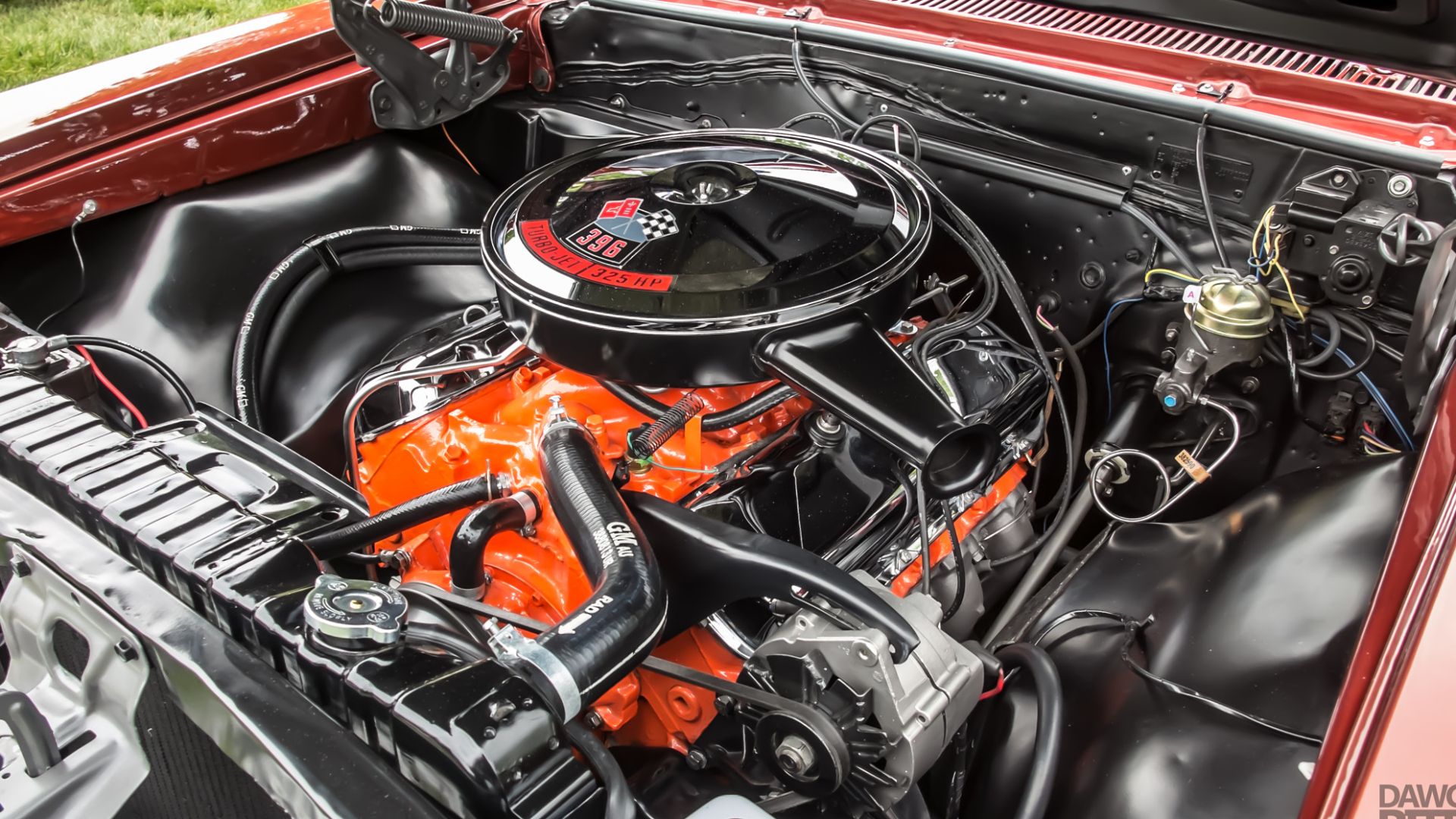 Doug Fawley, Wikimedia Commons
Day-Two Muscle Cars Were A Thing
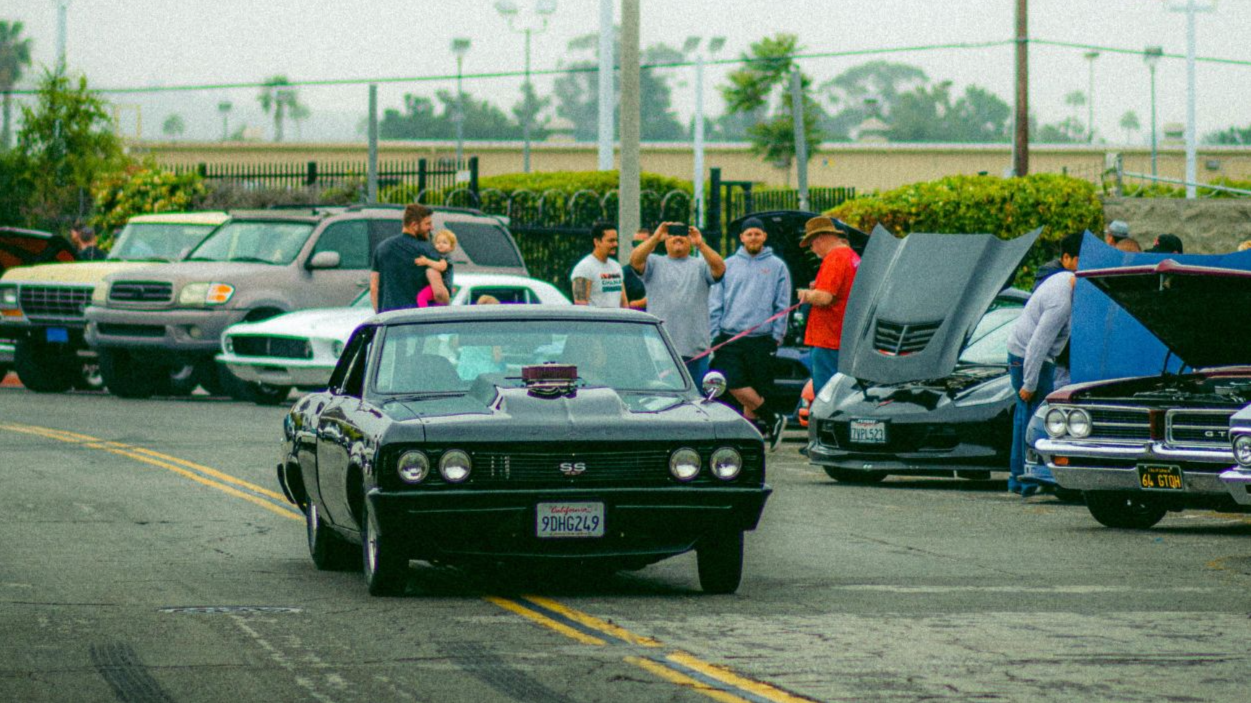
A lot of muscle cars did not stay factory-stock for very long. Owners quickly added aftermarket wheels, intake manifolds, gauges, traction bars, and louder exhaust systems. Today, enthusiasts call these period-style modified cars "day-two" cars.
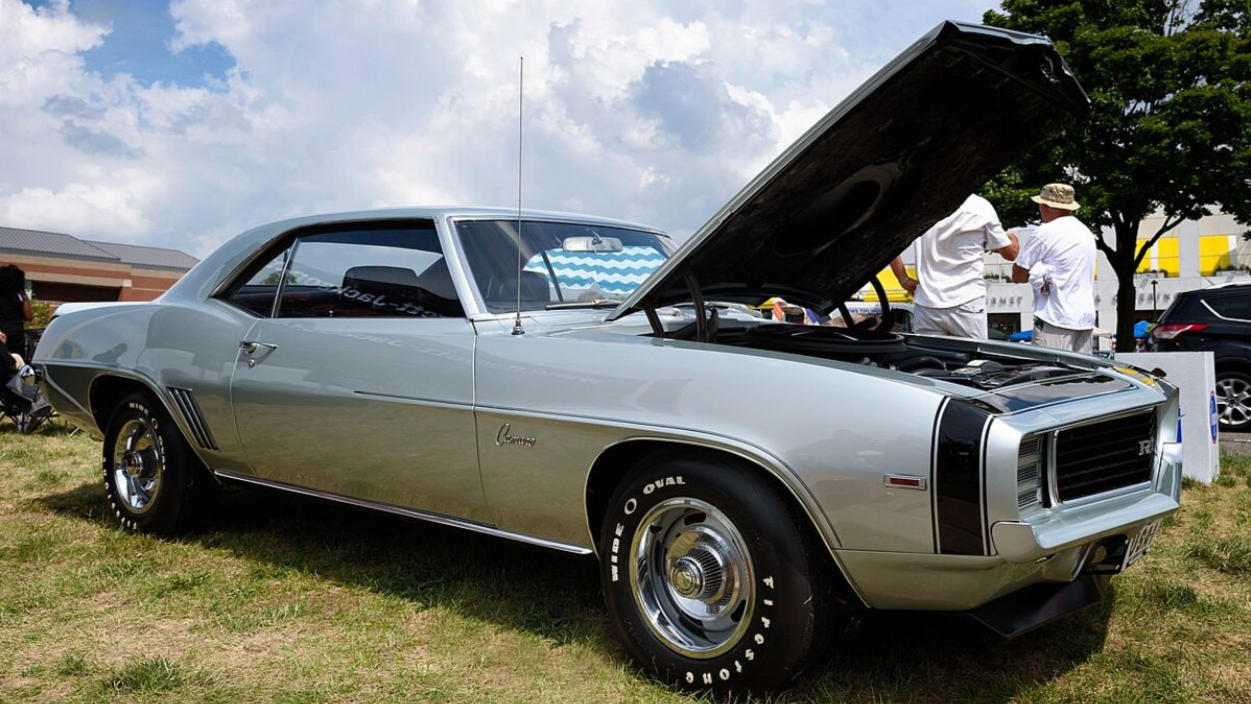 Mustang Joe, CC0, Wikimedia Commons
The Paperwork Can Be As Important As The Car
A badge or hood stripe alone does not prove a muscle car is the real deal. Experienced collectors study build sheets, window stickers, casting numbers, and other documentation to confirm rare options and original drivetrains. In many cases, the paperwork can be just as valuable as the sheet metal.

Are You The Ultimate Gearhead?
From misleading engine badges to clever factory loopholes, the golden age of American muscle cars was full of surprises. Even seasoned enthusiasts might have learned a thing or two along the way. So, how many of these facts did you already know, and do you consider yourself the ultimate gearhead?
You May Also Like:
Plymouth Beat Ford To Market With The Barracuda—So Why Did The Mustang Become The Icon?
The Rarest Muscle Cars In Wrestling Legend Bill Goldberg’s Collection—Ranked