
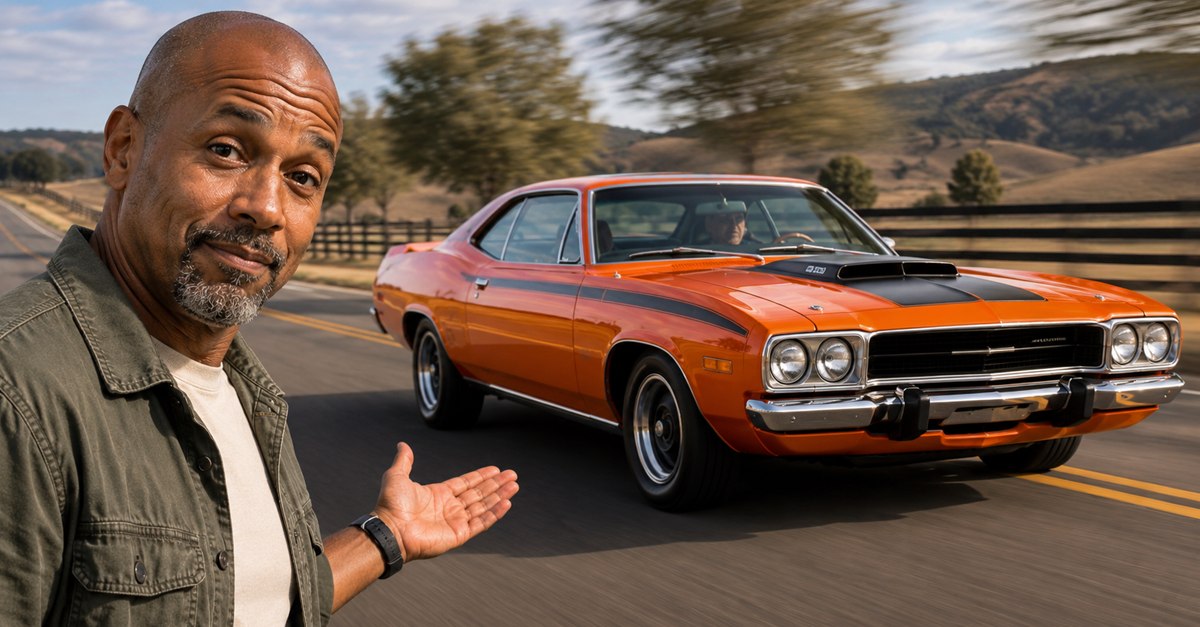
The Muscle Car Did Not Disappear Overnight
America’s muscle car glory days are usually said to have ended in the early 1970s. Yet Detroit continued building colorful, rear-wheel-drive performance machines throughout the so-called malaise era. They were slower than their predecessors, but many offered distinctive styling, large engines, capable handling, and plenty of personality.
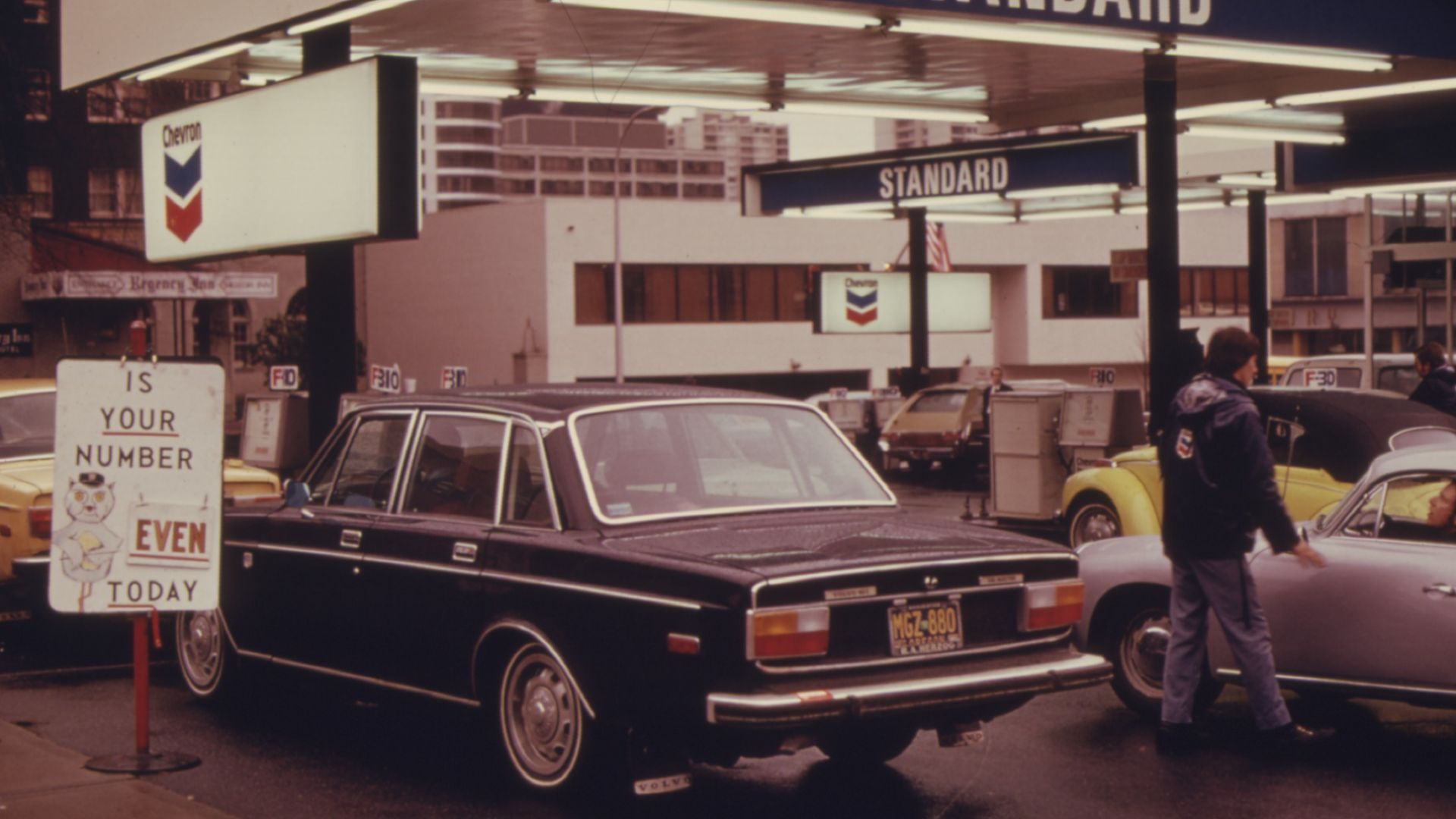
Why The Malaise Era Happened
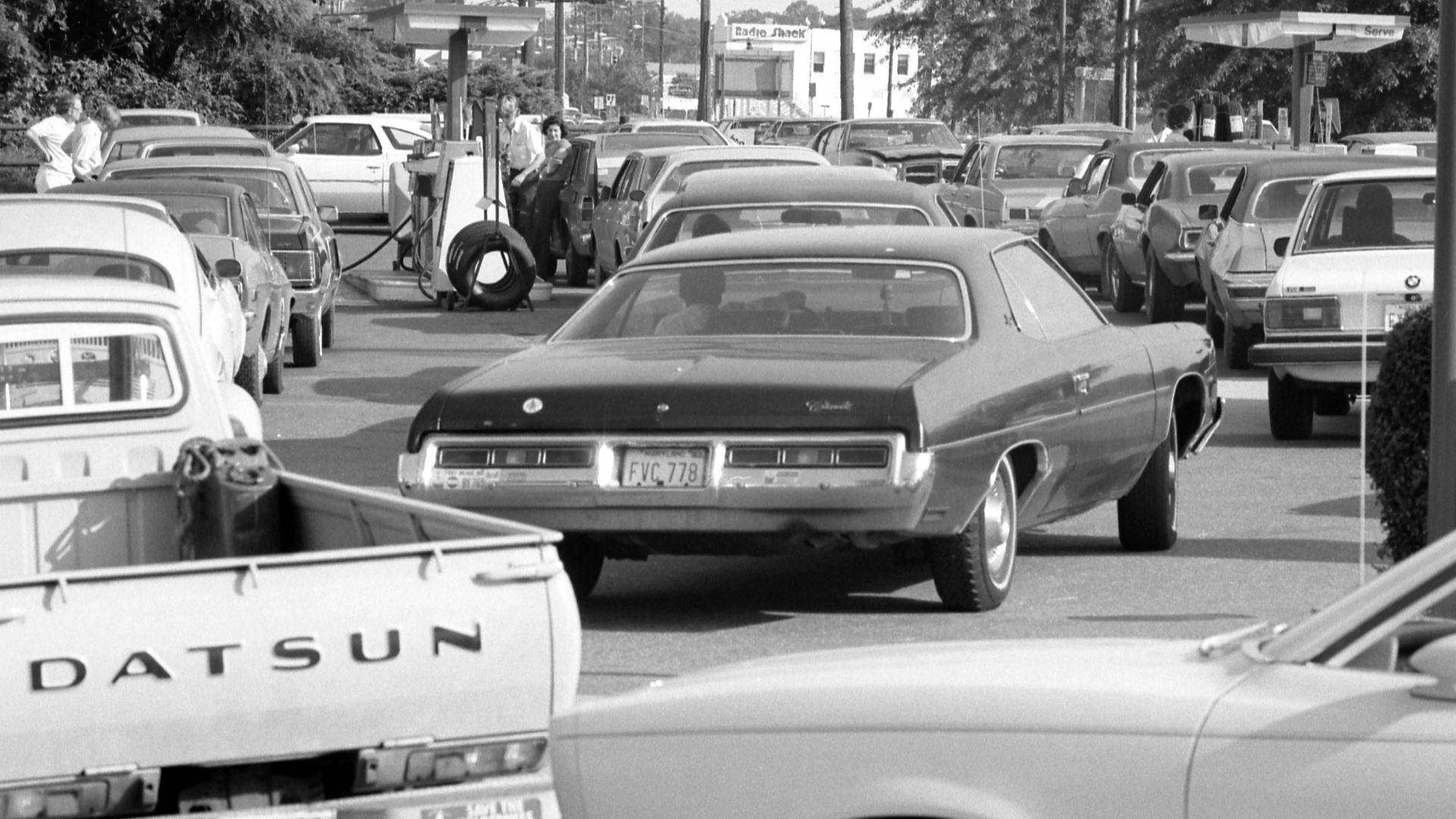
Higher insurance costs, federal emissions requirements, fuel shortages, and changing safety regulations transformed the American performance market. Automakers lowered compression ratios and began designing engines to run on unleaded gasoline. Horsepower ratings also switched from optimistic gross figures to more realistic net measurements, making the decline appear even more dramatic.
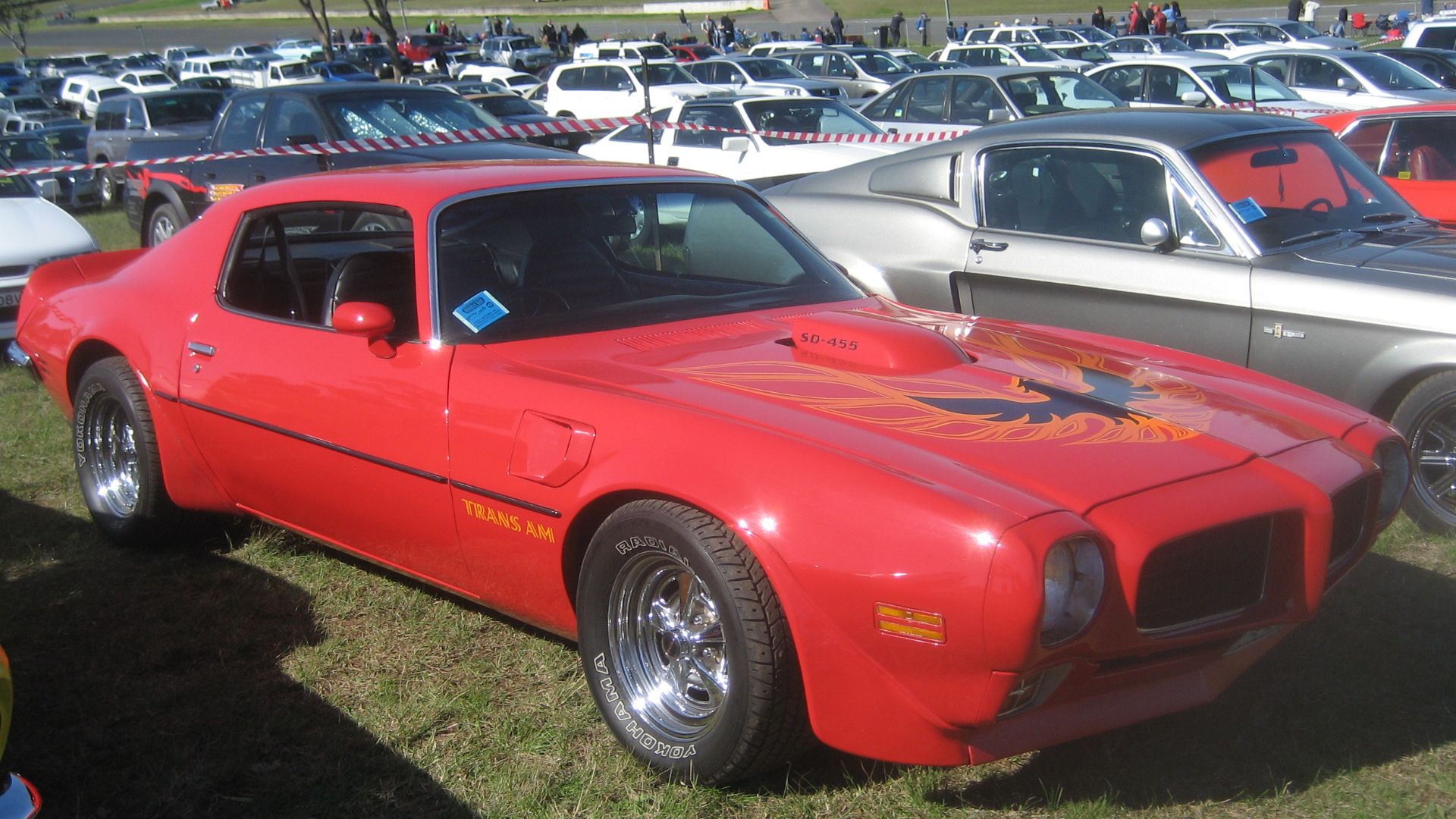
 David Falconer, Wikimedia Commons
Pontiac Firebird Trans Am SD-455
The 1973 and 1974 Trans Am Super Duty 455 proved serious engineering could survive under tighter emissions rules. Its strengthened block, improved cylinder heads, forged internal components, and racing-inspired development made it far more than a decorative package. Rated at 310 net horsepower for 1973 and 290 horsepower for 1974, it was among the era’s most formidable American cars.
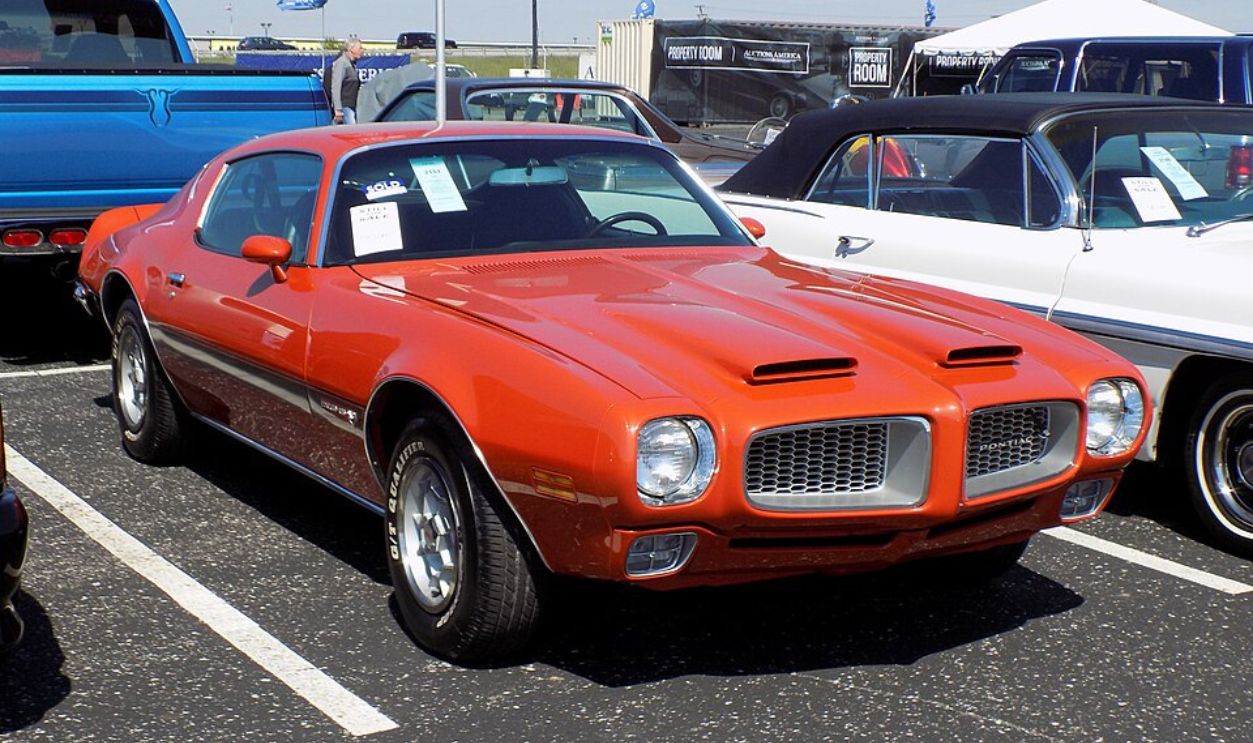
Pontiac Firebird Formula SD-455
Pontiac also offered the Super Duty engine in the less flamboyant Firebird Formula. Buyers received the same specialized 455-cubic-inch V8 without all the Trans Am’s bodywork and graphics. Formula SD-455 production was extremely limited, making survivors rare and historically important today.
 Greg Gjerdingen from Willmar, USA, Wikimedia Commons
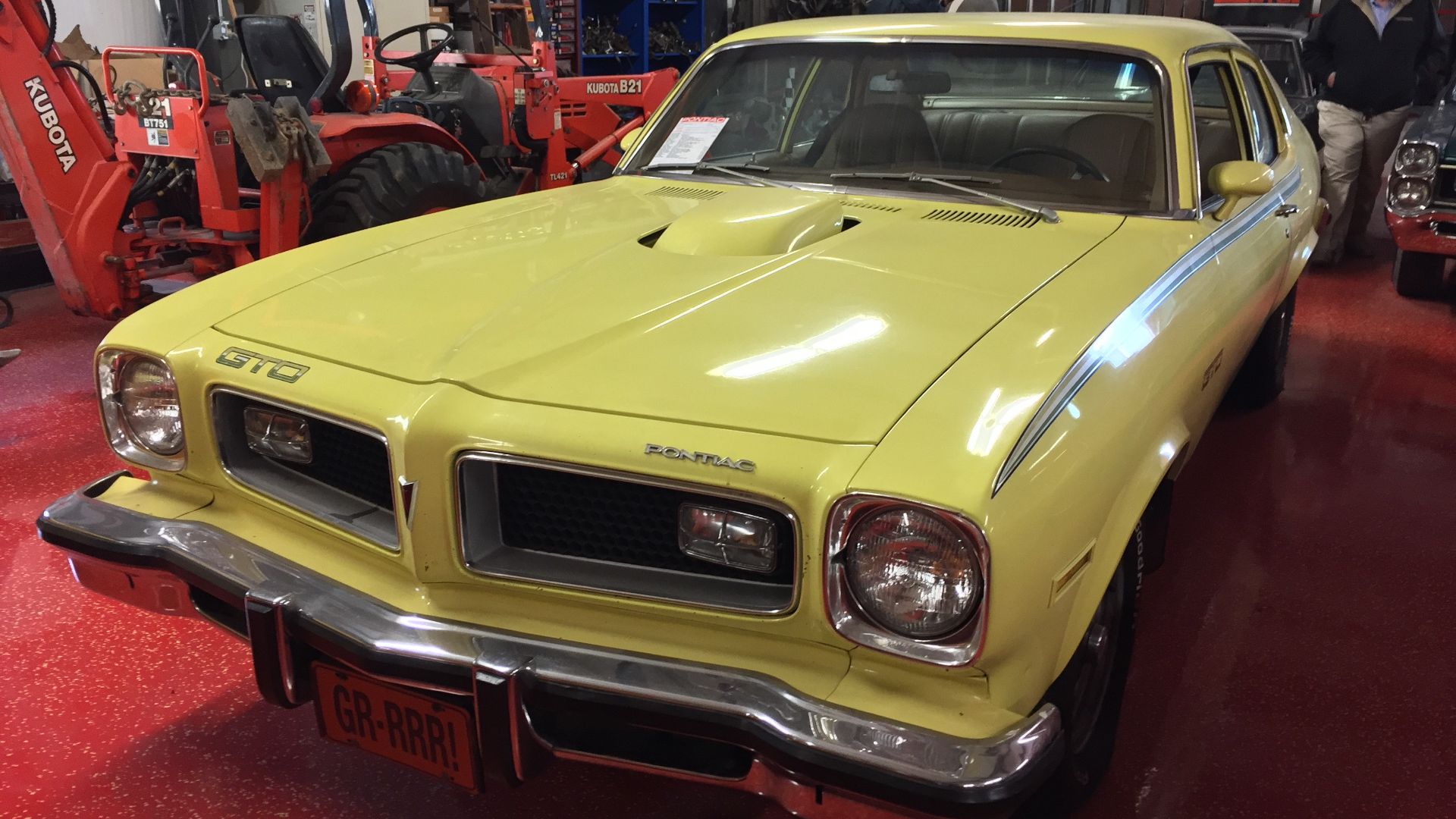
Pontiac Ventura GTO
Pontiac moved the GTO package to the compact Ventura platform for 1974. Its 350-cubic-inch four-barrel V8 produced 200 net horsepower and could be paired with a four-speed manual transmission. The smaller body and traditional formula of a V8 in an affordable car make the final original-era GTO more interesting than its reputation suggests.
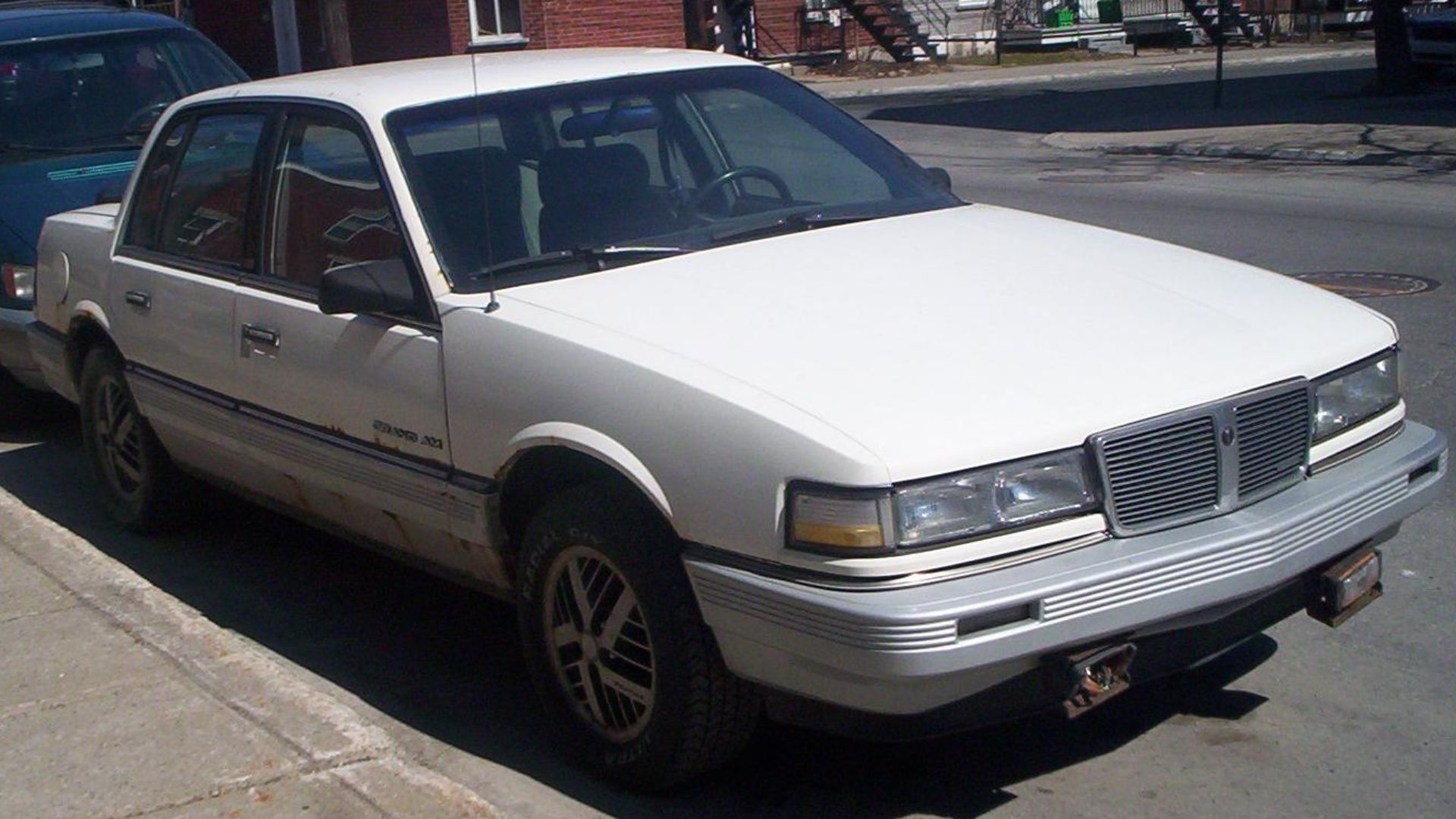
Pontiac Grand Am
The first-generation Grand Am combined Pontiac performance cues with the comfort and road manners of a European-style grand tourer. Early examples could be ordered with Pontiac’s 400 or 455 V8, while the suspension and interior were more sophisticated than those of many traditional muscle cars. Its combination of luxury, handling, and dramatic styling now feels surprisingly modern.
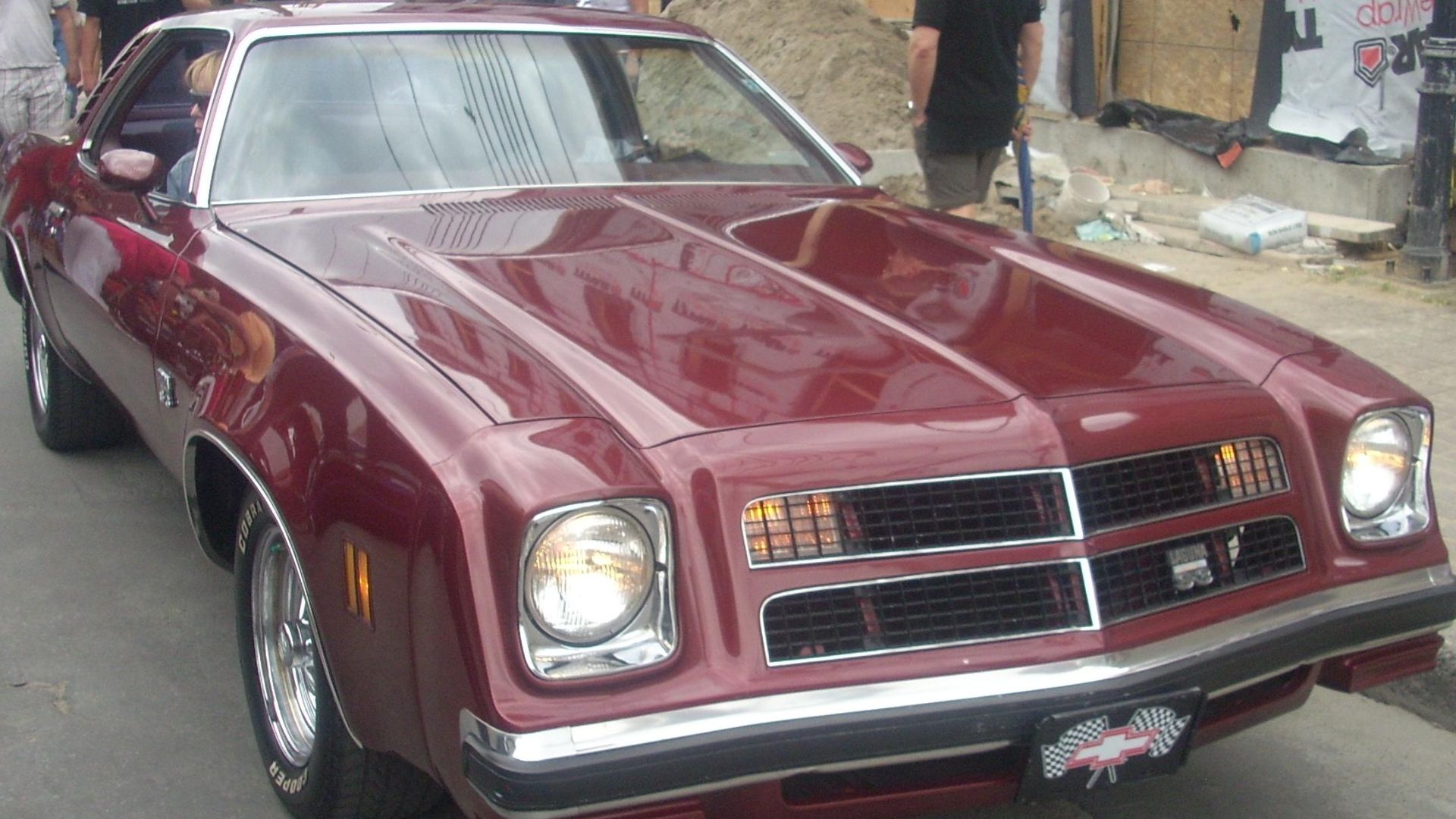
Chevrolet Chevelle Laguna Type S-3
The Laguna Type S-3 was Chevrolet’s attempt to keep the Chevelle relevant as performance priorities changed. It came with sport suspension components, radial tires, distinctive bodywork, and several available V8 engines. The sloped urethane nose introduced for 1975 also reflected Chevrolet’s efforts to improve the Chevelle’s aerodynamics for NASCAR.
Chevrolet Nova SS
By the middle of the decade, the Nova SS had become more of a balanced street package than an all-out drag-strip weapon. It remained compact, rear-wheel drive, and available with Chevrolet small-block V8 power. Its simple mechanical layout also gives modern owners plenty of options for sympathetic performance upgrades.
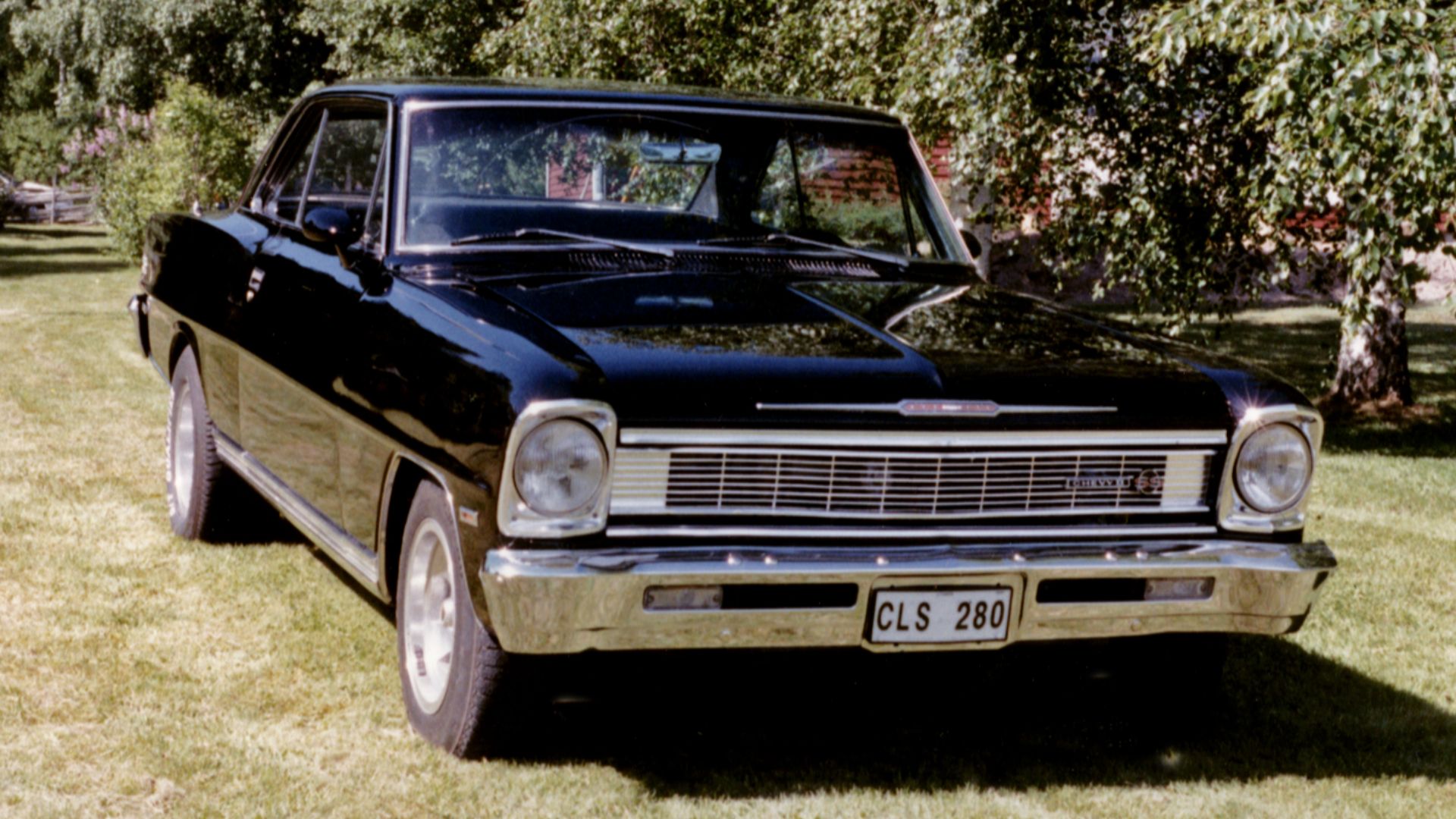 Ulf Bostrom, Wikimedia Commons
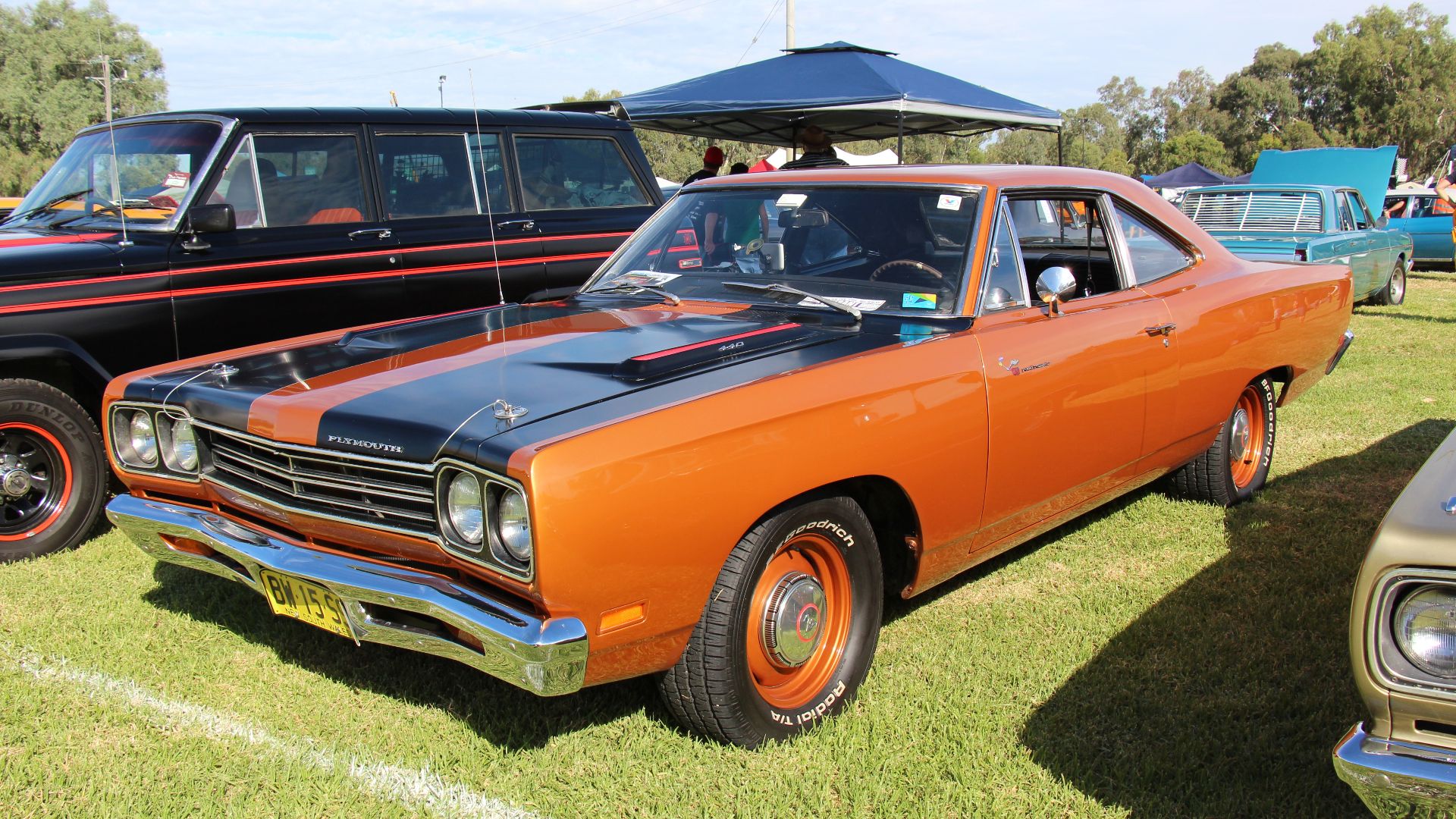
Plymouth Road Runner
The Road Runner entered the malaise era as a softer and more restrained version of its former self. Even so, the 1975 model could still be ordered with V8 power and retained the famous cartoon branding that made the original memorable. It offers period Mopar styling without the prices attached to late-1960s examples.
Plymouth Volaré Road Runner
Plymouth transferred the Road Runner name to the new Volaré platform for 1976. The package offered bold stripes, sportier trim, upgraded suspension components, and available V8 engines. It lacked the raw speed of the original, but it remains an unmistakable product of the disco-era performance market.
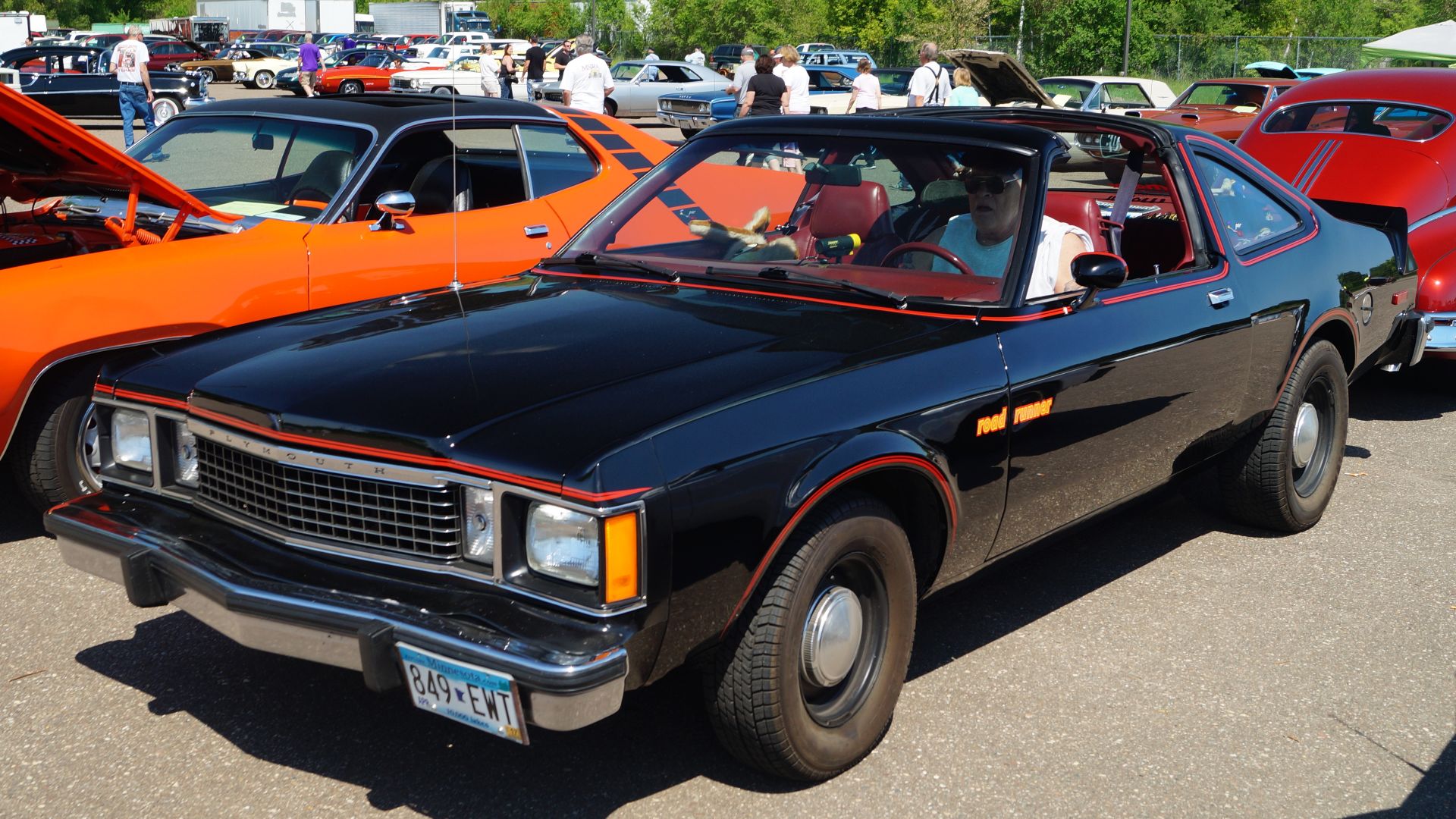 Greg Gjerdingen from Willmar, USA, Wikimedia Commons
Dodge Aspen R/T
The Dodge Aspen R/T was the Volaré Road Runner’s close corporate relative. Buyers could choose aggressive graphics, spoilers, wider tires, and V8 power in a relatively compact coupe. Its combination of low survival rates and unmistakable 1970s styling gives it genuine curiosity value today.
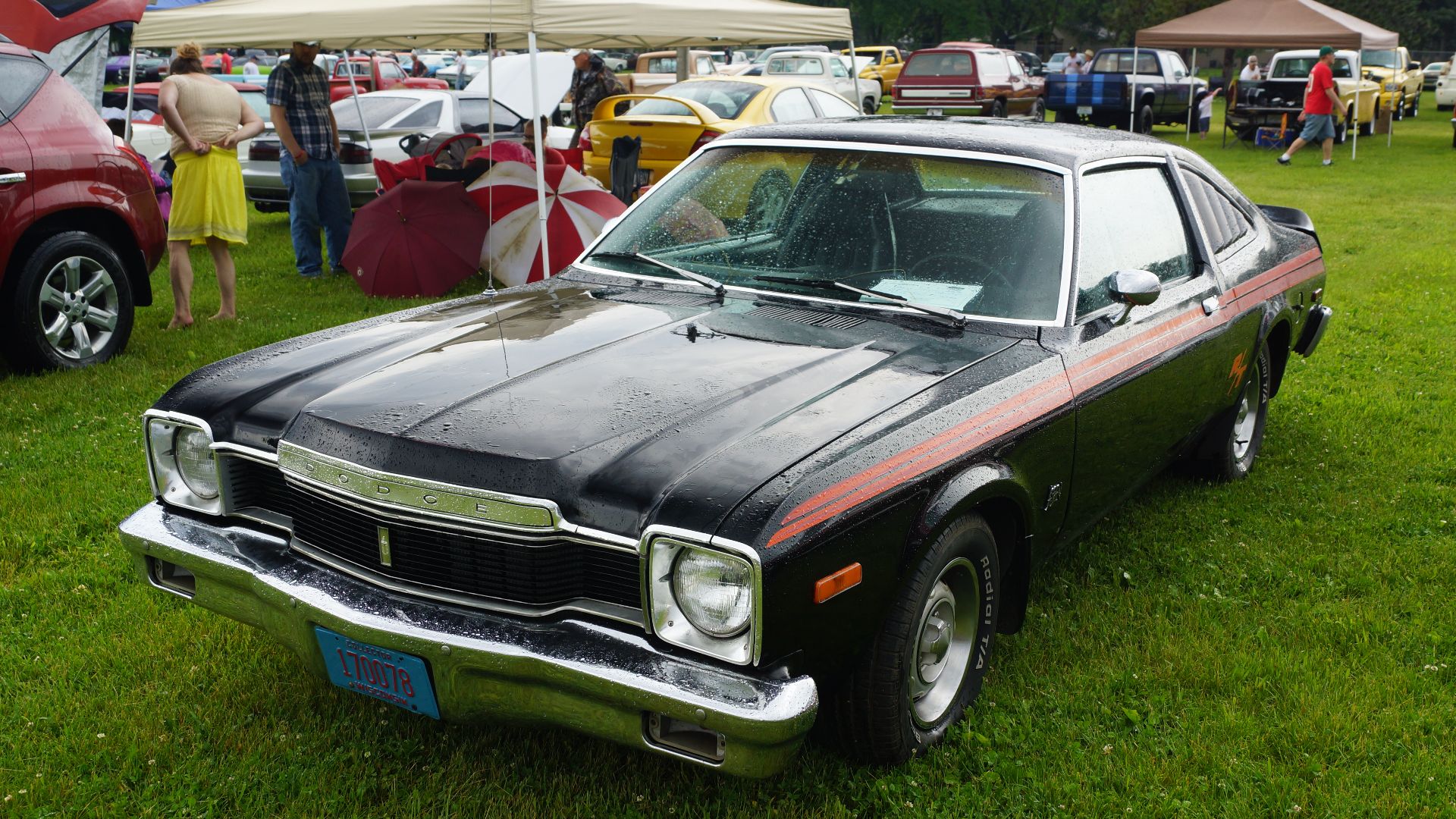 Greg Gjerdingen from Willmar, USA, Wikimedia Commons
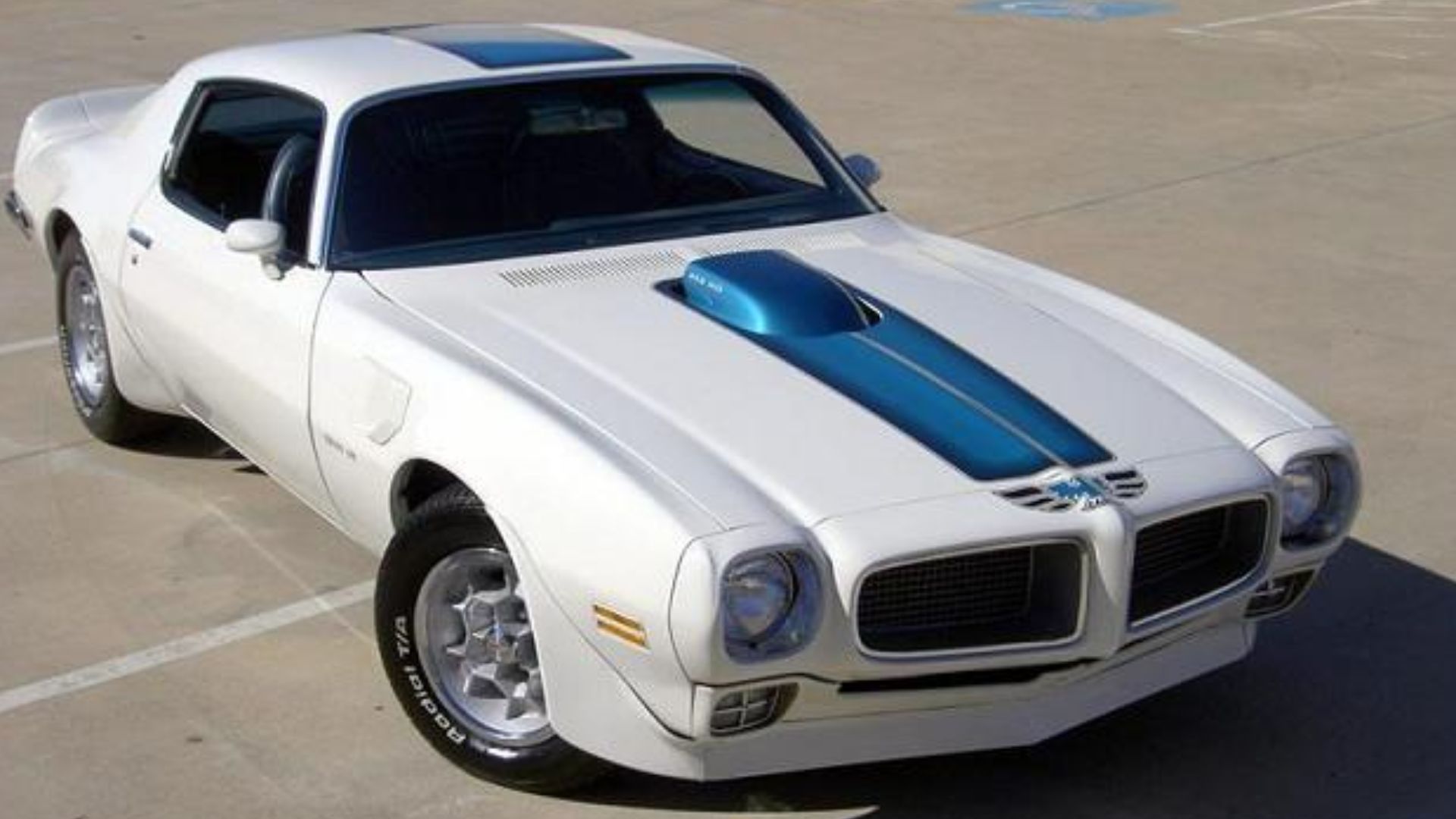
Pontiac Trans Am 455
Pontiac continued offering a 455-cubic-inch V8 in the Trans Am through 1976. Output was modest compared with earlier 455s, but the engine still delivered the low-speed torque buyers expected from a large Pontiac V8. The 1976 model is especially significant because it marked the end of the 455-powered Trans Am.
 americancar, Wikimedia Commons
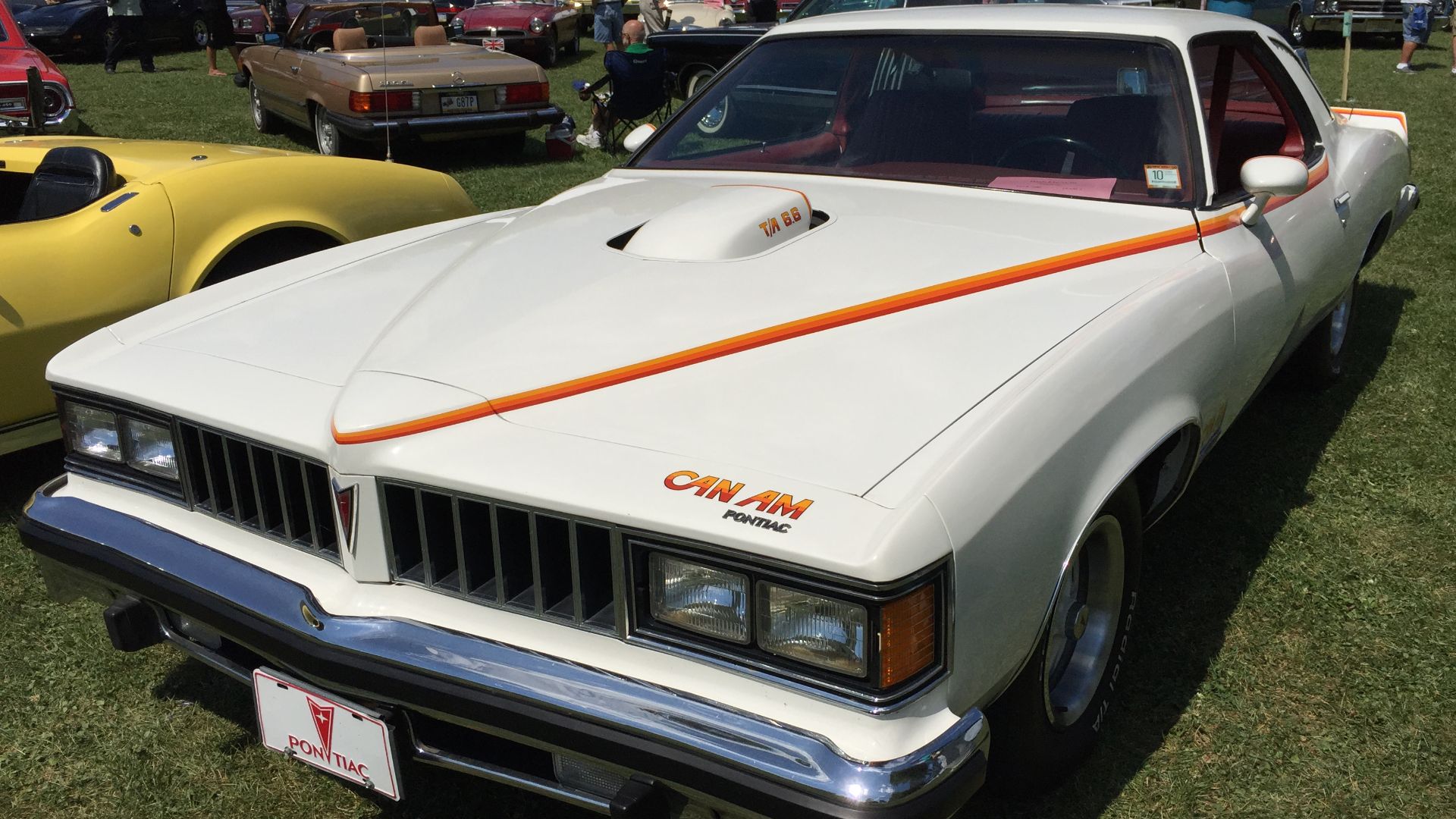
Pontiac Can Am
The 1977 Can Am transformed the midsize LeMans into one of Pontiac’s most memorable limited-production cars. It wore white paint, colorful stripes, a rear spoiler, and a functional-looking shaker scoop. Most versions used the same W72 400-cubic-inch V8 offered in the Trans Am, while California cars received an Oldsmobile 403.
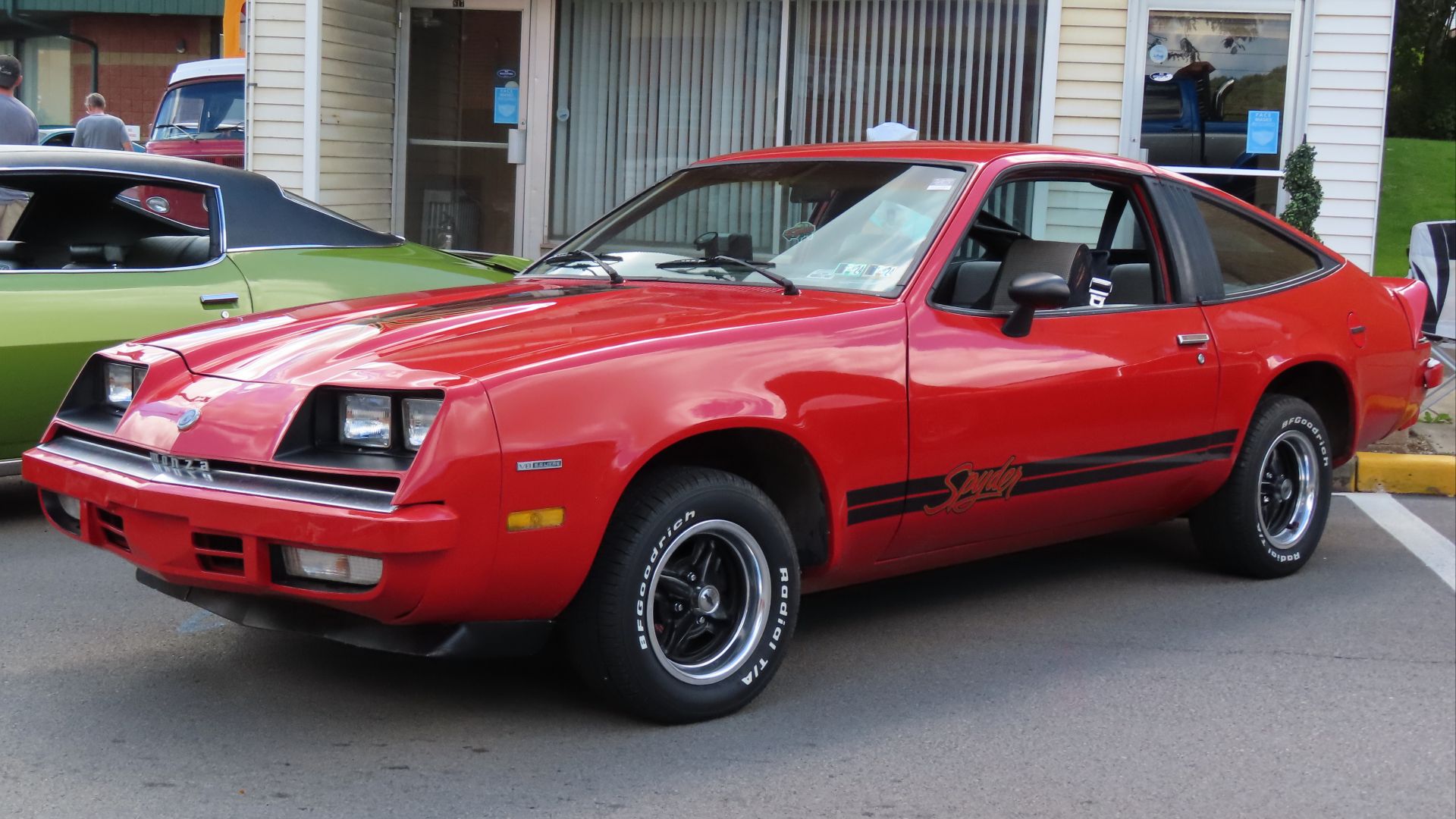
Chevrolet Monza Spyder V8
The Monza was conceived as a small, sporty coupe during an era increasingly focused on fuel economy. Chevrolet nevertheless managed to fit available V8 power beneath its tightly packaged hood. A V8 Monza Spyder combines compact dimensions, rear-wheel drive, and dramatic styling in a way few later American cars attempted.
 MercurySable99, Wikimedia Commons
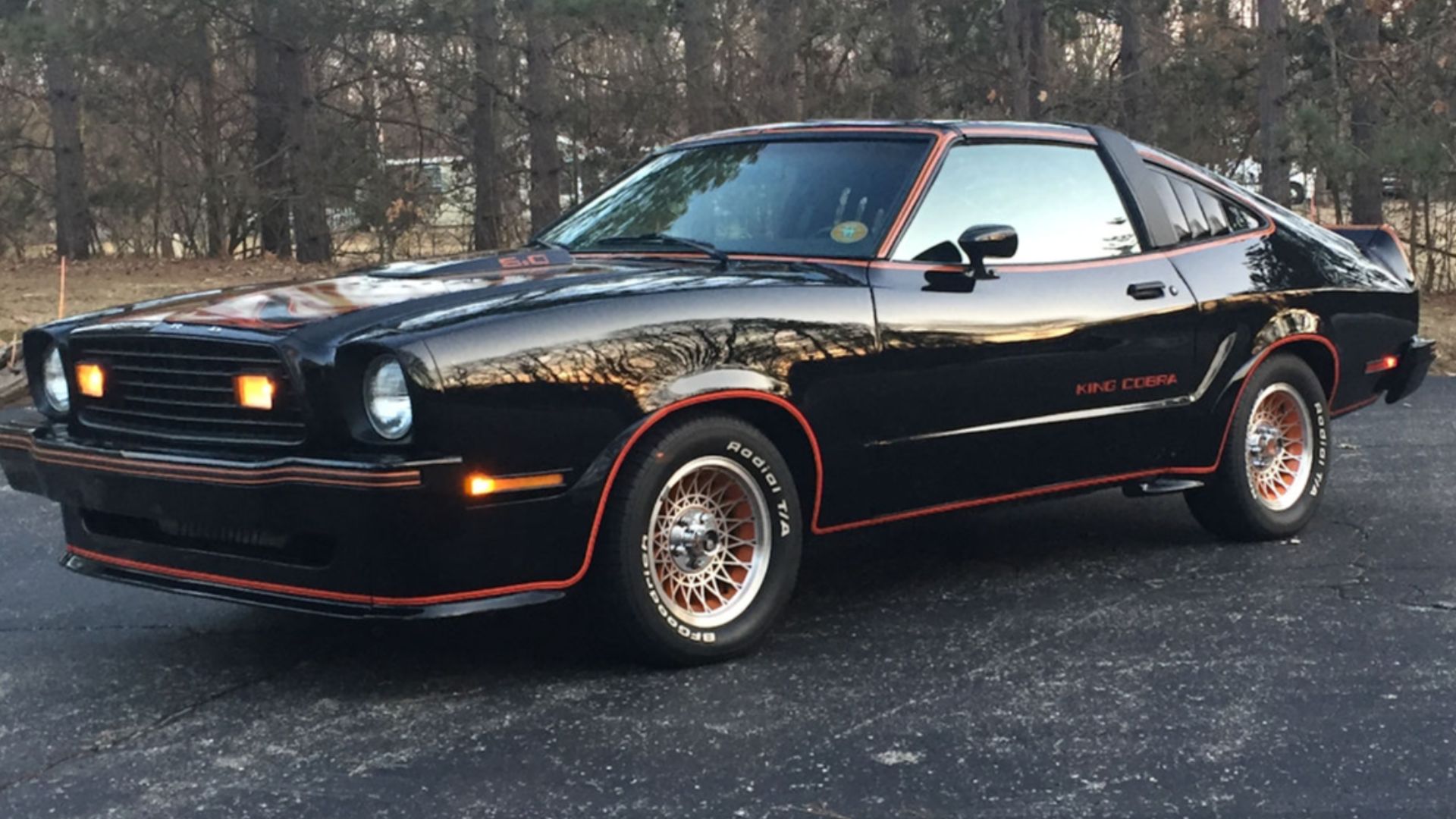
Ford Mustang II King Cobra
The King Cobra arrived for 1978, the final year of Mustang II production. Ford gave it a V8, front air dam, rear spoiler, hood treatment, pinstriping, and one of the largest cobra graphics ever fitted to a production car. Performance was limited, but its rarity and outrageous appearance have helped it outgrow its old punchline status.
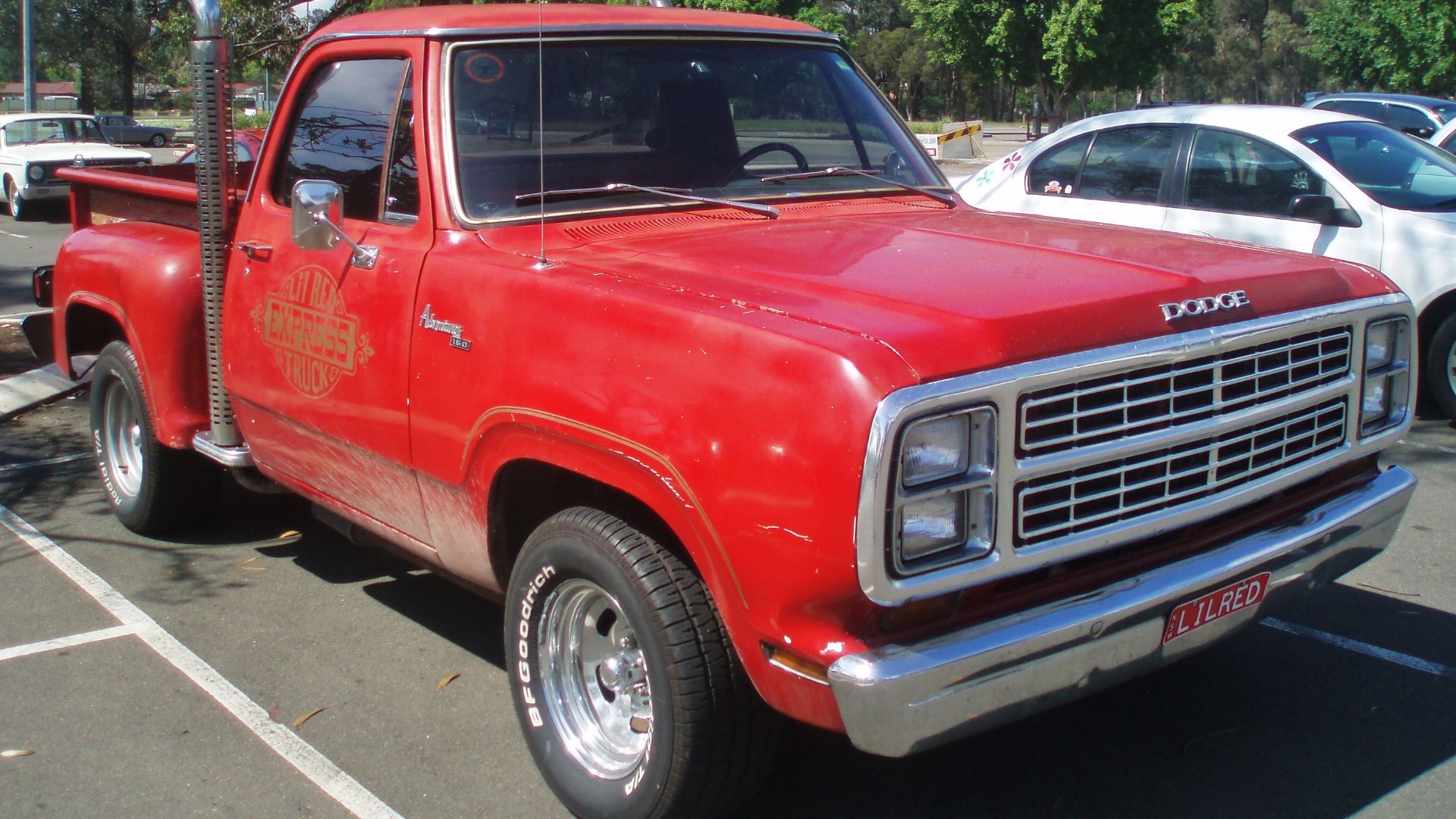
Dodge Li’l Red Express
Dodge found an unexpected way around the era’s performance restrictions by building a hot-rod pickup. The Li’l Red Express used a modified 360-cubic-inch V8, chrome exhaust stacks, bright red paint, and wood-trimmed stepside bodywork. Contemporary testing showed that the 1978 version was one of the quickest American vehicles then available.
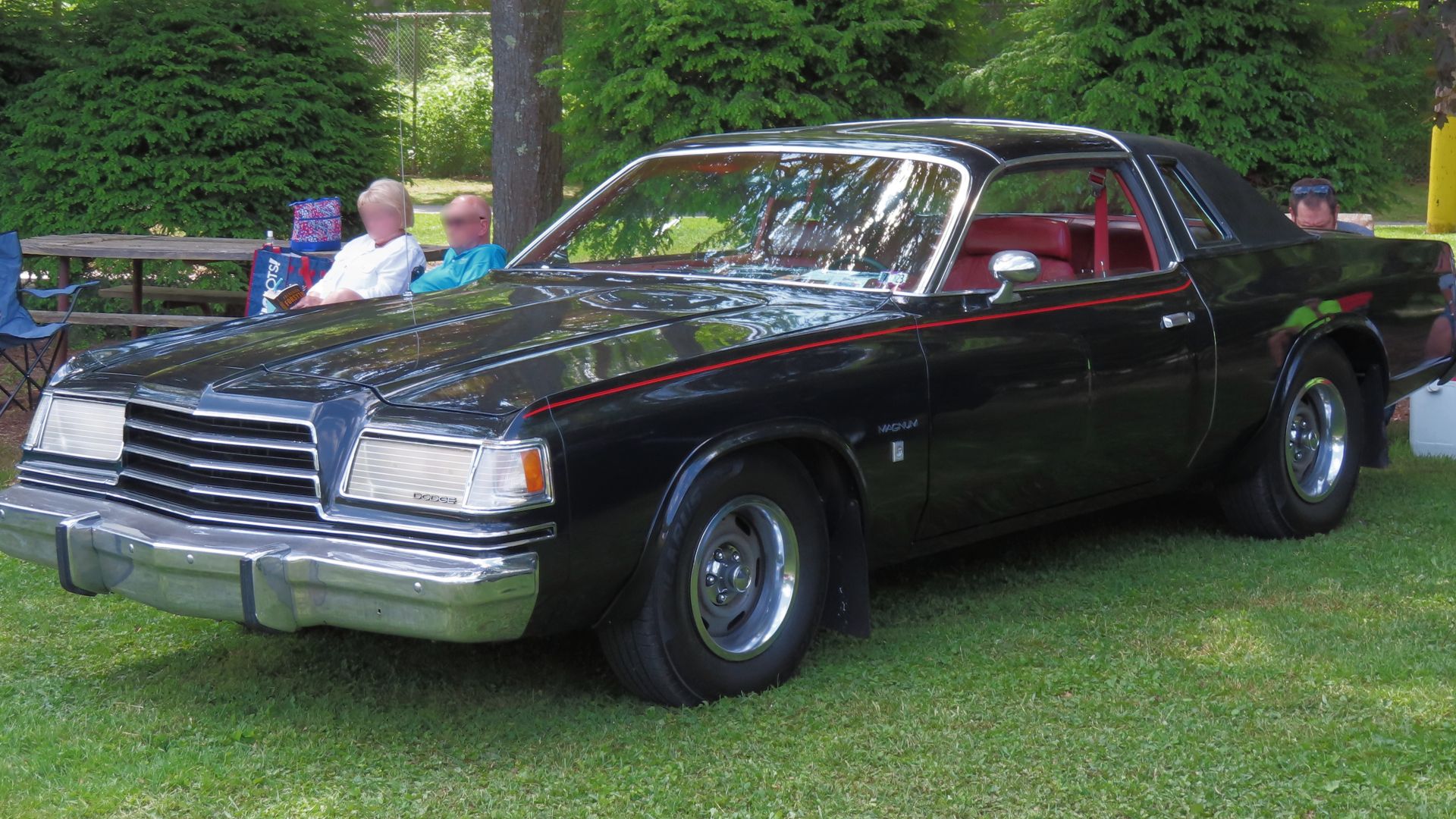
Dodge Magnum GT
The Dodge Magnum arrived as a personal luxury coupe with clear connections to Chrysler’s NASCAR ambitions. The optional GT package added sportier wheels, suspension tuning, trim, and distinctive graphics. Its hidden headlights and long, sculpted body make it one of the era’s more dramatic full-size performance designs.
 MercurySable99, Wikimedia Commons
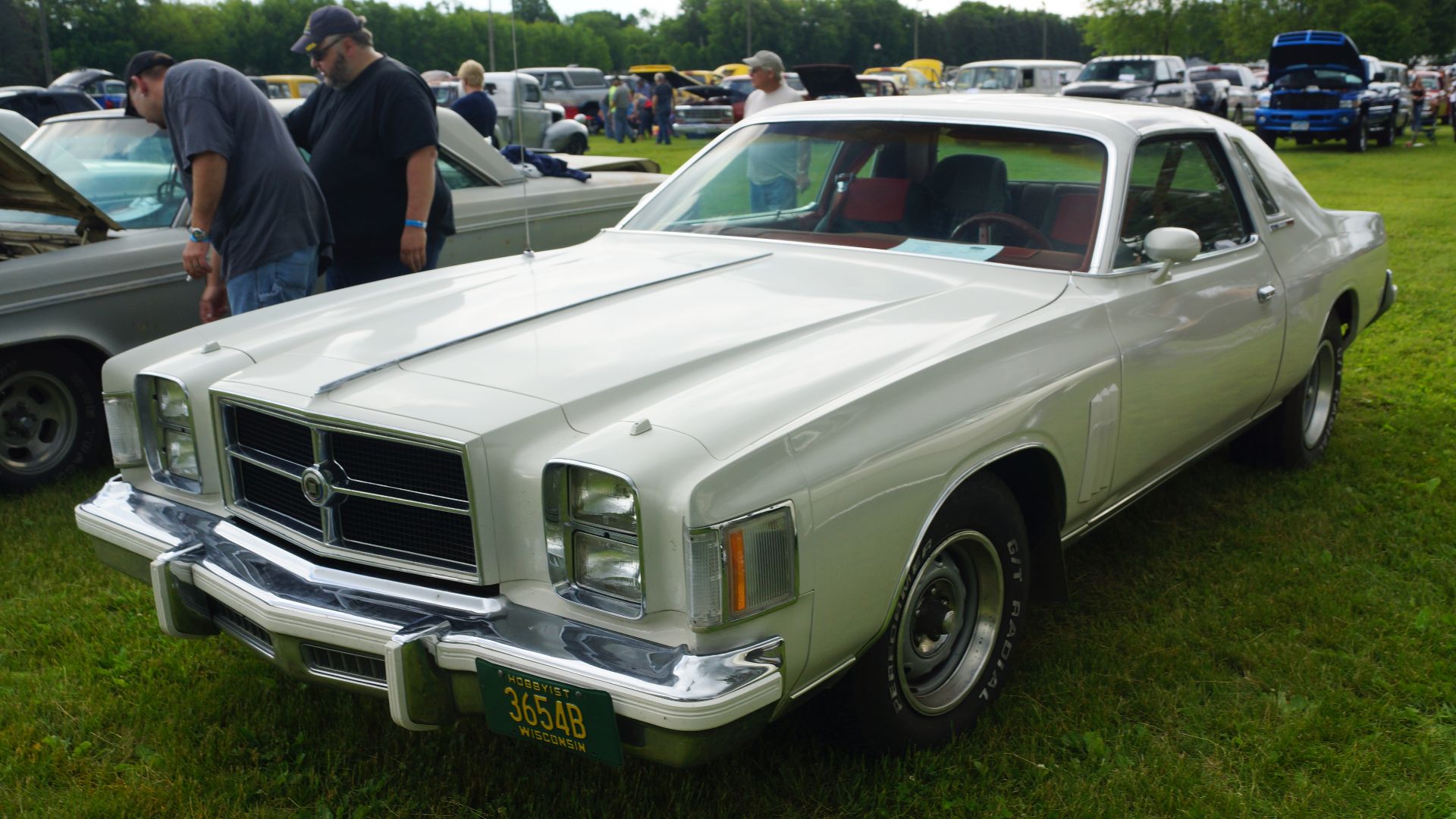
Chrysler 300
Chrysler revived the 300 name for a special Cordoba-based model in 1979. The car received a high-performance 360-cubic-inch four-barrel V8, firmer suspension, unique trim, and traditional 300 badging. It blended personal luxury with the remaining traces of Chrysler’s big-coupe performance heritage.
 Greg Gjerdingen from Willmar, USA, Wikimedia Commons
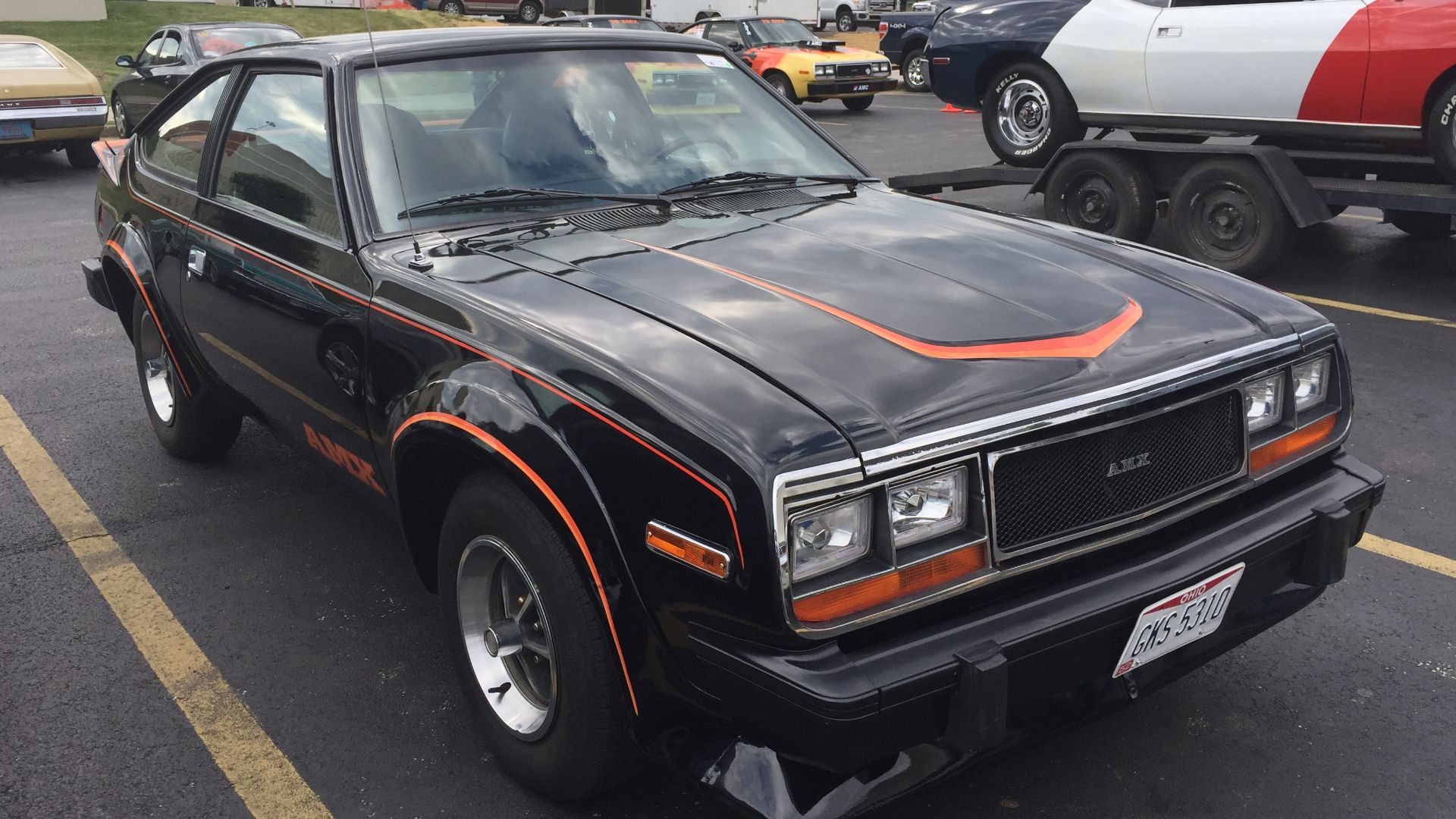
AMC Spirit AMX
The 1979 Spirit AMX looked very different from AMC’s original two-seat AMX. It featured wheel flares, spoilers, graphics, sport suspension tuning, and an available 304-cubic-inch V8. Modified Spirit AMXs also finished first and second in their class at the 1979 Nürburgring 24-hour race, giving the model genuine competition history.
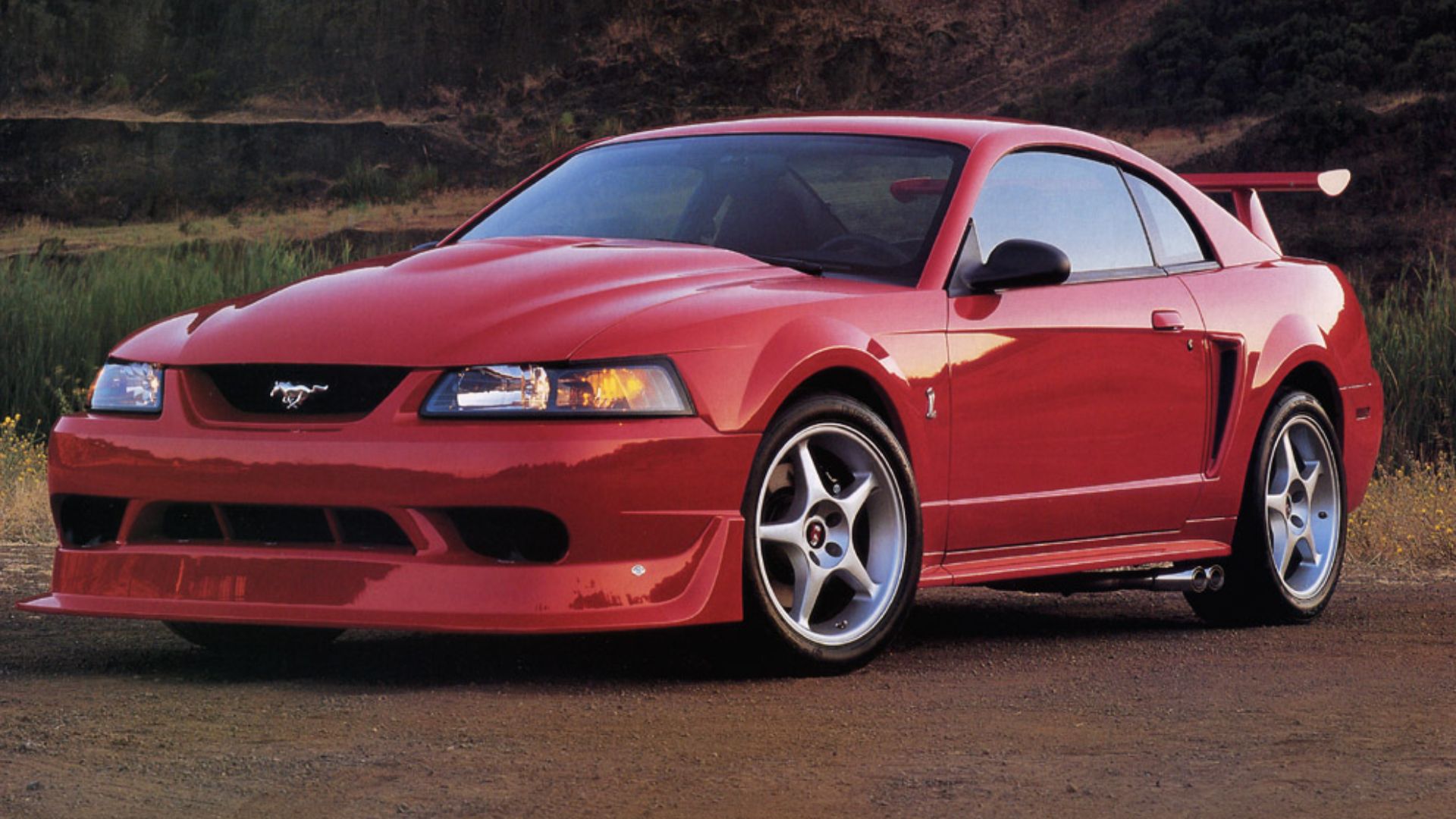
Ford Mustang Cobra
Ford’s new Fox-body Mustang arrived for 1979 with less weight and a more versatile platform than the Mustang II. The Cobra package offered distinctive graphics, sportier trim, suspension upgrades, and available V8 or turbocharged four-cylinder power. It helped establish the foundation for the increasingly capable Mustangs that followed.
 Spunjo at English Wikipedia, Wikimedia Commons
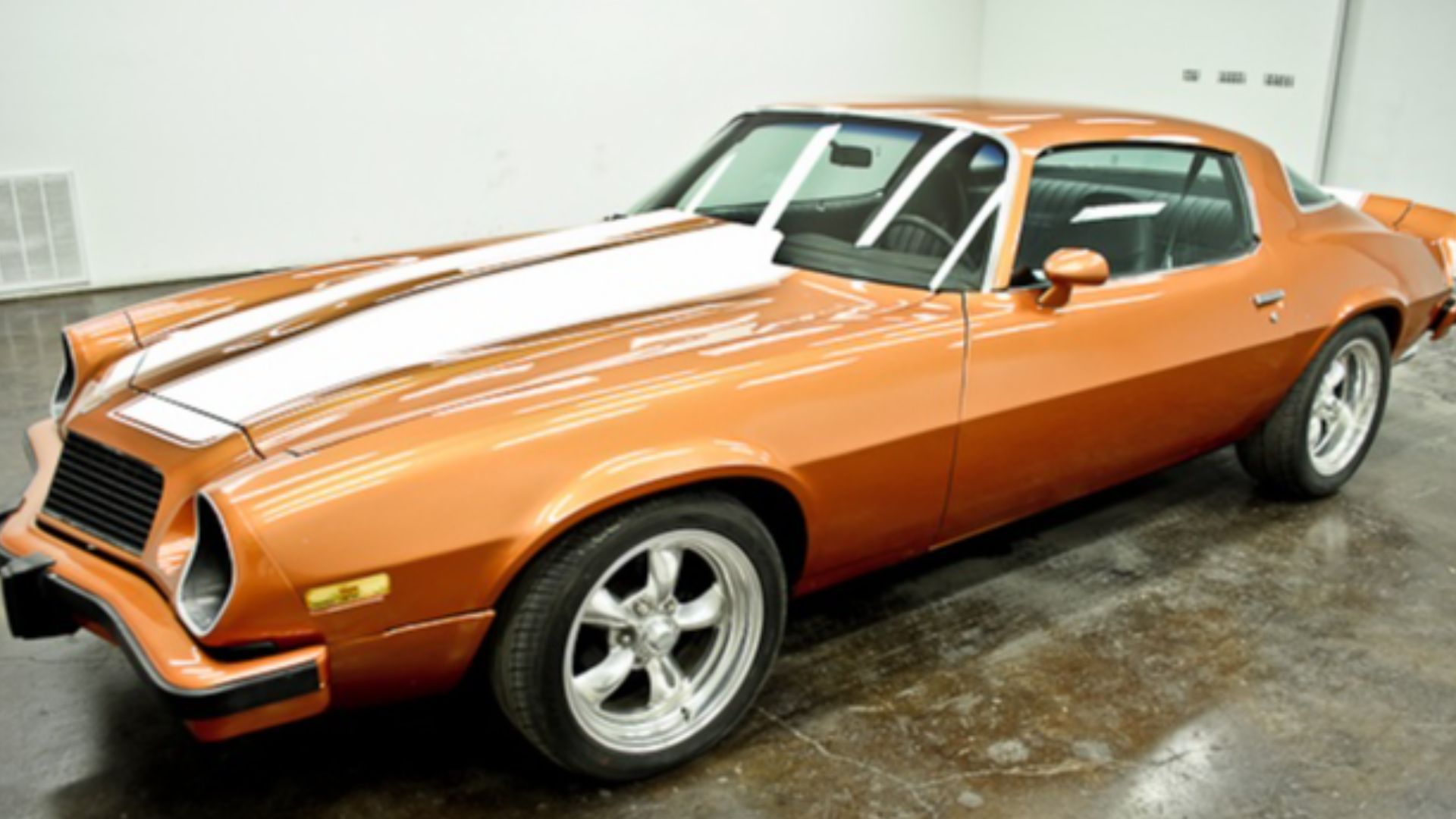
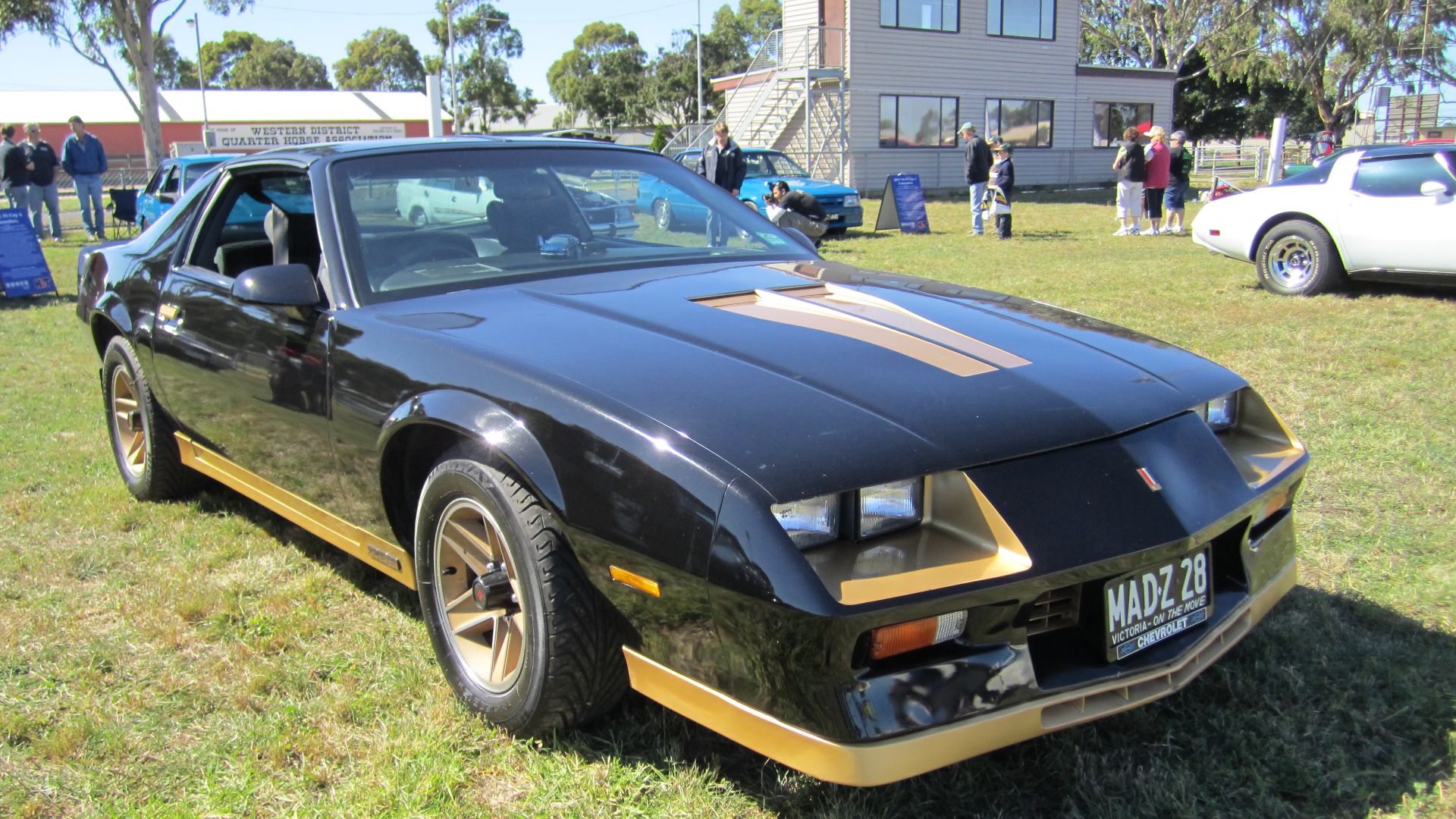
Chevrolet Camaro Z28
Chevrolet revived the Z28 for 1977 after removing it from the lineup for several years. By 1979, it had become an exceptionally popular combination of aggressive styling, V8 power, improved handling, and everyday usability. Its spoilers, graphics, hood treatment, and broad stance perfectly capture late-1970s American performance design.
 Ed.higgins at English Wikipedia, Wikimedia Commons
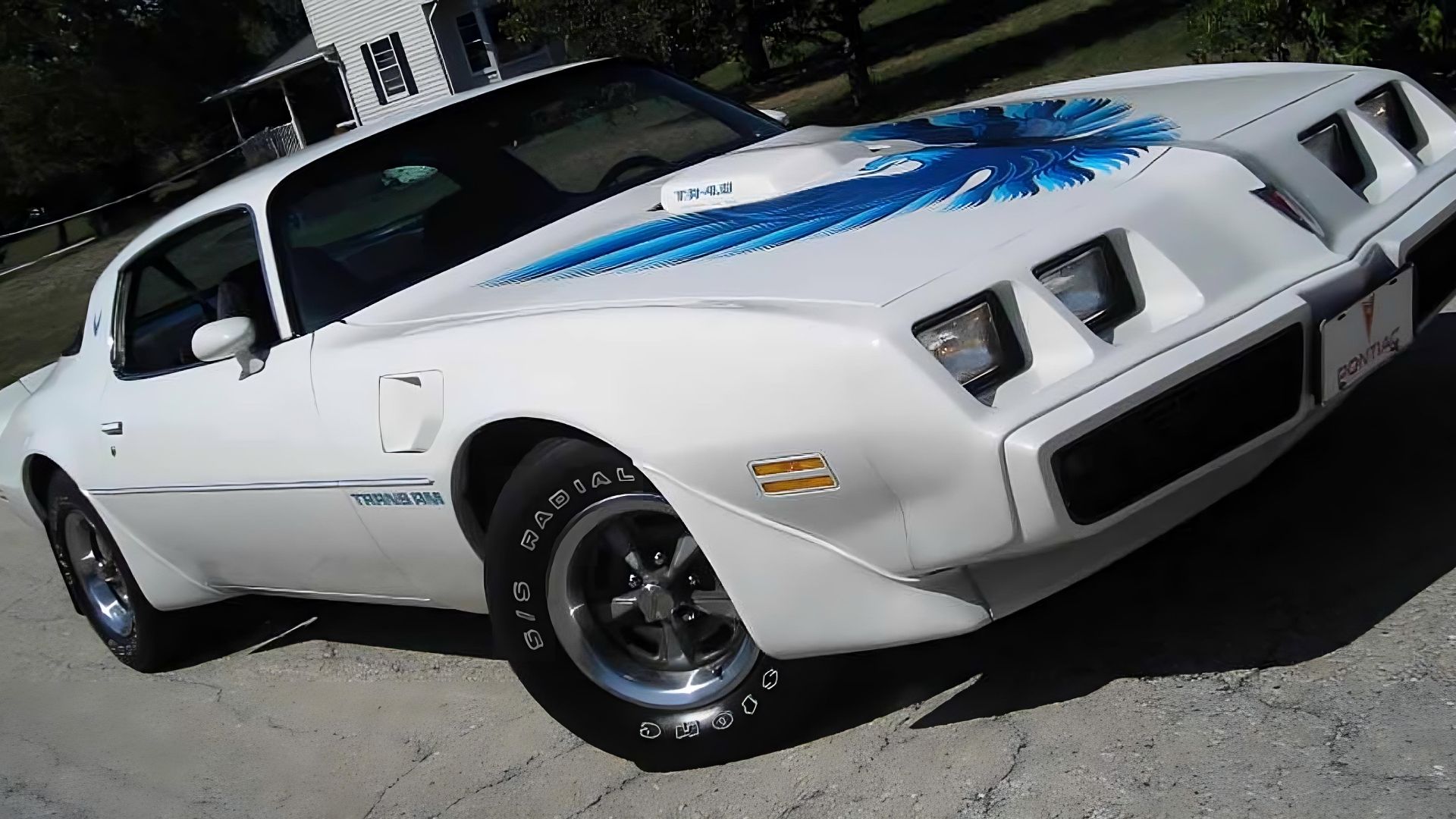
Pontiac Trans Am W72
The W72 performance package gave late-1970s Trans Am buyers one of the strongest remaining Pontiac-built V8s. For 1979, the 400-cubic-inch engine was available with a four-speed manual transmission and was rated at 220 horsepower. Strong torque, capable suspension tuning, and unmistakable styling made it one of the era’s most complete muscle cars.
 AnonStudios, Wikimedia Commons
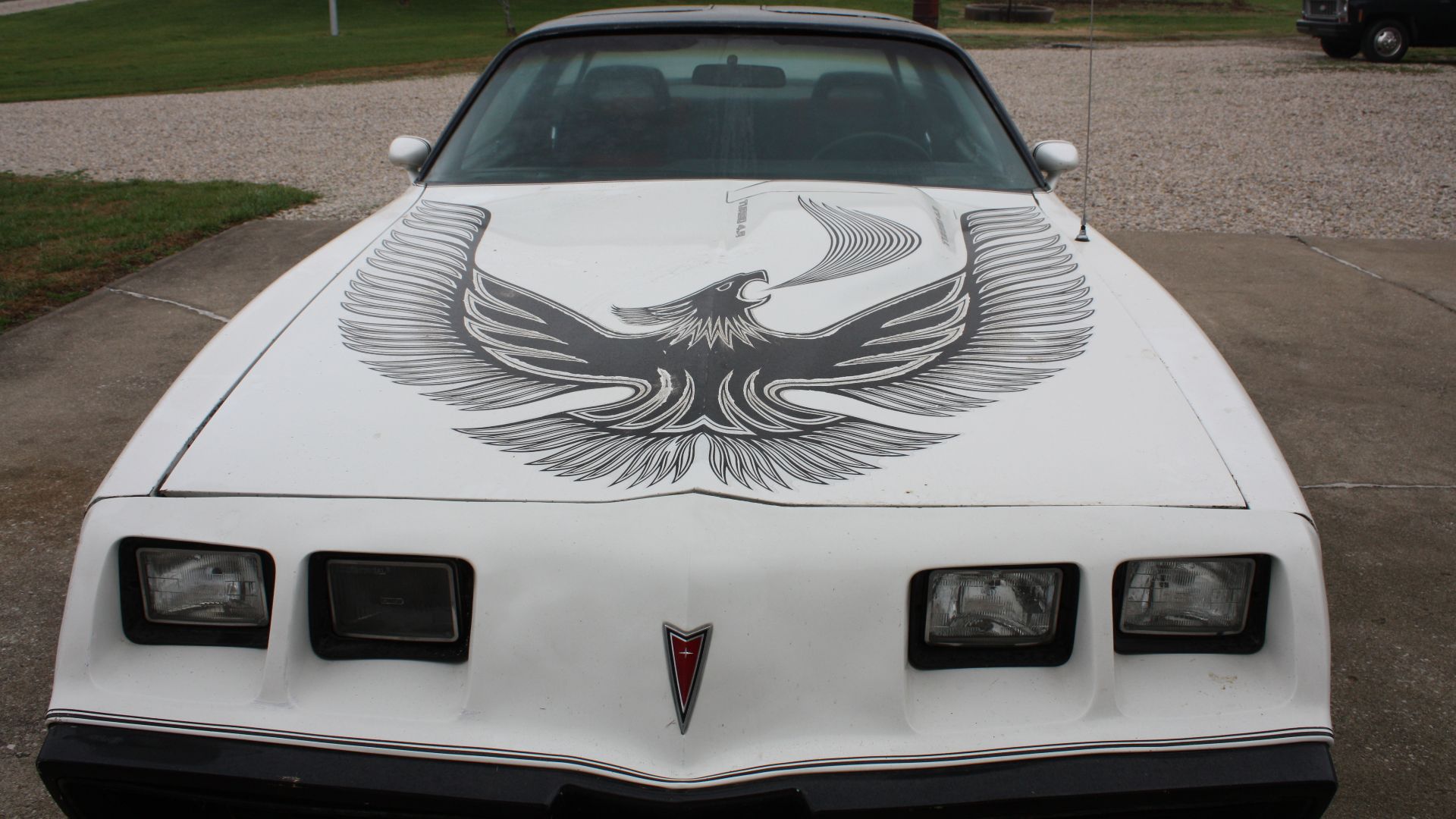
Pontiac Turbo Trans Am
With its large Pontiac V8s disappearing, Pontiac turned to turbocharging for the 1980 and 1981 Trans Am. The turbocharged 301-cubic-inch V8 was ambitious, even though early engine-management technology limited its potential. Its offset hood bulge, boost-related graphics, and unusual engineering make it a fascinating transitional model.
 Sarah Ewart, Wikimedia Commons
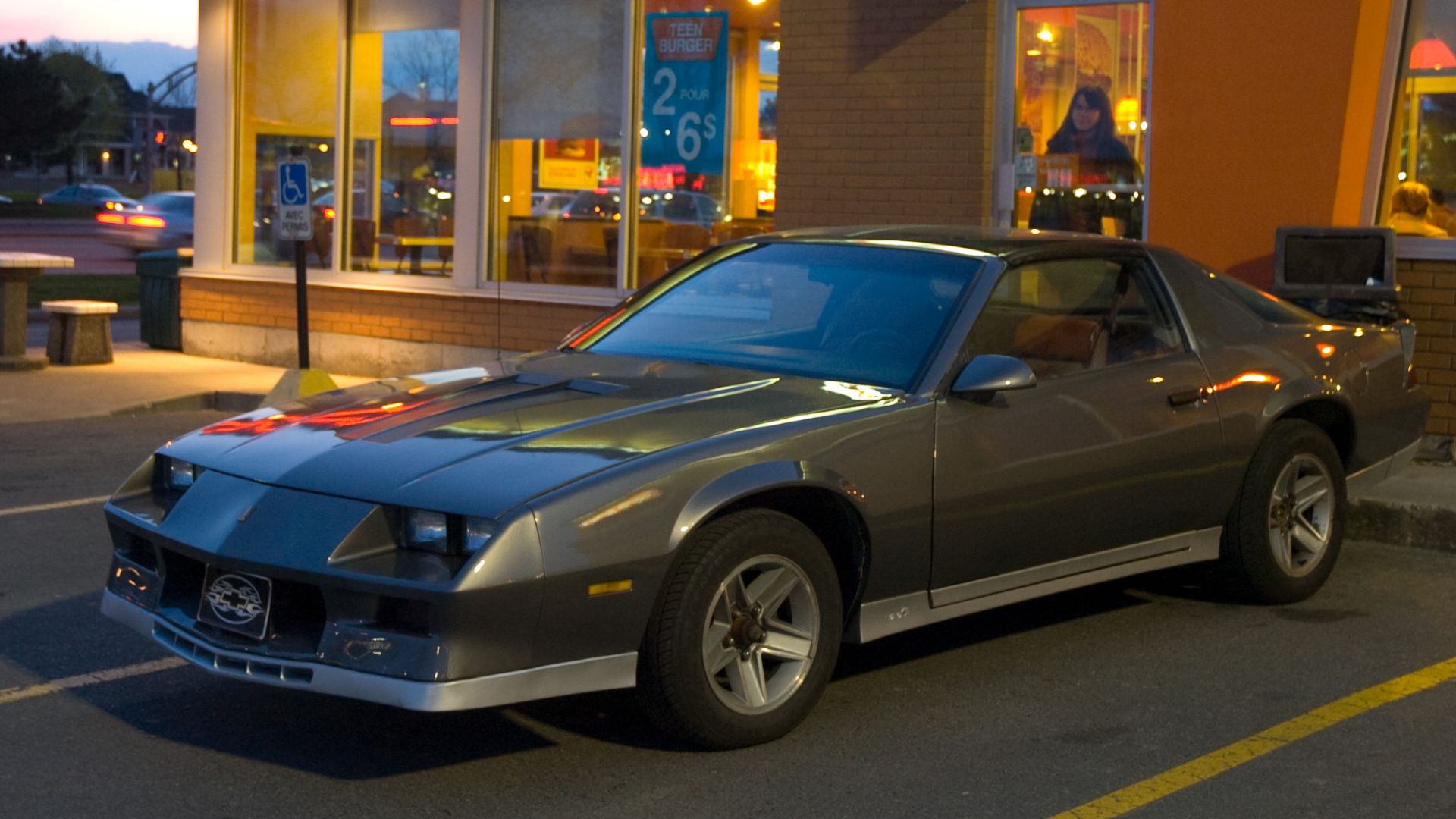
Chevrolet Camaro Z28 Improved With Age
The 1980 and 1981 Z28 showed how Detroit was gradually learning to work within new regulations. Chevrolet refined the car’s suspension, aerodynamics, gearing, and small-block V8 rather than depending entirely on displacement. These final second-generation Z28s are stylish, usable classics that still feel connected to traditional American muscle.
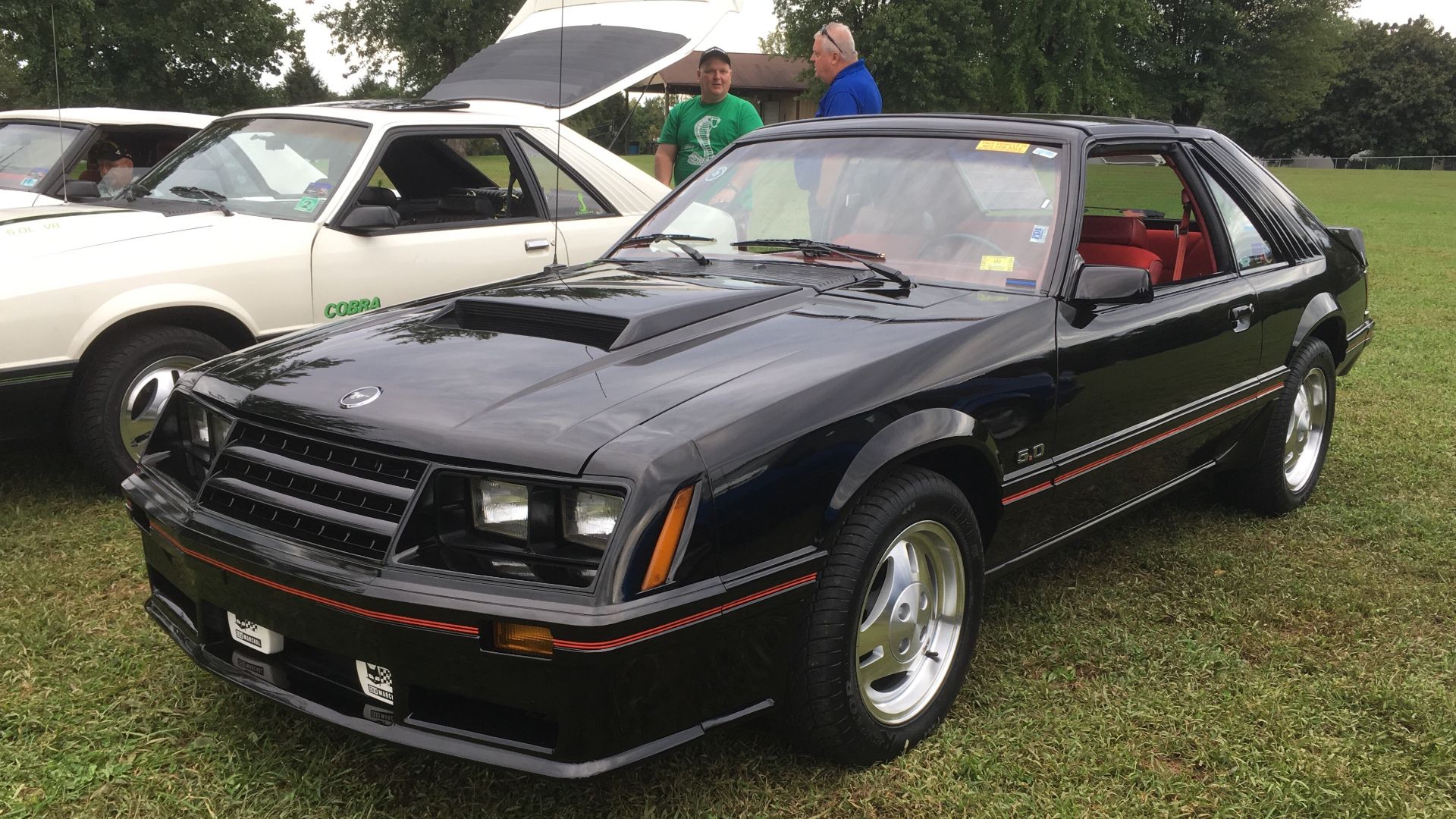
Ford Mustang GT 5.0
Ford brought back the Mustang GT name for 1982 and paired it with the 5.0-liter High Output V8. Its 157 horsepower rating sounds modest today, but the lighter Fox-body chassis gave the car promising real-world performance. More importantly, it signaled that affordable factory horsepower was finally beginning to return.
 Jacob Frey 4A, Wikimedia Commons
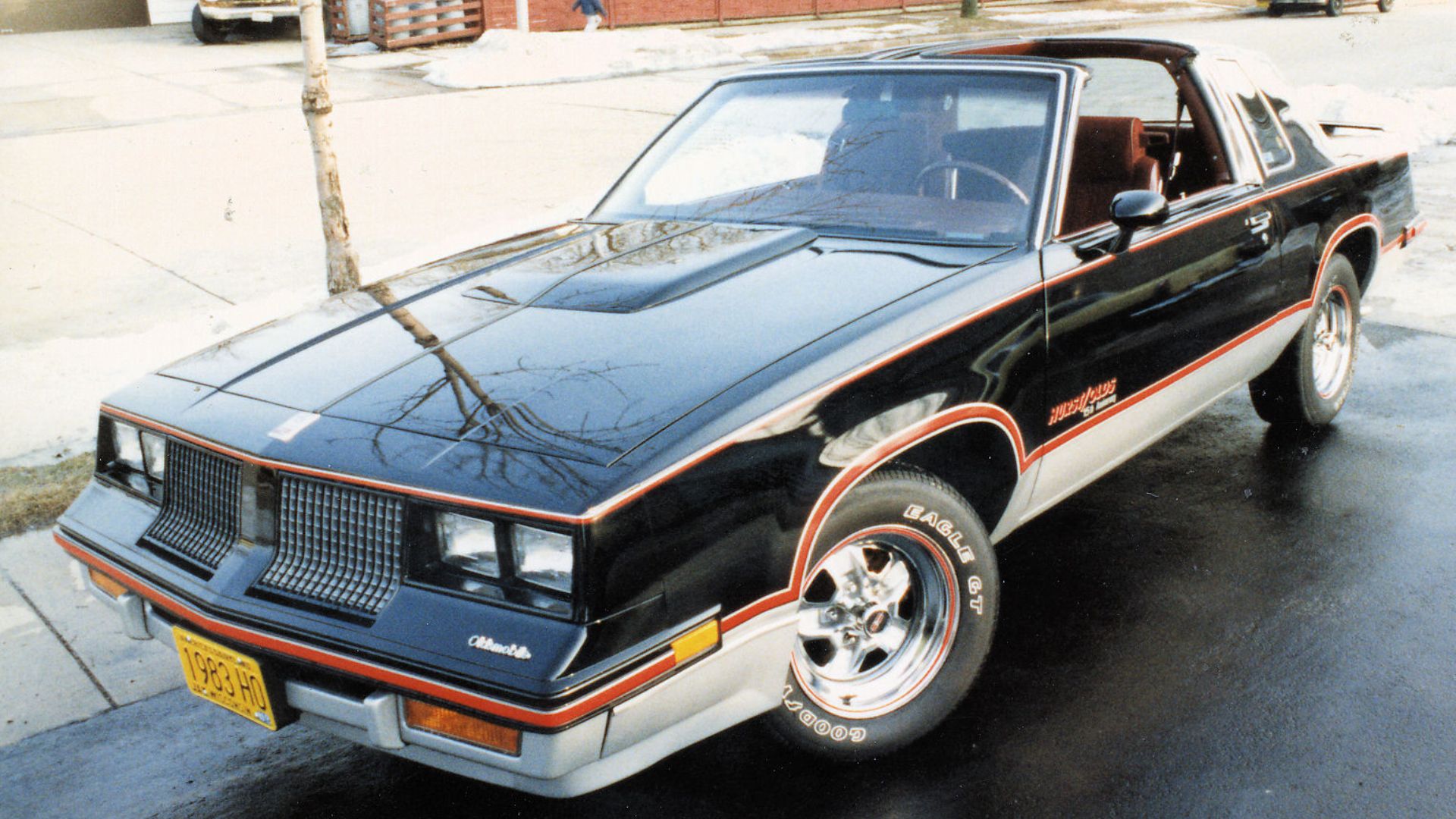
Oldsmobile Hurst/Olds
Oldsmobile revived the Hurst/Olds for 1983, marking 15 years since the original collaboration. The black-and-silver coupe received a 307-cubic-inch V8, performance-oriented rear axle, special exhaust, body graphics, and the memorable Lightning Rods shifter. It offered theatre and character at a time when outright horsepower remained limited.
 1969ho at English Wikipedia, Wikimedia Commons
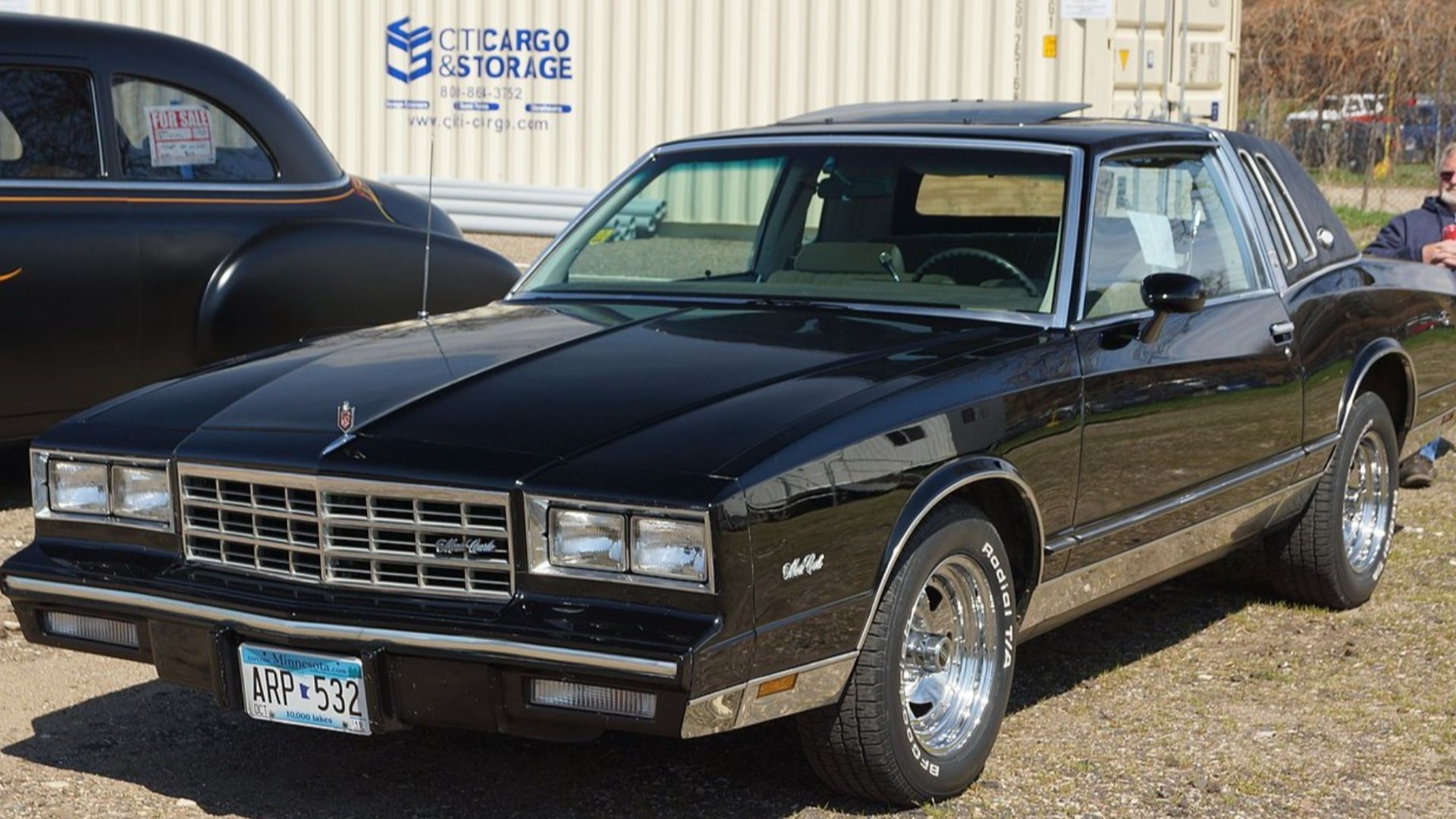
Chevrolet Monte Carlo SS
The Monte Carlo SS returned for 1983 with an aerodynamic nose influenced by Chevrolet’s NASCAR program. Its 305-cubic-inch V8 produced 175 horsepower, while firmer suspension and distinctive bodywork gave the coupe a clear performance identity. The model helped launch a new generation of attainable rear-wheel-drive muscle cars.
 Greg Gjerdingen, Wikimedia Commons
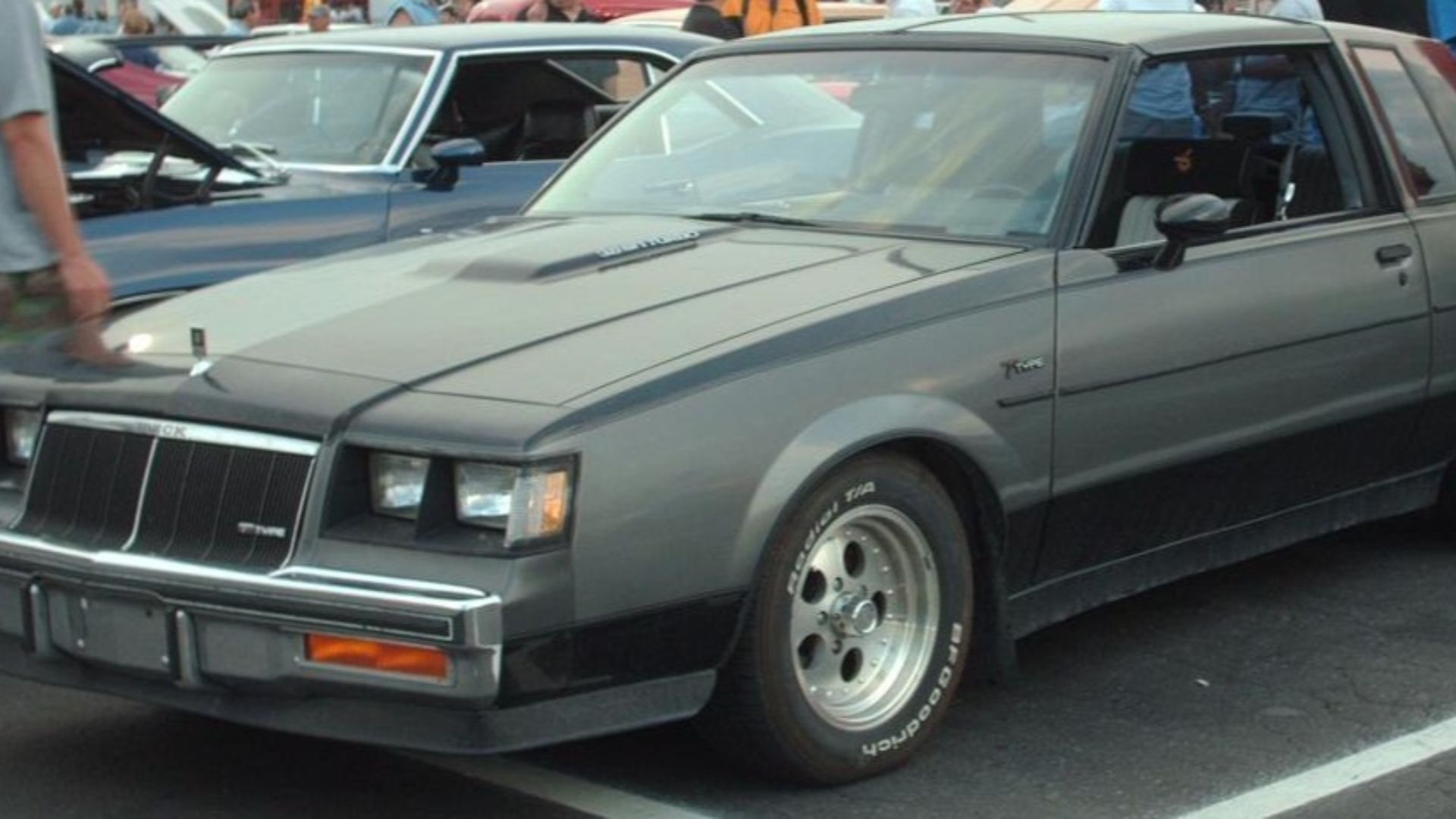
Buick Regal T-Type
Buick demonstrated the future of American performance with the turbocharged Regal T-Type. By 1984, its fuel-injected 3.8-liter turbocharged V6 produced 200 horsepower without relying on traditional big-block displacement. The understated Buick showed that electronic controls and forced induction could revive acceleration while meeting modern requirements.
These Cars Reward A Different Perspective
Most malaise-era performance cars cannot match the acceleration of a classic Hemi, LS6, or Boss Mustang. Their appeal comes from distinctive styling, mechanical simplicity, cultural history, and the creativity manufacturers used to keep performance alive. Judged within their own period, many were far more interesting and capable than their dismissive reputation suggests.
The Malaise Era Kept The Flame Burning
These machines formed a bridge between the original muscle car boom and the horsepower revival that arrived later in the 1980s. They preserved rear-wheel drive, V8 engines, bold graphics, and accessible performance through an unusually difficult period. That alone makes America’s overlooked malaise-era muscle cars worthy of another look.
 Warren K. Leffler, Wikimedia Commons
You May Also Like:
Forgotten Supercars Of The 1980s—How Many Of These Rare Exotics Do You Remember?
Affordable Modern Muscle Cars That Won’t Stay Cheap Once Collectors Catch On
Cars From The 1980s That No One Remembers—Seriously, Do You Remember Even 5 Of These Vehicles?
Sources: 1, 2, 3, 4, 5, 6, 7, 8, 9, 10, 11, 12, 13, 14, 15, 16, 17, 19, 20





.jpg)
.jpg)