
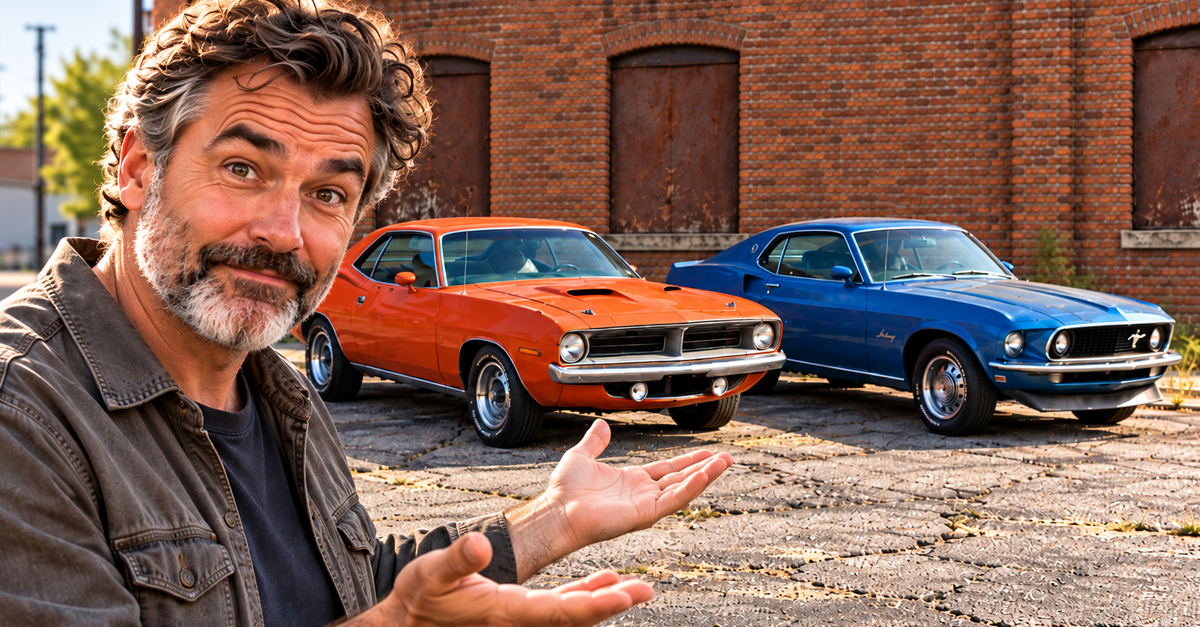
Plymouth Got There First
Plymouth beat Ford to one of the biggest automotive ideas of the 1960s. The Barracuda reached buyers before the Mustang, yet Ford's car quickly became the symbol of an entire generation. Plymouth had the head start, but somehow Ford ended up with the legend. So how did Plymouth win the race to showrooms and still lose the bigger battle?
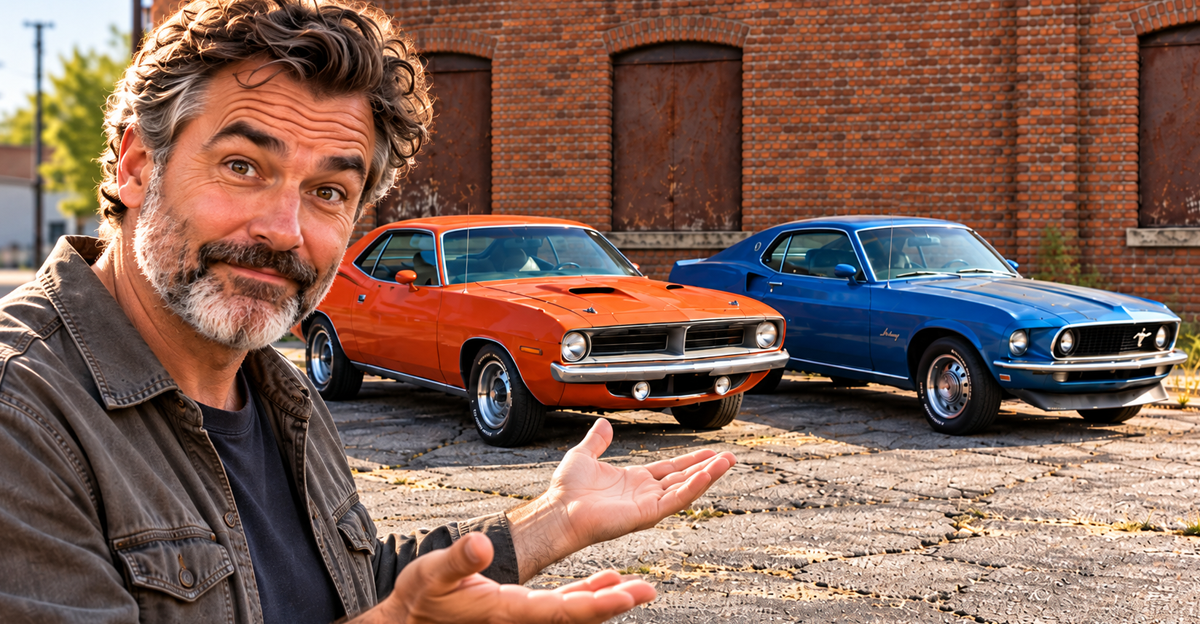
The Barracuda Really Was First
The Mustang is often treated as the car that started the pony-car era, but Plymouth beat it to market. The Barracuda reached dealerships on April 1, 1964, while the Mustang officially went on sale on April 17. That gave Plymouth a 16-day head start.
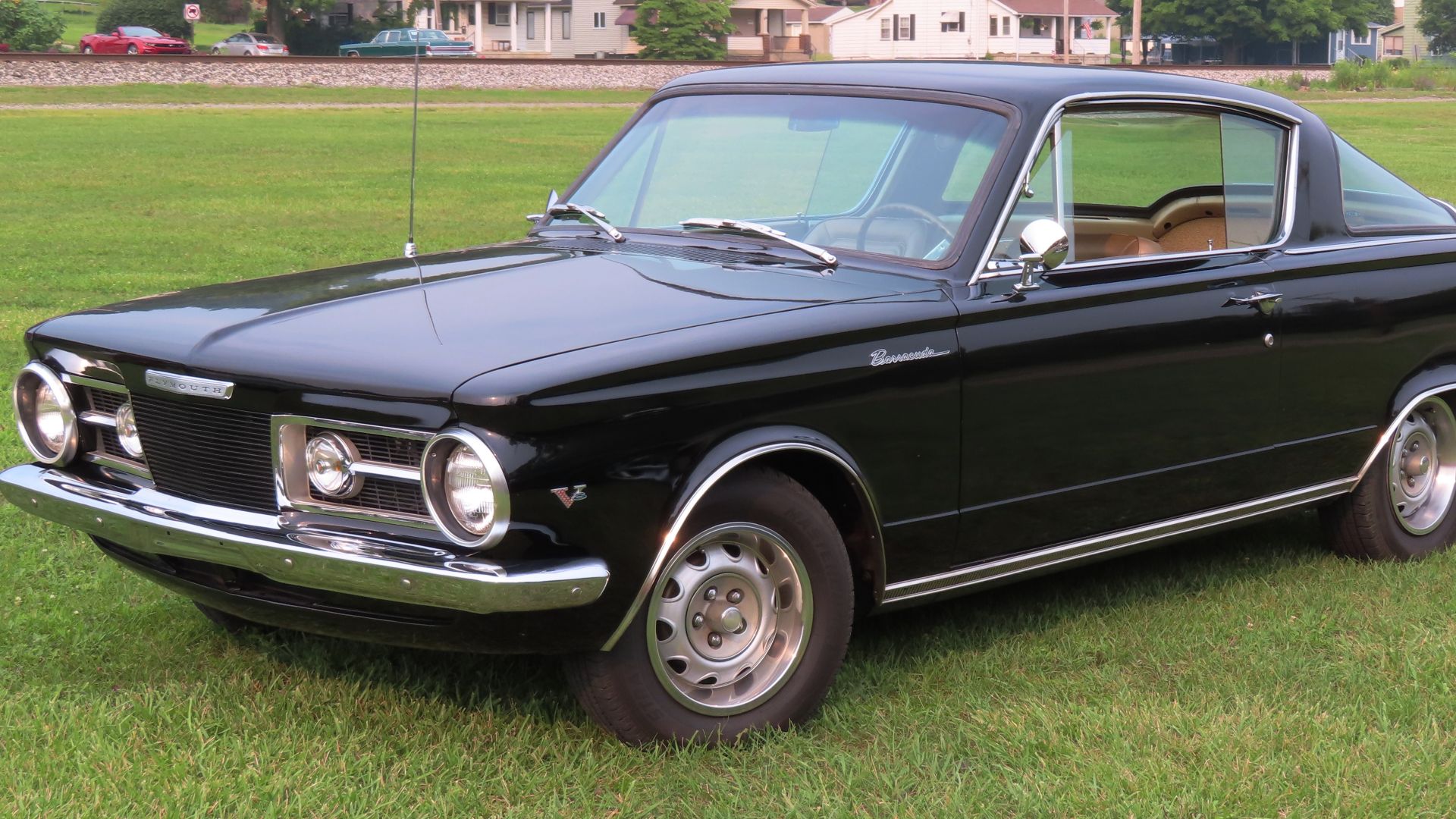 MercurySable99, Wikimedia Commons
Plymouth Saw The Same Opportunity
Detroit knew younger buyers were becoming increasingly important in the early 1960s. Plymouth wanted a sporty compact that could attract them without the cost of developing an entirely new car. Its solution was to turn the dependable Valiant into something much more dramatic.
The Valiant Was Still Easy To Spot
The first Barracuda shared its 106-inch wheelbase and much of its hardware with the Valiant. It also retained familiar front bodywork and glass, making the family connection obvious. Early cars even carried Valiant badging.
That Rear Window Was Anything But Ordinary
The Barracuda's defining feature was its huge wraparound rear glass. At 14.4 square feet, it was the largest curved rear window used on a production car up to that point. From behind, the Barracuda looked like almost nothing else on the road.
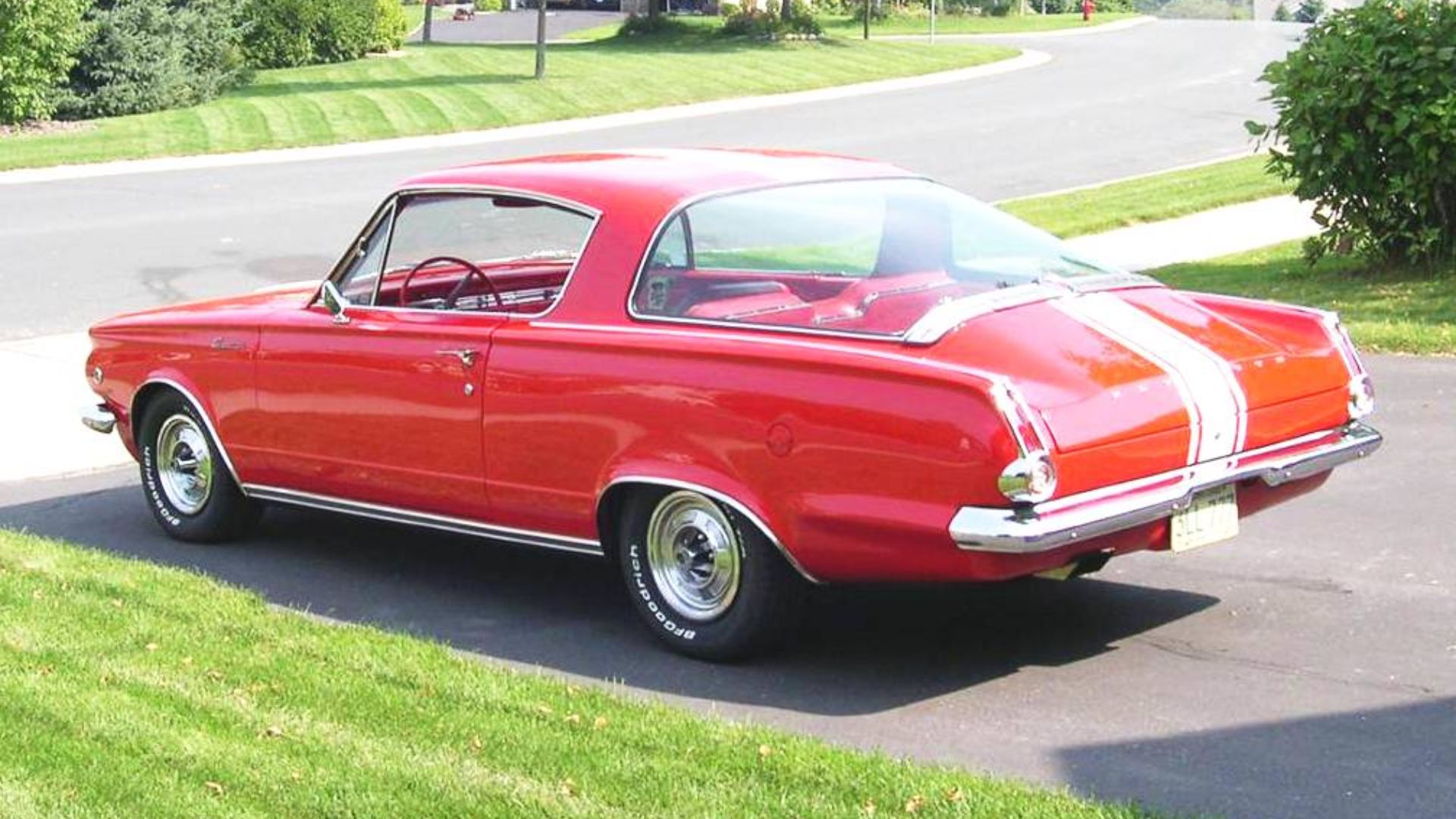 Barracuda1965 at English Wikipedia, Wikimedia Commons
It Was Surprisingly Practical Too
That dramatic fastback shape also had a useful side. The rear seat folded down to create a large cargo area beneath the glass. Plymouth even highlighted the space in advertising with bulky recreational gear.
 Greg Gjerdingen, CC BY 2., Wikimedia Commons
Buyers Could Order A V8
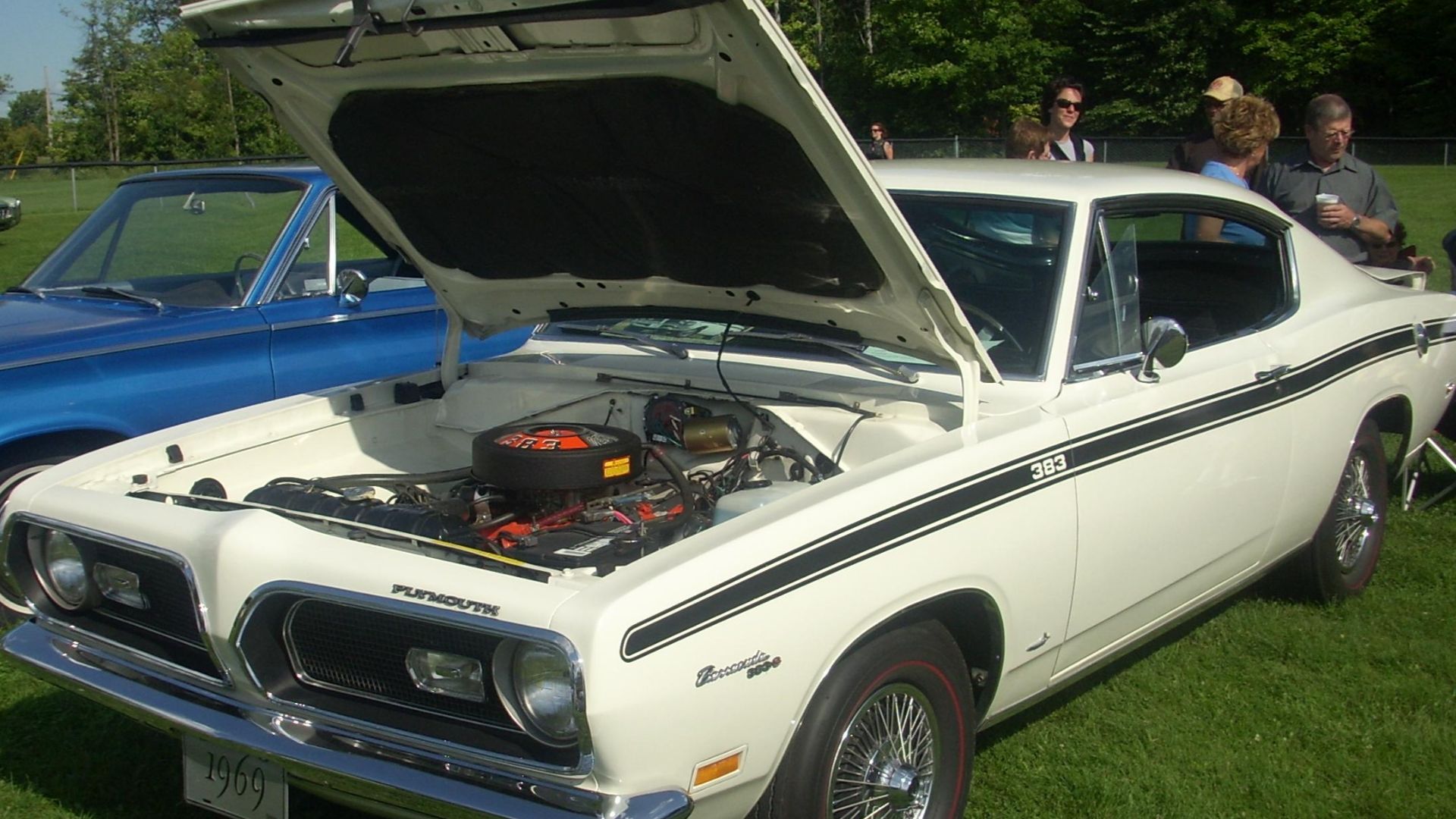
The Barracuda was not limited to economy-car performance. Alongside its Slant-Six engines, Plymouth offered a 273-cubic-inch V8 rated at 180 horsepower. Buyers could also choose a four-speed manual transmission.
Ford Used The Same Basic Trick
The Mustang also borrowed heavily from an existing compact, the Ford Falcon. The difference was presentation. Ford gave the Mustang much more distinctive exterior styling, so buyers were less likely to see it as a dressed-up economy car.
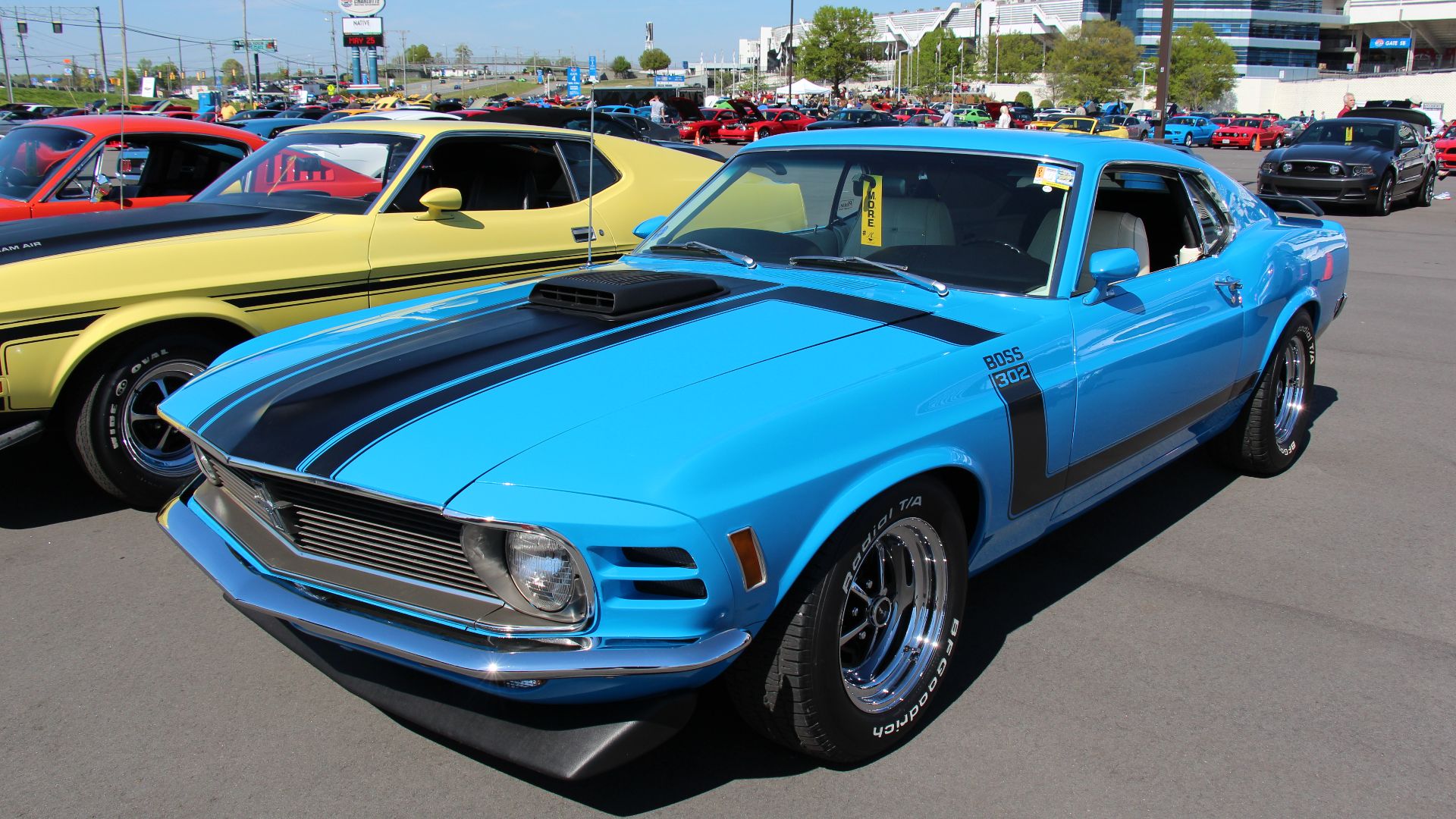
The Mustang Looked Like An Occasion
Its proportions did much of the work. A long hood, short rear deck, low stance, and sporty detailing made the Mustang look far more exotic than its affordable mechanical roots suggested. Ford made an attainable car feel aspirational.
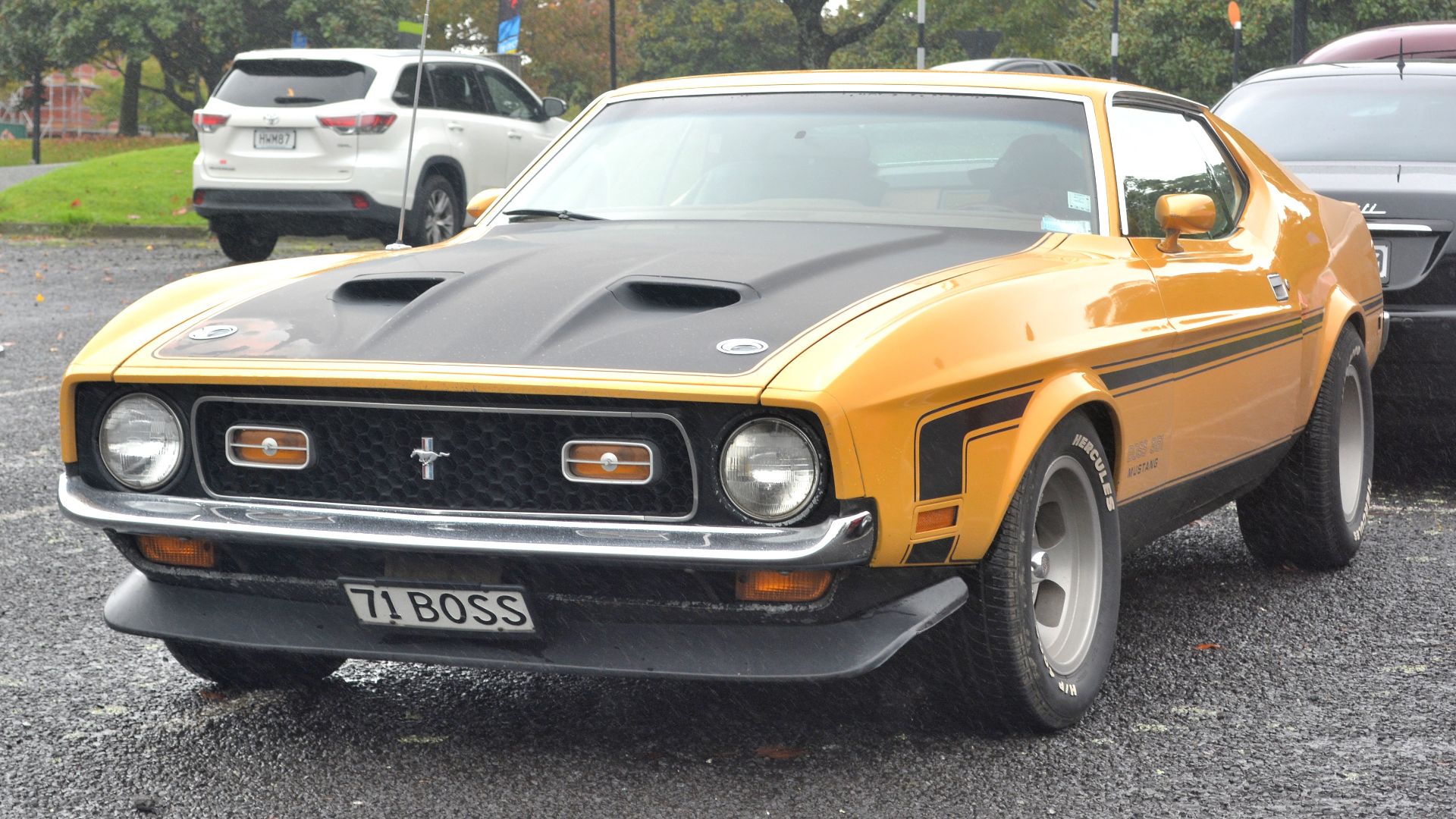 GPS 56 from New Zealand, Wikimedia Commons
Ford Kept The Starting Price Low
The Mustang launched with an advertised starting price of $2,368. That put it within reach of buyers who might otherwise have considered an ordinary compact. Ford could offer sporty styling without pricing the car like a true luxury or performance model.
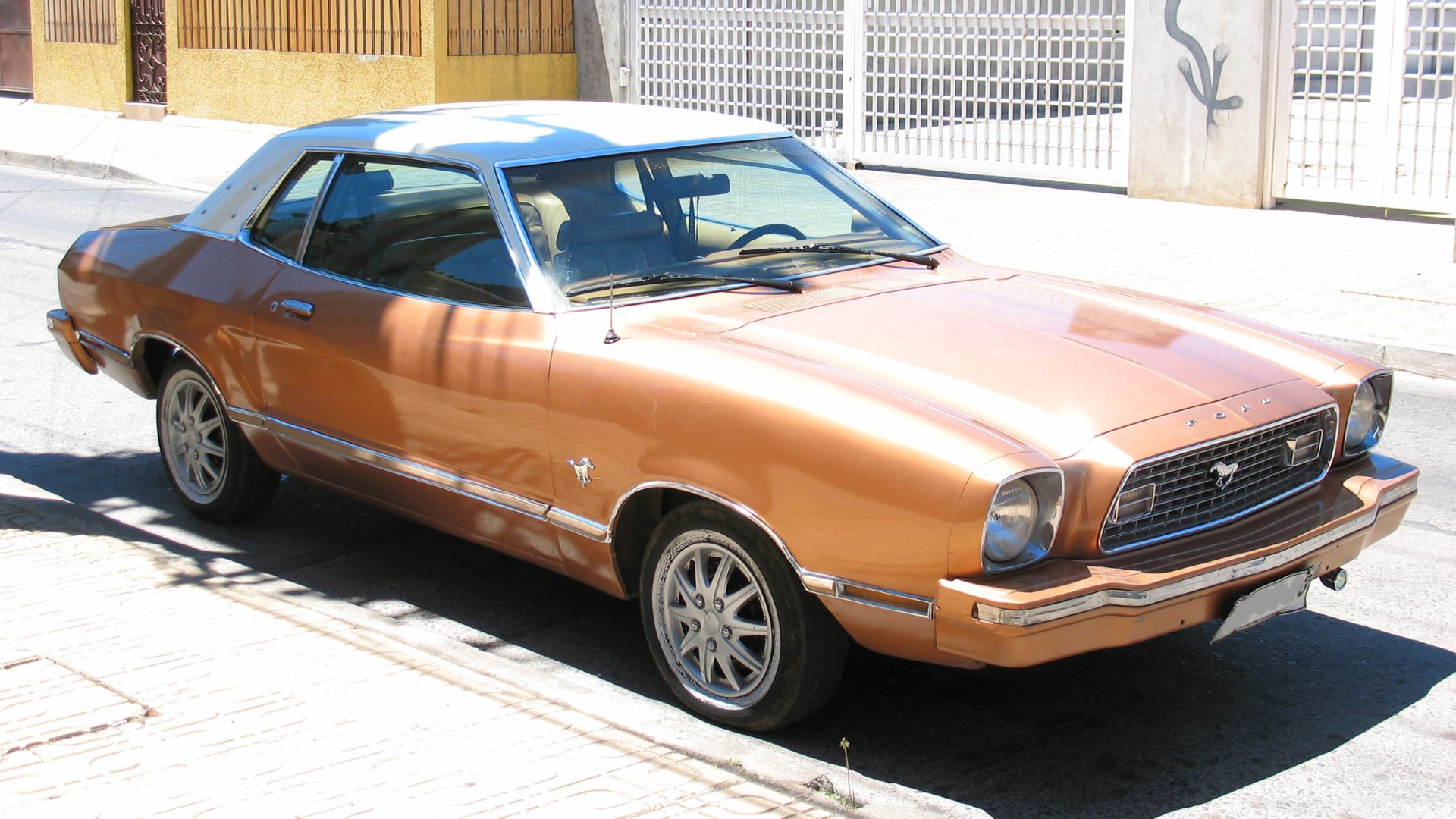 order_242 from Chile, Wikimedia Commons
Ford Turned The Launch Into An Event
The Mustang did not quietly appear at dealerships. Ford tied its public debut to the 1964 New York World's Fair, one of the biggest events in the country. The setting instantly made the new car feel important.
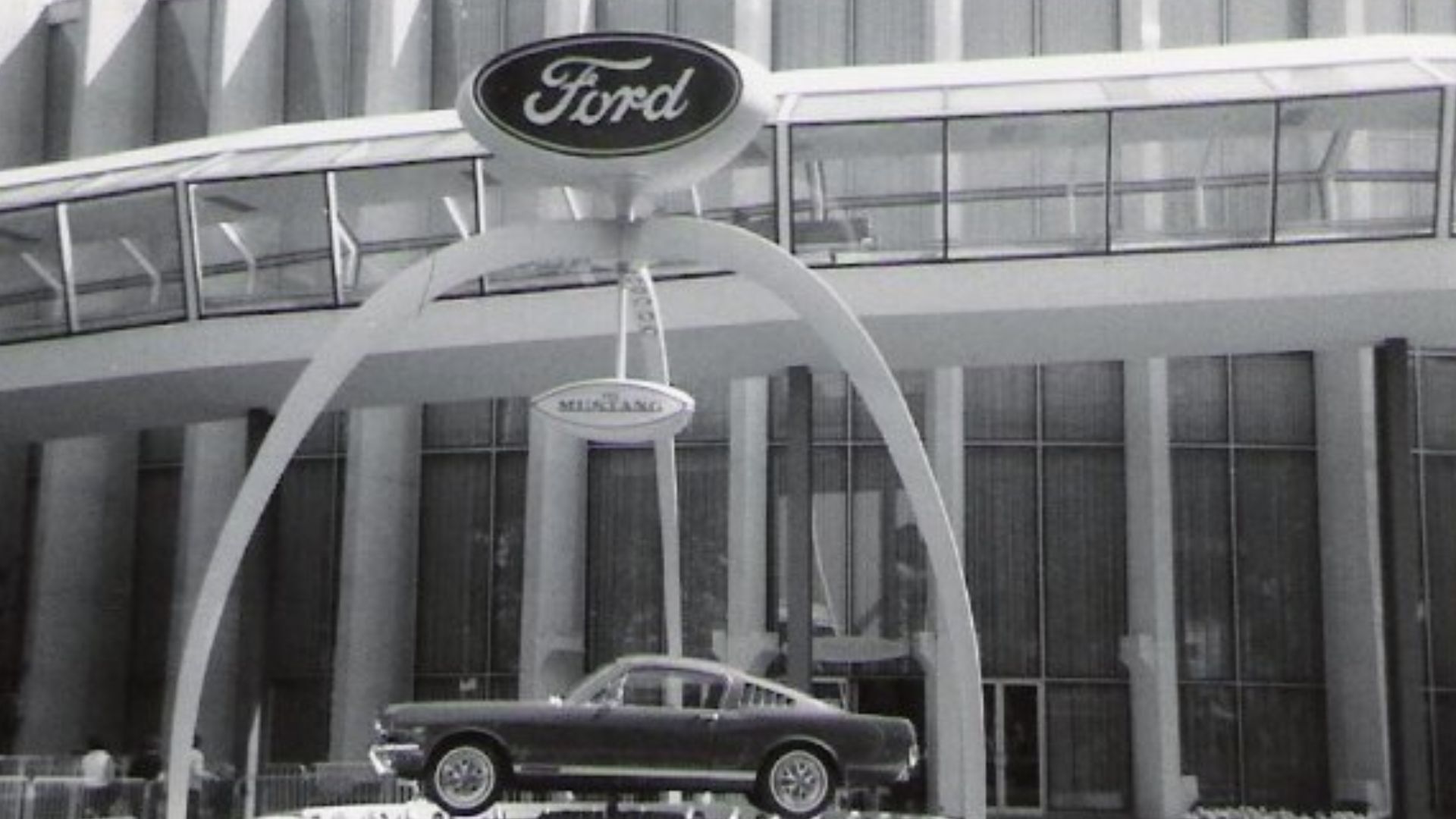 Doug Coldwell, Wikimedia Commons
Television Put It Everywhere
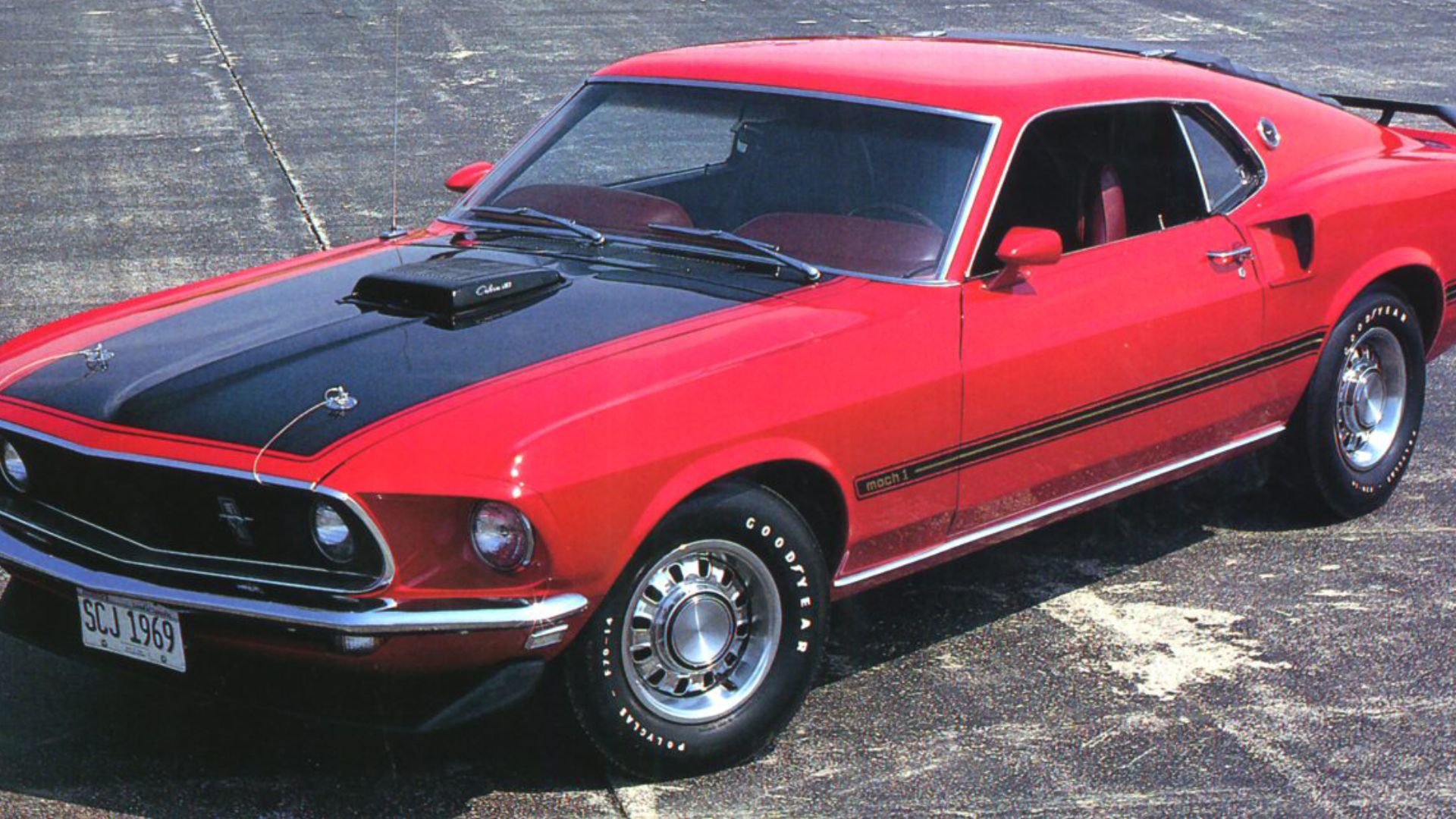
Ford also promoted the Mustang across all three major television networks before the public launch. Company histories say the campaign reached more than 29 million viewers. By the time dealerships opened, much of America already knew the car.
 Matt Morgan (original)
Tony Patt (cropped), Wikimedia Commons
Matt Morgan (original)
Tony Patt (cropped), Wikimedia Commons
The World's Fair Kept Selling It
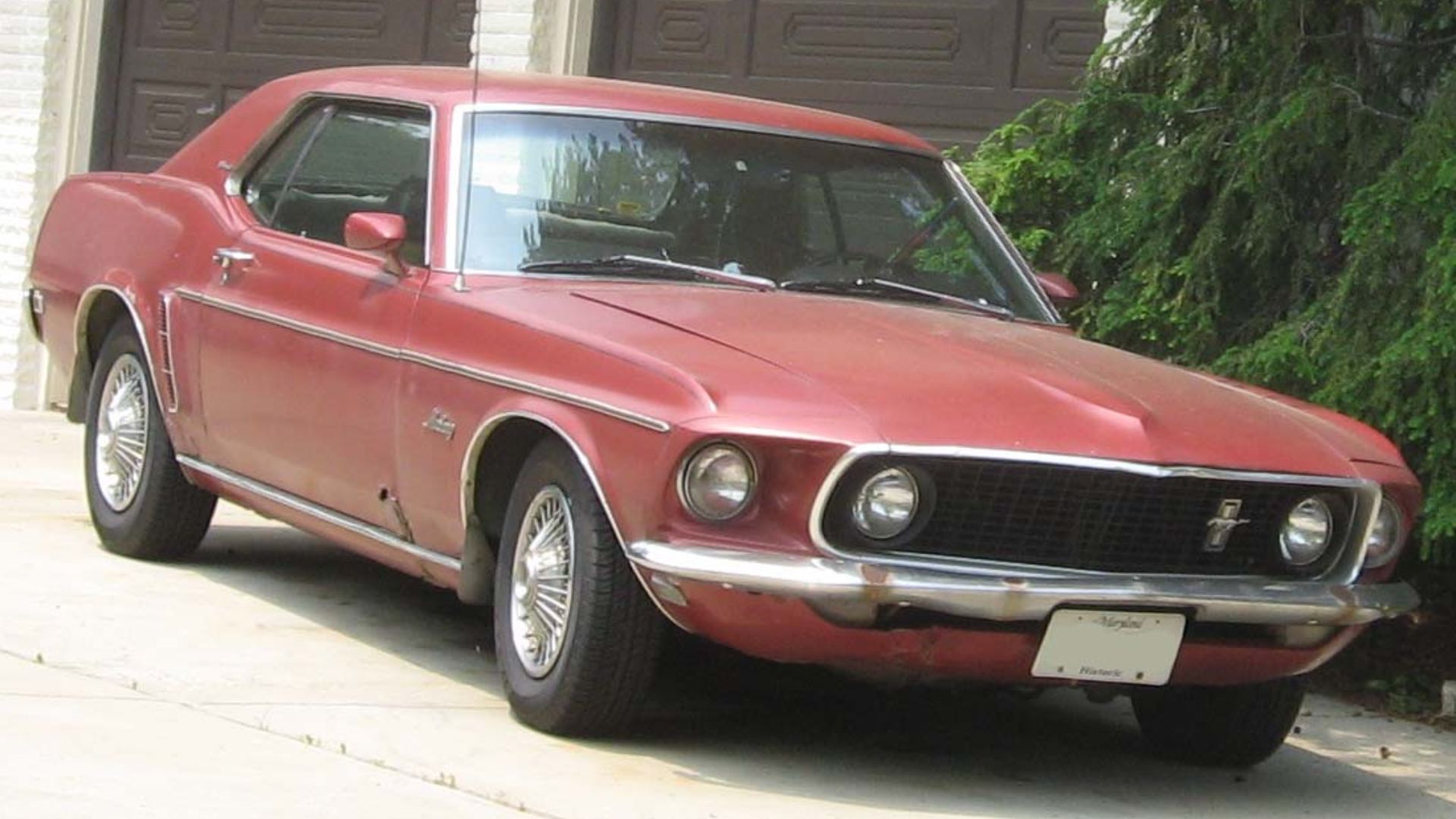
Visitors to Ford's World's Fair pavilion could even sit inside Mustang convertibles on the Disney-designed Magic Skyway attraction. Nearly 15 million people eventually rode it. That gave Ford an enormous amount of direct exposure.
Mustang Mania Was Immediate
The reaction was unlike anything Plymouth had generated. Ford dealers recorded roughly 22,000 Mustang sales and orders around the launch. The Barracuda's 16-day head start suddenly looked very small.
The Sales Gap Became Enormous
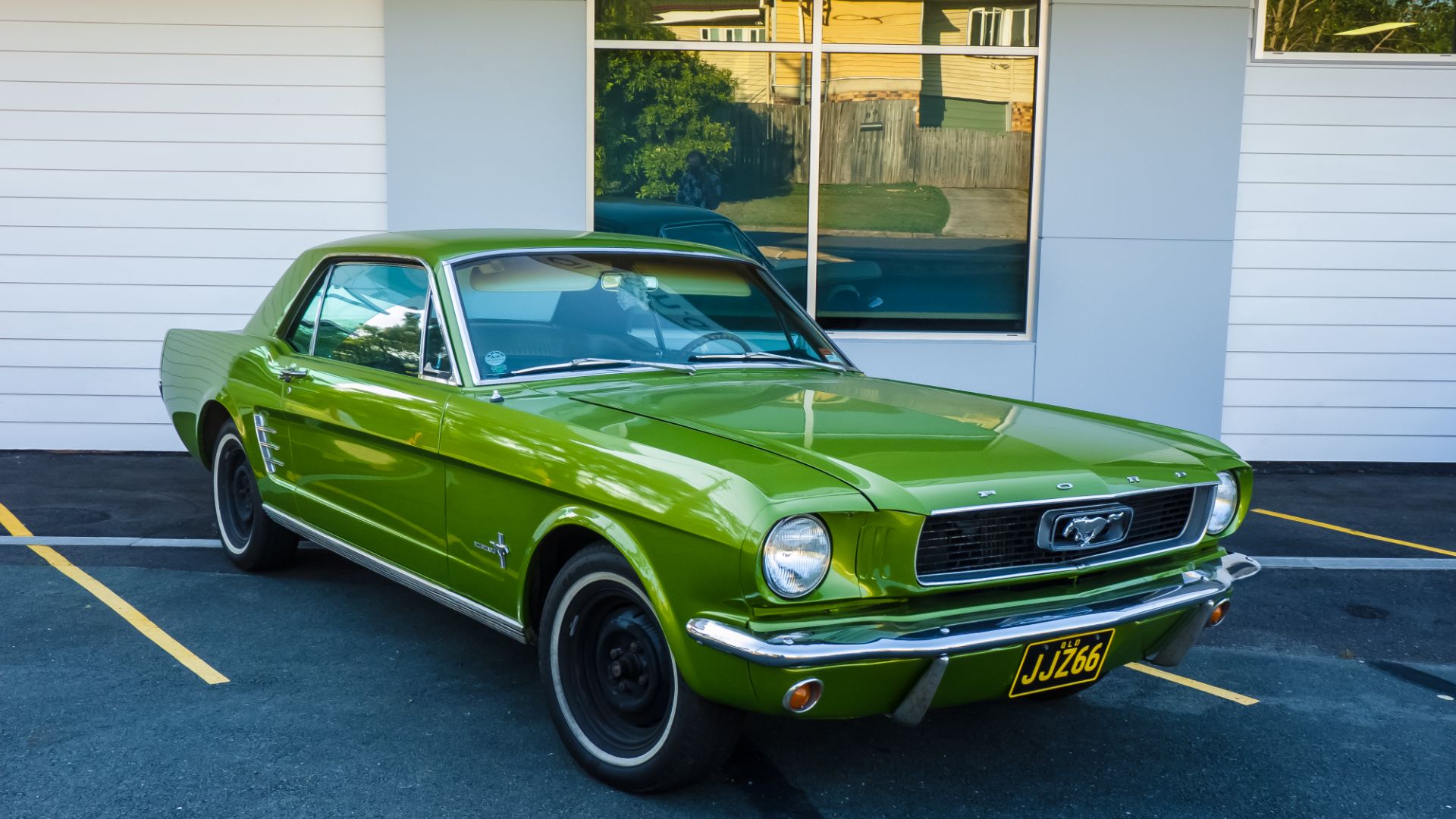
Plymouth sold roughly 23,500 Barracudas during 1964. Ford sold more than 418,000 Mustangs during the car's first year. The one-millionth Mustang rolled off the line on March 2, 1966.
 John Robert McPherson, Wikimedia Commons
Styling Was A Huge Part Of The Appeal
Ford's own history says more than 80 percent of early Mustang buyers identified appearance as the most important factor in their purchase. That helps explain why the Mustang's distinct shape mattered so much. Buyers were not simply choosing transportation.
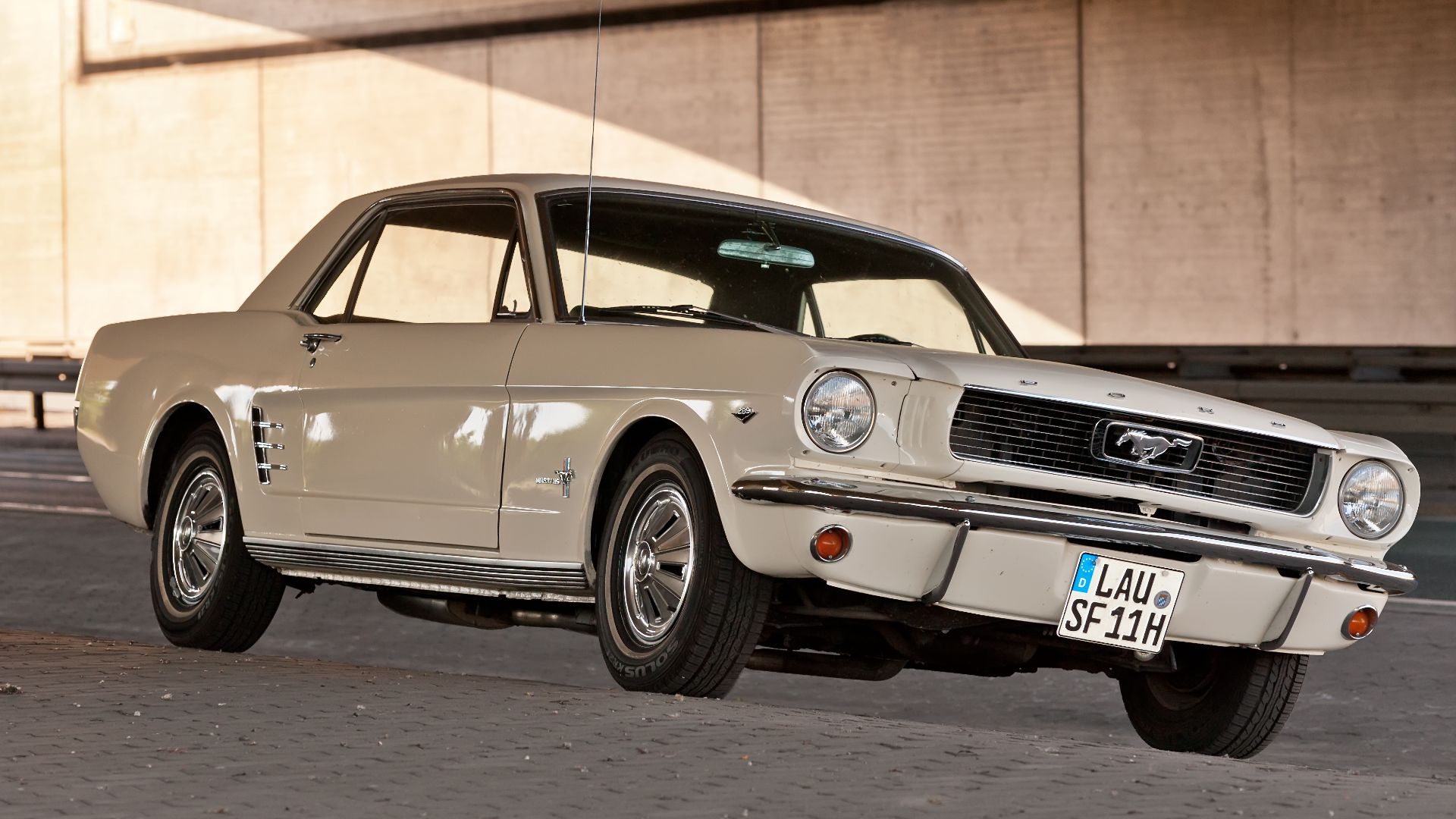 Hans-Jürgen Neubert, Wikimedia Commons
Ford Let Buyers Build Their Own Mustang
The Mustang could be configured in dozens of ways. Buyers could choose six-cylinder economy, V8 performance, upscale trim, convenience equipment, or sportier hardware. Ford made one basic car appeal to several different kinds of customers.
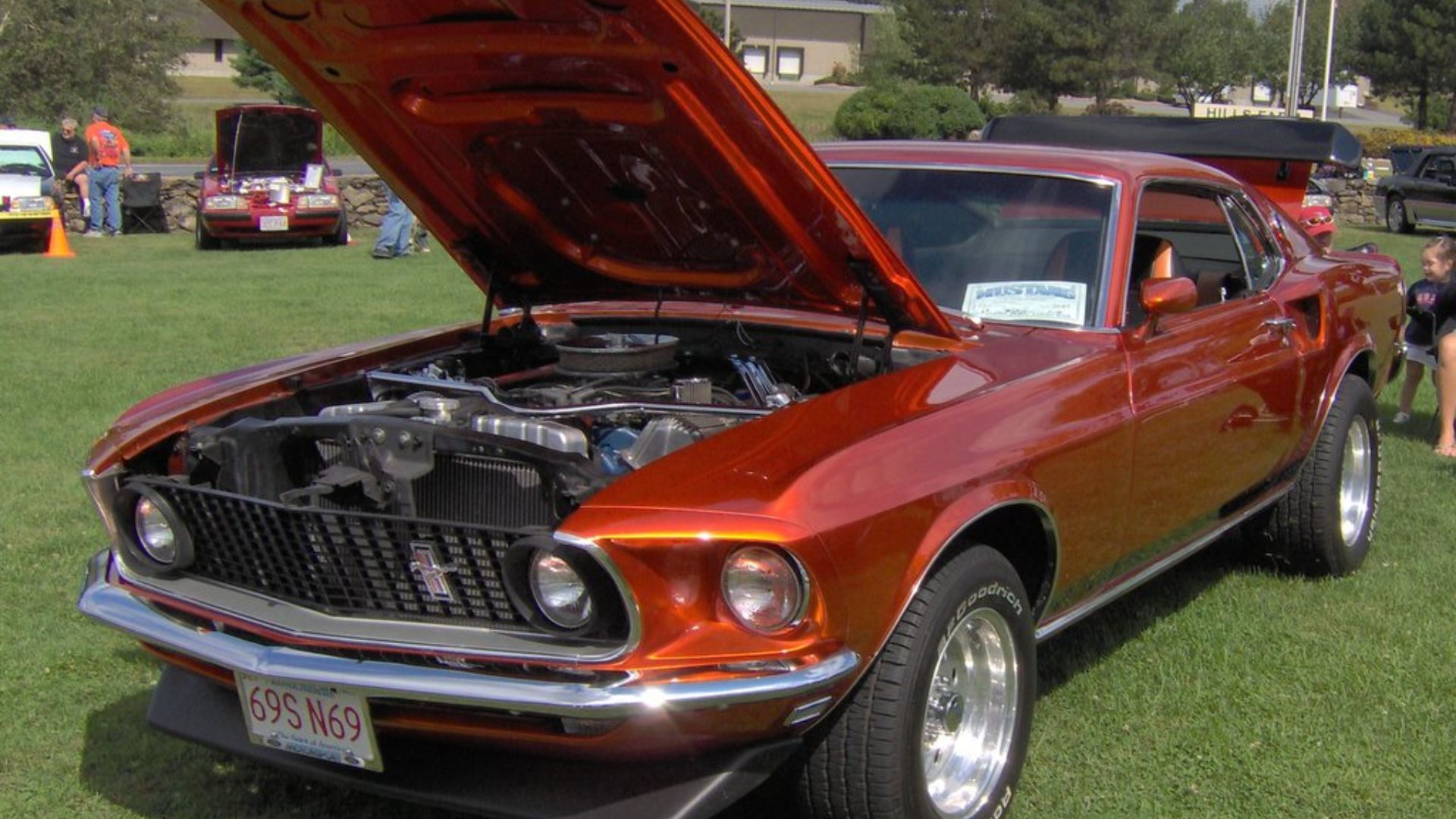 Stephen Foskett (Wikipedia User: sfoskett), Wikimedia Commons
Two Body Styles Became Three
The Mustang initially arrived as a hardtop coupe and convertible. A sleek 2+2 fastback followed for the 1965 model year. That gave Ford another sporty version without abandoning the broader range that made the Mustang so flexible.
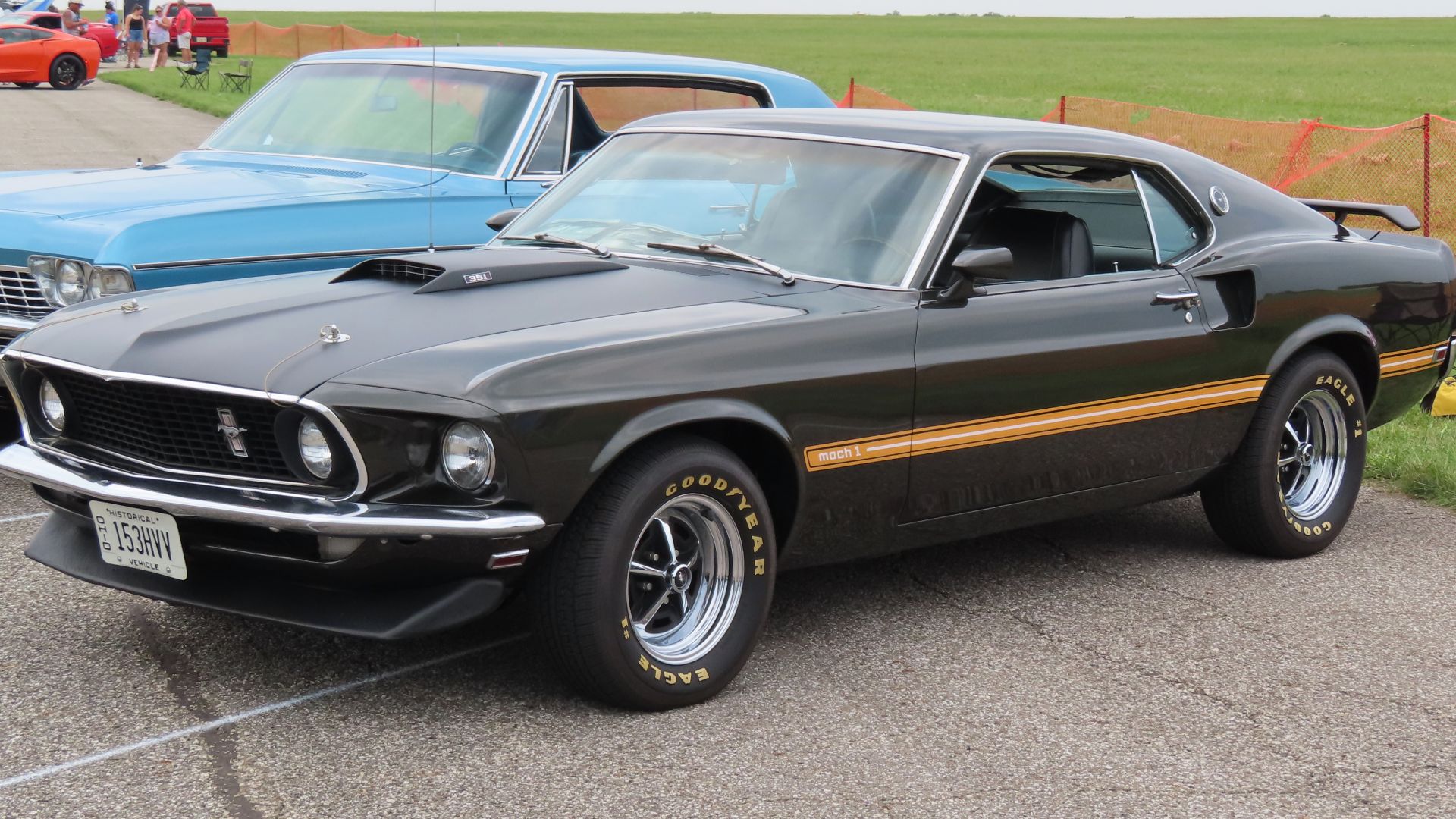 MercurySable99, Wikimedia Commons
Plymouth Started Fighting Back
Plymouth responded quickly. For 1965, the Barracuda gained a 235-horsepower Commando version of the 273 V8 and the Formula S package. Better suspension, wheels, tires, and a tachometer made it a much more serious performance car.
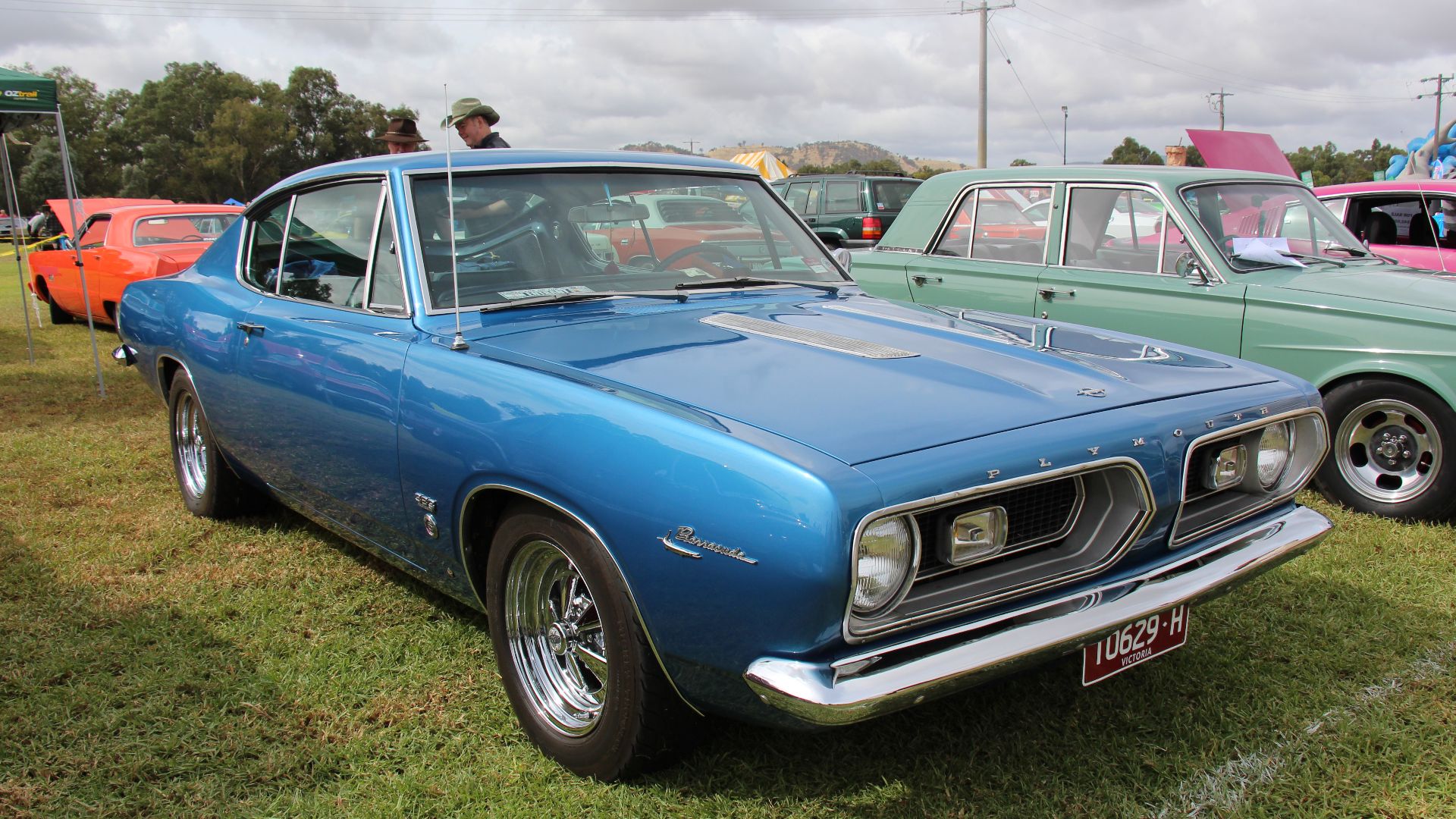
Formula S Made A Stronger Case
The Formula S showed what the Barracuda could do when Plymouth leaned harder into performance. It combined useful fastback packaging with sharper handling and stronger power. The problem was that Mustang momentum was already enormous.
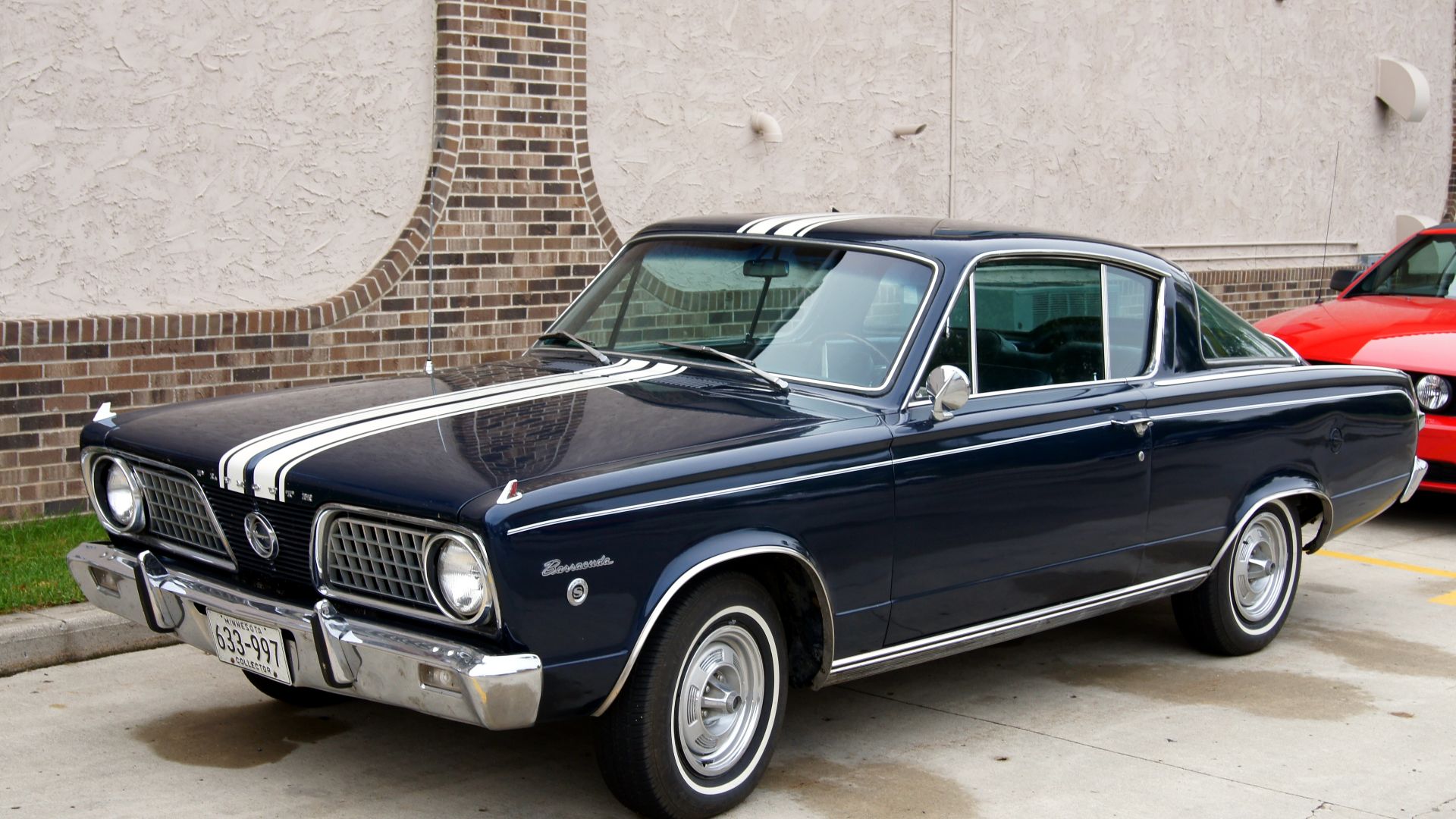 Greg Gjerdingen from Willmar, USA, Wikimedia Commons
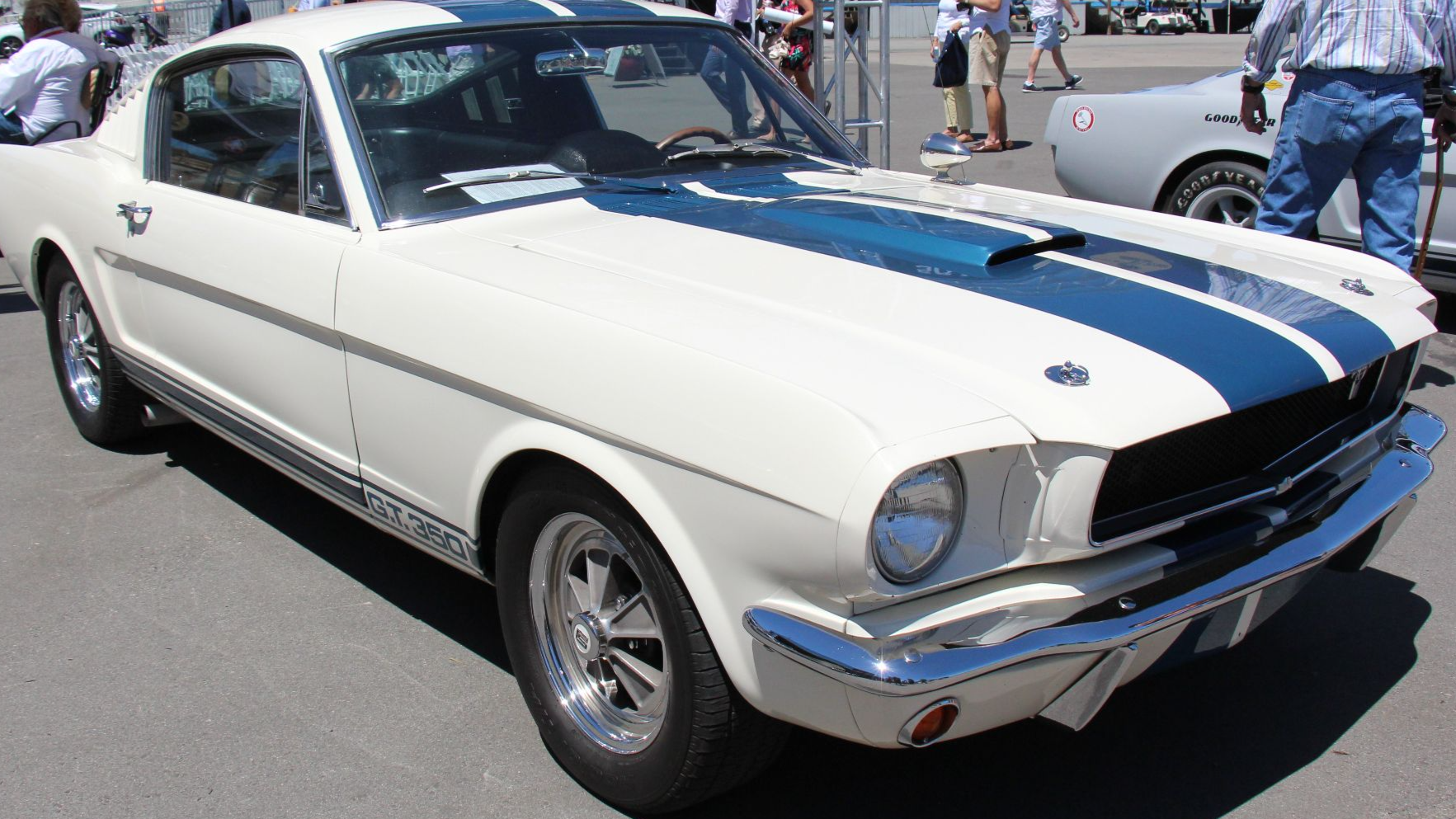
Ford Had Carroll Shelby
The Mustang's performance image soon received another major boost. Carroll Shelby transformed the fastback into the GT350 for 1965. That tied the Mustang name directly to racing and serious performance.
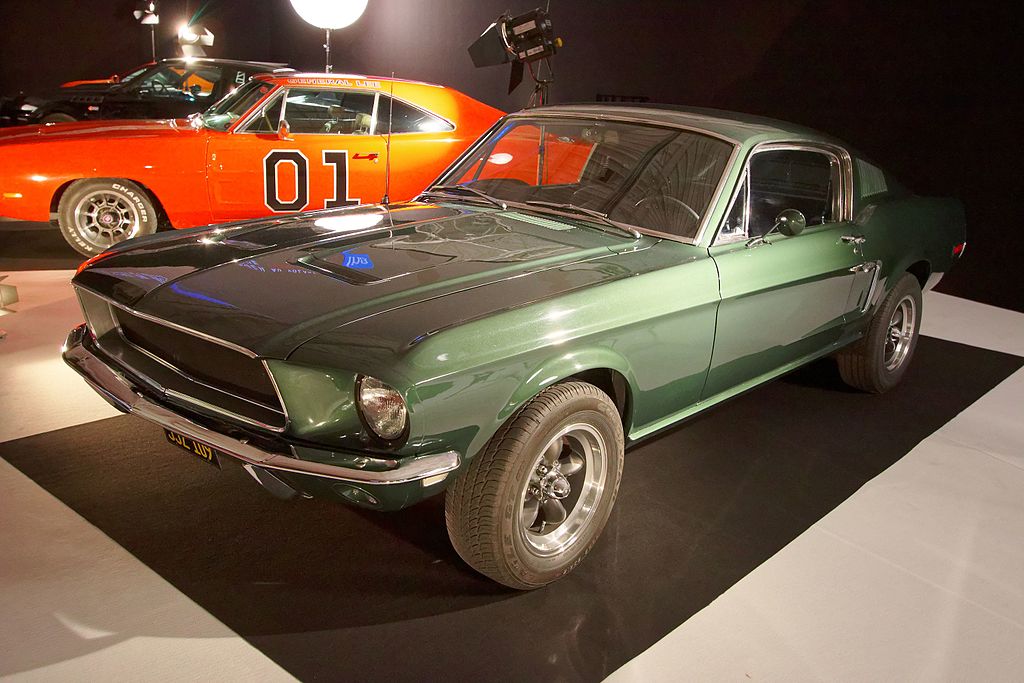
Hollywood Helped Build The Legend
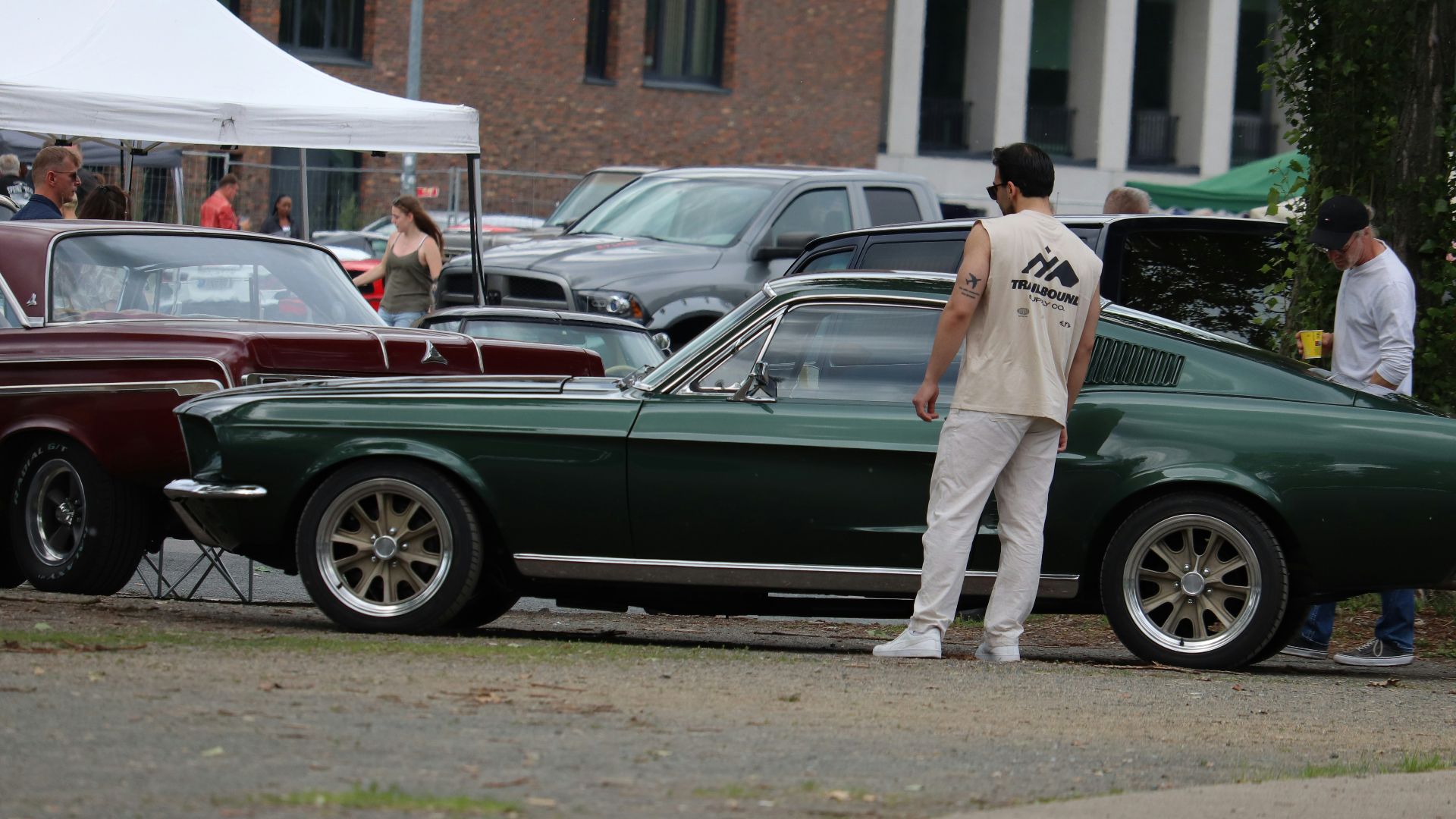
The Mustang also moved quickly into popular culture. One appeared in Goldfinger during its debut year, while Steve McQueen's dark green Mustang in Bullitt later became one of cinema's most famous cars. Those appearances gave the model visibility far beyond dealerships and racetracks.
 Thesupermat, CC BY-SA 4.0, Wikimedia Commons
Plymouth Finally Broke Away From The Valiant
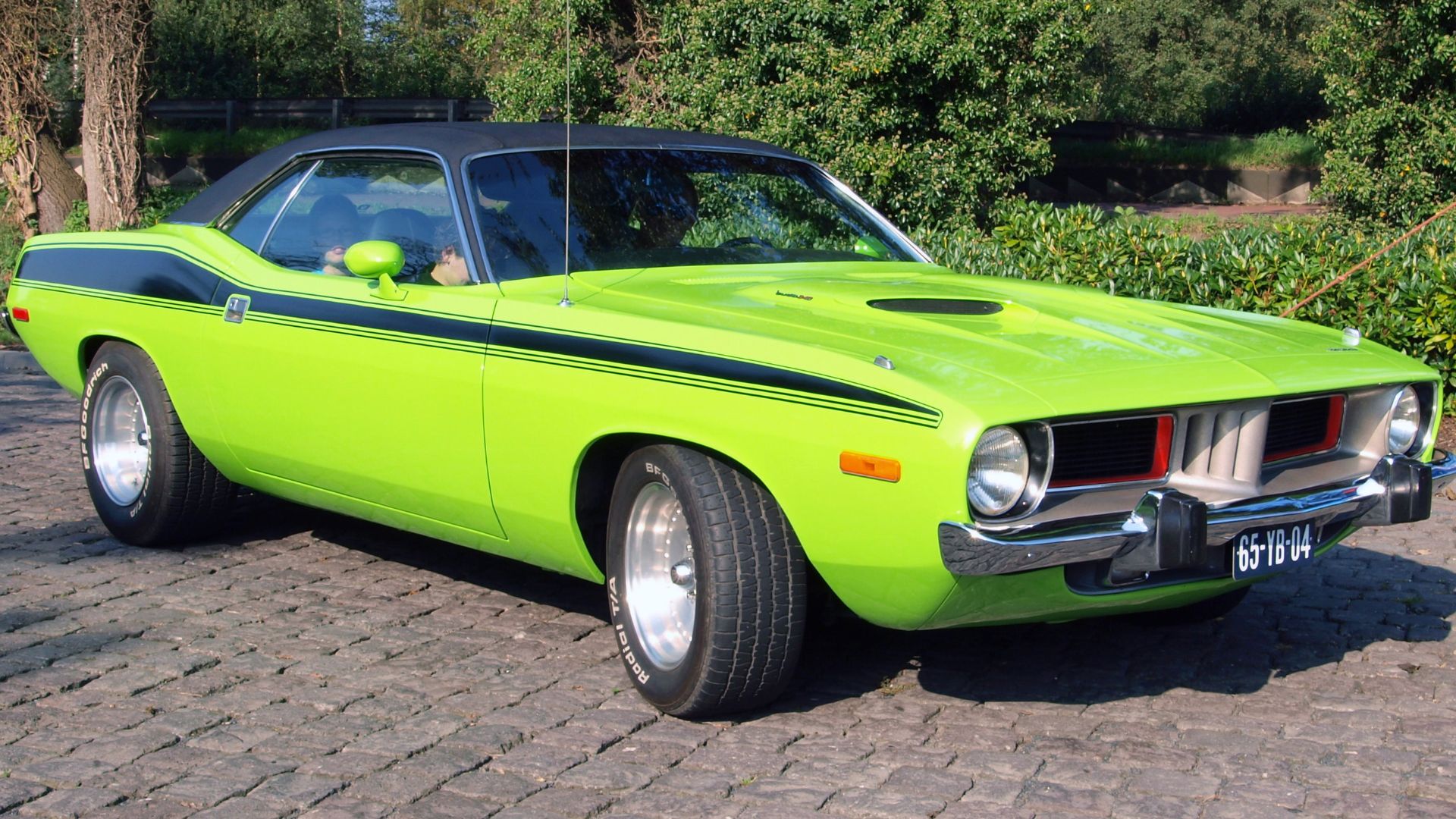
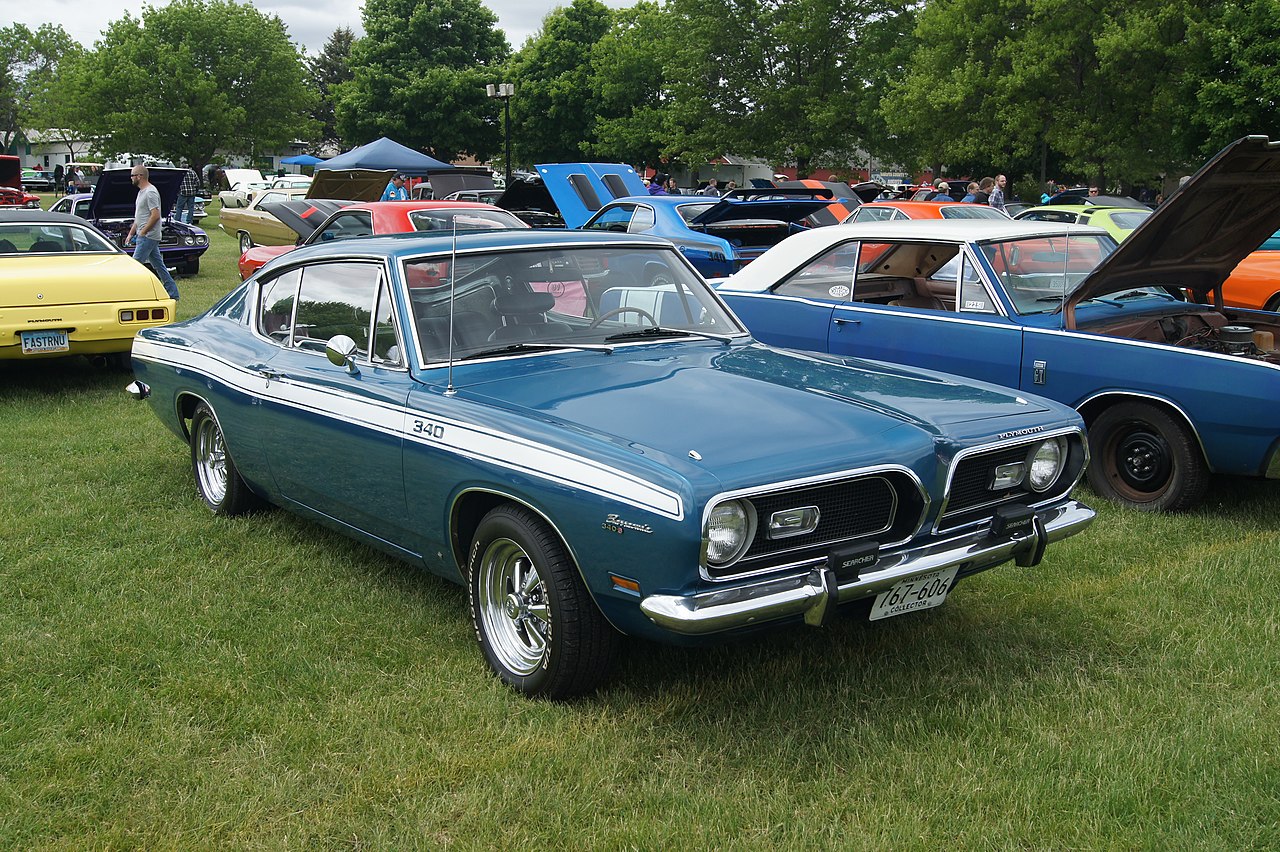
For 1967, Plymouth introduced a substantially redesigned Barracuda with much more distinctive bodywork. The lineup expanded to include fastback, notchback coupe, and convertible versions. The car finally looked less like an offshoot of the Valiant.
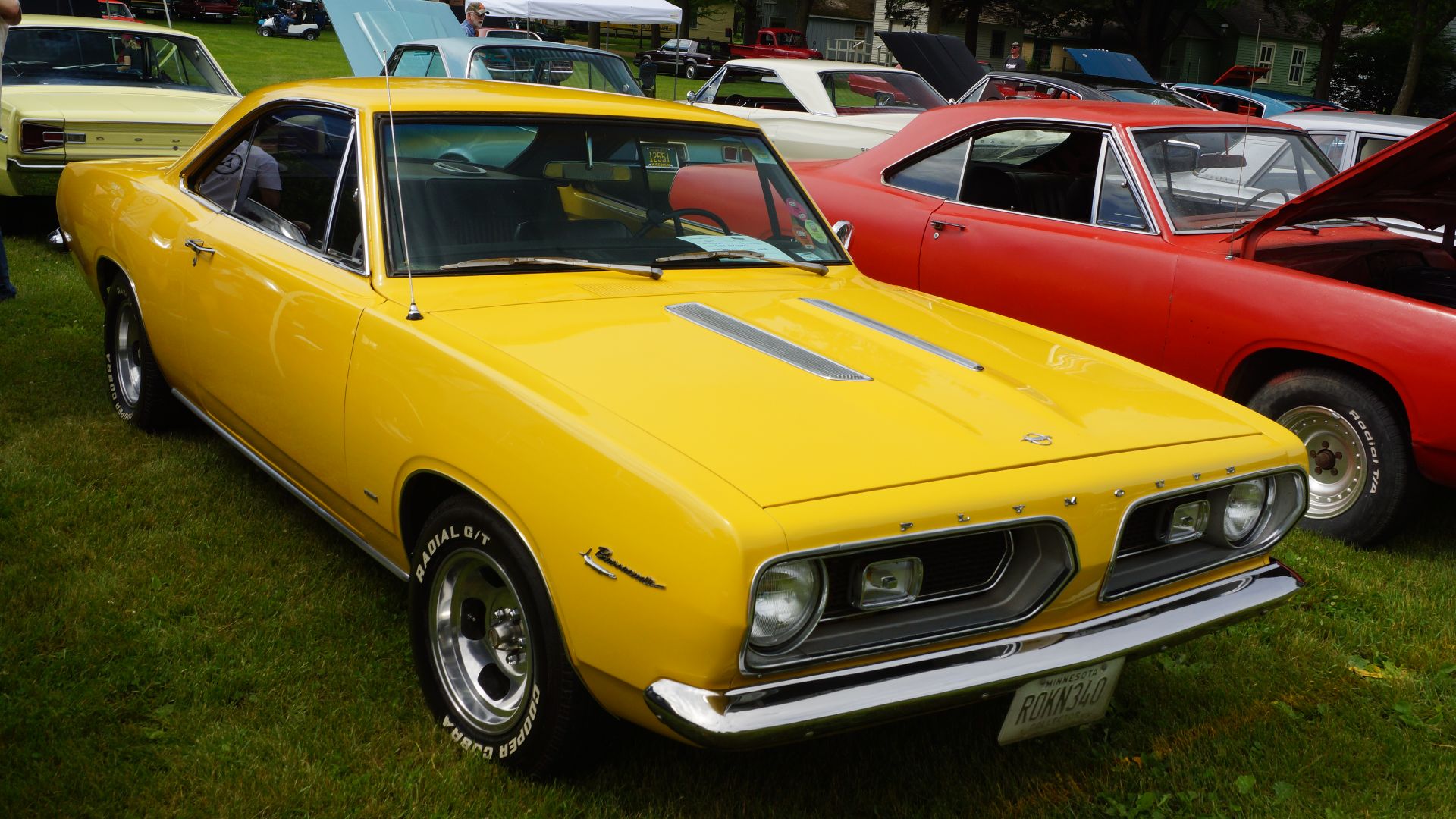 Greg Gjerdingen from Willmar, USA, Wikimedia Commons
The Competition Was Getting Fiercer
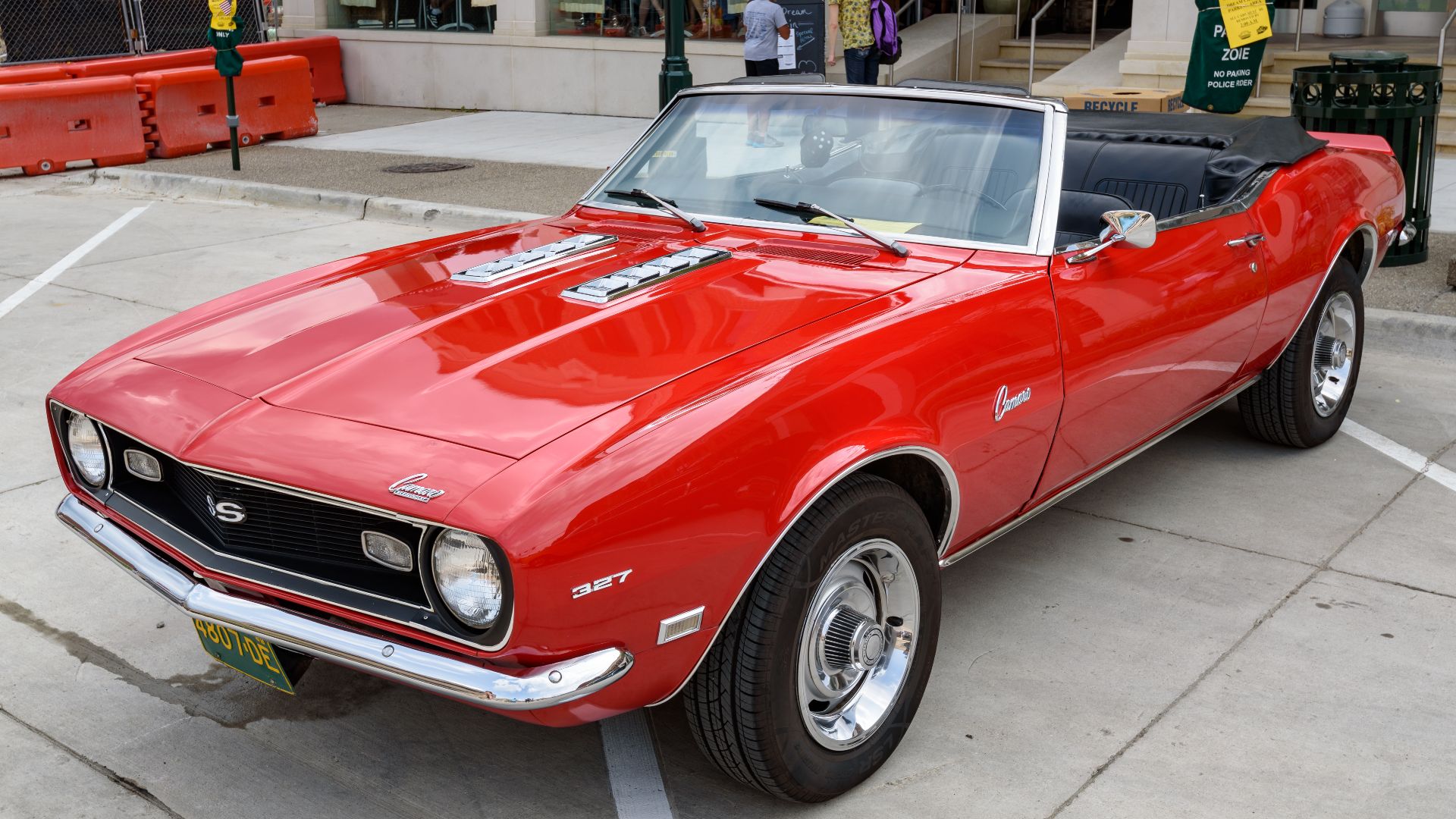
By then, the pony-car market was crowded. Chevrolet had the Camaro, Pontiac had the Firebird, and AMC joined with the Javelin. Plymouth was no longer chasing only one rival.
 Mustang Joe, Wikimedia Commons
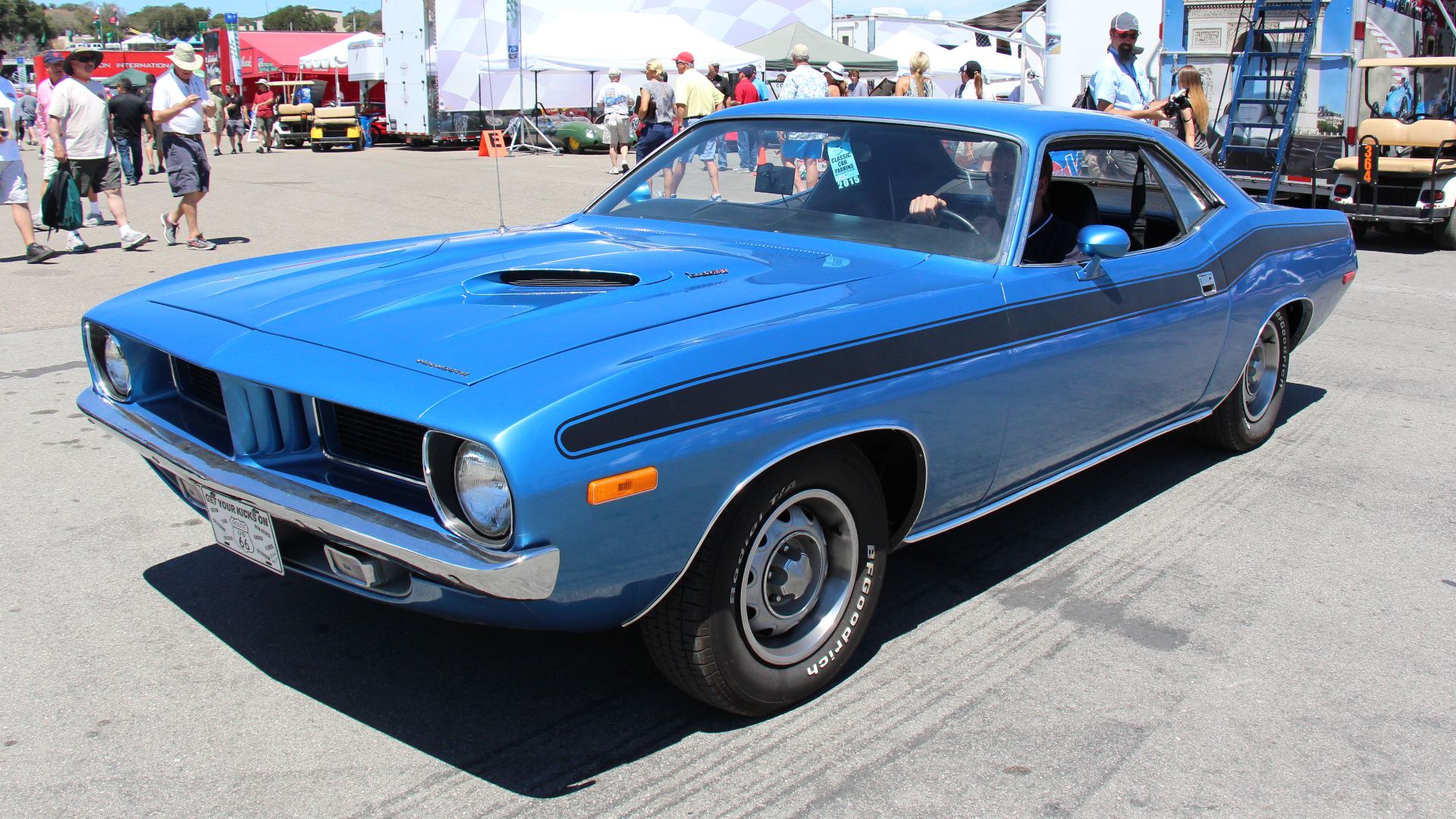
The Barracuda Eventually Became A Monster
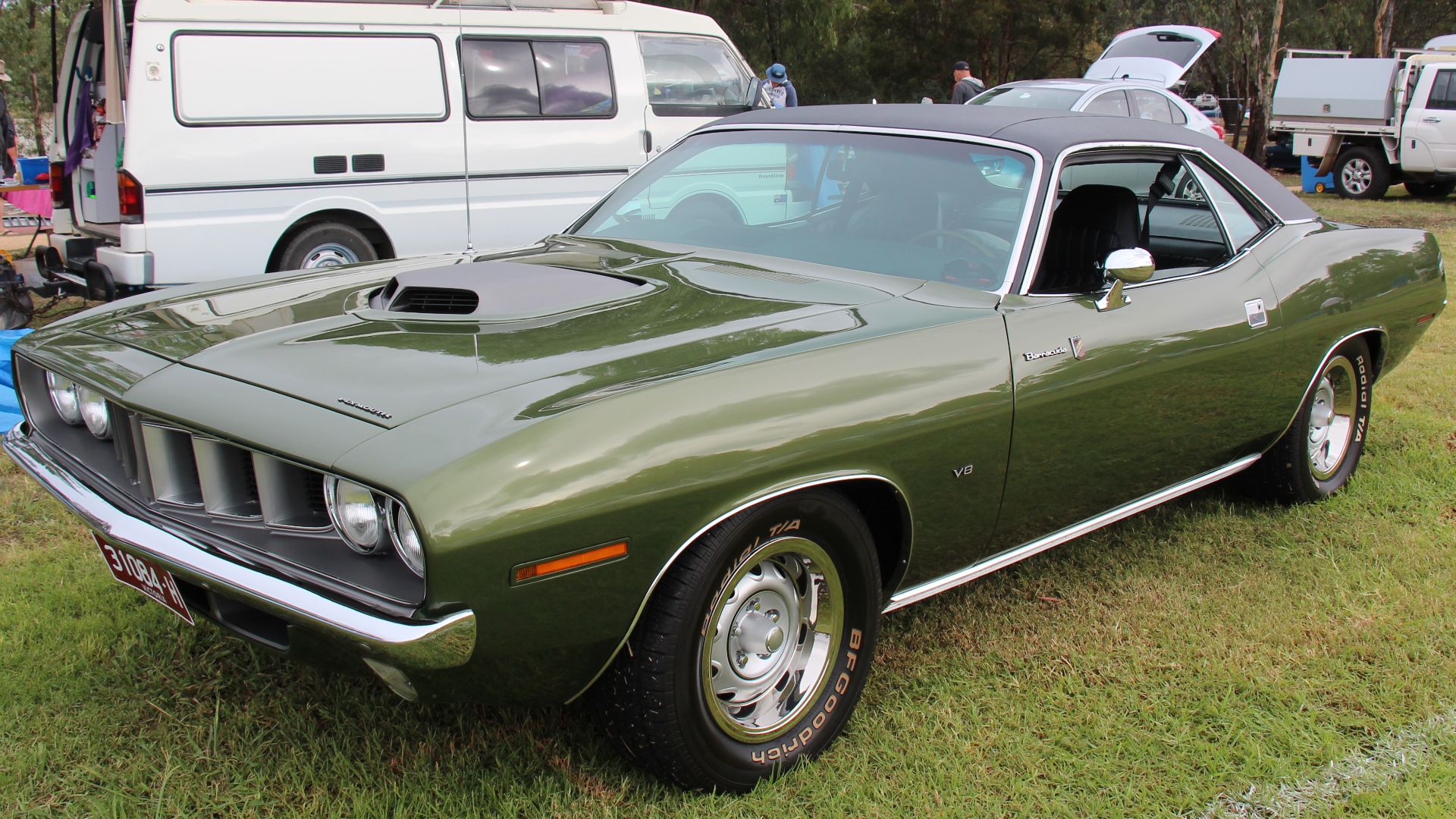
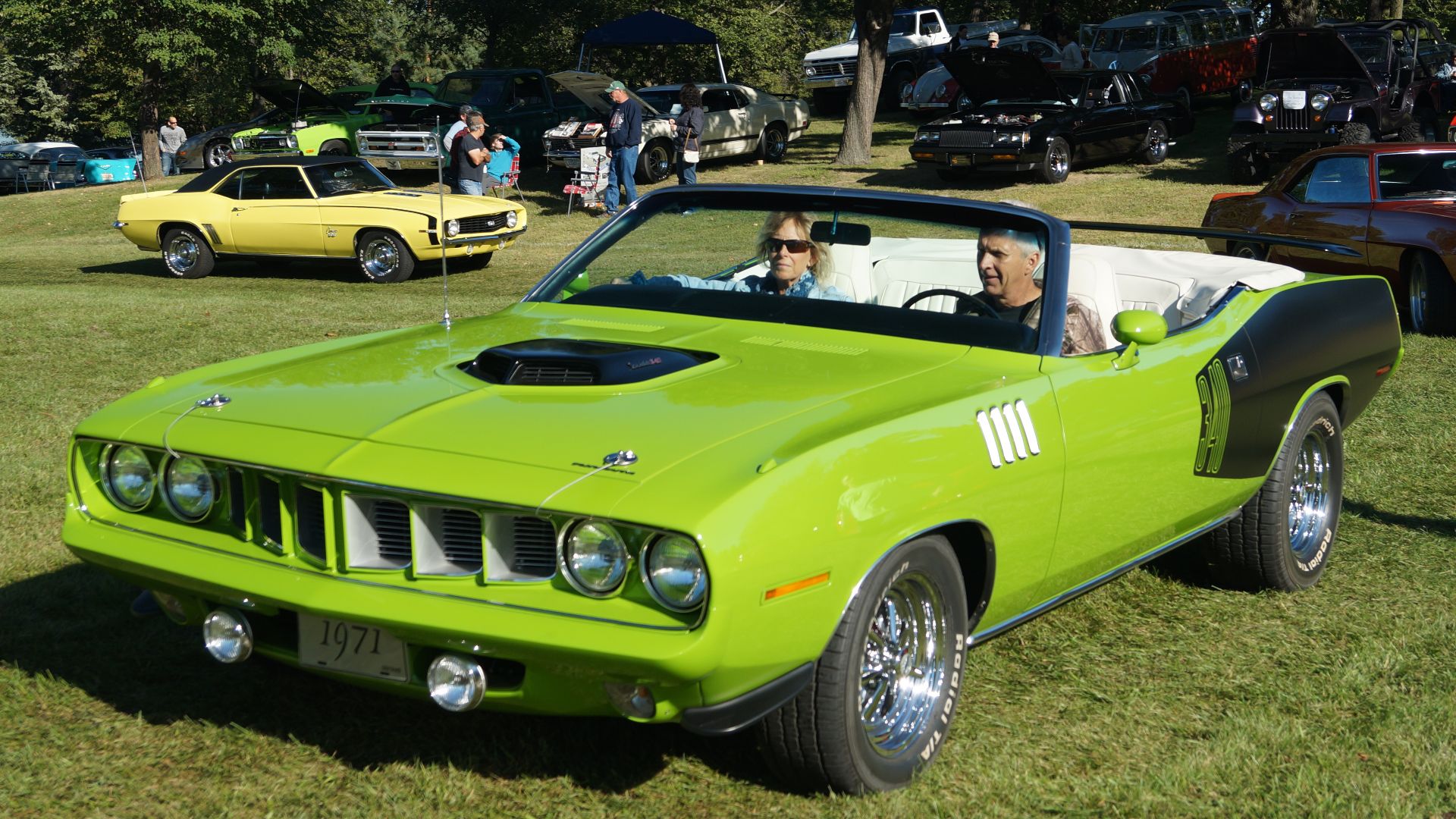
For 1970, Plymouth moved the Barracuda onto Chrysler's new E-body platform. The redesign brought a dramatic new shape and room for serious big-block engines, including the 426 Hemi. These later 'Cudas became some of the most collectible cars Plymouth ever built.
The Best Barracuda Came Late
By 1970, the Barracuda finally had the styling, power, and presence to stand with Detroit's most memorable muscle cars. But the market around it was already changing. Insurance costs, emissions rules, safety regulations, and the energy crisis would soon make high-performance cars harder to sell.
 Greg Gjerdingen from Willmar, USA, Wikimedia Commons
The Barracuda Was Gone By 1974
Plymouth ended Barracuda production after the 1974 model year. Its entire run lasted only about a decade. The Mustang, meanwhile, survived the same difficult period.

Mustang Had Something Barracuda Never Got
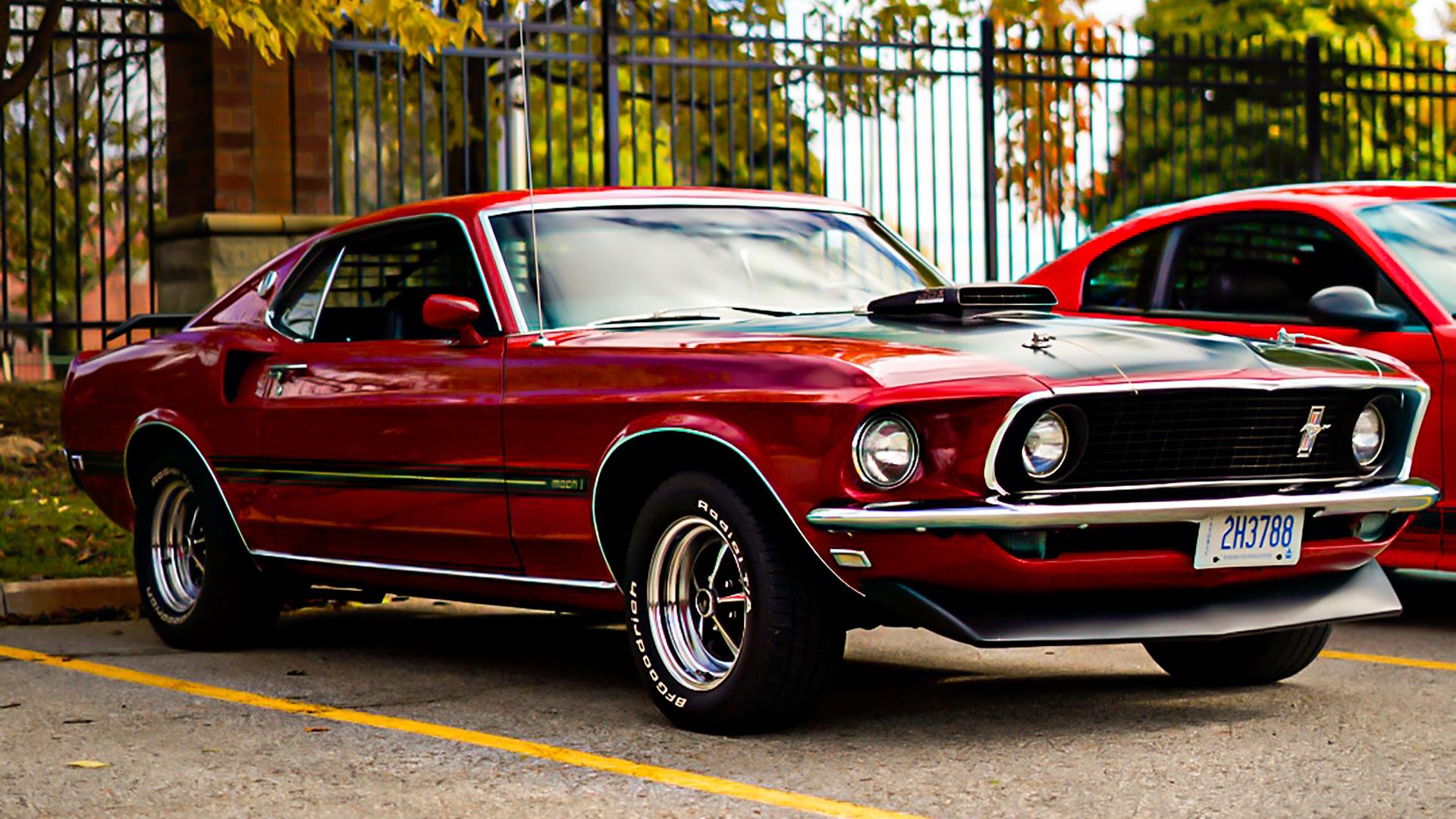
Ford kept the Mustang name alive through generation after generation. Its performance and styling changed dramatically, but the badge never disappeared. That continuity helped turn the Mustang from a successful 1960s car into a lasting American institution.
Being First Was Never Enough
The Barracuda deserves far more credit than it usually gets. Plymouth reached the market first, offered useful fastback packaging, V8 power, and later built some truly formidable performance versions. Ford simply created the clearer identity, bigger launch, broader choice, and stronger cultural presence, which is why the Mustang became the icon.
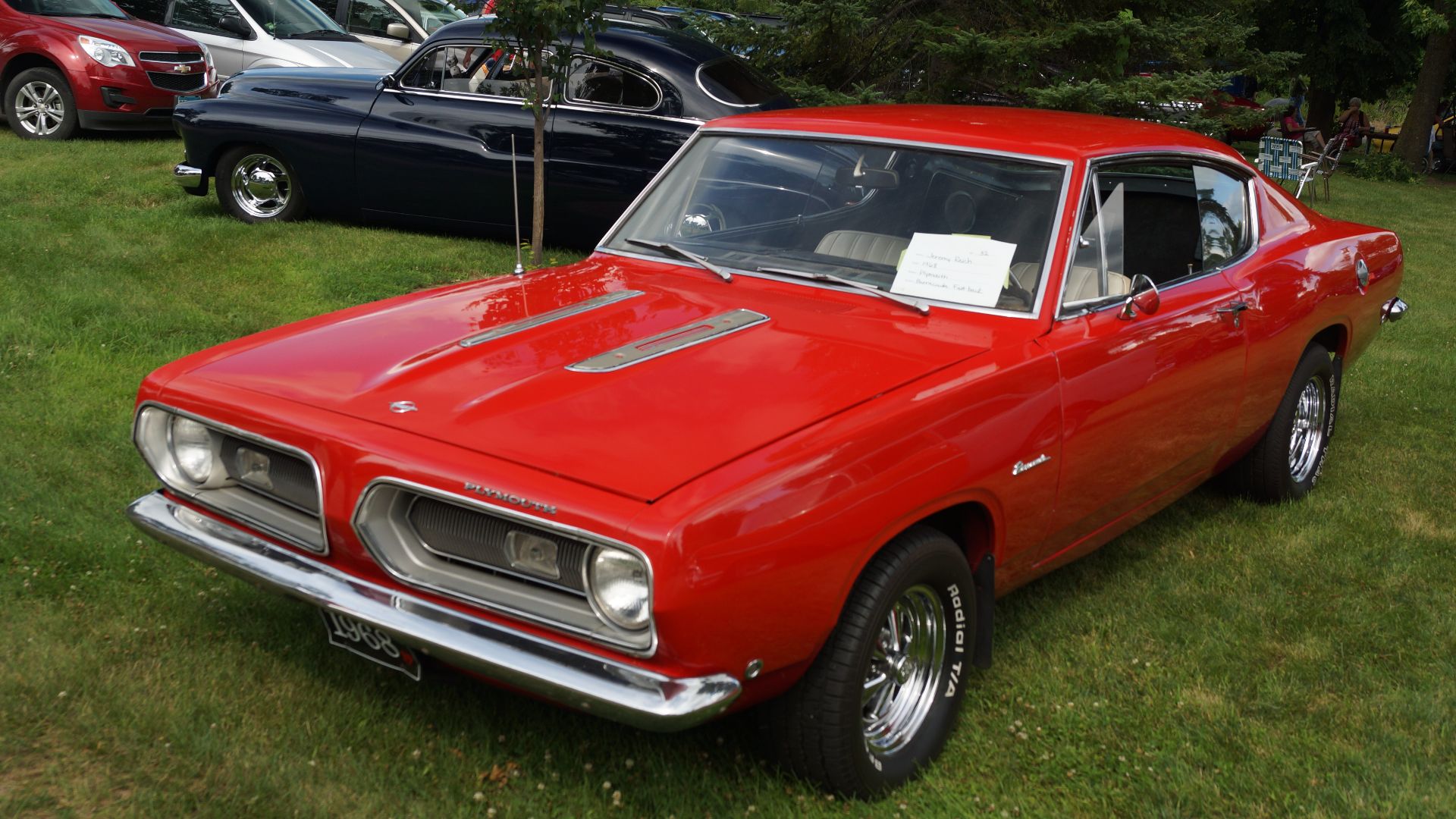 Greg Gjerdingen from Willmar, USA, Wikimedia Commons
You May Also Like:
Ken Miles Helped Ford Beat Ferrari—But Never Lived To See His Greatest Legacy
Ford Used The Mustang Name On An Electric SUV—Did Their Gamble Pay Off?
GM Axed Pontiac After 84 Years—But Did It Save The Wrong Brand?



.jpg)
