Starting Your Car Wasn't Always So Simple
Forget push-button ignition. In the 1970s, starting a car could mean pumping the gas pedal, pulling a choke, or following an exact sequence just to get the engine running. Make one wrong move, especially on a freezing morning, and you might be stuck in the driveway.
Here are the starting routines and mechanical quirks that drivers once knew by heart.
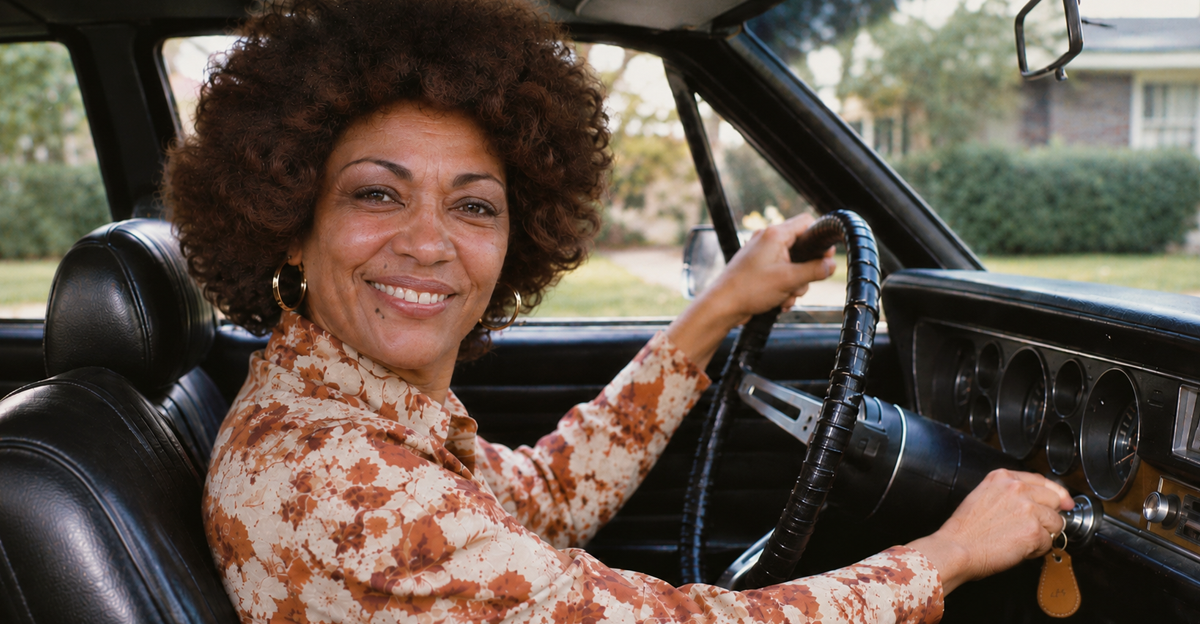
Pumping The Gas Before Turning The Key
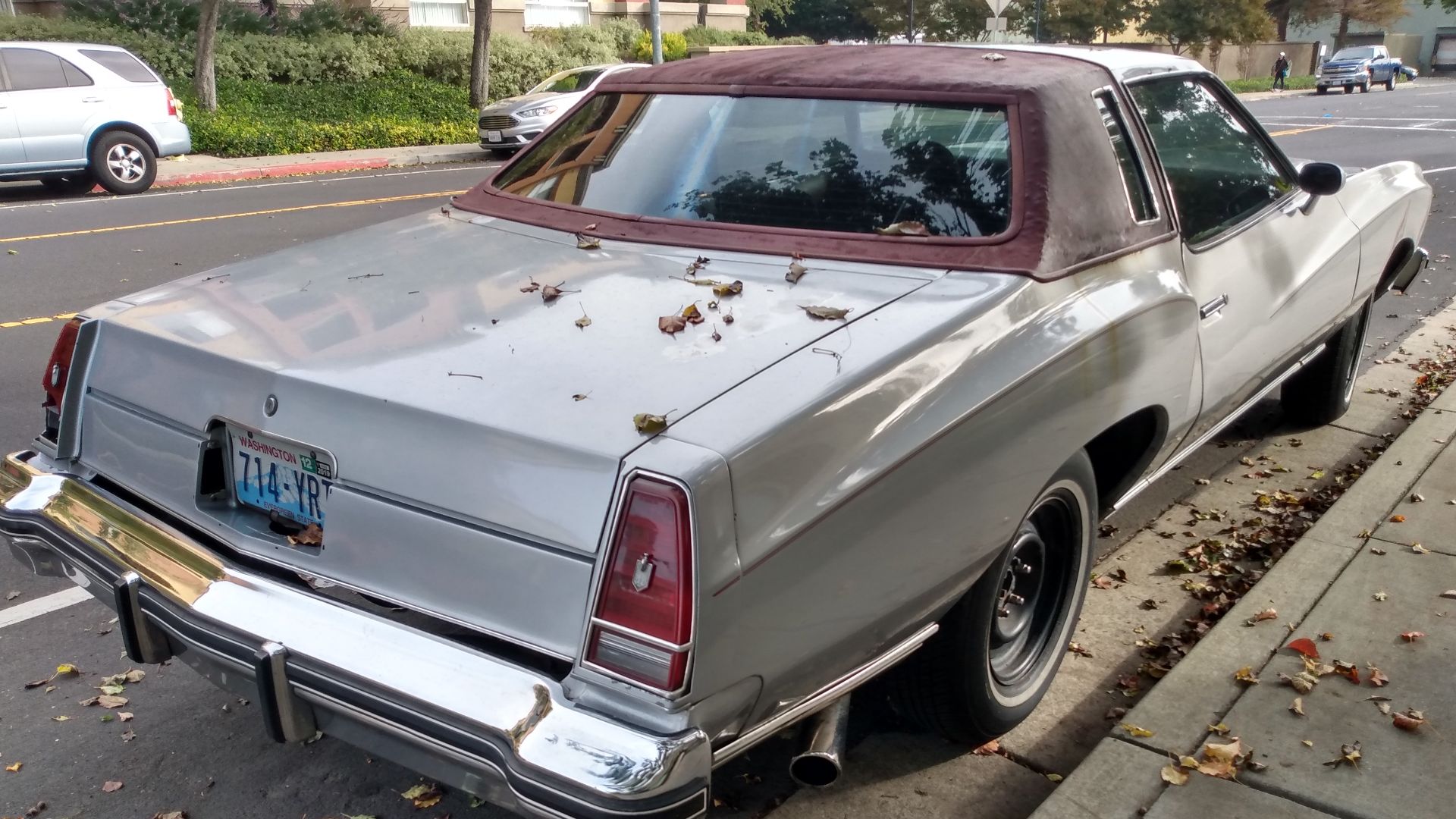
Many 1970s cars required a press of the accelerator before a cold start. On the 1976 Chevrolet Monte Carlo, drivers were instructed to press the pedal fully and slowly release it before turning the key. This prepared the carburetor's automatic choke for starting, something modern fuel-injected cars handle without driver involvement.
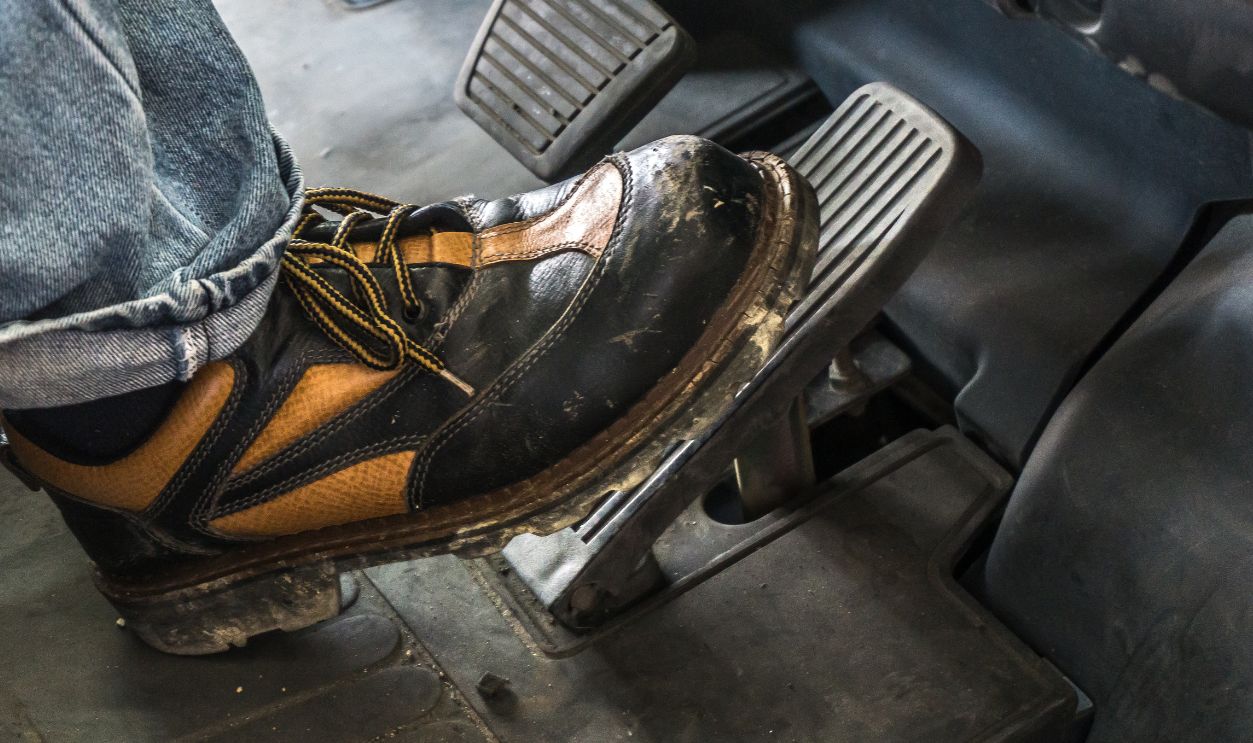
Knowing When To Pump It Again
One press wasn't always enough, especially when temperatures dropped below freezing. Chevrolet recommended pumping the accelerator two or three times below 0°F or after the car had been sitting unused for several days. Too much pumping, however, could contribute to flooding the engine.
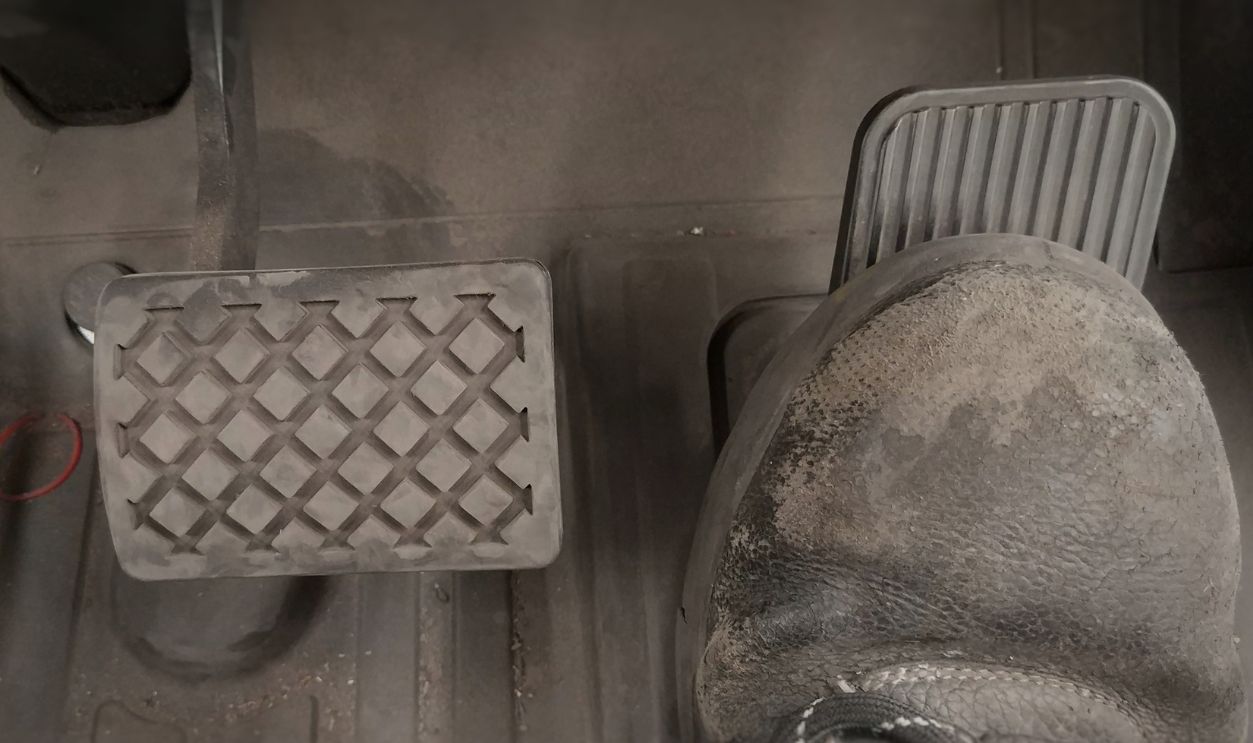
Pulling Out The Choke Knob
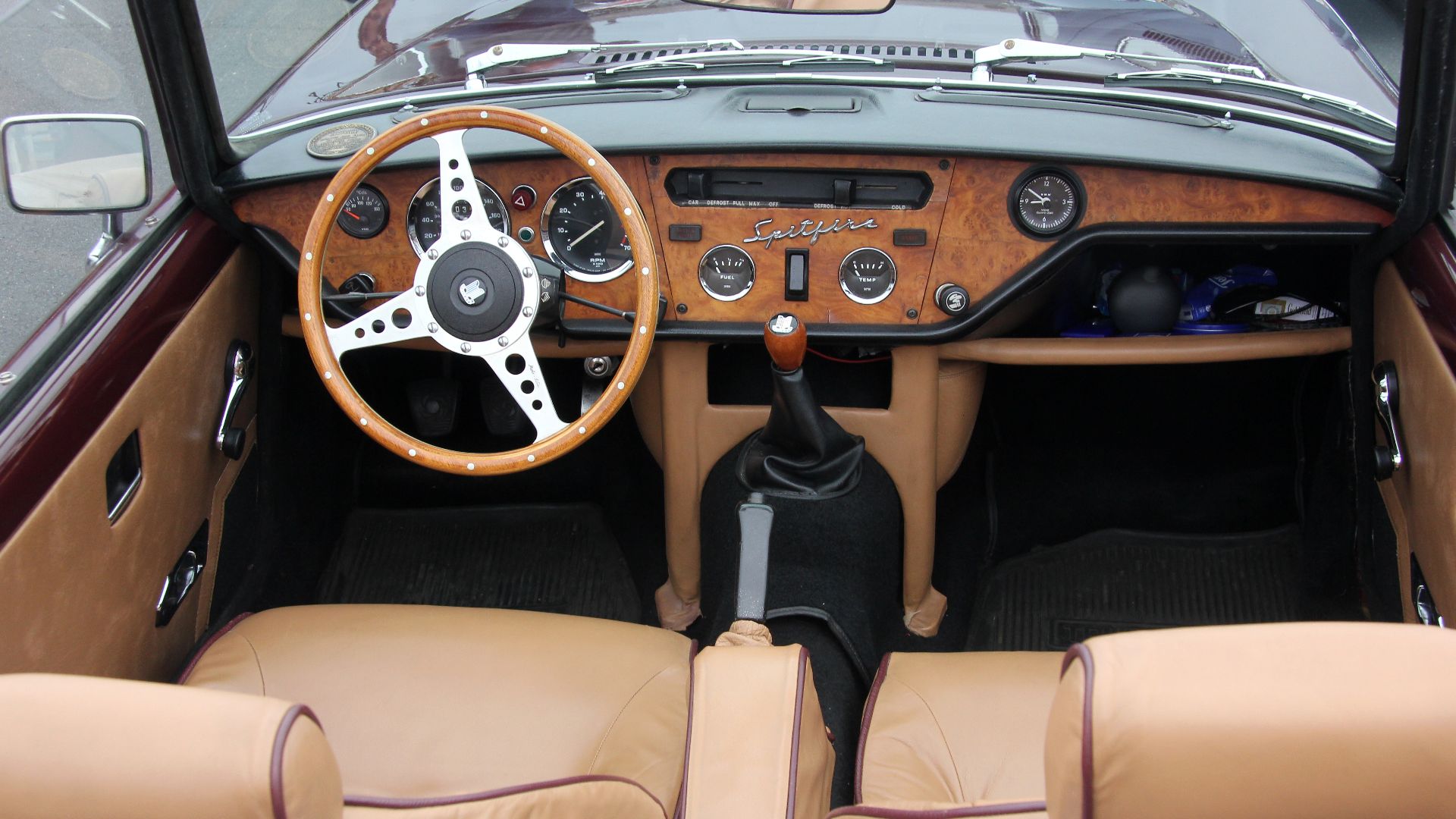
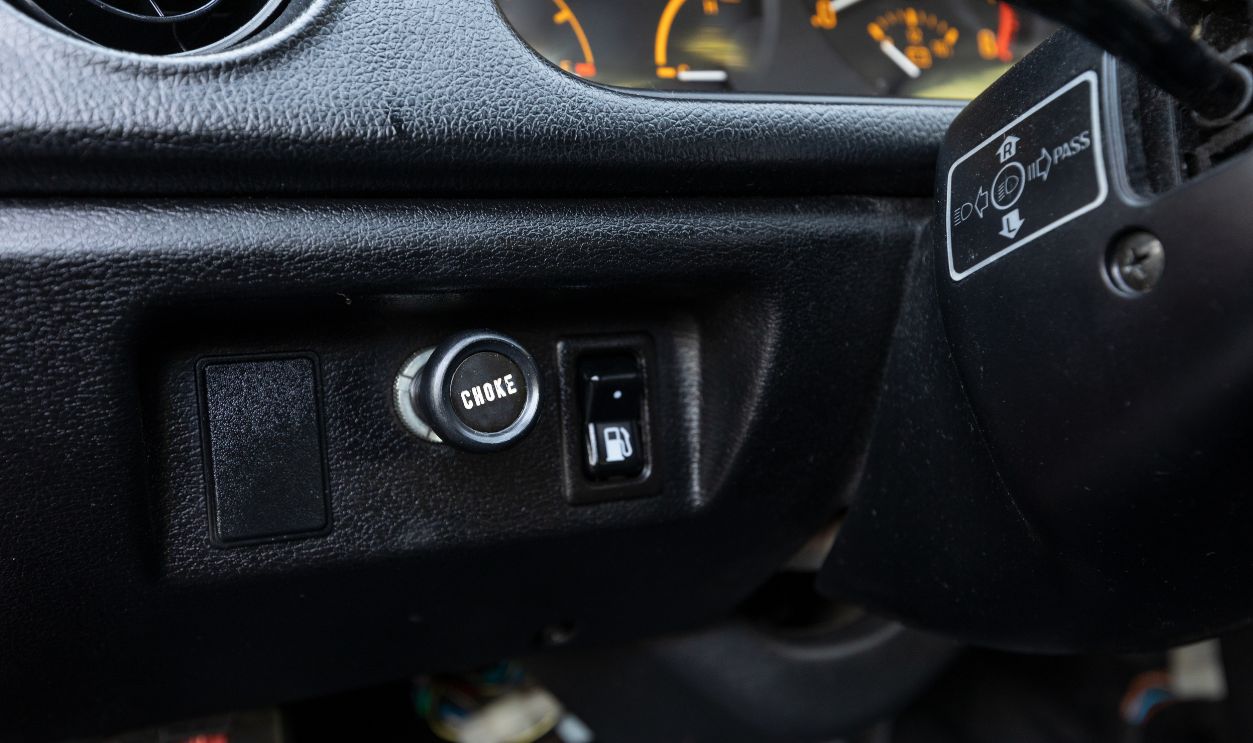
Some cars still had a dashboard knob that drivers pulled before starting a cold engine. The manual choke enriched the fuel mixture, making ignition easier when temperatures were low. Cars like the Triumph Spitfire and MG Midget required drivers to operate this control themselves.

Adjusting The Choke For The Weather
Choke settings weren't necessarily the same throughout the year. Triumph Spitfire instructions recommended pulling the choke fully out in cold weather, halfway in warmer conditions, and leaving it off in hot climates. Drivers had to judge the conditions before attempting to start the engine.
 Lothar Spurzem, Wikimedia Commons
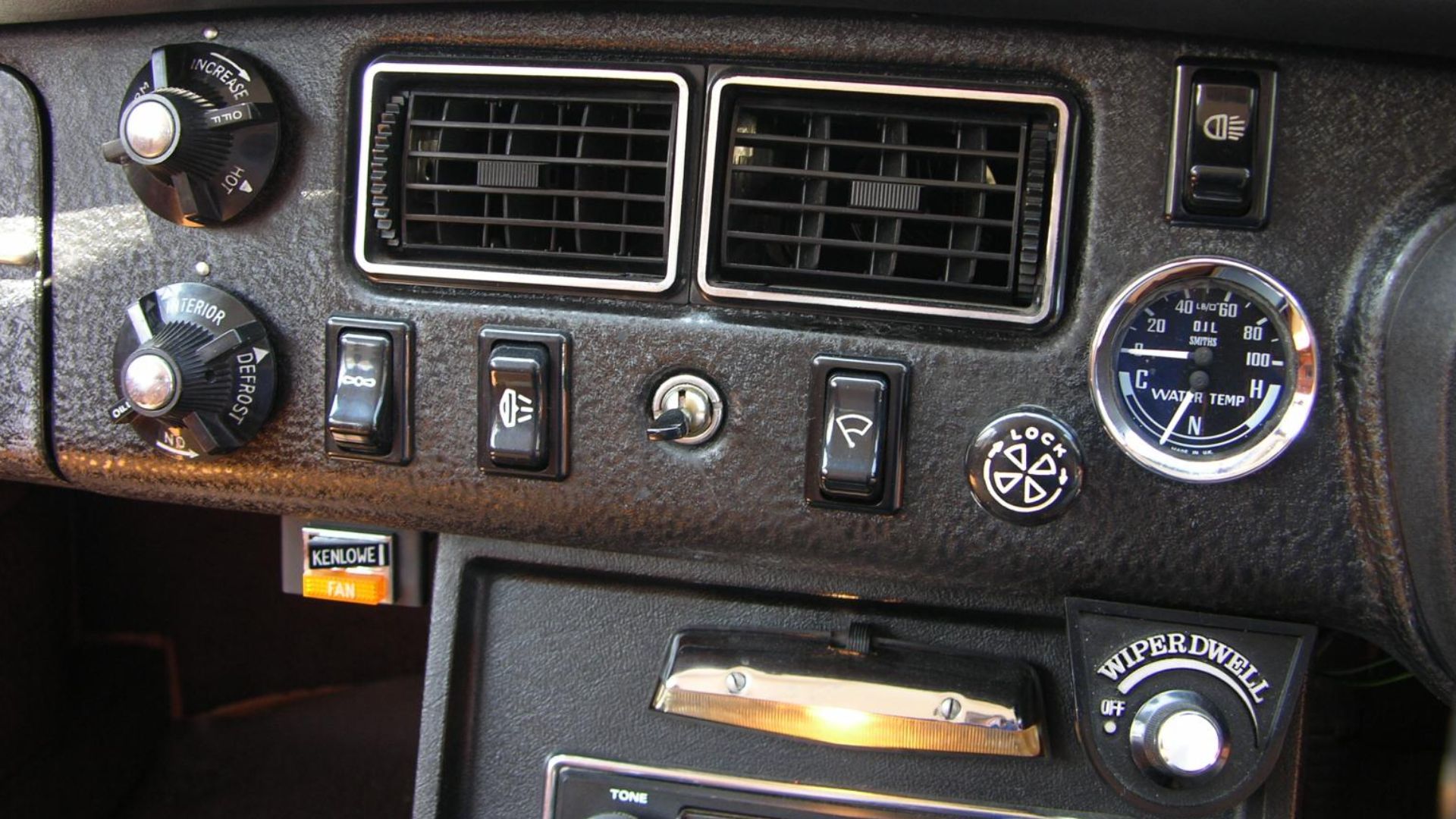
Twisting The Choke To Lock It
Some choke knobs did more than pull in and out. The 1973 MG Midget's control could be turned a quarter turn clockwise to lock it in the desired position. Drivers later unlocked it and gradually pushed it inward as the engine warmed.
 Hrach Hovhannisyan, Shutterstock
Pressing The Clutch All The Way Down
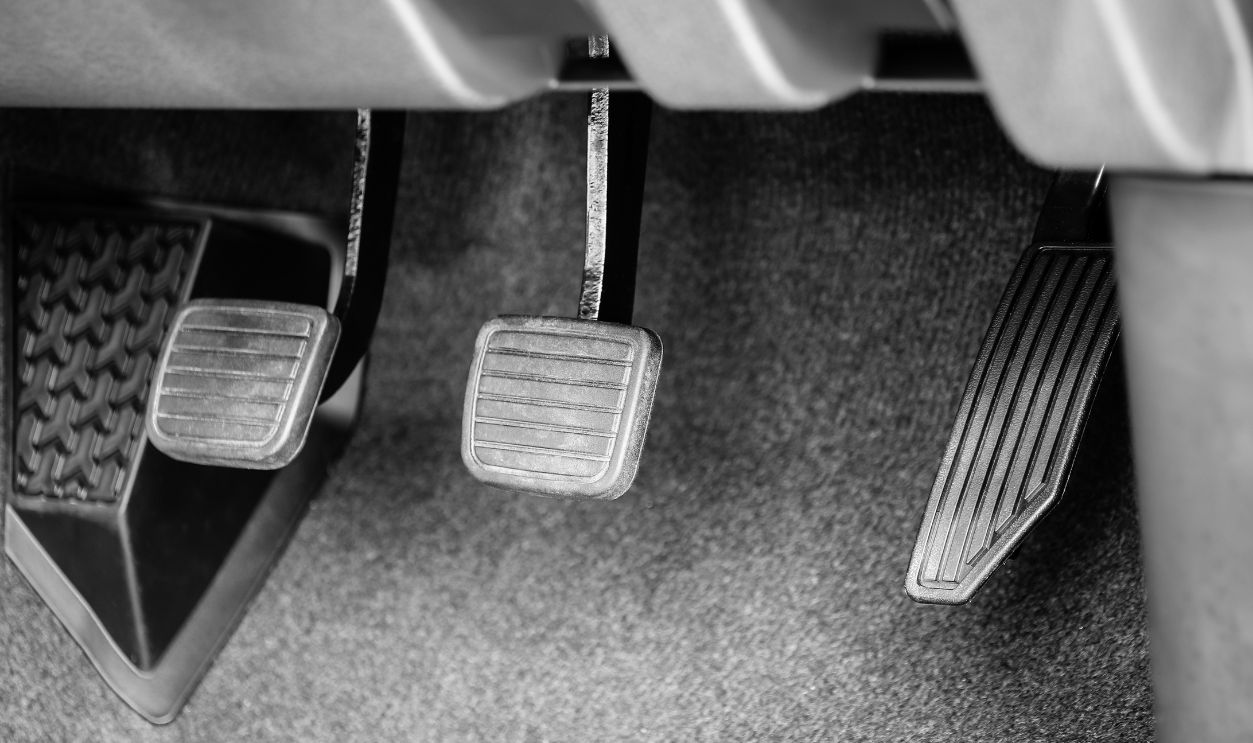
Some cars required drivers to depress the clutch before the starter would operate. Others recommended it because disengaging the clutch reduced the load on the starter, especially in cold weather. The 1972 Toyota Celica manual specifically advised holding the clutch down when starting.
Switching Off The Radio And Heater
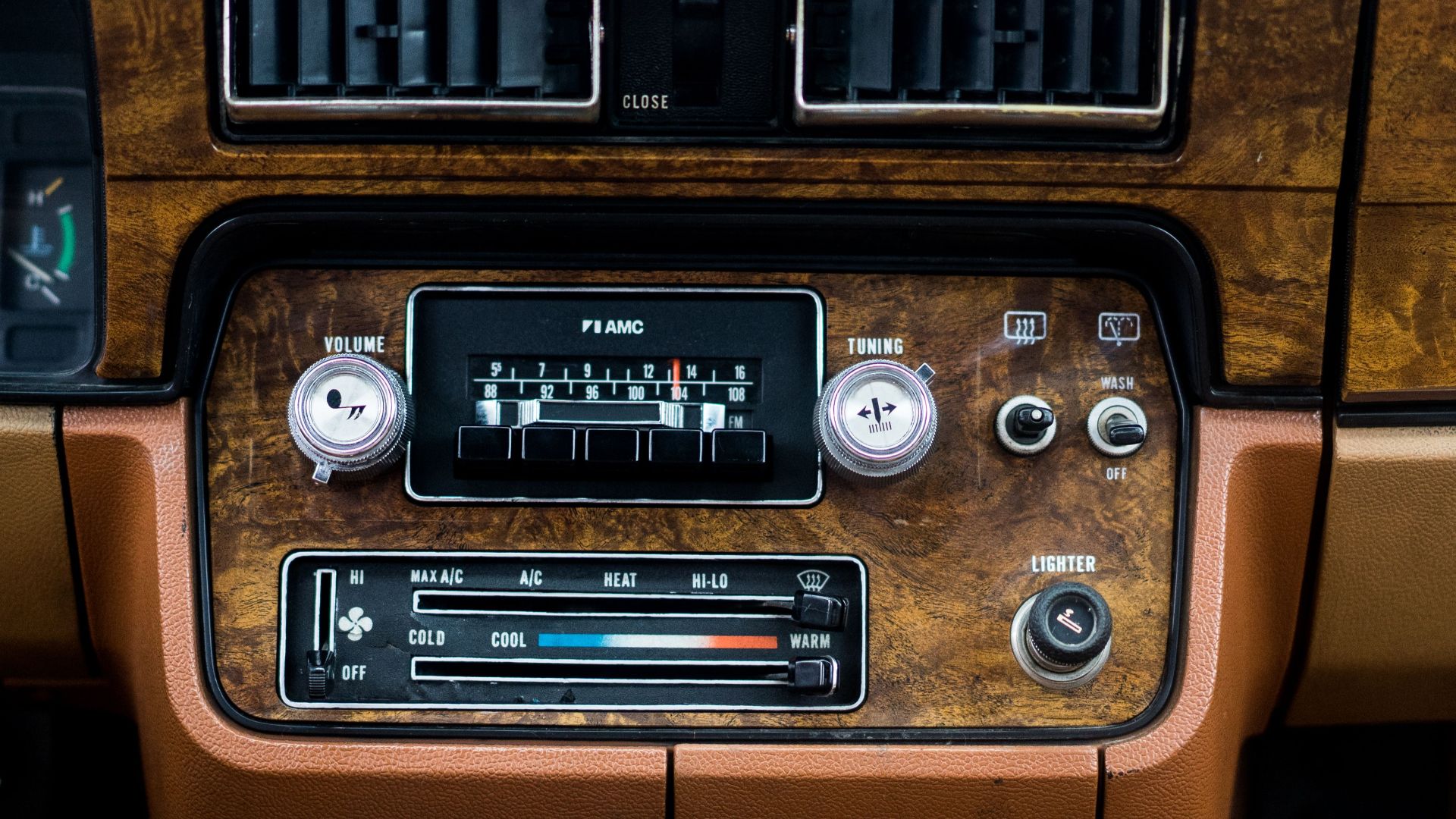
On cold mornings, conserving battery power could make a difference. The 1972 Toyota Celica manual advised switching off headlights and electrical accessories, including the heater, before starting. That left more of the battery's available power for turning the engine over.
Checking The Ignition Warning Light
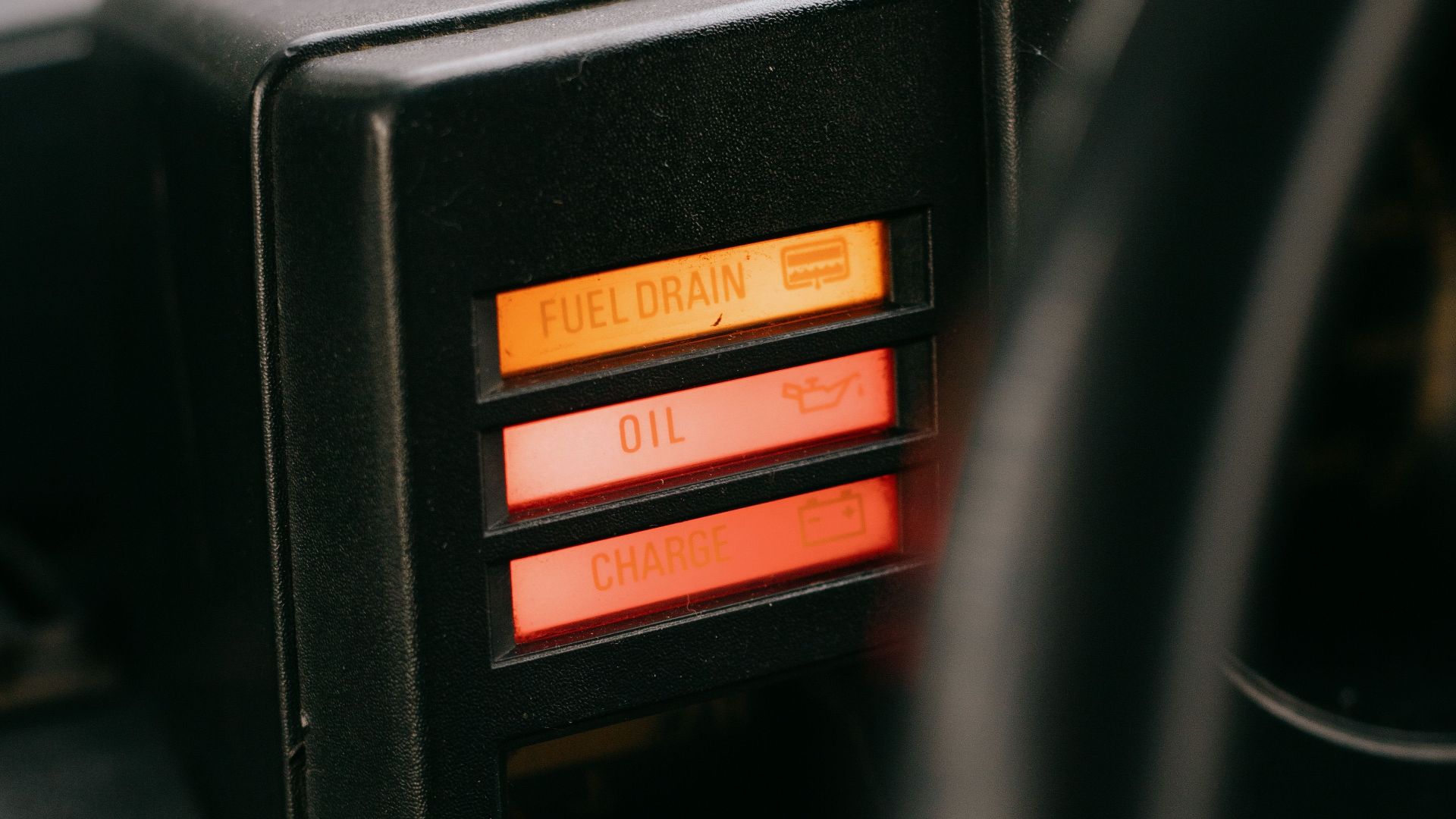
Turning the key to the ignition position didn't always mean immediately engaging the starter. The 1973 MG Midget handbook instructed drivers to check that the ignition warning light illuminated first. The light should then go out once the engine was running normally, indicating that the charging system was functioning.
Using A Different Technique For A Warm Engine
Starting an engine that had already warmed up required a different approach on some carbureted cars. Chevrolet told 1976 Monte Carlo owners to hold the accelerator halfway down while cranking a warm engine. The usual cold-start pedal press and release wasn't the recommended method.
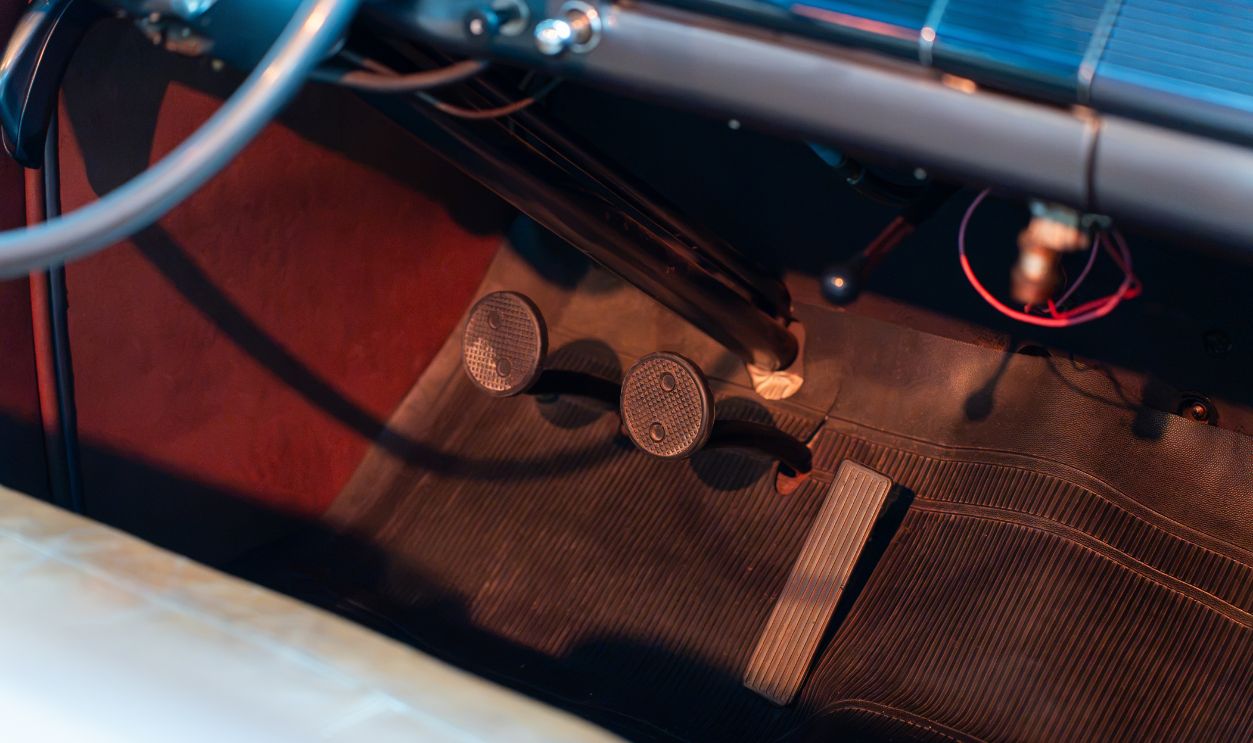
Holding The Pedal Down If The Engine Flooded
Repeated starting attempts could leave a carbureted engine with too much gasoline. Chevrolet instructed drivers to hold the accelerator fully depressed while cranking to clear a flooded engine. The manual specifically warned against pumping the pedal during this procedure.
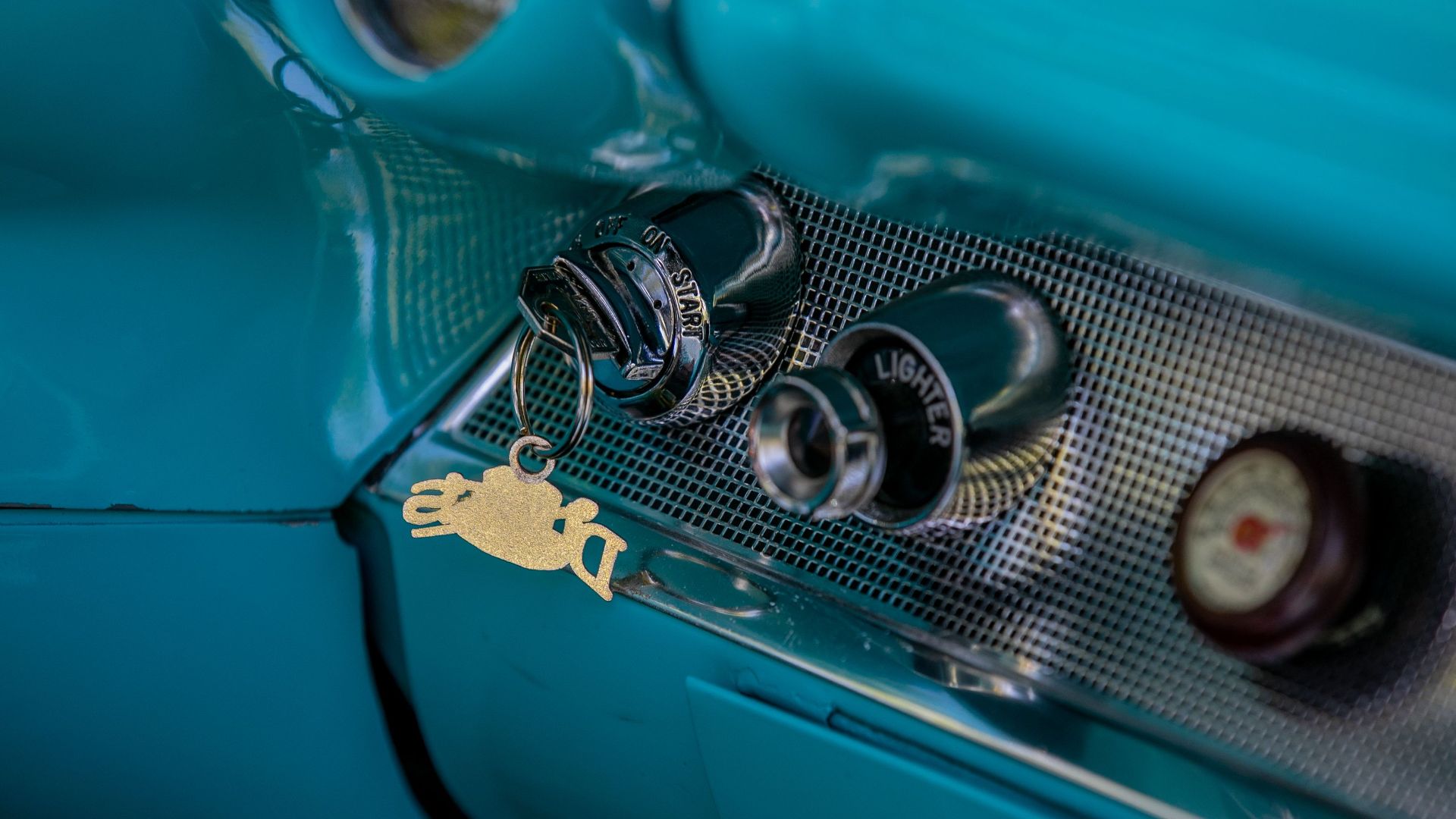
Knowing When To Stop Cranking
Holding the ignition key in the Start position too long could damage the starter or drain the battery. Chevrolet's 1976 manual limited individual starting attempts to 15 seconds. Drivers were told to wait another 10 to 15 seconds before trying again.
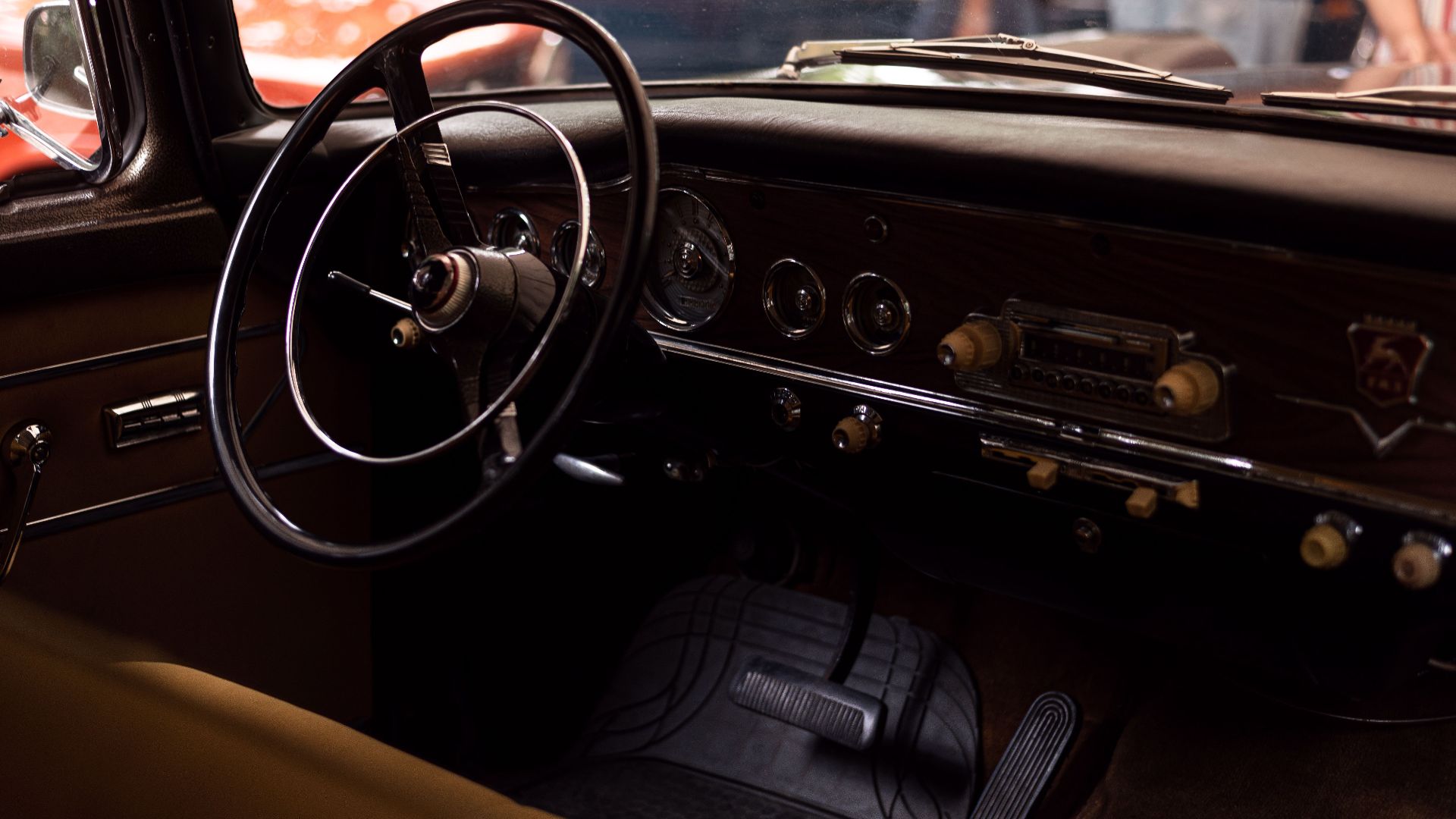
Wiggling The Steering Wheel To Turn The Key
Sometimes the ignition key simply wouldn't turn. The 1972 Toyota Celica manual advised drivers to gently move the steering wheel from side to side while turning the key to release the steering lock. This trick still works on many keyed-ignition vehicles, although drivers with push-button starters may never have encountered it.

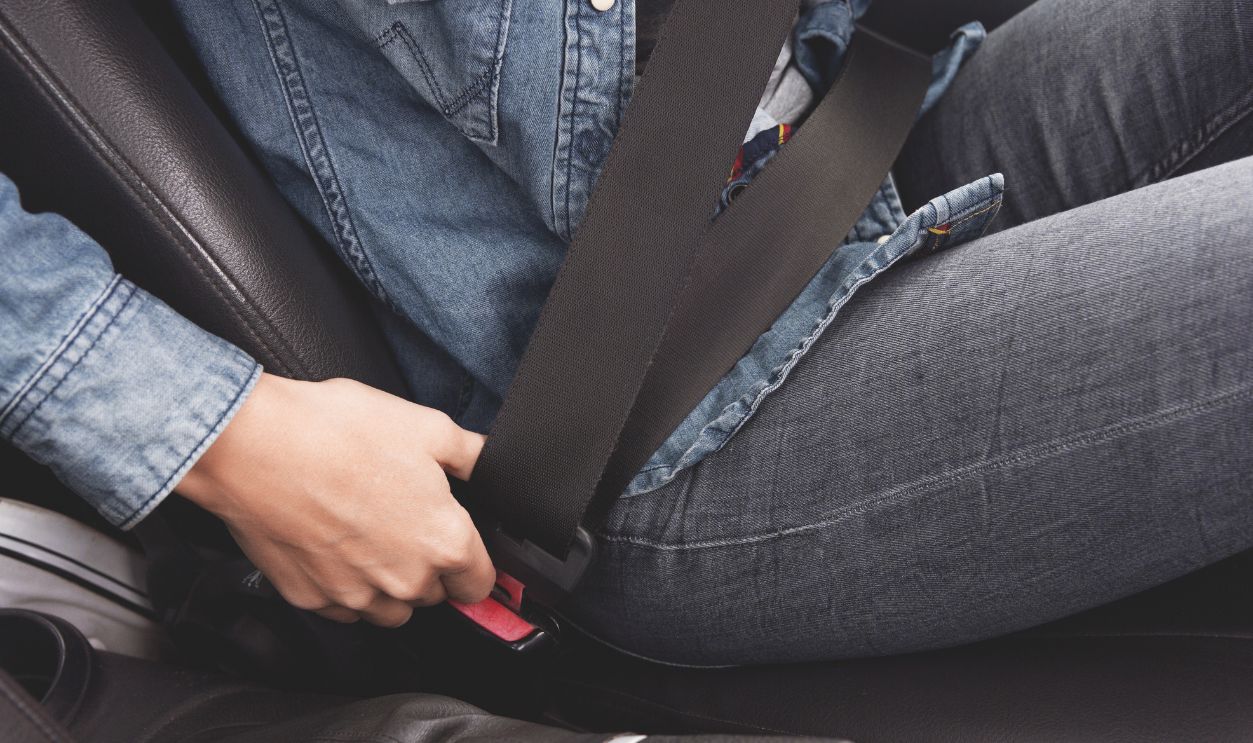
Buckling Up Before The Car Would Start
Some 1974 American cars refused to start unless the front-seat occupants fastened their seat belts. Federal regulations required starter interlocks that could prevent the engine from cranking until the belts were buckled. The unpopular requirement was eliminated in October 1974, making this one of the decade's strangest short-lived starting procedures.
Priming The Fuel Pump By Hand
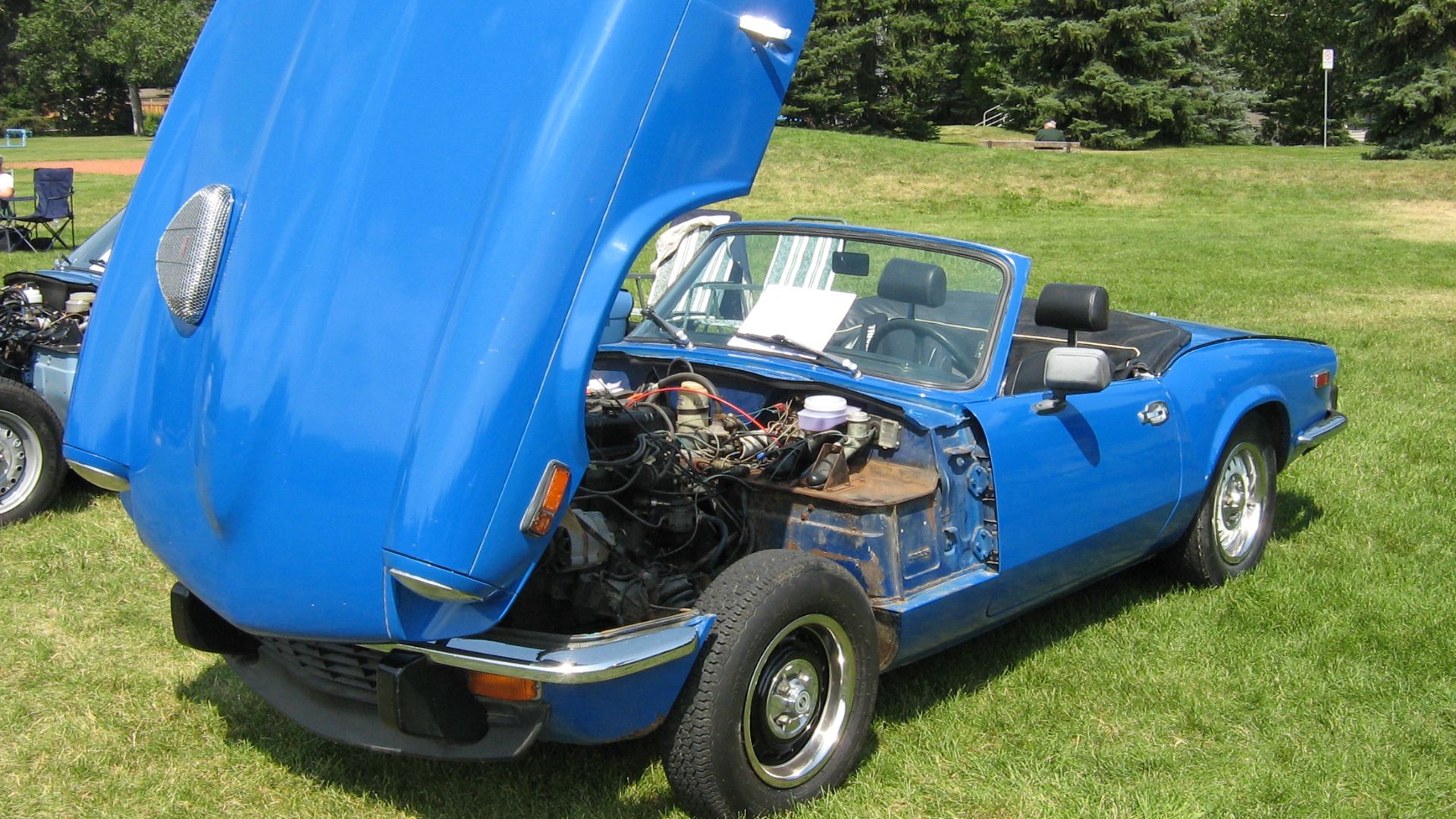
Certain British sports cars had a trick for getting gasoline flowing after sitting unused. The Triumph Spitfire handbook explained that fuel could evaporate from the carburetors, requiring drivers to operate a priming lever on the mechanical fuel pump. The lever was pumped until resistance disappeared, indicating that the carburetor float chambers were full.
 dave_7 from Lethbridge, Canada, Wikimedia Commons
Switching The Air Cleaner To Winter Mode
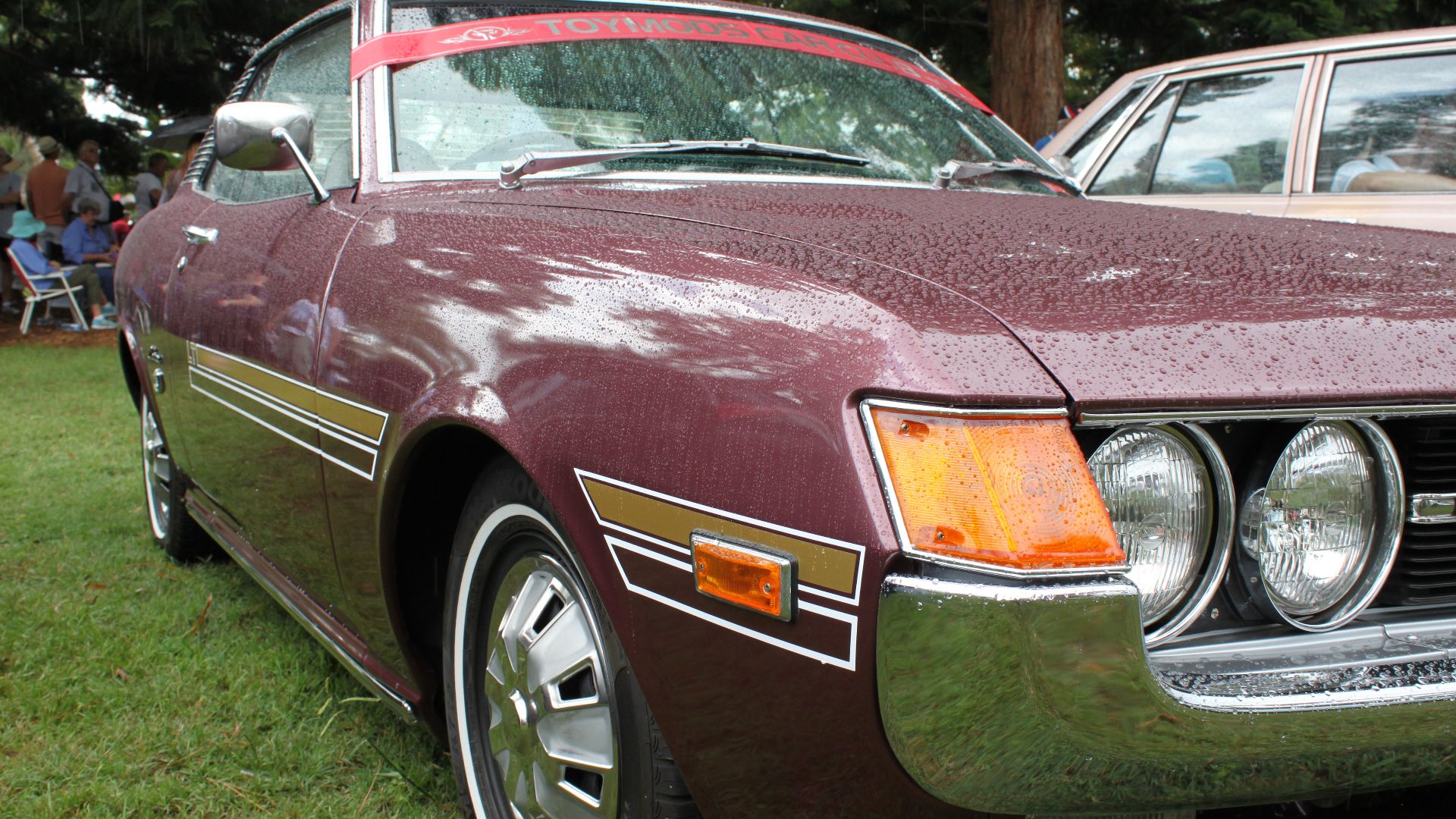
Some 1970s cars needed seasonal adjustments beneath the hood. Certain 1972 Toyota Celicas had an air-cleaner control with separate Summer and Winter positions. Switching to Winter allowed the engine to draw in warmer air from near the exhaust manifold, helping it operate more smoothly in cold conditions.
 Jeremy from Sydney, Australia, Wikimedia Commons
Waiting For The Diesel Glow Plugs
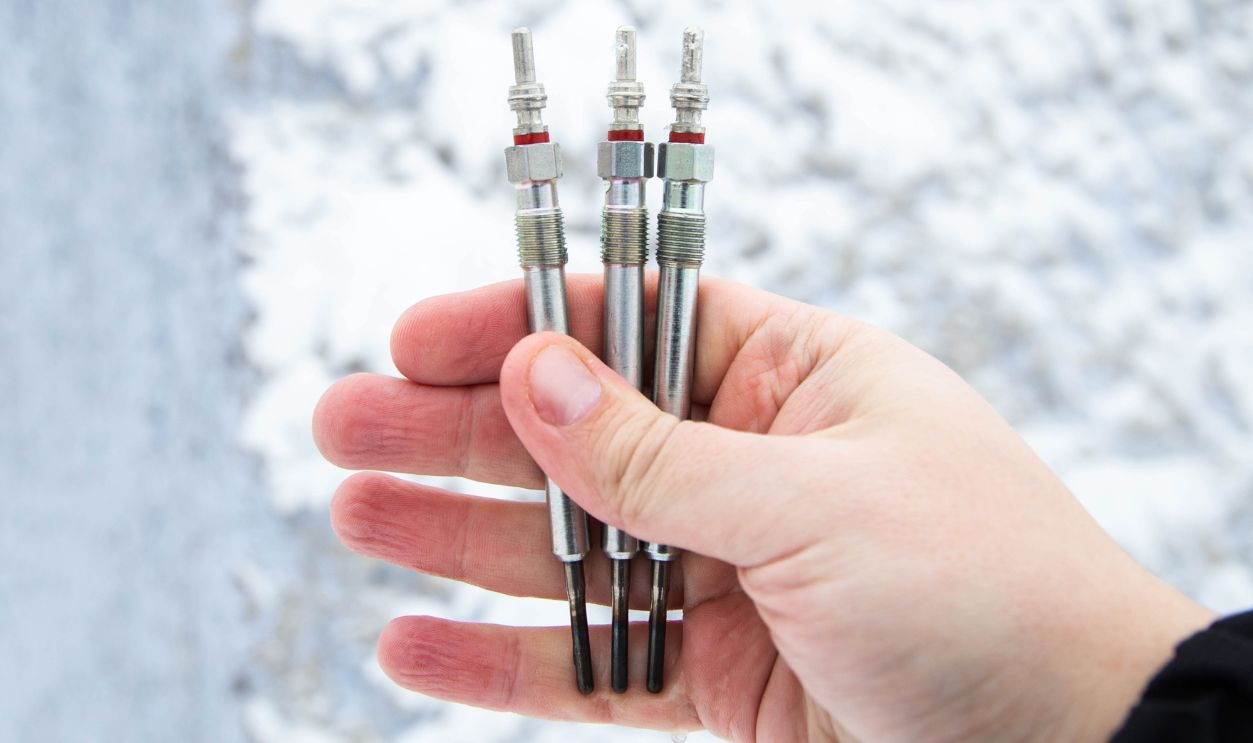
Starting a diesel-powered car could require another step before engaging the starter. Mercedes-Benz diesel models used glow plugs to warm their combustion chambers, improving ignition in cold weather. Drivers had to allow the preheating system to do its job before attempting to start the engine.
Pulling A Knob To Start A Mercedes
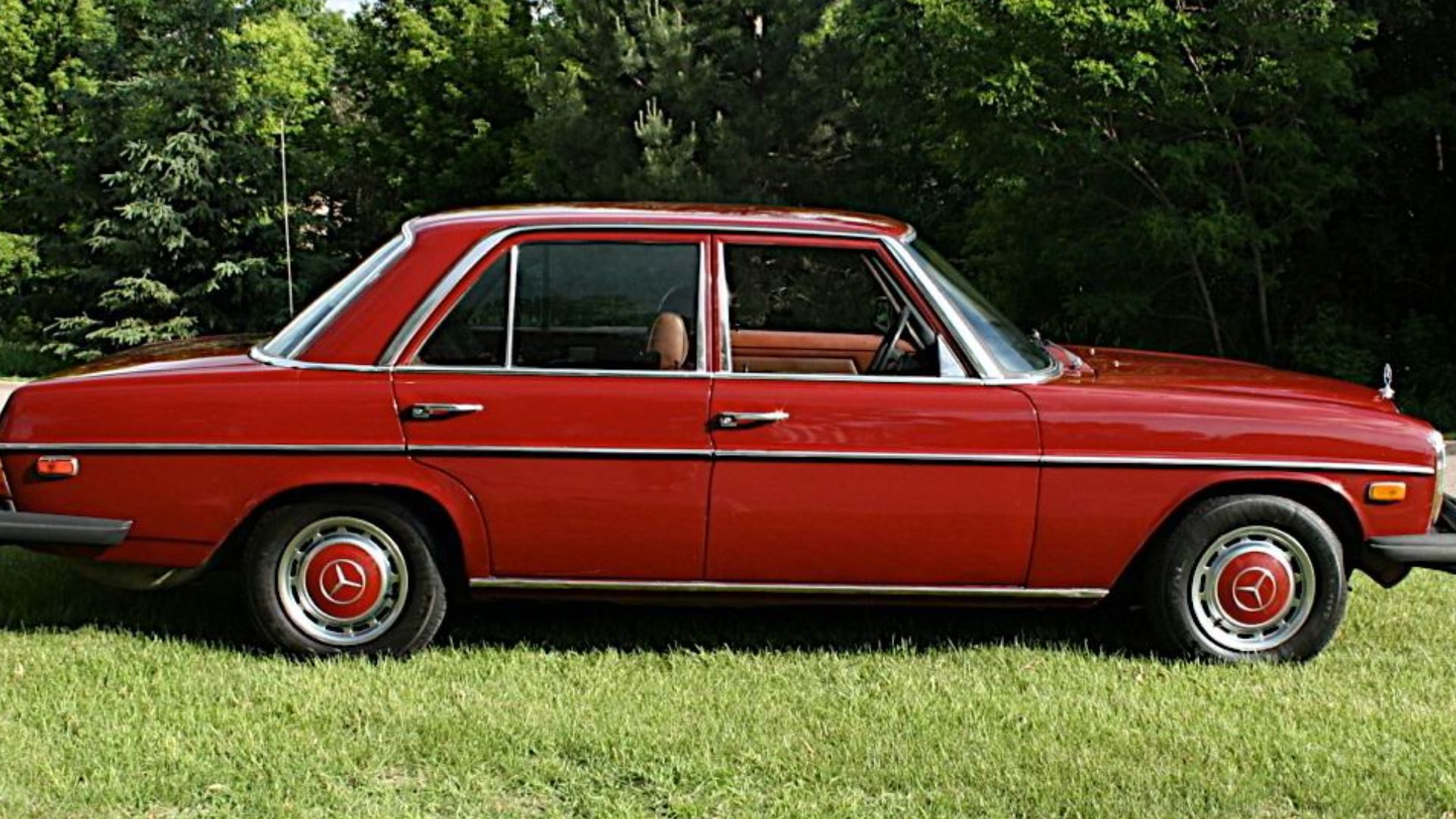
Some early 1970s Mercedes-Benz diesels didn't start with an ordinary twist of the ignition key. Models like the 1974–1976 240D used a dashboard-mounted pull control for preheating and starting. Drivers activated the glow plugs with the control, waited, and then pulled farther to engage the starter.
 Rudolfdiesel at English Wikipedia, Wikimedia Commons
Remembering Which Cars Didn't Need Pumping
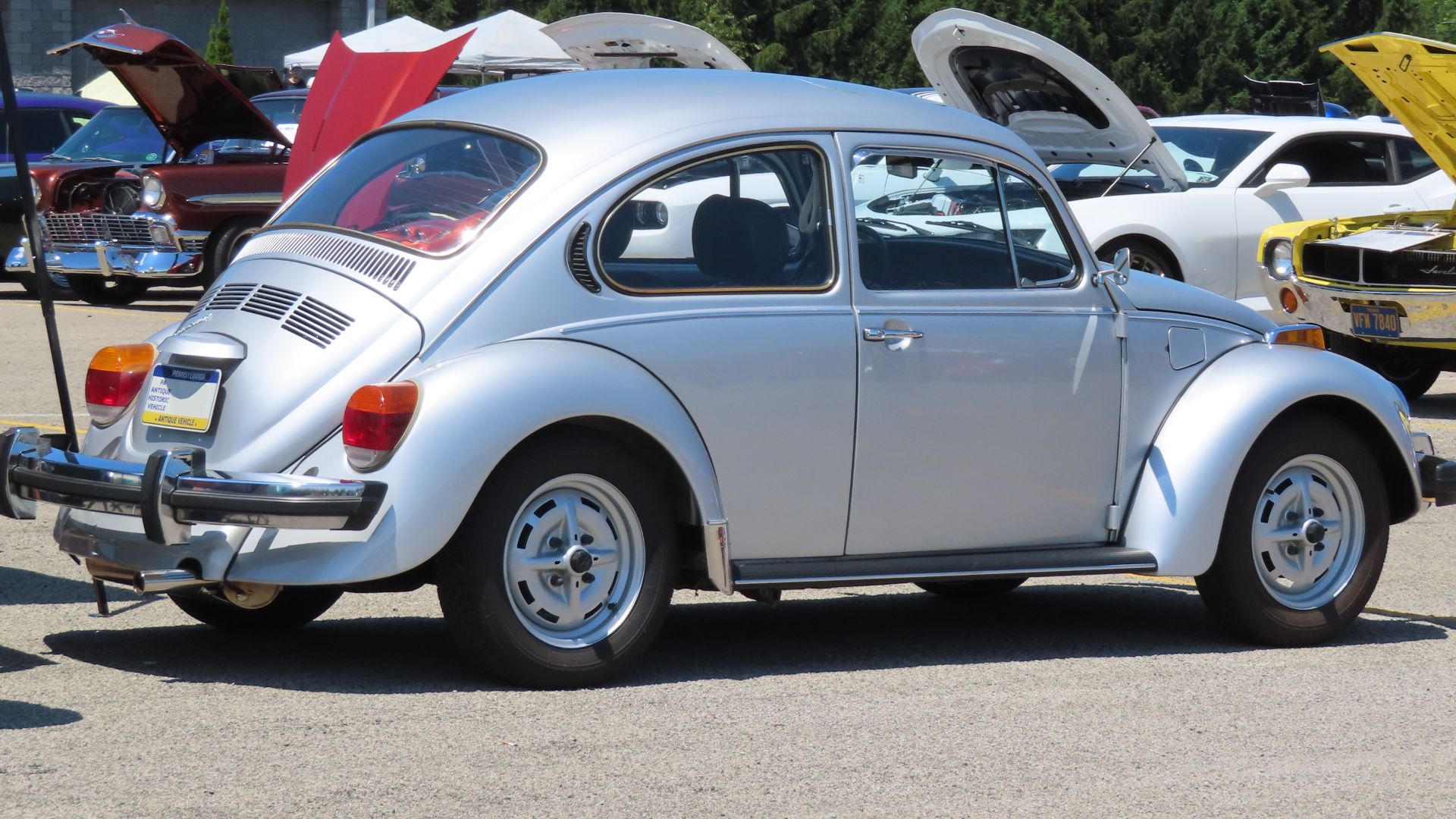
Not every 1970s car needed its accelerator pressed before starting. The fuel-injected 1977 Volkswagen Beetle specifically instructed drivers to keep their foot off the gas pedal, regardless of engine temperature. Its electronic fuel-injection system supplied the necessary gasoline automatically, showing how starting technology was already changing.
 MercurySable99, Wikimedia Commons
Turning The Key Back Before Trying Again
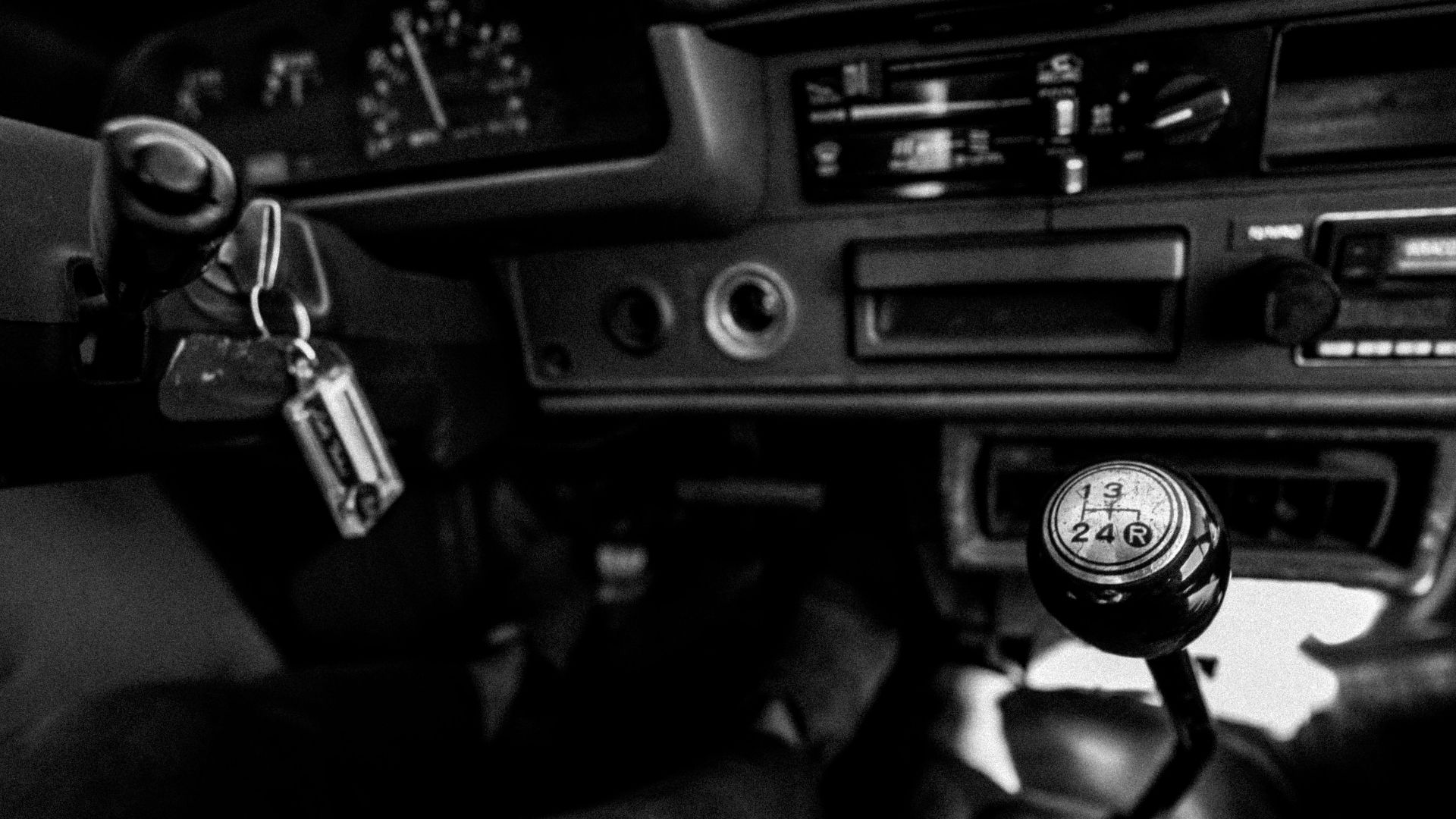
A stalled engine could require drivers to reset the ignition switch before another attempt. The 1977 Volkswagen Beetle manual instructed owners to turn the key completely to the left if the engine failed to start or stalled. They could then turn it back to engage the starter again.
Removing Wet Spark Plugs After Flooding
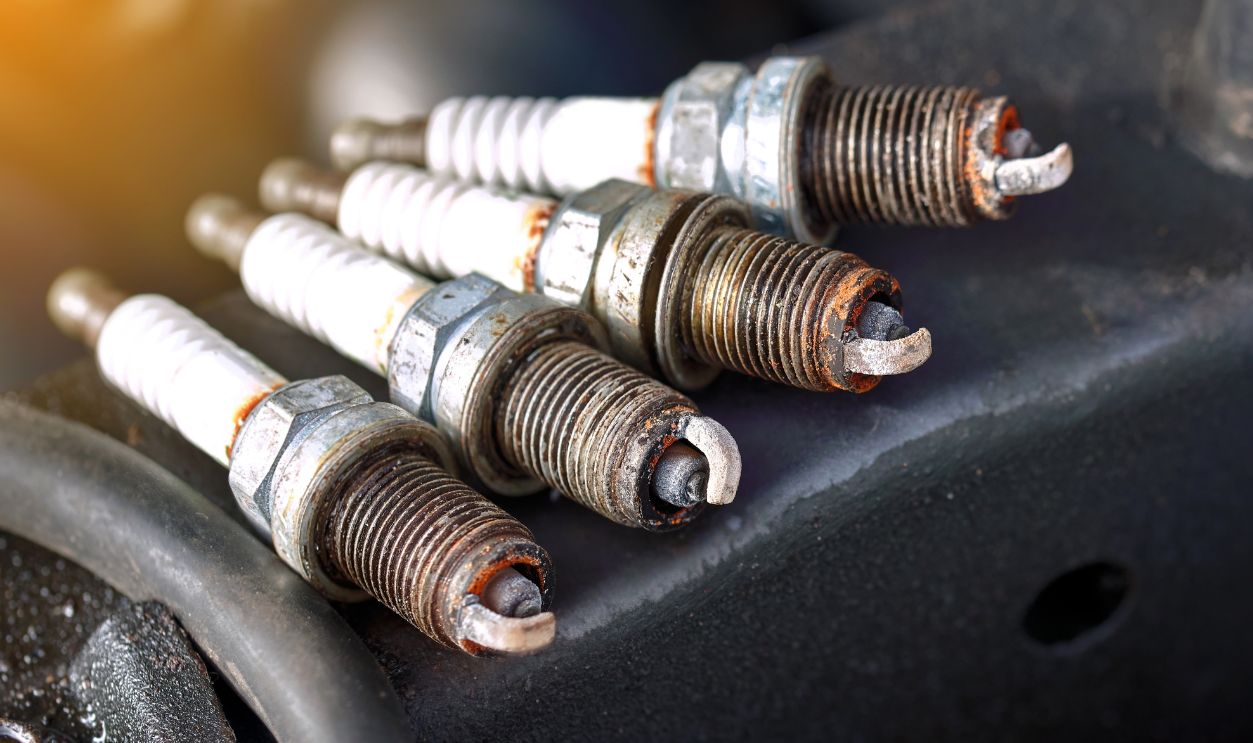
A badly flooded carbureted engine sometimes required more than holding down the accelerator. The 1972 Toyota Celica manual instructed owners to remove and dry the spark plugs if its normal flooded-engine starting procedure failed. Drivers then had to allow excess fuel to clear before reinstalling the plugs and trying again.
Checking The Spare Tire For Windshield Washer Pressure
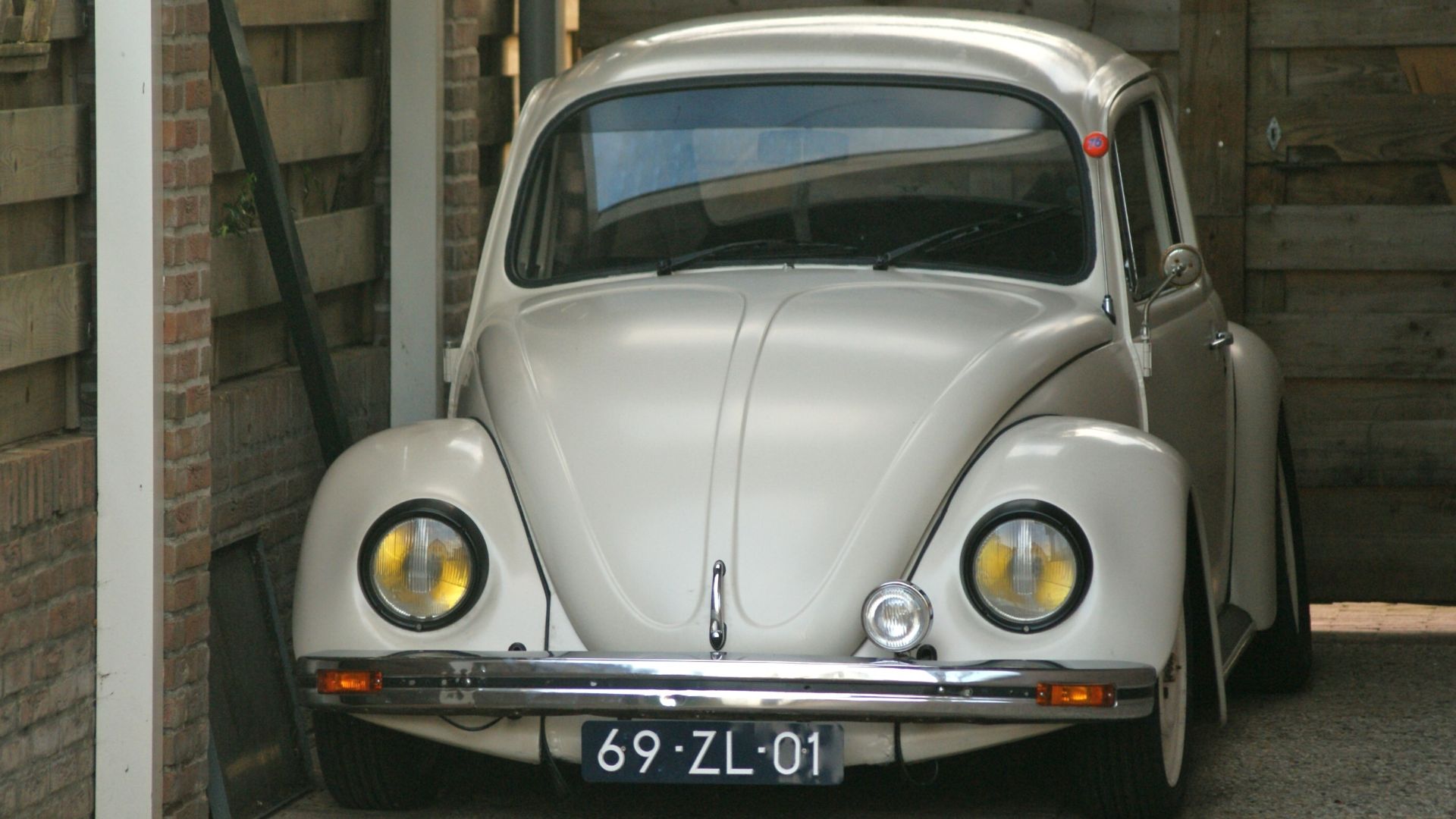
The 1977 Volkswagen Beetle had a particularly unusual system that owners needed to maintain. Its windshield washer drew air pressure from the spare tire rather than using an electric pump. Volkswagen instructed drivers to maintain 42 psi in the spare so the washer system would function properly.
 Niels de Wit from Lunteren, The Netherlands, Wikimedia Commons
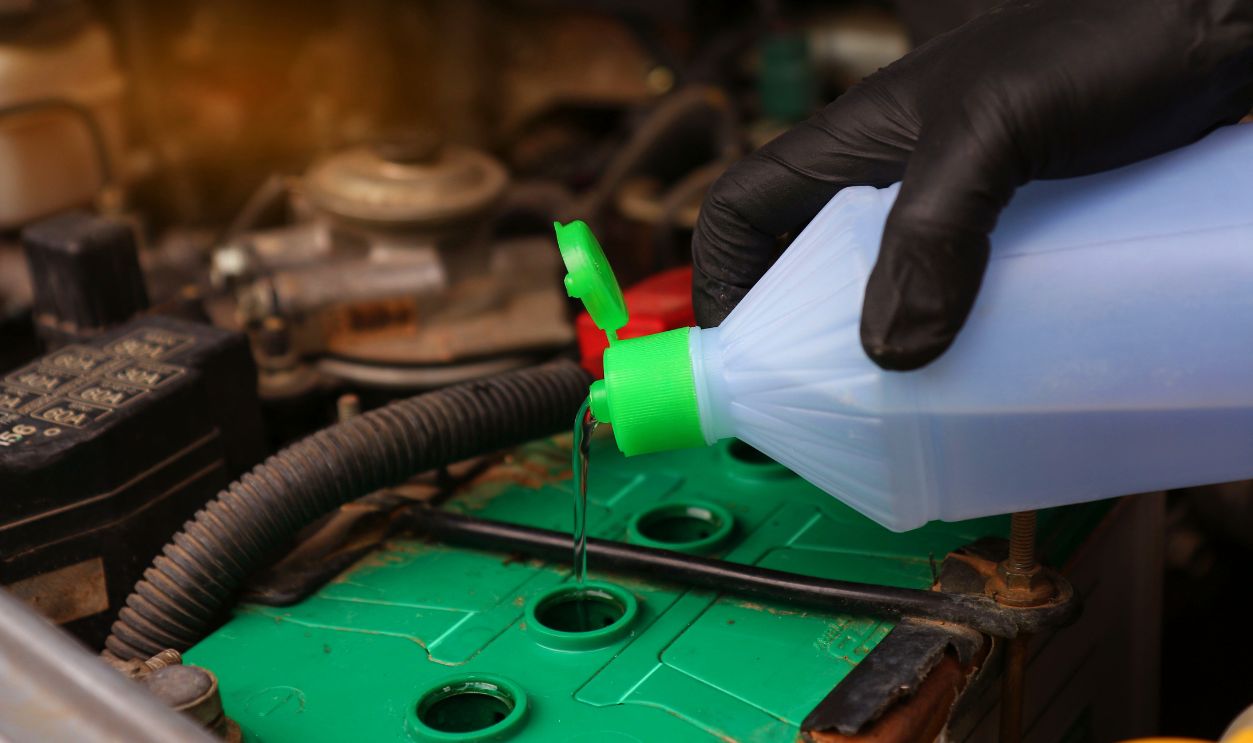
Topping Up The Battery With Distilled Water
Many 1970s batteries needed periodic attention to their electrolyte levels. The 1977 Volkswagen Beetle manual instructed owners to check the individual battery cells and add distilled water when necessary. Reaching the Beetle's battery even required removing the rear seat, although this was maintenance rather than a daily starting step.
Pushing The Choke Back In After Starting
Getting the engine running wasn't the end of the choke routine. The 1973 MG Midget handbook instructed drivers to gradually push the choke inward as the engine warmed. Leaving it pulled out unnecessarily could keep the fuel mixture too rich and the engine running faster than needed.
 The Car Spy, Wikimedia Commons
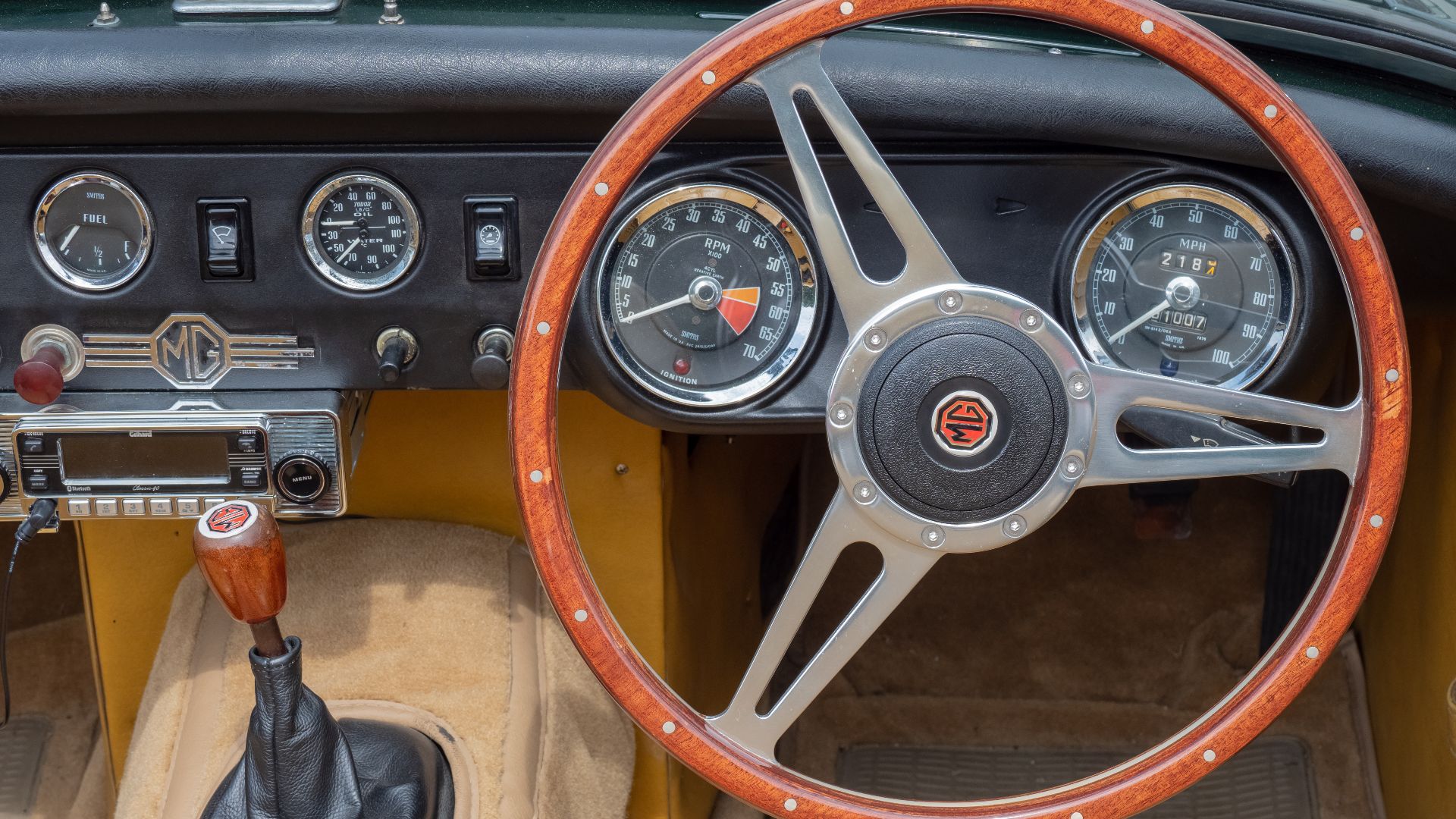
Watching The Oil Pressure Come Up
Drivers of certain older cars were expected to pay close attention to their instruments immediately after starting. The MG Midget handbook instructed owners to confirm that the oil-pressure gauge registered once the engine was running. If proper pressure wasn't established, continuing to operate the engine risked serious damage.
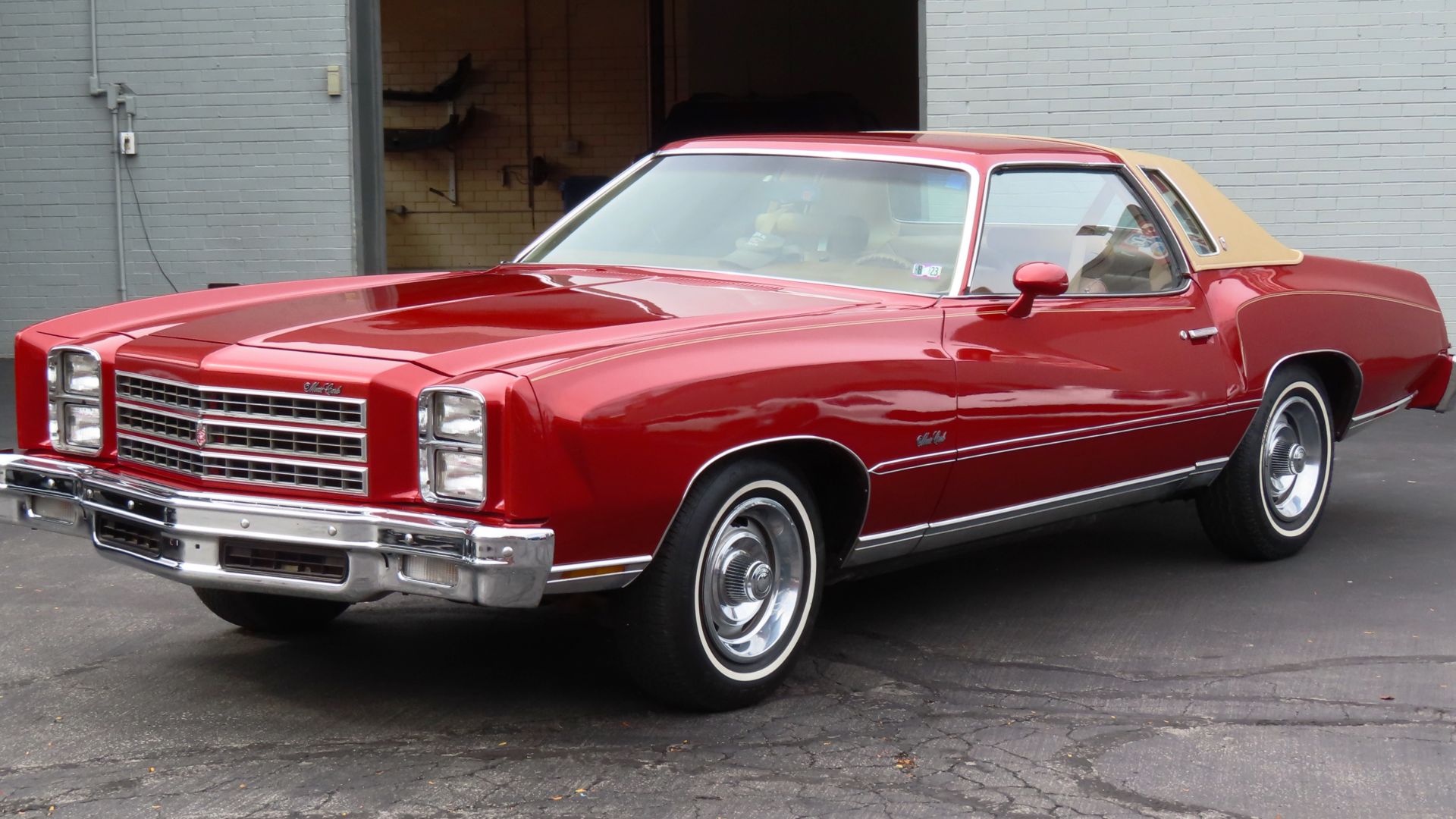
Tapping The Gas To Bring Down The Idle
Some automatic-choke cars started with the engine running at an elevated idle speed. The 1976 Chevrolet Monte Carlo manual explained that once the engine was running smoothly, a slight press and release of the accelerator could reduce that speed. Drivers had to know when to make this adjustment rather than immediately driving away.
 MercurySable99, Wikimedia Commons
Letting The Engine Settle Before Driving
Some manufacturers recommended a short warm-up after starting, particularly in cold weather. Chevrolet's 1976 Monte Carlo manual advised idling for 20 to 30 seconds before driving moderately for the first several miles. Not every 1970s car followed this advice, but for many drivers, turning the key was only the beginning of getting on the road.
 DestinationFearFan, Wikimedia Commons
Starting A Car Has Come A Long Way
For drivers in the 1970s, starting a car sometimes required patience, practice, and a little mechanical know-how. Today, fuel injection, electronic controls, and push-button ignition handle most of those old routines automatically. Modern cars are certainly easier to start, but anyone who remembers coaxing a stubborn engine to life on a freezing morning knows just how much things have changed.
You May Also Like: