A Brand That Felt Permanent
Pontiac was the name on the car you wanted before you could afford it. The GTO. The Firebird. That black-and-gold Trans Am. Even people who never owned one knew exactly what those cars were. But none of that was enough for GM to keep it around.
This Was A Giant
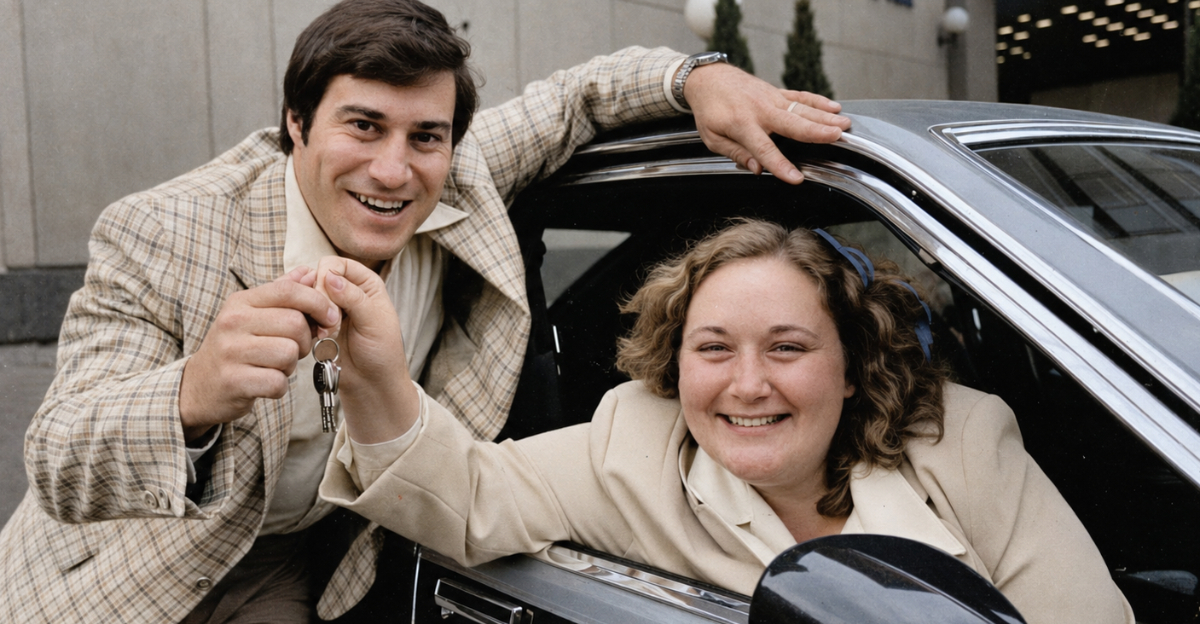
At its height, Pontiac stood behind only Chevrolet and Ford in American sales. It put family cars in suburban driveways and dream cars on bedroom walls. That makes its disappearance harder to explain than a few disappointing models. To understand the ending, you have to look at what made Pontiac matter.
 Sam Hood, Wikimedia Commons, Enhanced
It Didn't Start With Muscle
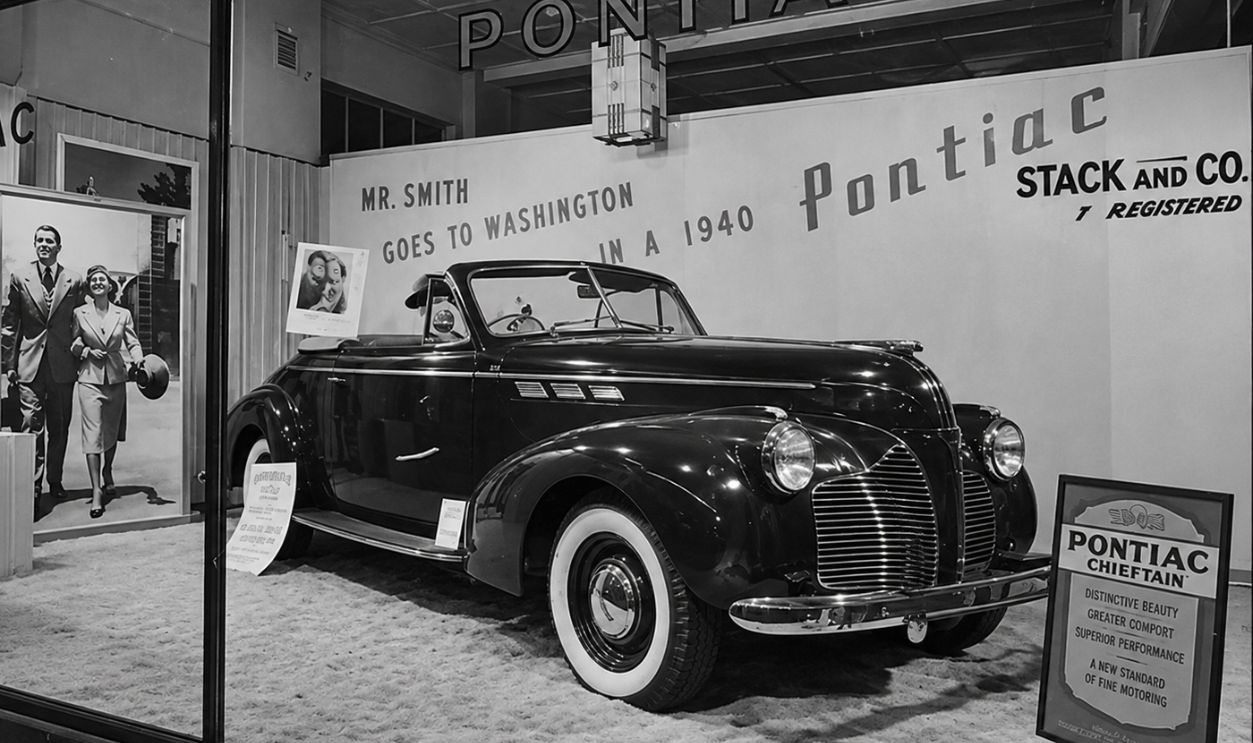
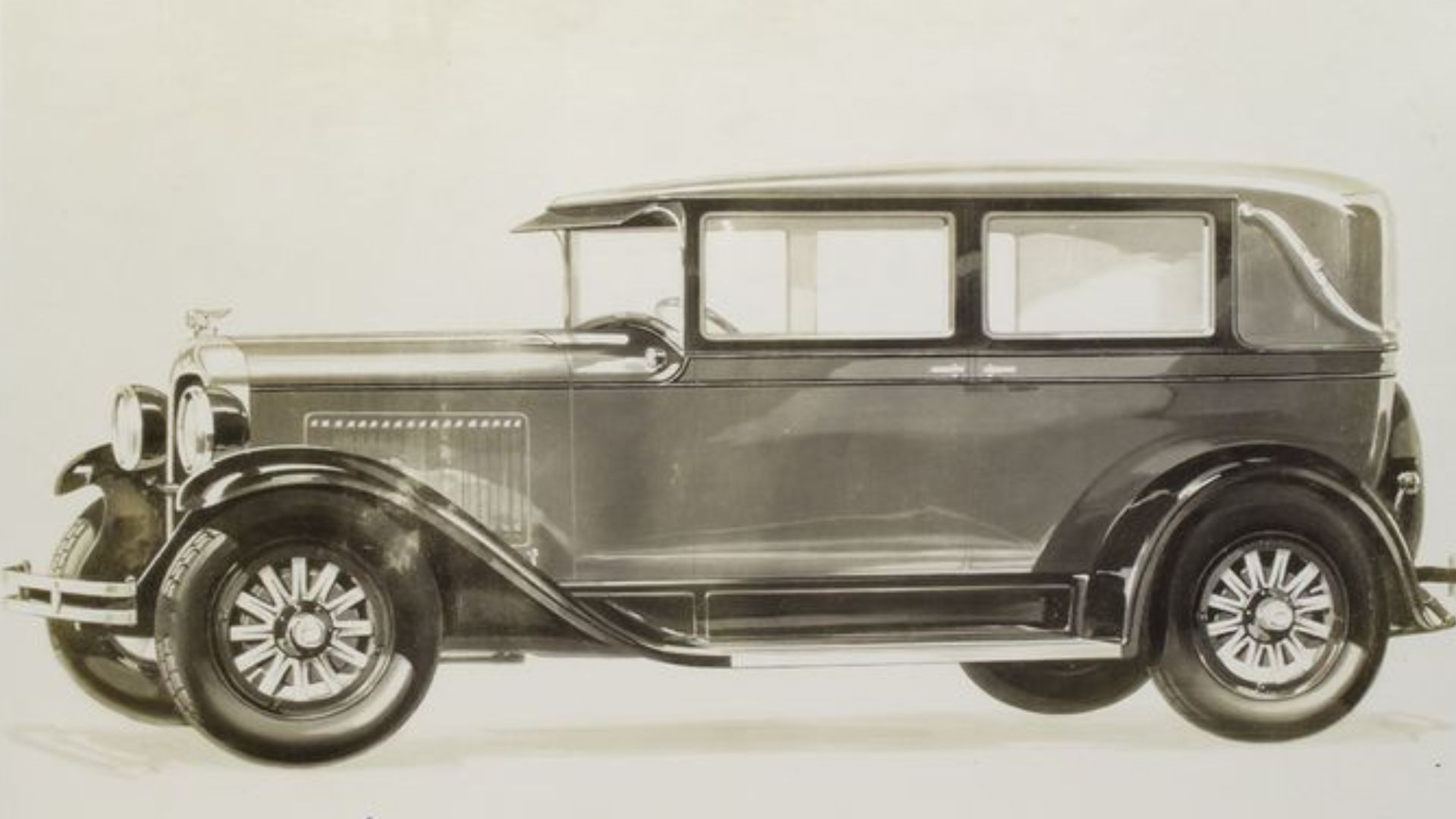
When Pontiac arrived in 1926, its selling point was an affordable six-cylinder car. Introduced alongside GM's Oakland brand, it gave buyers more engine for their money. The performance image came much later. Pontiac first built its following by offering ordinary Americans a little more than they expected for the price.
 New York Public Library, Wikimedia Commons
Somebody Had To Make It Interesting
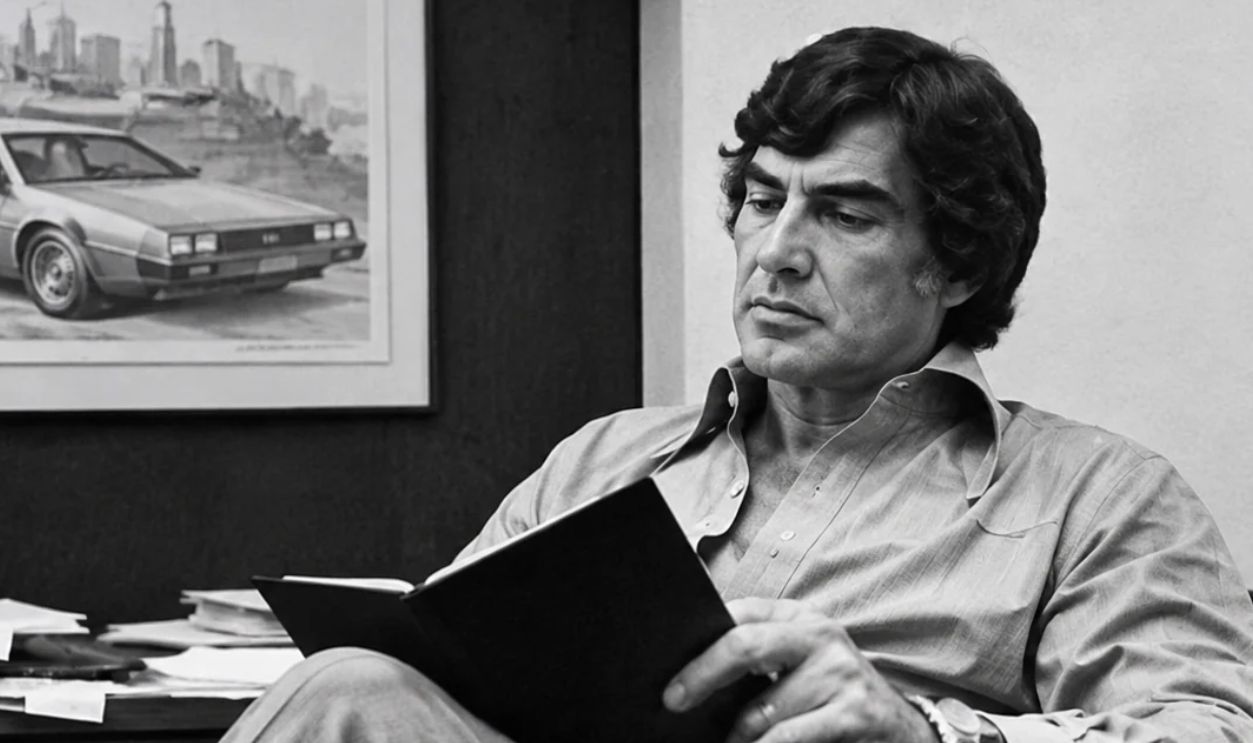
By the mid-50s, Pontiac needed fresh energy. Semon "Bunkie" Knudsen took charge in 1956 and pushed the division toward younger buyers and stronger performance. Engineers Pete Estes and John DeLorean helped make that change happen. The respectable family car was about to develop a much less respectable streak.
 Chevrolet pre-1978, Wikimedia Commons, Enhanced
You Could See The Difference
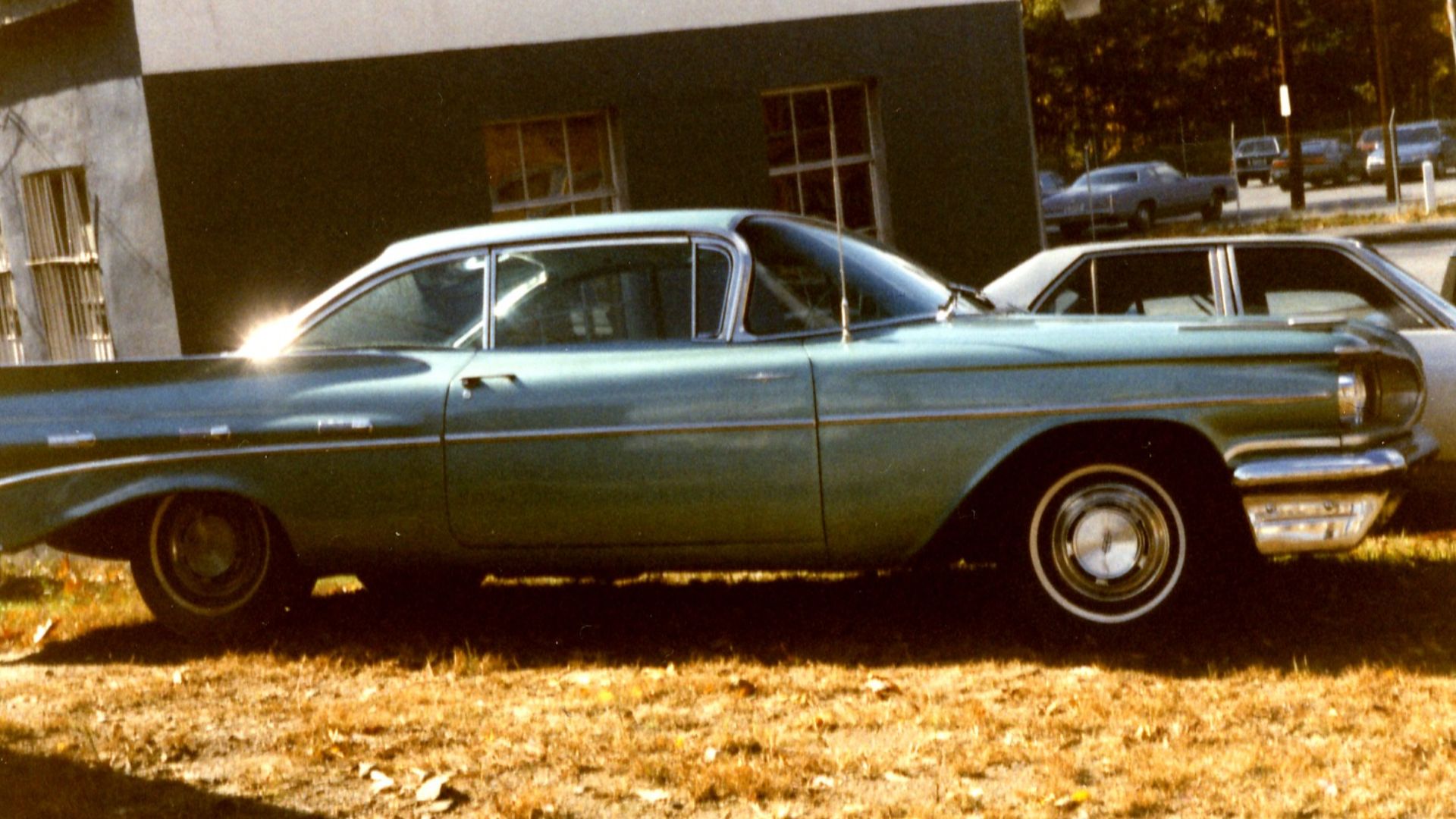
The 1959 Pontiacs made an impression before anyone checked the horsepower. Their wide stance and distinctive styling gave the "Wide-Track" advertising something buyers could actually see. Pontiac was developing a look of its own, backed by a growing performance reputation. Pull into the driveway in one, and people noticed.
The Reinvention Worked
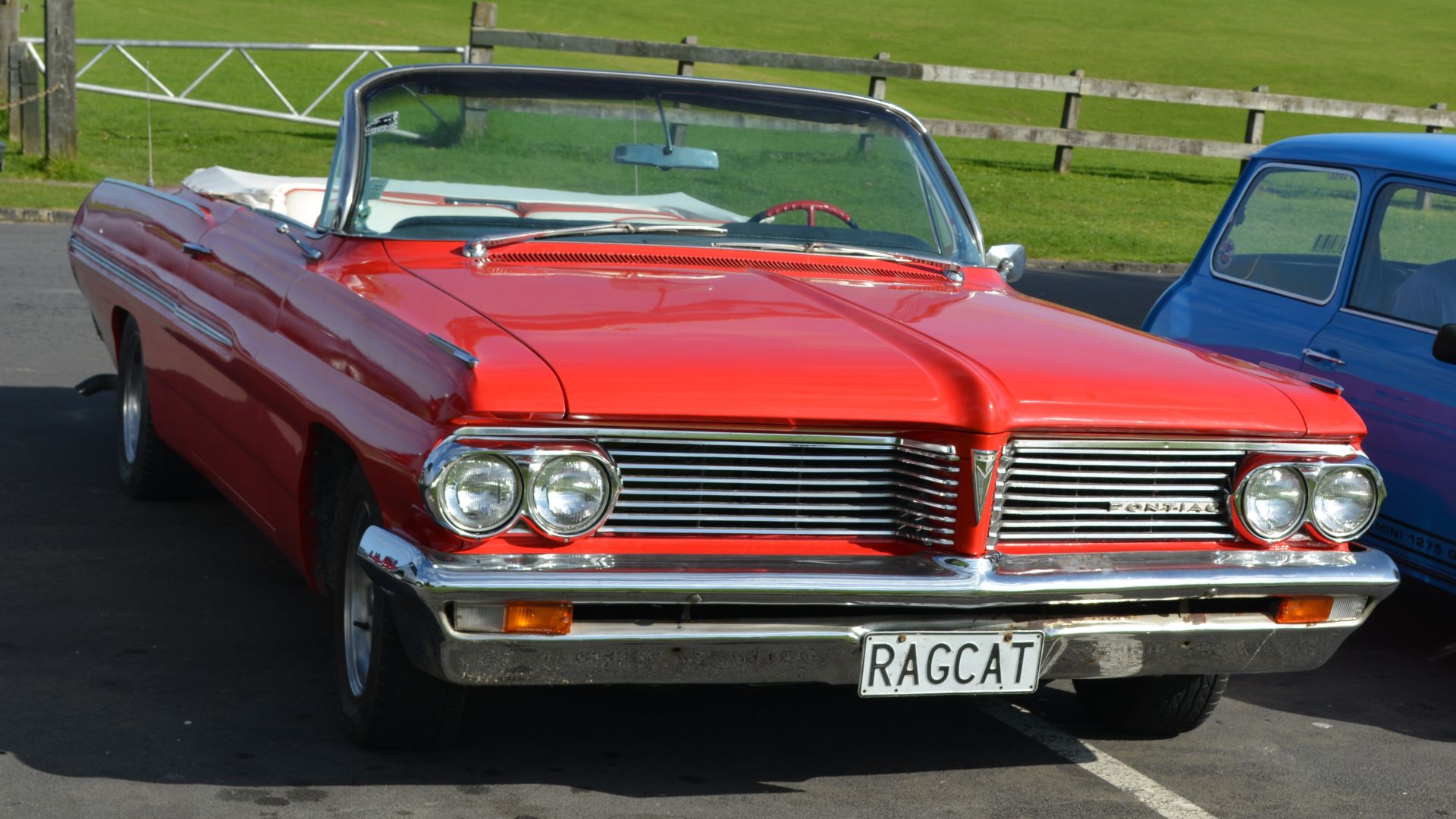
By 1962, Pontiac had reached third place in U.S. sales, behind Chevrolet and Ford. That put it ahead of major American rivals with long histories and enormous dealer networks. The younger image was bringing in customers. Pontiac had become a brand people deliberately chose, and its biggest headline maker was still coming.
 GPS 56 from New Zealand, Wikimedia Commons
The GTO Changed The Conversation
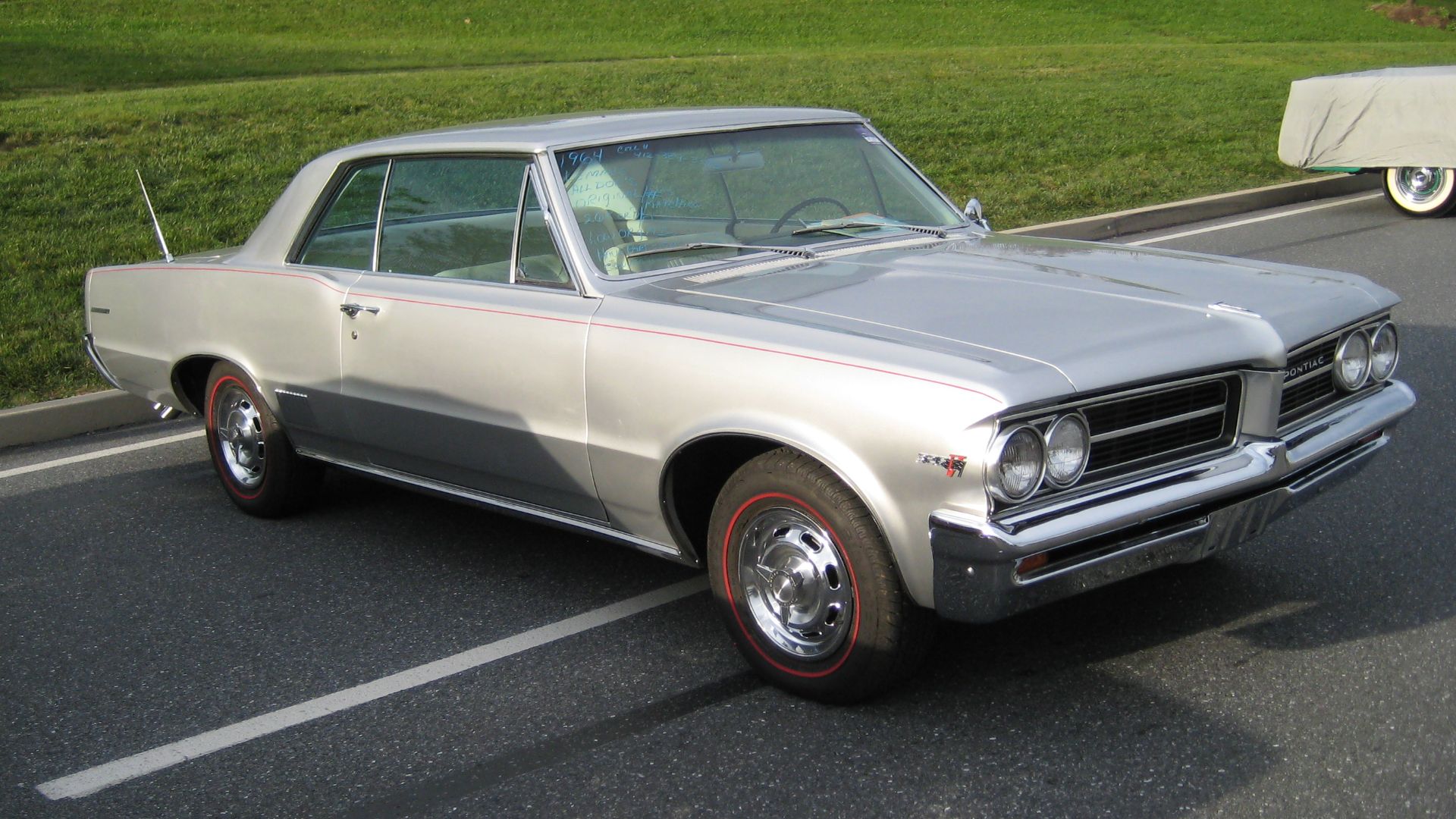
For 1964, Pontiac offered a GTO package on the Tempest LeMans, squeezing a 389-cubic-inch V8 into a midsize car. The formula was wonderfully easy to understand: plenty of engine, less car to move. It helped launch the muscle-car boom and gave Pontiac a name that would outlive the division itself.
 JOHN LLOYD from Concrete, Washington, United States, Wikimedia Commons
Then It Added The Firebird
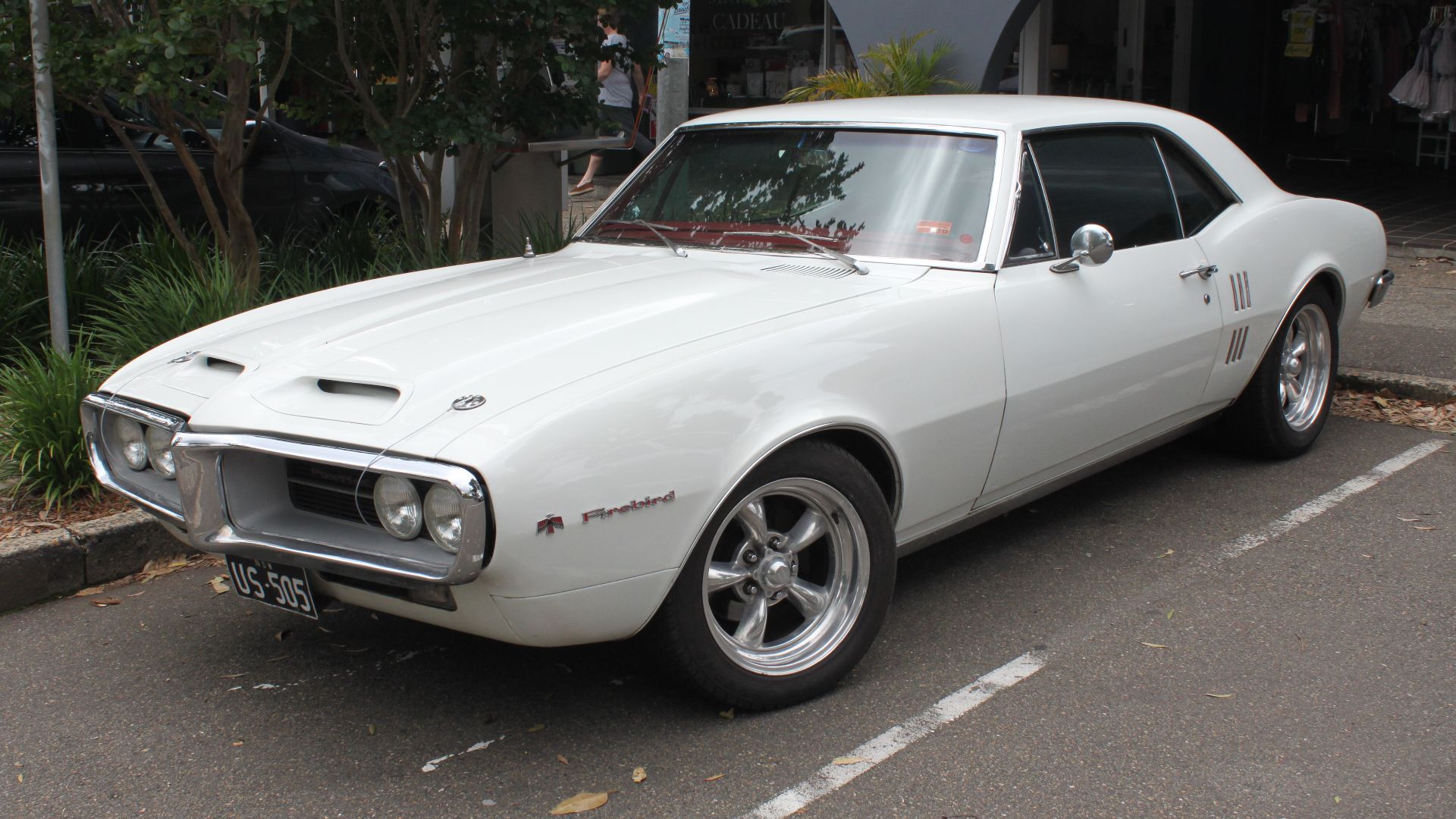
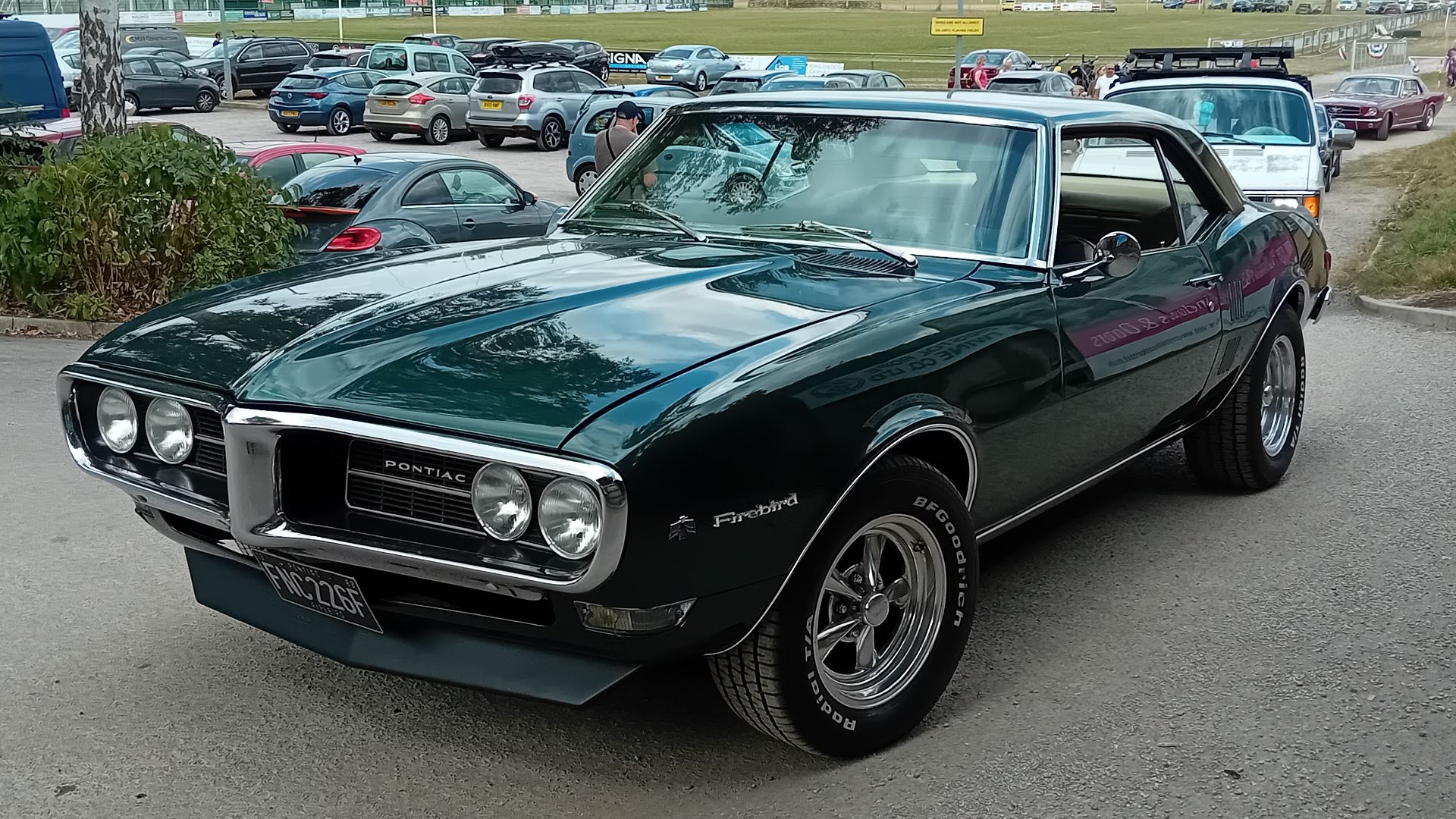
The Firebird arrived for 1967, and the Trans Am package followed for 1969. Beneath the bodywork, the Firebird shared its basic platform with Chevrolet's Camaro. But Pontiac styling and engines gave buyers a reason to pick this version. The family resemblance was there. So was a personality worth paying attention to.
 Jeremy from Sydney, Australia, Wikimedia Commons
Families Bought Into It Too
The muscle cars supplied the excitement, but Catalinas and Bonnevilles helped supply the volume. Pontiac could appeal to someone who needed a proper family car and still wanted to enjoy owning it. That balance mattered. A division selling hundreds of thousands of cars needed customers with grocery lists as well as racing magazines.
One Out Of Every Six
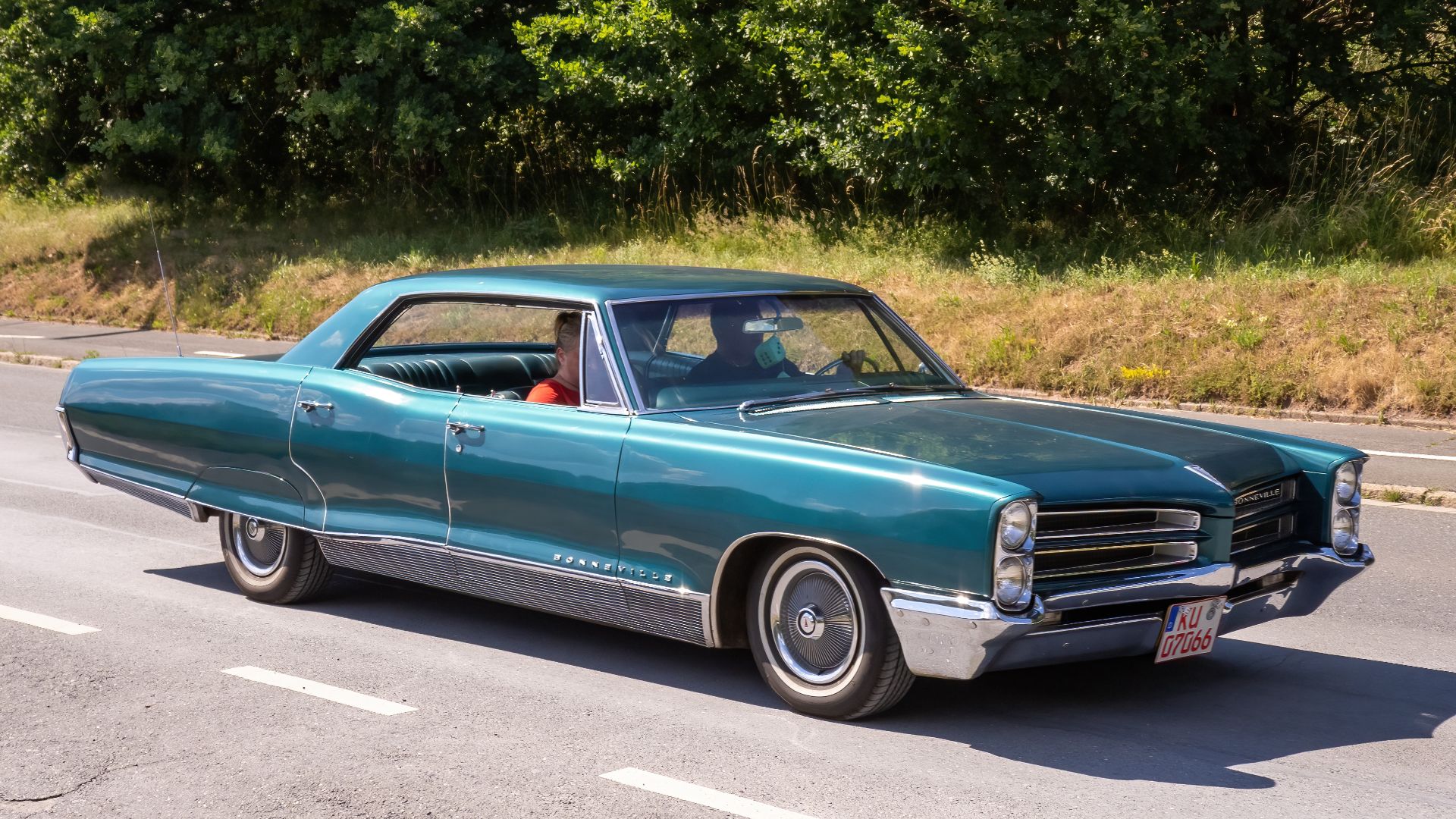
In 1968, Pontiac sold roughly 911,000 vehicles in the United States, about 17 percent of GM's American total. Roughly one out of every six vehicles the company sold carried a Pontiac badge. Remember that number when we get to the shutdown. This brand had once done a tremendous amount of the heavy lifting.
 hugh llewelyn, Wikimedia Commons
Then The Market Turned Difficult
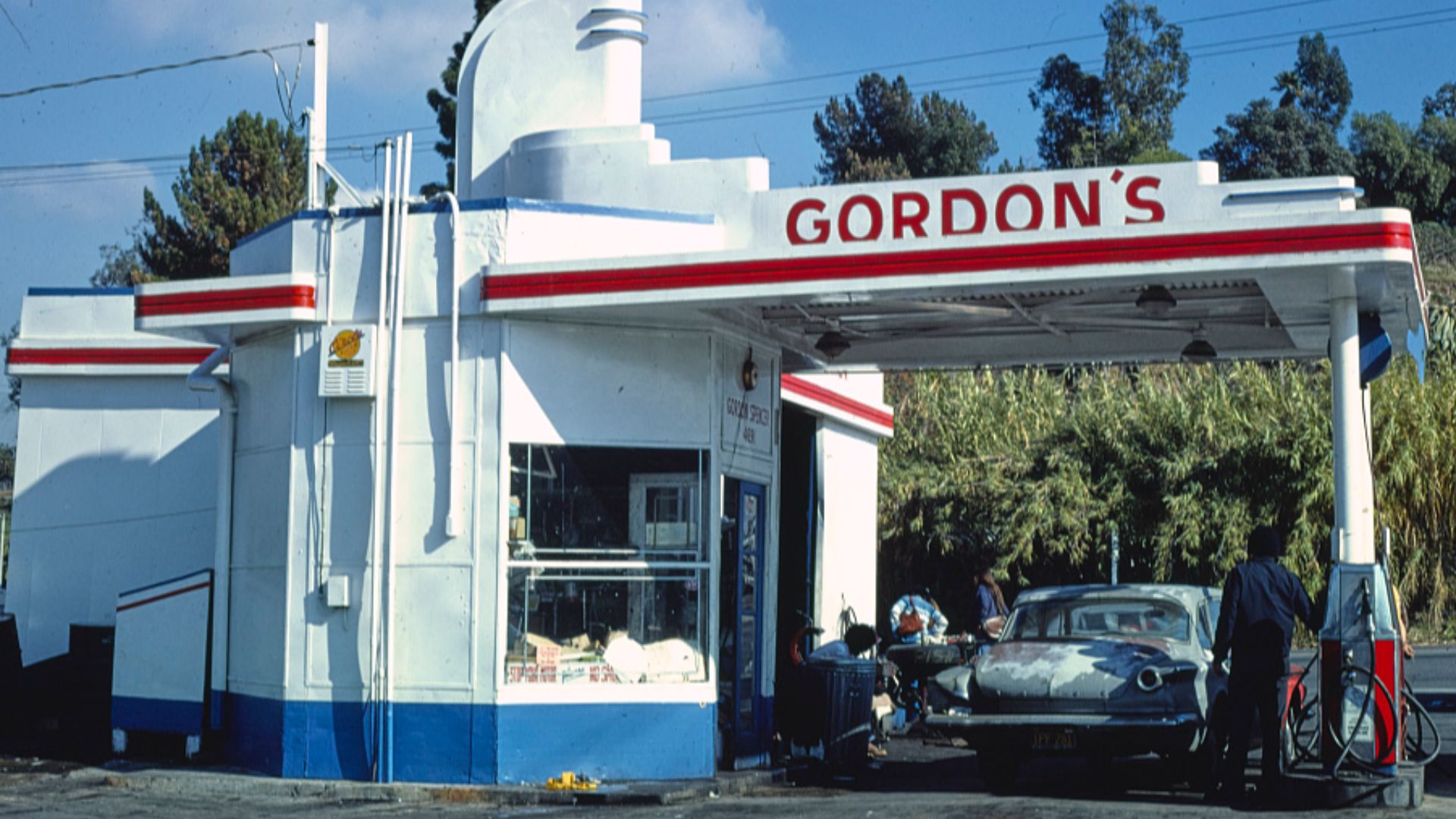
The fuel-price shocks of the 70s made big engines a more expensive pleasure. Emissions requirements changed how manufacturers built performance cars, and buyers had more reasons to consider smaller, economical alternatives. Pontiac had to keep selling excitement while the cost of enjoying it became harder for families to ignore.
 The Library of Congress from Washington, DC, United States, Wikimedia Commons
Hollywood Gave Pontiac Another Moment
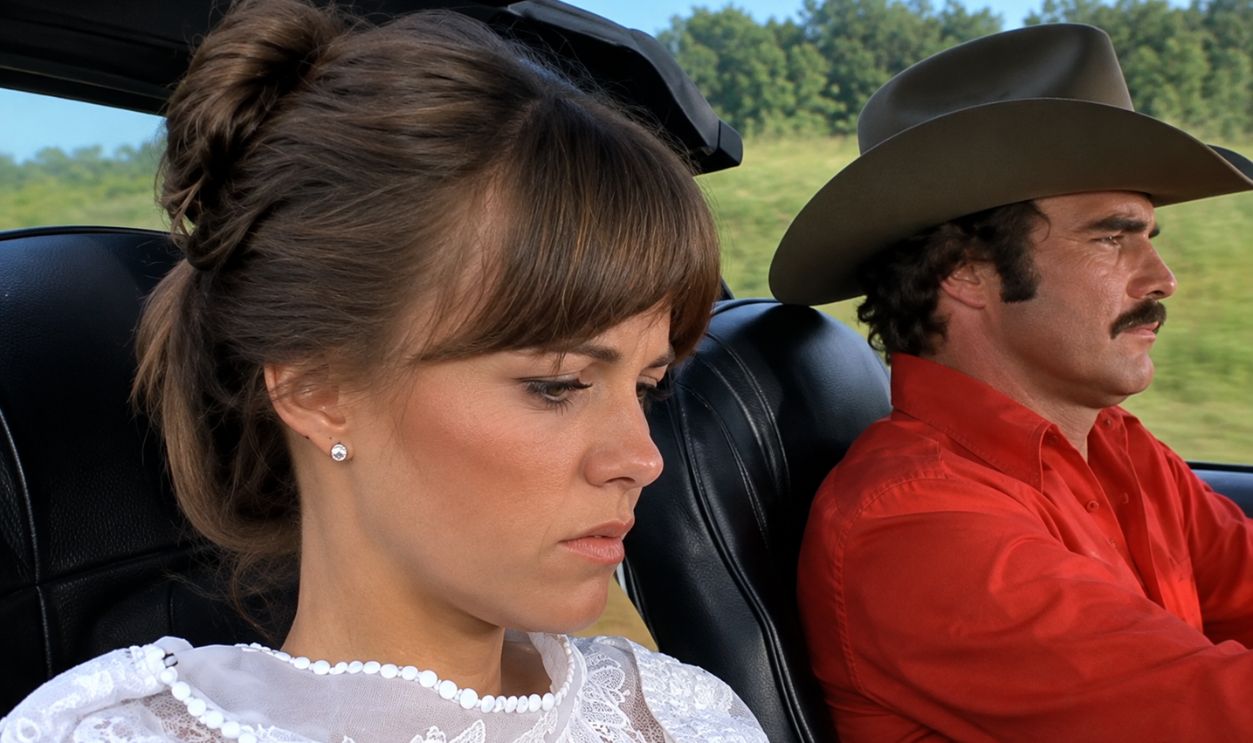
Then Burt Reynolds climbed into a black-and-gold Trans Am in "Smokey and the Bandit." The 1977 movie gave Pontiac the sort of publicity an advertising department dreams about. Trans Am production reached more than 117,000 for the 1979 model year. Anyone assuming Pontiac's appeal vanished with the 60s should take another look.
 Screenshot from Smokey and the Bandit, Universal Pictures (1977)
The Divisions Started Losing Their Independence
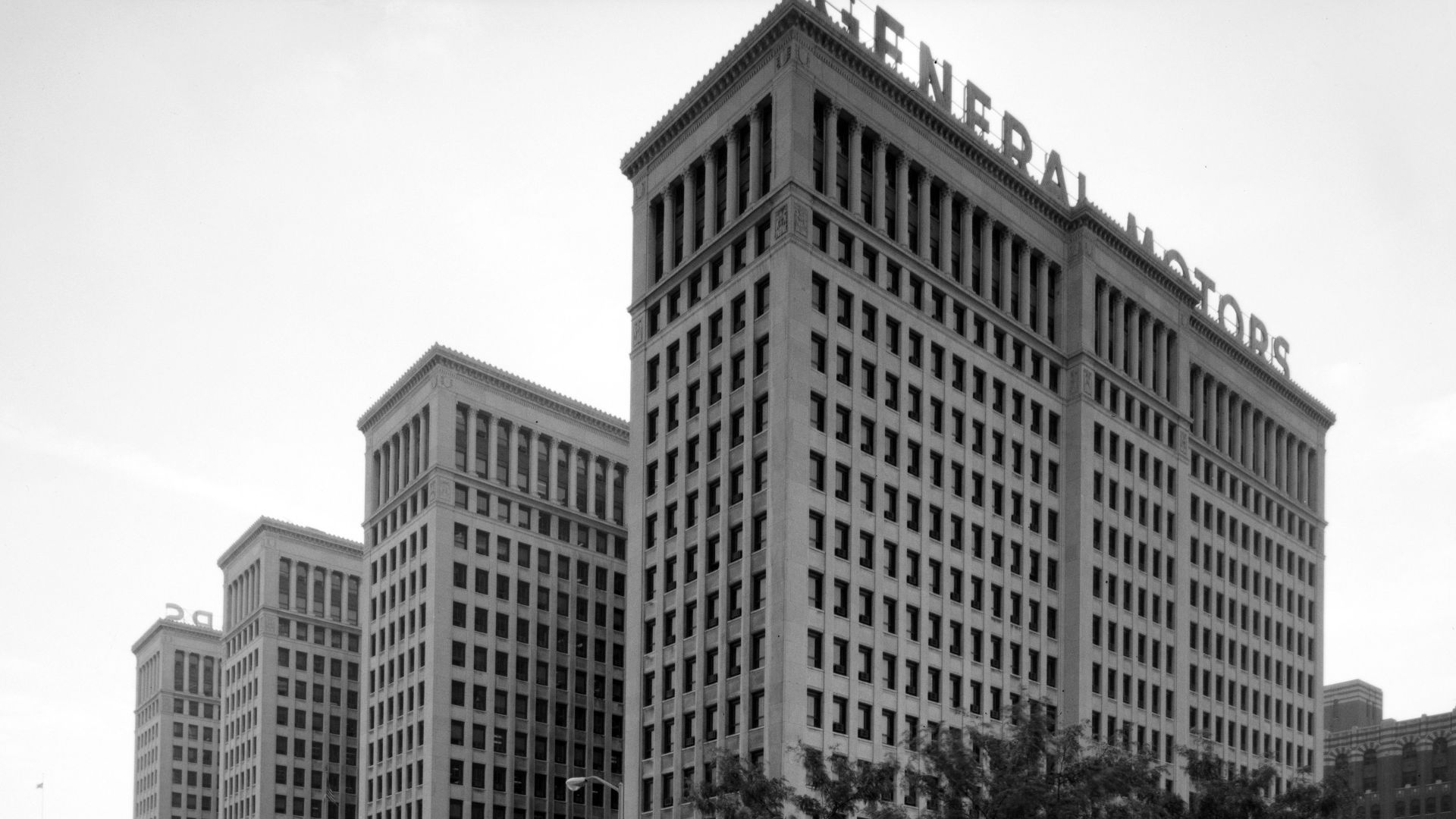
Inside GM, however, the way cars were developed was changing. A major reorganization in 1984 combined more work across divisions, reducing Pontiac's control over its own engineering and manufacturing. Sharing could save money. It also made preserving the differences between a Pontiac and its corporate relatives a much harder job.
 Historic American Buildings Survey, Wikimedia Commons
The Fiero Captured The Frustration
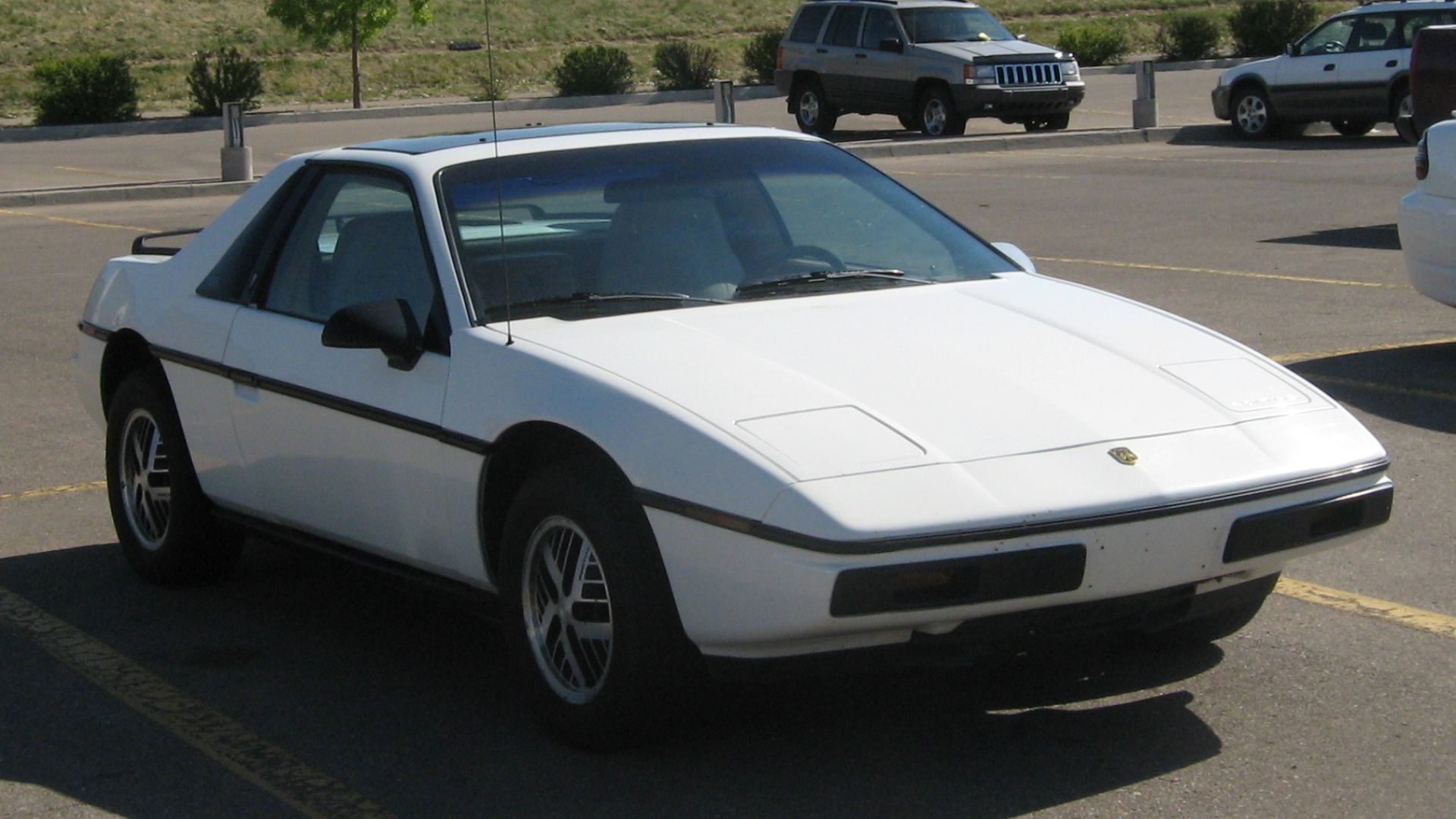
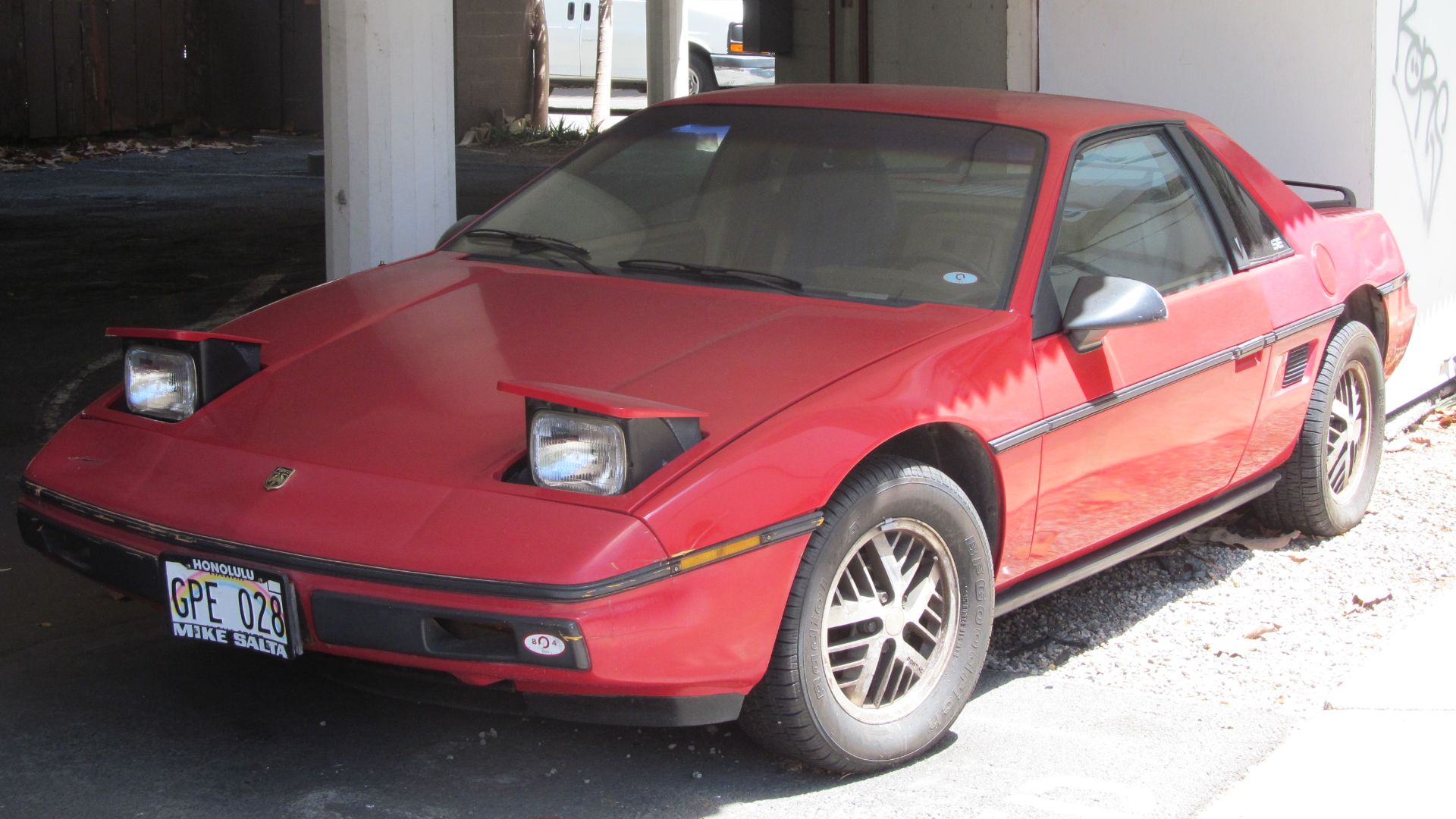
The mid-engine Fiero arrived for 1984 looking like proof Pontiac could still surprise people. Development compromises and reliability problems hurt its reputation, though, and sales weakened. A substantially improved suspension finally arrived for 1988. That was also its final model year. Buyers who saw potential in the car had good reason to feel frustrated.
 dave_7 from Lethbridge, Canada, Wikimedia Commons
The Showroom Had Bills To Pay
Pontiac's "We Build Excitement" advertising kept the old promise alive through the 80s. Meanwhile, ordinary transportation remained essential to the business. Affordable sedans and coupes could bring in customers who would never buy a sports car. The challenge was giving those everyday models enough Pontiac character to make the slogan believable.
 Riley from Christchurch, New Zealand, Wikimedia Commons
The Aztek Became The Punch Line
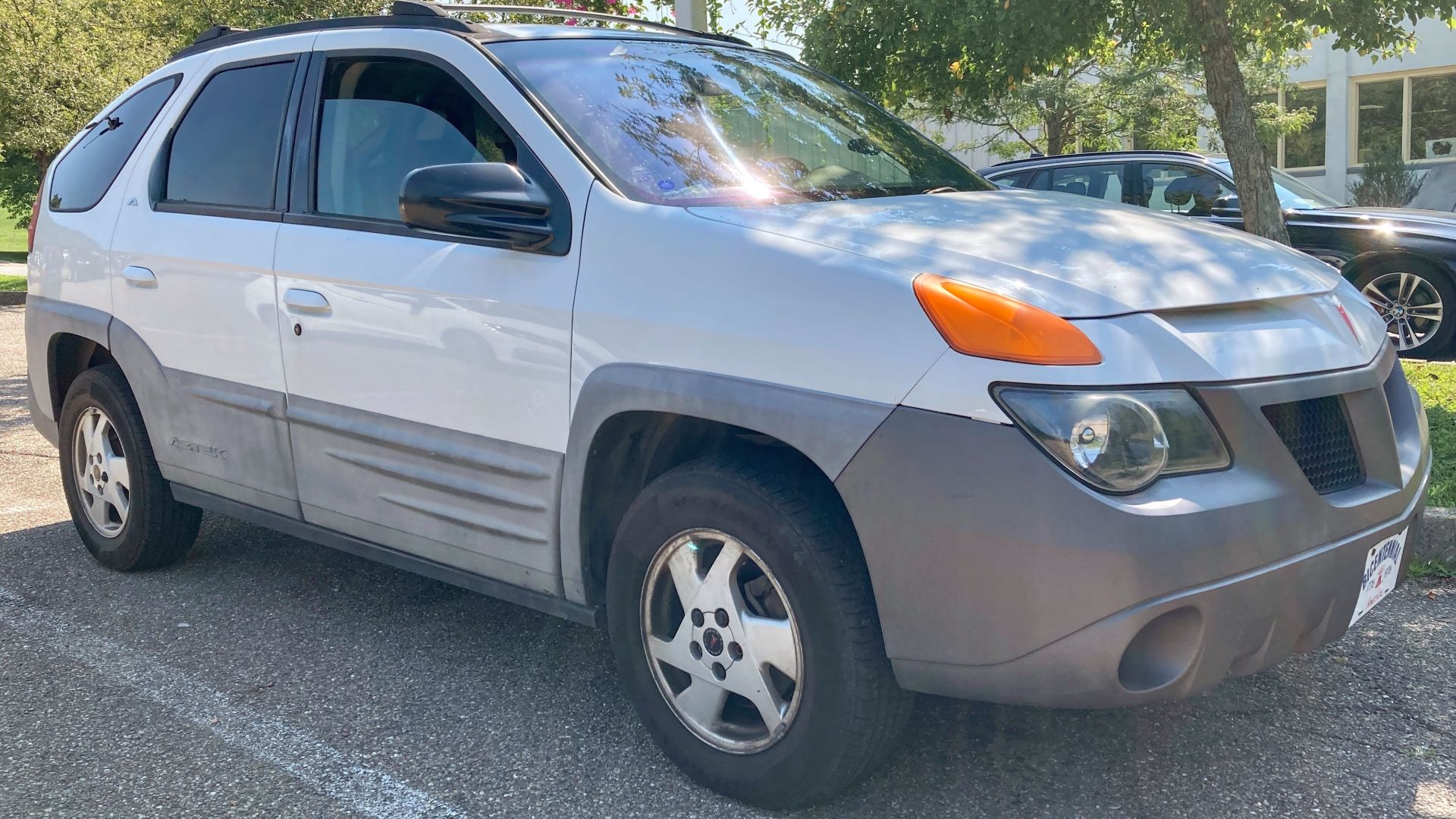
Introduced for the 2001 model year, the Aztek made Pontiac conspicuous for all the wrong reasons. Its awkward styling overwhelmed the conversation about its useful features. It became an easy symbol of GM losing touch with buyers. But Pontiac's troubles were much bigger than one vehicle people enjoyed making fun of.
The GTO Name Could Only Do So Much
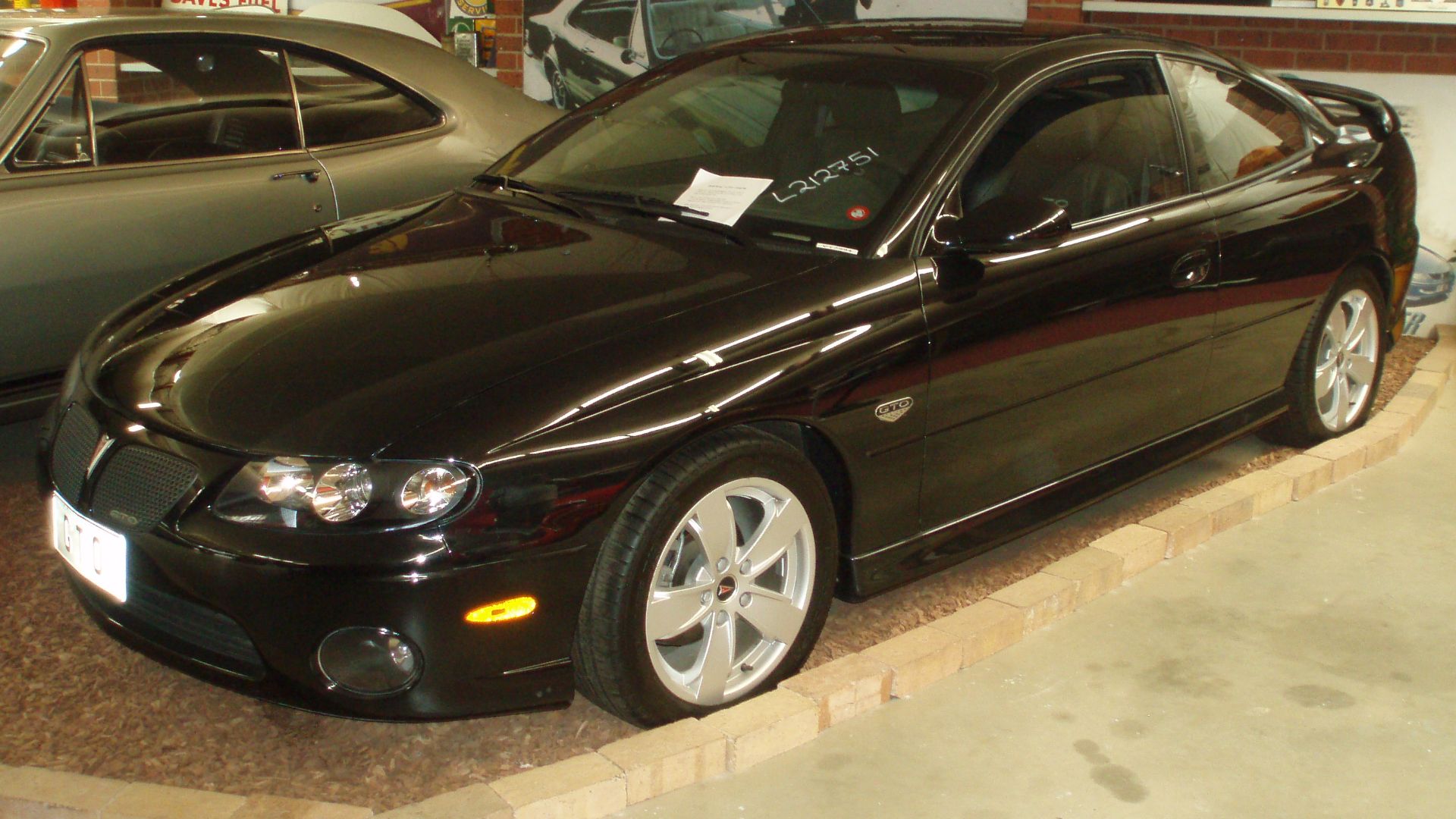
For 2004, Pontiac revived the GTO using Australia's Holden Monaro. The V8 power and rear-wheel drive were there, but the restrained styling drew criticism from people expecting more visual drama. The revival lasted through 2006. Pontiac had brought back a legendary name without recreating the excitement that originally surrounded it.
The Solstice Looked Like A Fresh Start
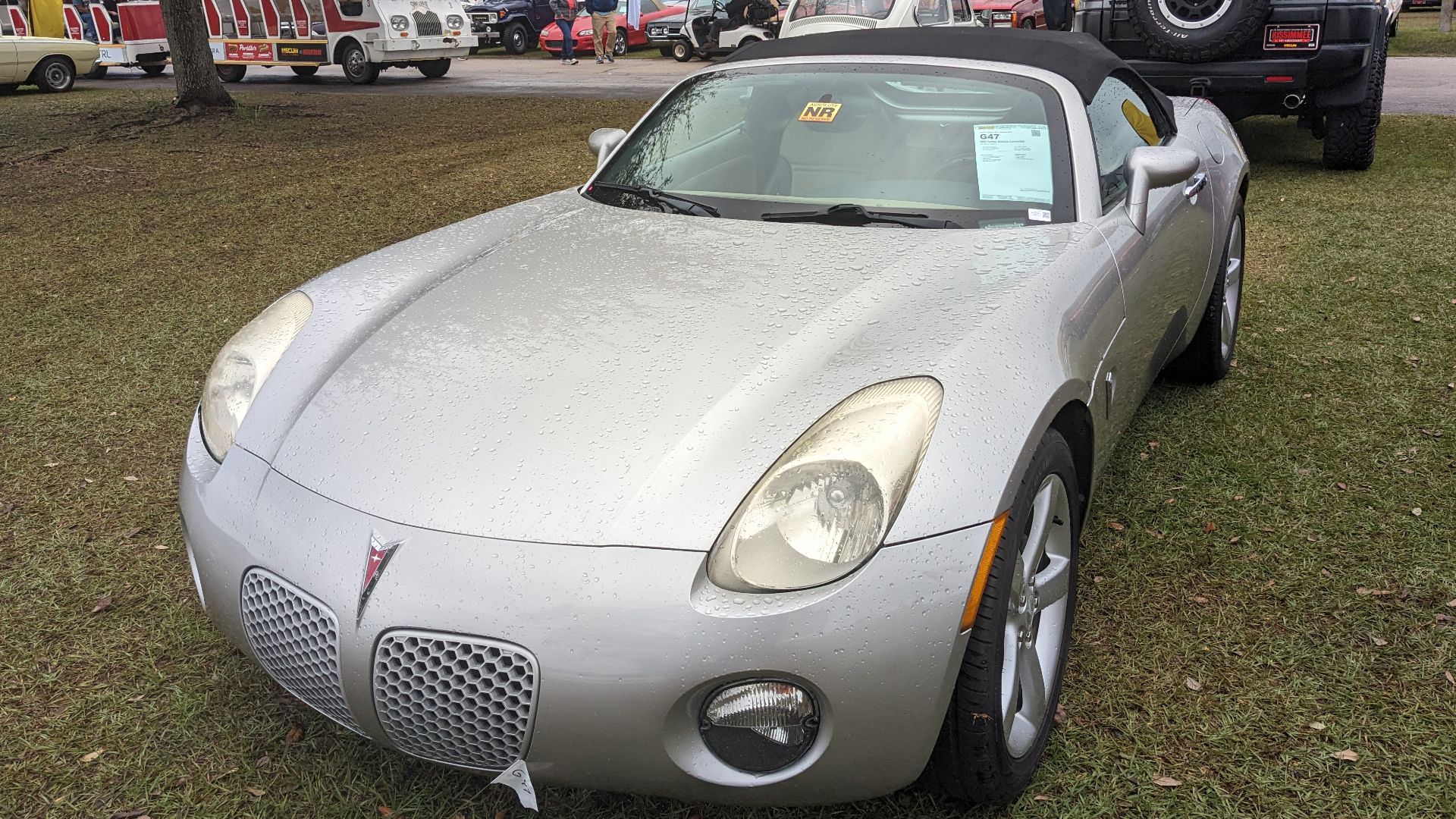
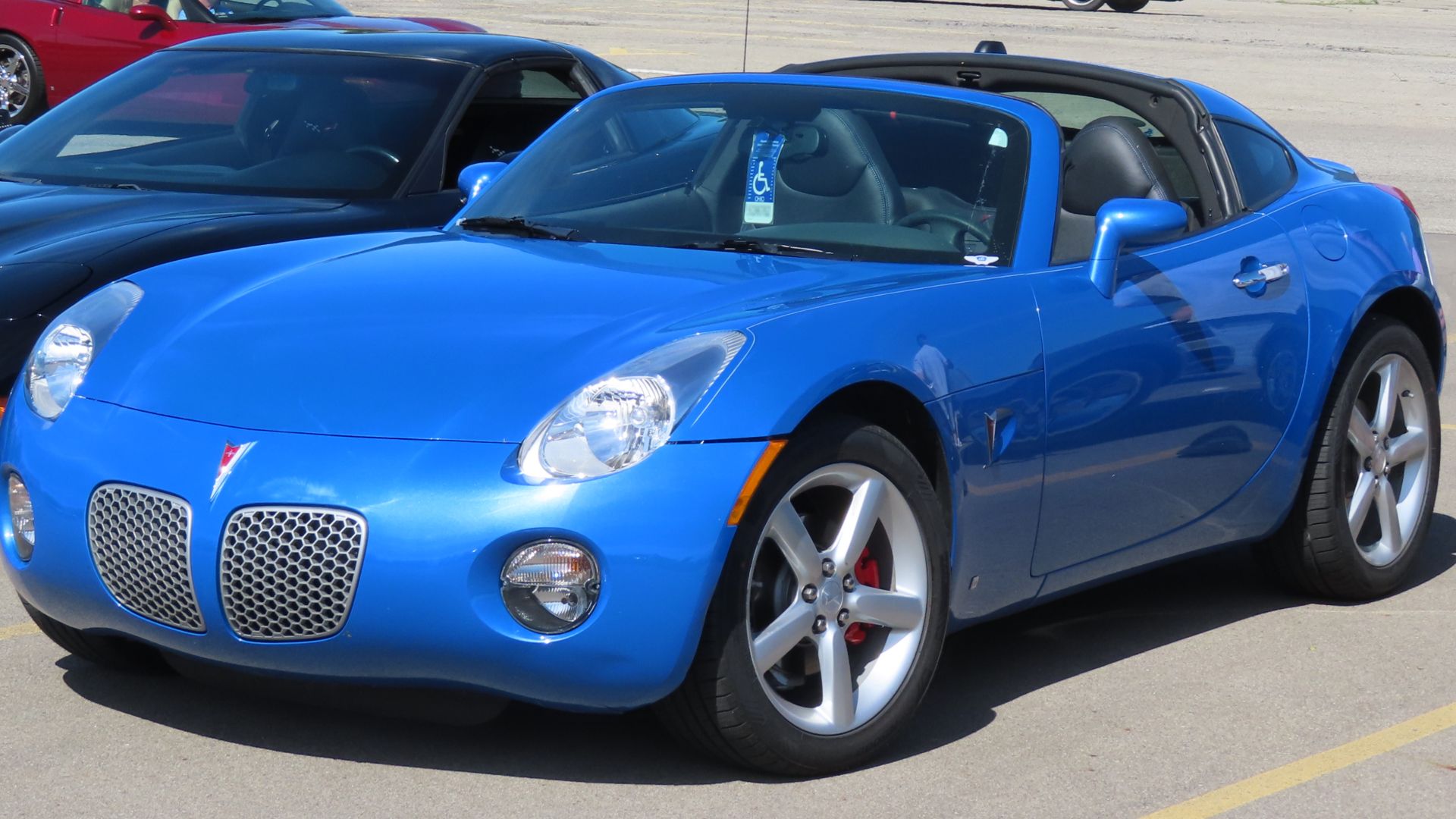
The Solstice arrived for the 2006 model year with two seats, a folding roof, and curves that invited a second look. Here was a Pontiac people could want simply because it looked fun to drive. It gave the showroom a welcome attraction. It couldn't, however, do the selling for everything parked around it.
 Pokemonprime, Wikimedia Commons
Some Pontiacs Were Barely Different Chevrolets
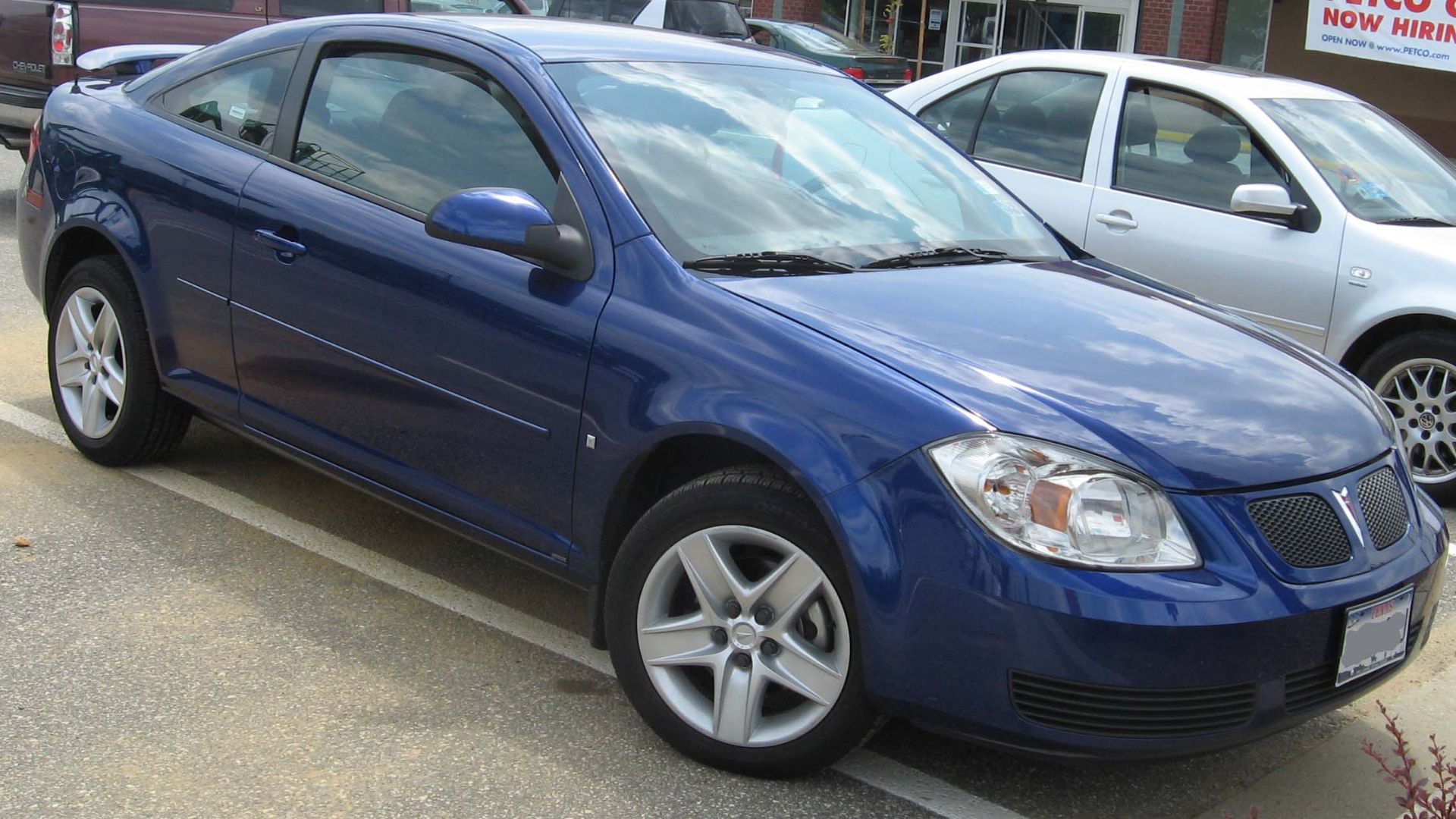
Consider the G5. Introduced in the U.S. for 2007, it was essentially a Chevrolet Cobalt coupe with Pontiac identification and styling changes. It gave dealers an affordable car to sell, but did little to establish a separate identity. Compare that with the original GTO's impact, and the distance Pontiac had traveled becomes painfully clear.
Then The G8 Got It Right
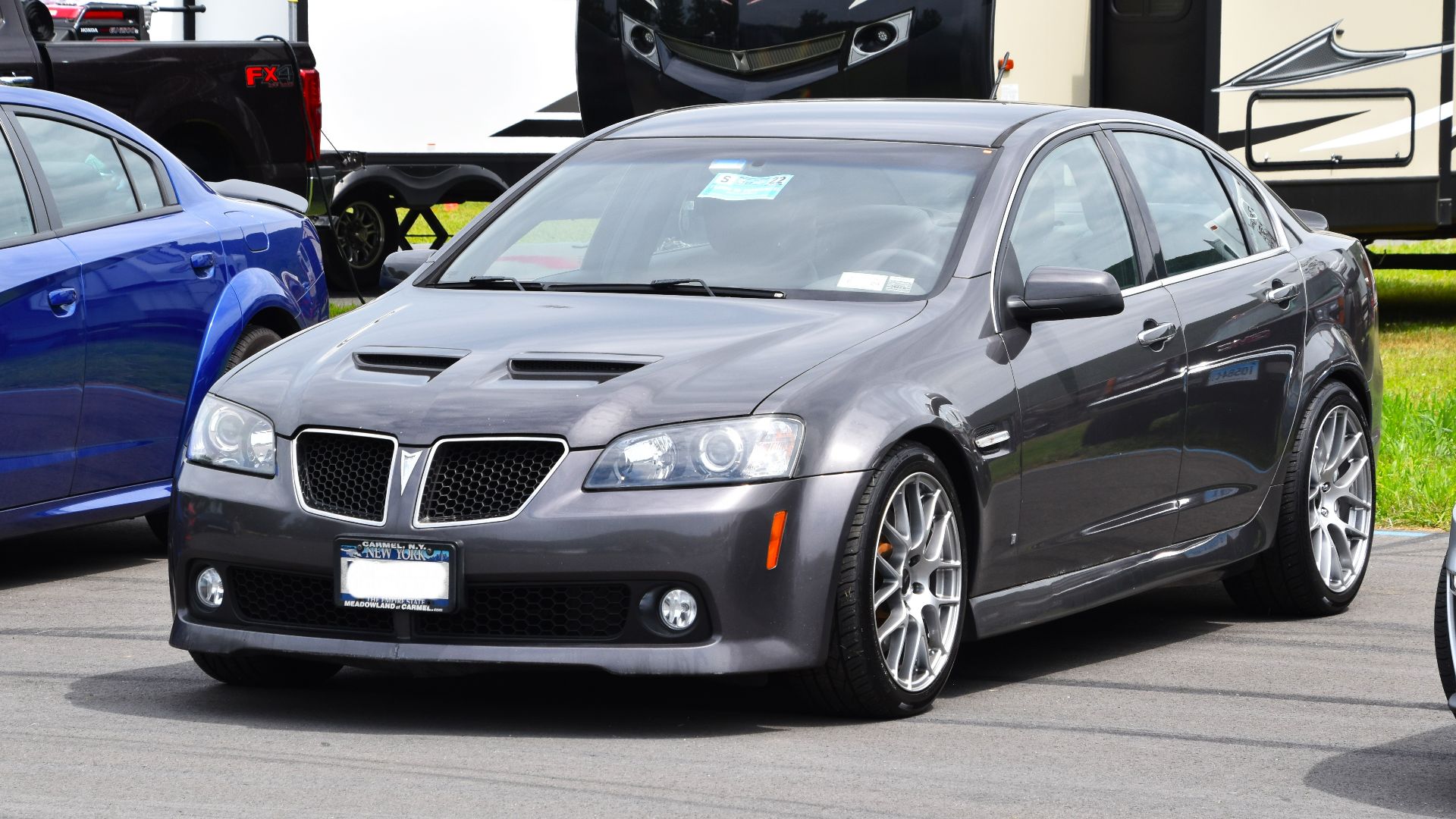
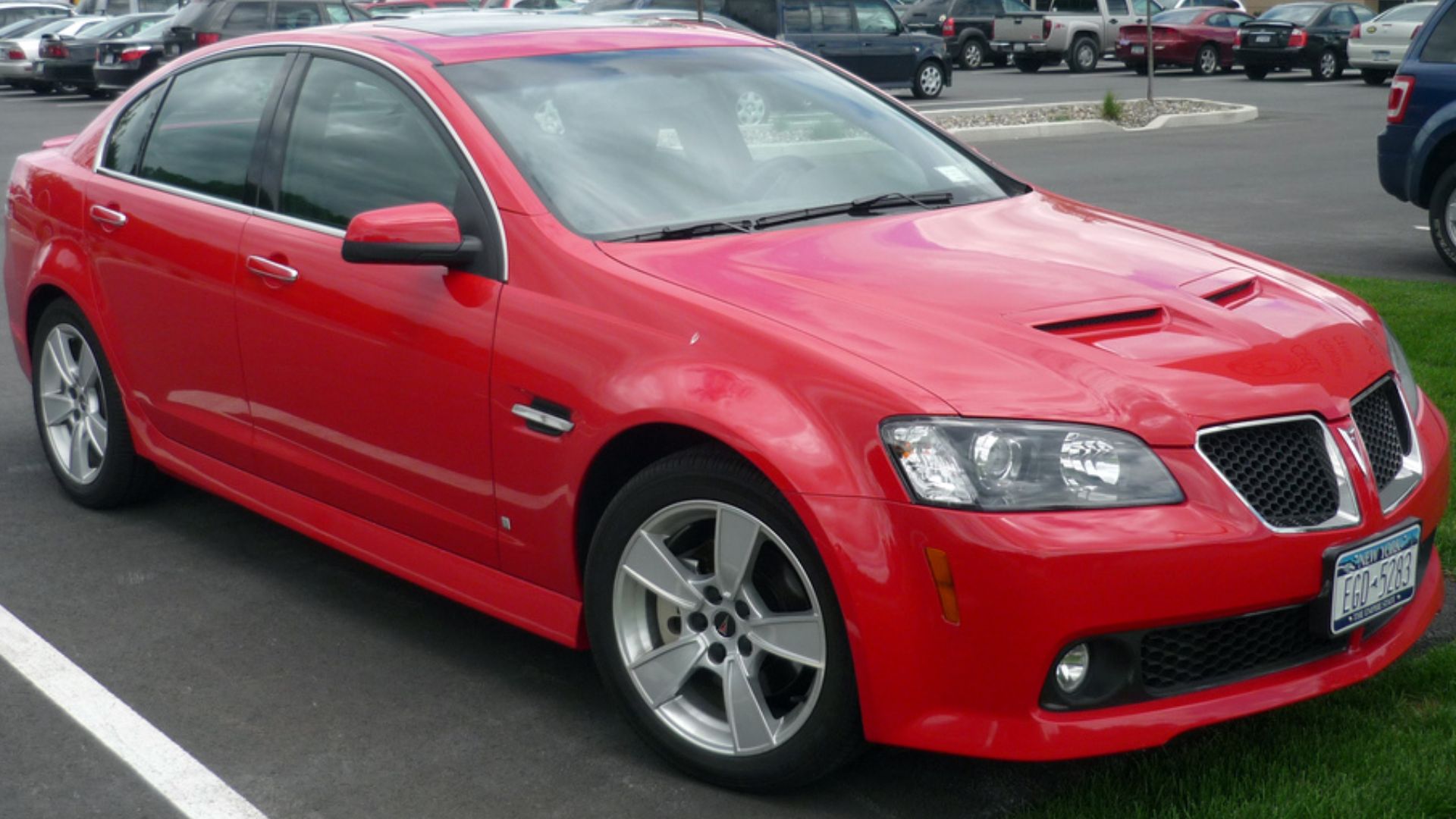
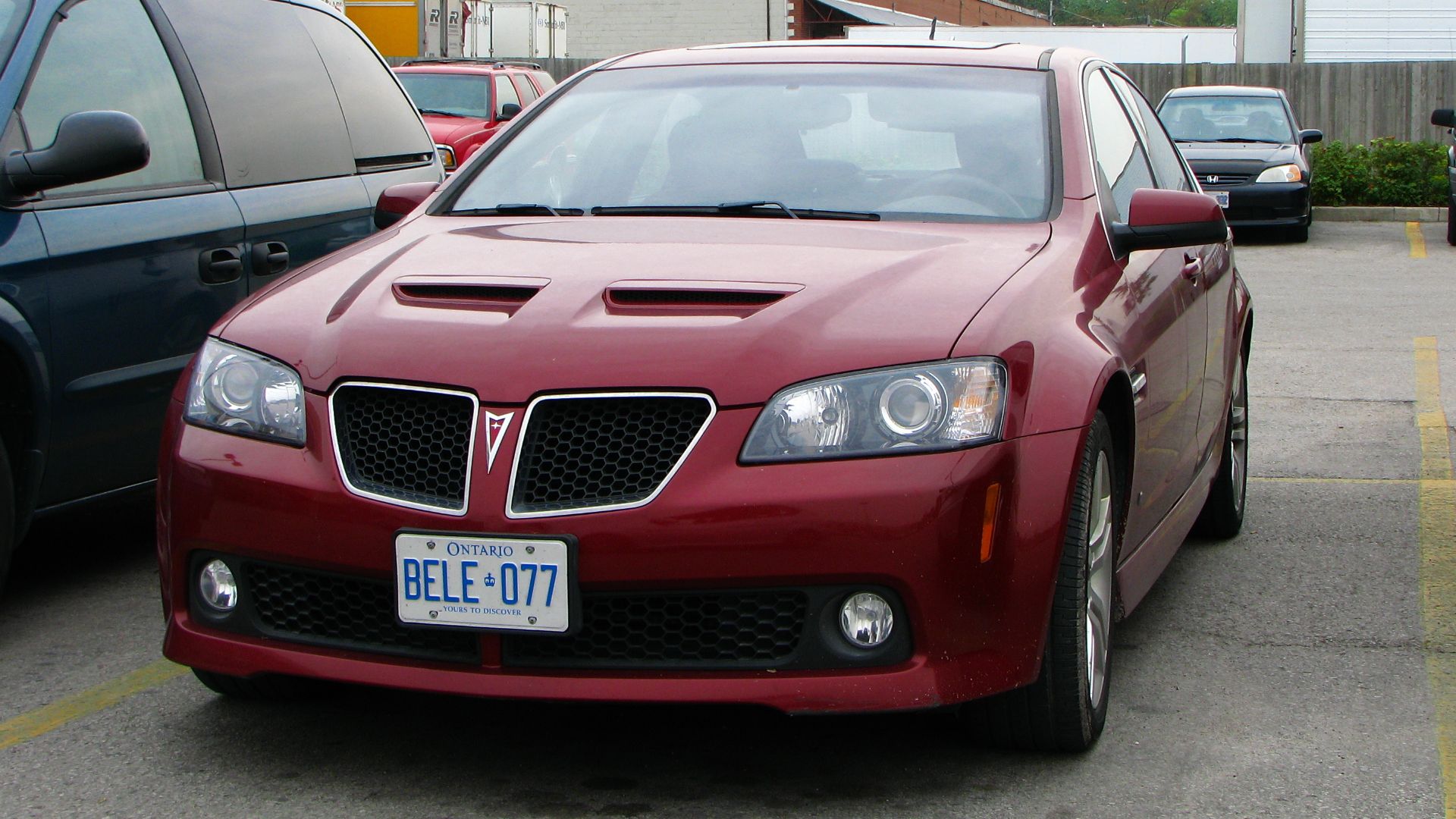
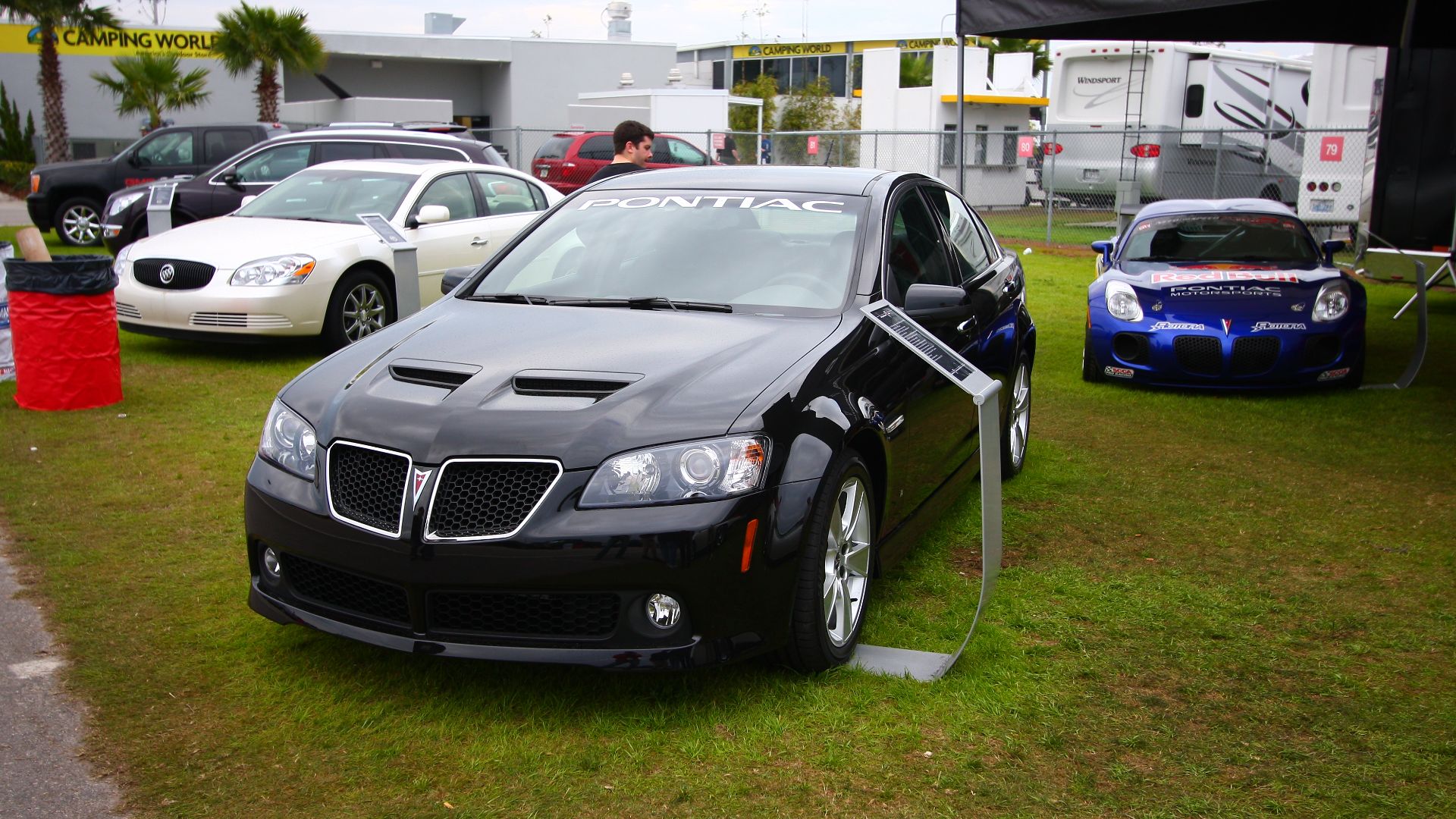
For 2008, Pontiac introduced the Australian-built G8, a rear-wheel-drive sedan with available V8 power. Reviewers praised its handling and performance. It was practical enough for everyday life and interesting enough to make enthusiasts care. Pontiac finally had a convincing answer to what a modern performance sedan wearing its badge could be.
 Charles from Port Chester, New York, Wikimedia Commons
The Numbers Were Still Going The Wrong Way
One promising sedan couldn't restore Pontiac's old sales strength. In 2008, the brand sold 267,348 vehicles in the United States, less than a third of its 1968 total. There were still plenty of buyers. There just weren't enough to give Pontiac the importance it once had inside an increasingly troubled company.
 Jason Lawrence, Wikimedia Commons
GM Had A Much Bigger Emergency
General Motors reported a $30.9 billion net loss for 2008 as the financial crisis battered the industry. The company needed government help and a plan to survive. Under those conditions, another interesting Pontiac wasn't going to settle the argument. Every brand represented future spending, and GM was running out of room to keep spending.

At First, Pontiac Still Had A Place
In February 2009, GM's restructuring plan kept Pontiac alive as a more focused brand with fewer models. It would remain within the Buick-Pontiac-GMC sales channel. Fans could reasonably hope that a smaller Pontiac might concentrate on cars like the G8. The plan still allowed that possibility. It wouldn't last.
 Michael Gil from Calgary, AB, Canada, Wikimedia Commons
Two Months Later, That Changed
On April 27, 2009, GM announced that Pontiac would be phased out by the end of 2010. Chevrolet, Cadillac, Buick, and GMC would be the four core U.S. brands. Pontiac's future had changed from a smaller lineup to no lineup at all. The name that survived decades of upheaval had finally run out of chances.
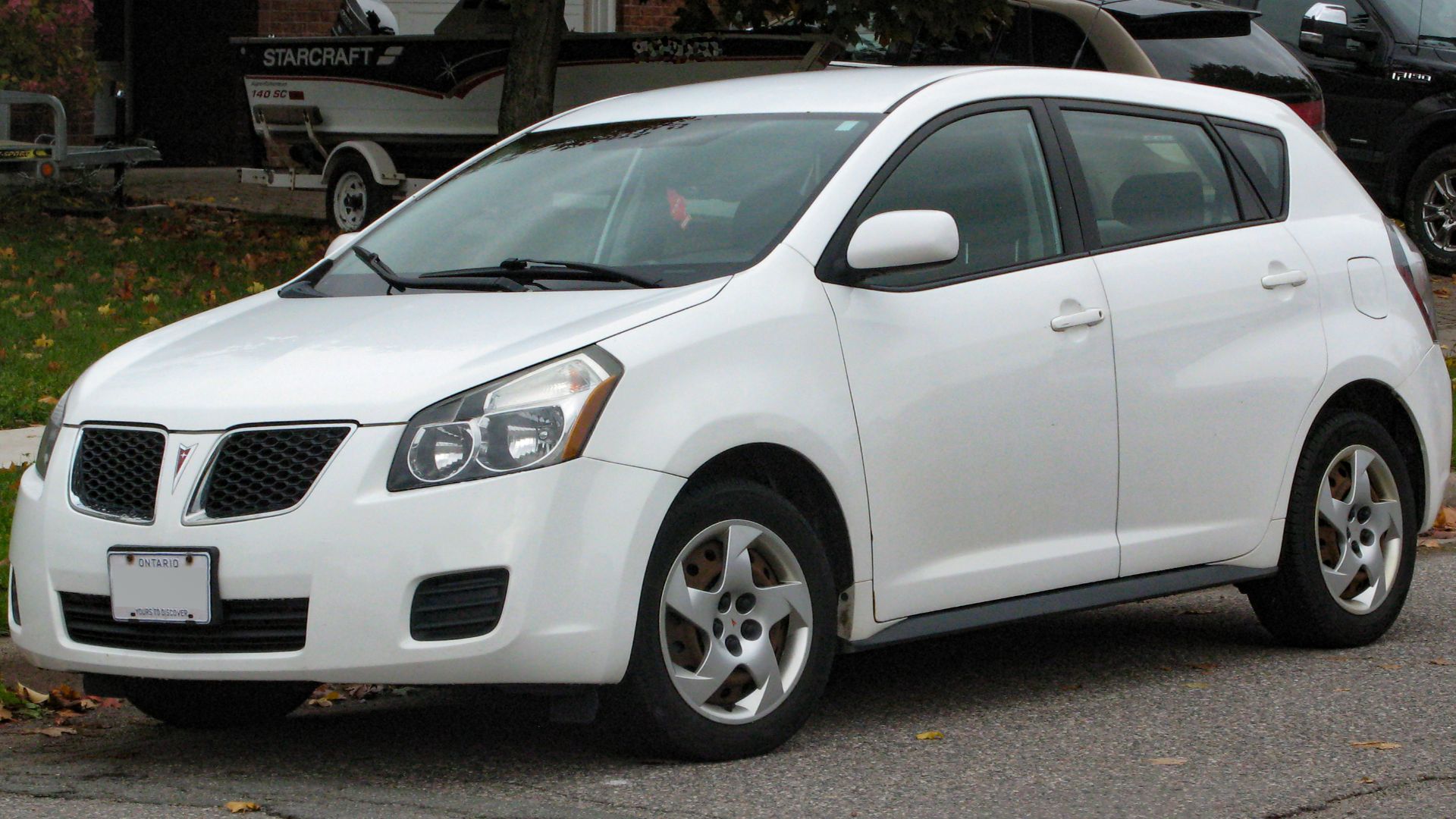
Why Did Buick Get To Stay?
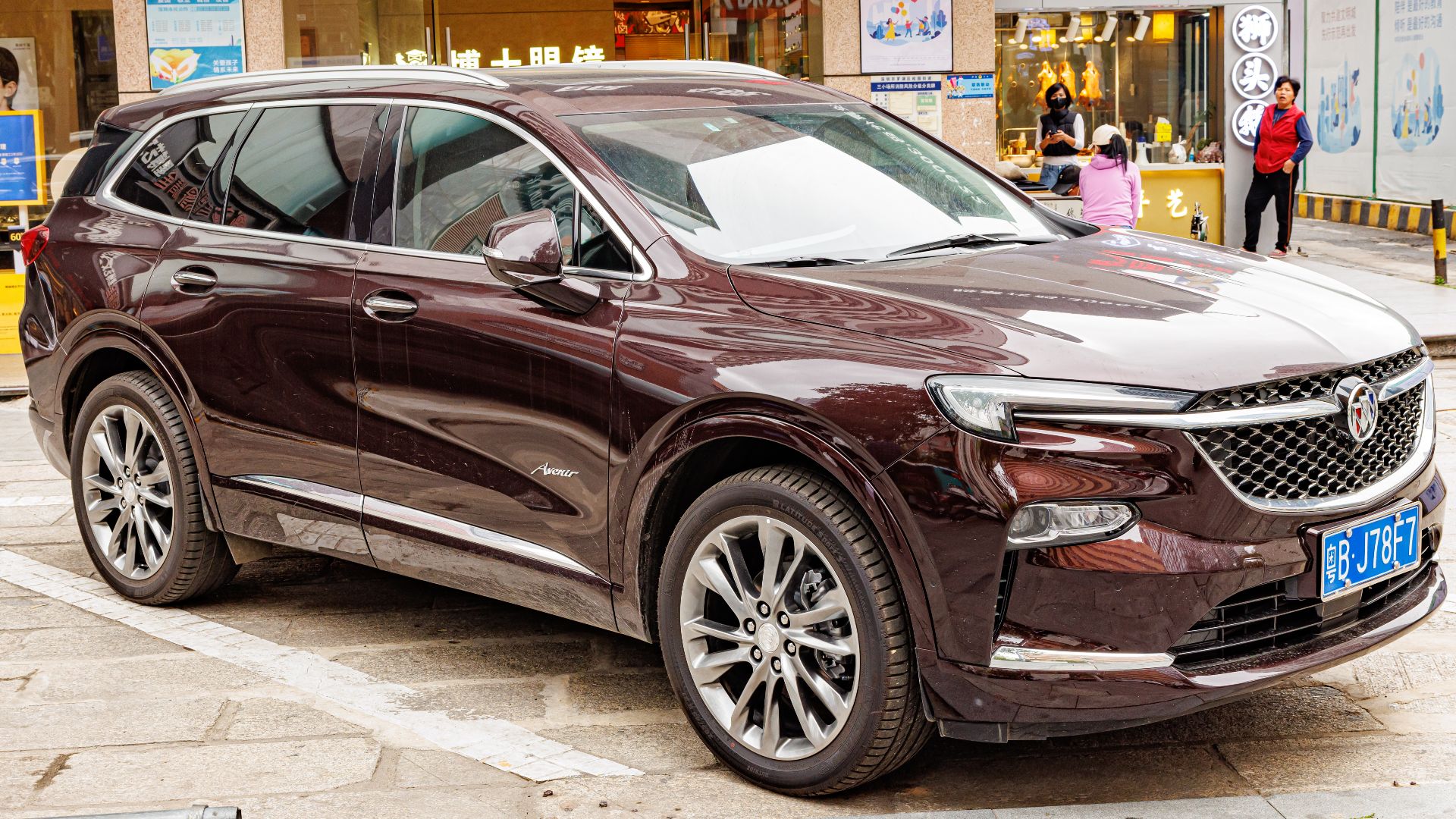
American sales alone didn't explain the choices. Pontiac outsold Buick in the United States in 2008, but Buick had a valuable position in China, giving GM a reason to keep investing in it. Pontiac's larger U.S. sales total couldn't settle the argument. The company was deciding where it saw a future, beyond American showrooms.
 Dinkun Chen, Wikimedia Commons
GM Said It Couldn't Fund The Comeback
GM explained that it hadn't found a Pontiac strategy it believed could succeed with the resources available. There wasn't enough money for the vehicles and marketing needed to make the plan work. For fans, that was especially bitter. Pontiac had promising cars again, just as its parent decided it couldn't afford to rebuild the brand.
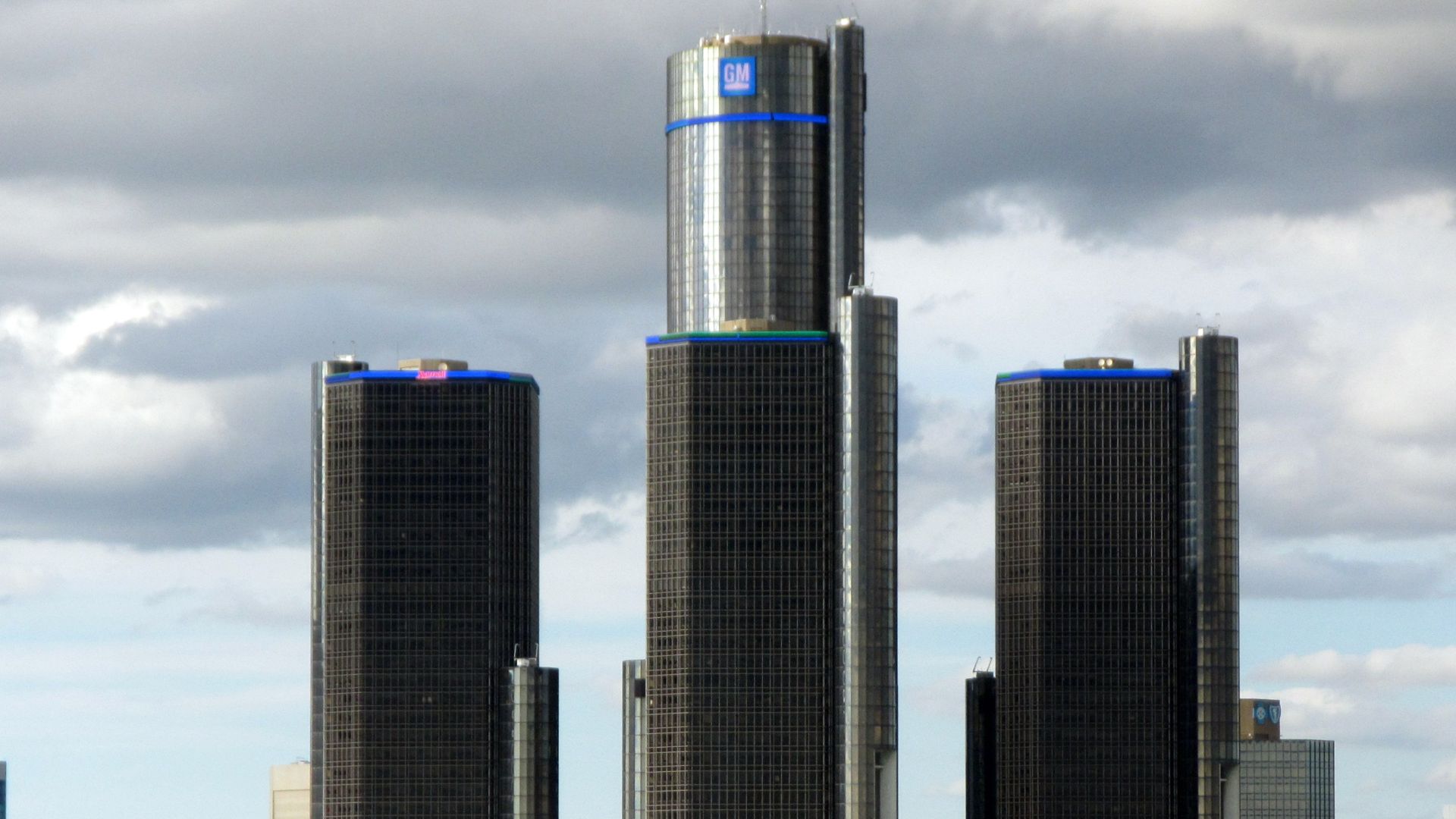
The Bankruptcy Came After The Decision
General Motors filed for Chapter 11 protection on June 1, 2009, more than a month after announcing Pontiac's fate. Pontiac didn't file a separate bankruptcy as an independent car company. Its parent was being restructured, and Pontiac was among the brands being removed as GM tried to build a smaller business that could survive.

An 84-Year Run Came To An End
The announcement didn't instantly empty the showrooms. Dealers sold remaining inventory as Pontiac wound down, and its U.S. dealer agreements expired on October 31, 2010. Eighty-four years after the first Pontiacs appeared, the brand's run was over. The decision belonged to 2009. The final goodbye stretched into the following year.
 Hryshchyshen Serhii, Shutterstock
The Good Cars Make It Harder To Accept
If Pontiac had ended with nothing worth buying, the story would be easier to explain. Instead, the Solstice and G8 gave enthusiasts reasons to believe the brand still had something left. Their arrival showed what Pontiac could offer. It couldn't undo years of lost identity or rescue a parent company facing a financial emergency.
 MercurySable99, Wikimedia Commons
People Kept The Cars They Cared About
Pontiac ended with cars worth remembering and owners who still cared. What it no longer had was a parent company willing to give it another chance.
 Original uploader was Alexdi at en.wikipedia, Wikimedia Commons
You Might Also Like:
Forgotten 1970s Follow-Ups To Famous Cars—Honestly, Do You Remember Even 3 Of These Vehicles?