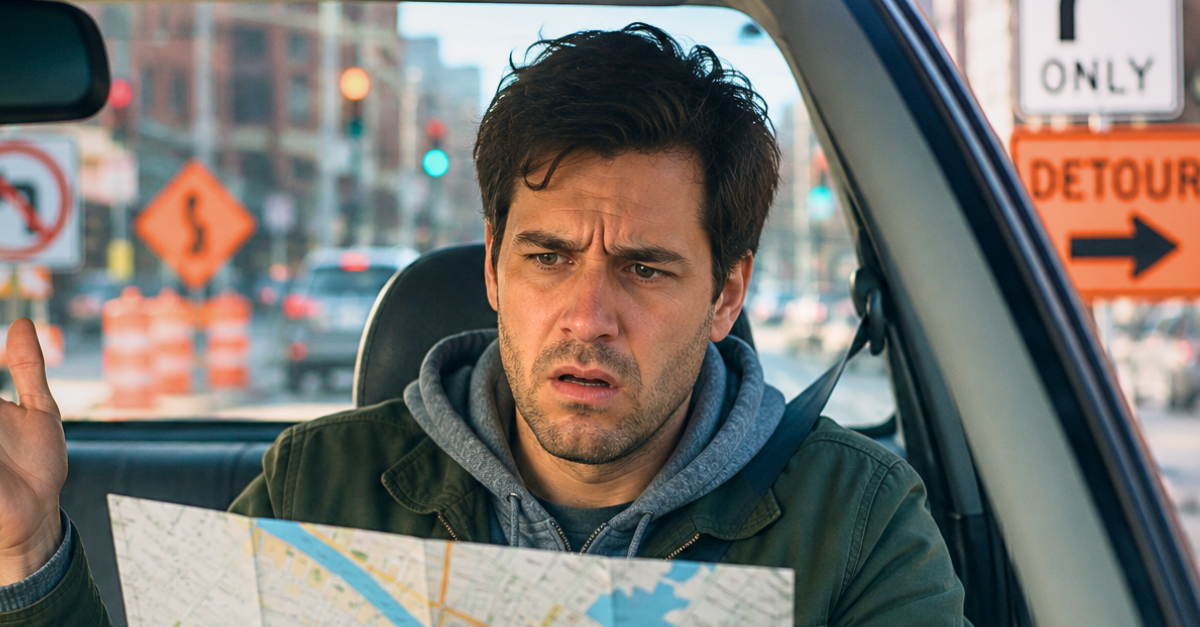
Change Can Feel Chaotic.
A redesigned street may eventually reduce crashes or improve transit, but those benefits do not excuse unclear signs, surprise lane shifts, or intersections that drivers cannot understand. The real test is whether the confusion fades as people adjust or exposes flaws the city needs to correct.
Confusion Is A Safety Issue
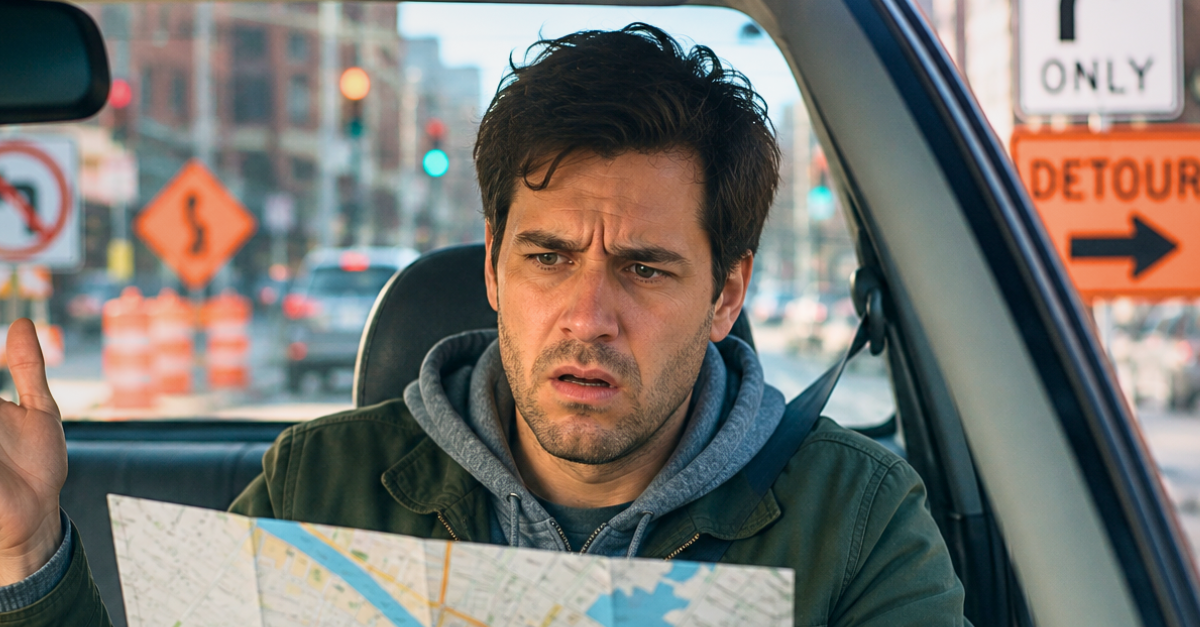
Drivers usually rely on familiar patterns and expectations rather than consciously analyzing every movement they make. Federal Highway Administration guidance recognizes that roadway design should account for human capabilities, limitations, and expectations. When a familiar route suddenly changes, drivers need enough time and information to understand what comes next.

New Does Not Automatically Mean Worse
An unfamiliar pattern can feel less efficient even when it is designed to reduce serious crashes. Roundabouts, road diets, transit lanes, and protected intersections often require drivers to behave differently from the way they did before. The change should be judged through crash data, travel times, compliance, and observations rather than first impressions alone.
The Adjustment Period Is Real
Drivers can hesitate, brake suddenly, or choose the wrong lane while learning a redesigned street. Research on roundabouts has found that public support often rises after people gain experience using them. At two Washington intersections, support for double-lane roundabouts increased from 34 percent before construction to 70 percent one year afterward.

Predictability Matters More Than Novelty
Good street design should make permitted movements feel obvious before a driver reaches the decision point. NACTO recommends designing intersections so movements are safe, intuitive, and predictable for everyone using the street. A redesign that depends on last-second interpretation is falling short, even if its underlying concept is sound.

Signs Must Arrive Before The Decision
Drivers need warning before they are committed to the wrong lane. The federal Manual on Uniform Traffic Control Devices establishes standards for regulatory signs, warning signs, guide signs, signals, and pavement markings. Directional arrows and lane-assignment information can guide drivers, but they must be placed where motorists still have time to respond.
More Signs Can Still Create Confusion
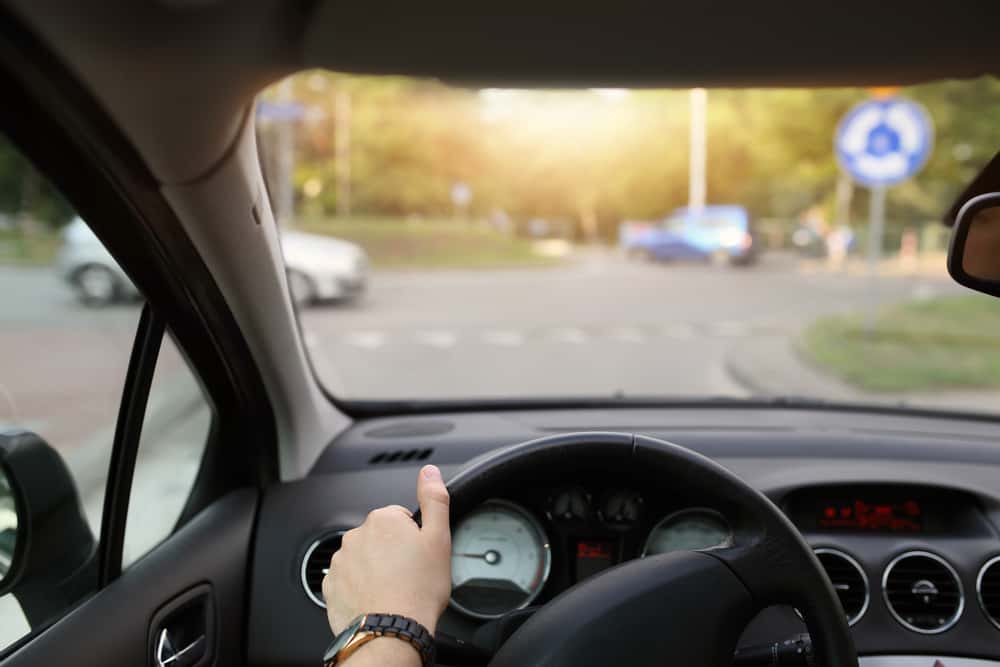
Installing extra signs does not automatically make an intersection easier to understand. Drivers have limited time to read, interpret, and act on several messages while also watching traffic and pedestrians. Information should be prioritized so the most important restriction or lane assignment is immediately apparent.

Faded Old Lines Make Matters Worse
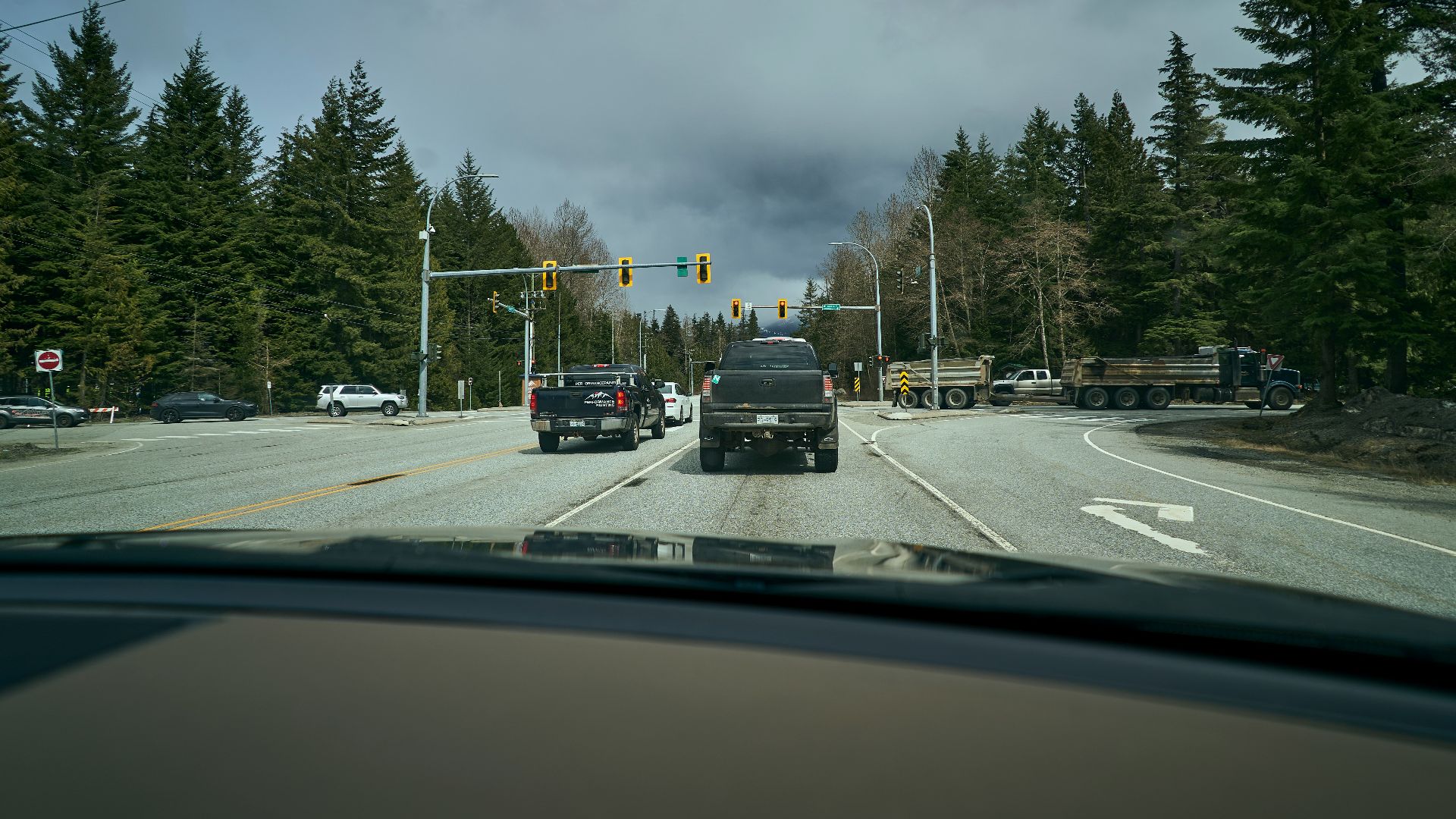
Temporary traffic changes sometimes leave visible traces of the previous lane arrangement. Drivers can follow old pavement scars, faded arrows, or partially removed markings instead of the new path. Clear markings are particularly important at night, during rain, and wherever lanes shift unexpectedly.
 Ashwini Chaudhary(Monty), Unsplash
Road Diets Often Look Like Lost Capacity
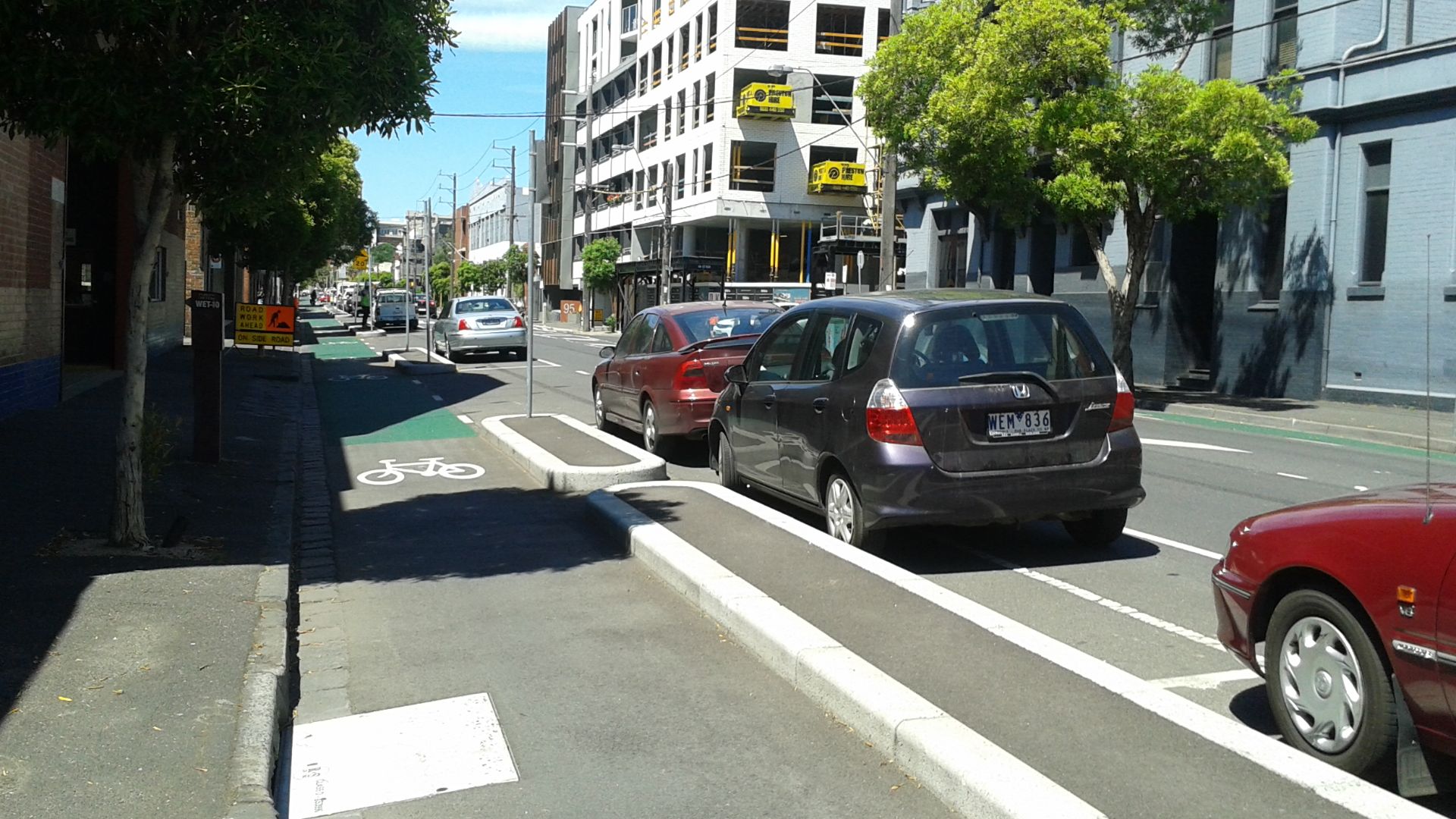
A common road diet converts four undivided travel lanes into two through lanes with a center turn lane. To drivers, the project can initially look like the city simply removed half the road. FHWA says the arrangement can reduce conflicts involving left-turning vehicles, lower speeds, shorten pedestrian crossings, and create room for bicycle lanes or other uses.
 Philip Mallis, Wikimedia Commons
Fewer Lanes Can Produce Smoother Movement
On a four-lane undivided street, one vehicle waiting to turn left can block a travel lane and trigger sudden lane changes. A center turn lane moves that vehicle out of the through-traffic stream. Under suitable traffic conditions, the redesigned street may therefore operate more predictably despite having fewer through lanes.

Road Diets Do Not Belong Everywhere
FHWA warns that road diets may not be appropriate or feasible on every corridor. Traffic volume, peak-hour demand, turning movements, transit service, freight activity, nearby roads, and access needs all affect whether the design will work. A city should analyze those conditions rather than treating lane removal as a universal solution.

Roundabouts Feel Strange For A Reason
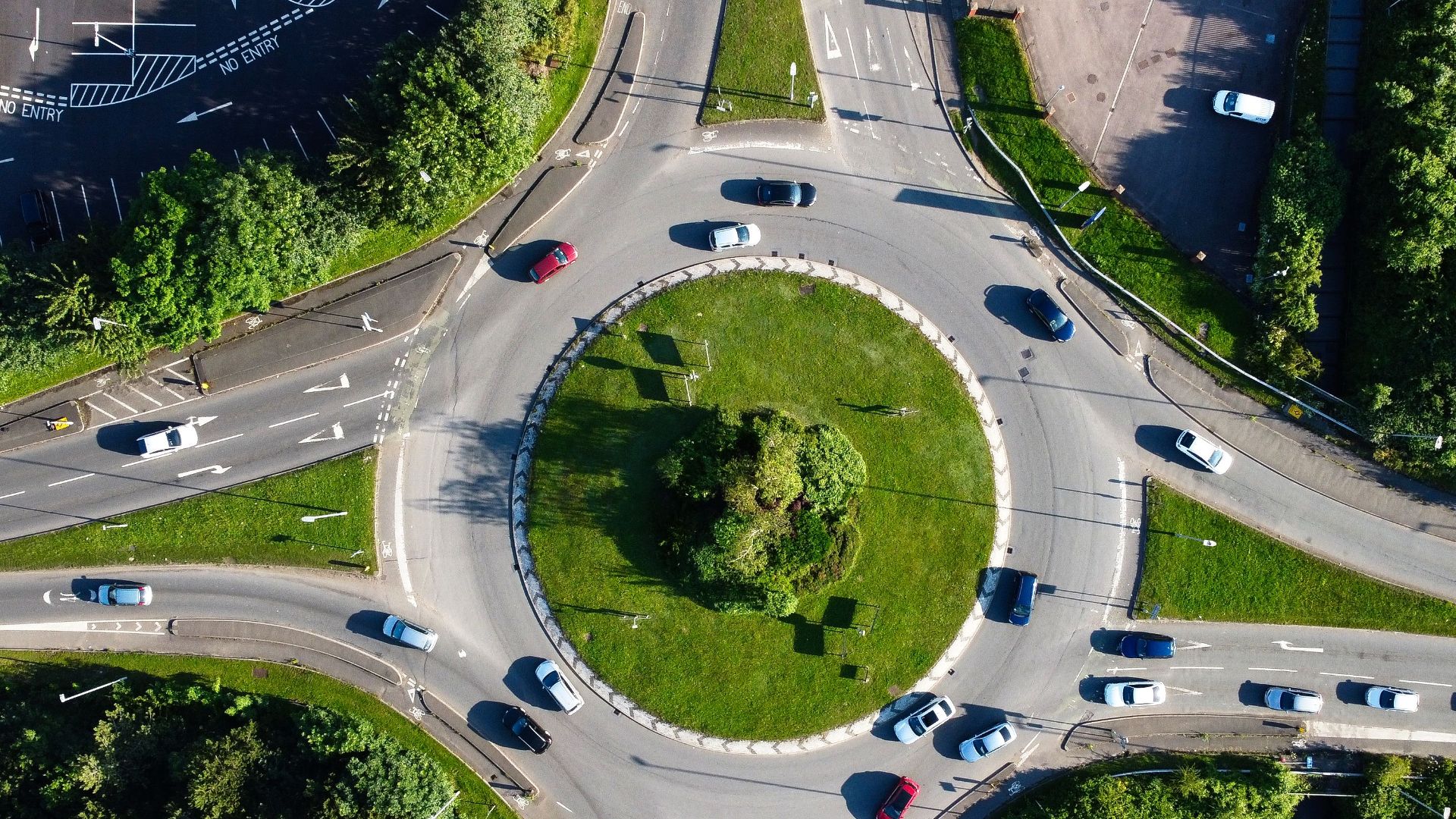
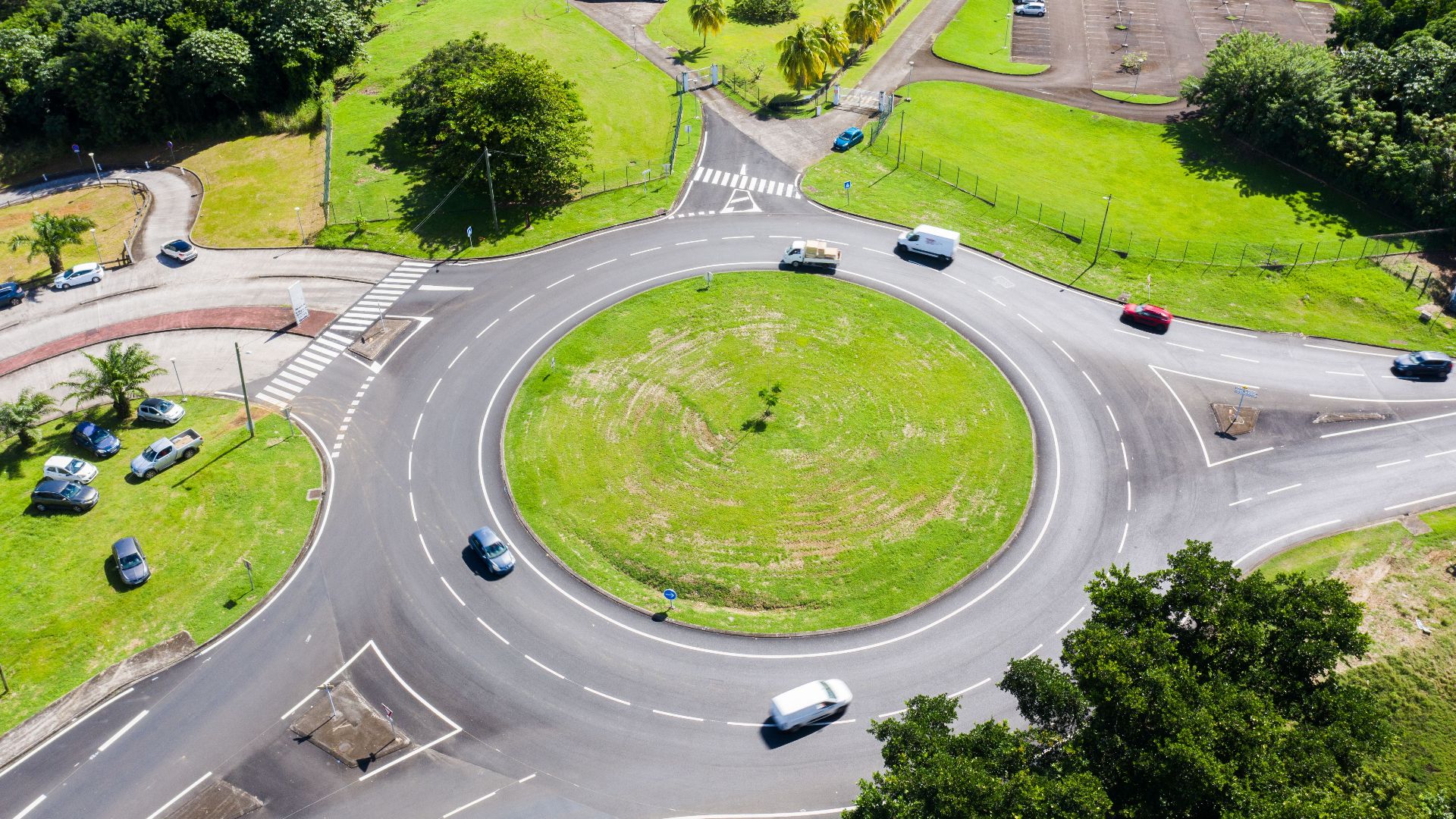
A modern roundabout requires approaching drivers to slow down, yield to circulating traffic, and travel counterclockwise around a central island. That sequence differs from the familiar stop-and-go rhythm of a signalized intersection. The curved approach is intentional because it reduces speeds and prevents the most dangerous crossing movements.
Their Safety Record Is Strong
FHWA classifies roundabouts as a proven safety countermeasure. The agency reports that lower speeds and fewer conflict points substantially reduce crashes resulting in serious injury or death. An Insurance Institute for Highway Safety study of 24 converted intersections found a 38 percent reduction in all crashes and a 76 percent reduction in injury crashes.

Multilane Roundabouts Demand More Preparation
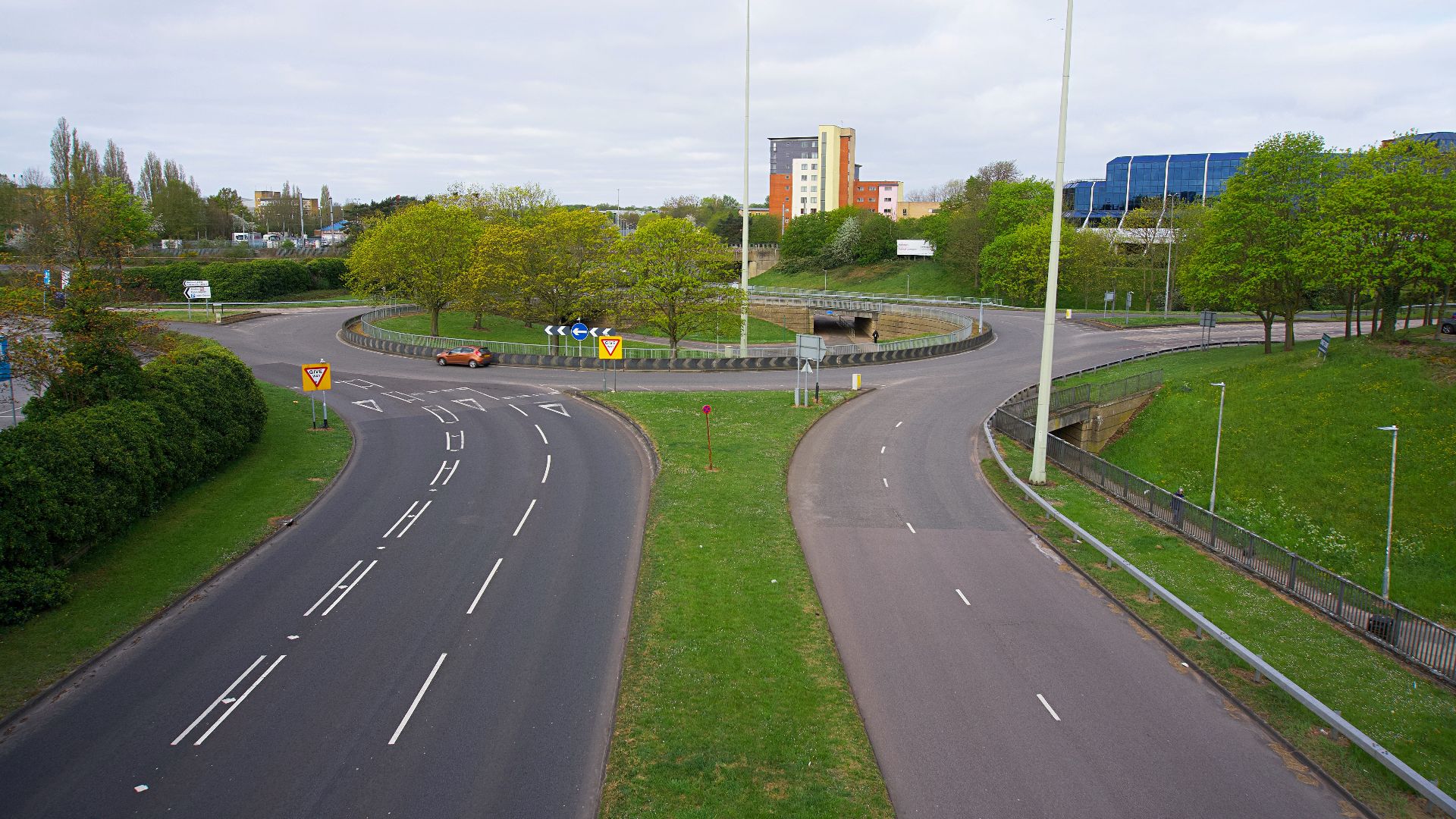
A single-lane roundabout usually requires one main decision: when to yield and enter. A multilane version also requires drivers to choose the correct lane before entering and remain in that lane through the circle. Poor advance signs or unclear pavement arrows can turn a sound design into a stressful series of sudden merges.
Lane Choice Must Be Settled Early
Drivers should not enter a multilane roundabout and then weave across lanes to reach an exit. Lane-assignment signs and arrows should show which lane serves each destination before the yield line. Cities can also publish diagrams and instructional videos before opening an unfamiliar intersection.

Bus Lanes Change Old Habits
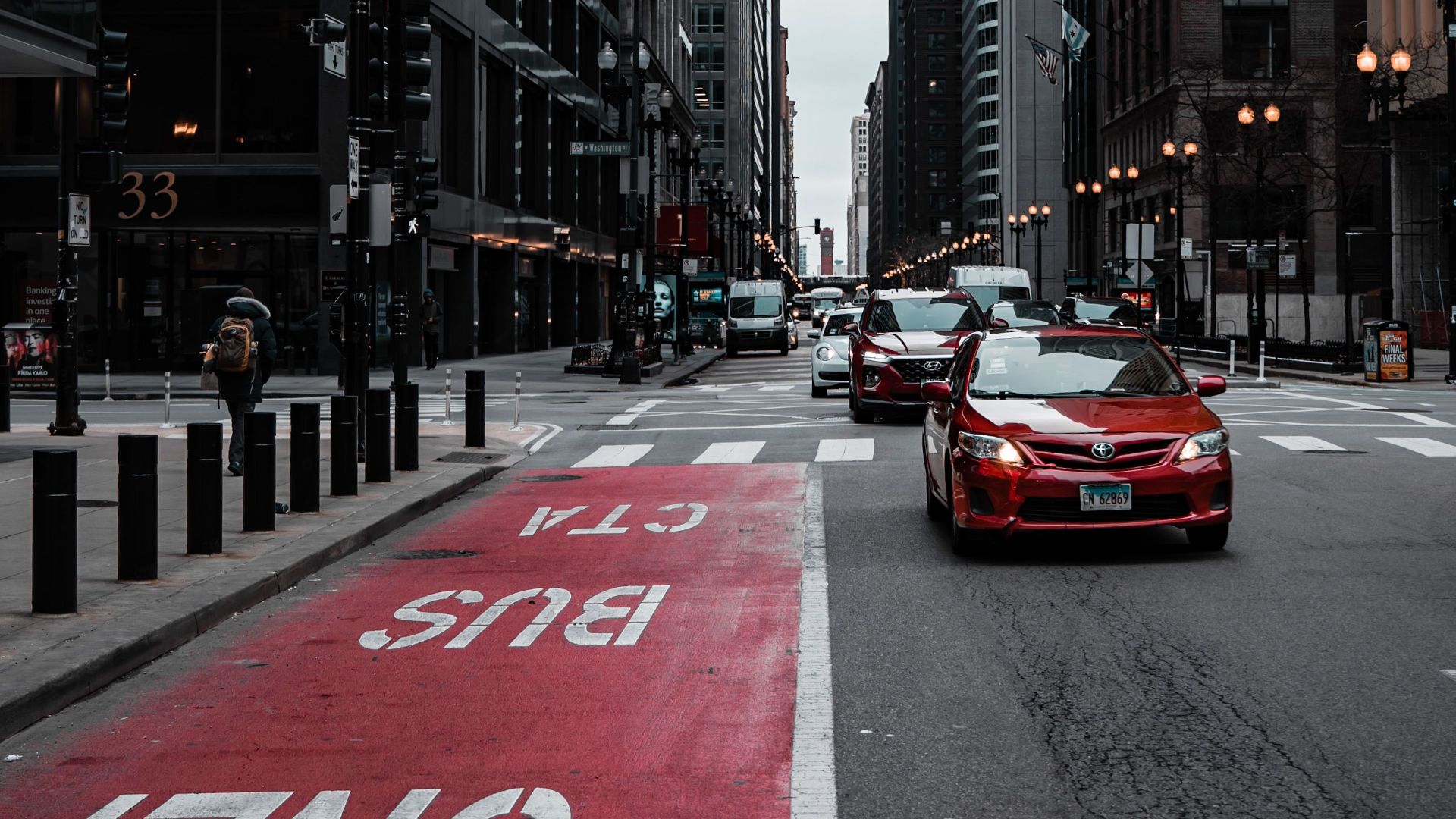
Dedicated transit lanes are intended to prevent buses from being trapped in general congestion. NACTO says they are typically considered on busy routes where traffic significantly affects reliability. Drivers still need unmistakable markings showing where they may enter the lane to turn, load passengers, or access a driveway.
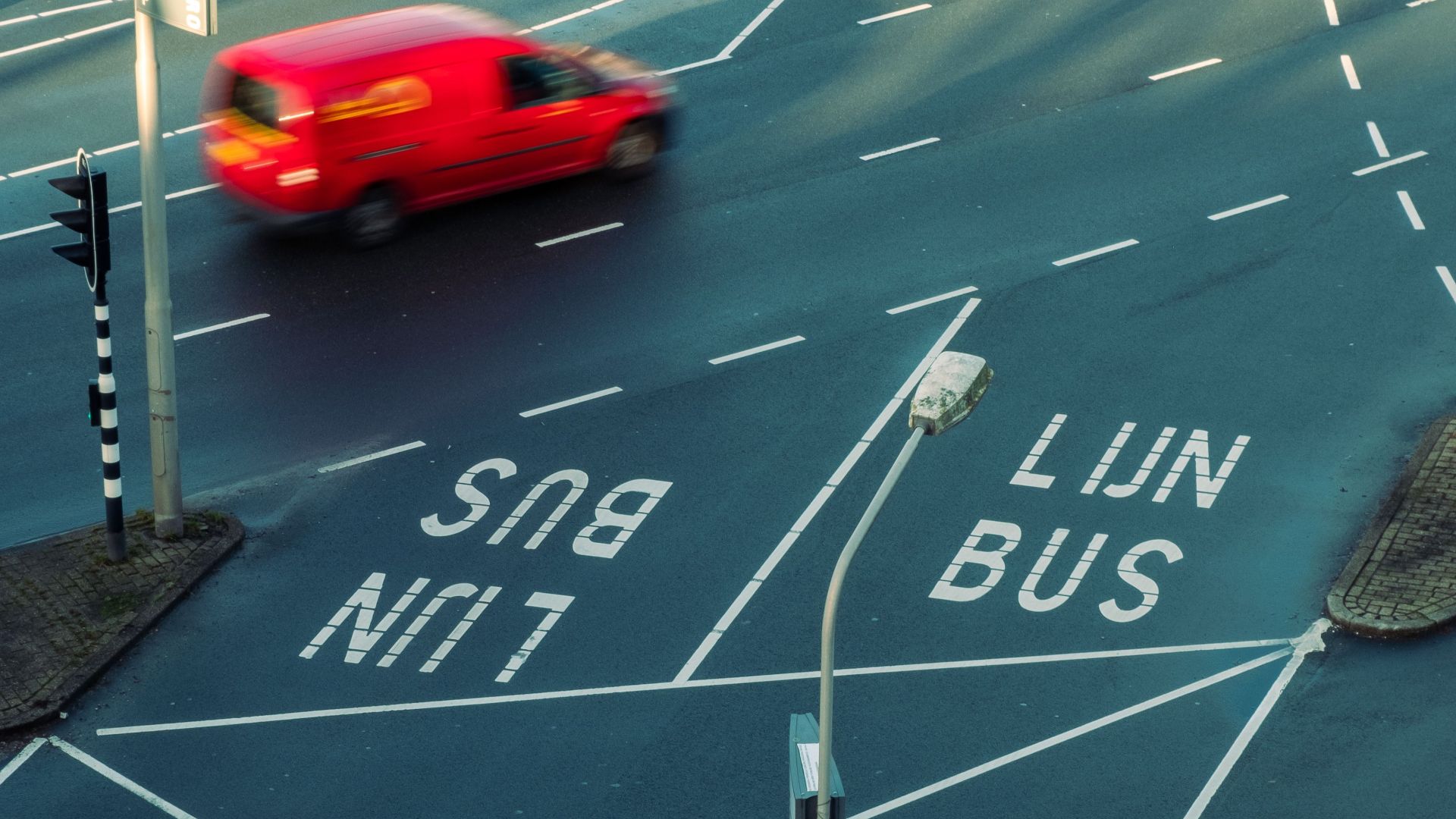
Enforcement Determines Whether They Work
A bus lane cannot improve service when it becomes a parking lane or a shortcut for other vehicles. NACTO notes that enforcement is necessary for dedicated median bus lanes to remain effective. Cities should pair restrictions with consistent signs, pavement color, public education, and fair enforcement.
Protected Bike Lanes Change Turning Rules
Separating bicycle traffic from moving vehicles can reduce exposure along a block, but intersections require special care. Drivers may need to wait for a turn signal, yield across a bicycle crossing, or turn from a position farther from the curb than before. NACTO recommends combining geometry and signal timing so movements remain comfortable and predictable.

Signal Changes Can Feel Like Malfunctions
A redesigned signal may delay a left turn or hold turning vehicles while pedestrians and cyclists receive a protected phase. To a driver unfamiliar with the sequence, the extra wait can look unnecessary. Separate phases are often used to prevent conflicting movements from entering the intersection at the same time.

Pedestrians May Get A Head Start
A leading pedestrian interval gives people on foot a walk signal before parallel vehicle traffic receives a green light. This allows pedestrians to establish themselves in the crosswalk before drivers begin turning. The timing can surprise motorists, but the brief delay is meant to improve pedestrian visibility and reduce conflicts.
Shorter Corners Can Slow Turns
Curb extensions narrow the roadway at a crossing and reduce the distance pedestrians spend in vehicle lanes. They can also encourage drivers to turn at lower speeds by creating a tighter corner. The design must still accommodate the vehicles that regularly use the route, including buses, delivery trucks, and emergency equipment.

Complex Intersections Need Simplification
Some intersections ask drivers to process several signals, angled approaches, turn restrictions, and crossings at once. NACTO recommends analyzing whether complex junctions can be divided into smaller and more understandable decision points. Adding another arrow or sign may not solve a layout that demands too many simultaneous choices.

Construction Can Hide The Final Logic
A traffic pattern introduced in stages may be harder to understand than the completed design. Barrels, temporary signals, unfinished islands, and missing final markings can make lanes appear to lead nowhere. Cities should distinguish temporary arrangements clearly and replace incomplete traffic controls as quickly as practical.
Older Drivers Need More Time
Age can affect vision, attention, information processing, and the speed with which a driver responds to an unfamiliar situation. Human-factors guidance used by transportation engineers specifically considers the needs and limitations of older road users. Clear advance notice and consistent designs help everyone, but they become especially important for drivers who need more time to decide.

Mistakes Should Not Become Disasters
The U.S. Department of Transportation’s Safe System Approach assumes that people will make errors. Streets should include layers of protection that keep a wrong turn, missed sign, or moment of hesitation from causing a fatal crash. Lower speeds, separation, simpler movements, and forgiving geometry can reduce the consequences of inevitable mistakes.

Public Education Should Begin Early
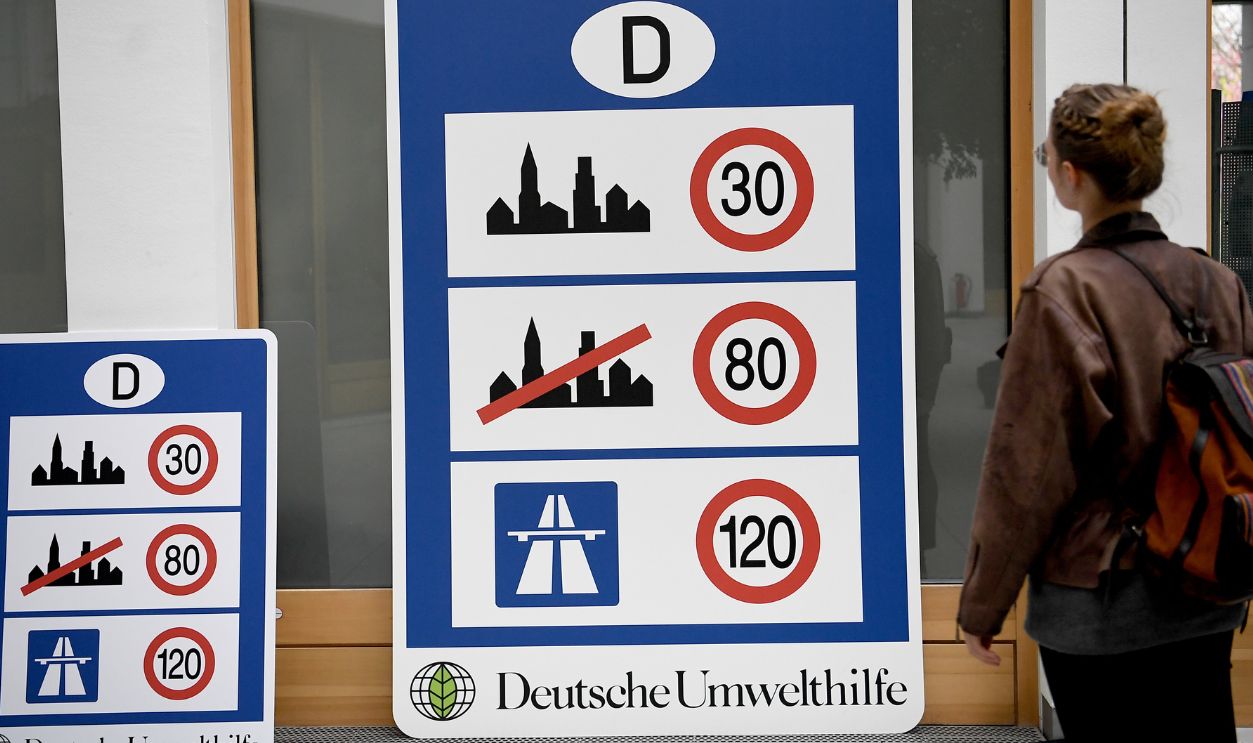
Cities should explain what is changing, why it is changing, and how drivers are expected to move through the new layout. FHWA includes public outreach and political considerations among the factors agencies should address when evaluating road diets. Maps, mailers, videos, roadside notices, and temporary ambassadors can prevent the first week from becoming an avoidable guessing game.
 picture alliance, Getty Images
Temporary Pilots Can Reveal Problems
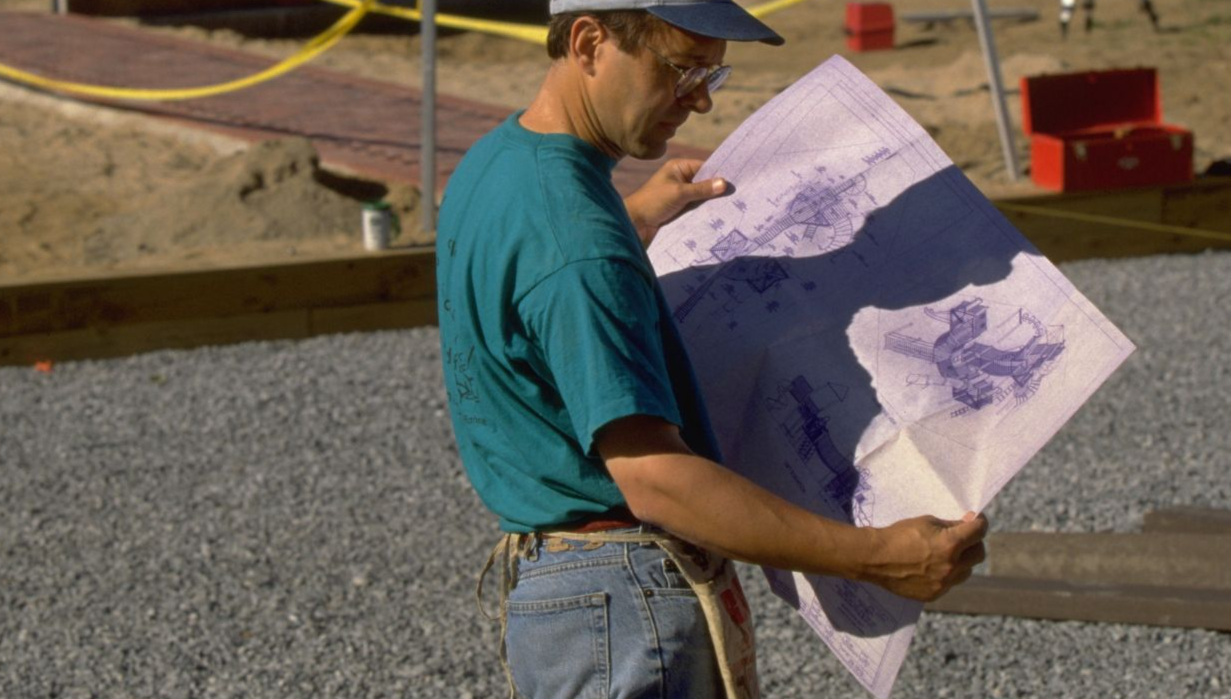
Some changes can be tested with paint, posts, signs, and temporary barriers before permanent concrete is installed. A pilot allows engineers to observe queues, turning behavior, compliance, pedestrian movements, and unexpected conflicts. It also gives residents something specific to evaluate rather than asking them to imagine a design from a technical drawing.
The City Must Measure What Happened
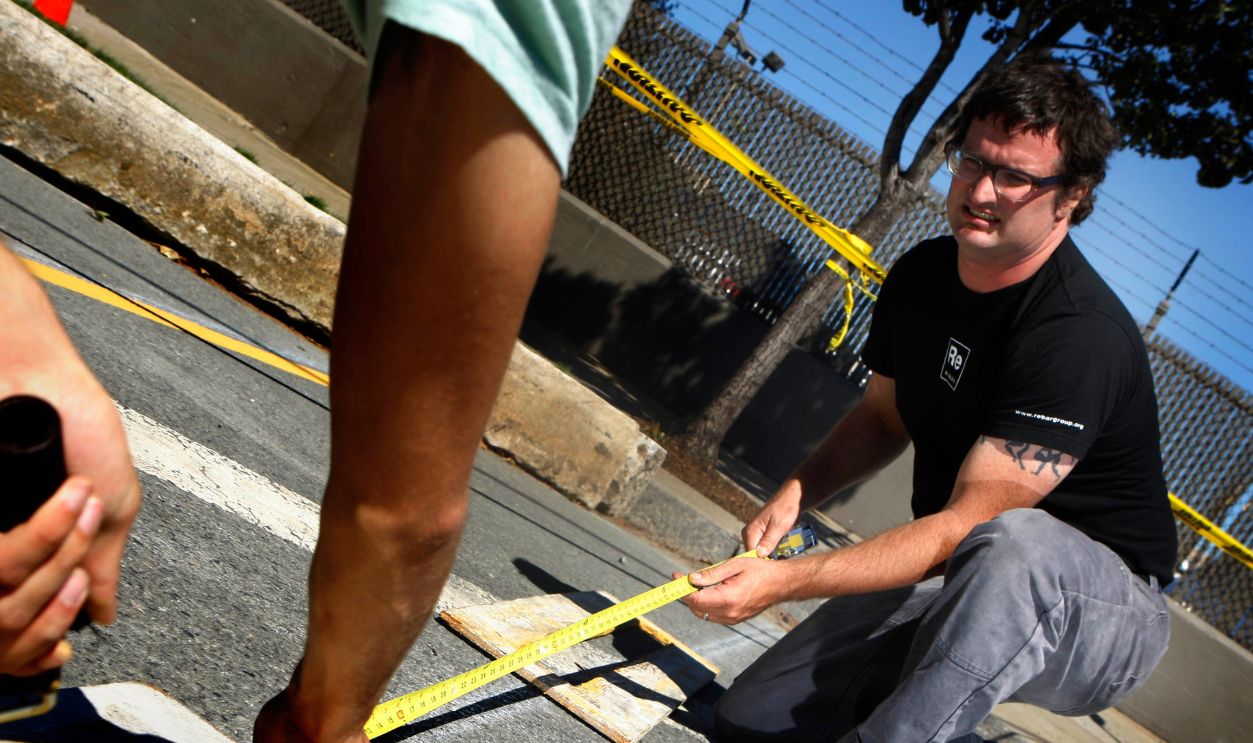
A redesign should not be declared successful merely because construction is complete. FHWA recommends before-and-after evaluation when determining whether a road diet achieved its goals. Useful measures can include crashes, speeds, travel times, queue lengths, transit reliability, pedestrian activity, and traffic diverted to nearby streets.
 San Francisco Chronicle, Getty Images
Early Complaints Should Be Investigated
Officials should not dismiss every complaint as resistance to change. Repeated wrong-way entries, abrupt lane changes, blocked intersections, or vehicles driving over barriers may reveal a genuine design or communication problem. Field observations can show whether drivers are slowly adapting or consistently misunderstanding the same feature.

Better Results Can Justify A Learning Curve
A short adjustment period may be reasonable when a redesign ultimately lowers dangerous speeds, reduces severe crashes, or moves more people reliably. It becomes harder to defend when confusion remains widespread, traffic controls remain inconsistent, or promised improvements never appear in the data. Patience should accompany evaluation, not replace it.

The Answer Depends On What Comes Next
A confusing rollout can temporarily make a street feel worse than the one it replaced. The city’s responsibility is to provide clear guidance, correct avoidable problems, and publish evidence showing whether the new pattern is meeting its goals. A safer design may deserve time, but no street should remain confusing simply because planners insist drivers will eventually figure it out.

You May Also Like:
Three Cars On The Verge Of Extinction
Floyd Mayweather's Car Collection
Sources: 1, 2, 3, 4, 5, 6, 7, 8, 9, 10, 11, 12, 13, 14, 15, 16, 17, 18, 19, 20, 21, 22, 23, 24, 25, 26, 27, 28, 29, 30, 3