When Your Dashboard Starts Playing Games
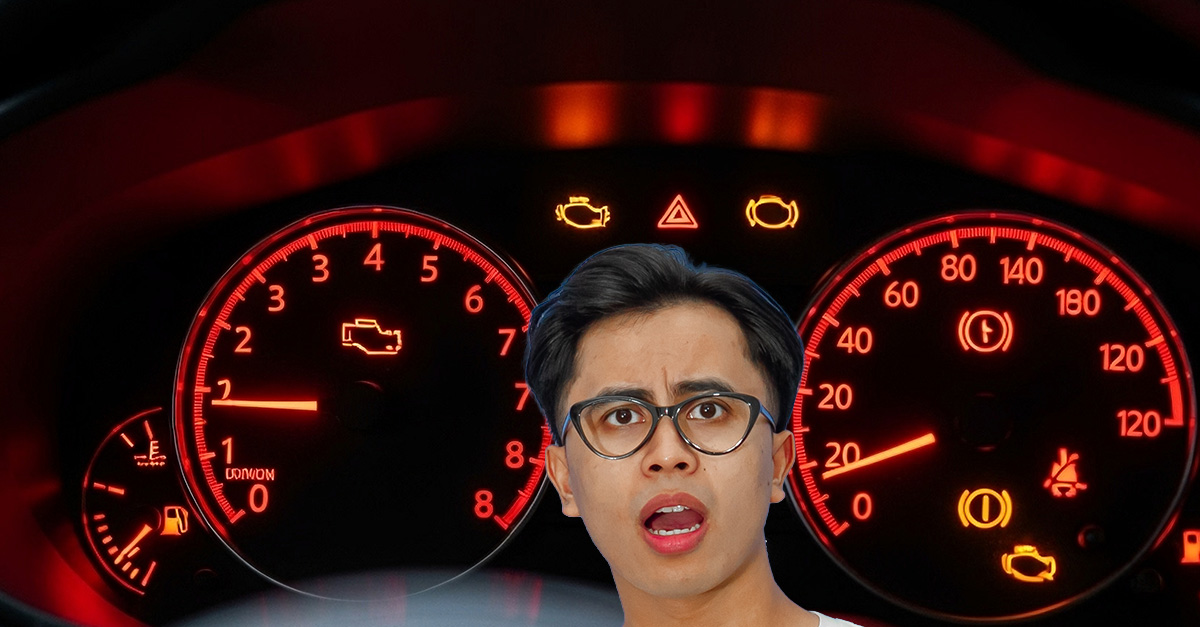
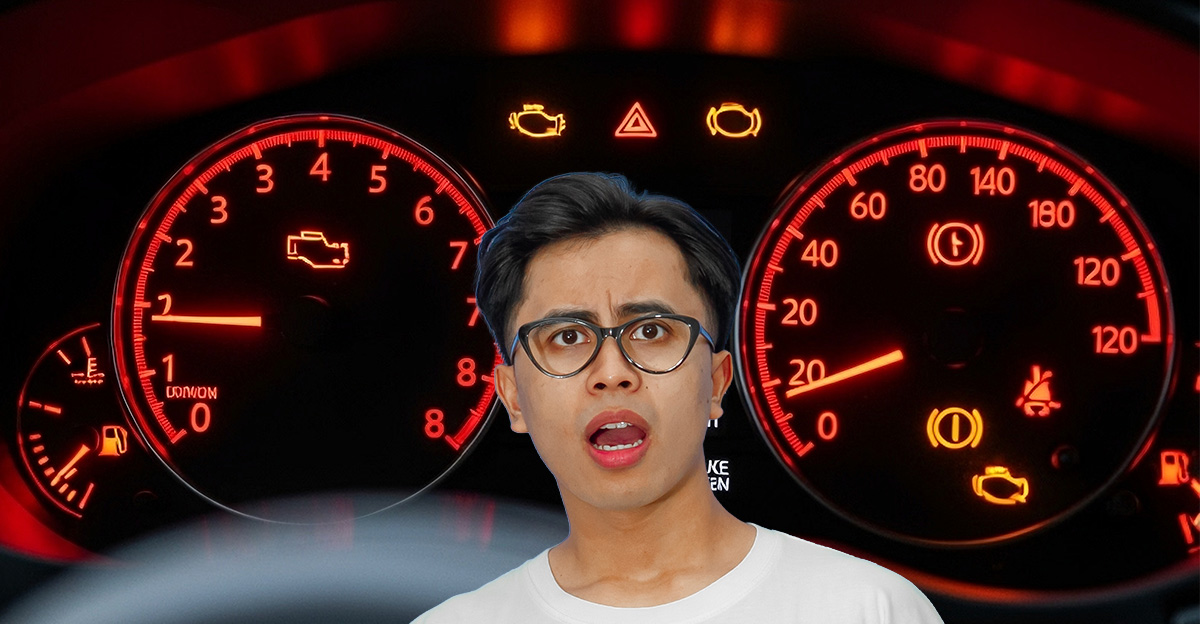
A warning light appears halfway to work, disappears before lunch, and returns three days later. Is your car falling apart, or just being dramatic? Unfortunately, disappearing lights are not automatically harmless. The trick is knowing which warnings require an immediate stop and which simply need an appointment.
 AN stockphotography, Shutterstock
Disappearing Does Not Mean Fixed
A light may switch off because the condition temporarily changed, not because the underlying problem repaired itself. Toyota advises that an occasional light may not signal a malfunction, but repeated appearances should be inspected. Think of it as your car whispering before it starts shouting.
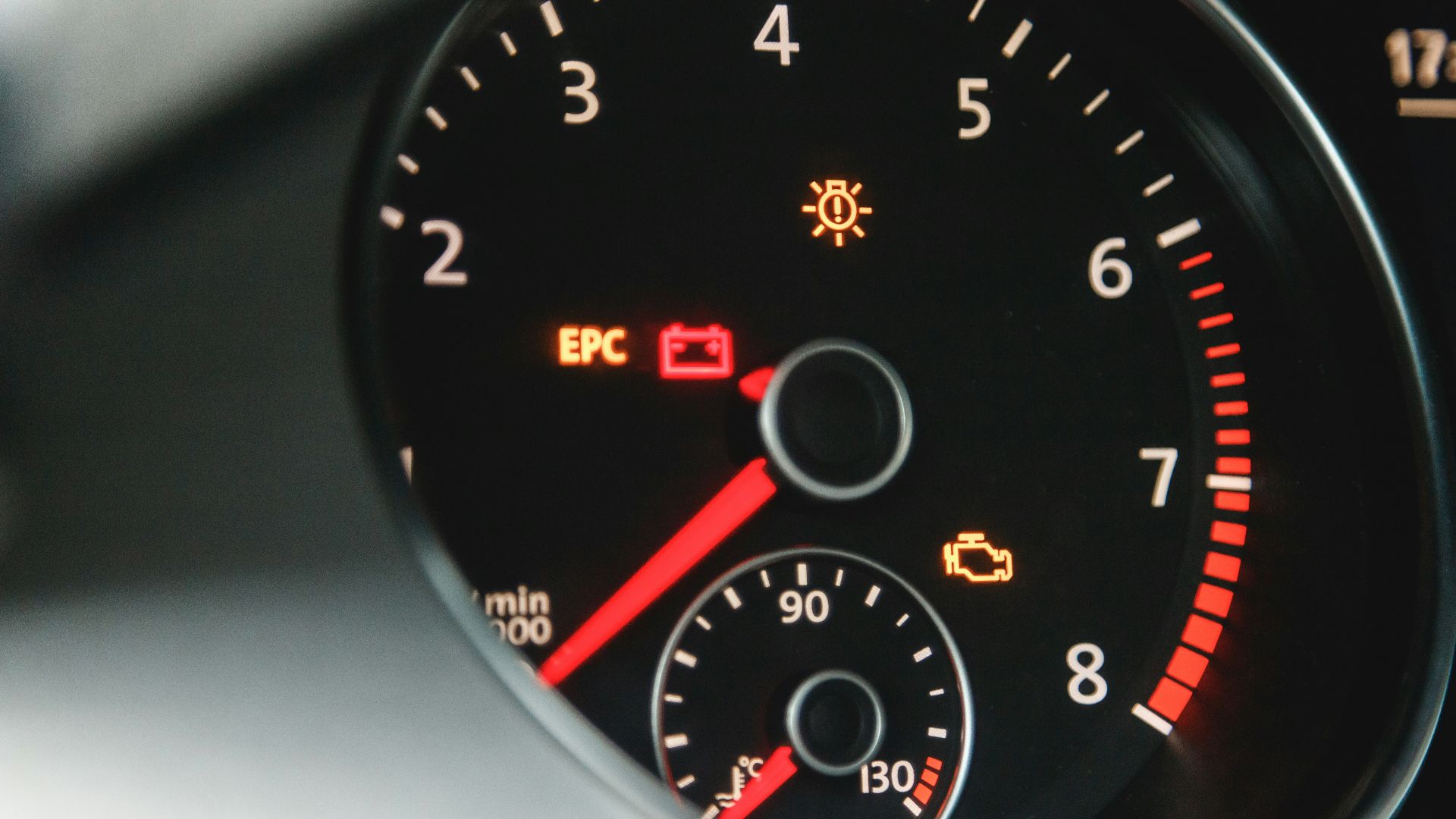
Start With The Color
Many dashboards use a traffic-light-style system. Green or blue generally shows that a feature is operating. Yellow or amber usually means caution or service soon. Red often indicates a serious problem. However, colors and symbols vary, so treat this as a starting point rather than a universal rule.
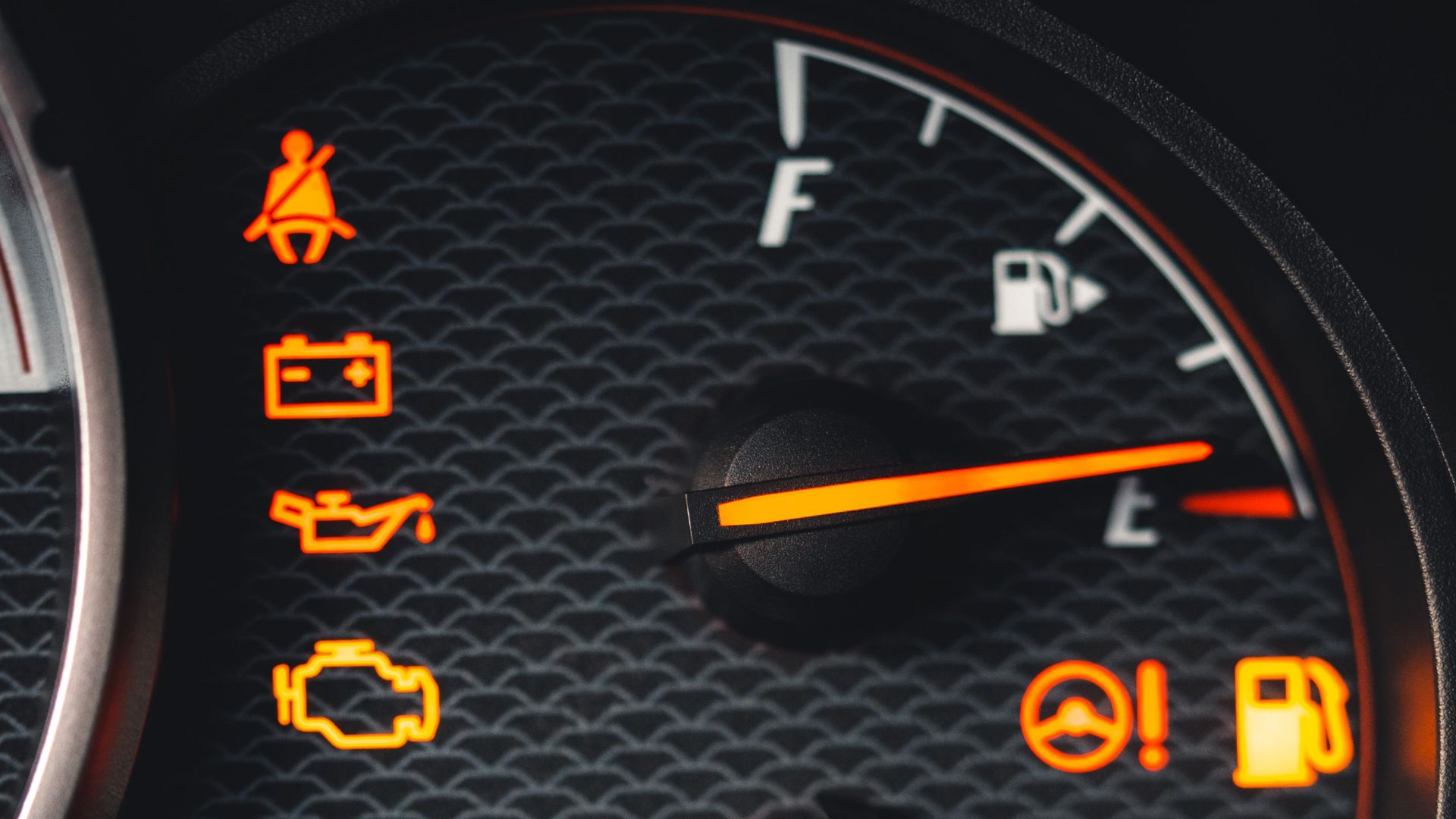
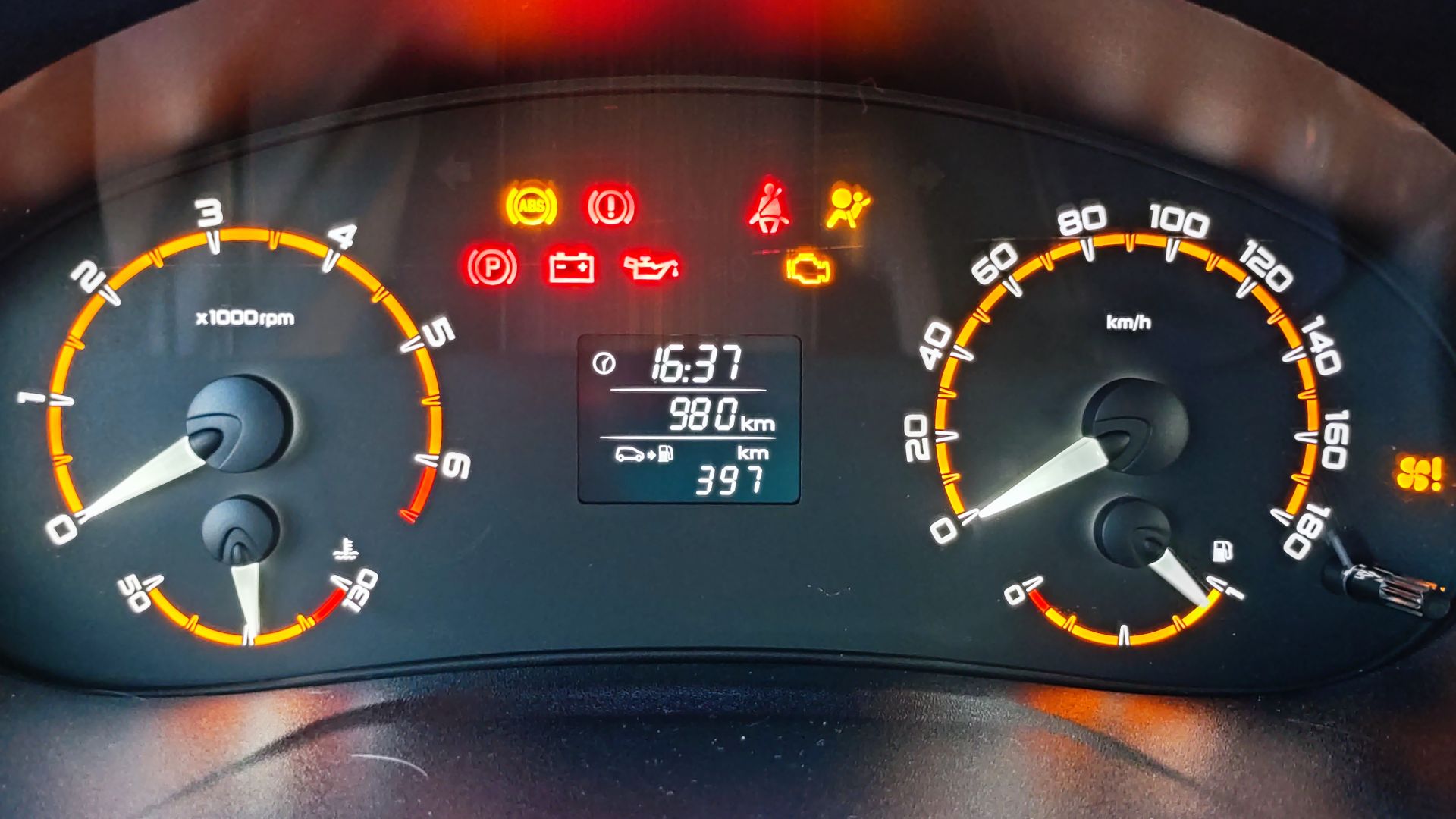
Know The Startup Light Show
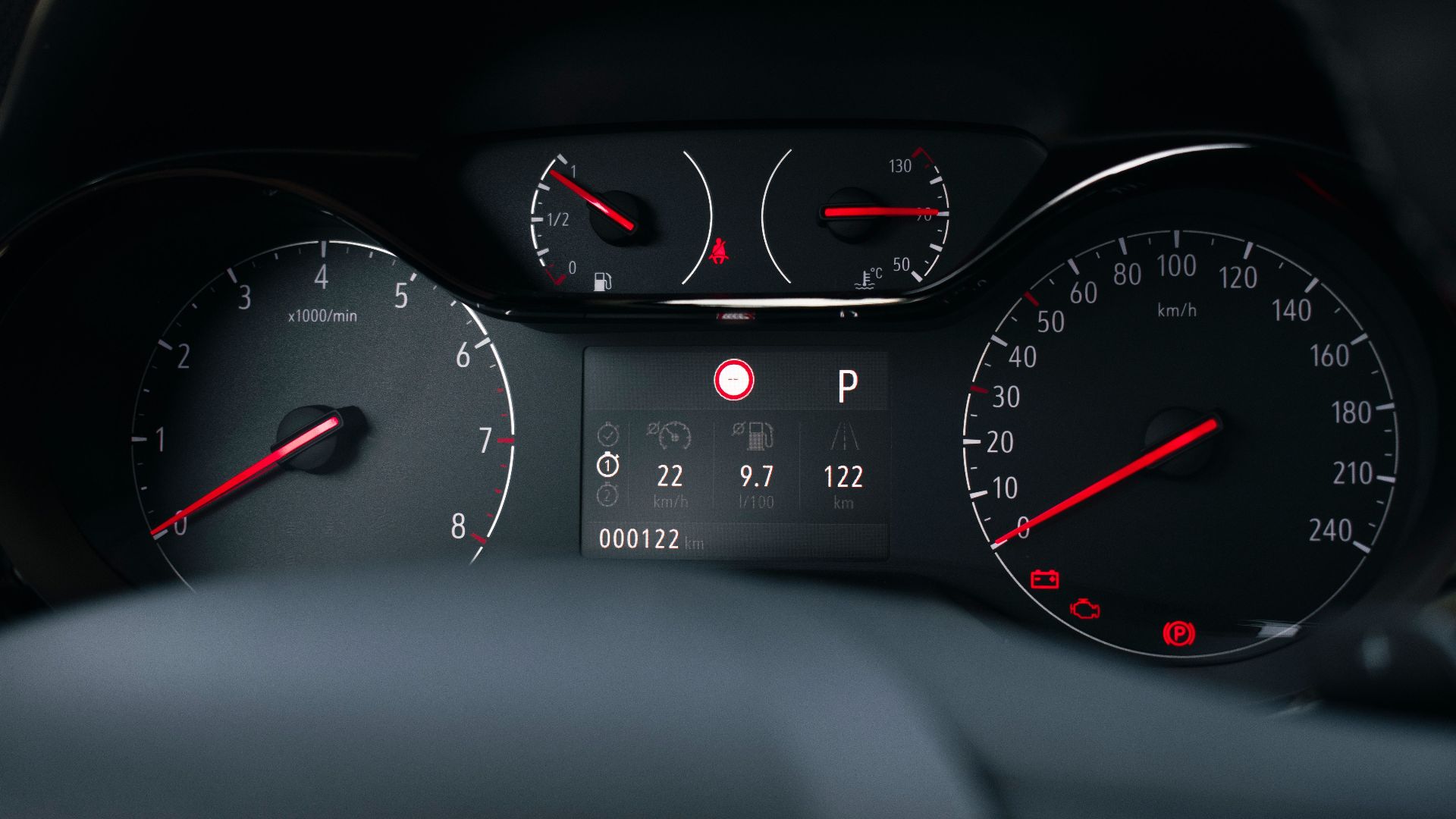
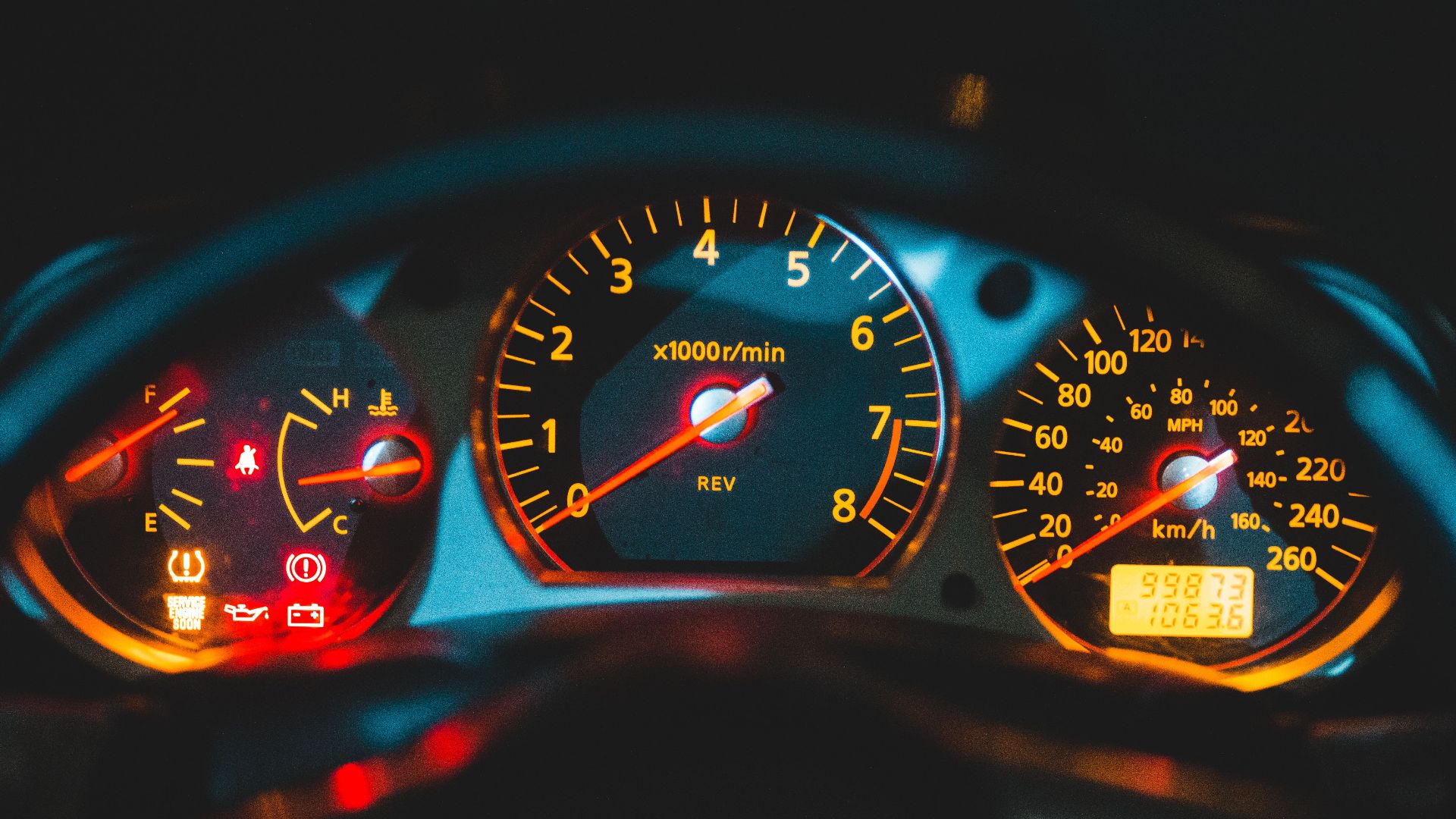
Most dashboard lights briefly illuminate when you start the car. That is a built-in test confirming the bulbs and systems can report trouble. They should normally disappear shortly afterward. A light that remains on—or never appears during the test—deserves attention.
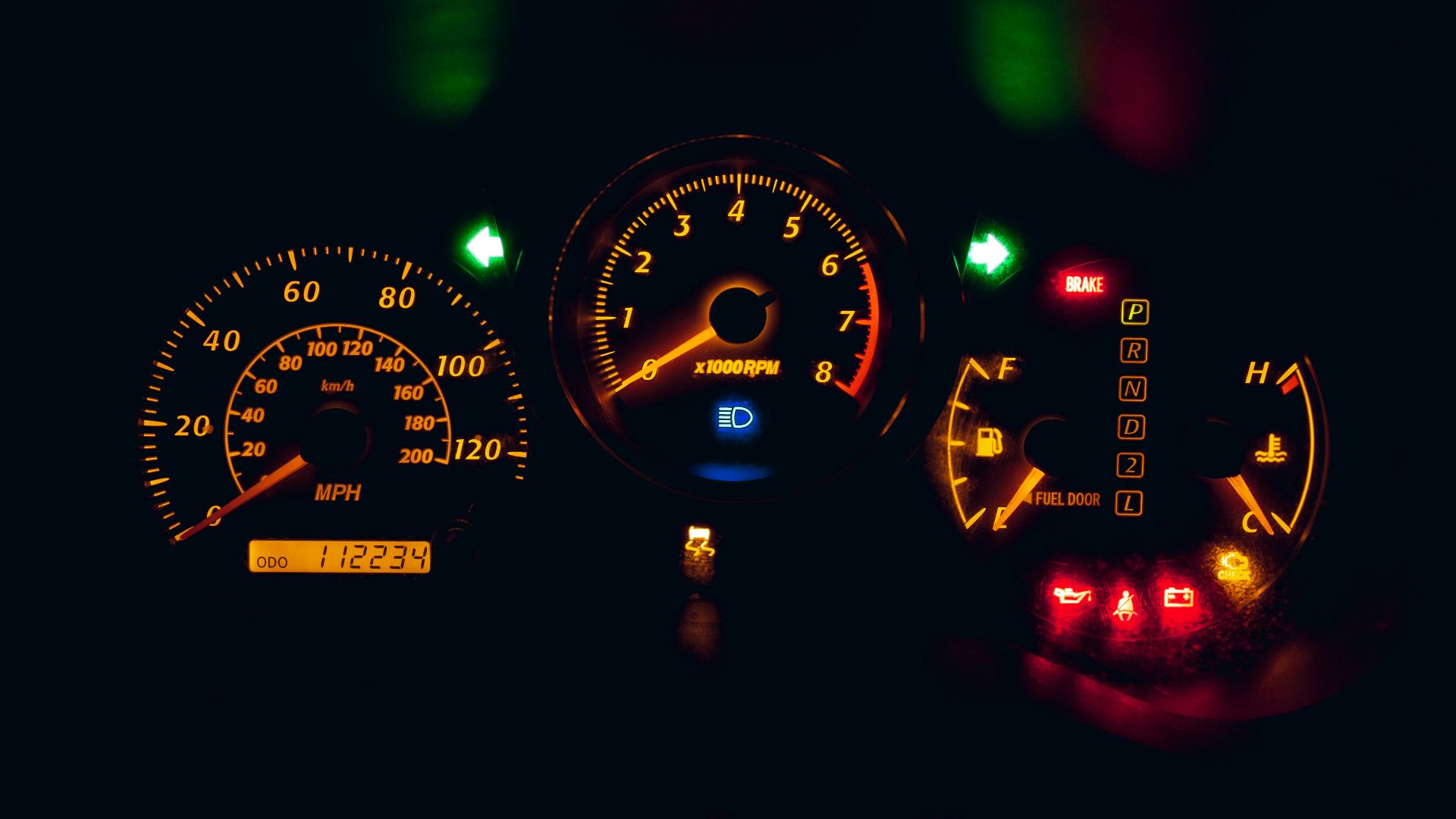
Red Means Act Now
A red warning is not the dashboard’s version of a friendly reminder. Safely leave traffic, stop somewhere secure, and consult the owner’s manual. Continuing to drive with certain red lights can damage the engine, affect braking, or leave you stranded in a dangerous location.
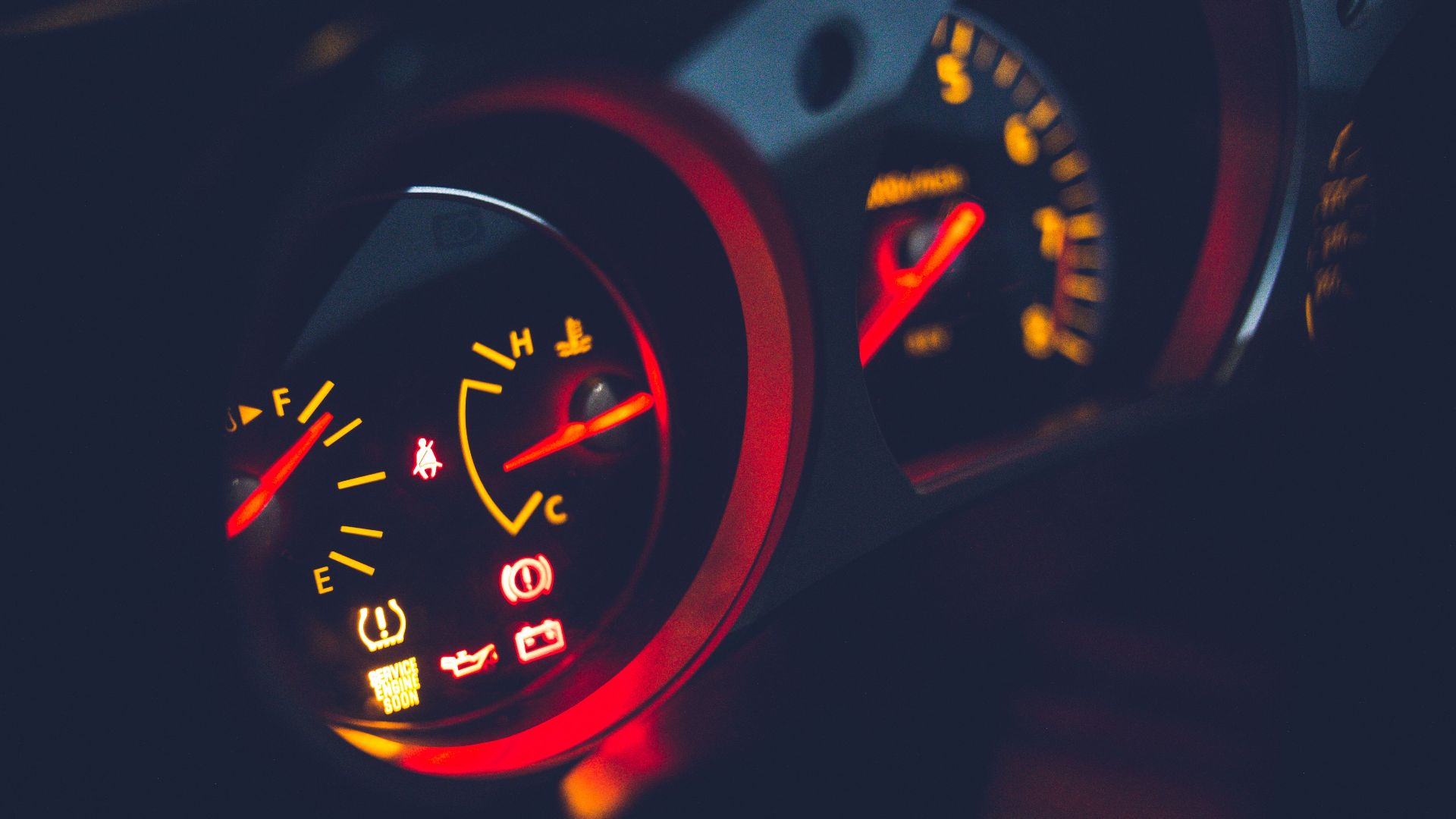
Oil Pressure Is A Big Deal
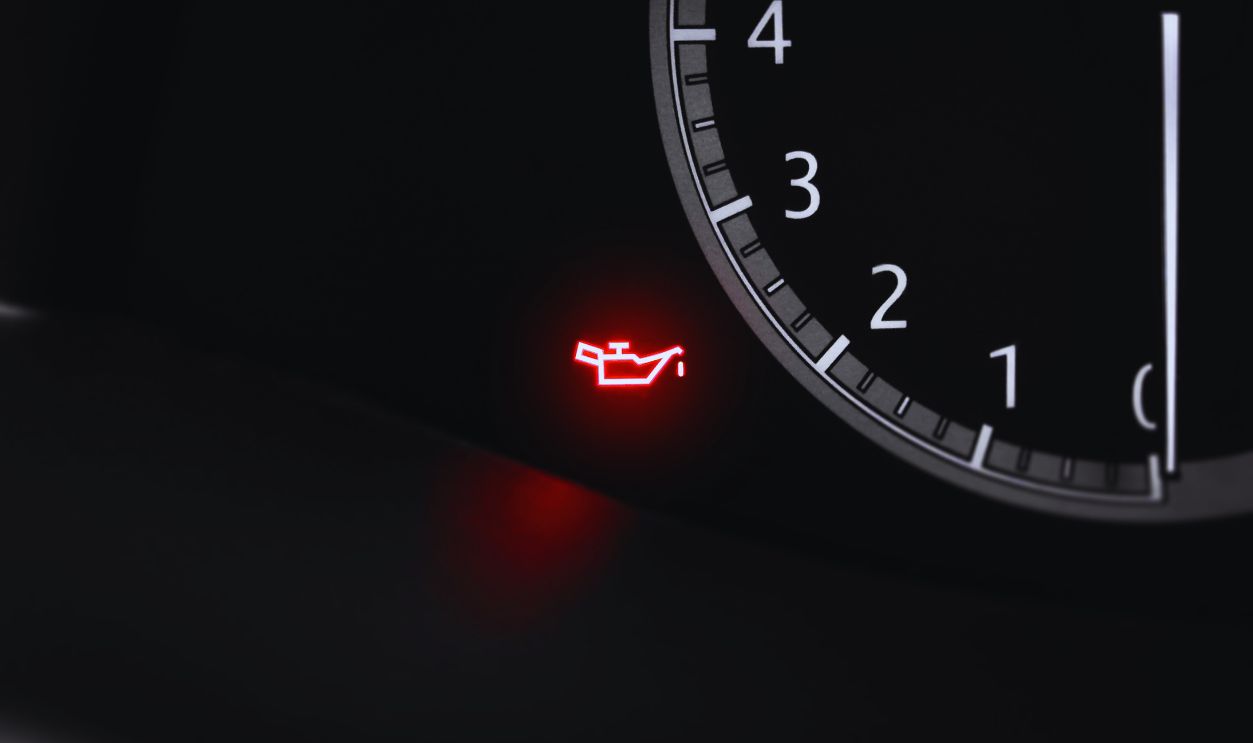
The red oil-can symbol usually warns of low engine oil pressure, which is different from a routine oil-change reminder. Pull over safely and shut off the engine. Check the oil only when it is safe, but do not continue driving if the warning remains illuminated.
Heat Can Cook An Engine
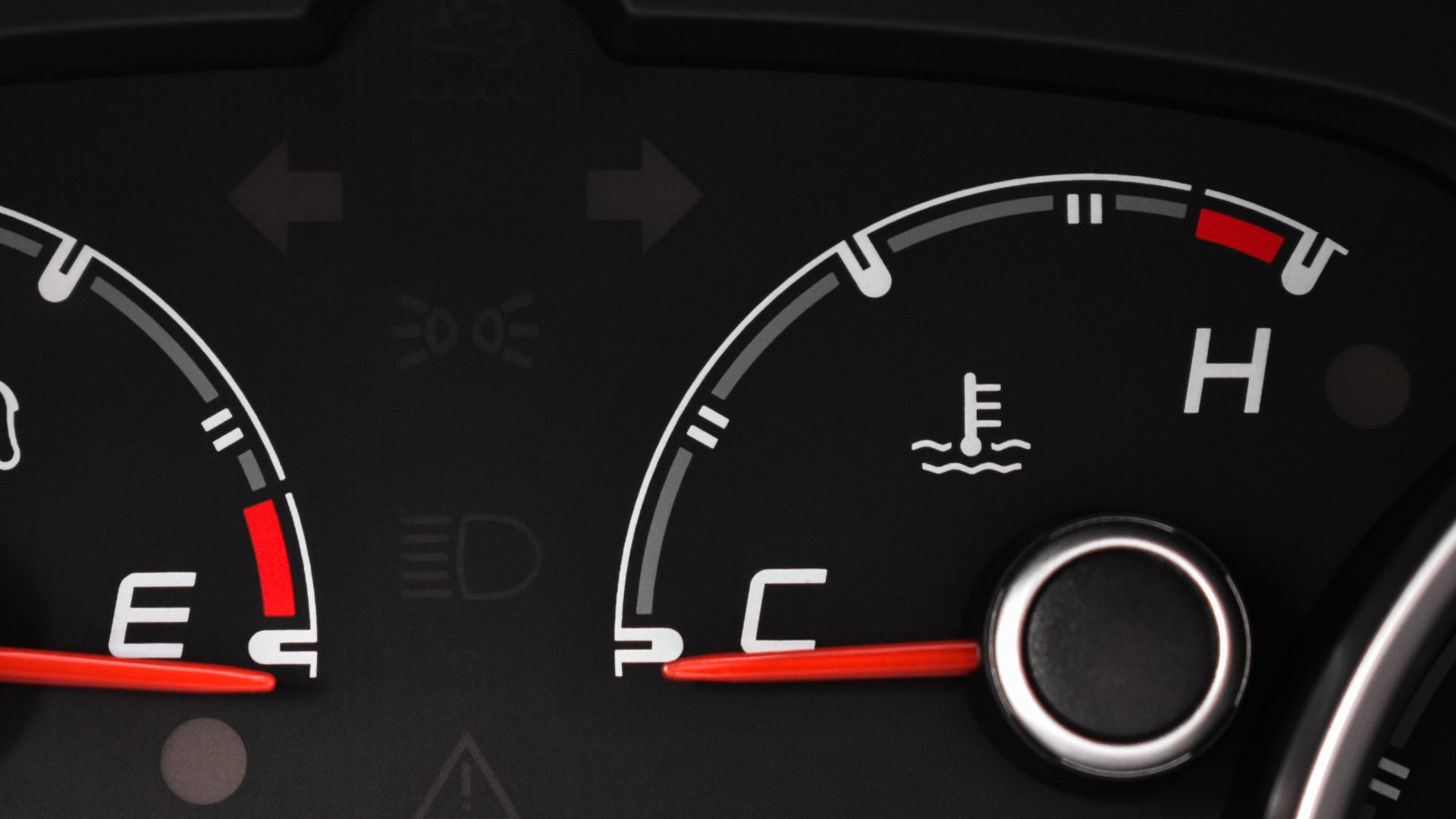
A temperature symbol, often shaped like a thermometer floating in liquid, means the engine may be overheating. Turn off the air conditioning, leave traffic, and shut down the engine safely. Driving farther could turn a manageable cooling-system repair into an extremely expensive engine replacement.
Brake Lights Deserve Respect
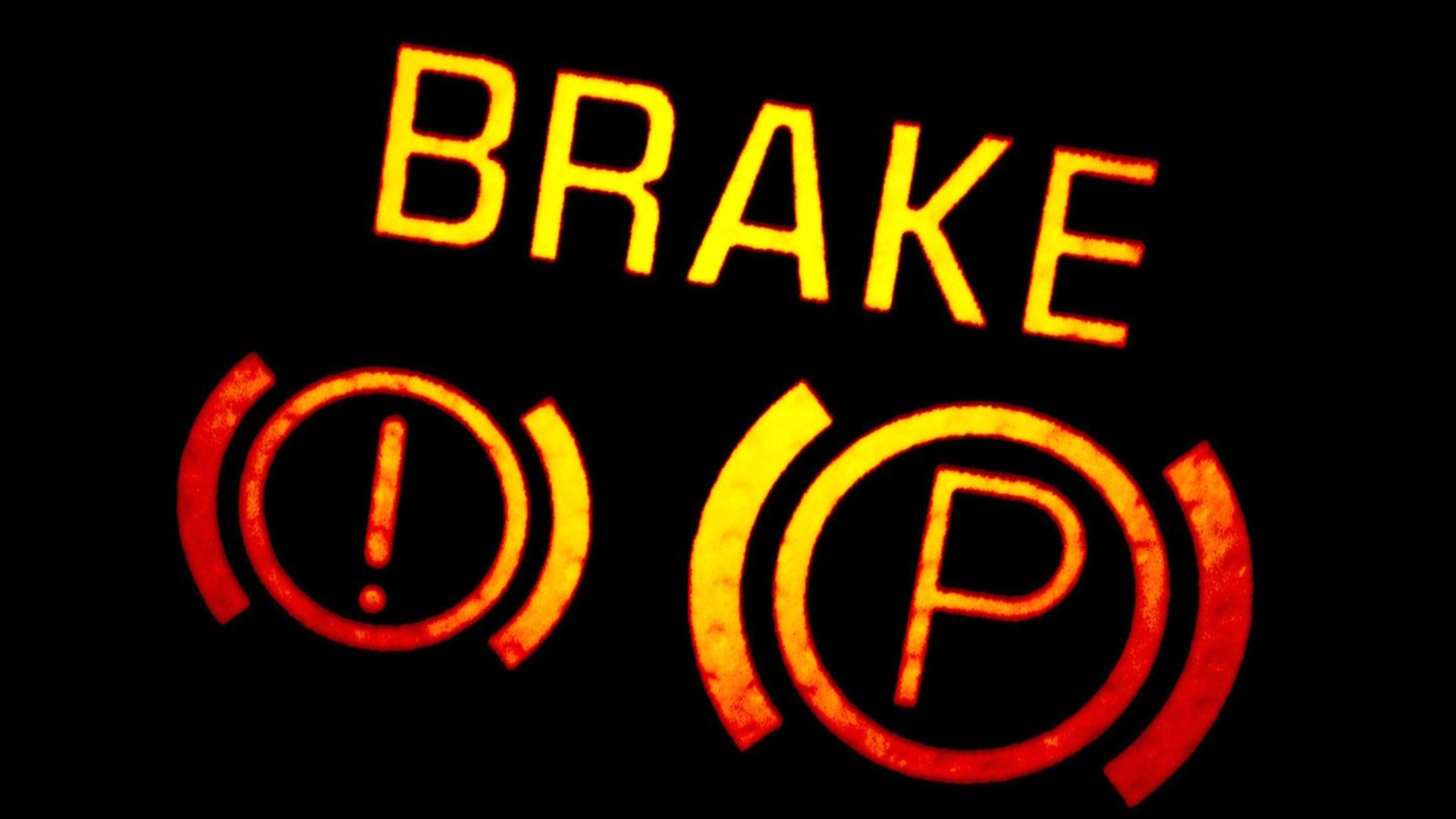
First, confirm that the parking brake is completely released. If the red brake warning stays on, the car could have low brake fluid or another braking-system malfunction. Stop somewhere safe rather than testing your luck. Some manufacturers specifically instruct drivers to stop immediately and request assistance.
 Tony Webster, Wikimedia Commons
The Battery Light Is Misleading
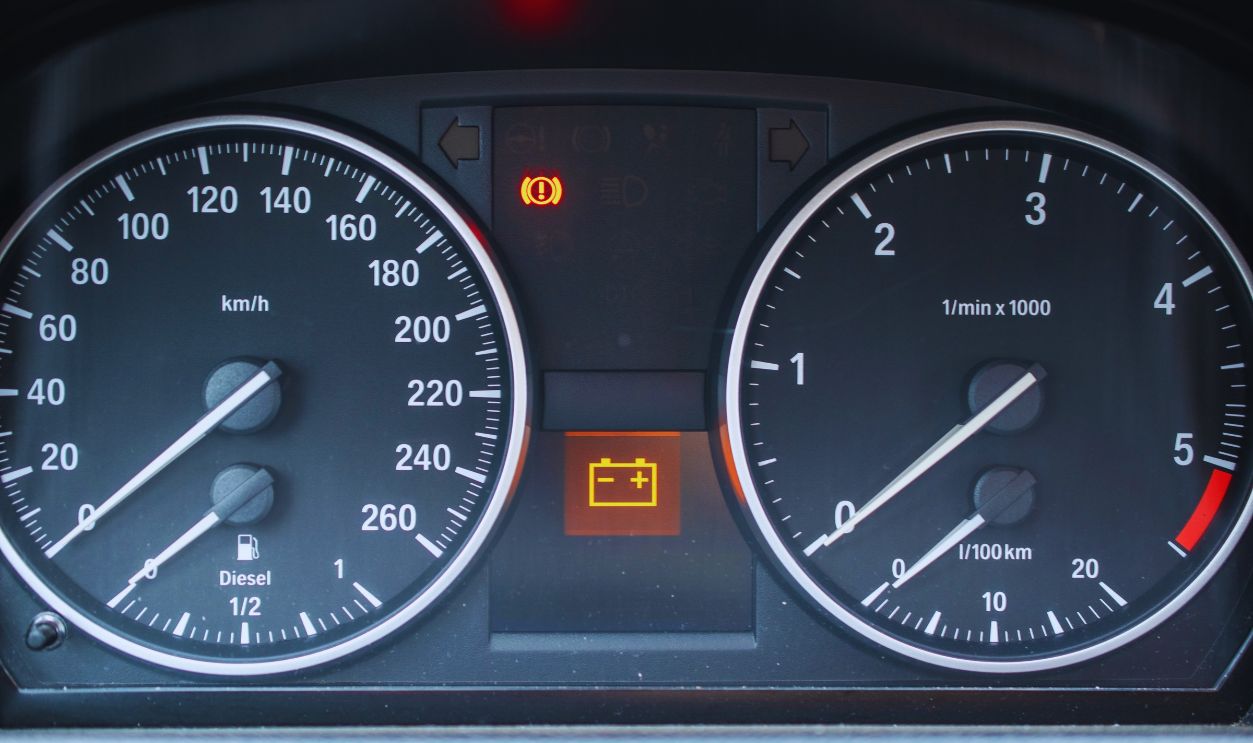
That little battery symbol does not necessarily mean the battery itself is bad. It usually points to a charging-system problem involving the alternator, belt, wiring, or related equipment. The vehicle may continue briefly, but once stored power runs out, it can shut down.
Flashing Check Engine Means Trouble
A flashing check-engine light is considerably more urgent than a steady one. It can indicate a severe engine misfire capable of damaging expensive emissions equipment. Reduce speed, avoid hard acceleration, and pull over safely. If the car shakes, smells unusual, or loses power, arrange a tow.
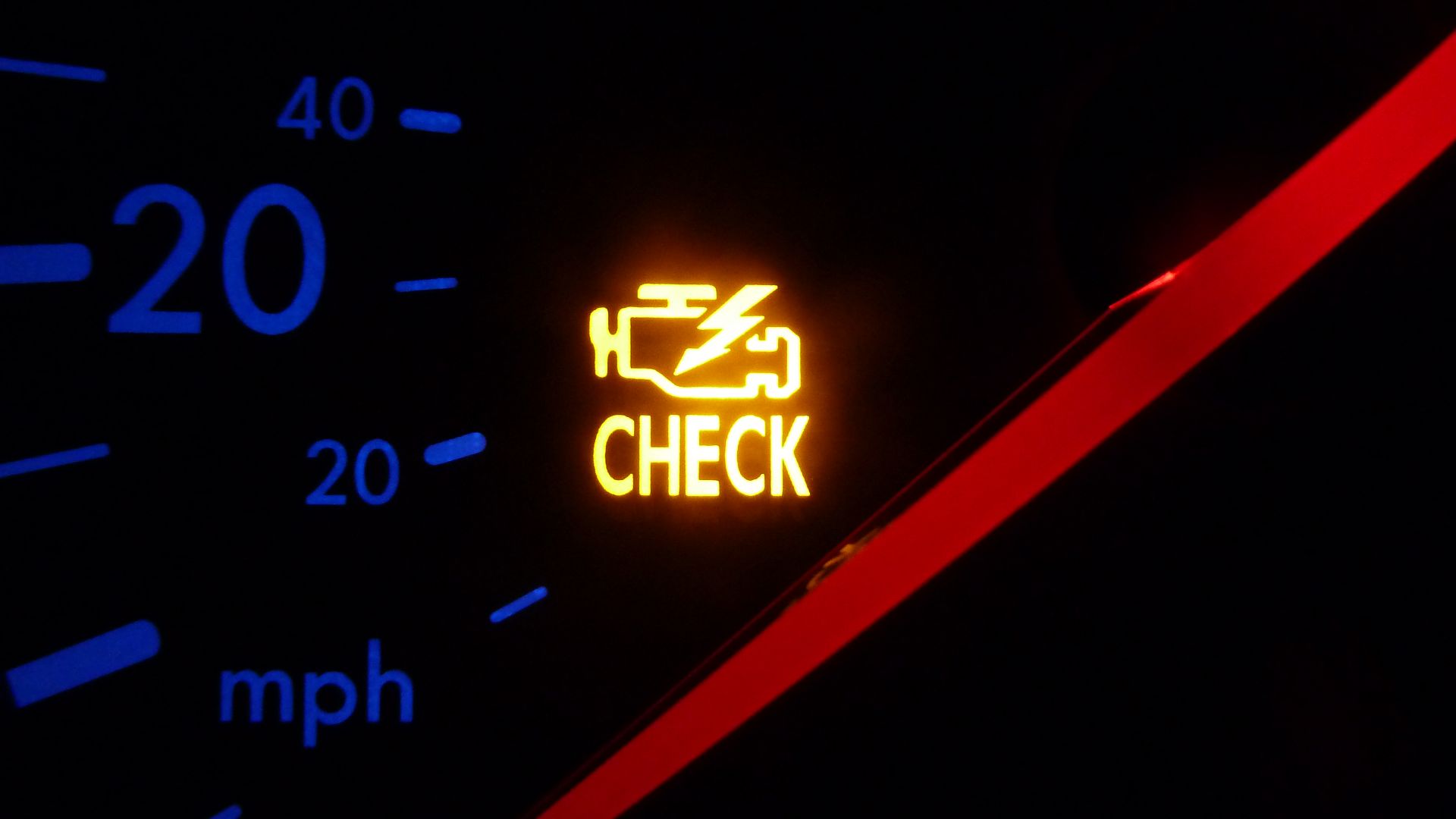 Wikiuser100000, Wikimedia Commons
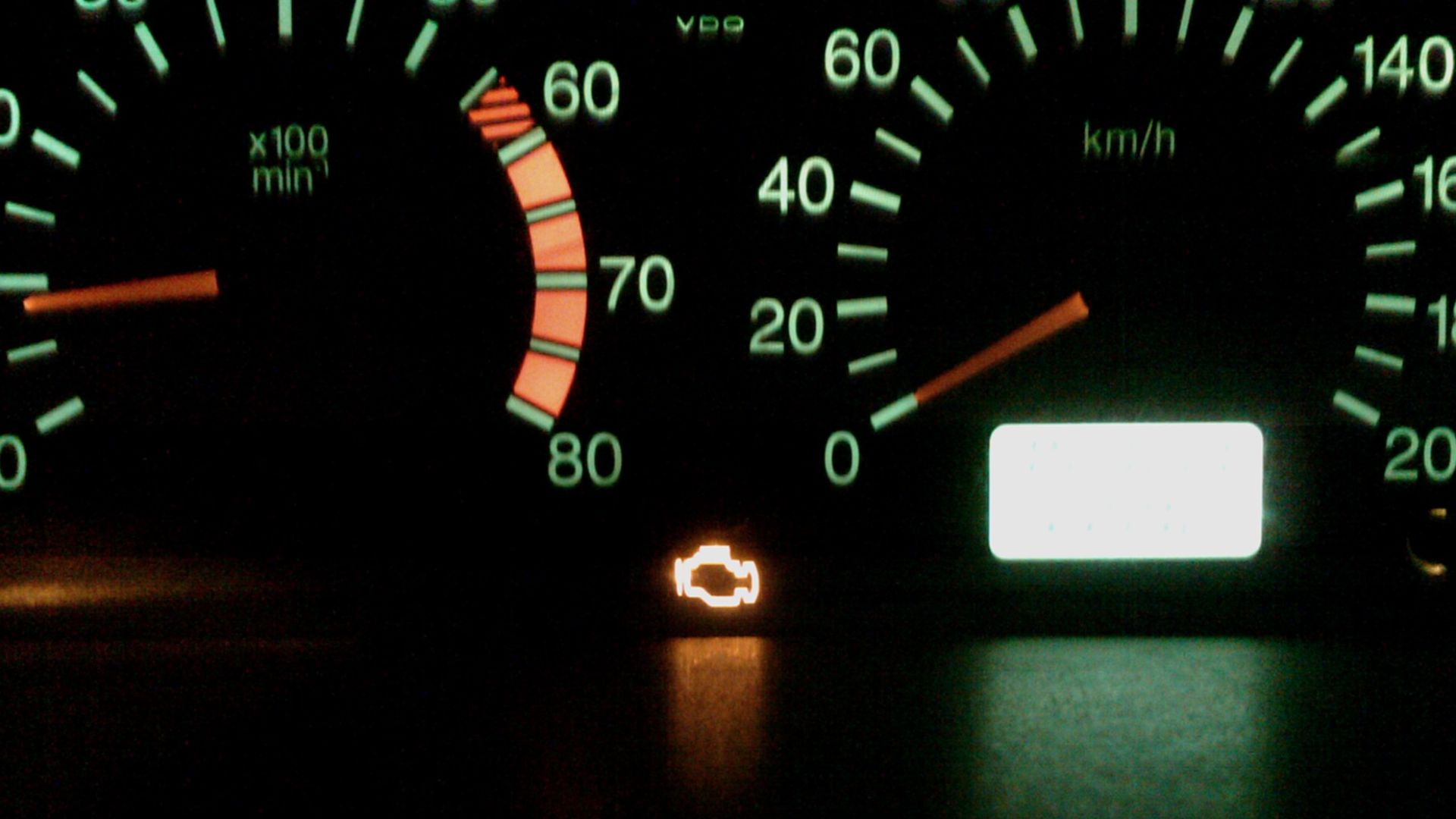
A Steady Check Engine Light
A solid check-engine light may come from anything from a loose fuel cap to an emissions or ignition problem. If the car feels normal, a short, careful trip for diagnosis may be reasonable. Still, ignoring it for weeks invites worse mileage, poor performance, and larger repair bills.
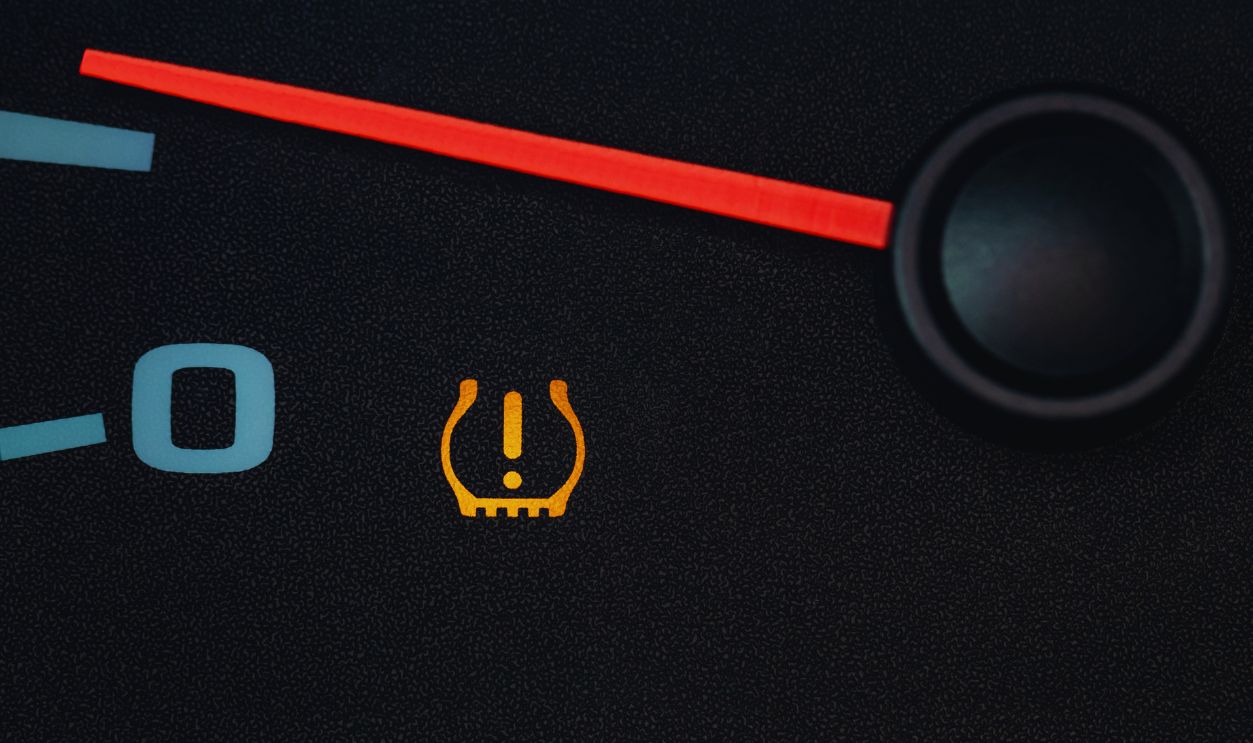
Tire Pressure Is Usually Manageable
The horseshoe-shaped tire-pressure light usually means at least one tire is underinflated. Slow down, inspect all four tires, and check their pressures when safe. If a tire looks visibly flat or the steering feels strange, stop driving rather than trying to limp home on optimism.
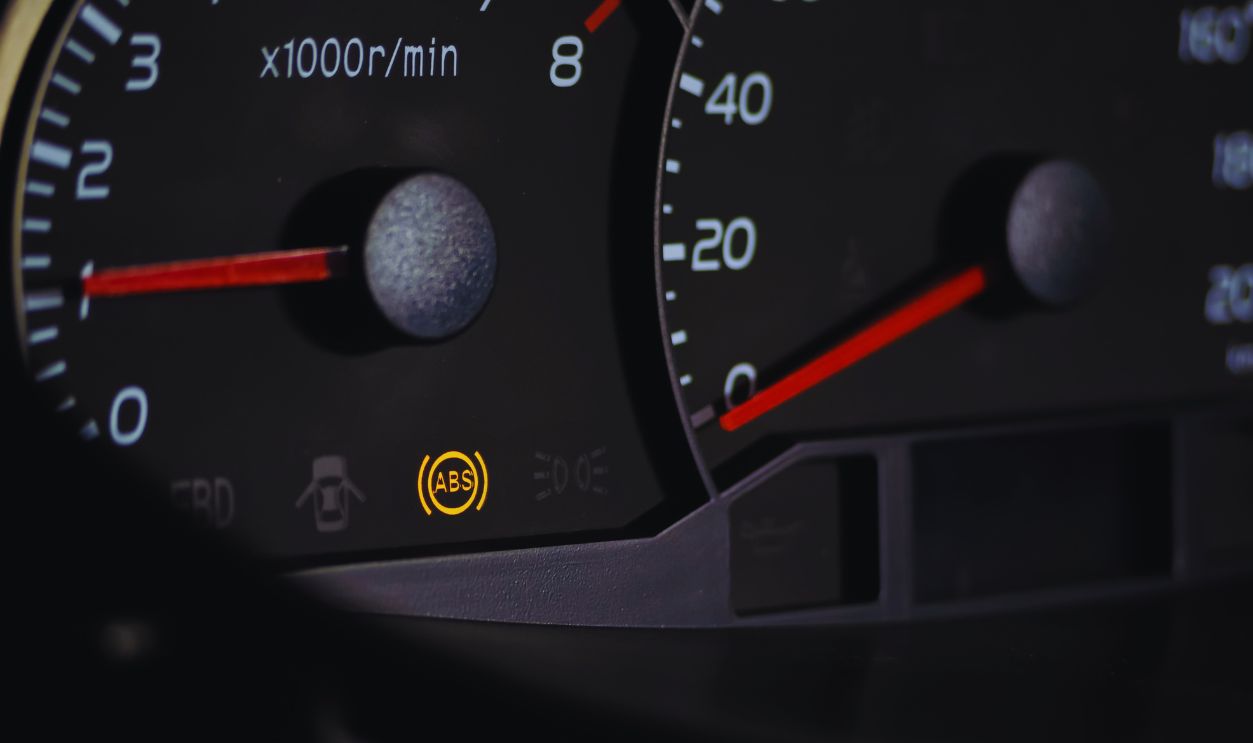
ABS Changes How You Stop
An amber ABS light means the anti-lock braking system may be unavailable. The regular brakes may still operate, but the wheels could lock during hard braking or on slippery pavement. Drive cautiously, leave additional stopping distance, and arrange service promptly—especially if another brake warning appears.
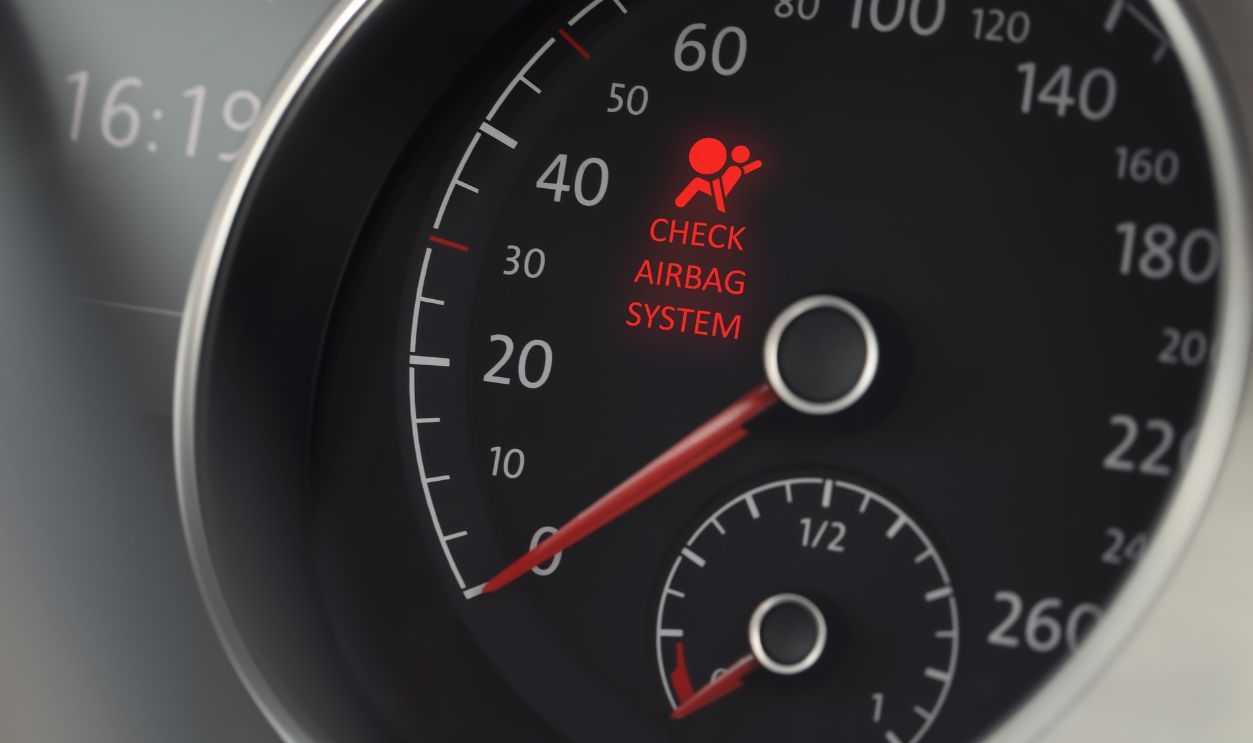
Airbag Lights Affect Protection
An illuminated airbag or SRS light suggests part of the supplemental restraint system may not work correctly during a collision. The car may still drive normally, but its crash protection could be compromised. Wear seat belts properly and arrange an inspection as soon as possible.
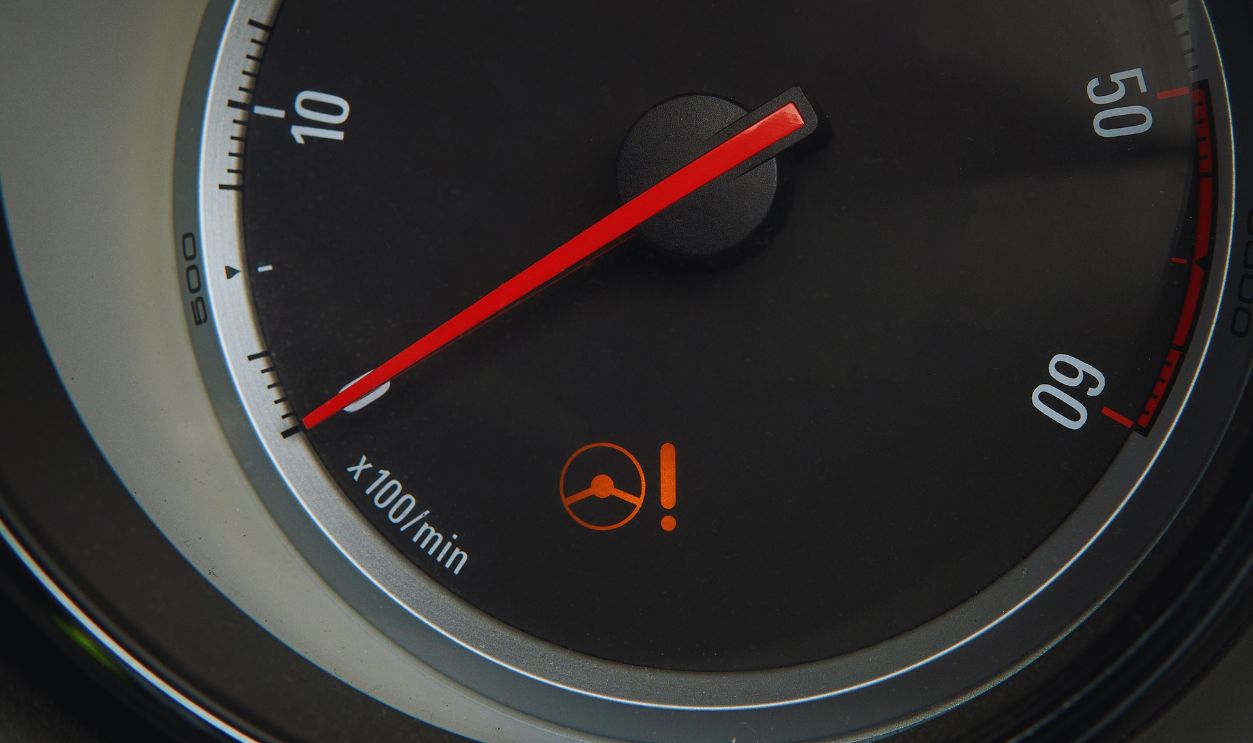
Power Steering Warnings Feel Serious
A power-steering warning can mean assistance is reduced or completely unavailable. The steering wheel may suddenly become extremely heavy, particularly at low speeds. Hold the wheel firmly, avoid sharp maneuvers, and stop safely. A red steering warning deserves more urgency than an amber one.
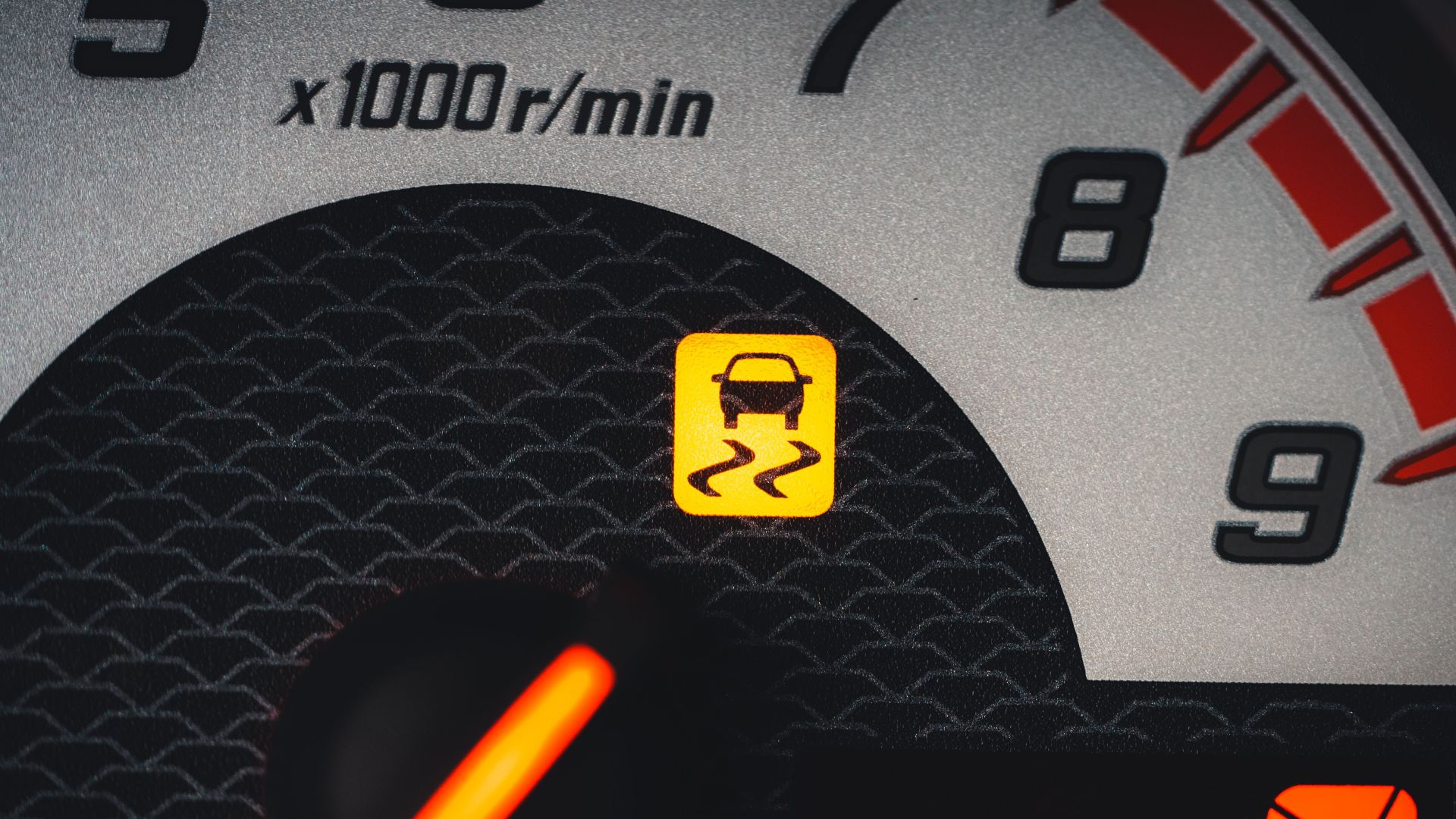
Stability Control Is Not Always Broken
A flashing traction or stability-control symbol often means the system is actively helping because the tires are slipping. That is normal. A light that stays on may mean the system is switched off or malfunctioning. Slow down, especially in rain, snow, or loose gravel.
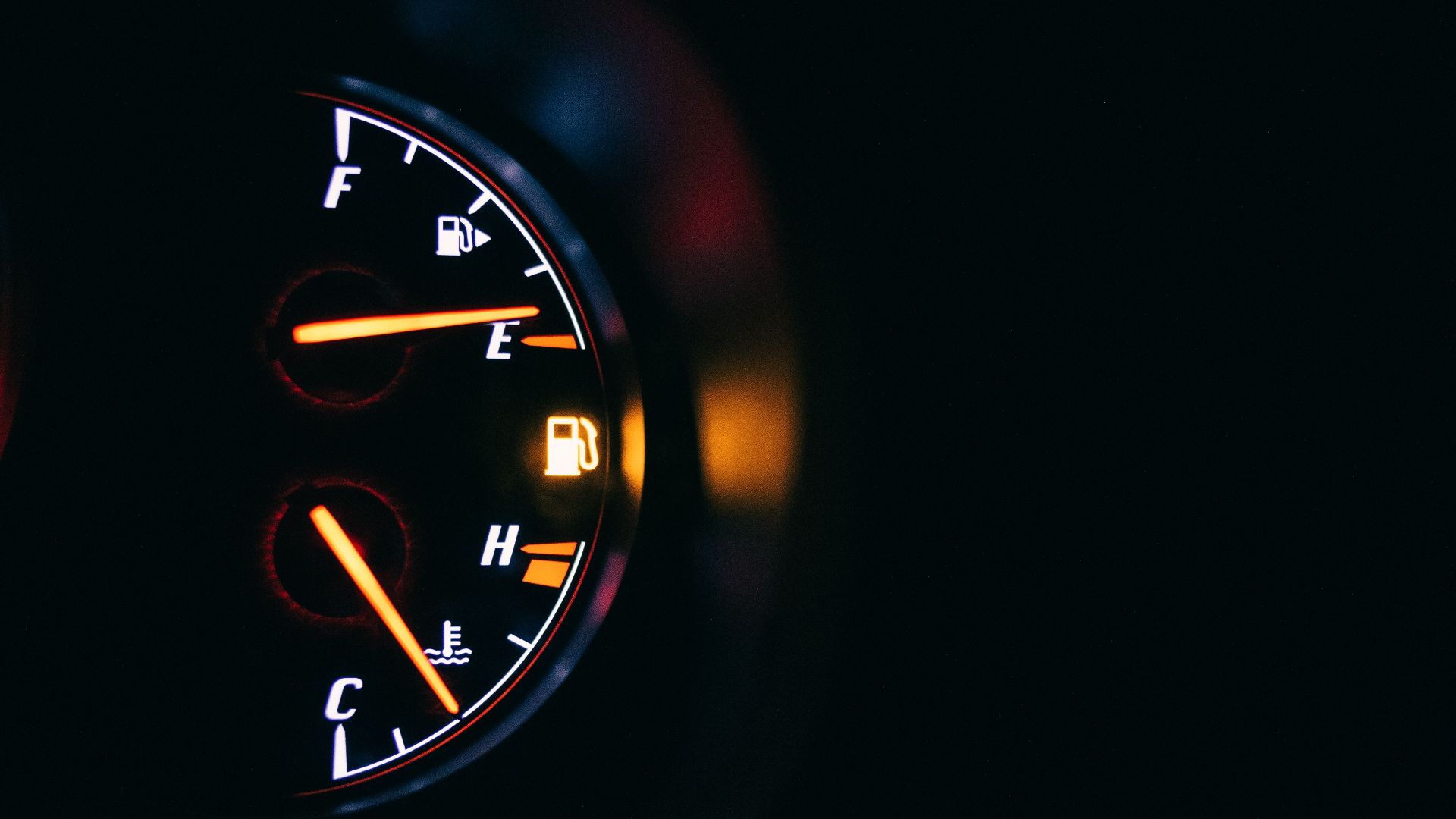
Some Lights Are Simple Reminders
Low fuel, washer fluid, an open door, or scheduled maintenance usually does not demand roadside assistance. Still, read the message carefully. An oil-change reminder is very different from an oil-pressure warning, even though both involve oil and can easily confuse a hurried driver.
Low Voltage Can Create Chaos
Several unrelated lights appearing together may point to an electrical problem rather than five simultaneous breakdowns. A weak battery, failing alternator, poor connection, or unstable voltage can make modern control modules behave strangely. Flickering headlights and an erratic radio provide additional clues.
Turns And Bumps Offer Clues
Does the warning appear while cornering, climbing hills, braking, or hitting potholes? Fluid moving inside a low reservoir or a loose electrical connection may explain the pattern. That information is valuable to a technician, so note exactly what the vehicle was doing when the light appeared.

Weather Can Confuse Sensors
Snow, heavy rain, road salt, mud, and even bright sunlight can temporarily interfere with cameras or radar used by driver-assistance systems. The dashboard may announce that lane assistance or automatic braking is unavailable. Clean the sensors carefully and see whether the warning returns in clear conditions.
Trust Other Symptoms Too
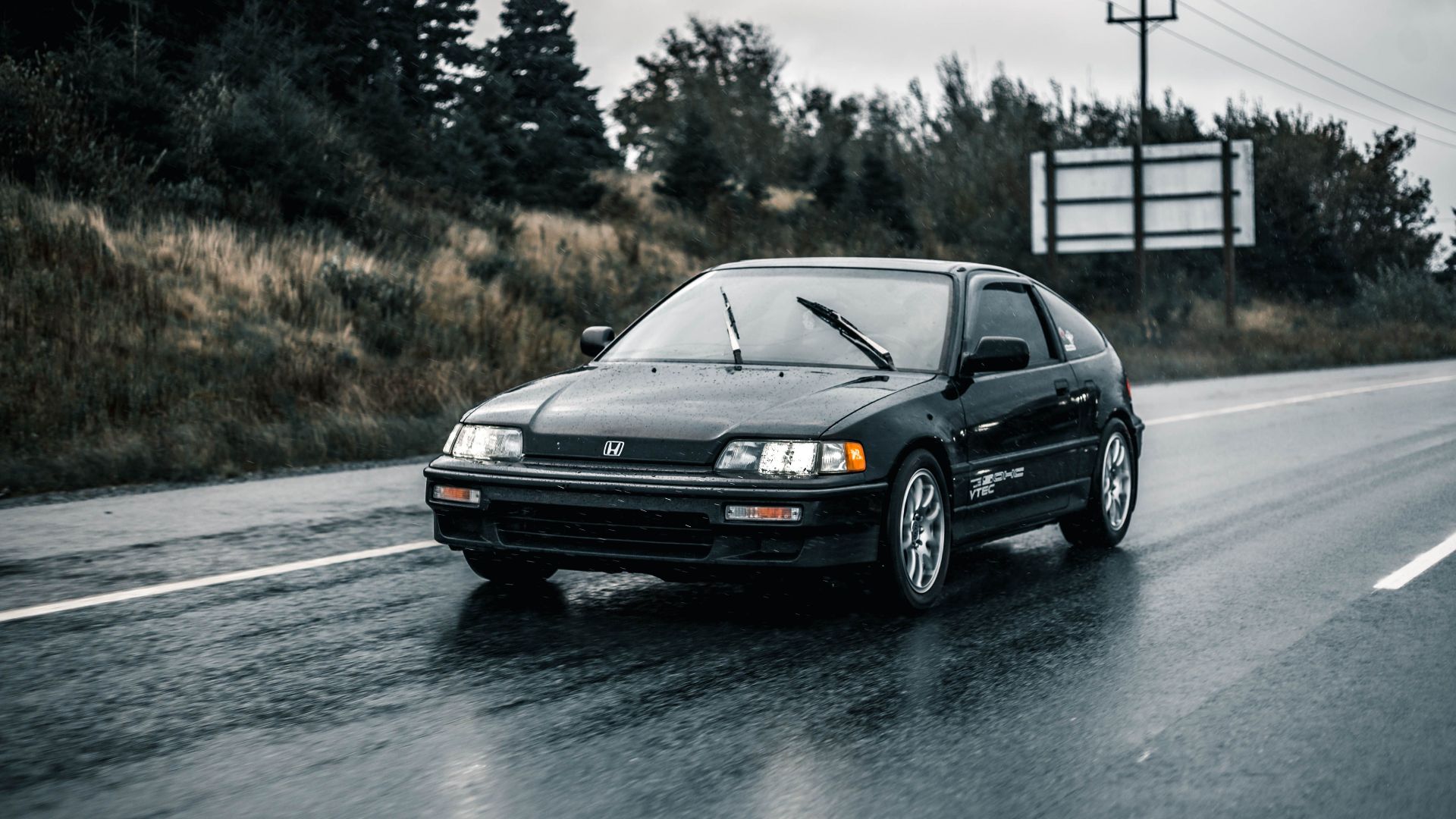
Warning lights are only part of the conversation. Smoke, steam, burning smells, grinding noises, heavy steering, weak brakes, shaking, or sudden power loss can make any warning more urgent. When the car feels unsafe, do not wait for the dashboard to provide a more convincing argument.

Capture The Evidence
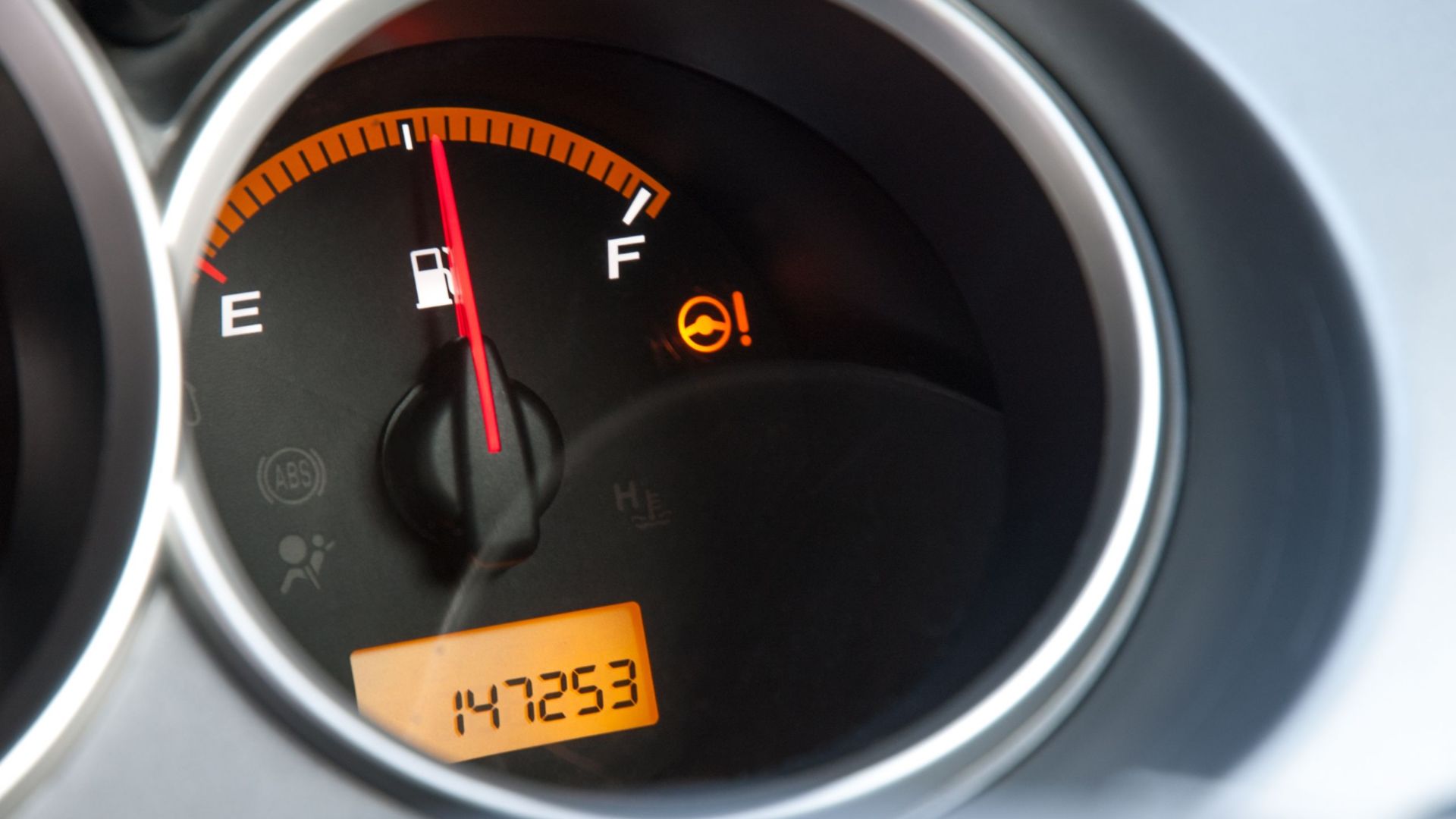
An intermittent light has a sneaky habit of disappearing as soon as you reach the repair shop. Take a photograph or short video when it appears, provided you are safely parked. Capture the symbol, accompanying message, mileage, outside temperature, and whether the engine was running smoothly.
Read The Trouble Codes
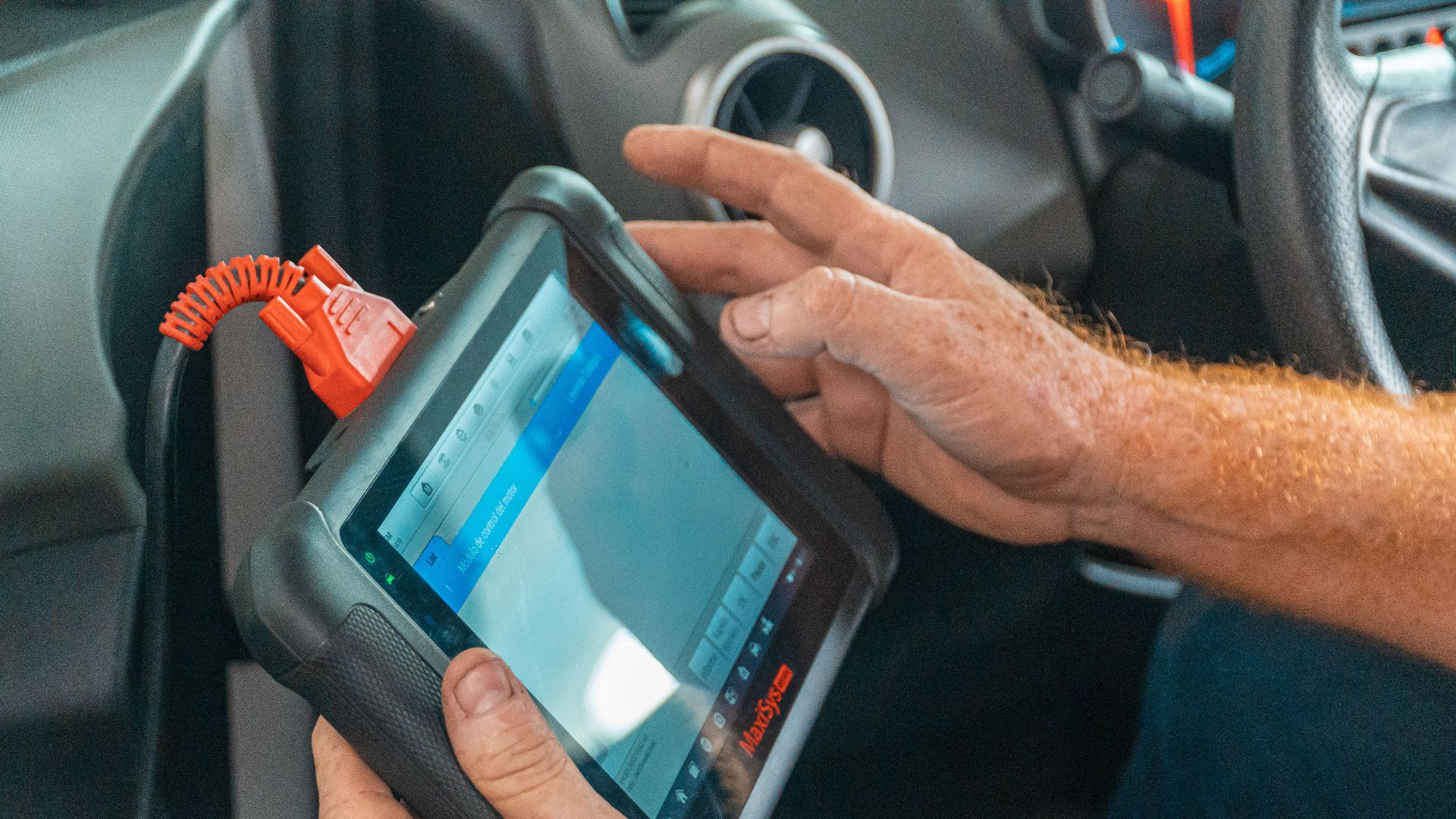
Many warning lights store diagnostic trouble codes even after the symbol disappears. A repair shop or compatible scan tool can retrieve those clues. The code does not always identify the failed part directly, but it gives the technician a much better place to begin investigating.
 Jose Ricardo Barraza Morachis, Pexels
Do Not Erase The Clues
Disconnecting the battery or clearing codes may turn off the light, but it can also remove useful diagnostic information. That makes an intermittent fault harder to reproduce. Unless a qualified technician recommends otherwise, leave the evidence intact and let the repair process begin with the complete story.
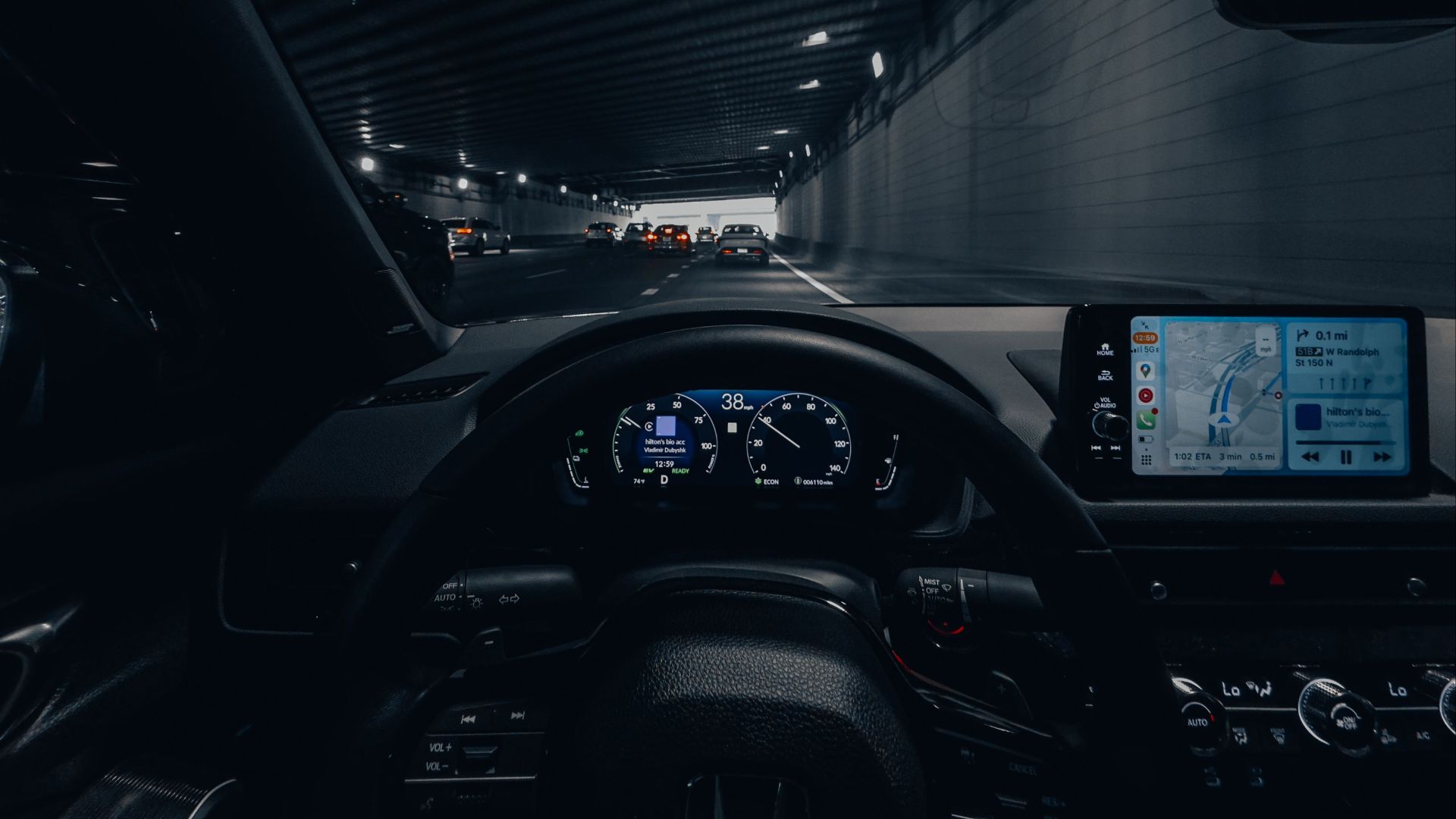
Your Manual Wins Every Argument
Dashboard designs differ between brands, models, powertrains, and production years. The owner’s manual explains your exact symbols and recommended response. Manufacturer apps may also display vehicle-health alerts. While checking, search your VIN for open safety recalls through NHTSA’s recall resources.
Know When To Tow
Call for a tow when you see persistent oil-pressure, overheating, or red brake warnings; a flashing check-engine light with rough running; smoke; major fluid loss; or unsafe steering and braking. Driving a few extra miles is rarely worth gambling with your engine—or your safety.
The Dashboard Is Talking
Your car is not trying to ruin your morning. It is giving you an early chance to prevent a breakdown, repair bill, or dangerous situation. Treat red lights as urgent, flashing lights as serious, recurring amber lights as service requests, and every unfamiliar symbol as a reason to open the manual.
You May Also Like:
Cars From The 1990s That No One Remembers—Seriously, Do You Remember Even 5 Of These Vehicles?