Detroit's Best-Kept Secret
Think that old Chevrolet, Dodge, or Ford in your driveway was made in America? Think again. During the 1970s and 1980s, Detroit quietly filled its showrooms with cars built by Japanese, Korean, and European automakers. Some were barely disguised imports, while others carried legendary American names that hid completely different origins.
So, how many of these supposedly American cars were actually foreign creations?
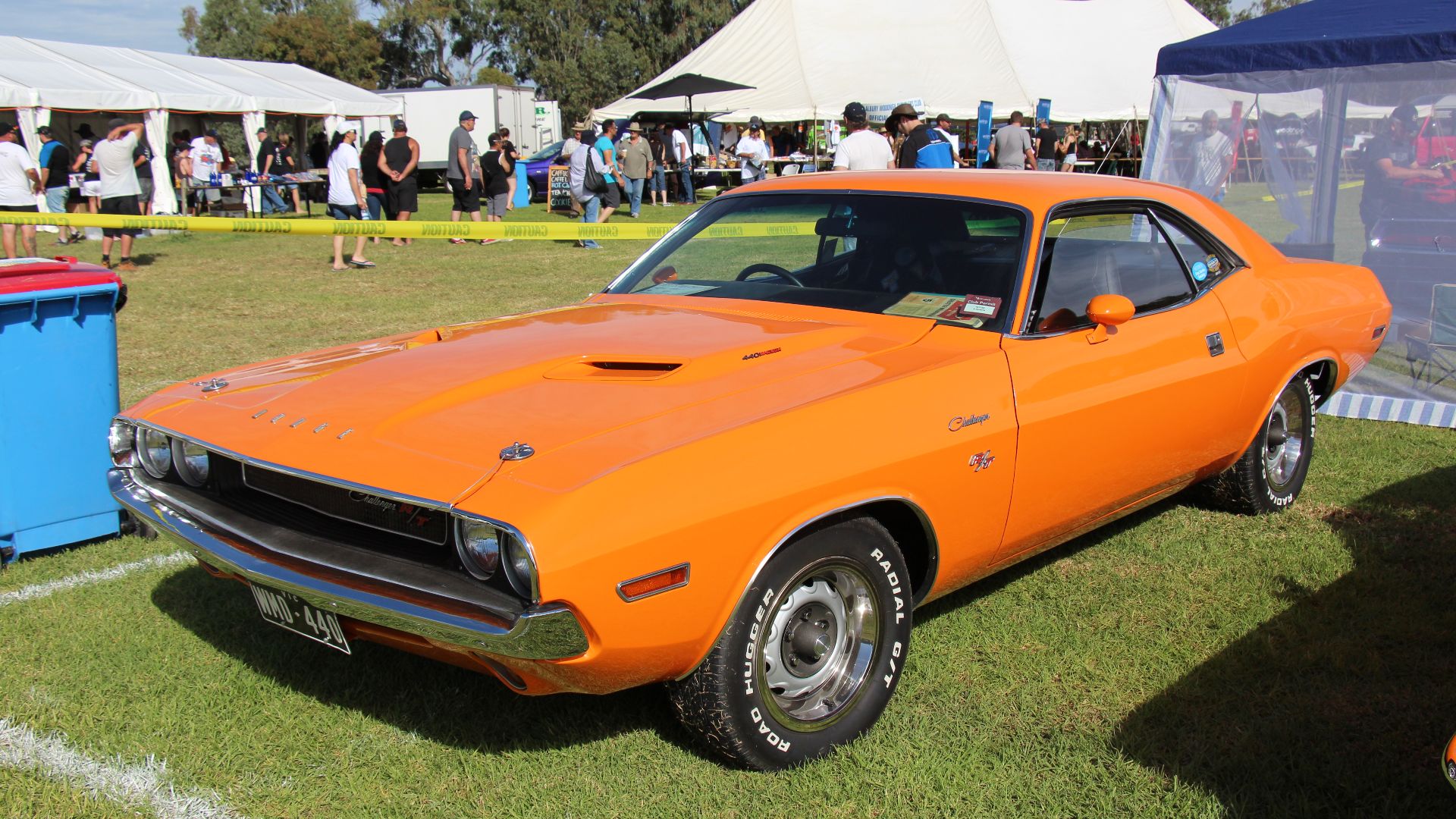
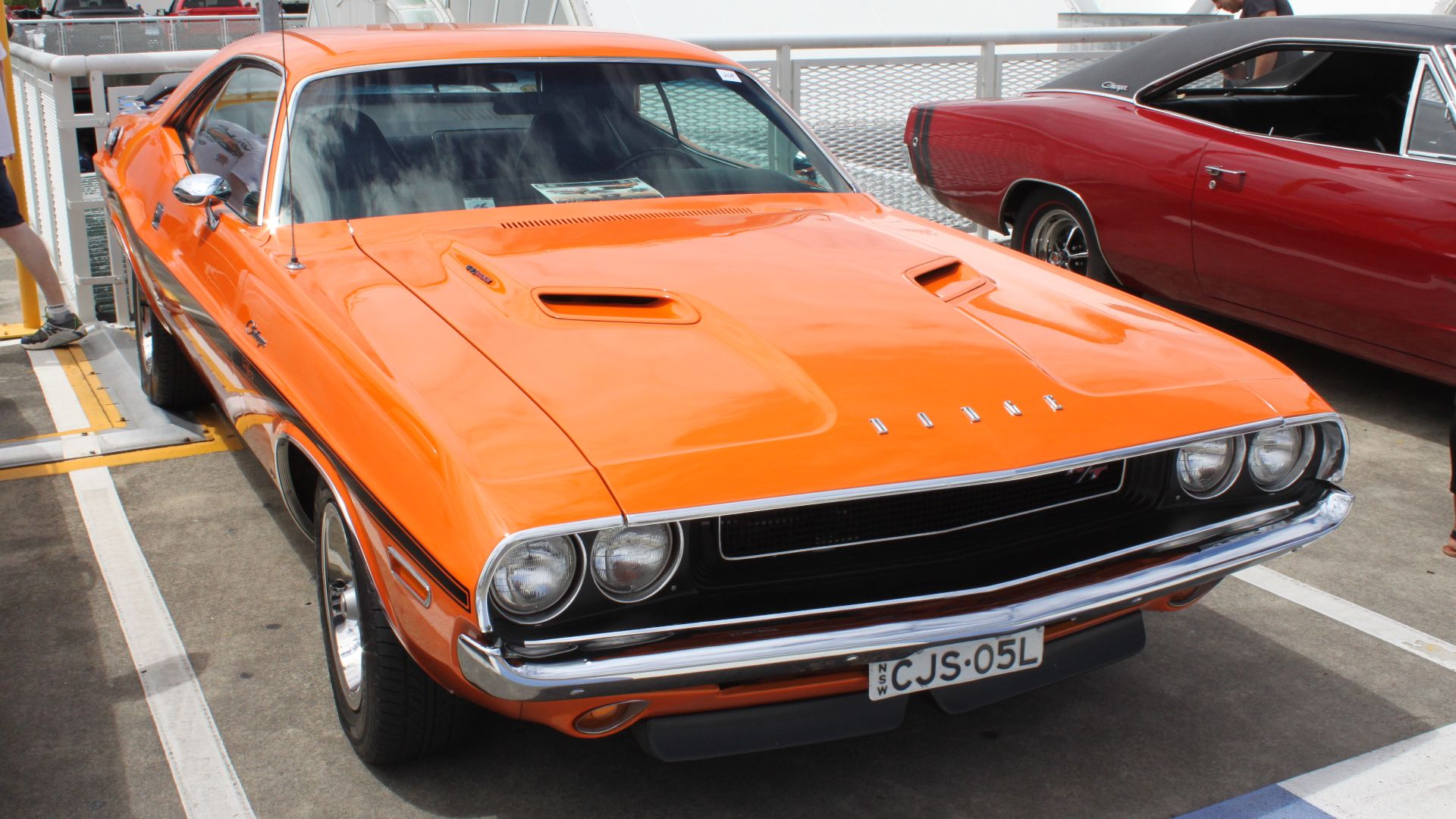
Dodge Challenger
The Dodge Challenger name once meant American V8 muscle, but that changed dramatically in 1978. Chrysler revived the name on a Japanese-built Mitsubishi Galant Lambda coupe powered by four-cylinder engines. Anyone expecting a successor to the original muscle car was in for quite a surprise.
Dodge Colt
One of Chrysler's earliest Japanese imports was the Dodge Colt, introduced for 1971. Based on the Mitsubishi Colt Galant, it gave Dodge a compact car without having to design one. The partnership proved so useful that Chrysler spent the next two decades selling numerous Mitsubishi vehicles under American badges.
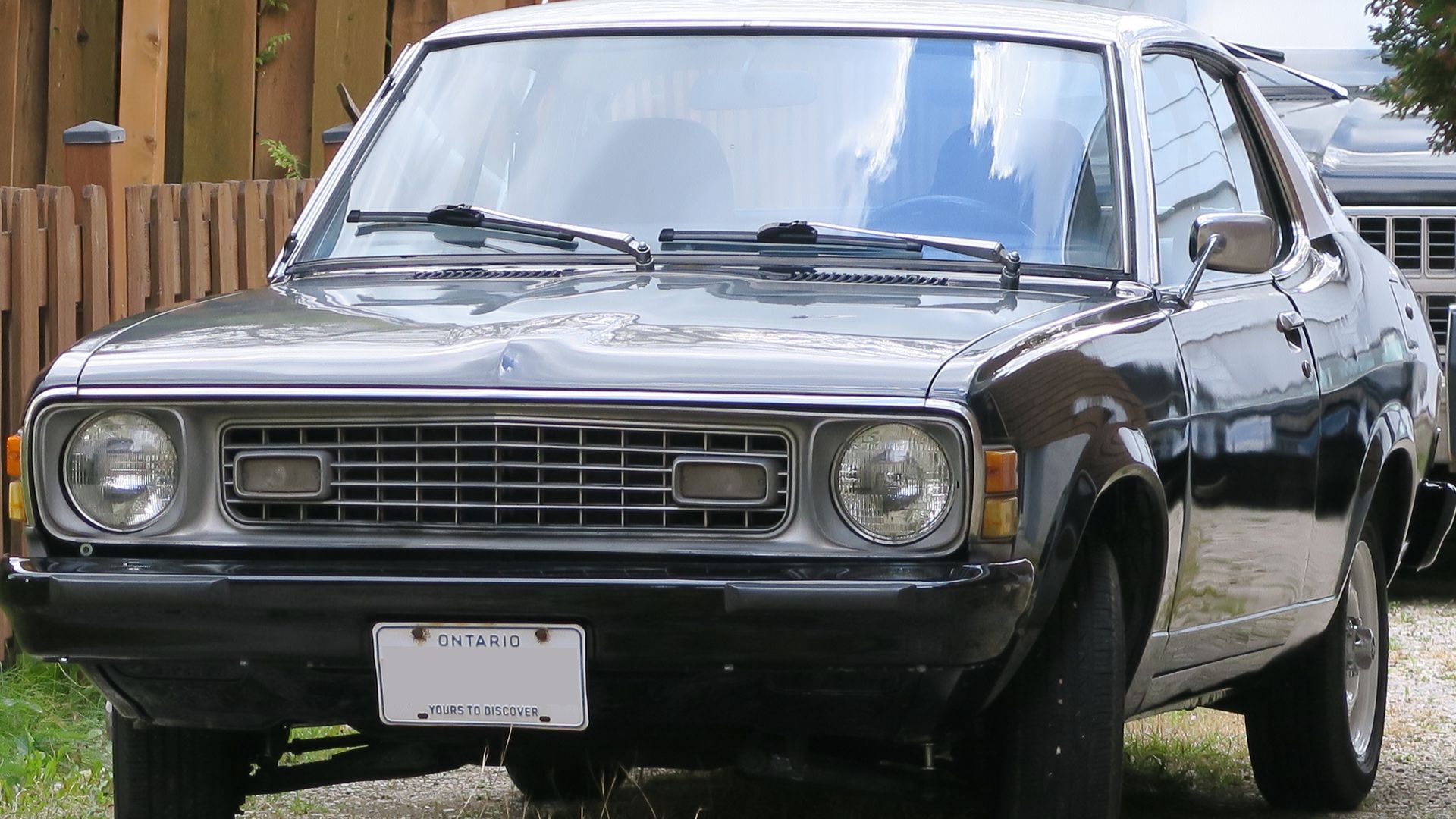
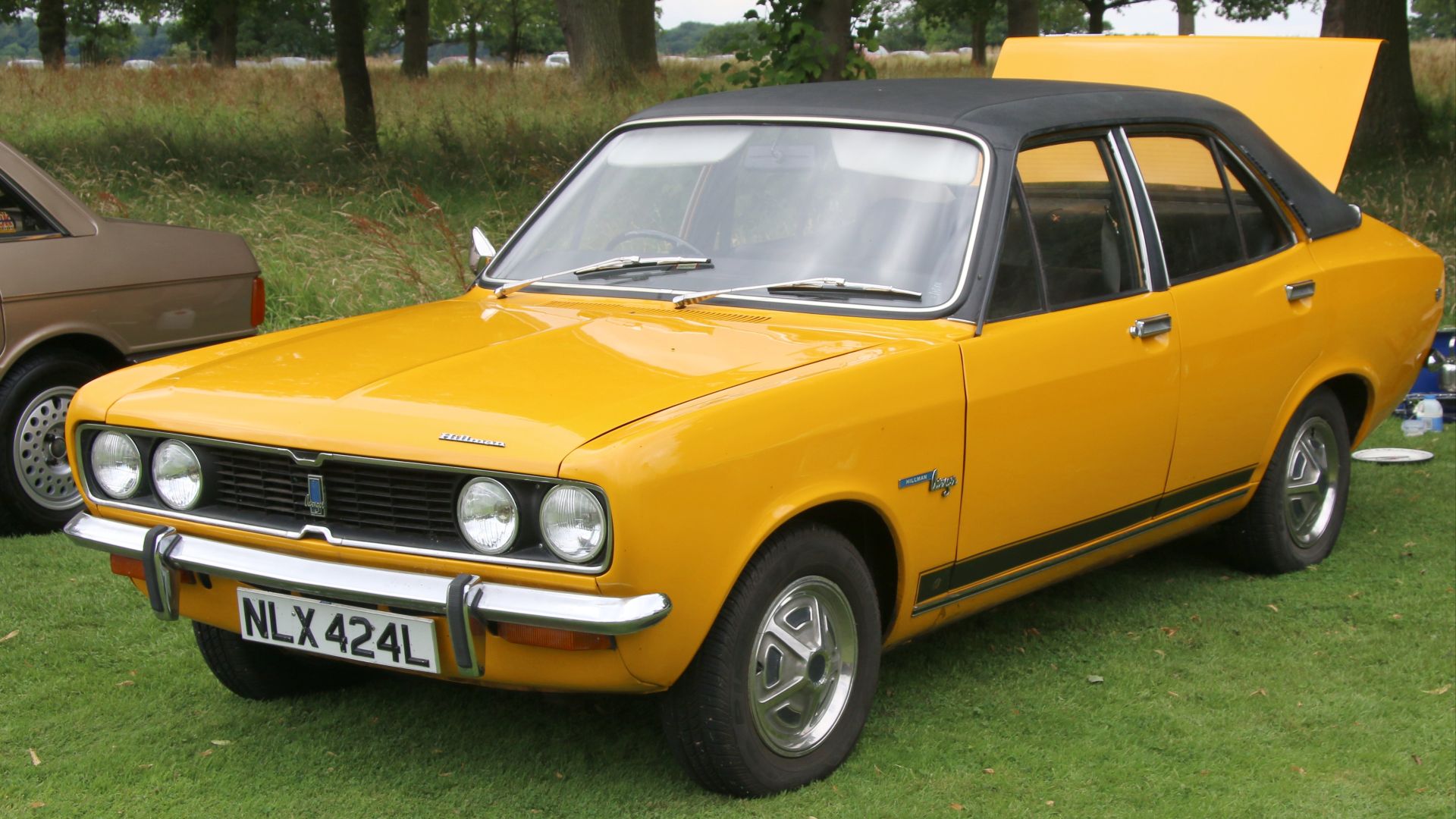
Plymouth Cricket
Not every disguised import came from Japan. Plymouth introduced the Cricket in 1971, but the compact sedan was actually a British-built Hillman Avenger. It disappeared from American showrooms after 1973, making it one of Chrysler's shortest-lived attempts to sell a foreign car under a domestic name.
 kitmasterbloke, Wikimedia Commons
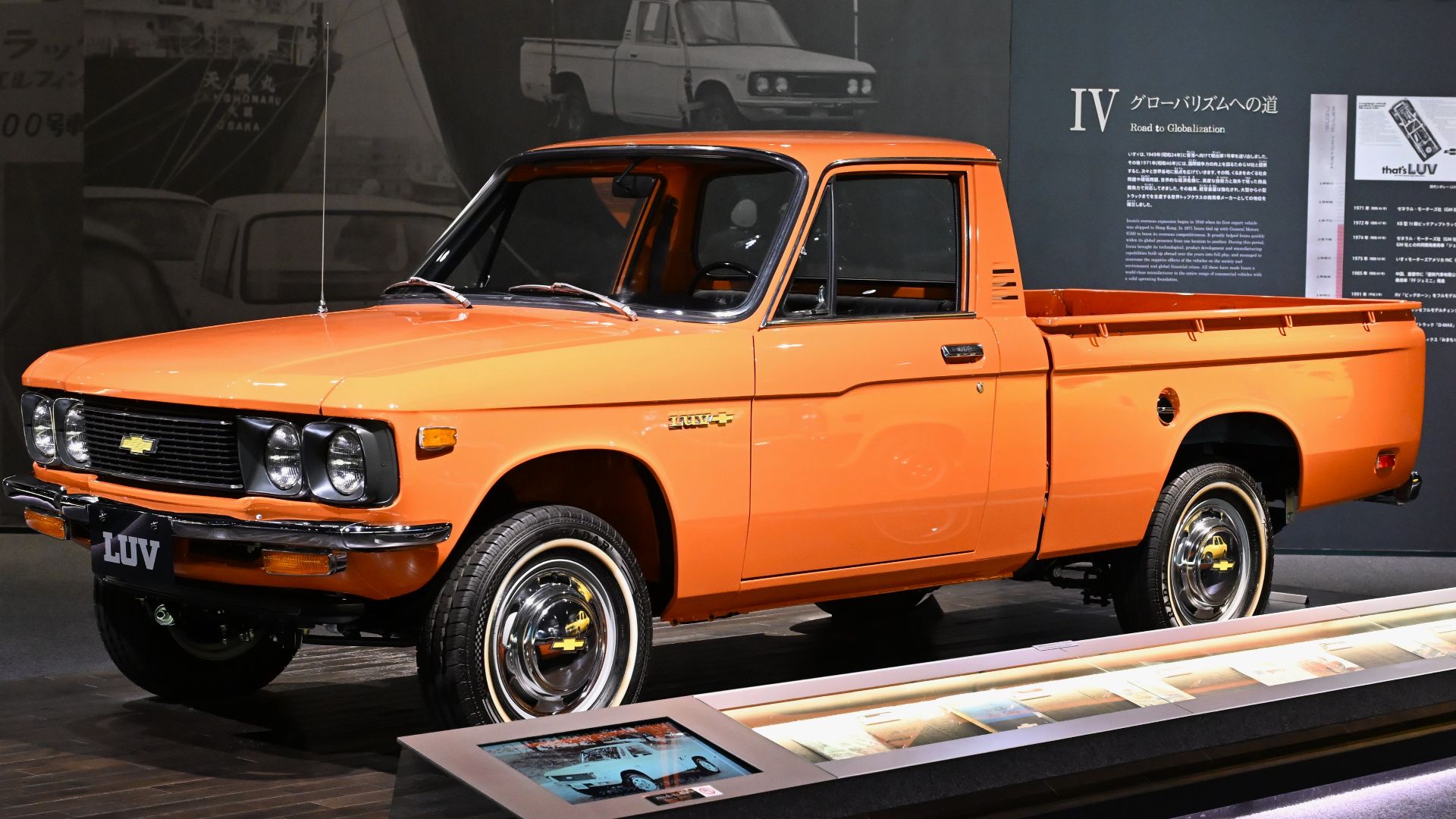
Chevrolet LUV
Chevrolet entered the compact pickup market in 1972 with the LUV, short for Light Utility Vehicle. Despite the familiar bowtie badge, the truck was manufactured by Isuzu in Japan. GM had found a quick way to compete with imported pickups without developing a new truck from scratch.
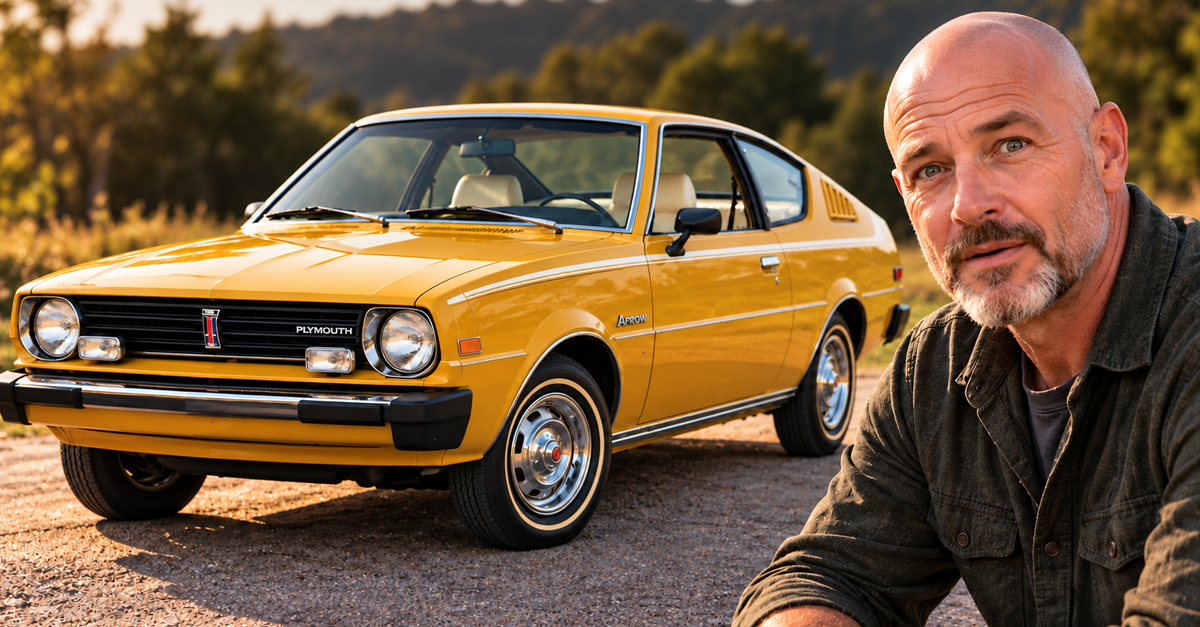
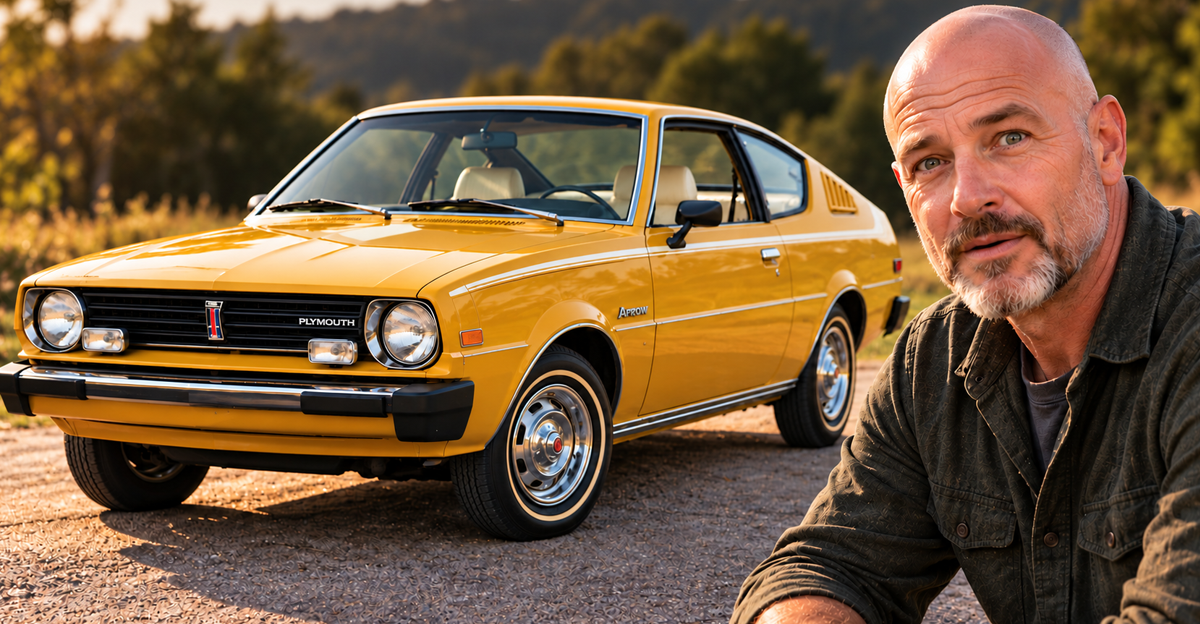
Plymouth Arrow
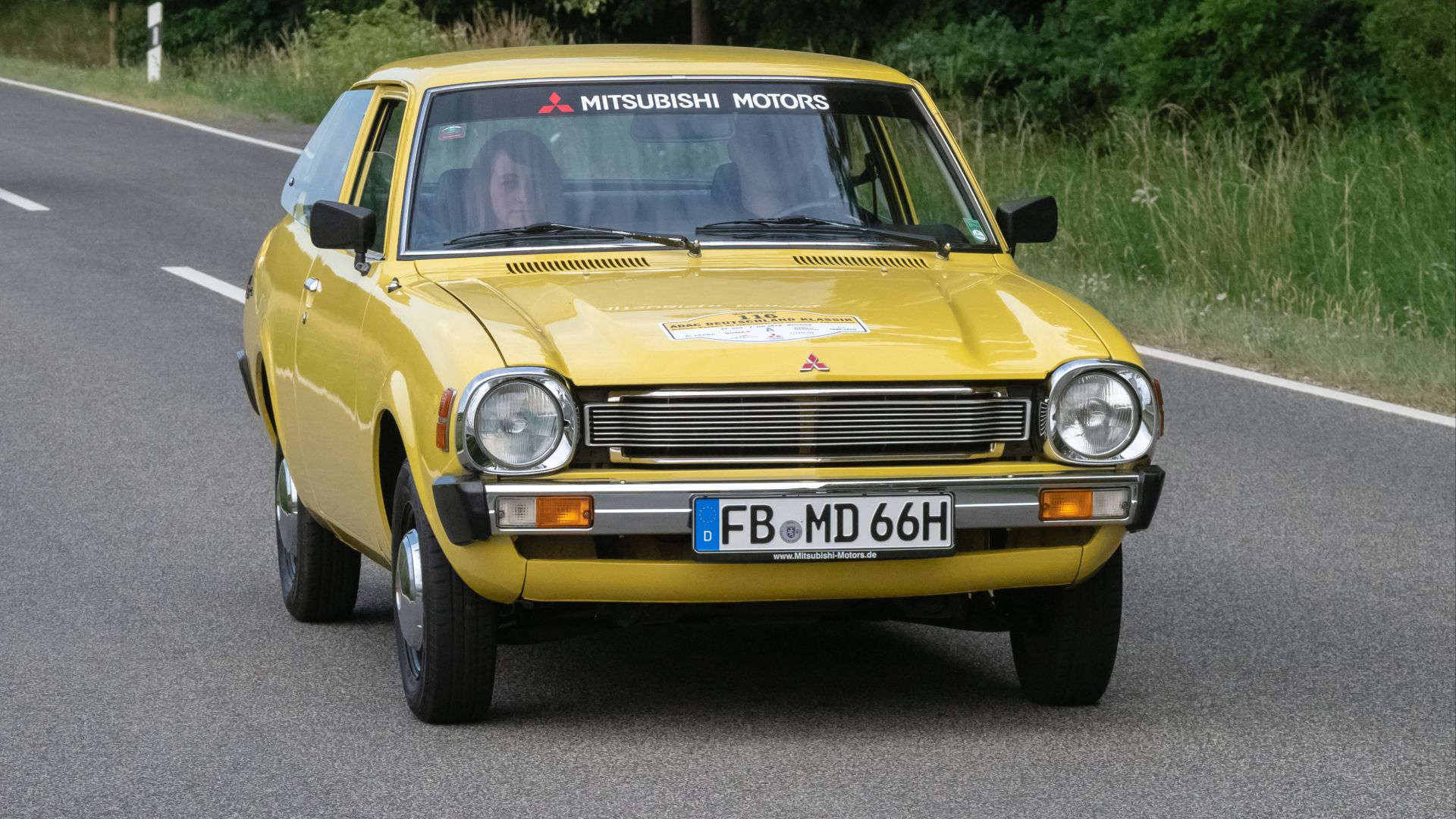
Plymouth introduced the Arrow coupe for 1976, but the sporty-looking hatchback wasn't an American creation. It was actually a Japanese-built Mitsubishi Lancer Celeste, complete with distinctive fastback styling. Although it wore a Plymouth badge, its design and manufacturing came from Mitsubishi.
Ford Courier
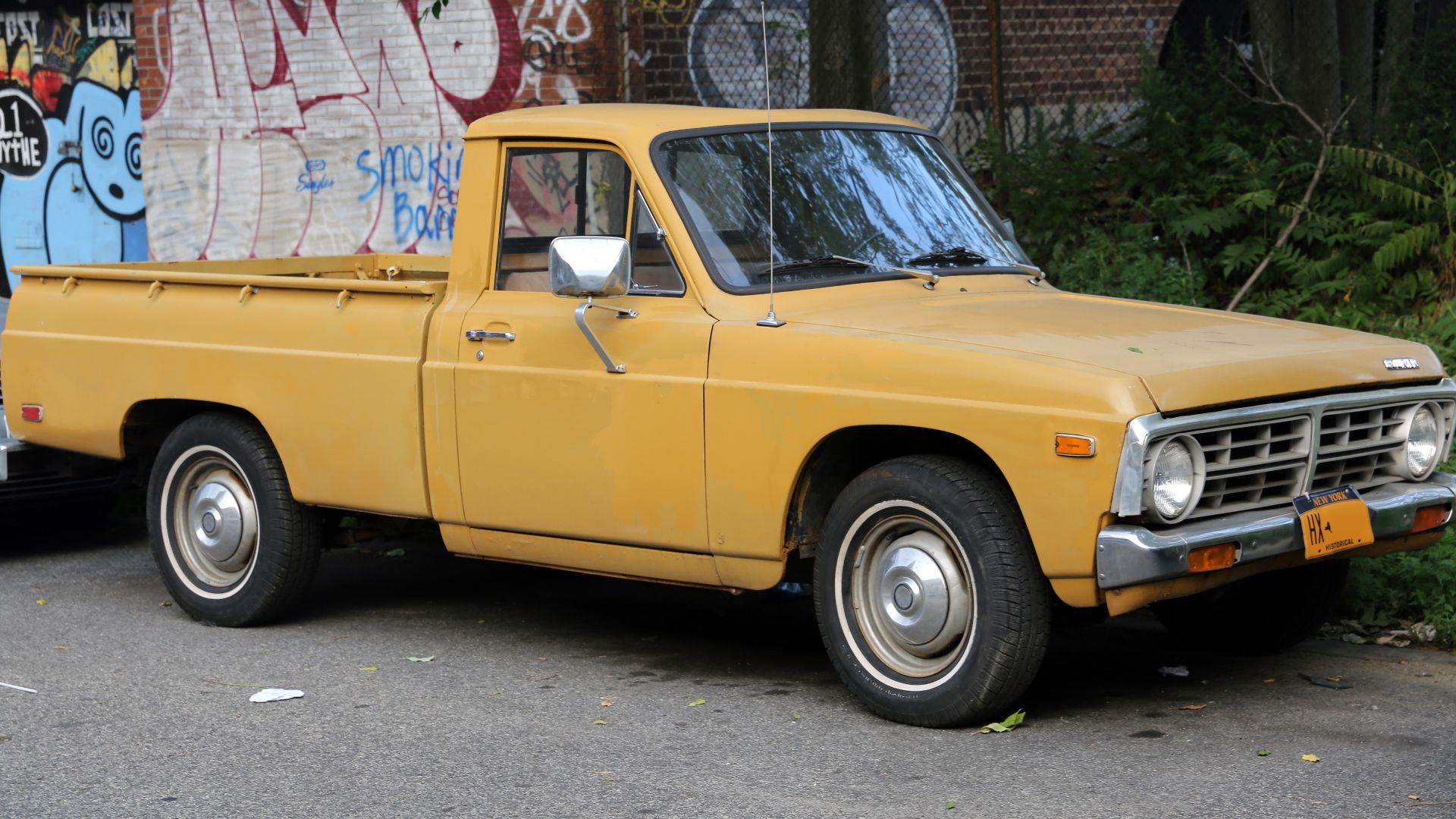
Ford had pulled a similar trick to Chevrolet in 1972 when it introduced the Courier pickup. Underneath its Ford styling, the little truck was a Japanese-built Mazda B-Series. American buyers could get a compact pickup from their local Ford dealer, even though Mazda had done most of the engineering and manufacturing.
 Mr.choppers, Wikimedia Commons
Buick Opel By Isuzu
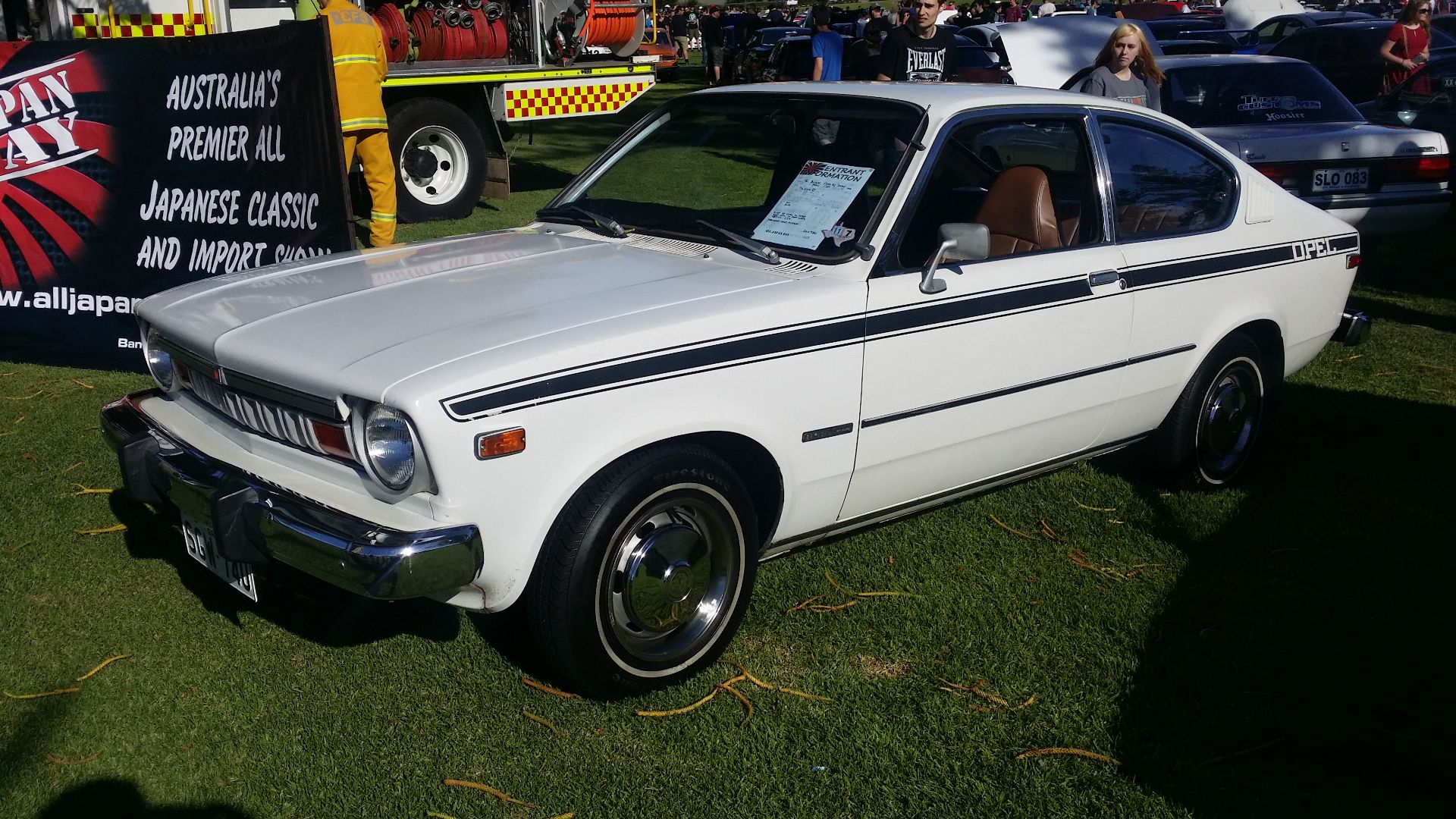
Buick dealers had spent years selling German-built Opels, but the arrangement took a strange turn in 1976. GM introduced the Buick Opel by Isuzu, a Japanese-built replacement based on the Isuzu Gemini. Buyers were purchasing a car with a German name, a Japanese manufacturer, and an American dealership connection.
 TuRbO_J from Adelaide, Australia, Wikimedia Commons
Plymouth Sapporo
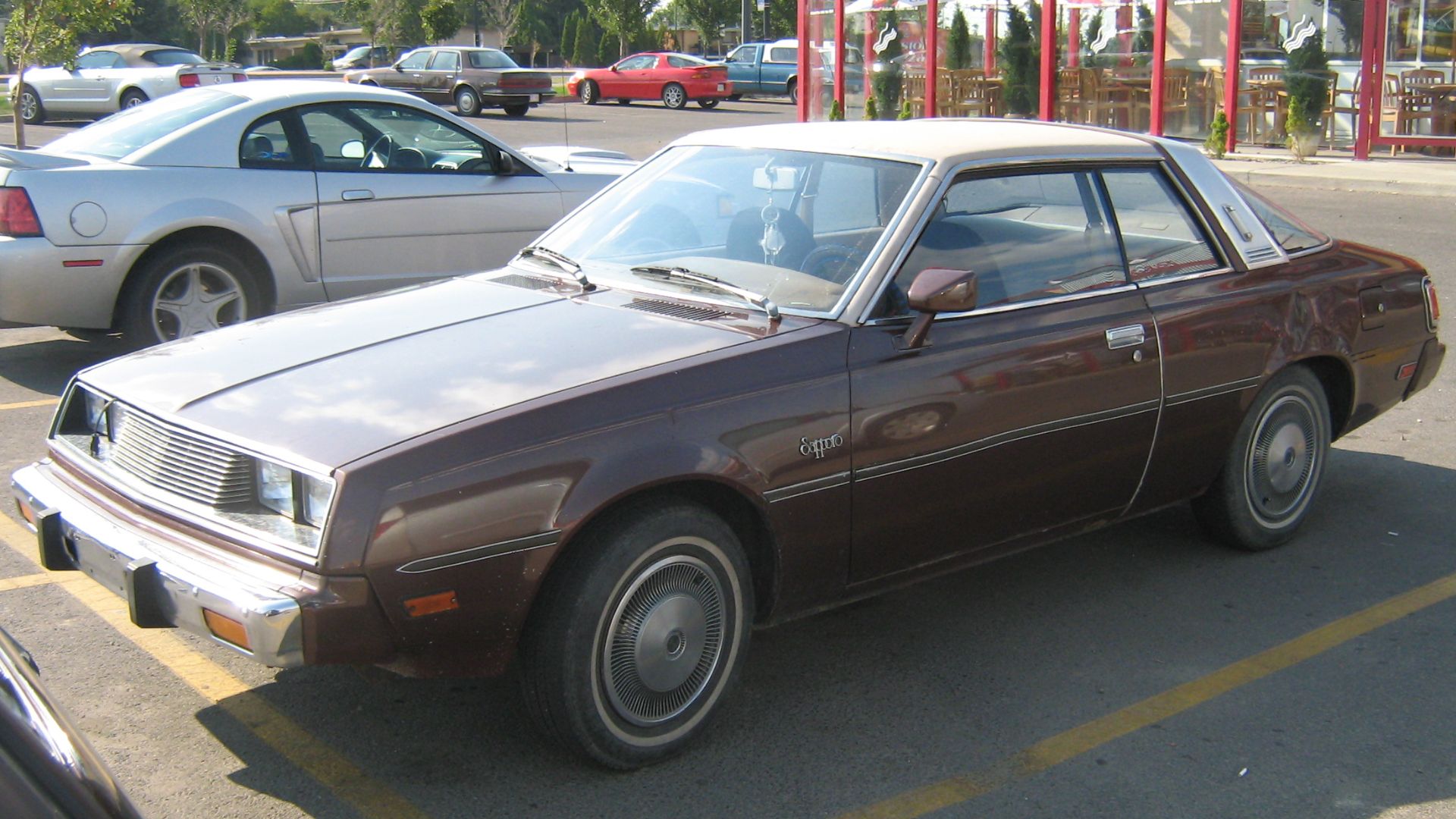
Remember that Mitsubishi-built Dodge Challenger? Plymouth sold its own version beginning in 1978, calling it the Sapporo. Both were based on the Mitsubishi Galant Lambda, although Plymouth emphasized a more luxurious personality with different trim and styling details.
 dave_7 from Lethbridge, Canada, Wikimedia Commons
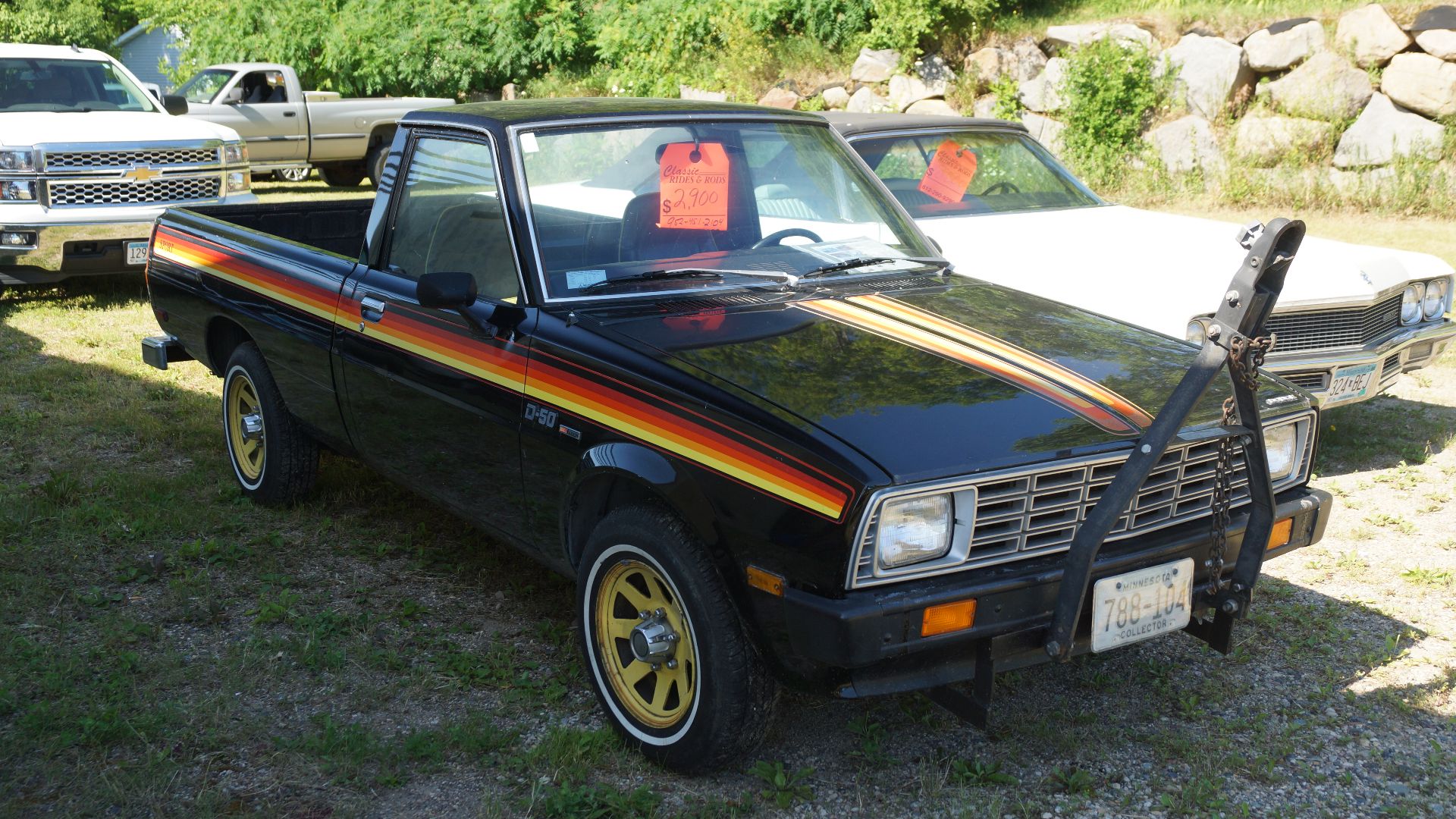
Dodge D-50
Dodge joined the Japanese pickup business in 1979 with the D-50. It was actually a Mitsubishi-built truck based on the Mitsubishi Forte, wearing Dodge identification. The arrangement gave Chrysler an immediate competitor in America's growing compact pickup market.
 Greg Gjerdingen from Willmar, USA, Wikimedia Commons
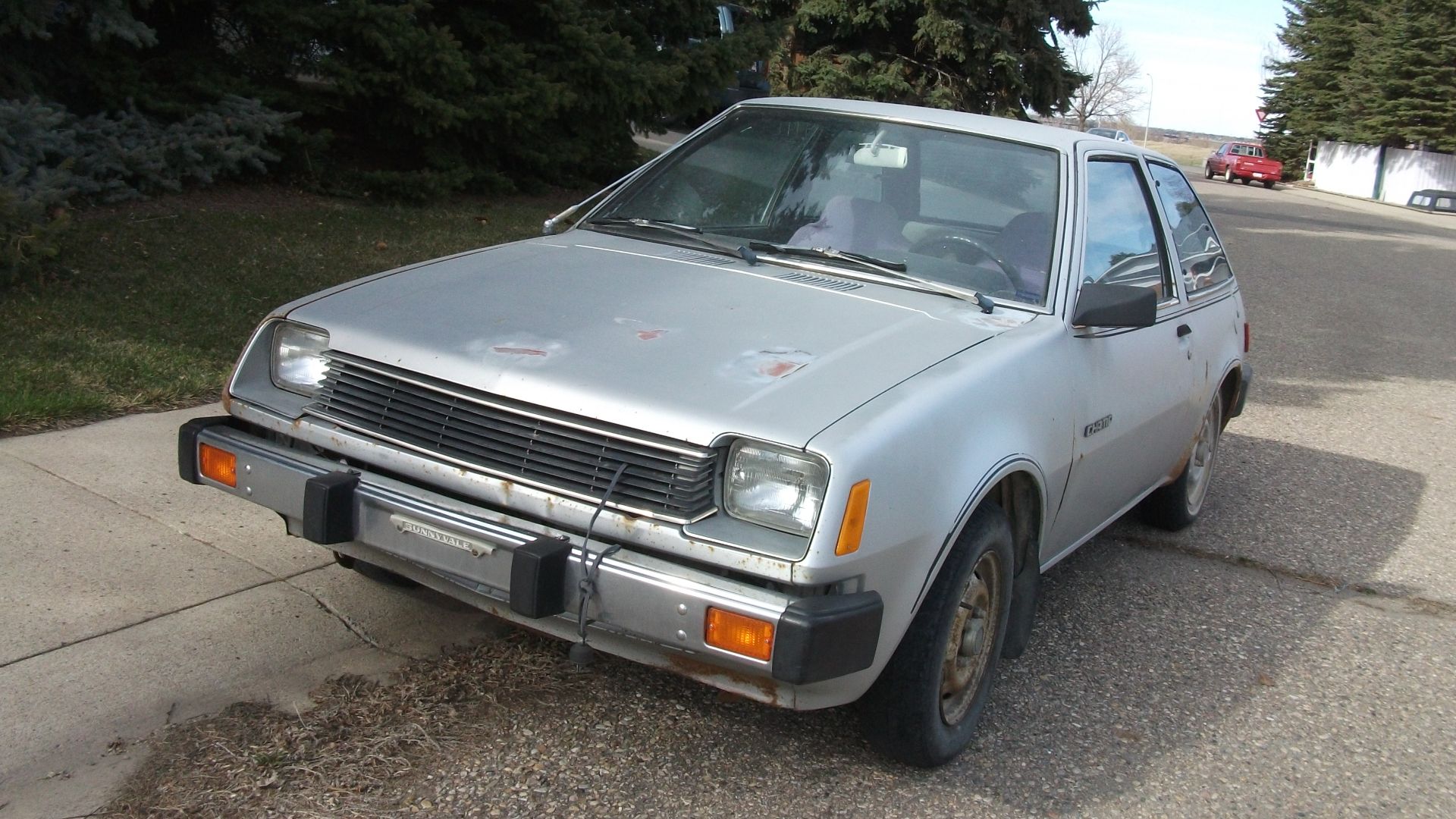
Plymouth Champ
Plymouth introduced the Champ for 1979 as another Japanese-built addition to Chrysler's lineup. It was a rebadged Mitsubishi Mirage, closely related to the contemporary Dodge Colt. Some versions featured Mitsubishi's unusual Twin-Stick transmission, which offered two selectable gear ranges and eight forward ratios.
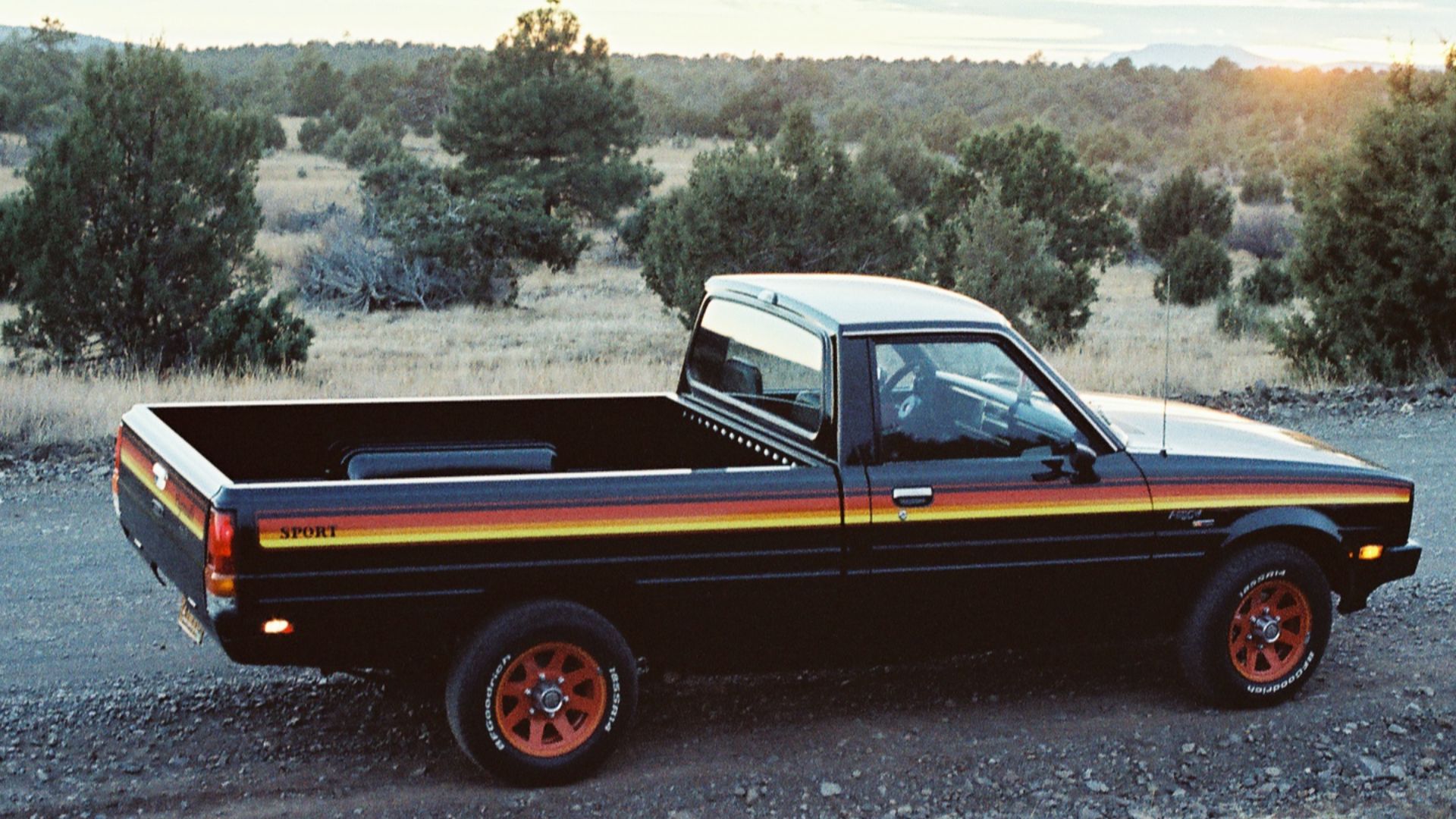
Plymouth Arrow Pickup
Chrysler wasn't satisfied with selling Mitsubishi's pickup through Dodge dealerships alone. In 1979, Plymouth introduced the Arrow pickup, another version of the Japanese-built Dodge D-50. Buyers choosing between the two trucks were essentially choosing between different versions of a Mitsubishi.
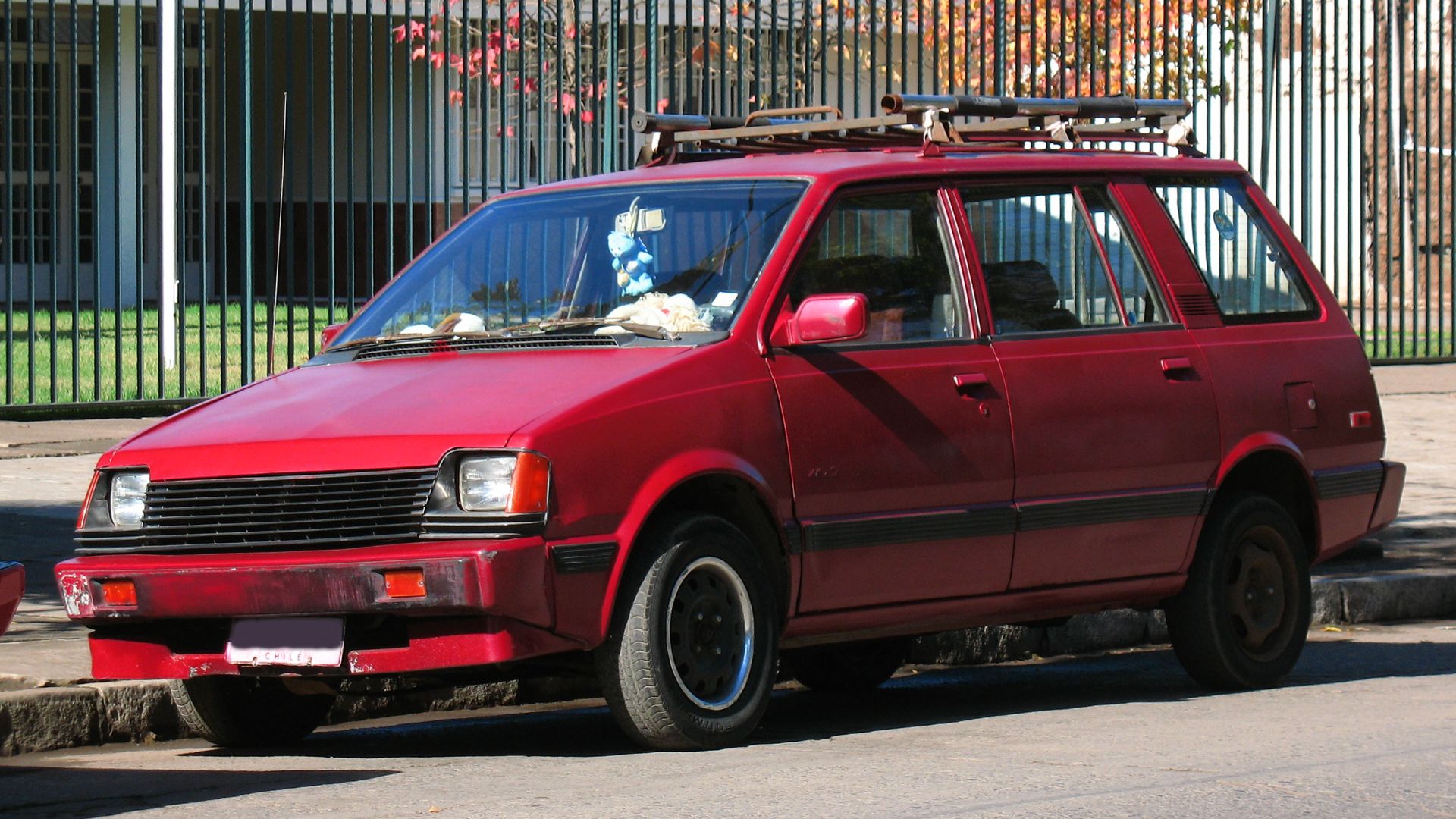
Dodge Colt Vista
Chrysler's Mitsubishi partnership expanded beyond small cars and pickups during the 1980s. Introduced for 1984, the Dodge Colt Vista was a tall, practical wagon based on the Japanese Mitsubishi Chariot. Its flexible interior and available four-wheel drive made it an early alternative to conventional family station wagons.
 order_242 from Chile, Wikimedia Commons
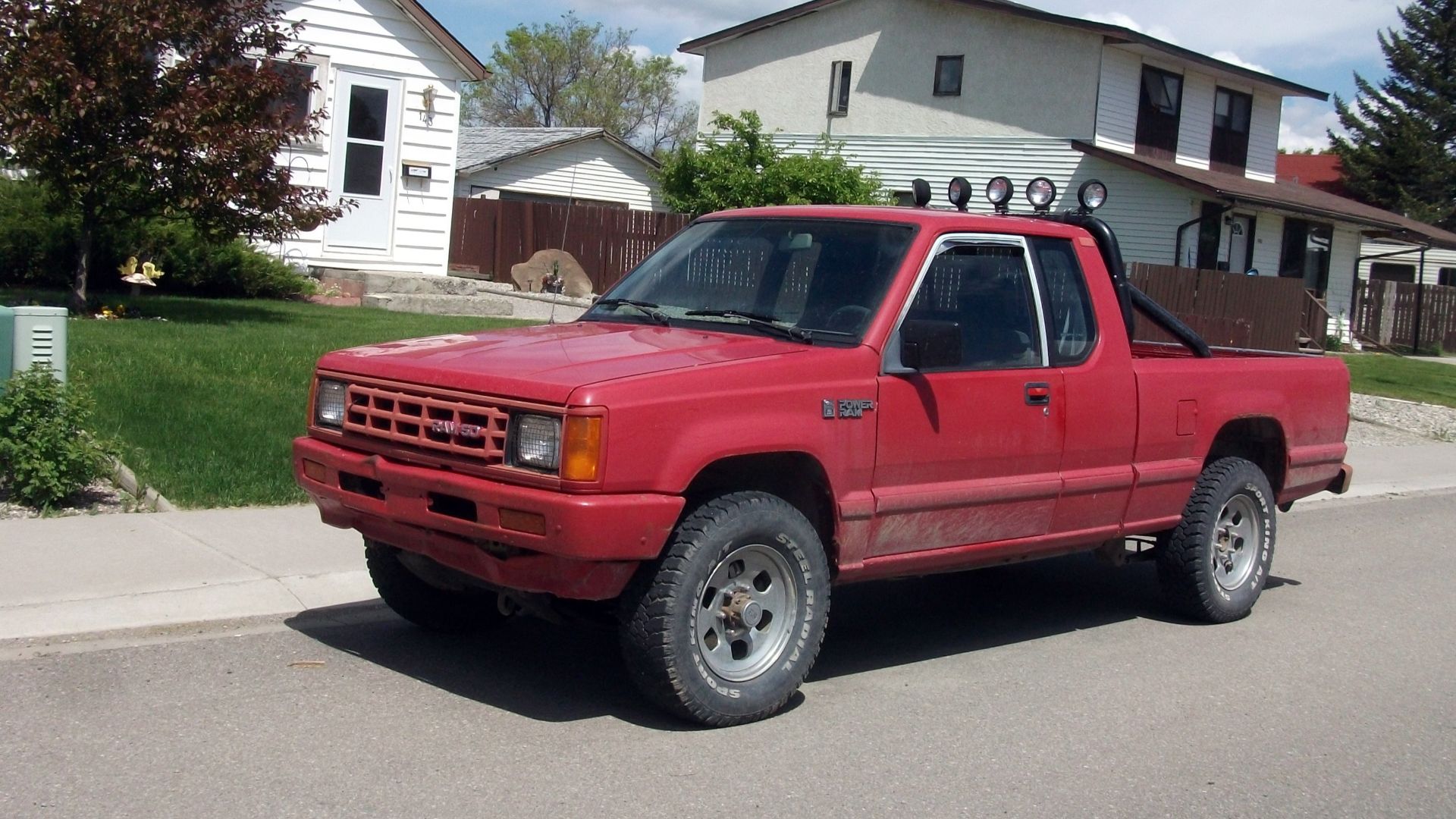
Dodge Ram 50
Meanwhile, Dodge had renamed its D-50 pickup the Ram 50 for 1981, giving it a name that sounded much more American. Yet it remained a Mitsubishi-built truck with Japanese engineering underneath. The Ram 50 continued into the 1990s, long after many buyers had forgotten its original identity.
 dave_7 from Lethbridge, Canada, Wikimedia Commons
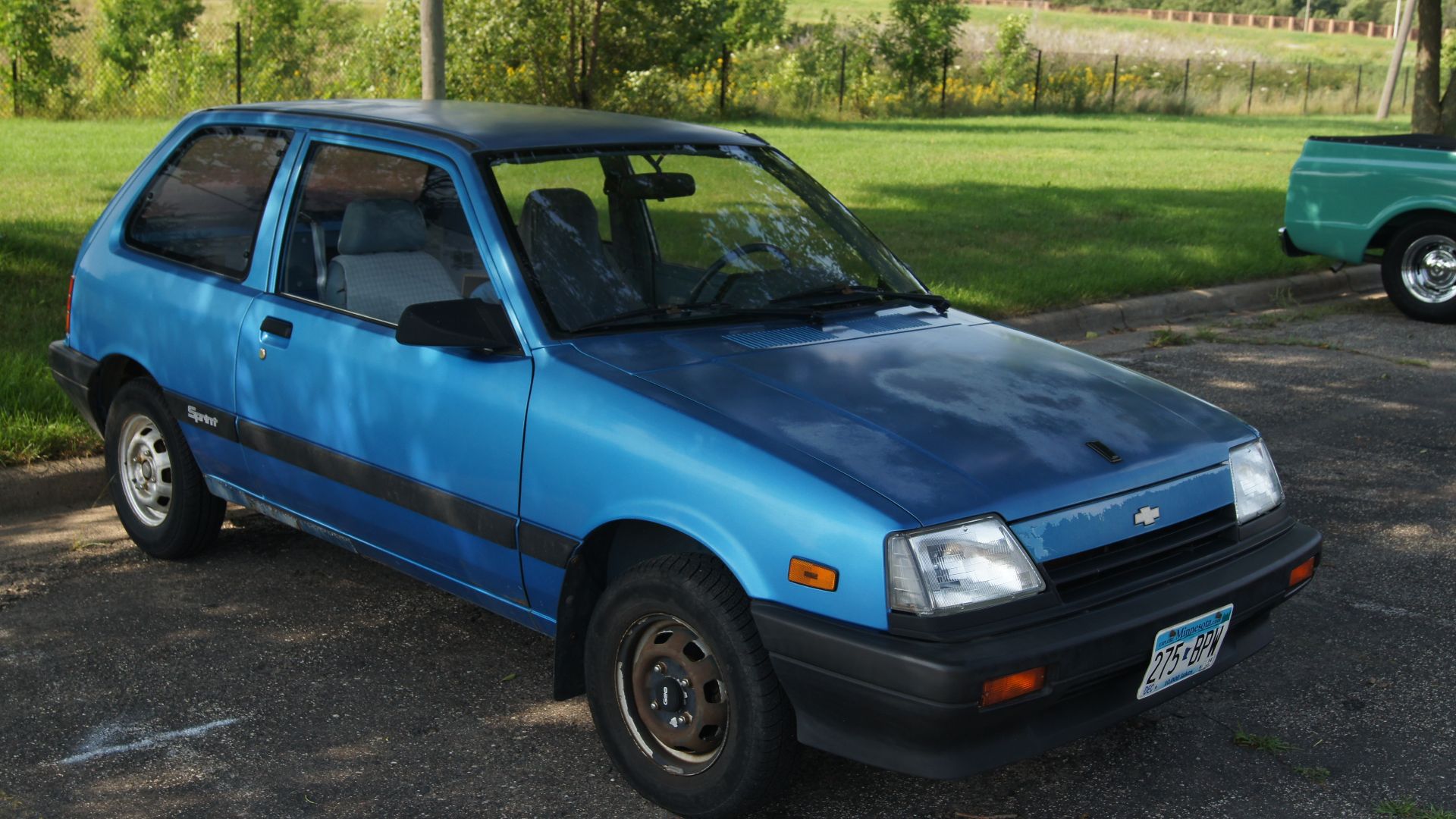
Chevrolet Sprint
Chevrolet's tiny Sprint reached American buyers in 1985, but its origins were Japanese. Built by Suzuki and based on the Suzuki Cultus, it featured a small three-cylinder engine designed with fuel economy in mind. It was a very different kind of Chevrolet from the larger sedans and V8-powered cars that had helped establish the brand.
 Greg Gjerdingen, Wikimedia Commons
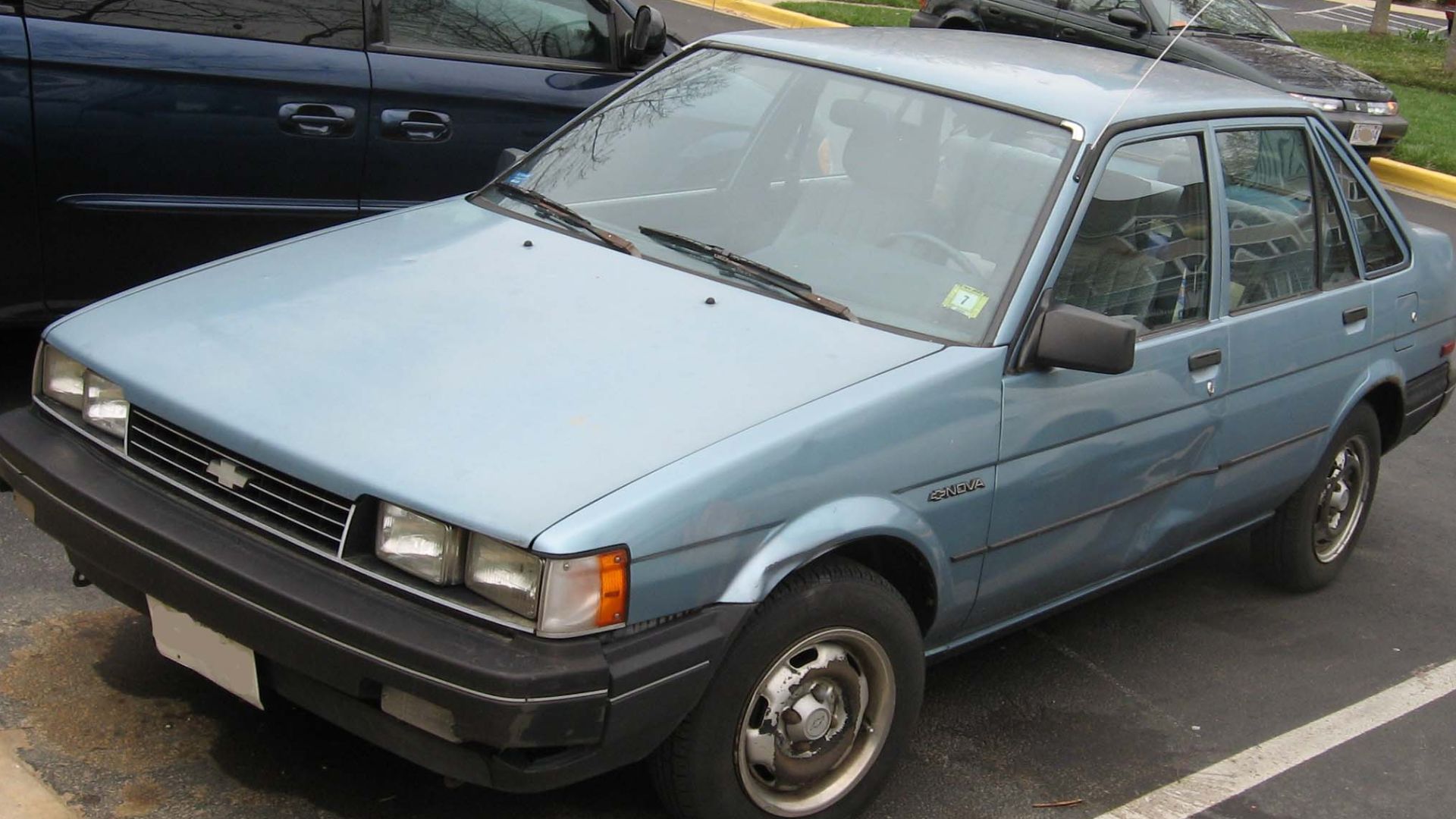
Chevrolet Nova
When Chevrolet brought back the Nova name in 1985, it wasn't reviving the familiar American compact. The new Nova was based on the Toyota Corolla and manufactured at the GM-Toyota NUMMI joint-venture plant in Fremont, California. Unlike most cars on this list, it was assembled in America, but its design and production methods came from Toyota.
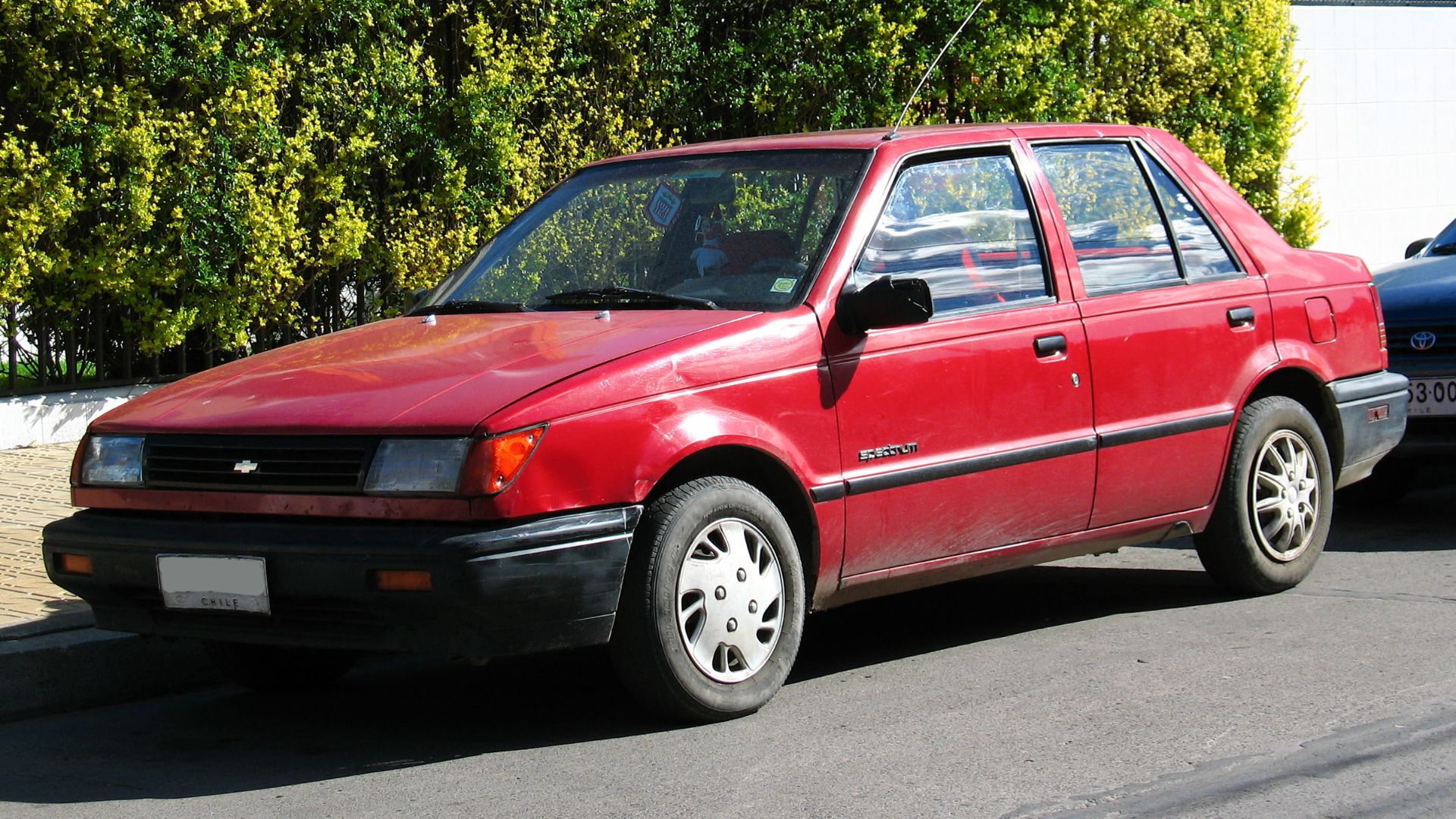
Chevrolet Spectrum
The Chevrolet Spectrum also joined the lineup for 1985, offering buyers another compact import with an American badge. Manufactured in Japan, it was essentially a rebadged Isuzu Gemini with Chevrolet styling details. GM could expand its small-car lineup without developing another completely new model.
 order_242 from Chile, Wikimedia Commons
Chrysler Conquest
The Chrysler Conquest looked like an American sports car, but Mitsubishi was responsible for its engineering and production. Based on the Japanese Mitsubishi Starion, it offered turbocharged four-cylinder performance, rear-wheel drive, and aggressive styling. Dodge and Plymouth had sold versions before the Conquest moved under the Chrysler badge for 1987.
 Mr.choppers, Wikimedia Commons
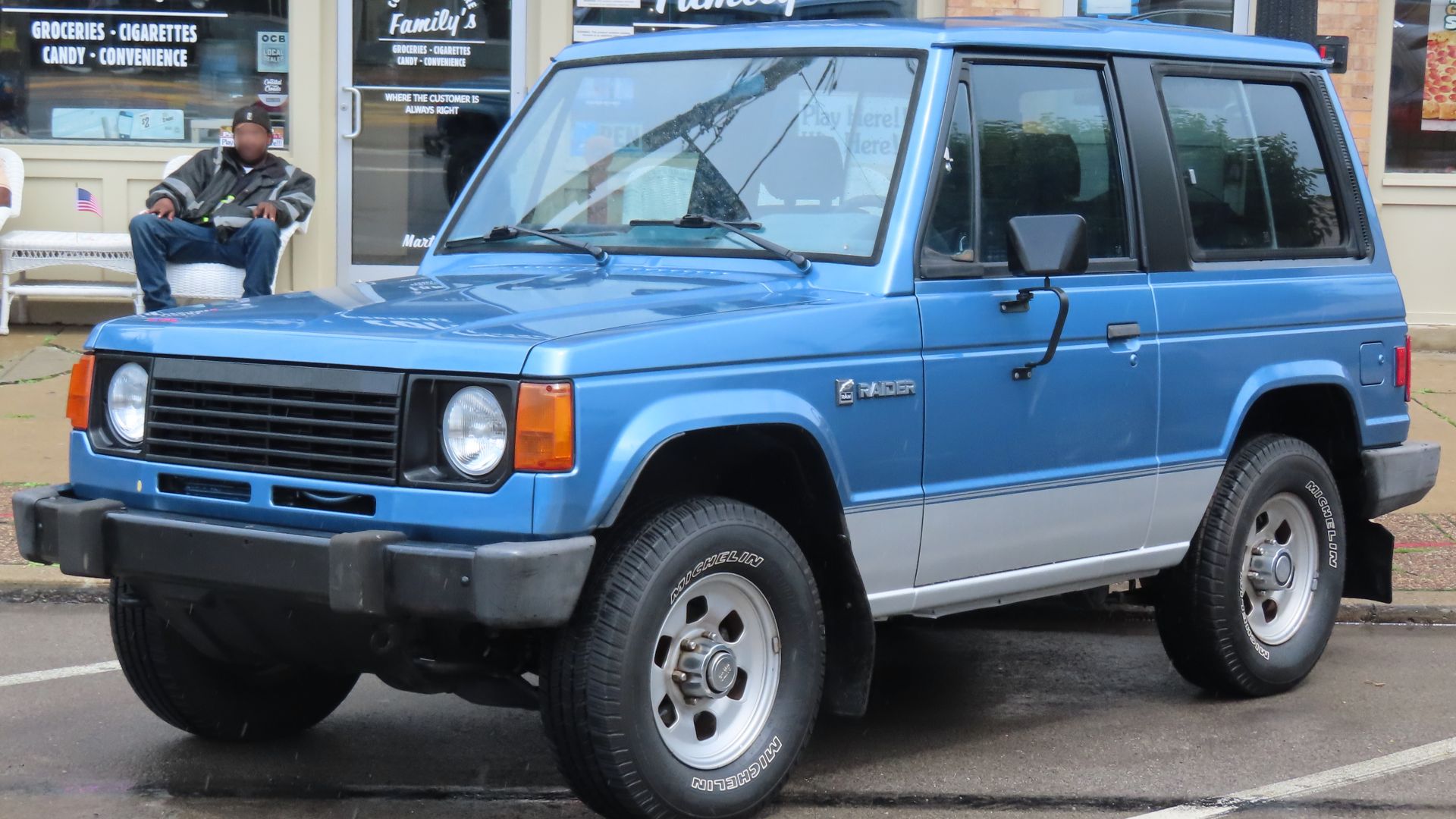
Dodge Raider
Dodge entered the compact SUV market in 1987 with the Raider, a rugged two-door four-wheel-drive vehicle. Despite its American badge, it was actually a Mitsubishi Montero, also known internationally as the Pajero. Built in Japan, it gave Dodge an off-road model without developing an entirely new SUV.
 MercurySable99, Wikimedia Commons
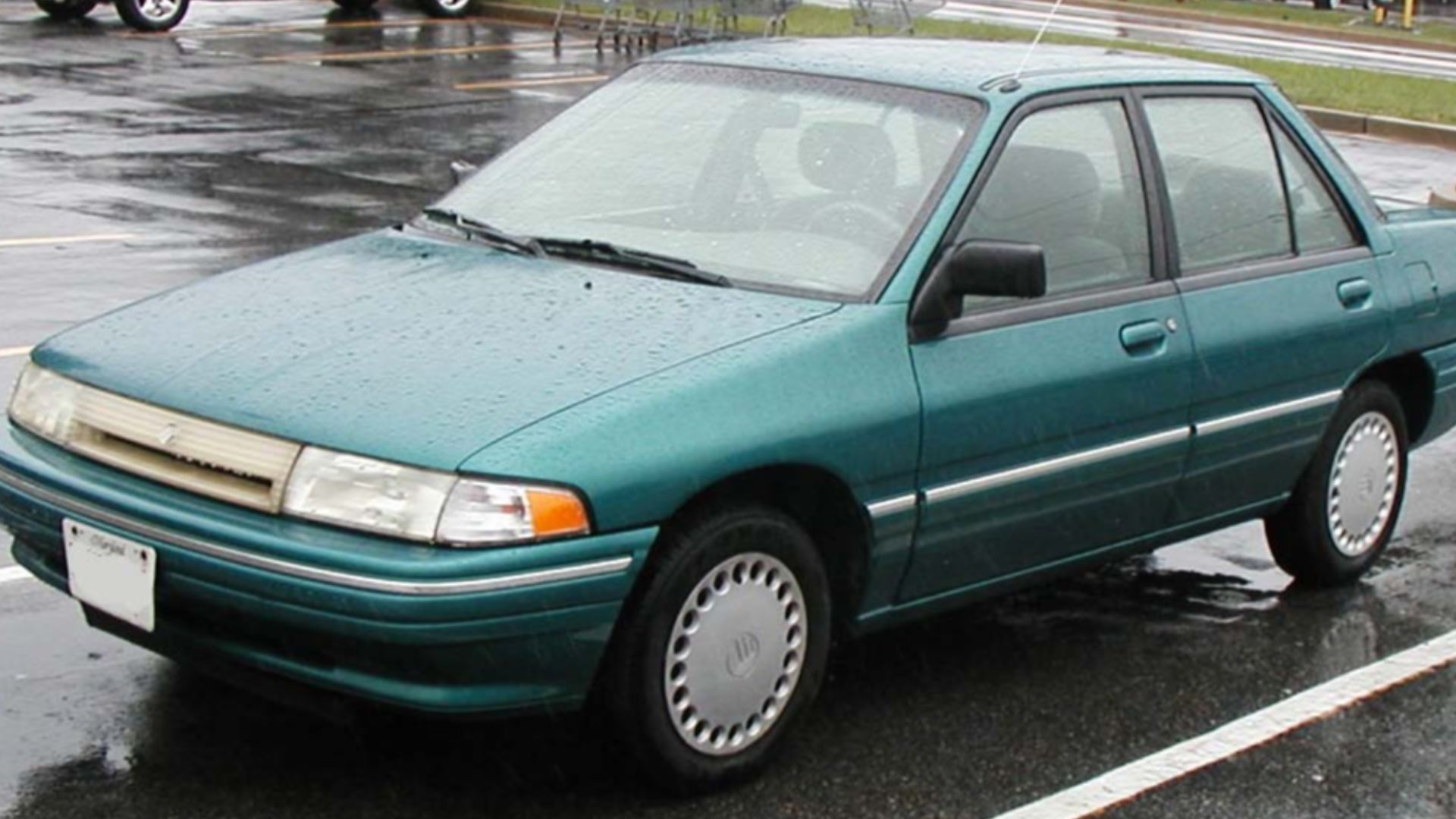
Mercury Tracer
Mercury introduced the Tracer in the United States during 1987, giving buyers a compact car related to the Mazda 323. U.S.-market examples were assembled in Mexico, while Canadian-market cars came from Taiwan. Its Mazda-derived engineering and international production made it anything but a traditional American Mercury.
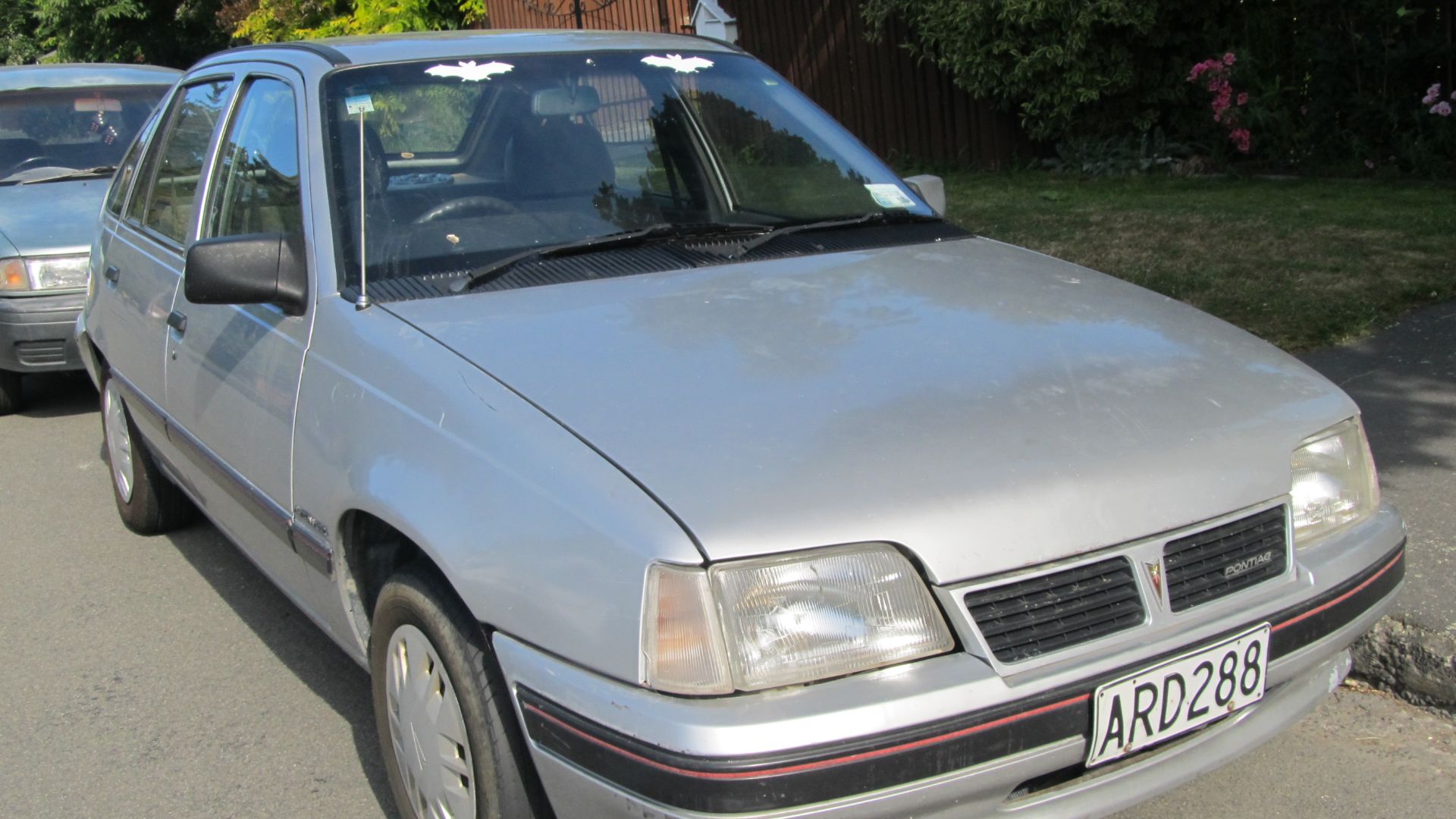
Pontiac LeMans
Pontiac revived the LeMans name for 1988, but the new model had little in common with the American performance cars that originally wore it. The compact was manufactured by Daewoo in South Korea using a design derived from the German Opel Kadett E. It was a remarkable transformation for one of Pontiac's most recognizable names.
 Riley from Christchurch, New Zealand, Wikimedia Commons
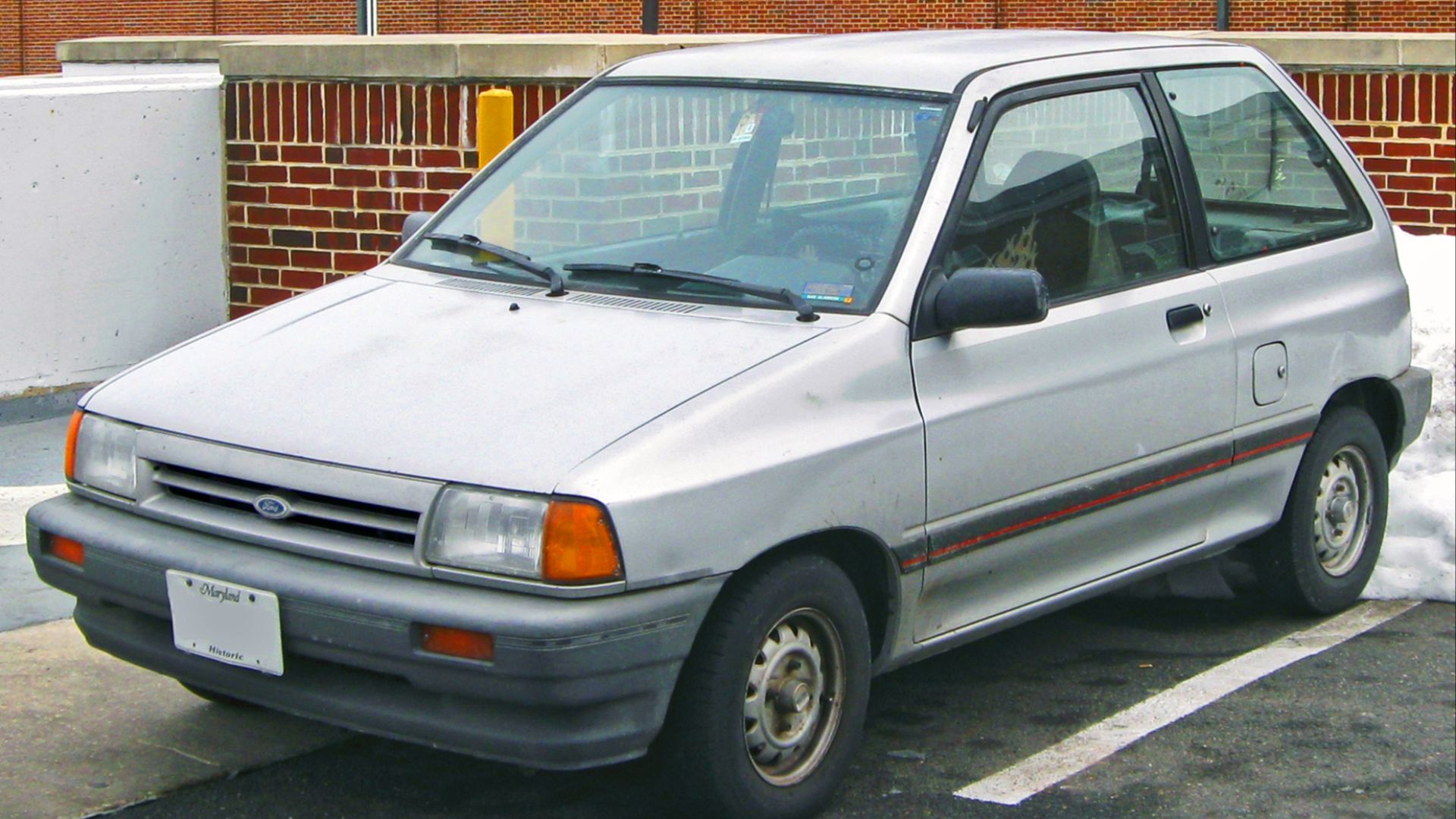
Ford Festiva
The Ford Festiva reached American showrooms in 1987 as a 1988 model with a surprisingly complicated family tree. Mazda designed the small hatchback, while Kia manufactured it in South Korea. Ford supplied the badge and dealership network, creating an economy car that was American mostly in name.
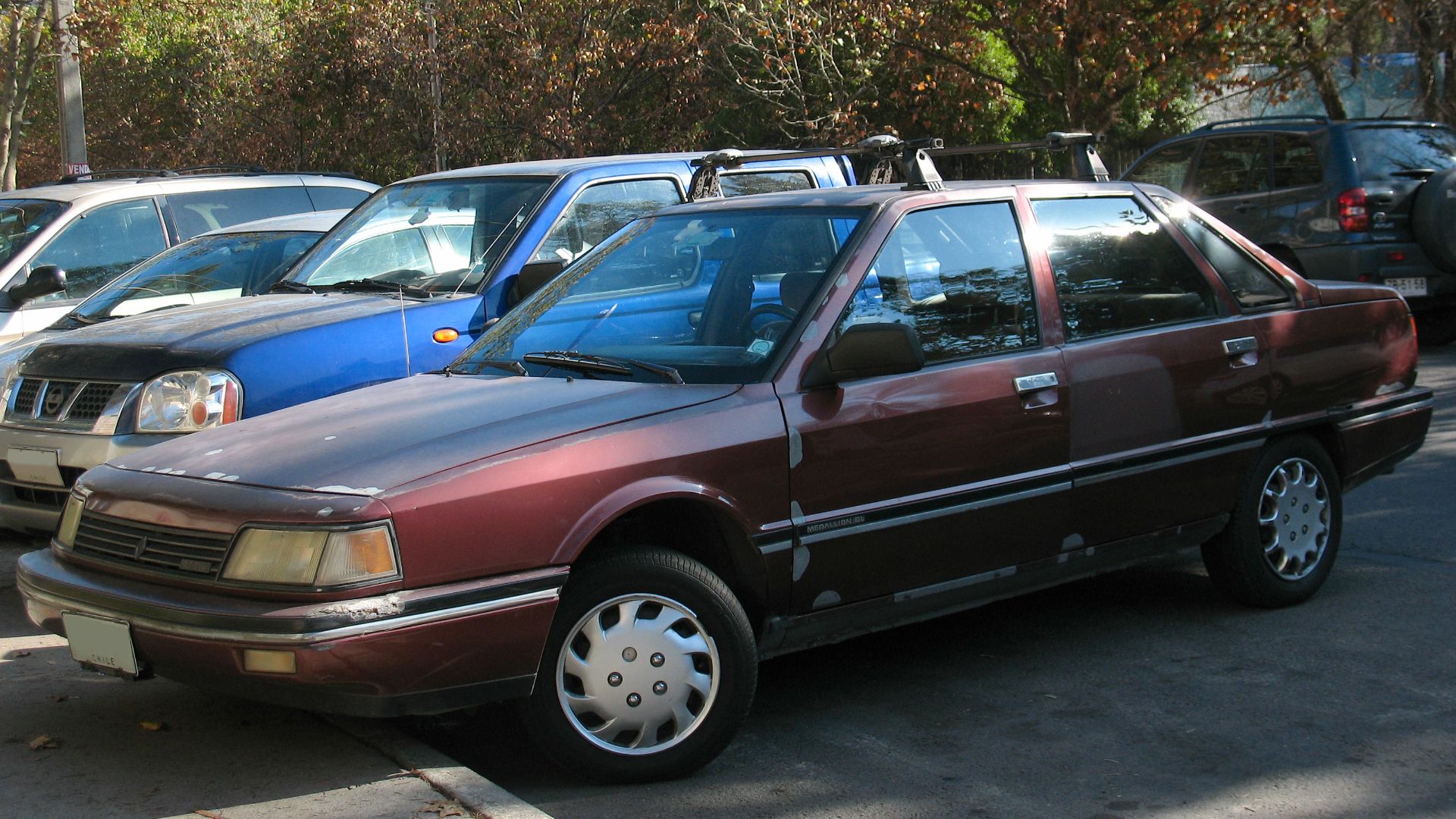
Eagle Medallion
Chrysler inherited an unusual European import when it acquired American Motors in 1987. The French-built Renault Medallion, based on the Renault 21, became the Eagle Medallion for 1989. Its new badge suggested an American identity, but the underlying car remained unmistakably French.
 order_242 from Chile, Wikimedia Commons
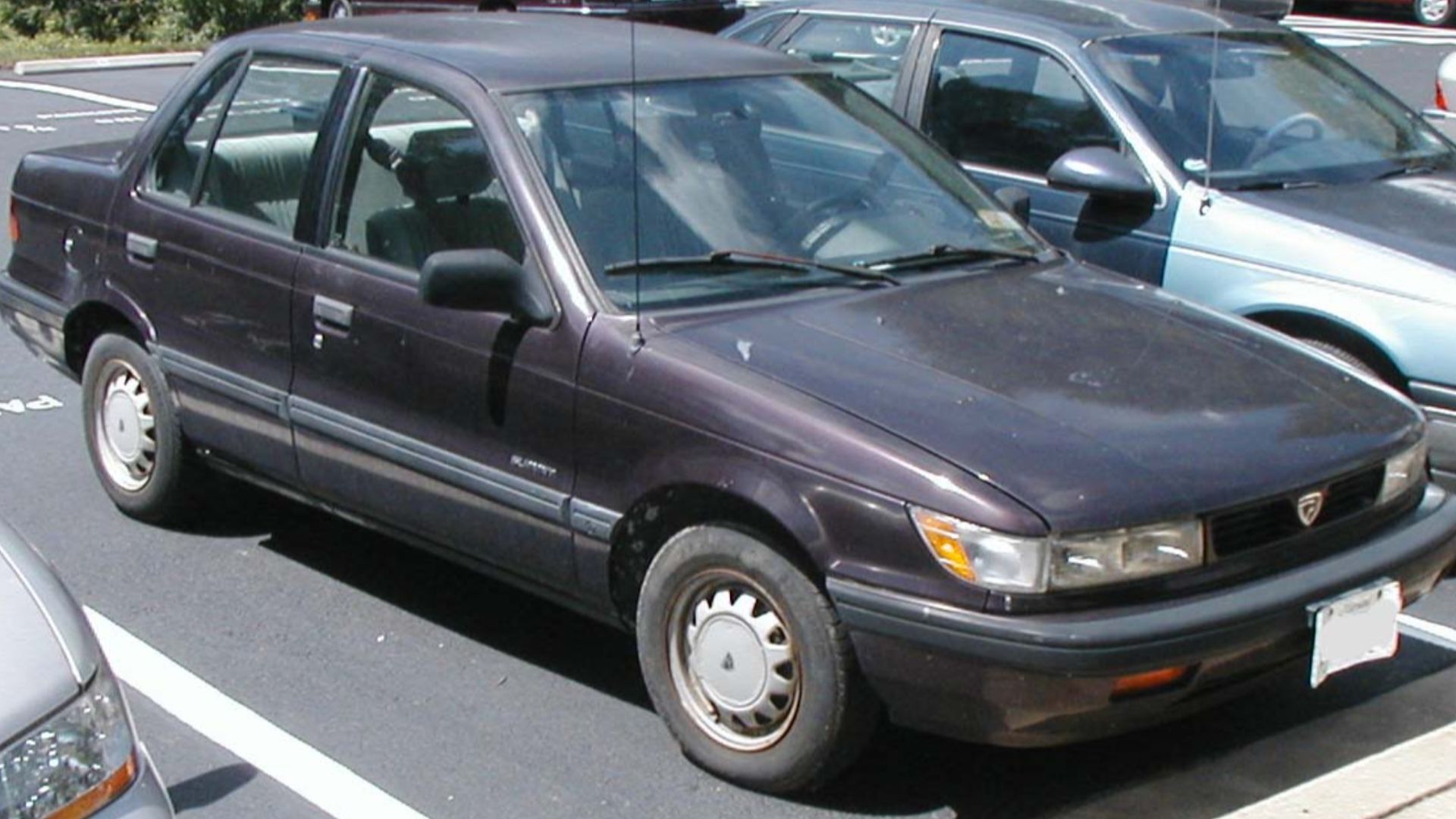
Eagle Summit
The Eagle Summit arrived for 1989 as another Japanese car hiding behind an American nameplate. It was based on the Mitsubishi Mirage and built in Japan, sharing much of its engineering with other Mitsubishi-derived Chrysler products. Eagle dealerships gained a compact economy car without requiring Chrysler to design one.
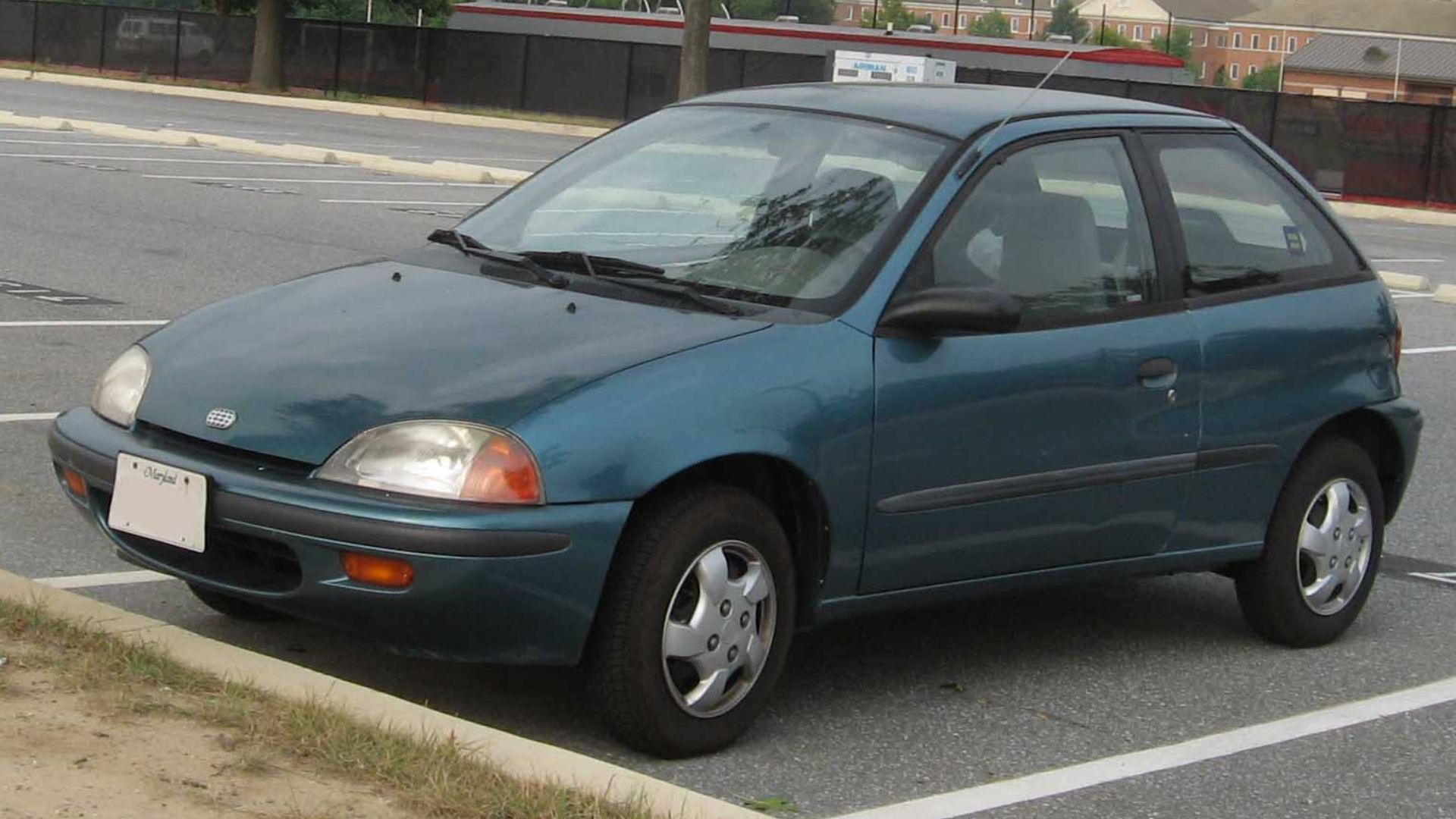
Geo Metro
GM introduced the Geo Metro for 1989 as part of its effort to sell smaller, more fuel-efficient vehicles. The Metro was developed from the Suzuki Cultus and closely related to the Suzuki Swift, with early U.S.-market models sourced from Japan. Its tiny three-cylinder engine made it one of the most distinctive economy cars wearing a GM badge.
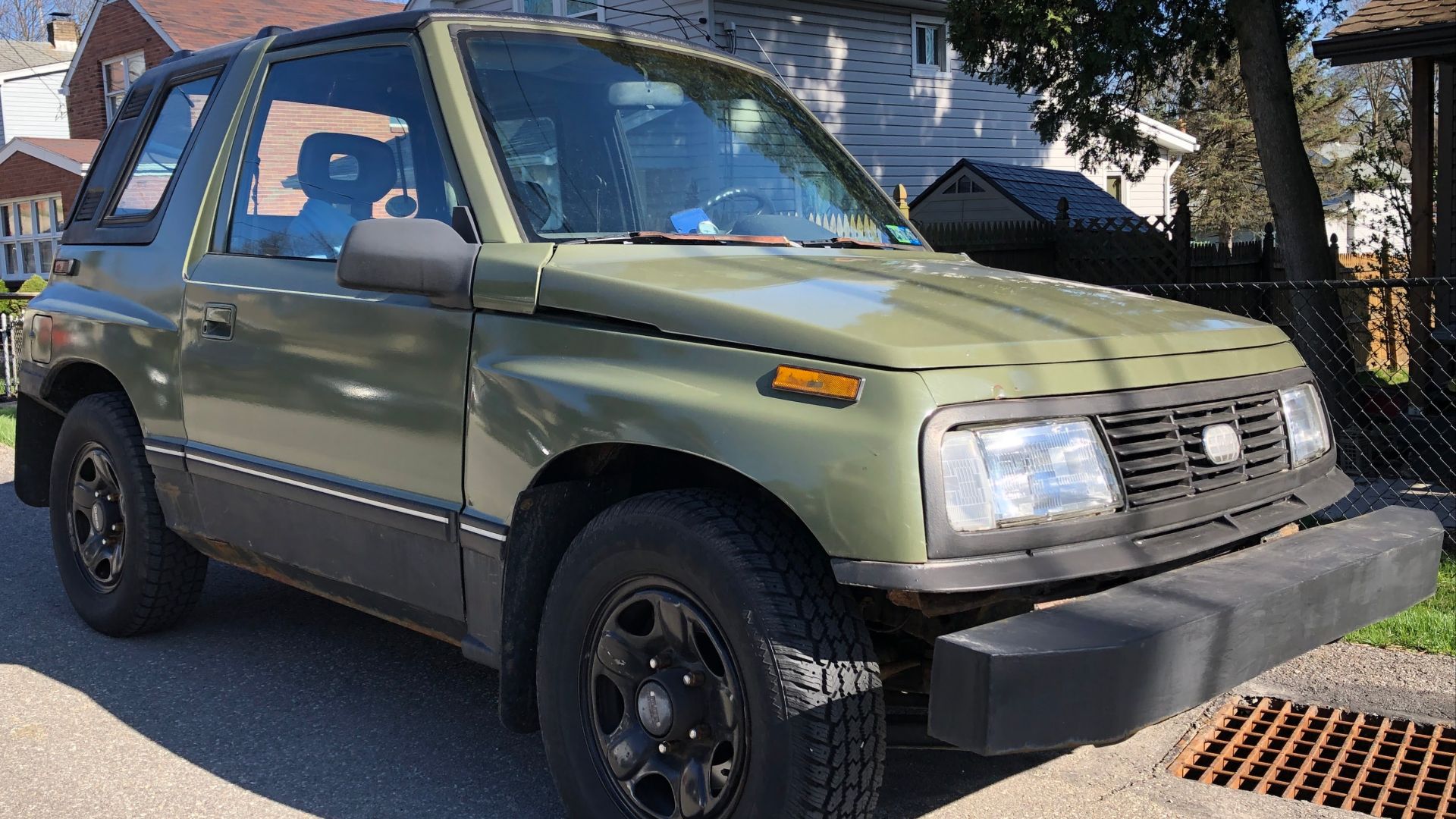
Geo Tracker
The Geo Tracker arrived for 1989, offering a small, rugged-looking alternative to conventional passenger cars. Developed with Suzuki and closely related to the Suzuki Sidekick, initial examples were imported from Japan before production expanded to the GM-Suzuki CAMI factory in Ontario in April 1989. The Tracker combined Japanese engineering with GM branding and Canadian assembly.
 BlueCrabRedCrab, Wikimedia Commons
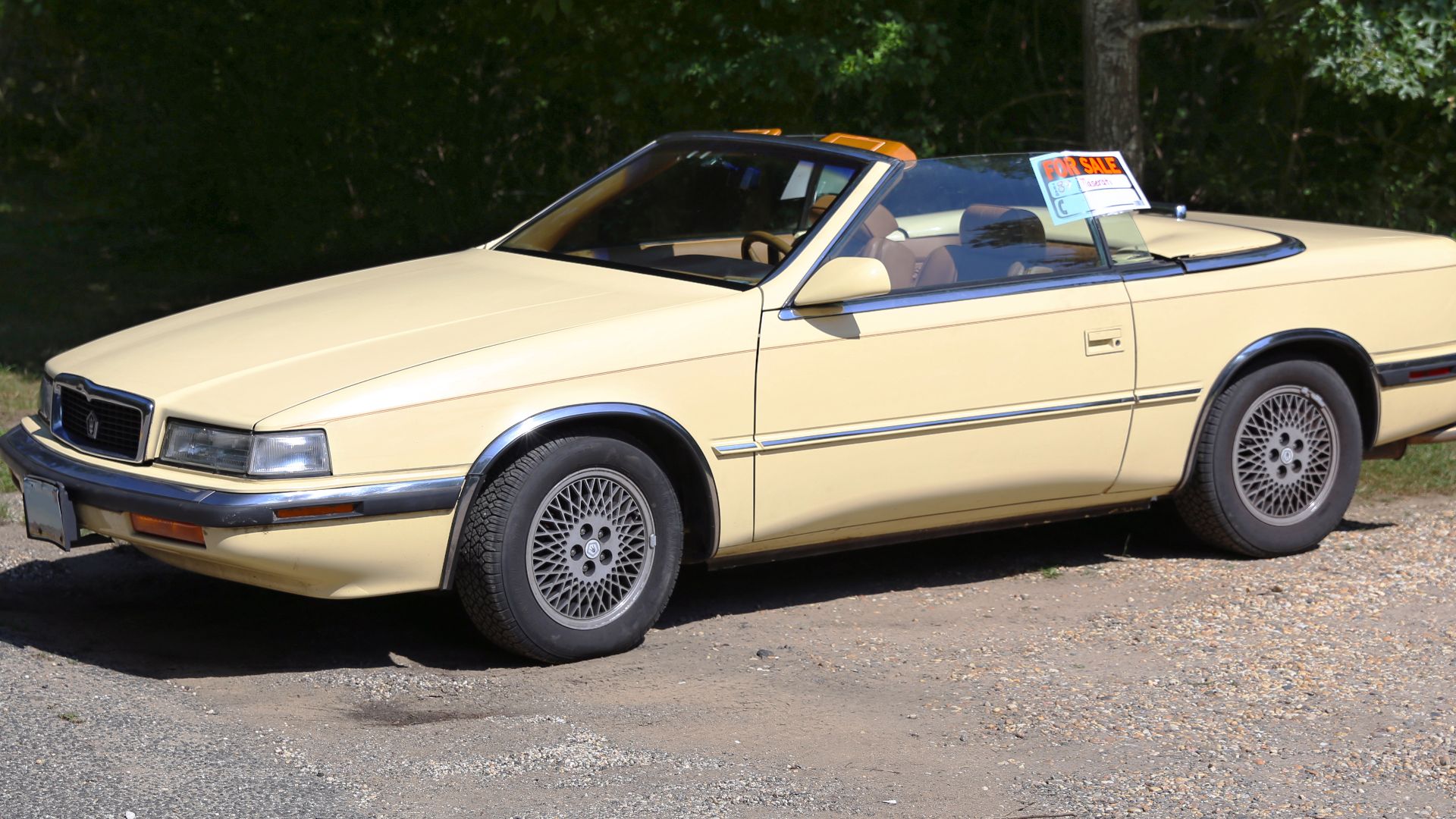
Chrysler TC By Maserati
Perhaps the most unexpected partnership produced the 1989 Chrysler TC by Maserati. The luxury convertible was assembled in Milan, Italy, through Chrysler's collaboration with the Italian automaker, although much of its mechanical engineering came from Chrysler. Its high price and resemblance to the considerably cheaper Chrysler LeBaron made it one of the decade's most controversial luxury experiments.
 Mr.choppers, Wikimedia Commons
The Badge Didn't Tell The Whole Story
By the end of the 1980s, Detroit's biggest manufacturers had turned overseas partnerships into an important part of their business. Cars wearing familiar American badges could trace their origins to Mitsubishi, Mazda, Isuzu, Suzuki, Toyota, Renault, Kia, or Daewoo. Some were imported fully assembled, while others combined foreign engineering with North American production. For buyers who thought an American badge guaranteed an American-built car, the reality was much more complicated.
 Jeremy from Sydney, Australia, Wikimedia Commons
You May Also Like:
Classic Car Colors That You Used To Be Able To Buy, But Would Make Dealers Today Faint
The Bestselling Cars In America The Year You Graduated High School