Cars Are Becoming Software Products
If your car seems to behave differently after an overnight update, you're not imagining things. Many modern vehicles receive over-the-air (OTA) software updates much like smartphones, allowing automakers to improve features, fix problems, and sometimes even change how certain systems operate. Consumer Reports notes that updates now routinely affect everything from infotainment to braking systems and driver assistance features.
 AYO Production, Shutterstock Images
Yes, Automakers Can Change Certain Vehicle Functions
Buying a car doesn't necessarily freeze its software forever. Manufacturers can update software that controls displays, charging, navigation, driver assistance, battery management, and even powertrain behavior. However, they generally cannot alter the vehicle beyond what its hardware allows, and significant safety-related changes remain subject to government oversight.
Over-The-Air Updates Are Becoming Common
Tesla popularized OTA vehicle updates, but it is no longer alone. Ford, General Motors, Mercedes-Benz, Volvo, Hyundai, BMW, Porsche, Stellantis, and many other manufacturers now offer remote software updates on at least some models. Industry analysts expect software-defined vehicles to become increasingly common across both electric and gasoline-powered vehicles.
Software Can Improve How A Vehicle Drives
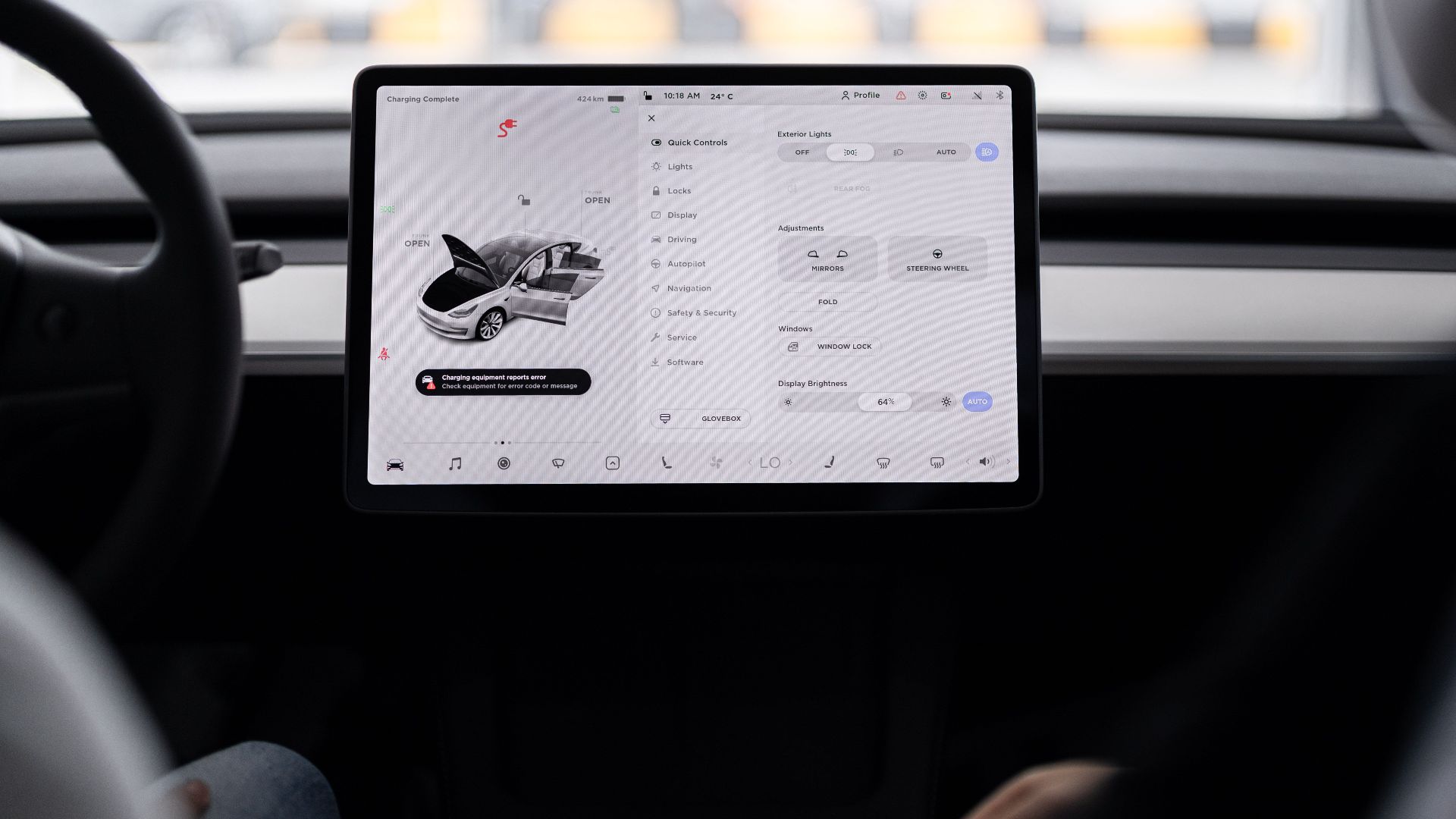
Some updates genuinely affect the driving experience. They may adjust accelerator response, regenerative braking, battery management, transmission behavior, steering calibration, or adaptive cruise control. One well-known example occurred when Tesla issued a software update that reduced Model 3 braking distances after Consumer Reports identified concerns during testing.

Safety Recalls Can Now Be Fixed Remotely
Many recalls no longer require a dealership appointment. The National Highway Traffic Safety Administration permits certain safety recalls to be repaired through OTA software updates when appropriate. Consumer Reports notes that Ford, General Motors, Mercedes-Benz, Porsche, Stellantis, Volvo, and others have already used remote updates to complete recall remedies on qualifying vehicles.

Not Every Update Changes Driving
Many software downloads simply patch security vulnerabilities, fix bugs, improve stability, or refresh the infotainment system. Some updates may only improve navigation maps, smartphone integration, or voice assistants. Others address issues that drivers may never notice unless they read the release notes.
Release Notes Are Often Frustratingly Vague
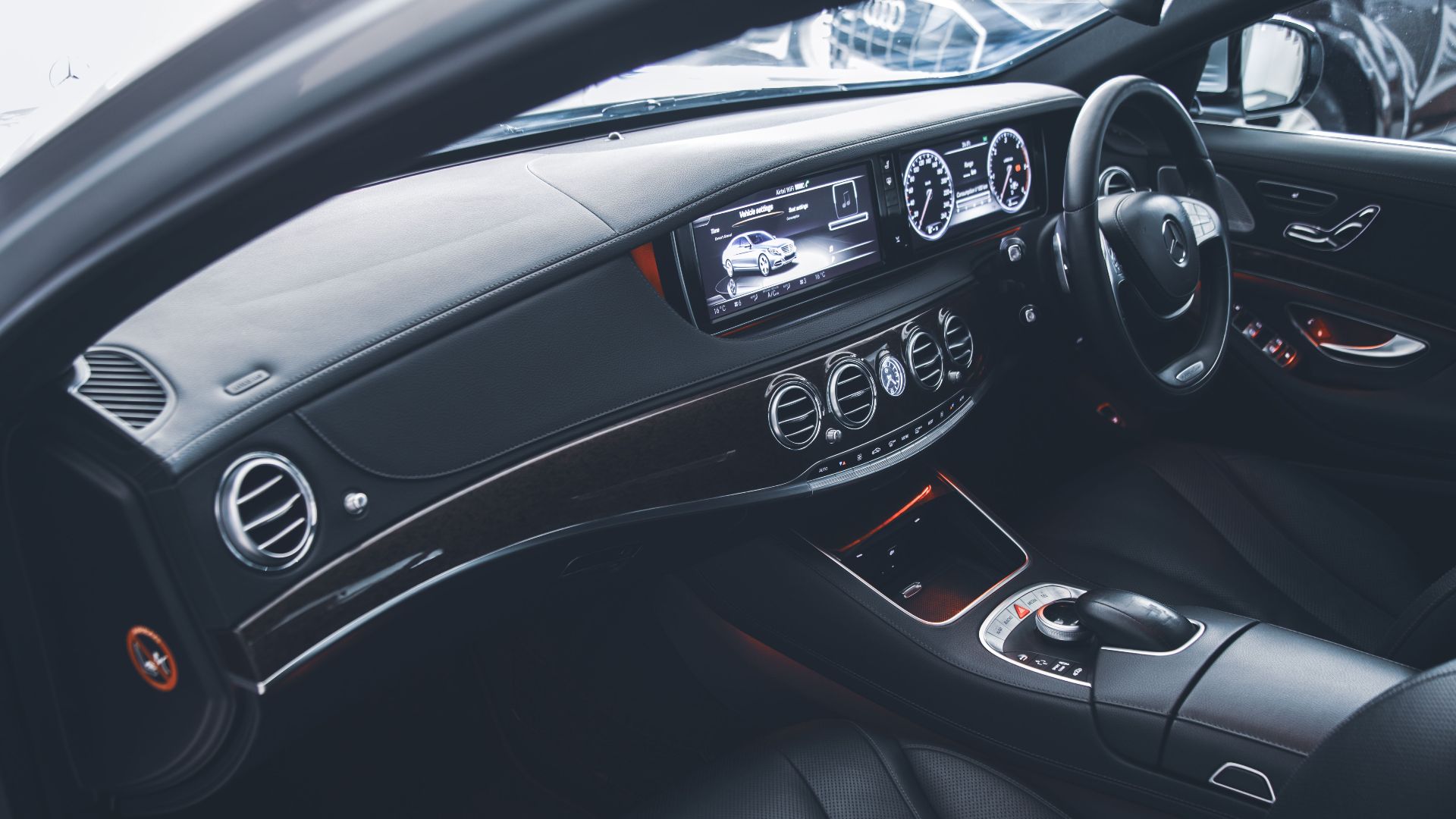
One common complaint is that automakers frequently provide only minimal explanations of what has changed. Consumer Reports found many manufacturers describe updates using phrases like "general improvements" or "improved stability," leaving owners unsure whether anything important has actually been modified.

Updates Can Add Brand-New Features
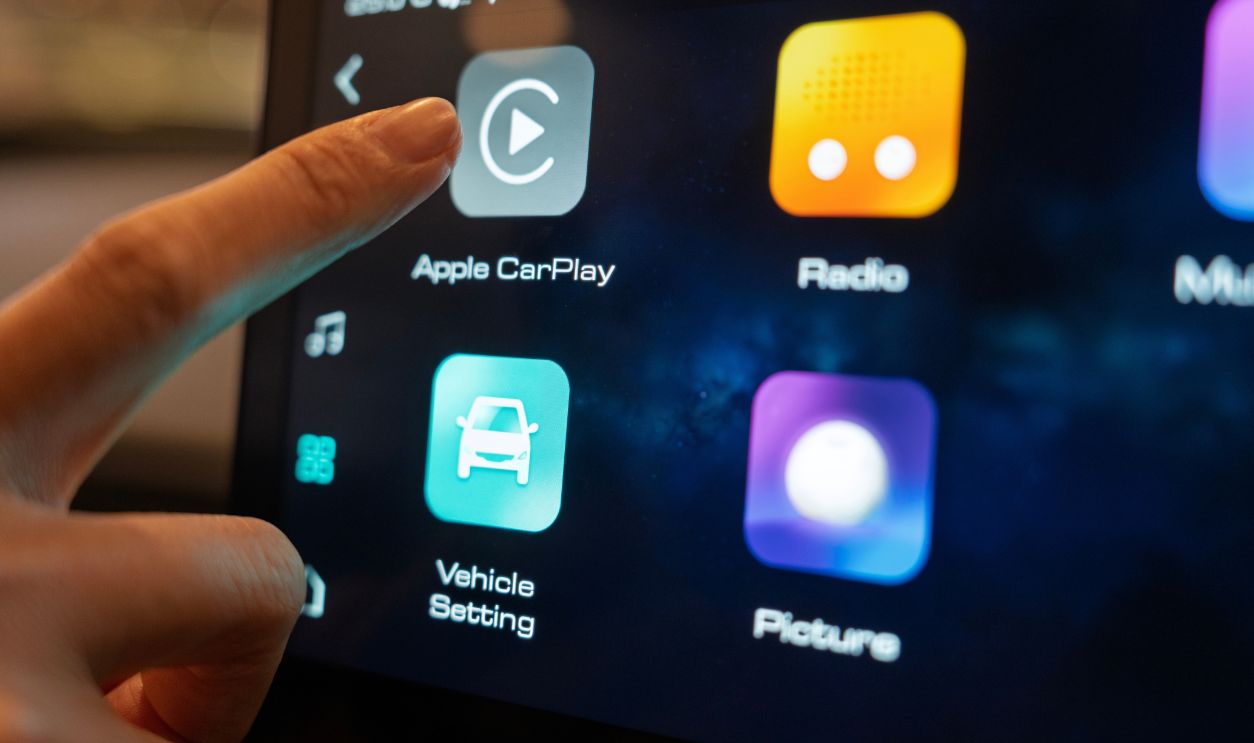
Software updates don't always fix problems—they can also unlock capabilities that weren't available when the vehicle left the factory. Automakers have added Apple CarPlay, Android Auto, revised user interfaces, charging improvements, and expanded connected services through software after customers already owned their vehicles.
Sometimes Performance Actually Improves
Battery management software may increase charging efficiency or improve estimated driving range under certain conditions. Updates can also refine energy management, optimize hybrid operation, or smooth transmission behavior. While improvements are usually incremental, manufacturers continue refining vehicles long after production ends.
 Charles from Port Chester, New York, Wikimedia Commons
Updates Can Occasionally Introduce Problems
Software isn't perfect. Consumer Reports notes that failed updates or unforeseen bugs have occasionally caused vehicle malfunctions, including temporary braking issues or loss of power in isolated cases. When that happens, manufacturers typically issue another update to correct the problem, but these incidents demonstrate that software changes can have unintended consequences.
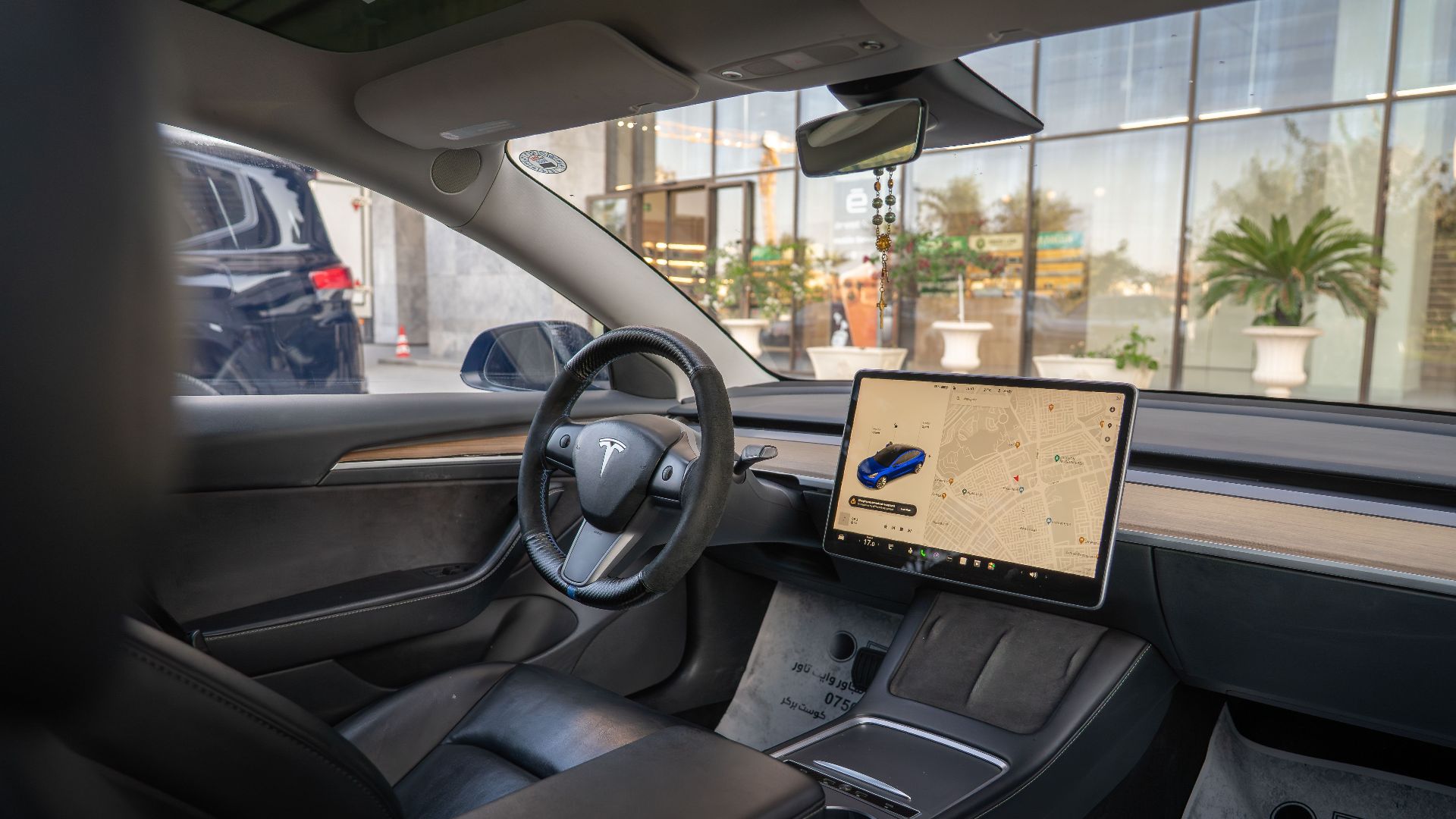
Cybersecurity Is Part Of The Equation
Connected vehicles create new security challenges because they maintain wireless connections to manufacturers. Experts generally consider properly designed OTA systems safe, but cybersecurity researchers continue urging automakers to strengthen protections against hacking and unauthorized access as connected features expand.

You Usually Control When Updates Install
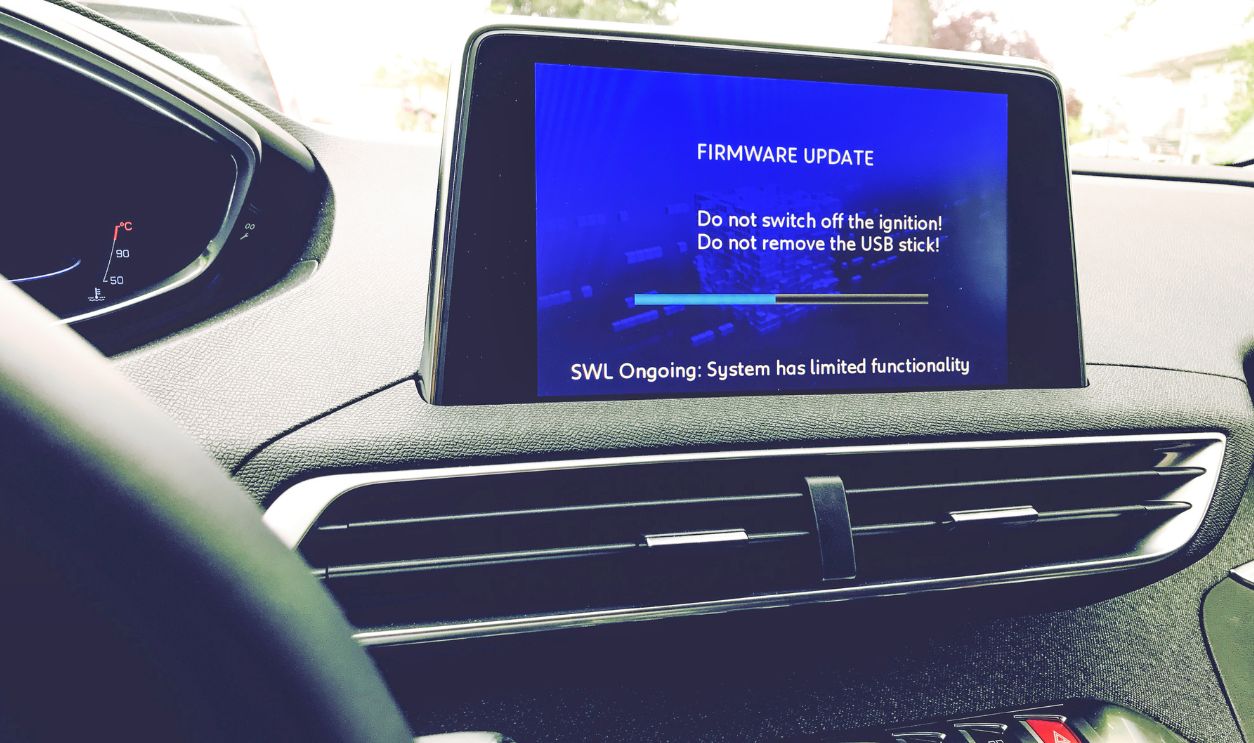
Most manufacturers notify drivers before installing major updates. Many vehicles let owners schedule installation for a convenient time because the vehicle often cannot be driven while software is actively updating. Depending on the manufacturer, installation may take anywhere from several minutes to over an hour.
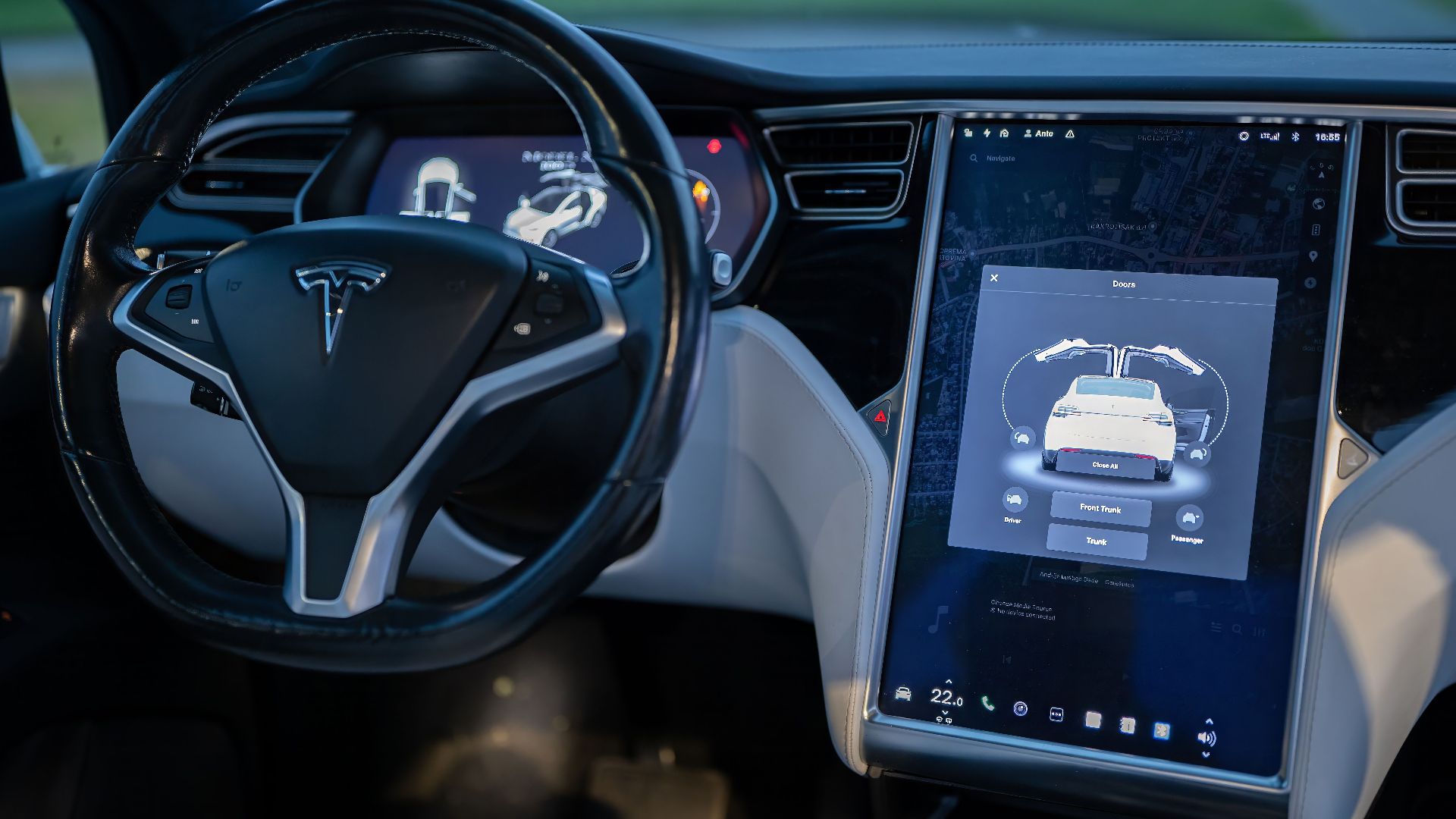
Some Settings May Change Afterwards
Even when an update works perfectly, your saved preferences may not survive intact. Consumer Reports advises drivers to check personalized settings after installation because seat memory, infotainment preferences, display layouts, or driver-assistance options may revert to default values.
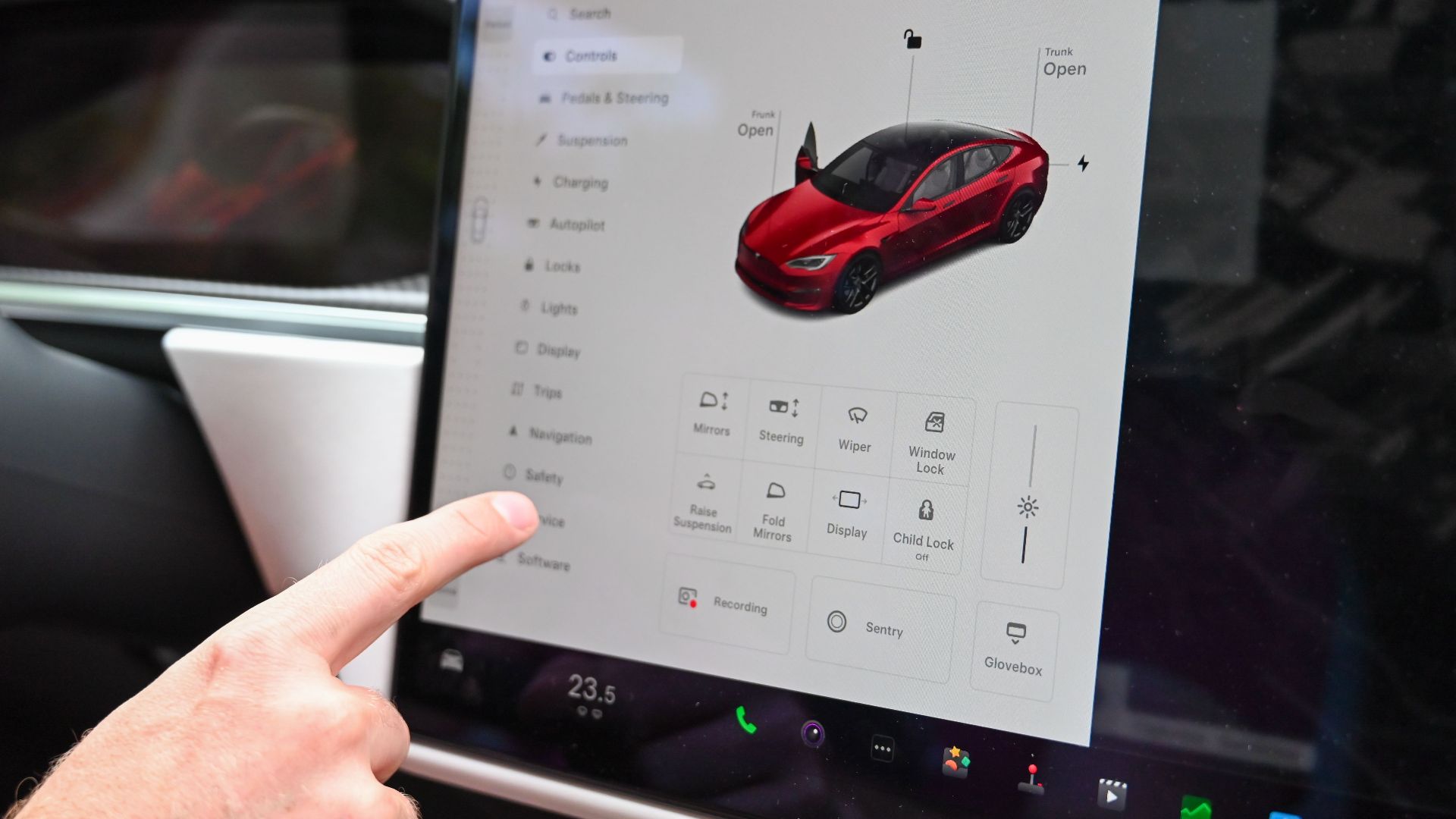
Not Every Vehicle Receives Every Update
Automakers often release software in stages. Older models may lack the hardware needed for newer features, while vehicles with different computer architectures may receive different software versions. Two cars that look identical can sometimes receive different capabilities depending on production date or installed equipment.
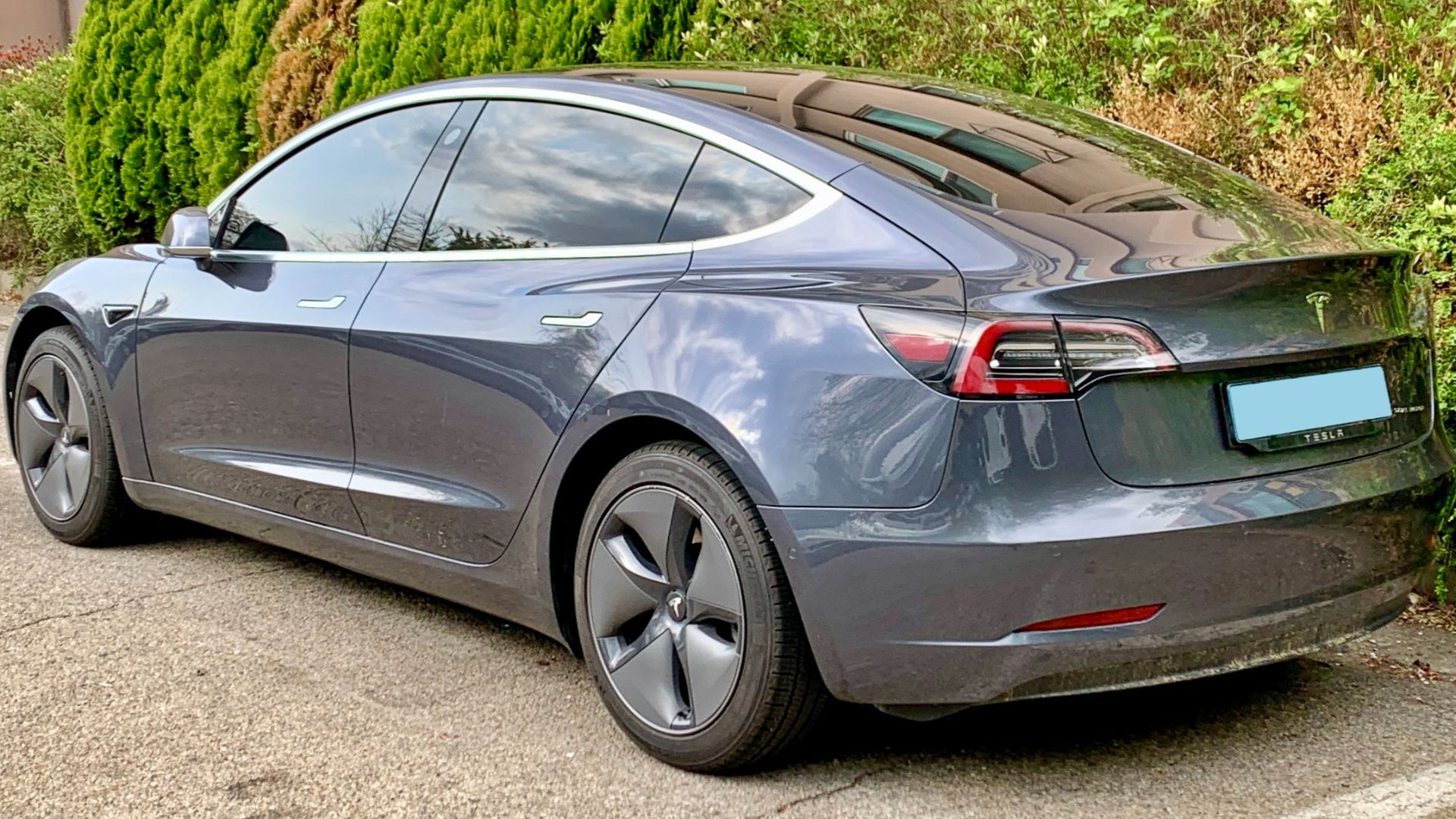
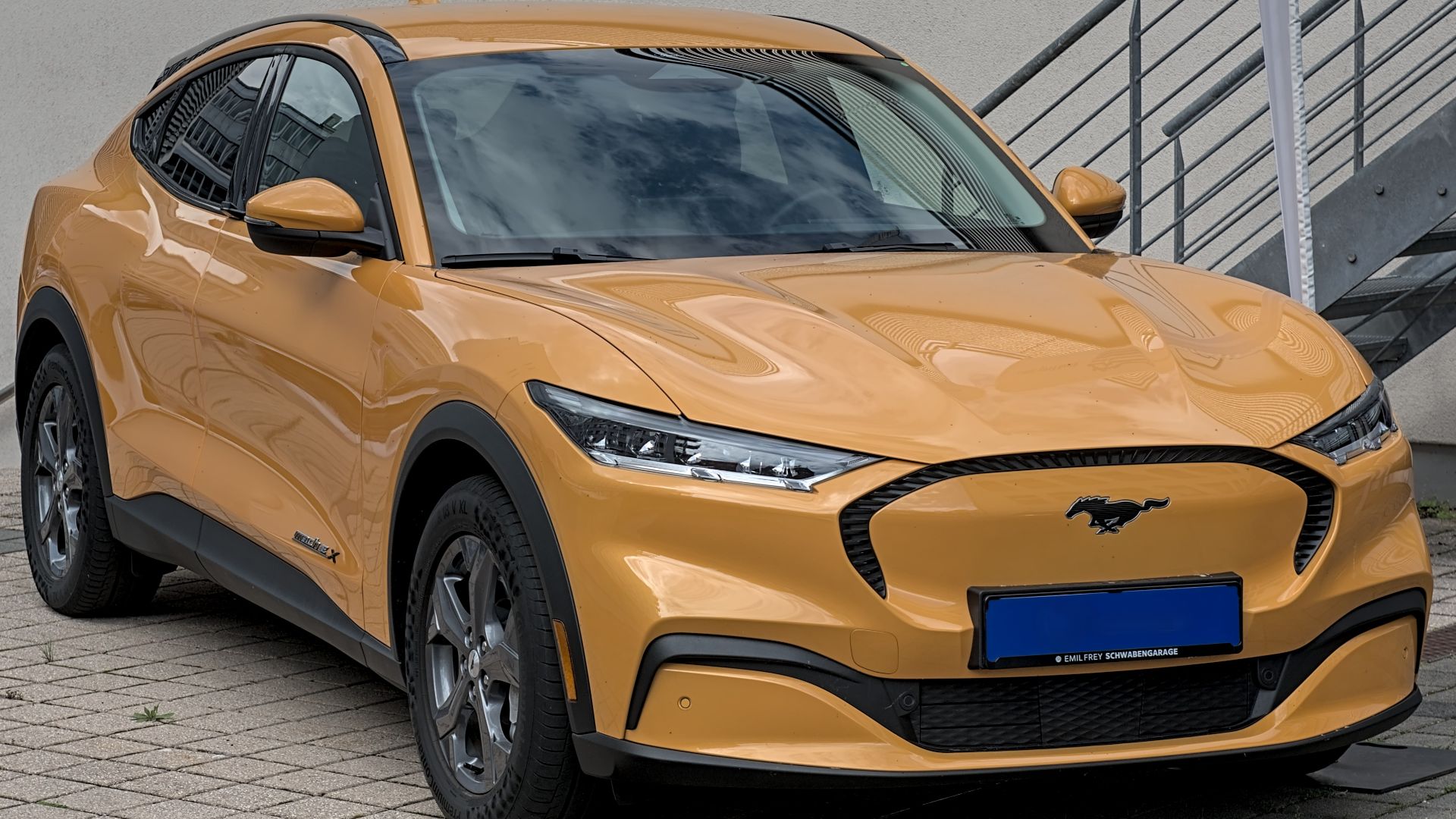
Some Updates Require Paid Services
Although recall repairs must generally be provided without charge, not every software-related feature is free. Some manufacturers require an active connected-services subscription for wireless updates, while certain premium software features are sold separately as subscriptions or optional purchases.
 Alexander Migl, Wikimedia Commons
Ignoring Updates May Have Consequences
While owners can sometimes postpone updates, delaying them indefinitely isn't always advisable. General Motors now states that certain warranty coverage may be affected if owners ignore OTA updates for extended periods and a related failure occurs because recommended software wasn't installed.

Dealers Still Play An Important Role
Remote updates cannot repair worn mechanical components, damaged suspension parts, leaking seals, or broken hardware. Many software issues still require dealership diagnostics, and some updates must be installed in person because they involve hardware replacements or specialized programming equipment.
 Inside Creative House, Shutterstock
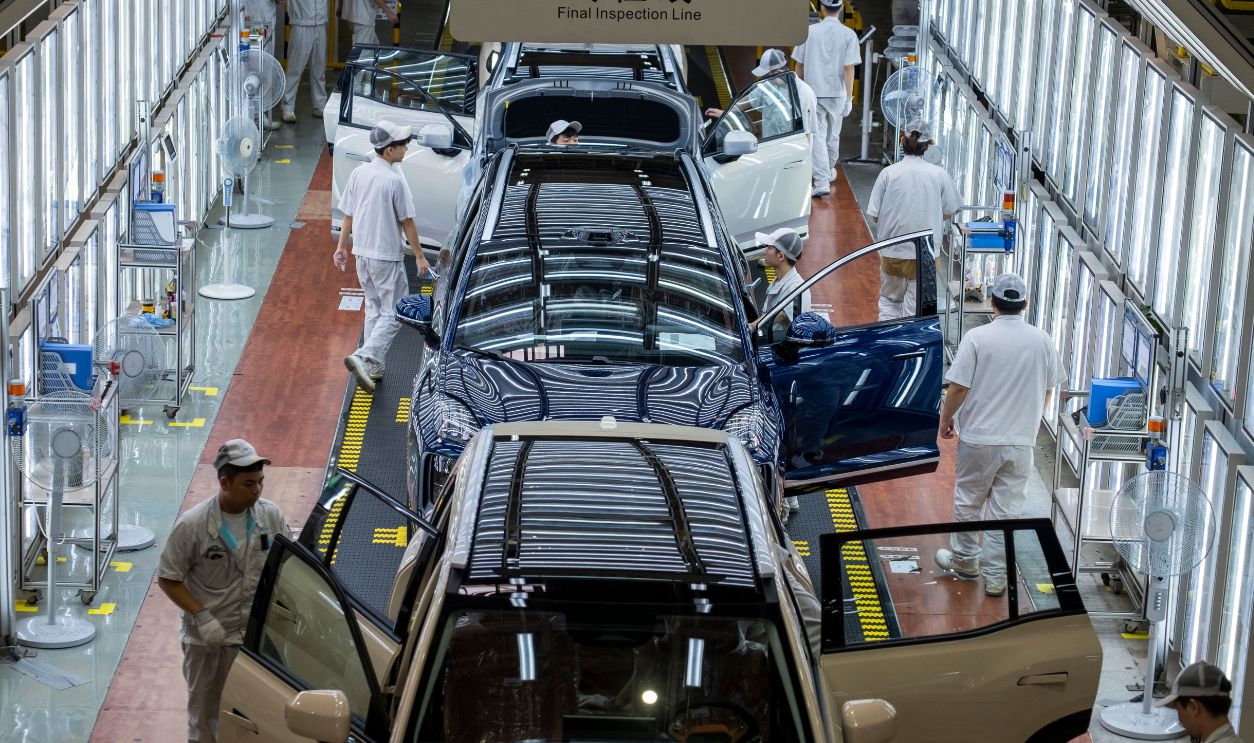
Your Ownership Experience Is Changing
Automakers increasingly describe modern vehicles as software-defined products that evolve over time instead of remaining unchanged after purchase. This approach allows manufacturers to continually refine vehicle behavior, introduce new digital services, and respond more quickly to emerging problems than traditional service campaigns allowed.
You Still Have Consumer Protections
Software updates do not eliminate existing consumer protections. Safety recalls remain governed by federal regulations, warranty terms still apply, and manufacturers remain responsible for addressing defects. If a software update creates a safety issue, automakers are expected to provide a remedy just as they would for a mechanical defect.

The Bottom Line
If your vehicle feels different after an overnight update, there's a good chance software changed something intentionally. Modern automakers can improve performance, repair recalls, add features, and refine vehicle behavior long after you buy the car. That's one of the biggest advantages of today's connected vehicles—but it also means your car may continue evolving throughout its life.
 GagliardiPhotography, Shutterstock
You May Also Like:
My extended warranty won’t cover a known defect. Isn’t that what extended warranties are for?