
Wait…It Just Passed, Right?
You drove away from your last inspection feeling confident—your car got a clean bill of health, no major issues, nothing urgent. Fast forward a few weeks, and suddenly a repair shop is handing you a $1,500 estimate like it’s no big deal. It feels contradictory, maybe even a little suspicious, but there are actually a lot of reasonable explanations for how things changed so quickly.
 PeopleImages, Shutterstock.com
Inspections Don’t Mean “Perfect Condition”
A passed inspection doesn’t mean your car is flawless—it simply means it met the minimum safety and emissions standards at that exact moment. That’s a pretty low bar, and many worn or aging components can still pass without raising any flags. In other words, “good enough” and “problem-free” are two very different things.
The Timing Matters More Than You Think
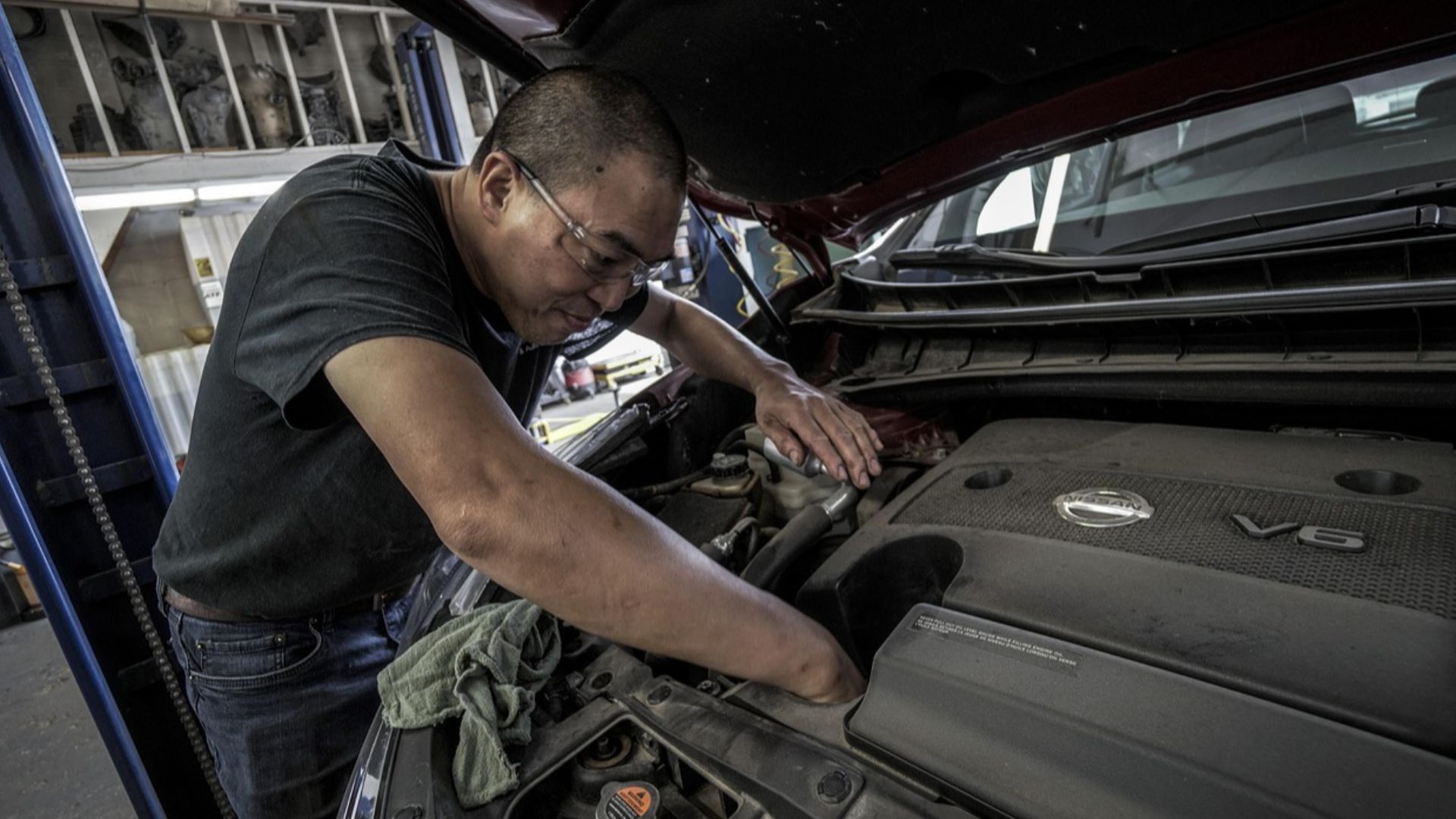
Cars can develop problems faster than most people expect, especially if you’re driving regularly. A part that was borderline during inspection might fail completely a few weeks later. That short window between “fine” and “needs repair” is often smaller than people realize.
Some Issues Aren’t Checked At All
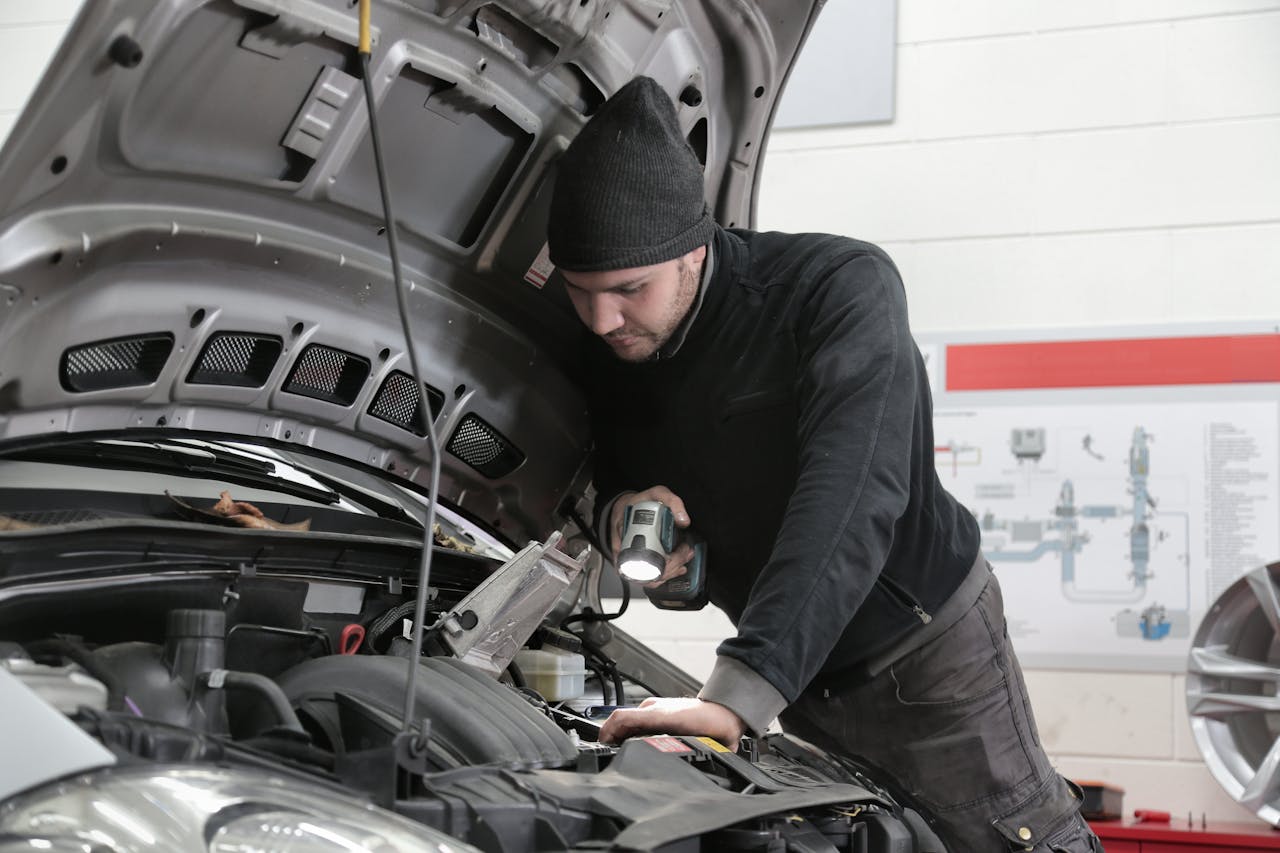
Most inspections are limited in scope and don’t cover every system in your vehicle. They tend to focus on essentials like brakes, tires, lights, and emissions, while skipping deeper mechanical concerns. That means early-stage issues—like suspension wear or small leaks—can easily go unnoticed.
“Pass” Doesn’t Mean “No Problems”
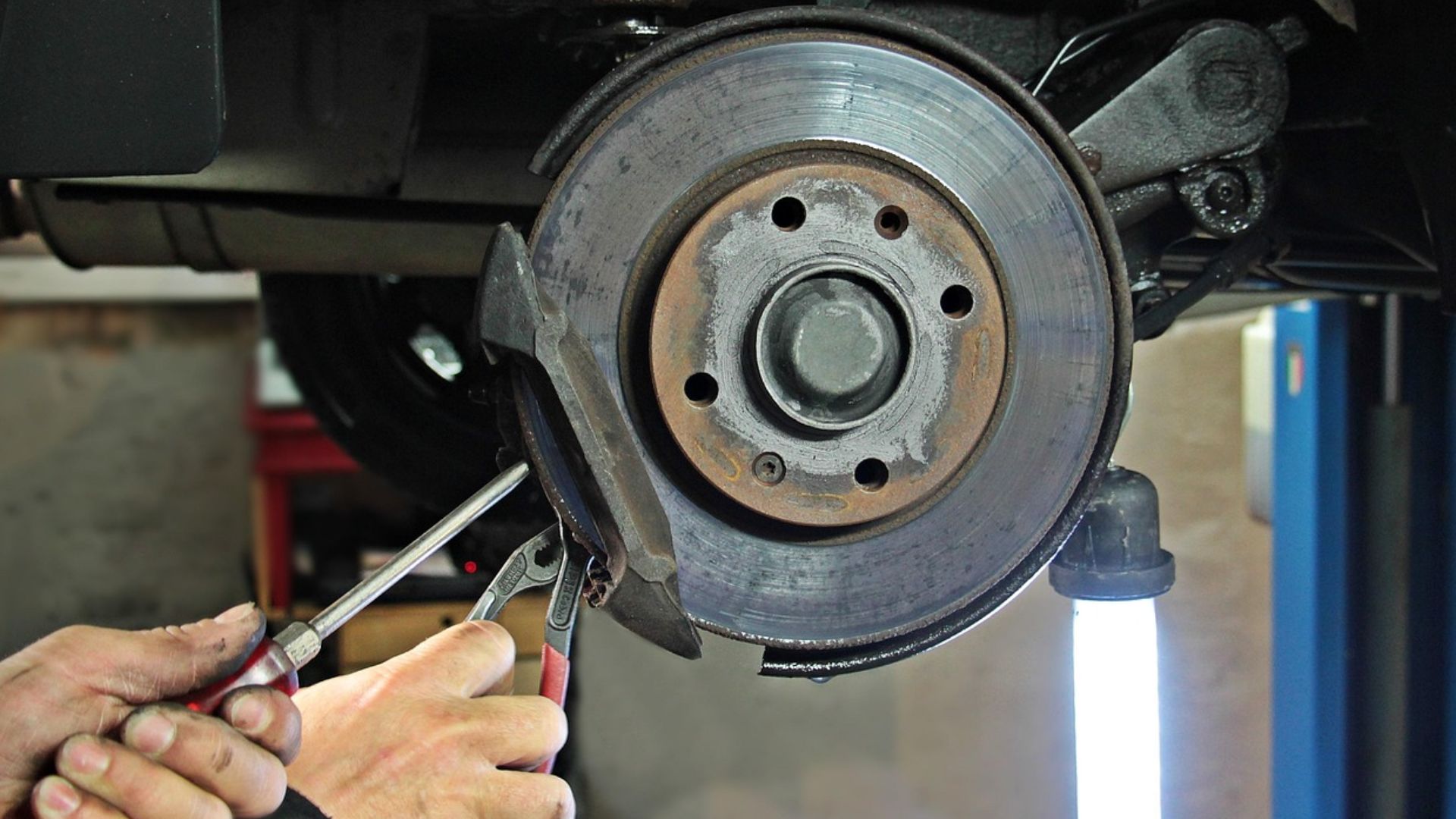
There’s a big difference between a car being safe enough to pass and being in excellent condition. Your vehicle might have already had a few minor issues that didn’t cross the failure threshold. Now those same issues may have worsened or finally been pointed out during a more detailed inspection.
Shops Look At Cars Differently
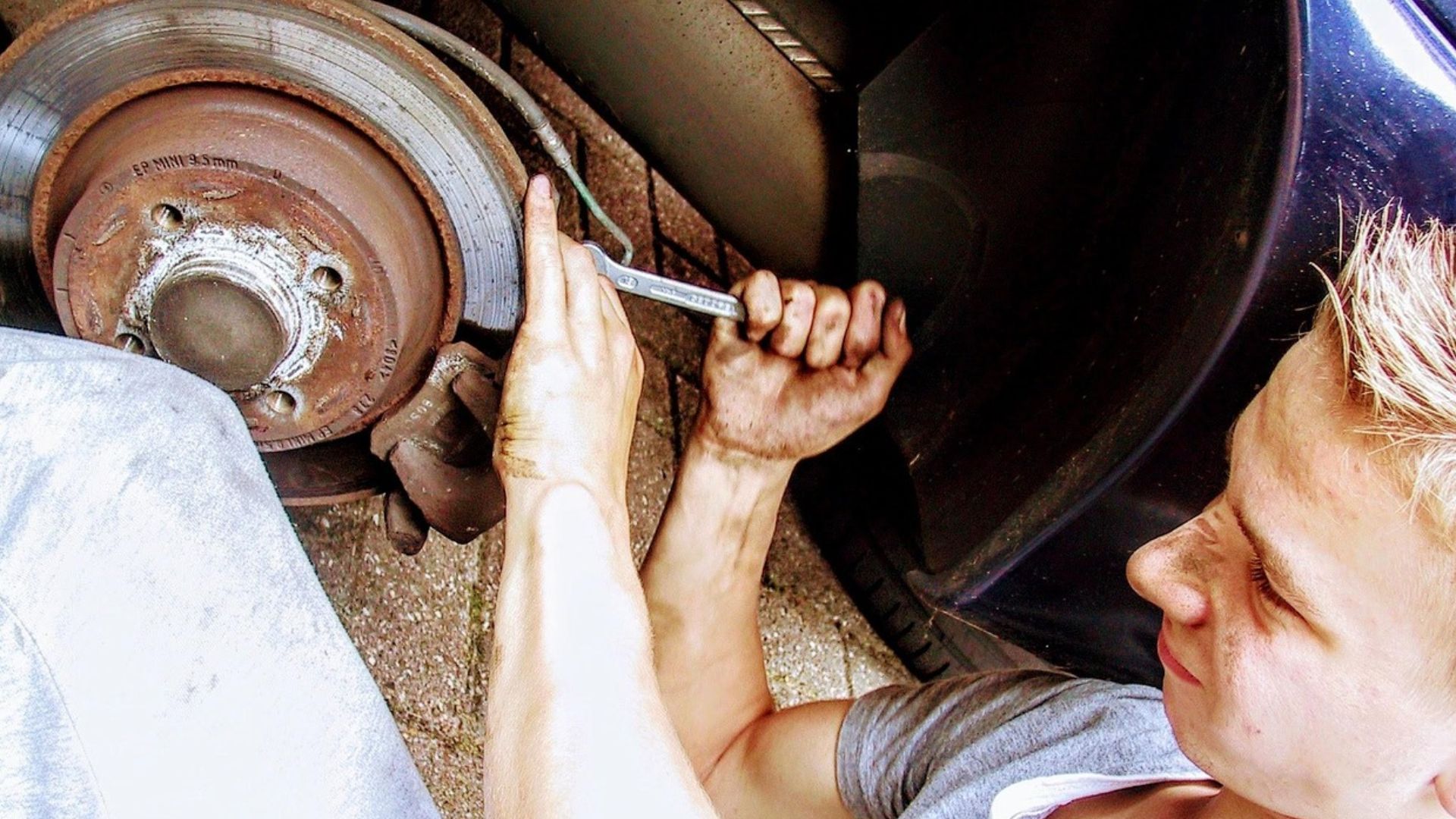
Inspection stations follow strict pass/fail criteria, while repair shops take a broader view of your car’s overall condition. A mechanic doing a full checkup is more likely to flag things that aren’t urgent yet but could become problems soon. That difference in perspective can make it feel like your car suddenly got worse overnight.
Minor Issues Can Snowball Fast
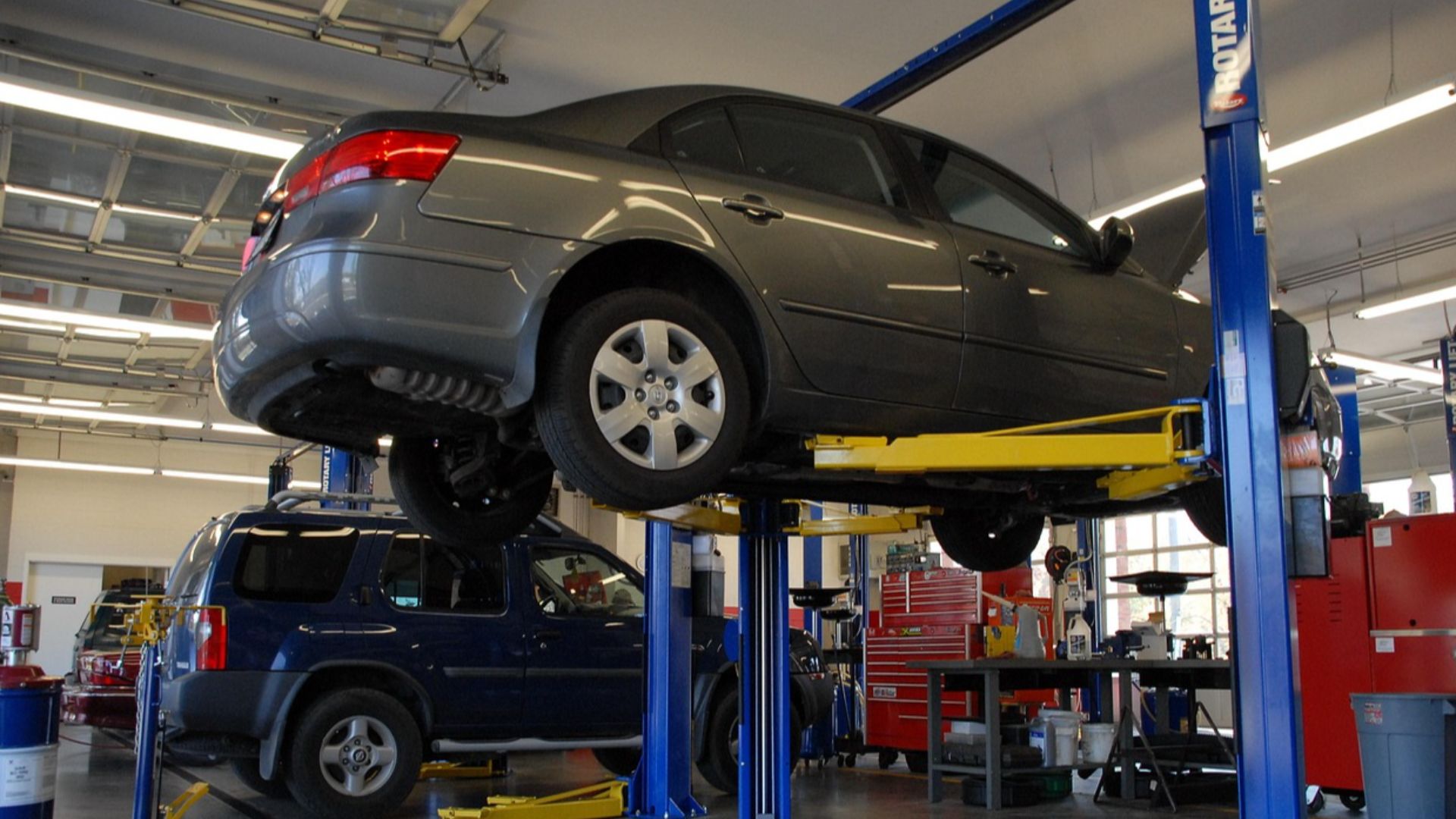
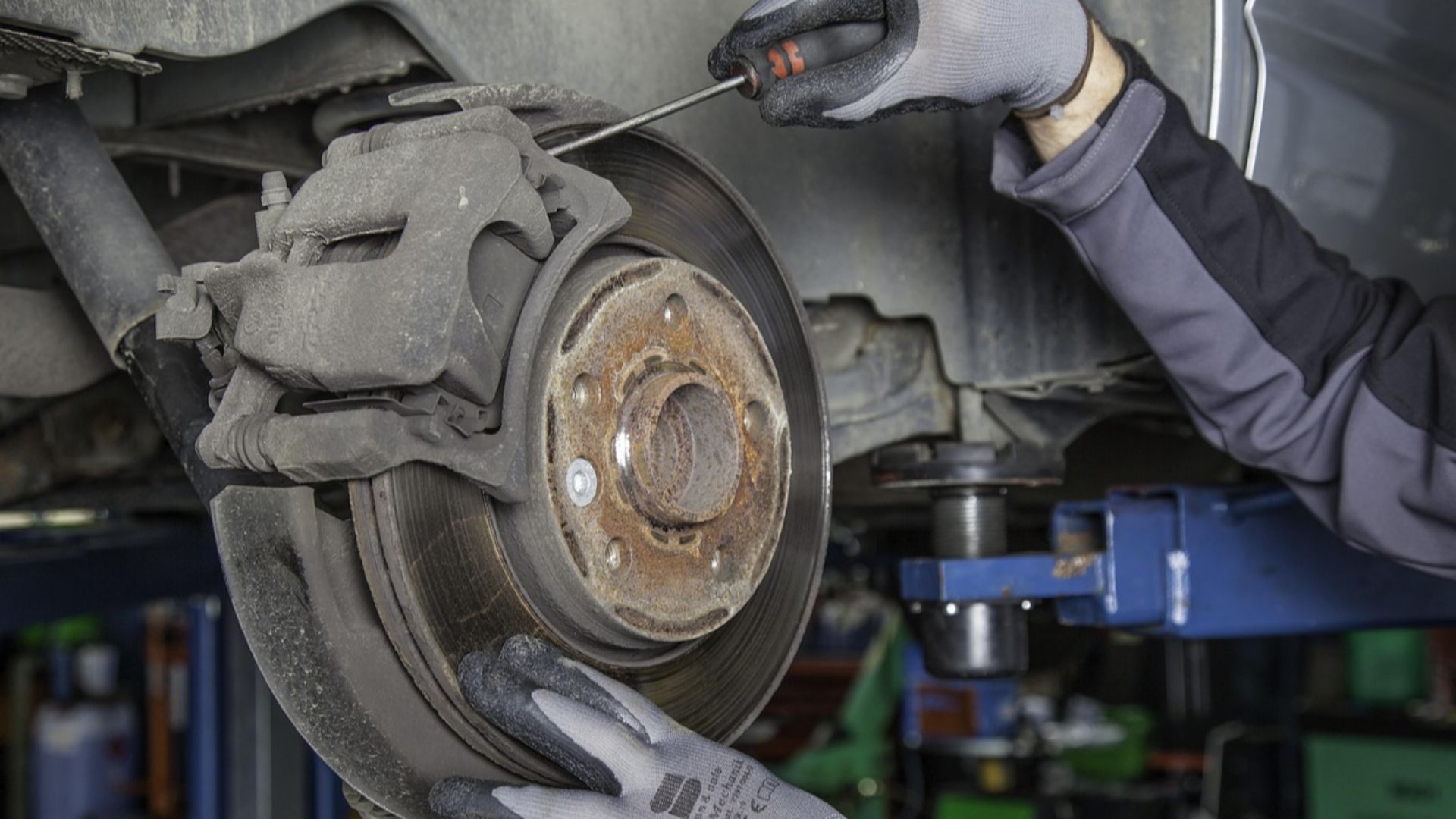
Small problems rarely stay small for long when it comes to cars. Worn brake pads can damage rotors, and minor leaks can turn into major repairs if ignored. What might have been a simple fix a month ago can easily grow into a much more expensive job.
You Might Be Hearing “Recommended,” Not “Required”
Repair estimates often include both necessary fixes and suggested maintenance, but they’re not always clearly separated. That can make everything sound urgent when some items are actually preventative. Understanding what truly needs immediate attention can make a big difference in how you approach the bill.
Not All Mechanics Agree
Different mechanics can look at the same issue and come to different conclusions about urgency. One might recommend immediate replacement, while another might say you still have some time. These differences aren’t unusual—they reflect varying levels of caution and experience.
Driving Habits Play A Role
Your driving style and conditions can significantly impact how quickly parts wear out. Frequent braking, rough roads, or long commutes can accelerate wear and tear. Even a few weeks of heavier-than-usual driving can push components past their limit.

Weather Can Accelerate Problems
Changes in temperature and road conditions can speed up deterioration in surprising ways. Cold weather can stress batteries and fluids, while heat can expand and weaken components. Add in road salt or moisture, and parts can degrade much faster than expected.

Inspections Don’t Predict The Future
An inspection is essentially a snapshot of your car’s condition at one point in time. It doesn’t guarantee how long parts will last or when something might fail. Passing last month doesn’t protect you from something breaking this month.
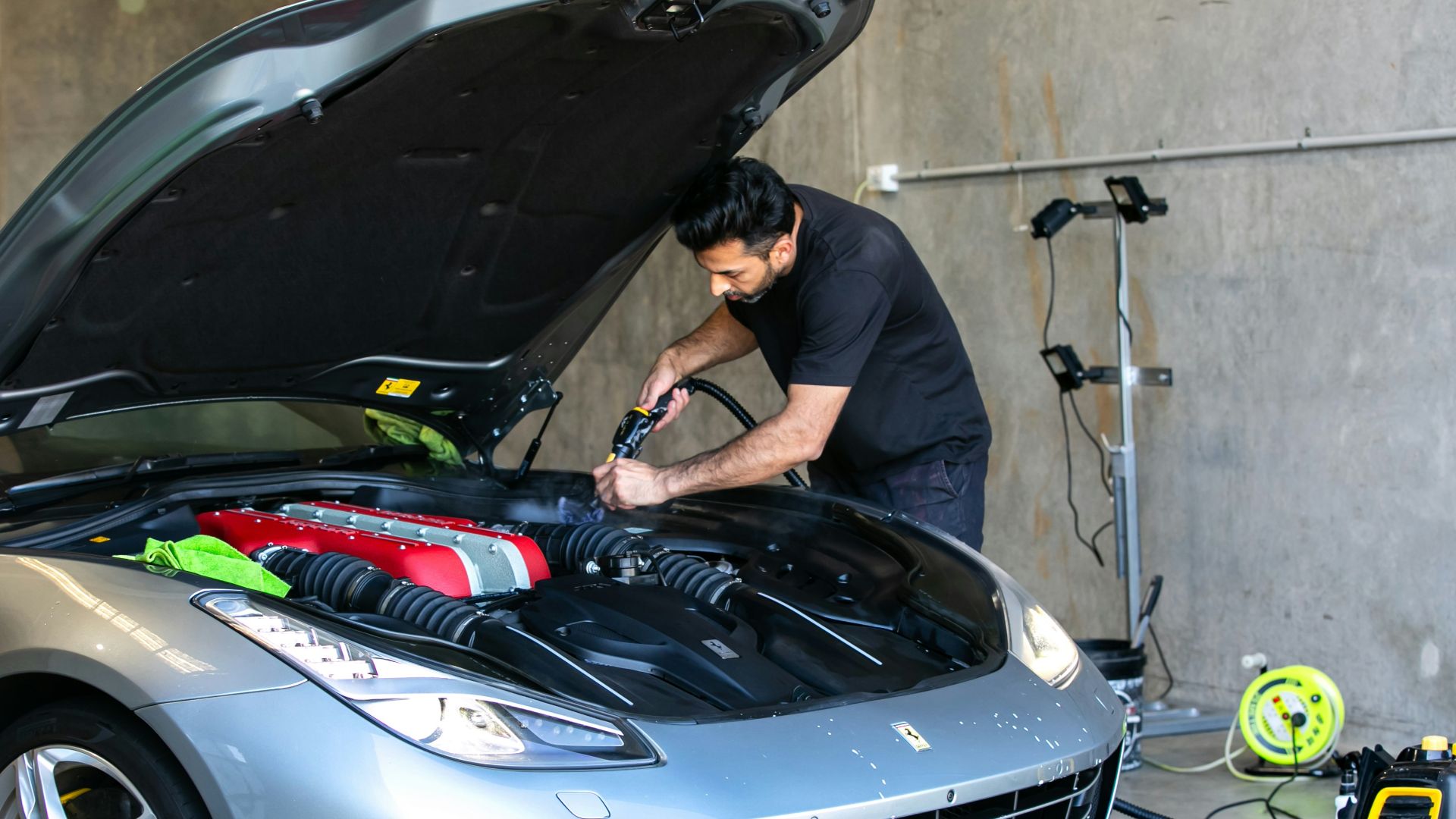 Fine Automotive Detailing, Unsplash
You May Have Missed Early Warning Signs
Sometimes the signs of a problem were already there but easy to overlook. Subtle noises, slight vibrations, or small performance changes don’t always feel urgent at first. By the time a mechanic checks things out, the issue has often progressed.

The Estimate Might Be Bundled
That $1,500 quote can seem overwhelming, but it’s often made up of several smaller repairs grouped together. Looking at each item individually can help you understand what’s urgent and what might be able to wait. Breaking it down makes the situation feel a lot more manageable.

Shops Sometimes Overestimate To Be Safe
Some mechanics prefer to recommend repairs earlier rather than risk something failing unexpectedly. This cautious approach isn’t always about upselling—it can be about preventing bigger, more expensive problems later. Still, it can make estimates feel higher than expected.
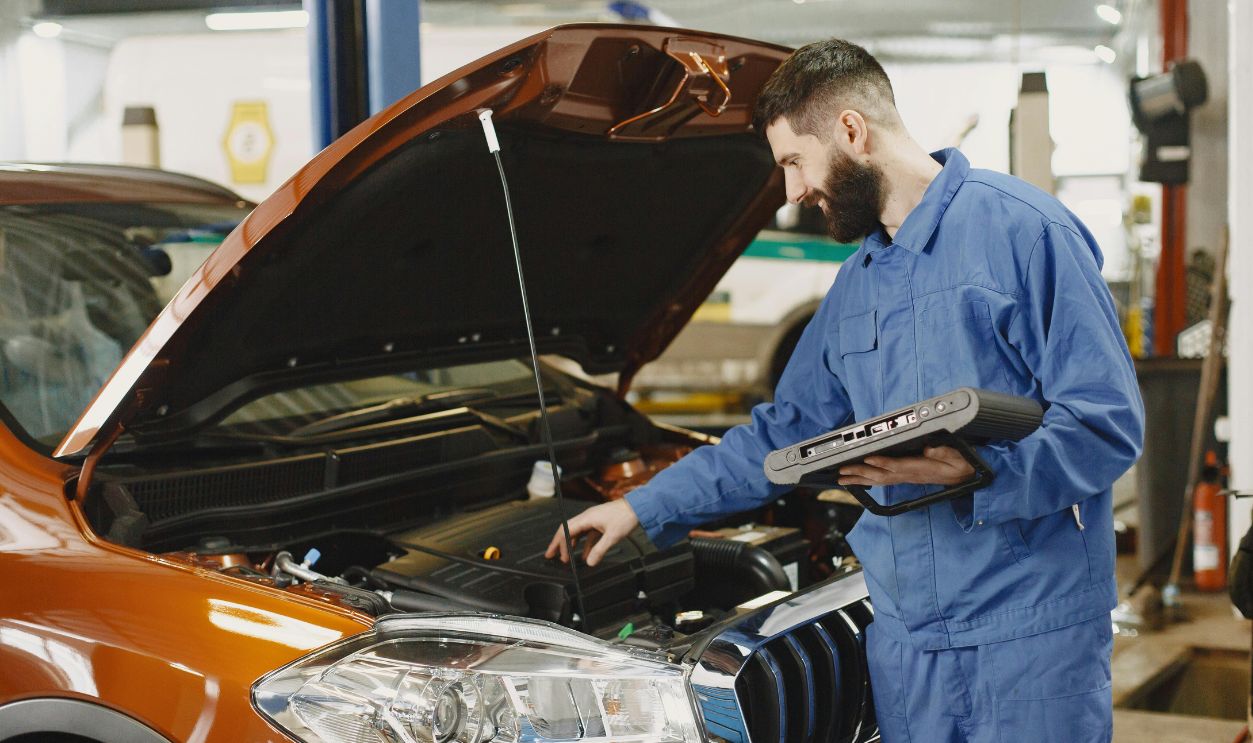
But Yes, Upselling Does Happen
Not every shop is completely objective, and some do recommend services you might not actually need yet. This is especially true if the estimate feels unusually high or rushed. That’s why it’s important to stay informed and ask questions before agreeing to anything.

A Second Opinion Can Save You Money
If something doesn’t sit right, getting another mechanic to check your car is always a smart move. You might confirm the issue—or discover it’s less serious than initially presented. Either way, you’ll have more confidence in your decision.

Ask For Proof
A trustworthy mechanic should be able to show you exactly what’s wrong with your car. Whether it’s worn brake pads or a visible leak, seeing the issue firsthand makes it easier to understand the recommendation. If they can’t explain it clearly, that’s worth questioning.
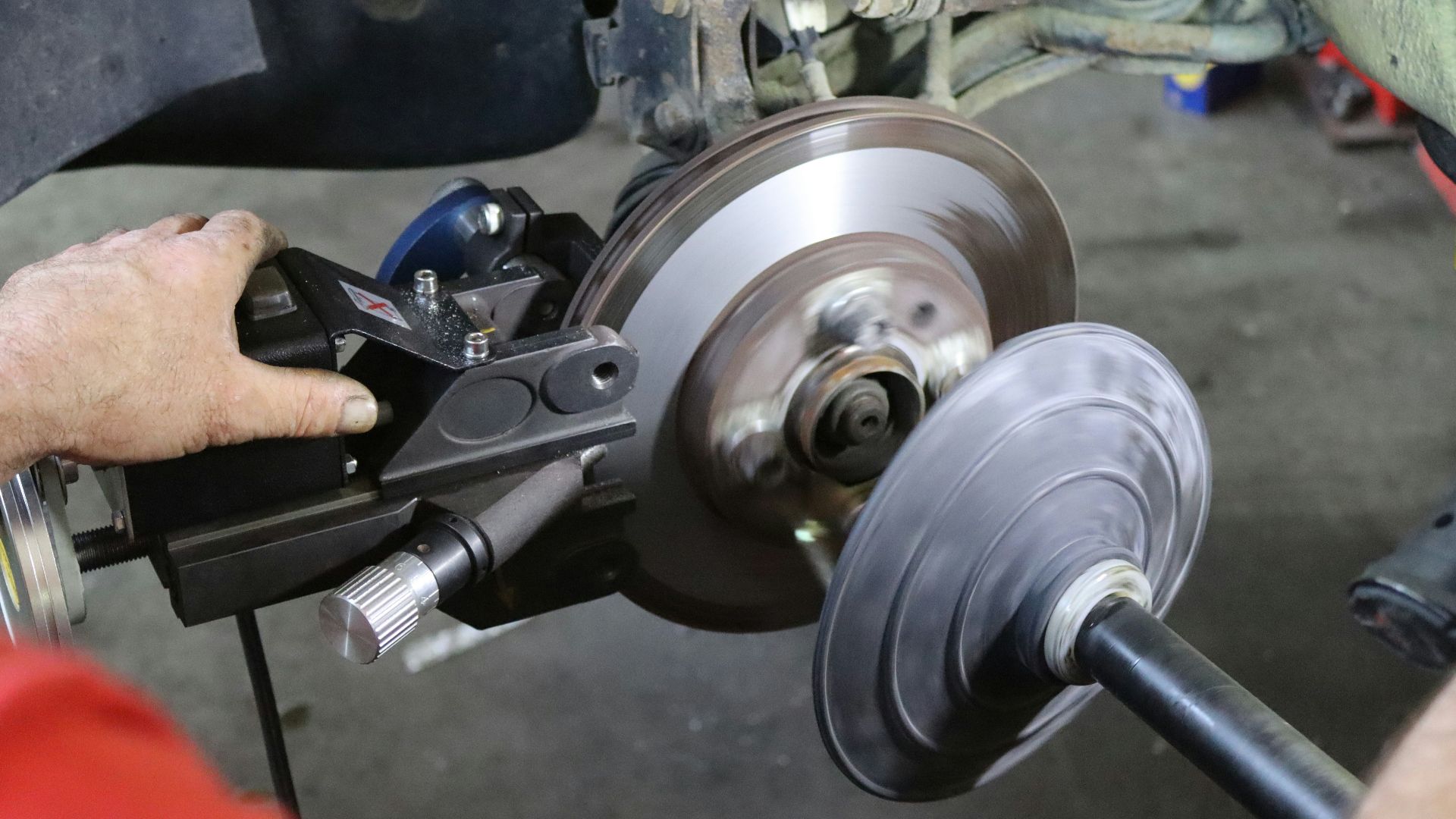
Prioritize What Actually Matters
Not every repair needs to be done immediately, even if it shows up on an estimate. Focus first on safety-related issues like brakes, tires, and steering. Other items can often be scheduled over time without putting you at risk.
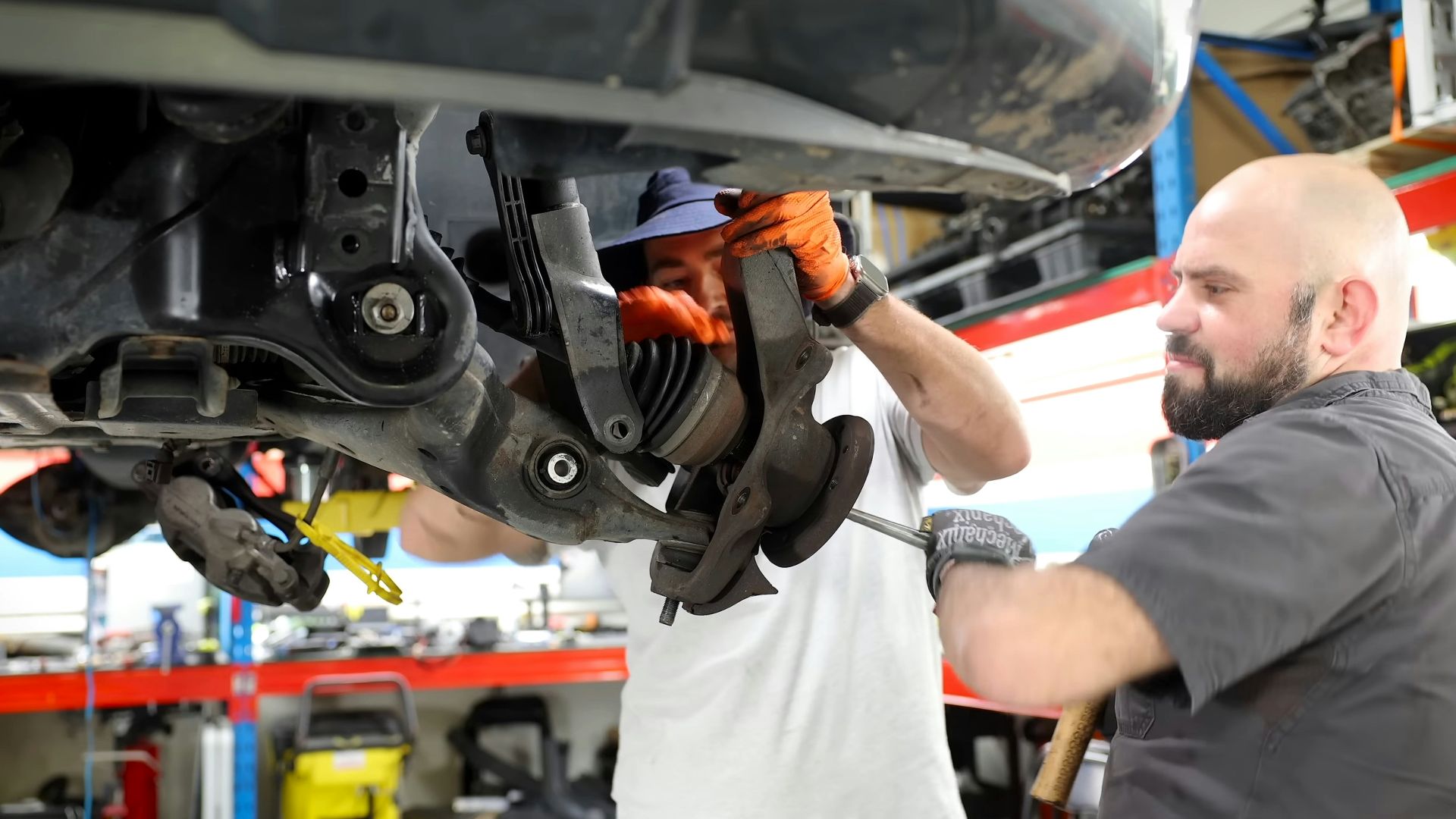 Bengkel Mobil Matic Bandung, Unsplash
Maintenance History Tells The Story
If your car hasn’t been regularly maintained, issues can build up quietly over time. When they finally get addressed, it can feel like everything went wrong at once. In reality, it’s often just delayed maintenance catching up.
Sometimes It Really Is Just Bad Luck
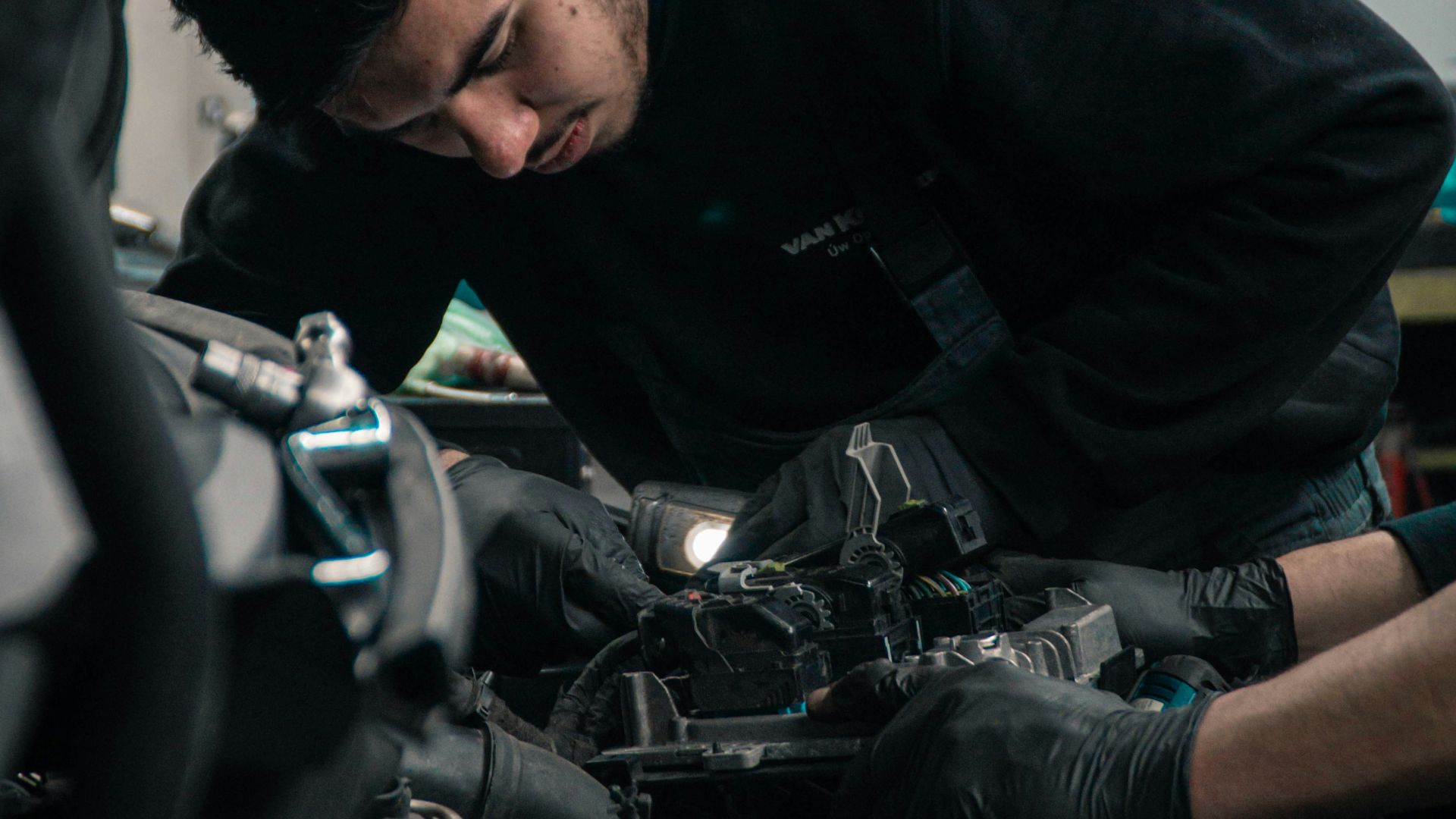
Cars can be unpredictable, and sometimes parts fail shortly after an inspection with no warning at all. It’s frustrating, but it’s also a normal part of owning a vehicle. Not every repair has a clear or preventable cause.
So…Should You Believe Them?
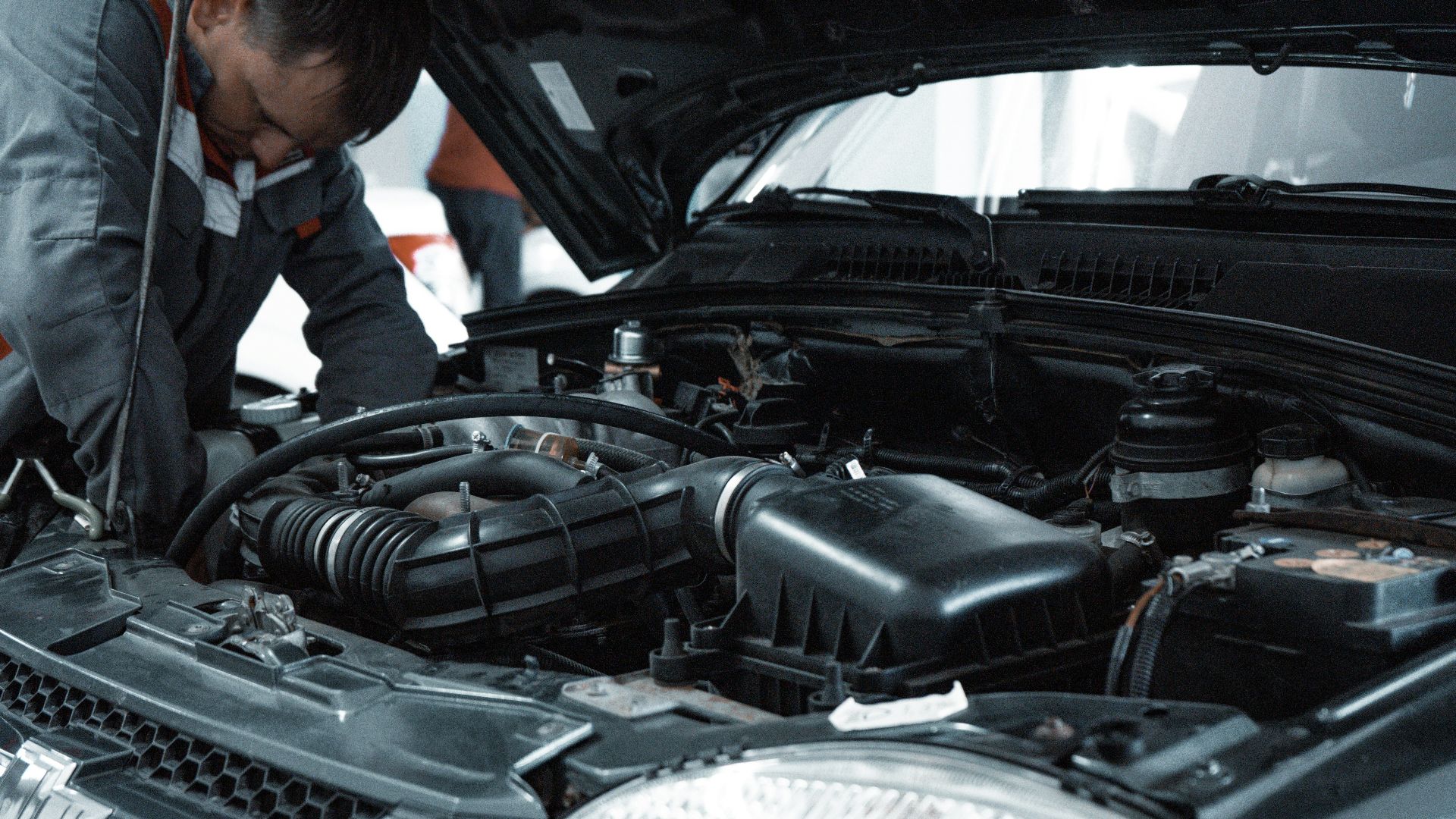
The best answer is to stay cautious but open-minded, because both things can be true at once—your car did pass inspection, and it might still need repairs now. The key is to ask questions, understand what’s urgent, and get a second opinion if needed. Once you do that, you’ll be in a much better position to decide whether that $1,500 estimate makes sense.
You May Also Like:
The Best Quick Guide To Buying Tires
My extended warranty won’t cover a known defect. Isn’t that what extended warranties are for?