The Flat Isn't The Problem
Your car's run-flat tires promise freedom from roadside tire changes, but there's a catch: reaching a shop doesn't guarantee that shop stocks your size. In smaller communities, a puncture can therefore become a multi-day problem while you wait for the correct replacement to arrive.
What Run-Flats Actually Are
Most run-flat tires use heavily reinforced sidewalls capable of supporting the vehicle temporarily after air pressure disappears. A less common design uses an internal support ring. Either approach allows limited driving after a puncture that would ordinarily leave a conventional tire unusable.
Fifty Miles Is Typical
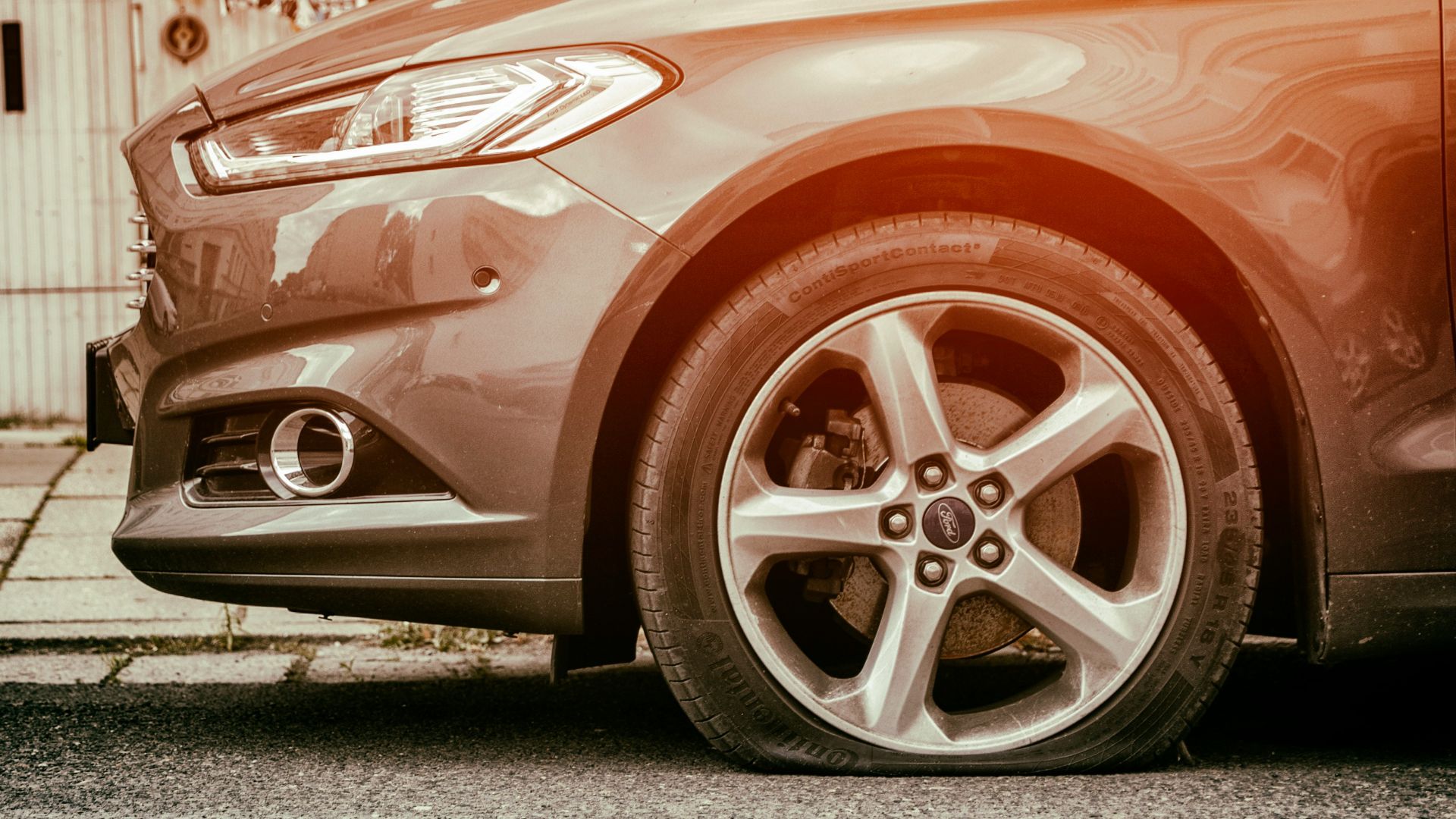
Run-flat does not mean drive indefinitely. Many models permit approximately 50 miles of travel after losing pressure, at speeds no higher than 50 mph. Exact limits vary by tire and vehicle, so your owner's manual and tire manufacturer's instructions take precedence over the familiar 50-and-50 rule.
Safety Is Their Strength
A puncture on an interstate, mountain highway or isolated road can make stopping dangerous. Run-flats let you continue toward a safer location rather than immediately changing a tire beside traffic. Their reinforced construction can also provide greater stability than a conventional tire during complete pressure loss.

You May Have No Spare
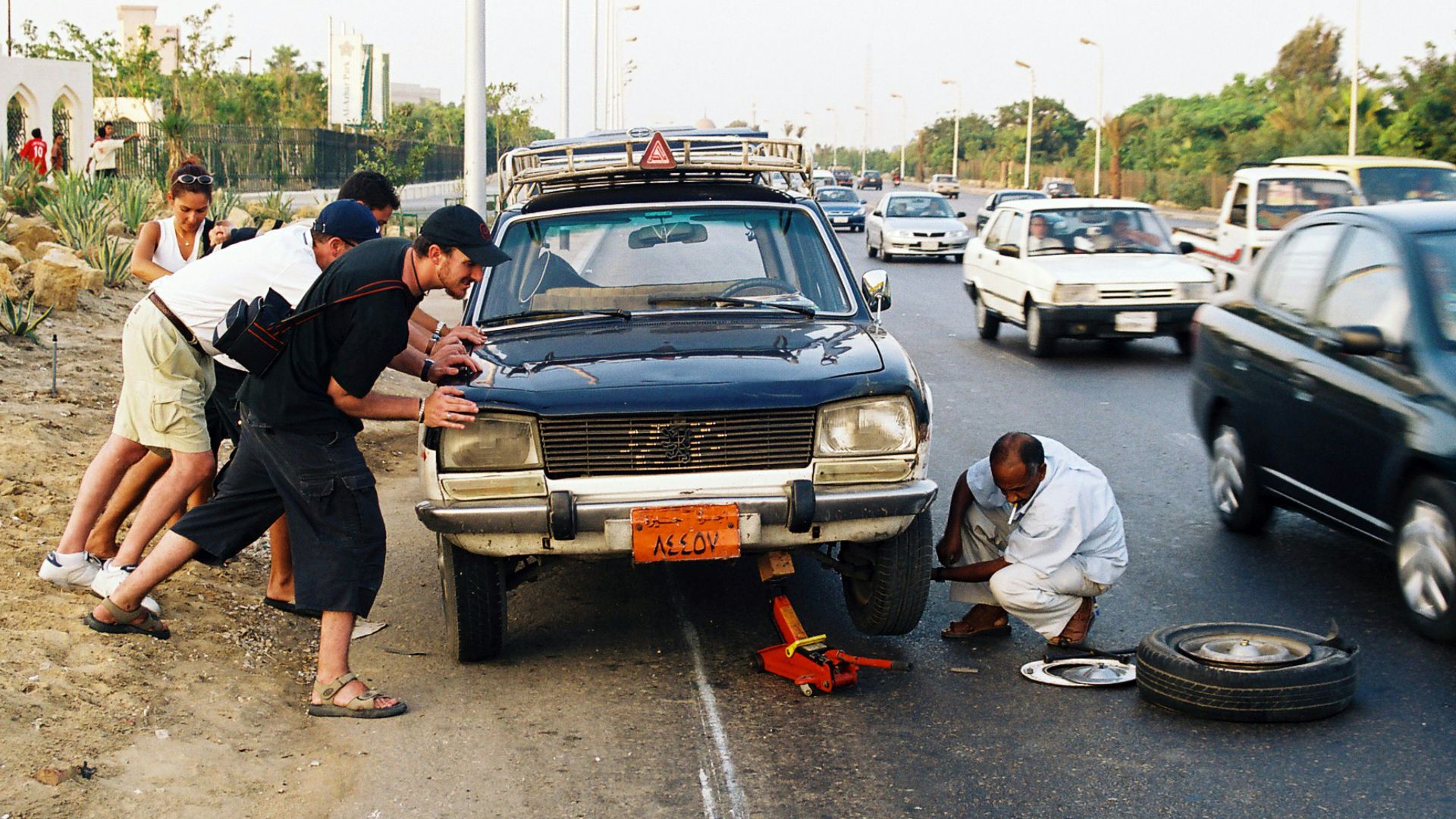
Automakers frequently pair run-flats with the elimination of a spare tire. Removing the spare saves space and weight, but leaves fewer alternatives when something goes wrong. AAA found that 28 percent of 2017 model-year vehicles lacked a spare as standard equipment.
Availability Changes The Equation
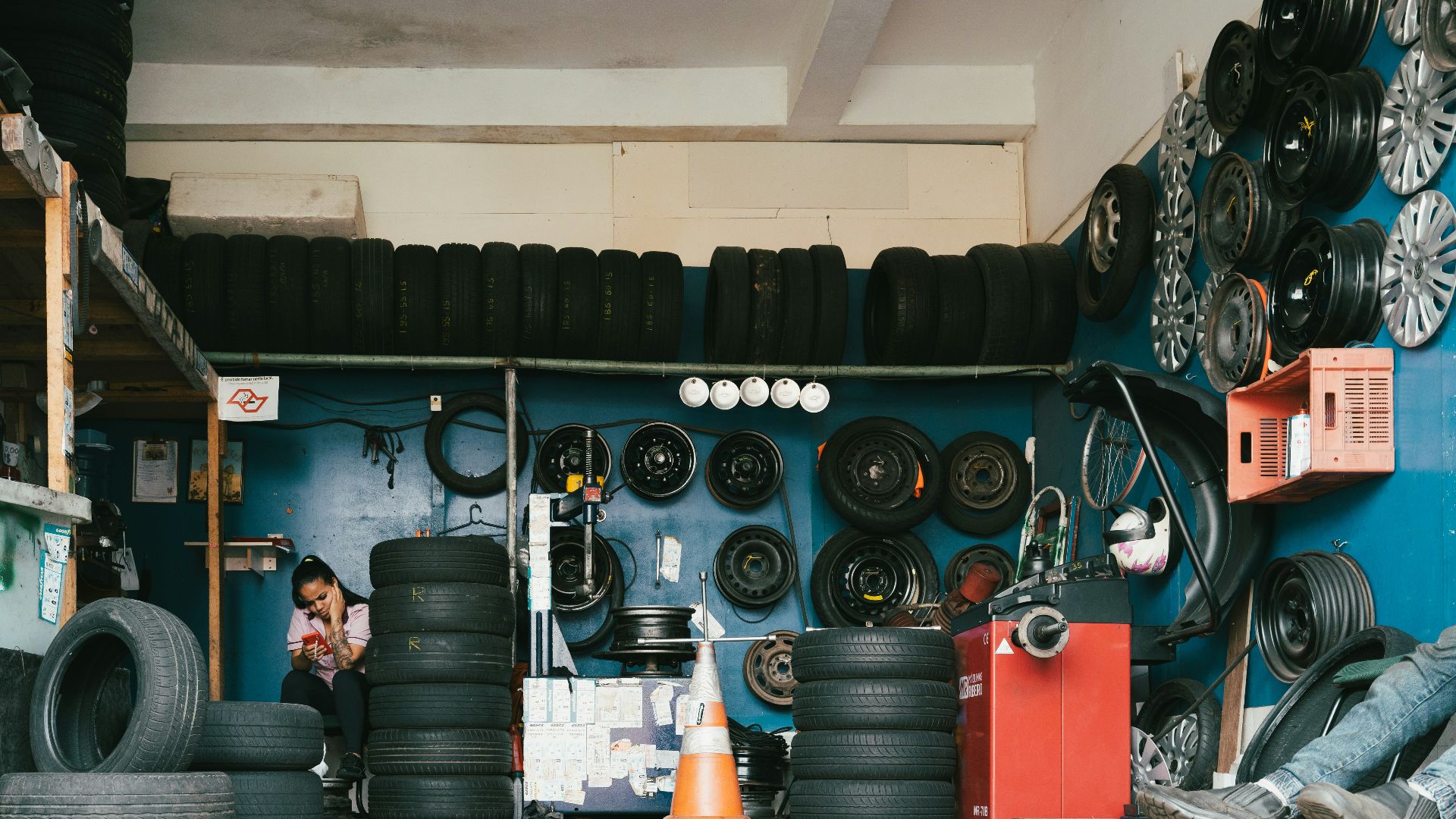
Run-flats are widely sold, but individual shops cannot stock every combination of brand, size, speed rating and performance category. Tire Rack offers run-flats across numerous categories, yet that broad catalog illustrates the problem: the exact tire your car needs may require ordering rather than being locally available.
Rural Drivers Face Trouble
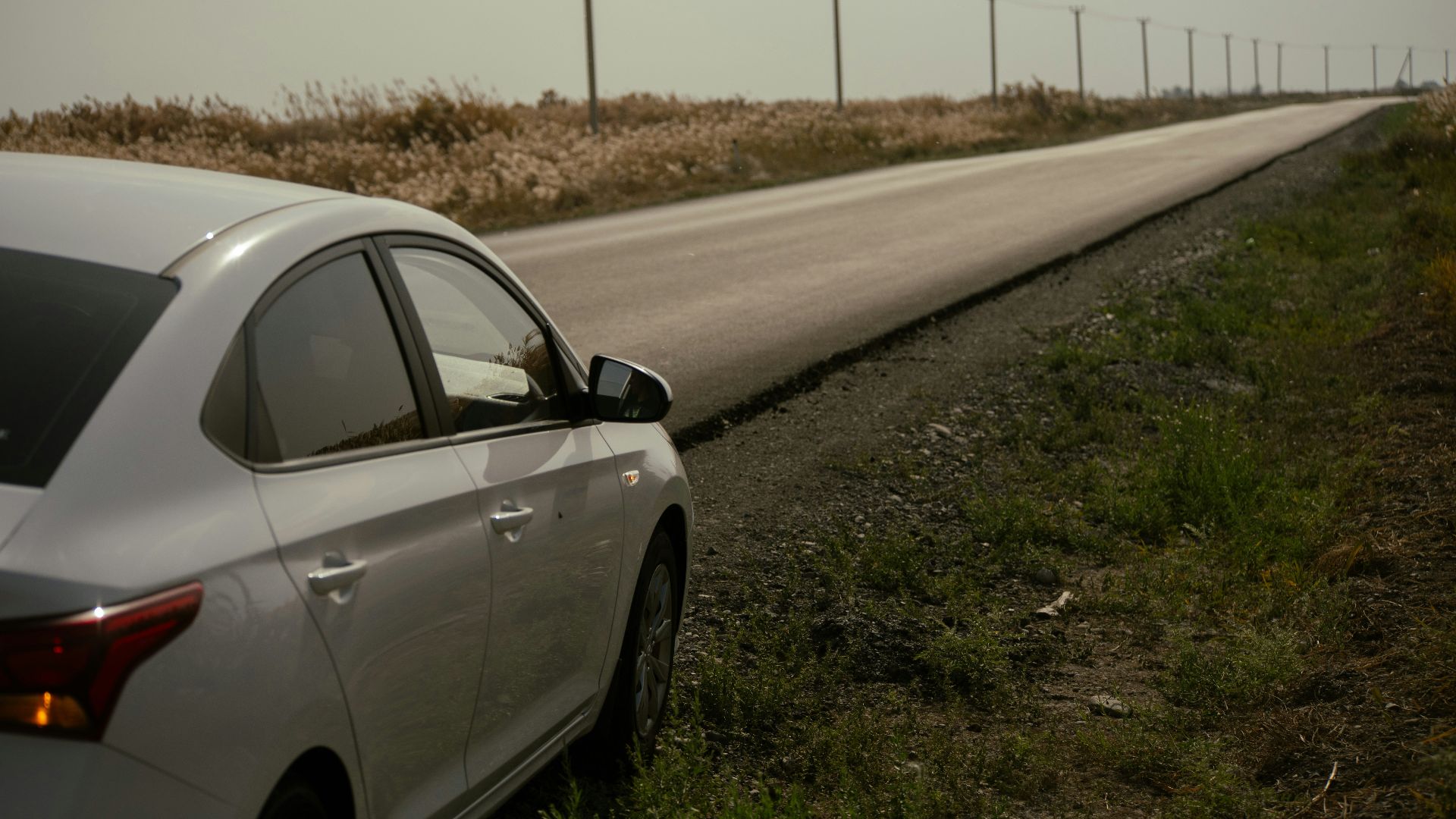
Suppose your run-flat provides 50 miles of mobility but the nearest shop stocking your exact replacement is 120 miles away. The technology has helped you escape the roadside emergency, but it hasn't completed your journey. Once its permitted mobility is exhausted, you may still require a tow.

Road Trips Complicate Things
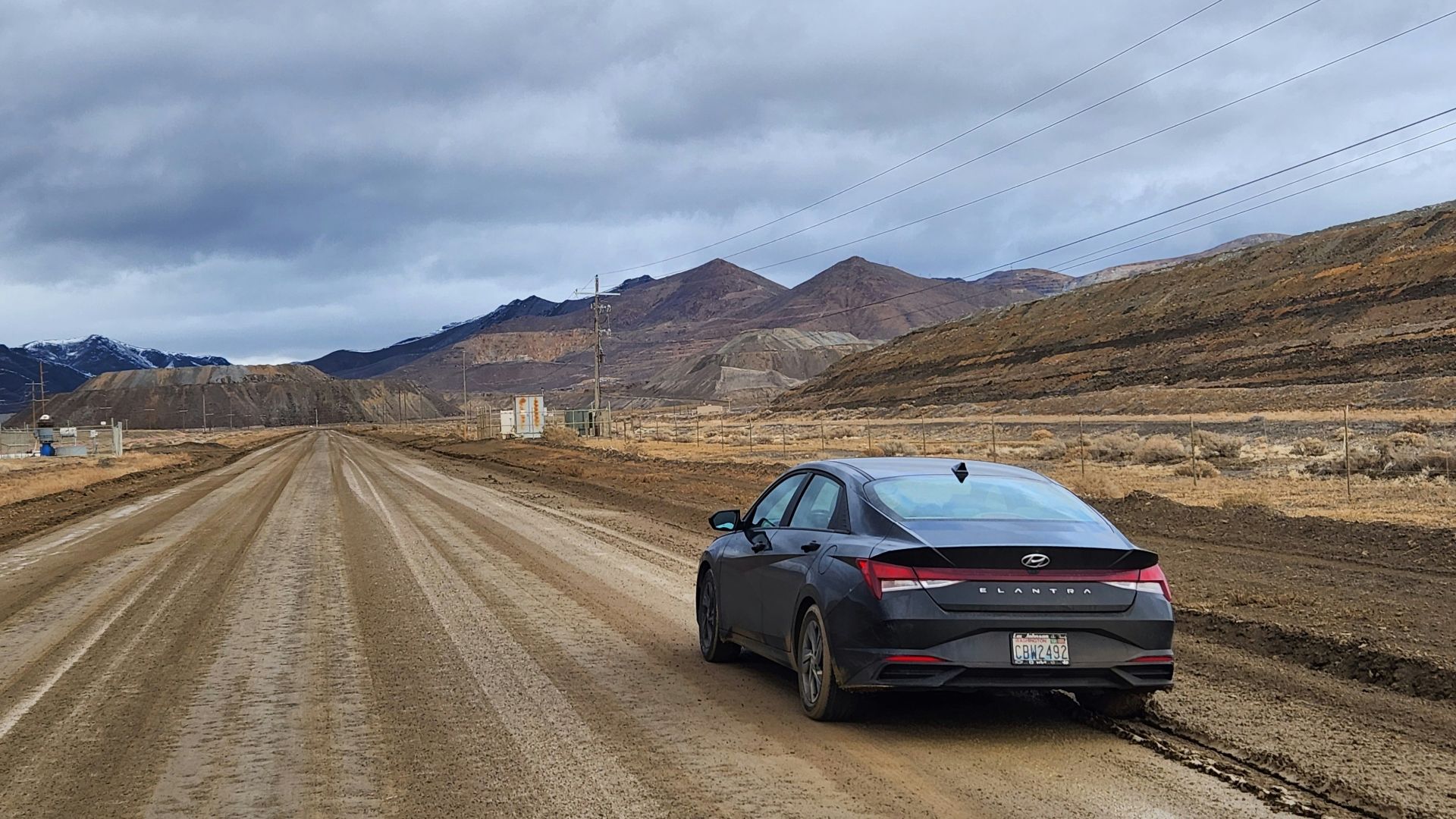
Driving across rural America, Canada or Europe makes availability more important than it seems during everyday commuting. Before a long trip, search your tire size online and call shops along particularly isolated portions of your route. Knowing where replacements exist can prevent an unpleasant surprise hundreds of miles from home.
Damage May Mean Replacement
Driving without pressure generates heat and places enormous stress on the reinforced structure. Tire Rack notes that most manufacturers recommend replacing run-flats driven after the tire pressure monitoring system (TPMS) warning appears because potentially serious internal damage may not be visible during a non-destructive examination.
Some Punctures Are Repairable
A run-flat doesn't automatically become garbage whenever it catches a nail. Michelin says certain tread-area punctures may be repairable if the tire has not been driven flat and meets other repair criteria. The tire should be removed and professionally inspected before anyone decides whether reuse is appropriate.
Sidewalls Are Different
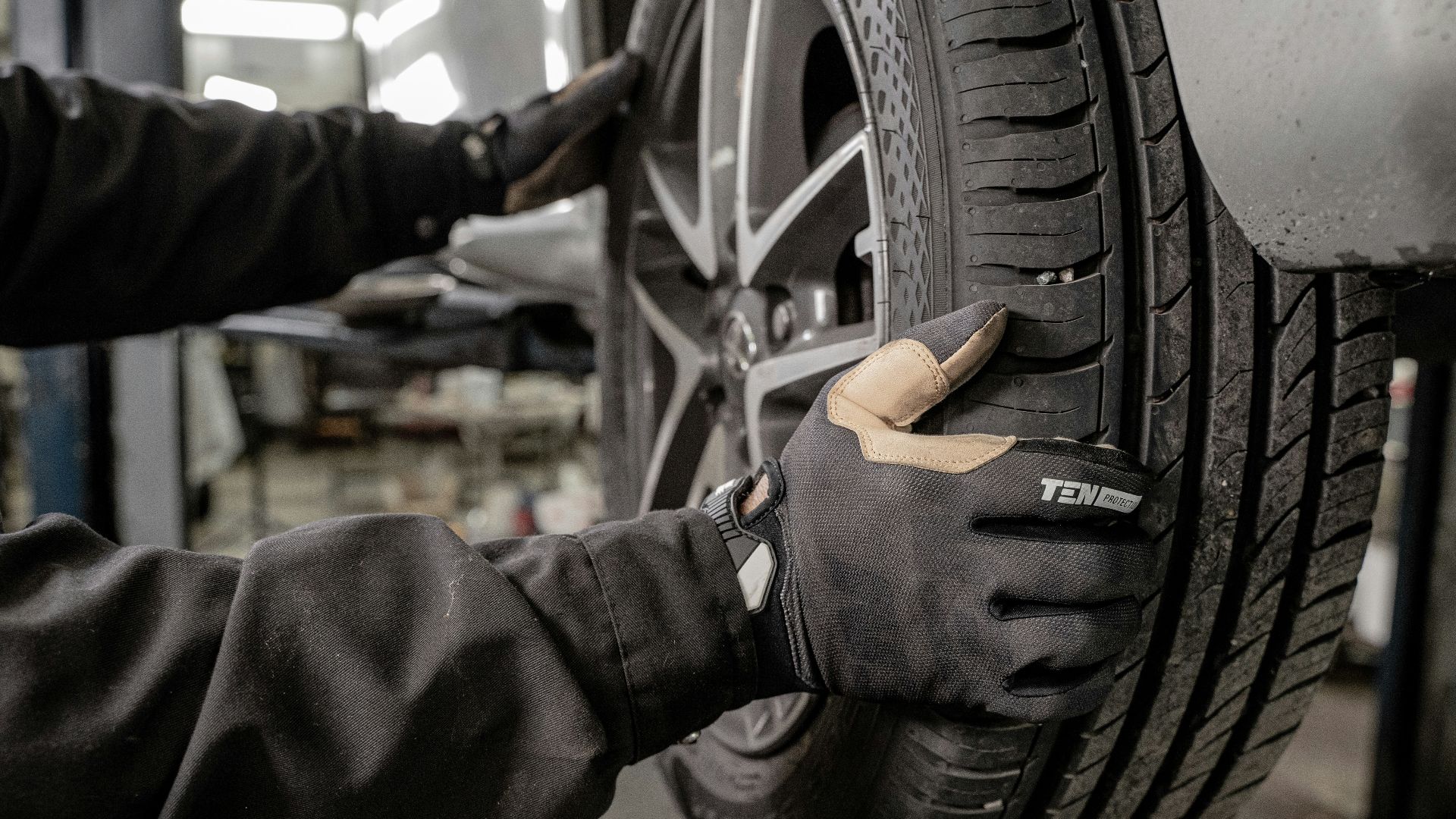
A small puncture through the central tread may qualify for repair, but sidewall and shoulder damage is another matter. Michelin advises that sidewall damage generally requires replacement rather than an ordinary puncture repair. That distinction matters because reinforced sidewalls are fundamental to how most run-flats support the vehicle.
TPMS Is Essential
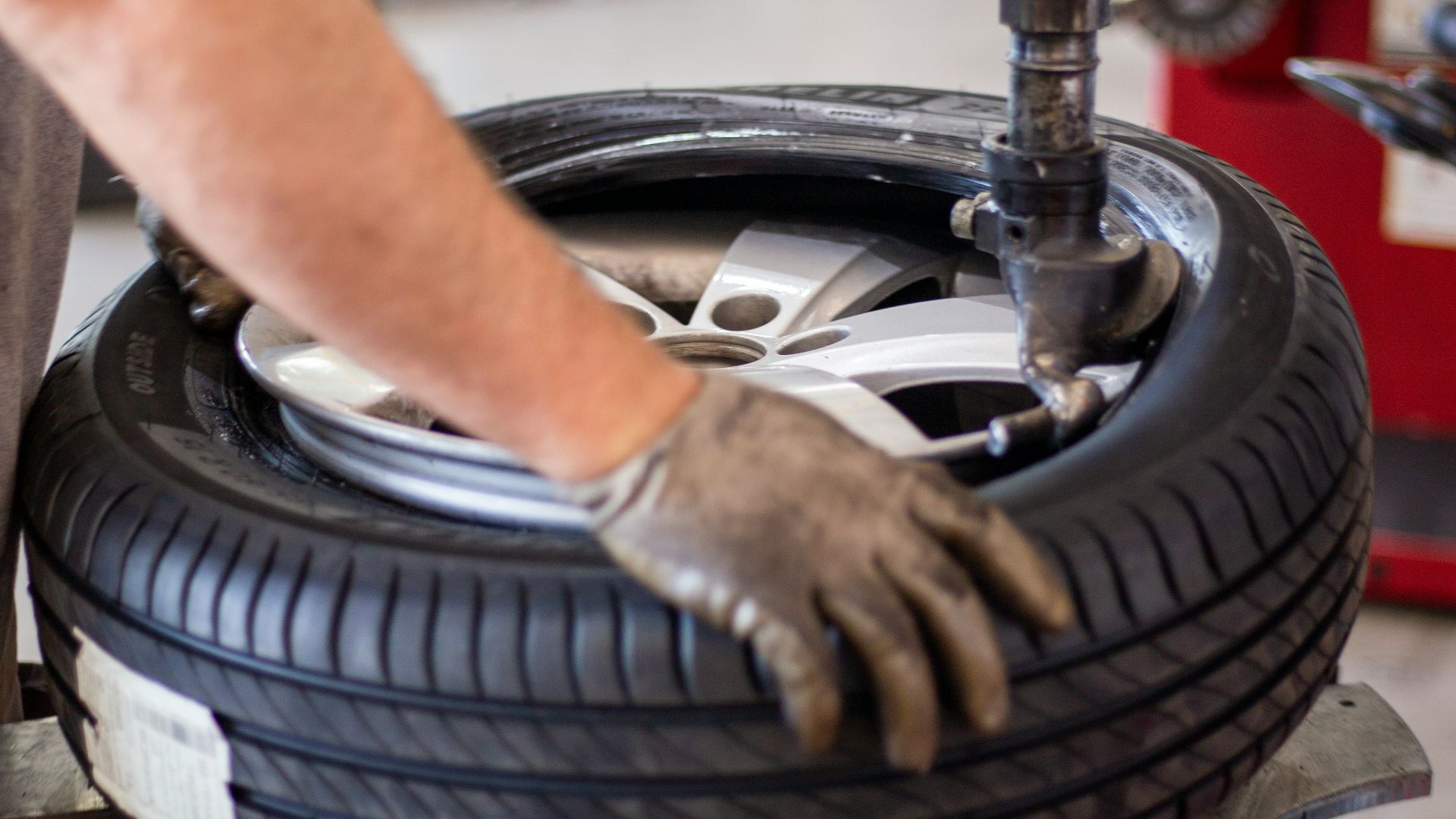
Because a run-flat can continue supporting the car after losing pressure, the driver might not immediately realize anything is wrong. That's why Tire Rack and Bridgestone specify that run-flat applications require a functioning tire-pressure monitoring system. Never treat an illuminated TPMS warning as something to investigate next week.
Check Pressure Anyway
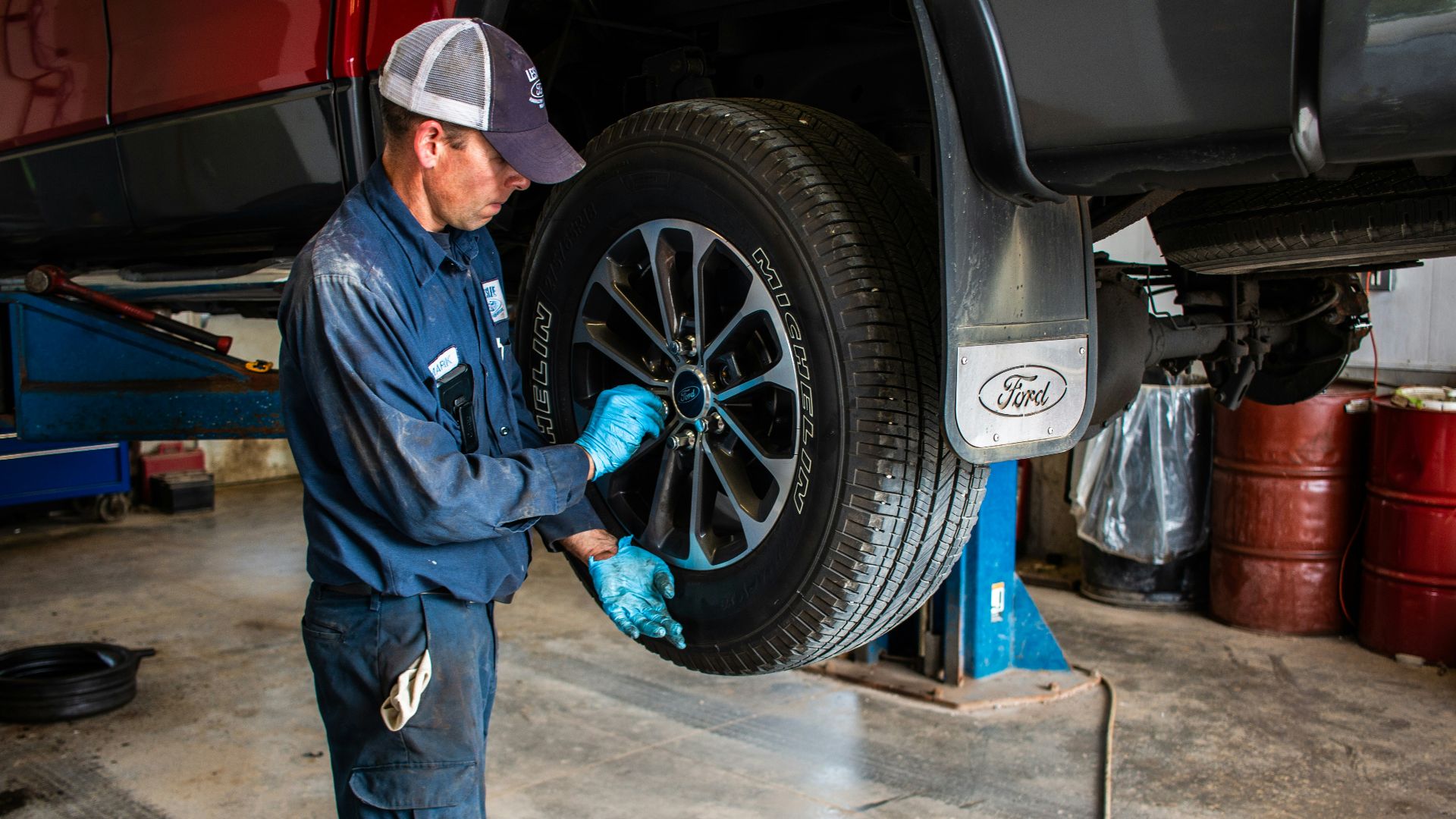
TPMS does not eliminate ordinary maintenance. The National Highway Traffic Safety Administration (NHTSA) recommends checking tire pressure at least monthly when tires are cold because monitoring systems generally warn only after significant underinflation has occurred. Proper inflation also affects tire life, fuel consumption, handling and the likelihood of heat-related damage.
Run-Flats Cost More
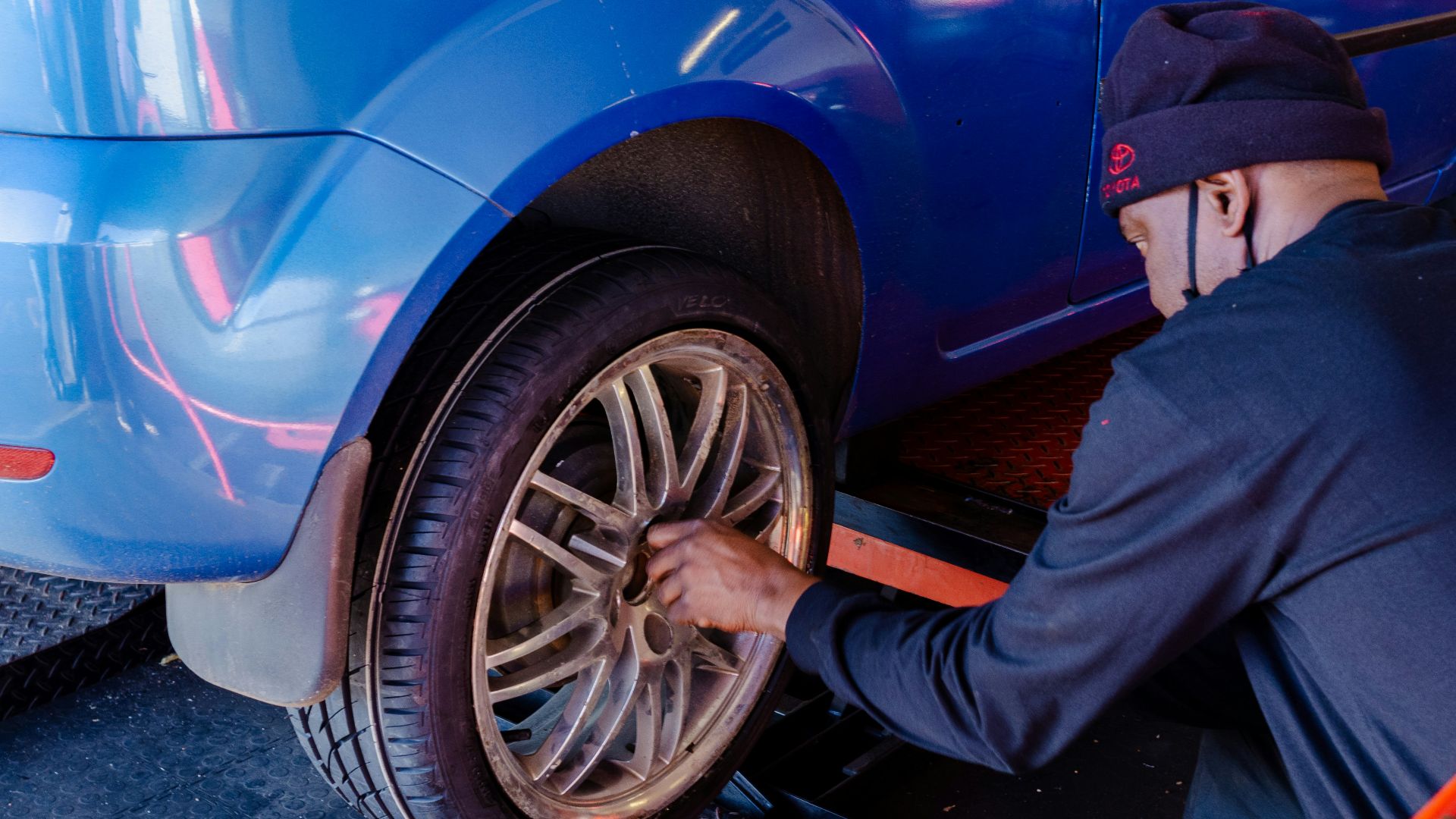
The convenience has a financial price. Michelin estimates run-flat tires typically cost roughly 20 to 40 percent more than comparable conventional tires. If a damaged tire cannot be repaired, that higher replacement price becomes particularly noticeable, especially when an uncommon size must be specially ordered.
Ride Can Be Firmer
Those reinforced sidewalls must carry a vehicle even without normal air pressure, and that stiffness can affect ride quality. Michelin identifies a somewhat firmer ride as one potential tradeoff. How noticeable it feels depends considerably on the tire, vehicle suspension, wheel size and road surface.
Order Before You Need
If your local tire dealer can obtain your run-flats but rarely stocks them, don't wait until the tread is nearly gone. Inspect them regularly and order replacements well before they reach the end of their service life. Planned replacement is considerably easier than sourcing an unusual tire after Friday-night damage.
Record Your Tire Details
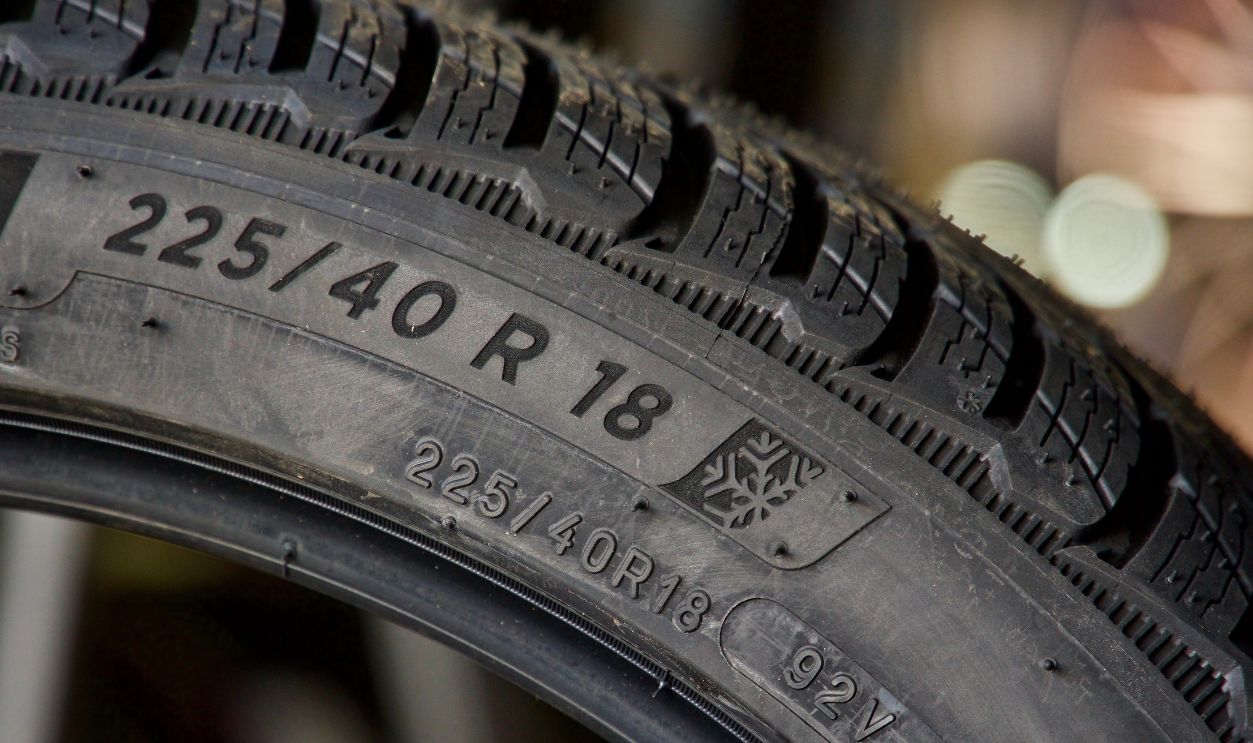
Keep your tire's complete size and specification in your phone, including whether it is a run-flat. A description like “18-inch BMW tire” isn't enough. Having the exact information available lets you telephone distant shops quickly rather than trying to decipher a dirty sidewall beside the highway.
 Bekir Vahit Telli, Shutterstock
Roadside Coverage Still Matters
Run-flats reduce your chances of being immediately stranded, but they do not eliminate towing. AAA roadside policies, for example, generally install a usable spare when one is available and provide towing when it isn't. Coverage limits vary, so check your own policy before relying on it during travel.
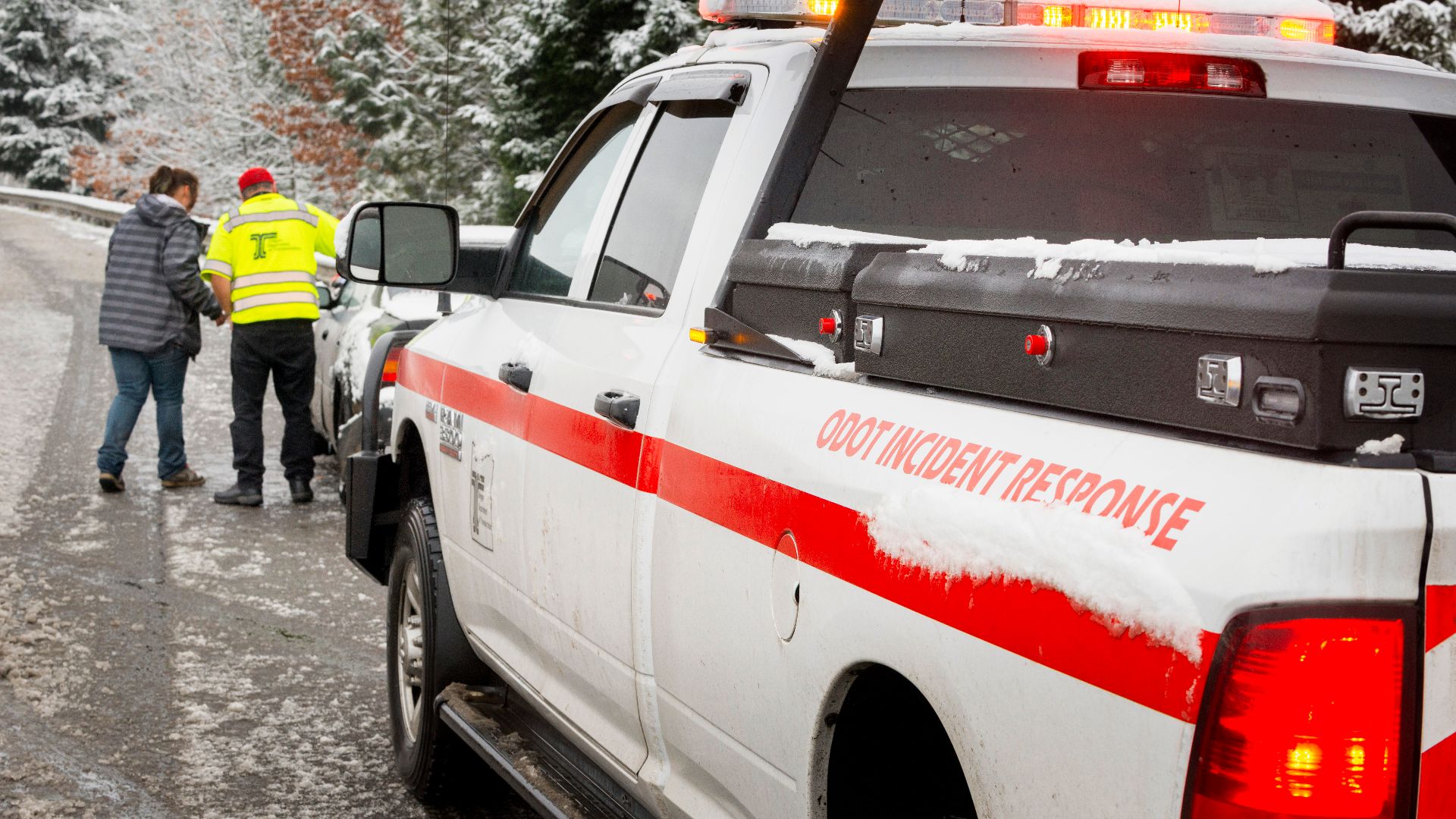 Oregon Department of Transportation, Wikimedia Commons
Consider Carrying A Spare
Some vehicles designed around run-flats have room for an aftermarket spare-tire kit, although others do not. AAA recommends considering a spare when available. Before buying one, verify wheel diameter, brake clearance, bolt pattern, tire dimensions, storage arrangements and compatibility with your particular vehicle.
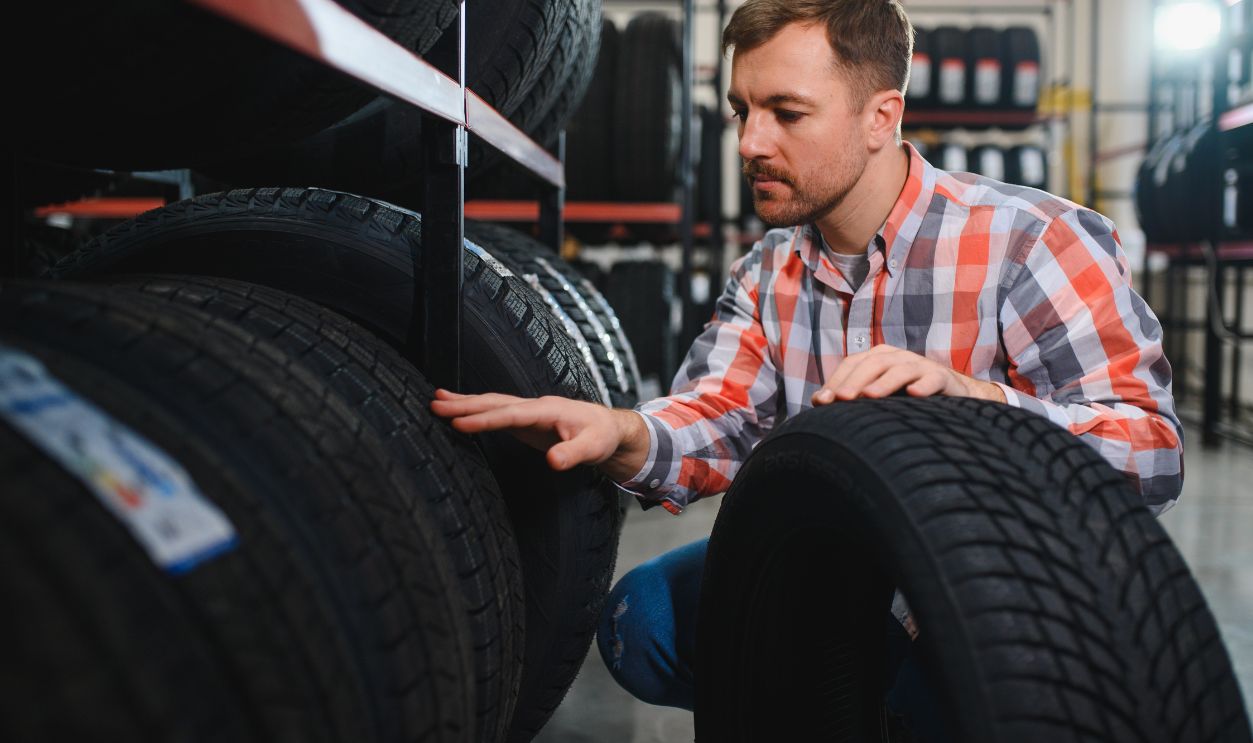 Hryshchyshen Serhii, Shutterstock
Switching Is Possible
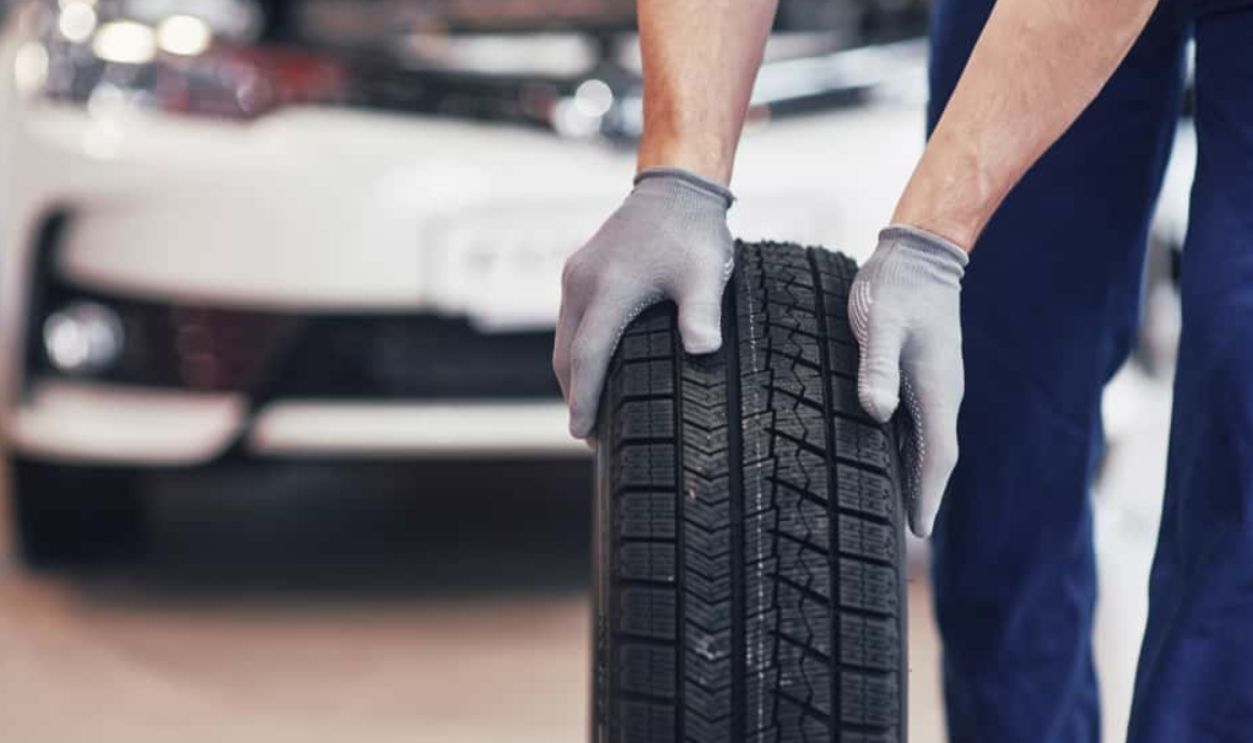
Owners sometimes replace run-flats with conventional tires when the original set wears out. Tire Rack notes that a compatible run-flat can fit a wheel accepting the same-size conventional tire, but changing tire type can affect ride and handling. Follow vehicle-manufacturer guidance and use properly matched tires.
Plan For The Tradeoff
If you switch to conventional tires, solve the flat-tire problem the run-flats previously addressed. Depending on your vehicle, that might mean a compatible spare, inflator and sealant kit, or dependable roadside coverage. Sealant kits handle only certain punctures and cannot solve major leaks or sidewall damage.
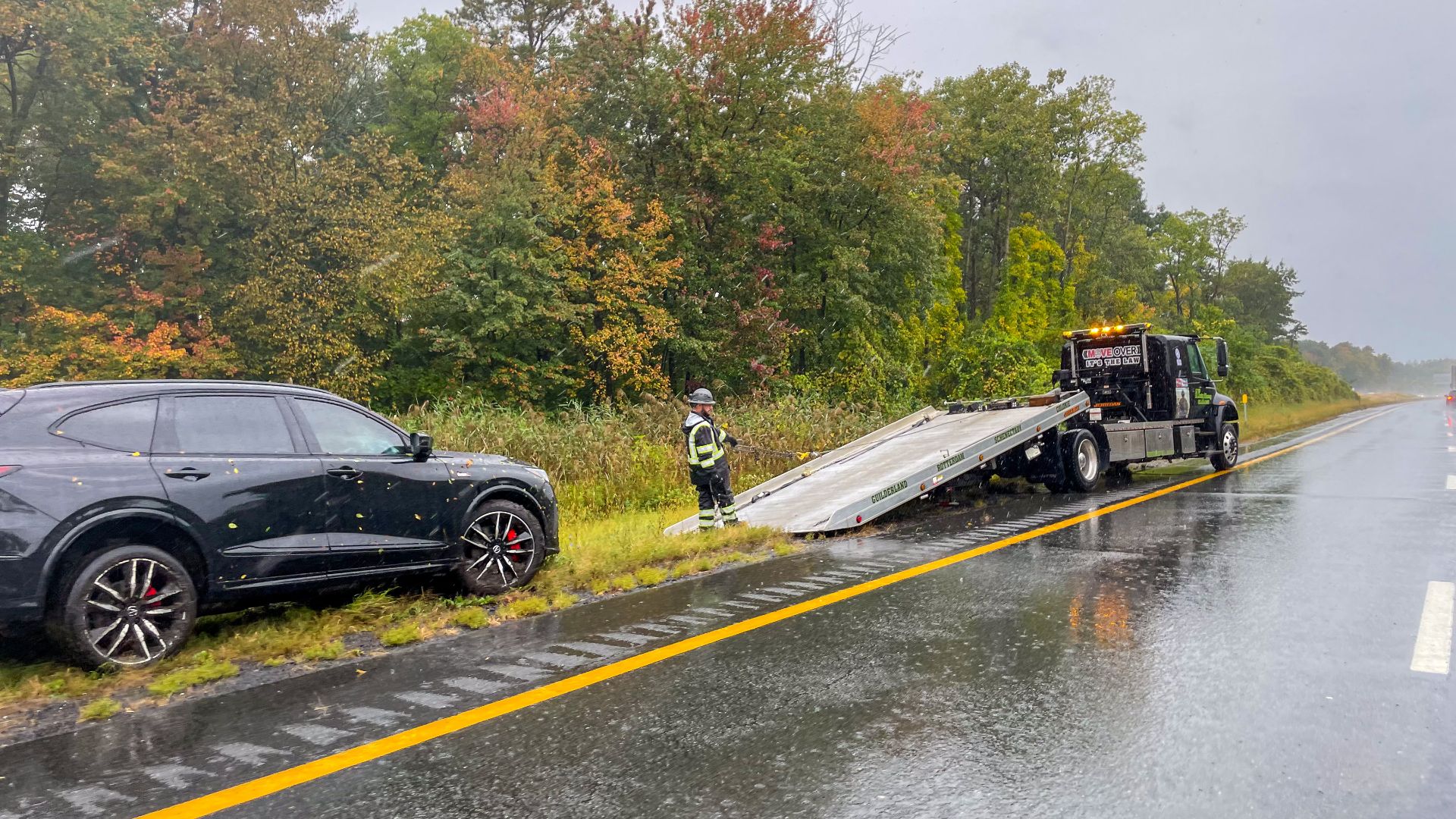 Kenneth C. Zirkel, Wikimedia Commons
Geography Changes The Answer
Run-flats make excellent sense when 50 miles gets you to a shop carrying your tire. Their practicality declines when replacement availability is sparse. Before abandoning them, investigate local ordering times, roadside coverage and spare-tire options. The best solution depends as much on where you drive as what you drive.
You May Also Like:
My New SUV Has Giant Wheels, And Potholes Keep Destroying The Tires. Did I Buy The Wrong Trim?
Exactly What You Need To Do To Get The Most Out Of Your Tires