Your SUV Is Not Imagining The Problem
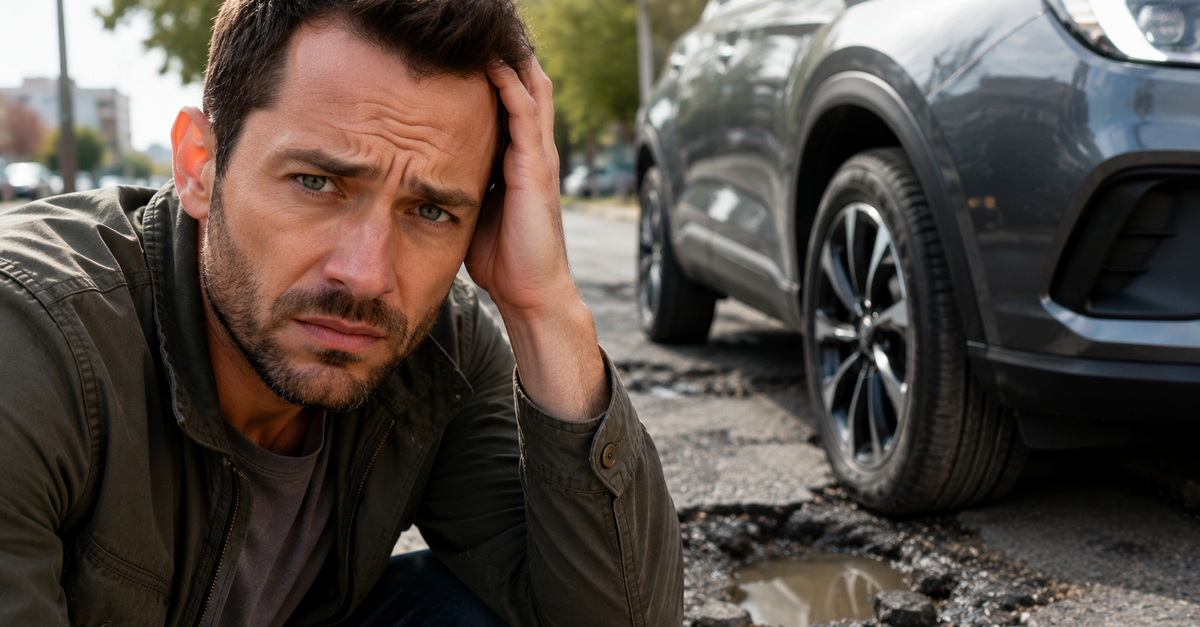
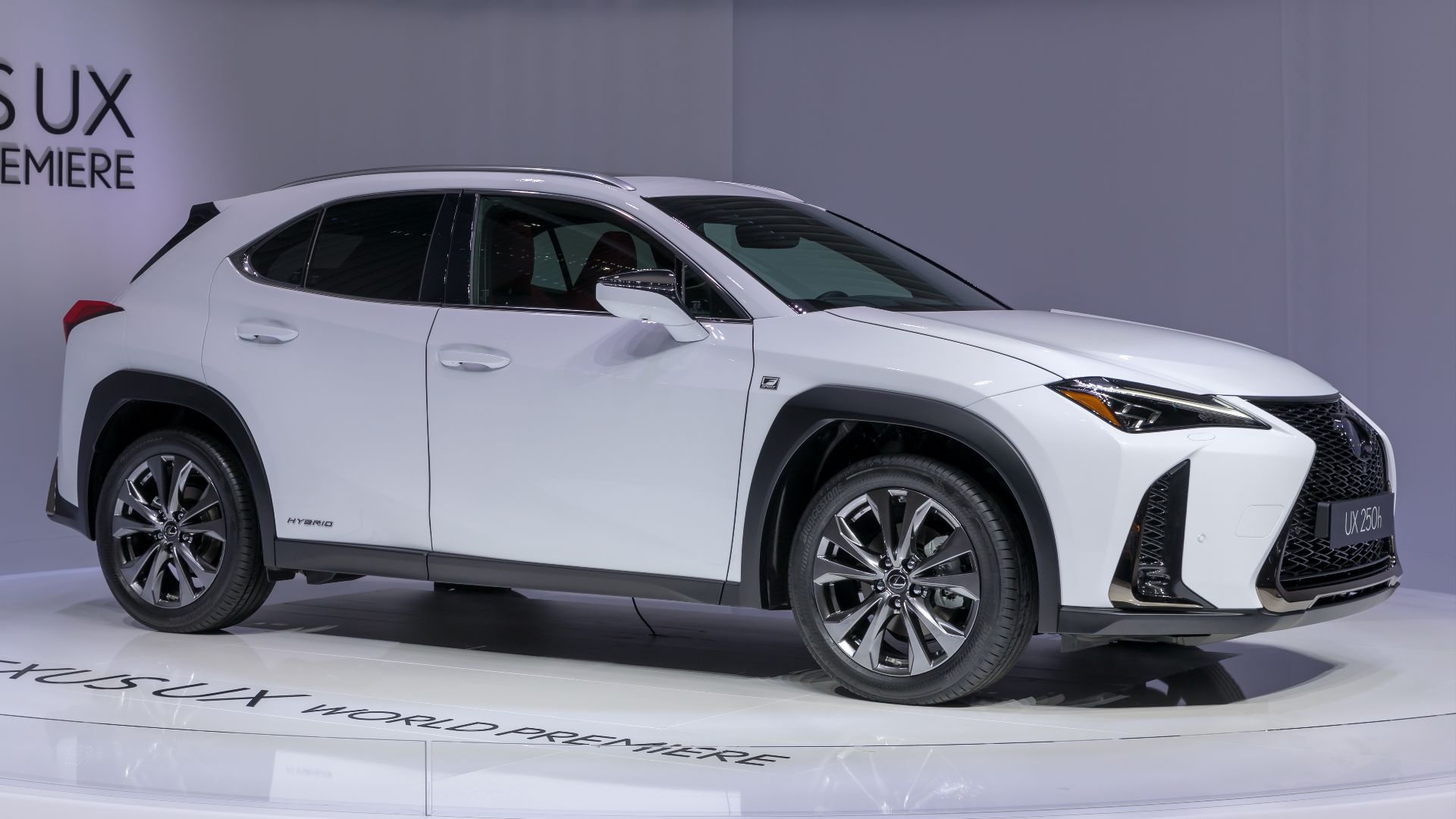
A new SUV with huge wheels can look fantastic in the showroom and feel considerably less impressive after its first serious pothole encounter. Large-diameter wheels are commonly paired with low-profile tires, which leave less sidewall between the pavement and the rim. Tire Rack says these combinations are more vulnerable to pothole and curb impacts than taller-profile tires. The problem is therefore real, even when the wheels and tires came installed from the factory.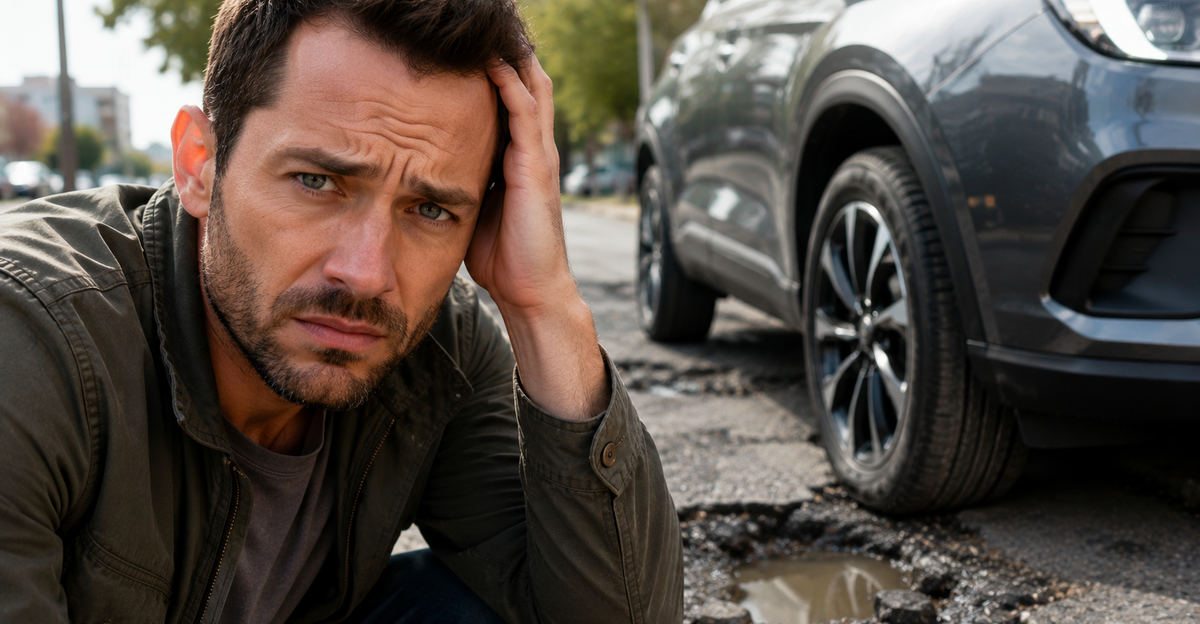 Factinate Ltd
The Wheel Is Only Half The Story
Drivers often blame the enormous wheel itself, but the tire surrounding it matters just as much. When overall tire diameter remains similar, fitting a larger wheel generally requires a tire with a shorter sidewall. Tire Rack describes this practice as plus sizing and notes that it can improve steering response while reducing the tire's ability to accommodate a hard impact. That trade-off is central to the pothole problem.
Low Profile Means Less Cushion
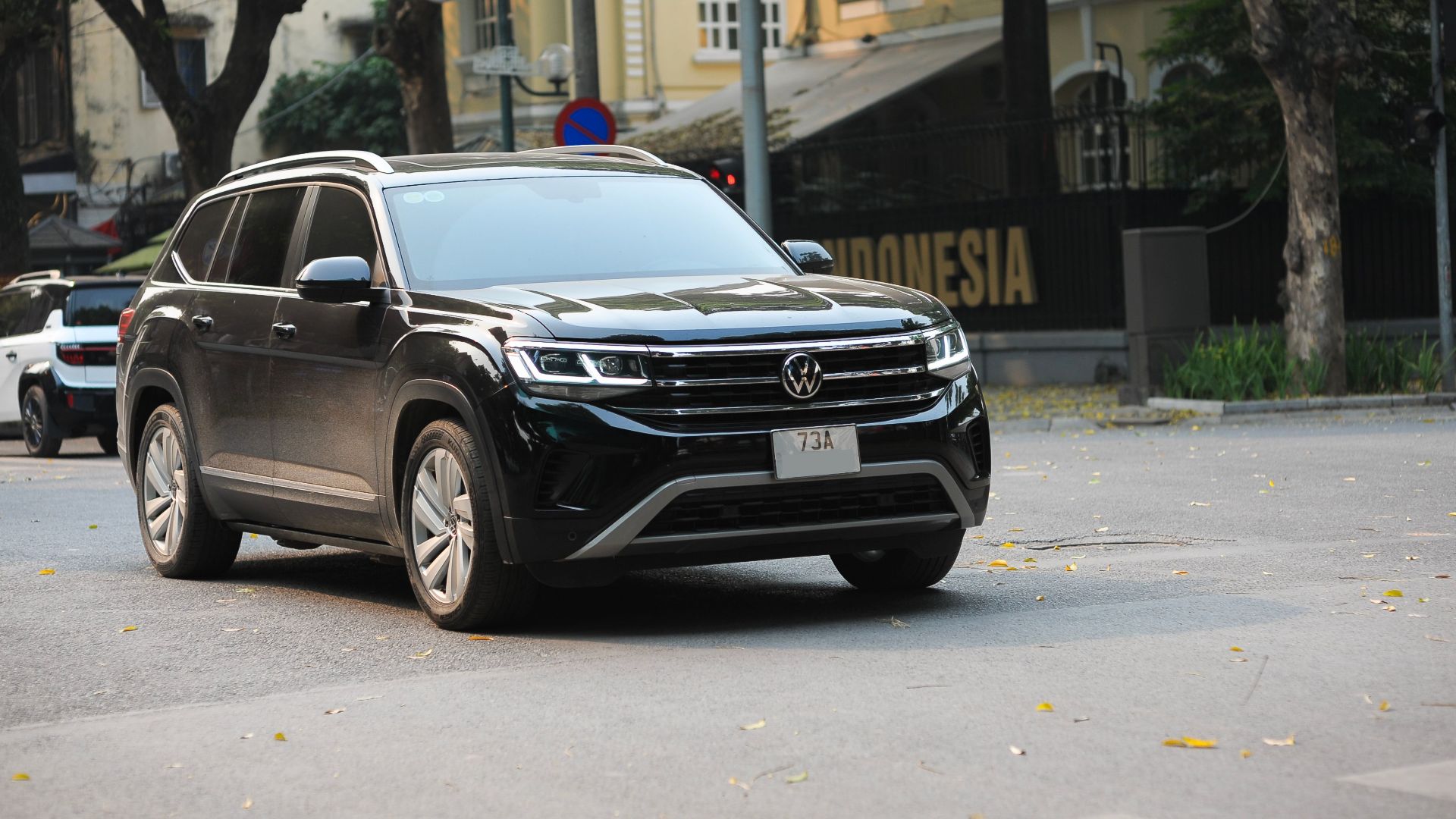
The air-filled tire is part of the vehicle's first line of defense against sharp road impacts. A taller sidewall has more room to flex when it encounters an abrupt edge, while a short sidewall has less room before the tire is squeezed toward the rim. Tire Rack specifically identifies low-profile tires on large-diameter wheels as particularly susceptible to impact damage. This is why an SUV can have substantial ground clearance yet still be surprisingly vulnerable at the wheels.
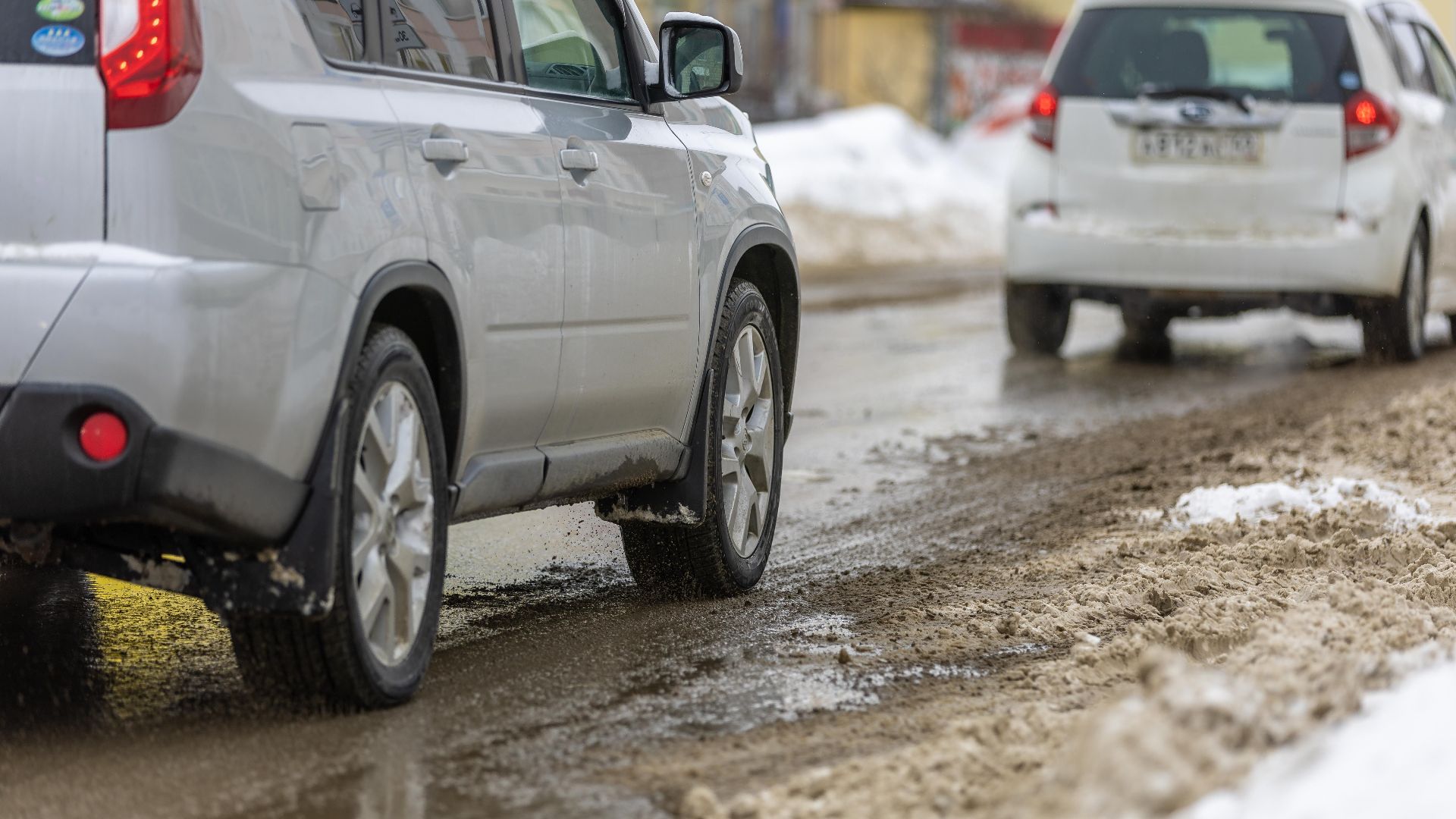
A Pothole Can Pinch The Tire
One common failure occurs when a pothole forces the tire against the wheel hard enough to damage its internal structure. Tire Rack explains that road impacts can pinch a tire between the rim and the road and damage the reinforcing materials inside the tire. The result does not always look like a simple nail puncture. A tire can instead develop structural damage that deserves professional inspection.
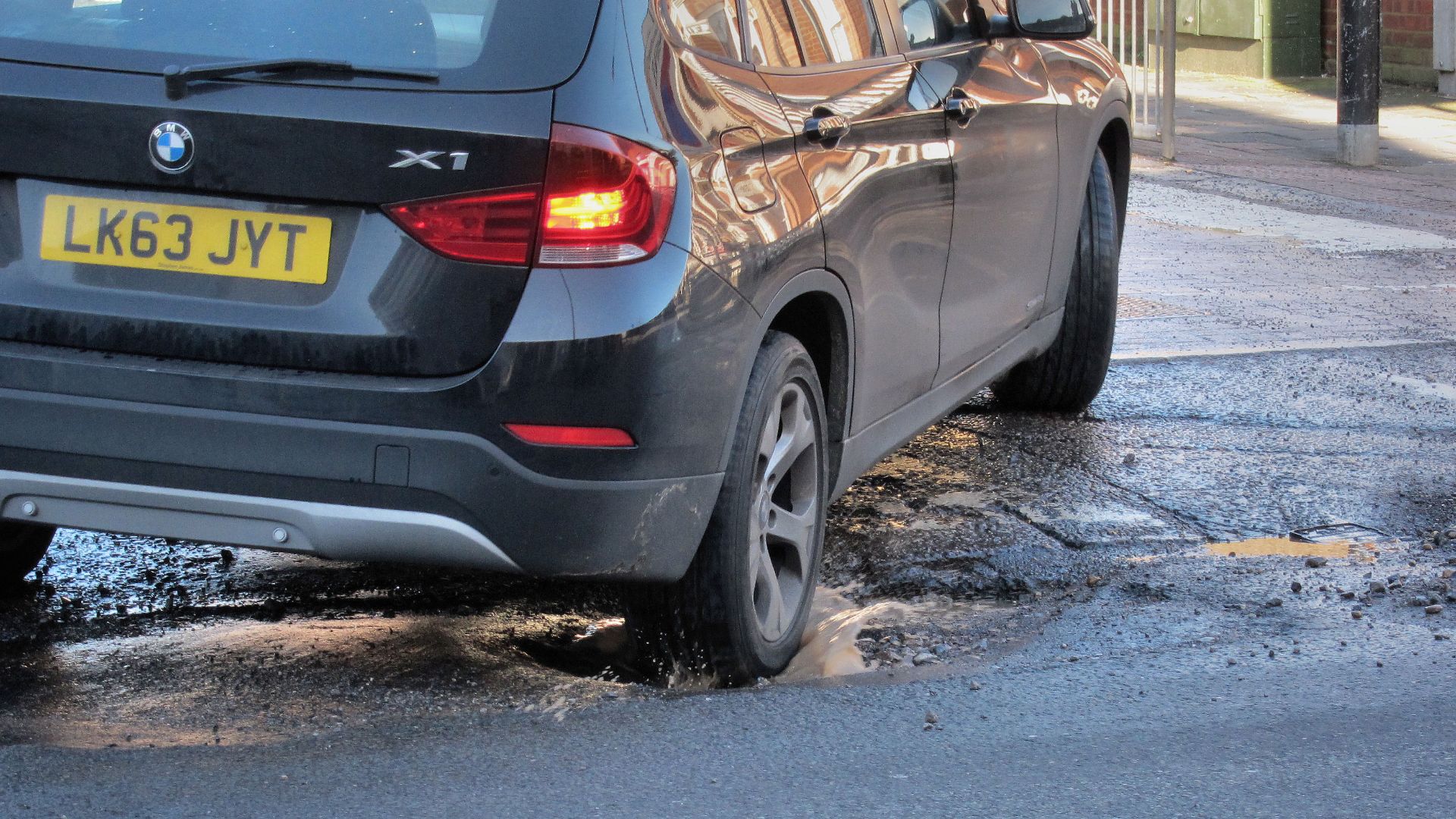 Alan Stanton, Wikimedia Commons
That Sidewall Bubble Is Serious
A bulge or bubble in the sidewall is not merely cosmetic. Tire Rack says impact damage can weaken the tire's internal cords, and the visible problem may continue to grow as the tire rolls under load. The company also notes that a significant pothole strike can damage even a relatively new tire. A tire showing suspicious sidewall damage should be inspected by a tire professional rather than treated as harmless.
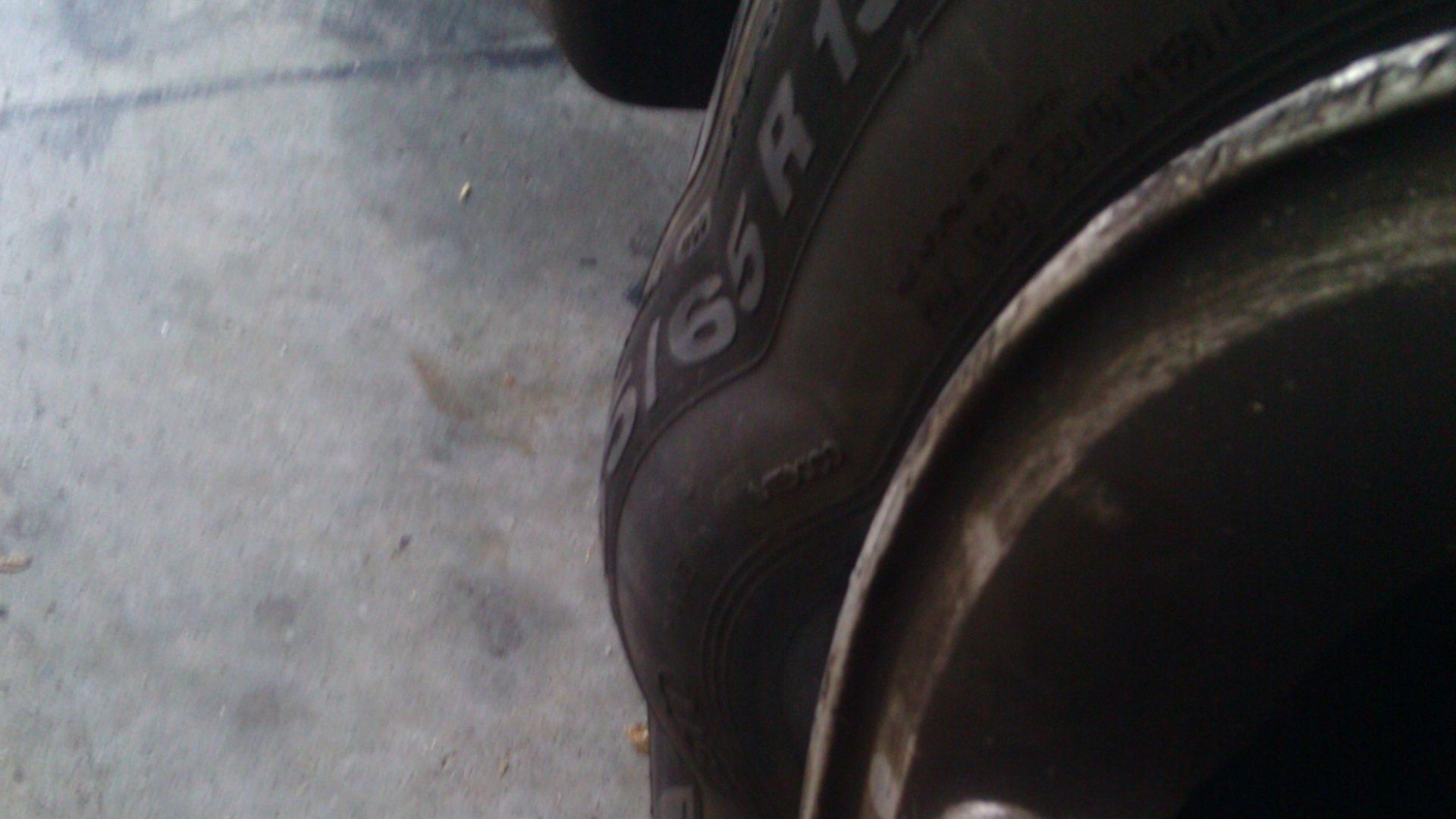
Damage May Not Appear Immediately
The frustrating part is that the tire can survive the initial hit without immediately going flat. Tire Rack notes that evidence of internal impact damage can appear weeks or even months after the original event as a damaged area continues to weaken. That delay can make the eventual failure seem mysterious. It is another reason to inspect the tire after a particularly hard pothole strike, even if the pressure initially appears normal.
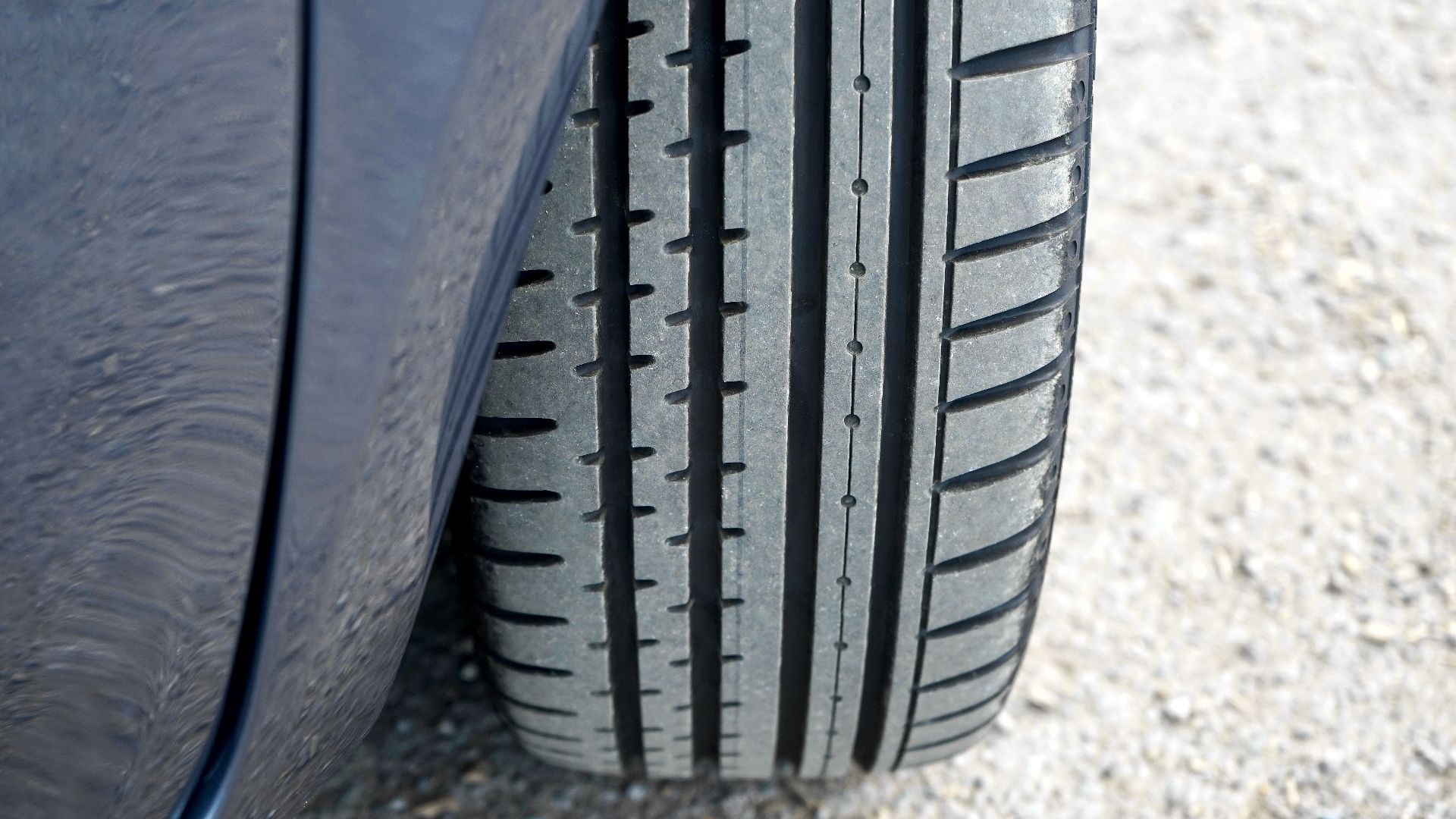
Your Wheel Can Suffer Too
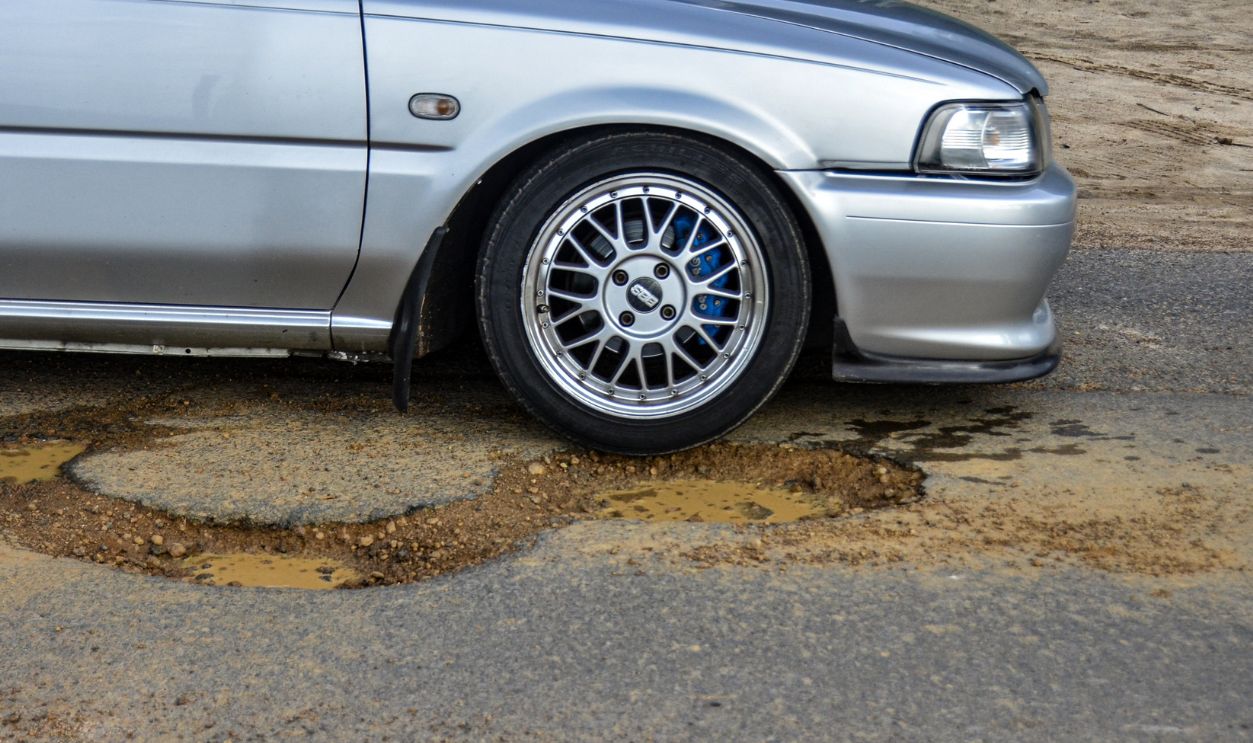
A short sidewall does not provide much space between a pothole edge and an expensive alloy wheel. Tire Rack warns that plus-sized packages face increased risks from potholes, curbs, and road debris because their shorter sidewalls cannot accommodate impacts as effectively. AAA likewise lists wheel damage among the problems that can follow a serious pothole strike. Replacing the tire therefore may not end the repair bill.
Potholes Can Reach The Suspension
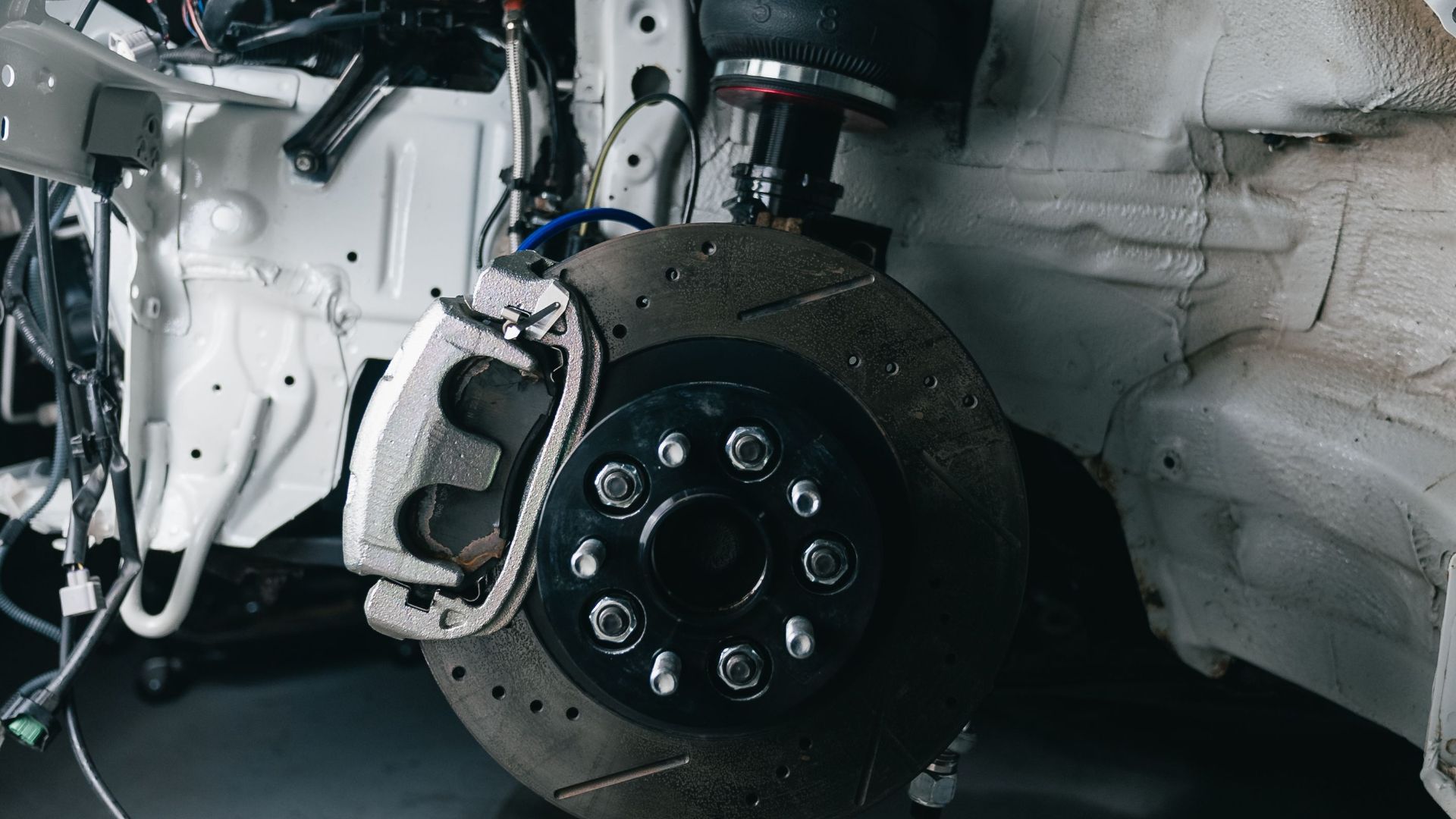
The impact does not necessarily stop at the rubber and aluminum. AAA says a hard pothole strike can affect tires, wheels, alignment, and suspension components. New vibrations, noises, steering changes, or a vehicle that pulls to one side can therefore indicate more than a damaged tire. An inspection becomes especially sensible when the SUV feels different after the impact.
Pothole Repairs Are Not Rare
This is not an obscure problem limited to unlucky owners of performance SUVs. AAA reported that one in ten surveyed drivers experienced pothole damage serious enough to require repair during 2021. Those drivers faced an average repair cost of nearly $600, according to AAA's survey. The exact cost for a modern large-wheel SUV can vary widely depending on the tire, wheel, and other components involved.
Bigger Wheels Do Offer Something In Return
Automakers and drivers do not choose large wheels purely to create repair bills. Tire Rack says shorter sidewalls can produce quicker steering response and greater cornering stability while allowing the overall tire diameter to remain close to the original specification. Larger wheels also have a distinct visual appeal that clearly influences vehicle design and purchasing decisions. The trade-off is that those benefits can come with reduced impact tolerance.

The Tire Code Explains A Lot
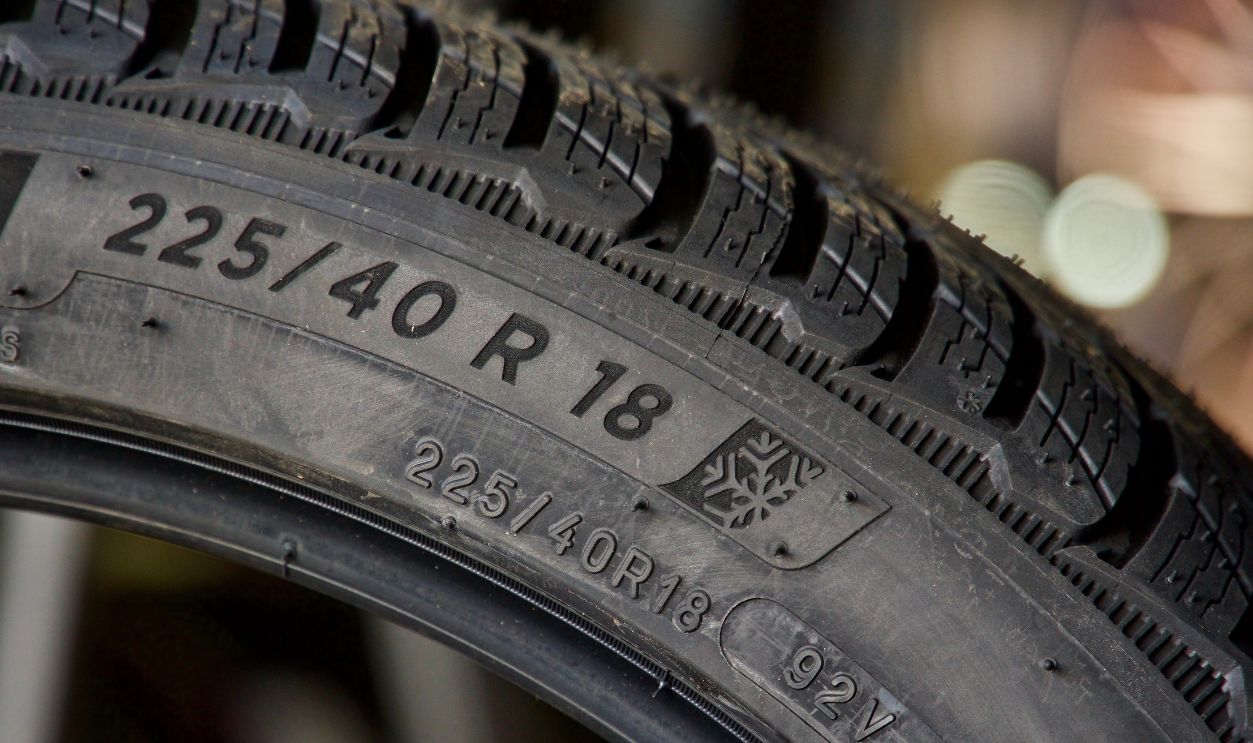
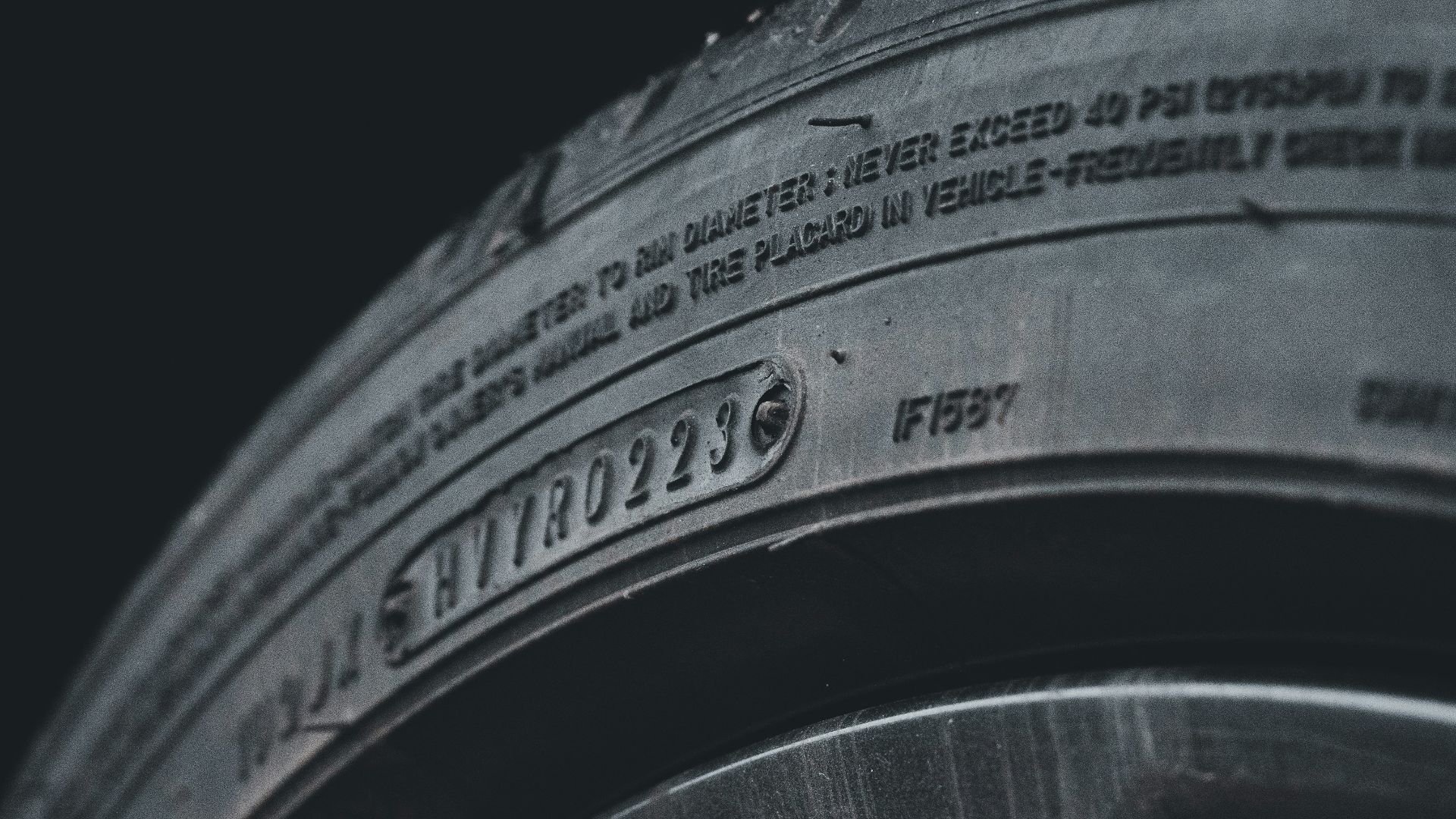
The numbers molded into the sidewall can tell you whether your SUV is running a particularly short tire profile. In a designation such as 225/50R16, Tire Rack explains that the second number is the aspect ratio, meaning sidewall height expressed as a percentage of tire width. The final number identifies the wheel diameter in inches. Understanding those numbers makes it easier to compare your current package with smaller factory-approved alternatives.
 Bekir Vahit Telli, Shutterstock
A Smaller Number Means A Shorter Profile
Aspect ratio is relative to the width of the tire rather than a direct measurement in inches. A tire marked with a 40 aspect ratio has a sidewall height equal to 40 percent of its section width, while a 55-series tire uses 55 percent. Width therefore also matters when comparing actual sidewall dimensions. Even so, unusually low aspect ratios are an immediate clue that the tire was designed with a short profile.
Factory Equipment Can Still Be A Compromise
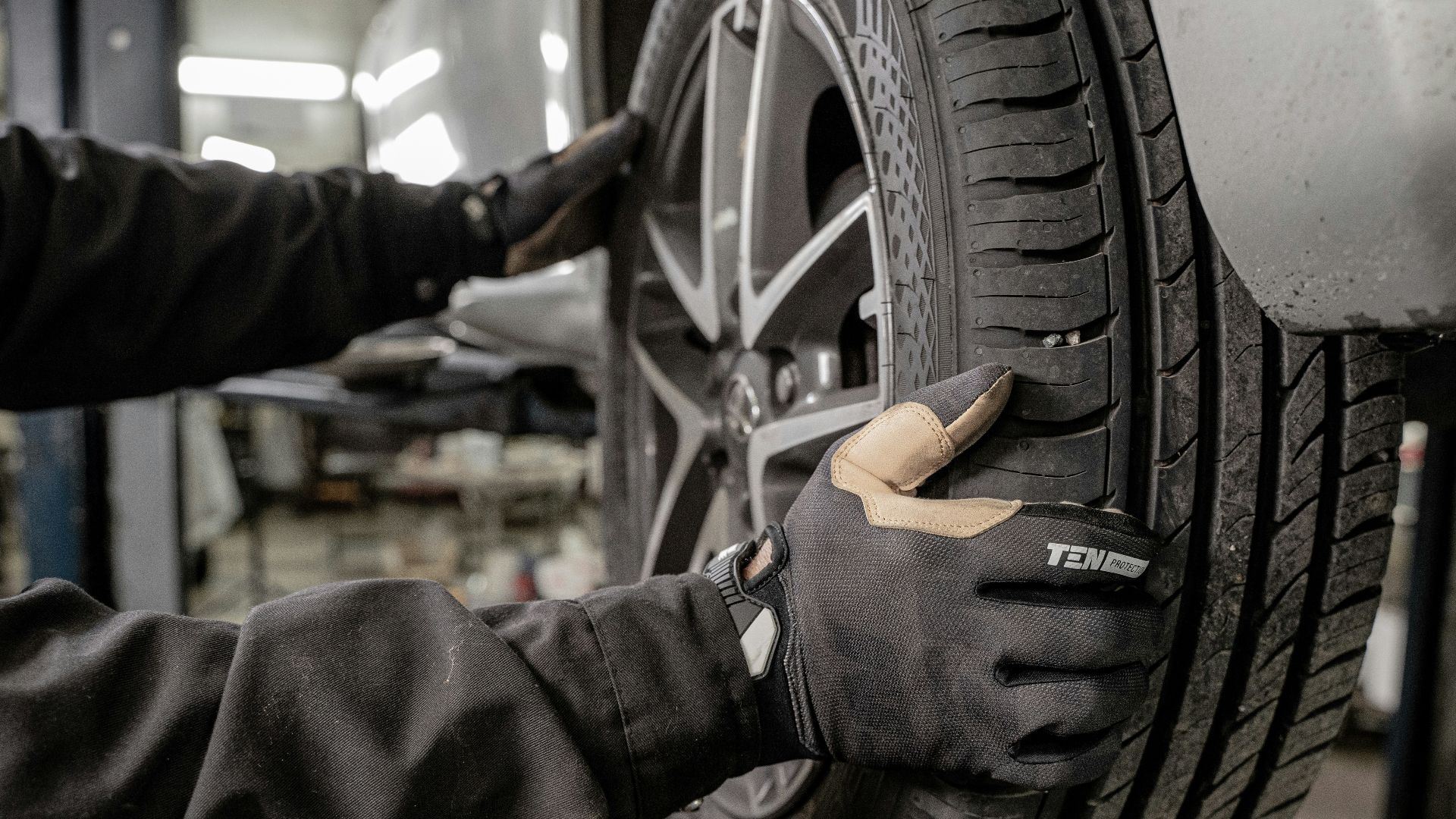
If your SUV left the dealership with these wheels, that does not mean something went wrong during assembly. Original-equipment tires and wheel packages are selected around multiple goals, which can include handling, appearance, comfort, noise, efficiency, and compatibility with the vehicle. Michelin notes that OE tires can be optimized for several of these competing characteristics. A setup can therefore be appropriate for the vehicle while still being less forgiving on badly damaged roads.
The Wrong Trim Depends On Your Priorities
Calling the trim wrong is probably too simple. If you wanted aggressive styling and sharper road response, the large-wheel package may be delivering exactly what it was designed to provide. If you spend every day on cracked urban streets, however, durability and ride compliance may matter more than those benefits. In that situation, a lower trim or alternate factory wheel package could have been the better real-world choice.
Tire Pressure Matters More Than Ever
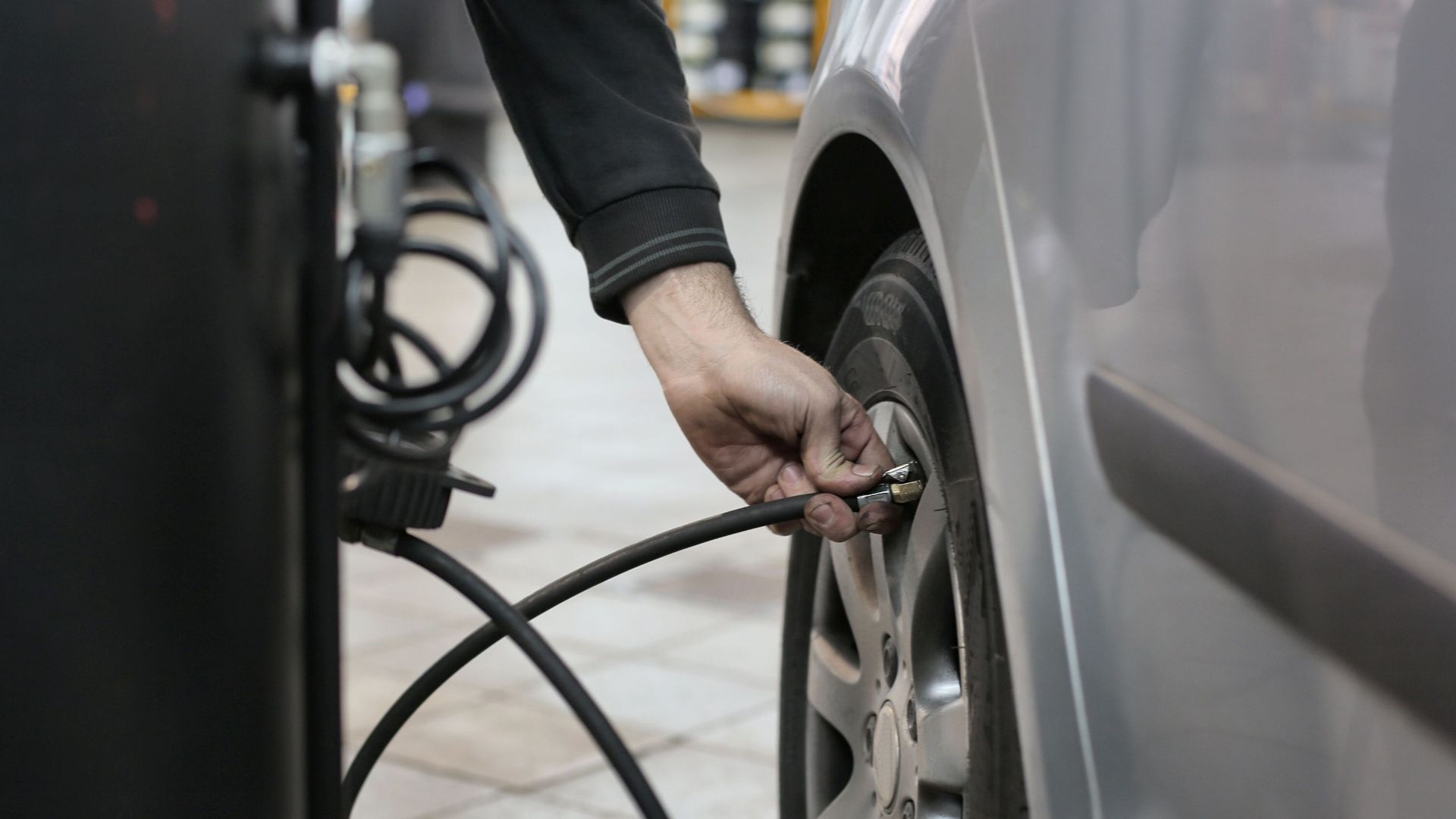
Correct inflation cannot eliminate potholes, but it gives the tire the best chance of operating as intended. NHTSA calls proper tire pressure an important part of tire safety and recommends checking pressure at least monthly when the tires are cold. AAA also warns that worn or underinflated tires increase the risk of wheel or suspension damage after a pothole strike. Large-wheel SUV owners have especially good reason to make pressure checks routine.
Use The Door Sticker Not The Sidewall
The correct inflation pressure normally comes from the vehicle manufacturer, not the maximum number printed on the tire. NHTSA directs drivers to the Tire and Loading Information Label on the driver's door area or to the owner's manual for the recommended pressure. The agency also recommends checking tires when cold for an accurate reading. Inflating blindly to the tire's sidewall maximum is not the proper procedure.
 Matti Blume, Wikimedia Commons
Do Not Rely Entirely On The Warning Light
Modern tire-pressure monitoring systems are useful, but they do not replace routine checks with a gauge. NHTSA says these systems generally warn the driver after a tire has become significantly underinflated. A tire can also lose pressure suddenly after striking a pothole or curb. Checking pressure manually gives you a chance to notice a developing problem before another hard impact arrives.
Slow Down Before The Impact
When a pothole cannot safely be avoided, vehicle speed plays an important role in the severity of the strike. AAA advises drivers to reduce speed safely before reaching the pothole because higher speeds increase the chance of tire, wheel, and suspension damage. The organization also cautions drivers to check surrounding traffic before braking or maneuvering. Avoiding one damaged wheel is not worth causing a collision.

Release The Brakes Before The Hole
AAA offers a useful detail that many drivers never hear until after a wheel has already been damaged. Its guidance recommends slowing before the pothole and releasing the brakes just before the wheel reaches it. That allows the tire and wheel to roll through the depression rather than meeting the hole while heavy braking loads the front suspension. The priority remains maintaining control and reacting only when traffic conditions allow it.

Puddles Deserve Extra Suspicion
A smooth-looking puddle can conceal a pothole deep enough to ruin a low-profile tire. AAA specifically advises caution around standing water because it may hide road damage. That risk becomes more important when your SUV has very little tire sidewall protecting the rim. Treating an unknown puddle cautiously is cheaper than discovering its depth with a 21-inch wheel.

A Smaller Wheel May Be The Fix
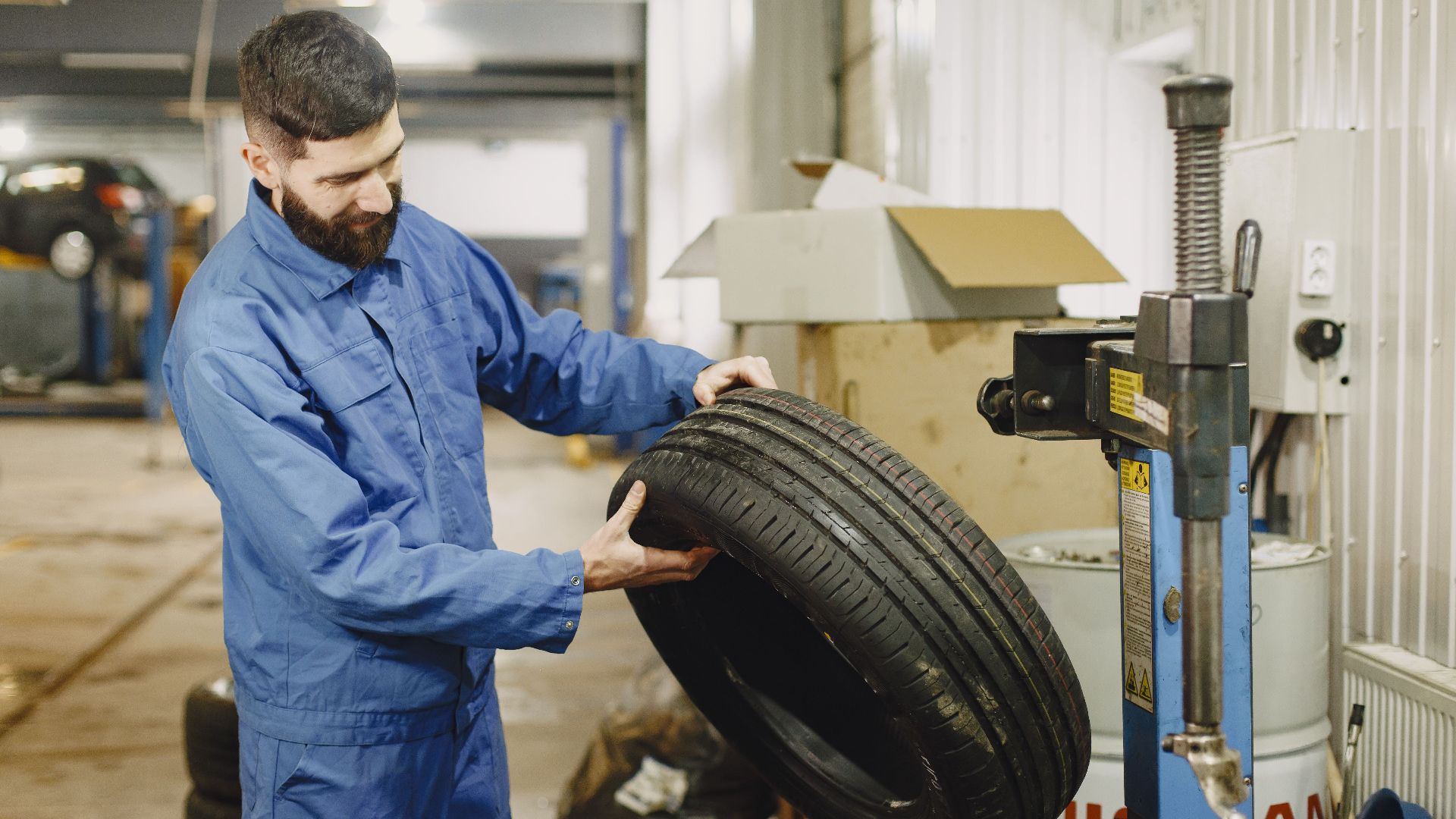
If repeated damage is becoming unacceptable, moving to a smaller wheel with a taller tire sidewall can be a reasonable solution when the vehicle manufacturer approves that combination. The goal is not simply to bolt on the smallest wheel that clears the brakes. The entire tire-and-wheel package has to be appropriate for the specific SUV. Michelin recommends using the original size or another option approved by the vehicle manufacturer.
Do Not Guess At A New Tire Size
Changing wheel diameter changes several variables at once, including tire dimensions and potentially the vehicle's intended operating characteristics. Tire Rack says substantial changes in overall tire diameter can affect speedometer readings and the operation of systems such as ABS, traction control, and stability control. That is why legitimate plus-sizing and downsizing combinations attempt to keep overall tire diameter close to the approved specification. A knowledgeable tire shop should verify the complete fitment rather than selecting a tire based only on appearance.
Load Capacity Is Nonnegotiable
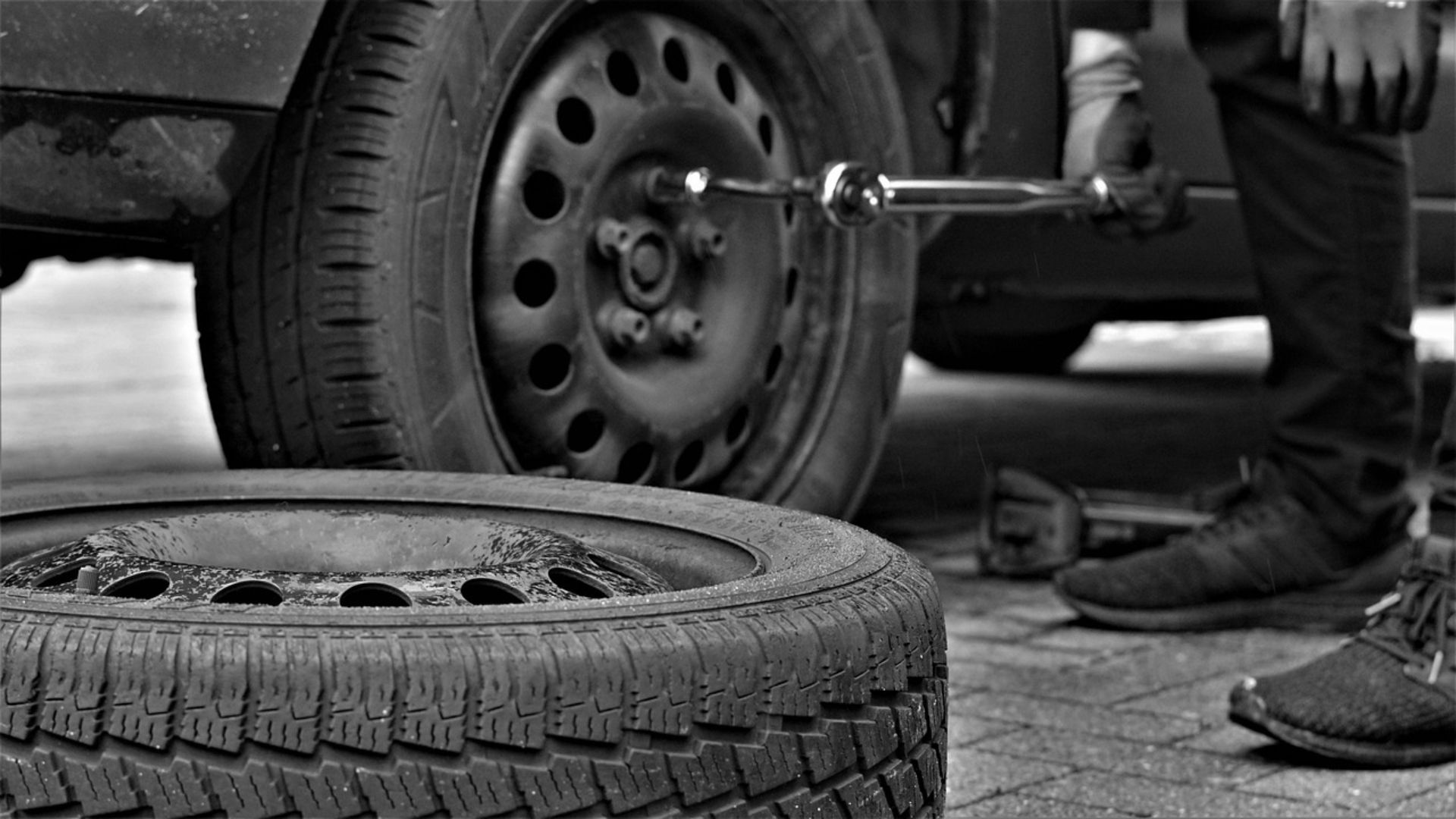
SUVs are heavy, so replacement tires must be capable of carrying the loads the vehicle manufacturer specifies. The U.S. Tire Manufacturers Association says replacement tires should have the size, load index, and speed-rating designation recommended by the vehicle or tire manufacturer. It also warns against installing tires with less load-carrying capacity than originally specified. A taller sidewall is useful only when the tire remains properly rated for the vehicle.
Check The Placard And Manual First
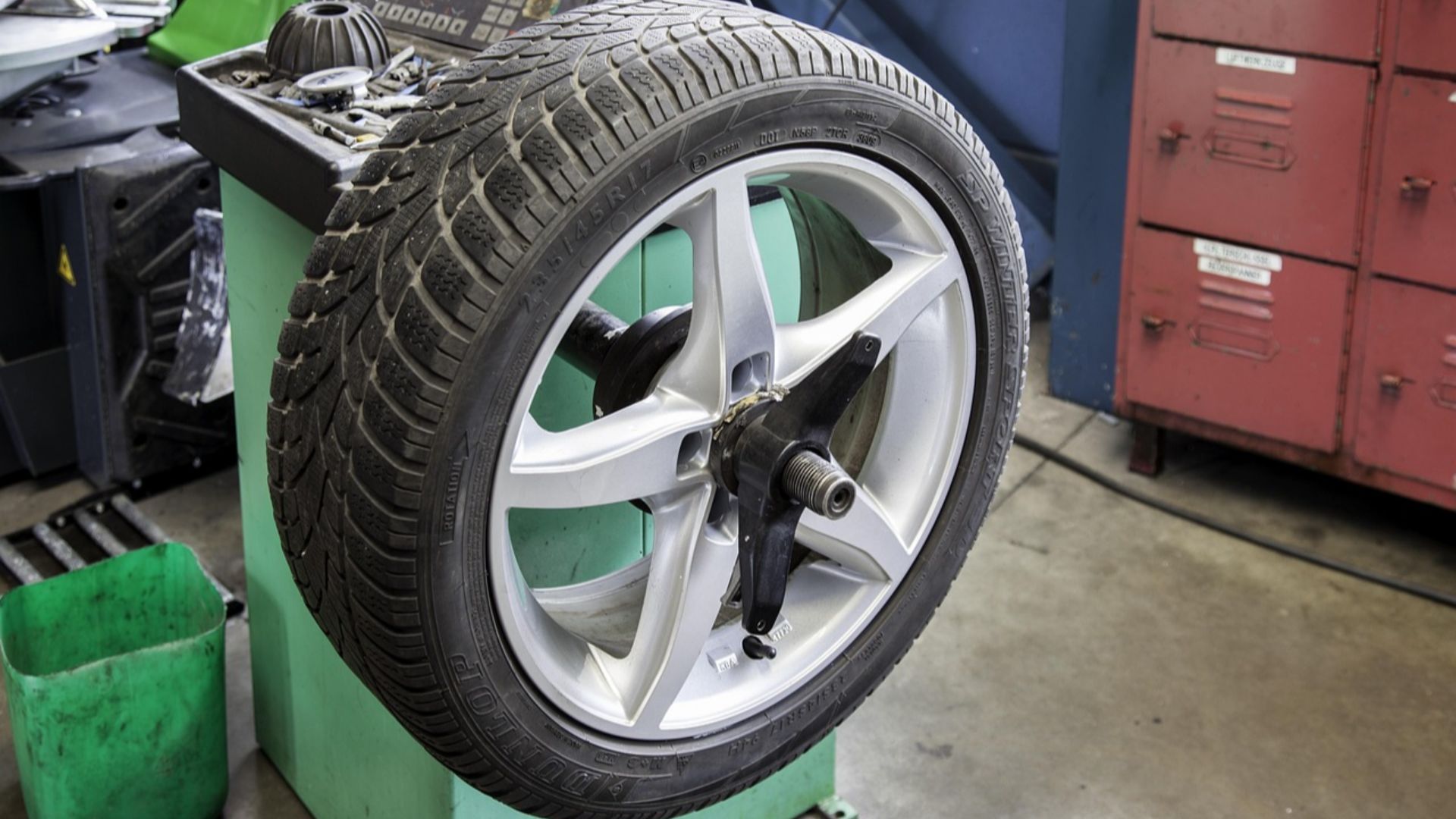
Your driver's-door tire placard and owner's manual should be the starting points before spending money on another wheel set. NHTSA says replacement tires should use the original size or another size recommended by the vehicle manufacturer. USTMA likewise directs drivers to the vehicle label and owner's manual when determining replacement specifications. Those documents can help establish whether your SUV already has an approved smaller-wheel configuration.
Ask About Factory Approved Alternatives
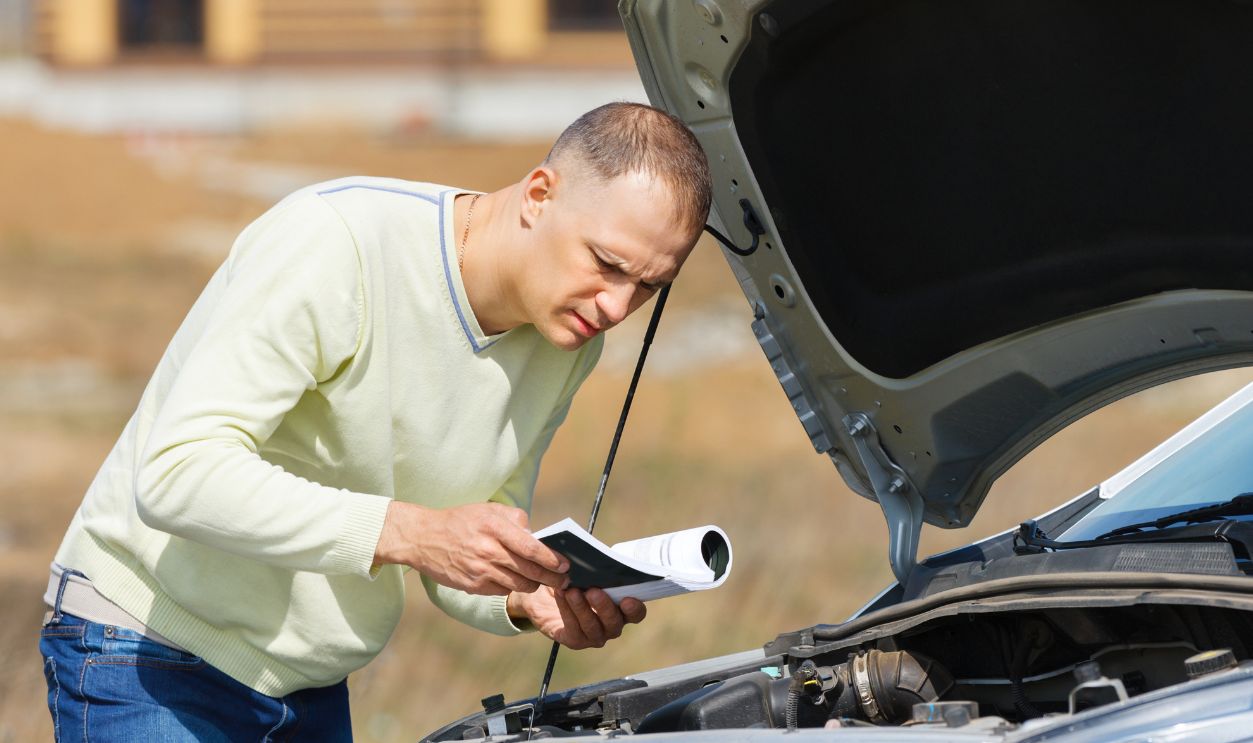
Some SUVs are sold with different wheel diameters depending on configuration, which means an alternate approved setup may exist for your particular vehicle. That does not automatically mean every wheel offered elsewhere in the model range will fit yours, since brake clearance, load requirements, and other specifications can differ. Michelin recommends sticking to the manufacturer's original specification or an approved alternative. A dealer parts department or experienced tire retailer can help verify the exact fitment for your VIN and configuration.
Inspect More Than The Damaged Tire
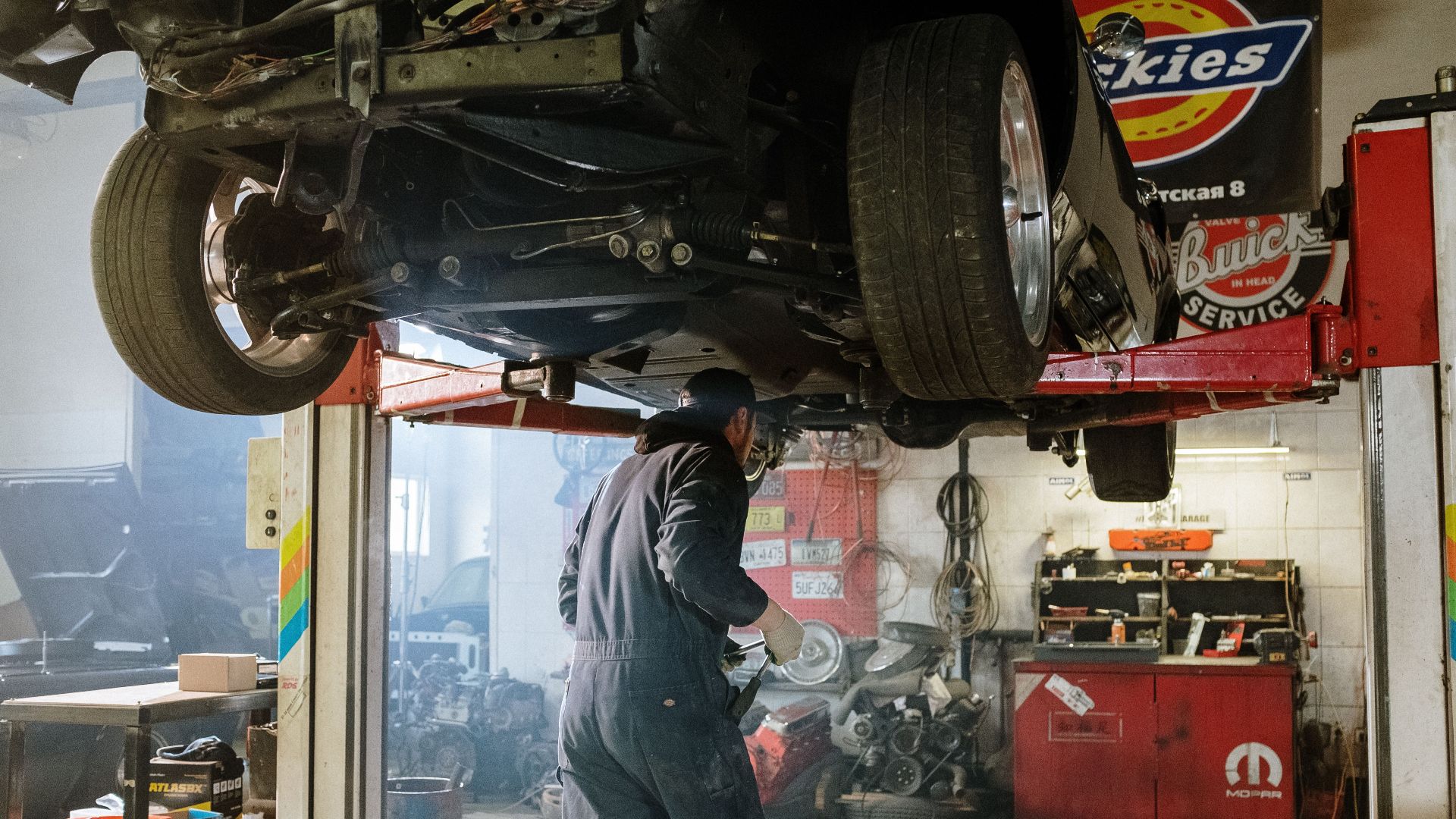
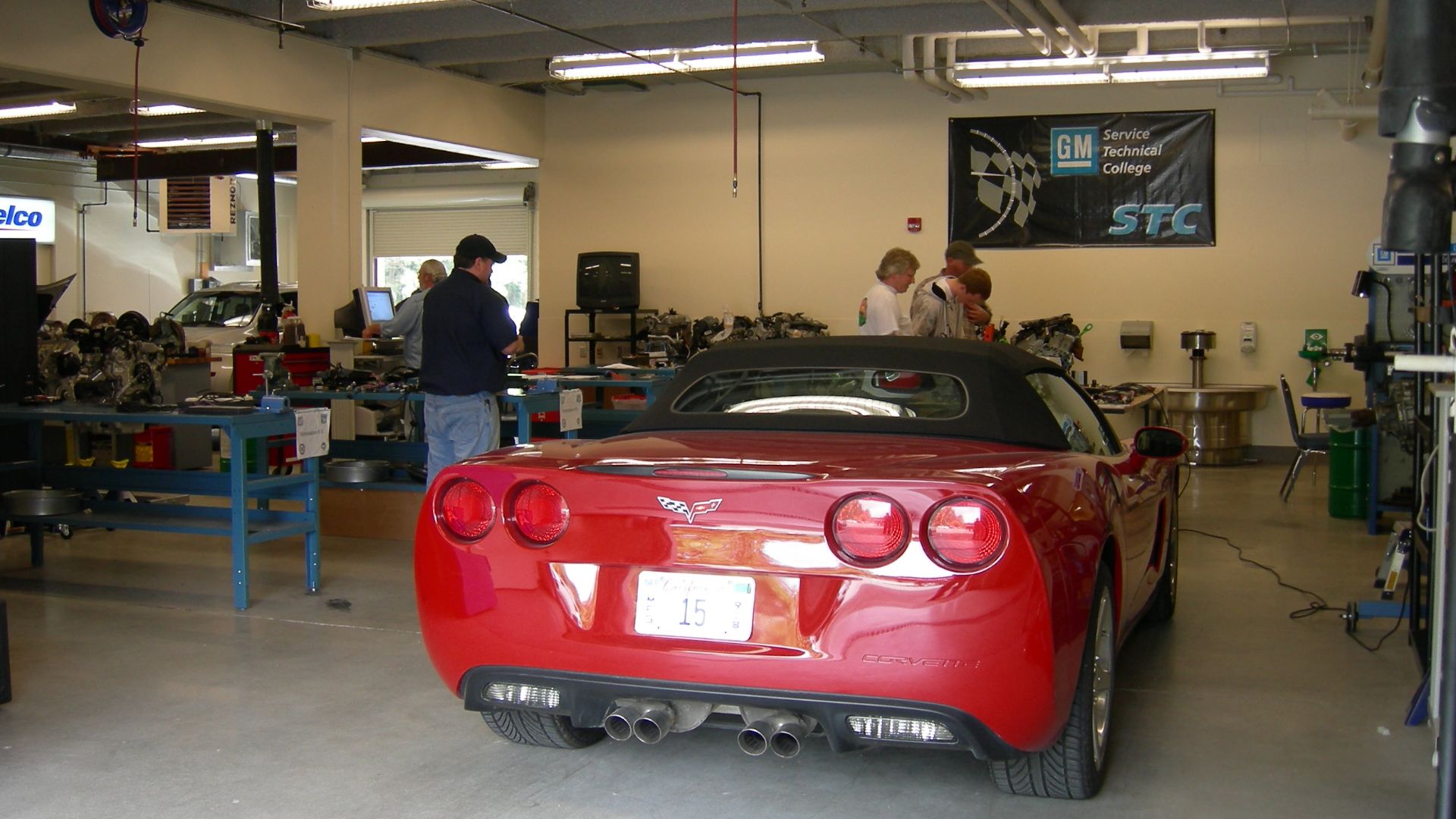
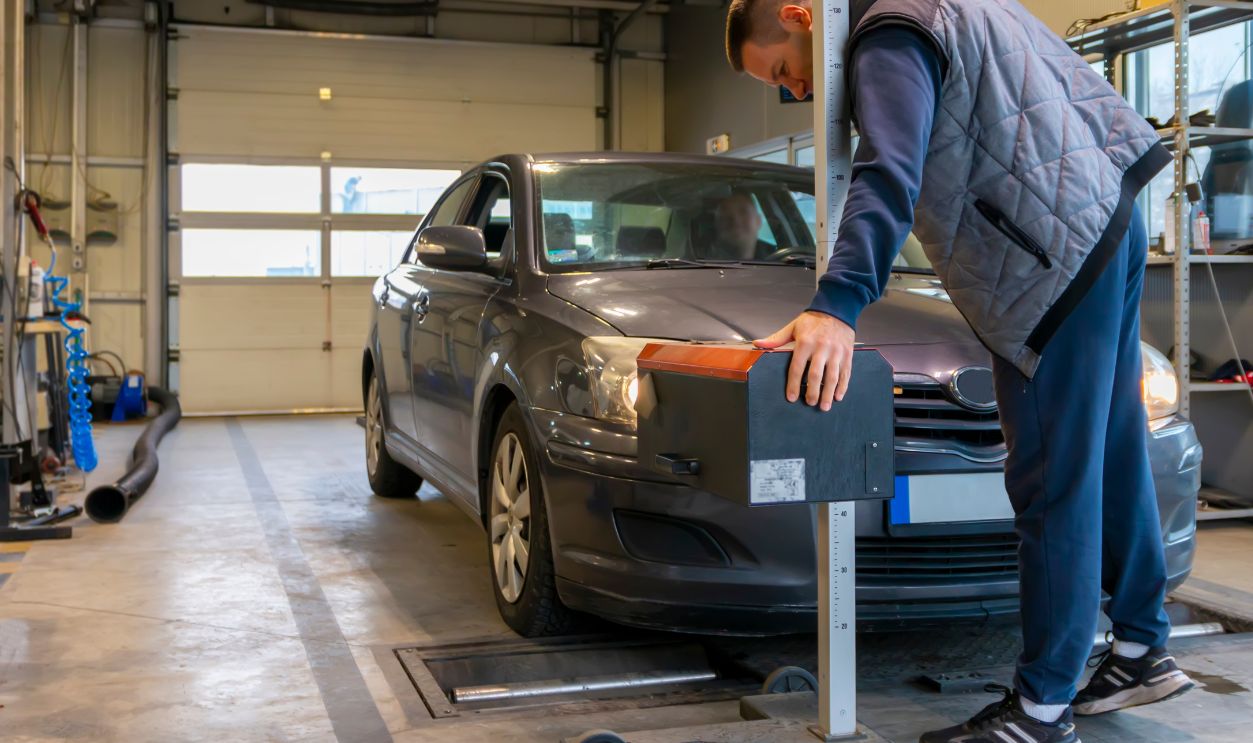
After a major hit, replacing the visibly ruined tire and immediately driving away can miss secondary problems. AAA recommends having the vehicle checked when a hard pothole impact produces unusual noises, vibrations, steering changes, or signs of alignment trouble. Tire Rack also notes that determining the cause of sidewall damage can require examining both the tire and the wheel. A thorough inspection is inexpensive compared with repeatedly destroying replacement tires.
 Anastasija Vujic, Shutterstock
Road Hazard Coverage May Be Worth Checking
Repeated pothole damage can quickly turn tires into a major ownership expense, particularly when large wheel sizes require costly replacements. Some tire retailers offer road-hazard protection, but the terms, exclusions, and reimbursement limits vary by seller and plan. Before buying another tire, check whether your original purchase, replacement tire, lease arrangement, or separate protection plan includes relevant coverage. Read the actual contract rather than assuming ordinary tire warranties cover accidental pothole damage.
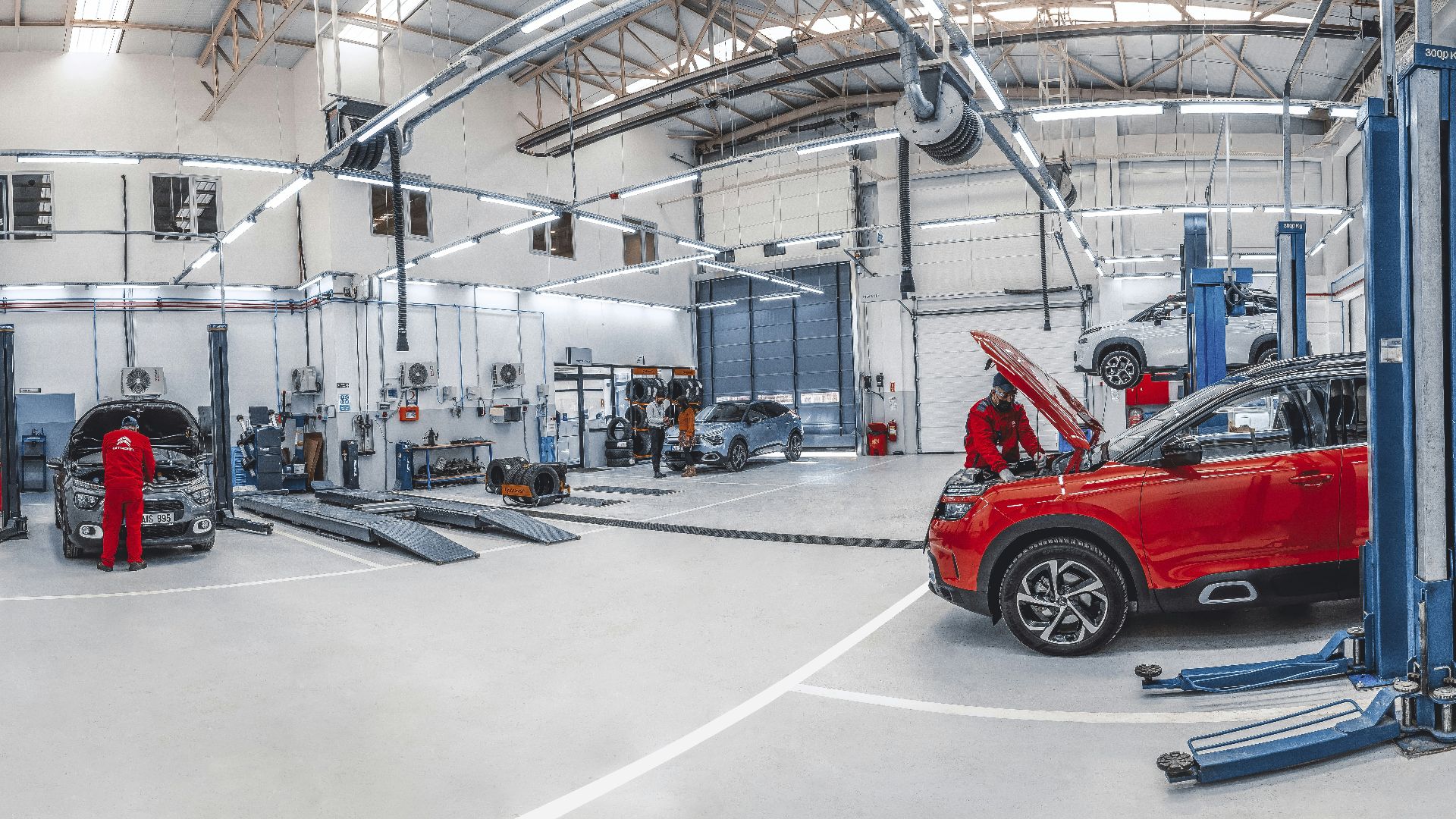
Your Driving Environment Should Influence The Decision
A wheel package that works beautifully on smooth highways can be frustrating on roads scarred by freeze-thaw cycles and neglected pavement. Tire Rack's guidance makes the underlying compromise clear because shorter sidewalls improve responsiveness while increasing vulnerability to road hazards. Drivers who regularly face severe potholes may therefore get more practical value from an approved smaller wheel and taller tire. The best configuration is the one that suits both the vehicle and the roads it actually travels.
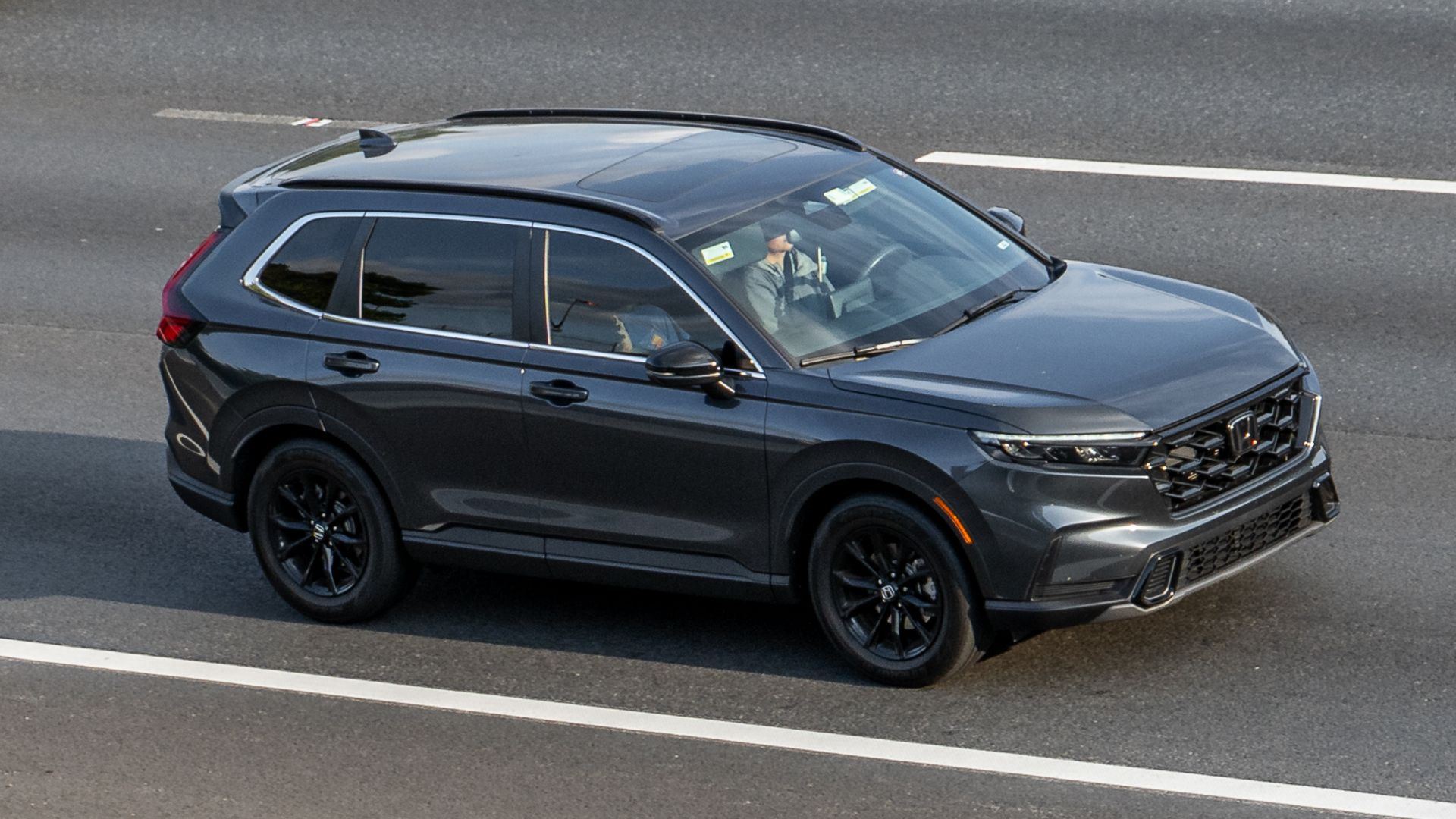 OWS Photography, Wikimedia Commons
So Did You Buy The Wrong Trim
Probably not in the sense that the trim is defective or fundamentally unsuitable for the SUV. You may simply have bought a wheel-and-tire package whose priorities do not match your local roads or your tolerance for repair bills. If the damage keeps happening despite correct tire pressures and careful driving, an approved smaller-wheel package is worth investigating. Giant wheels can look terrific, but a little more tire sidewall can be far more comforting when the pavement turns ugly.
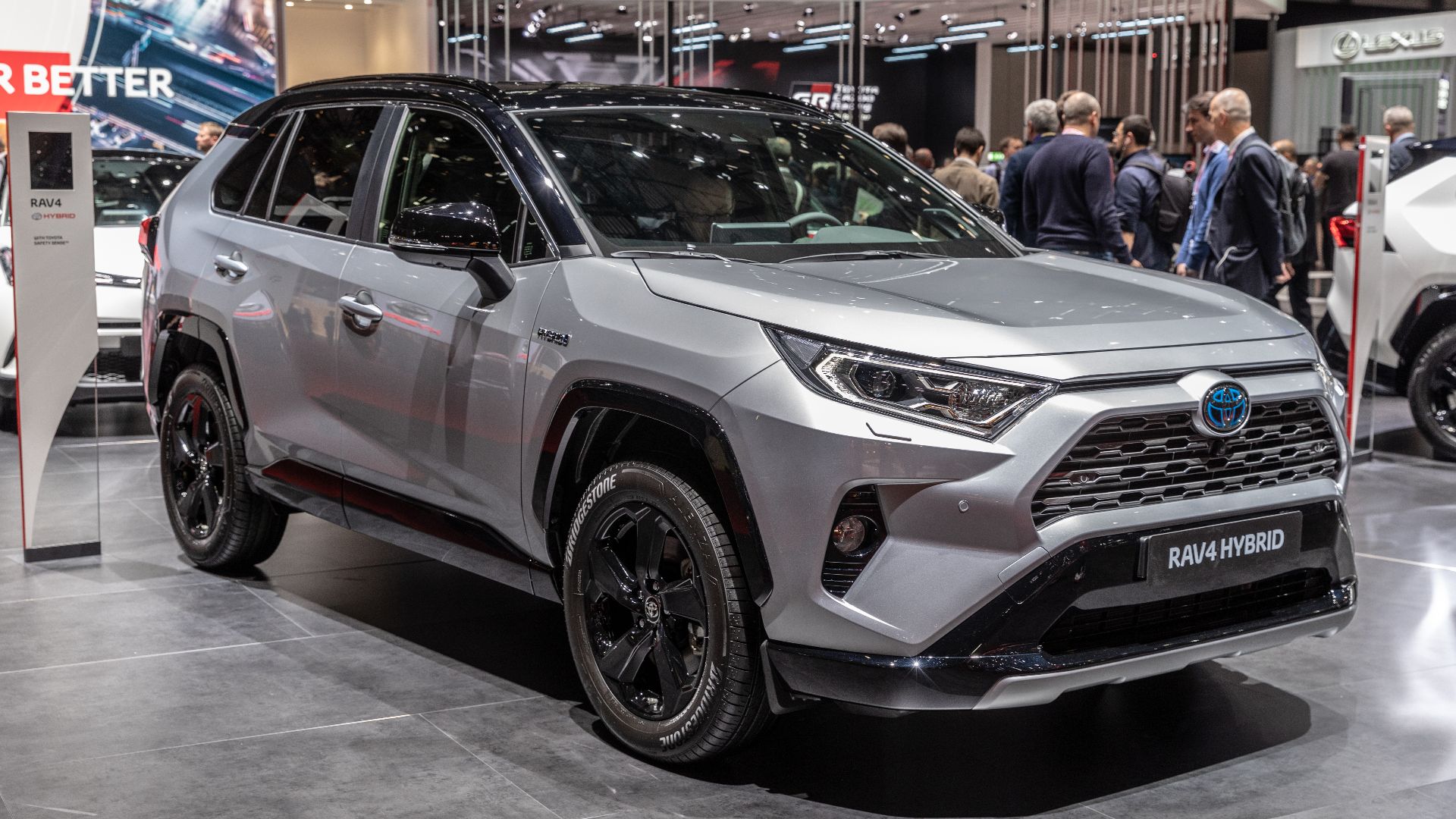 Matti Blume, Wikimedia Commons
You May Also Like:
The Most Overrated Cars Today, According To Car Enthusiasts
People With The Largest Car Collections In The World